

1. Search Result
Search Result
Results for "

neuroprotection activities

" in MedChemExpress (MCE) Product Catalog:

69

Inhibitors & Agonists

2

Screening Libraries

1

Fluorescent Dyes

1

Biochemical Assay Reagents

11

Peptides

1

Inhibitory Antibodies

31

Natural
Products

8

Isotope-Labeled Compounds

1

GMP Molecules

Cat. No. Product Name Target Research Areas Chemical Structure
  • HY-13027
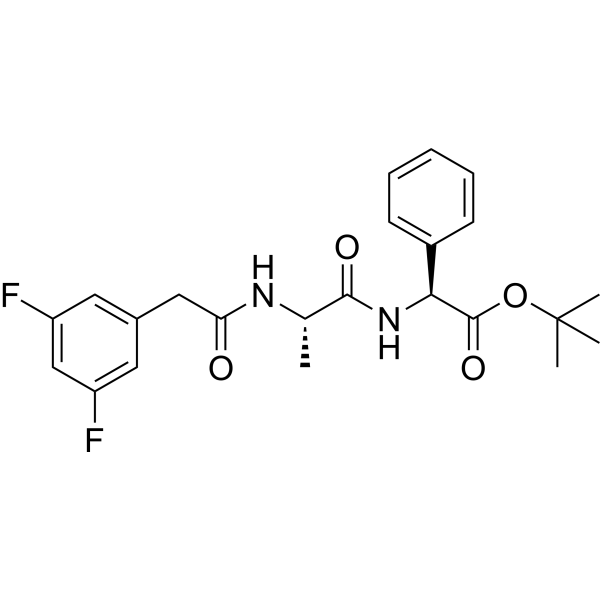
    DAPT
    Maximum Cited Publications
    158 Publications Verification

    GSI-IX

    Organoid γ-secretase Amyloid-β Autophagy Notch Apoptosis Neurological Disease Inflammation/Immunology Cancer
    DAPT (GSI-IX) is a potent and orally active γ-secretase inhibitor with IC50s of 115 nM and 200 nM for total amyloid-β (Aβ) and 42, respectively. DAPT inhibits the activation of Notch 1 signaling and induces cell differentiation. DAPT also induces autophagy and apoptosis. DAPT has neuroprotection activity and has the potential for autoimmune and lymphoproliferative diseases, degenerative disease and cancers treatment .
    DAPT
  • HY-114118
    Semaglutide
    Maximum Cited Publications
    35 Publications Verification

    GLP Receptor Insulin Receptor α-synuclein Apoptosis p38 MAPK Autophagy Bcl-2 Family Neurological Disease Metabolic Disease Cancer
    Semaglutide is a long-acting, selective, competitive GLP-1R agonist that can penetrate the blood-brain barrier. After activating GLP-1R, Semaglutide promotes insulin secretion, inhibits gastric emptying and appetite, and at the same time enhances autophagy, inhibits oxidative stress and apoptosis. Semaglutide also regulates mitochondrial function and lipid metabolism (such as reducing de novo lipogenesis in the liver). Semaglutide has activities such as lowering blood sugar, reducing weight, neuroprotection (such as improving motor function in Parkinson's disease models, reducing α-synuclein aggregation) and improving hepatic steatosis. Semaglutide can be used for the study of neurodegenerative diseases and liver diseases such as type 2 diabetes, obesity, Parkinson's disease, metabolic associated fatty liver disease (MASLD), and cancer .
    Semaglutide
  • HY-B0350A
    Sodium butyrate
    Maximum Cited Publications
    24 Publications Verification

    Butanoic acid sodium; Butyric acid sodium

    HDAC Autophagy Apoptosis Endogenous Metabolite Cancer
    Sodium Butyrate (sodium butanoate) is an inhibitor of HDAC, possessing anti-tumor activity .
    Sodium butyrate
  • HY-N0020
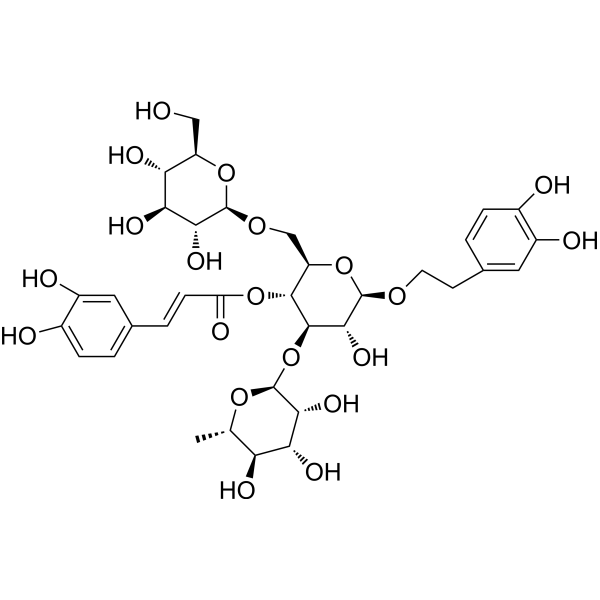
    Echinacoside
    15+ Cited Publications

    Wnt Reactive Oxygen Species (ROS) Neurological Disease
    Echinacoside, one of the phenylethanoids isolated from the stems of Cistanche deserticola, effectively inhibits Wnt/β-catenin signaling. Echinacoside elicits neuroprotection by activating Trk receptors and their downstream signal pathways. Antiosteoporotic activity .
    Echinacoside
  • HY-15128
    9-cis-Retinoic acid
    5 Publications Verification

    Alitretinoin

    RAR/RXR Apoptosis Endogenous Metabolite Neurological Disease Inflammation/Immunology Cancer
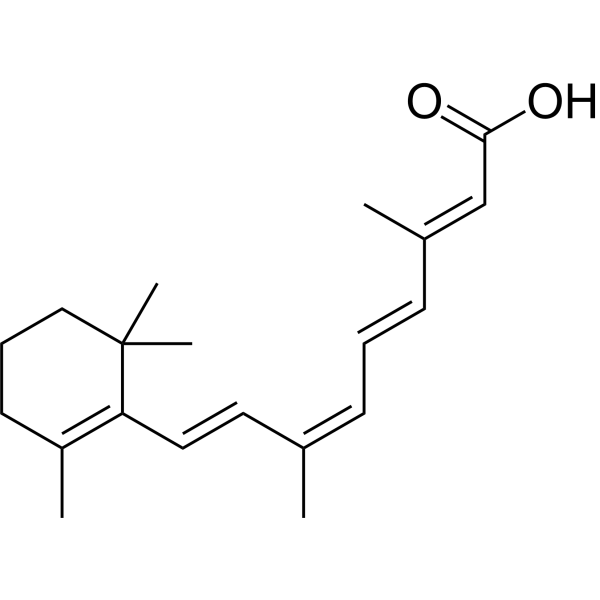
    9-cis-Retinoic acid (ALRT1057), a vitamin A derivative, is a potent RAR/RXR agonist. 9-cis-Retinoic acid induces apoptosis, regulates cell cycle and has anticancer, anti-inflammatory and neuroprotection activities .
    9-cis-Retinoic acid
  • HY-N0570
    Hydroxytyrosol
    5+ Cited Publications

    DOPET; 3,4-Dihydroxyphenethyl alcohol; 3-Hydroxytyrosol

    Apoptosis Bacterial Reactive Oxygen Species (ROS) SARS-CoV Estrogen Receptor/ERR Infection Cardiovascular Disease Neurological Disease Metabolic Disease Inflammation/Immunology Cancer
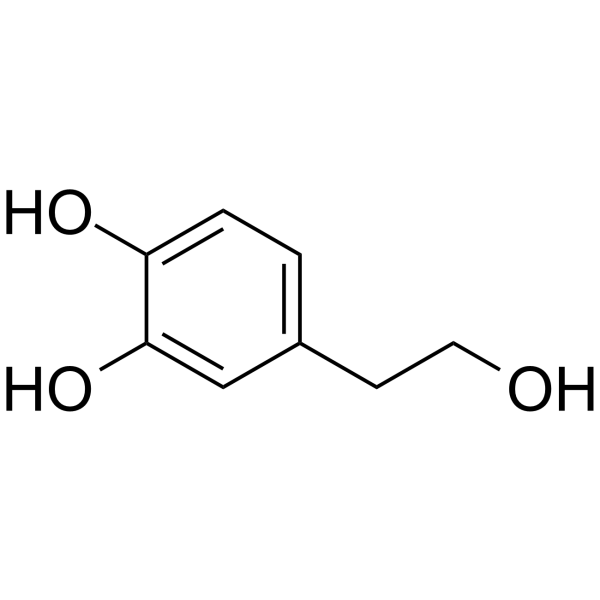
    Hydroxytyrosol (DOPET; 3,4-Dihydroxyphenethyl alcohol) is an orally active, blood-brain barrier-permeable multi-active compound with multiple effects including antibacterial, antioxidant, anti-platelet aggregation, and neuroprotective activities. Hydroxytyrosol not only inhibits the growth of Vibrio by increasing bacterial membrane permeability, but also interacts with DNA and mediates supercoiled DNA relaxation. Meanwhile, Hydroxytyrosol effectively reduces thrombosis and inhibits lipid oxidation by inhibiting COX activity and promoting vascular nitric oxide production. In terms of neuroprotection, Hydroxytyrosol significantly alleviates neuronal apoptosis and inflammatory responses by up-regulating the expression level of ERβ, thereby improving cognitive function in Alzheimer's disease models. Hydroxytyrosol has been widely used in scientific research related to Vibrio infection, arterial thrombosis, Alzheimer's disease and other related fields .
    Hydroxytyrosol
  • HY-N0110
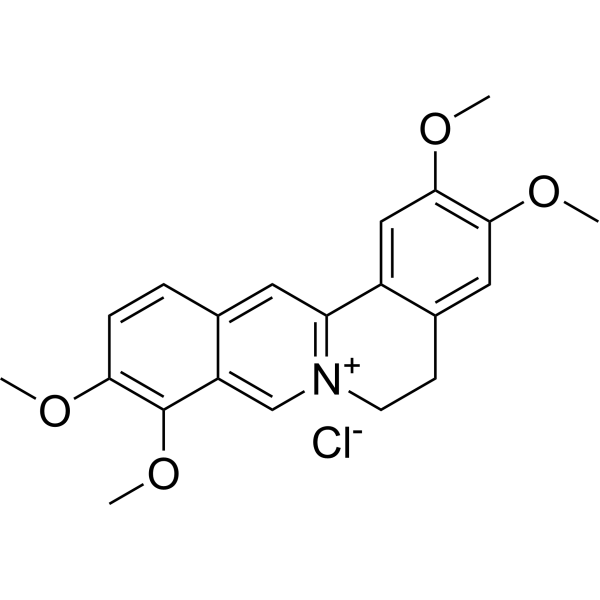
    Palmatine chloride
    5+ Cited Publications

    mAChR Indoleamine 2,3-Dioxygenase (IDO) Virus Protease Aurora Kinase Apoptosis Bacterial Parasite Infection Neurological Disease Metabolic Disease Inflammation/Immunology Cancer
    Palmatine chloride is an orally active and irreversible indoleamine 2,3-dioxygenase 1 (IDO-1) inhibitor with IC50s of 3 μM and 157μM against HEK 293-hIDO-1 and rhIDO-1, respectively. Palmatine chloride can also inhibit West Nile virus (WNV) NS2B-NS3 protease in an uncompetitive manner with an IC50 of 96 μM. Palmatine chloride shows anti-cancer, anti-oxidation, anti-inflammatory, neuroprotection, antibacterial, anti-viral activities .
    Palmatine chloride
  • HY-113416
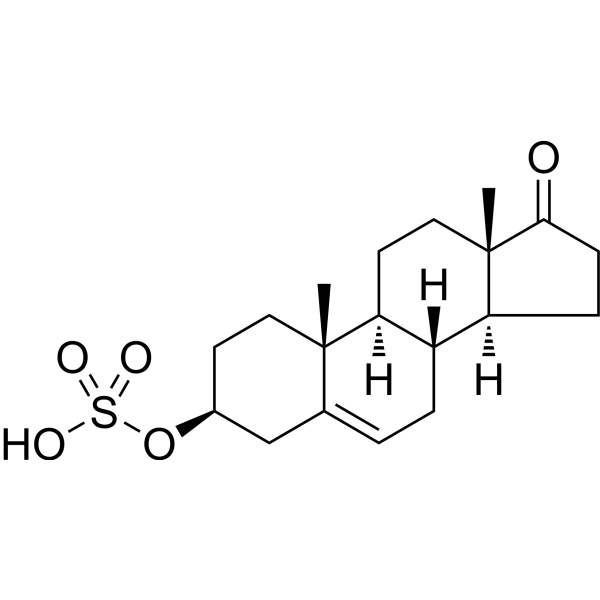
    Dehydroepiandrosterone sulfate
    5 Publications Verification

    DHEA sulfate; Prasterone sulfate

    GABA Receptor Sigma Receptor iGluR PPAR NF-κB Neurological Disease Metabolic Disease Inflammation/Immunology
    Dehydroepiandrosterone sulfate (DHEA sulfate; Prasterone sulfate) is a neurosteroid and the main secretion product of the adrenal gland. Dehydroepiandrosterone sulfate has both non-competitive antagonist activity of GABAA receptor and agonist activity of σ1 receptor. Dehydroepiandrosterone sulfate can partially penetrate the blood-brain barrier, inhibit GABAA receptor-mediated chloride influx, enhance NMDA receptor activity through σ1 receptors, exert anti-inflammatory, anti-glucocorticoid and antidepressant effects, and increase convulsive sensitivity. Dehydroepiandrosterone sulfate participates in neuroprotection, neurite growth regulation and catecholamine secretion regulation, and can be used in the study of depression, post-traumatic stress disorder (PTSD), Alzheimer's disease, etc. Dehydroepiandrosterone sulfate may also be a biomarker for cardiovascular disease mortality, and its concentration is independently and negatively correlated with mortality .
    Dehydroepiandrosterone sulfate
  • HY-114118B
    Semaglutide acetate
    Maximum Cited Publications
    35 Publications Verification

    GLP Receptor Insulin Receptor α-synuclein Apoptosis p38 MAPK Autophagy Bcl-2 Family Neurological Disease Metabolic Disease Cancer
    Semaglutide acetate is a long-acting, selective, competitive GLP-1R agonist that can penetrate the blood-brain barrier. After activating GLP-1R, Semaglutide acetate promotes insulin secretion, inhibits gastric emptying and appetite, and at the same time enhances autophagy, inhibits oxidative stress and apoptosis. Semaglutide acetate also regulates mitochondrial function and lipid metabolism (such as reducing de novo lipogenesis in the liver). Semaglutide acetate has activities such as lowering blood sugar, reducing weight, neuroprotection (such as improving motor function in Parkinson's disease models, reducing α-synuclein aggregation) and improving hepatic steatosis. Semaglutide acetate can be used for the study of neurodegenerative diseases and liver diseases such as type 2 diabetes, obesity, Parkinson's disease, metabolic associated fatty liver disease (MASLD), and cancer .
    Semaglutide acetate
  • HY-114118A
    Semaglutide TFA
    Maximum Cited Publications
    35 Publications Verification

    GLP Receptor Insulin Receptor α-synuclein Apoptosis p38 MAPK Autophagy Bcl-2 Family Neurological Disease Metabolic Disease Cancer
    Semaglutide TFA is a long-acting, selective, competitive GLP-1R agonist that can penetrate the blood-brain barrier. After activating GLP-1R, Semaglutide TFA promotes insulin secretion, inhibits gastric emptying and appetite, and at the same time enhances autophagy, inhibits oxidative stress and apoptosis. Semaglutide TFA also regulates mitochondrial function and lipid metabolism (such as reducing de novo lipogenesis in the liver). Semaglutide TFA has activities such as lowering blood sugar, reducing weight, neuroprotection (such as improving motor function in Parkinson's disease models, reducing α-synuclein aggregation) and improving hepatic steatosis. Semaglutide TFA can be used for the study of neurodegenerative diseases and liver diseases such as type 2 diabetes, obesity, Parkinson's disease, metabolic associated fatty liver disease (MASLD), and cancer .
    Semaglutide TFA
  • HY-N0202
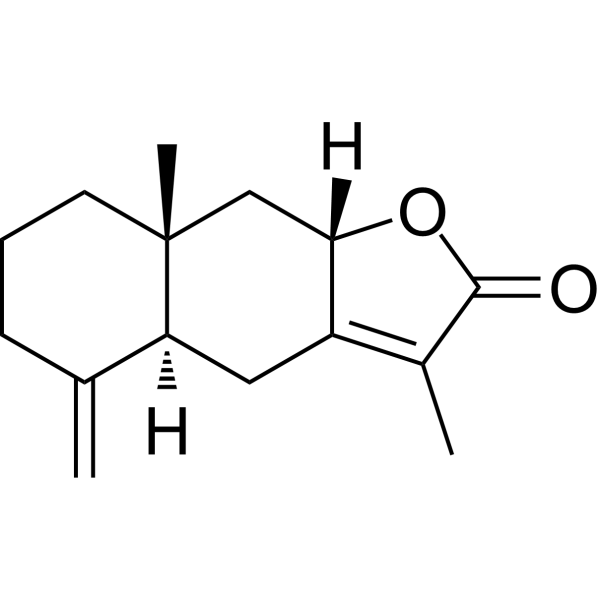
    Atractylenolide II
    3 Publications Verification

    Asterolide

    ERK Apoptosis p38 MAPK Akt Src STAT Cardiovascular Disease Neurological Disease Inflammation/Immunology Cancer
    Atractylenolide II (Asterolide) is a sesquiterpenoid compound. Atractylenolide II can induce G1 phase cell cycle arrest and apoptosis in B16 melanoma cells. Atractylenolide II is an orally effective anticancer agent that can exert anti-melanoma effects by inhibiting the STAT3 signaling pathway. In addition, Atractylenolide II has been shown to ameliorate myocardial fibrosis, oxidative stress, and neuroprotective activity .
    Atractylenolide II
  • HY-B0765
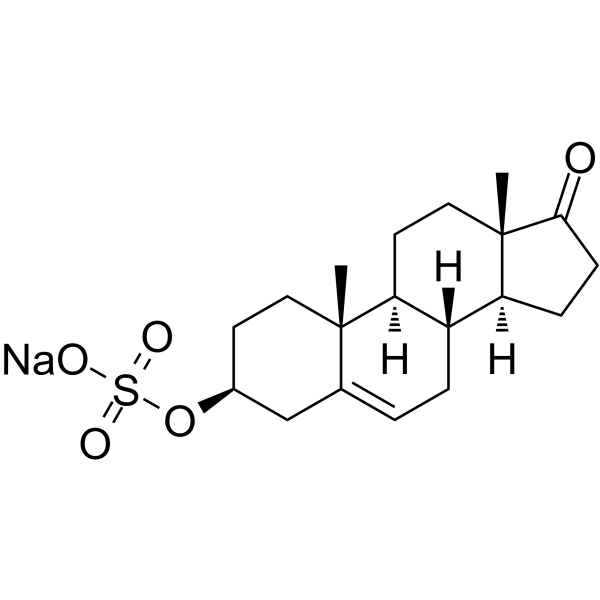
    Dehydroepiandrosterone sulfate sodium
    5 Publications Verification

    DHEA sulfate sodium; Prasterone sulfate sodium

    GABA Receptor Sigma Receptor iGluR PPAR NF-κB Neurological Disease Metabolic Disease Inflammation/Immunology
    Dehydroepiandrosterone sulfate (DHEA sulfate; Prasterone sulfate) sodium salt is a neurosteroid and the main secretion product of the adrenal gland. Dehydroepiandrosterone sulfate sodium salt has both non-competitive antagonist activity of GABAA receptor and agonist activity of σ1 receptor. Dehydroepiandrosterone sulfate sodium salt can partially penetrate the blood-brain barrier, inhibit GABAA receptor-mediated chloride influx, enhance NMDA receptor activity through σ1 receptors, exert anti-inflammatory, anti-glucocorticoid and antidepressant effects, and increase convulsive sensitivity. Dehydroepiandrosterone sulfate sodium salt participates in neuroprotection, neurite growth regulation and catecholamine secretion regulation, and can be used in the study of depression, post-traumatic stress disorder (PTSD), Alzheimer's disease, etc. Dehydroepiandrosterone sulfate sodium salt may also be a biomarker for cardiovascular disease mortality, and its concentration is independently and negatively correlated with mortality .
    Dehydroepiandrosterone sulfate sodium
  • HY-N0615
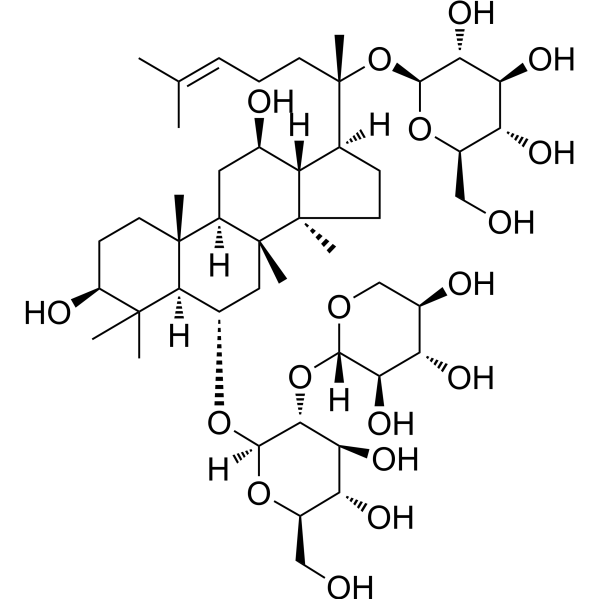
    Notoginsenoside R1
    2 Publications Verification

    Sanchinoside R1; Sanqi glucoside R1

    Amyloid-β Apoptosis Others
    Notoginsenoside R1 (Sanchinoside R1), a saponin, is isolated from P. notoginseng. Notoginsenoside R1 exhibits anti-oxidation, anti-inflammatory, anti-angiogenic, and anti-apoptosis activities. Notoginsenoside R1 provides cardioprotection against ischemia/reperfusion (I/R) injury. Notoginsenoside R1 also provides neuroprotection in H2O2-induced oxidative damage in PC12 cells .
    Notoginsenoside R1
  • HY-114118CP

    GLP Receptor Insulin Receptor α-synuclein Apoptosis p38 MAPK Autophagy Bcl-2 Family Neurological Disease Metabolic Disease Cancer
    Semaglutide (crude) is the crude form of Semaglutide (HY-114118). Semaglutide is a long-acting, selective, competitive GLP-1R agonist that can penetrate the blood-brain barrier. After activating GLP-1R, Semaglutide promotes insulin secretion, inhibits gastric emptying and appetite, and at the same time enhances Autophagy, inhibits oxidative stress and Apoptosis. Semaglutide also regulates mitochondrial function and lipid metabolism (such as reducing de novo lipogenesis in the liver). Semaglutide has activities such as lowering blood sugar, reducing weight, neuroprotection (such as improving motor function in Parkinson's disease models, reducing α-synuclein aggregation) and improving hepatic steatosis. Semaglutide can be used for the study of neurodegenerative diseases and liver diseases such as type 2 diabetes, obesity, Parkinson's disease, metabolic associated fatty liver disease (MASLD), and cancer .
    Semaglutide (crude)
  • HY-114118S3

    Isotope-Labeled Compounds GLP Receptor Insulin Receptor α-synuclein Apoptosis p38 MAPK Autophagy Bcl-2 Family Metabolic Disease
    Semaglutide- 13C6, 15N TFA is the 13C- and 15N-labeled Semaglutide TFA (HY-114118A). Semaglutide TFA is a long-acting, selective, competitive GLP-1R agonist that can penetrate the blood-brain barrier. After activating GLP-1R, Semaglutide TFA promotes insulin secretion, inhibits gastric emptying and appetite, and at the same time enhances autophagy, inhibits oxidative stress and apoptosis. Semaglutide TFA also regulates mitochondrial function and lipid metabolism (such as reducing de novo lipogenesis in the liver). Semaglutide TFA has activities such as lowering blood sugar, reducing weight, neuroprotection (such as improving motor function in Parkinson's disease models, reducing α-synuclein aggregation) and improving hepatic steatosis. Semaglutide TFA can be used for the study of neurodegenerative diseases and liver diseases such as type 2 diabetes, obesity, Parkinson's disease, metabolic associated fatty liver disease (MASLD), and cancer .
    Semaglutide-13C6,15N TFA
  • HY-N1475
    Nicotiflorin
    4 Publications Verification

    Others Neurological Disease
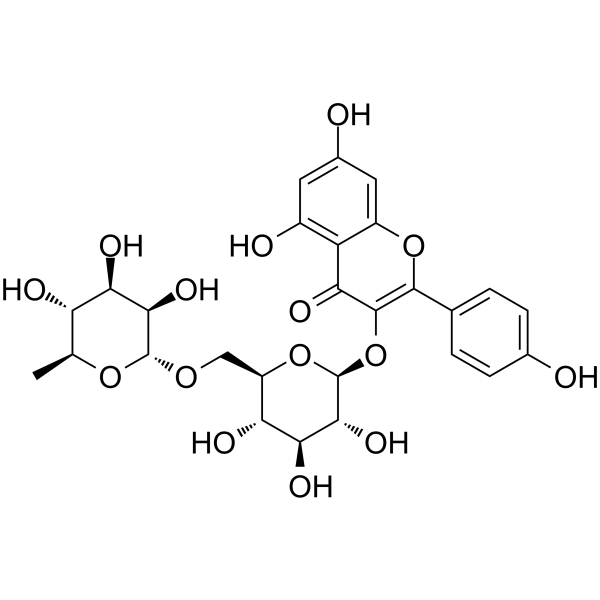
    Nicotiflorin is a flavonoid glycoside extracted from a traditional Chinese medicine Carthamus tinctorius. Nicotiflorin shows potent antiglycation activity and neuroprotection effects.
    Nicotiflorin
  • HY-B1018A
    Phenelzine sulfate
    5+ Cited Publications

    Monoamine Oxidase GABA Receptor Histone Demethylase Cardiovascular Disease Neurological Disease Metabolic Disease Inflammation/Immunology Cancer
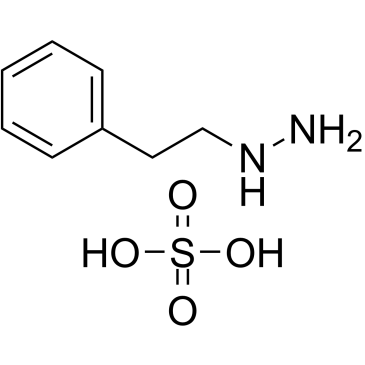
    Phenelzine sulfate, an antidepressant agent, is an irreversible and orally active monoamine oxidase (MAO-A and MAO-B) inhibitor. Phenelzine sulfate inhibits GABA transaminase and primary amine oxidase (PrAO), and sequester reactive aldehydes. Phenelzine sulfate also inhibits LSD1 (Ki: 5.6 μM) and suppresses oxidative stress and lipogenesis. Phenelzine sulfate elevates neurotransmitters (serotonin, norepinephrine, dopamine). Phenelzine sulfate is studied in neurological, metabolic and cancer diseases for depression and anxiety disorders, stroke, spinal cord injury, traumatic brain injury, multiple sclerosis, Parkinson’s disease, Alzheimer’s disease, inflammatory pain, obesity and prostate cancer .
    Phenelzine sulfate
  • HY-105174A

    JAK FAK Neurological Disease Metabolic Disease
    BPC 157 acetate is an orally active peptide. BPC 157 acetate exhibits multiple activities such as promoting wound healing, tendon healing, neuroprotection, and gastrointestinal protection. BPC 157 acetate can be used in the research of tendon injury, burn, gastric ulcer, and neurological diseases .
    BPC 157 acetate
  • HY-N8264
    Moringin
    1 Publications Verification

    TRP Channel Neurological Disease Inflammation/Immunology Cancer
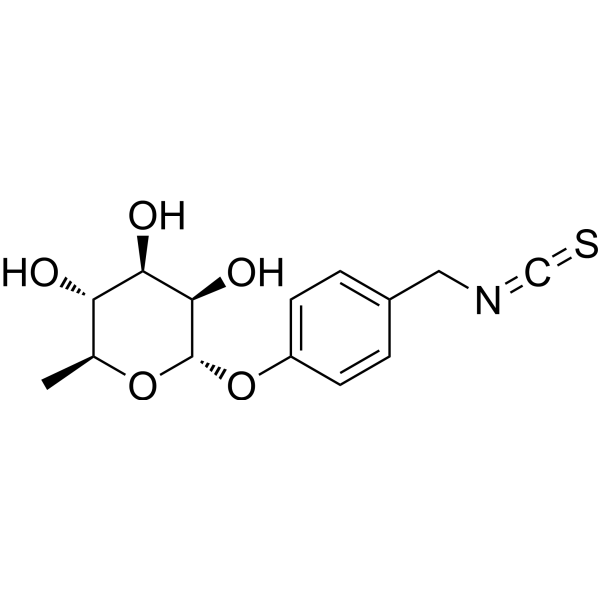
    Moringin is a potent and selective TRPA1 ion channel natural agonist with an EC50 of 3.14 μM. Moringin does not activate or activates very weakly the vanilloids somatosensory channels TRPV1, TRPV2, TRPV3 and TRPV4, and the melastatin cooling receptor TRPM8. Moringin has hypoglycemic, antimicrobial, anti-inflammatory, anticancer and neuroprotection activities .
    Moringin
  • HY-155482
    NA-184
    1 Publications Verification

    Proteasome Neurological Disease
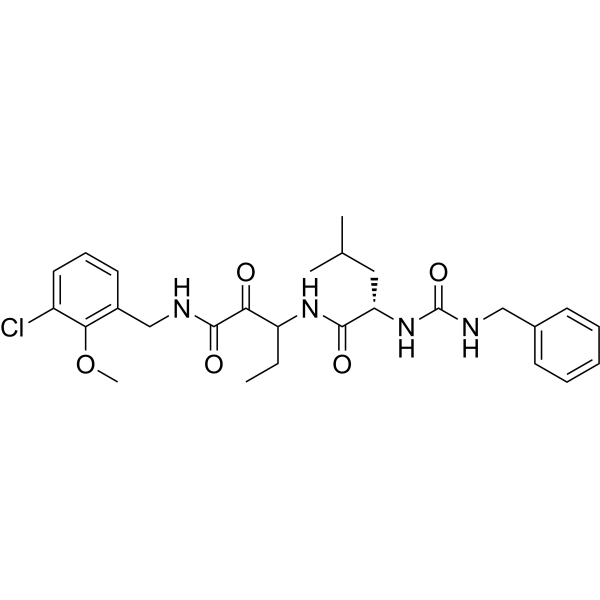
    NA-184 is a selective and brain-penetrant calpain-2 inhibitor with an IC50 of 134 nM for mouse calpain-2. NA-184 has weak inhibitory activity on calpain-1 (IC50 of 2826 nM). NA-184 does not exhibit significant inhibition on a variety of other cysteine-, serine- or metallo-proteases. NA-184 shows significant neuroprotection and can be used for the study of traumatic brain injury (TBI) .
    NA-184
  • HY-134356

    AICAR-5'-MP

    Endogenous Metabolite Others
    AICA-riboside, 5′-phosphate is AICA riboside with a phosphate group. The functions of AICA riboside include: 1) conversion into AMP mimetic to selectively activate AMPK; 2) competition with adenosine for the uptake of nucleoside transporters, reversible blocking of adenosine reuptake, increasing extracellular adenosine concentration, and indirectly activating adenosine A1 receptors. AICA riboside is involved in metabolic regulation (promoting catabolism and inhibiting anabolism) and adenosine-dependent neuroprotection (inhibiting excitatory synaptic transmission). AICA riboside can be used in the study of metabolic diseases (such as diabetes and obesity) and neurological diseases (such as ischemia and epilepsy), and has central nervous system protective activity .
    AICA-riboside, 5′-phosphate
  • HY-N0110A

    mAChR Indoleamine 2,3-Dioxygenase (IDO) Virus Protease Aurora Kinase Apoptosis Bacterial Parasite Infection Neurological Disease Metabolic Disease Inflammation/Immunology Cancer
    Palmatine is an orally active and irreversible indoleamine 2,3-dioxygenase 1 (IDO-1) inhibitor with IC50s of 3 μM and 157μM against HEK 293-hIDO-1 and rhIDO-1, respectively. Palmatine can also inhibit West Nile virus (WNV) NS2B-NS3 protease in an uncompetitive manner with an IC50 of 96 μM. Palmatine shows anti-cancer, anti-oxidation, anti-inflammatory, neuroprotection, antibacterial, anti-viral activities .
    Palmatine
  • HY-N5063
    Plantainoside D
    2 Publications Verification

    Angiotensin-converting Enzyme (ACE) IKK Calcium Channel PKC Reactive Oxygen Species (ROS) NF-κB Apoptosis Sirtuin NOD-like Receptor (NLR) Cardiovascular Disease Neurological Disease Inflammation/Immunology
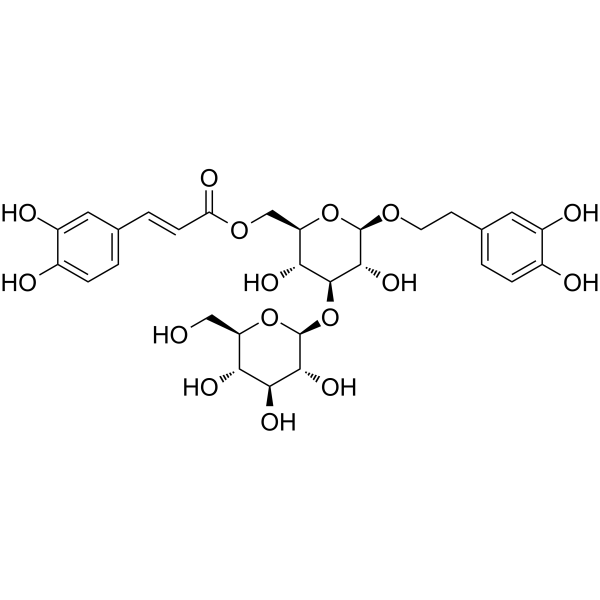
    Plantainoside D, a phenylethanoid glycosides, is a IKK-β inhibitor with diverse biological activities. Plantainoside D shows inhibitory activity of angiotensin-converting enzyme (ACE) with an IC50 of 2.17 mM. Plantainoside D significantly reduces the release of glutamate from nerve terminals in the cerebral cortex of rats by inhibiting the voltage-dependent calcium channel (VDCCs) and protein kinase C (PKC) signaling cascade. Plantainoside D significantly alleviates cell apoptosis by inhibiting the generation of ROS and the activation of NF-κB. Plantainoside D significantly improves acute lung injury (ALI) induced by sepsis by regulating the Sirt3/NLRP3 signaling pathway. Plantainoside D can be used for the study of neuroprotection, antioxidant, anti-inflammation, antihypertension .
    Plantainoside D
  • HY-N0809
    Sesamolin
    2 Publications Verification

    p38 MAPK JNK Caspase Reactive Oxygen Species (ROS) NF-κB Neurological Disease Metabolic Disease Inflammation/Immunology
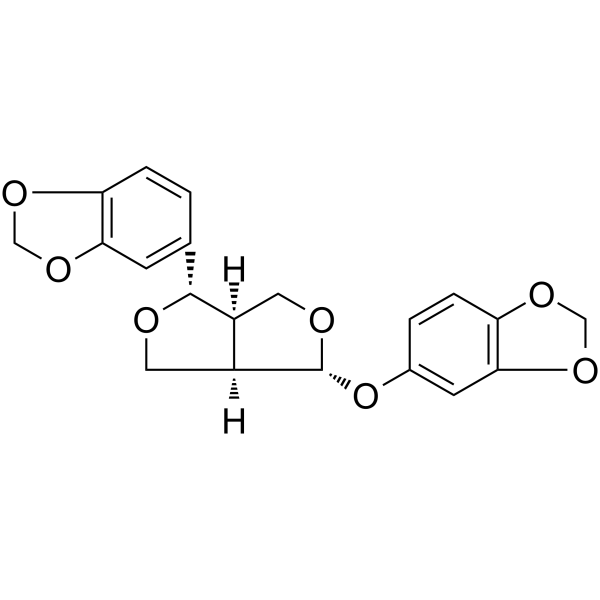
    Sesamolin, isolated from Sesamum indicum, has antioxidative activity, Sesamolin inhibits lipid peroxidation and shows neuroprotection effect. Sesamolinl potently inhibits MAPK cascades by preventing phosphorylation of JNK, p38 MAPKs, and caspase-3 but not ERK-MAPK expression. Sesamolin is orally active .
    Sesamolin
  • HY-N2259
    Curcumenol
    4 Publications Verification

    (+)-Curcumenol

    Cytochrome P450 Neurological Disease Inflammation/Immunology Cancer
    Curcumenol ((+)-Curcumenol) is a potent CYP3A4 inhibitor with an IC50 of 12.6 μM, which is one of constituents in the plants of medicinally important genus of Curcuma zedoaria, with neuroprotection, anti-inflammatory, anti-tumor and hepatoprotective activities. Curcumenol ((+)-Curcumenol) suppresses Akt-mediated NF-κB activation and p38 MAPK signaling pathway in LPS-stimulated BV-2 microglial cells .
    Curcumenol
  • HY-P99359

    ABT-555; AE12-1Y-QL; Anti-RGMA Reference Antibody (elezanumab)

    TGF-beta/Smad Metabolic Disease
    Elezanumab (ABT-555; AE12-1Y-QL) is a human monoclonal antibody that selectively targets repulsive guidance molecule A (RGMa). Elezanumab potently inhibited RGMa mediated BMP signalling via the SMAD1/5/8 pathway, with an IC50 around 97 pM. Elezanumab promotes neuroregeneration and neuroprotection in neuronal injury and demyelination models binds N-terminal RGMa, blocks BMP signaling and lacks RGMc cross-reactivity. elezanumab has neuroregenerative and neuroprotective activities without impact on iron metabolism .
    Elezanumab
  • HY-N6043

    Apoptosis Reactive Oxygen Species (ROS) Bacterial SARS-CoV Estrogen Receptor/ERR Infection Neurological Disease Inflammation/Immunology
    Hydroxytyrosol acetate is an orally active, blood-brain barrier-permeable multi-active compound with multiple effects including antibacterial, antioxidant, anti-platelet aggregation, and neuroprotective activities. Hydroxytyrosol acetate not only inhibits the growth of Vibrio by increasing bacterial membrane permeability, but also interacts with DNA and mediates supercoiled DNA relaxation. Meanwhile, Hydroxytyrosol acetate effectively reduces thrombosis and inhibits lipid oxidation by inhibiting COX activity and promoting vascular nitric oxide production. In terms of neuroprotection, Hydroxytyrosol acetate significantly alleviates neuronal apoptosis and inflammatory responses by up-regulating the expression level of ERβ, thereby improving cognitive function in Alzheimer's disease models. Hydroxytyrosol acetate has been widely used in scientific research related to Vibrio infection, arterial thrombosis, Alzheimer's disease and other related fields .
    Hydroxytyrosol acetate
  • HY-114118S1

    Isotope-Labeled Compounds GLP Receptor Insulin Receptor α-synuclein Apoptosis p38 MAPK Autophagy Bcl-2 Family Neurological Disease Metabolic Disease Cancer
    Semaglutide-d8 tetraTFA is the deuterium labeled Semaglutide (HY-114118). Semaglutide is a long-acting, selective, competitive GLP-1R agonist that can penetrate the blood-brain barrier. After activating GLP-1R, Semaglutide promotes insulin secretion, inhibits gastric emptying and appetite, and at the same time enhances autophagy, inhibits oxidative stress and apoptosis. Semaglutide also regulates mitochondrial function and lipid metabolism (such as reducing de novo lipogenesis in the liver). Semaglutide has activities such as lowering blood sugar, reducing weight, neuroprotection (such as improving motor function in Parkinson's disease models, reducing α-synuclein aggregation) and improving hepatic steatosis. Semaglutide can be used for the study of neurodegenerative diseases and liver diseases such as type 2 diabetes, obesity, Parkinson's disease, metabolic associated fatty liver disease (MASLD), and cancer .
    Semaglutide-d8 tetraTFA
  • HY-114118S

    Isotope-Labeled Compounds GLP Receptor Insulin Receptor α-synuclein Apoptosis p38 MAPK Autophagy Bcl-2 Family Neurological Disease Metabolic Disease Cancer
    Semaglutide-d8 is the deuterium labeled Semaglutide (HY-114118). Semaglutide is a long-acting, selective, competitive GLP-1R agonist that can penetrate the blood-brain barrier. After activating GLP-1R, Semaglutide promotes insulin secretion, inhibits gastric emptying and appetite, and at the same time enhances autophagy, inhibits oxidative stress and apoptosis. Semaglutide also regulates mitochondrial function and lipid metabolism (such as reducing de novo lipogenesis in the liver). Semaglutide has activities such as lowering blood sugar, reducing weight, neuroprotection (such as improving motor function in Parkinson's disease models, reducing α-synuclein aggregation) and improving hepatic steatosis. Semaglutide can be used for the study of neurodegenerative diseases and liver diseases such as type 2 diabetes, obesity, Parkinson's disease, metabolic associated fatty liver disease (MASLD), and cancer .
    Semaglutide-d8
  • HY-130553
    β-Spaglumic acid
    1 Publications Verification

    β-NAAG; β-N-Acetylaspartylglutamic acid

    Aminopeptidase mGluR Neurological Disease
    β-Spaglumic acid (β-NAAG) is a competitive NAAG peptidase inhibitor (Ki=1 µM) that protects spinal cord neurons from excitotoxicity and hypoxic damage. β-Spaglumic acid is also a selective mGluR3 antagonist (mGluR3 receptor functions to regulate activity-dependent synaptic potentiation in the hippocampus). β-Spaglumic acid can be used in neuroprotection-related studies .
    β-Spaglumic acid
  • HY-132334S

    Isotope-Labeled Compounds RAR/RXR Apoptosis Endogenous Metabolite Neurological Disease Inflammation/Immunology Cancer
    9-cis-Retinoic acid-d5 is the deuterium labeled 9-cis-Retinoic acid. 9-cis-Retinoic acid (ALRT1057), a vitamin A derivative, is a potent RAR/RXR agonist. 9-cis-Retinoic acid induces apoptosis, regulates cell cycle and has anticancer, anti-inflammatory and neuroprotection activities .
    9-cis-Retinoic acid-d5
  • HY-N0110B
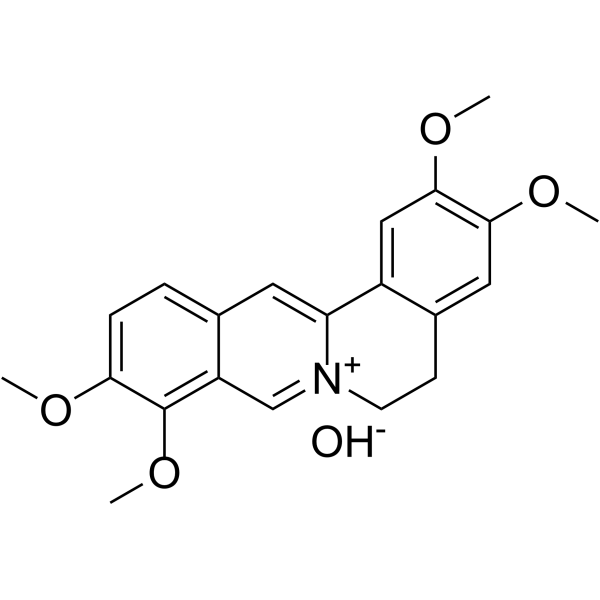
    Palmatine hydroxide
    5+ Cited Publications

    mAChR Indoleamine 2,3-Dioxygenase (IDO) Virus Protease Aurora Kinase Apoptosis Bacterial Parasite Infection Neurological Disease Metabolic Disease Inflammation/Immunology Cancer
    Palmatine hydroxide is an orally active and irreversible indoleamine 2,3-dioxygenase 1 (IDO-1) inhibitor with IC50s of 3 μM and 157μM against HEK 293-hIDO-1 and rhIDO-1, respectively. Palmatine hydroxide can also inhibit West Nile virus (WNV) NS2B-NS3 protease in an uncompetitive manner with an IC50 of 96 μM. Palmatine hydroxide shows anti-cancer, anti-oxidation, anti-inflammatory, neuroprotection, antibacterial, anti-viral activities .
    Palmatine hydroxide
  • HY-141921S

    DHEA sulfate sodium-d6; Prasterone sulfate sodium-d6

    Isotope-Labeled Compounds GABA Receptor Sigma Receptor iGluR PPAR NF-κB Neurological Disease Metabolic Disease Inflammation/Immunology
    Dehydroepiandrosterone sulfate sodium salt-d6 (DHEA sulfate sodium salt-d6; Prasterone sulfate sodium salt-d6) is the deuterium labeled Dehydroepiandrosterone sulfate sodium salt (HY-B0765). Dehydroepiandrosterone sulfate (DHEA sulfate; Prasterone sulfate) sodium salt is a neurosteroid and the main secretion product of the adrenal gland. Dehydroepiandrosterone sulfate sodium salt has both non-competitive antagonist activity of GABAA receptor and agonist activity of σ1 receptor. Dehydroepiandrosterone sulfate sodium salt can partially penetrate the blood-brain barrier, inhibit GABAA receptor-mediated chloride influx, enhance NMDA receptor activity through σ1 receptors, exert anti-inflammatory, anti-glucocorticoid and antidepressant effects, and increase convulsive sensitivity. Dehydroepiandrosterone sulfate sodium salt participates in neuroprotection, neurite growth regulation and catecholamine secretion regulation, and can be used in the study of depression, post-traumatic stress disorder (PTSD), Alzheimer's disease, etc. Dehydroepiandrosterone sulfate sodium salt may also be a biomarker for cardiovascular disease mortality, and its concentration is independently and negatively correlated with mortality .
    Dehydroepiandrosterone sulfate sodium-d6
  • HY-N0570R

    DOPET (Standard); 3,4-Dihydroxyphenethyl alcohol (Standard); 3-Hydroxytyrosol (Standard)

    Reference Standards Apoptosis Bacterial Reactive Oxygen Species (ROS) SARS-CoV Estrogen Receptor/ERR Infection Cardiovascular Disease Neurological Disease Metabolic Disease Inflammation/Immunology Cancer
    Hydroxytyrosol (Standard) (DOPET (Standard)) is the analytical standard of Hydroxytyrosol (HY-N0570). This product is intended for research and analytical applications. Hydroxytyrosol is an orally active, blood-brain barrier-permeable multi-active compound with multiple effects including antibacterial, antioxidant, anti-platelet aggregation, and neuroprotective activities. Hydroxytyrosol not only inhibits the growth of Vibrio by increasing bacterial membrane permeability, but also interacts with DNA and mediates supercoiled DNA relaxation. Meanwhile, Hydroxytyrosol effectively reduces thrombosis and inhibits lipid oxidation by inhibiting COX activity and promoting vascular nitric oxide production. In terms of neuroprotection, Hydroxytyrosol significantly alleviates neuronal apoptosis and inflammatory responses by up-regulating the expression level of ERβ, thereby improving cognitive function in Alzheimer's disease models. Hydroxytyrosol has been widely used in scientific research related to Vibrio infection, arterial thrombosis, Alzheimer's disease and other related fields .
    Hydroxytyrosol (Standard)
  • HY-N0853A
    Alisol A 24-acetate
    1 Publications Verification

    Alisol A 24-monoacetate; Alisol A monoacetate

    AMPK Carnitine Palmitoyltransferase (CPT) Acyltransferase Fatty Acid Synthase (FASN) Acetyl-CoA Carboxylase Bcl-2 Family PPAR Nuclear Factor of activated T Cells (NFAT) PI3K Akt PKA ERK Apoptosis Autophagy Cardiovascular Disease Infection Neurological Disease Metabolic Disease Endocrinology
    Alisol A 24-acetate (Alisol A monoacetate) is an orally active derivative of protostane-type tetracyclic triterpenoid. Alisol A 24-acetate upregulates the expression of adiponectin, AMPKα, CPT1, and ACOX1; downregulates the expression of SREBP-1c, ACC, FAS, Bcl-2, Bcl-xl, PPAR-γ, perilipin A, and NFATc1; inhibits the activity of PI3K/Akt/mTOR and HMGR; and activates the PKA and ERK signaling pathways. Alisol A 24-acetate regulates cell apoptosis (apoptosis), autophagy (Autophagy, hepatic lipid accumulation, inflammatory response, neuroprotection, MRSA membrane integrity, and osteoclast differentiation. Alisol A 24-acetate can be used in research related to non-alcoholic fatty liver disease, nephrotoxicity, obesity, global cerebral ischemia-reperfusion injury, bacterial infection, and osteoporosis .
    Alisol A 24-acetate
  • HY-160604

    FPL 12924; PR 934-423; FPL 13592

    iGluR Neurological Disease
    Remacemide (FPL 12924) is an orally active, non-competitive, low-affinity NMDA receptor antagonist. Remacemide shows neuroprotection activity in animal models of hypoxia and ischemic stroke. Remacemide is also an anticonvulsant, and can be used in Parkinson's disease and Huntington's disease research .
    Remacemide
  • HY-113416R

    DHEA sulfate (Standard); Prasterone sulfate (Standard)

    Reference Standards GABA Receptor Sigma Receptor iGluR PPAR NF-κB Neurological Disease Metabolic Disease Inflammation/Immunology
    Dehydroepiandrosterone sulfate (DHEA sulfate; Prasterone sulfate) (Standard) is the analytical standard of Dehydroepiandrosterone sulfate (HY-113416). This product is intended for research and analytical applications. Dehydroepiandrosterone sulfate (DHEA sulfate; Prasterone sulfate) is a neurosteroid and the main secretion product of the adrenal gland. Dehydroepiandrosterone sulfate has both non-competitive antagonist activity of GABAA receptor and agonist activity of σ1 receptor. Dehydroepiandrosterone sulfate can partially penetrate the blood-brain barrier, inhibit GABAA receptor-mediated chloride influx, enhance NMDA receptor activity through σ1 receptors, exert anti-inflammatory, anti-glucocorticoid and antidepressant effects, and increase convulsive sensitivity. Dehydroepiandrosterone sulfate participates in neuroprotection, neurite growth regulation and catecholamine secretion regulation, and can be used in the study of depression, post-traumatic stress disorder (PTSD), Alzheimer's disease, etc. Dehydroepiandrosterone sulfate may also be a biomarker for cardiovascular disease mortality, and its concentration is independently and negatively correlated with mortality .
    Dehydroepiandrosterone sulfate (Standard)
  • HY-113416AS

    DHEA sulfate-d6 sodium dihydrate; Prasterone sulfate-d6 sodium dihydrate

    Isotope-Labeled Compounds GABA Receptor Sigma Receptor iGluR PPAR NF-κB Neurological Disease Metabolic Disease Inflammation/Immunology
    Dehydroepiandrosterone sulfate sodium dihydrate-d6 sodium dihydrate is the deuterium labeled Dehydroepiandrosterone sulfate sodium dihydrate. Dehydroepiandrosterone sulfate (DHEA sulfate; Prasterone sulfate) sodium dihydrate is a neurosteroid and the main secretion product of the adrenal gland. Dehydroepiandrosterone sulfate sodium dihydrate has both non-competitive antagonist activity of GABAA receptor and agonist activity of σ1 receptor. Dehydroepiandrosterone sulfate sodium dihydrate can partially penetrate the blood-brain barrier, inhibit GABAA receptor-mediated chloride influx, enhance NMDA receptor activity through σ1 receptors, exert anti-inflammatory, anti-glucocorticoid and antidepressant effects, and increase convulsive sensitivity. Dehydroepiandrosterone sulfate sodium dihydrate participates in neuroprotection, neurite growth regulation and catecholamine secretion regulation, and can be used in the study of depression, post-traumatic stress disorder (PTSD), Alzheimer's disease, etc. Dehydroepiandrosterone sulfate sodium dihydrate may also be a biomarker for cardiovascular disease mortality, and its concentration is independently and negatively correlated with mortality .
    Dehydroepiandrosterone sulfate-d6 sodium dihydrate
  • HY-111527

    Calcium Channel Neurological Disease
    PPZ2 is a diacylglycerol (DAG)-activated TRPC3/TRPC6/TRPC7 channel activator with activity in promoting neuronal development and survival. PPZ2 activates recombinant TRPC3/TRPC6/TRPC7 channels in a dose-dependent manner without affecting other TRPC channels. PPZ2 elicits cation currents and calcium ion (Ca(2+)) influx in cultured central neurons. PPZ2 is able to induce BDNF-like neurite outgrowth and neuroprotection, an effect that disappears after TRPC3/TRPC6/TRPC7 knockdown or inhibition. PPZ2 also increases the activation of the calcium-dependent transcription factor cAMP response element binding protein. The effects of PPZ2 suggest that calcium signaling mediated by activation of DAG-activated TRPC channels plays an important role in its neurotrophic effects .
    PPZ2
  • HY-121097

    Dehydrodiacetovanillone

    NADPH Oxidase Neurological Disease Inflammation/Immunology
    Diapocynin (Dehydrodiacetovanillone), a dimeric derivative of Apocynin, is an orally active NADPH oxidase inhibitor. Diapocynin has anti-inflammatory, neuroprotection and antioxidant activities .
    Diapocynin
  • HY-N1475R

    Reference Standards Others Neurological Disease
    Nicotiflorin (Standard) is the analytical standard of Nicotiflorin. This product is intended for research and analytical applications. Nicotiflorin is a flavonoid glycoside extracted from a traditional Chinese medicine Carthamus tinctorius. Nicotiflorin shows potent antiglycation activity and neuroprotection effects.
    Nicotiflorin (Standard)
  • HY-B0350AG

    Butanoic acid sodium; Butyric acid sodium

    HDAC Autophagy Apoptosis Endogenous Metabolite Cancer
    Sodium butyrate (GMP) refers to Sodium butyrate (HY-B0350A) of GMP grade. Small molecules of GMP grade can be used as adjuvants in cell therapy. Sodium Butyrate (sodium butanoate) is an inhibitor of HDAC, possessing anti-tumor activity .
    Sodium butyrate
  • HY-N0020R

    Reference Standards Wnt Reactive Oxygen Species (ROS) Neurological Disease
    Echinacoside (Standard) is the analytical standard of Echinacoside. This product is intended for research and analytical applications. Echinacoside, one of the phenylethanoids isolated from the stems of Cistanche deserticola, effectively inhibits Wnt/β-catenin signaling. Echinacoside elicits neuroprotection by activating Trk receptors and their downstream signal pathways. Antiosteoporotic activity .
    Echinacoside (Standard)
  • HY-N2259R

    (+)-Curcumenol (Standard)

    Reference Standards Cytochrome P450 Neurological Disease Inflammation/Immunology Cancer
    Curcumenol ((+)-Curcumenol) is a potent CYP3A4 inhibitor with an IC50 of 12.6 μM, which is one of constituents in the plants of medicinally important genus of Curcuma zedoaria, with neuroprotection, anti-inflammatory, anti-tumor and hepatoprotective activities. Curcumenol ((+)-Curcumenol) suppresses Akt-mediated NF-κB activation and p38 MAPK signaling pathway in LPS-stimulated BV-2 microglial cells .
    Curcumenol (Standard)
  • HY-N0110R

    Apoptosis Virus Protease Indoleamine 2,3-Dioxygenase (IDO) Parasite Bacterial Aurora Kinase mAChR Reference Standards Infection Neurological Disease Metabolic Disease Inflammation/Immunology Cancer
    Palmatine (chloride) (Standard) is the analytical standard of Palmatine (chloride). This product is intended for research and analytical applications. Palmatine chloride is an orally active and irreversible indoleamine 2,3-dioxygenase 1 (IDO-1) inhibitor with IC50s of 3 μM and 157μM against HEK 293-hIDO-1 and rhIDO-1, respectively. Palmatine chloride can also inhibit West Nile virus (WNV) NS2B-NS3 protease in an uncompetitive manner with an IC50 of 96 μM. Palmatine chloride shows anti-cancer, anti-oxidation, anti-inflammatory, neuroprotection, antibacterial, anti-viral activities .
    Palmatine chloride (Standard)
  • HY-N0570S

    DOPET-d4; 3,4-Dihydroxyphenethyl alcohol-d4; 3-Hydroxytyrosol-d4

    Isotope-Labeled Compounds Apoptosis Bacterial Reactive Oxygen Species (ROS) SARS-CoV Estrogen Receptor/ERR Cardiovascular Disease Infection Neurological Disease Metabolic Disease Inflammation/Immunology Cancer
    Hydroxytyrosol-d4 (DOPET-d4) is the deuterium labeled Hydroxytyrosol (HY-N0570). Hydroxytyrosol is an orally active, blood-brain barrier-permeable multi-active compound with multiple effects including antibacterial, antioxidant, anti-platelet aggregation, and neuroprotective activities. Hydroxytyrosol not only inhibits the growth of Vibrio by increasing bacterial membrane permeability, but also interacts with DNA and mediates supercoiled DNA relaxation. Meanwhile, Hydroxytyrosol effectively reduces thrombosis and inhibits lipid oxidation by inhibiting COX activity and promoting vascular nitric oxide production. In terms of neuroprotection, Hydroxytyrosol significantly alleviates neuronal apoptosis and inflammatory responses by up-regulating the expression level of ERβ, thereby improving cognitive function in Alzheimer's disease models. Hydroxytyrosol has been widely used in scientific research related to Vibrio infection, arterial thrombosis, Alzheimer's disease and other related fields .
    Hydroxytyrosol-d4
  • HY-N0570S1

    DOPET-d5; 3,4-Dihydroxyphenethyl alcohol-d5; 3-Hydroxytyrosol-d5

    Isotope-Labeled Compounds Apoptosis Bacterial Reactive Oxygen Species (ROS) SARS-CoV Estrogen Receptor/ERR Cardiovascular Disease Infection Neurological Disease Metabolic Disease Inflammation/Immunology Cancer
    Hydroxytyrosol-d5 (DOPET-d5) is the deuterium labeled Hydroxytyrosol (HY-N0570). Hydroxytyrosol is an orally active, blood-brain barrier-permeable multi-active compound with multiple effects including antibacterial, antioxidant, anti-platelet aggregation, and neuroprotective activities. Hydroxytyrosol not only inhibits the growth of Vibrio by increasing bacterial membrane permeability, but also interacts with DNA and mediates supercoiled DNA relaxation. Meanwhile, Hydroxytyrosol effectively reduces thrombosis and inhibits lipid oxidation by inhibiting COX activity and promoting vascular nitric oxide production. In terms of neuroprotection, Hydroxytyrosol significantly alleviates neuronal apoptosis and inflammatory responses by up-regulating the expression level of ERβ, thereby improving cognitive function in Alzheimer's disease models. Hydroxytyrosol has been widely used in scientific research related to Vibrio infection, arterial thrombosis, Alzheimer's disease and other related fields .
    Hydroxytyrosol-d5
  • HY-149993

    Cholinesterase (ChE) Cannabinoid Receptor Neurological Disease
    hBChE-IN-2 (compound 15d) is a butyrylcholinesterase (BChE) inhibitor (IC50 of 0.62 μM) and a cannabinoid receptor 2 (CB2R) agonist. hBChE-IN-2 has neuroprotection activities .
    hBChE-IN-2
  • HY-119131

    Proteasome Neurological Disease
    AK 275, a calpain inhibitor, exhibits neuroprotection activity. AK 275 can be used in the study for central nervous system trauma and ischemia .
    AK 275
  • HY-162694

    Ferroptosis Neurological Disease
    Ferroptosis-IN-10 (compound D1) is an inhibitor of ferroptosis with an IC50 value of 22 nM. Ferroptosis-IN-10 has neuroprotection activity in an oxygen-glucose deprivation/reoxygenation (OGD/R) model .
    Ferroptosis-IN-10

Inquiry Online

Your information is safe with us. * Required Fields.

Salutation


Country or Region *

Applicant Name *


Organization Name *

Department *


Email Address *


Product Name *

Cat. No.


Requested quantity *

Phone Number *


Remarks

Inquiry Online

Inquiry Information

Product Name:
Cat. No.:
Quantity:
MCE Japan Authorized Agent:

