Search Result
Results for "
pancreatic secretion
" in MedChemExpress (MCE) Product Catalog:
10
Isotope-Labeled Compounds
| Cat. No. |
Product Name |
Target |
Research Areas |
Chemical Structure |
-
- HY-13749
-
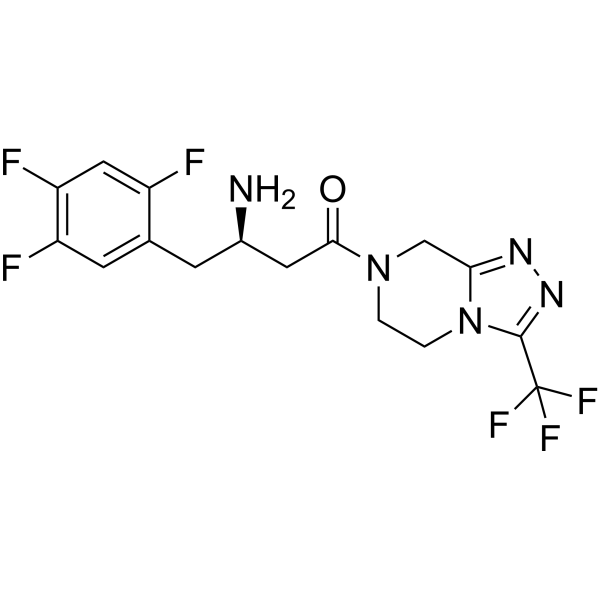
Sitagliptin
Maximum Cited Publications
30 Publications Verification
MK-0431
|
Dipeptidyl Peptidase
GLP Receptor
Endogenous Metabolite
PKA
ERK
|
Metabolic Disease
|
|
Sitagliptin (MK-0431) is an orally active and highly selective DPP4 inhibitor with an IC50 value of 19 nM. Sitagliptin blocks the degradation of glucagon-like peptide-1 (GLP-1) and glucose-dependent insulinotropic peptide (GIP) by competing inhibition mechanism (Kᵢ = 1 nM), thereby increasing the level of active incretin. Sitagliptin can also directly stimulate the secretion of GLP-1 by intestinal L cells by activating the cAMP/PKA and ERK1/2 pathways, and this effect is independent of DPP-4. Sitagliptin shows protective effects on pancreatic islet grafts in 1-type diabetes models. Sitagliptin can be used for the study of 1-type and 2-type diabetes .
|
-
-
- HY-B0113
-
|
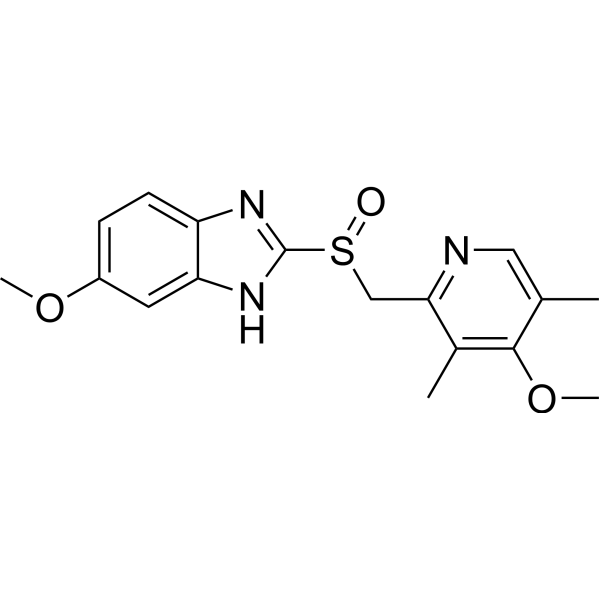
H 16868
|
Na+/K+ ATPase
Proton Pump
Bacterial
Cytochrome P450
Apoptosis
Autophagy
Atg8/LC3
TNF Receptor
Interleukin Related
|
Infection
Neurological Disease
Inflammation/Immunology
Cancer
|
|
Omeprazole (H 16868) is an orally active H +,K +-ATPase inhibitor and a proton pump inhibitor. Omeprazole competitively inhibits CYP2C19, CYP3A4, and CYP2C9 activity. Omeprazole inhibits gastric acid secretion and can be used for acid-related gastrointestinal disorders. Omeprazole inhibits pancreatic cancer cell proliferation, induces apoptosis, autophagosome accumulation (elevated LC3-I and LC3-II levels), oxidative stress, and cytogenetic imbalance, modulates lysosomal transport, reduces inflammatory cytokines. Omeprazole alters small intestinal morphology and magnesium absorption, and induces gastric mucosa morphologic changes. Omeprazole aslo has neuroprotective and antibacterial effects .
|
-
-
- HY-P10138
-
|
|
Insulin Receptor
|
Metabolic Disease
|
|
Human GIP(3-30), amide is a high affinity antagonist of the human GIP receptor in vitro. Human GIP(3-30), amide has potential anti-obesity and anti-diabetic effects .
|
-

-
- HY-W040127
-
|
|
Insulin Receptor
|
Metabolic Disease
|
|
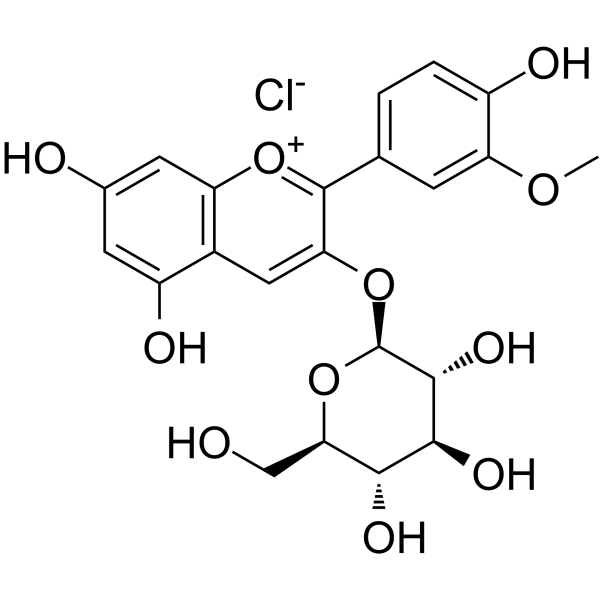
Peonidin 3-O-glucoside chloride is an agonist of the free fatty acid receptor FFAR1 and Glucokinase. Peonidin 3-O-glucoside chloride enhances insulin secretion of pancreatic beta cells and increases glucose uptake by liver cells. Peonidin 3-O-glucoside chloride activates FFAR1, promotes the phosphorylation of related proteins in the insulin secretion pathway, and increases the expression of FFAR1. In liver cells, Peonidin 3-O-glucoside chloride activates GK and regulates proteins associated with carbohydrate metabolism. Peonidin 3-O-glucoside chloride can be used in diabetes research .
|
-
-
- HY-13749A
-
|
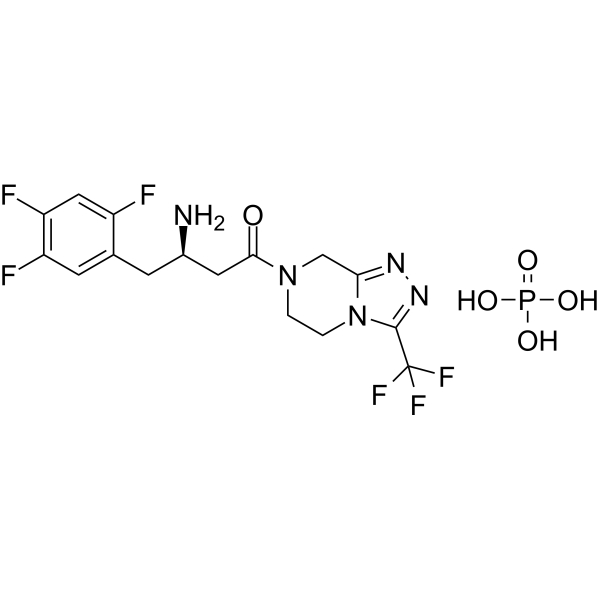
MK-0431 phosphate
|
Dipeptidyl Peptidase
GLP Receptor
Endogenous Metabolite
PKA
ERK
|
Metabolic Disease
|
|
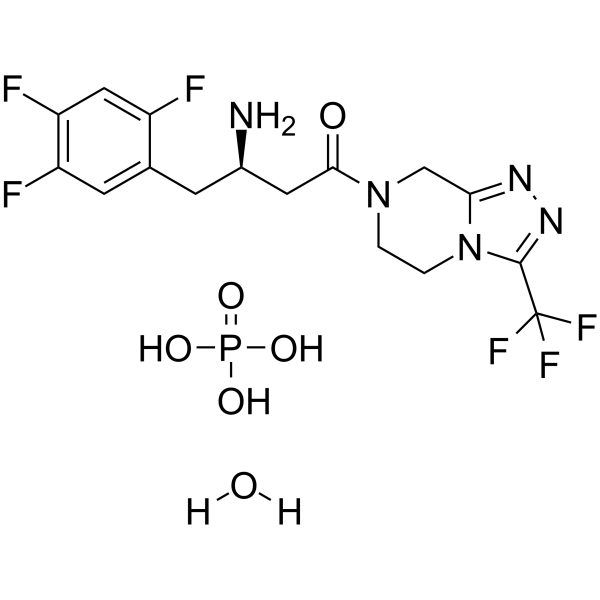
Sitagliptin (MK-0431) phosphate is an orally active and highly selective DPP4 inhibitor with an IC50 value of 19 nM. Sitagliptin phosphate blocks the degradation of glucagon-like peptide-1 (GLP-1) and glucose-dependent insulinotropic peptide (GIP) by competing inhibition mechanism (Kᵢ = 1 nM), thereby increasing the level of active incretin. Sitagliptin phosphate can also directly stimulate the secretion of GLP-1 by intestinal L cells by activating the cAMP/PKA and ERK1/2 pathways, and this effect is independent of DPP-4. Sitagliptin phosphate shows protective effects on pancreatic islet grafts in 1-type diabetes models. Sitagliptin phosphate can be used for the study of 1-type and 2-type diabetes .
|
-
-
- HY-13749B
-
|
MK-0431 phosphate monohydrate
|
Dipeptidyl Peptidase
GLP Receptor
Endogenous Metabolite
PKA
ERK
|
Metabolic Disease
|
|
Sitagliptin (MK-0431) phosphate monohydrate is an orally active and highly selective DPP4 inhibitor with an IC50 value of 19 nM. Sitagliptin phosphate monohydrate blocks the degradation of glucagon-like peptide-1 (GLP-1) and glucose-dependent insulinotropic peptide (GIP) by competing inhibition mechanism (Kᵢ = 1 nM), thereby increasing the level of active incretin. Sitagliptin phosphate monohydrate can also directly stimulate the secretion of GLP-1 by intestinal L cells by activating the cAMP/PKA and ERK1/2 pathways, and this effect is independent of DPP-4. Sitagliptin phosphate monohydrate shows protective effects on pancreatic islet grafts in 1-type diabetes models. Sitagliptin phosphate monohydrate can be used for the study of 1-type and 2-type diabetes .
|
-
-
- HY-B0113A
-
|
H 16868 sodium
|
Na+/K+ ATPase
Interleukin Related
Proton Pump
Cytochrome P450
Bacterial
Apoptosis
Autophagy
TNF Receptor
Atg8/LC3
|
Infection
Inflammation/Immunology
|
|
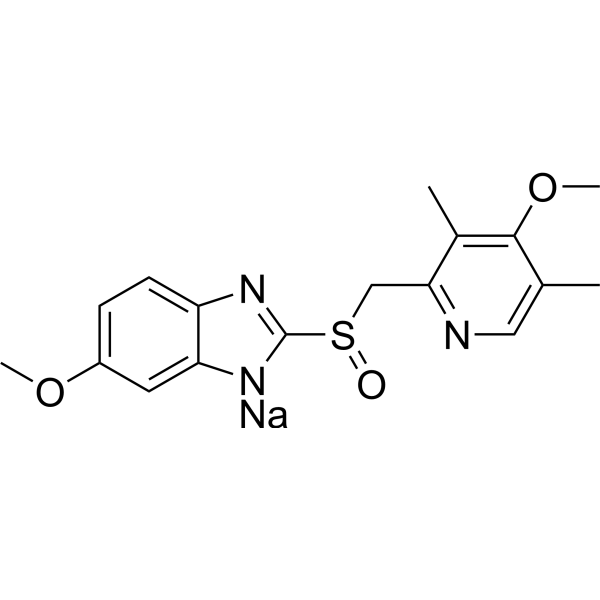
Omeprazole (H 16868) sodium is an orally active H +,K +-ATPase inhibitor and a proton pump inhibitor. Omeprazole sodium competitively inhibits CYP2C19, CYP3A4, and CYP2C9 activity. Omeprazole sodium inhibits gastric acid secretion and can be used for acid-related gastrointestinal disorders. Omeprazole sodium inhibits pancreatic cancer cell proliferation, induces apoptosis, autophagosome accumulation (elevated LC3-I and LC3-II levels), oxidative stress, and cytogenetic imbalance, modulates lysosomal transport, reduces inflammatory cytokines. Omeprazole sodium alters small intestinal morphology and magnesium absorption, and induces gastric mucosa morphologic changes. Omeprazole sodium aslo has neuroprotective and antibacterial effects .
|
-
-
- HY-P1070A
-
|
DAP amide, human TFA
|
Amylin Receptor
|
Metabolic Disease
|
|
Amylin, amide, human TFA, a 37-amino acid polypeptide, is a pancreatic hormone cosecreted with insulin that exerts unique roles in metabolism and glucose homeostasis. Amylin, amide, human TFA inhibits glucagon secretion, delays gastric emptying, and acts as a satiety agent .
|
-

-
- HY-P10735
-
|
Gastric inhibitory polypeptide(mouse); GIP(1-42) (mouse)
|
Lipase
Apoptosis
|
Metabolic Disease
|
|
GIP (Gastric inhibitory polypeptide) (mouse) is a gastrointestinal hormone that is secreted by the intestinal K cells, and also expressed in and secreted from pancreatic islets. GIP (mouse) promotes insulin secretion from pancreatic β cells via the G-protein-coupled GIP receptor (GIPR). GIP (mouse) promotes pancreatic β cell proliferation and inhibits apoptosis. GIP (mouse) also exerts direct lipogenic effects on adipose tissue .
|
-

-
- HY-153855
-
|
RXC004
|
Wnt
Acyltransferase
Porcupine
|
Cancer
|
|
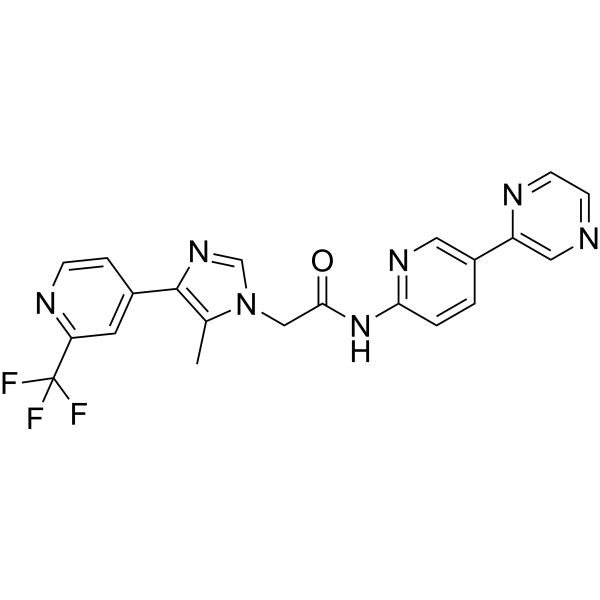
Zamaporvint (RXC004) is an orally active and selective inhibitor of Wnt. Zamaporvint targete membrane-bound o-acyltransferase Porcupine and inhibited Wnt ligand palmitoylation, secretion, and pathway activation. Zamaporvint displays a favorable pharmacokinetic profile and shows potent antiproliferative effects in Wnt ligand-dependent colorectal and pancreatic cell lines. Zamaporvint possesses multiple antitumor mechanisms and can be used in cancer research .
|
-
-
- HY-P1070
-
|
DAP amide, human
|
Amylin Receptor
|
Metabolic Disease
|
|
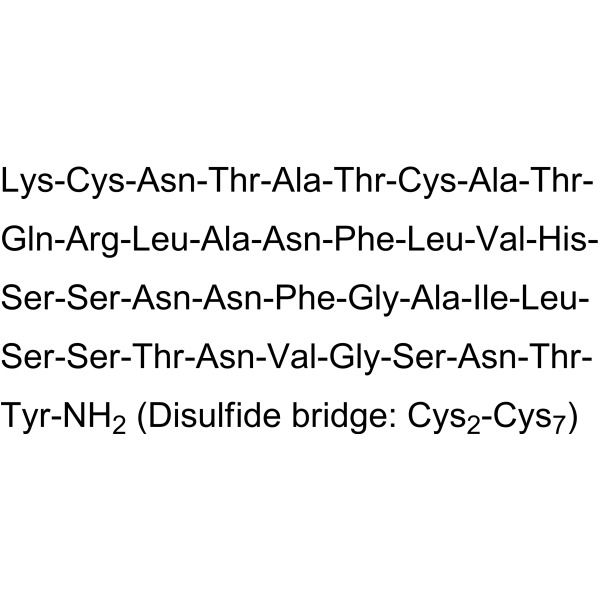
Amylin, amide, human, a 37-amino acid polypeptide, is a pancreatic hormone cosecreted with insulin that exerts unique roles in metabolism and glucose homeostasis. Amylin, amide, human inhibits glucagon secretion, delays gastric emptying, and acts as a satiety agent .
|
-
-
- HY-P1514
-
-

-
- HY-134353B
-
|
Adenosine 5'-β-thiodiphosphate trilithium
|
P2Y Receptor
NF-κB
Interleukin Related
Caspase
|
Neurological Disease
Inflammation/Immunology
Cancer
|
|
ADP-β-S (Adenosine 5'-(β-thiodiphosphate)) trilithium is a non-hydrolyzable ADP analog and a P2Y12 receptor agonist. ADP-β-S trilithium activates the P2Y12 receptor in microglia, thereby triggering downstream inflammatory signaling pathways. ADP-β-S trilithium activates P2Y purinergic receptors in rat pancreatic β cells and enhances glucose-induced insulin secretion. ADP-β-S trilithium can be used in the research of diseases such as inflammation and diabetes .
|
-

-
- HY-B0327
-
|
Dicloguamine
|
Phosphodiesterase (PDE)
NF-κB
AP-1
TRP Channel
Interleukin Related
|
Inflammation/Immunology
Cancer
|
|
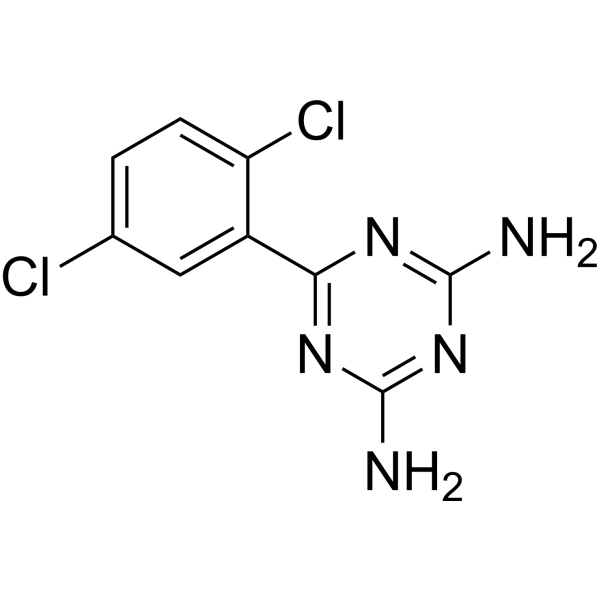
Irsogladine (Dicloguamine) is an orally active gastric mucosal protective agent. Irsogladine inhibits breast cancer recurrence and lung metastasis in nude mice . Irsogladine inhibits the transcriptional activities of NF-κB and AP-1, suppresses the activities of PDE and PDE4 to elevate intracellular cAMP levels, and activates TRPV1 and KATP channels. Irsogladine enhances iNOS expression, NO production, and the activation of cAMP-responsive elements. Irsogladine inhibits the development and progression of intestinal polyps in Apc-mutant mice. Irsogladine alleviates oxidative stress, increases gastric mucosal blood flow, and stimulates the production of endogenous prostaglandins. Irsogladine promotes insulin secretion in MIN6 cells. Irsogladine inhibits tumor angiogenesis, cancer cell proliferation, and the production of proinflammatory cytokines. Irsogladine exerts protective effects on astrocytes in ethanol/hydrochloric acid-induced gastric ulcers in mice. Irsogladine prevents colitis in IL-10 gene-deficient mice by reducing the production of IL-12 and IL-23. Irsogladine upregulates gap junction intercellular communication in pancreatic cancer cells via the PKA pathway. Irsogladine is applicable to research related to breast cancer, intestinal polyposis, gastric ulcer, spontaneous colitis, glioma, liver cancer, and pancreatic cancer [5][6] .
|
-
-
- HY-P10138A
-
|
|
Insulin Receptor
|
Metabolic Disease
|
|
Human GIP(3-30), amide TFA is the TFA salt form of human GIP(3-30), amide (HY-P10138). Human GIP(3-30), amide TFA is a high affinity antagonist of the human GIP receptor in vitro. Human GIP(3-30), amide TFA has potential anti-obesity and anti-diabetic effects .
|
-

-
- HY-120565
-
|
|
G protein-coupled Bile Acid Receptor 1
|
Metabolic Disease
|
|
WB403 is an orally active TGR5 activator with an EC50 of 5.5 μM against human TGR5. WB403 activates TGR5 to stimulate downstream signaling pathways, promote GLP-1 secretion, improve glucose tolerance in mice with type 2 diabetes, and reduce levels of fasting blood glucose, postprandial blood glucose and HbA1c. WB403 increases pancreatic β-cell mass and restores the distribution of α-cells and β-cells in islets. WB403 is applicable to the research of type 2 diabetes .
|
-

-
- HY-132184
-
|
5,6-EET; (±)5,6-EpETrE
|
Adrenergic Receptor
Calcium Channel
|
Endocrinology
|
|
5,6-Epoxyeicosatrienoic acid (5,6-EET; (±)5,6-EpETrE) is a fully racemic version of the enantiomeric forms biosynthesized from arachidonic acid by cytochrome P450 enzymes. In solution, 5,6-Epoxyeicosatrienoic acid degrades into 5,6-DiHET and 5,6-δ-lactone, which can be converted to 5,6-DiHET and quantified by GC-MS. In neuroendocrine cells, such as the anterior pituitary and pancreatic islets, 5,6-Epoxyeicosatrienoic acid has been implicated in the mobilization of calcium and hormone secretion. 5,6-Epoxyeicosatrienoic acid is an inhibitor of T-type voltage-gated calcium channels (Cav3) that inhibits isoforms Cav3.1, Cav3.2 (IC50=0.54 μM), and Cav3. and decreases nifedipine-resistant phenylephrine-induced vasoconstriction in isolated mouse mesenteric arteries via Cav3.2 blockade when used at a concentration of 3 μM. In addition, it is a substrate of COX-1 and COX-2.
|
-

-
- HY-B1273
-
|
1-Phenyl-1-pentanol
|
Fluorescent Dye
|
Endocrinology
|
|
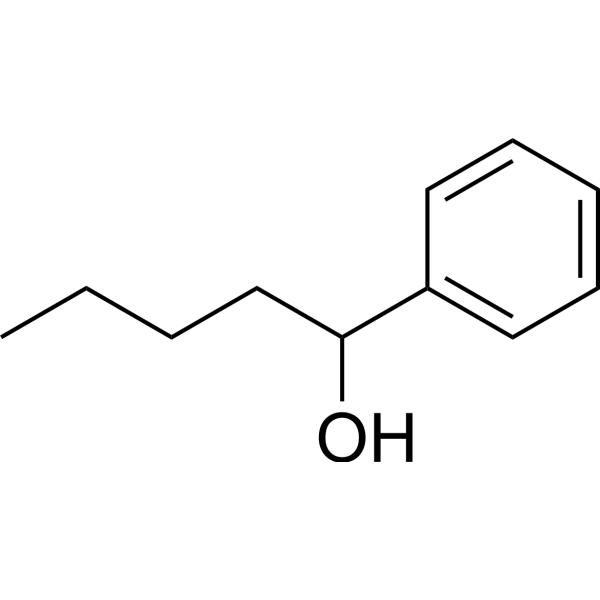
Fenipentol (1-Phenyl-1-pentanol), a synthetic derivative of an ingredient of Curcuma longa that is used as a condiment and dye. Fenipentol is also an orally active choleretic agent that plays an important role in release of secretin, gastrin, and pancreatic secretion of bicarbonate and protein .
|
-
-
- HY-P10769
-
|
|
AMPK
Apoptosis
|
Metabolic Disease
|
|
MOTS-c (mouse) is a mitochondrial-derived polypeptide that can be used to regulates pancreatic cell function. MOTS-c (mouse) reduces insulin secretion and expression in INS-1E cells, and enhances glucagon secretion and expression in αTC-1 cells. MOTS-c (mouse) decreases the apoptosis in INS-1E and αTC-1. MOTS-c (mouse) counteracts diet-induced obesity and insulin resistance through AMPK activation .
|
-

-
- HY-P11108
-
|
|
NF-κB
Apoptosis
TNF Receptor
Caspase
|
Inflammation/Immunology
Cancer
|
|
RP-182 is a synthetic immunomodulatory peptide that exerts anti-tumor effects by targeting the mannose receptor CD206 (Kd = 8 μM) on the surface of tumor-associated macrophages (TAMs). RP-182 induces a conformational switch of the CD206 receptor, which activates NF-κB signaling and phagocytosis in CD206 high TAMs. RP-182 has dual function: activation of canonical NF-κB signaling, triggering TNFα secretion and autocrine activation of the TNF receptor 1 (TNFR1), leading to activation of caspase 8, apoptosis, and cell death. RP-182 is used in pancreatic cancer and melanoma research .
|
-

-
- HY-P4060
-
-

-
- HY-143657
-
|
|
Myosin
Ferlin Family
MMP
|
Cancer
|
|
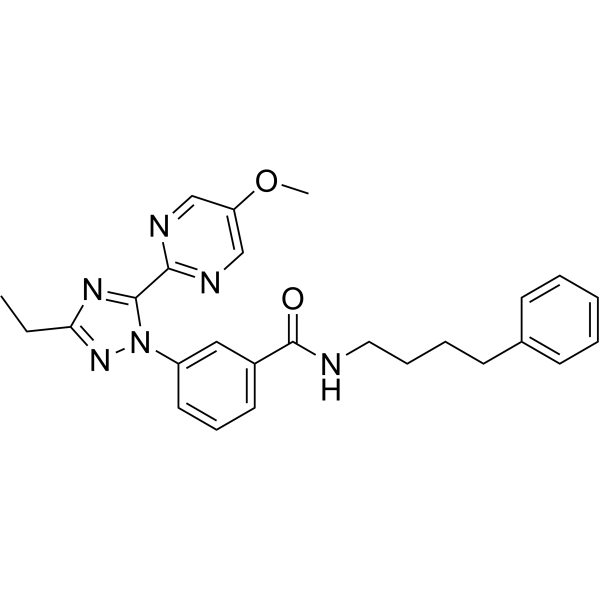
Myoferlin inhibitor 1 is a compound that exhibits reversible, concentration-dependent binding to the myoferlin MYOF-C2D protein, with a KD of 0.094 μM. Myoferlin inhibitor 1 shows potent anti-invasion and anti-migration activities against different pancreatic cancer cells. Myoferlin inhibitor 1 inhibits pancreatic cancer metastasis through reversing mesenchymal transition (EMT), inhibiting the secretions of MMP1 and MMP2 and blocking the receptor tyrosine kinases. Myoferlin inhibitor 1 displays effective antimetastatic activities in pancreatic cancer in vitro and in vivo. Myoferlin inhibitor 1 can be used in research on preventing pancreatic cancer metastasis .
|
-
-
- HY-109538
-
|
|
Secretin Receptor
|
Neurological Disease
Metabolic Disease
|
|
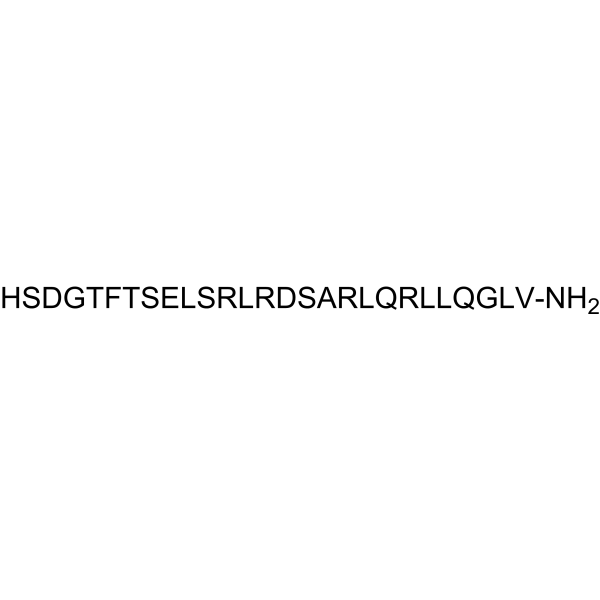
Secretin (swine), a neuroendocrine hormone, is the first hormone to be identifie and is secreted by S cells that are localized primarily in the mucosa of the duodenum. Secretin also is a 27-amino acid peptide, which acts on secretin receptors. Secretin is expressed by cells in all mature enteroendocrine cell subsets and can be prompted by fatty acids. Secretin stimulates the secretion of pancreatic water and bicarbonate. Secretin exerts various effects in organs, can be used for the research of digestive system, central nervous system and energy metabolism .
|
-
-
- HY-P3622
-
|
|
GCGR
|
Metabolic Disease
|
|
(Ser8)-GLP-1 (7-36) amide, human is a glucagon-like peptide 1 amide derived from glucagonogen, a cleavage product of the GLP-1 (1-36) amide peptide. (Ser8)-GLP-1 (7-36) amide, human is an entero-insulinotropic hormone that causes glucose-dependent release of insulin from pancreatic β-cells and affects gastrointestinal motility and secretion .
|
-

-
- HY-B0113R
-
|
H 16868 (Standard)
|
Reference Standards
Na+/K+ ATPase
Interleukin Related
Proton Pump
Cytochrome P450
Bacterial
Apoptosis
Autophagy
TNF Receptor
Atg8/LC3
|
Infection
Metabolic Disease
Cancer
|
|
Omeprazole (Standard) is the analytical standard of Omeprazole. This product is intended for research and analytical applications. Omeprazole (H 16868) is an orally active H +,K +-ATPase inhibitor and a proton pump inhibitor. Omeprazole competitively inhibits CYP2C19, CYP3A4, and CYP2C9 activity. Omeprazole inhibits gastric acid secretion and can be used for acid-related gastrointestinal disorders. Omeprazole inhibits pancreatic cancer cell proliferation, induces apoptosis, autophagosome accumulation (elevated LC3-I and LC3-II levels), oxidative stress, and cytogenetic imbalance, modulates lysosomal transport, reduces inflammatory cytokines. Omeprazole alters small intestinal morphology and magnesium absorption, and induces gastric mucosa morphologic changes. Omeprazole aslo has neuroprotective and antibacterial effects .
|
-

-
- HY-13749AS
-
|
MK-0431-d4 phosphate
|
Dipeptidyl Peptidase
GLP Receptor
Endogenous Metabolite
PKA
ERK
|
Metabolic Disease
|
|
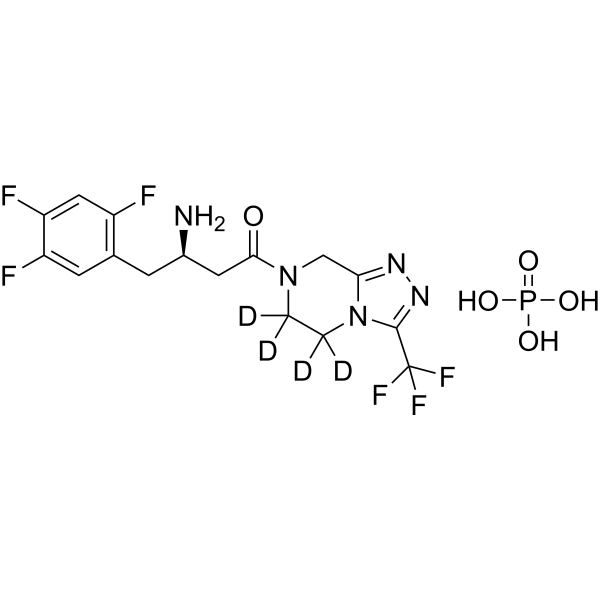
Sitagliptin-d4 phosphate (MK-0431-d4) is the deuterium labeled Sitagliptin phosphate (HY-13749A). Sitagliptin phosphate is an orally active and highly selective DPP4 inhibitor with an IC50 value of 19 nM. Sitagliptin phosphate blocks the degradation of glucagon-like peptide-1 (GLP-1) and glucose-dependent insulinotropic peptide (GIP) by competing inhibition mechanism (Kᵢ = 1 nM), thereby increasing the level of active incretin. Sitagliptin phosphate can also directly stimulate the secretion of GLP-1 by intestinal L cells by activating the cAMP/PKA and ERK1/2 pathways, and this effect is independent of DPP-4. Sitagliptin phosphate shows protective effects on pancreatic islet grafts in 1-type diabetes models. Sitagliptin phosphate can be used for the study of 1-type and 2-type diabetes.
|
-
-
- HY-B0113S
-
|
H 16868-d3
|
Na+/K+ ATPase
Interleukin Related
Proton Pump
Cytochrome P450
Bacterial
Apoptosis
Autophagy
TNF Receptor
Atg8/LC3
|
Infection
Metabolic Disease
Cancer
|
|
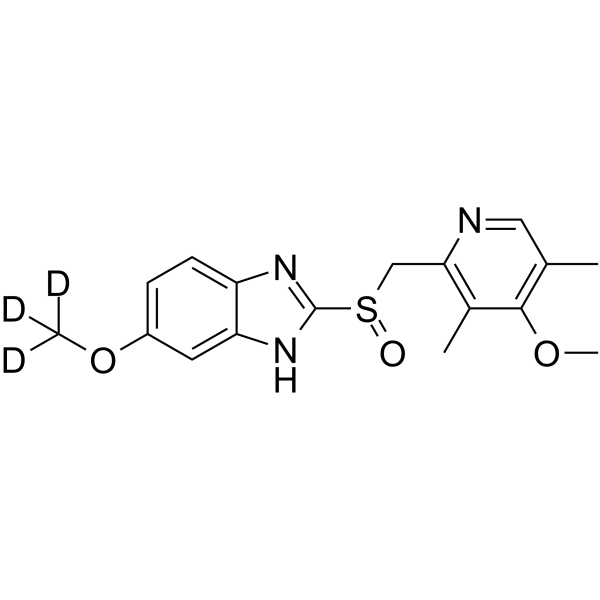
Omeprazole-d3 (H 16868-d3) is deuterium labeled Omeprazole. Omeprazole (H 16868) is an orally active H +,K +-ATPase inhibitor and a proton pump inhibitor. Omeprazole competitively inhibits CYP2C19, CYP3A4, and CYP2C9 activity. Omeprazole inhibits gastric acid secretion and can be used for acid-related gastrointestinal disorders. Omeprazole inhibits pancreatic cancer cell proliferation, induces apoptosis, autophagosome accumulation (elevated LC3-I and LC3-II levels), oxidative stress, and cytogenetic imbalance, modulates lysosomal transport, reduces inflammatory cytokines. Omeprazole alters small intestinal morphology and magnesium absorption, and induces gastric mucosa morphologic changes. Omeprazole aslo has neuroprotective and antibacterial effects .
|
-
-
- HY-103281
-
|
|
Bombesin Receptor
|
Metabolic Disease
|
|
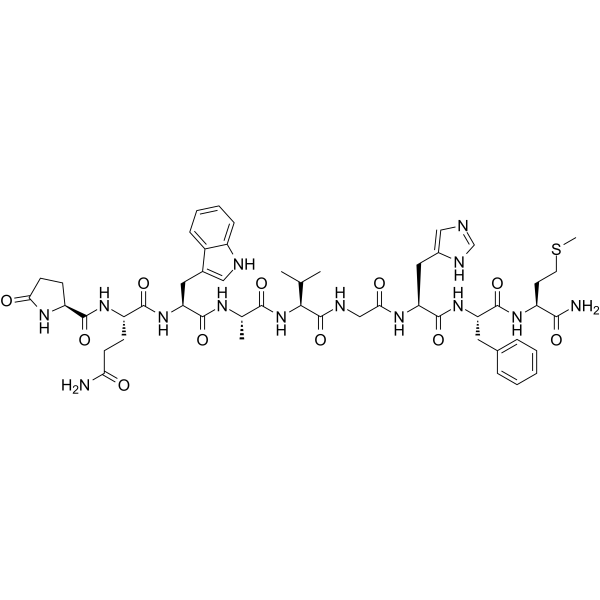
Litorin, an amphibian bombesin peptide derivative, is an bombesin receptor agonist. Litorin stimulates the contraction of smooth muscle, stimulates gastrin, gastric acid, and pancreatic secretion, and suppresses the nutriment in vivo .
|
-
-
- HY-108283
-
|
AA 149; Supacal
|
Calcium Channel
|
Inflammation/Immunology
|
|
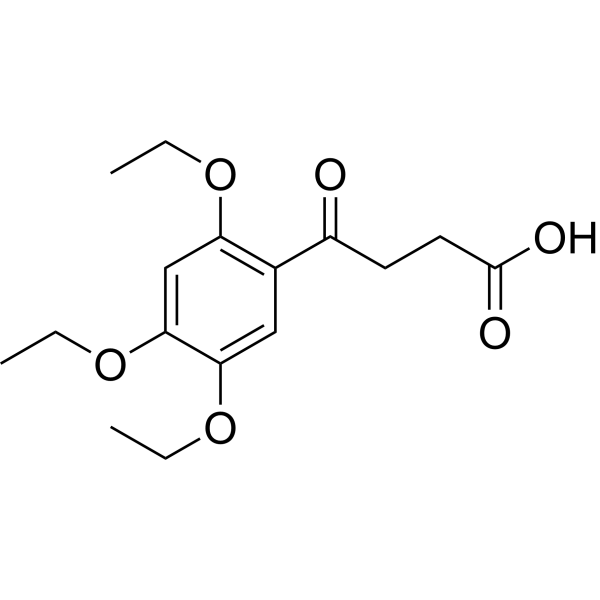
Trepibutone (AA 149) increases secretion of bile and pancreatic juice, and accelerates flaccidity of the smooth muscle in the gastrointestinal tract. Trepibutone can be used for the research of cholecystitis and functional gastrointestinal disorders .
|
-
-
- HY-P1784A
-
|
|
Secretin Receptor
|
Endocrinology
|
|
ecretin, canine TFA is an endocrine hormone that stimulates the secretion of bicarbonate-rich pancreatic fluids. Secretin, canine TFA can regulates gastric chief cell function and paracellular permeability in canine gastric monolayers by a Src kinase-dependent pathway .
|
-

-
- HY-B1202
-
|
AY-22284
|
Aldose Reductase
|
Metabolic Disease
|
|
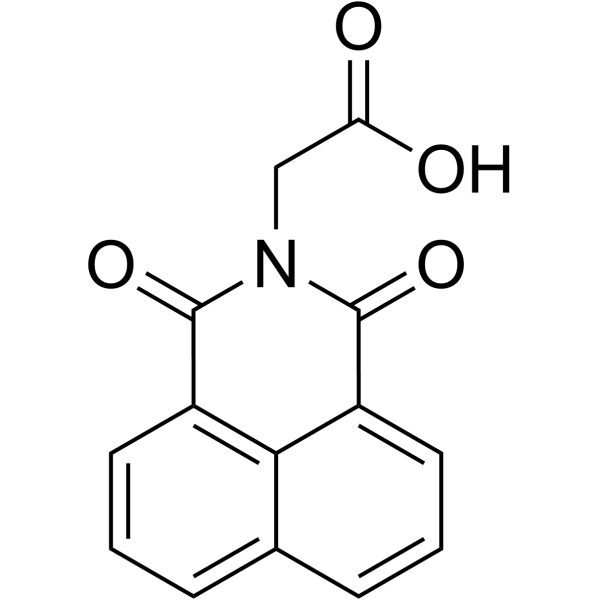
Alrestatin (AY-22284) is an aldose reductase inhibitor. Alrestatin reduces fructose levels in the uterine fluid of mice. Alrestatin interferes with sperm capacitation and impairs fertilization function in mice. Alrestatin decreases basal and tyramine-induced norepinephrine release in rat pancreatic specimens in vitro. Alrestatin enhances glucose- and arginine-stimulated insulin secretion in vivo. Alrestatin can be used in studies related to diabetes and reproductive diseases .
|
-
-
- HY-N2452
-
|
|
GLP Receptor
|
Cardiovascular Disease
Infection
Metabolic Disease
|
|
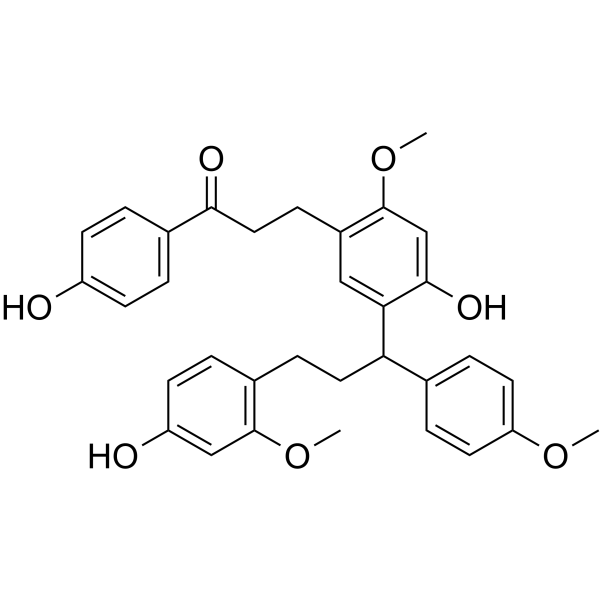
Cochinchinenin C is a GLP-1R agonist that binds to the extracellular domain of the receptor via hydrophobic interactions and hydrogen bonds, and promotes glucose-dependent insulin secretion from pancreatic β-cells. Cochinchinenin C also increases intracellular cAMP and ATP levels. At low concentrations, Cochinchinenin C binds to human serum albumin, alters its microenvironment, and induces dominant static fluorescence quenching. Cochinchinenin C shows almost no cytotoxicity to pancreatic β-cells, and exerts a synergistic effect with Loureirin A (HY-N1505) when binding to human serum albumin. Cochinchinenin C has been widely used in studies of type 2 diabetes, Helicobacter pylori infection, thrombotic diseases, and other conditions .
|
-
-
- HY-13749S1
-
|
MK-0431-d4 hydrochloride
|
Isotope-Labeled Compounds
Dipeptidyl Peptidase
GLP Receptor
Endogenous Metabolite
PKA
ERK
|
Metabolic Disease
|
|
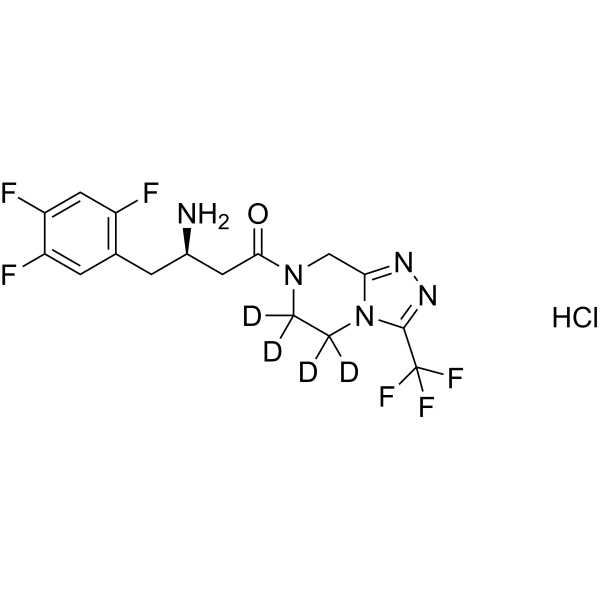
Sitagliptin-d4 hydrochloride is the deuterium labeled Sitagliptin hydrochloride (HY-13749E). Sitagliptin hydrochloride is an orally active and highly selective DPP4 inhibitor with an IC50 value of 19 nM. Sitagliptin hydrochloride blocks the degradation of glucagon-like peptide-1 (GLP-1) and glucose-dependent insulinotropic peptide (GIP) by competing inhibition mechanism (Kᵢ = 1 nM), thereby increasing the level of active incretin. Sitagliptin hydrochloride can also directly stimulate the secretion of GLP-1 by intestinal L cells by activating the cAMP/PKA and ERK1/2 pathways, and this effect is independent of DPP-4. Sitagliptin hydrochloride shows protective effects on pancreatic islet grafts in 1-type diabetes models. Sitagliptin hydrochloride can be used for the study of 1-type and 2-type diabetes.
|
-
-
- HY-109546
-
|
|
Na+/K+ ATPase
Interleukin Related
Proton Pump
Cytochrome P450
Bacterial
Apoptosis
Autophagy
TNF Receptor
Atg8/LC3
|
Infection
Metabolic Disease
Cancer
|
|
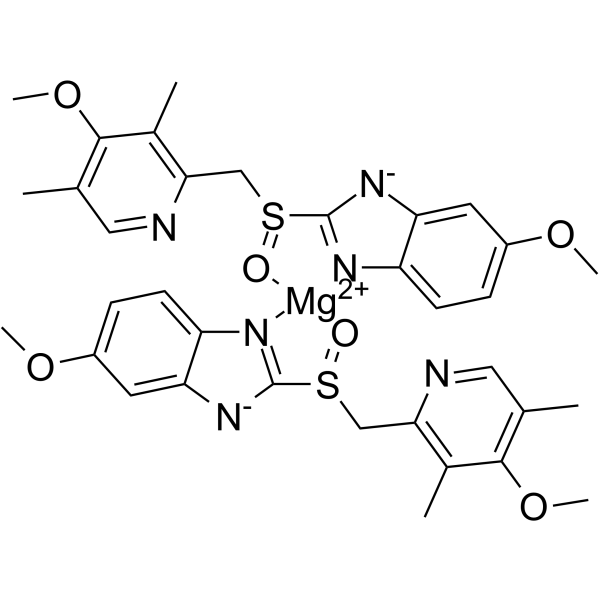
Omeprazole (H 16868) magnesium is an orally active H +,K +-ATPase inhibitor and a proton pump inhibitor. Omeprazole magnesium competitively inhibits CYP2C19, CYP3A4, and CYP2C9 activity. Omeprazole magnesium inhibits gastric acid secretion and can be used for acid-related gastrointestinal disorders. Omeprazole magnesium inhibits pancreatic cancer cell proliferation, induces apoptosis, autophagosome accumulation (elevated LC3-I and LC3-II levels), oxidative stress, and cytogenetic imbalance, modulates lysosomal transport, reduces inflammatory cytokines. Omeprazole magnesium alters small intestinal morphology and magnesium absorption, and induces gastric mucosa morphologic changes. Omeprazole magnesium aslo has neuroprotective and antibacterial effects .
|
-
-
- HY-B0113S3
-
|
H 16868-13C,d3
|
Isotope-Labeled Compounds
Na+/K+ ATPase
Interleukin Related
Proton Pump
Cytochrome P450
Bacterial
Apoptosis
Autophagy
TNF Receptor
Atg8/LC3
|
Infection
Metabolic Disease
Cancer
|
|
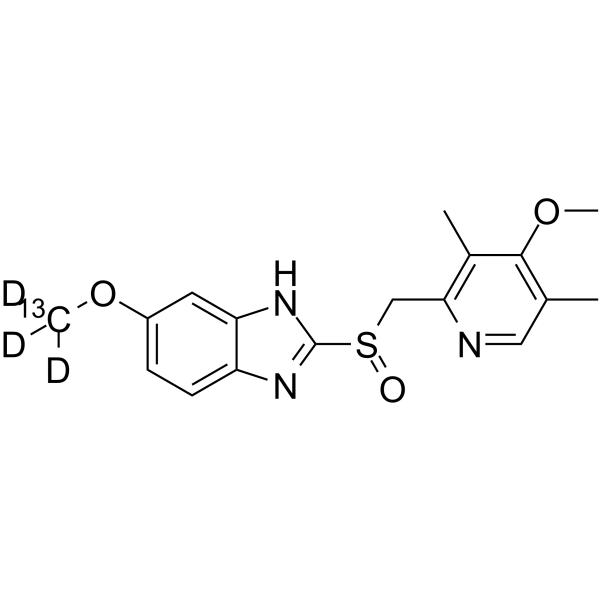
Omeprazole- 13C,d3 is a 13C-labeled and deuterium labeled Omeprazole. Omeprazole (H 16868) is an orally active H +,K +-ATPase inhibitor and a proton pump inhibitor. Omeprazole competitively inhibits CYP2C19, CYP3A4, and CYP2C9 activity. Omeprazole inhibits gastric acid secretion and can be used for acid-related gastrointestinal disorders. Omeprazole inhibits pancreatic cancer cell proliferation, induces apoptosis, autophagosome accumulation (elevated LC3-I and LC3-II levels), oxidative stress, and cytogenetic imbalance, modulates lysosomal transport, reduces inflammatory cytokines. Omeprazole alters small intestinal morphology and magnesium absorption, and induces gastric mucosa morphologic changes. Omeprazole aslo has neuroprotective and antibacterial effects .
|
-
-
- HY-143312A
-
|
|
GLP Receptor
|
Metabolic Disease
Inflammation/Immunology
|
|
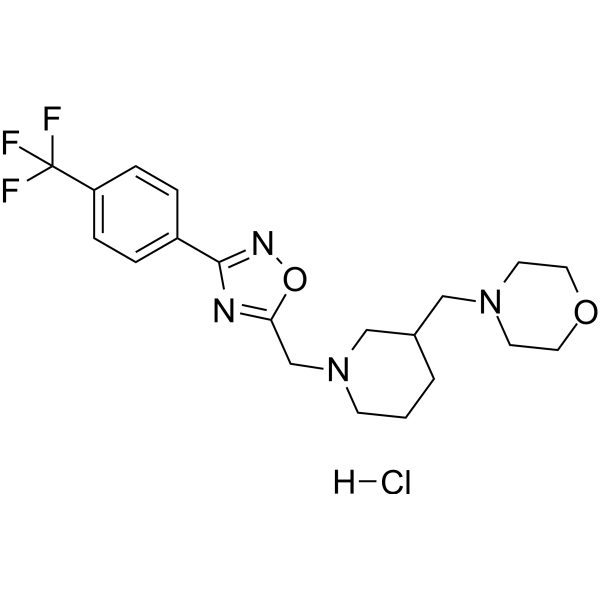
V-0219 hydrochloride is an orally active glucagon-like peptide-1 receptor (GLP-1R) positive allosteric modulator. V-0219 hydrochloride potentiates GLP-1R stimulation, and enhances GLP-1-induced cAMP production and insulin secretion. V-0219 hydrochloride potentiates glucose-dependent insulin secretion. V-0219 hydrochloride improves glucose handling in normal and diabetic rodents. V-0219 hydrochloride can be used for the research of obesity-associated diabetes .
|
-
-
- HY-P3112
-
|
|
Bombesin Receptor
|
Neurological Disease
|
|
ICI 216140 is a GRP/bombesin receptor 2 antagonist with the IC50 of 2 nM. ICI 216140 can reduce Bombesin (HY-P0195)-stimulated pancreatic amylase secretion and attenuates Bombesin (HY-P0195)-stimulated increases in blood pressure .
|
-

-
- HY-W153159
-
|
|
Adrenergic Receptor
|
Inflammation/Immunology
|
|
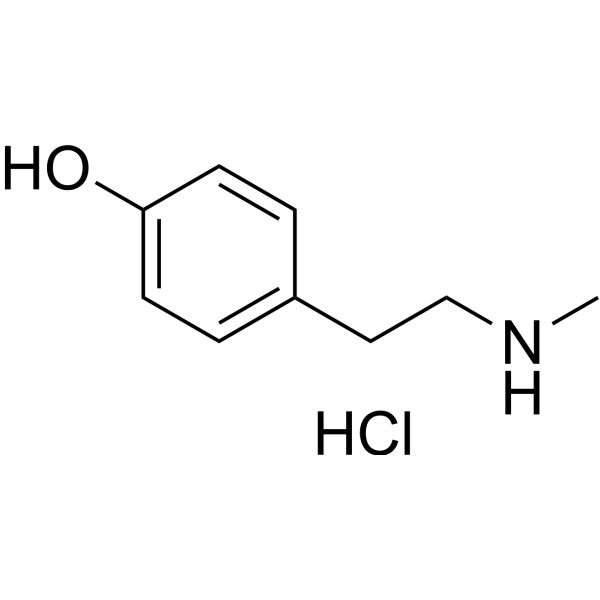
N-Methyltyramine hydrochloride is an orally active α2-adrenoreceptor antagonist with an IC50 value of 5.53 μM against rat targets. N-Methyltyramine hydrochloride blocks α2-adrenoreceptors, while inhibiting lipolysis, hyperactivity responses and small intestinal peristalsis in mice. N-Methyltyramine hydrochloride promotes gastrin release and pancreatic juice secretion, upregulates appetite, blood pressure, myocardial contraction frequency and contraction intensity, and increases renal blood flow, renal vascular resistance and mean peripheral arterial resistance. N-Methyltyramine hydrochloride relaxes mouse small intestinal smooth muscle and undergoes biotransformation in vivo to produce adrenaline. N-Methyltyramine hydrochloride can be used in studies related to gastrointestinal diseases .
|
-
-
- HY-176745
-
|
|
VDAC
|
Metabolic Disease
Endocrinology
|
|
SW016789 is a hypersecretion-inducer targeting VDAC1. SW016789 can induce insulin hypersecretion and Ca 2+ influx in β-cells directly. SW016789 induces a transient endoplasmic reticulum stress response (ER stress), but does not cause beta cell death. SW016789 has reversible and non-apoptotic characteristics. SW016789 can be used for the study of Diabetes mellitus type 2 (T2DM) β-cell dysfunction .
|
-

-
- HY-118194
-
|
|
Cholecystokinin Receptor
|
Others
|
|
A-65186 is a CCK-A receptor antagonist with the activity of inhibiting CCK8-induced amylase secretion. A-65186 has high binding affinity for pancreatic CCK-A receptors, is more than 500 times more selective for CCK-A receptors than for CCK-B receptors, and can inhibit CCK8-induced amylase secretion.
|
-

-
- HY-106525
-
|
|
Cholinesterase (ChE)
|
Inflammation/Immunology
|
|
Aclatonium napadisylate is a cholinergic agonist. Aclatonium napadisylate can increase amylase release and Ca 2+ efflux. Aclatonium napadisylate can stimulate pancreatic exocrine secretion and increase motility and peristalsis of the gastrointestinal tract. Aclatonium napadisylate can be used for the research of gastrointestinal disorders .
|
-

-
- HY-107535
-
|
|
GPR119
TRP Channel
|
Metabolic Disease
|
|
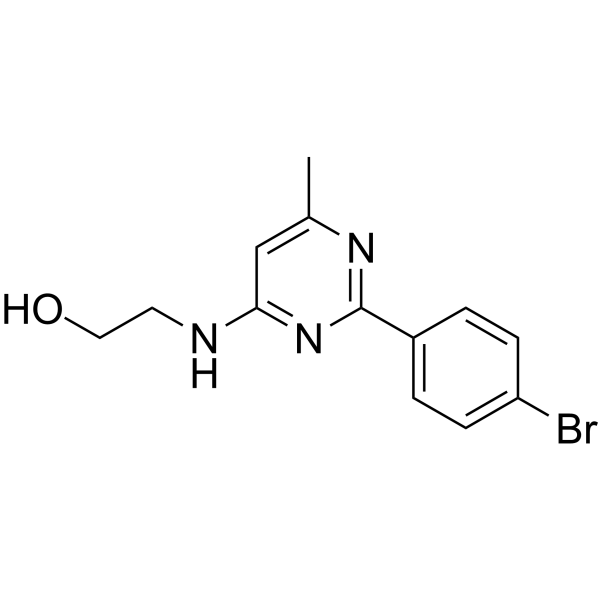
AS1269574 is a potent, orally available GPR119 agonist, with an EC50 of 2.5 μM in HEK293 cells expressing human GPR119. AS1269574 activates TRPA1 cation channels to stimulate glucagon-like peptide-1 (GLP-1) secretion. AS1269574 specifically induces glucose-dependent insulin secretion from pancreatic β-cells only under high-glucose conditions. AS1269574 has the potential for the research of type 2 diabetes .
|
-
-
- HY-13749E
-
|
MK-0431 hydrochloride
|
Dipeptidyl Peptidase
GLP Receptor
Endogenous Metabolite
PKA
ERK
|
Metabolic Disease
|
|
Sitagliptin (MK-0431) hydrochloride is an orally active and highly selective DPP4 inhibitor with an IC50 value of 19 nM. Sitagliptin hydrochloride blocks the degradation of glucagon-like peptide-1 (GLP-1) and glucose-dependent insulinotropic peptide (GIP) by competing inhibition mechanism (Kᵢ = 1 nM), thereby increasing the level of active incretin. Sitagliptin hydrochloride can also directly stimulate the secretion of GLP-1 by intestinal L cells by activating the cAMP/PKA and ERK1/2 pathways, and this effect is independent of DPP-4. Sitagliptin hydrochloride shows protective effects on pancreatic islet grafts in 1-type diabetes models. Sitagliptin hydrochloride can be used for the study of 1-type and 2-type diabetes .
|
-

-
- HY-P11043
-
|
|
GLP Receptor
Neuropeptide Y Receptor
Arrestin
|
Metabolic Disease
|
|
GEP44 is a peptide biased triple agonist targeting Glucagon-like peptide 1 receptor (GLP-1R), neuropeptide Y1 Receptor (Y1-R), and neuropeptide Y2 Receptor (Y2-R). GEP44 induces Y1-R antagonist-controlled, GLP-1R-dependent stimulation of insulin secretion in both rat and human pancreatic islets by counteracting effects of Y1-R and GLP-1R agonism. GEP44 promotes insulin-independent Y1-R-mediated glucose uptake in muscle tissue and significantly reduces food intake and body weight in diet-induced obese rat models. GEP44 can be used for obesity and type 2 diabetes mellitus research .
|
-

-
- HY-103545
-
|
Gastric inhibitory peptide (1-39) (porcine)
|
Insulin Receptor
|
Metabolic Disease
|
|
GIP (1-39) (Gastric inhibitory peptide (1-39) (porcine)) is an insulinotropic peptide that stimulats insulin secretion from rat pancreatic islets. GIP (1-39) at 100 nM was able to significantly increase intracellular Ca 2+ concentration ([Ca 2+]i), and capable of enhancing exocytosis .
|
-

-
- HY-P1871A
-
|
|
Amylin Receptor
|
Metabolic Disease
|
|
Amylin (IAPP), feline TFA is a 37-amino acid polypeptide from feline. Amylin (IAPP), feline TFA is one of the major secretory products of β-cells of the pancreatic islets. Amylin (IAPP), feline TFA is a regulatory peptide, which inhibits insulin and glucagon secretion .
|
-

-
- HY-P1537
-
|
|
Neuropeptide Y Receptor
|
Metabolic Disease
Endocrinology
|
|
Pancreatic Polypeptide, bovine, a 36-amino acid, straight chain polypeptide derived primarily from the pancreas, inhibits secretin- and cholecystokinin-stimulated pancreatic secretion; Pancreatic Polypeptide, bovine acts as an agonist of NPY receptor, with high affinity at NPYR4.
|
-

-
- HY-P0212
-
|
|
GCGR
|
Metabolic Disease
|
|
Neuropeptide Y, porcine, a peptide in porcine brain, is capable of inhibiting secretin-stimulated pancreatic secretion .
|
-

-
- HY-111918
-
|
|
Cholecystokinin Receptor
|
Metabolic Disease
|
|
A71378 is a selectivity CCK-A receptor agonist the IC50 values of 0.4 nM, 300 nM, and 1,200 nM for the pancreatic CCK-A, cortical CCK-B, and gastrin receptor, respectively. A71378 elicits pancreatic amylase secretion (EC50 = 0.16 nM) and ileal muscle contraction (EC50 = 3.7 nM) .
|
-

-
- HY-P2636
-
|
Prepro CCK Fragment V-9-M
|
Histamine Receptor
|
Metabolic Disease
|
|
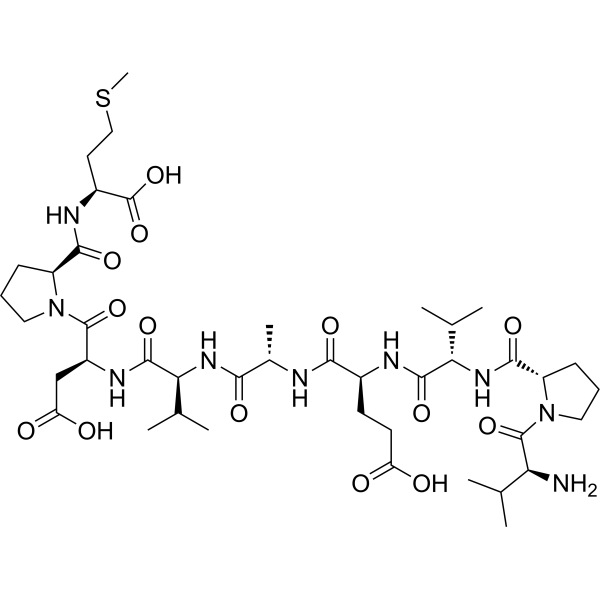
Cholecystokinin Precursor (24-32) (rat) is a cholecystokinin precursor that can be expressed in the heart, lungs, and kidneys as well as in the gastrointestinal tract and brain. Cholecystokinin is a brain-gut peptide that stimulates gallbladder contraction and pancreatic exocrine secretion and also acts as a neurotransmitter .
|
-
- HY-160602
-
|
|
Free Fatty Acid Receptor
|
Metabolic Disease
|
|
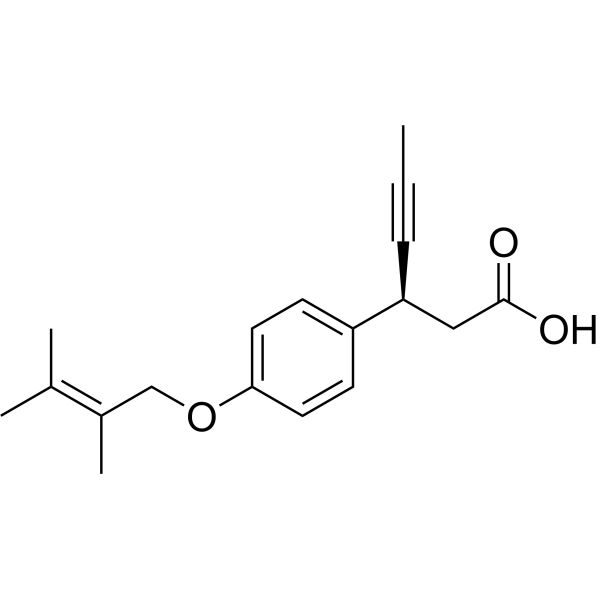
CPL207280 is an orally active GPR40/FFA1 agonist with an antidiabetic effect. CPL207280 can effectively enhance glucose-stimulated insulin secretion and improve glucose tolerance in MIN6 pancreatic β-cells as well as in healthy Wistar Han rats and diabetic rat models. CPL207280 can be used for the research of type 2 diabetes .
|
-
- HY-P0262
-
|
|
Neuropeptide Y Receptor
|
Neurological Disease
Metabolic Disease
Inflammation/Immunology
Endocrinology
|
|
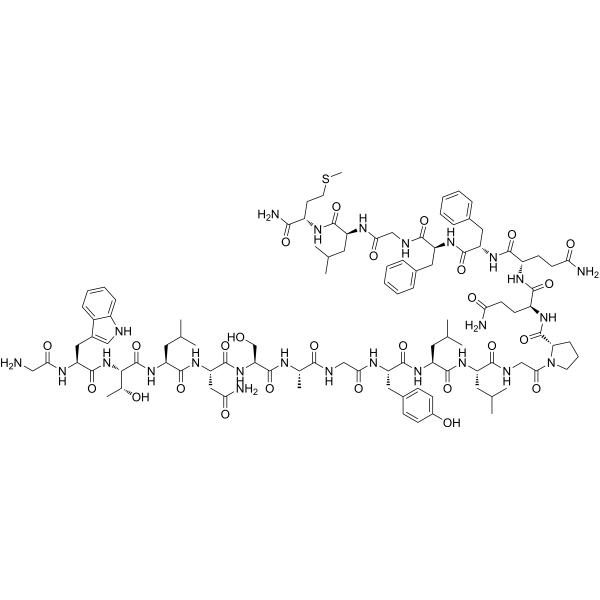
Galantide, a non-specific galanin receptor antagonist, is a peptide consisting of fragments of galanin and substance P. Galantide recognizes two classes of galanin binding sites (KD<0.1 nM and ~6 nM) in the rat hypothalamus. Galantide dose dependently (IC50=1.0 nM) antagonizes the galanin-mediated inhibition of the glucose-induced insulin secretion from mouse pancreatic islets. Galantide appears to bind to a single population of SP receptors (KD~40 nM) .
|
-
- HY-120493A
-
|
|
Free Fatty Acid Receptor
|
Metabolic Disease
|
|
AM-6226 is a potent and orally active G protein coupled receptor 40 (GPR40) full agonist with an EC50 of 0.12 μM. AM-6226 can activate the GPR40 receptors on pancreatic β cells and enteroendocrine L cells, promote insulin secretion in a glucose-dependent manner and also increase the release of incretin hormones (GLP-1, GIP), thereby avoiding the risk of hypoglycemia. AM-6226 can be used for the research of metabolic disease, such as diabetes .
|
-

- HY-134353A
-
|
Adenosine 5'-(β-thiodiphosphate) trisodium
|
Interleukin Related
P2Y Receptor
NF-κB
Caspase
|
Neurological Disease
Inflammation/Immunology
Cancer
|
|
ADP-β-S (Adenosine 5'-(β-thiodiphosphate)) trilithium is a non-hydrolyzable ADP analog and a P2Y12 receptor agonist. ADP-β-S trilithium activates the P2Y12 receptor in microglia, thereby triggering downstream inflammatory signaling pathways. ADP-β-S trilithium activates P2Y purinergic receptors in rat pancreatic β cells and enhances glucose-induced insulin secretion. ADP-β-S trilithium can be used in the research of diseases such as inflammation and diabetes .
|
-

- HY-P11108A
-
|
|
NF-κB
Apoptosis
TNF Receptor
Caspase
|
Inflammation/Immunology
Cancer
|
|
RP-182 acetate is a synthetic immunomodulatory peptide that exerts anti-tumor effects by targeting the mannose receptor CD206 (Kd = 8 μM) on the surface of tumor-associated macrophages (TAMs). RP-182 acetate induces a conformational switch of the CD206 receptor, which activates NF-κB signaling and phagocytosis in CD206 high TAMs. RP-182 acetate has dual function: activation of canonical NF-κB signaling, triggering TNFα secretion and autocrine activation of the TNF receptor 1 (TNFR1), leading to activation of caspase 8, apoptosis, and cell death. RP-182 acetate is used in pancreatic cancer and melanoma research .
|
-

- HY-111141
-
|
|
Free Fatty Acid Receptor
|
Metabolic Disease
|
|
AM-3189 is an orally active and selective GPR40 agonist with EC50 values in buffer solution and in 100% human serum of 33 nM and 10 μM respectively. AM-3189 shows no significant activity on GPR41 and GPR43, and no agonistic activity on PPAR-α, -δ, and -γ. AM-3189 enhances glucose-stimulated insulin secretion by activating GPR40 on pancreatic β cells. AM-3189 has extremely low penetration into the central nervous system and significantly reduces blood glucose levels in two humanized GPR40 mouse models. AM-3189 can be used for the study of type 2 diabetes .
|
-

- HY-W153897
-
|
|
Adrenergic Receptor
|
Inflammation/Immunology
|
|
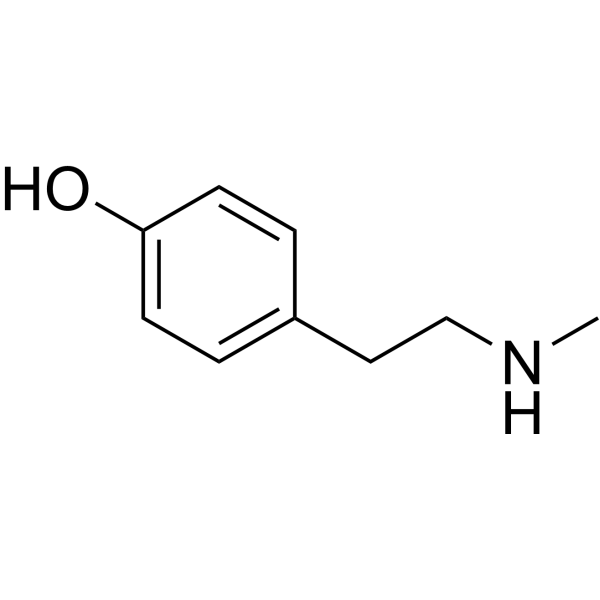
N-Methyltyramine is an orally active α2-adrenoreceptor antagonist with an IC50 value of 5.53 μM against rat targets. N-Methyltyramine blocks α2-adrenoreceptors, while inhibiting lipolysis, hyperactivity responses and small intestinal peristalsis in mice. N-Methyltyramine promotes gastrin release and pancreatic juice secretion, upregulates appetite, blood pressure, myocardial contraction frequency and contraction intensity, and increases renal blood flow, renal vascular resistance and mean peripheral arterial resistance. N-Methyltyramine relaxes mouse small intestinal smooth muscle and undergoes biotransformation in vivo to produce adrenaline. N-Methyltyramine can be used in studies related to gastrointestinal diseases .
|
-
- HY-13749R
-
|
MK-0431 (Standard)
|
Reference Standards
Dipeptidyl Peptidase
GLP Receptor
Endogenous Metabolite
PKA
ERK
|
Metabolic Disease
|
|
Sitagliptin (Standard) is the analytical standard of Sitagliptin (HY-13749). This product is intended for research and analytical applications. Sitagliptin is an orally active and highly selective DPP4 inhibitor with an IC50 value of 19 nM. Sitagliptin blocks the degradation of glucagon-like peptide-1 (GLP-1) and glucose-dependent insulinotropic peptide (GIP) by competing inhibition mechanism (Kᵢ = 1 nM), thereby increasing the level of active incretin. Sitagliptin can also directly stimulate the secretion of GLP-1 by intestinal L cells by activating the cAMP/PKA and ERK1/2 pathways, and this effect is independent of DPP-4. Sitagliptin shows protective effects on pancreatic islet grafts in 1-type diabetes models. Sitagliptin can be used for the study of 1-type and 2-type diabetes.
|
-

- HY-B1439
-
-

- HY-P1871
-
|
|
Amylin Receptor
|
Metabolic Disease
|
|
Amylin (IAPP), feline is a 37-amino acid polypeptide from feline. Amylin (IAPP), feline is one of the major secretory products of β-cells of the pancreatic islets. Amylin (IAPP), feline is a regulatory peptide, which inhibits insulin and glucagon secretion .
|
-

- HY-103285
-
|
Porcine gastrin-releasing peptide 27
|
Cholecystokinin Receptor
|
Cancer
|
|
GRP (porcine) (Porcine gastrin-releasing peptide 27) is the putative mammalian analog of Bombesin (HY-P0195). GRP (porcine) activates the release of a number of gastroenteropancreatic (GEP) peptides into the peripheral circulation. GRP (porcine) stimulates gastrin release and exocrine pancreatic secretion. GRP (porcine) is a useful marker of neuroendocrine differentiation in many tumors .
|
-

- HY-P0212A
-
|
|
GCGR
|
Metabolic Disease
|
|
Neuropeptide Y, porcine TFA, a peptide in porcine brain, is capable of inhibiting secretin-stimulated pancreatic secretion .
|
-

- HY-174773
-
|
|
mRNA
|
Metabolic Disease
|
|
Human BTC mRNA encodes the human betacellulin (BTC) protein, a member of the epidermal growth factor family. BTC promotes pancreatic cell proliferation and insulin secretion, as well as retinal vascular permeability.
|
-

- HY-P1980
-
|
|
Apoptosis
|
Metabolic Disease
|
|
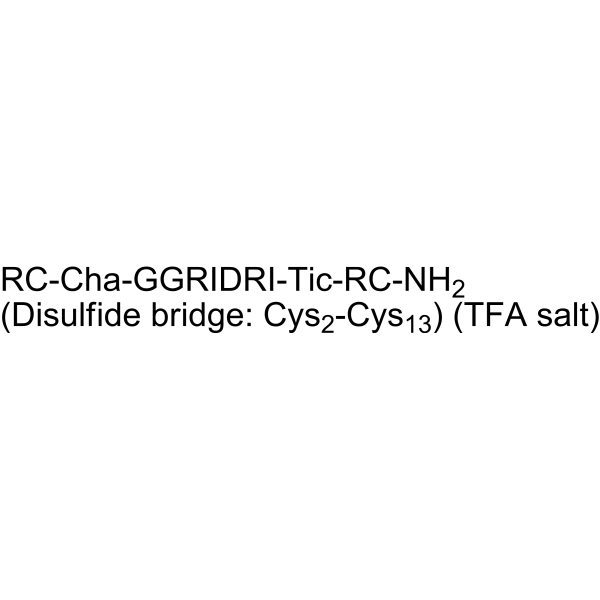
A-71915 (TFA) is a selective inhibitor of ANP receptor (atrial natriuretic peptide-receptor), induces apoptosis and decreases insulin secretion in RINm5F pancreatic β-cells .
|
-
- HY-137641
-
|
|
Ras
|
Metabolic Disease
|
|
Sp-8-Br-2'-O-Me-cAMPS is a cAMP analog. Sp-8-Br-2'-O-Me-cAMPS is an activator of EPAC. Sp-8-Br-2'-O-Me-cAMPS can be used in metabolism-related studies .
|
-

- HY-108664
-
|
|
P2Y Receptor
|
Metabolic Disease
|
|
MRS2957 is a P2Y6 receptor agonist that activates AMPK in pancreatic β-cells, promoting insulin secretion and reducing apoptosis, thereby holding potential as a therapeutic target for type 2 diabetes.
|
-

- HY-P1133
-
|
Rat galanin(2-29)
|
Neuropeptide Y Receptor
|
Others
|
|
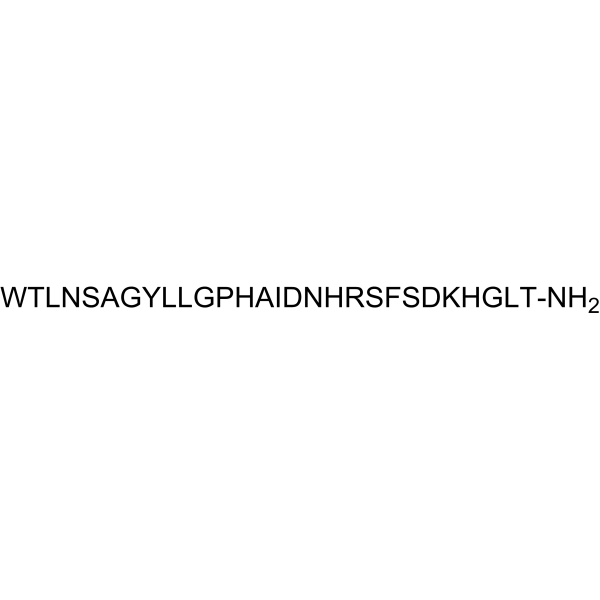
Galanin (2-29) (rat) inhibits rat pancreatic protein and CCK-8-stimulated amylase secretion. Galanin (2-29) (rat) is an GAL2R agonist (Ki: 3.5 nM) .
|
-
- HY-P1784
-
|
|
Secretin Receptor
|
Endocrinology
|
|
Secretin, canine is an endocrine hormone that stimulates the secretion of bicarbonate-rich pancreatic fluids. Secretin, canine can regulates gastric chief cell function and paracellular permeability in canine gastric monolayers by a Src kinase-dependent pathway .
|
-

- HY-P1544
-
|
|
Endogenous Metabolite
Adenylate Cyclase
PKA
Calcium Channel
|
Neurological Disease
Metabolic Disease
|
|
Cerebellin is a neuromodulatory hexadecapeptide that serves as a marker for Purkinje cell maturation. Cerebellin stimulates norepinephrine release via the adenylate cyclase/PKA-dependent signaling pathway. Cerebellin reduces insulin secretion from pancreatic islets under high-glucose conditions. Cerebellin also regulates synaptic structure formation and controls catecholamine secretion in peripheral tissues. Cerebellin can be used in neurological research .
|
-

- HY-108283R
-
|
AA 149 (Standard); Supacal (Standard)
|
Calcium Channel
Reference Standards
|
Inflammation/Immunology
|
|
Trepibutone (Standard) is the analytical standard of Trepibutone. This product is intended for research and analytical applications. Trepibutone (AA 149) increases secretion of bile and pancreatic juice, and accelerates flaccidity of the smooth muscle in the gastrointestinal tract. Trepibutone can be used for the research of cholecystitis and functional gastrointestinal disorders .
|
-

- HY-159496
-
|
|
DYRK
|
Metabolic Disease
|
|
Dyrk1A-IN-10 (compound B4) is a DYRK1A inhibitor with antidiabetic activity. Dyrk1A-IN-10 can promote pancreatic β-cell proliferation, increase insulin secretion, and lower blood sugar .
|
-

- HY-B1202A
-
|
AY-22284A
|
Aldose Reductase
|
Metabolic Disease
|
|
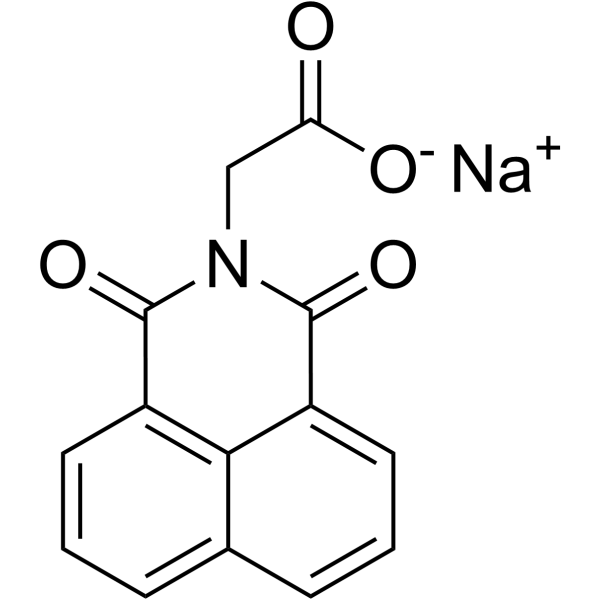
Alrestatin (AY-22284) sodium is an aldose reductase inhibitor. Alrestatin sodium reduces fructose levels in the uterine fluid of mice. Alrestatin sodium interferes with sperm capacitation and impairs fertilization function in mice. Alrestatin sodium decreases basal and tyramine-induced norepinephrine release in rat pancreatic specimens in vitro. Alrestatin sodium enhances glucose- and arginine-stimulated insulin secretion in vivo. Alrestatin sodium can be used in studies related to diabetes and reproductive diseases .
|
-
- HY-113513
-
|
|
Others
|
Cancer
|
|
5(S)-HEPE is an active metabolite of eicosapentaenoic acid. It is formed from EPA by 5-lipoxygenase (5-LO). 5(S)-HEPE is an agonist of G protein-coupled receptor 119 (GPR119). It increases cAMP accumulation in CHO-K1 cells expressing human GPR119 when used at a concentration of 10 μM. 5(S)-HEPE increases glucose-induced insulin secretion from MING6 insulinoma pancreatic islets and glucagon-like peptide 1 (GLP-1) secretion from HuTu 80 adenocarcinoma cells when used at a concentration of 10 μM. Serum levels of 5(S)-HEPE are elevated in patients with hyperlipidemia.
|
-

- HY-B1202R
-
|
AY-22284 (Standard)
|
Reference Standards
Aldose Reductase
|
Metabolic Disease
|
|
Alrestatin (AY-22284) Standard is the analytical standard of Alrestatin (HY-B1202). This product is intended for research and analytical applications. Alrestatin (AY-22284) is an aldose reductase inhibitor. Alrestatin reduces fructose levels in the uterine fluid of mice. Alrestatin interferes with sperm capacitation and impairs fertilization function in mice. Alrestatin decreases basal and tyramine-induced norepinephrine release in rat pancreatic specimens in vitro. Alrestatin enhances glucose- and arginine-stimulated insulin secretion in vivo. Alrestatin can be used in studies related to diabetes and reproductive diseases.
|
-

- HY-109538R
-
|
|
Secretin Receptor
Reference Standards
|
Neurological Disease
Metabolic Disease
|
|
Secretin (swine) (Standard) is the analytical standard of Secretin (swine). This product is intended for research and analytical applications. Secretin (swine), a neuroendocrine hormone, is the first hormone to be identifie and is secreted by S cells that are localized primarily in the mucosa of the duodenum. Secretin also is a 27-amino acid peptide, which acts on secretin receptors. Secretin is expressed by cells in all mature enteroendocrine cell subsets and can be prompted by fatty acids. Secretin stimulates the secretion of pancreatic water and bicarbonate. Secretin exerts various effects in organs, can be used for the research of digestive system, central nervous system and energy metabolism .
|
-

- HY-P2055
-
|
|
Endogenous Metabolite
|
Endocrinology
|
|
A-57696 is a cholecystokinin antagonist with selective activity at cortical CCK-B receptors (IC50 = 25 nM). A-57696 behaves as a competitive antagonist in reversing CCK8-stimulated pancreatic alpha-amylase secretion and phosphatidylinositol degradation. A-57696 fails to induce gallbladder contraction and inhibits CCK8-induced contraction. A-57696 behaves as a partial agonist at CCK-B/gastrin receptors on NCI-H345 cells, achieving 80% of the maximal CCK8 response. A-57696 and CCK8 inhibit each other in a calcium mobilization assay .
|
-

- HY-109692
-
|
|
Free Fatty Acid Receptor
|
Metabolic Disease
Inflammation/Immunology
|
|
GPR120 Agonist 5 (compound 12) is an agonist targeting GPR120 (EC50=1.2 μM). GPR120 Agonist 5 promotes the release of glucagon-like 1 (GLP-1) by binding to the GPR120 receptor, which in turn binds to its receptors on pancreatic beta cells, increasing insulin secretion and thereby lowering blood sugar levels. GPR120 Agonist 5 also helps reduce chronic low-grade inflammation, which plays an important role in the pathogenesis of obesity, insulin resistance, and type 2 diabetes. GPR120 Agonist 5 can be used to investigate the mechanism of action of GPR120 in metabolic and inflammatory diseases .
|
-

- HY-13749AR
-
|
MK-0431 phosphate (Standard)
|
Reference Standards
Dipeptidyl Peptidase
GLP Receptor
Endogenous Metabolite
PKA
ERK
|
Metabolic Disease
|
|
Sitagliptin (MK-0431) phosphate (Standard) is the analytical standard of Sitagliptin phosphate (HY-13749A). This product is intended for research and analytical applications. Sitagliptin phosphate is an orally active and highly selective DPP4 inhibitor with an IC50 value of 19 nM. Sitagliptin phosphate blocks the degradation of glucagon-like peptide-1 (GLP-1) and glucose-dependent insulinotropic peptide (GIP) by competing inhibition mechanism (Kᵢ = 1 nM), thereby increasing the level of active incretin. Sitagliptin phosphate can also directly stimulate the secretion of GLP-1 by intestinal L cells by activating the cAMP/PKA and ERK1/2 pathways, and this effect is independent of DPP-4. Sitagliptin phosphate shows protective effects on pancreatic islet grafts in 1-type diabetes models. Sitagliptin phosphate can be used for the study of 1-type and 2-type diabetes.
|
-

- HY-13749S2
-
|
MK-0431-d4
|
Isotope-Labeled Compounds
Dipeptidyl Peptidase
GLP Receptor
Endogenous Metabolite
PKA
ERK
|
Metabolic Disease
|
|
Sitagliptin-d4 (MK-0431-d4) is deuterium labeled Sitagliptin (HY-13749). Sitagliptin is an orally active and highly selective DPP4 inhibitor with an IC50 value of 19 nM. Sitagliptin blocks the degradation of glucagon-like peptide-1 (GLP-1) and glucose-dependent insulinotropic peptide (GIP) by competing inhibition mechanism (Kᵢ = 1 nM), thereby increasing the level of active incretin. Sitagliptin can also directly stimulate the secretion of GLP-1 by intestinal L cells by activating the cAMP/PKA and ERK1/2 pathways, and this effect is independent of DPP-4. Sitagliptin shows protective effects on pancreatic islet grafts in 1-type diabetes models. Sitagliptin can be used for the study of 1-type and 2-type diabetes.
|
-

- HY-B0113AR
-
|
H 16868 sodium (Standard)
|
Reference Standards
Na+/K+ ATPase
Interleukin Related
Proton Pump
Cytochrome P450
Bacterial
Apoptosis
Autophagy
TNF Receptor
Atg8/LC3
|
Infection
Metabolic Disease
Cancer
|
|
Omeprazole (sodium) (Standard) is the analytical standard of Omeprazole (sodium). This product is intended for research and analytical applications. Omeprazole sodium (H 16868) is an orally active H +,K +-ATPase inhibitor and a proton pump inhibitor. Omeprazole sodium competitively inhibits CYP2C19, CYP3A4, and CYP2C9 activity. Omeprazole sodium inhibits gastric acid secretion and can be used for acid-related gastrointestinal disorders. Omeprazole sodium inhibits pancreatic cancer cell proliferation, induces apoptosis, autophagosome accumulation (elevated LC3-I and LC3-II levels), oxidative stress, and cytogenetic imbalance, modulates lysosomal transport, reduces inflammatory cytokines. Omeprazole sodium alters small intestinal morphology and magnesium absorption, and induces gastric mucosa morphologic changes. Omeprazole sodium aslo has neuroprotective and antibacterial effects .
|
-

- HY-13749S3
-
|
MK-0431-d6
|
Isotope-Labeled Compounds
Dipeptidyl Peptidase
GLP Receptor
Endogenous Metabolite
PKA
ERK
|
Metabolic Disease
|
|
Sitagliptin-d6 (MK-0431-d6) is deuterium labeled Sitagliptin (HY-13749). Sitagliptin is an orally active and highly selective DPP4 inhibitor with an IC50 value of 19 nM. Sitagliptin blocks the degradation of glucagon-like peptide-1 (GLP-1) and glucose-dependent insulinotropic peptide (GIP) by competing inhibition mechanism (Kᵢ = 1 nM), thereby increasing the level of active incretin. Sitagliptin can also directly stimulate the secretion of GLP-1 by intestinal L cells by activating the cAMP/PKA and ERK1/2 pathways, and this effect is independent of DPP-4. Sitagliptin shows protective effects on pancreatic islet grafts in 1-type diabetes models. Sitagliptin can be used for the study of 1-type and 2-type diabetes.
|
-

- HY-B0113S4
-
|
H 16868-d3 sodium
|
Isotope-Labeled Compounds
Na+/K+ ATPase
Interleukin Related
Proton Pump
Cytochrome P450
Bacterial
Apoptosis
Autophagy
TNF Receptor
Atg8/LC3
|
Infection
Metabolic Disease
Cancer
|
|
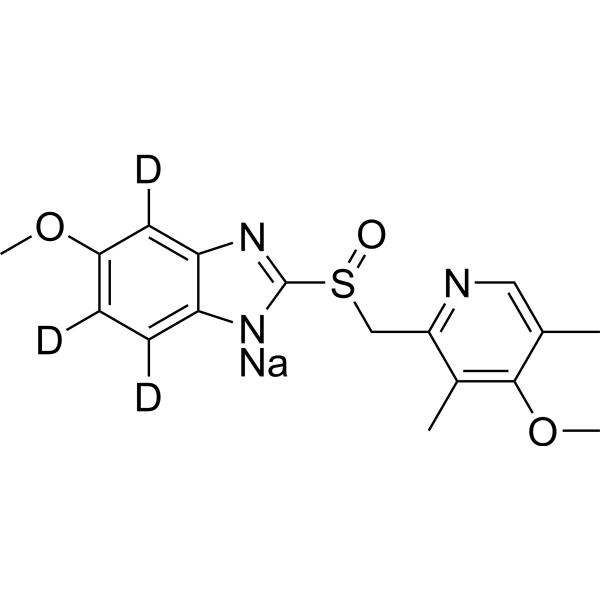
Omeprazole-d3 sodium is deuterated labeled Omeprazole (HY-B0113). Omeprazole sodium (H 16868) is an orally active H +,K +-ATPase inhibitor and a proton pump inhibitor. Omeprazole sodium competitively inhibits CYP2C19, CYP3A4, and CYP2C9 activity. Omeprazole sodium inhibits gastric acid secretion and can be used for acid-related gastrointestinal disorders. Omeprazole sodium inhibits pancreatic cancer cell proliferation, induces apoptosis, autophagosome accumulation (elevated LC3-I and LC3-II levels), oxidative stress, and cytogenetic imbalance, modulates lysosomal transport, reduces inflammatory cytokines. Omeprazole sodium alters small intestinal morphology and magnesium absorption, and induces gastric mucosa morphologic changes. Omeprazole sodium aslo has neuroprotective and antibacterial effects .
|
-
- HY-13749BR
-
|
MK-0431 phosphate monohydrate (Standard)
|
Reference Standards
Dipeptidyl Peptidase
GLP Receptor
Endogenous Metabolite
PKA
ERK
|
Metabolic Disease
|
|
Sitagliptin (MK-0431) phosphate monohydrate (Standard) is the analytical standard of Sitagliptin phosphate monohydrate (HY-13749B). This product is intended for research and analytical applications. Sitagliptin phosphate monohydrate is an orally active and highly selective DPP4 inhibitor with an IC50 value of 19 nM. Sitagliptin phosphate monohydrate blocks the degradation of glucagon-like peptide-1 (GLP-1) and glucose-dependent insulinotropic peptide (GIP) by competing inhibition mechanism (Kᵢ = 1 nM), thereby increasing the level of active incretin. Sitagliptin phosphate monohydrate can also directly stimulate the secretion of GLP-1 by intestinal L cells by activating the cAMP/PKA and ERK1/2 pathways, and this effect is independent of DPP-4. Sitagliptin phosphate monohydrate shows protective effects on pancreatic islet grafts in 1-type diabetes models. Sitagliptin phosphate monohydrate can be used for the study of 1-type and 2-type diabetes.
|
-

- HY-B0113S2
-
|
Omeprazole sulphone (methoxy-d3)
|
Isotope-Labeled Compounds
Na+/K+ ATPase
Interleukin Related
Proton Pump
Cytochrome P450
Bacterial
Apoptosis
Autophagy
TNF Receptor
Atg8/LC3
|
Infection
Cancer
|
|
Omeprazole sulfone (methoxy-d3) is the deuterium labeled Omeprazole sulfone. Omeprazole sulfone (H 16868) is an orally active H +,K +-ATPase inhibitor and a proton pump inhibitor. Omeprazole sulfone competitively inhibits CYP2C19, CYP3A4, and CYP2C9 activity. Omeprazole sulfone inhibits gastric acid secretion and can be used for acid-related gastrointestinal disorders. Omeprazole sulfone inhibits pancreatic cancer cell proliferation, induces apoptosis, autophagosome accumulation (elevated LC3-I and LC3-II levels), oxidative stress, and cytogenetic imbalance, modulates lysosomal transport, reduces inflammatory cytokines. Omeprazole sulfone alters small intestinal morphology and magnesium absorption, and induces gastric mucosa morphologic changes. Omeprazole sulfone aslo has neuroprotective and antibacterial effects .
|
-
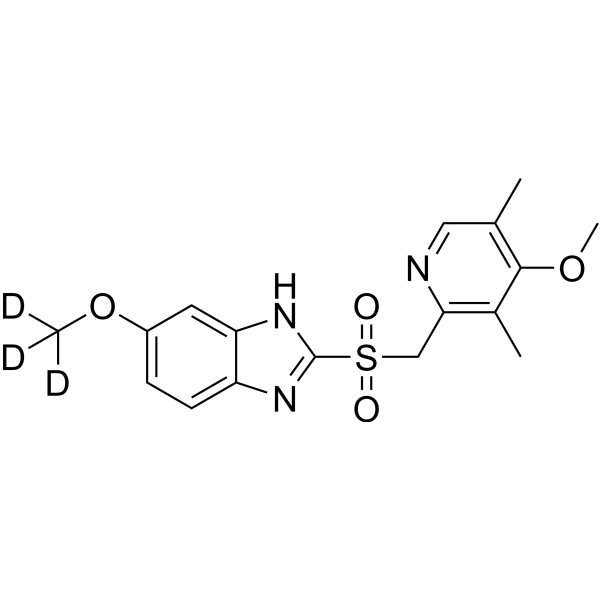
- HY-B0113S5
-
|
H 16868-d6
|
Isotope-Labeled Compounds
Na+/K+ ATPase
Interleukin Related
Proton Pump
Cytochrome P450
Bacterial
Apoptosis
Autophagy
TNF Receptor
Atg8/LC3
|
Infection
Metabolic Disease
Cancer
|
|
Omeprazole-d6 (H 16868-d6) is deuterium labeled Omeprazole. Omeprazole (H 16868) is an orally active H +,K +-ATPase inhibitor and a proton pump inhibitor. Omeprazole competitively inhibits CYP2C19, CYP3A4, and CYP2C9 activity. Omeprazole inhibits gastric acid secretion and can be used for acid-related gastrointestinal disorders. Omeprazole inhibits pancreatic cancer cell proliferation, induces apoptosis, autophagosome accumulation (elevated LC3-I and LC3-II levels), oxidative stress, and cytogenetic imbalance, modulates lysosomal transport, reduces inflammatory cytokines. Omeprazole alters small intestinal morphology and magnesium absorption, and induces gastric mucosa morphologic changes. Omeprazole aslo has neuroprotective and antibacterial effects .
|
-

- HY-W153897R
-
|
|
Reference Standards
Adrenergic Receptor
|
Inflammation/Immunology
|
|
N-Methyltyramine (Standard) is the analytical standard of N-Methyltyramine (HY-W153897). This product is intended for research and analytical applications. N-Methyltyramine is an orally active α2-adrenoreceptor antagonist with an IC50 value of 5.53 μM against rat targets. N-Methyltyramine blocks α2-adrenoreceptors, while inhibiting lipolysis, hyperactivity responses and small intestinal peristalsis in mice. N-Methyltyramine promotes gastrin release and pancreatic juice secretion, upregulates appetite, blood pressure, myocardial contraction frequency and contraction intensity, and increases renal blood flow, renal vascular resistance and mean peripheral arterial resistance. N-Methyltyramine relaxes mouse small intestinal smooth muscle and undergoes biotransformation in vivo to produce adrenaline. N-Methyltyramine can be used in studies related to gastrointestinal diseases .
|
-

- HY-B0113S1
-
|
H 16868-d3-1
|
Na+/K+ ATPase
Interleukin Related
Proton Pump
Cytochrome P450
Bacterial
Apoptosis
Autophagy
TNF Receptor
Atg8/LC3
|
Infection
Metabolic Disease
Cancer
|
|
Omeprazole-d3-1 is the deuterium labeled Omeprazole. Omeprazole-1 (H 16868) is an orally active H +,K +-ATPase inhibitor and a proton pump inhibitor. Omeprazole-1 competitively inhibits CYP2C19, CYP3A4, and CYP2C9 activity. Omeprazole-1 inhibits gastric acid secretion and can be used for acid-related gastrointestinal disorders. Omeprazole-1 inhibits pancreatic cancer cell proliferation, induces apoptosis, autophagosome accumulation (elevated LC3-I and LC3-II levels), oxidative stress, and cytogenetic imbalance, modulates lysosomal transport, reduces inflammatory cytokines. Omeprazole-1 alters small intestinal morphology and magnesium absorption, and induces gastric mucosa morphologic changes. Omeprazole-1 aslo has neuroprotective and antibacterial effects .
|
-
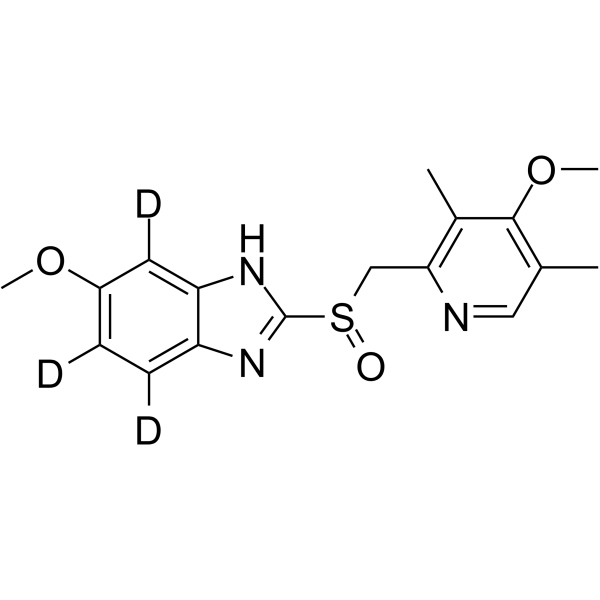
- HY-E70962
-
-

- HY-P1544A
-
|
|
Calcium Channel
PKA
Endogenous Metabolite
Adenylate Cyclase
|
Neurological Disease
Metabolic Disease
|
|
Cerebellin TFA is a neuromodulatory hexadecapeptide that serves as a marker for Purkinje cell maturation. Cerebellin TFA stimulates norepinephrine release via the adenylate cyclase/PKA-dependent signaling pathway. Cerebellin TFA reduces insulin secretion from pancreatic islets under high-glucose conditions. Cerebellin TFA also regulates synaptic structure formation and controls catecholamine secretion in peripheral tissues. Cerebellin TFA can be used in neurological research .
|
-

- HY-125646
-
|
|
GPR119
|
Metabolic Disease
|
|
YH18968 is an orally active GPR119 agonist with an EC50 of 2.8 nM for inducing cAMP accumulation. YH18968 activates GPR119, elevates intracellular cyclic adenosine monophosphate levels, stimulates glucagon-like peptide-1 secretion from intestinal L cells, and triggers glucose-dependent insulin secretion from pancreatic β cells. YH18968 improves glucose tolerance in normal mice and diet-induced obese mice. YH18968 can be used for the research of type 2 diabetes .
|
-

- HY-167931
-
|
|
Drug Derivative
|
Metabolic Disease
|
|
Cinnamohydrazide, an unsaturated carboxylic acid derivative, serves as a precursor to aspartame through enzyme-mediated amination to phenylalanine. This compound may offer potential benefits in the prevention and treatment of diabetes by facilitating insulin secretion, enhancing pancreatic β-cell function, inhibiting hepatic gluconeogenesis, promoting glucose uptake, amplifying insulin signaling pathways, delaying carbohydrate digestion and glucose absorption, and reducing protein glycation and insulin fibrillation.
|
-

- HY-107535R
-
|
|
Reference Standards
GPR119
TRP Channel
|
Metabolic Disease
|
|
AS1269574 (Standard) is the analytical standard of AS1269574 (HY-107535). This product is intended for research and analytical applications. AS1269574 is a potent, orally available GPR119 agonist, with an EC50 of 2.5 μM in HEK293 cells expressing human GPR119. AS1269574 activates TRPA1 cation channels to stimulate glucagon-like peptide-1 (GLP-1) secretion. AS1269574 specifically induces glucose-dependent insulin secretion from pancreatic β-cells only under high-glucose conditions. AS1269574 has the potential for the research of type 2 diabetes .
|
-

- HY-N19830
-
|
|
Reactive Oxygen Species (ROS)
Apoptosis
|
Cancer
|
|
Guavenoic acid is a triterpenoid compound that can be isolated from fresh leaves of Psidium guajava. Guavenoic acid protects cells in cellular oxidative damage models, inhibits intracellular ROS production, and suppresses cell apoptosis. Guavenoic acid significantly enhances cellular proliferation, promotes insulin synthesis and secretion, and upregulates the messenger RNA expression of insulin gene, PDX-1 and MafA. Guavenoic acid can be used in the research of diseases such as pancreatic islet β-cell tumors .
|
-

- HY-120493
-
|
|
Free Fatty Acid Receptor
|
Metabolic Disease
|
|
(rel)-AM-6226 is the relative stereoisomer of AM-6226 (HY-120493A). AM-6226 is a potent, orally active full agonist of G protein-coupled receptor 40 (GPR40) with an EC50 value of 0.12 μM. AM-6226 activates GPR40 receptors on pancreatic β-cells and enteroendocrine L-cells, promotes insulin secretion in a glucose-dependent manner, and increases the release of incretin hormones (GLP-1, GIP), thus avoiding the risk of hypoglycemia. AM-6226 can be used in the research of metabolic diseases such as diabetes .
|
-

- HY-183205
-
|
|
Somatostatin Receptor
|
Metabolic Disease
|
|
SSTR5 antagonist 7 is an orally active SSTR5 antagonist, with an IC50 of 6.2 nM against hSSTR5 and an IC50 of 25 nM against mouse-derived SSTR5. SSTR5 antagonist 7 exerts a sustained hypoglycemic effect. SSTR5 antagonist 7 can be used for the research of diabetes .
|
-

- HY-168168
-
|
|
Endogenous Metabolite
|
Metabolic Disease
|
|
(5aS,6R,6aR)-MK-8666 is a selective GPR40 agonist with activity in promoting fatty acid-induced insulin secretion in pancreatic β cells and intestinal enteroendocrine cells. (5aS,6R,6aR)-MK-8666 has been studied for the inhibition of type 2 diabetes and has shown significant blood glucose lowering effects. Although (5aS,6R,6aR)-MK-8666 is considered to have potential inhibitory advantages, its development was stopped in Phase I clinical trials due to liver safety issues .
|
-

- HY-N19401
-
|
|
Cholinesterase (ChE)
Carbonic Anhydrase
Glycosidase
JNK
p38 MAPK
|
Metabolic Disease
Inflammation/Immunology
|
|
Vescalagin is a hexahydroxyphenol. Vescalagin is isolable from Camu-camu (Myrciaria dubia) and immature wax apple fruits. Vescalagin exhibits inhibitory activity against a variety of enzymes, with a Ki value of 5.87 nM against AChE, 3.89 nM against BChE, 11.75 nM against hCA I, 16.23 nM against hCA II, and 16.08 nM against α-glucosidase. Vescalagin inhibits hCA I, hCA II and α-glucosidase in a non-competitive manner. Vescalagin downregulates JNK/p38 MAPK to protect pancreatic β-cells and improve insulin secretion in methylglyoxal-treated rats. Vescalagin reduces hyperglycemia and hypertriglyceridemia in rats fed a high-fructose diet. Vescalagin possesses anti-inflammatory and antioxidant properties .
|
-

- HY-15210
-
|
|
Potassium Channel
|
Metabolic Disease
|
|
Meglitinide is an ATP-sensitive potassium (KATP) channel inhibitor. Meglitinide exhibits IC50 values of 0.26 μM, 0.53 μM and 1.6 μM against KATP channels containing SUR1, SUR2A and SUR2B, respectively, with a Kd value of 7 μM for both SUR1 and SUR2A, and a Kd value of 8 μM for SUR2B. Meglitinide binds to the SUR1, SUR2A and SUR2B subunits with high affinity to close KATP channels, acting on a binding site shared by all SUR subtypes, and its interaction with SUR1 carrying the S1237Y mutation remains unchanged. Meglitinide is applicable to research related to type 2 diabetes .
|
-

- HY-W153159R
-
|
|
Reference Standards
Adrenergic Receptor
|
Inflammation/Immunology
|
|
N-Methyltyramine (hydrochloride) (Standard) is the analytical standard of N-Methyltyramine (hydrochloride) (HY-W153159). This product is intended for research and analytical applications. N-Methyltyramine hydrochloride is an orally active α2-adrenoreceptor antagonist with an IC50 value of 5.53 μM against rat targets. N-Methyltyramine hydrochloride blocks α2-adrenoreceptors, while inhibiting lipolysis, hyperactivity responses and small intestinal peristalsis in mice. N-Methyltyramine hydrochloride promotes gastrin release and pancreatic juice secretion, upregulates appetite, blood pressure, myocardial contraction frequency and contraction intensity, and increases renal blood flow, renal vascular resistance and mean peripheral arterial resistance. N-Methyltyramine hydrochloride relaxes mouse small intestinal smooth muscle and undergoes biotransformation in vivo to produce adrenaline. N-Methyltyramine hydrochloride can be used in studies related to gastrointestinal diseases .
|
-

- HY-P992159
-
|
|
SLC39 (Zinc Transporter)
|
Metabolic Disease
Inflammation/Immunology
|
|
Anti-ZnT8 Antibody (mAb43) is a monoclonal antibody targeting the zinc transporter ZnT8, with islet-specific biodistribution characteristics. Anti-ZnT8 Antibody (mAb43) binds to extracellular ZnT8 on the surface of pancreatic β-cells and masks its insulin-co-localizing sites to block autoimmune recognition. Anti-ZnT8 Antibody (mAb43) also promotes an increase in the proportion of regulatory T cells and inhibits B cell antigen presentation, thereby effectively blocking the T cell-mediated cascade of β-cell destruction. Anti-ZnT8 Antibody (mAb43) eliminates insulitis, preserves β-cell mass and induces seroconversion of autoantibodies, without directly altering the insulin secretion function or content of β-cells. Anti-ZnT8 Antibody (mAb43) can be used for research related to type 1 diabetes .
|
-

- HY-143312
-
|
|
GLP Receptor
|
Metabolic Disease
Inflammation/Immunology
|
|
V-0219 is an orally active glucagon-like peptide-1 receptor (GLP-1R) positive allosteric modulator. V-0219 potentiates GLP-1R stimulation, and enhances GLP-1-induced cAMP production and insulin secretion. V-0219 potentiates glucose-dependent insulin secretion. V-0219 improves glucose handling in normal and diabetic rodents. V-0219 can be used for the research of obesity-associated diabetes .
|
-
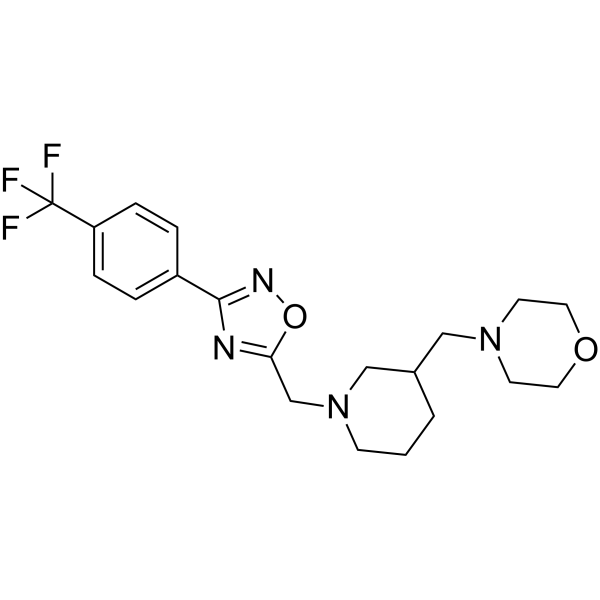
- HY-103192
-
|
RMI12330A
|
Adenylate Cyclase
Potassium Channel
|
Neurological Disease
Cancer
|
|
MDL12330A (RMI12330A) is an adenylyl cyclases inhibitor. MDL12330A can inhibit KV channels, increases insulin secretion and Ca 2+ levels. MDL12330A accentuates contractions in uterine rings and inhibits cardiac functions. MDL12330A can be used for the research of endocrinology, metabolic and cardiovascular disease .
|
-
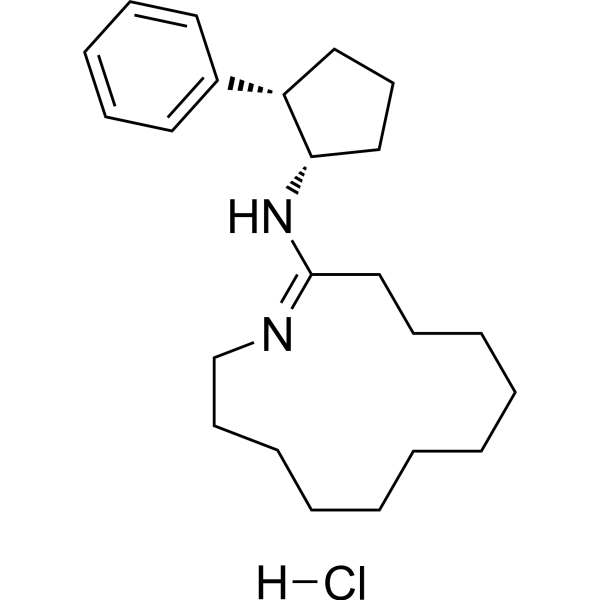
| Cat. No. |
Product Name |
Type |
-
- HY-B1273
-
|
1-Phenyl-1-pentanol
|
Fluorescent Dyes
|
|
Fenipentol (1-Phenyl-1-pentanol), a synthetic derivative of an ingredient of Curcuma longa that is used as a condiment and dye. Fenipentol is also an orally active choleretic agent that plays an important role in release of secretin, gastrin, and pancreatic secretion of bicarbonate and protein .
|
| Cat. No. |
Product Name |
Target |
Research Area |
-
- HY-P10138
-
|
|
Insulin Receptor
|
Metabolic Disease
|
|
Human GIP(3-30), amide is a high affinity antagonist of the human GIP receptor in vitro. Human GIP(3-30), amide has potential anti-obesity and anti-diabetic effects .
|
-
- HY-P1070A
-
|
DAP amide, human TFA
|
Amylin Receptor
|
Metabolic Disease
|
|
Amylin, amide, human TFA, a 37-amino acid polypeptide, is a pancreatic hormone cosecreted with insulin that exerts unique roles in metabolism and glucose homeostasis. Amylin, amide, human TFA inhibits glucagon secretion, delays gastric emptying, and acts as a satiety agent .
|
-
- HY-P10735
-
|
Gastric inhibitory polypeptide(mouse); GIP(1-42) (mouse)
|
Lipase
Apoptosis
|
Metabolic Disease
|
|
GIP (Gastric inhibitory polypeptide) (mouse) is a gastrointestinal hormone that is secreted by the intestinal K cells, and also expressed in and secreted from pancreatic islets. GIP (mouse) promotes insulin secretion from pancreatic β cells via the G-protein-coupled GIP receptor (GIPR). GIP (mouse) promotes pancreatic β cell proliferation and inhibits apoptosis. GIP (mouse) also exerts direct lipogenic effects on adipose tissue .
|
-
- HY-P1070
-
|
DAP amide, human
|
Amylin Receptor
|
Metabolic Disease
|
|
Amylin, amide, human, a 37-amino acid polypeptide, is a pancreatic hormone cosecreted with insulin that exerts unique roles in metabolism and glucose homeostasis. Amylin, amide, human inhibits glucagon secretion, delays gastric emptying, and acts as a satiety agent .
|
-
- HY-P1514
-
-
- HY-P10138A
-
|
|
Insulin Receptor
|
Metabolic Disease
|
|
Human GIP(3-30), amide TFA is the TFA salt form of human GIP(3-30), amide (HY-P10138). Human GIP(3-30), amide TFA is a high affinity antagonist of the human GIP receptor in vitro. Human GIP(3-30), amide TFA has potential anti-obesity and anti-diabetic effects .
|
-
- HY-P10769
-
|
|
AMPK
Apoptosis
|
Metabolic Disease
|
|
MOTS-c (mouse) is a mitochondrial-derived polypeptide that can be used to regulates pancreatic cell function. MOTS-c (mouse) reduces insulin secretion and expression in INS-1E cells, and enhances glucagon secretion and expression in αTC-1 cells. MOTS-c (mouse) decreases the apoptosis in INS-1E and αTC-1. MOTS-c (mouse) counteracts diet-induced obesity and insulin resistance through AMPK activation .
|
-
- HY-P11108
-
|
|
NF-κB
Apoptosis
TNF Receptor
Caspase
|
Inflammation/Immunology
Cancer
|
|
RP-182 is a synthetic immunomodulatory peptide that exerts anti-tumor effects by targeting the mannose receptor CD206 (Kd = 8 μM) on the surface of tumor-associated macrophages (TAMs). RP-182 induces a conformational switch of the CD206 receptor, which activates NF-κB signaling and phagocytosis in CD206 high TAMs. RP-182 has dual function: activation of canonical NF-κB signaling, triggering TNFα secretion and autocrine activation of the TNF receptor 1 (TNFR1), leading to activation of caspase 8, apoptosis, and cell death. RP-182 is used in pancreatic cancer and melanoma research .
|
-
- HY-P4060
-
-
- HY-109538
-
|
|
Secretin Receptor
|
Neurological Disease
Metabolic Disease
|
|
Secretin (swine), a neuroendocrine hormone, is the first hormone to be identifie and is secreted by S cells that are localized primarily in the mucosa of the duodenum. Secretin also is a 27-amino acid peptide, which acts on secretin receptors. Secretin is expressed by cells in all mature enteroendocrine cell subsets and can be prompted by fatty acids. Secretin stimulates the secretion of pancreatic water and bicarbonate. Secretin exerts various effects in organs, can be used for the research of digestive system, central nervous system and energy metabolism .
|
-
- HY-P3622
-
|
|
GCGR
|
Metabolic Disease
|
|
(Ser8)-GLP-1 (7-36) amide, human is a glucagon-like peptide 1 amide derived from glucagonogen, a cleavage product of the GLP-1 (1-36) amide peptide. (Ser8)-GLP-1 (7-36) amide, human is an entero-insulinotropic hormone that causes glucose-dependent release of insulin from pancreatic β-cells and affects gastrointestinal motility and secretion .
|
-
- HY-103281
-
|
|
Bombesin Receptor
|
Metabolic Disease
|
|
Litorin, an amphibian bombesin peptide derivative, is an bombesin receptor agonist. Litorin stimulates the contraction of smooth muscle, stimulates gastrin, gastric acid, and pancreatic secretion, and suppresses the nutriment in vivo .
|
-
- HY-P1784A
-
|
|
Secretin Receptor
|
Endocrinology
|
|
ecretin, canine TFA is an endocrine hormone that stimulates the secretion of bicarbonate-rich pancreatic fluids. Secretin, canine TFA can regulates gastric chief cell function and paracellular permeability in canine gastric monolayers by a Src kinase-dependent pathway .
|
-
- HY-P5390A
-
|
|
Peptides
|
Others
|
|
GIP, rat TFA is a bioactive peptide of rat origin. (GIP (glucose-dependent insulinotropic polypeptide or also known as gastric inhibitory polypeptide) is a 42-amino acid peptide released by K cells in the duodenum and jejunum in response to food intake. GIP and GLP (gastric-like peptide) are both intestinal A member of the insulinotropic hormone peptide family that stimulates insulin secretion from pancreatic beta cells and appears to also promote beta cell proliferation and beta cell survival. Recent studies suggest that GIP plays a role in lipid homeostasis and may play a role in the pathogenesis of obesity function in the mechanism.
|
-
- HY-P3112
-
|
|
Bombesin Receptor
|
Neurological Disease
|
|
ICI 216140 is a GRP/bombesin receptor 2 antagonist with the IC50 of 2 nM. ICI 216140 can reduce Bombesin (HY-P0195)-stimulated pancreatic amylase secretion and attenuates Bombesin (HY-P0195)-stimulated increases in blood pressure .
|
-
- HY-P11043
-
|
|
GLP Receptor
Neuropeptide Y Receptor
Arrestin
|
Metabolic Disease
|
|
GEP44 is a peptide biased triple agonist targeting Glucagon-like peptide 1 receptor (GLP-1R), neuropeptide Y1 Receptor (Y1-R), and neuropeptide Y2 Receptor (Y2-R). GEP44 induces Y1-R antagonist-controlled, GLP-1R-dependent stimulation of insulin secretion in both rat and human pancreatic islets by counteracting effects of Y1-R and GLP-1R agonism. GEP44 promotes insulin-independent Y1-R-mediated glucose uptake in muscle tissue and significantly reduces food intake and body weight in diet-induced obese rat models. GEP44 can be used for obesity and type 2 diabetes mellitus research .
|
-
- HY-103545
-
|
Gastric inhibitory peptide (1-39) (porcine)
|
Insulin Receptor
|
Metabolic Disease
|
|
GIP (1-39) (Gastric inhibitory peptide (1-39) (porcine)) is an insulinotropic peptide that stimulats insulin secretion from rat pancreatic islets. GIP (1-39) at 100 nM was able to significantly increase intracellular Ca 2+ concentration ([Ca 2+]i), and capable of enhancing exocytosis .
|
-
- HY-P1871A
-
|
|
Amylin Receptor
|
Metabolic Disease
|
|
Amylin (IAPP), feline TFA is a 37-amino acid polypeptide from feline. Amylin (IAPP), feline TFA is one of the major secretory products of β-cells of the pancreatic islets. Amylin (IAPP), feline TFA is a regulatory peptide, which inhibits insulin and glucagon secretion .
|
-
- HY-P1537
-
|
|
Neuropeptide Y Receptor
|
Metabolic Disease
Endocrinology
|
|
Pancreatic Polypeptide, bovine, a 36-amino acid, straight chain polypeptide derived primarily from the pancreas, inhibits secretin- and cholecystokinin-stimulated pancreatic secretion; Pancreatic Polypeptide, bovine acts as an agonist of NPY receptor, with high affinity at NPYR4.
|
-
- HY-P0212
-
|
|
GCGR
|
Metabolic Disease
|
|
Neuropeptide Y, porcine, a peptide in porcine brain, is capable of inhibiting secretin-stimulated pancreatic secretion .
|
-
- HY-P2636
-
|
Prepro CCK Fragment V-9-M
|
Histamine Receptor
|
Metabolic Disease
|
|
Cholecystokinin Precursor (24-32) (rat) is a cholecystokinin precursor that can be expressed in the heart, lungs, and kidneys as well as in the gastrointestinal tract and brain. Cholecystokinin is a brain-gut peptide that stimulates gallbladder contraction and pancreatic exocrine secretion and also acts as a neurotransmitter .
|
-
- HY-P0262
-
|
|
Neuropeptide Y Receptor
|
Neurological Disease
Metabolic Disease
Inflammation/Immunology
Endocrinology
|
|
Galantide, a non-specific galanin receptor antagonist, is a peptide consisting of fragments of galanin and substance P. Galantide recognizes two classes of galanin binding sites (KD<0.1 nM and ~6 nM) in the rat hypothalamus. Galantide dose dependently (IC50=1.0 nM) antagonizes the galanin-mediated inhibition of the glucose-induced insulin secretion from mouse pancreatic islets. Galantide appears to bind to a single population of SP receptors (KD~40 nM) .
|
-
- HY-P5390
-
|
|
Peptides
|
Others
|
|
GIP, rat is a biological active peptide. (GIP (Glucose-dependent Insulinotropic Polypeptide or also known as Gastric Inhibitory Polypeptide) is a 42-amino acid peptide released by the K cells of the duodenum and jejunum in response to food intake. GIP, together with GLP (Gastric-like Peptide) are members of the hormone peptide family of Incretins which stimulate insulin secretion from pancreatic islet β-cells, and also appears to promote beta cell proliferation and beta cell survival. Recent studies suggest that GIP plays a role in lipid homeostasis and possibly in the pathogenesis of obesity.)
|
-
- HY-P11108A
-
|
|
NF-κB
Apoptosis
TNF Receptor
Caspase
|
Inflammation/Immunology
Cancer
|
|
RP-182 acetate is a synthetic immunomodulatory peptide that exerts anti-tumor effects by targeting the mannose receptor CD206 (Kd = 8 μM) on the surface of tumor-associated macrophages (TAMs). RP-182 acetate induces a conformational switch of the CD206 receptor, which activates NF-κB signaling and phagocytosis in CD206 high TAMs. RP-182 acetate has dual function: activation of canonical NF-κB signaling, triggering TNFα secretion and autocrine activation of the TNF receptor 1 (TNFR1), leading to activation of caspase 8, apoptosis, and cell death. RP-182 acetate is used in pancreatic cancer and melanoma research .
|
-
- HY-P1871
-
|
|
Amylin Receptor
|
Metabolic Disease
|
|
Amylin (IAPP), feline is a 37-amino acid polypeptide from feline. Amylin (IAPP), feline is one of the major secretory products of β-cells of the pancreatic islets. Amylin (IAPP), feline is a regulatory peptide, which inhibits insulin and glucagon secretion .
|
-
- HY-103285
-
|
Porcine gastrin-releasing peptide 27
|
Cholecystokinin Receptor
|
Cancer
|
|
GRP (porcine) (Porcine gastrin-releasing peptide 27) is the putative mammalian analog of Bombesin (HY-P0195). GRP (porcine) activates the release of a number of gastroenteropancreatic (GEP) peptides into the peripheral circulation. GRP (porcine) stimulates gastrin release and exocrine pancreatic secretion. GRP (porcine) is a useful marker of neuroendocrine differentiation in many tumors .
|
-
- HY-P0212A
-
|
|
GCGR
|
Metabolic Disease
|
|
Neuropeptide Y, porcine TFA, a peptide in porcine brain, is capable of inhibiting secretin-stimulated pancreatic secretion .
|
-
- HY-P1980
-
|
|
Apoptosis
|
Metabolic Disease
|
|
A-71915 (TFA) is a selective inhibitor of ANP receptor (atrial natriuretic peptide-receptor), induces apoptosis and decreases insulin secretion in RINm5F pancreatic β-cells .
|
-
- HY-P1133
-
|
Rat galanin(2-29)
|
Neuropeptide Y Receptor
|
Others
|
|
Galanin (2-29) (rat) inhibits rat pancreatic protein and CCK-8-stimulated amylase secretion. Galanin (2-29) (rat) is an GAL2R agonist (Ki: 3.5 nM) .
|
-
- HY-P1784
-
|
|
Secretin Receptor
|
Endocrinology
|
|
Secretin, canine is an endocrine hormone that stimulates the secretion of bicarbonate-rich pancreatic fluids. Secretin, canine can regulates gastric chief cell function and paracellular permeability in canine gastric monolayers by a Src kinase-dependent pathway .
|
-
- HY-P1544
-
|
|
Endogenous Metabolite
Adenylate Cyclase
PKA
Calcium Channel
|
Neurological Disease
Metabolic Disease
|
|
Cerebellin is a neuromodulatory hexadecapeptide that serves as a marker for Purkinje cell maturation. Cerebellin stimulates norepinephrine release via the adenylate cyclase/PKA-dependent signaling pathway. Cerebellin reduces insulin secretion from pancreatic islets under high-glucose conditions. Cerebellin also regulates synaptic structure formation and controls catecholamine secretion in peripheral tissues. Cerebellin can be used in neurological research .
|
-
- HY-109538R
-
|
|
Secretin Receptor
Reference Standards
|
Neurological Disease
Metabolic Disease
|
|
Secretin (swine) (Standard) is the analytical standard of Secretin (swine). This product is intended for research and analytical applications. Secretin (swine), a neuroendocrine hormone, is the first hormone to be identifie and is secreted by S cells that are localized primarily in the mucosa of the duodenum. Secretin also is a 27-amino acid peptide, which acts on secretin receptors. Secretin is expressed by cells in all mature enteroendocrine cell subsets and can be prompted by fatty acids. Secretin stimulates the secretion of pancreatic water and bicarbonate. Secretin exerts various effects in organs, can be used for the research of digestive system, central nervous system and energy metabolism .
|
-
- HY-P2055
-
|
|
Endogenous Metabolite
|
Endocrinology
|
|
A-57696 is a cholecystokinin antagonist with selective activity at cortical CCK-B receptors (IC50 = 25 nM). A-57696 behaves as a competitive antagonist in reversing CCK8-stimulated pancreatic alpha-amylase secretion and phosphatidylinositol degradation. A-57696 fails to induce gallbladder contraction and inhibits CCK8-induced contraction. A-57696 behaves as a partial agonist at CCK-B/gastrin receptors on NCI-H345 cells, achieving 80% of the maximal CCK8 response. A-57696 and CCK8 inhibit each other in a calcium mobilization assay .
|
-
- HY-P1544A
-
|
|
Calcium Channel
PKA
Endogenous Metabolite
Adenylate Cyclase
|
Neurological Disease
Metabolic Disease
|
|
Cerebellin TFA is a neuromodulatory hexadecapeptide that serves as a marker for Purkinje cell maturation. Cerebellin TFA stimulates norepinephrine release via the adenylate cyclase/PKA-dependent signaling pathway. Cerebellin TFA reduces insulin secretion from pancreatic islets under high-glucose conditions. Cerebellin TFA also regulates synaptic structure formation and controls catecholamine secretion in peripheral tissues. Cerebellin TFA can be used in neurological research .
|
| Cat. No. |
Product Name |
Target |
Research Area |
Image |
-
- HY-P992159
-
|
|
SLC39 (Zinc Transporter)
|
Metabolic Disease
Inflammation/Immunology
|
|
Anti-ZnT8 Antibody (mAb43) is a monoclonal antibody targeting the zinc transporter ZnT8, with islet-specific biodistribution characteristics. Anti-ZnT8 Antibody (mAb43) binds to extracellular ZnT8 on the surface of pancreatic β-cells and masks its insulin-co-localizing sites to block autoimmune recognition. Anti-ZnT8 Antibody (mAb43) also promotes an increase in the proportion of regulatory T cells and inhibits B cell antigen presentation, thereby effectively blocking the T cell-mediated cascade of β-cell destruction. Anti-ZnT8 Antibody (mAb43) eliminates insulitis, preserves β-cell mass and induces seroconversion of autoantibodies, without directly altering the insulin secretion function or content of β-cells. Anti-ZnT8 Antibody (mAb43) can be used for research related to type 1 diabetes .
|
-

(5)
| Cat. No. |
Product Name |
Category |
Target |
Chemical Structure |
-
- HY-W040127
-
-
-
- HY-103281
-
-
-
- HY-N2452
-
|
|
other families
Classification of Application Fields
Phenols
Polyphenols
Metabolic Disease
Plants
Disease Research Fields
Source Classification
|
GLP Receptor
|
|
Cochinchinenin C is a GLP-1R agonist that binds to the extracellular domain of the receptor via hydrophobic interactions and hydrogen bonds, and promotes glucose-dependent insulin secretion from pancreatic β-cells. Cochinchinenin C also increases intracellular cAMP and ATP levels. At low concentrations, Cochinchinenin C binds to human serum albumin, alters its microenvironment, and induces dominant static fluorescence quenching. Cochinchinenin C shows almost no cytotoxicity to pancreatic β-cells, and exerts a synergistic effect with Loureirin A (HY-N1505) when binding to human serum albumin. Cochinchinenin C has been widely used in studies of type 2 diabetes, Helicobacter pylori infection, thrombotic diseases, and other conditions .
|
-
-
- HY-W153159
-
|
|
Structural Classification
Alkaloids
Monophenols
Other Alkaloids
Gramineae
Phenols
Plants
Hordeum distichon L.
Source Classification
|
Adrenergic Receptor
|
|
N-Methyltyramine hydrochloride is an orally active α2-adrenoreceptor antagonist with an IC50 value of 5.53 μM against rat targets. N-Methyltyramine hydrochloride blocks α2-adrenoreceptors, while inhibiting lipolysis, hyperactivity responses and small intestinal peristalsis in mice. N-Methyltyramine hydrochloride promotes gastrin release and pancreatic juice secretion, upregulates appetite, blood pressure, myocardial contraction frequency and contraction intensity, and increases renal blood flow, renal vascular resistance and mean peripheral arterial resistance. N-Methyltyramine hydrochloride relaxes mouse small intestinal smooth muscle and undergoes biotransformation in vivo to produce adrenaline. N-Methyltyramine hydrochloride can be used in studies related to gastrointestinal diseases .
|
-
-
- HY-W153897
-
-
-
- HY-113513
-
|
|
Microorganisms
Source Classification
|
Others
|
|
5(S)-HEPE is an active metabolite of eicosapentaenoic acid. It is formed from EPA by 5-lipoxygenase (5-LO). 5(S)-HEPE is an agonist of G protein-coupled receptor 119 (GPR119). It increases cAMP accumulation in CHO-K1 cells expressing human GPR119 when used at a concentration of 10 μM. 5(S)-HEPE increases glucose-induced insulin secretion from MING6 insulinoma pancreatic islets and glucagon-like peptide 1 (GLP-1) secretion from HuTu 80 adenocarcinoma cells when used at a concentration of 10 μM. Serum levels of 5(S)-HEPE are elevated in patients with hyperlipidemia.
|
-
-
- HY-W153897R
-
-
-
- HY-N19830
-
-
-
- HY-N19401
-
|
|
Structural Classification
Phenols
Polyphenols
Myrciaria dubia (Kunth) McVaugh
Myrtaceae
Plants
Source Classification
|
Cholinesterase (ChE)
Carbonic Anhydrase
Glycosidase
JNK
p38 MAPK
|
|
Vescalagin is a hexahydroxyphenol. Vescalagin is isolable from Camu-camu (Myrciaria dubia) and immature wax apple fruits. Vescalagin exhibits inhibitory activity against a variety of enzymes, with a Ki value of 5.87 nM against AChE, 3.89 nM against BChE, 11.75 nM against hCA I, 16.23 nM against hCA II, and 16.08 nM against α-glucosidase. Vescalagin inhibits hCA I, hCA II and α-glucosidase in a non-competitive manner. Vescalagin downregulates JNK/p38 MAPK to protect pancreatic β-cells and improve insulin secretion in methylglyoxal-treated rats. Vescalagin reduces hyperglycemia and hypertriglyceridemia in rats fed a high-fructose diet. Vescalagin possesses anti-inflammatory and antioxidant properties .
|
-
-
- HY-W153159R
-
|
|
Structural Classification
Alkaloids
Monophenols
Other Alkaloids
Gramineae
Phenols
Plants
Hordeum distichon L.
Source Classification
|
Reference Standards
Adrenergic Receptor
|
|
N-Methyltyramine (hydrochloride) (Standard) is the analytical standard of N-Methyltyramine (hydrochloride) (HY-W153159). This product is intended for research and analytical applications. N-Methyltyramine hydrochloride is an orally active α2-adrenoreceptor antagonist with an IC50 value of 5.53 μM against rat targets. N-Methyltyramine hydrochloride blocks α2-adrenoreceptors, while inhibiting lipolysis, hyperactivity responses and small intestinal peristalsis in mice. N-Methyltyramine hydrochloride promotes gastrin release and pancreatic juice secretion, upregulates appetite, blood pressure, myocardial contraction frequency and contraction intensity, and increases renal blood flow, renal vascular resistance and mean peripheral arterial resistance. N-Methyltyramine hydrochloride relaxes mouse small intestinal smooth muscle and undergoes biotransformation in vivo to produce adrenaline. N-Methyltyramine hydrochloride can be used in studies related to gastrointestinal diseases .
|
-
| Cat. No. |
Product Name |
Chemical Structure |
-
- HY-13749AS
-
|
|
|
Sitagliptin-d4 phosphate (MK-0431-d4) is the deuterium labeled Sitagliptin phosphate (HY-13749A). Sitagliptin phosphate is an orally active and highly selective DPP4 inhibitor with an IC50 value of 19 nM. Sitagliptin phosphate blocks the degradation of glucagon-like peptide-1 (GLP-1) and glucose-dependent insulinotropic peptide (GIP) by competing inhibition mechanism (Kᵢ = 1 nM), thereby increasing the level of active incretin. Sitagliptin phosphate can also directly stimulate the secretion of GLP-1 by intestinal L cells by activating the cAMP/PKA and ERK1/2 pathways, and this effect is independent of DPP-4. Sitagliptin phosphate shows protective effects on pancreatic islet grafts in 1-type diabetes models. Sitagliptin phosphate can be used for the study of 1-type and 2-type diabetes.
|
-
-
- HY-B0113S
-
1 Publications Verification
|
|
Omeprazole-d3 (H 16868-d3) is deuterium labeled Omeprazole. Omeprazole (H 16868) is an orally active H +,K +-ATPase inhibitor and a proton pump inhibitor. Omeprazole competitively inhibits CYP2C19, CYP3A4, and CYP2C9 activity. Omeprazole inhibits gastric acid secretion and can be used for acid-related gastrointestinal disorders. Omeprazole inhibits pancreatic cancer cell proliferation, induces apoptosis, autophagosome accumulation (elevated LC3-I and LC3-II levels), oxidative stress, and cytogenetic imbalance, modulates lysosomal transport, reduces inflammatory cytokines. Omeprazole alters small intestinal morphology and magnesium absorption, and induces gastric mucosa morphologic changes. Omeprazole aslo has neuroprotective and antibacterial effects .
|
-
-
- HY-13749S1
-
|
|
|
Sitagliptin-d4 hydrochloride is the deuterium labeled Sitagliptin hydrochloride (HY-13749E). Sitagliptin hydrochloride is an orally active and highly selective DPP4 inhibitor with an IC50 value of 19 nM. Sitagliptin hydrochloride blocks the degradation of glucagon-like peptide-1 (GLP-1) and glucose-dependent insulinotropic peptide (GIP) by competing inhibition mechanism (Kᵢ = 1 nM), thereby increasing the level of active incretin. Sitagliptin hydrochloride can also directly stimulate the secretion of GLP-1 by intestinal L cells by activating the cAMP/PKA and ERK1/2 pathways, and this effect is independent of DPP-4. Sitagliptin hydrochloride shows protective effects on pancreatic islet grafts in 1-type diabetes models. Sitagliptin hydrochloride can be used for the study of 1-type and 2-type diabetes.
|
-
-
- HY-B0113S3
-
|
|
|
Omeprazole- 13C,d3 is a 13C-labeled and deuterium labeled Omeprazole. Omeprazole (H 16868) is an orally active H +,K +-ATPase inhibitor and a proton pump inhibitor. Omeprazole competitively inhibits CYP2C19, CYP3A4, and CYP2C9 activity. Omeprazole inhibits gastric acid secretion and can be used for acid-related gastrointestinal disorders. Omeprazole inhibits pancreatic cancer cell proliferation, induces apoptosis, autophagosome accumulation (elevated LC3-I and LC3-II levels), oxidative stress, and cytogenetic imbalance, modulates lysosomal transport, reduces inflammatory cytokines. Omeprazole alters small intestinal morphology and magnesium absorption, and induces gastric mucosa morphologic changes. Omeprazole aslo has neuroprotective and antibacterial effects .
|
-
-
- HY-13749S2
-
|
|
|
Sitagliptin-d4 (MK-0431-d4) is deuterium labeled Sitagliptin (HY-13749). Sitagliptin is an orally active and highly selective DPP4 inhibitor with an IC50 value of 19 nM. Sitagliptin blocks the degradation of glucagon-like peptide-1 (GLP-1) and glucose-dependent insulinotropic peptide (GIP) by competing inhibition mechanism (Kᵢ = 1 nM), thereby increasing the level of active incretin. Sitagliptin can also directly stimulate the secretion of GLP-1 by intestinal L cells by activating the cAMP/PKA and ERK1/2 pathways, and this effect is independent of DPP-4. Sitagliptin shows protective effects on pancreatic islet grafts in 1-type diabetes models. Sitagliptin can be used for the study of 1-type and 2-type diabetes.
|
-
-
- HY-13749S3
-
|
|
|
Sitagliptin-d6 (MK-0431-d6) is deuterium labeled Sitagliptin (HY-13749). Sitagliptin is an orally active and highly selective DPP4 inhibitor with an IC50 value of 19 nM. Sitagliptin blocks the degradation of glucagon-like peptide-1 (GLP-1) and glucose-dependent insulinotropic peptide (GIP) by competing inhibition mechanism (Kᵢ = 1 nM), thereby increasing the level of active incretin. Sitagliptin can also directly stimulate the secretion of GLP-1 by intestinal L cells by activating the cAMP/PKA and ERK1/2 pathways, and this effect is independent of DPP-4. Sitagliptin shows protective effects on pancreatic islet grafts in 1-type diabetes models. Sitagliptin can be used for the study of 1-type and 2-type diabetes.
|
-
-
- HY-B0113S4
-
|
|
|
Omeprazole-d3 sodium is deuterated labeled Omeprazole (HY-B0113). Omeprazole sodium (H 16868) is an orally active H +,K +-ATPase inhibitor and a proton pump inhibitor. Omeprazole sodium competitively inhibits CYP2C19, CYP3A4, and CYP2C9 activity. Omeprazole sodium inhibits gastric acid secretion and can be used for acid-related gastrointestinal disorders. Omeprazole sodium inhibits pancreatic cancer cell proliferation, induces apoptosis, autophagosome accumulation (elevated LC3-I and LC3-II levels), oxidative stress, and cytogenetic imbalance, modulates lysosomal transport, reduces inflammatory cytokines. Omeprazole sodium alters small intestinal morphology and magnesium absorption, and induces gastric mucosa morphologic changes. Omeprazole sodium aslo has neuroprotective and antibacterial effects .
|
-
-
- HY-B0113S2
-
|
|
|
Omeprazole sulfone (methoxy-d3) is the deuterium labeled Omeprazole sulfone. Omeprazole sulfone (H 16868) is an orally active H +,K +-ATPase inhibitor and a proton pump inhibitor. Omeprazole sulfone competitively inhibits CYP2C19, CYP3A4, and CYP2C9 activity. Omeprazole sulfone inhibits gastric acid secretion and can be used for acid-related gastrointestinal disorders. Omeprazole sulfone inhibits pancreatic cancer cell proliferation, induces apoptosis, autophagosome accumulation (elevated LC3-I and LC3-II levels), oxidative stress, and cytogenetic imbalance, modulates lysosomal transport, reduces inflammatory cytokines. Omeprazole sulfone alters small intestinal morphology and magnesium absorption, and induces gastric mucosa morphologic changes. Omeprazole sulfone aslo has neuroprotective and antibacterial effects .
|
-
-
- HY-B0113S5
-
|
|
|
Omeprazole-d6 (H 16868-d6) is deuterium labeled Omeprazole. Omeprazole (H 16868) is an orally active H +,K +-ATPase inhibitor and a proton pump inhibitor. Omeprazole competitively inhibits CYP2C19, CYP3A4, and CYP2C9 activity. Omeprazole inhibits gastric acid secretion and can be used for acid-related gastrointestinal disorders. Omeprazole inhibits pancreatic cancer cell proliferation, induces apoptosis, autophagosome accumulation (elevated LC3-I and LC3-II levels), oxidative stress, and cytogenetic imbalance, modulates lysosomal transport, reduces inflammatory cytokines. Omeprazole alters small intestinal morphology and magnesium absorption, and induces gastric mucosa morphologic changes. Omeprazole aslo has neuroprotective and antibacterial effects .
|
-
-
- HY-B0113S1
-
|
|
|
Omeprazole-d3-1 is the deuterium labeled Omeprazole. Omeprazole-1 (H 16868) is an orally active H +,K +-ATPase inhibitor and a proton pump inhibitor. Omeprazole-1 competitively inhibits CYP2C19, CYP3A4, and CYP2C9 activity. Omeprazole-1 inhibits gastric acid secretion and can be used for acid-related gastrointestinal disorders. Omeprazole-1 inhibits pancreatic cancer cell proliferation, induces apoptosis, autophagosome accumulation (elevated LC3-I and LC3-II levels), oxidative stress, and cytogenetic imbalance, modulates lysosomal transport, reduces inflammatory cytokines. Omeprazole-1 alters small intestinal morphology and magnesium absorption, and induces gastric mucosa morphologic changes. Omeprazole-1 aslo has neuroprotective and antibacterial effects .
|
-
| Cat. No. |
Product Name |
|
Classification |
-
- HY-174773
-
|
|
|
mRNA
|
|
Human BTC mRNA encodes the human betacellulin (BTC) protein, a member of the epidermal growth factor family. BTC promotes pancreatic cell proliferation and insulin secretion, as well as retinal vascular permeability.
|
Your information is safe with us. * Required Fields.
Inquiry Information
- Product Name:
- Cat. No.:
- Quantity:
- MCE Japan Authorized Agent:








