Search Result
Results for "
quercetin 3-O--β-D-(6-O-sinapoyl)-glucopyranosyl(1→2)-β-D-glucopyranoside
" in MedChemExpress (MCE) Product Catalog:
10
Biochemical Assay Reagents
5
Isotope-Labeled Compounds
| Cat. No. |
Nombre del producto |
Target |
Áreas de investigación |
Chemical Structure |
-
- HY-18085
-
-
-
- HY-18085A
-
-
-
- HY-13930
-
|
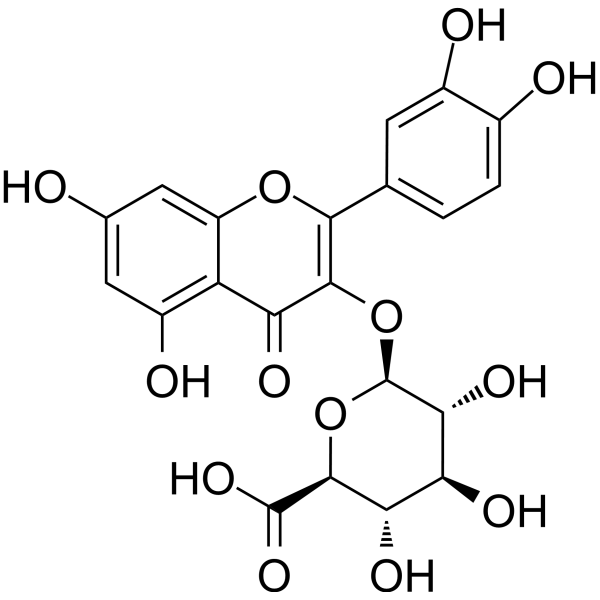
quercetin 3-O-glucuronide; quercetin 3-glucuronide
|
Endogenous Metabolite
|
Neurological Disease
Cancer
|
|
Miquelianin (Quercetin 3-O-glucuronide) is a metabolite of quercetin and a type of natural flavonoid. Miquelianin is also a CBR1 inhibitor. Miquelianin is permeable to the blood-brain barrier .
|
-
-
- HY-18085R
-
-

-
- HY-N6821
-
|
|
Drug Derivative
|
Inflammation/Immunology
Cancer
|
|
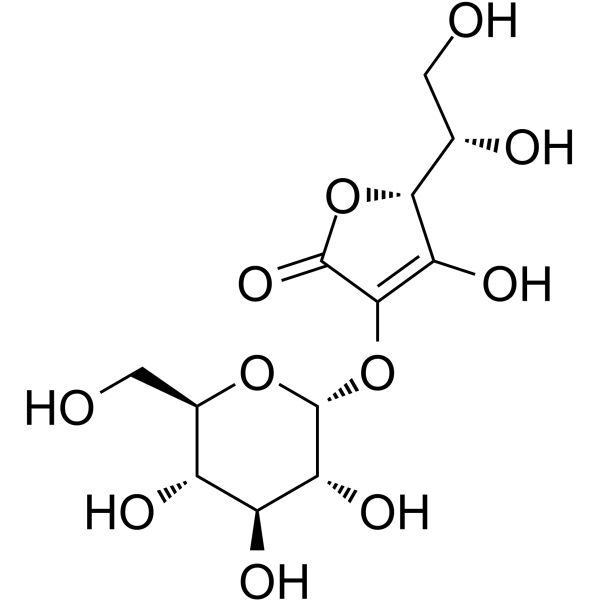
2-O-α-D-Glucopyranosyl-L-ascorbic Acid is an orally active glucoside derivative of ascorbic acid. 2-O-α-D-Glucopyranosyl-L-ascorbic Acid can be hydrolyzed by α-glucosidase to release ascorbic acid. 2-O-α-D-Glucopyranosyl-L-ascorbic Acid inhibits melanin synthesis, prevents UV-induced cell damage, and promotes collagen synthesis in skin fibroblasts. 2-O-α-D-Glucopyranosyl-L-ascorbic Acid also induces oxidative stress to inhibit tumor growth. 2-O-α-D-Glucopyranosyl-L-ascorbic Acid can be used in research related to tumors, inflammation, and other conditions .
|
-
-
- HY-N1968
-
|
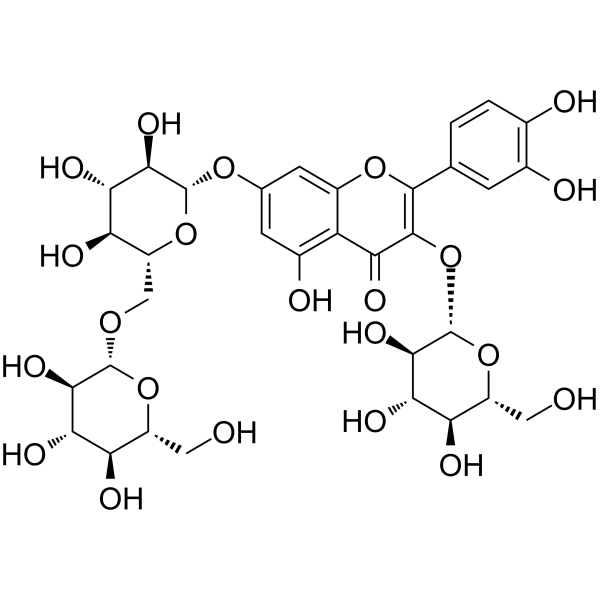
quercetin-3-O-beta-D-glucose-7-O-beta-D-gentiobioside
|
Parasite
|
Infection
|
|
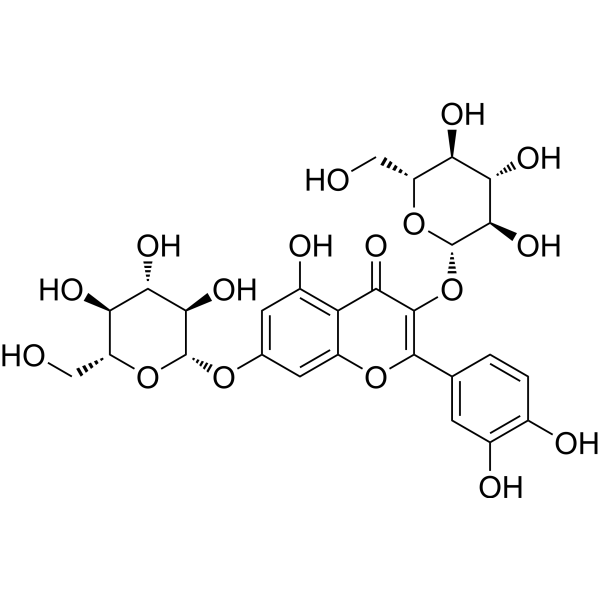
Quercetin-3-O-β-D-glucose-7-O-β-D-gentiobiosiden (Quercetin-3-O-beta-D-glucose-7-O-beta-D-gentiobioside) is a flavonoid compound. In Cylas formicarius, Quercetin-3-O-β-D-glucose-7-O-β-D-gentiobioside can bind to chemosensory proteins such as CforCSP5 (Ki: 1.429 μM) and CforOBP3 (Ki: 3.697 μM), potentially participating in the recognition process of insect host plant volatiles. Quercetin-3-O-β-D-glucose-7-O-β-D-gentiobiosiden is also an inhibitor of Sb28GST (IC50: 0.13 mM) and can be used in the research of anti-schistosome agents .
|
-
-
- HY-N0768
-
-
-
- HY-N0419
-
|
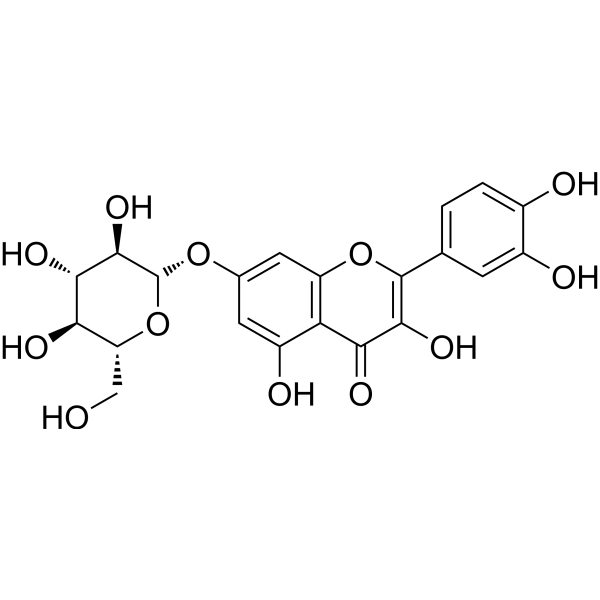
quercetin-7-O-β-D-glucopyranoside
|
Glycosidase
c-Kit
MMP
VEGFR
Aurora Kinase
|
Metabolic Disease
Cancer
|
|
Quercimeritrin (Quercetin-7-O-β-D-glucopyranoside) is an orally active α-glucosidase inhibitor (with an IC50 of 79.88 μM against the Saccharomyces cerevisiae enzyme) and a P-gp substrate, with anti-angiogenic and antioxidant activities. Quercimeritrin does not cross the blood-brain barrier and does not inhibit cytochrome P450 enzymes. Quercimeritrin precisely binds to and inhibits the active sites of c-Kit, MMP-2, Aurora-A kinases and α-glucosidase, thereby disrupting target functions. Quercimeritrin effectively regulates postprandial blood glucose and also exhibits significant anti-angiogenic activity, which inhibits endothelial cell proliferation and microvascular growth. Quercimeritrin can be used in the research of diabetes and breast cancer .
|
-
-
- HY-N4089
-
|
|
Aldose Reductase
Cytochrome P450
|
Metabolic Disease
Cancer
|
|
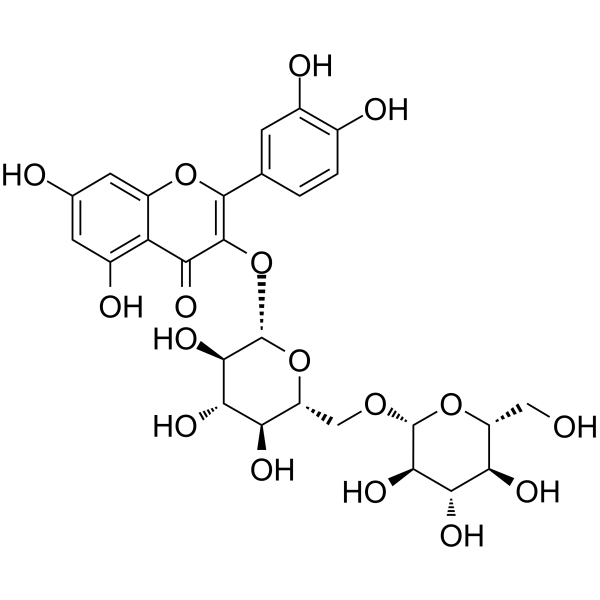
Quercetin 3-gentiobioside is a flavonoid found in Artemisia iwayomogi. Quercetin 3-gentiobioside inhibits aromatase with an Ki of 46.77 nM. Quercetin 3-gentiobioside inhibits aldose reductase (AR) and the formation of advanced glycation end products (AGEs), with IC50 values of 10.60 μM and 109.46 μM, respectively. Quercetin 3-gentiobioside inhibits proliferation of cancer cells and fibroblast-like synoviocytes. Quercetin 3-gentiobioside can be used for the research of cancer, such as lung carcinoma .
|
-
-
- HY-N1354
-
-
-
- HY-N8163
-
|
|
Others
|
Others
|
|
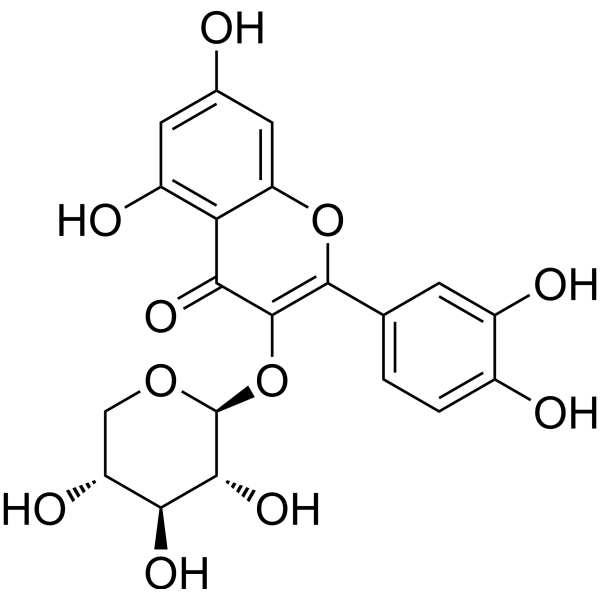
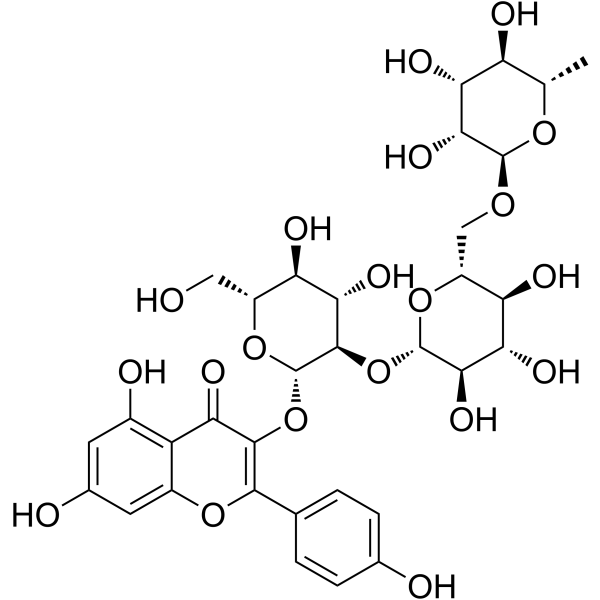
Kaempferol-3-O-α-L-rhamnopyranosyl-(1→6)-β-D-glucopyranosyl-(1→2)-β-D-glucopyranoside is an antioxidant with an IC50 of 26.6 μM (DPPH assay) .
|
-
-
- HY-N8028
-
|
|
Others
|
Cancer
|
|
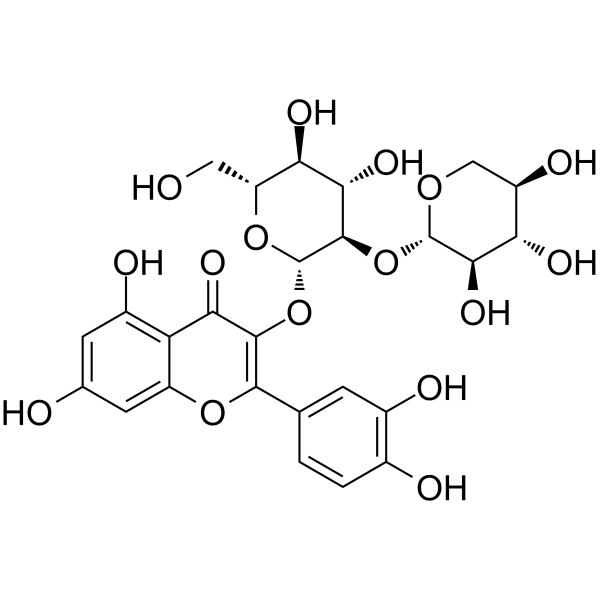
Quercetin-3-O-sambubioside is a monomeric compound found in Eucommia ulmoides male flowers. Quercetin-3-O-sambubioside promotes the stimulation of the nerve center. Antioxidant and anticancer activities .
|
-
-
- HY-111974
-
|
ABA-GE; (S)-cis,trans-Abscisic acid glucosyl ester
|
Proton Pump
|
Endocrinology
|
|
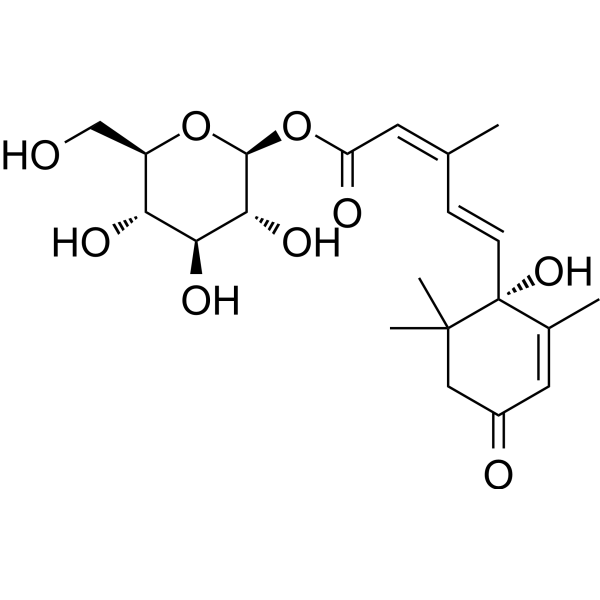
β-D-Glucopyranosyl abscisate (ABA-GE) is a hydrolyzable abscisic acid (ABA) conjugate that accumulates in the vacuole and presumably also in the endoplasmic reticulum. The deconjugation of β-D-Glucopyranosyl abscisate allows the rapid formation of free ABA in response to abiotic stress conditions such as dehydration and salt stress. β-D-Glucopyranosyl abscisate contributes to the maintenance of ABA homeostasis .
|
-
-
- HY-N6964
-
|
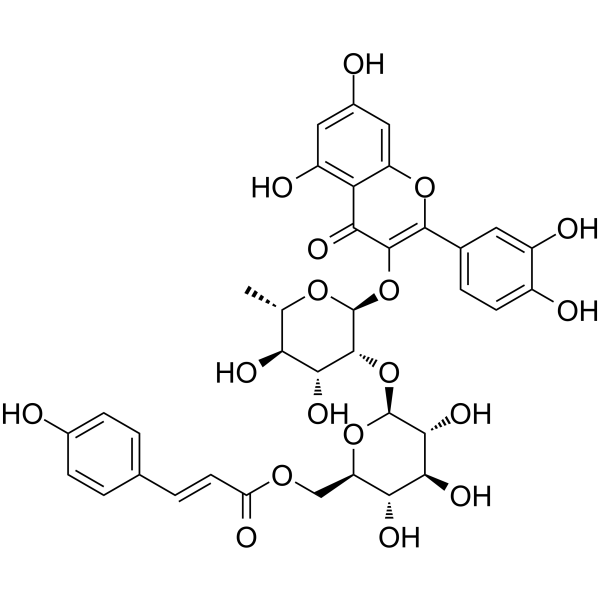
quercetin-3-O-[2-O-(6-O-p-hydroxyl-E-coumaroyl)-D-glucosyl]-(1→2)-L-rhamnoside
|
Drug Derivative
|
Inflammation/Immunology
|
|
Quercetin 3-O-β-D-(6''-p-coumaroyl) glucopyranosyl (1→2)-α-L-rhamnopyranoside (Quercetin-3-O-[2-O-(6-O-p-hydroxyl-E-coumaroyl)-D-glucosyl]-(1→2)-L-rhamnoside) is a flavonoid glycoside present in Ginkgo biloba leaves, with antioxidant activity. Quercetin 3-O-β-D-(6''-p-coumaroyl) glucopyranosyl (1→2)-α-L-rhamnopyranoside serves as the major antioxidant component in Shuxuening Injection .
|
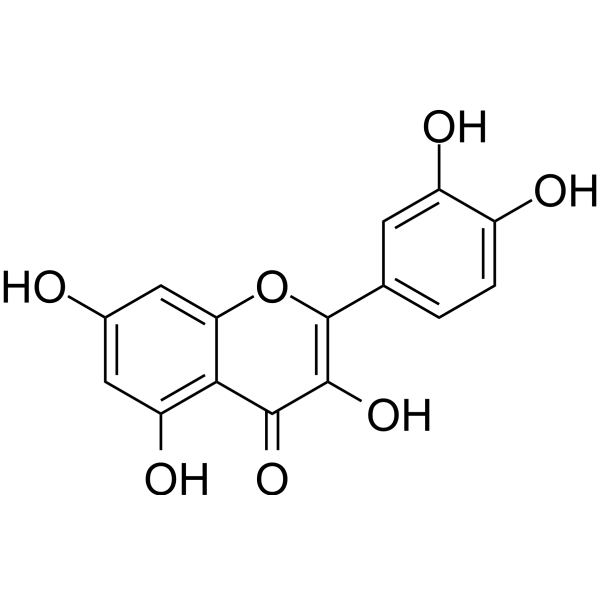
-
-
- HY-N12445
-
|
|
Topoisomerase
Caspase
Apoptosis
SOD
|
Metabolic Disease
Inflammation/Immunology
Cancer
|
|
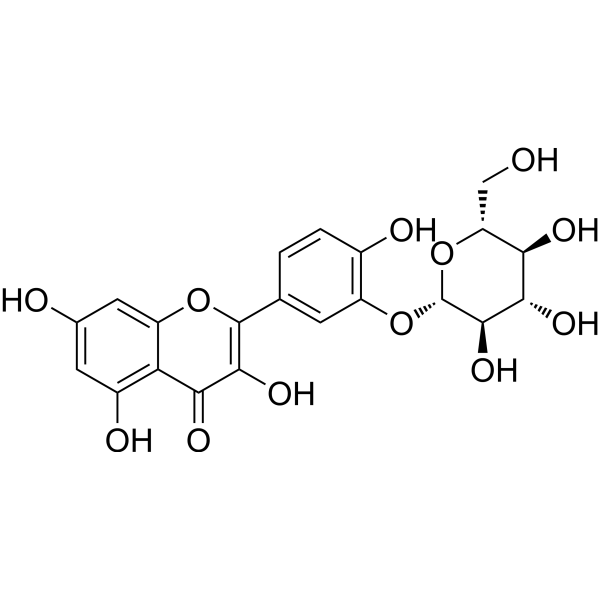
Quercetin-3'-O-glucoside is an orally active flavonoid glycoside. Quercetin-3'-O-glucoside reduces liver glucose-6-phosphatase activity, alters serum insulin and glucose levels, and regulates the activities of antioxidant enzymes in the liver and kidney. Quercetin-3'-O-glucoside inhibits DNA topoisomerase II, induces S-phase cell cycle arrest and caspase-3-mediated apoptosis in hepatocellular carcinoma cells. Quercetin-3'-O-glucoside selectively inhibits EGFR-mediated signaling pathways targeting AKT, ERK1/2, FAK and MEK1/2. Quercetin-3'-O-glucoside inhibits growth factor-induced migration and invasion in pancreatic cancer cells. Quercetin-3'-O-glucoside exerts free radical scavenging effects. Quercetin-3'-O-glucoside is applicable to research related to pancreatic cancer, diabetes, hepatocellular carcinoma and malignant tumors .
|
-
-
- HY-18085G
-
-
-
- HY-N7976
-
|
|
NO Synthase
|
Inflammation/Immunology
|
|
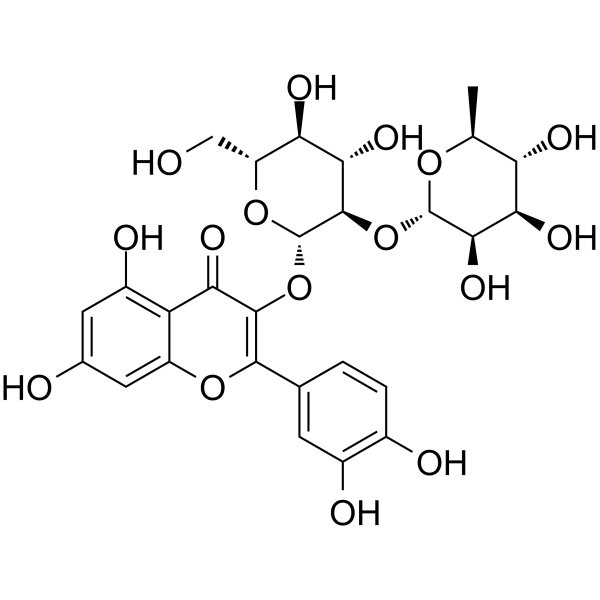
Quercetin 3-O-neohesperidoside is a flavonol diglycoside with NO production inhibitory activity and anti-inflammatory activity. Quercetin 3-O-neohesperidoside targets activated macrophages to block NO production, with an IC50 of 55 μM. Quercetin 3-O-neohesperidoside can be used in the research of inflammatory diseases .
|
-
-
- HY-18085S1
-
-
-
- HY-N9397
-
|
|
Others
|
Metabolic Disease
|
|
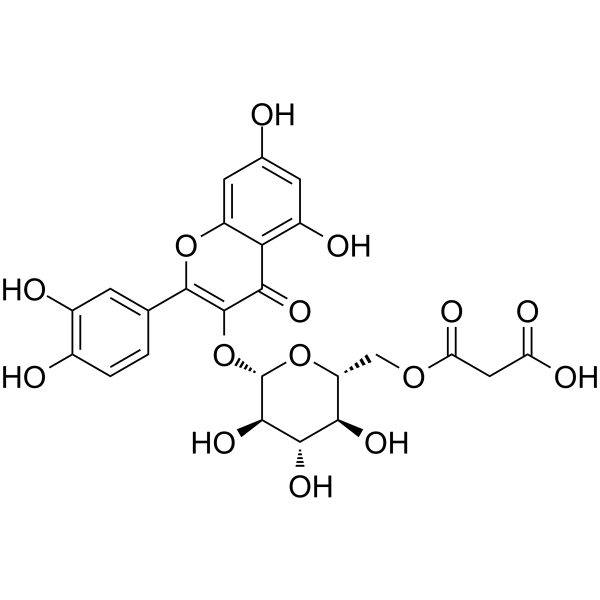
Quercetin 3-O-(6''-O-malonyl)-β-D-glucoside is a flavonol glycoside. Quercetin 3-O-(6''-O-malonyl)-β-D-glucoside possesses antioxidant activity .
|
-
-
- HY-N10407
-
|
|
Drug Derivative
|
Others
|
|
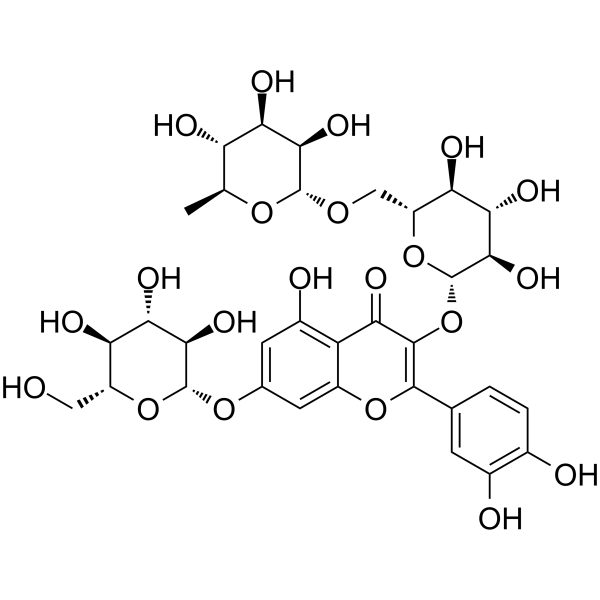
Quercetin 3-O-rutinoside-7-O-glucoside is a flavonol glycoside and a derivative of Quercetin (HY-18085). Quercetin 3-O-rutinoside-7-O-glucoside can be isolated from the leaves and fruits of Korean Morus alba L. as well as the leaves of Hemerocallis fulva. Quercetin 3-O-rutinoside-7-O-glucoside inhibits lipid peroxidation in large unilamellar vesicles in vitro. Quercetin 3-O-rutinoside-7-O-glucoside possesses antioxidant activity .
|
-
-
- HY-N13015
-
|
|
Endogenous Metabolite
|
Endocrinology
|
|
Quercetin 5-O-β-D-glucopyranoside is a glycosylated flavonoid metabolite and flavonoid compound. Quercetin 5-O-β-D-glucopyranoside can be produced by microbial transformation of Quercetin (HY-18085) via Mucor hiemalis. Quercetin 5-O-β-D-glucopyranoside can be used in studies related to benign prostatic hyperplasia .
|
-

-
- HY-N7607
-
|
|
Reactive Oxygen Species (ROS)
|
Cardiovascular Disease
|
|
Quercetin-3-O-D-glucosyl]-(1-2)-L-rhamnoside is a flavonoid glycoside with antioxidant activity and free radical scavenging activity. Quercetin-3-O-D-glucosyl]-(1-2)-L-rhamnoside can scavenge free radicals such as ABTS+ and can be used in the study of antioxidant-related diseases (such as cardiovascular diseases and neurodegenerative diseases) .
|
-
![Quercetin-3-O-D-glucosyl]-(1-2)-L-rhamnoside](//file.medchemexpress.com/product_pic/hy-n7607.gif)
-
- HY-N6958
-
|
AA-2βG
|
Apoptosis
HSP
Reactive Oxygen Species (ROS)
Keap1-Nrf2
Heme Oxygenase (HO)
|
Inflammation/Immunology
Cancer
|
|
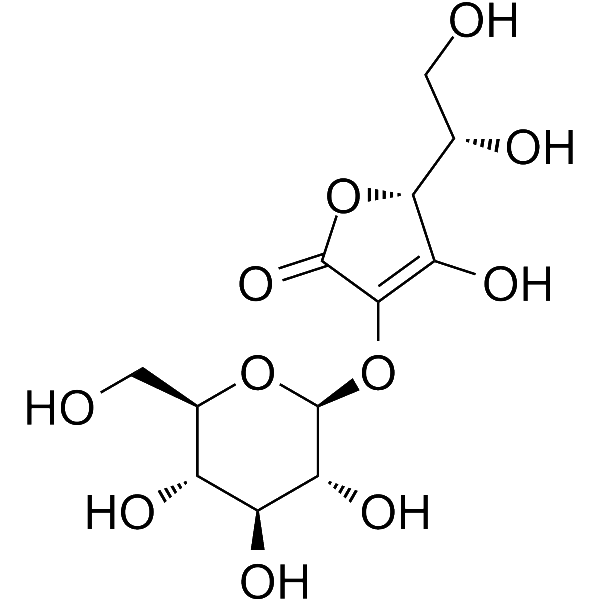
2-O-β-D-Glucopyranosyl-L-ascorbic acid (AA-2βG) is an orally active vitamin C derivative. 2-O-β-D-Glucopyranosyl-L-ascorbic acid exhibits multiple activities including antioxidant, anti-tumor and immunomodulatory effects. 2-O-β-D-Glucopyranosyl-L-ascorbic acid mediates tumor cell apoptosis, induces cell cycle arrest, scavenges free radicals and eliminates oxidative stress. 2-O-β-D-Glucopyranosyl-L-ascorbic acid can be used in studies related to cancer, inflammation and immunity .
|
-
-
- HY-W778608
-
|
quercetin 7-O-β-glucuronide
|
Drug Metabolite
|
Inflammation/Immunology
|
|
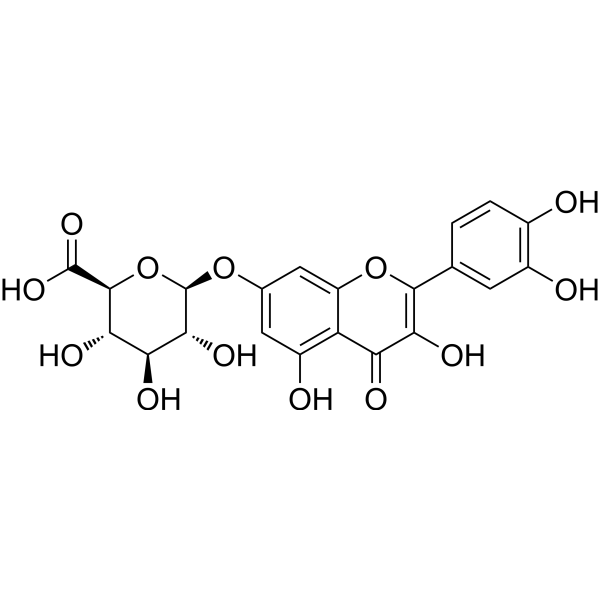
Quercetin 7-glucuronide (Quercetin 7-O-β-glucuronide), a metabolite of Quercetin (HY-18085), can be isolated from Madagascarian Uncarina species. Quercetin 7-glucuronide can inhibit LDL oxidation .
|
-
-
- HY-N7635
-
|
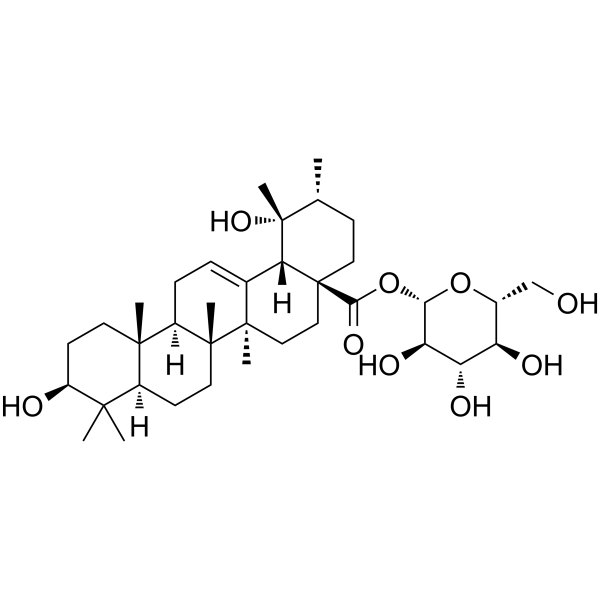
β-D-glucopyranosyl oleanolate
|
NO Synthase
COX
Interleukin Related
Claudin
p38 MAPK
Akt
PI3K
|
Inflammation/Immunology
|
|
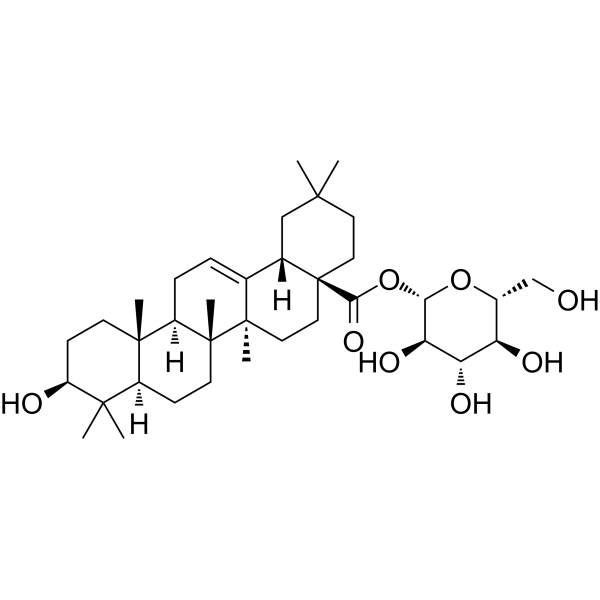
Oleanolic acid 28-O-β-D-glucopyranoside (β-D-Glucopyranosyl oleanolate) is an orally active pentacyclic triterpenoid compound. Oleanolic acid 28-O-β-D-glucopyranoside has anti-inflammatory effects. In ulcerative colitis models, Oleanolic acid 28-O-β-D-glucopyranoside can inhibit the inflammatory response, enhance the intestinal epithelial barrier function, and modulate the gut microbiota. Its mechanism of action is related to the PI3K-AKT and MAPK signaling pathways. Oleanolic acid 28-O-β-D-glucopyranoside can be used in the research of diseases such as colitis .
|
-
-
- HY-124512
-
|
Pentaacetylquercetin
|
RSV
|
Infection
Inflammation/Immunology
|
|
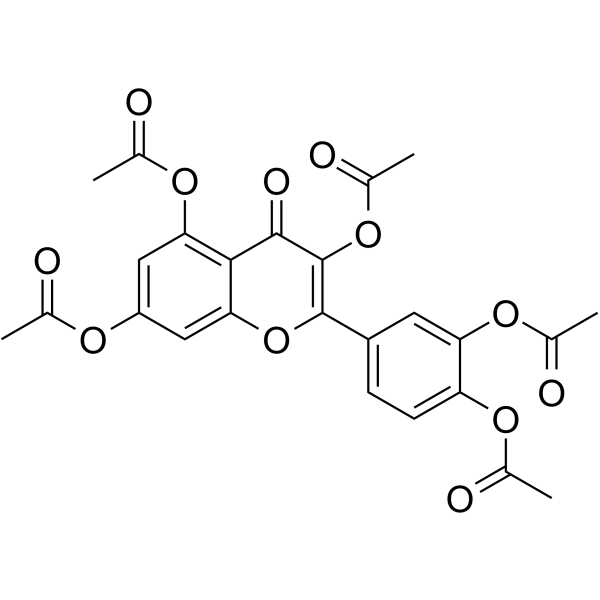
Quercetin pentaacetate could interact with F-protein with lower binding energy and better stability to block viral adhesion. Quercetin pentaacetate interacts with RSV and inhibit the viral adhesion on cell surface .
|
-
-
- HY-N12963
-
|
quercetin 3,7-dirhamnoside
|
Others
|
Others
|
|
Quercetin-3,7-di-O-α-rhamnopyranoside (Quercetin 3,7-dirhamnoside) is a flavonoid glycoside isolated from plants of the genus Randonia africana. The compound belongs to the group of flavonol glycosides identified in the aerial parts of Randonia africana .
|
-

-
- HY-18085S2
-
-
-
- HY-N1583
-
|
|
Others
|
Others
|
|
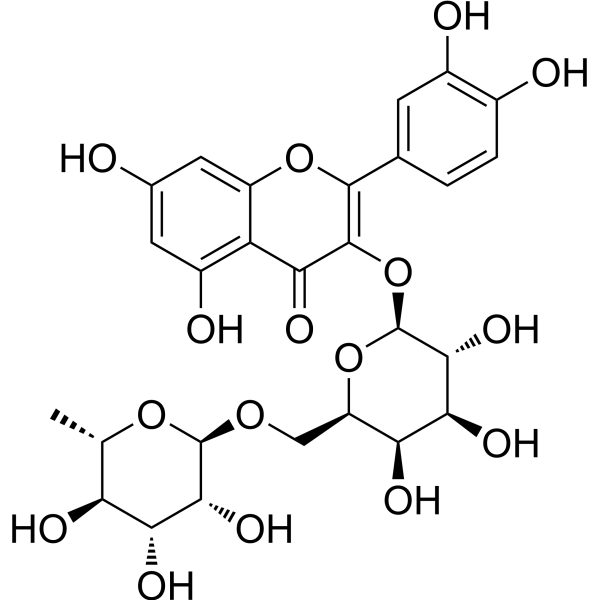
Quercetin 3-O-robinobioside can be isolated from the leaves of Strychnos variabilis .
|
-
-
- HY-N11823
-
-
-
- HY-N11538
-
|
|
Others
|
Inflammation/Immunology
|
|
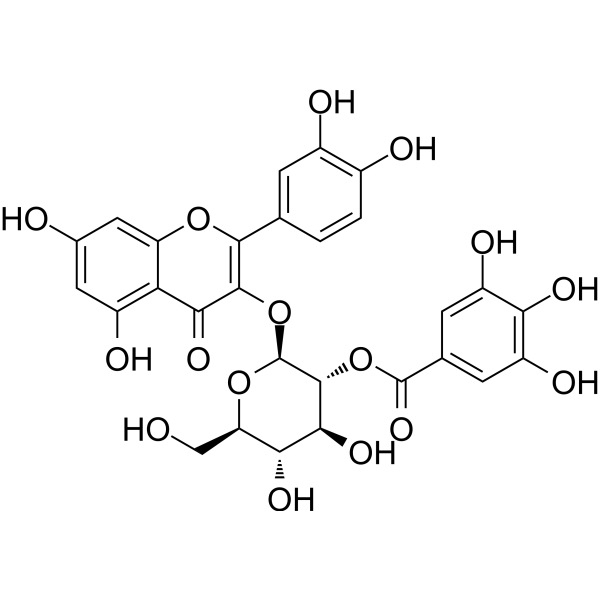
Quercetin-3-O-(2′′-O-galloyl)-β-D-glucopyranoside is a orally active phenolic compound that can be isolated from the Geranium species. Quercetin-3-O-(2′′-O-galloyl)-β-D-glucopyranoside has anti-inflammatory activities and has potential application in edema and aortic endothelium-dependent relaxation injury .
|
-
-
- HY-CE01880
-
-

-
- HY-157922
-
|
α-D-glucopyranosyl-α-D-glucopyranoside monododecanoate
|
Biochemical Assay Reagents
|
Others
|
|
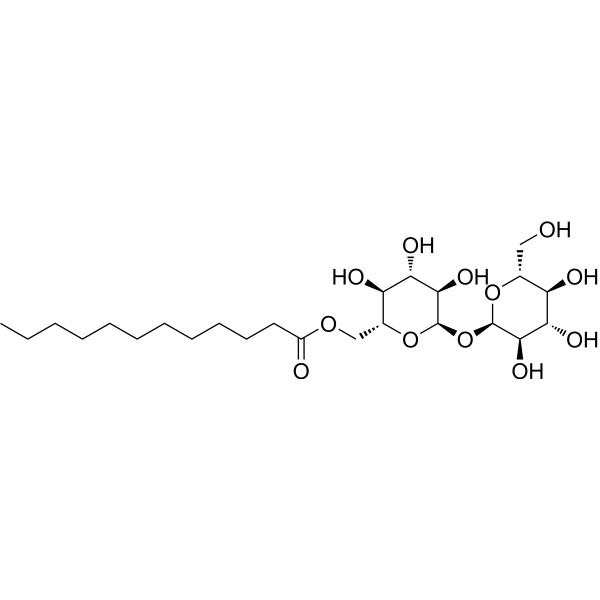
Trehalose C12 (α-D-Glucopyranosyl-α-D-glucopyranoside monododecanoate) is a nonreducing disaccharide with amphiphilic property, which is used as emulsifier, surfactant, encapsulating materials, and in the biochemical researches of cellular processes and membrane interactions .
|
-
-
- HY-N1181R
-
-

-
- HY-N11534
-
|
quercetin 3-sophoroside 7-glucoside
|
Others
|
Others
|
|
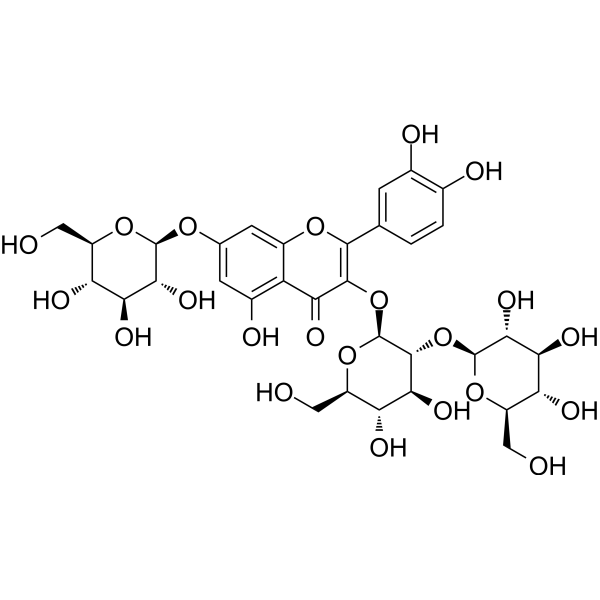
Quercetin-3-O-sophoroside-7-O-glucoside is a natural product that can be isolated from Brasica rapa var. rapa leaves .
|
-
-
- HY-18085S
-
|
|
PI3K
Autophagy
Mitophagy
Apoptosis
|
Cancer
|
|
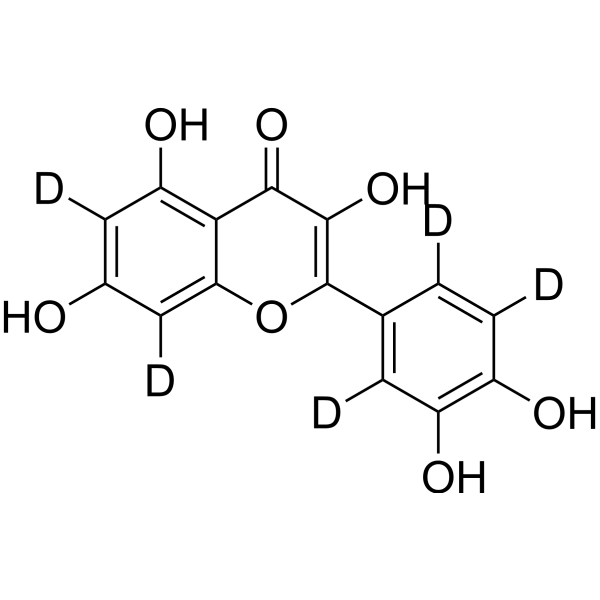
Quercetin-d5 is a deuterium labeled Quercetin. Quercetin, a natural flavonoid, is a stimulator of recombinant SIRT1 and also a PI3K inhibitor with IC50 of 2.4 μM, 3.0 μM and 5.4 μM for PI3K γ, PI3K δ and PI3K β, respectively .
|
-
-
- HY-N0146R
-
|
|
Reference Standards
PI3K
Apoptosis
|
Inflammation/Immunology
Cancer
|
|
Quercetin (dihydrate) (Standard) is the analytical standard of Quercetin (dihydrate). This product is intended for research and analytical applications. Quercetin dihydrate, a natural flavonoid, is a stimulator of recombinant SIRT1 and a PI3K inhibitor with IC50s of 2.4 μM, 3.0 μM and 5.4 μM for PI3K γ, PI3K δ and PI3K β, respectively .
|
-

-
- HY-N0768R
-
|
|
Reference Standards
Reactive Oxygen Species (ROS)
|
Inflammation/Immunology
|
|
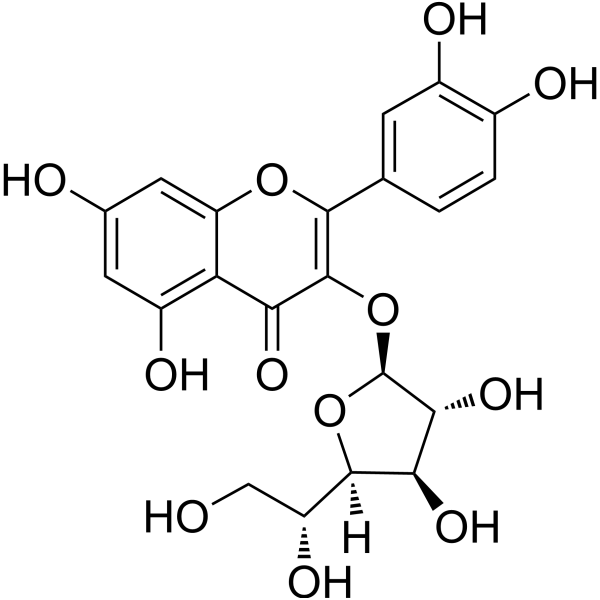
Quercetin 3-O-β-D-glucofuranoside (Standard) is the analytical standard of Quercetin 3-O-β-D-glucofuranoside. This product is intended for research and analytical applications. Quercetin 3-O-β-D-glucofuranoside is an effective antioxidant and an eosinophilic inflammation suppressor.
|
-

-
- HY-P10230
-
|
|
Bacterial
|
Infection
|
|
Sublancin is an antimicrobial peptide, which inhibits DNA replication, transcription and translation, without affecting membrane integrity. Sublancin suppresses glucose uptake for the competition of phosphotransferase system (PTS). Sublancin inhibits B. subtilis strain 168 ΔSPβ with MIC of 0.312 μM .
|
-

-
- HY-141490
-
|
|
Drug Derivative
|
Others
|
|
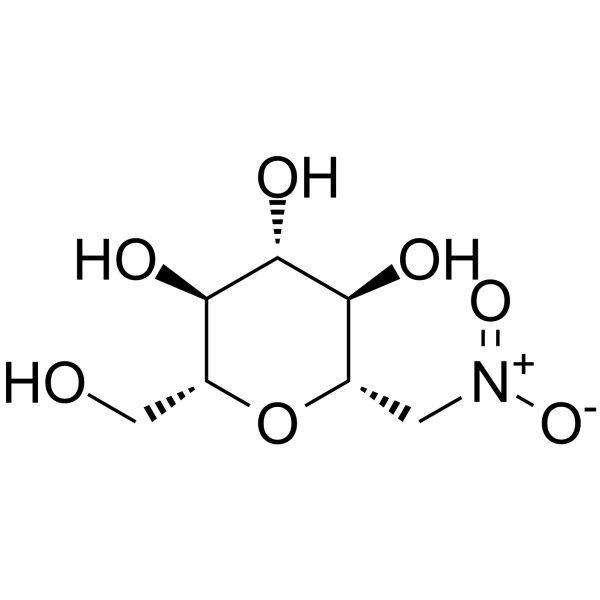
Beta-D-Glucopyranosyl nitromethane, as a salt of a strongly basic anion exchanger in the OH cycle, is a glycosyl derivative of nitromethane .
|
-
-
- HY-N6260
-
|
|
Others
|
Others
|
|
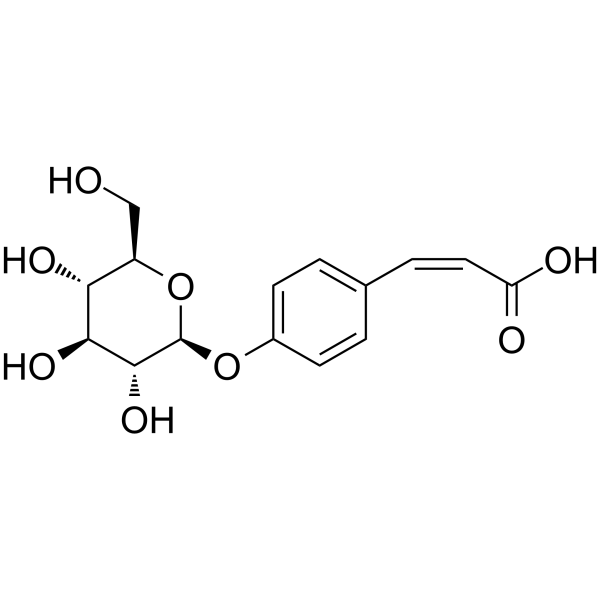
4-O-beta-Glucopyranosyl-cis-coumaric acid is a natural compound isolated formn Nelumbo nucifera Gaertn.
|
-
-
- HY-N17678
-
|
Raphanusol B
|
Drug Derivative
NO Synthase
|
Inflammation/Immunology
|
|
(E)-Sinapoyl glucose is an inflammatory pathway inhibitor. (E)-Sinapoyl glucose inhibits
NO production in RAW 264.7 cells with an IC50 value of 38.32 µM. (E)-Sinapoyl glucose is promising for research of inflammatory diseases .
|
-

-
- HY-N4320
-
|
|
Others
|
Others
|
|
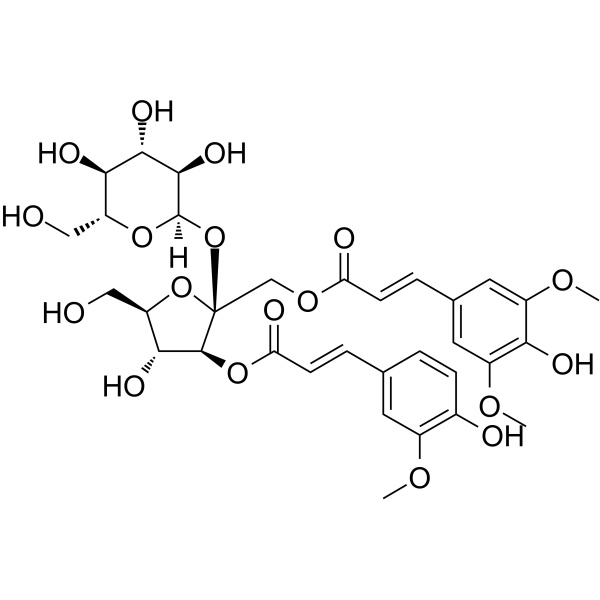
3-Feruloyl-1-Sinapoyl sucrose (compound 1) is a glycoside isolated from the aerial parts of Polygala chamaebuxus .
|
-
-
- HY-N8132
-
|
|
Reactive Oxygen Species (ROS)
|
Inflammation/Immunology
|
|
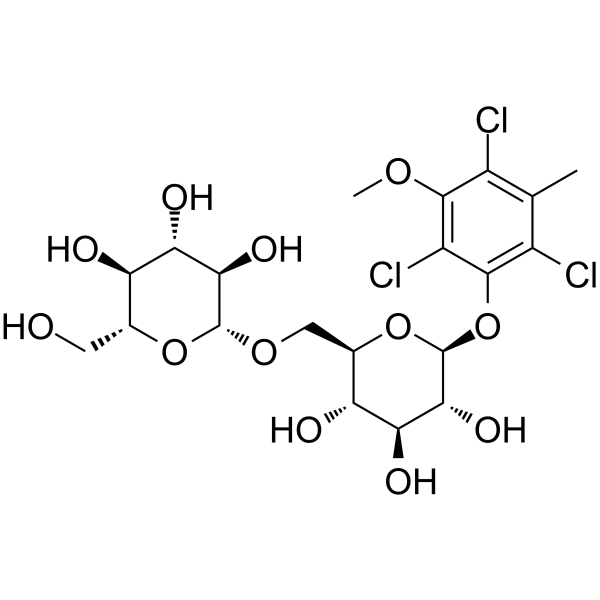
2,4,6-Trichlorol-3-methyl-5-methoxy-phenol 1-O-β-d-glucopyranosyl-(1 → 6)-β-d-glucopyranoside is a chlorophenyl glycoside found in the bulbs of Lilium brownie var. viridulum. 2,4,6-Trichlorol-3-methyl-5-methoxy-phenol 1-O-β-d-glucopyranosyl-(1 → 6)-β-d-glucopyranoside exhibits weak inhibition of NO production in LPS-stimulated RAW 264.7 cells .
|
-
-
- HY-N8685
-
|
quercetin 3,4′-di-O-glucoside
|
Others
|
Others
|
|
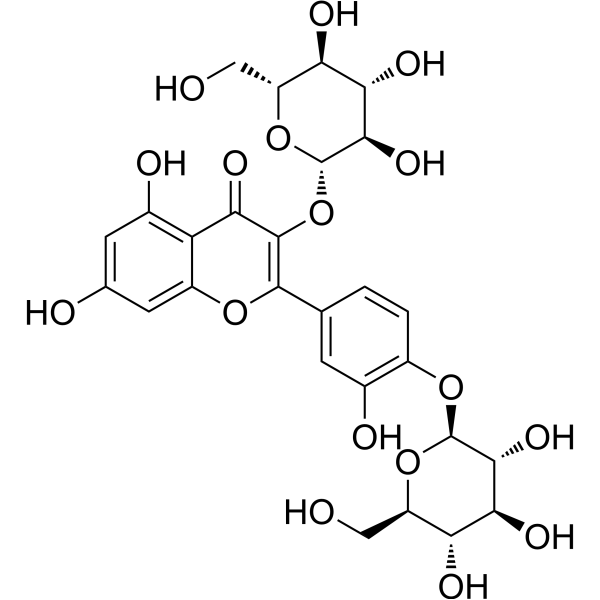
Quercetin-3,4-di-O-glucoside is a flavonoid that can be isolated from Allium cepa .
|
-
-
- HY-146992S
-
-
-
- HY-N9521
-
|
|
Others
|
Cancer
|
|
3-O-β-D-Glucopyranosyl(1→2)-[a-Lrhamnopyranosyl(1→3)]-β-D-glucopyranosyl 28-O-β-D-glucuronopyranoside, a saponin, is isolated from Polaskia chichipe Backbg. 3-O-β-D-Glucopyranosyl(1→2)-[a-Lrhamnopyranosyl(1→3)]-β-D-glucopyranosyl 28-O-β-D-glucuronopyranoside shows ability to inhibit melanin biosynthesis by B16 melanoma cell with inhibitory activity 84.2% at 100μM[1].
|
-
![3-O-β-D-Glucopyranosyl(1→2)-[a-Lrhamnopyranosyl(1→3)]-β-D-glucopyranosyl 28-O-β-D-glucuronopyranoside](//file.medchemexpress.com/product_pic/hy-n9521.gif)
-
- HY-N17672
-
|
|
Others
|
Others
|
|
Quercetin 3-O-β-D-glucuronide 6"-ethyl ester is a flavonoid. Quercetin 3-O-β-D-glucuronide 6"-ethyl ester can be extracted from flowers of Tamarix nilotica .
|
-

-
- HY-W416255
-
-

-
- HY-N11901
-
|
|
Others
|
Others
|
|
Quercetin-3-O-[(6-caffeoyl)-β-glucopyranosyl (1→3) α-rhamnopyranoside]-7-O-α-rhamnopyranoside can be isolated from the aerial parts of the fern Ophioglossum vulgatum L and has wound healing activity .
|
-
![Quercetin-3-O-[(6-caffeoyl)-β-glucopyranosyl (1→3) α-rhamnopyranoside]-7-O-α-rhamnopyranoside](//file.medchemexpress.com/product_pic/hy-n11901.gif)
- HY-N12035
-
|
|
Others
|
Cancer
|
|
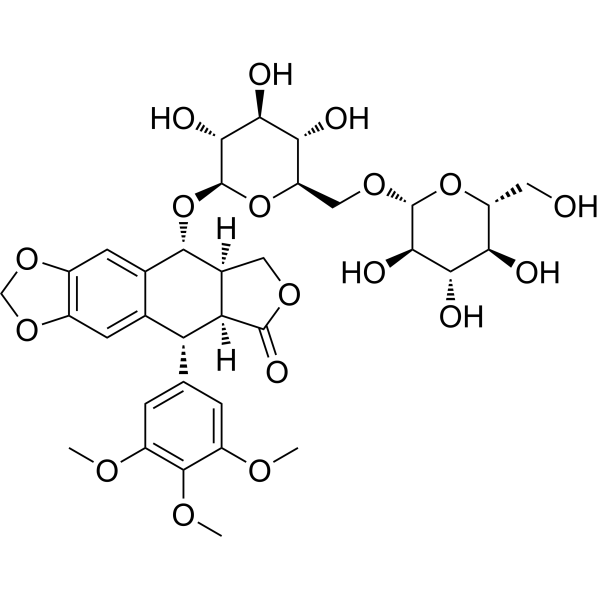
Picropodophyllin-4-O-β-D-glucopyranosyl-(1→6)-β-D-glucopyranoside (compound 17) is a lignan isolated from the roots and rhizomes of Podophyllum sinensis .
|
-
- HY-N12079
-
|
|
Biochemical Assay Reagents
|
Cancer
|
|
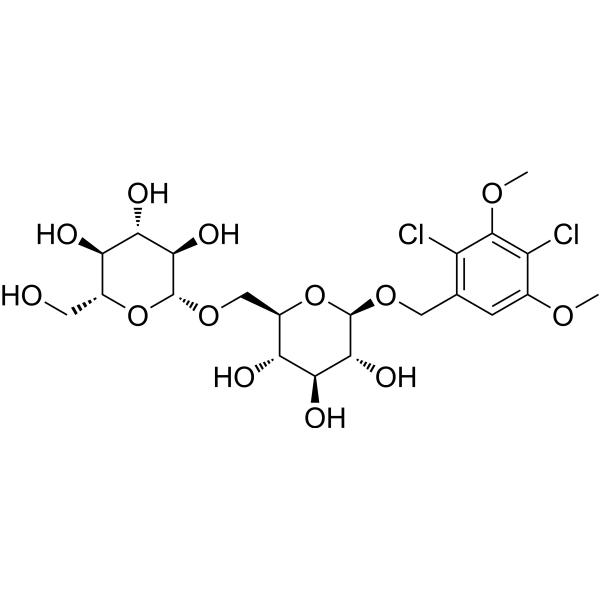
(2,4-Dichloro-3,5-dimethoxyphenyl) methyl 6-O-β-D-glucopyranosyl-β-D-glucopyranoside is an anticancer agent that inhibits the proliferation of lung cancer A549 cells (IC50=29 μΜ). (2,4-Dichloro-3,5-dimethoxyphenyl) methyl 6-O-β-D-glucopyranosyl-β-D-glucopyranoside can be obtained from Lilium regale and can be used in cancer research .
|
-
- HY-W155446
-
|
Decyl 4-O-α-D-glucopyranosyl-1-thio-β-D-glucopyranoside
|
Biochemical Assay Reagents
|
Others
|
|
Decyl beta-d-thiomaltopyranoside (Decyl 4-O-α-D-glucopyranosyl-1-thio-β-D-glucopyranoside) is a biochemical assay reagent.
|
-

- HY-W603112
-
|
|
Biochemical Assay Reagents
|
Others
|
|
β-D-Glucopyranosyl 1-thio-β-D-glucopyranoside is a class of biochemical reagents used in glycobiology research. Glycobiology studies the structure, synthesis, biology, and evolution of sugars. It involves carbohydrate chemistry, enzymology of glycan formation and degradation, protein-glycan recognition, and the role of glycans in biological systems. This field is closely related to basic research, biomedicine, and biotechnology .
|
-

- HY-W671745
-
|
|
Others
|
Others
|
|
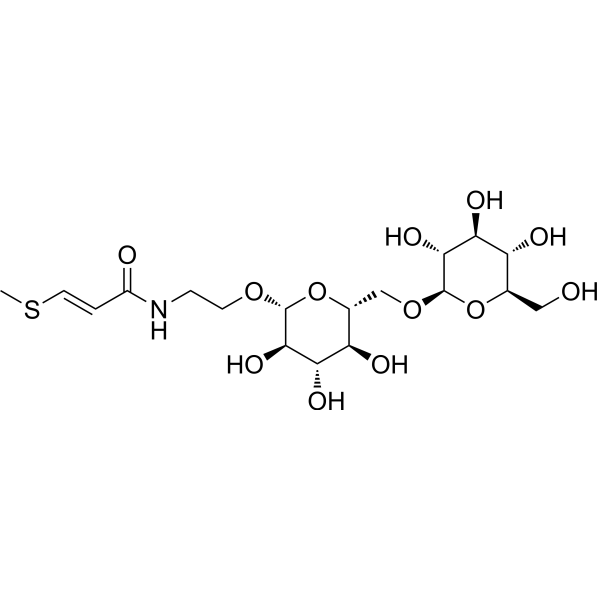
Entadamide A 2'-O-(6''-O-β-D-glucopyranosyl)-β-D-glucopyranoside (MFLNH I) (compound 5) can be isolated from the seed kernel of Entada rheedei. Entada rheedei is a medicinal plant from Thailand that is used to suppress stomach pain .
|
-
- HY-W416254
-
|
|
Biochemical Assay Reagents
|
Others
|
|
4-Nitrophenyl 2-O-β-D-glucopyranosyl-β-D-glucopyranoside is a class of biochemical reagents used in glycobiology research. Glycobiology studies the structure, synthesis, biology, and evolution of sugars. It involves carbohydrate chemistry, enzymology of glycan formation and degradation, protein-glycan recognition, and the role of glycans in biological systems. This field is closely related to basic research, biomedicine, and biotechnology .
|
-

- HY-W777046
-
|
|
Biochemical Assay Reagents
|
Others
|
|
4-Nitrophenyl 3-O-α-D-glucopyranosyl-α-D-glucopyranoside is a class of biochemical reagents used in glycobiology research. Glycobiology studies the structure, synthesis, biology, and evolution of sugars. It involves carbohydrate chemistry, enzymology of glycan formation and degradation, protein-glycan recognition, and the role of glycans in biological systems. This field is closely related to basic research, biomedicine, and biotechnology .
|
-

- HY-W777041
-
|
|
Biochemical Assay Reagents
|
Others
|
|
4-Nitrophenyl 6-O-α-D-glucopyranosyl-α-D-glucopyranoside is a class of biochemical reagents used in glycobiology research. Glycobiology studies the structure, synthesis, biology, and evolution of sugars. It involves carbohydrate chemistry, enzymology of glycan formation and degradation, protein-glycan recognition, and the role of glycans in biological systems. This field is closely related to basic research, biomedicine, and biotechnology .
|
-

- HY-N11880
-
|
|
COX
|
Cancer
|
|
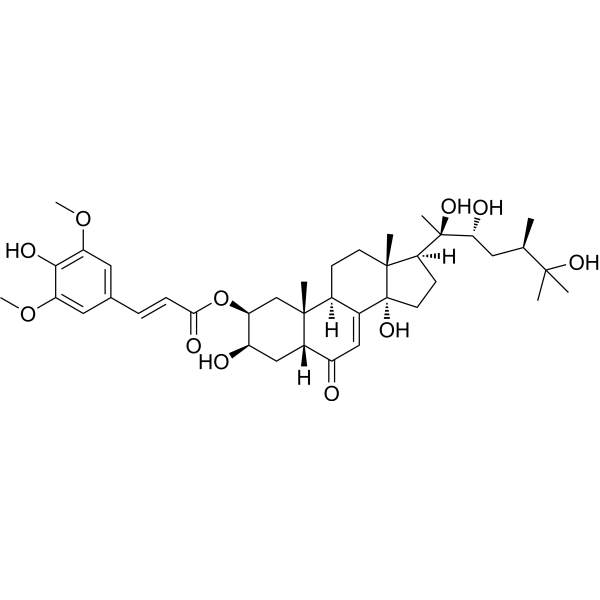
2-O-Sinapoyl makisterone A (compound 2), a sinapinic acid-ecdysterone hybrid, is a selective inhibitor of COX-2. 2-O-Sinapoyl makisterone A significantly inhibits the expression of COX-2 protein .
|
-
- HY-N17851
-
|
|
Others
|
Others
|
|
Quercetin 3-O-β-glucopyranoside uronic acid 7-O-β-glucopyranoside (Compound 1) is a flavonoid glycoside found in the leaves of Alchemilla speciosa .
|
-

- HY-N18374
-
|
|
Drug Derivative
|
Others
|
|
Quercetin-3-O--5-O-β-D-glucopyranoside is a flavone glycoside found in the seeds of Impatiens balsamina L .
|
-
![Quercetin-3-O-[α-L-rhamnose-(1→2)-β-D-glucopyranosyl]-5-O-β-D-glucopyranoside](//file.medchemexpress.com/product_pic/hy-n18374.gif)
- HY-N13036
-
|
|
Others
|
Others
|
|
Isoorientin-7-O-[6-sinapoyl]-glucoside is a phenolic compound that can be isolated from the leaves of barley .
|
-
![Isoorientin-7-O-[6-sinapoyl]-glucoside](//file.medchemexpress.com/product_pic/hy-n13036.gif)
- HY-177847
-
|
|
Liposome
|
Inflammation/Immunology
|
|
Liposomal Quercetin is a specialized delivery system that encapsulates quercetin within tiny liposomes. These liposomes act as protective shells, enhancing the absorption and bioavailability of quercetin. Quercetin is a natural flavonoid with nutritional
|
-

- HY-N9872
-
|
quercetin 4′-O-β-galactopyranoside
|
Others
|
Others
|
|
Quercetin 4′-O-D-galactoside (Quercetin 4′-O-β-galactopyranoside) is a natural product .
|
-

- HY-N4089R
-
|
|
Reference Standards
Aldose Reductase
Cytochrome P450
|
Metabolic Disease
Cancer
|
|
Quercetin 3-gentiobioside (Standard) is the analytical standard of Quercetin 3-gentiobioside (HY-N4089). This product is intended for research and analytical applications. Quercetin 3-gentiobioside is a flavonoid found in Artemisia iwayomogi. Quercetin 3-gentiobioside inhibits aromatase with an Ki of 46.77 nM. Quercetin 3-gentiobioside inhibits aldose reductase (AR) and the formation of advanced glycation end products (AGEs), with IC50 values of 10.60 μM and 109.46 μM, respectively. Quercetin 3-gentiobioside inhibits proliferation of cancer cells and fibroblast-like synoviocytes. Quercetin 3-gentiobioside can be used for the research of cancer, such as lung carcinoma .
|
-

- HY-N11844
-
|
|
Amylases
|
Metabolic Disease
|
|
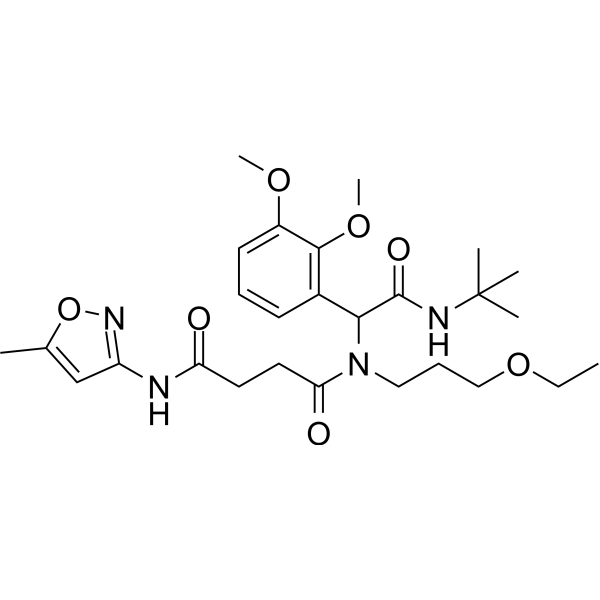
Quercetin 3-(6″-caffeoylsophoroside) is an orally active α-amylase inhibitor, with an IC50 of 73.66 μg/mL. Quercetin 3-(6″-caffeoylsophoroside) presents in thehydro-methanolic extract of Cardamine hirsuta Linn. Quercetin 3-(6″-caffeoylsophoroside) shows the antidiabetic activities by oxidative stress reduction and α-amylase inhibition. Quercetin 3-(6″-caffeoylsophoroside) can be used for diabetes mellitus research .
|
-
- HY-13930R
-
|
quercetin 3-O-glucuronide (Standard); quercetin 3-glucuronide (Standard)
|
Reference Standards
Endogenous Metabolite
|
Cancer
|
|
Miquelianin (Standard) is the analytical standard of Miquelianin. This product is intended for research and analytical applications. Miquelianin (Quercetin 3-O-glucuronide) is a metabolite of quercetin and a type of natural flavonoid. Miquelianin is also a CBR1 inhibitor.
|
-

- HY-N12274
-
|
|
Others
|
Others
|
|
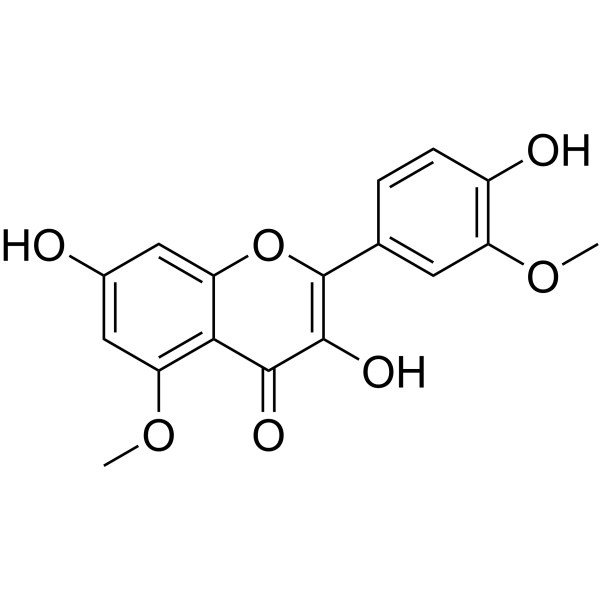
Quercetin 5,3′-dimethyl ether is a kind of flavonoid. Quercetin 5,3′-dimethyl ether can be isolated from Combretum erythrophyllum (Combretaceae). Quercetin 5,3′-dimethyl ether has anti-inflammatory activity and antibacterial activity .
|
-
- HY-163915
-
-

- HY-N9920
-
|
|
Others
|
Others
|
|
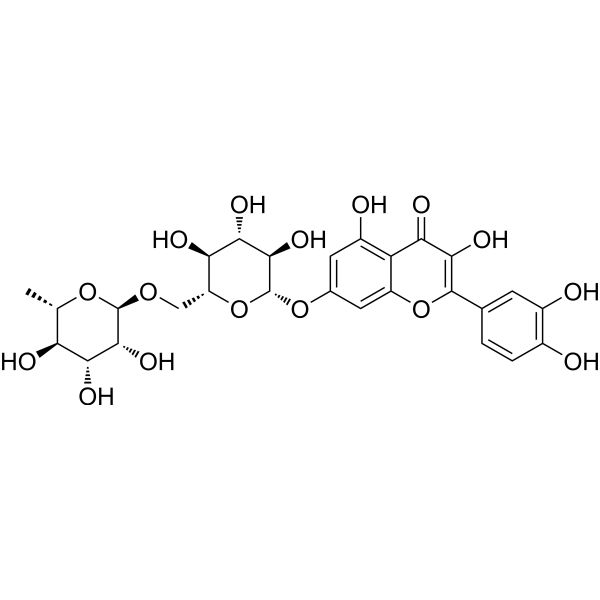
Quercetin 7-O-rutinoside is a flavonoid compound from Siparuna glycycarpa .
|
-
- HY-N6821R
-
|
|
Drug Derivative
Reference Standards
|
Cancer
|
|
2-O-α-D-Glucopyranosyl-L-ascorbic Acid (Standard) is the analytical standard of 2-O-α-D-Glucopyranosyl-L-ascorbic Acid. This product is intended for research and analytical applications. 2-O-α-D-Glucopyranosyl-L-ascorbic Acid is a glucoside derivative of ascorbic acid, shows anti-cancer activity after enzymatic hydrolysis to ascorbic acid .
|
-

- HY-W778608R
-
|
quercetin 7-O-β-glucuronide (Standard)
|
Drug Metabolite
Reference Standards
|
Inflammation/Immunology
|
|
Dopamine (hydrochloride) (Standard) is the analytical standard of Dopamine (hydrochloride). This product is intended for research and analytical applications. Dopamine hydrochloride (ASL279) is a catecholamine neurotransmitter that is produced in the substantia nigra, ventral tegmental area, and hypothalamus of the brain. Dopamine hydrochloride (ASL279) plays several important roles in the brain and body . Dopamine hydrochloride (ASL279) acts through D2 dopamine receptors to induce endocytosis of VEGFR2, which is critical for promoting angiogenesis .
|
-

- HY-N9135
-
-
- HY-N11809
-
|
|
Others
|
Others
|
|
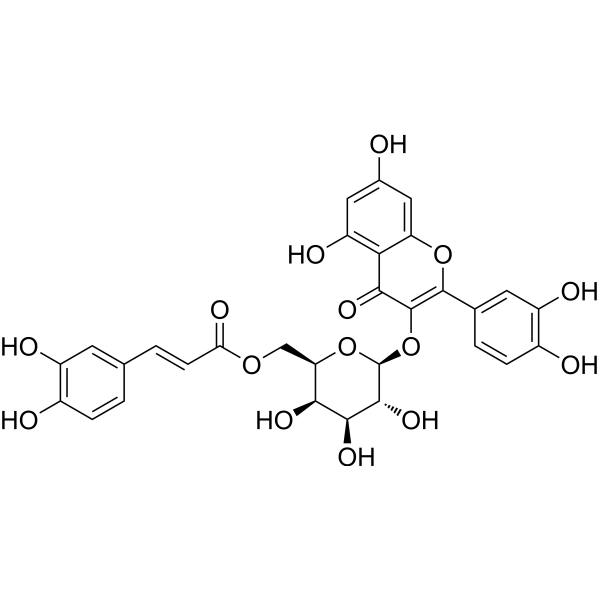
Quercetin-3-O-(6 "-o-ecaffeoyl) -β-d-Galactopyranoside is a flavonoid glycoside, that can be isolated from Polygonum viscosum.
|
-
- HY-N12070
-
|
|
Others
|
Cardiovascular Disease
|
|
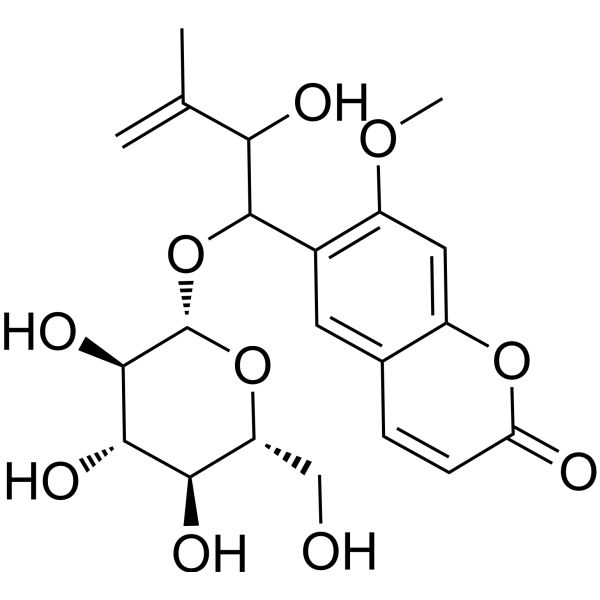
11-O-β-D-glucopyranosyl thamnosmonin, a coumarin glucosides, can be isolated from the roots of Angelica apaensis. 11-O-β-D-glucopyranosyl thamnosmonin has weak inhibitory activity on the aggregation of rabbit platelets induced by PAF, AA, and ADP .
|
-
- HY-18085AS
-
-

- HY-N9397R
-
|
|
Reference Standards
Others
|
Metabolic Disease
|
|
Quercetin 3-O-(6''-O-malonyl)-β-D-glucoside (Standard) is an analytical standard for Quercetin 3-O-(6''-O-malonyl)-β-D-glucoside. This product is intended for research and analytical applications. Quercetin 3-O-(6''-O-malonyl)-β-D-glucoside is a flavonol glycoside. Quercetin 3-O-(6''-O-malonyl)-β-D-glucoside has antioxidant activity.
|
-

- HY-N8204
-
-
- HY-N1582
-
|
3,4′-Dimethylquercetin
|
Others
|
Cancer
|
|
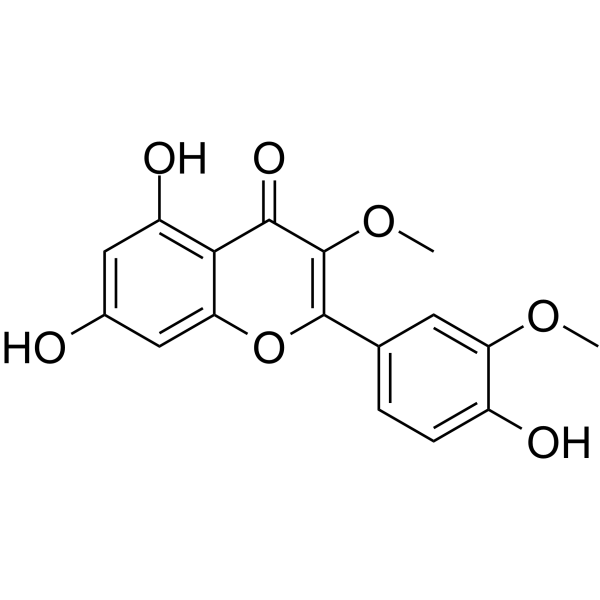
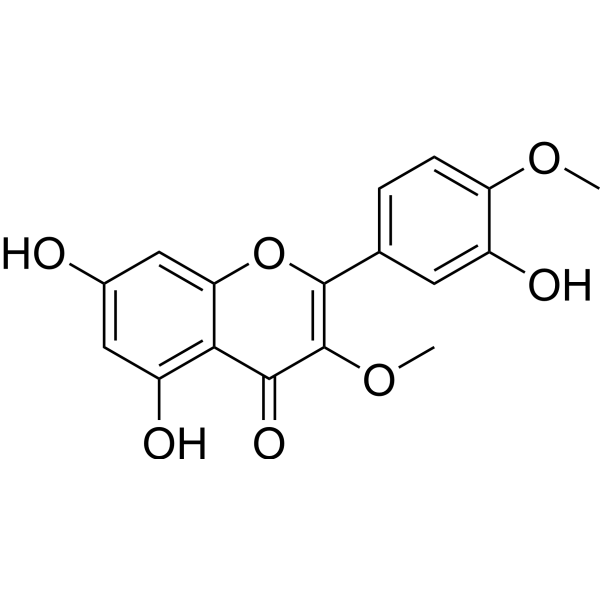
Quercetin 3,4′-dimethyl ether (3,4′-Dimethylquercetin) is a dimethoxyflavone can be isolated from Combretum quadrangulare. Quercetin 3,4′-dimethyl ether overcomes TRAIL resistance by enhancing DR5 expression and has anti-tumor activity .
|
-
- HY-N1533
-
-
- HY-180442
-
|
7-Biotinylated quercetin
|
Drug Derivative
|
Others
|
|
7-BioQ (7-Biotinylated quercetin) is a C7-biotinylated Quercetin (HY-18085) derivative .
|
-

- HY-W414390
-
|
2-Cyclohexylethyl-4-O-(alpha-D-glucopyranosyl)-beta-D-glucopyranoside, 98%
|
Biochemical Assay Reagents
|
Others
|
|
2-Cyclohexylethyl-4-O-(α-D-glucopyranosyl)-β-D-glucopyranoside, 98% (2-Cyclohexylethyl-4-O-(alpha-D-glucopyranosyl)-beta-D-glucopyranoside, 98%) is a detergent that can be used for the purification and crystallization of membrane-bound proteins in their native structure. It can self-assemble into micelles and vesicles in aqueous solution and can be used for the study of biomembrane models.
|
-

- HY-N17536
-
|
|
Others
|
Others
|
|
4-Hydroxy-3-methoxyphenyl 6-O-β-D-glucopyranosyl-β-D-glucopyranoside (Compound 9) is a natural product. 4-Hydroxy-3-methoxyphenyl 6-O-β-D-glucopyranosyl-β-D-glucopyranoside can be isolated from Lycopodiella cernua (L.) Pic. Serm. .
|
-

- HY-N19769
-
|
|
Others
|
Others
|
|
Phenylmethyl O-β-D-glucopyranosyl-(1→3)-O-β-D-glucopyranoside (Compound 10) is a triglycoside compound. Phenylmethyl O-β-D-glucopyranosyl-(1→3)-O-β-D-glucopyranoside is isolated from the whole plant of sesame (Sesamum indicum) .
|
-
![Phenylmethyl O-β-D-glucopyranosyl-(1→3)-O-[β-D-xylopyranosyl-(1→2)]-β-D-glucopyranoside](//file.medchemexpress.com/product_pic/hy-n19769.gif)
- HY-N18362
-
|
|
Others
|
Others
|
|
Apetalumoside B9 is a sinapoyl acylated flavonoid glycoside found in the seeds of Lepidium apetalum Willd .
|
-

- HY-N1525
-
|
|
Others
|
Others
|
|
Quinovic acid 3-O-(6-deoxy-β-D-glucopyranoside) 28-O-β-D-glucopyranosyl ester is a Triterpenoids product that can be isolated from the vines of Uncaria tomentosa .
|
-

- HY-W699344
-
|
|
Biochemical Assay Reagents
|
Others
|
|
4-Nitrophenyl 2-O-α-D-glucopyranosyl-α-D-glucopyranoside is a class of biochemical reagents used in glycobiology research. Glycobiology studies the structure, synthesis, biology, and evolution of sugars. It involves carbohydrate chemistry, enzymology of glycan formation and degradation, protein-glycan recognition, and the role of glycans in biological systems. This field is closely related to basic research, biomedicine, and biotechnology .
|
-

- HY-N18278
-
|
|
Drug Derivative
|
Others
|
|
Epicatechin-5-O-β-D-glucopyranoside (Compound 9) is a glucoside. Epicatechin-5-O-β-D-glucopyranoside forms via regioselective 5-O-β-D-glucosylation of epicatechin of quercetin 3-O-D-glucoside .
|
-

- HY-N13065
-
|
|
Drug Metabolite
|
Others
|
|
Quercetin 4′-glucuronide (Compound P3) is a Quercetin (HY-18085) metabolite. Quercetin 4′-glucuronide can trap free radical .
|
-

- HY-N17555
-
|
|
Drug Derivative
|
Others
|
|
Quercetin-7-O-gentiobisoside is a natural product that can be found in locust tree.
|
-

- HY-N13773
-
-

- HY-N11839
-
|
|
Drug Derivative
|
Others
|
|
Quercetin 7,4′-diglucoside is a flavonol diglucoside and a derivative of Quercetin (HY-18085) that can be found in Allium cepa L. Quercetin is a natural flavonoid compound that can activate or inhibit the activity of many proteins .
|
-

- HY-N13306
-
|
|
Others
|
Others
|
|
Quercetin 3-Caffeylrobinobioside is a natural product .
|
-

- HY-N17847
-
|
|
Others
|
Others
|
|
Quercetin-3-O-β-D-xylosyl-(1→2)-β-D-galactoside (compound 2) is a flavonol glycoside. Quercetin-3-O-β-D-xylosyl-(1→2)-β-D-galactoside occurs in the leaves of horseradish Armoracia rusticana. Quercetin-3-O-β-D-xylosyl-(1→2)-β-D-galactoside serves as one of the feeding stimulants for the flea beetle Phyllotreta armoraciae .
|
-

- HY-E71288
-
|
|
Biochemical Assay Reagents
|
Others
|
|
β-D-Glucopyranosyl abscisate β-glucosidase (EC 3.2.1.175) hydrolzes the biologically inactive β-D-Glucopyranosyl ester of abscisic acid to produce active abscisate. Abscisate is a phytohormone critical for plant growth, development and adaption to various stress conditions. The enzyme does not hydrolyse β-D-Glucopyranosyl zeatin.
|
-

- HY-N16930
-
-

- HY-N17771
-
|
|
Endogenous Metabolite
|
Metabolic Disease
|
|
(6-O-p-Coumaroyl)-β-D-glucopyranosyl-2-O-(4-hydroxybenzoyl)-4-O-β-D-glucopyranosyl-6-hydroxyphenylacetate is a selective α-glucosidase inhibitor (IC50=10.53 μg/mL) with anti-hepatic fibrosis and anti-diabetic properties. It also inhibits the growth of mouse hepatic stellate cells (t-HSC/Cl-6) with an IC50 of 109.2 μg/mL. (6-O-p-Coumaroyl)-β-D-glucopyranosyl-2-O-(4-hydroxybenzoyl)-4-O-β-D-glucopyranosyl-6-hydroxyphenylacetate can be isolated from the ester derivatives of Impatiens balsamina L. flowers. (6-O-p-Coumaroyl)-β-D-glucopyranosyl-2-O-(4-hydroxybenzoyl)-4-O-β-D-glucopyranosyl-6-hydroxyphenylacetate can be used in research related to hepatic fibrosis and type 2 diabetes.
|
-

- HY-N13639
-
|
|
Others
|
Others
|
|
β-D-Glucopyranosyl taraxinic ester is a natural product that can be isolated from Taraxacum portentosum .
|
-

- HY-N13383
-
|
|
Others
|
Others
|
|
Quercetin 3,5,3'-trimethyl ether is a natural product .
|
-

- HY-N17258
-
|
|
Insecticide
|
Infection
|
|
Quercetin 3-O-(2G-β-D-xylopyranosylrutinoside) is an oviposition inhibitory factor. Quercetin 3-O-(2G-β-D-xylopyranosylrutinoside) can be isolated from the leaves of Orixa japonica. When presented together with the oviposition stimulant from Citrus unshiu (Satsuma mandarin), Quercetin 3-O-(2G-β-D-xylopyranosylrutinoside) inhibits oviposition by gravid female Papilio xuthus (Asian swallowtail) .
|
-

| Cat. No. |
Nombre del producto |
Type |
-
- HY-18085G
-
|
|
Fluorescent Dyes
|
|
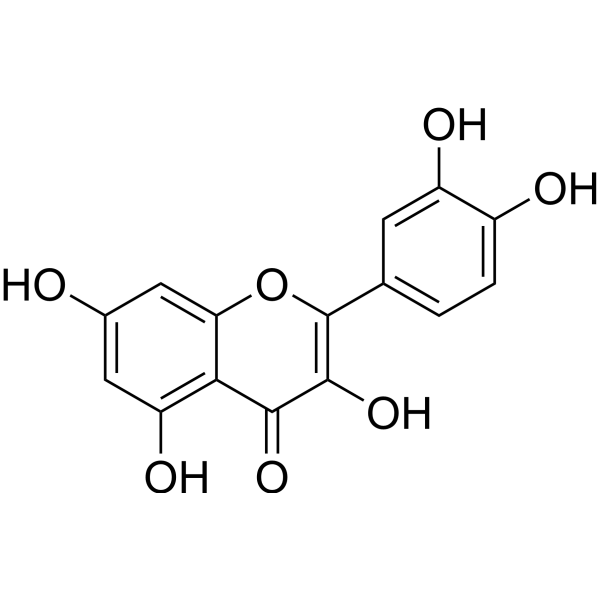
Quercetin GMP is Quercetin (HY-18085) produced by using GMP guidelines. GMP small molecules works appropriately as an auxiliary reagent for cell therapy manufacture. Quercetin is a flavonoid antioxidant, a PI3K inhibitor and a SIRT1 Activator .
|
| Cat. No. |
Nombre del producto |
Type |
-
- HY-18085G
-
|
|
Biochemical Assay Reagents
|
|
Quercetin GMP is Quercetin (HY-18085) produced by using GMP guidelines. GMP small molecules works appropriately as an auxiliary reagent for cell therapy manufacture. Quercetin is a flavonoid antioxidant, a PI3K inhibitor and a SIRT1 Activator .
|
-
- HY-157922
-
|
α-D-glucopyranosyl-α-D-glucopyranoside monododecanoate
|
Biochemical Assay Reagents
|
|
Trehalose C12 (α-D-Glucopyranosyl-α-D-glucopyranoside monododecanoate) is a nonreducing disaccharide with amphiphilic property, which is used as emulsifier, surfactant, encapsulating materials, and in the biochemical researches of cellular processes and membrane interactions .
|
-
- HY-W416255
-
-
- HY-W155446
-
|
Decyl 4-O-α-D-glucopyranosyl-1-thio-β-D-glucopyranoside
|
Biochemical Assay Reagents
|
|
Decyl beta-d-thiomaltopyranoside (Decyl 4-O-α-D-glucopyranosyl-1-thio-β-D-glucopyranoside) is a biochemical assay reagent.
|
-
- HY-W603112
-
|
|
Biochemical Assay Reagents
|
|
β-D-Glucopyranosyl 1-thio-β-D-glucopyranoside is a class of biochemical reagents used in glycobiology research. Glycobiology studies the structure, synthesis, biology, and evolution of sugars. It involves carbohydrate chemistry, enzymology of glycan formation and degradation, protein-glycan recognition, and the role of glycans in biological systems. This field is closely related to basic research, biomedicine, and biotechnology .
|
-
- HY-W416254
-
|
|
Biochemical Assay Reagents
|
|
4-Nitrophenyl 2-O-β-D-glucopyranosyl-β-D-glucopyranoside is a class of biochemical reagents used in glycobiology research. Glycobiology studies the structure, synthesis, biology, and evolution of sugars. It involves carbohydrate chemistry, enzymology of glycan formation and degradation, protein-glycan recognition, and the role of glycans in biological systems. This field is closely related to basic research, biomedicine, and biotechnology .
|
-
- HY-W777046
-
|
|
Biochemical Assay Reagents
|
|
4-Nitrophenyl 3-O-α-D-glucopyranosyl-α-D-glucopyranoside is a class of biochemical reagents used in glycobiology research. Glycobiology studies the structure, synthesis, biology, and evolution of sugars. It involves carbohydrate chemistry, enzymology of glycan formation and degradation, protein-glycan recognition, and the role of glycans in biological systems. This field is closely related to basic research, biomedicine, and biotechnology .
|
-
- HY-W777041
-
|
|
Biochemical Assay Reagents
|
|
4-Nitrophenyl 6-O-α-D-glucopyranosyl-α-D-glucopyranoside is a class of biochemical reagents used in glycobiology research. Glycobiology studies the structure, synthesis, biology, and evolution of sugars. It involves carbohydrate chemistry, enzymology of glycan formation and degradation, protein-glycan recognition, and the role of glycans in biological systems. This field is closely related to basic research, biomedicine, and biotechnology .
|
-
- HY-W414390
-
|
2-Cyclohexylethyl-4-O-(alpha-D-glucopyranosyl)-beta-D-glucopyranoside, 98%
|
Biochemical Assay Reagents
|
|
2-Cyclohexylethyl-4-O-(α-D-glucopyranosyl)-β-D-glucopyranoside, 98% (2-Cyclohexylethyl-4-O-(alpha-D-glucopyranosyl)-beta-D-glucopyranoside, 98%) is a detergent that can be used for the purification and crystallization of membrane-bound proteins in their native structure. It can self-assemble into micelles and vesicles in aqueous solution and can be used for the study of biomembrane models.
|
-
- HY-W699344
-
|
|
Biochemical Assay Reagents
|
|
4-Nitrophenyl 2-O-α-D-glucopyranosyl-α-D-glucopyranoside is a class of biochemical reagents used in glycobiology research. Glycobiology studies the structure, synthesis, biology, and evolution of sugars. It involves carbohydrate chemistry, enzymology of glycan formation and degradation, protein-glycan recognition, and the role of glycans in biological systems. This field is closely related to basic research, biomedicine, and biotechnology .
|
| Cat. No. |
Nombre del producto |
Target |
Research Area |
-
- HY-P10230
-
|
|
Bacterial
|
Infection
|
|
Sublancin is an antimicrobial peptide, which inhibits DNA replication, transcription and translation, without affecting membrane integrity. Sublancin suppresses glucose uptake for the competition of phosphotransferase system (PTS). Sublancin inhibits B. subtilis strain 168 ΔSPβ with MIC of 0.312 μM .
|
| Cat. No. |
Nombre del producto |
Category |
Target |
Chemical Structure |
-
- HY-18085
-
-
-
- HY-13930
-
-
-
- HY-18085R
-
-
-
- HY-N1968
-
-
-
- HY-N0768
-
-
-
- HY-N0419
-
-
-
- HY-N4089
-
-
-
- HY-N1354
-
-
-
- HY-N8163
-
-
-
- HY-N8028
-
-
-
- HY-111974
-
-
-
- HY-N6964
-
-
-
- HY-N12445
-
|
|
Malvaceae
Structural Classification
Flavonols
Flavonoids
Abelmoschus manihot (Linn.) Medicus
Plants
Source Classification
|
Topoisomerase
Caspase
Apoptosis
SOD
|
|
Quercetin-3'-O-glucoside is an orally active flavonoid glycoside. Quercetin-3'-O-glucoside reduces liver glucose-6-phosphatase activity, alters serum insulin and glucose levels, and regulates the activities of antioxidant enzymes in the liver and kidney. Quercetin-3'-O-glucoside inhibits DNA topoisomerase II, induces S-phase cell cycle arrest and caspase-3-mediated apoptosis in hepatocellular carcinoma cells. Quercetin-3'-O-glucoside selectively inhibits EGFR-mediated signaling pathways targeting AKT, ERK1/2, FAK and MEK1/2. Quercetin-3'-O-glucoside inhibits growth factor-induced migration and invasion in pancreatic cancer cells. Quercetin-3'-O-glucoside exerts free radical scavenging effects. Quercetin-3'-O-glucoside is applicable to research related to pancreatic cancer, diabetes, hepatocellular carcinoma and malignant tumors .
|
-
-
- HY-N7976
-
-
-
- HY-N9397
-
-
-
- HY-N13015
-
-
-
- HY-N7607
-
-
-
- HY-N6958
-
-
-
- HY-W778608
-
-
-
- HY-N7635
-
-
-
- HY-N12963
-
-
-
- HY-N1583
-
-
-
- HY-N11823
-
-
-
- HY-N11538
-
-
-
- HY-N1181R
-
-
-
- HY-N11534
-
-
-
- HY-N0146R
-
-
-
- HY-N0768R
-
-
-
- HY-N6260
-
-
-
- HY-N17678
-
-
-
- HY-N4320
-
-
-
- HY-N8132
-
-
-
- HY-N8685
-
-
-
- HY-N9521
-
-
-
- HY-N17672
-
-
-
- HY-N11901
-
-
-
- HY-N12035
-
-
-
- HY-N12079
-
-
-
- HY-W671745
-
-
-
- HY-N11880
-
-
-
- HY-N17851
-
-
-
- HY-N18374
-
-
-
- HY-N13036
-
-
-
- HY-N9872
-
-
-
- HY-N4089R
-
|
|
Flavonols
Structural Classification
Flavonoids
other families
Phenols
Polyphenols
Plants
Source Classification
|
Reference Standards
Aldose Reductase
Cytochrome P450
|
|
Quercetin 3-gentiobioside (Standard) is the analytical standard of Quercetin 3-gentiobioside (HY-N4089). This product is intended for research and analytical applications. Quercetin 3-gentiobioside is a flavonoid found in Artemisia iwayomogi. Quercetin 3-gentiobioside inhibits aromatase with an Ki of 46.77 nM. Quercetin 3-gentiobioside inhibits aldose reductase (AR) and the formation of advanced glycation end products (AGEs), with IC50 values of 10.60 μM and 109.46 μM, respectively. Quercetin 3-gentiobioside inhibits proliferation of cancer cells and fibroblast-like synoviocytes. Quercetin 3-gentiobioside can be used for the research of cancer, such as lung carcinoma .
|
-
-
- HY-N11844
-
|
|
Productos naturales
Cardamine hirsuta L.
Plants
Brassicaceae
Source Classification
|
Amylases
|
|
Quercetin 3-(6″-caffeoylsophoroside) is an orally active α-amylase inhibitor, with an IC50 of 73.66 μg/mL. Quercetin 3-(6″-caffeoylsophoroside) presents in thehydro-methanolic extract of Cardamine hirsuta Linn. Quercetin 3-(6″-caffeoylsophoroside) shows the antidiabetic activities by oxidative stress reduction and α-amylase inhibition. Quercetin 3-(6″-caffeoylsophoroside) can be used for diabetes mellitus research .
|
-
-
- HY-13930R
-
-
-
- HY-N12274
-
-
-
- HY-N9920
-
-
-
- HY-W778608R
-
|
quercetin 7-O-β-glucuronide (Standard)
|
Flavonols
Flavonoids
Pedaliaceae
Plants
Uncarina grandidieri (Baill.) Ihlenf. & Straka
Source Classification
|
Drug Metabolite
Reference Standards
|
|
Dopamine (hydrochloride) (Standard) is the analytical standard of Dopamine (hydrochloride). This product is intended for research and analytical applications. Dopamine hydrochloride (ASL279) is a catecholamine neurotransmitter that is produced in the substantia nigra, ventral tegmental area, and hypothalamus of the brain. Dopamine hydrochloride (ASL279) plays several important roles in the brain and body . Dopamine hydrochloride (ASL279) acts through D2 dopamine receptors to induce endocytosis of VEGFR2, which is critical for promoting angiogenesis .
|
-
- HY-N9135
-
-
- HY-N11809
-
-
- HY-N12070
-
-
- HY-N9397R
-
-
- HY-N8204
-
-
- HY-N1582
-
-
- HY-N1533
-
-
- HY-N17536
-
-
- HY-N19769
-
-
- HY-N18362
-
-
- HY-N1525
-
-
- HY-N18278
-
-
- HY-N13065
-
-
- HY-N17555
-
-
- HY-N13773
-
-
- HY-N11839
-
-
- HY-N13306
-
-
- HY-N17847
-
-
- HY-N16930
-
-
- HY-N17771
-
|
|
Structural Classification
Impatiens balsamina Linn.
Balsaminaceae
Phenols
Polyphenols
Plants
Source Classification
|
Endogenous Metabolite
|
|
(6-O-p-Coumaroyl)-β-D-glucopyranosyl-2-O-(4-hydroxybenzoyl)-4-O-β-D-glucopyranosyl-6-hydroxyphenylacetate is a selective α-glucosidase inhibitor (IC50=10.53 μg/mL) with anti-hepatic fibrosis and anti-diabetic properties. It also inhibits the growth of mouse hepatic stellate cells (t-HSC/Cl-6) with an IC50 of 109.2 μg/mL. (6-O-p-Coumaroyl)-β-D-glucopyranosyl-2-O-(4-hydroxybenzoyl)-4-O-β-D-glucopyranosyl-6-hydroxyphenylacetate can be isolated from the ester derivatives of Impatiens balsamina L. flowers. (6-O-p-Coumaroyl)-β-D-glucopyranosyl-2-O-(4-hydroxybenzoyl)-4-O-β-D-glucopyranosyl-6-hydroxyphenylacetate can be used in research related to hepatic fibrosis and type 2 diabetes.
|
-
- HY-N13639
-
-
- HY-N13383
-
-
- HY-N17258
-
-
| Cat. No. |
Nombre del producto |
Chemical Structure |
-
- HY-18085S1
-
1 Publications Verification
|
|
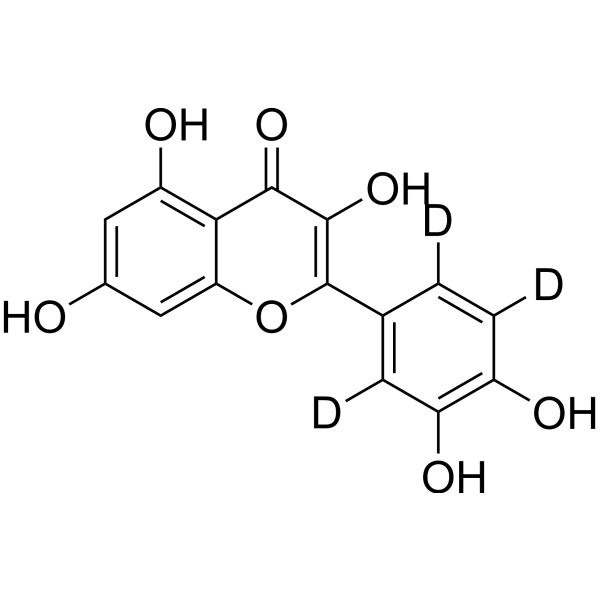
Quercetin-d3 is the deuterium labeled Quercetin. Quercetin, a natural flavonoid, is a stimulator of recombinant SIRT1 and also a PI3K inhibitor with IC50 of 2.4 μM, 3.0 μM and 5.4 μM for PI3K γ, PI3K δ and PI3K β, respectively .
|
-
-
- HY-18085S2
-
|
|
|
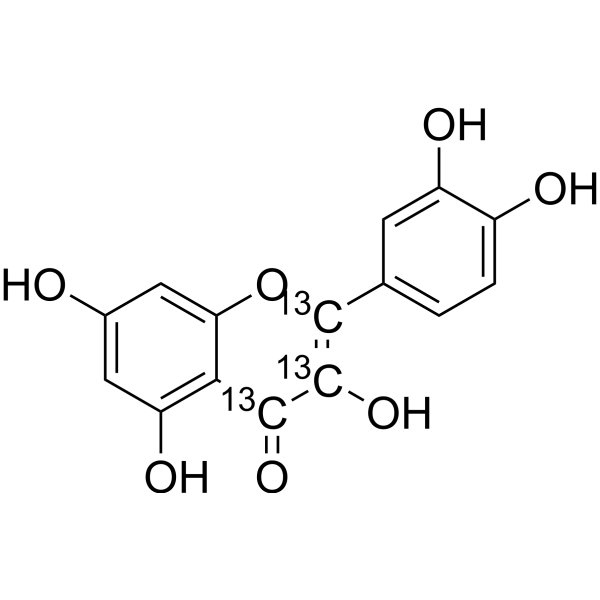
Quercetin- 13C3 is the 13C-labeled Quercetin. Quercetin, a natural flavonoid, is a stimulator of recombinant SIRT1 and also a PI3K inhibitor with IC50 of 2.4 μM, 3.0 μM and 5.4 μM for PI3K γ, PI3K δ and PI3K β, respectively .
|
-
-
- HY-18085S
-
|
|
|
Quercetin-d5 is a deuterium labeled Quercetin. Quercetin, a natural flavonoid, is a stimulator of recombinant SIRT1 and also a PI3K inhibitor with IC50 of 2.4 μM, 3.0 μM and 5.4 μM for PI3K γ, PI3K δ and PI3K β, respectively .
|
-
-
- HY-146992S
-
|
|
|
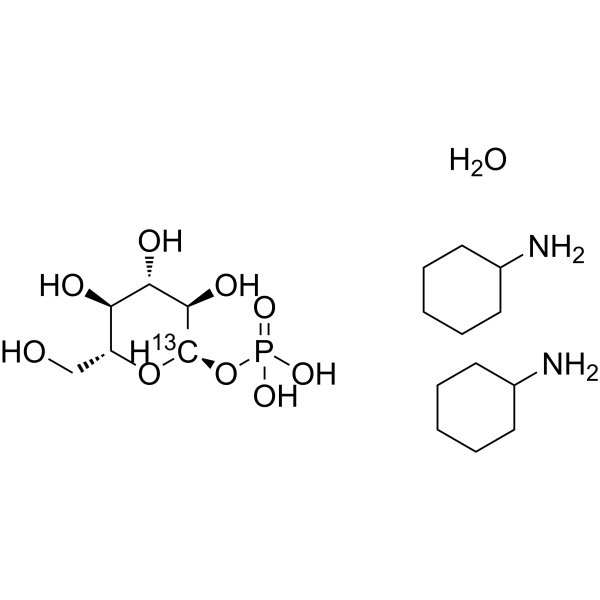
α-D-Glucopyranosyl 1-phosphate- 13C (dicyclohexylamine, monohydrate) is the 13C labeled α-D-Glucopyranosyl 1-phosphate .
|
-
-
- HY-18085AS
-
1 Publications Verification
|
|
Quercetin-d3 hydrate is a deuterium labeled Quercetin hydrate (HY-18085A), a flavonoid which can stimulate recombinant SIRT1 and also a PI3K inhibitor with IC50s of 2.4 μM, 3.0 μM and 5.4 μM for PI3K γ, PI3K δ and PI3K β, respectively .
|
-
| Cat. No. |
Nombre del producto |
|
Classification |
-
- HY-177847
-
|
|
|
Liposome
|
|
Liposomal Quercetin is a specialized delivery system that encapsulates quercetin within tiny liposomes. These liposomes act as protective shells, enhancing the absorption and bioavailability of quercetin. Quercetin is a natural flavonoid with nutritional
|
| Cat. No. |
Nombre del producto |
Target |
Áreas de investigación |
Chemical Structure |
Your information is safe with us. * Required Fields.
Inquiry Information
- Nombre del producto:
- Cat. No.:
- Cantidad:
- MCE Japan Authorized Agent:





![Quercetin-3-O-D-glucosyl]-(1-2)-L-rhamnoside](http://file.medchemexpress.com/product_pic/hy-n7607.gif)


![3-O-β-D-Glucopyranosyl(1→2)-[a-Lrhamnopyranosyl(1→3)]-β-D-glucopyranosyl 28-O-β-D-glucuronopyranoside](http://file.medchemexpress.com/product_pic/hy-n9521.gif)


![Quercetin-3-O-[(6-caffeoyl)-β-glucopyranosyl (1→3) α-rhamnopyranoside]-7-O-α-rhamnopyranoside](http://file.medchemexpress.com/product_pic/hy-n11901.gif)


![Quercetin-3-O-[α-L-rhamnose-(1→2)-β-D-glucopyranosyl]-5-O-β-D-glucopyranoside](http://file.medchemexpress.com/product_pic/hy-n18374.gif)
![Isoorientin-7-O-[6-sinapoyl]-glucoside](http://file.medchemexpress.com/product_pic/hy-n13036.gif)


![Phenylmethyl O-β-D-glucopyranosyl-(1→3)-O-[β-D-xylopyranosyl-(1→2)]-β-D-glucopyranoside](http://file.medchemexpress.com/product_pic/hy-n19769.gif)





