From 11:00 pm to 12:00 pm EST ( 8:00 pm to 9:00 pm PST ) on January 6th, the website will be under maintenance. We are sorry for the inconvenience. Please arrange your schedule properly.
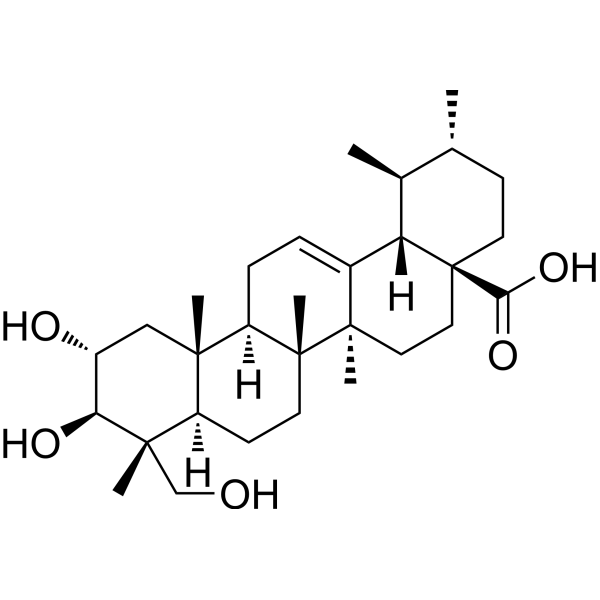
Asiatic acid, a pentacyclic triterpene found in Centella asiatica (Centella asiatica), has anticancer activity. Asiatic acid induces apoptosis in melanoma cells and has barrier protective effects on human aortic endothelial cells (HAEC). Asiatic acid also has anti-inflammatory activity and inhibits tumornecrosisfactor (TNF)-α-induced endothelial barrier dysfunction. Asiatic acid also inhibits NLRP3 inflammasome activation and NF-κB pathway, effectively inhibits inflammation in rats, and has neuroprotective effects in rat spinal cord injury (SCI) model .
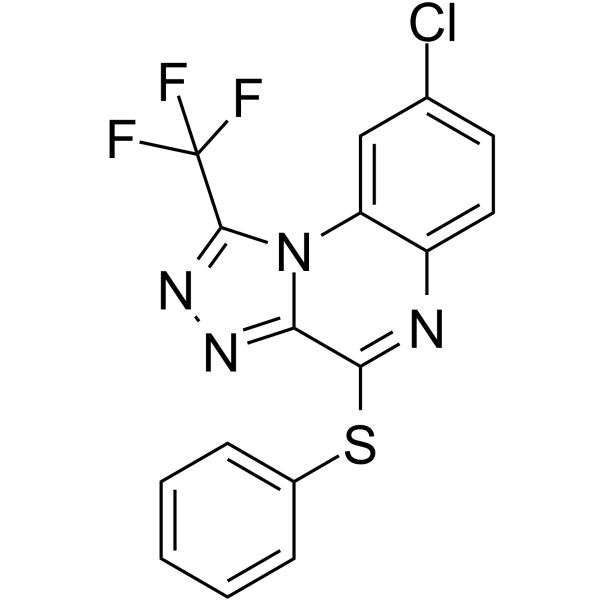
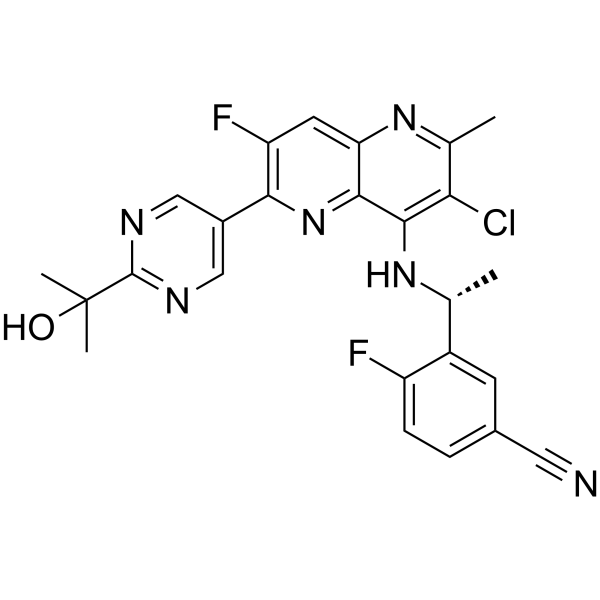
TNF-α-IN-2 is a potent and orally active inhibitor of tumornecrosisfactoralpha (TNFα), with an IC50 of 25 nM in the HTRF assay. TNF-α-IN-2 distorts the TNFα trimer upon binding, leading to aberrant signaling when the trimer binds to TNFR1. TNF-α-IN-2 can be used for the research of rheumatoid arthritis .
RN-1734 is selective antagonist of the TRPV4 channel, completely antagonizes 4αPDD-mediated activation of TRPV4 with comparable, low micromolar IC50s for all three species (hTRPV4: 2.3 μM, mTRPV4: 5.9 μM, rTRPV4: 3.2 μM) . RN-1734 clearly decreases the production of tumornecrosisfactorα (TNF-α) and interleukin 1β (IL-1β) without altering the number of olig2-positive cells .
Denopamine ((R)-(-)-Denopamine) is an orally active, selective β1-adrenergic agonist. Denopamine prolongs survival in a murine model of congestive heart failure induced by viral myocarditis: suppression of tumornecrosisfactor-α production in the heart. Cardiovascular effects .
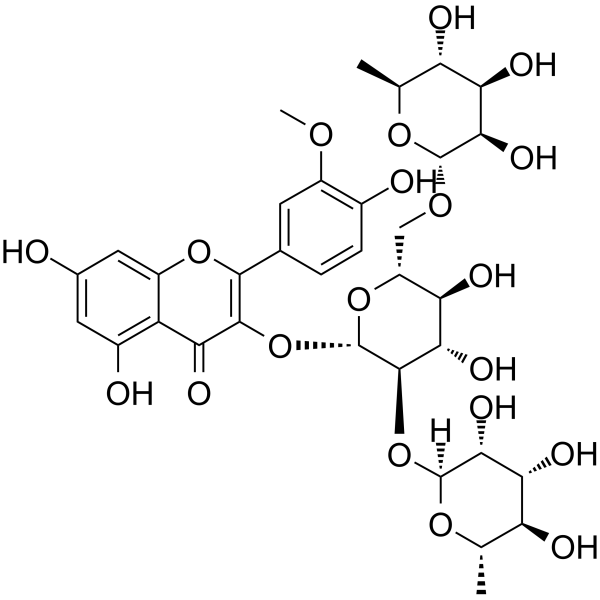
Typhaneoside is an orally bioavailable signal modulator and cellular regulator. Typhaneoside regulates the PI3K/Akt/mTOR autophagy transduction pathway. Typhaneoside promotes the activation of AMP-activated protein kinase and Caspase-3, induces apoptosis, ferroptosis, autophagy, ROS accumulation, and cell cycle arrest at the G2/M phase, and reduces cancer cell viability. Typhaneoside activates the farnesoid X receptor signaling pathway, improves glucose and lipid metabolism, alleviates inflammatory responses, oxidative stress and hepatic lipid accumulation, and exerts hepatoprotective effects. Typhaneoside is applicable to research related to post-myocardial infarction heart failure, acute myeloid leukemia, non-alcoholic fatty liver disease, and neurological disorders .
IA-14069 is an orally active tumornecrosisfactor-α(TNF-α) inhibitor. IA-14069 binds directly to TNF-α and TNF-α-triggered signaling (p-IκBα and NF-κB p65) activities. Additionally, IA-14069 exerts a suppressive effect on Dextran sodium sulfate (HY-116282C) (DSS)-induced colitis. IA-14069 can be used for the research of Rheumatoid arthritis (RA) and inflammatory bowel disease (IBD) .
3,4,5-Tricaffeoylquinic acid (3,4,5-triCQA) inhibits tumornecrosisfactor-α-stimulated production of inflammatory mediators in keratinocytes via suppression of Akt- and NF-κB-pathways. 3,4,5-Tricaffeoylquinic acid induces cell cycle arrest at G0/G1, actin cytoskeleton organization, chromatin remodeling, neuronal differentiation, and bone morphogenetic protein signaling in human neural stem cells. 3,4,5-Tricaffeoylquinic acid has the potential for the research of aging-associated diseases .
AMG-966 is a human bispecific antibody (bsAb) targeting TNFSF15/TL1A & TNFα. AMG 966 restores the ability of the aglycosylated Fc domain to bind FcγRIa and FcγRIIa, leading to the formation of anti-drug antibodies (ADA). AMG 966 can be used in research on Crohn's disease and ulcerative colitis. Recommended isotype control: Human IgG1 kappa, Isotype Control (HY-P99001) .
Cynaropicrin is a sesquiterpene lactone which can inhibit tumornecrosisfactor(TNF-α) release with IC50s of 8.24 and 3.18 μM for murine and human macrophage cells, respectively. Cynaropicrin also inhibits the increase of cartilage degradation factor (MMP13) and suppresses NF-κB signaling.
11-Keto-beta-boswellic acid (11-Keto-β-boswellic acid) is a pentacyclic triterpenic acid of the oleogum resin from the bark of the Boswellia serrate tree, popularly known as Indian Frankincense. 11-Keto-beta-boswellic acid has the anti-inflammatory activity is primarily due to inhibit 5-lipoxygenase (5-LOX) and subsequent leukotriene and nuclear factor-kappa B (NF-κB) activation and tumornecrosisfactoralpha generation production .
Punicic acid is a bioactive compound of pomegranate seed oil. Punicic acid is an isomer of conjugated α-linolenic acid and ω-5 polyunsaturated fatty acids. Punicic acid has anti-inflammatory and antioxidant activities and can inhibit the expression of inflammatory mediators such as tumornecrosisfactorα (TNF-α). Punicic acid can also reduce the formation of β-amyloid deposits and hyperphosphorylation of tau by increasing the expression of GLUT4 protein and inhibiting the overactivation of calpain, and is used to prevent and treat neurodegenerative diseases. In addition, punicic acid also has breast cancer inhibitor properties that depend on lipid peroxidation and PKC pathways .
(S)-(+)-Rolipram ((+)-Rolipram) is a cyclic AMP(cAMP)-specific phosphodiesterase 4 (PDE4) inhibitor, with an IC50 of 1100 nM. (S)-(+)-Rolipram can suppresse tumornecrosisfactor-alpha (TNFα) production by human mononuclear cells .
Mca-PLAQAV-Dpa-RSSSR-NH2 is a fluorescent substrate peptide that can be used to detect ADAM9, ADAM10, and tumornecrosisfactor-α converting enzyme (TACE/ADAM17). Mca-PLAQAV-Dpa-RSSSR-NH2 is a fluorescence resonance energy transfer-based substrate, and its activity can be determined by changes in fluorescence intensity upon cleavage (Ex = 320 nm
; Em = 405 nm) .
Mca-PLAQAV-Dpa-RSSSR-NH2 TFA is a fluorescent substrate peptide that can be used to detect ADAM9, ADAM10, and tumornecrosisfactor-α converting enzyme (TACE/ADAM17). Mca-PLAQAV-Dpa-RSSSR-NH2 TFA is a fluorescence resonance energy transfer-based substrate, and its activity can be determined by changes in fluorescence intensity upon cleavage (Ex = 320 nm
; Em = 405 nm) .
Natsudaidain is a kind of polymethoxyflavone. Natsudaidain can be isolated from Citrus plants. Natsudaidain inhibits tumornecrosisfactor-α and cyclooxygenase-2 production n by suppressing p38 MAPK phosphorylation on mast cells .
Evodenoson is a selective agonist of the A2A adenosine receptor. Evodenoson’s primary actions include reducing inflammatory responses, decreasing intestinal fluid secretion, edema, tissue damage, and neutrophil infiltration induced by Clostridium difficile toxin A. Evodenoson’s protective effect is achieved by reducing myeloperoxidase (MPO) and adenosine deaminase (ADA) activities, and by lowering the production of tumornecrosisfactor-alpha (TNF-α) .
MG-T-19 is an effective TIM-3 inhibitor that can suppress the interaction of TIM-3 with PtdSer, CEACAM1, and Gal-9. MG-T-19 can increase the production of tumornecrosisfactor-α(TNF-α) and interferon-γ (IFN-γ) in peripheral blood mononuclear cells (PBMCs) from healthy donors, and enhance the ability of PBMCs to inhibit the proliferation of Kasumi-1 cells (an acute myelogenous leukemia cell line) .
Asiatic acid (Standard) is the analytical standard of Asiatic acid. This product is intended for research and analytical applications. Asiatic acid, a pentacyclic triterpene found in Centella asiatica (Centella asiatica), has anticancer activity. Asiatic acid induces apoptosis in melanoma cells and has barrier protective effects on human aortic endothelial cells (HAEC). Asiatic acid also has anti-inflammatory activity and inhibits tumornecrosisfactor (TNF)-α-induced endothelial barrier dysfunction. Asiatic acid also inhibits NLRP3 inflammasome activation and NF-κB pathway, effectively inhibits inflammation in rats, and has neuroprotective effects in rat spinal cord injury (SCI) model .
Rilunermin alfa (SCB-313) is a recombinant fusion protein composed of the human C-propeptide of alpha1(I) collagen (Trimer-Tag) to the C-terminus of the mature human tumornecrosisfactor (TNF)-related apoptosis-inducing ligand (TRAIL; Apo2L). Rilunermin alfa has potential pro-apoptotic and antineoplastic activities .
SSA antigenic peptide is an antigenic peptide of Sjögren's syndrome-related antigen A (SSA). SSA antigenic peptide can be used for the research of systemic lupus erythematosus .
CDC801 is a potent and orally active phosphodiesterase 4 (PDE4) and tumornecrosisfactor-α(TNF-α) inhibitor with IC50 of 1.1 μM and 2.5 μM, respectively.
Spirohypertone B is a potent Tumornecrosisfactor-α(TNF-α) inhibitor. Spirohypertone B protects L929 cells from death induced by co-incubation with TNF-α and Actinomycin D (HY-17559) .
Opinercept is a recombinant fusion protein comprising an TNFRSF1B fused to a human IgG1 Fc . Opinercept is a tumornecrosisfactor-alpha(TNF-alpha) inhibitor. Opinercept can be used for the research of rheumatoid arthritis (RA) .
GW-3333 is a potent and orally active TNF-alpha-converting enzyme (TACE) and matrix metalloproteinases (MMP) inhibitor. GW-3333 inhibits tumornecrosisfactor-alpha (TNF-alpha) production. GW-3333 can be used in research of arthritis .
S-27609 is an imidazoquinoline with antiviral and antitumour properties. S-27609 can induce peripheral blood mononuclear cells to produce various cytokines such as interferon-α (IFN-α), tumornecrosisfactor-α (TNF-α), and interleukin-1β (IL-1β). S-27609 is promising for research of viral infections (e.g., herpes virus) and tumors .
Cudraflavone B is a prenylated flavonoid with anti-inflammatory and anti-tumor properties. Cudraflavone B is also a dual inhibitor of COX-1 and COX-2. Cudraflavone B blocks the translocation of nuclear factor κB (NF-κB) from the cytoplasm to the nucleus in macrophages. Thus, Cudraflavone B inhibits tumornecrosisfactorα (TNFα) gene expression and secretion. Cudraflavone B also triggers the mitochondrial apoptotic pathway, activates NF-κB, the MAPK p38, and ERK, and induced the expression of SIRT1. Thus Cudraflavone B inhibits the growth of human oral squamous cell carcinoma cells .
FGA139 is a cysteine proteases inhibitor with IC50 values of 4.98/3.14 μM for cathepsin B/L. FGA139 reduces LPS-induced NO production in RAW264.7 cells and tumornecrosisfactor (TNFα) levels in microglia, and has anti-oxidative stress and anti-inflammatory activities. FGA139 promotes the secretion of neuroprotective metabolites purine and linoleic acid by LPS-stimulated microglia. FGA139 can be used in neuroinflammatory diseases research .
DPP-4-IN-8 (compound 27) is a potent and selective DPP4 (dipeptidyl peptidase 4) inhibitor, with a Ki of 0.96 μM. DPP-4-IN-8 blocks the dipeptidase activity of DPP4 in both Caco-2 and HepG-2 cells. DPP-4-IN-8 also dose-dependently suppresses the expression levels of the chemokines tumornecrosisfactor-α (TNF-α), interleukin-6 (IL-6), and interleukin-1β (IL-1β) .
LMP-420 is a selective tumornecrosisfactor-α(TNF-α) inhibitor. LMP-420 reduces the release of pro-inflammatory cytokines (e.g., IL-1β, IL-2), inducing the expression of anti-inflammatory cytokine IL-10 and anti-apoptotic molecules SOCS-1 and Mn-SOD. LMP-420 also downregulates chemokines (e.g., IP-10, MCP-1) to reduce immune cell infiltration. LMP-420 is promising for research of type 1 diabetes mellitus, inflammatory diseases (e.g., colitis), and HIV-Mycobacterium tuberculosis coinfection .
Siegeskaurolic acid is an orally active anti-inflammatory agent. Siegeskaurolic acid inhibits the productions of nitric oxide (NO), prostaglandin E(2) (PGE(2)), tumornecrosisfactor-alpha (TNF-alpha) and the activationon of nuclear factor-kappaB .
ONO-4007 is an antitumor lipid A analogue. ONO-4007 exhibits strong antitumor activity in several animal models via intratumoral production of tumornecrosisfactor-alpha production (TNF-α). ONO-4007 can be used for the research of cancer .
EO 1428 is a highly specific inhibitor of p38 of the aminobenzophenone class. EO 1428 (1 μM ) markedly attenuates LPS-induced tumornecrosisfactorα-converting enzyme (TACE) activity up-regulation .
Human TGFB1 mRNA encodes the human transforming growth factor beta 1 (TGFB1) protein, a secreted ligand of the TGF-beta superfamily. TGFB1 can regulate cell proliferation, differentiation and growth, and also play a role in modulating expression and activation of other growth factors including interferon gamma and tumornecrosisfactoralpha.
Human LTA mRNA encodes the human lymphotoxin alpha (LTA) protein, a member of the tumornecrosisfactor family. LTA mediates a large variety of inflammatory, immunostimulatory, and antiviral responses. It involves in the formation of secondary lymphoid organs during development and plays a role in apoptosis.
8-Epiloganin can be isolated from Castilleja rubra and has anti-inflammatory properties. 8-Epiloganin inhibits LPS-induced release of pro-inflammatory cytokines, namely tumornecrosisfactor-α and interleukin-1β .
Cynaropicrin (Standard) is the analytical standard of Cynaropicrin. This product is intended for research and analytical applications. Cynaropicrin is a sesquiterpene lactone which can inhibit tumornecrosisfactor (TNF-α) release with IC50s of 8.24 and 3.18 μM for murine and human macrophage cells, respectively. Cynaropicrin also inhibits the increase of cartilage degradation factor (MMP13) and suppresses NF-κB signaling.
Denopamine (Standard) is the analytical standard of Denopamine. This product is intended for research and analytical applications. Denopamine ((R)-(-)-Denopamine) is an orally active, selective β1-adrenergic agonist. Denopamine prolongs survival in a murine model of congestive heart failure induced by viral myocarditis: suppression of tumornecrosisfactor-α production in the heart. Cardiovascular effects .
17-Epiestriol is an estrogen metabolite and a selective estrogen receptor (ER) β agonist. 17-epiestriol inhibits the mRNA and protein expression of the vascular cell adhesion molecule VCAM-1 induced by tumornecrosisfactorα (TNFα). 17-epiestriol also inhibits TNFα-induced VCAM-1 expression and prevents NF-κB migration to the nucleus. 17-Epiestriol also induces the mRNA and protein expression of endothelial nitric oxide synthase .
Glucocorticoid receptor/NF-κB modulator-1 (Compound 20) is a derivative of ocotillol. Glucocorticoid receptor/NF-κB modulator-1 suppresses the degradation of glucocorticoid receptor (GR) mRNA and GR protein, inhibits the activation of NF-κB signaling pathway. Glucocorticoid receptor/NF-κB modulator-1 downregulates levels of NO, interleukin-6 and tumornecrosisfactor-alpha (TNF-α). Glucocorticoid receptor/NF-κB modulator-1 ameliorates sepsis in mouse model .
rel-Cleroindicin F (Rengyolone) is a cyclohexyl acetyl compound that can be isolated from the fruit of forsythia and has anti-inflammatory activity. It strongly inhibits the production of nitric oxide (NO) and tumornecrosisfactor-alpha(TNF-α). rel-Cleroindicin F does this by downregulating the activity of NF-κB and NF-κB kinases in RAW 264.7 cells stimulated by LPS (HY-D1056), thus inhibiting the expression of inducible nitric oxide synthase (NO Synthase) and nitric oxide production .
Ludartin a sesquiterpene lactone, which can be isolated from the plant Artemisia carruthii Wood. Ludartin reduces the expression of myeloperoxidase and malondialdehyde, enhances the expression of glutathione and superoxide dismutase in spinal cord tissue. Ludartin inhibits neuronal apoptosis. Ludartin inhibits the upregulation of tumornecrosisfactor-α, interleukin-1β, and interleukin-6. Ludartin improves the motor function of rats with spinal cord injury .
11-Keto-beta-boswellic acid (Standard) is the analytical standard of 11-?Keto-?beta-?boswellic acid. This product is intended for research and analytical applications. 11-Keto-beta-boswellic acid (11-Keto-β-boswellic acid) is a pentacyclic triterpenic acid of the oleogum resin from the bark of the Boswellia serrate tree, popularly known as Indian Frankincense. 11-Keto-beta-boswellic acid has the anti-inflammatory activity is primarily due to inhibit 5-lipoxygenase (5-LOX) and subsequent leukotriene and nuclear factor-kappa B (NF-κB) activation and tumornecrosisfactoralpha generation production .
Narchinol B (Compound 4) is a sesquiter penoid
compound. Narchinol B has anti-inflammatory effects. Narchinol B works by
inhibiting proinflammatory mediators, including prostaglandin E2 (PGE2),
inducible nitric oxide synthase (iNOS), and cyclooxygenase-2 (COX-2) proteins,
as well as proinflammatory cytokines, such as interleukin-1b, IL-6, and tumornecrosisfactor-α (TNF-α). Narchinol B significantly inhibits LPS-induced
overproduction of NO in BV2 cells (IC50=2.43 μM)
.
17-Epiestriol-d5-1 is the deuterium labeled 17-Epiestriol (HY-163712). 17-Epiestriol is an estrogen metabolite and a selective estrogen receptor (ER) β agonist. 17-epiestriol inhibits the mRNA and protein expression of the vascular cell adhesion molecule VCAM-1 induced by tumornecrosisfactorα (TNFα). 17-epiestriol also inhibits TNFα-induced VCAM-1 expression and prevents NF-κB migration to the nucleus. 17-Epiestriol also induces the mRNA and protein expression of endothelial nitric oxide synthase .
TACE-IN-1 is an orally active hydantoin-based tumornecrosisfactor-α converting enzyme (TACE) inhibitor. TACE-IN-1 inhibits the production of TNF-α in human whole blood. TACE-IN-1 can be prepared as a stable neutral form. TACE-IN-1 can be used in anti-inflammatory research .
EO 1428 (Standard) is the analytical standard of EO 1428 (HY-108647). This product is intended for research and analytical applications. EO 1428 is a highly specific inhibitor of p38 of the aminobenzophenone class. EO 1428 (1 μM ) markedly attenuates LPS-induced tumornecrosisfactorα-converting enzyme (TACE) activity up-regulation .
(20S)-18,20-Epoxydigitoxigenin α-L-thvetoside is a cardenolide glycoside found in the bark of Thevetia peruviana.(20S)-18,20-Epoxydigitoxigenin α-L-thvetoside is a tumornecrosisfactor (TNF)-related apoptosis-inducing ligand (TRAIL) resistance-overcoming agent. (20S)-18,20-Epoxydigitoxigenin α-L-thvetoside synergistically sensitizes TRAIL-resistant gastric adenocarcinoma cells to TRAIL, reducing cell viability when combined with TRAIL. (20S)-18,20-Epoxydigitoxigenin α-L-thvetoside can be used for the research of human gastric adenocarcinoma .
RPR-200765A methanesulfonate is an orally active p38MAPK inhibitor with an IC50 of 0.050 μM. RPR-200765A methanesulfonate shows weak activity against Lck, and exhibits no significant activity against ERK, ZAP70 or SYK. It inhibits the production of TNFα and can be used in the research of inflammatory diseases .
7-O-Methyl glabranin is a flavonoid compound and also an inhibitor of LPS-induced TNF-α and IL-1β production. 7-O-Methyl glabranin can be used in the research of diseases such as inflammation .
Mca-PLAQAV-Dpa-RSSSR-NH2 is a fluorescent substrate peptide that can be used to detect ADAM9, ADAM10, and tumornecrosisfactor-α converting enzyme (TACE/ADAM17). Mca-PLAQAV-Dpa-RSSSR-NH2 is a fluorescence resonance energy transfer-based substrate, and its activity can be determined by changes in fluorescence intensity upon cleavage (Ex = 320 nm
; Em = 405 nm) .
Mca-PLAQAV-Dpa-RSSSR-NH2 TFA is a fluorescent substrate peptide that can be used to detect ADAM9, ADAM10, and tumornecrosisfactor-α converting enzyme (TACE/ADAM17). Mca-PLAQAV-Dpa-RSSSR-NH2 TFA is a fluorescence resonance energy transfer-based substrate, and its activity can be determined by changes in fluorescence intensity upon cleavage (Ex = 320 nm
; Em = 405 nm) .
Rilunermin alfa (SCB-313) is a recombinant fusion protein composed of the human C-propeptide of alpha1(I) collagen (Trimer-Tag) to the C-terminus of the mature human tumornecrosisfactor (TNF)-related apoptosis-inducing ligand (TRAIL; Apo2L). Rilunermin alfa has potential pro-apoptotic and antineoplastic activities .
SSA antigenic peptide is an antigenic peptide of Sjögren's syndrome-related antigen A (SSA). SSA antigenic peptide can be used for the research of systemic lupus erythematosus .
MCE HOLO Mouse TumorNecrosisFactor-α (TNF-α) Detection Kit is a homogeneous luminescence-based assay used for the quantitative detection of mouse TNF-α concentrations in biological samples such as buffer solutions, cell culture supernatants, or serum.
MCE HOLO Human TumorNecrosisFactor-α (TNF-α) Detection Kit is a homogeneous luminescence-based assay used for the quantitative detection of human TNF-α concentrations in biological samples such as buffer solutions, cell culture supernatants, or serum.
AMG-966 is a human bispecific antibody (bsAb) targeting TNFSF15/TL1A & TNFα. AMG 966 restores the ability of the aglycosylated Fc domain to bind FcγRIa and FcγRIIa, leading to the formation of anti-drug antibodies (ADA). AMG 966 can be used in research on Crohn's disease and ulcerative colitis. Recommended isotype control: Human IgG1 kappa, Isotype Control (HY-P99001) .
Rilunermin alfa (SCB-313) is a recombinant fusion protein composed of the human C-propeptide of alpha1(I) collagen (Trimer-Tag) to the C-terminus of the mature human tumornecrosisfactor (TNF)-related apoptosis-inducing ligand (TRAIL; Apo2L). Rilunermin alfa has potential pro-apoptotic and antineoplastic activities .
Opinercept is a recombinant fusion protein comprising an TNFRSF1B fused to a human IgG1 Fc . Opinercept is a tumornecrosisfactor-alpha(TNF-alpha) inhibitor. Opinercept can be used for the research of rheumatoid arthritis (RA) .
Asiatic acid, a pentacyclic triterpene found in Centella asiatica (Centella asiatica), has anticancer activity. Asiatic acid induces apoptosis in melanoma cells and has barrier protective effects on human aortic endothelial cells (HAEC). Asiatic acid also has anti-inflammatory activity and inhibits tumornecrosisfactor (TNF)-α-induced endothelial barrier dysfunction. Asiatic acid also inhibits NLRP3 inflammasome activation and NF-κB pathway, effectively inhibits inflammation in rats, and has neuroprotective effects in rat spinal cord injury (SCI) model .
Typhaneoside is an orally bioavailable signal modulator and cellular regulator. Typhaneoside regulates the PI3K/Akt/mTOR autophagy transduction pathway. Typhaneoside promotes the activation of AMP-activated protein kinase and Caspase-3, induces apoptosis, ferroptosis, autophagy, ROS accumulation, and cell cycle arrest at the G2/M phase, and reduces cancer cell viability. Typhaneoside activates the farnesoid X receptor signaling pathway, improves glucose and lipid metabolism, alleviates inflammatory responses, oxidative stress and hepatic lipid accumulation, and exerts hepatoprotective effects. Typhaneoside is applicable to research related to post-myocardial infarction heart failure, acute myeloid leukemia, non-alcoholic fatty liver disease, and neurological disorders .
3,4,5-Tricaffeoylquinic acid (3,4,5-triCQA) inhibits tumornecrosisfactor-α-stimulated production of inflammatory mediators in keratinocytes via suppression of Akt- and NF-κB-pathways. 3,4,5-Tricaffeoylquinic acid induces cell cycle arrest at G0/G1, actin cytoskeleton organization, chromatin remodeling, neuronal differentiation, and bone morphogenetic protein signaling in human neural stem cells. 3,4,5-Tricaffeoylquinic acid has the potential for the research of aging-associated diseases .
Cynaropicrin is a sesquiterpene lactone which can inhibit tumornecrosisfactor(TNF-α) release with IC50s of 8.24 and 3.18 μM for murine and human macrophage cells, respectively. Cynaropicrin also inhibits the increase of cartilage degradation factor (MMP13) and suppresses NF-κB signaling.
11-Keto-beta-boswellic acid (11-Keto-β-boswellic acid) is a pentacyclic triterpenic acid of the oleogum resin from the bark of the Boswellia serrate tree, popularly known as Indian Frankincense. 11-Keto-beta-boswellic acid has the anti-inflammatory activity is primarily due to inhibit 5-lipoxygenase (5-LOX) and subsequent leukotriene and nuclear factor-kappa B (NF-κB) activation and tumornecrosisfactoralpha generation production .
Punicic acid is a bioactive compound of pomegranate seed oil. Punicic acid is an isomer of conjugated α-linolenic acid and ω-5 polyunsaturated fatty acids. Punicic acid has anti-inflammatory and antioxidant activities and can inhibit the expression of inflammatory mediators such as tumornecrosisfactorα (TNF-α). Punicic acid can also reduce the formation of β-amyloid deposits and hyperphosphorylation of tau by increasing the expression of GLUT4 protein and inhibiting the overactivation of calpain, and is used to prevent and treat neurodegenerative diseases. In addition, punicic acid also has breast cancer inhibitor properties that depend on lipid peroxidation and PKC pathways .
Natsudaidain is a kind of polymethoxyflavone. Natsudaidain can be isolated from Citrus plants. Natsudaidain inhibits tumornecrosisfactor-α and cyclooxygenase-2 production n by suppressing p38 MAPK phosphorylation on mast cells .
Asiatic acid (Standard) is the analytical standard of Asiatic acid. This product is intended for research and analytical applications. Asiatic acid, a pentacyclic triterpene found in Centella asiatica (Centella asiatica), has anticancer activity. Asiatic acid induces apoptosis in melanoma cells and has barrier protective effects on human aortic endothelial cells (HAEC). Asiatic acid also has anti-inflammatory activity and inhibits tumornecrosisfactor (TNF)-α-induced endothelial barrier dysfunction. Asiatic acid also inhibits NLRP3 inflammasome activation and NF-κB pathway, effectively inhibits inflammation in rats, and has neuroprotective effects in rat spinal cord injury (SCI) model .
Spirohypertone B is a potent Tumornecrosisfactor-α(TNF-α) inhibitor. Spirohypertone B protects L929 cells from death induced by co-incubation with TNF-α and Actinomycin D (HY-17559) .
Cudraflavone B is a prenylated flavonoid with anti-inflammatory and anti-tumor properties. Cudraflavone B is also a dual inhibitor of COX-1 and COX-2. Cudraflavone B blocks the translocation of nuclear factor κB (NF-κB) from the cytoplasm to the nucleus in macrophages. Thus, Cudraflavone B inhibits tumornecrosisfactorα (TNFα) gene expression and secretion. Cudraflavone B also triggers the mitochondrial apoptotic pathway, activates NF-κB, the MAPK p38, and ERK, and induced the expression of SIRT1. Thus Cudraflavone B inhibits the growth of human oral squamous cell carcinoma cells .
Siegeskaurolic acid is an orally active anti-inflammatory agent. Siegeskaurolic acid inhibits the productions of nitric oxide (NO), prostaglandin E(2) (PGE(2)), tumornecrosisfactor-alpha (TNF-alpha) and the activationon of nuclear factor-kappaB .
8-Epiloganin can be isolated from Castilleja rubra and has anti-inflammatory properties. 8-Epiloganin inhibits LPS-induced release of pro-inflammatory cytokines, namely tumornecrosisfactor-α and interleukin-1β .
Cynaropicrin (Standard) is the analytical standard of Cynaropicrin. This product is intended for research and analytical applications. Cynaropicrin is a sesquiterpene lactone which can inhibit tumornecrosisfactor (TNF-α) release with IC50s of 8.24 and 3.18 μM for murine and human macrophage cells, respectively. Cynaropicrin also inhibits the increase of cartilage degradation factor (MMP13) and suppresses NF-κB signaling.
rel-Cleroindicin F (Rengyolone) is a cyclohexyl acetyl compound that can be isolated from the fruit of forsythia and has anti-inflammatory activity. It strongly inhibits the production of nitric oxide (NO) and tumornecrosisfactor-alpha(TNF-α). rel-Cleroindicin F does this by downregulating the activity of NF-κB and NF-κB kinases in RAW 264.7 cells stimulated by LPS (HY-D1056), thus inhibiting the expression of inducible nitric oxide synthase (NO Synthase) and nitric oxide production .
Ludartin a sesquiterpene lactone, which can be isolated from the plant Artemisia carruthii Wood. Ludartin reduces the expression of myeloperoxidase and malondialdehyde, enhances the expression of glutathione and superoxide dismutase in spinal cord tissue. Ludartin inhibits neuronal apoptosis. Ludartin inhibits the upregulation of tumornecrosisfactor-α, interleukin-1β, and interleukin-6. Ludartin improves the motor function of rats with spinal cord injury .
11-Keto-beta-boswellic acid (Standard) is the analytical standard of 11-?Keto-?beta-?boswellic acid. This product is intended for research and analytical applications. 11-Keto-beta-boswellic acid (11-Keto-β-boswellic acid) is a pentacyclic triterpenic acid of the oleogum resin from the bark of the Boswellia serrate tree, popularly known as Indian Frankincense. 11-Keto-beta-boswellic acid has the anti-inflammatory activity is primarily due to inhibit 5-lipoxygenase (5-LOX) and subsequent leukotriene and nuclear factor-kappa B (NF-κB) activation and tumornecrosisfactoralpha generation production .
Narchinol B (Compound 4) is a sesquiter penoid
compound. Narchinol B has anti-inflammatory effects. Narchinol B works by
inhibiting proinflammatory mediators, including prostaglandin E2 (PGE2),
inducible nitric oxide synthase (iNOS), and cyclooxygenase-2 (COX-2) proteins,
as well as proinflammatory cytokines, such as interleukin-1b, IL-6, and tumornecrosisfactor-α (TNF-α). Narchinol B significantly inhibits LPS-induced
overproduction of NO in BV2 cells (IC50=2.43 μM)
.
(20S)-18,20-Epoxydigitoxigenin α-L-thvetoside is a cardenolide glycoside found in the bark of Thevetia peruviana.(20S)-18,20-Epoxydigitoxigenin α-L-thvetoside is a tumornecrosisfactor (TNF)-related apoptosis-inducing ligand (TRAIL) resistance-overcoming agent. (20S)-18,20-Epoxydigitoxigenin α-L-thvetoside synergistically sensitizes TRAIL-resistant gastric adenocarcinoma cells to TRAIL, reducing cell viability when combined with TRAIL. (20S)-18,20-Epoxydigitoxigenin α-L-thvetoside can be used for the research of human gastric adenocarcinoma .
7-O-Methyl glabranin is a flavonoid compound and also an inhibitor of LPS-induced TNF-α and IL-1β production. 7-O-Methyl glabranin can be used in the research of diseases such as inflammation .
TNF-α/TNFSF2 protein is a cytokine that binds to TNFRSF1A/TNFR1 and TNFRSF1B/TNFBR. It is mainly secreted by macrophages and has multiple biological functions. It has the ability to induce cell death in specific tumor cell lines, serves as a potent pyrogen, can cause fever through direct action or stimulation of interleukin-1 secretion, and is involved in the induction of cachexia. TNF-alpha/TNFSF2 Protein, Pig (N-His) is the recombinant Pig-derived TNF-alpha/TNFSF2 protein, expressed by E. coli , with N-6*His labeled tag.
TNF-alpha/TNFSF2 protein binds to TNFRSF1A/TNFR1 and TNFRSF1B/TNFBR, inducing cell death in specific tumors and causing fever. It can also stimulate cell proliferation, induce insulin resistance, promote angiogenesis, and mediate bone resorption. TNF-alpha's intracellular domain induces IL12 production, highlighting its diverse physiological impact. TNF-alpha/TNFSF2 Protein, Guinea (N-His) is the recombinant TNF-alpha/TNFSF2 protein, expressed by E. coli , with N-6*His labeled tag.
Tumour Necrosis Factor alpha (TNF alpha) is a potent pro-inflammatory cytokine. TNF alpha binds to its receptors, mainly TNFR1 and TNFR2, and then transmits molecular signals for biological functions such as inflammation and cell death. TNF alpha stimulates NF-κB pathway via TNFR2 promotes cancer growth, invasion, and metastasis. Anti-TNF-α MAb significantly suppresses the tumor development in colitis-associated cancer (CAC) mouse. TNF alpha as a proneurogenic factor activates the SAPK/JNK Pathway and can facilitate neuronal replacement and brain repair in response to brain injury .
Tumour Necrosis Factor alpha (TNF alpha) is a potent pro-inflammatory cytokine. TNF alpha binds to its receptors, mainly TNFR1 and TNFR2, and then transmits molecular signals for biological functions such as inflammation and cell death. TNF alpha stimulates NF-κB pathway via TNFR2 promotes cancer growth, invasion, and metastasis. Anti-TNF-α MAb significantly suppresses the tumor development in colitis-associated cancer (CAC) mouse. TNF alpha as a proneurogenic factor activates the SAPK/JNK Pathway and can facilitate neuronal replacement and brain repair in response to brain injury.TNF-alpha/TNFSF2 Protein, Mouse is a recombinant protein consisting of 147 amino acids (D89-L235) and is produced in E. coli.
Tumour Necrosis Factor alpha (TNF alpha) is a potent pro-inflammatory cytokine. TNF alpha binds to its receptors, mainly TNFR1 and TNFR2, and then transmits molecular signals for biological functions such as inflammation and cell death. TNF alpha stimulates NF-κB pathway via TNFR2 promotes cancer growth, invasion, and metastasis. Anti-TNF-α MAb significantly suppresses the tumor development in colitis-associated cancer (CAC) mouse. TNF alpha as a proneurogenic factor activates the SAPK/JNK Pathway and can facilitate neuronal replacement and brain repair in response to brain injury. TNF-alpha/TNFSF2 protein, Rabbit is a recombinant protein consisting of 158 amino acids (V78-L235) and is produced in E. coli.
Tumour Necrosis Factor alpha (TNF alpha) is a potent pro-inflammatory cytokine. TNF alpha binds to its receptors, mainly TNFR1 and TNFR2, and then transmits molecular signals for biological functions such as inflammation and cell death. TNF alpha stimulates NF-κB pathway via TNFR2 promotes cancer growth, invasion, and metastasis. Anti-TNF-α MAb significantly suppresses the tumor development in colitis-associated cancer (CAC) mouse. TNF alpha as a proneurogenic factor activates the SAPK/JNK Pathway and can facilitate neuronal replacement and brain repair in response to brain injury. GMP TNF-alpha/TNFSF2 Protein, Human is a recombinant protein consisting of 157 amino acids (V77-L233) and is produced in E. coli.
The TSG-6 protein is a major extracellular matrix regulator that catalyzes the transfer of heavy chains to hyaluronic acid to form hyaluronic acid-HC oligomers that are critical for tissue remodeling and oocyte fertilization. It assembles hyaluronic acid in the pericellular matrix, which acts as a platform for receptor aggregation. TSG-6 Protein, Human (His) is the recombinant human-derived TSG-6 protein, expressed by E. coli , with N-6*His labeled tag.
Tumour Necrosis Factor alpha (TNF alpha) is a potent pro-inflammatory cytokine. TNF alpha binds to its receptors, mainly TNFR1 and TNFR2, and then transmits molecular signals for biological functions such as inflammation and cell death. TNF alpha stimulates NF-κB pathway via TNFR2 promotes cancer growth, invasion, and metastasis. Anti-TNF-α MAb significantly suppresses the tumor development in colitis-associated cancer (CAC) mouse. TNF alpha as a proneurogenic factor activates the SAPK/JNK Pathway and can facilitate neuronal replacement and brain repair in response to brain injury. TNF alpha/TNFSF2 protein, Human (His) is a recombinant protein with a N-Terminal His label, It consists of 157 amino acids (V77-L233) and is produced in CHO cells.
TNF-α/TNFSF2 protein is a macrophage-secreted cytokine that binds to TNFRSF1A/TNFR1 and TNFRSF1B/TNFBR, inducing tumor cell death and acting as a pyrogen. It is associated with cachexia and stimulates cell proliferation and differentiation. TNF-alpha/TNFSF2 Protein, Human (177a.a, His) is the recombinant human-derived TNF-alpha/TNFSF2 protein, expressed by E. coli , with N-6*His labeled tag.
TNF-α/TNFSF2 protein is a macrophage-secreted cytokine that binds to TNFRSF1A/TNFR1 and TNFRSF1B/TNFBR, inducing tumor cell death and acting as a pyrogen. It is associated with cachexia and stimulates cell proliferation and differentiation. TNF-alpha/TNFSF2 Protein, Human (HEK293, His) is the recombinant human-derived TNF-alpha/TNFSF2 protein, expressed by HEK293 , with C-His labeled tag.
Tumour Necrosis Factor alpha (TNF alpha) is a potent pro-inflammatory cytokine. TNF alpha binds to its receptors, mainly TNFR1 and TNFR2, and then transmits molecular signals for biological functions such as inflammation and cell death. TNF alpha stimulates NF-κB pathway via TNFR2 promotes cancer growth, invasion, and metastasis. Anti-TNF-α MAb significantly suppresses the tumor development in colitis-associated cancer (CAC) mouse. TNF alpha as a proneurogenic factor activates the SAPK/JNK Pathway and can facilitate neuronal replacement and brain repair in response to brain injury. TNF-alpha/TNFSF2 Protein, Canine is a recombinant protein produced in E. coli.
Tumour Necrosis Factor alpha (TNF alpha) is a potent pro-inflammatory cytokine. TNF alpha binds to its receptors, mainly TNFR1 and TNFR2, and then transmits molecular signals for biological functions such as inflammation and cell death. TNF alpha stimulates NF-κB pathway via TNFR2 promotes cancer growth, invasion, and metastasis. Anti-TNF-α MAb significantly suppresses the tumor development in colitis-associated cancer (CAC) mouse. TNF alpha as a proneurogenic factor activates the SAPK/JNK Pathway and can facilitate neuronal replacement and brain repair in response to brain injury. TNF-alpha/TNFSF2 Protein, Cynomolgus is a recombinant protein consisting of 157 amino acids (V77-L233) and is produced in E. coli.
Tumour Necrosis Factor alpha (TNF alpha) is a potent pro-inflammatory cytokine. TNF alpha binds to its receptors, mainly TNFR1 and TNFR2, and then transmits molecular signals for biological functions such as inflammation and cell death. TNF alpha stimulates NF-κB pathway via TNFR2 promotes cancer growth, invasion, and metastasis. Anti-TNF-α MAb significantly suppresses the tumor development in colitis-associated cancer (CAC) mouse. TNF alpha as a proneurogenic factor activates the SAPK/JNK Pathway and can facilitate neuronal replacement and brain repair in response to brain injury. TNF-alpha/TNFSF2 Protein, Ferret is a recombinant protein consisting of 157 amino acids (V77-L233) and is produced in E. coli.
TNF-β protein acts as a homotrimeric cytokine that binds to TNFRSF1A/TNFR1, TNFRSF1B/TNFBR, and TNFRSF14/HVEM. TNF-beta/TNFSF1 Protein, Human (HEK293, His) is the recombinant human-derived TNF-beta/TNFSF1 protein, expressed by HEK293 , with N-6*His labeled tag.
Tumour Necrosis Factor alpha (TNF alpha) is a potent pro-inflammatory cytokine. TNF alpha binds to its receptors, mainly TNFR1 and TNFR2, and then transmits molecular signals for biological functions such as inflammation and cell death. TNF alpha stimulates NF-κB pathway via TNFR2 promotes cancer growth, invasion, and metastasis. Anti-TNF-α MAb significantly suppresses the tumor development in colitis-associated cancer (CAC) mouse. TNF alpha as a proneurogenic factor activates the SAPK/JNK Pathway and can facilitate neuronal replacement and brain repair in response to brain injury. TNF-alpha/TNFSF2 Protein, Cynomolgus (Biotinylated) is a biotinylated recombinant protein consisting of 157 amino acids (V77-L233) and is produced in E. coli.
TNF-β protein acts as a homotrimeric cytokine that binds to TNFRSF1A/TNFR1, TNFRSF1B/TNFBR, and TNFRSF14/HVEM. TNF-beta/TNFSF1 Protein, Human (Biotinylated, HEK293, His-Avi) is the recombinant human-derived TNF-beta/TNFSF1 protein, expressed by HEK293 , with N-Avi, N-6*His labeled tag.
TNF-alpha/TNFSF2 protein binds to TNFRSF1A/TNFR1 and TNFRSF1B/TNFBR. It induces tumor cell death, fever, cachexia, cell proliferation, and cell differentiation. It also causes insulin resistance and GKAP42 protein degradation in adipocytes. Additionally, it plays a role in angiogenesis, osteoclastogenesis, and IL12 production in dendritic cells. TNF-alpha/TNFSF2 Protein, Cynomolgus (N-His) is the recombinant cynomolgus-derived TNF-alpha/TNFSF2 protein, expressed by E. coli , with N-6*His labeled tag.
TNFRII (TNFRSF1B) protein has a high ability to bind with tumor necrosis factor-alpha (TNF-α). TNFRII has pro-apoptotic function. TNFRII recruits TRAF2, induces gene expression and intensively crosstalks with TNF-R1. TNFRII selectively enhances the induction of apoptosis by the death receptor TNFRI. TNFRII Protein, Human (174a.a, HEK293, His) is expressed by HEK293 and has a transmembrane region (K288-S461) with 6*His tag at the C-terminus.
The TNFRII protein is a receptor with high affinity for TNFSF2/TNF-α and low affinity for TNFSF1/lymphotoxin-α, and plays a key role in mediating the metabolic effects of TNF-α. The TRAF1/TRAF2 complex recruits BIRC2 and BIRC3 to TNFRSF1B/TNFR2 to regulate the apoptotic pathway. TNFRII Protein, Human (183a.a) is the recombinant human-derived TNFRII protein, expressed by E. coli , with tag free.
TNFRII (TNFRSF1B) protein has a high ability to bind with tumor necrosis factor-alpha (TNF-α). TNFRII has pro-apoptotic function. TNFRII recruits TRAF2, induces gene expression and intensively crosstalks with TNF-R1. TNFRII selectively enhances the induction of apoptosis by the death receptor TNFRI. TNF RII/TNFRSF1B Protein, Human (183a.a, HEK293, mFc) is expressed by HEK293 and has a transmembrane region (P24-T206) with mFc tag at the C-terminus.
TNFRII (TNFRSF1B) protein has a high ability to bind with tumor necrosis factor-alpha (TNF-α). TNFRII has pro-apoptotic function. TNFRII recruits TRAF2, induces gene expression and intensively crosstalks with TNF-R1. TNFRII selectively enhances the induction of apoptosis by the death receptor TNFRI. TNFRII Protein, Human (HEK293, hFc) is expressed by HEK293 and has a transmembrane region (L23-D257) with hFc tag at the C-terminus.
TNF-β protein acts as a homotrimeric cytokine that binds to TNFRSF1A/TNFR1, TNFRSF1B/TNFBR, and TNFRSF14/HVEM. Animal-Free TNF-beta/TNFSF1 Protein, Human (His) is the recombinant human-derived animal-FreeTNF-beta/TNFSF1 protein, expressed by E. coli , with N-His labeled tag. This product is for cell culture use only.
TNF-β protein acts as a homotrimeric cytokine that binds to TNFRSF1A/TNFR1, TNFRSF1B/TNFBR, and TNFRSF14/HVEM. TNF-beta/TNFSF1 Protein, Human (144a.a, HEK293, hFc) is the recombinant human-derived TNF-beta/TNFSF1 protein, expressed by HEK293, with N-hFc labeled tag.
TNFAIP8 Protein functions as a negative regulator of apoptosis, inhibiting caspase-8 activity and suppressing TNF-mediated apoptosis without affecting procaspase-8 processing.This control prevents BID cleavage and subsequent caspase-3 activation, contributing to cellular survival mechanisms.TNFAIP8's role highlights its potential significance in apoptosis regulation and its implications for tumor development.TNFAIP8 Protein, Human (His) is the recombinant human-derived TNFAIP8 protein, expressed by E.coli , with N-His labeled tag.
The ADAM17/TACE protein cleaves TNF-α precursor, releasing its mature soluble form, and mediates the proteolytic release of JAM3 and various cell surface proteins, including p75 TNF receptor, type II IL1 receptor, TGF-α, L-selectin, growth hormone receptor, MUC1, and amyloid precursor protein. ADAM17/TACE Protein, Human (CHO, His) is the recombinant human-derived ADAM17/TACE protein, expressed by CHO , with C-His labeled tag.
Ephrin-A1/EFNA1 Protein is a member of the A-type ephrin family of cell surface proteins that function as ligands for the A-type Eph receptor tyrosine kinase family (EphA2). EFNA1 exerts its function largely through interactions with EphA2. EFNA1 exists in a soluble form as well as a glycophosphatidylinositol (GPI) membrane attached form. EFNA1 acts as a membrane-bound, GPI-anchored protein capable of mediating juxtacrine signalling and requiring membrane attachment or clustering/oligomerization. EFNA1 is a novel TNF-inducible protein. EFNA1 efficiently binds to the EphA8 receptor expressed in NIH3T3 fibroblasts. EFNA1 stimulates PI3K activity via direct interaction of EphA2 with the p85 subunit of PI3K. EFNA1 can both inhibit and stimulate oncogenesis, depending on the cellular context. Ephrin-A1/EFNA1 Protein, Human (HEK293, His) is the recombinant human-derived Ephrin-A1/EFNA1 protein, expressed by HEK293 , with C-6*His labeled tag.
TNF-α/TNFSF2 protein is a cytokine that binds to TNFRSF1A/TNFR1 and TNFRSF1B/TNFBR. It is mainly secreted by macrophages and has multiple biological functions. It has the ability to induce cell death in specific tumor cell lines, serves as a potent pyrogen, can cause fever through direct action or stimulation of interleukin-1 secretion, and is involved in the induction of cachexia. Animal-Free TNF-alpha/TNFSF2 Protein, Pig (His) is the recombinant pig-derived animal-FreeTNF-alpha/TNFSF2 protein, expressed by E. coli , with C-His labeled tag. This product is for cell culture use only.
PTX3 Protein, pivotal in innate pathogen resistance and inflammation regulation, may contribute to self-component clearance and female fertility.As a homooctamer with disulfide-linked structures, PTX3's multifaceted nature maintains immune homeostasis.Interaction with C1q underscores its significance in innate immune responses, positioning PTX3 as a key player in pathogen defense and inflammatory modulation.PTX3 Protein, Mouse (HEK293, His) is the recombinant mouse-derived PTX3 protein, expressed by HEK293 , with N-6*His labeled tag.
17-Epiestriol-d5-1 is the deuterium labeled 17-Epiestriol (HY-163712). 17-Epiestriol is an estrogen metabolite and a selective estrogen receptor (ER) β agonist. 17-epiestriol inhibits the mRNA and protein expression of the vascular cell adhesion molecule VCAM-1 induced by tumornecrosisfactorα (TNFα). 17-epiestriol also inhibits TNFα-induced VCAM-1 expression and prevents NF-κB migration to the nucleus. 17-Epiestriol also induces the mRNA and protein expression of endothelial nitric oxide synthase .
TNFAIP8, TNF alpha Induced Protein 8, MDC-3.13, SCC-S2, GG2-1, Head And Neck tumor And Metastasis-Related Protein, tumornecrosisfactoralpha-Induced Protein 8, NF-Kappa-B-Inducible DED-Containing Protein, TNF-Induced Protein GG2-1, NDED
WB IHC-P ICC/IF
Human, Mouse, Rat
TNFAIP8 Antibody is a Rabbit-derived and non-conjugated IgG polyclonal antibody, targeting to TNFAIP8.
TNFAIP3; OTUD7C; tumornecrosisfactoralpha-induced protein 3; TNF alpha-induced protein 3; OTU domain-containing protein 7C; Putative DNA-binding protein A20; Zinc finger protein A20
WB, IHC-F, IHC-P, ICC/IF
Human
TNFAIP3 Antibody (YA2231) is a Rabbit-derived and non-conjugated IgG monoclonal antibody, targeting to TNFAIP3.
TNFAIP3; OTUD7C; tumornecrosisfactoralpha-induced protein 3; TNF alpha-induced protein 3; OTU domain-containing protein 7C; Putative DNA-binding protein A20; Zinc finger protein A20
WB, IHC-F, IHC-P, ICC/IF
Human
TNFAIP3 Antibody (YA2231) is a Rabbit-derived and non-conjugated IgG monoclonal antibody, targeting to TNFAIP3.
Human TGFB1 mRNA encodes the human transforming growth factor beta 1 (TGFB1) protein, a secreted ligand of the TGF-beta superfamily. TGFB1 can regulate cell proliferation, differentiation and growth, and also play a role in modulating expression and activation of other growth factors including interferon gamma and tumornecrosisfactoralpha.
Human LTA mRNA encodes the human lymphotoxin alpha (LTA) protein, a member of the tumornecrosisfactor family. LTA mediates a large variety of inflammatory, immunostimulatory, and antiviral responses. It involves in the formation of secondary lymphoid organs during development and plays a role in apoptosis.
Inquiry Online
Your information is safe with us. * Required Fields.
Western blot analysis of extracts from THP-1(lane 2(20μg), Jurkat (lane 3(20μg) and NIH3T3(lane 4(20μg) using FOXO1A (HY-P80132) Rabbit mAb. Proteins were transferred
to a PVDF membrane and blocked with 5% non-fat milk in TBST for 2 hour at room temperature. The primary antibody (1/1000) and Loading control antibody (Beta Actin, HY-P80438, 1/10000) was
used in 5% non-fat milk in TBST at 4°C overnight. Goat Anti-Mouse/Rabbit IgG-HRP Secondary Antibody (1/10000) was used for 1 hour at room temperature.
Western blot analysis of extracts from THP-1(lane 2(20μg), Jurkat (lane 3(20μg) and NIH3T3(lane 4(20μg) using FOXO1A (HY-P80132) Rabbit mAb. Proteins were transferred
to a PVDF membrane and blocked with 5% non-fat milk in TBST for 2 hour at room temperature. The primary antibody (1/1000) and Loading control antibody (Beta Actin, HY-P80438, 1/10000) was
used in 5% non-fat milk in TBST at 4°C overnight. Goat Anti-Mouse/Rabbit IgG-HRP Secondary Antibody (1/10000) was used for 1 hour at room temperature.
Western blot analysis of extracts from THP-1(lane 2(20μg), Jurkat (lane 3(20μg) and NIH3T3(lane 4(20μg) using FOXO1A (HY-P80132) Rabbit mAb. Proteins were transferred
to a PVDF membrane and blocked with 5% non-fat milk in TBST for 2 hour at room temperature. The primary antibody (1/1000) and Loading control antibody (Beta Actin, HY-P80438, 1/10000) was
used in 5% non-fat milk in TBST at 4°C overnight. Goat Anti-Mouse/Rabbit IgG-HRP Secondary Antibody (1/10000) was used for 1 hour at room temperature.
Western blot analysis of extracts from THP-1(lane 2(20μg), Jurkat (lane 3(20μg) and NIH3T3(lane 4(20μg) using FOXO1A (HY-P80132) Rabbit mAb. Proteins were transferred
to a PVDF membrane and blocked with 5% non-fat milk in TBST for 2 hour at room temperature. The primary antibody (1/1000) and Loading control antibody (Beta Actin, HY-P80438, 1/10000) was
MedchemExpress Validation 03
Western blot analysis of extracts from THP-1(lane 2(20μg), Jurkat (lane 3(20μg) and NIH3T3(lane 4(20μg) using FOXO1A (HY-P80132) Rabbit mAb. Proteins were transferred
MedchemExpress Validation 04
Western blot analysis of extracts from THP-1(lane 2(20μg), Jurkat (lane 3(20μg) and NIH3T3(lane 4(20μg) using FOXO1A (HY-P80132) Rabbit mAb. Proteins were transferred
to a PVDF membrane and blocked with 5% non-fat milk in TBST for 2 hour at room temperature. The primary antibody (1/1000) and Loading control antibody (Beta Actin, HY-P80438, 1/10000) was
used in 5% non-fat milk in TBST at 4°C overnight. Goat Anti-Mouse/Rabbit IgG-HRP Secondary Antibody (1/10000) was used for 1 hour at room temperature.
MedchemExpress Validation
Western blot analysis of extracts from THP-1(lane 2(20μg), Jurkat (lane 3(20μg) and NIH3T3(lane 4(20μg) using FOXO1A (HY-P80132) Rabbit mAb. Proteins were transferred
to a PVDF membrane and blocked with 5% non-fat milk in TBST for 2 hour at room temperature. The primary antibody (1/1000) and Loading control antibody (Beta Actin, HY-P80438, 1/10000) was
used in 5% non-fat milk in TBST at 4°C overnight. Goat Anti-Mouse/Rabbit IgG-HRP Secondary Antibody (1/10000) was used for 1 hour at room temperature.
Western blot analysis of extracts from THP-1(lane 2(20μg), Jurkat (lane 3(20μg) and NIH3T3(lane 4(20μg) using FOXO1A (HY-P80132) Rabbit mAb. Proteins were transferred
to a PVDF membrane and blocked with 5% non-fat milk in TBST for 2 hour at room temperature. The primary antibody (1/1000) and Loading control antibody (Beta Actin, HY-P80438, 1/10000) was
used in 5% non-fat milk in TBST at 4°C overnight. Goat Anti-Mouse/Rabbit IgG-HRP Secondary Antibody (1/10000) was used for 1 hour at room temperature.
MedchemExpress Validation
Western blot analysis of extracts from THP-1(lane 2(20μg), Jurkat (lane 3(20μg) and NIH3T3(lane 4(20μg) using FOXO1A (HY-P80132) Rabbit mAb. Proteins were transferred
to a PVDF membrane and blocked with 5% non-fat milk in TBST for 2 hour at room temperature. The primary antibody (1/1000) and Loading control antibody (Beta Actin, HY-P80438, 1/10000) was
used in 5% non-fat milk in TBST at 4°C overnight. Goat Anti-Mouse/Rabbit IgG-HRP Secondary Antibody (1/10000) was used for 1 hour at room temperature.
MedchemExpress Validation
Western blot analysis of extracts from THP-1(lane 2(20μg), Jurkat (lane 3(20μg) and NIH3T3(lane 4(20μg) using FOXO1A (HY-P80132) Rabbit mAb. Proteins were transferred
to a PVDF membrane and blocked with 5% non-fat milk in TBST for 2 hour at room temperature. The primary antibody (1/1000) and Loading control antibody (Beta Actin, HY-P80438, 1/10000) was
used in 5% non-fat milk in TBST at 4°C overnight. Goat Anti-Mouse/Rabbit IgG-HRP Secondary Antibody (1/10000) was used for 1 hour at room temperature.
MedchemExpress Validation
Western blot analysis of extracts from THP-1(lane 2(20μg), Jurkat (lane 3(20μg) and NIH3T3(lane 4(20μg) using FOXO1A (HY-P80132) Rabbit mAb. Proteins were transferred
to a PVDF membrane and blocked with 5% non-fat milk in TBST for 2 hour at room temperature. The primary antibody (1/1000) and Loading control antibody (Beta Actin, HY-P80438, 1/10000) was
used in 5% non-fat milk in TBST at 4°C overnight. Goat Anti-Mouse/Rabbit IgG-HRP Secondary Antibody (1/10000) was used for 1 hour at room temperature.
MedchemExpress Validation
Western blot analysis of extracts from THP-1(lane 2(20μg), Jurkat (lane 3(20μg) and NIH3T3(lane 4(20μg) using FOXO1A (HY-P80132) Rabbit mAb. Proteins were transferred
to a PVDF membrane and blocked with 5% non-fat milk in TBST for 2 hour at room temperature. The primary antibody (1/1000) and Loading control antibody (Beta Actin, HY-P80438, 1/10000) was
used in 5% non-fat milk in TBST at 4°C overnight. Goat Anti-Mouse/Rabbit IgG-HRP Secondary Antibody (1/10000) was used for 1 hour at room temperature.
MedchemExpress Validation
Western blot analysis of extracts from THP-1(lane 2(20μg), Jurkat (lane 3(20μg) and NIH3T3(lane 4(20μg) using FOXO1A (HY-P80132) Rabbit mAb. Proteins were transferred
to a PVDF membrane and blocked with 5% non-fat milk in TBST for 2 hour at room temperature. The primary antibody (1/1000) and Loading control antibody (Beta Actin, HY-P80438, 1/10000) was
used in 5% non-fat milk in TBST at 4°C overnight. Goat Anti-Mouse/Rabbit IgG-HRP Secondary Antibody (1/10000) was used for 1 hour at room temperature.
MedchemExpress Validation
Western blot analysis of extracts from THP-1(lane 2(20μg), Jurkat (lane 3(20μg) and NIH3T3(lane 4(20μg) using FOXO1A (HY-P80132) Rabbit mAb. Proteins were transferred
to a PVDF membrane and blocked with 5% non-fat milk in TBST for 2 hour at room temperature. The primary antibody (1/1000) and Loading control antibody (Beta Actin, HY-P80438, 1/10000) was
used in 5% non-fat milk in TBST at 4°C overnight. Goat Anti-Mouse/Rabbit IgG-HRP Secondary Antibody (1/10000) was used for 1 hour at room temperature.
MedChemExpress values your privacy and your trust is important to us. We use cookies to enhance your website experience. Some cookies are necessary to run the website.
Privacy and Cookie Policy

