Search Result
Results for "
α tubulin
" in MedChemExpress (MCE) Product Catalog:
1
Biochemical Assay Reagents
3
Isotope-Labeled Compounds
| Cat. No. |
Product Name |
Target |
Research Areas |
Chemical Structure |
-
- HY-16569
-
|
|
Environmental Pollutants
Apoptosis
Autophagy
Microtubule/Tubulin
NOD-like Receptor (NLR)
|
Cancer
|
|
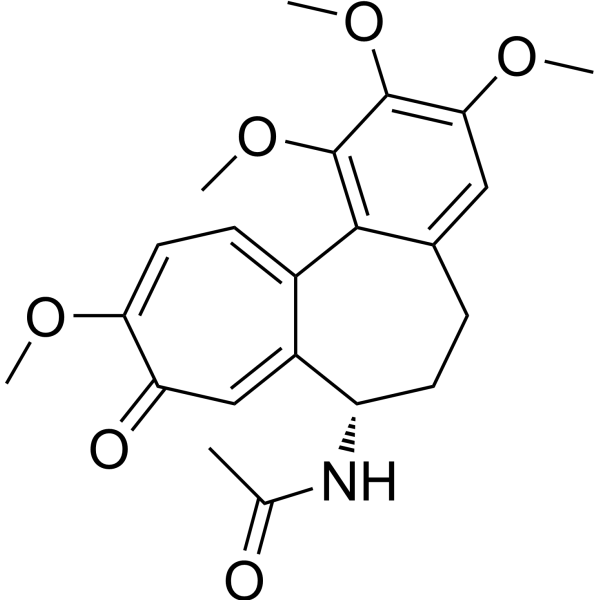
Colchicine, an orally active alkaloid, is a potent tubulin inhibitor and a microtubule disrupting agent. Colchicine inhibits microtubule polymerization with an IC50 of 3 nM. Colchicine is also a competitive antagonist of the α3 glycine receptors (GlyRs). Colchicine prevents non-steroidal anti-inflammatory drug (NSAID)-induced small intestinal injury by inhibiting activation of the NLRP3 inflammasome. Colchicine has extensive anti-inflammatory, immunosuppressive and strong anti-fibrosis effects and has the potential for gouty arthritis research .
|
-
-
- HY-B0223
-
-
-
- HY-B0413
-
|
|
Parasite
HIF/HIF Prolyl-Hydroxylase
Microtubule/Tubulin
Antibiotic
|
Infection
Cancer
|
|
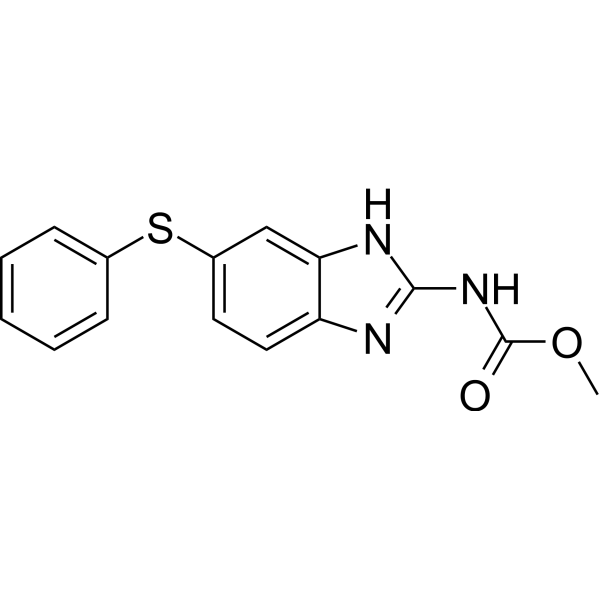
Fenbendazole is an orally active benzimidazole anthelmintic agent, with a broad antiparasitic range. Fenbendazole is a microtubule destabilizing agent and acts on helminthes primarily by binding to tubulin and disrupting the tubulin microtubule equilibrium. Fenbendazole stabilizes the transcriptional activator HIF-1α. Fenbendazole possesses an efficient anti-proliferative activity and induces apoptosis. Fenbendazole causes cell-cycle arrest and mitotic cell death, and has antitumor activity in mice xenografted with wild-type p53 .
|
-
-
- HY-155956
-
|
|
Microtubule/Tubulin
Apoptosis
Bcl-2 Family
JNK
PARP
|
Cancer
|
|
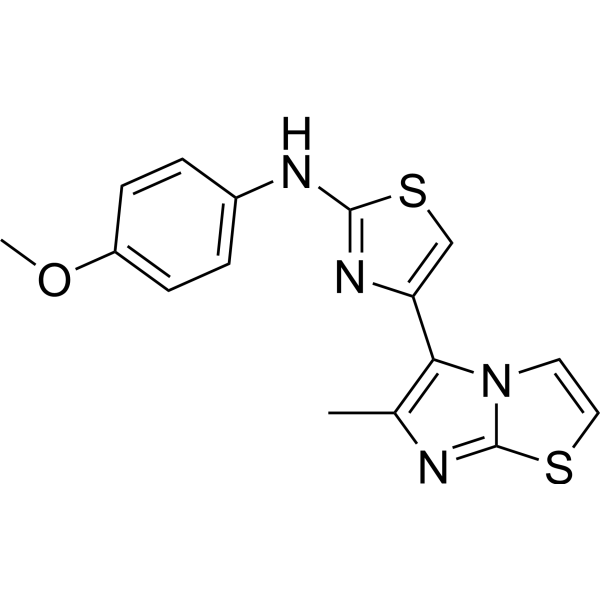
GM-90257 is a microtubule acetylation inhibitor. GM-90257 binds directly to α-tubulin. GM-90257 prevents the recruitment of α-tubulin acetyltransferase 1 (αTAT1) to the K40 residue in α-tubulin. GM-90257 causes Apoptosis, downregulates BCl-2, and activates JNK and PARP. GM-90257 has anticancer activity against breast cancer .
|
-
-
- HY-B1513
-
|
|
Environmental Pollutants
SARS-CoV
Microtubule/Tubulin
|
Infection
Metabolic Disease
Cancer
|
|
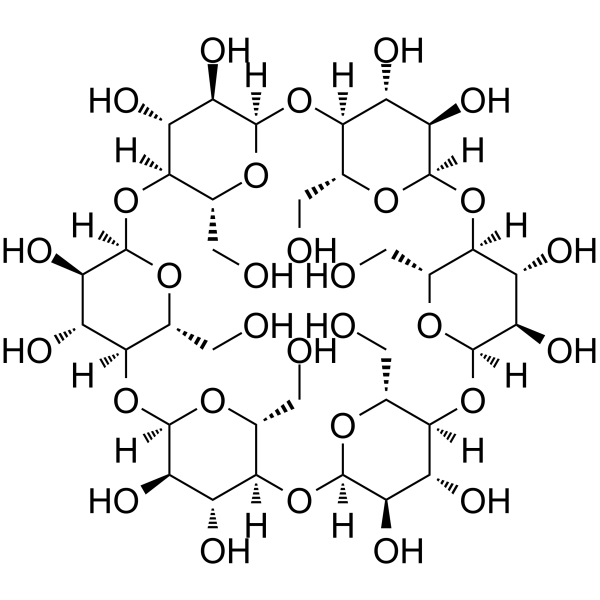
α-Cyclodextrin (α-CD) is a soluble fiber derived from corn. α-Cyclodextrin can deplete sphingolipids and phospholipids from cell membranes. α-Cyclodextrin interacts with tubulin. α-Cyclodextrin improves defenses against SARS-CoV-2 infection. α-Cyclodextrin enhances the anticancer efficacy of Crcumin (HY-N0005) against breast, lung and cervical cancer. α-Cyclodextrin has beneficial effects on body weight and blood lipids .
|
-
-
- HY-120599
-
|
VERU-111; ABI-231
|
Microtubule/Tubulin
Apoptosis
HPV
|
Cancer
|
|
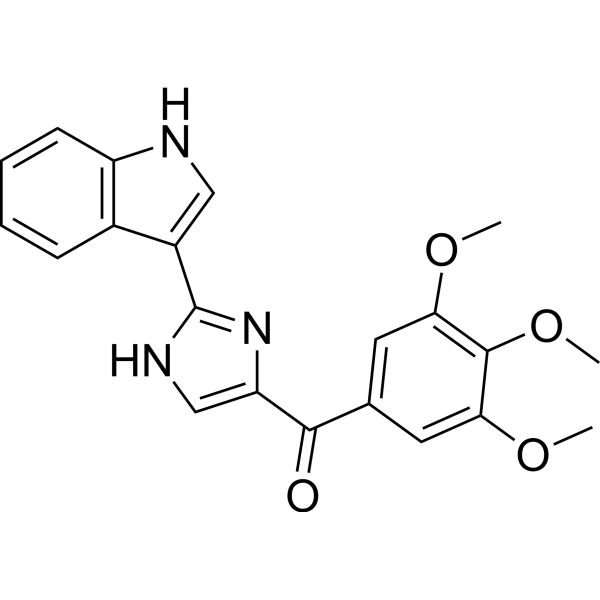
VERU-111 (ABI-231) is a potent and orally active α and β tubulin inhibitor, which displays strong antiproliferative activity, with an average IC50 of 5.2 nM against panels of melanoma and prostate cancer cell lines. VERU-111 (ABI-231) suppresses tumor growth and metastatic phenotypes of cervical cancer cells via targeting HPV E6 and E7, and has potential for the treatment of prostate cancer .
|
-
-
- HY-116446
-
|
|
Microtubule/Tubulin
|
Cancer
|
|
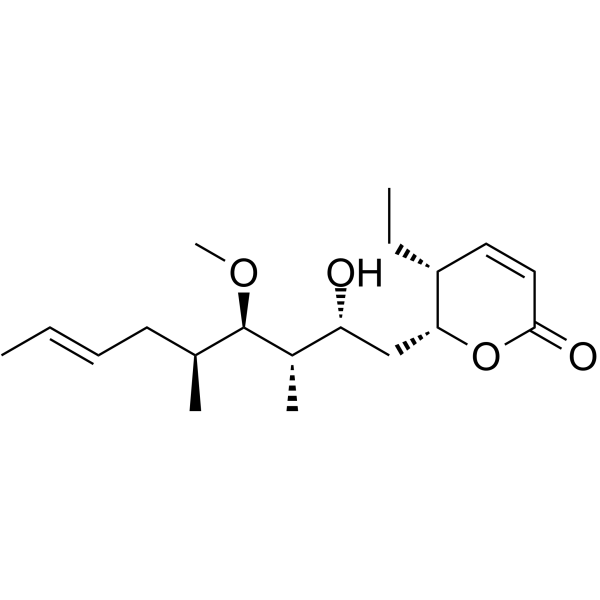
Pironetin is an α/β unsaturated lactone isolated from Streptomyces species. Pironetin binds to α-tubulin and is a potent inhibitor of microtubule polymerization, and has cell cycle arrest and antitumor activity .
|
-
-
- HY-13265
-
AR-42
4 Publications Verification
HDAC-42; OSU-HDAC42
|
HDAC
Autophagy
Apoptosis
|
Cancer
|
|
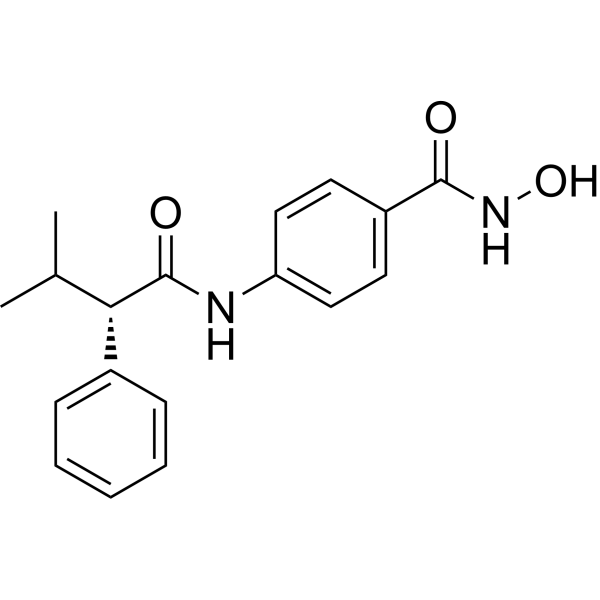
AR-42 (HDAC-42; OSU-HDAC42) is a potent, orally bioavailable pan-HDAC inhibitor (IC50=16 nM). AR-42 induces growth inhibition, cell-cycle arrest, apoptosis, and activation of caspases-3/7. AR-42 promotes hyperacetylation of H3, H4, and alpha-tubulin, and up-regulation of p21. AR-42 shows cytotoxicity against various human cancer cell lines .
|
-
-
- HY-123905
-
|
|
MicroRNA
Parasite
|
Infection
Cancer
|
|
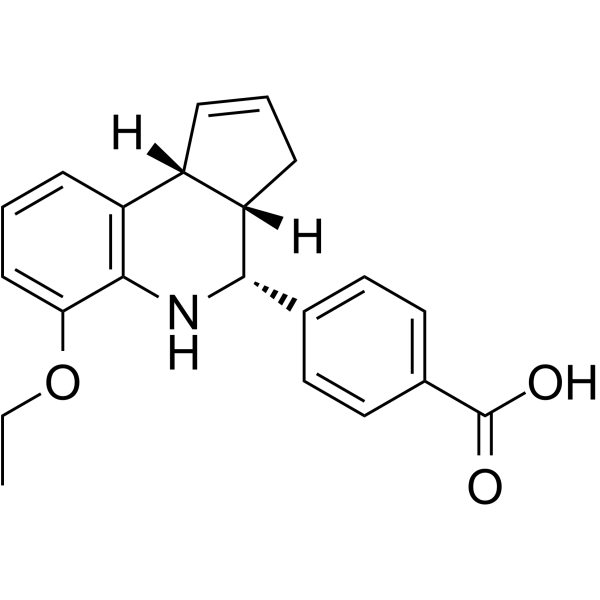
LIN28 inhibitor LI71 is a LIN28 inhibitor that effectively inhibits LIN28:let-7 binding (IC50: 7 μM). LIN28 inhibitor LI71 can abolish LIN28-mediated oligouridylation of let-7 precursor (IC50: 27 μM). LIN28 inhibitor LI71 has potential application value in LIN28-driven cancer research. LIN28 inhibitor LI71 inhibits the interaction of cold shock protein of Plasmodium falciparum (PfCoSP) with DNA and α/β tubulin and has an inhibitory effect on Plasmodium falciparum .
|
-
-
- HY-132242
-
|
SFN-NAC
|
HDAC
Apoptosis
Drug Metabolite
|
Cancer
|
|
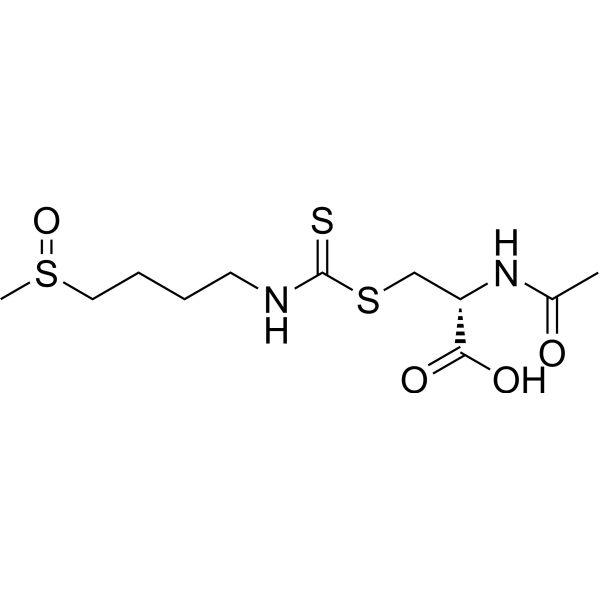
DL-Sulforaphane N-acetyl-L-cysteine (SFN-NAC) is an orally active HDAC inhibitor and metabolite of sulforaphane (HY-13755) with longer half-life and better blood-brain barrier permeability. DL-Sulforaphane N-acetyl-L-cysteine activates autophagy-mediated downregulation of α-tubulin expression through the ERK pathway and can be used in cancer research .
|
-
-
- HY-152134
-
|
|
HDAC
PROTACs
|
Cancer
|
|
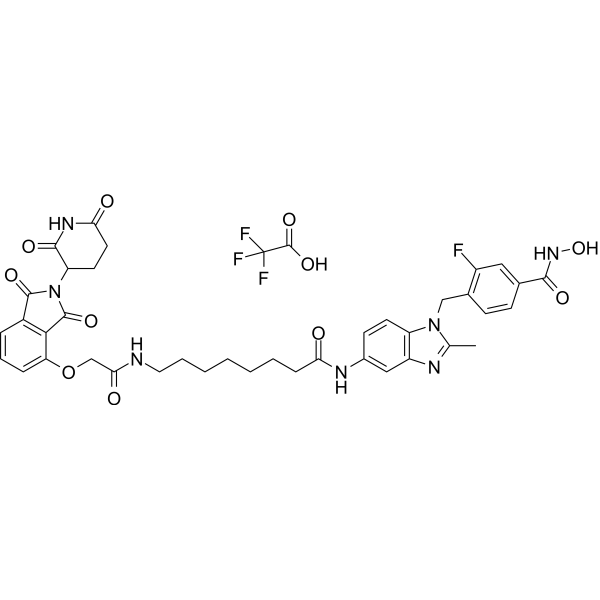
HDAC6 degrader-3 is a potent and selective HDAC6 degrader via ternary complex formation and the ubiquitin-proteasome pathway with a DC50 value of 19.4 nM. HDAC6 degrader-3 has IC50s of 4.54 nM and 0.647 μM for HDAC6 and HDAC1, respectively. HDAC6 degrader-3 causes strong hyperacetylation of α-tubulin .
|
-
-
- HY-16187
-
|
|
HIF/HIF Prolyl-Hydroxylase
Apoptosis
|
Cancer
|
|
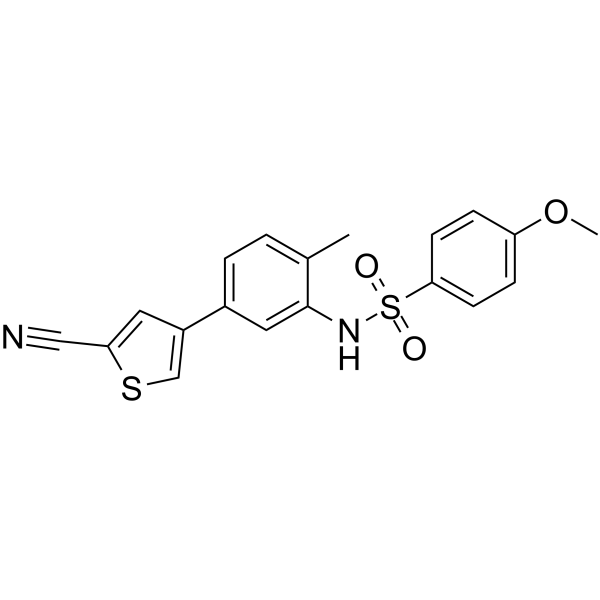
EL-102 is a hypoxia-induced factor 1 (Hif1α) inhibitor. EL-102 induces apoptosis, inhibits tubulin polymerisation and shows activities against prostate cancer. EL-102 can be used for the research of cancer .
|
-
-
- HY-131010
-
|
|
Fluorescent Dye
Microtubule/Tubulin
|
Cancer
|
|
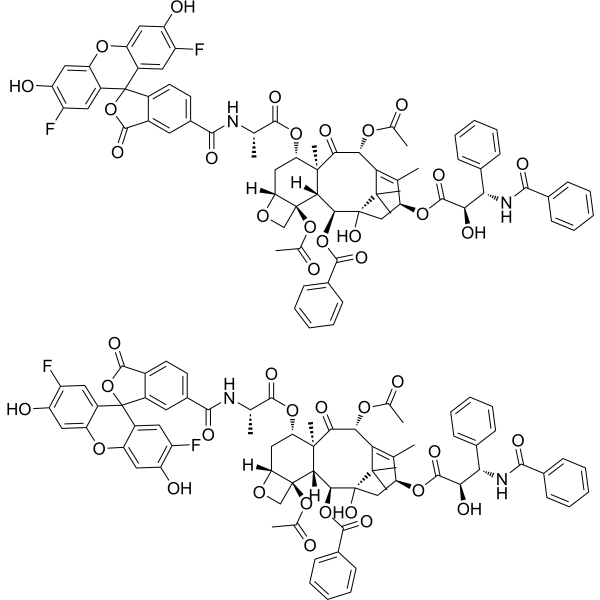
Flutax-2 (5/6-mixture) is an active fluorescent derivative of paclitaxel. Flutax-2 (5/6-mixture) binds to a polymerized α,β tubulin dimer. Excitation/emission wavelength: 496/524 nm. Paclitaxel, a diterpenoid secondary metabolite produced by Taxus species, can be used for the research of a variety of cancers .
|
-
-
- HY-116568
-
|
JAU-6476
|
Fungal
Cytochrome P450
Microtubule/Tubulin
Mitochondrial Metabolism
DNA/RNA Synthesis
Apoptosis
Fatty Acid Synthase (FASN)
|
Infection
Metabolic Disease
Endocrinology
|
|
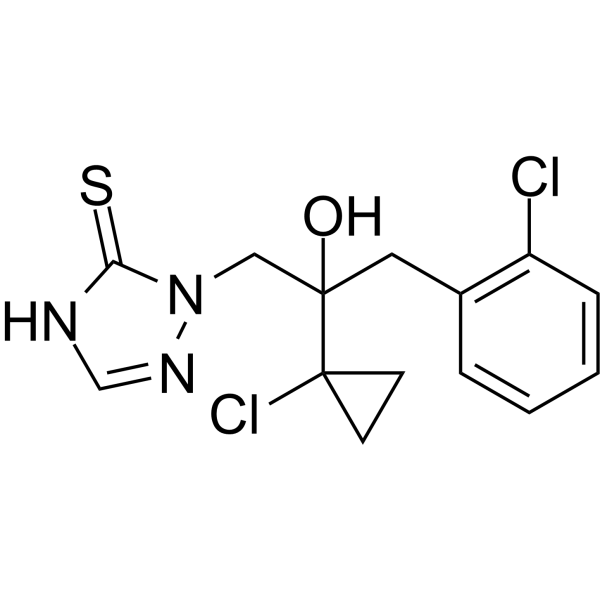
Prothioconazole is an orally active broad-spectrum fungicide. Prothioconazole weakly inhibits CaCYP51 activity in Candida albicans, with an apparent IC50 of approximately 120 μM. Prothioconazole disrupts Microtubule stability by reducing the acetylation level of α-tubulin. Prothioconazole induces Mitochondrial dysfunction, oxidative stress, DNA damage, and Apoptosis. Prothioconazole accumulates 14-methylated sterols and depletes ergosterol in cells, culture media, plants, and animals. Prothioconazole interferes with pyruvate metabolism and glycolysis/gluconeogenesis processes in mouse liver, downregulates Fasn mRNA expression, and induces hepatotoxicity and renal metabolic disorders. Prothioconazole reduces the fertility of female mice. Prothioconazole inhibits body weight gain and increases liver/kidney indices in mice. Prothioconazole can be used in studies related to candidiasis .
|
-
-
- HY-B0413R
-
|
|
Reference Standards
Parasite
HIF/HIF Prolyl-Hydroxylase
Microtubule/Tubulin
Antibiotic
|
Infection
|
|
Fenbendazole (Standard) is the analytical standard of Fenbendazole. This product is intended for research and analytical applications. Fenbendazole is an orally active benzimidazole anthelmintic agent, with a broad antiparasitic range. Fenbendazole is a microtubule destabilizing agent and acts on helminthes primarily by binding to tubulin and disrupting the tubulin microtubule equilibrium. Fenbendazole stabilizes the transcriptional activator HIF-1α. Fenbendazole possesses an efficient anti-proliferative activity and induces apoptosis. Fenbendazole causes cell-cycle arrest and mitotic cell death, and has antitumor activity in mice xenografted with wild-type p53 .
|
-

-
- HY-148542
-
|
SD-142
|
Endogenous Metabolite
|
Cardiovascular Disease
Cancer
|
|
EpoY (SD-142) acts as an irreversible inhibitor of the brain's primary tubulin tyrosine carboxypeptidase (TCP), a complex formed by vasohibin-1 (VASH1) and the small vasohibin binding protein (SVBP). By inhibiting TCP with an IC50 value of approximately 500 nM, EpoY effectively decreases levels of detyrosinated alpha-tubulin, which is crucial for microtubule dynamics and neuronal differentiation. This inhibition leads to significant differentiation defects and has been linked to underlying issues associated with cancer and cardiomyopathies.
|
-

-
- HY-B0223R
-
-

-
- HY-171140
-
|
|
PROTACs
HDAC
|
Cancer
|
|
PROTAC HDAC6 degrader 3 (Compound 4) is a selective inhibitor and degrader for HDAC6 with an IC50 of 686 nM and a DC50 of 171 nM. PROTAC HDAC6 degrader 3 promotes the acetylation of α-tubulin . (Pink: ligand for target protein (HY-171141); Blue: ligand for E3 ligase VHL (HY-150803))
|
-

-
- HY-16569B
-
|
|
Biochemical Assay Reagents
Microtubule/Tubulin
|
Inflammation/Immunology
Cancer
|
|
Colchicine,suitable for plant cell culture, an orally active alkaloid, is a potent tubulin inhibitor and a microtubule disrupting agent. Colchicine inhibits microtubule polymerization with an IC50 of 3 nM. Colchicine is also a competitive antagonist of the α3 glycine receptors (GlyRs). Colchicine prevents non-steroidal anti-inflammatory drug (NSAID)-induced small intestinal injury by inhibiting activation of the NLRP3 inflammasome. Colchicine,suitable for plant cell culture can be used for plant cell culture .
|
-

-
- HY-16569R
-
|
|
Reference Standards
Microtubule/Tubulin
NOD-like Receptor (NLR)
Autophagy
Apoptosis
|
Cancer
|
|
Colchicine (Standard) is the analytical standard of Colchicine. This product is intended for research and analytical applications. Colchicine, an orally active alkaloid, is a potent tubulin inhibitor and a microtubule disrupting agent. Colchicine inhibits microtubule polymerization with an IC50 of 3 nM. Colchicine is also a competitive antagonist of the α3 glycine receptors (GlyRs). Colchicine prevents non-steroidal anti-inflammatory drug (NSAID)-induced small intestinal injury by inhibiting activation of the NLRP3 inflammasome. Colchicine has extensive anti-inflammatory, immunosuppressive and strong anti-fibrosis effects and has the potential for gouty arthritis research .
|
-

-
- HY-N8745
-
|
|
Fungal
|
Others
|
|
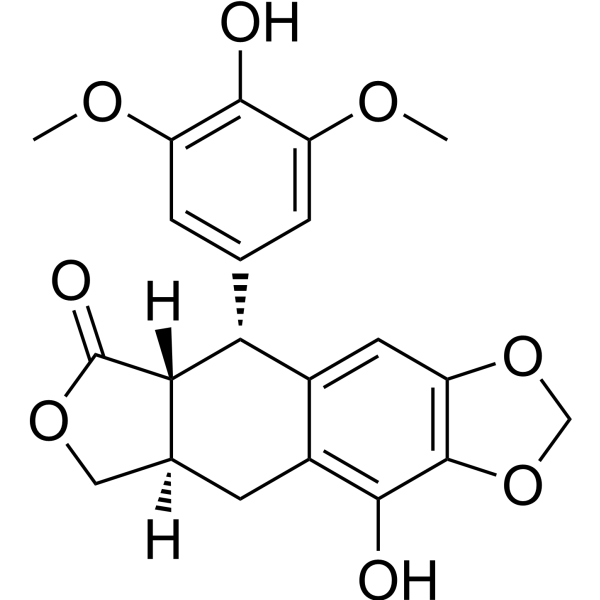
α-Peltatin is an aryl lignan. α-Peltatin has anticancer and antifungal activity. α-Peltatin inhibits DNA topoisomerase and tubulin polymerization .
|
-
-
- HY-176540
-
|
|
Microtubule/Tubulin
|
Neurological Disease
|
|
Microtubule stabilizer-1 (compound 69) is a brain-penetrant microtubule (MT) stabilizer. Microtubule stabilizer-1 increases acetylated α-tubulin (AcTub) levels and prevents the characteristic loss of neuronal MTs that is observed after incubation with Okadaic acid (HY-N6785). Microtubule stabilizer-1 can be used for the study of Alzheimer’s disease (AD) and related neurodegenerative tauopathies .
|
-

-
- HY-155727
-
|
|
Sirtuin
Apoptosis
|
Cancer
|
|
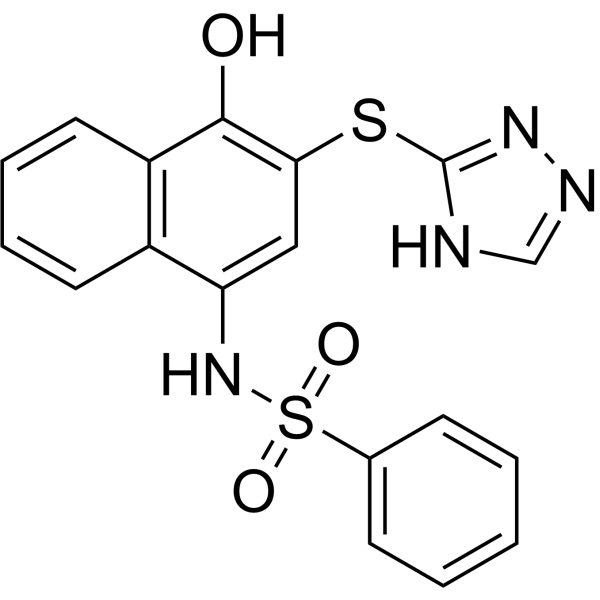
Sirt1/2-IN-2 (compound hsa55) is a dual inhibitor of SIRT1/2 with IC50s of 1.8 μM (SIRT1) and 2.4 μM (SIRT2), respsectivley. Sirt1/2-IN-2 completely blocks p53 deacetylation, and increase of p53 and α-tubulin acetylation. Sirt1/2-IN-2 induces apoptosis and shows anti-proliferation activity against human leukemia cell lines .
|
-
-
- HY-179019
-
|
|
HDAC
Microtubule/Tubulin
Apoptosis
Caspase
|
Neurological Disease
Cancer
|
|
HDAC-IN-94 is a potent, selective HDAC6 inhibitor (IC50 = 4.5 nM). HDAC-IN-94 shows >1000-fold selectivity over HDAC8 and shows minimal activity against other isoforms (HDAC1-3/10). HDAC-IN-94 induces α-tubulin hyperacetylation, apoptosis, and G2/M cell cycle arrest, exhibiting potent anti-tumor efficacy with low cytotoxicity. HDAC-IN-94 can be used for neuroblastoma and glioblastoma research .
|
-

-
- HY-112806
-
|
|
Drug-Linker Conjugates for ADC
HDAC
EGFR
Microtubule/Tubulin
|
Cancer
|
|
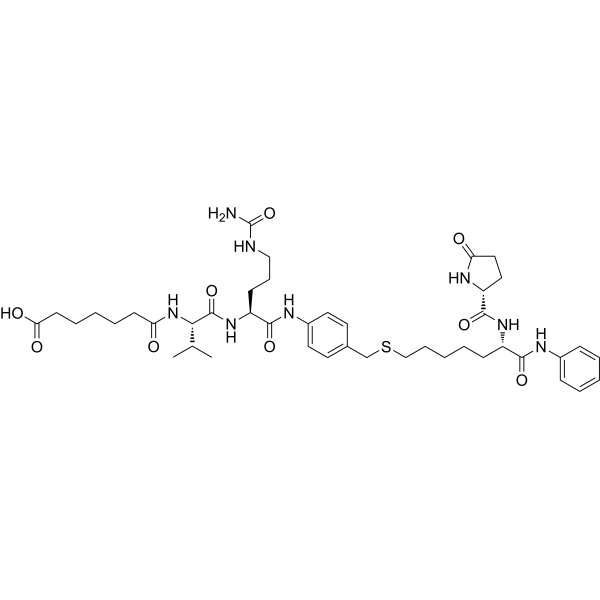
ST8155AA1 is a part of antibody agent conjugates (ADCs) charged with HDAC inhibitor. ST8155AA1 induces α-tubulin, histone H3/H4 acetylation via direct enzymatic inhibition. ST8155AA1 recognizes and binds EGFR, undergoes internalization into EGFR-expressing tumor cells. ST8155AA1 inhibits cancer cell proliferation and exerts activity in mouse tumor models. ST8155AA1 can be used for the research of non-small cell lung cancer .
|
-
-
- HY-176561
-
|
|
Casein Kinase
HDAC
|
Cancer
|
|
IOR-160 is a dual inhibitor of casein kinase 2 (CK2) and HDACs. IOR-160 exhibits high selectivity for CK2 (IC50 = 1.7 nM) and broad inhibitory activity against HDAC (HDAC 1, 2, 3, and 6 with IC50s of 3.3 nM, 24.0 nM, 3.9 nM, and 13.0 nM, respectively, with low activity for HDAC8). IOR-160 modulates key cellular signaling pathways by inhibiting AKT phosphorylation and increasing acetylated α-tubulin. IOR-160 inhibits tumor growth and reduces tumor burden through dual CK2/HDAC inhibition. IOR-160 is indicated for use in triple-negative breast cancer research .
|
-

-
- HY-162098
-
|
|
PROTACs
Microtubule/Tubulin
Apoptosis
|
Cancer
|
|
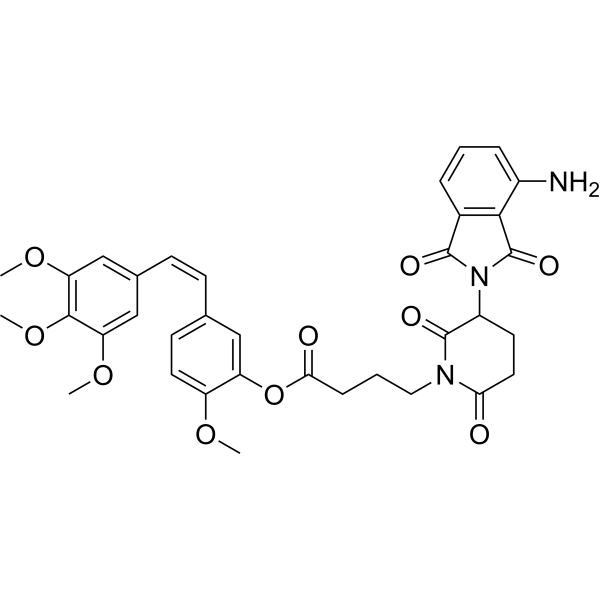
PROTAC tubulin-Degrader-1 is a α/β/β3-tubulin PROTAC degrader. PROTAC tubulin-Degrader-1 exhibits potent anti-proliferative activity against multiple human tumor cell lines. PROTAC tubulin-Degrader-1 induces G2/M phase arrest and apoptosis and inhibits colony formation in A549 and A549/Taxol cells. PROTAC tubulin-Degrader-1demonstrates potent anti-tumor efficacy in A549 and A549/Taxol (Taxol-resistant) xenograft model. PROTAC tubulin-Degrader-1 can be used for the study of non-small cell lung cancer (NSCLC). (Pink: Tubulin ligand (HY-N2146), Blue: CRBN Ligand (HY-10984), Black: Linker (HY-N6056)) .
|
-
-
- HY-16569S
-
-
-
- HY-16569S1
-
-
-
- HY-178110
-
|
|
HDAC
Microtubule/Tubulin
Histone Methyltransferase
|
Cancer
|
|
HDAC6-IN-65 is a selective HDAC6 inhibitor (IC50 = 0.9 nM) and also exhibits a certain suppressive effect on HDAC3 (IC50 = 39.4 nM). HDAC6-IN-65 can induce the accumulation of α-tubulin (ac-tubulin) and acetylated histone H3 (ac-histone H3, a class I HDAC inhibition marker) in Neuro-2a cells. HDAC6-IN-65 can be used for the study of melanoma .
|
-

-
- HY-178333
-
|
|
HDAC
|
Cancer
|
|
HDAC6-IN-66 is a potent and selective histone deacetylase (HDAC) 6 inhibitor with an IC50 of 1.8 nM. HDAC6-IN-66 induces α-tubulin acetylation over histone H3. HDAC6-IN-66 can be used for the research of cancer .
|
-

-
- HY-146013
-
|
|
Sirtuin
Microtubule/Tubulin
|
Cancer
|
|
Sirt1/2-IN-1 (Compound 7) is a SIRT1 and SIRT2 inhibitor with IC50 values of 1.81, 2.10 and 20.5 µg/mL against SIRT1, SIRT2 and SIRT3, respectively. Sirt1/2-IN-1 displays activity in hyperacetylation of α-tubulin protein with an IC50 of 32.05 µg/mL. Sirt1/2-IN-1 shows prominent anticancer activity .
|
-
-
- HY-D1710
-
|
|
Microtubule/Tubulin
|
Others
|
|
Anti-α-Tubulin Antibody, AF555 conjugate is a conjugate of mouse anti-α-tubulin monoclonal antibody and the red fluorescent dye Alexa Fluor 555. Anti-α-Tubulin Antibody, AF555 conjugate can be used for the detection of tubulin (Ex/Em: 554/567 nm) .
|
-
-
- HY-178351
-
|
|
HDAC
Microtubule/Tubulin
Apoptosis
Caspase
Bcl-2 Family
|
Cancer
|
|
HDAC6-IN-67 is a selective HDAC6 inhibitor (IC50 = 17.15 nM) that exhibits 19-fold selectivity over HDAC1. HDAC6-IN-67 selectively inhibits HDAC6 by interacting with Ser531 and His614. HDAC6-IN-67 induces apoptosis by inducing the cleavage of caspases 9, 8, 3, and PARP, upregulating Bax expression, and downregulating Bcl-2 expression. HDAC6-IN-67 effectively induces the acetylation of α-tubulin, without affecting histone H3 acetylation in MCF-7/ADR cells. HDAC6-IN-67 can be used for the study of breast cancer .
|
-

-
- HY-123905A
-
|
|
Drug Isomer
MicroRNA
Parasite
|
Infection
Cancer
|
|
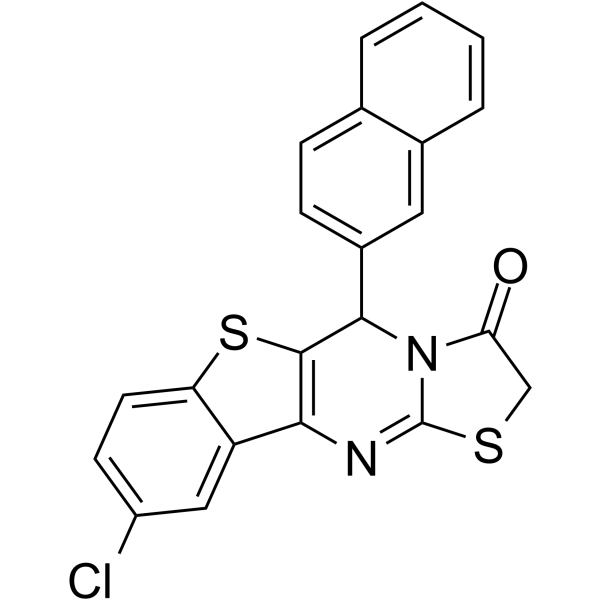
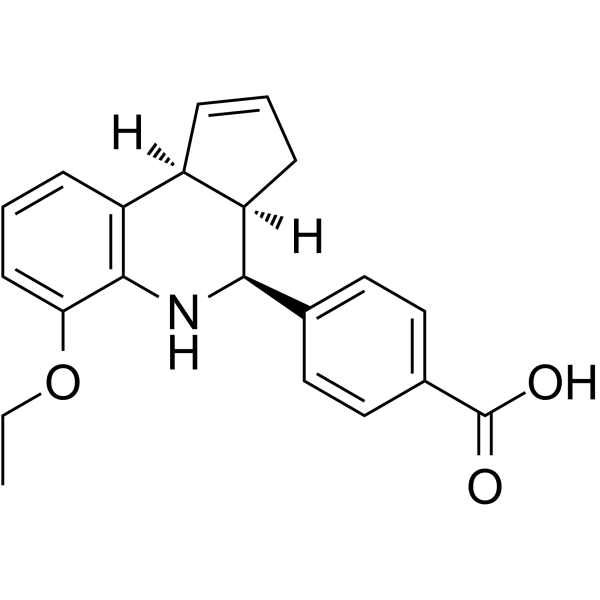
LIN28 inhibitor LI71 enantiomer is the less active enantiomer of LIN28 inhibitor LI71 (HY-123905). LIN28 inhibitor LI71 is a LIN28 inhibitor that effectively inhibits LIN28:let-7 binding (IC50: 7 μM). LIN28 inhibitor LI71 can abolish LIN28-mediated oligouridylation of let-7 precursor (IC50: 27 μM). LIN28 inhibitor LI71 has potential application value in LIN28-driven cancer research. LIN28 inhibitor LI71 inhibits the interaction of cold shock protein of Plasmodium falciparum (PfCoSP) with DNA and α/β tubulin and has an inhibitory effect on Plasmodium falciparum .
|
-
-
- HY-173039
-
|
|
Microtubule/Tubulin
Keap1-Nrf2
Reactive Oxygen Species (ROS)
Apoptosis
|
Cancer
|
|
α-Tubulin polymerization-IN-1 (Compound 8l) is an inhibitor for α-Tubulin polymerization. α-Tubulin polymerization-IN-1 modulates the NRF2/KEAP-1 signaling pathway, induces ROS generation in PC-3 cell, thereby inducing apoptosis in PC-3. α-Tubulin polymerization-IN-1 inhibits the proliferation of PC-3 cell with a GI50 of 0.17 µM, arrests the cell cycle at G2/M phase. α-Tubulin polymerization-IN-1 exhibits antitumor efficacy in mouse model .
|
-

-
- HY-174396
-
|
|
PI3K
HDAC
Bcl-2 Family
Caspase
Reactive Oxygen Species (ROS)
Apoptosis
Histone Methyltransferase
Microtubule/Tubulin
|
Cancer
|
|
PI3Kδ/HDAC6-IN-1 (Compound 22E) is an orally active and dual inhibitor of PI3Kδ and HDAC6 with IC50 values of 2.4 nM and 6.2 nM, respectively. PI3Kδ/HDAC6-IN-1 exhibits potent antiproliferative effects on non-Hodgkin lymphoma (NHL) cells and possesses in vivo antitumor activity without significant toxicity. PI3Kδ/HDAC6-IN-1 arrests the cell cycle at the G0/G1 phase and induces apoptosis. PI3Kδ/HDAC6-IN-1 blocks the PI3K/AKT/mTOR signaling pathway and increases the acetylation levels of α-tubulin and histone H3 .
|
-

-
- HY-155459
-
|
|
Microtubule/Tubulin
Mitosis
|
Cancer
|
|
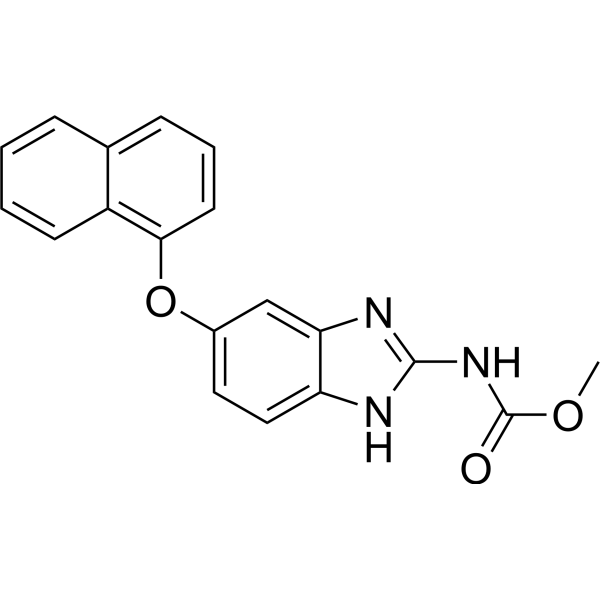
Tubulin polymerization-IN-57 (compound 5a) is a tubulin inhibitor and is an α-naphthoxy-substituted carbendazim (HY-13582) derivative. Tubulin polymerization-IN-57 induces mitotic arrest and inhibits cancer cell proliferation .
|
-
-
- HY-152089
-
-
-
- HY-116915
-
|
|
Microtubule/Tubulin
Mitosis
|
Cancer
|
|
Synstab A is a mitosis modulator to promote interactions between α- and β-tubulin. Synstab A can polymerizes microtubules from purified tubulin, and produces microtubule bundles in interphase cells .
|
-
-
- HY-W749442
-
|
|
Microtubule/Tubulin
|
Cancer
|
|
7a-Hydroxyfrullanolide has anticancer properties. 7a-Hydroxyfrullanolide reduces polymerization of α-, β-tubulin. 7a-Hydroxyfrullanolide preferrs to bind to β-tubulin over α-tubulin. 7a-Hydroxyfrullanolide also triggers DNA damage response arrests cells in the G2/M-phase. 7a-Hydroxyfrullanolide is an eudesmanolide sesquiterpene lactone (SL) and can be isolated from the flowering plants of the Asteraceae family .
|
-

-
- HY-161641
-
|
|
Microtubule/Tubulin
|
Cancer
|
|
Tubulin polymerization-IN-62 (Compound 14b) is an inhibitor for microtubule polymerization (IC50 is 7.5 μM) and a degrader for α- and β-tubulin. Tubulin polymerization-IN-62 inhibits proliferation of cancer cells MCF-7, A549 and HCT-116, with IC50 of 32, 60 and 29 nM, respectively. Tubulin polymerization-IN-62 arrests the cell cycle at G2/M phase, inhibits the migration of MCF-7. Tubulin polymerization-IN-62 exhibits antitumor efficacy with a tumor growth inhibition rate (TGI) of 74.27% in 4T1 homograft mouse model .
|
-

-
- HY-151953
-
|
|
Microtubule/Tubulin
|
Cancer
|
|
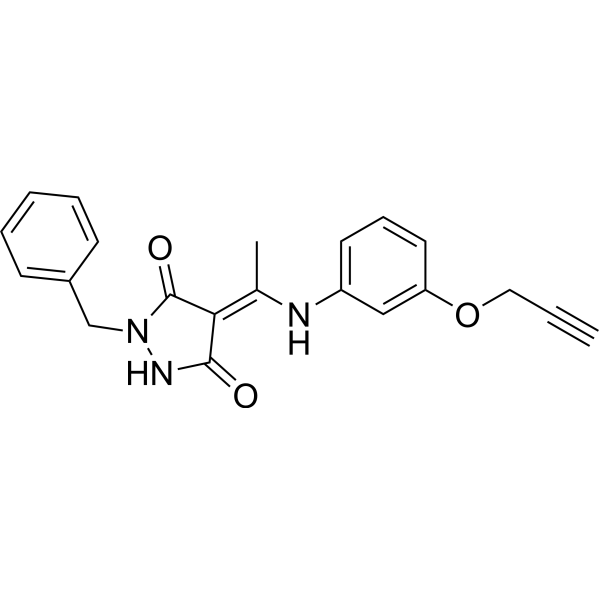
Antitubulin agents-1 is an antitubulin agent that induces disruption of the microtubules (Microtubule/Tubulin) and increases α-tubulin acetylation. Antitubulin agents-1 has anticancer effects . Antitubulin agent 1 is a click chemistry reagent, it contains an Alkyne group and can undergo copper-catalyzed azide-alkyne cycloaddition (CuAAc) with molecules containing Azide groups.
|
-
-
- HY-162518
-
|
|
Kinesin
Microtubule/Tubulin
|
Cancer
|
|
Eg5-IN-3 (5) is an Eg5 inhibitor that targets the novel allosteric pocket (α4/α6/L11). Eg5-IN-3 (5) causes tubulin assembly distortion with irregular morphology, resulting in a typical mitotic arrest similar to Monastrol (HY-101071A) .
|
-

-
- HY-155196
-
|
|
Estrogen Receptor/ERR
|
Cancer
|
|
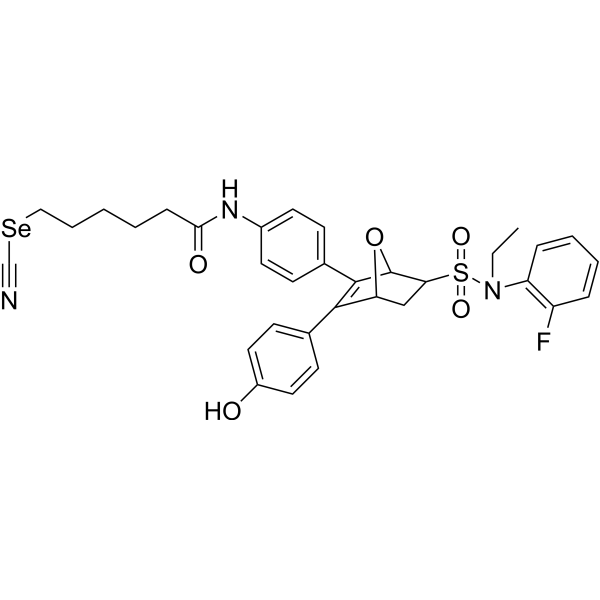
ER degrader 6 (compound 35s) is a potent Estrogen Receptor (ER)α degrader. ER degrader 6 disrupts the microtubule network by restraining tubulin polymerization. ER degrader 6 suppresses tumor growth without noticeable poisonousness .
|
-
-
- HY-124946
-
|
|
HDAC
Sirtuin
Apoptosis
|
Cancer
|
|
C1A is a class I/II HDACs and sirtuin inhibitor with an IC50 of 479 nM for HDAC6. C1A induces sustained acetylation of HDAC6 substrates, α-tubulin and HSP90. C1A shows srtong anticancer effcts, and induces apoptosis in cancer cells .
|
-

-
- HY-158308
-
|
|
HDAC
|
Cancer
|
|
HDAC6-IN-41 (Compound E24) is a selective inhibitor for histone deacetylase 6 (HDAC6), with IC50 of 14 and 422 nM, for HDAC6 and HDAC8, respectively. HDAC6-IN-41 upregulates the acetylation of α-tubulin and histone site SMC3 .
|
-

-
- HY-169922
-
|
|
HDAC
Parasite
Caspase
|
Cancer
|
|
HDAC-IN-82 (Compound 18b) is a histone deacetylase (HDAC) inhibitor with selective antiplasmodial and anticancer activity. HDAC-IN-82 shows potent antiproliferative activity and caspase 3/7 activation in cancer cells. HDAC-IN-82 causes hyperacetylation of histone H3 and α-tubulin .
|
-

-
- HY-163523
-
|
|
Microtubule/Tubulin
|
Cancer
|
|
PYRIB-SO 2 is a potent antimitotic agent. PYRIB-SO 2 shows antiproliferative activity and induces cell cycle arrest at G2/M phase. PYRIB-SO 2 reduces and disruptes microtubule structures. PYRIB-SO 2 binds to the colchicine-binding site (C-BS) of α, β-tubulin .
|
-

-
- HY-156091
-
|
|
PI3K
HDAC
|
Cancer
|
|
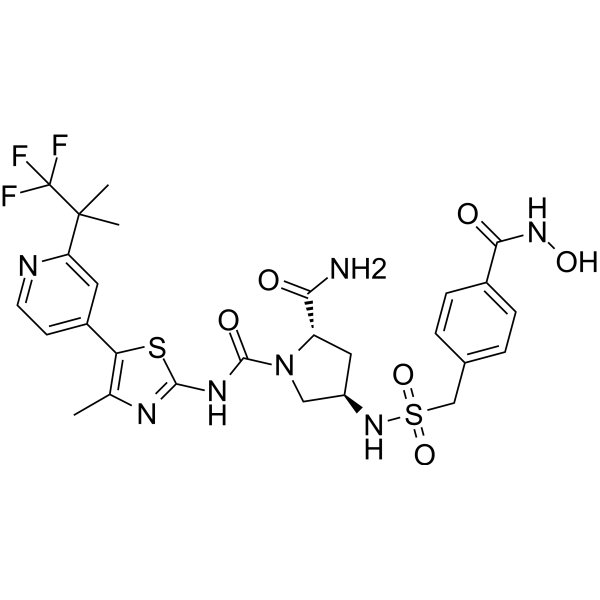
PI3Kα/HDAC6-IN-1 (compound 21j) is a dual PI3Kα/HDAC6 inhibitor with IC50 of 2.9 and 26 nM, respectively. PI3Kα/HDAC6-IN-1 also inhibits AKT(Ser473) phosphorylation and induces the accumulation of acetylated α-tubulin without affecting acetylated histones H3 and H4. PI3Kα/HDAC6-IN-1 efficiently inhibits L-363 cell line (IC50=0.17 μM) and has good anti-cancer activity .
|
-
- HY-157323
-
|
|
HDAC
Apoptosis
|
Cancer
|
|
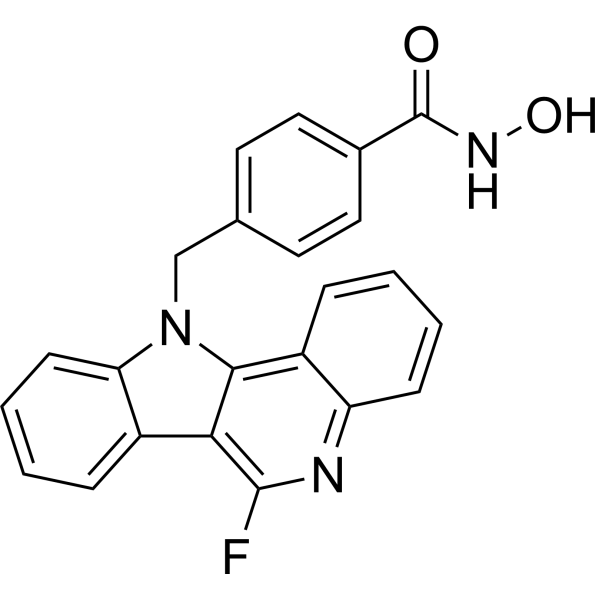
HDAC6-IN-28 (compound 10C) is a potent inhibitor of HDAC6 with an IC50 of 261 nM. HDAC6-IN-28 significantly induces apoptosis and S-phase arrest in B16-F10 cells. HDAC6-IN-28 efficiently increases the expression of acetylated-α-tubulin in vitro and in vivo .
|
-
- HY-118295
-
|
|
Endogenous Metabolite
|
Cancer
|
|
Pyrimidine-indole hybrid is a compound that inhibits ciliogenesis and has the activity of antagonizing the Hedgehog signaling pathway by destabilizing microtubules. Pyrimidine-indole hybrid exerts its biological effects by inhibiting ciliogenesis and deconstructing the stable form of α-tubulin. Pyrimidine-indole hybrid has shown its unique mechanism of action in in vitro cell experiments and zebrafish embryo models, interfering with microtubule dynamics .
|
-

- HY-B0223S4
-
|
SKF-62979-d3-1
|
Reactive Oxygen Species (ROS)
|
Cancer
|
|
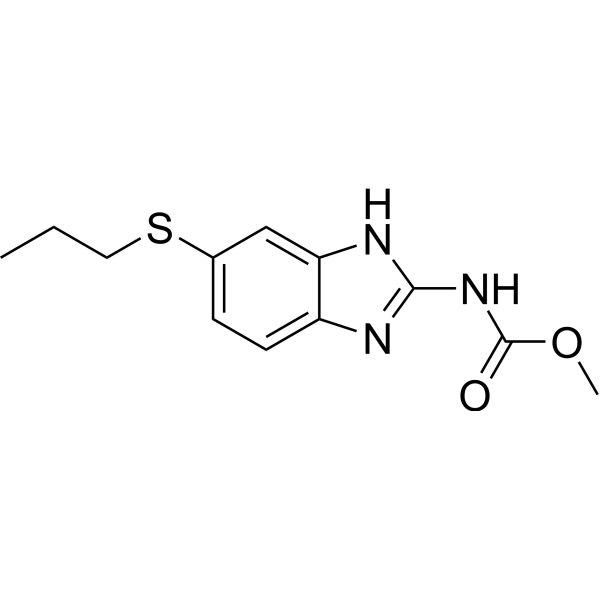
Albendazole-d3-1 (SKF-62979-d3-1) is the deuterium labeled Albendazole (HY-B0223). Albendazole (SKF-62979) is an orally active and broad-spectrum parasiticide with high effectiveness and low host toxicity, is used for the research of gastrointestinal parasites in humans and animals. Albendazole induces apoptosis and autophagy in cancer cells. Albendazole also inhibits tubulin polymerization and HIF-1α, VEGF expression, has antioxidant activity, and inhibits the glycolytic process in cancer cells .
|
-

- HY-179525
-
|
|
c-Myc
Microtubule/Tubulin
Apoptosis
|
Cancer
|
|
DL78 is an effective anti-mitotic agent. DL78 induces mitotic arrest, mitotic catastrophe and apoptosis in cancer cells by disrupting the interaction between Myc and α-tubulin. DL78 exhibits broad anti-cancer activity, especially against cancer cells with chromosomal instability and excessive expression of MYC. DL78 significantly reduces tumor burden in the OV81.2 xenograft model. DL78 can be used for the study of ovarian cancer .
|
-

- HY-163894
-
|
|
Apoptosis
HDAC
|
Cancer
|
|
HDAC6-IN-48 (compound 5i) is a potent and selective HDAC6 inhibitor with IC50 values of 5.16, 396.72, 638.08 nM for HDAC6, HDAC3, HDAC1, respectively. HDAC6-IN-48 induces apoptosis and cell cycle arrest at G0/G1 phase. HDAC6-IN-48 increases the protein expression of acetylated α-tubulin .
|
-

- HY-133147
-
|
|
HDAC
Apoptosis
|
Cancer
|
|
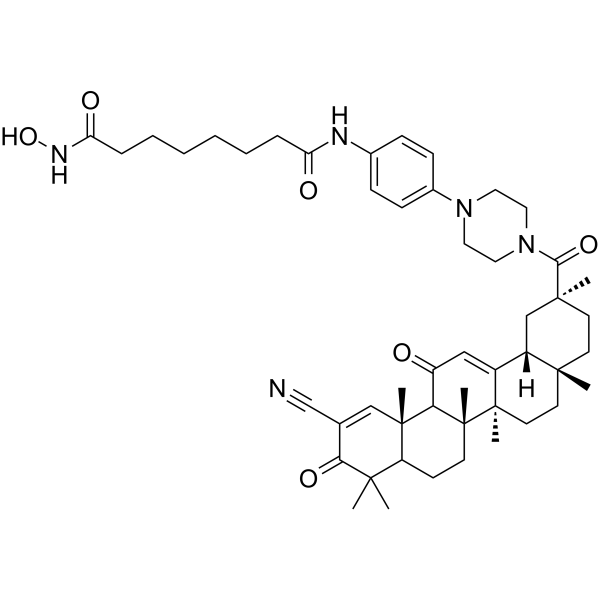
HDAC3/6-IN-2 (compound 15) is a potent HDAC6 and HDAC3 inhibitor, with IC50 values of 0.368 and 0.635 μM, respectively. HDAC3/6-IN-2 shows antitumor activity, and induces cancer cell apoptosis. HDAC3/6-IN-2 decreases the levels of HDAC6 and HDAC3, associated with upregulation of acetylated H3 and α-tubulin .
|
-
- HY-163368
-
|
|
HDAC
|
Inflammation/Immunology
|
|
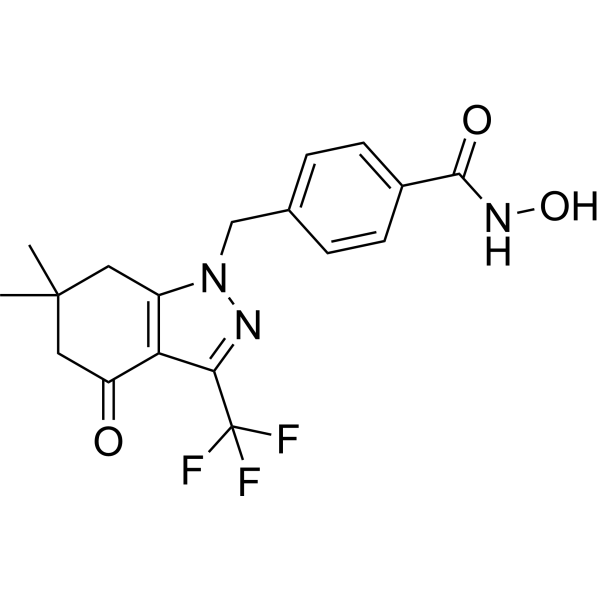
HDAC6-IN-34 (compound 21) is an oral active and selective HDAC6 inhibitor with the IC50 of 18 nM. HDAC6-IN-34 increases the acetylation level of tubulin without affecting histone acetylation in cutaneous T-cell lymphoma cells and inhibits TNF-α secretion in LPS (HY-D1056)-stimulated macrophage cells. HDAC6-IN-34 shows excellent anti-arthritic efficacy in rat .
|
-
- HY-P11770
-
|
|
Microtubule/Tubulin
|
Others
|
|
α-Tubulin (residues 440-451) (α-Tubulin Tail) is a Microtubule growth inhibitor. α-Tubulin (residues 440-451) transiently interacts with the longitudinal polymerization interface of α-tubulin, regulating the apparent association and dissociation rates of tubulin at the microtubule growing end. α-Tubulin (residues 440-451) inhibits microtubule growth .
|
-

- HY-172111
-
|
|
EGFR
Microtubule/Tubulin
Interleukin Related
TNF Receptor
Apoptosis
|
Cancer
|
|
EGFR-IN-144 (Compound 4B) exhibits inhibitory activities against EGFR (IC50=0.639 µg/mL) and tubulin polymerization (IC50=7.339 µg/mL). EGFR-IN-144 exhibits cytotoxicity in multiple cancer cell with GI50 of nanomolare levels. EGFR-IN-144 downregulates the expressions of mTOR, TNF-α, and IL-6, arrests the cell cycle at G1/S phase, and induces apoptosis .
|
-

- HY-159936
-
|
|
HDAC
PPAR
Apoptosis
|
Cancer
|
|
CS4 is a selective HDAC inhibitor with the IC50 values of 38 nM, 12 nM, 5.8 μM, 19 μM and 61 μM against of HDAC1, HDAC6, HDAC8, HDAC4 and HDAC11, respectively. CS4 promotes α-tubulin and histone 3 acetylation. CS4 activates PPARγ and blocks glycolysis. CS4 induces cell cycle arrest at G2 phase and apoptosis, and shows anticancer effect both in vivo and in vitro .
|
-

- HY-151153
-
|
|
HDAC
Microtubule/Tubulin
Caspase
Apoptosis
|
Cancer
|
|
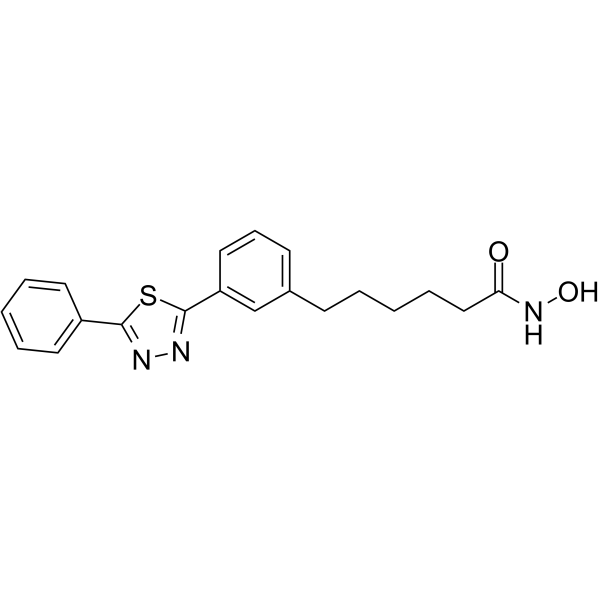
HDAC1-IN-5 is a potent HDAC1 inhibitor with IC50 values of 15 nM and 20 nM for HDAC1 and HDAC6, respectively. HDAC1-IN-5 can enhance the acetylation of histone H3 and α-tubulin, as well as promote the activation of caspase 3 in cancer cells, thereby inducing apoptosis. HDAC1-IN-5 induces chromatin damage by binding with DNA. HDAC1-IN-5 has strong inhibitory activity against tumor growth in xenograft mice .
|
-
- HY-155728
-
|
|
Sirtuin
Apoptosis
|
Cancer
|
|
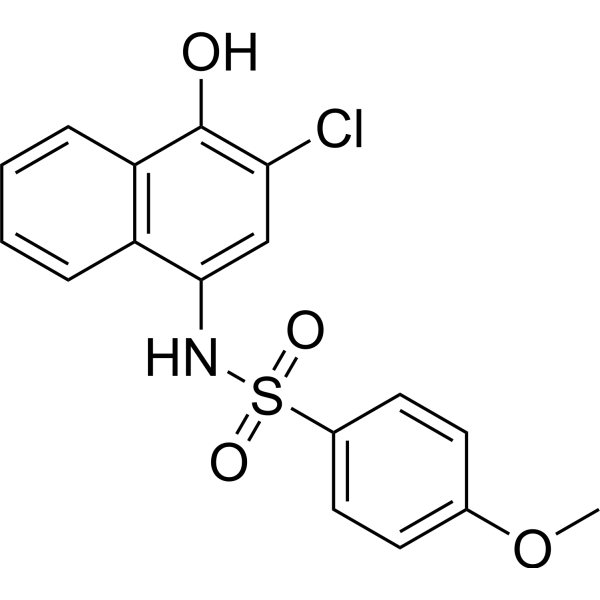
Sirt1/2-IN-3 (compound PS9) is a dual inhibitor of SIRT1/2 with IC50s of 1.4 μM (SIRT1) and 2.0 μM (SIRT2), respsectivley. Sirt1/2-IN-3 completely blocks p53 deacetylation, and increase of p53 and α-tubulin acetylation. Sirt1/2-IN-3 induces apoptosis and shows anti-proliferation activity against human leukemia cell lines .
|
-
- HY-E71253
-
-

- HY-117688
-
|
|
HDAC
Topoisomerase
Apoptosis
|
Cancer
|
|
WJ35435 is a dual-targeted anticancer hybrid that induces anti-HDAC (in particular HDAC1 and HDAC6) and anti-topoisomerase I activities that causes DNA damage associated with a low DNA repair capability and induces cell cycle arrest at G1- and G2-phase to apoptosis. WJ35435 induces histone H3 acetylation and phosphorylation, α-tubulin acetylation and γ-H2AX formation to achieve anti-HDAC effect. WJ35435 is promising for research of cancer .
|
-

- HY-146138
-
|
|
EGFR
VEGFR
Casein Kinase
Topoisomerase
Microtubule/Tubulin
Apoptosis
|
Cancer
|
|
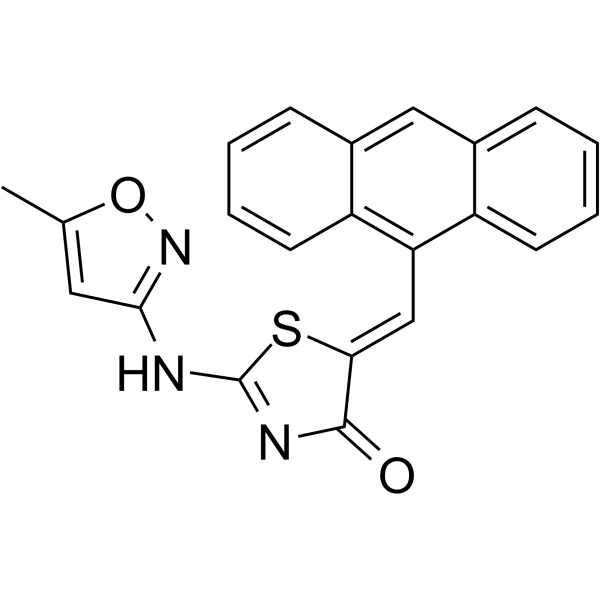
EGFR-IN-57 (Compound 25a) is a potent, orally active EGFR-TK inhibitor with an IC50 of 0.054 µM. EGFR-IN-57 also inhibits VEGFR-2, CK2α, topoisomerase IIβ and tubulin polymerization with IC50 values of 0.087, 0.171, 0.13 and 3.61 µM, respectively. EGFR-IN-57 induces cell cycle arrest at G2/M and pre-G1 phases. EGFR-IN-57 induces cancer cell apoptosis .
|
-
- HY-155197
-
|
|
Microtubule/Tubulin
Estrogen Receptor/ERR
|
Cancer
|
|
ER degrader 7 (Compound 35t) is an ERα and ERβ degrader. ER degrader 7 inhibits tubulin polymerization. ER degrader 7 inhibits cell viability with IC50s of 0.06, 2.56, 15.84, 1.59, 1.67, 1.37 μM for MCF-7, T47D, MCF-10A, LCC2, T47D D538G, and T47D Y537S cells respectively. ER degrader 7 also inhibits breast cancer tumor growth .
|
-
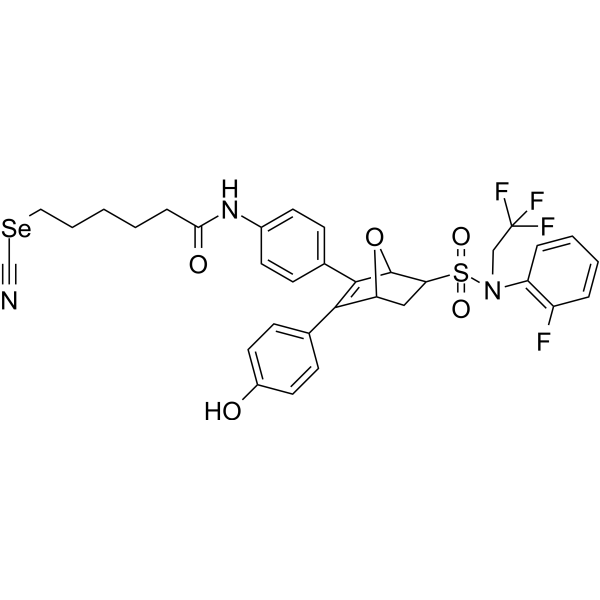
- HY-163691
-
|
|
Carbonic Anhydrase
|
Cancer
|
|
Antitumor agent-163 (Compound 3) is a photosensitizer used in Molecular-Targeted Photodynamic Therapy (MT-PDT) targeting carbonic anhydrase IX (CAIX). Antitumor agent-163 inactivates CAIX protein via singlet oxygen under 540 nm wavelength light, without affecting internal standard proteins such as α-tubulin, β-actin, and proliferating cell nuclear antigen (PCNA). Antitumor agent-163 induces cell membrane damage, inhibits cell viability (IC50 is 0.2 and 0.05 μM for A549 and U87MG). Antitumor agent-163 exhibits antitumor efficacy in mouse model .
|
-

- HY-130273
-
|
|
HDAC
HSP
Microtubule/Tubulin
PD-1/PD-L1
|
Cancer
|
|
HDAC/HSP90-IN-1 (compound 20) is a potent dual inhibitor of HDAC (IC50 = 194 nM) and HSP90 (HSP90α IC50 = 153 nM). HDAC/HSP90-IN-1 induces HSP70 expression, downregulates HSP90 client proteins, and promotes acetylation of α-tubulin and histone H3 in cancer cells. HDAC/HSP90-IN-1 reduces PD-L1 expression in IFN-γ treated H1975 cells. HDAC/HSP90-IN-1 can be used for cancer research, such as lung and colon cancer .
|
-

- HY-130274
-
|
|
HDAC
HSP
Microtubule/Tubulin
PD-1/PD-L1
|
Cancer
|
|
HDAC/HSP90-IN-2 (compound 26) is a potent dual inhibitor of HDAC (IC50 = 360 nM) and HSP90 (HSP90α IC50 = 77 nM). HDAC/HSP90-IN-2 induces HSP70 expression, downregulates HSP90 client proteins, and promotes acetylation of α-tubulin and histone H3 in cancer cells. HDAC/HSP90-IN-2 reduces PD-L1 expression in IFN-γ treated H1975 cells. HDAC/HSP90-IN-2 can be used for cancer research, such as lung and colon cancer .
|
-

- HY-183329
-
|
|
Microtubule/Tubulin
Apoptosis
|
Cancer
|
|
Tubulin polymerization-IN-92, an analog of KX-01 (HY-10340), is a potent orally active tubulin polymerization inhibitor that binds tubulin with a Ka of 1.29 μM. Tubulin polymerization-IN-92 simultaneously occupies the colchicine site in β-tubulin and a cavity in α-tubulin. Tubulin polymerization-IN-92 exerts antiproliferative activity, induces G2/M cell cycle arrest and apoptosis in cancer cells. Tubulin polymerization-IN-92 inhibits tumor growth in mouse xenograft models. Tubulin polymerization-IN-92 can be used for the research of colon cancer, cervical cancer, and Paclitaxel (HY-B0015)-resistant ovarian cancer .
|
-

- HY-181143
-
|
|
PROTACs
Microtubule/Tubulin
Apoptosis
Reactive Oxygen Species (ROS)
|
Cancer
|
|
PROTAC Tubulin degrader-2 is a cereblon (CRBN)-dependent α/β-tubulin PROTAC degrader with DC50 values of 1.73 μM and 1.38 μM. PROTAC Tubulin degrader-2 can inhibit cancer cells proliferation and migration. PROTAC Tubulin degrader-2 can induce G2/M arrest, apoptosis, ROS accumulation. PROTAC Tubulin degrader-2 can be used for the research of cancer, such as non-small-cell lung cancer .
|
-

- HY-13614
-
|
|
Microtubule/Tubulin
Apoptosis
Caspase
|
Cardiovascular Disease
Cancer
|
|
E7974 is a selective inhibitor of α-tubulin (α-tubulin) with an IC50 of 3.9 μM. E7974 disrupts mitotic spindle formation, induces G2-M phase cell cycle arrest, initiates apoptosis, activates caspase-3, and induces poly (ADP-ribose) polymerase cleavage. E7974 reduces the area of choroidal neovascularization in mouse models, and exerts anti-angiogenic effects when loaded in modified micelles. E7974 can be used in research related to cancer and choroidal neovascularization .
|
-

- HY-123699
-
|
|
HDAC
Microtubule/Tubulin
|
Cancer
|
|
NCT-10b is a selective HDAC6 inhibitor. NCT-10b mediates preferential α-tubulin acetylation without major histone H4 acetylation.NCT-10b can be used for the research of multiple myeloma .
|
-

- HY-182649
-
|
|
HDAC
Apoptosis
Microtubule/Tubulin
|
Cancer
|
|
NN-429 is a selective HDAC6 inhibitor. NN-429 induces apoptosis, increases the acetylation level of α-tubulin, and exhibits cytotoxicity against cancer cells. NN-429 is applicable to research related to acute myeloid leukemia, multiple myeloma and lymphoma .
|
-

- HY-121009
-
|
|
Histone Acetyltransferase
Microtubule/Tubulin
|
Cancer
|
|
CCT077791 is a PCAF (IC50: 7.3 μM (FlashPlate); 2.2 μM (Filter assay)) and p300 histone acetyltransferase inhibitor. CCT077791 reduces total acetylation of histones H3 and H4, levels of specific acetylated lysine marks, and acetylation of α-tubulin. CCT077791 can be used in the research of colorectal cancer .
|
-

- HY-180934
-
|
|
HDAC
Proteasome
Microtubule/Tubulin
|
Cancer
|
|
AMC-3-030 is a selective and potent dual inhibitor targeting HDAC6 and chymotrypsin-like proteasome with IC50 values of 884 and 4.17 nM. AMC-3-030 has a proliferation inhibitory effect. AMC-3-030 can reduce α-tubulin and β-actin levels. AMC-3-030 can be used for research of multiple myeloma .
|
-

- HY-182904
-
|
|
HDAC
Collagen
Interleukin Related
Microtubule/Tubulin
|
Endocrinology
|
|
GV-001 is a selective and orally active HDAC6 inhibitor with an IC50 of 1.18 nM against HDAC6. GV-001 selectively enhances α-tubulin acetylation, reduces sIL-6 and Collagen I levels, suppresses renal cyst growth, and upregulates PC1 expression. GV-001 can be used for the study of autosomal dominant polycystic kidney disease (ADPKD) .
|
-

- HY-181639
-
|
|
HDAC
Apoptosis
|
Cancer
|
|
HDAC6-IN-75 is a selective HDAC6 inhibitor with an IC50 of 0.17 nM against HDAC6. HDAC6-IN-75 induces the accumulation of acetylated α-tubulin in glioma cells. HDAC6-IN-75 triggers cell cycle changes, increases the SubG1 cell population, and promotes apoptosis in glioma cells and glioblastoma stem cells. HDAC6-IN-75 is applicable for glioma-related research .
|
-

- HY-180214
-
|
|
HDAC
|
Cardiovascular Disease
Neurological Disease
|
|
HDAC6-IN-69 is a brain-penetrant and highly selective HDAC6 inhibitor with an IC50 of 4.0 nM. HDAC6-IN-69 shows >176-fold against other HDAC isoforms. HDAC6-IN-69 engages the target in neuronal cells by dose-dependently upregulating acetylated α-tubulin in virto. HDAC6-IN-69 has neuroprotective effect and can be used for ischemic stroke research .
|
-

- HY-153514
-
|
|
HDAC
Microtubule/Tubulin
Apoptosis
|
Cancer
|
|
HDAC-IN-54 is a HDAC inhibitor with an IC50 of 25 nM against human HDAC1, 66 nM against HDAC2, 6.5 nM against HDAC3, and 281 nM against HDAC6. HDAC-IN-54 induces acetylation of α-tubulin and histone H3. HDAC-IN-54 acts synergistically with cisplatin to induce cancer cell apoptosis. HDAC-IN-54 can be used in research related to head and neck cancer, ovarian cancer, and tongue squamous cell carcinoma .
|
-

- HY-182412
-
|
|
Sirtuin
|
Cancer
|
|
NH4-6 is a SIRT2 inhibitor with an IC50 of 0.032 μM against SIRT2 and an IC50 of 3 μM against SIRT1. NH4-6 inhibits the deacetylase activity of SIRT1. As a cytotoxic agent, NH4-6 reduces cancer cell viability, suppresses anchorage-independent growth of cancer cells, induces acetylation of α-tubulin, and promotes acetylation of p53. NH4-6 can be used in the research of breast cancer .
|
-

- HY-182747
-
|
|
HDAC
Autophagy
Apoptosis
|
Cancer
|
|
HDAC6-IN-79 is a HDAC6 inhibitor with an IC50 of 98.40 nM, and it also exhibits inhibitory activity against other HDAC subtypes (HDAC1: 639.0 nM, HDAC2: 798.9 nM, HDAC8: 865.7 nM, HDAC4: 1187 nM). HDAC6-IN-79 induces acetylation of α-tubulin and histone H3, reduces the viability of cancer cells, activates the autophagy pathway and induces apoptosis. HDAC6-IN-79 can be used for research related to urothelial carcinoma (bladder cancer) .
|
-

- HY-W741136
-
|
|
Drug Isomer
Microtubule/Tubulin
NOD-like Receptor (NLR)
Autophagy
Apoptosis
|
Inflammation/Immunology
|
|
(R)-Colchicine is the R-isomer of Colchicine (HY-16569). Colchicine, an orally active alkaloid, is a potent tubulin inhibitor and a microtubule disrupting agent. Colchicine inhibits microtubule polymerization with an IC50 of 3 nM. Colchicine is also a competitive antagonist of the α3 glycine receptors (GlyRs). Colchicine prevents non-steroidal anti-inflammatory drug (NSAID)-induced small intestinal injury by inhibiting activation of the NLRP3 inflammasome. Colchicine has extensive anti-inflammatory, immunosuppressive and strong anti-fibrosis effects and has the potential for gouty arthritis research .
|
-

- HY-181793
-
|
|
VEGFR
HDAC
Microtubule/Tubulin
|
Cancer
|
|
VEGFR2/HDAC-IN-1 is a dual selective enzymatic inhibitor of VEGFR2 kinase and HDAC6 with oral activity. VEGFR2/HDAC-IN-1 has an IC50 of 19.19 nM for VEGFR2 and 0.165 μM for HDAC6. VEGFR2/HDAC-IN-1 increases α-tubulin acetylation, exerts antiproliferative effects, inhibits tumor growth, and exhibits antiangiogenic activity. VEGFR2/HDAC-IN-1 can be used for the research of colorectal carcinoma and hepatocellular carcinoma .
|
-

- HY-183560
-
|
|
HDAC
Apoptosis
|
Cancer
|
|
HDAC6-IN-82 is a selective HDAC6 inhibitor with an IC50 of 4.9 nM against HDAC6. HDAC6-IN-82 inhibits HDAC1 (112 nM), HDAC2 (737 nM), HDAC3 (623 nM), HDAC8 (1140 nM), HDAC10 (91.4 nM) and HDAC11 (219 nM). HDAC6-IN-82 reduces cancer cell viability, induces cell cycle arrest, triggers apoptosis, and increases the acetylation levels of H3K9 and α-tubulin. HDAC6-IN-82 can be used in cancer-related research such as leukemia .
|
-

- HY-181843
-
|
|
HDAC
Apoptosis
Histone Acetyltransferase
Microtubule/Tubulin
Caspase
|
Cancer
|
|
HDAC-IN-99 is a histone deacetylase (HDAC) inhibitor with an IC50 of 37.73 nM, and it exhibits potent inhibitory activity against HDAC1 (IC50 = 48.09 nM), HDAC2 (IC50 = 300.28 nM) and HDAC6 (IC50 = 9.16 nM). HDAC-IN-99 exerts broad-spectrum antiproliferative activity in various cancer cell lines. HDAC-IN-99 induces S-phase cell cycle arrest and apoptosis in colon cancer cells, increases the acetylation levels of histone H3, histone H4 and α-tubulin, and upregulates the expression of p21 as well as the cleavage of caspase-3. HDAC-IN-99 displays antitumor activity in colon cancer xenograft models. HDAC-IN-99 can be used for the research of colon cancer .
|
-

- HY-181926
-
|
|
COX
HDAC
Microtubule/Tubulin
Interleukin Related
Amyloid-β
Tau Protein
|
Neurological Disease
|
|
COX-2/HDAC6-IN-1 (Compound 11e) is a dual COX-2 and HDAC6 inhibitor, with an IC50 of 0.12 μM against HDAC6 and an IC50 of 0.66 μM against COX-2. COX-2/HDAC6-IN-1 enhances the acetylation level of α-tubulin, regulates epigenetic gene expression, and inhibits the expression of pro-inflammatory mediators (COX-2, IL-1β, IL-6 and TNF-α). COX-2/HDAC6-IN-1 promotes Amyloid-β clearance and reduces excessive phosphorylation of Tau protein. COX-2/HDAC6-IN-1 maintains neuronal morphology by stabilizing MAP2, protects synaptic integrity by regulating synapsin, and restores the expression of memory-related genes. COX-2/HDAC6-IN-1 possesses neuroprotective activity and improves learning and memory abilities in Scopolamine (HY-N0296)-induced Alzheimer's disease mouse models. COX-2/HDAC6-IN-1 is applicable to research related to Alzheimer's disease .
|
-

| Cat. No. |
Product Name |
Type |
-
- HY-131010
-
|
|
Fluorescent Dyes
|
|
Flutax-2 (5/6-mixture) is an active fluorescent derivative of paclitaxel. Flutax-2 (5/6-mixture) binds to a polymerized α,β tubulin dimer. Excitation/emission wavelength: 496/524 nm. Paclitaxel, a diterpenoid secondary metabolite produced by Taxus species, can be used for the research of a variety of cancers .
|
| Cat. No. |
Product Name |
Type |
-
- HY-16569B
-
|
|
Biochemical Assay Reagents
|
|
Colchicine,suitable for plant cell culture, an orally active alkaloid, is a potent tubulin inhibitor and a microtubule disrupting agent. Colchicine inhibits microtubule polymerization with an IC50 of 3 nM. Colchicine is also a competitive antagonist of the α3 glycine receptors (GlyRs). Colchicine prevents non-steroidal anti-inflammatory drug (NSAID)-induced small intestinal injury by inhibiting activation of the NLRP3 inflammasome. Colchicine,suitable for plant cell culture can be used for plant cell culture .
|
| Cat. No. |
Product Name |
Target |
Research Area |
-
- HY-P11770
-
|
|
Microtubule/Tubulin
|
Others
|
|
α-Tubulin (residues 440-451) (α-Tubulin Tail) is a Microtubule growth inhibitor. α-Tubulin (residues 440-451) transiently interacts with the longitudinal polymerization interface of α-tubulin, regulating the apparent association and dissociation rates of tubulin at the microtubule growing end. α-Tubulin (residues 440-451) inhibits microtubule growth .
|
| Cat. No. |
Product Name |
Category |
Target |
Chemical Structure |
| Cat. No. |
Product Name |
Chemical Structure |
-
- HY-16569S
-
|
|
|
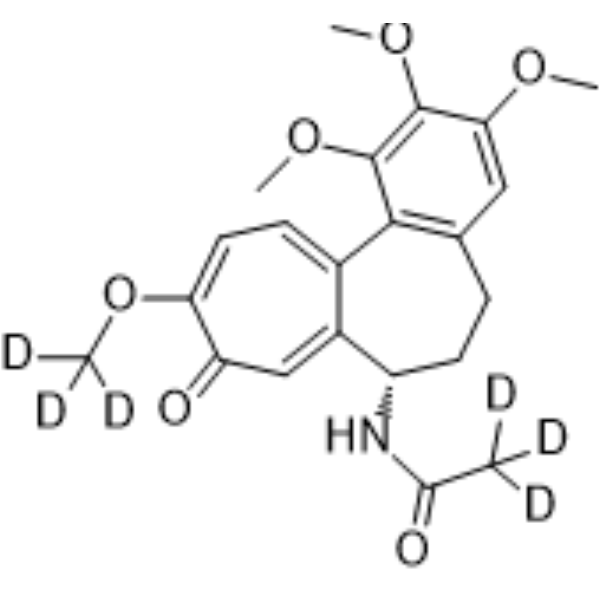
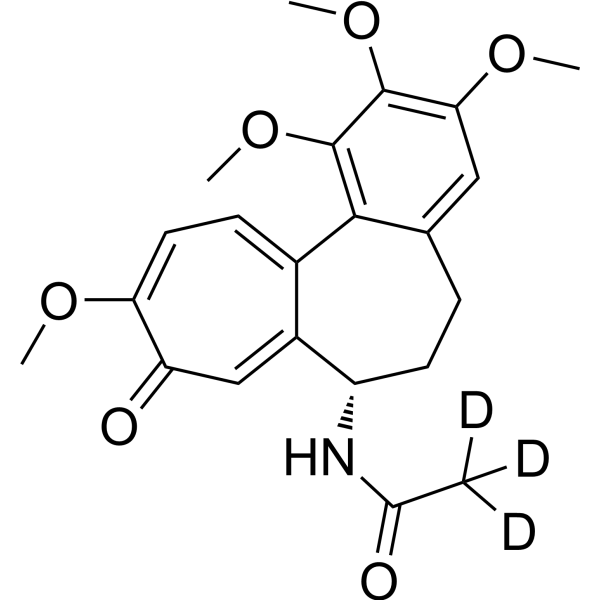
Colchicine-d6 is the deuterium labeled Colchicine. Colchicine is a tubulin inhibitor and a microtubule disrupting agent. Colchicine inhibits microtubule polymerization with an IC50 of 3 nM . Colchicine is also a competitive antagonist of the α3 glycine receptors (GlyRs) .
|
-
-
- HY-16569S1
-
|
|
|
Colchicine-d3 is the deuterium labeled Colchicine. Colchicine is a tubulin inhibitor and a microtubule disrupting agent. Colchicine inhibits microtubule polymerization with an IC50 of 3 nM . Colchicine is also a competitive antagonist of the α3 glycine receptors (GlyRs) .
|
-
-
- HY-B0223S4
-
|
|
|
Albendazole-d3-1 (SKF-62979-d3-1) is the deuterium labeled Albendazole (HY-B0223). Albendazole (SKF-62979) is an orally active and broad-spectrum parasiticide with high effectiveness and low host toxicity, is used for the research of gastrointestinal parasites in humans and animals. Albendazole induces apoptosis and autophagy in cancer cells. Albendazole also inhibits tubulin polymerization and HIF-1α, VEGF expression, has antioxidant activity, and inhibits the glycolytic process in cancer cells .
|
-
| Cat. No. |
Product Name |
|
Classification |
-
- HY-151953
-
|
|
|
Alkynes
|
|
Antitubulin agents-1 is an antitubulin agent that induces disruption of the microtubules (Microtubule/Tubulin) and increases α-tubulin acetylation. Antitubulin agents-1 has anticancer effects . Antitubulin agent 1 is a click chemistry reagent, it contains an Alkyne group and can undergo copper-catalyzed azide-alkyne cycloaddition (CuAAc) with molecules containing Azide groups.
|
| Cat. No. |
Product Name |
|
Classification |
-
- HY-B1513
-
|
|
|
Others
|
|
α-Cyclodextrin (α-CD) is a soluble fiber derived from corn. α-Cyclodextrin can deplete sphingolipids and phospholipids from cell membranes. α-Cyclodextrin interacts with tubulin. α-Cyclodextrin improves defenses against SARS-CoV-2 infection. α-Cyclodextrin enhances the anticancer efficacy of Crcumin (HY-N0005) against breast, lung and cervical cancer. α-Cyclodextrin has beneficial effects on body weight and blood lipids .
|
Your information is safe with us. * Required Fields.
Inquiry Information
- Product Name:
- Cat. No.:
- Quantity:
- MCE Japan Authorized Agent: