1. Search Result
Search Result
Results for "

Anti-tumor peptide

" in MedChemExpress (MCE) Product Catalog:

119

Inhibitors & Agonists

1

Screening Libraries

1

Fluorescent Dyes

4

Biochemical Assay Reagents

90

Peptides

1

Inhibitory Antibodies

10

Natural
Products

3

Isotope-Labeled Compounds

1

Click Chemistry

4

Oligonucleotides

Cat. No. Product Name Target Research Areas Chemical Structure
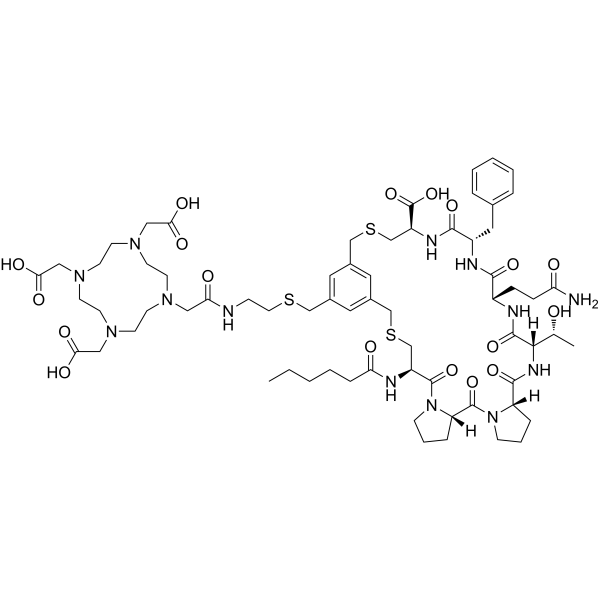
  • HY-147057
    Rofapitide tetraxetan
    5+ Cited Publications

    FAP-2286

    FAP Cancer
    Rofapitide tetraxetan (FAP-2286) is a potent and selective FAP-binding peptide with a mean IC50 value of 2.7 nM for binding to FAP. Rofapitide tetraxetan can be labeled with radionuclides for diagnostic applications. Rofapitide tetraxetan has antitumor activity .
    Rofapitide tetraxetan
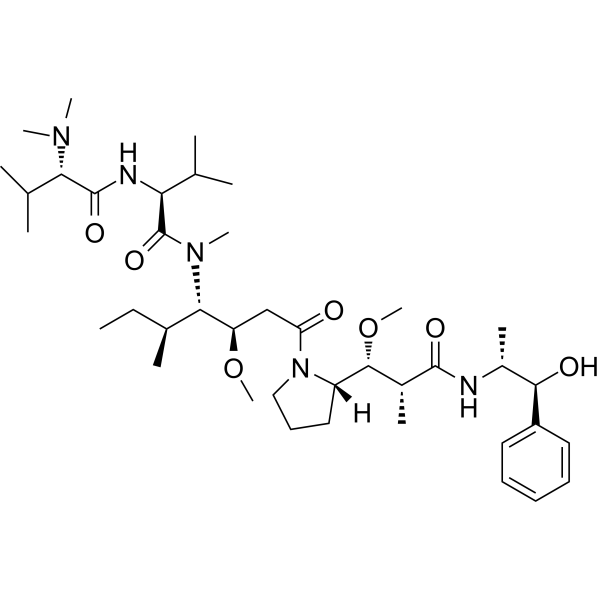
  • HY-15582

    Microtubule/Tubulin ADC Payload Cancer
    Auristatin E is a cytotoxic microtubule polymerization inhibitor with potent and selective antitumor activity. Auristatin E is a cytotoxin in antibody-drug conjugates (ADC). Auristatin E inhibits cell division by blocking the polymerisation of tubulin, promising for research in B-cell malignancies. Auristatin E, a synthetic analogue of the Dolastatin 10 (HY-15580), is linear peptides comprised of four amino acids .

    Auristatin E
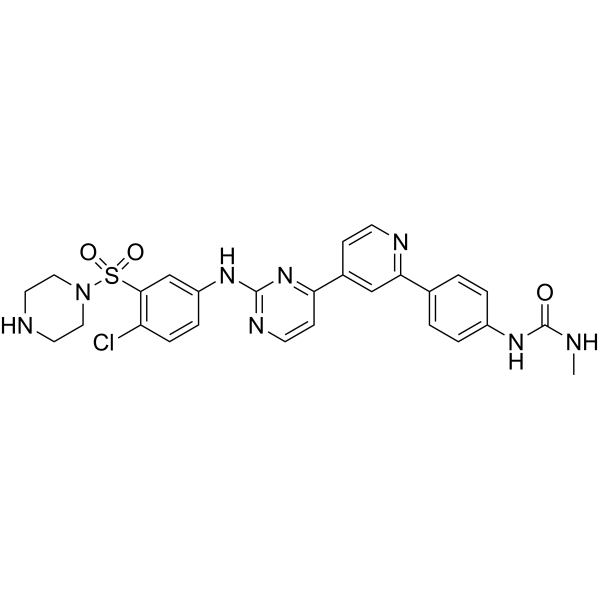
  • HY-161111

    Ser/Thr Kinase Cancer
    KVS0001 is a selective SMG1 inhibitor. KVS0001 elevates the expression of transcripts and proteins resulting from truncating mutations. KVS0001 increased the presentation of immune-targetable HLA class I-associated peptides from nonsense-mediated decay (NMD)-downregulated proteins on the surface of cancer cells. KVS0001 exerts anti-tumor properties and can be studied in research for NMD-related diseases, including cancer and inherited diseases .
    KVS0001
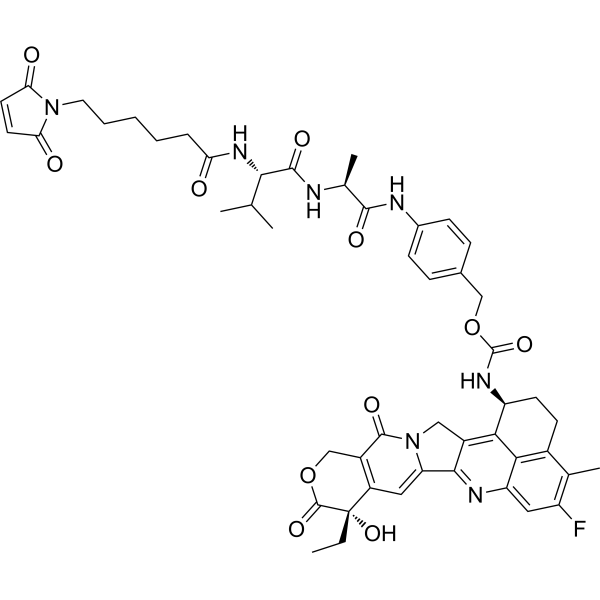
  • HY-147270
    MC-VA-PAB-Exatecan
    1 Publications Verification

    Drug-Linker Conjugates for ADC Topoisomerase Cancer
    MC-VA-PAB-Exatecan is a agent-linker conjugate for ADC. MC-VA-PAB-Exatecan contains the ADC linker (peptide MC-VA-PAB) and a DNA topoisomerase I inhibitor Exatecan (HY-13631). MC-VA-PAB-Exatecan synthesized ADC shows good antitumor activity .
    MC-VA-PAB-Exatecan
  • HY-P2322
    Iturin A
    1 Publications Verification

    Fungal Reactive Oxygen Species (ROS) Apoptosis Autophagy Infection Cancer
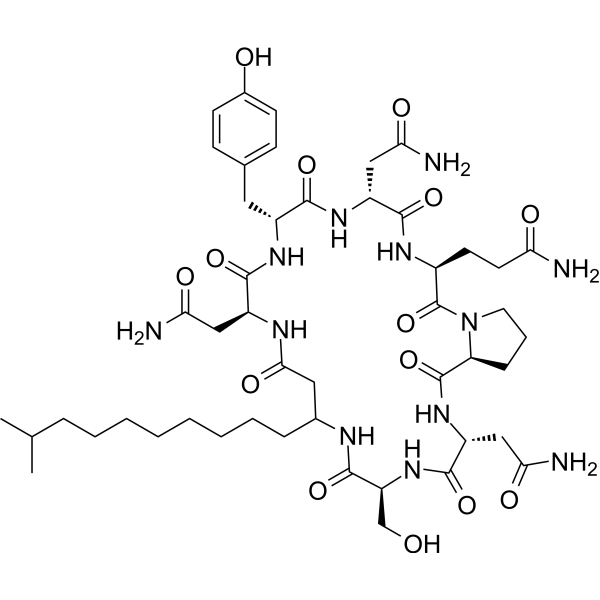
    Iturin A is a cyclic lipid peptide with strong antifungal activity. Iturin A induces ROS explosion and induces apoptosis and autophagy in tumor cells. Iturin A has antitumor activity .
    Iturin A
  • HY-113952
    Actinonin
    5+ Cited Publications

    (-)-Actinonin

    Aminopeptidase Bacterial MMP Apoptosis Antibiotic Infection Cancer
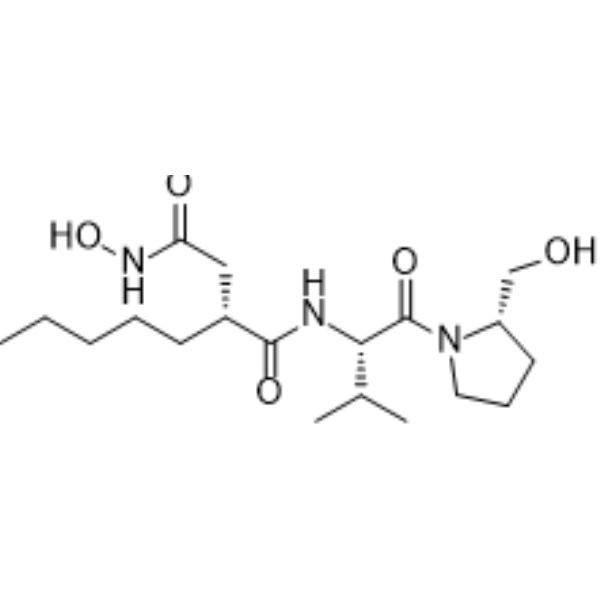
    Actinonin ((-)-Actinonin) is a naturally occurring antibacterial agent produced by Actinomyces. Actinonin inhibits aminopeptidase M, aminopeptidase N and leucine aminopeptidase. Actinonin is a potent reversible peptide deformylase (PDF) inhibitor with a Ki of 0.28 nM. Actinonin also inhibits MMP-1, MMP-3, MMP-8, MMP-9, and hmeprin α with Ki values of 300 nM, 1,700 nM, 190 nM, 330 nM, and 20 nM, respectively. Actinonin is an apoptosis inducer. Actinonin has antiproliferative and antitumor activities .
    Actinonin
  • HY-P2268
    RAGE antagonist peptide
    4 Publications Verification

    Amyloid-β Inflammation/Immunology Cancer
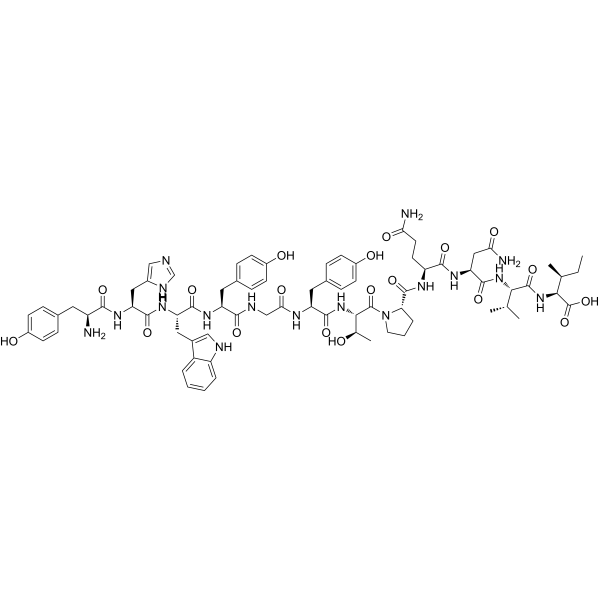
    RAGE antagonist peptide is an advanced glycation end products (RAGE) antagonist. RAGE antagonist peptide prevents RAGE from binding with several of its most important ligands, including HMGB-1, S100P, and S100A4. RAGE antagonist peptide (RAP) possesses anti-tumor and anti-inflammatory activities .
    RAGE antagonist peptide
  • HY-P10128
    GE11
    1 Publications Verification

    Biochemical Assay Reagents Inflammation/Immunology
    GE11 is a active peptide and combines with colloidal drug delivery systems as smart carriers for antitumor drugs and can be used for cancer study .
    GE11
  • HY-122720
    SEC inhibitor KL-1
    1 Publications Verification

    KL-1

    Apoptosis Cancer
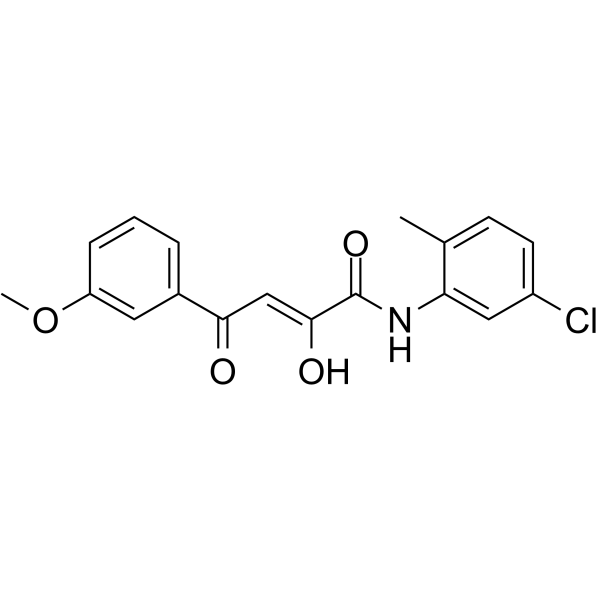
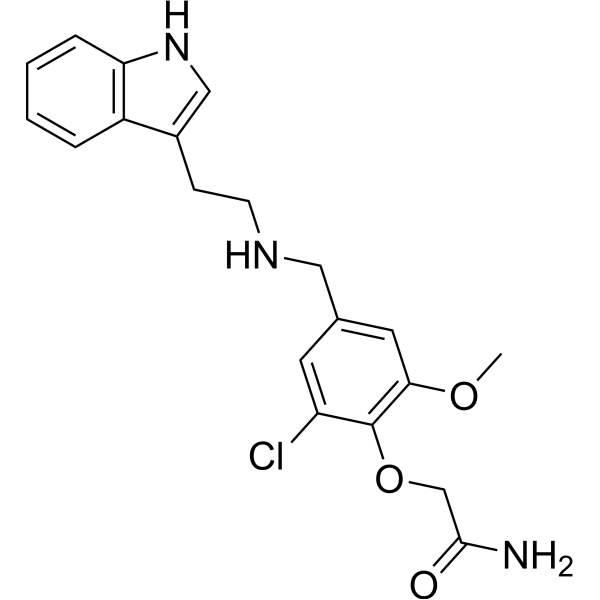
    SEC inhibitor KL-1 (KL-1) is a peptide-like lead compound that is an effective selective SEC inhibitor. SEC inhibitor KL-1 promotes apoptosis and has anti-tumor activity. SEC inhibitor KL-1 doses dependently inhibits the AFF4-CCNT1 interaction, with a Ki value of 3.48 μM .
    SEC inhibitor KL-1
  • HY-P11303

    CD74 MHC Neurological Disease Cancer
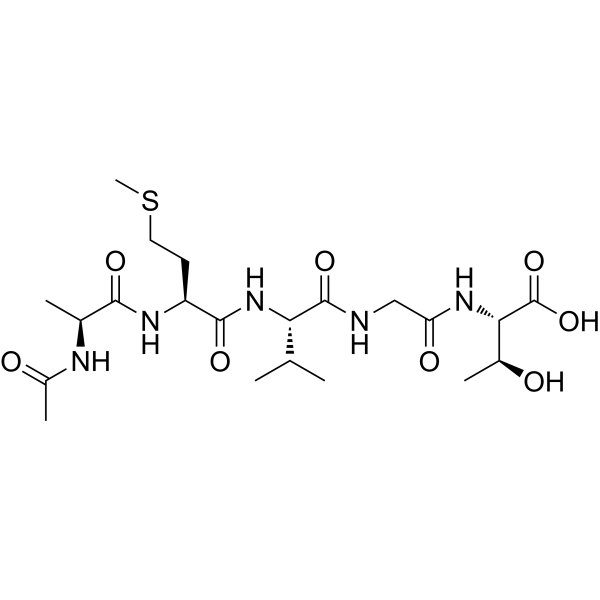
    PADRE peptide is a pan-HLA-DR binding epitope and immunostimulant. PADRE peptide binds to the peptide-binding groove of MHC class II molecules for presentation to CD4 + T cells, thereby effectively stimulating specific immune responses. PADRE peptide not only enhances anti-tumor immune responses, inhibits tumor growth and prolongs survival; it also significantly increases the frequency of E7-specific CD8 + T cells and improves therapeutic efficacy against TC-1 tumors when used in combination with E7 peptide-based vaccines and poly (I:C). The intensity of the immune response induced by PADRE peptide is lower than that of the Ii-PADRE DNA vaccine, and it fails to enhance the immune effect of CRT-E7 DNA. PADRE peptide is widely applicable to research on related tumors such as melanoma, glioblastoma and cervical cancer .
    PADRE peptide
  • HY-P11115

    Apoptosis NF-κB Reactive Oxygen Species (ROS) Inflammation/Immunology Cancer
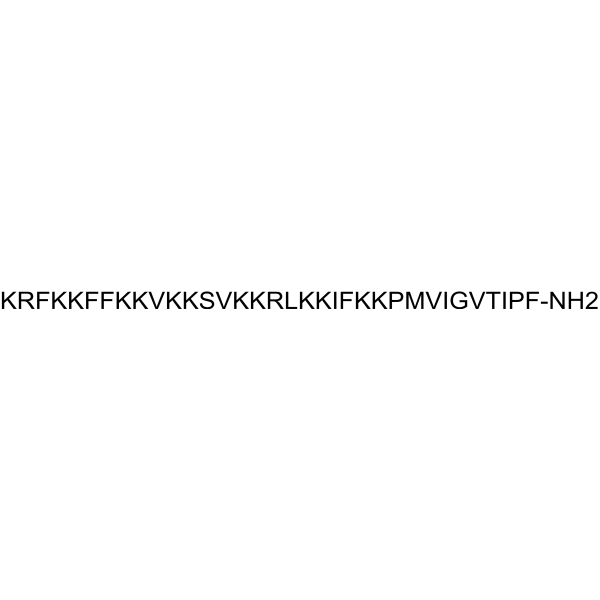
    CIGB-552 is a cell-penetrating peptide with anti-tumor properties with the IC50 of 23 μM in H460 cells. CIGB-552 can increase the level of protein COMMD1. CIGB-552 significantly inhibits the NF-κB signaling pathway. CIGB-552 can promote apoptosis of the tumor cells. CIGB-552 can induce the accumulation of reactive oxygen species (ROS) in tumor cells. CIGB-552 has anti-inflammatory and anti-angiogenic effects. CIGB-552 can be used for the research of the lung cancer and colon cancer.
    CIGB-552
  • HY-P10285

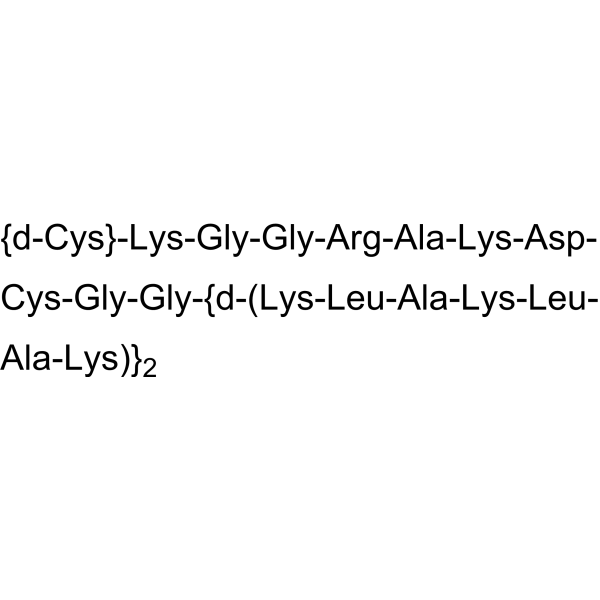
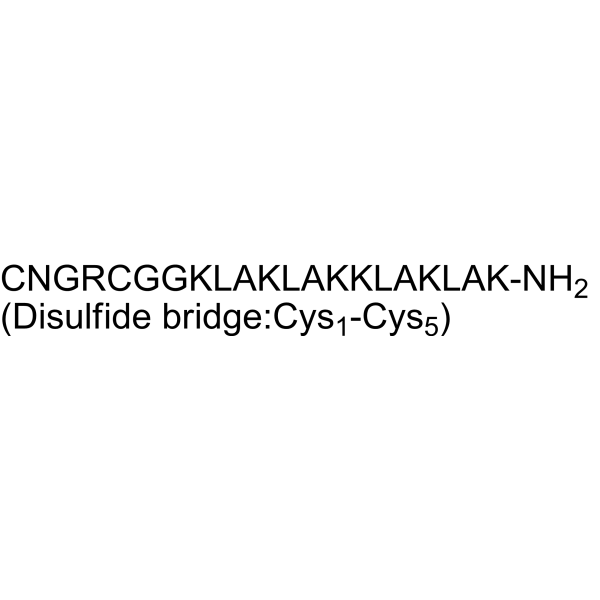
    D-(KLAKLAK)2

    Apoptosis Mitochondrial Metabolism Caspase Cancer
    d-KLA Peptide (D-(KLAKLAK)2), KLA peptide (HY-P5345) isomer, is a pro-apoptosis peptide. d-KLA Peptide can specifically target mitochondria and induce apoptosis by destroying the mitochondrial membrane. d-KLA Peptide increases caspase 3/7 activity, exerts proapoptotic activity and enhances antitumor efficacy in mouse melanoma models .
    d-KLA Peptide
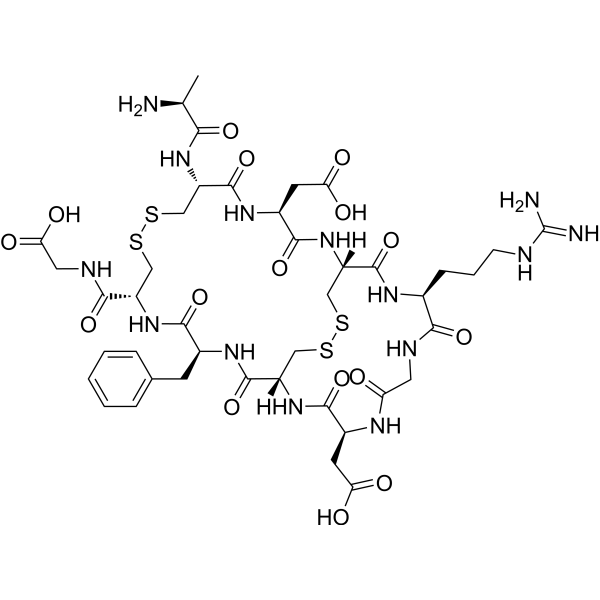
  • HY-P3732

    Integrin Cancer
    RGD-4C is a arginine-glycine-aspartic acid peptide (ACDCRGDCFC) with integrin binding activity. The Arg-Gly-Asp (RGD) sequence serves as the primary integrin recognition site in extracellular matrix proteins, and peptides containing this sequence can mimic the recognition specificity of the matrix proteins. RGD-4C is a αv-integrin ligand, can conjugate with bioactive molecule to exert antitumor effects in animal models .
    RGD-4C
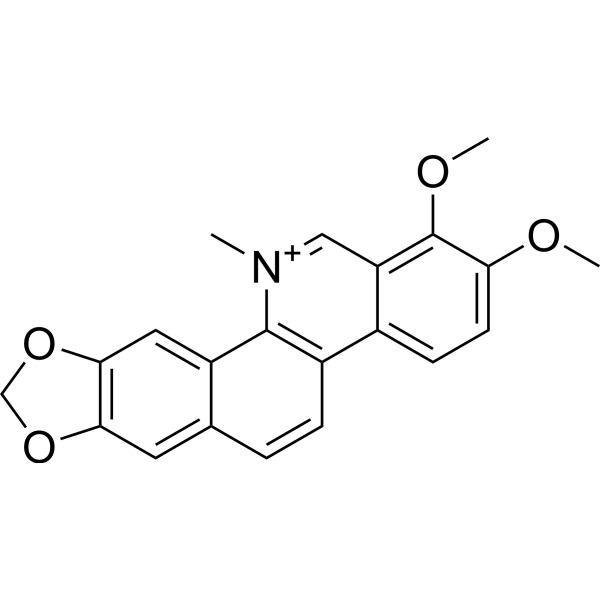
  • HY-N2359

    Beta-lactamase PKC Bcl-2 Family Apoptosis Autophagy Metabolic Disease Inflammation/Immunology Cancer
    Chelerythrine is a natural alkaloid, acts as a potent and selective Ca 2+/phospholopid-dependent PKC antagonist, with an IC50 of 0.7 μM . Chelerythrine has antitumor, antidiabetic and anti-inflammatory activity . Chelerythrine inhibits the BclXL-Bak BH3 peptide binding with IC50 of 1.5 μM and displaces Bax from BclXL. Chelerythrine triggers apoptosis and autophagy .
    Chelerythrine
  • HY-P2268A
    RAGE antagonist peptide TFA
    4 Publications Verification

    Amyloid-β Inflammation/Immunology Cancer
    RAGE antagonist peptide TFA is an advanced glycation end products (RAGE) antagonist. RAGE antagonist peptide TFA prevents RAGE from binding with several of its most important ligands, including HMGB-1, S100P, and S100A4. RAGE antagonist peptide TFA possesses anti-tumor and anti-inflammatory activities .
    RAGE antagonist peptide TFA
  • HY-P11108

    NF-κB Apoptosis TNF Receptor Caspase Inflammation/Immunology Cancer
    RP-182 is a synthetic immunomodulatory peptide that exerts anti-tumor effects by targeting the mannose receptor CD206 (Kd = 8 μM) on the surface of tumor-associated macrophages (TAMs). RP-182 induces a conformational switch of the CD206 receptor, which activates NF-κB signaling and phagocytosis in CD206 high TAMs. RP-182 has dual function: activation of canonical NF-κB signaling, triggering TNFα secretion and autocrine activation of the TNF receptor 1 (TNFR1), leading to activation of caspase 8, apoptosis, and cell death. RP-182 is used in pancreatic cancer and melanoma research .
    RP-182
  • HY-P5910

    MDM-2/p53 Apoptosis Cancer
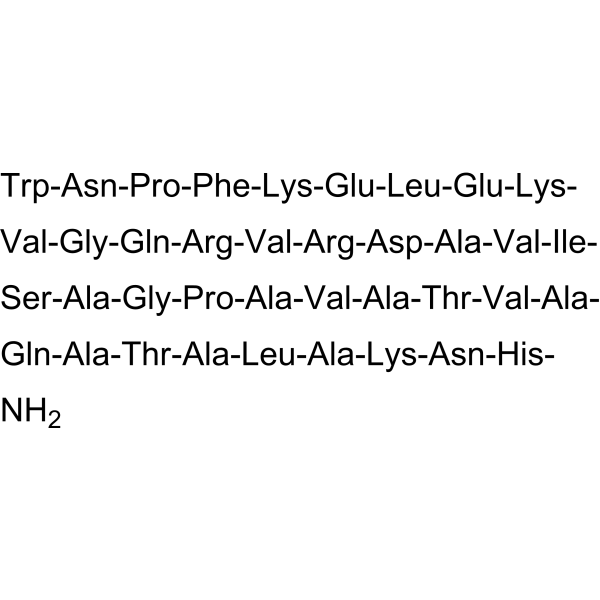
    Azurin p28 peptide is a tumor-penetrated antitumor peptide. Azurin p28 peptide redues proteasomal degradation of p53 through formation of a p28: p53 complex. Azurin p28 peptide induces apoptosis or cell cycle arrest. Azurin p28 peptide inhibits p53-positive tumor growths. Azurin p28 peptide shows antiangiogenic effect by inhibiting phosphorylation of VEGFR-2, FAK and Akt .
    Azurin p28 peptide
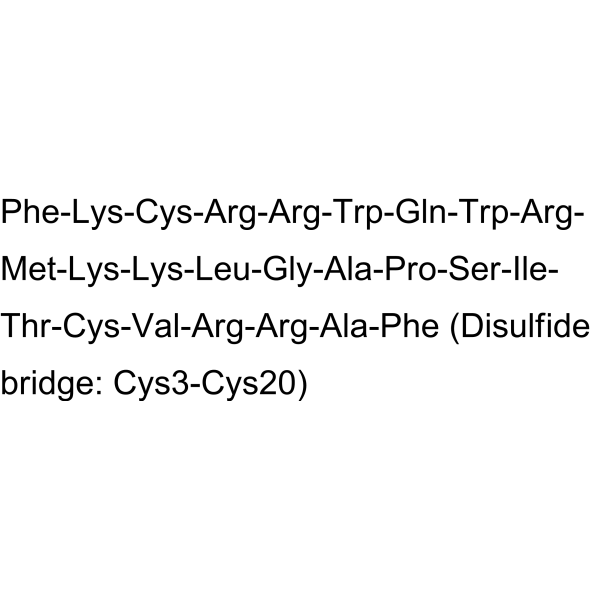
  • HY-P1791

    Lactoferricin B; Lfcin B

    Bacterial Fungal Apoptosis Infection Cancer
    Lactoferrin 17-41 (Lactoferricin B), a peptide corresponding to residues 17-41 of bovine lactoferrin, has antimicrobial activity against a wide range of microorganisms, including Gram-positive and Gramnegative bacteria, viruses, protozoa, and fungi. Lactoferrin 17-41 has antitumor activities .
    Lactoferrin (17-41)
  • HY-P1812
    AUNP-12
    3 Publications Verification

    NP-12

    PD-1/PD-L1 Cancer
    AUNP-12 (NP-12) is a peptide antagonist of the PD-1 signaling pathway, displays equipotent antagonism toward PD-L1 and PD-L2 in rescue of lymphocyte proliferation and effector functions. AUNP-12 exhibits immune activation, excellent antitumor activity, and potential for better management of immune-related adverse events (irAEs) .
    AUNP-12
  • HY-107691

    Neurokinin Receptor Neurological Disease Endocrinology Cancer
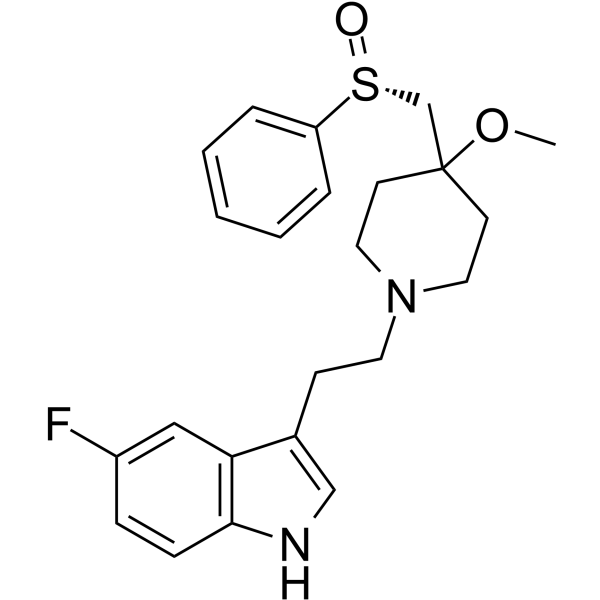
    GR 159897 is a highly potent, selective, competitive, brain-penetrated non-peptide neurokinin 2 (NK2) receptor antagonist. GR 159897 has little or no affinity for NK1 and NK3 receptors. GR 159897 inhibits binding of [ 3H]GR100679 to human NK2 (hNK2)-CHO cells and rat colon membranes with pKis of 9.51 and 10, respectively. Antagonizes bronchoconstriction. Anxiolytic-like and anti-tumor effects .
    GR 159897
  • HY-P10950A

    PD-1/PD-L1 Inflammation/Immunology Cancer
    PD-L1 inhibitory peptide TFA is an inhibitor peptide targeting programmed cell death ligand 1 (PD-L1). PD-L1 inhibitory peptide TFA binds to PD-L1, relieving immunosuppression and restoring the antitumor activity of T cells. PD-L1 inhibitory peptide TFA is promising for research of cancers .
    PD-L1 inhibitory peptide TFA
  • HY-P1791B

    Lactoferricin B acetate; Lfcin B acetate

    Bacterial Fungal Apoptosis Infection Cancer
    Lactoferrin 17-41 (Lactoferricin B) acetate, a peptide corresponding to residues 17-41 of bovine lactoferrin, has antimicrobial activity against a wide range of microorganisms, including Gram-positive and Gramnegative bacteria, viruses, protozoa, and fungi. Lactoferrin 17-41 acetate has antitumor activities .
    Lactoferrin (17-41) acetate
  • HY-P2282
    APTSTAT3-9R
    1 Publications Verification

    STAT Cancer
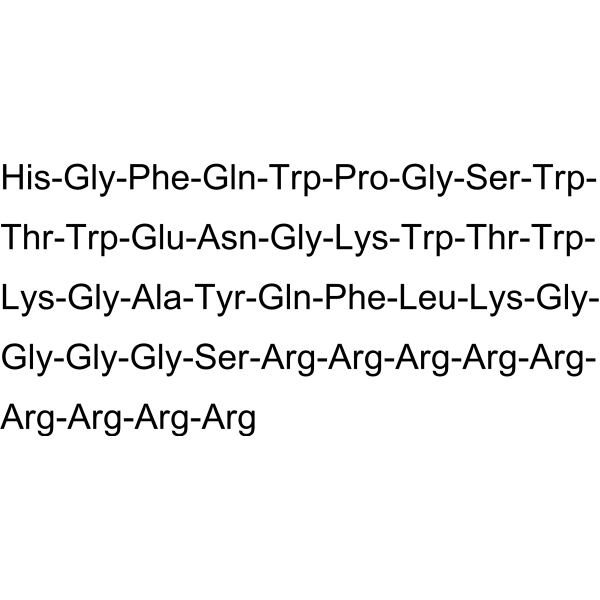
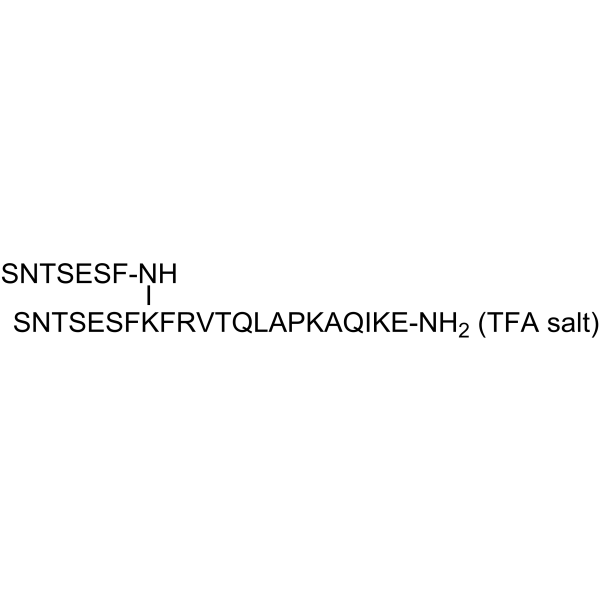
    APTSTAT3-9R, a specific STAT3-binding peptide, inhibits STAT3 activation and downstream signaling by specifically blocking STAT3 phosphorylation. APTSTAT3-9R exerts antiproliferative effects and antitumor activity .
    APTSTAT3-9R
  • HY-P1755

    MDM-2/p53 Cancer
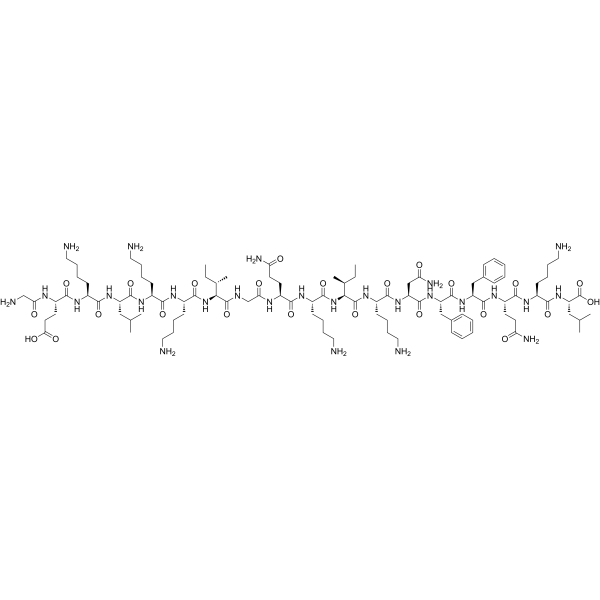
    p53 (17-26) is a peptide derived from the P53 MDM2 binding domain, with a Kd of 50 nM for MDM2. p53 (17-26) causes cell lysis by damaging cancer cells and nuclear membranes, and induces cancer cell necrosis. p53 (17-26) exhibits antitumor activity and is applicable to research related to pancreatic cancer .
    p53 (17-26)
  • HY-P3586

    Hunter-killer peptide ao; Prohibitin-targeting peptide 1; prohibitin-TP01; Adipotide

    Apoptosis Cancer
    HKPao (Hunter-killer peptide ao) is a biologically active peptide. HKPao (Hunter-killer peptide ao) has anti-obesity and anti-tumor pro-apoptotic activity to cause release of cytochrome c from vesicles .
    HKPao
  • HY-P10420

    CD47 Interleukin Related Cancer
    RS17 is an anti-tumor peptide designed to bind specifically to the CD47 molecule and block the interaction between CD47 and its ligand, SIRPα, on the surface membrane of macrophages. The main regulatory mechanism of RS17 is to prevent CD47 from transmitting selective phagocytosis signals to SIRPα by binding to CD47, so that macrophages do not recognize tumor cells as their own tissue, but phagocytose them as foreign substances, thereby inhibiting immune escape of tumor cells. RS17 can be used to study the mechanism of anti-tumor response and immune escape .
    RS17
  • HY-P11060

    Adpgk peptide

    MHC Cancer
    MC38 SLP Adpgk (Adpgk peptide) is an H-2 K b-restricted colorectal cancer neoantigen peptide. MC38 SLP Adpgk is formulated into PCNP nanocomplexes together with CpG ODN. PCNP vaccines significantly enhance the co-delivery efficiency of neoantigens and adjuvants to lymphoid organs, and activate cytotoxic T cells. PCNP vaccines not only protect mice from MC-38 colorectal tumor invasion, but also exhibit anti-tumor efficacy in established colorectal tumor models and significantly prolong the survival of tumor-bearing mice .
    MC38 SLP Adpgk
  • HY-P10709A

    Biochemical Assay Reagents Cardiovascular Disease Cancer
    CREKA peptide acetate is a short peptide sequence, belonging to self-assembling peptides (SAPs), which can self-assemble into functional nanostructures, typically nanofibers, under physiological conditions. CREKA peptide acetate can be used to target tumor cells and tumor vasculature, exhibiting antitumor activity .
    CREKA peptide acetate
  • HY-P11211A

    Bacterial Infection Cancer
    D2A21 TFA is an antimicrobial peptide with significant antimicrobial activity against Pseudomonas and bactericidal effect on burn scabs. D2A21 TFA has antitumor activity and can be used in prostate cancer research .
    D2A21 TFA
  • HY-P10862

    Exosomes Virus Protease Infection Cancer
    AH-D peptide is a brain-penetrant antiviral agent disrupting highly curved lipid membranes. AH-D peptide exhibits broad-spectrum antiviral activity against ZIKV, Dengue virus, Chikungunya virus, yellow fever virus and Japanese encephalitis virus, with
    IC50
    values of 11.9, 12.5, 35.7, 206 and 136 nM, respectively. AH-D peptide reduces the viral load in the brain, suppresses inflammation, protects neurons, and does not damage the blood brain barrier. AH-D peptide restores antitumor immunity by decreasing circulating PD-L1 + exosomes, reducing intratumoral immunosuppressive cells (regulatory T cells, myeloid-derived suppressor cells), and enhancing T cell function. AH-D peptide inhibits membrane-enveloped viruses and cancer cell metastasis in vivo. AH-D peptide exhibits no immunogenicity and has negligible effects on normal tissues. AH-D peptide can be used for research in Zika virus and other mosquito-borne viruses, cancer immunotherapy and metastasis .
    AH-D peptide
  • HY-P10370

    Bacterial Apoptosis Infection Cancer
    d-(KLAKLAK)2, as an antibacterial and anti-tumor polypeptide, is a representative of the antimicrobial peptide group, and also has good anticancer properties. d-(KLAKLAK)2 is able to kill bacteria by damaging their cell membranes, causing cell contents to leak out. d-(KLAKLAK)2 can also inhibit tumor cell proliferation by causing mitochondrial swelling and mitochondrial membrane destruction, triggering apoptosis (programmed cell death) .
    d-(KLAKLAK)2, Proapoptotic Peptide
  • HY-P1828A

    EGFR Cancer
    EGFRvIII peptide (PEPvIII) TFA is a tumor-specific mutation that is widely expressed in glioblastoma multiforme (GBM) and other neoplasms and its expression enhances tumorigenicity. EGFRvIII peptide TFA represents a truly tumor-specific target for antitumor immunotherapy .
    EGFRvIII peptide (PEPvIII) TFA
  • HY-P10950

    PD-1/PD-L1 Inflammation/Immunology Cancer
    PD-L1 inhibitory peptide is an inhibitor peptide targeting programmed cell death ligand 1 (PD-L1). PD-L1 inhibitory peptide binds to PD-L1, relieving immunosuppression and restoring the antitumor activity of T cells. PD-L1 inhibitory peptide is promising for research of cancers .
    PD-L1 inhibitory peptide
  • HY-P1755F

    MDM-2/p53 Cancer
    p53 (17-26), FITC labeled is a biological active peptide. p53 (17-26) is a peptide derived from the P53 MDM2 binding domain, with a Kd of 50 nM for MDM2. p53 (17-26) causes cell lysis by damaging cancer cells and nuclear membranes, and induces cancer cell necrosis. p53 (17-26) exhibits antitumor activity and is applicable to research related to pancreatic cancer.
    p53 (17-26), FITC labeled
  • HY-P5016A

    Antibiotic Fungal Bacterial Infection Cancer
    CRAMP-18 (mouse) acetate is an antibiotic peptide without hemolytic activity. CRAMP-18 (mouse) acetate has good inhibitory activity against Gram-negative bacteria, such as S. typhimurium and P. aeruginosa. CRAMP-18 (mouse) acetate has the potential to study antifungal, antibacterial and antitumor .
    CRAMP-18 (mouse) acetate
  • HY-P10841

    Amino Acid Derivatives Cancer
    CyPep-1 is a novel cationic lytic peptide with antitumor activity. CyPep-1 is highly cytotoxic by interacting with the negatively charged cell membrane of cancer cells. CyPep-1 has strong cytolytic activity on cancer cells both in vivo and in vitro, and can be used in the study of solid tumors .
    CyPep-1
  • HY-P11097

    CD47 Cancer
    Pep-20 is a CD47/SIRPα blocking peptide with KD values of 2.91 and 3.63 μM for human and mouse CD47, respectively. IC50 values for blocking the human and mouse CD47/SIRPα interaction are 24.56 and 12.03 μM, respectively. Pep-20 has antitumor activity .
    Pep-20
  • HY-P2299A

    HPV Cancer
    Protein E7(43-62) TFA is an E7-derived peptide with anti-tumor effects (short peptide spanning the 43th to 62th amino acid residues in the E7 protein) .
    Protein E7(43-62) TFA
  • HY-P10553

    Apoptosis Cancer
    ARF(26–44), cell-permeable is a cell-penetrating peptide derived from a specific amino acid sequence of the p14ARF tumor suppressor protein. As a functional inhibitor of FoxM1, ARF(26–44) cell-permeable shows significant anti-tumor activity in the treatment of mouse hepatocellular carcinoma (HCC), significantly increasing tumor cell apoptosis and reducing tumor cell proliferation and angiogenesis. ARF(26–44), cell-permeable can be used in research on tumor therapy .
    ARF(26–44), cell-permeable
  • HY-P10610A

    MDM-2/p53 Cancer
    Peptide 234CM TFA is a peptide containing isoleucine at position 3, corresponding to the sequence of a point mutation in p53 codon 234. Peptide 234CM TFA induces potent cytotoxic T cell (CTL) and antitumor immune responses against mutant p53 .
    Peptide 234CM TFA
  • HY-P1828

    EGFR Cancer
    EGFRvIII peptide (PEPvIII) is a tumor-specific mutation that is widely expressed in glioblastoma multiforme (GBM) and other neoplasms and its expression enhances tumorigenicity. EGFRvIII peptide represents a truly tumor-specific target for antitumor immunotherapy .
    EGFRvIII peptide (PEPvIII)
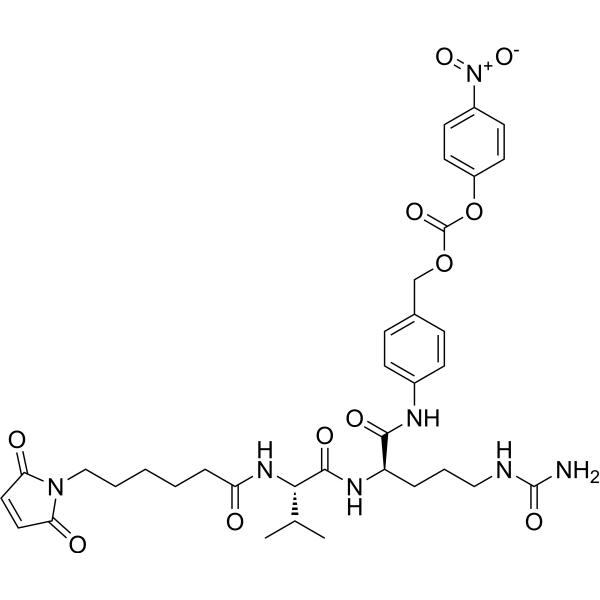
  • HY-147021

    ADC Linker Cancer
    MC-Val-D-Cit-PAB-PNP is a cleavable peptide linker molecule used in the synthesis of antibody-drug conjugates (ADCs). MC-Val-D-Cit-PAB-PNP contains a maleimidocaproyl (Mc) group that can be conjugated to an antibody and a p-nitrophenol (PNP) group that allows the peptide to be linked to antitumor compounds.
    MC-Val-D-Cit-PAB-PNP
  • HY-P10994

    Eps8(327-335)

    EGFR IFNAR Interleukin Related TNF Receptor Complement System Apoptosis Inflammation/Immunology Cancer
    Eps8 peptide 327 is an HLA-A*2402-restricted peptide antigen derived from Eps8 protein. Eps8 peptide 327 has potent antitumor activity with significant cytotoxicity. Eps8 peptide 327 effectively inhibits cancer cells proliferation, induces apoptosis and disrupts EGFR signal pathway by inhibiting downstream signals (such as IL-2, TNF-α and IFN-γ) expression and the Eps8/EGFR interaction. Eps8 peptide 327 significantly inhibits tumor growth in HT-29 xenograft mcie models .
    Eps8 peptide 327
  • HY-P11205A

    Cys-txCD47 TFA

    CD47 Reactive Oxygen Species (ROS) Thrombopoietin Receptor Inflammation/Immunology Cancer
    Cys-PKHB1 (Cys-txCD47) TFA is a peptide conjugated to PKHB1, a CD47 agonist peptide and a thrombospondin-1 peptide mimic with antitumor effects. PKHB1 induces mitochondrial alterations, ROS generation, intracellular Ca + accumulation, and calcium-dependent cell death in breast cancer cells. PKHB1 induces immune system activation in breast cancer cells through immunogenic cell death .
    Cys-PKHB1 TFA
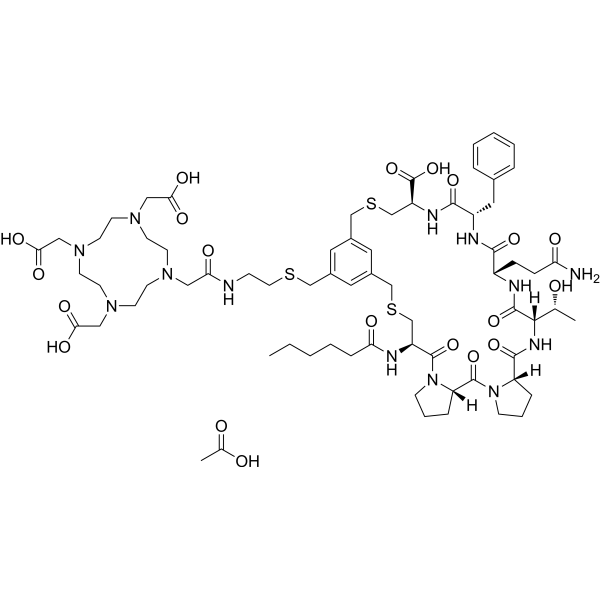
  • HY-147057A

    FAP-2286 acetate

    FAP Cancer
    Rofapitide tetraxetan (FAP-2286) acetate is a potent and selective FAP-binding peptide with a mean IC50 value of 2.7 nM for binding to FAP. Rofapitide tetraxetan acetate can be labeled with radionuclides for diagnostic applications. Rofapitide tetraxetan acetate has antitumor activity .
    Rofapitide tetraxetan acetate
  • HY-178819

    Integrin Drug Intermediate Cancer
    NM-001 is a theranostic prodrug that targets ανβ3 integrin. NM-001 consists of cRGD and GFLG peptides, a DCM fluorophore and Chlorambucil (HY-13593). NM-001 internalizes into lysosomes of tumor cells via the cRGD peptide, and generates NM-002 (HY-178820) and Chlorambucil through intracellular cleavage at the GFLG peptide by overexpressed Cathepsin B (CTSB). NM-001 exhibits green fluorescence under physiological conditions, and converts to NIR fluorescence by CTSB activation. NM-001 has significant antitumor activity with low toxicity in HeLa cell xenografts mouse models. NM-001 can be used for real-time drug release monitoring research .
    NM-001
  • HY-P1755A

    MDM-2/p53 Cancer
    p53 (17-26) acetate is a peptide derived from the P53 MDM2 binding domain, with a Kd of 50 nM for MDM2. p53 (17-26) acetate causes cell lysis by damaging cancer cells and nuclear membranes, and induces cancer cell necrosis. p53 (17-26) acetate exhibits antitumor activity and is applicable to research related to pancreatic cancer .
    p53 (17-26) acetate
  • HY-P10847

    Ras Cancer
    KS-58 is a KRpep-2d (HY-P3277) derivative. KS-58 is a K-Ras (G12D) inhibitory peptide that selectively binds K-Ras. KS-58 can enter cells and block intracellular Ras interaction with effector proteins. KS-58 inhibits the proliferation of tumor cells and has antitumor activity .
    KS-58
  • HY-P10550

    VEGFR Cancer
    VGB4 is a VEGF-A and VEGF-B antagonist peptide that duplicates two binding domains of VEGF-B (loop 1 and loop3) and are linked together by the receptor-binding domain of VEGF-A (loop3). VGB4 has significant anti-angiogenic and anti-tumor activities and can regulate tumor growth and metastasis through multiple mechanisms. VGB4 could be used in anti-tumor research .
    VGB4
  • HY-P1728

    YAP Cancer
    Super-TDU (1-31) is a peptide fragment of Super-TDU. Super-TDU (1-31) is an inhibitor of YAP-TEAD complex. Super-TDU shows potent anti-tumor activity and suppresses tumor growth in gastric cancer mouse model .
    Super-TDU (1-31)

Inquiry Online

Your information is safe with us. * Required Fields.

Salutation


Country or Region *

Applicant Name *


Organization Name *

Department *


Email Address *


Product Name *

Cat. No.


Requested quantity *

Phone Number *


Remarks

Inquiry Online

Inquiry Information

Product Name:
Cat. No.:
Quantity:
MCE Japan Authorized Agent: