




Search Result
Results for "
Gastrointestinal tract
" in MedChemExpress (MCE) Product Catalog:
1
Biochemical Assay Reagents
12
Isotope-Labeled Compounds
| Cat. No. |
Product Name |
Target |
Research Areas |
Chemical Structure |
-
- HY-B2196
-
|
|
Antibiotic
Bacterial
|
Infection
Metabolic Disease
|
|
Gastric mucin is a glycoprotein with natural antibiotic function. Gastric mucin against Helicobacter pylori infection. Gastric mucin effectively scavenges hydroxyl radical. Gastric mucin play a major role in the protection of the gastrointestinal tract from acid, proteases, pathogenic microorganisms, and mechanical trauma .
|
-
-
- HY-N1425
-
|
|
Others
|
Metabolic Disease
|
|
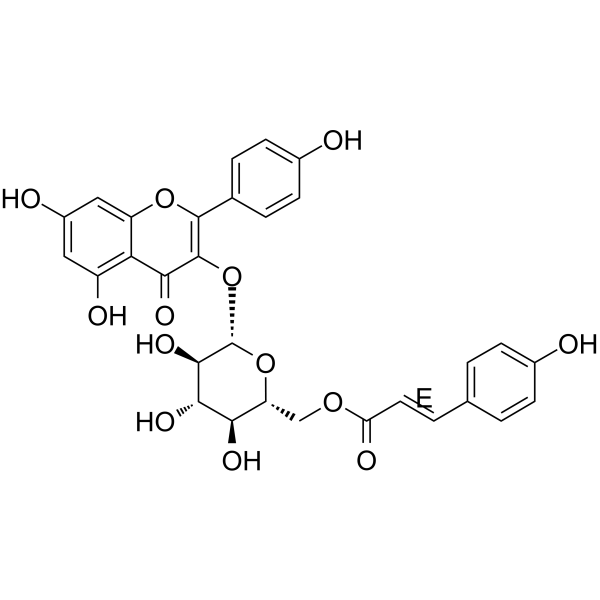
Tiliroside, a glycosidic flavonoid, possesses anti-diabetic activities. Tiliroside is a noncompetitive inhibitor of α-amylase with a Ki value of 84.2 μM. Tiliroside inhibits carbohydrate digestion and glucose absorption in the gastrointestinal tract .
|
-
-
- HY-126373
-
|
SN-38G
|
Drug Metabolite
|
Cancer
|
|
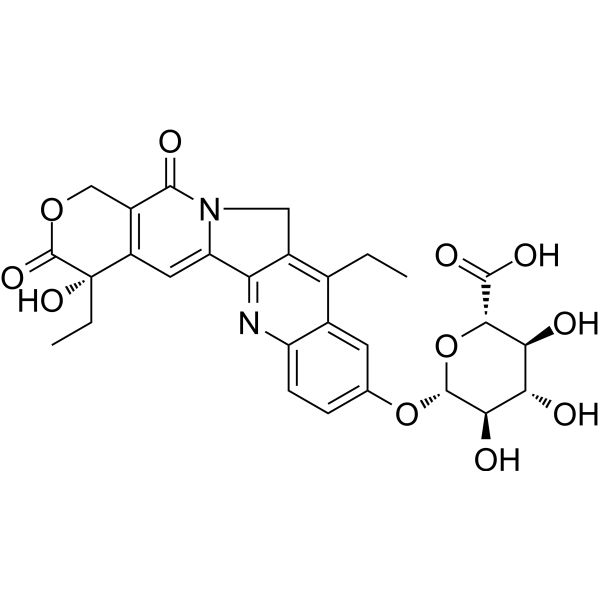
SN-38 glucuronide is an inactive metabolite of the anticancer active molecule Irinotecan (HY-16562) and has toxic effects on the gastrointestinal tract. Irinotecan is a topoisomerase I inhibitor which can be used for researching colon and rectal cancer .
|
-
-
- HY-109519
-
|
|
Environmental Pollutants
Biochemical Assay Reagents
|
Others
Cancer
|
|
Simethicone is an orally active defoamer. Simethicone reduces the surface tension of air bubbles in the gastrointestinal tract, causing them to be expelled by vomiting, exhalation or absorption into the bloodstream. Simethicone has potential applications in flatulence and colic .
|
-
-
- HY-111613
-
|
|
Calcium Channel
|
Cancer
|
|
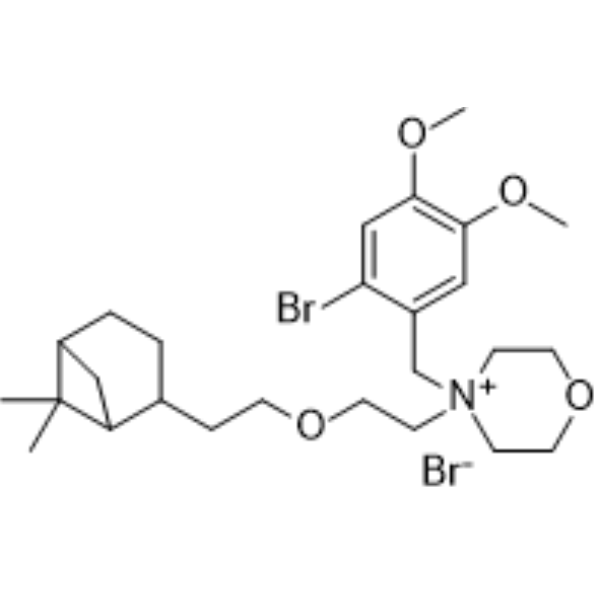
Pinaverium bromide is an L-type calcium channel blocker with selectivity for the gastrointestinal tract, effectively relieves pain, diarrhea and intestinal discomfort, provides good therapeutic efficacies without significant adverse effects on Irritable bowel syndrome (IBS) patients .
|
-
-
- HY-B1156
-
|
Cefradine; SQ-11436
|
Bacterial
Antibiotic
TOPK
|
Infection
Inflammation/Immunology
|
|
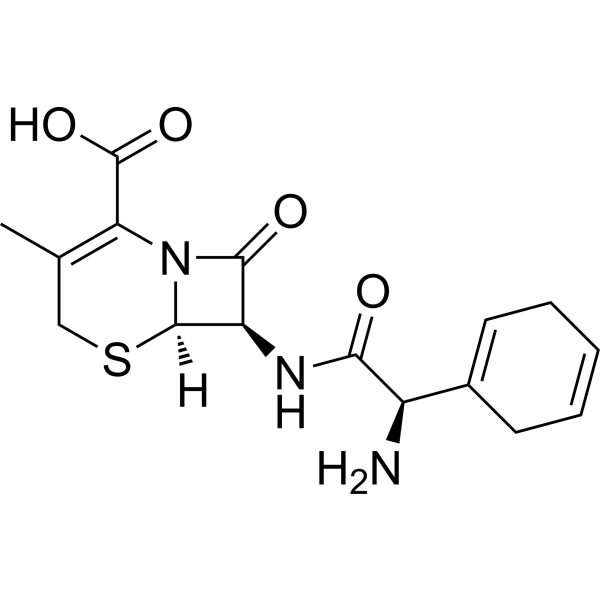
Cephradine (Cefradine) is a broad-spectrum and orally active cephalosporin. Cephradine is active against both gram-positive and gram-negative pathogens. Cephradine is effective in eradicating most penicillinase-producing organisms. Cephradine has been used in the research of genitourinary, gastrointestinal and respiratory tract infections, and in infections of the skin and soft tissues. Cephradine blocks solar-ultraviolet induced skin inflammation through direct inhibition of TOPK .
|
-
-
- HY-14739
-
|
ABT-335
|
PPAR
COX
|
Cardiovascular Disease
|
|
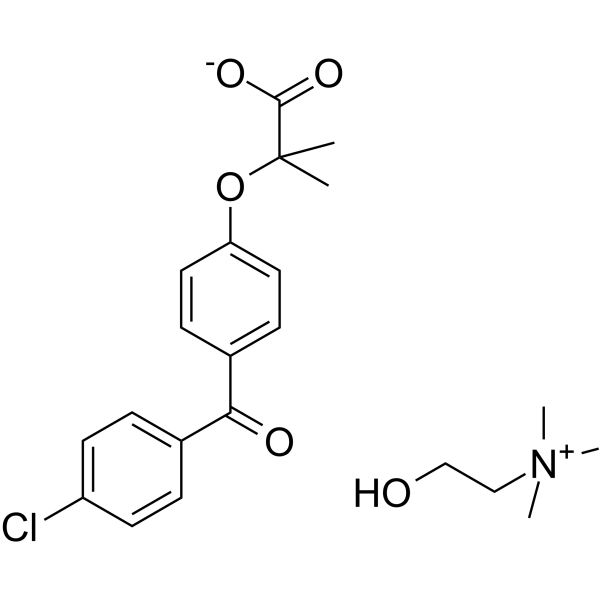
Choline Fenofibrate (ABT-335), a choline salt of Fenofibric acid (HY-B0760), releases free Fenofibric acid in the gastrointestinal tract. Fenofibric acid is a PPAR activator with antihyperlipidemic effect .
|
-
-
- HY-13831
-
BPTU
1 Publications Verification
BMS-646786
|
P2Y Receptor
|
Neurological Disease
Cancer
|
|
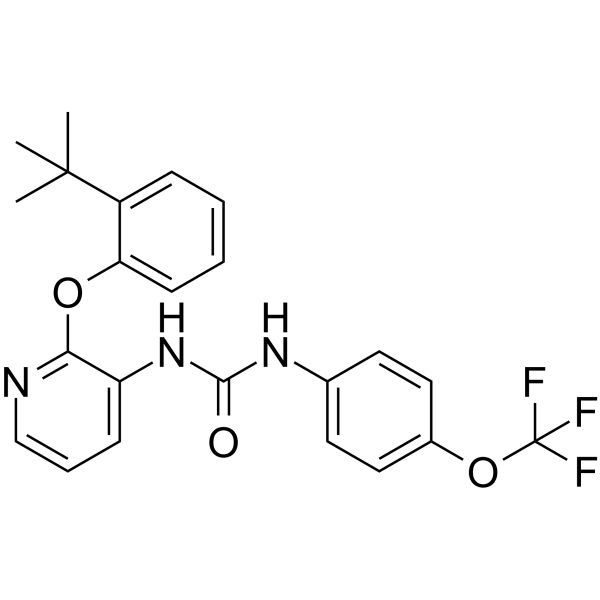
BPTU (BMS-646786) is a non-nucleotide P2Y1 receptor allosteric antagonist with antithrombotic activity. BPTU is able to block the P2Y1 receptor located at the neuromuscular junction of the gastrointestinal tract .
|
-
-
- HY-A0118A
-
|
NKTR-118 oxalate; AZ-13337019 oxalate
|
Opioid Receptor
|
Metabolic Disease
|
|
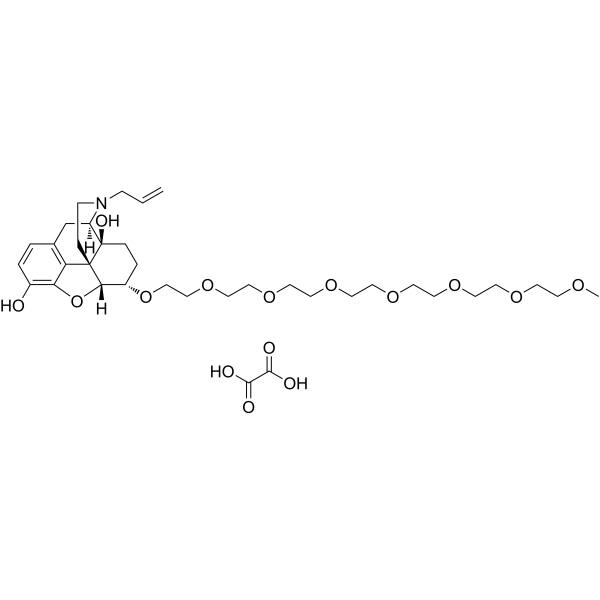
Naloxegol oxalate (NKTR-118 oxalate; AZ-13337019 oxalate) is an orally active peripherally acting μ-opioid receptor antagonist with a target Ki of 7.42 nM. Naloxegol oxalate inhibits the binding of opioids to μ-opioid receptors in the gastrointestinal tract, and alleviates opioid-induced gastrointestinal hypomotility, delayed transit, hypertonicity, and increased fluid reabsorption. Naloxegol oxalate is applicable to research related to opioid-induced constipation .
|
-
-
- HY-B1339
-
|
Dicycloverine hydrochloride
|
mAChR
|
Neurological Disease
|
|
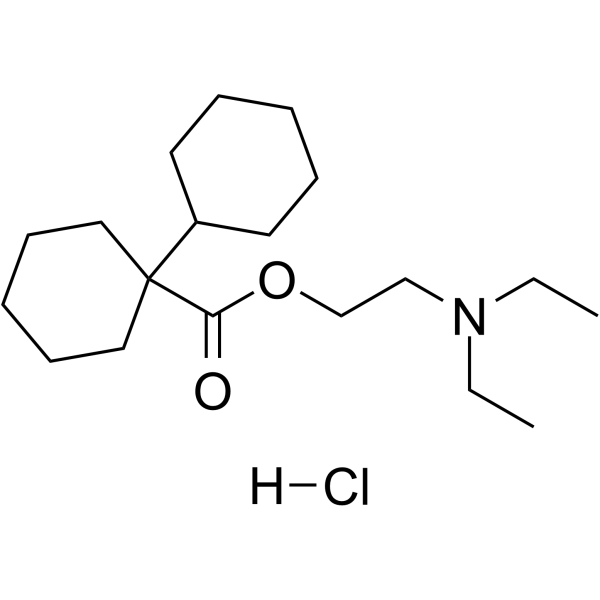
Dicyclomine hydrochloride is a potent and orally active muscarinic cholinergic receptors antagonist. Dicyclomine hydrochloride shows high affinity for muscarinic M1 receptor subtype (Ki=5.1 nM) and M2 receptor subtype (Ki=54.6 nM) in brush-border membrane and basal plasma membranes, respectively . Dicyclomine is an antispasmodic agent and relieves smooth muscle spasm of the gastrointestinal tract in vivo .
|
-
-
- HY-13995A
-
|
|
FXR
|
Metabolic Disease
Endocrinology
|
|
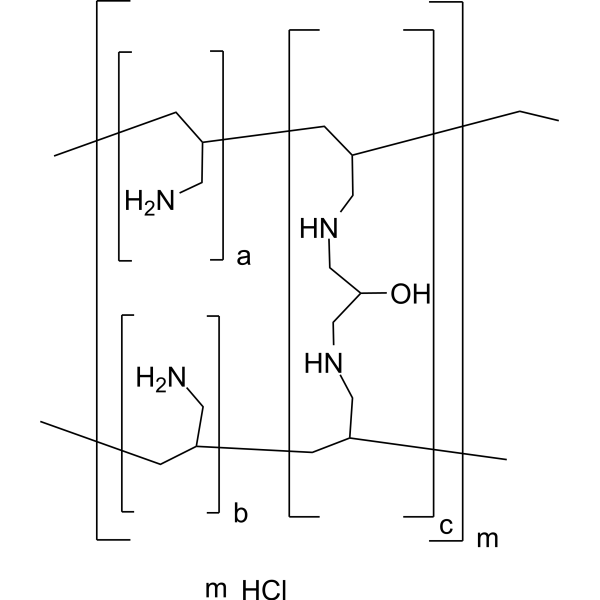
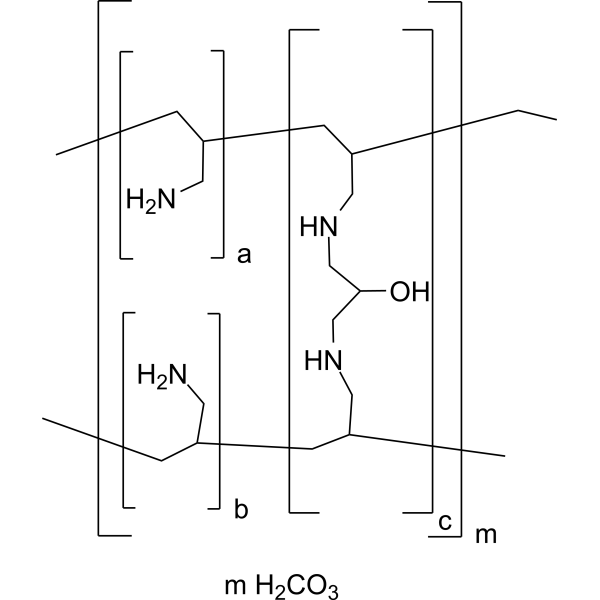
Sevelamer hydrochloride is an orally active polymeric phosphate binder and bile acid sequestrant. Sevelamer hydrochloride binds dietary phosphate in the gastrointestinal tract, reducing phosphate absorption and serum phosphorus levels, and reduces urinary phosphate excretion. Sevelamer hydrochloride binds polyanion bile acids, increases bile acid faecal excretion, and reduces total cholesterol and LDL cholesterol levels. Sevelamer hydrochloride can be used for the research of hyperphosphataemia, hyperparathyroidism, chronic renal failure, kidney disease, and type 2 diabetes .
|
-
-
- HY-E70130
-
|
|
Others
|
Others
|
|
Snailase, Snail gastrointestinal is an enzyme mixture composed of more than 20 enzymes, which is often used for enzymatic hydrolysis of purified flavonoid glycosides. Snailase can be obtained from the digestive tract and includes cellulase, sucrase, hemicellulase, pectinase, polygalacturonase, protease, etc .
|
-
-
- HY-B0035
-
|
Sulfadimidine; Sulfadimerazine
|
Bacterial
Antibiotic
|
Infection
|
|
Sulfamethazine (Sulfadimidine) is an antimicrobial agent with blood-brain barrier permeability. Sulfamethazine is widely used to treat and prevent various animal diseases (such as gastrointestinal and respiratory tract infections). In China and the European Commission, the maximum residue level for Sulfamethazine in animal product is set at 100 μg/kg .
|
-
-
- HY-125159
-
|
PF-00520904
|
Parasite
nAChR
|
Infection
|
|
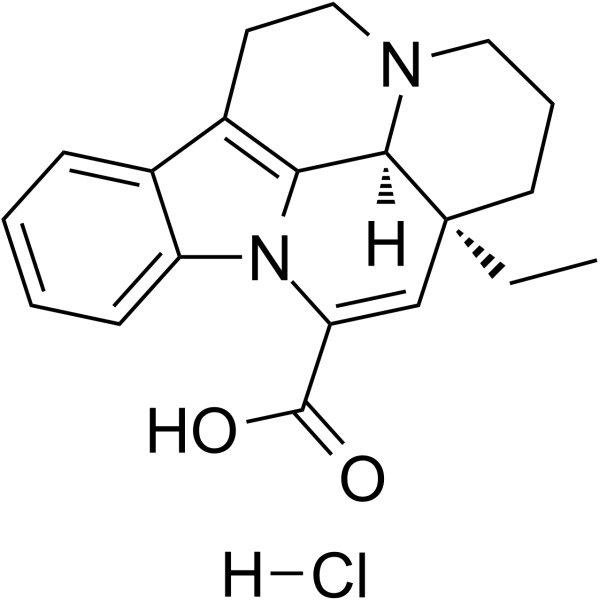
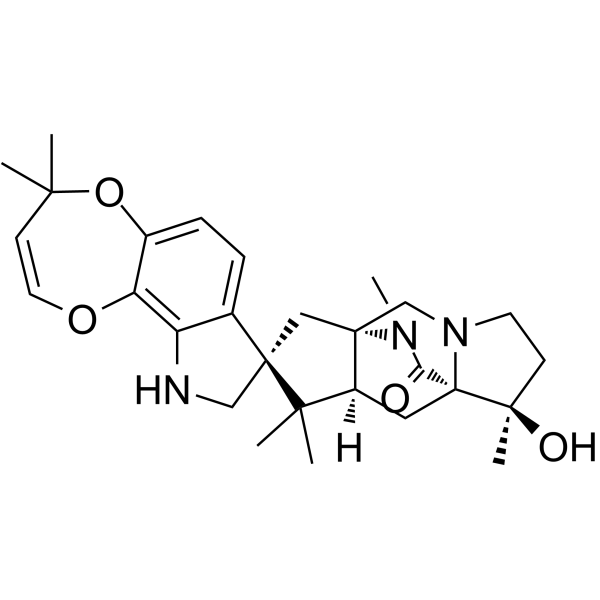
Derquantel, a spirocyclic anthelmintic, is a competitive, orally active nicotinic acetylcholine receptor (nAChR) antagonist. Derquantel inhibits ACh-induced depolarization with an IC50 of 0.22 μM. By selectively antagonizing nAChRs on the somatic muscles of nematodes, Derquantel causes flaccid paralysis of muscles, thereby dislodging parasites from the host's gastrointestinal tract. Derquantel is applicable to research related to Haemonchus contortus infection and Ascaris suum infection .
|
-
-
- HY-128449
-
|
Cefradine monohydrate
|
Bacterial
Antibiotic
TOPK
|
Infection
Inflammation/Immunology
|
|
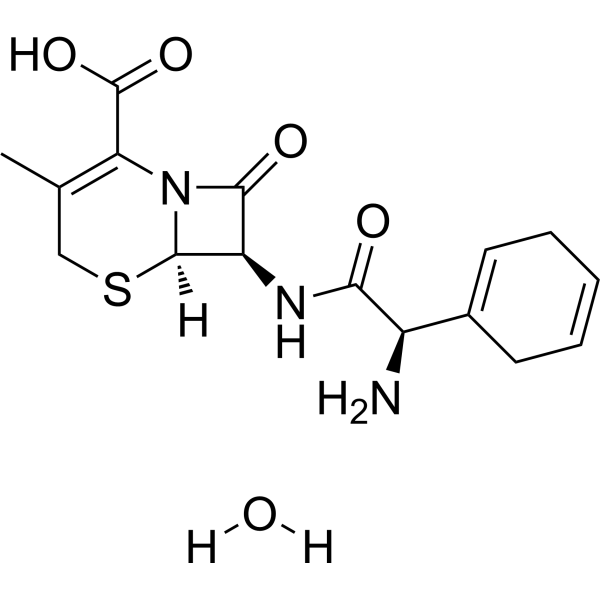
Cephradine (Cefradine) monohydrate is a broad-spectrum and orally active cephalosporin. Cephradine monohydrate is active against both grampositive and gram-negative pathogens and effective in eradicating most penicillinase-producing organisms known to be resistant to penicillin G, penicillin V, and ampicillin. Cephradine monohydrate has been used in the research of genitourinary, gastrointestinal and respiratory tract infections, and in infections of the skin and soft tissues. Cephradine monohydrate blocks solar-ultraviolet induced skin inflammation through direct inhibition of TOPK .
|
-
-
- HY-13995B
-
|
|
FXR
|
Metabolic Disease
Endocrinology
|
|
Sevelamer carbonate is an orally active polymeric phosphate binder and bile acid sequestrant. Sevelamer carbonate binds dietary phosphate in the gastrointestinal tract, reducing phosphate absorption and serum phosphorus levels, and reduces urinary phosphate excretion. Sevelamer carbonate binds polyanion bile acids, increases bile acid faecal excretion, and reduces total cholesterol and LDL cholesterol levels. Sevelamer carbonate can be used for the research of hyperphosphataemia, hyperparathyroidism, chronic renal failure, kidney disease, and type 2 diabetes .
|
-
-
- HY-106539
-
|
|
FXR
G protein-coupled Bile Acid Receptor 1
GLP Receptor
|
Metabolic Disease
Cancer
|
|
Colesevelam hydrochloride is an orally active bile acid sequestrant, lipid-lowering agent, and glycemic control agent. Colesevelam hydrochloride binds bile acids in the gastrointestinal tract to form nonabsorbable complexes, interrupts enterohepatic recirculation and increases fecal bile acid elimination. Colesevelam hydrochloride modulates FXR, TGR5, and Cyp7a1 activity and triggers cAMP signaling and GLP-1 release. Colesevelam hydrochloride alters hepatic lipid and glucose metabolism, suppresses hepatic glycogenolysis, reduces hepatic triglyceride and cholesterol levels, and increases LDL-C (low-density lipoprotein cholesterol) clearance. Colesevelam hydrochloride can be used for the research of type 2 diabetes mellitus, hypercholesterolemia, and alcohol-related liver disease .
|
-
-
- HY-B0035A
-
|
Sulfadimidine sodium; Sulfadimerazine sodium
|
Bacterial
Antibiotic
|
Infection
|
|
Sulfamethazine sodium (Sulfadimidine sodium) is an antimicrobial with blood-brain barrier permeability. Sulfamethazine sodium is widely used to treat and prevent various animal diseases (such as gastrointestinal and respiratory tract infections). In China and the European Commission, the maximum residue level for Sulfamethazine sodium in animal product is set at 100 μg/kg .
|
-
-
- HY-118189
-
|
|
Prostaglandin Receptor
|
Inflammation/Immunology
|
|
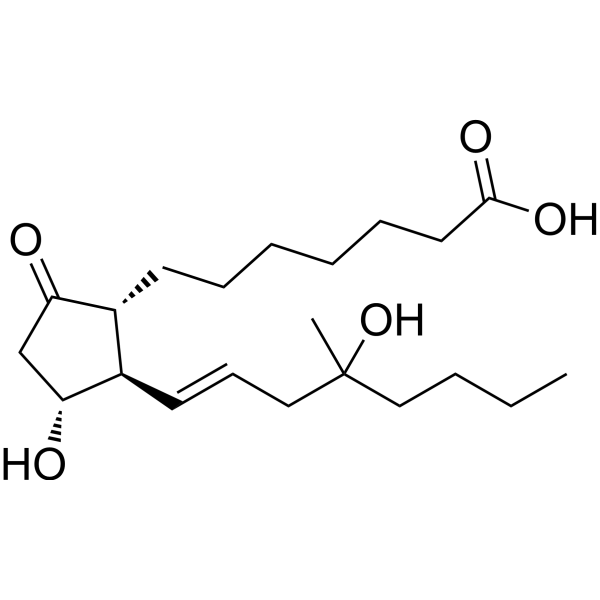
Misoprostol acid is an active metabolite of Misoprostol. Misoprostol is a synthetic analogue of prostaglandin E1 (PGE1), extensively absorbed, and undergoes rapid de-esterification to Misoprostol acid in the gastrointestinal tract after oral administration. Misoprostol can be used for non-steroidal anti-inflammatory drug-induced (NSAID) gastric ulcers . Misoprostol is an oral agent used to induce labor .
|
-
-
- HY-N15135
-
|
|
Interleukin Related
Toll-like Receptor (TLR)
Fungal
|
Metabolic Disease
|
|
Arabinoxylan Medium viscosity is an orally active Dectin-1 splice variant modulator, glucose absorption inhibitor, and chyme viscosity enhancer. Arabinoxylan Medium viscosity inhibits particulate β-glucan-induced Dectin-1A activation and mildly suppresses Dectin-1B activation. In human dendritic cells stimulated with particulate β-glucan, Arabinoxylan Medium viscosity reduces the production of IL-10 and TNF-α, and increases the production of IL-4 and IL-23. Arabinoxylan Medium viscosity also supports antifungal immune responses without activating TLR2, TLR4 or TLR5, and does not induce cytokine production when used to stimulate human dendritic cells alone. Arabinoxylan Medium viscosity increases small intestinal chyme viscosity, gets degraded in the large intestine to produce short-chain fatty acids, reduces glucose absorption and insulin response, and improves glucose homeostasis. Arabinoxylan Medium viscosity supports microbial fermentation and the growth of beneficial microbiota in the gastrointestinal tract, prevents bile acid reabsorption, and delays starch digestion. Arabinoxylan Medium viscosity can be used in research related to type 2 diabetes, impaired glucose tolerance, and metabolic syndrome .
|
-
-
- HY-116016
-
|
L-DOPA ethyl ester; Levodopa ethyl ester
|
Dopamine Receptor
Drug Metabolite
|
Neurological Disease
|
|
Etilevodopa (L-Dopa ethyl ester), an ethyl-ester proagent of Levodopa, is rapidly hydrolyzed to Levodopa and ethanol by nonspecific esterases in the gastrointestinal tract. Etilevodopa is used for the treatment of Parkinson disease (PD). Levodopa is the direct precursor of dopamine and is a suitable proagent as it facilitates CNS penetration and delivers dopamine .
|
-
-
- HY-B1048
-
|
Paraniazide; Pasiniazide; Isonicotinic acid hydrazide p-aminosalicylate
|
Bacterial
|
Infection
|
|
Pasiniazid is a chemical complex formed by Isoniazid (HY-B0329) and Para-aminosalicylic acid in a 1:1 molar ratio. Pasiniazid is an antibacterial agent. Pasiniazid is rapidly decomposed into isoniazid and para-aminosalicylic acid in the gastrointestinal tract. Isoniazid exerts a bactericidal effect, while para-aminosalicylic acid delays the acetylation process of isoniazid. Pasiniazid has antibacterial activity against Mycobacterium tuberculosis. Pasiniazid can be used in tuberculosis research .
|
-
-
- HY-144034
-
|
|
GLP Receptor
|
Metabolic Disease
|
|
GLP-1R agonist 3 is a potent agonist of GLP-1R. GLP-1R agonist 3 is a thickened imidazole derivative compound. Glucagon-like peptide-1 (GLP-1) is an intestinal hypoglycemic hormone secreted by L-cells in the lower gastrointestinal tract. GLP-1R agonist 3 has the potential for the research of diabetes (extracted from patent WO2021197464A1, compound 1) .
|
-
-
- HY-119972
-
|
|
Parasite
|
Infection
|
|
Diloxanide is an anti-protozoal agent and can be used for the research of asymptomatic-intestinal amebiasis caused by Entamoeba histolytica or some other protozoal infections. Diloxanide is an active luminal amebicide and hydrolyzed in the gastrointestinal tract from its proagent Diloxanide furoate (HY-B1147) .
|
-
-
- HY-108288
-
|
Pivsulbactam; CP 47904
|
Beta-lactamase
Antibiotic
Bacterial
|
Infection
|
|
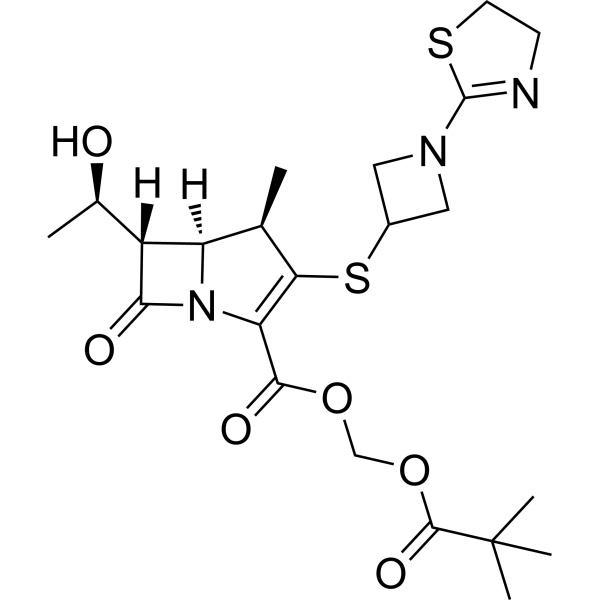
Sulbactam pivoxil (Pivsulbactam) is a prodrug of Sulbactam (HY-B0334) with oral activity. Sulbactam is a β-lactamase inhibitor with antibacterial activity. Sulbactam pivoxil is better absorbed than Sulbactam and results in higher serum levels after oral administration .
|
-
-
- HY-B1390A
-
|
|
Environmental Pollutants
Bacterial
|
Infection
|
|
Saccharin sodium is an orally active, non-caloric artificial sweetener (NAS). Saccharin sodium has bacteriostatic and microbiome-modulating properties. Saccharin binds to and signals via specific taste receptors, not only in the oral cavity but also alongside the gastrointestinal tract. Saccharin has been reported to bind the human and rodent heteromeric guanine nucleotide-binding protein (G protein) coupled sweet taste receptors T1R2/T2R3 as well as the human bitter taste receptor T2R43 and T2R44. Saccharin can inhibit bacterial growth in vitro .
|
-
-
- HY-N7697F
-
|
|
Others
|
Metabolic Disease
|
|
Chitobiose is an orally active chitosan oligosaccharide (degree of polymerization 2). Chitobiose shows hepatoprotective activity and counteracts CCl4-induced elevation of plasma aspartate transaminase and alanine transaminase activities in rats. Chitobiose can be used for the research of carbon tetrachloride-induced acute hepatotoxicity .
|
-
-
- HY-B0035S2
-
|
Sulfadimidine-13C6; Sulfadimerazine-13C6
|
Antibiotic
Bacterial
Isotope-Labeled Compounds
|
Others
|
|
Sulfamethazine- 13C6 is a 13C-labeled Sulfamethazine (HY-A0178). Sulfamethazine (Sulfadimidine) is an antimicrobial that is widely used to treat and prevent various animal diseases (such as gastrointestinal and respiratory tract infections) .
|
-
-
- HY-108283
-
|
AA 149; Supacal
|
Calcium Channel
|
Inflammation/Immunology
|
|
Trepibutone (AA 149) increases secretion of bile and pancreatic juice, and accelerates flaccidity of the smooth muscle in the gastrointestinal tract. Trepibutone can be used for the research of cholecystitis and functional gastrointestinal disorders .
|
-
-
- HY-P3021
-
|
|
Bacterial
Biochemical Assay Reagents
|
Infection
|
|
Human milk lysozyme is the lysozyme found in human milk. Human milk lysozyme is thought to be a key defense factor in protecting the gastrointestinal tract of newborns against bacterial infection .
|
-
-
- HY-B0035S
-
|
Sulfadimidine-d4; Sulfadimerazine-d4
|
Bacterial
|
Infection
|
|
Sulfamethazine-d4 (Sulfadimidine-d4) is a deuterium labeled Sulfamethazine (Sulfadimidine). Sulfamethazine is an antimicrobial that is widely used to treat and prevent various animal diseases (such as gastrointestinal and respiratory tract infections) .
|
-
-
- HY-P1179
-
|
|
Guanylate Cyclase
Endogenous Metabolite
|
Endocrinology
Cancer
|
|
Guanylin(human), a 15-amino acid peptide, is an endogenous intestinal guanylate cyclase activator. Guanylin(human) is mainly found in gastrointestinal tract which regulates electrolytead water transport in intestinal and renal epithelia through cyclic GMP-dependent mechanism .
|
-
-
- HY-P1179A
-
|
|
Guanylate Cyclase
Endogenous Metabolite
|
Metabolic Disease
|
|
Guanylin(human) TFA, a 15-amino acid peptide, is an endogenous intestinal guanylate cyclase activator. Guanylin(human) TFA is mainly found in gastrointestinal tract which regulates electrolytead water transport in intestinal and renal epithelia through cyclic GMP-dependent mechanism .
|
-
-
- HY-N7665
-
|
|
Others
|
Metabolic Disease
|
|
Prosaikogenin G, isolated from the roots of Bupleurum chinensis DC., exhibits significant inhibitory effects on rat mesangial cell proliferation induced by Ang II. Prosaikogenin G has protective action on the kidney . Prosaikogenin G is a derivative of Saikosaponin d in the gastrointestinal tract .
|
-
-
- HY-B1806A
-
|
Pathilon chloride
|
mAChR
|
Neurological Disease
Inflammation/Immunology
|
|
Tridihexethyl (Pathilon) chloride is an orally active anticholinergic agent and mAChR antagonist, shows activities of antimuscarinic and anticholinergic. Tridihexethyl chloride shows pronounced antispasmodic and antisecretory effects on the gastrointestinal tract. Tridihexethyl chloride can be used in studies of peptic ulcer disease and acquired nystagmus .
|
-
-
- HY-144035
-
|
|
GCGR
|
Metabolic Disease
Inflammation/Immunology
|
|
GLP-1R agonist 4 is a glucagon-like peptide-1 (GLP-1) receptor agonist. GLP-1 is an intestinal hypoglycemic hormone secreted by L-cells in the lower gastrointestinal tract. GLP-1R agonist 4 can be used for the research of type 2 diabetes mellitus, obesity, non-alcoholic steatohepatitis, insulin resistance and etc .
|
-
-
- HY-W250721D
-
|
Carboxy polymethylene
|
Biochemical Assay Reagents
|
Others
|
|
Carbomer (Carboxy polymethylene) is an acrylic acid polymer, which can be used as a thickening agent. Carbomer provides a stable gel matrix, exhibits good heat, light and microbial contamination resistance. Carbomer facilitates the drug release and local application, which can be used in the pharmaceutical industry .
|
-
-
- HY-116016A
-
|
L-DOPA ethyl ester hydrochloride; Levodopa ethyl ester hydrochloride
|
Dopamine Receptor
Drug Metabolite
|
Neurological Disease
|
|
Etilevodopa (L-Dopa ethyl ester) hydrochloride, an ethyl-ester proagent of Levodopa, is rapidly hydrolyzed to Levodopa and ethanol by nonspecific esterases in the gastrointestinal tract. Etilevodopa hydrochloride is used for the treatment of Parkinson disease (PD). Levodopa is the direct precursor of dopamine and is a suitable proagent as it facilitates CNS penetration and delivers dopamine .
|
-
-
- HY-13995
-
|
|
FXR
|
Metabolic Disease
Endocrinology
|
|
Sevelamer is an orally active polymeric phosphate binder and bile acid sequestrant. Sevelamer binds dietary phosphate in the gastrointestinal tract, reducing phosphate absorption and serum phosphorus levels, and reduces urinary phosphate excretion. Sevelamer binds polyanion bile acids, increases bile acid faecal excretion, and reduces total cholesterol and LDL cholesterol levels. Sevelamer can be used for the research of hyperphosphataemia, hyperparathyroidism, chronic renal failure, kidney disease, and type 2 diabetes .
|
-
-
- HY-101014
-
|
|
Biochemical Assay Reagents
|
Infection
|
|
Octanoylcarnitine chloride is a homolog of acetylcarnitine chloride. Octanoylcarnitine chloride can enhance absorption of drugs from gastrointestinal tract .
|
-
-
- HY-106525
-
|
|
Cholinesterase (ChE)
|
Inflammation/Immunology
|
|
Aclatonium napadisylate is a cholinergic agonist. Aclatonium napadisylate can increase amylase release and Ca 2+ efflux. Aclatonium napadisylate can stimulate pancreatic exocrine secretion and increase motility and peristalsis of the gastrointestinal tract. Aclatonium napadisylate can be used for the research of gastrointestinal disorders .
|
-
-
- HY-P2793
-
|
|
Neurokinin Receptor
|
Neurological Disease
|
|
Uperolein is a physalaemin-like endecapeptide, produced in the skin of Uperoleia rugosa and Uperoleia marmorata. Uperolein has a spasmodic effect on both the gastrointestinal tract and longitudinal muscles .
|
-
-
- HY-B0035R
-
|
Sulfadimidine (Standard); Sulfadimerazine (Standard)
|
Reference Standards
Bacterial
Antibiotic
|
Infection
|
|
Sulfamethazine (Standard) is the analytical standard of Sulfamethazine. This product is intended for research and analytical applications. Sulfamethazine (Sulfadimidine) is an antimicrobial that is widely used to treat and prevent various animal diseases (such as gastrointestinal and respiratory tract infections). In China and the European Commission, the maximum residue level for Sulfamethazine in animal product is set at 100 μg/kg .
|
-
-
- HY-103146
-
|
|
5-HT Receptor
|
Neurological Disease
|
|
GR125487 sulfamate is an orally active and selective antagonist of 5-HT4R. GR125487 sulfamate effectively blocks the cognition enhancing effect. GR125487 sulfamate can be used to study memory disorders, gastrointestinal disorders, mood disorders and urinary tract dysfunction .
|
-
-
- HY-176838
-
|
|
Free Fatty Acid Receptor
GLP Receptor
|
Inflammation/Immunology
|
|
LXT34 (Example 2) is a GPR120 agonist. LXT34 has an anti-inflammatory activity. LXT34 promotes GLP-1 formation in the gastrointestinal tract and improves insulin resistance in macrophages and pancreas cells. LXT34 can be used for inflammatory diseases, such as type 2 diabetes, obesity and non-alcoholic fatty liver research .
|
-
-
- HY-105263
-
|
|
Motilin Receptor
|
Metabolic Disease
|
|
EM574 is a potent motilin receptor agonist in the human gastric antrum and rabbit gastrointestinal tract in vitro. EM574 is an erythromycin derivative .
|
-
-
- HY-B0455B
-
|
SC47111A (aspartate); NY-198 (aspartate)
|
Bacterial
Antibiotic
|
Infection
|
|
Lomefloxacin (SC47111A) aspartate is a broad-spectrum quinolone antibiotic, with antimicrobial activity. Lomefloxacin aspartate can be used for researching respiratory tract infections, genitourinary infections, gastrointestinal infections, ENT infections, etc. .
|
-
-
- HY-144033
-
|
|
GCGR
|
Metabolic Disease
|
|
GLP-1R agonist 1 is a potent agonist of GLP-1R. GLP-1R agonist 1 is a thickened imidazole derivative compound. Glucagon-like peptide-1 (GLP-1) is an intestinal hypoglycemic hormone secreted by L-cells in the lower gastrointestinal tract. GLP-1R agonist 1 has the potential for the research of diabetes (extracted from patent WO2021197464A1, compound 4) .
|
-
-
- HY-G0008A
-
|
Mebeverine metabolite O-desmethyl Mebeverine alcohol hydrochloride
|
Adrenergic Receptor
Drug Metabolite
|
Metabolic Disease
|
|
O-Desmethyl Mebeverine alcohol hydrochloride is a metabolite of Mebeverine, which is a potent α1 repector inhibitor, causing relaxation of the gastrointestinal tract.
|
-
-
- HY-G0008
-
|
Mebeverine metabolite O-desmethyl Mebeverine alcohol
|
Adrenergic Receptor
Drug Metabolite
|
Metabolic Disease
|
|
O-Desmethyl Mebeverine alcohol is a metabolite of Mebeverine, which is a potent α1 repector inhibitor, causing relaxation of the gastrointestinal tract.
|
-
- HY-14149A
-
|
R 51619 monohydrate; (±)-Cisaprid monohydrate
|
5-HT Receptor
|
Neurological Disease
Metabolic Disease
|
|
Cisapride monohydrate is an orally and potent 5-HT4 receptor agonist and hERG inhibitor. Cisapride monohydrate is an prokinetic agent which facilitates or restores motility throughout the length of the gastrointestinal tract. Cisapride monohydrate stimulates gastrointestinal motor activity through an indirect mechanism involving the release of acetylcholine mediated by postganglionic nerve endings in the myenteric plexus of the gut .
|
-
- HY-W060417
-
|
|
Interleukin Related
|
Inflammation/Immunology
Cancer
|
|
iST2-1 is an Stimulation-2 (ST2) inhibitor with an IC50 value of 46.65 μM, blocks interaction between ST2 and IL-33, inhibits downstream signaling. iST2-1 functions as an immunomodulator, reduces proliferation of CD4 + and CD8 + T cells, increases regulatory T cell populations, reduces IFN-γ +CD4 + T cell populations, increases Foxp3 +CD4 + regulatory T cell populations in the gastrointestinal tract. iST2-1 reduces plasma soluble ST2 and IFN-γ levels, reduces graft-versus-host disease scores, improves survival in graft-versus-host disease animal models, preserves graft-versus-tumor effect. iST2-1 can be used for the research of graft-versus-host disease .
|
-
- HY-P2636
-
|
Prepro CCK Fragment V-9-M
|
Histamine Receptor
|
Metabolic Disease
|
|
Cholecystokinin Precursor (24-32) (rat) is a cholecystokinin precursor that can be expressed in the heart, lungs, and kidneys as well as in the gastrointestinal tract and brain. Cholecystokinin is a brain-gut peptide that stimulates gallbladder contraction and pancreatic exocrine secretion and also acts as a neurotransmitter .
|
-
- HY-A0118
-
|
NKTR-118; AZ-13337019
|
Opioid Receptor
|
Neurological Disease
Cancer
|
|
Naloxegol (NKTR-118; AZ-13337019) is an orally active peripherally acting μ-opioid receptor antagonist with a target Ki of 7.42 nM. Naloxegol inhibits the binding of opioids to μ-opioid receptors in the gastrointestinal tract, and alleviates opioid-induced gastrointestinal hypomotility, delayed transit, hypertonicity, and increased fluid reabsorption. Naloxegol is applicable to research related to opioid-induced constipation .
|
-
- HY-111613S
-
|
|
Isotope-Labeled Compounds
Calcium Channel
|
Others
|
|
Pinaverium bromide-d4 is deuterium labeled Pinaverium bromide. Pinaverium bromide is an L-type calcium channel blocker with selectivity for the gastrointestinal tract, effectively relieves pain, diarrhea and intestinal discomfort, provides good therapeutic efficacies without significant adverse effects on Irritable bowel syndrome (IBS) patients .
|
-
- HY-111613R
-
|
|
Reference Standards
Calcium Channel
|
Cancer
|
|
Pinaverium bromide (Standard) is the analytical standard of Pinaverium bromide. This product is intended for research and analytical applications. Pinaverium bromide is an L-type calcium channel blocker with selectivity for the gastrointestinal tract, effectively relieves pain, diarrhea and intestinal discomfort, provides good therapeutic efficacies without significant adverse effects on Irritable bowel syndrome (IBS) patients .
|
-
- HY-401721
-
|
|
Biochemical Assay Reagents
|
Others
|
|
5-CNAC is an orally active enhancer of absorption, with no pharmacological activity on its own. 5-CNAC can significantly enhance the absorption efficiency of the drug (such as Salmon calcitonin (HY-P0090)) when administered together with it in the gastrointestinal tract. 5-CNAC binds reversibly and non-covalently to peptide drugs, protecting them from degradation by gastrointestinal enzymes, increasing their lipid solubility, promoting passive transcellular absorption, and not damaging the integrity of the intestinal epithelium. 5-CNAC can be used in the research of adjuvants for orally administered peptide agents .
|
-
- HY-108288R
-
|
Pivsulbactam (Standard); CP 47904 (Standard)
|
Beta-lactamase
Reference Standards
Antibiotic
Bacterial
|
Infection
|
|
Sulbactam pivoxil (Standard) (Pivsulbactam (Standard)) is the analytical standard of Sulbactam pivoxil (HY-108288). This product is intended for research and analytical applications. Sulbactam pivoxil (Pivsulbactam) is a prodrug of Sulbactam (HY-B0334) with oral activity. Sulbactam is a β-lactamase inhibitor with antibacterial activity. Sulbactam pivoxil is better absorbed than Sulbactam and results in higher serum levels after oral administration .
|
-
- HY-B1339A
-
|
Dicycloverine
|
mAChR
|
Neurological Disease
|
|
Dicyclomine (Dicycloverine) is a potent and orally active muscarinic cholinergic receptors antagonist. Dicyclomine (Dicycloverine) shows high affinity for muscarinic M1 receptor subtype (Ki=5.1 nM) and M2 receptor subtype (Ki=54.6 nM) in brush-border membrane and basal plasma membranes, respectively . Dicyclomine is an antispasmodic agent and relieves smooth muscle spasm of the gastrointestinal tract in vivo .
|
-
- HY-B1390AR
-
|
|
Bacterial
Reference Standards
|
Infection
|
|
Saccharin (sodium) (Standard) is the analytical standard of Saccharin (sodium). This product is intended for research and analytical applications. Saccharin sodium is an orally active, non-caloric artificial sweetener (NAS). Saccharin sodium has bacteriostatic and microbiome-modulating properties. Saccharin binds to and signals via specific taste receptors, not only in the oral cavity but also alongside the gastrointestinal tract. Saccharin has been reported to bind the human and rodent heteromeric guanine nucleotide-binding protein (G protein) coupled sweet taste receptors T1R2/T2R3 as well as the human bitter taste receptor T2R43 and T2R44. Saccharin can inhibit bacterial growth in vitro .
|
-
- HY-122133
-
|
|
Others
|
Metabolic Disease
|
|
CI 750 is a potent and orally active antidiarrheal agent. CI 750 increases the motor pattern of the gastrointestinal tract. CI 750 shows a constipating activity. CI 750 shows no analgesic, addiction liability, or anticholinergic pharmacological activity .
|
-
- HY-164370
-
|
|
Bacterial
|
Infection
|
|
Hesperidin dihydrochalcone is a non-toxic, high-sweetness, low-calorie sweetener. Hesperidin dihydrochalcone has many biological activities such as anti-oxidation, protection of liver and kidney, bacteriostasis and improvement of gastrointestinal tract .
|
-
- HY-116016AR
-
|
L-DOPA ethyl ester hydrochloride (Standard); Levodopa ethyl ester hydrochloride (Standard)
|
Reference Standards
Dopamine Receptor
Drug Metabolite
|
Neurological Disease
|
|
Etilevodopa (hydrochloride) (Standard) is the analytical standard of Etilevodopa (hydrochloride). This product is intended for research and analytical applications. Etilevodopa (L-Dopa ethyl ester) hydrochloride, an ethyl-ester proagent of Levodopa, is rapidly hydrolyzed to Levodopa and ethanol by nonspecific esterases in the gastrointestinal tract. Etilevodopa hydrochloride is used for the treatment of Parkinson disease (PD). Levodopa is the direct precursor of dopamine and is a suitable proagent as it facilitates CNS penetration and delivers dopamine[1][2][3].
|
-
- HY-101744
-
|
|
Autophagy
|
Inflammation/Immunology
|
|
Ipsalazide is a novel sulfasalazine analog designed to release 5-aminosalicylic acid and a nontoxic carrier molecule in the gastrointestinal tract.
|
-
- HY-A0140
-
|
|
Phosphodiesterase (PDE)
|
Neurological Disease
|
|
Drotaverine is a selective phosphodiesterase 4 inhibitor with angina relief activity. Drotaverine is used to suppress angina, including pain in the gastrointestinal tract and biliary tract. Drotaverine may also cause compound-induced priapism, a side effect of sustained penile erection .
|
-
- HY-108283R
-
|
AA 149 (Standard); Supacal (Standard)
|
Calcium Channel
Reference Standards
|
Inflammation/Immunology
|
|
Trepibutone (Standard) is the analytical standard of Trepibutone. This product is intended for research and analytical applications. Trepibutone (AA 149) increases secretion of bile and pancreatic juice, and accelerates flaccidity of the smooth muscle in the gastrointestinal tract. Trepibutone can be used for the research of cholecystitis and functional gastrointestinal disorders .
|
-
- HY-N2304A
-
|
|
Opioid Receptor
|
Inflammation/Immunology
|
|
Methyl-6-alpha-Naltrexol is a metabolite of Methylnaltrexone (MNTX). Methylnaltrexone is a selective mu-opioid receptor antagonist and functions as a peripherally acting receptor antagonist in tissues of the gastrointestinal tract .
|
-
- HY-B0455S
-
|
SC47111A-d5 hydrochloride; NY-198-d5 hydrochloride
|
Isotope-Labeled Compounds
|
Inflammation/Immunology
|
|
Lomefloxacin-d5 (hydrochloride) is the deuterium labeled Lomefloxacin hydrochloride. Lomefloxacin (SC47111A) hydrochloride is a broad-spectrum quinolone antibiotic, with antimicrobial activity. Lomefloxacin hydrochloride is used for the research of respiratory tract infections, genitourinary infections, gastrointestinal infections, ENT infections, etc. .
|
-
- HY-B0455AR
-
|
SC47111A (Standard); NY-198 (Standard)
|
Reference Standards
Bacterial
Antibiotic
|
Infection
|
|
Lomefloxacin (Standard) is the analytical standard of Lomefloxacin. This product is intended for research and analytical applications. Lomefloxacin (SC47111A) is a broad-spectrum quinolone antibiotic, with antimicrobial activity. Lomefloxacin is used for the research of respiratory tract infections, genitourinary infections, gastrointestinal infections, ENT infections, etc. .
|
-
- HY-B1908R
-
|
SF-837 (Standard); Antibiotic SF-837 (Standard)
|
Reference Standards
Bacterial
Antibiotic
|
Infection
|
|
Lomefloxacin (Standard) is the analytical standard of Lomefloxacin. This product is intended for research and analytical applications. Lomefloxacin (SC47111A) is a broad-spectrum quinolone antibiotic, with antimicrobial activity. Lomefloxacin is used for the research of respiratory tract infections, genitourinary infections, gastrointestinal infections, ENT infections, etc. .
|
-
- HY-14739R
-
|
ABT-335 (Standard)
|
Reference Standards
PPAR
COX
|
Cardiovascular Disease
|
|
Choline Fenofibrate (Standard) is the analytical standard of Choline Fenofibrate. This product is intended for research and analytical applications. Choline Fenofibrate (ABT-335), a choline salt of Fenofibric acid (HY-B0760), releases free Fenofibric acid in the gastrointestinal tract. Fenofibric acid is a PPAR activator with antihyperlipidemic effect .
|
-
- HY-N1425R
-
|
|
Reference Standards
Others
|
Metabolic Disease
|
|
Tiliroside (Standard) is the analytical standard of Tiliroside. This product is intended for research and analytical applications. Tiliroside, a glycosidic flavonoid, possesses anti-diabetic activities. Tiliroside is a noncompetitive inhibitor of α-amylase with a Ki value of 84.2 μM. Tiliroside inhibits carbohydrate digestion and glucose absorption in the gastrointestinal tract .
|
-
- HY-B0035AR
-
|
Sulfadimidine sodium (Standard); Sulfadimerazine sodium (Standard)
|
Reference Standards
Bacterial
Antibiotic
|
Infection
|
|
Sulfamethazine (sodium) (Standard) is the analytical standard of Sulfamethazine (sodium). This product is intended for research and analytical applications. Sulfamethazine sodium (Sulfadimidine sodium) is an antimicrobial that is widely used to treat and prevent various animal diseases (such as gastrointestinal and respiratory tract infections). In China and the European Commission, the maximum residue level for Sulfamethazine sodium in animal product is set at 100 μg/kg[1][2].
|
-
- HY-14153AS
-
|
SDZ-HTF-919-13C,d3; HTF-919-13C,d3
|
Isotope-Labeled Compounds
5-HT Receptor
|
Neurological Disease
Metabolic Disease
|
|
Tegaserod- 13C,d3 (maleate) is the 13C- and deuterium labeled Tegaserod (maleate). Tegaserod maleate is a selective 5-HT4 receptor partial agonist and a 5-HT2B receptor antagonist. Tegaserod maleate exhibits a promotile effect throughout the gastrointestinal (GI) tract .
|
-
- HY-A0118AS
-
|
|
Isotope-Labeled Compounds
Opioid Receptor
|
Neurological Disease
|
|
Naloxegol-d5 (oxalate) is deuterium labeled Naloxegol (oxalate). Naloxegol oxalate (NKTR-118 oxalate; AZ-13337019 oxalate) is a μ-opioid-receptor antagonist. Naloxegol oxalate inhibits opioid binding in μ-opioid receptors in the gastrointestinal tract and effective for alleviating opioid-induced constipation .
|
-
- HY-W653919
-
|
|
Isotope-Labeled Compounds
Drug Metabolite
|
Cancer
|
|
SN-38 glucuronide-d3 is deuterium labeled SN-38 glucuronide. SN-38 glucuronide is an inactive metabolite of the anticancer active molecule Irinotecan (HY-16562) and has toxic effects on the gastrointestinal tract. Irinotecan is a topoisomerase I inhibitor which can be used for researching colon and rectal cancer .
|
-
- HY-A0118S
-
|
NKTR-118-13C,d3; AZ-13337019-13C,d3
|
Isotope-Labeled Compounds
|
Neurological Disease
Cancer
|
|
Naloxegol- 13C,d3 (NKTR-118- 13C,d3) is 13C labeled Naloxegol. Naloxegol (NKTR-118; AZ-13337019) is a μ-opioid-receptor antagonist. Naloxegol inhibits opioid binding in μ-opioid receptors in the gastrointestinal tract and effective for alleviating opioid-induced constipation .
|
-
- HY-A0118S1
-
|
NKTR-118-13C,d2; AZ-13337019-13C,d2
|
Isotope-Labeled Compounds
Opioid Receptor
|
Neurological Disease
Cancer
|
|
Naloxegol- 13C,d2 (NKTR-118- 13C,d2) is 13C labeled Naloxegol. Naloxegol (NKTR-118; AZ-13337019) is a μ-opioid-receptor antagonist. Naloxegol inhibits opioid binding in μ-opioid receptors in the gastrointestinal tract and effective for alleviating opioid-induced constipation .
|
-
- HY-B1156A
-
|
Cefradine sodium; SQ-11436 sodium
|
Bacterial
Antibiotic
TOPK
|
Infection
Inflammation/Immunology
|
|
Cephradine sodium is a broad-spectrum and orally active cephalosporin. Cephradine sodium is active against both gram-positive and gram-negative pathogens. Cephradine sodium is effective in eradicating most penicillinase-producing organisms. Cephradine sodium has been used in the research of genitourinary, gastrointestinal and respiratory tract infections, and in infections of the skin and soft tissues. Cephradine sodium blocks solar-ultraviolet induced skin inflammation through direct inhibition of TOPK .
|
-
- HY-118189S
-
|
|
Isotope-Labeled Compounds
Prostaglandin Receptor
|
Inflammation/Immunology
|
|
Misoprostol acid-d5 is deuterium labeled Misoprostol acid. Misoprostol acid is an active metabolite of Misoprostol. Misoprostol is a synthetic analogue of prostaglandin E1 (PGE1), extensively absorbed, and undergoes rapid de-esterification to Misoprostol acid in the gastrointestinal tract after oral administration. Misoprostol can be used for non-steroidal anti-inflammatory drug-induced (NSAID) gastric ulcers . Misoprostol is an oral agent used to induce labor .
|
-
- HY-B1339AS
-
|
Dicycloverine-d4
|
mAChR
|
Neurological Disease
|
|
Dicyclomine-d4 is the deuterium labeled Dicyclomine . Dicyclomine (Dicycloverine) is a potent and orally active muscarinic cholinergic receptors antagonist. Dicyclomine (Dicycloverine) shows high affinity for muscarinic M1 receptor subtype (Ki=5.1 nM) and M2 receptor subtype (Ki=54.6 nM) in brush-border membrane and basal plasma membranes, respectively . Dicyclomine is an antispasmodic agent and relieves smooth muscle spasm of the gastrointestinal tract in vivo .
|
-
- HY-P10267
-
|
|
Bombesin Receptor
|
Neurological Disease
Inflammation/Immunology
|
|
Neuromedin B-30 is the neuropeptide, which is orignally isolated from porcine brain and spinal cord. , and may exhibit activity in stimulating smooth-muscle. Neuromedin B causes local vasodilation, increases vascular permeability and local hyperalgesia, thereby participating in neurogenic inflammation. Neuromedin B regulates appetite, body temperature, and behavioral responses to stress. Neuromedin B is also involved in regulating smooth muscle contraction and secretory function in the gastrointestinal tract .
|
-
- HY-B1339R
-
|
Dicycloverine hydrochloride (Standard)
|
Reference Standards
mAChR
|
Neurological Disease
|
|
Dicyclomine (hydrochloride) (Standard) is the analytical standard of Dicyclomine (hydrochloride). This product is intended for research and analytical applications. Dicyclomine hydrochloride is a potent and orally active muscarinic cholinergic receptors antagonist. Dicyclomine hydrochloride shows high affinity for muscarinic M1 receptor subtype (Ki=5.1 nM) and M2 receptor subtype (Ki=54.6 nM) in brush-border membrane and basal plasma membranes, respectively . Dicyclomine is an antispasmodic agent and relieves smooth muscle spasm of the gastrointestinal tract in vivo .
|
-
- HY-116016R
-
|
L-DOPA ethyl ester (Standard); Levodopa ethyl ester (Standard)
|
Reference Standards
Dopamine Receptor
Drug Metabolite
|
Neurological Disease
|
|
Chlorbenside (Standard) is the analytical standard of Chlorbenside. This product is intended for research and analytical applications. Chlorbenside is an organochlorine pesticide. Chlorbenside targets organism such as mites and ticks and possesses efficient ovicidal and larvicidal activities .
|
-
- HY-B1156R
-
|
Cefradine (Standard); SQ-11436 (Standard)
|
Reference Standards
Bacterial
Antibiotic
TOPK
|
Infection
Inflammation/Immunology
|
|
Cephradine (Standard) is the analytical standard of Cephradine. This product is intended for research and analytical applications. Cephradine (Cefradine) is a broad-spectrum and orally active cephalosporin. Cephradine is active against both gram-positive and gram-negative pathogens. Cephradine is effective in eradicating most penicillinase-producing organisms. Cephradine has been used in the research of genitourinary, gastrointestinal and respiratory tract infections, and in infections of the skin and soft tissues. Cephradine blocks solar-ultraviolet induced skin inflammation through direct inhibition of TOPK .
|
-
- HY-B1339S
-
|
Dicycloverine-d4 hydrochloride
|
Isotope-Labeled Compounds
mAChR
|
Neurological Disease
|
|
Dicyclomine-d4 hydrochloride (Dicycloverine-d4 hydrochloride) is the deuterium labeled Dicyclomine hydrochloride (HY-B1339). Dicyclomine hydrochloride is a potent and orally active muscarinic cholinergic receptors antagonist. Dicyclomine hydrochloride shows high affinity for muscarinic M1 receptor subtype (Ki=5.1 nM) and M2 receptor subtype (Ki=54.6 nM) in brush-border membrane and basal plasma membranes, respectively . Dicyclomine is an antispasmodic agent and relieves smooth muscle spasm of the gastrointestinal tract in vivo .
|
-
- HY-137263
-
|
|
Antibiotic
|
Infection
|
|
Propionylmaridomycin is a macrolide antibiotic with antibacterial activity. Propionylmaridomycin is rapidly absorbed from the gastrointestinal tract and rapidly distributed to tissues. Propionylmaridomycin radioactivity levels in the liver, kidneys, and lungs were significantly higher than in plasma, while distribution to the brain was less. Propionylmaridomycin is excreted primarily through the feces, and the high fecal recovery rate is due to unabsorbed compounds and biliary excretion of compounds and their metabolites. Propionylmaridomycin exhibits the highest antibacterial activity in the lungs. Propionylmaridomycin is completely converted to several metabolites in rats, of which 4''-depropionyl-9-propionylmaridomycin was identified as the major metabolite .
|
-
- HY-N15754
-
|
|
Drug Metabolite
|
Metabolic Disease
Inflammation/Immunology
Endocrinology
Cancer
|
|
3-Hydroxy-2-methylglutaric acid is a carboxylic acid metabolite. 3-Hydroxy-2-methylglutaric acid can be isolated from the flower Veronica incana L. 3-Hydroxy-2-methylglutaric acid can be used for upper respiratory tract diseases, malignant neoplasms, gastrointestinal tract and genitourinary system disorders and diabetes mellitus research .
|
-
- HY-105628
-
|
CI-427
|
Others
|
Neurological Disease
Inflammation/Immunology
|
|
Prodilidine (CI-427) is an orally active, pyrrolidine-derived non-narcotic pain inhibitor. Prodilidine exerts analgesic activity against various nociceptive stimuli, and shows no antipyretic, anti-inflammatory or respiratory depressive effects. Prodilidine fails to inhibit withdrawal symptoms of addictive agents in monkeys, but exhibits excitatory effects and enhances the crossed extensor reflex at toxic doses. Prodilidine is well absorbed from the gastrointestinal tract and metabolized via hepatic microsomal N-demethylation, displaying isomer-specific activity, toxicity and metabolic characteristics. Prodilidine can be used in research related to chronic pain (e.g., cancer-, musculoskeletal/arthritis-derived), traumatic pain and arthritic pain .
|
-
- HY-W349716
-
|
|
Keap1-Nrf2
|
Cardiovascular Disease
|
|
LM-1554 is an orally active antihyperlipaemic agent. LM-1554 can inhibit cholesterol absorption in the gastrointestinal tract .
|
-
- HY-174740
-
|
|
mRNA
|
Inflammation/Immunology
|
|
Human CCR9 mRNA encodes the human C-C motif chemokine receptor 9 (CCR9) protein, a member of the beta chemokine receptor family. CCR9 plays a role in directing immune responses to different segments of the gastrointestinal tract.
|
-
- HY-180793
-
|
|
PROTACs
Deubiquitinase
|
Cancer
|
|
PROTAC USP7 Degrader-2 (Compound D16) is an efficient and selective USP7 PROTAC degrader with a DC50 of 1.91 μM (in TE-12 cells). PROTAC USP7 Degrader-2 inhibits the migration of upper gastrointestinal tract (UGI) cancer cells and shows relatively weak anti-proliferative activity. PROTAC USP7 Degrader-2 can be used in the research of metastatic upper gastrointestinal cancer.
|
-
- HY-156957
-
|
|
Biochemical Assay Reagents
|
Others
|
|
5-CNAC disodium is an orally active enhancer of absorption, with no pharmacological activity on its own. 5-CNAC disodium can significantly enhance the absorption efficiency of the drug (such as Salmon calcitonin (HY-P0090)) when administered together with it in the gastrointestinal tract. 5-CNAC disodium binds reversibly and non-covalently to peptide drugs, protecting them from degradation by gastrointestinal enzymes, increasing their lipid solubility, promoting passive transcellular absorption, and not damaging the integrity of the intestinal epithelium. 5-CNAC disodium can be used in the research of adjuvants for orally administered peptide agents .
|
-
- HY-N1500A
-
|
(-)-Pulegone
|
Cytochrome P450
|
Cancer
|
|
(S)-Pulegone ((-)-Pulegone) is a cytochrome P450 (CYP450) substrate. (S)-Pulegone induces urothelial cytotoxicity, necrosis, regenerative proliferation and urinary bladder tumors in female rats. (S)-Pulegone induces rodent nephropathy, olfactory metaplasia, gastric hyperplasia/perforation at high dose. (S)-Pulegone can be used for the research of urinary bladder and hepatic neoplasms .
|
-
- HY-147262
-
|
|
Antibody-Oligonucleotide Conjugates (AOCs)
Small Interfering RNA (siRNA)
|
Neurological Disease
|
|
Etedesiran is a component of the AOC drug Delpacibart etedesiran (HY-177565), formed by the reaction of an siRNA that induces cleavage of mRNA encoding myotonic dystrophy protein kinase (MTPK or DMPK) with SMCC linker (HY-42360). Etedesiran carries a maleimide group at its terminus, which can react with cysteine or lysine and is used for the synthesis of AOC drugs. Etedesiran is applicable to research related to myotonic dystrophy type 1 .
|
-
| Cat. No. |
Product Name |
Type |
-
- HY-B2196
-
|
|
Biochemical Assay Reagents
|
|
Gastric mucin is a glycoprotein with natural antibiotic function. Gastric mucin against Helicobacter pylori infection. Gastric mucin effectively scavenges hydroxyl radical. Gastric mucin play a major role in the protection of the gastrointestinal tract from acid, proteases, pathogenic microorganisms, and mechanical trauma .
|
| Cat. No. |
Product Name |
Target |
Research Area |
-
- HY-P1179
-
|
|
Guanylate Cyclase
Endogenous Metabolite
|
Endocrinology
Cancer
|
|
Guanylin(human), a 15-amino acid peptide, is an endogenous intestinal guanylate cyclase activator. Guanylin(human) is mainly found in gastrointestinal tract which regulates electrolytead water transport in intestinal and renal epithelia through cyclic GMP-dependent mechanism .
|
-
- HY-P1179A
-
|
|
Guanylate Cyclase
Endogenous Metabolite
|
Metabolic Disease
|
|
Guanylin(human) TFA, a 15-amino acid peptide, is an endogenous intestinal guanylate cyclase activator. Guanylin(human) TFA is mainly found in gastrointestinal tract which regulates electrolytead water transport in intestinal and renal epithelia through cyclic GMP-dependent mechanism .
|
-
- HY-P2793
-
|
|
Neurokinin Receptor
|
Neurological Disease
|
|
Uperolein is a physalaemin-like endecapeptide, produced in the skin of Uperoleia rugosa and Uperoleia marmorata. Uperolein has a spasmodic effect on both the gastrointestinal tract and longitudinal muscles .
|
-
- HY-P2636
-
|
Prepro CCK Fragment V-9-M
|
Histamine Receptor
|
Metabolic Disease
|
|
Cholecystokinin Precursor (24-32) (rat) is a cholecystokinin precursor that can be expressed in the heart, lungs, and kidneys as well as in the gastrointestinal tract and brain. Cholecystokinin is a brain-gut peptide that stimulates gallbladder contraction and pancreatic exocrine secretion and also acts as a neurotransmitter .
|
-
- HY-P10267
-
|
|
Bombesin Receptor
|
Neurological Disease
Inflammation/Immunology
|
|
Neuromedin B-30 is the neuropeptide, which is orignally isolated from porcine brain and spinal cord. , and may exhibit activity in stimulating smooth-muscle. Neuromedin B causes local vasodilation, increases vascular permeability and local hyperalgesia, thereby participating in neurogenic inflammation. Neuromedin B regulates appetite, body temperature, and behavioral responses to stress. Neuromedin B is also involved in regulating smooth muscle contraction and secretory function in the gastrointestinal tract .
|
| Cat. No. |
Product Name |
Category |
Target |
Chemical Structure |
-
- HY-N1425
-
-
-
- HY-N15135
-
|
|
Structural Classification
Polysaccharides
Antibiotics
Leguminosae
Pisum sativum Linn
Plants
Saccharides
Other Antibiotics
Source Classification
|
Interleukin Related
Toll-like Receptor (TLR)
Fungal
|
|
Arabinoxylan Medium viscosity is an orally active Dectin-1 splice variant modulator, glucose absorption inhibitor, and chyme viscosity enhancer. Arabinoxylan Medium viscosity inhibits particulate β-glucan-induced Dectin-1A activation and mildly suppresses Dectin-1B activation. In human dendritic cells stimulated with particulate β-glucan, Arabinoxylan Medium viscosity reduces the production of IL-10 and TNF-α, and increases the production of IL-4 and IL-23. Arabinoxylan Medium viscosity also supports antifungal immune responses without activating TLR2, TLR4 or TLR5, and does not induce cytokine production when used to stimulate human dendritic cells alone. Arabinoxylan Medium viscosity increases small intestinal chyme viscosity, gets degraded in the large intestine to produce short-chain fatty acids, reduces glucose absorption and insulin response, and improves glucose homeostasis. Arabinoxylan Medium viscosity supports microbial fermentation and the growth of beneficial microbiota in the gastrointestinal tract, prevents bile acid reabsorption, and delays starch digestion. Arabinoxylan Medium viscosity can be used in research related to type 2 diabetes, impaired glucose tolerance, and metabolic syndrome .
|
-
-
- HY-N7697F
-
-
-
- HY-N7665
-
-
-
- HY-B1908R
-
-
-
- HY-N1425R
-
-
-
- HY-N15754
-
-
-
- HY-N1500A
-
-
| Cat. No. |
Product Name |
Chemical Structure |
-
- HY-B0035S2
-
|
|
|
Sulfamethazine- 13C6 is a 13C-labeled Sulfamethazine (HY-A0178). Sulfamethazine (Sulfadimidine) is an antimicrobial that is widely used to treat and prevent various animal diseases (such as gastrointestinal and respiratory tract infections) .
|
-
-
- HY-B0035S
-
|
|
|
Sulfamethazine-d4 (Sulfadimidine-d4) is a deuterium labeled Sulfamethazine (Sulfadimidine). Sulfamethazine is an antimicrobial that is widely used to treat and prevent various animal diseases (such as gastrointestinal and respiratory tract infections) .
|
-
-
- HY-111613S
-
|
|
|
Pinaverium bromide-d4 is deuterium labeled Pinaverium bromide. Pinaverium bromide is an L-type calcium channel blocker with selectivity for the gastrointestinal tract, effectively relieves pain, diarrhea and intestinal discomfort, provides good therapeutic efficacies without significant adverse effects on Irritable bowel syndrome (IBS) patients .
|
-
-
- HY-B0455S
-
|
|
|
Lomefloxacin-d5 (hydrochloride) is the deuterium labeled Lomefloxacin hydrochloride. Lomefloxacin (SC47111A) hydrochloride is a broad-spectrum quinolone antibiotic, with antimicrobial activity. Lomefloxacin hydrochloride is used for the research of respiratory tract infections, genitourinary infections, gastrointestinal infections, ENT infections, etc. .
|
-
-
- HY-14153AS
-
|
|
|
Tegaserod- 13C,d3 (maleate) is the 13C- and deuterium labeled Tegaserod (maleate). Tegaserod maleate is a selective 5-HT4 receptor partial agonist and a 5-HT2B receptor antagonist. Tegaserod maleate exhibits a promotile effect throughout the gastrointestinal (GI) tract .
|
-
-
- HY-A0118AS
-
|
|
|
Naloxegol-d5 (oxalate) is deuterium labeled Naloxegol (oxalate). Naloxegol oxalate (NKTR-118 oxalate; AZ-13337019 oxalate) is a μ-opioid-receptor antagonist. Naloxegol oxalate inhibits opioid binding in μ-opioid receptors in the gastrointestinal tract and effective for alleviating opioid-induced constipation .
|
-
-
- HY-W653919
-
|
|
|
SN-38 glucuronide-d3 is deuterium labeled SN-38 glucuronide. SN-38 glucuronide is an inactive metabolite of the anticancer active molecule Irinotecan (HY-16562) and has toxic effects on the gastrointestinal tract. Irinotecan is a topoisomerase I inhibitor which can be used for researching colon and rectal cancer .
|
-
-
- HY-A0118S
-
|
|
|
Naloxegol- 13C,d3 (NKTR-118- 13C,d3) is 13C labeled Naloxegol. Naloxegol (NKTR-118; AZ-13337019) is a μ-opioid-receptor antagonist. Naloxegol inhibits opioid binding in μ-opioid receptors in the gastrointestinal tract and effective for alleviating opioid-induced constipation .
|
-
-
- HY-A0118S1
-
|
|
|
Naloxegol- 13C,d2 (NKTR-118- 13C,d2) is 13C labeled Naloxegol. Naloxegol (NKTR-118; AZ-13337019) is a μ-opioid-receptor antagonist. Naloxegol inhibits opioid binding in μ-opioid receptors in the gastrointestinal tract and effective for alleviating opioid-induced constipation .
|
-
-
- HY-118189S
-
|
|
|
Misoprostol acid-d5 is deuterium labeled Misoprostol acid. Misoprostol acid is an active metabolite of Misoprostol. Misoprostol is a synthetic analogue of prostaglandin E1 (PGE1), extensively absorbed, and undergoes rapid de-esterification to Misoprostol acid in the gastrointestinal tract after oral administration. Misoprostol can be used for non-steroidal anti-inflammatory drug-induced (NSAID) gastric ulcers . Misoprostol is an oral agent used to induce labor .
|
-
-
- HY-B1339AS
-
|
|
|
Dicyclomine-d4 is the deuterium labeled Dicyclomine . Dicyclomine (Dicycloverine) is a potent and orally active muscarinic cholinergic receptors antagonist. Dicyclomine (Dicycloverine) shows high affinity for muscarinic M1 receptor subtype (Ki=5.1 nM) and M2 receptor subtype (Ki=54.6 nM) in brush-border membrane and basal plasma membranes, respectively . Dicyclomine is an antispasmodic agent and relieves smooth muscle spasm of the gastrointestinal tract in vivo .
|
-
-
- HY-B1339S
-
|
|
|
Dicyclomine-d4 hydrochloride (Dicycloverine-d4 hydrochloride) is the deuterium labeled Dicyclomine hydrochloride (HY-B1339). Dicyclomine hydrochloride is a potent and orally active muscarinic cholinergic receptors antagonist. Dicyclomine hydrochloride shows high affinity for muscarinic M1 receptor subtype (Ki=5.1 nM) and M2 receptor subtype (Ki=54.6 nM) in brush-border membrane and basal plasma membranes, respectively . Dicyclomine is an antispasmodic agent and relieves smooth muscle spasm of the gastrointestinal tract in vivo .
|
-
| Cat. No. |
Product Name |
|
Classification |
-
- HY-W250721D
-
|
Carboxy polymethylene
|
|
Emulsifiers
Suspending Agents
|
|
Carbomer (Carboxy polymethylene) is an acrylic acid polymer, which can be used as a thickening agent. Carbomer provides a stable gel matrix, exhibits good heat, light and microbial contamination resistance. Carbomer facilitates the drug release and local application, which can be used in the pharmaceutical industry .
|
-
- HY-174740
-
|
|
|
mRNA
Chemokine & Receptors
|
|
Human CCR9 mRNA encodes the human C-C motif chemokine receptor 9 (CCR9) protein, a member of the beta chemokine receptor family. CCR9 plays a role in directing immune responses to different segments of the gastrointestinal tract.
|
-
- HY-147262
-
|
|
|
siRNAs
siRNA drugs
|
|
Etedesiran is a component of the AOC drug Delpacibart etedesiran (HY-177565), formed by the reaction of an siRNA that induces cleavage of mRNA encoding myotonic dystrophy protein kinase (MTPK or DMPK) with SMCC linker (HY-42360). Etedesiran carries a maleimide group at its terminus, which can react with cysteine or lysine and is used for the synthesis of AOC drugs. Etedesiran is applicable to research related to myotonic dystrophy type 1 .
|
Your information is safe with us. * Required Fields.
Inquiry Information
- Product Name:
- Cat. No.:
- Quantity:
- MCE Japan Authorized Agent:

