
Search Result
Results for "
Heart rate
" in MedChemExpress (MCE) Product Catalog:
2
Biochemical Assay Reagents
9
Isotope-Labeled Compounds
| Cat. No. |
Product Name |
Target |
Research Areas |
Chemical Structure |
-
- HY-P0203
-
|
CGRP (83-119), mouse, rat
|
CGRP Receptor
|
Cardiovascular Disease
Metabolic Disease
Inflammation/Immunology
|
|
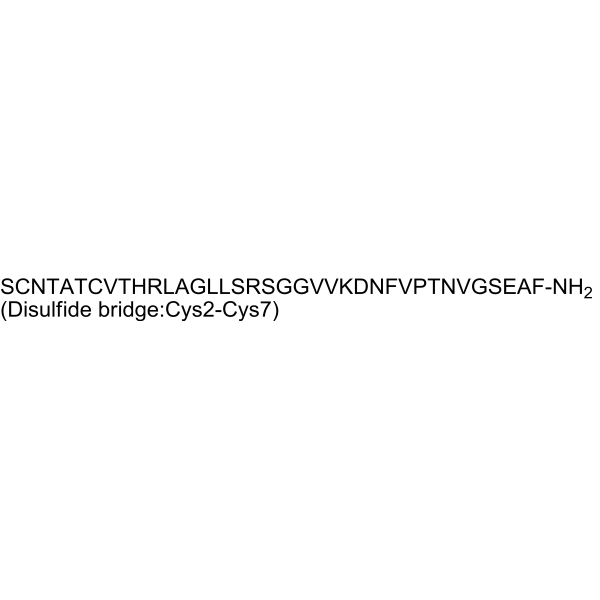
α-CGRP (mouse, rat), a neuropeptide (calcitonin gene-related peptide (CGRP)) mainly expressed in neuromuscular junction, is a potent vasodilator. α-CGRP (mouse, rat) can lead to a fall in blood pressure and an increase in heart rate by peripheral administration, also relax colonie smooth muscle. α-CGRP (mouse, rat) has the potential in cardiovascular, pro-inflammatory, migraine and metabolic studies .
|
-
-
- HY-B0280
-
|
CVT 303; RS 43285-003
|
Sodium Channel
Calcium Channel
|
Cardiovascular Disease
Cancer
|
|
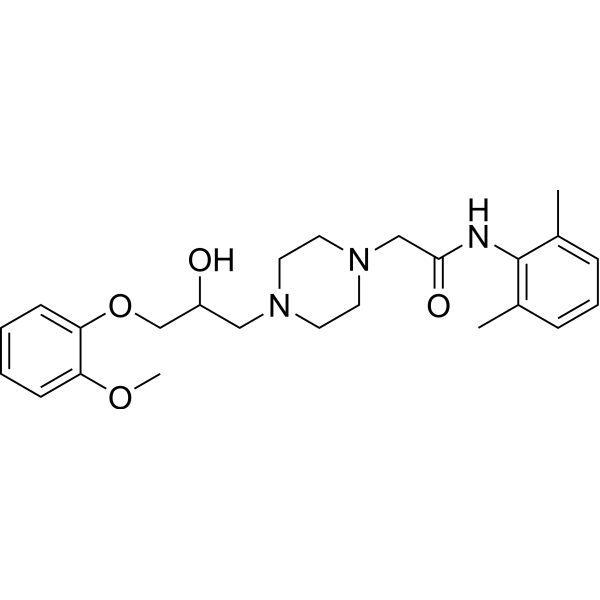
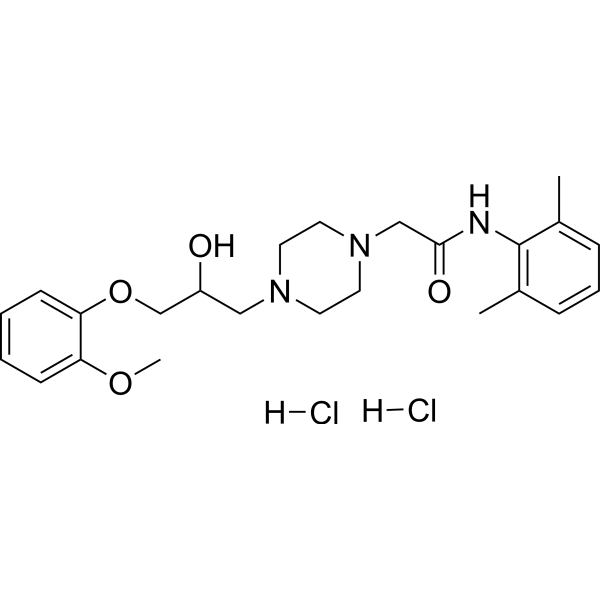
Ranolazine (CVT 303) is an anti-angina drug that achieves its effects by inhibiting the late phase of inward sodium current (INa and IKr with IC50 values of 6 μM and 12 μM, respectively) without affecting heart rate or blood pressure (BP) . Ranolazine is also a partial fatty acid oxidation (FAO) inhibitor . Antianginal agent.
|
-
-
- HY-B0162A
-
|
|
HCN Channel
|
Cardiovascular Disease
Infection
Neurological Disease
Metabolic Disease
Cancer
|
|
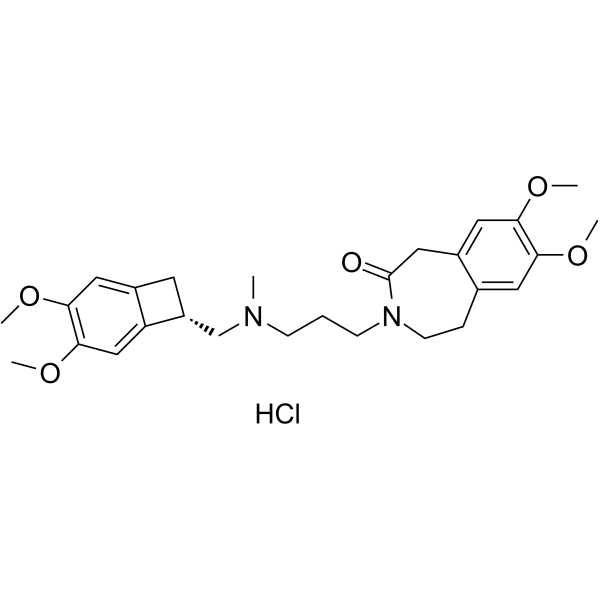
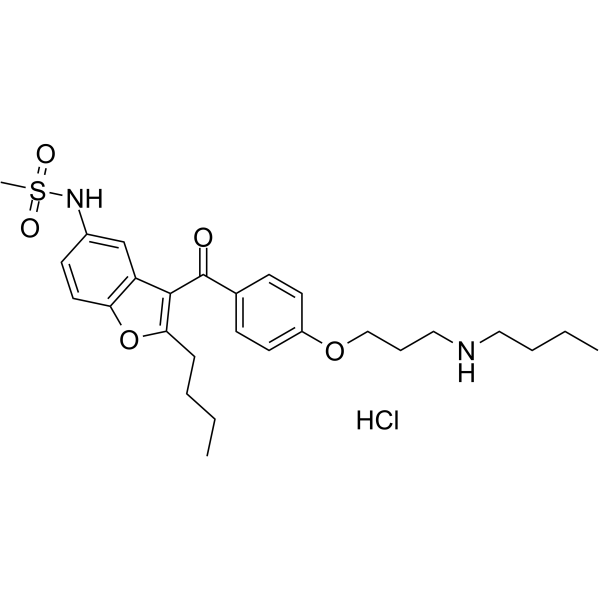
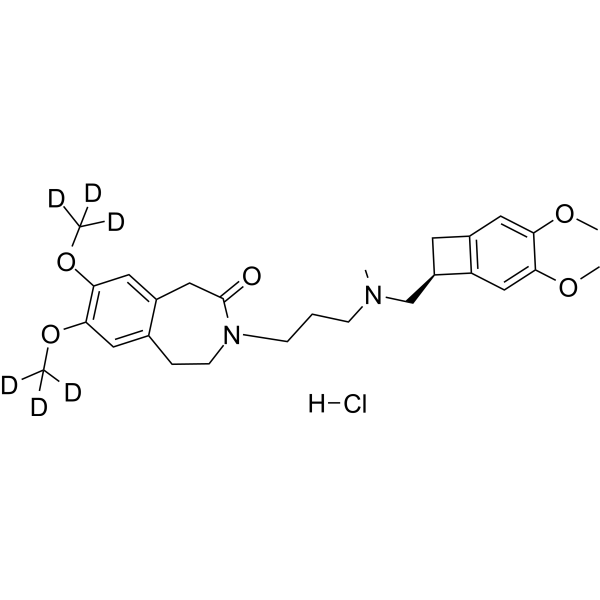
Ivabradine hydrochloride is a potent and orally active HCN (hyperpolarization-activated cyclic nucleotide-gated) channel blocker that inhibits the cardiac pacemaker current (If). Ivabradine hydrochloride reduces dose-dependently heart rate without modification of blood pressure. Ivabradine hydrochloride shows anticonvulsant, anti-ischaemic and anti-anginal activity .
|
-
-
- HY-A0154
-
|
Deacetyllanatoside C; Desacetyllanatoside C
|
Na+/K+ ATPase
Drug Metabolite
|
Cardiovascular Disease
|
|
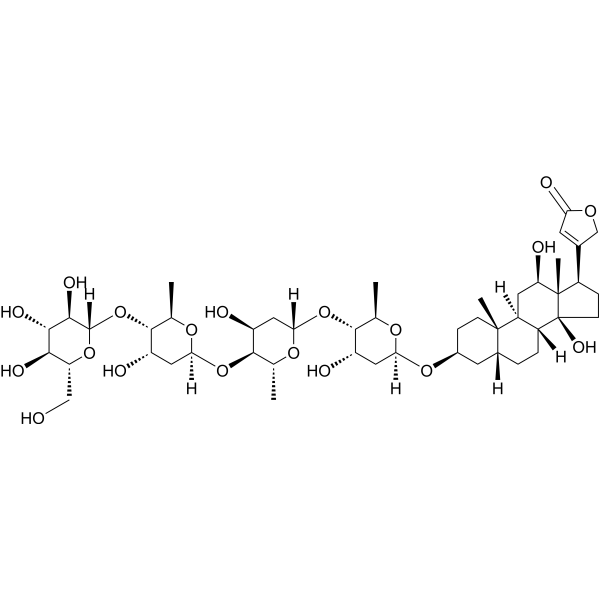
Deslanoside (Desacetyllanatoside C) is a rapidly acting cardiac glycoside used to treat congestive heart failure and supraventricular arrhythmias due to reentry mechanisms, and to control ventricular rate in the treatment of chronic atrial fibrillation. Deslanoside inhibits the Na-K-ATPase membrane pump, resulting in an increase in intracellular sodium and calcium concentrations .
|
-
-
- HY-N0252
-
|
(+)-3,4-Didehydrocoronaridine
|
Calcium Channel
|
Cardiovascular Disease
Neurological Disease
Cancer
|
|
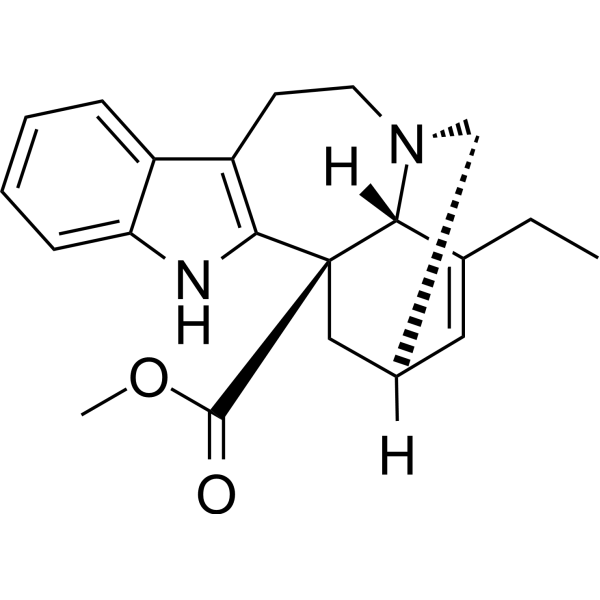
Catharanthine ((+)-3,4-Didehydrocoronaridine), a constituent of anticancer vinca alkaloids, inhibits voltage-operated L-type Ca 2+ channel (VOCC). Catharanthine has IC50s of 220 μM and 8 μM for VOCC currents in cardiomyocytes and vascular smooth muscle cells (VSMCs), respectively. Catharanthine lowers blood pressure (BP), heart rate (HR). Catharanthine has anti-cancer activity .
|
-
-
- HY-17401
-
|
CVT 303 dihydrochloride; RS 43285
|
Calcium Channel
Sodium Channel
Autophagy
|
Cardiovascular Disease
Cancer
|
|
Ranolazine dihydrochloride (CVT 303 dihydrochloride) is an anti-angina agent that achieves its effects by inhibiting the late phase of inward sodium current (INa and IKr with IC50 values of 6 μM and 12 μM, respectively) without affecting heart rate or blood pressure (BP) . Ranolazine dihydrochloride is also a partial fatty acid oxidation inhibitor .
|
-
-
- HY-B0162
-
|
|
HCN Channel
|
Cardiovascular Disease
Cancer
|
|
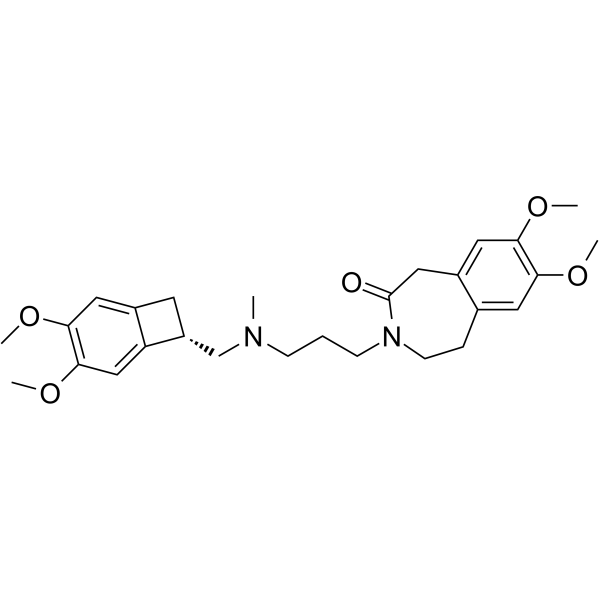
Ivabradine is a potent and orally active HCN (hyperpolarization-activated cyclic nucleotide-gated) channel blocker that inhibits the cardiac pacemaker current (If). Ivabradine reduces dose-dependently heart rate without modification of blood pressure. Ivabradine shows anticonvulsant, anti-ischaemic and anti-anginal activity .
|
-
-
- HY-17611
-
|
MSP-2017; (-)-MSP-2017
|
Calcium Channel
|
Cardiovascular Disease
Neurological Disease
|
|
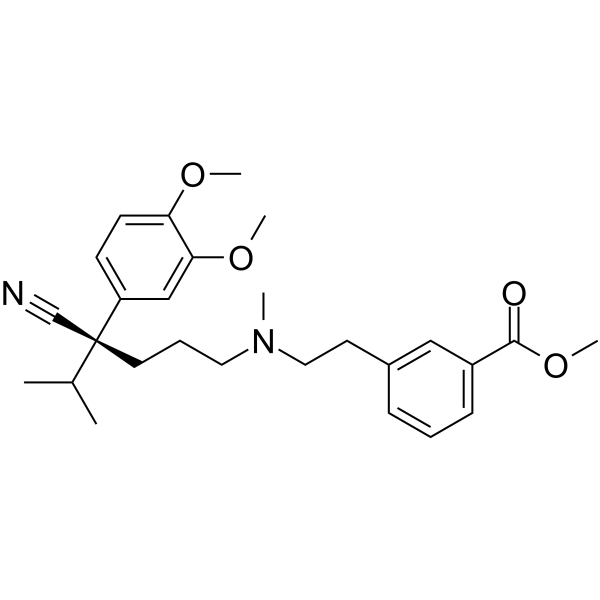
Etripamil (MSP-2017) is a short-acting, L-type calcium-channel antagonist. Etripamil inhibits calcium influx through slow calcium channels, thereby slowing AV node conduction and prolonging the AV node refractory period. Etripamil increases heart rate and decreases systolic blood pressure. Etripamil can be used in the study of paroxysmal supraventricular tachycardia (PSVT) .
|
-
-
- HY-101327A
-
|
Corwin hemifumarate; ICI 118587 hemifumarate
|
Adrenergic Receptor
|
Cardiovascular Disease
Neurological Disease
Metabolic Disease
|
|
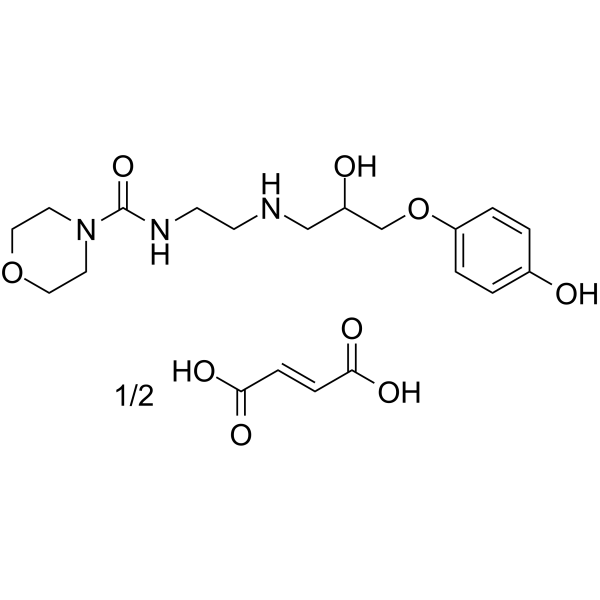
Xamoterol (Corwin; ICI 118587) hemifumarate is an orally active and selective β1-adrenoceptor partial agonist. Xamoterol hemifumarate acts as agonist at low sympathetic tone, antagonist at high sympathetic tone, with context-dependent cardiovascular effects including modulated heart rate, blood pressure, and cardiac output. Xamoterol hemifumarate can be used for the research of heart failure, postural hypotension, and ischemic heart disease .
|
-
-
- HY-P2752
-
|
LPL
|
Endogenous Metabolite
|
Metabolic Disease
Cancer
|
|
Lipoprotein lipase, Pseudomonas sp (LPL) is a multifunctional enzyme from adipose tissue, heart and skeletal muscle, islets and macrophages. Lipoprotein lipase promotes normal lipoprotein metabolism, delivery and utilization of tissue-specific substrates. Lipoprotein lipase catalyzes the rate-limiting step of lipids in blood circulation .
|
-
-
- HY-P0004
-
-
-
- HY-144439
-
|
|
Mitochondrial Metabolism
|
Cardiovascular Disease
Cancer
|
|
HTS07545 is a potent sulfide:quinone oxidoreductase (SQOR) inhibitor with an IC50 of 30 nM. HTS07545 reduces the decomposition rate of hydrogen sulfide (H2S). HTS07545 can be used in the research of heart failure and pancreatic ductal adenocarcinoma.
|
-
-
- HY-149987
-
|
KHK-IN-3
|
Ketohexokinase
|
Cardiovascular Disease
Metabolic Disease
Inflammation/Immunology
|
|
KHK-IN-3 (Example 1) is a ketohexokinase (KHK) inhibitor. KHK-IN-3 can be used in the study of kidney disease, nonalcoholic steatohepatitis (NASH), diabetes and heart failure. KHK is a rate-limiting enzyme and fructokinase involved in fructose metabolism. KHK catalyzes the phosphorylation of fructose to fructose-1-phosphate (FIP) at the expense of ATP. The lack of feedback inhibition of fructose metabolism triggers the accumulation of downstream intermediates such as lipogenesis, gluconeogenesis, and oxidative phosphorylation .
|
-
-
- HY-P1604
-
ATX-II
1 Publications Verification
|
Sodium Channel
|
Cardiovascular Disease
Inflammation/Immunology
|
|
ATX-II is a selective sodium channel modulator toxin. ATX-II enhances late sodium current, prevents full sodium channel inactivation, and generates persistent current fractions. ATX-II has pro-arrhythmic effect. ATX-II slows intrinsic heart rate, prolongs QT interval and sinus node recovery time, and causes sinus pauses and arrests. ATX-II can be used for the research of atrial fibrillation, long QT syndrome, and long QT3 syndrome .
|
-
-
- HY-148144A
-
-
-
- HY-B0162AS
-
-
-
- HY-P4764
-
|
|
Melanocortin Receptor
|
Cardiovascular Disease
|
|
Ac-DArg-c[Cys-Glu-His-DPhe-Arg-Trp-Cys]-NH 2 is a cyclic octapeptide with MC4R agonism. Ac-DArg-c[Cys-Glu-His-DPhe-Arg-Trp-Cys]-NH 2 significantly increases heart rate and blood pressure .
|
-
-
- HY-19259
-
|
|
Adenosine Kinase
|
Neurological Disease
|
|
GP3269 is a selective and orally active human adenosine kinase (AK) inhibitor with an IC50 of 11 nM against human adenosine kinase. GP3269 increases adenosine levels at epileptic foci, activates A1 receptors on excitatory neurons, and exhibits anticonvulsant activity in rats. GP3269 does not induce hemodynamic effects including changes in blood pressure or heart rate in rats. GP3269 can be used for epilepsy-related research .
|
-
-
- HY-107655
-
|
ABET
|
mAChR
|
Cardiovascular Disease
|
|
Arecaidine but-2-ynyl ester tosylate (ABET) is a selective mAChR M2 agonist that dose-dependently decreases mean arterial pressure and heart rate in rats. Arecaidine but-2-ynyl ester tosylate can be used for cardiovascular disease research . Arecaidine but-2-ynyl ester (tosylate) is a click chemistry reagent, it contains an Alkyne group and can undergo copper-catalyzed azide-alkyne cycloaddition (CuAAc) with molecules containing Azide groups.
|
-
-
- HY-16022
-
|
Digitoxin 3'''-Acetate
|
Others
|
Others
|
|
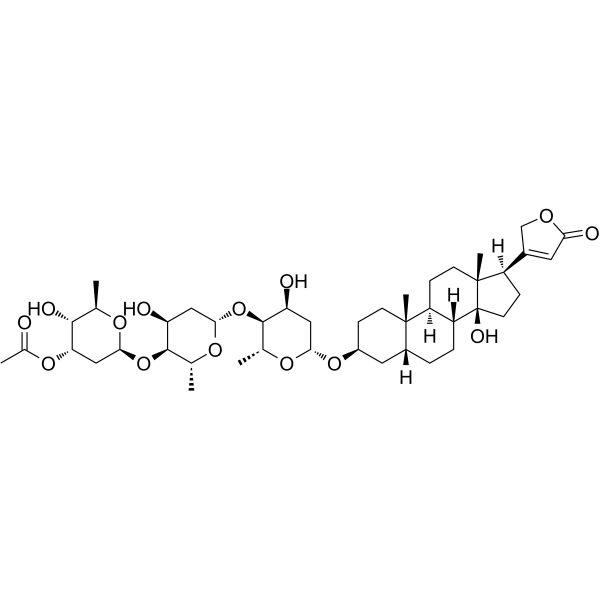
Acetyldigitoxin (Digitoxin 3'''-Acetate) is a cardiac glycoside. Acetyldigitoxin can come from the leaves of Digitalis species. Acetyldigitoxin reduces the heart rate and can be used for cardiac failure rasearch .
|
-
-
- HY-N7800
-
|
(+)-Himbacine
|
Others
|
Cardiovascular Disease
|
|
Himbacine ((+)-Himbacine) is a potent antihypertensive agent. Himbacine decreases in both mean blood pressure and heart rate .
|
-
-
- HY-16056
-
|
|
Adrenergic Receptor
|
Cardiovascular Disease
|
|
Arbutamine is a short-acting, potent and nonselective β-adrenoceptor agonist. Arbutamine stimulates cardiac β1-, tracheal β2-, and adiopocyte β3- adrenergic receptors. Arbutamine provides cardiac stress increases heart rate, cardiac contractility, and systolic blood pressure. Arbutamine can be used for cardiac stress agent .
|
-
-
- HY-16056A
-
|
|
Adrenergic Receptor
|
Cardiovascular Disease
|
|
Arbutamine hydrochloride is a short-acting, potent and nonselective β-adrenoceptor agonist. Arbutamine hydrochloride stimulates cardiac β1-, tracheal β2-, and adiopocyte β3- adrenergic receptors. Arbutamine hydrochloride provides cardiac stress increases heart rate, cardiac contractility, and systolic blood pressure. Arbutamine hydrochloride can be used for cardiac stress agent .
|
-
-
- HY-N0252A
-
|
(+)-3,4-Didehydrocoronaridine Tartrate
|
Calcium Channel
|
Cardiovascular Disease
Neurological Disease
Cancer
|
|
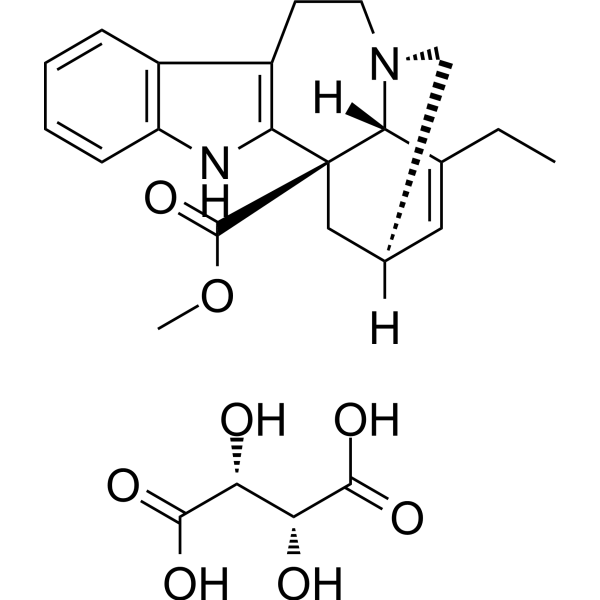
Catharanthine ((+)-3,4-Didehydrocoronaridine) Tartrate, a constituent of anticancer vinca alkaloids, inhibits voltage-operated L-type Ca 2+ channel (VOCC). Catharanthine Tartrate has IC50s of 220 μM and 8 μM for VOCC currents in cardiomyocytes and vascular smooth muscle cells (VSMCs), respectively. Catharanthine Tartrate lowers blood pressure (BP), heart rate (HR). Catharanthine Tartrate has anti-cancer activity .
|
-
-
- HY-148524
-
|
|
mAChR
Adrenergic Receptor
|
Cardiovascular Disease
|
|
β2AR/M-receptor agonist-1 (example 131) is a muscarinic antagonist and β2 adrenoceptor agonist (MABA). β2AR/M-receptor agonist-1 shows potency to β2 adrenoceptor with an EC50 value of 9.2 nM. β2AR/M-receptor agonist-1 also has potency to muscarinic receptor with a Ki value of 30.2 nM. β2AR/M-receptor agonist-1 shows MABA potency with an EC50 value of 4.0 nM .
|
-
-
- HY-W702027
-
|
AL842
|
Adrenergic Receptor
|
Cardiovascular Disease
|
|
Deterenol hydrochloride (AL842) is a selective beta-agonist. Deterenol hydrochloride causes vasodepressor, anxiety, increasing heart rate, hypotension palpitation and respiratory distress .
|
-
-
- HY-B0162AS1
-
-
-
- HY-119102
-
|
|
HCN Channel
|
Inflammation/Immunology
|
|
BPU-11 is a hyperpolarization-activated cyclic nucleotide-gated (HCN) C-linker pocket (CLP) HCN4 CLP ligand. BPU-11 can be used for the research of congenital immune disease .
|
-
-
- HY-145552
-
|
QR-01019
|
Angiotensin Receptor
|
Cardiovascular Disease
|
|
Azilsartan mepixetil is the antagonist of angiotensin II receptor. Azilsartan mepixetil has stronger and longer blood pressure effect, more abvious and longer lasting heart rate lowering effect and high safety. Azilsartan mepixetil achieves ideal protective effect for heart and kidney functions. Azilsartan mepixetil has the potential for the research of hypertension, chronic heart failure and diabetic nephropathy (extracted from patent CN107400122A) .
|
-
-
- HY-18402
-
|
|
Drug Derivative
|
Cardiovascular Disease
|
|
2-(Methylthio)benzothiazole is a derivative of 2-Mercaptobenzothiazole (HY-W017113). 2-(Methylthio)benzothiazole reduces heart rate, causes pericardial edema and deformity, delays cardiac maturation, decreases stroke volume and cardiac output, and leads to vascular structural defects in zebrafish larvae .
|
-
-
- HY-162401
-
|
|
RXFP Receptor
|
Cardiovascular Disease
|
|
AZ7976 (Compound 42) is a highly selective agonist for the Relaxin Family Peptide Receptor 1 (RXFP1) (pEC50 > 10.5). AZ7976 enhances RXFP1's cAMP signaling through an allosteric mechanism, thereby physiologically increasing heart rate. AZ7976 can be used in the field of cardiovascular disease research .
|
-
-
- HY-121354
-
-
-
- HY-122215
-
|
N-696
|
Adrenergic Receptor
|
Endocrinology
|
|
Tilisolol hydrochloride (N-696) is a non-selective β-adrenergic antagonist with vasodilatory and hypotensive activities. Tilisolol hydrochloride exerts its effects in canine coronary arteries by opening ATP-sensitive K+ channels. Tilisolol hydrochloride exhibits concentration-dependent relaxation in KCl-precontracted rat thoracic aorta. Tilisolol hydrochloride reduces diastolic blood pressure in a dose-dependent manner and slightly increases heart rate in spinal cord stimulated rats .
|
-
-
- HY-106928
-
|
|
5-HT Receptor
|
Neurological Disease
|
|
U93385 is a 5-HT₁A receptor agonist. U93385 exhibits no significant α₂ adrenergic, D₂ dopamine, or other receptor activities. U93385 has a heart rate regulating effect, stimulating the vagus nerve to induce bradycardia. U93385 can be used to study the 5-HT₁A receptor-mediated vagal nerve tolerance mechanism .
|
-
-
- HY-W752502
-
|
|
Dopamine Receptor
Vasopressin Receptor
Adrenergic Receptor
|
Cardiovascular Disease
|
|
Docarpamine is an orally active dopamine prodrug that can be hydroxylated in the small intestine and liver to form active dopamine. Docarpamine mainly activates D1-like receptors in peripheral blood vessels to lower blood pressure and heart rate in a state of spontaneous hypertension. Docarpamine exerts a pressor and tachycardic effect by activating D1-like receptors, vasopressin V1 receptors, and α-adrenergic receptors in normal blood pressure conditions. Docarpamine can be used for research on renal vascular dilation and diuresis .
|
-
-
- HY-127152
-
|
Pratorine
|
Endogenous Metabolite
|
Cardiovascular Disease
|
|
Hippadine (Pratorine) is an alkaloid, which can be isolated from the plant Crinum macowanii. Hippadine exhibits heart-rate lowering and blood-pressure lowering effects in rats models with spontaneously hypertensive .
|
-
-
- HY-101327
-
|
Corwin; ICI 118587
|
Adrenergic Receptor
|
Cardiovascular Disease
Neurological Disease
Metabolic Disease
|
|
Xamoterol (Corwin; ICI 118587) is an orally active and selective β1-adrenoceptor partial agonist. Xamoterol acts as agonist at low sympathetic tone, antagonist at high sympathetic tone, with context-dependent cardiovascular effects including modulated heart rate, blood pressure, and cardiac output. Xamoterol can be used for the research of heart failure, postural hypotension, and ischemic heart disease .
|
-
-
- HY-A0224
-
|
SC-52458
|
Angiotensin Receptor
|
Cardiovascular Disease
|
|
Forasartan is an nonpeptide angiotensin AT1 receptor antagonist with an IC50 of 2.9 nM. Forasartan is also an anti-hypertension agent. Forasartan significantly inhibits preganglionic stimulation in a dose-dependent manner in vivo. Forasartan can inhibit the heart rate increase induced by angiotensin II .
|
-
-
- HY-167741
-
|
|
nAChR
|
Cardiovascular Disease
Neurological Disease
|
|
Chlorisondamine is a nicotinic antagonist that acts as a ganglionic blocker and has been utilized to evaluate the neurogenic contributions to blood pressure and sympathetic vasomotor tone in animal models. Chlorisondamine has demonstrated antihypertensive properties, primarily being assessed through its effects on blood pressure, cardiac output, and heart rate in various experimental settings, particularly in mice.
|
-
-
- HY-105762A
-
|
Etamiphylline camsylate
|
Adrenergic Receptor
|
Cardiovascular Disease
|
|
Etamiphyllin camsylate (Etamiphylline camsylate) is a cardiac stimulant with oral activity that increases cardiac output without increasing heart rate. Etamiphyllin camsylate is also a respiratory stimulant used for respiratory failure, as Etamiphyllin camsylate relaxes the smooth muscles of the bronchi and bronchioles, thereby opening up the airways to relieve chronic obstructive pulmonary disease .
|
-
-
- HY-17401S
-
|
CVT 303-d8 dihydrochloride; RS 43285-d8
|
Calcium Channel
Sodium Channel
Autophagy
|
Cardiovascular Disease
Cancer
|
|
Ranolazine-d8 (dihydrochloride) is the deuterium labeled Ranolazine dihydrochloride. Ranolazine dihydrochloride (CVT 303 dihydrochloride) is an anti-angina agent that achieves its effects by inhibiting the late phase of inward sodium current (INa and IKr with IC50 values of 6 μM and 12 μM, respectively) without affecting heart rate or blood pressure (BP) . Ranolazine dihydrochloride is also a partial fatty acid oxidation inhibitor .
|
-
-
- HY-A0257A
-
|
|
CaMK
|
Neurological Disease
|
|
Prenylamine lactate is a calcium-modulating protein (CaM) antagonist that inhibits CaM-dependent enzymes and can slowly relax smooth muscle preparations. The effect of Prenylamine lactate on smooth muscle is not inhibited by the calcium agonist Bay K 8644 (HY-10588). Reports suggest that under low heart rate conditions, Prenylamine seems to enhance voltage-dependent transmembrane calcium currents .
|
-
-
- HY-B0280S2
-
|
|
Sodium Channel
Calcium Channel
|
Cardiovascular Disease
Cancer
|
|
Ranolazine-d3 is the deuterium labeled Ranolazine. Ranolazine (CVT 303) is an anti-angina agent that achieves its effects by inhibiting the late phase of inward sodium current (INa and IKr with IC50 values of 6 μM and 12 μM, respectively) without affecting heart rate or blood pressure (BP) . Ranolazine is also a partial fatty acid oxidation (FAO) inhibitor . Antianginal agent.
|
-
-
- HY-B0280S1
-
|
|
Isotope-Labeled Compounds
Sodium Channel
Calcium Channel
|
Cardiovascular Disease
Cancer
|
|
Ranolazine-d8 is the deuterium labeled Ranolazine. Ranolazine (CVT 303) is an anti-angina agent that achieves its effects by inhibiting the late phase of inward sodium current (INa and IKr with IC50 values of 6 μM and 12 μM, respectively) without affecting heart rate or blood pressure (BP) . Ranolazine is also a partial fatty acid oxidation (FAO) inhibitor . Antianginal agent.
|
-
-
- HY-B0280S
-
|
CVT 303-d5; RS 43285-003-d5
|
Isotope-Labeled Compounds
Sodium Channel
Calcium Channel
|
Cardiovascular Disease
Cancer
|
|
Ranolazine-d5 is the deuterium labeled Ranolazine. Ranolazine (CVT 303) is an anti-angina drug that achieves its effects by inhibiting the late phase of inward sodium current (INa and IKr with IC50 values of 6 μM and 12 μM, respectively) without affecting heart rate or blood pressure (BP) . Ranolazine is also a partial fatty acid oxidation (FAO) inhibitor . Antianginal agent.
|
-
-
- HY-17401R
-
|
CVT 303 dihydrochloride (Standard); RS 43285 (Standard)
|
Calcium Channel
Sodium Channel
Autophagy
Reference Standards
|
Cardiovascular Disease
Cancer
|
|
Ranolazine (dihydrochloride) (Standard) is the analytical standard of Ranolazine (dihydrochloride). This product is intended for research and analytical applications. Ranolazine dihydrochloride (CVT 303 dihydrochloride) is an anti-angina agent that achieves its effects by inhibiting the late phase of inward sodium current (INa and IKr with IC50 values of 6 μM and 12 μM, respectively) without affecting heart rate or blood pressure (BP) . Ranolazine dihydrochloride is also a partial fatty acid oxidation inhibitor .
|
-
-
- HY-W741706
-
|
LY-131126 hydrochloride
|
Adrenergic Receptor
|
Cardiovascular Disease
|
|
Butopamine hydrochloride is an orally active inotropic compound. Butopamine hydrochloride increases heart rate more than Dobutamine (HY-15746A) .
|
-
-
- HY-W416440
-
|
ASL-8123 hydrochloride
|
Adrenergic Receptor
|
Cardiovascular Disease
Metabolic Disease
|
|
Esmolol acid (ASL-8123) hydrochloride is a weak β-adrenergic receptor antagonist. Esmolol acid hydrochloride inhibits the heart rate and diastolic blood pressure response induced by Isoproterenol (HY-B0468) in a dose-dependent manner and can be used in studies of renal failure .
|
-
-
- HY-148144
-
-
-
- HY-148144AR
-
|
|
Potassium Channel
Reference Standards
|
Cardiovascular Disease
Inflammation/Immunology
|
|
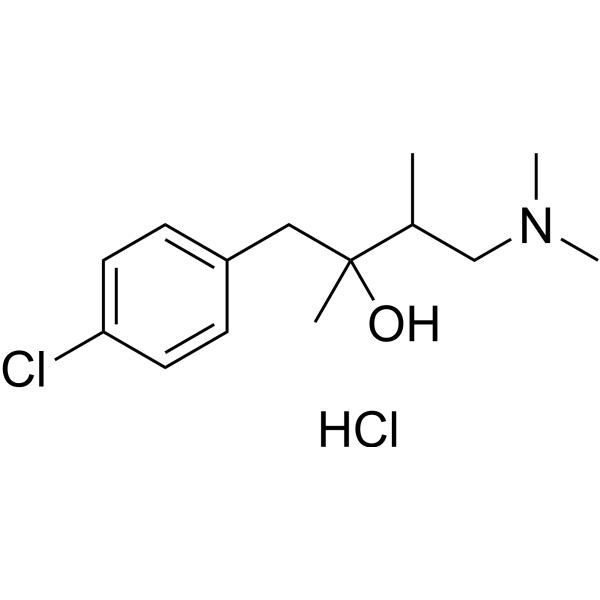
Clobutinol (hydrochloride) (Standard) is the analytical standard of Clobutinol (hydrochloride). This product is intended for research and analytical applications. Clobutinol hydrochloride is a compound that has anti-tussive effects. Clobutinol hydrochloride affects heart rate and blood pressure, it can be used for cough related research .
|
-
- HY-106088
-
|
LY186655 free acid
|
Phosphodiesterase (PDE)
|
Cardiovascular Disease
|
|
Tibenelast (LY186655) free acid is a potent and orally active is a phosphodiesterase inhibitor. Tibenelast free acid is an anti-asthma agent Tibenelast free acid increases the heart rate response to isoproterenol (HY-108353). Tibenelast free acid shows anti-anaphylactic shock activity. Tibenelast free acid has the potential for the research of asthma and other respiratory diseases .
|
-
- HY-103208
-
|
|
Adrenergic Receptor
|
Metabolic Disease
|
|
Benalfocin is a novel selective alpha-2 adrenergic receptor antagonist. Benalfocin reduces blood pressure and heart rate. Benalfocin can be used in the study of cardiovascular effects .
|
-
- HY-A0154R
-
|
Deacetyllanatoside C (Standard); Desacetyllanatoside C (Standard)
|
Reference Standards
Na+/K+ ATPase
Drug Metabolite
|
Cardiovascular Disease
|
|
Deslanoside (Standard) is the analytical standard of Deslanoside. This product is intended for research and analytical applications. Deslanoside (Desacetyllanatoside C) is a rapidly acting cardiac glycoside used to treat congestive heart failure and supraventricular arrhythmias due to reentry mechanisms, and to control ventricular rate in the treatment of chronic atrial fibrillation. Deslanoside inhibits the Na-K-ATPase membrane pump, resulting in an increase in intracellular sodium and calcium concentrations .
|
-
- HY-B0162AR
-
|
|
Reference Standards
HCN Channel
|
Cardiovascular Disease
Metabolic Disease
Cancer
|
|
Ivabradine hydrochloride (Standard) is the analytical standard of Ivabradine hydrochloride. This product is intended for research and analytical applications. Ivabradine hydrochloride is a potent and orally active HCN (hyperpolarization-activated cyclic nucleotide-gated) channel blocker that inhibits the cardiac pacemaker current (If). Ivabradine hydrochloride reduces dose-dependently heart rate without modification of blood pressure. Ivabradine hydrochloride shows anticonvulsant, anti-ischaemic and anti-anginal activity .
|
-
- HY-N0252B
-
|
(+)-3,4-Didehydrocoronaridine Sulfate
|
Calcium Channel
|
Cardiovascular Disease
Neurological Disease
Cancer
|
|
Catharanthine ((+)-3,4-Didehydrocoronaridine) Sulfate, a constituent of anticancer vinca alkaloids, inhibits voltage-operated L-type Ca 2+ channel (VOCC). Catharanthine Sulfate has IC50s of 220 μM and 8 μM for VOCC currents in cardiomyocytes and vascular smooth muscle cells (VSMCs), respectively. Catharanthine Sulfate lowers blood pressure (BP), heart rate (HR). Catharanthine Sulfate has anti-cancer activity .
|
-
- HY-N0252R
-
|
(+)-3,4-Didehydrocoronaridine (Standard)
|
Reference Standards
Calcium Channel
|
Cardiovascular Disease
Neurological Disease
Cancer
|
|
Catharanthine (Standard) is the analytical standard of Catharanthine. This product is intended for research and analytical applications. Catharanthine ((+)-3,4-Didehydrocoronaridine), a constituent of anticancer vinca alkaloids, inhibits voltage-operated L-type Ca2+ channel (VOCC). Catharanthine has IC50s of 220 μM and 8 μM for VOCC currents in cardiomyocytes and vascular smooth muscle cells (VSMCs), respectively. Catharanthine lowers blood pressure (BP), heart rate (HR). Catharanthine has anti-cancer activity .
|
-
- HY-106667
-
|
|
Adrenergic Receptor
|
Cardiovascular Disease
Endocrinology
|
|
DL 071IT is a potent non-selective beta-adrenergic receptor blocker. DL 071IT exhibits intrinsic sympathomimetic activity and weak membrane stabilizing activity. DL 071IT reduces exercise heart rate and systolic blood pressure, and even significantly lowers resting heart rate .
|
-
- HY-103214A
-
|
|
Adrenergic Receptor
|
Cardiovascular Disease
|
|
Bucindolol hydrochloride is a β-adrenergic receptor antagonist with activity in preventing new-onset atrial fibrillation. Bucindolol hydrochloride can reduce heart rate and the occurrence of bradycardia in patients with heart failure and atrial fibrillation .
|
-
- HY-106180
-
|
GR 56072; RG 14202; Selodenoson
|
Adenosine Receptor
|
Neurological Disease
|
|
DTI 0009 is a selective adenosine A1 receptor agonist used to reduce heart rate in patients with atrial fibrillation and to treat arrhythmias .
|
-
- HY-19297
-
|
|
5-HT Receptor
|
Cardiovascular Disease
|
|
SB-247853 is a highly specific 5-HT2c receptor antagonist. SB-247853 induces orthostatic intolerance during head-up tilting. SB-247853 can be used in the research of cardiovascular diseases .
|
-
- HY-13709
-
|
AV 4430A; GW 280430A
|
Biochemical Assay Reagents
|
Neurological Disease
|
|
Gantacurium is an ultrashort-acting, nondepolarizing neuromuscular blocking agent that is degraded by nonenzymatic binding to L-cysteine under physiological conditions. Gantacurium causes a decrease in mean arterial pressure and an increase in heart rate .
|
-
- HY-114792
-
-
- HY-129782
-
|
|
SOD
|
Cardiovascular Disease
|
|
SC-55858 is an effective superoxide dismutase simulator. SC-55858 increased heart rate and decreased mean arterial pressure and left ventricular systolic and end-diastolic pressures in conscious dogs .
|
-
- HY-145552A
-
|
QR-01019K
|
Angiotensin Receptor
|
Cardiovascular Disease
Metabolic Disease
|
|
Azilsartan mepixetil potassium (QR-01019K) is the antagonist of angiotensin II receptor. Azilsartan mepixetil potassium has stronger and longer blood pressure effect, more abvious and longer lasting heart rate lowering effect and high safety. Azilsartan mepixetil potassium has the potential for the research of hypertension, chronic heart failure and diabetic nephropathy (extracted from patent CN107400122A) .
|
-
- HY-18940
-
|
Cilo
|
Endogenous Metabolite
|
Cardiovascular Disease
|
|
Cilobradine (Cilo) is a HCN channel blocker with heart rate reducing activity. Cilobradine blocks the slow inward current of human HCN1, HCN2, HCN3, and HCN4 channels. Cilobradine has a slightly higher efficiency in blocking endogenous If in mouse sinoatrial node cells (IC50 value is 0.62μM). Cilobradine can dose-dependently reduce the heart rate from 600 to 200 bpm with an ED50 value of 1.2 mg/kg. Cilobradine induces arrhythmias at doses greater than 5 mg/kg, which are characterized by periodic fluctuations between T waves and P waves .
|
-
- HY-122364
-
|
|
Adrenergic Receptor
|
Cardiovascular Disease
|
|
Bucumolol hydrochloride is a β-adrenergic receptor antagonist that can slow heart rate (negative chronotropic effect) and reduce cardiac contractility (negative inotropic effect). Bucumolol hydrochloride has antiarrhythmic and local anesthetic activity and can be used in the study of cardiovascular diseases .
|
-
- HY-145552S
-
|
QR-01019-d-d5
|
Isotope-Labeled Compounds
Angiotensin Receptor
|
Cardiovascular Disease
|
|
Azilsartan mepixetil-d5 (QR-01019-d5) is deuterium labeled Azilsartan mepixetil. Azilsartan mepixetil is the antagonist of angiotensin II receptor. Azilsartan mepixetil has stronger and longer blood pressure effect, more abvious and longer lasting heart rate lowering effect and high safety. Azilsartan mepixetil achieves ideal protective effect for heart and kidney functions. Azilsartan mepixetil has the potential for the research of hypertension, chronic heart failure and diabetic nephropathy (extracted from patent CN107400122A) .
|
-
- HY-A0171
-
|
Ba-30803 free base
|
5-HT Receptor
|
Neurological Disease
|
|
Benzoctamine is an orally active and potent psychoactive agent which possesses tranquillizing properties. Benzoctamine increases the turnover rate of catecholamines. Benzoctamine enhances the [3H]noradrenaline uptake in the rat heart. Benzoctamine also accelerated the disappearance of intracisternally injected [3H]noradrenaline .
|
-
- HY-P1428A
-
|
|
Neuropeptide Y Receptor
|
Cardiovascular Disease
|
|
RFRP-1(human) TFA is a potent endogenous NPFF receptor agonist (EC50 values are 0.0011 and 29 nM for NPFF2 and NPFF1, respectively). Attenuates contractile function of isolated rat and rabbit cardiac myocytes. Reduces heart rate, stroke volume, ejection fraction and cardiac output, and increases plasma prolactin levels in rats.
|
-
- HY-108998
-
|
|
Histone Methyltransferase
|
Cardiovascular Disease
|
|
Bisaramil hydrochloride is an antiarrhythmic compound with activity in inhibiting free radical generation. Bisaramil hydrochloride directly blocks sodium currents and exhibits enhanced sodium channel blocking ability. Bisaramil hydrochloride inhibits isoproterenol-induced slow calcium action potentials in cardiomyocytes. Bisaramil hydrochloride reduces heart rate and prolongs the PR, QRS, and QT intervals in the electrocardiogram, showing blocking effects on sodium and potassium channels. Bisaramil hydrochloride reduces cardiac conduction velocity, increases the threshold current for capture and atrial fibrillation, and prolongs the effective refractory period. Bisaramil hydrochloride reduces ventricular arrhythmias and eliminates mortality caused by ventricular fibrillation in ischemic rat hearts .
|
-
- HY-123187
-
|
|
JAK
|
Cardiovascular Disease
|
AS2553627 is a type of JAK inhibitor, with IC50 values of 0.46, 0.30, 0.14, and 2.0 nM for JAK1, JAK2, JAK3 and TYK2, respectively. AS2553627 can inhibit the proliferation of human and rat T cells stimulated by IL-2, with IC50 values of 2.4 and 4.3 nM, respectively. AS2553627 can reduce cardiac allograft vasculopathy and fibrosis in a rat heart transplant model, effectively extending survival rates. AS2553627 can be used to prevent acute and chronic rejection in heart transplants .
|
-
- HY-129706
-
|
|
Others
|
Cardiovascular Disease
|
|
LY127210 (free base) is a potent vasodilator with antihypertensive effects that reduces pressure in chloralose-anesthetized spontaneously hypertensive rats primarily by direct arteriolar dilation and to a lesser extent by decreasing cardiac output. LY127210 (free base) reduces blood pressure, heart rate and left ventricular end-diastolic pressure in hypertensive rats by reducing vascular resistance .
|
-
- HY-101390B
-
|
|
Calcium Channel
|
Cardiovascular Disease
|
|
Niguldipine is a calcium channel blocker with activity in regulating cardiovascular function. Niguldipine can reduce systolic and diastolic blood pressure, thereby increasing heart rate and cardiac output. Niguldipine exhibits dose-dependent and sustained increases in coronary blood flow. Niguldipine also increases perfusion in the kidneys and femoral arteries, but the effect is temporary and to a lesser extent. The effect of Niguldipine on myocardial metabolism is not significant .
|
-
- HY-B0162S
-
|
|
Isotope-Labeled Compounds
HCN Channel
|
Cardiovascular Disease
|
|
Ivabradine-d6 is the deuterium labeled Ivabradine . Ivabradine is a potent and orally active HCN (hyperpolarization-activated cyclic nucleotide-gated) channel blocker that inhibits the cardiac pacemaker current (If). Ivabradine reduces dose-dependently heart rate without modification of blood pressure. Ivabradine shows anticonvulsant, anti-ischaemic and anti-anginal activity .
|
-
- HY-P10616
-
|
|
Endogenous Metabolite
|
Cardiovascular Disease
|
|
Salusin-α is an endogenous bioactive peptide with hemodynamic and cell proliferation activities. Salusin-α can stimulate the proliferation of quiescent vascular smooth muscle cells (VSMCs) and fibroblasts, leading to a rapid and significant decrease in blood pressure and heart rate, but its effect is weaker than that of Salusin-β (HY-P10617). Salusin-α has potential application value in cardiovascular disease research .
|
-
- HY-P10617
-
|
|
Endogenous Metabolite
|
Cardiovascular Disease
|
|
Salusin-β is an endogenous bioactive peptide with significant hemodynamic and mitogenic activity. Salusin-β can stimulate the proliferation of quiescent vascular smooth muscle cells (VSMCs) and fibroblasts, leading to a rapid and significant decrease in blood pressure and heart rate. In addition, Salusin-β can stimulate the release of arginine vasopressin from the pituitary gland in rats. This makes Salusin-β have important application potential in cardiovascular disease research .
|
-
- HY-B0280R
-
|
CVT 303 (Standard); RS 43285-003 (Standard)
|
Reference Standards
Sodium Channel
Calcium Channel
|
Cardiovascular Disease
Cancer
|
|
Ranolazine (Standard) is the analytical standard of Ranolazine. This product is intended for research and analytical applications. Ranolazine (CVT 303) is an anti-angina drug that achieves its effects by inhibiting the late phase of inward sodium current (INa and IKr with IC50 values of 6 μM and 12 μM, respectively) without affecting heart rate or blood pressure (BP) . Ranolazine is also a partial fatty acid oxidation (FAO) inhibitor . Antianginal agent.
|
-
- HY-117913
-
|
|
Renin
|
Cardiovascular Disease
|
|
ES-8891 is a renin inhibitor. Oral administration of ES-8891 to normotensive sodium-depleted macaques for one week significantly reduced plasma renin activity, immunoreactive renin concentrations, and plasma angiotensin I concentrations, while mean blood pressure decreased significantly, without significant changes in heart rate. ES-8891 regulates blood pressure by inhibiting plasma renin levels and renal renin synthesis .
|
-
- HY-106720
-
|
YM 09538
|
Adrenergic Receptor
|
Cardiovascular Disease
|
|
Amosulalol (YM 09538) is an orally active and dual inhibitor of α1/β1-Adrenergic Receptor. Amosulalol exhibits antihypertensive activity via α1-Adrenergic Receptor inhibition. Amosulalol decreases reflexogenic increases in heart rate and plasma renin activity (PRA) via β1-Adrenergic Receptor inhibition in spontaneously hypertensive rats (SHR) .
|
-
- HY-A0257AR
-
|
|
CaMK
Reference Standards
|
Neurological Disease
|
|
Prenylamine (lactate) (Standard) is the analytical standard of Prenylamine (lactate). This product is intended for research and analytical applications. Prenylamine lactate is a calcium-modulating protein (CaM) antagonist that inhibits CaM-dependent enzymes and can slowly relax smooth muscle preparations. The effect of Prenylamine lactate on smooth muscle is not inhibited by the calcium agonist Bay K 8644 (HY-10588). Reports suggest that under low heart rate conditions, Prenylamine seems to enhance voltage-dependent transmembrane calcium currents .
|
-
- HY-121550
-
|
|
Angiotensin-converting Enzyme (ACE)
|
Cardiovascular Disease
|
|
ME3221 is an angiotensin AT1 receptor antagonist that effectively antagonizes the pressor response to angiotensin II in rats and marmosets without affecting the hypotensive response to bradykinin. It demonstrates potent antihypertensive effects in renal hypertensive rats and spontaneously hypertensive rats (SHR). ME3221's repeated administration in SHR results in sustained and stable hypotensive effects without affecting heart rate, indicating its potential for studying both renal and essential hypertension .
|
-
- HY-126704
-
|
KC-8857
|
Potassium Channel
|
Cardiovascular Disease
|
|
Tedisamil (KC-8857) is an antiarrhythmic compound with important biological activities. Tedisamil exhibits a significant slowing effect on heart rate, which is achieved by inhibiting the transient outward potassium current (I(to)) in the atrium. Tedisamil inhibits multiple potassium currents, including IK, K(ATP), and PKA-activated chloride channels, thereby prolonging the cardiac action potential and QT interval, and increasing cardiac reentry. Tedisamil has antiarrhythmic effects on ventricular arrhythmias and atrial flutter in animal models .
|
-
- HY-183138
-
|
|
Drug Metabolite
|
Cardiovascular Disease
|
|
N-Demethyldiltiazem is a metabolite of Diltiazem (HY-B0632). N-Demethyldiltiazem increases coronary blood flow, modulates cardiac function, decreases systemic blood pressure and heart rate, and alters papillary muscle developed tension .
|
-
- HY-13338A
-
|
|
Adrenergic Receptor
|
Cardiovascular Disease
|
|
(S)-Mabuterol is a selective β2 adrenoreceptor agonist that demonstrates blood pressure reduction and increased heart rate and contractile force in animal models.
|
-
- HY-125347
-
|
|
Drug Derivative
|
Others
|
|
TA-993 is a compound that increases limb blood flow. Its effect of increasing limb blood flow is mediated through the sympathetic nervous system, but not through adrenergic receptors, and its mechanism of action on heart rate may be different.
|
-
- HY-167681
-
|
Ro 12-4713
|
Endogenous Metabolite
|
Cardiovascular Disease
|
|
Carprazidil (Ro 12-4713) is a potent vasodilator with activity in suppressing severe hypertension and mild heart failure. The use of carprazidil may lead to sodium retention and increased heart rate, requiring increased doses of diuretics or beta-blockers in some cases. Carprazidil and mecycline may both cause hirsutism, limiting their long-term use in women. Carprazidil did not cause adverse side effects on hematological parameters, liver, or kidney function .
|
-
- HY-106500
-
|
HOE 224
|
Adrenergic Receptor
|
Cardiovascular Disease
|
|
Pacrinolol (HOE 224) is a selective and orally active beta1 adrenergic receptor blocker. Pacrinolol can inhibit Isoprenaline (HY-108353)-induced positive inotropic effect and increased heart rate. Pacrinolol can be used for the research of cardiovascular disease .
|
-
- HY-101327AR
-
|
Corwin hemifumarate (Standard); ICI 118587 hemifumarate (Standard)
|
Adrenergic Receptor
Reference Standards
|
Cardiovascular Disease
Neurological Disease
Metabolic Disease
|
|
Xamoterol hemifumarate (Standard) is the analytical standard of Xamoterol hemifumarate (HY-101327A). This product is intended for research and analytical applications. Xamoterol (Corwin; ICI 118587) hemifumarate is an orally active and selective β1-adrenoceptor partial agonist. Xamoterol hemifumarate acts as agonist at low sympathetic tone, antagonist at high sympathetic tone, with context-dependent cardiovascular effects including modulated heart rate, blood pressure, and cardiac output. Xamoterol hemifumarate can be used for the research of heart failure, postural hypotension, and ischemic heart disease .
|
-
- HY-B0162B
-
|
|
HCN Channel
|
Cardiovascular Disease
Neurological Disease
Cancer
|
|
Ivabradine sulfate is a potent and orally active HCN (hyperpolarization-activated cyclic nucleotide-gated) channel blocker that inhibits the cardiac pacemaker current (If). Ivabradine sulfate reduces dose-dependently heart rate without modification of blood pressure. Ivabradine sulfate shows anticonvulsant, anti-ischaemic and anti-anginal activity .
|
-
- HY-N8421
-
|
|
Potassium Channel
|
Cardiovascular Disease
|
|
Tabernanthine is a negative chronotropic and negative inotropic agent that selectively acts on sinoatrial node receptors, regulating heart rhythm and myocardial contractility. Tabernanthine exhibits atropine resistance and direct non-cholinergic binding properties, acting directly on the sinoatrial node rather than relying on vagal nerve or cholinergic pathways to exert its key activity of slowing heart rate and weakening myocardial contractility. Tabernanthine is useful in cardiovascular pharmacology research, particularly in the areas of sinoatrial node function regulation, mechanisms related to bradycardia, and studies of cardiac receptor subtype differences .
|
-
- HY-B1562D
-
|
|
Adrenergic Receptor
|
Metabolic Disease
|
|
(S)-Bopindolol is a β-adrenergic receptor blocker that can be used to prevent, inhibit, can be used to reduce muscle mass and/or functional loss and/or decreased bone density caused by weight loss. (S)-Bopindolol can protect the myocardium and/or cardiac function, or prevent low blood pressure and/or increased heart rate during weight loss .
|
-
- HY-180354
-
|
MDL-899
|
Drug Derivative
|
Cardiovascular Disease
|
|
Mopidralazine hydrochloride (MDL-899) (Compound 30) is an orally active antihypertensive agent. Mopidralazine hydrochloride significantly reduces systolic blood pressure (ED50 = 1.94 mg/kg) in spontaneously hypertensive rats models. Mopidralazine hydrochloride has a slower onset of action but a longer duration of action and has a significantly smaller effect on increasing heart rate in canine model of renal hypertension. Mopidralazine hydrochloride can be used for the research of hypertension .
|
-
- HY-P11619
-
|
|
RXFP Receptor
|
Cardiovascular Disease
|
|
R2R01 is a potent and selective relaxin family peptide receptor 1 (RXFP1) agonist with an EC50 of 0.34 nM. R2R01 activates RXFP1 to induce relaxin-like biological responses. R2R01 can increase heart rate in pithed and conscious rats. R2R01 can be used for the research of cardiovascular diseases .
|
-
- HY-115839
-
|
Tachmalcor free base
|
Sodium Channel
|
Others
|
|
Detajmium (Tachmalcor free base) is a Na?-channel blocker with activity to inhibit ventricular conduction and refractoriness. Detajmium (0.3μM) prolongs intraventricular conduction time comparable to propafenone (0.3μM) during sinus rhythm, but the time constant for reaching steady state during rapid ventricular pacing is significantly longer for Detajmium, indicating a unique temporal profile for its heart rate-dependent effects.
|
-
- HY-W343043
-
|
PZG
|
Drug Derivative
|
Cardiovascular Disease
Metabolic Disease
|
|
Pyrazinoylguanidine (PZG) is an analogue of the potassium sparing diuretic, Amiloride (HY-B0285). Pyrazinoylguanidine can lower the systolic and diastolic blood pressure of patients with primary hypertension, has a certain effect on reducing heart rate, and does not affect the concentrations of electrolytes such as sodium, potassium, and chloride in the blood serum. Pyrazinoylguanidine can reduce the hyperglycemia and hyperinsulinemia in type 2 diabetes, reduce the levels of triglycerides, cholesterol, and free fatty acids, and reverse the hyperglycemia and hyperlipidemia induced by thiazide diuretics, such as Hydrochlorothiazide (HY-B0252). Pyrazinoylguanidine ican nhibit the reabsorption of urea by the renal tubules, thereby increasing the clearance rate and excretion volume of urea, reducing the serum urea concentration, and minimizing its toxic accumulation .
|
-
- HY-118991
-
|
|
Adenosine Receptor
|
Cardiovascular Disease
|
|
KT-1 is a vasodilator. KT 1 can decrease aortic pressure, renal blood flow, left ventricular enddiastolic pressure and resistances of total peripheral, vertebral, coronary and renal vasculatures and increase aortic blood flow, vertebral blood flow, coronary blood flow, peak positive left ventricular dP/dt and heart rate in anesthetized open-chest dogs. KT-1 can be used for the research of cardiovascular disease .
|
-
- HY-114833
-
|
(Rac)-Bunolol; dl-Bunolol
|
Adrenergic Receptor
|
Cardiovascular Disease
Neurological Disease
|
|
Bunolol ((Rac)-Bunolol) is a β-adrenergic receptor blocker. Bunolol antagonizes the β-receptor agonist activity induced by Isoproterenol (HY-B0468) and Dichloroisoproterenol. Bunolol reduces the heart rate and mean blood pressure of anesthetized dogs. Bunolol decreases spontaneous motor activity and Amphetamine-induced hyperactivity in rats, potentiates Pentobarbital-induced hypnosis in mice, and protects rats from extensor tonic convulsions induced by maximal electroshock .
|
-
- HY-111259
-
|
|
Endogenous Metabolite
|
Cardiovascular Disease
|
|
Ro 31-1118 Free base is a compound exhibiting weak antihypertensive activity in patients with mild hypertension. Ro 31-1118 Free base demonstrated a reduction in heart rates and blood pressure post-exercise at varying doses. Ro 31-1118 Free base exhibited linear pharmacokinetics within the 10-80 mg dose range. Ro 31-1118 Free base showed no significant impact on diastolic blood pressure or adverse effects during the study.
|
-
- HY-N18279
-
|
|
Dopamine Receptor
Adrenergic Receptor
|
Neurological Disease
|
|
Bulbocapnine is an aporphine isoquinoline alkaloid that exerts antagonistic effects on dopamine Receptor) and α-adrenergic receptors, as well as anti-peroxidative effects. The Ki value of bulbocapnine for tyrosine hydroxylase (TH) is 0.20 mM. Bulbocapnine reduces intracellular dopamine content, inhibits TH activity, and decreases Ca 2+ concentration. Bulbocapnine antagonizes the dose-dependent inhibitory effect of dopamine on the heart rate acceleration induced by stimulating the postganglionic fibers of the right cardiac accelerator nerve .
|
-
- HY-182334
-
|
|
Sodium Channel
|
Cardiovascular Disease
|
|
azo-Q2a is a photoswitchable NaV1.5 inhibitor. azo-Q2a exists as the trans isomer with low activity in the dark or under 480 nm illumination, and exists as the cis isomer with higher inhibitory potency under 365 nm illumination. azo-Q2a reduces the heart rate of living zebrafish larvae in a light-dependent manner. azo-Q2a can be used for the study of arrhythmias .
|
-
- HY-P0203A
-
|
CGRP (83-119), mouse, rat TFA
|
CGRP Receptor
|
Cardiovascular Disease
Metabolic Disease
Inflammation/Immunology
|
|
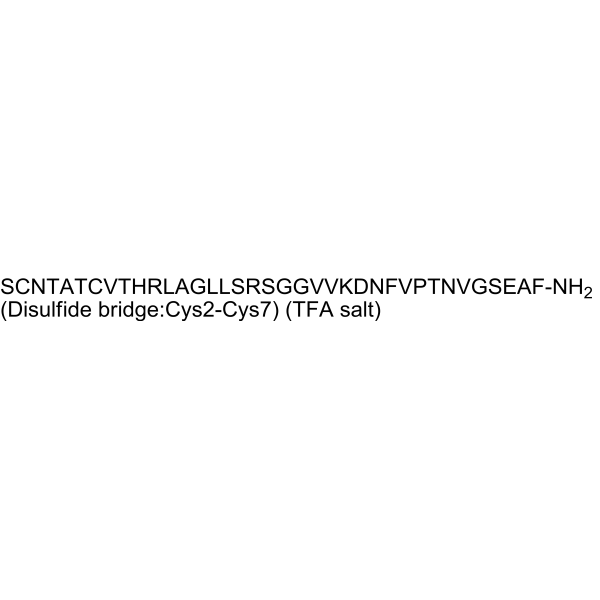
α-CGRP (mouse, rat) TFA, a neuropeptide (calcitonin gene-related peptide (CGRP)) mainly expressed in neuromuscular junction, is a potent vasodilator. α-CGRP (mouse, rat) TFA can lead to a fall in blood pressure and an increase in heart rate by peripheral administration, also relax colonie smooth muscle. α-CGRP (mouse, rat) TFA has the potential in cardiovascular, pro-inflammatory, migraine and metabolic studies .
|
-
- HY-123939
-
|
|
JAK
ROCK
|
Cardiovascular Disease
|
|
JAK1/3-IN-1 (Compound 35) is a selective, orally active JAK1/3 inhibitor with IC50 values of 1.9 nM and 0.9 nM, respectively. JAK1/3-IN-1 significantly reduces the mean arterial blood pressure and significantly increases the heart rate in rabbits. JAK1/3-IN-1 decreases the mean arterial blood pressure in conscious telemetered rats and induces lethal cardiovascular effects .
|
-
- HY-N6776R
-
|
|
Reference Standards
Potassium Channel
|
Neurological Disease
Cancer
|
|
Prenylamine (lactate) (Standard) is the analytical standard of Prenylamine (lactate). This product is intended for research and analytical applications. Prenylamine lactate is a calcium-modulating protein (CaM) antagonist that inhibits CaM-dependent enzymes and can slowly relax smooth muscle preparations. The effect of Prenylamine lactate on smooth muscle is not inhibited by the calcium agonist Bay K 8644 (HY-10588). Reports suggest that under low heart rate conditions, Prenylamine seems to enhance voltage-dependent transmembrane calcium currents .
|
-
- HY-136625
-
|
|
N-myristoyltransferase
|
Cardiovascular Disease
|
|
LY134046 is an inhibitor of norepinephrine N-methyltransferase (NMT) with cardiovascular activity. LY134046 causes sustained reductions in mean arterial blood pressure and heart rate, but no significant reductions in norepinephrine concentrations in the rat brain. LY134046 does not interact with adrenergic or cholinergic receptors, and its hypotensive and bradycardic effects do not require neurogenic tension. LY134046 (40 mg/kg/day) causes sustained and significant inhibition of hypothalamic and brainstem NMT activity, resulting in central norepinephrine depletion.
|
-
- HY-106720A
-
|
YM 09538 hydrochloride
|
Adrenergic Receptor
|
Cardiovascular Disease
|
|
Amosulalol (YM 09538) hydrochloride is an orally active and dual inhibitor of α1/β1-Adrenergic Receptor. Amosulalol hydrochloride exhibits antihypertensive activity via α1-Adrenergic Receptor inhibition. Amosulalol hydrochloride decreases reflexogenic increases in heart rate and plasma renin activity (PRA) via β1-Adrenergic Receptor inhibition in spontaneously hypertensive rats (SHR) .
|
-
- HY-126704A
-
|
KC-8857 dihydrochloride
|
Potassium Channel
|
Cardiovascular Disease
|
|
Tedisamil (KC-8857) dihydrochloride is an antiarrhythmic compound with important biological activities. Tedisamil dihydrochloride exhibits a significant slowing effect on heart rate, which is achieved by inhibiting the transient outward potassium current (I(to)) in the atrium. Tedisamil dihydrochloride inhibits multiple potassium currents, including IK, K(ATP), and PKA-activated chloride channels, thereby prolonging the cardiac action potential and QT interval, and increasing cardiac reentry. Tedisamil dihydrochloride has antiarrhythmic effects on ventricular arrhythmias and atrial flutter in animal models .
|
-
- HY-P990951
-
|
REGN-5381
|
Natriuretic Peptide Receptor (NPR)
|
Cardiovascular Disease
|
|
Vixticibart (REGN-5381) is a fully human IgG4 monoclonal antibody and NPR1 agonist that targets NPR1. Vixticibart stabilizes the receptor in an activated conformation by binding to the N-terminal domain of NPR1, and enhances the activity of endogenous ligands ANP and BNP without blocking ligand binding when these ligands are present. Vixticibart exerts vasodilatory and hypotensive effects by inducing cGMP production, preferentially dilating venous vessels to reduce systolic and venous pressure, but does not induce diuresis and may trigger a compensatory increase in heart rate. Vixticibart produces a synergistic hypotensive effect when combined with angiotensin-converting enzyme inhibitors or angiotensin receptor blockers, and is currently mainly used in research related to heart failure and hypertension .
|
-
- HY-106720C
-
|
(+)-YM 09538
|
Adrenergic Receptor
|
Others
|
|
(+)-Amosulalol ((+)-YM 09538) is an isomer of Amosulalol (HY-106720), an orally active dual inhibitor of α1/β1-adrenergic receptors. Amosulalol exhibits antihypertensive activity by inhibiting α1-adrenergic receptors. Amosulalol reduces the reflex increase in heart rate and plasma renin activity (PRA) in spontaneously hypertensive rats (SHR) by inhibiting β1-adrenergic receptors.
|
-
- HY-106720B
-
|
(-)-YM 09538
|
Adrenergic Receptor
|
Others
|
|
(-)-Amosulalol ((-)-YM 09538) is an isomer of Amosulalol (HY-106720), an orally active dual inhibitor of α1/β1-adrenergic receptors. Amosulalol exhibits antihypertensive activity by inhibiting α1-adrenergic receptors. Amosulalol reduces the reflex increase in heart rate and plasma renin activity (PRA) in spontaneously hypertensive rats (SHR) by inhibiting β1-adrenergic receptors.
|
-
- HY-P3269A
-
|
|
Calcium Channel
|
Cardiovascular Disease
|
|
Calciseptine TFA, a polypeptide found in black mamba venom, is a selcetive Cav1.2 L-type calcium channel inhibitor with an IC50 of 92 nM. Calciseptine TFA binds to the pore domain shoulder at repeats III and IV of Cav1.2, stabilizing an inactivated conformation. Calciseptine TFA exhibits negative inotropic and negative relaxant effects on mice, and does not affect heart rate or the action potential of sinoatrial node pacemaker cells. Calciseptine TFA can be used for the research of cardiovascular diseases .
|
-
- HY-P992108
-
|
RELAX10
|
RXFP Receptor
Akt
NO Synthase
VEGFR
|
Cardiovascular Disease
|
|
Efadirelaxin alfa (RELAX10) is a highly selective agonist of relaxin/insulin-like family peptide receptor RXFP1. After subcutaneous administration in animal experiments, Efadirelaxin alfa exhibits a significantly prolonged terminal half-life (7 days in mice, 3.75 days in rats), and shows no activity against related receptors such as RXFP2 and RXFP3. Efadirelaxin alfa has significant anti-cardiac hypertrophy and anti-fibrotic effects. Efadirelaxin alfa effectively attenuates and reverses cardiac hypertrophy and collagen deposition by regulating the TGF-β1/Smad2 and AKT/eNOS signaling pathways. Efadirelaxin alfa improves cardiac systolic function without causing fluctuations in blood pressure or heart rate, demonstrating favorable safety. Efadirelaxin alfa is currently mainly used in studies related to heart failure .
|
-
- HY-122300B
-
|
Levoprotiline
|
Adrenergic Receptor
|
Neurological Disease
|
|
R-(-)-Oxaprotiline (Levoprotiline) is an antidepressant with anticholinergic and sympathostimulatory activities. R-(-)-Oxaprotiline exhibits different abilities to block norepinephrine uptake and anticholinergic activity compared to its enantiomer C 49802 B-Ba. R-(-)-Oxaprotiline in human studies shows physiological effects consistent with those in animals. Administration of R-(-)-Oxaprotiline results in a modest increase in heart rate and arterial blood pressure. Salivation is inhibited with R-(-)-Oxaprotiline, consistent with its anticholinergic properties. R-(-)-Oxaprotiline has similar effects to the established antidepressant compound Levoprotiline and has a shorter onset of action .
|
-
- HY-182640
-
|
|
Adrenergic Receptor
|
Cardiovascular Disease
Metabolic Disease
Inflammation/Immunology
|
|
SM-11044 is a β-adrenoceptor agonist with Ki values of 18.1 μM (β1), 4.1 μM (β2) and 1.3 μM (β3), showing higher binding selectivity for the β3-adrenoceptor. SM-11044 stimulates cAMP accumulation in cells expressing this receptor. SM-11044 mediates ileal relaxation, tracheal relaxation, pulmonary parenchymal relaxation, increased right atrial heart rate and adipocyte lipolysis .
|
-
- HY-P1604A
-
|
|
Sodium Channel
|
Cardiovascular Disease
Inflammation/Immunology
|
|
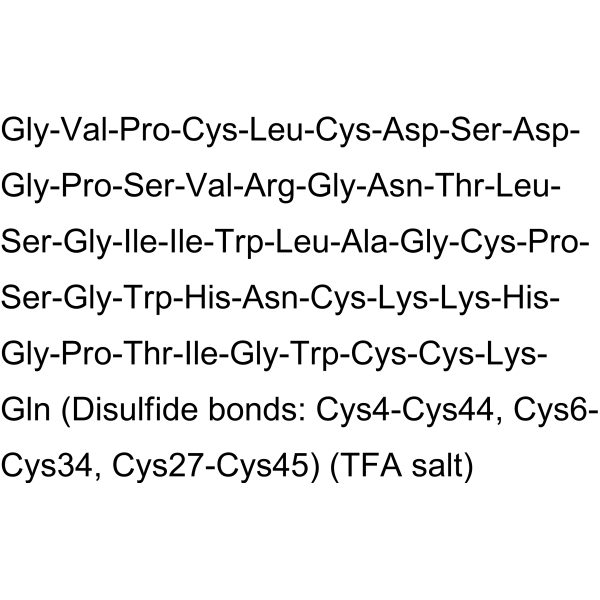
ATX-II TFA is a selective sodium channel modulator toxin. ATX-II TFA enhances late sodium current, prevents full sodium channel inactivation, and generates persistent current fractions. ATX-II TFA has pro-arrhythmic effect. ATX-II TFA slows intrinsic heart rate, prolongs QT interval and sinus node recovery time, and causes sinus pauses and arrests. ATX-II TFA can be used for the research of atrial fibrillation, long QT syndrome, and long QT3 syndrome .
|
-
- HY-125807
-
|
|
G Protein-coupled Receptor Kinase (GRK)
Apoptosis
Reactive Oxygen Species (ROS)
Akt
p38 MAPK
|
Cardiovascular Disease
Cancer
|
|
IS20 is a Prokineticin receptor 1 (PKR1) agonist. IS20 diminishes Doxorubicin (HY-15142A) mediated apoptosis and ROS production by activating Akt or MAPK pathways. IS20 protects the heart against Doxorubicin-induced cardiovascular toxicity and improves the survival rate and cardiac function in mouse models. IS20 does not alter the cytotoxicity and antitumor activity of acute DOX treatment in breast cancer cells and MDA-MB-231 xenograft mouse models. IS20 can be used for cancers research .
|
-
- HY-151229
-
|
DETC-Me; DDTC-Me; Diethyldithiocarbamic acid methyl ester
|
Aldehyde Dehydrogenase (ALDH)
|
Metabolic Disease
|
|
S-Methyl-N,N-diethylthiolcarbamate (DETC-Me; DDTC-Me) is the active metabolite of the aldehyde dehydrogenase inhibitor disulfiram (HY-B0240). It is produced by the methylation of the disulfiram metabolite diethyldithiocarbamate in mouse liver microsomes. S-Methyl-N,N-diethylthiolcarbamate (DETC-Me; DDTC-Me) inhibits rat liver low Km aldehyde dehydrogenase (ALDH) (ID50=15.5 mg/kg). When administered at a dose of 20.6 mg/kg, it decreases mean arterial pressure (MAP) and increases heart rate in rats during ethanol stimulation.
|
-
- HY-W328882
-
|
|
Endogenous Metabolite
|
Cardiovascular Disease
|
|
3-(2-Aminopropyl)phenol is a biologically active compound with significant blood pressure-raising activity. 3-(2-Aminopropyl)phenol can effectively improve the symptoms of orthostatic hypotension in patients. 3-(2-Aminopropyl)phenol can significantly increase blood pressure at rest and when standing after oral administration. 3-(2-Aminopropyl)phenol can help reduce pathological orthostatic adjustment disorders. 3-(2-Aminopropyl)phenol has a relatively small effect on heart rate, and no significant side effects have been observed .
|
-
- HY-159924
-
|
|
Opioid Receptor
|
Neurological Disease
|
|
DBPR116 is a prodrug of BPRMU191 (HY-159923) with blood-brain barrier penetration capability. DBPR116 significantly improves the delivery of centrally targeted drugs. In combination with the antagonist Naltrexone (HY-76711), DBPR116 demonstrated superior safety and analgesic efficacy compared to morphine in various in vivo pharmacological studies, including thermal pain models, cancer pain models, constipation, sedation, psychological dependence, heart rate, and respiratory frequency. As a prodrug strategy for peripheral administration, DBPR116 effectively alleviates pain while reducing adverse effects, showing potential as a safer opioid analgesic .
|
-
- HY-P3269
-
|
|
Calcium Channel
|
Cardiovascular Disease
|
|
Calciseptine is a natural polypeptide toxin found in the venom of the black mamba snake (Dendroaspis p. polylepis). Calciseptine is a highly effective and selective blocker of the L-type channel of the Cav1.2 subtype, with an IC50 value of 92 nM. Calciseptine has no effect on Cav3.1, Cav2.2, Cav2.1, Cav1.1, voltage-sensitive sodium channels and potassium channels. Calciseptine exhibits negative inotropic and negative relaxant effects on mice, and does not affect heart rate or the action potential of sinoatrial node pacemaker cells. Calciseptine can be used for research on cardiovascular diseases[1].
|
-
- HY-Z7733
-
|
Desmethylcarvedilol; BM-14242
|
Calcium Channel
|
Metabolic Disease
|
|
O-Desmethylcarvedilol (Desmethylcarvedilol) is an active metabolite of the non-selective β-adrenergic receptor (β-AR) antagonist Carvedilol (HY-B0006). O-Desmethylcarvedilol inhibits store-overload-induced calcium release in HEK293 cells expressing the ryanodine receptor 2 (RyR2) R4496C (RyR2 R4496C) mutation (IC50 = 7.62 µM). O-Desmethylcarvedilol reduces increases in heart rate and prevents decreases in diastolic blood pressure induced by Isoproterenol (HY-B0468) in conscious rabbits (ED50s = 32 and 5 µg/kg, respectively) .
|
-
- HY-A0144A
-
|
|
Adrenergic Receptor
AMPK
Akt
|
Cardiovascular Disease
|
|
Etilefrine hydrochloride is a sympathetic nerve agonist and AMPK activator that selectively targets α1/β1 adrenergic receptors. Etilefrine hydrochloride stimulates α1 adrenergic receptors, leading to contraction of vascular smooth muscle and increased peripheral resistance. Etilefrine hydrochloride also stimulates β1 receptors to enhance myocardial contractility and increase heart rate, thereby increasing blood pressure and improving cardiac output. Etilefrine hydrochloride also bidirectionally regulates the AMPK/Akt pathway and modulates the phosphorylation levels. Etilefrine hydrochloride can be used in cardiovascular research, such as postural hypotension, chylothorax, and improving low cardiac output .
|
-
- HY-A0144
-
|
|
Adrenergic Receptor
AMPK
Akt
|
Cardiovascular Disease
|
|
Etilefrine is a sympathetic nerve agonist and AMPK activator that selectively targets α1/β1 adrenergic receptors. Etilefrine stimulates α1 adrenergic receptors, leading to contraction of vascular smooth muscle and increased peripheral resistance. Etilefrine also stimulates β1 receptors to enhance myocardial contractility and increase heart rate, thereby increasing blood pressure and improving cardiac output. Etilefrine also bidirectionally regulates the AMPK/Akt pathway and modulates the phosphorylation levels. Etilefrine can be used in cardiovascular research, such as postural hypotension, chylothorax, and improving low cardiac output .
|
-
- HY-19310
-
|
|
Adenosine Receptor
|
Cardiovascular Disease
Metabolic Disease
|
|
AMP-579 is an adenosine receptor agonist that primarily targets adenosine A1 and A2A receptors (with Ki values of 1.7 and 4.5 nM for the A1 receptor in rat brain and adipocytes, and a Ki value of 56 nM for the A2A receptor in rat brain). AMP-579 inhibits lipolysis, restores insulin-dependent glucose transport, and reduces heart rate through the activation of A1 receptors, while it induces vasodilation, particularly in coronary arteries, through the activation of A2A receptors (with an IC50 of 0.3 μM in porcine coronary arterial rings). AMP 579 shows potential for application in cardioprotection and the treatment of acute myocardial infarction .
|
-
- HY-100607A
-
|
ONO1101 hydrochloride
|
Adrenergic Receptor
Calcium Channel
Potassium Channel
Reactive Oxygen Species (ROS)
|
Cardiovascular Disease
Inflammation/Immunology
Endocrinology
|
|
Landiolol (ONO1101) hydrochloride is a highly selective, ultra-short-acting competitive inhibitor of β1 adrenergic receptors. Landiolol hydrochloride specifically blocks cardiac β1 receptors, reducing heart rate and myocardial oxygen consumption. Landiolol hydrochloride inhibits TNF-α-induced excessive mitochondrial oxygen consumption and reactive oxygen species production in a sepsis model, alleviating renal injury. Landiolol hydrochloride has little effect on cardiac ion channels (such as L-type calcium current and inward rectifier potassium current) and has a weak negative inotropic effect. Landiolol hydrochloride can be used for perioperative tachycardia control and protection studies of sepsis-related acute kidney injury .
|
-
- HY-100607
-
|
ONO1101
|
Adrenergic Receptor
Calcium Channel
Potassium Channel
Reactive Oxygen Species (ROS)
|
Cardiovascular Disease
Inflammation/Immunology
Endocrinology
|
|
Landiolol (ONO1101) is a highly selective, ultra-short-acting competitive inhibitor of β1 adrenergic receptors. Landiolol specifically blocks cardiac β1 receptors, reducing heart rate and myocardial oxygen consumption. Landiolol inhibits TNF-α-induced excessive mitochondrial oxygen consumption and reactive oxygen species production in a sepsis model, alleviating renal injury. Landiolol has little effect on cardiac ion channels (such as L-type calcium current and inward rectifier potassium current) and has a weak negative inotropic effect. Landiolol can be used for perioperative tachycardia control and protection studies of sepsis-related acute kidney injury .
|
-
- HY-W005255
-
|
|
Endogenous Metabolite
|
Cardiovascular Disease
|
|
3-(3-Hydroxyphenyl)propionic acid (3HPPA) is an endothelium-dependent nitric oxide (NO) release promoter and endothelial nitric oxide synthase (eNOS) activator. 3-(3-Hydroxyphenyl)propionic acid activates eNOS to mediate vascular smooth muscle relaxation and enhances endothelial cell NO synthesis, inducing vasodilation and reducing peripheral vascular resistance. 3-(3-Hydroxyphenyl)propionic acid can dose-dependently reduce systolic and diastolic blood pressure in spontaneously hypertensive rats (SHR) without affecting cardiac contractility or heart rate. 3-(3-Hydroxyphenyl)propionic acid has antihypertensive and vascular protective effects and can be used in the prevention and treatment of cardiovascular diseases .
|
-
- HY-100634
-
|
(±)-4-hydroxy Propranolol hydrochloride
|
Adrenergic Receptor
|
Cardiovascular Disease
|
|
4-Hydroxypropranolol hydrochloride is a non-cardiac selective β-adrenergic receptor antagonist and a metabolite produced after oral administration of Propranolol (HY-B0573B). 4-Hydroxypropranolol hydrochloride also acts as a membrane stabilizer and possesses intrinsic sympathomimetic inhibitory activity. 4-Hydroxypropranolol hydrochloride blocks β-adrenergic receptors to antagonize the effects of catecholamines, acts as a partial β-adrenergic receptor agonist, and induces membrane stabilization. 4-Hydroxypropranolol hydrochloride alters heart rate, left ventricular contractility, and atrioventricular conduction time. 4-Hydroxypropranolol hydrochloride can be used in research related to cardiovascular and cerebrovascular diseases .
|
-
- HY-W011602
-
|
|
Environmental Pollutants
Biochemical Assay Reagents
|
Neurological Disease
|
|
Triethyl citrate is an orally active citrate compound. Triethyl citrate induces acute toxic effects, including weakness, depression, ataxia, hyperexcitability, restlessness, dripping urine, and irregular, labored breathing. Triethyl citrate can be used in research on plasticizers for food packaging materials .
|
-
- HY-U00244
-
|
P2647; BZQ; Benzoquinamide
|
Adrenergic Receptor
Dopamine Receptor
|
Metabolic Disease
|
|
Benzquinamide (P2647; BZQ; Benzoquinamide) is an orally active binder of dopamine receptors and adrenergic receptors. Benzquinamide specifically targets dopamine D2, D3, D4 receptors and α-2A, α-2B, α-2C adrenergic receptors. Benzquinamide regulates blood pressure and heart rate, attenuates the pressor effect of adrenaline, and exhibits activities such as antiemesis, anxiolysis, and reduction of histamine-induced bronchoconstriction. Benzquinamide has good safety and does not deplete serotonin or norepinephrine in the brain. Benzquinamide can be used in studies related to nausea/vomiting, mental disorders, anxiety states, neurosis, and psychosis .
|
-
- HY-U00244A
-
|
P2647 hydrochloride; BZQ hydrochloride; Benzoquinamide hydrochloride
|
Adrenergic Receptor
Dopamine Receptor
|
Neurological Disease
|
|
Benzquinamide (P2647; BZQ; Benzoquinamide) hydrochloride is an orally active binder of dopamine receptors and adrenergic receptors. Benzquinamide hydrochloride specifically targets dopamine D2, D3, D4 receptors and α-2A, α-2B, α-2C adrenergic receptors. Benzquinamide hydrochloride regulates blood pressure and heart rate, attenuates the pressor effect of adrenaline, and exhibits activities such as antiemesis, anxiolysis, and reduction of histamine-induced bronchoconstriction. Benzquinamide hydrochloride has good safety and does not deplete serotonin or norepinephrine in the brain. Benzquinamide hydrochloride can be used in studies related to nausea/vomiting, mental disorders, anxiety states, neurosis, and psychosis .
|
-
- HY-P11274A
-
|
Amycretin sodium; NN 9487 sodium
|
Amylin Receptor
Insulin Receptor
GCGR
|
Metabolic Disease
|
Zenagamtide (Amycretin; NN 9487) sodium is an orally active, blood-brain barrier permeable triple agonist that targets GLP-1, amylin (Amylin Receptor) and calcitonin receptor (Calcitonin Receptor). Zenagamtide sodium is a single peptide consisting of 68 amino acids that can target brain regions regulating food intake, significantly suppress appetite and reduce energy intake. Therefore, Zenagamtide sodium improves body weight, waist circumference, glycated hemoglobin and lipid profile, and also alleviates the histological features of metabolic dysfunction-associated steatotic liver disease (MASLD) and enhances insulin sensitivity. Zenagamtide sodium may cause transient increases in heart rate and fluctuations in serum calcium levels, but it is an important compound for the study of overweight, obesity, insulin resistance and related metabolic diseases .
|
-
- HY-P11274
-
|
Amycretin; NN 9487
|
Amylin Receptor
GCGR
Insulin Receptor
|
Metabolic Disease
|
Zenagamtide (Amycretin; NN 9487) is an orally active, blood-brain barrier permeable triple agonist that targets GLP-1, amylin (Amylin Receptor) and calcitonin receptor (Calcitonin Receptor). Zenagamtide is a single peptide consisting of 68 amino acids that can target brain regions regulating food intake, significantly suppress appetite and reduce energy intake. Therefore, Zenagamtide improves body weight, waist circumference, glycated hemoglobin and lipid profile, and also alleviates the histological features of metabolic dysfunction-associated steatotic liver disease (MASLD) and enhances insulin sensitivity. Zenagamtide may cause transient increases in heart rate and fluctuations in serum calcium levels, but it is an important compound for the study of overweight, obesity, insulin resistance and related metabolic diseases .
|
-
- HY-175188
-
|
BPN-0027490
|
Myosin
|
Neurological Disease
|
MT-110 (BPN-0027490) is a non-muscle myosin NMIIB-selective inhibitor with high brain penetration and favorable safety profile. MT-110 specifically disrupts NMIIB-dependent actin dynamics in dendritic spines, while it exerts no significant adverse effects on cardiac myosin II and cardiac functions (such as cardiac output and heart rate) at tested concentrations. A single administration of MT-110 produces long-lasting (sustained for several weeks) blockade of methamphetamine motivation associated with environmental cues. MT-110 exhibits extremely high specificity, with no interference with cocaine motivation, hippocampus-dependent memory, fear memory, or locomotor and anxiety-like behaviors. MT-110 serves as a valuable tool compound for investigating the mechanisms of methamphetamine use disorder .
|
-
- HY-155157
-
|
|
Endogenous Metabolite
|
Cardiovascular Disease
|
|
PF-07247685 is a BCKDC kinase (BDK) inhibitor (EC50=2.2 nM). PF-07247685 stabilizes the interaction between BDK and BCKDH core subunit E2 and prevents phosphorylation of E1. While BDK mediates branched-chain ketoacid dehydrogenase (BCKDH) phosphorylation, and inhibition of BCKDH is involved in controlling the rate-limiting step of branched-chain amino acid (BCAA) degradation. Impaired BCAA catabolism has been associated with several diseases, particularly cardiometabolic diseases, including heart failure (HF), type 2 diabetes mellitus (T2DM), non-alcoholic fatty liver disease (NAFLD), and obesity. PF-07247685 improved cardiometabolic endpoints and improves glucose tolerance in mice .
|
-
- HY-A0144AR
-
|
|
Reference Standards
AMPK
Adrenergic Receptor
Akt
|
Cardiovascular Disease
|
|
Etilefrine hydrochloride (Standard) is the analytical standard of Etilefrine hydrochloride (HY-A0144A). This product is intended for research and analytical applications. Etilefrine hydrochloride is a sympathetic nerve agonist and AMPK activator that selectively targets α1/β1 adrenergic receptors. Etilefrine hydrochloride stimulates α1 adrenergic receptors, leading to contraction of vascular smooth muscle and increased peripheral resistance. Etilefrine hydrochloride also stimulates β1 receptors to enhance myocardial contractility and increase heart rate, thereby increasing blood pressure and improving cardiac output. Etilefrine hydrochloride also bidirectionally regulates the AMPK/Akt pathway and modulates the phosphorylation levels. Etilefrine hydrochloride can be used in cardiovascular research, such as postural hypotension, chylothorax, and improving low cardiac output .
|
-
- HY-B1341
-
|
Enidrel; SC-4642; NSC 15432
|
Endogenous Metabolite
Progesterone Receptor
|
Cancer
|
|
Norethynodrel (Enidrel; SC-4642) is an orally active progestogen analog that reduces estrogen-like effects and enhances progestogen-like responses in endometrial stromal cells. Norethynodrel also promotes cell maturation and predecidual cell formation by inducing organelle hyperplasia and glycogen accumulation. Norethynodrel competitively inhibits drug-metabolizing enzymes in rat liver microsomes, thereby prolonging Pentobarbital sleep time, while exhibiting multiple effects including reduced body weight gain, attenuated heart rate elevation and ovulation inhibition. In mouse models, Norethynodrel significantly increases the incidence of mammary adenocarcinoma, cervical cancer and pituitary tumors. Norethynodrel can be used for mechanism research on related diseases such as mammary adenocarcinoma, cervical cancer, ovarian tubular adenoma and pituitary adenoma .
|
-
- HY-A0144R
-
|
|
Adrenergic Receptor
AMPK
Akt
Reference Standards
|
Cardiovascular Disease
|
|
Etilefrine (Standard) is the analytical standard of Etilefrine. This product is intended for research and analytical applications. Etilefrine is a sympathetic nerve agonist and AMPK activator that selectively targets α1/β1 adrenergic receptors. Etilefrine stimulates α1 adrenergic receptors, leading to contraction of vascular smooth muscle and increased peripheral resistance. Etilefrine also stimulates β1 receptors to enhance myocardial contractility and increase heart rate, thereby increasing blood pressure and improving cardiac output. Etilefrine also bidirectionally regulates the AMPK/Akt pathway and modulates the phosphorylation levels. Etilefrine can be used in cardiovascular research, such as postural hypotension, chylothorax, and improving low cardiac output .
|
-
- HY-155156
-
|
|
Endogenous Metabolite
|
Cardiovascular Disease
|
|
PF-07238025 is a BCKDC kinase (BDK) inhibitor (EC50=19 nM). PF-07238025 stabilizes the interaction between BDK and BCKDH core subunit E2 and prevents phosphorylation of E1. While BDK mediates branched-chain ketoacid dehydrogenase (BCKDH) phosphorylation, and inhibition of BCKDH is involved in controlling the rate-limiting step of branched-chain amino acid (BCAA) degradation. Impaired BCAA catabolism has been associated with several diseases, particularly cardiometabolic diseases, including heart failure (HF), type 2 diabetes mellitus (T2DM), non-alcoholic fatty liver disease (NAFLD), and obesity. PF-07238025 improved cardiometabolic endpoints and improves glucose tolerance in mice .
|
-
- HY-166478S
-
|
Desmethylcarvedilol-d5; BM-14242-d5
|
Isotope-Labeled Compounds
Calcium Channel
|
Metabolic Disease
|
|
O-Desmethyl carvedilol-d5 (Desmethylcarvedilol-d5) is deuterium labeled O-Desmethylcarvedilol. O-Desmethylcarvedilol (Desmethylcarvedilol) is an active metabolite of the non-selective β-adrenergic receptor (β-AR) antagonist Carvedilol (HY-B0006). O-Desmethylcarvedilol inhibits store-overload-induced calcium release in HEK293 cells expressing the ryanodine receptor 2 (RyR2) R4496C (RyR2 R4496C) mutation (IC50 = 7.62 μM). O-Desmethylcarvedilol reduces increases in heart rate and prevents decreases in diastolic blood pressure induced by Isoproterenol (HY-B0468) in conscious rabbits (ED50s = 32 and 5 μg/kg, respectively) .
|
-
- HY-100607AR
-
|
ONO1101 hydrochloride (Standard)
|
Reference Standards
Adrenergic Receptor
Calcium Channel
Potassium Channel
Reactive Oxygen Species (ROS)
|
Cardiovascular Disease
Inflammation/Immunology
Endocrinology
|
|
Landiolol (ONO1101) hydrochloride (Standard) is the analytical standard of Landiolol hydrochloride (HY-100607A). This product is intended for research and analytical applications. Landiolol (ONO1101) hydrochloride is a highly selective, ultra-short-acting competitive inhibitor of β1 adrenergic receptors. Landiolol hydrochloride specifically blocks cardiac β1 receptors, reducing heart rate and myocardial oxygen consumption. Landiolol hydrochloride inhibits TNF-α-induced excessive mitochondrial oxygen consumption and reactive oxygen species production in a sepsis model, alleviating renal injury. Landiolol hydrochloride has little effect on cardiac ion channels (such as L-type calcium current and inward rectifier potassium current) and has a weak negative inotropic effect. Landiolol hydrochloride can be used for perioperative tachycardia control and protection studies of sepsis-related acute kidney injury .
|
-
- HY-181875
-
|
|
LPL Receptor
|
Inflammation/Immunology
|
|
S1PR1/S1PR5 agonist-1 (Compound 19) is an orally active S1PR1 and S1PR5 agonist with EC50 values of 40.0 and 22.9 nM, respectively. S1PR1/S1PR5 agonist-1 binds to key residues of S1PR1 to mediate agonistic activity. S1PR1/S1PR5 agonist-1 alleviates colitis pathological changes in DSS-induced mouse models and exerts minimal effects on mouse heart rate. S1PR1/S1PR5 agonist-1 can be used for the research of inflammatory bowel disease .
|
-
- HY-B1018A
-
|
|
Monoamine Oxidase
GABA Receptor
Histone Demethylase
|
Cardiovascular Disease
Neurological Disease
Metabolic Disease
Inflammation/Immunology
Cancer
|
|
Phenelzine sulfate, an antidepressant agent, is an irreversible and orally active monoamine oxidase (MAO-A and MAO-B) inhibitor. Phenelzine sulfate inhibits GABA transaminase and primary amine oxidase (PrAO), and sequester reactive aldehydes. Phenelzine sulfate also inhibits LSD1 (Ki: 5.6 μM) and suppresses oxidative stress and lipogenesis. Phenelzine sulfate elevates neurotransmitters (serotonin, norepinephrine, dopamine). Phenelzine sulfate is studied in neurological, metabolic and cancer diseases for depression and anxiety disorders, stroke, spinal cord injury, traumatic brain injury, multiple sclerosis, Parkinson’s disease, Alzheimer’s disease, inflammatory pain, obesity and prostate cancer .
|
-
| Cat. No. |
Product Name |
Type |
-
- HY-A0144A
-
|
|
Biochemical Assay Reagents
|
|
Etilefrine hydrochloride is a sympathetic nerve agonist and AMPK activator that selectively targets α1/β1 adrenergic receptors. Etilefrine hydrochloride stimulates α1 adrenergic receptors, leading to contraction of vascular smooth muscle and increased peripheral resistance. Etilefrine hydrochloride also stimulates β1 receptors to enhance myocardial contractility and increase heart rate, thereby increasing blood pressure and improving cardiac output. Etilefrine hydrochloride also bidirectionally regulates the AMPK/Akt pathway and modulates the phosphorylation levels. Etilefrine hydrochloride can be used in cardiovascular research, such as postural hypotension, chylothorax, and improving low cardiac output .
|
-
- HY-A0144AR
-
|
|
Biochemical Assay Reagents
|
|
Etilefrine hydrochloride (Standard) is the analytical standard of Etilefrine hydrochloride (HY-A0144A). This product is intended for research and analytical applications. Etilefrine hydrochloride is a sympathetic nerve agonist and AMPK activator that selectively targets α1/β1 adrenergic receptors. Etilefrine hydrochloride stimulates α1 adrenergic receptors, leading to contraction of vascular smooth muscle and increased peripheral resistance. Etilefrine hydrochloride also stimulates β1 receptors to enhance myocardial contractility and increase heart rate, thereby increasing blood pressure and improving cardiac output. Etilefrine hydrochloride also bidirectionally regulates the AMPK/Akt pathway and modulates the phosphorylation levels. Etilefrine hydrochloride can be used in cardiovascular research, such as postural hypotension, chylothorax, and improving low cardiac output .
|
| Cat. No. |
Product Name |
Target |
Research Area |
-
- HY-P0203
-
|
CGRP (83-119), mouse, rat
|
CGRP Receptor
|
Cardiovascular Disease
Metabolic Disease
Inflammation/Immunology
|
|
α-CGRP (mouse, rat), a neuropeptide (calcitonin gene-related peptide (CGRP)) mainly expressed in neuromuscular junction, is a potent vasodilator. α-CGRP (mouse, rat) can lead to a fall in blood pressure and an increase in heart rate by peripheral administration, also relax colonie smooth muscle. α-CGRP (mouse, rat) has the potential in cardiovascular, pro-inflammatory, migraine and metabolic studies .
|
-
- HY-P11274A
-
|
Amycretin sodium; NN 9487 sodium
|
Amylin Receptor
Insulin Receptor
GCGR
|
Metabolic Disease
|
Zenagamtide (Amycretin; NN 9487) sodium is an orally active, blood-brain barrier permeable triple agonist that targets GLP-1, amylin (Amylin Receptor) and calcitonin receptor (Calcitonin Receptor). Zenagamtide sodium is a single peptide consisting of 68 amino acids that can target brain regions regulating food intake, significantly suppress appetite and reduce energy intake. Therefore, Zenagamtide sodium improves body weight, waist circumference, glycated hemoglobin and lipid profile, and also alleviates the histological features of metabolic dysfunction-associated steatotic liver disease (MASLD) and enhances insulin sensitivity. Zenagamtide sodium may cause transient increases in heart rate and fluctuations in serum calcium levels, but it is an important compound for the study of overweight, obesity, insulin resistance and related metabolic diseases .
|
-
- HY-P11274
-
|
Amycretin; NN 9487
|
Amylin Receptor
GCGR
Insulin Receptor
|
Metabolic Disease
|
Zenagamtide (Amycretin; NN 9487) is an orally active, blood-brain barrier permeable triple agonist that targets GLP-1, amylin (Amylin Receptor) and calcitonin receptor (Calcitonin Receptor). Zenagamtide is a single peptide consisting of 68 amino acids that can target brain regions regulating food intake, significantly suppress appetite and reduce energy intake. Therefore, Zenagamtide improves body weight, waist circumference, glycated hemoglobin and lipid profile, and also alleviates the histological features of metabolic dysfunction-associated steatotic liver disease (MASLD) and enhances insulin sensitivity. Zenagamtide may cause transient increases in heart rate and fluctuations in serum calcium levels, but it is an important compound for the study of overweight, obesity, insulin resistance and related metabolic diseases .
|
-
- HY-P0203A
-
|
CGRP (83-119), mouse, rat TFA
|
CGRP Receptor
|
Cardiovascular Disease
Metabolic Disease
Inflammation/Immunology
|
|
α-CGRP (mouse, rat) TFA, a neuropeptide (calcitonin gene-related peptide (CGRP)) mainly expressed in neuromuscular junction, is a potent vasodilator. α-CGRP (mouse, rat) TFA can lead to a fall in blood pressure and an increase in heart rate by peripheral administration, also relax colonie smooth muscle. α-CGRP (mouse, rat) TFA has the potential in cardiovascular, pro-inflammatory, migraine and metabolic studies .
|
-
- HY-P0004
-
-
- HY-P1604
-
ATX-II
1 Publications Verification
|
Sodium Channel
|
Cardiovascular Disease
Inflammation/Immunology
|
|
ATX-II is a selective sodium channel modulator toxin. ATX-II enhances late sodium current, prevents full sodium channel inactivation, and generates persistent current fractions. ATX-II has pro-arrhythmic effect. ATX-II slows intrinsic heart rate, prolongs QT interval and sinus node recovery time, and causes sinus pauses and arrests. ATX-II can be used for the research of atrial fibrillation, long QT syndrome, and long QT3 syndrome .
|
-
- HY-P1604A
-
|
|
Sodium Channel
|
Cardiovascular Disease
Inflammation/Immunology
|
|
ATX-II TFA is a selective sodium channel modulator toxin. ATX-II TFA enhances late sodium current, prevents full sodium channel inactivation, and generates persistent current fractions. ATX-II TFA has pro-arrhythmic effect. ATX-II TFA slows intrinsic heart rate, prolongs QT interval and sinus node recovery time, and causes sinus pauses and arrests. ATX-II TFA can be used for the research of atrial fibrillation, long QT syndrome, and long QT3 syndrome .
|
-
- HY-P4764
-
|
|
Melanocortin Receptor
|
Cardiovascular Disease
|
|
Ac-DArg-c[Cys-Glu-His-DPhe-Arg-Trp-Cys]-NH 2 is a cyclic octapeptide with MC4R agonism. Ac-DArg-c[Cys-Glu-His-DPhe-Arg-Trp-Cys]-NH 2 significantly increases heart rate and blood pressure .
|
-
- HY-P3269
-
|
|
Calcium Channel
|
Cardiovascular Disease
|
|
Calciseptine is a natural polypeptide toxin found in the venom of the black mamba snake (Dendroaspis p. polylepis). Calciseptine is a highly effective and selective blocker of the L-type channel of the Cav1.2 subtype, with an IC50 value of 92 nM. Calciseptine has no effect on Cav3.1, Cav2.2, Cav2.1, Cav1.1, voltage-sensitive sodium channels and potassium channels. Calciseptine exhibits negative inotropic and negative relaxant effects on mice, and does not affect heart rate or the action potential of sinoatrial node pacemaker cells. Calciseptine can be used for research on cardiovascular diseases[1].
|
-
- HY-P5490
-
|
NPQ 53-70
|
Peptides
|
Others
|
|
Spexin-2 (53-70), human,mouse,rat (NPQ 53-70) is a biological active peptide. (This is Spexin-2 (53-70), non-amidated version of the novel peptide hormone that is derived from prohormone proNPQ and is conserved amongst mammalian species. It is a central modulator of cardiovascular and renal function. Spexin-2, when administered to rats, decreases heart rate and increases urine flow rate)
|
-
- HY-P3765
-
|
|
Peptides
|
Cardiovascular Disease
|
|
Auriculin A is a synthetic atrial natriuretic factor (ANF) with hemodynamic effect. Auriculin A antagonizes renal vasoconstriction in the dog, and influences on arterial baroreflex control of heart rate, systemic blood pressure, and perfusion pressure in the hind limb (perfused at constant flow) in rabbits .
|
-
- HY-P1428A
-
|
|
Neuropeptide Y Receptor
|
Cardiovascular Disease
|
|
RFRP-1(human) TFA is a potent endogenous NPFF receptor agonist (EC50 values are 0.0011 and 29 nM for NPFF2 and NPFF1, respectively). Attenuates contractile function of isolated rat and rabbit cardiac myocytes. Reduces heart rate, stroke volume, ejection fraction and cardiac output, and increases plasma prolactin levels in rats.
|
-
- HY-P10616
-
|
|
Endogenous Metabolite
|
Cardiovascular Disease
|
|
Salusin-α is an endogenous bioactive peptide with hemodynamic and cell proliferation activities. Salusin-α can stimulate the proliferation of quiescent vascular smooth muscle cells (VSMCs) and fibroblasts, leading to a rapid and significant decrease in blood pressure and heart rate, but its effect is weaker than that of Salusin-β (HY-P10617). Salusin-α has potential application value in cardiovascular disease research .
|
-
- HY-P10617
-
|
|
Endogenous Metabolite
|
Cardiovascular Disease
|
|
Salusin-β is an endogenous bioactive peptide with significant hemodynamic and mitogenic activity. Salusin-β can stimulate the proliferation of quiescent vascular smooth muscle cells (VSMCs) and fibroblasts, leading to a rapid and significant decrease in blood pressure and heart rate. In addition, Salusin-β can stimulate the release of arginine vasopressin from the pituitary gland in rats. This makes Salusin-β have important application potential in cardiovascular disease research .
|
-
- HY-P11619
-
|
|
RXFP Receptor
|
Cardiovascular Disease
|
|
R2R01 is a potent and selective relaxin family peptide receptor 1 (RXFP1) agonist with an EC50 of 0.34 nM. R2R01 activates RXFP1 to induce relaxin-like biological responses. R2R01 can increase heart rate in pithed and conscious rats. R2R01 can be used for the research of cardiovascular diseases .
|
-
- HY-P3269A
-
|
|
Calcium Channel
|
Cardiovascular Disease
|
|
Calciseptine TFA, a polypeptide found in black mamba venom, is a selcetive Cav1.2 L-type calcium channel inhibitor with an IC50 of 92 nM. Calciseptine TFA binds to the pore domain shoulder at repeats III and IV of Cav1.2, stabilizing an inactivated conformation. Calciseptine TFA exhibits negative inotropic and negative relaxant effects on mice, and does not affect heart rate or the action potential of sinoatrial node pacemaker cells. Calciseptine TFA can be used for the research of cardiovascular diseases .
|
| Cat. No. |
Product Name |
Target |
Research Area |
Image |
-
- HY-P990951
-
|
REGN-5381
|
Natriuretic Peptide Receptor (NPR)
|
Cardiovascular Disease
|
|
Vixticibart (REGN-5381) is a fully human IgG4 monoclonal antibody and NPR1 agonist that targets NPR1. Vixticibart stabilizes the receptor in an activated conformation by binding to the N-terminal domain of NPR1, and enhances the activity of endogenous ligands ANP and BNP without blocking ligand binding when these ligands are present. Vixticibart exerts vasodilatory and hypotensive effects by inducing cGMP production, preferentially dilating venous vessels to reduce systolic and venous pressure, but does not induce diuresis and may trigger a compensatory increase in heart rate. Vixticibart produces a synergistic hypotensive effect when combined with angiotensin-converting enzyme inhibitors or angiotensin receptor blockers, and is currently mainly used in research related to heart failure and hypertension .
|
-
(5)
-
- HY-P992108
-
|
RELAX10
|
RXFP Receptor
Akt
NO Synthase
VEGFR
|
Cardiovascular Disease
|
|
Efadirelaxin alfa (RELAX10) is a highly selective agonist of relaxin/insulin-like family peptide receptor RXFP1. After subcutaneous administration in animal experiments, Efadirelaxin alfa exhibits a significantly prolonged terminal half-life (7 days in mice, 3.75 days in rats), and shows no activity against related receptors such as RXFP2 and RXFP3. Efadirelaxin alfa has significant anti-cardiac hypertrophy and anti-fibrotic effects. Efadirelaxin alfa effectively attenuates and reverses cardiac hypertrophy and collagen deposition by regulating the TGF-β1/Smad2 and AKT/eNOS signaling pathways. Efadirelaxin alfa improves cardiac systolic function without causing fluctuations in blood pressure or heart rate, demonstrating favorable safety. Efadirelaxin alfa is currently mainly used in studies related to heart failure .
|
-
(5)
| Cat. No. |
Product Name |
Category |
Target |
Chemical Structure |
-
- HY-A0154
-
-
-
- HY-N0252
-
-
-
- HY-W005255
-
-
-
- HY-P0004
-
-
-
- HY-155157
-
|
|
Cardiovascular Disease
Natural Products
Classification of Application Fields
Endogenous metabolite
Disease Research Fields
Source Classification
|
Endogenous Metabolite
|
|
PF-07247685 is a BCKDC kinase (BDK) inhibitor (EC50=2.2 nM). PF-07247685 stabilizes the interaction between BDK and BCKDH core subunit E2 and prevents phosphorylation of E1. While BDK mediates branched-chain ketoacid dehydrogenase (BCKDH) phosphorylation, and inhibition of BCKDH is involved in controlling the rate-limiting step of branched-chain amino acid (BCAA) degradation. Impaired BCAA catabolism has been associated with several diseases, particularly cardiometabolic diseases, including heart failure (HF), type 2 diabetes mellitus (T2DM), non-alcoholic fatty liver disease (NAFLD), and obesity. PF-07247685 improved cardiometabolic endpoints and improves glucose tolerance in mice .
|
-
-
- HY-B1341
-
|
Enidrel; SC-4642; NSC 15432
|
Structural Classification
Classification of Application Fields
Endogenous metabolite
Disease Research Fields
Endocrinology
Steroids
Source Classification
|
Endogenous Metabolite
Progesterone Receptor
|
|
Norethynodrel (Enidrel; SC-4642) is an orally active progestogen analog that reduces estrogen-like effects and enhances progestogen-like responses in endometrial stromal cells. Norethynodrel also promotes cell maturation and predecidual cell formation by inducing organelle hyperplasia and glycogen accumulation. Norethynodrel competitively inhibits drug-metabolizing enzymes in rat liver microsomes, thereby prolonging Pentobarbital sleep time, while exhibiting multiple effects including reduced body weight gain, attenuated heart rate elevation and ovulation inhibition. In mouse models, Norethynodrel significantly increases the incidence of mammary adenocarcinoma, cervical cancer and pituitary tumors. Norethynodrel can be used for mechanism research on related diseases such as mammary adenocarcinoma, cervical cancer, ovarian tubular adenoma and pituitary adenoma .
|
-
-
- HY-16022
-
-
-
- HY-N7800
-
-
-
- HY-N0252A
-
-
-
- HY-127152
-
-
-
- HY-155156
-
-
-
- HY-A0154R
-
-
-
- HY-N0252B
-
-
-
- HY-N0252R
-
-
-
- HY-N6776R
-
|
|
Structural Classification
Microorganisms
Terpenoids
Diterpenoids
Source Classification
|
Reference Standards
Potassium Channel
|
|
Prenylamine (lactate) (Standard) is the analytical standard of Prenylamine (lactate). This product is intended for research and analytical applications. Prenylamine lactate is a calcium-modulating protein (CaM) antagonist that inhibits CaM-dependent enzymes and can slowly relax smooth muscle preparations. The effect of Prenylamine lactate on smooth muscle is not inhibited by the calcium agonist Bay K 8644 (HY-10588). Reports suggest that under low heart rate conditions, Prenylamine seems to enhance voltage-dependent transmembrane calcium currents .
|
-
-
- HY-N8421
-
|
|
Apocynaceae
Structural Classification
Alkaloids
Plants
Indole Alkaloids
Tabernanthe iboga Baill.
Source Classification
|
Potassium Channel
|
|
Tabernanthine is a negative chronotropic and negative inotropic agent that selectively acts on sinoatrial node receptors, regulating heart rhythm and myocardial contractility. Tabernanthine exhibits atropine resistance and direct non-cholinergic binding properties, acting directly on the sinoatrial node rather than relying on vagal nerve or cholinergic pathways to exert its key activity of slowing heart rate and weakening myocardial contractility. Tabernanthine is useful in cardiovascular pharmacology research, particularly in the areas of sinoatrial node function regulation, mechanisms related to bradycardia, and studies of cardiac receptor subtype differences .
|
-
-
- HY-N18279
-
-
| Cat. No. |
Product Name |
Chemical Structure |
-
- HY-B0162AS
-
|
|
|
Ivabradine-d6 hydrochloride is the deuterium labeled Ivabradine hydrochloride. Ivabradine hydrochloride is a new If inhibitor with IC50 of 2.9 μM, and used as a pure heart rate lowering agent.
|
-
-
- HY-B0162AS1
-
|
|
|
Ivabradine-d3 (hydrochloride) is the deuterium labeled Ivabradine hydrochloride. Ivabradine hydrochloride is a new If inhibitor with IC50 of 2.9 μM, and used as a pure heart rate lowering agent.
|
-
-
- HY-17401S
-
|
|
|
Ranolazine-d8 (dihydrochloride) is the deuterium labeled Ranolazine dihydrochloride. Ranolazine dihydrochloride (CVT 303 dihydrochloride) is an anti-angina agent that achieves its effects by inhibiting the late phase of inward sodium current (INa and IKr with IC50 values of 6 μM and 12 μM, respectively) without affecting heart rate or blood pressure (BP) . Ranolazine dihydrochloride is also a partial fatty acid oxidation inhibitor .
|
-
-
- HY-B0280S2
-
|
|
|
Ranolazine-d3 is the deuterium labeled Ranolazine. Ranolazine (CVT 303) is an anti-angina agent that achieves its effects by inhibiting the late phase of inward sodium current (INa and IKr with IC50 values of 6 μM and 12 μM, respectively) without affecting heart rate or blood pressure (BP) . Ranolazine is also a partial fatty acid oxidation (FAO) inhibitor . Antianginal agent.
|
-
-
- HY-B0280S1
-
|
|
|
Ranolazine-d8 is the deuterium labeled Ranolazine. Ranolazine (CVT 303) is an anti-angina agent that achieves its effects by inhibiting the late phase of inward sodium current (INa and IKr with IC50 values of 6 μM and 12 μM, respectively) without affecting heart rate or blood pressure (BP) . Ranolazine is also a partial fatty acid oxidation (FAO) inhibitor . Antianginal agent.
|
-
-
- HY-B0280S
-
|
|
|
Ranolazine-d5 is the deuterium labeled Ranolazine. Ranolazine (CVT 303) is an anti-angina drug that achieves its effects by inhibiting the late phase of inward sodium current (INa and IKr with IC50 values of 6 μM and 12 μM, respectively) without affecting heart rate or blood pressure (BP) . Ranolazine is also a partial fatty acid oxidation (FAO) inhibitor . Antianginal agent.
|
-
-
- HY-145552S
-
|
|
|
Azilsartan mepixetil-d5 (QR-01019-d5) is deuterium labeled Azilsartan mepixetil. Azilsartan mepixetil is the antagonist of angiotensin II receptor. Azilsartan mepixetil has stronger and longer blood pressure effect, more abvious and longer lasting heart rate lowering effect and high safety. Azilsartan mepixetil achieves ideal protective effect for heart and kidney functions. Azilsartan mepixetil has the potential for the research of hypertension, chronic heart failure and diabetic nephropathy (extracted from patent CN107400122A) .
|
-
-
- HY-B0162S
-
|
|
|
Ivabradine-d6 is the deuterium labeled Ivabradine . Ivabradine is a potent and orally active HCN (hyperpolarization-activated cyclic nucleotide-gated) channel blocker that inhibits the cardiac pacemaker current (If). Ivabradine reduces dose-dependently heart rate without modification of blood pressure. Ivabradine shows anticonvulsant, anti-ischaemic and anti-anginal activity .
|
-
-
- HY-166478S
-
|
|
|
O-Desmethyl carvedilol-d5 (Desmethylcarvedilol-d5) is deuterium labeled O-Desmethylcarvedilol. O-Desmethylcarvedilol (Desmethylcarvedilol) is an active metabolite of the non-selective β-adrenergic receptor (β-AR) antagonist Carvedilol (HY-B0006). O-Desmethylcarvedilol inhibits store-overload-induced calcium release in HEK293 cells expressing the ryanodine receptor 2 (RyR2) R4496C (RyR2 R4496C) mutation (IC50 = 7.62 μM). O-Desmethylcarvedilol reduces increases in heart rate and prevents decreases in diastolic blood pressure induced by Isoproterenol (HY-B0468) in conscious rabbits (ED50s = 32 and 5 μg/kg, respectively) .
|
-
| Cat. No. |
Product Name |
|
Classification |
-
- HY-B1341
-
|
Enidrel; SC-4642; NSC 15432
|
|
Alkynes
|
|
Norethynodrel (Enidrel; SC-4642) is an orally active progestogen analog that reduces estrogen-like effects and enhances progestogen-like responses in endometrial stromal cells. Norethynodrel also promotes cell maturation and predecidual cell formation by inducing organelle hyperplasia and glycogen accumulation. Norethynodrel competitively inhibits drug-metabolizing enzymes in rat liver microsomes, thereby prolonging Pentobarbital sleep time, while exhibiting multiple effects including reduced body weight gain, attenuated heart rate elevation and ovulation inhibition. In mouse models, Norethynodrel significantly increases the incidence of mammary adenocarcinoma, cervical cancer and pituitary tumors. Norethynodrel can be used for mechanism research on related diseases such as mammary adenocarcinoma, cervical cancer, ovarian tubular adenoma and pituitary adenoma .
|
Your information is safe with us. * Required Fields.
Inquiry Information
- Product Name:
- Cat. No.:
- Quantity:
- MCE Japan Authorized Agent:

