Search Result
Results for "
Parkinson disease (PD)
" in MedChemExpress (MCE) Product Catalog:
5
Isotope-Labeled Compounds
| Cat. No. |
상품명 |
Target |
연구분야 |
Chemical Structure |
-
- HY-B1081A
-
|
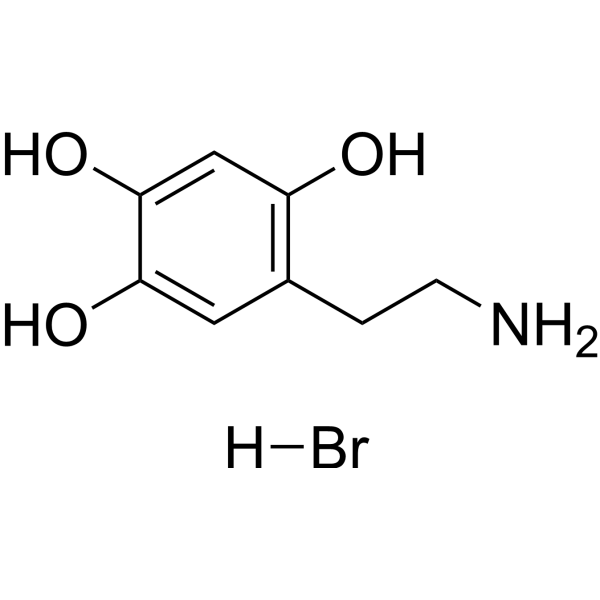
6-Hydroxydopamine hydrobromide; 6-OHDA hydrobromide
|
Dopamine Receptor
Autophagy
Mitophagy
COX
PGE synthase
Interleukin Related
p38 MAPK
Apoptosis
Caspase
|
Neurological Disease
Cancer
|
|
Oxidopamine (6-OHDA) hydrobromide is an antagonist of the neurotransmitter dopamine. Oxidopamine hydrobromide is a widely used neurotoxin and selectively destroys dopaminergic neurons. Oxidopamine hydrobromide promotes COX-2 activation, leading to PGE2 synthesis and pro-inflammatory cytokine IL-1β secretion. Oxidopamine hydrobromide can be used for the research of Parkinson’s disease (PD), attention-deficit hyperactivity disorder (ADHD), and Lesch-Nyhan syndrome .
|
-
-
- HY-B1081
-
|
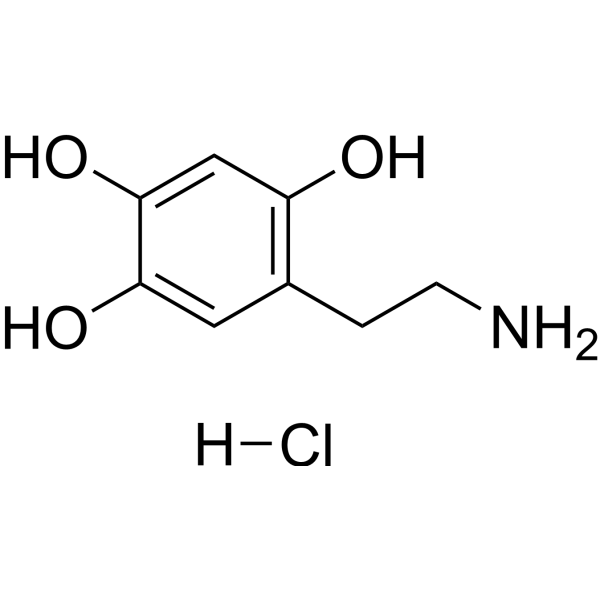
6-Hydroxydopamine Hydrochloride
|
Dopamine Receptor
Autophagy
Mitophagy
COX
PGE synthase
Interleukin Related
p38 MAPK
Apoptosis
Caspase
|
Neurological Disease
Cancer
|
|
Oxidopamine (6-OHDA) hydrochloride is an antagonist of the neurotransmitter dopamine. Oxidopamine hydrochloride is a widely used neurotoxin and selectively destroys dopaminergic neurons. Oxidopamine hydrochloride promotes COX-2 activation, leading to PGE2 synthesis and pro-inflammatory cytokine IL-1β secretion. Oxidopamine hydrochloride can be used for the research of Parkinson’s disease (PD), attention-deficit hyperactivity disorder (ADHD), and Lesch-Nyhan syndrome .
|
-
-
- HY-17355
-
|
|
Dopamine Receptor
|
Neurological Disease
|
|
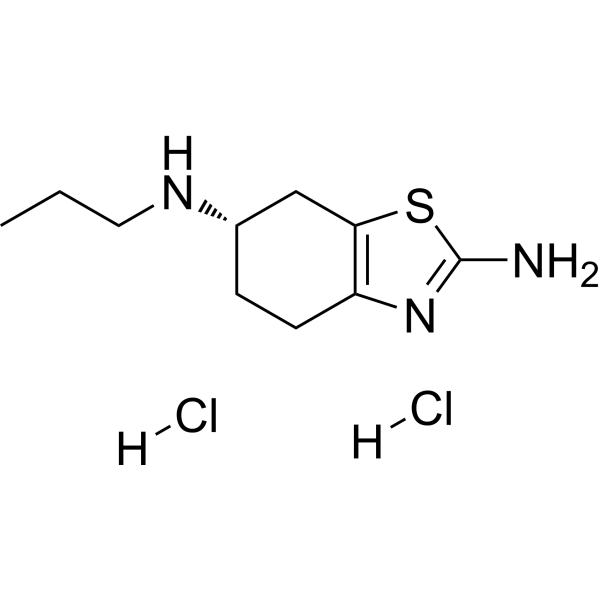
Pramipexole dihydrochloride is a selective and blood-brain barrier (BBB) penetrant dopamine D2-type receptor agonist, with Kis of 2.2 nM, 3.9 nM, 0.5 nM and 1.3 nM for D2-type receptor, D2, D3 and D4 receptors, respectively. Pramipexole dihydrochloride can be used for the research of Parkinson's disease (PD) and restless legs syndrome (RLS) .
|
-
-
- HY-B0410
-
|
|
Dopamine Receptor
|
Neurological Disease
|
|
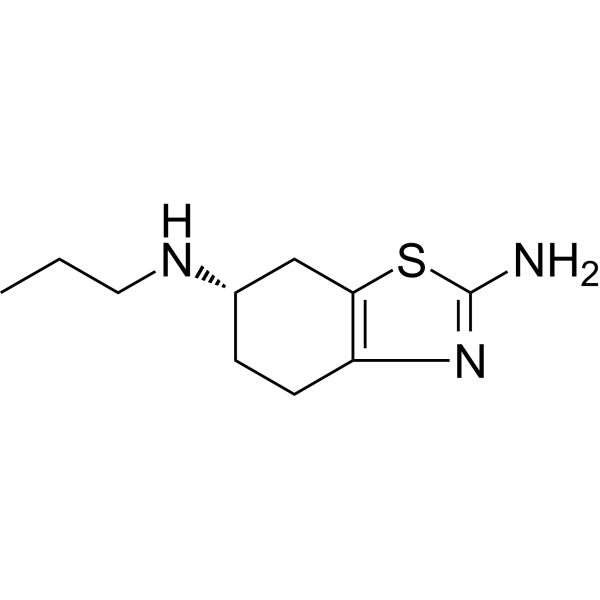
Pramipexole is a selective and blood-brain barrier (BBB) penetrant dopamine D2-type receptor agonist, with Kis of 2.2 nM, 3.9 nM, 0.5 nM and 1.3 nM for D2-type receptor, D2, D3 and D4 receptors, respectively. Pramipexole can be used for the research of Parkinson's disease (PD) and restless legs syndrome (RLS) .
|
-
-
- HY-75502
-
|
N-0923; (-)-N 0437
|
Dopamine Receptor
Adrenergic Receptor
5-HT Receptor
|
Neurological Disease
Endocrinology
|
|
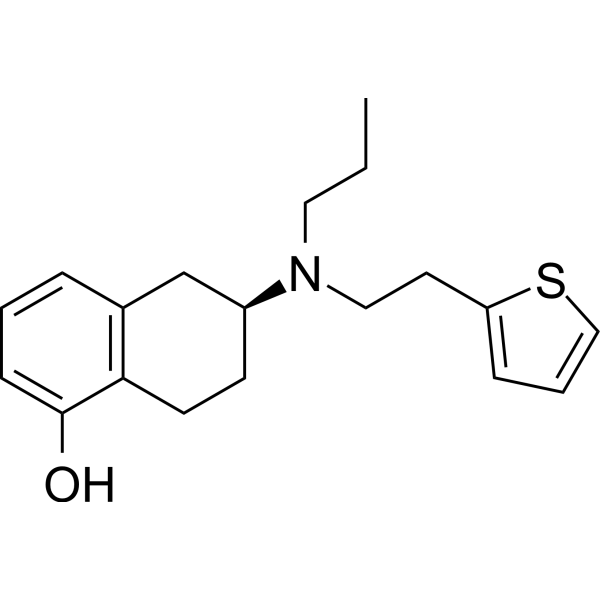
Rotigotine is a potent dopamine receptor agonist with Ki values of 0.71 nM, 4-15 nM, and 83 nM for the dopamine D3 receptor and D2, D5, D4 receptors and dopamine D1 receptor. Rotigotine a partial agonist of the 5-HT1A receptor, and an antagonist of the α2B-adrenergic receptor. Rotigotine can be used for parkinson's disease (PD) research .
|
-
-
- HY-110125
-
ML-193
1 Publications Verification
CID 1261822
|
GPR55
|
Neurological Disease
|
|
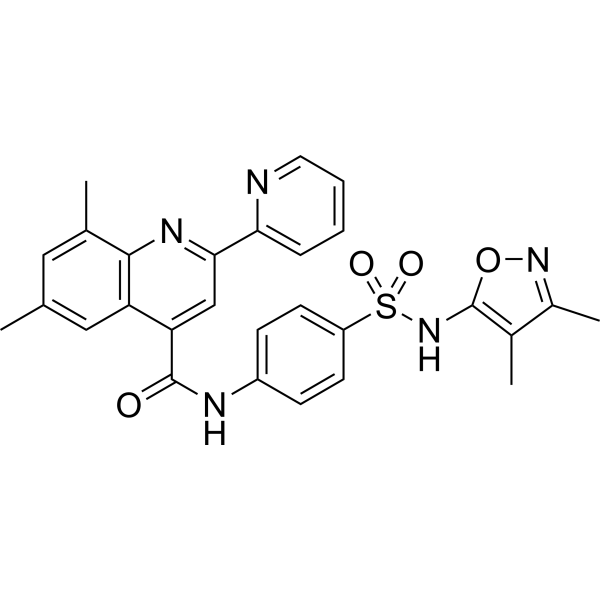
ML-193 (CID 1261822) is a potent and selective antagonist of GPR55, with an IC50 of 221 nM. ML-193 shows more than 27-fold selectivity for GPR55 over GPR35, CB1 and CB2. ML-193 can improve the motor and the sensorimotor deficits of Parkinson’s disease (PD) rats .
|
-
-
- HY-W342604
-
|
NAP
|
Endogenous Metabolite
|
Neurological Disease
Cancer
|
|
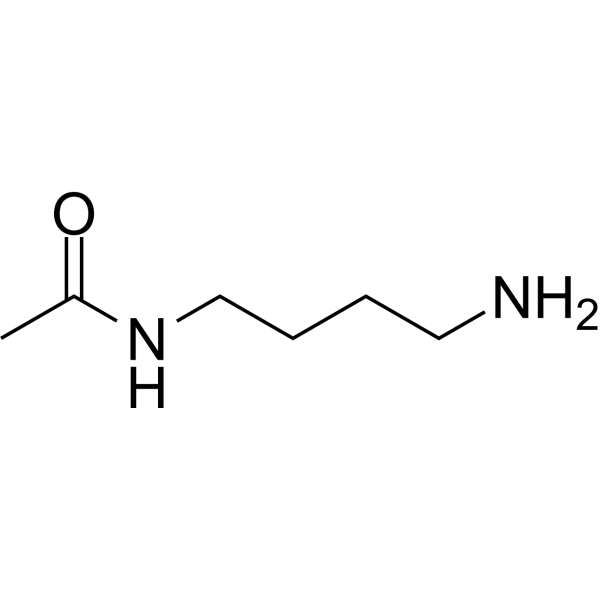
N-Acetylputrescine is a polyamine metabolite that regulates cell proliferation and signal transduction mainly by participating in polyamine acetylation modification. N-Acetylputrescine may reduce the positive charge of polyamines, affect protein-nucleic acid interactions, and promote cell growth. The concentration changes of N-Acetylputrescine can help disease diagnosis (such as early screening and efficacy evaluation of lung cancer) and microbial cell wall structure research. N-Acetylputrescine can be used as a potential biomarker for the progression of squamous cell carcinoma of the lung (SCCL) and Parkinson's disease (PD) .
|
-
-
- HY-147976
-
|
|
Glycosidase
|
Neurological Disease
Metabolic Disease
|
|
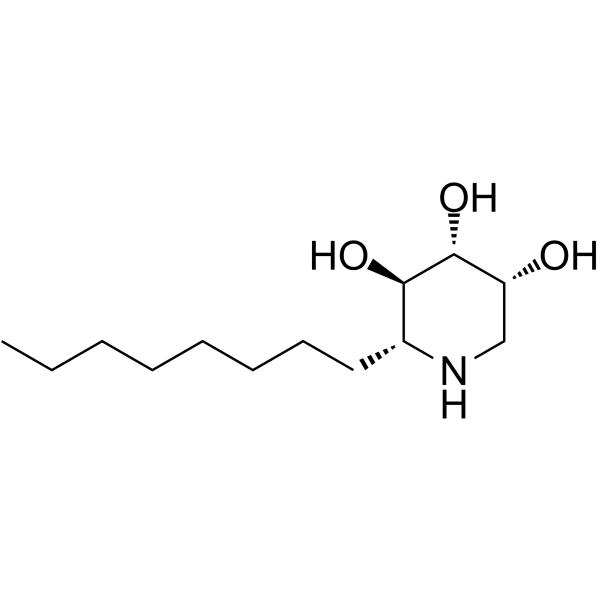
Glucocerebrosidase-IN-1 (compound 11a) is a potent and selective GCase (glucocerebrosidase) inhibitor, with an IC50 of 29.3 μM and a Ki of 18.5 μM. Glucocerebrosidase-IN-1 can be used for the research of Gaucher disease (GD) and Parkinson’s disease (PD) .
|
-
-
- HY-124729
-
BL-918
3 Publications Verification
|
ULK
Autophagy
|
Neurological Disease
|
|
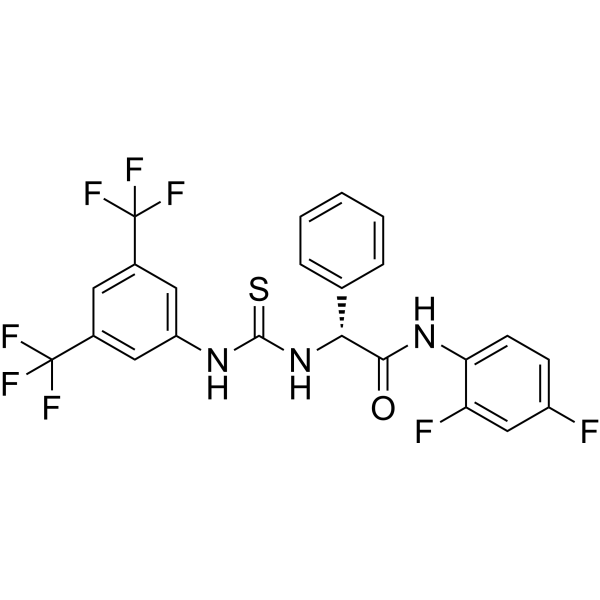
BL-918 is an orally active UNC-51-like kinase 1 (ULK1) activator with an EC50 of 24.14 nM. BL-918 exerts its cytoprotective autophagic effect by targeting ULK complex. BL-918 has the potential for Parkinson’s disease (PD) treatment .
|
-
-
- HY-148794
-
|
IkT-148009
|
c-Met/HGFR
Bcr-Abl
|
Neurological Disease
Cancer
|
|
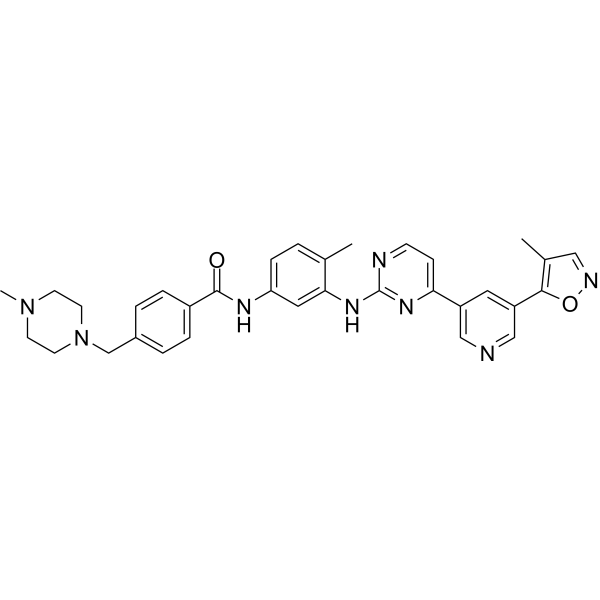
Risvodetinib (IkT-148009) is an orally active, selective and brain-penetrant protein tyrosine kinase inhibitor, displaying excellent target efficacy against c-Abl1, c-Abl2/Arg with IC50 values of 33 nM, 14 nM, respectively. Risvodetinib suppresses c-Abl activation and substantially protects dopaminergic neurons from degeneration in mouse models of both inherited and sporadic Parkinson’s disease (PD), which is promising for research in the field of PD .
|
-
-
- HY-13993
-
|
|
iGluR
|
Neurological Disease
|
|
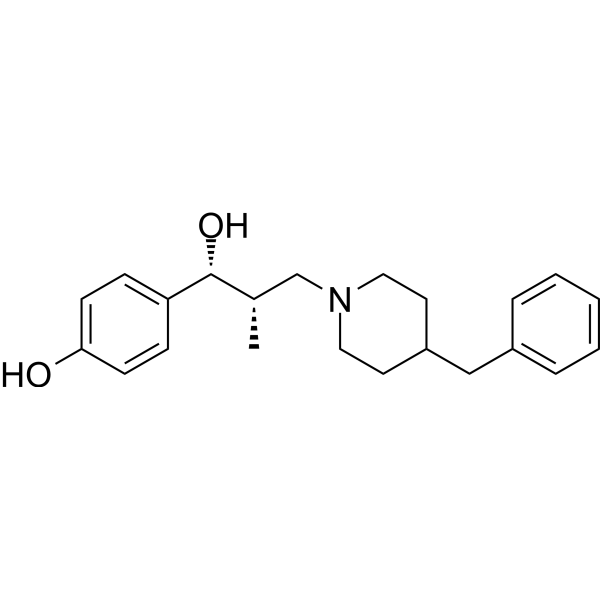
Ro 25-6981 is a potent, selective and activity-dependent NR2B subunit specific NMDA receptor antagonist. Ro 25-6981 shows anticonvulsant and anti-parkinsonian activity. Ro 25-6981 has the potential for the research of parkinson's disease (PD) .
|
-
-
- HY-12282
-
|
|
LRRK2
|
Neurological Disease
|
|
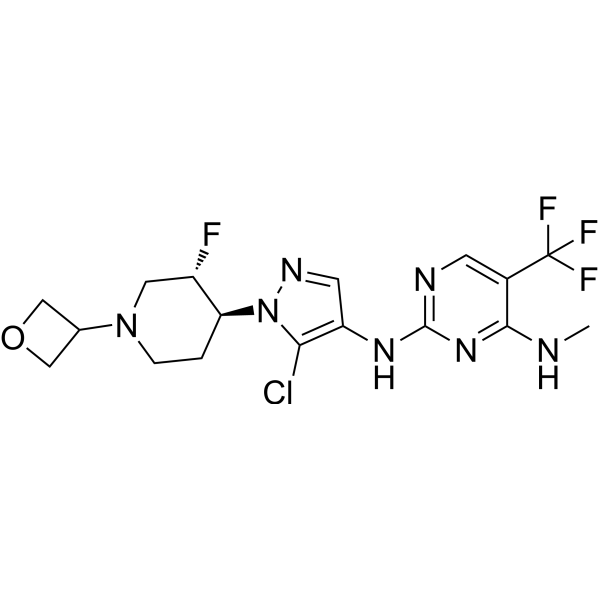
GNE-9605 is a potent, orally active, selective Leucine-rich repeat kinase 2 (LRRK2) inhibitor with an IC50 value of 18.7 nM. GNE-9605 inhibits LRRK2 Ser1292 autophosphorylation. GNE-9605 can be used in research of Parkinson's disease (PD) .
|
-
-
- HY-120475
-
PBT434
2 Publications Verification
ATH434
|
α-synuclein
|
Neurological Disease
|
|
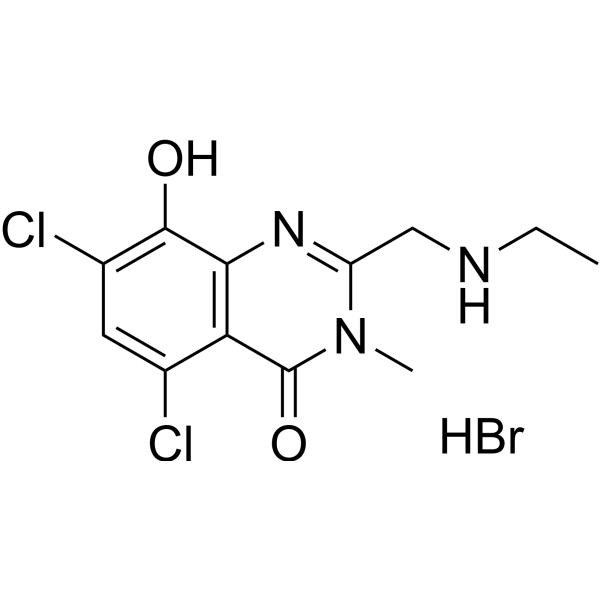
PBT434 is a potent, orally active and cross the blood-brain barrier α-synuclein aggregation inhibitor. PBT434 can be used as a iron chelator and modulates transcellular iron trafficking. PBT434 inhibits iron-mediated redox activity and iron-mediated aggregation of α-synuclein. PBT434 prevents the loss of substantia nigra pars compacta neurons (SNpc). PBT434 has the potential for the research of Parkinson’s disease (PD) .
|
-
-
- HY-113100
-
|
|
Endogenous Metabolite
|
Neurological Disease
Cancer
|
|
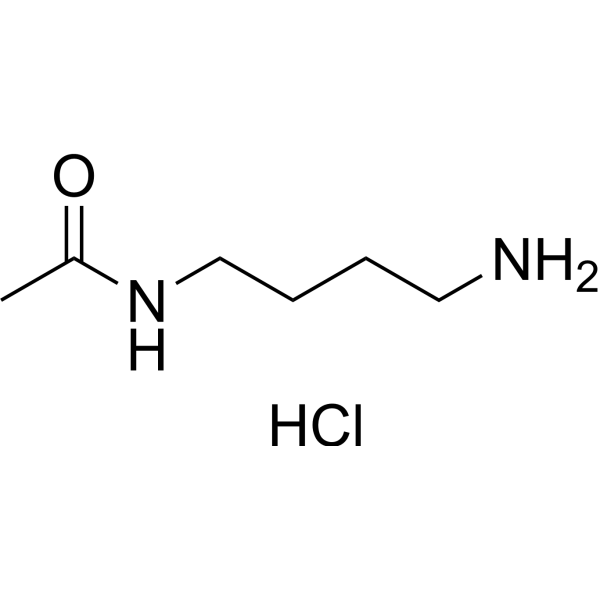
N-Acetylputrescine hydrochloride is a polyamine metabolite that regulates cell proliferation and signal transduction mainly by participating in polyamine acetylation modification. N-Acetylputrescine hydrochloride may reduce the positive charge of polyamines, affect protein-nucleic acid interactions, and promote cell growth. The concentration changes of N-Acetylputrescine hydrochloride can help disease diagnosis (such as early screening and efficacy evaluation of lung cancer) and microbial cell wall structure research. N-Acetylputrescine hydrochloride can be used as a potential biomarker for the progression of squamous cell carcinoma of the lung (SCCL) and Parkinson's disease (PD) .
|
-
-
- HY-13993A
-
|
|
iGluR
|
Neurological Disease
|
|
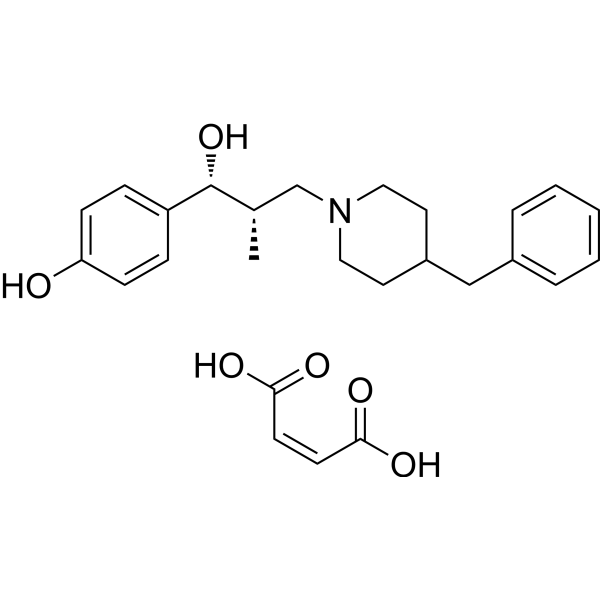
Ro 25-6981 Maleate is a potent, selective and activity-dependent NR2B subunit specific NMDA receptor antagonist. Ro 25-6981 Maleat shows anticonvulsant and anti-parkinsonian activity. Ro 25-6981 Maleate has the potential for the research of parkinson's disease (PD) .
|
-
-
- HY-155150
-
|
|
LRRK2
PROTACs
|
Cancer
|
|
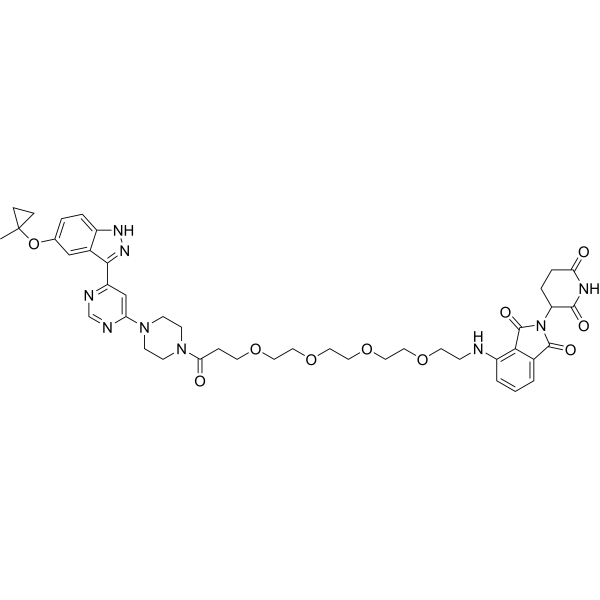
JH-XII-03-02 is a potent and selective LRRK2 PROTAC degrader. JH-XII-03-02 can be used for parkinson's Disease (PD) research .
|
-
-
- HY-116016
-
|
L-DOPA ethyl ester; Levodopa ethyl ester
|
Dopamine Receptor
Drug Metabolite
|
Neurological Disease
|
|
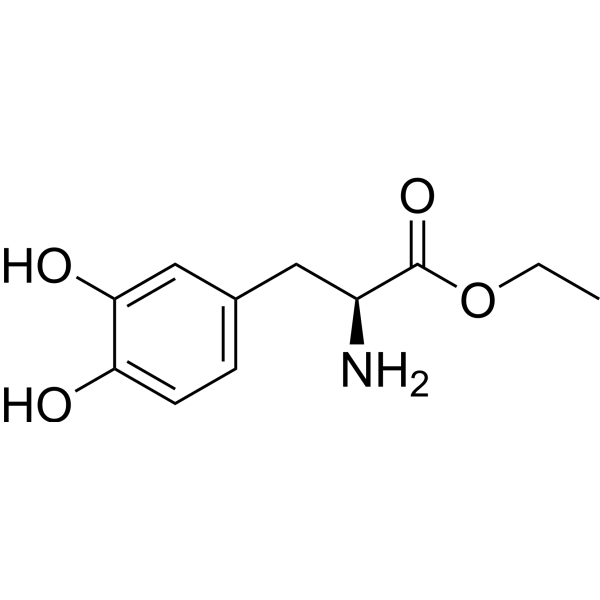
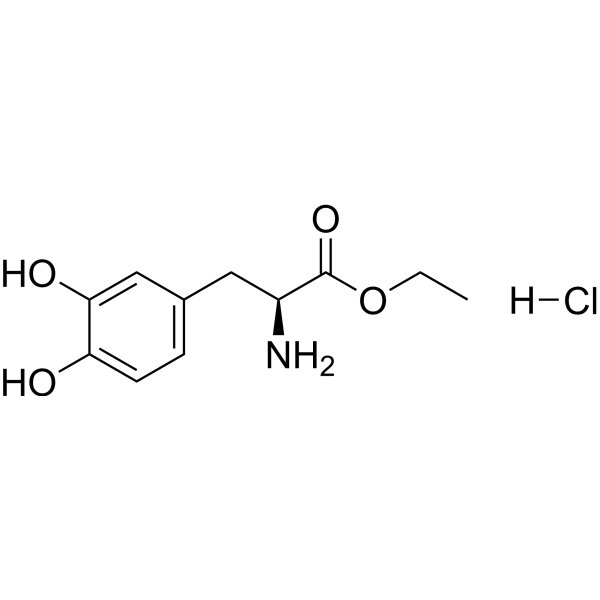
Etilevodopa (L-Dopa ethyl ester), an ethyl-ester proagent of Levodopa, is rapidly hydrolyzed to Levodopa and ethanol by nonspecific esterases in the gastrointestinal tract. Etilevodopa is used for the treatment of Parkinson disease (PD). Levodopa is the direct precursor of dopamine and is a suitable proagent as it facilitates CNS penetration and delivers dopamine .
|
-
-
- HY-131678
-
|
PA-5HT
|
FAAH
|
Neurological Disease
|
|
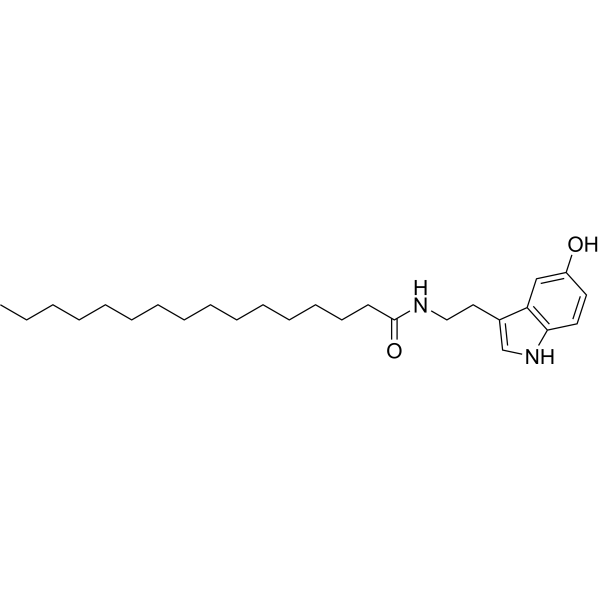
Palmitoyl serotonin is a hybrid molecule patterned after arachidonoyl serotonin, antagonist of FAAH. Palmitoyl serotonin inhibits L-3,4-dihydroxyphenylalanine (HY-N0304) induced abnormal involuntary movements. Palmitoyl serotonin has the potential for the research of parkinson's disease (PD) .
|
-
-
- HY-B0410A
-
|
|
Dopamine Receptor
|
Neurological Disease
|
|
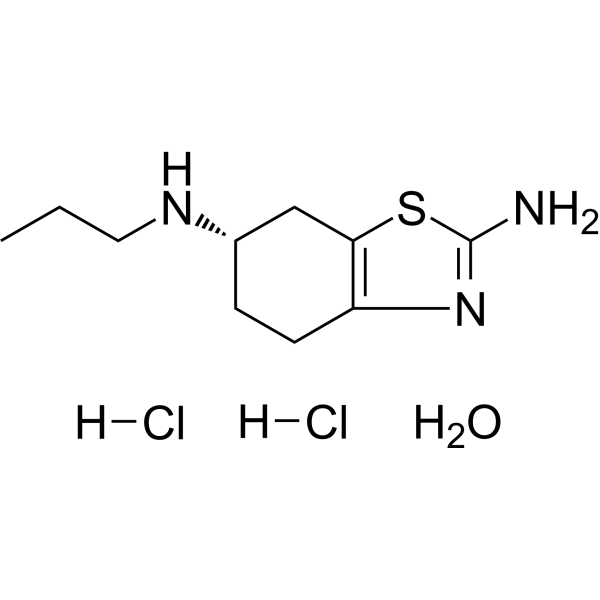
Pramipexole dihydrochloride hydrate is a selective and blood-brain barrier (BBB) penetrant dopamine D2-type receptor agonist, with Kis of 2.2 nM, 3.9 nM, 0.5 nM and 1.3 nM for D2-type receptor, D2, D3 and D4 receptors, respectively. Pramipexole dihydrochloride hydrate can be used for the research of Parkinson's disease (PD) and restless legs syndrome (RLS) .
|
-
-
- HY-108237
-
|
(+)-PHNO; Dopazinol
|
Dopamine Receptor
|
Neurological Disease
|
|
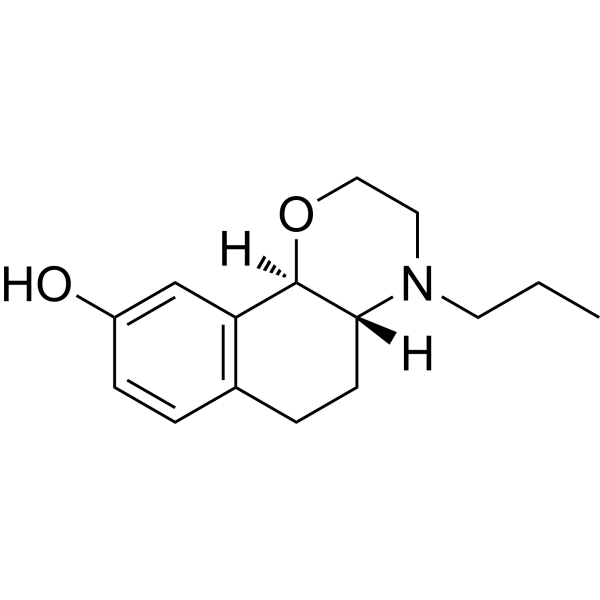
Naxagolide ((+)-PHNO; Dopazinol) is a potent dopamine D2 (Dopamine Receptor) agonist. Naxagolide has the potential for the research of parkinson's disease (PD) .
|
-
-
- HY-148867
-
|
|
Dopamine Receptor
|
Neurological Disease
|
|
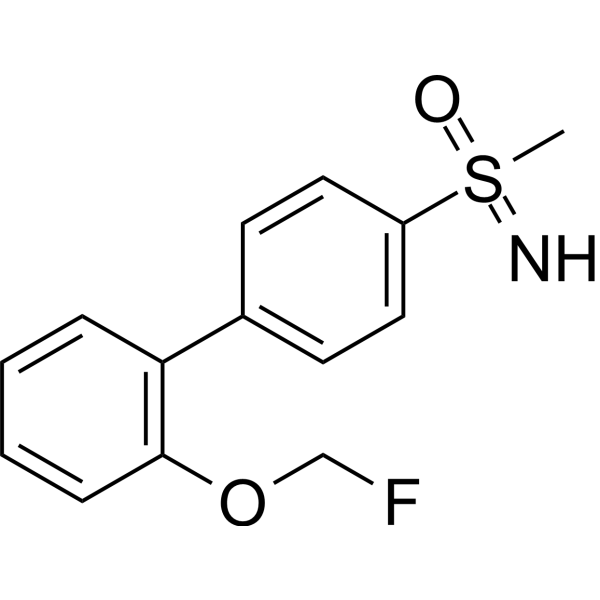
UCM-1306 is a potent and orally active human dopamine D1 receptor allosteric modulator (PAM). UCM-1306 increases the endogenous dopamine (DA) maximal effect both in human and mouse D1 receptors. UCM-1306 is not only for improving motor symptoms but also for addressing the key comorbid cognitive impairment associated with long-term Parkinson’s disease (PD) .
|
-
-
- HY-120475A
-
|
ATH434 mesylate
|
α-synuclein
|
Neurological Disease
|
|
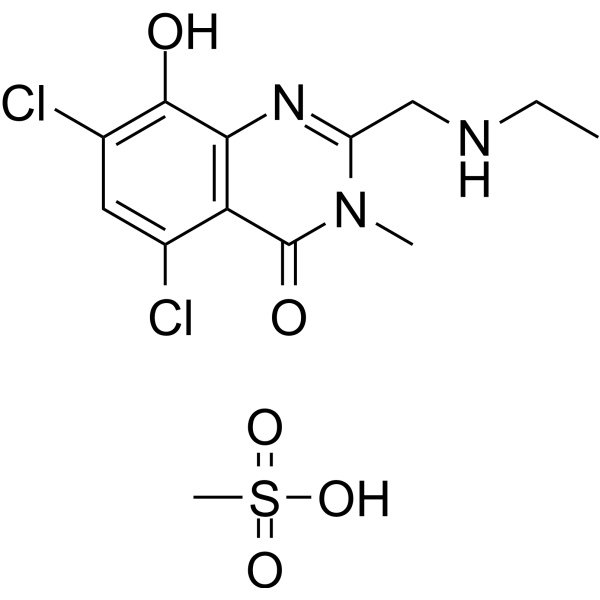
PBT434 methanesulfonate is a potent, orally active and cross the blood-brain barrier α-synuclein aggregation inhibitor. PBT434 methanesulfonate can be used as a iron chelator and modulates transcellular iron trafficking. PBT434 methanesulfonate inhibits iron-mediated redox activity and iron-mediated aggregation of α-synuclein. PBT434 methanesulfonate prevents the loss of substantia nigra pars compacta neurons (SNpc). PBT434 methanesulfonate has the potential for the research of Parkinson’s disease (PD) .
|
-
-
- HY-147319
-
|
|
Trace Amine-associated Receptor (TAAR)
|
Neurological Disease
|
|
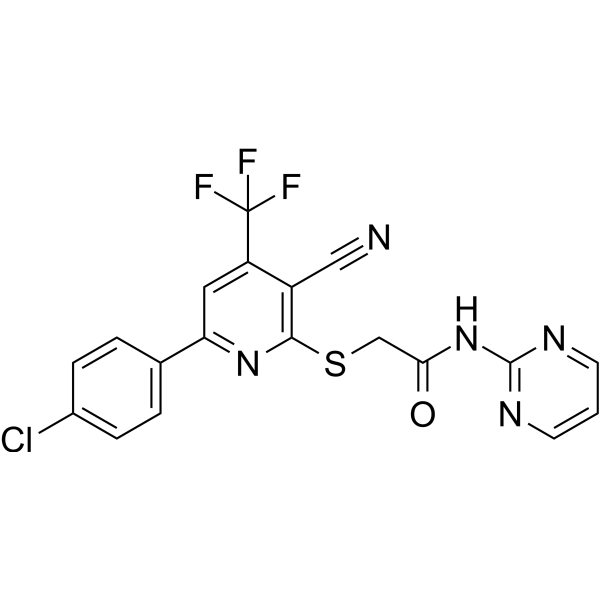
RTI-7470-44 is a potent, selective and blood-brain barrier (BBB) penetrant human trace amine-associated receptor subtype 1 (hTAAR1) antagonist with an IC50 value of 8.4 nM and a Ki value of 0.3 nM. RTI-7470-44 has moderate metabolic stability, and a favorable preliminary off-target profile. RTI-7470-44 can increase the spontaneous firing rate of mouse ventral tegmental area (VTA) dopaminergic neurons. RTI-7470-44 can be used for researching schizophrenia, agent addiction, and Parkinson’s disease (PD) .
|
-
-
- HY-120553
-
|
|
Apoptosis
|
Neurological Disease
|
|
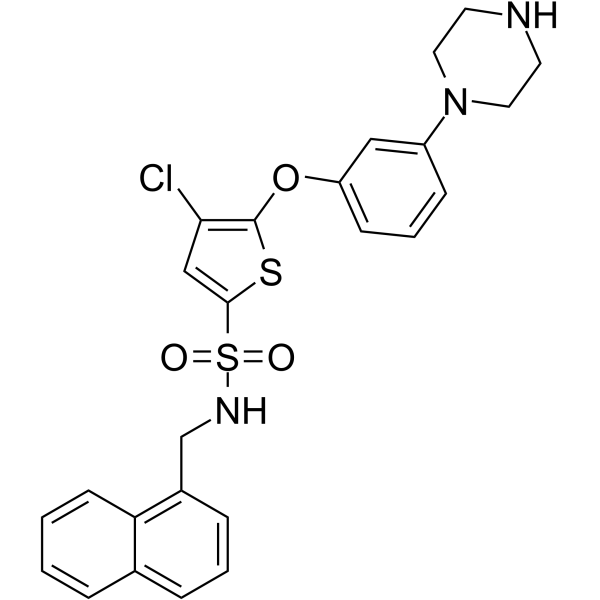
B355252, a phenoxy thiophene sulfonamide small molecule, is a potent NGF receptor agonist. B355252 potentiates NGF-induced neurite outgrowth. B355252 protects ischemic neurons from neuronal loss by attenuating DNA damage, reducing ROS production and the LDH level, and preventing neuronal apoptosis. B355252 has anti-apoptotic effects in glutamate-induced excitotoxicity, as well as in a murine hippocampal cell line (HT22) model of Parkinson disease (PD) .
|
-
-
- HY-150058
-
|
|
Others
|
Neurological Disease
|
|
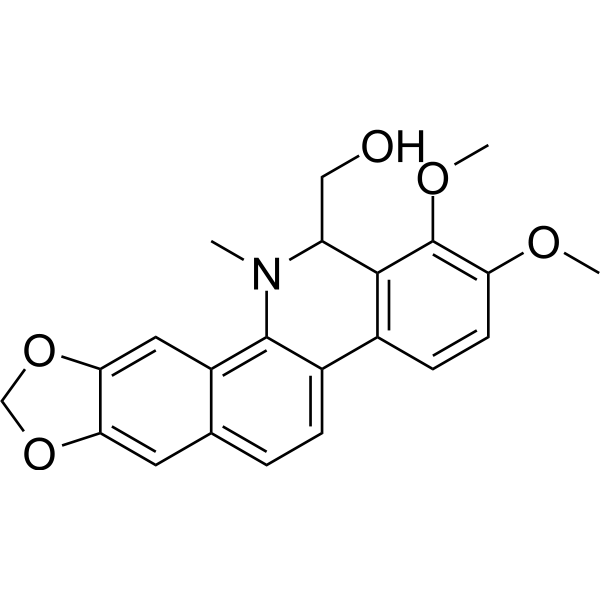
Bocconoline is a potent early endosome antigen 1 (EEA1) inhibitor. Bocconoline can be isolated from Macleaya cordata. Bocconoline can be used for the research of Parkinson’s disease (PD) .
|
-
-
- HY-14417
-
|
|
mGluR
|
Neurological Disease
|
|
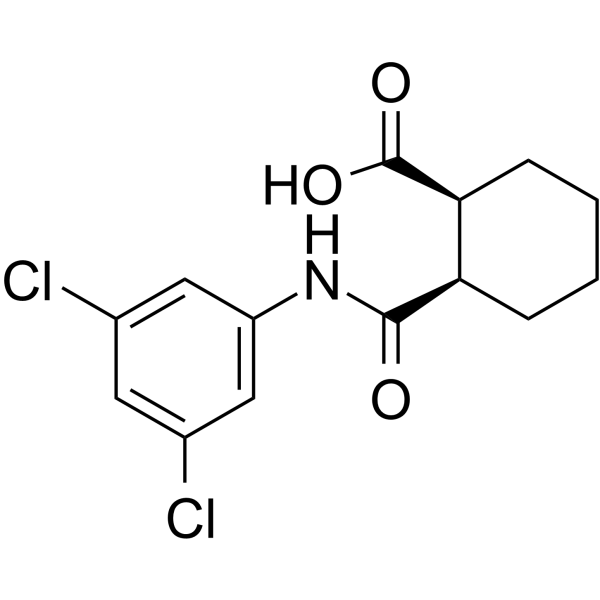
VU0155041 is a potent, selective positive allosteric modulator (PAM) of mGluR4, with EC50s of 798 nM and 693 nM for human and rat mGluR4, respectively. VU0155041 has potential for the research of Parkinson's disease (PD) .
|
-
-
- HY-175352
-
|
|
Nuclear Hormone Receptor 4A/NR4A
SOD
IAP
Survivin
Calcium Channel
|
Neurological Disease
|
|
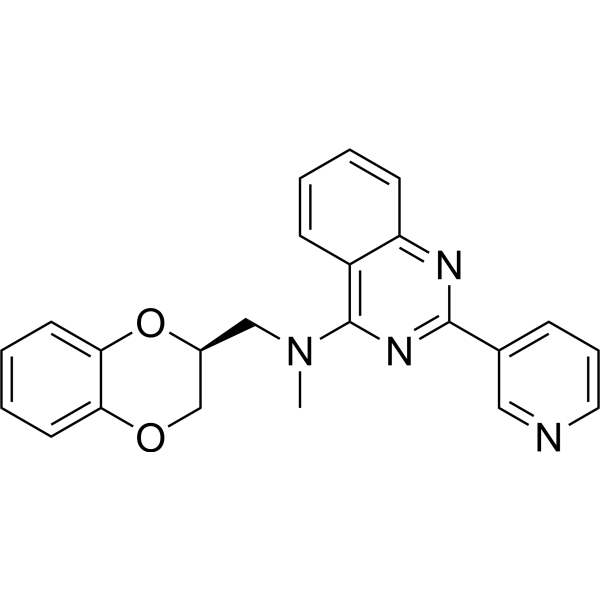
Nurr1 agonist 14 (Compound 32) is a Nurr1 agonist with an EC50 of 0.09 μM for Nurr1. Nurr1 agonist 14 has significant neuroprotective activity with no influence of residual DHODH inhibition. Nurr1 agonist 14 upregulates neuroprotective genes including SOD2, SESN3, BIRC5, XIAP, FLRT2 and CRMP4 in dopaminergic neurons. Nurr1 agonist 14 can be used for neurodegenerative diseases such as Alzheimer′s disease (AD), Parkinson′s disease (PD) and multiple sclerosis (MS) research .
|
-

-
- HY-160426
-
|
|
Glycosidase
|
Neurological Disease
|
|
Gcase activator 3 (compound 9Q) is a glucosidase (Glucosidase, GCase) activator that can partially stabilize GCase and increase its activity. Gcase activator 3 reduces mutant GCase protein misfolding and degradation in fibroblasts and dopaminergic midbrain neurons. Gcase activator 3 can be used in the study of Parkinson's disease (PD) and related synucleinopathies .
|
-
-
- HY-144634
-
|
|
Keap1-Nrf2
|
Neurological Disease
Inflammation/Immunology
|
|
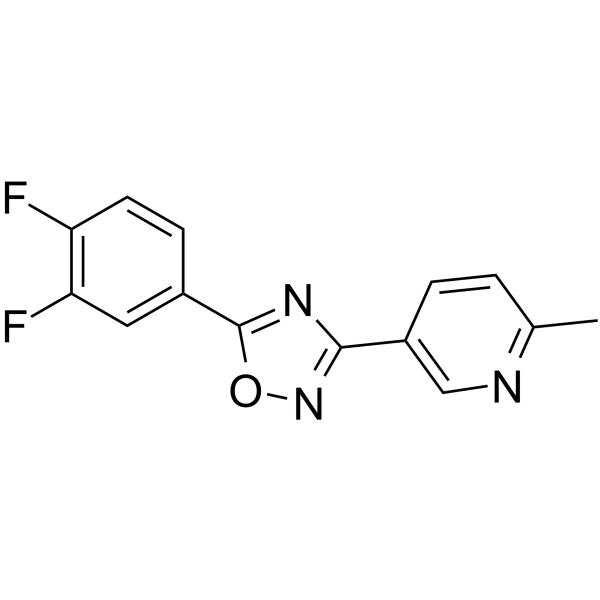
DDO-7263, a 1,2,4-Oxadiazole derivative, is a potent Nrf2-ARE activator. DDO-7263 upregulates Nrf2 through binding to Rpn6 to block the assembly of 26S proteasome and the subsequent degradation of ubiquitinated Nrf2. DDO-7263 induces Nrf2 translocation into the nucleus. DDO-7263 inhibits of NLRP3 inflammasome activation. DDO-7263 exerts anti-inflammatory activity and has the potential for neurodegenerative diseases research, such as Parkinson's disease (PD) .
|
-
-
- HY-P4704A
-
|
|
α-synuclein
|
Neurological Disease
|
|
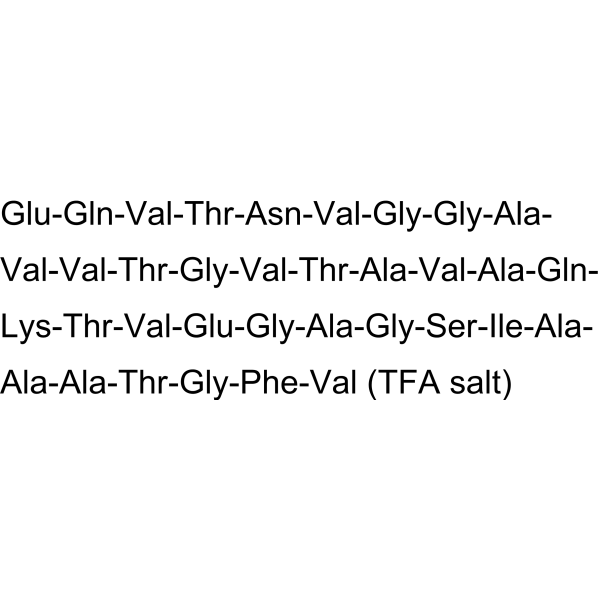
α-Synuclein (61-95) (human) TFA is the hydrophobic core region of α-synuclein, and induces neuronal cell death. α-Synuclein (61-95) (human) TFA can be used for research of neurodegenerative diseases, including Alzheimer’s disease (AD) and Parkinson’s disease (PD) .
|
-
-
- HY-D2871
-
|
|
Biochemical Assay Reagents
|
Neurological Disease
|
|
DAyne is a Dopamine (DA)-mimetic probe. DAyne covalently binds to proteins modified by dopamine oxidation products (e.g., dopaquinone, DQ) to form adducts. DAyne is promising for research of Parkinson’s disease (PD), particularly neurotoxicity, protein modification, and related pathways (e.g., endoplasmic reticulum stress, cytoskeletal instability) caused by dopamine dysregulation .
|
-

-
- HY-P3140A
-
|
|
α-synuclein
|
Neurological Disease
|
|
α-Synuclein (61-75) TFA is the 61-75 fragment of α-Synuclein. α-Synuclein is an abundant neuronal protein that is highly enriched in presynaptic nerve terminals. α-Synuclein is a potential biomarker for Parkinson's disease (PD) .
|
-

-
- HY-112855
-
|
|
LRRK2
|
Neurological Disease
|
|
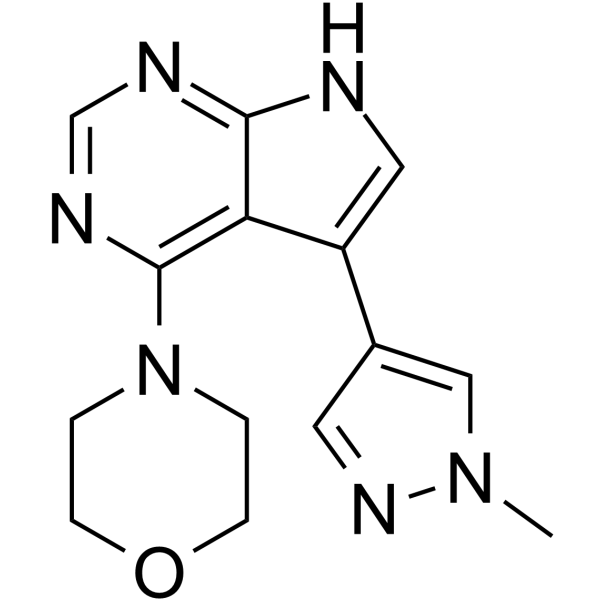
PF-06447475 is a highly potent, selective, brain penetrant LRRK2 kinase inhibitor with IC50 values of 3 nM and 11 nM for WT LRRK and G2019S LRRK2, respectively. PF-06447475 can be used for parkinson's disease (PD) research .
|
-
-
- HY-175840
-
|
|
Tau Protein
|
Neurological Disease
|
|
TAU-IN-5 (compound 13) is a TAU protein inhibitor with an EC50 of 0.81 μM. TAU-IN-5 inhibits the formation of tau (2N4R isoform) oligomers and reduces the formation of tau dimers. TAU-IN-5 can be used in the study of Alzheimer's disease (AD) and Parkinson's disease (PD) .
|
-

-
- HY-120419
-
|
|
Monoamine Oxidase
|
Neurological Disease
|
|
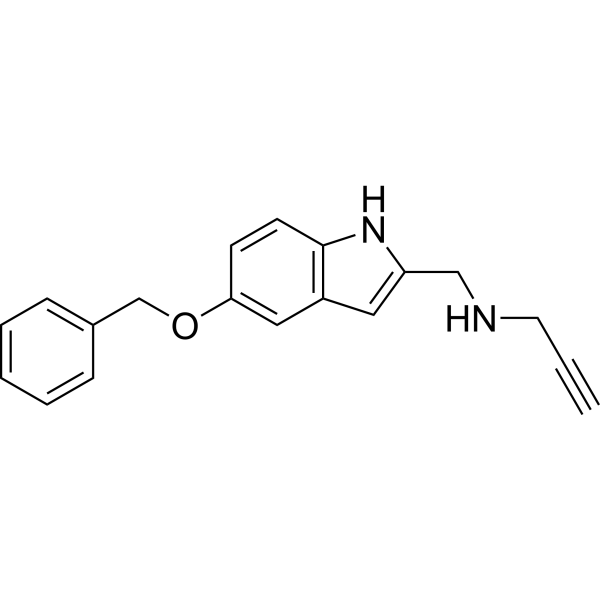
PF9601N, an monoamine oxidase B (MAO-B) inhibitor, possesses neuroprotective properties in several in vitro and in vivo models of Parkinson's disease (PD). PF9601N can be used for the research of neurodegenerative diseases mediated by excitotoxicity . PF9601N is a click chemistry reagent, it contains an Alkyne group and can undergo copper-catalyzed azide-alkyne cycloaddition (CuAAc) with molecules containing Azide groups.
|
-
-
- HY-157308
-
|
|
α-synuclein
|
Neurological Disease
|
|
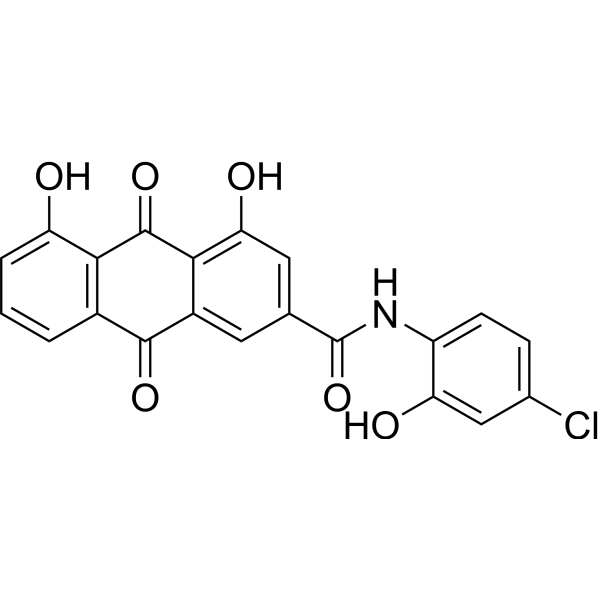
α-Synuclein inhibitor 10 (compound a8) inhibits the activity of α-Syn aggregation with low IC50 value (1.08 μM). α-Synuclein inhibitor 10 exhibits good binding affinity to α-Syn residues. α-Synuclein inhibitor 10 can be used in the research of Parkinson's disease (PD) .
|
-
-
- HY-151430
-
-
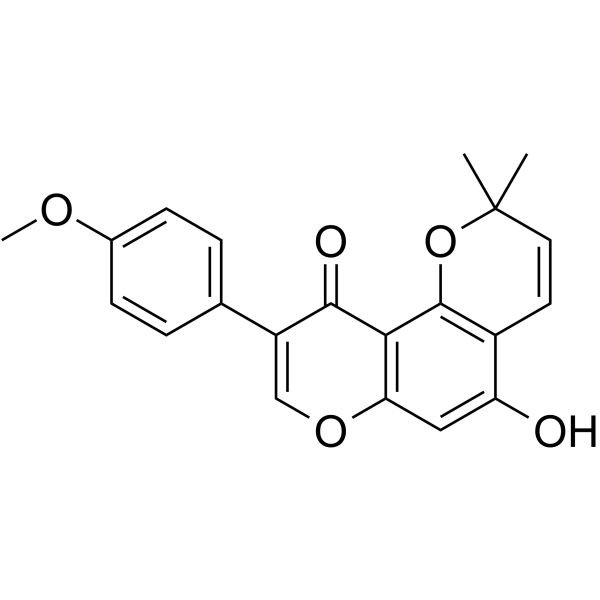
-
- HY-17355S1
-
|
|
Isotope-Labeled Compounds
Dopamine Receptor
|
Neurological Disease
|
|
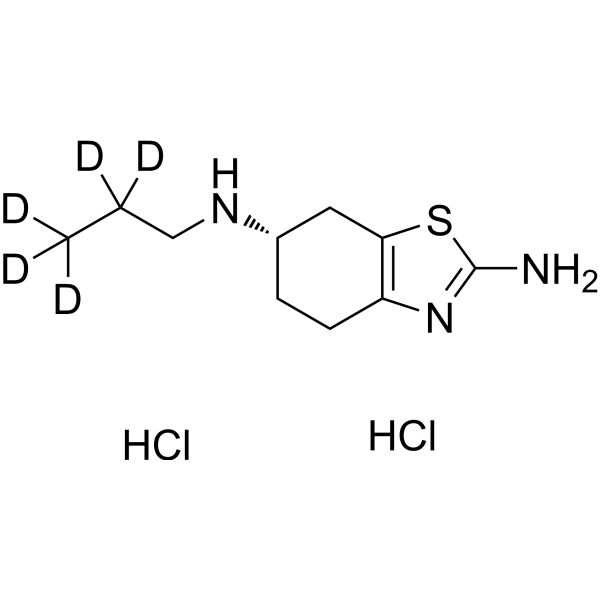
Pramipexole-d5 dihydrochloride is deuterium labeled Pramipexole dihydrochloride. Pramipexole dihydrochloride is a selective and blood-brain barrier (BBB) penetrant dopamine D2-type receptor agonist, with Kis of 2.2 nM, 3.9 nM, 0.5 nM and 1.3 nM for D2-type receptor, D2, D3 and D4 receptors, respectively. Pramipexole dihydrochloride can be used for the research of Parkinson's disease (PD) and restless legs syndrome (RLS) .
|
-
-
- HY-148353
-
|
|
LRRK2
|
Neurological Disease
|
|
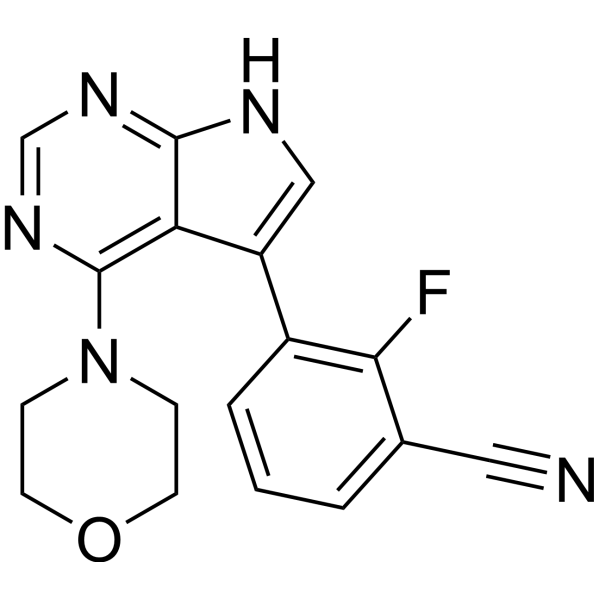
PF-06455943 is a leucine rich repeat kinase 2 (LRRK2) inhibitor with IC50 value of 3 nM. PF-06455943 also is a PET radioligand. PF-06455943 can be used for the research of ADME/neuro PK characterization and Parkinson disease (PD) .
|
-
-
- HY-147976A
-
|
|
Glycosidase
|
Neurological Disease
|
|
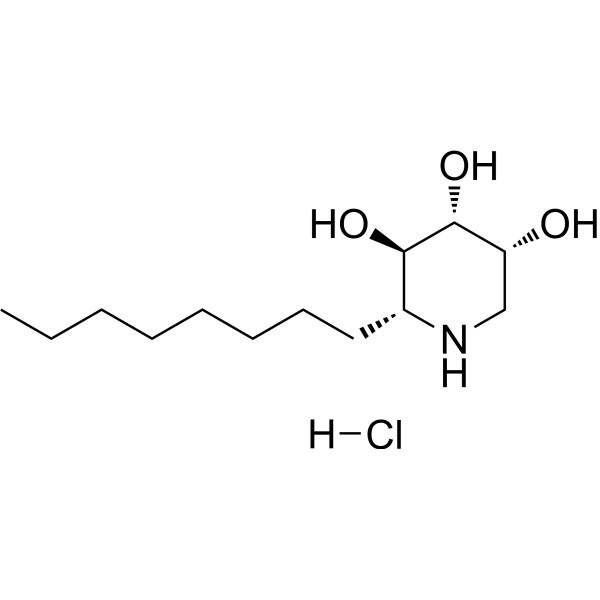
Glucocerebrosidase-IN-1 (compound 11a) hydrochloride is a potent and selective GCase (glucocerebrosidase) inhibitor, with an IC50 of 29.3 μM and a Ki of 18.5 μM. Glucocerebrosidase-IN-1 hydrochloride can be used for the research of Gaucher disease (GD) and Parkinson’s disease (PD) .
|
-
-
- HY-107505A
-
|
|
mGluR
|
Neurological Disease
|
|
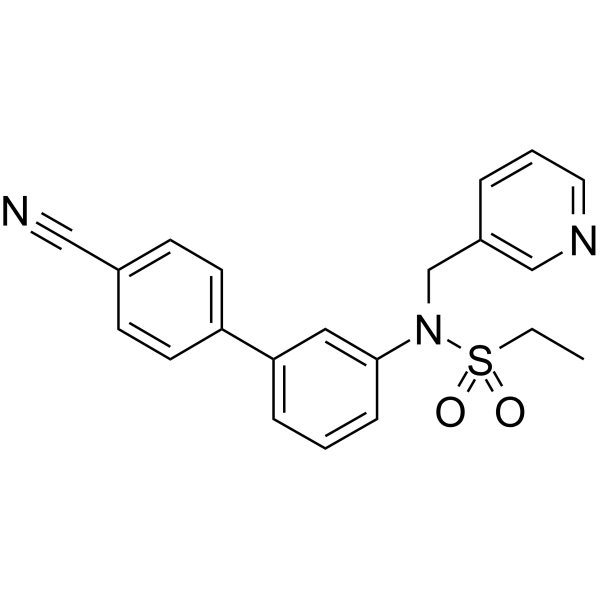
CBiPES is a potent mGlu2 positive allosteric modulator with an EC50 value of 92.8 nM. CBiPES attenuates stress-induced hyperthermia and Phencyclidine-induced hyperlocomotor activity. CBiPES can be used for research of neurological diseases, such as Parkinson's disease (PD) .
|
-
-
- HY-163172
-
|
|
Mitophagy
|
Neurological Disease
|
|
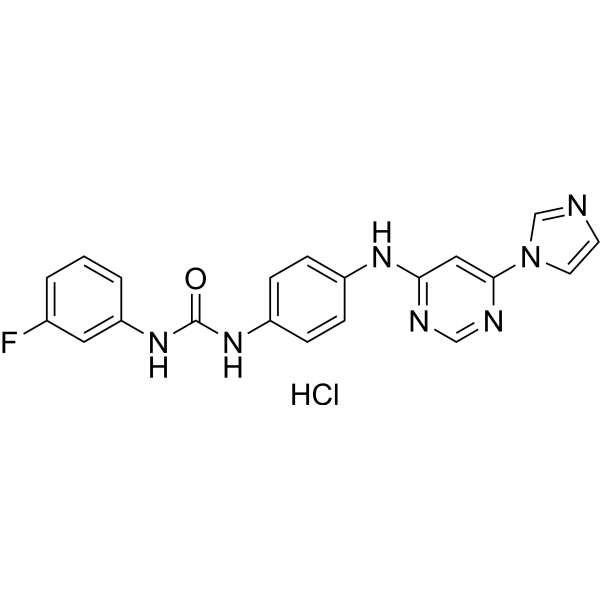
Miro1 Reducer is a small molecule that can repair this defect of Miro1 in Parkinson's disease (PD) fibroblasts. Miro1 Reducer reduces the delayed mitophagy phenotype in PD fibroblasts. Miro1 Reducer reduces Miro1 protein levels in dose-dependent manner (IC50 = 7.8 mM) .
|
-
-
- HY-151388
-
|
|
Monoamine Oxidase
COMT
|
Neurological Disease
|
|
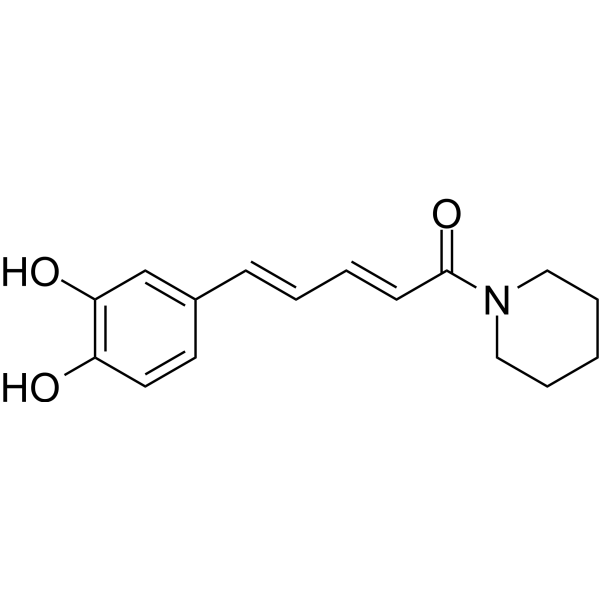
hMAO-B/MB-COMT-IN-1 is a dual MAO-B/MB-COMT inhibitor (IC50s: 2.5 μΜ for hMAO-B, 3.84 μΜ for MB-COMT). hMAO-B/MB-COMT-IN-1 protects cells against oxidative damage. hMAO-B/MB-COMT-IN-1 can be used in the research of neurodegeneration disease, such as Parkinson’s Disease (PD) .
|
-
-
- HY-152671
-
|
|
Monoamine Oxidase
|
Neurological Disease
|
|
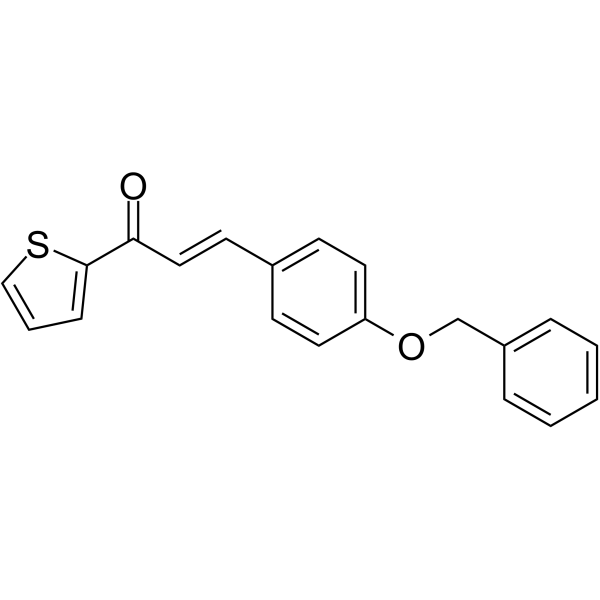
hMAO-B-IN-4 (compound B10) is a selective, reversible and blood–brain barrier (BBB) penetrable human monoamine oxidase-B (hMAO-B) inhibitor with an IC50 value and a Ki value of 0.067 and 0.03 μM, respectively. hMAO-B-IN-4 inhibits hMAO-A with an IC50 value of 33.82 μM. hMAO-B-IN-4 can be used for Alzheimer’s disease (AD) and Parkinson’s disease (PD) research .
|
-
-
- HY-W628136
-
|
|
Monoamine Oxidase
|
Neurological Disease
|
|
MAO-B-IN-47 is a selective monoamine oxidase B (MAO-B) inhibitor with a Ki of 875 nM. MAO-B-IN-47 shows an IC50 >100 μM for SH-SY5Y cells. MAO-B-IN-47 shows neuroprotective effect in 6-OHDA-treated SH-SY5Y cells. MAO-B-IN-47 can be used for the research of neurological disease, such as Parkinson’s disease (PD) .
|
-

-
- HY-P3140
-
|
|
α-synuclein
|
Neurological Disease
|
|
α-Synuclein (61-75) is the 61-75 fragment of α-Synuclein. α-Synuclein is an abundant neuronal protein that is highly enriched in presynaptic nerve terminals. α-Synuclein is a potential biomarker for Parkinson's disease (PD) .
|
-

-
- HY-116016A
-
|
L-DOPA ethyl ester hydrochloride; Levodopa ethyl ester hydrochloride
|
Dopamine Receptor
Drug Metabolite
|
Neurological Disease
|
|
Etilevodopa (L-Dopa ethyl ester) hydrochloride, an ethyl-ester proagent of Levodopa, is rapidly hydrolyzed to Levodopa and ethanol by nonspecific esterases in the gastrointestinal tract. Etilevodopa hydrochloride is used for the treatment of Parkinson disease (PD). Levodopa is the direct precursor of dopamine and is a suitable proagent as it facilitates CNS penetration and delivers dopamine .
|
-
-
- HY-178920
-
|
|
α-synuclein
|
Neurological Disease
|
|
α-Synuclein-IN-17 (Compound 10) is an α-Synuclein inhibitor, with an IC50 value of 9 μM. α-Synuclein-IN-17 exhibits potent inhibitory activity against both in-vitro assembled asyn fibrils and LBD brain tissue-amplified asyn fibrils. α-Synuclein-IN-17 can be used for the study of Parkinson's disease (PD) and Lewy Body Disease (LBD) .
|
-

-
- HY-163145
-
|
|
α-synuclein
|
Neurological Disease
|
|
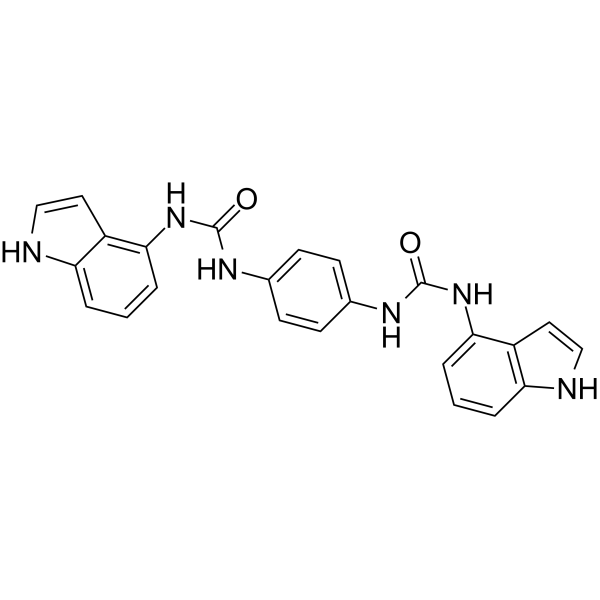
α-Synuclein inhibitor 11 (compound 1) is a selective α-synuclein (α-syn) oligomer formation inhibitor. α-Synuclein inhibitor 11 does not inhibits tau 4R (isoforms 0N4R, 2N4R) or p-tau (isoform 1N4R). α-Synuclein inhibitor 11 can be used for Parkinson's disease (PD) research .
|
-
-
- HY-120826
-
|
|
Monoamine Oxidase
Adenosine Receptor
|
Neurological Disease
|
|
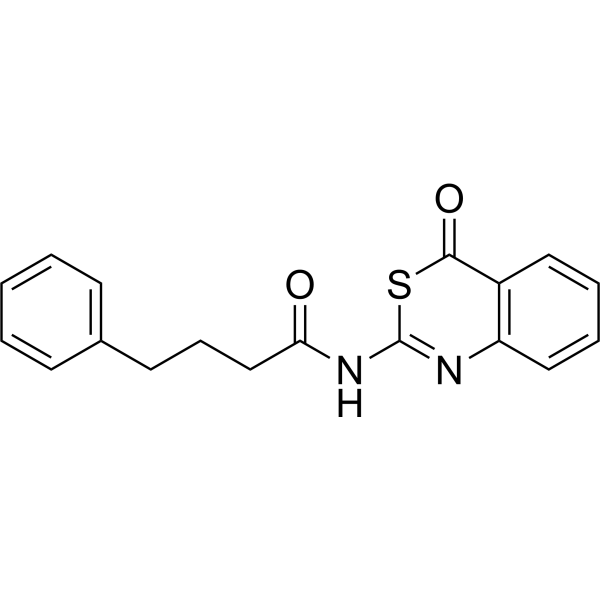
A2AAR/hMAO-B-IN-1 (compoudn 17) is a non-xanthine dual-target inhibitor targeting the A2A adenosine receptor (A2AAR) (IC50: 34.9 nM) andMAO-B (Ki: 39.5 nM, human). A2AAR/hMAO-B-IN-1 inhibits A2AAR-induced cAMP accumulation and exhibits competitive, reversible inhibition of MAO-B. A2AAR/hMAO-B-IN-1 can be used in the study of neurodegenerative diseases such as Parkinson's disease (PD) .
|
-
- HY-P4704
-
|
|
α-synuclein
|
Neurological Disease
|
|
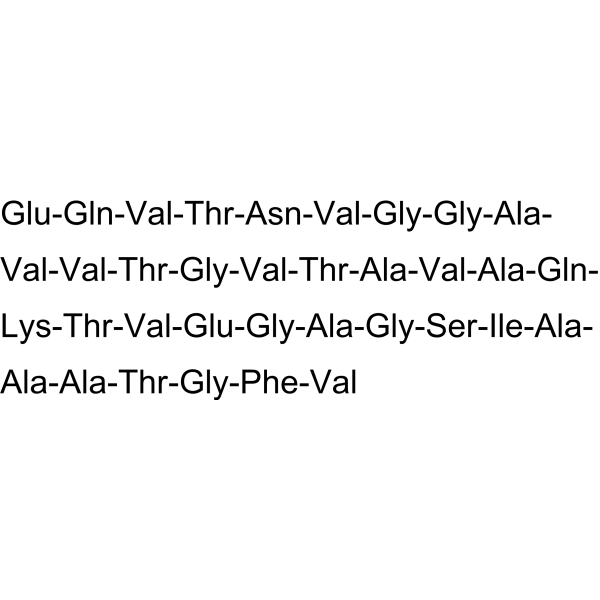
α-Synuclein (61-95) (human) is the hydrophobic core region of α-synuclein, and induces neuronal cell death. α-Synuclein (61-95) (human) can be used for research of neurodegenerative diseases, including Alzheimer’s disease (AD) and Parkinson’s disease (PD) .
|
-
- HY-118238
-
|
MRZ-8456
|
mGluR
|
Neurological Disease
|
|
Remeglurant (MRZ-8456) acts as a selective, orally active and allosteric antagonist of the mGlu5 receptor, with an IC50 of 13 nM. Remeglurant (MRZ-8456) can be used in the research for dyskinesia in Parkinson’s disease (PD) .
|
-

- HY-107505
-
|
|
mGluR
|
Neurological Disease
|
|
CBiPES hydrochloride is a mGlu2 receptor positive allosteric modulator (EC50: 92.8 nM). CBiPES hydrochloride attenuates stress-induced hyperthermia and PCP-induced hyperlocomotor activity. CBiPES hydrochloride can be used for research of neurological disease, such as Parkinson's disease (PD) .
|
-
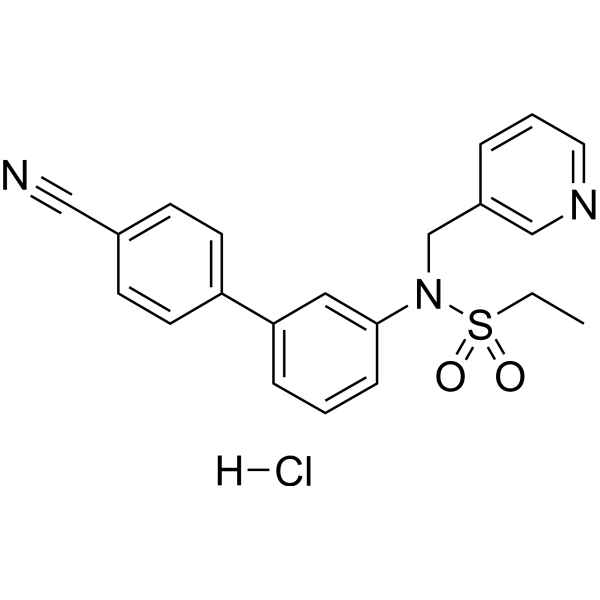
- HY-175651
-
|
|
LRRK2
|
Neurological Disease
|
|
LRRK2-IN-20 (EX. 4.64) is a LRRK2 inhibitor with a pIC50 of 0.7921 nM. LRRK2-IN-20 can be used in Parkinson's disease (PD) research .
|
-

- HY-175308
-
|
|
α-synuclein
|
Neurological Disease
|
|
α-Synuclein inhibitor 15 (Compound 1) is an inhibitor targeting the fibrillation growth of α-synuclein (IC50=18 μM). α-Synuclein inhibitor 15 is promising for research of neurodegenerative diseases, such as Parkinson's disease (PD) and Lewy body dementia (LBD) .
|
-

- HY-146527
-
|
|
Bcr-Abl
|
Neurological Disease
Cancer
|
|
c-ABL-IN-2 is a potent inhibitor of c-Abl. Activation of c-Abl has been implicated in various diseases, notably cancer. c-ABL-IN-2 has the potential for the research of neurodegenerative diseases (amyotrophic lateral sclerosis (ALS) and Parkinson’s disease (PD) and cancer (extracted from patent WO2020260871A1, compound 25) . c-ABL-IN-2 is a click chemistry reagent, it contains an Alkyne group and can undergo copper-catalyzed azide-alkyne cycloaddition (CuAAc) with molecules containing Azide groups.
|
-
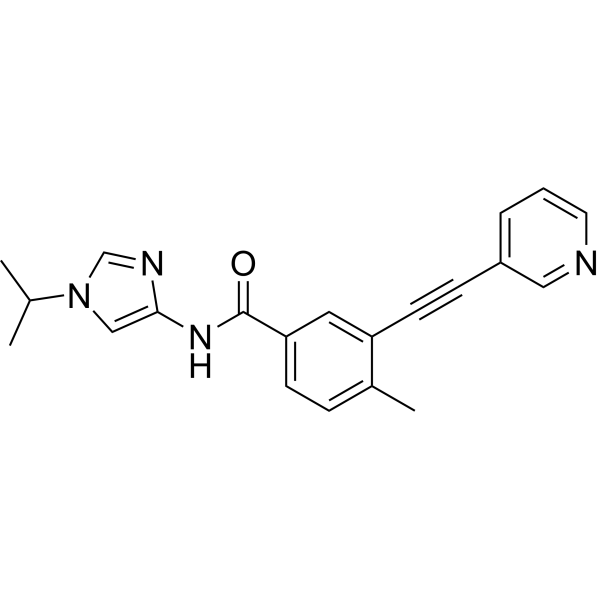
- HY-P991380
-
|
|
Transferrin Receptor
|
Neurological Disease
|
|
TXB4 is a brain-permeable human monoclonal antibody (mAb) targeting CD71. TXB4 prevents 6-OHDA-induced death of TH-positive neurons in the SNc in a 6-OHDA mouse model of Parkinson's disease (PD). TXB4 can be used in neurodegenerative diseases, acute brain and spinal cord injury, and depression research .
|
-

- HY-153091
-
|
|
Adrenergic Receptor
5-HT Receptor
Sigma Receptor
|
Neurological Disease
|
|
BMY 14802 is a sigma-1 receptor (σ1R) antagonist, as well as an agonist at serotonin (5-HT) 1A and adrenergic alpha-1 receptors. BMY 14802 inhibits abnormal involuntary movement (AIM) in rat Parkinson's disease (PD) model, with down-regulating the expression of AIM .
|
-
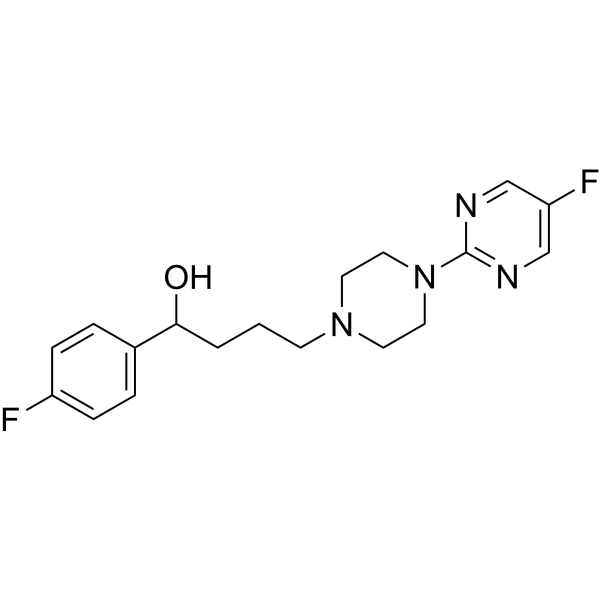
- HY-120475B
-
|
ATH434 free base
|
α-synuclein
|
Neurological Disease
|
|
PBT434 (ATH434) free base is a potent, orally active and cross the blood-brain barrier α-synuclein aggregation inhibitor. PBT434 free base can be used as a iron chelator and modulates transcellular iron trafficking. PBT434 free base inhibits iron-mediated redox activity and iron-mediated aggregation of α-synuclein. PBT434 free base prevents the loss of substantia nigra pars compacta neurons (SNpc). PBT434 free base has the potential for the research of Parkinson’s disease (PD) .
|
-

- HY-17355S
-
|
|
Isotope-Labeled Compounds
Dopamine Receptor
|
Neurological Disease
|
|
Pramipexole-d7 dihydrochloride is the deuterium labeled Pramipexole dihydrochloride. Pramipexole dihydrochloride is a selective and blood-brain barrier (BBB) penetrant dopamine D2-type receptor agonist, with Kis of 2.2 nM, 3.9 nM, 0.5 nM and 1.3 nM for D2-type receptor, D2, D3 and D4 receptors, respectively. Pramipexole dihydrochloride can be used for the research of Parkinson's disease (PD) and restless legs syndrome (RLS) .
|
-
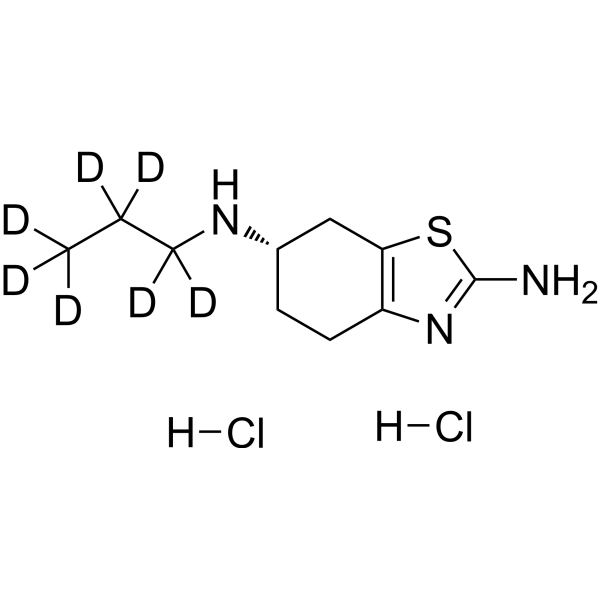
- HY-B0410S1
-
|
|
Dopamine Receptor
|
Neurological Disease
|
|
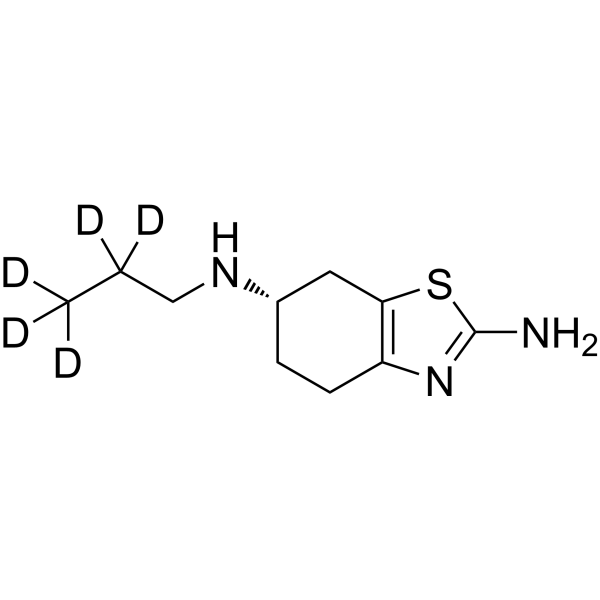
Pramipexole-d5 is the deuterium labeled Pramipexole . Pramipexole is a selective and blood-brain barrier (BBB) penetrant dopamine D2-type receptor agonist, with Kis of 2.2 nM, 3.9 nM, 0.5 nM and 1.3 nM for D2-type receptor, D2, D3 and D4 receptors, respectively. Pramipexole can be used for the research of Parkinson's disease (PD) and restless legs syndrome (RLS) .
|
-
- HY-109119
-
|
|
COMT
|
Neurological Disease
|
|
Neluxicapone, a COMT inhibitor, is an antiparkinsonien agent. Neluxicapone can be used for the study of Parkinson's disease (PD) .
|
-

- HY-146528
-
|
|
Bcr-Abl
|
Neurological Disease
Cancer
|
|
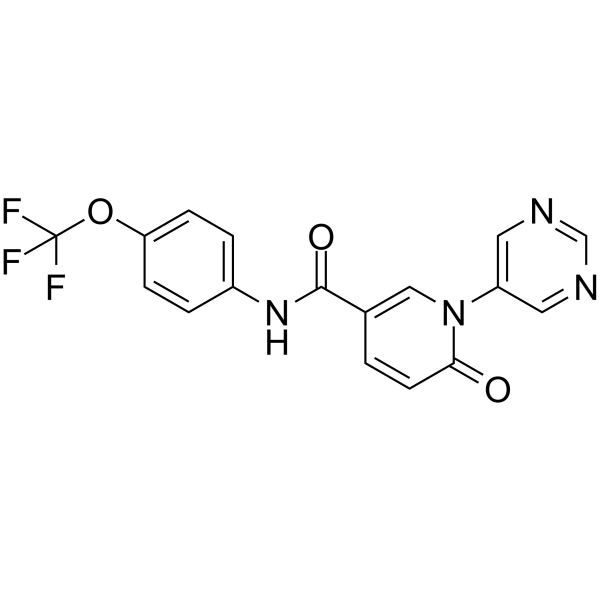
c-ABL-IN-3 is a potent inhibitor of c-Abl. Activation of c-Abl has been implicated in various diseases, notably cancer. c-ABL-IN-3 has the potential for the research of neurodegenerative diseases (amyotrophic lateral sclerosis (ALS) and Parkinson’s disease (PD) and cancer (extracted from patent WO2021048567A1, compound 50) .
|
-
- HY-P3202
-
|
MMP-3; Stromelysin-1
|
MMP
|
Neurological Disease
|
|
Matrix metalloproteinase 3 (MMP-3) is a member of the class of zinc-dependent proteases that can degrade the extracellular matrix (ECM). Matrix metalloproteinase 3 palys an important role in the neuronal apoptotic process as well as in neuroinflammation. Matrix metalloproteinase 3 can be used in the study of neurodegenerative diseases including Alzheimer’s disease (AD) and Parkinson’s disease (PD) .
|
-
- HY-146530
-
|
|
Bcr-Abl
|
Neurological Disease
Cancer
|
|
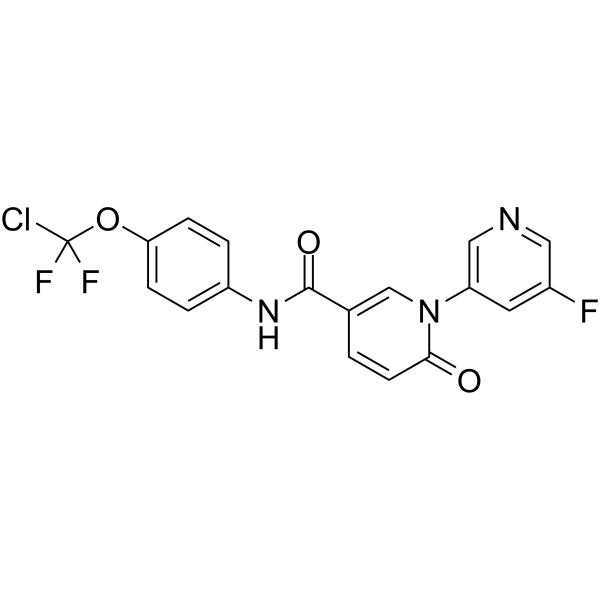
c-ABL-IN-4 is a potent inhibitor of c-Abl. Activation of c-Abl has been implicated in various diseases, notably cancer. c-ABL-IN-4 has the potential for the research of neurodegenerative diseases (amyotrophic lateral sclerosis (ALS) and Parkinson’s disease (PD) and cancer (extracted from patent WO2021048567A1, compound 54) .
|
-
- HY-157934
-
|
|
Monoamine Oxidase
|
Neurological Disease
|
|
MAO-IN-4 (Compound 2l) is a monoamine oxidase (MAO) inhibitor, with IC50 values of 0.07 and 0.75 μM for MAO-A and MAO-B Enzymes, respectively. MAO-IN-4 can be used for the research of depression and Parkinson’s disease (PD) .
|
-
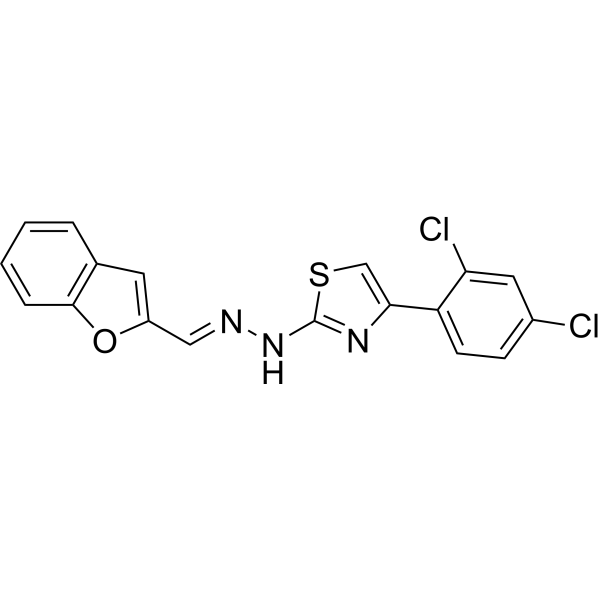
- HY-157400
-
|
|
Monoamine Oxidase
|
Neurological Disease
|
|
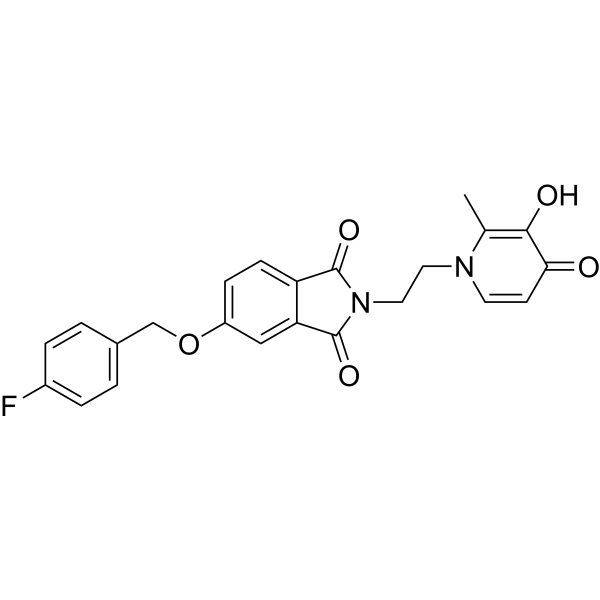
hMAO-B-IN-7 (compound 11n) is a potent and blood–brain barrier (BBB) penetrable inhibitor of human monoamine oxidase-B (hMAO-B), with the IC50 value of 0.79±0.05 μM. hMAO-B-IN-7 can be used for Alzheimer’s disease (AD) and Parkinson’s disease (PD) research .
|
-
- HY-169157
-
|
|
HDAC
|
Neurological Disease
|
|
HDAC6-IN-50 (Compound 4) is a potent HDAC6 inhibitor with an IC50 of 35 nM. HDAC6-IN-50 can be used for the study of Parkinson's disease (PD) and Alzheimer's disease (AD) research .
|
-

- HY-162303
-
|
|
Monoamine Oxidase
|
Neurological Disease
|
|
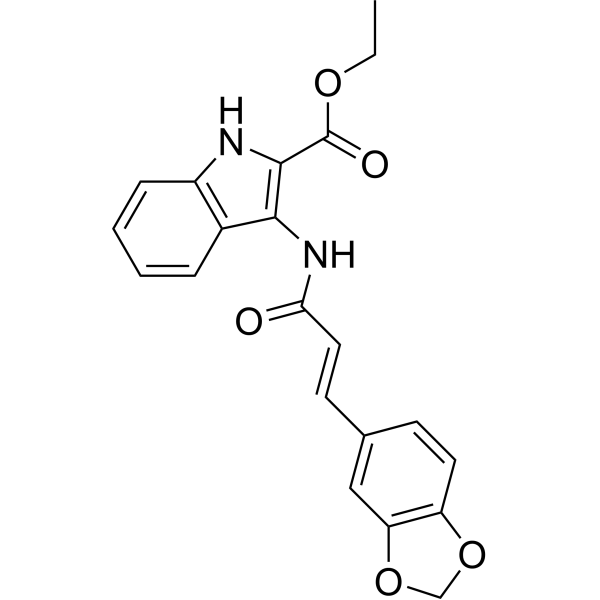
C175-0062 is a monoamine oxidase B (MAO-B) inhibitor. C175-0062 can be used for the research of neurodegenerative disorders, including Parkinson's disease (PD), Alzheimer’s disease (AD), and amyotrophic lateral sclerosis (ALS) .
|
-
- HY-115986
-
|
|
Monoamine Oxidase
|
Neurological Disease
|
|
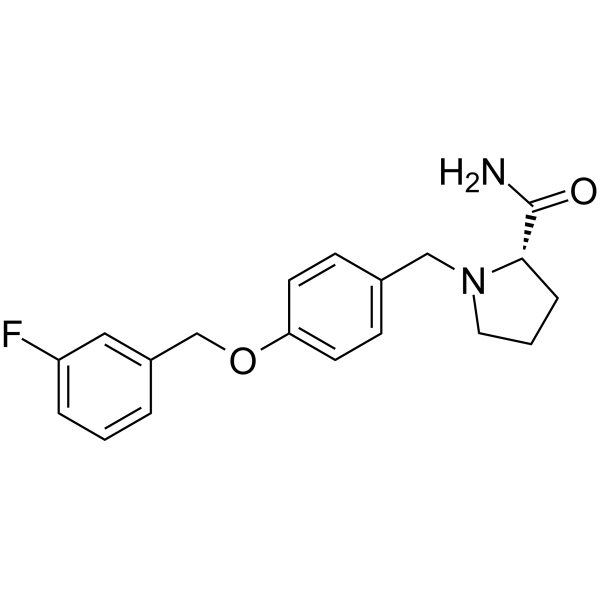
MAO-B-IN-5 is a potent, selective and orally active MAO-B inhibitor with an IC50 of 0.204 µM. MAO-B-IN-5 has the potential for the research of Parkinson's disease (PD) .
|
-
- HY-123556
-
|
|
Monoamine Oxidase
|
Neurological Disease
|
|
SZV-558 is a potent and selective MAO-B inhibitor with IC50 values of 50 and 60 nM for rats and humans, respectively. SZV-558 can be used in studies of Parkinson's disease (PD) models .
|
-

- HY-120156
-
|
|
Dopamine Receptor
α-synuclein
Amyloid-β
|
Neurological Disease
|
|
D-520 is a potent and brain-penetrant dopamine D2/D3 agonist (D2 EC50 = 4.73 nM, Ki = 41.8 nM; D3 EC50 = 2.18 nM, Ki = 0.35 nM). D-520 inhibits the formation of Aβ aggregates in vitro and promotes the disaggregation of both alpha-synuclein (α-syn) and Aβ aggregates. D-520 exhibits efficacious activity in animal models of Parkinson’s disease (PD). D-520 can be used for PD and PD with dementia (PDD) research [1][2].
|
-

- HY-108237R
-
|
(+)-PHNO (Standard); Dopazinol (Standard)
|
Dopamine Receptor
Reference Standards
|
Neurological Disease
|
|
Naxagolide (Standard) is the analytical standard of Naxagolide. This product is intended for research and analytical applications. Naxagolide ((+)-PHNO; Dopazinol) is a potent dopamine D2 (Dopamine Receptor) agonist. Naxagolide has the potential for the research of parkinson's disease (PD) .
|
-

- HY-14417B
-
|
|
mGluR
|
Neurological Disease
|
|
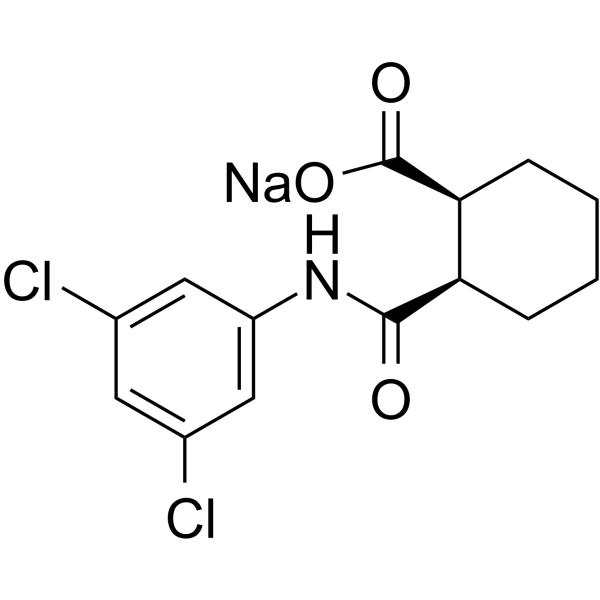
VU0155041 sodium is a potent, selective positive allosteric modulator (PAM) of mGluR4, with EC50s of 798 nM and 693 nM for human and rat mGluR4, respectively. VU0155041 has potential for the research of Parkinson's disease (PD) .
|
-
- HY-151390
-
|
|
Monoamine Oxidase
COMT
|
Neurological Disease
|
|
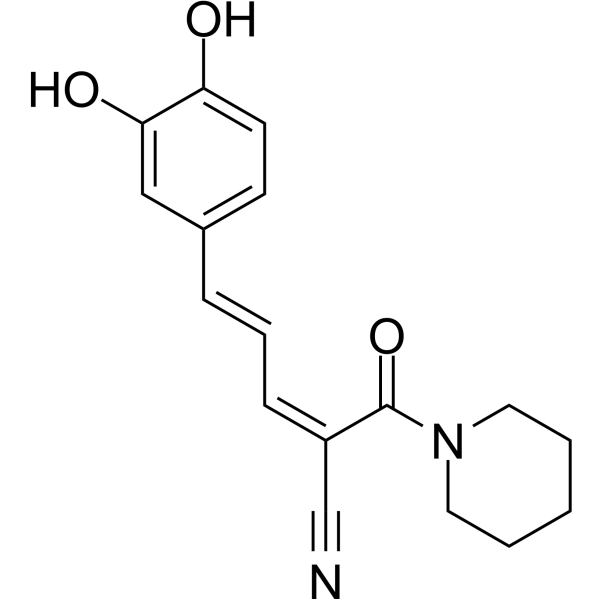
hMAO-B/MB-COMT-IN-2 is a dual MAO-B/MB-COMT inhibitor (IC50s: 4.27 μΜ for hMAO-B, 2.69 μΜ for MB-COMT). hMAO-B/MB-COMT-IN-2 protects cells against oxidative damage. hMAO-B/MB-COMT-IN-2 can be used in the research of neurodegeneration disease, such as Parkinson’s Disease (PD) .
|
-
- HY-P5046
-
|
|
α-synuclein
|
Neurological Disease
|
|
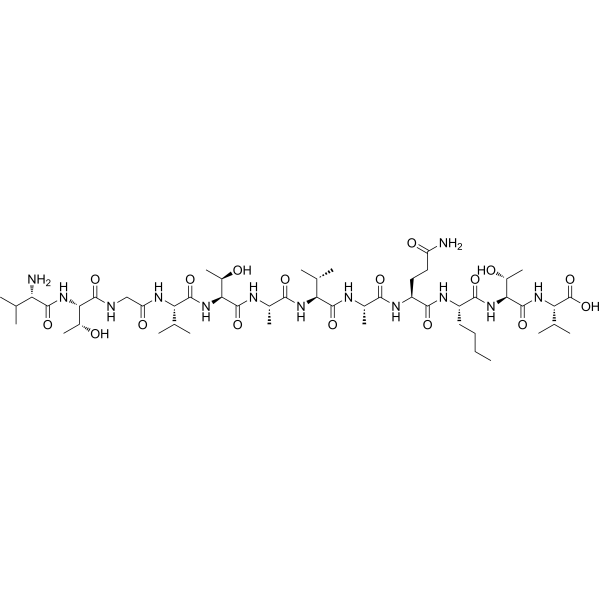
α-Synuclein (71-82) (human) is the 71-82 fragment of α-Synuclein. α-Synuclein is an abundant neuronal protein that is highly abundant in presynaptic nerve terminals. α-Synuclein is a biomarker for Parkinson's disease (PD) .
|
-
- HY-P5044
-
|
|
α-synuclein
|
Neurological Disease
|
|
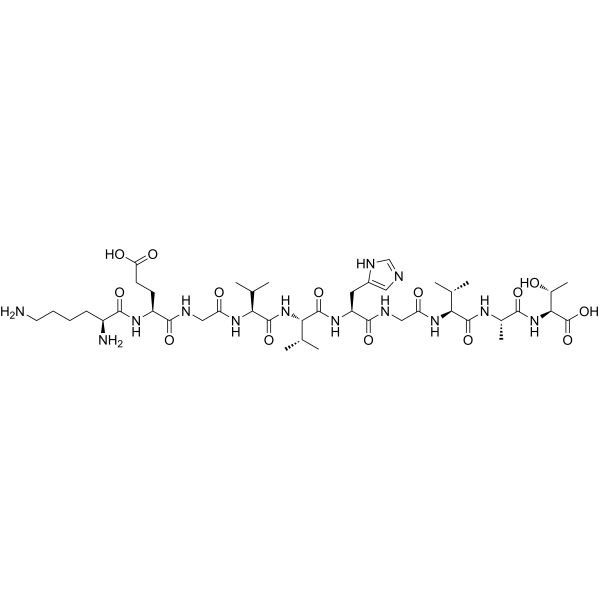
α-Synuclein (45-54) (human) is the 45-54 fragment of α-Synuclein. α-Synuclein is an abundant neuronal protein that is highly abundant in presynaptic nerve terminals. α-Synuclein is a biomarker for Parkinson's disease (PD) .
|
-
- HY-P5041
-
|
|
α-synuclein
|
Neurological Disease
|
|
α-Synuclein (34-45) (human) is the 34-45 fragment of α-Synuclein. α-Synuclein is an abundant neuronal protein that is highly abundant in presynaptic nerve terminals. α-Synuclein is a Parkinson's disease (PD) biomarker .
|
-
- HY-W269511
-
|
|
Drug Derivative
|
Neurological Disease
|
|
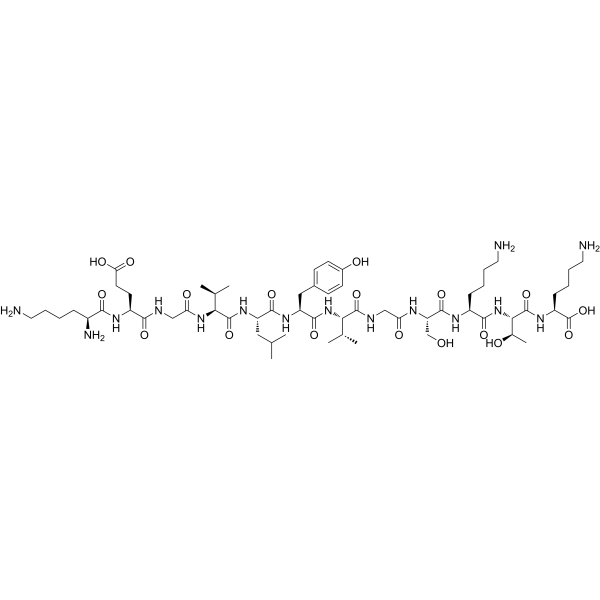
NW-1689 is a process-related impurity of safinamide mesilate (SAFM). SAFM can be used for the study of Parkinson's disease (PD). It is a highly selective and reversible inhibitor of monoamine oxidase-B (MAO-B) and also blocks sodium channels and N-type calcium channels. These effects of SAFM help reduce the breakdown of dopamine and inhibit the release of glutamate. NW-1689 has a similar chemical structure to SAFM and has some similar pharmacological effects as SAFM, and can be used in Parkinson's disease research .
|
-

- HY-13993B
-
|
|
iGluR
|
Neurological Disease
|
|
Ro 25-6981 hydrochloride is a potent, selective and activity-dependent NR2B subunit specific NMDA receptor antagonist. Ro 25-6981 hydrochloride shows anticonvulsant and anti-parkinsonian activity. Ro 25-6981 hydrochloride has the potential for the research of parkinson's disease (PD) .
|
-
- HY-155568
-
-
- HY-115987
-
|
|
Monoamine Oxidase
|
Neurological Disease
|
|
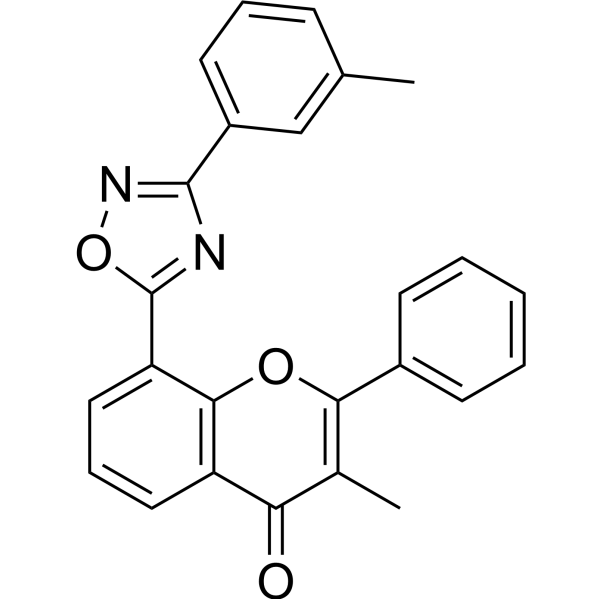
MAO-B-IN-6 is a potent, selective and orally active MAO-B inhibitor with an IC50 of 0.019 µM. MAO-B-IN-6 shows more efficacious than Safinamide in vitro and in vivo. MAO-B-IN-6 has the potential for the research of parkinson's disease (PD) .
|
-
- HY-160002
-
|
|
Monoamine Oxidase
|
Neurological Disease
|
|
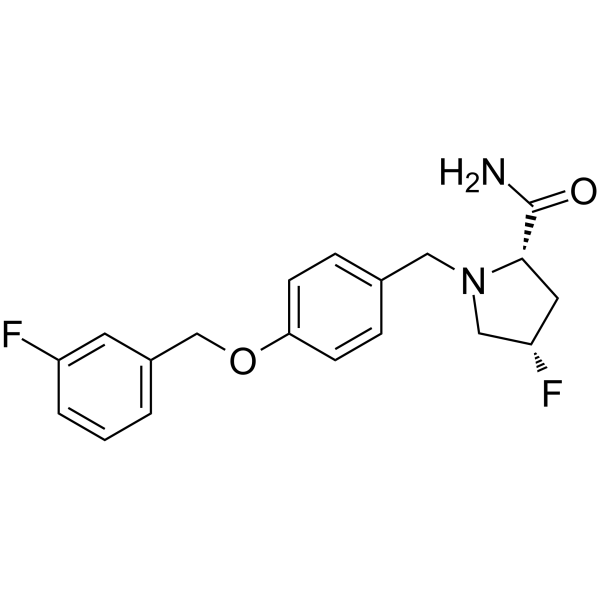
MAO-B-IN-27 (Compound 12c) is a monoamine oxidase B (MAO-B) inhibitor. MAO-B-IN-27 has potent and selective MAO-B inhibitory effect for hMAO-B with an IC50 values of 8.9 nM. MAO-B-IN-27 can be used for the research of parkinson's disease (PD) .
|
-
- HY-178352
-
|
|
Monoamine Oxidase
Reactive Oxygen Species (ROS)
|
Neurological Disease
Inflammation/Immunology
|
|
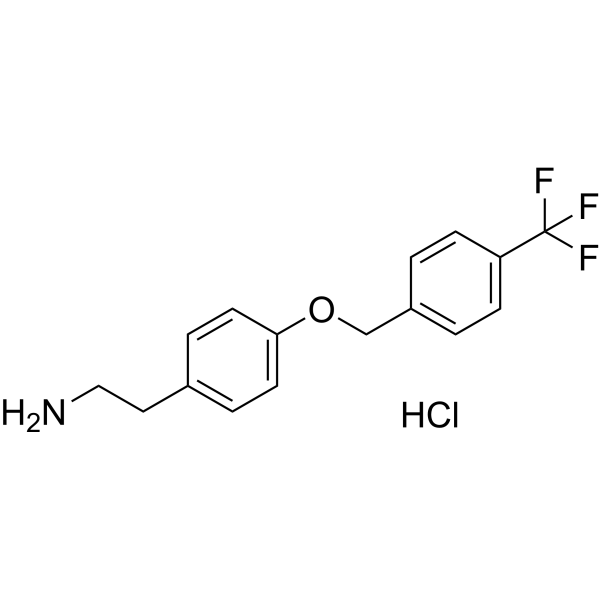
MAO-B-IN-49 is a selective and reversible MAO-B inhibitor (IC50 of 1 nM for human MAO-B). MAO-B-IN-49 shows much higher selectivity for MAO-B than for MAO-A (IC50 = 633.9 μM). MAO-B-IN-49 can reduce ROS production induced by Lipopolysaccharides (HY-D1056) (LPS) in HT22 cells. MAO-B-IN-49 demonstrates substantial neuroprotective properties and significantly improves motor dysfunction in MPTP (HY-W114750)-induced mouse models of Parkinson’s disease (PD). MAO-B-IN-49 can be used for the study of PD .
|
-

- HY-P990793
-
|
|
CD28
|
Neurological Disease
Inflammation/Immunology
Cancer
|
|
Anti-Mouse CD28 Antibody (D665) is a mouse-derived agonistic IgG1 κ type antibody, targeting to mouse CD28. Anti-Mouse CD28 Antibody (D665) induces the activation of T cells. Anti-Mouse CD28 Antibody (D665) can be used for the researches of neurological disease, inflammation, immunology and cancer, such as Parkinson disease (PD), arthritis and graft-versus-host disease (GVHD) .
|
-

- HY-152552
-
|
|
α-synuclein
|
Neurological Disease
|
|
α-Synuclein inhibitor 8 is an active inhibitor of α-Synuclein with an IC50 value of 2.5 µM. α-Synuclein inhibitor 8 has highly inhibition on the aggregation and disaggregation of α-Synuclein fibers. α-Synuclein inhibitor 8 reduces the formation of inclusions in neurons that can repairs damage neurons and improves Parkinson’s disease (PD)-like symptoms. α-Synuclein inhibitor 8 has high antioxidant activity and low cytotoxicity .
|
-
- HY-155137
-
|
|
Monoamine Oxidase
Reactive Oxygen Species (ROS)
|
Neurological Disease
|
|
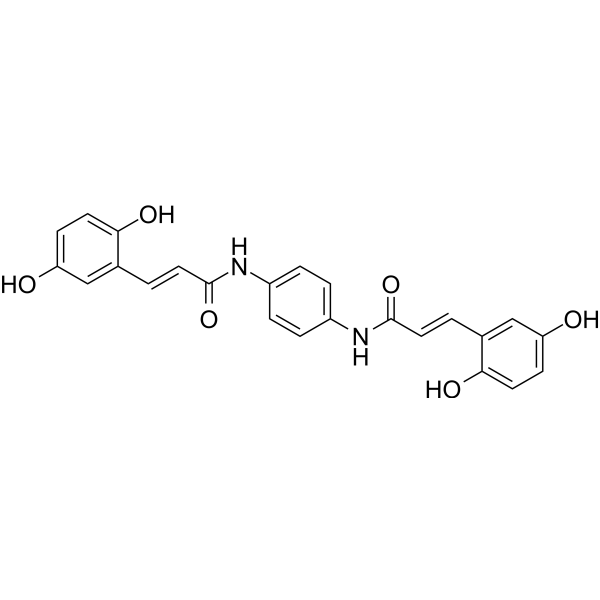
CHBO4 is a potent, reversible, competitive, and selective hMAO-B inhibitor with an IC50 value of 0.031 μM in CHBO subseries and an Ki value of 0.010 ± 0.005 μM. CHBO4 reduce cell damage by scavenging intracellular reactive oxygen species (ROS). CHBO4 can be used for Parkinson's Disease (PD) research .
|
-
- HY-172952
-
|
|
LRRK2
RET
|
Neurological Disease
Cancer
|
|
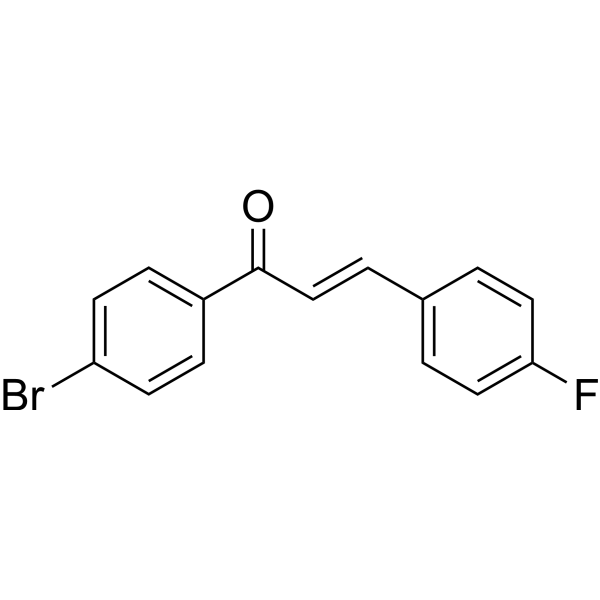
LRRK2-IN-17 (Compound 6) is an orally active LRRK2 inhibitor (IC50: 3.5 and 3.3 nM for WT and G2019S, respectively). LRRK2-IN-17 inhibits RET kinase (IC50: 59 nM). LRRK2-IN-17 can be used in cancer and Parkinson's disease (PD) research .
|
-

- HY-149065
-
|
|
α-synuclein
|
Neurological Disease
|
|
D-685, a prodrug of D-520, exhibits higher in vivo anti-Parkinsonian efficacy in a reserpinized Parkinson's disease (PD) animal model than the parent D-520. D-685 reduces accumulation of human α-synuclein (α-syn) protein. D-685 exhibits facile brain penetration .
|
-
- HY-156102
-
|
|
Bcr-Abl
|
Neurological Disease
|
|
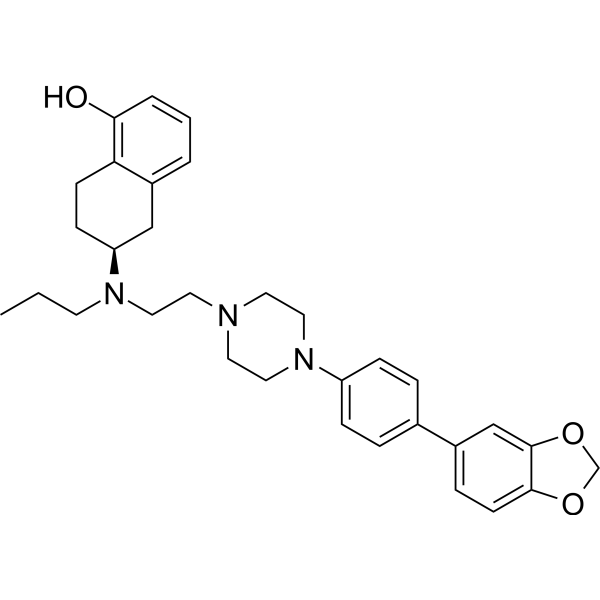
c-ABL-IN-5 is a selective c-Abl inhibitor with neuroprotective effects. c-ABL-IN-5 has blood-brain barrier penetrability, metabolic stability and good pharmacokinetic properties. When c-ABL-IN-5 is labeled with [18F] (compound [18F]3), it can be used as a tracer to evaluate disease-modifying efficacy by complementary positron emission tomography (PET). c-ABL-IN-5 can be used in the study of neurodegenerative diseases such as Parkinson's disease (PD) .
|
-
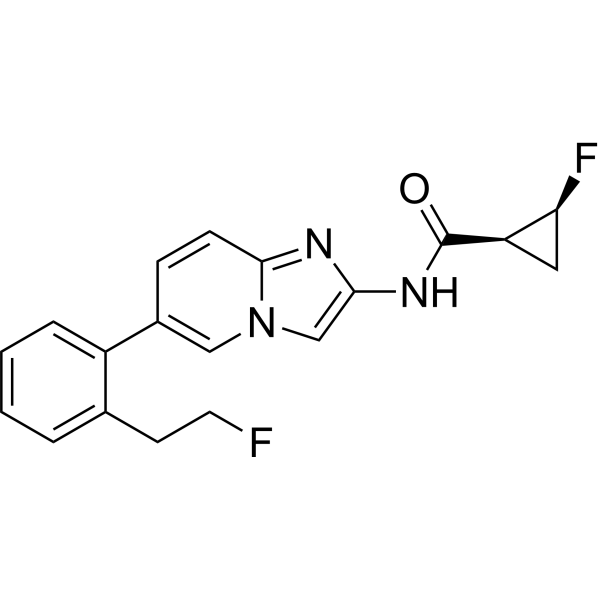
- HY-116016AR
-
|
L-DOPA ethyl ester hydrochloride (Standard); Levodopa ethyl ester hydrochloride (Standard)
|
Reference Standards
Dopamine Receptor
Drug Metabolite
|
Neurological Disease
|
|
Etilevodopa (hydrochloride) (Standard) is the analytical standard of Etilevodopa (hydrochloride). This product is intended for research and analytical applications. Etilevodopa (L-Dopa ethyl ester) hydrochloride, an ethyl-ester proagent of Levodopa, is rapidly hydrolyzed to Levodopa and ethanol by nonspecific esterases in the gastrointestinal tract. Etilevodopa hydrochloride is used for the treatment of Parkinson disease (PD). Levodopa is the direct precursor of dopamine and is a suitable proagent as it facilitates CNS penetration and delivers dopamine[1][2][3].
|
-

- HY-149941
-
|
|
Neurotensin Receptor
|
Neurological Disease
|
|
hNTS1R agonist-1 (Compound 10) is a BBB permeable hNTS1R full agonist (Ki: 6.9 nM) . hNTS1R agonist-1 increases motor function and memory in a mouse model of Parkinson's disease (PD). hNTS1R agonist-1 is a Neurotensin(8-13) analog and is a neuroprotective agent .
|
-
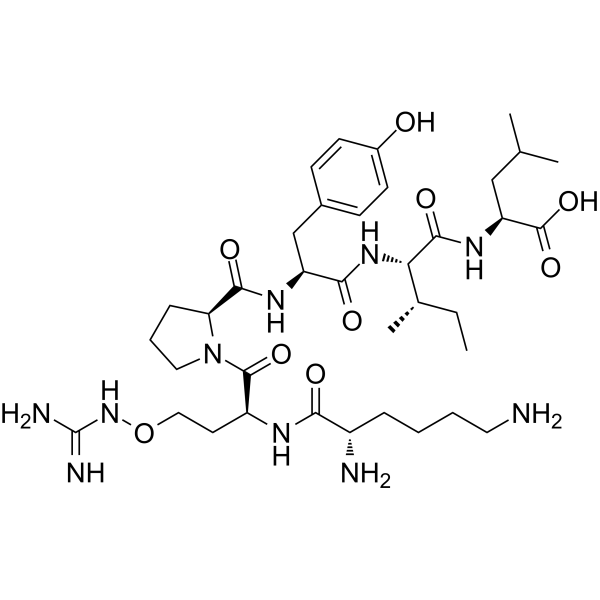
- HY-149509
-
|
|
α-synuclein
|
Neurological Disease
|
|
α-Synuclein inhibitor 9 (Compound 20C) is an α-Synuclein inhibitor. α-Synuclein inhibitor 9 binds to cavities in mature α-synuclein fibrils and reduces the β-sheet structure. α-Synuclein inhibitor 9 inhibits A53T α-Syn aggregation. α-Synuclein inhibitor 9 has neuroprotective effect, improves brain functional connection and relieves motor dysfunction.α-Synuclein inhibitor 9 can be used for Parkinson’s disease (PD) research. .
|
-
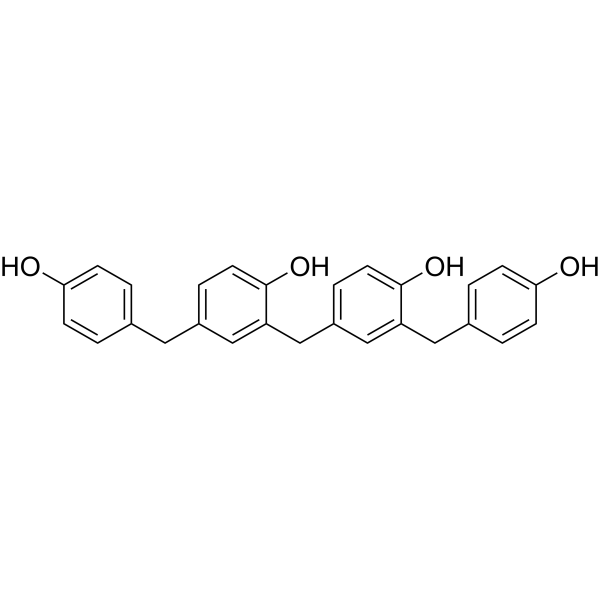
- HY-170887
-
|
|
Keap1-Nrf2
Monoamine Oxidase
|
Inflammation/Immunology
|
|
MAO-B-IN-39 (compound11) is a selective monoamine oxidase B (MAO-B) inhibitor. MAO-B-IN-39 inhibits MAO-Bwith an IC50 of 3.61 μM. MAO-B-IN-39 demonstrates a potent NRF2 induction capacity. MAO-B-IN-39 exhibits potent anti-inflammatory and neuroprotective activity in OS (oxidative stress)-related in vitro models. MAO-B-IN-39 demonstrates high liver microsomal stability and favorable pharmacokinetics in mice. MAO-B-IN-39 is potential for Parkinson’s disease (PD) research .
|
-

- HY-155077
-
|
|
JNK
|
Cancer
|
|
JNK-IN-12 (compound P2) is a mitochondrial-targeted JNK inhibitor (IC50=66.3 nM), consisting of a mitochondrial-specific cell-penetrating peptide and a specific inhibitor of JNK, SP600125 (HY-12041). JNK-IN-12 doesn't inhibit nuclear JNK signaling, but does inhibit mitochondrial JNK phosphorylation. JNK-IN-12 helps to improve the Parkinson's disease (PD) both in vitro and in vivo .
|
-
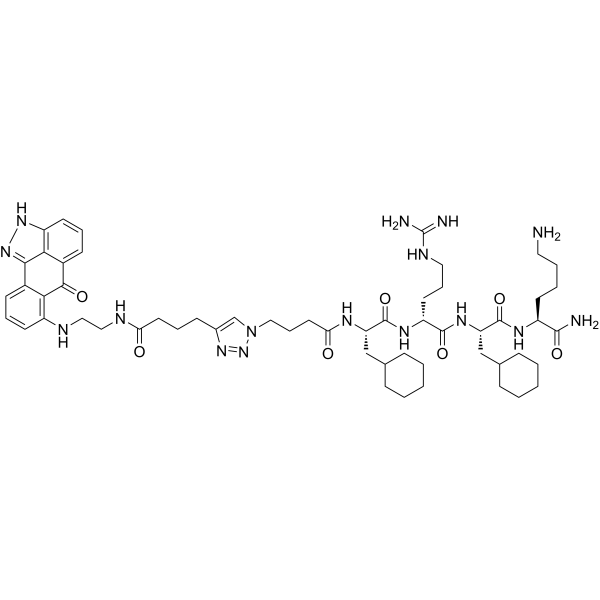
- HY-B0410AR
-
|
|
Reference Standards
Dopamine Receptor
|
Neurological Disease
|
|
Pramipexole (dihydrochloride hydrate) (Standard) is the analytical standard of Pramipexole (dihydrochloride hydrate). This product is intended for research and analytical applications. Pramipexole dihydrochloride hydrate is a selective and blood-brain barrier (BBB) penetrant dopamine D2-type receptor agonist, with Kis of 2.2 nM, 3.9 nM, 0.5 nM and 1.3 nM for D2-type receptor, D2, D3 and D4 receptors, respectively. Pramipexole dihydrochloride hydrate can be used for the research of Parkinson's disease (PD) and restless legs syndrome (RLS) .
|
-

- HY-186110
-
|
|
PROTACs
LRRK2
|
Neurological Disease
|
|
PROTAC LRRK2 Degrader-5 Formula (V) is a LRRK2 PROTAC degrader. PROTAC LRRK2 Degrader-5 can be used for thet study of the diseases associated with LRRK2, such as Parkinson’s Disease (PD) .
|
-

- HY-156898
-
|
|
α-synuclein
Caspase
Reactive Oxygen Species (ROS)
|
Neurological Disease
|
|
NPT100-18A is an αSyn oligomerization inhibitor. NPT10018A rescues cleaved caspase-3 levels to control levels. NPT10018A attenuates mitochondrial oxidative stress probe levels in a compartment-specific manner and, at higher concentrations, increases ATP signals. NPT100-18A can be used for the study of Parkinson’s disease (PD) .
|
-

- HY-107505AR
-
|
|
Reference Standards
mGluR
|
Neurological Disease
|
|
CBiPES (Standard) is the analytical standard of CBiPES (HY-107505A). This product is intended for research and analytical applications. CBiPES is a potent mGlu2 positive allosteric modulator with an EC50 value of 92.8 nM. CBiPES attenuates stress-induced hyperthermia and Phencyclidine-induced hyperlocomotor activity. CBiPES can be used for research of neurological diseases, such as ParKinson's disease (PD) .
|
-

- HY-17355R
-
|
|
Dopamine Receptor
Reference Standards
|
Neurological Disease
|
|
Pramipexole (dihydrochloride) (Standard) is the analytical standard of Pramipexole (dihydrochloride). This product is intended for research and analytical applications. Pramipexole dihydrochloride is a selective and blood-brain barrier (BBB) penetrant dopamine D2-type receptor agonist, with Kis of 2.2 nM, 3.9 nM, 0.5 nM and 1.3 nM for D2-type receptor, D2, D3 and D4 receptors, respectively. Pramipexole dihydrochloride can be used for the research of Parkinson's disease (PD) and restless legs syndrome (RLS) .
|
-

- HY-17355S2
-
|
|
Dopamine Receptor
|
Neurological Disease
|
|
Pramipexole-d7-1 dihydrochloride is the deuterium labeled Pramipexole dihydrochloride . Pramipexole dihydrochloride is a selective and blood-brain barrier (BBB) penetrant dopamine D2-type receptor agonist, with Kis of 2.2 nM, 3.9 nM, 0.5 nM and 1.3 nM for D2-type receptor, D2, D3 and D4 receptors, respectively. Pramipexole dihydrochloride can be used for the research of Parkinson's disease (PD) and restless legs syndrome (RLS) .
|
-
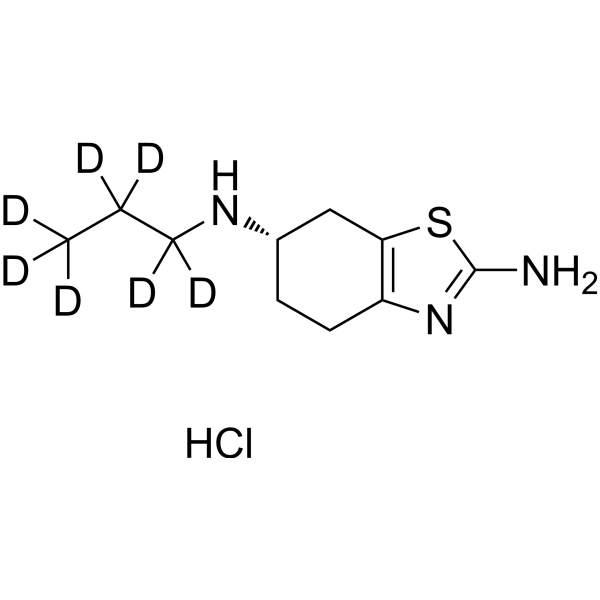
- HY-B0410R
-
|
|
Reference Standards
Dopamine Receptor
|
Neurological Disease
|
|
Pramipexole (Standard) is the analytical standard of Pramipexole. This product is intended for research and analytical applications. Pramipexole is a selective and blood-brain barrier (BBB) penetrant dopamine D2-type receptor agonist, with Kis of 2.2 nM, 3.9 nM, 0.5 nM and 1.3 nM for D2-type receptor, D2, D3 and D4 receptors, respectively. Pramipexole can be used for the research of Parkinson's disease (PD) and restless legs syndrome (RLS) .
|
-

- HY-75502R
-
|
N-0923 (Standard); (-)-N 0437 (Standard)
|
Reference Standards
Dopamine Receptor
Adrenergic Receptor
5-HT Receptor
|
Neurological Disease
Endocrinology
|
|
Rotigotine (Standard) is the analytical standard of Rotigotine. This product is intended for research and analytical applications. Rotigotine is a potent dopamine receptor agonist with Ki values of 0.71 nM, 4-15 nM, and 83 nM for the dopamine D3 receptor and D2, D5, D4 receptors and dopamine D1 receptor. Rotigotine a partial agonist of the 5-HT1A receptor, and an antagonist of the α2B-adrenergic receptor. Rotigotine can be used for parkinson's disease (PD) research .
|
-

- HY-13488
-
|
|
LRRK2
MNK
|
Neurological Disease
|
|
HG-10-102-01 is a highly potent, selective, and brain-penetrable LRRK2 inhibitor, with IC50 values of 20.3 and 3.2 nM against wild-type LRRK2 and LRRK2[G2019S], respectively. HG-10-102-01 also inhibits MNK2 and MLK1, with IC50 values of 0.6 and 2.1 μM. HG-10-102-01 can be used for Parkinson's disease (PD) research .
|
-
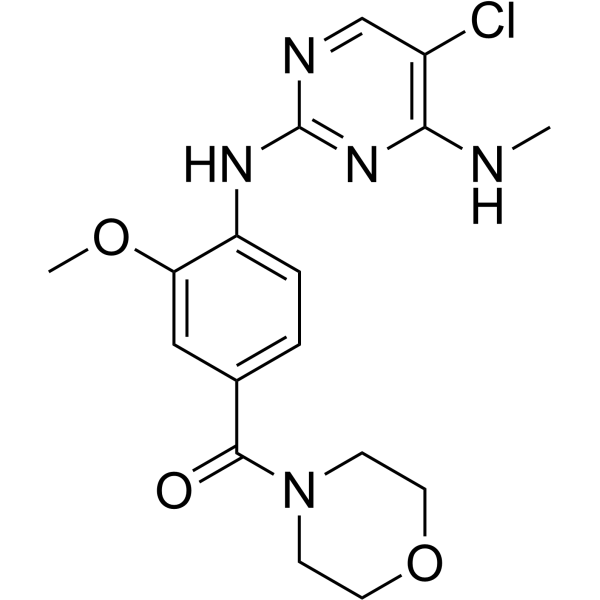
- HY-113100R
-
|
|
Reference Standards
Endogenous Metabolite
|
Neurological Disease
Cancer
|
|
N-Acetylputrescine hydrochloride (Standard) is the analytical standard for N-Acetylputrescine hydrochloride (HY-113100). This product is intended for research and analytical applications. N-Acetylputrescine hydrochloride is a polyamine metabolite that regulates cell proliferation and signal transduction mainly by participating in polyamine acetylation modification. N-Acetylputrescine hydrochloride may reduce the positive charge of polyamines, affect protein-nucleic acid interactions, and promote cell growth. The concentration changes of N-Acetylputrescine hydrochloride can help disease diagnosis (such as early screening and efficacy evaluation of lung cancer) and microbial cell wall structure research. N-Acetylputrescine hydrochloride can be used as a potential biomarker for the progression of squamous cell carcinoma of the lung (SCCL) and Parkinson's disease (PD) .
|
-

- HY-A0007S
-
|
N-0923 D7 Hydrochloride
|
Isotope-Labeled Compounds
Dopamine Receptor
|
Neurological Disease
|
|
Rotigotine-d7 (N-0923-d7) hydrochloride is the deuterium labeled Rotigotine(HY-75502). Rotigotine is a potent dopamine receptor agonist with Ki values of 0.71 nM, 4-15 nM, and 83 nM for the dopamine D3 receptor and D2, D5, D4 receptors and dopamine D1 receptor. Rotigotine a partial agonist of the 5-HT1A receptor, and an antagonist of the α2B-adrenergic receptor. Rotigotine can be used for parkinson's disease (PD) research.
|
-
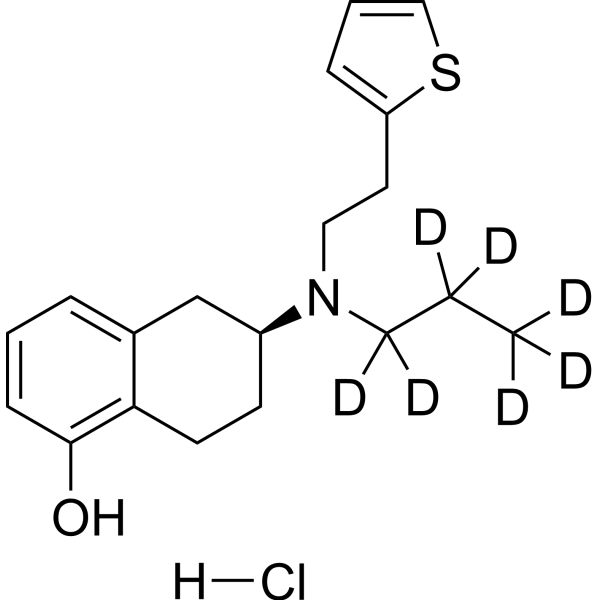
- HY-162760
-
|
|
COMT
Monoamine Oxidase
|
Neurological Disease
|
|
COMT-IN-1 (compound C12), a nitrophenolic analogue, is an orally active dopamine metabolic enzyme catechol-O-methyltransferase (COMT) inhibitor with IC50s of 0.37 μM, 95.58 μM and 58.82 μM for COMT, MAO-A and MAO-B, respectively. COMT-IN-1 exhibits chelation with a variety of metal ions. COMT-IN-1 exhibits good BBB permeability. COMT-IN-1 improves dopamine levels and ameliorates MPTP (HY-15608)-induced Parkinson's disease (PD) symptoms in mice .
|
-

- HY-157839
-
|
|
PROTACs
α-synuclein
Tau Protein
|
Neurological Disease
|
|
PROTAC α-Synuclein/Tau degrader 1 is a blood-brain barrier-penetrant dual PROTAC degrader of α-synuclein (α-Syn) and tau, with DC50 of 1.57 μM and 4.09 μM, respectively. PROTAC α-Synuclein/Tau degrader 1 binds to α-Syn and tau PFF, with KDs of 0.47 and 2.78 μM, respectively. PROTAC α-Synuclein/Tau degrader 1 exhibits degradation effect mediated by the ubiquitin-proteasome system (UPS). PROTAC α-Synuclein/Tau degrader 6 can be used for the study of Parkinson’s disease (PD) (Pink: α-Synuclein/Tau ligand (HY-151035); Blue: CRBN ligase ligand (HY-14658); Black: Linker (HY-128803)) .
|
-
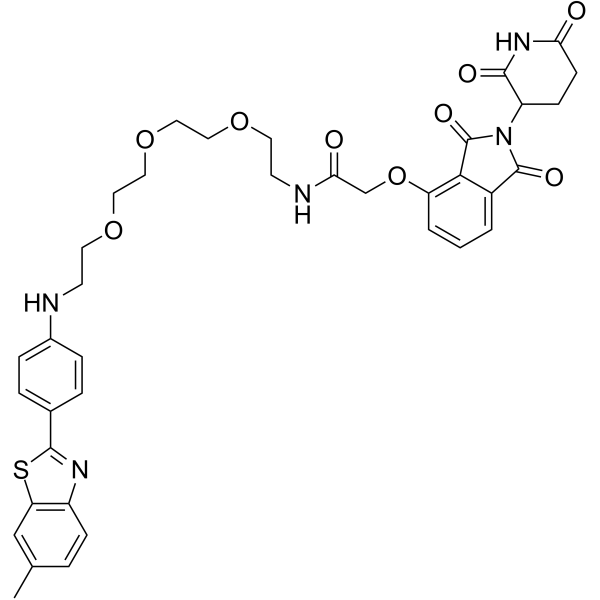
- HY-P99123A
-
|
|
CD28
|
Neurological Disease
Inflammation/Immunology
Cancer
|
|
Anti-Mouse CD28 (LALA-PG) Antibody (D665) is an anti-mouse CD28 IgG2a monoclonal antibody. Anti-Mouse CD28 (LALA-PG) Antibody (D665) is a chimeric antibody of the original D665 antibody (HY-P990793). Anti-Mouse CD28 (LALA-PG) Antibody (D665) contains the LALA-PG mutation region. Anti-Mouse CD28 Antibody (D665) induces the activation of T cells. Anti-Mouse CD28 Antibody (D665) can be used for research on neurological conditions, inflammation, immunology and cancer, such as Parkinson disease (PD), arthritis and graft-versus-host disease (GVHD).
|
-
- HY-125287
-
|
(Rac)-UCB0599; NPT200-11
|
α-synuclein
|
Neurological Disease
|
|
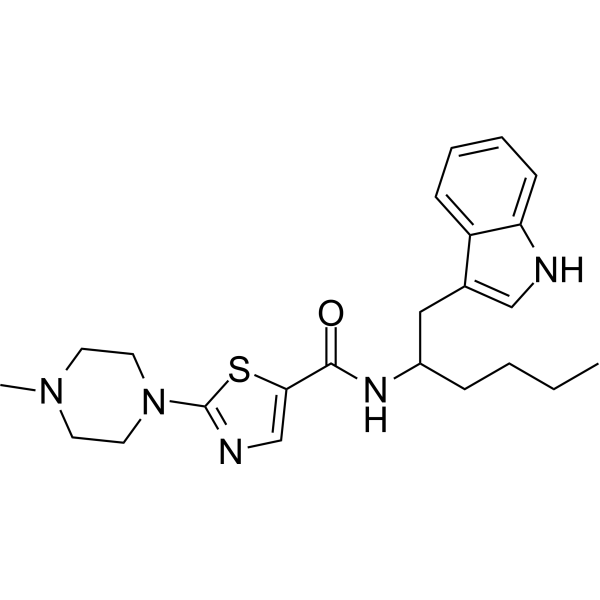
(Rac)-Minzasolmin ((Rac)-UCB0599; NPT200-11) is a blood-brain barrier penetrated alpha-synuclein (ASYN) misfolding inhibitor. (Rac)-Minzasolmin acts on the early stage of ASYN aggregation process, by replacing the membrane-bound oligomers ASYN, allowing them to revert to the monomeric form, while preventing pathological aggregation. (Rac)-Minzasolmin effectively improves the ASYN deposition in the retina and the neuro-pathological indicators in two α-synuclein transgenic mouse models. (Rac)-Minzasolmin can be used for the studies of Parkinson's disease (PD) and dementia with Lewy bodies (DLB) .
|
-
- HY-151431
-
|
|
Keap1-Nrf2
Reactive Oxygen Species (ROS)
ERK
Akt
JNK
|
Neurological Disease
|
|
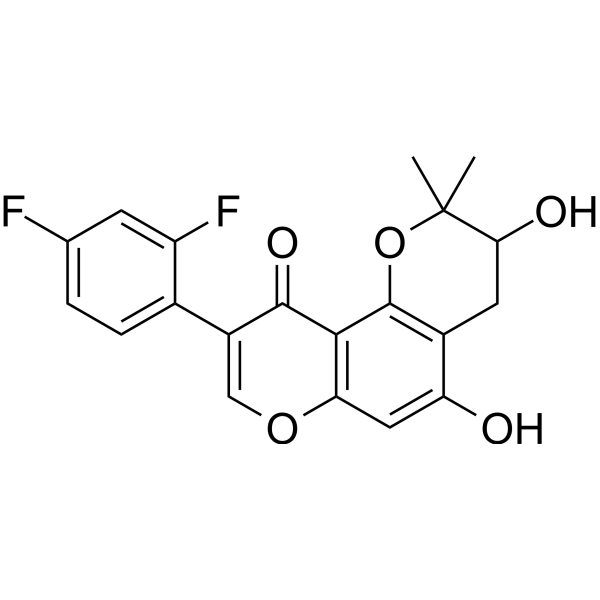
Nrf2/HO-1 activator 2 (compound 13m), difluoro-substituted derivative, is a potent Nrf2/HO-1 activator. Nrf2/HO-1 activator 2 has neuroprotective and antioxidant effects through the Nrf2/HO-1 pathway mediated by phosphorylation of ERK1/2, JNK, or Akt in PC12 cells. Nrf2/HO-1 activator 2 can be used in the research of Parkinson's disease (PD) .
|
-
- HY-113366
-
|
PGJ2
|
Prostaglandin Receptor
Endogenous Metabolite
|
Neurological Disease
|
|
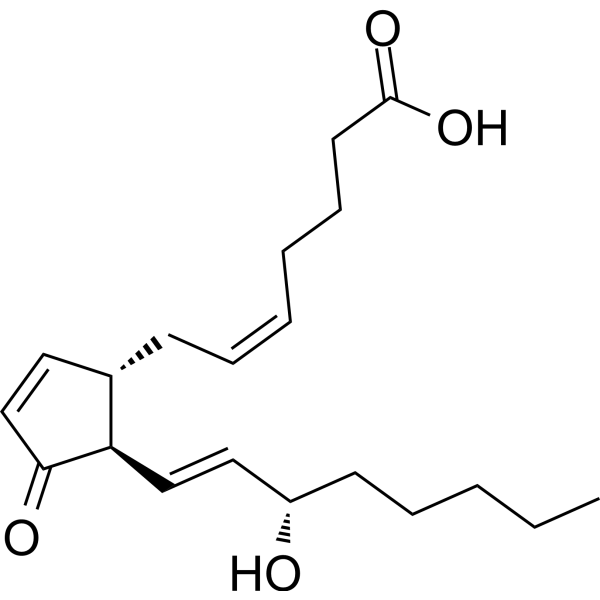
Prostaglandin J2 (PGJ2), an endogenous metabolite of Prostaglandin D2 (PGD2; HY-101988), is a potent PGD2 receptor (DP) agonist with Kis of 0.9 nM and 6.6 nM for hDP and hCRTH2, respectively. Prostaglandin J2 stimulates intracellular cyclic AMP production with an EC50 value of 1.2 nM. Prostaglandin J2 induces oxidative stress and neuronal apoptosis. Prostaglandin J2 induces the accumulation/aggregation of ubiquitinated (Ub) proteins. Prostaglandin J2 is highly neurotoxic and potentially contributes to many neurodegenerative conditions, including Alzheimer's (AD) and Parkinson's diseases (PD) .
|
-
- HY-182893
-
|
|
α-synuclein
Reactive Oxygen Species (ROS)
Tyrosine Hydroxylase
|
Neurological Disease
|
|
SK-129 is a blood-brain barrier-permeable inhibitor of α-synuclein (αS) oligomers with a Kd of 221 nM. SK-129 preferentially binds to neurotoxic αS oligomers over physiological αS monomers, inhibits αS aggregation, blocks the interaction and co-aggregation of αS with tau protein, and prevents the maturation of αS-tau condensates into amyloid aggregates. SK-129 reduces ROS production, rescues dopaminergic neuron degeneration, improves motor function, restores endogenous dopamine synthesis, increases the number of Tyrosine Hydroxylase-positive neurons, prevents brain histopathological changes, alleviates neuroinflammation, and improves survival rates in relevant models. SK-129 can be used in research related to Parkinson's disease (PD) and Lewy body dementia (LBD) .
|
-

- HY-132806
-
|
RG-7816; RO-7017773
|
GABA Receptor
|
Neurological Disease
|
|
Alogabat is a positive allosteric modulator (PAM) and agonist (Ki <100 nM) of the GABAA α5 receptor, targeting the α5β3γ2 subunit with a Ki of 8.7 nM. Alogabat increases the expression level of α5β3γ2 in oocytes (1.97-fold). GABAA has been implicated in cognitive impairment associated with central nervous system (CNS) disorders, brain cancer (including brain tumors such as medulloblastoma), and can be used in the study of mild cognitive impairment (MCI), amnestic MCI (aMCI), age-associated memory impairment (AAMI), age-related cognitive decline (ARCD), dementia, Alzheimer's disease (AD), prodromal AD, post-traumatic stress disorder (PTSD), schizophrenia, bipolar disorder, amyotrophic lateral sclerosis (ALS), cognitive impairment associated with cancer treatment, mental retardation, Parkinson's disease (PD), autism spectrum disorder, fragile X, Rett syndrome, obsessive-compulsive behavior, and substance addiction .
|
-
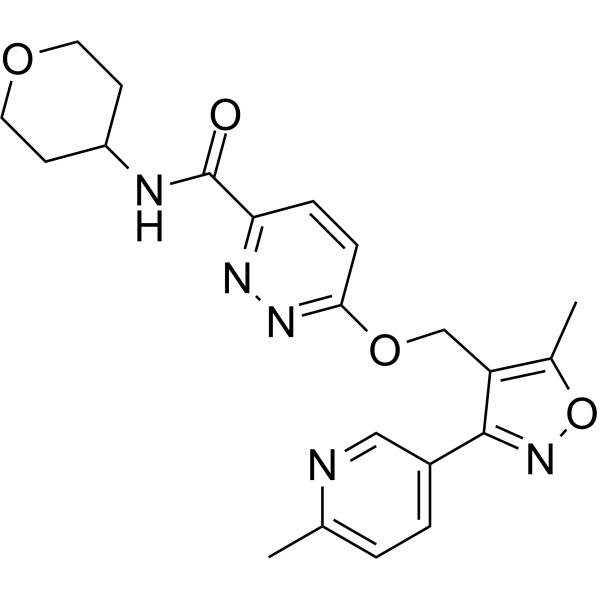
- HY-W014701R
-
|
|
Reference Standards
Aryl Hydrocarbon Receptor
Cytochrome P450
Apoptosis
Interleukin Related
|
Neurological Disease
Inflammation/Immunology
Endocrinology
|
|
1,4-Dihydroxy-2-naphthoic acid (Standard) is the analytical standard for 1,4-Dihydroxy-2-naphthoic acid (HY-W014701). 1,4-Dihydroxy-2-naphthoic acid is an orally active aryl hydrocarbon receptor (AhR) agonist and a bifidogenic growth stimulator. 1,4-Dihydroxy-2-naphthoic acid can improve the motor dysfunction in parkinson's disease (PD) model through AhR-dependent and -independent pathways. 1,4-Dihydroxy-2-naphthoic acid exerts anti-inflammatory effects by regulating the gut microbiota (such as promoting the proliferation of Bifidobacterium) and directly regulating the host immune system. 1,4-Dihydroxy-2-naphthoic acid induces apoptosis through G0/G1 cell cycle arrest in human keratinocyte to inhibit psoriasis .
|
-

-
-
HY-L085
-
|
|
2,085 compounds
|
|
Parkinson’s disease (PD), the second most common age-associated neurodegenerative disorder, is characterized by the loss of dopaminergic (DA) neurons and the presence of α-synuclein-containing aggregates in the substantia nigra pars compacta (SNpc). Motor features such as tremor, rigidity, bradykinesia and postural instability are common traits of PD. To date, there is no treatment to stop or at least slow down the progression of the disease. The etiology and pathogenesis of PD is still elusive, however, a large body of evidence suggests a prominent role of oxidative stress, inflammation, apoptosis, mitochondrial dysfunction and proteasome dysfunction in the pathogenesis of PD.
MCE offers a unique collection of 2,085 compounds with anti- Parkinson’s Disease activities or targeting the unique targets of PD. MCE Anti- Parkinson's Disease Compound Library is a useful tool for exploring the mechanism of PD and discovering new drugs for PD.
|
-
-
HY-L028
-
|
|
1,096 compounds
|
|
The blood-brain barrier (BBB) is the complex network of brain microvessels. It protects the brain from the external bloodstream environment and supplies the brain with the required nutrients for normal function. However, blood-brain barrier is also the obstacle to deliver beneficial drugs to treat CNS (central nervous system) diseases or brain tumors, as it has the least permeable capillaries in the entire body due to physical barriers (tight junctions). Therefore, it is crucial to discover drugs which can cross this barrier for the treatment of brain-based diseases, such as Alzheimer’s disease (AD), Parkinson’s disease (PD) and epilepsy.
MCE offers a unique collection of 1,096 compounds with confirmed CNS-Penetrant property. It’s a useful tool for the discovery of drugs used for brain diseases, such as brain tumors, mental disorders, and neurodegenerative diseases.
|
-
-
HY-L086
-
|
|
3,545 compounds
|
|
Neurodegenerative diseases are incurable and life-threatening conditions that result in progressive degeneration and/or death of nerve cells. Some common neurodegenerative diseases include Alzheimer’s Disease (AD), Parkinson’s Disease (PD), Motor Neuron Disease (MND), Huntington’s Disease (HD), Spino-Cerebellar Ataxia (SCA), Spinal Muscular Atrophy (SMA), and Amyotrophic Lateral Sclerosis (ALS). Because the pathophysiology of neurodegenerative disorders is generally poorly understood, it is difficult to identify promising molecular targets and validate them. At the same time, about 85% of the drugs fail in clinical trials. Therefore, validating new targets and discovering new drugs to mitigate neurodegenerative disorders is need of the hour.
MCE offers a unique collection of 3,545 compounds with anti-Neurodegenerative Diseases activities or targeting the unique targets of neurodegenerative diseases. MCE Neurodegenerative Disease-related Compound Library is a useful tool for exploring the mechanism of neurodegenerative diseases and discovering new drugs for neurodegenerative diseases.
|
-
-
HY-L134
-
|
|
193 compounds
|
|
Aging is an unavoidable process, leading to cell senescence due to physiochemical changes in an organism. Aging cells cease to divide and drive the progression of illness through various pathways, resulting in the death of an organism ultimately. Anti-aging activities are primarily involved in the therapies of age-related disorders such as Parkinson's Disease (PD), Alzheimer's Disease (AD), cardiovascular diseases, cancer, and chronic obstructive pulmonary diseases.
Natural products are known as effective molecules in anti-aging treatments, which delay the aging process through influencing several pathways and thus ensure an extended lifespan. MCE offers a unique collection of 193 natural products with validated anti-aging activity. MCE anti-aging natural product library is a useful tool for the study of aging-related diseases drugs and pharmacology.
|
-
-
HY-L010
-
|
|
1,063 compounds
|
|
MAPK families play an important role in complex cellular programs like proliferation, differentiation, development, transformation, and apoptosis. In mammalian cells, four MAPK families have been clearly characterized: ERK1/2, C-Jun N-terminal kinse/stress-activated protein kinase (JNK/SAPK) , p38 kinase and ERK5. They respond to different signals. Each MAPK-related cascade consists of three enzymes that are activated in series: a MAPK kinase kinase (MAPKKK), a MAPK kinase (MAPKK) and a MAP kinase (MAPK). MAPK signaling pathways has been implicated in the development of many human diseases including Alzheimer's disease (AD), Parkinson's disease (PD), amyotrophic lateral sclerosis (ALS) and various types of cancers.
MCE designs a unique collection of 1,063 MAPK signaling pathway inhibitors that act as a useful tool for MAPK-related drug screening and disease research.
|
-
- HY-D2871
-
|
|
Fluorescent Dyes
|
|
DAyne is a Dopamine (DA)-mimetic probe. DAyne covalently binds to proteins modified by dopamine oxidation products (e.g., dopaquinone, DQ) to form adducts. DAyne is promising for research of Parkinson’s disease (PD), particularly neurotoxicity, protein modification, and related pathways (e.g., endoplasmic reticulum stress, cytoskeletal instability) caused by dopamine dysregulation .
|
| Cat. No. |
상품명 |
Target |
Research Area |
-
- HY-P4704A
-
|
|
α-synuclein
|
Neurological Disease
|
|
α-Synuclein (61-95) (human) TFA is the hydrophobic core region of α-synuclein, and induces neuronal cell death. α-Synuclein (61-95) (human) TFA can be used for research of neurodegenerative diseases, including Alzheimer’s disease (AD) and Parkinson’s disease (PD) .
|
-
- HY-P3140A
-
|
|
α-synuclein
|
Neurological Disease
|
|
α-Synuclein (61-75) TFA is the 61-75 fragment of α-Synuclein. α-Synuclein is an abundant neuronal protein that is highly enriched in presynaptic nerve terminals. α-Synuclein is a potential biomarker for Parkinson's disease (PD) .
|
-
- HY-P3140
-
|
|
α-synuclein
|
Neurological Disease
|
|
α-Synuclein (61-75) is the 61-75 fragment of α-Synuclein. α-Synuclein is an abundant neuronal protein that is highly enriched in presynaptic nerve terminals. α-Synuclein is a potential biomarker for Parkinson's disease (PD) .
|
-
- HY-P4704
-
|
|
α-synuclein
|
Neurological Disease
|
|
α-Synuclein (61-95) (human) is the hydrophobic core region of α-synuclein, and induces neuronal cell death. α-Synuclein (61-95) (human) can be used for research of neurodegenerative diseases, including Alzheimer’s disease (AD) and Parkinson’s disease (PD) .
|
-
- HY-P5046
-
|
|
α-synuclein
|
Neurological Disease
|
|
α-Synuclein (71-82) (human) is the 71-82 fragment of α-Synuclein. α-Synuclein is an abundant neuronal protein that is highly abundant in presynaptic nerve terminals. α-Synuclein is a biomarker for Parkinson's disease (PD) .
|
-
- HY-P5044
-
|
|
α-synuclein
|
Neurological Disease
|
|
α-Synuclein (45-54) (human) is the 45-54 fragment of α-Synuclein. α-Synuclein is an abundant neuronal protein that is highly abundant in presynaptic nerve terminals. α-Synuclein is a biomarker for Parkinson's disease (PD) .
|
-
- HY-P5041
-
|
|
α-synuclein
|
Neurological Disease
|
|
α-Synuclein (34-45) (human) is the 34-45 fragment of α-Synuclein. α-Synuclein is an abundant neuronal protein that is highly abundant in presynaptic nerve terminals. α-Synuclein is a Parkinson's disease (PD) biomarker .
|
-
- HY-149941
-
|
|
Neurotensin Receptor
|
Neurological Disease
|
|
hNTS1R agonist-1 (Compound 10) is a BBB permeable hNTS1R full agonist (Ki: 6.9 nM) . hNTS1R agonist-1 increases motor function and memory in a mouse model of Parkinson's disease (PD). hNTS1R agonist-1 is a Neurotensin(8-13) analog and is a neuroprotective agent .
|
| Cat. No. |
상품명 |
Target |
Research Area |
Image |
-
- HY-P991380
-
|
|
Transferrin Receptor
|
Neurological Disease
|
|
TXB4 is a brain-permeable human monoclonal antibody (mAb) targeting CD71. TXB4 prevents 6-OHDA-induced death of TH-positive neurons in the SNc in a 6-OHDA mouse model of Parkinson's disease (PD). TXB4 can be used in neurodegenerative diseases, acute brain and spinal cord injury, and depression research .
|
-

(5)
-
- HY-P990793
-
|
|
CD28
|
Neurological Disease
Inflammation/Immunology
Cancer
|
|
Anti-Mouse CD28 Antibody (D665) is a mouse-derived agonistic IgG1 κ type antibody, targeting to mouse CD28. Anti-Mouse CD28 Antibody (D665) induces the activation of T cells. Anti-Mouse CD28 Antibody (D665) can be used for the researches of neurological disease, inflammation, immunology and cancer, such as Parkinson disease (PD), arthritis and graft-versus-host disease (GVHD) .
|
-
(5)
-
- HY-P99123A
-
|
|
CD28
|
Neurological Disease
Inflammation/Immunology
Cancer
|
|
Anti-Mouse CD28 (LALA-PG) Antibody (D665) is an anti-mouse CD28 IgG2a monoclonal antibody. Anti-Mouse CD28 (LALA-PG) Antibody (D665) is a chimeric antibody of the original D665 antibody (HY-P990793). Anti-Mouse CD28 (LALA-PG) Antibody (D665) contains the LALA-PG mutation region. Anti-Mouse CD28 Antibody (D665) induces the activation of T cells. Anti-Mouse CD28 Antibody (D665) can be used for research on neurological conditions, inflammation, immunology and cancer, such as Parkinson disease (PD), arthritis and graft-versus-host disease (GVHD).
|
-
(5)
| Cat. No. |
상품명 |
Category |
Target |
Chemical Structure |
-
- HY-W342604
-
-
-
- HY-113100
-
|
|
Natural Products
Classification of Application Fields
Other Diseases
Endogenous metabolite
Disease Research Fields
Source Classification
|
Endogenous Metabolite
|
|
N-Acetylputrescine hydrochloride is a polyamine metabolite that regulates cell proliferation and signal transduction mainly by participating in polyamine acetylation modification. N-Acetylputrescine hydrochloride may reduce the positive charge of polyamines, affect protein-nucleic acid interactions, and promote cell growth. The concentration changes of N-Acetylputrescine hydrochloride can help disease diagnosis (such as early screening and efficacy evaluation of lung cancer) and microbial cell wall structure research. N-Acetylputrescine hydrochloride can be used as a potential biomarker for the progression of squamous cell carcinoma of the lung (SCCL) and Parkinson's disease (PD) .
|
-
-
- HY-113366
-
-
-
- HY-150058
-
-
-
- HY-113100R
-
|
|
Structural Classification
Natural Products
Endogenous metabolite
Source Classification
|
Reference Standards
Endogenous Metabolite
|
|
N-Acetylputrescine hydrochloride (Standard) is the analytical standard for N-Acetylputrescine hydrochloride (HY-113100). This product is intended for research and analytical applications. N-Acetylputrescine hydrochloride is a polyamine metabolite that regulates cell proliferation and signal transduction mainly by participating in polyamine acetylation modification. N-Acetylputrescine hydrochloride may reduce the positive charge of polyamines, affect protein-nucleic acid interactions, and promote cell growth. The concentration changes of N-Acetylputrescine hydrochloride can help disease diagnosis (such as early screening and efficacy evaluation of lung cancer) and microbial cell wall structure research. N-Acetylputrescine hydrochloride can be used as a potential biomarker for the progression of squamous cell carcinoma of the lung (SCCL) and Parkinson's disease (PD) .
|
-
-
- HY-W014701R
-
|
|
Structural Classification
Microorganisms
Ketones, Aldehydes, Acids
Source Classification
|
Reference Standards
Aryl Hydrocarbon Receptor
Cytochrome P450
Apoptosis
Interleukin Related
|
|
1,4-Dihydroxy-2-naphthoic acid (Standard) is the analytical standard for 1,4-Dihydroxy-2-naphthoic acid (HY-W014701). 1,4-Dihydroxy-2-naphthoic acid is an orally active aryl hydrocarbon receptor (AhR) agonist and a bifidogenic growth stimulator. 1,4-Dihydroxy-2-naphthoic acid can improve the motor dysfunction in parkinson's disease (PD) model through AhR-dependent and -independent pathways. 1,4-Dihydroxy-2-naphthoic acid exerts anti-inflammatory effects by regulating the gut microbiota (such as promoting the proliferation of Bifidobacterium) and directly regulating the host immune system. 1,4-Dihydroxy-2-naphthoic acid induces apoptosis through G0/G1 cell cycle arrest in human keratinocyte to inhibit psoriasis .
|
-
| Cat. No. |
상품명 |
Chemical Structure |
-
- HY-17355S1
-
|
|
|
Pramipexole-d5 dihydrochloride is deuterium labeled Pramipexole dihydrochloride. Pramipexole dihydrochloride is a selective and blood-brain barrier (BBB) penetrant dopamine D2-type receptor agonist, with Kis of 2.2 nM, 3.9 nM, 0.5 nM and 1.3 nM for D2-type receptor, D2, D3 and D4 receptors, respectively. Pramipexole dihydrochloride can be used for the research of Parkinson's disease (PD) and restless legs syndrome (RLS) .
|
-
-
- HY-17355S
-
|
|
|
Pramipexole-d7 dihydrochloride is the deuterium labeled Pramipexole dihydrochloride. Pramipexole dihydrochloride is a selective and blood-brain barrier (BBB) penetrant dopamine D2-type receptor agonist, with Kis of 2.2 nM, 3.9 nM, 0.5 nM and 1.3 nM for D2-type receptor, D2, D3 and D4 receptors, respectively. Pramipexole dihydrochloride can be used for the research of Parkinson's disease (PD) and restless legs syndrome (RLS) .
|
-
-
- HY-B0410S1
-
|
|
|
Pramipexole-d5 is the deuterium labeled Pramipexole . Pramipexole is a selective and blood-brain barrier (BBB) penetrant dopamine D2-type receptor agonist, with Kis of 2.2 nM, 3.9 nM, 0.5 nM and 1.3 nM for D2-type receptor, D2, D3 and D4 receptors, respectively. Pramipexole can be used for the research of Parkinson's disease (PD) and restless legs syndrome (RLS) .
|
-
-
- HY-A0007S
-
|
|
|
Rotigotine-d7 (N-0923-d7) hydrochloride is the deuterium labeled Rotigotine(HY-75502). Rotigotine is a potent dopamine receptor agonist with Ki values of 0.71 nM, 4-15 nM, and 83 nM for the dopamine D3 receptor and D2, D5, D4 receptors and dopamine D1 receptor. Rotigotine a partial agonist of the 5-HT1A receptor, and an antagonist of the α2B-adrenergic receptor. Rotigotine can be used for parkinson's disease (PD) research.
|
-
-
- HY-17355S2
-
|
|
|
Pramipexole-d7-1 dihydrochloride is the deuterium labeled Pramipexole dihydrochloride . Pramipexole dihydrochloride is a selective and blood-brain barrier (BBB) penetrant dopamine D2-type receptor agonist, with Kis of 2.2 nM, 3.9 nM, 0.5 nM and 1.3 nM for D2-type receptor, D2, D3 and D4 receptors, respectively. Pramipexole dihydrochloride can be used for the research of Parkinson's disease (PD) and restless legs syndrome (RLS) .
|
-
| Cat. No. |
상품명 |
|
Classification |
-
- HY-D2871
-
|
|
|
Alkynes
|
|
DAyne is a Dopamine (DA)-mimetic probe. DAyne covalently binds to proteins modified by dopamine oxidation products (e.g., dopaquinone, DQ) to form adducts. DAyne is promising for research of Parkinson’s disease (PD), particularly neurotoxicity, protein modification, and related pathways (e.g., endoplasmic reticulum stress, cytoskeletal instability) caused by dopamine dysregulation .
|
-
- HY-120419
-
|
|
|
Alkynes
|
|
PF9601N, an monoamine oxidase B (MAO-B) inhibitor, possesses neuroprotective properties in several in vitro and in vivo models of Parkinson's disease (PD). PF9601N can be used for the research of neurodegenerative diseases mediated by excitotoxicity . PF9601N is a click chemistry reagent, it contains an Alkyne group and can undergo copper-catalyzed azide-alkyne cycloaddition (CuAAc) with molecules containing Azide groups.
|
-
- HY-169157
-
|
|
|
Alkynes
|
|
HDAC6-IN-50 (Compound 4) is a potent HDAC6 inhibitor with an IC50 of 35 nM. HDAC6-IN-50 can be used for the study of Parkinson's disease (PD) and Alzheimer's disease (AD) research .
|
Your information is safe with us. * Required Fields.
Inquiry Information
- 상품명:
- Cat. No.:
- 수량:
- MCE Japan Authorized Agent:








