
1. Search Result
Search Result
Results for "

Swiss mice

" in MedChemExpress (MCE) Product Catalog:

57

Inhibitors & Agonists

2

Peptides

16

Natural
Products

1

Isotope-Labeled Compounds

1

Oligonucleotides

Cat. No. Product Name Target Research Areas Chemical Structure
  • HY-B1121
    Flunisolide
    1 Publications Verification

    Glucocorticoid Receptor Apoptosis Inflammation/Immunology Endocrinology
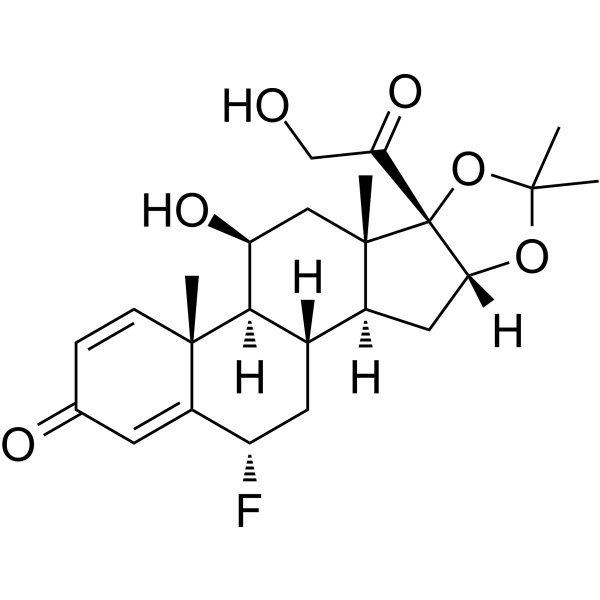
    Flunisolide is a corticosteroid, which is an orally active glucocorticoid receptor activator with anti-inflammatory activity. Flunisolide can induce eosinophil apoptosis, and is used for the research of asthma or rhinitis, and inflammation .
    Flunisolide
  • HY-A0021
    Palonosetron hydrochloride
    1 Publications Verification

    5-HT Receptor Flavivirus Infection Cardiovascular Disease Neurological Disease
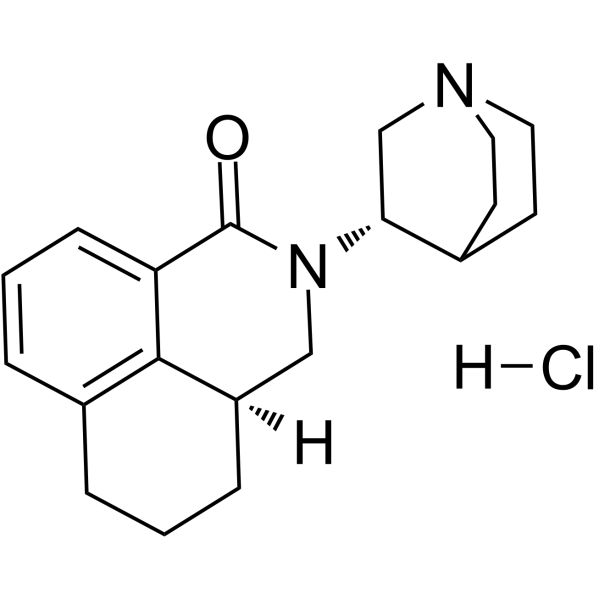
    Palonosetron hydrochloride is a 5-HT3 antagonist primarily used to prevent acute, delayed, and overall chemotherapy-induced nausea and vomiting. In addition, Palonosetron hydrochloride exhibits moderate anti-flavivirus activity and potent anti-Zika virus activity in mammalian cells. Palonosetron hydrochloride also possesses antidepressant activity .
    Palonosetron hydrochloride
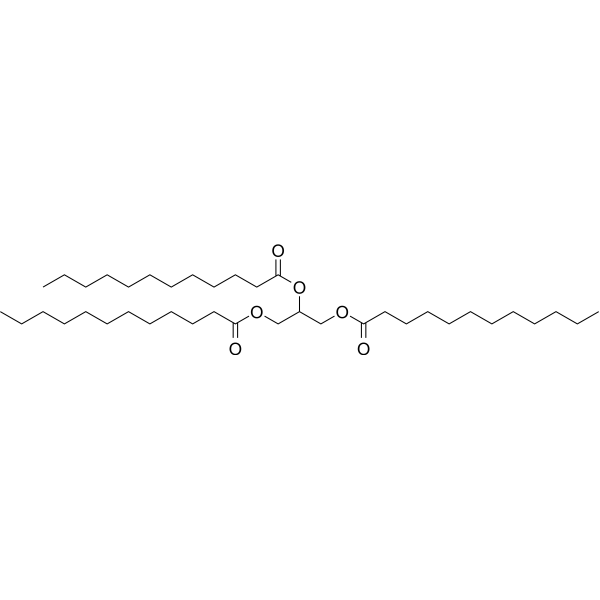
  • HY-126573

    Endogenous Metabolite Biochemical Assay Reagents Cardiovascular Disease Metabolic Disease Cancer
    Trilaurin is an orally active triglyceride. Trilaurin inhibits DMBA-induced, croton oil-promoted skin tumor formation in Swiss Webster mice. Trilaurin increases plasma high-density lipoprotein cholesterol and apolipoprotein A-I concentrations. Trilaurin is used as an occlusive skin conditioning agent and/or non-aqueous thickener in cosmetics .
    Trilaurin
  • HY-N11908

    cis-α-Santalol

    Akt Survivin Apoptosis Caspase PARP Metabolic Disease Cancer
    α-Santalol (cis-α-Santalol), a naturally occurring sesquiterpene, is an orally active anticancer agent and apoptosis inducer. α-Santalol activates caspase-3 to drive apoptotic processes. >α-Santalol induces apoptosis, decreases cell viability, and causes PARP cleavage in human prostate cancer cells. α-santalol inhibits Akt/Survivin pathway to induce cell death. α-Santalol can be used for the research of prostate cancer and diabetes mellitus .
    α-Santalol
  • HY-B0900
    Anethole
    2 Publications Verification

    Anise camphor; p-Propenylanisole; Isoestragole

    Environmental Pollutants Apoptosis NF-κB Fungal Bacterial MMP Infection Neurological Disease Inflammation/Immunology Cancer
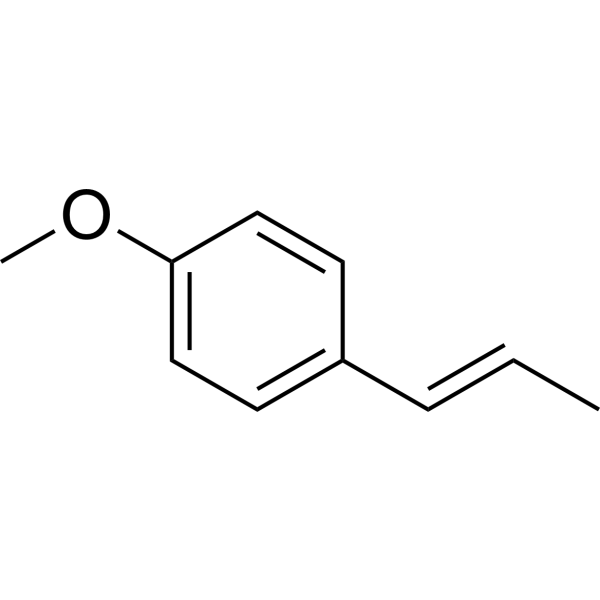
    Anethole is a type of orally active aromatic compound that is widely found in nature and used as a flavoring agent. Anethole possesses anticancer, anti-inflammatory, antioxidant, antibacterial, antifungal, anesthetic, estrogenic, central nervous system depressant, hypnotic, insecticidal, and gastroprotective effects. Anethole can be used in the study of oxidative stress-related skin diseases and prostate cancer .
    Anethole
  • HY-17460A

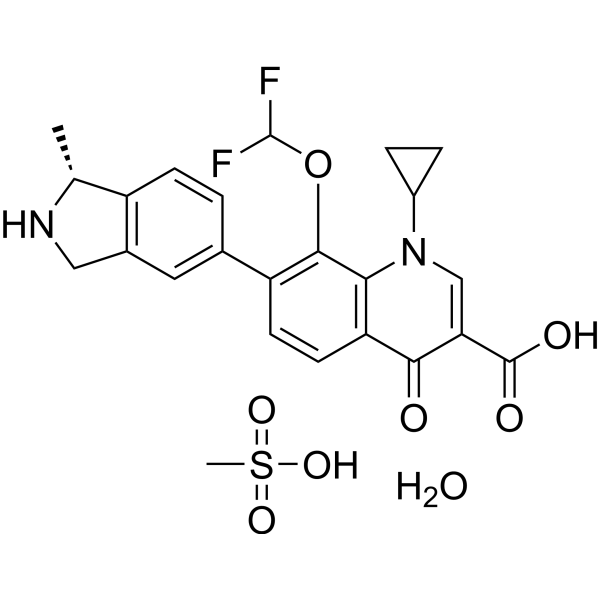
    BMS284756 Mesylate hydrate

    Bacterial Topoisomerase DNA/RNA Synthesis Antibiotic Infection
    Garenoxacin (BMS284756) Mesylate hydrate is an orally active quinolone antibiotic and has a broad spectrum of activity against a wide array of gram-positive and gram-negative bacteria, anaerobes, and fastidious organisms .
    Garenoxacin Mesylate hydrate
  • HY-W013331
    Deoxyartemisinin
    1 Publications Verification

    2-Deoxyartemisinin

    TNF Receptor Neurological Disease Inflammation/Immunology
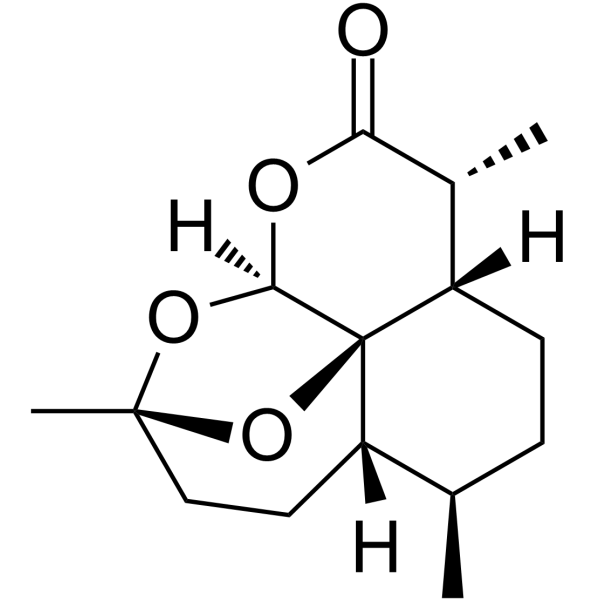
    Deoxyartemisinin (2-Deoxyartemisinin) is an orally active anti-inflammatory and analgesic agent. Deoxyartemisinin selectively reduces the level of the pro-inflammatory cytokine TNF-α. Deoxyartemisinin alleviates neuropathic pain, inflammatory pain, and croton oil-induced ear edema.\nDeoxyartemisinin exerts an analgesic effect against thermal stimulation. Deoxyartemisinin has anti-ulcer activity. Deoxyartemisinin can be used in research related to inflammatory diseases, pain, and gastric ulcers .
    Deoxyartemisinin
  • HY-B1206
    Neostigmine (methyl sulfate)
    1 Publications Verification

    Cholinesterase (ChE) Infection Neurological Disease
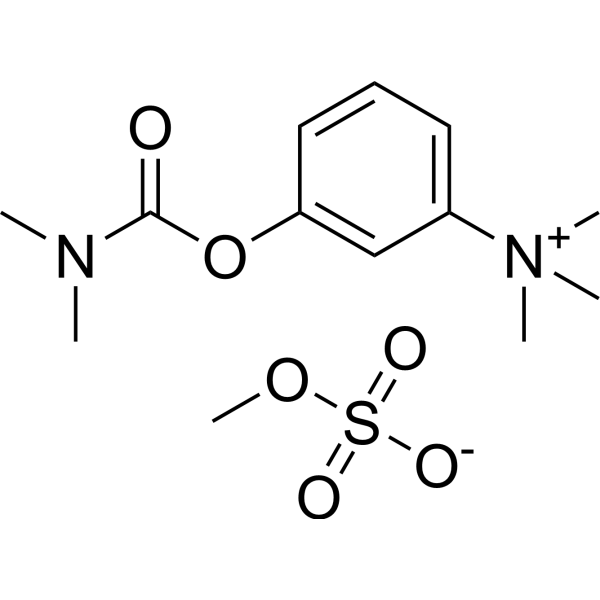
    Neostigmine methyl sulfate is an AchE inhibitor. Neostigmine methyl sulfate increases endogenous acetylcholine levels, mediates antinociceptive effects, and alleviates heat-induced pain. Neostigmine methyl sulfate can be used in studies related to postoperative pain and sepsis .
    Neostigmine (methyl sulfate)
  • HY-B1847
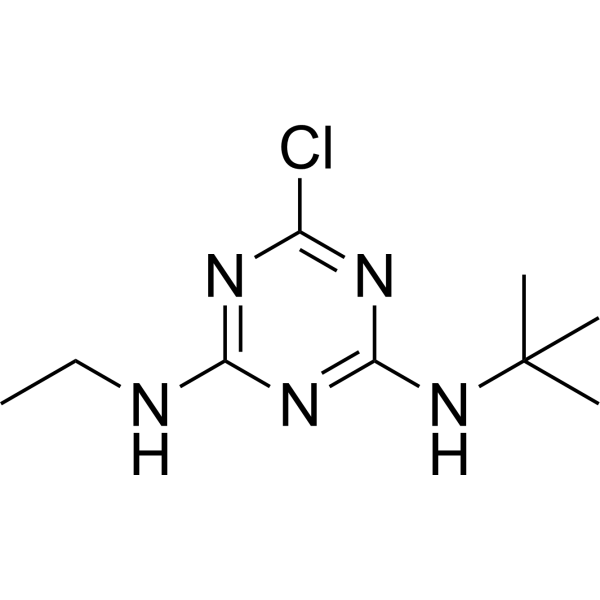
    Terbuthylazine
    1 Publications Verification

    Environmental Pollutants Acetolactate Synthase (ALS) Herbicide Others
    Terbuthylazine is an inhibitor of acetolactate syntase (ALS), is a selective herbicide. Terbuthylazine blocks electron transport in photosystem II via interaction with the D1-protein .
    Terbuthylazine
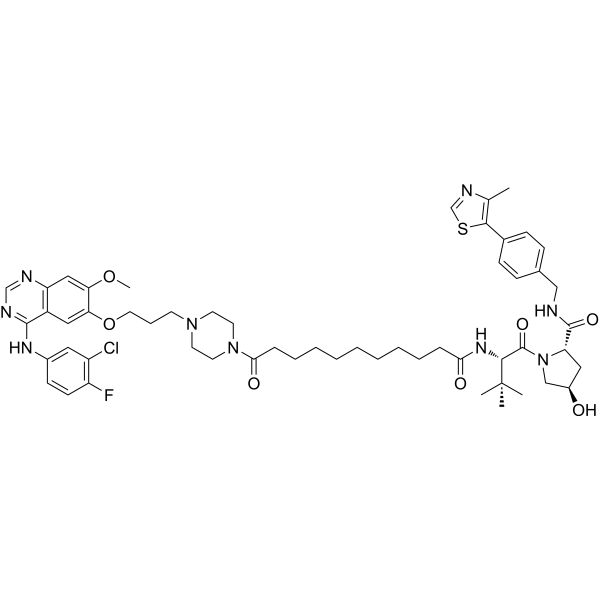
  • HY-157581

    EGFR PROTACs Cancer
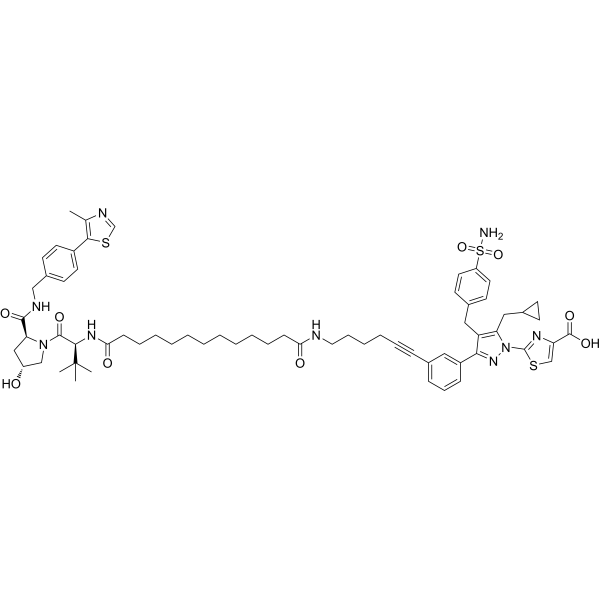
    MS39 (compound 6) is a PROTAC targeting EGFR. MS39 reduces the expression of EGFR and downstream signaling in HCC-827 and H3255 cells. MS39 inhibits the proliferation of H3255 cells .
    MS39
  • HY-P1290
    PKA Inhibitor Fragment (6-22) amide
    5 Publications Verification

    PKI-(6-22)-amide

    PKA Neurological Disease
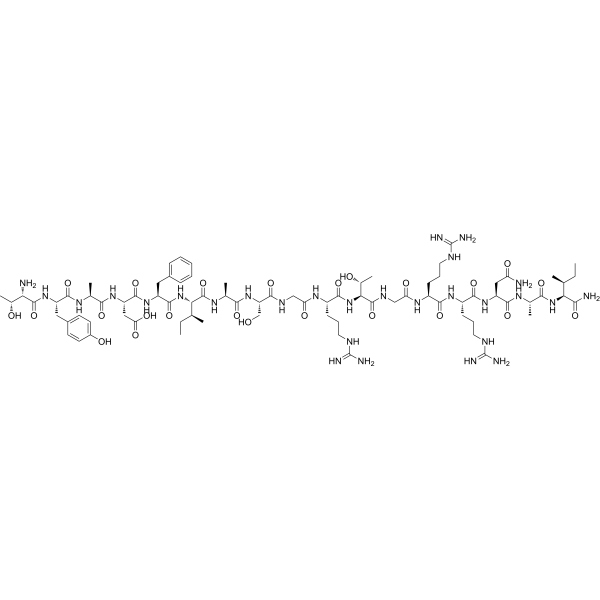
    PKA Inhibitor Fragment (6-22) amide is a highly potent and specific competitive inhibitor of PKA, with Ki values of 1.7 nM and 1.6 nM against human and bovine PKA catalytic subunits, respectively. The IC50 of PKA Inhibitor Fragment (6-22) amide targeting bovine PKA is 8.6 nM. PKA Inhibitor Fragment (6-22) amide effectively abolishes PKA activity in mouse brain and spinal cord, and exerts in vivo efficacy via intracerebroventricular administration. PKA Inhibitor Fragment (6-22) amide significantly reverses low-dose morphine analgesic tolerance in mice and blocks photoaffinity labeling of cAMP-dependent protein kinase. PKA Inhibitor Fragment (6-22) amide can be applied to research in fields related to the mechanism of morphine analgesic tolerance and skin wound healing .
    PKA Inhibitor Fragment (6-22) amide
  • HY-W142432

    Biochemical Assay Reagents β-catenin Wnt Arginase TGF-beta/Smad mTOR Akt ERK Atg8/LC3 p62 Autophagy Metabolic Disease Inflammation/Immunology Cancer
    Perfluoroundecanoic acid is a perfluoroalkyl substance (PFAS). Perfluoroundecanoic acid is an orally active oxidative stress inducer. Perfluoroundecanoic acid promotes macrophage M2 polarization, activates Wnt/β-catenin signaling and enhances β-catenin nuclear accumulation. Perfluoroundecanoic acid -induced M2 phenotype macrophage accelerates tumor progression in vitro and in vivo. Perfluoroundecanoic acid induces DNA damage, reproductive and pathophysiological dysfunctions via oxidative stress in male Swiss mice. Perfluoroundecanoic acid inhibits Leydig cell development in pubertal male rats via inducing oxidative stress and autophagy. Perfluoroundecanoic acid accelerates insulitis development in a mouse model of type 1 diabetes. Perfluoroundecanoic acid can be used for the study of ovarian cancer, type 1 diabetes and inflammation .
    Perfluoroundecanoic acid
  • HY-114750

    Drug Metabolite Infection
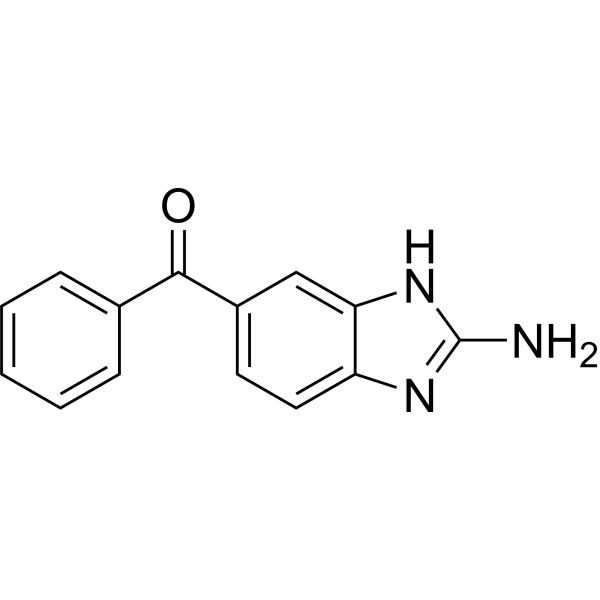
    Mebendazole-amine is a metabolite of Mebendazole (HY-17595). Mebendazole is a broad-spectrum benzimidazole anthelmintic .
    Mebendazole-amine
  • HY-N8210

    Drug Metabolite Autophagy Apoptosis Reactive Oxygen Species (ROS) Keap1-Nrf2 MMP Caspase PARP MDM-2/p53 Neurological Disease Inflammation/Immunology Cancer
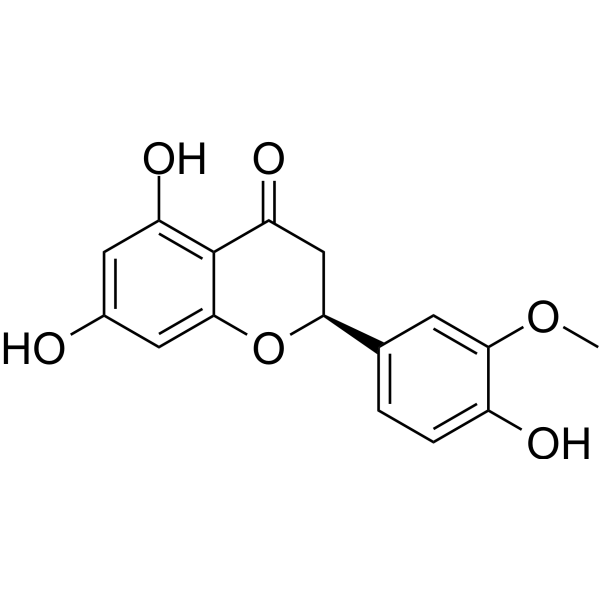
    Homoeriodictyol is an orally active, bitter-tasting flavanone that can penetrate the blood-brain barrier. Homoeriodictyol enhances synaptic-related protein expression through NCOA4-mediated ferritin autophagy. Homoeriodictyol improves memory impairment in mice by inhibiting the NLRP3 inflammasome. Homoeriodictyol protects human endothelial cells from oxidative damage by activating Nrf2 and inhibiting mitochondrial dysfunction. Homoeriodictyol enhances ROS activity and induces apoptosis, exhibiting anticancer effects. Homoeriodictyol inhibits the survival and migration of androgen-resistant prostate cancer cells in vitro. Homoeriodictyol exerts antinociceptive activity in mice in vivo .
    Homoeriodictyol
  • HY-W013762

    Environmental Pollutants Biochemical Assay Reagents Others
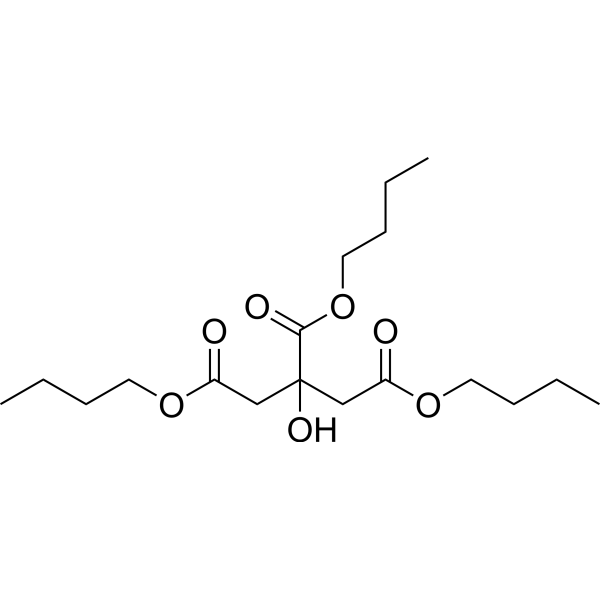
    Tributyl citrate is a low-toxicity and orally active citrate ester with no genotoxicity or skin sensitizing activity. Tributyl citrate also acts as a plasticizer, solvent, FDA-approved indirect food additive, and topical anesthetic, among other uses. Tributyl citrate induces a needle-prick insensitivity response that lasts for more than 2 hours, and a 5% suspension of it temporarily eliminates the corneal reflex in rabbits. Tributyl citrate causes no significant systemic toxicity in rats and cats at most tested doses, and only may cause growth retardation and gastrointestinal reactions such as diarrhea and nausea at high doses or with repeated oral administration .
    Tributyl citrate
  • HY-B1120
    Temephos
    2 Publications Verification

    Temefos

    Insecticide Cholinesterase (ChE) Dengue Virus Flavivirus Infection
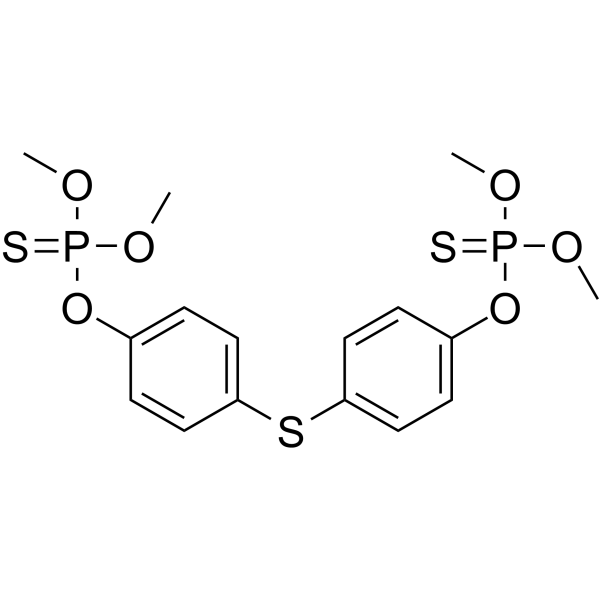
    Temephos (Temefos) is an orally active, blood-brain barrier-permeable organophosphate insecticide and AChE inhibitor. By irreversibly inhibiting AChE to induce cholinergic overactivation, Temephos effectively blocks larval development of Aedes aegypti (yellow fever mosquito) and Aedes albopictus (Asian tiger mosquito), and is commonly used in studies related to Dengue Virus, Zika Virus and other relevant pathogens. Temephos exhibits genotoxicity and neurodevelopmental toxicity, and may also cause liver injury, reproductive system abnormalities and cholinergic poisoning symptoms in mammals. Temephos tends to accumulate in adipose tissues and aquatic organisms, and is excreted via feces after metabolism through oxidation and hydrolysis. Note that CYP-mediated metabolic detoxification may reduce the actual larvicidal efficacy of Temephos against some mosquito species. Temephos can be used in research related to dengue fever, Zika virus disease, chikungunya and dracunculiasis .
    Temephos
  • HY-121870

    Larocaine

    Drug Derivative Cytochrome P450 Neurological Disease
    Dimethocaine (Larocaine) is a cocaine derivative and ester-type local anesthetic. Dimethocaine is metabolized by hP450 1A2, 2C19, 2D6, and 3A4 in vitro. Dimethocaine exhibits locomotor-promoting, reinforcing, and anxiogenic effects .
    Dimethocaine
  • HY-W016414

    Environmental Pollutants Endogenous Metabolite Cardiovascular Disease
    Triethyl phosphate is a versatile phosphate ester compound. Triethyl phosphate induces rapid and short-acting anesthesia, and exhibits hypotensive, smooth muscle relaxant, and cardiac inhibitory effects. Triethyl phosphate also modulates cholinergic toxicity; its anesthetic effect shows sex- and age-dependency in rodents, and it interacts with SKF 525-A (HY-B1311) to alter the duration of anesthesia .
    Triethyl phosphate
  • HY-17460

    BMS284756

    Bacterial Topoisomerase DNA/RNA Synthesis Antibiotic Infection
    Garenoxacin (BMS284756) is an orally active quinolone antibiotic and has a broad spectrum of activity against a wide array of gram-positive and gram-negative bacteria, anaerobes, and fastidious organisms .
    Garenoxacin
  • HY-N9502

    Endogenous Metabolite Neurological Disease
    Linalool oxide is a monoterpene and found in aromatic plant essential oils and is a secondary metabolite in elongating wheat plants. Linalool oxide has antinociceptive, anticonvulsant, and anxiolytic activity. Linalool oxide can be used for the research of pain, epilepsy, anxiety disorders .
    Linalool oxide
  • HY-B1265

    Cortisol 17-valerate

    Glucocorticoid Receptor Neurological Disease Inflammation/Immunology
    Hydrocortisone 17-valerate (Cortisol 17-valerate) is a 17α-ester derivative of Hydrocortisone (HY-N0583), an endogenous glucocorticoid with anti-inflammatory activity. Hydrocortisone 17-valerate can be used for research on skin inflammation .
    Hydrocortisone 17-valerate
  • HY-N14107

    Bacterial Endogenous Metabolite Infection
    Cinnabarin is a natural phenoxazinone red pigment derived from Pycnoporus sanguineus. Cinnabarin reduces rabies virus infection levels in neuroblastoma cells and causes cytopathic effects on neuroblastoma cell monolayers at high concentrations. Cinnabarin exhibits antibacterial activity against bacteria, with a preference for Gram-positive bacteria and human isolates. Cinnabarin can be used in studies related to rabies and drug-resistant Gram-positive bacteria .
    Cinnabarin
  • HY-156277

    PPAR Metabolic Disease
    SP4f is an activator ofPPAR-γ, with the EC50 of 826 nM in HK-2 cells. SP4f reduces the blood glucose levels and lipid peroxidation, and increases glutathione levels and catalase activityin the Swiss albino mice .
    SP4f
  • HY-178749

    ClpP Mitochondrial Metabolism Apoptosis Caspase PARP Cancer
    MS6076 is a mitochondrial protease ClpP agonist. MS6076 specifically activates the ClpP protease in the mitochondrial matrix, significantly disrupting mitochondrial Electron Transport Chain (ETC) function by accelerating the degradation of unfolded proteins. MS6076 exhibits potent cytotoxicity against a variety of cancer cell lines. MS6076 induces cell apoptosis, increasing cleavage of caspase 3 and PARP. MS6076 can be used for the research of breast cancer .
    MS6076
  • HY-176519

    Beta-lactamase Bacterial Infection
    ANT2681 is a potent NDM inhibitor with a Ki value of 0.04 μM against NDM-1. ANT2681 also inhibits other MBLs, such as VIM-1 and IMP-1 with Ki values of 0.63 μM and 3.81 μM, respectively. ANT2681 can be used in combination with Meropenem (HY-13678) to inhibit infections caused by NDM-producing Enterobacteriaceae .
    ANT2681
  • HY-B0900R

    Anise camphor (Standard); p-Propenylanisole (Standard); Isoestragole (Standard)

    Apoptosis Fungal Bacterial MMP NF-κB Reference Standards Infection Neurological Disease Inflammation/Immunology Cancer
    Anethole (Standard) is the analytical standard of Anethole. This product is intended for research and analytical applications. Anethole is a type of orally active aromatic compound that is widely found in nature and used as a flavoring agent. Anethole possesses anticancer, anti-inflammatory, antioxidant, antibacterial, antifungal, anesthetic, estrogenic, central nervous system depressant, hypnotic, insecticidal, and gastroprotective effects. Anethole can be used in the study of oxidative stress-related skin diseases and prostate cancer .
    Anethole (Standard)
  • HY-156276

    PPAR Metabolic Disease
    SP4e is an activator of PPAR-γ, with the EC50 of 739 nM in HK-2 cells. SP4e reduces the blood glucose levels and lipid peroxidation, and increases glutathione levels and catalase activityin the Swiss albino mice .
    SP4e
  • HY-108281

    Tromaril; RH 8

    Others Inflammation/Immunology
    Enfenamic acid is a nonsteroidal anti-inflammatory agent and a prostaglandin synthetase inhibitor, inhibiting hepatic gluconeogenesis in Swiss albino mice. Enfenamic acid suppresses wound healing .
    Enfenamic acid
  • HY-14222

    Sigma Receptor Neurological Disease
    UMB24 is a potent antagonist of σ2 receptor, with Ki values of 170 nM anf 322 nM for σ2 receptor and σ1 receptor, respectively. UMB24 attenuats cocaine-induced convulsions and locomotor activity, but not lethality .
    UMB24
  • HY-W142432R

    Reference Standards Biochemical Assay Reagents Others
    Perfluoroundecanoic acid (Standard) is the analytical standard of Perfluoroundecanoic acid. This product is intended for research and analytical applications. Perfluoroundecanoic acid is an orally active inducer of oxidative stress and DNA damage. Perfluoroundecanoic acid exhibits genotoxicity and reproductive toxicity in swiss mice. Perfluoroundecanoic acid is utilized as a processing aid in the manufacture of fluoropolymer for its thermal and pressure stability, and properties of having both water-repellent and oil-repellent groups and hydrophilic groups on the same molecule .
    Perfluoroundecanoic acid (Standard)
  • HY-170654

    Opioid Receptor Neurological Disease
    Opioid receptor antagonist 1 (Compound 10) is an Orvinol (HY-D0168)-based opioid receptor antagonist. Opioid receptor antagonist 1 has antagonistic activity to the analgesic properties of Morphine .
    Opioid receptor antagonist 1
  • HY-161243

    Cholinesterase (ChE) Neurological Disease
    AChe-IN-56 is an orally active inhibitor for acetylcholinesterase enzyme (AChE) with neuroprotective efficacy .
    AChE-IN-56
  • HY-N2439R

    Reference Standards Others Neurological Disease
    Methyl isoeugenol (Standard) is the analytical standard of Methyl isoeugenol. This product is intended for research and analytical applications. Methyl isoeugenol (MIE) is a natural food flavour that can be isolated from Pimenta pseudocaryophyllus leaf. Methyl isoeugenol shows anxiolytic and antidepressant like effects. Methyl isoeugenol is orally active .
    Methyl isoeugenol (Standard)
  • HY-158261

    Cholinesterase (ChE) Amyloid-β Beta-secretase Neurological Disease
    AChE-IN-63 (Compound 5AD) is a selective inhibitor of hAChE (IC50=0.103 μM). AChE-IN-63 also inhibits hBChE and hBACE-1 (IC50= 10 μM (hBChE); 1.342 μM (hBACE-1)). AChE-IN-63 inhibits Aβ aggregation, preventing the formation and deposition of Aβ1-42. AChE-IN-63 can effectively penetrate the blood-brain barrier and is orally effective. It is primarily used in Alzheimer's disease research .
    AChE-IN-63
  • HY-17460AR

    BMS284756 Mesylate hydrate (Standard)

    Reference Standards Bacterial Topoisomerase DNA/RNA Synthesis Antibiotic Infection
    ACHE-IN-38 (hydrochloride) (Standard) is the analytical standard of ACHE-IN-38 (hydrochloride). This product is intended for research and analytical applications. ACHE-IN-38 hydrochloride (Compound 13b) inhibits the metabolic breakdown of the neurotransmitter acetylcholine (ACh) by the enzyme acetylcholinesterase (AChE) and hence alleviates memory deficits in patients with Alzheimer’s Disease by potentiating cholinergic transmission .
    Garenoxacin Mesylate hydrate (Standard)
  • HY-17460R

    BMS284756 (Standard)

    Reference Standards Bacterial Topoisomerase DNA/RNA Synthesis Antibiotic Infection
    Garenoxacin (Standard) is the analytical standard of Garenoxacin. This product is intended for research and analytical applications. Garenoxacin (BMS284756) is an orally active quinolone antibiotic and has a broad spectrum of activity against a wide array of gram-positive and gram-negative bacteria, anaerobes, and fastidious organisms .
    Garenoxacin (Standard)
  • HY-B1121A

    Glucocorticoid Receptor Apoptosis Inflammation/Immunology Endocrinology
    Flunisolide hemihydrate is a corticosteroid, which is an orally active glucocorticoid receptor activator with anti-inflammatory activity. Flunisolide hemihydrate can induce eosinophil apoptosis, and is used for the research of asthma or rhinitis, and inflammation .
    Flunisolide hemihydrate
  • HY-162761

    Bacterial COX Inflammation/Immunology
    COX-1/2-IN-9 (Compound 3n) is a potent and selective inhibitor of COX-1/2, with IC50 values of 0.031 µM and 0.01 µM, respectively. COX-1/2-IN-9 possesses both antibacterial and anti-inflammatory activities, effectively inhibiting MRSA 1478 (MIC=50 μg/mL) and multidrug-resistant S. lentus (MIC=50 μg/mL). COX-1/2-IN-9 holds significant potential to alleviate MRSA-induced pneumonia in immunocompromised states .
    COX-1/2-IN-9
  • HY-B1121R

    Glucocorticoid Receptor Apoptosis Reference Standards Inflammation/Immunology Endocrinology
    Flunisolide (Standard) is the analytical standard of Flunisolide. This product is intended for research and analytical applications. Flunisolide is a corticosteroid, which is an orally active glucocorticoid receptor activator with anti-inflammatory activity. Flunisolide can induce eosinophil apoptosis, and is used for the research of asthma or rhinitis, and inflammation .
    Flunisolide (Standard)
  • HY-B1121AR

    Reference Standards Glucocorticoid Receptor Apoptosis Inflammation/Immunology Endocrinology
    Flunisolide (hemihydrate) (Standard) is the analytical standard of Flunisolide (hemihydrate). This product is intended for research and analytical applications. Flunisolide hemihydrate is a corticosteroid, which is an orally active glucocorticoid receptor activator with anti-inflammatory activity. Flunisolide hemihydrate can induce eosinophil apoptosis, and is used for the research of asthma or rhinitis, and inflammation .
    Flunisolide hemihydrate (Standard)
  • HY-152169

    Interleukin Related Apoptosis TNF Receptor IFNAR NF-κB Bcl-2 Family Inflammation/Immunology
    BIHC is a TNF blocker with anti-inflammatory activity. BIHC can significantly inhibit the proliferation of hepatocellular carcinoma (HCC) cells and exhibits potent cytotoxicity against the HepG2 cell line, capable of inducing cell apoptosis , while demonstrating relatively low toxicity towards normal hepatocytes. Additionally, BIHC can be used for research on inflammatory bowel disease (IBD) .
    BIHC
  • HY-N18254

    Drug Derivative Others
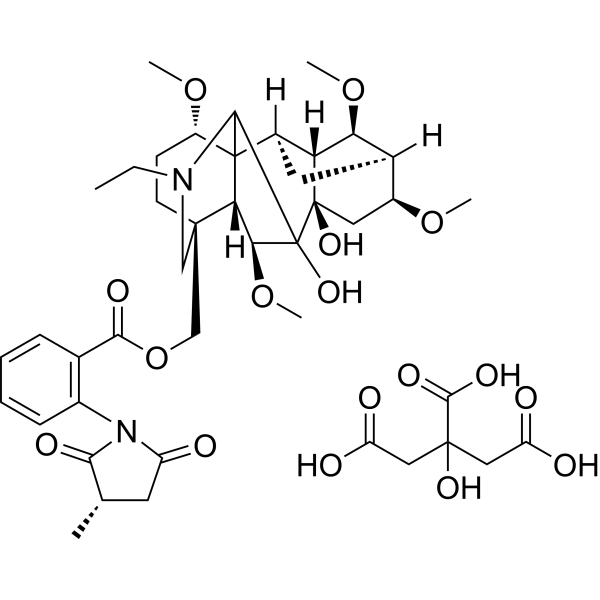
    Hokbusine A is a diterpenic alkaloid and C19 norditerpenoid (aconitine-type) alkaloid that can be found in the roots of Aconitum napellus L. (Swiss variety) and Aconitum jaluense .Hokbusine A exhibits low acute toxicity in ddY mice via intraperitoneal administration, with an LD50 value greater than 1 mg/kg .
    Hokbusine A
  • HY-182065

    SARS-CoV Infection
    SARS-CoV-2 Mpro-IN-56 is an orally active SARS-CoV-2 Mpro inhibitor with an IC50 of 0.026 μM. SARS-CoV-2 Mpro-IN-56 can be used for the research of COVID-19 .
    SARS-CoV-2 Mpro-IN-56
  • HY-W142432S

    Isotope-Labeled Compounds Biochemical Assay Reagents β-catenin Wnt Arginase TGF-beta/Smad mTOR Akt ERK Atg8/LC3 p62 Autophagy Metabolic Disease
    Perfluoroundecanoic acid- 13C7 is the 13C-labeled Perfluoroundecanoic acid (HY-W142432). Perfluoroundecanoic acid is a perfluoroalkyl substance (PFAS). Perfluoroundecanoic acid is an orally active oxidative stress inducer. Perfluoroundecanoic acid promotes macrophage M2 polarization, activates Wnt/β-catenin signaling and enhances β-catenin nuclear accumulation. Perfluoroundecanoic acid -induced M2 phenotype macrophage accelerates tumor progression in vitro and in vivo. Perfluoroundecanoic acid induces DNA damage, reproductive and pathophysiological dysfunctions via oxidative stress in male Swiss mice. Perfluoroundecanoic acid inhibits Leydig cell development in pubertal male rats via inducing oxidative stress and autophagy. Perfluoroundecanoic acid accelerates insulitis development in a mouse model of type 1 diabetes. Perfluoroundecanoic acid can be used for the study of ovarian cancer, type 1 diabetes and inflammation .
    Perfluoroundecanoic acid-13C7
  • HY-W102352

    Drug Derivative Endocrinology
    Triethylene glycol diacetate is an orally active Triethylene glycol (HY-W017440) derivative with reproduction toxicity. Triethylene glycol diacetate reduces body weights of nursing mouse pups during lactation, with effects reversing by young adulthood, and increases combined kidney/adrenal weight in adult. Triethylene glycol diacetate can be used for the research of reproductive and developmental toxicity .
    Triethylene glycol diacetate
  • HY-181703

    Na+/K+ ATPase NF-κB Neurological Disease Inflammation/Immunology
    4-PSQ is an orally active neuroprotective agent. 4-PSQ possesses both antioxidant and anti-inflammatory activities. 4-PSQ improves cognitive impairment and depressive- and anxiety-like emotional abnormalities in mice by regulating the activity of Na +, K +-ATPase, the NFκB signaling pathway, and the expression of p21. 4-PSQ can be used for the research of neurological diseases .
    4-PSQ
  • HY-N16926

    Drug Derivative Others
    Chingchengenamide A is a natural alkaloid.
    Chingchengenamide A
  • HY-N19464

    PDI Inflammation/Immunology Cancer
    Dicentrinone is an orally active PDI inhibitor with an IC50 value of 43.95 μM. Dicentrinone directly binds to PDI and suppresses cell proliferation and reduces cancer cell viability. Dicentrinone elicits anti-inflammatory and antioxidant effects by suppressing leukocyte migration, plasma leakage and paw edema, and scavenging free radicals. Dicentrinone can be used in the research of hepatoma, rheumatism and arthritis .
    Dicentrinone
  • HY-P3343
    hFSH-β-(33-53)
    1 Publications Verification

    Estrogen Receptor/ERR Endocrinology
    hFSH-β-(33-53) is a polypeptide corresponding to residues 33-53 of hFSH-β, and also a follicle-stimulating hormone (FSH) antagonist. hFSH-β-(33-53) stimulates basal estradiol synthesis in cells. hFSH-β-(33-53) prolongs vaginal estrus in mice with normal estrous cycles .
    hFSH-β-(33-53)
  • HY-N19628

    Parasite Infection
    Dianellin is an orally active anti-malarial agent found in Kniphofia foliosa. Dianellin binds to Plasmodium falciparum plasmepsin II and shows anti-malarial activity in mice. Dianellin can be used for the research of malaria .
    Dianellin

Inquiry Online

Your information is safe with us. * Required Fields.

Salutation


Country or Region *

Applicant Name *


Organization Name *

Department *


Email Address *


Product Name *

Cat. No.


Requested quantity *

Phone Number *


Remarks

Inquiry Online

Inquiry Information

Product Name:
Cat. No.:
Quantity:
MCE Japan Authorized Agent:

