Search Result
Results for "
acute+toxicity
" in MedChemExpress (MCE) Product Catalog:
2
Biochemical Assay Reagents
12
Isotope-Labeled Compounds
| Cat. No. |
Product Name |
Target |
Research Areas |
Chemical Structure |
-
- HY-103447
-
|
Mycotoxin F2; Toxin F2
|
Estrogen Receptor/ERR
|
Others
|
|
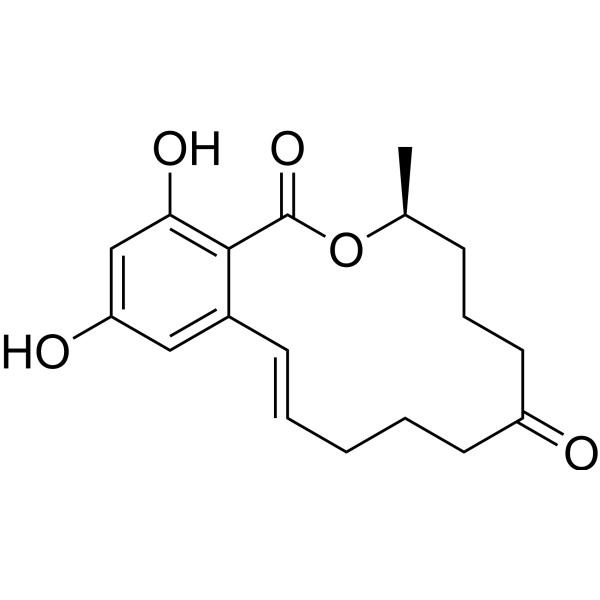
Zearalenone is a mycotoxin produced mainly by fungi belonging to the genus Fusarium in foods and feeds. Possess oestrogenic activity in pigs, cattle and sheep, with low acute toxicity. Causes precocious development of mammae and other estrogenic effects in young gilts .
|
-
-
- HY-Y1275
-
|
NMP; 1-Methyl-2-pyrrolidinone
|
Environmental Pollutants
Biochemical Assay Reagents
|
Cancer
|
|
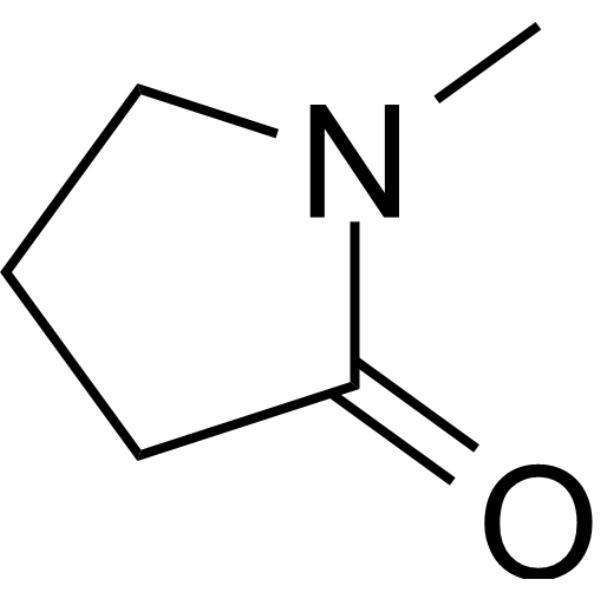
N-Methylpyrrolidone (1-Methyl-2-pyrrolidinone), a five-membered cyclic amide, is an orally active organic polar solvent with teratogenicity and toxicity. N-Methylpyrrolidone is low in acute toxicity with a LD50 value of 3914 mg/kg in rats and of 4050 mg/kg in mice. N-Methylpyrrolidone is extensively used in the manufacture of adhesives, paints, fuels, and pharmaceuticals .
|
-
-
- HY-B0973
-
|
DBT; Diphenylene sulfide
|
Cytochrome P450
Aryl Hydrocarbon Receptor
|
Metabolic Disease
|
|
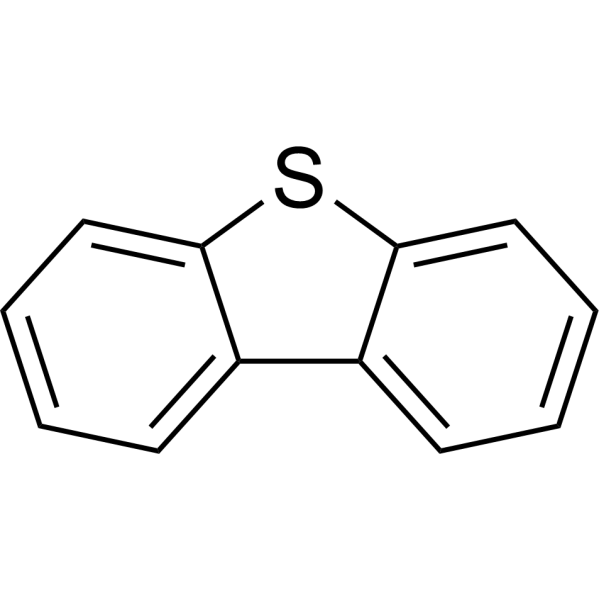
Dibenzothiophene is an orally active and a noncompetitive CYP1A inhibitor. Dibenzothiophene inhibits CYP1A-mediated EROD activity with a Km of 0.592 μM. Dibenzothiophene interacts with the AHR pathway. Dibenzothiophene enhances the embryotoxicity of β-naphthoflavone (HY-114740). Dibenzothiophene shows acute toxicity in mice. Dibenzothiophene is mainly used for the study of the mechanism of developmental toxicity in organisms .
|
-
-
- HY-N1436
-
|
L-Abrine; L-N-Methyltryptophan; N-α-Methyl-L-tryptophan
|
Others
|
Inflammation/Immunology
|
|
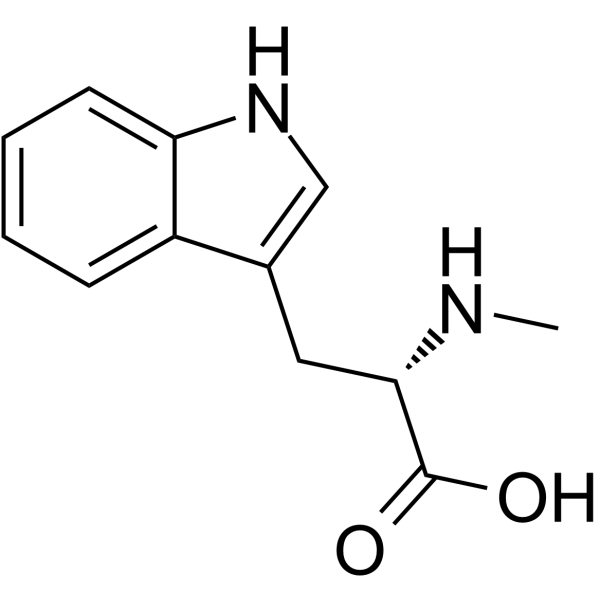
L-(+)-Abrine, a lethal albumin found in Abrus precatorius seeds, is an acute toxic alkaloid and chemical marker for abrin.
|
-
-
- HY-W011602
-
|
|
Environmental Pollutants
Biochemical Assay Reagents
|
Neurological Disease
|
|
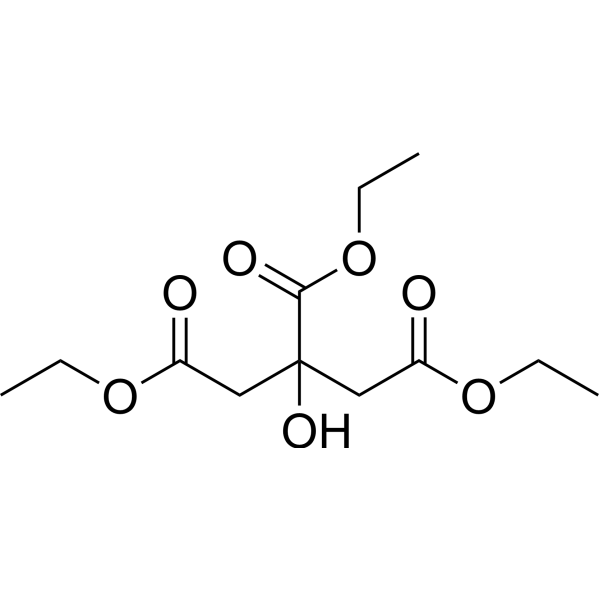
Triethyl citrate is an orally active citrate compound. Triethyl citrate induces acute toxic effects, including weakness, depression, ataxia, hyperexcitability, restlessness, dripping urine, and irregular, labored breathing. Triethyl citrate can be used in research on plasticizers for food packaging materials .
|
-
-
- HY-B1024
-
|
DL-Pantothenol; DL-Pantothenyl alcohol
|
Biochemical Assay Reagents
|
Inflammation/Immunology
|
|
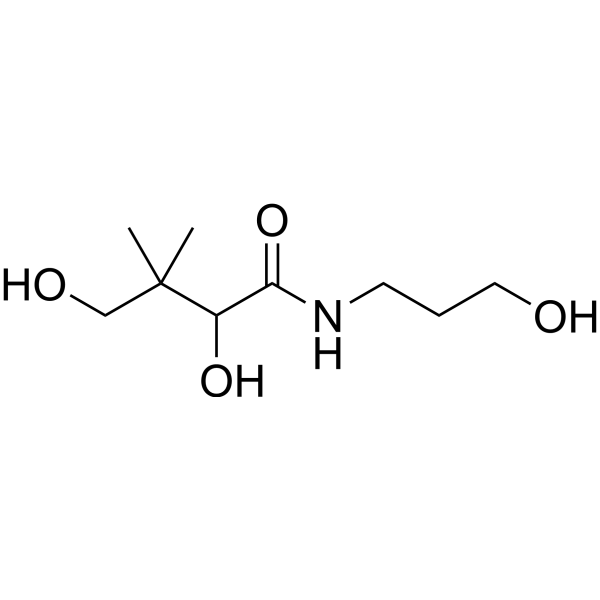
DL-Panthenol (DL-Pantothenol) is a precursor of pantothenic acid. DL-Panthenol easily penetrates the skin and has effects of deep moisturizing, promoting wound healing and anti-inflammation. DL-Panthenol can also be used as a hair conditioner in cosmetics. DL-Panthenol has low acute toxicity, non-sensitizing property, and no significant genotoxicity or reproductive and developmental toxicity. DL-Panthenol can be applied to the research of cosmetics .
|
-
-
- HY-124591
-
|
|
5-HT Receptor
Monoamine Oxidase
|
Neurological Disease
|
|
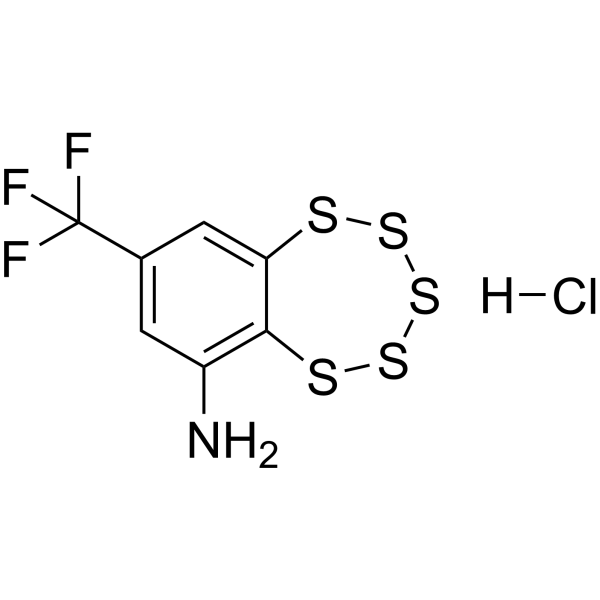
TC-2153 is a selective inhibitor of striatal-enriched protein tyrosine phosphatase (STEP), with psychotropic activity and low acute toxicity. TC-2153 increases the expression of brain-derived neurotropic factor (BDNF) in the brain. And it decreases MAOA and 5-HT1A receptors mRNA level in midbrain. TC-2153 also inhibits 5-HT2A receptor-mediated signaling .
|
-
-
- HY-N6715
-
|
|
Influenza Virus
Bacterial
Enterovirus
Photosystem II
|
Infection
Cancer
|
|
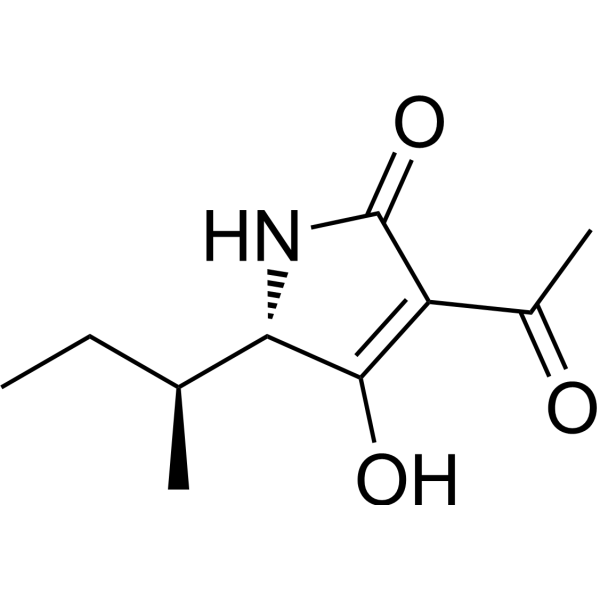
Tenuazonic acid is a nonhost-selective mycotoxin belonging to the tetramic acids family. Tenuazonic acid inhibits protein biosynthesis on ribosomes by suppressing the release of new protein. Tenuazonic acid is acutely toxic, and oral LD50 is set between 81-186 mg/kg in rats and mice. Tenuazonic acid blocks electron transport beyond the primary quinone receptor (QA) by interacting with the D1 protein and is a photosystem II (PSII) inhibitor. In addition, Tenuazonic acid has antiviral effects on measles virus, enterovirus, respiratory virus and so on. Tenuazonic acid has an inhibitory effect on skin cancer .
|
-
-
- HY-B2042
-
|
|
Environmental Pollutants
Herbicide
|
Others
|
|
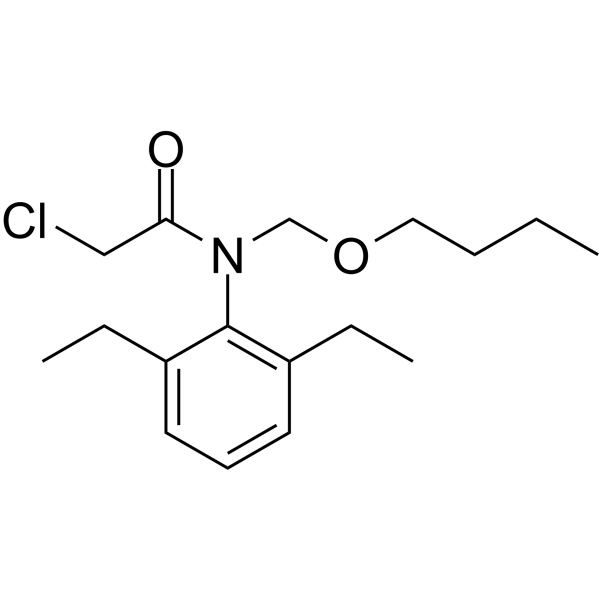
Butachlor is defined as a commonly used acetanilide herbicide that exhibits varying levels of chronic toxicity to microalgae and acute toxicity to aquatic organisms. Butachlor butachlor adversely affected the normal reproductive success of zebrafish .
|
-
-
- HY-107390A
-
|
|
TNF Receptor
Interleukin Related
IFNAR
|
Inflammation/Immunology
Cancer
|
|
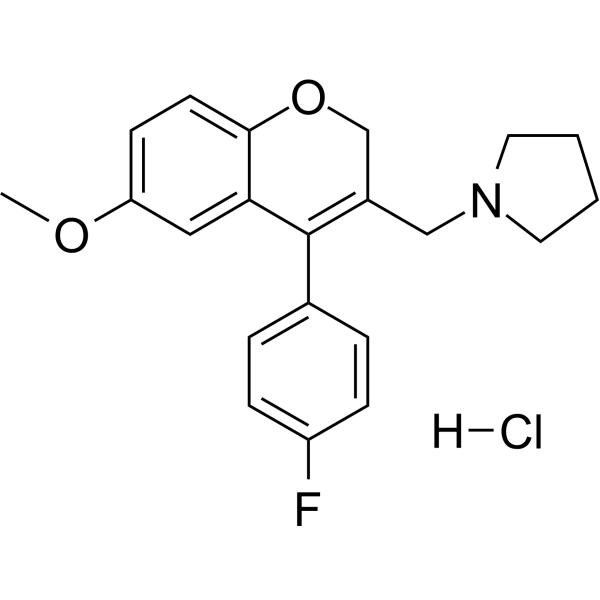
AX-024 hydrochloride is an orally available, first-in-class inhibitor of the TCR-Nck interaction that selectively inhibits TCR-triggered T cell activation with an IC50 ~1 nM. AX-024 hydrochloride modulates cell signaling by targeting SH3 domains. AX-024 hydrochloride has low-acute toxicity and high potency and selectivity, and strongly inhibit the production of IL-6, TNF-α, IFN-γ, IL-10 and IL-17A.
|
-
-
- HY-107390
-
AX-024
3 Publications Verification
|
TNF Receptor
Interleukin Related
IFNAR
|
Inflammation/Immunology
Cancer
|
|
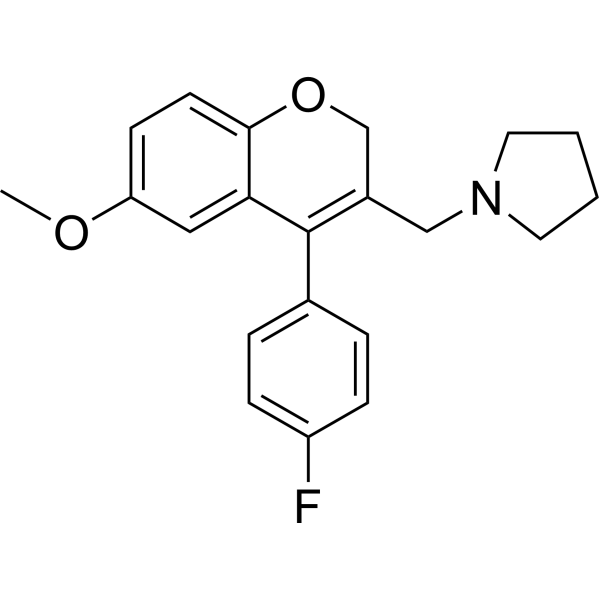
AX-024 is an orally available, first-in-class inhibitor of the TCR-Nck interaction that selectively inhibits TCR-triggered T cell activation with an IC50 ~1 nM. AX-024 modulates cell signaling by targeting SH3 domains. AX-024 has low-acute toxicity and high potency and selectivity, and strongly inhibit the production of IL-6, TNF-α, IFN-γ, IL-10 and IL-17A.
|
-
-
- HY-131551
-
-
-
- HY-W011108
-
|
|
Cholinesterase (ChE)
|
Neurological Disease
|
|
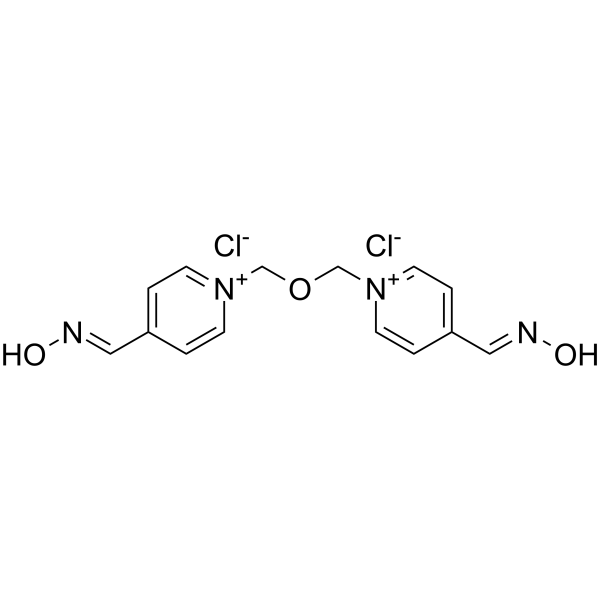
Obidoxime dichloride is a non-full spectrum oxime agent and can be used as an antidote for organophosphate nerve agent poisoning. Obidoxime dichloride reactivates sarin-inhibited acetylcholinesterase (AChE) and reduces acute toxicity of sarin-evaluated .
|
-
-
- HY-155998
-
|
|
NF-κB
|
Inflammation/Immunology
|
|
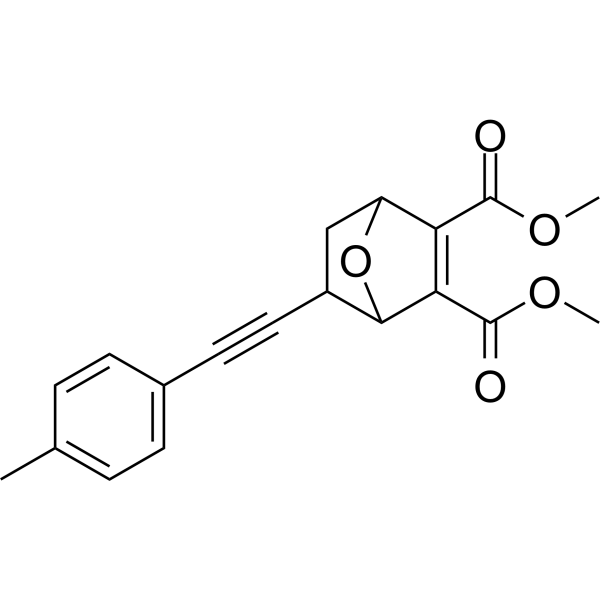
NF-κB-IN-11 (Compound 3i) is a NF-κB inhibitor. NF-κB-IN-11 inhibits TNF-α induced activation of NF-κB pathway, and inhibits nuclear translocation of NF-κB. NF-κB-IN-11 down-regulates the expression levels of phosphor-IKK, IκBα, and NF-κB p65. NF-κB-IN-11 has anti-inflammatory activity, and alleviates dextran sulfate sodium-induced colitis in mice. NF-κB-IN-11 (p.o.) shows a MTD more than 1852 mg/kg in mice acute toxicity assay .
|
-
-
- HY-B1953
-
|
|
Environmental Pollutants
Insecticide
nAChR
|
Infection
|
|
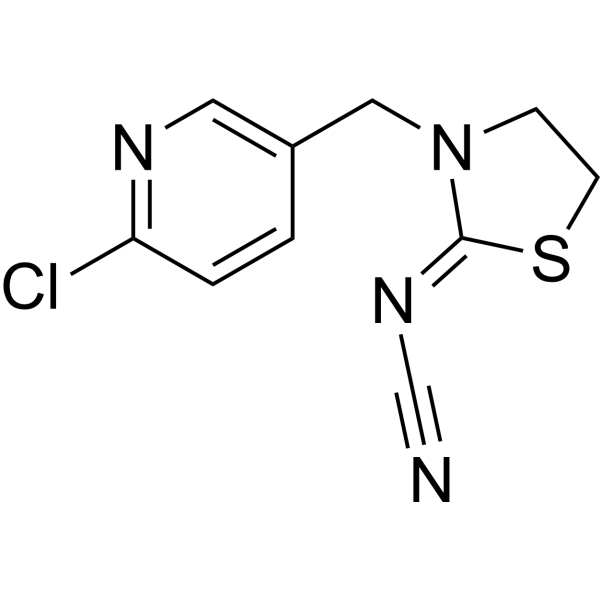
Thiacloprid is an orally active neurotoxic insecticide and also a nAChR agonist. Thiacloprid reduces the viability of healthy cells, depletes reduced glutathione, and increases MDA levels, thereby inducing cytotoxicity and oxidative stress damage. In practical applications, Thiacloprid has lower acute toxicity to honeybees than other compounds of the same class such as Imidacloprid (HY-B0838), but it still significantly impairs the learning and memory function, immune capacity and survival status of honeybees. Thiacloprid induces intestinal microbial dysbiosis and reduces survival rate in middle-aged honeybees, increases the risk of premature collapse in bumblebee colonies, and significantly decreases the final colony weight and reproductive output. Thiacloprid is used in broad-spectrum agricultural pest control, often alone or in combination with Deltamethrin (HY-B1971), and meets the pest management needs of various crops including potatoes, cabbages, various fruits and vegetables, and nuts .
|
-
-
- HY-W099757
-
|
2-Propylpiperidine hydrochloride
|
nAChR
|
Neurological Disease
|
|
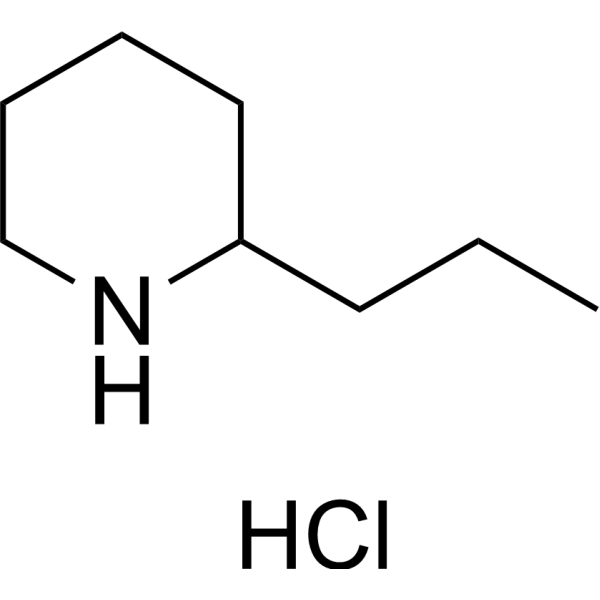
(±)-Coniine hydrochloride (2-Propylpiperidine hydrochloride) is a potent nAChR agonist with an EC50 value of 0.3 mM. (±)-Coniine hydrochloride shows acute toxicity with an LD50 value of 7.7 mg/kg .
|
-
-
- HY-125539
-
|
|
Antibiotic
Phosphatase
Fungal
|
Infection
|
|
Roridin E is a glucose-6-phosphatase (G6Pase) inhibitor and antibiotic, and is a metabolic byproduct of Roridin A (HY-N9599). Roridin E induces significant oxidative stress, characterized by depletion of glutathione in vivo, induction of hepatic lipid peroxidation, and inhibition of renal superoxide dismutase activity. Roridin E reduces blood glucose levels in rats, but exhibits acute toxicity (which is enhanced when co-administered with linoleic acid (HY-N0729)) and causes hepatotoxicity in male albino mice. Roridin E induces a decrease in total blood protein and increases in the levels of total lipids, γ-glutamyltransferase, alkaline phosphatase, and 5'-nucleotidase. Roridin E can be isolated from molds, and possesses cytostatic and antifungal activities similar to those of Verrucarin A (HY-107426) and Roridin A. Roridin E exhibits in vivo activity in rodents and is commonly used in hepatotoxicity-related studies .
|
-

-
- HY-125290
-
|
|
CDK
DYRK
|
Cancer
|
|
MU1210 (compound 12f), a chemical probe, is an inhibitor of CDC-like kinases Clk1, Clk2, and Clk4 (with IC50 values of 8, 20, and 12 nM respectively), with IC50 for HIPK1 and DYRK2 are 187 and 1309 nM. MU1210 also has favorable pharmacokinetic characteristics (in mice, 10 mg/kg, intraperitoneal injection: Cmax=1.24 μM, T1/2=58 minutes; no acute toxicity observed) .
|
-

-
- HY-121935
-
|
|
Environmental Pollutants
Fungal
|
Infection
|
|
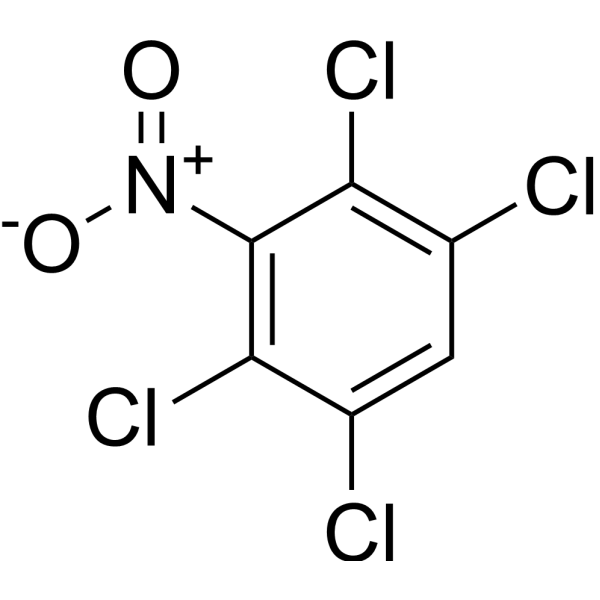
Tecnazene is a dinitroaromatic fungicide and plant growth regulator. Tecnazene binds irreversibly to human skin tissues and exhibits acute toxicity in Rattus norvegicus (brown rat). Tecnazene exerts sprouting-inhibiting and antifungal activities by inhibiting the sprouting of potato tuber buds and blocking the growth and reproduction of fungi that cause dry rot. Tecnazene has significant antifungal and sprouting-inhibiting activities, and shows high toxicity to aquatic organisms such as freshwater fish and crustaceans. Tecnazene is used for sprouting inhibition and dry rot control during potato storage .
|
-
-
- HY-W653921
-
|
|
Isotope-Labeled Compounds
Enterovirus
Photosystem II
Influenza Virus
Bacterial
|
Infection
Cancer
|
|
Tenuazonic acid-d13 is deuterium labeled Tenuazonic acid. Tenuazonic acid is a nonhost-selective mycotoxin belonging to the tetramic acids family. Tenuazonic acid inhibits protein biosynthesis on ribosomes by suppressing the release of new protein. Tenuazonic acid is acutely toxic, and oral LD50 is set between 81-186 mg/kg in rats and mice. Tenuazonic acid blocks electron transport beyond the primary quinone receptor (QA) by interacting with the D1 protein and is a photosystem II (PSII) inhibitor. In addition, Tenuazonic acid has antiviral effects on measles virus, enterovirus, respiratory virus and so on. Tenuazonic acid has an inhibitory effect on skin cancer .
|
-

-
- HY-121229A
-
|
2-Propylpiperidine
|
nAChR
|
Others
|
|
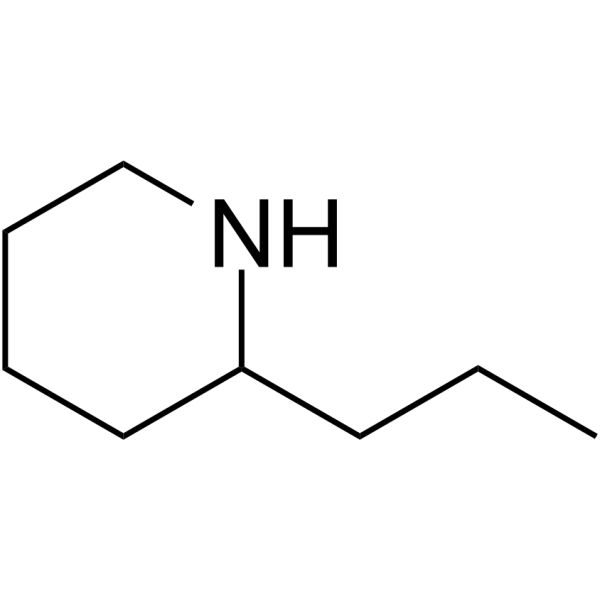
(±)-Coniine (2-Propylpiperidine) is a piperidine alkaloid and nAChR agonist (EC50=0.3 mM). (±)-Coniine is acutely toxic to mice with an LD50 value of 7.7 mg/kg .
|
-
-
- HY-W013521
-
|
|
Environmental Pollutants
|
Others
|
|
Hexyl Salicylate is a commonly used fragrance component, widely applied in cosmetics, perfumes, cleaning products, etc. Hexyl Salicylate has low acute toxicity, no irritation to human skin, no phototoxicity and no photosensitization .
|
-

-
- HY-103447S1
-
|
Mycotoxin F2-13C18; Toxin F2-13C18
|
Isotope-Labeled Compounds
|
Others
|
|
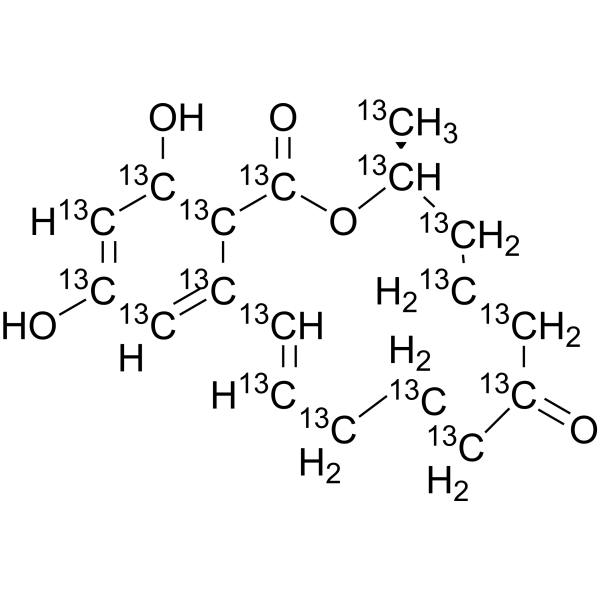
Zearalenone- 13C18 (Mycotoxin F2- 13C18; Toxin F2- 13C18) is the 13C labeled Zearalenone (HY-103447) . Zearalenone is a mycotoxin produced mainly by fungi belonging to the genus Fusarium in foods and feeds. Possess oestrogenic activity in pigs, cattle and sheep, with low acute toxicity. Causes precocious development of mammae and other estrogenic effects in young gilts .
|
-
-
- HY-Y1275S
-
|
NMP-d9; 1-Methyl-2-pyrrolidinone-d9
|
Isotope-Labeled Compounds
Biochemical Assay Reagents
|
Cancer
|
|
N-Methylpyrrolidone-d9 (NMP-d9) is deuterium labeled N-Methylpyrrolidone. N-Methylpyrrolidone (1-Methyl-2-pyrrolidinone), a five-membered cyclic amide, is an orally active organic polar solvent with teratogenicity and toxicity. N-Methylpyrrolidone is low in acute toxicity with a LD50 value of 3914 mg/kg in rats and of 4050 mg/kg in mice. N-Methylpyrrolidone is extensively used in the manufacture of adhesives, paints, fuels, and pharmaceuticals .
|
-

-
- HY-127165
-
|
HP 029 free base; Hydroxytacrine
|
Cholinesterase (ChE)
|
Neurological Disease
|
|
Velnacrine (HP 029 free base) is an inhibitor for acetylcholinesterase (AChE), with an IC50 of 3.27 μM. Velnacrine reverses the Scopolamine (HY-N0296)-induced amnesia in rat models, and exhibits acute toxicity with LD50 of 65 mg/kg .
|
-

-
- HY-126813
-
|
|
Antibiotic
Fungal
|
Infection
|
|
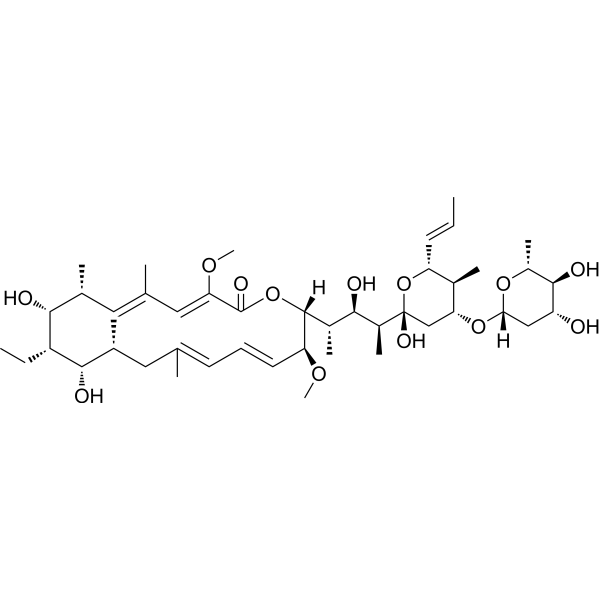
Concanamycin C is a macrolide antibiotic with inhibitory activity against certain fungi and yeasts, but no activity against bacteria. Concanamycin C inhibits the proliferation of mouse splenic lymphocytes. Concanamycin C exhibits acute toxicity in ddY mice. Concanamycin C can be used in studies related to fungal infections and yeast infections .
|
-
-
- HY-103447S
-
|
|
Isotope-Labeled Compounds
|
Others
|
|
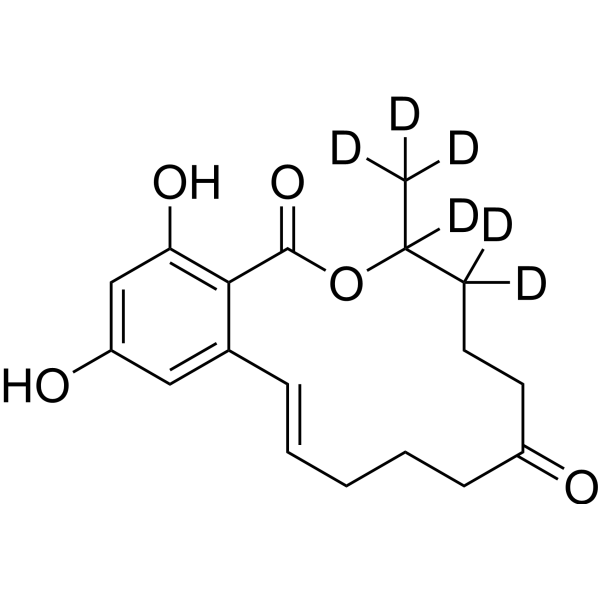
(Rac)-Zearalenone-d6 is the deuterium labled Zearalenone (HY-103447). Zearalenone is a mycotoxin produced mainly by fungi belonging to the genus Fusarium in foods and feeds. Possess oestrogenic activity in pigs, cattle and sheep, with low acute toxicity. Causes precocious development of mammae and other estrogenic effects in young gilts .
|
-
-
- HY-122817
-
|
|
Antibiotic
Parasite
|
Infection
|
|
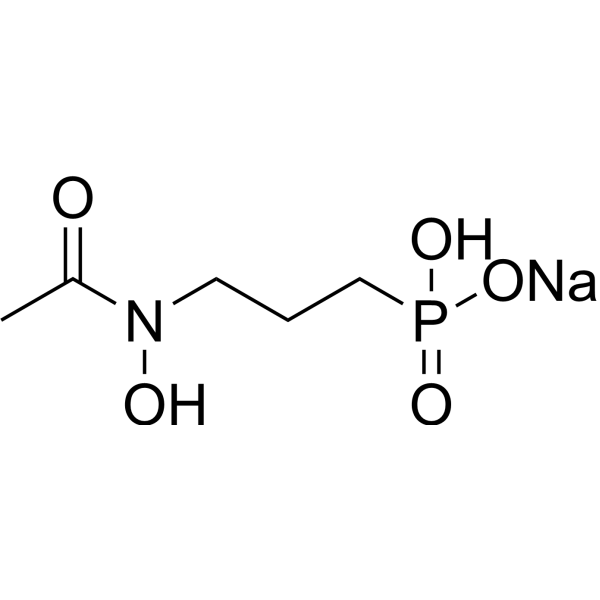
FR900098 sodium is an antimalarial agent that inhibits 1-deoxy-d-xylulose-5-phosphate (DXP) reductoisomerase. FR900098 sodium has no significant acute toxicity or genotoxicity, and does not have the ability to cause chromosome breakage or heterogeneity. FR900098 sodium has no effect on bone marrow red blood cells in NMRI mice .
|
-
-
- HY-114899
-
|
|
Environmental Pollutants
Cholinesterase (ChE)
Insecticide
|
Infection
Neurological Disease
|
|
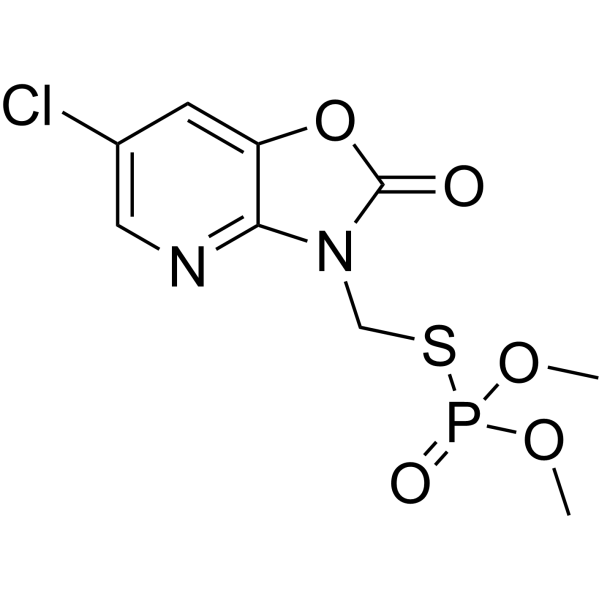
Azamethiphos is an acetylcholinesterase inhibitor and insecticide. Azamethiphos covalently binds to acetylcholinesterase via phosphorylation, inhibits its activity, causes acetylcholine to accumulate in cholinergic synapses, triggers uncontrolled excitation of cholinergic sites, induces paralysis and leads to death. Azamethiphos can be used as a bath insecticide in salmonid aquaculture to control sea lice infestations, and it exerts acute toxicity to European lobster larvae, including mortality and movement disorders .
|
-
-
- HY-121935R
-
|
|
Reference Standards
Fungal
|
Infection
|
|
Tecnazene (Standard) is the analytical standard of Tecnazene. This product is intended for research and analytical applications. Tecnazene is a dinitroaromatic fungicide and plant growth regulator. Tecnazene binds irreversibly to human skin tissues and exhibits acute toxicity in Rattus norvegicus (brown rat). Tecnazene exerts sprouting-inhibiting and antifungal activities by inhibiting the sprouting of potato tuber buds and blocking the growth and reproduction of fungi that cause dry rot. Tecnazene has significant antifungal and sprouting-inhibiting activities, and shows high toxicity to aquatic organisms such as freshwater fish and crustaceans. Tecnazene is used for sprouting inhibition and dry rot control during potato storage .
|
-

-
- HY-W075176
-
|
|
Insecticide
|
Infection
|
|
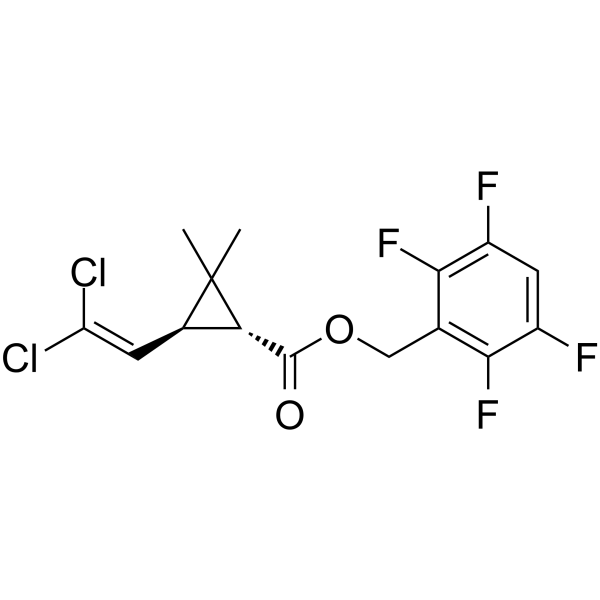
Transfluthrin is an insecticide with extremely low acute toxicity to vertebrates. Transfluthrin acts as a mosquito repellent, exerts mosquito control effects via electric heating fumigators, and is widely used in studies related to malaria, bancroftian filariasis and mosquito-borne infectious diseases. Transfluthrin may also induce adverse reactions such as pulmonary sensory irritation, sensitization, genotoxicity and respiratory depression, and can increase the concentrations and activities of CYP2E1 and CYP3A2 in rat brains. Transfluthrin can be removed from wastewater through biodegradation and activated sludge adsorption, and can be degraded by microorganisms such as Azovibrio and Tauera .
|
-
-
- HY-N6715R
-
|
|
Reference Standards
Influenza Virus
Bacterial
Enterovirus
Photosystem II
|
Infection
Cancer
|
|
Tenuazonic acid (Standard) is the analytical standard of Tenuazonic acid. This product is intended for research and analytical applications. Tenuazonic acid is a nonhost-selective mycotoxin belonging to the tetramic acids family. Tenuazonic acid inhibits protein biosynthesis on ribosomes by suppressing the release of new protein. Tenuazonic acid is acutely toxic, and oral LD50 is set between 81-186 mg/kg in rats and mice. Tenuazonic acid blocks electron transport beyond the primary quinone receptor (QA) by interacting with the D1 protein and is a photosystem II (PSII) inhibitor. In addition, Tenuazonic acid has antiviral effects on measles virus, enterovirus, respiratory virus and so on. Tenuazonic acid has an inhibitory effect on skin cancer .
|
-

-
- HY-41570
-
|
|
Estrogen Receptor/ERR
|
Cancer
|
|
3-Formylsalicylic acid is a noncompetitive estrone sulfatase inhibitor with an IC50 value of 0.15 mM, a Ki value of 0.12 mM. 3-Formylsalicylic acid shows a low acute toxicity .
|
-

-
- HY-138100
-
|
(+)-Hyalodendrin
|
Fungal
|
Infection
|
|
Hyalodendrin ((+)-Hyalodendrin) is a fungal growth inhibitor with inhibitory activity against wood decay fungi. Hyalodendrin has low phytotoxicity, with an acute toxicity (LD50) of 75 mg/kg in mice .
|
-

-
- HY-B2042R
-
|
|
Herbicide
Reference Standards
|
Others
|
|
Butachlor (Standard) is the analytical standard of Butachlor. This product is intended for research and analytical applications. Butachlor is defined as a commonly used acetanilide herbicide that exhibits varying levels of chronic toxicity to microalgae and acute toxicity to aquatic organisms. Butachlor butachlor adversely affected the normal reproductive success of zebrafish.
|
-

-
- HY-146370
-
|
|
COX
|
Inflammation/Immunology
|
|
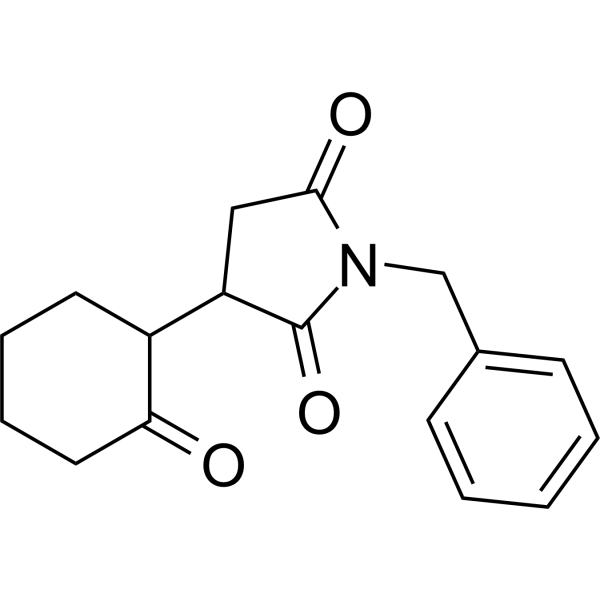
COX-2-IN-12 (compound 3b) is a potent and selective inhibitor of COX-2 with an IC50 of 19.98 μM. COX-2-IN-12 is an anti-inflammatory agent. COX-2-IN-12 shows safety in-vivo acute toxicity study .
|
-
-
- HY-103447R
-
|
Mycotoxin F2(Standard); Toxin F2 (Standard)
|
Reference Standards
Estrogen Receptor/ERR
|
Others
|
|
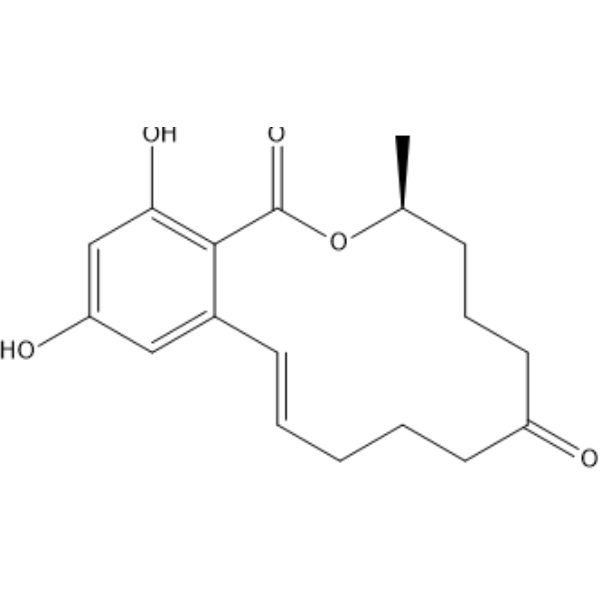
Zearalenone (Standard) is the analytical standard of Zearalenone. This product is intended for research and analytical applications. Zearalenone is a mycotoxin produced mainly by fungi belonging to the genus Fusarium in foods and feeds. Possess oestrogenic activity in pigs, cattle and sheep, with low acute toxicity. Causes precocious development of mammae and other estrogenic effects in young gilts .
|
-
-
- HY-103447R1
-
|
Mycotoxin F2 in Acetonitrile (Standard); Toxin F2 in Acetonitrile (Standard)
|
Reference Standards
Estrogen Receptor/ERR
|
Others
|
|
Zearalenone in Acetonitrile (Standard) is the solution of Zearalenone (Standard) . This product is intended for research and analytical applications. Zearalenone is a mycotoxin produced mainly by fungi belonging to the genus Fusarium in foods and feeds. Possess oestrogenic activity in pigs, cattle and sheep, with low acute toxicity. Causes precocious development of mammae and other estrogenic effects in young gilts .
|
-

-
- HY-129278
-
|
|
Parasite
|
Infection
Cardiovascular Disease
Neurological Disease
|
|
Lunarine is an alkaloid, which can be isolated from the seeds of kale (Lunaria annua). Lunarine lowers the blood pressure, stimulates small intestinal motility, inhibits spontaneous contractions of uterus and nervous system, and exhibits an acute toxicity with LD50 of 62.3 mg/kg in dogs and rabbits. Lunarine exhibits antiparasitic activity through a competitive inhibition of protozoan oxidoreductase trypanothione reductase (TryR) with Ki of 304 μM .
|
-

-
- HY-W762012
-
|
OCDD
|
Cytochrome P450
Environmental Pollutants
|
Others
|
|
Octachlorodibenzo-p-dioxin (OCDD) is an environmental contaminant but is not acutely toxic. In rats, Octachlorodibenzo-p-dioxin (50 μg/kg i.v. or 50-5000 μg/kg p.o.) has a systemic elimination half-life of 3-5 months and accumulates and concentrates in the liver and adipose tissue after low-dose, repeated exposure. Repeated administration of octachlorodibenzo-p-dioxin causes increases in 7-ethoxyresorufin-O-deethylase (7-EROD) activity and total cytochrome P-450 levels .
|
-

-
- HY-121067
-
|
|
Parasite
|
Cancer
|
|
Carbarsone, also known as p-ureidobenzenearsonic acid, is historically used as an amebicide in human and veterinary medicine and extensively employed in poultry and swine feed, often in combination with antibiotics to prevent conditions like blackhead in turkeys. It exhibits relatively low acute toxicity, prompting investigations into its safety for food additives under the Federal Food, Drug, and Cosmetic Act. Studies aimed at assessing its potential carcinogenicity in laboratory animals have shown negative evidence similar to other arsanilic acid derivatives, suggesting minimal risk under chronic ingestion conditions. Metabolically, carbarsone is converted to arsanilic acid, which has been observed in preliminary studies involving dogs at high doses .
|
-

-
- HY-N6715S
-
|
|
Influenza Virus
Bacterial
Isotope-Labeled Compounds
|
Infection
|
|
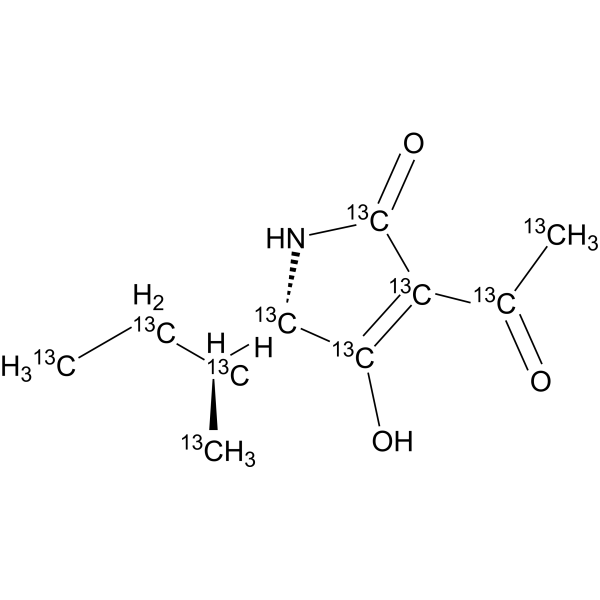
Tenuazonic acid- 13C10 is 13C labeled Tenuazonic acid (HY-N6715). Tenuazonic acid is a nonhost-selective mycotoxin belonging to the tetramic acids family. Tenuazonic acid inhibits protein biosynthesis on ribosomes by suppressing the release of new protein. Tenuazonic acid is acutely toxic, and oral LD50 is set between 81-186 mg/kg in rats and mice. Tenuazonic acid blocks electron transport beyond the primary quinone receptor (QA) by interacting with the D1 protein and is a photosystem II (PSII) inhibitor. In addition, Tenuazonic acid has antiviral effects on measles virus, enterovirus, respiratory virus and so on. Tenuazonic acid has an inhibitory effect on skin cancer .
|
-
-
- HY-W075176R
-
|
|
Insecticide
Reference Standards
|
Others
|
|
Transfluthrin (Standard) is the analytical standard of Transfluthrin (HY-W075176). This product is intended for research and analytical applications. Transfluthrin is an insecticide with extremely low acute toxicity to vertebrates. Transfluthrin acts as a mosquito repellent, exerts mosquito control effects via electric heating fumigators, and is widely used in studies related to malaria, bancroftian filariasis and mosquito-borne infectious diseases. Transfluthrin may also induce adverse reactions such as pulmonary sensory irritation, sensitization, genotoxicity and respiratory depression, and can increase the concentrations and activities of CYP2E1 and CYP3A2 in rat brains. Transfluthrin can be removed from wastewater through biodegradation and activated sludge adsorption, and can be degraded by microorganisms such as Azovibrio and Tauera .
|
-

-
- HY-174870
-
|
|
PROTACs
Estrogen Receptor/ERR
Apoptosis
Fluorescent Dye
|
Cancer
|
|
PROTAC ERα Degrader-11 is a selective and intrinsically fluorescent (Ex: 366 nm, Em: 440 nm) ERα PROTAC degrader. PROTAC ERα Degrader-11 shows good antiproliferative activity, selective ERα degradation and imaging capabilities in MCF-7 breast cancer cell lines. PROTAC ERα Degrader-11 induces G2/M phase arrest and induces apoptosis in MCF-7 cells. PROTAC ERα Degrader-11 is well-tolerated up to a dose of 500 mg/ kg with no acute toxicity in athymic nude mice. PROTAC ERα Degrader-11 can be used for the study of breast cancer.(Pink: ERα ligand (HY-167701), Blue: CRBN Ligand (HY-150831), Black: Linker, E3 ligase ligand-linker conjugate (HY-174880)) .
|
-

-
- HY-B1953R
-
|
|
Reference Standards
nAChR
Insecticide
|
Infection
|
|
Thiacloprid (Standard) is the analytical standard of Thiacloprid. This product is intended for research and analytical applications. Thiacloprid is an orally active neurotoxic insecticide and also a nAChR agonist. Thiacloprid reduces the viability of healthy cells, depletes reduced glutathione, and increases MDA levels, thereby inducing cytotoxicity and oxidative stress damage. In practical applications, Thiacloprid has lower acute toxicity to honeybees than other compounds of the same class such as Imidacloprid (HY-B0838), but it still significantly impairs the learning and memory function, immune capacity and survival status of honeybees. Thiacloprid induces intestinal microbial dysbiosis and reduces survival rate in middle-aged honeybees, increases the risk of premature collapse in bumblebee colonies, and significantly decreases the final colony weight and reproductive output. Thiacloprid is used in broad-spectrum agricultural pest control, often alone or in combination with Deltamethrin (HY-B1971), and meets the pest management needs of various crops including potatoes, cabbages, various fruits and vegetables, and nuts .
|
-

-
- HY-116653
-
-
-
- HY-N13930
-
|
|
Bacterial
|
Infection
|
|
Azicemicin A has weak antibacterial activity. Azicemicin A without any acute toxicity in the micesup>[1].
|
-

-
- HY-W754777
-
-

-
- HY-116653R
-
|
|
Reference Standards
Stearoyl-CoA Desaturase (SCD)
|
Others
|
|
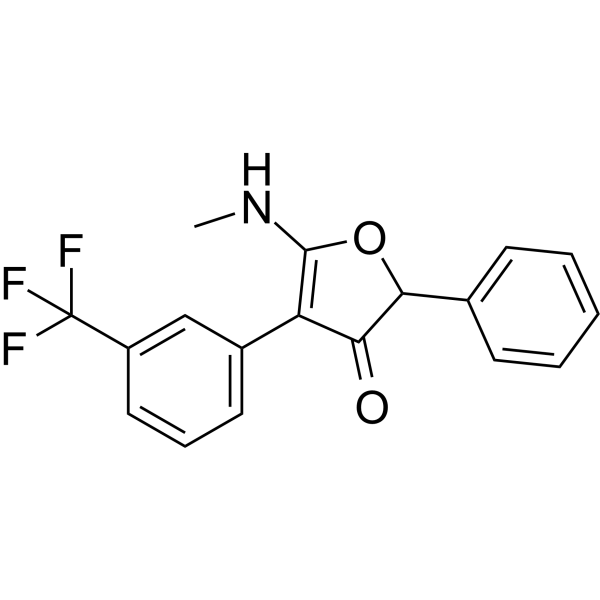
Flurtamone (Standard) is the analytical standard of Flurtamone. This product is intended for research and analytical applications. Flurtamone is a chiral herbicide with acute toxicity levels to Selenastrum capricornutum .
|
-

-
- HY-171857
-
-

- HY-W612269S
-
|
|
Isotope-Labeled Compounds
|
Others
|
|
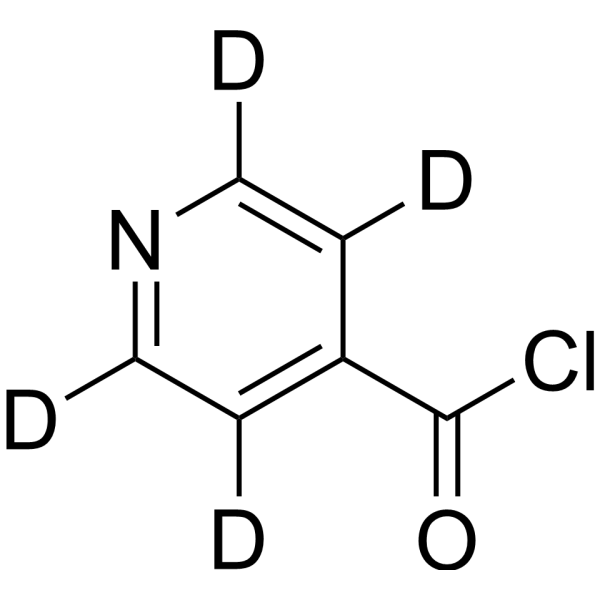
Isonicotinoyl chloride-d4 is the deuterated labeled Isonicotinoyl chloride (HY-W612269). N-Acetylglycine (Aceturic acid) is a minor constituent of numerous foods with no genotoxicity or acute toxicity. N-acetylglycine is used in biological research of peptidomimetics .
|
-
- HY-131551R
-
|
|
Biochemical Assay Reagents
Reference Standards
|
Others
|
|
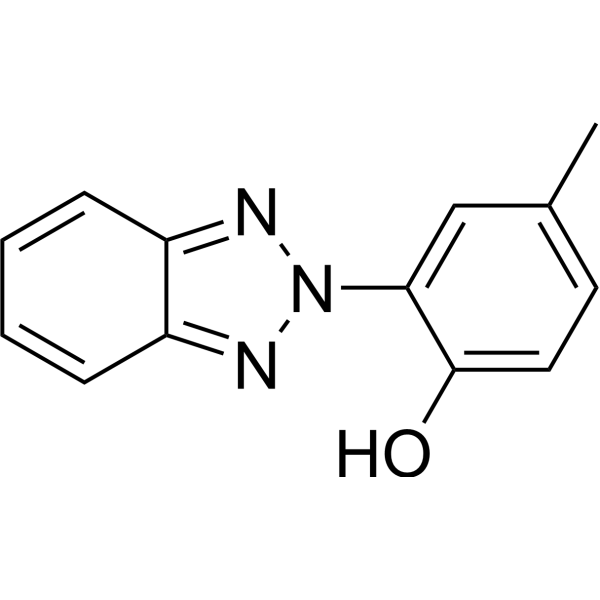
Drometrizole (Standard) is the analytical standard of Drometrizole (HY-131551). This product is intended for research and analytical applications. Drometrizole is an orally active UV absorber and can be used in cosmetic research. Drometrizole has low acute toxicity, no teratogenicity and carcinogenicity .
|
-

- HY-120407
-
|
ENT-33266
|
Insecticide
|
Others
|
|
Looplure (ENT-33266) is an insect attractant with acute toxicity studies in different animal models showing activity at oral and dermal median lethal doses (LD50) and median lethal concentrations (LC50) for fish with some values, and low toxicity in most cases except for some cases.
|
-

- HY-149240
-
|
|
P-glycoprotein
|
Cancer
|
|
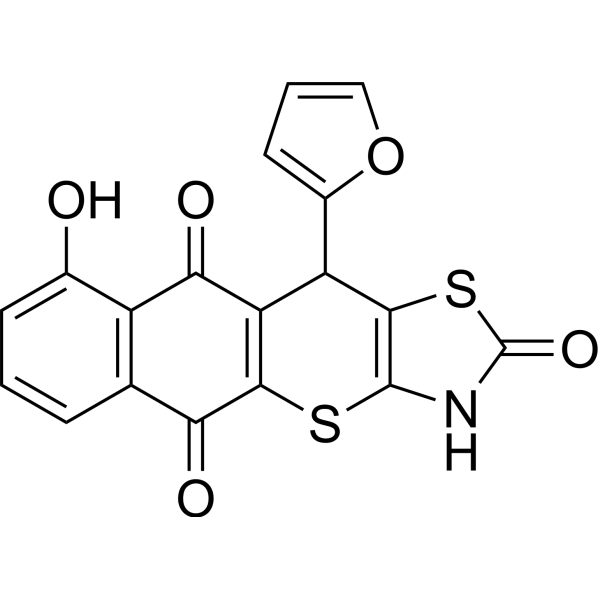
Anticancer agent 108 (Compound 3.10) is a potent P-gp inhibitor with significant antitumor activity and less toxicity to normal and pseudonormal cells. Anticancer agent 108 (Compound 3.10) had no acute toxic effect on С57BL/6 mice .
|
-
- HY-146371
-
|
|
COX
|
Inflammation/Immunology
|
|
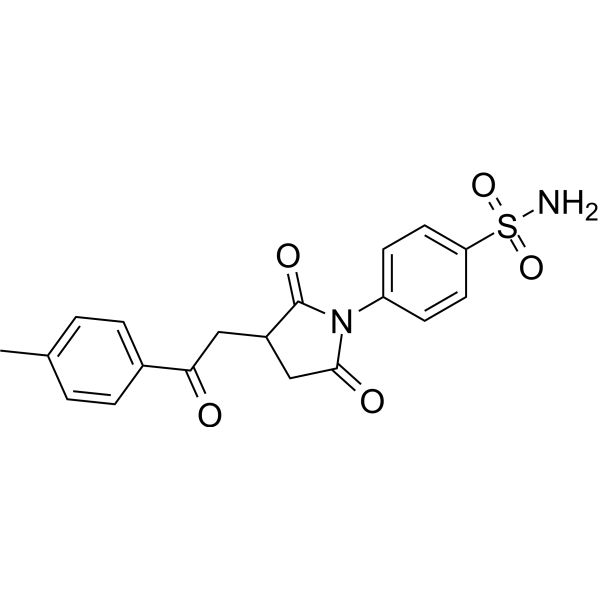
COX-2-IN-13 (compound 13e) is a potent and selective inhibitor of COX-2 with an IC50 of 0.98 μM. COX-2-IN-13 is an anti-inflammatory agent. COX-2-IN-13 shows safety in-vivo acute toxicity study .
|
-
- HY-W795264
-
|
|
Parasite
|
Infection
|
|
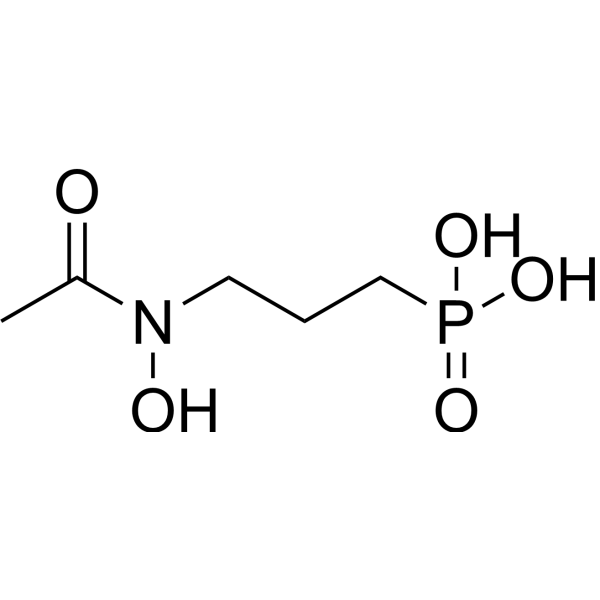
FR900098 is an antimalarial agent that inhibits 1-deoxy-d-xylulose-5-phosphate (DXP) reductoisomerase. FR900098 has no significant acute toxicity or genotoxicity, and does not have the ability to cause chromosome breakage or heterogeneity. FR900098 has no effect on bone marrow red blood cells in NMRI mice .
|
-
- HY-146025
-
|
|
Drug Derivative
|
Cancer
|
|
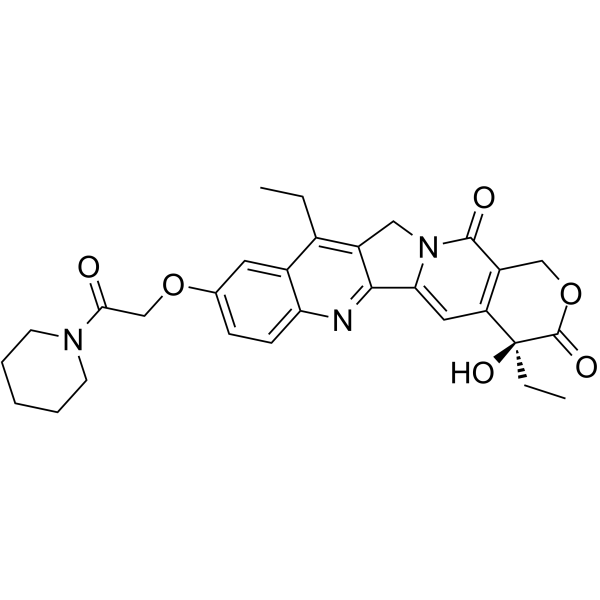
Antitumor agent-F10 (Compound F10) is a camptothecin derivative. Antitumor agent-F10 is an orally–bioavailable and potent antitumor agent. Antitumor agent-F10 displays lower acute toxicity than SN-38 does and the solubility of F10 reached 9.86 μg/mL .
|
-
- HY-103447S2
-
|
Mycotoxin F2-13C7; Toxin F2-13C7
|
Isotope-Labeled Compounds
Estrogen Receptor/ERR
|
Others
|
|
Zearalenone- 13C7 (Mycotoxin F2- 13C7) is 13C labeled Zearalenone. Zearalenone is a mycotoxin produced mainly by fungi belonging to the genus Fusarium in foods and feeds. Possess oestrogenic activity in pigs, cattle and sheep, with low acute toxicity. Causes precocious development of mammae and other estrogenic effects in young gilts .
|
-

- HY-N6678S
-
|
|
Isotope-Labeled Compounds
Estrogen Receptor/ERR
|
Endocrinology
|
|
(Rac)-Zearalanone-d6 is the racemate of Zearalanone. Zearalenone is a nonsteroidal estrogenic mycotoxin produced by Fusarium species, which colonizes several grains. Zearalenone has low acute toxicity and carcinogenicity. Due to its agonistic effect on the estrogen receptor, Zearalenone exhibits distinct estrogenic and anabolic properties in several animal species, resulting in severe effects on the reproductive system .
|
-

- HY-111125
-
|
|
Parasite
Reactive Oxygen Species (ROS)
Apoptosis
|
Infection
Cancer
|
|
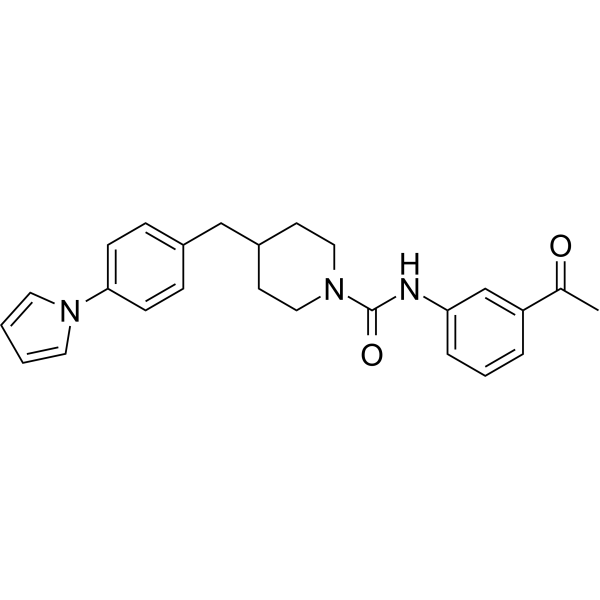
AMRI-59 is a potent inhibitor of PrxI used for parasitic infections. AMRI-59 can increase cellular ROS, leading to activation of signaling pathways mediated by mitochondria and apoptosis signal-regulated kinase 1, thereby leading to apoptosis in A549 human lung adenocarcinoma. AMRI-59 exhibits significant antitumor activity without apparent acute toxicity .
|
-
- HY-N6678R
-
|
|
Reference Standards
Estrogen Receptor/ERR
|
Endocrinology
|
|
Zearalanone (Standard) is the analytical standard of Zearalanone. This product is intended for research and analytical applications. Zearalenone is a nonsteroidal estrogenic mycotoxin produced by Fusarium species, which colonizes several grains. Zearalenone has low acute toxicity and carcinogenicity. Due to its agonistic effect on the estrogen receptor, Zearalenone exhibits distinct estrogenic and anabolic properties in several animal species, resulting in severe effects on the reproductive system .
|
-

- HY-151933
-
|
|
HIV
Reverse Transcriptase
|
Infection
|
|
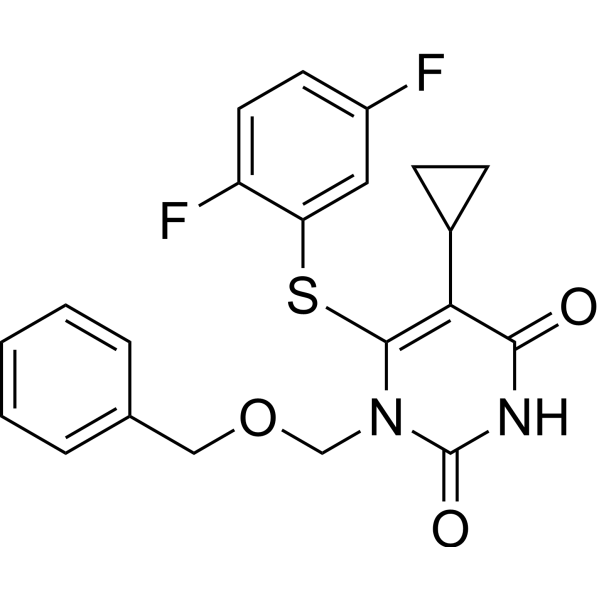
HIV-1 inhibitor-49 is an orally active HIV-1 inhibitor, is a HEPT analog. HIV-1 inhibitor-49 possesses great pharmacokinetics profiles and potent non-nucleoside reverse transcriptase inhibitory activity (IC50=30 nM). HIV-1 inhibitor-49 exerts potential safety without acute toxicity in mouse model .
|
-
- HY-147841
-
|
|
HIV
Reverse Transcriptase
|
Infection
|
|
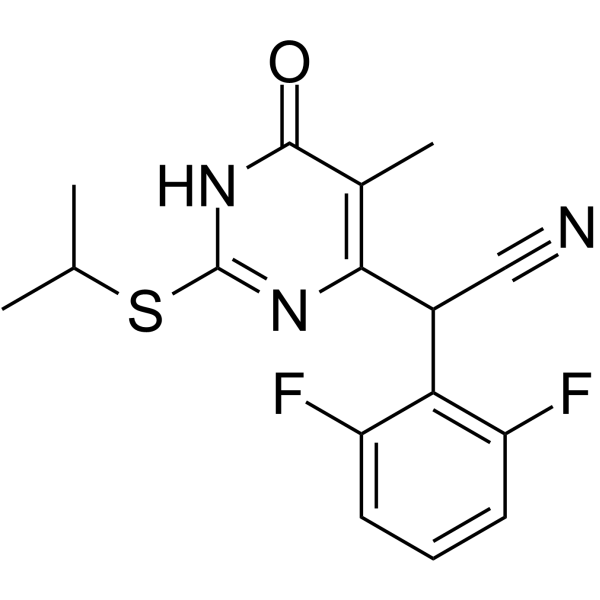
HIV-1 inhibitor-41 (Compound B23) is an orally active non-nucleoside HIV-1 reverse transcriptase inhibitor with EC50 values of 20.8 nM and 50 nM against HIV-1 WT and mutant E138K strain, respectively. HIV-1 inhibitor-41 shows low hERG, no apparent CYP enzymatic inhibition and no acute toxicity .
|
-
- HY-153219
-
|
|
Potassium Channel
|
Endocrinology
|
|
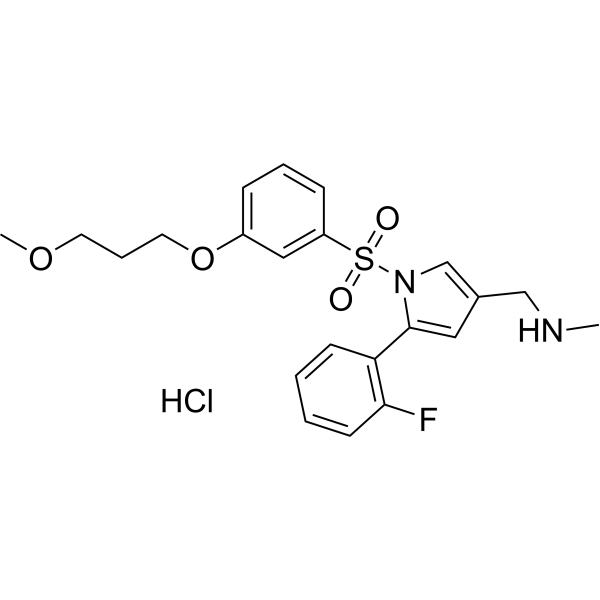
P-CAB agent 2 hydrochloride is a potent and orally active potassium-competitive acid blocker and a gastric acid secretion inhibitor. P-CAB agent 2 hydrochloride inhibits H +/K +-ATPase activity with an IC50 value of <100 nM. P-CAB agent 2 hydrochloride inhibits the hERG potassium channel with an IC50 value of 18.69 M. P-CAB agent 2 hydrochloride shows no acute toxicity and inhibits histamine (HY-B1204)-induced gastric acid secretion .
|
-
- HY-153219A
-
|
|
Potassium Channel
|
Endocrinology
|
|
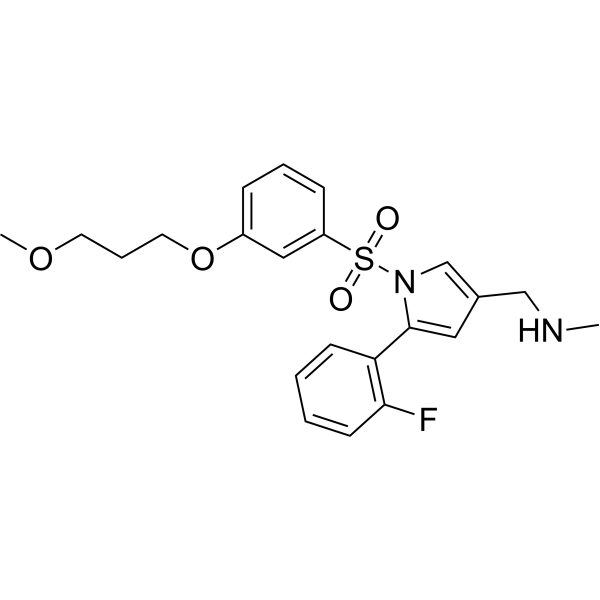
P-CAB agent 2 is a potent and orally active potassium-competitive acid blocker and a gastric acid secretion inhibitor. P-CAB agent 2 inhibits H +/K +-ATPase activity with an IC50 value of <100 nM. P-CAB agent 2 inhibits the hERG potassium channel with an IC50 value of 18.69 M. P-CAB agent 2 shows no acute toxicity and inhibits histamine (HY-B1204)-induced gastric acid secretion .
|
-
- HY-114899S
-
|
|
Isotope-Labeled Compounds
Cholinesterase (ChE)
Insecticide
|
Infection
Neurological Disease
|
|
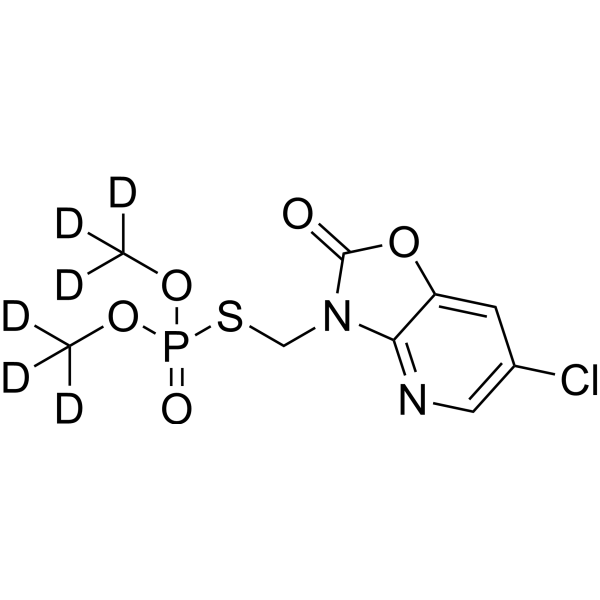
Azamethiphos-d6 is deuterated labeled Azamethiphos (HY-114899). Azamethiphos is an acetylcholinesterase inhibitor and insecticide. Azamethiphos covalently binds to acetylcholinesterase via phosphorylation, inhibits its activity, causes acetylcholine to accumulate in cholinergic synapses, triggers uncontrolled excitation of cholinergic sites, induces paralysis and leads to death. Azamethiphos can be used as a bath insecticide in salmonid aquaculture to control sea lice infestations, and it exerts acute toxicity to European lobster larvae, including mortality and movement disorders .
|
-
- HY-B0973S
-
|
|
Isotope-Labeled Compounds
Cytochrome P450
Aryl Hydrocarbon Receptor
|
Metabolic Disease
|
|
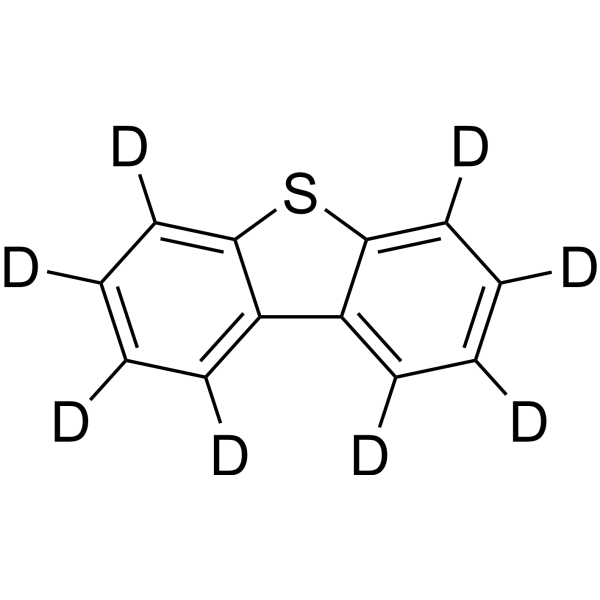
Dibenzothiophene-d8 is the deuterium labeled Dibenzothiophene (HY-B0973). Dibenzothiophene is an orally active and a noncompetitive CYP1A inhibitor. Dibenzothiophene inhibits CYP1A-mediated EROD activity with Km of 0.592 μM. Dibenzothiophene interacts with the AHR pathway. Dibenzothiophene enhances the embryotoxicity of β-naphthoflavone (HY-114740). Dibenzothiophene shows acute toxicity in mice. Dibenzothiophene is mainly used for the study of the mechanism of developmental toxicity in organisms .
|
-
- HY-114899R
-
|
|
Reference Standards
Cholinesterase (ChE)
Insecticide
|
Infection
Neurological Disease
|
|
Azamethiphos (Standard) is the analytical standard of Azamethiphos (HY-114899). This product is intended for research and analytical applications. Azamethiphos is an acetylcholinesterase inhibitor and insecticide. Azamethiphos covalently binds to acetylcholinesterase via phosphorylation, inhibits its activity, causes acetylcholine to accumulate in cholinergic synapses, triggers uncontrolled excitation of cholinergic sites, induces paralysis and leads to death. Azamethiphos can be used as a bath insecticide in salmonid aquaculture to control sea lice infestations, and it exerts acute toxicity to European lobster larvae, including mortality and movement disorders .
|
-

- HY-147807
-
|
|
HIV
Cytochrome P450
|
Infection
|
|
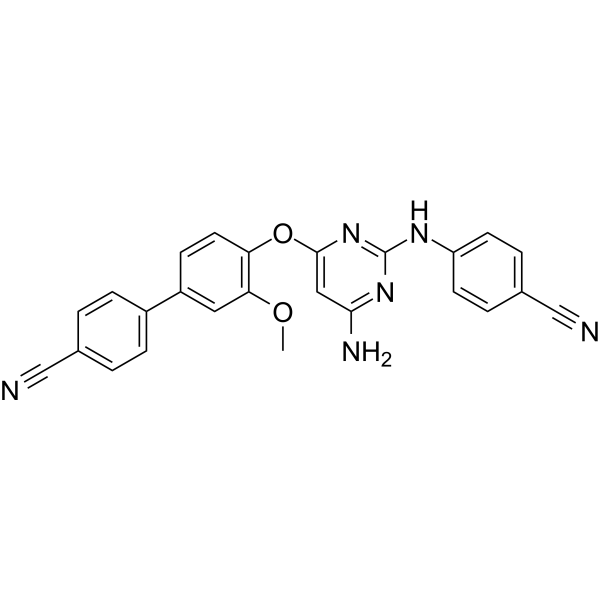
HIV-1 inhibitor-40 (Compound 4ab) is a non-nucleoside reverse transcriptase inhibitor (NNRTI) of HIV-1 with an EC50 of 1.9 nM. HIV-1 inhibitor-40 displays weak CYP sensitivity with IC50 values of 5.16 μM and 4.51 μM against CYP2C9 and CYP2C19, respectively. HIV-1 inhibitor-40 has no apparent in vivo acute toxicity .
|
-
- HY-B0973R
-
|
DBT (Standard); Diphenylene sulfide (Standard)
|
Reference Standards
Cytochrome P450
Aryl Hydrocarbon Receptor
|
Metabolic Disease
|
|
Dibenzothiophene (Standard) is the analytical standard of Dibenzothiophene (HY-B0973). This product is intended for research and analytical applications. Dibenzothiophene is an orally active and a noncompetitive CYP1A inhibitor. Dibenzothiophene inhibits CYP1A-mediated EROD activity with Km of 0.592 μM. Dibenzothiophene interacts with the AHR pathway. Dibenzothiophene enhances the embryotoxicity of β-naphthoflavone (HY-114740). Dibenzothiophene shows acute toxicity in mice. Dibenzothiophene is mainly used for the study of the mechanism of developmental toxicity in organisms .
|
-

- HY-155997
-
|
|
COX
|
Inflammation/Immunology
|
|
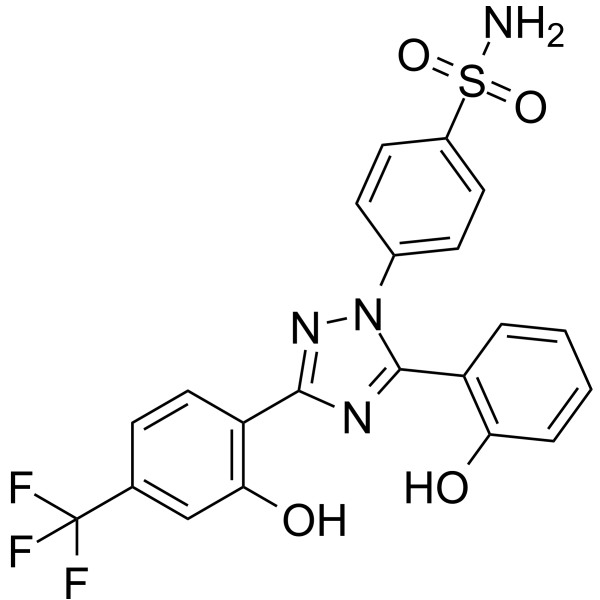
Anti-inflammatory agent 56 (Compound 9) is a selective COX-2 inhibitor (IC50: 0.54 μM). Anti-inflammatory agent 56 has anti-oxidant and anti-inflammatory effects. Anti-inflammatory agent 56 inhibits oxidative stress induced cell death. Anti-inflammatory agent 56 inhibits oxidative stress and neuroinflammation by inhibiting Keap1, COX-2 and iNOS. Anti-inflammatory agent 56 has low acute toxicity in mice (LD50: 1000 mg/kg) .
|
-
- HY-144123
-
|
|
HIV
|
Infection
|
|
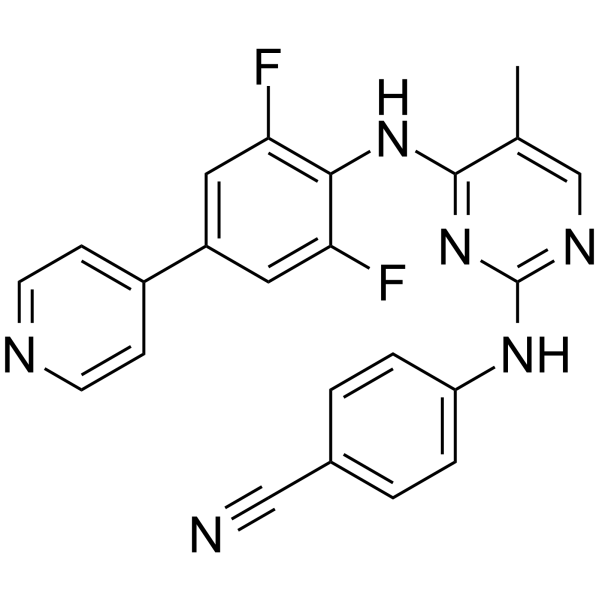
HIV-1 inhibitor-16 (compound 7a) is a highly potent HIV-1 inhibitor with an EC50 value of 1.3 nM for HIV-1 WT. HIV-1 inhibitor-16 also has certain inhibitory activity against HIV-1 K103N, E138K, Y181C and L100I strains with EC50s of 5.4 nM, 9.2 nM, 22 nM and 35 nM. HIV-1 inhibitor-16 has favorable solubility and liver microsome stability, and does not exhibit apparent CYP enzymatic inhibitory activity or acute toxicity .
|
-
- HY-B1953S
-
|
|
nAChR
Insecticide
|
Infection
|
|
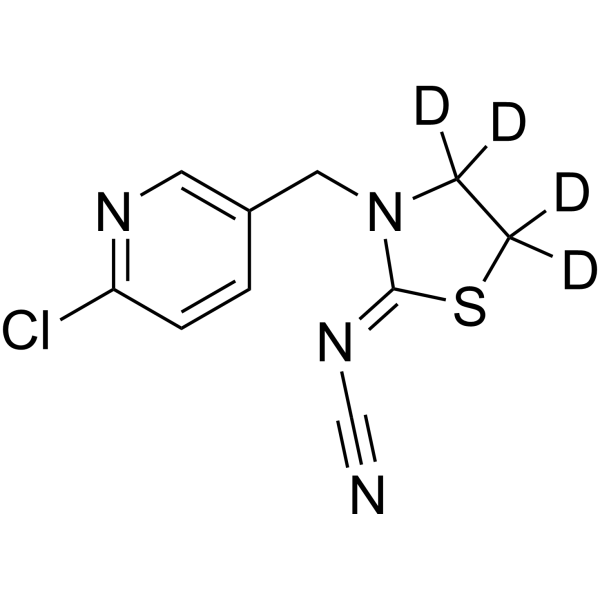
Thiacloprid-d4 is the deuterium labeled Thiacloprid. Thiacloprid is an orally active neurotoxic insecticide and also a nAChR agonist. Thiacloprid reduces the viability of healthy cells, depletes reduced glutathione, and increases MDA levels, thereby inducing cytotoxicity and oxidative stress damage. In practical applications, Thiacloprid has lower acute toxicity to honeybees than other compounds of the same class such as Imidacloprid (HY-B0838), but it still significantly impairs the learning and memory function, immune capacity and survival status of honeybees. Thiacloprid induces intestinal microbial dysbiosis and reduces survival rate in middle-aged honeybees, increases the risk of premature collapse in bumblebee colonies, and significantly decreases the final colony weight and reproductive output. Thiacloprid is used in broad-spectrum agricultural pest control, often alone or in combination with Deltamethrin (HY-B1971), and meets the pest management needs of various crops including potatoes, cabbages, various fruits and vegetables, and nuts .
|
-
- HY-N13931
-
|
|
Bacterial
|
Infection
|
|
Azicemicin B has weak antibacterial activity. Azicemicin B without any acute toxicity in the micesup>[1].
|
-

- HY-B0869
-
|
|
Acetolactate Synthase (ALS)
Herbicide
|
Others
|
|
Bispyribac is an acetolactate synthase inhibitor that can be used as a systemic post-emergence herbicide for control of weeds in agriculture. Bispyribac blocks the amino acid synthesis. Bispyribac has low acute toxicity in animal models .
|
-

- HY-119716
-
|
|
|
Neurological Disease
|
|
Cyheptamide is an orally active anticonvulsant and antiepileptic agent. Cyheptamide exhibits moderate acute toxicity in animal models, with lethal doses varying by species specificity. Cyheptamide can be used in studies related to convulsions and epilepsy .
|
-

- HY-W130596
-
|
|
Environmental Pollutants
|
Others
|
|
3-Phenylpropyl acetate is a member of the fragrance structural group Aryl Alkyl Alcohol Simple Acid Esters (AAASAE). 3-Phenylpropyl acetate has acute toxicity in rats and rabbits and shows no skin sensitization in guinea pigs. 3-Phenylpropyl acetate can be used as a fragrance ingredient .
|
-

- HY-N19794
-
|
|
Drug Derivative
|
Cardiovascular Disease
Metabolic Disease
|
|
Derrisaponin A is an oleanane-type triterpenoid saponin and sweetener found in the stems of Derris eriocarpa, with sweetness intensity approximately 80 times that of Sucrose (HY-B1779) at 1% concentration. Derrisaponin A shows no acute toxic activity. Derrisaponin A can be used for research on hypertension, hyperglycemia, and obesity .
|
-

- HY-182780
-
|
|
Drug Derivative
|
Cancer
|
|
LSPN925 is an anticancer agent. LSPN925 exhibits cytotoxic and antiproliferative activities against tumor cells. LSPN925 has predicted oral bioavailability, low risks of hepatotoxicity and acute toxicity, and no risk of cardiotoxicity. LSPN925 can be used for the research of ovarian cancer, melanoma and breast cancer .
|
-

- HY-122480
-
|
SYP-1620
|
Fungal
ATP Synthase
Cytochrome P450
|
Infection
|
|
Fenaminstrobin (SYP-1620) is a strobilurin Fungicide. Fenaminstrobin binds to cytochrome bc1 in the mitochondrial respiratory chain, thereby inhibiting ATP production. Fenaminstrobin exhibits acute toxicity to Daphnia magna. Fenaminstrobin effectively controls diseases such as Fusarium ear rot, downy mildew, rice blast and pear scab .
|
-

- HY-N18254
-
|
|
Drug Derivative
|
Others
|
|
Hokbusine A is a diterpenic alkaloid and C19 norditerpenoid (aconitine-type) alkaloid that can be found in the roots of Aconitum napellus L. (Swiss variety) and Aconitum jaluense .Hokbusine A exhibits low acute toxicity in ddY mice via intraperitoneal administration, with an LD50 value greater than 1 mg/kg .
|
-

- HY-182535
-
|
|
Antibiotic
Bacterial
|
Infection
|
|
Tuberactinomycin-O is a peptide antibiotic belonging to the tuberactinomycin family. Tuberactinomycin-O inhibits the growth of various bacteria, including Staphylococcus aureus, Escherichia coli, Pseudomonas aeruginosa and Mycobacterium ATCC 607. Tuberactinomycin-O exhibits acute toxicity in male mice when administered intravenously. Tuberactinomycin-O can be used in the research of tuberculosis .
|
-

- HY-23317
-
|
|
Parasite
|
Infection
|
|
N-Methyl-4-(8-phenoxyoctoxy) aniline (Compound 3568) is an anti-schistosomal agent. N-Methyl-4-(8-phenoxyoctoxy) aniline exhibits definite anti-Schistosoma mansoni activity in mouse models, but has high acute toxicity. N-Methyl-4-(8-phenoxyoctoxy) aniline can be used in studies related to schistosomiasis .
|
-

- HY-185373
-
|
Liposomal paclitaxel
|
Liposome
Microtubule/Tubulin
|
Cancer
|
|
Paclitaxel liposome is a liposome-encapsulated form of Paclitaxel (HY-B0015). Paclitaxel is a naturally occurring antineoplastic agent and stabilizes tubulin polymerization. Paclitaxel liposome is characterized by reduced acute toxicity, prolonged circulating half-life of paclitaxel, and enhanced accumulation at tumor sites. Paclitaxel liposome can be used in research related to breast cancer and locally advanced esophageal squamous cell carcinoma .
|
-

- HY-N11234A
-
|
|
Insecticide
|
Infection
|
|
(Z)-γ-Bisabolene is a monocyclic bisabolane-type sesquiterpene hydrocarbon found in the essential oil of Galinsoga parviflora, acting as a mosquito larvicide and oviposition deterrent. (Z)-γ-Bisabolene induces acute toxicity in larvae of six mosquito species. (Z)-γ-Bisabolene deters oviposition in gravid females of six mosquito species. (Z)-γ-Bisabolene can be used for the research of malaria, dengue, japanese encephalitis, zika virus .
|
-

- HY-N6678S1
-
|
|
Isotope-Labeled Compounds
|
Endocrinology
|
|
Zearalanone- 13C18 is the 13C-labeled Zearalanone (HY-N6678). Zearalenone is a nonsteroidal estrogenic mycotoxin produced by Fusarium species, which colonizes several grains. Zearalenone has low acute toxicity and carcinogenicity. Due to its agonistic effect on the estrogen receptor, Zearalenone exhibits distinct estrogenic and anabolic properties in several animal species, resulting in severe effects on the reproductive system .
|
-

- HY-180558
-
|
|
Parasite
|
Others
|
|
Acaricidal agent-2 (compound 12aa) is a potent acaricidal agent that exhibits activity in T. cinnabarinus. Acaricidal agent-2 exhibits good ovicidal (LC50 = 0.14 mg/L) and larvicidal activities (LC50 = 0.09 mg/L). Acaricidal agent-2 shows low acute toxicity in Zebrafish. Acaricidal agent-2 can be used for pest management .
|
-

- HY-182364
-
|
|
Bacterial
|
Others
|
|
T3SS-IN-6 is a thiazolidin-2-cyanamide derivative and type III secretion system (T3SS) inhibitor targeting Xanthomonas oryzae pv. oryzae (Xoo). T3SS-IN-6 exhibits no effect on Xoo growth. T3SS-IN-6 shows no measurable acute toxicity to silkworms and earthworms .
|
-

- HY-W008927
-
|
|
Fungal
Reactive Oxygen Species (ROS)
DNA/RNA Synthesis
Apoptosis
|
Infection
|
|
Fluoxastrobin is a fungicide. By binding to NAD-dependent epimerase/dehydratase, Fluoxastrobin interferes with electron transport, reduces ATP production and inhibits mycelial growth, thereby effectively controlling foliar diseases of tea plants. Fluoxastrobin induces oxidative stress by increasing ROS levels and lipid peroxidation, causes DNA damage and promotes apoptosis; meanwhile, it shows high acute toxicity to Danio rerio embryos and larvae. Fluoxastrobin can be used in research related to tea foliar diseases (including tea red leaf spot and tea gray leaf spot) .
|
-

- HY-120131
-
|
|
Insecticide
Cholinesterase (ChE)
|
Neurological Disease
|
|
Cyanofenphos is an orally active organophosphate insecticide and brain AChE inhibitor with neurotoxicity. Cyanofenphos induces delayed neurotoxicity such as ataxia and paralysis. Cyanofenphos also causes symptoms including somnolence, reduced feed intake and weight loss in hens. Cyanofenphos has a unique self-antagonistic effect: repeated low-dose pre-treatment not only reduces subsequent acute toxicity, but also exacerbates delayed neurotoxicity and attenuates enzyme inhibition, with the protective effect peaking at 24 h after the last pre-treatment. Cyanofenphos is commonly used in studies related to delayed neurotoxicity .
|
-

- HY-107390AR
-
|
|
Reference Standards
TNF Receptor
Interleukin Related
IFNAR
|
Inflammation/Immunology
Cancer
|
|
AX-024 hydrochloride (Standard) is the analytical standard of AX-024 (hydrochloride) (HY-107390A). This product is intended for research and analytical applications. AX-024 hydrochloride is an orally available, first-in-class inhibitor of the TCR-Nck interaction that selectively inhibits TCR-triggered T cell activation with an IC50 ~1 nM. AX-024 hydrochloride modulates cell signaling by targeting SH3 domains. AX-024 hydrochloride has low-acute toxicity and high potency and selectivity, and strongly inhibit the production of IL-6, TNF-α, IFN-γ, IL-10 and IL-17A.
|
-

- HY-181080
-
|
|
Topoisomerase
DNA/RNA Synthesis
Apoptosis
|
Cancer
|
|
TOP1/TDP1-IN-1 is a DNA topoisomerase 1B (TOP1) and tyrosyl-DNA phosphodiesterase 1 (TDP1) inhibitor with a TDP1 IC50 of 17.8 μM. TOP1/TDP1-IN-1directly suppresses TOP1 catalytic activity without forming a DNA-TOP1 ternary complex, inhibits TDP1-mediated repair of TOP1-induced DNA damage, and exhibits low acute toxicity. TOP1/TDP1-IN-1 disrupts DNA repair pathways, induces apoptosis, suppresses clonogenic growth, and elicits antiproliferative effects in cancer cells. TOP1/TDP1-IN-1 can be used for the research of non-small cell lung cancer, cervical cancer, colon cancer .
|
-

| Cat. No. |
Product Name |
Type |
-
- HY-Y1275
-
|
NMP; 1-Methyl-2-pyrrolidinone
|
Biochemical Assay Reagents
|
|
N-Methylpyrrolidone (1-Methyl-2-pyrrolidinone), a five-membered cyclic amide, is an orally active organic polar solvent with teratogenicity and toxicity. N-Methylpyrrolidone is low in acute toxicity with a LD50 value of 3914 mg/kg in rats and of 4050 mg/kg in mice. N-Methylpyrrolidone is extensively used in the manufacture of adhesives, paints, fuels, and pharmaceuticals .
|
-
- HY-B1024
-
|
DL-Pantothenol; DL-Pantothenyl alcohol
|
Biochemical Assay Reagents
|
|
DL-Panthenol (DL-Pantothenol) is a precursor of pantothenic acid. DL-Panthenol easily penetrates the skin and has effects of deep moisturizing, promoting wound healing and anti-inflammation. DL-Panthenol can also be used as a hair conditioner in cosmetics. DL-Panthenol has low acute toxicity, non-sensitizing property, and no significant genotoxicity or reproductive and developmental toxicity. DL-Panthenol can be applied to the research of cosmetics .
|
| Cat. No. |
Product Name |
Category |
Target |
Chemical Structure |
-
- HY-103447
-
-
-
- HY-N1436
-
-
-
- HY-N6715
-
-
-
- HY-W099757
-
-
-
- HY-125539
-
|
|
Structural Classification
Natural Products
Microorganisms
Source Classification
|
Antibiotic
Phosphatase
Fungal
|
|
Roridin E is a glucose-6-phosphatase (G6Pase) inhibitor and antibiotic, and is a metabolic byproduct of Roridin A (HY-N9599). Roridin E induces significant oxidative stress, characterized by depletion of glutathione in vivo, induction of hepatic lipid peroxidation, and inhibition of renal superoxide dismutase activity. Roridin E reduces blood glucose levels in rats, but exhibits acute toxicity (which is enhanced when co-administered with linoleic acid (HY-N0729)) and causes hepatotoxicity in male albino mice. Roridin E induces a decrease in total blood protein and increases in the levels of total lipids, γ-glutamyltransferase, alkaline phosphatase, and 5'-nucleotidase. Roridin E can be isolated from molds, and possesses cytostatic and antifungal activities similar to those of Verrucarin A (HY-107426) and Roridin A. Roridin E exhibits in vivo activity in rodents and is commonly used in hepatotoxicity-related studies .
|
-
-
- HY-121229A
-
-
-
- HY-W013521
-
-
-
- HY-126813
-
-
-
- HY-N6715R
-
|
|
Structural Classification
Microorganisms
Ketones, Aldehydes, Acids
Source Classification
|
Reference Standards
Influenza Virus
Bacterial
Enterovirus
Photosystem II
|
|
Tenuazonic acid (Standard) is the analytical standard of Tenuazonic acid. This product is intended for research and analytical applications. Tenuazonic acid is a nonhost-selective mycotoxin belonging to the tetramic acids family. Tenuazonic acid inhibits protein biosynthesis on ribosomes by suppressing the release of new protein. Tenuazonic acid is acutely toxic, and oral LD50 is set between 81-186 mg/kg in rats and mice. Tenuazonic acid blocks electron transport beyond the primary quinone receptor (QA) by interacting with the D1 protein and is a photosystem II (PSII) inhibitor. In addition, Tenuazonic acid has antiviral effects on measles virus, enterovirus, respiratory virus and so on. Tenuazonic acid has an inhibitory effect on skin cancer .
|
-
-
- HY-138100
-
-
-
- HY-103447R
-
-
-
- HY-103447R1
-
|
Mycotoxin F2 in Acetonitrile (Standard); Toxin F2 in Acetonitrile (Standard)
|
Microorganisms
Ketones, Aldehydes, Acids
Phenols
Polyphenols
Source Classification
|
Reference Standards
Estrogen Receptor/ERR
|
|
Zearalenone in Acetonitrile (Standard) is the solution of Zearalenone (Standard) . This product is intended for research and analytical applications. Zearalenone is a mycotoxin produced mainly by fungi belonging to the genus Fusarium in foods and feeds. Possess oestrogenic activity in pigs, cattle and sheep, with low acute toxicity. Causes precocious development of mammae and other estrogenic effects in young gilts .
|
-
-
- HY-129278
-
|
|
Alkaloids
Lunaria annua L.
Other Alkaloids
Plants
Brassicaceae
Source Classification
|
Parasite
|
|
Lunarine is an alkaloid, which can be isolated from the seeds of kale (Lunaria annua). Lunarine lowers the blood pressure, stimulates small intestinal motility, inhibits spontaneous contractions of uterus and nervous system, and exhibits an acute toxicity with LD50 of 62.3 mg/kg in dogs and rabbits. Lunarine exhibits antiparasitic activity through a competitive inhibition of protozoan oxidoreductase trypanothione reductase (TryR) with Ki of 304 μM .
|
-
-
- HY-N13930
-
-
-
- HY-N6678R
-
-
-
- HY-N13931
-
-
-
- HY-W130596
-
-
-
- HY-N19794
-
-
-
- HY-N18254
-
-
-
- HY-N11234A
-
-
| Cat. No. |
Product Name |
Chemical Structure |
-
- HY-W653921
-
|
|
|
Tenuazonic acid-d13 is deuterium labeled Tenuazonic acid. Tenuazonic acid is a nonhost-selective mycotoxin belonging to the tetramic acids family. Tenuazonic acid inhibits protein biosynthesis on ribosomes by suppressing the release of new protein. Tenuazonic acid is acutely toxic, and oral LD50 is set between 81-186 mg/kg in rats and mice. Tenuazonic acid blocks electron transport beyond the primary quinone receptor (QA) by interacting with the D1 protein and is a photosystem II (PSII) inhibitor. In addition, Tenuazonic acid has antiviral effects on measles virus, enterovirus, respiratory virus and so on. Tenuazonic acid has an inhibitory effect on skin cancer .
|
-
-
- HY-103447S1
-
|
|
|
Zearalenone- 13C18 (Mycotoxin F2- 13C18; Toxin F2- 13C18) is the 13C labeled Zearalenone (HY-103447) . Zearalenone is a mycotoxin produced mainly by fungi belonging to the genus Fusarium in foods and feeds. Possess oestrogenic activity in pigs, cattle and sheep, with low acute toxicity. Causes precocious development of mammae and other estrogenic effects in young gilts .
|
-
-
- HY-Y1275S
-
|
|
|
N-Methylpyrrolidone-d9 (NMP-d9) is deuterium labeled N-Methylpyrrolidone. N-Methylpyrrolidone (1-Methyl-2-pyrrolidinone), a five-membered cyclic amide, is an orally active organic polar solvent with teratogenicity and toxicity. N-Methylpyrrolidone is low in acute toxicity with a LD50 value of 3914 mg/kg in rats and of 4050 mg/kg in mice. N-Methylpyrrolidone is extensively used in the manufacture of adhesives, paints, fuels, and pharmaceuticals .
|
-
-
- HY-103447S
-
|
|
|
(Rac)-Zearalenone-d6 is the deuterium labled Zearalenone (HY-103447). Zearalenone is a mycotoxin produced mainly by fungi belonging to the genus Fusarium in foods and feeds. Possess oestrogenic activity in pigs, cattle and sheep, with low acute toxicity. Causes precocious development of mammae and other estrogenic effects in young gilts .
|
-
-
- HY-N6715S
-
|
|
|
Tenuazonic acid- 13C10 is 13C labeled Tenuazonic acid (HY-N6715). Tenuazonic acid is a nonhost-selective mycotoxin belonging to the tetramic acids family. Tenuazonic acid inhibits protein biosynthesis on ribosomes by suppressing the release of new protein. Tenuazonic acid is acutely toxic, and oral LD50 is set between 81-186 mg/kg in rats and mice. Tenuazonic acid blocks electron transport beyond the primary quinone receptor (QA) by interacting with the D1 protein and is a photosystem II (PSII) inhibitor. In addition, Tenuazonic acid has antiviral effects on measles virus, enterovirus, respiratory virus and so on. Tenuazonic acid has an inhibitory effect on skin cancer .
|
-
-
- HY-W612269S
-
|
|
|
Isonicotinoyl chloride-d4 is the deuterated labeled Isonicotinoyl chloride (HY-W612269). N-Acetylglycine (Aceturic acid) is a minor constituent of numerous foods with no genotoxicity or acute toxicity. N-acetylglycine is used in biological research of peptidomimetics .
|
-
-
- HY-103447S2
-
|
|
|
Zearalenone- 13C7 (Mycotoxin F2- 13C7) is 13C labeled Zearalenone. Zearalenone is a mycotoxin produced mainly by fungi belonging to the genus Fusarium in foods and feeds. Possess oestrogenic activity in pigs, cattle and sheep, with low acute toxicity. Causes precocious development of mammae and other estrogenic effects in young gilts .
|
-
-
- HY-N6678S
-
|
|
|
(Rac)-Zearalanone-d6 is the racemate of Zearalanone. Zearalenone is a nonsteroidal estrogenic mycotoxin produced by Fusarium species, which colonizes several grains. Zearalenone has low acute toxicity and carcinogenicity. Due to its agonistic effect on the estrogen receptor, Zearalenone exhibits distinct estrogenic and anabolic properties in several animal species, resulting in severe effects on the reproductive system .
|
-
-
- HY-114899S
-
|
|
|
Azamethiphos-d6 is deuterated labeled Azamethiphos (HY-114899). Azamethiphos is an acetylcholinesterase inhibitor and insecticide. Azamethiphos covalently binds to acetylcholinesterase via phosphorylation, inhibits its activity, causes acetylcholine to accumulate in cholinergic synapses, triggers uncontrolled excitation of cholinergic sites, induces paralysis and leads to death. Azamethiphos can be used as a bath insecticide in salmonid aquaculture to control sea lice infestations, and it exerts acute toxicity to European lobster larvae, including mortality and movement disorders .
|
-
-
- HY-B0973S
-
|
|
|
Dibenzothiophene-d8 is the deuterium labeled Dibenzothiophene (HY-B0973). Dibenzothiophene is an orally active and a noncompetitive CYP1A inhibitor. Dibenzothiophene inhibits CYP1A-mediated EROD activity with Km of 0.592 μM. Dibenzothiophene interacts with the AHR pathway. Dibenzothiophene enhances the embryotoxicity of β-naphthoflavone (HY-114740). Dibenzothiophene shows acute toxicity in mice. Dibenzothiophene is mainly used for the study of the mechanism of developmental toxicity in organisms .
|
-
-
- HY-B1953S
-
|
|
|
Thiacloprid-d4 is the deuterium labeled Thiacloprid. Thiacloprid is an orally active neurotoxic insecticide and also a nAChR agonist. Thiacloprid reduces the viability of healthy cells, depletes reduced glutathione, and increases MDA levels, thereby inducing cytotoxicity and oxidative stress damage. In practical applications, Thiacloprid has lower acute toxicity to honeybees than other compounds of the same class such as Imidacloprid (HY-B0838), but it still significantly impairs the learning and memory function, immune capacity and survival status of honeybees. Thiacloprid induces intestinal microbial dysbiosis and reduces survival rate in middle-aged honeybees, increases the risk of premature collapse in bumblebee colonies, and significantly decreases the final colony weight and reproductive output. Thiacloprid is used in broad-spectrum agricultural pest control, often alone or in combination with Deltamethrin (HY-B1971), and meets the pest management needs of various crops including potatoes, cabbages, various fruits and vegetables, and nuts .
|
-
-
- HY-N6678S1
-
|
|
|
Zearalanone- 13C18 is the 13C-labeled Zearalanone (HY-N6678). Zearalenone is a nonsteroidal estrogenic mycotoxin produced by Fusarium species, which colonizes several grains. Zearalenone has low acute toxicity and carcinogenicity. Due to its agonistic effect on the estrogen receptor, Zearalenone exhibits distinct estrogenic and anabolic properties in several animal species, resulting in severe effects on the reproductive system .
|
-
| Cat. No. |
Product Name |
|
Classification |
-
- HY-185373
-
|
Liposomal paclitaxel
|
|
Liposome
|
|
Paclitaxel liposome is a liposome-encapsulated form of Paclitaxel (HY-B0015). Paclitaxel is a naturally occurring antineoplastic agent and stabilizes tubulin polymerization. Paclitaxel liposome is characterized by reduced acute toxicity, prolonged circulating half-life of paclitaxel, and enhanced accumulation at tumor sites. Paclitaxel liposome can be used in research related to breast cancer and locally advanced esophageal squamous cell carcinoma .
|
Your information is safe with us. * Required Fields.
Inquiry Information
- Product Name:
- Cat. No.:
- Quantity:
- MCE Japan Authorized Agent:








