1. Search Result
Search Result
Results for "

anti-inflammatory and immunomodulatory activities

" in MedChemExpress (MCE) Product Catalog:

64

Inhibitors & Agonists

1

Screening Libraries

1

Fluorescent Dyes

2

Biochemical Assay Reagents

4

Peptides

4

Inhibitory Antibodies

27

Natural
Products

2

Isotope-Labeled Compounds

1

Click Chemistry

1

GMP Molecules

Cat. No. Product Name Target Research Areas Chemical Structure
  • HY-B1402
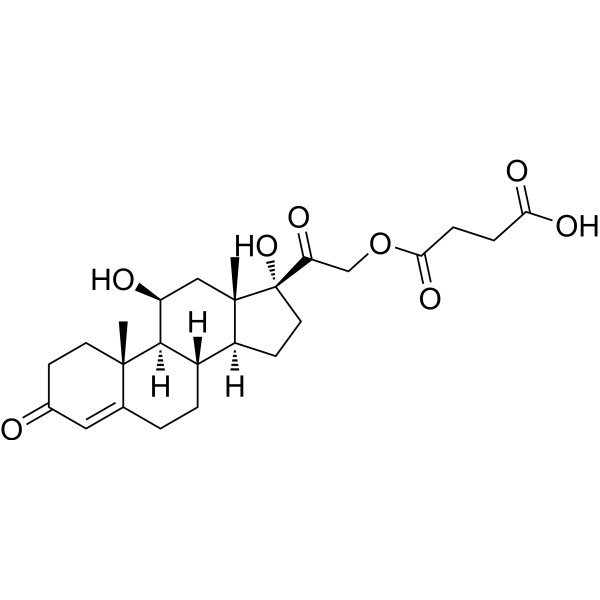
    Hydrocortisone hemisuccinate
    1 Publications Verification

    Hydrocortisone 21-hemisuccinate

    Interleukin Related Cardiovascular Disease Metabolic Disease Inflammation/Immunology Endocrinology
    Hydrocortisone hemisuccinate (Hydrocortisone 21-hemisuccinate), a glucocorticoid, is an orally active steroidal anti-inflammatory agent (SAID) with anti-inflammatory and immunomodulatory activities. Hydrocortisone hemisuccinate inhibits the bioactivity of IL-6 and IL-3 with IC50 values of 6.7 and 21.4 μM, respectively. Hydrocortisone hemisuccinate can be used in the study of ulcerative colitis (UC) and recurrent oral ulcers .
    Hydrocortisone hemisuccinate
  • HY-N0410
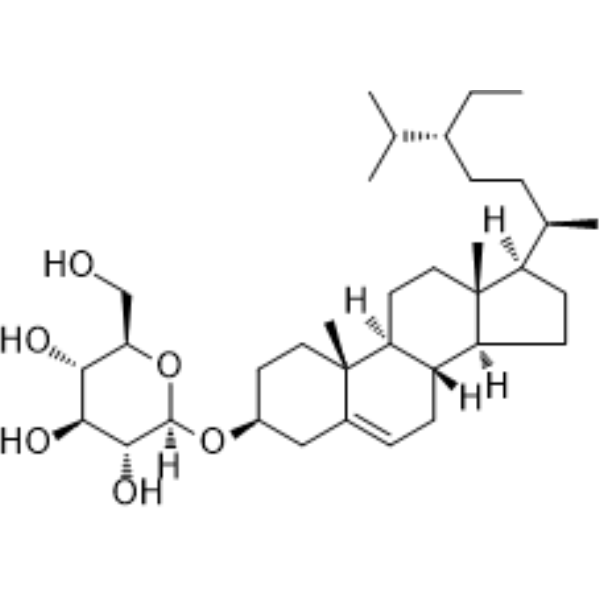
    Daucosterol
    5 Publications Verification

    Eleutheroside A; β-Sitosterol β-D-glucoside

    Apoptosis Reactive Oxygen Species (ROS) Autophagy Inflammation/Immunology Cancer
    Daucosterol is an orally active natural sterol compound, which has anti-inflammatory, anticancer and immunomodulatory activities. Daucosterol inhibits cancer cell proliferation by inducing autophagy through ROS-dependent manner. Daucosterol also inhibits colon cancer growth by inducing apoptosis, inhibiting cell migration and invasion and targeting caspase signalling pathway .
    Daucosterol
  • HY-P3161

    HSV Infection Inflammation/Immunology Cancer
    Lactoferrin from Bovine milk is a substance released by neutrophils. Lactoferrin from Bovine milk is an orally active multifunctional iron binding glycoprotein. Lactoferrin from Bovine milk prevents cell adhesion, growth and spreading of cell colonies. Lactoferrin from Bovine milk also has antiviral activity and inhibits microbial and viral adhesion and entry into host cells. Besides, Lactoferrin from Bovine milk has anti-inflammatory, immunomodulatory, and anti-cancer activities .
    Lactoferrin from Bovine milk
  • HY-N0017
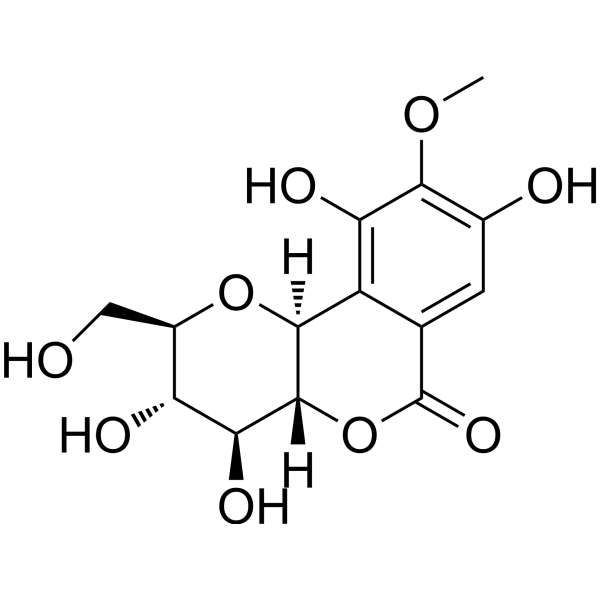
    Bergenin
    Maximum Cited Publications
    6 Publications Verification

    Cuscutin

    NF-κB Autophagy Apoptosis Bacterial Fungal Virus Protease Infection Inflammation/Immunology Cancer
    Bergenin is a cytoprotective and antioxidative polyphenol found in many medicinal plants. Bergenin has a wide spectrum activities such as hepatoprotective, antiinflammatory, immunomodulatory, antitumor, antiviral, and antifungal properties .
    Bergenin
  • HY-N0535
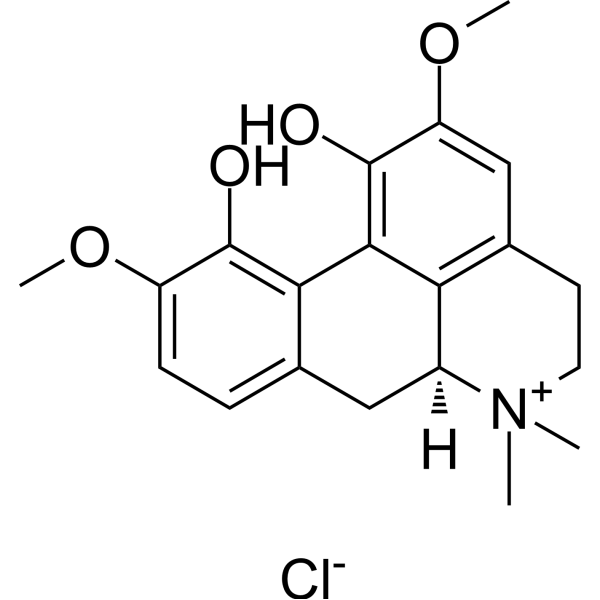
    (+)-Magnoflorine chloride
    1 Publications Verification

    Magnoflorine chloride; α-Magnoflorine chloride; Thalictrine chloride

    Fungal Autophagy Apoptosis PINK1/Parkin NOD-like Receptor (NLR) Caspase JNK NF-κB Sirtuin AMPK Reactive Oxygen Species (ROS) Infection Metabolic Disease
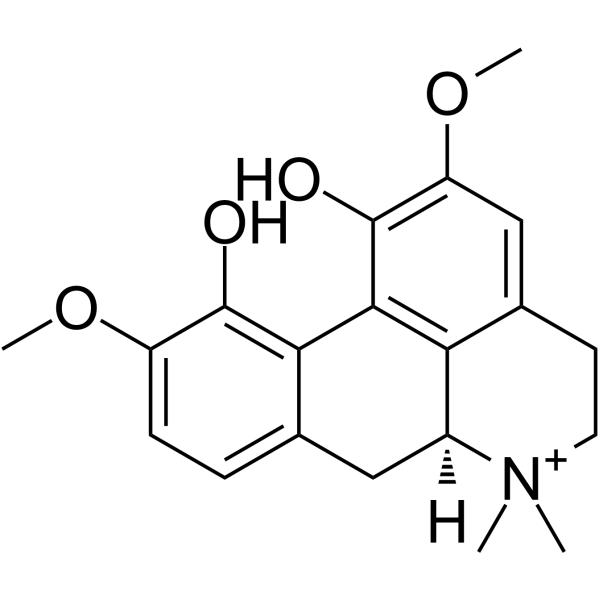
    (+)-Magnoflorine (α-Magnoflorine) chloride is an orally active aporphine alkaloid with multiple biological activities. (+)-Magnoflorine chloride promotes Parkin/PINK1-mediated mitochondrial autophagy, inhibits the activation of NLRP3/Caspase-1 pathway, regulates the intestinal microbiota, and exhibits significant anti-inflammatory and immunomodulatory activities. (+)-Magnoflorine chloride inhibits JNK and TLR4/NF-κB signaling pathways, activates Sirt1/AMPK pathway, alleviates neuronal oxidative stress and apoptosis. Magnoflorine chloride upregulates miR-410-3p, inhibits HMGB1/NF-κB pathway, and has anti-tumor activity. (+)-Magnoflorine chloride also has significant antifungal activity .
    (+)-Magnoflorine chloride
  • HY-B0766

    SY801

    Autophagy Apoptosis HBV HCV HSP Reactive Oxygen Species (ROS) Bcl-2 Family Glutathione S-transferase p38 MAPK NF-κB Microtubule/Tubulin ERK JNK TNF Receptor Interleukin Related CDK Cyclin G-associated Kinase (GAK) mTOR P-glycoprotein Ferroptosis Infection Inflammation/Immunology Cancer
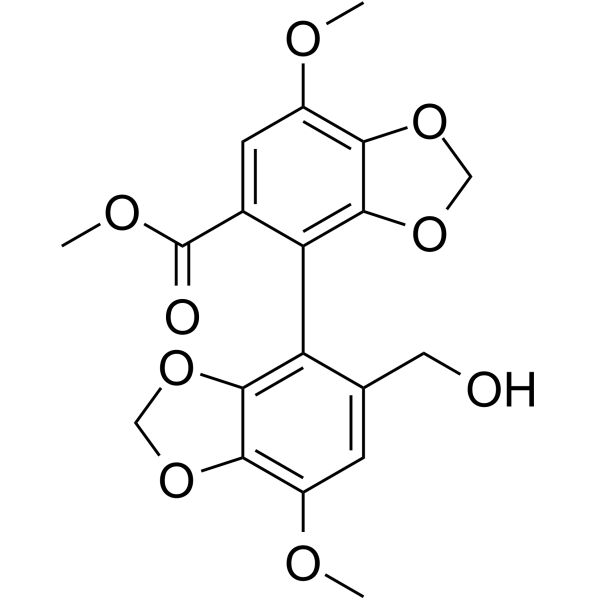
    Bicyclol (SY801) is an orally active derivative of the traditional Chinese medicine Schisandra chinensis, which has antiviral, anti-inflammatory, immunomodulatory, antioxidant, anti-steatosis, anti-fibrotic and anti-tumor activities. Bicyclol regulates the expression of heat shock proteins and plays an anti-apoptosis role in hepatocytes. Bicyclol reduces the activation of NF-κB and the levels of inflammatory factors in hepatocytes infected with hepatitis C virus (HCV) by inhibiting the activation of the ROS-MAPK-NF-κB pathway, and prevents ferroptosis in acute liver injury. Bicyclol can change the expression of Mdr-1, GSH/GST and Bcl-2, increase the intracellular concentration of anticancer drugs, and sensitize drug-resistant cells to anticancer drugs. Bicyclol inhibits the proliferation of human malignant hepatoma cells by regulating the PI3K/AKT pathway and the Ras/Raf/MEK/ERK pathway. Bicyclol can be used in the study of chronic hepatitis, acute liver injury, nonalcoholic fatty liver disease, liver fibrosis and hepatocellular carcinoma .
    Bicyclol
  • HY-108831A
    Natalizumab (Anti-CD49d)
    3 Publications Verification

    AN100226; BG00002

    Integrin Inflammation/Immunology Cancer
    Natalizumab (Anti-CD49d) (AN100226; BG00002) Solution is a humanized monoclonal IgG4 antibody inhibitor that selectively targets α4 integrin (CD49d), blocking the interaction of integrins such as α4β1 (VLA-4) with vascular cell adhesion molecule VCAM-1, intercellular adhesion molecule ICAM-1, and fibronectin by competitively binding to the α4 subunit. Natalizumab solution inhibits the adhesion, retention, and transendothelial migration of immune cells (such as CD4 + T cells), reducing the infiltration of inflammatory cells into the central nervous system or lesion sites, thereby exerting anti-inflammatory and immunomodulatory activity. Natalizumab (Anti-CD49d) solution is used in the study of relapsing-remitting multiple sclerosis (RRMS) and is also applied in the research of autoimmune or inflammation-related diseases such as Crohn's disease, B-cell lymphoma, and non-infectious uveitis. Natalizumab (Anti-CD49d) can also prevent lymphocytes from entering the central nervous system, thus preventing acute demyelinating relapses .
    Natalizumab (Anti-CD49d)
  • HY-N7088
    Raffinose
    1 Publications Verification

    Melitose

    NF-κB Autophagy Keap1-Nrf2 Toll-like Receptor (TLR) MyD88 Metabolic Disease Inflammation/Immunology
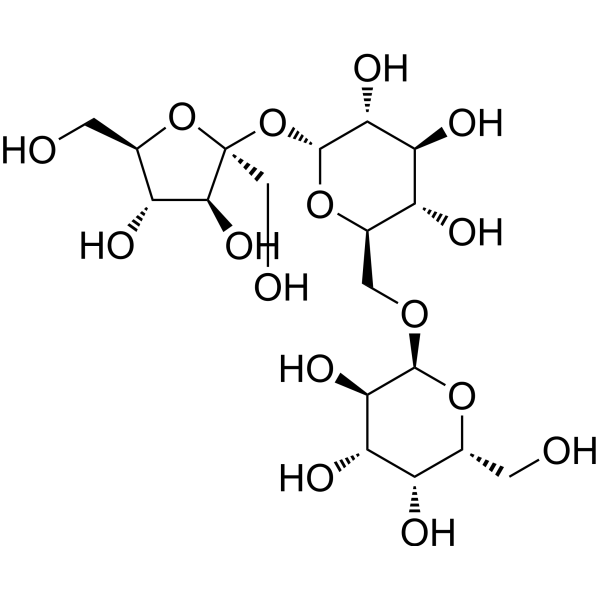
    Raffinose (Melitose) regulates intestinal flora, inhibits TLR4-MyD88-NF-κB signaling pathway, and activates Nrf2 signaling pathway. Raffinose exhibits anti-inflammatory, antioxidant, and immunomodulatory activities. Raffinose is orally active .
    Raffinose
  • HY-N0591
    Dehydrocostus Lactone
    2 Publications Verification

    (-)-Dehydrocostus lactone; Epiligulyl oxide

    Bacterial Apoptosis p38 MAPK NF-κB MAPKAPK2 (MK2) Akt NO Synthase Interleukin Related Caspase Infection Inflammation/Immunology Cancer
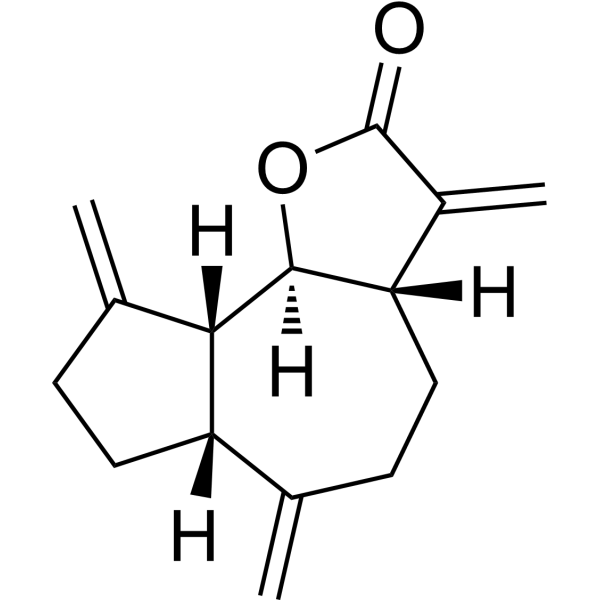
    Dehydrocostus Lactone ((-)-Dehydrocostus lactone) is a natural sesquiterpene that can be isolated from Saussurea lappa. Dehydrocostus Lactone has multiple activities such as anti-inflammatory, antibacterial, anti-tumor, and immunomodulatory effects. Dehydrocostus Lactone has an MIC of 2 µg/mL against Mycobacterium tuberculosis. Dehydrocostus Lactone can also inhibit the killing activity of cytotoxic T lymphocytes and induce apoptosis in tumor cells .
    Dehydrocostus Lactone
  • HY-B0905
    Tilmicosin
    5 Publications Verification

    LY-177370; EL-870

    Bacterial Antibiotic Apoptosis Calcium Channel Infection Inflammation/Immunology
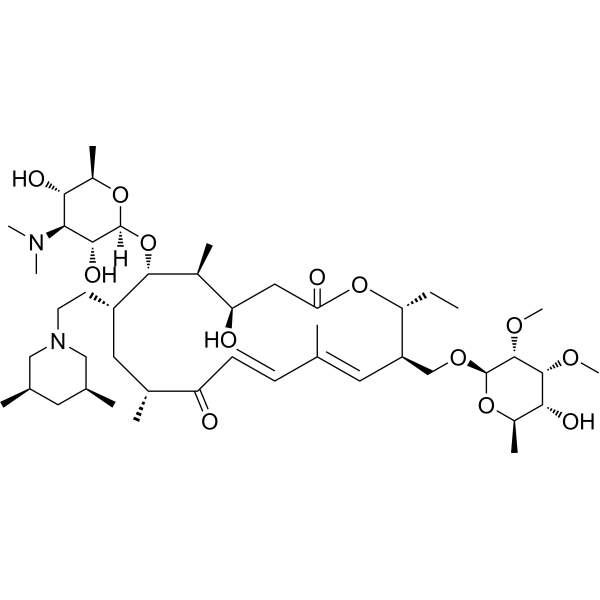
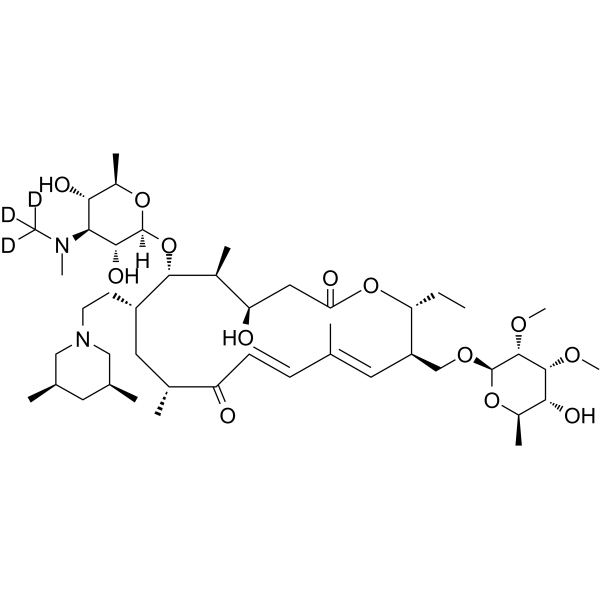
    Tilmicosin (LY-177370) is an orally active calcium channel antagonist and macrolide antibiotic with antimicrobial activity. Tilmicosin mainly acts on the 50S subunit of bacterial ribosomes, inhibiting protein synthesis. Tilmicosin is effective in the treatment of respiratory diseases in livestock such as cattle, sheep and pigs. In addition, Tilmicosin has immunomodulatory and anti-inflammatory effects .
    Tilmicosin
  • HY-P3206

    Thymulin; Thymic factor

    ERK Neurological Disease Inflammation/Immunology Endocrinology
    Serum thymic factor (Thymulin) is a zinc-dependent immunomodulatory peptide hormone, which can be produced by the thymic epithelial cells. Serum thymic factor stimulates the release of hormones from the pituitary gland, exhibits hypophysiotropic activity. Serum thymic factor protects rats from Cephaloridine (HY-B2072)-induced nephrotoxicity by inhibiting ERK activation. Serum thymic factor exhibits anti-diabetic, anti-inflammatory and analgesic effects. Serum thymic factor can be used in research about endocrine, reproductive, neurodegenerative and inflammatory diseases .
    Serum thymic factor
  • HY-N5060

    4-Allylanisole

    Environmental Pollutants Parasite Apoptosis Keap1-Nrf2 NF-κB Infection Neurological Disease Inflammation/Immunology
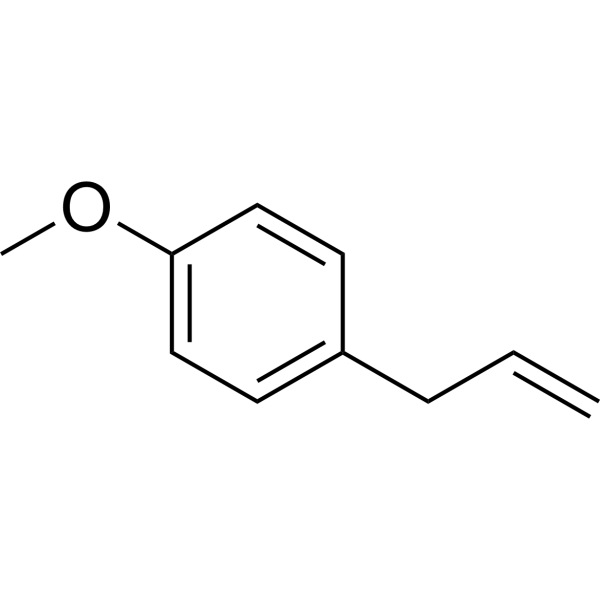
    Estragole (4-Allylanisole) is a relatively nontoxic volatile terpenoid ether and major component of the essential oil from many plants. Estragole significantly triggers Apoptosis, suppresses LPS-induced intracellular ROS production. Estragole activats Nrf-2 and regulates NF-κB. Estragole has anti-toxoplasma, anti-inflammatory, anti-edema, antioxidant and immunomodulatory properties. Estragole blocks DRG neuron excitability. Estragole has improves gastric ulcer activity .
    Estragole
  • HY-N0334

    Magnoflorine; α-Magnoflorine; Thalictrine

    Fungal Autophagy Apoptosis PINK1/Parkin NOD-like Receptor (NLR) Caspase JNK NF-κB Sirtuin AMPK Reactive Oxygen Species (ROS) Cardiovascular Disease Infection Neurological Disease Metabolic Disease Inflammation/Immunology Cancer
    (+)-Magnoflorine (α-Magnoflorine) is an orally active aporphine alkaloid with multiple biological activities. (+)-Magnoflorine promotes Parkin/PINK1 -mediated mitochondrial autophagy, inhibits the activation of NLRP3/Caspase-1 pathway, regulates the intestinal microbiota, and exhibits significant anti-inflammatory and immunomodulatory activities. (+)-Magnoflorine inhibits JNK and TLR4/NF-κB signaling pathways, activates Sirt1/AMPK pathway, alleviates neuronal oxidative stress and apoptosis. Magnoflorine upregulates miR-410-3p, inhibits HMGB1/NF-κB pathway, and has anti-tumor activity. (+)-Magnoflorine also has significant antifungal activity .
    (+)-Magnoflorine
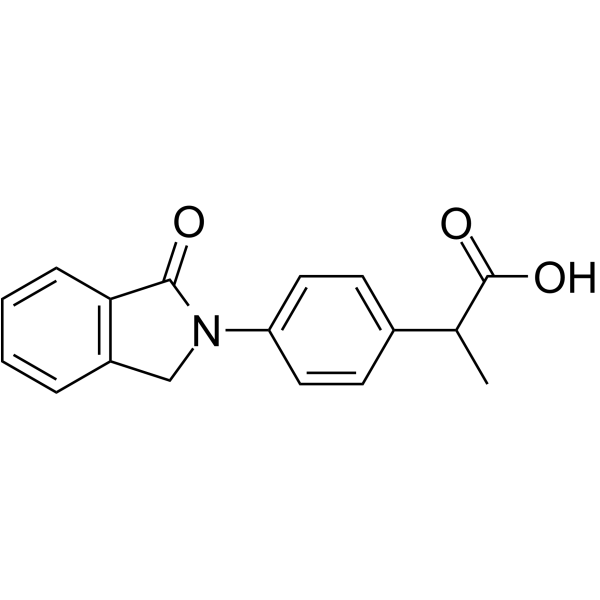
  • HY-B1104

    (±)-Indoprofe

    Akt AMPK NF-κB p38 MAPK Inflammation/Immunology
    Indoprofen ((±)-Indoprofe) activates AKT-AMPK signaling pathway, inhibits NF-κB/MAPK signaling pathway. Indoprofen exhibits anti-inflammatory and immunomodulatory activities. Indoprofen is orally active .
    Indoprofen
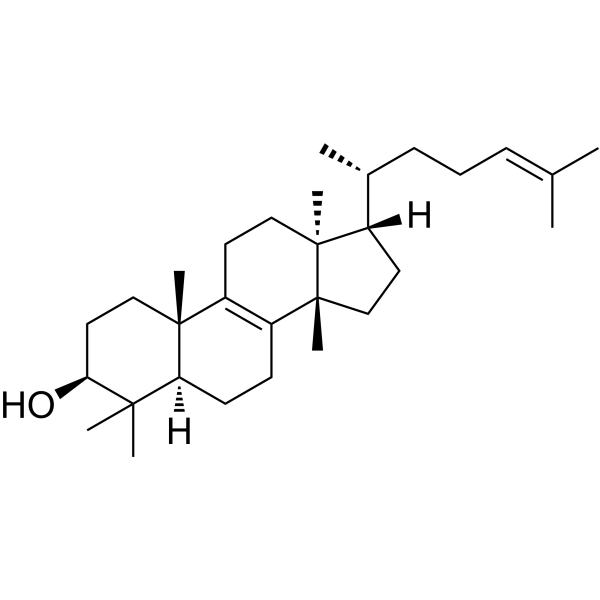
  • HY-N0313

    MAGL Endogenous Metabolite Inflammation/Immunology
    Euphol is a tetracyclic triterpene alcohol isolated from the sap of Euphorbia tirucalli with anti-mutagenic, anti-inflammatory and immunomodulatory effects, orally active. Euphol inhibits the monoacylglycerol lipase (MGL) activity via a reversible mechanism (IC50=315 nM). MGL inhibition in the periphery modulates the endocannabinoid system to block the development of inflammatory pain .
    Euphol
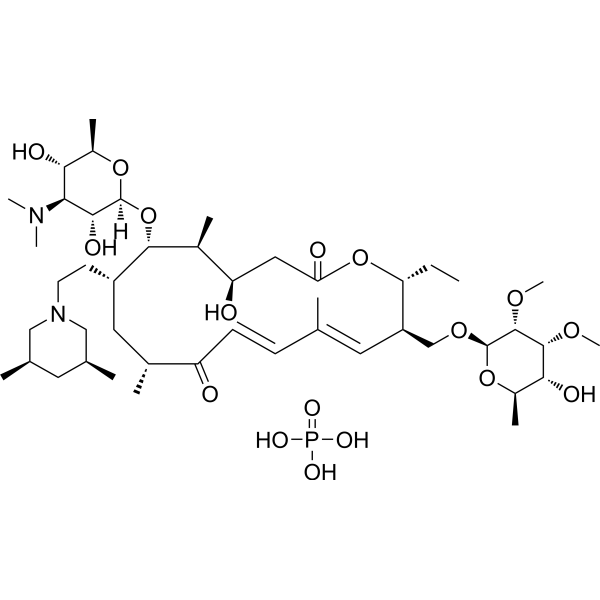
  • HY-B0905A
    Tilmicosin phosphate
    5 Publications Verification

    LY-177370 phosphate; EL-870 phosphate

    Bacterial Antibiotic Apoptosis NO Synthase COX Infection Inflammation/Immunology
    Tilmicosin (LY-177370) phosphate is an orally active calcium channel antagonist and macrolide antibiotic with antimicrobial activity. Tilmicosin phosphate mainly acts on the 50S subunit of bacterial ribosomes, inhibiting protein synthesis. Tilmicosin phosphate is effective in the treatment of respiratory diseases in livestock such as cattle, sheep and pigs. In addition, Tilmicosin phosphate has immunomodulatory and anti-inflammatory effects .
    Tilmicosin phosphate
  • HY-P10368

    Dynamin Reactive Oxygen Species (ROS) Infection Cardiovascular Disease Neurological Disease Inflammation/Immunology
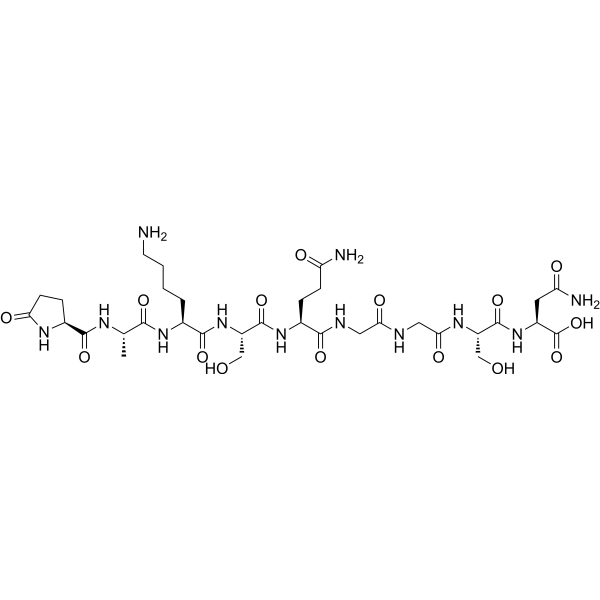
    P110 heptapeptide is a peptide inhibitor of the Drp1-Fis1 interaction. P110 heptapeptide has anti-inflammatory, immunomodulatory, mitochondrial protective, and neuroprotective activities. Without blocking the physiological functions of Drp1, P110 heptapeptide reduces pathological functions in many models of neurodegeneration, ischemia, and sepsis. P110 heptapeptide can be used for research on neurological and inflammatory diseases .
    P110 heptapeptide
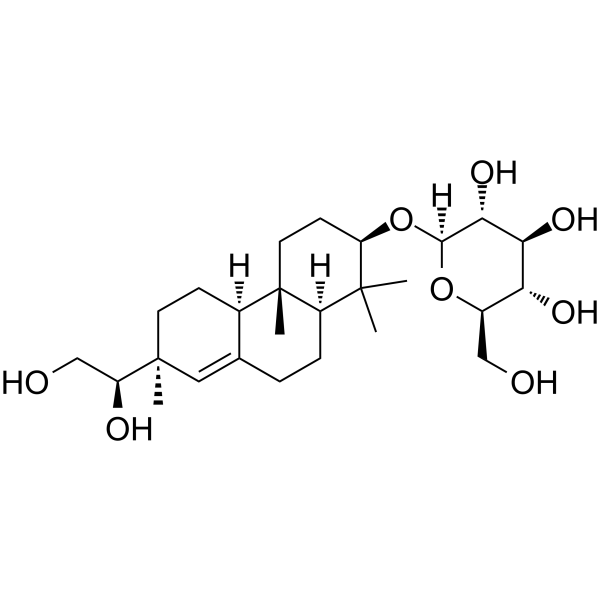
  • HY-N6028
    Darutoside
    1 Publications Verification

    COX NF-κB Interleukin Related TNF Receptor Inflammation/Immunology
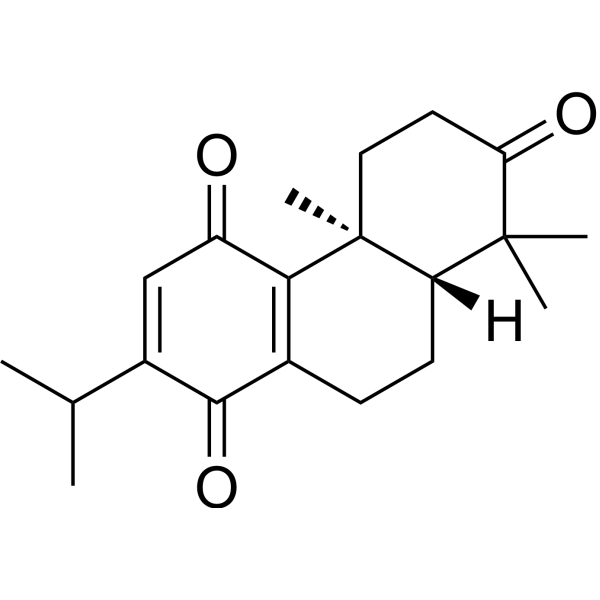
    Darutoside is an orally effective diterpene compound with significant anti-inflammatory, analgesic, wound healing promotion, and immunomodulatory activities. Darutoside reduces edema and pain responses by inhibiting the expression of COX-2 and the migration of inflammatory cells. It regulates macrophage polarization towards the M2 type by inhibiting the NF-κB pathway, alleviating inflammation and promoting wound healing. Through multi-target regulation of metabolic networks, Darutoside significantly alleviates acute gouty arthritis .
    Darutoside
  • HY-N0120

    (E/Z)-Piceid

    Drug Isomer Cardiovascular Disease Metabolic Disease Inflammation/Immunology Cancer
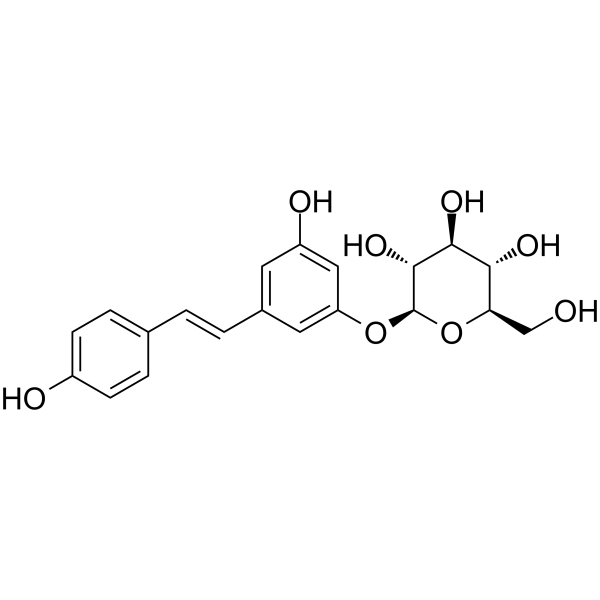
    (E/Z)-Polydatin ((E/Z)-Piceid) is a mixture of the E/Z configurations of Polydatin (HY-N0120A). Polydatin can be isolated from Polygonum cuspidatum, grapes, peanuts, red wine, hop pellets, cocoa-containing products and chocolate products. Polydatin exhibits multiple biological properties, such as anti-platelet aggregation, anti-low-density lipoprotein oxidation, cardioprotective activity, anti-inflammatory and immunomodulatory functions. Polydatin shows favorable cytotoxic effects against various tumor cell lines, including cervical cancer cells, liver cancer cells, and nasopharyngeal carcinoma cells .
    (E/Z)-Polydatin
  • HY-N0334A
    (+)-Magnoflorine iodide
    1 Publications Verification

    Magnoflorine iodide; α-Magnoflorine iodide; Thalictrine iodide

    Fungal Autophagy Apoptosis PINK1/Parkin NOD-like Receptor (NLR) Caspase JNK NF-κB Sirtuin AMPK Reactive Oxygen Species (ROS) Cardiovascular Disease Infection Neurological Disease Metabolic Disease Inflammation/Immunology Cancer
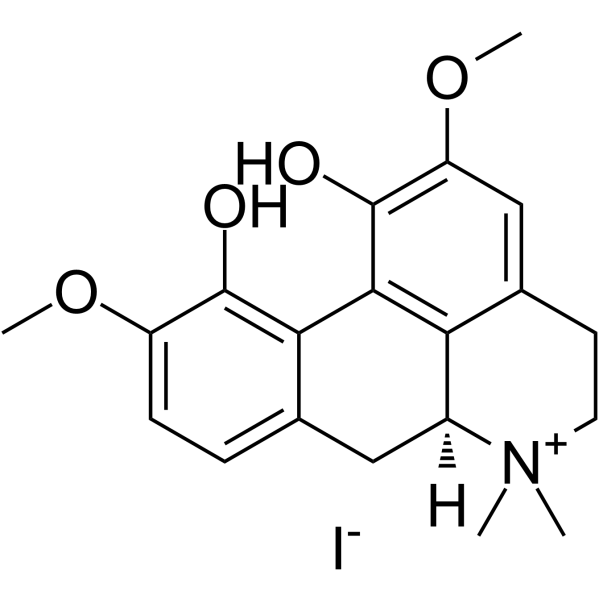
    (+)-Magnoflorine (α-Magnoflorine) iodide is an orally active aporphine alkaloid with multiple biological activities. (+)-Magnoflorine iodide promotes Parkin/PINK1 -mediated mitochondrial autophagy, inhibits the activation of NLRP3/Caspase-1 pathway, regulates the intestinal microbiota, and exhibits significant anti-inflammatory and immunomodulatory activities. (+)-Magnoflorine iodide inhibits JNK and TLR4/NF-κB signaling pathways, activates Sirt1/AMPK pathway, alleviates neuronal oxidative stress and apoptosis. Magnoflorine upregulates miR-410-3p, inhibits HMGB1/NF-κB pathway, and has anti-tumor activity. (+)-Magnoflorine iodide also has significant antifungal activity .
    (+)-Magnoflorine iodide
  • HY-157442

    Salt-inducible Kinase (SIK) Discoidin Domain Receptor RIP kinase LIM Kinase (LIMK) MAP3K Bcr-Abl Src TGF-β Receptor Inflammation/Immunology
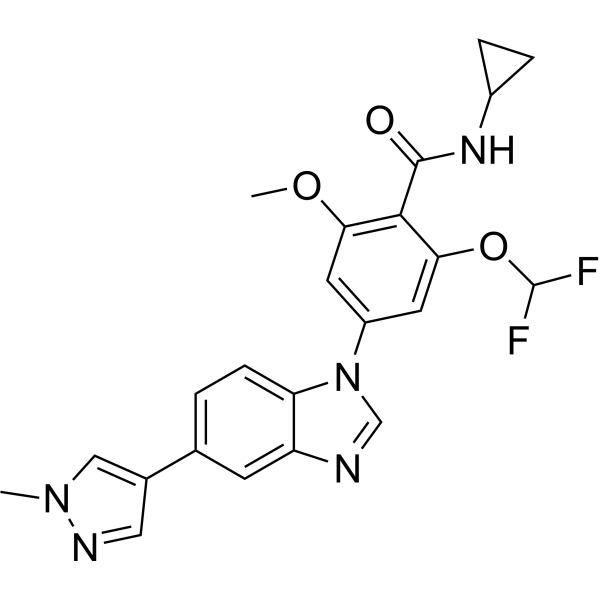
    GLPG3312 (Compound 28) is an orally active SIK inhibitor with IC50 values of 2.0 nM, 0.7 nM and 0.6 nM for SIK1, SIK2 and SIK3, respectively. GLPG3312 exhibits anti-inflammatory and immunomodulatory activity in vitro on human primary myeloid cells and in vivo in mouse models. GLPG3312 has good oral bioavailability and can be used for research on inflammatory and immune diseases .
    GLPG3312
  • HY-156649

    CR6086

    Prostaglandin Receptor Interleukin Related MMP PD-1/PD-L1 Cardiovascular Disease Inflammation/Immunology Cancer
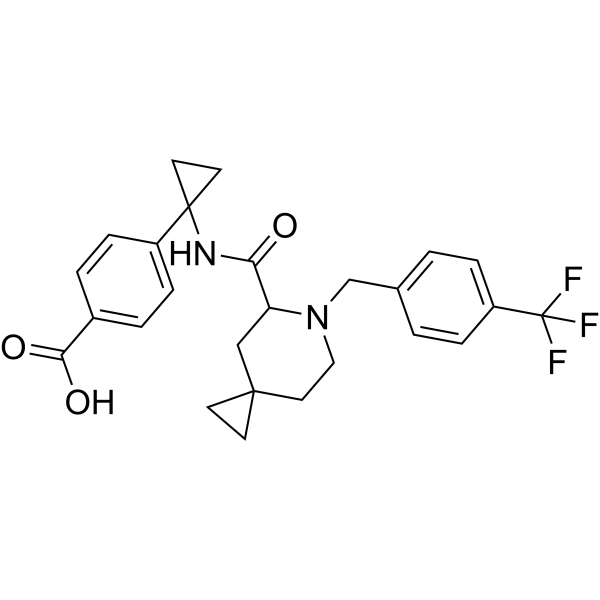
    Vorbipiprant (CR6086) is an orally active EP4 receptor antagonist with high selectivity for the human EP4 receptor (Ki: 16.6 nM). Vorbipiprant has immunomodulatory, anti-inflammatory, antitumor, and anti-angiogenic activities. Vorbipiprant can inhibit the expression of multiple pro-inflammatory cytokines and the activation of immune cells, and convert "cold" tumors unresponsive to immune checkpoint inhibitors into "hot" tumors. Vorbipiprant is used in the research of diseases such as rheumatoid arthritis and colon cancer .
    Vorbipiprant
  • HY-105028

    CP-66248

    COX Lipoxygenase Potassium Channel MMP Inflammation/Immunology
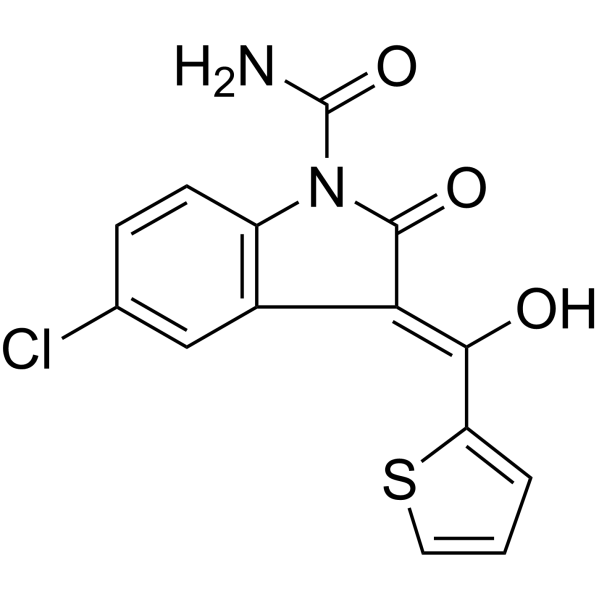
    Tenidap (CP-66248) is an orally active dual inhibitor of 5-LOX and COX with anti-inflammatory and immunomodulatory properties. Tenidap downregulates the expression of IL-1 receptors in chondrocytes, reduces the release of pro-inflammatory cytokines such as IL-1, IL-6 and TNF-α, and inhibits MMP production and cartilage degradation. Tenidap also blocks bone resorption and leukocyte adhesion to vascular endothelium, interferes with ion and pH changes associated with mouse sperm capacitation, and selectively enhances the activity of hKir2.3 channels (EC50=1.3 μM). Tenidap is applicable to research related to rheumatoid arthritis .
    Tenidap
  • HY-108831
    Natalizumab
    3 Publications Verification

    Integrin Inflammation/Immunology Cancer
    Natalizumab (AN100226; BG00002) is a humanized monoclonal IgG4 antibody inhibitor that selectively targets α4 integrin (CD49d). It blocks the interaction of integrins such as α4β1 (VLA-4) with vascular cell adhesion molecule VCAM-1, intercellular adhesion molecule ICAM-1, and fibronectin by competitively binding to the α4 subunit. Natalizumab inhibits the adhesion, retention, and transendothelial migration of immune cells (such as CD4 + T cells), reducing the infiltration of inflammatory cells into the central nervous system or lesion sites, thus exerting anti-inflammatory and immunomodulatory activity. Natalizumab is used in the study of relapsing-remitting multiple sclerosis (RRMS) and also has applications in the study of autoimmune or inflammation-related diseases such as Crohn's disease, B-cell lymphoma, and non-infectious uveitis. Natalizumab can also prevent lymphocytes from entering the central nervous system, thereby preventing acute demyelinating relapses .
    Natalizumab
  • HY-N7696

    Apoptosis Inflammation/Immunology
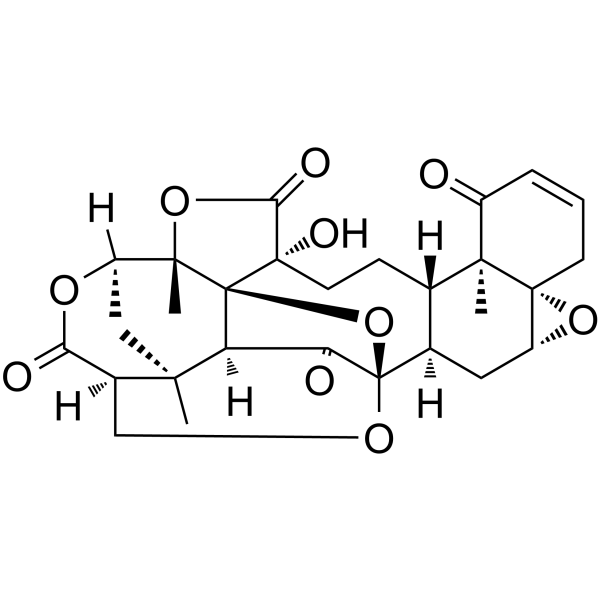
    Physalin F is a secosteroid with potent anti-inflammatory and immunomodulatory activities. Physalin F induces apoptosis of PBMC, decreasing the spontaneous proliferation and cytokine production caused by Human T-lymphotropic virus type 1 (HTLV-1) infection .
    Physalin F
  • HY-W010649

    HSP Epigenetic Reader Domain ATP-binding cassette (ABC) transporters Bacterial Fungal Antibiotic Infection Metabolic Disease Inflammation/Immunology Cancer
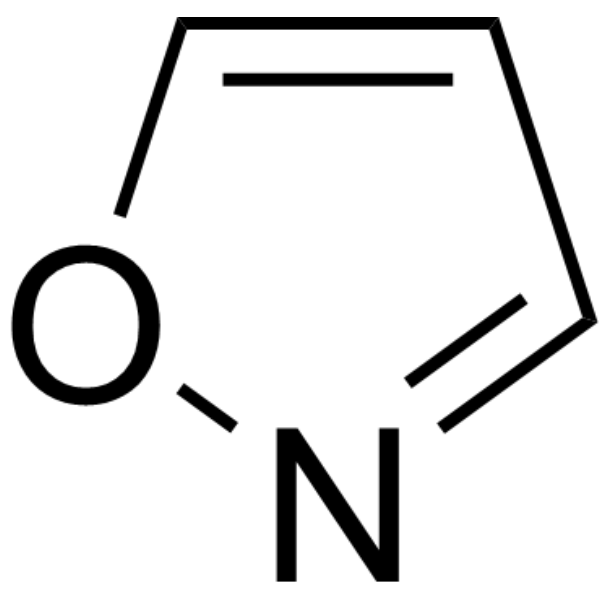
    Isoxazole is a member of the five-membered heterocycle drug scaffold. Isoxazole has been used as a BET bromodomain inhibitor and can improve β-cell function in a diabetic mouse model. Isoxazole and its derivatives exhibit broad biological activities (such as antimicrobial, antibacterial, antifungal, antiviral, anticancer, anti-inflammatory, immunomodulatory, analgesic, anti-tuberculosis, and anti-diabetic effects). For example, the bicyclic Isoxazole can act as an HSP90 inhibitor, and the tricyclic Isoxazole is promising as a selective multidrug resistance protein (MRP1) inhibitor​ .
    Isoxazole
  • HY-P10056

    Human ezrin peptide (324-337)

    HIV HCV HPV Influenza Virus Interleukin Related Infection Inflammation/Immunology
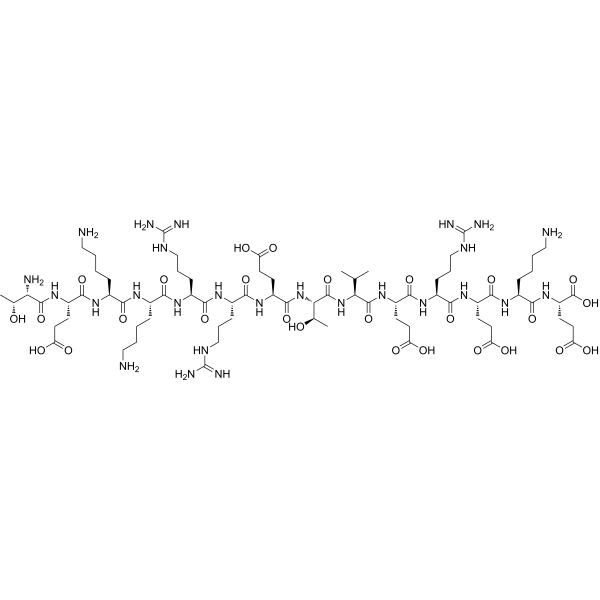
    HEP-1 (Human ezrin peptide (324 - 337)) is an orally active peptide with antiviral, anti-inflammatory, and immunomodulatory activities. HEP-1 is effective against infections by various viruses such as HIV, HCV, herpes viruses, HPV, and influenza viruses. As an immunomodulator, HEP-1 can enhance the adaptive immunity mediated by B cells and T cells. HEP-1 can also increase the antibody titers after hepatitis B vaccination. HEP-1 can be used in the research of viral infections and inflammation-related diseases .
    HEP-1
  • HY-W031757

    Influenza Virus Bacterial Dipeptidyl Peptidase COX NF-κB AP-1 RIG-I-like receptor (RLR) STAT Infection Neurological Disease Inflammation/Immunology
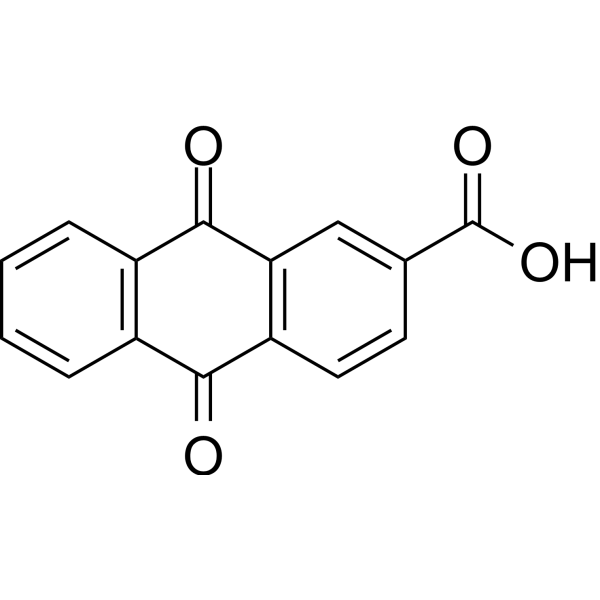
    Anthraquinone-2-carboxylic acid is an orally active anthraquinone compound and Antibacterial agent. Anthraquinone-2-carboxylic acid can be isolated from Bajitian. Anthraquinone-2-carboxylic acid inhibits the activation of DPP-IV, COX-2, NF-κB and AP-1. Anthraquinone-2-carboxylic acid blocks IAV-induced activation of the RIG-I/STAT1 pathway, alleviates IAV-mediated weight loss, and protects against lethal IAV infection. Anthraquinone-2-carboxylic acid inhibits the growth of various Staphylococcus strains. It possesses potent anti-inflammatory, immunomodulatory, analgesic and antibacterial activities .\n


    Anthraquinone-2-carboxylic acid
  • HY-151232

    (E/Z)-PRN1008

    Btk Inflammation/Immunology
    (E/Z)-Rilzabrutinib ((E/Z)-PRN1008) is a cis-trans isomer of Rilzabrutinib (HY-112166). Rilzabrutinib is a BTK inhibitor .
    (E/Z)-Rilzabrutinib
  • HY-P990782

    Aminoacyl-tRNA Synthetase Inflammation/Immunology
    Efzofitimod is a splice variant of the aminoacyl-tRNA synthetase HARS1, which is fused with the Fc segment of a human antibody. Efzofitimod targets the neuronal phospholipid NRP2 (neuropilin-2) and has anti-inflammatory and immunomodulatory activities. Efzofitimod can downregulate the innate and adaptive immune responses in inflammatory disease states, suppressing indirect lung disease (ILD) .
    Efzofitimod
  • HY-101318
    β-Funaltrexamine hydrochloride
    2 Publications Verification

    β-FNA hydrochloride

    Opioid Receptor p38 MAPK STAT NF-κB NO Synthase Toll-like Receptor (TLR) Cardiovascular Disease Neurological Disease
    β-Funaltrexamine (β-FNA) hydrochloride is a blood-brain barrier-permeable, selective and irreversible μ-opioid receptor antagonist with immunomodulatory, anti-inflammatory and neuroprotective activities. β-Funaltrexamine hydrochloride inhibits p38 MAPK and TLR4 signaling by blocking μ-opioid receptors, and reduces the transcriptional activities of NF-κB, AP-1, CREB and Stat. Furthermore, β-Funaltrexamine hydrochloride inhibits iNOS activation and pro-inflammatory microglial polarization, converting microglia to an anti-inflammatory phenotype, thereby downregulating neuroinflammation and ameliorating neuronal degeneration. β-Funaltrexamine hydrochloride is widely applicable to research related to stroke, cerebral ischemia/reperfusion injury and neurodegenerative diseases .
    β-Funaltrexamine hydrochloride
  • HY-P3206A

    Thymulin acetate; Thymic factor acetate

    ERK Neurological Disease Inflammation/Immunology Endocrinology
    Serum thymic factor acetate (Thymulin acetate) is the acetate salt form of Serum thymic factor (HY-P3206). Serum thymic factor acetate is a zinc-dependent immunomodulatory peptide hormone, which can be produced by the thymic epithelial cells. Serum thymic factor acetate stimulates the release of hormones from the pituitary gland, exhibits hypophysiotropic activity. Serum thymic factor acetate protects rats from Cephaloridine (HY-B2072)-induced nephrotoxicity by inhibiting ERK activation. Serum thymic factor acetate exhibits anti-diabetic, anti-inflammatory and analgesic effects. Serum thymic factor acetate can be used in research about endocrine, reproductive, neurodegenerative and inflammatory diseases .
    Serum thymic factor acetate
  • HY-N5060S

    4-Allylanisole-d4

    Parasite Isotope-Labeled Compounds Neurological Disease
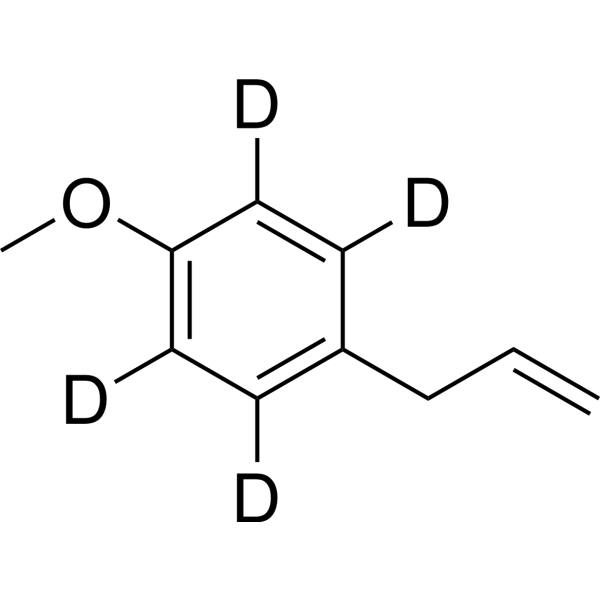
    Estragole-d4 is deuterated labeled Estragole (HY-N5060). Estragole (4-Allylanisole) is a relatively nontoxic volatile terpenoid ether and major component of the essential oil from many plants. Estragole significantly triggers Apoptosis, suppresses LPS-induced intracellular ROS production. Estragole activats Nrf-2 and regulates NF-κB. Estragole has anti-toxoplasma, anti-inflammatory, anti-edema, antioxidant and immunomodulatory properties. Estragole blocks DRG neuron excitability. Estragole has improves gastric ulcer activity [10] .
    Estragole-d4
  • HY-N9337

    NO Synthase Metabolic Disease Inflammation/Immunology Cancer
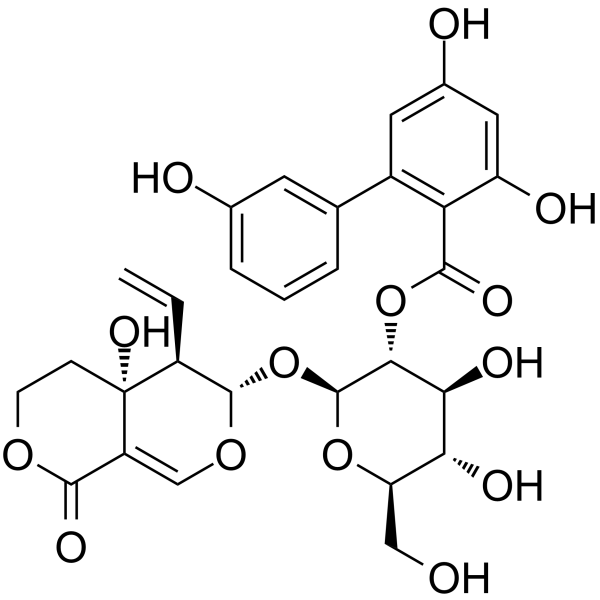
    Amaroswerin is a bioactive secoiridoid glucoside from Swertia mussotii. Amaroswerin has anti-inflammatory, antidiabetic, antiviral, anticholinergic and immunomodulatory activities. Amaroswerin inhibits NO release with an IC50 value of 5.42 μg/mL in RAW264.7 cells .
    Amaroswerin
  • HY-21075

    Endogenous Metabolite Inflammation/Immunology
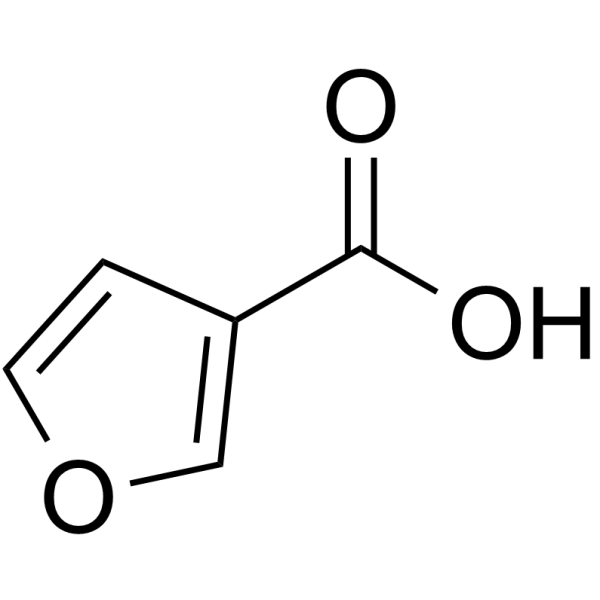
    3-Furanoic acid is an active unit, and its derivatives have a wide range of anti-inflammatory activities. 3-Furanoic acid-related derivatives can target inflammation-related signaling pathways and inhibit the proliferation of synovial fibroblasts to exert immunomodulatory effects .
    3-Furanoic acid
  • HY-N8492

    Bacterial Calcium Channel Infection Inflammation/Immunology Cancer
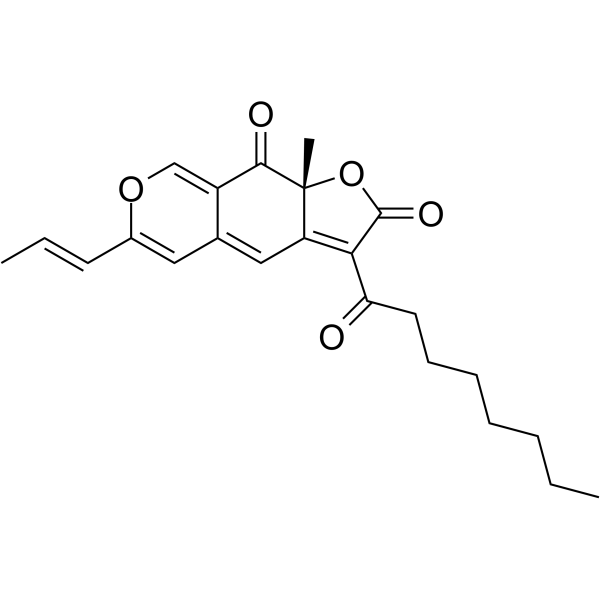
    Monascorubrin is a compound that can be isolated from Monascus mycelia. Monascorubrin has activities such as anti-inflammatory, anti-tumor, antibacterial, and immunomodulatory. Monascorubrin also has certain embryotoxicity, with an ED50 of 4.3 μg for chicken embryos. Monascorubrin can be used for the research of tumors and inflammatory diseases .
    Monascorubrin
  • HY-W717504

    Drug Derivative
    Glucosylceramide, plant is a plant-derived glycolipid with anti-inflammatory and immunomodulatory activities. Glucosylceramide, plant plays an important role in promoting cell proliferation and repair. Glucosylceramide, plant is widely used in skin care products to enhance skin barrier function. Glucosylceramide, plant has also been studied for improving nervous system health, showing potential neuroprotective effects.
    Glucosylceramide, plant
  • HY-138623

    Epigenetic Reader Domain TNF Receptor Interleukin Related Inflammation/Immunology Cancer
    GSK789 is a selective inhibitor of BET BD1. GSK789 inhibits the growth of leukemia cell lines. GSK789 inhibits LPS-stimulated production of MCP-1, TNFα and IL-6 in human whole blood. GSK789 exhibits antiproliferative, anti-inflammatory and immunomodulatory activities. GSK789 can be used in research related to cancers such as leukemia, as well as inflammatory and immune diseases .
    GSK789
  • HY-N7088R

    Melitose (Standard)

    Reference Standards NF-κB Toll-like Receptor (TLR) MyD88 Keap1-Nrf2 Autophagy Metabolic Disease Inflammation/Immunology
    Raffinose (Standard) is the analytical standard of Raffinose. This product is intended for research and analytical applications. Raffinose (Melitose) regulates intestinal flora, inhibits TLR4-MyD88-NF-κB signaling pathway, and activates Nrf2 signaling pathway. Raffinose exhibits anti-inflammatory, antioxidant, and immunomodulatory activities. Raffinose is orally active .
    Raffinose (Standard)
  • HY-P991067

    KP-104

    Complement System Inflammation/Immunology
    Vensobafusp alfa (KP-104) is a fusion protein composed of an IgG4 monoclonal antibody directed against terminal complement protein C5 fused to the complement factor H 1-5 domain (FH1-5). Vensobafusp alfa shows anti-inflammatory and immunomodulatory activities. The isotype control for Vensobafusp alfa can refer to Human IgG4 (S228P) kappa, Isotype Control (HY-P99003) . .
    Vensobafusp alfa
  • HY-N2965

    NO Synthase Neurological Disease Inflammation/Immunology Cancer
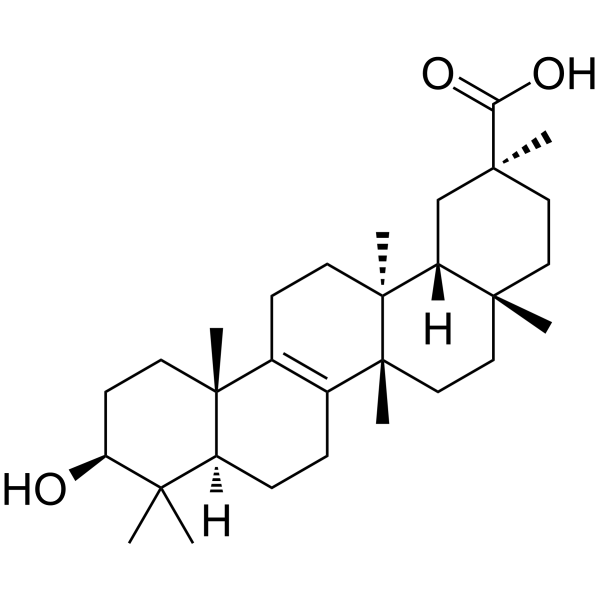
    Bryonolic acid is an active triterpenoid compound with immunomodulatory, anti-inflammatory, antioxidant and anticancer activities .
    Bryonolic acid
  • HY-B1402A
    Hydrocortisone hemisuccinate hydrate
    1 Publications Verification

    Hydrocortisone 21-hemisuccinate hydrate

    Interleukin Related Inflammation/Immunology Endocrinology
    Hydrocortisone hemisuccinate hydrate (Hydrocortisone 21-hemisuccinate hydrate), a glucocorticoid, is an orally active steroidal anti-inflammatory agent (SAID) with anti-inflammatory and immunomodulatory activities. Hydrocortisone hemisuccinate hydrate inhibits the bioactivity of IL-6 and IL-3 with IC50 values of 6.7 and 21.4 μM, respectively. Hydrocortisone hemisuccinate hydrate can be used in the study of ulcerative colitis (UC) and recurrent oral ulcers .
    Hydrocortisone hemisuccinate hydrate
  • HY-B0905R

    LY-177370 (Standard); EL-870 (Standard)

    Reference Standards Bacterial Antibiotic Apoptosis Calcium Channel Infection Inflammation/Immunology
    Tilmicosin (Standard) is the analytical standard of Tilmicosin. This product is intended for research and analytical applications. Tilmicosin (LY-177370) is an orally active calcium channel antagonist and macrolide antibiotic with antimicrobial activity. Tilmicosin mainly acts on the 50S subunit of bacterial ribosomes, inhibiting protein synthesis. Tilmicosin is effective in the treatment of respiratory diseases in livestock such as cattle, sheep and pigs. In addition, Tilmicosin has immunomodulatory and anti-inflammatory effects .
    Tilmicosin (Standard)
  • HY-N0313R

    MAGL Endogenous Metabolite Reference Standards Inflammation/Immunology
    Euphol (Standard) is the analytical standard of Euphol. This product is intended for research and analytical applications. Euphol is a tetracyclic triterpene alcohol isolated from the sap of Euphorbia tirucalli with anti-mutagenic, anti-inflammatory and immunomodulatory effects, orally active. Euphol inhibits the monoacylglycerol lipase (MGL) activity via a reversible mechanism (IC50=315 nM). MGL inhibition in the periphery modulates the endocannabinoid system to block the development of inflammatory pain .
    Euphol (Standard)
  • HY-159159

    NOD-like Receptor (NLR) Inflammation/Immunology
    MS-II-124 is an effective and selective NLRP3 inhibitor (IC50=0.12 μM) with anti-inflammatory and immunomodulatory activities, which can be used in the research of acute lung injury (ALI)/acute respiratory distress syndrome (ARDS) .
    MS-II-124
  • HY-112575

    NO Synthase Infection Cardiovascular Disease Inflammation/Immunology
    Tiazotic acid is a metabolic agent that has immunomodulatory, anti-inflammatory, antioxidant, anti-ischemic, cardio- and endothelioprotective, antiplatelet, hepatoprotective activities. Tiazotic acid increases the levels of eNOS. Tiazotic acid also reduces the level of D-dimer in the blood, which reduces the risks of heart attacks and strokes in post-COVID syndrome .
    Tiazotic acid
  • HY-B1402G

    Hydrocortisone 21-hemisuccinate

    Interleukin Related Metabolic Disease Inflammation/Immunology Endocrinology
    Hydrocortisone hemisuccinate GMP (Hydrocortisone 21-hemisuccinate GMP) is a GMP-grade version of Hydrocortisone hemisuccinate (HY-B1402). GMP-grade small molecules can be used as auxiliary reagents in cell therapy. Hydrocortisone hemisuccinate (Hydrocortisone 21-hemisuccinate), a glucocorticoid, is an orally active steroidal anti-inflammatory agent (SAID) with anti-inflammatory and immunomodulatory activities. Hydrocortisone hemisuccinate inhibits the bioactivity of IL-6 and IL-3 with IC50 values of 6.7 and 21.4 μM, respectively. Hydrocortisone hemisuccinate can be used in the study of ulcerative colitis (UC) and recurrent oral ulcers . .
    Hydrocortisone hemisuccinate
  • HY-B0905S

    LY-177370-d3; EL-870-d3

    Isotope-Labeled Compounds Bacterial Antibiotic Apoptosis NO Synthase COX Infection Inflammation/Immunology
    Tilmicosin-d3 is the deuterium labeled Tilmicosin. Tilmicosin (LY-177370) is an orally active calcium channel antagonist and macrolide antibiotic with antimicrobial activity. Tilmicosin mainly acts on the 50S subunit of bacterial ribosomes, inhibiting protein synthesis. Tilmicosin is effective in the treatment of respiratory diseases in livestock such as cattle, sheep and pigs. In addition, Tilmicosin has immunomodulatory and anti-inflammatory effects .
    Tilmicosin-d3
  • HY-106981

    OR 1384

    NADPH Oxidase Reactive Oxygen Species (ROS) Apoptosis NF-κB NO Synthase STAT Inflammation/Immunology
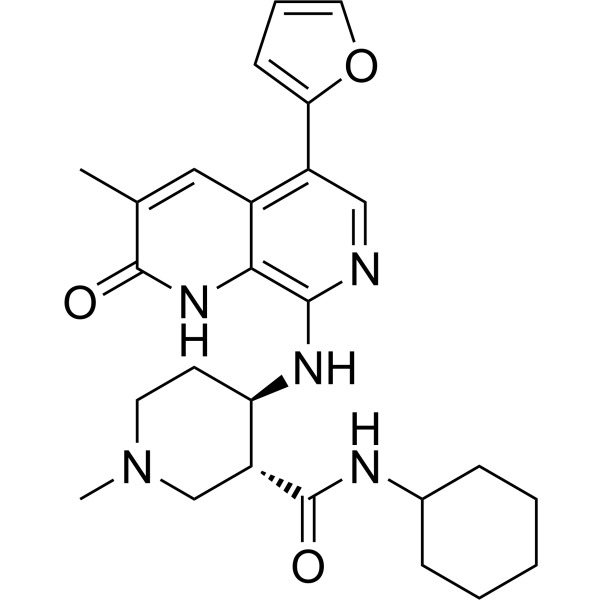
    Orazipone (OR 1384) is a small molecule immunomodulator with strong anti-inflammatory properties. Orazipone exerts its immunomodulatory effect by forming reversible thiol complexes, which bind to intracellular signaling proteins and the thiol groups of glutathione. Orazipone exhibits potent anti-eosinophilic activity by inducing apoptosis. Orazipone inhibits activation of inflammatory transcription factors NF-kB and STAT 1 and decreases inducible iNOS expression and NO production in response to inflammatory stimuli. Orazipone reduces NADPH oxidase activity and thereby decreases ROS production. Orazipone has a protective effect in intestinal radiation injury .
    Orazipone
  • HY-N0017R

    Cuscutin (Standard)

    NF-κB Reference Standards Autophagy Apoptosis Bacterial Fungal Virus Protease Infection Inflammation/Immunology Cancer
    Bergenin (Standard) is the analytical standard of Bergenin. This product is intended for research and analytical applications. Bergenin is a cytoprotective and antioxidative polyphenol found in many medicinal plants. Bergenin has a wide spectrum activities such as hepatoprotective, antiinflammatory, immunomodulatory, antitumor, antiviral, and antifungal properties .
    Bergenin (Standard)

Inquiry Online

Your information is safe with us. * Required Fields.

Salutation


Country or Region *

Applicant Name *


Organization Name *

Department *


Email Address *


Product Name *

Cat. No.


Requested quantity *

Phone Number *


Remarks

Inquiry Online

Inquiry Information

Product Name:
Cat. No.:
Quantity:
MCE Japan Authorized Agent: