
1. Search Result
Search Result
Results for "

bacterial species

" in MedChemExpress (MCE) Product Catalog:

86

Inhibitors & Agonists

1

Screening Libraries

4

Fluorescent Dyes

2

Biochemical Assay Reagents

6

Peptides

25

Natural
Products

8

Isotope-Labeled Compounds

1

Oligonucleotides

Cat. No. Product Name Target Research Areas Chemical Structure
  • HY-17628
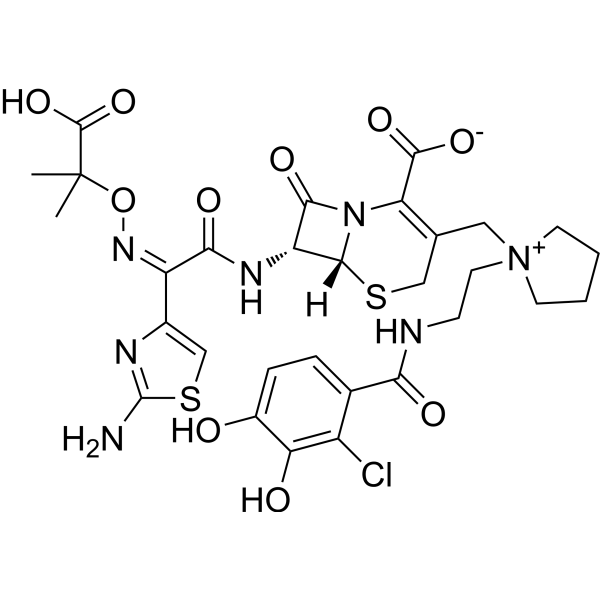
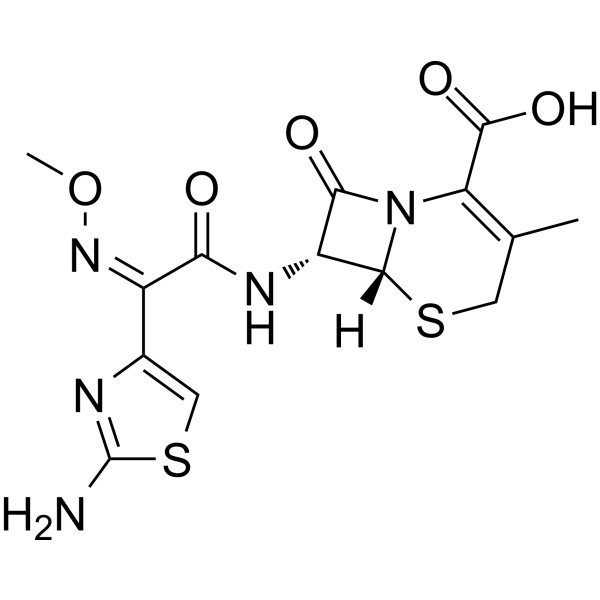
    Cefiderocol
    Maximum Cited Publications
    20 Publications Verification

    S-649266

    Bacterial Antibiotic Infection
    Cefiderocol (S-649266) is a siderophore cephalosporin which has a potent activity against a broad range of aerobic Gram-negative bacterial species with MIC50s of 2 μg/mL or less.
    Cefiderocol
  • HY-131045
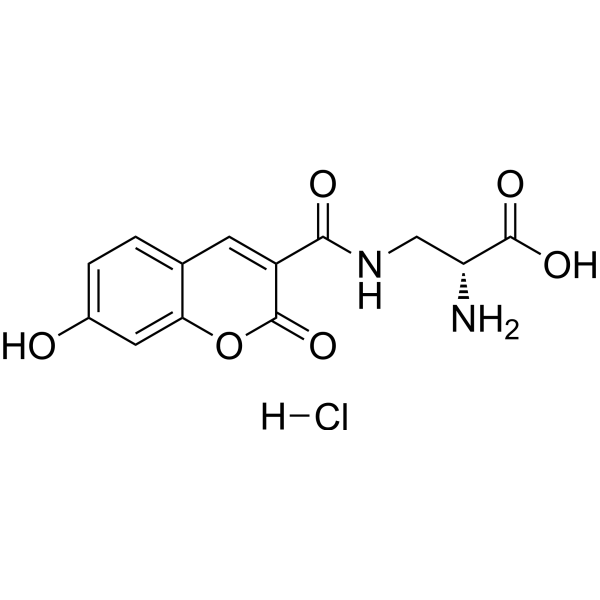
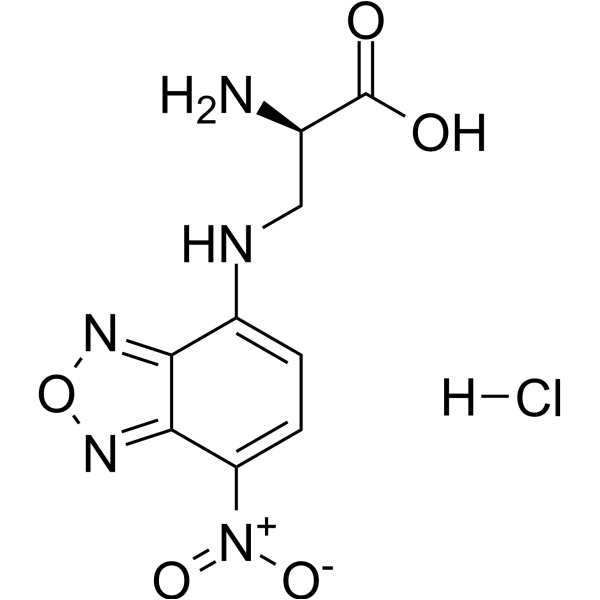
    HADA hydrochloride
    5+ Cited Publications

    HCC-Amino-D-alanine hydrochloride

    Bacterial Infection
    HADA hydrochloride (HCC-Amino-D-alanine hydrochloride) is a blue (λem~450 nm) fluorescent D-amino acid (FDAA). FDAAs are efficiently incorporated into the peptidoglycans (PGs) of diverse bacterial species at the sites of PG biosynthesis, allowing specific and covalent probing of bacterial growth with minimal perturbation .
    HADA hydrochloride
  • HY-147059

    Bacterial Infection Neurological Disease Metabolic Disease Cancer
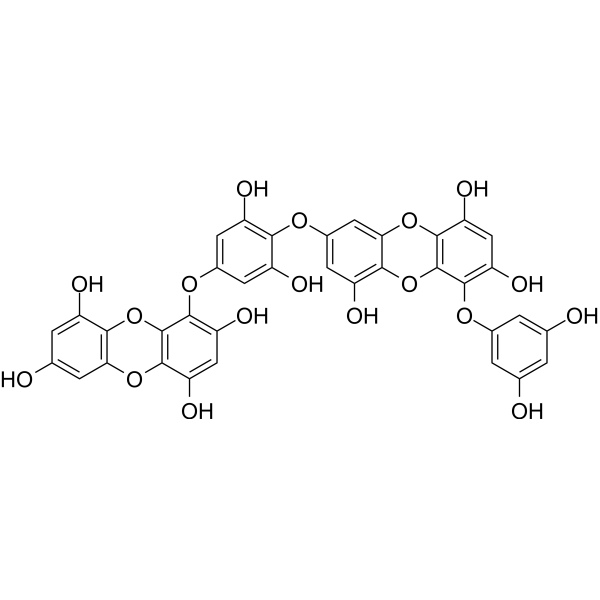
    Dieckol, is a naturally occurring phlorotannin found in some brown algal species. Dieckol has anti-bacterial, anti-cancer, anti-oxidant, anti-aging, anti-diabetic, neuroprotective actions .
    Dieckol
  • HY-111095B

    (R)-2-Hydroxypropionic acid sodium

    Endogenous Metabolite Drug Isomer Neurological Disease Metabolic Disease
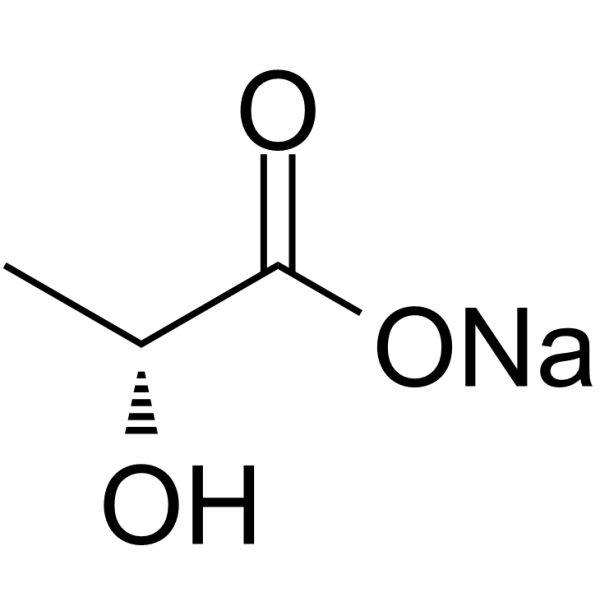
    D-(-)-Lactic acid ((R)-2-Hydroxypropionic acid) sodium is an orally active, toxic optical isomer of Lactic acid (HY-B2227), mainly derived from overproduction by intestinal bacteria or exogenous intake. D-(-)-Lactic acid sodium can induce intoxication, characterized by severe metabolic acidosis accompanied by neurological symptoms .
    D-(-)-Lactic acid sodium
  • HY-B1118
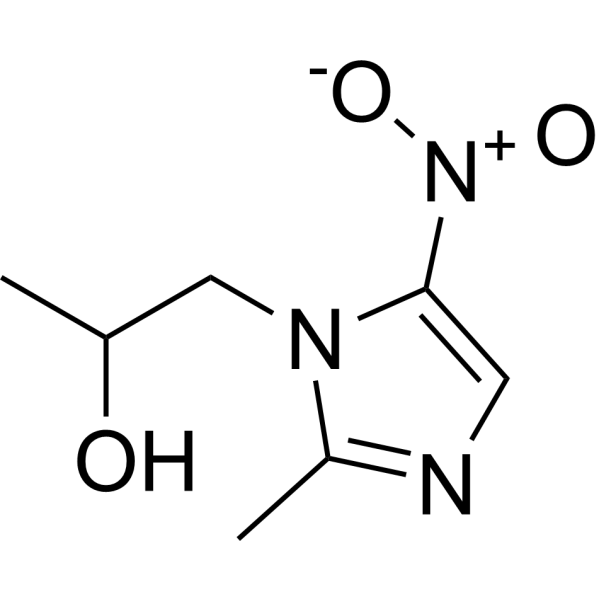
    Secnidazole
    1 Publications Verification

    RP-14539; PM-185184

    Bacterial Parasite Infection
    Secnidazole (RP-14539) is an orally active azole antibiotic and a imidazole mitigator of Serratia marcescens virulence. Secnidazole, as an analog of acylhomoserine lactones, effectively inhibits QS resulting in the attenuation of Pseudomonas aeruginosa pathogenesis. Secnidazole has antimicrobial activity against many anaerobic Gram-negative and Gram-positive bacterial species in vitro. Secnidazole can be used for the research of various diseases, such as amoebiasis and giardiasis, and bacterial vaginitis .
    Secnidazole
  • HY-W015551

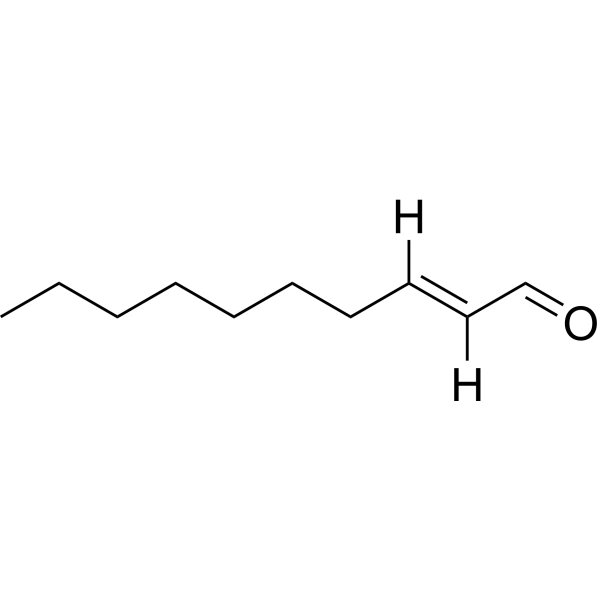
    (E)-Dec-2-enal

    Bacterial Reactive Oxygen Species (ROS) Infection
    trans-2-Decenal ((E)-Dec-2-enal) acts as a urease inhibitor and antibacterial agent against Helicobacter pylori, with an IC50 of 9.484 μg/mL against Helicobacter pylori urease. trans-2-Decenal reduces the urease activity of Helicobacter pylori, and possesses antibacterial, bactericidal, anti-biofilm and anti-migratory activities. It alters the morphology of Helicobacter pylori, induces bacterial rupture, inhibits biofilm formation, reduces the number of mature biofilms and impairs the migratory capacity of Helicobacter pylori. trans-2-Decenal disrupts the cell wall integrity of Phytophthora capsici, damages membrane integrity and permeability, triggers intracellular reactive oxygen species (ROS) accumulation, decreases glutathione levels and disrupts the mitochondrial membrane potential of Phytophthora capsici. trans-2-Decenal is applicable to studies related to Helicobacter pylori and plant diseases induced by and Phytophthora capsici .
    trans-2-Decenal
  • HY-N2387

    Bacterial Apoptosis Autophagy Infection Cancer
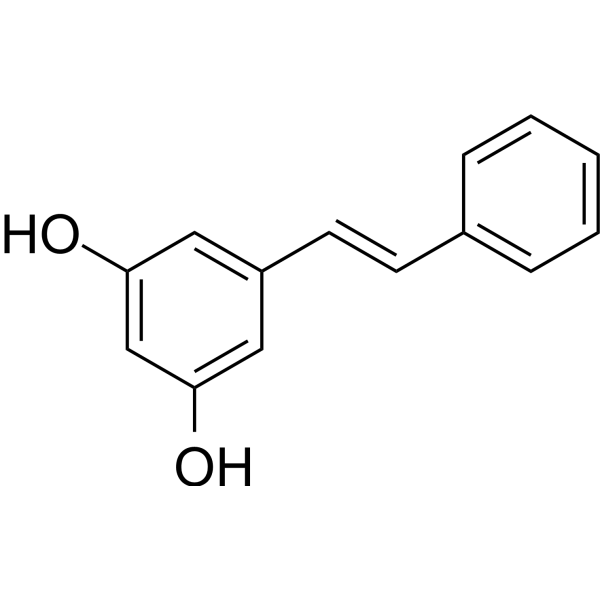
    Pinosylvin is a?pre-infectious stilbenoid toxin?isolated from the heartwood of Pinus species, has anti-bacterial activities . Pinosylvin is a resveratrol analogue, can induce cell apoptosis and autophapy in leukemia cells .
    Pinosylvin
  • HY-N0626

    Environmental Pollutants Bacterial Endogenous Metabolite Fungal Antibiotic Infection Neurological Disease Cancer
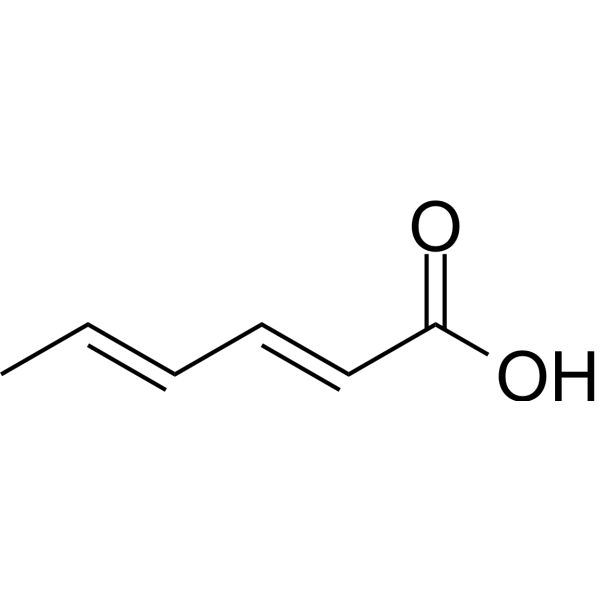
    Sorbic acid is an antibacterial preservative effective against most molds, yeasts, and some bacterial species. Sorbic acid inhibits microbial growth. Sorbic acid suppresses the activity of intestinal microorganisms in zebrafish, alters the composition of intestinal flora, and reduces the levels of intestinal immune biomarkers, including IgG, IL-1β, and TNF-α. Sorbic acid can be used in research on the prevention and treatment of mold, yeast, and bacterial infections .
    Sorbic acid
  • HY-N0626A

    Sorbic acid potassium

    Environmental Pollutants Endogenous Metabolite Antibiotic Bacterial Fungal Infection
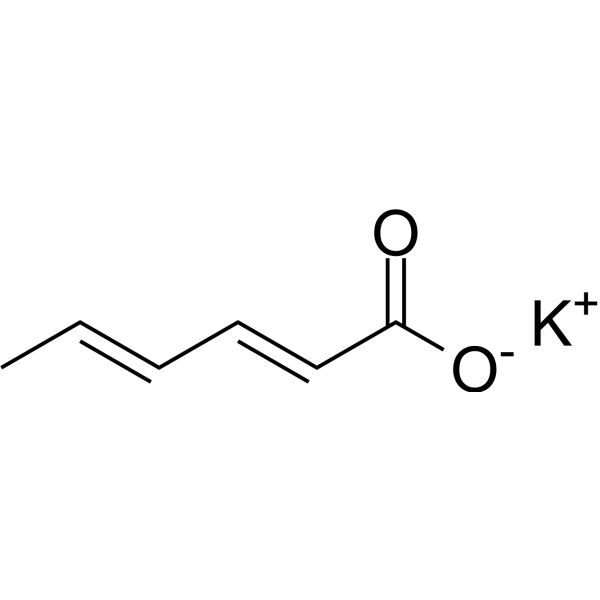
    Potassium sorbate (Sorbic acid potassium) is an antibacterial preservative effective against most molds, yeasts, and some bacterial species. Potassium sorbate inhibits microbial growth. Potassium sorbate suppresses the activity of intestinal microorganisms in zebrafish, alters the composition of intestinal flora, and reduces the levels of intestinal immune biomarkers, including IgG, IL-1β, and TNF-α. Potassium sorbate can be used in research on the prevention and treatment of mold, yeast, and bacterial infections .
    Potassium sorbate
  • HY-122485

    Bacterial Infection
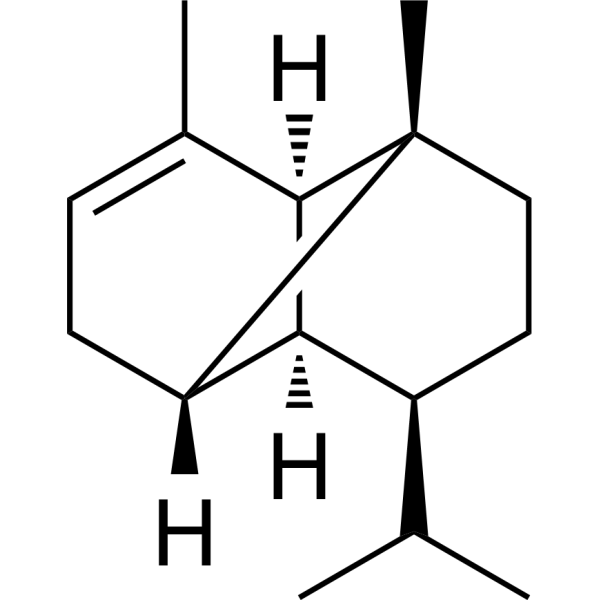
    α-Copaene is a potent attractant for male Mediterranean fruit flies Ceratitis capitata.α-Copaene can be found as a minor component in the essential oils of various plant species. α-Copaene can inhibit bacterial growth with a minimum inhibitory concentration of 0.5-1 μL/mL. α-Copaene suppresses biofilm formation by decreasing the hydrophobicity of the cell surface. α-Copaene can be used as an oviposition promoter of Bactrocera oleae .
    α-Copaene
  • HY-A0111
    Cefetamet
    1 Publications Verification

    Ro 15-8074; Deacetoxycefotaxime

    Antibiotic Bacterial Penicillin-binding protein (PBP) Drug Metabolite Infection
    Cefetamet (Ro 15-8074) is a cephalosporin antibiotic and the active metabolite of Cefetamet pivoxil (HY-B1894A). Cefetamet binds to bacterial penicillin-binding protein (PBP) (IC50 for PBP3 in Escherichia coli W3110 is 2.5 μg/mL). Cefetamet has significant activity against Gram-negative bacteria such as Enterobacteriaceae, Neisseria species, and Haemophilus influenzae, as well as Gram-positive bacteria such as Streptococcus. Cefetamet kills and lyses Treponema pallidum. Cefetamet can be used in the research of respiratory tract, urinary tract, ear, nose and throat infections, and syphilis .
    Cefetamet
  • HY-N1136

    Bacterial Infection
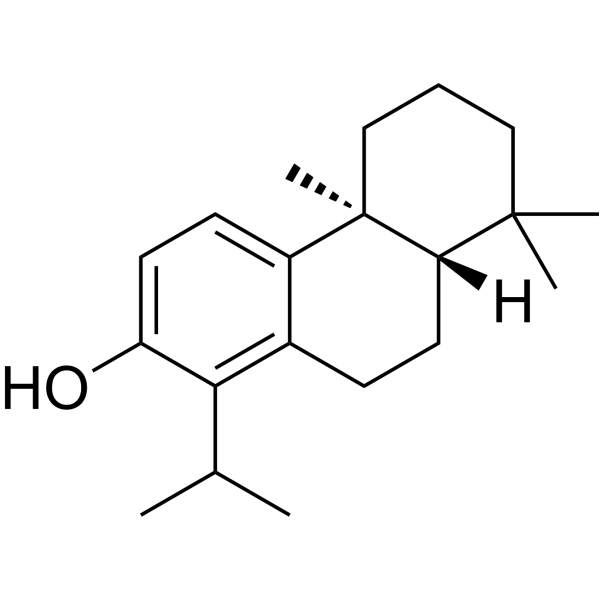
    (+)-Totarol is a diterpenoid membrane-disrupting agent and membrane structure regulator found in plants of the genus Podocarpus spp. (+)-Totarol inserts into phospholipid model membranes, disrupts phospholipid packing, and impairs the functional integrity of membranes. (+)-Totarol exhibits antibacterial activity against a variety of bacterial species and β-lactam-resistant strains, and its action is associated with changes in membrane physical properties. (+)-Totarol can be used in studies related to bacterial infections .
    (+)-Totarol
  • HY-DY1044

    Bacterial Infection
    HADA hydrochloride (HCC-Amino-D-alanine hydrochloride) is a blue (λem~450 nm) fluorescent D-amino acid (FDAA). FDAAs are efficiently incorporated into the peptidoglycans (PGs) of diverse bacterial species at the sites of PG biosynthesis, allowing specific and covalent probing of bacterial growth with minimal perturbation .
    Solvent and concentration: DMSO: 50 mM
    HADA hydrochloride (solution)
  • HY-P5601

    Bacterial Fungal Infection
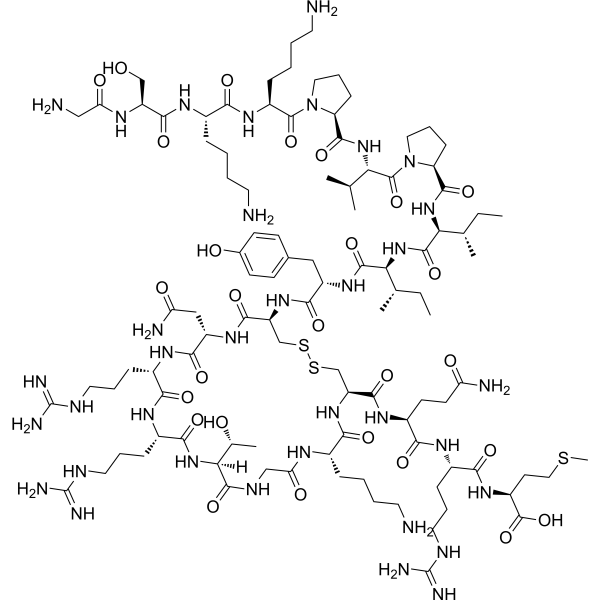
    Thanatin is an inducible cationic antimicrobial peptide. Thanatin is a pathogen-inducible single-disulfide-bond-containing β-hairpin AMP. Thanatin displays broad-spectrum activity against both Gram-negative and Gram-positive bacteria as well as against various species of fungi with MICs of 0.3-40 µM, 0.6-40 µM and 0.6-20 µM, respectively. Thanatin has the property of competitive replacement of divalent cations from bacterial outer membrane (OM), leading to OM disruption .
    Thanatin
  • HY-P5601A

    Bacterial Fungal Infection
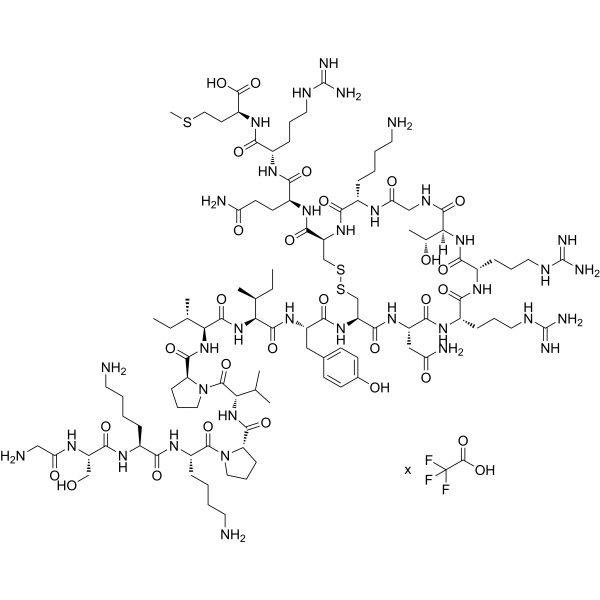
    Thanatin TFA is an inducible cationic antimicrobial peptide. Thanatin TFA s a pathogen-inducible single-disulfide-bond-containing β-hairpin AMP. Thanatin TFA displays broad-spectrum activity against both Gram-negative and Gram-positive bacteria as well as against various species of fungi with MICs of 0.3-40 µM, 0.6-40 µM and 0.6-20 µM, respectively. Thanatin TFA has the property of competitive replacement of divalent cations from bacterial outer membrane (OM), leading to OM disruption .
    Thanatin TFA
  • HY-N2896

    Reactive Oxygen Species (ROS) Apoptosis Fungal Bacterial NF-κB SOD AMPK mTOR Notch Toll-like Receptor (TLR) Wnt MyD88 Sirtuin Infection Neurological Disease Inflammation/Immunology Cancer
    Arjunolic acid is an orally active, multifunctional bioactive compound. Arjunolic acid exhibits free radical scavenging activity, as well as fungal and bacterial activities. Arjunolic acid induces apoptosis (Apoptosis) in various cancer cells. Arjunolic acid protects hepatocytes against induced oxidative stress and apoptosis by reducing reactive oxygen species and inhibiting NF-κB activation. Arjunolic acid regulates pancreatic dysfunction in type 2 diabetic rats by blocking the activation of the TLR-4/MyD88 and canonical Wnt pathways. Arjunolic acid inhibits neuroinflammation and ameliorates depressive behaviors via the SIRT1/AMPK/Notch1 signaling pathway in microglia. Arjunolic acid improves Crohn's disease-like colitis by restoring gut microbiota composition and inhibiting TLR4 signaling. Arjunolic acid suppresses osteosarcoma progression by inhibiting Wnt3a-mediated M2 polarization of macrophages. Arjunolic acid ameliorates diabetic retinopathy via the autophagy pathway regulated by AMPK/mTOR/HO-1. Arjunolic acid is applicable to research related to type 2 diabetes, organ toxicity, depression, Crohn's disease, osteosarcoma, diabetic retinopathy, and testicular dysfunction .
    Arjunolic acid
  • HY-N1677

    Akt mTOR Bacterial Fungal AMPK Infection Metabolic Disease Inflammation/Immunology Cancer
    2,6-Dimethoxy-1,4-benzoquinone is a 1,4-benzoquinone derivative. 2,6-Dimethoxy-1,4-benzoquinone promotes phosphorylation of AKT, S6K, mTOR, 4E-BP1, and AMPK, and attenuates mTORC1 activity as part of the AKT/mTOR pathway. 2,6-Dimethoxy-1,4-benzoquinone stimulates myoblast differentiation, increases myotube size, elevates MHC protein expression, enhances mitochondrial biogenesis, respiration, and DNA content, and increases skeletal muscle weights, fiber size, grip strength, and treadmill performance. 2,6-Dimethoxy-1,4-benzoquinone exerts anti-cancer, anti-inflammatory, anti-adipogenic, antibacterial, and antimutagenic effects, inhibits adipogenic transcription factors, nitric oxide production, skin tumor development, Magnaporthe oryzae growth, spore germination, appressorium formation, and growth of select bacterial species, induces H2O2 generation and rice defense gene expression, and reduces rice blast lesion formation. 2,6-Dimethoxy-1,4-benzoquinone can be used for the research of obesity, skin tumorigenesis, rice blast disease, and food-borne illness .
    2,6-Dimethoxy-1,4-benzoquinone
  • HY-D1117

    NADA hydrochloride

    Fluorescent Dye Infection
    NADA-green is a fluorescent D-amino acid probe. NADA-green is efficiently incorporated into the peptidoglycan of diverse bacterial species peptidoglycan biosynthesis. NADA-green allows probing of bacterial growth with minimal perturbation .
    NADA-green
  • HY-117260

    Adenosine Deaminase Bacterial Antibiotic Infection Cancer
    Coformycin, a nucleoside antibiotic, is a potent inhibitor of adenosine deaminase (ADA) from Streptomyces species. Coformycin possesses anti-tumor and anti-bacterial activity .
    Coformycin
  • HY-14956
    Nemonoxacin
    1 Publications Verification

    TG-873870

    Antibiotic Bacterial Infection Inflammation/Immunology
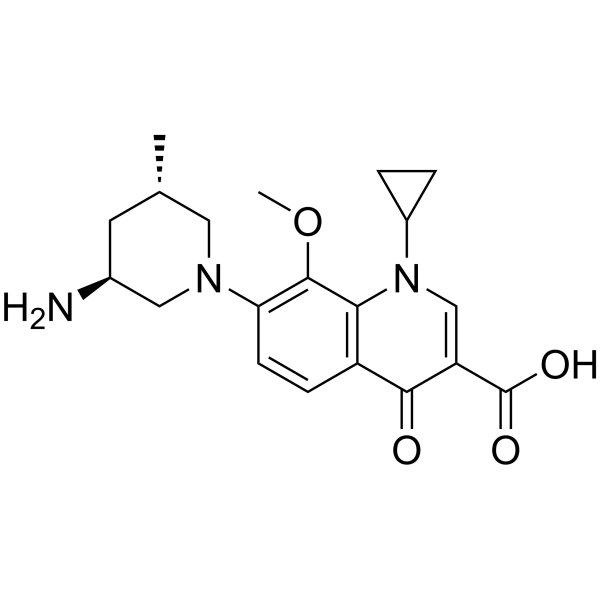
    Nemonoxacin (TG-873870) is an orally active and potent broad-spectrum antibiotic. Nemonoxacin shows good inhibitory activity against different species of staphylococci, streptococci, and enterococci, Neisseria gonorrhoeae, and Haemophilus influenza. Nemonoxacin can be used in the study of bacterial infections and community-acquired pneumonia .
    Nemonoxacin
  • HY-N2902

    Reactive Oxygen Species (ROS) Cancer
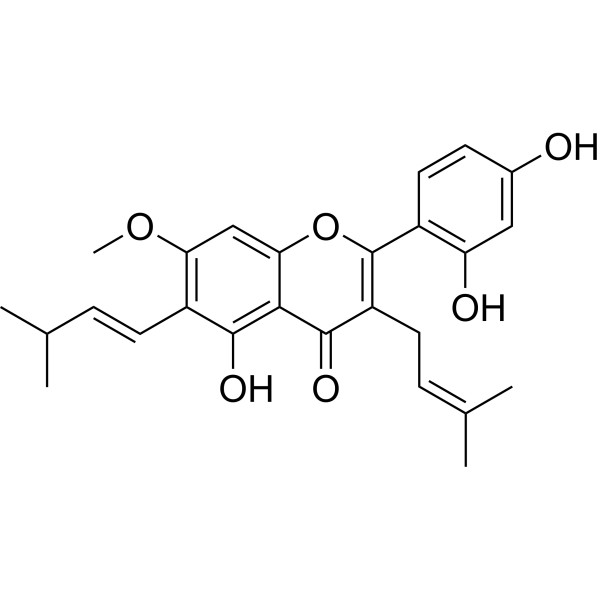
    Artocarpin is an orally active apoptosis inducer. Artocarpin targets NF-κB, Erk1/2, p38 MAPK, AktS473, p53, Akt 1 kinase and Akt 2 kinase. Artocarpin induces reactive oxygen species (ROS) production, mediates p53-dependent and p53-independent apoptotic signaling pathways, induces G1-phase cell cycle arrest, and triggers autophagic cell death. Artocarpin exerts cytotoxic and bactericidal effects on cancer cells, reduces bacterial load, and exhibits anti-inflammatory, analgesic and anti-angiogenic activities .
    Artocarpin
  • HY-W476434

    Bacterial Others
    Meso-2,6-Diaminopimelic acid serves as the penultimate biosynthetic precursor for the essential amino acid L-lysine and is an important component of peptidoglycan found in the cell walls of numerous bacterial species.
    meso-2,6-Diaminopimelic acid
  • HY-112176
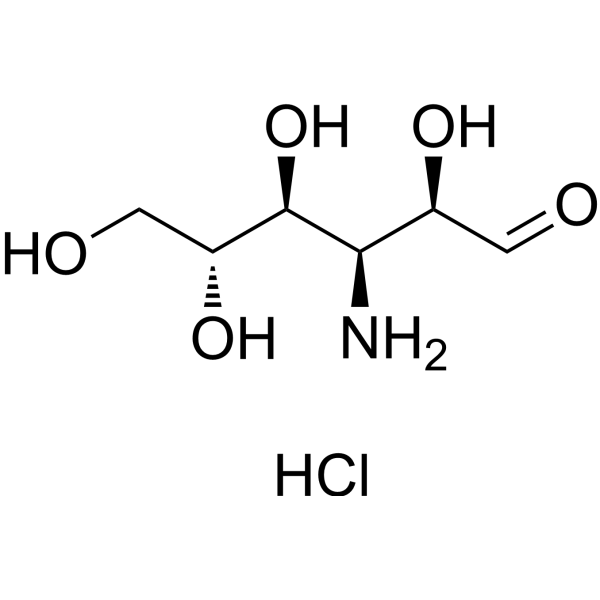
    Kanosamine hydrochloride
    2 Publications Verification

    Fungal Bacterial Antibiotic Infection
    Kanosamine hydrochloride is an antibiotic which inhibits the growth of plant-pathogenic oomycetes, certain fungi and a few bacterial species. Kanosamine inhibits Phytophthora medicaginis M2913 and Aphanomyces euteiches WI-98 with MICs of 25 and 60 μg/mL, respectively.
    Kanosamine hydrochloride
  • HY-N0626AR

    Sorbic acid potassium (Standard)

    Reference Standards Environmental Pollutants Bacterial Endogenous Metabolite Fungal Antibiotic Infection
    Potassium sorbate (Standard) is the analytical standard of Potassium sorbate. This product is intended for research and analytical applications. Potassium sorbate (Sorbic acid potassium) is an antibacterial preservative effective against most molds, yeasts, and some bacterial species. Potassium sorbate inhibits microbial growth. Potassium sorbate suppresses the activity of intestinal microorganisms in zebrafish, alters the composition of intestinal flora, and reduces the levels of intestinal immune biomarkers, including IgG, IL-1β, and TNF-α. Potassium sorbate can be used in research on the prevention and treatment of mold, yeast, and bacterial infections .
    Potassium sorbate (Standard)
  • HY-N12851

    (E)-4-Oxo-2-hexenal

    Bacterial Apoptosis Infection
    4-OHE ((E)-4-Oxo-2-hexenal) is a mutagen formed by omega-3 lipid peroxidation. 4-OHE reacts with deoxyguanosine, deoxycytidine and 5-methyldeoxycytidine to form covalent adducts. 4-OHE induces apoptosis and exhibits genotoxicity. 4-OHE inhibits the growth of Gram-positive and Gram-negative bacteria, which correlates with its electrophilic reactivity towards nucleophilic biomolecules. 4-OHE is a chemical defense component of Dolycoris baccarum (sloe bug), and acts as a deterrent and toxin against insect predators .
    4-OHE
  • HY-N3968

    GTN; (R)-(+)-Goniothalamin

    Apoptosis Insecticide Bacterial Fungal Reactive Oxygen Species (ROS) Infection Inflammation/Immunology Cancer
    Goniothalamin (GTN) is a styryl lactone. Goniothalamin exhibits insecticidal, anti-tumor and antibacterial activities. Goniothalamin induces cell cycle arrest and apoptosis in tumor cells. Goniothalamin acts as a larvicide against Culex quinquefasciatus larvae and as a cytotoxin against brine shrimp larvae. Goniothalamin functions as an antibacterial agent against Gram-positive and Gram-negative bacteria, and also acts as an antifungal agent against pathogens including Candida albicans, Trichophyton rubrum and Trichophyton mentagrophytes. Goniothalamin is applicable to research related to breast cancer, lymphatic filariasis, bacterial infections and fungal infections .
    Goniothalamin
  • HY-B1118R

    RP-14539 (Standard); PM-185184 (Standard)

    Reference Standards Bacterial Parasite Infection
    Secnidazole (Standard) is the analytical standard of Secnidazole. This product is intended for research and analytical applications. Secnidazole (RP-14539) is an orally active azole antibiotic and a imidazole mitigator of Serratia marcescens virulence. Secnidazole, as an analog of acylhomoserine lactones, effectively inhibits QS resulting in the attenuation of Pseudomonas aeruginosa pathogenesis. Secnidazole has antimicrobial activity against many anaerobic Gram-negative and Gram-positive bacterial species in vitro. Secnidazole can be used for the research of various diseases, such as amoebiasis and giardiasis, and bacterial vaginitis .
    Secnidazole (Standard)
  • HY-N0626R

    Reference Standards Environmental Pollutants Bacterial Endogenous Metabolite Fungal Antibiotic Infection
    Sorbic acid (Standard) is the analytical standard of Sorbic acid (HY-N0626). This product is intended for research and analytical applications. Sorbic acid is an antibacterial preservative effective against most molds, yeasts, and some bacterial species. Sorbic acid inhibits microbial growth. Sorbic acid suppresses the activity of intestinal microorganisms in zebrafish, alters the composition of intestinal flora, and reduces the levels of intestinal immune biomarkers, including IgG, IL-1β, and TNF-α. Sorbic acid can be used in research on the prevention and treatment of mold, yeast, and bacterial infections .
    Sorbic acid (Standard)
  • HY-P3320

    PC 3

    Biochemical Assay Reagents Others
    Phytochelatin 3 (PC 3) is the small metal chelating peptide that can be used for chelating heavy metals. Phytochelatin 3 is a short metal detoxification peptide made from the sulfur-rich molecule glutathione. Phytochelatin 3 can be found in different sources including plant, fungal, algal, and bacterial species, as a detoxification mechanism in response to heavy metal exposure. Phytochelatin 3 plays an important metabolic role in plants .
    Phytochelatin 3
  • HY-P10519

    Bacterial Reactive Oxygen Species (ROS) Infection
    Brevicidine is an antimicrobial peptide with selective bactericidal activity against Gram-negative pathogens. Brevicidine disrupts bacterial morphology by binding to lipopolysaccharide (LPS) on the bacterial cell membrane to form pores. Brevicidine causes dissipation of intracellular proton motive force, outer membrane damage, inhibition of ATP biosynthesis and reactive oxygen species accumulation in bacterial cells. As a sensitizer, Brevicidine exerts synergistic activity when combined with a variety of conventional antibiotics .
    Brevicidine
  • HY-P11165

    Bacterial Infection
    DRGN-1 is an antimicrobial peptide. DRGN-1 exhibits potent antimicrobial and anti-biofilm activities, inhibiting both Gram-negative and Gram-positive bacteria, with an EC50 range of 0.50-4.62 μM. DRGN-1 exerts its antimicrobial effect by disrupting bacterial membrane permeability and slightly depolarizing the membrane potential. DRGN-1 inhibits the formation of biofilms of single bacterial species and mixed species of Pseudomonas aeruginosa and Staphylococcus aureus. DRGN-1 can significantly promote the healing of uninfected and mixed biofilm-infected mouse wounds. DRGN-1 can be used for the study of infections .
    DRGN-1
  • HY-14956S

    TG-873870-d3

    Bacterial Inflammation/Immunology
    Nemonoxacin-d3 is the deuterium labeled Nemonoxacin. Nemonoxacin (TG-873870) is an orally active and potent broad-spectrum antibiotic. Nemonoxacin shows good inhibitory activity against different species of staphylococci, streptococci, and enterococci, Neisseria gonorrhoeae, and Haemophilus influenza. Nemonoxacin can be used in the study of bacterial infections and community-acquired pneumonia .
    Nemonoxacin-d3
  • HY-101829

    Sulfaproxylin; Sulfaproxyline

    Antibiotic Bacterial Infection
    Sulfaproxyline (Sulfaproxylin; Sulfaproxyline) is a sulfonamide antibiotic that inhibits bacterial dihydropteroate synthase, thereby blocking folate biosynthesis required for nucleic acid production. Sulfaproxyline shows antimicrobial activity primarily against Staphylococcus species and common uropathogens. Sulfaproxyline reduces bacterial growth by impairing DNA and protein synthesis. Sulfaproxyline can be used for research of staphylococcal and urinary tract infections .
    Sulfaproxiline
  • HY-175301

    Bacterial Reactive Oxygen Species (ROS) Infection
    TH16 is an antibacterial agent (MIC=2 μg/mL against methicillin-resistant Staphylococcus aureus, MRSA). TH16 disrupts bacterial cytoplasmic membrane integrity, elevating intracellular reactive oxygen species (ROS) levels to induce bacterial death. TH16 is promising for research of bacterial infection .
    TH16
  • HY-17628S1

    S-649266-d6

    Isotope-Labeled Compounds Antibiotic Bacterial Infection
    Cefiderocol-d6 (S-649266-d6) is a deuterated labeled Cefiderocol (HY-17628). Cefiderocol is a siderophore cephalosporin which has a potent activity against a broad range of aerobic Gram-negative bacterial species with MIC50s of 2 μg/mL or less .
    Cefiderocol-d6
  • HY-N16657

    LI-F 04b

    Bacterial Infection
    Fusaricidin B (LI-F 04b) is one of the components of a lipopeptide biosurfactant extracted from the marine bacterium Paenibacillus polymyxa. Fusaricidin B can significantly inhibit the formation of multiple single species biofilms, including Gram positive and Gram negative bacteria. Fusaricidin B also has inhibitory effects on complex biofilms and can effectively destroy mature biofilms that have already formed. Fusaricidin B can be used for research on bacterial infections .
    Fusaricidin B
  • HY-178912

    Reactive Oxygen Species (ROS) Bacterial ClpP Infection Inflammation/Immunology
    Anti-MRSA agent 39 is an orally active ClpX modulator that binds Staphylococcus aureus caseinolytic protease X (SaClpX) with high affinity (Kd = 3.6 μM). Anti-MRSA agent 39 exerts antibacterial effects through temperature-dependent inhibition of cell division. Anti-MRSA agent 39 elicits profound metabolic dysregulation in methicillin-resistant Staphylococcus aureus (MRSA), manifesting as significantly reduced ATP levels, elevated reactive oxygen species (ROS), and decreased NAD+/NADH ratio, and accelerates bacterial lysis rates in MRSA ATCC 33591. Anti-MRSA agent 39 significantly increases the proportion of MRSA cells in the mitotic phase, and the cells exhibit obvious morphological abnormalities. Anti-MRSA agent 39 can be used for the study of invasive MRSA infections .
    Anti-MRSA agent 39
  • HY-W743473

    Ro 15-8074-d3; Deacetoxycefotaxime-d3

    Isotope-Labeled Compounds Bacterial Antibiotic Penicillin-binding protein (PBP) Drug Metabolite Infection
    Cefetamet-d3 (Ro 15-8074-d3; Deacetoxycefotaxime-d3) is the deuterium labeled Cefetamet (HY-A0111). Cefetamet (Ro 15-8074) is a cephalosporin antibiotic and the active metabolite of Cefetamet pivoxil (HY-B1894A). Cefetamet binds to bacterial penicillin-binding protein (PBP) (IC50 for PBP3 in Escherichia coli W3110 is 2.5 μg/mL). Cefetamet has significant activity against Gram-negative bacteria such as Enterobacteriaceae, Neisseria species, and Haemophilus influenzae, as well as Gram-positive bacteria such as Streptococcus. Cefetamet kills and lyses Treponema pallidum. Cefetamet can be used in the research of respiratory tract, urinary tract, ear, nose and throat infections, and syphilis .
    Cefetamet-d3
  • HY-173190

    Bacterial DNA/RNA Synthesis Reactive Oxygen Species (ROS) Infection
    Antibacterial agent 271 is an antibacterial agent with significant inhibition against Escherichia coli (MIC: 2.2 μM). Antibacterial agent 271 reduces metabolic activity by disrupting the integrity of bacterial membranes. Antibacterial agent 271 binds to DNA grooves to inhibit replication and induces accumulation of reactive oxygen species (ROS) , ultimately leading to bacterial death. Antibacterial agent 271 shows significant potential in combating bacterial infections .
    Antibacterial agent 271
  • HY-169416

    Bacterial Reactive Oxygen Species (ROS) Infection
    Anti-MRSA agent 21 (Compound 27) has antibacterial activity against MRSA, with an MIC of 1 μM. Anti-MRSA agent 21 can damage bacterial cell membranes and increase reactive oxygen species .
    Anti-MRSA agent 21
  • HY-173238

    Bacterial Reactive Oxygen Species (ROS) Infection
    Antibacterial Agent 273 (Compound 15e) is a membrane-targeting antimicrobial agent that disrupts bacterial cell membranes, exhibiting a MIC of 4 μg/mL against Staphylococcus aureus. By compromising membrane integrity, it induces leakage of intracellular nucleic acids and proteins, suppresses bacterial metabolic activity, and triggers the accumulation of reactive oxygen species (ROS). Antibacterial Agent 273 is suitable for research on infections caused by Staphylococcus aureus .
    Antibacterial agent 273
  • HY-100435

    MCB-3837; DNV3837

    Bacterial Infection
    Oxaquin (MCB-3837) is a injectable proagent that is rapidly converted to the active substance MCB3681 in vivo following intravenous (i.v.) administration, active against Gram-positive bacterial species. Oxaquin (MCB-3837) itself has no antimicrobial effects .
    Oxaquin
  • HY-B1118A

    RP-14539 hemihydrate; PM-185184 hemihydrate

    Bacterial Parasite Infection
    Secnidazole (RP-14539) hemihydrate is an orally active azole antibiotic and a imidazole mitigator of Serratia marcescens virulence. Secnidazole hemihydrate, as an analog of acylhomoserine lactones, effectively inhibits QS resulting in the attenuation of Pseudomonas aeruginosa pathogenesis. Secnidazole hemihydrate has antimicrobial activity against many anaerobic Gram-negative and Gram-positive bacterial species in vitro. Secnidazole hemihydrate can be used for the research of various diseases, such as amoebiasis and giardiasis, and bacterial vaginitis .
    Secnidazole hemihydrate
  • HY-124286

    C14-9Z-HSL

    Bacterial Inflammation/Immunology
    N-cis-Tetradec-9Z-enoyl-L-homoserine lactone (C14-9Z-HSL) is an autoinducer in C. rodentium, that serves as signal molecule, coordinates the gene expression and behaviors through diffusion into cells of different bacterial species .
    N-cis-Tetradec-9Z-enoyl-L-homoserine lactone
  • HY-N2387R

    Reference Standards Bacterial Apoptosis Autophagy Infection Cancer
    Pinosylvin (Standard) is the analytical standard of Pinosylvin. This product is intended for research and analytical applications. Pinosylvin is a pre-infectious stilbenoid toxin isolated from the heartwood of Pinus species, has anti-bacterial activities . Pinosylvin is a resveratrol analogue, can induce cell apoptosis and autophapy in leukemia cells .
    Pinosylvin (Standard)
  • HY-170991

    Bacterial Reactive Oxygen Species (ROS) Infection
    C12-rrw-NH2 (Compound Lip7) is an antibacterial agent against gram-positive bacteria, especially against Methicillin (HY-121544)-resistant Staphylococcus aureus (MRSA). C12-rrw-NH2 induces bacterial death via depolarizing the bacterial cytoplasmic membrane, disrupting the integrity of the bacterial membrane, leading to leakage of nucleic acid and protein and promoting the generation of Reactive Oxygen Species. C12-rrw-NH2 is potential to be used for research of developing high-stability antimicrobial peptides .
    C12-rrw-NH2
  • HY-B1118S2

    RP-14539-d4; PM-185184-d4

    Bacterial Parasite Antibiotic Infection
    Secnidazole-d4 is the deuterium labeled Secnidazole . Secnidazole (RP-14539) is an orally active azole antibiotic and a imidazole mitigator of Serratia marcescens virulence. Secnidazole, as an analog of acylhomoserine lactones, effectively inhibits QS resulting in the attenuation of Pseudomonas aeruginosa pathogenesis. Secnidazole has antimicrobial activity against many anaerobic Gram-negative and Gram-positive bacterial species in vitro. Secnidazole can be used for the research of various diseases, such as amoebiasis and giardiasis, and bacterial vaginitis .
    Secnidazole-d4
  • HY-168844

    Bacterial Reactive Oxygen Species (ROS) Infection
    Antibacterial agent 259 (K3) is a bactericide, with EC50 values ​​of 1.5, 1.7 and 4.9 mg/L for Xoo, Xoc and Xac, respectively. Antibacterial agent 259 can induce pathogens to produce reactive oxygen species (ROS), leading to their death. Antibacterial agent 259 can be used in the prevention and control of plant bacterial diseases .
    Antibacterial agent 259
  • HY-14956S1

    TG-873870-d3-1

    Bacterial Inflammation/Immunology
    Nemonoxacin-d3-1 is the deuterium labeled Nemonoxacin. Nemonoxacin (TG-873870) is an orally active and potent broad-spectrum antibiotic. Nemonoxacin shows good inhibitory activity against different species of staphylococci, streptococci, and enterococci, Neisseria gonorrhoeae, and Haemophilus influenza. Nemonoxacin can be used in the study of bacterial infections and community-acquired pneumonia .
    Nemonoxacin-d3-1
  • HY-14956S2

    TG-873870-d4

    Bacterial Inflammation/Immunology
    Nemonoxacin-d4 is the deuterium labeled Nemonoxacin. Nemonoxacin (TG-873870) is an orally active and potent broad-spectrum antibiotic. Nemonoxacin shows good inhibitory activity against different species of staphylococci, streptococci, and enterococci, Neisseria gonorrhoeae, and Haemophilus influenza. Nemonoxacin can be used in the study of bacterial infections and community-acquired pneumonia .
    Nemonoxacin-d4

Inquiry Online

Your information is safe with us. * Required Fields.

Salutation


Country or Region *

Applicant Name *


Organization Name *

Department *


Email Address *


Product Name *

Cat. No.


Requested quantity *

Phone Number *


Remarks

Inquiry Online

Inquiry Information

Product Name:
Cat. No.:
Quantity:
MCE Japan Authorized Agent:

