1. Search Result
Search Result
Results for "

bridge

" in MedChemExpress (MCE) Product Catalog:

119

Inhibitors & Agonists

7

Screening Libraries

5

Fluorescent Dyes

20

Biochemical Assay Reagents

35

Peptides

5

Inhibitory Antibodies

9

Natural
Products

3

Isotope-Labeled Compounds

2

Click Chemistry

11

Oligonucleotides

Cat. No. Product Name Target Research Areas Chemical Structure
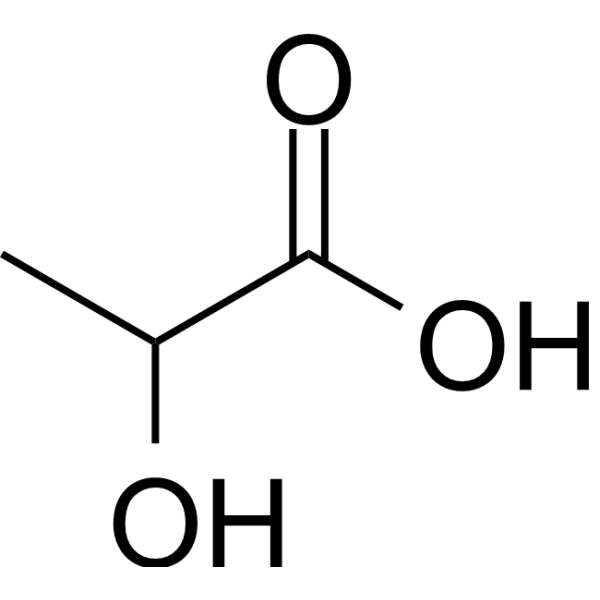
  • HY-B2227
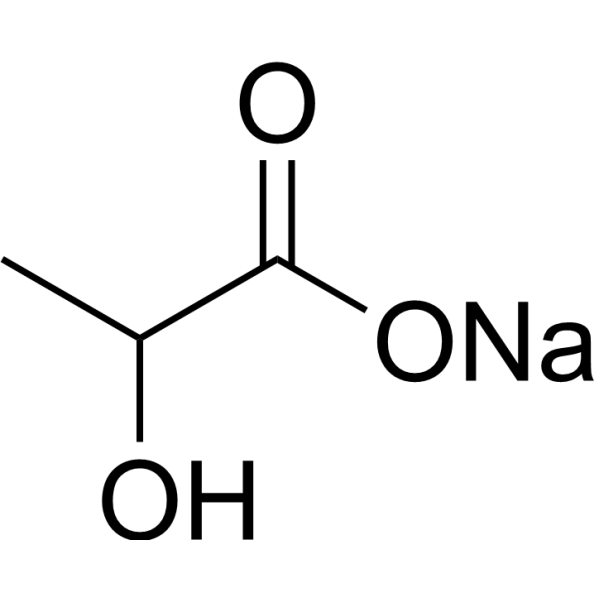
    Lactic acid
    50+ Cited Publications

    DL-Lactic acid; E-270

    Environmental Pollutants Endogenous Metabolite Bacterial Hydroxycarboxylic Acid Receptor (HCAR) Infection Metabolic Disease Inflammation/Immunology Cancer
    Lactic acid (DL-Lactic acid) is a hydroxycarboxylic acid receptor 1 (HCAR1) activator and an epigenetic modulator inducing lysine residues lactylation. Lactic acid is a glycolysis end-product, bridging the gap between glycolysis and oxidative phosphorylation. Lactic acid is an oncometabolite and has immune protective role of lactate in anti-tumor immunity . Lactic acid also has antimicrobial activity, which can be used as a food preservative .
    Lactic acid
  • HY-P10587

    JNJ-77242113; JNJ-2113; PN-235

    Interleukin Related STAT IFNAR Inflammation/Immunology
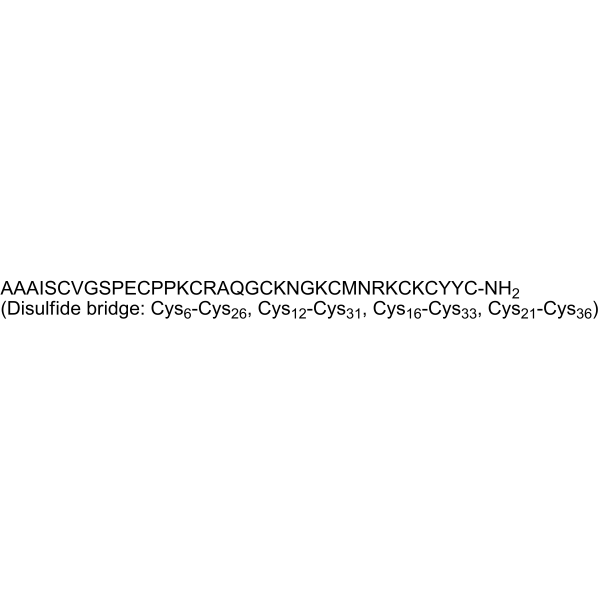
    Icotrokinra (JNJ-77242113) is an orally available, selective antagonist of the IL-23 receptor. Icotrokinra inhibits IL-23-induced STAT3 phosphorylation in peripheral blood mononuclear cells (IC50=5.6 pM) and inhibits IL-23-induced interferon IFN-γ production in NK cells with an IC50 of 18.4 pM. Icotrokinra exhibits anti-inflammatory activity in a rat TNBS-induced colitis model. Icotrokinra can be used in the study of psoriasis, psoriatic arthritis, and inflammatory bowel disease .
    Icotrokinra
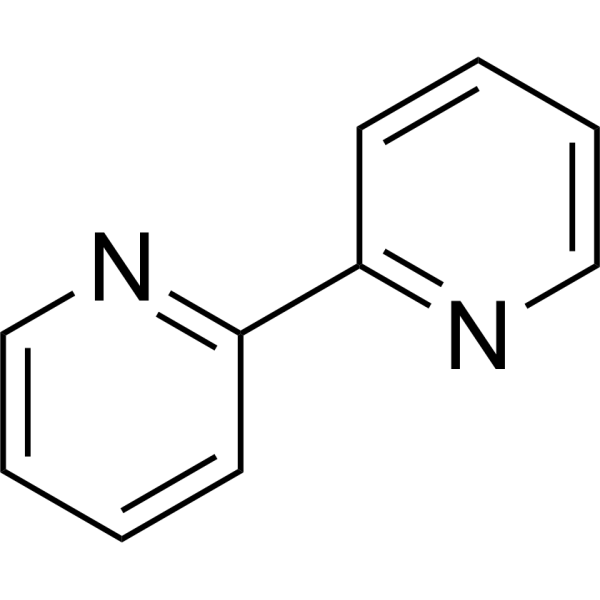
  • HY-D0020
    2,2'-Bipyridine
    1 Publications Verification

    MOFs Infection Endocrinology
    2,2'-Bipyridine is the unique molecular scaffold of the bioactive natural products. 2,2'-Bipyridine is extensively used as the core structure of many chelating ligands by acting as a bridge in the arrangement of the catalytic center. 2,2'-Bipyridine shows robust redox stability and hyperglycemic activity .
    2,2'-Bipyridine
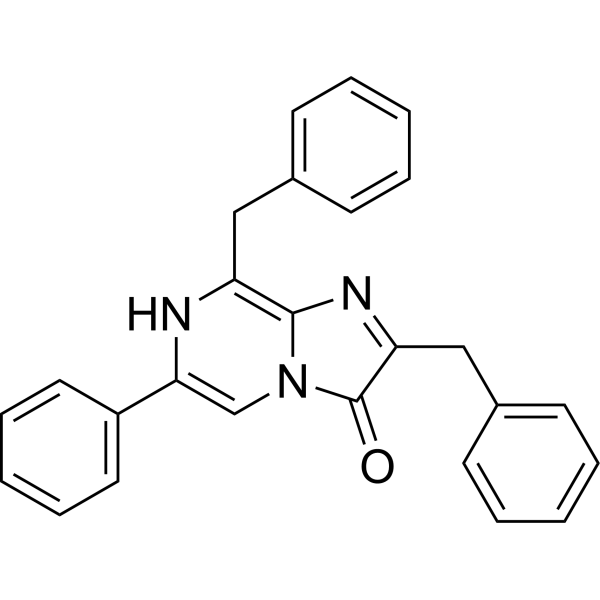
  • HY-118462

    Coelenterazine 400a; Bisdeoxycoelenterazine

    Fluorescent Dye Others
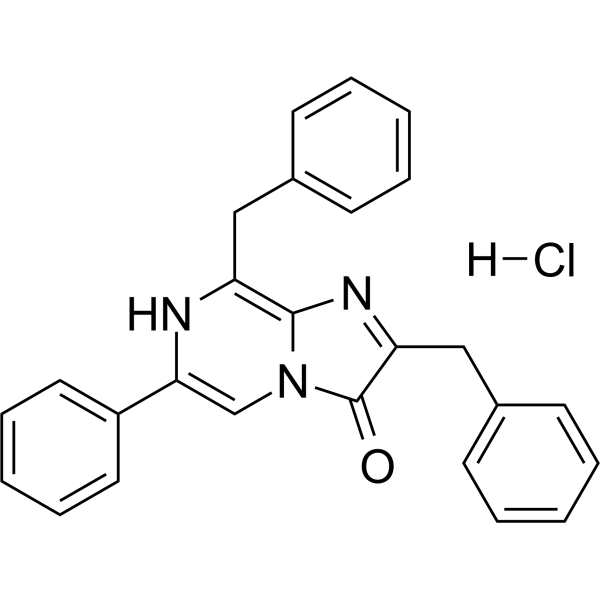
    Coelenteramine 400a (Coelenterazine 400a), a derivative of Coelenterazine, is a Renilla luciferase (RLuc) substrate. In the presence of Coelenteramine 400a, RLuc can emit blue light at 395 nm . Coelenterazine 400a will causes color change in the bioluminescence reaction of Rluc by replacing the sulfur and oxygen heteroatoms of the methylene bridge. Coelenterazine 400a provides higher signal resolution and can be used in the research of bioluminescence resonance energy transfer (BRET) .
    Coelenteramine 400a
  • HY-104086
    Cucurbit[7]uril
    2 Publications Verification

    CB7; Carrier CB7

    Biochemical Assay Reagents Others
    Cucurbit[7]uril is a cyclic organic molecule consisting of seven glycoluril units linked by methylene bridges. It has a rigid barrel-like structure with two identical inlets at both ends to selectively encapsulate guest molecules of appropriate size, shape, and polarity. Cucurbit[7]uril is known for its high binding affinity for a variety of organic and inorganic guests, including drugs, amino acids, peptides, and metal ions. This property makes them promising candidates for various applications in areas such as drug delivery, catalysis, and sensing.
    Cucurbit[7]uril
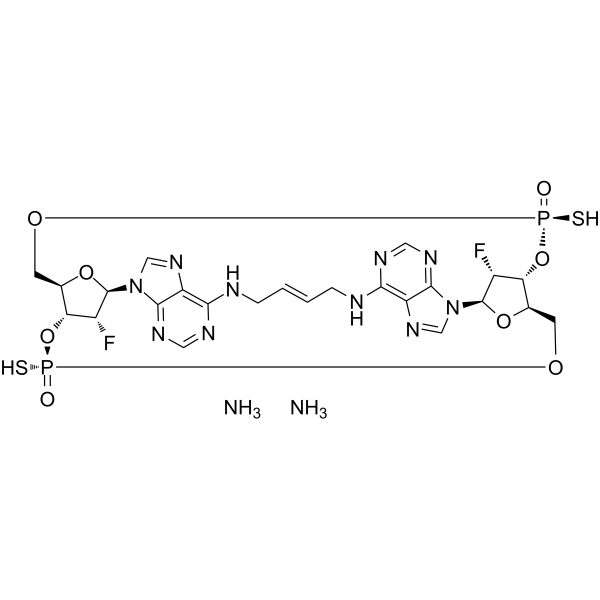
  • HY-111999A
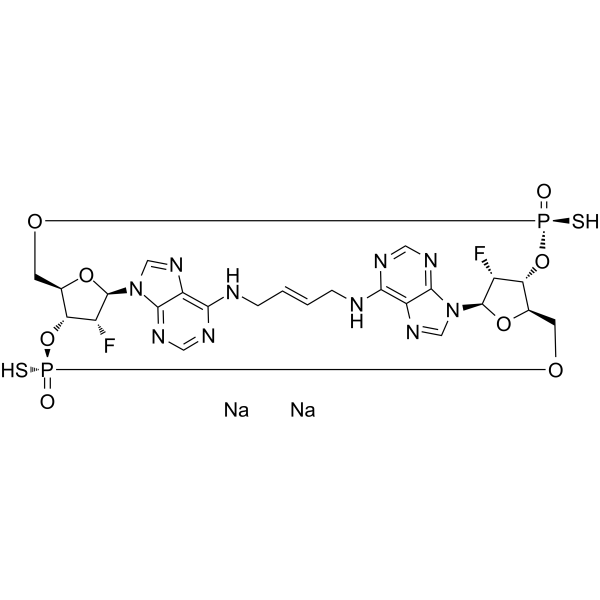
    E7766 diammonium salt
    4 Publications Verification

    STING Cancer
    E7766 diammonium salt is a macrocycle-bridged STING agonist with a Kd of 40 nM. E7766 diammonium salt shows potent pan-genotypic and antitumor activities .
    E7766 diammonium salt
  • HY-P9940

    ACE-910; RG6013

    Factor VIII Cardiovascular Disease
    Emicizumab is a bispecific monoclonal antibody that bridges activated factor IX and factor X to replace the function of missing activated factor VIII, thereby restoring hemostasis. Emicizumab can be used for hemophilia A research .
    Emicizumab
  • HY-P2833

    GSH-Px; EC 1.11.1.9

    Glutathione Peroxidase Metabolic Disease
    Glutathione Peroxidase (GSH-Px; EC 1.11.1.9) belongs to the peroxidase family and is commonly used in biochemical research. Glutathione Peroxidase can catalyze reduced glutathione (GSH) to form a disulfide bridge with another glutathione molecule, convert it into oxidized glutathione (GSSG), and react with hydrogen peroxide or lipid peroxide reaction, reducing it to H2O. Glutathione Peroxidase is an effective antioxidant against oxidative stress .
    Glutathione Peroxidase
  • HY-P99948

    AMG-596

    EGFR CD3 Neurological Disease Cancer
    Etevritamab (AMG-596) is a bispecific T-cell engager that targets EGFRvIII and CD3. Etevritamab simultaneously binds CD3 on T cells and EGFRvIII on glioblastoma multiforme cells, thereby forming a bridge structure. Etevritamab triggers T-cell activation, proliferation, secretion of cytotoxic substances, and tumor cell lysis. Etevritamab extends overall survival and induces tumor regression in mouse models of glioblastoma multiforme. Etevritamab can be used for research related to glioblastoma .
    Etevritamab
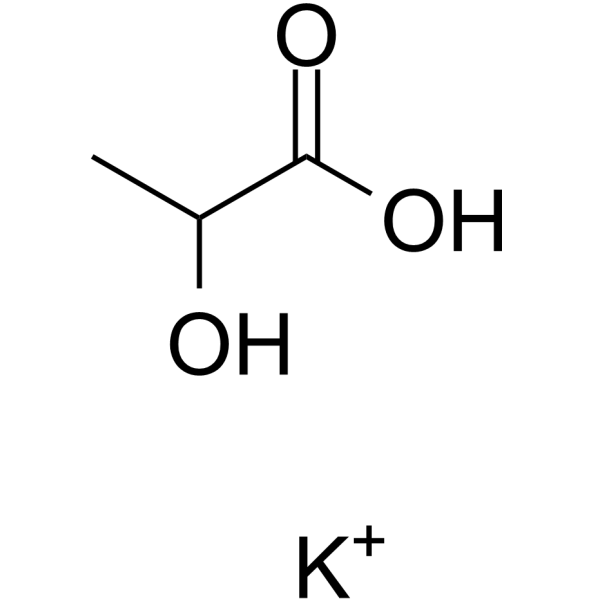
  • HY-B2227C
    Lactic acid potassium
    50+ Cited Publications

    DL-Lactic acid potassium; E-270 potassium

    Endogenous Metabolite Hydroxycarboxylic Acid Receptor (HCAR) Bacterial Infection Metabolic Disease Inflammation/Immunology Cancer
    Lactic acid (DL-Lactic acid) potassium is a hydroxycarboxylic acid receptor 1 (HCAR1) activator and an epigenetic modulator inducing lysine residues lactylation. Lactic acid potassium is a glycolysis end-product, bridging the gap between glycolysis and oxidative phosphorylation. Lactic acid potassium is an oncometabolite and has immune protective role of lactate in anti-tumor immunity . Lactic acid also potassium has antimicrobial activity, which can be used as a food preservative .
    Lactic acid potassium
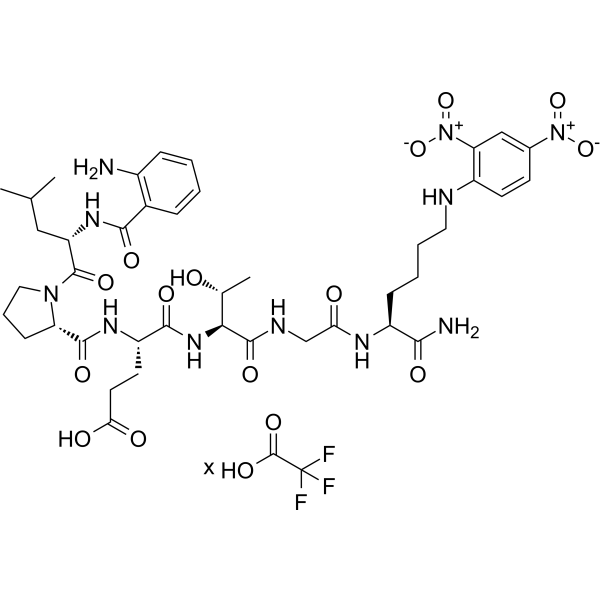
  • HY-P1883A

    Fluorescent Dye Infection
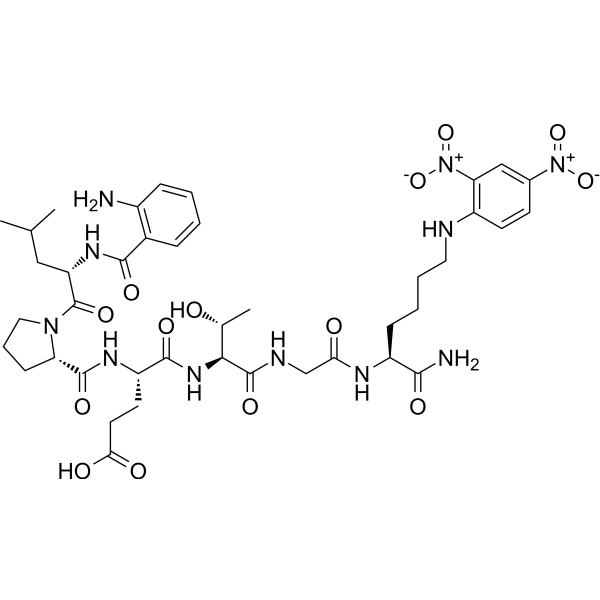
    Bacterial Sortase Substrate III, Abz/DNP TFA is a fluorescent peptide substrate. Bacterial Sortase Substrate III, Abz/DNP TFA undergoes cleavage catalyzed by Staphylococcus aureus sortase A (SrtAΔN24) and Streptococcus pyogenes sortase A (SrtAΔN81), and catalyzes the formation of an amide bond between the carboxyl group of threonine and the amino group of the cell wall cross-bridge. Cleavage of this substrate can be detected at Ex/Em=320 nm/420 nm .
    Bacterial Sortase Substrate III, Abz/DNP TFA
  • HY-34485

    Drug Intermediate Others
    tert-Butyl 3,8-diazabicyclo[3.2.1]octane-8-carboxylate is a pharmaceutical intermediate containing a dinitrogen-bridged ring structure, used in the synthesis of various active compounds.
    tert-Butyl (1R,5S)-3,8-diazabicyclo[3.2.1]octane-8-carboxylate
  • HY-D2355

    Biochemical Assay Reagents Others
    Tris-NTA Biotin is a biotin-labeled version of tris-NTA. Tris-NTA Biotin, as a bridge connecting His-tagged proteins with streptavidin, can reversibly label proteins and cell surfaces. Tris-NTA Biotin can be used in experiments such as protein immobilization, kinetic determination, live cell labeling, and Western blot detection .
    tris-NTA Biotin
  • HY-176444A

    Molecular Glues CDK Cancer
    (R)-CDK2 degrader 6 is the R-enantiomer of CDK2 degrader 6 (HY-176444), a cereblon-based molecular glue degrader of CDK2 with a DC50 of 27 nM. (R)-CDK2 degrader 6 induces ubiquitination and proteasomal degradation of CDK2 by bridging cereblon and CDK2. (R)-CDK2 degrader 6 is applicable for cancer research .
    (R)-CDK2 degrader 6
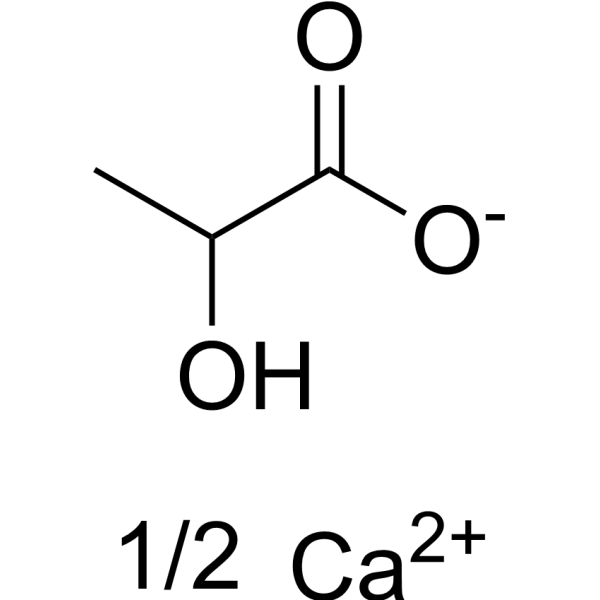
  • HY-B2227A
    Lactic acid calcium
    50+ Cited Publications

    DL-Lactic acid calcium; E-270 calcium

    Environmental Pollutants Endogenous Metabolite Bacterial Hydroxycarboxylic Acid Receptor (HCAR) Infection Neurological Disease Inflammation/Immunology Cancer
    Lactic acid (DL-Lactic acid) calcium is a hydroxycarboxylic acid receptor 1 (HCAR1) activator and an epigenetic modulator inducing lysine residues lactylation. Lactic acid calcium is a glycolysis end-product, bridging the gap between glycolysis and oxidative phosphorylation. Lactic acid calcium is an oncometabolite and has immune protective role of lactate in anti-tumor immunity . Lactic acid calcium also has antimicrobial activity, which can be used as a food preservative .
    Lactic acid calcium
  • HY-B2227R

    DL-Lactic acid (Standard); E-270 (Standard)

    Reference Standards Endogenous Metabolite Hydroxycarboxylic Acid Receptor (HCAR) Bacterial Infection Metabolic Disease Inflammation/Immunology Cancer
    Lactic acid (Standard) (DL-Lactic acid (Standard)) is the analytical standard of Lactic acid (HY-B2227). This product is intended for research and analytical applications. Lactic acid (DL-Lactic acid) is a hydroxycarboxylic acid receptor 1 (HCAR1) activator and an epigenetic modulator inducing lysine residues lactylation. Lactic acid is a glycolysis end-product, bridging the gap between glycolysis and oxidative phosphorylation. Lactic acid is an oncometabolite and has immune protective role of lactate in anti-tumor immunity . Lactic acid also has antimicrobial activity, which can be used as a food preservative .
    Lactic acid (Standard)
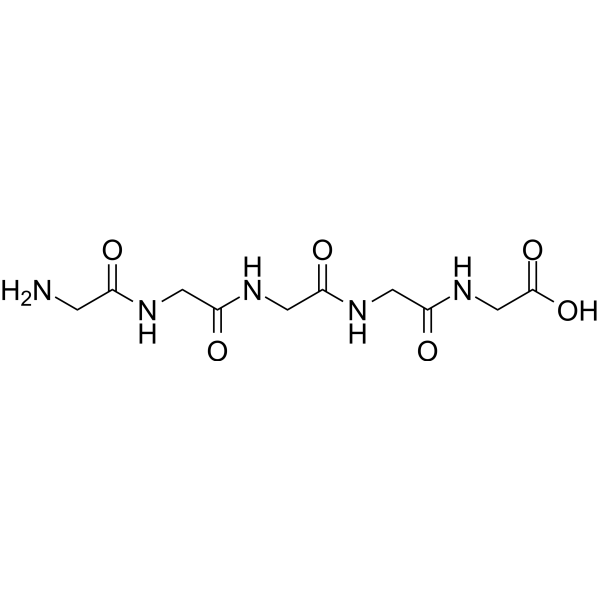
  • HY-W141916

    Tetraglycylglycine; Gly-Gly-Gly-Gly-Gly; NSC 96353

    Amino Acid Derivatives Bacterial Infection
    Pentaglycine (Tetraglycylglycine; NSC 96353) is a bridging structure composed of five glycine residues. Pentaglycine serves as a characteristic peptidoglycan cross-bridge component of staphylococci and a specific substrate for lysostaphin. Pentaglycine maintains the integrity of the peptidoglycan cell wall of Staphylococcus aureus via peptide chain cross-linking and regulates bacterial growth. Pentaglycine expression is downregulated in high-glucose environments, inhibiting bacterial proliferation. Pentaglycine can be applied to studies related to Staphylococcus aureus infection .
    Pentaglycine
  • HY-116831

    Drug Metabolite Others
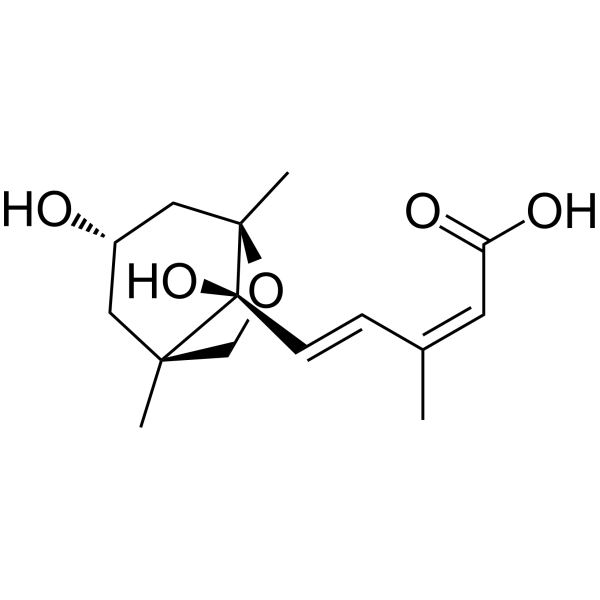
    4′-Dihydrophaseic acid is a metabolite of the plant hormone abscisic acid and is present in legume seeds .
    4′-Dihydrophaseic acid
  • HY-D1568

    Fluorescent Dye Others
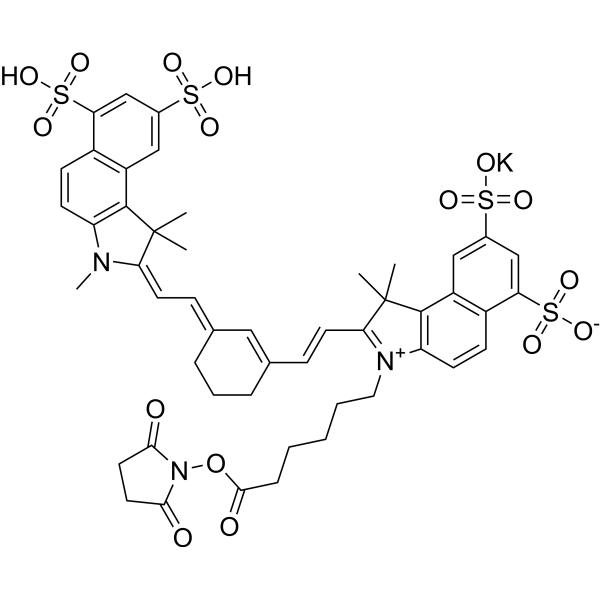
    Sulfo-Cy7.5 NHS ester is a near infrared water soluble hydrophilic dye, also is an NHS ester for the modification of amine groups. Sulfo-Cy7.5 NHS ester contains a trimeth ylene bridge and has a linker arm for its attachment to proteins, peptides, and other molecules. Sulfo-Cy7.5 NHS ester can be used for the research of NIR imaging applications .
    Sulfo-Cy7.5 NHS ester
  • HY-157521

    Acyltransferase Neurological Disease Metabolic Disease
    AANAT-IN-1 is an arylalkylamine N-acetyltransferase (AANAT) inhibitor with a sheep AANAT IC50 of 9.9 μM. AANAT-IN-1 binds to the active site of sheep AANAT, interacting with amino acid residues via hydrogen bonds, hydrophobic interactions, ionic interactions, and water bridges, inhibiting the enzyme's catalytic activity. AANAT-IN-1 can be used for the researches of circadian rhythm-associated neuropsychiatric conditions, seasonal affective disorder, and other diseases associated with abnormally elevated melatonin levels .
    AANAT-IN-1
  • HY-140678

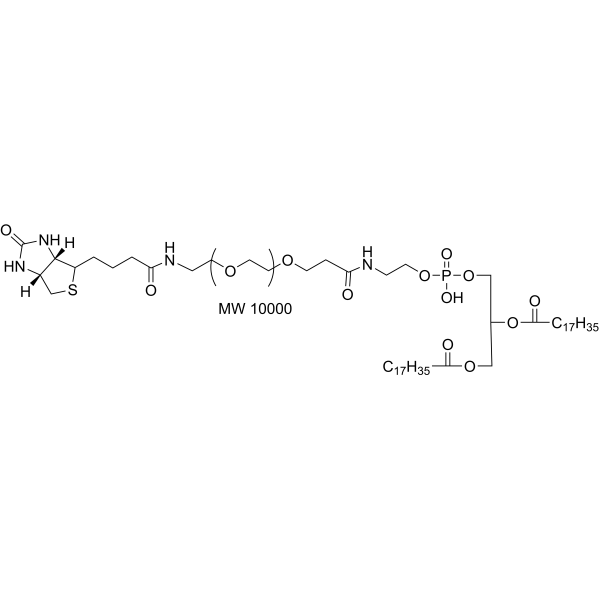
    mPEG10000-NH2

    PROTAC Linkers Cancer
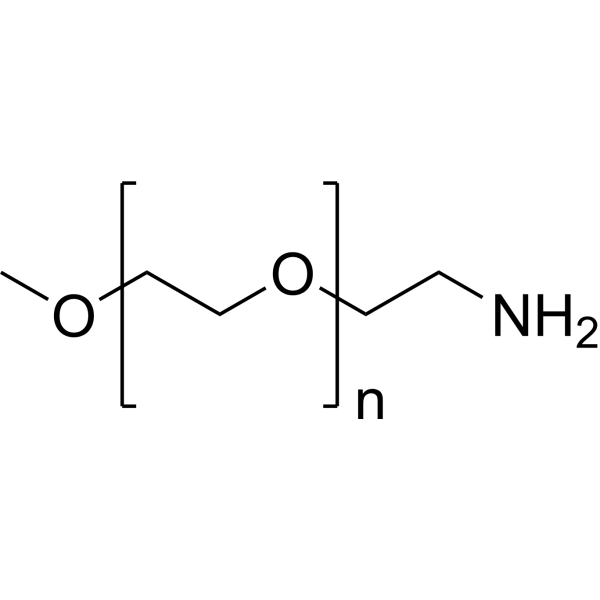
    DBCO-PEG10000-Amine (DBCO-PEG10000-NH2) is a polyethylene glycol derivative containing dibenzocyclooctyne. DBCO-PEG-Amine is a universal, modular "bridge molecule": it forms stable covalent linkage with target materials (e.g., MSN or polymers) via the amino group at one end, while the DBCO group at the other end enables efficient, specific, and biocompatible click chemical conjugation with any azide-bearing biological entities (e.g., bacteria, cells) in subsequent steps .
    mPEG10000-amine
  • HY-W106411

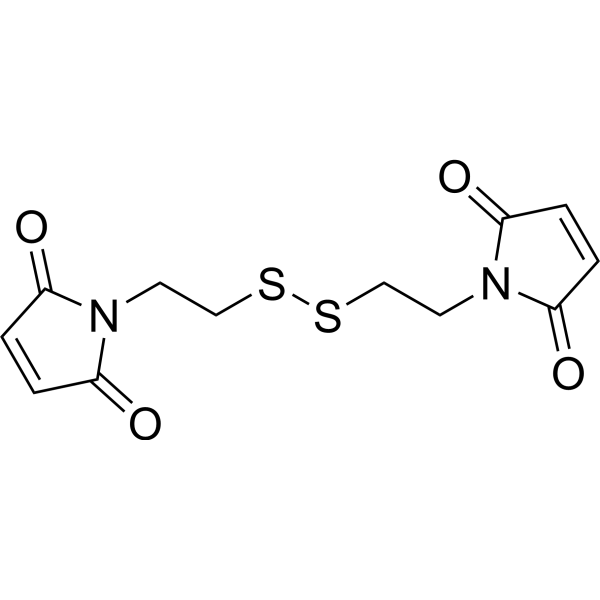
    Dithio-bis-maleimidoethane

    Biochemical Assay Reagents Others
    DTME (dithio-bis-maleimidoethane) is a homobifunctional, maleimide crosslinker specifically designed for conjugation between sulfhydryl groups (-SH). DTME, whose molecular structure consists of two maleimide groups connected by an ethylene disulfide bridge, can specifically react with thiol - containing molecules (such as cysteine residues) to form stable covalent bonds. DTME allows crosslinks that can be cleaved with reducing agents such as DTT (HY-15917). DTME is commonly utilized to explore and characterize protein structure, particularly oligomerization, or protein interactions .
    DTME
  • HY-172275A

    Liposome Inflammation/Immunology
    DSPE-PEG2000-pPB is a PEG compound which composed of DSPE and a cyclic oligopeptide (pPB). pPB has a strong binding affinity with PDGFRβ, which is overexpressed on activated hepatic stellate cells (HSC). DSPE-PEG2000-pPB can be used for drug delivery .
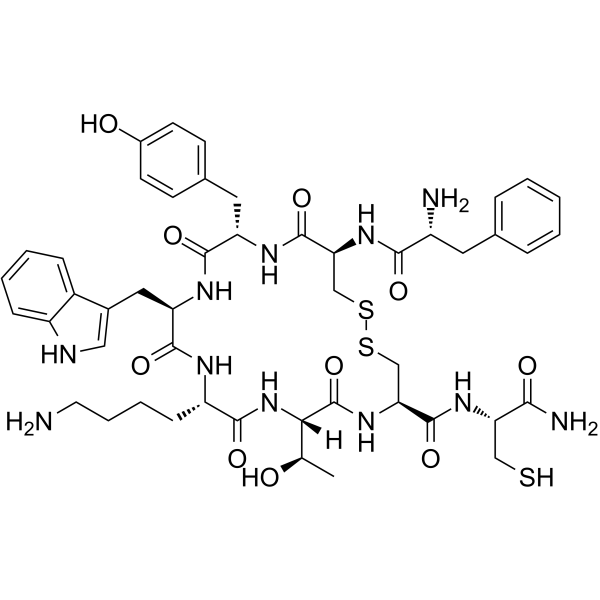
    DSPE-PEG2000-Cys-SRNLIDC (Disulfide bridge: Cys1-Cys8)
  • HY-W543137

    G-quadruplex DNA/RNA Synthesis Mitosis Cancer
    Pt-ttpy, a metallo-organic complex and potent G-quadruplex ligand, effectively triggers substantial telomere-related DNA damage in cancer cells by inhibiting telomerase and/or telomere functions, while also causing various chromatin abnormalities during mitosis, such as chromatin bridges, ultrafine bridges (UFBs), and double-stranded breaks (DSBs).
    PT-ttpy
  • HY-P3215

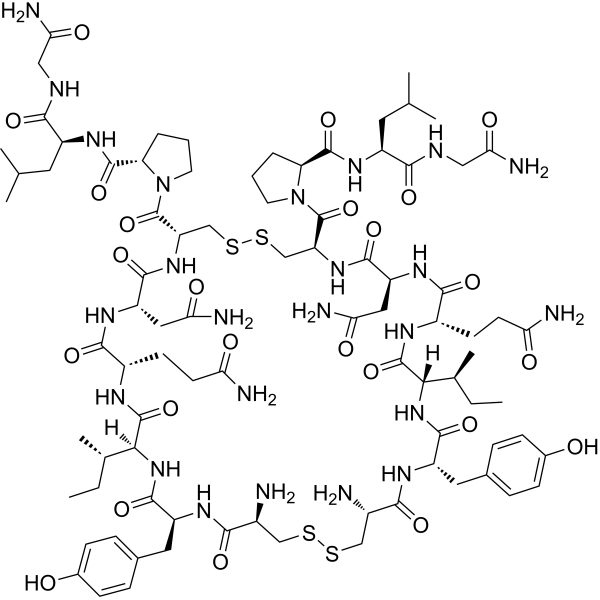
    Oxytocin Receptor Endocrinology
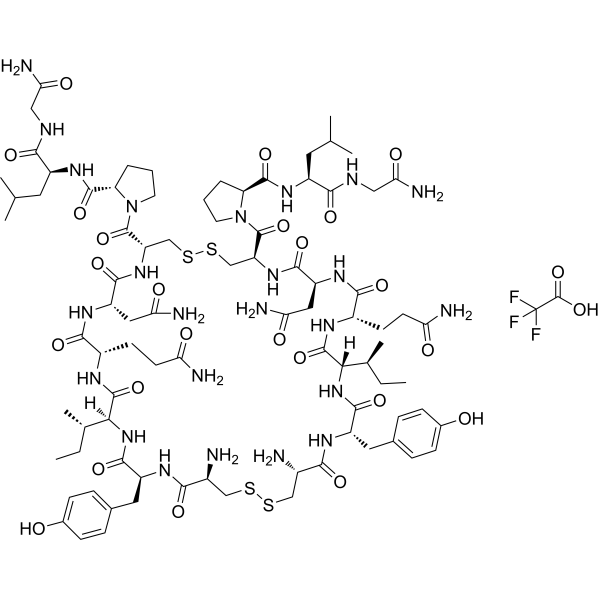
    Oxytocin parallel dimer is the disulfide-bridged homo peptide dimer. Oxytocin dimer has oxytocin and vasopressin-like activity with less toxic than oxytocin .
    Oxytocin parallel dimer
  • HY-142991

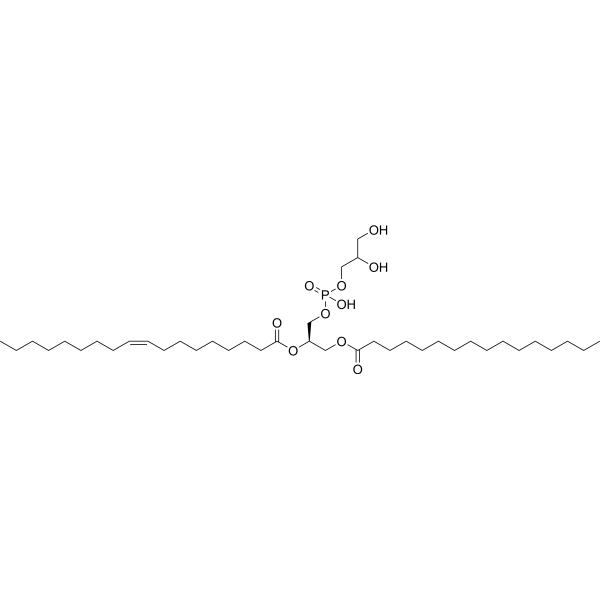
    POPG

    Liposome Others
    1-Palmitoyl-2-oleoyl-sn-glycero-3-phosphatidylglycerol (POPG) is an anionic phosphatidylglycerol that often serves as a key component to co-construct model phospholipid bilayers with phosphatidylcholine (e.g., at a 3:1 POPC:POPG ratio) for investigating the structure and dynamics of transmembrane proteins. 1-Palmitoyl-2-oleoyl-sn-glycero-3-phosphatidylglycerol acts as a fundamental material for mimicking the physicochemical properties of biological membranes and enables the elucidation of membrane protein interaction mechanisms .
    1-Palmitoyl-2-oleoyl-sn-glycero-3-phosphatidylglycerol
  • HY-P3026

    Ser/Thr Protease Endogenous Metabolite Cancer
    The Bowman-Birk inhibitor, a highly cross-linked protein featuring seven disulfide bridges, possesses spatially distinct domains specifically designed for the inhibition of both trypsin and chymotrypsin, showcasing its significant role as a plant protease inhibitor with anticarcinogenic properties.
    Bowman-birk inhibitor
  • HY-172271

    Liposome Cancer
    DSPE-PEG1000-Mal-Cys-CGNKRTRGC (Disulfide bridge: Cys2-Cys10) is a PEG compound which composed of DSPE and a nine residue peptide (LyP-1) (HY-P2526). LyP-1 is a cyclic 9-amino-acids tumor homing peptide and selectively bind to p32 receptors overexpressed in various tumor-associated cells .
    DSPE-PEG1000-Mal-Cys-CGNKRTRGC (Disulfide bridge: Cys2-Cys10)
  • HY-175428

    Antifolate Cancer
    Antifolate agent 1 is a 6-substituted pyrrolopyrimidine antifolate with a 1-carbon bridge. Antifolate agent 1 shows no activity against cells expressing FRα and FRβ, and has no GARFTase inhibitory activity. Antifolate agent 1 can be used as a negative control in the development of folate receptor-targeted antifolates .
    Antifolate agent 1
  • HY-B2227D

    Environmental Pollutants Endogenous Metabolite Metabolic Disease Inflammation/Immunology Cancer
    Calcium 2-hydroxypropanoate (pentahydrate) is a hydroxycarboxylic acid receptor 1 (HCAR1) activator and an epigenetic modulator inducing lysine residues lactylation. Calcium 2-hydroxypropanoate (pentahydrate) is a glycolysis end-product, bridging the gap between glycolysis and oxidative phosphorylation. Calcium 2-hydroxypropanoate (pentahydrate) is an oncometabolite and has immune protective role of lactate in anti-tumor immunity .
    Calcium 2-hydroxypropanoate pentahydrate
  • HY-174929A

    DBCO-PEG5000-NH2

    Biochemical Assay Reagents Others
    DBCO-PEG5000-Amine (DBCO-PEG5000-NH2) is a polyethylene glycol derivative containing dibenzocyclooctyne. DBCO-PEG-Amine is a universal, modular "bridge molecule": it forms stable covalent linkage with target materials (e.g., MSN or polymers) via the amino group at one end, while the DBCO group at the other end enables efficient, specific, and biocompatible click chemical conjugation with any azide-bearing biological entities (e.g., bacteria, cells) in subsequent steps .
    DBCO-PEG5000-Amine
  • HY-P10654

    TRP Channel Neurological Disease
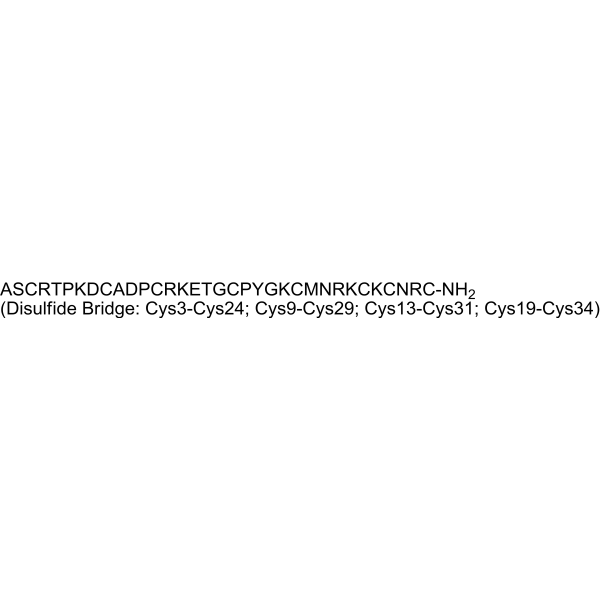
    RhTx is a transient receptor potential vanillin-1 (TRPV1) activator. RhTx can be used to study pain perception .
    RhTx
  • HY-111999B

    STING Cancer
    E7766 disodium is a macrocycle-bridged STING agonist with a Kd of 40 nM. E7766 disodium shows potent pan-genotypic and antitumor activities .
    E7766 disodium
  • HY-119526

    Biochemical Assay Reagents Others
    Bismaleimide is a compound used to prepare aerogels with excellent heat resistance. By optimizing its use as a bridging moiety and the polarity of the solvent, aerogels with good properties can be produced.
    Bismaleimide
  • HY-W686763

    2,4,6-Triacetylphloroglucinol

    Drug Intermediate Infection
    Triacetylphloroglucinol (2,4,6-Triacetylphloroglucinol) is a C3-symmetric three-dimensional bridged ligand. It has been used in the synthesis of various compounds including trinuclear vanadium Schiff base complexes, copper complexes and anthelmintics.
    Triacetylphloroglucinol
  • HY-139371

    Drug Derivative Others
    3-Desoxy-3,4-methylenedioxy pyrovalerone hydrochloride is an analog of 3,4-MDPV in which the heterocyclic 3-position oxygen from the 3,4-methylenedioxy ring has been replaced by a methylene bridge.
    3-Desoxy-3,4-methylenedioxy pyrovalerone hydrochloride
  • HY-P5160A

    PhlTx1 TFA

    Sodium Channel Neurological Disease
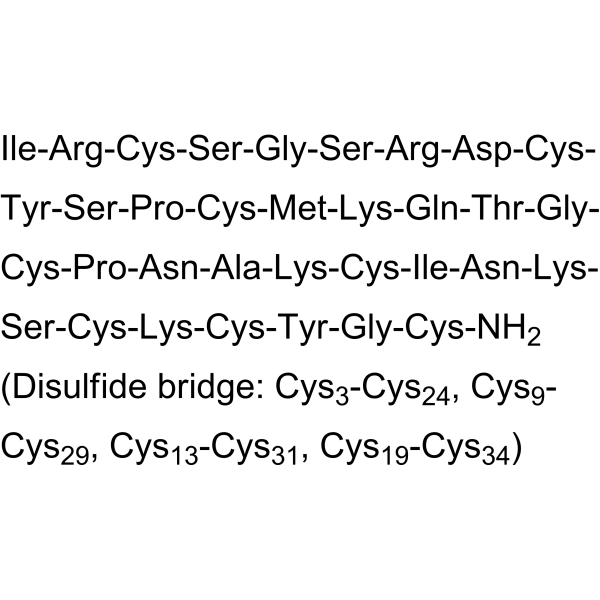
    Phlotoxin-1 (PhlTx1) is a 34-amino acid and 3-disulfide bridge peptide. Phlotoxin-1 can be isolated from Phlogiellus genus spider. Phlotoxin-1 is an antinociceptive agent by inhibiting NaV1.7 channel .
    Phlotoxin-1 TFA
  • HY-185057

    S-Lactylglutathione; (R)-S-Lactoylglutathione

    Drug Metabolite Glyoxalase (GLO) Inflammation/Immunology Cancer
    S-D-Lactoylglutathione is a crucial intermediate metabolite of the glyoxalase (Glo) system. S-D-Lactoylglutathione acts as a "bridge molecule" for the conversion of methylglyoxal (MGO) into non-toxic D-lactic acid by continuous catalysis from Glo1 to Glo2, preventing cell damage caused by the accumulation of MGO .
    S-D-Lactoylglutathione
  • HY-P5182A

    Potassium Channel Inflammation/Immunology
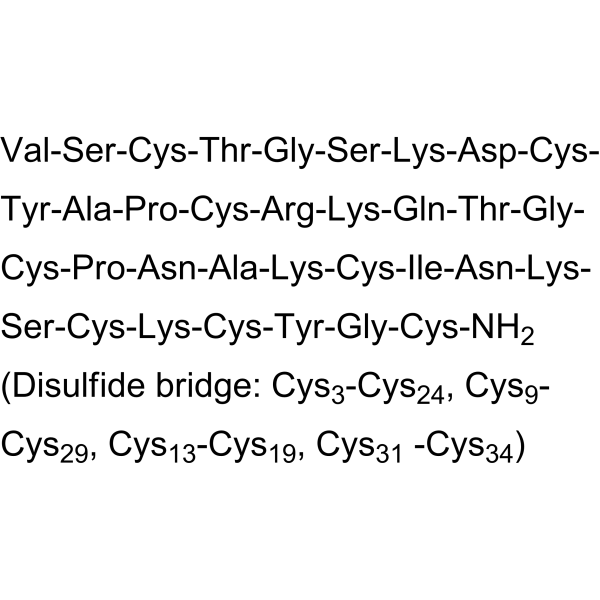
    HsTX1 (TFA) toxin, from the scorpion Heterometrus spinnifer, is a 34-residue, C-terminally amidated peptide cross-linked by four disulfide bridges. HsTX1 (TFA) is an the inhibitor of potassium channel, with IC50 for Kv1.3 of 12 pM and inhibits TEM cell activation and attenuates inflammation in autoimmunity .
    HsTX1 TFA
  • HY-W615327

    Biochemical Assay Reagents Others
    Bis-sulfone NHS Ester is a bis-alkylating labeling reagent that is selective for the cysteine sulfur atoms from a native disulfide. These reagents undergo bis-alkylation to conjugate both thiols derived from the two cysteine residues of a reduced native disulfide bond such as the interchain disulfide bonds of an antibody. The reaction results in covalent rebridging of the disulfide bond via a three carbon bridge leaving the protein structurally intact.
    Bis-sulfone NHS ester
  • HY-118462A

    Coelenterazine 400a hydrochloride; Bisdeoxycoelenterazine hydrochloride

    Fluorescent Dye Others
    Coelenteramine (Coelenterazine) 400a hydrochloride, a derivative of Coelenterazine, is a Renilla luciferase (RLuc) substrate. In the presence of Coelenteramine 400a hydrochloride, RLuc can emit blue light at 395 nm . Coelenteramine 400a hydrochloride will causes color change in the bioluminescence reaction of Rluc by replacing the sulfur and oxygen heteroatoms of the methylene bridge. Coelenteramine 400a hydrochloride provides higher signal resolution and can be used in the research of bioluminescence resonance energy transfer (BRET) .
    Coelenteramine 400a hydrochloride
  • HY-P1883

    Fluorescent Dye Infection
    Bacterial Sortase Substrate III, Abz/DNP is a fluorescent peptide substrate. Bacterial Sortase Substrate III, Abz/DNP undergoes cleavage catalyzed by Staphylococcus aureus sortase A (SrtAΔN24) and Streptococcus pyogenes sortase A (SrtAΔN81), and catalyzes the formation of an amide bond between the carboxyl group of threonine and the amino group of the cell wall cross-bridge. Cleavage of this substrate can be detected at Ex/Em=320 nm/420 nm .
    Bacterial Sortase Substrate III, Abz/DNP
  • HY-P991671

    JNJ-80948543

    CD3 CD20 Transmembrane Glycoprotein Cancer
    Anafiltamig is a trivalent monoclonal antibody inhibitor targeting CD79B, CD3E and MS4A1. Anafiltamig consists of a humanized IgG1κ anti-CD79B arm and a bispecific scFv-based arm targeting CD3E and MS4A1. Anafiltamig simultaneously bridges T and B cells, activating T cells and specifically killing B cell tumors. Anafiltamig can be used for B cell malignancies such as non-Hodgkin lymphoma research .
    Anafiltamig
  • HY-P4320

    Integrin Cancer
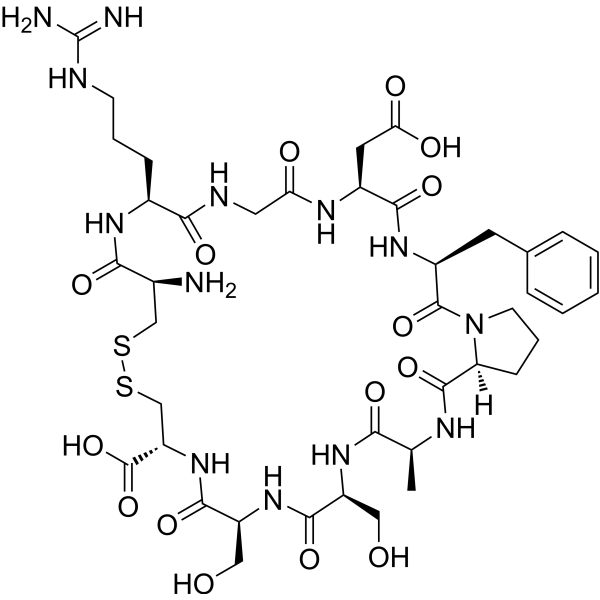
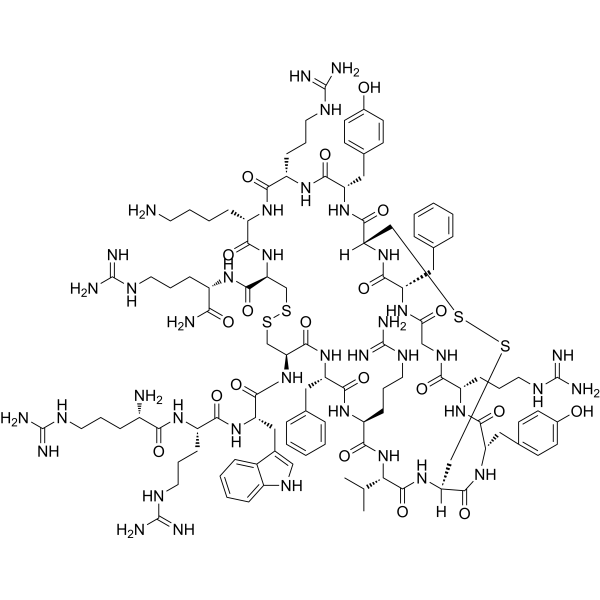
    Cys-Arg-Gly-Asp-Phe-Pro-Ala-Ser-Ser-Cys (Disulfide bridge: Cys1-Cys10), a decapeptide containing a cyclic RGD active sequence, is an Integrin αIIbβ3 antagonist that inhibits platelet and Adhesion of proMMP-13 .
    Cys-Arg-Gly-Asp-Phe-Pro-Ala-Ser-Ser-Cys (Disulfide bridge: Cys1-Cys10)
  • HY-P10587A

    JNJ-77242113 acetate; JNJ-2113 acetate; PN-235 acetate

    Interleukin Related STAT IFNAR Inflammation/Immunology
    Icotrokinra (JNJ-77242113) acetate is an orally available, selective antagonist of the IL-23 receptor. Icotrokinra acetate inhibits IL-23-induced STAT3 phosphorylation in peripheral blood mononuclear cells (IC50=5.6 pM) and inhibits IL-23-induced interferon IFN-γ production in NK cells with an IC50 of 18.4 pM. Icotrokinra acetate exhibits anti-inflammatory activity in a rat TNBS-induced colitis model. Icotrokinra acetate can be used in the study of psoriasis, psoriatic arthritis, and inflammatory bowel disease .
    Icotrokinra acetate
  • HY-176858

    Others Others
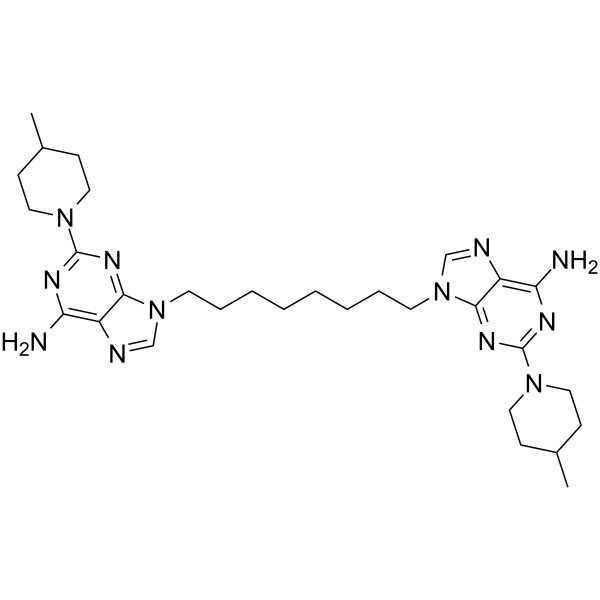
    N,N'-Bis(3-aminopropyl)oxamide is an oxamide-bridged ligand compound that can be used as a biocuring agent .
    N,N'-Bis(3-aminopropyl)oxamide
  • HY-N10766

    Others Others
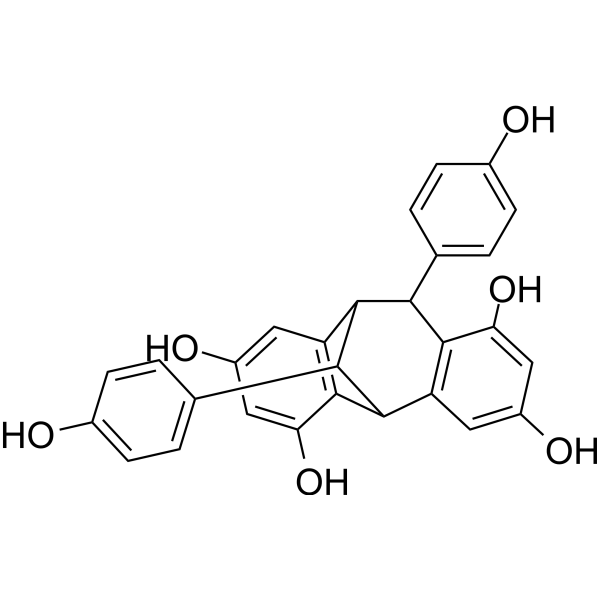
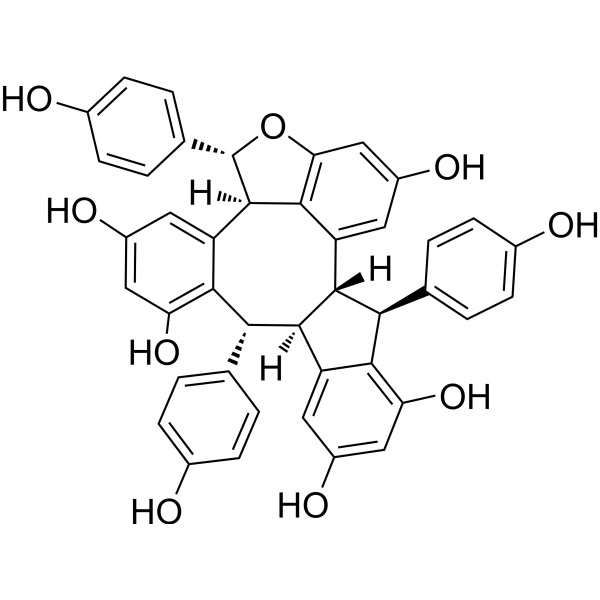
    Ampelopsins F is a bridged plant oligostilbene that can be isolated from Ampelopsis brevipedunculata var. hancei roots. Ampelopsins F is a resveratrol dimer .
    Ampelopsin F
  • HY-P5816

    Sodium Channel Neurological Disease
    BmK-M1 is a scorpion toxin, and is composed of 64 amino acids cross-linked by four disulfide bridges. BmK-M1 inhibits Na + channel and can be considered both as a cardiotoxin and a neurotoxin .
    BmK-M1
  • HY-P1631

    Bacterial Infection
    Polyphemusin I is a natural antimicrobial peptide with excellent antimicrobial activity against Gram-negative and Gram-positive bacteria. Polyphemusin I contains 18 amino acids and is stabilized into an amphiphilic, antiparallel β-hairpin by two disulfide bridges .
    Polyphemusin I
  • HY-P5159

    Sodium Channel Inflammation/Immunology
    Crotamine is a Na + channel modulator. Crotamine is a 42 amino acid toxin cross-linked by three disulfide bridges. Crotamine has analgesic activity. Crotamine also interacts with lipid membranes and shows myonecrotic activity. Crotamine can be isolated from Crotalus durissus terrificus venom .
    Crotamine

Inquiry Online

Your information is safe with us. * Required Fields.

Salutation


Country or Region *

Applicant Name *


Organization Name *

Department *


Email Address *


Product Name *

Cat. No.


Requested quantity *

Phone Number *


Remarks

Inquiry Online

Inquiry Information

Product Name:
Cat. No.:
Quantity:
MCE Japan Authorized Agent: