1. Search Result
Search Result
Results for "

cv. Giza 134

" in MedChemExpress (MCE) Product Catalog:

68

Inhibitors & Agonists

1

Screening Libraries

2

Biochemical Assay Reagents

1

Inhibitory Antibodies

29

Natural
Products

2

Recombinant Proteins

2

Isotope-Labeled Compounds

Cat. No. Product Name Target Research Areas Chemical Structure
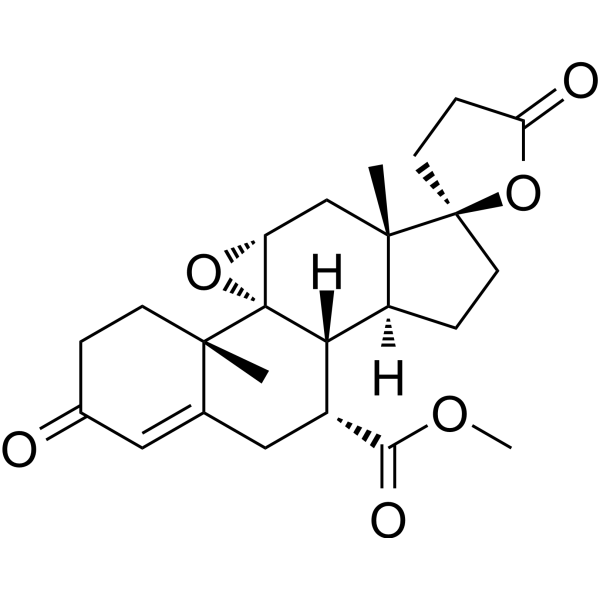
  • HY-B0251
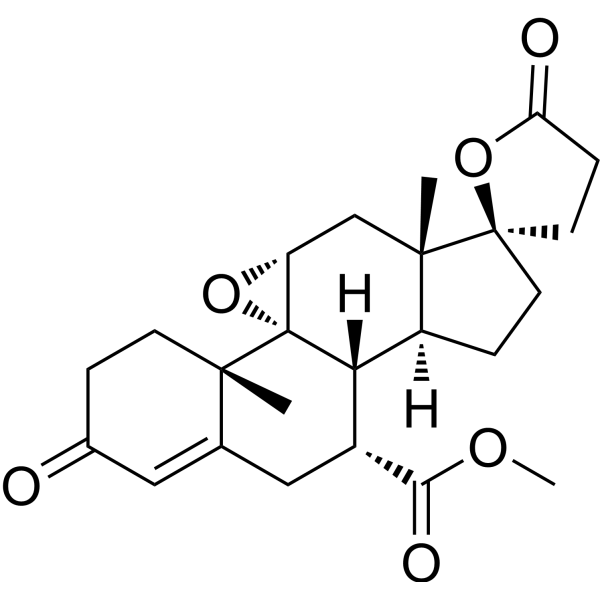
    Eplerenone
    5+ Cited Publications

    Epoxymexrenone

    Mineralocorticoid Receptor Endogenous Metabolite Cardiovascular Disease Cancer
    Eplerenone (Epoxymexrenone) is a selective, highly specific and orally active aldosterone blocker (SAB). Eplerenone also is a selective mineralocorticoid receptor antagonist (MRA) with IC50 value of 0.081 μM. Eplerenone can be used for the research of hypertension, atherosclerosis, chronic systolic heart failure (HF) and cardiovascular (CV) .
    Eplerenone
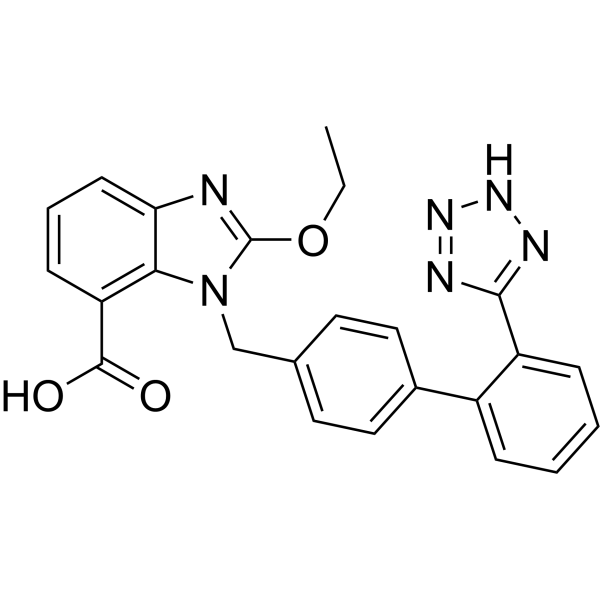
  • HY-B0205
    Candesartan
    5+ Cited Publications

    CV 11974

    Angiotensin Receptor PPAR Cardiovascular Disease Endocrinology Cancer
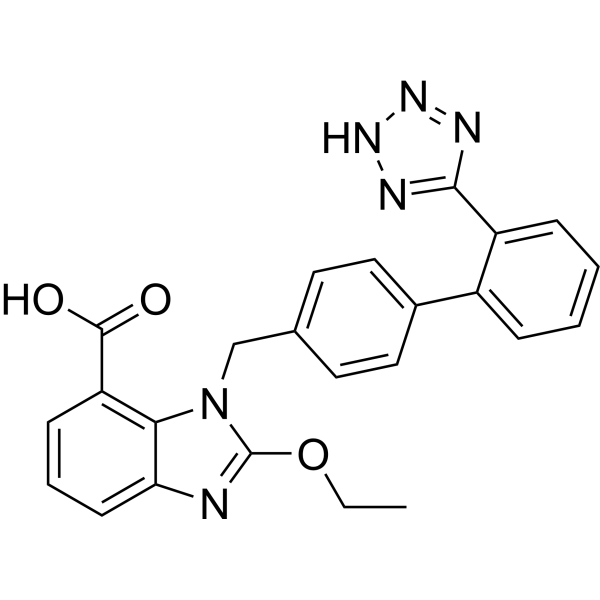
    Candesartan (CV 11974) is an orally active angiotensin II AT1-Receptor blocker and PPAR-γ agonist. Candesartan has potent and long-lasting antihypertensive effects. Candesartan can be used for the research of hypertension, chronic heart failure (CHF) and Traumatic brain injury (TBI) .
    Candesartan
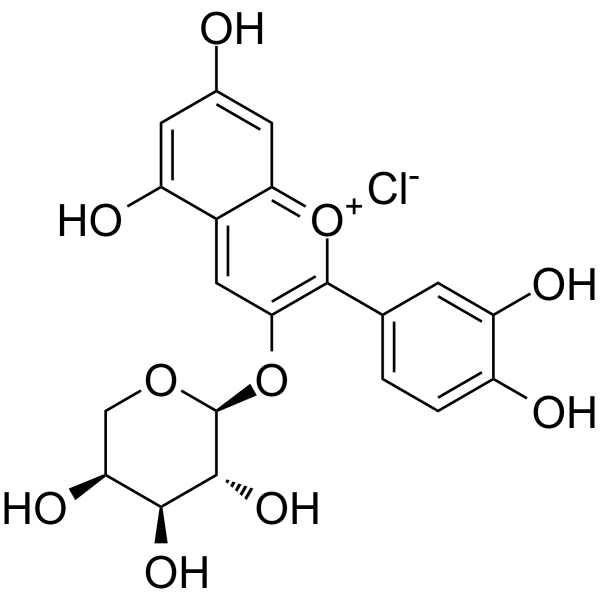
  • HY-129139
    Cyanidin-3-O-arabinoside
    1 Publications Verification

    Others Others
    Cyanidin-3-O-arabinoside is a pigment isolated from flowers of Rhododendron cv. Lems Stormcloud .
    Cyanidin-3-O-arabinoside
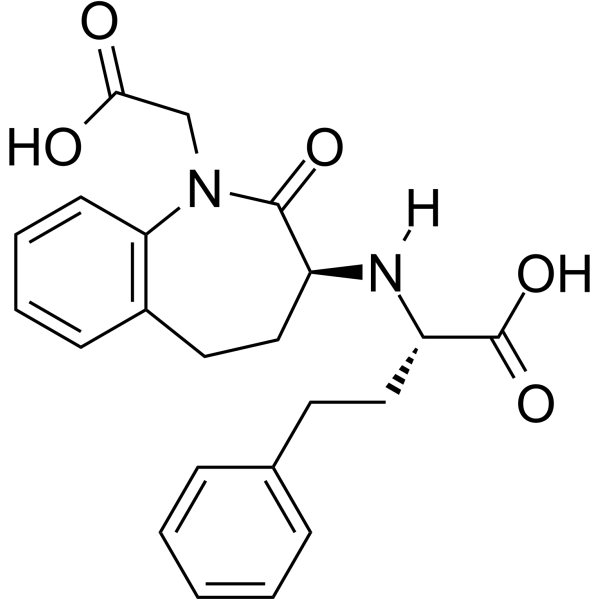
  • HY-118472

    CGS 14831

    Drug Metabolite Endogenous Metabolite Angiotensin-converting Enzyme (ACE) Cardiovascular Disease
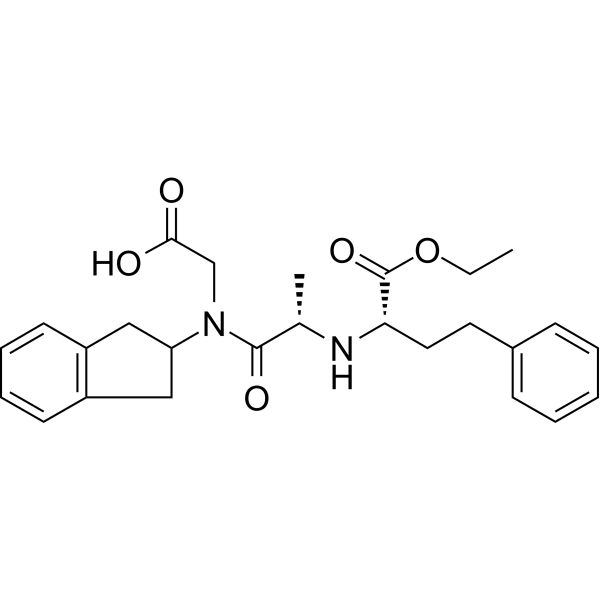
    Benazeprilat is an orally active and the active metabolite of benazepril, a carboxyl-containing ACE inhibitor with antihypertensive activity. Benazepril is a well-established antihypertensive agent, both in monoresearch and in combination with other classes of drugs including thiazide diuretics and calcium channel blockers. Benazepril is a first-line research in reducing various pathologies associated with CV risk and secondary end-organ damage .
    Benazeprilat
  • HY-17403
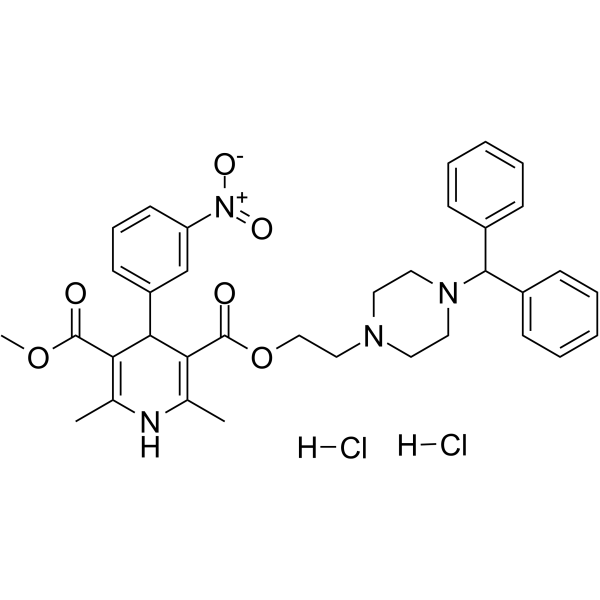
    Manidipine dihydrochloride
    3 Publications Verification

    CV-4093

    Calcium Channel NF-κB Infection Cardiovascular Disease Metabolic Disease Inflammation/Immunology
    Manidipine dihydrochloride is a third-generation, lipophilic, orally active and highly vasoselective calcium channel antagonist (IC50 = 2.6 nM in guinea-pig ventricular cells) and acts as an antihypertensive agent. Manidipine effectively reduces blood pressure as well as improving insulin sensitivity, renal protection, and antiatherosclerotic activity. Manidipine also exerts anti-inflammatory activity mediated by NF-κB and antiviral activity against many flavivirus and negative-strand RNA viruses through the inhibition of calcium channel. Manidipine is widely applied to research of cardiovascular, metabolic disease and infection .
    Manidipine dihydrochloride
  • HY-10397A
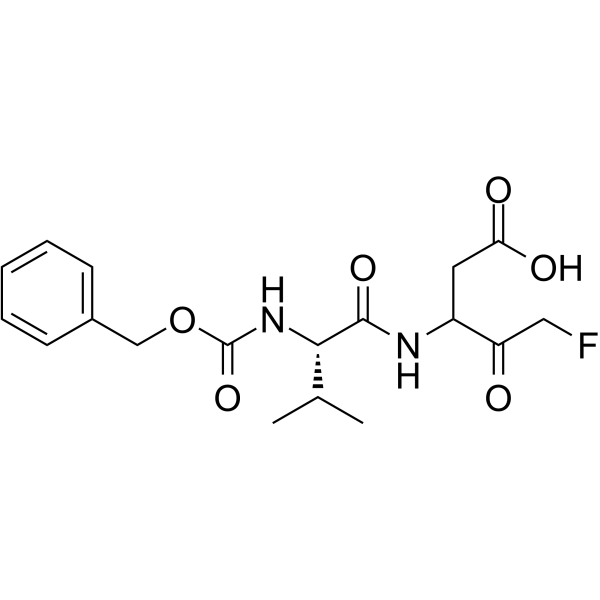
    MX1013
    1 Publications Verification

    CV1013; Z-VD-FMK

    Caspase Cancer
    MX1013 is a potent, irreversible dipeptide caspase inhibitor vith antiapoptotic activity. MX1013 inhibits recombinant human caspase 3 with an IC50 of 30 nM .
    MX1013
  • HY-112257
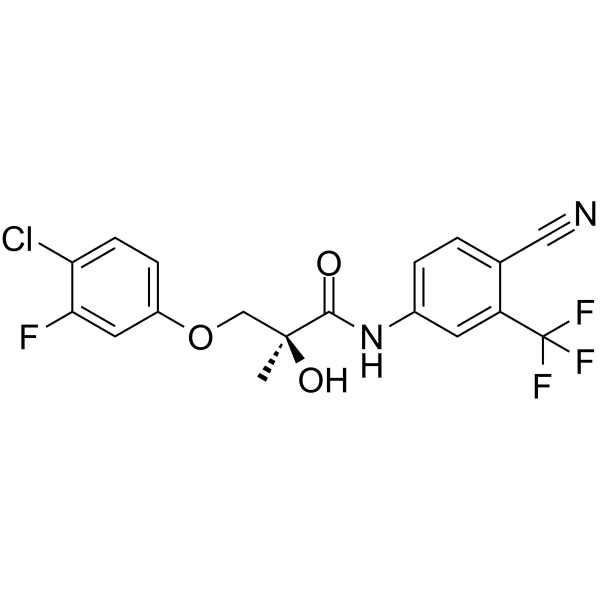
    S-23
    1 Publications Verification

    Androgen Receptor Metabolic Disease
    S-23 is an orally active selective androgen receptor modulator (SARM) with a Ki of 1.7 nM. S-23 induces androgen receptor (AR)-mediated transcriptional activation in CV-1 cells. S-23 increases prostate, seminal vesicle, and levator ani muscle weights in castrated rats .
    S-23
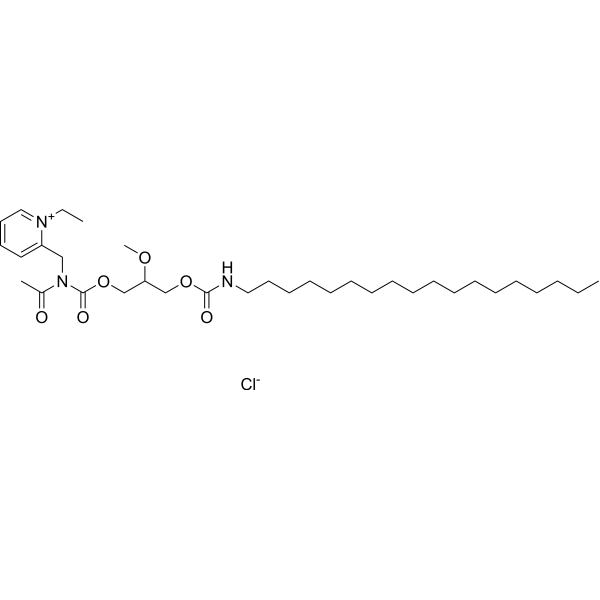
  • HY-109897

    Platelet-activating Factor Receptor (PAFR) Cardiovascular Disease
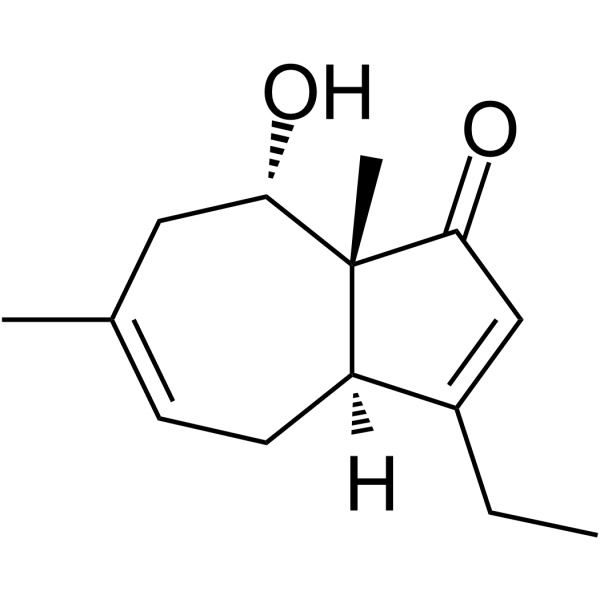
    CV-6209 is a potent antagonist of platelet activating factor (PAF). CV-6209 inhibits the PAF-induced aggregation of rabbit and human platelets, with IC50s of 75 nM and 170 nM, respectively. CV-6209 can inhibit PAF-induced hypotension in rats .
    CV-6209
  • HY-118020A

    Loliolid; Digiprolactone

    Endogenous Metabolite Caspase PI3K Apoptosis Akt Sirtuin Reactive Oxygen Species (ROS) NF-κB MMP Neurological Disease Cancer
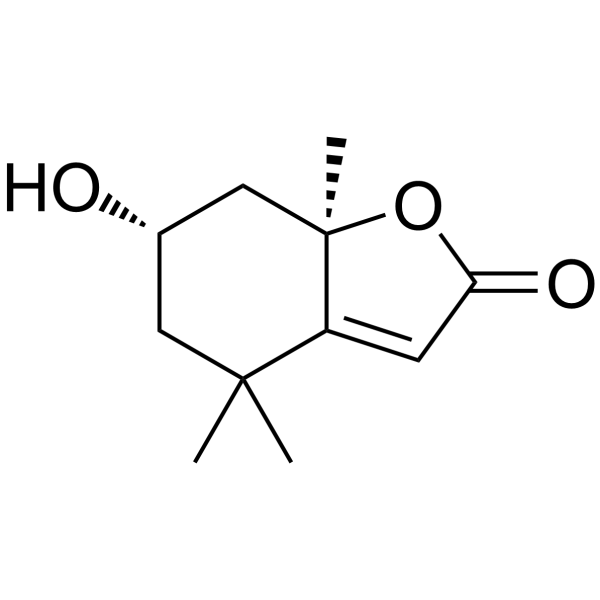
    Loliolide (Loliolid) is a β-carotene metabolite. Loliolide reduces caspase 3, 8, 9 expression, enhances PI3K, AKT, SIRT1, inhibits ROS, apoptosis, and blocks NF-κB p65 nuclear translocation. Loliolide protects mitochondria, reduces oxidative stress, and increases cell viability in neuroblastoma cells. Loliolide can be used for the research of UV-induced skin damage and Parkinson’s disease .
    Loliolide
  • HY-120161

    3'-Hexylsulfanylabscisic acid

    ABA Receptor Phosphatase Others
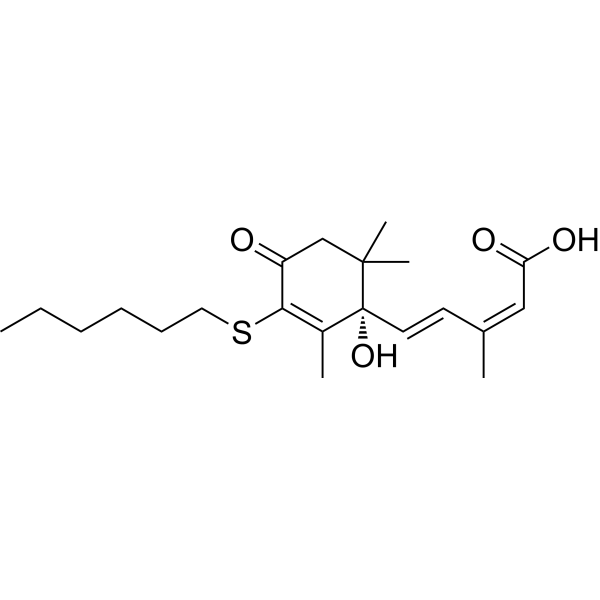
    AS6 (3'-Hexylsulfanylabscisic acid) is a PYL antagonist with a Kd value of 0.48 μM for Arabidopsis PYL5. AS6 binds to PYL proteins, and its S-hexyl chain blocks PP2C binding via steric hindrance. AS6 alleviates the inhibitory effect of ABA on seed germination in Arabidopsis and lettuce .
    AS6
  • HY-164642

    RuBP

    Endogenous Metabolite Metabolic Disease
    Ribulose 1,5-bisphosphate (RUBP) is a vital photosynthetic intermediate and substrate. Ribulose 1,5-bisphosphate acts as both product and substrate for Thermococcus kodakarensis KOD1 R15Pi. Ribulose 1,5-bisphosphate tightly binds to inactive RuBP carboxylase sites in plant leaves.Ribulose 1,5-bisphosphate serves as the key substrate for CO2 fixation in photosynthesis. Ribulose 1,5-bisphosphate supports carboxylation and regeneration processes in photosynthesis. Ribulose 1,5-bisphosphate determines the dynamic transition temperature of photosynthetic control. Ribulose 1,5-bisphosphate can be used for photosynthesis and enzyme mechanism research .
    Ribulose 1,5-bisphosphate
  • HY-13736A

    CV205-502 hydrochloride

    Dopamine Receptor Akt Neurological Disease Cancer
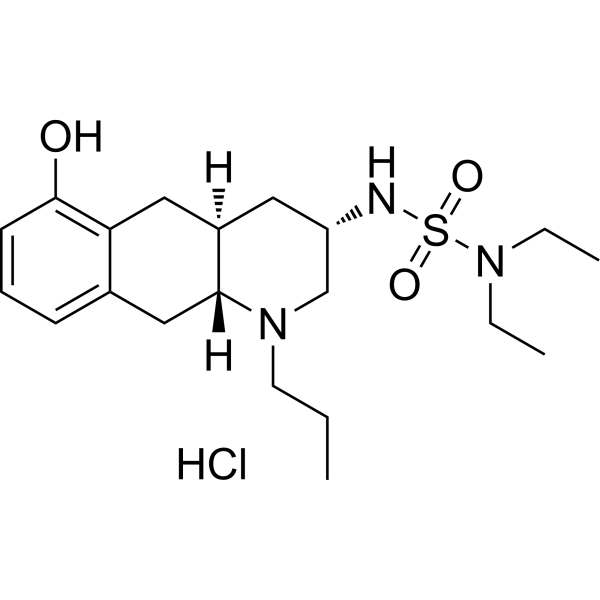
    Quinagolide hydrochloride (CV205-502 hydrochloride) is a selective and orally active dopamine D2 receptor agonist. Quinagolide hydrochloride is an inhibitor of prolactin. Quinagolide hydrochloride down-regulates AKT levels and its phosphorylation. Quinagolide hydrochloride shows antitumor effects, it can be used for the research of cancer .
    Quinagolide hydrochloride
  • HY-100679

    Monoamine Oxidase Enterovirus Infection Neurological Disease
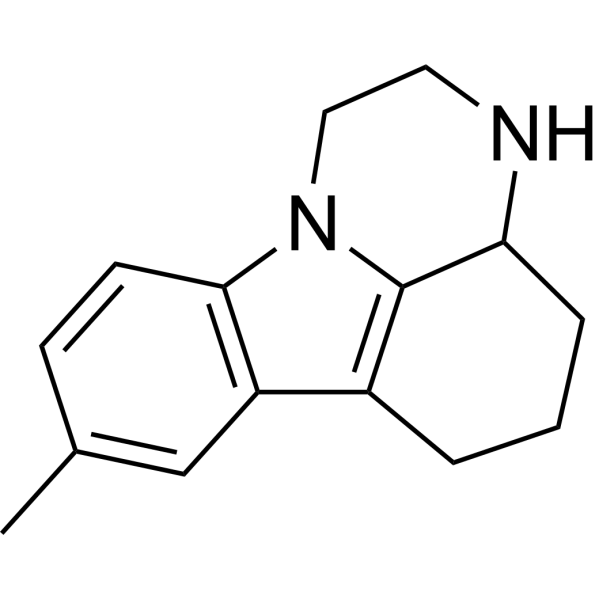
    Pirlindole is a selective and reversible MAO-A inhibitor . Pirlindole is also an inhibitor of enterovirus-D68 and coxsackievirus B3 (CV-B3) .
    Pirlindole
  • HY-N13047

    TMV SOD Infection
    Ningnanmycin is a plant antiviral agent. Ningnanmycin binds to specific residues on the TMV CP disc, inhibits CP assembly, disassembles the CP disc into monomers, and disrupts the structure of the TMV CP disc to reduce pathogenicity. Ningnanmycin binds to key amino acids of PVY CP, interferes with CP-CP interactions, inhibits CP assembly and virion formation, and blocks PVY replication. Ningnanmycin induces the expression of antiviral response genes PRXIIB, PRXIIE, PUB4 and PER42, thereby activating the host defense system. Ningnanmycin can be used in studies related to Tobacco Mosaic Virus infection and Potato Virus Y infection .
    Ningnanmycin
  • HY-103183

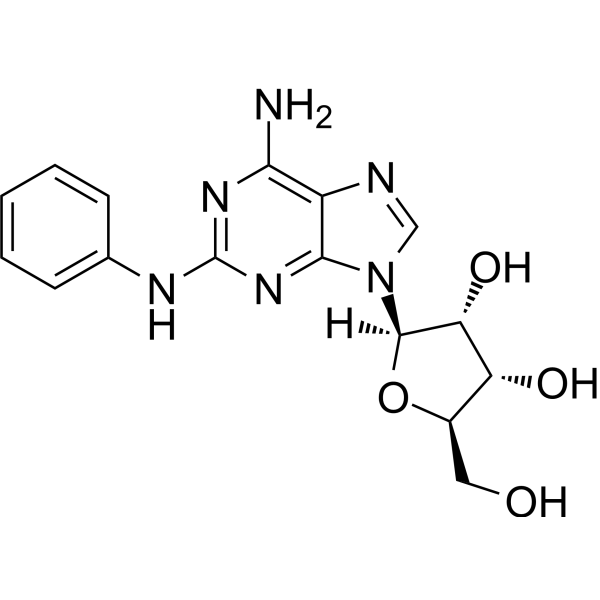
    2-Phenylaminoadenosine

    Adenosine Receptor Endogenous Metabolite Inflammation/Immunology
    CV1808 (2-Phenylaminoadenosine) is a non-selective A2 adenosine receptor (A2 AR) agonist with Kis of 76 and 1450 nM for A2A and A3 adenosine receptor subtypes, respectively .
    CV1808
  • HY-W010254

    Parasite Infection
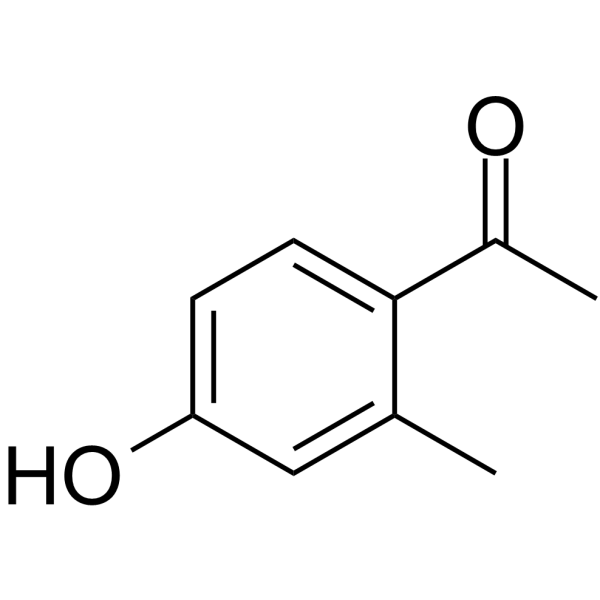
    4′-Hydroxy-2′-methylacetophenone, an aroma compound of red wines, is isolated from cv. Bobal grape variety. 4′-Hydroxy-2′-methylacetophenone has ciliate toxicity. 4′-Hydroxy-2′-methylacetophenone inhibits the growth of T. pyriformis, with an IC50 of 0.65 mM .
    4′-Hydroxy-2′-methylacetophenone
  • HY-B0251R
    Eplerenone (Standard)
    Maximum Cited Publications
    8 Publications Verification

    Epoxymexrenone (Standard)

    Reference Standards Mineralocorticoid Receptor Endogenous Metabolite Cardiovascular Disease Cancer
    Eplerenone (Standard) is the analytical standard of Eplerenone. This product is intended for research and analytical applications. Eplerenone (Epoxymexrenone) is a selective, highly specific and orally active aldosterone blocker (SAB). Eplerenone also is a selective mineralocorticoid receptor antagonist (MRA) with IC50 value of 0.081 μM. Eplerenone can be used for the research of hypertension, atherosclerosis, chronic systolic heart failure (HF) and cardiovascular (CV) .
    Eplerenone (Standard)
  • HY-W017448

    N,N-Dimethylpiperidinium chloride; PIX

    Environmental Pollutants Biochemical Assay Reagents Others
    Mepiquat chloride (N,N-Dimethylpiperidinium chloride) is a systemic plant growth regulator. Mepiquat chloride reduces the activity of RuBP carboxylase. Mepiquat chloride decreases plant height, total length of vegetative and fruiting branches, and total leaf area of cotton. Mepiquat chloride reduces the net photosynthetic rate of cotton leaves. Mepiquat chloride promotes starch accumulation in cotton leaves without altering sucrose content .
    Mepiquat chloride
  • HY-B2007

    Environmental Pollutants Acetyl-CoA Carboxylase Herbicide Metabolic Disease Inflammation/Immunology
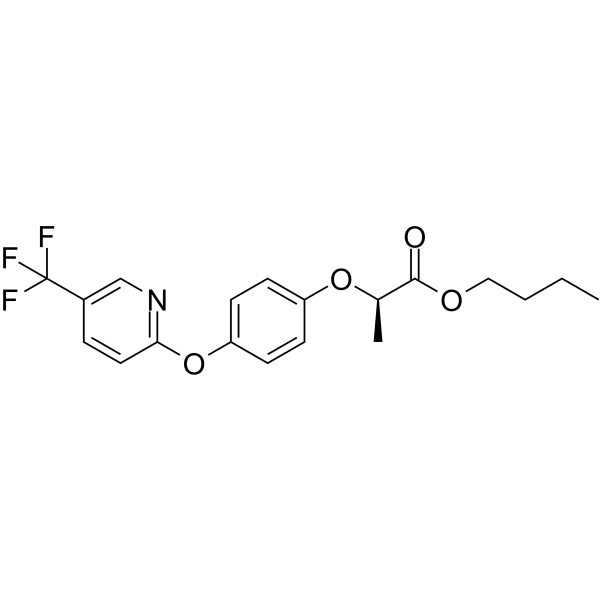
    Fluazifop-P-butyl is an orally active herbicide and ACCase inhibitor. Fluazifop-P-butyl blocks the formation of malonyl-CoA, disrupts lipid synthesis in sensitive plants, and exhibits concentration-dependent phytotoxicity to non-target maize seedlings. Fluazifop-P-butyl induces oxidative stress in male Wistar rats, impairs their liver and kidney functions, and disrupts testicular function .
    Fluazifop-P-butyl
  • HY-Y0319B3

    Biochemical Assay Reagents Others
    Potassium acetate, meets analytical specification of Ph. Eur. BP E261 is a high-purity grade reagent suitable for a wide range of research applications, particularly in pharmaceutical development, organic synthesis, and biochemistry .
    Potassium acetate, meets analytical specification of Ph. Eur. BP E261
  • HY-N3492

    Others Others
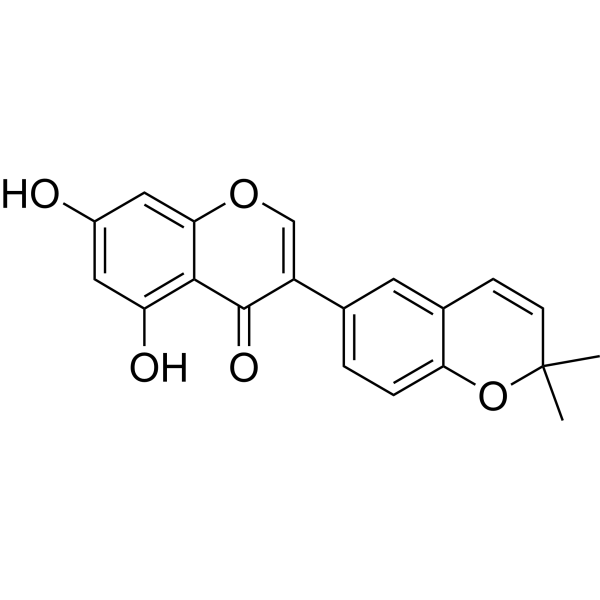
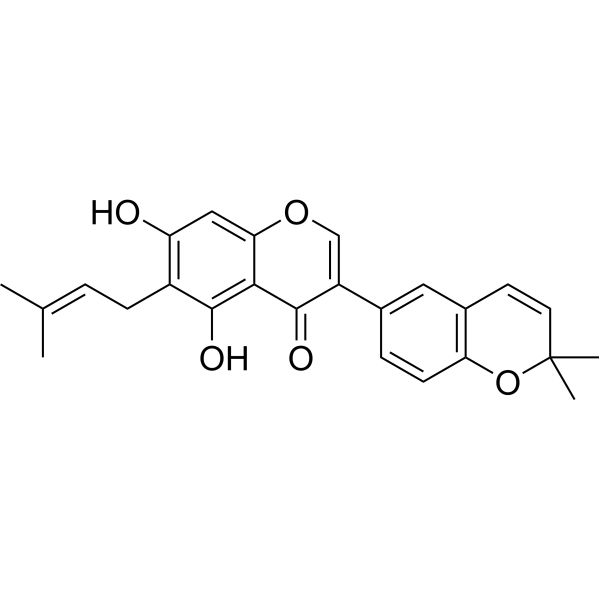
    Isoderrone is a new isoflavone isolated from the methanol extractives from white lupin (cv. Kievskij Mutant) roots .
    Isoderrone
  • HY-153626

    Bacterial Antibiotic Infection Inflammation/Immunology
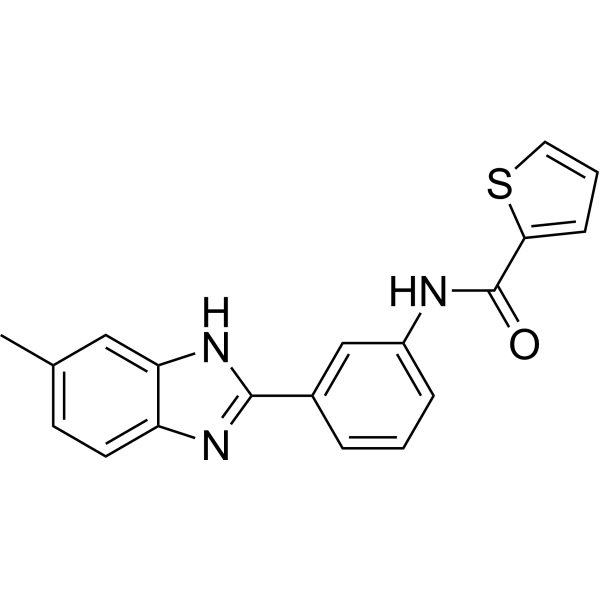
    Chlamydia pneumoniae-IN-1 (compound 55), a benzimidazole, shows high activity against the bacterium. Chlamydia pneumoniae-IN-1 has 99% inhibition of C. pneumoniae Growth at 10 μM, and has 95% inhibition effect on the viability of the host cells at 10 μM. Chlamydia pneumoniae-IN-1 inhibits the growth of the CV-6 strain with a MIC of 12.6 μM. Chlamydia pneumoniae-IN-1 has antichlamydial efficiency .
    Chlamydia pneumoniae-IN-1
  • HY-100679A

    Monoamine Oxidase Enterovirus Infection Endocrinology
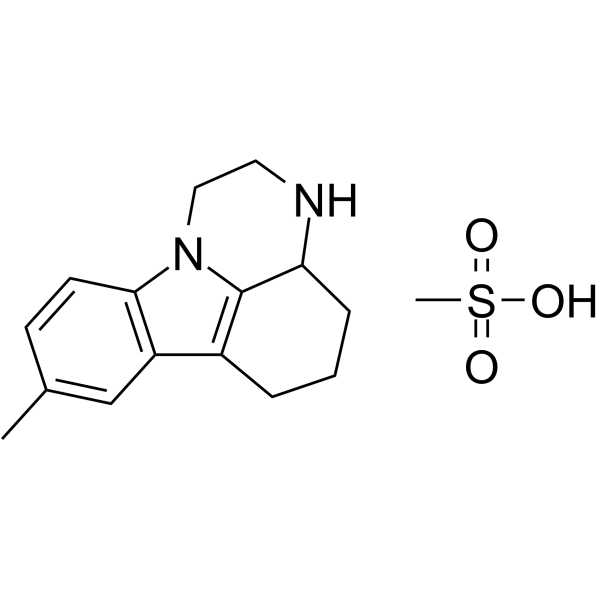
    Pirlindole mesylate is a selective and reversible MAO-A inhibitor. Pirlindole is also an inhibitor of enterovirus-D68 and coxsackievirus B3 (CV-B3) .
    Pirlindole mesylate
  • HY-19025

    Calmodulin Inflammation/Immunology
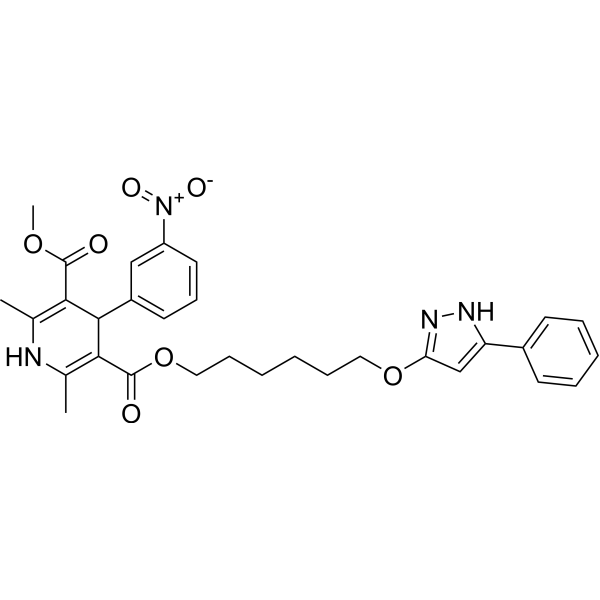
    CV-159 is a unique dihydropyridine Ca 2+ antagonist with an anti-calmodulin (CaM) action, and has antiinflammatory activities.
    CV-159
  • HY-121232

    CV-3317

    Angiotensin-converting Enzyme (ACE) Cardiovascular Disease
    Delapril (CV-3317) is an orally active angiotensin I converting enzyme (ACE) inhibitor. Delapril has antihypertensive activity .
    Delapril
  • HY-B0205S

    CV-11974-d4

    Angiotensin Receptor Others
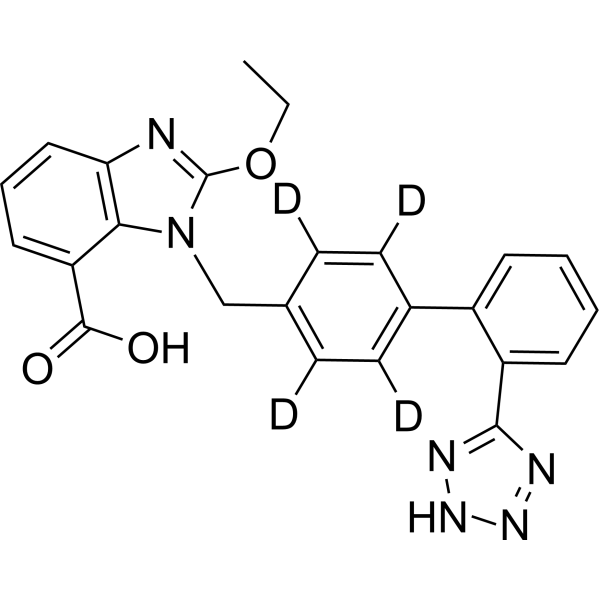
    Candesartan-d4 (CV-11974-d4) is the deuterium labeled Candesartan (HY-B0205). Candesartan (CV 11974) is an orally active angiotensin II AT1-Receptor blocker and PPAR-γ agonist. Candesartan has potent and long-lasting antihypertensive effects. Candesartan can be used for the research of hypertension, chronic heart failure (CHF) and Traumatic brain injury (TBI).
    Candesartan-d4
  • HY-B0205R

    CV 11974 (Standard)

    Reference Standards Angiotensin Receptor PPAR Cardiovascular Disease Endocrinology Cancer
    Candesartan (Standard) is the analytical standard of Candesartan. This product is intended for research and analytical applications. Candesartan (CV 11974) is an orally active angiotensin II AT1-Receptor blocker and PPAR-γ agonist. Candesartan has potent and long-lasting antihypertensive effects. Candesartan can be used for the research of hypertension, chronic heart failure (CHF) and Traumatic brain injury (TBI) .
    Candesartan (Standard)
  • HY-100268

    Xenazoic acid; CV58903

    Antibiotic Infection
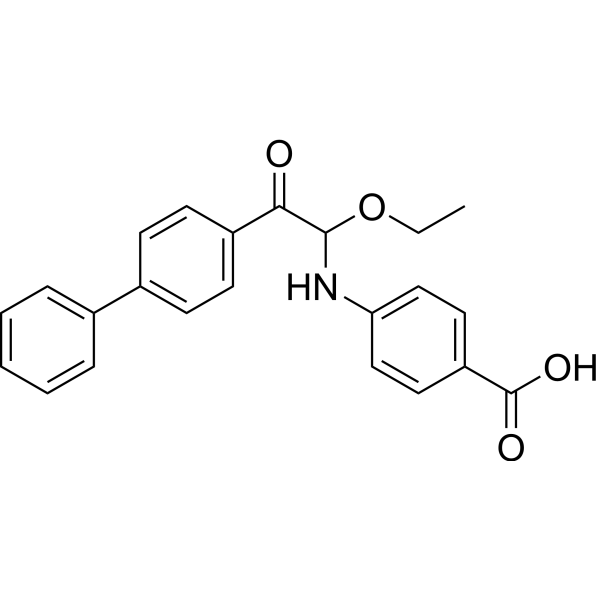
    Xenalamine is a synthetic antiviral agent.
    Xenalamine
  • HY-16906

    Src Cancer
    T338C Src-IN-2 is a mutant c-Src kinase inhibitor, with an IC50 of 317 nM against T338C c-Src, 57 nM against T338C/V323A c-Src, and 19 nM against T338C/V323S c-Src. T338C Src-IN-2 inhibits the kinase activity of endogenous cysteine gatekeeper MOK. T338C Src-IN-2 reduces global phosphotyrosine levels in v-Src-ES1-transformed NIH-3T3 cells .
    T338C Src-IN-2
  • HY-129529

    Others Inflammation/Immunology
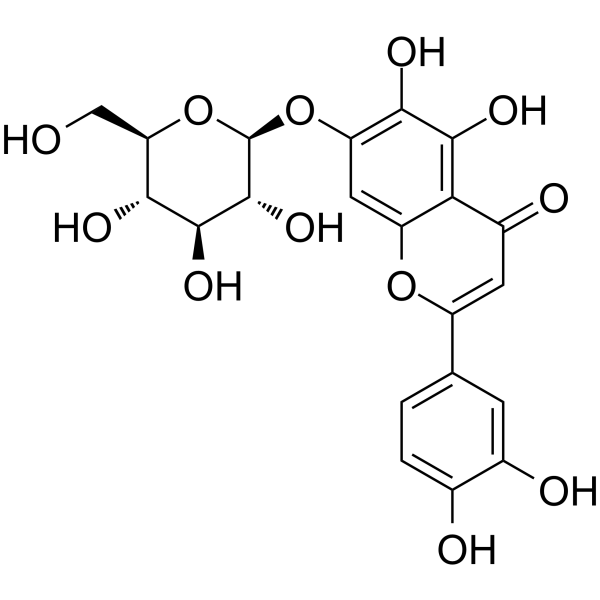
    6-Hydroxyluteolin 7-glucoside is a glycoside. 6-Hydroxyluteolin 7-glucoside can be isolated from Tanacetum vulgare and C. chrvsanthus cv. Cream Beauty. 6-Hydroxyluteolin 7-glucoside can be used in inflammation research .
    6-Hydroxyluteolin 7-glucoside
  • HY-B0251S1

    Epoxymexrenone-13C,d3

    Isotope-Labeled Compounds Mineralocorticoid Receptor Endogenous Metabolite Cardiovascular Disease Cancer
    Eplerenone- 13C,d3 (Epoxymexrenone- 13C,d3) is 13C labeled Eplerenone. Eplerenone (Epoxymexrenone) is a selective, highly specific and orally active aldosterone blocker (SAB). Eplerenone also is a selective mineralocorticoid receptor antagonist (MRA) with IC50 value of 0.081 μM. Eplerenone can be used for the research of hypertension, atherosclerosis, chronic systolic heart failure (HF) and cardiovascular (CV) .
    Eplerenone-13C,d3
  • HY-168085

    YAP Apoptosis Cancer
    CV-4-26 (Compound 22) is a covalent inhibitor of TEAD. CV-4-26 inhibits YAP/TEAD-based transcription, leading to the reduction of CTGF and CYR61 expression. CV-4-26 inhibits Huh7 and HepG2 cell colony formation, induces cell cycle arrest, and apoptosis. CV-4-26 shows antitumor activity against hepatocellular carcinoma (HCC) and hepatoblastoma (HB) .
    CV-4-26
  • HY-106062

    Platelet-activating Factor Receptor (PAFR) Others
    CV 3988 is a specific inhibitor of platelet-activating factor (PAF) .
    CV 3988
  • HY-119890

    CV-4151

    Prostaglandin Receptor Cardiovascular Disease Cancer
    Isbogrel (CV-4151) is a potent selective inhibitor of thromboxane A2 synthase. Isbogrel has oral activity and inhibits blood TXA2 generation with an ID50 value of 0.04 mg/kg .
    Isbogrel
  • HY-103183R

    2-Phenylaminoadenosine (Standard)

    Reference Standards Adenosine Receptor Endogenous Metabolite Inflammation/Immunology
    CV1808 (Standard) is the analytical standard of CV1808. This product is intended for research and analytical applications. CV1808?(2-Phenylaminoadenosine) is a non-selective A2?adenosine receptor (A2 AR) agonist with Kis of 76 and 1450 nM for A2A and A3 adenosine receptor subtypes, respectively .
    CV1808 (Standard)
  • HY-13736

    CV205-502

    Dopamine Receptor Neurological Disease
    Quinagolide (CV205-502) is a non-ergot dopamine D(2) receptor agonist that promotes dopamine activity. Quinagolide has shown effectiveness in modulating endocrine function, particularly in inhibiting disorders associated with dopamine deficiency. Quinagolide is used to suppress hyperprolactinemia and corresponding clinical symptoms, showing good efficacy. Quinagolide's biological activity enables its use as an important research compound in drug isolation and analysis .
    Quinagolide
  • HY-145516

    Ro 47-8634

    Drug Metabolite Cytochrome P450 Metabolic Disease
    Desmethyl bosentan is an active metabolite of the endothelin receptor antagonist bosentan (HY-A0013).1 Desmethyl bosentan (25 μM) activates the pregnane X receptor (PXR) in CV-1 monkey kidney cells expressing the human receptor in a reporter assay.
    Desmethyl Bosentan
  • HY-N10192

    Endogenous Metabolite Bacterial Infection
    Aculene D, a fungal metabolite, shows quorum sensing (QS) inhibitory activity against Chromobacterium violaceum CV026, and could significantly reduce violacein production in N-hexanoyl-l-homoserine lactone (C6-HSL) induced C. violaceum CV026 cultures at sub-inhibitory concentrations .
    Aculene D
  • HY-N3758

    Cytochrome P450 Others
    Dihydrosesamin is a Lignans product that can be isolated from the young shoots of Chamaecyparis obtusa cv. Breviramea. .
    Dihydrosesamin
  • HY-N12270

    Others Others
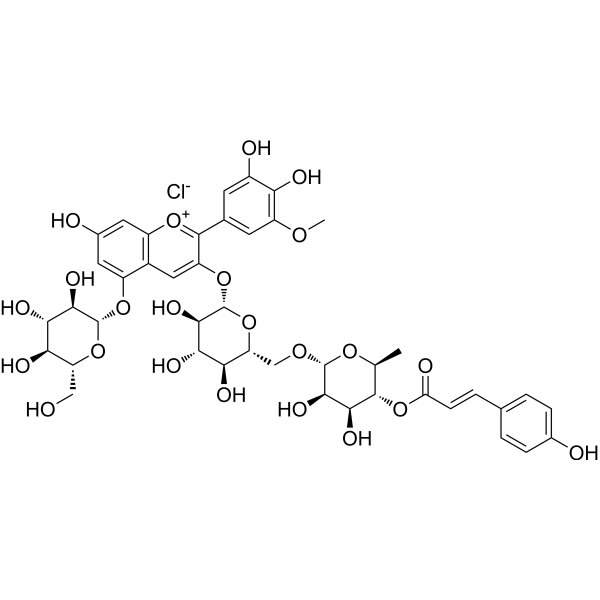
    Petanin (chloride) is a p-coumaroyl anthocyanin from the tuber epidermis of colored potato (Solanum tuberosum L. cv JAYOUNG) .
    Petanin chloride
  • HY-N3496

    Others Others
    Isochandalone is a new isoflavone isolated from the methanol extractives from white lupin (cv. Kievskij Mutant) roots .
    Isochandalone
  • HY-N9222

    Others Others
    9-Deacetyl-9-benzoyl-10-debenzoyltaxchinin A is a Diterpenoids product that can be isolated from the stem-barks of Taxus baccata L. cv. stricta. .
    9-Deacetyl-9-benzoyl-10-debenzoyltaxchinin A
  • HY-137396

    Endogenous Metabolite Cardiovascular Disease
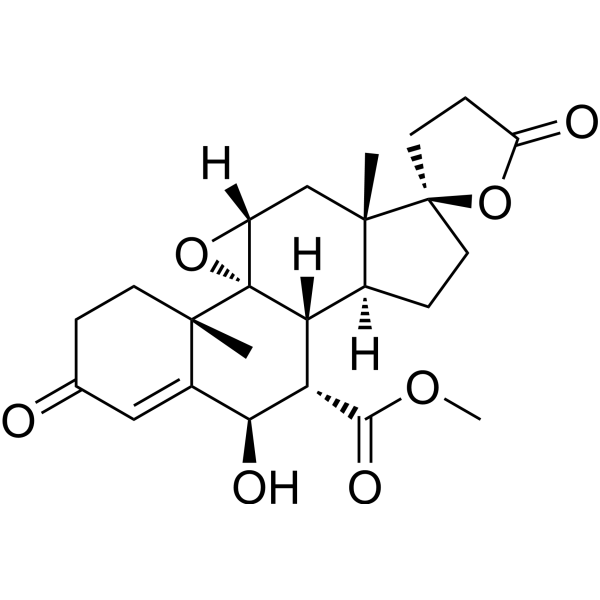
    6β-Hydroxy Eplerenone is a metabolite of Eplerenone (HY-B0251). 6β-Hydroxy Eplerenone plays an important role in the research of hypertension, atherosclerosis, chronic systolic heart failure (HF) and cardiovascular (CV) .
    6β-Hydroxy Eplerenone
  • HY-100679R

    Reference Standards Monoamine Oxidase Enterovirus Infection Neurological Disease
    Pirlindole (Standard) is the analytical standard of Pirlindole. This product is intended for research and analytical applications. Pirlindole is a selective and reversible MAO-A inhibitor . Pirlindole is also an inhibitor of enterovirus-D68 and coxsackievirus B3 (CV-B3) .
    Pirlindole (Standard)
  • HY-N9033

    Others Others
    9-Deacetyl-9-benzoyl-10-debenzoyl-4β,20-epoxytaxchinin A is a Diterpenoids product that can be isolated from the stem-barks of Taxus baccata L. cv. stricta. .
    9-Deacetyl-9-benzoyl-10-debenzoyl-4β,20-epoxytaxchinin A
  • HY-19064

    Prostaglandin Receptor Lipoxygenase Cardiovascular Disease Inflammation/Immunology Cancer
    CV-6504 is a dual inhibitor of TXA2 synthase and 5-lipoxygenase. CV-6504 can scavenge ROS and exhibit antitumor activity. CV-6504 can be used for the researches of cancer, inflammation and cardiovascular disease .
    CV-6504
  • HY-106797

    SOD Xanthine Oxidase Cardiovascular Disease Inflammation/Immunology Cancer
    CV 3611 is a potent and orally active free radical scavenger. CV 3611 shows anti-inflammatory, antiarrhythmic and anticancer effects. CV 3611 can be used for the researches of cancer, inflammation and cardiovascular disease, such as hepatocellular carcinoma and acute pancreatitis .
    CV 3611
  • HY-157172

    Integrin Infection Neurological Disease
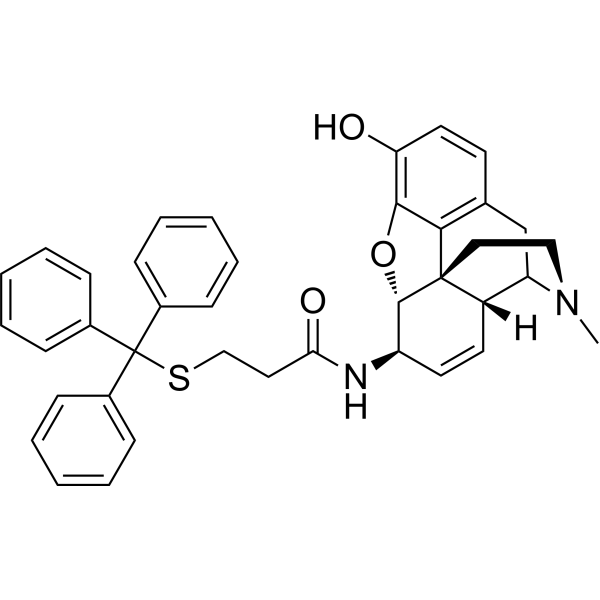
    MorHap is a heroin hapten. MorHap conjugated to tetanus toxoid (TT), palm-CV2, and to monophosphoryl lipid A (MPLA)-containing liposomes partially blocks heroin-induced analgesia and hyperlocomotion in mice. MorHap designed conjugates also significantly inhibits HIV-1 binding to α4β7 receptors. MorHap can be used in research to develop vaccines related to heroin addiction and HIV-1 infection .
    MorHap
  • HY-118472R

    CGS 14831 (Standard)

    Drug Metabolite Reference Standards Endogenous Metabolite Angiotensin-converting Enzyme (ACE) Cardiovascular Disease
    Benazeprilat (Standard) is the analytical standard of Benazeprilat. This product is intended for research and analytical applications. Benazeprilat is an orally active and the active metabolite of benazepril, a carboxyl-containing ACE inhibitor with antihypertensive activity. Benazepril is a well-established antihypertensive agent, both in monoresearch and in combination with other classes of drugs including thiazide diuretics and calcium channel blockers. Benazepril is a first-line research in reducing various pathologies associated with CV risk and secondary end-organ damage .
    Benazeprilat (Standard)
  • HY-N3103R

    Ethyl (E)-p-hydroxycinnamate (Standard); Ethyl trans-4-hydroxycinnamate (Standard)

    Reference Standards Drug Metabolite Inflammation/Immunology
    Benazeprilat (Standard) is the analytical standard of Benazeprilat. This product is intended for research and analytical applications. Benazeprilat is an orally active and the active metabolite of benazepril, a carboxyl-containing ACE inhibitor with antihypertensive activity. Benazepril is a well-established antihypertensive agent, both in monoresearch and in combination with other classes of drugs including thiazide diuretics and calcium channel blockers. Benazepril is a first-line research in reducing various pathologies associated with CV risk and secondary end-organ damage .
    p-Coumaric Acid Ethyl Ester (Standard)

Inquiry Online

Your information is safe with us. * Required Fields.

Salutation


Country or Region *

Applicant Name *


Organization Name *

Department *


Email Address *


Product Name *

Cat. No.


Requested quantity *

Phone Number *


Remarks

Inquiry Online

Inquiry Information

Product Name:
Cat. No.:
Quantity:
MCE Japan Authorized Agent: