1. Search Result
Search Result
Results for "

protein kinase A (PKA)

" in MedChemExpress (MCE) Product Catalog:

82

Inhibitors & Agonists

2

Screening Libraries

18

Peptides

8

Natural
Products

2

Recombinant Proteins

2

Isotope-Labeled Compounds

5

Antibodies

2

Oligonucleotides

1

GMP Molecules

Targets Recommended:
Cat. No. Product Name Target Research Areas Chemical Structure
  • HY-15141
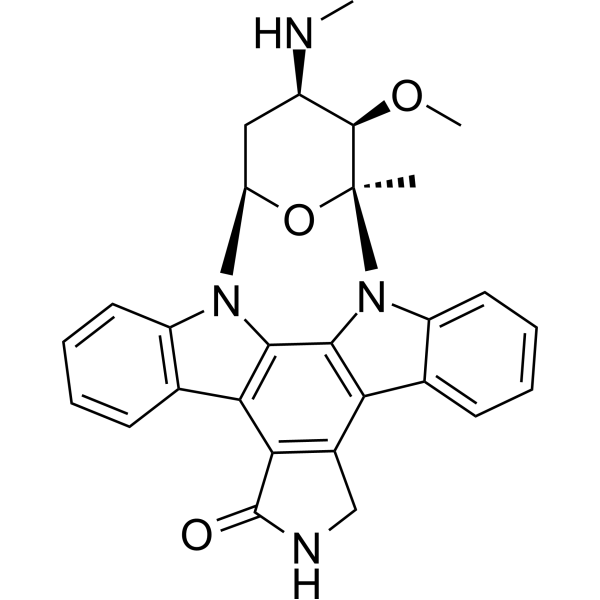
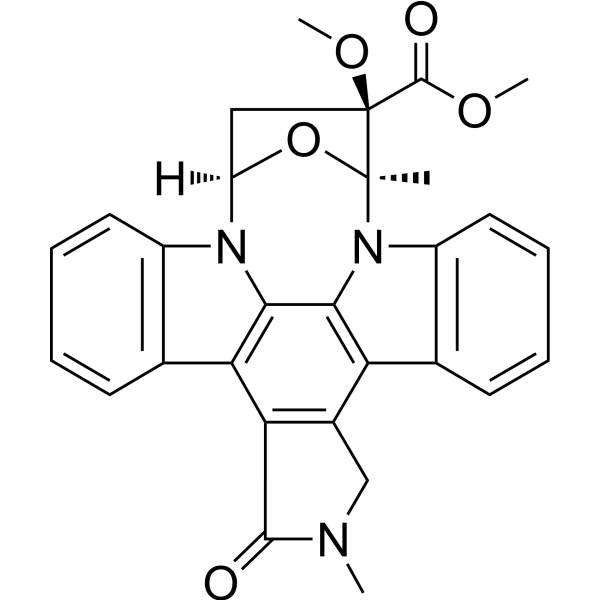
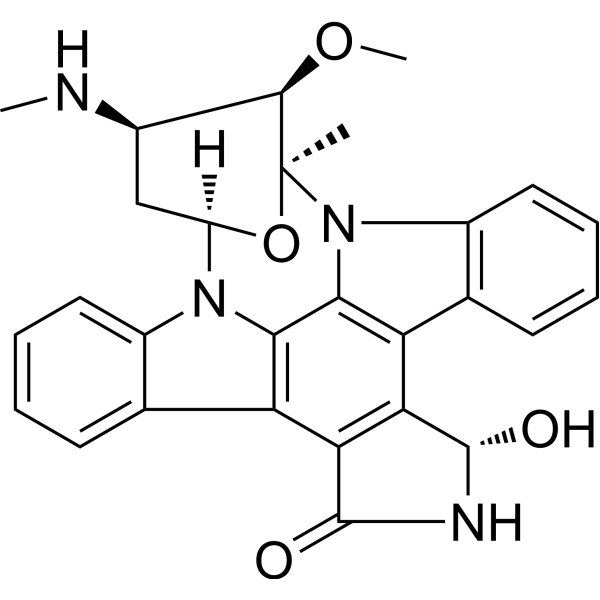
    Staurosporine
    Maximum Cited Publications
    207 Publications Verification

    Antibiotic AM-2282; STS; AM-2282

    PKC PKA Apoptosis Bacterial Fungal Antibiotic Infection Cancer
    Staurosporine is a potent, ATP-competitive and non-selective inhibitor of protein kinases with IC50s of 6 nM, 15 nM, 2 nM, and 3 nM for PKC, PKA, c-Fgr, and Phosphorylase kinase respectively. Staurosporine also inhibits TAOK2 with an IC50 of 3 μM. Staurosporine is an apoptosis inducer .
    Staurosporine
  • HY-B0764
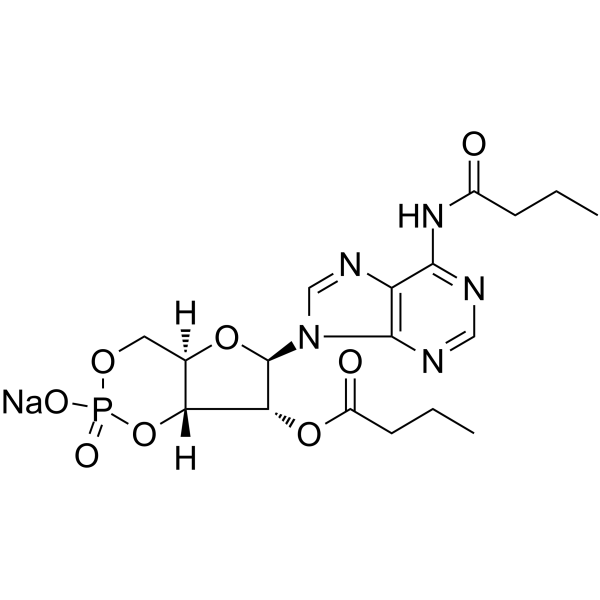
    Bucladesine sodium
    40+ Cited Publications

    Dibutyryl cAMP sodium; DBcAMP sodium

    PKA Reactive Oxygen Species (ROS) Apoptosis Neurological Disease Inflammation/Immunology Cancer
    Bucladesine (Dibutyryl cAMP; DBcAMP) sodium is a membrane-permeable 3′, 5′-cyclic adenosine monophosphate (cAMP) analog. Bucladesine selectively activates cAMP dependent protein kinase (PKA) by increasing the intracellular level of cAMP. Bucladesine significantly attenuates MDMA-induced increases in hippocampal mitochondrial ROS formation, mitochondrial outer membrane damage, cytochrome c release, and hippocampal ADP/ATP ratio, thereby improving spatial learning and memory impairments. Bucladesine exhibit anti-nociceptive and anti-inflammation effect. Bucladesine can inhibit cancer cells proliferation, induce apoptosis. Bucladesine can be used for the researches of neurological disease, cancer, inflammation .
    Bucladesine sodium
  • HY-15979A
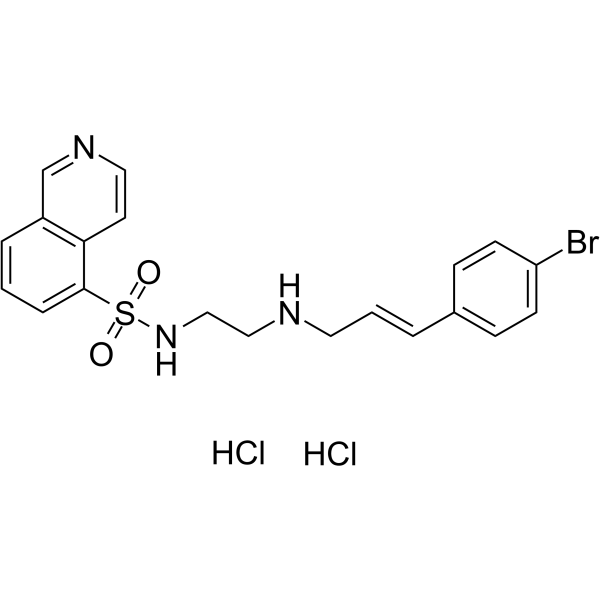
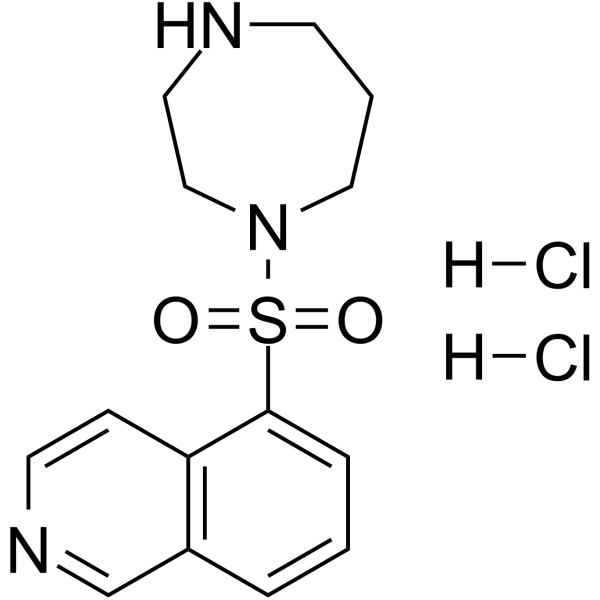
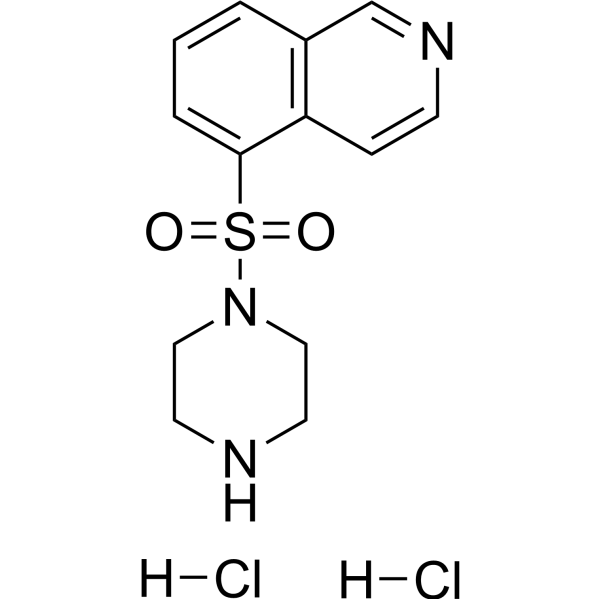
    H-89 dihydrochloride
    175+ Cited Publications

    PKA Autophagy Others
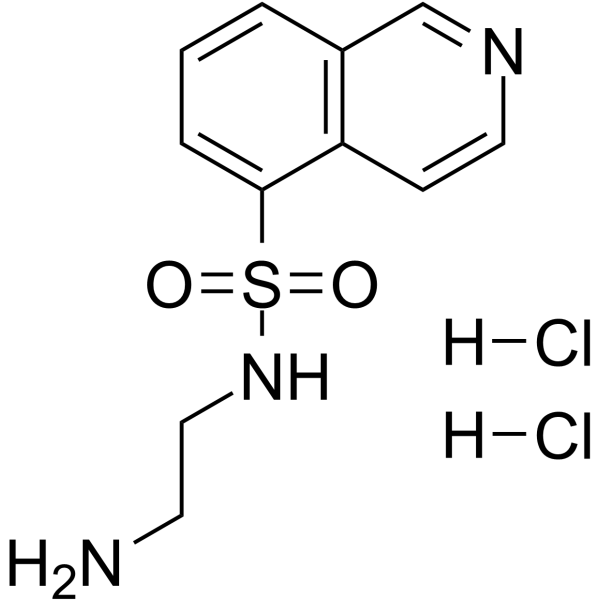
    H-89 dihydrochloride is a potent and selective inhibitor of protein kinase A (PKA) with an IC50 of 48 nM and has weak inhibition on PKG, PKC, Casein Kinase.
    H-89 dihydrochloride
  • HY-12306
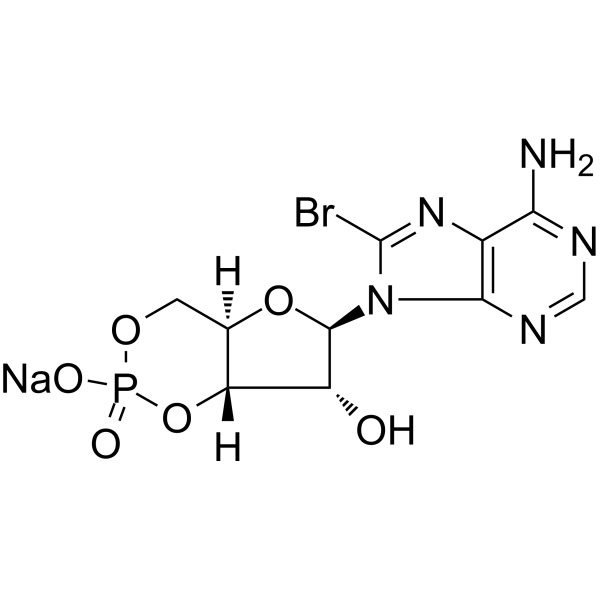
    8-Bromo-cAMP sodium salt
    35+ Cited Publications

    8-Br-Camp sodium salt

    PKA Apoptosis Cancer
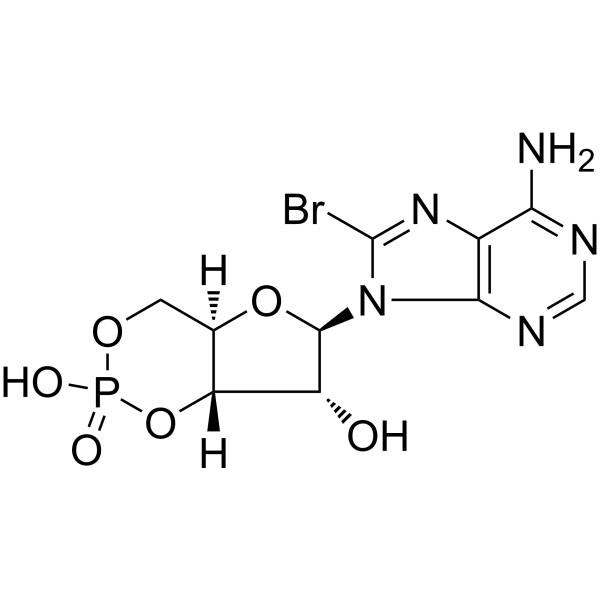
    8-Bromo-cAMP sodium (8-Br-Camp) sodium salt, a cyclic AMP analog, is an activator of cyclic AMP-dependent protein kinase (PKA). 8-Bromo-cAMP sodium salt has anti-proliferative and apoptotic effects against cancer cells .
    8-Bromo-cAMP sodium salt
  • HY-12306A
    8-Bromo-cAMP
    35+ Cited Publications

    8-Br-Camp

    PKA Apoptosis Cancer
    8-Bromo-cAMP (8-Br-Camp), a cyclic AMP analog, is an activator of cyclic AMP-dependent protein kinase (PKA). 8-Bromo-cAMP has anti-proliferative and apoptotic effects against cancer cells .
    8-Bromo-cAMP
  • HY-10341
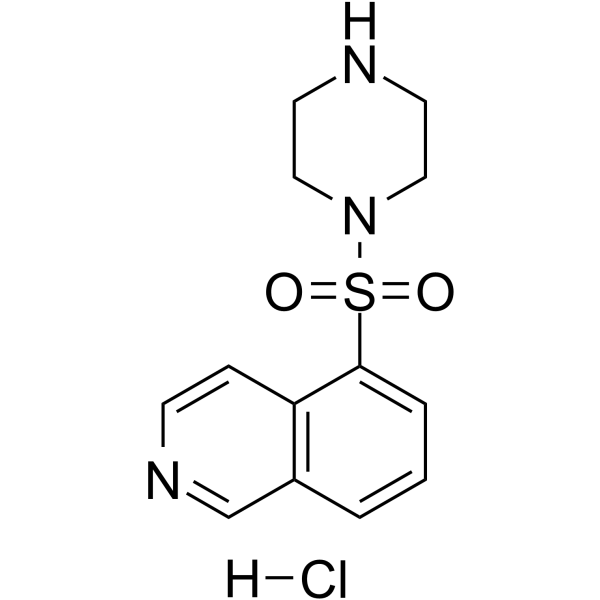
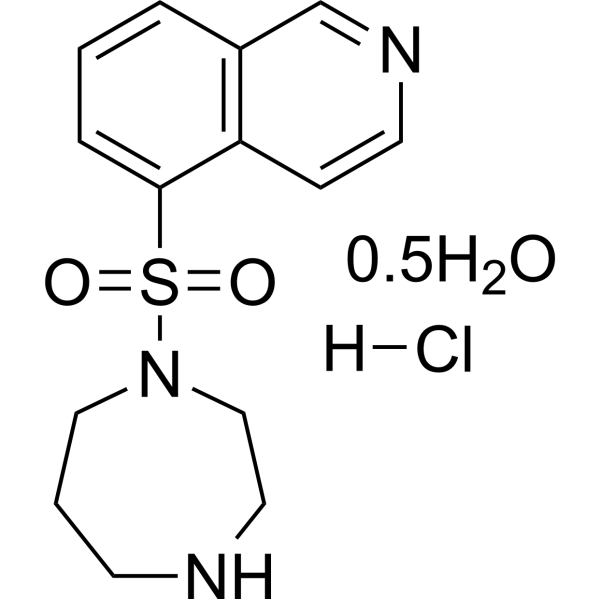
    Fasudil Hydrochloride
    25+ Cited Publications

    HA-1077 Hydrochloride; AT-877 Hydrochloride

    ROCK Calcium Channel Autophagy PKA PKC HIV Cancer
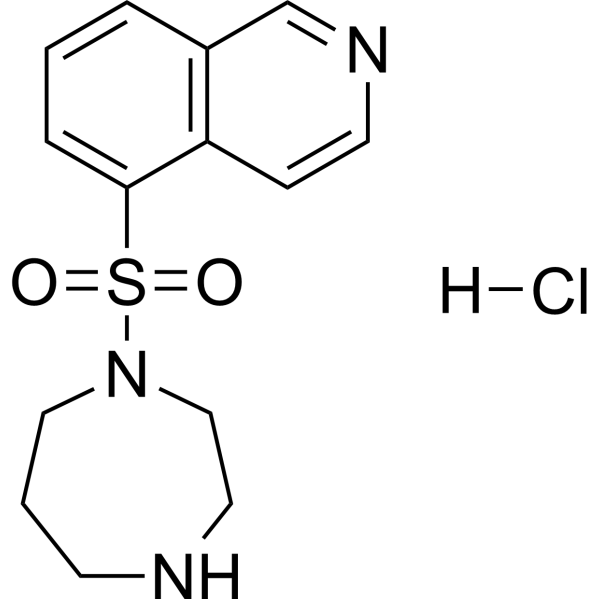
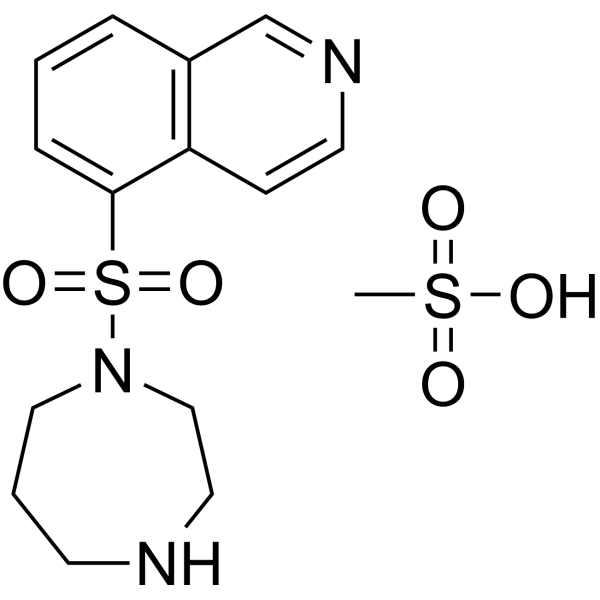
    Fasudil (HA-1077; AT877) Hydrochloride is a nonspecific RhoA/ROCK inhibitor and also has inhibitory effect on protein kinases, with an Ki of 0.33 μM for ROCK1, IC50s of 0.158 μM and 4.58 μM, 12.30 μM, 1.650 μM for ROCK2 and PKA, PKC, PKG, respectively. Fasudil Hydrochloride is also a potent Ca 2+ channel antagonist and vasodilator .
    Fasudil Hydrochloride
  • HY-10230
    Midostaurin
    35+ Cited Publications

    PKC412; CGP 41251

    PKC VEGFR c-Kit NO Synthase Apoptosis Cancer
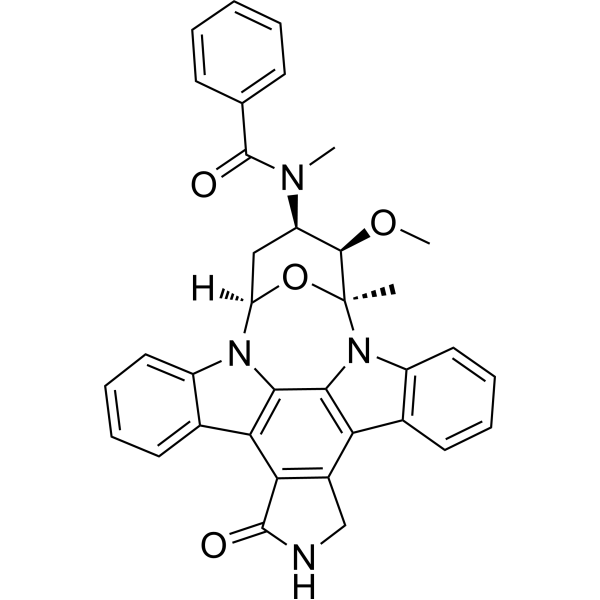
    Midostaurin (PKC412; CGP 41251) is an orally active, reversible multi-targeted protein kinase inhibitor. Midostaurin inhibits PKCα/β/γ, Syk, Flk-1, Akt, PKA, c-Kit, c-Fgr, c-Src, FLT3, PDFRβ and VEGFR1/2 with IC50s ranging from 22-500 nM . Midostaurin also upregulates endothelial nitric oxide synthase (eNOS) gene expression. Midostaurin shows powerful anticancer effects .
    Midostaurin
  • HY-N6732
    K-252a
    25+ Cited Publications

    SF2370; Antibiotic K 252a; Antibiotic SF 2370

    Autophagy PKA PKC Trk Receptor CaMK Infection Inflammation/Immunology
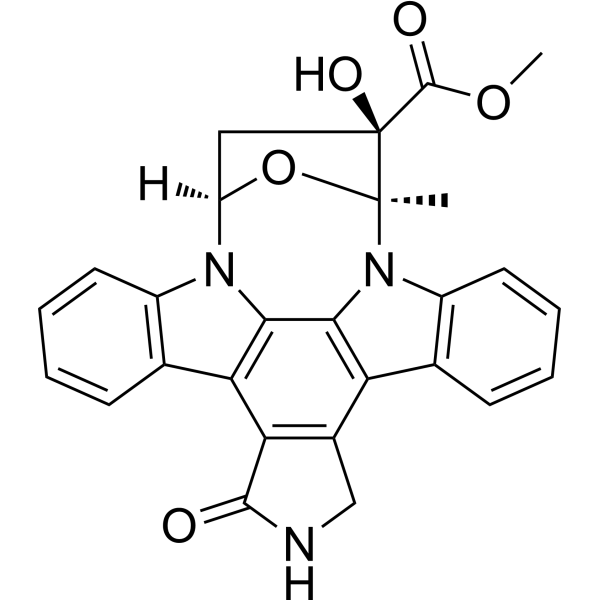
    K-252a, a staurosporine analog, inhibits protein kinase, with IC50 values of 470 nM, 140 nM, 270 nM, and 1.7 nM for PKC, PKA, Ca 2+/calmodulin-dependent kinase type II, and phosphorylase kinase, respectively . K-252a is a potent inhibitor (IC50 of 3 nM) of the tyrosine protein kinase (TRK) activity of the NGF receptor gp140trk, the product of the trk protooncogene .
    K-252a
  • HY-N6791
    KT5823
    10+ Cited Publications

    PKA PKC Bacterial Apoptosis Antibiotic Infection Inflammation/Immunology
    KT5823, a selective the cGMP-dependent protein kinase (PKG) inhibitor with an Ki value of 0.23 μM, it also inhibits PKA and PKC with Ki values of 10 μM and 4 μM, respectively. KT5823 is a Staurosporine-related protein kinase inhibitor, increases thyroid-stimulating hormone-induced (Na +/I - symporter) NIS expression, and iodide uptake in thyroid cells. KT5823 arrests cells after the G0/G1 boundary and causes increases in the levels of apoptotic DNA fragmentation .
    KT5823
  • HY-10341A
    Fasudil
    25+ Cited Publications

    HA-1077; AT877

    ROCK Calcium Channel Autophagy PKA PKC Cancer
    Fasudil (HA-1077; AT877) is a nonspecific RhoA/ROCK inhibitor and also has inhibitory effect on protein kinases, with an Ki of 0.33 μM for ROCK1, IC50s of 0.158 μM and 4.58 μM, 12.30 μM, 1.650 μM for ROCK2 and PKA, PKC, PKG, respectively. Fasudil is also a potent Ca 2+ channel antagonist and vasodilator .
    Fasudil
  • HY-B0764A
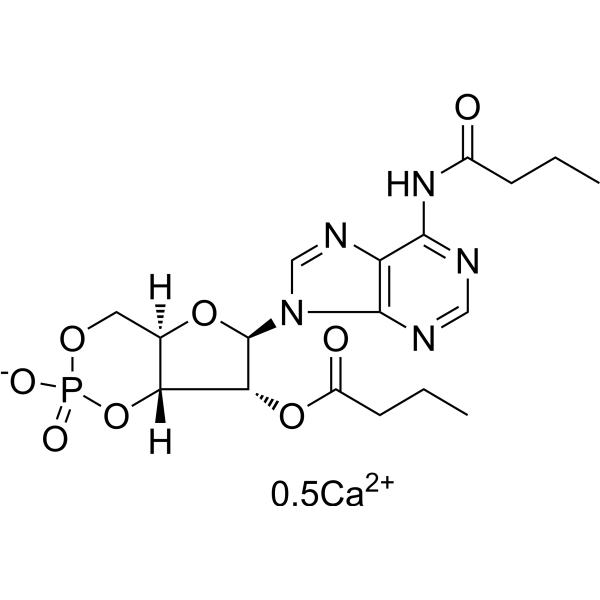
    Bucladesine hemicalcium
    40+ Cited Publications

    Dibutyryl cAMP hemicalcium; DBcAMP hemicalcium

    PKA Apoptosis Reactive Oxygen Species (ROS) Neurological Disease Cancer
    Bucladesine (Dibutyryl cAMP; DBcAMP) hemicalcium is a membrane-permeable 3′, 5′-cyclic adenosine monophosphate (cAMP) analog. Bucladesine selectively activates cAMP dependent protein kinase (PKA) by increasing the intracellular level of cAMP. Bucladesine significantly attenuates MDMA-induced increases in hippocampal mitochondrial ROS formation, mitochondrial outer membrane damage, cytochrome c release, and hippocampal ADP/ATP ratio, thereby improving spatial learning and memory impairments. Bucladesine exhibit anti-nociceptive and anti-inflammation effect. Bucladesine can inhibit cancer cells proliferation, induce apoptosis. Bucladesine can be used for the researches of neurological disease, cancer, inflammation .
    Bucladesine hemicalcium
  • HY-N0281
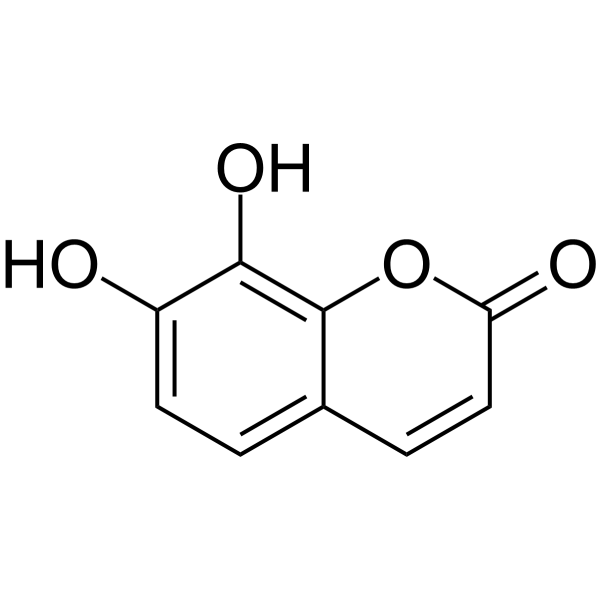
    Daphnetin
    5+ Cited Publications

    7,8-Dihydroxycoumarin

    EGFR PKA PKC Autophagy Apoptosis AMPK Akt mTOR Reactive Oxygen Species (ROS) Caspase Bcl-2 Family PARP Parasite Cardiovascular Disease Inflammation/Immunology Cancer
    Daphnetin (7,8-dihydroxycoumarin), one coumarin derivative can be found in plants of the Genus Daphne, is a potent, oral active protein kinase inhibitor, with IC50s of 7.67 μM, 9.33 μM and 25.01 μM for EGFR, PKA and PKC in vitro, respectively. Daphnetin triggers ROS-induced cell apoptosis and induces cytoprotective autophagy by modulating the AMPK/Akt/mTOR pathway. Daphnetin has anti-inflammation activitity and inhibits TNF-α, IL-1β, ROS, and MDA production. Daphnetin has schizontocidal activity against malaria parasites. Daphnetin can be used for rheumatoid arthritis , cancer and anti-malarian research .
    Daphnetin
  • HY-P0248
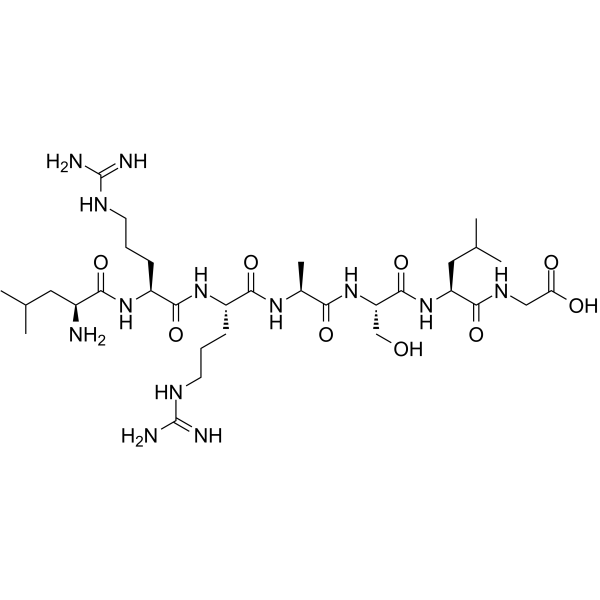
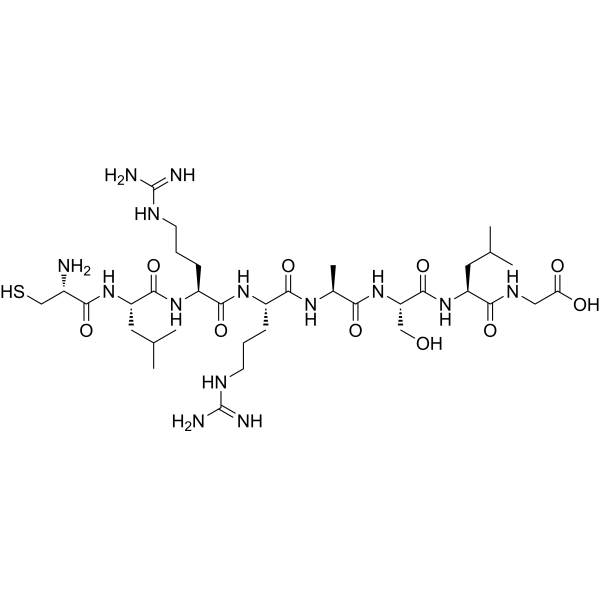
    Kemptide
    1 Publications Verification

    PKA Metabolic Disease
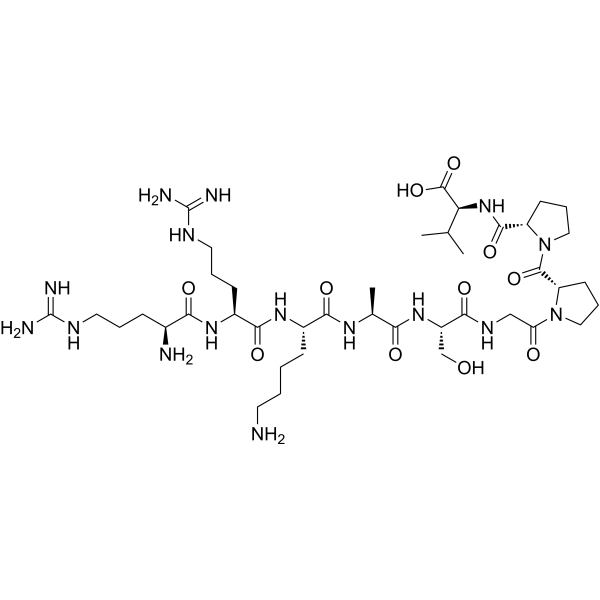
    Kemptide is a synthetic heptapeptide that acts as a specific substrate for cAMP-dependent protein kinase (PKA).
    Kemptide
  • HY-108254

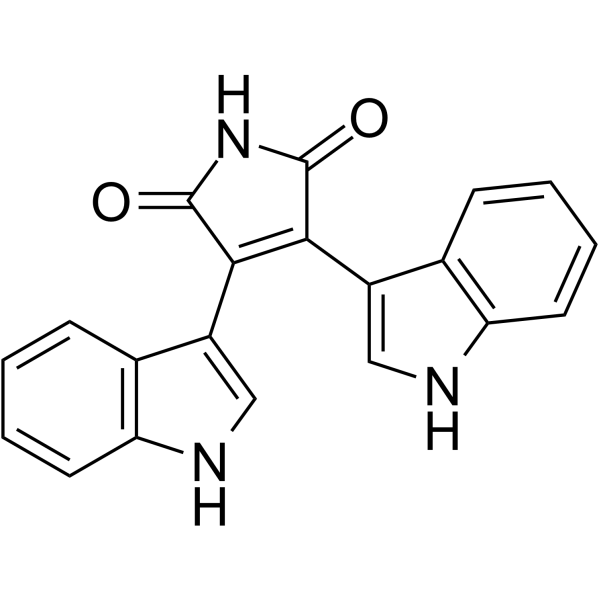
    Arcyriarubin A

    PKC CMV Infection
    Bisindolylmaleimide IV (Arcyriarubin A) is a potent protein kinase C (PKC) inhibitor, with IC50s ranging from 0.1 to 0.55 μM. Bisindolylmaleimide IV also inhibits PKA (IC50=3.1-11.8μM) . Bisindolylmaleimide IV is a potent, selective inhibitor of human cytomegalovirus (HCMV) replication in cell culture with an IC50 of 0.2 μM .
    Bisindolylmaleimide IV
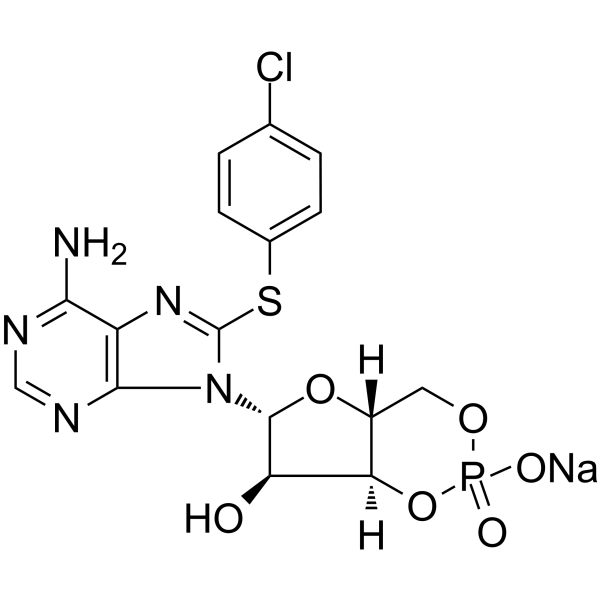
  • HY-111673

    8-CPT-cAMP sodium; 8-(p-Chlorophenylthio)-cAMP sodium

    PKA Phosphodiesterase (PDE) Inflammation/Immunology
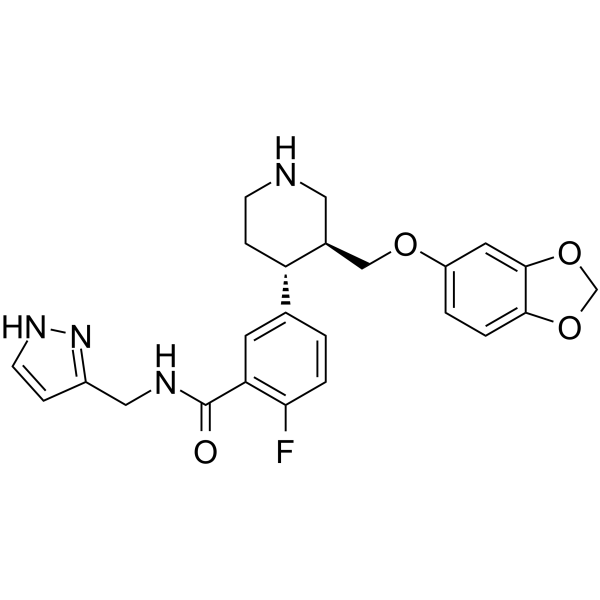
    8-CPT-Cyclic AMP (8-CPT-cAMP) sodium is a selective activator of cyclic AMP-dependent protein kinase (PKA). 8-CPT-Cyclic AMP sodium is also a potent inhibitor of the cyclic GMP-specific phosphodiesterase (PDE VA) with an IC50 of 0.9 μM. 8-CPT-Cyclic AMP sodium also inhibits PDE III and PDE IV with IC50Epac and is a potent Epac activator .
    8-CPT-Cyclic AMP sodium
  • HY-115732
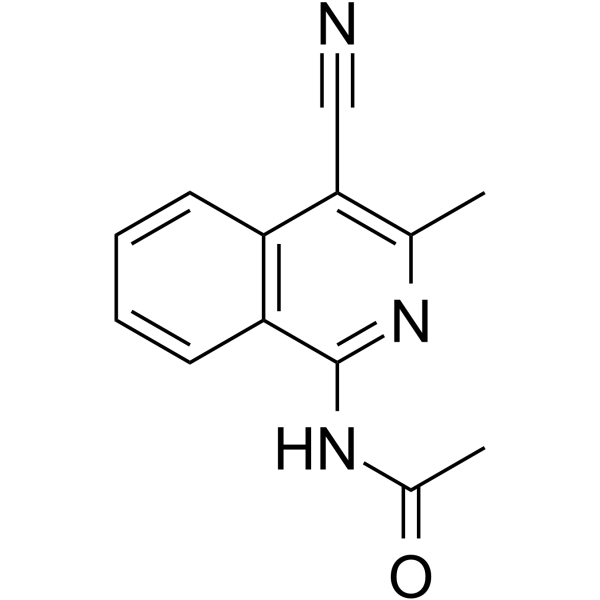
    PKA-IN-1
    1 Publications Verification

    PKA Inflammation/Immunology
    PKA-IN-1 is a potent and selective cyclic AMP-dependent protein kinase (PKA) catalytic subunit (cAK) inhibitor with an IC50 of 0.03 μM. PKA-IN-1 inhibits cAK in a fashion that is competitive with respect to ATP as substrate .
    PKA-IN-1
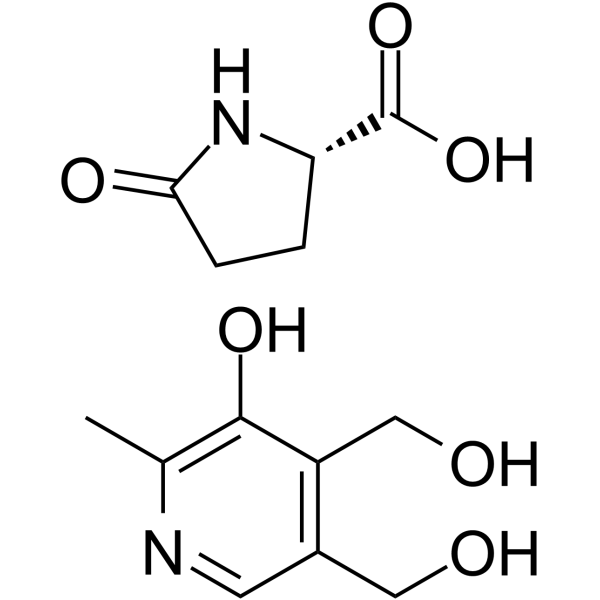
  • HY-B1898

    PKA Metabolic Disease
    Metadoxine blocks adipocyte differentiation in association with inhibition of the protein kinase A-cAMP response element binding protein (PKA-CREB) pathway.
    Metadoxine
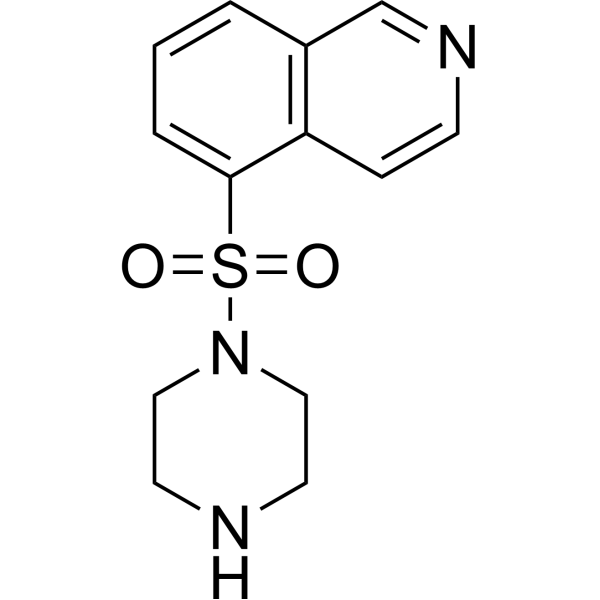
  • HY-100984
    HA-100
    1 Publications Verification

    PKA PKC Myosin ROCK Cancer
    HA-100 is a potent protein kinase inhibitor, with IC50s of 4 μM, 8 μM, 12 μM and 240 μM for cGMP-dependent protein kinase (PKG), cAMP-dependent protein kinase (PKA), protein kinase C (PKC) and MLC-kinase, respectively. HA-100 also used as a ROCK inhibitor .
    HA-100
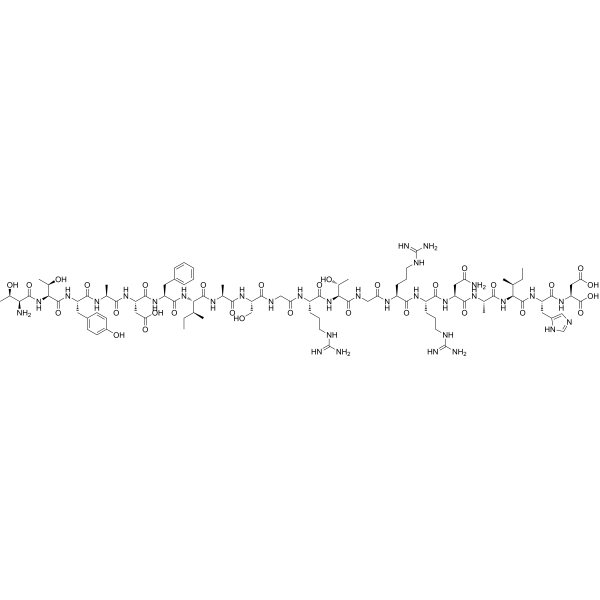
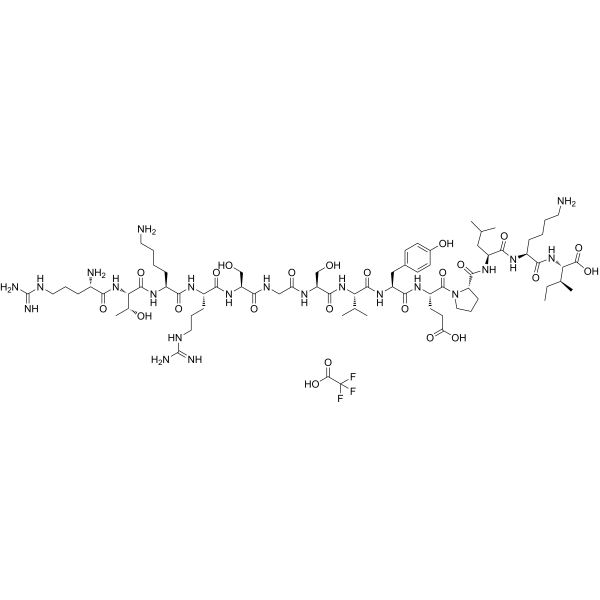
  • HY-P0222
    PKI(5-24)
    3 Publications Verification

    PKA Others
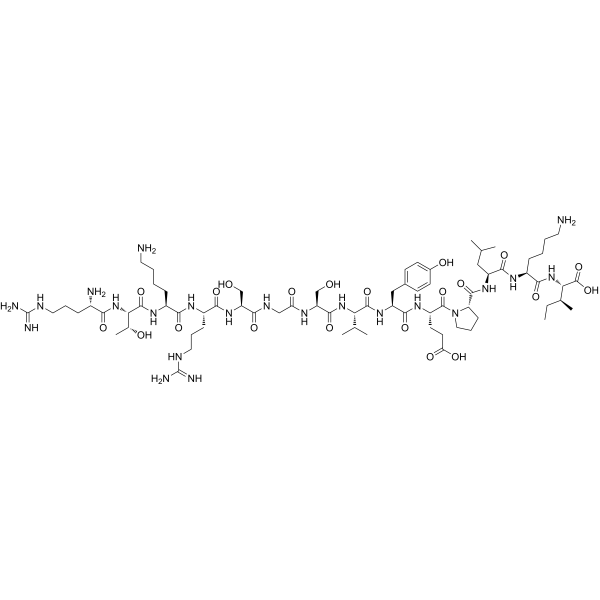
    PKI(5-24) is a potent, competitive, and synthetic peptide inhibitor of PKA (cAMP-dependent protein kinase), with a Ki of 2.3 nM. PKI(5-24) corresponds to residues 5-24 in the naturally occurring heat-stable protein kinase inhibitor .
    PKI(5-24)
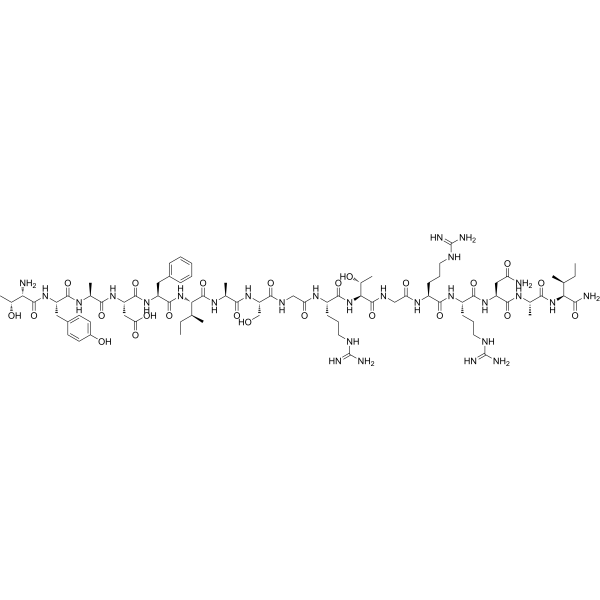
  • HY-P1290
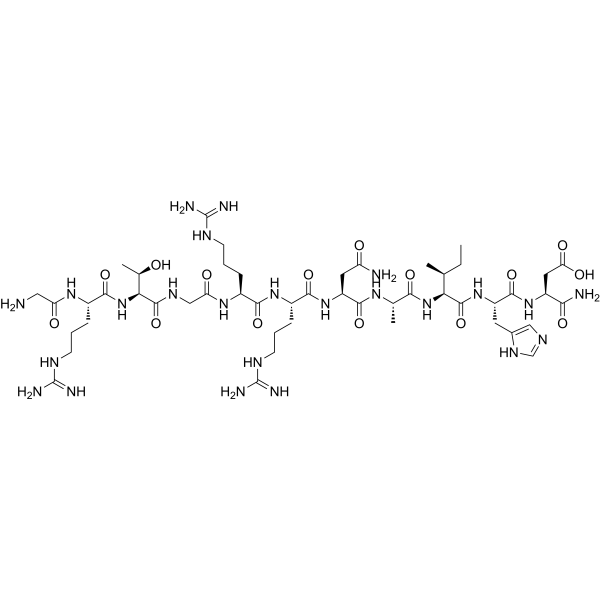
    PKA Inhibitor Fragment (6-22) amide
    5 Publications Verification

    PKI-(6-22)-amide

    PKA Neurological Disease
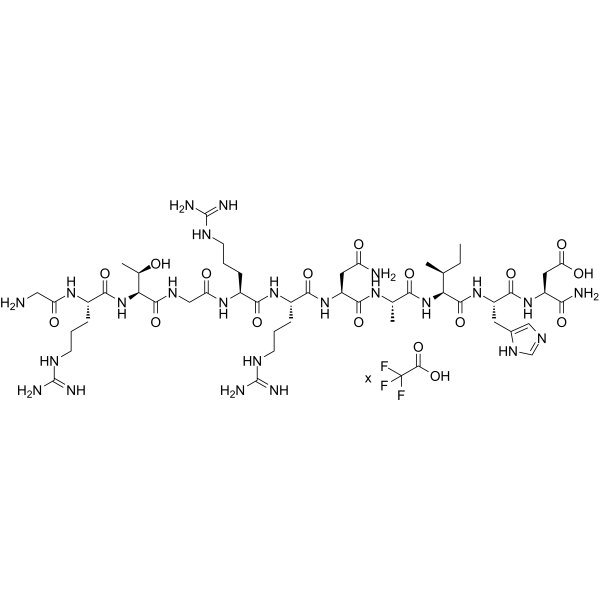
    PKA Inhibitor Fragment (6-22) amide is a highly potent and specific competitive inhibitor of PKA, with Ki values of 1.7 nM and 1.6 nM against human and bovine PKA catalytic subunits, respectively. The IC50 of PKA Inhibitor Fragment (6-22) amide targeting bovine PKA is 8.6 nM. PKA Inhibitor Fragment (6-22) amide effectively abolishes PKA activity in mouse brain and spinal cord, and exerts in vivo efficacy via intracerebroventricular administration. PKA Inhibitor Fragment (6-22) amide significantly reverses low-dose morphine analgesic tolerance in mice and blocks photoaffinity labeling of cAMP-dependent protein kinase. PKA Inhibitor Fragment (6-22) amide can be applied to research in fields related to the mechanism of morphine analgesic tolerance and skin wound healing .
    PKA Inhibitor Fragment (6-22) amide
  • HY-P1290A
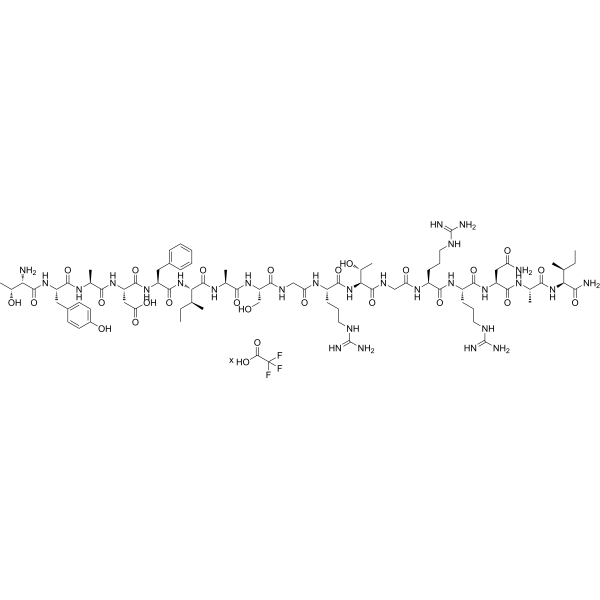
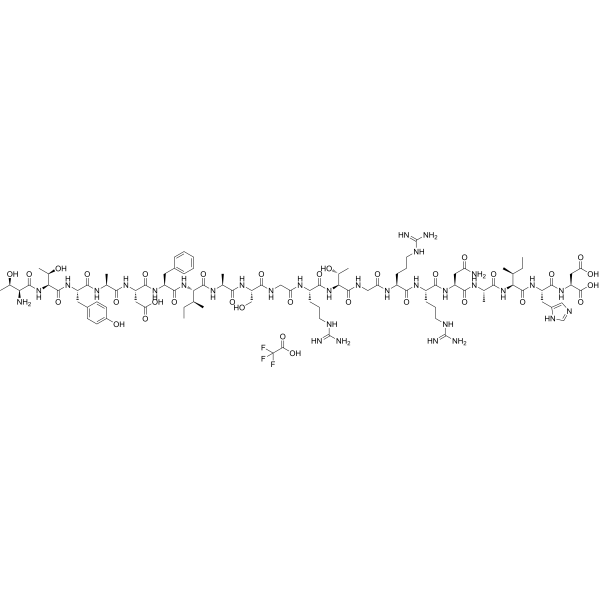
    PKA Inhibitor Fragment (6-22) amide TFA
    5 Publications Verification

    PKI-(6-22)-amide TFA

    PKA Neurological Disease
    PKA Inhibitor Fragment (6-22) amide TFA is an inhibitor of cAMP-dependent protein kinase A (PKA), with a Ki of 2.8 nM. PKA Inhibitor Fragment (6-22) amide TFA can significantly reverse antinociceptive tolerance in mice .
    PKA Inhibitor Fragment (6-22) amide TFA
  • HY-10341C
    Fasudil dihydrochloride
    25+ Cited Publications

    HA-1077 dihydrochloride; AT-877 dihydrochloride

    Calcium Channel ROCK PKA PKC Autophagy HIV Cancer
    Fasudil (HA-1077; AT877) dihydrochloride is a nonspecific RhoA/ROCK inhibitor and also has inhibitory effect on protein kinases, with an Ki of 0.33 μM for ROCK1, IC50s of 0.158 μM and 4.58 μM, 12.30 μM, 1.650 μM for ROCK2 and PKA, PKC, PKG, respectively. Fasudil dihydrochloride is also a potent Ca 2+ channel antagonist and vasodilator .
    Fasudil dihydrochloride
  • HY-P10602

    RII phosphopeptide

    PKA Others
    PKA Regulatory Subunit II Substrate (RII phosphopeptide) is a tool peptide derived from the regulatory subunit Type II (RII) of cyclic AMP-dependent protein kinase (PKA). PKA Regulatory Subunit II Substrate is commonly used to mimic the phosphorylation of protein kinases and as a specific substrate for protein phosphatases to assess the activities of these enzymes .
    PKA Regulatory Subunit II Substrate
  • HY-108262

    7-epi-Hydroxystaurosporine

    PKC PKA Cancer
    UCN-02 (7-epi-Hydroxystaurosporine) is a selective protein kinase C (PKC) inhibitor with a PKC IC50 value of 62 nM and a PKA IC50 value of 0.25 μM. UCN-02 can be produced by Streptomyces strain N-126. UCN-02 can be used for the research of breast carcinoma .
    UCN-02
  • HY-109562A
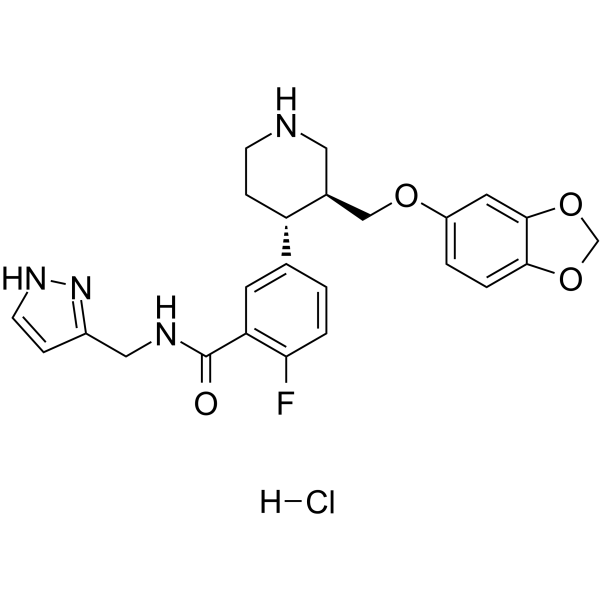
    CCG258208 hydrochloride
    1 Publications Verification

    GRK2-IN-1 hydrochloride

    G Protein-coupled Receptor Kinase (GRK) Cardiovascular Disease
    CCG258208 (GRK2-IN-1) hydrochloride is a potent and selective GRK2 (G protein-coupled receptor kinase 2) inhibitor (IC50=30 nM) while maintaining 230-fold selectivity over GRK5 (IC50=7.09 μM) and more than 2500-fold selectivity over GRK1 (IC50=87.3 μM), PKA, and ROCK1. CCG258208 hydrochloride can be used in heart failure research .
    CCG258208 hydrochloride
  • HY-B0764B

    Dibutyryl cAMP; DBcAMP

    PKA Reactive Oxygen Species (ROS) Apoptosis Neurological Disease Inflammation/Immunology Cancer
    Bucladesine (Dibutyryl cAMP; DBcAMP) is a membrane-permeable 3′, 5′-cyclic adenosine monophosphate (cAMP) analog. Bucladesine selectively activates cAMP dependent protein kinase (PKA) by increasing the intracellular level of cAMP. Bucladesine significantly attenuates MDMA-induced increases in hippocampal mitochondrial ROS formation, mitochondrial outer membrane damage, cytochrome c release, and hippocampal ADP/ATP ratio, thereby improving spatial learning and memory impairments. Bucladesine exhibit anti-nociceptive and anti-inflammation effect. Bucladesine can inhibit cancer cells proliferation, induce apoptosis. Bucladesine can be used for the researches of neurological disease, cancer, inflammation .
    Bucladesine
  • HY-P1597
    Malantide
    1 Publications Verification

    PKA PKC Cancer
    Malantide is a synthetic dodecapeptide derived from the site phosphorylated by cAMP-dependent protein kinase (PKA) on the β-subunit of phosphorylase kinase. Malantide is a highly specific substrate for PKA with a Km of 15 μM and shows protein inhibitor (PKI) inhibition >90% substrate phosphorylation in various rat tissue extracts . Malantide is also an efficient substrate for PKC with a Km of 16 μM .
    Malantide
  • HY-108047

    Phosphodiesterase (PDE) Metabolic Disease Inflammation/Immunology
    MK-0873 is a selective phosphodiesterase-4 (PDE4) inhibitor. MK-0873 increases intracellular levels of cyclic adenosine phosphate (cAMP) by inhibiting the activity of the PDE4 enzyme and subsequently activates protein kinase A (PKA). Activated PKA inhibits the activity of inflammatory cells and leads to direct relaxation of airway smooth muscle. MK-0873 can be used in studies of chronic obstructive pulmonary disease (COPD) .
    MK-0873
  • HY-137640A

    PKA Inflammation/Immunology
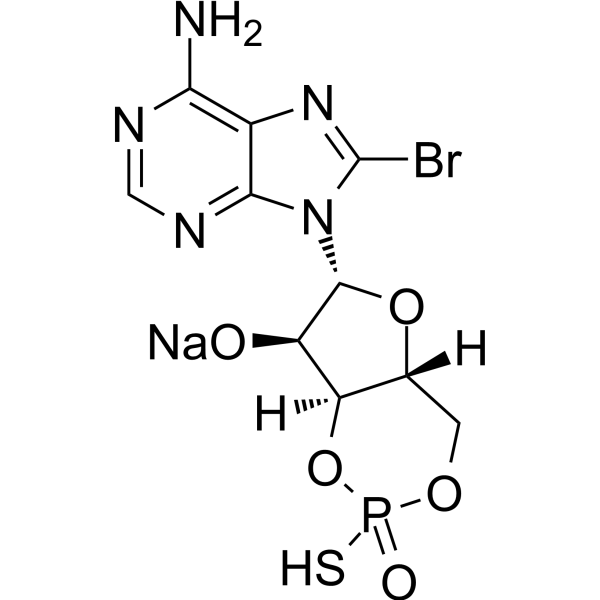
    Sp-8-Br-cAMPS sodium is a cAMP analog, which performs a protein kinase A (PKA) activating activity with EC50 of 360 nM. Sp-8-Br-cAMPS sodium inhibits proliferation of T cells and the haemocyte non-self response in Lepidoptera larve .
    Sp-8-Br-cAMPS sodium
  • HY-15141R

    Antibiotic AM-2282 (Standard); STS (Standard); AM-2282 (Standard)

    Reference Standards PKC PKA Apoptosis Bacterial Fungal Antibiotic Infection Cancer
    Staurosporine (Standard) is the analytical standard of Staurosporine. This product is intended for research and analytical applications. Staurosporine is a potent, ATP-competitive and non-selective inhibitor of protein kinases with IC50s of 6 nM, 15 nM, 2 nM, and 3 nM for PKC, PKA, c-Fgr, and Phosphorylase kinase respectively. Staurosporine also inhibits TAOK2 with an IC50 of 3 μM. Staurosporine is an apoptosis inducer[1][2][3][4][5].
    Staurosporine (Standard)
  • HY-137325A

    Calcium Channel Metabolic Disease
    2-Chloro-ATP sodium (2-Chloro ATP) is an adenine nucleotide and an analog of ATP. It is an antagonist of the purinergic P2Y1 receptor and inhibits intracellular calcium mobilization induced by ADP (HY-W010918) in Jurkat cells expressing the human receptor (Ki=2.3 μM). 2-Chloro-ATP sodium is an agonist of the purinergic P2X receptor and induces inward currents in HEK293 cells expressing human bladder smooth muscle or rat PC12 forms of the receptor (EC50=0.5 and 2.5 μM). 2-Chloro-ATP sodium induces relaxation of precontracted guinea pig cecal strips in a concentration-dependent manner. 2-Chloro-ATP sodium has been used to study the substrate specificity of cyclic nucleotide-dependent protein kinases such as protein kinase A (PKA) and PKG.
    2-Chloro-ATP sodium
  • HY-B0764G

    Dibutyryl cAMP sodium; DBcAMP sodium

    PKA Reactive Oxygen Species (ROS) Apoptosis Neurological Disease Inflammation/Immunology Cancer
    Bucladesine (Dibutyryl cAMP; DBcAMP) sodium (GMP) is a Bucladesine sodium (HY-B0764) produced by using GMP guidelines. Bucladesine (Dibutyryl cAMP; DBcAMP) is a membrane-permeable 3′, 5′-cyclic adenosine monophosphate (cAMP) analog. Bucladesine selectively activates cAMP dependent protein kinase (PKA) by increasing the intracellular level of cAMP. Bucladesine significantly attenuates MDMA-induced increases in hippocampal mitochondrial ROS formation, mitochondrial outer membrane damage, cytochrome c release, and hippocampal ADP/ATP ratio, thereby improving spatial learning and memory impairments. Bucladesine exhibit anti-nociceptive and anti-inflammation effect. Bucladesine can inhibit cancer cells proliferation, induce apoptosis. Bucladesine can be used for the researches of neurological disease, cancer, inflammation .
    Bucladesine sodium
  • HY-123520

    G Protein-coupled Receptor Kinase (GRK) PKA Cancer
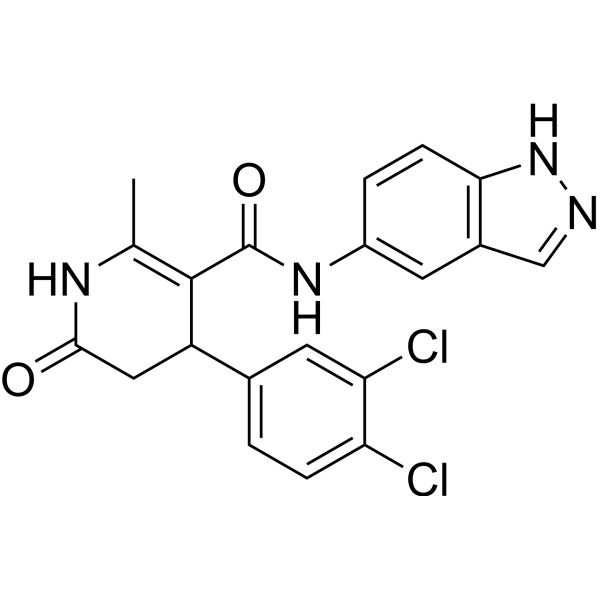
    GSK299115A is a G Protein-coupled Receptor Kinase (GRK) and PKA inhibitor .
    GSK299115A
  • HY-P2624A

    PAK Metabolic Disease
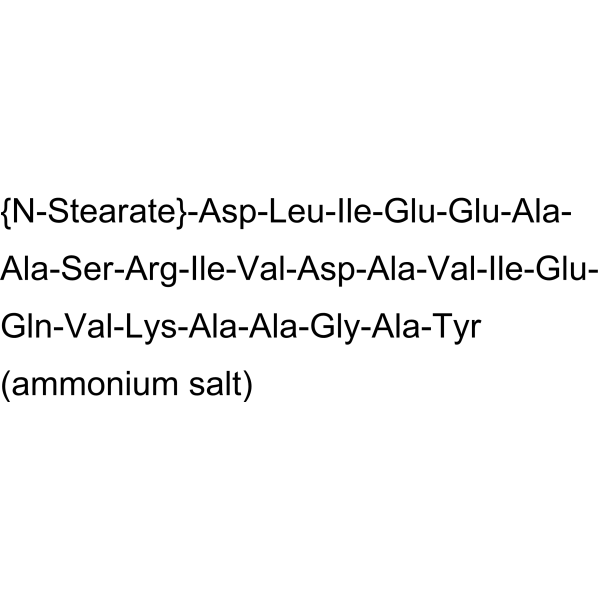
    st-Ht31 ammonium is a membrane-permeable peptide inhibitor of?protein kinase A (PKA) anchoring. st-Ht31 ammonium induces robust cholesterol/phospholipid efflux. st-Ht31 ammonium completely reverses foam cell formation and restores the metabolic health of macrophage .
    st-Ht31 ammonium
  • HY-100923

    PKA 5-HT Receptor EGFR Neurological Disease
    H-9 Dihydrochloride is a PKA (protein kinase) inhibitor. H-9 Dihydrochloride (10 μM) significantly reduces the excitatory response to 5-HT. H-9 Dihydrochloride also has a direct effect on pharyngeal activity. H-9 Dihydrochloride inhibits signal-transduction and cell growth in EGF (epidermal growth factor)-dependent epithelial cell lines .
    H-9 Dihydrochloride
  • HY-N0521R

    Reference Standards Reactive Oxygen Species (ROS) Metabolic Disease Cancer
    (-)-Gallocatechin (Standard) is the analytical standard of (-)-Gallocatechin. This product is intended for research and analytical applications. (-)-Gallocatechin, an epimer of (-)-Epigallocatechin (EGC), is contained in various tea products. (-)-Gallocatechin has antioxidant activities. (-)-Gallocatechin is the main active component in green tea extract (HTP-GTE) responsible for its effect of improving age-related cognitive impairments involving protein kinase A (PKA) pathway .
    (-)-Gallocatechin (Standard)
  • HY-123468

    Cyclic GMP-AMP Synthase PKA ERK Tyrosine Hydroxylase Calcium Channel Cardiovascular Disease Metabolic Disease
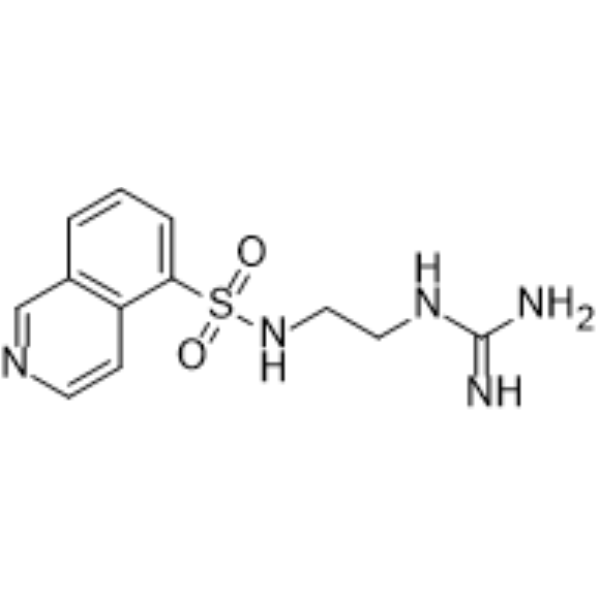
    HA-1004 is a selective inhibitor of PKA, which can inhibit lipolysis and induce vascular relaxation. HA-1004 is also a dual inhibitor of cyclic GMP-dependent protein kinase and cyclic AMP-dependent protein, and is involved in smooth muscle, second messenger, cyclic AMP and cyclic GMP regulation mechanisms. HA-1004 is an antagonist for calcium, that can be used as a vasodilator to inhibit the contraction of rabbit aortic strips, or to antagonize ERK and tyrosine hydroxylase (TH) phosphorylation in morphine abstinence rat models .
    HA-1004
  • HY-109562

    GRKs-IN-1

    G Protein-coupled Receptor Kinase (GRK) Cardiovascular Disease
    CCG258208 (GRK2-IN-1) is a potent and selective GRK2 (G protein-coupled receptor kinase 2) inhibitor (IC50=30 nM) while maintaining 230-fold selectivity over GRK5 (IC50=7.09 μM) and more than 2500-fold selectivity over GRK1 (IC50=87.3 μM), PKA, and ROCK1. CCG258208 can be used in heart failure research .
    CCG258208
  • HY-121197

    Ophiocordin; Azepinostatin

    MARCKS PKA PKC Others
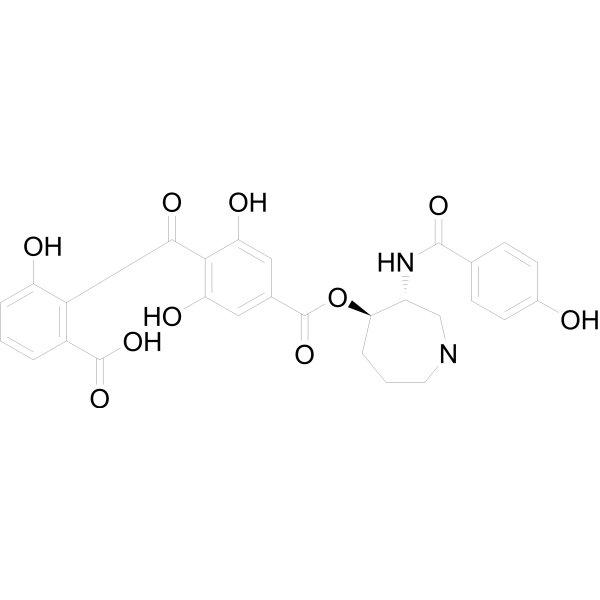
    Balanol (Ophiocordin; Azepinostatin) is a potent and ATP competitive PKC/PKA inhibitor against human PKC isozymes α, β-I, β-II, γ, δ, ε, η (IC50s=4-9 nM) and ζ (IC50=150 nM). Balanol also blocks the phosphorylation of cyclic AMP response element-binding protein (CREB) and myristoylated alanine-rich C kinase substrate (MARCKS). Balanol can be isolated from the fungus Verticillium balanoides .
    Balanol
  • HY-B0764R

    Dibutyryl cAMP sodium (Standard); DBcAMP sodium (Standard)

    Reference Standards PKA Reactive Oxygen Species (ROS) Apoptosis Neurological Disease Inflammation/Immunology Cancer
    Bucladesine (Dibutyryl cAMP; DBcAMP) sodium (Standard) is the analytical standard of Bucladesine sodiumn (HY-B0764). This product is intended for research and analytical applications. Bucladesine is a membrane-permeable 3′, 5′-cyclic adenosine monophosphate (cAMP) analog. Bucladesine selectively activates cAMP dependent protein kinase (PKA) by increasing the intracellular level of cAMP. Bucladesine significantly attenuates MDMA-induced increases in hippocampal mitochondrial ROS formation, mitochondrial outer membrane damage, cytochrome c release, and hippocampal ADP/ATP ratio, thereby improving spatial learning and memory impairments. Bucladesine exhibit anti-nociceptive and anti-inflammation effect. Bucladesine can inhibit cancer cells proliferation, induce apoptosis. Bucladesine can be used for the researches of neurological disease, cancer, inflammation .
    Bucladesine sodium (Standard)
  • HY-P3770

    PKC Others
    Phosphate acceptor peptide is a substrate for cAMP-dependent protein kinase (PKA). phosphate acceptor peptide is also a weak PKC inhibitor .
    Phosphate acceptor peptide
  • HY-P3929A
    PKI (14-24)amide TFA
    1 Publications Verification

    PKA Cancer
    PKI (14-24)amide TFA is a potent PKA inhibitor. PKI (14-24)amide strongly inhibited cyclic AMP-dependent protein kinase activity in the cell homogenate .
    PKI (14-24)amide TFA
  • HY-P2624

    PAK Metabolic Disease
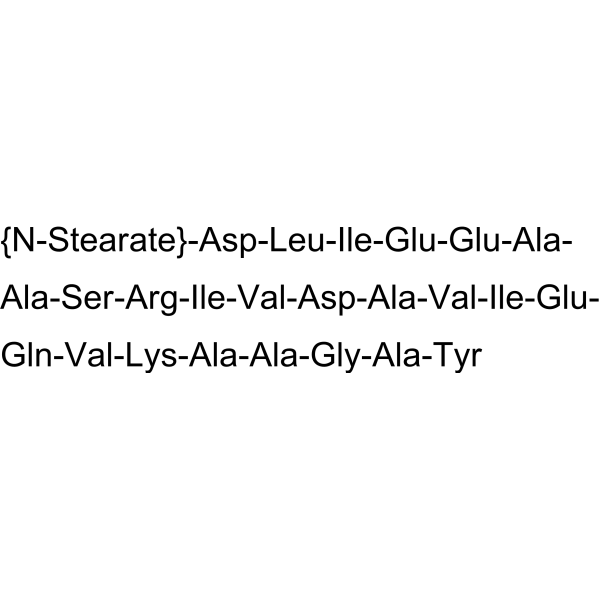
    st-Ht31 is a membrane-permeable peptide inhibitor of protein kinase A (PKA) anchoring. st-Ht31 induces robust cholesterol/phospholipid efflux. st-Ht31 completely reverses foam cell formation and restores the metabolic health of macrophage .
    st-Ht31
  • HY-10230S

    PKC412-d5; CGP 41251-d5

    Isotope-Labeled Compounds PKC Syk Akt PKA c-Kit Cancer
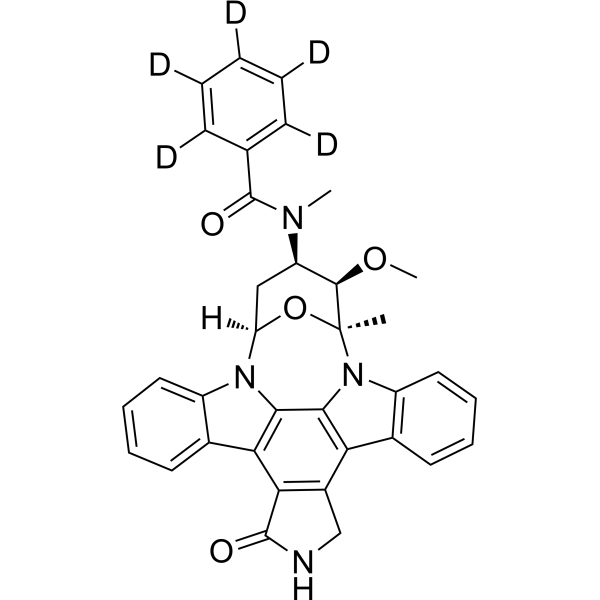
    Midostaurin-d5 (PKC412-d5) is a deuterium labeled Midostaurin. Midostaurin is a multi-targeted protein kinase inhibitor which inhibits PKCα/β/γ, Syk, Flk-1, Akt, PKA, c-Kit, c-Fgr, c-Src, FLT3, PDFRβ and VEGFR1/2 with IC50s ranging from 22-500 nM .
    Midostaurin-d5
  • HY-P3930

    IP20-amide

    PKA Neurological Disease
    PKI (5-24),amide (IP20-amide) is a 20-residue peptide that corresponds to the active portion of the heat-stable inhibitor protein of cAMP-dependent protein kinase. PKI (5-24),amide is a potent cAMP-dependent protein kinase (PKA) (PKA) inhibitor with a Ki of 2.3 nM .
    PKI (5-24),amide
  • HY-12880

    Myosin PKA PKC ROCK Cancer
    HA-100 dihydrochloride is a potent protein kinase inhibitor, with IC50s of 4 μM, 8 μM, 12 μM and 240 μM for cGMP-dependent protein kinase (PKG), cAMP-dependent protein kinase (PKA), protein kinase C (PKC) and MLC-kinase, respectively. HA-100 dihydrochloride also used as a ROCK inhibitor .
    HA-100 dihydrochloride
  • HY-W288951

    PKA Metabolic Disease
    FMP-API-1 is an A-kinase anchoring protein (AKAP)-PKA interaction inhibitor. FMP-API-1 binds to the allosteric site of PKA R subunits and increases the activity of PKA and AQP2 in PKA-knockout cell lines of renal cortical collecting ducts (mpkCCD cells). FMP-API-1 has the potential for the study of nephrogenic diabetes insipidus (NDI) .
    FMP-API-1
  • HY-P10319

    PKA Cardiovascular Disease Cancer
    RI-STAD-2 is a high-affinity interfering peptide that regulates the subunit RI of protein kinase A (PKA). RI-STAD-2 interferes with the binding of AKAPs and PKA-RI by simulating the interaction between AKAPs' α-helix domain and PKA-RI's dimerization/anchoration (D/D) domain, thereby affecting PKA activity and intracellular localization. RI-STAD-2 can be used to study the role of AKAPs interaction with PKA-RI in pathological processes such as cardiovascular disease and cancer .
    RI-STAD-2
  • HY-134263

    PKA Ras Cardiovascular Disease
    8-Br-cAMP-AM is a cyclic adenosine monophosphate (cAMP) analog that activates two major signal transduction pathways in the heart by mimicking the effects of cAMP: protein kinase A (PKA) and guanosine nucleotide exchange factor (Epac), which is directly activated by cAMP. 8-Br-cAMP-AM can be used to study cardiac ischemia and reperfusion injury .
    8-Br-cAMP-AM
  • HY-112348

    Cyclic GMP-AMP Synthase PKA ERK Calcium Channel Cardiovascular Disease Metabolic Disease
    HA-1004 hydrochloride is a selective inhibitor of PKA, which can inhibit lipolysis and induce vascular relaxation. HA-1004 hydrochloride is also a dual inhibitor of cyclic GMP-dependent protein kinase and cyclic AMP-dependent protein (Cyclic GMP-AMP Synthase), and is involved in smooth muscle, second messenger, cyclic AMP and cyclic GMP regulation mechanisms. HA-1004 hydrochloride an antagonist for calcium, that can be used as a vasodilator to inhibit the contraction of rabbit aortic strips, or to antagonize ERK and tyrosine hydroxylase (TH) phosphorylation in morphine abstinence rat models .
    HA-1004 hydrochloride

Inquiry Online

Your information is safe with us. * Required Fields.

Salutation


Country or Region *

Applicant Name *


Organization Name *

Department *


Email Address *


Product Name *

Cat. No.


Requested quantity *

Phone Number *


Remarks

Inquiry Online

Inquiry Information

Product Name:
Cat. No.:
Quantity:
MCE Japan Authorized Agent: