From 11:00 pm to 12:00 pm EST ( 8:00 pm to 9:00 pm PST ) on January 6th, the website will be under maintenance. We are sorry for the inconvenience. Please arrange your schedule properly.
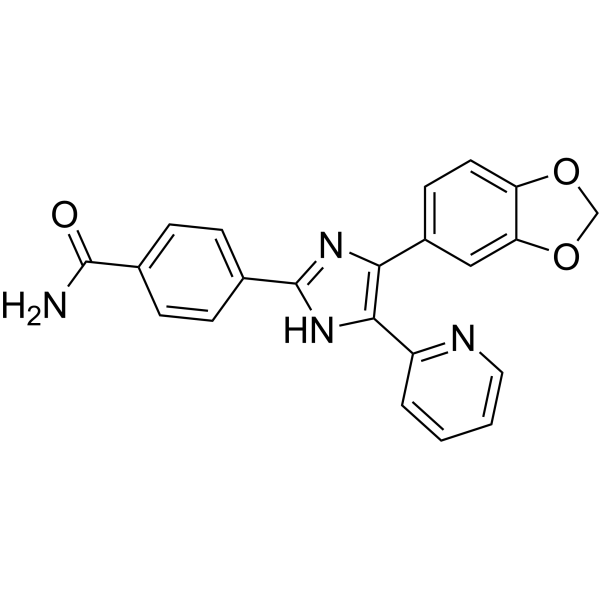
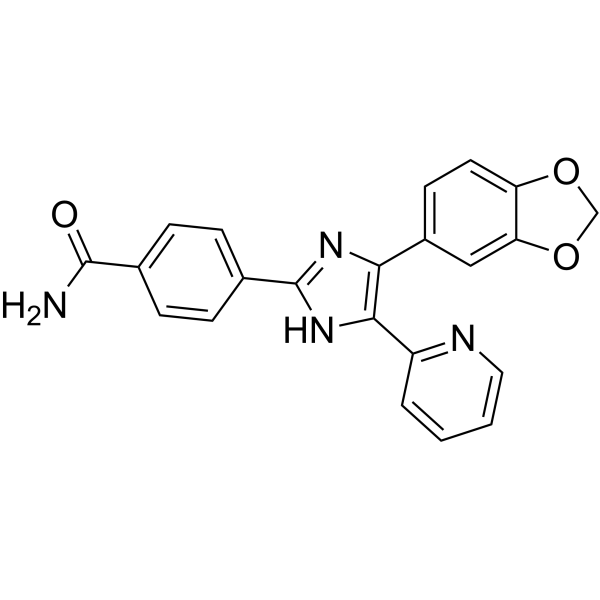
SB-431542 is a TGF-β receptor kinase inhibitor (TRKI). SB-431542 has inhibitory activity for ALK4, ALK5 and ALK7 with IC50 values of 1 μM, 0.75 μM and 2 μM, respectively. SB-431542 also inhibits TGF-β-induced transcription, gene expression, apoptosis, and growth suppression. SB-431542 can be used for the research of cancer and signal transduction pathways .
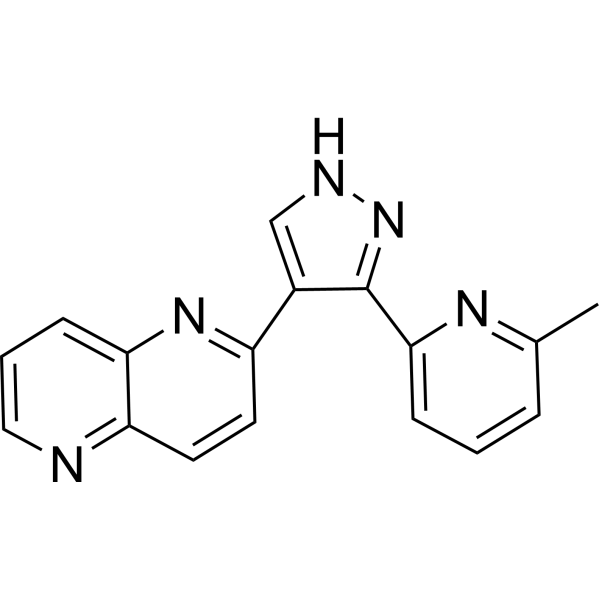
RepSox (E-616452) is a potent and selective transforming growth factor-beta receptor I/activin like kinase 5 (TGF-β-RI/ALK5) inhibitor. RepSox inhibits ALK5 autophosphorylation with an IC50 value of 4 nM. RepSox can be used for the research of obesity and associated metabolic diseases such as type 2 diabetes .
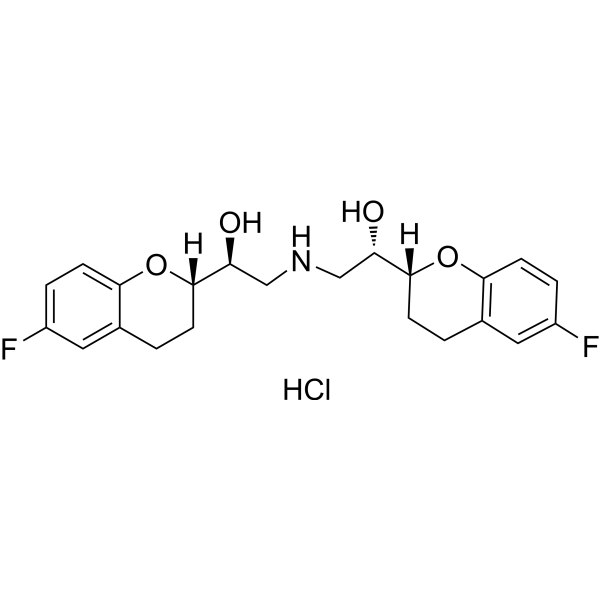
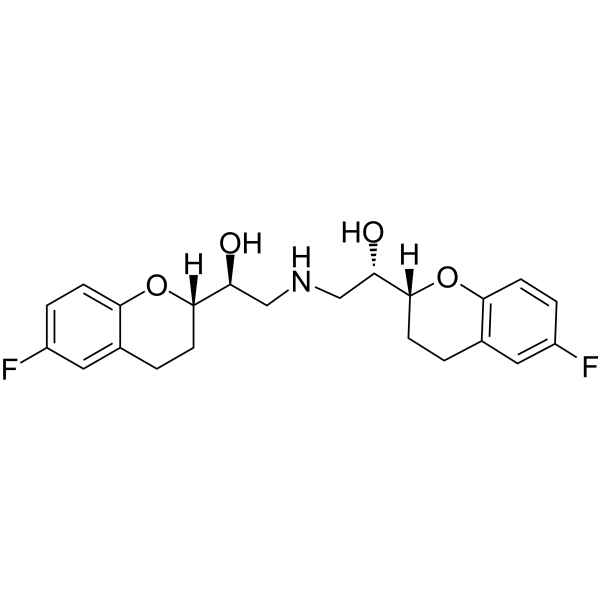
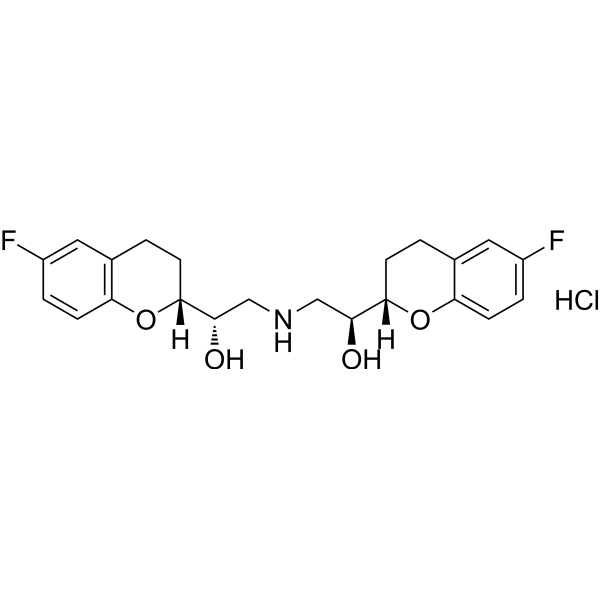
Nebivolol (R 065824) hydrochloride is an orally active beta receptor blocker and has the high beta(1)-receptor affinity.Nebivolol hydrochloride has direct vasodilator properties and adrenergic blocking characteristics. Nebivolol hydrochloride can be used for the research of kinds of diseases such as hypertension, coronary artery disease, congestive heart failure and ischemic heart disease .
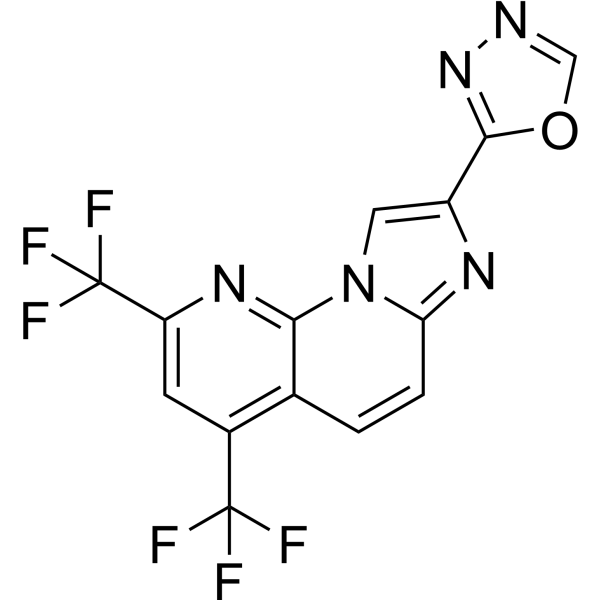
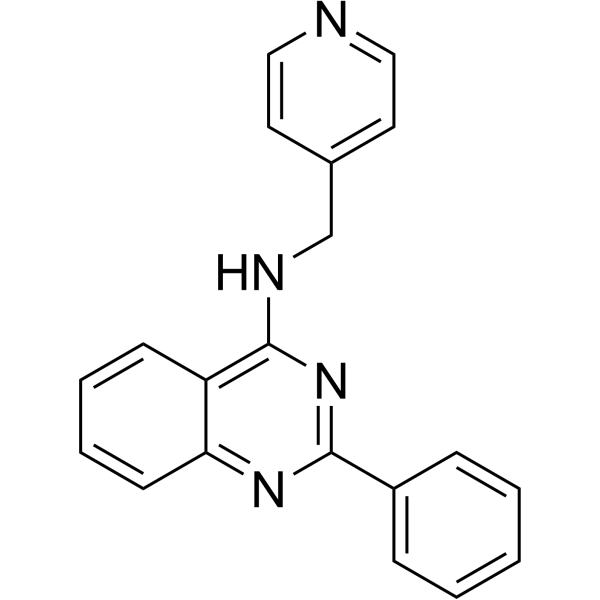
RO8191 (CDM-3008), an imidazonaphthyridine compound, is an orally active and potent interferon (IFN) receptor agonist. RO8191 directly binds to IFNα/β receptor 2 (IFNAR2) and activates IFN-stimulated genes (ISGs) expression and JAK/STAT phosphorylation. RO8191 shows antiviral activity against both HCV and EMCV with an IC50 of 200 nM for HCV replicon . RO8191 is a cccDNA modulator (CDM) through interferon-like activity and has anti-HBV activity .
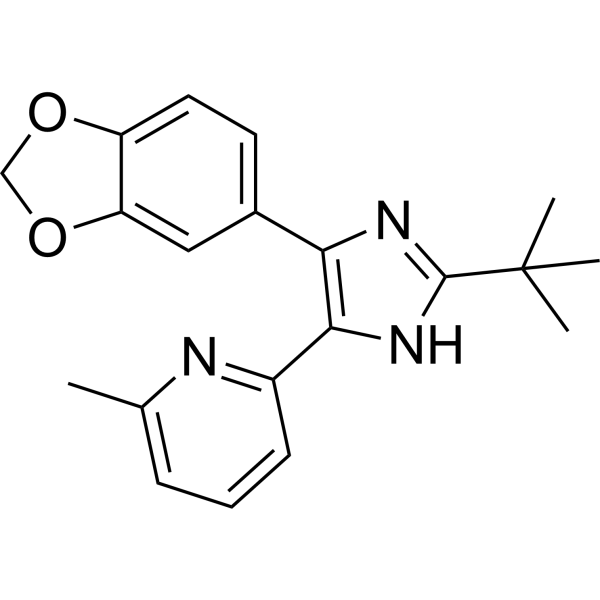
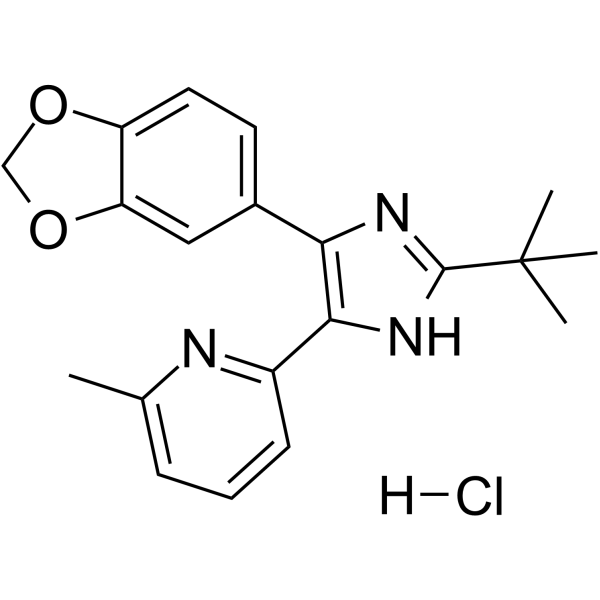
SB-505124 is a selective inhibitor of TGF-β Receptor type I receptors (ALK4, ALK5, ALK7), with IC50s of 129 nM and 47 nM for ALK4, ALK5, respectively, but it does not inhibit ALK1, 2, 3, or 6.
SB-431542 (GMP) is SB-431542 (HY-10431) produced by using GMP guidelines. GMP small molecules works appropriately as an auxiliary reagent for cell therapy manufacture. SB-431542 is a TGF-β receptor kinase inhibitor (TRKI) in SMAD signaling .
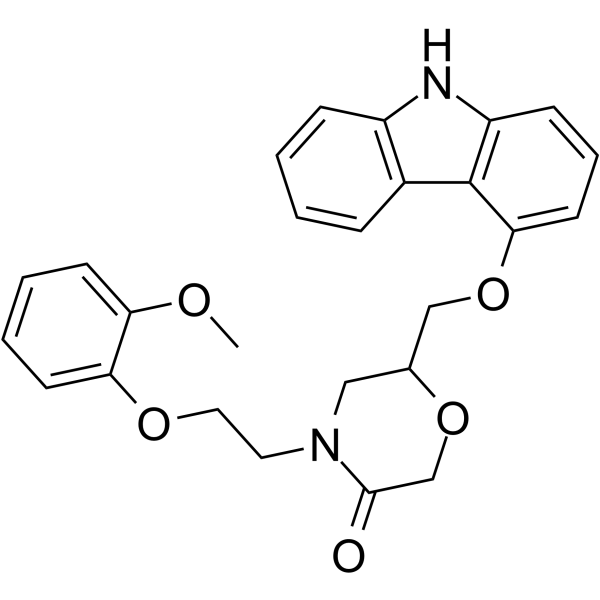
Nebivolol (R 065824) is an orally active beta receptor blocker and has the high beta(1)-receptor affinity. Nebivolol has direct vasodilator properties and adrenergic blocking characteristics. Nebivolol can be used for the research of kinds of diseases such as hypertension, coronary artery disease, congestive heart failure and ischemic heart disease .
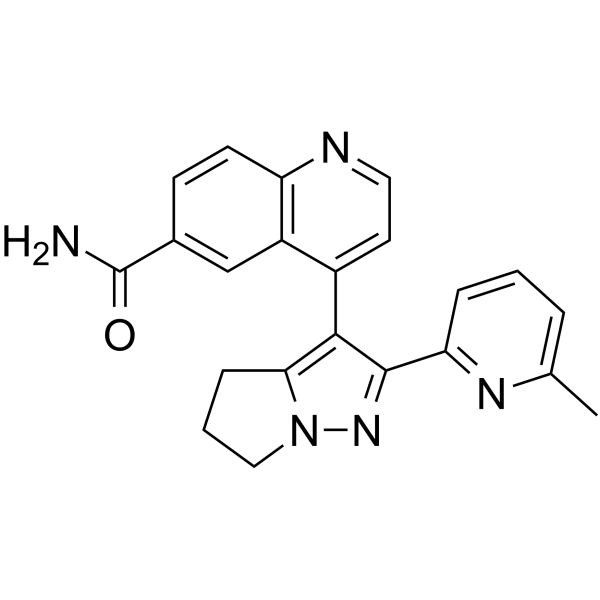
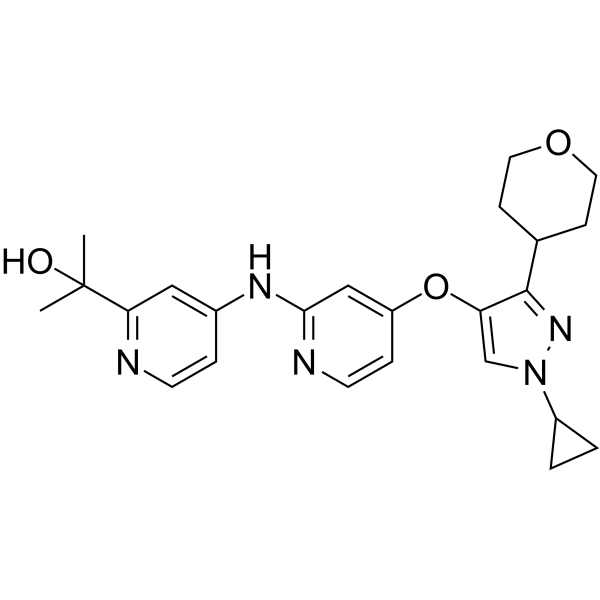
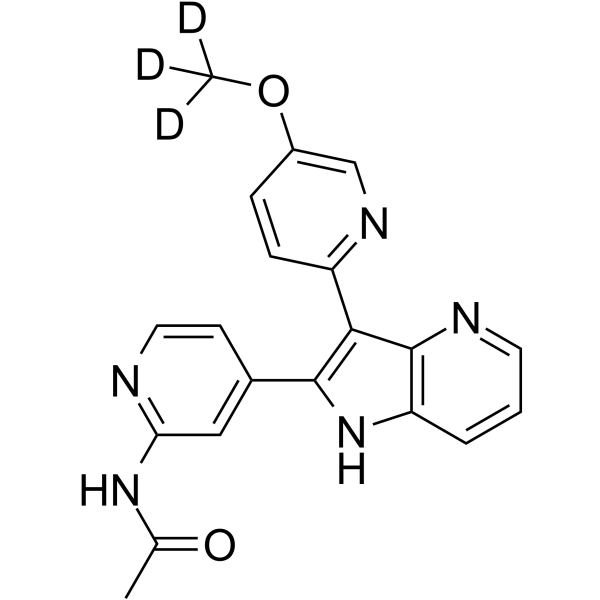
LY3200882 is a potent, highly selective, ATP-competitive and orally active TGF-β receptor type 1 (ALK5) inhibitor with an IC50 of 38.2 nM. LY3200882 inhibits various pro-tumorigenic activities and is also used as an immune modulatory agent .
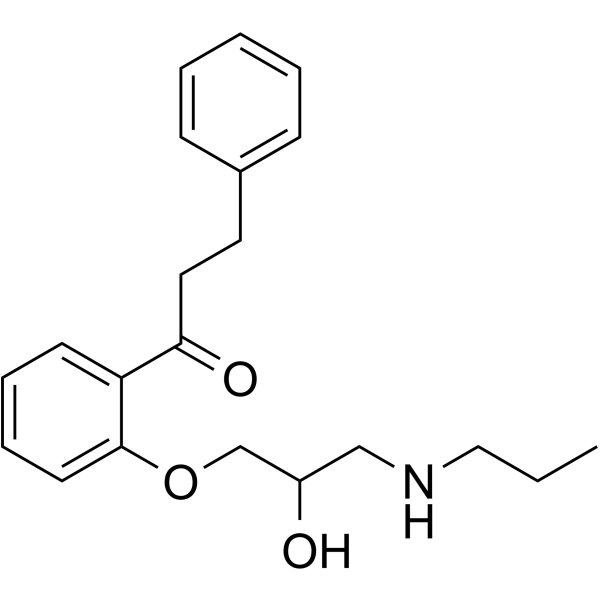
Propafenone (SA-79), a sodium-channel blocker, acts an antiarrhythmic agent. Propafenone also has high affinity for the β receptor (IC50=32 nM) . Propafenone blocks the transient outward current (Ito) and the sustained delayed rectifier K current (Isus) with IC50 values of 4.9 μm and 8.6 μm, respectively . Propafenone suppresses esophageal cancer proliferation through inducing mitochondrial dysfunction and induce apoptosis .
Sotalol hydrochloride (MJ 1999) is an orally active, non-selective β-adrenergic receptor blocker. Sotalol hydrochloride is a potent antiarrhythmic agent that can be used for the research of pediatric arrhythmias. Sotalol hydrochloride blocks β-receptors, and potassium KCNH2 channels. Antiepileptic Agent .
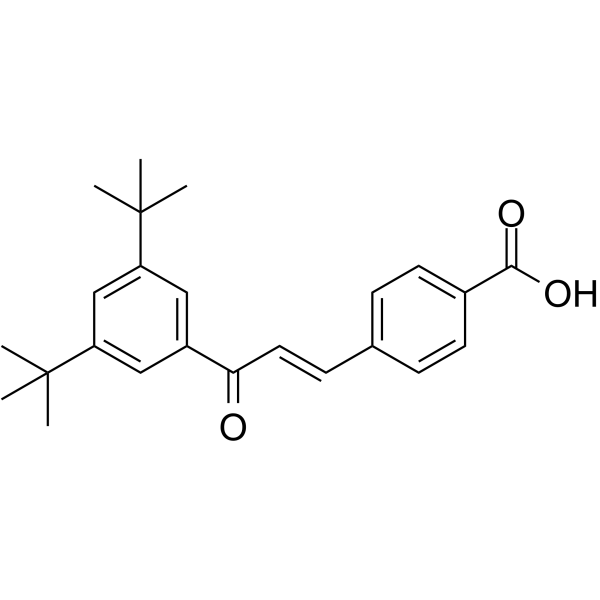
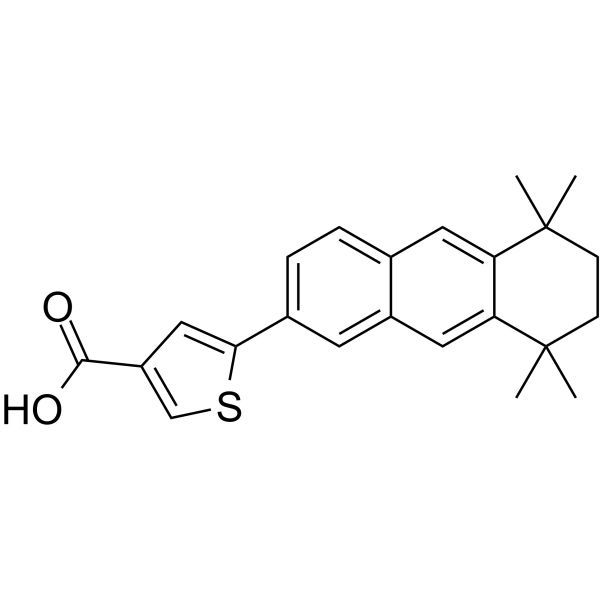
Ch55 is a potent synthetic retinoid. Ch55 binds to RAR-α and RAR-β receptors with high affinity. Ch55 displays low affinity for cellular retinoic acid binding protein (CRABP). Ch55 is a potent inducer of the differentiation of HL60 cells with an EC50 of 200 nM. Ch55 can be used for cancer research .
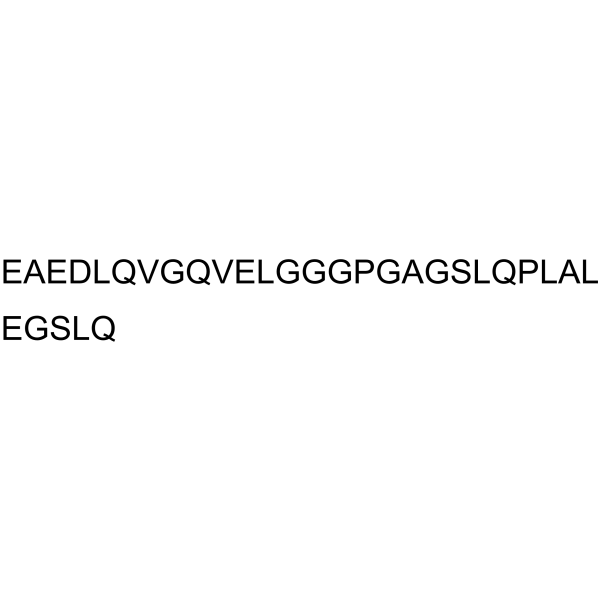
Proinsulin C-peptide (human) is a peptide consisting of 31 amino acids that links the A and B chains of proinsulin to ensure its correct folding. Proinsulin C-peptide (human) inhibits the high glucose-induced increase in PDGF-β receptor protein expression and the phosphorylation of p42/p44 MAP kinase. Proinsulin C-peptide (human) increases the deformability of erythrocytes derived from type 1 diabetes, inhibits insulin-induced neointimal thickening, and suppresses the proliferation of rat aortic smooth muscle cells cultured under high-glucose conditions .
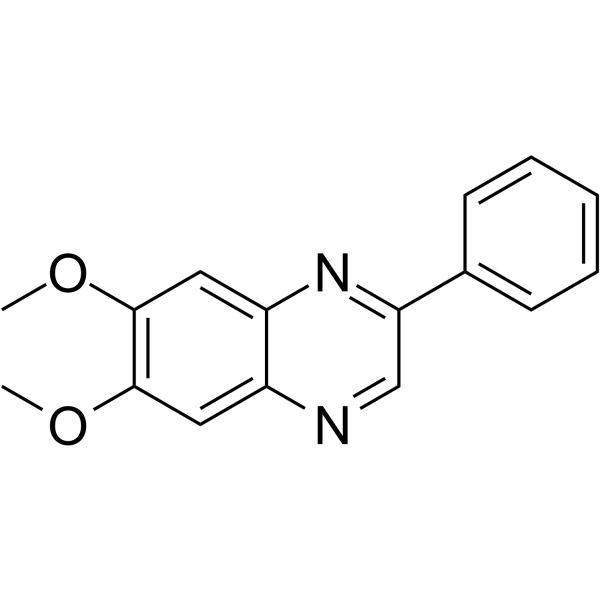
Tyrphostin AG1296 is a potent and selective inhibitor of platelet-derived growth factor receptor (PDGFR), with an IC50 of 0.8 μM. Tyrphostin AG1296 inhibits signaling of human PDGF α- and β-receptors as well as of the related stem cell factor receptor (c-Kit). Tyrphostin AG1296 is also a potent inhibitor of FLT3, with an IC50 in the micromolar range .
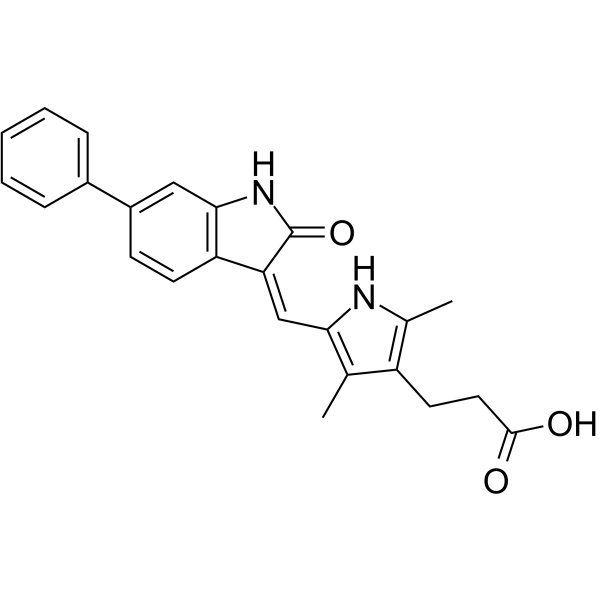
SU16f is a potent and selective PDGFRβ inhibitor with IC50s of 10 nM, 140 nM, 2.29 μM for PDGFRβ, VEGF-R2, FGF-R1, respectively . Neutralization of PDGFRβ receptor by SU16f blocks the promoting role of GC-MSCs (gastric cancer-derived mesenchymal stem cells) conditioned medium in gastric cancer cell proliferation and migration .
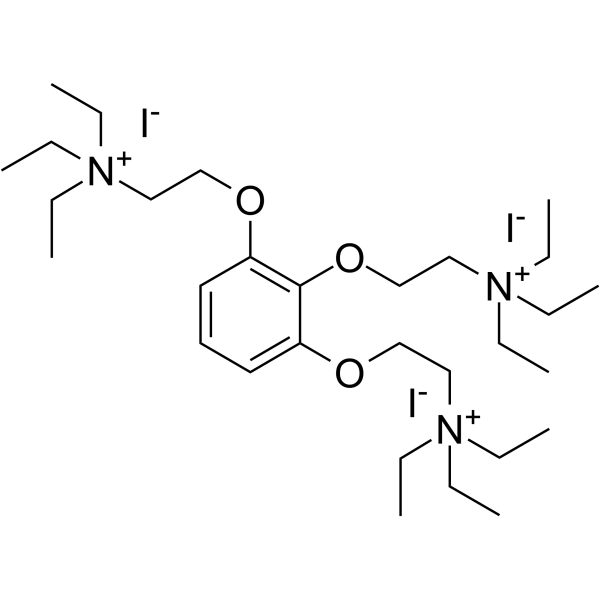
Gallamine Triethiodide is a blood-brain barrier-permeable skeletal muscle relaxant. Gallamine Triethiodide induces skeletal muscle paralysis by blocking acetylcholine. Gallamine Triethiodide directly stimulates intracardiac β receptors. Gallamine Triethiodide prolongs the duration of afterdischarge in the cat cerebral cortex. Gallamine Triethiodide can be used in studies related to convulsive disorders .
Baminercept (BG 9924; TT-47) is an Ig fusion protein targeting the lymphotoxin β receptor (LTβR). Baminercept effectively regulates subsets of circulating immune cells by inhibiting LIGHT, LT-α1β2 and their receptors. Baminercept also increases blood lymphocyte counts and reduces plasma CXCL13 levels. Baminercept carries a high risk of hepatotoxicity. Baminercept can be used in research on rheumatoid arthritis and primary Sjögren's syndrome .
SB-431542 (Standard) is the analytical standard of SB-431542. SB-431542 is a TGF-β receptor kinase inhibitor (TRKI). SB-431542 has inhibitory activity for ALK4, ALK5 and ALK7 with IC50 values of 1 μM, 0.75 μM and 2 μM, respectively. SB-431542 also inhibits TGF-β-induced transcription, gene expression, apoptosis, and growth suppression. SB-431542 can be used for the research of cancer and signal transduction pathways .
HYL001 (compund 338) is a potent inhibitor of TGFβ receptor 1 (ALK5) that is approximately 9 times more potent than the structurally related compound Galunisertib (HY-13226) and is able to eliminate liver metastases established in mice .
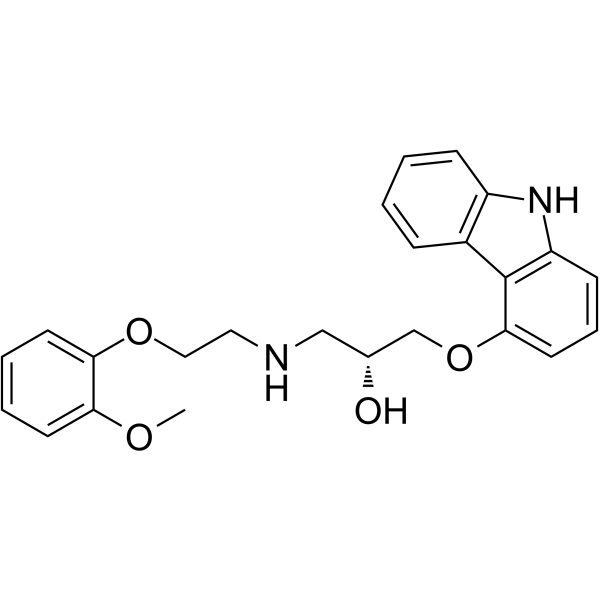
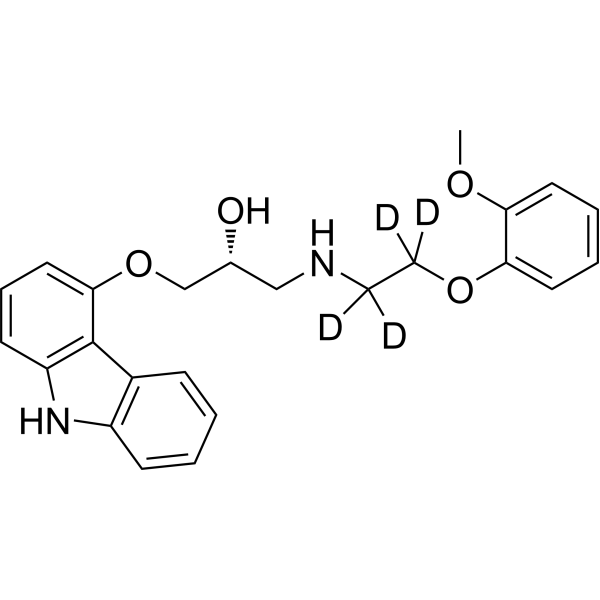
(R)-Carvedilol ((R)-BM 14190) is the orally active R-isomer of Carvedilol (HY-B0006). (R)-Carvedilol has α-receptor blocking activity but no β-receptor blocking activity. (R)-Carvedilol inhibits spontaneous Ca 2+ waves. (R)-Carvedilol inhibits stress-induced ventricular tachycardia and delays the development of UV-induced skin tumors and reduces their malignancy .
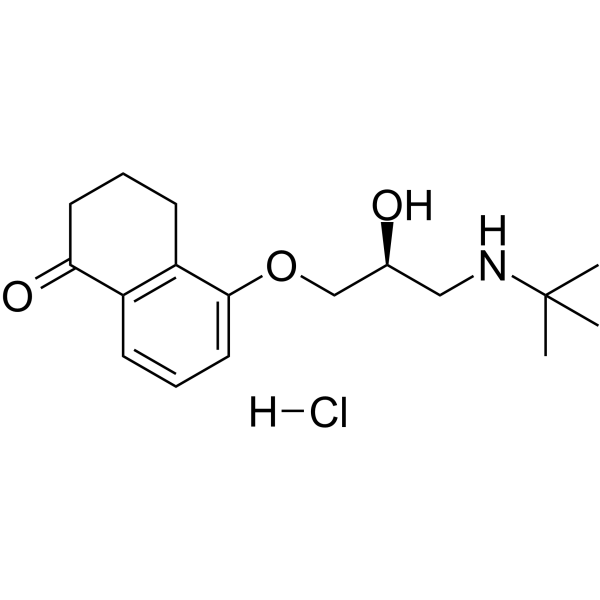
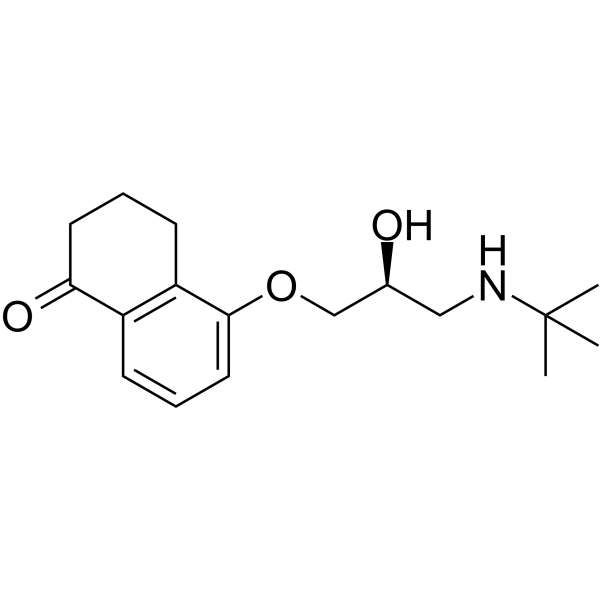
Levobunolol (l-Bunolol) hydrochloride is a non-selective β-adrenergic antagonist and vasodilator. By blocking calcium ion influx and reducing the sensitivity of vascular smooth muscle to calcium, Levobunolol hydrochloride effectively dilates the ciliary arteries and increases ocular blood flow, so it is widely used in research on glaucoma and ocular hypertension. Levobunolol hydrochloride inhibits the β-receptor signaling pathway and the expression of related proliferation markers (such as CK3, CK14, CK19, Ki67) in corneal cells. In rabbit models, Levobunolol hydrochloride not only does not inhibit corneal epithelial regeneration, but also accelerates the healing of mechanical injury without adverse effects. Levobunolol hydrochloride also inhibits histamine-induced vasoconstriction and intracellular calcium elevation, exhibiting unique vascular regulatory activity. Levobunolol hydrochloride protects ocular blood flow and promotes corneal repair .
huATN-658 is an inhibitor that specifically targets the DIII domain of human urokinase plasminogen activator receptor (uPAR). huATN-658 neutralizes uPAR function by blocking the interaction between uPAR and integrins, without interfering with the binding of uPA or vitronectin to uPAR. huATN-658 inhibits the proliferation and invasion of breast cancer cells, slows the growth of primary breast tumors, reduces breast cancer-induced bone lesions and decreases osteoclast activity. huATN-658 also alters the gene expression of the TGF-β receptorcomplex signaling pathway. huATN-658 exerts synergistic anticancer effects when combined with Zoledronic Acid (HY-13777), and does not cause physiological or behavioral abnormalities in immunodeficient mice. huATN-658 can be used in research related to breast cancer, metastatic breast cancer and breast cancer-induced bone disease .
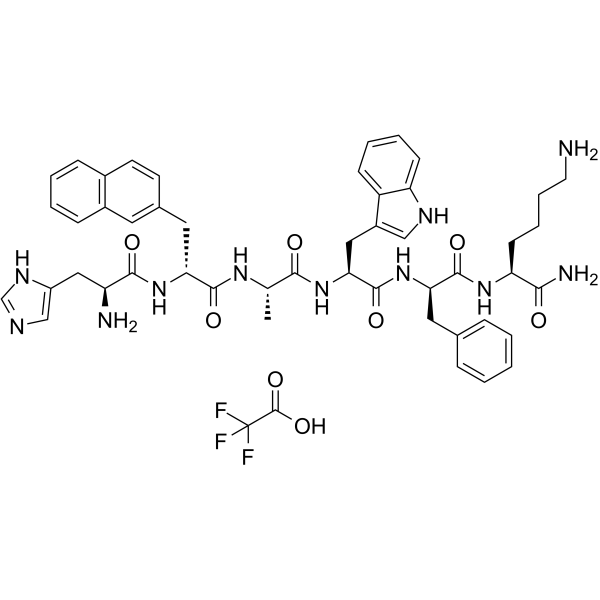
His-D-beta-Nal-Ala-Trp-D-Phe-Lys-NH2 TFA, is a growth hormone releasing peptide, as well as a metabolite of GHRP-1. GHRP-1, or Ala-His-D-beta Nal-Ala-Trp-D-Phe-Lys-NH2, has the effect of promoting the release of growth hormone (GH). GHRP-1 increases GH release and increases [Ca2+]i levels in static monolayer cells of rat pituitary gland, but does not affect cAMP levels .
Cimaterol (CL 263780) is a β-adrenergic agonist on energy metabolism in ob/ob mice . The Kd for Cimaterol binding to the L6 β-receptor is 26 nM which is compatible with its EC50 for the stimulation of protein synthesis (approx 5 nM) .
SB-505124 hydrochloride is a selective inhibitor of TGF-β Receptor type I receptor (ALK4, ALK5, ALK7), with IC50s of 129 nM and 47 nM for ALK4, ALK5, respectively, but it does not inhibit ALK1, 2, 3, or 6.
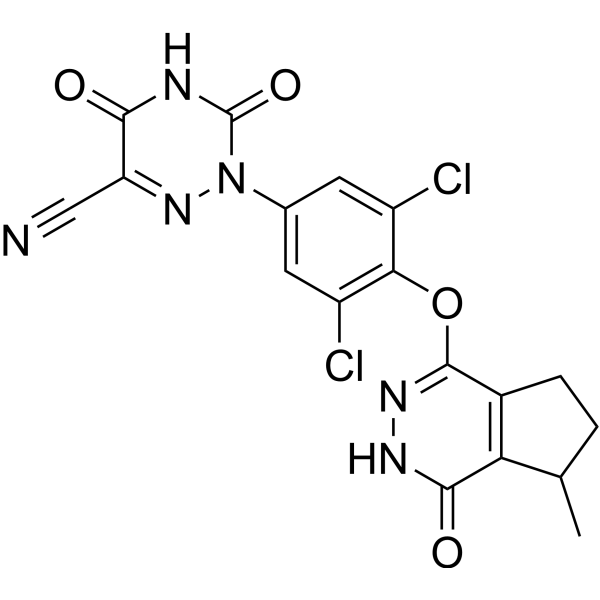
VK-0214 is an agonist of the thyroid β receptor (TRβ). By activating the expression of ABCD2, it can reduce the accumulation of very long-chain fatty acids (VLCFAs) and further alleviate glioblastoma multiforme. VK-0214 has the effect of regulating fatty acid metabolism and can be used in the research of X-linked adrenoleukodystrophy (X-ALD) .
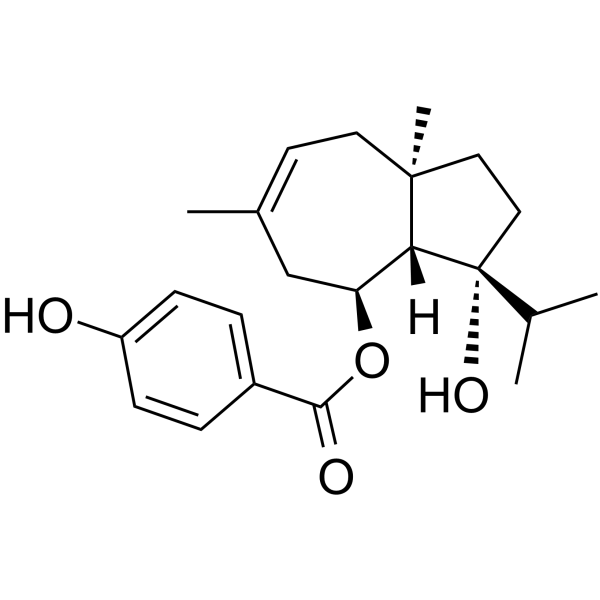
Ferutinin, a natural terpenoid compound, is an estrogen receptor ERα agonist and estrogen ERβ-receptor agonist/antagonist with IC50s of 33.1 nM and 180.5 nM, respectively. Ferutinin acts as an electrogenic Ca 2+-ionophore that increases calcium permeability of lipid bilayer membranes, mitochondria. Ferutinin possesses estrogenic, antitumor, antibacterial and antiinflammatory activities .
TGFβ-IN-5 is a type I transforming growth factor-β receptor(TGF-β R1) kinase inhibitor with an IC50 value of 0.0485 μM. TGFβ-IN-5 reverses the effect of TGF-β-mediated cell activation on the expression of fibrosis-related genes. TGFβ-IN-5 can be used in the research of fibroproliferative diseases .
LTβR-IN-1 (Compound 919278) is a potent, selective lymphotoxin β receptor (LTβR) inhibitor. LTβR-IN-1 also selectively inhibits the nuclear translocation of p52 depended on TNF12A, instead of the nuclear translocation of p65 mediated by TNF-α receptor. LTβR-IN-1 regulates the NF-kB signaling pathway IN a ligand-independent manner .
Klotho-derived peptide 1 (KP1 human) hydrochloride blocks TGF-β/TGF-β receptor 2 interaction, inhibits TGF-β-induced activation of Smad2/3 and mitogen-activated protein kinase (MAPK), and exhibits anti-fibrotic and kidney protective effects in mouse model .
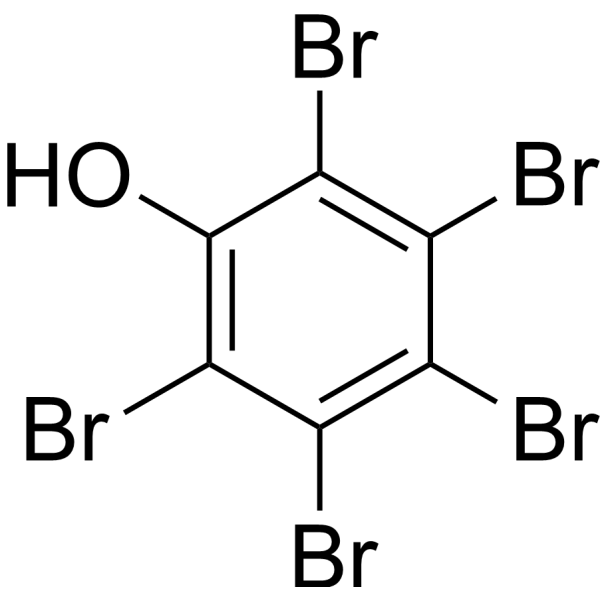
Pentabromophenol (PBP) is a brominated flame retardant (BFR) widely used in various consumer products to reduce the flammability of materials used in different utility items. Pentabromophenol can accelerate the degradation of transforming growth factor-β (TGF-β) receptors by promoting clathrin-mediated endocytosis, thereby inhibiting the TGF-β signaling pathway. Additionally, Pentabromophenol can also induce apoptosis in peripheral blood mononuclear cells (PBMCs) .
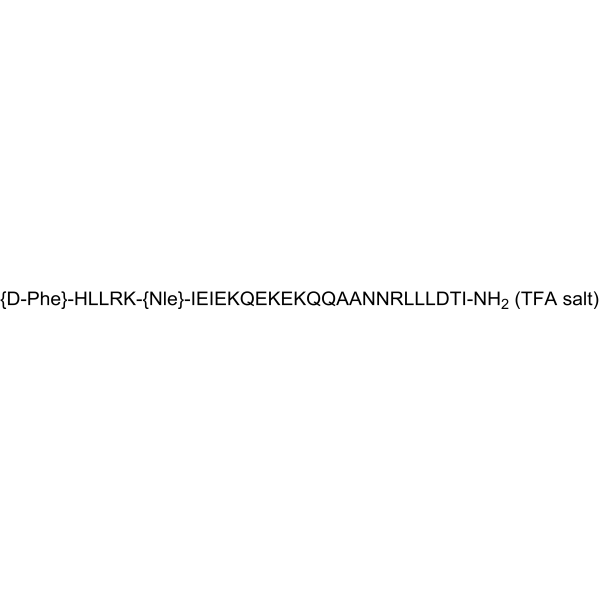
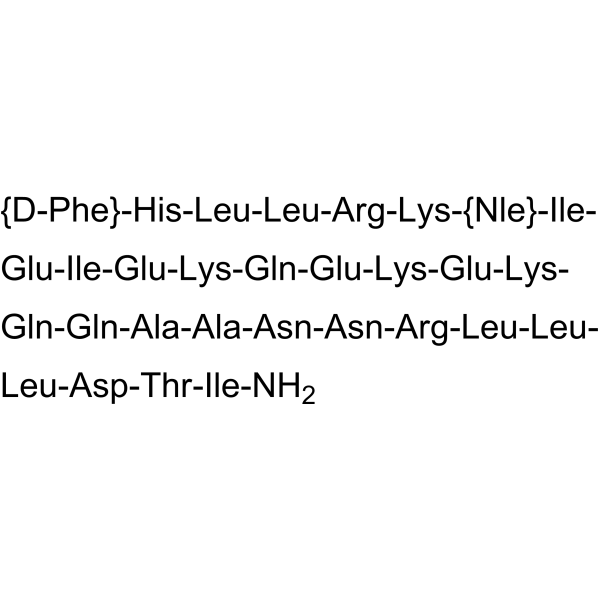
K41498 TFA is a highly selective CRF 2receptor antagonist, with a Ki of 0.66 nM for human CRF2αreceptor and a Ki of 0.62 nM for human CRF2β receptor. K41498 TFA inhibits cAMP accumulation in cells expressing CRF2. K41498 TFA antagonizes the hypotensive response induced by systemic administration of urocortin in conscious rats. K41498 TFA undergoes radioiodination without loss of activity and serves for autoradiographic studies of native CRF2receptors in rat brain and peripheral tissues .
Anti-CD44 Antibody (Hermes-1) is a kind of rat IgG2a κ chimeric antibody, targeting to human CD44. Anti-CD44 Antibody (Hermes-1) blocks the binding of hyaluronan to CD44. Anti-CD44 Antibody (Hermes-1) restores (Platelet-derived Growth Factor-BB)-induced β-receptor activation and motility in fibroblasts. Anti-CD44 Antibody (Hermes-1) causes partial loss of the anti-aging effect of hyaluronic .
VK-II-36 is a carvedilol analog that suppresses sarcoplasmic reticulum Ca 2+release but does not block the β-receptor.VK-II-36 inhibits triggered activities evoked by both early and delayed after depolarizations .
Sotalol-d6 (hydrochloride) is a deuterium labeled Sotalol hydrochloride. Sotalol hydrochloride is an orally active, non-selective competitive β-adrenergic receptor blocker. Sotalol hydrochloride is a potent antiarrhythmic agent that can be used for the research of pediatric arrhythmias. Sotalol hydrochloride blocks β-receptors, and potassium KCNH2 channels .
Klotho-derived peptide 1 (KP1 human) blocks TGF-β/TGF-β receptor 2 interaction, inhibits TGF-β-induced activation of Smad2/3 and mitogen-activated protein kinase (MAPK), and exhibits anti-fibrotic and kidney protective effects in mouse model .
K41498 is a highly selective CRF 2receptor antagonist, with a Ki of 0.66 nM for human CRF2αreceptor and a Ki of 0.62 nM for human CRF2β receptor. K41498 inhibits cAMP accumulation in cells expressing CRF2. K41498 antagonizes the hypotensive response induced by systemic administration of urocortin in conscious rats. K41498 undergoes radioiodination without loss of activity and serves for autoradiographic studies of native CRF2receptors in rat brain and peripheral tissues .
KYLO-0603 is an orally active, selective THR-β agonist (EC50 : 31.07 nM). KYLO-0603 has significant activity in lowering serum cholesterol and low-density lipoprotein cholesterol. KYLO-0603 upregulates the expression of THR-regulated genes (including iodothyronine deiodinase 1 (Dio1), malic enzyme 1 (Me1), and thyroid hormone response (Thrsp) gene) and inhibits the expression of inflammatory and fibrotic genes (low-density lipoprotein receptor (LDL-R) gene) by activating THR-β receptors. KYLO-0603 can be used to treat metabolic dysfunction-associated steatohepatitis (MASH) and liver fibrosis research .
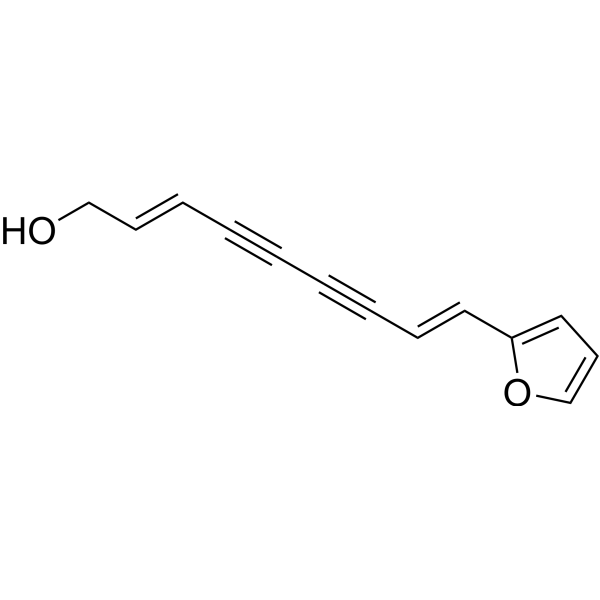
Atractylodinol, an antimicrobial, is a PRRSV (porcine reproductive and respiratory syndrome virus) inhibitor. Atractylodinol inhibits TGF-β receptor I recycling by binding to vimentin (KD of 454 nM) and inducing the formation of filamentous aggregates .
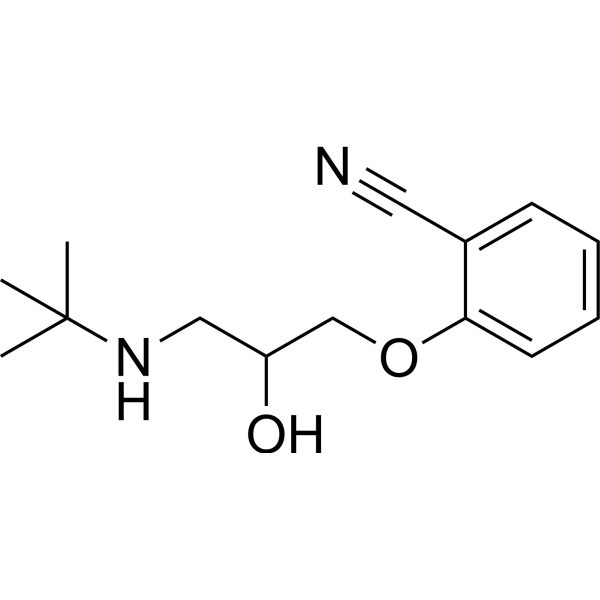
Bunitrolol hydrochloride is an orally active β-adrenergic blocker that has a high affinity for β-adrenergic receptors. Bunitrolol hydrochloride exerts significant β-receptor antagonist activity and has weak α1-blocking activity. Bunitrolol hydrochloride is mainly used in the study of cardiovascular diseases such as hypertension and angina pectoris, and is also used in placental transport research .
Tyrphostin AG1296 (Standard) is the analytical standard of Tyrphostin AG1296. This product is intended for research and analytical applications. Tyrphostin AG1296 is a potent and selective inhibitor of platelet-derived growth factor receptor (PDGFR), with an IC50 of 0.8 μM. Tyrphostin AG1296 inhibits signaling of human PDGF α- and β-receptors as well as of the related stem cell factor receptor (c-Kit). Tyrphostin AG1296 is also a potent inhibitor of FLT3, with an IC50 in the micromolar range .
Galunisertib (Standard) is the analytical standard of Galunisertib. This product is intended for research and analytical applications. Galunisertib (LY2157299) is an oral and selective TGF-β receptor type I (TGF-βRI) kinase inhibitor with an IC50 of 56 nM.
Sotalol is an orally active, non-selective β-adrenergic receptor blocker. Sotalol is a potent antiarrhythmic agent that can be used for the research of pediatric arrhythmias. Sotalol blocks β-receptors, and potassium KCNH2 channels. Antiepileptic Agent .
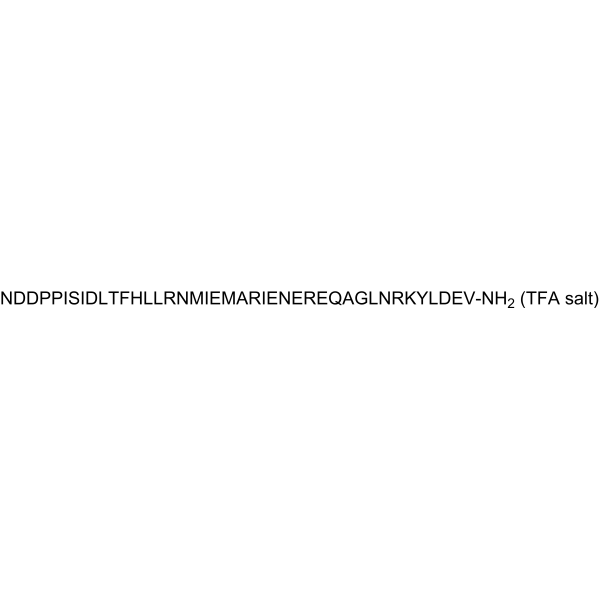
Urotensin I (Catostomus urotensin I), a CRF-like neuropeptide, acts as an agonist of CRF receptor with pEC50s of 11.46, 9.36 and 9.85 for human CRF1, human CRF2 and rat CRF2αreceptors in CHO cells, and Kis of 0.4, 1.8, and 5.7 nM for hCRF1, rCRF2α and mCRF2β receptors, respectively .
Urotensin I (Catostomus urotensin I) TFA, a CRF-like neuropeptide, acts as an agonist of CRF receptor with pEC50s of 11.46, 9.36 and 9.85 for human CRF1, human CRF2 and rat CRF2αreceptors in CHO cells, and Kis of 0.4, 1.8, and 5.7 nM for hCRF1, rCRF2α and mCRF2β receptors, respectively .
RepSox (Standard) is the analytical standard of RepSox. This product is intended for research and analytical applications. RepSox (E-616452) is a potent and selective transforming growth factor-beta receptor I/activin like kinase 5 (TGF-β-RI/ALK5) inhibitor. RepSox inhibits ALK5 autophosphorylation with an IC50 value of 4 nM. RepSox can be used for the research of obesity and associated metabolic diseases such as type 2 diabetes .
TQB-2858 is a bifunctional fusion protein composed of a monoclonal antibody against PD-L1 fused with the extracellular domain of TGF-β receptor. TQB-2858 has a high affinity for PD-L1, TGF-β1, and TGF-β3 and exhibited high PD-L1 target occupancy. TQB-2858 can be used for the study of osteosarcoma and alveolar soft part sarcoma (ASPS) .
Ki11502 is a multi-targeted receptor tyrosine kinase (RTK) inhibitor that selectively inhibits the activity of PDGF β/αreceptors with IC50 values less than 10 nM. Ki11502 selectively inhibits PDGF β receptor phosphorylation, proliferation, and proteoglycan synthesis in human vascular smooth muscle cells. Ki11502 can induce Apoptosis) and exhibits profound antiproliferative effects on select subsets of leukemia, including those with Imatinib (HY-15463) resistant mutations. Ki11502 is highly suitable for studying the role of PDGF in vascular diseases, particularly the role of proteoglycans in atherosclerosis .
THRβ receptor agonist-2 (Example 7-4) is a THRβ receptor agonist. THRβ receptor agonist-2 can be used for research of liver disorder or a cardiometabolic disease .
Human TGFBR1 mRNA encodes the human transforming growth factor beta receptor 1 (TGFBR1) protein, a serine/threonine protein kinase. TGFBR1 can form a heteromeric complex with type II TGF-beta receptors when bound to TGF-beta, transducing the TGF-beta signal from the cell surface to the cytoplasm.
Simedeutirom is the agonist for thyroid hormone beta receptor (THRβ) and can be used for researchs of metabolic diseases, such as obesity and diabetes mellitus .
Human TGFBR3 mRNA encodes the human transforming growth factor beta receptor 3 (TGFBR3) protein, a transforming growth factor (TGF)-beta type III receptor. TGFBR3 is a membrane proteoglycan that often functions as a co-receptor with other TGF-beta receptor superfamily members. Ectodomain shedding produces soluble TGFBR3, which may inhibit TGFB signaling. Decreased expression of this receptor has been observed in various cancers.
Human IFNAR1 mRNA encodes the human interferon alpha and beta receptor subunit 1 (IFNAR1) protein, a protein that belongs to the type II cytokine receptor family and functions as an antiviral factor.
TGFβRI-IN-1 is an oral active and selective TGFβ receptor type I (TGFβRI) kinase inhibitor, with IC50 values of 2 nM and 7.6 μM for TGFβRI and TGFβRII, respectively .
LY2109761 (Standard) is the analytical standard of LY2109761. This product is intended for research and analytical applications. LY2109761 is an orally active, selective TGF-β receptor type I/II inhibitor with Kis of 38 nM and 300 nM, respectively.
QX006N is a humanized monoclonal antibody inhibitor targeting human interferon α/β receptor 1 (IFNAR1). QX006N is promising for research of systemic lupus erythematosus (SLE) and other IFNAR1-related autoimmune diseases .
5-(Nonyloxy)tryptamine oxalate, a high-affinity agonist for the 5-HTIDβ receptor, with an ED50 value of 68 nM. 5-(Nonyloxy)tryptamine oxalate, exhibits antitumor growth activity in vivo and enhances the ability of T cells to target tumor cells .
RepSox hydrochloride is a potent and selective inhibitor of transforming growth factor-β receptor I/activin-like kinase 5 (TGF-β-RI/ALK5). RepSox hydrochloride inhibits ALK5 autophosphorylation with an IC50 value of 4 nM. RepSox hydrochloride can be used in the study of obesity and related metabolic diseases such as type 2 diabetes.
Cimaterol (Standard) is the analytical standard of Cimaterol. This product is intended for research and analytical applications. Cimaterol (CL 263780) is a β-adrenergic agonist on energy metabolism in ob/ob mice . The Kd for Cimaterol binding to the L6 β-receptor is 26 nM which is compatible with its EC50 for the stimulation of protein synthesis (approx 5 nM) .
Sotalol-d6 is the deuterium labeled Sotalol. Sotalol is an orally active, non-selective β-adrenergic receptor blocker. Sotalol is a potent antiarrhythmic agent that can be used for the research of pediatric arrhythmias. Sotalol blocks β-receptors, and potassium KCNH2 channels. Antiepileptic Agent .
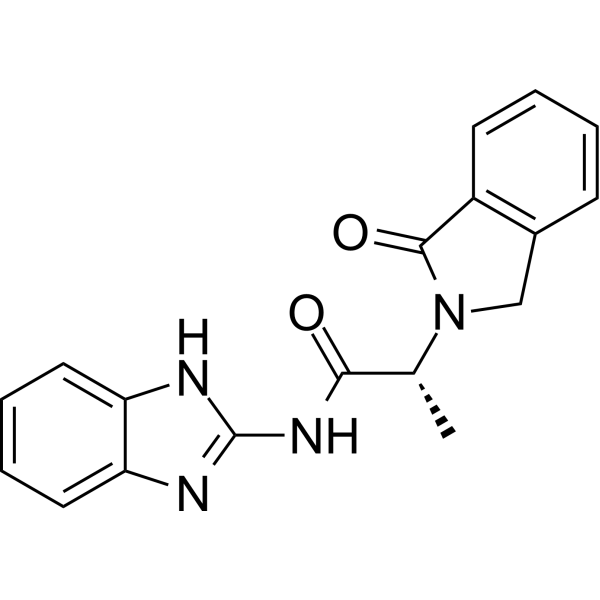
LY550410 is a small-molecule ATP-competitive inhibitor against type I TGF-β receptor kinase, which contains heteroaryl rings for potent binding to the kinase-domain active site. LY550410 modulates TGF-β signalling, thereby regulates gene expression and ultimately cell growth. LY550410 is promising for research of cancers .
TGFβRI-IN-4 is a highly potent and orally active TGFβ receptor type I (TGFβRI) inhibitor, with IC50s of 44 nM and 42.5 nM for ALK5 and NIH3T3. TGFβRI-IN-4 can suppress tumor growth and tumor weight in tumor xenograft model .
Sotalol (hydrochloride) (Standard) is the analytical standard of Sotalol (hydrochloride). This product is intended for research and analytical applications. Sotalol hydrochloride (MJ 1999) is an orally active, non-selective β-adrenergic receptor blocker. Sotalol hydrochloride is a potent antiarrhythmic agent that can be used for the research of pediatric arrhythmias. Sotalol hydrochloride blocks β-receptors, and potassium KCNH2 channels. Antiepileptic Agent .
Sotalol (hydrochloride) (Standard) is the analytical standard of Sotalol (hydrochloride). This product is intended for research and analytical applications. Sotalol hydrochloride (MJ 1999) is an orally active, non-selective β-adrenergic receptor blocker. Sotalol hydrochloride is a potent antiarrhythmic agent that can be used for the research of pediatric arrhythmias. Sotalol hydrochloride blocks β-receptors, and potassium KCNH2 channels. Antiepileptic Agent .
SB-505124 (hydrochloride) (Standard) is the analytical standard of SB-505124 (hydrochloride). This product is intended for research and analytical applications. SB-505124 hydrochloride is a selective inhibitor of TGF-β Receptor type I receptor (ALK4, ALK5, ALK7), with IC50s of 129 nM and 47 nM for ALK4, ALK5, respectively, but it does not inhibit ALK1, 2, 3, or 6.
SB-505124 (Standard) is the analytical standard of SB-505124. This product is intended for research and analytical applications. SB-505124 is a selective inhibitor of TGF-β Receptor type I receptors (ALK4, ALK5, ALK7), with IC50s of 129 nM and 47 nM for ALK4, ALK5, respectively, but it does not inhibit ALK1, 2, 3, or 6.
Human IFNAR2 mRNA encodes the human interferon alpha and beta receptor subunit 2 (IFNAR2) protein, a protein that belongs to the type II cytokine receptor family. IFNAR2 is a type I membrane protein that forms one of the two chains of a receptor for interferons alpha and beta. Binding and activation of the receptor stimulates Janus protein kinases, which in turn phosphorylate several proteins, including STAT1 and STAT2.
Nebivolol (hydrochloride) (Standard) is the analytical standard of Nebivolol (hydrochloride). This product is intended for research and analytical applications. Nebivolol (R 065824) hydrochloride is an orally active beta receptor blocker and has the high beta(1)-receptor affinity.Nebivolol hydrochloride has direct vasodilator properties and adrenergic blocking characteristics. Nebivolol hydrochloride can be used for the research of kinds of diseases such as hypertension, coronary artery disease, congestive heart failure and ischemic heart disease .
Nebivolol O-β-D-glucuronide is a derivative of Nebivolol (HY-B0203). Nebivolol is an orally active beta receptor blocker and has the high beta(1)-receptor affinity. Nebivolol has direct vasodilator properties and adrenergic blocking characteristics. Nebivolol can be used for the research of kinds of diseases such as hypertension, coronary artery disease, congestive heart failure and ischemic heart disease .
Gallamine Triethiodide (Standard) is the analytical standard of Gallamine Triethiodide. This product is intended for research and analytical applications. Gallamine Gallamine Triethiodide is a blood-brain barrier-permeable skeletal muscle relaxant. Gallamine Triethiodide induces skeletal muscle paralysis by blocking acetylcholine. Gallamine Triethiodide directly stimulates intracardiac β receptors. Gallamine Triethiodide prolongs the duration of afterdischarge in the cat cerebral cortex. Gallamine Triethiodide can be used in studies related to convulsive disorders .
Propafenone (Standard) is the analytical standard of Propafenone. This product is intended for research and analytical applications. Propafenone (SA-79), a sodium-channel blocker, acts an antiarrhythmic agent. Propafenone also has high affinity for the β receptor (IC50=32 nM) . Propafenone blocks the transient outward current (Ito) and the sustained delayed rectifier K current (Isus) with IC50 values of 4.9 μm and 8.6 μm, respectively . Propafenone suppresses esophageal cancer proliferation through inducing mitochondrial dysfunction and induce apoptosis .
(R)-Carvedilol-d4 is deuterium labeled (R)-Carvedilol (HY-B0006C). (R)-Carvedilol ((R)-BM 14190) is the orally active R-isomer of Carvedilol (HY-B0006). (R)-Carvedilol has α-receptor blocking activity but no β-receptor blocking activity. (R)-Carvedilol inhibits spontaneous Ca 2+ waves. (R)-Carvedilol inhibits stress-induced ventricular tachycardia and delays the development of UV-induced skin tumors and reduces their malignancy .
sTGFBR3 antagonist 1 (Compound p24) is an antagonist for soluble transforming growth factor beta receptor 3 (sTGFBR3), thus activates TGF-β signaling pathway, and inhibits IκBα/NF-κB signaling pathway. sTGFBR3 antagonist 1 inhibits NO-release in LPS (HY-D1056) -induced BV2 cells with an IC50 of 0.52 μM. sTGFBR3 antagonist 1 exhibits anti-inflammatory and neuroprotective activities with blood brain barrier (BBB) permeability. sTGFBR3 antagonist 1 can be used in Alzheimer’s Disease research .
Levobunolol (l-Bunolol) is a non-selective β-adrenergic antagonist and vasodilator. By blocking calcium ion influx and reducing the sensitivity of vascular smooth muscle to calcium, Levobunolol effectively dilates the ciliary arteries and increases ocular blood flow, so it is widely used in research on glaucoma and ocular hypertension. Levobunolol inhibits the β-receptor signaling pathway and the expression of related proliferation markers (such as CK3, CK14, CK19, Ki67) in corneal cells. In rabbit models, Levobunolol not only does not inhibit corneal epithelial regeneration, but also accelerates the healing of mechanical injury without adverse effects. Levobunolol also inhibits histamine-induced vasoconstriction and intracellular calcium elevation, exhibiting unique vascular regulatory activity. Levobunolol protects ocular blood flow and promotes corneal repair .
Axitirome (CGS 26214) is a potent, liverselective TRβ receptor agonist and thyromimetic agent. Axitirome has demonstrated cholesterol-lowering activity .
Human TGFBR2 mRNA encodes the human transforming growth factor beta receptor 2 (TGFBR2) protein, a transmembrane protein that has a protein kinase domain, forms a heterodimeric complex with TGF-beta receptor type-1, and binds TGF-beta. TGFBR2/ligand complex phosphorylates proteins, which then enter the nucleus and regulate the transcription of genes related to cell proliferation, cell cycle arrest, wound healing, immunosuppression, and tumorigenesis.
CD2314 (Standard) is the analytical standard of CD2314 (HY-108533). This product is intended for research and analytical applications. CD2314 is a potent and selective RARβ receptor agonist with a Kd of 195 nM in S91 melanoma cells .
Human LTBR mRNA encodes the human lymphotoxin beta receptor (LTBR) protein, a member of the tumor necrosis factor receptor superfamily. LTBR plays a role in signalling during the development of lymphoid and other organs, lipid metabolism, immune response, and programmed cell death.
PD151242 is a selective competitive antagonist of the endothelin ETAreceptor, with KD values of 0.65 nM, 0.64 nM and 1.92 nM for human, rat and porcine receptors, respectively, and a KD value of 104 μM for the human ETβ receptor. When radiolabeled as [ 125I]-PD151242, PD151242 can be used to visualize and localize renal vascular ETAreceptors .
LY3200882 (Standard) is the analytical standard of LY3200882 (HY-103021). This product is intended for research and analytical applications. LY3200882 is a potent, highly selective, ATP-competitive and orally active TGF-β receptor type 1 (ALK5) inhibitor with an IC50 of 38.2 nM. LY3200882 inhibits various pro-tumorigenic activities and is also used as an immune modulatory agent .
Bunitrolol hydrochloride is an orally active β-adrenergic blocker that has a high affinity for β-adrenergic receptors. Bunitrolol hydrochloride exerts significant β-receptor antagonist activity and has weak α1-blocking activity. Bunitrolol hydrochloride is mainly used in the study of cardiovascular diseases such as hypertension and angina pectoris, and is also used in placental transport research .
Bunolol ((Rac)-Bunolol) is a β-adrenergic receptor blocker. Bunolol antagonizes the β-receptor agonist activity induced by Isoproterenol (HY-B0468) and Dichloroisoproterenol. Bunolol reduces the heart rate and mean blood pressure of anesthetized dogs. Bunolol decreases spontaneous motor activity and Amphetamine-induced hyperactivity in rats, potentiates Pentobarbital-induced hypnosis in mice, and protects rats from extensor tonic convulsions induced by maximal electroshock .
Ch55 (Standard) is the analytical standard of Ch55 (HY-107397). This product is intended for research and analytical applications. Ch55 is a potent synthetic retinoid. Ch55 binds to RAR-α and RAR-β receptors with high affinity. Ch55 displays low affinity for cellular retinoic acid binding protein (CRABP). Ch55 is a potent inducer of the differentiation of HL60 cells with an EC50 of 200 nM. Ch55 can be used for cancer research .
RepSox-d5 (E-616452-d5) is the deuterium labeled RepSox (HY-13012). RepSox (E-616452) is a potent and selective transforming growth factor-beta receptor I/activin like kinase 5 (TGF-β-RI/ALK5) inhibitor. RepSox inhibits ALK5 autophosphorylation with an IC50 value of 4 nM. RepSox can be used for the research of obesity and associated metabolic diseases such as type 2 diabetes .
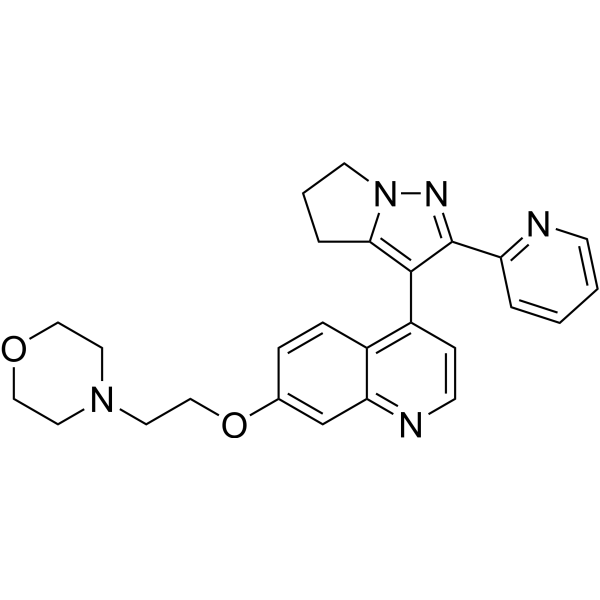
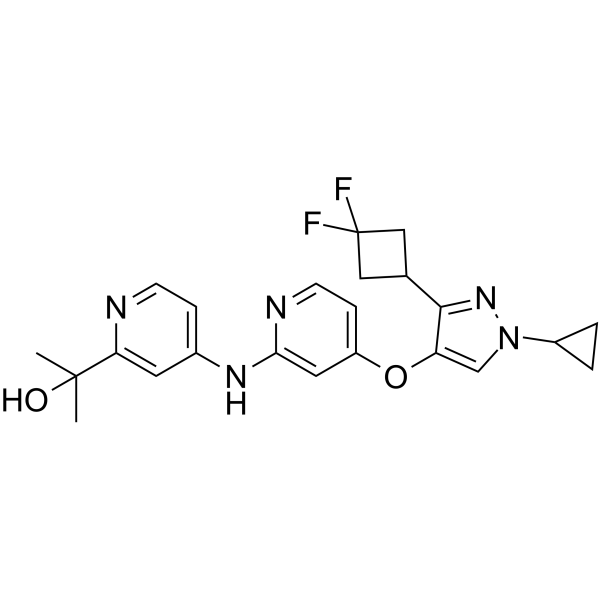
HM-279 is a potent and orally active ALK5 inhibitor with an IC50 of 4.7 nM. HM-279 shows cross-reactivity with ALK7 (IC50 = 6.8 nM), but HM-279 has fair to good selectivity against other TGF-β receptor family kinases, with 4.5-693-fold selectivity. HM-279 demonstrates antitumor activity in vivo through CD8 + T cell immunity. HM-279 can be used for the research of colon cancer .
APX002 is an anti-IL-1β humanized monoclonal antibody that binds to IL-1β with an affinity of 1.99×10 −10M. APX002 blocks IL-1β receptor binding, inhibits IL-1β-induced downstream cell signaling and biological effects.APX002 can be used for the research of rheumatoid arthritis, diabetes, gout, cryopyrin-associated periodic syndrome, chronic obstructive pulmonary disorder, atherosclerosis, vasculitis .
SU16f (Standard) is the analytical standard of SU16f (HY-108628). This product is intended for research and analytical applications. SU16f is a potent and selective PDGFRβ inhibitor with IC50s of 10 nM, 140 nM, 2.29 μM for PDGFRβ, VEGF-R2, FGF-R1, respectively . Neutralization of PDGFRβ receptor by SU16f blocks the promoting role of GC-MSCs (gastric cancer-derived mesenchymal stem cells) conditioned medium in gastric cancer cell proliferation and migration .
Anti-Candida auris β-1,3-glucans Antibody (2G8) is an antibody targeting Candida auris β-1,3-glucans, and also acts as an inhibitor of AChE and TGF-β receptor 2. Anti-Candida auris β-1,3-glucans Antibody (2G8) also targets fungal cell wall components, effectively inhibits fungal growth and interferes with capsule formation, thereby significantly reducing the fungal load in mouse tissues. Anti-Candida auris β-1,3-glucans Antibody (2G8) not only blocks TGF-β receptor binding to inhibit the Smad signaling pathway, reduces fibroblast activation and collagen deposition, but also induces epithelial differentiation of tumor cells and reduces pancreatic tumor metastasis. Anti-Candida auris β-1,3-glucans Antibody (2G8) specifically binds to the conserved N-linked glycoepitope on AChE to inhibit its activity without interfering with BChE, and can be used in studies of cryptococcosis and related tumor mechanisms .The isotype control is Human IgG1 kappa, Isotype Control (HY-P99001).
The transforming growth factor beta (TGF-β) signaling pathway is involved in many cellular processes in both the adult organism and the developing embryo including cell growth, cell differentiation, apoptosis, cellular homeostasis and other cellular functions. The TGF-β superfamily comprises TGF-βs, bone morphogenetic proteins (BMPs), activins and related proteins. Signaling begins with the binding of a TGF beta superfamily ligand to a TGF beta type II receptor. The type II receptor is a serine/threonine receptor kinase, which catalyzes the phosphorylation of the Type I receptor. The type I receptor then phosphorylates receptor-regulated SMADs (R-SMADs) which can now bind the coSMAD (e.g. SMAD4). R-SMAD/coSMAD complexes accumulate in the nucleus where they act as transcription factors and participate in the regulation of target gene expression. Deregulation of TGF-β signaling contributes to developmental defects and human diseases, including cancers, some bone diseases, chronic kidney disease, etc.
MCE designs a unique collection of 413 TGF-beta/Smad signaling pathway compounds. TGF-beta/Smad Compound Library acts as a useful tool for TGF-beta/Smad-related drug screening and disease research.
SB-431542 (GMP) is SB-431542 (HY-10431) produced by using GMP guidelines. GMP small molecules works appropriately as an auxiliary reagent for cell therapy manufacture. SB-431542 is a TGF-β receptor kinase inhibitor (TRKI) in SMAD signaling .
SB-431542 (GMP) is SB-431542 (HY-10431) produced by using GMP guidelines. GMP small molecules works appropriately as an auxiliary reagent for cell therapy manufacture. SB-431542 is a TGF-β receptor kinase inhibitor (TRKI) in SMAD signaling .
Proinsulin C-peptide (human) is a peptide consisting of 31 amino acids that links the A and B chains of proinsulin to ensure its correct folding. Proinsulin C-peptide (human) inhibits the high glucose-induced increase in PDGF-β receptor protein expression and the phosphorylation of p42/p44 MAP kinase. Proinsulin C-peptide (human) increases the deformability of erythrocytes derived from type 1 diabetes, inhibits insulin-induced neointimal thickening, and suppresses the proliferation of rat aortic smooth muscle cells cultured under high-glucose conditions .
His-D-beta-Nal-Ala-Trp-D-Phe-Lys-NH2 TFA, is a growth hormone releasing peptide, as well as a metabolite of GHRP-1. GHRP-1, or Ala-His-D-beta Nal-Ala-Trp-D-Phe-Lys-NH2, has the effect of promoting the release of growth hormone (GH). GHRP-1 increases GH release and increases [Ca2+]i levels in static monolayer cells of rat pituitary gland, but does not affect cAMP levels .
Klotho-derived peptide 1 (KP1 human) hydrochloride blocks TGF-β/TGF-β receptor 2 interaction, inhibits TGF-β-induced activation of Smad2/3 and mitogen-activated protein kinase (MAPK), and exhibits anti-fibrotic and kidney protective effects in mouse model .
K41498 TFA is a highly selective CRF 2receptor antagonist, with a Ki of 0.66 nM for human CRF2αreceptor and a Ki of 0.62 nM for human CRF2β receptor. K41498 TFA inhibits cAMP accumulation in cells expressing CRF2. K41498 TFA antagonizes the hypotensive response induced by systemic administration of urocortin in conscious rats. K41498 TFA undergoes radioiodination without loss of activity and serves for autoradiographic studies of native CRF2receptors in rat brain and peripheral tissues .
Klotho-derived peptide 1 (KP1 human) blocks TGF-β/TGF-β receptor 2 interaction, inhibits TGF-β-induced activation of Smad2/3 and mitogen-activated protein kinase (MAPK), and exhibits anti-fibrotic and kidney protective effects in mouse model .
K41498 is a highly selective CRF 2receptor antagonist, with a Ki of 0.66 nM for human CRF2αreceptor and a Ki of 0.62 nM for human CRF2β receptor. K41498 inhibits cAMP accumulation in cells expressing CRF2. K41498 antagonizes the hypotensive response induced by systemic administration of urocortin in conscious rats. K41498 undergoes radioiodination without loss of activity and serves for autoradiographic studies of native CRF2receptors in rat brain and peripheral tissues .
Urotensin I (Catostomus urotensin I), a CRF-like neuropeptide, acts as an agonist of CRF receptor with pEC50s of 11.46, 9.36 and 9.85 for human CRF1, human CRF2 and rat CRF2αreceptors in CHO cells, and Kis of 0.4, 1.8, and 5.7 nM for hCRF1, rCRF2α and mCRF2β receptors, respectively .
Urotensin I (Catostomus urotensin I) TFA, a CRF-like neuropeptide, acts as an agonist of CRF receptor with pEC50s of 11.46, 9.36 and 9.85 for human CRF1, human CRF2 and rat CRF2αreceptors in CHO cells, and Kis of 0.4, 1.8, and 5.7 nM for hCRF1, rCRF2α and mCRF2β receptors, respectively .
pPB peptide is a cyclic peptide which recognizes the platelet derived growth factor beta receptor (PDGFbR) with high affinity. pPB peptide can be used for PDGFbR-specific drug delivery .
Baminercept (BG 9924; TT-47) is an Ig fusion protein targeting the lymphotoxin β receptor (LTβR). Baminercept effectively regulates subsets of circulating immune cells by inhibiting LIGHT, LT-α1β2 and their receptors. Baminercept also increases blood lymphocyte counts and reduces plasma CXCL13 levels. Baminercept carries a high risk of hepatotoxicity. Baminercept can be used in research on rheumatoid arthritis and primary Sjögren's syndrome .
huATN-658 is an inhibitor that specifically targets the DIII domain of human urokinase plasminogen activator receptor (uPAR). huATN-658 neutralizes uPAR function by blocking the interaction between uPAR and integrins, without interfering with the binding of uPA or vitronectin to uPAR. huATN-658 inhibits the proliferation and invasion of breast cancer cells, slows the growth of primary breast tumors, reduces breast cancer-induced bone lesions and decreases osteoclast activity. huATN-658 also alters the gene expression of the TGF-β receptorcomplex signaling pathway. huATN-658 exerts synergistic anticancer effects when combined with Zoledronic Acid (HY-13777), and does not cause physiological or behavioral abnormalities in immunodeficient mice. huATN-658 can be used in research related to breast cancer, metastatic breast cancer and breast cancer-induced bone disease .
Anti-CD44 Antibody (Hermes-1) is a kind of rat IgG2a κ chimeric antibody, targeting to human CD44. Anti-CD44 Antibody (Hermes-1) blocks the binding of hyaluronan to CD44. Anti-CD44 Antibody (Hermes-1) restores (Platelet-derived Growth Factor-BB)-induced β-receptor activation and motility in fibroblasts. Anti-CD44 Antibody (Hermes-1) causes partial loss of the anti-aging effect of hyaluronic .
TQB-2858 is a bifunctional fusion protein composed of a monoclonal antibody against PD-L1 fused with the extracellular domain of TGF-β receptor. TQB-2858 has a high affinity for PD-L1, TGF-β1, and TGF-β3 and exhibited high PD-L1 target occupancy. TQB-2858 can be used for the study of osteosarcoma and alveolar soft part sarcoma (ASPS) .
QX006N is a humanized monoclonal antibody inhibitor targeting human interferon α/β receptor 1 (IFNAR1). QX006N is promising for research of systemic lupus erythematosus (SLE) and other IFNAR1-related autoimmune diseases .
APX002 is an anti-IL-1β humanized monoclonal antibody that binds to IL-1β with an affinity of 1.99×10 −10M. APX002 blocks IL-1β receptor binding, inhibits IL-1β-induced downstream cell signaling and biological effects.APX002 can be used for the research of rheumatoid arthritis, diabetes, gout, cryopyrin-associated periodic syndrome, chronic obstructive pulmonary disorder, atherosclerosis, vasculitis .
Anti-Candida auris β-1,3-glucans Antibody (2G8) is an antibody targeting Candida auris β-1,3-glucans, and also acts as an inhibitor of AChE and TGF-β receptor 2. Anti-Candida auris β-1,3-glucans Antibody (2G8) also targets fungal cell wall components, effectively inhibits fungal growth and interferes with capsule formation, thereby significantly reducing the fungal load in mouse tissues. Anti-Candida auris β-1,3-glucans Antibody (2G8) not only blocks TGF-β receptor binding to inhibit the Smad signaling pathway, reduces fibroblast activation and collagen deposition, but also induces epithelial differentiation of tumor cells and reduces pancreatic tumor metastasis. Anti-Candida auris β-1,3-glucans Antibody (2G8) specifically binds to the conserved N-linked glycoepitope on AChE to inhibit its activity without interfering with BChE, and can be used in studies of cryptococcosis and related tumor mechanisms .The isotype control is Human IgG1 kappa, Isotype Control (HY-P99001).
Ferutinin, a natural terpenoid compound, is an estrogen receptor ERα agonist and estrogen ERβ-receptor agonist/antagonist with IC50s of 33.1 nM and 180.5 nM, respectively. Ferutinin acts as an electrogenic Ca 2+-ionophore that increases calcium permeability of lipid bilayer membranes, mitochondria. Ferutinin possesses estrogenic, antitumor, antibacterial and antiinflammatory activities .
Atractylodinol, an antimicrobial, is a PRRSV (porcine reproductive and respiratory syndrome virus) inhibitor. Atractylodinol inhibits TGF-β receptor I recycling by binding to vimentin (KD of 454 nM) and inducing the formation of filamentous aggregates .
Sotalol (hydrochloride) (Standard) is the analytical standard of Sotalol (hydrochloride). This product is intended for research and analytical applications. Sotalol hydrochloride (MJ 1999) is an orally active, non-selective β-adrenergic receptor blocker. Sotalol hydrochloride is a potent antiarrhythmic agent that can be used for the research of pediatric arrhythmias. Sotalol hydrochloride blocks β-receptors, and potassium KCNH2 channels. Antiepileptic Agent .
TGF-beta receptor type-2; TGF-beta type II receptor; Transforming growth factor-beta receptor type II (TGF-beta receptor type II; TbetaR-II); TGFR-2; EC:2.7.11.30
B18R protein functions as a potent antagonist against the antiviral effects of host IFN-alpha/beta and key IFN-inducible proteins, such as OAS1 involved in viral RNA degradation. It acts as a soluble IFN-alpha receptor, effectively impeding the interaction between host IFN-alpha and its receptor. The protein's ability to interact with host IFNA1 underscores its role in modulating the host's immune response against viral infections. B18R Protein, Vaccinia virus (HEK293, His) is the recombinant Virus-derived B18R protein, expressed by HEK293 , with C-6*His labeled tag.
IFN-α/β R2 protein and IFNAR1 together constitute the heterodimeric receptor of type I interferon and initiate the JAK-STAT signaling cascade. Upon binding of type I interferons, IFNAR1 and IFNAR2 activate related Janus kinases (TYK2 and JAK1) in proximity, resulting in cross-phosphorylation. IFN-alpha/beta R2 Protein, Mouse (Biotinylated, HEK293, His, Avi) is the recombinant mouse-derived IFN-alpha/beta R2 protein, expressed by HEK293, with C-Avi and C-His labeled tag.
TGFBR1 is a transmembrane kinase that cooperates with TGFBR2 to form the TGF-β receptor complex.This complex is activated by cytokines and regulates a variety of processes, including cell cycle arrest, mesenchymal cell control, wound healing, and carcinogenesis.TGFBR1/ALK-5 Protein, Mouse (HEK293, Fc) is the recombinant mouse-derived TGFBR1/ALK-5 protein, expressed by HEK293 , with C-hFc labeled tag.
TGFBR3/TGF-beta RIII Protein is pivotal, binding to TGF-beta, indicating a potential role in capturing and presenting TGF-beta to signaling receptors.In gonadotrope cells, it acts as an inhibin A coreceptor, regulating FSH levels and impacting female fertility.Its interaction with DYNLT4 emphasizes diverse functional associations in cellular processes, suggesting a multifaceted role for TGFBR3 in cellular regulation and fertility control. TGFBR3/TGF-beta RIII Protein, Mouse (HEK293, His) is the recombinant mouse-derived TGFBR3/TGF-beta RIII protein, expressed by HEK293 , with C-6*His labeled tag.
TGFBR1/ALK-5 proteins cooperate with TGFBR2 to form dedicated receptors for TGFB1, TGFB2, and TGFB3, transmitting signals and coordinating different physiological and pathological processes. It induces cell cycle arrest, modulates mesenchymal cell dynamics, contributes to wound healing, and affects immunosuppression and carcinogenesis. TGFBR1/ALK-5 Protein, Human (HEK293, Fc) is the recombinant human-derived TGFBR1/ALK-5 protein, expressed by HEK293 , with C-hFc labeled tag.
IFNAR1, one of the subunit of IFN-α/β receptor, is a type I IFN receptor. IFNAR1 forms the heterodimeric receptor with IFNAR2. IFNAR1 mediates IFN-induced STAT signaling by interacting with tyrosine kinase 2 (Tyk2). Upon activation by these IFNs, IFNAR1 and IFNAR2 undergo a conformational change to promote a cascade of downstream signaling events, including the phosphorylation of Tyk2 and JAK1, STAT1 and STAT2. IFNAR1 Protein, Rhesus Macaque (HEK293) is a recombinant rhesus macaque IFNAR1 (M1-K437) without any tag, which is produced in HEK293 cells.
TGFBR1/ALK-5 proteins cooperate with TGFBR2 to form dedicated receptors for TGFB1, TGFB2, and TGFB3, transmitting signals and coordinating different physiological and pathological processes. It induces cell cycle arrest, modulates mesenchymal cell dynamics, contributes to wound healing, and affects immunosuppression and carcinogenesis. TGFBR1/ALK-5 Protein, Human (HEK293, His-Fc) is the recombinant human-derived TGFBR1/ALK-5 protein, expressed by HEK293 , with C-hFc, C-His labeled tag.
TGFBR3/TGF-beta RIII Protein is pivotal, binding to TGF-beta, indicating a potential role in capturing and presenting TGF-beta to signaling receptors. In gonadotrope cells, it acts as an inhibin A coreceptor, regulating FSH levels and impacting female fertility. Its interaction with DYNLT4 emphasizes diverse functional associations in cellular processes, suggesting a multifaceted role for TGFBR3 in cellular regulation and fertility control. TGFBR3/TGF-beta RIII Protein, Human (sf9, His) is the recombinant human-derived TGFBR3/TGF-beta RIII protein, expressed by Sf9 insect cells , with C-His labeled tag.
IFNAR1, one of the subunit of IFN-α/β receptor, is a type I IFN receptor. IFNAR1 forms the heterodimeric receptor with IFNAR2. IFNAR1 mediates IFN-induced STAT signaling by interacting with tyrosine kinase 2 (Tyk2). Upon activation by these IFNs, IFNAR1 and IFNAR2 undergo a conformational change to promote a cascade of downstream signaling events, including the phosphorylation of Tyk2 and JAK1, STAT1 and STAT2. IFNAR1 Protein, Rhesus Macaque (HEK293, Fc) is a recombinant rhesus macaque IFNAR1 (M1-K437) with a C-terminal hFc tag, which is produced in HEK293 cells.
IFNAR1, one of the subunit of IFN-α/β receptor, is a type I IFN receptor. IFNAR1 forms the heterodimeric receptor with IFNAR2. IFNAR1 mediates IFN-induced STAT signaling by interacting with tyrosine kinase 2 (Tyk2). Upon activation by these IFNs, IFNAR1 and IFNAR2 undergo a conformational change to promote a cascade of downstream signaling events, including the phosphorylation of Tyk2 and JAK1, STAT1 and STAT2. IFNAR1 Protein, Mouse (HEK293, His) is a recombinant mouse IFNAR1 (M1-T429) with C-terminal His tag, which is produced in HEK293 cells.
TGFBR1/ALK-5 proteins cooperate with TGFBR2 to form dedicated receptors for TGFB1, TGFB2, and TGFB3, transmitting signals and coordinating different physiological and pathological processes. It induces cell cycle arrest, modulates mesenchymal cell dynamics, contributes to wound healing, and affects immunosuppression and carcinogenesis. TGFBR1/ALK-5 Protein, Human (sf9, His-GST) is the recombinant human-derived TGFBR1/ALK-5 protein, expressed by Sf9 insect cells , with N-His, N-GST labeled tag.
IFN-α/β R2 protein and IFNAR1 together constitute the heterodimeric receptor of type I interferon and initiate the JAK-STAT signaling cascade. Upon binding of type I interferons, IFNAR1 and IFNAR2 activate related Janus kinases (TYK2 and JAK1) in proximity, resulting in cross-phosphorylation. IFN-alpha/beta R2 Protein, Mouse (HEK293, His) is the recombinant mouse-derived IFN-alpha/beta R2 protein, expressed by HEK293 , with C-6*His labeled tag.
IFNAR1, one of the subunit of IFN-α/β receptor, is a type I IFN receptor. IFNAR1 forms the heterodimeric receptor with IFNAR2. IFNAR1 mediates IFN-induced STAT signaling by interacting with tyrosine kinase 2 (Tyk2). Upon activation by these IFNs, IFNAR1 and IFNAR2 undergo a conformational change to promote a cascade of downstream signaling events, including the phosphorylation of Tyk2 and JAK1, STAT1 and STAT2. IFNAR1 Protein, Human (HEK293, Fc) is a recombinant human IFNAR1 (K28-K436) with C-terminal hFc tag, which is produced in HEK293 cells.
IFNAR1, one of the subunit of IFN-α/β receptor, is a type I IFN receptor. IFNAR1 forms the heterodimeric receptor with IFNAR2. IFNAR1 mediates IFN-induced STAT signaling by interacting with tyrosine kinase 2 (Tyk2). Upon activation by these IFNs, IFNAR1 and IFNAR2 undergo a conformational change to promote a cascade of downstream signaling events, including the phosphorylation of Tyk2 and JAK1, STAT1 and STAT2. IFNAR1 Protein, Human (HEK293, His) is a recombinant human IFNAR1 (K28-K436) with C-terminal 6*His tag, which is produced in HEK293 cells.
TGF-beta receptor 2 Protein, Human (HEK293, Fc), a fragment of transforming growth factor-beta receptor type 2 (TβRII), consists of amino acid of Thr23-Asp159 with an Fc tag at the C-terminus.
TGFBR2/TGF-beta RII Protein, Mouse (HEK293, Fc), a fragment of transforming growth factor-beta receptor type 2 (TβRII), with a 6His tag at the C-terminus.
TGFBR2/TGF-beta RII Protein, Mouse (HEK293, His), His consists of N-terminal ectodomain and C-terminal protein kinase domain with his tag.TGF-beta receptor type-2 is the ligand-binding receptor for all members of the TGF-β family.
The TGFBR2/TGF-β RII protein cooperates with TGFBR1 to form dedicated receptors for TGFB1, TGFB2, and TGFB3. It serves as a signal transducer that coordinates diverse physiological and pathological processes, including cell cycle regulation, mesenchymal cell dynamics, wound healing, matrix production, immunosuppression, and carcinogenesis. TGFBR2/TGF-beta RII Protein, Human (sf9, His) is the recombinant human-derived TGFBR2/TGF-beta RII protein, expressed by Sf9 insect cells , with C-His labeled tag.
TGFBR2 is a transmembrane kinase that forms the TGF-β receptor complex with TGFBR1 and regulates various processes. Upon binding to cytokines, this complex activates TGFBR2, initiating SMAD-dependent signaling through phosphorylation of TGFBR1, SMAD2, and SMAD4. TGFBR2/TGF-beta RII Protein, Rat (HEK293, Fc) is the recombinant rat-derived TGFBR2/TGF-beta RII protein, expressed by HEK293 , with C-hFc labeled tag.
TGFBR2/TGF-beta RII Protein collaborates with TGFBR1 to form a dedicated receptor for TGFB1, TGFB2, and TGFB3. It serves as a signal transducer, orchestrating diverse physiological and pathological processes, including cell cycle regulation, mesenchymal cell dynamics, wound healing, matrix production, immunosuppression, and carcinogenesis. Upon cytokine binding, the receptor complex activates TGFBR1 through TGFBR2 phosphorylation, initiating the canonical SMAD-dependent TGF-beta signaling cascade. Additionally, TGFBR2 participates in non-canonical, SMAD-independent pathways. TGFBR2/TGF-beta RII Protein, Rhesus Macaque (HEK293, Fc) is the recombinant Rhesus Macaque-derived TGFBR2/TGF-beta RII protein, expressed by HEK293 , with C-hFc labeled tag.
IFN-alpha/beta R2, one of the subunit of IFN-α/β receptor, is a type I IFN receptor. IFN-alpha/beta R2 forms the heterodimeric receptor with IFNAR1, and binds to type I IFNs. IFN-alpha/beta R2 also interacts with JAK1 and leads to tyrosine phosphorylation of the IFNARs and STAT proteins. Upon activation by these IFNs, IFNAR1 and IFN-alpha/beta R2 undergo a conformational change to promote a cascade of downstream signaling events, including the phosphorylation of Tyk2 and JAK1, STAT1 and STAT2. IFN-alpha/beta R2 Protein, Human (HEK293, His) is a recombinant human IFN-alpha/beta R2 (I27-K243) with C-terminal 6*His tag, which is produced in HEK293 cells.
IFN-alpha/beta R2, one of the subunit of IFN-α/β receptor, is a type I IFN receptor. IFN-alpha/beta R2 forms the heterodimeric receptor with IFNAR1, and binds to type I IFNs. IFN-alpha/beta R2 also interacts with JAK1 and leads to tyrosine phosphorylation of the IFNARs and STAT proteins. Upon activation by these IFNs, IFNAR1 and IFN-alpha/beta R2 undergo a conformational change to promote a cascade of downstream signaling events, including the phosphorylation of Tyk2 and JAK1, STAT1 and STAT2. IFN-alpha/beta R2 Protein, Human (HEK293, hFc) is a recombinant human IFN-alpha/beta R2 (I27-K243) with C-terminal hFc tag, which is produced in HEK293 cells.
IFN-alpha/beta R2, one of the subunit of IFN-α/β receptor, is a type I IFN receptor. IFN-alpha/beta R2 forms the heterodimeric receptor with IFNAR1, and binds to type I IFNs. IFN-alpha/beta R2 also interacts with JAK1 and leads to tyrosine phosphorylation of the IFNARs and STAT proteins. Upon activation by these IFNs, IFNAR1 and IFN-alpha/beta R2 undergo a conformational change to promote a cascade of downstream signaling events, including the phosphorylation of Tyk2 and JAK1, STAT1 and STAT2. IFN-alpha/beta R2 Protein, Cynomolgus (HEK293, His) is a recombinant biotinylated cynomolgus IFN-alpha/beta R2 (M1-K243) with C-terminal His tag, which is produced in HEK293 cells.
IFN-α/β R2 protein forms a heterodimer with IFNAR1 and acts as a receptor for type I interferons. After interferon binding, the receptor subunit activates JAK, leading to the phosphorylation of STAT transcription factors. IFN-alpha/beta R2 Protein, Human (HEK293, His, solution) is the recombinant human-derived IFN-alpha/beta R2 protein, expressed by HEK293 , with C-His labeled tag.
IFN-alpha/beta R2, one of the subunit of IFN-α/β receptor, is a type I IFN receptor. IFN-alpha/beta R2 forms the heterodimeric receptor with IFNAR1, and binds to type I IFNs. IFN-alpha/beta R2 also interacts with JAK1 and leads to tyrosine phosphorylation of the IFNARs and STAT proteins. Upon activation by these IFNs, IFNAR1 and IFN-alpha/beta R2 undergo a conformational change to promote a cascade of downstream signaling events, including the phosphorylation of Tyk2 and JAK1, STAT1 and STAT2. IFN-alpha/beta R2 Protein, Human (Biotinylated, HEK293, His) is a recombinant biotinylated human IFN-alpha/beta R2 (I27-K243) with C-terminal His tag, which is produced in HEK293 cells.
TNFRSF3/LTBR Protein, Mouse (HEK293, Fc) is a cell surface receptor for apoptotic and cytokine-released lymphotoxins involved in activation of gene transcription programs and cell death, and is important in immune development and host defense. TNFRSF3/LTBR Protein, Mouse (HEK293, Fc) is expressed by HEK293 cells and is a transmembrane protein with a Fc tag at the C-terminus.
TNFRSF3/LTBR Protein, Human (HEK293, Fc) is a cell surface receptor for apoptotic and cytokine-released lymphotoxins involved in activation of gene transcription programs and cell death, and is important in immune development and host defense. TNFRSF3/LTBR Protein, Human (HEK293, Fc) is expressed by HEK293 cells and is a transmembrane protein (L228-W248) with a Fc tag at the C-terminus.
TNFRSF3/LTBR Protein, Human (HEK293, His) is a cell surface receptor for apoptotic and cytokine-released lymphotoxins involved in activation of gene transcription programs and cell death, and is important in immune development and host defense. TNFRSF3/LTBR Protein, Human (HEK293, His) is expressed by HEK293 cells and is a transmembrane protein (L228-W248) with a His tag at the C-terminus.
BLR2; L CC-CKR-7; L CCR-7; L CD197; L CDw197; L CMKBR7; L EBI1; LC-C chemokine receptor type 7; LEpstein-Barr virus-induced G-protein coupled receptor 1 (EBI1; L EBV-induced G-protein coupled receptor 1); LMIP-3 beta receptor
CCR7/CD197 Protein-VLP, Human (HEK293) is recommended for animal immunization, ELISA. It is not recommended for receptor-ligand interaction detection and SPR/BLI assay since there are other irrelevant membrane proteins of the host on the VLP envelope, and the receptor-ligand interaction will have strong background interference. High requirements for chips and experimental protocols are needed for SPR/BLI assays. If VLP control is required, it is recommended HY-P705433.
IFNAR1, one of the subunit of IFN-α/β receptor, is a type I IFN receptor. IFNAR1 forms the heterodimeric receptor with IFNAR2. IFNAR1 mediates IFN-induced STAT signaling by interacting with tyrosine kinase 2 (Tyk2). Upon activation by these IFNs, IFNAR1 and IFNAR2 undergo a conformational change to promote a cascade of downstream signaling events, including the phosphorylation of Tyk2 and JAK1, STAT1 and STAT2. IFNAR1 Protein, Cynomolgus (HEK293, His) is a recombinant Cynomolgus IFNAR1 (A25-K437) with C-terminal 6*His tag, which is produced in HEK293 cells.
The TNFRII protein is a receptor with high affinity for TNFSF2/TNF-α and low affinity for TNFSF1/lymphotoxin-α, and plays a key role in mediating the metabolic effects of TNF-α. The TRAF1/TRAF2 complex recruits BIRC2 and BIRC3 to TNFRSF1B/TNFR2 to regulate the apoptotic pathway. TNFRII Protein, Human (183a.a) is the recombinant human-derived TNFRII protein, expressed by E. coli , with tag free.
Sotalol-d6 (hydrochloride) is a deuterium labeled Sotalol hydrochloride. Sotalol hydrochloride is an orally active, non-selective competitive β-adrenergic receptor blocker. Sotalol hydrochloride is a potent antiarrhythmic agent that can be used for the research of pediatric arrhythmias. Sotalol hydrochloride blocks β-receptors, and potassium KCNH2 channels .
Simedeutirom is the agonist for thyroid hormone beta receptor (THRβ) and can be used for researchs of metabolic diseases, such as obesity and diabetes mellitus .
Sotalol-d6 is the deuterium labeled Sotalol. Sotalol is an orally active, non-selective β-adrenergic receptor blocker. Sotalol is a potent antiarrhythmic agent that can be used for the research of pediatric arrhythmias. Sotalol blocks β-receptors, and potassium KCNH2 channels. Antiepileptic Agent .
(R)-Carvedilol-d4 is deuterium labeled (R)-Carvedilol (HY-B0006C). (R)-Carvedilol ((R)-BM 14190) is the orally active R-isomer of Carvedilol (HY-B0006). (R)-Carvedilol has α-receptor blocking activity but no β-receptor blocking activity. (R)-Carvedilol inhibits spontaneous Ca 2+ waves. (R)-Carvedilol inhibits stress-induced ventricular tachycardia and delays the development of UV-induced skin tumors and reduces their malignancy .
RepSox-d5 (E-616452-d5) is the deuterium labeled RepSox (HY-13012). RepSox (E-616452) is a potent and selective transforming growth factor-beta receptor I/activin like kinase 5 (TGF-β-RI/ALK5) inhibitor. RepSox inhibits ALK5 autophosphorylation with an IC50 value of 4 nM. RepSox can be used for the research of obesity and associated metabolic diseases such as type 2 diabetes .
TGFBR2; TGF-beta receptor type-2; TGFR-2; TGF-beta type II receptor; Transforming growth factor-beta receptor type II; TGF-beta receptor type II; TbetaR-II
WB, IHC-P, ICC/IF, IP, ELISA
Human, Mouse, Rat
TGF beta Receptor II Antibody (YA6173) is a Rabbit-derived and non-conjugated IgG monoclonal antibody, targeting to TGF beta Receptor II.
IFNAR1; IFNAR; Interferon alpha/beta receptor 1; IFN-R-1; IFN-alpha/beta receptor 1; Cytokine receptor class-II member 1; Cytokine receptor family 2 member 1; CRF2-1; Type I interferon receptor 1
WB, IP
Human
Interferon alpha/beta Receptor 1 Antibody (YA3112) is a Rabbit-derived and non-conjugated IgG monoclonal antibody, targeting to Interferon alpha/beta Receptor 1.
IFNAR1; IFNAR; Interferon alpha/beta receptor 1; IFN-R-1; IFN-alpha/beta receptor 1; Cytokine receptor class-II member 1; Cytokine receptor family 2 member 1; CRF2-1; Type I interferon receptor 1
WB, IP
Human
Interferon alpha/beta Receptor 1 Antibody (YA3112) is a Rabbit-derived and non-conjugated IgG monoclonal antibody, targeting to Interferon alpha/beta Receptor 1.
Interferon alpha/beta receptor 1 Antibody (YA3833) is a Mouse-derived and non-conjugated IgG1 monoclonal antibody, targeting to Interferon alpha/beta receptor 1.
Interferon alpha/beta receptor 1 Antibody (YA3833) is a Mouse-derived and non-conjugated IgG1 monoclonal antibody, targeting to Interferon alpha/beta receptor 1.
CCR7_HUMAN; BLR 2; BLR2; C C chemokine receptor type 7; C C CKR 7; CC chemokine receptor 7; CC chemokine receptor type 7; CC CKR 7; CCCKR7; CCR 7; CD 197; CD197; CD197 antigen; CDW197; Chemokine C C motif receptor 7; Chemokine C C receptor 7; Chemokine receptor 7-like protein; EBI 1; EBI1; Ebi1h; EBV Induced G Protein Coupled Receptor 1; Epstein Barr virus induced G protein coupled receptor; Epstein Barr virus induced gene 1; EVI 1; EVI1; Lymphocyte Specific G Protein Coupled Peptide Receptor; MGC108519; MIP 3 beta receptor; MIP3 Beta Receptor.
WB, IHC-P, ICC/IF, ELISA
Human, Mouse, Rat
CCR7 Antibody is a Rabbit-derived and non-conjugated IgG polyclonal antibody, targeting to CCR7.
Human TGFBR1 mRNA encodes the human transforming growth factor beta receptor 1 (TGFBR1) protein, a serine/threonine protein kinase. TGFBR1 can form a heteromeric complex with type II TGF-beta receptors when bound to TGF-beta, transducing the TGF-beta signal from the cell surface to the cytoplasm.
Human TGFBR3 mRNA encodes the human transforming growth factor beta receptor 3 (TGFBR3) protein, a transforming growth factor (TGF)-beta type III receptor. TGFBR3 is a membrane proteoglycan that often functions as a co-receptor with other TGF-beta receptor superfamily members. Ectodomain shedding produces soluble TGFBR3, which may inhibit TGFB signaling. Decreased expression of this receptor has been observed in various cancers.
Human IFNAR1 mRNA encodes the human interferon alpha and beta receptor subunit 1 (IFNAR1) protein, a protein that belongs to the type II cytokine receptor family and functions as an antiviral factor.
Human IFNAR2 mRNA encodes the human interferon alpha and beta receptor subunit 2 (IFNAR2) protein, a protein that belongs to the type II cytokine receptor family. IFNAR2 is a type I membrane protein that forms one of the two chains of a receptor for interferons alpha and beta. Binding and activation of the receptor stimulates Janus protein kinases, which in turn phosphorylate several proteins, including STAT1 and STAT2.
Human TGFBR2 mRNA encodes the human transforming growth factor beta receptor 2 (TGFBR2) protein, a transmembrane protein that has a protein kinase domain, forms a heterodimeric complex with TGF-beta receptor type-1, and binds TGF-beta. TGFBR2/ligand complex phosphorylates proteins, which then enter the nucleus and regulate the transcription of genes related to cell proliferation, cell cycle arrest, wound healing, immunosuppression, and tumorigenesis.
Human LTBR mRNA encodes the human lymphotoxin beta receptor (LTBR) protein, a member of the tumor necrosis factor receptor superfamily. LTBR plays a role in signalling during the development of lymphoid and other organs, lipid metabolism, immune response, and programmed cell death.
SB-431542 (GMP) is SB-431542 (HY-10431) produced by using GMP guidelines. GMP small molecules works appropriately as an auxiliary reagent for cell therapy manufacture. SB-431542 is a TGF-β receptor kinase inhibitor (TRKI) in SMAD signaling .
Inquiry Online
Your information is safe with us. * Required Fields.
Western blot analysis of extracts from THP-1(lane 2(20μg), Jurkat (lane 3(20μg) and NIH3T3(lane 4(20μg) using FOXO1A (HY-P80132) Rabbit mAb. Proteins were transferred
to a PVDF membrane and blocked with 5% non-fat milk in TBST for 2 hour at room temperature. The primary antibody (1/1000) and Loading control antibody (Beta Actin, HY-P80438, 1/10000) was
used in 5% non-fat milk in TBST at 4°C overnight. Goat Anti-Mouse/Rabbit IgG-HRP Secondary Antibody (1/10000) was used for 1 hour at room temperature.
Western blot analysis of extracts from THP-1(lane 2(20μg), Jurkat (lane 3(20μg) and NIH3T3(lane 4(20μg) using FOXO1A (HY-P80132) Rabbit mAb. Proteins were transferred
to a PVDF membrane and blocked with 5% non-fat milk in TBST for 2 hour at room temperature. The primary antibody (1/1000) and Loading control antibody (Beta Actin, HY-P80438, 1/10000) was
used in 5% non-fat milk in TBST at 4°C overnight. Goat Anti-Mouse/Rabbit IgG-HRP Secondary Antibody (1/10000) was used for 1 hour at room temperature.
Western blot analysis of extracts from THP-1(lane 2(20μg), Jurkat (lane 3(20μg) and NIH3T3(lane 4(20μg) using FOXO1A (HY-P80132) Rabbit mAb. Proteins were transferred
to a PVDF membrane and blocked with 5% non-fat milk in TBST for 2 hour at room temperature. The primary antibody (1/1000) and Loading control antibody (Beta Actin, HY-P80438, 1/10000) was
used in 5% non-fat milk in TBST at 4°C overnight. Goat Anti-Mouse/Rabbit IgG-HRP Secondary Antibody (1/10000) was used for 1 hour at room temperature.
Western blot analysis of extracts from THP-1(lane 2(20μg), Jurkat (lane 3(20μg) and NIH3T3(lane 4(20μg) using FOXO1A (HY-P80132) Rabbit mAb. Proteins were transferred
to a PVDF membrane and blocked with 5% non-fat milk in TBST for 2 hour at room temperature. The primary antibody (1/1000) and Loading control antibody (Beta Actin, HY-P80438, 1/10000) was
MedchemExpress Validation 03
Western blot analysis of extracts from THP-1(lane 2(20μg), Jurkat (lane 3(20μg) and NIH3T3(lane 4(20μg) using FOXO1A (HY-P80132) Rabbit mAb. Proteins were transferred
MedchemExpress Validation 04
Western blot analysis of extracts from THP-1(lane 2(20μg), Jurkat (lane 3(20μg) and NIH3T3(lane 4(20μg) using FOXO1A (HY-P80132) Rabbit mAb. Proteins were transferred
to a PVDF membrane and blocked with 5% non-fat milk in TBST for 2 hour at room temperature. The primary antibody (1/1000) and Loading control antibody (Beta Actin, HY-P80438, 1/10000) was
used in 5% non-fat milk in TBST at 4°C overnight. Goat Anti-Mouse/Rabbit IgG-HRP Secondary Antibody (1/10000) was used for 1 hour at room temperature.
MedchemExpress Validation
Western blot analysis of extracts from THP-1(lane 2(20μg), Jurkat (lane 3(20μg) and NIH3T3(lane 4(20μg) using FOXO1A (HY-P80132) Rabbit mAb. Proteins were transferred
to a PVDF membrane and blocked with 5% non-fat milk in TBST for 2 hour at room temperature. The primary antibody (1/1000) and Loading control antibody (Beta Actin, HY-P80438, 1/10000) was
used in 5% non-fat milk in TBST at 4°C overnight. Goat Anti-Mouse/Rabbit IgG-HRP Secondary Antibody (1/10000) was used for 1 hour at room temperature.
Western blot analysis of extracts from THP-1(lane 2(20μg), Jurkat (lane 3(20μg) and NIH3T3(lane 4(20μg) using FOXO1A (HY-P80132) Rabbit mAb. Proteins were transferred
to a PVDF membrane and blocked with 5% non-fat milk in TBST for 2 hour at room temperature. The primary antibody (1/1000) and Loading control antibody (Beta Actin, HY-P80438, 1/10000) was
used in 5% non-fat milk in TBST at 4°C overnight. Goat Anti-Mouse/Rabbit IgG-HRP Secondary Antibody (1/10000) was used for 1 hour at room temperature.
MedchemExpress Validation
Western blot analysis of extracts from THP-1(lane 2(20μg), Jurkat (lane 3(20μg) and NIH3T3(lane 4(20μg) using FOXO1A (HY-P80132) Rabbit mAb. Proteins were transferred
to a PVDF membrane and blocked with 5% non-fat milk in TBST for 2 hour at room temperature. The primary antibody (1/1000) and Loading control antibody (Beta Actin, HY-P80438, 1/10000) was
used in 5% non-fat milk in TBST at 4°C overnight. Goat Anti-Mouse/Rabbit IgG-HRP Secondary Antibody (1/10000) was used for 1 hour at room temperature.
MedchemExpress Validation
Western blot analysis of extracts from THP-1(lane 2(20μg), Jurkat (lane 3(20μg) and NIH3T3(lane 4(20μg) using FOXO1A (HY-P80132) Rabbit mAb. Proteins were transferred
to a PVDF membrane and blocked with 5% non-fat milk in TBST for 2 hour at room temperature. The primary antibody (1/1000) and Loading control antibody (Beta Actin, HY-P80438, 1/10000) was
used in 5% non-fat milk in TBST at 4°C overnight. Goat Anti-Mouse/Rabbit IgG-HRP Secondary Antibody (1/10000) was used for 1 hour at room temperature.
MedchemExpress Validation
Western blot analysis of extracts from THP-1(lane 2(20μg), Jurkat (lane 3(20μg) and NIH3T3(lane 4(20μg) using FOXO1A (HY-P80132) Rabbit mAb. Proteins were transferred
to a PVDF membrane and blocked with 5% non-fat milk in TBST for 2 hour at room temperature. The primary antibody (1/1000) and Loading control antibody (Beta Actin, HY-P80438, 1/10000) was
used in 5% non-fat milk in TBST at 4°C overnight. Goat Anti-Mouse/Rabbit IgG-HRP Secondary Antibody (1/10000) was used for 1 hour at room temperature.
MedchemExpress Validation
Western blot analysis of extracts from THP-1(lane 2(20μg), Jurkat (lane 3(20μg) and NIH3T3(lane 4(20μg) using FOXO1A (HY-P80132) Rabbit mAb. Proteins were transferred
to a PVDF membrane and blocked with 5% non-fat milk in TBST for 2 hour at room temperature. The primary antibody (1/1000) and Loading control antibody (Beta Actin, HY-P80438, 1/10000) was
used in 5% non-fat milk in TBST at 4°C overnight. Goat Anti-Mouse/Rabbit IgG-HRP Secondary Antibody (1/10000) was used for 1 hour at room temperature.
MedchemExpress Validation
Western blot analysis of extracts from THP-1(lane 2(20μg), Jurkat (lane 3(20μg) and NIH3T3(lane 4(20μg) using FOXO1A (HY-P80132) Rabbit mAb. Proteins were transferred
to a PVDF membrane and blocked with 5% non-fat milk in TBST for 2 hour at room temperature. The primary antibody (1/1000) and Loading control antibody (Beta Actin, HY-P80438, 1/10000) was
used in 5% non-fat milk in TBST at 4°C overnight. Goat Anti-Mouse/Rabbit IgG-HRP Secondary Antibody (1/10000) was used for 1 hour at room temperature.
MedchemExpress Validation
Western blot analysis of extracts from THP-1(lane 2(20μg), Jurkat (lane 3(20μg) and NIH3T3(lane 4(20μg) using FOXO1A (HY-P80132) Rabbit mAb. Proteins were transferred
to a PVDF membrane and blocked with 5% non-fat milk in TBST for 2 hour at room temperature. The primary antibody (1/1000) and Loading control antibody (Beta Actin, HY-P80438, 1/10000) was
used in 5% non-fat milk in TBST at 4°C overnight. Goat Anti-Mouse/Rabbit IgG-HRP Secondary Antibody (1/10000) was used for 1 hour at room temperature.
MedChemExpress values your privacy and your trust is important to us. We use cookies to enhance your website experience. Some cookies are necessary to run the website.
Privacy and Cookie Policy