Search Result
Results for "
CYP3A4 activity
" in MedChemExpress (MCE) Product Catalog:
13
Isotope-Labeled Compounds
| Cat. No. |
Product Name |
Target |
Research Areas |
Chemical Structure |
-
- HY-13404
-
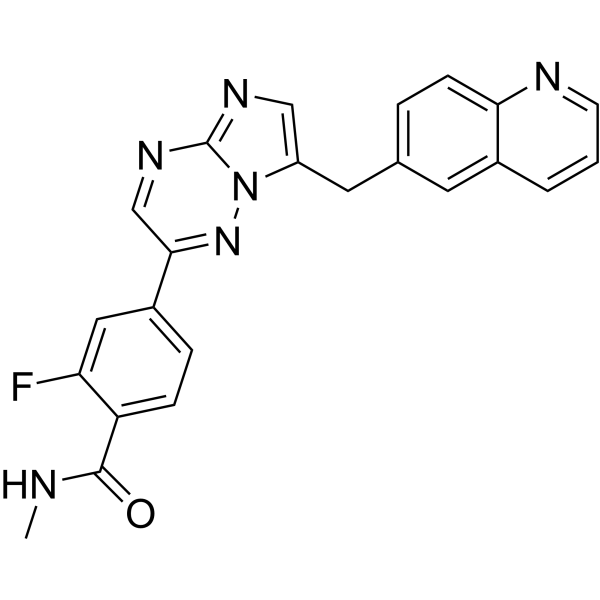
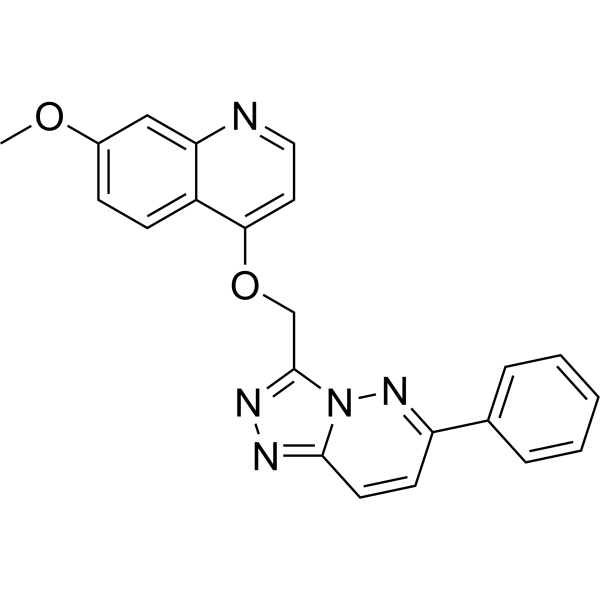
Capmatinib
Maximum Cited Publications
24 Publications Verification
INC280; INCB28060
|
c-Met/HGFR
Apoptosis
|
Cancer
|
|
Capmatinib (INC280; INCB28060) is a potent, orally active, selective, and ATP competitive c-Met kinase inhibitor (IC50=0.13 nM). Capmatinib can inhibit phosphorylation of c-MET as well as c-MET pathway downstream effectors such as ERK1/2, AKT, FAK, GAB1, and STAT3/5. Capmatinib potently inhibits c-MET-dependent tumor cell proliferation and migration and effectively induces apoptosis. Antitumor activity. Capmatinib is largely metabolized by CYP3A4 and aldehyde oxidase .
|
-
-
- HY-B0113
-
|
H 16868
|
Na+/K+ ATPase
Proton Pump
Bacterial
Cytochrome P450
Apoptosis
Autophagy
Atg8/LC3
TNF Receptor
Interleukin Related
|
Infection
Neurological Disease
Inflammation/Immunology
Cancer
|
|
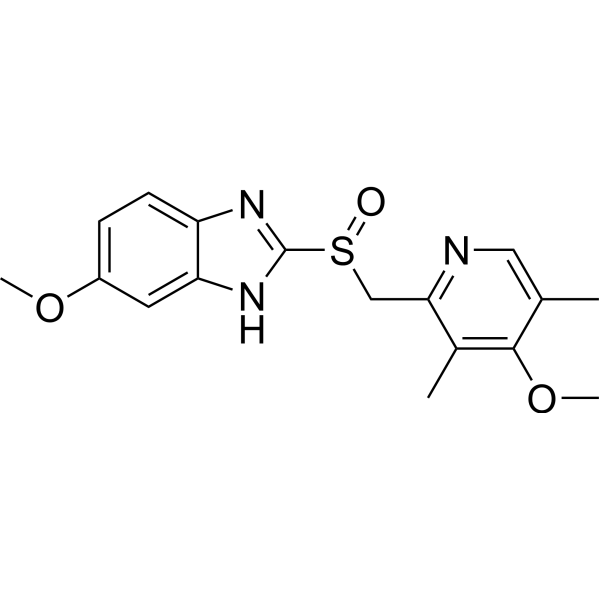
Omeprazole (H 16868) is an orally active H +,K +-ATPase inhibitor and a proton pump inhibitor. Omeprazole competitively inhibits CYP2C19, CYP3A4, and CYP2C9 activity. Omeprazole inhibits gastric acid secretion and can be used for acid-related gastrointestinal disorders. Omeprazole inhibits pancreatic cancer cell proliferation, induces apoptosis, autophagosome accumulation (elevated LC3-I and LC3-II levels), oxidative stress, and cytogenetic imbalance, modulates lysosomal transport, reduces inflammatory cytokines. Omeprazole alters small intestinal morphology and magnesium absorption, and induces gastric mucosa morphologic changes. Omeprazole aslo has neuroprotective and antibacterial effects .
|
-
-
- HY-17508
-
|
|
Bacterial
Cytochrome P450
Autophagy
Antibiotic
|
Infection
Cancer
|
|
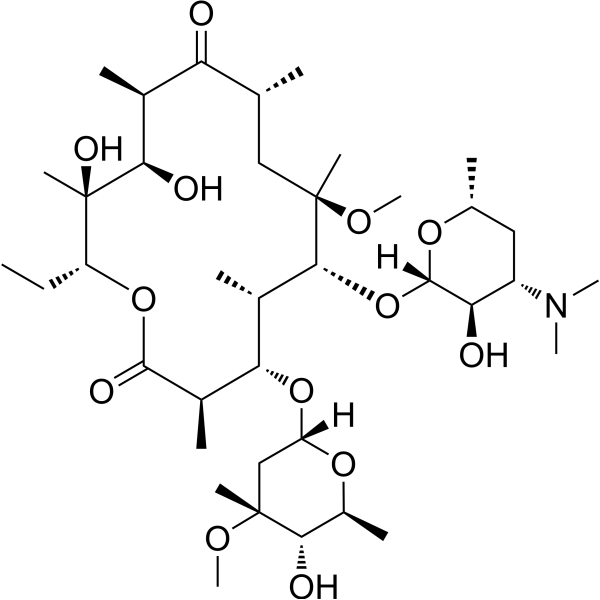
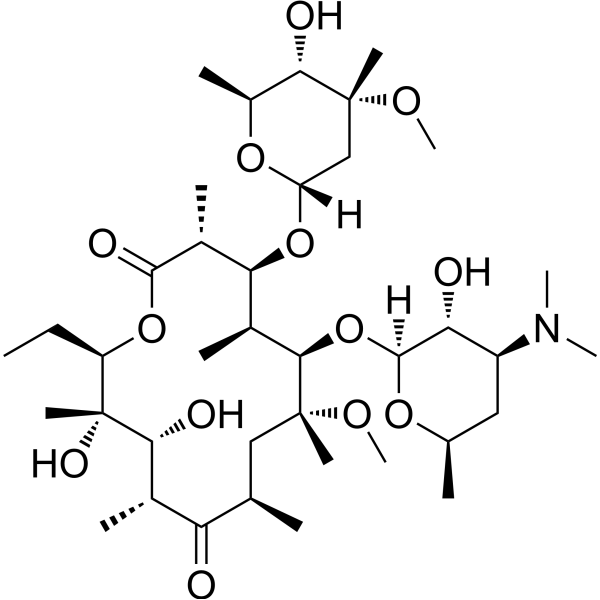
Clarithromycin has a broad spectrum of antimicrobial activity. Clarithromycin inhibits the CYP3A4-catalyzed triazolam alpha-hydroxylation with the IC50 (Ki) value of 56 (43) μM . Clarithromycin significantly inhibits the HERG potassium current .Clarithromycin affects the autophagic flux by impairing the signaling pathway linking hERG1 and PI3K .
|
-
-
- HY-N6972
-
|
|
Autophagy
SARS-CoV
Cytochrome P450
Apoptosis
Parasite
|
Infection
Inflammation/Immunology
Cancer
|
|
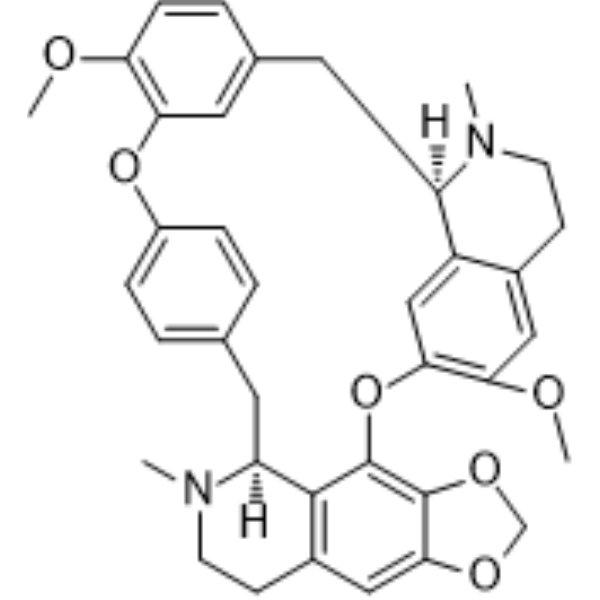
Cepharanthine is a natural product that can be isolated from the plant Stephania cephalantha Hayata. Cepharanthine has anti-severe acute respiratory syndrome coronavirus 2 (anti-SARS-CoV-2) activities. Cepharanthine has good effective in suppressing viral proliferation (half maximal (50%) inhibitory concentration (IC50) and 90% inhibitory concentration (IC90) values of 1.90 and 4.46 μM . Cepharanthine can also effectively reverses P-gp-mediated multidrug resistance in K562 cells and increase enhances the sensitivity of anticancer agents in xenograft mice model . Cepharanthine shows inhibitory effects of human liver cytochrome P450 enzymes CYP3A4, CYP2E1 and CYP2C9. Cepharanthine has antitumor, anti-inflammatory and antinociceptive effects .
|
-
-
- HY-N0144
-
-
-
- HY-14273
-
|
BAL-4815; RO-0094815
|
Fungal
Cytochrome P450
Antibiotic
|
Infection
Cancer
|
|
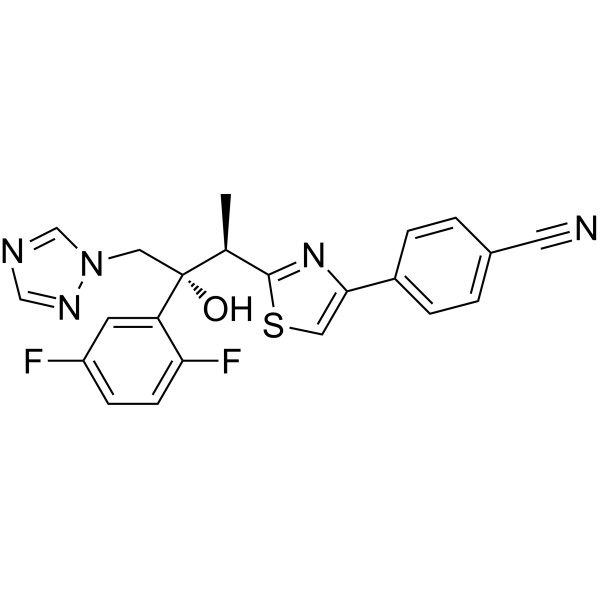
Isavuconazole (BAL-4815) is a triazole proagent with antifungal activity against yeasts, molds, and dimorphic fungi. Isavuconazole inhibits ergosterol biosynthesis and results in the disruption of fungal membrane structure and function. Isavuconazole is a moderate inhibitor of CYP3A4.
|
-
-
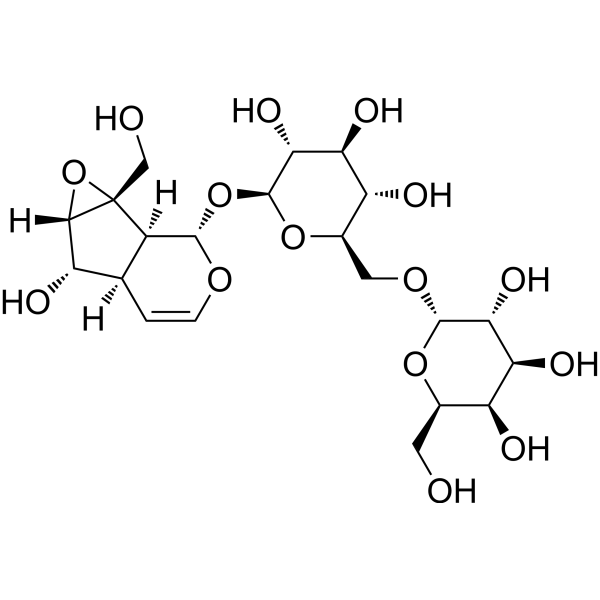
- HY-N0043
-
-
-
- HY-14751
-
|
SCH619734
|
Neurokinin Receptor
|
Neurological Disease
|
|
Rolapitant (SCH619734) is a potent, selective, long-acting and orally active neurokinin 1 (NK1) receptor antagonist with a Ki of 0.66 nM. Rolapitant does not interact with CYP3A4. Rolapitant shows potent anti-emetic activity in a ferret emesis model .
|
-
-
- HY-B0113A
-
|
H 16868 sodium
|
Na+/K+ ATPase
Interleukin Related
Proton Pump
Cytochrome P450
Bacterial
Apoptosis
Autophagy
TNF Receptor
Atg8/LC3
|
Infection
Inflammation/Immunology
|
|
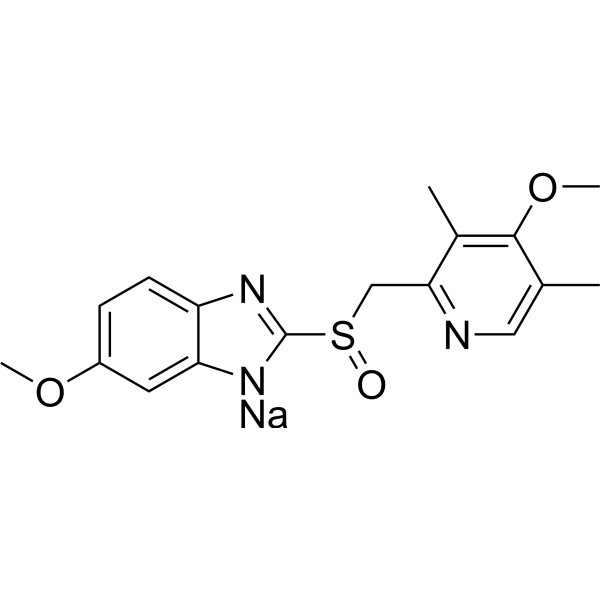
Omeprazole (H 16868) sodium is an orally active H +,K +-ATPase inhibitor and a proton pump inhibitor. Omeprazole sodium competitively inhibits CYP2C19, CYP3A4, and CYP2C9 activity. Omeprazole sodium inhibits gastric acid secretion and can be used for acid-related gastrointestinal disorders. Omeprazole sodium inhibits pancreatic cancer cell proliferation, induces apoptosis, autophagosome accumulation (elevated LC3-I and LC3-II levels), oxidative stress, and cytogenetic imbalance, modulates lysosomal transport, reduces inflammatory cytokines. Omeprazole sodium alters small intestinal morphology and magnesium absorption, and induces gastric mucosa morphologic changes. Omeprazole sodium aslo has neuroprotective and antibacterial effects .
|
-
-
- HY-13404C
-
|
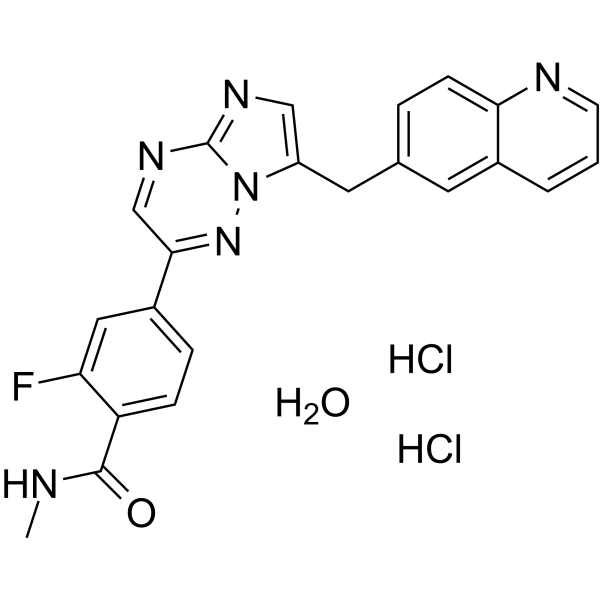
INC280 dihydrochloride hydrate; INCB-28060 dihydrochloride hydrate
|
c-Met/HGFR
Apoptosis
|
Cancer
|
|
Capmatinib (INC280; INCB28060) dihydrochloride hydrate is a potent, orally active, selective, and ATP competitive c-Met kinase inhibitor (IC50=0.13 nM). Capmatinib dihydrochloride hydrate can inhibit phosphorylation of c-MET as well as c-MET pathway downstream effectors such as ERK1/2, AKT, FAK, GAB1, and STAT3/5. Capmatinib dihydrochloride hydrate potently inhibits c-MET-dependent tumor cell proliferation and migration and effectively induces apoptosis. Antitumor activity. Capmatinib dihydrochloride hydrate is largely metabolized by CYP3A4 and aldehyde oxidase .
|
-
-
- HY-18642
-
|
PF-4981517
|
Cytochrome P450
|
Others
|
|
CYP3cide (PF-4981517) is a potent, selective and time-dependent inhibitor of cytochrome P4503A4 (CYP3A4). The IC50 values for Midazolam 1’-hydroxylase activity are 0.03 μM, 17 μM, and 71 μM for CYP3A4, CYP3A5, and CYP3A7, respectively. CYP3cide can be used to distinguish the contributions of CYP3A4 versus CYP3A5 on agent metabolism .
|
-
-
- HY-N0598
-
|
20(S)-Ginsenoside F1
|
Cytochrome P450
Endogenous Metabolite
|
Cancer
|
|
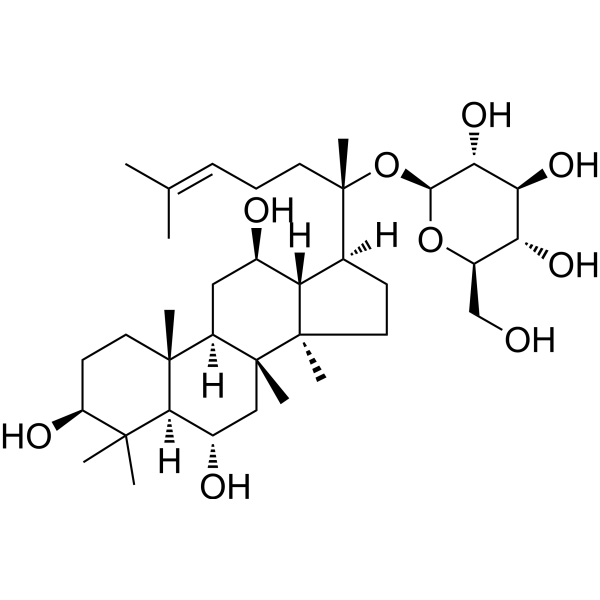
Ginsenoside F1, an enzymatically modified derivative of Ginsenoside Rg1, demonstrates competitive inhibition of CYP3A4 activity and weaker inhibition of CYP2D6 activity.
|
-
-
- HY-14874
-
|
FYX-051
|
MOFs
Xanthine Oxidase
Cytochrome P450
|
Metabolic Disease
|
|
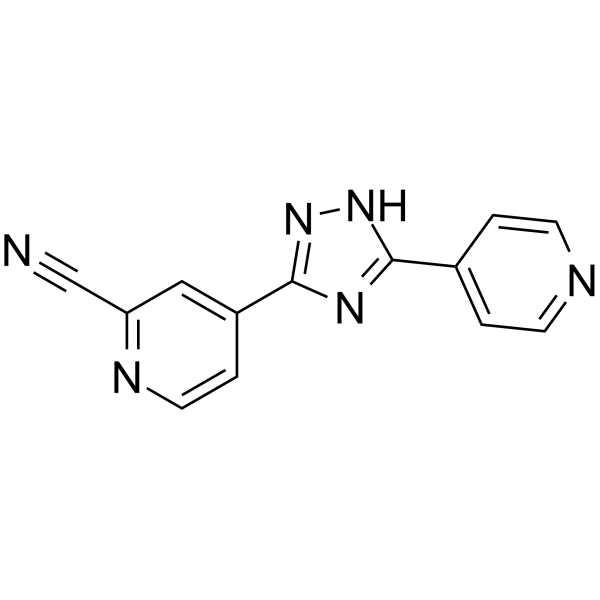
Topiroxostat (FYX-051) is a potent and orally active xanthine oxidoreductase (XOR) inhibitor with an IC50 value of 5.3 nM and a Ki value of 5.7 nM. Topiroxostat exhibits weak CYP3A4-inhibitory activity (18.6%). Topiroxostat has the potential for hyperuricemia treatment .
|
-
-
- HY-145581
-
|
AZD4831
|
Glutathione Peroxidase
Cytochrome P450
|
Cardiovascular Disease
Inflammation/Immunology
|
|
Mitiperstat (AZD4831) is an effective oral inhibitor of myeloperoxidase (MPO). Mitiperstat inhibits MPO and thyroid peroxidase (TPO) with IC50s of 1.5 nM and 0.69 μM. Mitiperstat exhibits a weak inhibitory activity against CYP3A4 with an IC50 of 6 μM. Mitiperstat can reduce inflammation and improve microvascular function, and it can be used in studies related to heart failure, preserved or mildly reduced ejection fraction, non-alcoholic fatty liver disease, and chronic obstructive pulmonary disease .
|
-
-
- HY-157421
-
|
|
NAMPT
|
Metabolic Disease
|
|
Nampt activator-4 is an orally active NAMPT activator, with an EC50 of 58 nM and a Ka of 85.38 nM against human NAMPT. Nampt activator-4 effectively relieves the feedback inhibition of nicotinamide and NAD +, thereby enhancing enzymatic activity and significantly increasing intracellular NAD + levels. Nampt activator-4 exhibits moderate stability in human and mouse liver microsomes. Nampt activator-4 shows low to moderate inhibitory effects on cytochrome P450 (especially CYP3A4). Nampt activator-4 can be used for the research of type 2 diabetes and related metabolic disorders .
|
-
-
- HY-G0006
-
|
Ufiprazole
|
Drug Metabolite
Aryl Hydrocarbon Receptor
Bacterial
|
Infection
Metabolic Disease
|
|
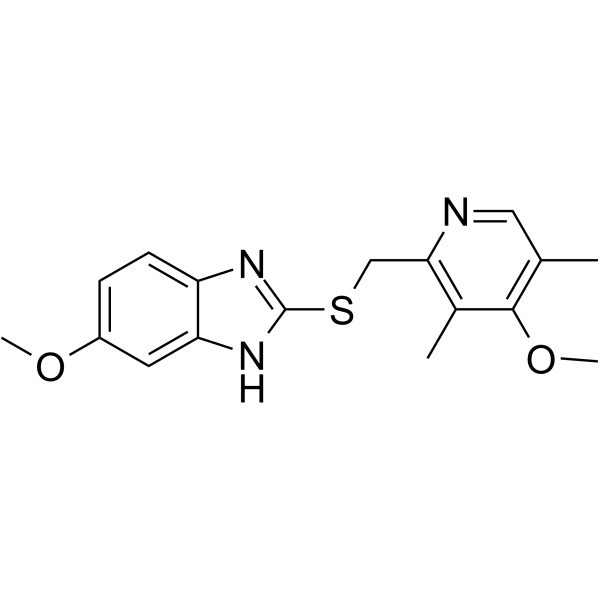
Omeprazole sulfide (Ufiprazole) is a metabolic degradation product of Omeprazole (HY-B0113). Omeprazole sulfide acts as a modulator of AhR. Omeprazole sulfide in cells with low CYP3A4 expression, functions as an AhR antagonist; however, in cells with high CYP3A4 expression, it is rapidly metabolized to Omeprazole, thereby acting as an AhR agonist. Omeprazole sulfide exhibits antibacterial activity when conjugated with silver nanoparticles (AgNPs). Omeprazole sulfide can be used in research on acid suppression and bacterial infections .
|
-
-
- HY-16436
-
|
SCH619734 hydrochloride hydrate
|
Neurokinin Receptor
|
Neurological Disease
Cancer
|
|
Rolapitant hydrochloride hydrate (SCH619734 hydrochloride hydrate) is a potent, selective, long-acting and orally active neurokinin 1 (NK1) receptor antagonist with a Ki of 0.66 nM. Rolapitant hydrochloride hydrate does not interact with CYP3A4. Rolapitant hydrochloride hydrate shows potent anti-emetic activity in a ferret emesis model .
|
-
-
- HY-N2259
-
|
(+)-Curcumenol
|
Cytochrome P450
|
Neurological Disease
Inflammation/Immunology
Cancer
|
|
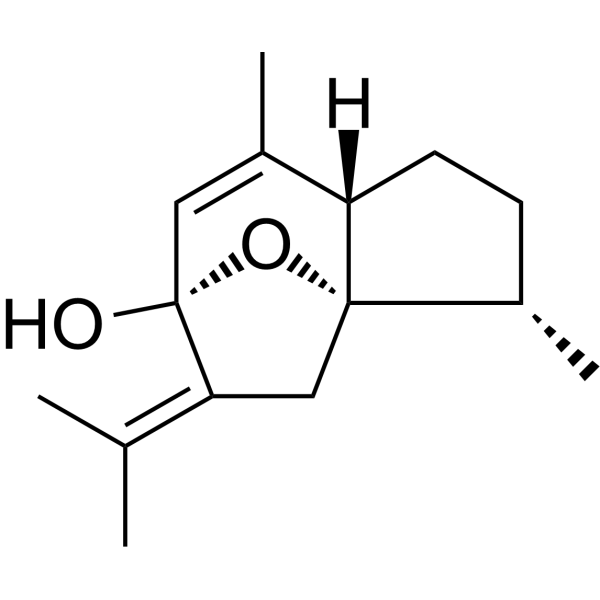
Curcumenol ((+)-Curcumenol) is a potent CYP3A4 inhibitor with an IC50 of 12.6 μM, which is one of constituents in the plants of medicinally important genus of Curcuma zedoaria, with neuroprotection, anti-inflammatory, anti-tumor and hepatoprotective activities. Curcumenol ((+)-Curcumenol) suppresses Akt-mediated NF-κB activation and p38 MAPK signaling pathway in LPS-stimulated BV-2 microglial cells .
|
-
-
- HY-N0911
-
-
-
- HY-W011235
-
|
|
5-HT Receptor
Calcium Channel
Drug Metabolite
|
Cardiovascular Disease
Neurological Disease
|
|
Norfluoxetine hydrochloride is an active N-demethylated metabolite of Fluoxetine. Fluoxetine is a selective serotonin (5-HT) reuptake inhibitor that is metabolized to Norfluoxetine hydrochloride by cytochrome P450 (CYP) 2D6, CYP2C19, and CYP3A4. Norfluoxetine hydrochloride inhibits 5-HT uptake and inhibits CaV3.3 T current (IC50 = 5 μM). Norfluoxetine hydrochloride has anticonvulsant activity .
|
-
-
- HY-147294
-
|
ACT-539313
|
Orexin Receptor (OX Receptor)
Cytochrome P450
|
Neurological Disease
|
|
Nivasorexant (ACT-539313) is an orally active, blood-brain barrier penetrant, selective orexin OX1R inhibitor. Nivasorexant specifically blocks central OX1Rs without affecting OX2Rs, and exhibits competitive inhibitory activity against CYP2C8, CYP2C9, CYP2C19 and CYP3A4 (IC50 values are 25 μM, 8.6 μM, 1.6 μM, 19 μM/44 μM, respectively). Nivasorexant significantly reduces binge-like eating behavior of highly palatable food in rat models and has long-acting properties. Nivasorexant shows no relevant off-target activity against over 130 selected proteins, exhibits favorable safety profiles, and can be used for studies related to binge eating disorder .
|
-
-
- HY-135331
-
|
|
Androgen Receptor
Cytochrome P450
|
Cancer
|
|
N-Desmethyl Apalutamide is an active metabolite of Apalutamide. N-Desmethyl Apalutamide is a less potent antagonist of the androgen receptor and is responsible for one-third of the activity of Apalutamide. The formation of N-Desmethyl Apalutamide mediated predominantly by CYP2C8 and CYP3A4. N-Desmethyl Apalutamide is moderate to strong CYP3A4 and CYP2B6 inducer and has an excellent plasma-proteins bound concentration .
|
-
-
- HY-12433
-
-
-
- HY-12035
-
AMG-208
1 Publications Verification
|
c-Met/HGFR
Cytochrome P450
|
Cancer
|
|
AMG-208 is an orally active c-Met/RON dual selective inhibitor with an IC50 of 9 nM for c-Met. AMG-208 is a CYP3A4 inhibitor with an IC50 of 32 μM. AMG-208 has anti-cancer activity .
|
-
-
- HY-17508R
-
|
|
Reference Standards
Bacterial
Cytochrome P450
Autophagy
Antibiotic
|
Infection
Cancer
|
|
Clarithromycin (Standard) is the analytical standard of Clarithromycin. This product is intended for research and analytical applications. Clarithromycin has a broad spectrum of antimicrobial activity. Clarithromycin inhibits the CYP3A4-catalyzed triazolam alpha-hydroxylation with the IC50 (Ki) value of 56 (43) μM . Clarithromycin significantly inhibits the HERG potassium current .Clarithromycin affects the autophagic flux by impairing the signaling pathway linking hERG1 and PI3K .
|
-
-
- HY-W013268
-
|
(+)-N-3-Benzylnirvanol
|
Cytochrome P450
|
Metabolic Disease
|
|
(S)-(+)-N-3-Benzylnirvanol ((+)-N-3-Benzylnirvanol) is a selective and competitive cytochrome P450 (CYP) isoform CYP2C19 inhibitor with a Ki of 250 nM. (S)-(+)-N-3-Benzylnirvanol has low activity against CYP1A2, CYP2A6, CYP2C8, CYP2C9, CYP2D6, CYP2E1, and CYP3A4 .
|
-
-
- HY-116862
-
|
DBF
|
Cytochrome P450
Fluorescent Dye
|
Others
|
|
Dibenzylfluorescein (DBF) is a fluorogenic probe (Fluoresecent dye) that acts as a substrate for specific cytochrome P450 (CYP) isoforms, including CYP3A4, CYP2C8, CYP2C9, CYP2C19, and aromatase (CYP19). Dibenzylfluorescein is typically used near its Km value of 0.87-1.9 μM (Ex=485 nm,Em=535 nm). Dibenzylfluorescein is used to detect changes in CYP catalytic activity caused by drugs or disease .
|
-
-
- HY-13404A
-
|
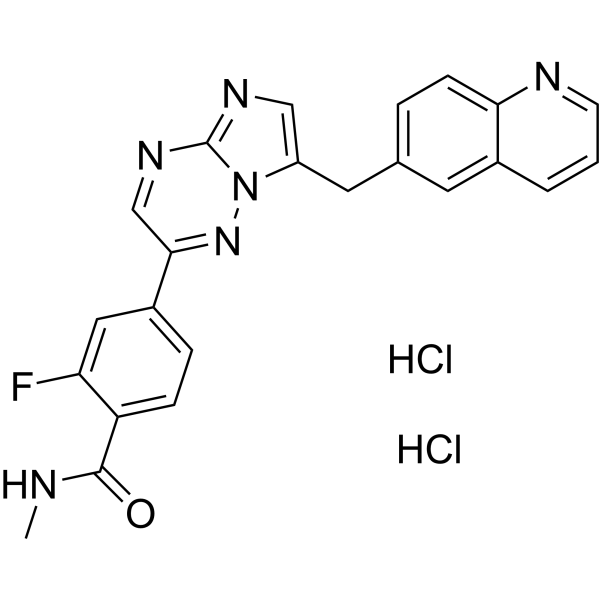
INC280 dihydrochloride; INCB28060 dihydrochloride
|
c-Met/HGFR
Apoptosis
|
Cancer
|
|
Capmatinib (INC280; INCB28060) dihydrochloride is a potent, orally active, selective, and ATP competitive c-Met kinase inhibitor (IC50=0.13 nM). Capmatinib dihydrochloride can inhibit phosphorylation of c-MET as well as c-MET pathway downstream effectors such as ERK1/2, AKT, FAK, GAB1, and STAT3/5. Capmatinib dihydrochloride potently inhibits c-MET-dependent tumor cell proliferation and migration and effectively induces apoptosis. Antitumor activity. Capmatinib dihydrochloride is largely metabolized by CYP3A4 and aldehyde oxidase .
|
-
-
- HY-13404B
-
|
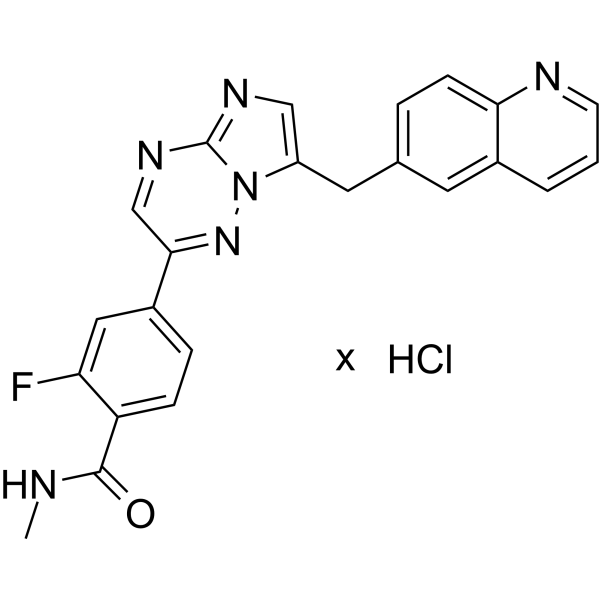
INC280 hydrochloride; INCB-28060 hydrochloride
|
c-Met/HGFR
Apoptosis
|
Cancer
|
|
Capmatinib (INC280; INCB28060) hydrochloride is a potent, orally active, selective, and ATP competitive c-Met kinase inhibitor (IC50=0.13 nM). Capmatinib hydrochloride can inhibit phosphorylation of c-MET as well as c-MET pathway downstream effectors such as ERK1/2, AKT, FAK, GAB1, and STAT3/5. Capmatinib hydrochloride potently inhibits c-MET-dependent tumor cell proliferation and migration and effectively induces apoptosis. Antitumor activity. Capmatinib hydrochloride is largely metabolized by CYP3A4 and aldehyde oxidase .
|
-
-
- HY-141860
-
|
|
PSMA
Microtubule/Tubulin
Reactive Oxygen Species (ROS)
Cytochrome P450
|
Cancer
|
|
PSMA-Val-Cit-PAB-MMAE is a small-molecule conjugate targeting PSMA, with Monomethyl auristatin E (MMAE) (HY-15162) as its cytotoxic payload. PSMA-Val-Cit-PAB-MMAE binds to PSMA, thereby being delivered into PSMA-expressing prostate cancer cells. Subsequently, the Val-Cit linker is cleaved under the mediation of cathepsin B, releasing active MMAE. PSMA-Val-Cit-PAB-MMAE inhibits CYP3A4 activity (IC50 = 11.2 μM), induces intracellular ROS production and oxidative stress, disrupts the cytoskeleton through microtubule destabilization, and induces prostate cancer cell death. PSMA-Val-Cit-PAB-MMAE can be used in research related to prostate cancer .
|
-
-
- HY-17508S1
-
|
|
Isotope-Labeled Compounds
Bacterial
Antibiotic
Autophagy
Cytochrome P450
|
Others
|
|
Clarithromycin-d3 is the deuterium labeled Clarithromycin (HY-17508) . Clarithromycin has a broad spectrum of antimicrobial activity. Clarithromycin inhibits the CYP3A4-catalyzed triazolam alpha-hydroxylation with the IC50 (Ki) value of 56 (43) μM . Clarithromycin significantly inhibits the HERG potassium current .Clarithromycin affects the autophagic flux by impairing the signaling pathway linking hERG1 and PI3K .
|
-
-
- HY-N2382
-
|
|
Cytochrome P450
P-glycoprotein
|
Metabolic Disease
Cancer
|
|
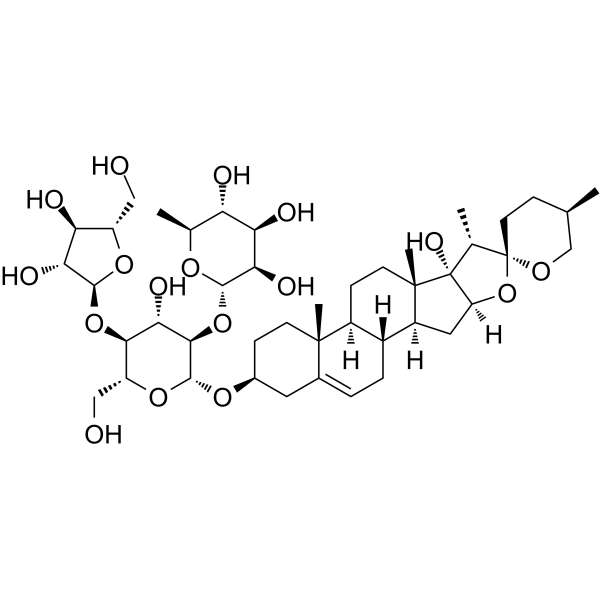
Polyphyllin H is a steroidal saponin. Polyphyllin H is isolated from Paris polyphylla. Polyphyllin H potently inhibits the activities of CYP1A2 (IC50 = 6.44 μM, competitive), CYP2D6 (IC50 = 13.88 μM, competitive) and CYP3A4 (IC50 = 4.52 μM, non-competitive, time-dependent). Polyphyllin H downregulates the expression of ABCB1 and ABCC3. Polyphyllin H binds to membrane cholesterol and disrupts lipid raft structures. Polyphyllin H restores the sensitivity of paclitaxel-resistant breast cancer cells to paclitaxel .
|
-
-
- HY-B0113R
-
|
H 16868 (Standard)
|
Reference Standards
Na+/K+ ATPase
Interleukin Related
Proton Pump
Cytochrome P450
Bacterial
Apoptosis
Autophagy
TNF Receptor
Atg8/LC3
|
Infection
Metabolic Disease
Cancer
|
|
Omeprazole (Standard) is the analytical standard of Omeprazole. This product is intended for research and analytical applications. Omeprazole (H 16868) is an orally active H +,K +-ATPase inhibitor and a proton pump inhibitor. Omeprazole competitively inhibits CYP2C19, CYP3A4, and CYP2C9 activity. Omeprazole inhibits gastric acid secretion and can be used for acid-related gastrointestinal disorders. Omeprazole inhibits pancreatic cancer cell proliferation, induces apoptosis, autophagosome accumulation (elevated LC3-I and LC3-II levels), oxidative stress, and cytogenetic imbalance, modulates lysosomal transport, reduces inflammatory cytokines. Omeprazole alters small intestinal morphology and magnesium absorption, and induces gastric mucosa morphologic changes. Omeprazole aslo has neuroprotective and antibacterial effects .
|
-
-
- HY-120425
-
|
|
Environmental Pollutants
Insecticide
|
Infection
|
|
Ethiprole is an insecticide.Metabolic sulfones are produced faster than Fipronil (HY-B0822) in CYP3A4-expressing cells and in vivo in mouse brain and liver.Ethiprole's sulfide, sulfoxide, sulfone and desulfinyl derivatives have better biological activity .
|
-
-
- HY-N0144R
-
|
Bioperine (Standard); 1-Piperoylpiperidine (Standard)
|
Reference Standards
P-glycoprotein
Autophagy
Endogenous Metabolite
|
Inflammation/Immunology
Cancer
|
|
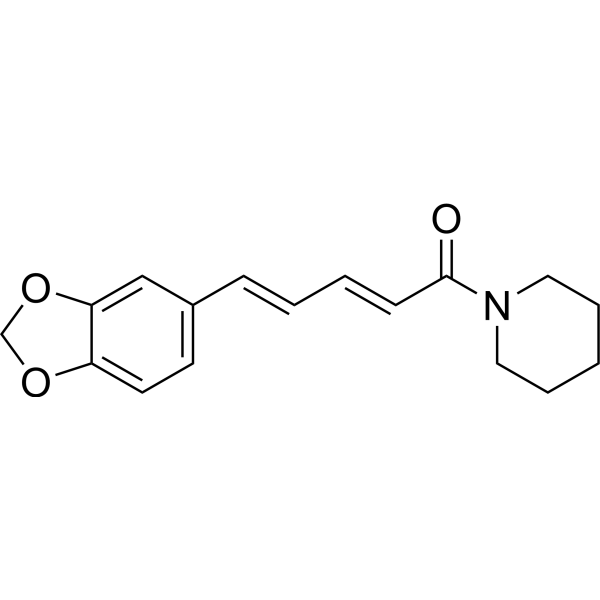
Piperine (Standard) is the analytical standard of Piperine. This product is intended for research and analytical applications. Piperine is an alkaloid, can be isolated from pepper. Piperine can inhibit the activity of P-glycoprotein and CYP3A4. Piperine inhibits HeLa cells with an IC50 of 61.94±0.054 μg/mL .
|
-
-
- HY-14273R
-
|
BAL-4815 (Standard); RO-0094815 (Standard)
|
Reference Standards
Fungal
Cytochrome P450
Antibiotic
|
Infection
|
|
Isavuconazole (Standard) is the analytical standard of Isavuconazole. This product is intended for research and analytical applications. Isavuconazole (BAL-4815) is a triazole proagent with antifungal activity against yeasts, molds, and dimorphic fungi. Isavuconazole inhibits ergosterol biosynthesis and results in the disruption of fungal membrane structure and function. Isavuconazole is a moderate inhibitor of CYP3A4.
|
-
-
- HY-W157689
-
|
|
Proteolytic Enzyme
IDE
|
Infection
Metabolic Disease
Cancer
|
|
IDE-IN-2 (Compound 4) is an inhibitor for insulin-degrading enzyme. IDE-IN-2 is predicted to have CYP3A4, CYP2C19, hERG, NADP+, HIF1α and histidine kinase inhibitory activities, and has potential biological activity in anti-diabetic, anti-tumor, anti-bacterial aspects, according to the in silico prediction .
|
-
-
- HY-109546
-
|
|
Na+/K+ ATPase
Interleukin Related
Proton Pump
Cytochrome P450
Bacterial
Apoptosis
Autophagy
TNF Receptor
Atg8/LC3
|
Infection
Metabolic Disease
Cancer
|
|
Omeprazole (H 16868) magnesium is an orally active H +,K +-ATPase inhibitor and a proton pump inhibitor. Omeprazole magnesium competitively inhibits CYP2C19, CYP3A4, and CYP2C9 activity. Omeprazole magnesium inhibits gastric acid secretion and can be used for acid-related gastrointestinal disorders. Omeprazole magnesium inhibits pancreatic cancer cell proliferation, induces apoptosis, autophagosome accumulation (elevated LC3-I and LC3-II levels), oxidative stress, and cytogenetic imbalance, modulates lysosomal transport, reduces inflammatory cytokines. Omeprazole magnesium alters small intestinal morphology and magnesium absorption, and induces gastric mucosa morphologic changes. Omeprazole magnesium aslo has neuroprotective and antibacterial effects .
|
-
-
- HY-121580
-
|
NN703
|
Cytochrome P450
|
Endocrinology
|
|
Tabimorelin (NN703) is an orally active growth hormone (GH) secretagogue. Tabimorelin is also a potent inhibitor of CYP3A4 activity .
|
-
-
- HY-D0146
-
|
BzRes; 7-Benzyloxyresorufin; 7-Benzyloxyphenoxazone
|
Fluorescent Dye
|
Others
|
|
Resorufin benzyl ether (BzRes), a fluorogenic enzyme substrate, can be used to detect CYP3A4 enzyme activity. Resorufin benzyl ether modified with a recognizing moiety boronate, can be used for ONOO - detection via a self-immolation mechanism. Ex/Em=530-570 nm/590 nm .
|
-
-
- HY-132866
-
|
|
P-glycoprotein
|
Cancer
|
|
YS-370 (compound 44) is a potent, high selective, and orally active inhibitor of P-glycoprotein (P-gp). YS-370 stimulates the P-gp ATPase activity and has moderate inhibition against CYP3A4. YS-370 effectively reverses multidrug resistance (MDR) to paclitaxel and colchicine in SW620/AD300 and HEK293T-ABCB1 cells. YS-370 in combination with paclitaxel achieves much stronger antitumor activity .
|
-
-
- HY-W587878
-
|
|
Cytochrome P450
Pyruvate Kinase
Fungal
Apoptosis
Insecticide
|
Infection
Cancer
|
|
Thujopsene is the inhibitor for cytochrome P450, that inhibits CYP2B6, CYP3A4, CYP2C19, CYP2C8, CYP2C9 with IC50s of 1.3, 12.6, 13.6, 29.8, and 44.9 μM, respectively. Thujopsene binds to PKM2, inhibits the metabolism pathway of cancer cell, induces apoptosis in MKN45, thereby exhibiting antitumor efficacy. Thujopsene exhibits anti-termite and antifungal activities through autoxidation .
|
-
-
- HY-12946
-
|
|
Glucocorticoid Receptor
Cytochrome P450
HCV Protease
|
Infection
Inflammation/Immunology
|
|
BI 653048, a chemical probe, is a selective and orally active nonsteroidal glucocorticoid (GC) agonist with an IC50 value of 55 nM . BI 653048 inhibits CP1A2, CYP2D6, CYP2C9, CYP2C19 and CYP3A4 isoforms’ activity and reduces affinity for the hERG ion channel (IC50>30 μM) . BI 653048 (Compound 103) is also a HCV NS3 protease inhibitor that can reduce viral loads infected with the hepatitis C virus .
|
-
-
- HY-175266
-
|
|
PROTACs
Cytochrome P450
Pregnane X Receptor (PXR)
|
Metabolic Disease
|
|
MI1013 is a PROTAC PXR degrader (DC50 = 89 nM, Dmax = 82%). MI1013 degrades PXR in human hepatocellular carcinoma RG cells (HepaRG). MI1013 specifically and safely regulates CYP3A4 promoter activity through PXR degradation. MI1013 affects several key genes involved in sulfate conjugation (e.g., SULT1E1), bile acid synthesis (CYP7A1), gluconeogenesis (PCK1), ketone synthesis (HMGCS20), and hepatocyte proliferation (MKI67). (Pink: PXR ligand 3: HY-175267, Blue: Pomalidomide-propargyl ligand: HY-W410002, Pink + Black: PXR ligand-Linker Conjugate 1: HY-175268) .
|
-
-
- HY-N9434
-
|
|
Cytochrome P450
|
Metabolic Disease
|
|
5,7,2',6'-Tetrahydroxyflavone is a natural flavonoid that inhibits hepatic testosterone 6β-hydroxylation (CYP3A4) activity with an IC50 of 7.8 μM .
|
-
-
- HY-W754151
-
|
|
Isotope-Labeled Compounds
|
Others
|
|
N-Desmethyl apalutamide-d4 is the deuterium-labeled N-Desmethyl-Apalutamide (HY-135331). N-Desmethyl Apalutamide is an active metabolite of Apalutamide. N-Desmethyl Apalutamide is a less potent antagonist of the androgen receptor and is responsible for one-third of the activity of Apalutamide. The formation of N-Desmethyl Apalutamide mediated predominantly by CYP2C8 and CYP3A4. N-Desmethyl Apalutamide is moderate to strong CYP3A4 and CYP2B6 inducer and has an excellent plasma-proteins bound concentration .
|
-
-
- HY-18569AR
-
|
Indole-3-acetic acid sodium (Standard); 3-IAA sodium (Standard)
|
Reference Standards
Endogenous Metabolite
|
Metabolic Disease
|
|
Ginsenoside F1 (Standard) is the analytical standard of Ginsenoside F1. This product is intended for research and analytical applications. Ginsenoside F1, an enzymatically modified derivative of Ginsenoside Rg1, demonstrates competitive inhibition of CYP3A4 activity and weaker inhibition of CYP2D6 activity.
|
-
-
- HY-105408A
-
|
|
Endothelin Receptor
Cytochrome P450
|
Cardiovascular Disease
|
|
Fandosentan potassium is a potent endothelin A receptor (ETAR) antagonist. Fandosentan potassium inhibits CYP2C9 and CYP3A4 activities with IC50 values of 39.6 and 21.6 μM, respectively. Fandosentan potassium reverses the hypoxic pulmonary vasoconstriction in the perinatal lamb. Fandosentan potassium can be used for pulmonary hypertension research [1][2].
|
-
-
- HY-178269
-
|
|
Drug Metabolite
Neurokinin Receptor
|
Neurological Disease
|
|
SCH-720881 is the active metabolite of Rolapitant (HY-14751). Rolapitant (SCH619734) is a potent, selective, long-acting and orally active neurokinin 1 (NK1) receptor antagonist with a Ki of 0.66 nM. Rolapitant does not interact with CYP3A4. Rolapitant shows potent anti-emetic activity in a ferret emesis model .
|
-
-
- HY-103540
-
|
NN703 hemifumarate
|
Cytochrome P450
|
Endocrinology
|
|
Tabimorelin (NN703) hemifumarate is an orally active growth hormone (GH) secretagogue. Tabimorelin hemifumarate is also a potent inhibitor of CYP3A4 activity .
|
-
- HY-130606
-
|
|
NAMPT
Cytochrome P450
|
Cancer
|
|
Nampt-IN-5 is a potent nicotinamide phosphoribosyltransferase (NAMPT) inhibitor. Nampt-IN-5 also inhibits CYP3A4 activity and has cellular IC50s of 0.7 nM and 3.9 nM against A2780 and COR-L23, respectively .
|
-
- HY-W654320
-
-
- HY-146458
-
|
|
Bacterial
Cytochrome P450
|
Infection
|
|
Antibacterial agent 102 (compound 32) possesses potent in vitro and in vivo antibacterial activity, with MICs < 0.5 μg/mL in Staphylococcus aureus (S. aureus). Antibacterial agent 102 also moderately inhibits CYP3A4 with an IC50 value of 6.148 μM. Antibacterial agent 102 can reduce Methicillin-resistant Staphylococcus aureus (MRSA) load in thigh infected mice .
|
-
- HY-N2259R
-
|
(+)-Curcumenol (Standard)
|
Reference Standards
Cytochrome P450
|
Neurological Disease
Inflammation/Immunology
Cancer
|
|
Curcumenol ((+)-Curcumenol) is a potent CYP3A4 inhibitor with an IC50 of 12.6 μM, which is one of constituents in the plants of medicinally important genus of Curcuma zedoaria, with neuroprotection, anti-inflammatory, anti-tumor and hepatoprotective activities. Curcumenol ((+)-Curcumenol) suppresses Akt-mediated NF-κB activation and p38 MAPK signaling pathway in LPS-stimulated BV-2 microglial cells .
|
-
- HY-19184
-
|
|
Platelet-activating Factor Receptor (PAFR)
|
Cardiovascular Disease
|
|
MKC-963 is an orally active and potent inhibitor targeting platelet aggregation-related pathways. MKC-963 exerts antithrombotic activity by inhibiting platelet aggregation, and can also induce autoinduction, i.e., upregulating the mRNA expression and activity of CYP3A4 enzyme to accelerate its own metabolism in vivo. MKC-963 is promising for research of platelet aggregation-related diseases (e.g., thrombosis) .
|
-
- HY-W075315
-
|
|
MOFs
Xanthine Oxidase
Cytochrome P450
|
Metabolic Disease
|
|
Xanthine oxidoreductase-IN-6 (Compound 4) is an orally active xanthine oxidoreductase (XOR) inhibitor with an IC50 of 170 nM. Xanthine oxidoreductase-IN-6 can block the final step of uric acid biosynthesis and lower serum uric acid levels. Xanthine oxidoreductase-IN-6 also shows Cytochrome P450 3A4 (CYP3A4) inhibitory activity. Xanthine oxidoreductase-IN-6 can be used for the research of hyperuricemia .
|
-
- HY-117485
-
|
|
Hedgehog
|
Inflammation/Immunology
|
|
CBR-096-4 is a derivative of Itraconazole (HY-17514). CBR-096-4 is an orally active antifibrotic agent with no CYP3A4 inhibitory activity. CBR-096-4 inhibits the formation of matrix-secreting activated myofibroblasts (MFBs) from multiple tissue types. CBR-096-4 inhibits Hedgehog reporter activity (GLI-LUC), VEGF-dependent growth, and αSMA-LUC reporter activity. CBR-096-4 can be used for research of fibrosis .
|
-
- HY-119804
-
|
|
Cytochrome P450
|
Neurological Disease
|
|
Licopyranocoumarin is an isoflavonoid that shows CYP3A4 inhibitory activity with an IC50 of 32 μM. Licopyranocoumarin has potent neuroprotective activities .
|
-
- HY-12946A
-
|
|
Glucocorticoid Receptor
Cytochrome P450
HCV Protease
|
Infection
Inflammation/Immunology
|
|
BI 653048 phosphate is a selective and orally active nonsteroidal glucocorticoid (GC) agonist with an IC50 value of 55 nM . BI 653048 phosphate inhibits CP1A2, CYP2D6, CYP2C9, CYP2C19 and CYP3A4 isoforms’ activity and reduces affinity for the hERG ion channel (IC50>30 μM) . BI 653048 phosphate is extracted from patent WO2005028501A1 (Compound 103), is also a HCV NS3 protease inhibitor that can reduce viral loads infected with the hepatitis C virus .
|
-
- HY-13404R
-
|
INC280 (Standard); INCB28060 (Standard)
|
Reference Standards
c-Met/HGFR
Apoptosis
|
Cancer
|
|
Capmatinib (Standard) is the analytical standard of Capmatinib. This product is intended for research and analytical applications. Capmatinib (INC280; INCB28060) is a potent, orally active, selective, and ATP competitive c-Met kinase inhibitor (IC50=0.13 nM). Capmatinib can inhibit phosphorylation of c-MET as well as c-MET pathway downstream effectors such as ERK1/2, AKT, FAK, GAB1, and STAT3/5. Capmatinib potently inhibits c-MET-dependent tumor cell proliferation and migration and effectively induces apoptosis. Antitumor activity. Capmatinib is largely metabolized by CYP3A4 and aldehyde oxidase .
|
-
- HY-173033
-
|
|
Pregnane X Receptor (PXR)
Constitutive Androstane Receptor
Cytochrome P450
|
Metabolic Disease
|
|
MI-883 is the orally active agonist for Constitutive Androstane Receptor (CAR, EC50=73 nM) and the antagonist for Pregnane X Receptor (PXR, IC50=0.1 μM). MI-883 stimulates CAR LBD assembly (EC50=0.38 µM) and CAR3 variant activation (EC50=0.074 µM), induces CYP2B6 mRNA expression in HepaRG and primary human hepatocytes. MI-883 inhibits basal PXR activity IC50=2.03 µM) in transiently transfected HepG2 cells, blocks CYP3A4 mRNA expression in HepG2. MI-883 regulates cholesterol metabolism and bile acid excretion, improves hypercholesterolemia in mouse models .
|
-
- HY-168210
-
|
|
Fungal
Cytochrome P450
|
Infection
|
|
Antifungal agent 122 (compound 201) is a potent and broad-spectrum antifungal agent. Antifungal agent 122 prevents fungal phase transition and the formation of fungal biofilm. Antifungal agent 122 inhibits CYP3A4-M and CYP3A4-T enzyme activity with IC50 values of 2.11, 4.53 µM. Antifungal agent 122 shows no cytotoxicity .
|
-
- HY-121057
-
|
3-OH FNTZ
|
Drug Metabolite
Cytochrome P450
|
Metabolic Disease
|
|
3-Hydroxyflunitrazepam (3-OH FNTZ) is the major metabolite of Flunitrazepam (FNTZ), generated via 3-hydroxylation by CYP3A4 (Km = 286 μM), and represents the dominant metabolic pathway (>80%) in liver microsomes. Its formation is significantly inhibited by CYP3A4 inhibitors such as Ketoconazole (HY-B0105) (IC50 = 0.11 μM) and Ritonavir (HY-90001) (IC50 = 0.041 μM), indicating a strong dependence on CYP3A4 activity and potential drug interactions .
|
-
- HY-163324A
-
|
|
Cytochrome P450
|
Others
|
|
2-Me PeER is a rhodamine dye-based fluorescent probe that detects CYP3A4 activity. In fluorescence-activated cell sorting (FACS) based on CYP3A4 activity, homogeneous and functional human induced pluripotent stem cell (hiPSC)-derived hepatocytes and intestinal epithelial cells can be obtained with the aid of 2-Me PeER .
|
-
- HY-163324
-
|
|
Fluorescent Dye
|
Others
|
|
2-Me PeER (chloride) is a fluorogenic probe for CYP3A4 activity that can be used in living cells . Ex / Em = 520 / 550 nm
|
-
- HY-N0893S
-
-
- HY-120425R
-
|
|
Insecticide
Reference Standards
|
Infection
|
|
Ethiprole (Standard) is the analytical standard of Ethiprole. This product is intended for research and analytical applications. Ethiprole is an insecticide.Metabolic sulfones are produced faster than Fipronil (HY-B0822) in CYP3A4-expressing cells and in vivo in mouse brain and liver.Ethiprole's sulfide, sulfoxide, sulfone and desulfinyl derivatives have better biological activity .
|
-
- HY-14874S
-
|
FYX-051-d4
|
Isotope-Labeled Compounds
Xanthine Oxidase
Cytochrome P450
|
Metabolic Disease
|
|
Topiroxostat-d4 is deuterium labeled Topiroxostat. Topiroxostat (FYX-051) is a potent and orally active xanthine oxidoreductase (XOR) inhibitor with an IC50 value of 5.3 nM and a Ki value of 5.7 nM. Topiroxostat exhibits weak CYP3A4-inhibitory activity (18.6%). Topiroxostat has the potential for hyperuricemia treatment .
|
-
- HY-113575
-
|
OPC-14857 hydrochloride; DM-14857 hydrochloride
|
5-HT Receptor
|
Neurological Disease
|
|
Dehydroaripiprazole (OPC-14857) hydrochloride is an active metabolite of Aripiprazole. Aripiprazole is an antipsychotic agent and is metabolized by CYP3A4 and CYP2D6 forming mainly Dehydroaripiprazole hydrochloride. Dehydroaripiprazole hydrochloride has with antipsychotic activity equivalent to Aripiprazole .
|
-
- HY-149977
-
|
|
Cytochrome P450
|
Cancer
|
|
Anticancer agent 111 (compound 11) is a potent cytochrome P450 inhibitor with an IC50 value of 3 μM for CYP3A4. Anticancer agent 111 has anticancer activity. Anticancer agent 111 can be used in research of cancer .
|
-
- HY-135331S
-
|
|
Isotope-Labeled Compounds
Androgen Receptor
Cytochrome P450
|
Cancer
|
|
N-Desmethyl-Apalutamide-15N,d4 is the 15N and deuterium labeled isotope of N-Desmethyl-Apalutamide (HY-135331). N-Desmethyl Apalutamide is an active metabolite of Apalutamide. N-Desmethyl Apalutamide is a less potent antagonist of the androgen receptor and is responsible for one-third of the activity of Apalutamide. The formation of N-Desmethyl Apalutamide mediated predominantly by CYP2C8 and CYP3A4. N-Desmethyl Apalutamide is moderate to strong CYP3A4 and CYP2B6 inducer and has an excellent plasma-proteins bound concentration .
|
-
- HY-14751A
-
|
SCH619734 hydrochloride
|
Neurokinin Receptor
|
Neurological Disease
Cancer
|
|
Rolapitant (SCH619734) hydrochloride is a potent, selective, long-acting and orally active neurokinin 1 (NK1) receptor antagonist with a Ki of 0.66 nM. Rolapitant hydrochloride does not interact with CYP3A4. Rolapitant hydrochloride shows potent anti-emetic activity in a ferret emesis model .
|
-
- HY-14874R
-
|
FYX-051 (Standard)
|
Reference Standards
Xanthine Oxidase
Cytochrome P450
|
Metabolic Disease
|
|
Topiroxostat (Standard) is the analytical standard of Topiroxostat. This product is intended for research and analytical applications. Topiroxostat (FYX-051) is a potent and orally active xanthine oxidoreductase (XOR) inhibitor with an IC50 value of 5.3 nM and a Ki value of 5.7 nM. Topiroxostat exhibits weak CYP3A4-inhibitory activity (18.6%). Topiroxostat has the potential for hyperuricemia treatment .
|
-
- HY-N0598R
-
|
20(S)-Ginsenoside F1 (Standard)
|
Reference Standards
Cytochrome P450
Endogenous Metabolite
|
Cancer
|
|
Ginsenoside F1 (Standard) is the analytical standard of Ginsenoside F1. This product is intended for research and analytical applications. Ginsenoside F1, an enzymatically modified derivative of Ginsenoside Rg1, demonstrates competitive inhibition of CYP3A4 activity and weaker inhibition of CYP2D6 activity.
|
-
- HY-100665S
-
|
OPC-14857-d8; DM-14857-d8
|
Isotope-Labeled Compounds
5-HT Receptor
|
Neurological Disease
|
|
Dehydroaripiprazole-d8 is deuterium labeled Dehydroaripiprazole. Dehydroaripiprazole (OPC-14857) is an active metabolite of Aripiprazole. Aripiprazole is an antipsychotic agent and is metabolized by CYP3A4 and CYP2D6 forming mainly Dehydroaripiprazole. Dehydroaripiprazole has with antipsychotic activity equivalent to Aripiprazole .
|
-
- HY-149813
-
|
|
P-glycoprotein
|
Cancer
|
|
P-gp inhibitor 14 (Compound 8a) is a high affinity P-gp inhibitor. P-gp inhibitor 14 reverses P-gp-mediated multidrug resistance (EC50=48.74 nM). P-gp inhibitor 14 has a weak inhibitory effect on CYP3A4 activity .
|
-
- HY-14294
-
|
S-1153
|
Reverse Transcriptase
HIV
|
Infection
|
|
Capravirine (S-1153) is an orally active non-nucleoside reverse transcriptase inhibitor (NNRTI) with potent antiviral activity. Capravirine inhibits replication of HIV-1 strains that are resistant to nucleoside/nucleotide reverse transcriptase inhibitors and other NNRTIs. Capravirine is metabolized by the cytochrome P450 enzyme CYP3A4 .
|
-
- HY-10779
-
|
|
Factor Xa
Cytochrome P450
|
Cardiovascular Disease
|
|
BMS-344577 (Compound 22) is a potent and orally active factor Xa inhibitor (IC50 = 4 nM, EC2xPT = 7 μM). BMS-344577 shows potent CYP3A4 inhibition activity (IC50 = 0.3 μM). BMS-344577 can be used for the research of cardiovascular disease .
|
-
- HY-103399R
-
|
|
Reference Standards
Bacterial
Topoisomerase
Antibiotic
|
Infection
|
|
Clarithromycin (Standard) is the analytical standard of Clarithromycin. This product is intended for research and analytical applications. Clarithromycin has a broad spectrum of antimicrobial activity. Clarithromycin inhibits the CYP3A4-catalyzed triazolam alpha-hydroxylation with the IC50 (Ki) value of 56 (43) μM . Clarithromycin significantly inhibits the HERG potassium current .Clarithromycin affects the autophagic flux by impairing the signaling pathway linking hERG1 and PI3K .
|
-
- HY-153989
-
|
|
Ras
Cytochrome P450
SOS1
|
Cancer
|
|
SOS1-IN-16 (Comp 54) is a selective inhibitor of SOS1 with an IC50 of 7.2 nM. SOS1-IN-16 has inhibitory activity of CYP3A4 when using testosterone as a substrate, with an IC50 of 8.9μM. SOS1-IN-16 can be used for cancer research .
|
-
- HY-14751R
-
|
SCH619734 (Standard)
|
Reference Standards
Neurokinin Receptor
|
Neurological Disease
Cancer
|
|
Rolapitant (Standard) is the analytical standard of Rolapitant. This product is intended for research and analytical applications. Rolapitant (SCH619734) is a potent, selective, long-acting and orally active neurokinin 1 (NK1) receptor antagonist with a Ki of 0.66 nM. Rolapitant does not interact with CYP3A4. Rolapitant shows potent anti-emetic activity in a ferret emesis model .
|
-
- HY-175169
-
|
|
Bacterial
Urease
|
Infection
|
|
Urease-IN-21 (Compound 11b) is a Urease inhibitor with an IC50 of 0.12 μM. Urease-IN-21 has potent antibacterial activity against helicobacter pylori (H. pylori) and inhibitor activity against P450 enzyme (CYP2C19, CYP2C9, and CYP3A4). Urease-IN-21 can be used for H. pylori infection research .
|
-
- HY-169119
-
|
|
Cytochrome P450
Fungal
|
Infection
|
|
Antifungal agent 114 (Compound 19g) is an inhibitor for Cytochrome P450, that inhibits CYP1A2, CYP2C9, CYP2C19 CYP2D6 and CYP3A4 at 10 μM. Antifungal agent 114 exhibits antifungal activity against Cryptococcus neoformans, Candida and Aspergillus, with MIC <0.0625 μg/mL. Antifungal agent 114 exhibits good metabolic stability in human liver microsomes with a half-time of 107 minutes .
|
-
- HY-147999
-
|
|
Bacterial
Fungal
Cytochrome P450
|
Infection
|
|
GlcN-6-P Synthase-IN-1 (Compound 4d) is a Glucosamine-6-phosphate (GlcN-6-P) synthase inhibitor with an IC50 of 3.47 μM. GlcN-6-P Synthase-IN-1 exhibits significant antimicrobial activity. GlcN-6-P Synthase-IN-1 has good penetration in the CNS and is able to inhibit the cytochrome P450, CYP3A4 isoform .
|
-
- HY-112142A
-
|
DVR-23
|
HBV
|
Inflammation/Immunology
|
|
(Rac)-AB-423 (DVR-23) is an anti-HBV candidate compound with promising anti-HBV activity. (Rac)-AB-423 showed no induction of CYP1A2, CYP3A4, or CYP2B6 enzyme activity at high concentrations. (Rac)-AB-423 exhibited desirable pharmacokinetic properties, enabling good systemic exposure and high oral bioavailability. (Rac)-AB-423 achieved more than 2 log viral load reduction in the hydrodynamic injection (HDI) HBV mouse model .
|
-
- HY-117599
-
|
|
Parasite
|
Infection
|
|
JPC-3210 is an orally active aminomethylphenol. JPC-3210 exhibits anti-malarial activity with a mean IC50 ranging from 2.5 to 19 nM. JPC-3210 works by inhibiting the hemoglobin digestion pathway and promoting regulators of protein translation. JPC-3210 can inhibit CYP2D6 and CYP3A4 isozymes. JPC-3210 suppresses P. berghei infection in mice model. JPC-3210 possesses prophylactic protection in vivo. JPC-3210 can be studied in research on malaria prevention .
|
-
- HY-172393
-
|
|
β-catenin
Apoptosis
Caspase
MDM-2/p53
Bcl-2 Family
Cytochrome P450
|
Cancer
|
|
TCF4/β-catenin-IN-1 (Compound 8b) is an inhibitor of TCF4/β-catenin, and induces apoptosis. TCF4/β-catenin-IN-1 up-regulates p53, caspase-3, caspase-8, caspase-9 levels and Bax protein expression as well as down-regulates Bcl-2 protein expression. TCF4/β-catenin-IN-1 can inhibit CYP3A4, CYP1A2, CYP2C19, and shows promising cytotoxic activity in cancer cells .
|
-
- HY-13404CR
-
|
INC280 dihydrochloride hydrate (Standard); INCB-28060 dihydrochloride hydrate (Standard)
|
c-Met/HGFR
Apoptosis
Reference Standards
|
Cancer
|
|
Capmatinib (dihydrochloride hydrate) (Standard) is the analytical standard of Capmatinib (dihydrochloride hydrate). This product is intended for research and analytical applications. Capmatinib (INC280; INCB28060) dihydrochloride hydrate is a potent, orally active, selective, and ATP competitive c-Met kinase inhibitor (IC50=0.13 nM). Capmatinib dihydrochloride hydrate can inhibit phosphorylation of c-MET as well as c-MET pathway downstream effectors such as ERK1/2, AKT, FAK, GAB1, and STAT3/5. Capmatinib dihydrochloride hydrate potently inhibits c-MET-dependent tumor cell proliferation and migration and effectively induces apoptosis. Antitumor activity. Capmatinib dihydrochloride hydrate is largely metabolized by CYP3A4 and aldehyde oxidase .
|
-
- HY-10575
-
|
|
Cannabinoid Receptor
Cytochrome P450
|
Metabolic Disease
|
|
MK-5596 is an efficient, selective and orally active CB1R (IC50 = 1.0 nM, EC50 = 5.8 nM) inverse agonist. MK-5596 has weak hERG inhibitory activity. MK-5596 has strong weight loss and appetite suppression effects. MK-5596 has a certain inhibitory effect on CYP enzymes (CYP3A4: IC50 = 3.3 μM, CYP2C8: IC50 = 11 μM, CYP2C9: IC50 = 18 μM, CYP2D6: IC50 = 6 μM). MK-5596 can be used for research on conditions such as obesity .
|
-
- HY-N0043R
-
|
Gypenoside VIII (Standard)
|
Reference Standards
NF-κB
COX
Calcium Channel
Cytochrome P450
Endogenous Metabolite
|
Cardiovascular Disease
Inflammation/Immunology
Cancer
|
|
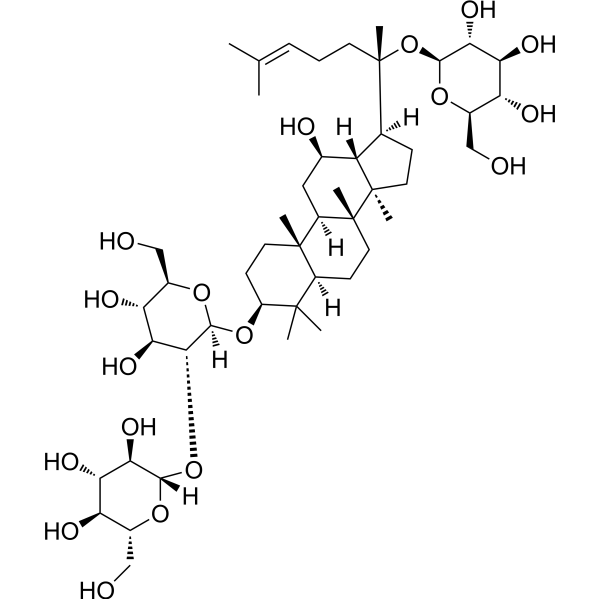
Ginsenoside Rd (Standard) is the analytical standard of Ginsenoside Rd. This product is intended for research and analytical applications. Ginsenoside Rd inhibits TNFα-induced NF-κB transcriptional activity with an IC50 of 12.05±0.82 μM in HepG2 cells. Ginsenoside Rd inhibits expression of COX-2 and iNOS mRNA. Ginsenoside Rd also inhibits Ca2+ influx. Ginsenoside Rd inhibits CYP2D6, CYP1A2, CYP3A4, and CYP2C9, with IC50s of 58.0±4.5 μM, 78.4±5.3 μM, 81.7±2.6 μM, and 85.1±9.1 μM, respectively.
|
-
- HY-B0113AR
-
|
H 16868 sodium (Standard)
|
Reference Standards
Na+/K+ ATPase
Interleukin Related
Proton Pump
Cytochrome P450
Bacterial
Apoptosis
Autophagy
TNF Receptor
Atg8/LC3
|
Infection
Metabolic Disease
Cancer
|
|
Omeprazole (sodium) (Standard) is the analytical standard of Omeprazole (sodium). This product is intended for research and analytical applications. Omeprazole sodium (H 16868) is an orally active H +,K +-ATPase inhibitor and a proton pump inhibitor. Omeprazole sodium competitively inhibits CYP2C19, CYP3A4, and CYP2C9 activity. Omeprazole sodium inhibits gastric acid secretion and can be used for acid-related gastrointestinal disorders. Omeprazole sodium inhibits pancreatic cancer cell proliferation, induces apoptosis, autophagosome accumulation (elevated LC3-I and LC3-II levels), oxidative stress, and cytogenetic imbalance, modulates lysosomal transport, reduces inflammatory cytokines. Omeprazole sodium alters small intestinal morphology and magnesium absorption, and induces gastric mucosa morphologic changes. Omeprazole sodium aslo has neuroprotective and antibacterial effects .
|
-
- HY-B0113S4
-
|
H 16868-d3 sodium
|
Isotope-Labeled Compounds
Na+/K+ ATPase
Interleukin Related
Proton Pump
Cytochrome P450
Bacterial
Apoptosis
Autophagy
TNF Receptor
Atg8/LC3
|
Infection
Metabolic Disease
Cancer
|
|
Omeprazole-d3 sodium is deuterated labeled Omeprazole (HY-B0113). Omeprazole sodium (H 16868) is an orally active H +,K +-ATPase inhibitor and a proton pump inhibitor. Omeprazole sodium competitively inhibits CYP2C19, CYP3A4, and CYP2C9 activity. Omeprazole sodium inhibits gastric acid secretion and can be used for acid-related gastrointestinal disorders. Omeprazole sodium inhibits pancreatic cancer cell proliferation, induces apoptosis, autophagosome accumulation (elevated LC3-I and LC3-II levels), oxidative stress, and cytogenetic imbalance, modulates lysosomal transport, reduces inflammatory cytokines. Omeprazole sodium alters small intestinal morphology and magnesium absorption, and induces gastric mucosa morphologic changes. Omeprazole sodium aslo has neuroprotective and antibacterial effects .
|
-
- HY-B0113S2
-
|
Omeprazole sulphone (methoxy-d3)
|
Isotope-Labeled Compounds
Na+/K+ ATPase
Interleukin Related
Proton Pump
Cytochrome P450
Bacterial
Apoptosis
Autophagy
TNF Receptor
Atg8/LC3
|
Infection
Cancer
|
|
Omeprazole sulfone (methoxy-d3) is the deuterium labeled Omeprazole sulfone. Omeprazole sulfone (H 16868) is an orally active H +,K +-ATPase inhibitor and a proton pump inhibitor. Omeprazole sulfone competitively inhibits CYP2C19, CYP3A4, and CYP2C9 activity. Omeprazole sulfone inhibits gastric acid secretion and can be used for acid-related gastrointestinal disorders. Omeprazole sulfone inhibits pancreatic cancer cell proliferation, induces apoptosis, autophagosome accumulation (elevated LC3-I and LC3-II levels), oxidative stress, and cytogenetic imbalance, modulates lysosomal transport, reduces inflammatory cytokines. Omeprazole sulfone alters small intestinal morphology and magnesium absorption, and induces gastric mucosa morphologic changes. Omeprazole sulfone aslo has neuroprotective and antibacterial effects .
|
-
- HY-B0113S5
-
|
H 16868-d6
|
Isotope-Labeled Compounds
Na+/K+ ATPase
Interleukin Related
Proton Pump
Cytochrome P450
Bacterial
Apoptosis
Autophagy
TNF Receptor
Atg8/LC3
|
Infection
Metabolic Disease
Cancer
|
|
Omeprazole-d6 (H 16868-d6) is deuterium labeled Omeprazole. Omeprazole (H 16868) is an orally active H +,K +-ATPase inhibitor and a proton pump inhibitor. Omeprazole competitively inhibits CYP2C19, CYP3A4, and CYP2C9 activity. Omeprazole inhibits gastric acid secretion and can be used for acid-related gastrointestinal disorders. Omeprazole inhibits pancreatic cancer cell proliferation, induces apoptosis, autophagosome accumulation (elevated LC3-I and LC3-II levels), oxidative stress, and cytogenetic imbalance, modulates lysosomal transport, reduces inflammatory cytokines. Omeprazole alters small intestinal morphology and magnesium absorption, and induces gastric mucosa morphologic changes. Omeprazole aslo has neuroprotective and antibacterial effects .
|
-
- HY-123965
-
|
|
MAP4K
TNF Receptor
|
Metabolic Disease
Cancer
|
|
PF-06745013 (Compound 37) is a MAP4K4 inhibitor without time-dependent inhibition (TDI) risk of CYP3A4 (IC50 of 0.4 nM for MAP4K4). PF-06745013 has no accumulation CNS-impaired and non-ATP competitive activities in mouse models. PF-06745013 can be used for inflammatory diseases like diabetes and cancers research .
|
-
- HY-182761
-
|
|
DNA/RNA Synthesis
Cytochrome P450
Flavivirus
Influenza Virus
|
Infection
|
|
Antiviral agent 81 is an orally bioavailable N-acylated remdesivir derivative and RdRp inhibitor with 45.3% oral bioavailability (based on active metabolite GS-441524 exposure), plasma half-life >8 h, and reduced CYP3A4 inhibition. Antiviral agent 81 exhibits activity against Coronaviridae, Flaviviridae, and Pneumoviridae, and shows no activity against Orthomyxoviridae, Herpesviridae, and Alphaviridae. Antiviral agent 81 can be used for the research of viral infections .
|
-
- HY-175804
-
|
|
SARS-CoV
|
Infection
|
|
M2 ion channel blocker-2 (Compound 10) is a M2 channel blocker. M2 ion channel blocker-2 significantly blocks wild-type and mutant M2 (L27F and V27A) ion channels. M2 ion channel blocker-2 has potent antiviral activity against HCoV-229E (EC50: 4.7 μM in cytopathic effect) but not against influenza A virus. M2 ion channel blocker-2 has no significant inhibition of hERG and cytochrome P450 (CYP1A2, CYP2C19, and CYP3A4) activity .
|
-
- HY-W663179
-
|
|
Parasite
Cytochrome P450
|
Infection
|
|
DNDI-VL-2098 is an orally active antileishmanial agent. DNDI-VL-2098 exhibits high permeability, in vitro metabolic stability, and selective inhibition of CYP2C19 (IC50=0.47 μM). DNDI-VL-2098 does not affect the activities of other major CYP enzymes (CYP1A2, CYP2C9, CYP2D6 and CYP3A4) at concentrations up to 12.5 μM. It shows favorable pharmacokinetic properties in multiple animal models including mice, hamsters, rats and dogs. DNDI-VL-2098 is characterized by moderate to high plasma protein binding and can be used for the research of visceral leishmaniasis .
|
-
- HY-179724
-
|
|
5-HT Receptor
Dopamine Receptor
MMP
Cytochrome P450
|
Neurological Disease
|
|
PZ-1657 (Compound 57) is an orally active, blood-brain barrier permeable, highly selective, and metabolically stable 5-HT7 receptor inverse agonist with a Ki value of 5 nM. PZ-1657 inhibits constitutive cyclic adenosine monophosphate (cAMP) production mediated by the Gs signaling pathway (EC50 value of 2.93 nM). PZ-1657 inhibits CYP3A4 P450 (IC50 = 12.2 μM) and hERG channels. PZ-1657 reduces 5-HT7 receptor-mediated MMP-9 activity. PZ-1657 reverses Phencyclidine-induced cognitive impairment. PZ-1657 possesses antidepressant properties .
|
-
- HY-181107
-
|
|
Bacterial
DNA/RNA Synthesis
Cytochrome P450
|
Infection
|
|
DNA Gyrase/ribosomes-IN-1 is a bacterial ribosome and DNA gyrase inhibitor, with IC50 values of 1.11 μM and 3.31 μM, respectively. DNA Gyrase/ribosomes-IN-1 also inhibits CYP3A4, with an IC50 of 18.5 μM, and exhibits stability in mouse plasma and liver microsomes. DNA Gyrase/ribosomes-IN-1 inhibits bacterial protein synthesis by interacting with ribosomal RNA and associated sites. DNA Gyrase/ribosomes-IN-1 suppresses bacterial DNA replication by interacting with the gyrase complex. DNA Gyrase/ribosomes-IN-1 restores activity against macrolide-resistant, erm-mediated Gram-positive pathogens and enhances activity against Gram-negative bacteria such as Haemophilus influenzae and Moraxella catarrhalis. DNA Gyrase/ribosomes-IN-1 can be used in research on community-acquired bacterial pneumonia .
|
-
- HY-B0113S3
-
|
H 16868-13C,d3
|
Isotope-Labeled Compounds
Na+/K+ ATPase
Interleukin Related
Proton Pump
Cytochrome P450
Bacterial
Apoptosis
Autophagy
TNF Receptor
Atg8/LC3
|
Infection
Metabolic Disease
Cancer
|
|
Omeprazole- 13C,d3 is a 13C-labeled and deuterium labeled Omeprazole. Omeprazole (H 16868) is an orally active H +,K +-ATPase inhibitor and a proton pump inhibitor. Omeprazole competitively inhibits CYP2C19, CYP3A4, and CYP2C9 activity. Omeprazole inhibits gastric acid secretion and can be used for acid-related gastrointestinal disorders. Omeprazole inhibits pancreatic cancer cell proliferation, induces apoptosis, autophagosome accumulation (elevated LC3-I and LC3-II levels), oxidative stress, and cytogenetic imbalance, modulates lysosomal transport, reduces inflammatory cytokines. Omeprazole alters small intestinal morphology and magnesium absorption, and induces gastric mucosa morphologic changes. Omeprazole aslo has neuroprotective and antibacterial effects .
|
-
- HY-176547
-
|
|
FGFR
Cytochrome P450
|
Endocrinology
|
|
FGFR2/3-IN-3 is a dual-target FGFR2/3 inhibitor with IC50s of 2.7 nM (TEL-FGFR2) and 3.9 nM (TEL-FGFR3), respectively. FGFR2/3-IN-3 has effective activity against both wild-type and mutant FGFR3. FGFR2/3-IN-3 has low CYP3A4 inhibitory effect and hERG toxicity. FGFR2/3-IN-3 improves the imbalance between chondrocyte proliferation and differentiation and promotes bone growth by inhibiting the signaling pathway mediated by mutant FGFR3. FGFR2/3-IN-3 shows a growth-promoting effect in a dwarfism mouse model and has the potential to study bone development disorder-related diseases such as achondroplasia (ACH) .
|
-
- HY-B0113S
-
|
H 16868-d3
|
Na+/K+ ATPase
Interleukin Related
Proton Pump
Cytochrome P450
Bacterial
Apoptosis
Autophagy
TNF Receptor
Atg8/LC3
|
Infection
Metabolic Disease
Cancer
|
|
Omeprazole-d3 (H 16868-d3) is deuterium labeled Omeprazole. Omeprazole (H 16868) is an orally active H +,K +-ATPase inhibitor and a proton pump inhibitor. Omeprazole competitively inhibits CYP2C19, CYP3A4, and CYP2C9 activity. Omeprazole inhibits gastric acid secretion and can be used for acid-related gastrointestinal disorders. Omeprazole inhibits pancreatic cancer cell proliferation, induces apoptosis, autophagosome accumulation (elevated LC3-I and LC3-II levels), oxidative stress, and cytogenetic imbalance, modulates lysosomal transport, reduces inflammatory cytokines. Omeprazole alters small intestinal morphology and magnesium absorption, and induces gastric mucosa morphologic changes. Omeprazole aslo has neuroprotective and antibacterial effects .
|
-
- HY-B0113S1
-
|
H 16868-d3-1
|
Na+/K+ ATPase
Interleukin Related
Proton Pump
Cytochrome P450
Bacterial
Apoptosis
Autophagy
TNF Receptor
Atg8/LC3
|
Infection
Metabolic Disease
Cancer
|
|
Omeprazole-d3-1 is the deuterium labeled Omeprazole. Omeprazole-1 (H 16868) is an orally active H +,K +-ATPase inhibitor and a proton pump inhibitor. Omeprazole-1 competitively inhibits CYP2C19, CYP3A4, and CYP2C9 activity. Omeprazole-1 inhibits gastric acid secretion and can be used for acid-related gastrointestinal disorders. Omeprazole-1 inhibits pancreatic cancer cell proliferation, induces apoptosis, autophagosome accumulation (elevated LC3-I and LC3-II levels), oxidative stress, and cytogenetic imbalance, modulates lysosomal transport, reduces inflammatory cytokines. Omeprazole-1 alters small intestinal morphology and magnesium absorption, and induces gastric mucosa morphologic changes. Omeprazole-1 aslo has neuroprotective and antibacterial effects .
|
-
- HY-N6972R
-
|
|
Autophagy
Reference Standards
SARS-CoV
Cytochrome P450
Apoptosis
Parasite
|
Infection
Inflammation/Immunology
Cancer
|
|
Cepharanthine (Standard) is the analytical standard of Cepharanthine. This product is intended for research and analytical applications. Cepharanthine is a natural product that can be isolated from the plant Stephania?cephalantha?Hayata. Cepharanthine has anti-severe acute respiratory syndrome coronavirus 2 (anti-SARS-CoV-2) activities. Cepharanthine has good effective in suppressing viral proliferation (half maximal (50%) inhibitory concentration (IC50) and 90% inhibitory concentration (IC90) values of 1.90 and 4.46?μM . Cepharanthine can also effectively reverses P-gp-mediated multidrug resistance in K562 cells and increase enhances the sensitivity of anticancer agents in xenograft mice model . Cepharanthine shows inhibitory effects of human liver cytochrome P450 enzymes CYP3A4, CYP2E1 and CYP2C9. Cepharanthine has antitumor, anti-inflammatory and antinociceptive effects .
|
-
- HY-16265A
-
|
|
Ephrin Receptor
PDGFR
VEGFR
|
Cancer
|
|
JI-101 hydrochloride is an orally active angiogenesis inhibitor and anticancer agent with 55% oral bioavailability in Sprague Dawley rats, high permeability, and no P-gp substrate activity .JI-101 hydrochloride modulates angiogenesis signaling pathways in tumor vessel beds, downregulates EphB4, targets EphB4, VEGFR-2, and PDGFR-β, and inhibits multiple stages of tumor angiogenesis .JI-101 hydrochloride exerts activity against cancer cells and xenografts, exhibits mild to moderate inhibition of CYP3A4, and shows stability in pre-clinical and human liver microsomes .JI-101 hydrochloride undergoes rapid oral absorption in Sprague Dawley rats, has extensive tissue distribution with preferred lung uptake, and is excreted via bile with mono- and di-hydroxy metabolites, with feces as the primary elimination route .JI-101 hydrochloride can be used for the research of ovarian cancer and solid tumors .
|
-
- HY-142942
-
|
|
Glucocorticoid Receptor
MMP
|
Inflammation/Immunology
|
|
Glucocorticoid receptor-IN-2 (Compound WX019) is a selective glucocorticoid receptor (GR) modulator with anti-inflammatory effect. Glucocorticoid receptor-IN-2 exhibits very good transcriptional repressive activity with an IC50 of 0.171 nM against hMMP1, and comparable transcriptional activation activity with an EC50 of 0.94 nM against MMTV .
|
-
- HY-142941
-
|
|
Glucocorticoid Receptor
MMP
|
Inflammation/Immunology
|
|
Glucocorticoid receptor-IN-1 (Compound WX002) is a selective glucocorticoid receptor (GR) modulator with anti-inflammatory effect. Glucocorticoid receptor-IN-1 exhibits very good transcriptional repressive activity with an IC50 of 2.11 nM against hMMP1, and transcriptional activation activity with an EC50 of 5.59 nM against MMTV .
|
-
- HY-149247
-
|
|
5-HT Receptor
Dopamine Receptor
|
Neurological Disease
|
|
Antipsychotic agent-2 (Compound 11) is a potent antipsychotic agent. Antipsychotic agent-2 shows affinities for 5-HT1A, 5-HT2A, 5-HT2C, D2 and H1 receptors with Kis of 56.6, 66.7, 552, 596 and 1140 nM, respectively. Antipsychotic agent-2 has BBB permeability .
|
-
- HY-168528
-
WS-917
1 Publications Verification
|
P-glycoprotein
|
Cancer
|
|
WS-917 is a potent and orally active ABCB1 modulator. WS-917 enhances ABCB1 ATPase activity. WS-917 significantly enhances the antitumor effect of paclitaxel combined with anti-PD-1 antibody. WS-917 promotes CD8 + T-cell activation .
|
-
- HY-76652
-
|
|
Renin
|
Cardiovascular Disease
Inflammation/Immunology
|
|
VTP-27999 Hydrochloride is an orally active renin inhibitor. VTP-27999 Hydrochloride functionally inhibits renin and acid-activated prorenin, suppresses plasma renin activity and modulates plasma and urinary aldosterone levels. VTP-27999 Hydrochloride reduces mean arterial blood pressure, induces plasma renin concentration increases, decreases plasma angiotensin II levels and enhances renin immunoreactivity. VTP-27999 (Hydrochloride) can be used for the research of hypertension and chronic renal disease .
|
-
| Cat. No. |
Product Name |
Type |
-
- HY-116862
-
|
DBF
|
Fluorescent Dyes
|
|
Dibenzylfluorescein (DBF) is a fluorogenic probe (Fluoresecent dye) that acts as a substrate for specific cytochrome P450 (CYP) isoforms, including CYP3A4, CYP2C8, CYP2C9, CYP2C19, and aromatase (CYP19). Dibenzylfluorescein is typically used near its Km value of 0.87-1.9 μM (Ex=485 nm,Em=535 nm). Dibenzylfluorescein is used to detect changes in CYP catalytic activity caused by drugs or disease .
|
-
- HY-D0146
-
|
BzRes; 7-Benzyloxyresorufin; 7-Benzyloxyphenoxazone
|
Fluorescent Dyes
|
|
Resorufin benzyl ether (BzRes), a fluorogenic enzyme substrate, can be used to detect CYP3A4 enzyme activity. Resorufin benzyl ether modified with a recognizing moiety boronate, can be used for ONOO - detection via a self-immolation mechanism. Ex/Em=530-570 nm/590 nm .
|
| Cat. No. |
Product Name |
Category |
Target |
Chemical Structure |
| Cat. No. |
Product Name |
Chemical Structure |
-
- HY-17508S1
-
|
|
|
Clarithromycin-d3 is the deuterium labeled Clarithromycin (HY-17508) . Clarithromycin has a broad spectrum of antimicrobial activity. Clarithromycin inhibits the CYP3A4-catalyzed triazolam alpha-hydroxylation with the IC50 (Ki) value of 56 (43) μM . Clarithromycin significantly inhibits the HERG potassium current .Clarithromycin affects the autophagic flux by impairing the signaling pathway linking hERG1 and PI3K .
|
-
-
- HY-B0113S
-
1 Publications Verification
|
|
Omeprazole-d3 (H 16868-d3) is deuterium labeled Omeprazole. Omeprazole (H 16868) is an orally active H +,K +-ATPase inhibitor and a proton pump inhibitor. Omeprazole competitively inhibits CYP2C19, CYP3A4, and CYP2C9 activity. Omeprazole inhibits gastric acid secretion and can be used for acid-related gastrointestinal disorders. Omeprazole inhibits pancreatic cancer cell proliferation, induces apoptosis, autophagosome accumulation (elevated LC3-I and LC3-II levels), oxidative stress, and cytogenetic imbalance, modulates lysosomal transport, reduces inflammatory cytokines. Omeprazole alters small intestinal morphology and magnesium absorption, and induces gastric mucosa morphologic changes. Omeprazole aslo has neuroprotective and antibacterial effects .
|
-
-
- HY-B0113S3
-
|
|
|
Omeprazole- 13C,d3 is a 13C-labeled and deuterium labeled Omeprazole. Omeprazole (H 16868) is an orally active H +,K +-ATPase inhibitor and a proton pump inhibitor. Omeprazole competitively inhibits CYP2C19, CYP3A4, and CYP2C9 activity. Omeprazole inhibits gastric acid secretion and can be used for acid-related gastrointestinal disorders. Omeprazole inhibits pancreatic cancer cell proliferation, induces apoptosis, autophagosome accumulation (elevated LC3-I and LC3-II levels), oxidative stress, and cytogenetic imbalance, modulates lysosomal transport, reduces inflammatory cytokines. Omeprazole alters small intestinal morphology and magnesium absorption, and induces gastric mucosa morphologic changes. Omeprazole aslo has neuroprotective and antibacterial effects .
|
-
-
- HY-W754151
-
|
|
|
N-Desmethyl apalutamide-d4 is the deuterium-labeled N-Desmethyl-Apalutamide (HY-135331). N-Desmethyl Apalutamide is an active metabolite of Apalutamide. N-Desmethyl Apalutamide is a less potent antagonist of the androgen receptor and is responsible for one-third of the activity of Apalutamide. The formation of N-Desmethyl Apalutamide mediated predominantly by CYP2C8 and CYP3A4. N-Desmethyl Apalutamide is moderate to strong CYP3A4 and CYP2B6 inducer and has an excellent plasma-proteins bound concentration .
|
-
-
- HY-W654320
-
|
|
|
Piperin-d10 is deuterium labeled Piperine. Piperine is an alkaloid, can be isolated from pepper. Piperine can inhibit the activity of P-glycoprotein and CYP3A4. Piperine inhibits HeLa cells with an IC50 of 61.94±0.054 μg/mL .
|
-
-
- HY-N0893S
-
|
|
|
Tetrahydrocurcumin-d6 is a deuterium labeled Tetrahydrocurcumin. Tetrahydrocurcumin is a Curcuminoid which displays inhibitory activity for CYP2C9 and CYP3A4 .
|
-
-
- HY-14874S
-
|
|
|
Topiroxostat-d4 is deuterium labeled Topiroxostat. Topiroxostat (FYX-051) is a potent and orally active xanthine oxidoreductase (XOR) inhibitor with an IC50 value of 5.3 nM and a Ki value of 5.7 nM. Topiroxostat exhibits weak CYP3A4-inhibitory activity (18.6%). Topiroxostat has the potential for hyperuricemia treatment .
|
-
-
- HY-135331S
-
|
|
|
N-Desmethyl-Apalutamide-15N,d4 is the 15N and deuterium labeled isotope of N-Desmethyl-Apalutamide (HY-135331). N-Desmethyl Apalutamide is an active metabolite of Apalutamide. N-Desmethyl Apalutamide is a less potent antagonist of the androgen receptor and is responsible for one-third of the activity of Apalutamide. The formation of N-Desmethyl Apalutamide mediated predominantly by CYP2C8 and CYP3A4. N-Desmethyl Apalutamide is moderate to strong CYP3A4 and CYP2B6 inducer and has an excellent plasma-proteins bound concentration .
|
-
-
- HY-100665S
-
|
|
|
Dehydroaripiprazole-d8 is deuterium labeled Dehydroaripiprazole. Dehydroaripiprazole (OPC-14857) is an active metabolite of Aripiprazole. Aripiprazole is an antipsychotic agent and is metabolized by CYP3A4 and CYP2D6 forming mainly Dehydroaripiprazole. Dehydroaripiprazole has with antipsychotic activity equivalent to Aripiprazole .
|
-
-
- HY-B0113S4
-
|
|
|
Omeprazole-d3 sodium is deuterated labeled Omeprazole (HY-B0113). Omeprazole sodium (H 16868) is an orally active H +,K +-ATPase inhibitor and a proton pump inhibitor. Omeprazole sodium competitively inhibits CYP2C19, CYP3A4, and CYP2C9 activity. Omeprazole sodium inhibits gastric acid secretion and can be used for acid-related gastrointestinal disorders. Omeprazole sodium inhibits pancreatic cancer cell proliferation, induces apoptosis, autophagosome accumulation (elevated LC3-I and LC3-II levels), oxidative stress, and cytogenetic imbalance, modulates lysosomal transport, reduces inflammatory cytokines. Omeprazole sodium alters small intestinal morphology and magnesium absorption, and induces gastric mucosa morphologic changes. Omeprazole sodium aslo has neuroprotective and antibacterial effects .
|
-
-
- HY-B0113S2
-
|
|
|
Omeprazole sulfone (methoxy-d3) is the deuterium labeled Omeprazole sulfone. Omeprazole sulfone (H 16868) is an orally active H +,K +-ATPase inhibitor and a proton pump inhibitor. Omeprazole sulfone competitively inhibits CYP2C19, CYP3A4, and CYP2C9 activity. Omeprazole sulfone inhibits gastric acid secretion and can be used for acid-related gastrointestinal disorders. Omeprazole sulfone inhibits pancreatic cancer cell proliferation, induces apoptosis, autophagosome accumulation (elevated LC3-I and LC3-II levels), oxidative stress, and cytogenetic imbalance, modulates lysosomal transport, reduces inflammatory cytokines. Omeprazole sulfone alters small intestinal morphology and magnesium absorption, and induces gastric mucosa morphologic changes. Omeprazole sulfone aslo has neuroprotective and antibacterial effects .
|
-
-
- HY-B0113S5
-
|
|
|
Omeprazole-d6 (H 16868-d6) is deuterium labeled Omeprazole. Omeprazole (H 16868) is an orally active H +,K +-ATPase inhibitor and a proton pump inhibitor. Omeprazole competitively inhibits CYP2C19, CYP3A4, and CYP2C9 activity. Omeprazole inhibits gastric acid secretion and can be used for acid-related gastrointestinal disorders. Omeprazole inhibits pancreatic cancer cell proliferation, induces apoptosis, autophagosome accumulation (elevated LC3-I and LC3-II levels), oxidative stress, and cytogenetic imbalance, modulates lysosomal transport, reduces inflammatory cytokines. Omeprazole alters small intestinal morphology and magnesium absorption, and induces gastric mucosa morphologic changes. Omeprazole aslo has neuroprotective and antibacterial effects .
|
-
-
- HY-B0113S1
-
|
|
|
Omeprazole-d3-1 is the deuterium labeled Omeprazole. Omeprazole-1 (H 16868) is an orally active H +,K +-ATPase inhibitor and a proton pump inhibitor. Omeprazole-1 competitively inhibits CYP2C19, CYP3A4, and CYP2C9 activity. Omeprazole-1 inhibits gastric acid secretion and can be used for acid-related gastrointestinal disorders. Omeprazole-1 inhibits pancreatic cancer cell proliferation, induces apoptosis, autophagosome accumulation (elevated LC3-I and LC3-II levels), oxidative stress, and cytogenetic imbalance, modulates lysosomal transport, reduces inflammatory cytokines. Omeprazole-1 alters small intestinal morphology and magnesium absorption, and induces gastric mucosa morphologic changes. Omeprazole-1 aslo has neuroprotective and antibacterial effects .
|
-
Your information is safe with us. * Required Fields.
Inquiry Information
- Product Name:
- Cat. No.:
- Quantity:
- MCE Japan Authorized Agent:

