1. Search Result
Search Result
Results for "

ECM

" in MedChemExpress (MCE) Product Catalog:

55

Inhibitors & Agonists

1

Screening Libraries

1

Fluorescent Dyes

8

Biochemical Assay Reagents

15

Peptides

2

MCE Kits

8

Natural
Products

5

Recombinant Proteins

2

Antibodies

8

Oligonucleotides

Cat. No. 상품명 Target 연구분야 Chemical Structure
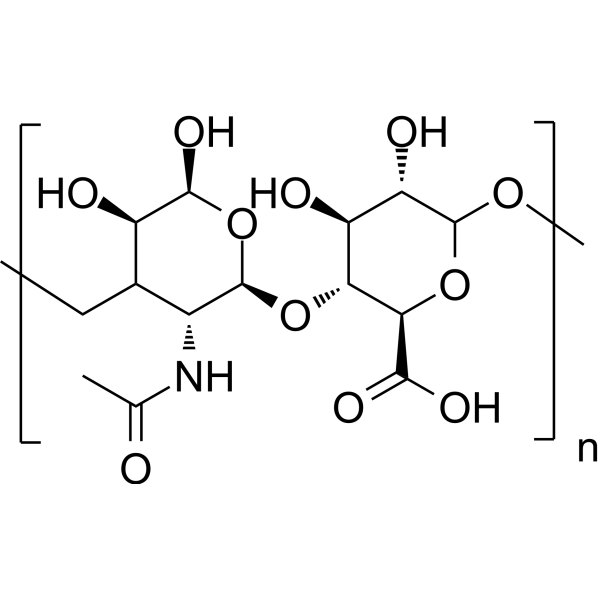
  • HY-B0633A
    Hyaluronic acid
    15+ Cited Publications

    Hyaluronan; Hyaluronate

    Endogenous Metabolite Bacterial Akt PI3K Infection Neurological Disease Inflammation/Immunology Cancer
    Hyaluronic acid is a biopolymer composed of repeating units of disaccharides with various applications. Hyaluronic acid is a major component of the extracellular matrix (ECM). Hyaluronic acid is synthesized at the plasma membrane. Increased hyaluronic acid levels are associated with tumor cell growth, adhesion, migration, invasion and angiogenesis in digestive cancers. Hyaluronic acid participates in tissue remodeling and rapid cell proliferation in some physiological processes including embryonic morphogenesis and wound-healing. Hyaluronic acid activates the PI3K-Akt signaling. Hyaluronic acid acts as a regulator of cancer-associated lymphangiogenesis. Hyaluronic acid also enhances cell invasion and angiogenesis by promoting proteolytic MMP-9 binding to cell surface or stimulating MMP-9 binding to cell surface. Hyaluronic acid can be used as drug delivery for sodium butyrate to improve the anti-proliferative activity on breast cancer cell line. Hyaluronic acid can be studied in joint diseases, wound healing and cancer .
    Hyaluronic acid
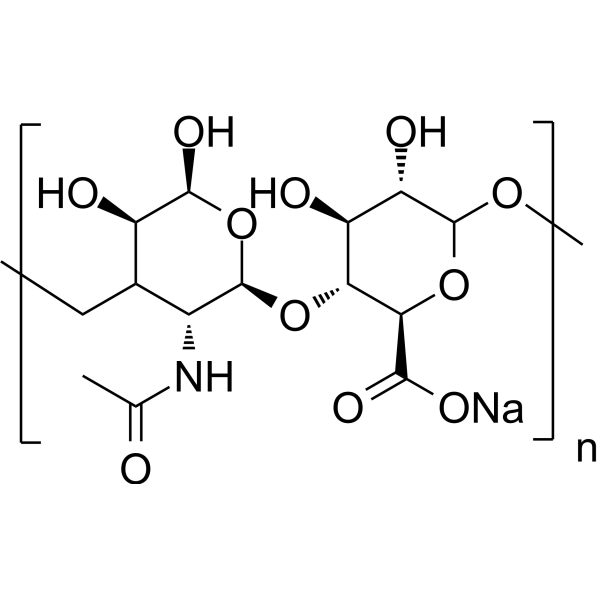
  • HY-B0633
    Hyaluronic acid sodium
    Maximum Cited Publications
    18 Publications Verification

    Sodium hyaluronate

    Endogenous Metabolite Bacterial PI3K Akt Inflammation/Immunology Cancer
    Hyaluronic acid sodium (Sodium hyaluronate) is a biopolymer composed of repeating units of disaccharides with various applications. Hyaluronic acid sodium is a major component of the extracellular matrix (ECM). Hyaluronic acid sodium is synthesized at the plasma membrane. Increased hyaluronic acid sodium levels are associated with tumor cell growth, adhesion, migration, invasion and angiogenesis in digestive cancers. Hyaluronic acid sodium participates in tissue remodeling and rapid cell proliferation in some physiological processes including embryonic morphogenesis and wound-healing. Hyaluronic acid sodium activates the PI3K-Akt signaling. Hyaluronic acid sodium acts as a regulator of cancer-associated lymphangiogenesis. Hyaluronic acid sodium also enhances cell invasion and angiogenesis by promoting proteolytic MMP-9 binding to cell surface or stimulating MMP-9 binding to cell surface. Hyaluronic acid sodium can be used as drug delivery for sodium butyrate to improve the anti-proliferative activity on breast cancer cell line. Hyaluronic acid sodium can be studied in joint diseases, wound healing and cancer .
    Hyaluronic acid sodium
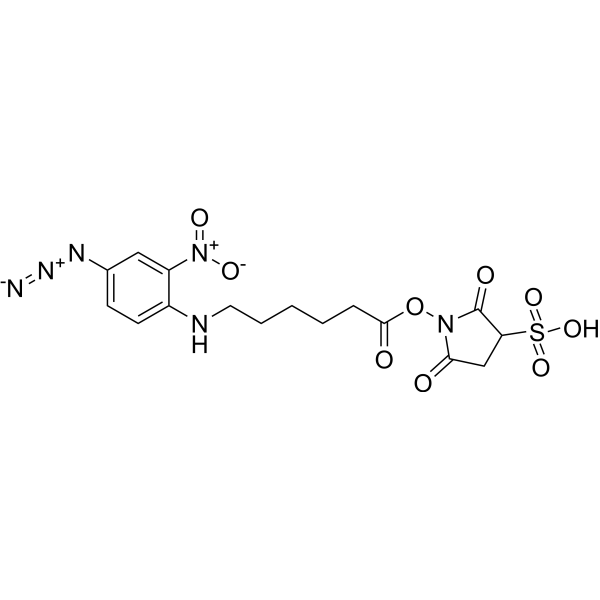
  • HY-137383

    Biochemical Assay Reagents Reactive Oxygen Species (ROS) Others
    Sulfo-SANPAH is a primary amine-nitrobenzene azide cross-linker. Sulfo-SANPAH improves the functionalization process of PDMS surfaces, is covalently bound to the PAAm gel surface. Sulfo-SANPAH is widely used to crosslink ECM proteins to various substrates, including acrylic-based hydrogels, such as polyacrylamide hydrogels. Sulfo-SANPAH facilitates covalent binding through its negatively charged sulfonate group on its N-hydroxysuccinimide ester ring and a photoactivated phenyl azide group that is highly reactive with nucleophiles and free radicals .
    Sulfo-SANPAH
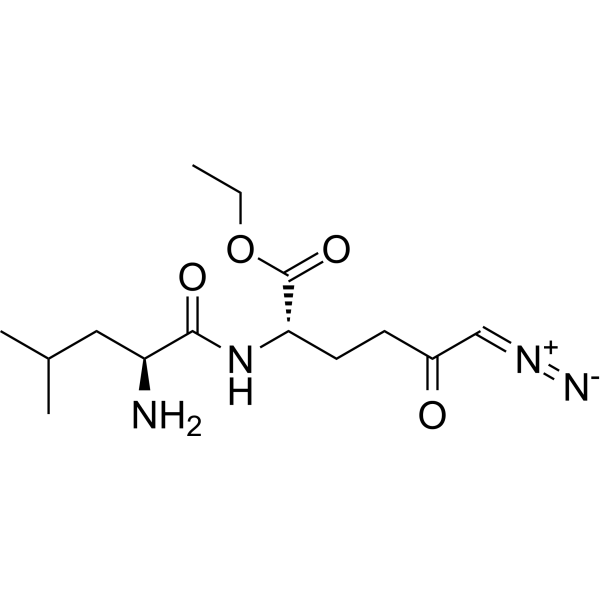
  • HY-122218
    JHU-083
    5+ Cited Publications

    Glutaminase Neurological Disease
    JHU-083, a proagent of 6-diazo-5-oxo-L-norleucine (DON; HY-108357), is an orally active and selective glutaminase antagonist. JHU-083 blocks glutaminase activity in brain CD11b + cells and experimental cerebral malaria (ECM) resulting in a net decrease of glutamate levels in the animals .
    JHU-083
  • HY-B1121
    Flunisolide
    1 Publications Verification

    Glucocorticoid Receptor Apoptosis Inflammation/Immunology Endocrinology
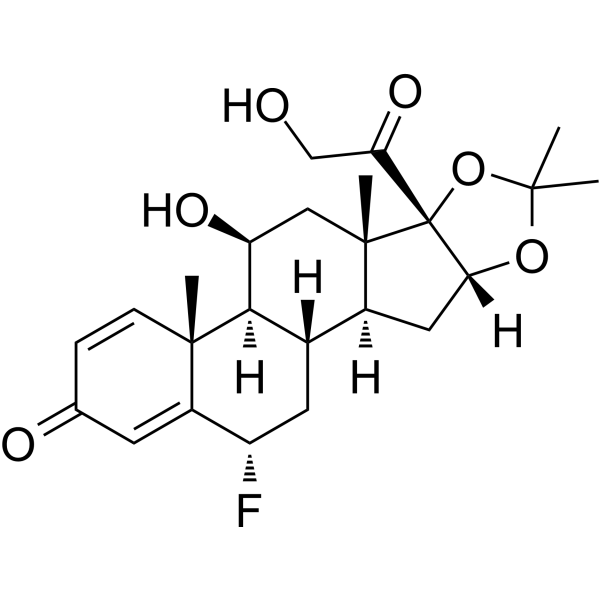
    Flunisolide is a corticosteroid, which is an orally active glucocorticoid receptor activator with anti-inflammatory activity. Flunisolide can induce eosinophil apoptosis, and is used for the research of asthma or rhinitis, and inflammation .
    Flunisolide
  • HY-13306
    Pyrintegrin
    4 Publications Verification

    Integrin Metabolic Disease
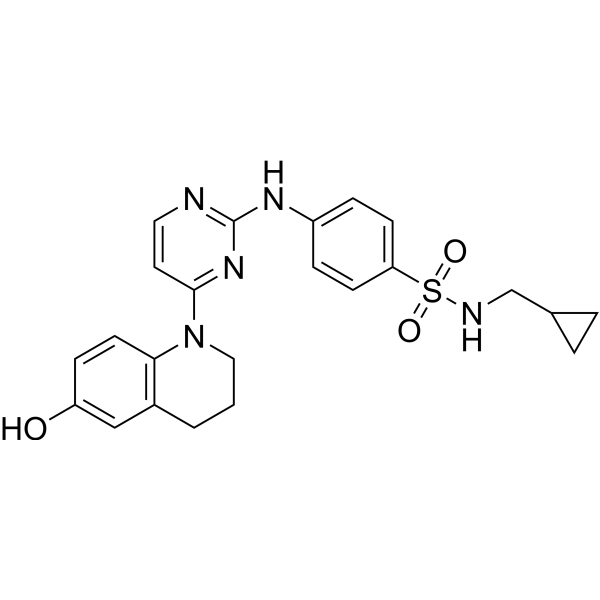
    Pyrintegrin is an β1-integrin agonist and a 2,4-disubstituted pyrimidine that promotes embryonic stem cells survival. Pyrintegrin enhances cell-extracellular matrix (ECM) adhesion-mediated integrin signaling. Pyrintegrin can be used as a podocyte-protective agent and has robustly adipogenic .
    Pyrintegrin
  • HY-P1740
    RGD peptide (GRGDNP)
    Maximum Cited Publications
    7 Publications Verification

    Integrin Apoptosis Caspase Inflammation/Immunology
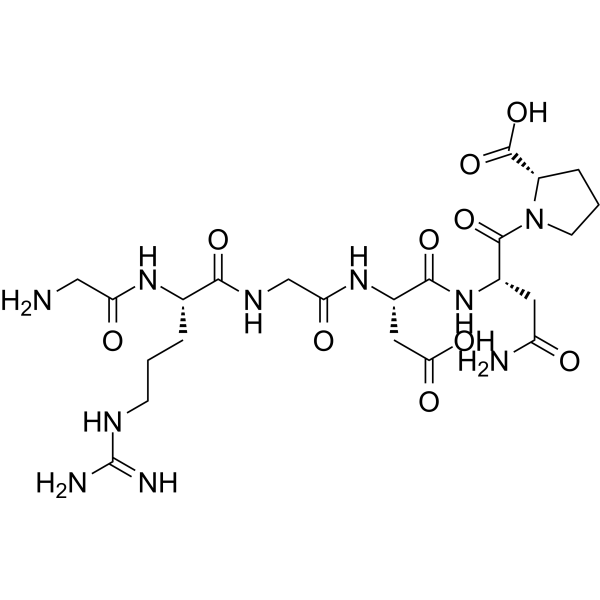
    RGD peptide (GRGDNP) is an inhibitor of integrin-ligand interactions. RGD peptide (GRGDNP) competitively inhibits α5β1 binding with extracellular matrice (ECM). RGD peptide (GRGDNP) promotes apoptosis through activation of conformation changes that enhance pro-caspase-3 activation and autoprocessing. RGD peptide (GRGDNP) plays an important role in cell adhesion, migration, growth, and differentiation .
    RGD peptide (GRGDNP)
  • HY-W110542J

    PEGDA (MW 700)

    Biochemical Assay Reagents Others
    Poly(ethylene glycol) diacrylate (PEGDA) (MW 700) is a versatile polymer material that is widely used as a building material for hydrogel scaffolds, especially in the fields of tissue engineering and regenerative medicine. Poly(ethylene glycol) diacrylate (MW 700) mimics the extracellular matrix (ECM), providing support and growth space for cells .
    Poly(ethylene glycol) diacrylate (MW 700)
  • HY-W048825

    Amino Acid Derivatives Others
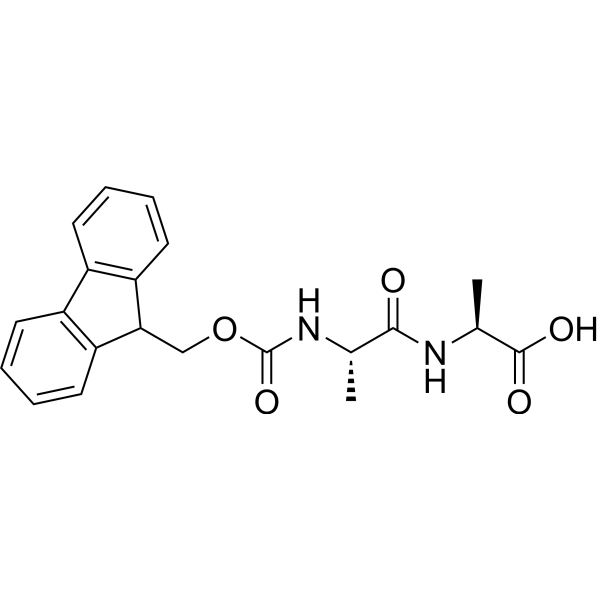
    Fmoc-Ala-Ala-OH is a self-assembling fluorenylmethoxycarbonyl dipeptide, a small amphiphilic building block composed of a dipeptide linked to a fluorenylmethoxycarbonyl (Fmoc) group. Under conditions of pH < 4, Fmoc-Ala-Ala-OH spontaneously assembles to form a nanofiber network, constructing a hydrogel scaffold with a water content exceeding 99% (w/w). The fibers have a diameter of approximately 22 nm, matching the size of extracellular matrix (ECM) components. Fmoc-Ala-Ala-OH supports cell adhesion, proliferation, and maintains of cell phenotype. Fmoc-Ala-Ala-OH's function is to mimic the ECM, providing a 3D growth microenvironment for cells, and Fmoc-Ala-Ala-OH is primarily used in tissue engineering and 3D cell culture, particularly suitable for in vitro culture studies of cells such as chondrocytes[1] .
    Fmoc-Ala-Ala-OH
  • HY-P4198

    Fmoc-Sar10

    Biochemical Assay Reagents Others
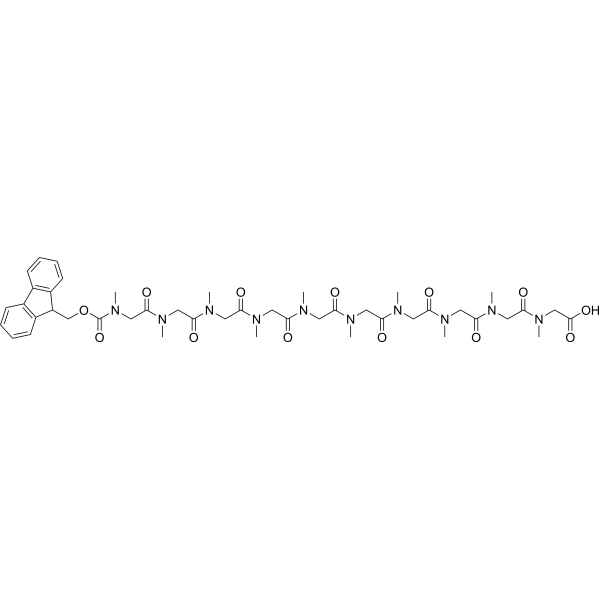
    Fmoc-N(Me)-Sar10 (Fmoc-Sar10) is an Fmoc-protected derivative of a methylated sarcosine decamer, which supports cell adhesion, proliferation, and maintenance of cell phenotype. Fmoc-N(Me)-Sar10 is primarily used in peptide synthesis to introduce enzymatically stable spacer sequences. By mimicking the extracellular matrix (ECM), Fmoc-N(Me)-Sar10 provides a 3D growth microenvironment for cells and is mainly used in tissue engineering and 3D cell culture, particularly suitable for in vitro culture studies of cells such as chondrocytes .
    Fmoc-N(Me)-Sar10
  • HY-B0633D

    CD44 Endogenous Metabolite Bacterial Akt PI3K Neurological Disease Metabolic Disease Inflammation/Immunology Cancer
    Hyaluronic acid sodium (MW 200-1560) is a biopolymer composed of repeating disaccharide units, with a molecular weight of 200-1560. Hyaluronic acid sodium is a major component of the extracellular matrix (ECM). It is synthesized on the plasma membrane. Hyaluronic acid sodium exerts its effects by binding to receptors CD44 and RHAMM. Hyaluronic acid sodium activates PI3K-Akt signaling. Hyaluronic acid sodium also enhances cell invasion and angiogenesis by promoting or stimulating the binding of proteolytic MMP-9 to the cell surface. Elevated hyaluronic acid levels are associated with tumor cell growth, adhesion, migration, invasion, and angiogenesis in digestive system cancers. Hyaluronic acid sodium is involved in tissue remodeling and rapid cell proliferation in several physiological processes, including embryonic morphogenesis and wound healing. Hyaluronic acid sodium can be used as a regulator of cancer-associated lymphangiogenesis. Hyaluronic acid sodium can be used as a drug delivery carrier for sodium butyrate, enhancing its anti-proliferative activity against breast cancer cell lines. Hyaluronic acid sodium can lubricate the corneal endothelium. Hyaluronic acid sodium can improve tissue hydration and enhance the resistance of cells to mechanical damage. Hyaluronic acid sodium has been conjugated with antibodies to ensure that the active compound continues to exert its effects at the site of inflammation. Hyaluronic acid sodium can be used in research in the fields of osteoarthritis, ophthalmology, cosmetic dermatology, oncology, and liver diseases .
    Hyaluronic acid sodium (MW 200-1560)
  • HY-B0633E

    Hyaluronan, low endotoxin; Hyaluronate, low endotoxin

    Endogenous Metabolite CD44 Bacterial Akt PI3K Neurological Disease Metabolic Disease Inflammation/Immunology Cancer
    Hyaluronic acid, low endotoxin (Hyaluronan, low endotoxin) is a biopolymer composed of repeating disaccharide units containing low levels of endotoxin. Hyaluronic acid is a major component of the extracellular matrix (ECM). It is synthesized on the plasma membrane. Hyaluronic acid exerts its effects by binding to receptors CD44 and RHAMM. Hyaluronic acid activates PI3K-Akt signaling. Hyaluronic acid also enhances cell invasion and angiogenesis by promoting or stimulating the binding of proteolytic MMP-9 to the cell surface. Elevated hyaluronic acid levels are associated with tumor cell growth, adhesion, migration, invasion, and angiogenesis in digestive system cancers. Hyaluronic acid is involved in tissue remodeling and rapid cell proliferation in several physiological processes, including embryonic morphogenesis and wound healing. Hyaluronic acid can be used as a regulator of cancer-associated lymphangiogenesis. Hyaluronic acid can be used as a drug delivery carrier for sodium butyrate, enhancing its anti-proliferative activity against breast cancer cell lines. Hyaluronic acid can lubricate the corneal endothelium. Hyaluronic acid can improve tissue hydration and enhance the resistance of cells to mechanical damage. Hyaluronic acid has been conjugated with antibodies to ensure that the active compound continues to exert its effects at the site of inflammation. Hyaluronic acid can be used in research in the fields of osteoarthritis, ophthalmology, cosmetic dermatology, oncology, and liver diseases .
    Hyaluronic acid, low endotoxin
  • HY-N0222
    Avicularin
    5+ Cited Publications

    COX NF-κB PPAR ERK GLUT Apoptosis Infection Neurological Disease Inflammation/Immunology Cancer
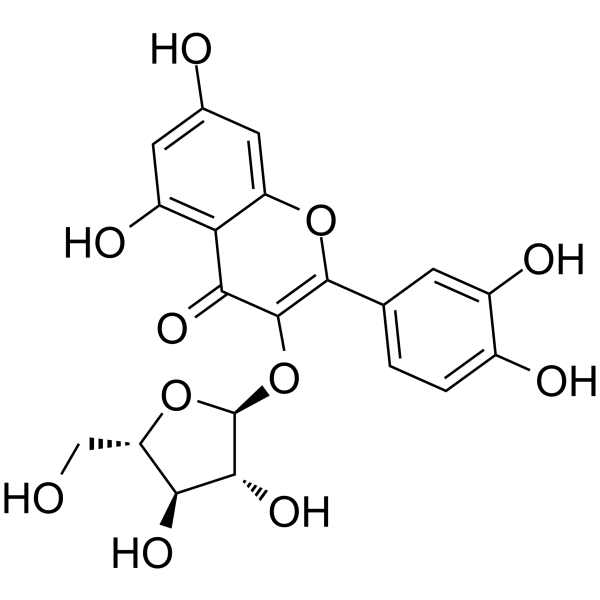
    Avicularin is an orally active flavonoid. Avicularin inhibits NF-κB (p65), COX-2 and PPAR-γ activities. Avicularin has anti-inflammatory, anti-infectious anti-allergic, anti-oxidant, hepatoprotective, and anti-tumor activities .
    Avicularin
  • HY-P0204A

    Endothelin 3 (Rat,Human) TFA

    Endothelin Receptor Integrin Neurological Disease
    Endothelin-3, human, mouse, rabbit, rat TFA (Endothelin 3 (Rat,Human) TFA) is an adhesion stimulant. Endothelin-3, human, mouse, rabbit, rat TFA stimulates the adhesion of enteric neural crest cells to various ECM components. Endothelin-3, human, mouse, rabbit, rat TFA plays an important role in the maintenance and self-renewal of intestinal progenitor cells, participates in the migration of enteric neural crest cells, and helps maintain a suitable environment for the colonization of enteric neural crest cells. Endothelin-3, human, mouse, rabbit, rat TFA acts synergistically with the β1-integrin signaling pathway during enteric nervous system development. Endothelin-3, human, mouse, rabbit, rat TFA can be used in studies related to distal aganglionosis .
    Endothelin-3, human, mouse, rabbit, rat TFA
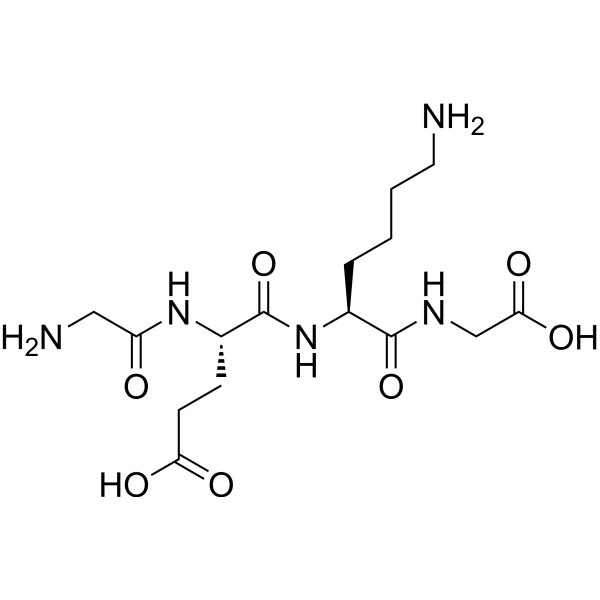
  • HY-W129161

    Amino Acid Derivatives Metabolic Disease
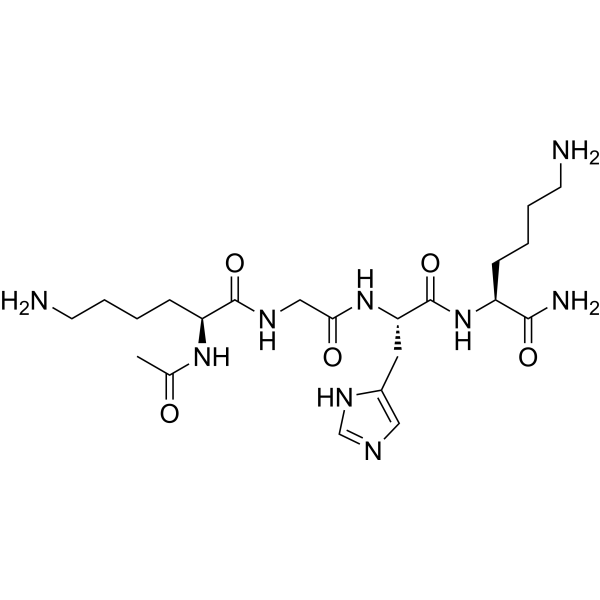
    Acetyl tetrapeptide-3 is a synthetic peptide. Acetyl tetrapeptide-3 enhances the adhesion of hair follicles to the scalp but also promotes the development of new hair follicles. Acetyl tetrapeptide-3 stimulates the synthesis of collagen III in hair follicles. Acetyl tetrapeptide-3 combined with Biochanin A (HY-14595) and ginseng extracts, can stimulate dermal papilla extracellular matrix (ECM) proteins by increasing hydroxyproline, Collagen Type 3, and laminin, yielding a significant improvement in hair follicle size and hair anchoring .
    Acetyl tetrapeptide-3
  • HY-NP156

    Biochemical Assay Reagents Others
    Type I Collagen, for cell culture, from Bovine plays an important role in the structure and function of skin, bones, tendons, etc. Type I Collagen, for cell culture, from Bovine can mimic the extracellular matrix (ECM) and is suitable for 2D/3D cell culture .
    Type I Collagen, for cell culture, from Bovine
  • HY-N7543

    HIV Endothelin Receptor Infection Metabolic Disease
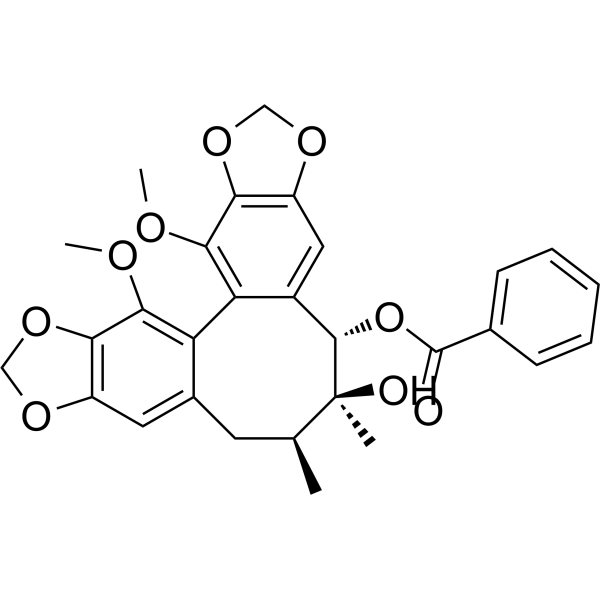
    Schisantherin D is a lignan. Schisantherin D can be isolated from Kadsura interior. Schisantherin D downregulates the expression of ETBR and inhibits the secretion of ECM and ET-1. Schisantherin D alleviates EtOH + ET-1-induced hepatocyte cytotoxicity. Schisantherin D potently inhibits HIV replication in cells .
    Schisantherin D
  • HY-B0633I

    Endogenous Metabolite Bacterial PI3K Akt Inflammation/Immunology Cancer
    Hyaluronic acid sodium (MW 800kDa) is a biopolymer composed of repeating units of disaccharides with various applications. Hyaluronic acid sodium is a major component of the extracellular matrix (ECM). Hyaluronic acid sodium is synthesized at the plasma membrane. Increased hyaluronic acid sodium levels are associated with tumor cell growth, adhesion, migration, invasion and angiogenesis in digestive cancers. Hyaluronic acid sodium participates in tissue remodeling and rapid cell proliferation in some physiological processes including embryonic morphogenesis and wound-healing. Hyaluronic acid sodium activates the PI3K-Akt signaling. Hyaluronic acid sodium acts as a regulator of cancer-associated lymphangiogenesis. Hyaluronic acid sodium also enhances cell invasion and angiogenesis by promoting proteolytic MMP-9 binding to cell surface or stimulating MMP-9 binding to cell surface. Hyaluronic acid sodium can be used as drug delivery for sodium butyrate to improve the anti-proliferative activity on breast cancer cell line. Hyaluronic acid sodium can be studied in joint diseases, wound healing and cancer .
    Hyaluronic acid sodium (MW 800kDa)
  • HY-113089

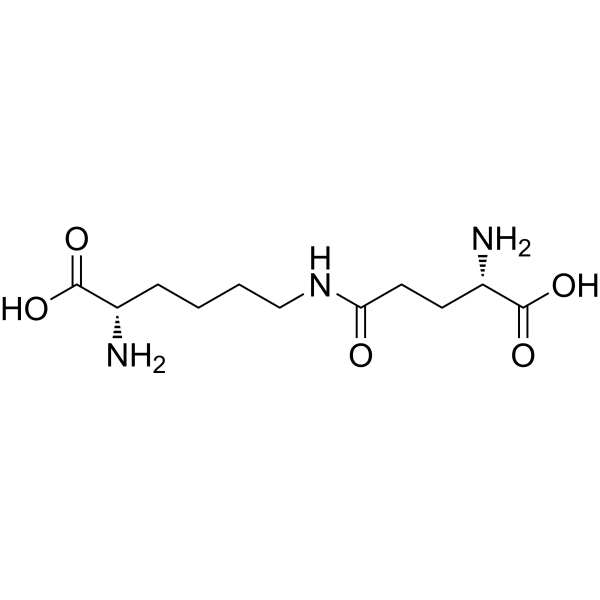
    H-Glu(H-Lys-OH)-OH; γ-Glu-ε-Lys

    Endogenous Metabolite Metabolic Disease
    Epsilon-(gamma-glutamyl)-lysine is an N(6)-acyl-L-lysine derivative. The enzyme tissue transglutaminase (tTg) helps the formation of epsilon-(gamma-glutamyl)lysine bonds between ECM components in some disease, such as non-diabetic kidney, glaucoma filtration .
    Epsilon-(gamma-glutamyl)-lysine
  • HY-P1740A
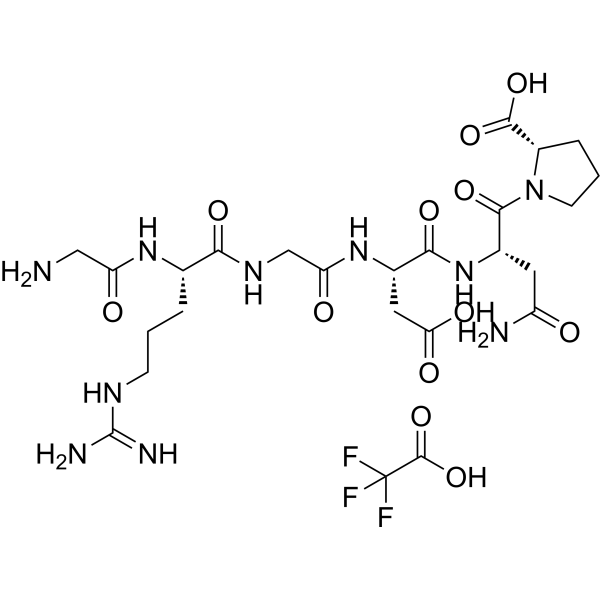
    RGD peptide (GRGDNP) TFA
    Maximum Cited Publications
    7 Publications Verification

    Integrin Apoptosis Inflammation/Immunology Cancer
    RGD peptide (GRGDNP) TFA is an inhibitor of integrin-ligand interactions. RGD peptide (GRGDNP) TFA competitively inhibits α5β1 binding with extracellular matrice (ECM). RGD peptide (GRGDNP) TFA promotes apoptosis through activation of conformation changes that enhance pro-caspase-3 activation and autoprocessing. RGD peptide (GRGDNP) TFA plays an important role in cell adhesion, migration, growth, and differentiation .
    RGD peptide (GRGDNP) TFA
  • HY-171955

    Lipoxygenase Apoptosis Reactive Oxygen Species (ROS) FAK Cancer
    LXG6403 is an orally active and irreversible LOX inhibitor (IC50 = 1.3 μM). LXG6403 is ~3.5-fold more specific for LOX than LOXL2 and does not inhibit LOXL1. LXG6403 inhibits FAK signaling and induces ROS generation and DNA damage, leading to G1 arrest and apoptosis in chemoresistant triple-negative breast cancer (TNBC) cell lines. LXG6403 alters the extracellular matrix (ECM) and collagen structure, reducing collagen cross-linking and deposition, thereby increasing drug penetration and reducing tumor stiffness. LXG6403 overcomes Doxorubicin (HY-15142) resistance in chemoresistant TNBC PDX in vivo and can be used to study high-stiffness resistant tumors .
    LXG6403
  • HY-P0204
    Endothelin-3, human, mouse, rabbit, rat
    1 Publications Verification

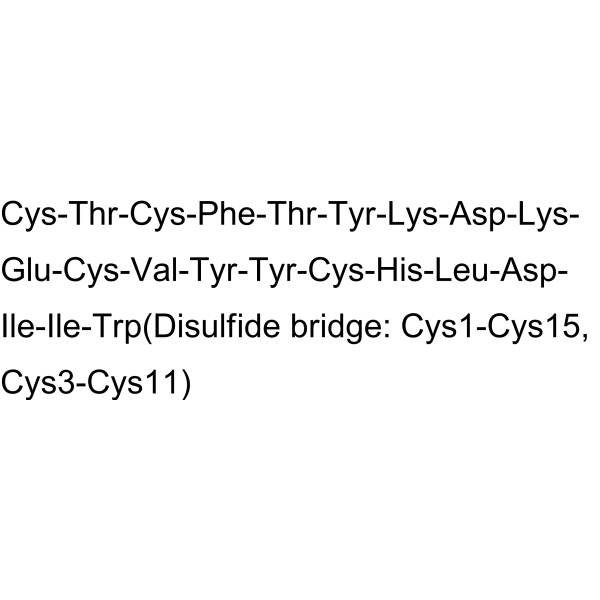
    Endothelin 3 (Rat,Human)

    Endothelin Receptor Integrin Neurological Disease
    Endothelin-3, human, mouse, rabbit, rat (Endothelin 3 (Rat,Human)) is an adhesion stimulant. Endothelin-3, human, mouse, rabbit, rat stimulates the adhesion of enteric neural crest cells to various ECM components. Endothelin-3, human, mouse, rabbit, rat plays an important role in the maintenance and self-renewal of intestinal progenitor cells, participates in the migration of enteric neural crest cells, and helps maintain a suitable environment for the colonization of enteric neural crest cells. Endothelin-3, human, mouse, rabbit, rat acts synergistically with the β1-integrin signaling pathway during enteric nervous system development. Endothelin-3, human, mouse, rabbit, rat can be used in studies related to distal aganglionosis .
    Endothelin-3, human, mouse, rabbit, rat
  • HY-136651

    Reactive Oxygen Species (ROS) Inflammation/Immunology
    BNTA, a potent extracellular matrix (ECM) modulator, facilitates cartilage structural molecule synthesis on chondrocytes by activating superoxide dismutase 3 (SOD3). BNTA shows a promising potential for osteoarthritis alleviation by modulating cartilage generation .
    BNTA
  • HY-P5232

    Collagen Metabolic Disease
    Tetrapeptide-21 is a bioactive peptide composed of four amino acids. Tetrapeptide-21 effectively enhances the vitality of human dermal fibroblasts. Tetrapeptide-21 upregulates the expression of key extracellular matrix (ECM) genes and promotes the synthesis of ECM proteins (such as type I collagen, hyaluronic acid synthase 1, and fibronectin). Tetrapeptide-21 has the efficacy of anti-wrinkle and improving skin elasticity, and has been reported to be used as a cosmetic ingredient .
    Tetrapeptide-21
  • HY-159621

    ES5

    Annexin A Endocrinology
    Endosidine 5 (ES5) inhibits EPS (extracellular polymeric substance) secretion and cell wall expansion. Endosidine 5 alters secretion of ECM (extracellular matrix) material in Penium margaritaceum by affecting the Golgi apparatus. Endosidine 5 interferes with recycling endosomes through Annexin A6, thereby promoting the release and expression of mRNA into the cytoplasm .
    Endosidine 5
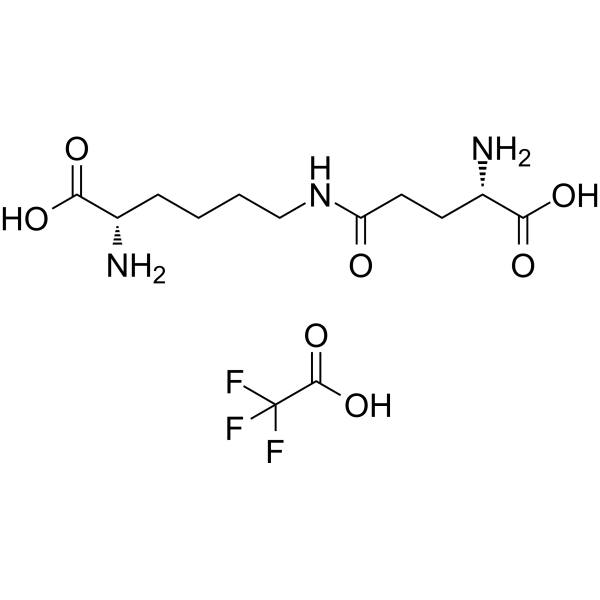
  • HY-113089A

    H-Glu(H-Lys-OH)-OH TFA; γ-Glu-ε-Lys TFA

    Endogenous Metabolite Metabolic Disease
    Epsilon-(gamma-glutamyl)-lysine (H-Glu(H-Lys-OH)-OH) TFA is an N(6)-acyl-L-lysine derivative. The enzyme tissue transglutaminase (tTg) helps the formation of epsilon-(gamma-glutamyl)lysine bonds between ECM components in some disease, such as non-diabetic kidney, glaucoma filtration .
    Epsilon-(gamma-glutamyl)-lysine TFA
  • HY-W005379

    TGF-beta/Smad Inflammation/Immunology
    DGM is an inhibitor of the TGF-β1/Smad signaling pathway with significant antifibrotic effects. DGM inhibits the epithelial-mesenchymal transition (EMT) process in alveolar epithelial cells and slows the progression of pulmonary fibrosis in vivo by reducing lung inflammation, improving lung function, and decreasing extracellular matrix (ECM) remodeling. DGM can be used in research on idiopathic pulmonary fibrosis (IPF) and EMT-related diseases .
    DGM
  • HY-158220

    HAMA (MW 400 kDa)

    Biochemical Assay Reagents Others
    Hyaluronic acid Methacryloyl (HAMA) is methacrylated hyaluronic acid that is biocompatible. Hyaluronic acid Methacryloyl is also used as a 3D printing hydrogel ink, which has the characteristics of fast photosensitive response, fast gelation speed and stable hydrogel performance. Hyaluronic acid Methacryloyl can quickly induce gelation with lithium phenyl-2,4,6-trimethylbenzoylphosphinate (LAP) under UV irradiation. The combination of Hyaluronic acid Methacryloyl and tissue-specific extracellular matrix (ECM) materials (such as pancreatic extracellular matrix (pECM)) will become an important source material for organoid culture .
    Hyaluronic acid Methacryloyl (MW 400 kDa)
  • HY-158220A

    HAMA (MW 150 kDa)

    Biochemical Assay Reagents Others
    Hyaluronic acid Methacryloyl (HAMA) MW 150 kDa is methacrylated hyaluronic acid that is biocompatible. Hyaluronic acid Methacryloyl is also used as a 3D printing hydrogel ink, which has the characteristics of fast photosensitive response, fast gelation speed and stable hydrogel performance. Hyaluronic acid Methacryloyl can quickly induce gelation with lithium phenyl-2,4,6-trimethylbenzoylphosphinate (LAP) under UV irradiation. The combination of Hyaluronic acid Methacryloyl and tissue-specific extracellular matrix (ECM) materials (such as pancreatic extracellular matrix (pECM)) will become an important source material for organoid culture .
    Hyaluronic acid Methacryloyl (MW 150 kDa)
  • HY-122052

    Thrombin Metabolic Disease
    UK‑396082 is a potent thrombin activated fibrinolytic inhibitor (TAFI) inhibitor. UK‑396082 increases plasmin activity and induces a parallel decrease in ECM levels. UK‑396082 can be used in research of chronic kidney disease (CKD) .
    UK‑396082
  • HY-N6812

    NF-κB Endocrinology
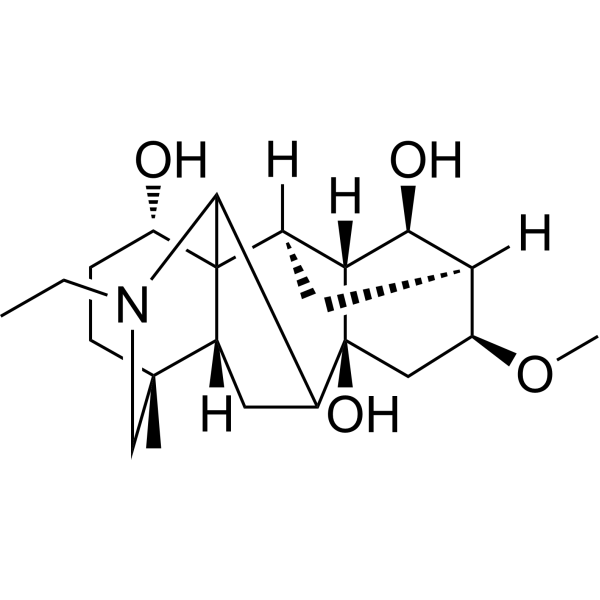
    Karacoline, a diterpene alkaloid found in the plant Aconitum kusnezoffii, reduces degradation of the extracellular matrix (ECM) in intervertebral disc degeneration (IDD) via the NF-κB signaling pathway .
    Karacoline
  • HY-113089AR

    H-Glu(H-Lys-OH)-OH TFA (Standard); γ-Glu-ε-Lys TFA (Standard)

    Endogenous Metabolite Reference Standards Metabolic Disease
    Epsilon-(gamma-glutamyl)-lysine (TFA) (Standard) is the analytical standard of Epsilon-(gamma-glutamyl)-lysine (TFA). This product is intended for research and analytical applications. Epsilon-(gamma-glutamyl)-lysine (H-Glu(H-Lys-OH)-OH) TFA is an N(6)-acyl-L-lysine derivative. The enzyme tissue transglutaminase (tTg) helps the formation of epsilon-(gamma-glutamyl)lysine bonds between ECM components in some disease, such as non-diabetic kidney, glaucoma filtration .
    Epsilon-(gamma-glutamyl)-lysine TFA (Standard)
  • HY-P10984

    Integrin Metabolic Disease Inflammation/Immunology Cancer
    FNIII14 is derived from the 14th fibronectin (FN) type III-like (FN-III) repeat of FN molecule. FNIII14 is capable of inhibiting cell adhesion to the extracellular matrix (ECM). FNIII14 induces a conformational change in β1-integrin from the active to the inactive form, and blocks integrin-mediated signaling. FNIII14 has anti-fibrotic, anti-cancer effect. FNIII14 can be used for research of metabolic diseases, organ fibrosis, and malignant tumors .
    FNIII14
  • HY-W008870

    Biochemical Assay Reagents Others
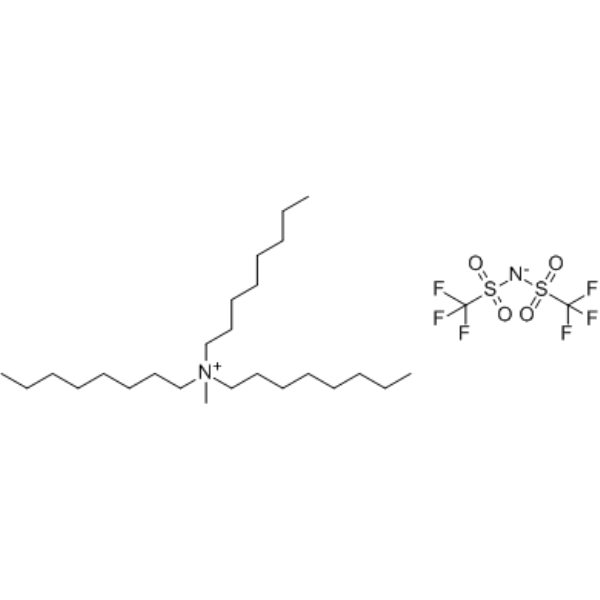
    MTOA-TFSI is an ionic liquid with high porosity and conductivity, which can be used in electrochemical mechanical strain (ECMS) studies .
    MTOA-TFSI
  • HY-P11223

    TGF-beta/Smad Inflammation/Immunology
    CMF9, a cyclic peptide molecule, is an inhibitor of the SMAD2-SMAD4 interaction. CMF9 effectively blocks the formation of the heterodimeric complex of SMAD2 and SMAD4 by inhibiting the phosphorylation of SMAD2. CMF9 has no effect on the phosphorylation of SMAD3 or SMAD1/5/8. CMF9 downregulates the expression of fibrotic markers α-SMA and COL1A1. CMF9 exhibits potent anti-fibrotic effects in mouse models by promoting the degradation of pathological extracellular matrix (ECM) and inhibiting inflammation. CMF9 can be used for the study of liver fibrosis .
    CMF9
  • HY-RS04143

    Small Interfering RNA (siRNA) Others

    ECM1 Human Pre-designed siRNA Set A contains three designed siRNAs for ECM1 gene (Human), as well as a negative control, a positive control, and a FAM-labeled negative control.

    ECM1 Human Pre-designed siRNA Set A
    ECM1 Human Pre-designed siRNA Set A
  • HY-RS17452

    Small Interfering RNA (siRNA) Others

    Ecm1 Mouse Pre-designed siRNA Set A contains three designed siRNAs for Ecm1 gene (Mouse), as well as a negative control, a positive control, and a FAM-labeled negative control.

    Ecm1 Mouse Pre-designed siRNA Set A
    Ecm1 Mouse Pre-designed siRNA Set A
  • HY-RS04144

    Small Interfering RNA (siRNA) Others

    ECM2 Human Pre-designed siRNA Set A contains three designed siRNAs for ECM2 gene (Human), as well as a negative control, a positive control, and a FAM-labeled negative control.

    ECM2 Human Pre-designed siRNA Set A
    ECM2 Human Pre-designed siRNA Set A
  • HY-RS25417

    Small Interfering RNA (siRNA) Others

    Ecm2 Rat Pre-designed siRNA Set A contains three designed siRNAs for Ecm2 gene (Rat), as well as a negative control, a positive control, and a FAM-labeled negative control.

    Ecm2 Rat Pre-designed siRNA Set A
    Ecm2 Rat Pre-designed siRNA Set A
  • HY-RS23908

    Small Interfering RNA (siRNA) Others

    Ecm1 Rat Pre-designed siRNA Set A contains three designed siRNAs for Ecm1 gene (Rat), as well as a negative control, a positive control, and a FAM-labeled negative control.

    Ecm1 Rat Pre-designed siRNA Set A
    Ecm1 Rat Pre-designed siRNA Set A
  • HY-RS08560

    Small Interfering RNA (siRNA) Others

    MMRN1 Human Pre-designed siRNA Set A contains three designed siRNAs for MMRN1 gene (Human), as well as a negative control, a positive control, and a FAM-labeled negative control.

    MMRN1 Human Pre-designed siRNA Set A
    MMRN1 Human Pre-designed siRNA Set A
  • HY-162605

    STAT HSP Cancer
    CYD0682 is an analog of Oridonin (HY-N0004). CYD0682 attenuates STAT3 activation and ECM production via an HSP90 pathway in hepatic stellate cells .
    CYD0682
  • HY-P6183

    MMP Cancer
    LXJ-02 is a potent inhibitor of EDPs/EBP peptide–protein interaction, with the KD of 117 μM for EDPs. LXJ-02 activates the macrophage-MMP-12 axis to increase MMP-12 expression and degrade ECM components like elastin .
    LXJ-02
  • HY-158220D

    HAMA (MW 300000)

    Biochemical Assay Reagents Inflammation/Immunology
    Hyaluronic acid methacryloyl (MW 300000) (HAMA (MW 300000)), a natural extracellular matrix (ECM) with anti-inflammatory effects, promoting cell adhesion and proliferation. Hyaluronic acid methacryloyl (MW 300000) can be widely used in tissue engineering and regenerative medicine. Hyaluronic acid methacryloyl (MW 300000) can rapidly form a hydrogel after exposure to UV light .
    Hyaluronic acid methacryloyl (MW 300000)
  • HY-P3202

    MMP-3; Stromelysin-1

    MMP Neurological Disease
    Matrix metalloproteinase 3 (MMP-3) is a member of the class of zinc-dependent proteases that can degrade the extracellular matrix (ECM). Matrix metalloproteinase 3 palys an important role in the neuronal apoptotic process as well as in neuroinflammation. Matrix metalloproteinase 3 can be used in the study of neurodegenerative diseases including Alzheimer’s disease (AD) and Parkinson’s disease (PD) .
    Matrix metalloproteinase 3
  • HY-163507

    Anaplastic lymphoma kinase (ALK) Cancer
    ALK5-IN-79 (compound 57) is an ALK inhibitor with anticancer activity, by blocking TGF-β1/SMAD signaling pathway. ALK5-IN-79 attenuates the production of extracellular matrix (ECM) and deposition of collagen. ALK5-IN-79 exhibits adequate pharmacokinetic (PK) properties and good in vivo tolerance.
    ALK5-IN-79
  • HY-162147

    Nuclear Hormone Receptor 4A/NR4A Autophagy mTOR TGF-beta/Smad Atg8/LC3 p62 Neurological Disease Metabolic Disease Inflammation/Immunology Cancer
    Nur77 modulator 3 is a Nur77 modulator. Nur77 modulator 3 induces Nur77 expression, inhibits hepatic stellate cells (HSCs) activation, and reduces extracellular matrix (ECM) deposition. Nur77 modulator 3 enhances Nur77-denpendent autophagic flux and significantly inhibits the mTORC1 signaling pathway. Nur77 modulator 3 ameliorates HSCs activation, inflammation and hepatic fibrosis in vivo .
    Nur77 modulator 3
  • HY-170227

    Phosphodiesterase (PDE) TGF-β Receptor Inflammation/Immunology
    Autotaxin-IN-7 (45), a pyridine-2-carboxylic derivative, demonstrates subnanomolar ATX inhibition (IC50 = 0.086 nM), with a favorable heart safety profile (hERG > 30 μM) and minimal fibroblast toxicity. Autotaxin-IN-7 (45) suppresses the TGF-β/Smad signaling pathway, downregulating α-smooth muscle actin (α-SMA) and extracellular matrix components (ECM). Autotaxin-IN-7 (45) is used in the research for pulmonary fibrosis .
    Autotaxin-IN-7
  • HY-B1121A

    Glucocorticoid Receptor Apoptosis Inflammation/Immunology Endocrinology
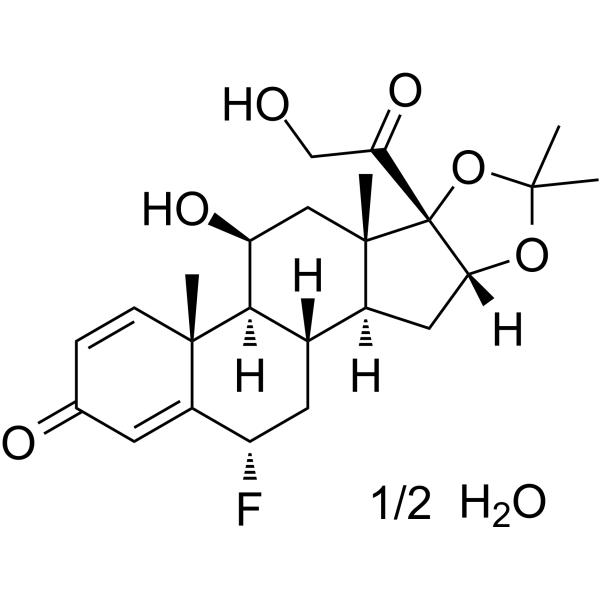
    Flunisolide hemihydrate is a corticosteroid, which is an orally active glucocorticoid receptor activator with anti-inflammatory activity. Flunisolide hemihydrate can induce eosinophil apoptosis, and is used for the research of asthma or rhinitis, and inflammation .
    Flunisolide hemihydrate
  • HY-B1121R

    Glucocorticoid Receptor Apoptosis Reference Standards Inflammation/Immunology Endocrinology
    Flunisolide (Standard) is the analytical standard of Flunisolide. This product is intended for research and analytical applications. Flunisolide is a corticosteroid, which is an orally active glucocorticoid receptor activator with anti-inflammatory activity. Flunisolide can induce eosinophil apoptosis, and is used for the research of asthma or rhinitis, and inflammation .
    Flunisolide (Standard)

온라인 문의

Your information is safe with us. * Required Fields.

호칭


Country or Region *

고객명 *


회사명 *

Department *


메일주소 *


상품명 *

Cat. No.


Requested quantity *

전화번호 *


비고

온라인 문의

Inquiry Information

상품명:
Cat. No.:
수량:
MCE Japan Authorized Agent: