1. Search Result
Search Result
Results for "

HK

" in MedChemExpress (MCE) Product Catalog:

47

Inhibitors & Agonists

2

Peptides

5

Inhibitory Antibodies

7

Natural
Products

14

Recombinant Proteins

1

Isotope-Labeled Compounds

21

Antibodies

11

Oligonucleotides

Cat. No. Product Name Target Research Areas Chemical Structure
  • HY-19992
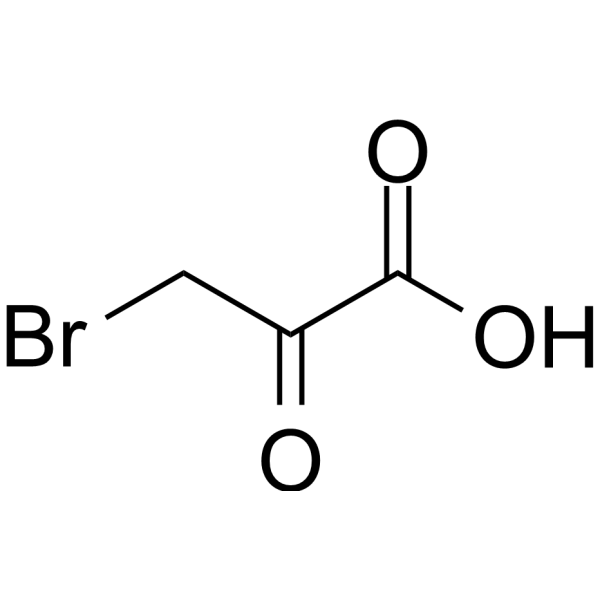
    3-Bromopyruvic acid
    Maximum Cited Publications
    32 Publications Verification

    Bromopyruvic acid; 3-BrPA; Hexokinase II Inhibitor II, 3-BP

    Hexokinase Apoptosis Autophagy Cancer
    3-Bromopyruvate (Bromopyruvic acid) is an analogue of pyruvate and a potent hexokinase (HK)-II inhibitor with high tumor selectivity. 3-Bromopyruvate inhibits cell growth and induces apoptosis through interfering with glycolysis. 3-Bromopyruvate induces autophagy by stimulating ROS formation in breast cancer cells. Antimicrobial activities .
    3-Bromopyruvic acid
  • HY-N7922
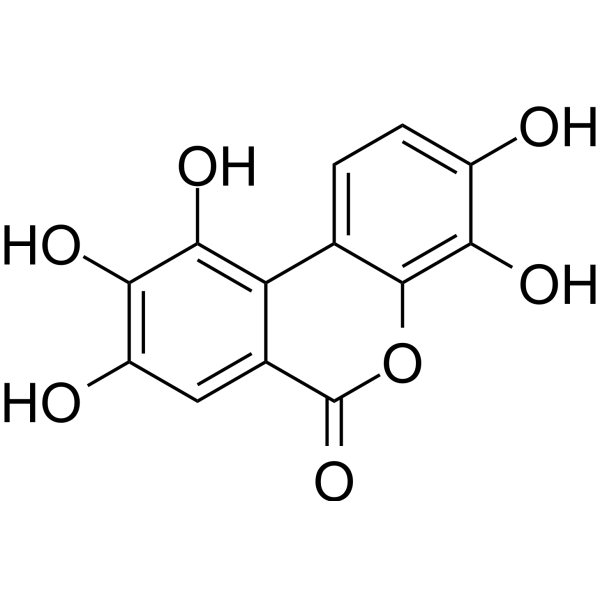
    Urolithin M5
    1 Publications Verification

    Decarboxyellagic acid

    Influenza Virus p38 MAPK EGFR Akt Reactive Oxygen Species (ROS) Apoptosis Infection Neurological Disease
    Urolithin M5 (Decarboxyellagic acid) is an orally active influenza virus neuraminidase inhibitor and neuroprotective agent, with IC50 values of 174.8 μM (HK68), 191.5 μM (pdm09), 243.2 μM (WSN) and 257.1 μM (PR8) against four influenza virus neuraminidases, respectively. Urolithin M5 inhibits viral neuraminidase activity, thereby blocking influenza virus replication (including oseltamivir (HY-13317)-resistant strains), protecting infected mammals from death and improving pulmonary edema. Urolithin M5 forms a hydrogen-bond stabilized complex with IGF1R, and binds to MAPK14, AKT1, NFKB1 and EGFR. Urolithin M5 reduces reactive oxygen species production, inhibits neuronal apoptosis, restores mitochondrial transmembrane potential, and promotes neurite outgrowth of damaged neuronal cells. Urolithin M5 can be used in research related to influenza virus infection and Alzheimer's disease .
    Urolithin M5
  • HY-155008
    PROTAC HK2 Degrader-1
    2 Publications Verification

    PROTACs Hexokinase Cancer
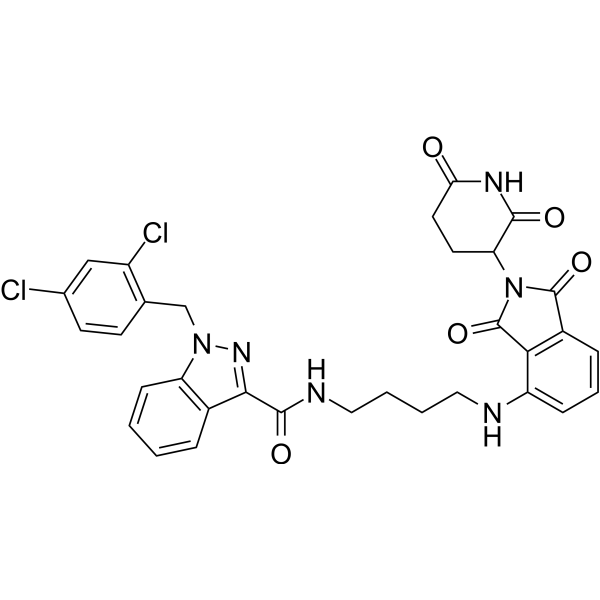
    PROTAC HK2 Degrader-1 is a PROTAC consisting of Lonidamine (HY-B0486) as a target protein Hexokinase 2 (HK2) inhibitor and Thalidomide (HY-14658) as a CRBN ligand-linked PROTAC. PROTAC HK2 Degrader-1 selectively inhibits the proliferation of breast cancer cells by forming a ternary complex through the ubiquitin-proteasome system to degrade Hexokinase 2 (HK2) protein leading to mitochondrial damage and cell death. PROTAC HK2 Degrader-1 effectively inhibits breast tumor growth and reduces the colonic side effects of cisplatin for breast cancer research .
    PROTAC HK2 Degrader-1
  • HY-100412

    AZD0865

    Proton Pump Cancer
    Linaprazan (AZD0865) can inhibit H+,K+ -ATPase in the stomach through K+ competitive binding, (IC50: 1.0 ± 0.2 μM), it has a strong inhibitory effect on acid. Linaprazan (AZD0865) can be used for research on reflux esophagitis with oral activity .
    Linaprazan
  • HY-N7675

    NF-κB TGF-beta/Smad Syk Cardiovascular Disease Neurological Disease Metabolic Disease
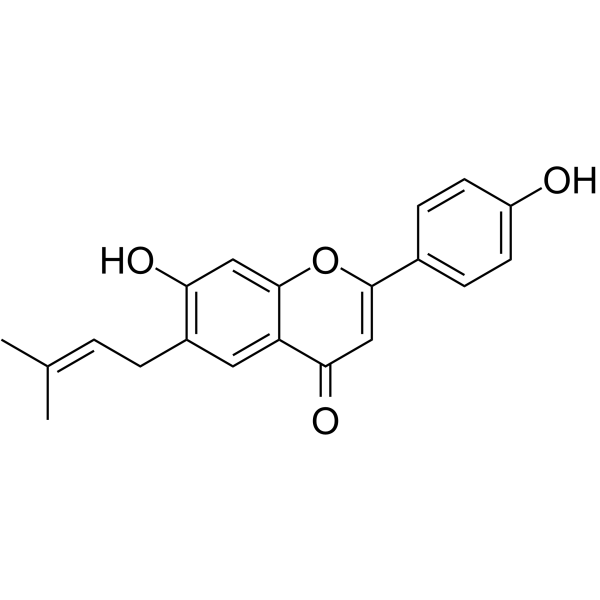
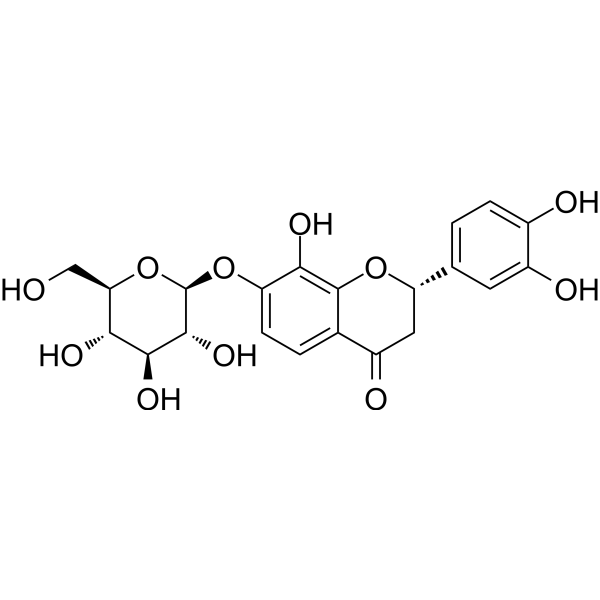
    Flavanomarein is a substance with cytoprotective, anti-inflammatory and antioxidant activities, with a Ka of 3.064e-5 M against human Syk. Flavanomarein enhances the phosphorylation level of AKT, regulates the expression of PKC-δ, P85α, PKC-β1, Sirt1, Bcl-2 and ICAD, and inhibits the nuclear translocation of NF-κB p65. Flavanomarein regulates EMT marker proteins, promotes the proliferation of HK-2 cells, and protects neuronal cells from 6-OHDA-induced neurotoxic damage. Flavanomarein can be used in studies related to Parkinson's disease and diabetic nephropathy.
    Flavanomarein
  • HY-175035

    Hexokinase Inflammation/Immunology Cancer
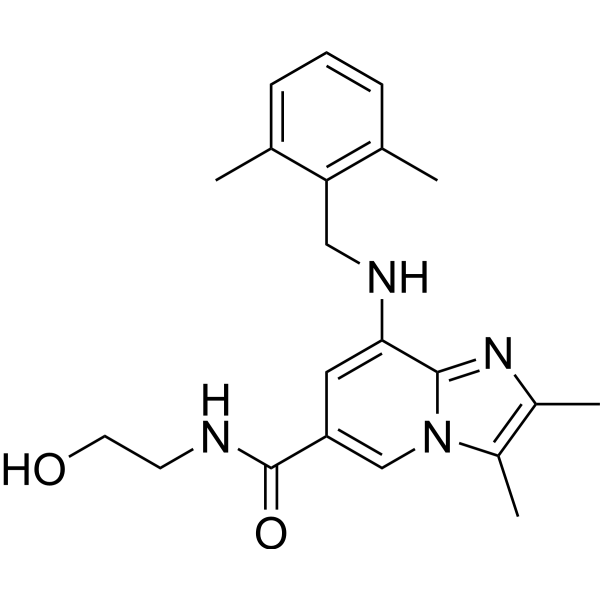
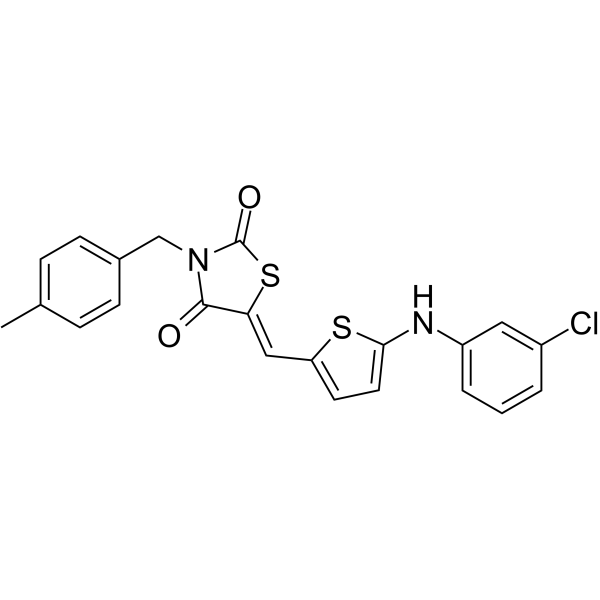
    HK-2-IN-1 is a Hexokinase 2 (HK-2) inhibitor. HK-2-IN-1 exhibits a non-activating effect on human recombinant HK-2 enzyme. HK-2-IN-1 has anti-tumor activity, affecting immune cells in the tumor microenvironment. HK-2-IN-1 has immunomodulatory effects and is potentially useful in the study of cancers such as colon cancer, liver cancer, and breast cancer .
    HK-2-IN-1
  • HY-N2445
    Flavokawain C
    4 Publications Verification

    Apoptosis Akt JNK PERK Caspase PARP MDM-2/p53 IAP Reactive Oxygen Species (ROS) SOD FABP Autophagy AMPK mTOR GLUT EGFR PI3K HSP VEGFR FAK Cancer
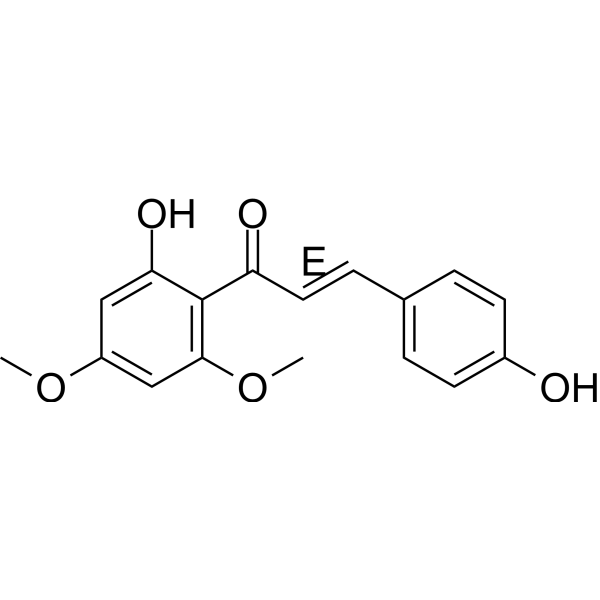
    Flavokawain C is an orally active natural chalcone. Flavokawain C inhibits the proliferation of various cancer cells. Flavokawain C upregulates GADD153 in cancer cells, inhibits the phosphorylation of Akt and JNK, suppresses early ERK phosphorylation, activates late ERK phosphorylation, activates caspase related subtypes, induces PARP-1 cleavage, causes upregulation of p21 and p27, downregulation of mutant p53 and anti-apoptotic IAP proteins, elevates intracellular ROS levels, reduces SOD activity, and induces apoptosis. Flavokawain C downregulates FABP4, induces autophagy in cancer cells, and activates the AMPK/mTOR pathway . Flavokawain C decreases the expression of glycolysis-related proteins GLUT1 and HK2, and inhibits glycolysis in nasopharyngeal carcinoma cells. Flavokawain C inhibits the activation of the EGFR/PI3K/Akt/mTOR signaling pathway and reduces the expression of HSP90B1. Flavokawain C inhibits angiogenesis by decreasing the expression of angiogenic proteins Ang-1 and VEGF in human umbilical vein endothelial cells. Flavokawain C increases γ-H2AX levels in cells, inhibits the phosphorylation of FAK, PI3K and AKT in cells, and induces DNA damage in cells. Flavokawain C exerts anti-tumor activity in multiple tumor xenograft mouse models. Flavokawain C is applicable to research related to colorectal cancer, colon adenocarcinoma, nephroblastoma, nasopharyngeal carcinoma and liver cancer .
    Flavokawain C
  • HY-W011151
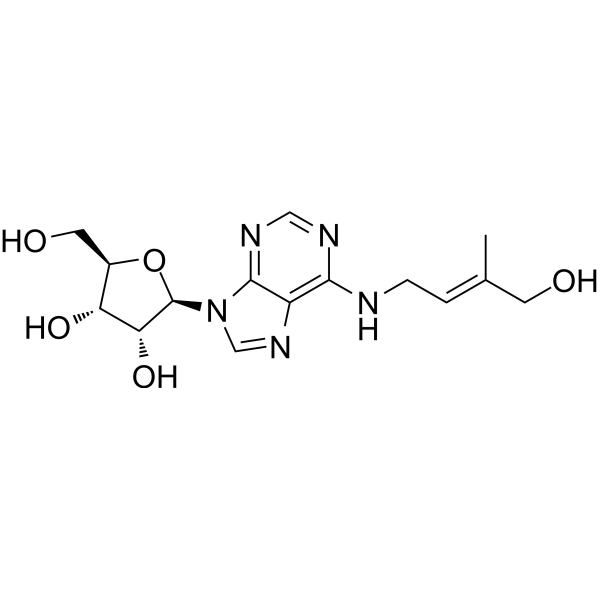
    trans-Zeatinriboside
    1 Publications Verification

    Phytohormone Others
    trans-Zeatinriboside is a zeatin-type cytokinin and plant growth regulator. trans-Zeatinriboside is produced by the terrestrial filamentous cyanobacterium Nostoc sp. HK-01 and Agrobacterium tumefaciens (including Ti plasmid-dependent and Ti plasmid-independent strains). trans-Zeatinriboside is detectable as a cytokinin component in growing crown galls, and accumulates in large amounts in CHRK1-silenced transgenic tobacco accompanied by pleiotropic developmental abnormalities. trans-Zeatinriboside can be used in studies related to crown galls .
    trans-Zeatinriboside
  • HY-N6954
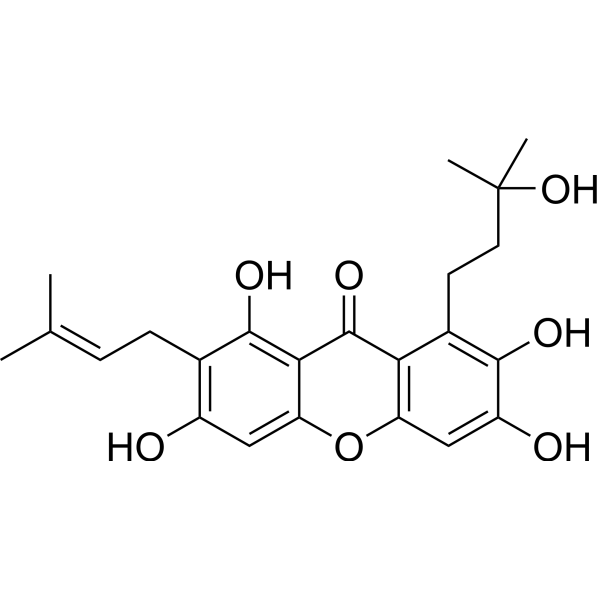
    Garcinone C
    2 Publications Verification

    ATM/ATR STAT CDK Hedgehog Inflammation/Immunology Cancer
    Garcinone C, a xanthone derivative, is a natural compound extracted from Garcinia oblongifolia that is used as an anti-inflammatory, astringency and granulation-promoting medicine, and has potential cytotoxic effects on certain cancers. Garcinone C stimulates the expression levels of ATR and 4E-BP1, arrests the cell cycle, inhibits cell viability of the human Nasopharyngeal carcinoma (NPC) cell lines CNE1, CNE2, HK1 and HONE1 in a time‑ and dose‑dependent manner through inhibition of Hedgehog signaling pathway. Garcinone C is orally active .
    Garcinone C
  • HY-125938
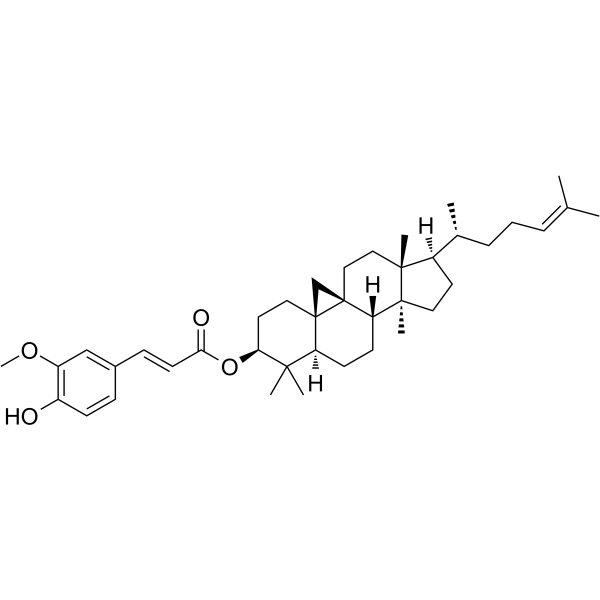
    Cycloartenyl ferulate
    1 Publications Verification

    Cycloartenol ferulate; Cycloartenol ferulic acid ester

    Drug Derivative Apoptosis Reactive Oxygen Species (ROS) JAK STAT Inflammation/Immunology Cancer
    Cycloartenyl ferulate (Cycloartenol ferulate; Cycloartenol ferulic acid ester) is a derivative of γ-oryzanol (HY-B2194) with multiple biological activities including antioxidant, anti-inflammatory, and anti-tumor properties. Cycloartenyl ferulate selectively binds to IFNγR1 (binding affinity Kd = 0.5 μM) to activate the canonical JAK1/2-STAT1 signaling pathway. Cycloartenyl ferulate inhibits paraquat (PQ)-triggered apoptosis and ROS in HK2 cells. Cycloartenyl ferulate enhances the activation and cytolytic activity of natural killer (NK) cells by upregulating the expression of NK cell activation receptors (NKG2D, NKp30, NKp44) and the release of cytotoxic molecules and cytokine IFNγ. Cycloartenyl ferulate exerts anti-cancer effects in tumor mice models. Cycloartenyl ferulate can be used for the study of cancer and allergic inflammation intervention .
    Cycloartenyl ferulate
  • HY-P4331

    Fluorescent Dye Ser/Thr Protease Cardiovascular Disease
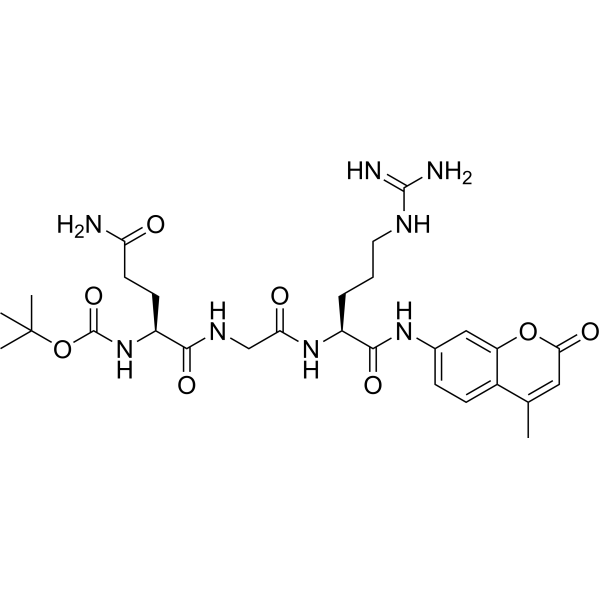
    Boc-Gln-Gly-Arg-AMC is a fluorogenic substrate for kallikrein (PKa), coagulation factor XIIa (FXIIa) and coagulation factor XIa (FXIa). Boc-Gln-Gly-Arg-AMC enables fluorescence-based activity assays for PKa, FXIIa and FXIa .
    Boc-Gln-Gly-Arg-AMC
  • HY-168717

    Hexokinase Microtubule/Tubulin Reactive Oxygen Species (ROS) Cancer
    HK2-IN-2 (Compound 26) is a Hexokinase 2 inhibitor that demonstrates significant anti-tumor activity by targeting microtubules and Hexokinase 2, with an IC50 value of 0.764 μM against MD-MBA-231 cells. HK2-IN-2 effectively inhibits the activity of Hexokinase 2, leading to the accumulation of Reactive Oxygen Species and dysfunction of the mitochondrial membrane potential (MMP), thereby promoting apoptosis and blocking the cell cycle .
    HK-2-IN-2
  • HY-130437

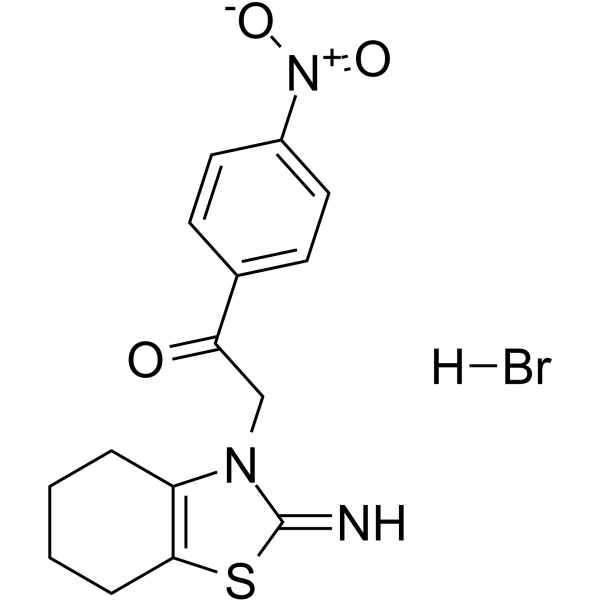
    MDM-2/p53 TGF-β Receptor Caspase Infection Metabolic Disease
    p-nitro-Pifithrin-α, a cell-permeable analog of pifithrin-α, is a potent p53 inhibitor. p-nitro-Pifithrin-α suppresses p53-mediated TGF-β1 expression in HK-2 cells. p-nitro-Pifithrin-α inhibits the activation of caspase-3 by Zika virus (ZIKV) strains. p-nitro-Pifithrin-α attenuates steatosis and liver injury in mice fed a high-fat diet [4]. non-alcoholic fatty liver disease .
    p-nitro-Pifithrin-α
  • HY-P990123

    Transmembrane Glycoprotein Influenza Virus Infection Inflammation/Immunology
    Anti-Mouse ICOSL/CD275 Antibody (HK5.3) is an anti-mouse ICOSL/CD275 IgG2a monoclonal antibody. Anti-Mouse ICOSL/CD275 Antibody (HK5.3) can inhibit the adhesion between T cells and endothelial cells. Anti-Mouse ICOSL/CD275 Antibody (HK5.3) can reduce the expansion of tissue resident (TR) Treg cells. Anti-Mouse ICOSL/CD275 Antibody (HK5.3) can be used for researches on inflammation and infection conditions such as influenza virus infection and arthritis .
    Anti-Mouse ICOSL/CD275 Antibody (HK5.3)
  • HY-156277

    PPAR Metabolic Disease
    SP4f is an activator ofPPAR-γ, with the EC50 of 826 nM in HK-2 cells. SP4f reduces the blood glucose levels and lipid peroxidation, and increases glutathione levels and catalase activityin the Swiss albino mice .
    SP4f
  • HY-170799

    DNA/RNA Synthesis SARS-CoV Arenavirus Infection
    HNC-1664 is the orally active inhibitor for RNA-dependent RNA polymerase (RdRP). HNC-1664 exhibits broad-spectrum antiviral activity against coronavirus (SARS-CoV-2 wildtype and its mutants XBB.1.18, HK.3.1, BF.7.14, BA.1HCoV-229E, HCoV-OC43) and arenavirus. HNC-1664 exhibits anti-infectious activity in SARS-CoV-2 Delta infected mouse models .
    HNC-1664
  • HY-117225

    Proton Pump Inflammation/Immunology
    Pantoprazole sulfone is a metabolite of the gastric H+/K+ ATPase pump inhibitor Pantoprazole (HY-17507) .
    Pantoprazole sulfone
  • HY-RS06192

    Small Interfering RNA (siRNA) Others

    HK1 Human Pre-designed siRNA Set A contains three designed siRNAs for HK1 gene (Human), as well as a negative control, a positive control, and a FAM-labeled negative control.

    HK1 Human Pre-designed siRNA Set A
    HK1 Human Pre-designed siRNA Set A
  • HY-100412A

    AZD-0865 mesylate

    Proton Pump Cancer
    Linaprazan mesylate can inhibit H+,K+ -ATPase in the stomach through K+ competitive binding. (IC 50: 1.0 ± 0.2 μM), it has a strong inhibitory effect on acid. Linaprazan (AZD0865) mesylate can be used for research on reflux esophagitis with oral activity .
    Linaprazan mesylate
  • HY-165498

    Na+/K+ ATPase Metabolic Disease
    AU-461 is an orally active and reversible inhibitor of the gastric H⁺/K⁺ ATPase with IC₅₀ values for rabbit-derived and pig-derived enzymes are 12.15 μM and 4.20 μM respectively. AU-461 competes with activated cationic K⁺ (Kᵢ = 1.64 μM). AU-461 reduces both histamine-stimulated gastric acid secretion and basal gastric acid secretion in rats. AU-461 inhibits ulcer formation caused by ethanol or sodium hydroxide, and restores the plasma gastrin level to normal. AU-461 can be used for the study of peptic ulcers .
    AU-461
  • HY-P990234

    Transmembrane Glycoprotein Infection Inflammation/Immunology
    Anti-Mouse ICOSL/CD275 (LALA-PG) Antibody (HK5.3) is a mouse-derived IgG2a κ type antibody inhibitor, targeting to mouse ICOSL/CD275. Anti-Mouse ICOSL/CD275 (LALA-PG) Antibody (HK5.3) is a chimeric antibody of the original HK5.3 antibody (HY-P990123). Anti-Mouse ICOSL/CD275 (LALA-PG) Antibody (HK5.3) contains the LALA-PG mutation region. Anti-Mouse ICOSL/CD275 (LALA-PG) Antibody (HK5.3) can neutralize ICOSL. Anti-Mouse ICOSL/CD275 (LALA-PG) Antibody (HK5.3) can be used for researches of inflammation and infection.
    Anti-Mouse ICOSL/CD275 (LALA-PG) Antibody (HK5.3)
  • HY-P990235

    Transmembrane Glycoprotein Infection Inflammation/Immunology
    Anti-Mouse ICOSL/CD275 (D265A) Antibody (HK5.3) is a mouse-derived IgG1 κ type antibody inhibitor, targeting to mouse ICOSL/CD275. Anti-Mouse ICOSL/CD275 (D265A) Antibody (HK5.3) is a chimeric antibody of the original HK5.3 antibody (HY-P990123). Anti-Mouse ICOSL/CD275 (D265A) Antibody (HK5.3) contains the D265A mutation region. Anti-Mouse ICOSL/CD275 (D265A) Antibody (HK5.3) can neutralize ICOSL. Anti-Mouse ICOSL/CD275 (D265A) Antibody (HK5.3) can be used for researches of inflammation and infection.
    Anti-Mouse ICOSL/CD275 (D265A) Antibody (HK5.3)
  • HY-RS19297

    Small Interfering RNA (siRNA) Others

    Hk3 Mouse Pre-designed siRNA Set A contains three designed siRNAs for Hk3 gene (Mouse), as well as a negative control, a positive control, and a FAM-labeled negative control.

    Hk3 Mouse Pre-designed siRNA Set A
    Hk3 Mouse Pre-designed siRNA Set A
  • HY-RS16576

    Small Interfering RNA (siRNA) Others

    Hk2 Mouse Pre-designed siRNA Set A contains three designed siRNAs for Hk2 gene (Mouse), as well as a negative control, a positive control, and a FAM-labeled negative control.

    Hk2 Mouse Pre-designed siRNA Set A
    Hk2 Mouse Pre-designed siRNA Set A
  • HY-RS06194

    Small Interfering RNA (siRNA) Others

    HK3 Human Pre-designed siRNA Set A contains three designed siRNAs for HK3 gene (Human), as well as a negative control, a positive control, and a FAM-labeled negative control.

    HK3 Human Pre-designed siRNA Set A
    HK3 Human Pre-designed siRNA Set A
  • HY-RS06193

    Small Interfering RNA (siRNA) Others

    HK2 Human Pre-designed siRNA Set A contains three designed siRNAs for HK2 gene (Human), as well as a negative control, a positive control, and a FAM-labeled negative control.

    HK2 Human Pre-designed siRNA Set A
    HK2 Human Pre-designed siRNA Set A
  • HY-RS17121

    Small Interfering RNA (siRNA) Others

    Hk1 Mouse Pre-designed siRNA Set A contains three designed siRNAs for Hk1 gene (Mouse), as well as a negative control, a positive control, and a FAM-labeled negative control.

    Hk1 Mouse Pre-designed siRNA Set A
    Hk1 Mouse Pre-designed siRNA Set A
  • HY-RS01177

    Small Interfering RNA (siRNA) Others

    ATP12A Human Pre-designed siRNA Set A contains three designed siRNAs for ATP12A gene (Human), as well as a negative control, a positive control, and a FAM-labeled negative control.

    ATP12A Human Pre-designed siRNA Set A
    ATP12A Human Pre-designed siRNA Set A
  • HY-156276

    PPAR Metabolic Disease
    SP4e is an activator of PPAR-γ, with the EC50 of 739 nM in HK-2 cells. SP4e reduces the blood glucose levels and lipid peroxidation, and increases glutathione levels and catalase activityin the Swiss albino mice .
    SP4e
  • HY-RS07411

    Small Interfering RNA (siRNA) Others

    KNG1 Human Pre-designed siRNA Set A contains three designed siRNAs for KNG1 gene (Human), as well as a negative control, a positive control, and a FAM-labeled negative control.

    KNG1 Human Pre-designed siRNA Set A
    KNG1 Human Pre-designed siRNA Set A
  • HY-115312

    Na+/K+ ATPase Others
    Ro 18-5364 is an inhibitor of gastric H+/K+ ATPase, which has the effect of inhibiting the activity of the enzyme. Ro 18-5364 has a very strong inhibitory effect on gastric mucosal H+/K+ ATPase, and the inhibitory effect is more significant at low pH. At the same time, there is no selectivity difference between the two enantiomers of H+/K+ ATPase, and its inhibitory effect can be studied and verified by a variety of experimental methods, including inhibition of enzyme activity, proton transport, and studies on its binding.
    Ro 18-5364
  • HY-156368

    RIP kinase Inflammation/Immunology
    RIPK3-IN-4 (Compound 42) is a RIPK3 inhibitor. RIPK3-IN-4 inhibits HK-2 cell damage, necroptosis and inflammatory responses. RIPK3-IN-4 reduces Cisplatin (HY-17394)- and I/R-induced kidney damage, inflammatory response and necroptosis in acute kidney injury .
    RIPK3-IN-4
  • HY-124235

    Na+/K+ ATPase Others
    SK&F 97574 hydrochloride is a reversible inhibitor for H+/K+ ATPase, that reduces gastric acid secretion and promotes the healing of acid-related upper gastrointestinal ulcers .
    SK&F 97574 hydrochloride
  • HY-W709055

    Isotope-Labeled Compounds Proton Pump Inflammation/Immunology
    Pantoprazole sulfone-d6 (major) is the deuterium labeled Pantoprazole sulfone (HY-117225). Pantoprazole sulfone is a metabolite of the gastric H+/K+ ATPase pump inhibitor Pantoprazole (HY-17507) .
    Pantoprazole sulfone-d6 (major)
  • HY-179378

    DYRK TGF-beta/Smad NF-κB Wnt β-catenin MDM-2/p53 Notch Inflammation/Immunology
    XRF-1021 is an orally active HIPK2 inhibitor (IC50 = 0.18 μM). XRF-1021 reduces the expression of fibrotic markers in TGF-β1 stimulated NRK-49F and HK-2 cells, including Fibronectin, Collagen I and α-SMA. XRF-1021 blocks TGF-β, NF-κB, p53, Wnt/β-catenin, and Notch signaling. XRF-1021 reduces renal injury and fibrosis in vivo. XRF-1021 can be used for the research of chronic kidney disease .
    XRF-1021
  • HY-169065

    Bacterial Infection
    Antibacterial agent 241 is a histidine kinase (HK) inhibitor, with IC50 values of 14 μM and 238 μM for CckA and PhoQ, respectively. Antibacterial agent 241 shows moderate antibacterial activity against E. coli DC2, Bacillus cereus, and Bacillus subtilis, with a MIC range of 12-74 μg/mL .
    Antibacterial agent 241
  • HY-100412R

    AZD0865 (Standard)

    Reference Standards Proton Pump Cancer
    Linaprazan (Standard) is the analytical standard of Linaprazan. This product is intended for research and analytical applications. Linaprazan (AZD0865) can inhibit H+,K+ -ATPase in the stomach through K+ competitive binding, (IC50: 1.0 ± 0.2 μM), it has a strong inhibitory effect on acid. Linaprazan (AZD0865) can be used for research on reflux esophagitis with oral activity .
    Linaprazan (Standard)
  • HY-147881

    Influenza Virus Infection
    Anti-Influenza agent 3 (compound 11h) is a potent anti-influenza agent with EC50 values of 3.29, 2.45 µM for A/HK/68 (H3N2, M2-WT), A/WSN/33 (H1N1, M2-S31N) strain, respectively. Anti-Influenza agent 3 shows low cytotoxicity for MDCK epithelial cells. Anti-Influenza agent 3 inhibits the M2 WT and S31N ion channel conductivity .
    Anti-Influenza agent 3
  • HY-N6954R

    Reference Standards ATM/ATR STAT CDK Hedgehog Inflammation/Immunology Cancer
    Garcinone C (Standard) is the analytical standard of Garcinone C. This product is intended for research and analytical applications. Garcinone C, a xanthone derivative, is a natural compound extracted from Garcinia oblongifolia that is used as an anti-inflammatory, astringency and granulation-promoting medicine, and has potential cytotoxic effects on certain cancers. Garcinone C stimulates the expression levels of ATR and 4E-BP1, arrests the cell cycle, inhibits cell viability of the human Nasopharyngeal carcinoma (NPC) cell lines CNE1, CNE2, HK1 and HONE1 in a time‑ and dose‑dependent manner through inhibition of Hedgehog signaling pathway. Garcinone C is orally active .
    Garcinone C (Standard)
  • HY-182243

    Hexokinase VDAC Apoptosis AMPK Bcl-2 Family Cancer
    HK2-IN-4 is a selective hexokinase 2 (HK2) inhibitor with an IC50 value of 0.79 μM and a Kd value of 0.41 μM. HK2-IN-4 blocks the interaction between HK2 and voltage-dependent anion channel 1 (VDAC1). HK2-IN-4 reduces lactate and ATP levels in cancer cells. HK2-IN-4 induces the production of apoptosis (apoptosis) markers in cancer cells, including increased p-AMPK/AMPK ratio and Bax levels, as well as decreased Bcl2 levels. HK2-IN-4 inhibits the proliferation of cancer cells with high HK2 expression. HK2-IN-4 can be used in research related to colorectal cancer and non-small cell lung cancer .
    HK2-IN-4
  • HY-180805

    Hexokinase Mitophagy Apoptosis GLUT Cancer
    HK2-IN-3 (compound 12) is a potent hexokinase 2 (HK2) inhibitor with an IC50 of 56.4 nM. HK2-IN-3 reduces glucose uptake and downregulated GLUT1/GLUT4 in oral squamous cell carcinoma (OSCC). HK2-IN-3 induces mitophagy and apoptosis. HK2-IN-3 suppresses tumor growth and angiogenesis in OSCC xenograft mouse models. HK2-IN-3 can be used for OSCC research .
    HK2-IN-3
  • HY-P991808

    Transmembrane Glycoprotein Inflammation/Immunology
    Anti-Mouse CD90 Antibody (HK2.1) reacts with the mouse CD90. Anti-Mouse CD90 Antibody (HK2.1) has been implicated in activation of T-cells. Recommend Isotype Controls: Rat IgG2c .
    Anti-Mouse CD90 Antibody (HK2.1)
  • HY-RS25788

    Small Interfering RNA (siRNA) Others

    Hk3 Rat Pre-designed siRNA Set A contains three designed siRNAs for Hk3 gene (Rat), as well as a negative control, a positive control, and a FAM-labeled negative control.

    Hk3 Rat Pre-designed siRNA Set A
    Hk3 Rat Pre-designed siRNA Set A
  • HY-RS23566

    Small Interfering RNA (siRNA) Others

    Hk1 Rat Pre-designed siRNA Set A contains three designed siRNAs for Hk1 gene (Rat), as well as a negative control, a positive control, and a FAM-labeled negative control.

    Hk1 Rat Pre-designed siRNA Set A
    Hk1 Rat Pre-designed siRNA Set A
  • HY-RS23009

    Small Interfering RNA (siRNA) Others

    Hk2 Rat Pre-designed siRNA Set A contains three designed siRNAs for Hk2 gene (Rat), as well as a negative control, a positive control, and a FAM-labeled negative control.

    Hk2 Rat Pre-designed siRNA Set A
    Hk2 Rat Pre-designed siRNA Set A
  • HY-P991810

    Transmembrane Glycoprotein Inflammation/Immunology
    Anti-Mouse Ly-6C Antibody (HK1.4) reacts with the mouse Ly-6C. Ly-6C antigens are encoded by a complex multigene family and have primarily been defined as novel T cell-activating determinants.
    Anti-Mouse Ly-6C Antibody (HK1.4)
  • HY-183809

    Hexokinase Inflammation/Immunology
    ZSW is a hexokinase 2 (HK2) inhibitor with human HK2 IC50 of 0.48 μM, human HK2 Ka of 252.00 μM, and selectivity over HK3 and GCK. ZSW binds directly to HK2, inhibits its enzymatic activity, modulates macrophage phenotypes through glycolysis inhibition, and inhibits NF-κB nuclear translocation by preventing IκBα phosphorylation and degradation. ZSW alleviates inflammatory bowel disease (IBD) and improves the intestinal inflammatory state of IBD mice. ZSW can be used for the research of inflammatory bowel disease .
    ZSW

Inquiry Online

Your information is safe with us. * Required Fields.

Salutation


Country or Region *

Applicant Name *


Organization Name *

Department *


Email Address *


Product Name *

Cat. No.


Requested quantity *

Phone Number *


Remarks

Inquiry Online

Inquiry Information

Product Name:
Cat. No.:
Quantity:
MCE Japan Authorized Agent:

