

From 11:00 pm to 12:00 pm EST ( 8:00 pm to 9:00 pm PST ) on January 6th, the website will be under maintenance. We are sorry for the inconvenience. Please arrange your schedule properly.
Pasritamig (JNJ-78278343; KLCB-245) is a bispecific T-cell engager (BiTE) that targets the complex of human kallikreinKLK2 and CD3 receptor. Pasritamig redirects the cytotoxicity of T cells to KLK2-expressing tumor cells and induces T cell-mediated lysis of KLK2-expressing prostate cancer cells. Administered via subcutaneous injection, subcutaneous infusion or intravenous infusion, Pasritamig exhibits antitumor activity against metastatic castration-resistant prostate cancer. Pasritamig has a safety profile with an extremely low incidence of cytokine release syndrome and can be safely administered in an outpatient setting. Pasritamig is applicable to the research of metastatic castration-resistant prostate cancer .
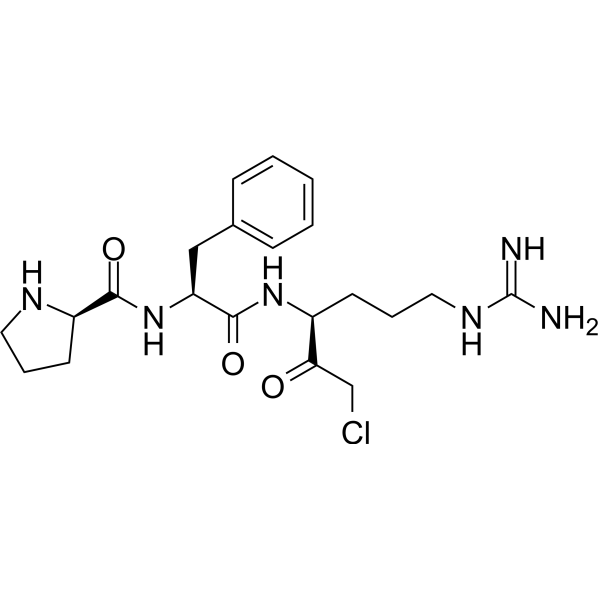
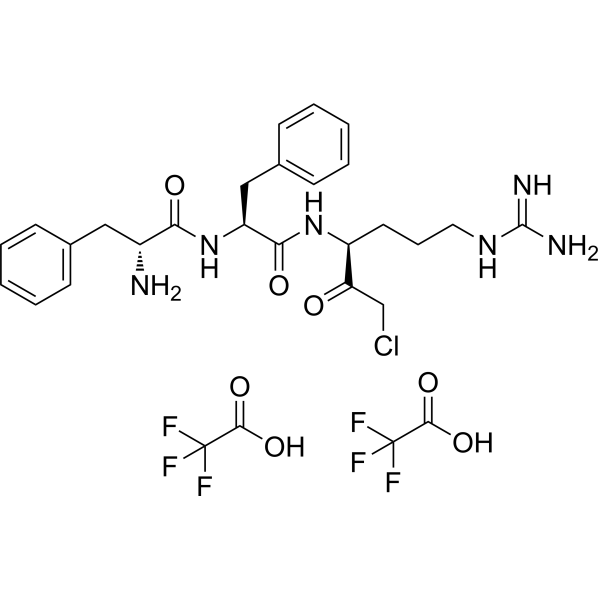
D-Pro-Phe-Arg-Chloromethylketone, a inhibitor of coagulation factor XII and plasma kallikrein, plays an important role in thrombosis and inflammation .
Kallikrein 5-IN-2 (compound 21) is a selective KallikreinKLK5 inhibitor (pIC50=7.1). KLK5 inhibition may normalise epidermal shedding and reduce the associated inflammation and itching .
Pro-Phe-Arg-AMC acetate is a substrate for human glandular kallikrein 2. Pro-Phe-Arg-AMC acetate can be used for the quantitative detection of enzyme activity .
Alpitatug (IMC 3C5) is a CHO-expressed human antibody that targets KLK2/Kallikrein 2. Alpitatug has a huIgG1 heavy chain and a huκ light chain, with a predicted molecular weight (MW) of 145.3 kDa. The isotype control for Alpitatug can be referenced as Human IgG1 kappa, Isotype Control (HY-P99001).
Berotralstat (BCX7353) is an orally active plasma kallikrein inhibitor. Berotralstat can reduce brain edema and is being studied for glioblastoma and hereditary angioedema .
Lanadelumab (SHP643) is a human IgG1 monoclonal antibody against plasma kallikrein (pKal) with an Ki value of 0.12 nM. Lanadelumab inhibits both free and HMWK (high molecular weight kininogen)-bound pKal. Lanadelumab has the potential for the research of hereditary angioedema .
BMS-962212 is a factor XIa (FXIa) inhibitor with a Ki of 0.7 nM against human FXIa and a Ki of 3 nM against rabbit FXIa. BMS-962212 blocks thrombosis while preserving normal hemostatic function. BMS-962212 is applicable to thrombosis-related research .
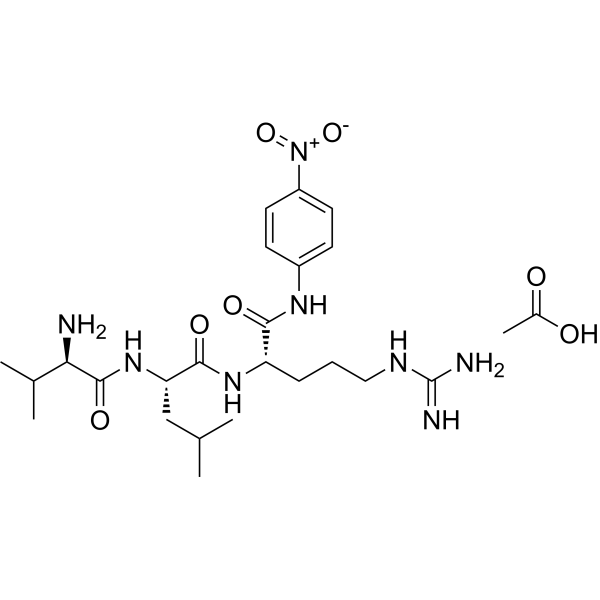
D-Val-Leu-Arg-pNA (acetate) is the acetate form of D-Pro-Phe-Arg-p-nitroanilide (pNa). D-Pro-Phe-Arg-p-nitroanilide (pNa) is the substrate for kallikrein and can be used to assay the activity of kallikrein .
Kallikrein, Porcine pancreas (kininogenase) is capable of forming the kallikrenase kalinin system (KKS) in plasma and tissues, producing bradykinin and kalin peptides, respectively .
MDI-2268 is an inhibitor of plasma kallikrein inhibitor 1 (PAI-1). MDI-2268 has good antithrombotic properties and regulates blood coagulation and fibrinolysis process by enhancing fibrinolysis. MDI-2268 can be used in research areas such as deep vein thrombosis .
Donidalorsen (ISIS-721744; IONIS-PKK-LRX) sodium is an antisense oligonucleotide targeting prekallikrein (PKK). Donidalorsen sodium inhibits kallikrein activity and reduces the production of Bradykinin (HY-P0206) by specifically binding to and degrading PKK mRNA in the liver. Donidalorsen sodium can be used in the research of hereditary angioedema .
Donidalorsen (ISIS-721744; IONIS-PKK-LRX free acid) is an antisense oligonucleotide targeting prekallikrein (PKK). Donidalorsen inhibits kallikrein activity and reduces the production of Bradykinin (HY-P0206) by specifically binding to and degrading PKK mRNA in the liver. Donidalorsen can be used in the research of hereditary angioedema .
PKSI-527 is a new, highly selective plasma kallikrein inhibitor. PKSI-527 can suppress collagen-induced arthritis (CIA) by modifying the kallikrein-kinin system .
Boc-Gln-Gly-Arg-AMC is a fluorogenic substrate for kallikrein (PKa), coagulation factor XIIa (FXIIa) and coagulation factor XIa (FXIa). Boc-Gln-Gly-Arg-AMC enables fluorescence-based activity assays for PKa, FXIIa and FXIa .
Pyr-Pro-Arg-pNA (S-2366) hydrochloride is a chromogenic peptidyl substrate, and a noncompetitive inhibitor that occupies the active sites of FXIa and FXIa-LC to block factor IX activation. Pyr-Pro-Arg-pNA hydrochloride functions as a hydrolyzable substrate for FXIa’s catalytic domain, human APC, murine APC, and purified plasma kallikrein .
Berotralstat dihydrochloride (BCX7353 dihydrochloride) is an orally active plasma kallikrein inhibitor. Berotralstat can reduce brain edema and is being studied for glioblastoma and hereditary angioedema .
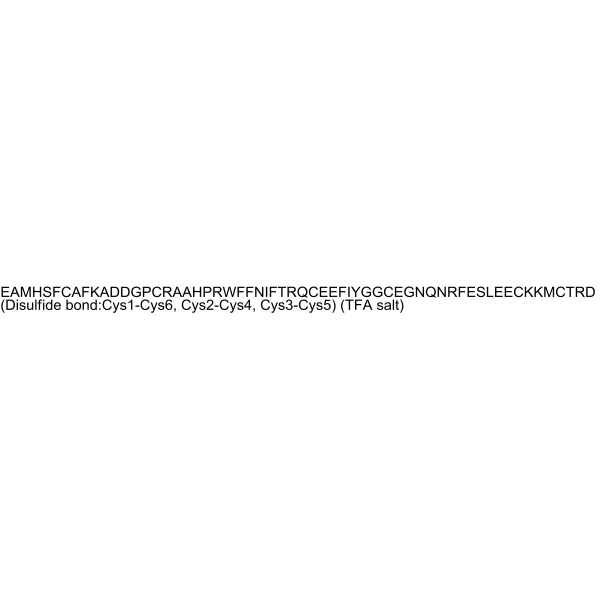
Ecallantide (DX-88) TFA is a specific recombinant plasma kallikrein inhibitor. Ecallantide inhibits the production of bradykinin. Ecallantide may be used to prevent acute attacks of angioedema .
MMP-2/MMP-9 Substrate (Ac-Pro-Leu-Gly-[(S)-2-mercapto-4-methyl-pentanoyl]-Leu-Gly-OEt) is a synthetic chromogenic polypeptide substrate whose core structure mimics the cleavage sites of MMP-2 and MMP-9 (gelatinase A and B) in collagen. After being hydrolyzed by collagenase, MMP-2/MMP-9 Substrate reacts with 4,4'-dithiodipyridine or Ellman's Reagent via its thiol fragment to produce a product with ultraviolet absorption properties .
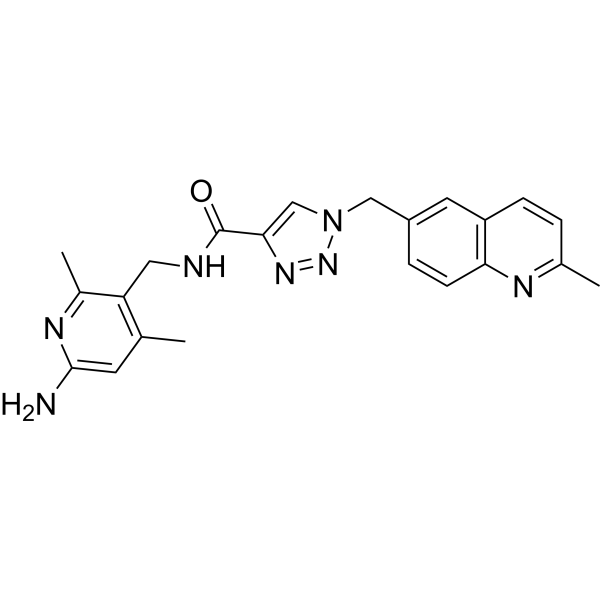
Kallikrein 5-IN-2 TFA is the TFA salt form of Kallikrein 5-IN-2 (HY-148949). Kallikrein 5-IN-2 TFA is a selective inhibitor for kallikrein 5 (KLK5) with pIC50 of 7.1. Kallikrein 5-IN-2 TFA is non-phototoxic (100 μg/mL) and non-irritant. Kallikrein 5-IN-2 is stable at pH 4-pH 8 under non-oxidative condition. Kallikrein 5-IN-2 is potent in ameliorating the Netherton syndrome .
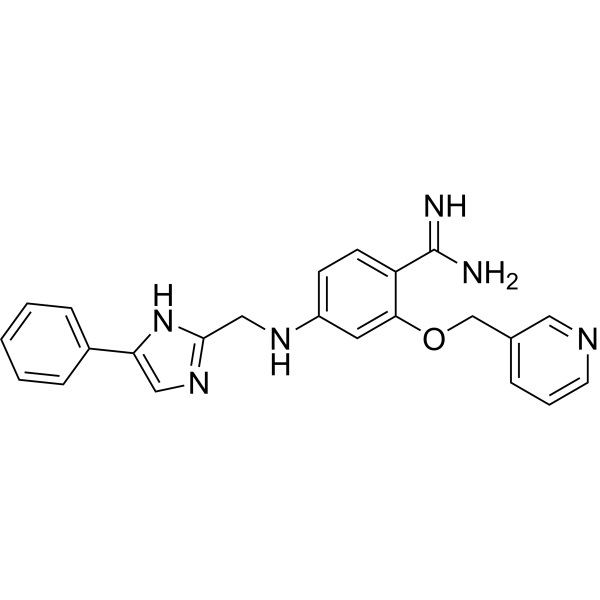
Plasma kallikrein-IN-3 is a plasma kallikrein inhibitor (IC50: 0.15 μM). Plasma kallikrein-IN-3 can be used for hereditary angioedema, diabetic macular edema, and diabetic retinopathy research .
FXIa/Plasma kallikrein-IN-1 is an inhibitor of coagulation factor XIa (FXIa) and plasma kallikrein with Ki values of 187.70 nM and 151.6 nM, respectively. FXIa/Plasma kallikrein-IN-1 can be used in the research of thromboembolic diseases .
LM-030 (BPR277), cyclic depsipeptide, is a potent kallikrein-related peptidase 7 (KLK7) and human neutrophil elastase inhibitor with IC50 values of 1 and 10 nM. LM-030 can be used for the study of Netherton syndrome .
Lys-Bradykinin TFA is the TFA salt form of Lys-Bradykinin (HY-103293). Lys-Bradykinin TFA is a ligand for kallidin and bradykinin receptor, which can be generated by kininogen protein through enzymatic cleavage by the protease kallikrein. Lys-Bradykinin TFA serves as a vasodilator, which widens blood vessels and increases blood flow. Lys-Bradykinin TFA stimulates net Na+ influx, and contributes to DNA synthesis. Lys-Bradykinin TFA involves in vascular regulation, inflammation and pain sensation .
Anti-KLK5/Kallikrein 5 Antibody is a CHO-expressed human antibody that targets KLK5/Kallikrein 5. The Anti-KLK5/Kallikrein 5 Antibody has a huIgG1 heavy chain and a huκ light chain, with a predicted molecular weight (MW) of 150 kDa. The isotype control for the Anti-KLK5/Kallikrein 5 Antibody can be referenced as Human IgG1 kappa, Isotype Control (HY-P99001).
Cbz-Lys-Arg-pNA is a peptide substrate containing pNA as the chromogenic group. Cbz-Lys-Arg-pNA is widely used in enzymatic analysis, including thrombin, plasmin, factor Xa and Kallikrein .
Bz-Pro-Phe-Arg-pNA (Bz-PFR-pNA) hydrochloride is a chromogenic peptide substrate for plasma and glandular Kallikrein, cysteine proteinase (Cruzipain) and Trypsin. Bz-Pro-Phe-Arg-pNA hydrochloride can be used in Factor XII assay .
FE-999024 (CH-2856) is a specific tissue kallikrein inhibitor. FE-999024 can inhibit cancer cells invasion with a maximum of 39%. FE-999024 can reduce eosinophilia in a model of allergic inflammation. FE-999024 can be used for the researches of cancer, inflammation and immunology .
GSK951 is a potent and selective Kallikrein-5 (KLK5) inhibitor amenable to epidermal delivery. GSK951 shows an IC50 of 250 pM for KLK5 and greater than 100-fold selectivity over KLK7 and KLK14. GSK951 can reduce transepidermal water loss, and decrease proinflammatory cytokine expression. GSK951 can be used for the researches of inflammation and immunology, such as Netherton syndrome .
Ecallantide (DX-88) is a specific plasma kallikrein inhibitor. Ecallantide inhibits the production of bradykinin. Ecallantide can be used to prevent acute attacks of angioedema .
LSP-249 (example 35), extracted from patent WO2016011209A1, is a plasma kallikrein inhibitor under the study for angioedema, with an EC50 less than 100 nM in cell .
Eflumenibep alfa is a Kallikrein 5 inhibitor with anti-inflammatory activity. Eflumenibep alfa is a fusion protein that combines human SPINK2 with the human IgG1 Fc fragment at the C-terminus .
Darexaban (YM150) is a potent, selective and orally active factor Xa (FXa) inhibitor with an IC50 of 54.6 nM. Darexaban shows high selectivity against other related serine proteases, such as trypsin, thrombin, and kallikrein. Darexaban has anticoagulant and antithrombotic effects .
Kallikrein, Cynomolgus Monkey is proteolytically cleaves high molecular weight kininogen to generate the potent vasodilator and the pro-inflammatory peptide, bradykinin. can be used for the research of inflammation .
Plasma kallikrein-IN-2 (Compound 198) is a potent plasma kallikrein (PKal) inhibitor with an IC50 of 0.1 nM. Plasma kallikrein-IN-2 can be used for hereditary angioedema, diabetic macular edema, and diabetic retinopathy research .
ONO-3307 is a protease inhibitor that competitively inhibits a variety of proteases including trypsin, thrombin, plasma kallikrein, plasmin, pancreatic kallikrein, and chymotrypsin. ONO-3307 alleviates endotoxin-induced experimental disseminated intravascular coagulation (DIC) in rats. ONO-3307 can be used in the study of thrombosis and protease-mediated diseases .
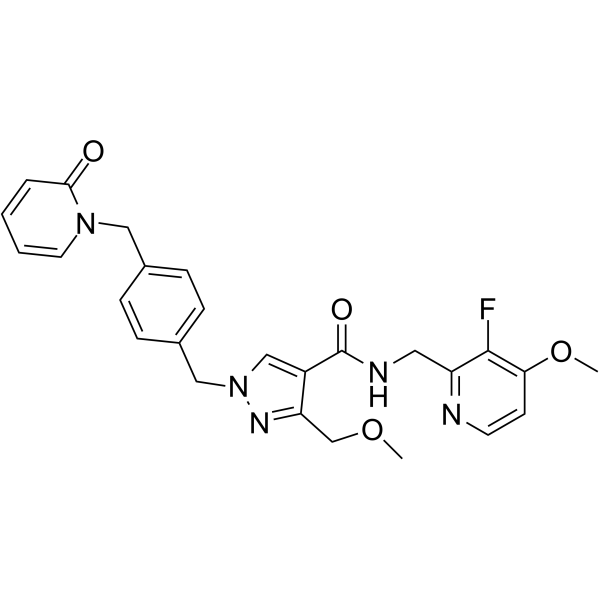
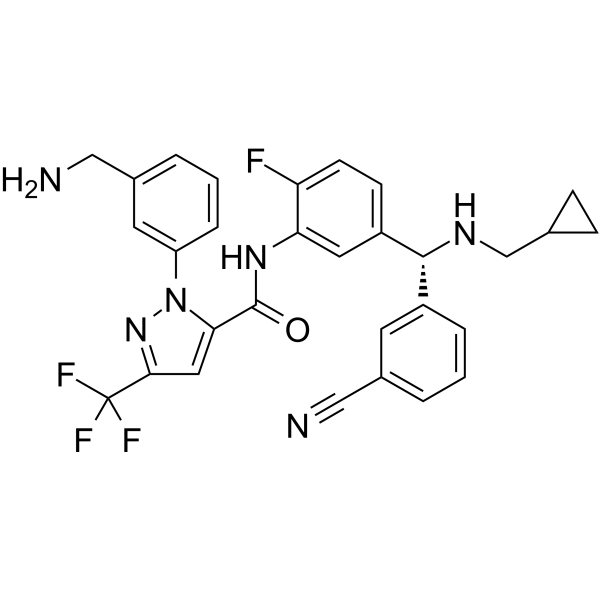
Feniralstat (compound 30), a pyrazole derivative, is a potent kallikrein inhibitor with an IC50 of 6.7 nM for Human plasma kallikrein (pKal). Feniralstat has no inhibition on Human KLKl, Human FXIa, Human Factor Xlla (all IC50>40 μM) .
Pyr-Pro-Arg-pNA (S-2366) is a chromogenic peptidyl substrate, and a noncompetitive inhibitor that occupies the active sites of FXIa and FXIa-LC to block factor IX activation. Pyr-Pro-Arg-pNA functions as a hydrolyzable substrate for FXIa’s catalytic domain, human APC, murine APC, and purified plasma kallikrein .
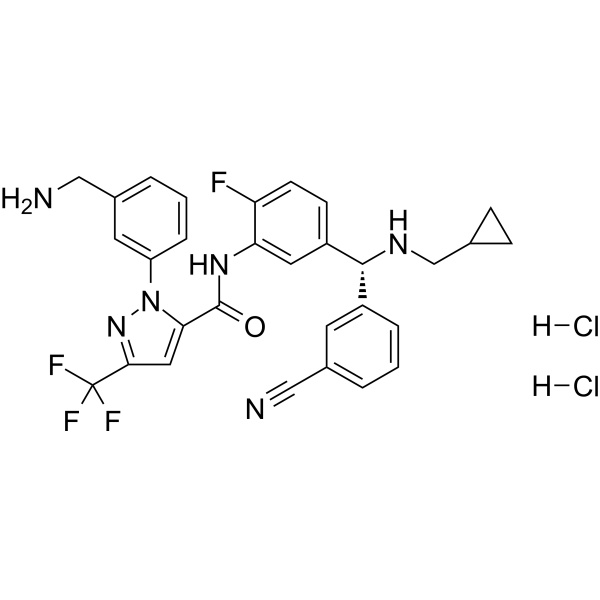
Feniralstat (compound 30) hydrochloride, a pyrazole derivative, is a potent kallikrein inhibitor with an IC50 of 6.7 nM for Human plasma kallikrein (pKal). Feniralstat has no inhibition on Human KLKl, Human FXIa, Human Factor Xlla (all IC50>40 μM) .
Plasma kallikrein-IN-5 (Compound 20) is a potent covalent inhibitor of plasma potassium kinin peptide (Pka) with IC50 values of 66 nM and 70 pM at 1 minute and 24 hours, respectively. Plasma kallikrein-IN-5 can be used IN the study of hereditary angioedema (HAE) .
L 373890 is a selective pyridinone acetamide thrombin inhibitor with a Ki of 0.5 nM. L 373890 shows highly selectivity for thrombin over trypsin (Ki of 570 nM), serine proteases plasmin, tPA, activated protein C, plasma kallikrein and chymotrypsin. L 373890 can be used for thrombosis research .
FXIa-IN-15 (Compound (S)-10h) is an inhibitor for Factor XIa (FXIa) and plasma kallikrein (PKa) with an IC50 of 0.38 nM and 59.2 nM. FXIa-IN-15 exhibits anticoagulant efficacy, that extends 50% activated partial thromboplastin time (aPTT) with EC1.5X of 0.55 μM .
Lys-Bradykinin, a kind of kallidin and bradykinin receptor ligand, can be generated by kininogen protein through enzymatic cleavage by the protease kallikrein. Lys-Bradykinin, also a vasodilator, can widen blood vessels and increase blood flow. ys-Bradykinin stimulates net Na+ influx, and also the DNA synthesis. Lys-Bradykinin involves in vascular regulation, inflammation and pain sensation .
Milvexian TFA (BMS-986177 TFA) is a factor XIa inhibitor with biological activity to prevent venous thromboembolism. Milvexian TFA was effective in reducing the occurrence of venous thromboembolism in patients undergoing knee replacement surgery. Milvexian TFA has good selectivity and shows significant inhibitory effects on plasma kallikrein and trypsin. Milvexian TFA has a bioavailability of 32%, which means it has a high absorption rate in the body. Milvexian TFA showed a relatively low risk of bleeding in clinical trials .
Human Kallikrein is a serine protease that can be found in plasma and tissue. Human Kallikrein has the potential for the research of blood pressure, complement activation, and mediation and maintenance of inflammatory responses .
Bz-Pro-Phe-Arg-pNA (Bz-PFR-pNA) is a chromogenic peptide substrate for plasma and glandular Kallikrein, cysteine proteinase (Cruzipain) and Trypsin. Bz-Pro-Phe-Arg-pNA can be used in Factor XII assay .
KLK4 Human Pre-designed siRNA Set A contains three designed siRNAs for KLK4 gene (Human), as well as a negative control, a positive control, and a FAM-labeled negative control.
Berotralstat (Standard) is the analytical standard of Berotralstat. This product is intended for research and analytical applications. Berotralstat (BCX7353) is an orally active plasma kallikrein inhibitor. Berotralstat can reduce brain edema and is being studied for glioblastoma and hereditary angioedema.
Ono 3307 Free base is a novel synthetic protease inhibitor that exhibits protective effects against acute pancreatitis by preventing hyperamylasemia and pancreatic edema. Ono 3307 Free base also inhibits the redistribution of lysosomal enzymes in acinar cells and mitigates lactic dehydrogenase discharge. Ono 3307 Free base effectively reduces cathepsin B leakage from lysosomes in a dose-dependent manner. Ono 3307 Free base is able to target trypsin (Ki=48 nM), thrombin (Ki=0.18 μM), plasma kallikrein (Ki=0.29 μM), plasmin (Ki=0.31 μM), pancreatic kallikrein (Ki=3.6 μM), and chymotrypsin (Ki=47 μM).
DPC423 is a selective and orally active factor Xa inhibitor with a Kis of 0.15 (human) and 0.3 (rabbit) nM. DPC423 exhibits Kis of 60, 61 and 6000 nM against human trypsin, plasma kallikrein and thrombin. DPC423 blocks the formation of prothrombinase complex, reduces thrombin production, inhibits fibrin formation and platelet activation. DPC423 can be used for the study of anticoagulation of arterial thrombosis .
Lys-Bradykinin (Kallidin (380-389) (human, porcine, bovine)) tetraacetate, a kind of kallidin and bradykinin receptor ligand, can be generated by kininogen protein through enzymatic cleavage by the protease kallikrein. Lys-Bradykinin tetraacetate, also a vasodilator, can widen blood vessels and increase blood flow. ys-Bradykinin stimulates net Na+ influx, and also the DNA synthesis. Lys-Bradykinin tetraacetate involves in vascular regulation, inflammation and pain sensation .
DPC423 free base is a selective and orally active factor Xa inhibitor with a Kis of 0.15 (human) and 0.3 (rabbit) nM. DPC423 free base exhibits Kis of 60, 61 and 6000 nM against human trypsin, plasma kallikrein and thrombin. DPC423 free base blocks the formation of prothrombinase complex, reduces thrombin production, inhibits fibrin formation and platelet activation. DPC423 free base can be used for the study of anticoagulation of arterial thrombosis .
pKal-IN-1 (compound 13) is a plasma kallikrein (pKal) inhibitor. pKal-IN-1 can be used for the research of diabetic macular edema, diabetic retinopathy .
REGN9533 is a human-derived monoclonal antibody against FXII/FXIIa with high affinity for FXII, FXIIa and β-FXIIa. REGN9533 selectively inhibits the intrinsic coagulation pathway and FXIIa-driven plasma kallikrein activity. REGN9533 is applicable to FXIIa-related diseases such as thrombosis and hereditary angioedema .
CU-2010 is a Serine protease inhibitor. In canine models, CU-2010 reduces blood loss after cardiac surgery in a dose-dependent manner and improves post-ischemic recovery .
D-Pro-Phe-Arg-Chloromethylketone, a inhibitor of coagulation factor XII and plasma kallikrein, plays an important role in thrombosis and inflammation .
Pro-Phe-Arg-AMC acetate is a substrate for human glandular kallikrein 2. Pro-Phe-Arg-AMC acetate can be used for the quantitative detection of enzyme activity .
D-Val-Leu-Arg-pNA (acetate) is the acetate form of D-Pro-Phe-Arg-p-nitroanilide (pNa). D-Pro-Phe-Arg-p-nitroanilide (pNa) is the substrate for kallikrein and can be used to assay the activity of kallikrein .
Boc-Gln-Gly-Arg-AMC is a fluorogenic substrate for kallikrein (PKa), coagulation factor XIIa (FXIIa) and coagulation factor XIa (FXIa). Boc-Gln-Gly-Arg-AMC enables fluorescence-based activity assays for PKa, FXIIa and FXIa .
Ecallantide (DX-88) TFA is a specific recombinant plasma kallikrein inhibitor. Ecallantide inhibits the production of bradykinin. Ecallantide may be used to prevent acute attacks of angioedema .
MMP-2/MMP-9 Substrate (Ac-Pro-Leu-Gly-[(S)-2-mercapto-4-methyl-pentanoyl]-Leu-Gly-OEt) is a synthetic chromogenic polypeptide substrate whose core structure mimics the cleavage sites of MMP-2 and MMP-9 (gelatinase A and B) in collagen. After being hydrolyzed by collagenase, MMP-2/MMP-9 Substrate reacts with 4,4'-dithiodipyridine or Ellman's Reagent via its thiol fragment to produce a product with ultraviolet absorption properties .
LM-030 (BPR277), cyclic depsipeptide, is a potent kallikrein-related peptidase 7 (KLK7) and human neutrophil elastase inhibitor with IC50 values of 1 and 10 nM. LM-030 can be used for the study of Netherton syndrome .
Lys-Bradykinin TFA is the TFA salt form of Lys-Bradykinin (HY-103293). Lys-Bradykinin TFA is a ligand for kallidin and bradykinin receptor, which can be generated by kininogen protein through enzymatic cleavage by the protease kallikrein. Lys-Bradykinin TFA serves as a vasodilator, which widens blood vessels and increases blood flow. Lys-Bradykinin TFA stimulates net Na+ influx, and contributes to DNA synthesis. Lys-Bradykinin TFA involves in vascular regulation, inflammation and pain sensation .
Cbz-Lys-Arg-pNA is a peptide substrate containing pNA as the chromogenic group. Cbz-Lys-Arg-pNA is widely used in enzymatic analysis, including thrombin, plasmin, factor Xa and Kallikrein .
Bz-Pro-Phe-Arg-pNA (Bz-PFR-pNA) hydrochloride is a chromogenic peptide substrate for plasma and glandular Kallikrein, cysteine proteinase (Cruzipain) and Trypsin. Bz-Pro-Phe-Arg-pNA hydrochloride can be used in Factor XII assay .
Ecallantide (DX-88) is a specific plasma kallikrein inhibitor. Ecallantide inhibits the production of bradykinin. Ecallantide can be used to prevent acute attacks of angioedema .
Lys-Bradykinin, a kind of kallidin and bradykinin receptor ligand, can be generated by kininogen protein through enzymatic cleavage by the protease kallikrein. Lys-Bradykinin, also a vasodilator, can widen blood vessels and increase blood flow. ys-Bradykinin stimulates net Na+ influx, and also the DNA synthesis. Lys-Bradykinin involves in vascular regulation, inflammation and pain sensation .
Bz-Pro-Phe-Arg-pNA (Bz-PFR-pNA) is a chromogenic peptide substrate for plasma and glandular Kallikrein, cysteine proteinase (Cruzipain) and Trypsin. Bz-Pro-Phe-Arg-pNA can be used in Factor XII assay .
Lys-Bradykinin (Kallidin (380-389) (human, porcine, bovine)) tetraacetate, a kind of kallidin and bradykinin receptor ligand, can be generated by kininogen protein through enzymatic cleavage by the protease kallikrein. Lys-Bradykinin tetraacetate, also a vasodilator, can widen blood vessels and increase blood flow. ys-Bradykinin stimulates net Na+ influx, and also the DNA synthesis. Lys-Bradykinin tetraacetate involves in vascular regulation, inflammation and pain sensation .
Pasritamig (JNJ-78278343; KLCB-245) is a bispecific T-cell engager (BiTE) that targets the complex of human kallikreinKLK2 and CD3 receptor. Pasritamig redirects the cytotoxicity of T cells to KLK2-expressing tumor cells and induces T cell-mediated lysis of KLK2-expressing prostate cancer cells. Administered via subcutaneous injection, subcutaneous infusion or intravenous infusion, Pasritamig exhibits antitumor activity against metastatic castration-resistant prostate cancer. Pasritamig has a safety profile with an extremely low incidence of cytokine release syndrome and can be safely administered in an outpatient setting. Pasritamig is applicable to the research of metastatic castration-resistant prostate cancer .
Alpitatug (IMC 3C5) is a CHO-expressed human antibody that targets KLK2/Kallikrein 2. Alpitatug has a huIgG1 heavy chain and a huκ light chain, with a predicted molecular weight (MW) of 145.3 kDa. The isotype control for Alpitatug can be referenced as Human IgG1 kappa, Isotype Control (HY-P99001).
Lanadelumab (SHP643) is a human IgG1 monoclonal antibody against plasma kallikrein (pKal) with an Ki value of 0.12 nM. Lanadelumab inhibits both free and HMWK (high molecular weight kininogen)-bound pKal. Lanadelumab has the potential for the research of hereditary angioedema .
Anti-KLK5/Kallikrein 5 Antibody is a CHO-expressed human antibody that targets KLK5/Kallikrein 5. The Anti-KLK5/Kallikrein 5 Antibody has a huIgG1 heavy chain and a huκ light chain, with a predicted molecular weight (MW) of 150 kDa. The isotype control for the Anti-KLK5/Kallikrein 5 Antibody can be referenced as Human IgG1 kappa, Isotype Control (HY-P99001).
Eflumenibep alfa is a Kallikrein 5 inhibitor with anti-inflammatory activity. Eflumenibep alfa is a fusion protein that combines human SPINK2 with the human IgG1 Fc fragment at the C-terminus .
REGN9533 is a human-derived monoclonal antibody against FXII/FXIIa with high affinity for FXII, FXIIa and β-FXIIa. REGN9533 selectively inhibits the intrinsic coagulation pathway and FXIIa-driven plasma kallikrein activity. REGN9533 is applicable to FXIIa-related diseases such as thrombosis and hereditary angioedema .
Kallikrein-1 protein cleaves bonds in kininogen to release Lys-bradykinin. It also cleaves Neisseria meningitidis NHBA in saliva during microbial infection. Kallikrein-1 Protein, Human (HEK293, His) is the recombinant human-derived Kallikrein-1 protein, expressed by HEK293 , with C-His labeled tag.
Kallikrein-1 protein is a member of the glandular kallikrein family and plays a vital role in enzyme activity by cleaving the Met-Lys and Arg-Ser bonds in kininogen to release Lys-bradykinin..This proteolysis is critical for the production of bradykinin, a bioactive peptide involved in multiple physiological processes, including blood pressure regulation, inflammation, and vascular permeability.Kallikrein-1 Protein, Mouse (HEK293, His) is the recombinant mouse-derived Kallikrein-1 protein, expressed by HEK293 , with C-6*His labeled tag.
The Kallikrein-2 protein is a member of the glandular kallikrein family and is critical in the enzymatic process as it selectively cleaves the Met-Lys and Arg-Ser bonds in kininogen, thereby releasing Lys-bradykinin . This proteolytic activity contributes to the production of bradykinin, a bioactive peptide with multiple roles in regulating blood pressure, inflammation, and vascular permeability. Kallikrein-2 Protein, Human (HEK293, His) is the recombinant human-derived Kallikrein-2 protein, expressed by HEK293 , with C-6*His labeled tag.
The Kallikrein-2 protein is a member of the glandular kallikrein family and is critical in the enzymatic process as it selectively cleaves the Met-Lys and Arg-Ser bonds in kininogen, thereby releasing Lys-bradykinin . This proteolytic activity contributes to the production of bradykinin, a bioactive peptide with multiple roles in regulating blood pressure, inflammation, and vascular permeability. Kallikrein-2 Protein, Human (Active, HEK293) is the recombinant human-derived Kallikrein-2 protein, expressed by HEK293, with tag free.
Kallikrein-1 protein cleaves bonds in kininogen to release Lys-bradykinin. It also cleaves Neisseria meningitidis NHBA in saliva during microbial infection.Kallikrein-1 Protein, Human (244a.a, HEK293, His, solution) is the recombinant human-derived Kallikrein-1 protein, expressed by HEK293 , with C-6*His labeled tag.
Kallikrein-14 protein is a serine-type endopeptidase with multiple substrate specificities and has trypsin-like and chymotrypsin-like activities. It activates/inactivates protease-activated receptors (F2R, F2RL1, F2RL3) and other kallikreins (KLK1, KLK3, KLK5, KLK11). Kallikrein-14 Protein, Mouse (His) is the recombinant mouse-derived Kallikrein-14 protein, expressed by E. coli , with N-His labeled tag.
Kallikrein-13 (KLK13) is a member of KLK family and is a secreted serine protease expressed in endocrine tissues, including the prostate, testis, breast, and ovary.Expression of KLK13 is regulated by steroid hormones and may be useful as a marker for breast cancer.KLK13 is also required for the human coronavirus HKU1 infection of human respiratory epithelial cells as a priming protease.Kallikrein-13 Protein, Human (HEK293, His) is the recombinant human-derived Kallikrein-13 protein, expressed by HEK293 , with C-6*His labeled tag.
The Kallikrein-5 protein may be involved in desquamation, suggesting a role in the process of skin shedding and exfoliation.Its association with desquamation suggests that it plays a role in regulating the removal of dead skin cells, which is critical for skin homeostasis.Kallikrein-5 Protein, Human (HEK293, His, solution) is the recombinant human-derived Kallikrein-5 protein, expressed by HEK293 , with C-6*His labeled tag.
The Kallikrein-5 protein may be involved in desquamation, suggesting a role in the process of skin shedding and exfoliation. Its association with desquamation suggests that it plays a role in regulating the removal of dead skin cells, which is critical for skin homeostasis. Kallikrein-5 Protein, Human (HEK293,C-His) is the recombinant human-derived Kallikrein-5 protein, expressed by HEK293 , with C-6*His labeled tag.
Plasma kallikrein (KLKB1) serves as an enzyme, cleaving Lys-Arg and Arg-Ser bonds to release bradykinin from HMW kininogen. It plays a crucial role in the reciprocal activation of factor XII, especially upon binding to a negatively charged surface. Besides its role in the kinin system, KLKB1 may contribute to the renin-angiotensin system by converting prorenin into renin. Plasma kallikrein/KLKB1 Protein, Human (HEK293, His, solution) is the recombinant human-derived Plasma kallikrein/KLKB1 protein, expressed by HEK293 , with C-His labeled tag.
Kallikrein-15 is a kallikrein (KLK) with trypsin-like activity that may promote cancer metastasis. The study found that Kallikrein-15 is only strongly expressed in mature sperm cells and not in immature germ cells. KLK15 may be able to cleave many extracellular matrix (ECM) components, interact with the extracellular matrix (ECM) receptor group, and be associated with tumorigenesis. Kallikrein-15 Protein, Human (HEK293, Fc) is the recombinant human-derived Kallikrein-15 protein, expressed by HEK293 , with C-hFc labeled tag.
Kallikrein-8 protein is a serine protease that degrades proteins such as casein, fibrinogen, kininogen, fibronectin, and type IV collagen. It cleaves L1CAM in response to neural activity, promoting neurite growth in hippocampal neurons. Kallikrein-8 Protein, Human (HEK293, His) is the recombinant human-derived Kallikrein-8 protein, expressed by HEK293 , with C-His labeled tag.
Kallikrein-15 is a kallikrein (KLK) with trypsin-like activity that may promote cancer metastasis. The study found that Kallikrein-15 is only strongly expressed in mature sperm cells and not in immature germ cells. KLK15 may be able to cleave many extracellular matrix (ECM) components, interact with the extracellular matrix (ECM) receptor group, and be associated with tumorigenesis. Kallikrein-15 Protein, Human (HEK293, His, solution) is the recombinant human-derived Kallikrein-15 protein, expressed by HEK293 , with C-His labeled tag.
The Kallikrein-5 protein may be involved in desquamation, suggesting a role in the process of skin shedding and exfoliation. Its association with desquamation suggests that it plays a role in regulating the removal of dead skin cells, which is critical for skin homeostasis. Kallikrein-5 Protein, Mouse (HEK293, His) is the recombinant mouse-derived Kallikrein-5 protein, expressed by HEK293 , with C-His labeled tag.
Kallikrein-15 is a kallikrein (KLK) with trypsin-like activity that may promote cancer metastasis. The study found that Kallikrein-15 is only strongly expressed in mature sperm cells and not in immature germ cells. KLK15 may be able to cleave many extracellular matrix (ECM) components, interact with the extracellular matrix (ECM) receptor group, and be associated with tumorigenesis. Kallikrein-15 Protein, Human (HEK293, His) is the recombinant human-derived Kallikrein-15 protein, expressed by HEK293 , with C-His labeled tag.
Plasma kallikrein (KLKB1) serves as an enzyme, cleaving Lys-Arg and Arg-Ser bonds to release bradykinin from HMW kininogen. It plays a crucial role in the reciprocal activation of factor XII, especially upon binding to a negatively charged surface. Besides its role in the kinin system, KLKB1 may contribute to the renin-angiotensin system by converting prorenin into renin. Plasma kallikrein/KLKB1 Protein, Cynomolgus (HEK293, His) is the recombinant cynomolgus-derived Plasma kallikrein/KLKB1 protein, expressed by HEK293 , with C-His labeled tag.
Plasma kallikrein (KLKB1) serves as an enzyme, cleaving Lys-Arg and Arg-Ser bonds to release bradykinin from HMW kininogen. It plays a crucial role in the reciprocal activation of factor XII, especially upon binding to a negatively charged surface. Besides its role in the kinin system, KLKB1 may contribute to the renin-angiotensin system by converting prorenin into renin. Plasma kallikrein/KLKB1 Protein, Human (HEK293, His) is the recombinant human-derived Plasma kallikrein/KLKB1 protein, expressed by HEK293 , with C-His labeled tag.
Plasma kallikrein/KLKB1 enzymatically cleaves Lys-Arg and Arg-Ser bonds, triggering factor XII activation upon binding to a negatively charged surface.It liberates bradykinin from HMW kininogen and is implicated in the renin-angiotensin system, potentially converting prorenin into renin.This underscores the diverse and essential functions of Plasma kallikrein/KLKB1 in various physiological processes.Plasma kallikrein/KLKB1 Protein, Mouse (HEK293, His) is the recombinant mouse-derived Plasma kallikrein/KLKB1 protein, expressed by HEK293 , with C-6*His labeled tag.
Kallikrein-7 is an important contributor to skin integrity and may catalyze the degradation of intercellular adhesive structures that are critical for continuous cell shedding.Kallikrein-7 exhibits cleavage activity against insulin A and B chains, with specificity for aromatic residues at position P1 indicating versatility in substrate recognition.Kallikrein-7 Protein, Mouse (HEK293, His) is the recombinant mouse-derived Kallikrein-7 protein, expressed by HEK293 , with C-6*His labeled tag.
Kallikrein-7 is a serine protease with chymotrypsin-like activity that plays a role in intercellular proteolysis, leading to epidermal exfoliation. It is involved in cancer invasion and metastasis, and elevated expression is associated with poor prognosis and cancer progression. Kallikrein-7 Protein, Human (HEK293, His) is the recombinant human-derived Kallikrein-7 protein, expressed by HEK293 , with C-10*His labeled tag.
Plasma kallikrein/KLKB1 enzymatically cleaves Lys-Arg and Arg-Ser bonds, triggering factor XII activation upon binding to a negatively charged surface.It liberates bradykinin from HMW kininogen and is implicated in the renin-angiotensin system, potentially converting prorenin into renin.This underscores the diverse and essential functions of Plasma kallikrein/KLKB1 in various physiological processes.Plasma kallikrein/KLKB1 Protein, Mouse (HEK293, His) is the recombinant mouse-derived Plasma kallikrein/KLKB1 protein, expressed by HEK293 , with C-His labeled tag.
Kallikrein-11 protein is suggested to be a multifunctional protease, efficiently cleaving the substrate 'bz-Phe-Arg-4-methylcoumaryl-7-amide' and showing weak cleavage activity toward other kallikrein and trypsin substrates. It predominantly cleaves synthetic peptides after arginine residues rather than lysine residues. Kallikrein-11 Protein, Human (HEK293, His) is the recombinant human-derived Kallikrein-11 protein, expressed by HEK293 , with C-His labeled tag.
Kallikrein-11 protein, a potential multifunctional protease, demonstrates efficient cleavage of the substrate 'bz-Phe-Arg-4-methylcoumaryl-7-amide,' specific to kallikrein. It also displays weaker cleavage activity toward other substrates linked to kallikrein and trypsin. This multifunctional characteristic indicates versatility in substrate recognition and cleavage, suggesting a potential role in diverse proteolytic processes. Kallikrein-11 Protein, Mouse (HEK293, His) is the recombinant mouse-derived Kallikrein-11 protein, expressed by HEK293 , with C-His labeled tag.
The Kallikrein-5 protein may be involved in desquamation, suggesting a role in the process of skin shedding and exfoliation. Its association with desquamation suggests that it plays a role in regulating the removal of dead skin cells, which is critical for skin homeostasis. Kallikrein-5 Protein, Mouse (271a.a, HEK293, His) is the recombinant mouse-derived Kallikrein-5 protein, expressed by HEK293 , with C-His labeled tag.
Plasma kallikrein/KLKB1 enzymatically cleaves Lys-Arg and Arg-Ser bonds, triggering factor XII activation upon binding to a negatively charged surface.It liberates bradykinin from HMW kininogen and is implicated in the renin-angiotensin system, potentially converting prorenin into renin.This highlights the protein's multifaceted role in various physiological processes.Plasma kallikrein/KLKB1 Protein, Rat (P.pastoris, His) is the recombinant rat-derived Plasma kallikrein/KLKB1 protein, expressed by P.pastoris , with N-6*His labeled tag.
Kallikrein-3 (PSA) protein, pivotal in the male reproductive system, hydrolyzes semenogelin-1, a seminal vesicle protein. This enzymatic activity initiates seminal coagulum liquefaction, crucial for sperm mobility and fertility. PSA's cleavage of semenogelin-1 highlights its importance in the complex processes of semen physiology and male reproductive function. Kallikrein-3/PSA Protein, Human (HEK293, His) is the recombinant human-derived Kallikrein-3/PSA protein, expressed by HEK293 , with C-6*His labeled tag.
Kallikrein-4 Protein is crucial in enamel formation, particularly during tooth maturation, playing a significant role in clearing enamel proteins and contributing to the structural patterning of the crystalline matrix. Its involvement underscores its importance in intricate tooth development processes, emphasizing its role in proper dental structure and function. Kallikrein-4 Protein, Human (HEK293, His) is the recombinant human-derived Kallikrein-4 protein, expressed by HEK293 , with C-His labeled tag.
Kallikrein-4 Protein is crucial in enamel formation, particularly during tooth maturation, playing a significant role in clearing enamel proteins and contributing to the structural patterning of the crystalline matrix. Its involvement underscores its importance in intricate tooth development processes, emphasizing its role in proper dental structure and function. Kallikrein-4 Protein, Human (H197Q, HEK293, His) is the recombinant human-derived Kallikrein-4 protein, expressed by HEK293 , with C-6*His labeled tag and H197Q mutation.
Kallikrein-8 is a serine protease that degrades proteins such as casein and fibrinogen. It cleaves L1CAM, inducing neurite outgrowth and fasciculations. Kallikrein-8 Protein, Mouse (P.pastoris, His) is the recombinant mouse-derived Kallikrein-8 protein, expressed by P. pastoris , with N-6*His labeled tag.
Kallikrein-6 is a serine protease that exhibits substrate preference and activity against different substrates. It degrades alpha-synuclein, plays a role in synucleinopathies, and may regulate axonal growth after spinal cord injury. Kallikrein-6 Protein, Human (HEK293, His) is the recombinant human-derived Kallikrein-6 protein, expressed by HEK 293 , with C-6*His labeled tag.
Kallikrein-7 Protein (KLK7), a member of the tissue kallikrein family, is a first protease target of vaspin inhibited by classical serpin mechanism with high specificity in vitro. KLK7 cleaves human insulin in the A- and B-chain. KLK7 a serine protease with chymotrypsin-like activity which was involved in the regulated desquamation of terminally differentiated keratinocytes. KLK7 mediates the disruption of corneodesmosomes, the cell–cell adhesion junctions of corneocyites, by hydrolyzing the two mayor cadherins (corneodesmosin and desmocollin 1) in the extracellular region of these junctions. KLK7 overexpression and/or increased activity result in over-desquamation. Kallikrein-7 Protein, Human (HEK293, His, solution) is the recombinant human-derived Kallikrein-7 protein, expressed by HEK293 , with C-6*His labeled tag.
Kallikrein-3 (PSA) protein, pivotal in the male reproductive system, hydrolyzes semenogelin-1, a seminal vesicle protein. This enzymatic activity initiates seminal coagulum liquefaction, crucial for sperm mobility and fertility. PSA's cleavage of semenogelin-1 highlights its importance in the complex processes of semen physiology and male reproductive function. Kallikrein-3/PSA Protein, Human (244a.a, HEK293, His) is the recombinant human-derived Kallikrein-3/PSA protein, expressed by HEK293 , with C-His labeled tag.
Kallikrein-10 protein has a tumor suppressive effect, especially in breast and prostate cancer, by inhibiting NES1. This emphasizes its importance in mitigating tumorigenesis in these specific types of cancer. Kallikrein-10 Protein, Human (HEK293, His) is the recombinant human-derived Kallikrein-10 protein, expressed by HEK293 , with C-6*His labeled tag.
Kallikrein 11 Protein, Human (sf9) is a possible multifunctional protease and efficiently cleaves 'bz-Phe-Arg-4-methylcoumaryl-7-amide', a kallikrein substrate, and weakly cleaves other substrates for kallikrein and trypsin.
Serpin A3C Protein, with its reactive center loop (RCL), guides interactions with target proteases.Binding leads to protease cleavage at the RCL, forming a stable serpin-protease complex, inactivating the protease.Variability in Serpin A3C's RCL sequences among Serpina3 paralogs may influence the specificity of target protease interactions, showcasing the protein's adaptability.Serpin A3C Protein, Mouse (HEK293, His) is the recombinant mouse-derived Serpin A3C protein, expressed by HEK293 , with C-His labeled tag.
Serpin A4 Protein inhibits tissue kallikrein's amidolytic and kininogenase activities by forming a heat- and SDS-stable equimolar complex with the enzyme. Tissue kallikrein concurrently cleaves the reactive site of Serpin A4, producing a small C-terminal fragment. The protein, existing as a monomer and occasionally forming homodimers, demonstrates its regulatory role in modulating tissue kallikrein-mediated enzymatic activities. Serpin A4 Protein, Human (HEK293, His) is the recombinant human-derived Serpin A4 protein, expressed by HEK293 , with C-6*His labeled tag.
Donidalorsen (ISIS-721744; IONIS-PKK-LRX) sodium is an antisense oligonucleotide targeting prekallikrein (PKK). Donidalorsen sodium inhibits kallikrein activity and reduces the production of Bradykinin (HY-P0206) by specifically binding to and degrading PKK mRNA in the liver. Donidalorsen sodium can be used in the research of hereditary angioedema .
Donidalorsen (ISIS-721744; IONIS-PKK-LRX free acid) is an antisense oligonucleotide targeting prekallikrein (PKK). Donidalorsen inhibits kallikrein activity and reduces the production of Bradykinin (HY-P0206) by specifically binding to and degrading PKK mRNA in the liver. Donidalorsen can be used in the research of hereditary angioedema .
KLK4 Human Pre-designed siRNA Set A contains three designed siRNAs for KLK4 gene (Human), as well as a negative control, a positive control, and a FAM-labeled negative control.
Inquiry Online
Your information is safe with us. * Required Fields.
Western blot analysis of extracts from THP-1(lane 2(20μg), Jurkat (lane 3(20μg) and NIH3T3(lane 4(20μg) using FOXO1A (HY-P80132) Rabbit mAb. Proteins were transferred
to a PVDF membrane and blocked with 5% non-fat milk in TBST for 2 hour at room temperature. The primary antibody (1/1000) and Loading control antibody (Beta Actin, HY-P80438, 1/10000) was
used in 5% non-fat milk in TBST at 4°C overnight. Goat Anti-Mouse/Rabbit IgG-HRP Secondary Antibody (1/10000) was used for 1 hour at room temperature.
Western blot analysis of extracts from THP-1(lane 2(20μg), Jurkat (lane 3(20μg) and NIH3T3(lane 4(20μg) using FOXO1A (HY-P80132) Rabbit mAb. Proteins were transferred
to a PVDF membrane and blocked with 5% non-fat milk in TBST for 2 hour at room temperature. The primary antibody (1/1000) and Loading control antibody (Beta Actin, HY-P80438, 1/10000) was
used in 5% non-fat milk in TBST at 4°C overnight. Goat Anti-Mouse/Rabbit IgG-HRP Secondary Antibody (1/10000) was used for 1 hour at room temperature.
Western blot analysis of extracts from THP-1(lane 2(20μg), Jurkat (lane 3(20μg) and NIH3T3(lane 4(20μg) using FOXO1A (HY-P80132) Rabbit mAb. Proteins were transferred
to a PVDF membrane and blocked with 5% non-fat milk in TBST for 2 hour at room temperature. The primary antibody (1/1000) and Loading control antibody (Beta Actin, HY-P80438, 1/10000) was
used in 5% non-fat milk in TBST at 4°C overnight. Goat Anti-Mouse/Rabbit IgG-HRP Secondary Antibody (1/10000) was used for 1 hour at room temperature.
Western blot analysis of extracts from THP-1(lane 2(20μg), Jurkat (lane 3(20μg) and NIH3T3(lane 4(20μg) using FOXO1A (HY-P80132) Rabbit mAb. Proteins were transferred
to a PVDF membrane and blocked with 5% non-fat milk in TBST for 2 hour at room temperature. The primary antibody (1/1000) and Loading control antibody (Beta Actin, HY-P80438, 1/10000) was
MedchemExpress Validation 03
Western blot analysis of extracts from THP-1(lane 2(20μg), Jurkat (lane 3(20μg) and NIH3T3(lane 4(20μg) using FOXO1A (HY-P80132) Rabbit mAb. Proteins were transferred
MedchemExpress Validation 04
Western blot analysis of extracts from THP-1(lane 2(20μg), Jurkat (lane 3(20μg) and NIH3T3(lane 4(20μg) using FOXO1A (HY-P80132) Rabbit mAb. Proteins were transferred
to a PVDF membrane and blocked with 5% non-fat milk in TBST for 2 hour at room temperature. The primary antibody (1/1000) and Loading control antibody (Beta Actin, HY-P80438, 1/10000) was
used in 5% non-fat milk in TBST at 4°C overnight. Goat Anti-Mouse/Rabbit IgG-HRP Secondary Antibody (1/10000) was used for 1 hour at room temperature.
MedchemExpress Validation
Western blot analysis of extracts from THP-1(lane 2(20μg), Jurkat (lane 3(20μg) and NIH3T3(lane 4(20μg) using FOXO1A (HY-P80132) Rabbit mAb. Proteins were transferred
to a PVDF membrane and blocked with 5% non-fat milk in TBST for 2 hour at room temperature. The primary antibody (1/1000) and Loading control antibody (Beta Actin, HY-P80438, 1/10000) was
used in 5% non-fat milk in TBST at 4°C overnight. Goat Anti-Mouse/Rabbit IgG-HRP Secondary Antibody (1/10000) was used for 1 hour at room temperature.
Western blot analysis of extracts from THP-1(lane 2(20μg), Jurkat (lane 3(20μg) and NIH3T3(lane 4(20μg) using FOXO1A (HY-P80132) Rabbit mAb. Proteins were transferred
to a PVDF membrane and blocked with 5% non-fat milk in TBST for 2 hour at room temperature. The primary antibody (1/1000) and Loading control antibody (Beta Actin, HY-P80438, 1/10000) was
used in 5% non-fat milk in TBST at 4°C overnight. Goat Anti-Mouse/Rabbit IgG-HRP Secondary Antibody (1/10000) was used for 1 hour at room temperature.
MedchemExpress Validation
Western blot analysis of extracts from THP-1(lane 2(20μg), Jurkat (lane 3(20μg) and NIH3T3(lane 4(20μg) using FOXO1A (HY-P80132) Rabbit mAb. Proteins were transferred
to a PVDF membrane and blocked with 5% non-fat milk in TBST for 2 hour at room temperature. The primary antibody (1/1000) and Loading control antibody (Beta Actin, HY-P80438, 1/10000) was
used in 5% non-fat milk in TBST at 4°C overnight. Goat Anti-Mouse/Rabbit IgG-HRP Secondary Antibody (1/10000) was used for 1 hour at room temperature.
MedchemExpress Validation
Western blot analysis of extracts from THP-1(lane 2(20μg), Jurkat (lane 3(20μg) and NIH3T3(lane 4(20μg) using FOXO1A (HY-P80132) Rabbit mAb. Proteins were transferred
to a PVDF membrane and blocked with 5% non-fat milk in TBST for 2 hour at room temperature. The primary antibody (1/1000) and Loading control antibody (Beta Actin, HY-P80438, 1/10000) was
used in 5% non-fat milk in TBST at 4°C overnight. Goat Anti-Mouse/Rabbit IgG-HRP Secondary Antibody (1/10000) was used for 1 hour at room temperature.
MedchemExpress Validation
Western blot analysis of extracts from THP-1(lane 2(20μg), Jurkat (lane 3(20μg) and NIH3T3(lane 4(20μg) using FOXO1A (HY-P80132) Rabbit mAb. Proteins were transferred
to a PVDF membrane and blocked with 5% non-fat milk in TBST for 2 hour at room temperature. The primary antibody (1/1000) and Loading control antibody (Beta Actin, HY-P80438, 1/10000) was
used in 5% non-fat milk in TBST at 4°C overnight. Goat Anti-Mouse/Rabbit IgG-HRP Secondary Antibody (1/10000) was used for 1 hour at room temperature.
MedchemExpress Validation
Western blot analysis of extracts from THP-1(lane 2(20μg), Jurkat (lane 3(20μg) and NIH3T3(lane 4(20μg) using FOXO1A (HY-P80132) Rabbit mAb. Proteins were transferred
to a PVDF membrane and blocked with 5% non-fat milk in TBST for 2 hour at room temperature. The primary antibody (1/1000) and Loading control antibody (Beta Actin, HY-P80438, 1/10000) was
used in 5% non-fat milk in TBST at 4°C overnight. Goat Anti-Mouse/Rabbit IgG-HRP Secondary Antibody (1/10000) was used for 1 hour at room temperature.
MedchemExpress Validation
Western blot analysis of extracts from THP-1(lane 2(20μg), Jurkat (lane 3(20μg) and NIH3T3(lane 4(20μg) using FOXO1A (HY-P80132) Rabbit mAb. Proteins were transferred
to a PVDF membrane and blocked with 5% non-fat milk in TBST for 2 hour at room temperature. The primary antibody (1/1000) and Loading control antibody (Beta Actin, HY-P80438, 1/10000) was
used in 5% non-fat milk in TBST at 4°C overnight. Goat Anti-Mouse/Rabbit IgG-HRP Secondary Antibody (1/10000) was used for 1 hour at room temperature.
MedchemExpress Validation
Western blot analysis of extracts from THP-1(lane 2(20μg), Jurkat (lane 3(20μg) and NIH3T3(lane 4(20μg) using FOXO1A (HY-P80132) Rabbit mAb. Proteins were transferred
to a PVDF membrane and blocked with 5% non-fat milk in TBST for 2 hour at room temperature. The primary antibody (1/1000) and Loading control antibody (Beta Actin, HY-P80438, 1/10000) was
used in 5% non-fat milk in TBST at 4°C overnight. Goat Anti-Mouse/Rabbit IgG-HRP Secondary Antibody (1/10000) was used for 1 hour at room temperature.
MedChemExpress values your privacy and your trust is important to us. We use cookies to enhance your website experience. Some cookies are necessary to run the website.
Privacy and Cookie Policy

