Search Result
Results for "
Mitochondrial-IN-1
" in MedChemExpress (MCE) Product Catalog:
10
Isotope-Labeled Compounds
| Cat. No. |
Product Name |
Target |
Research Areas |
Chemical Structure |
-
- HY-B0158
-
|
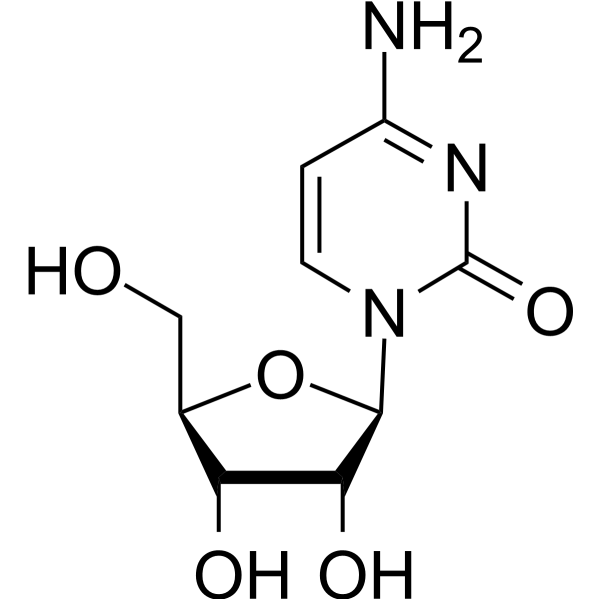
CytosINe β-D-riboside; CytosINe-1-β-D-ribofuranoside
|
Nucleoside Antimetabolite/Analog
Endogenous Metabolite
|
Neurological Disease
|
|
Cytidine is a pyrimidine nucleoside and acts as a component of RNA. Cytidine is a precursor of uridine. Cytidine controls neuronal-glial glutamate cycling, affecting cerebral phospholipid metabolism, catecholamine synthesis, and mitochondrial function .
|
-
-
- HY-13832
-
|
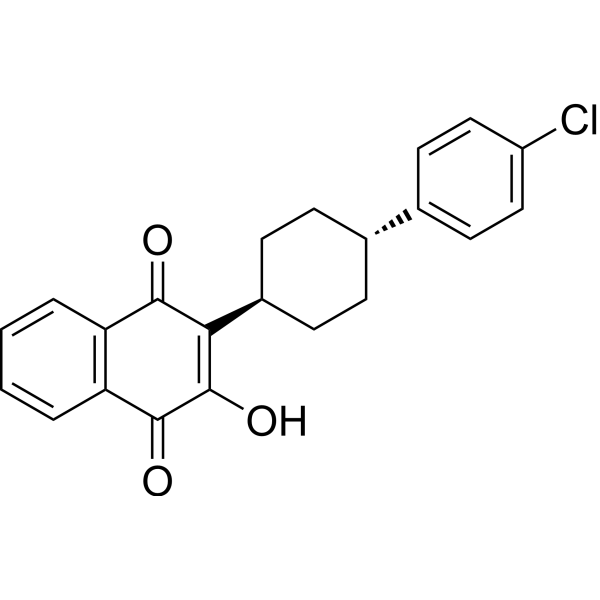
Atavaquone
|
Parasite
Cytochrome P450
Antibiotic
Bacterial
|
Infection
Cancer
|
|
Atovaquone (Atavaquone) is a potent, selective and orally active inhibitor of the parasite’s mitochondrial cytochrome bc1 complex. Atovaquone is against human and P. falciparum cytochrome bc1 activity with IC50 values of 460 nM and 2.0 nM, respectively. Atovaquone is an antimalarial agent and has the potential for the investigation of neumocystis pneumonia, toxoplasmosis, malaria, and babesia [1] .
|
-
-
- HY-N0703
-
-
-
- HY-W010382
-
|
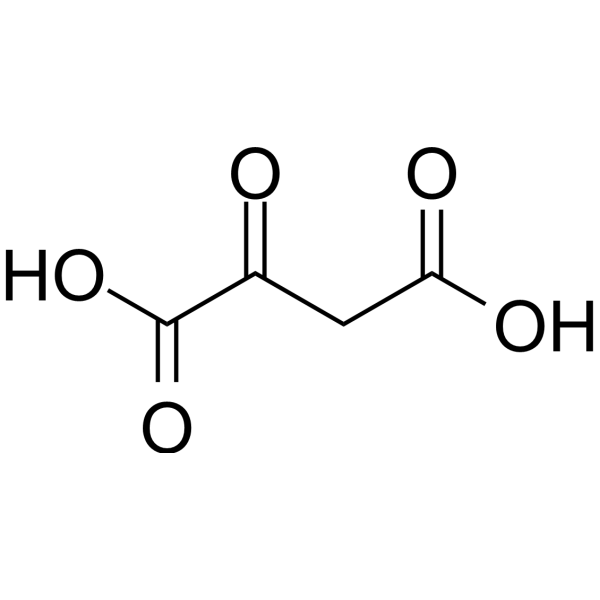
2-OxosuccINic acid
|
Endogenous Metabolite
Reactive Oxygen Species (ROS)
|
Metabolic Disease
|
|
Oxaloacetic acid (2-Oxosuccinic acid) is a metabolic intermediate involved in several ways, such as citric acid cycle, gluconeogenesis, the urea cycle, the glyoxylate cycle, amino acid synthesis, and fatty acid synthesis, whereby Oxaloacetic acid facilitates the clearance of reactive oxygen species (ROS) and improves mitochondrial function .
|
-
-
- HY-131442
-
|
Alkyne tyramide; Alk-Ph
|
Biochemical Assay Reagents
|
Others
|
|
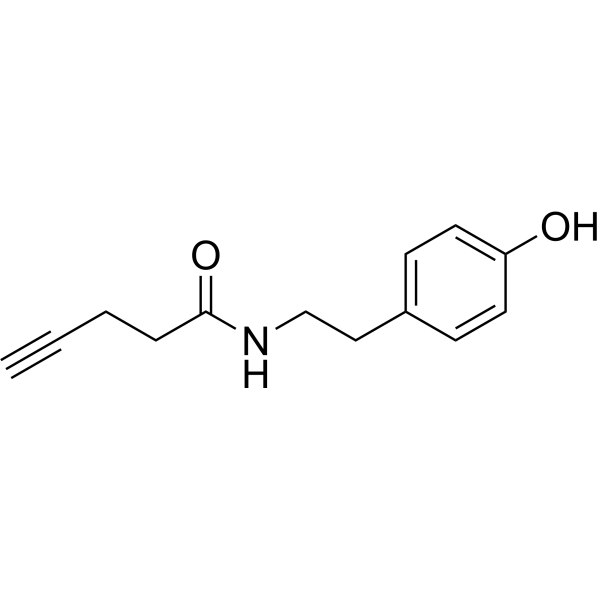
Alkyne-phenol (Alk-Ph) is a clickable ascorbate peroxidase 2 (APEX2) probe. Alkyne-phenol substantially improves APEX-labeling efficiency in intact yeast cells, as it is more cell wall-permeant than APEX2 substrate biotin-phenol (BP). Alkyne-phenol also facilitates the identification of APEX-labeling sites, allowing the unambiguous assignment of membrane topology of mitochondrial proteins . Alkyne-phenol is a click chemistry reagent, it contains an Alkyne group and can undergo copper-catalyzed azide-alkyne cycloaddition (CuAAc) with molecules containing Azide groups.
|
-
-
- HY-14771A
-
-
-
- HY-17355A
-
|
(R)-Pramipexole dihydrochloride; R-(+)-Pramipexole dihydrochloride; KNS-760704 dihydrochloride
|
ATP Synthase
Sodium Channel
Glutathione Peroxidase
NOD-like Receptor (NLR)
Mitophagy
Ferroptosis
PINK1/Parkin
Autophagy
Apoptosis
Reactive Oxygen Species (ROS)
|
Cardiovascular Disease
Neurological Disease
Inflammation/Immunology
|
|
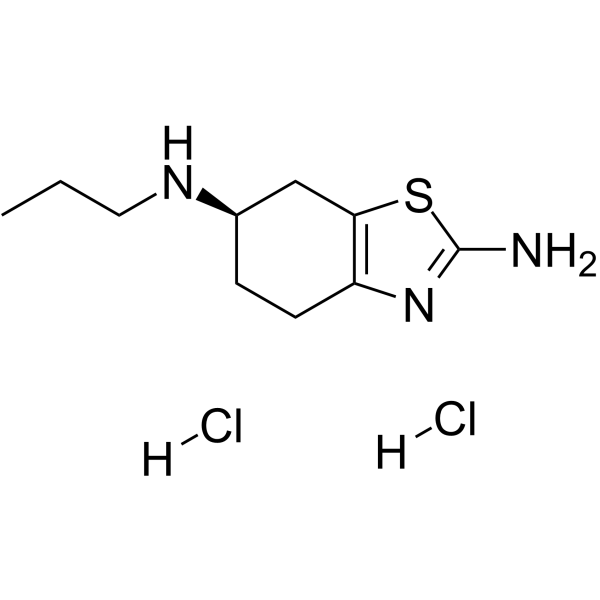
Dexpramipexole ((R)-Pramipexole) dihydrochloride is an orally active, blood-brain barrier permeable mitochondrial protective agent. Dexpramipexole dihydrochloride upregulates the expression of Parkin, PINK1, GPX4 and FSP1; binds to mitochondrial F1/Fo-ATP synthase; blocks the Nav1.8 sodium channel; and inhibits the activation of the NLRP3 inflammasome. Dexpramipexole dihydrochloride induces mitophagy, inhibits ferroptosis, pyroptosis, apoptosis, neuroinflammation and eosinophilopoiesis; maintains mitochondrial function and redox homeostasis; reduces reactive oxygen species production; and decreases myocardial infarct size. Dexpramipexole dihydrochloride is applicable to studies on eosinophilic asthma, myocardial ischemia/reperfusion injury, sepsis-associated encephalopathy, analgesia, and more [1] .
|
-
-
- HY-14771
-
-
-
- HY-P2739
-
|
|
Endogenous Metabolite
|
Others
|
|
Citrate synthase is responsible for catalyzing the first reaction of the citric acid cycle: the condensation of acetyl-CoA and oxaloacetate to form citrate. Citrate synthase is localized within eukaryotic cells in the mitochondrial matrix .
|
-

-
- HY-15877
-
|
|
ATP Synthase
|
Cancer
|
|
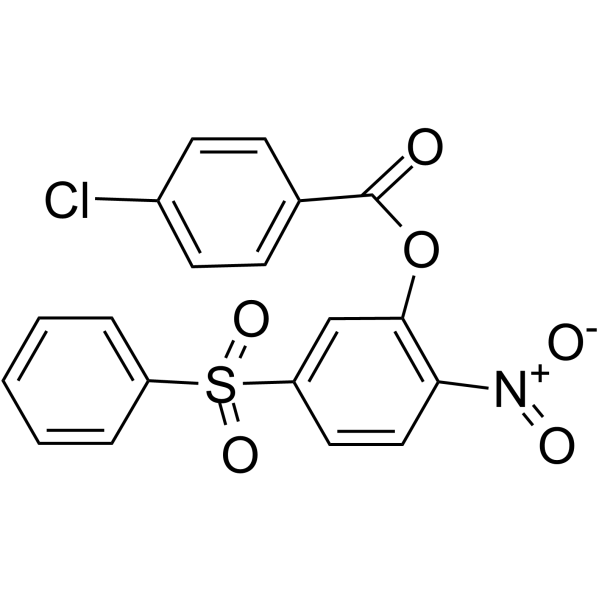
BTB06584 is a selective and IF1-dependent mitochondrial F1Fo-ATPase inhibitor without compromising ATP synthesis. BTB06584 can delays ischaemic cell death [1].
|
-
-
- HY-W040307
-
|
L-SaccharopINe
|
Endogenous Metabolite
|
Metabolic Disease
|
|
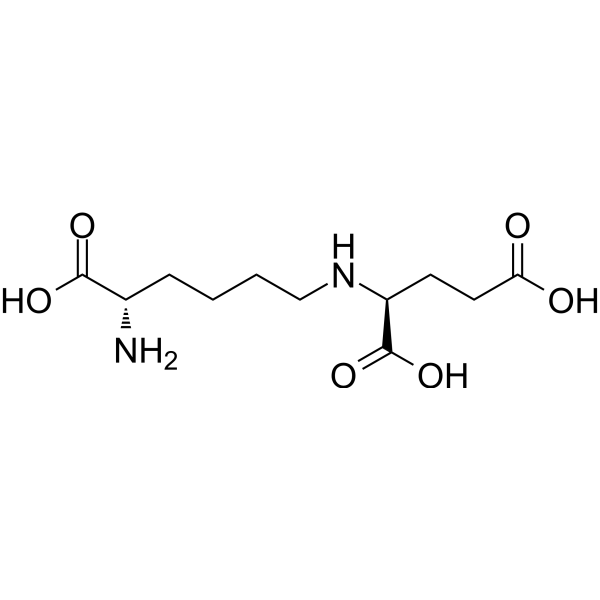
Saccharopine (L-Saccharopine), a lysine degradation intermediate, is a mitochondrial toxin. Lysine and α-ketoglutarate are converted into Saccharopine by the lysine-ketoglutarate reductase. Saccharopine is then oxidized to α-aminoapidate semialdehyde and glutamate by the saccharopine dehydrogenase. Saccharopine impairs development by disrupting mitochondrial homeostasis .
|
-
-
- HY-126679
-
|
|
ATP Synthase
Apoptosis
|
Cancer
|
|
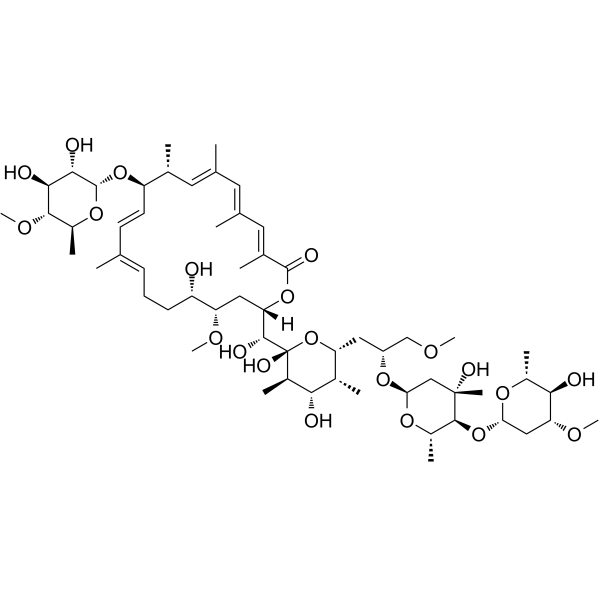
Apoptolidin is a polyketide isolated from Nocardiopsis bacteria [1]. Apoptolidin is a selective mitochondrial F1FO ATPase inhibitor. Apoptolidin is an apoptosis inducer and induces apoptotic cell death in cells transformed with the adenovirus type 12 oncogenes including ElA (IC50=10-17 ng/ml) but not in normal cells [1] .
|
-
-
- HY-A0282
-
|
|
Amino Acid Derivatives
|
Metabolic Disease
Inflammation/Immunology
|
|
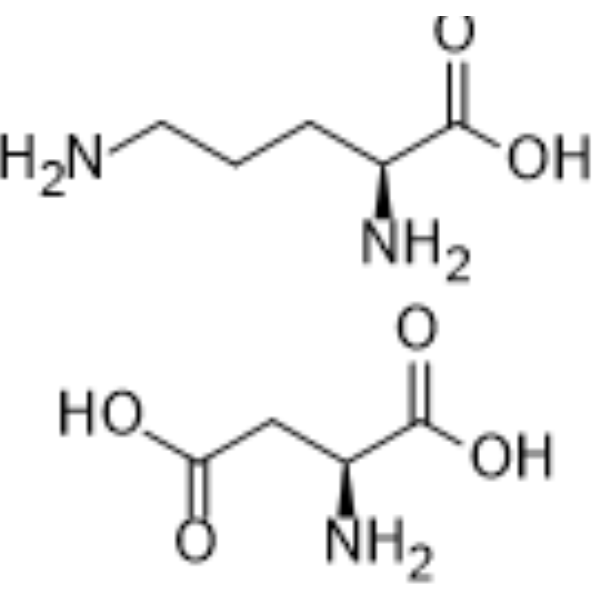
L-Ornithine L-aspartate is a stable salt of two natural nonessential L-amino acids with oral activity: ornithine and aspartic acid. L-Ornithine L-aspartate lowers blood ammonia concentration and to eliminate symptoms of hepatic encephalopathy associated with liver cirrhosis. L-Ornithine L-aspartate also improves mitochondrial functions .
|
-
-
- HY-117071
-
|
Ro 115-1240
|
Adrenergic Receptor
Apoptosis
|
Cardiovascular Disease
Endocrinology
|
|
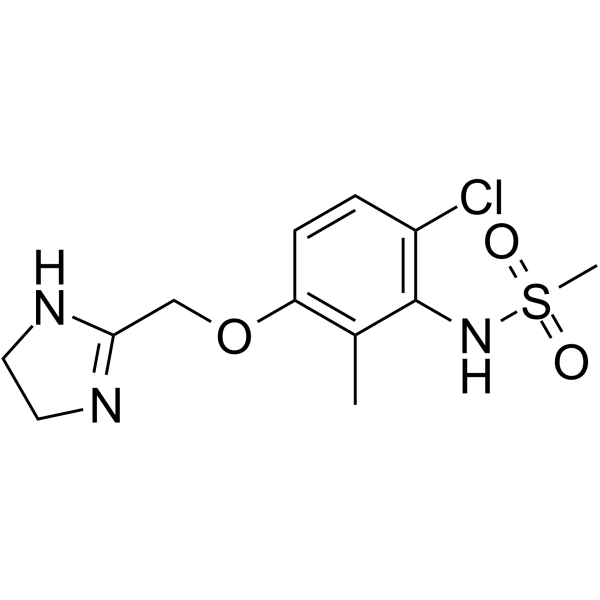
Dabuzalgron (Ro 115-1240) is an orally active and selective α-1A adrenergic receptor agonist for the treatment of urinary incontinence. Dabuzalgron protects against Doxorubicin-induced cardiotoxicity by preserving mitochondrial function .
|
-
-
- HY-125222
-
|
|
Dynamin
|
Others
|
|
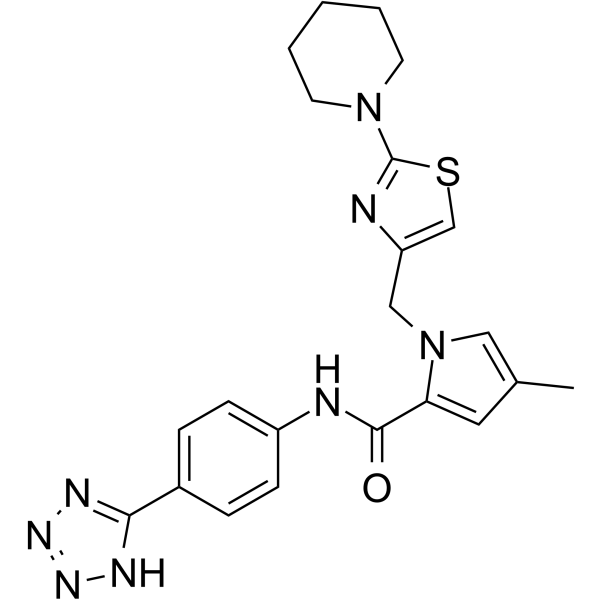
Drp1-IN-1 is a dynamin-1-like protein (Drp1) inhibitor with an IC50 of 0.91 μM. Drp1 mediates the fission of the outer mitochondrial membrane. Drp1-IN-1 can be used to study diseases associated with mitochondrial dysfunction .
|
-
-
- HY-137899
-
|
|
Endogenous Metabolite
|
Metabolic Disease
Cancer
|
|
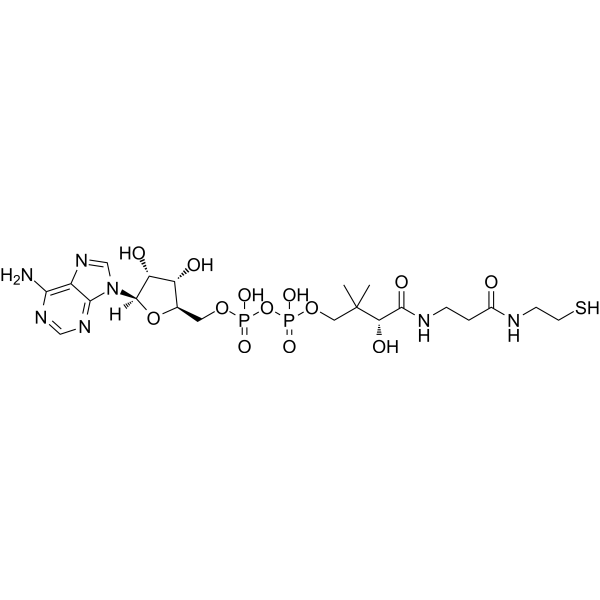
Dephospho-CoA is a key intermediate in the biosynthesis of coenzyme A (CoA), which is catalyzed to form CoA by GTP-dependent Dephospho-CoA kinase (DPCK). Dephospho-CoA completes the final synthetic step of CoA via phosphorylation and participates in energy metabolism and cellular signal transduction. Dephospho-CoA can be used in studies involving cancer (e.g., regulation of cell proliferation) and metabolic diseases (e.g., mitochondrial dysfunction) .
|
-
-
- HY-DY1073
-
|
|
Fluorescent Dye
|
Others
|
MitoPerOx (solution) is a mitochondrial-targeted, lipid peroxidation-indicating fluorescent probe with BODIPY581/591 fluorophores. The triphenylphosphine cation (TPP+) of MitoPerOx can be selectively enriched in mitochondria (depending on membrane potential) and can be used to detect lipid peroxidation in the inner mitochondrial membrane. Under the action of lipid peroxides, the BODIPY581/591 fluorophores of MitoPerOx shift their emission wavelength from 590 nm (reduced state) to 520 nm (oxidized state) , and ratiometric detection can be performed at an excitation wavelength of 488 nm. MitoPerOx can specifically monitor the peroxidation of mitochondrial phospholipids (especially cardiolipin) and is used in the study of oxidative stress-related diseases (such as aging, neurodegenerative diseases, and mitochondrial dysfunction) .
Solvent and concentration: DMSO: 2 mM
|
-

-
- HY-121577
-
-
-
- HY-120332
-
|
KH176 hydrochloride
|
Reactive Oxygen Species (ROS)
|
Metabolic Disease
|
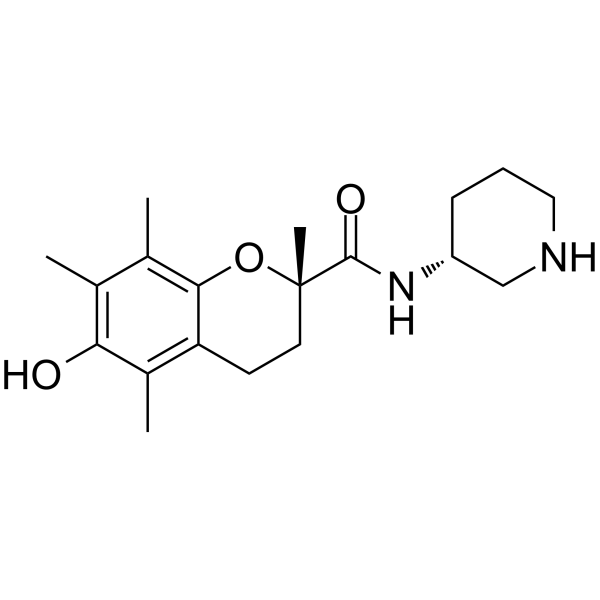
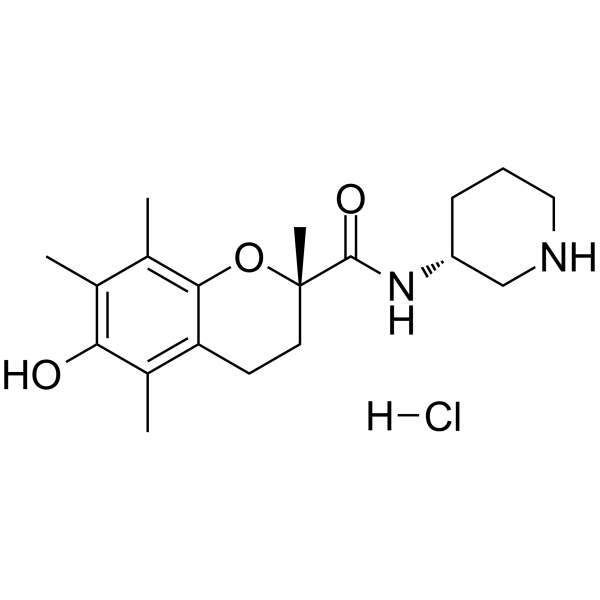
Sonlicromanol (KH176) hydrochloride, a chemical entity derivative of Trolox, is a blood-brain barrier permeable ROS-redox modulator. Sonlicromanol (KH176) hydrochloride is used in the study for mitochondrial disorders .
|
-
-
- HY-148165
-
|
|
Nucleoside Antimetabolite/Analog
|
Neurological Disease
|
|
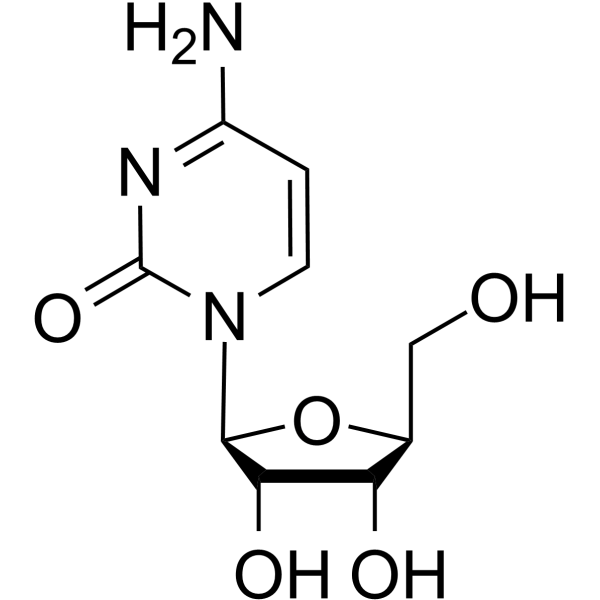
L-Cytidine is an L-configurational form of Cytidine (HY-B0158). L-Cytidine is a pyrimidine nucleoside, a component of RNA. Cytidine can control the glial glutamate cycle, affect brain phospholipid metabolism, catecholamine synthesis and mitochondrial function .
|
-
-
- HY-170404
-
|
|
Phosphatase
|
Metabolic Disease
|
|
KF-52 is a phosphofructokinase-1 (PFK1) inhibitor with an IC50 value of 2.1 μM. KF-52 significantly increases the ratio of oxygen consumption rate (OCR) to extracellular acidification rate (ECAR). KF-52 is applicable to research related to mitochondrial dysfunction .
|
-

-
- HY-B1036
-
|
|
Parasite
|
Infection
|
|
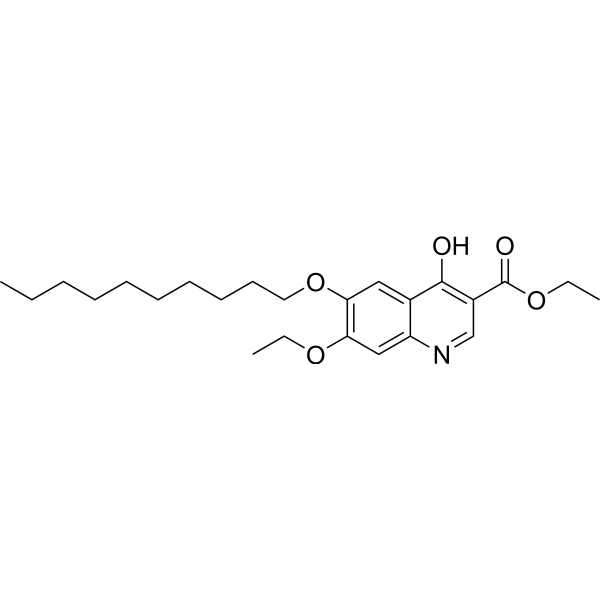
Decoquinate is an orally active, selective inhibitor of the mitochondrial bc1 complex, targeting Eimeria spp. sporozoites and first generation schizonts, and Plasmodium spp. Decoquinate inhibits electron transfer by competitively binding to the mitochondrial cytochrome b system, blocking the parasite's energy metabolism, thereby inhibiting its development and reproduction. Decoquinate has significant anticoccidial activity, preventing intestinal damage and improving host growth performance, and also has inhibitory effects on the liver and blood stages of Plasmodium. Decoquinate is mainly used in veterinary research to prevent and treat coccidiosis in ruminants and poultry [1] .
|
-
-
- HY-P10409
-
|
Small humanIN-like peptide 2
|
Apoptosis
Reactive Oxygen Species (ROS)
|
Neurological Disease
Metabolic Disease
|
|
SHLP2 (Small humanin-like peptide 2) is a small molecule peptide encoded by mitochondrial DNA, belonging to mitochondria derived peptide. SHLP2 has the activity of regulating apoptosis and inhibits cell death. SHLP2 binds to mitochondrial complex 1. SHLP2 improves mitochondrial metabolism by increasing respiration and biogenesis, reducing ROS, and decreasing mtDNA oxidation. SHLP2 also regulated energy homeostasis through the activation of hypothalamic neurons. SHLP2 can be used in the study of diseases related to mitochondrial dysfunction and anti-aging diseases, such as age-related macular degeneration and Parkinson’s disease [1] .
|
-

-
- HY-17355B
-
|
(R)-Pramipexole; R-(+)-Pramipexole; KNS-760704
|
PINK1/Parkin
Glutathione Peroxidase
Sodium Channel
ATP Synthase
NOD-like Receptor (NLR)
Mitophagy
Ferroptosis
Autophagy
Apoptosis
Reactive Oxygen Species (ROS)
|
Cardiovascular Disease
Neurological Disease
Inflammation/Immunology
|
|
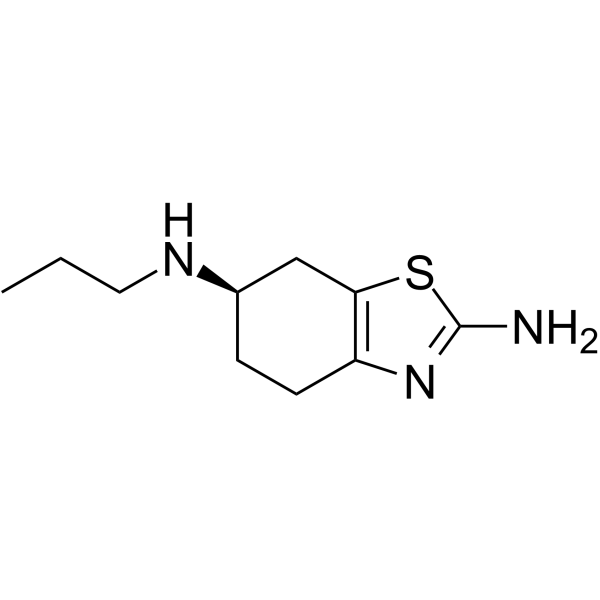
Dexpramipexole ((R)-Pramipexole) is an orally active, blood-brain barrier permeable mitochondrial protective agent. Dexpramipexole upregulates the expression of Parkin, PINK1, GPX4 and FSP1; binds to mitochondrial F1/Fo-ATP synthase; blocks the Nav1.8 sodium channel; and inhibits the activation of the NLRP3 inflammasome. Dexpramipexole induces mitophagy, inhibits ferroptosis, pyroptosis, apoptosis, neuroinflammation and eosinophilopoiesis; maintains mitochondrial function and redox homeostasis; reduces reactive oxygen species production; and decreases myocardial infarct size. Dexpramipexole is applicable to studies on eosinophilic asthma, myocardial ischemia/reperfusion injury, sepsis-associated encephalopathy, analgesia, and more [1] .
|
-
-
- HY-N5001
-
|
|
Apoptosis
|
Cancer
|
|
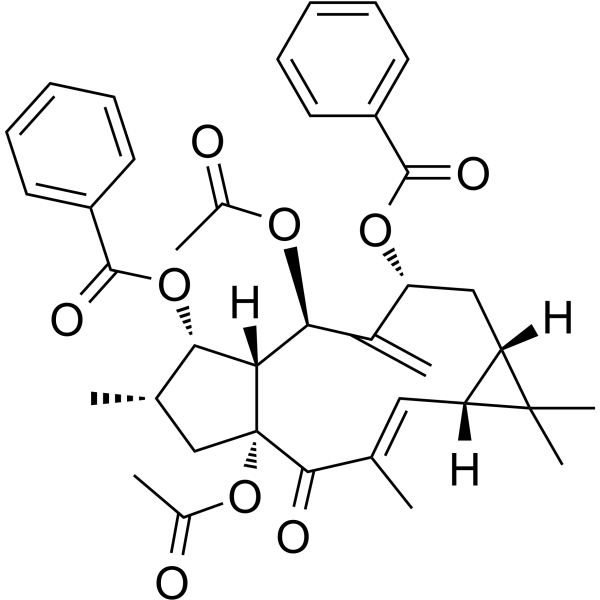
Euphorbia factor L2, a lathyrane diterpenoid isolated from caper euphorbia seed (the seeds of Euphorbia lathyris L.), has been traditionally applied to treat cancer. Euphorbia factor L2 shows potent cytotoxicity and induces apoptosis via a mitochondrial pathway .
|
-
-
- HY-W040307B
-
|
L-SaccharopINe hydrochloride
|
Endogenous Metabolite
|
Metabolic Disease
|
|
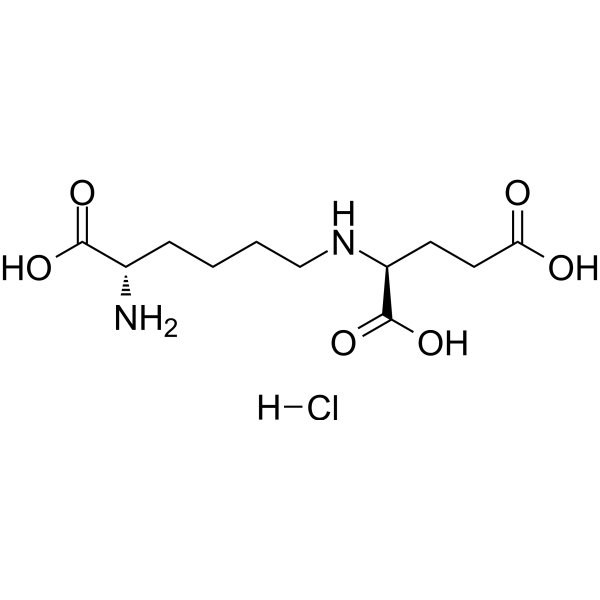
Saccharopine (L-Saccharopine) hydrochloride, a lysine degradation intermediate, is a mitochondrial toxin. Lysine and α-ketoglutarate are converted into Saccharopine hydrochloride by the lysine-ketoglutarate reductase. Saccharopine hydrochloride is then oxidized to α-aminoapidate semialdehyde and glutamate by the saccharopine dehydrogenase. Saccharopine hydrochloride impairs development by disrupting mitochondrial homeostasis .
|
-
-
- HY-111623
-
|
|
Deubiquitinase
|
Cancer
|
|
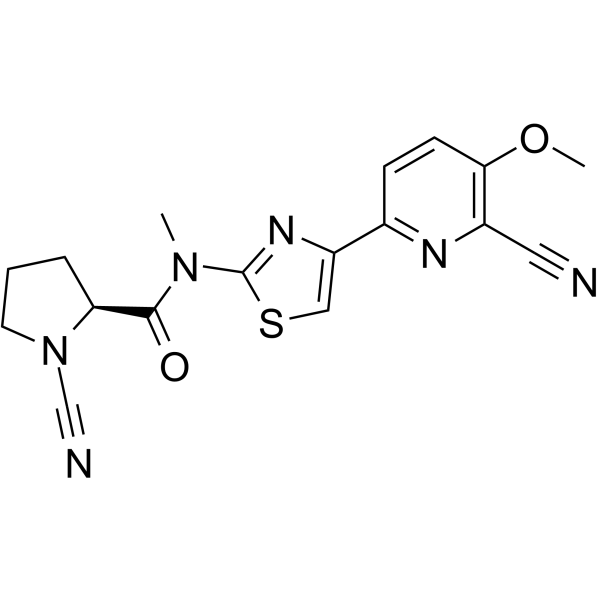
USP30 inhibitor 11 is a selective and potent ubiquitin specific peptidase 30 (USP30) inhibitor with an IC50 of 0.01 μΜ, the example 83 extracted from patent WO2017009650A1. USP30 inhibitor 11 is used for the study of cancer and conditions involving mitochondrial dysfunction .
|
-
-
- HY-B0158S7
-
|
CytosINe β-D-riboside-13C9; CytosINe-1-β-D-ribofuranoside-13C9
|
Nucleoside Antimetabolite/Analog
Endogenous Metabolite
Isotope-Labeled Compounds
|
Neurological Disease
|
|
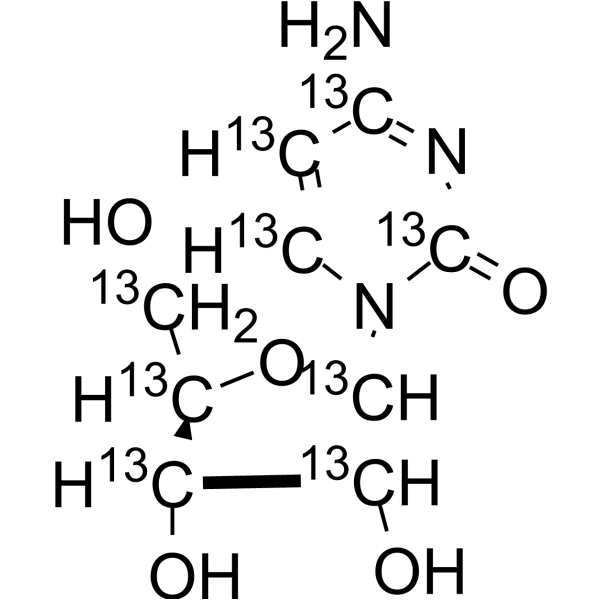
Cytidine- 13C9 (Cytosine β-D-riboside- 13C9) is 13C labeled Cytidine (HY-B0158). Cytidine is a pyrimidine nucleoside and acts as a component of RNA. Cytidine is a precursor of uridine. Cytidine controls neuronal-glial glutamate cycling, affecting cerebral phospholipid metabolism, catecholamine synthesis, and mitochondrial function .
|
-
-
- HY-156622
-
|
HMC-C-01-A; MBS2320
|
Mitochondrial Metabolism
|
Cancer
|
|
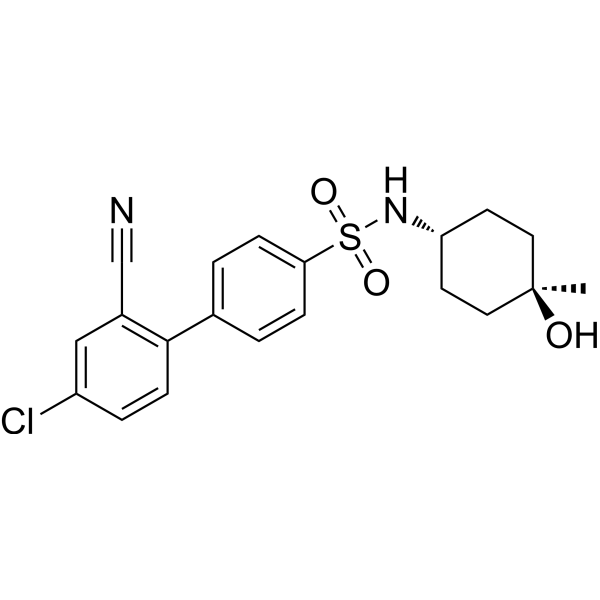
Leramistat (HMC-C-01-A; MBS2320) is a mitochondrial complex 1 inhibitor, involving in cell metabolism immune metabolism regulation. Leramistat also inhibits ATP production in Thp1 human monocytes (IC50: 0.63 μM). Leramistat inhibits atopic dermatitis and other skin diseases autoimmune diseases, inflammatory diseases, cancer; and also inhibits osteoclast mediated disease [1] .
|
-
-
- HY-151412
-
-

-
- HY-B1093
-
-
-
- HY-D1174
-
|
|
Fluorescent Dye
|
Others
|
|
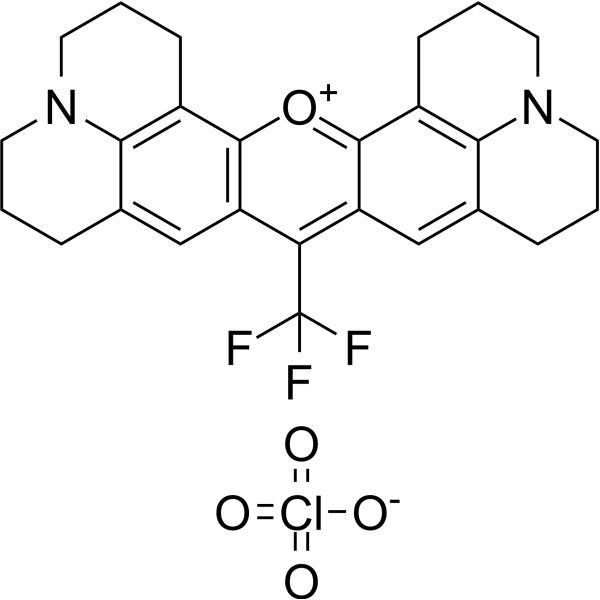
Rhodamine 700, a Lambdachrome laser dye, is one of the few rhodamine dyes with near infrared fluorescence. Rhodamine 700 can be used for mitochondrial staining .
|
-
-
- HY-115781
-
DN401
1 Publications Verification
PanvotINib-401; Pan-401
|
HSP
|
Cancer
|
|
DN401 is a potent TRAP1 inhibitor with an IC50 of 79 nM. DN401 shows a weak inhibition of Hsp90 (IC50 of 698 nM). DN401 inactivates mitochondrial TRAP1 and has potent anticancer activities [1].
|
-

-
- HY-126166
-
|
|
IAP
|
Cancer
|
|
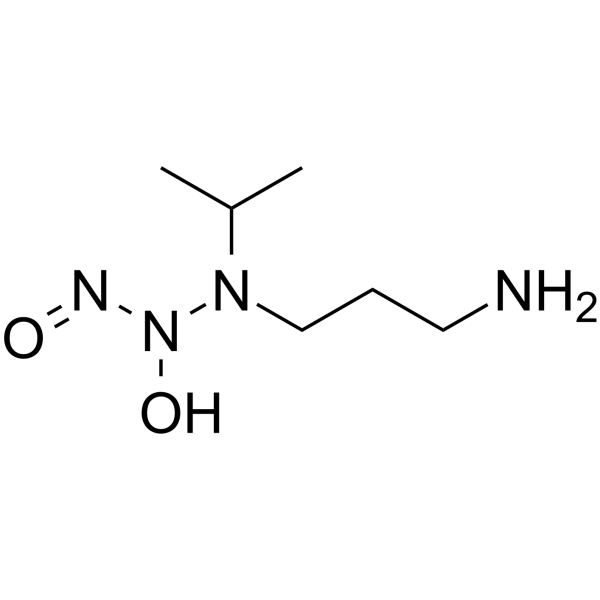
NOC-5 is a diazeniumdiolate compound that belongs to the same family of NO donors. NOC-5 is able to increase intracellular XIAP and Aven levels, potentially leading to the inhibition of caspase-9 activity following increased mitochondrial permeability .
|
-
-
- HY-153715
-
|
Mitochondria modulator-1
|
Biochemical Assay Reagents
|
Metabolic Disease
|
|
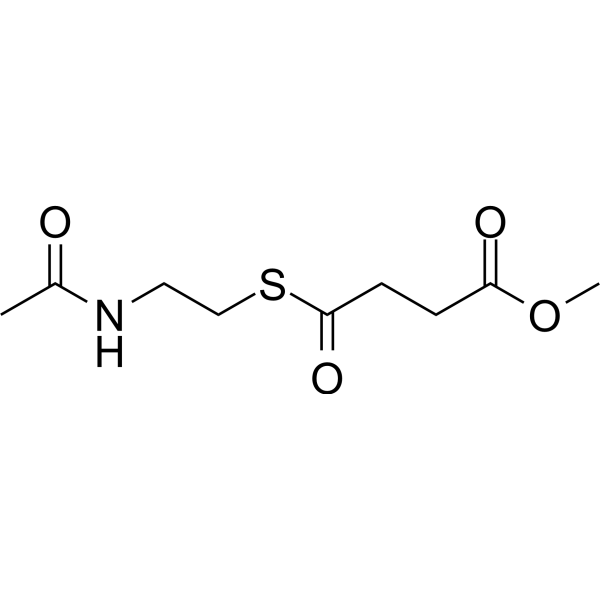
NV-354 (Mitochondria modulator-1) (compound 1) is a mitochondrial regulator that stimulates mitochondrial ATP production. NV-354 has good oral bioavailability, blood-brain barrier permeability, and good plasma stability. NV-354 has the potential to study mitochondrial diseases .
|
-
-
- HY-111217
-
|
|
VDAC
Mitochondrial Metabolism
|
Neurological Disease
Cancer
|
|
AKOS-22 is a potent mitochondrial protein VDAC1 (voltage-dependent anion channel 1) inhibitor (Kd=15.4 μM). AKOS-22 interacts with VDAC1 and inhibiting both VDAC1 oligomerization and apoptosis. AKOS-22 protects against mitochondrial dysfunction .
|
-

-
- HY-W010382R
-
|
2-OxosuccINic acid (Standard)
|
Reference Standards
Endogenous Metabolite
Reactive Oxygen Species (ROS)
|
Metabolic Disease
|
|
Oxaloacetic acid (Standard) is the analytical standard of Oxaloacetic acid. This product is intended for research and analytical applications. Oxaloacetic acid (2-Oxosuccinic acid) is a metabolic intermediate involved in several ways, such as citric acid cycle, gluconeogenesis, the urea cycle, the glyoxylate cycle, amino acid synthesis, and fatty acid synthesis, whereby Oxaloacetic acid facilitates the clearance of reactive oxygen species (ROS) and improves mitochondrial function .
|
-

-
- HY-B0158R
-
|
CytosINe β-D-riboside (Standard); CytosINe-1-β-D-ribofuranoside (Standard)
|
Reference Standards
Nucleoside Antimetabolite/Analog
Endogenous Metabolite
|
Neurological Disease
|
|
Cytidine (Standard) is the analytical standard of Cytidine. This product is intended for research and analytical applications. Cytidine is a pyrimidine nucleoside and acts as a component of RNA. Cytidine is a precursor of uridine. Cytidine controls neuronal-glial glutamate cycling, affecting cerebral phospholipid metabolism, catecholamine synthesis, and mitochondrial function .
In Vivo:Cytidine decreases glutamate/glutamine levels and induces earlier improvement of depressive symptoms .
|
-

-
- HY-W020784
-
|
|
Biochemical Assay Reagents
|
Others
|
|
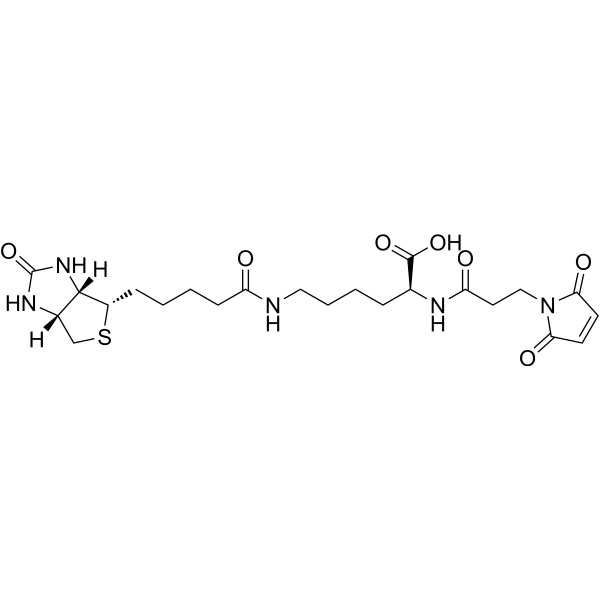
3-(N-Maleimidopropionyl)biocytin is a cysteine-specific labeling reagent and non-membrane-permeable probe. 3-(N-Maleimidopropionyl)biocytin covalently modifies the exposed cysteine residues of yeast Tim44, conjugating the biotin moiety to the polypeptide chain. 3-(N-Maleimidopropionyl)biocytin determines the topology of membrane proteins by modifying the exposed cysteine residues on the outer side of the inner mitochondrial membrane .
|
-
-
- HY-E70121
-
|
|
Endogenous Metabolite
Mitochondrial Metabolism
|
Neurological Disease
Metabolic Disease
Inflammation/Immunology
|
|
Succinyl-CoA synthetase is a mitochondrial matrix enzyme and catalyst. Succinyl-CoA synthetase supports TCA, ketone and heme metabolism and is activated by mitochondrial phosphate. Succinyl-CoA synthetase distributes broadly across mammalian tissues with distinct substrate-related biochemical features. Succinyl-CoA synthetase gains structural stability after phosphorylation and relies on SUCLG1-encoded subunit for activity. Succinyl-CoA synthetase malfunction links to metabolic and neurological disorders. Succinyl-CoA synthetase serves as a research tool for mitochondrial hepatoencephalomyopathy .
|
-
-
- HY-172972
-
-

-
- HY-107855S
-
|
(±)-Mevalonolactone-d7; Mevalolactone-d7
|
Endogenous Metabolite
|
Metabolic Disease
|
|
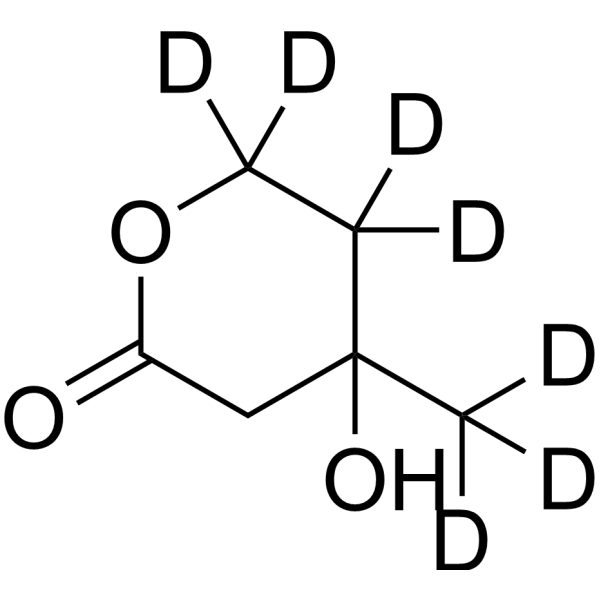
DL-Mevalonolactone-d7 is the deuterium labeled DL-Mevalonolactone. DL-Mevalonolactone ((±)-Mevalonolactone) is the δ-lactone form of mevalonic acid, a precursor in the mevalonate pathway. DL-Mevalonolactone (Mevalonolactone) decreases mitochondrial membrane potential (?Ψm), NAD(P)H content and the capacity to retain Ca2+ in the brain, besides inducing mitochondrial swelling .
|
-
-
- HY-161027
-
|
|
Carnitine Palmitoyltransferase (CPT)
Apoptosis
|
Cancer
|
|
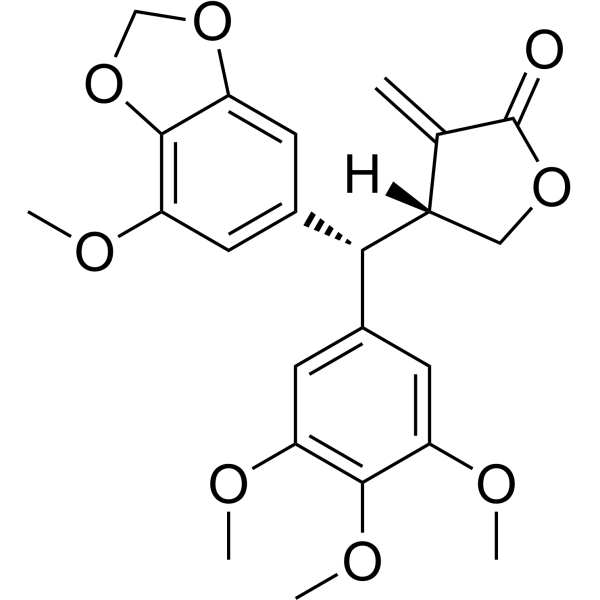
DHP-B is an Ecolignan-type compound and covalent, selective CPT1A inhibitor with a Kd of 1.62 μM. DHP-B can be isolated from the plant Peperomia dindygulensis. DHP-B covalently binds to Cys96 of CPT1A, blocks FAO, and disrupts the mitochondrial CPT1A-VDAC1 interaction. DHP-B triggers Apoptosis. DHP-B exhibits anti-CRC activity [1].
|
-
-
- HY-W611371
-
|
|
TRP Channel
iGluR
|
Neurological Disease
|
|
FP802 is an orally active potent TwinF interface inhibitor that disrupts and detoxifies the NMDAR/TRPM4 death complex. FP802 exerts powerful neuroprotective effects in the 5xFAD mouse model of Alzheimer’s disease (AD) by preventing cognitive decline, preserving neuronal structural integrity, reducing amyloid-β plaque formation, and mitigating mitochondrial pathology . FP802 stops loss of motor neurons, reduces serum neurofilament light chain (NfL) levels, improves motor performance, and extends life in a mouse model of amyotrophic lateral sclerosis (ALS). FP802 can be used for AD and ALS research [1] .
|
-

-
- HY-B0158S
-
|
CytosINe β-D-riboside-d2; CytosINe-1-β-D-ribofuranoside-d2
|
Nucleoside Antimetabolite/Analog
Endogenous Metabolite
|
Neurological Disease
|
|
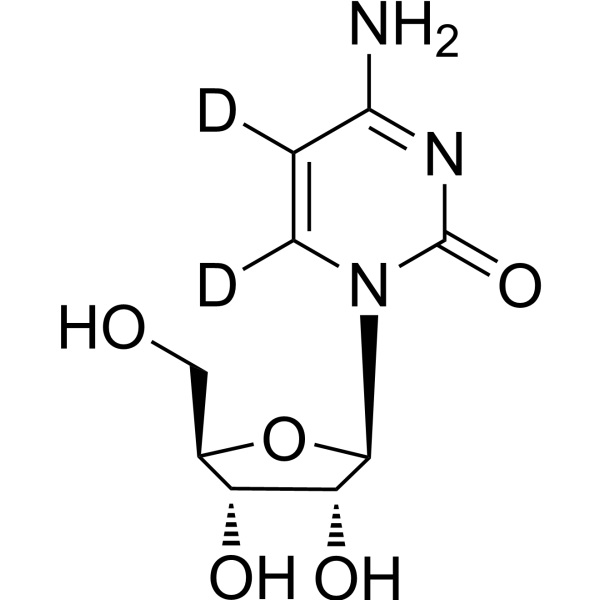
Cytidine-d2 is the deuterium labeled Cytidine. Cytidine is a pyrimidine nucleoside and acts as a component of RNA. Cytidine is a precursor of uridine. Cytidine controls neuronal-glial glutamate cycling, affecting cerebral phospholipid metabolism, catecholamine synthesis, and mitochondrial function .
|
-
-
- HY-174306
-
|
|
5-HT Receptor
PGC-1α
Akt
PI3K
Ras
MEK
ERK
|
Metabolic Disease
|
|
MARY1 is a selective 5-HT2BR antagonist with an IC50 of 380 nM and a Ki of 764 nM (human
5-HT2BR). MARY1 induces renal mitochondrial biogenesis (MB) and enhances renal mitochondrial function by increasing mitochondrial respiratory capacity, mitochondrial protein levels, and mitochondrial number in renal proximal tubular cells (RPTCs). MARY1 induces MB through 5-HT2BR and dual PI3K/AKT and RAS/MEK/ERK cell signaling pathways in RPTCs. MARY1 can be used to study renal diseases associated with metabolic and mitochondrial dysfunction .
|
-

-
- HY-17355BS
-
|
(R)-Pramipexole-d3 dihydrochloride; R-(+)-Pramipexole-d3 dihydrochloride; KNS-760704-d3 dihydrochloride
|
Isotope-Labeled Compounds
ATP Synthase
Sodium Channel
Glutathione Peroxidase
NOD-like Receptor (NLR)
Mitophagy
Ferroptosis
PINK1/Parkin
Autophagy
Apoptosis
Reactive Oxygen Species (ROS)
|
Cardiovascular Disease
Neurological Disease
Inflammation/Immunology
|
|
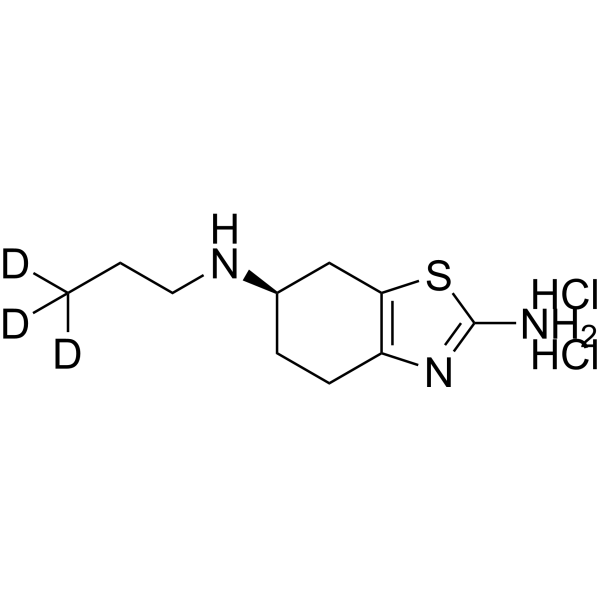
Dexpramipexole-d3 ((R)-Pramipexole-d3) dihydrochloride is the deuterium labeled Dexpramipexole. Dexpramipexole ((R)-Pramipexole) dihydrochloride is an orally active, blood-brain barrier permeable mitochondrial protective agent. Dexpramipexole dihydrochloride upregulates the expression of Parkin, PINK1, GPX4 and FSP1; binds to mitochondrial F1/Fo-ATP synthase; blocks the Nav1.8 sodium channel; and inhibits the activation of the NLRP3 inflammasome. Dexpramipexole dihydrochloride induces mitophagy, inhibits ferroptosis, pyroptosis, apoptosis, neuroinflammation and eosinophilopoiesis; maintains mitochondrial function and redox homeostasis; reduces reactive oxygen species production; and decreases myocardial infarct size. Dexpramipexole dihydrochloride is applicable to studies on eosinophilic asthma, myocardial ischemia/reperfusion injury, sepsis-associated encephalopathy, analgesia, and more.
|
-
-
- HY-P3384
-
|
|
Fungal
|
Others
Inflammation/Immunology
|
|
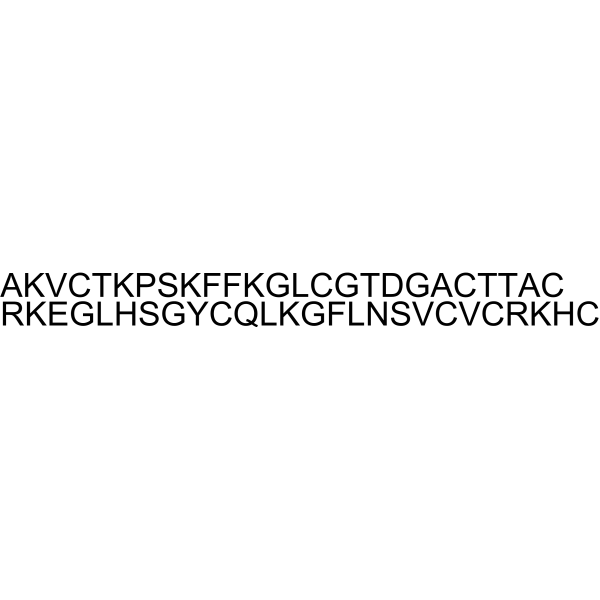
Pezadeftide is a potent antifungal peptide. Pezadeftide can enter fungal cells and cause a rapid mitochondrial response that results in hyperpolarization of the mitochondrial membrane .
|
-
-
- HY-123583
-
|
|
Fluorescent Dye
|
Others
|
|
MitoBADY is a mitochondria-selective Raman probe that successfully visualizes mitochondria in live HeLa cells at a concentration of 200-400 nM for 10 minutes. MitoBADY can be utilized for the study of mitochondrial dynamics .
|
-

-
- HY-B1474
-
|
|
Fungal
|
Infection
Cancer
|
|
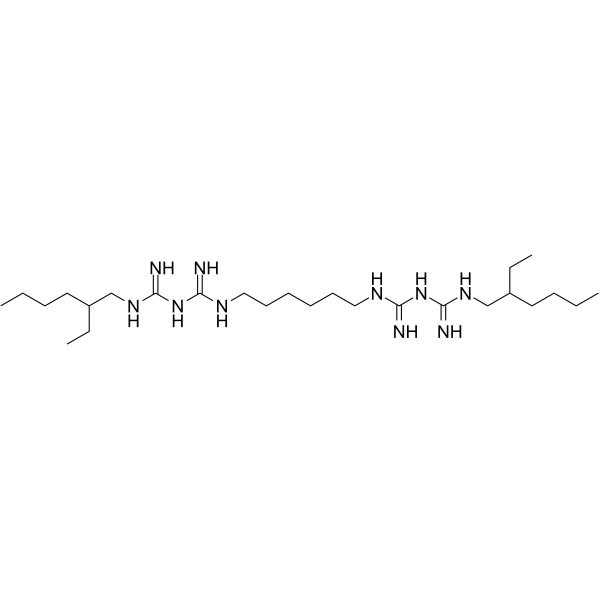
Alexidine, a bis-biguanide, exhibits antifungal and antibiofilm activity against a diverse range of fungal pathogens. Alexidine is an anticancer agent that targets a mitochondrial tyrosine phosphatase, PTPMT1, in mammalian cells and causes mitochondrial apoptosis .
|
-
- HY-167711
-
-

- HY-175412
-
|
Dodecylmercapto-S-(poly(tris(hydroxymethyl)acrylamidomethane); H12-TAC
|
Biochemical Assay Reagents
|
Others
|
|
DDTAC (H12-TAC) is a detergent that can extract and solubilize membrane proteins. DDTAC has a thio dodecanoyl chain linked to a polar group made of Tris polyalcoholic moieties and can be utilized in extracting yeast ATP synthase from mitochondrial membranes .
|
-

- HY-158003
-
|
|
Bacterial
|
Infection
|
|
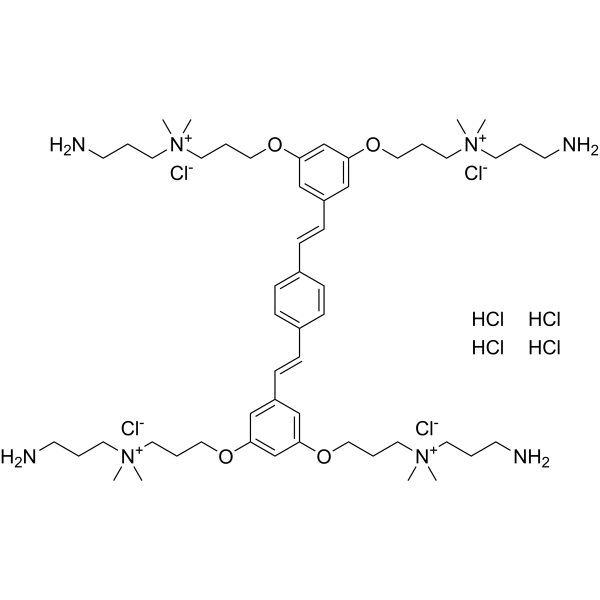
COE-PNH2 exhibits antibacterial activity against Mycobacterium abscessus (Mab) with MIC90 of 26 μM. COE-PNH2 affects the integrity of the bacterial envelope and mycomembrane. COE-PNH2 reveals intracelluar penetration without mitochondrial toxicity .
|
-
- HY-P10614
-
|
|
Apoptosis
Bcl-2 Family
|
Others
|
|
Bid BH3 peptide is a small peptide derived from Bid protein that can bind and activate the pro-apoptotic proteins Bax and Bak, leading to mitochondrial outer membrane permeabilization (MOMP) and apoptosis. Bid BH3 peptide can be used to study mitochondrial bioenergetics .
|
-

- HY-14771S
-
-

- HY-W768207
-
-

- HY-156090
-
|
|
Mitochondrial Metabolism
Fungal
|
Infection
|
|
PK-10 is a synergistic antibacterial agent of Fluconazole (HY-B0101) and has strong antifungal activity against a variety of Fluconazole-resistant Candida albicans strains. PK-10 combined with Fluconazole can inhibit hyphae formation and induce the accumulation of reactive oxygen species. It further causes damage to mitochondrial membrane potential, reduces intracellular ATP content, and leads to mitochondrial dysfunction .
|
-
- HY-178987
-
|
|
Mitochondrial Metabolism
Phosphodiesterase (PDE)
|
Cancer
|
|
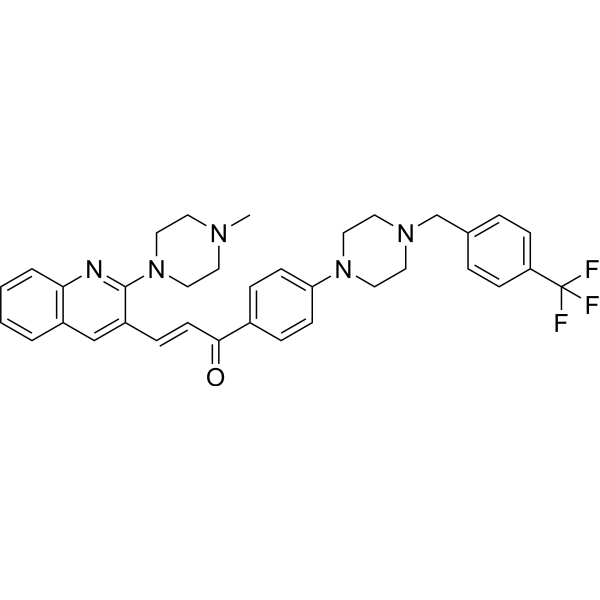
BJH-86 is a soluble mitochondrial complex 1 inhibitor (oxygen consumption rate inhibition IC50 = 5 μM). BJH-86 exhibits weak inhibitory activity against phosphodiesterase 10A (PDE10A) (IC50 >10 μM). BJH-86 can reduce cellular oxygen consumption and inhibit cancer cell proliferation. BJH-86 can be used for the research of cancer, such as lung cancer [1].
|
-

- HY-13832R
-
|
Atavaquone (Standard)
|
Reference Standards
Parasite
Cytochrome P450
Antibiotic
Bacterial
|
Infection
Cancer
|
|
Atovaquone (Standard) is the analytical standard of Atovaquone. This product is intended for research and analytical applications. Atovaquone (Atavaquone) is a potent, selective and orally active inhibitor of the parasite’s mitochondrial cytochrome bc1 complex. Atovaquone is against human and P. falciparum cytochrome bc1 activity with IC50 values of 460 nM and 2.0 nM, respectively. Atovaquone is an antimalarial agent and has the potential for the investigation of neumocystis pneumonia, toxoplasmosis, malaria, and babesia [1] .
|
-

- HY-148322
-
|
|
Sirtuin
|
Infection
Neurological Disease
Metabolic Disease
Inflammation/Immunology
Cancer
|
|
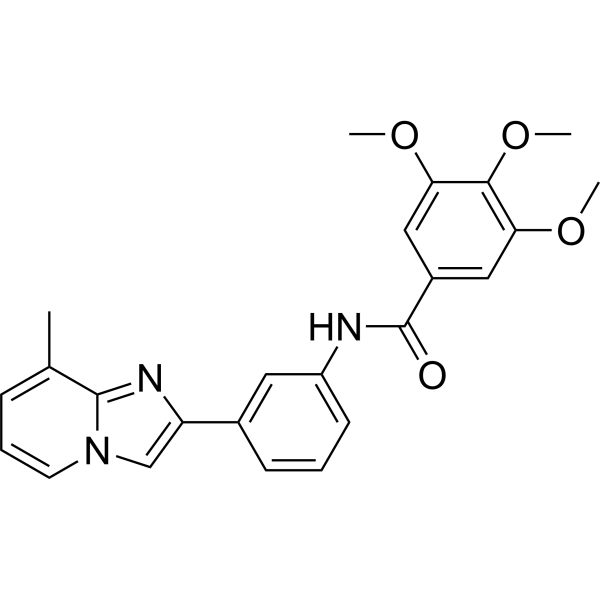
Sirtuin modulator 5 is a sirtuin modulating agent. Sirtuin modulator 5 can activate SIRT1 with a DC50 value of <50 μM. Sirtuin modulator 5 can be used for increasing the lifespan of a cell and used for the research of variety of diseases including, for example, diseases or disorders related to aging or stress, diabetes, obesity, neurodegenerative diseases, cardiovascular disease, blood clotting disorders, inflammation, cancer, and/or flushing as well as diseases or disorders that would benfit from increased mitochondrial activity .
|
-
- HY-W611371A
-
|
|
TRP Channel
iGluR
|
Neurological Disease
|
|
FP802 dihydrochloride is an orally active potent TwinF interface inhibitor that disrupts and detoxifies the NMDAR/TRPM4 death complex. FP802 dihydrochloride exerts powerful neuroprotective effects in the 5xFAD mouse model of Alzheimer’s disease (AD) by preventing cognitive decline, preserving neuronal structural integrity, reducing amyloid-β plaque formation, and mitigating mitochondrial pathology . FP802 dihydrochloride stops loss of motor neurons, reduces serum neurofilament light chain (NfL) levels, improves motor performance, and extends life in a mouse model of amyotrophic lateral sclerosis (ALS) . FP802 dihydrochloride can be used for AD and ALS research [1] .
|
-

- HY-131453A
-
|
|
Mitochondrial Metabolism
|
Metabolic Disease
|
|
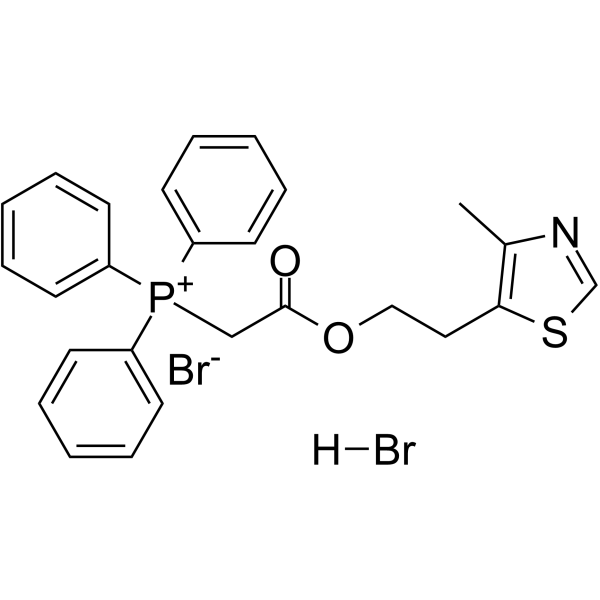
Mitochondrial respiration-IN-1 hydrobromide (compound 49) is a potent mitochondrial inhibitor (IC50=8.8 mg/mL) extracted from patent US20110301180A1, compound 49. Mitochondrial respiration-IN-1 hydrobromide significantly reduces mitochondrial respiration in platelets [1].
|
-
- HY-P2864
-
-

- HY-169926
-
-

- HY-169865
-
-

- HY-106472
-
|
EMD 26644
|
Bacterial
|
Infection
|
|
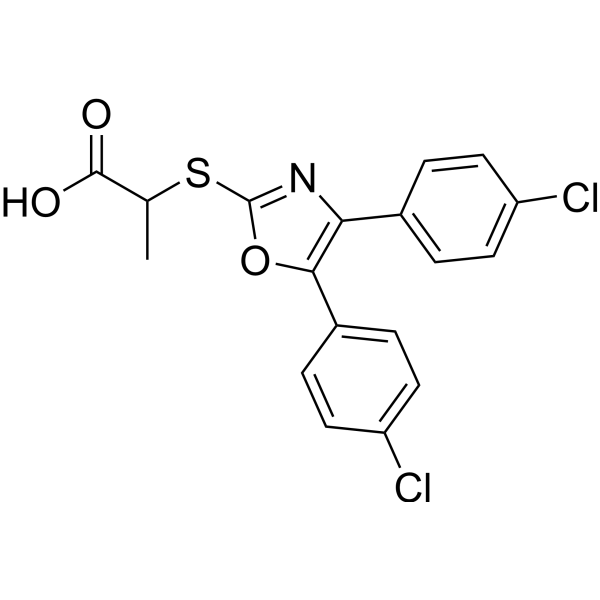
Tioxaprofen is a new anti-mycotic drug against Trichophyton mentagrophytes and T. rubrum, and is a potent uncoupling agent of mitochondrial respiration .
|
-
- HY-123501
-
-

- HY-163893
-
|
|
Apoptosis
|
Cancer
|
|
Apoptosis inducer 23 (compound 6e) is an apoptosis inducer with antitumor activity. Apoptosis inducer 23 plays an important role in lung cancer research by inducing apoptosis through mitochondrial damage .
|
-

- HY-B1093R
-
|
|
Reference Standards
Parasite
Cholinesterase (ChE)
|
Infection
|
|
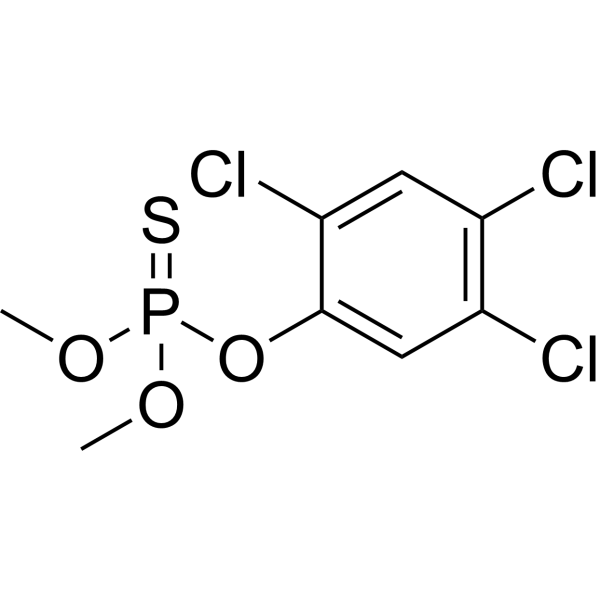
Fenchlorphos (Standard) is the analytical standard of Fenchlorphos. This product is intended for research and analytical applications. Fenchlorphos, an organophosphate, is an insecticide. Fenchlorphos is an inhibitor of the enzyme acetylcholinesterase (AChE). Fenchlorphos is able to cause mitochondrial dysfunction .
|
-

- HY-170488
-
|
|
ROS Kinase
Bacterial
|
Infection
Cancer
|
|
CM-728 is a oxazepine-naphthoquinone that has cytotoxic and bactericidal effect. CM-728 is a human peroxiredoxin-1 inhibitor. CM-728 is an oxidative stressor that affects mitochondrial function .
|
-

- HY-117071A
-
|
Ro 115-1240 hydrochloride
|
Adrenergic Receptor
Apoptosis
|
Cardiovascular Disease
Endocrinology
|
|
Dabuzalgron (Ro 115-1240) hydrochloride is an orally active and selective α-1A adrenergic receptor agonist for the treatment of urinary incontinence. Dabuzalgron hydrochloride protects against Doxorubicin-induced cardiotoxicity by preserving mitochondrial function .
|
-

- HY-N8713
-
|
|
Reactive Oxygen Species (ROS)
|
Neurological Disease
|
|
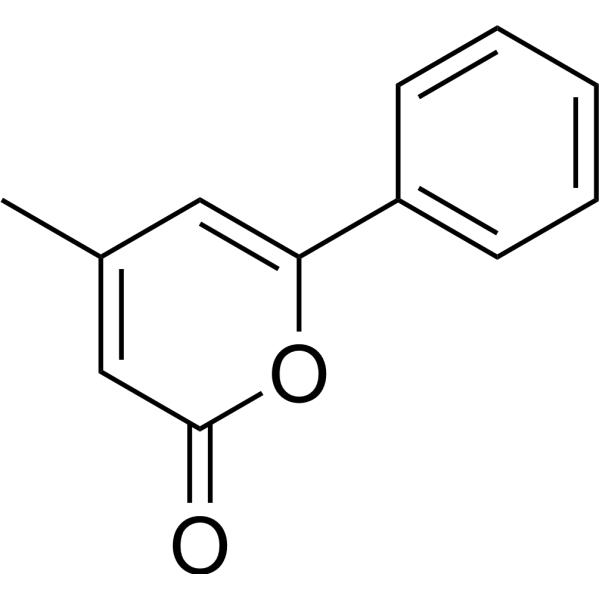
4-Methyl-6-phenyl-2H-pyranone can be used for the synthesis of N-hydroxypyridone derivatives, which can protect astrocytes against hydrogen peroxide-induced toxicity via improved mitochondrial functionality .
|
-
- HY-N0703R
-
-

- HY-179287
-
|
|
Fungal
Mitochondrial Metabolism
Reactive Oxygen Species (ROS)
|
Infection
|
|
SDH-IN-42 (Compound D28) is a SDH (IC50: 5.38 μg/mL) inhibitor and antifungal agent. SDH-IN-42 exerts antifungal activity against R. solani by disrupting mycelial morphology, increasing cell membrane permeability, inducing the production and accumulation of ROS, and impairing mitochondrial function .
|
-

- HY-178986
-
|
|
Mitochondrial Metabolism
|
Cancer
|
|
BJH-60 is a mitochondrial complex 1 inhibitor. BJH-60 can inhibit mitochondrial oxygen consumption rate with an IC50 of 1.9 μM in A549 cells. BJH-60 shows no PDE inhibitory effect. BJH-60 can be used for the research of cancer, such as breast cancer [1].
|
-

- HY-150755
-
-
- HY-B0158S8
-
|
CytosINe β-D-riboside-d13; CytosINe-1-β-D-ribofuranoside-d13
|
Nucleoside Antimetabolite/Analog
Endogenous Metabolite
Isotope-Labeled Compounds
|
Neurological Disease
|
|
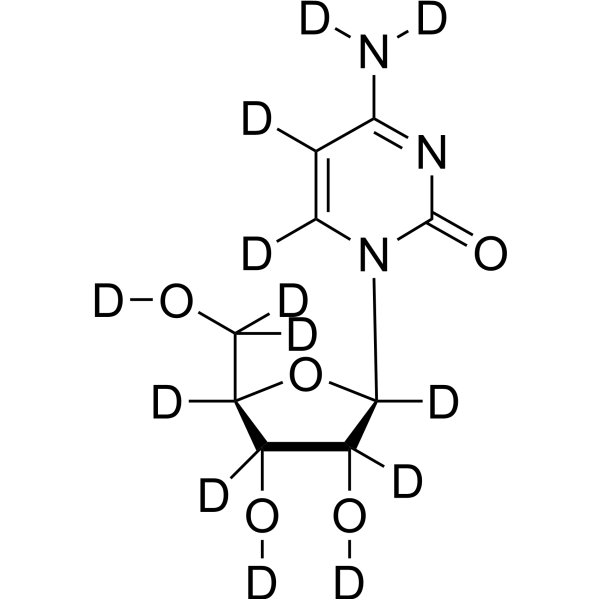
Cytidine-d13 (Cytosine β-D-riboside-d13) is deuterium labeled Cytidine (HY-B0158). Cytidine is a pyrimidine nucleoside and acts as a component of RNA. Cytidine is a precursor of uridine. Cytidine controls neuronal-glial glutamate cycling, affecting cerebral phospholipid metabolism, catecholamine synthesis, and mitochondrial function .
|
-
- HY-156279
-
|
|
Apoptosis
HDAC
|
Cancer
|
|
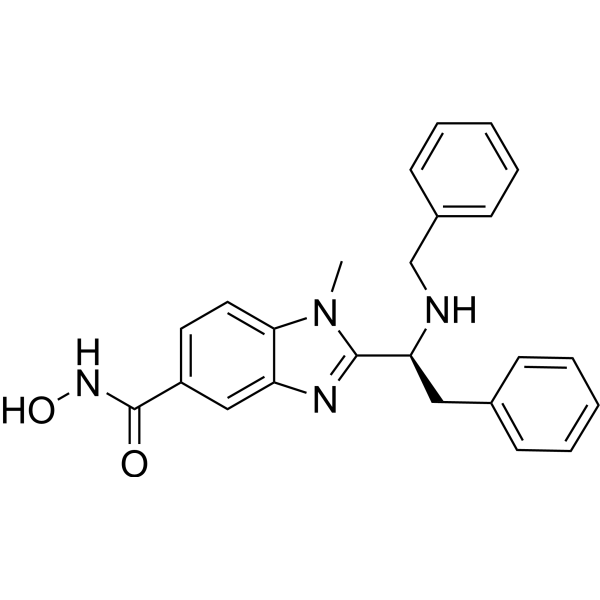
HDAC6-IN-22 (compound 30) is a inhibitor of HDAC6, with the IC50 of 4.63 nM. HDAC6-IN-22 has antiproliferative effects in vitro and in vivo towards multiple myeloma. HDAC6-IN-22
induces cell cycle arrest in the G2 phase and promotes apoptosis through the mitochondrial pathway .
|
-
- HY-134098R
-
|
Adipic acid diisopropyl ester (Standard)
|
TRP Channel
Reference Standards
|
Others
|
|
Oxaloacetic acid (Standard) is the analytical standard of Oxaloacetic acid. This product is intended for research and analytical applications. Oxaloacetic acid (2-Oxosuccinic acid) is a metabolic intermediate involved in several ways, such as citric acid cycle, gluconeogenesis, the urea cycle, the glyoxylate cycle, amino acid synthesis, and fatty acid synthesis, whereby Oxaloacetic acid facilitates the clearance of reactive oxygen species (ROS) and improves mitochondrial function .
|
-

- HY-144797
-
|
|
Microtubule/Tubulin
|
Cancer
|
|
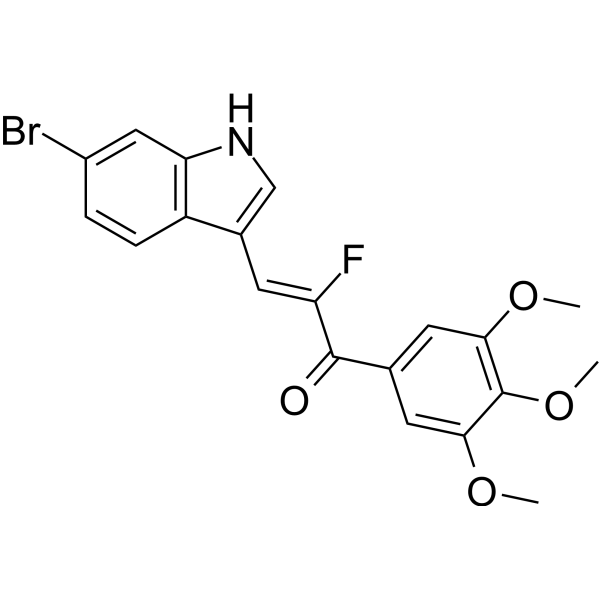
Tubulin inhibitor 22 (compound 4c) is a potent inhibitor of tubulin with anti-angiogenesis and anti-cancer properties. Tubulin inhibitor 22 arrests MGC-803 cell cycle at G2/M phase. Tubulin inhibitor 22 dose-dependently causes Caspase-induced apoptosis of MGC-803 cells through mitochondrial dysfunction .
|
-
- HY-13832S2
-
|
Atavaquone-d5
|
Isotope-Labeled Compounds
Parasite
Cytochrome P450
Antibiotic
|
Infection
|
|
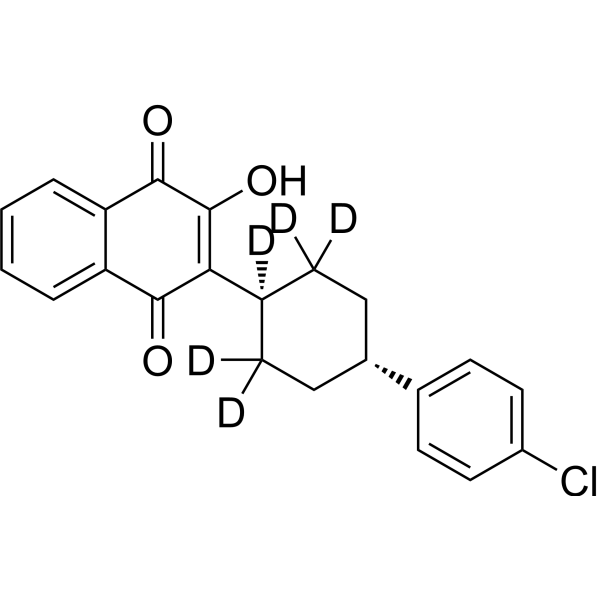
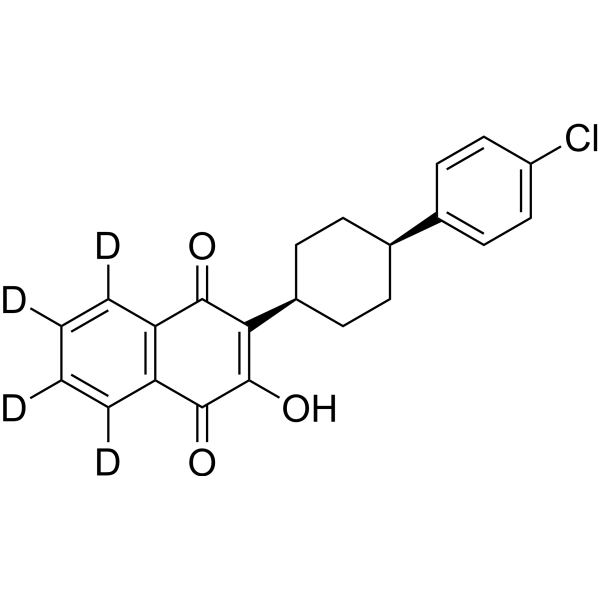
Atovaquone-d5 is the deuterium labeled Atovaquone. Atovaquone (Atavaquone) is a potent, selective and orally active inhibitor of the parasite’s mitochondrial cytochrome?bc1?complex. Atovaquone is against human and ?P. falciparum?cytochrome?bc1?activity with IC50 values of 460 nM and 2.0 nM, respectively. Atovaquone is an antimalarial agent and has the potential for the investigation of neumocystis pneumonia, toxoplasmosis, malaria, and babesia [1] .
|
-
- HY-13832S3
-
|
cis-Atavaquone-d4
|
Isotope-Labeled Compounds
Parasite
Cytochrome P450
Antibiotic
|
Infection
|
|
cis-Atovaquone-d4 is deuterium labeled Atovaquone. Atovaquone (Atavaquone) is a potent, selective and orally active inhibitor of the parasite’s mitochondrial cytochrome bc1 complex. Atovaquone is against human and P. falciparum cytochrome bc1 activity with IC50 values of 460 nM and 2.0 nM, respectively. Atovaquone is an antimalarial agent and has the potential for the investigation of neumocystis pneumonia, toxoplasmosis, malaria, and babesia[1][2].
|
-
- HY-144825
-
|
|
Apoptosis
Reactive Oxygen Species (ROS)
|
Cancer
|
|
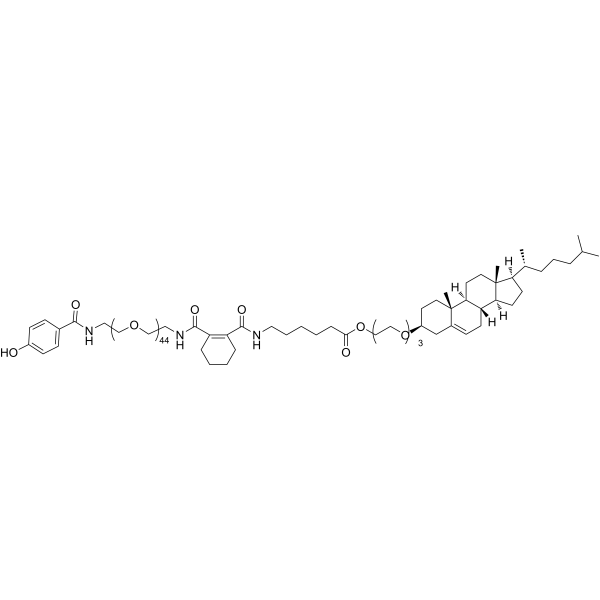
Chol-CTPP is a ligand with dual targeting effect on blood-brain barrier (BBB) and glioma cells. Lip-CTPP can be gained by Chol-CTPP and another mitochondria targeting ligand (Chol-TPP). Lip-CTPP is a promising potential carrier to exert the anti-glioma effect of doxorubicin (DOX) and lonidamine (LND) collaboratively. Lip-CTPP elevates the inhibition rate of tumor cell proliferation, migration and invasion, promote apoptosis and necrosis, and interfere with mitochondrial function .
|
-
- HY-161858
-
|
|
PI3K
Akt
Apoptosis
|
Cancer
|
|
EpskA21 is an inhibitor for PI3K/AKT signaling pathway, and inhibits the proliferation of cancer cells MCF-7, A549, MIA-PaCa-2, Panc-1 and HepG2, with IC50 of 1.3-7.24 μM. EpskA21 inhibits the cell migration, arrests the cell cycle at G2/M (MCF-7) and S (MIA-PaCa-2) phase, and induces apoptosis in MCF-7 and MIA-PaCa-2. EpskA21 causes the mitochondrial dysfunction .
|
-

- HY-17355AR
-
|
(R)-Pramipexole dihydrochloride (Standard); R-(+)-Pramipexole dihydrochloride (Standard); KNS-760704 dihydrochloride (Standard)
|
Reference Standards
ATP Synthase
Sodium Channel
Glutathione Peroxidase
NOD-like Receptor (NLR)
Mitophagy
Ferroptosis
PINK1/Parkin
Autophagy
Apoptosis
|
Cardiovascular Disease
Neurological Disease
Inflammation/Immunology
|
|
Dexpramipexole ((R)-Pramipexole) dihydrochloride (Standard) is the analytical standard of Dexpramipexole (dihydrochloride). This product is intended for research and analytical applications. Dexpramipexole dihydrochloride is an orally active, blood-brain barrier permeable mitochondrial protective agent. Dexpramipexole dihydrochloride upregulates the expression of Parkin, PINK1, GPX4 and FSP1; binds to mitochondrial F1/Fo-ATP synthase; blocks the Nav1.8 sodium channel; and inhibits the activation of the NLRP3 inflammasome. Dexpramipexole dihydrochloride induces mitophagy, inhibits ferroptosis, pyroptosis, apoptosis, neuroinflammation and eosinophilopoiesis; maintains mitochondrial function and redox homeostasis; reduces reactive oxygen species production; and decreases myocardial infarct size. Dexpramipexole dihydrochloride is applicable to studies on eosinophilic asthma, myocardial ischemia/reperfusion injury, sepsis-associated encephalopathy, analgesia, and more.
|
-

- HY-131453
-
|
|
Mitochondrial Metabolism
|
Cardiovascular Disease
Inflammation/Immunology
|
|
Mitochondrial respiration-IN-1 is a mitochondrial respiratory inhibitor. Mitochondrial respiration-IN-1 reduces platelet aggregation, adhesion, and platelet-induced coagulation responses. Mitochondrial respiration-IN-1 induces adaptive glycolysis, decreases mitochondrial membrane potential, selectively reduces ATP production derived from oxidative phosphorylation, and exerts bidirectional regulatory effects on cell proliferation. Mitochondrial respiration-IN-1 activates UPRmt and upregulates the expression of SDHA-1 and MT-CO1. Mitochondrial respiration-IN-1 restores metabolic homeostasis in type 2 diabetic mice. Mitochondrial respiration-IN-1 can be used to investigate diseases mediated by inappropriate platelet activation/aggregation and type 2 diabetes [1] .
|
-

- HY-169383
-
|
|
Apoptosis
|
Cancer
|
|
FA4-Cu is a complex of the potent pancreatic cancer inhibitor FA4 and Cu(II) that induces apoptosis via ER and mitochondrial stress .
|
-

- HY-D2985
-
|
|
Mitochondrial Metabolism
Fluorescent Dye
|
Others
|
|
MI-BP-CC is a mitochondrial-targeting near-infrared fluorescent probe. MI-BP-CC can specifically localize in the mitochondria of living cells. MI-BP-CC visualizes viscosity with an emission wavelength of 722 nm for detecting mitochondrial viscosity .
|
-

- HY-B1474S1
-
|
|
Isotope-Labeled Compounds
Fungal
|
Infection
Cancer
|
|
Alexidine-d10 is the deuterium labeled Alexidine (HY-B1474). Alexidine, a bis-biguanide, exhibits antifungal and antibiofilm activity against a diverse range of fungal pathogens. Alexidine is an anticancer agent that targets a mitochondrial tyrosine phosphatase, PTPMT1, in mammalian cells and causes mitochondrial apoptosis .
|
-

- HY-149193
-
|
|
Endogenous Metabolite
|
Metabolic Disease
|
|
5-Taurinomethyluridine is a taurine-containing modified uridine and translation regulator that exists in Trp and Leu (UUR) tRNAs of mammalian mitochondria. 5-Taurinomethyluridine is located at the first position of the anticodon of these mitochondrial tRNAs. 5-Taurinomethyluridine is synthesized from taurine and one-carbon metabolites by GTPBP3/MTO1, and its deficiency directly causes abnormal mitochondrial translation and various human mitochondrial diseases .
|
-

| Cat. No. |
Product Name |
Type |
-
- HY-DY1073
-
|
|
Fluorescent Dyes
|
MitoPerOx (solution) is a mitochondrial-targeted, lipid peroxidation-indicating fluorescent probe with BODIPY581/591 fluorophores. The triphenylphosphine cation (TPP+) of MitoPerOx can be selectively enriched in mitochondria (depending on membrane potential) and can be used to detect lipid peroxidation in the inner mitochondrial membrane. Under the action of lipid peroxides, the BODIPY581/591 fluorophores of MitoPerOx shift their emission wavelength from 590 nm (reduced state) to 520 nm (oxidized state) , and ratiometric detection can be performed at an excitation wavelength of 488 nm. MitoPerOx can specifically monitor the peroxidation of mitochondrial phospholipids (especially cardiolipin) and is used in the study of oxidative stress-related diseases (such as aging, neurodegenerative diseases, and mitochondrial dysfunction) .
Solvent and concentration: DMSO: 2 mM
|
-
- HY-D1174
-
|
|
Fluorescent Dyes
|
|
Rhodamine 700, a Lambdachrome laser dye, is one of the few rhodamine dyes with near infrared fluorescence. Rhodamine 700 can be used for mitochondrial staining .
|
-
- HY-D2985
-
|
|
Fluorescent Dyes
|
|
MI-BP-CC is a mitochondrial-targeting near-infrared fluorescent probe. MI-BP-CC can specifically localize in the mitochondria of living cells. MI-BP-CC visualizes viscosity with an emission wavelength of 722 nm for detecting mitochondrial viscosity .
|
| Cat. No. |
Product Name |
Target |
Research Area |
-
- HY-P10409
-
|
Small humanIN-like peptide 2
|
Apoptosis
Reactive Oxygen Species (ROS)
|
Neurological Disease
Metabolic Disease
|
|
SHLP2 (Small humanin-like peptide 2) is a small molecule peptide encoded by mitochondrial DNA, belonging to mitochondria derived peptide. SHLP2 has the activity of regulating apoptosis and inhibits cell death. SHLP2 binds to mitochondrial complex 1. SHLP2 improves mitochondrial metabolism by increasing respiration and biogenesis, reducing ROS, and decreasing mtDNA oxidation. SHLP2 also regulated energy homeostasis through the activation of hypothalamic neurons. SHLP2 can be used in the study of diseases related to mitochondrial dysfunction and anti-aging diseases, such as age-related macular degeneration and Parkinson’s disease [1] .
|
-
- HY-P3384
-
|
|
Fungal
|
Others
Inflammation/Immunology
|
|
Pezadeftide is a potent antifungal peptide. Pezadeftide can enter fungal cells and cause a rapid mitochondrial response that results in hyperpolarization of the mitochondrial membrane .
|
-
- HY-P10614
-
|
|
Apoptosis
Bcl-2 Family
|
Others
|
|
Bid BH3 peptide is a small peptide derived from Bid protein that can bind and activate the pro-apoptotic proteins Bax and Bak, leading to mitochondrial outer membrane permeabilization (MOMP) and apoptosis. Bid BH3 peptide can be used to study mitochondrial bioenergetics .
|
| Cat. No. |
Product Name |
Category |
Target |
Chemical Structure |
| Cat. No. |
Product Name |
Chemical Structure |
-
- HY-B0158S7
-
|
|
|
Cytidine- 13C9 (Cytosine β-D-riboside- 13C9) is 13C labeled Cytidine (HY-B0158). Cytidine is a pyrimidine nucleoside and acts as a component of RNA. Cytidine is a precursor of uridine. Cytidine controls neuronal-glial glutamate cycling, affecting cerebral phospholipid metabolism, catecholamine synthesis, and mitochondrial function .
|
-
-
- HY-107855S
-
|
|
|
DL-Mevalonolactone-d7 is the deuterium labeled DL-Mevalonolactone. DL-Mevalonolactone ((±)-Mevalonolactone) is the δ-lactone form of mevalonic acid, a precursor in the mevalonate pathway. DL-Mevalonolactone (Mevalonolactone) decreases mitochondrial membrane potential (?Ψm), NAD(P)H content and the capacity to retain Ca2+ in the brain, besides inducing mitochondrial swelling .
|
-
-
- HY-B0158S
-
|
|
|
Cytidine-d2 is the deuterium labeled Cytidine. Cytidine is a pyrimidine nucleoside and acts as a component of RNA. Cytidine is a precursor of uridine. Cytidine controls neuronal-glial glutamate cycling, affecting cerebral phospholipid metabolism, catecholamine synthesis, and mitochondrial function .
|
-
-
- HY-17355BS
-
|
|
|
Dexpramipexole-d3 ((R)-Pramipexole-d3) dihydrochloride is the deuterium labeled Dexpramipexole. Dexpramipexole ((R)-Pramipexole) dihydrochloride is an orally active, blood-brain barrier permeable mitochondrial protective agent. Dexpramipexole dihydrochloride upregulates the expression of Parkin, PINK1, GPX4 and FSP1; binds to mitochondrial F1/Fo-ATP synthase; blocks the Nav1.8 sodium channel; and inhibits the activation of the NLRP3 inflammasome. Dexpramipexole dihydrochloride induces mitophagy, inhibits ferroptosis, pyroptosis, apoptosis, neuroinflammation and eosinophilopoiesis; maintains mitochondrial function and redox homeostasis; reduces reactive oxygen species production; and decreases myocardial infarct size. Dexpramipexole dihydrochloride is applicable to studies on eosinophilic asthma, myocardial ischemia/reperfusion injury, sepsis-associated encephalopathy, analgesia, and more.
|
-
-
- HY-14771S
-
|
|
|
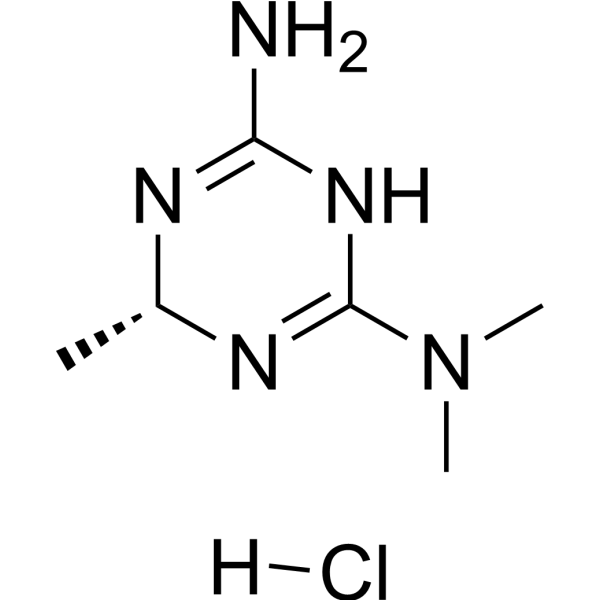
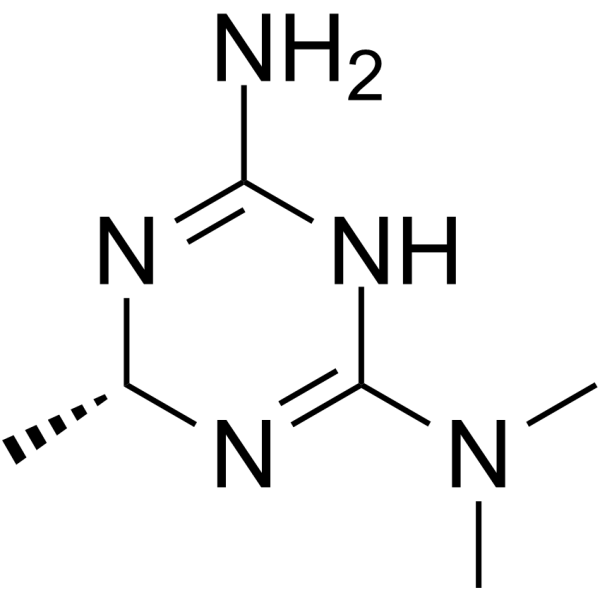
Imeglimin-d3 (EMD 387008-d3) is deuterium labeled Imeglimin. Imeglimin (EMD 387008) is an oral glucose-lowering agent. Imeglimin improves insulin sensitivity. Imeglimin also reduces reactive oxygen species (ROS) production, increases mitochondrial DNA and improves mitochondrial function .
|
-
-
- HY-W768207
-
|
|
|
Cytidine-1',2',3',4',5'- 13C5 is the 13C-labeled Cytidine (HY-B0158). Cytidine is a pyrimidine nucleoside and acts as a component of RNA. Cytidine is a precursor of uridine. Cytidine controls neuronal-glial glutamate cycling, affecting cerebral phospholipid metabolism, catecholamine synthesis, and mitochondrial function .
|
-
-
- HY-B0158S8
-
|
|
|
Cytidine-d13 (Cytosine β-D-riboside-d13) is deuterium labeled Cytidine (HY-B0158). Cytidine is a pyrimidine nucleoside and acts as a component of RNA. Cytidine is a precursor of uridine. Cytidine controls neuronal-glial glutamate cycling, affecting cerebral phospholipid metabolism, catecholamine synthesis, and mitochondrial function .
|
-
-
- HY-13832S2
-
|
|
|
Atovaquone-d5 is the deuterium labeled Atovaquone. Atovaquone (Atavaquone) is a potent, selective and orally active inhibitor of the parasite’s mitochondrial cytochrome?bc1?complex. Atovaquone is against human and ?P. falciparum?cytochrome?bc1?activity with IC50 values of 460 nM and 2.0 nM, respectively. Atovaquone is an antimalarial agent and has the potential for the investigation of neumocystis pneumonia, toxoplasmosis, malaria, and babesia [1] .
|
-
-
- HY-13832S3
-
|
|
|
cis-Atovaquone-d4 is deuterium labeled Atovaquone. Atovaquone (Atavaquone) is a potent, selective and orally active inhibitor of the parasite’s mitochondrial cytochrome bc1 complex. Atovaquone is against human and P. falciparum cytochrome bc1 activity with IC50 values of 460 nM and 2.0 nM, respectively. Atovaquone is an antimalarial agent and has the potential for the investigation of neumocystis pneumonia, toxoplasmosis, malaria, and babesia[1][2].
|
-
-
- HY-B1474S1
-
|
|
|
Alexidine-d10 is the deuterium labeled Alexidine (HY-B1474). Alexidine, a bis-biguanide, exhibits antifungal and antibiofilm activity against a diverse range of fungal pathogens. Alexidine is an anticancer agent that targets a mitochondrial tyrosine phosphatase, PTPMT1, in mammalian cells and causes mitochondrial apoptosis .
|
-
| Cat. No. |
Product Name |
|
Classification |
-
- HY-131442
-
|
Alkyne tyramide; Alk-Ph
|
|
Alkynes
Labeling and Fluorescence Imaging
|
|
Alkyne-phenol (Alk-Ph) is a clickable ascorbate peroxidase 2 (APEX2) probe. Alkyne-phenol substantially improves APEX-labeling efficiency in intact yeast cells, as it is more cell wall-permeant than APEX2 substrate biotin-phenol (BP). Alkyne-phenol also facilitates the identification of APEX-labeling sites, allowing the unambiguous assignment of membrane topology of mitochondrial proteins . Alkyne-phenol is a click chemistry reagent, it contains an Alkyne group and can undergo copper-catalyzed azide-alkyne cycloaddition (CuAAc) with molecules containing Azide groups.
|
| Cat. No. |
Product Name |
|
Classification |
-
- HY-B0158
-
|
CytosINe β-D-riboside; CytosINe-1-β-D-ribofuranoside
|
|
Nucleoside Analogs
Cytidine
|
|
Cytidine is a pyrimidine nucleoside and acts as a component of RNA. Cytidine is a precursor of uridine. Cytidine controls neuronal-glial glutamate cycling, affecting cerebral phospholipid metabolism, catecholamine synthesis, and mitochondrial function .
|
-
- HY-148165
-
|
|
|
Nucleoside Analogs
Cytidine
|
|
L-Cytidine is an L-configurational form of Cytidine (HY-B0158). L-Cytidine is a pyrimidine nucleoside, a component of RNA. Cytidine can control the glial glutamate cycle, affect brain phospholipid metabolism, catecholamine synthesis and mitochondrial function .
|
Your information is safe with us. * Required Fields.
Inquiry Information
- Product Name:
- Cat. No.:
- Quantity:
- MCE Japan Authorized Agent:








