1. Search Result
Search Result
Results for "

TYR inhibitors

" in MedChemExpress (MCE) Product Catalog:

100

Inhibitors & Agonists

2

Screening Libraries

1

Fluorescent Dyes

1

Biochemical Assay Reagents

24

Peptides

13

Natural
Products

4

Isotope-Labeled Compounds

Targets Recommended:
Cat. No. Product Name Target Research Areas Chemical Structure
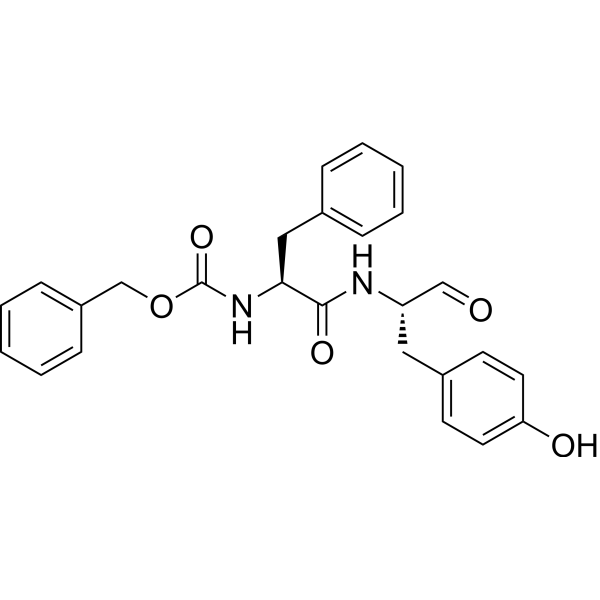
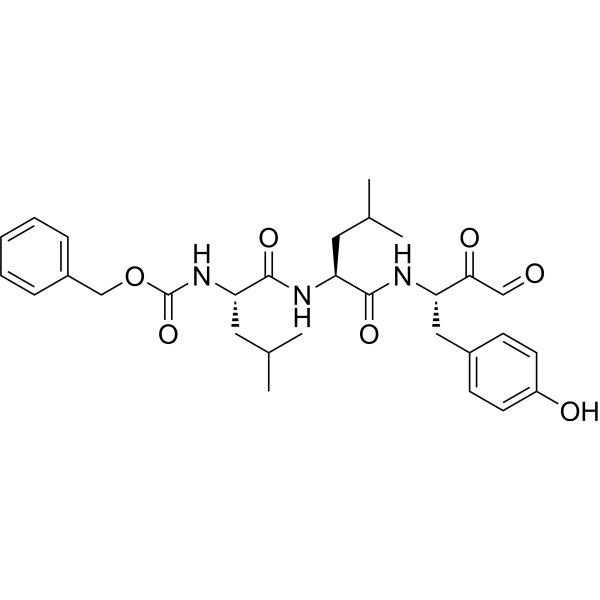
  • HY-128140
    Z-FY-CHO
    5+ Cited Publications

    Z-Phe-TYR-CHO

    Cathepsin Neurological Disease Metabolic Disease
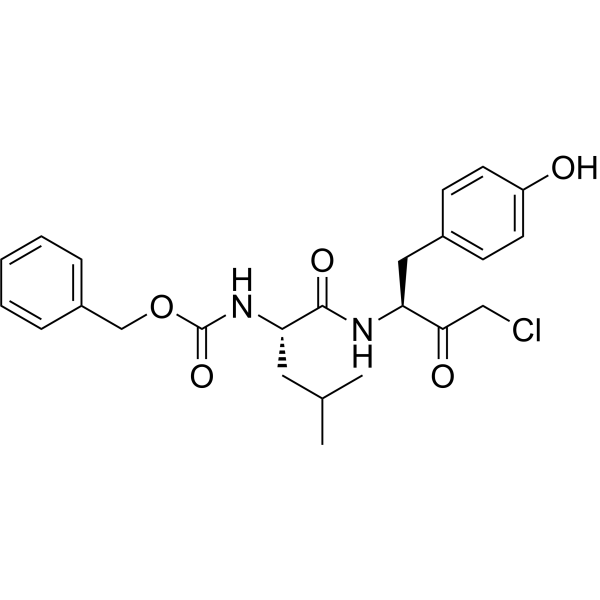
    Z-FY-CHO (Z-Phe-Tyr-CHO) is a potent and specific cathepsin L (CTSL) inhibitor .
    Z-FY-CHO
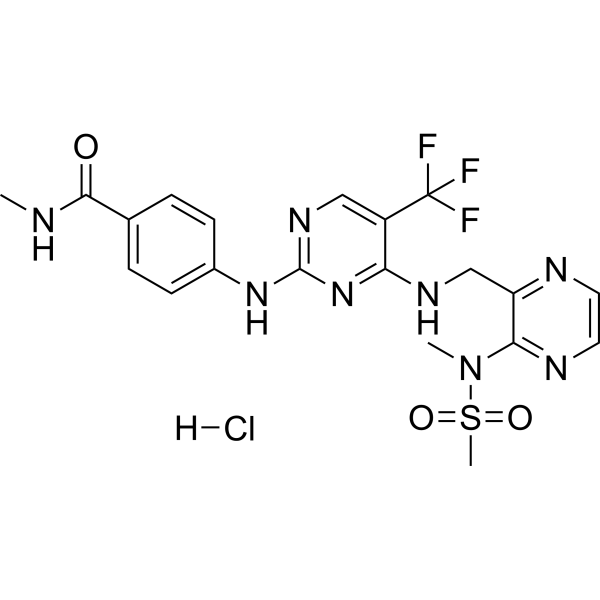
  • HY-12289A
    Defactinib hydrochloride
    Maximum Cited Publications
    57 Publications Verification

    VS-6063 hydrochloride; PF 04554878 hydrochloride

    FAK Cancer
    Defactinib hydrochloride (VS-6063 hydrochloride; PF 04554878 hydrochloride) is a novel FAK inhibitor, which inhibits FAK phosphorylation at the Tyr397 site in a time- and dose-dependent manner.
    Defactinib hydrochloride
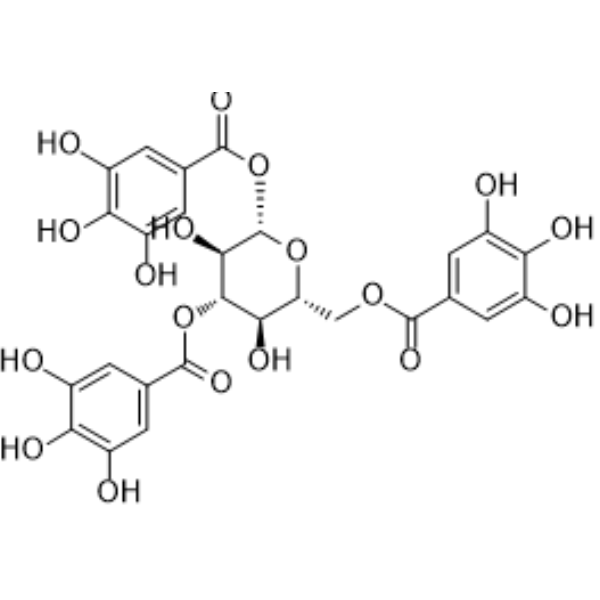
  • HY-N6006

    1,3,6-Tri-O-galloyl-β-D-glucose

    Others Others
    1,3,6-Tri-O-galloyl-beta-D-glucose is a non-covalent inhibitor of tyrosinase (TYR), which can block the rate-limiting step of melanin synthesis and inhibit melanin deposition. 1,3,6-Tri-O-galloyl-beta-D-glucose has antioxidant and anti-inflammatory activities and can be used as a natural active ingredient to develop anti-freckle and whitening skin care products .
    1,3,6-Tri-O-galloyl-beta-D-glucose
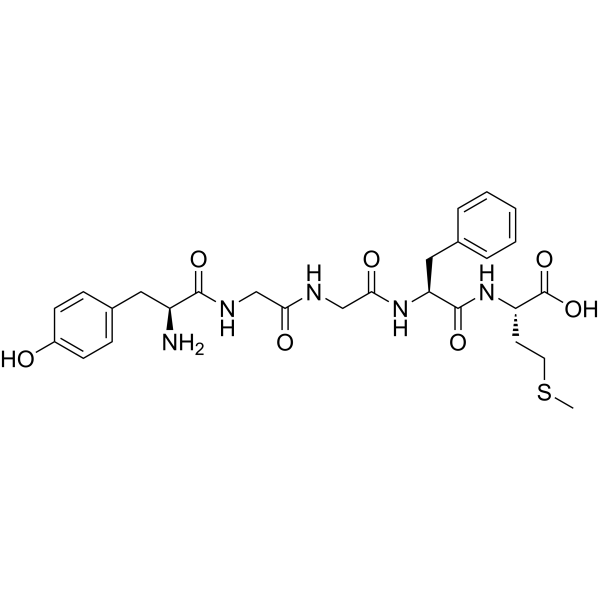
  • HY-P0073
    Tyr-Gly-Gly-Phe-Met-OH
    4 Publications Verification

    Met-Enkephalin; Methionine enkephalin; Metenkefalin

    Opioid Receptor Neurological Disease Cancer
    Tyr-Gly-Gly-Phe-Met-OH regulates human immune function and inhibits tumor growth via binding to the opioid receptor.
    Tyr-Gly-Gly-Phe-Met-OH
  • HY-D0846

    Biochemical Assay Reagents Neurological Disease
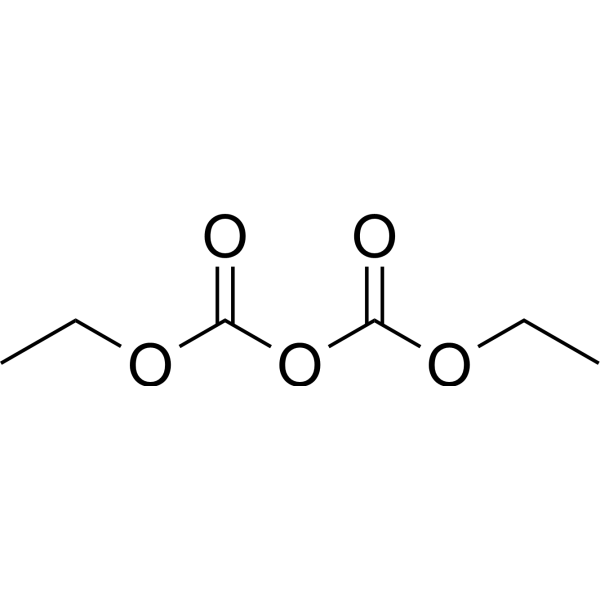
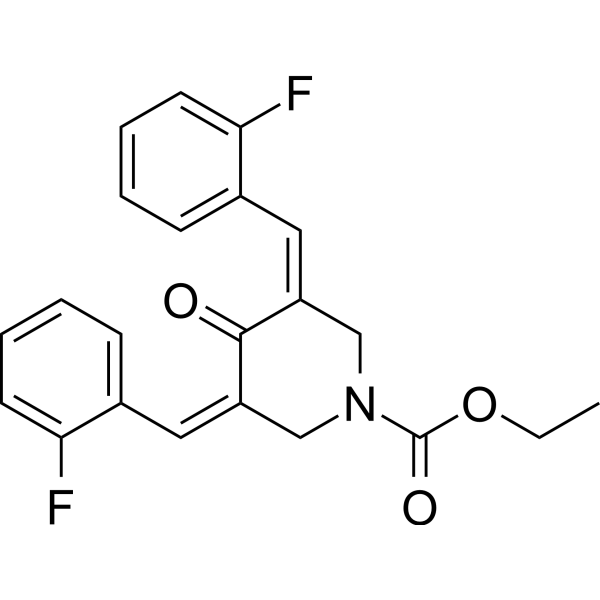
    Diethyl pyrocarbonate is a potent, orally active, non-specific chemical inhibitor of RNase. Diethyl pyrocarbonate has been useful in vitro as an agent relatively specific for binding to imidazole of histidine. Diethyl pyrocarbonate inhibits central chemosensitivity in rabbits. Diethyl pyrocarbonate can modify Ser, Thr, His and Tyr residues. Diethyl pyrocarbonate can be used for modeling .
    Diethyl pyrocarbonate
  • HY-15841

    Anaplastic lymphoma kinase (ALK) FAK Cancer
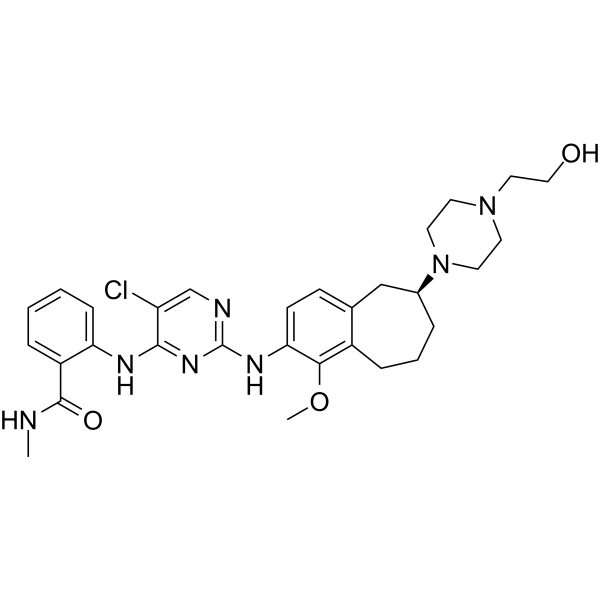
    CEP-37440 is a potent, orally active dual FAK/ALK inhibitor with IC50 values of 2.3 nM and 3.5 nM for FAK and ALK, respectively. CEP-37440 decreases the cell proliferation by blocking the autophosphorylation kinase activity of FAK1 (Tyr 397) .
    CEP-37440
  • HY-N6069
    Raspberry ketone glucoside
    1 Publications Verification

    Interleukin Related JAK STAT Inflammation/Immunology
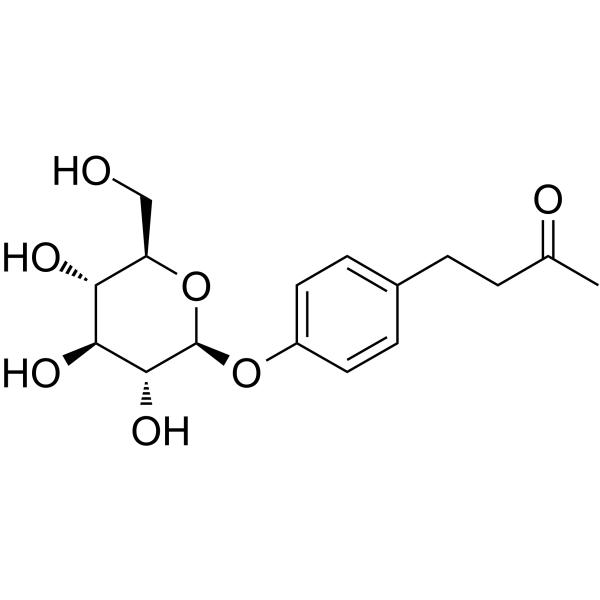
    Raspberry ketone glucoside is a melanogenesis inhibitor. Raspberry ketone glucoside inhibits melanogenesis by activating the IL6/JAK1/STAT3 pathway, inhibiting the transcriptional activity of MITFa, and its downstream expression levels of the TYR and TYRP1a genes. Raspberry ketone glucoside shows remarkable whitening activity on both B16F10 cells in vitro and zebrafish model in vivo .
    Raspberry ketone glucoside
  • HY-173156

    Histone Methyltransferase Cancer
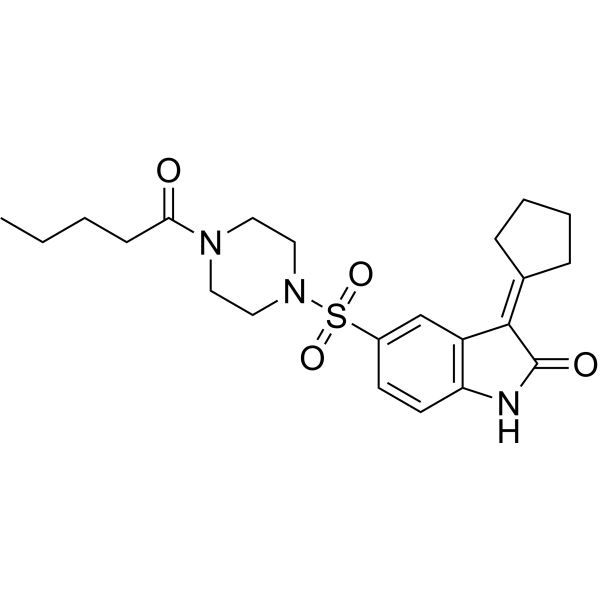
    UNC10013 is an inhibitor targeting the triple Tudor domain (3TD) of SETDB1. UNC10013 covalently binds to Cys385 of SETDB1 3TD, acts as a negative allosteric modulator of the methyltransferase domain of SETDB1, reduces the level of Akt methylation mediated by SETDB1, and blocks Tyr308 phosphorylation of Akt. UNC10013 is applicable to cancer-related research .
    UNC10013
  • HY-D0168

    3,5-Dihydroxytoluene

    Fluorescent Dye Tyrosinase p38 MAPK ERK Metabolic Disease Cancer
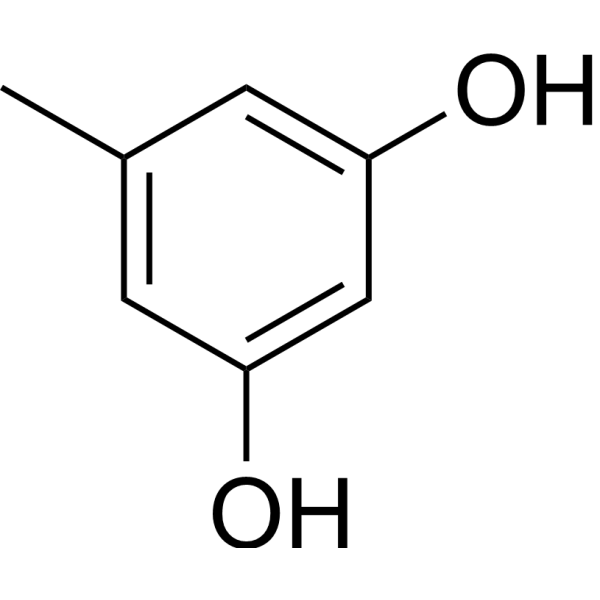
    Orcinol (3,5-Dihydroxytoluene) is an organic compound used in biological dyeing and proteomics research. Orcinol inhibits melanogenesis in B16F10 cells by upregulating the MAPK/ERK signaling pathway, and suppresses the expression of MITF, tyrosinase (TYR), TRP1, and DCT. Orcinol exhibits certain DPPH radical scavenging activity. In addition, Orcinol can alter nitrogen balance in animals. Orcinol holds promise for research in cancer and metabolic diseases .
    Orcinol
  • HY-W008452
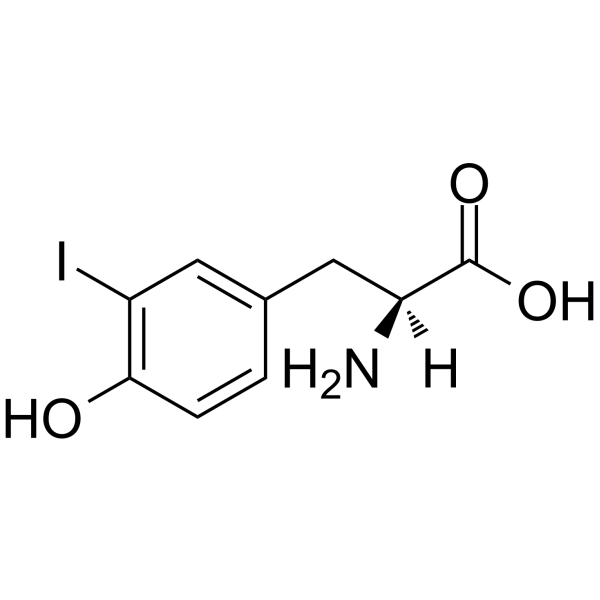
    H-Tyr(3-I)-OH
    1 Publications Verification

    Endogenous Metabolite Metabolic Disease
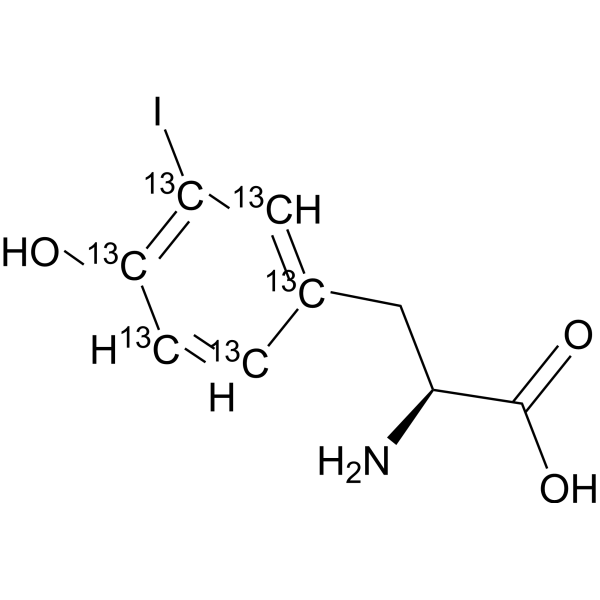
    H-Tyr(3-I)-OH is a potent and effective tyrosine hydroxylase inhibitor. H-Tyr(3-I)-OH is an intermediate in the production of thyroid hormones and has a role as a human or mouse metabolite .
    H-Tyr(3-I)-OH
  • HY-15290
    AIM-100
    4 Publications Verification

    Ack1 Cancer
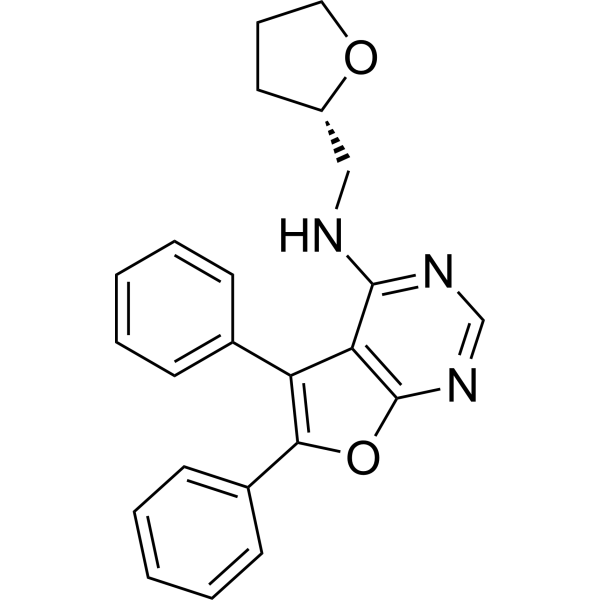
    AIM-100 is a potent and selective Ack1 inhibitor with an IC50 of 21.58 nM. AIM-100 also inhibits Tyr 267 phosphorylation. AIM-100 does not inhibits other kinases including PI3-kinase and AKT subfamily members. AIM-100 has an anticancer effect .
    AIM-100
  • HY-11010
    AS601245
    5+ Cited Publications

    JNK Neurological Disease Inflammation/Immunology Cancer
    AS601245 is an orally active, selective, ATP competitive JNK (c-Jun NH2-terminal protein kinase) inhibitor with IC50s of 150, 220, and 70 nM for three JNK human isoforms (hJNK1, hJNK2, and hJNK3), respectively. AS601245 exhibits 10- to 20-fold selectivity over c-src, CDK2, and c-Raf and more than 50- to 100-fold selectivity over a range of Ser/Thr- and Tyr-protein kinases. Neuroprotective properties .
    AS601245
  • HY-114782

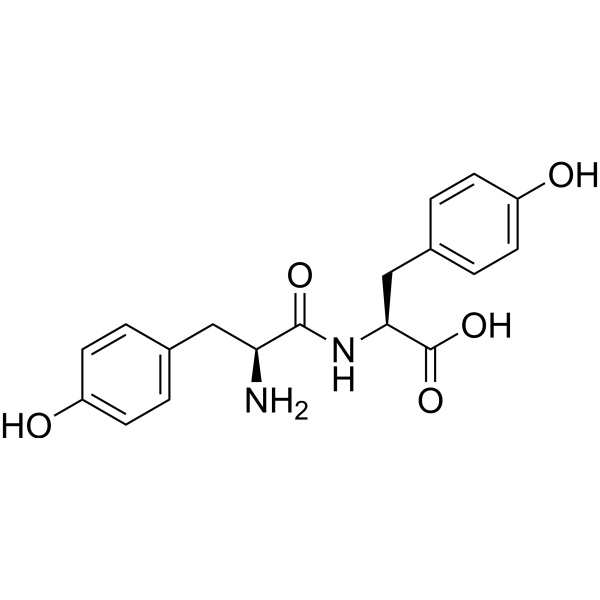
    L-TYRosyl-L-TYRosine

    Angiotensin-converting Enzyme (ACE) Cardiovascular Disease
    H-Tyr-Tyr-OH (L-Tyrosyl-L-tyrosine) is an antihypertensive peptide. H-Tyr-Tyr-OH inhibits angiotensin I-converting enzyme (ACE) with an IC50 value of 0.028 mg/mL. H-Tyr-Tyr-OH can be used for the research of high blood pressure .
    H-Tyr-Tyr-OH
  • HY-157229
    STX-721
    1 Publications Verification

    EGFR ERK Cancer
    STX-721 is an orally active, irreversible, covalent EGFR exon 20 insertion (ex20ins) inhibitor that selectively targets ex20ins-mutant dynamic protein states. STX-721 potently inhibits the kinase activity of EGFR ex20ins mutants (NPG, ASV, SVD). STX-721 inhibits phosphorylation of EGFR (pEGFR Y1068) and downstream ERK (pERK Thr202/Tyr204), and suppresses proliferation of ex20ins-mutant Ba/F3 cells and human NSCLC cell lines (NCI-H2073 ASV KI, CUTO-14 ASV). STX-721 induces tumor regression in EGFR ex20ins-mutant PDX/CDX models. STX-721 can be used for the study of non-small cell lung cancer (NSCLC) harboring EGFR or HER2 ex20ins mutations .
    STX-721
  • HY-176848

    YTHDF Apoptosis MMP Caspase Cancer
    SKLB-Y13 is a selective YTHDF1 inhibitor with an IC50 of 0.76 μM and a KD of 5.097 μM. SKLB-Y13 binds to the Tyr397 and Trp470 residues in the m 6A-binding pocket of YTHDF1, disrupting the interaction between YTHDF1 and m 6A-modified mRNA. SKLB-Y13 inhibits cancer cell proliferation and promotes apoptosis. SKLB-Y13 is applicable to breast cancer-related research .
    SKLB-Y13
  • HY-W012817

    Environmental Pollutants COX Inflammation/Immunology
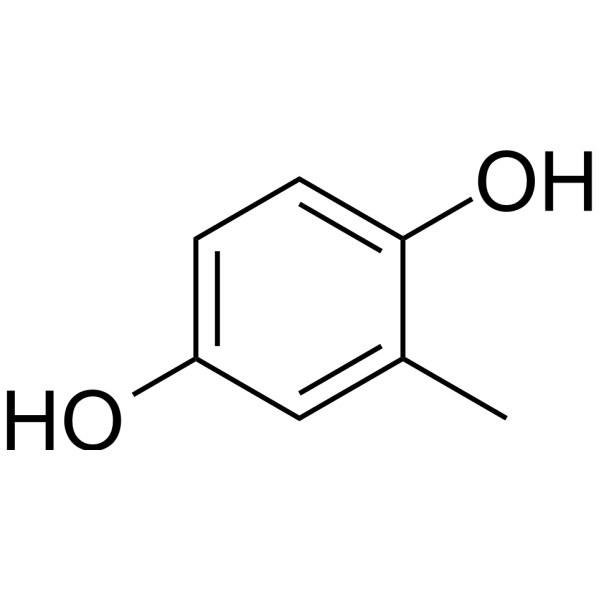
    Methylhydroquinone is an orally active COX inhibitor with IC50s of 480.7 μM and 52.2 μM for ovine COX-1 and human recombinant COX-2, respectively. Methylhydroquinone has potential DNA damaging effects: 1) inhibiting COX-1 to reduce prostaglandin synthesis and exert anti-inflammatory activity; 2) inducing DNA single-strand breaks. Methylhydroquinone exerts its effects by competitively binding to the active sites of COX-1 (such as Tyr385, Met522) and non-covalent interactions .
    Methylhydroquinone
  • HY-139984

    Btk Neurological Disease Inflammation/Immunology
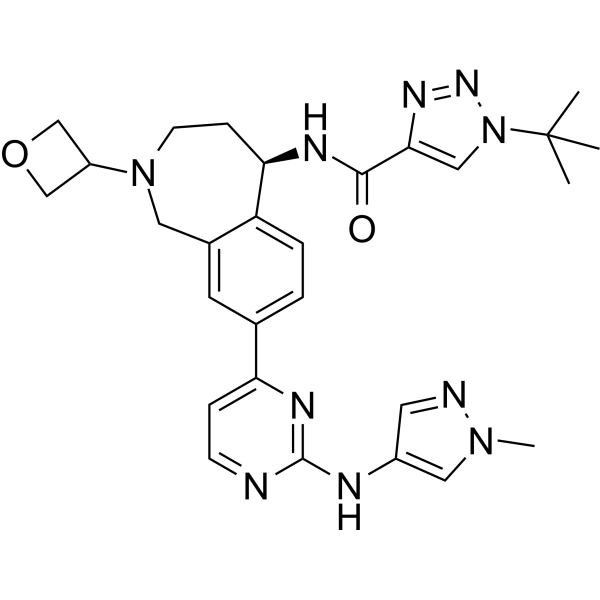
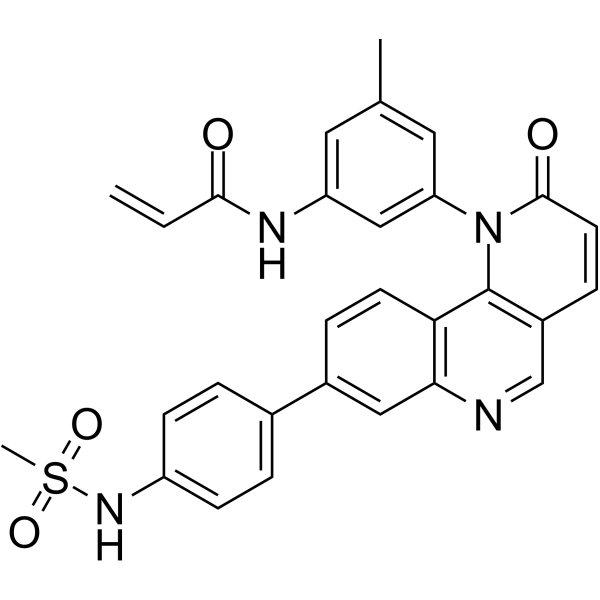
    BIIB091 is a potent, selective, orally active and reversible BTK inhibitor, with an IC50 of <0.5 nM. BIIB091 binds the BTK protein to sequester TYR-551 into an inactive conformation with excellent affinity. BIIB091 can be used for the research of multiple sclerosis .
    BIIB091
  • HY-15427
    GDC-0834
    1 Publications Verification

    Btk Inflammation/Immunology Cancer
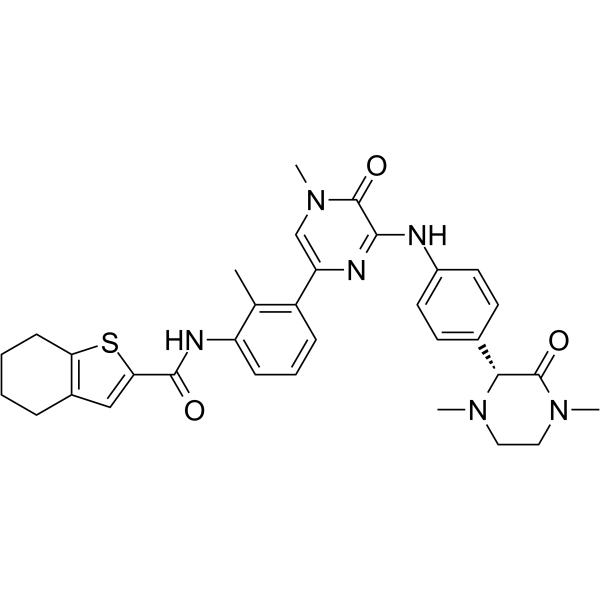
    GDC-0834 is an orally active selective, potent, and reversible BTK inhibitor with an IC50 of 5.9 nM. GDC-0834 demonstrates pBTK-Tyr223 inhibition in mice and rats. GDC-0834 can be used for research of rheumatoid arthritis (RA) .
    GDC-0834
  • HY-115452

    JAK Apoptosis Cancer
    G5-7, an orally active and allosteric JAK2 inhibitor, selectively inhibits JAK2 mediated phosphorylation and activation of EGFR (Tyr 1068) and STAT3 by binding to JAK2. G5-7 induces cell cycle arrest, apoptosis and possesses antiangiogenic effect. G5-7 has the potential for glioma study .
    G5-7
  • HY-W104477

    Others Metabolic Disease
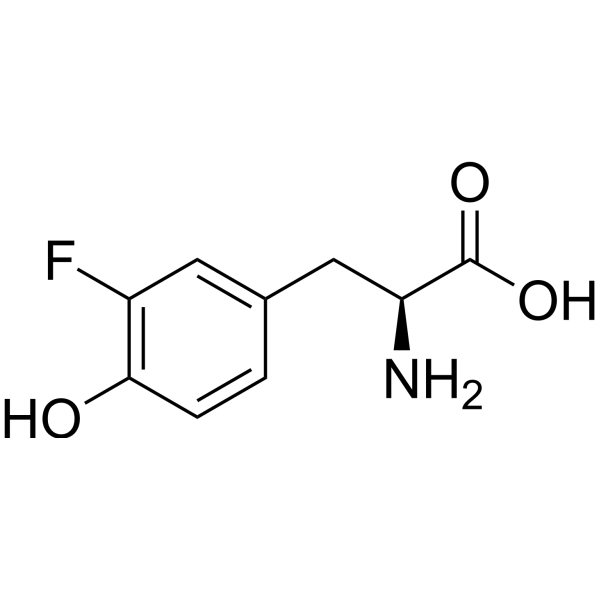
    3-Fluoro-L-tyrosine is a tyrosine analogue, inhibits transamination by tyrosine aminotransferase (TAT). And 3-FluoroL-tyrosine has been shown to be biologically incorporated into proteins in place of tyrosine. 3-Fluoro-L-tyrosine pretends to be the substrate of rat liver tyrosine aminotransferase, markedly disturbs the Tyr-TAT association .
    3-Fluoro-L-tyrosine
  • HY-100749
    HeE1-2Tyr
    1 Publications Verification

    Flavivirus Dengue Virus DNA/RNA Synthesis SARS-CoV Infection
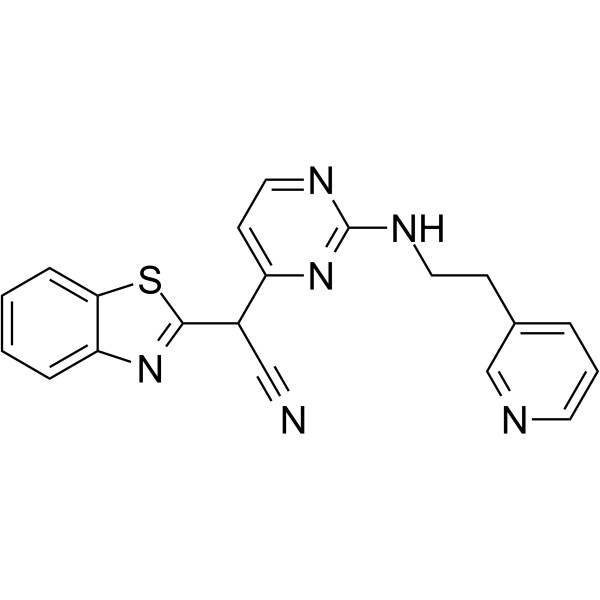
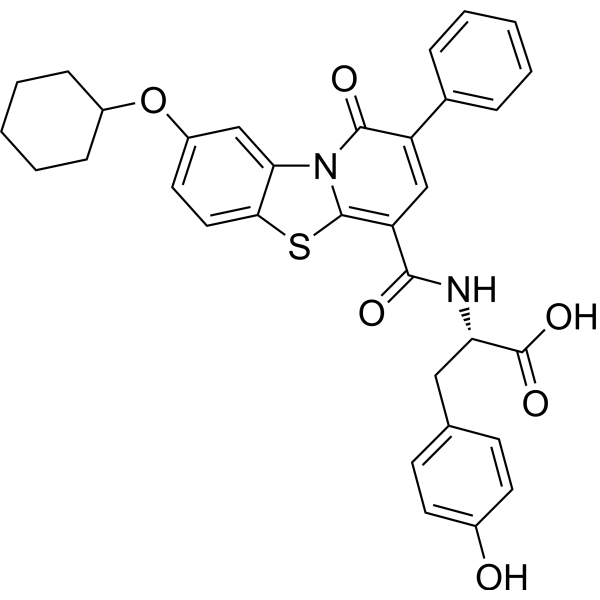
    HeE1-2Tyr, a pyridobenzothiazole compound, is a flavivirus RNA dependent RNA polymerases (RdRp) inhibitor. HeE1-2Tyr significantly inhibits West Nile, Dengue and SARS-CoV-2 RdRps (IC50 of 27.6 μM) activity in vitro .
    HeE1-2Tyr
  • HY-P10239

    Somatostatin Receptor Radionuclide-Drug Conjugates (RDCs) Cancer
    Tyr3-Octreotate is a ligand for somatostatin receptor subtype 2 (sst2), with an IC50 value of 1.3 nM against sst2 when labeled with [ 111In-DTPA], and an IC50 value of 1.6 nM against sst2 when labeled with [ 90Y-DOTA]. Radiolabeled Tyr3-Octreotate generates cell-associated radioactivity, and acts as both a tumor growth inhibitor and a tumor cytotoxic agent. When radiolabeled with 177Lu or 90Y, Tyr3-Octreotate serves as a peptide receptor radionuclide therapy (PRRT) analog. Tyr3-Octreotate can be used in studies related to pancreatic tumors .
    Tyr3-Octreotate
  • HY-W011258

    L-TYRosyl-L-phenylalanine

    Xanthine Oxidase Angiotensin-converting Enzyme (ACE) Inflammation/Immunology Cancer
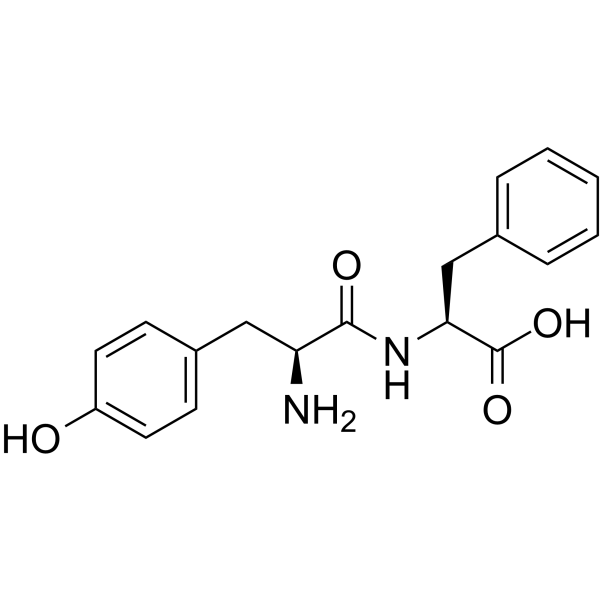
    H-Tyr-Phe-OH (L-Tyrosyl-L-phenylalanine) is an orally active inhibitor of Angiotensin converting enzyme (ACE), with an inhibiton rate of 48% at 50 μM. H-Tyr-Phe-OH can be used as an biomarker for differentiating benign thyroid nodules (BTN) from thyroid cancer (TC). H-Tyr-Phe-OH exhibits xanthine oxidase inhibition (uric acid lowering) activity and serves as regulator in IL-8 production in neutrophil-like cells .
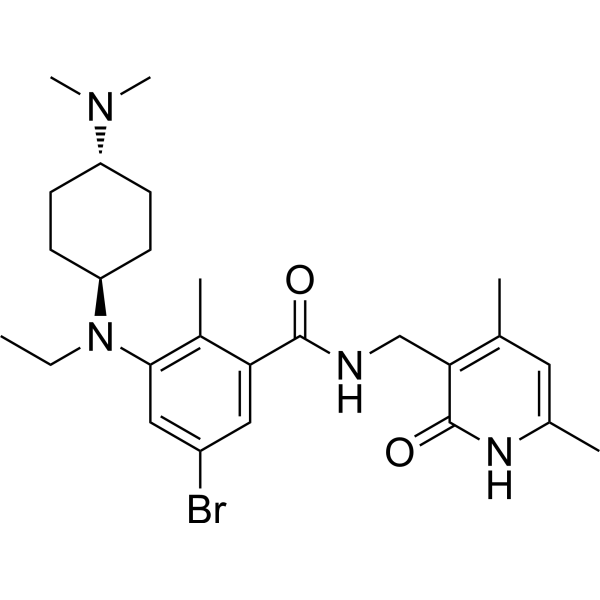
    H-Tyr-Phe-OH
  • HY-133512

    Phosphatase Cancer
    NCGC00249987 is a highly selective and allosteric Tyr phosphatase activity of Eya2 inhibitor with IC50s of 3 μM and 6.9 μM for Eya2 ED and MBP-Eya2 FL. NCGC00249987 specifically targets migration, invadopodia formation, and invasion of lung cancer cells .
    NCGC00249987
  • HY-138208
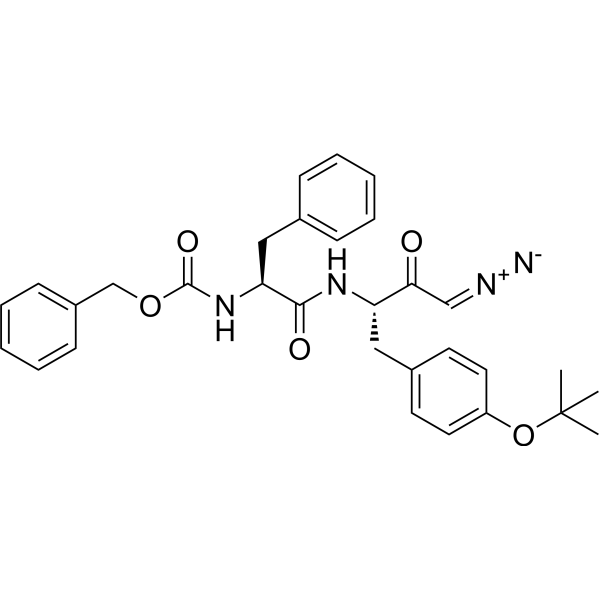
    Z-Phe-Tyr(tBu)-diazomethylketone
    1 Publications Verification

    Cathepsin SARS-CoV Infection
    Z-Phe-Tyr(tBu)-diazomethylketone is a potent cathepsin L inhibitor. Z-Phe-Tyr(tBu)-diazomethylketone mediates reovirus disassembly. Z-Phe-Tyr(tBu)-diazomethylketone decreases viral detection .
    Z-Phe-Tyr(tBu)-diazomethylketone
  • HY-W009338
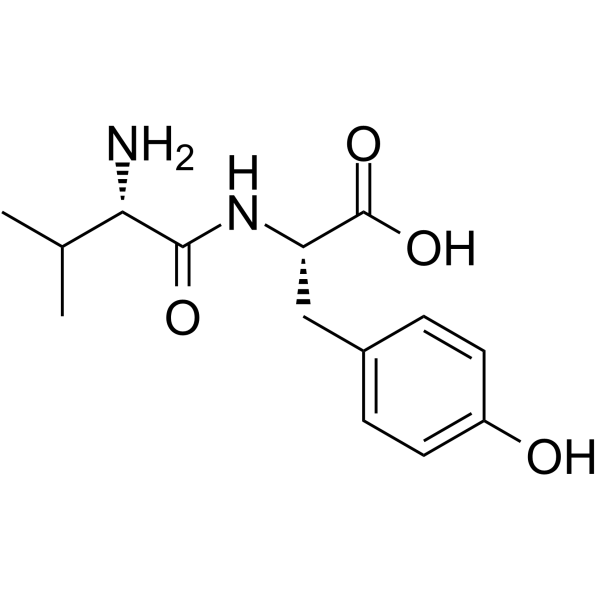
    H-Val-Tyr-OH
    1 Publications Verification

    Val-TYR

    IKK NF-κB Inflammation/Immunology Cancer
    H-Val-Tyr-OH (Val-Tyr) is a dipeptide formed by the connection of valine and tyrosine via a peptide bond. H-Val-Tyr-OH is a potential IKKα inhibitor and can be used in the research of cancer and inflammatory diseases .
    H-Val-Tyr-OH
  • HY-153445
    Polfurmetinib
    1 Publications Verification

    MEK-IN-6

    ERK MEK Cancer
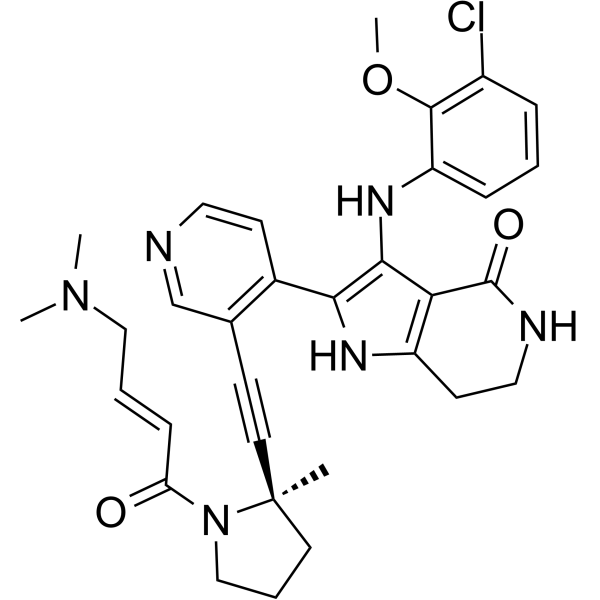
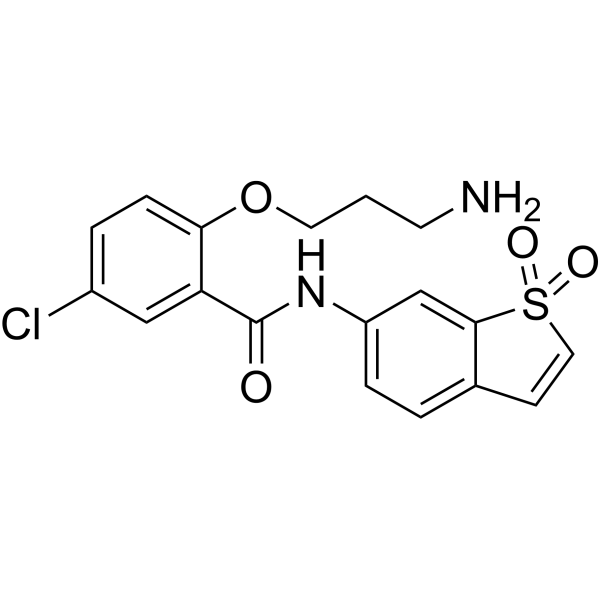
    Polfurmetinib (MEK-IN-6) (Example 69) is a MEK inhibitor. MEK-IN-6 inhibits ERK1/2 (Thr202/Tyr204) phosphorylation in A375 cells (IC50: 2 nM). Polfurmetinib can be used for research of cancer .
    Polfurmetinib
  • HY-164546

    STAT Apoptosis Cancer
    WB436B is a highly selective STAT3 inhibitor. WB436B can selectively inhibit STAT3-Tyr705 phosphorylation and the expression of STAT3 target genes, showing cytotoxic effects on pancreatic cancer cells and inducing apoptosis. WB436B can suppress tumor growth and metastasis in pancreatic cancer mouse models, extending the survival of tumor-bearing mice .
    WB436B
  • HY-115605

    EGFR p38 MAPK ERK Phosphatase Cancer
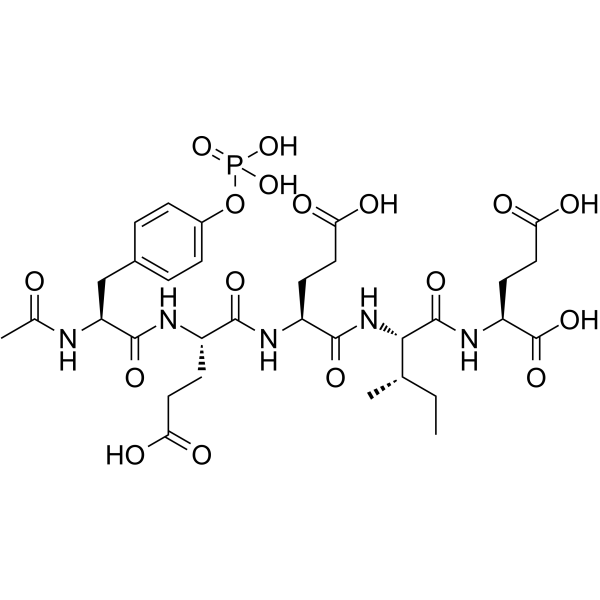
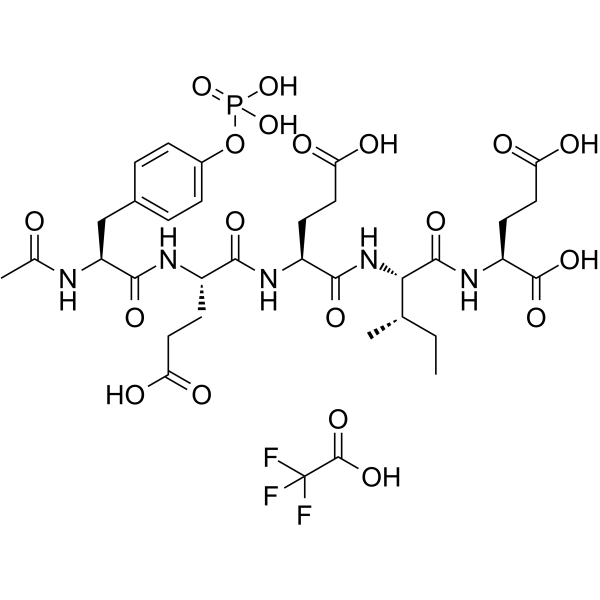
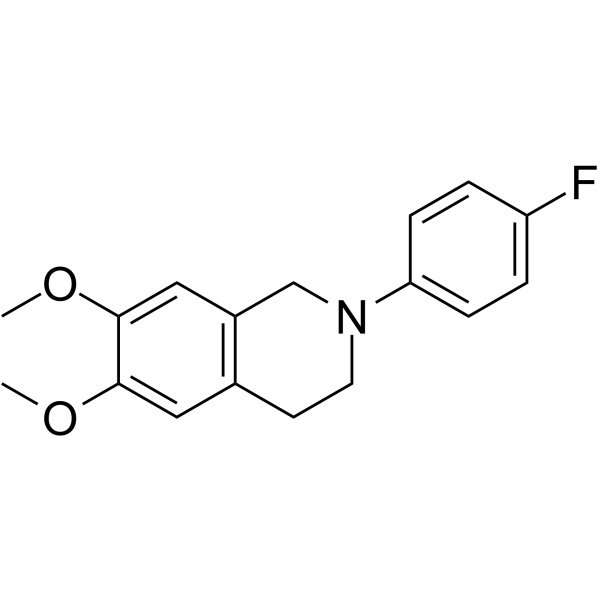
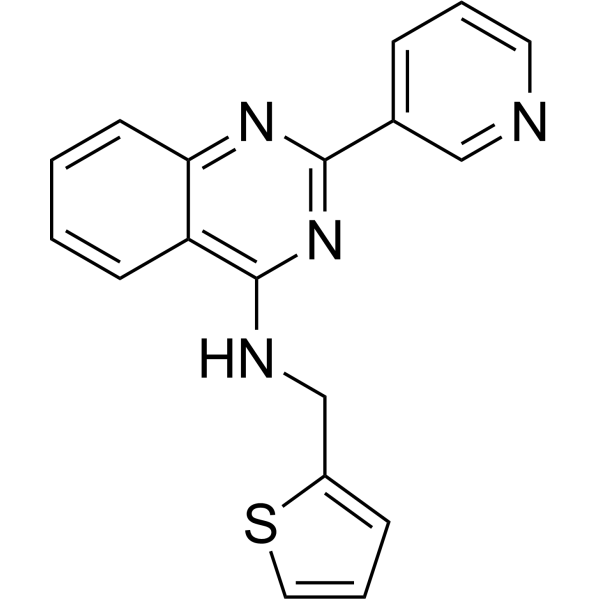
    CN009543V is an epidermal growth factor receptor (EGFR) agonist. CN009543V enhances tyrosine phosphorylation of EGFR at Tyr1068 and Tyr1173, thereby activating the MAPK/ERK cascade. CN009543V inhibits the activity of PTP-1B in MDA MB468 cells. CN009543V can be used in cancer research .
    CN009543V
  • HY-P4633
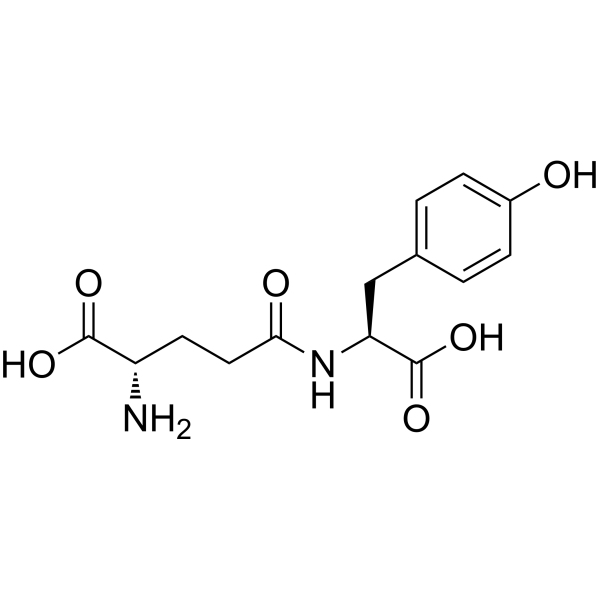
    γ-Glu-Tyr
    1 Publications Verification

    Dipeptidyl Peptidase Metabolic Disease
    γ-Glu-Tyr, a competitive inhibitor of dipeptidyl peptidase-IV (DPP-IV) (IC50=6.77 mM), is a potentially functional component of the type 2 diabetes diet .
    γ-Glu-Tyr
  • HY-118798

    NSC663285

    Phosphatase Cancer
    DA 3003-2 is a potent and selectively Cdc25 inhibitor. DA 3003-2 shows antiproliferative activity. DA 3003-2 induces cell cycle arrest at the G2/M phase and increases the expression of P-tyr 15 Cdc2. DA 3003-2 has the potential for the research of prostate cancer .
    DA 3003-2
  • HY-N2134

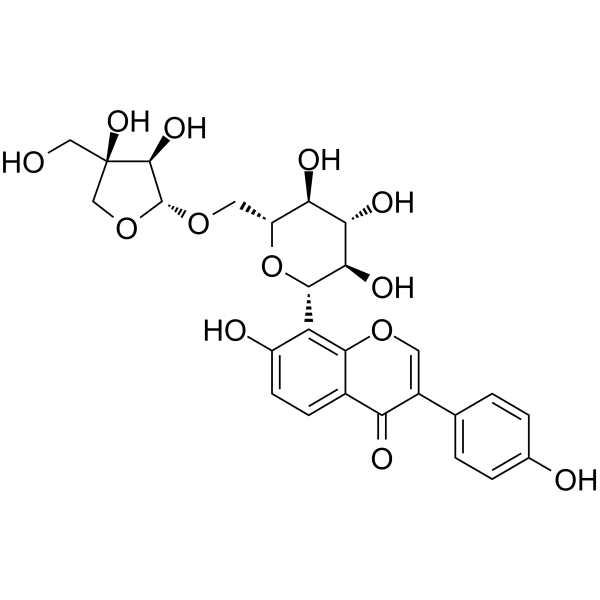
    Puerarin apioside

    Tyrosinase Endocrinology
    Mirificin (Puerarin apioside) is a isoflavone in Puerariae Lobatae Radix. Mirificin inhibits tyrosinase (TYR) with an IC50 of 12.66 μM .
    Mirificin
  • HY-15427A

    Btk Drug Isomer Inflammation/Immunology
    GDC-0834 Racemate is the racemic form of GDC-0834 (HY-15427). GDC-0834 is an orally active selective, potent, and reversible BTK inhibitor with an IC50 of 5.9 nM. GDC-0834 demonstrates pBTK-Tyr223 inhibition in mice and rats. GDC-0834 can be used for research of rheumatoid arthritis (RA) .
    GDC-0834 Racemate
  • HY-P3786

    PKA PKC Cancer
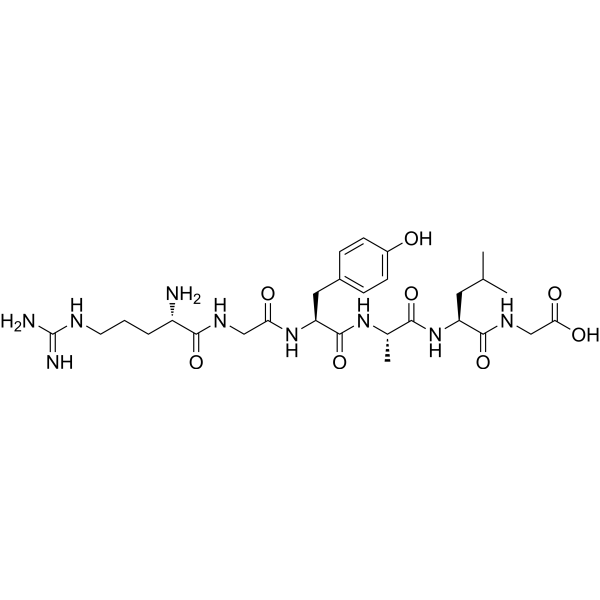
    H-Arg-Gly-Tyr-Ala-Leu-Gly-OH is a competitive and CAMP dependent protein kinase inhibitor .
    H-Arg-Gly-Tyr-Ala-Leu-Gly-OH
  • HY-141566

    Histone Methyltransferase Cancer
    EZH2-IN-5 is a potent EZH2 inhibitor with IC50 values of 1.52 nM and 4.07 nM for wild-type and mutant Tyr641 EZH2, respectively .
    EZH2-IN-5
  • HY-N6069R

    Reference Standards Interleukin Related JAK STAT Inflammation/Immunology
    Raspberry ketone glucoside (Standard) is the analytical standard of Raspberry ketone glucoside (HY-N6069). Raspberry ketone glucoside is a melanogenesis inhibitor. Raspberry ketone glucoside inhibits melanogenesis by activating the IL6/JAK1/STAT3 pathway, inhibiting the transcriptional activity of MITFa, and its downstream expression levels of the TYR and TYRP1a genes. Raspberry ketone glucoside shows remarkable whitening activity on both B16F10 cells in vitro and zebrafish model in vivo .
    Raspberry ketone glucoside (Standard)
  • HY-124067

    IKK JAK STAT NF-κB Cancer
    EC-70124 is an orally active multikinase inhibitor targeting IKKβ and JAK2. EC-70124 blocks IkB phosphorylation and STAT3 (Tyr705) activation, suppressing NF-κB nuclear translocation and STAT3 transcriptional activity. EC-70124 reduces tumor growth and cancer stem cell (CSC) populations in prostate cancer cells and xenograft models. EC-70124 is promising for research of prostate cancer .
    EC-70124
  • HY-178858

    PROTACs FLT3 Checkpoint Kinase (Chk) STAT ERK c-Myc Akt Cancer
    PROTAC FLT3/CHK1 Degrader-1 is a PROTAC FLT3/CHK1 degrader, with DC50 values of 5.88 nM (FLT3) and 4.17 nM (CHK1), respectively. PROTAC FLT3/CHK1 Degrader-1 can inhibit the phosphorylation of FLT3 downstream signaling effectors STAT5 (Tyr694), AKT (Ser473), and ERK (Tyr204), downregulate the protein level of c-Myc and maintain the expression of p53 protein. PROTAC FLT3/CHK1 Degrader-1 induces apoptosis in MV-4-11 cells. PROTAC FLT3/CHK1 Degrader-1 shows significant anti-tumor efficacy in mice bearing MV-4-11 subcutaneous xenografts. PROTAC FLT3/CHK1 Degrader-1 can be used for the study of acute myeloid leukemia (AML). (Pink: FLT3/CHK1 ligand (HY-178869 ), Blue: CRBN Ligand (HY-W093272), Black: Linker, E3 ligase ligand-linker conjugate (HY-W998238)) .
    PROTAC FLT3/CHK1 Degrader-1
  • HY-W092110

    Angiotensin-converting Enzyme (ACE) Cardiovascular Disease
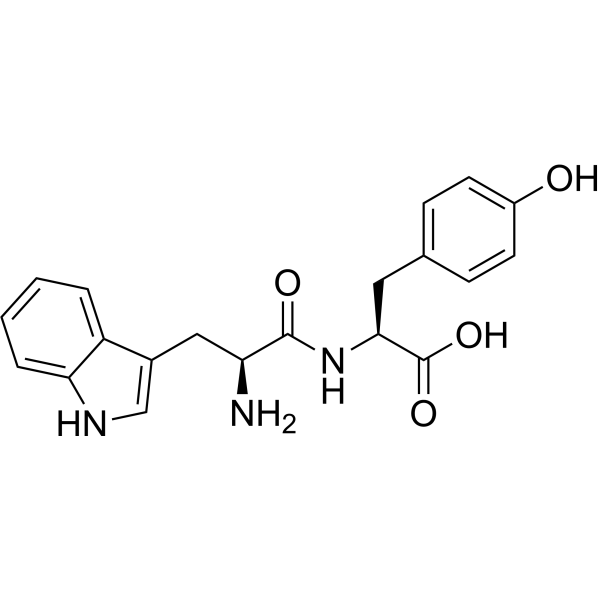
    Phe-Tyr is an ACE inhibitor. Phe-Tyr can be isolated from wakame. Phe-Tyr exhibits mild concentration-dependent toxicity to fibroblasts. Phe-Tyr can be used in studies related to hypertension and cardiovascular diseases .
    Phe-Tyr
  • HY-P4633A

    Drug Isomer Dipeptidyl Peptidase Metabolic Disease
    D-γ-Glu-Tyr is a D-isomer of γ-Glu-Tyr (HY-P4633), the difference being the γ-Glu content.γ-Glu-Tyr, a competitive inhibitor of dipeptidyl peptidase-IV (DPP-IV) (IC50=6.77 mM), is a potentially functional component of the type 2 diabetes diet .
    D-γ-Glu-Tyr
  • HY-N17669

    Epoxide Hydrolase Cardiovascular Disease
    4H-Tomentosin is a mixed-competitive type soluble epoxide hydrolase (sEH) inhibitor with an IC50 of 6.84 μM and a Ki of 7.02 μM. 4H-Tomentosin interacts with sEH by forming hydrogen bonds with Tyr343, Ile363, and Tyr383 .
    4H-Tomentosin
  • HY-P3761

    Caspase Inflammation/Immunology
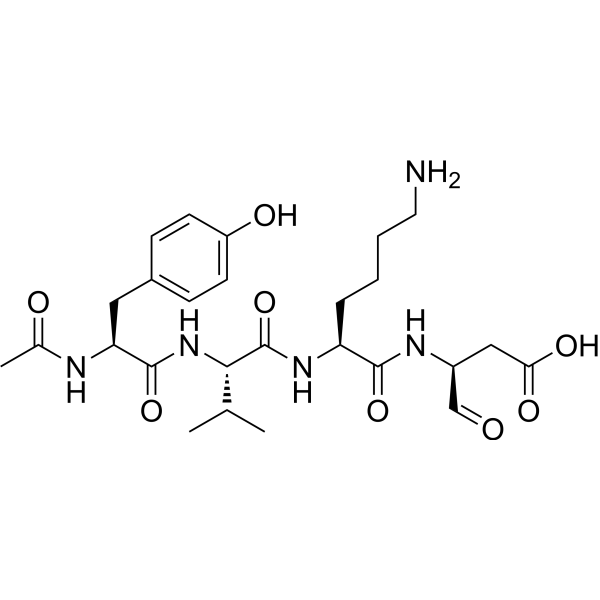
    Ac-Tyr-Val-Lys-Asp-aldehyde is a reversible caspase-1 inhibitor. Ac-Tyr-Val-Lys-Asp-aldehyde increases GATA1 levels by inhibiting caspase-1 and promotes erythroid differentiation. can be used for disease research including anemia-associated to chronic diseases, chemotherapy-induced anemia and Diamond-Blackfan anemia .
    Ac-Tyr-Val-Lys-Asp-aldehyde
  • HY-120406

    Btk Akt mTOR p38 MAPK ERK CCR Apoptosis Cancer
    LPS-123 is a covalently irreversible BTK inhibitor with an IC50 of < 5 nM. LPS-123 simultaneously inhibits the catalytic activity of BTK at Tyr551 and its self-activation at Tyr223. LPS-123 inhibits phosphorylation of the AKT/mTOR and MAPK signaling pathways, activation of PLCγ2, ERK1/2, p38, AKT, and mTOR, and blocks the production of CCL3 and CCL4 chemokines. LPS-123 exhibits significant anti-proliferative activity against various B-cell lymphoma cell lines and effectively induces apoptosis via a caspase-dependent pathway. LPS-123 also demonstrates significant antitumor activity in the OCI-Ly7 xenograft model. LPS-123 can be used for lymphoma research .
    PLS-123
  • HY-156242

    Paraptosis Cancer
    BQZ-485 is a a potent GDI2 inhibitor through the interaction with Tyr245. BQZ-485 disrupts the intrinsic GDI2-Rab1A interaction, thereby abolishing vesicular transport from the endoplasmic reticulum (ER) to the Golgi apparatus and initiating subsequent paraptosis events .
    BQZ-485
  • HY-178923

    HIV Reverse Transcriptase Infection
    NNRT-IN-14 is an HIV-1 reverse transcriptase inhibitor (IC50 = 0.175 µM). NNRT-IN-14 can form hydrogen bonds with LYS101, PRO225, and PHE227, and π–π stacking with TYR181 and TRP229. NNRT-IN-14 can be used for the study of HIV .
    NNRT-IN-14
  • HY-175253

    STAT Apoptosis Cancer
    YZ-35 is a STAT3 inhibitor, with a Ki value of 0.38 μM. YZ-35 binds directly to STAT3 with high affinity, exhibiting a dissociation constant (Kd) of 190 nM. YZ-35 directly attenuates the dual phosphorylation of STAT3 (Tyr705 and Ser727). YZ-35 suppresses colony formation, cellular migration, and induces apoptosis in breast cancer cell lines (BCSC). YZ-35 selectively suppresses BCSC self-renewal. YZ-35 inhibits tumor growth in the BCSC xenograft models. YZ-35 can be used for the study of breast cancer .
    YZ-35
  • HY-178944

    Phosphatase Apoptosis Caspase Cancer
    CDC25-IN-1 (Compound D11b) is a potent inhibitor of cell division cycle 25 (CDC25) phosphatase. CDC25-IN-1 exerts strong inhibitory effects on leukemia and colorectal cancer cells. CDC25-IN-1 blocks CDC25 mediated CDK1 Tyr15 dephosphorylation, delays G2/M progression, and induces caspase-dependent apoptosis with DNA damage. CDC25-IN-1 can be used for researches of leukemia and colorectal cancer .
    CDC25-IN-1
  • HY-170946

    STAT Bcl-2 Family Cancer
    WR-S-462 is a STAT3 inhibitor. WR-S-462 effectively suppresses STAT3 phosphorylation and biological functions in vitro. WR-S-462 inhibits MDA-MB-231 cells with an IC50 of 0.03 μM. WR-S-462 displays a strong binding affinity towards the STAT3 protein with a Kd of 58 nM. WR-S-462 inhibits the nuclear translocation of p-STAT3, selectively inhibits the expression of p-STAT3 Tyr705 and downstream target genes regulated by STAT3 in MDA-MB-231 cells such as Cyclin D1, Bcl-2, and Bcl-xl. WR-S-462 inhibits TNBC (triple-negative breast cancer) growth and metastasis .
    WR-S-462
  • HY-164445

    STAT c-Myc CDK Cancer
    STAT3-IN-32 is an orally active, selective STAT3 SH2 domain inhibitor with a Kd of 21.3 nM, showing selectivity over STAT1/5. STAT3-IN-32 binds to the STAT3 SH2 domain, blocks Tyr705 and Ser727 phosphorylation, abrogates nuclear transcription and mitochondrial oxidative phosphorylation functions. STAT3-IN-32 suppresses pancreatic cancer cell proliferation. STAT3-IN-32 inhibits tumor growth in mouse pancreatic cancer xenograft models. STAT3-IN-32 can be used for the research of pancreatic cancer .
    STAT3-IN-32
  • HY-175497

    ROR Apoptosis Bcl-2 Family PARP Cancer
    ROR1-IN-4 is a selective ROR1 inhibitor with a Kd of 52 nM. ROR1-IN-4 shows potent anti-proliferative activity against TNBC cell line MDA-MB-231 (IC50 = 75 nM). ROR1-IN-4 reduces colony formation, induces apoptosis and inhibits the phosphorylation of ROR1 (Tyr786) in MDA-MB-231 cells. ROR1-IN-4 demonstrates superior anti-tumor efficacy in nude mice bearing MDA-MB-231 subcutaneous xenografts. ROR1-IN-4 can be used for the study of triple-negative breast cancer (TNBC) .
    ROR1-IN-4

Inquiry Online

Your information is safe with us. * Required Fields.

Salutation


Country or Region *

Applicant Name *


Organization Name *

Department *


Email Address *


Product Name *

Cat. No.


Requested quantity *

Phone Number *


Remarks

Inquiry Online

Inquiry Information

Product Name:
Cat. No.:
Quantity:
MCE Japan Authorized Agent: