Search Result
Results for "
fatty+acid+amide
" in MedChemExpress (MCE) Product Catalog:
1
Biochemical Assay Reagents
3
Isotope-Labeled Compounds
| Cat. No. |
Product Name |
Target |
Research Areas |
Chemical Structure |
-
- HY-P0014
-
-

-
- HY-P3462
-
|
|
CGRP Receptor
|
Metabolic Disease
|
|
Cagrilintide is an investigational novel long-acting acylated amylin analogue, acts as nonselective amylin receptors (AMYR) and calcitonin G protein-coupled receptor (CTR) agonist. Cagrilintide induces significant weight loss and reduces food intake. Cagrilintide has the potential for the research of obesity .
|
-

-
- HY-N2327
-
|
|
Endogenous Metabolite
|
Others
|
|
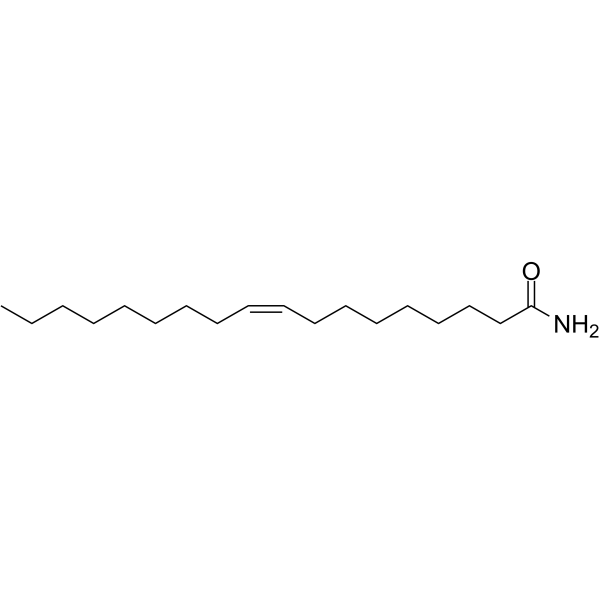
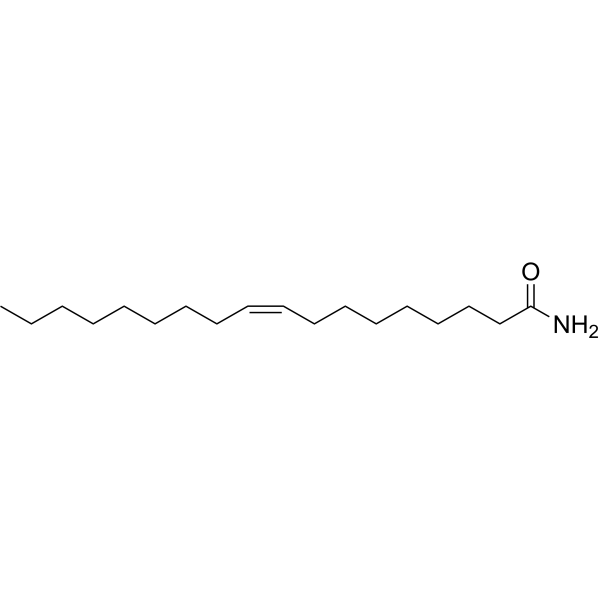
Oleamide is an endogenous fatty acid amide which can be synthesized de novo in the mammalian nervous system, and has been detected in human plasma.
|
-
-
- HY-14595
-
-
-
- HY-B0182
-
-
-
- HY-P3462A
-
|
|
CGRP Receptor
|
Metabolic Disease
|
|
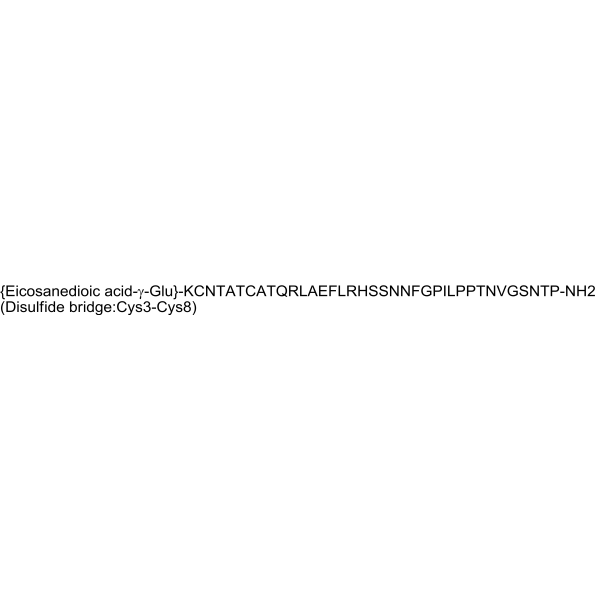
Cagrilintide acetate is a non-selective AMYR/CTR agonist and long-acting acylated amylase analogue. Cagrilintide acetate causes a reduction in food intake and significant weight loss in a dose-dependent manner. Cagrilintide acetate can be used in obesity studies .
|
-
-
- HY-121389
-
|
Palmitamide
|
Bacterial
NF-κB
PPAR
|
Infection
Inflammation/Immunology
|
|
Hexadecanamide (Palmitamide) is a fatty acid amide that has orally active anti-allergic, antioxidant, and neuroprotective effects. Hexadecanamide exerts protective effects in Staphylococcus aureus- and SARA-induced mastitis. Hexadecanamide suppresses S. aureus-induced activation of the NF-κB pathway and improves blood-milk barrier integrity. Hexadecanamide activates PPARα. Hexadecanamide enhances sperm motility in vitro. Hexadecanamide can be studied in research for mastitis and asthenozoospermia .
|
-

-
- HY-W130610
-
|
|
Liposome
Akt
mTOR
|
Others
|
|
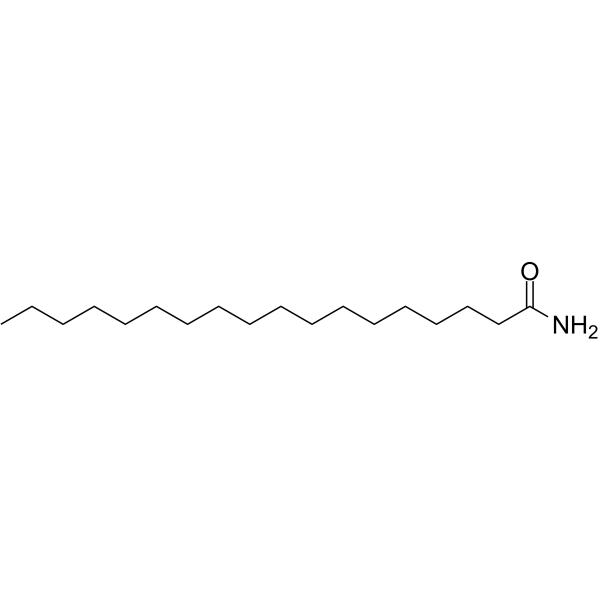
Stearamide is a primary fatty acid amide. Stearamide displays cytotoxic and ichthytoxic activity .
|
-
-
- HY-119283
-
-
-
- HY-14380
-
PF-3845
2 Publications Verification
|
FAAH
Autophagy
|
Inflammation/Immunology
Cancer
|
|
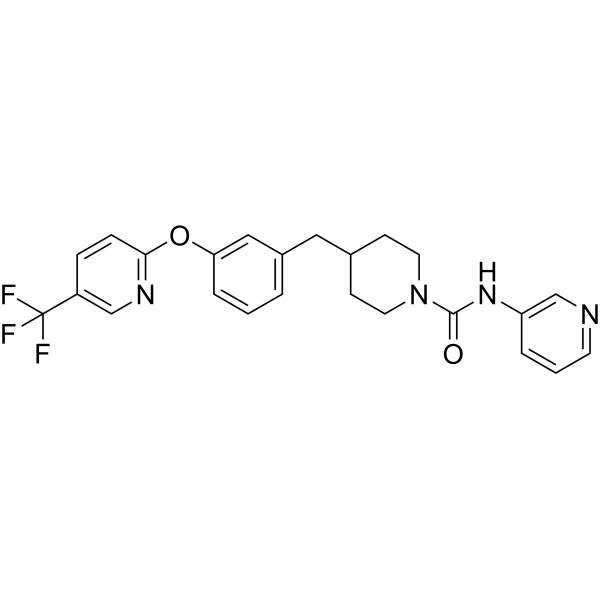
PF-3845 is a potent, selective, irreversible and orally active inhibitor of fatty acid amide hydrolase (FAAH), with a Ki of 0.23 μM. PF-3845 is a covalent inhibitor that carbamylates FAAH's serine nucleophile. PF-3845 can reduce pain sensation, inflammation, and anxiety/depression without substantial effects on motility or cognition .
|
-
-
- HY-15250
-
JZL195
4 Publications Verification
|
FAAH
MAGL
Autophagy
|
Neurological Disease
|
|
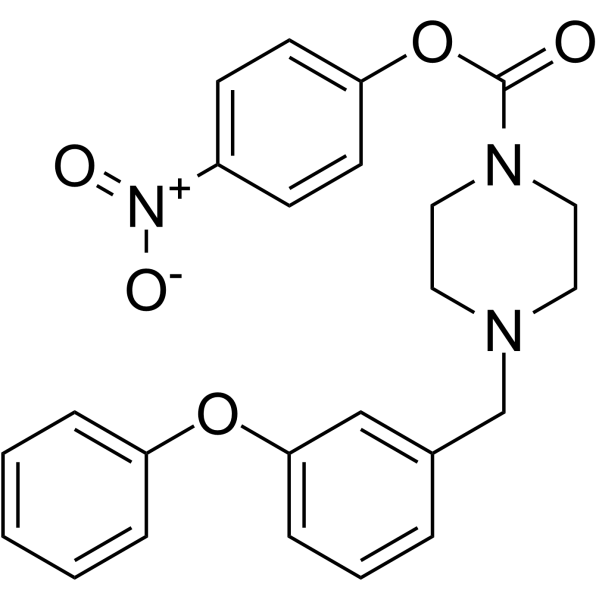
JZL195 is a selective and efficacious dual fatty acid amide hydrolase (FAAH) and monoacylglycerol lipase (MAGL) inhibitor with IC50s of 2 and 4 nM, respectively .
|
-
-
- HY-P2231
-
|
MEDI0382
|
GCGR
|
Metabolic Disease
|
|
Cotadutide (MEDI0382) is a potent dual agonist of glucagon-like peptide-1 (GLP-1) and GCGR with EC50 values of 6.9 pM and 10.2 pM, respectively. Cotadutide exhibits ability to facilitate both weight loss and glycaemic control, and alleviate fibrosis. Cotadutide can be used in the research of obesity and type 2 diabetes (T2D) .
|
-
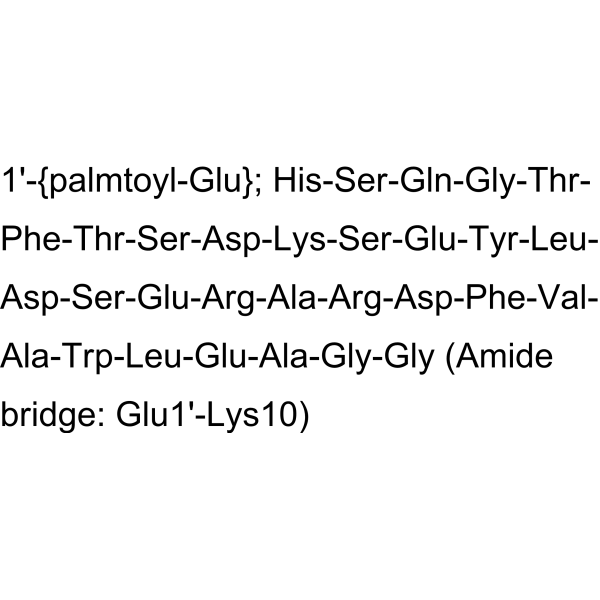
-
- HY-P2231A
-
|
MEDI0382 acetate
|
GCGR
|
Metabolic Disease
|
|
Cotadutide (MEDI0382) acetate is a potent dual agonist of glucagon-like peptide-1 (GLP-1) and GCGR with EC50 values of 6.9 pM and 10.2 pM, respectively. Cotadutide acetate exhibits ability to facilitate both weight loss and glycaemic control, and alleviate fibrosis. Cotadutide acetate can be used in the research of obesity and type 2 diabetes (T2D) .
|
-
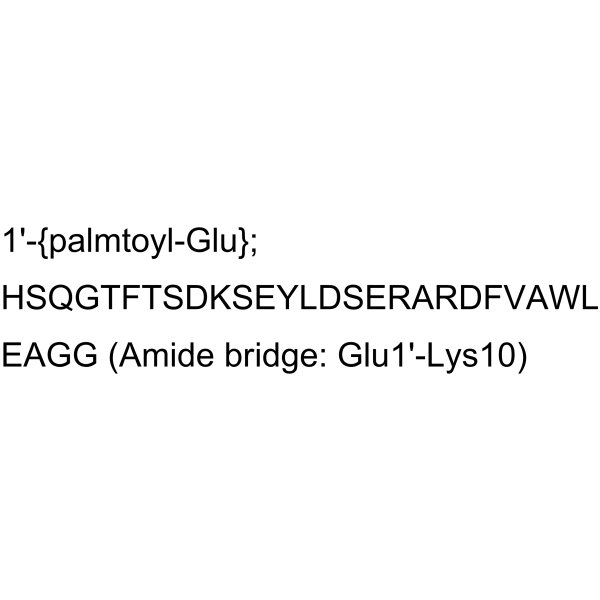
-
- HY-N2365
-
|
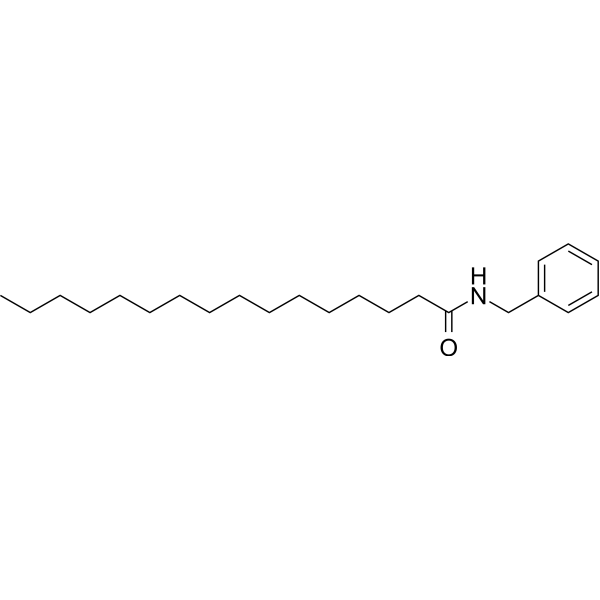
N-Benzylpalmitamide; N-Benzylhexadecanamide; Macamide 1
|
FAAH
Autophagy
|
Others
|
|
Macamide B (N-Benzylhexadecanamide; Macamide 1) is a macamide isolated from Lepidium meyenii, acts as an inhibitor of fatty acid amide hydrolase (FAAH).
|
-
-
- HY-19740
-
-
-
- HY-10865
-
|
|
FAAH
Autophagy
|
Neurological Disease
|
|
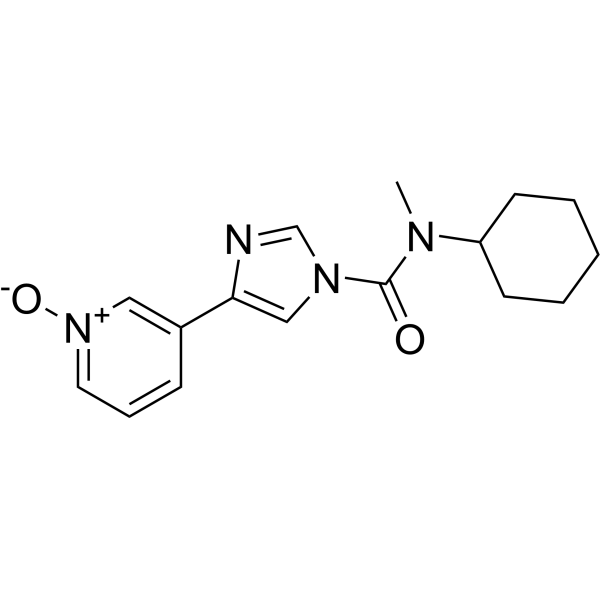
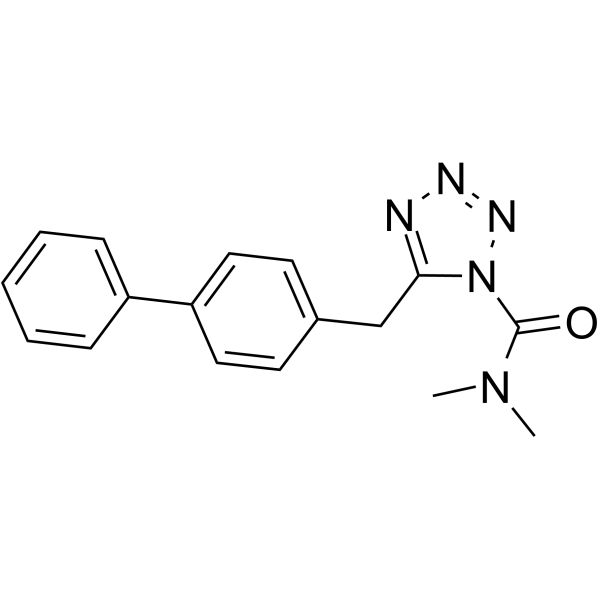
LY2183240 is a highly potent blocker of anandamide uptake (IC50= 270 pM; Ki=540 nM). LY2183240 is a potent, covalent inhibitor of the endocannabinoid-degrading enzyme fatty acid amide hydrolase (FAAH) with an IC50 of 12.4 nM. LY2183240 inactivates FAAH by carbamylation of the enzyme's serine nucleophile. LY2183240 also inhibits several other brain serine hydrolases with IC50s of 5.3, 0.09, 8.2 nM for MAG lipase, bh6 and KIAA1363, respectively .
|
-
-
- HY-P1103
-
|
|
CXCR
|
Cancer
|
|
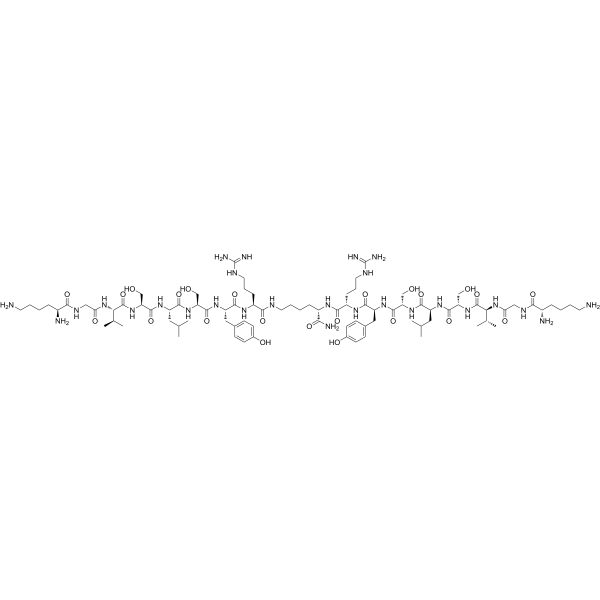
CTCE-9908 is a potent and selective CXCR4 antagonist. CTCE-9908 induces mitotic catastrophe, cytotoxicity and inhibits migration in CXCR4-expressing ovarian cancer cells .
|
-
-
- HY-P3291
-
|
ZP7570
|
GCGR
|
Metabolic Disease
|
|
Dapiglutide (ZP7570) is a long-acting glucagon-like peptide-1 receptor 1R (GLP-1R)/Glucagon-like peptide-2 receptor (GLP-2R) dual agonist. Dapiglutide alleviates intestinal dysfunction in a mouse short bowel model and has anti-obesity effects .
|
-

-
- HY-110138
-
|
|
FAAH
|
Others
|
|
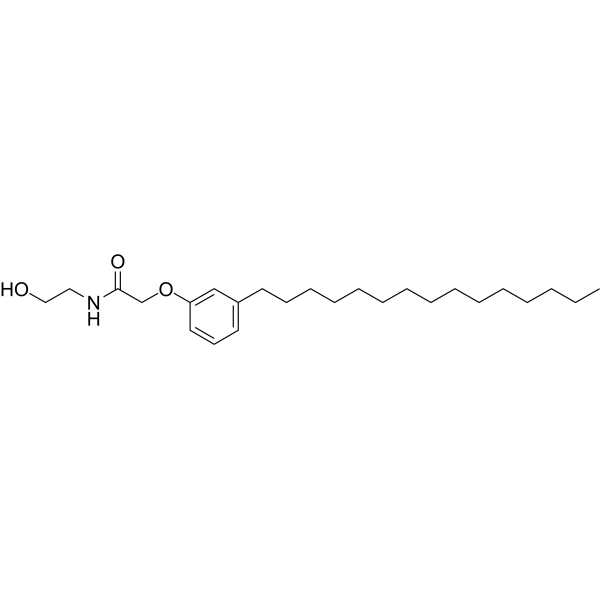
PDP-EA is a compound that increases the amidohydrolase activity of FAAH (fatty acid amide hydrolase) .
|
-
-
- HY-120961
-
|
N-Ethyloleamide
|
FAAH
|
Metabolic Disease
|
|
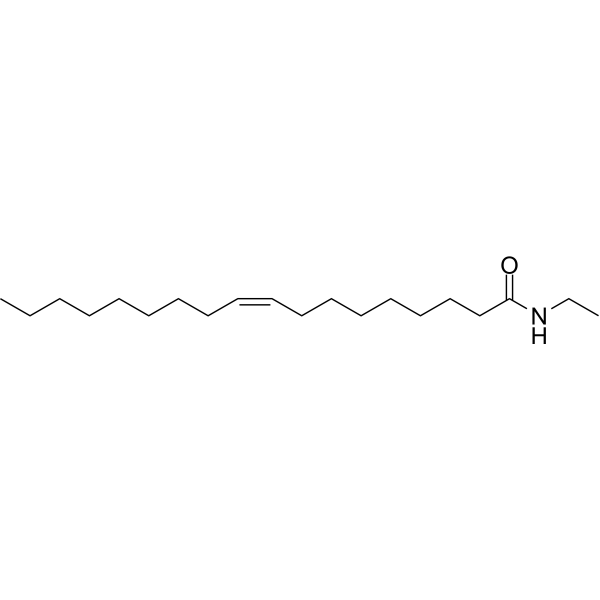
Oleoyl ethyl amide (N-Ethyloleamide) is a fatty acid amide hydrolase (FAAH) inhibitor. Oleoyl ethyl amide can counteract bladder overactivity .
|
-
-
- HY-18081
-
-
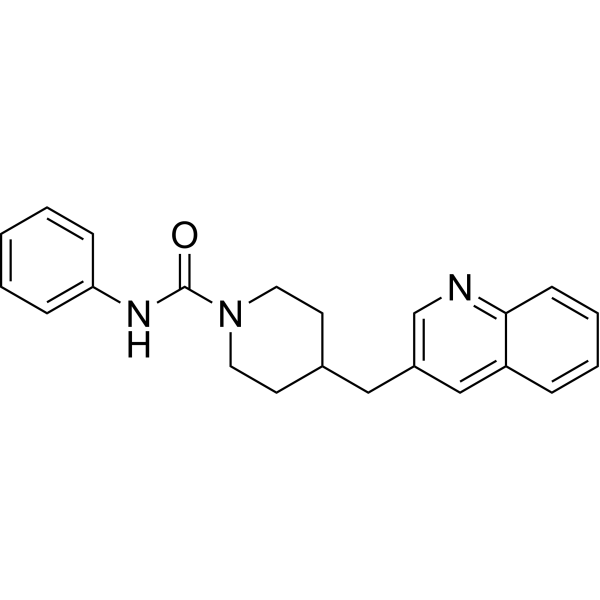
-
- HY-125967
-
|
|
FAAH
|
Neurological Disease
|
|
AM 374 is an fatty acid amide hydrolase (FAAH) inhibitor. AM 374 inhibits amidase activity with an IC50 value of 13 nM. AM 374 can be used for the research of neurological disease .
|
-
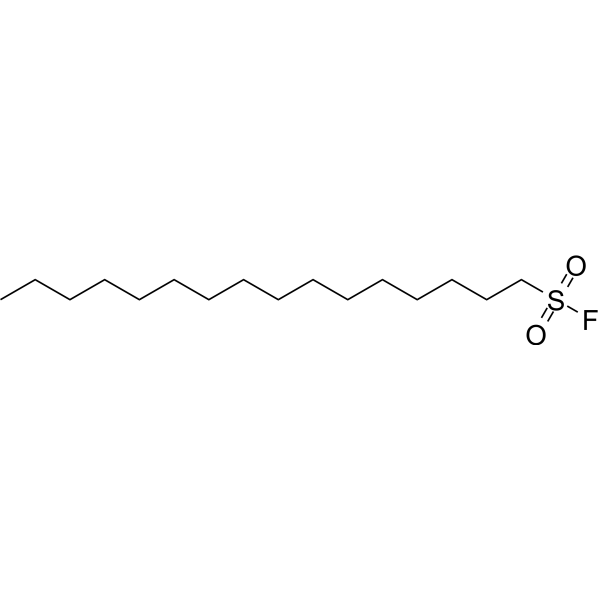
-
- HY-101457
-
|
|
MAGL
|
Metabolic Disease
|
|
JZP-430 is a potent, highly selective, irreversible inhibitor of α/β-hydrolase domain 6 (ABHD6) with an IC50 of 44 nM, exhibits ~230-fold selectivity over fatty acid amide hydrolase (FAAH) and lysosomal acid lipase (LAL) .
|
-
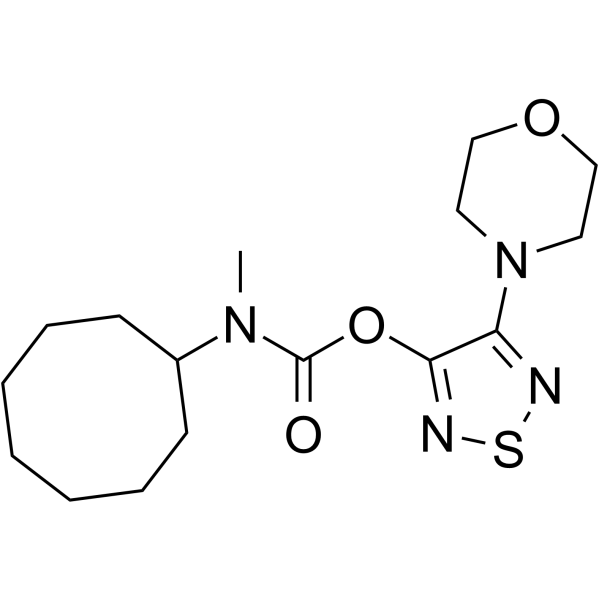
-
- HY-N7062
-
|
Takeda-25
|
FAAH
|
Neurological Disease
|
|
JNJ-1661010 (Takeda-25) a potent and selective fatty acid amide hydrolase (FAAH) inhibitor with IC50s of 34 and 33 nM for rat FAAH and human FAAH, respectively. JNJ-1661010 can cross the blood-brain barrier and used as broad-spectrum analgesics .
|
-
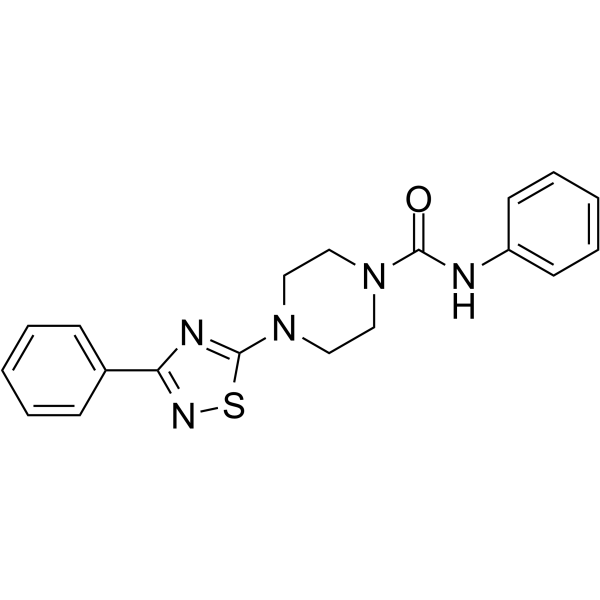
-
- HY-P10218
-
|
|
MARCKS
PKC
|
Inflammation/Immunology
Cancer
|
|
MANS peptide is an inhibitor for myristoylated alanine-rich C kinase substrate (MARCKS), which competes with MARCKS in cells for membrane binding, and thus inhibits the stimulation of mucin secretion and tumor metastasis .
|
-

-
- HY-120957
-
|
AMC-AA; 7-Amino-4-methyl coumarin-arachidonamide
|
Endogenous Metabolite
|
Metabolic Disease
|
|
AMC arachidonoyl amide (AMC-AA) is one of several fatty acid amides which can be used to measure fatty acid amide hydrolase (FAAH) activity.1 FAAH is a relatively unselective enzyme in that it accepts a variety of amide head groups other than the ethanolamine of its nominal endogenous substrate anandamide.2 Exposure of AMC-AA to FAAH activity results in the release of the fluorescent aminomethyl coumarin that absorbs at 360 nm and emits at 465 nm. This allows the fast and convenient measurement of FAAH activity using a simple cuvette or microplate fluorometer.
|
-

-
- HY-P10218A
-
|
|
MARCKS
PKC
|
Inflammation/Immunology
Cancer
|
|
MANS peptide TFA is the TFA salt form of MANS peptide (HY-P10218). MANS peptide TFA is an inhibitor for myristoylated alanine-rich C kinase substrate (MARCKS), which competes with MARCKS in cells for membrane binding, and thus inhibits the stimulation of mucin secretion and tumor metastasis .
|
-

-
- HY-P0014B
-
|
|
GLP Receptor
|
Metabolic Disease
|
|
Liraglutide (TFA) is an agonist of glucagon-like peptide 1 receptor (GLP-1). Liraglutide (TFA) can activate GLP-1, leading to the release of insulin in the presence of increased glucose concentration. Liraglutide (TFA) also reduces glucagon secretion in a glucose-dependent manner. Liraglutide (TFA) can be studied in research on type 2 diabetes .
|
-

-
- HY-103462
-
-
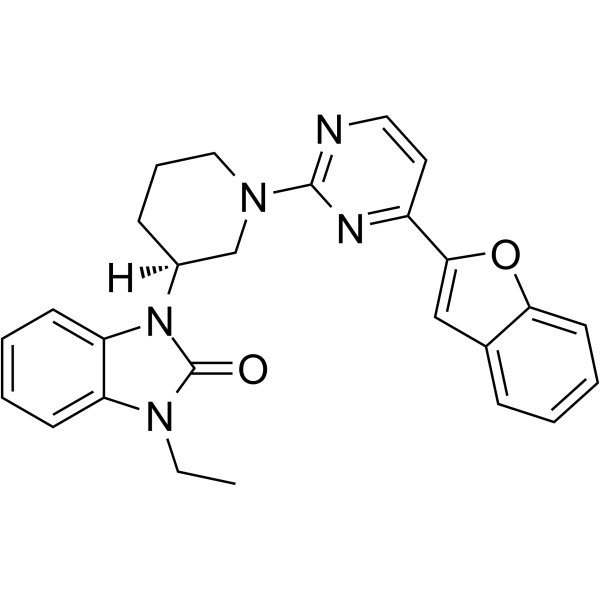
-
- HY-118158
-
|
|
FAAH
|
Neurological Disease
|
|
FAAH/MAGL-IN-4 (Compound 13) is a potent fatty acid amide hydrolase (FAAH) and monoglyceride lipase (MGL) inhibitor with IC50s of 9.1 nM and 7.9 μM, respectively. FAAH/MAGL-IN-4 can be used for the research of pain and CNS disorders .
|
-
-
- HY-164495
-
|
|
FAAH
Thyroid Hormone Receptor
|
Inflammation/Immunology
Endocrinology
|
|
Sob-AM2 is a potent substrate (Km=1.3 μM) targeting fatty acid amide hydrolase (FAAH) expressed in the brain and has blood-brain barrier permeability. Sob-AM2 delivers high concentrations of Sobetirome (HY-14823) to the central nervous system with minimal peripheral systemic dose, thereby stimulating central thyroid hormone receptor β (TRβ). In addition, Sob-AM2 can prevent myelin and axon degeneration in experimental autoimmune encephalomyelitis (EAE) mice .
|
-

-
- HY-123863
-
|
|
FAAH
|
Neurological Disease
|
|
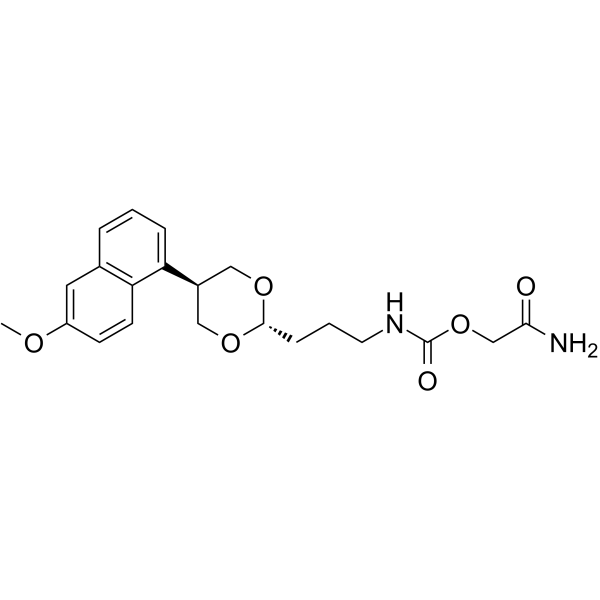
SSR411298 is an orally active, selective and reversible fatty acid amide hydrolase (FAAH) inhibitor. SSR411298 has the potential for post-traumatic stress disorder research .
|
-
-
- HY-14595R
-
|
4-Methylgenistein(Standard); Olmelin (Standard)
|
Reference Standards
FAAH
Autophagy
Endogenous Metabolite
|
Neurological Disease
Cancer
|
|
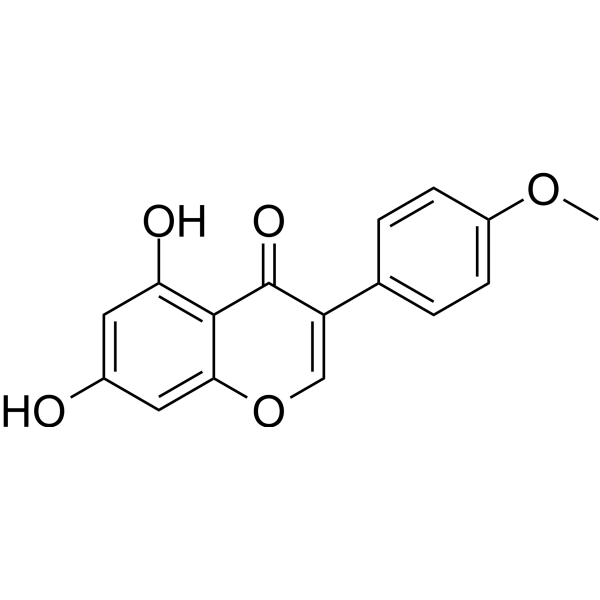
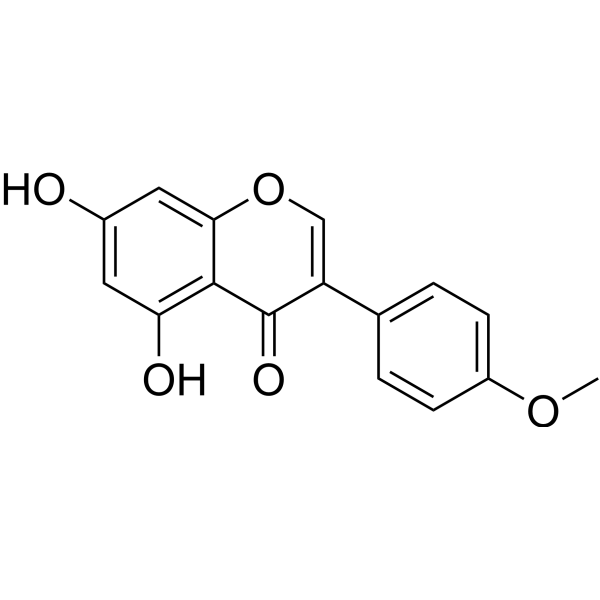
Biochanin A (Standard) is the analytical standard of Biochanin A. This product is intended for research and analytical applications. Biochanin A is a naturally occurring fatty acid amide hydrolase (FAAH) inhibitor, which inhibits FAAH with IC50s of 1.8, 1.4 and 2.4 μM for mouse, rat, and human FAAH, respectively.
|
-
-
- HY-103337
-
|
Arachidonyl serotonin; AA-5-HT
|
FAAH
TRP Channel
|
Neurological Disease
|
|
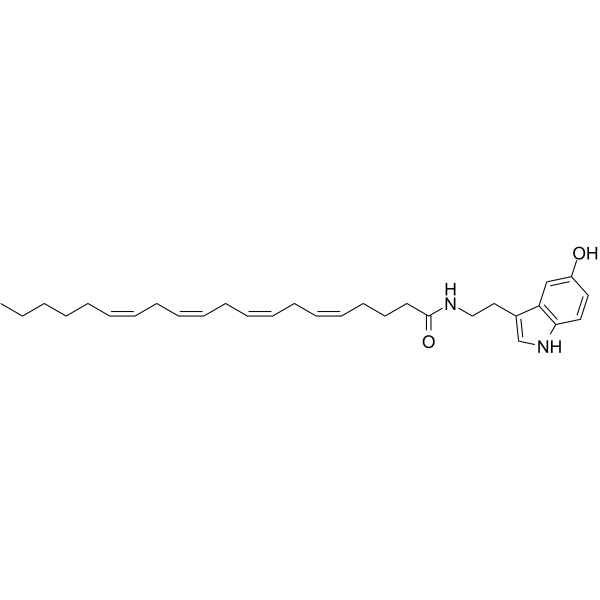
N-Arachidonoylserotonin (Arachidonyl serotonin; AA-5-HT) is a potent fatty acid amide hydrolase (FAAH) inhibitor with an IC50 value of 1~12 µM. N-Arachidonoylserotonin acts also as an antagonist of transient receptor potential vanilloid-type 1 (TRPV1) channels (IC50=70~100 nM). N-Arachidonoylserotonin is analgesic in rodents .
|
-
-
- HY-152251
-
|
|
Cannabinoid Receptor
FAAH
|
Inflammation/Immunology
|
|
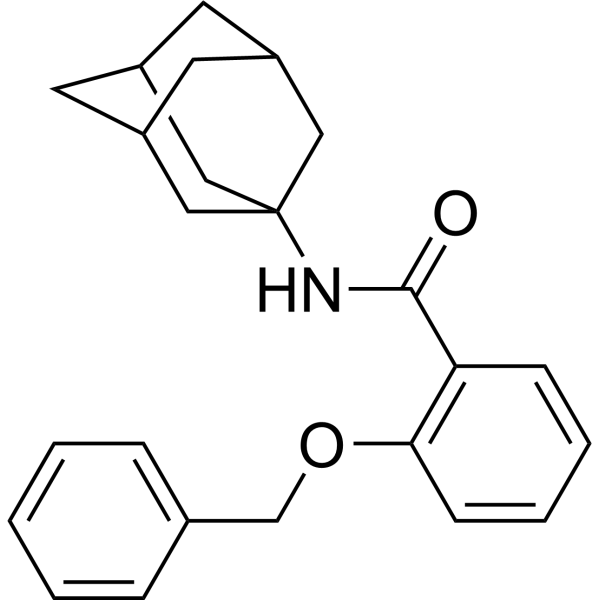
CB2R/FAAH modulator-1 is a cannabinoid type 2 receptor (CB2R) full agonist with Kis of 14.8 nM and 241.3 nM for CB2R and CB1R, respectively. CB2R/FAAH modulator-1 is a fatty acid amide hydrolase (FAAH) inhibitor with an IC50 of 4 μM. CB2R/FAAH modulator-1 decreases pro-inflammatory and increases anti-inflammatory cytokines production .
|
-
-
- HY-169089
-
|
|
Drug Derivative
|
Cancer
|
|
RP-182-PEG3-K palmitic acid-NH2 (Compound 1a) is a fatty acid derivative of the immunomodulatory peptide RP-182. RP-182-PEG3-K palmitic acid-NH2 inhibits CD206 high M2-like macrophage (IC50 of 3.2 μM) and induces phagocytosis. RP-182-PEG3-K palmitic acid-NH2 exhibits antitumor efficacy in mouse B16 melanoma allografts .
|
-

-
- HY-18080
-
-
-
- HY-111389
-
|
|
FAAH
Autophagy
|
Metabolic Disease
|
|
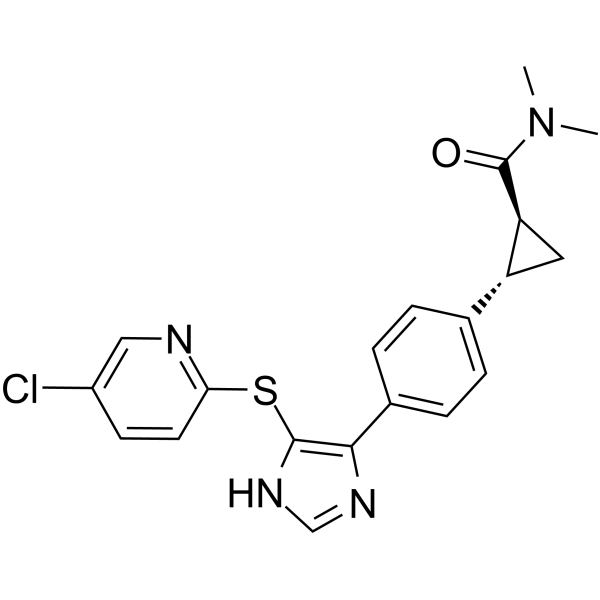
FAAH-IN-1 is a fatty acid amide hydrolase (FAAH) inhibitor, with IC50s of 145 nM and 650 nM for rat and human FAAH, respectively.
|
-
-
- HY-N3033
-
|
|
FAAH
Autophagy
|
Metabolic Disease
|
|
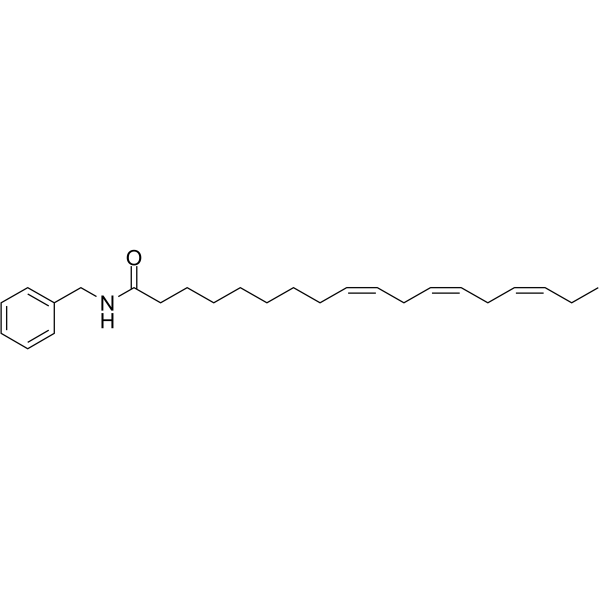
N-Benzyllinolenamide is a natural macamide isolated from Lepidium meyenii, acts as an inhibitor of fatty acid amide hydrolase (FAAH) with an IC50 of 41.8 μM .
|
-
-
- HY-32952
-
|
6-Fluoropyridine-3-boronic acid
|
Drug Intermediate
|
Others
|
|
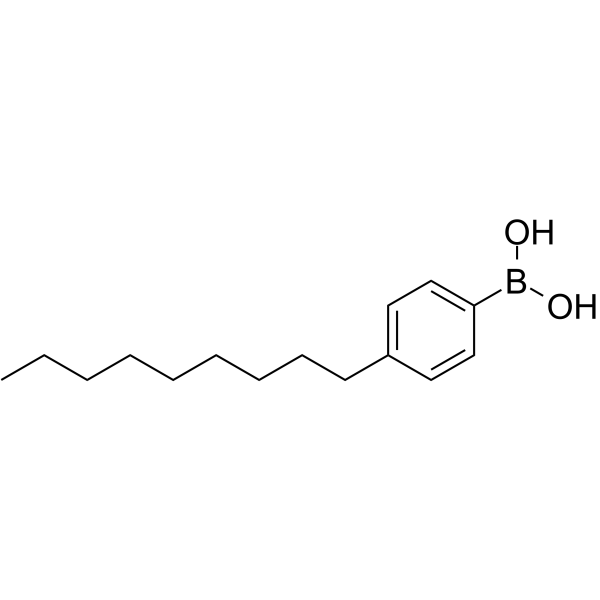
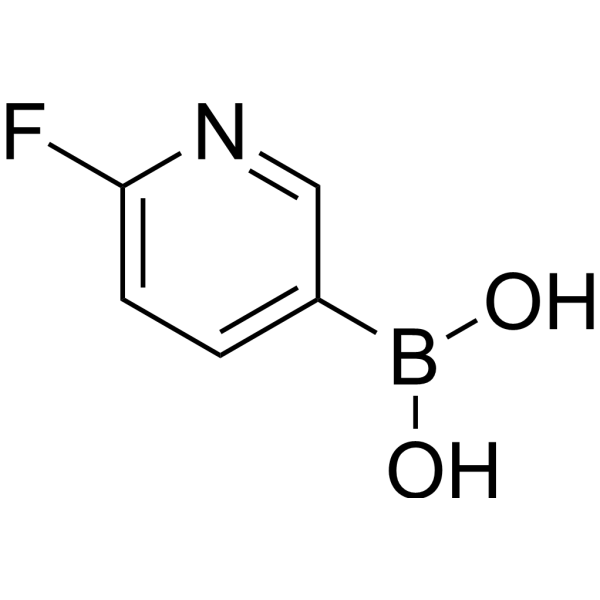
2-Fluoropyridine-5-boronic acid (6-Fluoropyridine-3-boronic acid) is a drug intermediate that can be used in the synthesis of fatty acid amide hydrolase inhibitors and pyrethroid derivatives .
|
-
-
- HY-W751418
-
|
(Z)-2-tetracos-15-enamidoethanesulfonic acid
|
FAAH
|
Neurological Disease
|
|
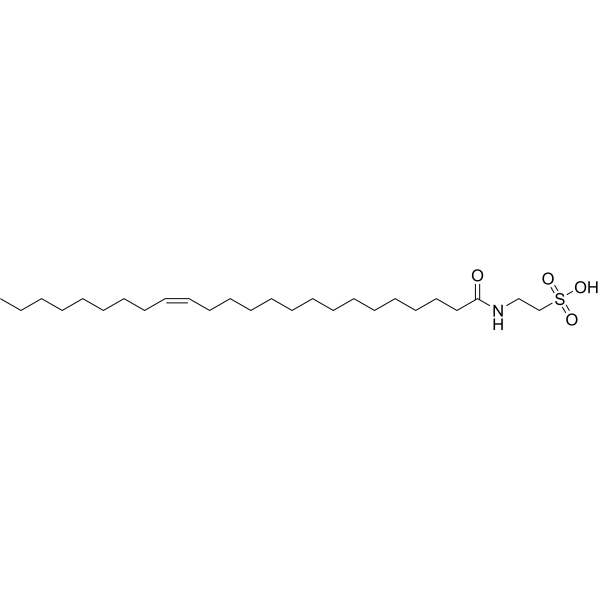
N-Nervonoyl taurine ((Z)-2-tetracos-15-enamidoethanesulfonic acid) is a fatty acid-taurine conjugate derived from nervonic acid. N-Nervonoyl taurine is a substrate of fatty acid amide hydrolase (FAAH) discovered during metabolite profiling .
|
-
-
- HY-144738
-
|
|
Epoxide Hydrolase
FAAH
|
Inflammation/Immunology
|
|
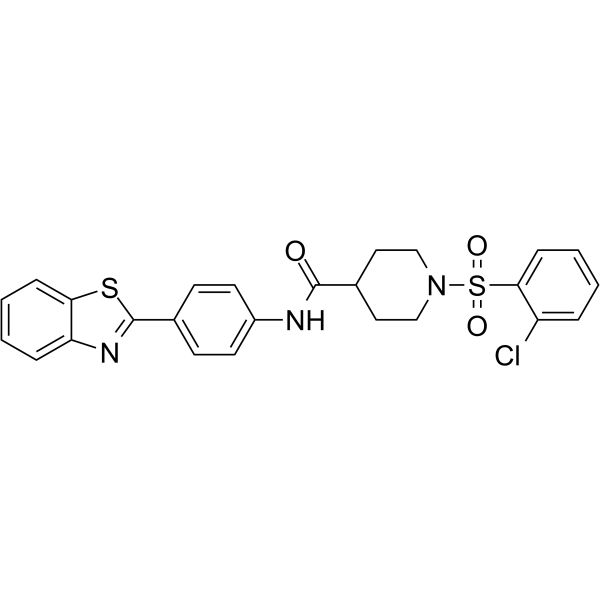
Dual FAAH/sEH-IN-1 (compound 3) is a high affinity dual sEH (soluble epoxide hydrolase) and FAAH (fatty acid amide hydrolase) inhibitor, with IC50 values of 9.6 and 7 nM, respectively. Dual FAAH/sEH-IN-1 shows antinociception against the inflammatory phase .
|
-
-
- HY-103461
-
|
|
FAAH
|
Neurological Disease
|
|
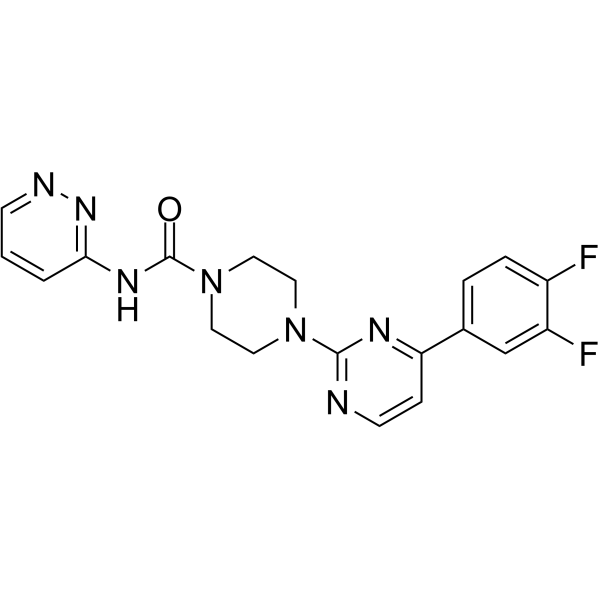
FAAH-IN-6 (compound 21d) is a potent, orally active and cross the blood-brain barrier fatty acid amide hydrolase (FAAH) inhibitor with IC50s of 0.72, 0.28 nM for hFAAH, rFAAH, respectively. FAAH-IN-6 shows dose-dependent analgesic efficacy in animal models of both neuropathic and inflammatory pain .
|
-
-
- HY-118210
-
|
|
FAAH
|
Metabolic Disease
|
|
PHOP is a fatty acid amide hydrolase (FAAH) inhibitor used to assess inhibitory activity in a fluorometric assay. PHOP can determine FAAH activity by measuring the amount of 4-pyridin-1-ylbutyric acid released by the enzyme in rat brain microsomes. PHOP demonstrates potential as a FAAH inhibitor and can directly measure FAAH activity by reversed-phase HPLC and fluorescence detection, providing a basis for the development of new inhibitors.
|
-

-
- HY-138693
-
|
|
FAAH
|
Neurological Disease
|
|
ST4070 is a potent, orally active, and selective reversible fatty acid amide hydrolase (FAAH) inhibitor. ST4070 increases endocannabinoid (eCB) brain levels and counteracts neuropathic pain in animal models. ST4070 enhances the endogenous eCB tone in specific brain regions engaged in emotional control, and induces remarkable anxiolytic-like behaviours in rodents. ST4070 can be used for neuropathic pain and anxiety disorders research .
|
-

-
- HY-126720
-
|
|
Endogenous Metabolite
|
Metabolic Disease
|
|
N-Lignoceroyl Taurine is an arachidonoyl amino acid and taurine conjugate with a fatty acid that can be isolated from bovine brain. N-Lignoceroyl Taurine is one of several novel taurine-conjugated fatty acids discovered during mass spectrometry lipidomic analysis of the brain and spinal cord of wild-type and fatty acid amide hydrolase (FAAH) knockout mice. N-Lignoceroyl Taurine levels were 23-26-fold higher in FAAH -/- mice compared to wild-type mice, suggesting that FAAH utilizes N-Lignoceroyl Taurine as a substrate. However, in vitro experiments with purified FAAH showed that N-Lignoceroyl Taurine was hydrolyzed 2,000-fold slower in FAAH compared to oleoylethanolamide. N-Acyl Taurines with polyunsaturated acyl chains can activate members of the transient receptor potential (TRP) calcium channel family, including TRPV1 and TRPV4.
|
-

-
- HY-175816
-
|
|
5-HT Receptor
FAAH
Apoptosis
Reactive Oxygen Species (ROS)
|
Neurological Disease
|
|
5-HT6R/FAAH modulator 1 is a selective serotonin 5-HT6 receptor ligand and the fatty acid amide hydrolase (FAAH) enzyme inhibitor. 5-HT6R/FAAH modulator 1 shows a pKi of 6.33 (5-HT6) and a pIC50 valuesof 6.29 (FAAH). 5-HT6R/FAAH modulator 1 also slightly inhibits acetylcholinesterase (AChE) or butyrylcholinesterase (BChE) enzymes (pIC50 = 5.12). 5-HT6R/FAAH modulator 1 can inhibit apoptosis and reduce ROS levels. 5-HT6R/FAAH modulator 1 can be used for the research of neurological disease, such as Alzheimer’s disease (AD) .
|
-

-
- HY-P11233
-
|
|
GLP Receptor
|
Metabolic Disease
|
|
Acmopatide (Compound E-153) is a dual-acting GIP/GLP-1 receptor agonist. Acmopatide is used in anti-diabetic research .
|
-

-
- HY-P0014AS
-
-

-
- HY-139384
-
|
|
FAAH
|
Neurological Disease
|
|
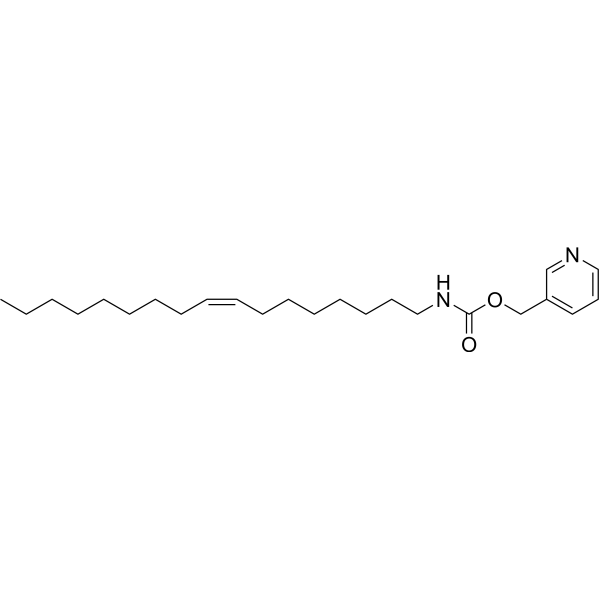
FAAH inhibitor 2 (Compound 17b) is an irreversible fatty acid amide hydrolase (FAAH) inhibitor, with an IC50 of 0.153 μM .
|
-
- HY-111199
-
|
|
FAAH
|
Neurological Disease
|
|
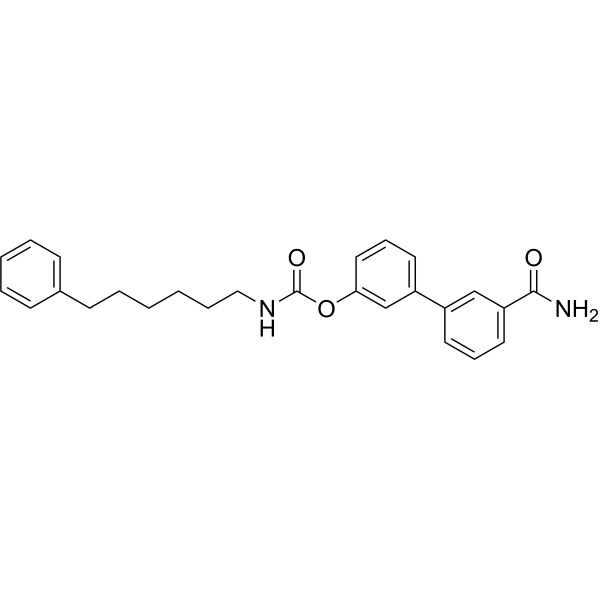
JP83 is an irreversible fatty acyl amide hydrolase (FAAH) inhibitor with an IC50 of 1.6 nM in competitive activity-based protein profiling (ABPP) experiments .
|
-
- HY-N7214
-
|
|
Others
|
Neurological Disease
|
|
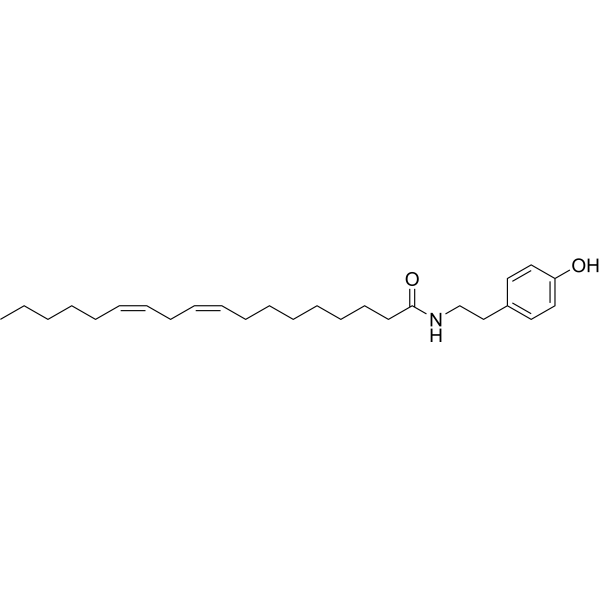
Termitomycamide E is a fatty acid amide that can suppress endoplasmic reticulum stress. Termitomycamide E shows significant protective activity against T. titanicus-toxicity .
|
-
- HY-158784
-
|
|
FAAH
|
Others
|
|
Arachidonoyl m-Nitroaniline (AmNA) is one of several nitroaniline fatty acid amides which can be used to measure fatty acid amide hydrolase (FAAH) activity. Arachidonoyl m-Nitroaniline is a FAAH substrate .
|
-

- HY-N2365R
-
|
N-Benzylpalmitamide (Standard); N-Benzylhexadecanamide (Standard); Macamide 1 (Standard)
|
Reference Standards
FAAH
Autophagy
|
Others
|
|
Macamide B (Standard) is the analytical standard of Macamide B. This product is intended for research and analytical applications. Macamide B (N-Benzylhexadecanamide; Macamide 1) is a macamide isolated from Lepidium meyenii, acts as an inhibitor of fatty acid amide hydrolase (FAAH).
|
-

- HY-146341
-
|
|
FAAH
MAGL
|
Neurological Disease
|
|
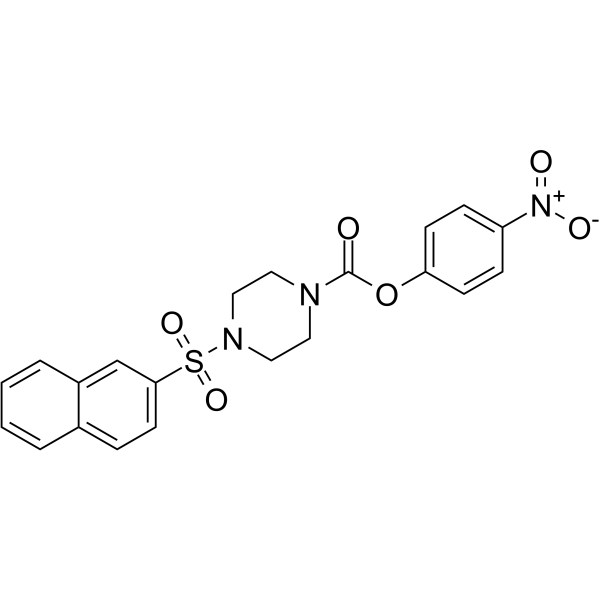
FAAH-IN-5 (Compound 7) is a relative selective, irreversible fatty acid amide hydrolase (FAAH) inhibitor with an IC50 of 10.5 nM. FAAH-IN-5 shows low PAMPA (Parallel Artificial Membrane Permeability Assay) permeability .
|
-
- HY-146342
-
|
|
FAAH
MAGL
|
Neurological Disease
|
|
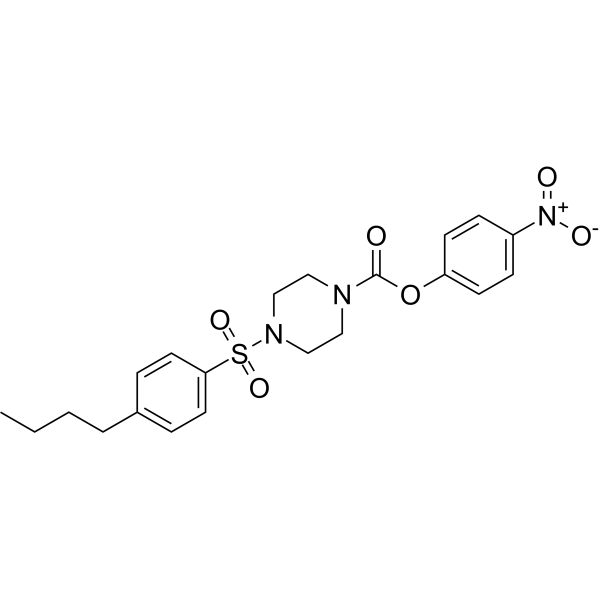
FAAH/MAGL-IN-3 (Compound 10) is an irreversible fatty acid amide hydrolase (FAAH) and monoacylglycerol lipase (MAGL) dual inhibitor with IC50 values of 179 and 759 nM against FAAH and MAGL, respectively. FAAH/MAGL-IN-3 shows low PAMPA (Parallel Artificial Membrane Permeability Assay) permeability .
|
-
- HY-124744
-
|
|
FAAH
|
Neurological Disease
|
|
ASP 8477 is an orally active and selective fatty acid amide hydrolase (FAAH) inhibitor with IC50 values of 3.99, 1.65, and 57.3 nM for human FAAH-1, FAAH-1 (P129T), and FAAH-2, respectively. ASP 8477 has central nervous system activity and can be used in analgesia research .
|
-

- HY-N2512R
-
|
|
Reference Standards
FAAH
Bacterial
Fungal
Endogenous Metabolite
Autophagy
|
Infection
|
|
1-Monomyristin, extracted from Serenoa repens, inhibits the hydrolysis of 2-oleoylglycerol (IC50=32 μM) and fatty acid amide hydrolase (FAAH) activity (IC50=18 μM). 1-Monomyristin shows antibacterial activity against Staphylococcus aureus and Aggregatibacter actinomycetemcomitans and also antifungal activity against Candida albicans .
|
-

- HY-B0182R
-
-

- HY-127023
-
|
EPA-5-HT
|
Endogenous Metabolite
FAAH
Interleukin Related
Tyrosine Hydroxylase
|
Metabolic Disease
|
|
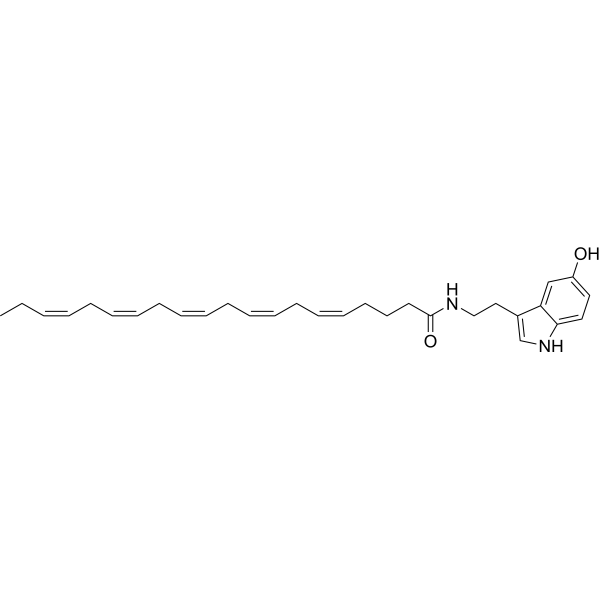
Eicosapentaenoyl serotonin (EPA-5-HT) is an endogenous fatty acid-serotonin conjugate lipid mediator. Eicosapentaenoyl serotonin acts as an inhibitor of fatty acid amide hydrolase (FAAH). Eicosapentaenoyl serotonin suppresses IL-17 release in Concanavalin A (HY-P2149)-stimulated human peripheral blood mononuclear cells. Eicosapentaenoyl serotonin is regulated by polyunsaturated fatty acids and modulates intestinal immunity and Th17 signaling. Eicosapentaenoyl serotonin can be used for the study of inflammatory bowel disease-related mechanisms .
|
-
- HY-N15826
-
|
|
Fluorescent Dye
Ceramidase
|
Cancer
|
|
RBM1-151, a 1-deoxy derivative and vinilog of RBM14-C12 (HY-150163), as a fluorogenic substrate of Amidases (HY-P2736) (Ex/Em). RBM1-151 is hydrolyzed by acid ceramidase (AC) (( appKm = 7.0 μM; appVmax = 99.3 nM/min), N-acylethanolamine-hydrolyzing acid amidase ( appKm = 0.73 μM; appVmax = 0.24 nM/min), and fatty Acid amide hydrolase (FAAH) ( appKm = 3.6 μM; appVmax = 7.6 nM/min) but not by other ceramidases. RBM1-151 is applicable for basic biological studies of lipid amidase function, as well as potential diagnostic/prognostic evaluations of diseases involving dysregulated AC, NAAA, or FAAH (Farber disease, cancer) .
|
-

- HY-169089A
-
|
|
Drug Derivative
|
Cancer
|
|
RP-182-PEG3-K(palmitic acid)-NH2 (Compound 1a) TFA is a fatty acid derivative of the immunomodulatory peptide RP-182. RP-182-PEG3-K(palmitic acid)-NH2 TFA inhibits CD206 high M2-like macrophage (IC50 of 3.2 μM) and induces phagocytosis. RP-182-PEG3-K(palmitic acid)-NH2 TFA exhibits antitumor efficacy in mouse B16 melanoma allografts .
|
-

- HY-P0014A
-
|
|
GLP Receptor
|
Metabolic Disease
|
|
Liraglutide acetate is the acetate form of Liraglutide (HY-P0014), a glucagon-like peptide-1 (GLP-1) receptor agonist studied in type 2 diabetes .
|
-

- HY-P1103A
-
|
|
CXCR
|
Cancer
|
|
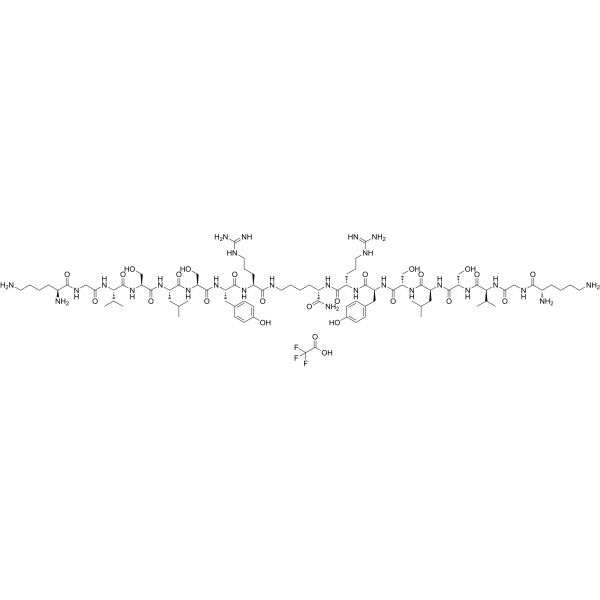
CTCE-9908 TFA is a potent and selective CXCR4 antagonist. CTCE-9908 TFA induces mitotic catastrophe, cytotoxicity and inhibits migration in CXCR4-expressing ovarian cancer cells .
|
-
- HY-P10318
-
|
|
GLP Receptor
|
Endocrinology
|
|
SHR-2042 is a selective agonist of the GLP-1 receptor.SHR-2042 improves glycemic control by activating the GLP-1 receptor, enhancing insulin secretion and inhibiting glucagon secretion. SHR-2042 combined with sodium N-(8-[2-hydroxybenzoyl] amino) caprylate (SNAC) promotes monomerization through the formation of micelles and improves oral absorption efficiency .
|
-

- HY-P1614
-
-

- HY-P0041A
-
-
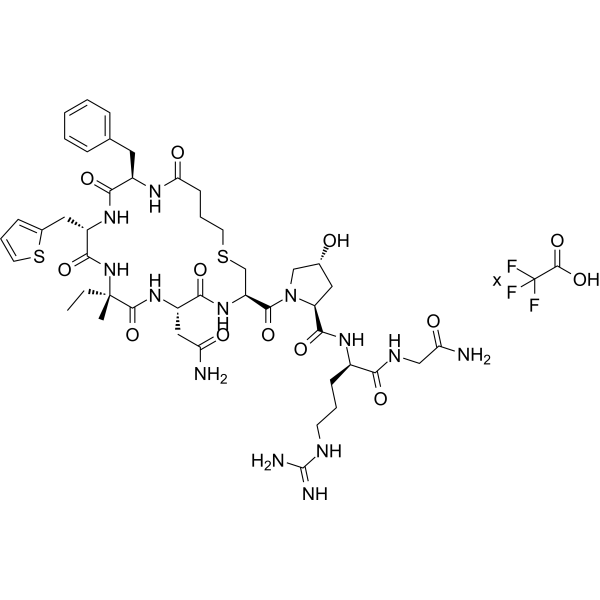
- HY-P4757
-
|
|
Parasite
|
Others
|
|
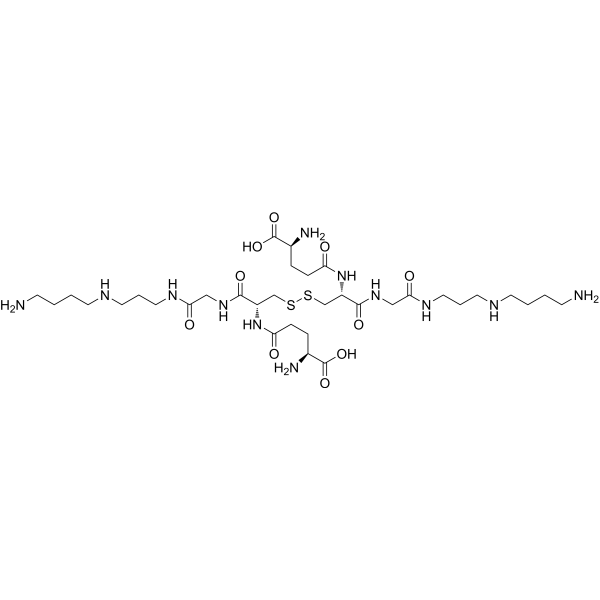
N1-Glutathionyl-spermidine disulfide is a substrate of trypanothione reductase .
|
-
- HY-U00240
-
-
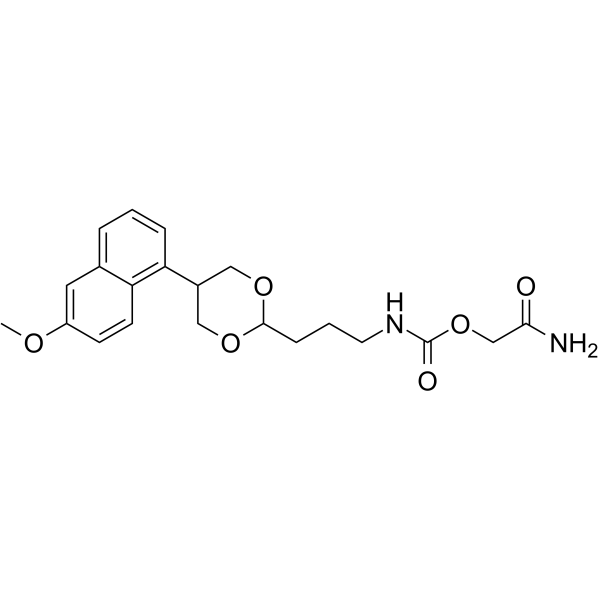
- HY-W479534
-
|
DemNA
|
Biochemical Assay Reagents
|
Others
|
|
Decanoyl m-Nitroaniline (DemNA) is a nitroaniline fatty acid amides which can be used to measure fatty acid amide hydrolase (FAAH) activity (Ab = 410 nm).
|
-

- HY-N2327R
-
|
|
Reference Standards
Endogenous Metabolite
|
Others
|
|
Oleamide (Standard) is the analytical standard of Oleamide. This product is intended for research and analytical applications. Oleamide is an endogenous fatty acid amide which can be synthesized de novo in the mammalian nervous system, and has been detected in human plasma.
|
-
- HY-120369
-
|
|
FAAH
|
Neurological Disease
|
|
URB532 is an inhibitor for fatty acid amide hydrolase (FAAH) with an IC50 of 396 nM. URB532 increases levels of arachidonic acid acetamide (AEA), palmitoylethanolamide (PEA), and oleamide (OEA) in the rat brain, and exhibits anxiolytic and analgesic effects .
|
-

- HY-120300
-
|
|
Cannabinoid Receptor
|
Metabolic Disease
|
|
UCM710 is an endocannabinoid (eCB) hydrolysis inhibitor that increases the levels of N-arachidonoyl ethanolamine and 2-arachidonoylglycerol in neurons. UCM710 inhibits fatty acid amide hydrolase and α/β-hydrolase domain 6, but not monoacylglycerol lipase .
|
-
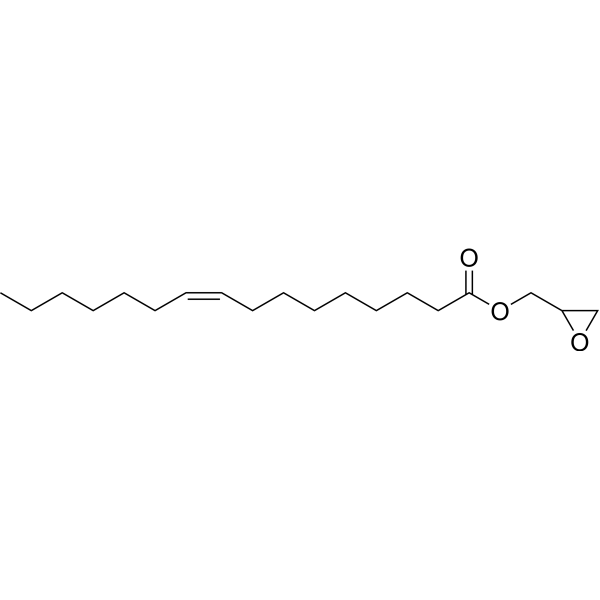
- HY-129932
-
|
|
Drug Derivative
|
Cancer
|
|
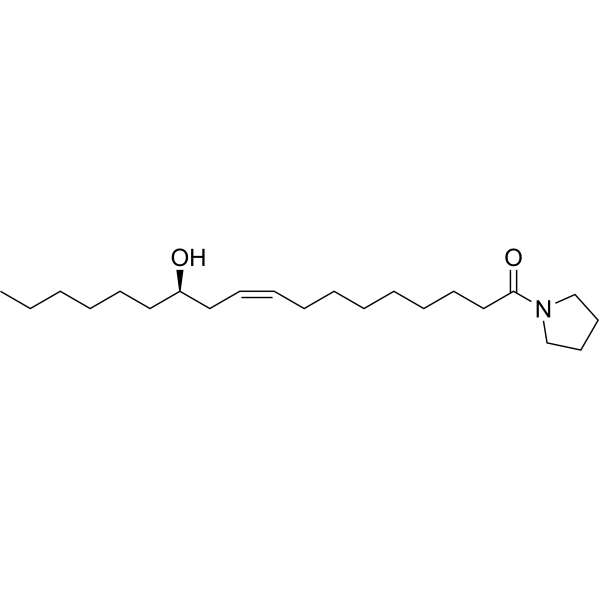
Pyrrolidine ricinoleamide ((R)-5d) is a fatty acid amide that exhibits effective antiproliferative activity against a series of cancer cells, including human glioma U251 cells. Pyrrolidine ricinoleamide can be used in cancer research .
|
-
- HY-15250R
-
|
|
FAAH
MAGL
Autophagy
|
Neurological Disease
|
|
JZL195 (Standard) is the analytical standard of JZL195. This product is intended for research and analytical applications. JZL195 is a selective and efficacious dual fatty acid amide hydrolase (FAAH) and monoacylglycerol lipase (MAGL) inhibitor with IC50s of 2 and 4 nM, respectively .
|
-

- HY-116710
-
|
|
FAAH
|
Others
|
|
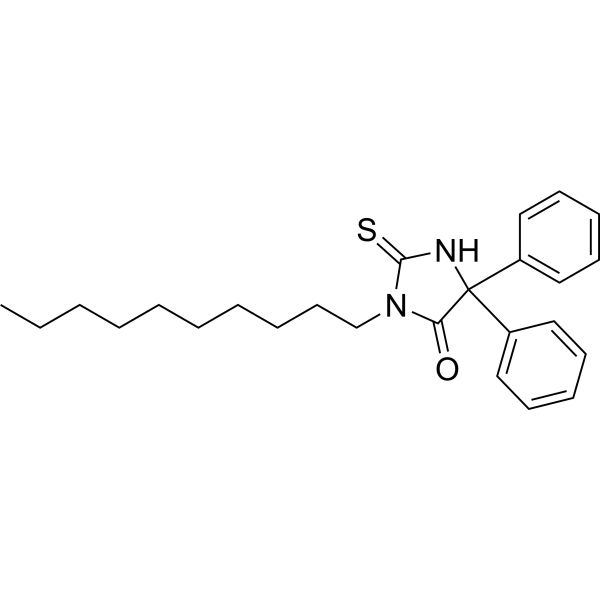
3-Decyl-5,5'-diphenyl-2-thioxo-4-imidazolidinone (compound 45) is a potential inhibitor of fatty acid amide hydrolase (FAAH) (pI50: 5.89) and is active against CB(1) and CB(2) ) Lack of affinity for cannabinoid receptors .
|
-
- HY-124242
-
|
|
Drug Derivative
|
Cancer
|
|
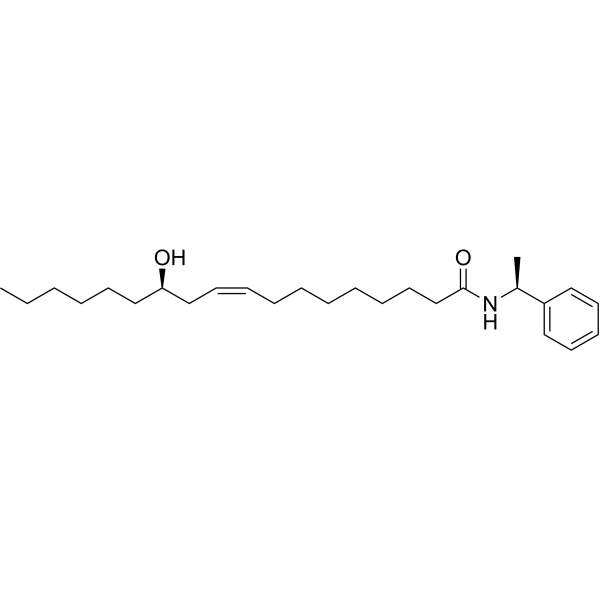
(S)-α-Methylbenzyl ricinoleamide (compound (R,S)-3d) is a fatty acid amide. (S)-α-Methylbenzyl ricinoleamide shows antiproliferative activity, inhibits the growth of human ovarian cancer cells NCI-ADR/RES and glioma cells U251 with GI50s of 1.9 μg/mL and 3.6 μg/mL, respectively .
|
-
- HY-134019
-
|
|
Others
|
Others
|
|
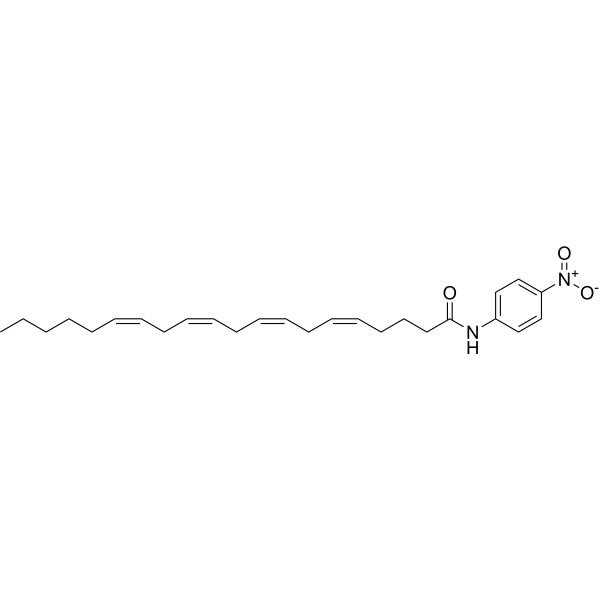
Arachidonoyl p-nitroaniline is a substrate for the hydrolysis of p-nitroaniline by FAAH in Dictyostelium discoideum with long-chain unsaturated fatty acids. Arachidonoyl p-nitroaniline can be used in enzyme kinetic studies. Examples include determining the hydrolysis rate of Arachidonoyl p-nitroaniline and analyzing the fatty acid amide hydrolase activity of recombinant His-FAAH purified from Dictyostelium to characterize the binding and catalytic specificity of mammalian FAAH enzymes .
|
-
- HY-134110
-
|
|
Endogenous Metabolite
|
Metabolic Disease
|
|
Anandamide (AEA) is an endogenous cannabinoid that binds to both central cannabinoid (CB1) and peripheral cannabinoid (CB2) receptors. The biological actions of AEA are terminated by cellular uptake and hydrolysis of the amide bond by the enzyme fatty acid amide hydrolase. Arachidonoyl-N-methyl amide is an analog of anandamide that binds to the human central cannabinoid (CB1) receptor with a Ki of 60 nM. It inhibits rat glial gap junction cell-cell communication 100% at a concentration of 50 μM.
|
-

- HY-134055
-
|
Arachidonic acid-N,N-dimethyl amide
|
Cannabinoid Receptor
|
Metabolic Disease
|
|
Anandamide (AEA) is an endogenous cannabinoid that binds to both central cannabinoid (CB1) and peripheral cannabinoid (CB2) receptors. The biological actions of AEA are terminated by cellular uptake and hydrolysis of the amide bond by the enzyme fatty acid amide hydrolase. Arachidonoyl-N,N-dimethyl amide is an analog of anandamide that exhibits weak or no binding to the human central cannabinoid (CB1) receptor (Ki >1 μM). It inhibits rat glial gap junction cell-cell communication 100% at a concentration of 50 μM.
|
-

- HY-121389R
-
|
Palmitamide (Standard)
|
Bacterial
NF-κB
PPAR
Reference Standards
|
Infection
Inflammation/Immunology
|
|
Hexadecanamide (Standard) is the analytical standard of Hexadecanamide. This product is intended for research and analytical applications. Hexadecanamide (Palmitamide) is a fatty acid amide that has orally active anti-allergic, antioxidant, and neuroprotective effects. Hexadecanamide exerts protective effects in Staphylococcus aureus- and SARA-induced mastitis. Hexadecanamide suppresses S. aureus-induced activation of the NF-κB pathway and improves blood-milk barrier integrity. Hexadecanamide activates PPARα. Hexadecanamide enhances sperm motility in vitro. Hexadecanamide can be studied in research for mastitis and asthenozoospermia .
|
-

- HY-115004
-
|
|
FAAH
|
Neurological Disease
|
|
MM-433593 is a potent and selective inhibitor of fatty acid amide hydrolase-1 (FAAH-1) that is orally administered to inhibit pain, inflammation, and related disorders. Pharmacokinetic studies of MM-433593 in macaques revealed a biphasic elimination profile with a rapid distribution phase and a slower elimination phase, with a systemic clearance of 8-11 mL/min/kg. MM-433593 exhibits moderate oral bioavailability (14-21%) and its metabolism primarily involves oxidation of the methyl group on the indole ring, resulting in a variety of sulfate, glucuronide, or glutathione-conjugated metabolites .
|
-

- HY-120971
-
|
DepNA
|
Endogenous Metabolite
|
Metabolic Disease
|
|
N-Decanoyl p-nitroaniline (DepNA) is one of several nitroaniline fatty acid amides which can be used to measure fatty acid amide hydrolase (FAAH) activity.1 FAAH is a relatively unselective enzyme in that it accepts a variety of amide head groups other than the ethanolamine of its endogenous substrate anandamide (AEA). It also will hydrolyze fatty acid amides with fewer carbons and fewer double bonds than arachidonate. Exposure of DepNA to FAAH activity results in the release of the yellow colorimetric dye p-nitroaniline (ε=13,500 at 410 nm). This allows the fast and convenient measurement of FAAH activity using a 96 well plate spectrophotometer.
|
-

- HY-121465
-
|
|
Endogenous Metabolite
|
Metabolic Disease
|
|
Stearoyl serotonin is a hybrid molecule patterned after arachidonoyl serotonin. Arachidonoyl serotonin is a dual antagonist of fatty acid amide hydrolase (FAAH) and the transient receptor potential vanilloid-type 1 (TRPV1) channel, reducing both acute and chronic peripheral pain. The effects of replacing the arachidonoyl portion with the saturated 18-carbon stearoyl moiety have not been studied. However, replacement of arachidonate with saturated 11- or 12-carbon fatty acids produces compounds that potently inhibit capsaicin-induced TRPV1 channel activation (IC50=0.76 μM) without blocking FAAH-mediated hydrolysis of arachidonoyl ethanolamine (IC50 > 50 μM).
|
-

- HY-P10876
-
|
|
Amyloid-β
|
Neurological Disease
|
|
mcK6A1 is an inhibitor for the aggregation of amyloid-β (Aβ), that selectively binds to the 16KLVFFA21 segment of Aβ42, forms an extended β-folded structure, and inhibits the formation of Aβ42 oligomers. mcK6A1 can be used in research of Alzheimer's disease and other amyloid-related diseases .
|
-

- HY-P10869
-
dCNP
1 Publications Verification
|
Natriuretic Peptide Receptor (NPR)
|
Inflammation/Immunology
Cancer
|
|
dCNP binds to NPR-B/C receptor, activates cGMP signaling pathway, and regulates vascular function. dCNP exhibits anti-hypoxia property through downregulation of hypoxia-related genes expressions like HIF1α and HIF2α. dCNP inhibits the induction of tumor stroma and exhibits anti-fibrosis activity. dCNP upregulates CTLs, NK cells, and conventional type 1 dendritic cells in tumors, and activates immune responses .
|
-

- HY-P10200
-
|
|
Bacterial
|
Infection
|
|
CP7-FP13-2 is a peptide with antivirulence factor and antibacterial activity. CP7-FP13-2 inhibits the formation of Staphylococcus aureus biofilm and has good antibacterial efficacy in mice .
|
-

- HY-P0041
-
-
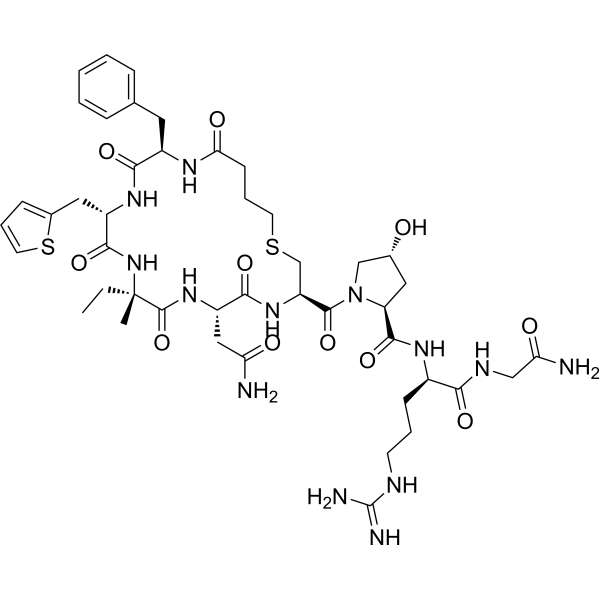
- HY-P5161
-
-

- HY-P5161A
-
-

- HY-109166
-
-

- HY-P11279
-
|
|
GLP Receptor
GCGR
Neuropeptide Y Receptor
|
Metabolic Disease
|
TC2 is an efficient GIPR-preferring monomeric quadruple agonist that can respectively activate GIPR, GLP-1R, GcgR, and Y2R with IC50 values of 0.47, 2.1, 30, and 55 nM respectively. TC2 exhibits a significant GLP-1R preference, with a significant reduction in β-inhibitory protein 2 (βArr2) recruitment, while maintaining a strong cAMP signal. TC2 can be used for research on obesity and diabetes .
|
-

- HY-W742938
-
|
|
Drug Derivative
|
Others
|
|
(R)-(+)-Docosahexaenyl-1'-hydroxy-2'-propylamide is a polyunsaturated fatty acid amide with anti-proliferative properties.
|
-

- HY-181463
-
|
|
TRP Channel
FAAH
|
Others
|
|
20-Hydroxy-N-arachidonoyl taurine (Compound C20:4 NAT) acts as an activator of TRPV1 and TRPV4, with EC50 values of 28 µM and 21 µM, respectively. 20-Hydroxy-N-arachidonoyl taurine serves as a substrate for fatty acid amide hydrolase (FAAH) .
|
-

- HY-101457R
-
|
|
MAGL
Reference Standards
|
Metabolic Disease
|
|
JZP-430 (Standard) is the analytical standard of JZP-430 (HY-101457). This product is intended for research and analytical applications. JZP-430 is a potent, highly selective, irreversible inhibitor of α/β-hydrolase domain 6 (ABHD6) with an IC50 of 44 nM, exhibits ~230-fold selectivity over fatty acid amide hydrolase (FAAH) and lysosomal acid lipase (LAL) .
|
-

- HY-10865R
-
|
|
Reference Standards
FAAH
Autophagy
|
Neurological Disease
|
|
LY2183240 (Standard) is the analytical standard of LY2183240 (HY-10865). This product is intended for research and analytical applications. LY2183240 is a highly potent blocker of anandamide uptake (IC50= 270 pM; Ki=540 nM). LY2183240 is a potent, covalent inhibitor of the endocannabinoid-degrading enzyme fatty acid amide hydrolase (FAAH) with an IC50 of 12.4 nM. LY2183240 inactivates FAAH by carbamylation of the enzyme's serine nucleophile. LY2183240 also inhibits several other brain serine hydrolases with IC50s of 5.3, 0.09, 8.2 nM for MAG lipase, bh6 and KiAA1363, respectively .
|
-

- HY-P11759
-
|
|
Drug Derivative
|
Cancer
|
|
Myr-transportan-Cys is a derivative of the cell-penetrating peptide Transportan (HY-P1732), and its conjugated myristoyl group (Myr) enhances the interaction between the peptide and cell membranes. Myr-transportan-Cys integrates three key delivery functions: nucleic acid condensation, cell penetration, and endosomal escape. Myr-transportan-Cys can form immunostimulatory tandem peptide nanocomplexes (iTPNCs) for encapsulating and delivering immunostimulatory oligonucleotide cargos to tumors .
|
-

- HY-N17580
-
|
|
Renin
|
Cardiovascular Disease
|
|
Lyciumin D acts as an angiotensin-converting enzyme inhibitor and renin inhibitor. Lyciumin D can be used for the research of hypertension .
|
-

- HY-P11604
-
|
|
Phosphatase
|
Inflammation/Immunology
|
|
C16 acid-I-{Lys (C10 diacid)}-KQELRRIGDEF is a cell-permeable and internalizable PTPN1/2 inhibitor, with IC50 values of 107.6 nM and 3375 nM, respectively. C16 acid-I-{Lys (C10 diacid)}-KQELRRIGDEF restores insulin signaling in HepG2 cells. C16 acid-I-{Lys (C10 diacid)}-KQELRRIGDEF achieves glycemic control in db/db diabetic mice. C16 acid-I-{Lys (C10 diacid)}-KQELRRIGDEF can be used in the research of type 2 diabetes .
|
-

- HY-P11586
-
|
|
Amylin Receptor
|
Metabolic Disease
|
|
San45 is a nonselective dual amylin and calcitonin receptor agonist (DACRA) with nonselective potency relative to calcitonin receptor (CTR) and amylin 1 receptor (AMY₁R), and acts as a stabilizer of receptor-ligand complex and prolonged activator of cAMP signaling. San45 carries a conjugated lipid modification that can be used for the research of obesity .
|
-

- HY-P11293
-
|
|
Melanocortin Receptor
|
Cancer
|
|
DOTA-GGNle-CycMSHhex is a melanocortin-1 receptor (MC1R)-targeting peptide that can be radionuclide-labeled for melanoma imaging .
|
-

- HY-P0014S2
-
|
|
Isotope-Labeled Compounds
|
Others
|
|
Liraglutide- 13C6, 15 TFA is the 13C and 15N labeledLiraglutide(HY-P0014). Liraglutide is a glucagon-like peptide-1 (GLP-1) receptor agonist used for the study of type 2 diabetes mellitus .
|
-

- HY-P0014S1
-
|
|
Isotope-Labeled Compounds
GLP Receptor
GCGR
|
Others
|
|
Liraglutide- 13C6, 15 tetraTFA is the 13C and 15N labeled Liraglutide (HY-P0014) . Liraglutide is a glucagon-like peptide-1 (GLP-1) receptor agonist used for the study of type 2 diabetes mellitus .
|
-

- HY-P10271
-
|
NNC0090-2746; MAR709; RO6811135
|
GLP Receptor
|
Metabolic Disease
|
|
RG7697 is a dual agonist for glucagon-like peptide receptor (GLP Receptor) and glucosedependent insulinotropic polypeptide receptor (GIPR), with EC50 of 5 and 3 pM, respectively. RG7697 exhibits antihyperglycemic property .
|
-

- HY-P11480
-
|
|
Trk Receptor
|
Neurological Disease
|
|
TrkA/NGF-IN-1 (Peptide 19) is an inhibitor of protein-protein interactions between TrkA and NGF (IC50: 21 nM for human TrkA in PathHunter assay). TrkA/NGF-IN-1 shows an analgesic effect in a rat incisional pain model .
|
-

- HY-P10341
-
|
|
GCGR
|
Metabolic Disease
|
|
ZP3022 is a dual agonist of glucagon-like peptide-1 (GLP-1) and gastrin that has the ability to sustainably improve glycemic control. Additionally, ZP3022 can effectively increase β-cell mass, promote β-cell proliferation, and enhance the function of pancreatic islets. ZP3022 can be used in anti-diabetic research .
|
-

- HY-P3143
-
|
|
PD-1/PD-L1
|
Cancer
|
|
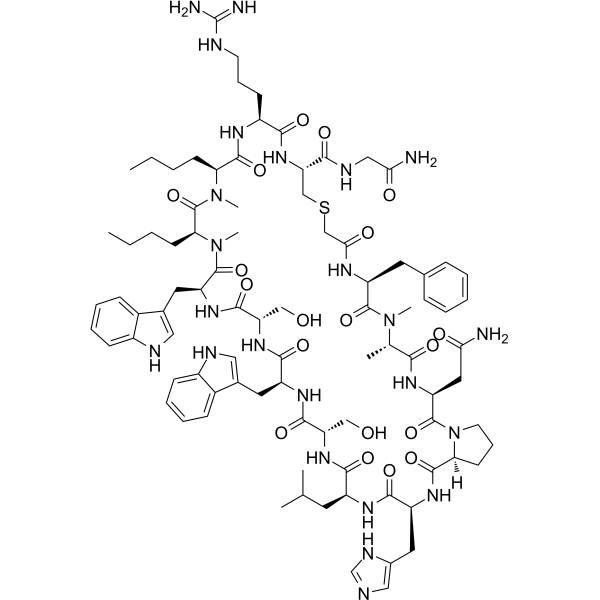
BMSpep-57 is a potent and competitive macrocyclic peptide inhibitor of PD-1/PD-L1 interaction with an IC50 of 7.68 nM. BMSpep-57 binds to PD-L1 with Kds of 19 nM and 19.88 nM in MST and SPR assays, respectively. BMSpep-57 facilitates T cell function by in creasing IL-2 production in PBMCs .
|
-
- HY-P3143A
-
|
|
PD-1/PD-L1
|
Cancer
|
|
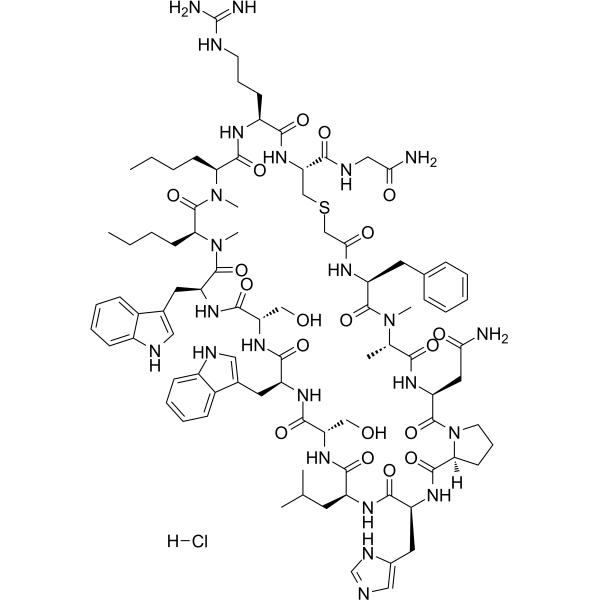
BMSpep-57 hydrochloride is a potent and competitive macrocyclic peptide inhibitor of PD-1/PD-L1 interaction with an IC50 of 7.68 nM. BMSpep-57 hydrochloride binds to PD-L1 with Kds of 19 nM and 19.88 nM in MST and SPR assays, respectively. BMSpep-57 hydrochloride facilitates T cell function by in creasing IL-2 production in PBMCs .
|
-
- HY-P11625
-
|
|
RXFP Receptor
|
Cardiovascular Disease
|
|
R9-13 is a fatty acid-conjugated relaxin and an agonist of LGR7 (RXFP1). R9-13 induces sustained pubic symphysis elongation in estrogen-pretreated mice. R9-13 exhibits long-acting pharmacokinetic profiles in rodents, with in vivo activity lasting up to one week after administration. R9-13 can be used in studies related to acute heart failure .
|
-

- HY-P1321
-
|
1229U91; GW1229
|
Neuropeptide Y Receptor
|
Neurological Disease
|
|
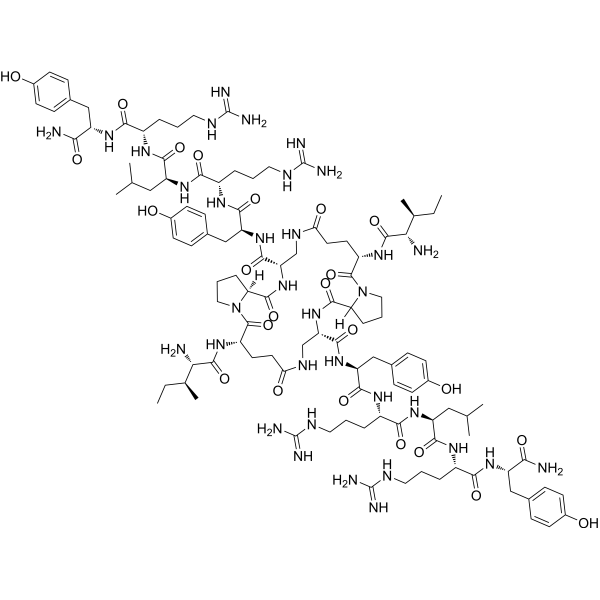
GR231118, an analogue of the C-terminus of neuropeptide Y, is a potent , competitive and relative seletive antagonist at human neuropeptide Y Y receptor with a pKi of 10.4. GR231118 a potent agonist at the human neuropeptide Y Y4 receptor (pEC50=8.6; pKi=9.6) and a weak agonist at the human and rat neuropeptide YY2 and Y5 receptors. GR231118 also has high affinity for the mouse neuropeptide Y Y6 receptor (pKi= 8.8) .
|
-
- HY-P1321A
-
|
1229U91 TFA; GW1229 TFA
|
Neuropeptide Y Receptor
|
Neurological Disease
|
|
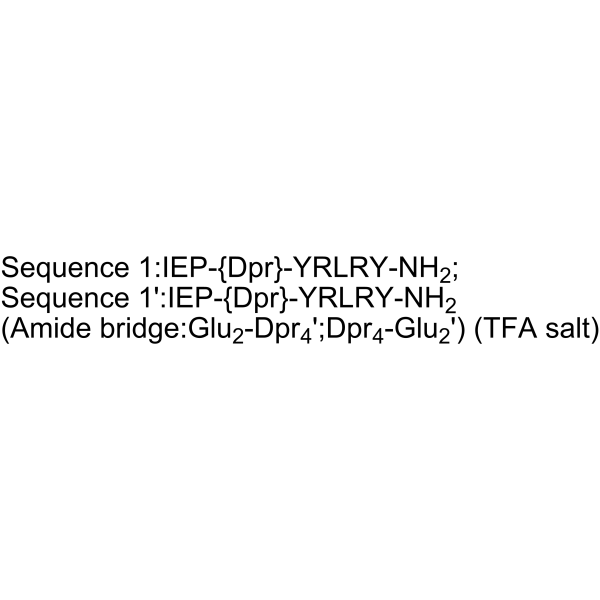
GR231118 TFA, an analogue of the C-terminus of neuropeptide Y, is a potent , competitive and relative seletive antagonist at human neuropeptide YY receptor with a pKi of 10.4. GR231118 a potent agonist at the human neuropeptide YY4 receptor (pEC50=8.6; pKi=9.6) and a weak agonist at the human and rat neuropeptide Y Y2 and Y5 receptors. GR231118 also has high affinity for the mouse neuropeptide YY6 receptor (pKi= 8.8) .
|
-
- HY-P11273
-
-

- HY-113560
-
-

- HY-153476
-
|
|
GCGR
GLP Receptor
|
Inflammation/Immunology
|
|
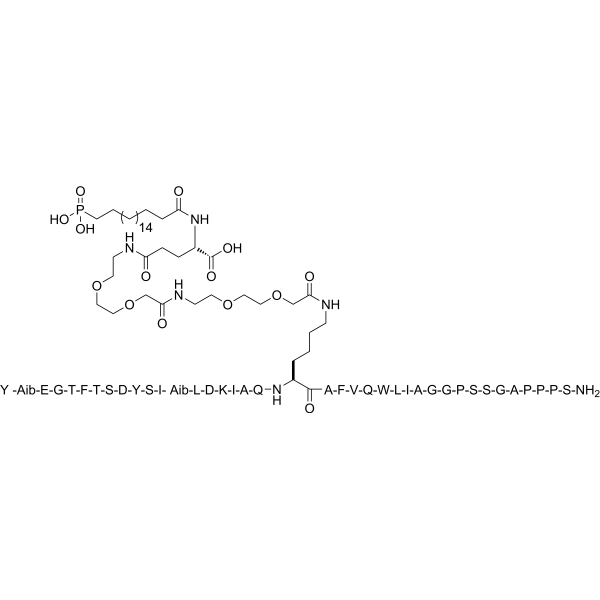
GIP/GLP-1 dual receptor agonist-1 is a GIP/GLP-1 dual receptor agonist. GIP/GLP-1 dual receptor agonist-1 is used in the research of metabolic disorders and fatty liver diseases, including non-alcoholic steatohepatitis (NASH) and non-alcoholic fatty liver disease (NAFLD) .
|
-
- HY-153476A
-
|
|
GLP Receptor
GCGR
|
Inflammation/Immunology
|
|
GIP/GLP-1 dual receptor agonist-1 sodium is a GIP/GLP-1 dual receptor agonist. GIP/GLP-1 dual receptor agonist-1 sodium is used in the research of metabolic disorders and fatty liver diseases, including non-alcoholic steatohepatitis (NASH) and non-alcoholic fatty liver disease (NAFLD) .
|
-

- HY-P10378
-
|
|
GnRH Receptor
|
Metabolic Disease
|
|
GPR10 agonist 1 (compound 18-S4) is a potent GPR10 agonist with EC50 values of 80, 7.8 nM in the presence (10%) or absence (0%) of FBS, respectively. GPR10 agonist 1 has the potential for the research of chronic obesity .
|
-

- HY-P1162
-
-
- HY-P2595
-
|
|
Endogenous Metabolite
|
Cardiovascular Disease
|
|
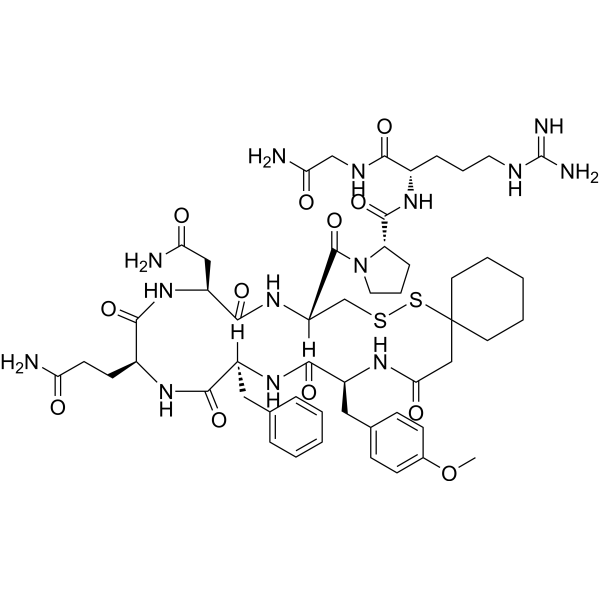
SKF 103784 is an vasopressin antagonist with activity against vasopressin. SKF 103784 inhibits the physiological response caused by antidiuretic and is therefore used to study biological processes related to water and salt balance. SKF 103784 can also be used to explore pathological mechanisms related to cardiovascular diseases and endocrine dysfunction .
|
-

- HY-P10910
-
|
|
GLP Receptor
|
Metabolic Disease
|
|
Vensemaglutide is the agonist for glucagon-like peptide 1 (GLP-1) receptor. Vensemaglutide can be used in research of diabetes or other metabolic disorders .
|
-

- HY-P11290
-
-

- HY-P11243
-
|
|
Ephrin Receptor
|
Neurological Disease
|
|
EphA4 agonist compound 23 is a novel EphA4 agonist peptide mimic. EphA4 agonist compound 23 exhibits high affinity, high selectivity, and significant receptor activation ability. EphA4 agonist compound 23 is commonly used in the study of neurodegenerative diseases .
|
-

- HY-P10031A
-
|
|
GLP Receptor
GCGR
|
Metabolic Disease
|
|
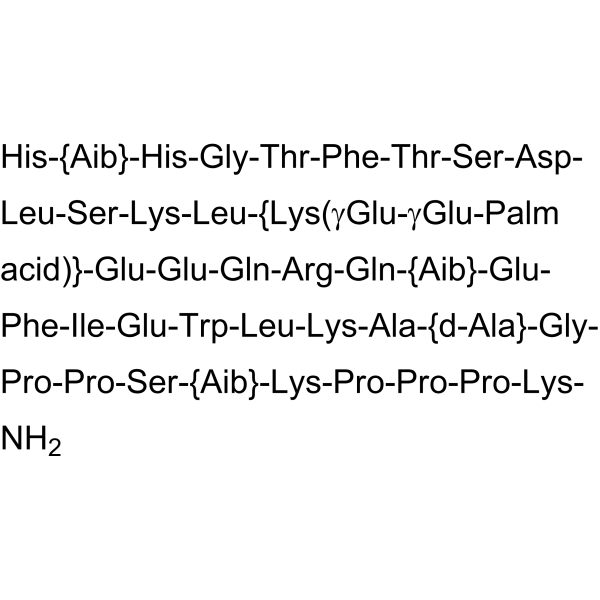
SAR441255 TFA is a GLP-1R/GCGR/GIPR agonist, with human EC50 values of 1.03 pM, 1.01 pM, and 0.73 pM, respectively. SAR441255 TFA stimulates receptor activity and drives cAMP accumulation. SAR441255 TFA can be used for the research of type 2 diabetes, obesity .
|
-
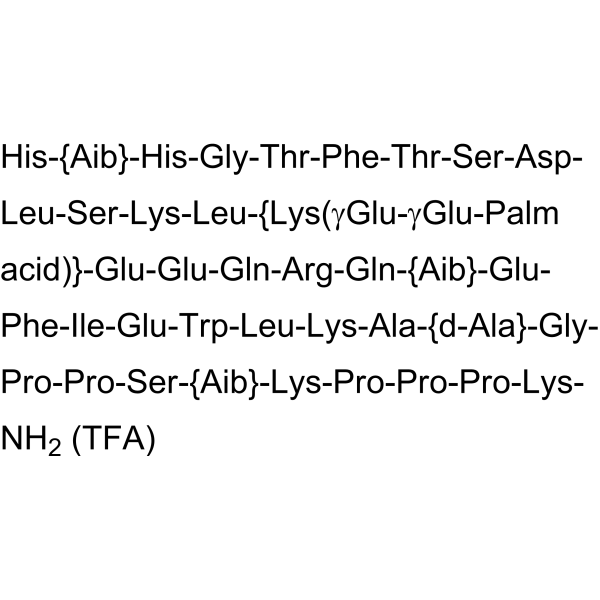
- HY-P10031
-
|
|
GLP Receptor
GCGR
|
Metabolic Disease
|
|
SAR441255 is a GLP-1R/GCGR/GIPR agonist, with human EC50 values of 1.03 pM, 1.01 pM, and 0.73 pM, respectively. SAR441255 stimulates receptor activity and drives cAMP accumulation. SAR441255 can be used for the research of type 2 diabetes, obesity .
|
-
- HY-P10272
-
|
PTG-300
|
Ferroportin
|
Others
|
|
Rusfertide is a peptide mimetic of natural hepcidin, which targets and degrades ferroportin, reduces serum iron and transferrin-saturation, and thus regulates the production of red blood cells. Rusfertide ameliorates the polycythemia vera, β-thalassemia and hereditary hemochromatosis .
|
-

- HY-P10881
-
-

- HY-P4070
-
|
|
Insulin Receptor
|
Metabolic Disease
|
|
Insulin icodec is an Insulin (HY-P0035) analog that strongly but reversibly binds to albumin. Insulin icodec has long plasma half-life. Insulin icodec modulates insulin receptor activity, controls blood glucose levels, reduces HbA1c levels, and binds reversibly to human serum albumin. Insulin icodec can be used for the research of type 2 diabetes mellitus .
|
-

- HY-P10563
-
|
BHV-1100
|
CD38
|
Cancer
|
|
Noraramtide (BHV-1100) is an antibody recruitment molecule. Noraramtide can specifically bind to CD38 molecules to recruit natural killer (NK) cells. Noraramtide enhances the ability of NK cells to kill tumor cells through antibody-dependent cellular cytotoxicity (ADCC). This mechanism allows NK cells to more effectively recognize and eliminate tumor cells while avoiding mutual killing between NK cells. Noraramtide can be used for the study of autologous cancer immunity .
|
-

| Cat. No. |
Product Name |
Type |
-
- HY-W479534
-
|
DemNA
|
Fluorescent Dyes
|
|
Decanoyl m-Nitroaniline (DemNA) is a nitroaniline fatty acid amides which can be used to measure fatty acid amide hydrolase (FAAH) activity (Ab = 410 nm).
|
-
- HY-120971
-
|
DepNA
|
Fluorescent Dyes
|
|
N-Decanoyl p-nitroaniline (DepNA) is one of several nitroaniline fatty acid amides which can be used to measure fatty acid amide hydrolase (FAAH) activity.1 FAAH is a relatively unselective enzyme in that it accepts a variety of amide head groups other than the ethanolamine of its endogenous substrate anandamide (AEA). It also will hydrolyze fatty acid amides with fewer carbons and fewer double bonds than arachidonate. Exposure of DepNA to FAAH activity results in the release of the yellow colorimetric dye p-nitroaniline (ε=13,500 at 410 nm). This allows the fast and convenient measurement of FAAH activity using a 96 well plate spectrophotometer.
|
| Cat. No. |
Product Name |
Type |
-
- HY-32952
-
|
6-Fluoropyridine-3-boronic acid
|
Biochemical Assay Reagents
|
|
2-Fluoropyridine-5-boronic acid (6-Fluoropyridine-3-boronic acid) is a drug intermediate that can be used in the synthesis of fatty acid amide hydrolase inhibitors and pyrethroid derivatives .
|
| Cat. No. |
Product Name |
Target |
Research Area |
-
- HY-P0014
-
-
- HY-P3462
-
|
|
CGRP Receptor
|
Metabolic Disease
|
|
Cagrilintide is an investigational novel long-acting acylated amylin analogue, acts as nonselective amylin receptors (AMYR) and calcitonin G protein-coupled receptor (CTR) agonist. Cagrilintide induces significant weight loss and reduces food intake. Cagrilintide has the potential for the research of obesity .
|
-
- HY-P3462A
-
|
|
CGRP Receptor
|
Metabolic Disease
|
|
Cagrilintide acetate is a non-selective AMYR/CTR agonist and long-acting acylated amylase analogue. Cagrilintide acetate causes a reduction in food intake and significant weight loss in a dose-dependent manner. Cagrilintide acetate can be used in obesity studies .
|
-
- HY-P10272
-
|
PTG-300
|
Ferroportin
|
Others
|
|
Rusfertide is a peptide mimetic of natural hepcidin, which targets and degrades ferroportin, reduces serum iron and transferrin-saturation, and thus regulates the production of red blood cells. Rusfertide ameliorates the polycythemia vera, β-thalassemia and hereditary hemochromatosis .
|
-
- HY-P4070
-
|
|
Insulin Receptor
|
Metabolic Disease
|
|
Insulin icodec is an Insulin (HY-P0035) analog that strongly but reversibly binds to albumin. Insulin icodec has long plasma half-life. Insulin icodec modulates insulin receptor activity, controls blood glucose levels, reduces HbA1c levels, and binds reversibly to human serum albumin. Insulin icodec can be used for the research of type 2 diabetes mellitus .
|
-
- HY-P2231
-
|
MEDI0382
|
GCGR
|
Metabolic Disease
|
|
Cotadutide (MEDI0382) is a potent dual agonist of glucagon-like peptide-1 (GLP-1) and GCGR with EC50 values of 6.9 pM and 10.2 pM, respectively. Cotadutide exhibits ability to facilitate both weight loss and glycaemic control, and alleviate fibrosis. Cotadutide can be used in the research of obesity and type 2 diabetes (T2D) .
|
-
- HY-P2231A
-
|
MEDI0382 acetate
|
GCGR
|
Metabolic Disease
|
|
Cotadutide (MEDI0382) acetate is a potent dual agonist of glucagon-like peptide-1 (GLP-1) and GCGR with EC50 values of 6.9 pM and 10.2 pM, respectively. Cotadutide acetate exhibits ability to facilitate both weight loss and glycaemic control, and alleviate fibrosis. Cotadutide acetate can be used in the research of obesity and type 2 diabetes (T2D) .
|
-
- HY-P1103
-
|
|
CXCR
|
Cancer
|
|
CTCE-9908 is a potent and selective CXCR4 antagonist. CTCE-9908 induces mitotic catastrophe, cytotoxicity and inhibits migration in CXCR4-expressing ovarian cancer cells .
|
-
- HY-P3291
-
|
ZP7570
|
GCGR
|
Metabolic Disease
|
|
Dapiglutide (ZP7570) is a long-acting glucagon-like peptide-1 receptor 1R (GLP-1R)/Glucagon-like peptide-2 receptor (GLP-2R) dual agonist. Dapiglutide alleviates intestinal dysfunction in a mouse short bowel model and has anti-obesity effects .
|
-
- HY-P10218
-
|
|
MARCKS
PKC
|
Inflammation/Immunology
Cancer
|
|
MANS peptide is an inhibitor for myristoylated alanine-rich C kinase substrate (MARCKS), which competes with MARCKS in cells for membrane binding, and thus inhibits the stimulation of mucin secretion and tumor metastasis .
|
-
- HY-P0014S1
-
|
|
Isotope-Labeled Compounds
GLP Receptor
GCGR
|
Others
|
|
Liraglutide- 13C6, 15 tetraTFA is the 13C and 15N labeled Liraglutide (HY-P0014) . Liraglutide is a glucagon-like peptide-1 (GLP-1) receptor agonist used for the study of type 2 diabetes mellitus .
|
-
- HY-P10271
-
|
NNC0090-2746; MAR709; RO6811135
|
GLP Receptor
|
Metabolic Disease
|
|
RG7697 is a dual agonist for glucagon-like peptide receptor (GLP Receptor) and glucosedependent insulinotropic polypeptide receptor (GIPR), with EC50 of 5 and 3 pM, respectively. RG7697 exhibits antihyperglycemic property .
|
-
- HY-P10031
-
|
|
GLP Receptor
GCGR
|
Metabolic Disease
|
|
SAR441255 is a GLP-1R/GCGR/GIPR agonist, with human EC50 values of 1.03 pM, 1.01 pM, and 0.73 pM, respectively. SAR441255 stimulates receptor activity and drives cAMP accumulation. SAR441255 can be used for the research of type 2 diabetes, obesity .
|
-
- HY-P10218A
-
|
|
MARCKS
PKC
|
Inflammation/Immunology
Cancer
|
|
MANS peptide TFA is the TFA salt form of MANS peptide (HY-P10218). MANS peptide TFA is an inhibitor for myristoylated alanine-rich C kinase substrate (MARCKS), which competes with MARCKS in cells for membrane binding, and thus inhibits the stimulation of mucin secretion and tumor metastasis .
|
-
- HY-P0014B
-
|
|
GLP Receptor
|
Metabolic Disease
|
|
Liraglutide (TFA) is an agonist of glucagon-like peptide 1 receptor (GLP-1). Liraglutide (TFA) can activate GLP-1, leading to the release of insulin in the presence of increased glucose concentration. Liraglutide (TFA) also reduces glucagon secretion in a glucose-dependent manner. Liraglutide (TFA) can be studied in research on type 2 diabetes .
|
-
- HY-P3143
-
|
|
PD-1/PD-L1
|
Cancer
|
|
BMSpep-57 is a potent and competitive macrocyclic peptide inhibitor of PD-1/PD-L1 interaction with an IC50 of 7.68 nM. BMSpep-57 binds to PD-L1 with Kds of 19 nM and 19.88 nM in MST and SPR assays, respectively. BMSpep-57 facilitates T cell function by in creasing IL-2 production in PBMCs .
|
-
- HY-P11273
-
-
- HY-153476A
-
|
|
GLP Receptor
GCGR
|
Inflammation/Immunology
|
|
GIP/GLP-1 dual receptor agonist-1 sodium is a GIP/GLP-1 dual receptor agonist. GIP/GLP-1 dual receptor agonist-1 sodium is used in the research of metabolic disorders and fatty liver diseases, including non-alcoholic steatohepatitis (NASH) and non-alcoholic fatty liver disease (NAFLD) .
|
-
- HY-153476
-
|
|
GCGR
GLP Receptor
|
Inflammation/Immunology
|
|
GIP/GLP-1 dual receptor agonist-1 is a GIP/GLP-1 dual receptor agonist. GIP/GLP-1 dual receptor agonist-1 is used in the research of metabolic disorders and fatty liver diseases, including non-alcoholic steatohepatitis (NASH) and non-alcoholic fatty liver disease (NAFLD) .
|
-
- HY-P11290
-
-
- HY-P10341
-
|
|
GCGR
|
Metabolic Disease
|
|
ZP3022 is a dual agonist of glucagon-like peptide-1 (GLP-1) and gastrin that has the ability to sustainably improve glycemic control. Additionally, ZP3022 can effectively increase β-cell mass, promote β-cell proliferation, and enhance the function of pancreatic islets. ZP3022 can be used in anti-diabetic research .
|
-
- HY-169089
-
|
|
Drug Derivative
|
Cancer
|
|
RP-182-PEG3-K palmitic acid-NH2 (Compound 1a) is a fatty acid derivative of the immunomodulatory peptide RP-182. RP-182-PEG3-K palmitic acid-NH2 inhibits CD206 high M2-like macrophage (IC50 of 3.2 μM) and induces phagocytosis. RP-182-PEG3-K palmitic acid-NH2 exhibits antitumor efficacy in mouse B16 melanoma allografts .
|
-
- HY-P10563
-
|
BHV-1100
|
CD38
|
Cancer
|
|
Noraramtide (BHV-1100) is an antibody recruitment molecule. Noraramtide can specifically bind to CD38 molecules to recruit natural killer (NK) cells. Noraramtide enhances the ability of NK cells to kill tumor cells through antibody-dependent cellular cytotoxicity (ADCC). This mechanism allows NK cells to more effectively recognize and eliminate tumor cells while avoiding mutual killing between NK cells. Noraramtide can be used for the study of autologous cancer immunity .
|
-
- HY-P11233
-
|
|
GLP Receptor
|
Metabolic Disease
|
|
Acmopatide (Compound E-153) is a dual-acting GIP/GLP-1 receptor agonist. Acmopatide is used in anti-diabetic research .
|
-
- HY-P0014AS
-
-
- HY-P10031A
-
|
|
GLP Receptor
GCGR
|
Metabolic Disease
|
|
SAR441255 TFA is a GLP-1R/GCGR/GIPR agonist, with human EC50 values of 1.03 pM, 1.01 pM, and 0.73 pM, respectively. SAR441255 TFA stimulates receptor activity and drives cAMP accumulation. SAR441255 TFA can be used for the research of type 2 diabetes, obesity .
|
-
- HY-169089A
-
|
|
Drug Derivative
|
Cancer
|
|
RP-182-PEG3-K(palmitic acid)-NH2 (Compound 1a) TFA is a fatty acid derivative of the immunomodulatory peptide RP-182. RP-182-PEG3-K(palmitic acid)-NH2 TFA inhibits CD206 high M2-like macrophage (IC50 of 3.2 μM) and induces phagocytosis. RP-182-PEG3-K(palmitic acid)-NH2 TFA exhibits antitumor efficacy in mouse B16 melanoma allografts .
|
-
- HY-P0014A
-
|
|
GLP Receptor
|
Metabolic Disease
|
|
Liraglutide acetate is the acetate form of Liraglutide (HY-P0014), a glucagon-like peptide-1 (GLP-1) receptor agonist studied in type 2 diabetes .
|
-
- HY-P1103A
-
|
|
CXCR
|
Cancer
|
|
CTCE-9908 TFA is a potent and selective CXCR4 antagonist. CTCE-9908 TFA induces mitotic catastrophe, cytotoxicity and inhibits migration in CXCR4-expressing ovarian cancer cells .
|
-
- HY-P10318
-
|
|
GLP Receptor
|
Endocrinology
|
|
SHR-2042 is a selective agonist of the GLP-1 receptor.SHR-2042 improves glycemic control by activating the GLP-1 receptor, enhancing insulin secretion and inhibiting glucagon secretion. SHR-2042 combined with sodium N-(8-[2-hydroxybenzoyl] amino) caprylate (SNAC) promotes monomerization through the formation of micelles and improves oral absorption efficiency .
|
-
- HY-P1614
-
-
- HY-P0041A
-
-
- HY-P0014S2
-
|
|
Isotope-Labeled Compounds
|
Others
|
|
Liraglutide- 13C6, 15 TFA is the 13C and 15N labeledLiraglutide(HY-P0014). Liraglutide is a glucagon-like peptide-1 (GLP-1) receptor agonist used for the study of type 2 diabetes mellitus .
|
-
- HY-P4757
-
|
|
Parasite
|
Others
|
|
N1-Glutathionyl-spermidine disulfide is a substrate of trypanothione reductase .
|
-
- HY-P11293
-
|
|
Melanocortin Receptor
|
Cancer
|
|
DOTA-GGNle-CycMSHhex is a melanocortin-1 receptor (MC1R)-targeting peptide that can be radionuclide-labeled for melanoma imaging .
|
-
- HY-P3143A
-
|
|
PD-1/PD-L1
|
Cancer
|
|
BMSpep-57 hydrochloride is a potent and competitive macrocyclic peptide inhibitor of PD-1/PD-L1 interaction with an IC50 of 7.68 nM. BMSpep-57 hydrochloride binds to PD-L1 with Kds of 19 nM and 19.88 nM in MST and SPR assays, respectively. BMSpep-57 hydrochloride facilitates T cell function by in creasing IL-2 production in PBMCs .
|
-
- HY-P1321
-
|
1229U91; GW1229
|
Neuropeptide Y Receptor
|
Neurological Disease
|
|
GR231118, an analogue of the C-terminus of neuropeptide Y, is a potent , competitive and relative seletive antagonist at human neuropeptide Y Y receptor with a pKi of 10.4. GR231118 a potent agonist at the human neuropeptide Y Y4 receptor (pEC50=8.6; pKi=9.6) and a weak agonist at the human and rat neuropeptide YY2 and Y5 receptors. GR231118 also has high affinity for the mouse neuropeptide Y Y6 receptor (pKi= 8.8) .
|
-
- HY-113560
-
-
- HY-P10378
-
|
|
GnRH Receptor
|
Metabolic Disease
|
|
GPR10 agonist 1 (compound 18-S4) is a potent GPR10 agonist with EC50 values of 80, 7.8 nM in the presence (10%) or absence (0%) of FBS, respectively. GPR10 agonist 1 has the potential for the research of chronic obesity .
|
-
- HY-P1162
-
-
- HY-P10910
-
|
|
GLP Receptor
|
Metabolic Disease
|
|
Vensemaglutide is the agonist for glucagon-like peptide 1 (GLP-1) receptor. Vensemaglutide can be used in research of diabetes or other metabolic disorders .
|
-
- HY-P11243
-
|
|
Ephrin Receptor
|
Neurological Disease
|
|
EphA4 agonist compound 23 is a novel EphA4 agonist peptide mimic. EphA4 agonist compound 23 exhibits high affinity, high selectivity, and significant receptor activation ability. EphA4 agonist compound 23 is commonly used in the study of neurodegenerative diseases .
|
-
- HY-P10876
-
|
|
Amyloid-β
|
Neurological Disease
|
|
mcK6A1 is an inhibitor for the aggregation of amyloid-β (Aβ), that selectively binds to the 16KLVFFA21 segment of Aβ42, forms an extended β-folded structure, and inhibits the formation of Aβ42 oligomers. mcK6A1 can be used in research of Alzheimer's disease and other amyloid-related diseases .
|
-
- HY-P10869
-
dCNP
1 Publications Verification
|
Natriuretic Peptide Receptor (NPR)
|
Inflammation/Immunology
Cancer
|
|
dCNP binds to NPR-B/C receptor, activates cGMP signaling pathway, and regulates vascular function. dCNP exhibits anti-hypoxia property through downregulation of hypoxia-related genes expressions like HIF1α and HIF2α. dCNP inhibits the induction of tumor stroma and exhibits anti-fibrosis activity. dCNP upregulates CTLs, NK cells, and conventional type 1 dendritic cells in tumors, and activates immune responses .
|
-
- HY-P4837
-
|
|
Peptides
|
Others
|
|
Ac-Lys-D-Ala-D-lactic acid is a polypeptide that can be found by peptide screening. Peptide screening is a research tool that pools active peptides primarily by immunoassay. Peptide screening can be used for protein interaction, functional analysis, epitope screening, especially in the field of agent research and development .
|
-
- HY-P10200
-
|
|
Bacterial
|
Infection
|
|
CP7-FP13-2 is a peptide with antivirulence factor and antibacterial activity. CP7-FP13-2 inhibits the formation of Staphylococcus aureus biofilm and has good antibacterial efficacy in mice .
|
-
- HY-P0041
-
-
- HY-P5161
-
-
- HY-P5161A
-
-
- HY-109166
-
- HY-P11279
-
|
|
GLP Receptor
GCGR
Neuropeptide Y Receptor
|
Metabolic Disease
|
TC2 is an efficient GIPR-preferring monomeric quadruple agonist that can respectively activate GIPR, GLP-1R, GcgR, and Y2R with IC50 values of 0.47, 2.1, 30, and 55 nM respectively. TC2 exhibits a significant GLP-1R preference, with a significant reduction in β-inhibitory protein 2 (βArr2) recruitment, while maintaining a strong cAMP signal. TC2 can be used for research on obesity and diabetes .
|
- HY-P1321A
-
|
1229U91 TFA; GW1229 TFA
|
Neuropeptide Y Receptor
|
Neurological Disease
|
|
GR231118 TFA, an analogue of the C-terminus of neuropeptide Y, is a potent , competitive and relative seletive antagonist at human neuropeptide YY receptor with a pKi of 10.4. GR231118 a potent agonist at the human neuropeptide YY4 receptor (pEC50=8.6; pKi=9.6) and a weak agonist at the human and rat neuropeptide Y Y2 and Y5 receptors. GR231118 also has high affinity for the mouse neuropeptide YY6 receptor (pKi= 8.8) .
|
- HY-P10381
-
|
|
Peptides
|
Others
|
|
palm11-TTDS-PrRP31 is a strong agonist of GPR10 (EC50: 84 pM). palm11-TTDS-PrRP31 has long-lasting anorexigenic effects .
|
- HY-P2595
-
|
|
Endogenous Metabolite
|
Cardiovascular Disease
|
|
SKF 103784 is an vasopressin antagonist with activity against vasopressin. SKF 103784 inhibits the physiological response caused by antidiuretic and is therefore used to study biological processes related to water and salt balance. SKF 103784 can also be used to explore pathological mechanisms related to cardiovascular diseases and endocrine dysfunction .
|
- HY-P10881
-
- HY-P11759
-
|
|
Drug Derivative
|
Cancer
|
|
Myr-transportan-Cys is a derivative of the cell-penetrating peptide Transportan (HY-P1732), and its conjugated myristoyl group (Myr) enhances the interaction between the peptide and cell membranes. Myr-transportan-Cys integrates three key delivery functions: nucleic acid condensation, cell penetration, and endosomal escape. Myr-transportan-Cys can form immunostimulatory tandem peptide nanocomplexes (iTPNCs) for encapsulating and delivering immunostimulatory oligonucleotide cargos to tumors .
|
- HY-N17580
-
|
|
Renin
|
Cardiovascular Disease
|
|
Lyciumin D acts as an angiotensin-converting enzyme inhibitor and renin inhibitor. Lyciumin D can be used for the research of hypertension .
|
- HY-P11604
-
|
|
Phosphatase
|
Inflammation/Immunology
|
|
C16 acid-I-{Lys (C10 diacid)}-KQELRRIGDEF is a cell-permeable and internalizable PTPN1/2 inhibitor, with IC50 values of 107.6 nM and 3375 nM, respectively. C16 acid-I-{Lys (C10 diacid)}-KQELRRIGDEF restores insulin signaling in HepG2 cells. C16 acid-I-{Lys (C10 diacid)}-KQELRRIGDEF achieves glycemic control in db/db diabetic mice. C16 acid-I-{Lys (C10 diacid)}-KQELRRIGDEF can be used in the research of type 2 diabetes .
|
- HY-P11586
-
|
|
Amylin Receptor
|
Metabolic Disease
|
|
San45 is a nonselective dual amylin and calcitonin receptor agonist (DACRA) with nonselective potency relative to calcitonin receptor (CTR) and amylin 1 receptor (AMY₁R), and acts as a stabilizer of receptor-ligand complex and prolonged activator of cAMP signaling. San45 carries a conjugated lipid modification that can be used for the research of obesity .
|
- HY-P11480
-
|
|
Trk Receptor
|
Neurological Disease
|
|
TrkA/NGF-IN-1 (Peptide 19) is an inhibitor of protein-protein interactions between TrkA and NGF (IC50: 21 nM for human TrkA in PathHunter assay). TrkA/NGF-IN-1 shows an analgesic effect in a rat incisional pain model .
|
- HY-P11625
-
|
|
RXFP Receptor
|
Cardiovascular Disease
|
|
R9-13 is a fatty acid-conjugated relaxin and an agonist of LGR7 (RXFP1). R9-13 induces sustained pubic symphysis elongation in estrogen-pretreated mice. R9-13 exhibits long-acting pharmacokinetic profiles in rodents, with in vivo activity lasting up to one week after administration. R9-13 can be used in studies related to acute heart failure .
|
| Cat. No. |
Product Name |
Category |
Target |
Chemical Structure |
-
- HY-N2327
-
-
-
- HY-14595
-
-
-
- HY-121389
-
-
-
- HY-W130610
-
-
-
- HY-N2365
-
-
-
- HY-14595R
-
-
-
- HY-N3033
-
-
-
- HY-W751418
-
|
(Z)-2-tetracos-15-enamidoethanesulfonic acid
|
Natural Products
Endogenous metabolite
Source Classification
|
FAAH
|
|
N-Nervonoyl taurine ((Z)-2-tetracos-15-enamidoethanesulfonic acid) is a fatty acid-taurine conjugate derived from nervonic acid. N-Nervonoyl taurine is a substrate of fatty acid amide hydrolase (FAAH) discovered during metabolite profiling .
|
-
-
- HY-N7214
-
-
-
- HY-N2365R
-
-
-
- HY-N2512R
-
-
-
- HY-N15826
-
|
|
Lipid
|
Fluorescent Dye
Ceramidase
|
|
RBM1-151, a 1-deoxy derivative and vinilog of RBM14-C12 (HY-150163), as a fluorogenic substrate of Amidases (HY-P2736) (Ex/Em). RBM1-151 is hydrolyzed by acid ceramidase (AC) (( appKm = 7.0 μM; appVmax = 99.3 nM/min), N-acylethanolamine-hydrolyzing acid amidase ( appKm = 0.73 μM; appVmax = 0.24 nM/min), and fatty Acid amide hydrolase (FAAH) ( appKm = 3.6 μM; appVmax = 7.6 nM/min) but not by other ceramidases. RBM1-151 is applicable for basic biological studies of lipid amidase function, as well as potential diagnostic/prognostic evaluations of diseases involving dysregulated AC, NAAA, or FAAH (Farber disease, cancer) .
|
-
-
- HY-N2327R
-
-
-
- HY-121389R
-
|
Palmitamide (Standard)
|
Structural Classification
Alkaloids
Cannabis sativa L
Other Alkaloids
Plants
Moraceae
Source Classification
|
Bacterial
NF-κB
PPAR
Reference Standards
|
|
Hexadecanamide (Standard) is the analytical standard of Hexadecanamide. This product is intended for research and analytical applications. Hexadecanamide (Palmitamide) is a fatty acid amide that has orally active anti-allergic, antioxidant, and neuroprotective effects. Hexadecanamide exerts protective effects in Staphylococcus aureus- and SARA-induced mastitis. Hexadecanamide suppresses S. aureus-induced activation of the NF-κB pathway and improves blood-milk barrier integrity. Hexadecanamide activates PPARα. Hexadecanamide enhances sperm motility in vitro. Hexadecanamide can be studied in research for mastitis and asthenozoospermia .
|
-
-
- HY-N17580
-
-
| Cat. No. |
Product Name |
Chemical Structure |
-
- HY-P0014S1
-
|
|
|
Liraglutide- 13C6, 15 tetraTFA is the 13C and 15N labeled Liraglutide (HY-P0014) . Liraglutide is a glucagon-like peptide-1 (GLP-1) receptor agonist used for the study of type 2 diabetes mellitus .
|
-
-
- HY-P0014AS
-
|
|
|
Liraglutide-d8 tetraTFA is deuterium labeled Liraglutide (HY-P0014). Liraglutide is a glucagon-like peptide-1 (GLP-1) receptor agonist used for the study of type 2 diabetes mellitus .
|
-
-
- HY-P0014S2
-
|
|
|
Liraglutide- 13C6, 15 TFA is the 13C and 15N labeledLiraglutide(HY-P0014). Liraglutide is a glucagon-like peptide-1 (GLP-1) receptor agonist used for the study of type 2 diabetes mellitus .
|
-
Your information is safe with us. * Required Fields.
Inquiry Information
- Product Name:
- Cat. No.:
- Quantity:
- MCE Japan Authorized Agent:








