
1. Search Result
Search Result
Results for "

superoxide production

" in MedChemExpress (MCE) Product Catalog:

65

Inhibitors & Agonists

1

Fluorescent Dyes

6

Biochemical Assay Reagents

4

Peptides

18

Natural
Products

5

Isotope-Labeled Compounds

6

Oligonucleotides

Targets Recommended:
Cat. No. Product Name Target Research Areas Chemical Structure
  • HY-N0828
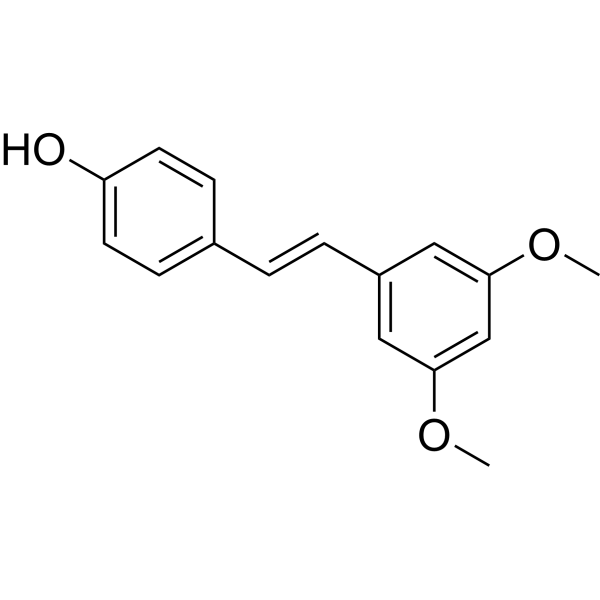
    Pterostilbene
    5+ Cited Publications

    Autophagy Inflammation/Immunology Cancer
    Pterostilbene is a stilbenoid isolated from blueberries and Pterocarpus marsupium . Shows anti-oxidant, anti-inflammatory, anti-carcinogenic, anti-diabetic and anti-obesity properties . Pterostilbene blocks ROS production , also exhibits inhibitory activity against various free radicals such as DPPH, ABTS, hydroxyl, superoxide and hydrogen peroxide .
    Pterostilbene
  • HY-130278
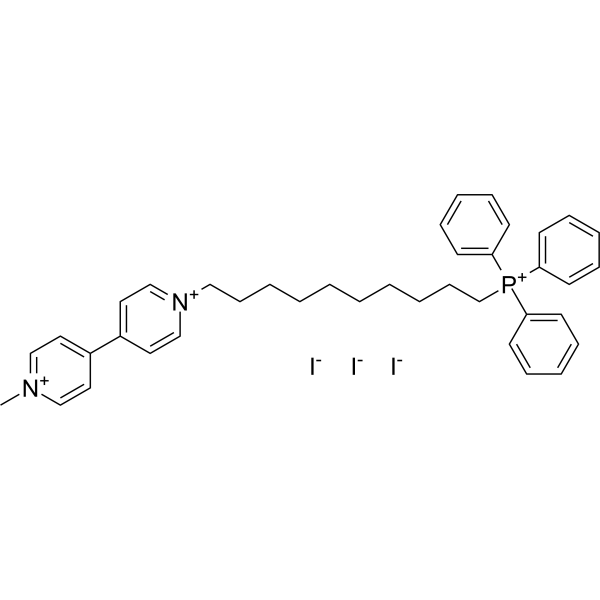
    MitoPQ
    5 Publications Verification

    MitoParaquat

    ROS Kinase Cancer
    MitoPQ is a mitochondria-targeted redox cycler. MitoPQ produces superoxide by redox cycling at the flavin site of complex I, selectively increasing superoxide production within mitochondria. MitoPQ can be used in antioxidant study .
    MitoPQ
  • HY-119976
    Boscalid
    1 Publications Verification

    Environmental Pollutants Apoptosis Fungal Mitochondrial Metabolism Succinate Dehydrogenase Infection
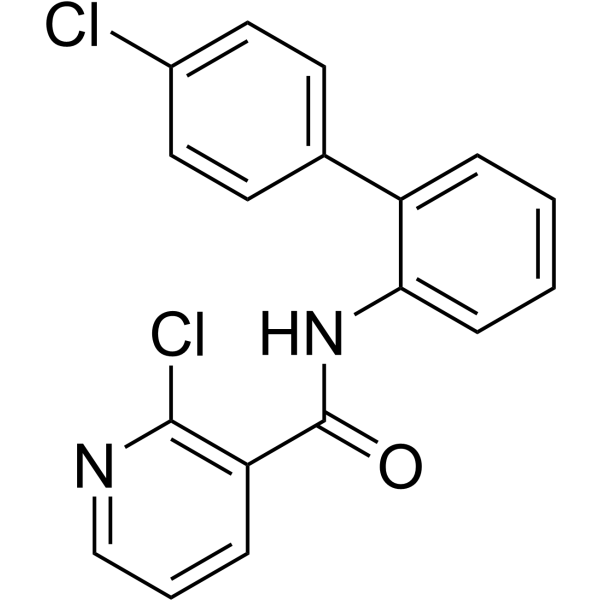
    Boscalid is a succinate dehydrogenase (SDHI) inhibitor with antifungal activity. Boscalid binds to the ubiquinone-binding site of fungal mitochondrial complex II, blocks ATP production and aerobic respiration, exhibits good control efficacy against a variety of plant fungal diseases including gray mold, sclerotinia rot and powdery mildew, and is widely used for disease control in agriculture. Boscalid induces apoptosis, altered lipid metabolism, mitochondrial dysfunction, respiratory impairment, oxidative stress, ROS accumulation and neurodevelopmental disorders in zebrafish. Boscalid reduces foraging ability, shortens median death time and causes chronic toxicity in exposed honeybees. Boscalid also possesses genotoxicity, cytotoxicity, elevated mitochondrial superoxide levels and early-stage apoptosis .
    Boscalid
  • HY-110282

    Oxidative Phosphorylation Mitochondrial Metabolism Metabolic Disease
    S3QEL-2, a suppressor of superoxide production from mitochondrial complex III, potently and selectively suppresses site IIIQo superoxide production (IC50=1.7 μM). S3QEL-2 does not affect oxidative phosphorylation, and normal electron flux. S3QEL-2 inhibits HIF-1α accumulation .
    S3QEL-2
  • HY-130750

    Reactive Oxygen Species (ROS) Neurological Disease
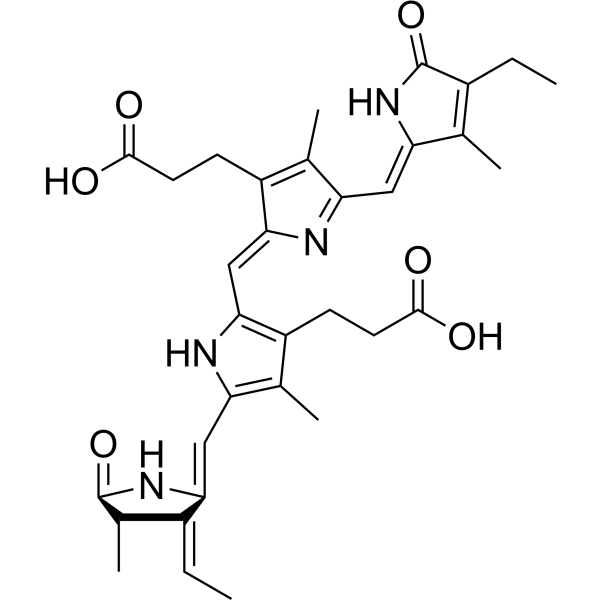
    Phycocyanobilin, an orally active antioxidative agent, is an effective scavenger for various reactive oxygen species. Phycocyanobilin can be used for the research of Alzheimer’s disease .
    Phycocyanobilin
  • HY-129064

    SOD

    SOD Inflammation/Immunology Cancer
    Superoxide dismutase, Porcine erythrocytes (SOD) is the only antioxidant enzyme that scavenges the superoxide anion by converting this free radical to oxygen and hydrogen peroxide, thus preventing peroxynitrite production and further damage. Superoxide dismutase, Porcine erythrocytes is extensively researched and used in anti-inflammatory, antitumor, radiation protection, and antisenility applications .
    Superoxide dismutase, Porcine erythrocytes
  • HY-D0720
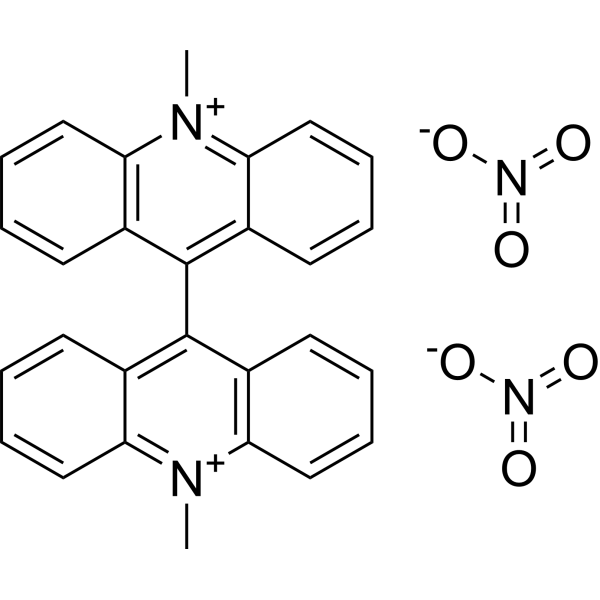
    Lucigenin
    5+ Cited Publications

    NSC-151912; L-6868

    Fluorescent Dye Reactive Oxygen Species (ROS) Others
    Lucigenin is a chemiluminescence probe. Lucigenin can be used to detect the production of endogenous superoxide anion radical (O 2-). Lucigenin is extremely sensitive to chloride ions, while it combined with chloride ions, the fluorescence will be quenched. Lucigenin also can be used as a chloride indicator. Ex/Em=455/505 nm .
    Lucigenin
  • HY-W002004

    4-Amino-2,2,6,6-tetramethylpiperidine-1-oxyl

    Biochemical Assay Reagents Inflammation/Immunology
    4-Amino-TEMPO (4-Amino-2,2,6,6-tetramethylpiperidine-1-oxyl) is a stable nitroxide radical and N-nucleophile based on TEMPO. 4-Amino-TEMPO has superoxide dismutase-mimetic activity, can protect cells from oxidative damage, and has radioprotective effects. 4-Amino-TEMPO is widely used in fields such as biomedicine, materials science, and industrial production. 4-Amino-TEMPO can be used as a spin label to detect free radicals, an oxidation catalyst in industrial production, and an antioxidant stabilizer for polymers, among others .
    4-Amino-TEMPO
  • HY-Y0651

    Environmental Pollutants Biochemical Assay Reagents Infection Inflammation/Immunology
    Sodium sulfite is an inorganic salt used as an antioxidant and preservative. Sodium sulfite is also used in sulfonation and sulfomethylation reactions. Sodium sulfite can also be used as a bleaching agent, desulfurizer, and dechlorinator. Sodium sulfite inhibits hepatocyte proliferation, promotes hepatocyte apoptosis and necrosis, and impairs mitochondrial integrity. Sodium sulfite induces superoxide anion production, primes neutrophils for enhanced superoxide anion generation, and induces neutrophil gene expression. Sodium sulfite can be used in studies related to pulmonary inflammation and gastric tissue injury .
    Sodium sulfite
  • HY-122984
    Diquat dibromide
    3 Publications Verification

    Environmental Pollutants Herbicide Autophagy Reactive Oxygen Species (ROS) Mitochondrial Metabolism Neurological Disease Endocrinology
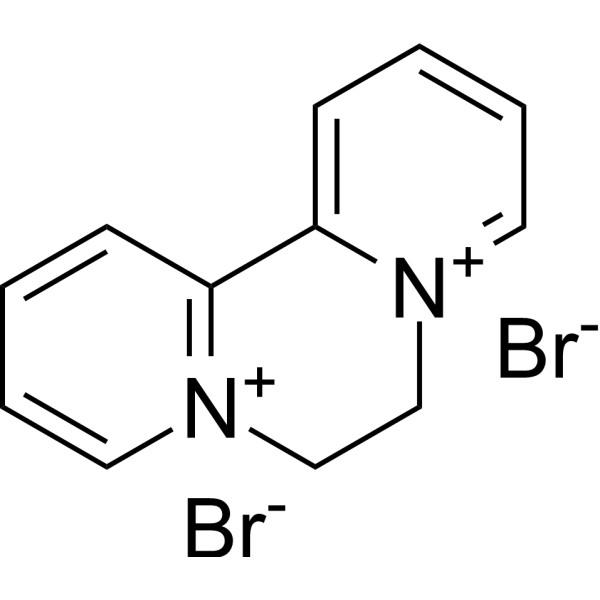
    Diquat dibromide is a comprehensive herbicide. Diquat dibromide increases the production of ROS and triggers mitochondrial Autophagy. Diquat dibromide generates free radicals such as superoxide anions through redox cycles, which induce oxidative stress. Diquat dibromide is cytotoxic, reproductive, and neurotoxic. Diquat dibromide is used in cotton, soybean, and other crops to combat noxious weeds .
    Diquat dibromide
  • HY-13467
    AM-1638
    3 Publications Verification

    Free Fatty Acid Receptor Metabolic Disease
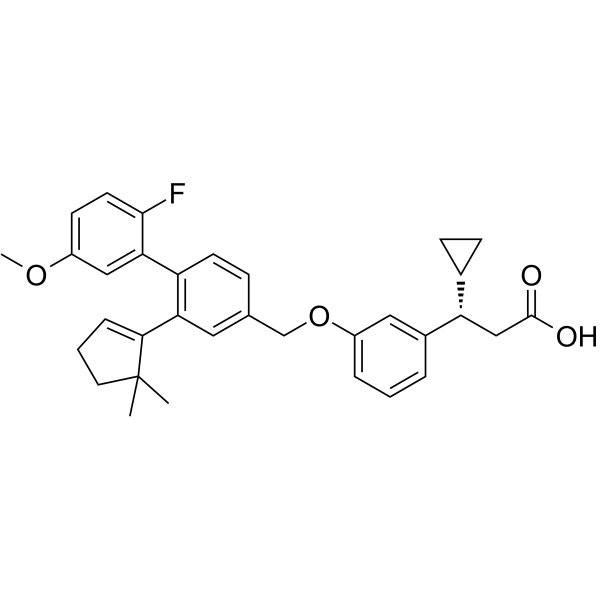
    AM-1638 is an orally active full agonist of GPR40 (EC50: 0.16 μM). AM-1638 increases the expression of antioxidant molecules (HO-1 and NQO-1). AM1638 blocks Palmitate (HY-N0830)-mediated superoxide production and ER stress. AM-1638 has antidiabetic activity and improves glycemic control in BDF mice with diet-induced obesity (DIO). AM-1638 demonstrates excellent oral bioavailability (mouse, >100%; rat, 72%; and cyno, 71%) .
    AM-1638
  • HY-N7493
    N-acetyldopamine
    1 Publications Verification

    NADA

    Endogenous Metabolite TNF Receptor Reactive Oxygen Species (ROS) Others
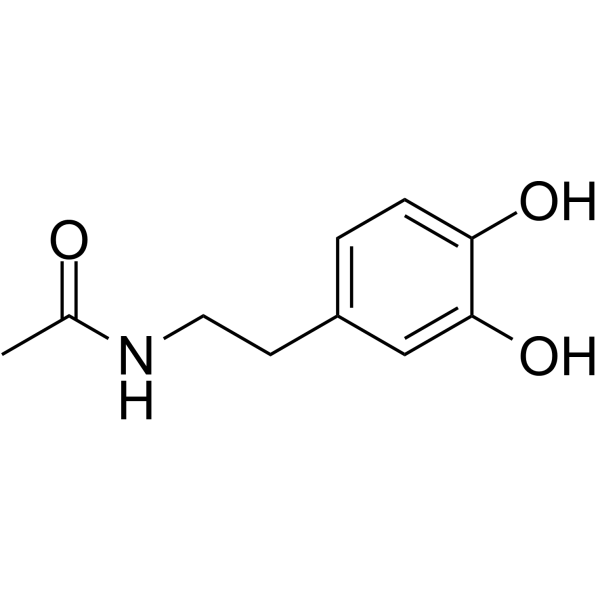
    N-acetyldopamine is a sepiapterin reductase inhibitor. N-acetyldopamine is a catecholamine that is used by insects as sclerotizing precursors to harden their cuticle. N-acetyldopamine can attenuate LPS-stimulated TNF-α production and superoxide production in THP-1 cells .
    N-acetyldopamine
  • HY-136372
    Diquat dibromide hydrate
    3 Publications Verification

    Herbicide Reactive Oxygen Species (ROS) Mitochondrial Metabolism Mitophagy Neurological Disease Metabolic Disease Inflammation/Immunology
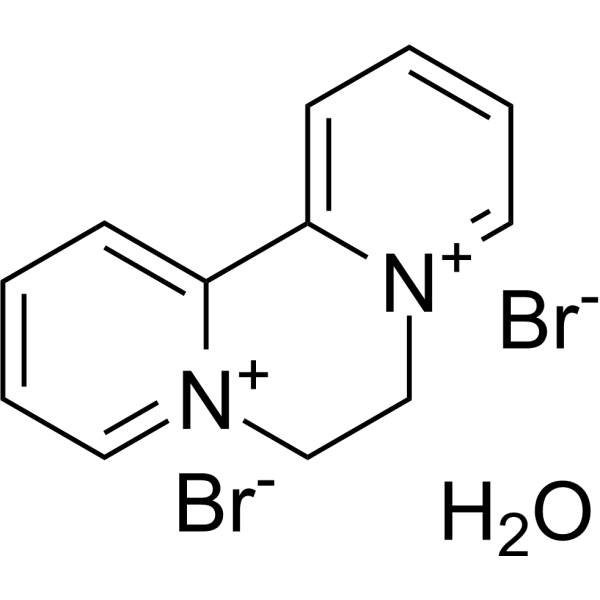
    Diquat dibromide hydrate is a comprehensive herbicide. Diquat dibromide hydrate increases the production of ROS and triggers mitophagy. Diquat dibromide hydrate generates free radicals such as superoxide anions through redox cycles, which induce oxidative stress. Diquat dibromide hydrate is cytotoxic, reproductive, and neurotoxic. Diquat dibromide hydrate is used in cotton, soybean, and other crops to combat noxious weeds .
    Diquat dibromide hydrate
  • HY-P5381
    gp91 ds-tat
    1 Publications Verification

    NADPH Oxidase Ferroptosis Reactive Oxygen Species (ROS) Glutathione Peroxidase TRP Channel Cardiovascular Disease Neurological Disease Inflammation/Immunology
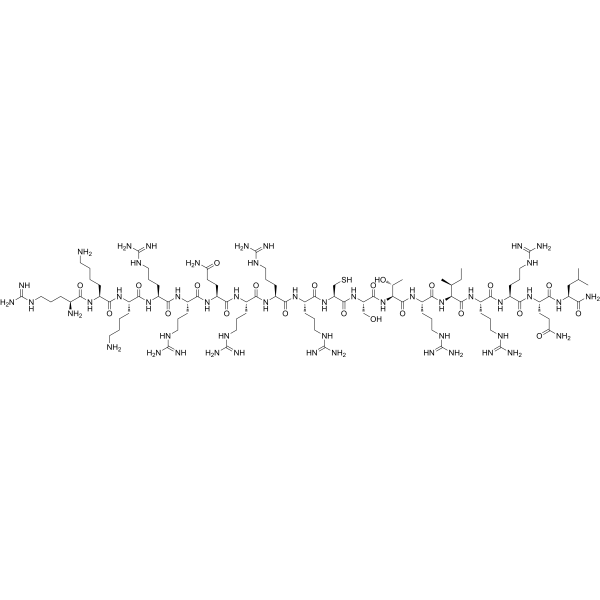
    gp91 ds-tat, a biological active peptide, is a NADPH oxidase 2 (Nox2) inhibitor. gp91 ds-tat blocks NADPH oxidase-dependent superoxide production. gp91 ds-tat ameliorates high glucose-induced increase in total ROS, LPOs and iron levels. gp91 ds-tat inhibits homocysteine (Hcy)-induced activation of NLRP3 inflammasomes and restores Hcy-inhibited lysosomal TRPML1 channel activity. gp91 ds-tat improves cerebrovascular and cognitive function in APP/PS1 mice. gp91 ds-tat can be used for the study of Alzheimer’s disease (AD), glomerular inflammation and cardiovascular disease .
    gp91 ds-tat
  • HY-P10724

    Formyl Peptide Receptor (FPR) Bacterial Infection
    fMIFL is a formyl tetrapeptide derived from Staphylococcus aureus, and also an agonist of mouse formyl peptide receptor 1 (mFPR1). It exhibits nanomolar activity against mFPR1 and micromolar activity against mFPR2. fMIFL is applicable to studies related to bacterial infections .
    fMIFL
  • HY-101172

    EP-A-501322

    5-HT Receptor Cardiovascular Disease
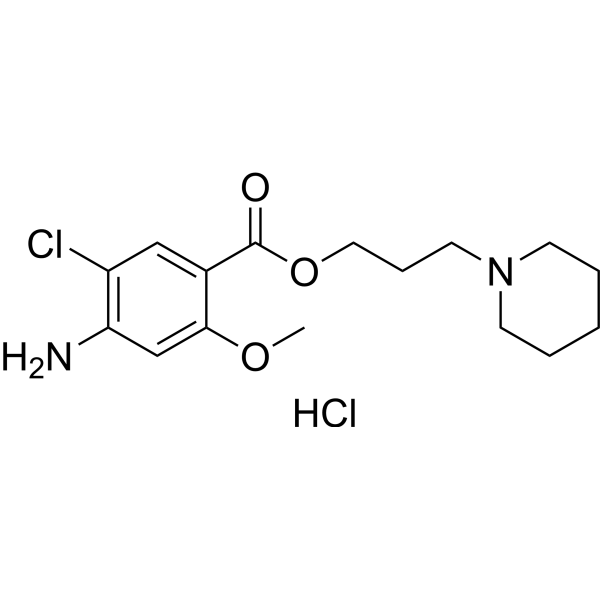
    RS 23597-190 (EP-A-501322) is a high affinity and selective 5-HT4 receptor antagonist. RS 23597-190 inhibits Serotonin (HY-B1473A)-induced tachycardia. RS 23597-190 significantly inhibits superoxide production in high glucose .
    RS 23597-190
  • HY-N13250

    Apoptosis AMPK Elastase Bcl-2 Family Interleukin Related Caspase PI3K Akt SOD Cardiovascular Disease
    Hawthorn Extract is an orally active hawthorn extract. Hawthorn Extract decreases Bax expression and increases Bcl-2 expression in the aorta. Hawthorn Extract regulates the AMPK signaling pathway, induces apoptosis, enhances the hepatic antioxidant system, and ameliorates symptoms of liver injury, inflammation and cancer. Hawthorn Extract reduces plasma levels of pro-inflammatory factors, increases plasma levels of anti-inflammatory adiponectin, and alleviates atherosclerotic plaque lesions in the aorta. Hawthorn Extract improves symptoms associated with chronic heart failure . Hawthorn Extract inhibits FMLP-induced superoxide anion production, Elastase release, ILB4 generation and calcium signaling in neutrophils, and also reduces LPS-induced cytokine production in neutrophils. Hawthorn Extract induces autophagy and inhibits the proliferation of intestinal stem cells. Hawthorn Extract can be used in research related to atherosclerosis, hepatitis, alcoholic liver disease, non-alcoholic fatty liver disease, hepatocellular carcinoma, chronic heart failure and hypotension .
    Hawthorn Extract
  • HY-W040255

    PGPC

    Ferroptosis FABP Caspase Interleukin Related Apoptosis Inflammation/Immunology
    1-Palmitoyl-2-glutaryl-sn-glycero-3-phosphocholine is an oxidized phospholipid. 1-Palmitoyl-2-glutaryl-sn-glycero-3-phosphocholine reduces the viability of HUVECs, increases the levels of ferrous ions and lipid peroxidation, promotes the production of superoxide anions, and decreases the levels of glutathione and GPX4 in cells. 1-Palmitoyl-2-glutaryl-sn-glycero-3-phosphocholine upregulates the mRNA and protein levels of FABP3 in HUVECs, impairs mitochondrial membrane potential, and induces ferroptosis-related changes as well as mitochondrial dysfunction and damage. 1-Palmitoyl-2-glutaryl-sn-glycero-3-phosphocholine activates caspase-11 and promotes the continuous release of IL-1β from macrophages and dendritic cells. 1-Palmitoyl-2-glutaryl-sn-glycero-3-phosphocholine inhibits the proliferation of aortic smooth muscle cells and induces apoptosis in these cells. 1-Palmitoyl-2-glutaryl-sn-glycero-3-phosphocholine is applicable to relevant research on atherosclerosis .
    1-Palmitoyl-2-glutaryl-sn-glycero-3-phosphocholine
  • HY-103473
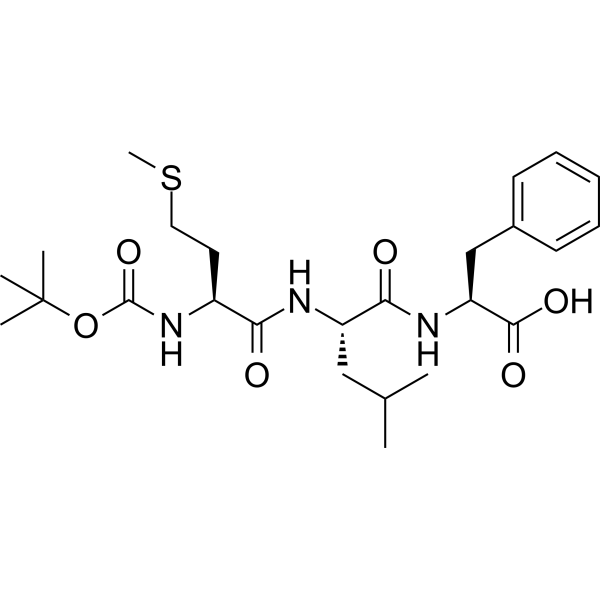
    Boc-MLF
    4 Publications Verification

    Boc-Met-Leu-Phe-OH

    Formyl Peptide Receptor (FPR) Inflammation/Immunology
    Boc-MLF is a formyl peptide receptor (FPR) antagonist, and reduces superoxide production induced by fMLF with an IC50 of 0.63 μM .
    Boc-MLF
  • HY-133966

    5α-Cholestane-3β,6α-diol

    Reactive Oxygen Species (ROS) Others
    6α-Hydroxy-5α-cholestane (5α-Cholestane-3β,6α-diol) is an oxysterol that promotes the production of superoxide anions in SK-N-BE cells at concentrations of 50 μM and 100 μM .
    6α-Hydroxy-5α-cholestane
  • HY-117971

    CXCR Formyl Peptide Receptor (FPR) Others
    BVT173187 is a selective inhibitor of the neutrophil formyl peptide receptor FPR1, with activity that inhibits FPR1 activation. BVT173187 inhibits FPR1 agonist-induced activation in neutrophils, reduces adhesion molecule mobilization and superoxide anion production, and has inhibitory activity on FPR1 similar to that of earlier described peptide antagonists, but also has effects on C5aR and CXCR signaling.
    BVT173187
  • HY-N0828R

    Reference Standards Autophagy Inflammation/Immunology Cancer
    Pterostilbene (Standard) is the analytical standard of Pterostilbene. This product is intended for research and analytical applications. Pterostilbene is a stilbenoid isolated from blueberries and Pterocarpus marsupium . Shows anti-oxidant, anti-inflammatory, anti-carcinogenic, anti-diabetic and anti-obesity properties . Pterostilbene blocks ROS production , also exhibits inhibitory activity against various free radicals such as DPPH, ABTS, hydroxyl, superoxide and hydrogen peroxide .
    Pterostilbene (Standard)
  • HY-W141392

    Nucleoside Antimetabolite/Analog Xanthine Oxidase Phosphoramidites Cancer
    2'-Fluoro-5'-O-DMT-2'-deoxyinosine-3'-CE-phosphoramidite is a hypoxanthine analog. Hypoxanthine is a kind of purine base mainly present in muscle tissue. And it is a metabolite produced by purine oxidase acting on xanthine. Hypoxanthine has typical anti-inflammatory effects and is a potential endogenous poly(ADP-ribose) polymerase (PARP) inhibitor. It is cytoprotective by inhibiting PAPR activity, inhibiting peroxynitrite-induced mitochondrial depolarization and secondary superoxide production. Hypoxanthine can also be used as an indicator of hypoxia .
    2'-Fluoro-5'-O-DMT-2'-deoxyinosine-3'-CE-phosphoramidite
  • HY-118824

    Endogenous Metabolite Others
    Moschamine acts as an inhibitor of excessive superoxide production in mitochondria.
    Moschamine
  • HY-N7885

    (-)-(25R)-Spirost-4-ene-3,12-dione

    Others Inflammation/Immunology
    (25R)-Spirost-4-ene-3,12-dione ((-)-(25R)-Spirost-4-ene-3,12-dione) is a natural product that has an inhibitory effect on neutrophil superoxide anion production and histamine release from mast cells .
    (25R)-Spirost-4-ene-3,12-dione
  • HY-W023983

    Drug Derivative Cancer
    Chalcone dibromide is a useful synthon in the synthesis of a large number of bioactive molecules such as pyrazolines, hydroxy pyrazolines, isoxazoles etc. Chalcone dibromide possesses antioxidant effects against tumor cells by inhibiting superoxide production and lipid peroxidation. Chalcone dibromide can be used for cancer disease research .
    Chalcone dibromide
  • HY-19382

    SOD ERK Reactive Oxygen Species (ROS) Neurological Disease
    EUK-189 is a synthetic superoxide dismutase (SOD) and catalase mimetic. EUK-189 can block oxygen/glucose deprivation (OGD)-induced ERK1/2 dephosphorylation, ATP depletion and eliminate ROS production. EUK-189 exhibits neuroprotective effect and can inhibit delayed radiation injury. EUK-189 can be used for the research of neurological disease, such as ischemic stroke .
    EUK-189
  • HY-152696

    Xanthine Oxidase Nucleoside Antimetabolite/Analog Others
    6-O-Methylinosine is a hypoxanthine analogue. Hypoxanthine is a kind of purine base mainly present in muscle tissue. And it is a metabolite produced by purine oxidase acting on xanthine. Hypoxanthine has typical anti-inflammatory effects and is a potential endogenous poly(ADP-ribose) polymerase (PARP) inhibitor. It is cytoprotective by inhibiting PAPR activity, inhibiting peroxynitrite-induced mitochondrial depolarization and secondary superoxide production. Hypoxanthine can also be used as an indicator of hypoxia .
    6-O-Methylinosine
  • HY-N9097

    Reactive Oxygen Species (ROS) SOD Glutathione Peroxidase PKC NADPH Oxidase Metabolic Disease Inflammation/Immunology
    Niazirin is an orally active antioxidant. Niazirin can be isolated from Moringa oleifera Lam. Niazirin reduces the production levels of ROS and MDA, while increasing the levels of superoxide dismutase SOD and glutathione peroxidase GPx. Niazirin also abolishes high glucose-induced PKCζ activation and inhibits Nox4 protein expression. Niazirin exhibits excellent free radical scavenging activity. Niazirin significantly inhibits high glucose-induced proliferation of vascular smooth muscle cells. Niazirin can be used in the research of diabetic atherosclerosis .
    Niazirin
  • HY-N12914

    (+)-Tanzawaic acid B; GS-1302-1; 10-Deoxytanzawaic acid E

    Reactive Oxygen Species (ROS) Others
    Tanzawaic acid B ((+)-Tanzawaic acid B; GS-1302-1; 10-Deoxytanzawaic acid E) is a superoxide anion production inhibitor and can be isolated from Penicillium citrinum .
    Tanzawaic acid B
  • HY-119038

    Endogenous Metabolite Cardiovascular Disease
    ML-7 is a myosin light chain kinase inhibitor with the activity to inhibit superoxide anion (O(2)(-)) release in human neutrophils. ML-7 can affect the activity of neutrophils independently of myosin light chain kinase. ML-7 inhibits the extracellular O(2)(-) release of stimulated cells, but has no effect on the intracellular O(2)(-) production. ML-7 also strongly inhibits the binding of the intracellular compartment of oxide production to the cell membrane, indicating that it plays a key role in stimulated neutrophils. At the same time, ML-7 protects cardiac function from ischemia/reperfusion injury .
    ML-7
  • HY-W392836

    Nucleoside Antimetabolite/Analog Xanthine Oxidase Phosphoramidites Cancer
    2'-O-Methyl-5'-O-dmt-inosine-3'-CE-phosphoramidite is a hypoxanthine analog. Hypoxanthine is a kind of purine base mainly present in muscle tissue. And it is a metabolite produced by purine oxidase acting on xanthine. Hypoxanthine has typical anti-inflammatory effects and is a potential endogenous poly(ADP-ribose) polymerase (PARP) inhibitor. It is cytoprotective by inhibiting PAPR activity, inhibiting peroxynitrite-induced mitochondrial depolarization and secondary superoxide production. Hypoxanthine can also be used as an indicator of hypoxia .
    2'-O-Methyl-5'-O-dmt-inosine-3'-CE-phosphoramidite
  • HY-W002004S1

    4-Amino-2,2,6,6-tetramethylpiperidine-1-oxyl-d17

    Isotope-Labeled Compounds Biochemical Assay Reagents Inflammation/Immunology
    4-Amino-TEMPO-d17 (4-Amino-2,2,6,6-tetramethylpiperidine-1-oxyl-d17) is the deuterium labeled 4-Amino-TEMPO (HY-W002004). 4-Amino-TEMPO (4-Amino-2,2,6,6-tetramethylpiperidine-1-oxyl) is a stable nitroxide radical and N-nucleophile based on TEMPO. 4-Amino-TEMPO has superoxide dismutase-mimetic activity, can protect cells from oxidative damage, and has radioprotective effects. 4-Amino-TEMPO is widely used in fields such as biomedicine, materials science, and industrial production. 4-Amino-TEMPO can be used as a spin label to detect free radicals, an oxidation catalyst in industrial production, and an antioxidant stabilizer for polymers, among others .
    4-Amino-TEMPO-d17
  • HY-P1121

    Formyl Peptide Receptor (FPR) Inflammation/Immunology
    WKYMVM-NH2 is a hexapeptide that activates neutrophils and myeloid cells via the FPRL1 and FPRL2 receptors. It exhibits EC50 values of 2 nM and 80 nM in HL-60-FPRL1 and HL-60-FPRL2 cells, respectively. In HL-60 cells stably expressing FPRL2, WKYMVM-NH₂ induces chemotaxis, with optimal migration observed at concentrations ranging from 10 to 50 nM. It also stimulates superoxide production in neutrophils, with an EC50 of 75 nM. WKYMVM-NH₂ is a useful tool for research in the field of inflammatory diseases .
    WKYMVM-NH2
  • HY-W744699

    (+)-Larixol

    Src ERK Akt Inflammation/Immunology
    Larixol is an fMLP inhibitor and also inhibits Src kinase, ERK1/2, p38 and AKT phosphorylation signals in immune regulation. Larixol can interfere with the interaction between the βγ subunit of the fMLP receptor Gi protein and its downstream molecules, thereby inhibiting fMLP-induced respiratory burst. Larixol inhibits fMLP (0.1 μM)-induced superoxide anion production (IC50: 1.98 μM), cathepsin G release (IC50: 2.76 μM), and chemotaxis. Larixol improves neutrophil hyperactivation and reduces inflammation or tissue damage. A series of Larixol derivatives were found to have inhibitory effects on FSGS-related TRPC6 functional mutants .
    Larixol
  • HY-136855

    Sirtuin AMPK PGC-1α Apoptosis Reactive Oxygen Species (ROS) Metabolic Disease
    MitoPBN is a AMPK/SIRT3/PGC-1α axis modulator, reactive oxygen species scavenger and mitochondrial function enhancer. MitoPBN increases the phosphorylation level of AMPK, restores SIRT3 expression and reverses the down-regulation of PGC-1α, thereby promoting mitochondrial biogenesis. MitoPBN regulates glucose metabolism, reduces blood glucose by inhibiting hepatic gluconeogenesis and increasing hepatic glucose uptake, while scavenging mitochondrial superoxide anion/hydrogen peroxide, maintaining membrane potential and increasing ATP production. MitoPBN also reduces cell apoptosis, improves sperm motility, survival rate and membrane integrity, but may induce reductive stress in cryopreserved sperm at high concentrations. MitoPBN is widely applicable to research related to diabetes and type 2 diabetes .
    MitoPBN
  • HY-N7576

    Others Cardiovascular Disease
    Anemarrhenasaponin Ia is a steroidal saponin that can be isolated from the rhizomes of Anemarrhena asphodeloides Bunge. Anemarrhenasaponin Ia inhibits platelet aggregation. Anemarrhenasaponin Ia induces mild concentration-dependent hemolysis. Anemarrhenasaponin Ia inhibits fMLP- and AA-induced superoxide anion production, while enhancing PMA-induced superoxide anion production. Anemarrhenasaponin Ia can be used in studies related to thrombosis .
    Anemarrhenasaponin Ia
  • HY-N7493R

    NADA (Standard)

    Endogenous Metabolite Reference Standards TNF Receptor Reactive Oxygen Species (ROS) Others
    N-acetyldopamine is a sepiapterin reductase inhibitor. N-acetyldopamine is a catecholamine that is used by insects as sclerotizing precursors to harden their cuticle. N-acetyldopamine can attenuate LPS-stimulated TNF-α production and superoxide production in THP-1 cells .
    N-acetyldopamine (Standard)
  • HY-N3464

    Phosphodiesterase (PDE) Metabolic Disease
    Isopedicin potently and concentration-dependently inhibits superoxide anion (O2 U?) production in formyl-L-methionyl-L-leucyl-L-phenylalanine (FMLP)-activated cells. Isopedicin increases cAMP formation and PKA activity in FMLP-activated cells by inhibiting phosphodiesterase (PDE) activity .
    Isopedicin
  • HY-179027

    Lactate Dehydrogenase Apoptosis Reactive Oxygen Species (ROS) SOD Neurological Disease
    LDH-IN-5 is a Lactate Dehydrogenase (LDH) inhibitor with neuroprotective activity. LDH-IN-5 can inhibit cell apoptosis, reduce ROS, MDA production and increases superoxide dismutase (SOD) activity. LDH-IN-5 can be used for the research of neurological disease, such as ischemic stroke .
    LDH-IN-5
  • HY-118556

    Prostaglandin Receptor Endocrinology
    Prostaglandin E2 serinol amide is a weak inhibitor of the hydrolysis of [3H]2-oleoylglycerol. Prostaglandin E2 serinol amide is non-hydrolyzable to produce PGE2 and thus cannot inhibit leukotriene B4 biosynthesis, superoxide production, migration and antimicrobial peptide release .
    Prostaglandin E2 serinol amide
  • HY-124894

    Fungal Infection
    (+)-Benalaxyl is a broad-spectrum benzamide fungicide. (+)-Benalaxyl inhibits the growth of the freshwater algae S. obliquus, with an EC50 value of 8.441 mg/L. (+)-Benalaxyl can induce the production of chlorophyll a and b, as well as increase the activity of superoxide dismutase (SOD) and the generation of malondialdehyde (MDA). (+)-Benalaxyl has inhibitory effects on catalase (CAT). (+)-Benalaxyl is effective against diseases caused by oomycetes .
    (+)-Benalaxyl
  • HY-N9295

    Others Metabolic Disease
    3, 4-seco-4 (23),20(29) -Lupadiene-3,28-dioic acid (Compound 5) is a triterpenoid compound. 3, 4-seco-4 (23),20(29) -Lupadiene-3,28-dioic acid has a strong inhibitory effect on the production of superoxide anions, and the inhibitory rate is 86.9±2.8% at 1 μM .
    3,4-Seco-4(23),20(29)-lupadiene-3,28-dioic acid
  • HY-170572

    Dipeptidyl Peptidase Reactive Oxygen Species (ROS) Metabolic Disease
    PB01 is a DPP-4 inhibitor with an IC50 of 15.66 nM. It effectively inhibits high glucose-induced ROS production and mitochondrial superoxide formation while significantly reducing cellular DPP-4 expression. PB01 can also significantly lower blood glucose levels in diabetic mice. Additionally, PB01 demonstrates good safety, exhibiting almost no cytotoxicity at a concentration of 100 μM. PB01 holds potential for research in the field of diabetes .
    PB01
  • HY-W039271

    2-Chloro-6-O-methyl-inosine

    Nucleoside Antimetabolite/Analog Xanthine Oxidase Cancer
    2-Chloro-6-methoxypurine riboside is a hypoxanthine analog. Hypoxanthine is a kind of purine base mainly present in muscle tissue. And it is a metabolite produced by purine oxidase acting on xanthine. Hypoxanthine has typical anti-inflammatory effects and is a potential endogenous poly(ADP-ribose) polymerase (PARP) inhibitor. It is cytoprotective by inhibiting PAPR activity, inhibiting peroxynitrite-induced mitochondrial depolarization and secondary superoxide production. Hypoxanthine can also be used as an indicator of hypoxia .
    2-Chloro-6-methoxypurine riboside
  • HY-154017

    Nucleoside Antimetabolite/Analog Xanthine Oxidase Cancer
    2′-C-Methyl-6-O-methylinosine is a hypoxanthine analog. Hypoxanthine is a kind of purine base mainly present in muscle tissue. And it is a metabolite produced by purine oxidase acting on xanthine. Hypoxanthine has typical anti-inflammatory effects and is a potential endogenous poly(ADP-ribose) polymerase (PARP) inhibitor. It is cytoprotective by inhibiting PAPR activity, inhibiting peroxynitrite-induced mitochondrial depolarization and secondary superoxide production. Hypoxanthine can also be used as an indicator of hypoxia .
    2′-C-Methyl-6-O-methylinosine
  • HY-W699318

    Reactive Oxygen Species (ROS) Others
    1-Oleoyl-2-palmitoylglycerol is a diacylglycerol in which an oleic acid and a palmitic acid are attached to sn-1 and sn-2 position. 1-Oleoyl-2-palmitoylglycerol enhances the inhibition of superoxide anion production induced by fMLF/cytochalasin B (CB) in human neutrophils. 1-Oleoyl-2-palmitoylglycerol can be used in research about lipid metabolism, membrane fluidity, or the distribution and function of lipids in cells .
    1-Oleoyl-2-palmitoylglycerol
  • HY-W758421

    Isotope-Labeled Compounds Herbicide Reactive Oxygen Species (ROS) Mitochondrial Metabolism Autophagy Neurological Disease Endocrinology
    Diquat-d8 dibromide is a deuterium labeled Diquat dibromide (HY-122984). Diquat dibromide is a comprehensive herbicide. Diquat dibromide increases the production of ROS and triggers mitochondrial Autophagy. Diquat dibromide generates free radicals such as superoxide anions through redox cycles, which induce oxidative stress. Diquat dibromide is cytotoxic, reproductive, and neurotoxic. Diquat dibromide is used in cotton, soybean, and other crops to combat noxious weeds .
    Diquat-d8 dibromide
  • HY-136372R

    Herbicide Reference Standards Others
    Diquat (dibromide hydrate) (Standard) is the analytical standard of Diquat (dibromide hydrate). This product is intended for research and analytical applications. Diquat dibromide hydrate is a comprehensive herbicide. Diquat dibromide hydrate increases the production of ROS and triggers mitophagy. Diquat dibromide hydrate generates free radicals such as superoxide anions through redox cycles, which induce oxidative stress. Diquat dibromide hydrate is cytotoxic, reproductive, and neurotoxic. Diquat dibromide hydrate is used in cotton, soybean, and other crops to combat noxious weeds .
    Diquat dibromide hydrate (Standard)
  • HY-154393

    Nucleoside Antimetabolite/Analog Xanthine Oxidase Cancer
    2-Chloro-2'-deoxy-6-O-methylinosine is a hypoxanthine analog. Hypoxanthine is a kind of purine base mainly present in muscle tissue. And it is a metabolite produced by purine oxidase acting on xanthine. Hypoxanthine has typical anti-inflammatory effects and is a potential endogenous poly(ADP-ribose) polymerase (PARP) inhibitor. It is cytoprotective by inhibiting PAPR activity, inhibiting peroxynitrite-induced mitochondrial depolarization and secondary superoxide production. Hypoxanthine can also be used as an indicator of hypoxia .
    2-Chloro-2'-deoxy-6-O-methylinosine

Inquiry Online

Your information is safe with us. * Required Fields.

Salutation


Country or Region *

Applicant Name *


Organization Name *

Department *


Email Address *


Product Name *

Cat. No.


Requested quantity *

Phone Number *


Remarks

Inquiry Online

Inquiry Information

Product Name:
Cat. No.:
Quantity:
MCE Japan Authorized Agent:

