



From 11:00 pm to 12:00 pm EST ( 8:00 pm to 9:00 pm PST ) on January 6th, the website will be under maintenance. We are sorry for the inconvenience. Please arrange your schedule properly.
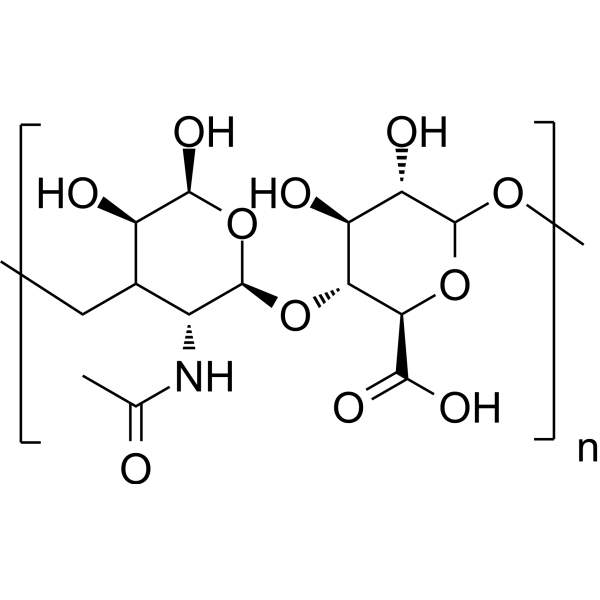
Hyaluronic acid is a biopolymer composed of repeating units of disaccharides with various applications. Hyaluronic acid is a major component of the extracellular matrix (ECM). Hyaluronic acid is synthesized at the plasma membrane. Increased hyaluronic acid levels are associated with tumorcell growth, adhesion, migration, invasion and angiogenesis in digestive cancers. Hyaluronic acid participates in tissue remodeling and rapid cell proliferation in some physiological processes including embryonic morphogenesis and wound-healing. Hyaluronic acid activates the PI3K-Akt signaling. Hyaluronic acid acts as a regulator of cancer-associated lymphangiogenesis. Hyaluronic acid also enhances cell invasion and angiogenesis by promoting proteolytic MMP-9 binding to cell surface or stimulating MMP-9 binding to cell surface. Hyaluronic acid can be used as drug delivery for sodium butyrate to improve the anti-proliferative activity on breast cancer cell line. Hyaluronic acid can be studied in joint diseases, wound healing and cancer .
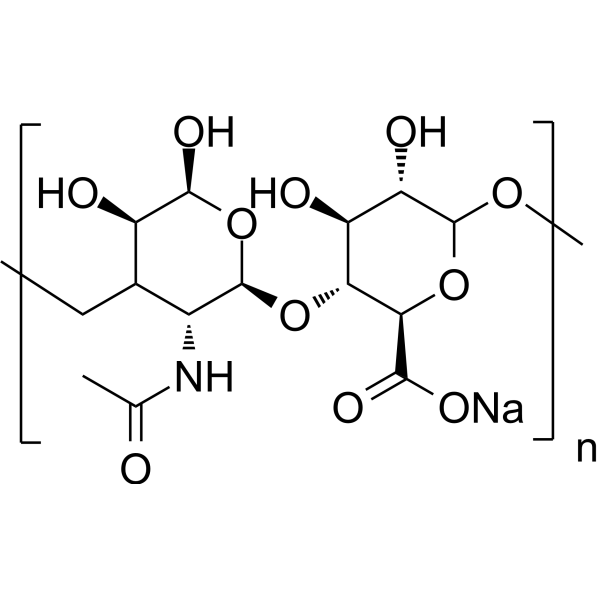
Hyaluronic acid sodium (Sodium hyaluronate) is a biopolymer composed of repeating units of disaccharides with various applications. Hyaluronic acid sodium is a major component of the extracellular matrix (ECM). Hyaluronic acid sodium is synthesized at the plasma membrane. Increased hyaluronic acid sodium levels are associated with tumorcell growth, adhesion, migration, invasion and angiogenesis in digestive cancers. Hyaluronic acid sodium participates in tissue remodeling and rapid cell proliferation in some physiological processes including embryonic morphogenesis and wound-healing. Hyaluronic acid sodium activates the PI3K-Akt signaling. Hyaluronic acid sodium acts as a regulator of cancer-associated lymphangiogenesis. Hyaluronic acid sodium also enhances cell invasion and angiogenesis by promoting proteolytic MMP-9 binding to cell surface or stimulating MMP-9 binding to cell surface. Hyaluronic acid sodium can be used as drug delivery for sodium butyrate to improve the anti-proliferative activity on breast cancer cell line. Hyaluronic acid sodium can be studied in joint diseases, wound healing and cancer .
Daratumumab (Anti-Human CD38) is the first-in-class human-specific anti-CD38 monoclonal antibody (IgG1). Daratumumab has anti-multiple myeloma (MM) effect. Daratumumab impairs MM cell adhesion, which results in an increased sensitivity of MM to proteasome inhibition .
Y15 is a potent and specific inhibitor of focal adhesion kinase (FAK) that inhibits its autophosphorylation activity, decreases the viability of cancer cells, and blocks tumor growth.
Chymotrypsin (EC 3.4.21.1; Chymotrypsin A) is an orally effective inhibitor targeting molecules such as TLR4, NF-κB, MMP-1, TNF-α, IL-1β, and IL-6. Chymotrypsin downregulates the TLR4/NF-κB signaling pathway, inhibiting the release of inflammatory factors, reducing cell infiltration and tissue damage. It also reduces the expression of tumorcelladhesion molecules (such as CD44 and CD54) and can be specifically detected by fluorescent probes (such as NBD-3). Chymotrypsin has anti-inflammatory, hepatoprotective, joint damage-reducing, liver protection against lipotoxicity, and anti-tumor metastasis functions. It can be used in research on diseases such as rheumatoid arthritis, non-alcoholic fatty liver disease, and melanoma metastasis. Chymotrypsin can be used in studies of inflammation, edema, and expectoration .
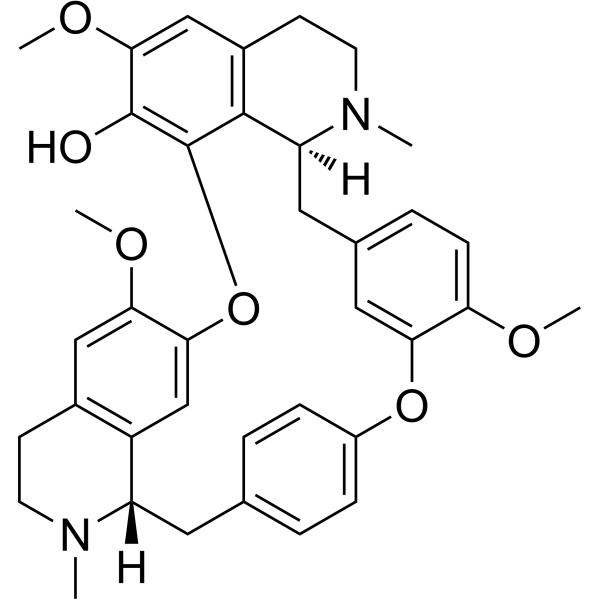
Fangchinoline is isolated from Stephania tetrandra with extensive biological activities, such as enhancing immunity, anti-inflammatory sterilization and anti-atherosclerosis. Fangchinoline, a novel HIV-1 inhibitor, inhibits HIV-1 replication by impairing gp160 proteolytic processing . Fangchinoline targets Focal adhesion kinase (FAK) and suppresses FAK-mediated signaling pathway in tumorcells which highly expressed FAK . Fangchinoline induces apoptosis and adaptive autophagy in bladder cancer .
Precemtabart tocentecan (Precem-TcT; M 9140) is an anti-CEACAM5 (carcinoembryonic antigen-related celladhesion molecule 5) antibody-drug conjugate (ADC). Precemtabart tocentecan consists of a tumor-specific anti-CEACAM5 monoclonal antibody Precemtabart (HY-P990940), a highly hydrophilic and stable cleavable β-glucuronide linker, and a topoisomerase 1 inhibitor payload Exatecan (HY-13631), and the drug-linker conjugate for ADC is Mal-Gly-PAB-Exatecan-D-glucuronic acid (HY-153179). Precemtabart tocentecan inhibits the growth of CEACAM5-positive cancer cells. Precemtabart tocentecan exhibits significant antitumor activity in CEACAM5-expressing xenograft models. Precemtabart tocentecan can be used for the study of CEACAM5-expressing advanced solid tumors, especially mCRC .
Tinurilimab (Bay 1834942) is an anti-CEACAM6 (carcinoembryonic antigen-related celladhesion molecule 6) humanized IgG2 monoclonal antibody. CEACAM6 is an immune checkpoint regulator suppressing the activity of effector T-cells against tumors. Tinurilimab shows an increased tumorcell killing effect in the tumor-cell/T-cell co-culture system .
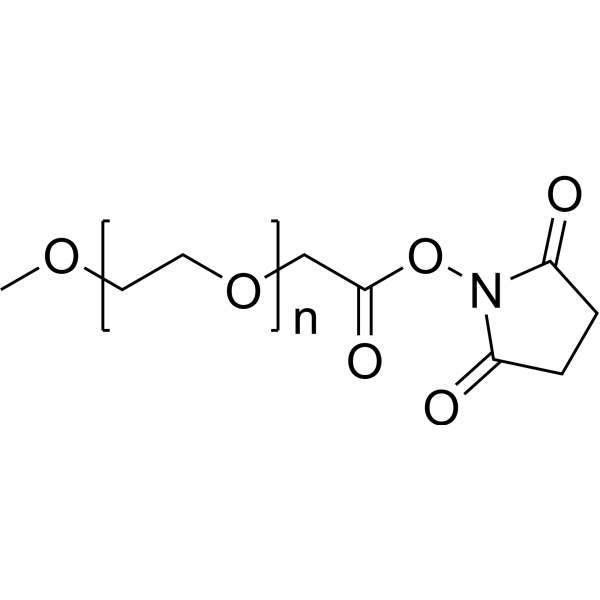
m-PEG2000-NHS ester (mPEG2000-SC) is a reagent with both celladhesion inhibition and peptide conjugation functions. The NHS ester group of m-PEG2000-NHS ester forms stable amide bonds with primary amine-containing molecules (e.g., the N-terminus of MMP-2-cleavable octapeptide) to generate mPEG-peptide intermediates for liposome surface modification. When m-PEG2000-NHS ester is immobilized on a cystamine-modified gold surface, it can construct an in vitro model for celladhesion kinetic studies, and higher PEG density and thicker layers correlate with lower celladhesion rates. m-PEG2000-NHS ester can synthesize MMP-2-responsive PEGylated lipid conjugates to achieve MMP-triggered dePEGylation in the tumor microenvironment. m-PEG2000-NHS ester can be used in studies related to colon cancer and other conditions .
Hyaluronic acid sodium (MW 200-1560) is a biopolymer composed of repeating disaccharide units, with a molecular weight of 200-1560. Hyaluronic acid sodium is a major component of the extracellular matrix (ECM). It is synthesized on the plasma membrane. Hyaluronic acid sodium exerts its effects by binding to receptors CD44 and RHAMM. Hyaluronic acid sodium activates PI3K-Akt signaling. Hyaluronic acid sodium also enhances cell invasion and angiogenesis by promoting or stimulating the binding of proteolytic MMP-9 to the cell surface. Elevated hyaluronic acid levels are associated with tumorcell growth, adhesion, migration, invasion, and angiogenesis in digestive system cancers. Hyaluronic acid sodium is involved in tissue remodeling and rapid cell proliferation in several physiological processes, including embryonic morphogenesis and wound healing. Hyaluronic acid sodium can be used as a regulator of cancer-associated lymphangiogenesis. Hyaluronic acid sodium can be used as a drug delivery carrier for sodium butyrate, enhancing its anti-proliferative activity against breast cancer cell lines. Hyaluronic acid sodium can lubricate the corneal endothelium. Hyaluronic acid sodium can improve tissue hydration and enhance the resistance of cells to mechanical damage. Hyaluronic acid sodium has been conjugated with antibodies to ensure that the active compound continues to exert its effects at the site of inflammation. Hyaluronic acid sodium can be used in research in the fields of osteoarthritis, ophthalmology, cosmetic dermatology, oncology, and liver diseases .
Hyaluronic acid, low endotoxin (Hyaluronan, low endotoxin) is a biopolymer composed of repeating disaccharide units containing low levels of endotoxin. Hyaluronic acid is a major component of the extracellular matrix (ECM). It is synthesized on the plasma membrane. Hyaluronic acid exerts its effects by binding to receptors CD44 and RHAMM. Hyaluronic acid activates PI3K-Akt signaling. Hyaluronic acid also enhances cell invasion and angiogenesis by promoting or stimulating the binding of proteolytic MMP-9 to the cell surface. Elevated hyaluronic acid levels are associated with tumorcell growth, adhesion, migration, invasion, and angiogenesis in digestive system cancers. Hyaluronic acid is involved in tissue remodeling and rapid cell proliferation in several physiological processes, including embryonic morphogenesis and wound healing. Hyaluronic acid can be used as a regulator of cancer-associated lymphangiogenesis. Hyaluronic acid can be used as a drug delivery carrier for sodium butyrate, enhancing its anti-proliferative activity against breast cancer cell lines. Hyaluronic acid can lubricate the corneal endothelium. Hyaluronic acid can improve tissue hydration and enhance the resistance of cells to mechanical damage. Hyaluronic acid has been conjugated with antibodies to ensure that the active compound continues to exert its effects at the site of inflammation. Hyaluronic acid can be used in research in the fields of osteoarthritis, ophthalmology, cosmetic dermatology, oncology, and liver diseases .
Ganglioside GD2 (Disialoganglioside GD2) is a tumor-associated antigen. Ganglioside GD2 shows limited expression in normal tissues but is overexpressed in multiple tumor types, and thus can serve as a target in cancer. Ganglioside GD2 is associated with tumor development and malignant phenotypes, and its mechanism of action relies on enhancing cell proliferation, motility, migration, adhesion and invasion, with specific effects depending on the tumor type .
Tucotuzumab (Anti-EPCAM Recombinant Antibody) is an antigen-specific IgG1 monoclonal antibody that targets human epithelial celladhesion molecule (EpCAM). Tucotuzumab links two IL-2 molecules and is an immunosuppressant and anti-tumor active molecule .
Obtustatin is a non-RGD disintegrin consisting of 41 residues. Obtustatin inhibits the adhesion of α1β1 integrin to type IV Collagen (HY-NP003), blocks α1β1 integrin signaling in endothelial cells, and suppresses FGF2-induced angiogenesis. Obtustatin inhibits tumor progression in mouse models and upregulates VEGF expression in sarcoma-bearing mice. Obtustatin can be used in research related to Lewis lung carcinoma and S-180 sarcoma .
Chymotrypsin (EC 3.4.21.1; Chymotrypsin A) (MS grade) is an orally effective inhibitor targeting molecules such as TLR4, NF-κB, MMP-1, TNF-α, IL-1β, and IL-6. Chymotrypsin (MS grade) downregulates the TLR4/NF-κB signaling pathway, inhibits the release of inflammatory factors, reduces cell infiltration and tissue damage, and also reduces the expression of tumorcelladhesion molecules (such as CD44 and CD54). It can also be specifically detected by fluorescent probes (such as NBD-3). Chymotrypsin (MS grade) has anti-inflammatory, hepatoprotective, joint damage-reducing, liver protection against lipotoxicity, and anti-tumor metastasis functions, and can be used in the research of diseases such as rheumatoid arthritis, non-alcoholic fatty liver disease, and melanoma metastasis. Chymotrypsin (MS grade) can be used in studies of inflammation, edema, and expectoration .
M701 is a T-cell engager bispecific humanized antibody targeting epithelial celladhesion molecule (EpCAM) and cluster of differentiation 3 (CD3). M701 binds to EpCAM on tumorcells and CD3 on T cells, thereby linking the two cell populations to achieve targeted cytotoxicity and T cell-mediated cytotoxicity. M701 is applicable to research related to advanced epithelial solid tumors .
Intetumumab (CNTO 95) is a human monoclonal antibody targeting αv integrin, with a Kd value of 1-24 nM. Through high-affinity binding to αv integrin, Intetumumab inhibits its interaction with extracellular matrix proteins (such as vitronectin and fibronectin), thereby blocking the downstream focal adhesion kinase signaling pathway. This further inhibits the adhesion, migration and invasion of tumorcells as well as the proliferation of vascular endothelial cells, promotes cellapoptosis, and exerts anti-tumor and anti-angiogenic effects. Intetumumab can be used in research related to head and neck cancer, non-small cell lung cancer and uterine serous papillary carcinoma .
Ganglioside GM2 is a human tumor antigen predominantly found in human tumorcells and fetal brain tissue. As a sialylated glycosphingolipid, Ganglioside GM2 is involved in processes such as cell signaling, adhesion, and motility. Ganglioside GM2 abnormal expression and accumulation are associated with tumors and neurodegenerative disorders. Ganglioside GM2 promotes tumorcell migration and invasion by directly binding to the integrin β1 receptor, activating the FAK/Src/Erk-MAPK signaling pathway, and inducing actin cytoskeleton remodeling .
E (c (RGDfK)) 2 is a αvβ3 integrin ligand and tumor-targeting agent. E (c (RGDfK)) 2 binds to αvβ3 integrin, mediates receptor-mediated endocytosis of conjugated payloads, and inhibits integrin-dependent celladhesion to fibrinogen. E (c (RGDfK)) 2 inhibits the proliferation of cancer cells and endothelial cells. E (c (RGDfK)) 2 preferentially accumulates in orthotopic mouse breast tumors and human ovarian cancer xenograft tumors. E (c (RGDfK)) 2 can be used in research related to glioblastoma, lung cancer, breast adenocarcinoma and ovarian cancer .
Etaracizumab (LM 609) is an αvβ3 integrin IgG mAb. Etaracizumab is developed to target αvβ3+ cancer cells via NK cell-mediated cytotoxicity. Etaracizumab sterically hinders access of large ligands to the RGD-binding pocket, without obstructing it. Etaracizumab decreases p-Akt in vitro. Etaracizumab can decrease cancer proliferation and invasion. Etaracizumab induces tumorcell apoptosis, and inhibition ofαvβ3-mediated celladhesion, endothelial cell migration and osteoclast-mediated bone resorption. Etaracizumab can be studied in anti-tumor research against cancers such as ovarian cancer, metastatic melanoma as well as advanced solid tumors. Recommend Isotype Control: Human IgG1 kappa, Isotype Control (HY-P99001) .
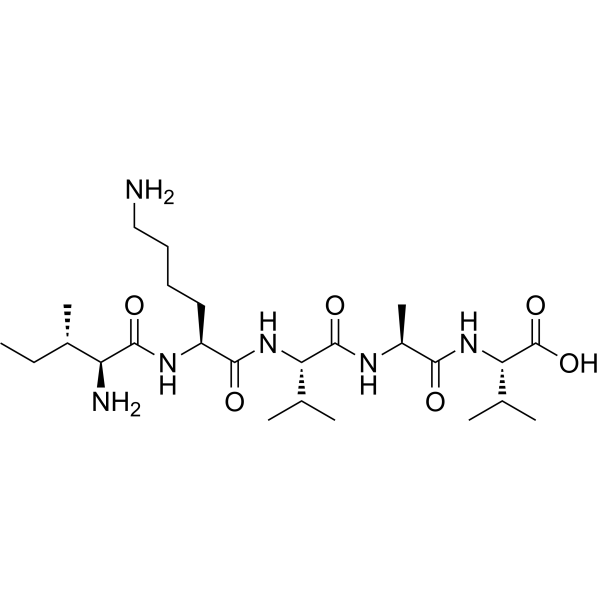
H-Ile-Lys-Val-Ala-Val-OH is one of the most potent active sites of laminin-1. H-Ile-Lys-Val-Ala-Val-OH promotes celladhesion, neurite outgrowth, and tumor growth. H-Ile-Lys-Val-Ala-Val-OH stimulates BMMSC population growth and proliferation by activating MAPK/ERK1/2 and PI3K/Akt signalling pathways .
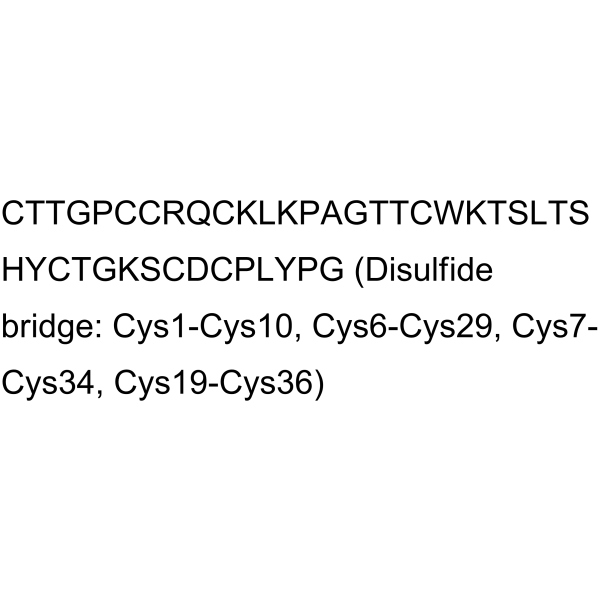
Thrombospondin (TSP-1)-derived CD36 binding motif is a bioactive hexapeptide. Thrombospondin (TSP-1)-derived CD36 binding motif interferes with the interaction between cells and the extracellular matrix by binding to CD36 and angiostatin, thereby affecting the celladhesion and migration process. Thrombospondin (TSP-1)-derived CD36 binding motif inhibits platelet aggregation. Thrombospondin (TSP-1)-derived CD36 binding motif exerts an anti-tumor effect against colon cancer .
Hyaluronic acid sodium (MW 800kDa) is a biopolymer composed of repeating units of disaccharides with various applications. Hyaluronic acid sodium is a major component of the extracellular matrix (ECM). Hyaluronic acid sodium is synthesized at the plasma membrane. Increased hyaluronic acid sodium levels are associated with tumorcell growth, adhesion, migration, invasion and angiogenesis in digestive cancers. Hyaluronic acid sodium participates in tissue remodeling and rapid cell proliferation in some physiological processes including embryonic morphogenesis and wound-healing. Hyaluronic acid sodium activates the PI3K-Akt signaling. Hyaluronic acid sodium acts as a regulator of cancer-associated lymphangiogenesis. Hyaluronic acid sodium also enhances cell invasion and angiogenesis by promoting proteolytic MMP-9 binding to cell surface or stimulating MMP-9 binding to cell surface. Hyaluronic acid sodium can be used as drug delivery for sodium butyrate to improve the anti-proliferative activity on breast cancer cell line. Hyaluronic acid sodium can be studied in joint diseases, wound healing and cancer .
Phellopterin, an orally active furocoumarin with multiple biological activities. Phellopterin is a partial agonist of the central benzodiazepine receptors. Phellopterin exerts anti-inflammatory effects by upregulating SIRT1, downregulating ICAM-1 (reducing chronic inflammation, aiding diabetic ulcer healing), inhibiting STAT3 phosphorylation (easing atopic dermatitis inflammation), regulating Akt/PKC pathways (lowering TNF-α-induced VCAM-1 to block monocyte adhesion), and inhibiting TLR4/NF-κB pathway and macrophage M2 polarization (alleviating colitis-related cancers). Phellopterin suppresses ovarian cancer progression via inhibiting the PU.1/CLEC5A/PI3K-AKT loop (inducing cell cycle arrest, apoptosis, DNA damage). Phellopterin alleviates murine diabetes by promoting adipocyte differentiation and increasing PPARγ. Phellopterin also has anti-HSV-1 activity. Phellopterin can be used for studying anti-inflammation, anti-cancer (e.g., ovarian cancer, colitis cancer), blood glucose lowering, anti-diabetes, and anti-virus .
FAK-IN-2 is a potent and orally active focal adhesion kinase (FAK) inhibitor, with anticancer activity (FAK IC50= 35 nM). FAK-IN-2 covalently inhibits the autophosphorylation of FAK in a dose-dependent manner, and inhibits the clone formation and migration of tumorcells, inducing apoptosis .
SYL3C aptamer sodium is a DNA aptamer that targets epithelial celladhesion molecule (EpCAM) on the surface of cancer cells. SYL3C aptamer sodium targets a variety of human cancer cell lines including MDA-MB-231, Kato III, HT-29, T47D and SW480. The Kd values of SYL3C aptamer sodium against breast cancer cell line MDA-MB-231 and gastric cancer cell line Kato III are 38 nM and 67 nM, respectively. SYL3C aptamer sodium possesses stability, high binding affinity and selectivity, and can be used for targeted cancer cell imaging and circulating tumorcell detection .
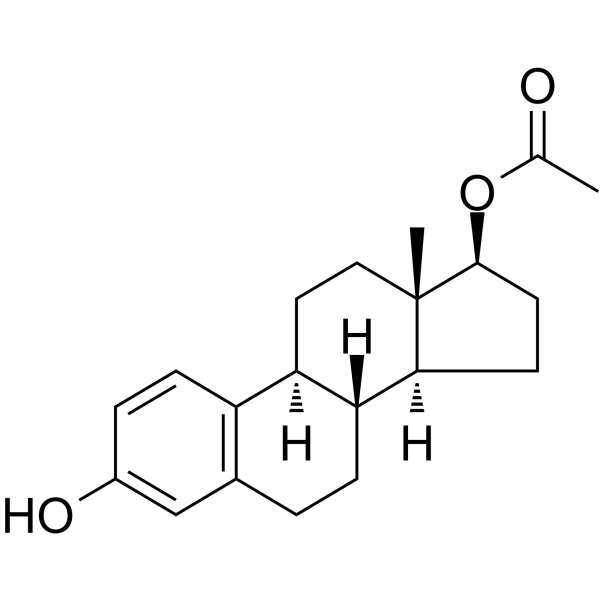
β-Estradiol 17-acetate (1,3,5(10)-Estratriene-3,17β-diol 17-acetate) is a long-acting endogenous estrogen precursor and also a cell viability and proliferation enhancer. β-Estradiol 17-acetate promotes the adhesion and proliferation of freshly isolated and revived female-derived human brain microvascular endothelial cells, and reverses the decreased viability of revived male-derived human brain microvascular endothelial cells. β-Estradiol 17-acetate exerts the microvascular protective effect of estrogen, enabling non-tumor human brain microvascular endothelial cells to be cultured in vitro for 2 months after cryopreservation. β-Estradiol 17-acetate is biotransformed into β-estradiol via hydrolase action in the in vitro skin of humans, hairless dogs, rats and hairless mice .
Lewis X trisaccharide (Lewis X, Le x) is a potent TH2 regulator, antagonizes LPS-induced IL-12 immune expression. Lewis X trisaccharide is a human histo-blood group antigen, plays an key role in cell-celladhesion, and servers as a tumor marker. Lewis X trisaccharide is highly expressed in the outer membrane of the parasite, can be used for the immunology research of schistosomiasis .
Guluronic acid (G2013) sodium is an orally active oxidative stress regulator and anti-inflammatory agent that exerts pharmacological effects by down-regulating various pro-inflammatory and oxidative stress-related genes (such as TLR4, NF-κB, iNOS, etc.) and inhibiting the activities of COX-2, MMPs and VEGF. Low-dose Guluronic acid sodium up-regulates the expression of immunoregulatory genes SHIP1 and SOCS1, thereby effectively inhibiting cancer-related inflammation, tumor angiogenesis, celladhesion and metastasis, while reducing the accumulation of immunosuppressive cells. Guluronic acid sodium significantly prolongs the survival time of tumor-bearing hosts within a concentration range without direct cytotoxicity, demonstrating favorable safety. Guluronic acid sodium has involved in the research of multiple sclerosis, ankylosing spondylitis, breast cancer and other inflammatory diseases .
Guluronic acid (G2013) is an orally active oxidative stress regulator and anti-inflammatory agent that exerts pharmacological effects by down-regulating various pro-inflammatory and oxidative stress-related genes (such as TLR4, NF-κB, iNOS, etc.) and inhibiting the activities of COX-2, MMPs and VEGF. Low-dose Guluronic acid up-regulates the expression of immunoregulatory genes SHIP1 and SOCS1, thereby effectively inhibiting cancer-related inflammation, tumor angiogenesis, celladhesion and metastasis, while reducing the accumulation of immunosuppressive cells. Guluronic acid significantly prolongs the survival time of tumor-bearing hosts within a concentration range without direct cytotoxicity, demonstrating favorable safety. Guluronic acid has involved in the research of multiple sclerosis, ankylosing spondylitis, breast cancer and other inflammatory diseases .
MT-4 is a derivative of a tissue transglutaminase (TG2) inhibitor. MT-4 targets the complex of TG2 and fibronectin (FN) (TG2/FN) and inhibits the adhesion of tumorcells to the matrix. MT-4 inhibits the adhesion of ovarian cancer (OC) cells to the peritoneum and increases the sensitivity of OC cells to paclitaxel.
Defensin HNP-3 human is an α-defensin stored in the azurophilic granules of human neutrophils. Defensin HNP-3 human exerts broad-spectrum bactericidal, antifungal and antiviral activities mainly by forming bacterial membrane pores, and acts as a chemoattractant for monocytes and T cells. Defensin HNP-3 human maintains epithelial integrity to support periodontal tissue homeostasis, and exerts concentration-dependent effects on epithelial cell proliferation, adhesion and bacterial adhesion. Defensin HNP-3 human targets solid tumors and leukemia by inducing single-strand DNA breaks and membrane permeabilization in tumorcells via electrostatic binding and pore formation. Defensin HNP-3 human is abundant in human tongue squamous cell carcinoma and neutrophils infiltrating oral squamous cell carcinoma. Defensin HNP-3 human can be applied to research related to periodontitis and human tongue squamous cell carcinoma .
M6903 is a humanized monoclonal IgG2 antibody targeting T cell immunoglobulin and mucin domain-3 (TIM-3) (KD for human TIM-3 is 2.3 nM). M6903 binds to TIM-3, blocking the binding of TIM-3 to phosphatidylserine (PtdSer), carcinoembryonic antigen celladhesion-related molecule 1 (CEACAM1), and galectin 9 (Gal-9), thus relieving TIM-3-mediated T cell inhibition and exerting the activities of activating antigen-specific T cells and enhancing anti-tumor immunity. M6903 is promising for research of cancers .
T7 Peptide is a protein synthesis inhibitor and anti-angiogenic agent, with a Kd of 10 nM for human transferrin receptor. T7 Peptide inhibits the phosphorylation of focal adhesion kinase, the activation of phosphatidylinositol 3-kinase and Akt, the kinase activity of mTOR, as well as the phosphorylation of 4E-BP1 in endothelial cells. T7 Peptide induces G0/G1 cell cycle arrest, apoptosis and protective autophagy in hepatocellular carcinoma cells, and suppresses tumor growth in mouse models. T7 Peptide is applicable to research related to cancer, glioblastoma, hepatocellular carcinoma and glioma .
VSLRGDTRG acetate is a synthetic peptide containing the RGD motif from cadherin 17 (CDH17), which binds to α2β1 integrin and activates its signaling pathway. VSLRGDTRG acetate promotes the high-affinity conformational change of β1 integrin through the RGD motif, enhancing celladhesion and phosphorylation of FAK and ERK1/2, thereby driving tumor proliferation and metastasis. VSLRGDTRG acetate can be used in research on cancers expressing CDH17, such as colon cancer and pancreatic cancer .
T7 Peptide TFA is a protein synthesis inhibitor and anti-angiogenic agent, with a Kd of 10 nM for human transferrin receptor. T7 Peptide TFA inhibits the phosphorylation of focal adhesion kinase, the activation of phosphatidylinositol 3-kinase and Akt, the kinase activity of mTOR, as well as the phosphorylation of 4E-BP1 in endothelial cells. T7 Peptide TFA induces G0/G1 cell cycle arrest, apoptosis and protective autophagy in hepatocellular carcinoma cells, and suppresses tumor growth in mouse models. T7 Peptide TFA is applicable to research related to cancer, glioblastoma, hepatocellular carcinoma and glioma .
Anti-Mouse CD31/PECAM-1 Antibody (390) is a rat-derived IgG2a κ type antibody inhibitor, targeting to mouse CD31/PECAM-1. Anti-Mouse CD31/PECAM-1 Antibody (390) reacts with mouse CD31, also known as PECAM-1 (platelet endothelial celladhesion molecule). Anti-Mouse CD31/PECAM-1 Antibody (390) inhibits angiogenesis. Anti-Mouse CD31/PECAM-1 Antibody (390) can be used for the research of cancer, such as A549 tumor .
GSK-2256098 hydrochloride is a focal adhesion kinase (FAK) inhibitor that exhibits potential antiangiogenic and antineoplastic activities. GSK-2256098 hydrochloride targets FAK to inhibit tumorcell growth by regulating celladhesion, migration, proliferation, and survival.
ING-1 (heMab) is a high-affinity humanized monoclonal antibody against epithelial celladhesion molecule (Ep-CAM). ING-1 is a transmembrane glycoprotein mediating Ca 2+. ING-1 binds to Ep-CAM on tumorcells and exhibits potent in vitro activity, targeting and inhibiting tumor growth and metastasis in mouse cancer models. ING-1 is useful in the research of breast, colorectal, and lung cancers, among other cancers .
VSLRGDTRG is a synthetic peptide containing the RGD motif from cadherin 17 (CDH17), which binds to α2β1 integrin and activates its signaling pathway. VSLRGDTRG promotes the high-affinity conformational change of β1 integrin through the RGD motif, enhancing celladhesion and phosphorylation of FAK and ERK1/2, thereby driving tumor proliferation and metastasis. VSLRGDTRG can be used in research on cancers expressing CDH17, such as colon cancer and pancreatic cancer .
BAS00093476 is an E-cadherin inhibitor. BAS00093476 exhibits inhibitory activity against E-cadherin-mediated cell-celladhesion in human pancreatic tumor BxPC-3 cells. BAS00093476 can be applied to the research on the modulation of E-cadherin-mediated cell-celladhesion in solid tumors expressing cadherins .
Sialyl Lewis A (SLeA) sodium is a tumor-associated carbohydrate antigen, also known as carbohydrate antigen 19-9 (CA19-9), that binds to E-selectin (ELAM-1) and selectins to mediate cell-endothelium adhesion. Sialyl Lewis A sodium promotes cancer cell-vascular endothelium adhesion, and its surface presence correlates with increased tumorigenicity and invasiveness in cancer cells. Sialyl Lewis A sodium shows elevated expression in human adenocarcinomas of the colon, pancreas, and stomach, with expression levels linked to tumor progression and poor prognosis in colorectal and gastric carcinomas. Sialyl Lewis A sodium can be used for the research of cancers, such as colon, pancreas, stomach, and squamous lung cancer .
Sialyl Lewis A (SLeA) is a tumor-associated carbohydrate antigen, also known as carbohydrate antigen 19-9 (CA19-9), that binds to E-selectin (ELAM-1) and selectins to mediate cell-endothelium adhesion. Sialyl Lewis A promotes cancer cell-vascular endothelium adhesion, and its surface presence correlates with increased tumorigenicity and invasiveness in cancer cells. Sialyl Lewis A shows elevated expression in human adenocarcinomas of the colon, pancreas, and stomach, with expression levels linked to tumor progression and poor prognosis in colorectal and gastric carcinomas. Sialyl Lewis A can be used for the research of cancers, such as colon, pancreas, stomach, and squamous lung cancer .
FAK-IN-16 (compound OXA-11) is an orally active, selective focal adhesion kinase (FAK) inhibitor with an IC50 of 1.2 pM. FAK-IN-16 inhibits FAK phosphorylation at pFAK[Y397] and pFAK[Y861]. FAK-IN-16 slows tumor growth and reduces tumor vascularity, invasion. FAK-IN-16 potentiates effects of Cisplatin (HY-17394) on tumorcell proliferation and apoptosis in vitro and anti-tumor actions in mice .
FAK-IN-3 (Compound 36) is a potent inhibitor of focal adhesion kinase (FAK). FAK-IN-3 not only decreases migration and invasion of PA-1 cells, but also reduces expression of MMP-2 and MMP-9. FAK-IN-3 inhibits tumor growth and metastasis, and no obvious adverse effects. FAK-IN-3 has the potential for the research of ovarian cancer .
Chondroitin sulfate A disodium is a mucopolysaccharide extracted from animal cartilages such as porcine nasal cartilage, and serves as a major structural component of cartilage. Chondroitin sulfate A disodium is one of the specific receptors for the adhesion of Plasmodium falciparum-infected red blood cells in the microcirculation. Chondroitin sulfate A disodium can be used together with selenium to prepare nanoparticles for protecting cartilage against T‑2 toxin-induced damage. Chondroitin sulfate A disodium is abnormally highly expressed in ameloblastoma, and is particularly enriched in stellate reticulum-like tumorcells. Chondroitin sulfate A disodium can be applied to studies on Plasmodium infection mechanisms, cartilage protection and oral tumors .
FNIII14 is derived from the 14th fibronectin (FN) type III-like (FN-III) repeat of FN molecule. FNIII14 is capable of inhibiting celladhesion to the extracellular matrix (ECM). FNIII14 induces a conformational change in β1-integrin from the active to the inactive form, and blocks integrin-mediated signaling. FNIII14 has anti-fibrotic, anti-cancer effect. FNIII14 can be used for research of metabolic diseases, organ fibrosis, and malignant tumors .
Fangchinoline (Standard) is the analytical standard of Fangchinoline. This product is intended for research and analytical applications. Fangchinoline is isolated from Stephania tetrandra with extensive biological activities, such as enhancing immunity, anti-inflammatory sterilization and anti-atherosclerosis. Fangchinoline, a novel HIV-1 inhibitor, inhibits HIV-1 replication by impairing gp160 proteolytic processing . Fangchinoline targets Focal adhesion kinase (FAK) and suppresses FAK-mediated signaling pathway in tumorcells which highly expressed FAK . Fangchinoline induces apoptosis and adaptive autophagy in bladder cancer .
Phellopterin (Standard) is the analytical standard of Phellopterin. Phellopterin, an orally active furocoumarin with multiple biological activities. Phellopterin is a partial agonist of the central benzodiazepine receptors. Phellopterin exerts anti-inflammatory effects by upregulating SIRT1, downregulating ICAM-1 (reducing chronic inflammation, aiding diabetic ulcer healing), inhibiting STAT3 phosphorylation (easing atopic dermatitis inflammation), regulating Akt/PKC pathways (lowering TNF-α-induced VCAM-1 to block monocyte adhesion), and inhibiting TLR4/NF-κB pathway and macrophage M2 polarization (alleviating colitis-related cancers). Phellopterin suppresses ovarian cancer progression via inhibiting the PU.1/CLEC5A/PI3K-AKT loop (inducing cell cycle arrest, apoptosis, DNA damage). Phellopterin alleviates murine diabetes by promoting adipocyte differentiation and increasing PPARγ. Phellopterin also has anti-HSV-1 activity. Phellopterin can be used for studying anti-inflammation, anti-cancer (e.g., ovarian cancer, colitis cancer), blood glucose lowering, anti-diabetes, and anti-virus.
Salvicine is a DNA topoisomerase II inhibitor (IC50=3 μM). Salvicine increases the interaction between DNA and Topo II by interacting with the ATPase domain, inhibiting DNA degradation and ATP hydrolysis. Salvicine has anticancer activities, including inhibiting Topo II, causing DNA damage, overcoming multidrug resistance, and inhibiting tumorcelladhesion .
FAK-IN-26 is a BBB-penetrable Focal Adhesion Kinase (FAK) inhibitor (IC50: 0.87 nM). FAK-IN-26 significantly suppresses tumorcell viability, cancer stem cell activity, and cell migration in A549 and SKOV-3 cell lines. FAK-IN-26 has potent anti-cancer activity in A549 and SKOV-3 tumor mice models with tumor inhibition rates of 59.15 % and 57.9 % .
N-Acetylglucosaminyltransferase IVa (MGAT4A) is a glycosyltransferase that can enhance the migration, invasion, and adhesion abilities of cancer cells, and increase β1,4GlcNAc branched glycans on integrin β1 (ITGB1), a tumor-associated glycoprotein closely related to cell motility .
FAK-IN-15 (Compound 9b) is a focal adhesion kinase (FAK) inhibitor with an IC50 value of 0.2691 nM. FAK-IN-15 has anti-tumor activity with an IC50 value of 1.033 μM against U87-MG cells .
Ganglioside GM2-d3 (ammonium) is the deuterium labeled Ganglioside GM2 (HY-148385). Ganglioside GM2 is a human tumor antigen predominantly found in human tumorcells and fetal brain tissue. As a sialylated glycosphingolipid, Ganglioside GM2 is involved in processes such as cell signaling, adhesion, and motility. Ganglioside GM2 abnormal expression and accumulation are associated with tumors and neurodegenerative disorders. Ganglioside GM2 promotes tumorcell migration and invasion by directly binding to the integrin β1 receptor, activating the FAK/Src/Erk-MAPK signaling pathway, and inducing actin cytoskeleton remodeling .
Antitumor agent-189 (Compound DN4) is a potent antitumor agent, and a 4-oxobutanamide derivative. Antitumor agent-189 inhibits A498 cells proliferation, adhesion and invasion with an IC50 of 1.94 μM. Antitumor agent-189 also inhibits angiogenesis and tumor growth in the xenograft model of A498 cells .
MSH-TP15e is a humanized monoclonal antibody inhibitor targeting intercellular adhesion molecule-1 (ICAM-1). MSH-TP15e recruits natural killer cells and significantly triggers antibody-dependent cell-mediated cytotoxicity (ADCC) to inhibit tumorcell growth. MSH-TP15e is promising for research of multiple myeloma (MM) .
HJ-4 is a Piperine (HY-N0144) derivative. HJ-4 potently inhibits the proliferation of CRC cells by dose-dependently reducing colony formation and DNA synthesis. HJ-4 markedly suppresses the adhesion, migration, invasion and induces apoptosis of CRC cells. HJ-4 demonstrates anti-tumor efficacy in chicken embryo chorioallantoic membrane (CAM) model implanted with HCT116/SW480 tumor spheroids. HJ-4 can be used for the study of colorectal cancer (CRC) .
17-Epiestriol is an estrogen metabolite and a selective estrogen receptor (ER) β agonist. 17-epiestriol inhibits the mRNA and protein expression of the vascular celladhesion molecule VCAM-1 induced by tumor necrosis factor α (TNFα). 17-epiestriol also inhibits TNFα-induced VCAM-1 expression and prevents NF-κB migration to the nucleus. 17-Epiestriol also induces the mRNA and protein expression of endothelial nitric oxide synthase .
17-Epiestriol-d5-1 is the deuterium labeled 17-Epiestriol (HY-163712). 17-Epiestriol is an estrogen metabolite and a selective estrogen receptor (ER) β agonist. 17-epiestriol inhibits the mRNA and protein expression of the vascular celladhesion molecule VCAM-1 induced by tumor necrosis factor α (TNFα). 17-epiestriol also inhibits TNFα-induced VCAM-1 expression and prevents NF-κB migration to the nucleus. 17-Epiestriol also induces the mRNA and protein expression of endothelial nitric oxide synthase .
HYD-1 is a D-amino acid tumorcelladhesion peptide. HYD-1 contains overlapping linear peptide elements required for adhesion, migration blocking, and ERK signaling activation. HYD-1 supports adhesion of breast, prostate, ovarian, and pancreatic tumorcells, and shows no effect on tumorcell cycle distribution. HYD-1 can be used for the research of prostate cancer .
SU015 (DOTA-RGDfK dimer) is a Integrin αvβ5 and αvβ3 antagonist. SU015 exhibits comparable affinity for αvβ5 and αvβ3, with relatively higher potency and specificity compared to other integrins. SU015 inhibits αvβ3-mediated celladhesion to fibrinogen, αvβ3-mediated adhesion of activated platelets to osteopontin, and αvβ5-mediated celladhesion to vitronectin. SU015 shows potent inhibitory effects on FGF2-induced angiogenesis in the CAM model. SU015 carries a linker arm available for radioisotope conjugation, and acts as a target-specific radioreagent when labeled with 90Y (i.e., RP697) or 177Lu (i.e., RP688). SU015 can be used in studies related to tumor metastasis and tumors .
IPS-05002 is an α5β1 antagonist. IPS-05002 can inhibit VEGF-stimulated human umbilical vein endothelial cell (HUVEC) proliferation, adhesion, and migration, and also suppresses tubular network formation. IPS-05002 can upregulate IKB-β, XRCC4, and downregulate Cdc6 in VEGF-induced HUVECs. IPS-05002 can be used for the study of tumor angiogenesis .
Peptide E5 is an antagonist targeting the CXCR4/CXCL12 axis. Peptide E5 blocks the CXCR4/CXCL12 axis, downregulates CXCR4 expression, and inhibits the phosphorylation of downstream Akt and Erk. Peptide E5 induces apoptosis, suppresses migration and adhesion of breast cancer cells. Peptide E5 inhibits CXCL12-mediated endothelial progenitor cell recruitment, thereby suppressing tumor angiogenesis. Peptide E5 is applicable to relevant research on breast cancer .
AM9928 is a monoacylglycerol lipase (MAGL) inhibitor with IC50 and Ki values of 8.9 nM and 7.3 nM, respectively. AM9928 blocks the adhesion and migration of triple-negative breast cancer (TNBC) cells, and inhibits the secretion of IL-6, IL-8 and VEGF-A by TNBC cells. AM9928 suppresses the activation of human brain microvascular endothelial cells (HBMECs) induced by TNBC-derived exosomes, and reduces the secretion of IL-8 and VEGF-A by HBMECs. AM9928 attenuates changes in blood-brain barrier permeability, inhibits tumor growth in the mammary fat pad, and reduces brain colonization of TNBC. AM9928 can be used in studies related to triple-negative breast cancer .
Anticancer agent 317, a Chidamide (HY-109015) derivative, is an apoptosis inducer. Anticancer agent 317 inhibits colony formation, migration, adhesion, invasion, tumor growth, and angiogenesis. Anticancer agent 317 can be used for the research of breast cancer .
Precemtabart tocentecan (Precem-TcT; M 9140) is an anti-CEACAM5 (carcinoembryonic antigen-related celladhesion molecule 5) antibody-drug conjugate (ADC). Precemtabart tocentecan consists of a tumor-specific anti-CEACAM5 monoclonal antibody Precemtabart (HY-P990940), a highly hydrophilic and stable cleavable β-glucuronide linker, and a topoisomerase 1 inhibitor payload Exatecan (HY-13631), and the drug-linker conjugate for ADC is Mal-Gly-PAB-Exatecan-D-glucuronic acid (HY-153179). Precemtabart tocentecan inhibits the growth of CEACAM5-positive cancer cells. Precemtabart tocentecan exhibits significant antitumor activity in CEACAM5-expressing xenograft models. Precemtabart tocentecan can be used for the study of CEACAM5-expressing advanced solid tumors, especially mCRC .
Hyaluronic acid is a biopolymer composed of repeating units of disaccharides with various applications. Hyaluronic acid is a major component of the extracellular matrix (ECM). Hyaluronic acid is synthesized at the plasma membrane. Increased hyaluronic acid levels are associated with tumorcell growth, adhesion, migration, invasion and angiogenesis in digestive cancers. Hyaluronic acid participates in tissue remodeling and rapid cell proliferation in some physiological processes including embryonic morphogenesis and wound-healing. Hyaluronic acid activates the PI3K-Akt signaling. Hyaluronic acid acts as a regulator of cancer-associated lymphangiogenesis. Hyaluronic acid also enhances cell invasion and angiogenesis by promoting proteolytic MMP-9 binding to cell surface or stimulating MMP-9 binding to cell surface. Hyaluronic acid can be used as drug delivery for sodium butyrate to improve the anti-proliferative activity on breast cancer cell line. Hyaluronic acid can be studied in joint diseases, wound healing and cancer .
Chymotrypsin (EC 3.4.21.1; Chymotrypsin A) is an orally effective inhibitor targeting molecules such as TLR4, NF-κB, MMP-1, TNF-α, IL-1β, and IL-6. Chymotrypsin downregulates the TLR4/NF-κB signaling pathway, inhibiting the release of inflammatory factors, reducing cell infiltration and tissue damage. It also reduces the expression of tumorcelladhesion molecules (such as CD44 and CD54) and can be specifically detected by fluorescent probes (such as NBD-3). Chymotrypsin has anti-inflammatory, hepatoprotective, joint damage-reducing, liver protection against lipotoxicity, and anti-tumor metastasis functions. It can be used in research on diseases such as rheumatoid arthritis, non-alcoholic fatty liver disease, and melanoma metastasis. Chymotrypsin can be used in studies of inflammation, edema, and expectoration .
m-PEG2000-NHS ester (mPEG2000-SC) is a reagent with both celladhesion inhibition and peptide conjugation functions. The NHS ester group of m-PEG2000-NHS ester forms stable amide bonds with primary amine-containing molecules (e.g., the N-terminus of MMP-2-cleavable octapeptide) to generate mPEG-peptide intermediates for liposome surface modification. When m-PEG2000-NHS ester is immobilized on a cystamine-modified gold surface, it can construct an in vitro model for celladhesion kinetic studies, and higher PEG density and thicker layers correlate with lower celladhesion rates. m-PEG2000-NHS ester can synthesize MMP-2-responsive PEGylated lipid conjugates to achieve MMP-triggered dePEGylation in the tumor microenvironment. m-PEG2000-NHS ester can be used in studies related to colon cancer and other conditions .
Hyaluronic acid, low endotoxin (Hyaluronan, low endotoxin) is a biopolymer composed of repeating disaccharide units containing low levels of endotoxin. Hyaluronic acid is a major component of the extracellular matrix (ECM). It is synthesized on the plasma membrane. Hyaluronic acid exerts its effects by binding to receptors CD44 and RHAMM. Hyaluronic acid activates PI3K-Akt signaling. Hyaluronic acid also enhances cell invasion and angiogenesis by promoting or stimulating the binding of proteolytic MMP-9 to the cell surface. Elevated hyaluronic acid levels are associated with tumorcell growth, adhesion, migration, invasion, and angiogenesis in digestive system cancers. Hyaluronic acid is involved in tissue remodeling and rapid cell proliferation in several physiological processes, including embryonic morphogenesis and wound healing. Hyaluronic acid can be used as a regulator of cancer-associated lymphangiogenesis. Hyaluronic acid can be used as a drug delivery carrier for sodium butyrate, enhancing its anti-proliferative activity against breast cancer cell lines. Hyaluronic acid can lubricate the corneal endothelium. Hyaluronic acid can improve tissue hydration and enhance the resistance of cells to mechanical damage. Hyaluronic acid has been conjugated with antibodies to ensure that the active compound continues to exert its effects at the site of inflammation. Hyaluronic acid can be used in research in the fields of osteoarthritis, ophthalmology, cosmetic dermatology, oncology, and liver diseases .
Laminin peptide CDPGYIGSR (Laminin (925-933)) TFA is a 67 kDa laminin receptor ligand and selective celladhesion inducer. Laminin peptide CDPGYIGSR TFA not only promotes celladhesion and mediates directed neurite outgrowth via matrix coating or covalent immobilization, but also inhibits neural crest cell migration under specific conditions. Laminin peptide CDPGYIGSR TFA inhibits lung colonization of melanoma cells, and suppresses the growth of Sarcoma 180 solid tumors and Lewis lung carcinoma (3LL) in mice. Laminin peptide CDPGYIGSR TFA also exerts significant anti-angiogenic effects by inhibiting embryonic angiogenesis in the chick chorioallantoic membrane and vascular endothelial cell migration induced by tumor-conditioned medium. Laminin peptide CDPGYIGSR TFA can be widely used in studies related to melanoma, Sarcoma 180, Lewis lung carcinoma (3LL), and other relevant areas .
Obtustatin is a non-RGD disintegrin consisting of 41 residues. Obtustatin inhibits the adhesion of α1β1 integrin to type IV Collagen (HY-NP003), blocks α1β1 integrin signaling in endothelial cells, and suppresses FGF2-induced angiogenesis. Obtustatin inhibits tumor progression in mouse models and upregulates VEGF expression in sarcoma-bearing mice. Obtustatin can be used in research related to Lewis lung carcinoma and S-180 sarcoma .
E (c (RGDfK)) 2 is a αvβ3 integrin ligand and tumor-targeting agent. E (c (RGDfK)) 2 binds to αvβ3 integrin, mediates receptor-mediated endocytosis of conjugated payloads, and inhibits integrin-dependent celladhesion to fibrinogen. E (c (RGDfK)) 2 inhibits the proliferation of cancer cells and endothelial cells. E (c (RGDfK)) 2 preferentially accumulates in orthotopic mouse breast tumors and human ovarian cancer xenograft tumors. E (c (RGDfK)) 2 can be used in research related to glioblastoma, lung cancer, breast adenocarcinoma and ovarian cancer .
H-Ile-Lys-Val-Ala-Val-OH is one of the most potent active sites of laminin-1. H-Ile-Lys-Val-Ala-Val-OH promotes celladhesion, neurite outgrowth, and tumor growth. H-Ile-Lys-Val-Ala-Val-OH stimulates BMMSC population growth and proliferation by activating MAPK/ERK1/2 and PI3K/Akt signalling pathways .
Thrombospondin (TSP-1)-derived CD36 binding motif is a bioactive hexapeptide. Thrombospondin (TSP-1)-derived CD36 binding motif interferes with the interaction between cells and the extracellular matrix by binding to CD36 and angiostatin, thereby affecting the celladhesion and migration process. Thrombospondin (TSP-1)-derived CD36 binding motif inhibits platelet aggregation. Thrombospondin (TSP-1)-derived CD36 binding motif exerts an anti-tumor effect against colon cancer .
Defensin HNP-3 human is an α-defensin stored in the azurophilic granules of human neutrophils. Defensin HNP-3 human exerts broad-spectrum bactericidal, antifungal and antiviral activities mainly by forming bacterial membrane pores, and acts as a chemoattractant for monocytes and T cells. Defensin HNP-3 human maintains epithelial integrity to support periodontal tissue homeostasis, and exerts concentration-dependent effects on epithelial cell proliferation, adhesion and bacterial adhesion. Defensin HNP-3 human targets solid tumors and leukemia by inducing single-strand DNA breaks and membrane permeabilization in tumorcells via electrostatic binding and pore formation. Defensin HNP-3 human is abundant in human tongue squamous cell carcinoma and neutrophils infiltrating oral squamous cell carcinoma. Defensin HNP-3 human can be applied to research related to periodontitis and human tongue squamous cell carcinoma .
T7 Peptide is a protein synthesis inhibitor and anti-angiogenic agent, with a Kd of 10 nM for human transferrin receptor. T7 Peptide inhibits the phosphorylation of focal adhesion kinase, the activation of phosphatidylinositol 3-kinase and Akt, the kinase activity of mTOR, as well as the phosphorylation of 4E-BP1 in endothelial cells. T7 Peptide induces G0/G1 cell cycle arrest, apoptosis and protective autophagy in hepatocellular carcinoma cells, and suppresses tumor growth in mouse models. T7 Peptide is applicable to research related to cancer, glioblastoma, hepatocellular carcinoma and glioma .
VSLRGDTRG acetate is a synthetic peptide containing the RGD motif from cadherin 17 (CDH17), which binds to α2β1 integrin and activates its signaling pathway. VSLRGDTRG acetate promotes the high-affinity conformational change of β1 integrin through the RGD motif, enhancing celladhesion and phosphorylation of FAK and ERK1/2, thereby driving tumor proliferation and metastasis. VSLRGDTRG acetate can be used in research on cancers expressing CDH17, such as colon cancer and pancreatic cancer .
T7 Peptide TFA is a protein synthesis inhibitor and anti-angiogenic agent, with a Kd of 10 nM for human transferrin receptor. T7 Peptide TFA inhibits the phosphorylation of focal adhesion kinase, the activation of phosphatidylinositol 3-kinase and Akt, the kinase activity of mTOR, as well as the phosphorylation of 4E-BP1 in endothelial cells. T7 Peptide TFA induces G0/G1 cell cycle arrest, apoptosis and protective autophagy in hepatocellular carcinoma cells, and suppresses tumor growth in mouse models. T7 Peptide TFA is applicable to research related to cancer, glioblastoma, hepatocellular carcinoma and glioma .
VSLRGDTRG is a synthetic peptide containing the RGD motif from cadherin 17 (CDH17), which binds to α2β1 integrin and activates its signaling pathway. VSLRGDTRG promotes the high-affinity conformational change of β1 integrin through the RGD motif, enhancing celladhesion and phosphorylation of FAK and ERK1/2, thereby driving tumor proliferation and metastasis. VSLRGDTRG can be used in research on cancers expressing CDH17, such as colon cancer and pancreatic cancer .
FNIII14 is derived from the 14th fibronectin (FN) type III-like (FN-III) repeat of FN molecule. FNIII14 is capable of inhibiting celladhesion to the extracellular matrix (ECM). FNIII14 induces a conformational change in β1-integrin from the active to the inactive form, and blocks integrin-mediated signaling. FNIII14 has anti-fibrotic, anti-cancer effect. FNIII14 can be used for research of metabolic diseases, organ fibrosis, and malignant tumors .
HYD-1 is a D-amino acid tumorcelladhesion peptide. HYD-1 contains overlapping linear peptide elements required for adhesion, migration blocking, and ERK signaling activation. HYD-1 supports adhesion of breast, prostate, ovarian, and pancreatic tumorcells, and shows no effect on tumorcell cycle distribution. HYD-1 can be used for the research of prostate cancer .
SU015 (DOTA-RGDfK dimer) is a Integrin αvβ5 and αvβ3 antagonist. SU015 exhibits comparable affinity for αvβ5 and αvβ3, with relatively higher potency and specificity compared to other integrins. SU015 inhibits αvβ3-mediated celladhesion to fibrinogen, αvβ3-mediated adhesion of activated platelets to osteopontin, and αvβ5-mediated celladhesion to vitronectin. SU015 shows potent inhibitory effects on FGF2-induced angiogenesis in the CAM model. SU015 carries a linker arm available for radioisotope conjugation, and acts as a target-specific radioreagent when labeled with 90Y (i.e., RP697) or 177Lu (i.e., RP688). SU015 can be used in studies related to tumor metastasis and tumors .
Peptide E5 is an antagonist targeting the CXCR4/CXCL12 axis. Peptide E5 blocks the CXCR4/CXCL12 axis, downregulates CXCR4 expression, and inhibits the phosphorylation of downstream Akt and Erk. Peptide E5 induces apoptosis, suppresses migration and adhesion of breast cancer cells. Peptide E5 inhibits CXCL12-mediated endothelial progenitor cell recruitment, thereby suppressing tumor angiogenesis. Peptide E5 is applicable to relevant research on breast cancer .
Daratumumab (Anti-Human CD38) is the first-in-class human-specific anti-CD38 monoclonal antibody (IgG1). Daratumumab has anti-multiple myeloma (MM) effect. Daratumumab impairs MM cell adhesion, which results in an increased sensitivity of MM to proteasome inhibition .
Tinurilimab (Bay 1834942) is an anti-CEACAM6 (carcinoembryonic antigen-related celladhesion molecule 6) humanized IgG2 monoclonal antibody. CEACAM6 is an immune checkpoint regulator suppressing the activity of effector T-cells against tumors. Tinurilimab shows an increased tumorcell killing effect in the tumor-cell/T-cell co-culture system .
Tucotuzumab (Anti-EPCAM Recombinant Antibody) is an antigen-specific IgG1 monoclonal antibody that targets human epithelial celladhesion molecule (EpCAM). Tucotuzumab links two IL-2 molecules and is an immunosuppressant and anti-tumor active molecule .
M701 is a T-cell engager bispecific humanized antibody targeting epithelial celladhesion molecule (EpCAM) and cluster of differentiation 3 (CD3). M701 binds to EpCAM on tumorcells and CD3 on T cells, thereby linking the two cell populations to achieve targeted cytotoxicity and T cell-mediated cytotoxicity. M701 is applicable to research related to advanced epithelial solid tumors .
Intetumumab (CNTO 95) is a human monoclonal antibody targeting αv integrin, with a Kd value of 1-24 nM. Through high-affinity binding to αv integrin, Intetumumab inhibits its interaction with extracellular matrix proteins (such as vitronectin and fibronectin), thereby blocking the downstream focal adhesion kinase signaling pathway. This further inhibits the adhesion, migration and invasion of tumorcells as well as the proliferation of vascular endothelial cells, promotes cellapoptosis, and exerts anti-tumor and anti-angiogenic effects. Intetumumab can be used in research related to head and neck cancer, non-small cell lung cancer and uterine serous papillary carcinoma .
Etaracizumab (LM 609) is an αvβ3 integrin IgG mAb. Etaracizumab is developed to target αvβ3+ cancer cells via NK cell-mediated cytotoxicity. Etaracizumab sterically hinders access of large ligands to the RGD-binding pocket, without obstructing it. Etaracizumab decreases p-Akt in vitro. Etaracizumab can decrease cancer proliferation and invasion. Etaracizumab induces tumorcell apoptosis, and inhibition ofαvβ3-mediated celladhesion, endothelial cell migration and osteoclast-mediated bone resorption. Etaracizumab can be studied in anti-tumor research against cancers such as ovarian cancer, metastatic melanoma as well as advanced solid tumors. Recommend Isotype Control: Human IgG1 kappa, Isotype Control (HY-P99001) .
M6903 is a humanized monoclonal IgG2 antibody targeting T cell immunoglobulin and mucin domain-3 (TIM-3) (KD for human TIM-3 is 2.3 nM). M6903 binds to TIM-3, blocking the binding of TIM-3 to phosphatidylserine (PtdSer), carcinoembryonic antigen celladhesion-related molecule 1 (CEACAM1), and galectin 9 (Gal-9), thus relieving TIM-3-mediated T cell inhibition and exerting the activities of activating antigen-specific T cells and enhancing anti-tumor immunity. M6903 is promising for research of cancers .
Anti-Mouse CD31/PECAM-1 Antibody (390) is a rat-derived IgG2a κ type antibody inhibitor, targeting to mouse CD31/PECAM-1. Anti-Mouse CD31/PECAM-1 Antibody (390) reacts with mouse CD31, also known as PECAM-1 (platelet endothelial celladhesion molecule). Anti-Mouse CD31/PECAM-1 Antibody (390) inhibits angiogenesis. Anti-Mouse CD31/PECAM-1 Antibody (390) can be used for the research of cancer, such as A549 tumor .
ING-1 (heMab) is a high-affinity humanized monoclonal antibody against epithelial celladhesion molecule (Ep-CAM). ING-1 is a transmembrane glycoprotein mediating Ca 2+. ING-1 binds to Ep-CAM on tumorcells and exhibits potent in vitro activity, targeting and inhibiting tumor growth and metastasis in mouse cancer models. ING-1 is useful in the research of breast, colorectal, and lung cancers, among other cancers .
MSH-TP15e is a humanized monoclonal antibody inhibitor targeting intercellular adhesion molecule-1 (ICAM-1). MSH-TP15e recruits natural killer cells and significantly triggers antibody-dependent cell-mediated cytotoxicity (ADCC) to inhibit tumorcell growth. MSH-TP15e is promising for research of multiple myeloma (MM) .
Hyaluronic acid is a biopolymer composed of repeating units of disaccharides with various applications. Hyaluronic acid is a major component of the extracellular matrix (ECM). Hyaluronic acid is synthesized at the plasma membrane. Increased hyaluronic acid levels are associated with tumorcell growth, adhesion, migration, invasion and angiogenesis in digestive cancers. Hyaluronic acid participates in tissue remodeling and rapid cell proliferation in some physiological processes including embryonic morphogenesis and wound-healing. Hyaluronic acid activates the PI3K-Akt signaling. Hyaluronic acid acts as a regulator of cancer-associated lymphangiogenesis. Hyaluronic acid also enhances cell invasion and angiogenesis by promoting proteolytic MMP-9 binding to cell surface or stimulating MMP-9 binding to cell surface. Hyaluronic acid can be used as drug delivery for sodium butyrate to improve the anti-proliferative activity on breast cancer cell line. Hyaluronic acid can be studied in joint diseases, wound healing and cancer .
Hyaluronic acid sodium (Sodium hyaluronate) is a biopolymer composed of repeating units of disaccharides with various applications. Hyaluronic acid sodium is a major component of the extracellular matrix (ECM). Hyaluronic acid sodium is synthesized at the plasma membrane. Increased hyaluronic acid sodium levels are associated with tumorcell growth, adhesion, migration, invasion and angiogenesis in digestive cancers. Hyaluronic acid sodium participates in tissue remodeling and rapid cell proliferation in some physiological processes including embryonic morphogenesis and wound-healing. Hyaluronic acid sodium activates the PI3K-Akt signaling. Hyaluronic acid sodium acts as a regulator of cancer-associated lymphangiogenesis. Hyaluronic acid sodium also enhances cell invasion and angiogenesis by promoting proteolytic MMP-9 binding to cell surface or stimulating MMP-9 binding to cell surface. Hyaluronic acid sodium can be used as drug delivery for sodium butyrate to improve the anti-proliferative activity on breast cancer cell line. Hyaluronic acid sodium can be studied in joint diseases, wound healing and cancer .
Fangchinoline is isolated from Stephania tetrandra with extensive biological activities, such as enhancing immunity, anti-inflammatory sterilization and anti-atherosclerosis. Fangchinoline, a novel HIV-1 inhibitor, inhibits HIV-1 replication by impairing gp160 proteolytic processing . Fangchinoline targets Focal adhesion kinase (FAK) and suppresses FAK-mediated signaling pathway in tumorcells which highly expressed FAK . Fangchinoline induces apoptosis and adaptive autophagy in bladder cancer .
Phellopterin, an orally active furocoumarin with multiple biological activities. Phellopterin is a partial agonist of the central benzodiazepine receptors. Phellopterin exerts anti-inflammatory effects by upregulating SIRT1, downregulating ICAM-1 (reducing chronic inflammation, aiding diabetic ulcer healing), inhibiting STAT3 phosphorylation (easing atopic dermatitis inflammation), regulating Akt/PKC pathways (lowering TNF-α-induced VCAM-1 to block monocyte adhesion), and inhibiting TLR4/NF-κB pathway and macrophage M2 polarization (alleviating colitis-related cancers). Phellopterin suppresses ovarian cancer progression via inhibiting the PU.1/CLEC5A/PI3K-AKT loop (inducing cell cycle arrest, apoptosis, DNA damage). Phellopterin alleviates murine diabetes by promoting adipocyte differentiation and increasing PPARγ. Phellopterin also has anti-HSV-1 activity. Phellopterin can be used for studying anti-inflammation, anti-cancer (e.g., ovarian cancer, colitis cancer), blood glucose lowering, anti-diabetes, and anti-virus .
β-Estradiol 17-acetate (1,3,5(10)-Estratriene-3,17β-diol 17-acetate) is a long-acting endogenous estrogen precursor and also a cell viability and proliferation enhancer. β-Estradiol 17-acetate promotes the adhesion and proliferation of freshly isolated and revived female-derived human brain microvascular endothelial cells, and reverses the decreased viability of revived male-derived human brain microvascular endothelial cells. β-Estradiol 17-acetate exerts the microvascular protective effect of estrogen, enabling non-tumor human brain microvascular endothelial cells to be cultured in vitro for 2 months after cryopreservation. β-Estradiol 17-acetate is biotransformed into β-estradiol via hydrolase action in the in vitro skin of humans, hairless dogs, rats and hairless mice .
Lewis X trisaccharide (Lewis X, Le x) is a potent TH2 regulator, antagonizes LPS-induced IL-12 immune expression. Lewis X trisaccharide is a human histo-blood group antigen, plays an key role in cell-celladhesion, and servers as a tumor marker. Lewis X trisaccharide is highly expressed in the outer membrane of the parasite, can be used for the immunology research of schistosomiasis .
Guluronic acid (G2013) sodium is an orally active oxidative stress regulator and anti-inflammatory agent that exerts pharmacological effects by down-regulating various pro-inflammatory and oxidative stress-related genes (such as TLR4, NF-κB, iNOS, etc.) and inhibiting the activities of COX-2, MMPs and VEGF. Low-dose Guluronic acid sodium up-regulates the expression of immunoregulatory genes SHIP1 and SOCS1, thereby effectively inhibiting cancer-related inflammation, tumor angiogenesis, celladhesion and metastasis, while reducing the accumulation of immunosuppressive cells. Guluronic acid sodium significantly prolongs the survival time of tumor-bearing hosts within a concentration range without direct cytotoxicity, demonstrating favorable safety. Guluronic acid sodium has involved in the research of multiple sclerosis, ankylosing spondylitis, breast cancer and other inflammatory diseases .
Fangchinoline (Standard) is the analytical standard of Fangchinoline. This product is intended for research and analytical applications. Fangchinoline is isolated from Stephania tetrandra with extensive biological activities, such as enhancing immunity, anti-inflammatory sterilization and anti-atherosclerosis. Fangchinoline, a novel HIV-1 inhibitor, inhibits HIV-1 replication by impairing gp160 proteolytic processing . Fangchinoline targets Focal adhesion kinase (FAK) and suppresses FAK-mediated signaling pathway in tumorcells which highly expressed FAK . Fangchinoline induces apoptosis and adaptive autophagy in bladder cancer .
Phellopterin (Standard) is the analytical standard of Phellopterin. Phellopterin, an orally active furocoumarin with multiple biological activities. Phellopterin is a partial agonist of the central benzodiazepine receptors. Phellopterin exerts anti-inflammatory effects by upregulating SIRT1, downregulating ICAM-1 (reducing chronic inflammation, aiding diabetic ulcer healing), inhibiting STAT3 phosphorylation (easing atopic dermatitis inflammation), regulating Akt/PKC pathways (lowering TNF-α-induced VCAM-1 to block monocyte adhesion), and inhibiting TLR4/NF-κB pathway and macrophage M2 polarization (alleviating colitis-related cancers). Phellopterin suppresses ovarian cancer progression via inhibiting the PU.1/CLEC5A/PI3K-AKT loop (inducing cell cycle arrest, apoptosis, DNA damage). Phellopterin alleviates murine diabetes by promoting adipocyte differentiation and increasing PPARγ. Phellopterin also has anti-HSV-1 activity. Phellopterin can be used for studying anti-inflammation, anti-cancer (e.g., ovarian cancer, colitis cancer), blood glucose lowering, anti-diabetes, and anti-virus.
The EpCAM/TROP1 protein serves as an important homogeneous interacting molecule that promotes direct contact between intestinal epithelial cells (IEC) and intraepithelial lymphocytes (IEL) in the mucosal epithelium. This feature helps establish an immune barrier against mucosal infections. EpCAM/TROP1 Protein, Human (HEK293, Fc) is the recombinant human-derived EpCAM/TROP1 protein, expressed by HEK293 , with C-hFc labeled tag.
The EpCAM/TROP1 protein serves as an important homogeneous interacting molecule that promotes direct contact between intestinal epithelial cells (IEC) and intraepithelial lymphocytes (IEL) in the mucosal epithelium. This feature helps establish an immune barrier against mucosal infections. EpCAM/TROP1 Protein, Human (HEK293, His) is the recombinant human-derived EpCAM/TROP1 protein, expressed by HEK293 , with C-6*His labeled tag.
CADM1/IGSF4A proteins coordinate Ca(2+)-independent homophilic and heterophilic cell adhesion with CADM3 and NECTIN3. Interaction with CRTAM enhances NK cell cytotoxicity and CD8+ T cell function. CADM1/IGSF4A Protein, Mouse (341a.a, HEK293, His) is the recombinant mouse-derived CADM1/IGSF4A protein, expressed by HEK293 , with C-6*His labeled tag.
The EpCAM/TROP1 protein serves as an important homogeneous interacting molecule that promotes direct contact between intestinal epithelial cells (IEC) and intraepithelial lymphocytes (IEL) in the mucosal epithelium. This feature helps establish an immune barrier against mucosal infections. EpCAM/TROP1 Protein, Human (His-SUMO) is the recombinant human-derived EpCAM/TROP1 protein, expressed by E. coli , with N-6*His, N-SUMO labeled tag.
12(S)-HETE-d8 contains eight deuterium atoms at the 5, 6, 8, 9, 11, 12, 14 and 15 positions. 12(S)-HETE-d8 is intended for use as an internal standard for the quantification of 12(S)-HETE by GC- or LC-mass spectrometry (MS). 12(S)-HETE-d8 is the predominant lipoxygenase product of mammalian platelets. It enhances tumorcelladhesion to endothelial cells, fibronectin, and the subendothelial matrix at 0.1 µM.
Ganglioside GM2-d3 (ammonium) is the deuterium labeled Ganglioside GM2 (HY-148385). Ganglioside GM2 is a human tumor antigen predominantly found in human tumorcells and fetal brain tissue. As a sialylated glycosphingolipid, Ganglioside GM2 is involved in processes such as cell signaling, adhesion, and motility. Ganglioside GM2 abnormal expression and accumulation are associated with tumors and neurodegenerative disorders. Ganglioside GM2 promotes tumorcell migration and invasion by directly binding to the integrin β1 receptor, activating the FAK/Src/Erk-MAPK signaling pathway, and inducing actin cytoskeleton remodeling .
17-Epiestriol-d5-1 is the deuterium labeled 17-Epiestriol (HY-163712). 17-Epiestriol is an estrogen metabolite and a selective estrogen receptor (ER) β agonist. 17-epiestriol inhibits the mRNA and protein expression of the vascular celladhesion molecule VCAM-1 induced by tumor necrosis factor α (TNFα). 17-epiestriol also inhibits TNFα-induced VCAM-1 expression and prevents NF-κB migration to the nucleus. 17-Epiestriol also induces the mRNA and protein expression of endothelial nitric oxide synthase .
Hyaluronic acid is a biopolymer composed of repeating units of disaccharides with various applications. Hyaluronic acid is a major component of the extracellular matrix (ECM). Hyaluronic acid is synthesized at the plasma membrane. Increased hyaluronic acid levels are associated with tumorcell growth, adhesion, migration, invasion and angiogenesis in digestive cancers. Hyaluronic acid participates in tissue remodeling and rapid cell proliferation in some physiological processes including embryonic morphogenesis and wound-healing. Hyaluronic acid activates the PI3K-Akt signaling. Hyaluronic acid acts as a regulator of cancer-associated lymphangiogenesis. Hyaluronic acid also enhances cell invasion and angiogenesis by promoting proteolytic MMP-9 binding to cell surface or stimulating MMP-9 binding to cell surface. Hyaluronic acid can be used as drug delivery for sodium butyrate to improve the anti-proliferative activity on breast cancer cell line. Hyaluronic acid can be studied in joint diseases, wound healing and cancer .
m-PEG2000-NHS ester (mPEG2000-SC) is a reagent with both celladhesion inhibition and peptide conjugation functions. The NHS ester group of m-PEG2000-NHS ester forms stable amide bonds with primary amine-containing molecules (e.g., the N-terminus of MMP-2-cleavable octapeptide) to generate mPEG-peptide intermediates for liposome surface modification. When m-PEG2000-NHS ester is immobilized on a cystamine-modified gold surface, it can construct an in vitro model for celladhesion kinetic studies, and higher PEG density and thicker layers correlate with lower celladhesion rates. m-PEG2000-NHS ester can synthesize MMP-2-responsive PEGylated lipid conjugates to achieve MMP-triggered dePEGylation in the tumor microenvironment. m-PEG2000-NHS ester can be used in studies related to colon cancer and other conditions .
SYL3C aptamer sodium is a DNA aptamer that targets epithelial celladhesion molecule (EpCAM) on the surface of cancer cells. SYL3C aptamer sodium targets a variety of human cancer cell lines including MDA-MB-231, Kato III, HT-29, T47D and SW480. The Kd values of SYL3C aptamer sodium against breast cancer cell line MDA-MB-231 and gastric cancer cell line Kato III are 38 nM and 67 nM, respectively. SYL3C aptamer sodium possesses stability, high binding affinity and selectivity, and can be used for targeted cancer cell imaging and circulating tumorcell detection .
Inquiry Online
Your information is safe with us. * Required Fields.
Western blot analysis of extracts from THP-1(lane 2(20μg), Jurkat (lane 3(20μg) and NIH3T3(lane 4(20μg) using FOXO1A (HY-P80132) Rabbit mAb. Proteins were transferred
to a PVDF membrane and blocked with 5% non-fat milk in TBST for 2 hour at room temperature. The primary antibody (1/1000) and Loading control antibody (Beta Actin, HY-P80438, 1/10000) was
used in 5% non-fat milk in TBST at 4°C overnight. Goat Anti-Mouse/Rabbit IgG-HRP Secondary Antibody (1/10000) was used for 1 hour at room temperature.
Western blot analysis of extracts from THP-1(lane 2(20μg), Jurkat (lane 3(20μg) and NIH3T3(lane 4(20μg) using FOXO1A (HY-P80132) Rabbit mAb. Proteins were transferred
to a PVDF membrane and blocked with 5% non-fat milk in TBST for 2 hour at room temperature. The primary antibody (1/1000) and Loading control antibody (Beta Actin, HY-P80438, 1/10000) was
used in 5% non-fat milk in TBST at 4°C overnight. Goat Anti-Mouse/Rabbit IgG-HRP Secondary Antibody (1/10000) was used for 1 hour at room temperature.
Western blot analysis of extracts from THP-1(lane 2(20μg), Jurkat (lane 3(20μg) and NIH3T3(lane 4(20μg) using FOXO1A (HY-P80132) Rabbit mAb. Proteins were transferred
to a PVDF membrane and blocked with 5% non-fat milk in TBST for 2 hour at room temperature. The primary antibody (1/1000) and Loading control antibody (Beta Actin, HY-P80438, 1/10000) was
used in 5% non-fat milk in TBST at 4°C overnight. Goat Anti-Mouse/Rabbit IgG-HRP Secondary Antibody (1/10000) was used for 1 hour at room temperature.
Western blot analysis of extracts from THP-1(lane 2(20μg), Jurkat (lane 3(20μg) and NIH3T3(lane 4(20μg) using FOXO1A (HY-P80132) Rabbit mAb. Proteins were transferred
to a PVDF membrane and blocked with 5% non-fat milk in TBST for 2 hour at room temperature. The primary antibody (1/1000) and Loading control antibody (Beta Actin, HY-P80438, 1/10000) was
MedchemExpress Validation 03
Western blot analysis of extracts from THP-1(lane 2(20μg), Jurkat (lane 3(20μg) and NIH3T3(lane 4(20μg) using FOXO1A (HY-P80132) Rabbit mAb. Proteins were transferred
MedchemExpress Validation 04
Western blot analysis of extracts from THP-1(lane 2(20μg), Jurkat (lane 3(20μg) and NIH3T3(lane 4(20μg) using FOXO1A (HY-P80132) Rabbit mAb. Proteins were transferred
to a PVDF membrane and blocked with 5% non-fat milk in TBST for 2 hour at room temperature. The primary antibody (1/1000) and Loading control antibody (Beta Actin, HY-P80438, 1/10000) was
used in 5% non-fat milk in TBST at 4°C overnight. Goat Anti-Mouse/Rabbit IgG-HRP Secondary Antibody (1/10000) was used for 1 hour at room temperature.
MedchemExpress Validation
Western blot analysis of extracts from THP-1(lane 2(20μg), Jurkat (lane 3(20μg) and NIH3T3(lane 4(20μg) using FOXO1A (HY-P80132) Rabbit mAb. Proteins were transferred
to a PVDF membrane and blocked with 5% non-fat milk in TBST for 2 hour at room temperature. The primary antibody (1/1000) and Loading control antibody (Beta Actin, HY-P80438, 1/10000) was
used in 5% non-fat milk in TBST at 4°C overnight. Goat Anti-Mouse/Rabbit IgG-HRP Secondary Antibody (1/10000) was used for 1 hour at room temperature.
Western blot analysis of extracts from THP-1(lane 2(20μg), Jurkat (lane 3(20μg) and NIH3T3(lane 4(20μg) using FOXO1A (HY-P80132) Rabbit mAb. Proteins were transferred
to a PVDF membrane and blocked with 5% non-fat milk in TBST for 2 hour at room temperature. The primary antibody (1/1000) and Loading control antibody (Beta Actin, HY-P80438, 1/10000) was
used in 5% non-fat milk in TBST at 4°C overnight. Goat Anti-Mouse/Rabbit IgG-HRP Secondary Antibody (1/10000) was used for 1 hour at room temperature.
MedchemExpress Validation
Western blot analysis of extracts from THP-1(lane 2(20μg), Jurkat (lane 3(20μg) and NIH3T3(lane 4(20μg) using FOXO1A (HY-P80132) Rabbit mAb. Proteins were transferred
to a PVDF membrane and blocked with 5% non-fat milk in TBST for 2 hour at room temperature. The primary antibody (1/1000) and Loading control antibody (Beta Actin, HY-P80438, 1/10000) was
used in 5% non-fat milk in TBST at 4°C overnight. Goat Anti-Mouse/Rabbit IgG-HRP Secondary Antibody (1/10000) was used for 1 hour at room temperature.
MedchemExpress Validation
Western blot analysis of extracts from THP-1(lane 2(20μg), Jurkat (lane 3(20μg) and NIH3T3(lane 4(20μg) using FOXO1A (HY-P80132) Rabbit mAb. Proteins were transferred
to a PVDF membrane and blocked with 5% non-fat milk in TBST for 2 hour at room temperature. The primary antibody (1/1000) and Loading control antibody (Beta Actin, HY-P80438, 1/10000) was
used in 5% non-fat milk in TBST at 4°C overnight. Goat Anti-Mouse/Rabbit IgG-HRP Secondary Antibody (1/10000) was used for 1 hour at room temperature.
MedchemExpress Validation
Western blot analysis of extracts from THP-1(lane 2(20μg), Jurkat (lane 3(20μg) and NIH3T3(lane 4(20μg) using FOXO1A (HY-P80132) Rabbit mAb. Proteins were transferred
to a PVDF membrane and blocked with 5% non-fat milk in TBST for 2 hour at room temperature. The primary antibody (1/1000) and Loading control antibody (Beta Actin, HY-P80438, 1/10000) was
used in 5% non-fat milk in TBST at 4°C overnight. Goat Anti-Mouse/Rabbit IgG-HRP Secondary Antibody (1/10000) was used for 1 hour at room temperature.
MedchemExpress Validation
Western blot analysis of extracts from THP-1(lane 2(20μg), Jurkat (lane 3(20μg) and NIH3T3(lane 4(20μg) using FOXO1A (HY-P80132) Rabbit mAb. Proteins were transferred
to a PVDF membrane and blocked with 5% non-fat milk in TBST for 2 hour at room temperature. The primary antibody (1/1000) and Loading control antibody (Beta Actin, HY-P80438, 1/10000) was
used in 5% non-fat milk in TBST at 4°C overnight. Goat Anti-Mouse/Rabbit IgG-HRP Secondary Antibody (1/10000) was used for 1 hour at room temperature.
MedchemExpress Validation
Western blot analysis of extracts from THP-1(lane 2(20μg), Jurkat (lane 3(20μg) and NIH3T3(lane 4(20μg) using FOXO1A (HY-P80132) Rabbit mAb. Proteins were transferred
to a PVDF membrane and blocked with 5% non-fat milk in TBST for 2 hour at room temperature. The primary antibody (1/1000) and Loading control antibody (Beta Actin, HY-P80438, 1/10000) was
used in 5% non-fat milk in TBST at 4°C overnight. Goat Anti-Mouse/Rabbit IgG-HRP Secondary Antibody (1/10000) was used for 1 hour at room temperature.
MedchemExpress Validation
Western blot analysis of extracts from THP-1(lane 2(20μg), Jurkat (lane 3(20μg) and NIH3T3(lane 4(20μg) using FOXO1A (HY-P80132) Rabbit mAb. Proteins were transferred
to a PVDF membrane and blocked with 5% non-fat milk in TBST for 2 hour at room temperature. The primary antibody (1/1000) and Loading control antibody (Beta Actin, HY-P80438, 1/10000) was
used in 5% non-fat milk in TBST at 4°C overnight. Goat Anti-Mouse/Rabbit IgG-HRP Secondary Antibody (1/10000) was used for 1 hour at room temperature.
MedChemExpress values your privacy and your trust is important to us. We use cookies to enhance your website experience. Some cookies are necessary to run the website.
Privacy and Cookie Policy

