Search Result
Results for "
Amyloid-β Inhibitor
" in MedChemExpress (MCE) Product Catalog:
4
Isotope-Labeled Compounds
| Cat. No. |
Product Name |
Target |
Research Areas |
Chemical Structure |
-
- HY-13027
-
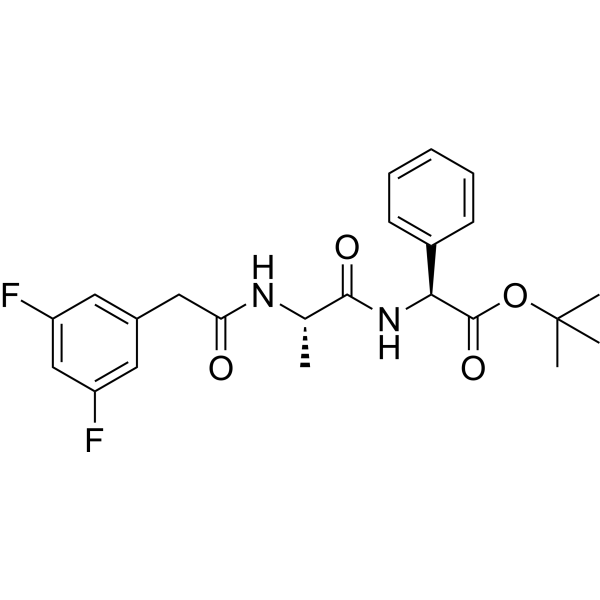
DAPT
Maximum Cited Publications
158 Publications Verification
GSI-IX
|
Organoid
γ-secretase
Amyloid-β
Autophagy
Notch
Apoptosis
|
Neurological Disease
Inflammation/Immunology
Cancer
|
|
DAPT (GSI-IX) is a potent and orally active γ-secretase inhibitor with IC50s of 115 nM and 200 nM for total amyloid-β (Aβ) and Aβ42, respectively. DAPT inhibits the activation of Notch 1 signaling and induces cell differentiation. DAPT also induces autophagy and apoptosis. DAPT has neuroprotection activity and has the potential for autoimmune and lymphoproliferative diseases, degenerative disease and cancers treatment .
|
-
-
- HY-N0931
-
|
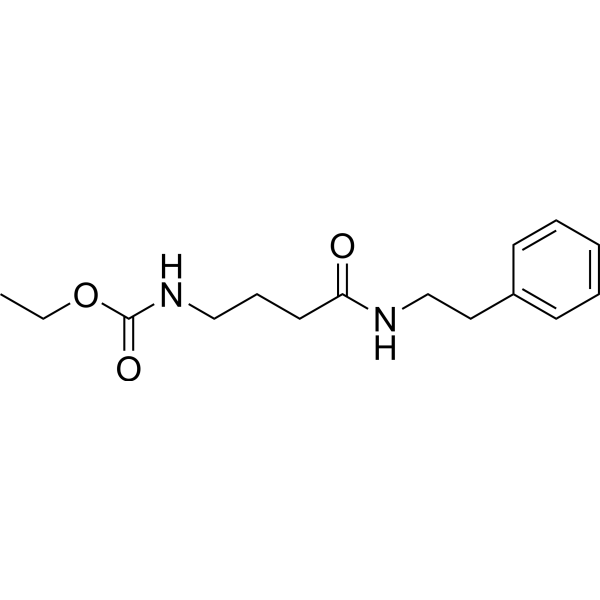
CAY-10683
|
HDAC
Amyloid-β
|
Neurological Disease
Cancer
|
|
Santacruzamate A (CAY-10683, STA) is a potent and selective HDAC2 inhibitor with an IC50 of 119 pM. STA also exerts neuroprotective property against amyloid-β protein fragment 25–35. STA can be used for cancer and neurological disease research .
|
-
-
- HY-B0116
-
-
-
- HY-132580
-
|
BIIB067; ISIS-SOD1Rx; ISIS 333611
|
SOD
|
Neurological Disease
|
|
Tofersen (BIIB067) is an antisense oligonucleotide and SOD1 mRNA inhibitor with an IC50 of 320 pM. Tofersen mediates RNase H-dependent degradation of SOD1 mRNA to reduce SOD1 protein levels in cerebrospinal fluid and serum. Tofersen downregulates cerebrospinal fluid neurofilament light chain, neurofilament heavy chain, amyloid-beta 1-40, amyloid-beta 1-42, neuropeptide Y, ubiquitin C-terminal hydrolase L1, neuropentraxins 1, 2, R, corticotropin-releasing hormone, IL-15, and serum neurofilament light chain, neurofilament heavy chain. Tofersen can be used for the research of superoxide dismutase 1-associated amyotrophic lateral sclerosis .
|
-

-
- HY-12688A
-
|
|
Mitochondrial Metabolism
Reactive Oxygen Species (ROS)
Amyloid-β
|
Neurological Disease
Inflammation/Immunology
|
|
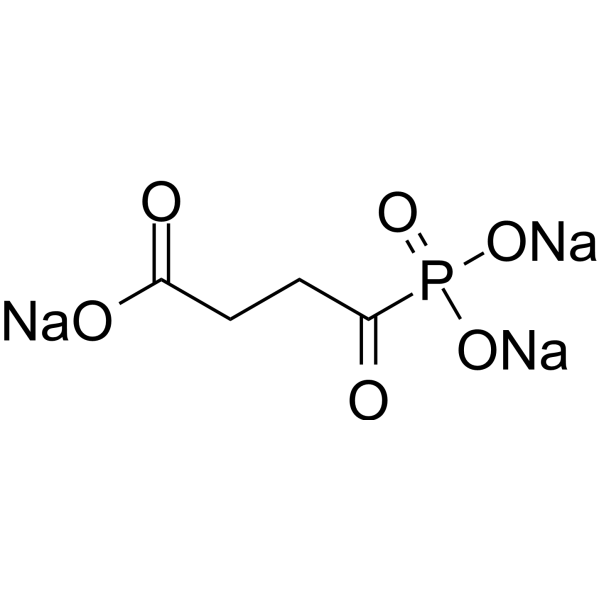
Succinyl phosphonate trisodium salt is a α-Ketoglutarate Dehydrogenase Complex (KGDHC) modulator with neuroprotective activity. Succinyl phosphonate trisodium salt protects this complex, reduces cellular succinyl-CoA concentration, downregulates protein succinylation levels, and inhibits the activity of the α-ketoglutarate dehydrogenase complex. Succinyl phosphonate trisodium salt corrects hypoxic or ethanol-induced behavioral impairments, modulates exploratory behavior and emotional stress responses, and improves hypoxia tolerance. Succinyl phosphonate trisodium salt reduces glutamate excitotoxicity, restores the activity of the α-ketoglutarate dehydrogenase complex, reverses the changes in glutamate dehydrogenase and glutamine synthetase activities induced by β-amyloid (Amyloid-β), modulates cognitive function, and prevents β-amyloid-induced neuronal damage. Succinyl phosphonate trisodium salt improves microglial senescence, alleviates neuroinflammation, reactive oxygen species (ROS) production, lipid peroxidation, and the expression of proinflammatory cytokines. Succinyl phosphonate trisodium salt can be used in the research of Alzheimer's disease, aging-related neuroinflammation, and Parkinson's disease .
|
-
-
- HY-N0373
-
|
|
Amyloid-β
Apoptosis
NOD-like Receptor (NLR)
|
Neurological Disease
|
|
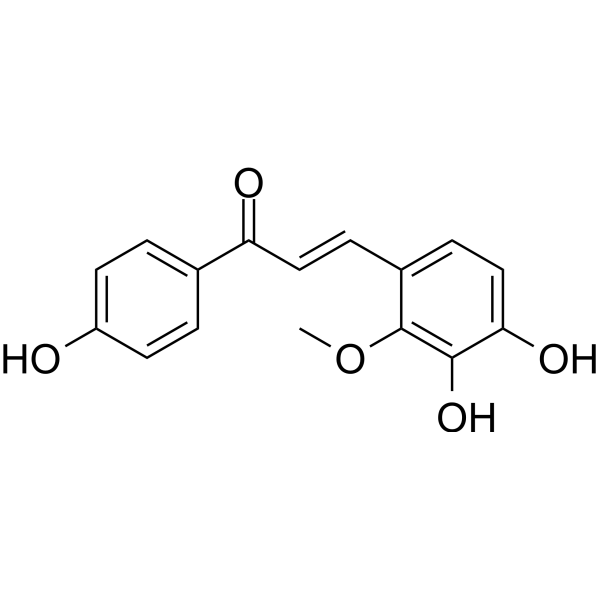
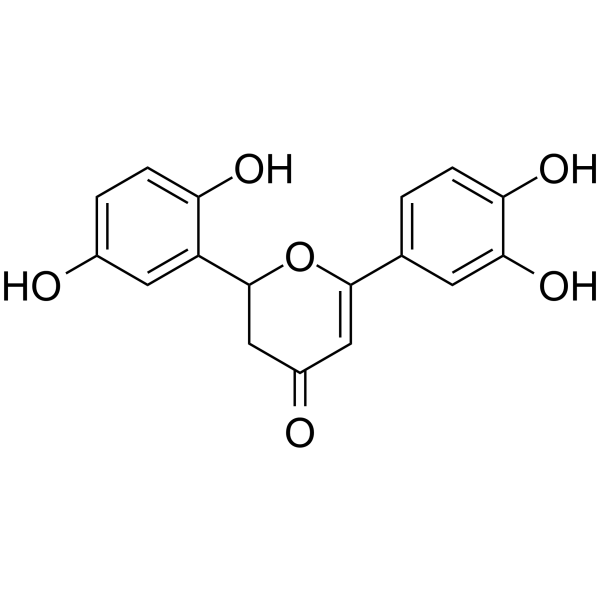
Licochalcone B is an extract from the root of Glycyrrhiza uralensis. Licochalcone B inhibits amyloid β (42) self-aggregation (IC50=2.16 μM) and disaggregate pre-formed Aβ42 fibrils, reduce metal-induced Aβ42 aggregation through chelating metal ionsLicochalcone B inhibits phosphorylation of NF-κB p65 in LPS signaling pathway. Licochalcone B inhibits growth and induces apoptosis of NSCLC cells. Licochalcone B specifically inhibits the NLRP3 inflammasome by disrupting NEK7‐NLRP3 interaction .
|
-
-
- HY-N7046
-
|
Silibinin B
|
Amyloid-β
Apoptosis
JNK
p38 MAPK
|
Neurological Disease
Cancer
|
|
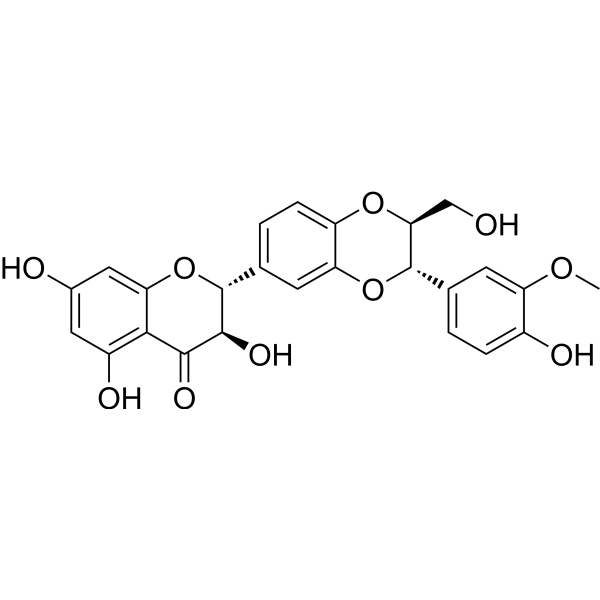
Silybin B (Silibinin B) is an orally active amyloid-β aggregation inhibitor and ATR pathway activator that can cross the blood-brain barrier. Silybin B inhibits Aβ fibril formation and promotes amorphous aggregate formation, while activating the ATR-mediated DNA damage repair pathway and inhibiting JNK/p38 MAPK signaling. Silybin B can reduce Cisplatin (HY-17394)-induced neuronal DNA damage and apoptosis. Silybin B has anti-oxidative stress, cell cycle regulation and neuroprotective activities. Silybin B is mainly used in the study of Alzheimer's disease and Cisplatin chemotherapy-related neurotoxicity .
|
-
-
- HY-132580A
-
|
BIIB067 sodium; ISIS-SOD1Rx sodium; ISIS 333611 sodium
|
SOD
|
Neurological Disease
|
|
Tofersen (BIIB067) sodium is an antisense oligonucleotide and SOD1 mRNA inhibitor with an IC50 of 320 pM. Tofersen sodium mediates RNase H-dependent degradation of SOD1 mRNA to reduce SOD1 protein levels in cerebrospinal fluid and serum. Tofersen sodium downregulates cerebrospinal fluid neurofilament light chain, neurofilament heavy chain, amyloid-beta 1-40, amyloid-beta 1-42, neuropeptide Y, ubiquitin C-terminal hydrolase L1, neuropentraxins 1, 2, R, corticotropin-releasing hormone, IL-15, and serum neurofilament light chain, neurofilament heavy chain. Tofersen sodium can be used for the research of superoxide dismutase 1-associated amyotrophic lateral sclerosis .
|
-

-
- HY-125616
-
|
Biotinyl-GHK; Bio-GHK
|
Amyloid-β
Reactive Oxygen Species (ROS)
|
Neurological Disease
|
|
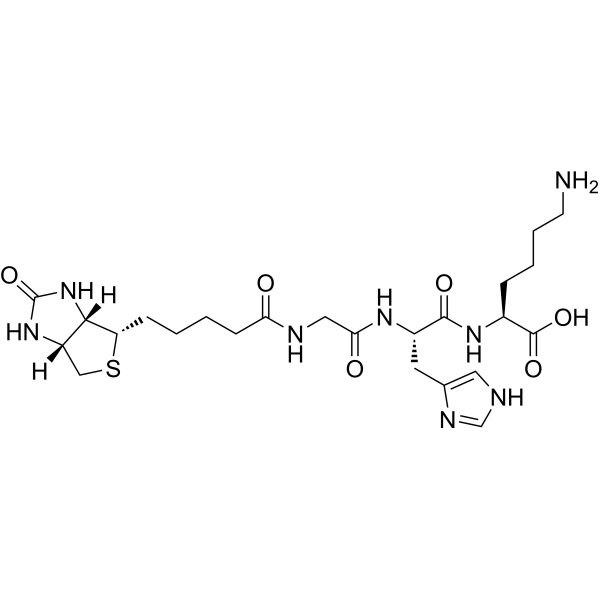
Biotinoyl tripeptide-1 (Biotinyl-GHK) is a biotinylating reagent linked to a GHK (glycyl-L-histidyl-L-lysine) tripeptide. Biotin tripeptide-1 is a bioactive peptide with hair care (improves the appearance and feel of hair) and hair growth effects. Biotinoyl tripeptide-1 has a certain affinity for streptavidin. Biotinoyl tripeptide-1 inhibits the production of ROS and has antioxidant effects. Biotinoyl tripeptide-1 reduces the production of carbonylated amyloid-β (Aβ) and inhibits Aβ aggregation. Biotinoyl tripeptide-1 can be used in the study of neurodegenerative diseases .
|
-
-
- HY-W010041
-
|
|
α-synuclein
Amyloid-β
|
Neurological Disease
|
|
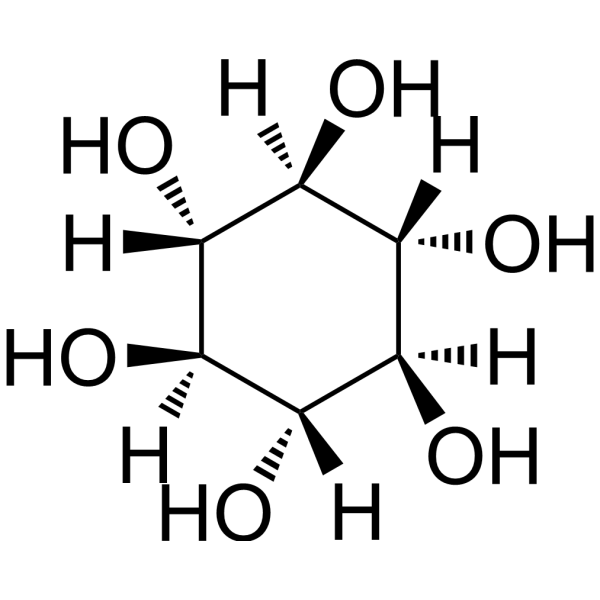
Scyllo-Inositol is an inhibitor that targets the aggregation of misfolded proteins (such as α-synuclein and Amyloid-β), is orally effective, and can cross the blood-brain barrier. Scyllo-Inositol can selectively bind to and stabilize non-toxic oligomers, preventing them from converting into toxic fibers, exerting protein homeostasis regulation and neuroprotective activity. Scyllo-Inositol binds to the hydrophobic region of pathogenic proteins, inhibits protein aggregation, and promotes lysosome- and proteasome-mediated degradation pathways, thereby reducing neurotoxicity. Scyllo-Inositol can be used in the study of neurodegenerative diseases such as Parkinson's disease, Alzheimer's disease, and Huntington's disease .
|
-
-
- HY-101087
-
|
|
Carbonic Anhydrase
Amyloid-β
Reactive Oxygen Species (ROS)
|
Neurological Disease
Inflammation/Immunology
Cancer
|
|
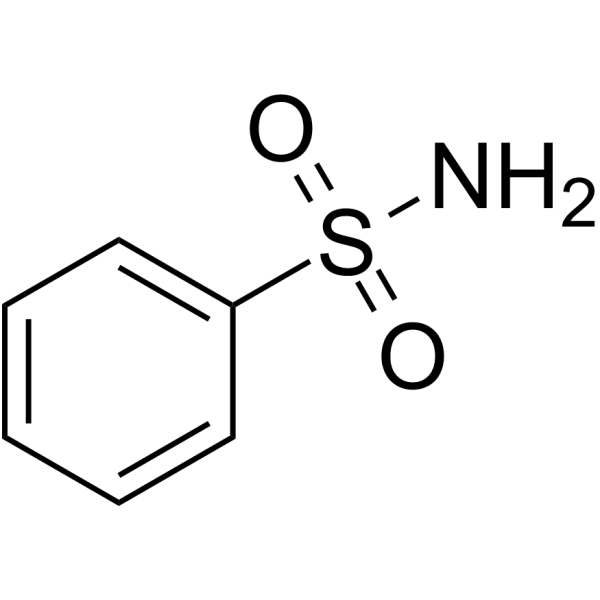
Benzenesulphonamide (Compound 1) is a carbonic anhydrase inhibitor. Benzenesulphonamide exhibits CA II inhibitory activity. Benzenesulphonamide reduces ROS and improves the gene expression of amyloid-β40 and 42. Benzenesulphonamide is beneficial for Alzheimer's disease. Benzenesulphonamide derivatives have anticancer, anti-inflammatory, and anticonvulsant activities. Benzenesulphonamide can be used in the research of Alzheimer's disease, epilepsy, inflammatory diseases, leukemia, melanoma, lung cancer, and colon cancer .
|
-
-
- HY-N8376
-
|
(±)-Fustin; 3,7,3',4'-Tetrahydroxyflavanone
|
Amyloid-β
mAChR
Cholinesterase (ChE)
|
Neurological Disease
|
|
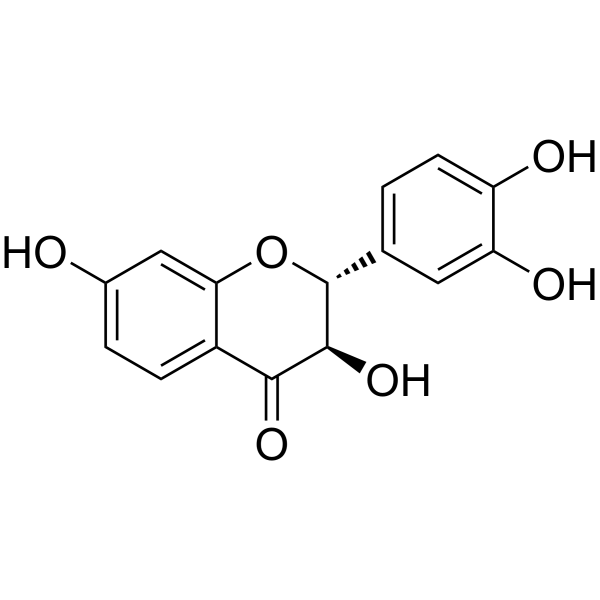
Fustinis ((±)-Fustin; 3,7,3',4'-Tetrahydroxyflavanone) is a potent amyloid β (Aβ) inhibitor. Fustinis ((±)-Fustin; 3,7,3',4'-Tetrahydroxyflavanone) increases the expression of acetylcholine (ACh) levels, choline acetyltransferase (ChAT) activity, and ChAT gene induced by Aβ (1-42). Fustinis ((±)-Fustin; 3,7,3',4'-Tetrahydroxyflavanone) decreases in acetyl cholinesterase (AChE) activity and AChE gene expression induced by Aβ (1-42). Fustinis ((±)-Fustin; 3,7,3',4'-Tetrahydroxyflavanone) increases muscarinic M1 receptor gene expression and muscarinic M1 receptor binding activity. Fustinis ((±)-Fustin; 3,7,3',4'-Tetrahydroxyflavanone) can be used for Alzheimer's disease research .
|
-
-
- HY-17631A
-
-
-
- HY-124322
-
|
|
Beta-secretase
Amyloid-β
|
Neurological Disease
Inflammation/Immunology
|
|
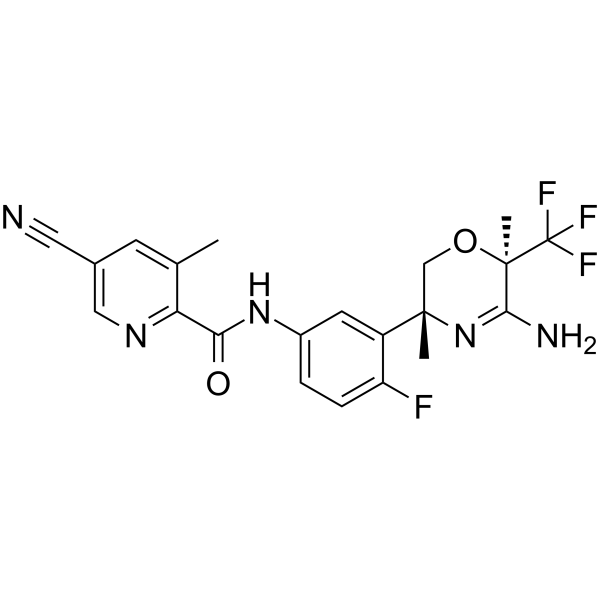
NB-360 is a potent, brain penetrable and orally active β‐secretase 1/2 (BACE1/BACE2) dual inhibitor with IC50 values of 5 and 6 nM. NB-360 can inhibit amyloid-β protein accumulation. NB-360 can be used for the researches of inflammation and neurological disease, such as Alzheimer's disease .
|
-
-
- HY-P991480
-
|
|
Transmembrane Glycoprotein
Tau Protein
Amyloid-β
|
Neurological Disease
Cancer
|
|
ONC-841 is a blood-brain barrier-permeable, humanized monoclonal antibody targeting SIGLEC10. As an immune checkpoint inhibitor, ONC-841 restores the functions of immune effector cells such as T cells and enhances anti-tumor immune responses by blocking inhibitory signals mediated by SIGLEC10. ONC-841 restores the phagocytic and migratory activities of microglia, and promotes the phagocytosis of Amyloid-β and Tau protein aggregates by microglia. ONC-841 is applicable to research related to solid tumors and Alzheimer's disease .
|
-

-
- HY-113788
-
|
|
Pyk2
p38 MAPK
Amyloid-β
|
Neurological Disease
Inflammation/Immunology
|
|
PF-719 is a highly selective Pyk2 inhibitor with an IC50 value of 17 nM. PF-719 promotes the activation of LKB1 and p38 MAPK. PF-719 blocks synaptic deficits induced by Amyloid-beta oligomers and reverses the inhibition of long-term potentiation induced by β-amyloid oligomers. PF-719 can be used in research related to Alzheimer's disease and autoimmune diseases .
|
-

-
- HY-139324
-
|
|
GSK-3
Amyloid-β
|
Neurological Disease
Cancer
|
|
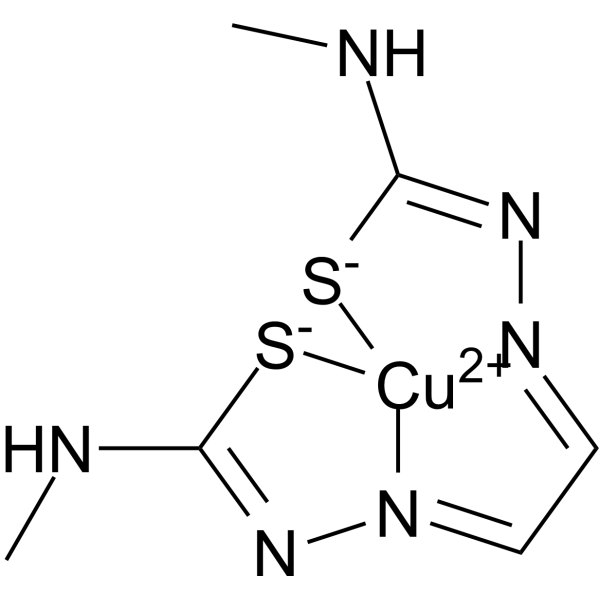
Cu(II)GTSM, a cell-permeable Cu-complex, significantly inhibits GSK3β. Cu(II)GTSM inhibits Amyloid-β oligomers (AβOs) and decreases tau phosphorylation. Cu(II)GTSM also decreases the abundance of Amyloid-β trimers. Cu(II)GTSM is a potential anticancer and antimicrobial agent .
|
-
-
- HY-N2319
-
|
DHEC mesylate
|
Amyloid-β
|
Neurological Disease
|
|
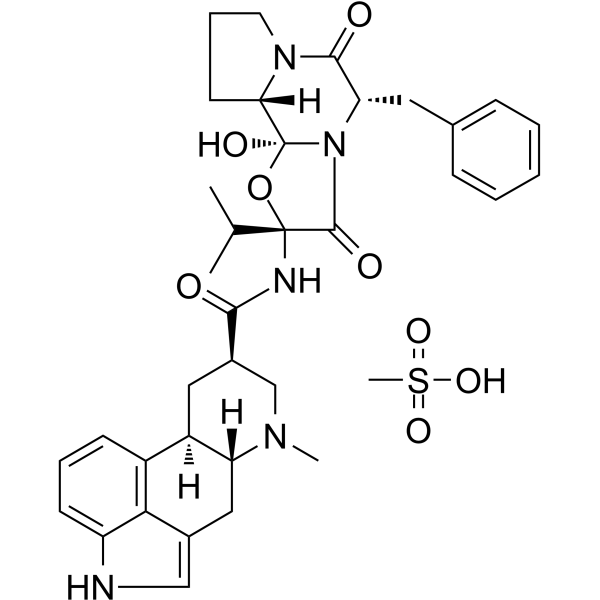
Dihydroergocristine mesylate (DHEC mesylate) is a inhibitor of γ-secretase (GSI), reduces the production of the Alzheimer's disease amyloid-β peptides, binds directly to γ-secretase and Nicastrin with equilibrium dissociation constants (Kd) of 25.7 nM and 9.8 μM, respectively .
|
-
-
- HY-P5124
-
|
KLVFF
|
Amyloid-β
|
Neurological Disease
|
|
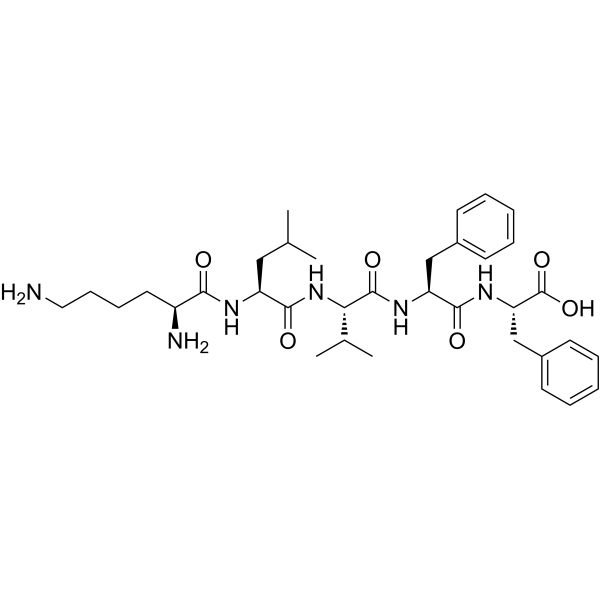
β-Amyloid peptide(16-20) is a amino acid sequences (KLVFF) of Amyloid-β (Abeta). β-Amyloid peptide(16-20) is an effective inhibitor of Abeta fibril formation, with RG-/-GR-NH2 residues added at N- and C-terminal ends to aid solubility) .
|
-
-
- HY-14759
-
|
PAZ-417
|
PAI-1
Amyloid-β
|
Neurological Disease
|
|
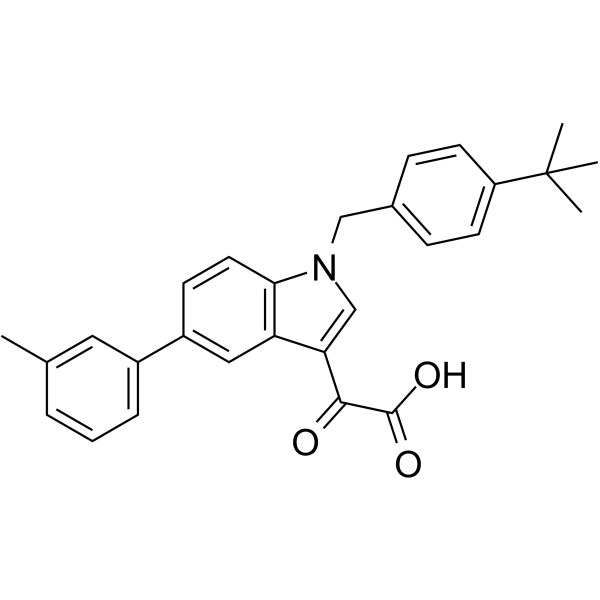
Aleplastinin (PAZ-417) is an orally active, blood-brain barrier permeable, selective SERPINE1 (PAI-1) inhibitor (IC50=655 nM). Aleplastinin activates the tissue type plasminogen activator (tPA)/fibrinolysis cascade by inhibiting PAI-1, thereby promoting the degradation of amyloid-β (Aβ) oligomers and monomers. Aleplastinin can significantly reduce plasma and brain Aβ levels, improve memory impairment, and reverse cognitive impairment. Aleplastinin can be used for research on Alzheimer's disease .
|
-
-
- HY-P990301
-
|
|
Amyloid-β
|
Neurological Disease
|
|
Anti-Human/Mouse/Rat Amyloid-beta Antibody (MOAB-2) is a mouse-derived IgG2b λ type antibody inhibitor, targeting to Amyloid-beta. Anti-Human/Mouse/Rat Amyloid-beta Antibody (MOAB-2) recognizes unaggregated, oligomeric or fibrillar forms of Aβ42 and unaggregated Aβ40. Anti-Human/Mouse/Rat Amyloid-beta Antibody (MOAB-2) is selective for human Aβ42 over Aβ40, but not amyloid precursor protein (APP). Anti-Human/Mouse/Rat Amyloid-beta Antibody (MOAB-2) can immunostain human or rat and mouse tissue. Anti-Human/Mouse/Rat Amyloid-beta Antibody (MOAB-2) can be used for detections of western blot, immunohistochemistry, immunofluorescence, immunoprecipitation and ELISA .
|
-
-
- HY-120597
-
|
|
Calcium Channel
|
Neurological Disease
|
|
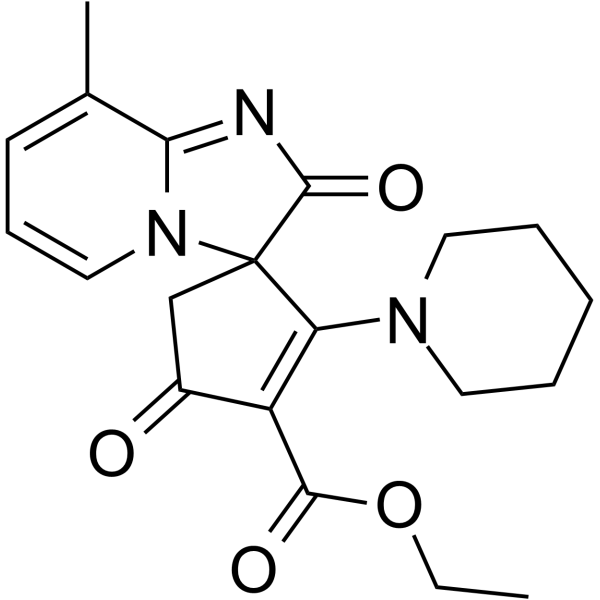
SAK3 is a potent T-type voltage-gated Ca 2+ channels (T-VGCCs) enhancer. SAK3 enhances Cav3.1 and Cav3.3 T-type Ca 2+ channel currents. Acute SAK3 administration improves memory deficits in olfactory-bulbectomized mice . SAK3 inhibits amyloid β plaque formation in APP-KI mice by activating the proteasome activity .
|
-
-
- HY-P1962
-
|
[Asn670, Sta671, Val672]-Amyloid β Peptide (662-675)
|
Beta-secretase
|
Neurological Disease
|
|
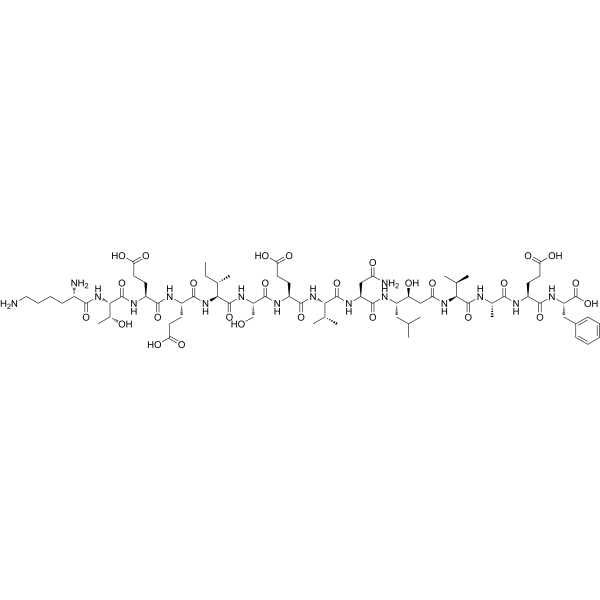
β-Secretase inhibitor ([Asn670, Sta671, Val672]-Amyloid β Peptide (662-675)) is a β-secretase and BACE1 inhibitor (IC50: 25 nM for β-secretase) .
|
-
-
- HY-P3244
-
|
|
Amyloid-β
|
Neurological Disease
|
|
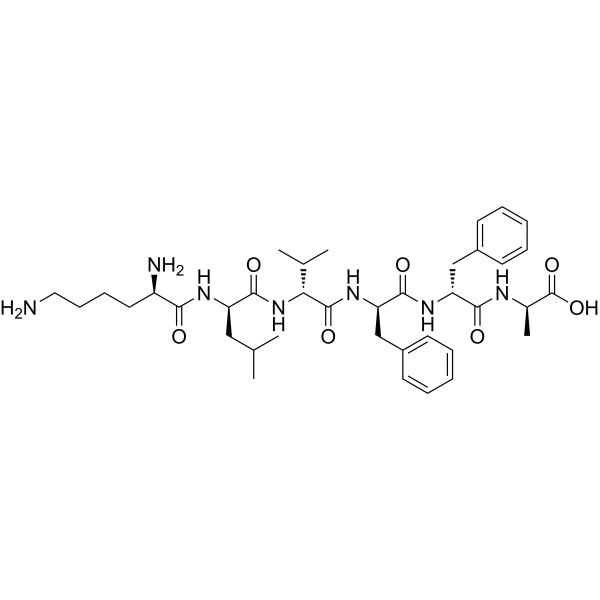
D-KLVFFA is the inhibitor of Amyloid-β assembly, with the IC50 of 2.6 μM, that can be used in Alzheimer's disease study .
|
-
-
- HY-N1280
-
|
|
Amyloid-β
|
Neurological Disease
|
|
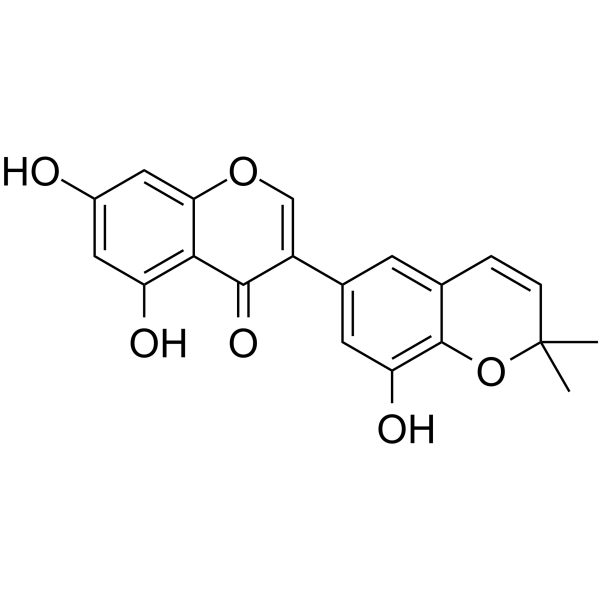
Semilicoisoflavone B, an isoflavone, mainly derived from Glycyrrhiza uralensis Fisch.. Semilicoisoflavone B reduces amyloid β (Aβ) secretion by inhibiting β-secretase-1 (BACE1) expression and activity. Semilicoisoflavone B decreases BACE1 expression mainly through increasing PPARγ expression and inhibiting STAT3 phosphorylation .
|
-
-
- HY-12688
-
|
|
Mitochondrial Metabolism
Reactive Oxygen Species (ROS)
Amyloid-β
|
Neurological Disease
Inflammation/Immunology
|
|
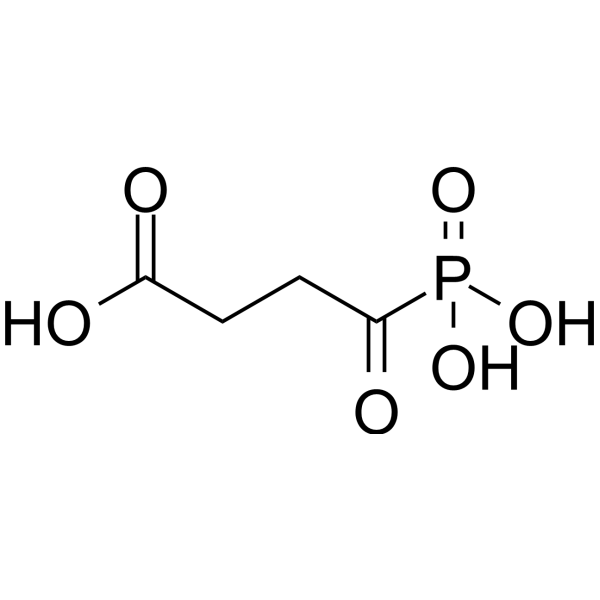
Succinyl phosphonate is a α-Ketoglutarate Dehydrogenase Complex (KGDHC) modulator with neuroprotective activity. Succinyl phosphonate protects this complex, reduces cellular succinyl-CoA concentration, downregulates protein succinylation levels, and inhibits the activity of the α-ketoglutarate dehydrogenase complex. Succinyl phosphonate corrects hypoxic or ethanol-induced behavioral impairments, modulates exploratory behavior and emotional stress responses, and improves hypoxia tolerance. Succinyl phosphonate reduces glutamate excitotoxicity, restores the activity of the α-ketoglutarate dehydrogenase complex, reverses the changes in glutamate dehydrogenase and glutamine synthetase activities induced by β-amyloid (Amyloid-β), modulates cognitive function, and prevents β-amyloid-induced neuronal damage. Succinyl phosphonate improves microglial senescence, alleviates neuroinflammation, reactive oxygen species (ROS) production, lipid peroxidation, and the expression of proinflammatory cytokines. Succinyl phosphonate can be used in the research of Alzheimer's disease, aging-related neuroinflammation, and Parkinson's disease .
|
-
-
- HY-16632
-
|
|
γ-secretase
Amyloid-β
|
Metabolic Disease
|
|
ELND 006 (Compound 30) is a metabolically stable γ-secretase inhibitor designed to selectively inhibit amyloid beta (Aβ) generation while sparing Notch signaling. It was developed through a synthetic strategy emphasizing diversity and chirality. ELND 006, along with its analog ELND007 (Compound 34), progressed into human clinical trials. In preclinical studies, both compounds demonstrated effective reduction of Aβ levels in vitro and in vivo. Comparisons with other γ-secretase inhibitors like Semagacestat, Begacestat, and Avagacestat underscored their potency and specificity in lowering Aβ levels in cerebrospinal fluid (CSF) of healthy human volunteers, suggesting potential therapeutic efficacy in Alzheimer's disease .
|
-

-
- HY-50900
-
|
Amyloid-β production Inhibitor; γ-Secretase Modulators
|
Amyloid-β
|
Neurological Disease
|
|
gamma-Secretase Modulators (Amyloid-β production inhibitor) is a Amyloid-β production inhibitor.
|
-
-
- HY-W611371
-
|
|
TRP Channel
iGluR
|
Neurological Disease
|
|
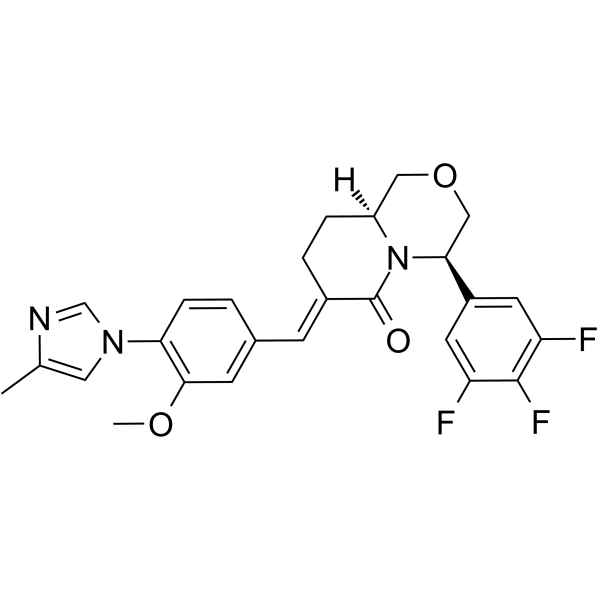
FP802 is an orally active potent TwinF interface inhibitor that disrupts and detoxifies the NMDAR/TRPM4 death complex. FP802 exerts powerful neuroprotective effects in the 5xFAD mouse model of Alzheimer’s disease (AD) by preventing cognitive decline, preserving neuronal structural integrity, reducing amyloid-β plaque formation, and mitigating mitochondrial pathology . FP802 stops loss of motor neurons, reduces serum neurofilament light chain (NfL) levels, improves motor performance, and extends life in a mouse model of amyotrophic lateral sclerosis (ALS). FP802 can be used for AD and ALS research .
|
-

-
- HY-B0116A
-
-
-
- HY-B0116R
-
-

-
- HY-171348
-
|
|
Amyloid-β
γ-secretase
|
Neurological Disease
|
|
Amyloid-β-IN-2 (Compound EX.112) is a selective γ-secretase inhibitor. Amyloid-β-IN-2 inhibits Aβ42 secretion in H4 cells with an EC50 value of 226 nM. Amyloid-β-IN-2 is promising for research of Alzheimer's disease (AD) and other diseases related to Aβ deposition .
|
-

-
- HY-159083
-
|
|
Amyloid-β
|
Neurological Disease
|
|
DN5355 is a small molecule compound that targets amyloid β protein (Aβ) and hyperphosphorylated tau protein. DN5355 can inhibit the aggregation of Aβ and tau protein and disaggregate the formed Aβ and tau protein fibers. DN5355 can be used in the study of Alzheimer's disease .
|
-

-
- HY-171349
-
|
|
γ-secretase
Amyloid-β
|
Neurological Disease
|
|
Amyloid-β-IN-3 (EX.113) is a selective γ-secretase inhibitor. Amyloid-β-IN-3 inhibits Aβ42 secretion in H4 cells with an EC50 value of 148 nM. Amyloid-β-IN-3 regulates the γ-secretase catalytic activity to decrease Aβ42 production, thereby alleviating neurotoxicity caused by Aβ deposition. Amyloid-β-IN-3 is promising for research of Alzheimer's disease (AD) .
|
-

-
- HY-W611371A
-
|
|
TRP Channel
iGluR
|
Neurological Disease
|
|
FP802 dihydrochloride is an orally active potent TwinF interface inhibitor that disrupts and detoxifies the NMDAR/TRPM4 death complex. FP802 dihydrochloride exerts powerful neuroprotective effects in the 5xFAD mouse model of Alzheimer’s disease (AD) by preventing cognitive decline, preserving neuronal structural integrity, reducing amyloid-β plaque formation, and mitigating mitochondrial pathology . FP802 dihydrochloride stops loss of motor neurons, reduces serum neurofilament light chain (NfL) levels, improves motor performance, and extends life in a mouse model of amyotrophic lateral sclerosis (ALS) . FP802 dihydrochloride can be used for AD and ALS research .
|
-

-
- HY-179214
-
|
|
Glycosidase
Amyloid-β
NF-κB
Interleukin Related
|
Neurological Disease
|
|
DEL-C1 is a CHI3L1 inhibitor. DEL-C1 can restore the ability to clear Amyloid-β and repair lysosomal function of astrocytes. DEL-C1 can inhibit NF-κB signaling and IL-6 secretion. DEL-C1 can be used for the researches of inflammation and neurological disease, such as Alzheimer's disease .
|
-

-
- HY-19918A
-
|
|
NF-κB
Amyloid-β
nAChR
|
Neurological Disease
Inflammation/Immunology
|
|
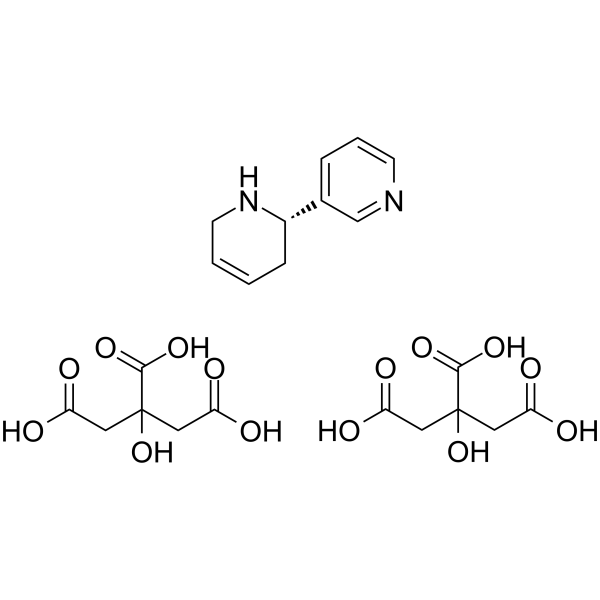
Anatabine dicitrate is a tobacco alkaloid that can cross the blood-brain barrier. Anatabine dicitrate is a potent α4β2 nAChR agonist. Anatabine dicitrate inhibits NF-κB activation lower amyloid-β (Aβ) production by preventing the β-cleavage of amyloid precursor protein (APP). Anatabine dicitrate has anti-inflammatory effects and has the potential for neurodegenerative disorders treatment .
|
-
-
- HY-158204
-
|
|
Lipoxygenase
Amyloid-β
Reactive Oxygen Species (ROS)
Apoptosis
|
Neurological Disease
Metabolic Disease
Inflammation/Immunology
|
|
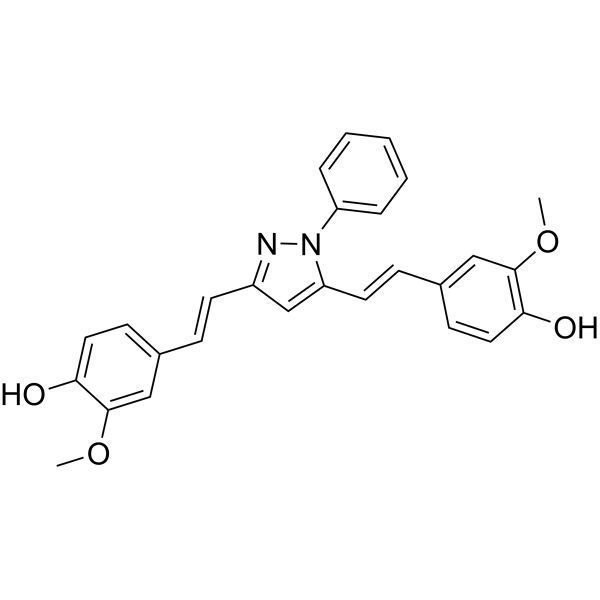
CNB-001 is a potent and orally active 5-lipoxygenase (5-LOX) inhibitor. CNB-001 can decreases 5-LOX expression and increase proteasome activity. CNB-001 can inhibit accumulation of soluble Amyloid-β and ubiquitinated aggregated proteins. CNB-001 can inhibit apoptosis, ROS production and stabilize mitochondrial membrane potential. CNB-001 can reduce insulin resistance and increase glucose uptake. CNB-001 also exhibits anti-ischemic, anti-inflammatory effects. CNB-001 can be used for the researches of inflammation, neurological and metabolic disease, such as Alzheimer's disease, stroke and diabetes .
|
-
-
- HY-W440555
-
|
para-Sulfonatocalix[n]arene
|
Amyloid-β
|
Neurological Disease
|
|
4-Sulfocalix[4]arene (para-Sulfonatocalix[n]arene) is a amyloid-beta 42 binder with a Kd of 5.39 M. 4-Sulfocalix[4]arene can inhibit amyloid β-peptide fibrillation and reduce amyloid cytotoxicity .
|
-
![4-Sulfocalix[4]arene](//file.medchemexpress.com/product_pic/hy-w440555.gif)
-
- HY-N8693
-
|
|
COX
Amyloid-β
Sirtuin
Reactive Oxygen Species (ROS)
Apoptosis
SARS-CoV
|
Infection
Neurological Disease
|
|
Withanoside IV is an orally active, blood-brain barrier-permeable withanolide derivative. Withanoside IV specifically binds to the Sudlow I site of HSA, induces secondary structural changes in HSA, and forms stable HSA complexes. Withanoside IV inhibits the enzymatic activity of COX-2. Withanoside IV induces axonal regeneration, peripheral nervous system myelination and increased axonal density in spinal cord tissue, reduces reactive gliosis-related changes, and improves hindlimb motor function. Withanoside IV binds to amyloid-β 1-42 to inhibit its aggregation, induces neurite outgrowth and synapse reconstruction, repairs damaged axons and dendrites, enhances mitochondrial biogenesis, exerts neuroprotective effects via the BDNF and SIRT1 signaling pathways, reduces ROS production and neuronal apoptosis, and ameliorates memory deficits. Withanoside IV inhibits the activity of the SARS-CoV-2 main protease. Withanoside IV can be used in research related to spinal cord injury, Alzheimer's disease, and coronavirus disease 2019 (COVID-19) .
|
-

-
- HY-179167
-
-

-
- HY-132580S
-
|
BIIB067-d27; ISIS-SOD1Rx-d27; ISIS 333611-d27
|
Isotope-Labeled Compounds
SOD
|
Neurological Disease
|
|
Tofersen-d27 (BIIB067-d27) is the deuterium labeled Tofersen (HY-132580). Tofersen (BIIB067) is an antisense oligonucleotide and SOD1 mRNA inhibitor with an IC50 of 320 pM. Tofersen mediates RNase H-dependent degradation of SOD1 mRNA to reduce SOD1 protein levels in cerebrospinal fluid and serum. Tofersen downregulates cerebrospinal fluid neurofilament light chain, neurofilament heavy chain, amyloid-beta 1-40, amyloid-beta 1-42, neuropeptide Y, ubiquitin C-terminal hydrolase L1, neuropentraxins 1, 2, R, corticotropin-releasing hormone, IL-15, and serum neurofilament light chain, neurofilament heavy chain. Tofersen can be used for the research of superoxide dismutase 1-associated amyotrophic lateral sclerosis.
|
-

-
- HY-103383
-
|
|
CDK
Casein Kinase
|
Neurological Disease
Cancer
|
|
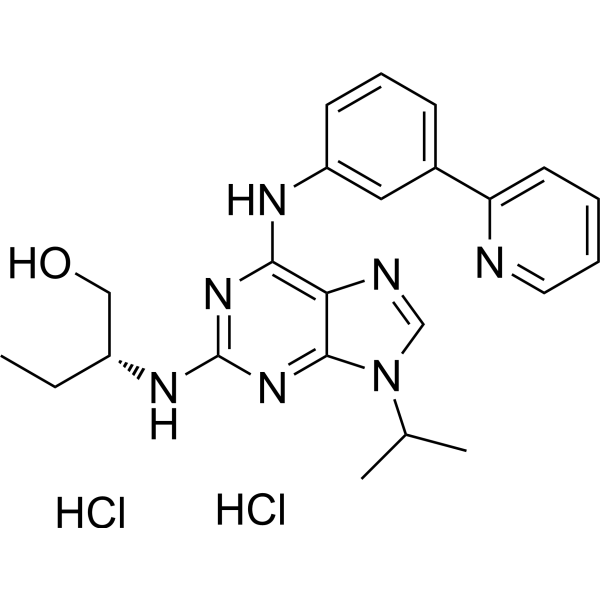
(R)-DRF053 dihydrochloride is a potent casein kinases 1 (CK1), CDK1/cyclin B and CDK5/p25 inhibitor with IC50s of 14 nM, 220 nM and 80 nM, respectively. (R)-DRF053 dihydrochloride prevents the CK1-dependent production of amyloid-beta in a cell model .
|
-
-
- HY-P10823
-
|
|
Amyloid-β
|
Neurological Disease
|
|
RI-OR2, a retro-inverso peptide, is an amyloid-β (Aβ) oligomerization inhibitor. RI-OR2 binds to immobilized β-Amyloid (1-42) (HY-P1363A) monomers and fibrils, with an apparent Kd of 9-12 μM, and also acted as an inhibitor of Aβ(1-42) fibril extension .
|
-

-
- HY-174305
-
|
|
Amyloid-β
|
Neurological Disease
|
|
Aβ42-IN-7 (Compound CT-01) is a brain-penetrant and selective amyloid-β42 (Aβ42) inhibitor. Aβ42-IN-7 inhibits Aβ42’s assembly into neurotoxic soluble oligomers and extracellular fibrillary aggregates. Aβ42-IN-7 exerts neuroprotective effects by reducing amyloid-mediated neuronal toxicity. Aβ42-IN-7 can be used in research on Alzheimer’s disease (AD) .
|
-

-
- HY-N0931R
-
|
CAY-10683 (Standard)
|
Reference Standards
HDAC
Amyloid-β
|
Neurological Disease
Cancer
|
|
Santacruzamate A (Standard) is the analytical standard of Santacruzamate A. This product is intended for research and analytical applications. Santacruzamate A (CAY-10683, STA) is a potent and selective HDAC2 inhibitor with an IC50 of 119 pM. STA also exerts neuroprotective property against amyloid-β protein fragment 25–35. STA can be used for cancer and neurological disease research[1][2].
|
-

-
- HY-153431
-
-
-
- HY-163441
-
|
|
Cholinesterase (ChE)
|
Neurological Disease
|
|
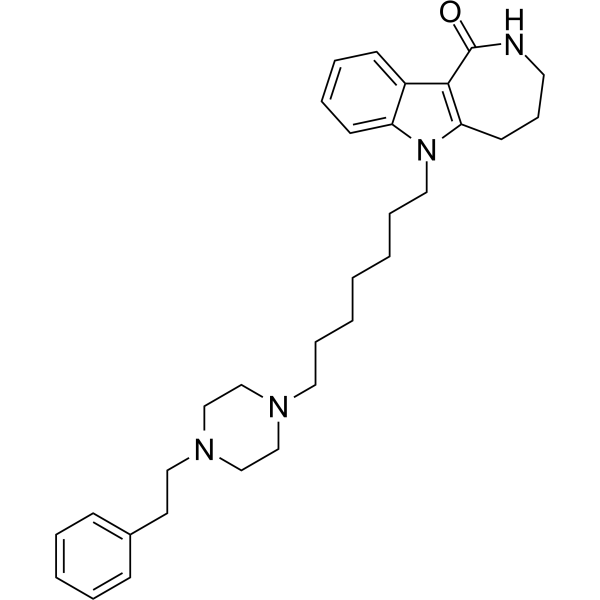
BChE-IN-31 (Compound 14d) is a selective BChE inhibitor with an IC50 of 65 nM. BChE-IN-31 inhibits the self-induced aggregation of neurotoxic amyloid-β (Aβ) peptide .
|
-
-
- HY-121191
-
|
N1,N8-Bisnorcymserine; (-)-Bisnorcymserine
|
Cholinesterase (ChE)
|
Neurological Disease
|
|
Bisnorcymserine ((-)-Bisnorcymserine) is an inhibitor for butyrylcholinesterase (BChE) with an IC50 of 0.228 nM. Bisnorcymserine reduces the levels of amyloid-β peptide (Aβ), exhibits ameliorates the Alzheimer’s Disease in elderly rat models. Bisnorcymserine is blood-brain barrier penetrate .
|
-

-
- HY-10143
-
|
|
Beta-secretase
Amyloid-β
|
Neurological Disease
|
|
LY-2434074 is a selective β-secretase (BACE) inhibitor with an IC50 <100 nM. LY-2434074 can inhibit amyloid-β (Aβ40 and Aβ42) production. LY-2434074 can be used for the research of neurological disease, such as Alzheimer's disease .
|
-

- HY-163320
-
|
|
Cholinesterase (ChE)
Amyloid-β
|
Neurological Disease
|
|
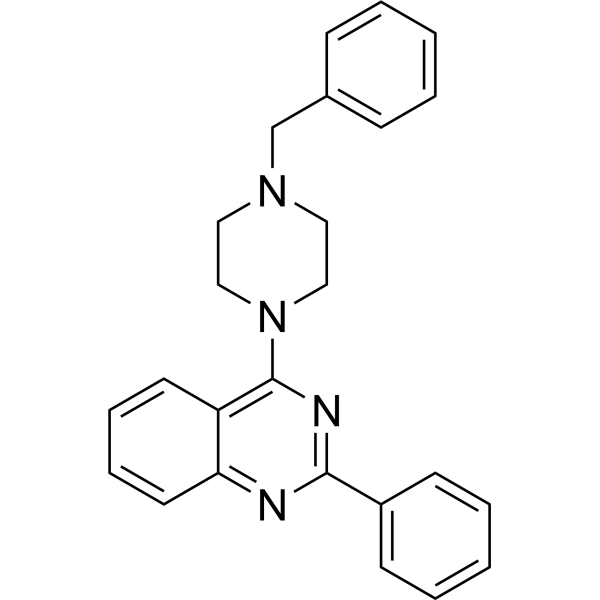
AChE/Aβ-IN-5 (compound AV-2) is a bifunctional inhibitor that targets AChE and auto-induced Aβ (Amyloid-β) aggregation. AChE/Aβ-IN-5 can significantly improve scopolamine- and Aβ-induced cognitive impairment in mice .
|
-
- HY-P10876
-
|
|
Amyloid-β
|
Neurological Disease
|
|
mcK6A1 is an inhibitor for the aggregation of amyloid-β (Aβ), that selectively binds to the 16KLVFFA21 segment of Aβ42, forms an extended β-folded structure, and inhibits the formation of Aβ42 oligomers. mcK6A1 can be used in research of Alzheimer's disease and other amyloid-related diseases .
|
-

- HY-N2319R
-
|
DHEC mesylate (Standard)
|
Reference Standards
Amyloid-β
|
Neurological Disease
|
|
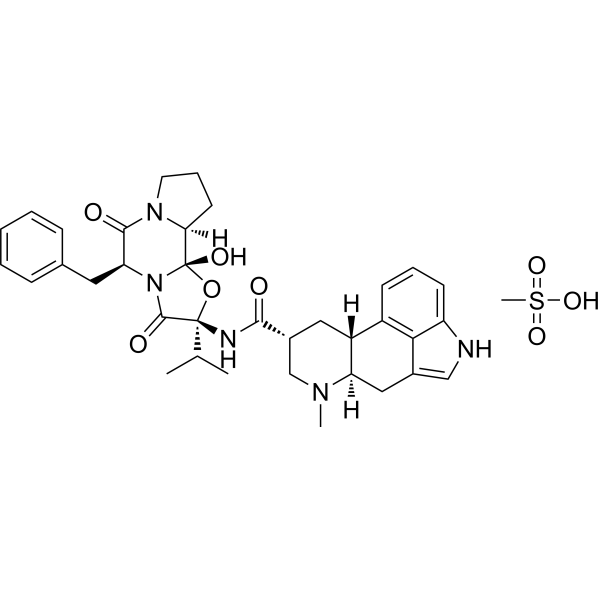
Dihydroergocristine (mesylate) (Standard) is the analytical standard of Dihydroergocristine (mesylate). This product is intended for research and analytical applications. Dihydroergocristine mesylate (DHEC mesylate) is a inhibitor of γ-secretase (GSI), reduces the production of the Alzheimer's disease amyloid-β peptides, binds directly to γ-secretase and Nicastrin with equilibrium dissociation constants (Kd) of 25.7 nM and 9.8 μM, respectively .
|
-
- HY-130244
-
|
|
Beta-secretase
|
Neurological Disease
|
|
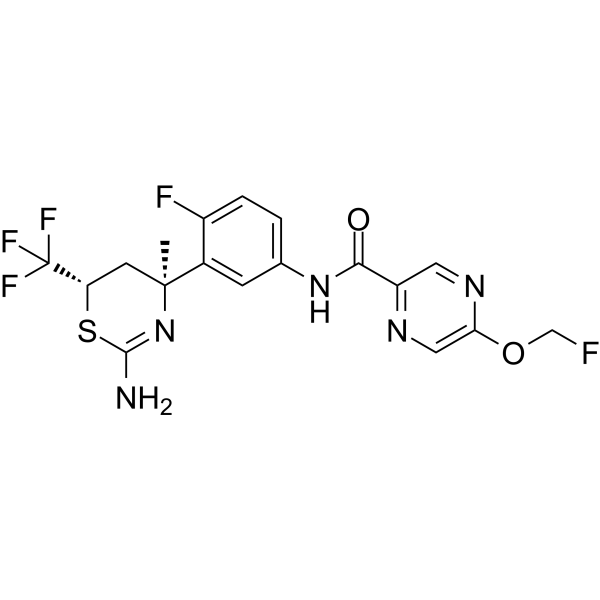
BACE1-IN-5 (Compound 15) is a β-site amyloid precursor protein cleaving enzyme 1 (BACE1) inhibitor with an IC50 of 9.1 nM, and also inhibits cellular amyloid-β (Aβ) with an IC50 of 0.82 nM. BACE1-IN-5 has a medicinal chemistry that improves hERG inhibition and P-gp efflux .
|
-
- HY-126047B
-
|
|
NF-κB
Amyloid-β
nAChR
|
Neurological Disease
Inflammation/Immunology
|
|
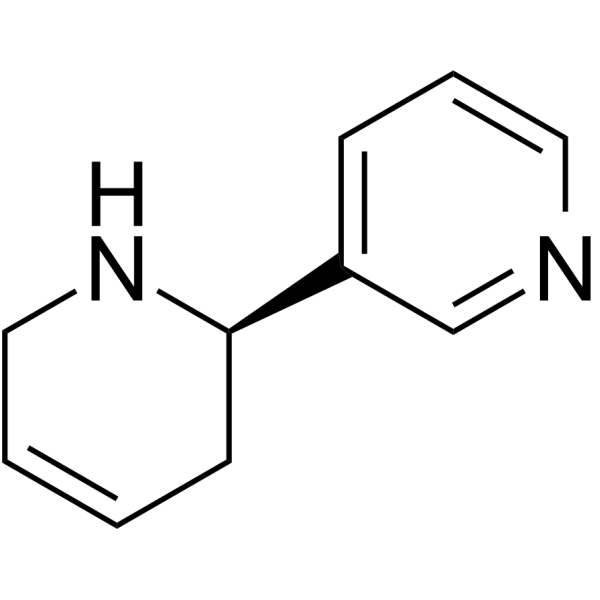
(R)-(+)-Anatabine is an less active R-enantiomer of Anatabine. Anatabine is a potent α4β2 nAChR agonist . Anatabine inhibits NF-κB activation lower amyloid-β (Aβ) production by preventing the β-cleavage of amyloid precursor protein (APP). Anatabine has anti-inflammatory effects and has the potential for neurodegenerative disorders treatment .
|
-
- HY-114884
-
|
|
Amyloid-β
|
Neurological Disease
|
|
RS-0406 is a beta-sheet breaker targeting Amyloid-β. RS-0406 can inhibits Aβ(1-42) fibrillogenesis and protect against Aβ(1-42)-induced cytotoxicity in primary hippocampal neurons. RS-0406 can be used for the research of neurological disease, such as Alzheimer's disease (AD) .
|
-

- HY-B0116S
-
-
- HY-157440
-
|
|
Amyloid-β
Reactive Oxygen Species (ROS)
Cholinesterase (ChE)
|
Neurological Disease
|
|
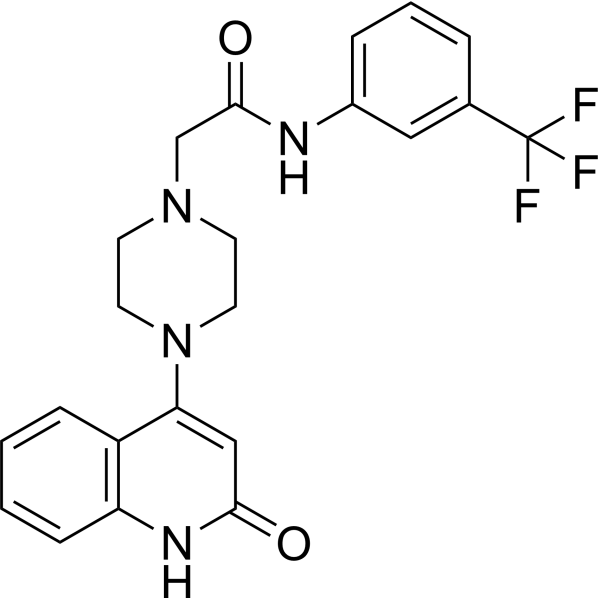
AChE/Aβ-IN-3 (compound AM5) is a dual inhibitor of AChE and Amyloid-β aggregation with IC50<.sub> values of 1.29 and 4.93 μM, respectively. AChE/Aβ-IN-3 has antioxidant properties that scavenge ROS and restore their normal levels. AChE/Aβ-IN-3 can be used in the study of neurological diseases, such as Alzheimer's disease .
|
-
- HY-149211
-
|
|
Cholinesterase (ChE)
Beta-secretase
Amyloid-β
|
Neurological Disease
|
|
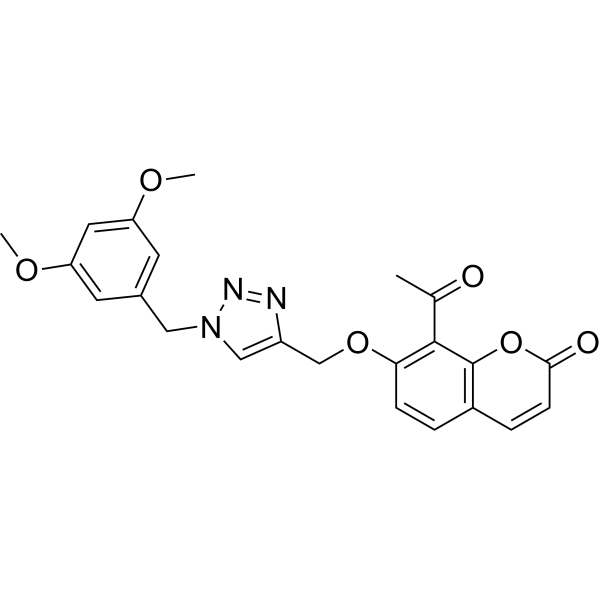
AChE/BChE-IN-12 (compound 10b), a 3,5-dimethoxy analogue, is a potent AChE, BChE, and β-secretase-1 (BACE-1) inhibitor, with IC50 values of 2.57, 3.26, and 10.65 μM, respectively. AChE/BChE-IN-12 crosses the blood-brain barrier via passive diffusion and inhibits the self-aggregation of amyloid-β monomers. AChE/BChE-IN-12 can be used for Alzheimer’s disease (AD) research .
|
-
- HY-175658
-
|
|
Cholinesterase (ChE)
Amyloid-β
Tau Protein
|
Neurological Disease
|
|
AChE/BChE-IN-29 is an AChE/BChE inhibitor. AChE/BChE-IN-29 exhibits balanced dual cholinesterase inhibitory activity with IC50 values of 2.1 μM for Electrophorus electricus AChE (eeAChE) and 6.3 μM for equine serum butyrylcholinesterase (eqBChE). AChE/BChE-IN-29 effectively inhibits amyloid-β (Aβ42) aggregation and tau protein aggregation in E. coli cell models. AChE/BChE-IN-29 can be used for the study of Alzheimer’s disease (AD) .
|
-

- HY-147820
-
-
- HY-W010041R
-
|
|
Reference Standards
α-synuclein
Amyloid-β
|
Neurological Disease
|
|
Scyllo-Inositol is an inhibitor that targets the aggregation of misfolded proteins (such as α-synuclein and Amyloid-β), is orally effective, and can cross the blood-brain barrier. Scyllo-Inositol can selectively bind to and stabilize non-toxic oligomers, preventing them from converting into toxic fibers, exerting protein homeostasis regulation and neuroprotective activity. Scyllo-Inositol binds to the hydrophobic region of pathogenic proteins, inhibits protein aggregation, and promotes lysosome- and proteasome-mediated degradation pathways, thereby reducing neurotoxicity. Scyllo-Inositol can be used in the study of neurodegenerative diseases such as Parkinson's disease, Alzheimer's disease, and Huntington's disease .
|
-

- HY-123357
-
|
|
Apoptosis
|
Neurological Disease
|
|
IMM-H004, a coumarin derivative, possesses neuroprotective and potent free radical scavenging abilities. IMM-H004 significantly inhibits amyloid-β (Aβ)-induced cytotoxicity and apoptosis, offering potential value for research into neurodegenerative diseases such as Alzheimer's disease. Additionally, IMM-H004 is also capable of effectively blocking the calcium mobilization and chemotaxis induced by CKLF1-C27 (HY-P3418), thereby alleviating asthmatic pathological changes in the lung tissue of CKLF1 transgenic mice .
|
-

- HY-162832
-
|
|
Amyloid-β
|
Neurological Disease
|
|
Amyloid-β-IN-1 (compound 13) is a synthetic peptide containing the hydrophobic C-terminal region "VVIA-NH2" and its reverse sequence "AIVV-NH2" of Aβ42, which is an Aβ inhibitor. Amyloid-β-IN-1 can inhibit Aβ aggregation and has neuroprotective effects .
|
-

- HY-146483
-
|
|
Amyloid-β
|
Neurological Disease
Inflammation/Immunology
|
|
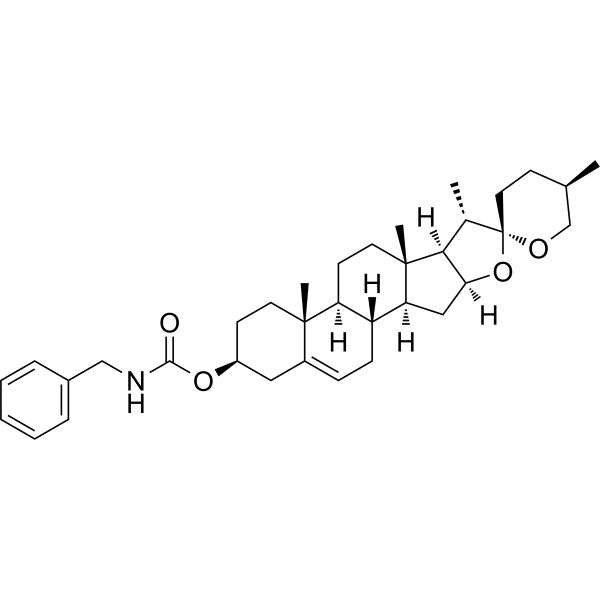
Anti-Aβ agent 1A (compound M15) has potent activity against amyloid-β. Anti-Aβ agent 1A possesses can significantly inhibit LPS-induced levels of IL-1β, IL-6 and TNF-α, and reduces the apoptosis of SH-SY5Y induced by H2O2 through mitochondria pathway. Anti-Aβ agent 1A possesses antioxidant, anti-inflammatory, anti-Aβ toxicity and neuroprotective activities. Anti-Aβ agent 1A can be used for researching Alzheimer’s disease (AD) .
|
-
- HY-123485
-
|
|
Amyloid-β
|
Neurological Disease
|
|
PPI-1019 is an amyloid beta (Aβ) inhibitor. PPI-1019 can be used in the research of neurological diseases and Alzheimer's disease .
|
-

- HY-W707693
-
|
|
Isotope-Labeled Compounds
Amyloid-β
α-synuclein
|
Neurological Disease
|
|
Scyllo-Inositol-d6 is the deuterium labeled Scyllo-Inositol (HY-W010041). Scyllo-Inositol is an inhibitor that targets the aggregation of misfolded proteins (such as α-synuclein and Amyloid-β), is orally effective, and can cross the blood-brain barrier. Scyllo-Inositol can selectively bind to and stabilize non-toxic oligomers, preventing them from converting into toxic fibers, exerting protein homeostasis regulation and neuroprotective activity. Scyllo-Inositol binds to the hydrophobic region of pathogenic proteins, inhibits protein aggregation, and promotes lysosome- and proteasome-mediated degradation pathways, thereby reducing neurotoxicity. Scyllo-Inositol can be used in the study of neurodegenerative diseases such as Parkinson's disease, Alzheimer's disease, and Huntington's disease .
|
-

- HY-N7046R
-
|
Silibinin B (Standard)
|
Reference Standards
JNK
Amyloid-β
p38 MAPK
Apoptosis
|
Neurological Disease
Cancer
|
|
Silybin (Silibinin B) (Standard) is the analytical standard of Silybin B (HY-N7046). This product is intended for research and analytical applications. Silybin B (Silibinin B) is an orally active amyloid-β aggregation inhibitor and ATR pathway activator, that can cross the blood-brain barrier. Silybin B inhibits Aβ fibril formation and promotes amorphous aggregate formation, while activating the ATR-mediated DNA damage repair pathway and inhibiting JNK/p38 MAPK signaling. Silybin B can reduce Cisplatin (HY-17394)-induced neuronal DNA damage and apoptosis. Silybin B has anti-oxidative stress, cell cycle regulation and neuroprotective activities. Silybin B is mainly used in the study of Alzheimer's disease and Cisplatin chemotherapy-related neurotoxicity .
|
-

- HY-N7046S
-
|
Silibinin B-d3
|
Isotope-Labeled Compounds
Amyloid-β
Apoptosis
JNK
p38 MAPK
|
Neurological Disease
Cancer
|
|
Silybin B-d3 (Silibinin B-d3) is a deuterated Silybin B (HY-N7046). Silybin B (Silibinin B) is an orally active amyloid-β aggregation inhibitor and ATR pathway activator, that can cross the blood-brain barrier. Silybin B inhibits Aβ fibril formation and promotes amorphous aggregate formation, while activating the ATR-mediated DNA damage repair pathway and inhibiting JNK/p38 MAPK signaling. Silybin B can reduce Cisplatin (HY-17394)-induced neuronal DNA damage and apoptosis. Silybin B has anti-oxidative stress, cell cycle regulation and neuroprotective activities. Silybin B is mainly used in the study of Alzheimer's disease and Cisplatin chemotherapy-related neurotoxicity .
|
-

- HY-157296
-
|
|
Cholinesterase (ChE)
|
Neurological Disease
|
|
AChE-IN-47 (compound g17) is a AChE inhibitor with the IC50 of 0.24 μM. AChE-IN-47 inhibits amyloid β peptides self-aggregation. AChE-IN-47 displays neuroprotective effects and effectively suppresses the intracellular accumulation of reactive oxygen species .
|
-
- HY-176439
-
|
|
Amyloid-β
Cholinesterase (ChE)
|
Neurological Disease
|
|
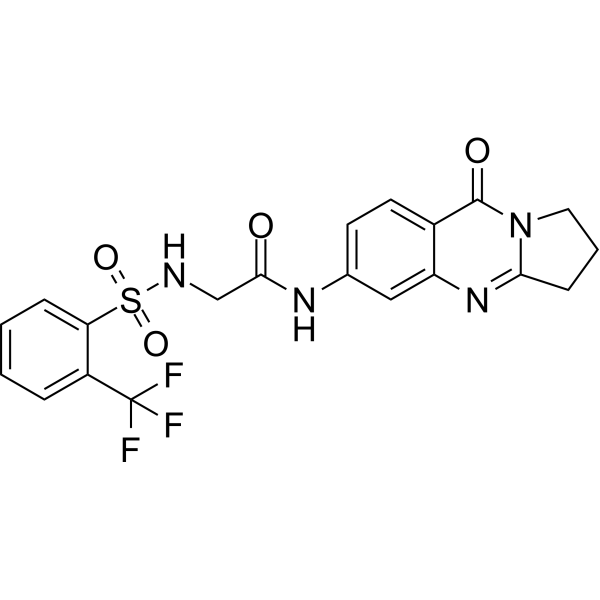
AChE-IN-88 (Compound 26) is a novel pyridazine derivative. AChE-IN-88 is an orally active multi-target ligand for Alzheimer's disease (AD) that inhibits both acetylcholinesterase (AChE) and amyloid β protein (Aβ) aggregation (pIC50: 7.16) .
|
-

- HY-129133
-
|
|
Drug Isomer
|
Others
|
|
cis-Miyabenol C is an isomer of the resveratrol trimer Miyabenol C, which can be isolated from grape herbs. Miyabenol C is an inhibitor of β-amyloid (Aβ) and amyloid β precursor protein (APP) in Alzheimer's disease model mice, and inhibit β-secretase activity without changing the protein level of β-secretase BACE1 .
|
-

- HY-146347
-
|
|
Monoamine Oxidase
Amyloid-β
|
Neurological Disease
|
|
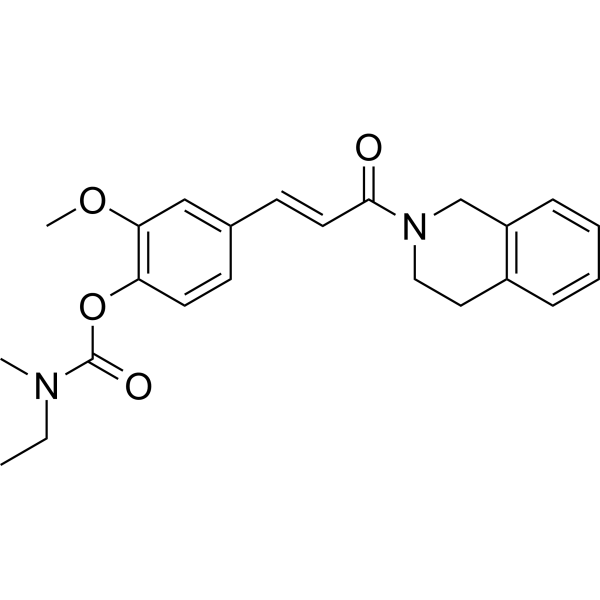
MAO-B-IN-10 (compound 4f) is a potent, selective, BBB-penetrated MAO-B (monoamine oxidase-B) inhibitor, with IC50 of 5.3 μM. MAO-B-IN-10 can inhibit (58.2%) and disaggregate (43.3%) self-mediated Aβ (amyloid β) aggregation. MAO-B-IN-10 can be use for Alzheimer’s disease research .
|
-
- HY-172782
-
-

- HY-169022
-
|
|
Autophagy
mTOR
|
Neurological Disease
|
|
4-FPBUA is a semisynthetic analog of usnic acid (HY-W015883) that can enhance cellular blood-brain barrier (BBB) function and increase the transport of Amyloid β (Aβ) across monolayer cells. 4-FPBUA is also an inhibitor of mTOR, capable of enhancing cellular Autophagy, thereby reversing BBB disruption in vivo and being utilized in research for Alzheimer's disease .
|
-

- HY-146139
-
|
|
Amyloid-β
|
Neurological Disease
|
|
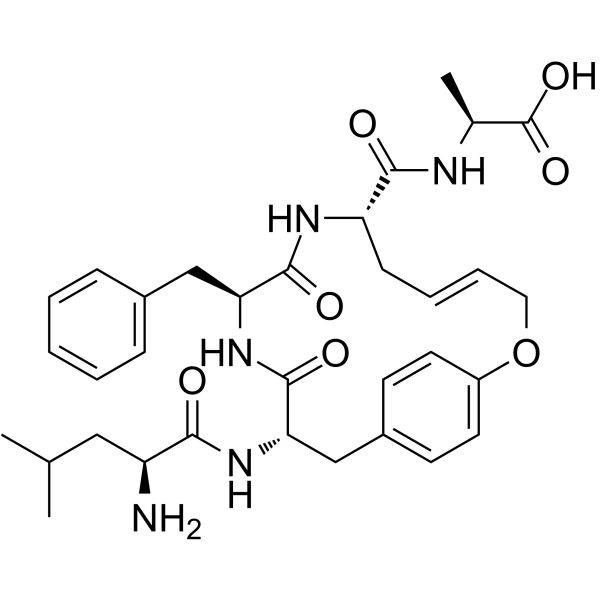
Aβ-IN-3 (compound 1) is a potent amyloid β (Aβ) inhibitor. Aβ-IN-3 inhibits Aβ42 aggregation. However, Aβ-IN-3 can not alleviate the neurotoxicity of Aβ42 in SH-SY5Y cells. Aβ-IN-3 can not change the aggregation state of Aβ42 into a nontoxic one .
|
-
- HY-146140
-
|
|
Amyloid-β
|
Neurological Disease
|
|
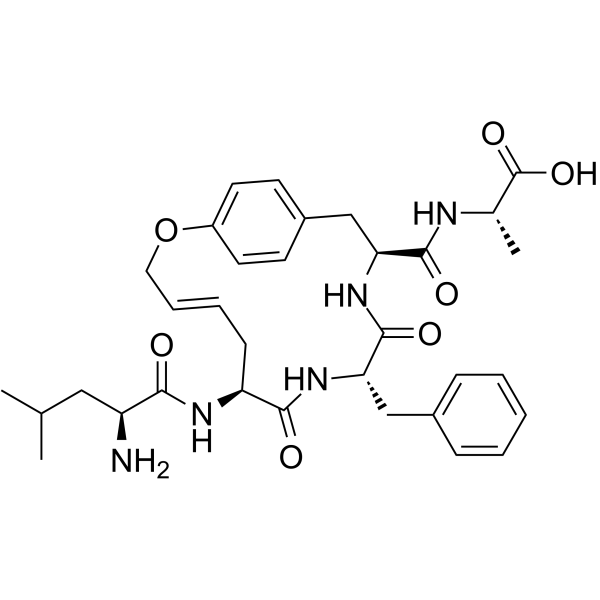
Aβ-IN-4 (compound 12) is a potent amyloid β (Aβ) inhibitor. Aβ-IN-4 inhibits Aβ42 aggregation. However, Aβ-IN-4 can not alleviate the neurotoxicity of Aβ42 in SH-SY5Y cells. Aβ-IN-4 can not change the aggregation state of Aβ42 into a nontoxic one .
|
-
- HY-P991654
-
|
|
Amyloid-β
|
Neurological Disease
|
|
SAR228810 is a humanized IgG4 monoclonal antibody inhibitor targeting amyloid β (Aβ) with a KD? of ?0.43 ?nM for protofibrillar Aβ over monomeric Aβ. SAR228810 significantly inhibits the brain amyloid plaque formation and oligomer-induced synaptic dysfunction and neurite loss. SAR228810 has significant protection against Aβ-mediated neuritotoxicity. MINT1526A can be used for Alzheimer’s disease imaging and immunotherapy research .
|
-

- HY-100740A
-
|
AZD-3293 hydrochloride; LY3314814 hydrochloride
|
Beta-secretase
|
Neurological Disease
|
|
Lanabecestat (AZD3293; LY3314814) hydrochloride is a potent BACE1 inhibitor that has been investigated for its potential as a modifying treatment for Alzheimer's disease. Lanabecestat (hydrochloride) demonstrated significant dose- and time-dependent reductions in concentrations of amyloid beta peptides in plasma, cerebrospinal fluid, and brain. Lanabecestat (hydrochloride) was also shown to produce reductions in Aβ neuritic plaque burden without demonstrating clinical benefits or slowing the progression of Alzheimer's disease pathophysiology.
|
-

- HY-N0249R
-
|
|
Reference Standards
Amyloid-β
|
Neurological Disease
|
|
Saikosaponin C (Standard) is the analytical standard of Saikosaponin C. This product is intended for research and analytical applications. Saikosaponin C is a bioactive component found in radix bupleuri, targets amyloid beta and tau in Alzheimer's disease. Saikosaponin C inhibits the secretion of both Aβ1-40 and Aβ1-42, and suppresses abnormal tau phosphorylation, but shows no effect on BACE1 activity and expression .
|
-

- HY-136813
-
|
|
Beta-secretase
Amyloid-β
Cholinesterase (ChE)
|
Neurological Disease
|
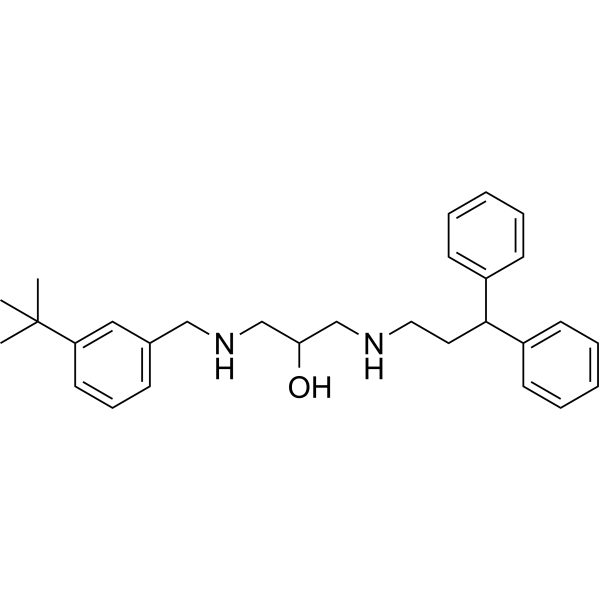
Multitarget AD inhibitor-1 is a selective and reversible butyrylcholinesterase (BuChE) inhibitor with IC50s of 7.22 μM and 1.55 μM for hBuChE and eqBuChE (BuChE from equine serum), respectively. Multitarget AD inhibitor-1 inhibits β-secretase (IC50hBACE-1=41.60 μM), amyloid β aggregation (IC50Aβ=3.09 μM), tau aggregation. Multitarget AD inhibitor-1, a diphenylpropylamine derivative, has the potential for multifunctional disease-modifying anti-Alzheimer’s research .
|
-
- HY-N6640
-
|
20-Hydroxyeedysone 2-acetate
|
Amyloid-β
|
Neurological Disease
|
|
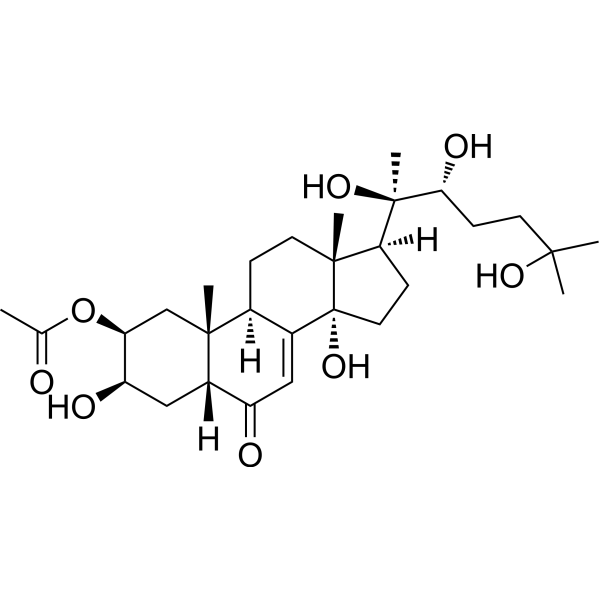
2-O-Acetyl-20-hydroxyecdysone, an ecdysterones in insects and terrestrial plants, inhibits amyloid-β42 (Aβ42)-induced cytotoxicity. 2-O-Acetyl-20-hydroxyecdysone could decrease Aβ oligomer formation through promotion of fibrogenesis, transforming Aβ oligomers to the low-toxicity fibrils .
|
-
- HY-158978
-
|
|
Cholinesterase (ChE)
Monoamine Oxidase
|
Neurological Disease
|
|
Multitarget AD inhibitor-2 (Compound VN-19) is a multitargeting inhibitor acetylcholinesterase (AChE, IC50=0.14 μM), butyrylcholinesterase (BChE, IC50=11.6 μM), monoamine oxidase B (MAO B, IC50=0.45 μM). Multitarget AD inhibitor-2 inhibits self-induced aggregation of amyloid beta protein Aβ1-42 (inhibition rate is 47.3% at 20 μM), and downregulates the level of ROS in SH-SY5Y (80 inhibition rate at 25 μM). Multitarget AD inhibitor-2 ameliorates the cognitive decline in Scopolamine (HY-N0296)-induced Alzheimer’s Disease zebrafish models .
|
-

- HY-16633
-
|
|
γ-secretase
Amyloid-β
|
Metabolic Disease
|
|
ELND 007 (Compound 34) is a metabolically stable γ-secretase inhibitor designed to selectively inhibit amyloid beta (Aβ) generation while minimizing Notch inhibition. Developed alongside ELND 006 (Compound 30), it underwent human clinical trials following a synthetic strategy emphasizing diversity and chirality. In preclinical studies, ELND 007 showed promising in vitro and in vivo characteristics, effectively reducing Aβ levels. Comparative studies with other γ-secretase inhibitors like Semagacestat, Begacestat, and Avagacestat highlighted its efficacy in lowering Aβ production, particularly demonstrated by reduced Aβ levels in the cerebrospinal fluid (CSF) of healthy human volunteers, suggesting potential therapeutic benefit for Alzheimer's disease .
|
-

- HY-N0373R
-
|
|
Reference Standards
Amyloid-β
Apoptosis
NOD-like Receptor (NLR)
|
Neurological Disease
|
|
Licochalcone B (Standard) is the analytical standard of Licochalcone B. This product is intended for research and analytical applications. Licochalcone B is an extract from the root of Glycyrrhiza uralensis. Licochalcone B inhibits amyloid β (42) self-aggregation (IC50=2.16 μM) and disaggregate pre-formed Aβ42 fibrils, reduce metal-induced Aβ42 aggregation through chelating metal ionsLicochalcone B inhibits phosphorylation of NF-κB p65 in LPS signaling pathway. Licochalcone B inhibits growth and induces apoptosis of NSCLC cells. Licochalcone B specifically inhibits the NLRP3 inflammasome by disrupting NEK7‐NLRP3 interaction .
|
-

- HY-149430
-
|
|
Amyloid-β
|
Neurological Disease
|
|
YIAD-0205 is an orally available Aβ(1?42) aggregation inhibitor. YIAD-0205 demonstrated in vivo efficacy in an AD transgenic mouse model with five familial AD mutations (5XFAD) .
|
-
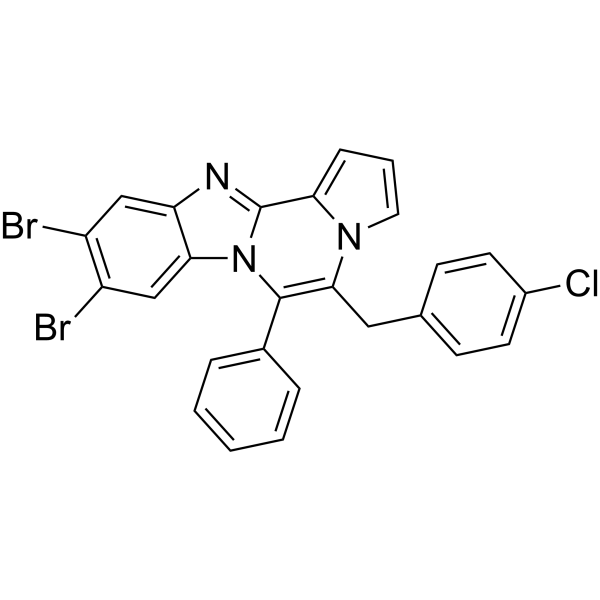
- HY-101087R
-
|
|
Reference Standards
Carbonic Anhydrase
Amyloid-β
Reactive Oxygen Species (ROS)
|
Neurological Disease
Inflammation/Immunology
Cancer
|
|
Benzenesulphonamide (Standard) is the analytical standard of Benzenesulphonamide (HY-101087). This product is intended for research and analytical applications. Benzenesulphonamide (Compound 1) is a carbonic anhydrase inhibitor. Benzenesulphonamide exhibits CA II inhibitory activity. Benzenesulphonamide reduces ROS and improves the gene expression of amyloid-β40 and 42. Benzenesulphonamide is beneficial for Alzheimer's disease. Benzenesulphonamide derivatives have anticancer, anti-inflammatory, and anticonvulsant activities. Benzenesulphonamide can be used in the research of Alzheimer's disease, epilepsy, inflammatory diseases, leukemia, melanoma, lung cancer, and colon cancer .
|
-

- HY-183660
-
|
|
Autophagy
Amyloid-β
Tau Protein
|
Neurological Disease
|
|
F-SLOH is a brain-penerant and orally active TFEB activator and amyloid-β inhibitor with an IC50 of 3.4 μM against amyloid-β. F-SLOH promotes nuclear translocation of TFEB, driving autophagy and lysosomal biogenesis. F-SLOH reduces amyloid-β oligomers and Tau aggregates via autophagy lysosomal degradation pathway. F-SLOH can be used for the research of Alzheimer’s disease .
|
-

- HY-114613
-
|
|
Amyloid-β
α-synuclein
CGRP Receptor
Amylin Receptor
|
Neurological Disease
Inflammation/Immunology
|
|
D-Trp-Aib is a dipeptide and amyloid-β inhibitor with a Kd of 29.6 nM. D-Trp-Aib triggers formation of non-toxic, non-β-sheet, amorphous amyloid β clusters from misfolded amyloid β monomers and toxic amyloid β oligomers, and reduces toxic amyloid β1-42 deposits. D-Trp-Aib inhibits amyloid fibril formation of α‑synuclein, IAPP and calcitonin. D-Trp-Aib can be used for the research of Alzheimer's disease .
|
-

- HY-173282
-
|
|
Amyloid-β
|
Neurological Disease
|
|
Aβ aggregation-IN-2 (Compound 8i) is an inhibitor of amyloid-β protein (Aβ42) aggregation, showing approximately 91% inhibition of Aβ42 aggregation at 25 μM. It also exhibits Aβ42 disaggregation effects and antioxidant activity. Aβ aggregation-IN-2 can be used for research in the field of Alzheimer's disease .
|
-

- HY-180997
-
|
|
Amyloid-β
|
Neurological Disease
|
|
Aβ aggregation-IN-5 is a brain-penetrant amyloid-β aggregation inhibitor. Aβ aggregation-IN-5 inhibits Aβ aggregation/oligomerization, rescues cells from AB/ROS toxicity and reduces microglial activation/NO production. Aβ aggregation-IN-5 reduces amyloid burden, neuroinflammation, microglial activation in APP/PSEN1 mice. Aβ aggregation-IN-5 can be used for the research of Alzheimer's disease .
|
-

- HY-182304
-
|
|
Amyloid-β
α-synuclein
Amylin Receptor
Tau Protein
SOD
|
Neurological Disease
|
|
CLR01 sodium is a blood-brain barrier-permeable anti-aggregation agent. CLR01 sodium inhibits the de novo aggregation of Amyloid-β 40/42, α-synuclein, IAPP, tau protein and SOD1. CLR01 sodium reduces amyloid plaque burden in the cortex of triple-transgenic mice and improves the memory and motor abilities of these mice. CLR01 sodium can be used in research related to Alzheimer's disease, Parkinson's disease, and amyotrophic lateral sclerosis (ALS) .
|
-

- HY-182328
-
|
|
Amyloid-β
|
Neurological Disease
|
|
BTA-EG6 is a brain-penetrant aggregated amyloid-β (Aβ) peptide binder with a Kd of 290 nM for Aβ1-42. BTA-EG6 binds to aggregated Aβ and forms protein-resistive coatings that block interactions between Aβ and catalase. BTA-EG6 protects neuroblastoma cells from Aβ-induced toxicity and oxidative stress, and inhibits Aβ-induced increases in cellular hydrogen peroxide (H2O2) levels. BTA-EG6 can be used for the research of alzheimer’s disease (AD) .
|
-

- HY-P10611
-
|
|
Amyloid-β
|
Neurological Disease
|
|
[D-Ser14]-Humanin is a bioactive peptide in which the Ser14 residue of Humanin (HY-P1928) is changed from L-form to D-form. [D-Ser14]-Humanin has potent inhibitory activity against the fibrillation of amyloid-β. Humanin (HY-P1928) inhibits the aging-related death of various cells caused by amyloid fibrils and oxidative stress, and [D-Ser14]-Humanin has better cell protection activity than Humanin (HY-P1928). [D-Ser14]-Humanin can be used in the study of Alzheimer's disease .
|
-
![[D-Ser14]-Humanin](//file.medchemexpress.com/product_pic/hy-p10611.gif)
- HY-161658
-
|
|
Amyloid-β
|
Neurological Disease
|
|
N-Caffeoyldopamine (Compound 6i) is an amyloid-beta aggregation inhibitor. N-Caffeoyldopamine can inhibit Aβ aggregation to form nano-rod-like structures, thereby preventing β-sheet formation. N-Caffeoyldopamine can be used for Alzheimer's disease research .
|
-

- HY-183805
-
|
|
5-HT Receptor
FAAH
|
Neurological Disease
|
|
5-HT6R/FAAH modulator 2 is a dual 5-HT6R antagonist and FAAH inhibitor with human 5-HT6R pKi 7.24, human FAAH pIC50 5.47, and blood-brain barrier penetration.5-HT6R/FAAH modulator 2 modulates serotonergic signaling, blocks 5-HT6R function, inhibits endocannabinoid degradation via FAAH catalytic activity suppression.5-HT6R/FAAH modulator 2 exhibits neuroprotective effects against mitochondrial dysfunction, amyloid-β, and glutamate-induced toxicity, reverses memory deficits.5-HT6R/FAAH modulator 2 shows reduced cytotoxicity relative to oxygen-containing lead compounds.5-HT6R/FAAH modulator 2 can be used for the research of Alzheimer's disease .
|
-

- HY-181926
-
|
|
COX
HDAC
Microtubule/Tubulin
Interleukin Related
Amyloid-β
Tau Protein
|
Neurological Disease
|
|
COX-2/HDAC6-IN-1 (Compound 11e) is a dual COX-2 and HDAC6 inhibitor, with an IC50 of 0.12 μM against HDAC6 and an IC50 of 0.66 μM against COX-2. COX-2/HDAC6-IN-1 enhances the acetylation level of α-tubulin, regulates epigenetic gene expression, and inhibits the expression of pro-inflammatory mediators (COX-2, IL-1β, IL-6 and TNF-α). COX-2/HDAC6-IN-1 promotes Amyloid-β clearance and reduces excessive phosphorylation of Tau protein. COX-2/HDAC6-IN-1 maintains neuronal morphology by stabilizing MAP2, protects synaptic integrity by regulating synapsin, and restores the expression of memory-related genes. COX-2/HDAC6-IN-1 possesses neuroprotective activity and improves learning and memory abilities in Scopolamine (HY-N0296)-induced Alzheimer's disease mouse models. COX-2/HDAC6-IN-1 is applicable to research related to Alzheimer's disease .
|
-

- HY-180899
-
|
|
Glycosidase
Amyloid-β
NF-κB
|
Neurological Disease
|
|
CHI3L1-IN-5 (Compound Z17) is a highly selective CHI3L1 inhibitor with a KD value of 6 μM. CHI3L1-IN-5 restores the clearance ability of astrocytes by rejuvenating lysosomal function and Aβ uptake. CHI3L1-IN-5 alleviates neuroinflammation by inhibiting the NF-κB pathway. CHI3L1-IN-5 can be used for research on Alzheimer's disease .
|
-

| Cat. No. |
Product Name |
Target |
Research Area |
-
- HY-125616
-
|
Biotinyl-GHK; Bio-GHK
|
Amyloid-β
Reactive Oxygen Species (ROS)
|
Neurological Disease
|
|
Biotinoyl tripeptide-1 (Biotinyl-GHK) is a biotinylating reagent linked to a GHK (glycyl-L-histidyl-L-lysine) tripeptide. Biotin tripeptide-1 is a bioactive peptide with hair care (improves the appearance and feel of hair) and hair growth effects. Biotinoyl tripeptide-1 has a certain affinity for streptavidin. Biotinoyl tripeptide-1 inhibits the production of ROS and has antioxidant effects. Biotinoyl tripeptide-1 reduces the production of carbonylated amyloid-β (Aβ) and inhibits Aβ aggregation. Biotinoyl tripeptide-1 can be used in the study of neurodegenerative diseases .
|
-
- HY-P5124
-
|
KLVFF
|
Amyloid-β
|
Neurological Disease
|
|
β-Amyloid peptide(16-20) is a amino acid sequences (KLVFF) of Amyloid-β (Abeta). β-Amyloid peptide(16-20) is an effective inhibitor of Abeta fibril formation, with RG-/-GR-NH2 residues added at N- and C-terminal ends to aid solubility) .
|
-
- HY-P1962
-
|
[Asn670, Sta671, Val672]-Amyloid β Peptide (662-675)
|
Beta-secretase
|
Neurological Disease
|
|
β-Secretase inhibitor ([Asn670, Sta671, Val672]-Amyloid β Peptide (662-675)) is a β-secretase and BACE1 inhibitor (IC50: 25 nM for β-secretase) .
|
-
- HY-P3244
-
|
|
Amyloid-β
|
Neurological Disease
|
|
D-KLVFFA is the inhibitor of Amyloid-β assembly, with the IC50 of 2.6 μM, that can be used in Alzheimer's disease study .
|
-
- HY-P10823
-
|
|
Amyloid-β
|
Neurological Disease
|
|
RI-OR2, a retro-inverso peptide, is an amyloid-β (Aβ) oligomerization inhibitor. RI-OR2 binds to immobilized β-Amyloid (1-42) (HY-P1363A) monomers and fibrils, with an apparent Kd of 9-12 μM, and also acted as an inhibitor of Aβ(1-42) fibril extension .
|
-
- HY-P10876
-
|
|
Amyloid-β
|
Neurological Disease
|
|
mcK6A1 is an inhibitor for the aggregation of amyloid-β (Aβ), that selectively binds to the 16KLVFFA21 segment of Aβ42, forms an extended β-folded structure, and inhibits the formation of Aβ42 oligomers. mcK6A1 can be used in research of Alzheimer's disease and other amyloid-related diseases .
|
-
- HY-123485
-
|
|
Amyloid-β
|
Neurological Disease
|
|
PPI-1019 is an amyloid beta (Aβ) inhibitor. PPI-1019 can be used in the research of neurological diseases and Alzheimer's disease .
|
-
- HY-P10611
-
|
|
Amyloid-β
|
Neurological Disease
|
|
[D-Ser14]-Humanin is a bioactive peptide in which the Ser14 residue of Humanin (HY-P1928) is changed from L-form to D-form. [D-Ser14]-Humanin has potent inhibitory activity against the fibrillation of amyloid-β. Humanin (HY-P1928) inhibits the aging-related death of various cells caused by amyloid fibrils and oxidative stress, and [D-Ser14]-Humanin has better cell protection activity than Humanin (HY-P1928). [D-Ser14]-Humanin can be used in the study of Alzheimer's disease .
|
| Cat. No. |
Product Name |
Target |
Research Area |
Image |
-
- HY-P991480
-
|
|
Transmembrane Glycoprotein
Tau Protein
Amyloid-β
|
Neurological Disease
Cancer
|
|
ONC-841 is a blood-brain barrier-permeable, humanized monoclonal antibody targeting SIGLEC10. As an immune checkpoint inhibitor, ONC-841 restores the functions of immune effector cells such as T cells and enhances anti-tumor immune responses by blocking inhibitory signals mediated by SIGLEC10. ONC-841 restores the phagocytic and migratory activities of microglia, and promotes the phagocytosis of Amyloid-β and Tau protein aggregates by microglia. ONC-841 is applicable to research related to solid tumors and Alzheimer's disease .
|
-

(5)
-
- HY-P990301
-
|
|
Amyloid-β
|
Neurological Disease
|
|
Anti-Human/Mouse/Rat Amyloid-beta Antibody (MOAB-2) is a mouse-derived IgG2b λ type antibody inhibitor, targeting to Amyloid-beta. Anti-Human/Mouse/Rat Amyloid-beta Antibody (MOAB-2) recognizes unaggregated, oligomeric or fibrillar forms of Aβ42 and unaggregated Aβ40. Anti-Human/Mouse/Rat Amyloid-beta Antibody (MOAB-2) is selective for human Aβ42 over Aβ40, but not amyloid precursor protein (APP). Anti-Human/Mouse/Rat Amyloid-beta Antibody (MOAB-2) can immunostain human or rat and mouse tissue. Anti-Human/Mouse/Rat Amyloid-beta Antibody (MOAB-2) can be used for detections of western blot, immunohistochemistry, immunofluorescence, immunoprecipitation and ELISA .
|
-
(5)
-
- HY-P991654
-
|
|
Amyloid-β
|
Neurological Disease
|
|
SAR228810 is a humanized IgG4 monoclonal antibody inhibitor targeting amyloid β (Aβ) with a KD? of ?0.43 ?nM for protofibrillar Aβ over monomeric Aβ. SAR228810 significantly inhibits the brain amyloid plaque formation and oligomer-induced synaptic dysfunction and neurite loss. SAR228810 has significant protection against Aβ-mediated neuritotoxicity. MINT1526A can be used for Alzheimer’s disease imaging and immunotherapy research .
|
-
(5)
| Cat. No. |
Product Name |
Category |
Target |
Chemical Structure |
-
- HY-N0931
-
-
-
- HY-12688A
-
|
|
Structural Classification
Classification of Application Fields
Ketones, Aldehydes, Acids
Metabolic Disease
Endogenous metabolite
Disease Research Fields
Source Classification
Cancer
|
Mitochondrial Metabolism
Reactive Oxygen Species (ROS)
Amyloid-β
|
|
Succinyl phosphonate trisodium salt is a α-Ketoglutarate Dehydrogenase Complex (KGDHC) modulator with neuroprotective activity. Succinyl phosphonate trisodium salt protects this complex, reduces cellular succinyl-CoA concentration, downregulates protein succinylation levels, and inhibits the activity of the α-ketoglutarate dehydrogenase complex. Succinyl phosphonate trisodium salt corrects hypoxic or ethanol-induced behavioral impairments, modulates exploratory behavior and emotional stress responses, and improves hypoxia tolerance. Succinyl phosphonate trisodium salt reduces glutamate excitotoxicity, restores the activity of the α-ketoglutarate dehydrogenase complex, reverses the changes in glutamate dehydrogenase and glutamine synthetase activities induced by β-amyloid (Amyloid-β), modulates cognitive function, and prevents β-amyloid-induced neuronal damage. Succinyl phosphonate trisodium salt improves microglial senescence, alleviates neuroinflammation, reactive oxygen species (ROS) production, lipid peroxidation, and the expression of proinflammatory cytokines. Succinyl phosphonate trisodium salt can be used in the research of Alzheimer's disease, aging-related neuroinflammation, and Parkinson's disease .
|
-
-
- HY-N0373
-
-
-
- HY-N7046
-
-
-
- HY-W010041
-
|
|
Natural Products
Endogenous metabolite
Source Classification
|
α-synuclein
Amyloid-β
|
|
Scyllo-Inositol is an inhibitor that targets the aggregation of misfolded proteins (such as α-synuclein and Amyloid-β), is orally effective, and can cross the blood-brain barrier. Scyllo-Inositol can selectively bind to and stabilize non-toxic oligomers, preventing them from converting into toxic fibers, exerting protein homeostasis regulation and neuroprotective activity. Scyllo-Inositol binds to the hydrophobic region of pathogenic proteins, inhibits protein aggregation, and promotes lysosome- and proteasome-mediated degradation pathways, thereby reducing neurotoxicity. Scyllo-Inositol can be used in the study of neurodegenerative diseases such as Parkinson's disease, Alzheimer's disease, and Huntington's disease .
|
-
-
- HY-N8376
-
|
(±)-Fustin; 3,7,3',4'-Tetrahydroxyflavanone
|
Flavanonols
Flavonoids
Plants
Rhus glabra L.
Source Classification
Anacardiaceae
|
Amyloid-β
mAChR
Cholinesterase (ChE)
|
|
Fustinis ((±)-Fustin; 3,7,3',4'-Tetrahydroxyflavanone) is a potent amyloid β (Aβ) inhibitor. Fustinis ((±)-Fustin; 3,7,3',4'-Tetrahydroxyflavanone) increases the expression of acetylcholine (ACh) levels, choline acetyltransferase (ChAT) activity, and ChAT gene induced by Aβ (1-42). Fustinis ((±)-Fustin; 3,7,3',4'-Tetrahydroxyflavanone) decreases in acetyl cholinesterase (AChE) activity and AChE gene expression induced by Aβ (1-42). Fustinis ((±)-Fustin; 3,7,3',4'-Tetrahydroxyflavanone) increases muscarinic M1 receptor gene expression and muscarinic M1 receptor binding activity. Fustinis ((±)-Fustin; 3,7,3',4'-Tetrahydroxyflavanone) can be used for Alzheimer's disease research .
|
-
-
- HY-N1280
-
-
-
- HY-12688
-
|
|
Structural Classification
Neurological Disease
Classification of Application Fields
Ketones, Aldehydes, Acids
Endogenous metabolite
Disease Research Fields
Source Classification
|
Mitochondrial Metabolism
Reactive Oxygen Species (ROS)
Amyloid-β
|
|
Succinyl phosphonate is a α-Ketoglutarate Dehydrogenase Complex (KGDHC) modulator with neuroprotective activity. Succinyl phosphonate protects this complex, reduces cellular succinyl-CoA concentration, downregulates protein succinylation levels, and inhibits the activity of the α-ketoglutarate dehydrogenase complex. Succinyl phosphonate corrects hypoxic or ethanol-induced behavioral impairments, modulates exploratory behavior and emotional stress responses, and improves hypoxia tolerance. Succinyl phosphonate reduces glutamate excitotoxicity, restores the activity of the α-ketoglutarate dehydrogenase complex, reverses the changes in glutamate dehydrogenase and glutamine synthetase activities induced by β-amyloid (Amyloid-β), modulates cognitive function, and prevents β-amyloid-induced neuronal damage. Succinyl phosphonate improves microglial senescence, alleviates neuroinflammation, reactive oxygen species (ROS) production, lipid peroxidation, and the expression of proinflammatory cytokines. Succinyl phosphonate can be used in the research of Alzheimer's disease, aging-related neuroinflammation, and Parkinson's disease .
|
-
-
- HY-N8693
-
|
|
Structural Classification
Withania somnifera
Solanaceae
Plants
Steroids
Source Classification
|
COX
Amyloid-β
Sirtuin
Reactive Oxygen Species (ROS)
Apoptosis
SARS-CoV
|
|
Withanoside IV is an orally active, blood-brain barrier-permeable withanolide derivative. Withanoside IV specifically binds to the Sudlow I site of HSA, induces secondary structural changes in HSA, and forms stable HSA complexes. Withanoside IV inhibits the enzymatic activity of COX-2. Withanoside IV induces axonal regeneration, peripheral nervous system myelination and increased axonal density in spinal cord tissue, reduces reactive gliosis-related changes, and improves hindlimb motor function. Withanoside IV binds to amyloid-β 1-42 to inhibit its aggregation, induces neurite outgrowth and synapse reconstruction, repairs damaged axons and dendrites, enhances mitochondrial biogenesis, exerts neuroprotective effects via the BDNF and SIRT1 signaling pathways, reduces ROS production and neuronal apoptosis, and ameliorates memory deficits. Withanoside IV inhibits the activity of the SARS-CoV-2 main protease. Withanoside IV can be used in research related to spinal cord injury, Alzheimer's disease, and coronavirus disease 2019 (COVID-19) .
|
-
-
- HY-N0931R
-
-
-
- HY-W010041R
-
|
|
Structural Classification
Natural Products
Endogenous metabolite
Source Classification
|
Reference Standards
α-synuclein
Amyloid-β
|
|
Scyllo-Inositol is an inhibitor that targets the aggregation of misfolded proteins (such as α-synuclein and Amyloid-β), is orally effective, and can cross the blood-brain barrier. Scyllo-Inositol can selectively bind to and stabilize non-toxic oligomers, preventing them from converting into toxic fibers, exerting protein homeostasis regulation and neuroprotective activity. Scyllo-Inositol binds to the hydrophobic region of pathogenic proteins, inhibits protein aggregation, and promotes lysosome- and proteasome-mediated degradation pathways, thereby reducing neurotoxicity. Scyllo-Inositol can be used in the study of neurodegenerative diseases such as Parkinson's disease, Alzheimer's disease, and Huntington's disease .
|
-
-
- HY-N7046R
-
|
Silibinin B (Standard)
|
Flavanonols
Structural Classification
Flavonoids
Glycine soya
Phenols
Polyphenols
Cyamopsis tetragonoloba (L.) Taub.
Plants
Compositae
Source Classification
|
Reference Standards
JNK
Amyloid-β
p38 MAPK
Apoptosis
|
|
Silybin (Silibinin B) (Standard) is the analytical standard of Silybin B (HY-N7046). This product is intended for research and analytical applications. Silybin B (Silibinin B) is an orally active amyloid-β aggregation inhibitor and ATR pathway activator, that can cross the blood-brain barrier. Silybin B inhibits Aβ fibril formation and promotes amorphous aggregate formation, while activating the ATR-mediated DNA damage repair pathway and inhibiting JNK/p38 MAPK signaling. Silybin B can reduce Cisplatin (HY-17394)-induced neuronal DNA damage and apoptosis. Silybin B has anti-oxidative stress, cell cycle regulation and neuroprotective activities. Silybin B is mainly used in the study of Alzheimer's disease and Cisplatin chemotherapy-related neurotoxicity .
|
-
-
- HY-129133
-
|
|
Vitis vinifera cv. Zalema
Phenols
Plants
Vitaceae
Source Classification
|
Drug Isomer
|
|
cis-Miyabenol C is an isomer of the resveratrol trimer Miyabenol C, which can be isolated from grape herbs. Miyabenol C is an inhibitor of β-amyloid (Aβ) and amyloid β precursor protein (APP) in Alzheimer's disease model mice, and inhibit β-secretase activity without changing the protein level of β-secretase BACE1 .
|
-
-
- HY-N0249R
-
-
-
- HY-N6640
-
|
20-Hydroxyeedysone 2-acetate
|
other families
Plants
Steroids
Source Classification
|
Amyloid-β
|
|
2-O-Acetyl-20-hydroxyecdysone, an ecdysterones in insects and terrestrial plants, inhibits amyloid-β42 (Aβ42)-induced cytotoxicity. 2-O-Acetyl-20-hydroxyecdysone could decrease Aβ oligomer formation through promotion of fibrogenesis, transforming Aβ oligomers to the low-toxicity fibrils .
|
-
-
- HY-N0373R
-
-
| Cat. No. |
Product Name |
Chemical Structure |
-
- HY-132580S
-
|
|
|
Tofersen-d27 (BIIB067-d27) is the deuterium labeled Tofersen (HY-132580). Tofersen (BIIB067) is an antisense oligonucleotide and SOD1 mRNA inhibitor with an IC50 of 320 pM. Tofersen mediates RNase H-dependent degradation of SOD1 mRNA to reduce SOD1 protein levels in cerebrospinal fluid and serum. Tofersen downregulates cerebrospinal fluid neurofilament light chain, neurofilament heavy chain, amyloid-beta 1-40, amyloid-beta 1-42, neuropeptide Y, ubiquitin C-terminal hydrolase L1, neuropentraxins 1, 2, R, corticotropin-releasing hormone, IL-15, and serum neurofilament light chain, neurofilament heavy chain. Tofersen can be used for the research of superoxide dismutase 1-associated amyotrophic lateral sclerosis.
|
-
-
- HY-B0116S
-
|
|
|
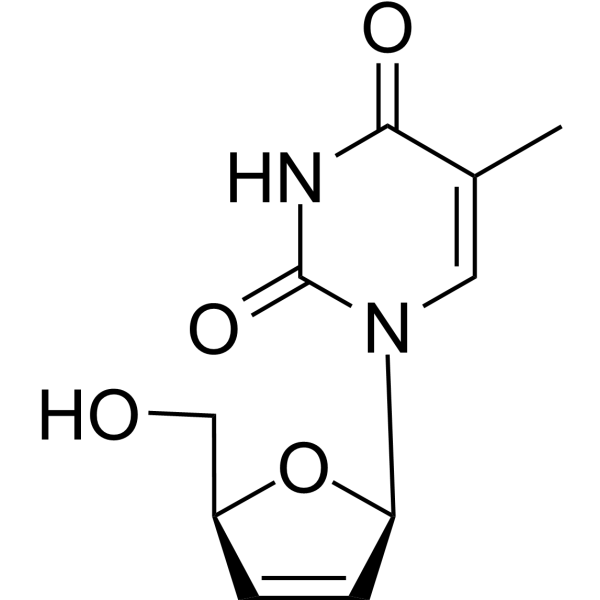
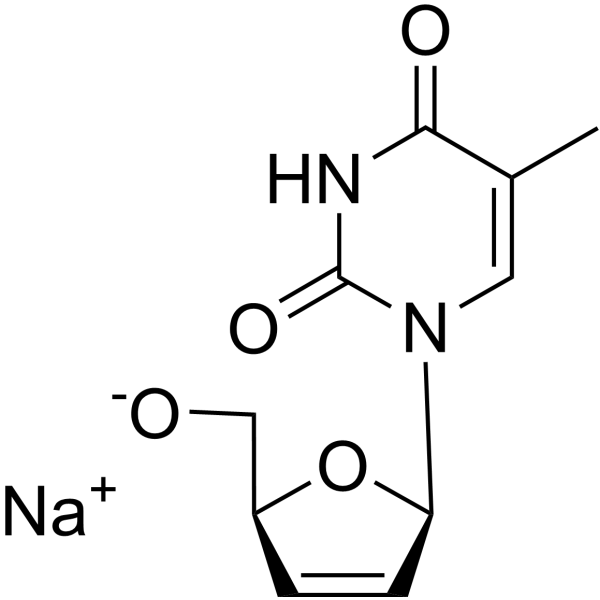
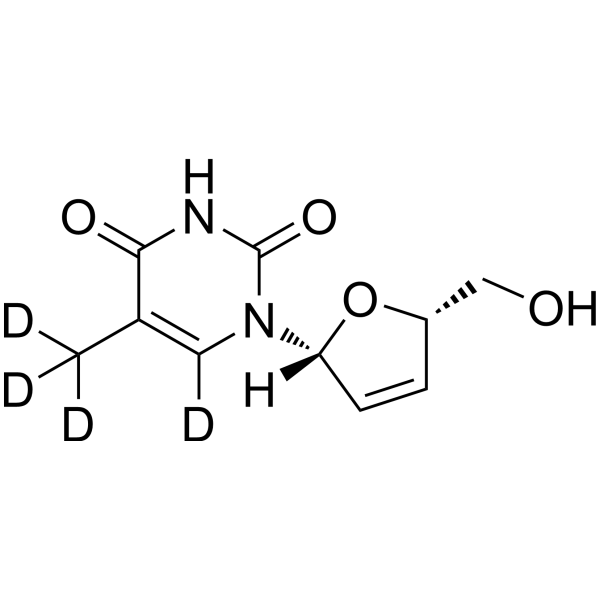
Stavudine-d4 is the deuterium labeled Stavudine. Stavudine (d4T) is an orally active nucleoside reverse transcriptase inhibitor (NRTI). Stavudine has activity against HIV-1 and HIV-2. Stavudine also inhibits the replication of mitochondrial DNA (mtDNA). Stavudine reduces NLRP3 inflammasome activation and modulates Amyloid-β autophagy. Stavudine induces apoptosis .
|
-
-
- HY-W707693
-
|
|
|
Scyllo-Inositol-d6 is the deuterium labeled Scyllo-Inositol (HY-W010041). Scyllo-Inositol is an inhibitor that targets the aggregation of misfolded proteins (such as α-synuclein and Amyloid-β), is orally effective, and can cross the blood-brain barrier. Scyllo-Inositol can selectively bind to and stabilize non-toxic oligomers, preventing them from converting into toxic fibers, exerting protein homeostasis regulation and neuroprotective activity. Scyllo-Inositol binds to the hydrophobic region of pathogenic proteins, inhibits protein aggregation, and promotes lysosome- and proteasome-mediated degradation pathways, thereby reducing neurotoxicity. Scyllo-Inositol can be used in the study of neurodegenerative diseases such as Parkinson's disease, Alzheimer's disease, and Huntington's disease .
|
-
-
- HY-N7046S
-
|
|
|
Silybin B-d3 (Silibinin B-d3) is a deuterated Silybin B (HY-N7046). Silybin B (Silibinin B) is an orally active amyloid-β aggregation inhibitor and ATR pathway activator, that can cross the blood-brain barrier. Silybin B inhibits Aβ fibril formation and promotes amorphous aggregate formation, while activating the ATR-mediated DNA damage repair pathway and inhibiting JNK/p38 MAPK signaling. Silybin B can reduce Cisplatin (HY-17394)-induced neuronal DNA damage and apoptosis. Silybin B has anti-oxidative stress, cell cycle regulation and neuroprotective activities. Silybin B is mainly used in the study of Alzheimer's disease and Cisplatin chemotherapy-related neurotoxicity .
|
-
| Cat. No. |
Product Name |
|
Classification |
-
- HY-179167
-
|
|
|
Alkynes
|
|
K2V-9 is an AChE and MAO-B inhibitor with IC50 values of 1.72 μM and 0.950 μM against AChE and MAO-B, respectively. K2V-9 inhibits amyloid β self-aggregation and reduces ROS. K2V-9 has neuroprotective effects .
|
| Cat. No. |
Product Name |
|
Classification |
-
- HY-132580
-
|
BIIB067; ISIS-SOD1Rx; ISIS 333611
|
|
Antisense Oligonucleotides
|
|
Tofersen (BIIB067) is an antisense oligonucleotide and SOD1 mRNA inhibitor with an IC50 of 320 pM. Tofersen mediates RNase H-dependent degradation of SOD1 mRNA to reduce SOD1 protein levels in cerebrospinal fluid and serum. Tofersen downregulates cerebrospinal fluid neurofilament light chain, neurofilament heavy chain, amyloid-beta 1-40, amyloid-beta 1-42, neuropeptide Y, ubiquitin C-terminal hydrolase L1, neuropentraxins 1, 2, R, corticotropin-releasing hormone, IL-15, and serum neurofilament light chain, neurofilament heavy chain. Tofersen can be used for the research of superoxide dismutase 1-associated amyotrophic lateral sclerosis .
|
-
- HY-132580A
-
|
BIIB067 sodium; ISIS-SOD1Rx sodium; ISIS 333611 sodium
|
|
Antisense Oligonucleotides
|
|
Tofersen (BIIB067) sodium is an antisense oligonucleotide and SOD1 mRNA inhibitor with an IC50 of 320 pM. Tofersen sodium mediates RNase H-dependent degradation of SOD1 mRNA to reduce SOD1 protein levels in cerebrospinal fluid and serum. Tofersen sodium downregulates cerebrospinal fluid neurofilament light chain, neurofilament heavy chain, amyloid-beta 1-40, amyloid-beta 1-42, neuropeptide Y, ubiquitin C-terminal hydrolase L1, neuropentraxins 1, 2, R, corticotropin-releasing hormone, IL-15, and serum neurofilament light chain, neurofilament heavy chain. Tofersen sodium can be used for the research of superoxide dismutase 1-associated amyotrophic lateral sclerosis .
|
-
- HY-132580S
-
|
BIIB067-d27; ISIS-SOD1Rx-d27; ISIS 333611-d27
|
|
Antisense Oligonucleotides
|
|
Tofersen-d27 (BIIB067-d27) is the deuterium labeled Tofersen (HY-132580). Tofersen (BIIB067) is an antisense oligonucleotide and SOD1 mRNA inhibitor with an IC50 of 320 pM. Tofersen mediates RNase H-dependent degradation of SOD1 mRNA to reduce SOD1 protein levels in cerebrospinal fluid and serum. Tofersen downregulates cerebrospinal fluid neurofilament light chain, neurofilament heavy chain, amyloid-beta 1-40, amyloid-beta 1-42, neuropeptide Y, ubiquitin C-terminal hydrolase L1, neuropentraxins 1, 2, R, corticotropin-releasing hormone, IL-15, and serum neurofilament light chain, neurofilament heavy chain. Tofersen can be used for the research of superoxide dismutase 1-associated amyotrophic lateral sclerosis.
|
Your information is safe with us. * Required Fields.
Inquiry Information
- Product Name:
- Cat. No.:
- Quantity:
- MCE Japan Authorized Agent:





![4-Sulfocalix[4]arene](http://file.medchemexpress.com/product_pic/hy-w440555.gif)


![[D-Ser14]-Humanin](http://file.medchemexpress.com/product_pic/hy-p10611.gif)





