1. Search Result
Search Result
Pathways Recommended: Stem Cell/Wnt Cell Cycle/DNA Damage
Results for "

B16 melanoma cells

" in MedChemExpress (MCE) Product Catalog:

90

Inhibitors & Agonists

3

Biochemical Assay Reagents

8

Peptides

1

Inhibitory Antibodies

39

Natural
Products

2

Isotope-Labeled Compounds

1

Click Chemistry

1

Oligonucleotides

Cat. No. 상품명 Target 연구분야 Chemical Structure
  • HY-N0202
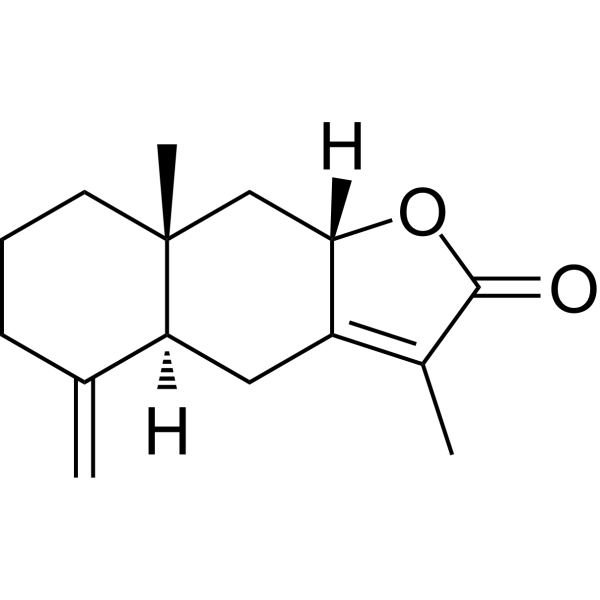
    Atractylenolide II
    3 Publications Verification

    Asterolide

    ERK Apoptosis p38 MAPK Akt Src STAT Cardiovascular Disease Neurological Disease Inflammation/Immunology Cancer
    Atractylenolide II (Asterolide) is a sesquiterpenoid compound. Atractylenolide II can induce G1 phase cell cycle arrest and apoptosis in B16 melanoma cells. Atractylenolide II is an orally effective anticancer agent that can exert anti-melanoma effects by inhibiting the STAT3 signaling pathway. In addition, Atractylenolide II has been shown to ameliorate myocardial fibrosis, oxidative stress, and neuroprotective activity .
    Atractylenolide II
  • HY-N0538

    Xylite

    Environmental Pollutants Endogenous Metabolite Bacterial Autophagy Atg7 Atg8/LC3 Metabolic Disease Cancer
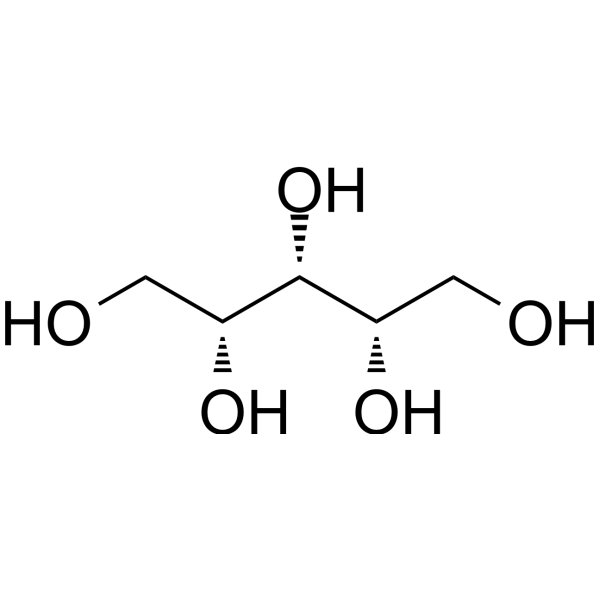
    Xylitol can be classified as a polyol and sugar alcohol, exhibiting inhibitory activity on cancer cell proliferation. It induces autophagy (Autophagy) and cell death in A549 cells by activating the autophagy signaling pathway, as evidenced by the increased expression of LC3-II and Atg5-Atg12 upon Xylitol treatment. Additionally, Xylitol inhibits acetaldehyde production by Candida species, thereby reducing their carcinogenic potential. In vivo, Xylitol induces alterations in the gut microbiota of mice, which may enhance cholesterol accumulation and upregulate hepatic ChREBP, while also slowing tumor growth in the B16F10 melanoma C57BL/6 mouse model .
    Xylitol
  • HY-N7085

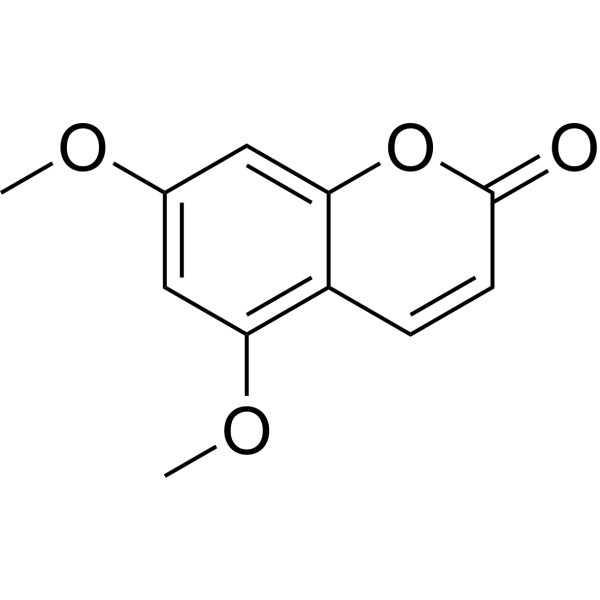
    5,7-Dimethoxycoumarin; Limettin

    Environmental Pollutants ERK p38 MAPK JNK Neurological Disease Inflammation/Immunology Cancer
    Citropten (5, 7-dimethoxycoumarin) is one of the coumarin derivatives. Citropten is an effective oral anticancer agent. Citropten has anti-proliferative activity against A2058 and B16 melanoma cells. Citropten exerts anti-inflammatory effects through the NFκB and MAPK signaling pathways. Citropten acts as an antidepressant through heat shock protein-70, monoamine oxidase-A and inhibition of apoptosis .
    Citropten
  • HY-100875
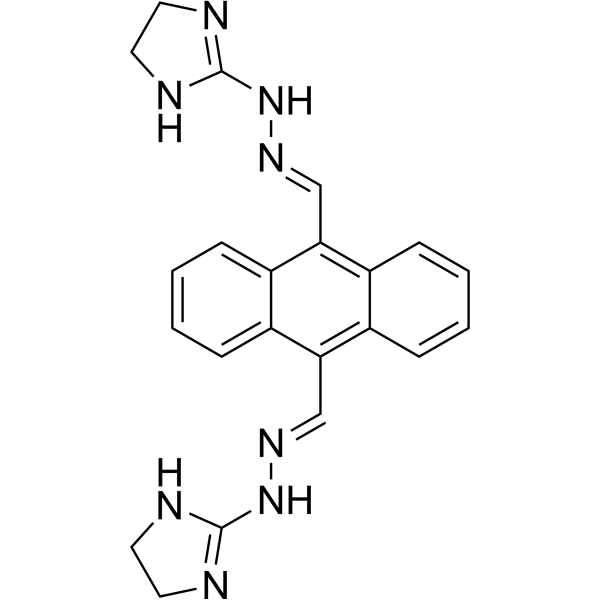
    Bisantrene
    Maximum Cited Publications
    6 Publications Verification

    CL216942

    Topoisomerase Cancer
    Bisantrene is a highly effective antitumor agent, it exerts its cytotoxicity by affecting DNA intercalation. Bisantrene targets eukaryotic type II topoisomerases. Bisantrene is a substrate of MDR1 .
    Bisantrene
  • HY-P11307

    Proteasome Cancer
    Biotin-epoxomicin is a Proteasome subunit binder. Biotin-epoxomicin serves as an affinity reagent for identifying proteasomal catalytic subunits, and facilitates affinity purification of active proteasomal subunits for LC-MS identification. Biotin-epoxomicin can be used to study solid tumors derived from B16 melanoma .
    Biotin-epoxomicin
  • HY-N0616

    Tyrosinase TNF Receptor Bacterial Apoptosis Autophagy AMPK mTOR ERK NF-κB Infection Metabolic Disease Inflammation/Immunology Cancer
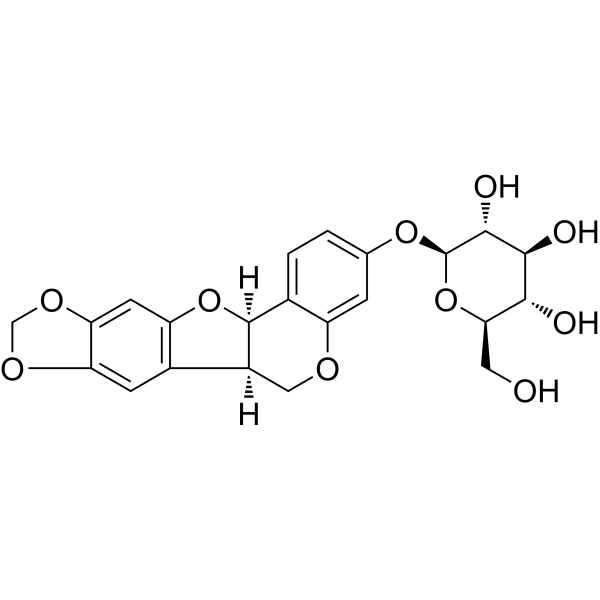
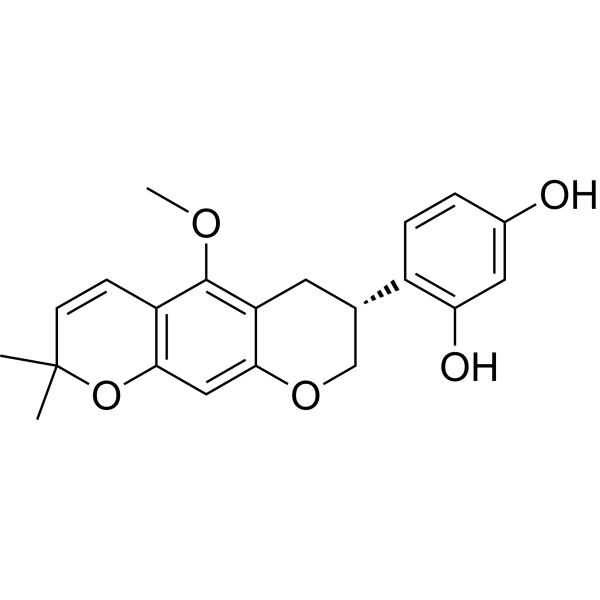
    Trifolirhizin is a pterocarpan flavonoid found in the roots of Sophora flavescens. Trifolirhizin is a tyrosinase inhibitor with an IC50 value of 506.77 μM. Trifolirhizin reduces intracellular melanin production and modulates multiple signaling pathways including NFκB-MAPK, AMPK/mTOR, PI3K/Akt, MAPK-NFATc1 and EGFR-MAPK. Trifolirhizin targets biological molecules including PTK6 and COX-2, inhibits the activities of hyaluronidase, collagenase and elastase, induces apoptosis, autophagy and cell cycle arrest, and suppresses the proliferation, migration and invasion of cancer cells. Trifolirhizin exerts diverse pharmacological effects including anti-inflammatory, anti-asthmatic, bone-protective, renoprotective, antibacterial, antifungal, hepatoprotective, antiplatelet, estrogenic and wound-healing activities. Trifolirhizin can be used to investigate a broad range of malignant, inflammatory, metabolic and infectious disorders .
    Trifolirhizin
  • HY-162275

    Histone Demethylase Histone Methyltransferase STAT Cancer
    JMJD1C-IN-1 is an orally active and selective inhibitor of JMJD1C (IC50 = 0.59 μM, Kd = 1.96 μM). JMJD1C-IN-1 inhibits the binding of JMJD1C to H3K9me2 peptide substrate in the HTRF assay (IC50 = 1.47 μM). JMJD1C-IN-1 disrupts intratumoral regulatory T (Treg) cell fitness by dual mechanisms: promoting H3K9me2 accumulation to downregulate PD1 expression and reducing STAT3 demethylation to enhance STAT3 activation. JMJD1C-IN-1 demonstrates dose-dependent antitumor efficacy in multiple mouse tumor models (MCA205 fibrosarcoma, B16-F10 melanoma, LLC lung cancer, Hepa1-6 hepatocellular carcinoma, CT26 colorectal cancer). JMJD1C-IN-1 can be used for the study of tumor immunotherapy by selectively targeting intratumoral Treg cells .
    JMJD1C-IN-1
  • HY-N3200

    Tyrosinase Cancer
    Neorauflavane is a potent tyrosinase inhibitor derived from Campylotropis hirtella, with an IC50 value of 30 nM for tyrosinase monophenolase activity and an IC50 value of 500 nM for diphenolase activity. Neorauflavane can effectively reduce the melanin content of B16 melanoma cells .
    Neorauflavane
  • HY-N1434

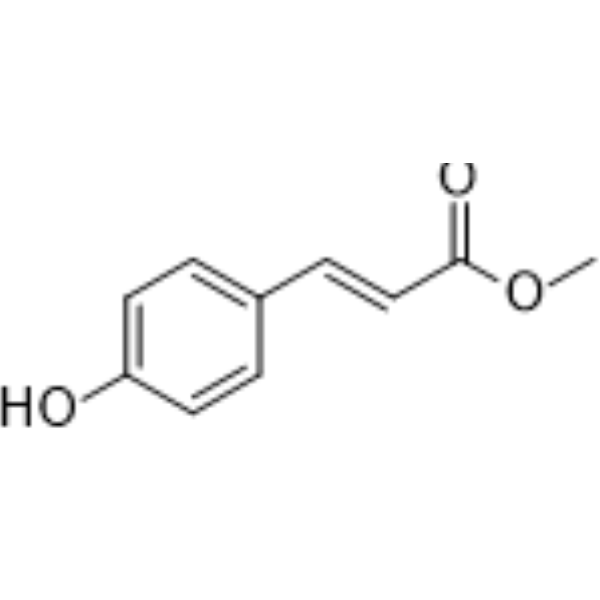
    Methyl 4-hydroxycinnamate

    Fungal Infection Cancer
    Methyl p-coumarate (Methyl 4-hydroxycinnamate), an orally active esterified derivative of p-Coumaric acid (pCA), can be isolated from the flower of Trixis michuacana var longifolia. Methyl p-coumarate could inhibit the melanin formation in B16 mouse melanoma cells. Methyl p-coumarate also has strong in vitro inhibitory effect on A. alternata and other pathogens .
    Methyl p-coumarate
  • HY-46866

    Apoptosis Caspase PARP Metabolic Disease Inflammation/Immunology Cancer
    Isoegomaketone is an orally active apoptosis inducer and radiosensitizer. Isoegomaketone regulates multiple key signaling pathways such as PI3K/AKT/mTOR, NF-κB, MAPK, cleaves Caspase family proteins and PARP, and modulates Bax, AIF and endoplasmic reticulum stress proteins. Isoegomaketone also induces autophagy and keratinocyte proliferation, effectively reduces the levels of inflammatory factors and oxidative stress, inhibits adipocyte differentiation, and resensitizes TRAIL-resistant cancer cells. Isoegomaketone can be applied to research related to colorectal cancer, melanoma, lung cancer, prostate cancer, liver cancer, as well as rheumatoid arthritis and obesity .
    Isoegomaketone
  • HY-P2336A
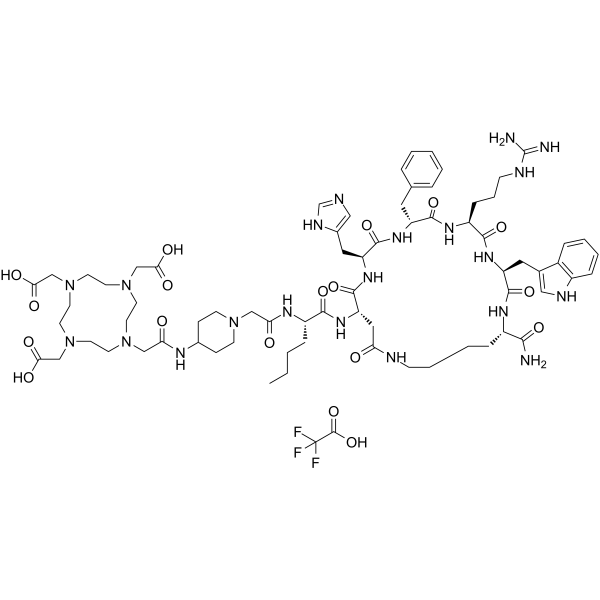
    CCZ01048 TFA
    3 Publications Verification

    Melanocortin Receptor Cancer
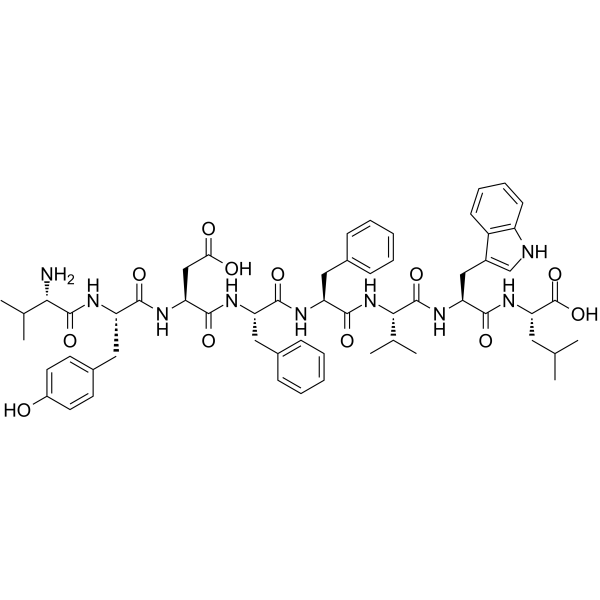
    CCZ01048 TFA, a α-MSH analogue, exhibits high binding affinity to melanocortin 1 receptor (MC1R) with a Ki of 0.31 nM. CCZ01048 TFA shows rapid internalization into B16F10 melanoma cells and high in vivo stability. CCZ01048 TFA is a promising candidate for PET imaging of malignant melanoma .
    CCZ01048 TFA
  • HY-P1585
    Gp100 (25-33), human
    1 Publications Verification

    Hgp100 (25-33)

    MHC Cancer
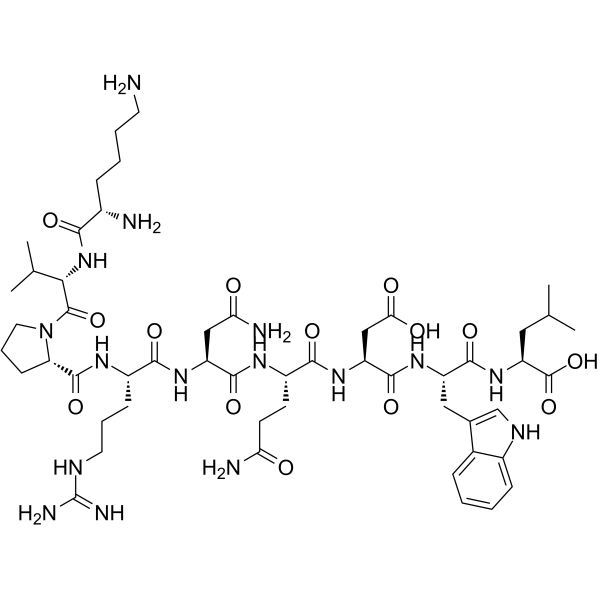
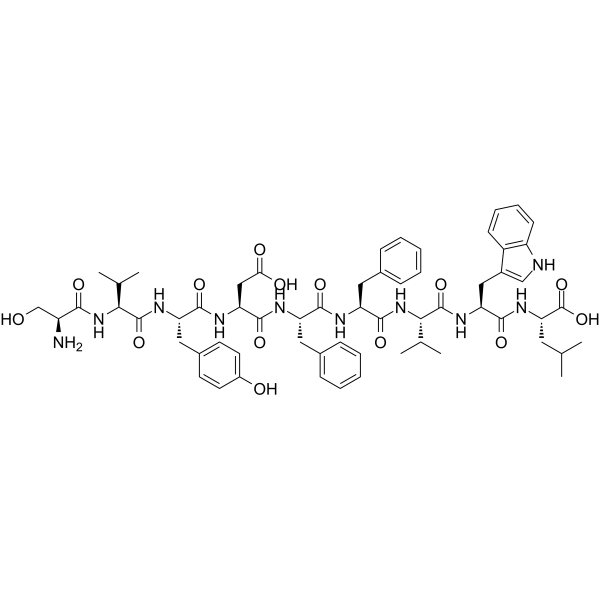
    Gp100 (25-33), human (Hgp100 (25-33)) is the amino acids 25-33 fragment of the human melanoma antigen. Gp100 (25-33), human is a 9-amino acid (AA) epitope restricted by MHC class I H-2D b and recognized by the T cells. Gp100 (25-33), human has immunogenicity and induces specific T cells. Gp100 (25-33), human can be used for the cancer research, such as melanoma .
    Gp100 (25-33), human
  • HY-152263

    Hsp-targeting Chimeras CDK Apoptosis Cancer
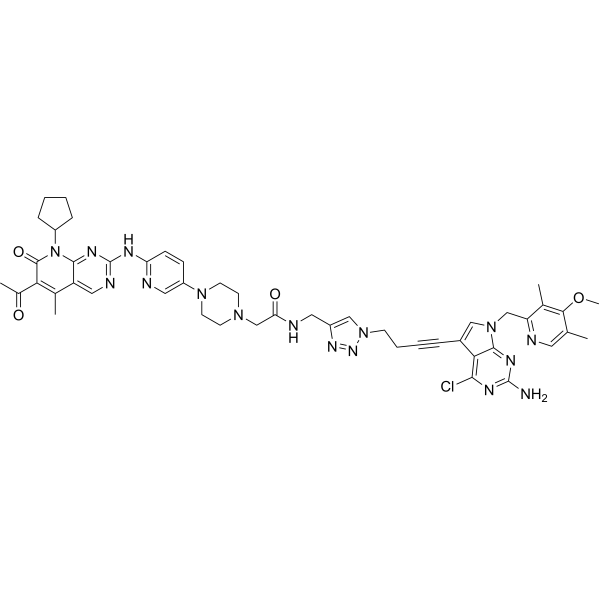
    HEMTAC CDK4/6 degrader 1 is a PROTAC connected by ligands for HSP90 and CDK4/6 with a Kd value of 35.7 μM. HEMTAC CDK4/6 degrader 1 induces CDK4/6 degradation in B16F10 melanoma cells. HEMTAC CDK4/6 degrader 1 arrests cell cycle at G0/G1 phase and induces apoptosis. HEMTAC CDK4/6 degrader 1 can be used in research of cancer . HEMTAC CDK4/6 degrader 1 is a click chemistry reagent, it contains an Alkyne group and can undergo copper-catalyzed azide-alkyne cycloaddition (CuAAc) with molecules containing Azide groups.
    HEMTAC CDK4/6 degrader 1
  • HY-175370

    PROTACs RIP kinase Cancer
    PROTAC RIPK1 Degrader-1 is a selective RIPK1 PROTAC degrader. PROTAC RIPK1 Degrader-1 degrades RIPK1 in multiple cancer cell lines (e.g., A375, B16F10 cells). PROTAC RIPK1 Degrader-1 enhances the anti-cancer effect of radiotherapy in syngeneic and humanized mouse models. PROTAC RIPK1 Degrader-1 can be used to study cancers such as melanoma. (Pink: RIPK1-ligand-2: HY-175371, Blue: (S,R,S)-AHPC-Me: HY-112078, Pink + Black: RIPK1 ligand-Linker Conjugate-1: HY-175374, Black: Bispiperidin-piperazin-acetater: HY-175373) .
    PROTAC RIPK1 Degrader-1
  • HY-100875A
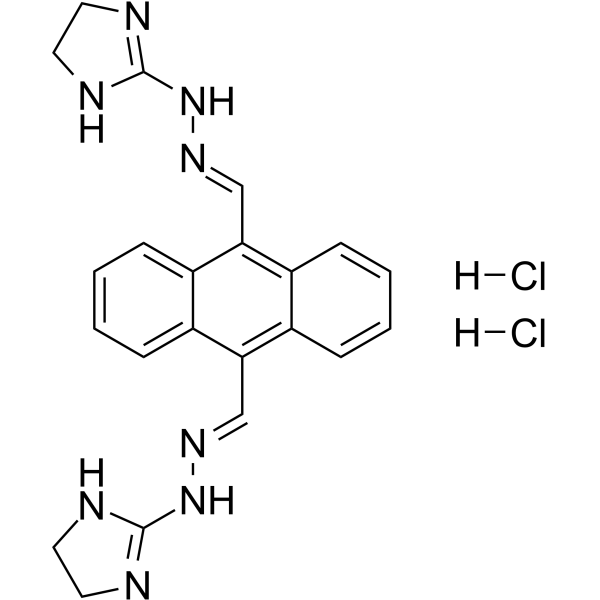
    Bisantrene dihydrochloride
    Maximum Cited Publications
    6 Publications Verification

    CL-216942 dihydrochloride

    Topoisomerase Cancer
    Bisantrene dihydrochloride is a highly effective antitumor agent, it exerts its cytotoxicity by affecting DNA intercalation. Bisantrene dihydrochloride targets eukaryotic type II topoisomerases. Bisantrene dihydrochloride is a substrate of MDR1 .
    Bisantrene dihydrochloride
  • HY-174830

    PD-1/PD-L1 Cancer
    GJ19 is a PD-L1 inhibitor with an IC50 of 32.06 nM. GJ19 can effectively bind to human/murine PD-L1 protein with Kd values of 171 and 290 nM, respectively. GJ19 concentration-dependently promotes HepG2 cell mortality in a co-culture model of HepG2/hPD-L1 and Jurkat T/hPD-1 cells. GJ19 effectively suppresses tumor growth in a B16-F10 melanoma mouse model. GJ19 can be used for the study of tumor immunotherapy .
    GJ19
  • HY-N10423

    (-)-Cubebin

    Cholinesterase (ChE) Bacterial Fungal Parasite p38 MAPK Infection Neurological Disease Metabolic Disease Inflammation/Immunology Cancer
    Cubebin ((-)-Cubebin), a dibenzyl butyrolactone lignan, is an orally active AChE inhibitor. Cubebin binds to active sites of NF-κB, TNF-α, and TGF-β1 via hydrogen and hydrophobic interactions, obstructing critical residues to inhibit pro-inflammatory or renal fibrosis-related activity. Cubebin enhances p38 MAPK phosphorylation to increase tyrosinase gene expression, stimulating melanogenesis via elevated tyrosinase activity, expression, and mRNA levels. Cubebin reduces oxidative stress via enhanced endogenous antioxidant enzyme activity and inhibited lipid peroxidation, regulates lipid metabolism, improves glycemic control, and exerts renoprotective effects via reduced renal dysfunction markers and improved renal architecture. Cubebin shows antimicrobial activity. Cubebin exerts larvicidal activity against Angiostrongylus cantonensis larvae, with no cytotoxicity toward monkey or human cell lines or Caenorhabditis elegans. Cubebin can be used for the research of diabetic nephropathy, melanoma, colon adenocarcinoma, neuroangiostrongyliasis, Alzheimer’s disease (AD) and depression .
    Cubebin
  • HY-116392E

    Glucosylceramide Synthase (GCS) Apoptosis Neurological Disease Metabolic Disease Cancer
    D-threo-PDMP is a potent glucoceramide synthase (GCS) inhibitor, which reduces the glycosphingolipids (such as GM3 and GD3) on the cell surface by inhibiting glycosylation, reduces the total length of the axon plexus and the number of axon branch points, and inhibits neurite growth. D-threo-PDMP inhibits the synthesis of GM3, thereby reducing the adhesion ability of B16 melanoma cells and mimicking the pathological effects of hyperglycemia/TGF-β1. D-threo-PDMP inhibits the synthesis of GD3, thereby protecting liver cells from apoptosis induced by TNF-α. D-threo-PDMP can be used to study diseases related to targeted glycosphingolipid metabolism .
    D-threo-PDMP
  • HY-116392F

    Glucosylceramide Synthase (GCS) Neurological Disease Metabolic Disease Cancer
    D-threo-PDMP hydrochloride is a potent glucoceramide synthase (GCS) inhibitor, which reduces the glycosphingolipids (such as GM3 and GD3) on the cell surface by inhibiting glycosylation, reduces the total length of the axon plexus and the number of axon branch points, and inhibits neurite growth. D-threo-PDMP hydrochloride inhibits the synthesis of GM3, thereby reducing the adhesion ability of B16 melanoma cells and mimicking the pathological effects of hyperglycemia/TGF-β1. D-threo-PDMP hydrochloride inhibits the synthesis of GD3, thereby protecting liver cells from apoptosis induced by TNF-α. D-threo-PDMP hydrochloride can be used to study diseases related to targeted glycosphingolipid metabolism .
    D-threo-PDMP hydrochloride
  • HY-W272217S

    n-Octacosane-d58; NSC 5549-d58

    Bacterial Endogenous Metabolite Cancer
    Octacosane-d58 is the deuterium labeled Octacosane . Octacosane is an endogenous metabolite with antibacterial activity. Octacosane shows high cytotoxicity against murine melanoma B16F10-Nex2 cells besides inducing protection against a grafted subcutaneous melanoma. Octacosane has the larvicidal activity against mosquito Culex quinquefasciatus with the LC50 concentration of 7.2 mg/l .
    Octacosane-d58
  • HY-P1585A
    Gp100 (25-33), human TFA
    1 Publications Verification

    Hgp100 (25-33) TFA

    MHC Cancer
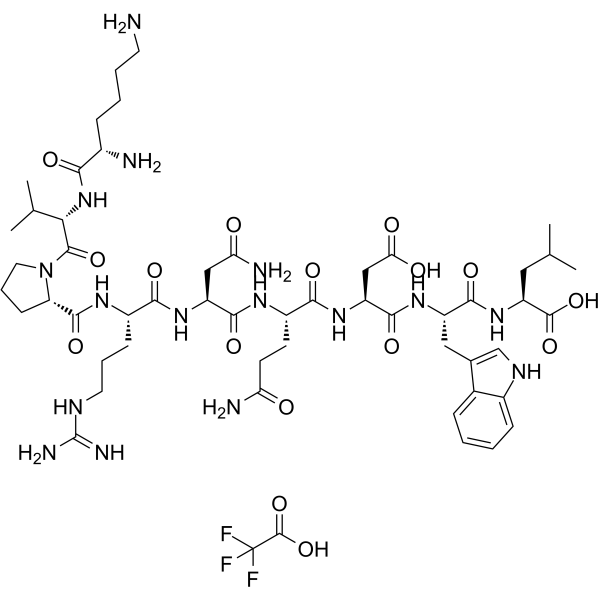
    Gp100 (25-33), human TFA (Hgp100 (25-33) (TFA)) is the amino acids 25-33 fragment of the human melanoma antigen. Gp100 (25-33), human TFA is a 9-amino acid (AA) epitope restricted by MHC class I H-2D b and recognized by the T cells. Gp100 (25-33), human TFA has immunogenicity and induces specific T cells. Gp100 (25-33), human TFA can be used for the cancer research, such as melanoma .
    Gp100 (25-33), human TFA
  • HY-W001939

    Biochemical Assay Reagents Cancer
    4-Acetylbenzoic acid is a Zn(II) complex. 4-Acetylbenzoic acid is a derivative of benzoic acid that is commonly used in chemical synthesis. 4-Acetylbenzoic acid has an IC50 of 331.3 μM in murine L929 fibroblasts and an IC50 of 176 μM in metastatic melanoma B16 F10 cell lines .
    4-Acetylbenzoic acid
  • HY-175381

    PROTACs Pyroptosis Reactive Oxygen Species (ROS) Caspase Cancer
    DeFer-2 is a ferritin PROTAC degrader (Kd = 17.1 μM). DeFer-2 induces ferritin degradation, triggering caspase 3-GSDME-mediated pyroptosis in cancer cells through free iron accumulation and elevated ROS. DeFer-2 significantly inhibits tumor growth and prolongs survival in mice bearing B16F10 subcutaneous tumors. DeFer-2 can be used to study melanoma. (Pink: Oleic acid: HY-N1446, Blue: (S,R,S)-AHPC: HY-125845, Black: γ-Aminobutyric acid: HY-N0067, Blue + Black: (S,R,S)-AHPC-C3-NH2: HY-130711) .
    DeFer-2
  • HY-N7085R

    5,7-Dimethoxycoumarin (Standard); Limettin (Standard)

    ERK JNK p38 MAPK Reference Standards Neurological Disease Inflammation/Immunology Cancer
    Citropten (Standard) is the analytical standard of Citropten. This product is intended for research and analytical applications. Citropten (5, 7-dimethoxycoumarin) is one of the coumarin derivatives. Citropten is an effective oral anticancer agent. Citropten has anti-proliferative activity against A2058 and B16 melanoma cells. Citropten exerts anti-inflammatory effects through the NFκB and MAPK signaling pathways. Citropten acts as an antidepressant through heat shock protein-70, monoamine oxidase-A and inhibition of apoptosis .
    Citropten (Standard)
  • HY-W096169D

    Biochemical Assay Reagents Drug Intermediate Cancer
    Platinum is a metallic element, and its complexes act as orally active anticancer agents. Platinum-based complexes used for tumors include Cisplatin (HY-17394), Carboplatin (HY-17393), and Oxaliplatin (HY-17371) .
    Platinum
  • HY-113612

    Phosphatase Apoptosis Cancer
    Cytostatin is an effective and selective protein phosphatase 2A (PP2A) inhibitor with an IC50 value of 210 nM. Cytostatin exhibits anti-metastatic properties, good antitumor activity, and can induce apoptosis. Cytostatin can also prevent the adhesion of B16 melanoma cells to components of the extracellular matrix (laminin and collagen). Cytostatin belongs to the family of natural product fosriecin .
    Cytostatin
  • HY-W272217

    n-Octacosane; NSC 5549

    Endogenous Metabolite Bacterial Inflammation/Immunology Cancer
    Octacosane is an endogenous metabolite with antibacterial activity. Octacosane shows high cytotoxicity against murine melanoma B16F10-Nex2 cells besides inducing protection against a grafted subcutaneous melanoma. Octacosane has the larvicidal activity against mosquito Culex quinquefasciatus with the LC50 concentration of 7.2 mg/l .
    Octacosane
  • HY-139061

    LPL Receptor ROCK Cancer
    Palmitoyl 3-carbacyclic phosphatidic acid (HY-139061) is a palmitoylated Carba-like cyclophosphatidic acid and an analog of lysophosphatidic acid (LPA). Palmitoyl 3-carbacyclic phosphatidic acid has different functions from LPA and can inhibit the activation of RhoA and inhibit the migration of melanoma cells. Palmitoyl 3-carbacyclic phosphatidic acid effectively inhibited experimental lung metastasis and reduced the number of tumor nodules in a B16-F0 xenograft mouse model .
    Palmitoyl 3-carbacyclic phosphatidic acid
  • HY-N7717

    (–)-(1R)-N-methylcoclaurine

    Drug Derivative Metabolic Disease
    (-)-N-methylcoclaurine ((-)-(1R)-N-methylcoclaurine) is a benzylisoquinoline alkaloid and melanogenesis inhibitor with an IC50 of 6.5 μM that can be found in the flower buds of Nelumbo nucifera. (-)-N-methylcoclaurine inhibits theophylline-stimulated melanogenesis in melanoma cells. (-)-N-methylcoclaurine can be used for the research of skin hyperpigmentation disorders .
    (-)-N-methylcoclaurine
  • HY-147973

    c-Myc Apoptosis Cancer
    IZTZ-1, an imidazole-benzothiazole conjugate, is a c-MYC G4 ligand. IZTZ-1 is able to downregulate the c-MYC expression by stabilizing c-MYC G4. IZTZ-1 induces cell cycle arrest, apoptosis, thereby inhibiting cell proliferation in B16 cells. IZTZ-1 shows antitumor activity, and can be used for melanoma research .
    IZTZ-1
  • HY-P11424

    Integrin Cancer
    Cyclo(GRGDSPA) is a cyclic RGD peptide targeting αvβ3 integrin. Cyclo(GRGDSPA) reduces the formation of colonies in mice injected with B16-FE7 melanoma cells. Cyclo(GRGDSPA) can be used for melanoma research .
    Cyclo(GRGDSPA)
  • HY-N9521

    Others Cancer
    3-O-β-D-Glucopyranosyl(1→2)-[a-Lrhamnopyranosyl(1→3)]-β-D-glucopyranosyl 28-O-β-D-glucuronopyranoside, a saponin, is isolated from Polaskia chichipe Backbg. 3-O-β-D-Glucopyranosyl(1→2)-[a-Lrhamnopyranosyl(1→3)]-β-D-glucopyranosyl 28-O-β-D-glucuronopyranoside shows ability to inhibit melanin biosynthesis by B16 melanoma cell with inhibitory activity 84.2% at 100μM[1].
    3-O-β-D-Glucopyranosyl(1→2)-[a-Lrhamnopyranosyl(1→3)]-β-D-glucopyranosyl 28-O-β-D-glucuronopyranoside
  • HY-136295

    Antibiotic Bacterial Infection Inflammation/Immunology
    Quinaldopeptin, a quinomycin antibiotic isolated from the culture of Streptoverticillium album strain, is highly active against Gram-positive bacteria and anaerobes and strongly cytotoxic against cultured B16 melanoma cells .
    Quinaldopeptin
  • HY-N3643

    Platelet-activating Factor Receptor (PAFR) Cancer
    Cryptomeridiol is a platelet-activating factor (PAF) receptor binding inhibitor. Cryptomeridiol has melanogenesis inhibitory activity in the α-MSH (HY-P0252)-stimulated B16 melanoma cells .
    Cryptomeridiol
  • HY-179717

    PROTACs Microphthalmia Associated Transcription Factor (MITF) Cancer
    WZS0347 is a MITF PROTAC degrader. WZS0347 effectively reduces the MITF protein levels in several melanoma cell lines, including B16F10, A375, and GAK. WZS0347 significantly inhibits the proliferation, migration, and invasion of melanoma cells. WZS0347 can be used for research on melanoma (Pink: MITF ligand: (HY-179718); Blue: CRBN ligand: (HY-131717); Black: linker: (HY-22391)) .
    WZS0347
  • HY-P2336

    Melanocortin Receptor Cancer
    CCZ01048, a α-melanocyte-stimulating hormone (α-MSH) analogue, exhibits high binding affinity to melanocortin 1 receptor (MC1R) with a Ki of 0.31 nM. CCZ01048 shows rapid internalization into B16F10 melanoma cells and high in vivo stability. CCZ01048 is a promising candidate for PET imaging of malignant melanoma .
    CCZ01048
  • HY-19825

    Topoisomerase ADC Payload Antibiotic Cancer
    Rebeccamycin, an antitumor antibiotic, inhibits DNA topoisomerase I. Rebeccamycin appears to exert its primary antineoplastic effect by poisoning topoisomerase I and has negligible effect on protein kinase C and topoisomerase II .
    Rebeccamycin
  • HY-W587938

    (+)-γ-Eudesmol

    Apoptosis Cancer
    γ-Eudesmol ((+)-γ-Eudesmol) is a mitochondrial-mediated apoptosis inducer. γ-Eudesmol binds mitochondrial membrane proteins, triggering depolarization of mitochondrial membrane potential and activating caspase cascades. γ-Eudesmol demonstrates cytotoxicity against multiple tumor cell lines (e.g., HepG2, B16-F10) with IC50 values ranging from 8.86-15.15 μg/mL. γ-Eudesmol is promising for research of cancers, such as hepatocellular carcinoma and melanoma .
    γ-Eudesmol
  • HY-174468

    LYTACs PD-1/PD-L1 HSP Cancer
    dPDL1-4 is a potent and selective eHSPTAC eHSP90 PD-L1 degrader with DC50s of 7.77 μM and 6.52 μM in HeLa and B16F10 cells. dPDL1-4 bridges eHSP90 with the target protein, inducing lysosomal degradation. dPDL1-4 can degrade PD-L1 significantly and inhibits tumor growth. dPDL1-4 can be used for the study of cervical cancer and melanoma. ((Pink: eHSP90 ligand (HY-174476); Blue: PD-L1 ligand (HY-116274); Black: Linker (HY-W021787); HSP ligand + linker: HY-174799)) .
    dPDL1-4
  • HY-117231

    Others Cancer
    RM 06 is an immunomodulator with a peptidyl hypoxanthine structure that significantly reduces the number of lung metastases of B16 melanoma cells in mice after lethal irradiation and bone marrow reconstitution by stimulating the activity of natural killer (NK) cells .
    RM 06
  • HY-116392A

    Glucosylceramide Synthase (GCS) Cancer
    (−)-L-threo-PDMP hydrochloride is the hydrochloride form of (−)-L-threo-PDMP. L-threo-PDMP is a glucosylceramide synthase (GCS) inhibitor. L-threo-PDMP stimulates the proliferation of cultured aortic smooth muscle cells, and that increases the level of LacCer in B16 melanoma cells .
    (−)-L-threo-PDMP hydrochloride
  • HY-114585

    Bacterial Infection Cancer
    Sperabillin A is an antibacterial agent against gram-positive and gram-negative bacteria. Sperabillin A shows strong inhibition of human umbilical vein endothelial (HUVE) cell proliferation. Sperabillin A also shows anti-tumor acfivity against B16 melanoma in mouse .
    Sperabillin A
  • HY-113612A

    Apoptosis Phosphatase Cancer
    Cytostatin sodium is an effective and selective protein phosphatase 2A (PP2A) inhibitor with an IC50 value of 210 nM. Cytostatin sodium exhibits anti-metastatic properties, good antitumor activity, and can induce apoptosis. Cytostatin sodium can also prevent the adhesion of B16 melanoma cells to components of the extracellular matrix (laminin and collagen). Cytostatin sodium belongs to the family of natural product fosriecin .
    Cytostatin sodium
  • HY-N13879

    Melanocortin Receptor Cancer
    Amphistin is a melanogenesis inhibitor found in actinomycete. Amphistin inhibits the melanogenesis of B16 melanoma cells without affecting the growth of the cell .
    Amphistin
  • HY-N12431

    Others Cancer
    Machilin A is a lignan isolated from the methanolic extract of Phoebe bark. Machilin A inhibits melanin biosynthesis in B-16 mouse melanoma cells with an IC50 of 39.9 μM.
    Machilin A
  • HY-N14435

    Antibiotic Fungal Infection
    Pradimicin Q is an antibiotic. The cytotoxicity (IC50) to human colon HCT-116 cells and murine melanoma B16-F10 cells are 75 and 100 μg/mL, respectively .
    Pradimicin Q
  • HY-149950

    Apoptosis Cancer
    Anticancer agent 106 (compound 10ic) is an anticancer agent that induces apoptosis in B16-F10 melanoma cells. Anticancer agent 106 also potently inhibits metastatic nodules in a mouse model of lung metastatic melanoma. Anticancer agent 106 can be used in the study of cancer, especially lung metastatic melanoma .
    Anticancer agent 106
  • HY-N14095

    Bacterial HIV Infection Cancer
    Curromycin A has antibacterial activity against Gram-positive bacteria such as Bacillus subtilis. Curromycin A can inhibit the replication of human immunodeficiency virus (HIV), inhibit mouse melanoma B16 and leukemia P388 cells .
    Curromycin A
  • HY-N14110

    Bacterial HIV Infection
    Curromycin B has antibacterial activity against Gram-positive bacteria such as Bacillus subtilis. Curromycin B can inhibit the replication of human immunodeficiency virus (HIV), inhibit mouse melanoma B16 and leukemia P388 cells .
    Curromycin B
  • HY-10615
    A-620223
    1 Publications Verification

    PARP Cancer
    A-620223 is a PARP-1 inhibitor with a Ki of 8 nM against PARP-1 and EC50 of 3 nM in a whole cell assay. A-620223 demonstrates good in vivo efficacy in a B16F10 subcutaneous murine melanoma model in combination with Temozolomide (TMZ) (HY-17364) and in an MX-1 breast xenograph model in combination with Cisplatin (HY-17394). A-620223 can be used for the studies of melanoma and breast cancer .
    A-620223

온라인 문의

Your information is safe with us. * Required Fields.

호칭


Country or Region *

고객명 *


회사명 *

Department *


메일주소 *


상품명 *

Cat. No.


Requested quantity *

전화번호 *


비고

온라인 문의

Inquiry Information

상품명:
Cat. No.:
수량:
MCE Japan Authorized Agent:

