Search Result
Results for "
DPPH+free+radical
" in MedChemExpress (MCE) Product Catalog:
1
Biochemical Assay Reagents
| Cat. No. |
Product Name |
Target |
Research Areas |
Chemical Structure |
-
- HY-N1430
-
|
trans-Oxyresveratrol
|
Tyrosinase
HSV
Autophagy
|
Others
|
|
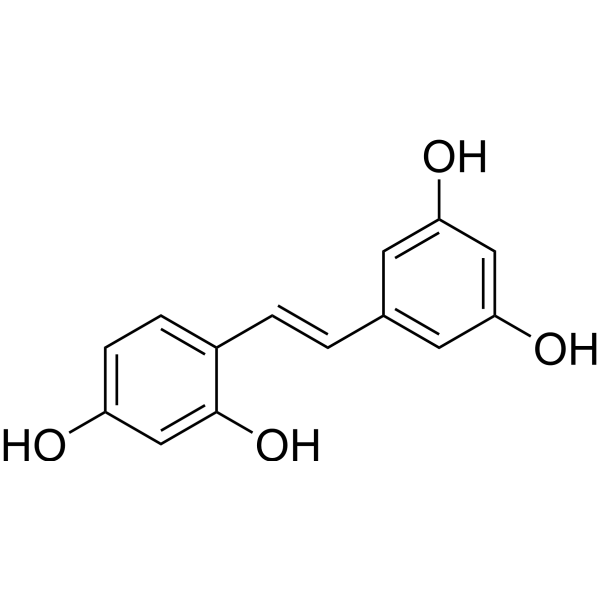
Oxyresveratrol (trans-Oxyresveratrol) is a potent naturally occurring antioxidant and free radical scavenger (IC50 of 28.9 µM against DPPH free radicals). Oxyresveratrol is potent and noncompetitive tyrosinase inhibitor with an IC50 value of 1.2 µM for mushroom tyrosinase. Oxyresveratrol is effective against HSV-1, HSV-2 and varicella-zoster virus, and has neuroprotective effects .
|
-
-
- HY-N1312
-
-
-
- HY-N0627
-
|
|
LDLR
|
Others
|
|
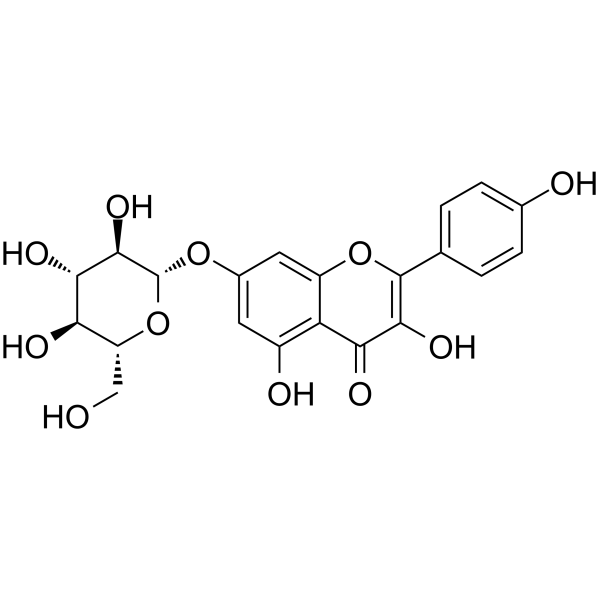
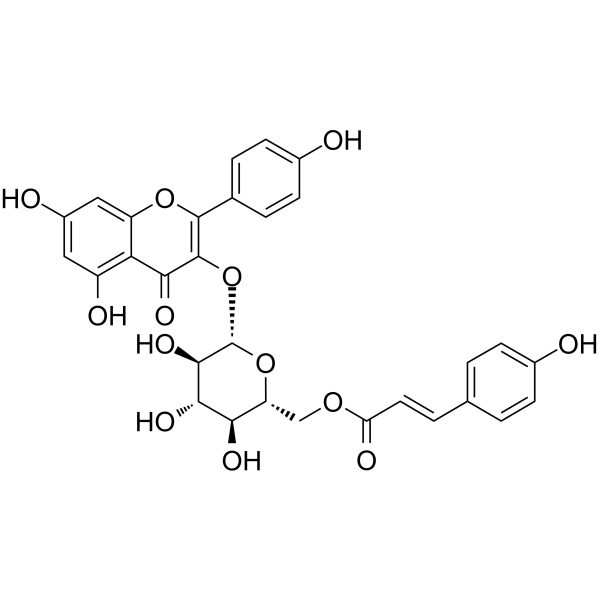
Kaempferol-7-O-β-D-glucopyranoside is a flavonoid glycoside. Kaempferol-7-O-β-D-glucopyranoside exists in the root bark of Cudrania tricuspidata. Kaempferol-7-O-β-D-glucopyranoside inhibits Cu 2+-induced lipid peroxidation of low-density lipoprotein. Kaempferol-7-O-β-D-glucopyranoside possesses antioxidant activity and scavenges DPPH free radicals .
|
-
-
- HY-W040045
-
|
Pelargonidin-3-O-glucoside chloride
|
Reactive Oxygen Species (ROS)
COX
NO Synthase
p38 MAPK
TNF Receptor
Apoptosis
|
Neurological Disease
Metabolic Disease
Inflammation/Immunology
Cancer
|
|
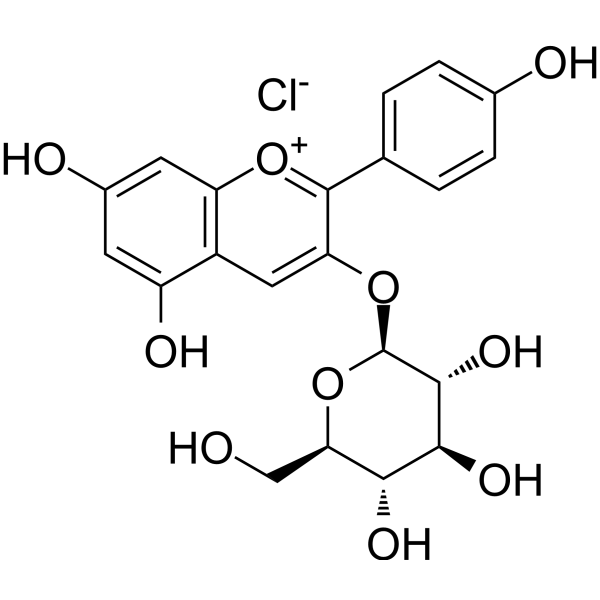
Callistephin (Pelargonidin 3-O-glucoside) chloride is an anthocyanin. Callistephin chloride regulates the expression of inflammatory (reducing iNOS/TNF-α/COX-2) and apoptosis-related proteins by inhibiting p38 phosphorylation, and enhances the protective effect of Isoflurane (HY-A0134) on microglial cell damage. Callistephin chloride significantly reduces ROS levels, eliminates DPPH free radicals, protects retinal pigment epithelial cells, and inhibits lipid peroxidation. Callistephin chloride can alleviate glutamate excitotoxicity, reduce neuronal apoptosis, and protect cerebellar granule neurons. Callistephin chloride can inhibit the proliferation and metastasis of breast cancer cells by inducing apoptosis .
|
-
-
- HY-W019885A
-
|
Sodium triphosphate pentabasic, 98%
|
Environmental Pollutants
Biochemical Assay Reagents
|
Others
|
|
Sodium tripolyphosphate (STPP), 98% is an inorganic, non-toxic polyphosphate crosslinker, inducer and enhancer. Sodium tripolyphosphate (STPP), 98% induces the formation of unique needle-like microcrystals in sodium alginate-chitosan composite films. Sodium tripolyphosphate (STPP), 98% enhances the DPPH free radical scavenging activity of sodium alginate-chitosan composite films .
|
-

-
- HY-N2443
-
-
-
- HY-127170
-
|
|
Lipoxygenase
Tyrosinase
|
Metabolic Disease
Inflammation/Immunology
|
|
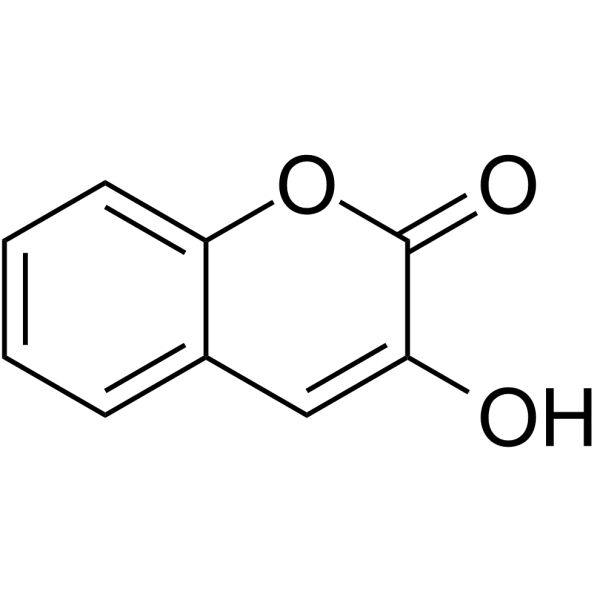
3-Hydroxycoumarin is an inhibitor of tyrosinase and lipoxygenase with an IC50 for recombinant human tyrosinase (rHT) of 26 μM, and a Ki of 3.39 μM; its IC50 for LOX is 9.5 μM. 3-Hydroxycoumarin has DPPH free radical scavenging activity (IC50 = 31.2 μM). 3-Hydroxycoumarin has photoprotective effects on sea urchin zygotes and embryos .
|
-
-
- HY-N7627
-
-
-
- HY-N6829
-
|
Quercetin-3,3',4',7-tetramethylether
|
Tyrosinase
Fungal
SARS-CoV
Apoptosis
Reactive Oxygen Species (ROS)
|
Infection
Neurological Disease
Metabolic Disease
Inflammation/Immunology
|
|
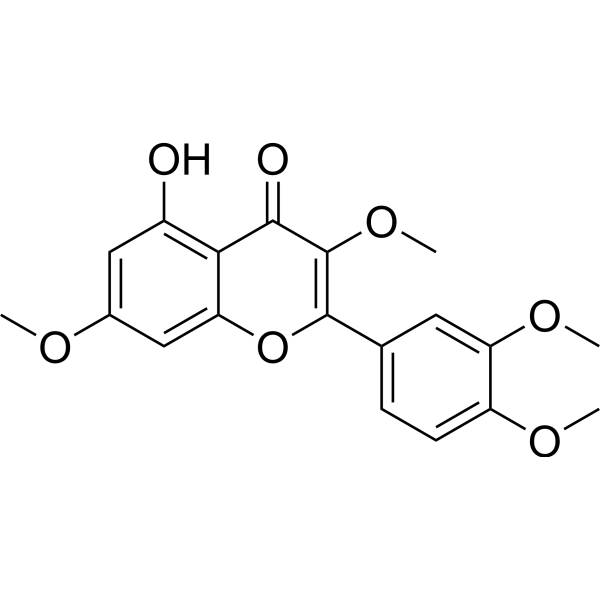
Retusin (Quercetin-3,3',4',7-tetramethylether) is a tyrosinase inhibitor, with IC50 values of 50.9 μM and 51.8 μM against mushroom and intracellular tyrosinase, respectively. Retusin also acts as a free radical scavenger, melanogenesis inhibitor, anti-apoptosis agent, neuroprotective agent, antiemetic, antifungal agent, and antiviral agent. Retusin scavenges ABTS• + and DPPH• free radicals. Retusin can be used in studies related to hyperpigmentation, vomiting, Aspergillus niger infection, and COVID-19 infection .
|
-
-
- HY-124496
-
-

-
- HY-168993
-
-

-
- HY-N0241
-
|
|
Cholinesterase (ChE)
Lipase
Bacterial
Cytochrome P450
|
Infection
Metabolic Disease
|
|
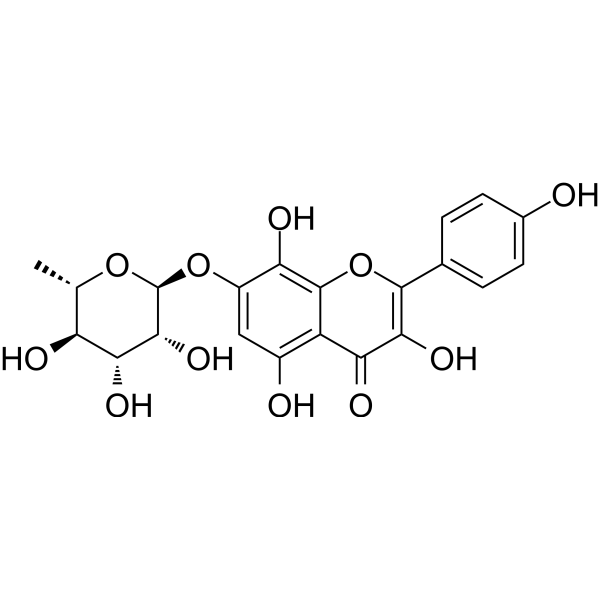
Rhodionin is an orally active, multifunctional antivirulence and cytoprotective agent that targets and inhibits Lipase, sortase A (SrtA), CYP2D6 (IC50=0.761 μM), AChE (IC50=2.43-57.5 μM), and DPPH free radicals (IC50=19.49 μM). Rhodionin is isolable from the roots of Rhodiola crenulata. Rhodionin reduces postprandial serum triglyceride levels in mice by inhibiting lipase activity. Rhodionin also binds directly to SrtA to inhibit its transpeptidase activity, thereby reducing the fibrinogen adhesion and surface protein A levels of MRSA, effectively inhibiting biofilm formation and protecting against MRSA-induced cell damage. Rhodionin improves the survival rate of infected mice without affecting MRSA growth, and finds wide application in studies related to hyperlipidemia, exogenous obesity, and pneumonia induced by methicillin-resistant Staphylococcus aureus (MRSA) .
|
-
-
- HY-N8219
-
-
-
- HY-W002773
-
|
|
Endogenous Metabolite
|
Others
|
|
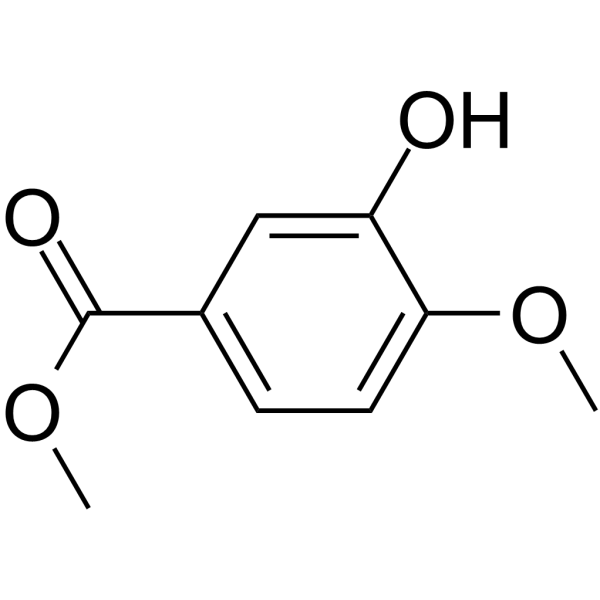
Methyl isovanillate is a secondary metabolite isolated from Vitex agnus-castus. Methyl isovanillate does not exhibit significant activity in the DPPH free radical scavenging experiment .
|
-
-
- HY-N3421
-
|
|
Interleukin Related
TNF Receptor
Influenza Virus
|
Infection
Inflammation/Immunology
Cancer
|
|
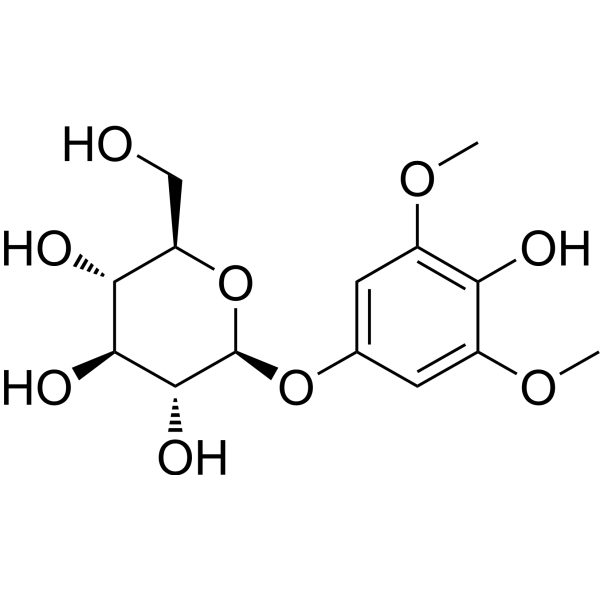
Koaburaside is a cytoprotective and anti-inflammatory natural compound. Koaburaside shows antioxidant activity with an IC50 of 9.0 μM for DPPH-free radical scavenging assay. Koaburaside inhibits histamine release and expressions of IL-6 and TNF-α in human mast cells. Koaburaside also effectively inhibits influenza A neuraminidase .
|
-
-
- HY-130294
-
|
|
Elastase
|
Inflammation/Immunology
|
|
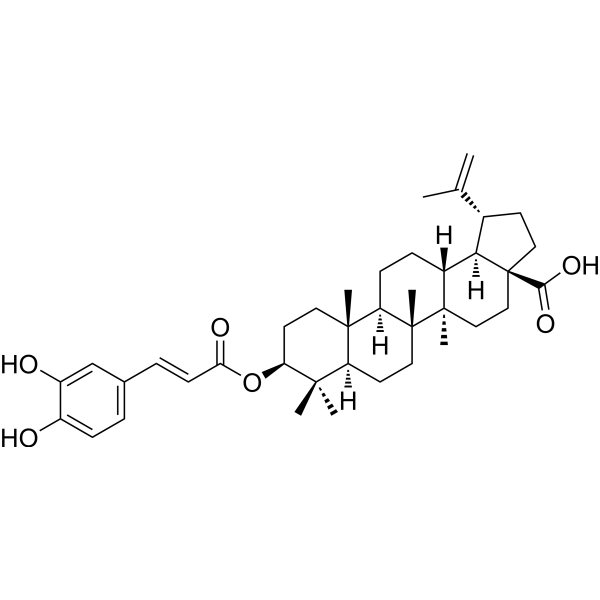
Pyracrenic acid is an elastase inhibitor (IC50 = 2.42 µM), can be obtained from the bark of Pyracantha crenulata. Pyracrenic acid has DPPH free radical scavenging activity and anti-inflammatory activity .
|
-
-
- HY-N7648
-
|
Atherospermine
|
Parasite
Phosphodiesterase (PDE)
|
Infection
|
|
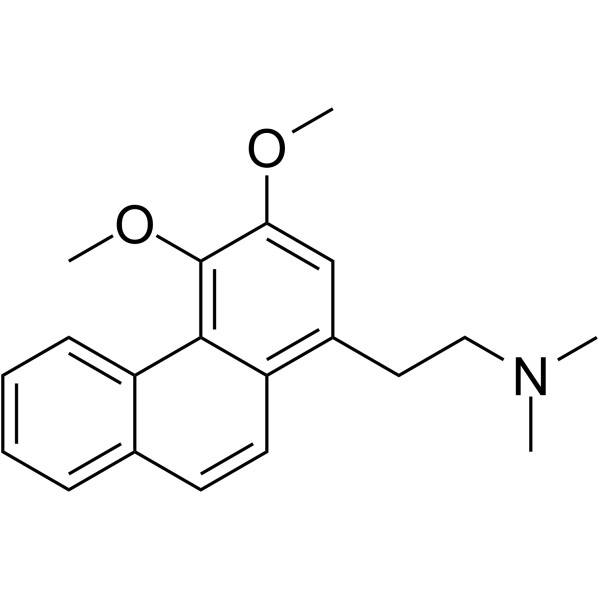
Atherosperminine (Atherospermine) is a phosphodiesterase inhibitor. Atherosperminine inhibits growth of chloroquine-resistant Plasmodium falciparum. Atherosperminine scavenges DPPH free radicals, exhibits ferric reducing power, and chelates metal ions. Atherosperminine can be used for the research of malaria .
|
-
-
- HY-N3554
-
|
(+)-Catechol 7-β-D-xylopyranoside
|
Others
|
Others
|
|
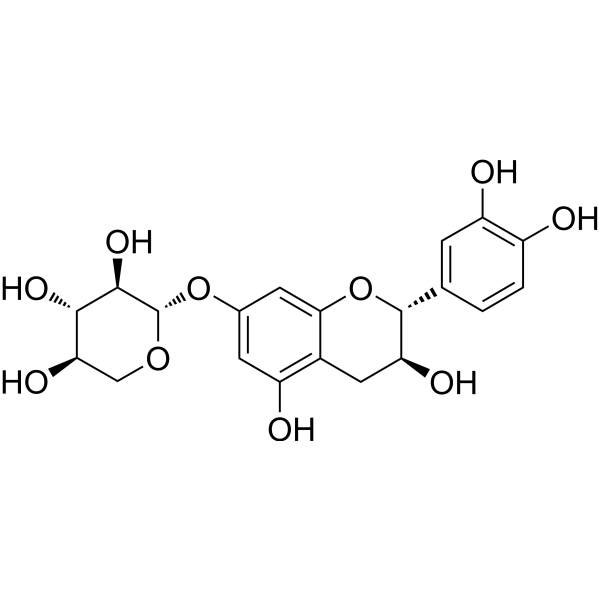
Catechin-7-O-β-D-xylopyranoside is an antioxidant compound with strong DPPH free radical scavenging ability. Catechin-7-O-β-D-xylopyranoside can be extracted from birch inner bark and nepeta stem bark .
|
-
-
- HY-149313
-
|
|
Amylases
|
Metabolic Disease
|
|
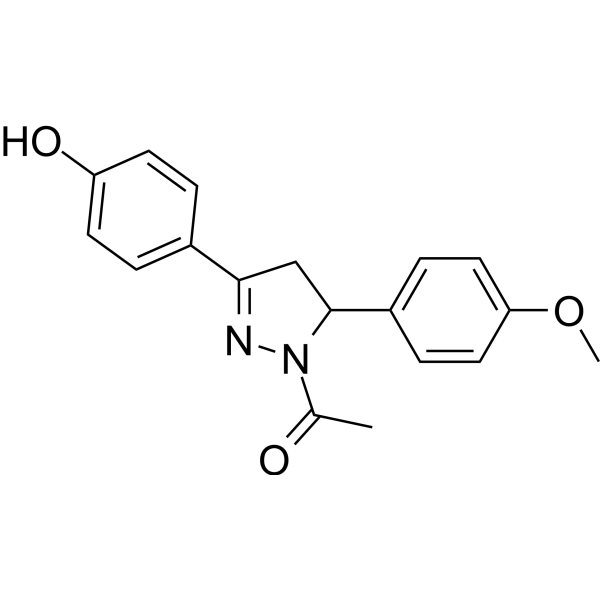
α Amylase-IN-1 (Compound 11) is an α-Amylase inhibitor with an IC50 value of 0.5509 μM. α Amylase-IN-1 has antioxidant activity with an IC50 value of 53.49 μM for scavenging DPPH free radicals. IC50 can be used in the study of diabetes and oxidative stress-related diseases.
|
-
-
- HY-N1312R
-
-

-
- HY-N1430R
-
|
trans-Oxyresveratrol (Standard)
|
Reference Standards
Tyrosinase
HSV
Autophagy
|
Others
|
|
Oxyresveratrol (Standard) is the analytical standard of Oxyresveratrol. This product is intended for research and analytical applications. Oxyresveratrol (trans-Oxyresveratrol) is a potent naturally occurring antioxidant and free radical scavenger (IC50 of 28.9 μM against DPPH free radicals). Oxyresveratrol is potent and noncompetitive tyrosinase inhibitor with an IC50 value of 1.2 μM for mushroom tyrosinase. Oxyresveratrol is effective against HSV-1, HSV-2 and varicella-zoster virus, and has neuroprotective effects .
|
-

-
- HY-W012092
-
|
|
Tyrosinase
Reactive Oxygen Species (ROS)
|
Metabolic Disease
Inflammation/Immunology
|
|
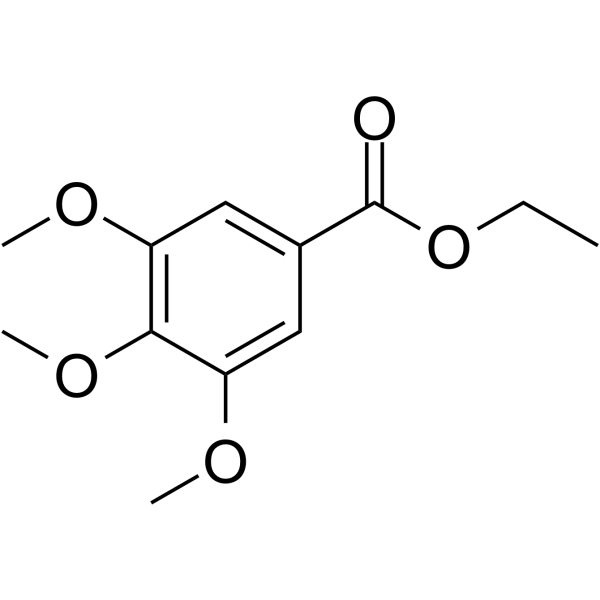
Ethyl 3,4,5-trimethoxybenzoate is a melanogenesis inhibitor. Ethyl 3,4,5-trimethoxybenzoate does not directly target tyrosinase activity, but inhibits melanin synthesis in a dose-dependent manner by downregulating α-MSH (HY-P0252)-induced tyrosinase protein expression and scavenging ROS. Ethyl 3,4,5-trimethoxybenzoate scavenges DPPH free radicals. Ethyl 3,4,5-trimethoxybenzoate can be used in the research of hyperpigmentation .
|
-
-
- HY-W104752
-
-

-
- HY-W040045R
-
|
Pelargonidin-3-O-glucoside chloride (Standard)
|
Reference Standards
Reactive Oxygen Species (ROS)
COX
NO Synthase
p38 MAPK
Apoptosis
TNF Receptor
|
Neurological Disease
Inflammation/Immunology
Cancer
|
|
Callistephin (Pelargonidin 3-O-glucoside) chloride (Standard) is the analytical standard of Callistephin chloride (HY-W040045). This product is intended for research and analytical applications. Callistephin chloride is an anthocyanin. Callistephin chloride regulates the expression of inflammatory (reducing iNOS/TNF-α/COX-2) and apoptosis-related proteins by inhibiting p38 phosphorylation, and enhances the protective effect of Isoflurane (HY-A0134) on microglial cell damage. Callistephin chloride significantly reduces ROS levels, eliminates DPPH free radicals, protects retinal pigment epithelial cells, and inhibits lipid peroxidation. Callistephin chloride can alleviate glutamate excitotoxicity, reduce neuronal apoptosis, and protect cerebellar granule neurons. Callistephin chloride can inhibit the proliferation and metastasis of breast cancer cells by inducing apoptosis.
|
-

-
- HY-N16606
-
|
|
Drug Derivative
NO Synthase
|
Inflammation/Immunology
|
|
2,4-Dihydroxy-6-methoxy-3,5-diprenylacetophenone (Compound 8) is an Acetophenone (HY-Y0989) derivative found in Acronychia oligophlebia. 2,4-Dihydroxy-6-methoxy-3,5-diprenylacetophenone exhibits anti-inflammatory and antioxidant activities. 2,4-Dihydroxy-6-methoxy-3,5-diprenylacetophenone can inhibit LPS (HY-D1056)-induced NO production (IC50 = 34.5 μM) and scavenge DPPH free radical (SC50 = 0.15 mM). 2,4-Dihydroxy-6-methoxy-3,5-diprenylacetophenone can be used for the research of inflammation .
|
-

-
- HY-N8169
-
|
|
Others
|
Others
|
|
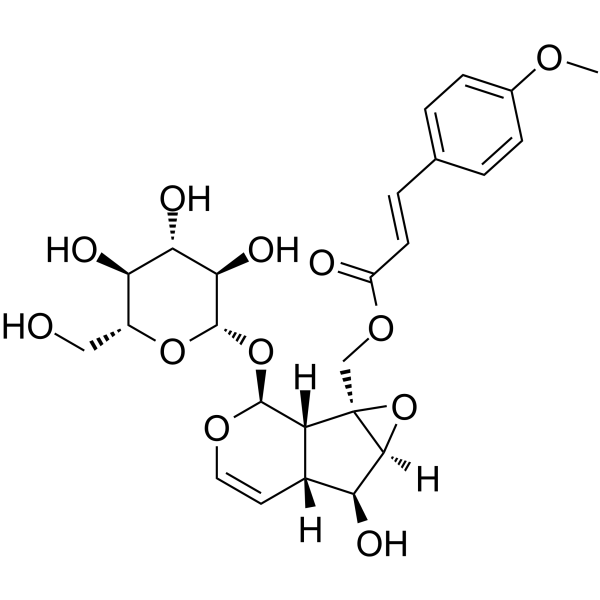
10-O-Trans-p-methoxycinnamoylcatalpol has antioxidant activity with the IC50 value of 0.37 μM/mL in DPPH free radical scavenging assay .
|
-
-
- HY-N7518
-
|
|
MMP
|
Inflammation/Immunology
|
|
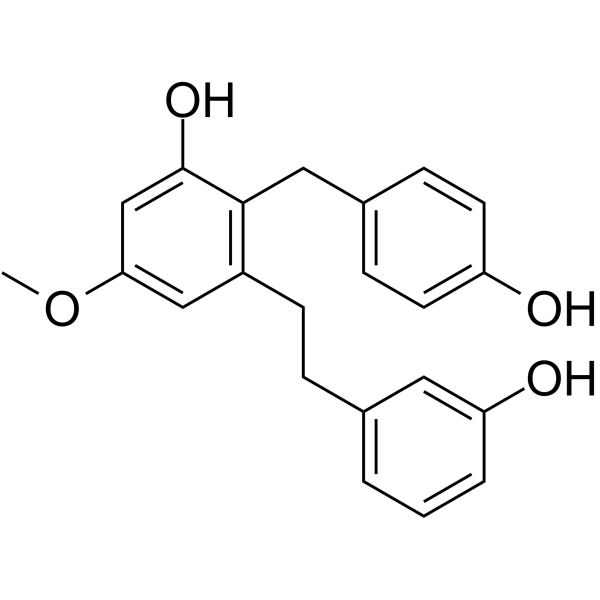
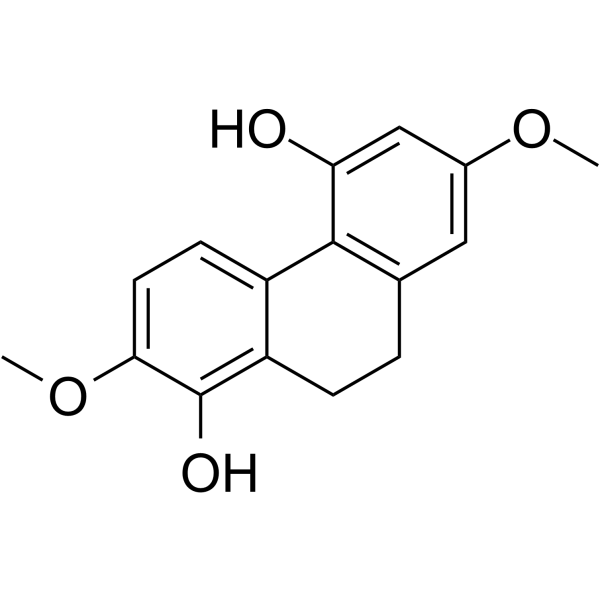
Eulophiol shows the 1,1-diphenyl-2-picrylhydrazyl (DPPH) free radical scavenging activity with an EC50 of 27.7μM. Antioxidant activity .
|
-
-
- HY-N10294
-
|
|
HIV
|
Infection
Inflammation/Immunology
|
|
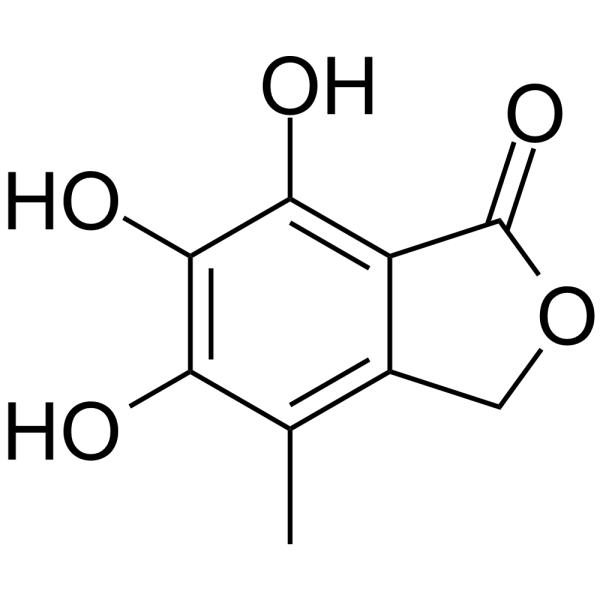
Epicoccone B, firstly reported from C. globosum, exhibits the DPPH free radical scavenging ability with IC50 value of 10.8 μM, and has potent α-glucosidase inhibition with IC50 value of 27.3 μM. Anti-HIV activity .
|
-
-
- HY-N8012
-
|
|
COX
NO Synthase
|
Others
|
|
Multinoside A (compound 6) is an antioxidant with DPPH free radical scavenging activity (IC50=54.3 μg/mL). Multinoside A can also downregulate COX-2 expression (IC50=9.6 μg/mL) and inhibit NO production (IC50=43.9 μg/mL) .
|
-

-
- HY-N15578
-
|
|
Others
|
Others
|
|
Actinidioionoside (Compound 2) is a megastigmane glucoside compound found in Borago officinalis L. Actinidioionoside has DPPH free radical scavenging activity (IC50: 41.3 μM). Actinidioionoside has no significant cytotoxicity against A549 human lung cancer cells (IC50 > 100 μM). Actinidioionoside can be used in antioxidant studies .
|
-

-
- HY-W747504
-
|
Dihydroherbimycin A
|
Antibiotic
Reactive Oxygen Species (ROS)
|
Infection
Cancer
|
|
TAN-420E (Dihydroherbimycin A) is an antibiotic, that can be isolated from the fermentation product of Streptomyces hygroscopicus. TAN-420E exhibits cytotoxicity in cancer cells P-388 and KB. TAN-420E scavenges DPPH free radicals with an IC50 of 1.3 μM .
|
-

-
- HY-161866
-
|
|
EGFR
|
Cancer
|
|
EGFR-IN-118 (Compound 4a) is an inhibitor for the tyrosine kinase EGFR. EGFR-IN-118 demonstrates anti-cancer property, inhibiting the proliferation of MCF-7 and PC3 with IC50 of 2.53 and 3.25 µg/ml. EGFR-IN-118 exhibits antioxidant efficacy, inhibiting the DPPH free radicals with IC50 of 10.04 µg/ml .
|
-

-
- HY-N13142
-
|
|
Others
|
Inflammation/Immunology
|
|
Luteolin 7-O-[β-D-apiofuranosyl-(1→6)]-β-D-glucopyranoside (compound 3) is a flavonoid with antioxidant activity, which can be isolated from Margaritopsis carrascoana. Luteolin 7-O-[β-D-apiofuranosyl-(1→6)]-β-D-glucopyranoside has good DPPH free radical scavenging activity (IC50=0.188 mg/mL) .
|
-
![Luteolin 7-O-[β-D-apiofuranosyl-(1→6)]-β-D-glucopyranoside](//file.medchemexpress.com/product_pic/hy-n13142.gif)
-
- HY-N15536
-
|
|
Reactive Oxygen Species (ROS)
|
Cardiovascular Disease
Neurological Disease
|
|
N-trans-Feruloyltyramine 4′-O-β-D-glucopyranoside is a phenolic amide glycoside compound found in Suaeda japonica. N-trans-Feruloyltyramine 4′-O-β-D-glucopyranoside exhibits antioxidant activity, capable of effectively scavenging DPPH free radicals and reducing the production of ROS induced by H2O2 in cells, thus protecting cells from oxidative stress damage. N-trans-Feruloyltyramine 4′-O-β-D-glucopyranoside is promising for research of cardiovascular diseases and neurodegenerative diseases .
|
-

-
- HY-149517
-
|
|
EGFR
Raf
Caspase
Bcl-2 Family
Apoptosis
|
Inflammation/Immunology
Cancer
|
|
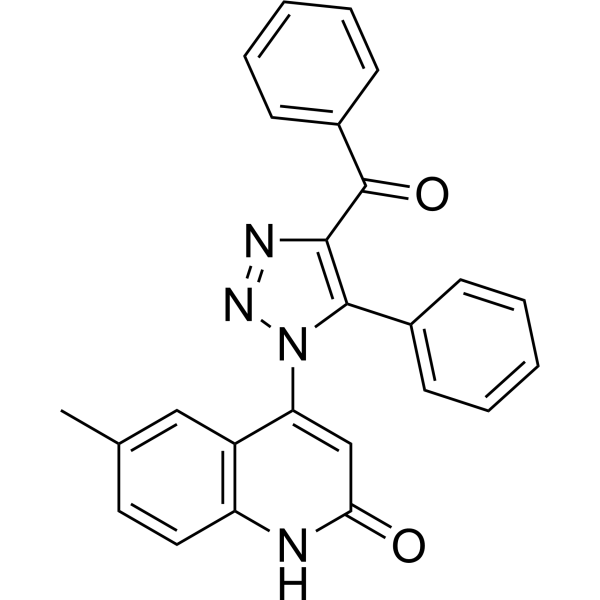
EGFR/BRAFV600E-IN-2 (compound 3g) is a potential multi-target inhibitor of EGFR, BRAF V600E, and EGFR T790M, and an inducer of apoptosis. EGFR/BRAFV600E-IN-2 can activate caspase-3, 8, and Bax, and downregulate the anti-apoptotic protein Bcl2, inducing apoptosis. EGFR/BRAF V600E-IN-2 also has antioxidant activity and DPPH free radical scavenging potency .
|
-
-
- HY-N6829R
-
|
Quercetin-3,3',4',7-tetramethylether (Standard)
|
Reference Standards
Tyrosinase
Fungal
SARS-CoV
Apoptosis
Reactive Oxygen Species (ROS)
|
Infection
Neurological Disease
Metabolic Disease
Inflammation/Immunology
|
|
Retusin (Quercetin-3,3',4',7-tetramethylether) (Standard) is the analytical standard of Retusin. This product is intended for research and analytical applications. Retusin is a tyrosinase inhibitor, with IC50 values of 50.9 μM and 51.8 μM against mushroom and intracellular tyrosinase, respectively. Retusin also acts as a free radical scavenger, melanogenesis inhibitor, anti-apoptosis agent, neuroprotective agent, antiemetic, antifungal agent, and antiviral agent. Retusin scavenges ABTS• + and DPPH• free radicals. Retusin can be used in studies related to hyperpigmentation, vomiting, Aspergillus niger infection, and COVID-19 infection.
|
-

-
- HY-170561
-
|
|
Cholinesterase (ChE)
|
Neurological Disease
|
|
AChE/BuChE-IN-6 (Compound 11f) is an inhibitor of AChE and BuChE, with IC50 values of 1.24 and 1.85 μg/mL, respectively. AChE/BuChE-IN-6 also exhibits strong DPPH free radical scavenging activity (IC50 = 3.15 μg/mL). In vivo toxicity studies indicate that AChE/BuChE-IN-6 is safe, showing no significant differences in blood and biochemical markers compared to the control group after long-term administration, and no abnormalities were observed in liver and kidney tissues. AChE/BuChE-IN-6 holds promise for research into Alzheimer's disease .
|
-

-
- HY-N17673
-
|
|
Biochemical Assay Reagents
|
Others
|
|
Avenanthramide 1c is a free radical scavenger and antioxidant. Avenanthramide 1c scavenges DPPH free radicals. Avenanthramide 1c inhibits azo-initiated linoleic acid peroxidation. Avenanthramide 1c exerts antioxidant effects. Avenanthramide 1c exhibits an antagonistic interaction with Avenanthramide 2f in the DPPH free radical scavenging system .
|
-

-
- HY-W450115
-
|
|
Reactive Oxygen Species (ROS)
|
Inflammation/Immunology
|
|
USF 2550A is a class of fungus-derived 2-pyran compound with DPPH free radical scavenging activity. USF 2550A binds to DPPH free radicals in organic solvents to form adducts, thereby achieving free radical scavenging; in acetate buffer, the formed adducts undergo degradation, and the degradation products can continuously scavenge free radicals. USF 2550A can be used in antioxidant-related research .
|
-

-
- HY-N15191
-
-

-
- HY-N17504
-
|
|
Others
|
Others
|
|
N-Formylnornuciferin is an N-acylaporphine alkaloid isolated from the stems of Tinospora crispa. N-Formylnornuciferin exhibits no scavenging activity against DPPH free radicals .
|
-

-
- HY-N17551
-
|
|
Drug Derivative
|
Others
|
|
Odoratumone A (Compound 1/11) is a homoisoflavonoid identified in the rhizomes of Polygonatum odoratum (Mill.) Druce. Odoratumone A exhibits DPPH free radical scavenging activity (IC50 = 32.8 μg/mL) and exerts antioxidant properties. Odoratumone A is applicable for antioxidant research .
|
-

-
- HY-N17774
-
|
|
Reactive Oxygen Species (ROS)
|
Others
|
|
2,3,4,6-Tetragalloylglucose is a hydrolyzable tannin with antioxidant activity, exhibiting DPPH free radical scavenging activity (IC50=11.35 μM). 2,3,4,6-Tetragalloylglucose can be isolated from the endocarp of Juglans regia (walnut).
|
-

-
- HY-N17846
-
|
|
Reactive Oxygen Species (ROS)
|
Inflammation/Immunology
|
|
Dimethyl lithospermate is an antioxidant. Dimethyl lithospermate scavenges DPPH free radicals and inhibits free radical generation. Dimethyl lithospermate also protects hepatocytes from tert-butyl hydroperoxide (t-BHP)-induced oxidative damage. Dimethyl lithospermate can be used in oxidative damage-related research .
|
-

-
- HY-N19850
-
|
|
Biochemical Assay Reagents
|
Cancer
|
|
Mammea B/BD is an anticancer antioxidant that can be isolated from the seeds of Mammea americana. Mammea B/BD exhibits antiproliferative effects on colon cancer cells. Mammea B/BD scavenges DPPH free radicals. Mammea B/BD can be used in colon cancer research .
|
-

-
- HY-N19852
-
|
|
Biochemical Assay Reagents
|
Cancer
|
|
Mammea E/BA is a prenylated coumarin anticancer agent that can be isolated from the seeds of Mammea americana. Mammea E/BA scavenges DPPH free radicals. Mammea E/BA induces cytotoxicity in colon cancer cells. Mammea E/BA can be used for the research of colon cancer .
|
-

-
- HY-N17378
-
|
|
Others
|
Others
|
|
Camelliquercetiside B is a natural product. Camelliquercetiside B can be isolated from the leaves of Camellia sinensis. Camelliquercetiside B inhibits alcohol dehydrogenase (Alcohol dehydrogenase), with an IC50 of 13.7 μM against yeast alcohol dehydrogenase. Camelliquercetiside B exhibits scavenging activity against DPPH free radicals .
|
-

-
- HY-W002773R
-
|
|
Endogenous Metabolite
Reference Standards
|
Others
|
|
Methyl isovanillate (Standard) is the analytical standard of Methyl isovanillate (HY-W002773). This product is intended for research and analytical applications. Methyl isovanillate is a secondary metabolite isolated from Vitex agnus-castus. Methyl isovanillate does not exhibit significant activity in the DPPH free radical scavenging experiment .
|
-

-
- HY-N11962A
-
|
|
Cholinesterase (ChE)
|
Neurological Disease
|
|
2,3,9,10-Tetrahydroxyberberine bromide is an acetylcholinesterase AChE inhibitor (IC50=7.8 μM). 2,3,9,10-Tetrahydroxyberberine bromide exhibits DPPH free radical scavenging activity (IC50=43 μM) and is applicable to research related to Alzheimer's disease .
|
-

-
- HY-N17763
-
|
|
Others
|
Inflammation/Immunology
|
|
Styraxlignolide G is a furanofuran-type lignan compound that can be isolated from the stem bark of Styrax japonica. Styraxlignolide G exhibits very weak DPPH free radical scavenging activity, while its hydrolyzed aglycone molecule possesses antioxidant activity (IC50=186.7 μM) and is involved in antioxidant-related regulation in the body. Styraxlignolide G can be used in the study of inflammatory diseases.
|
-

- HY-181253
-
|
|
Glycosidase
|
Metabolic Disease
|
|
α-Glucosidase-IN-111 (Compound 5d) is an α-glucosidase (α-Glucosidase) inhibitor with a IC50 of 34.99 μg/mL. α-Glucosidase-IN-111 effectively scavenges DPPH free radicals and ABTS free radicals, with IC50 values of 5.33 and 5.84 μg/mL, respectively. α-Glucosidase-IN-111 can be used in the research of type 2 diabetes .
|
-

- HY-185554
-
|
|
HDAC
|
Cancer
|
|
HDAC-IN-102 (Compound 21) is a histone deacetylase (HDAC) inhibitor with an IC50 of 58 μM. HDAC-IN-102 inhibits total HDAC activity and exhibits partial subtype selectivity, with the R-isomer targeting HDAC2 and the S-isomer targeting HDAC8. HDAC-IN-102 exerts antioxidant effects by scavenging DPPH free radicals. HDAC-IN-102 can be used in cancer-related research .
|
-

- HY-N9799
-
|
|
NO Synthase
Reactive Oxygen Species (ROS)
|
Inflammation/Immunology
|
|
Pholidotol C is a stilbene compound with nitric oxide (NO) production inhibitory activity and DPPH free radical scavenging activity (IC50 values ??of 28.6 μM and 21.9 μM, respectively). Pholidotol C exerts its anti-inflammatory and antioxidant activities through mechanisms involving the inhibition of NO production in activated macrophages and free radical scavenging, and can be used in research on inflammation-related diseases. Pholidotol C can be extracted from the dried whole plant of Pholidota chinensis (an orchid of the genus Pholidota) .
|
-

- HY-185554B
-
|
|
HDAC
|
Cancer
|
|
(R)-HDAC-IN-102 is a HDAC2 inhibitor and the isomer of HDAC-IN-102 (HY-185554). HDAC-IN-102 inhibits total HDAC with an IC50 of 58 μM and exhibits partial subtype selectivity. Specifically, (R)-HDAC-IN-102 targets HDAC2, while (S)-HDAC-IN-102 (HY-185554A) targets HDAC8. HDAC-IN-102 exerts antioxidant effects via scavenging DPPH free radicals and can be used in cancer-related research .
|
-

- HY-185554A
-
|
|
HDAC
|
Cancer
|
|
(S)-HDAC-IN-102 is a HDAC8 inhibitor and an isomer of HDAC-IN-102 (HY-185554). HDAC-IN-102 inhibits total HDAC with an IC50 of 58 μM and exhibits partial subtype selectivity. Specifically, (S)-HDAC-IN-102 targets HDAC8, while (R)-HDAC-IN-102 (HY-185554B) targets HDAC2. HDAC-IN-102 exerts antioxidant effects by scavenging DPPH free radicals and can be used in cancer-related research .
|
-

- HY-N16745
-
|
|
Parasite
HIV
HIV Protease
|
Infection
|
|
5-Hydroxynoracronycine is a selective inhibitor targeting Leishmania, HIV-1 protease, and nitric oxide (NO) production. 5-Hydroxynoracronycine has an IC50 of 93.1 μmol/L against HIV-1 protease and an IC50 of 0.19 mg/mL for scavenging DPPH free radicals. 5-Hydroxynoracronycine exerts anti-leishmanial, anti-HIV, antioxidant and antibacterial activities by inhibiting pathogen proliferation, enzyme activity and inflammation-related NO excessive production. 5-Hydroxynoracronycine can be used in the research of leishmaniasis, HIV infection, and inflammation-related diseases .
|
-

- HY-N17982
-
|
|
HIV Integrase
|
Infection
|
|
Vanillic acid 4-O-β-D-glucopyranoside is a vanillic acid glycoside with moderate antioxidant activity. Vanillic acid 4-O-β-D-glucopyranoside scavenges DPPH free radicals and superoxide anion radicals, and inhibits AAPH-induced lipid peroxidation in the linoleic acid system. The IC50 value of Vanillic acid 4-O-β-D-glucopyranoside against HIV-1 integrase is >100 μg/mL, indicating that it is not an effective HIV-1 integrase inhibitor. Vanillic acid 4-O-β-D-glucopyranoside is isolable from the ethyl acetate extract of Gardeniae Fructus.
|
-

- HY-W012092R
-
|
|
Reference Standards
Tyrosinase
Reactive Oxygen Species (ROS)
|
Metabolic Disease
Inflammation/Immunology
|
|
Ethyl 3,4,5-trimethoxybenzoate is a natural compound isolated from the roots of Rauvolfia yunnanensis Tsiang. Ethyl 3,4,5-trimethoxybenzoate is a melanogenesis inhibitor. Ethyl 3,4,5-trimethoxybenzoate does not directly target tyrosinase activity, but inhibits melanin synthesis in a dose-dependent manner by downregulating α-MSH (HY-P0252)-induced tyrosinase protein expression and scavenging ROS. Ethyl 3,4,5-trimethoxybenzoate scavenges DPPH free radicals. Ethyl 3,4,5-trimethoxybenzoate can be used in the research of hyperpigmentation.
|
-

- HY-N13285
-
|
(-)-EGC-4'-O-ME
|
Drug Derivative
|
Metabolic Disease
Inflammation/Immunology
|
|
(-)-Epigallocatechin-4'-O-methylether ((-)-EGC-4'-O-ME) is an orally active natural phenolic catechin with antioxidant, free radical-scavenging and hepatoprotective activities. (-)-Epigallocatechin-4'-O-methylether interferes with radiation-induced free radical formation, scavenges DPPH free radicals, inhibits carbon tetrachloride-induced increases in serum GOT and GPT, suppresses carbon tetrachloride-induced TBA-RS formation, and counteracts carbon tetrachloride-induced hepatocyte toxicity. (-)-Epigallocatechin-4'-O-methylether binds specifically to human serum albumin. (-)-Epigallocatechin-4'-O-methylether can be used in studies related to liver injury .
|
-

- HY-N17611
-
|
4'-O-Methylscutellarein
|
Xanthine Oxidase
|
Cardiovascular Disease
Neurological Disease
|
|
5,6,7-Trihydroxy-4'-methoxyflavone (4'-O-Methylscutellarein) is a flavonoid and a weak inhibitor of xanthine oxidase. 5,6,7-Trihydroxy-4'-methoxyflavone possesses antithrombotic and antioxidant activities. 5,6,7-Trihydroxy-4'-methoxyflavone has an IC50 value of 25.29 µM for DPPH free radical scavenging. 5,6,7-Trihydroxy-4'-methoxyflavone can also inhibit H2O2-induced damage to PC12 cells. 5,6,7-Trihydroxy-4'-methoxyflavone is applicable for the research of diseases such as cerebrovascular disorders .
|
-

| Cat. No. |
Product Name |
Type |
-
- HY-W019885A
-
|
Sodium triphosphate pentabasic, 98%
|
Biochemical Assay Reagents
|
|
Sodium tripolyphosphate (STPP), 98% is an inorganic, non-toxic polyphosphate crosslinker, inducer and enhancer. Sodium tripolyphosphate (STPP), 98% induces the formation of unique needle-like microcrystals in sodium alginate-chitosan composite films. Sodium tripolyphosphate (STPP), 98% enhances the DPPH free radical scavenging activity of sodium alginate-chitosan composite films .
|
| Cat. No. |
Product Name |
Category |
Target |
Chemical Structure |
-
- HY-N1430
-
-
-
- HY-N1312
-
-
-
- HY-N0627
-
-
-
- HY-W040045
-
-
-
- HY-N2443
-
-
-
- HY-127170
-
-
-
- HY-N7627
-
-
-
- HY-N6829
-
|
Quercetin-3,3',4',7-tetramethylether
|
Flavonols
Structural Classification
Monophenols
Flavonoids
Entada phaseoloides (L.) Merr.
Classification of Application Fields
Labiatae
Phenols
Plants
Inflammation/Immunology
Disease Research Fields
Source Classification
|
Tyrosinase
Fungal
SARS-CoV
Apoptosis
Reactive Oxygen Species (ROS)
|
|
Retusin (Quercetin-3,3',4',7-tetramethylether) is a tyrosinase inhibitor, with IC50 values of 50.9 μM and 51.8 μM against mushroom and intracellular tyrosinase, respectively. Retusin also acts as a free radical scavenger, melanogenesis inhibitor, anti-apoptosis agent, neuroprotective agent, antiemetic, antifungal agent, and antiviral agent. Retusin scavenges ABTS• + and DPPH• free radicals. Retusin can be used in studies related to hyperpigmentation, vomiting, Aspergillus niger infection, and COVID-19 infection .
|
-
-
- HY-124496
-
-
-
- HY-N0241
-
|
|
Flavonols
Structural Classification
Classification of Application Fields
Crassulaceae
Metabolic Disease
Plants
Rhodiola crenulata (HK. f. et.Thoms) H. Ohba
Flavonoids
Rhodiola rosea Linn.
Phenols
Polyphenols
Disease Research Fields
Source Classification
|
Cholinesterase (ChE)
Lipase
Bacterial
Cytochrome P450
|
|
Rhodionin is an orally active, multifunctional antivirulence and cytoprotective agent that targets and inhibits Lipase, sortase A (SrtA), CYP2D6 (IC50=0.761 μM), AChE (IC50=2.43-57.5 μM), and DPPH free radicals (IC50=19.49 μM). Rhodionin is isolable from the roots of Rhodiola crenulata. Rhodionin reduces postprandial serum triglyceride levels in mice by inhibiting lipase activity. Rhodionin also binds directly to SrtA to inhibit its transpeptidase activity, thereby reducing the fibrinogen adhesion and surface protein A levels of MRSA, effectively inhibiting biofilm formation and protecting against MRSA-induced cell damage. Rhodionin improves the survival rate of infected mice without affecting MRSA growth, and finds wide application in studies related to hyperlipidemia, exogenous obesity, and pneumonia induced by methicillin-resistant Staphylococcus aureus (MRSA) .
|
-
-
- HY-N8219
-
-
-
- HY-W002773
-
-
-
- HY-N3421
-
-
-
- HY-130294
-
-
-
- HY-N7648
-
-
-
- HY-N3554
-
-
-
- HY-N1312R
-
-
-
- HY-N1430R
-
|
trans-Oxyresveratrol (Standard)
|
Structural Classification
other families
Stilbenes
Phenols
Polyphenols
Plants
Source Classification
|
Reference Standards
Tyrosinase
HSV
Autophagy
|
|
Oxyresveratrol (Standard) is the analytical standard of Oxyresveratrol. This product is intended for research and analytical applications. Oxyresveratrol (trans-Oxyresveratrol) is a potent naturally occurring antioxidant and free radical scavenger (IC50 of 28.9 μM against DPPH free radicals). Oxyresveratrol is potent and noncompetitive tyrosinase inhibitor with an IC50 value of 1.2 μM for mushroom tyrosinase. Oxyresveratrol is effective against HSV-1, HSV-2 and varicella-zoster virus, and has neuroprotective effects .
|
-
-
- HY-W012092
-
-
-
- HY-W040045R
-
|
Pelargonidin-3-O-glucoside chloride (Standard)
|
Anthocyans
Flavonoids
Rosaceae
Phenols
Polyphenols
Plants
Fragaria × ananassa Duch.
Source Classification
|
Reference Standards
Reactive Oxygen Species (ROS)
COX
NO Synthase
p38 MAPK
Apoptosis
TNF Receptor
|
|
Callistephin (Pelargonidin 3-O-glucoside) chloride (Standard) is the analytical standard of Callistephin chloride (HY-W040045). This product is intended for research and analytical applications. Callistephin chloride is an anthocyanin. Callistephin chloride regulates the expression of inflammatory (reducing iNOS/TNF-α/COX-2) and apoptosis-related proteins by inhibiting p38 phosphorylation, and enhances the protective effect of Isoflurane (HY-A0134) on microglial cell damage. Callistephin chloride significantly reduces ROS levels, eliminates DPPH free radicals, protects retinal pigment epithelial cells, and inhibits lipid peroxidation. Callistephin chloride can alleviate glutamate excitotoxicity, reduce neuronal apoptosis, and protect cerebellar granule neurons. Callistephin chloride can inhibit the proliferation and metastasis of breast cancer cells by inducing apoptosis.
|
-
-
- HY-N16606
-
-
-
- HY-N8169
-
-
-
- HY-N7518
-
-
-
- HY-N10294
-
-
-
- HY-N8012
-
-
-
- HY-N15578
-
-
-
- HY-W747504
-
-
-
- HY-N13142
-
-
-
- HY-N15536
-
|
|
Piperaceae
Piper crocatum Ruiz & Pav.
Plants
Saccharides
Monosaccharides
Source Classification
|
Reactive Oxygen Species (ROS)
|
|
N-trans-Feruloyltyramine 4′-O-β-D-glucopyranoside is a phenolic amide glycoside compound found in Suaeda japonica. N-trans-Feruloyltyramine 4′-O-β-D-glucopyranoside exhibits antioxidant activity, capable of effectively scavenging DPPH free radicals and reducing the production of ROS induced by H2O2 in cells, thus protecting cells from oxidative stress damage. N-trans-Feruloyltyramine 4′-O-β-D-glucopyranoside is promising for research of cardiovascular diseases and neurodegenerative diseases .
|
-
-
- HY-N6829R
-
|
Quercetin-3,3',4',7-tetramethylether (Standard)
|
Flavonols
Structural Classification
Monophenols
Flavonoids
Entada phaseoloides (L.) Merr.
Labiatae
Phenols
Plants
Source Classification
|
Reference Standards
Tyrosinase
Fungal
SARS-CoV
Apoptosis
Reactive Oxygen Species (ROS)
|
|
Retusin (Quercetin-3,3',4',7-tetramethylether) (Standard) is the analytical standard of Retusin. This product is intended for research and analytical applications. Retusin is a tyrosinase inhibitor, with IC50 values of 50.9 μM and 51.8 μM against mushroom and intracellular tyrosinase, respectively. Retusin also acts as a free radical scavenger, melanogenesis inhibitor, anti-apoptosis agent, neuroprotective agent, antiemetic, antifungal agent, and antiviral agent. Retusin scavenges ABTS• + and DPPH• free radicals. Retusin can be used in studies related to hyperpigmentation, vomiting, Aspergillus niger infection, and COVID-19 infection.
|
-
-
- HY-N17673
-
-
-
- HY-W450115
-
-
-
- HY-N15191
-
-
-
- HY-N17504
-
-
-
- HY-N17551
-
-
-
- HY-N17774
-
-
-
- HY-N17846
-
-
-
- HY-N19850
-
-
-
- HY-N19852
-
-
-
- HY-N17378
-
-
-
- HY-W002773R
-
-
-
- HY-N17763
-
-
-
- HY-N9799
-
-
-
- HY-N16745
-
|
|
Structural Classification
Alkaloids
Citrus hystrix DC.
Rutaceae
Acridone Alkaloids
Plants
Source Classification
|
Parasite
HIV
HIV Protease
|
|
5-Hydroxynoracronycine is a selective inhibitor targeting Leishmania, HIV-1 protease, and nitric oxide (NO) production. 5-Hydroxynoracronycine has an IC50 of 93.1 μmol/L against HIV-1 protease and an IC50 of 0.19 mg/mL for scavenging DPPH free radicals. 5-Hydroxynoracronycine exerts anti-leishmanial, anti-HIV, antioxidant and antibacterial activities by inhibiting pathogen proliferation, enzyme activity and inflammation-related NO excessive production. 5-Hydroxynoracronycine can be used in the research of leishmaniasis, HIV infection, and inflammation-related diseases .
|
-
-
- HY-N17982
-
-
-
- HY-W012092R
-
|
|
Rauvolfia verticillata (Lour.) Baill.
Apocynaceae
Natural Products
Plants
Source Classification
|
Reference Standards
Tyrosinase
Reactive Oxygen Species (ROS)
|
|
Ethyl 3,4,5-trimethoxybenzoate is a natural compound isolated from the roots of Rauvolfia yunnanensis Tsiang. Ethyl 3,4,5-trimethoxybenzoate is a melanogenesis inhibitor. Ethyl 3,4,5-trimethoxybenzoate does not directly target tyrosinase activity, but inhibits melanin synthesis in a dose-dependent manner by downregulating α-MSH (HY-P0252)-induced tyrosinase protein expression and scavenging ROS. Ethyl 3,4,5-trimethoxybenzoate scavenges DPPH free radicals. Ethyl 3,4,5-trimethoxybenzoate can be used in the research of hyperpigmentation.
|
-
-
- HY-N13285
-
|
(-)-EGC-4'-O-ME
|
Structural Classification
Ouratea Aubl.
Phenols
Polyphenols
Plants
Source Classification
|
Drug Derivative
|
|
(-)-Epigallocatechin-4'-O-methylether ((-)-EGC-4'-O-ME) is an orally active natural phenolic catechin with antioxidant, free radical-scavenging and hepatoprotective activities. (-)-Epigallocatechin-4'-O-methylether interferes with radiation-induced free radical formation, scavenges DPPH free radicals, inhibits carbon tetrachloride-induced increases in serum GOT and GPT, suppresses carbon tetrachloride-induced TBA-RS formation, and counteracts carbon tetrachloride-induced hepatocyte toxicity. (-)-Epigallocatechin-4'-O-methylether binds specifically to human serum albumin. (-)-Epigallocatechin-4'-O-methylether can be used in studies related to liver injury .
|
-
-
- HY-N17611
-
|
4'-O-Methylscutellarein
|
Structural Classification
Flavonoids
Flavones
Labiatae
Plants
Medicago truncatula Gaertn.
Source Classification
|
Xanthine Oxidase
|
|
5,6,7-Trihydroxy-4'-methoxyflavone (4'-O-Methylscutellarein) is a flavonoid and a weak inhibitor of xanthine oxidase. 5,6,7-Trihydroxy-4'-methoxyflavone possesses antithrombotic and antioxidant activities. 5,6,7-Trihydroxy-4'-methoxyflavone has an IC50 value of 25.29 µM for DPPH free radical scavenging. 5,6,7-Trihydroxy-4'-methoxyflavone can also inhibit H2O2-induced damage to PC12 cells. 5,6,7-Trihydroxy-4'-methoxyflavone is applicable for the research of diseases such as cerebrovascular disorders .
|
-
Your information is safe with us. * Required Fields.
Inquiry Information
- Product Name:
- Cat. No.:
- Quantity:
- MCE Japan Authorized Agent:





![Luteolin 7-O-[β-D-apiofuranosyl-(1→6)]-β-D-glucopyranoside](http://file.medchemexpress.com/product_pic/hy-n13142.gif)





