Search Result
Results for "
Molm-13
" in MedChemExpress (MCE) Product Catalog:
| Cat. No. |
Nombre del producto |
Target |
Áreas de investigación |
Chemical Structure |
-
- HY-12461
-
-
-
- HY-164607
-
|
|
DNA/RNA Synthesis
Apoptosis
|
Cancer
|
|
YL-5092 is a selective YT521-B homology (YTH) domain-containing protein 1 (YTHDC1) inhibitor with an IC50 of 7.4 nM and a KD of 29.6 nM. YL-5092 can suppress cancer cell proliferation and induce cell G0/G1 phase arrest and apoptosis. YL-5092 can be used for the research of cancer, such as acute myeloid leukemia (AML) .
|
-

-
- HY-148333
-
MS177
3 Publications Verification
|
PROTACs
Histone Methyltransferase
Apoptosis
|
Cancer
|
|
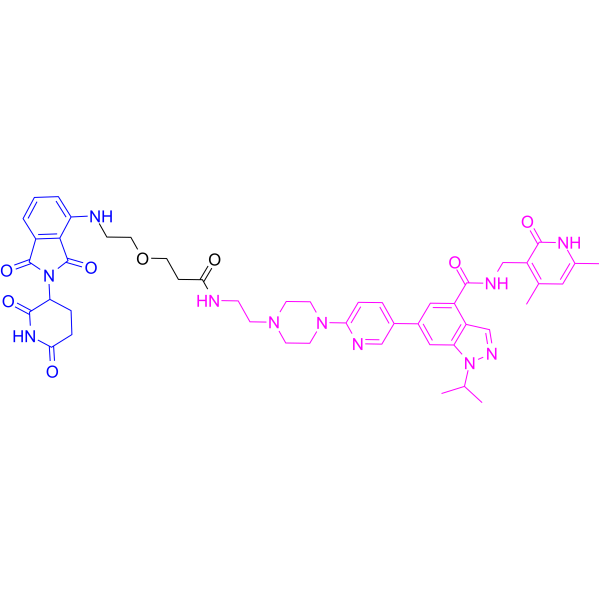
MS177 is an effective and fast-acting EZH2 degrader. MS177 is a PROTAC that consists of a CRBN ligand, linker, and a potent enzymatic EZH2 inhibitor C24 (C24 IC50): 12 nM). MS177 effectively depletes both canonical EZH2-PRC2 and noncanonical EZH2-cMyc complexes. MS177 induces leukaemia cell growth inhibition, apoptosis and cell cycle progression arrest .
|
-
-
- HY-145015
-
|
HM43239
|
FLT3
Apoptosis
|
Cancer
|
|
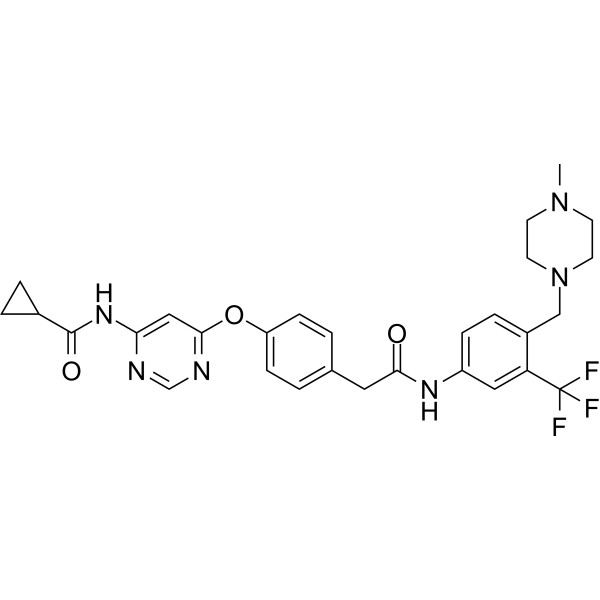
Tuspetinib (HM43239) is an orally active and selective FLT3 inhibitor with IC50s of 1.1 nM, 1.8 nM and 1.0 nM for FLT3 WT, FLT3 internal tandem duplication (ITD) and FLT3 D835Y kinases, respectively. Tuspetinib inhibits the kinase activity of FLT3 as a reversible type I inhibitor and modulates p-STAT5, p-ERK, SYK, JAK1/2, and TAK1. Tuspetinib inhibits the proliferation and induces the apoptosis of leukemic cells .
|
-
-
- HY-N2037A
-
|
Norcoclaurine hydrochloride
|
MAP3K
MDM-2/p53
ROS Kinase
Apoptosis
|
Infection
Cardiovascular Disease
Endocrinology
Cancer
|
|
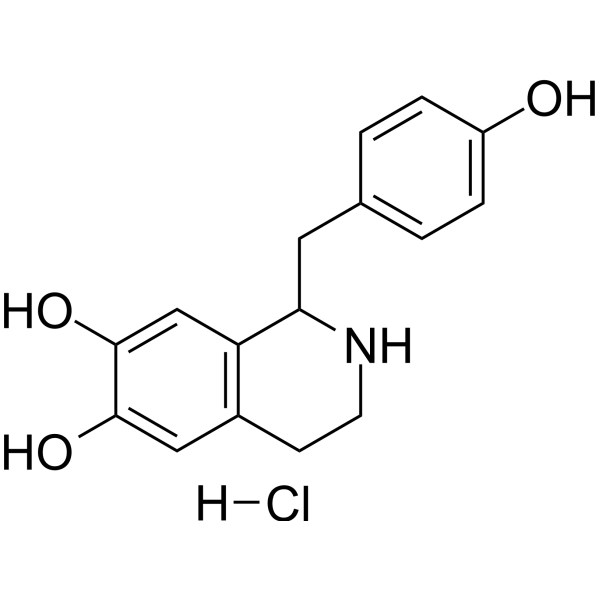
Higenamine hydrochloride is a selective LSD1 inhibitor (IC50=1.47 μM) that can be isolated from aconite. Higenamine hydrochloride has anti-inflammatory and antibacterial activity. Higenamine (Norcoclaurine) can attenuate IL-1β-induced Apoptosis through ROS-mediated PI3K/Akt signaling pathway. Higenamine hydrochloride protects brain cells from oxygen deprivation. Higenamine can promote bone formation in osteoporosis through the SMAD2/3 pathway. Higenamine hydrochloride can be used to study cancer, inflammation, cardiorenal syndrome and other diseases .
|
-
-
- HY-172581
-
|
|
FLT3
Apoptosis
Ras
p38 MAPK
PI3K
Akt
JAK
STAT
|
Cancer
|
|
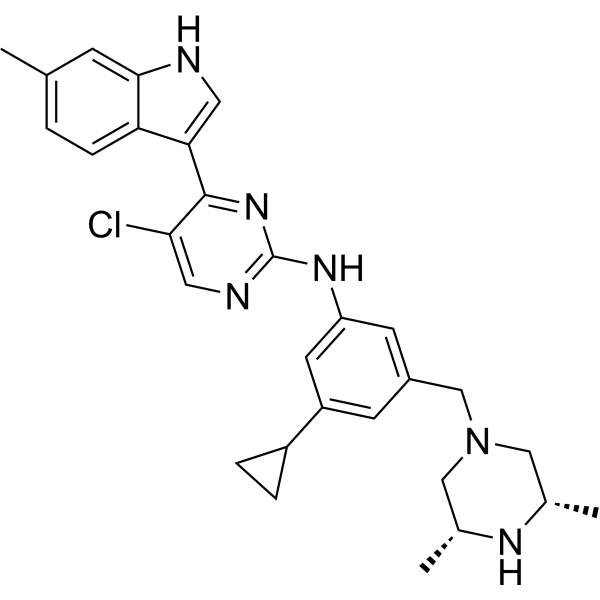
Clifutinib is an orally active and selective internal tandem duplication mutation of FMS-like tyrosine kinase 3 (FLT3-ITD) inhibitor with an IC50 value of 15.1 nM. Clifutinib exerts strong antiproliferative effects on FLT3-ITD acute myeloid leukemia (AML) cell lines (MV-4-11: IC50 = 1.5 nM; MOLM-13: IC50 = 1.4 nM). Clifutinib inhibits the activity of FLT3-ITD kinase and blocks the downstream RAS/MAPK, PI3K/AKT, and JAK/STAT5 signaling pathways of FLT3. Clifutinib induces apoptosis of acute myeloid leukemia (AML) cells with FLT3-ITD mutations. Clifutinib demonstrates significant antitumor efficacy in mice bearing MV-4-11 or MOLM-13 xenografts. Clifutinib is promising for research of relapsed/refractory FLT3-ITD-positive acute myeloid leukemia .
|
-

-
- HY-402237
-
|
|
NAMPT
|
Neurological Disease
Cancer
|
|
Nampt-IN-15 (Example 3) is an Nampt inhibitor. Nampt-IN-15 shows cytotoxicity against BxPC-3, HepG2, L540cy and MOLM-13, with IC50s of 38.5 nM, 8 nM, 8.5 nM, 7 nM respectively .
|
-

-
- HY-161615
-
|
|
PROTACs
ATM/ATR
Apoptosis
|
Inflammation/Immunology
Cancer
|
|
PROTAC ATR degrader-2 is a selective ATR PROTAC degrader. PROTAC ATR degrader-2 degrades ATR in acute myeloid leukemia (AML) cells MV-4-11 and MOLM-13, with DC50 values of 22.9 nM and 34.5 nM, respectively. PROTAC ATR degrader-2 has an IC50 of 29.6 nM against ATR, and its IC50 values against ATM and PI3K are both greater than 2000 nM. PROTAC ATR degrader-2 induces apoptosis, DNA damage, and upregulates p53 expression. PROTAC ATR degrader-2 inhibits cancer cell proliferation through the kinase-independent function of ATR protein. PROTAC ATR degrader-2 is applicable to research related to acute myeloid leukemia .
|
-

-
- HY-158974
-
|
|
DNA/RNA Synthesis
Apoptosis
PARP
|
Cancer
|
|
YTHDC1-IN-1 is a selective YTHDC1 inhibitor with a Kd of 49 nM and an IC50 of 0.35 μM. YTHDC1-IN-1 can inhibit the proliferation and induce apoptosis of acute myeloid leukemia cell lines. YTHDC1-IN-1 has anti-tumor activity .
|
-

-
- HY-162037
-
|
|
CDK
FLT3
|
Cancer
|
|
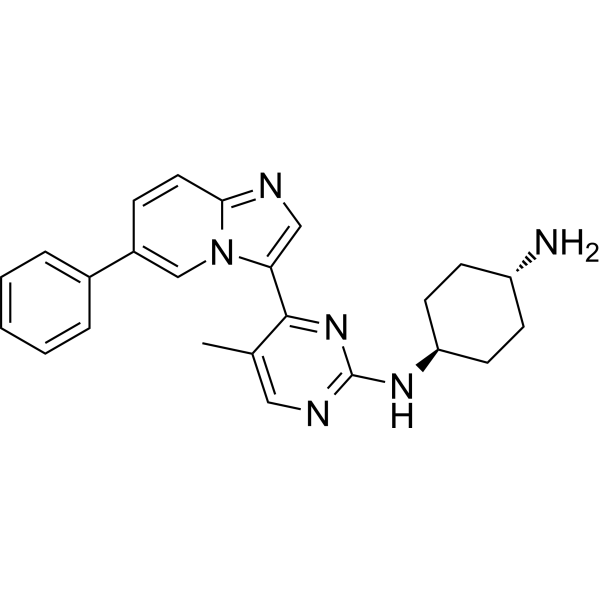
CDDD11-8 is an orally active, potent and selective inhibitor of CDK9 and FLT3-ITD, with Ki values of 8 and 13 nM, respectively. CDDD11-8 reduces the proliferation of leukemia cell lines and was particularly effective against those harboring FLT3-ITD mutation .
|
-
-
- HY-145409
-
|
|
Epigenetic Reader Domain
|
Cancer
|
|
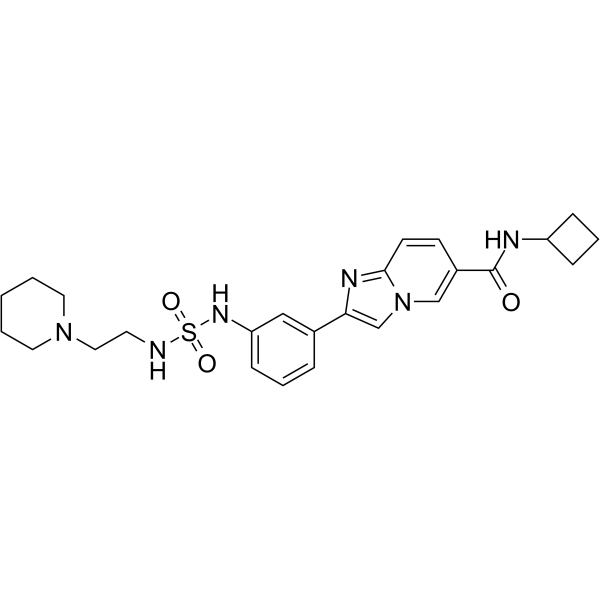
SR-0813 is a potent and selective ENL/AF9 YEATS domain inhibitor. SR-0813 has IC50 and EC50 values of 25 nM and 205 nM for ENL YEATS domain, respectively. SR-0813 has IC50 and EC50 values of 311 nM and 76 nM (CETSA) for AF9 YEATS domain, respectively. SR-0813 binds MAP3K19 with over 100-fold lower affinity (Kd=3.5 μM) than ENL YEATS (Kd=30 nM). SR-0813 can be used for the research of acute leukemia .
|
-
-
- HY-P10238
-
|
|
Apoptosis
|
Cancer
|
|
MYBMIM is an inhibitor for assembly of the molecular MYB:CBP/P300 complex. MYBMIM inhibits growth of leukemia cells .
|
-

-
- HY-174873
-
|
|
PROTACs
METTL3
Apoptosis
Bcl-2 Family
|
Cancer
|
|
AF151 is a METTL3 PROTAC degrader with the DC50 of 0.43 μM in MOLM-13 cells. AF151 inhibits cell growth by significantly degrading METTL3 protein and reducing m6A levels. AF151 can induce cell apoptosis and reduce the level of Bcl-2 protein. AF151 can be used for research on cancer such as acute myeloid leukemia (AML). (Pink: METTL3 Ligand (HY-174874); Blue: VHL Ligand (HY-125845); Black: Linker; VHL Ligand+Linker (HY-174875)) .
|
-

-
- HY-148422
-
|
|
Eukaryotic Initiation Factor (eIF)
Apoptosis
|
Cancer
|
|
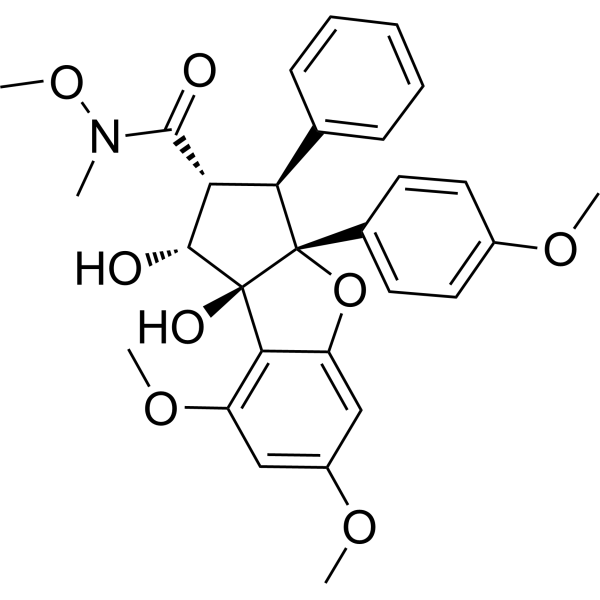
Rohinitib is a potent and specific eIF4A inhibitor. Rohinitib induces cell apoptosis of acute myeloid leukemia (AML) cell lines and reduces the leukemia burden of AML xenograft model. Rohinitib can be used for the research of AML .
|
-
-
- HY-154984
-
|
|
Histone Acetyltransferase
PROTACs
|
Cancer
|
|
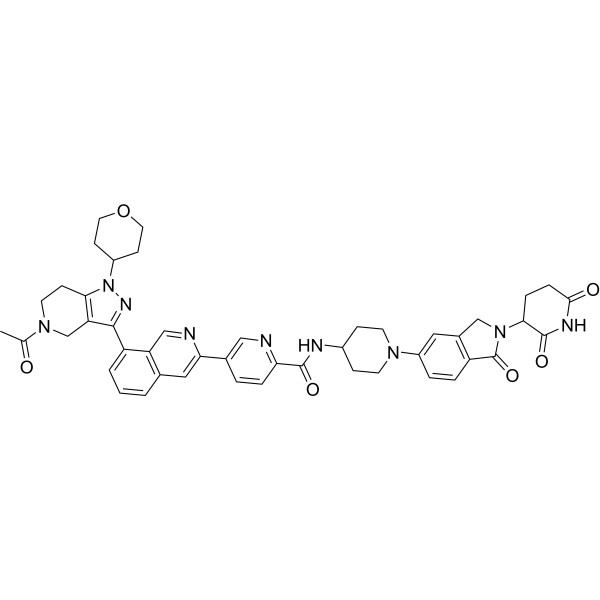
JET-209 is a potent CBP/p300 PROTAC degrader, with DC50 values of 0.05 nM and 0.2 nM for CBP and p300. JET-209 demonstrates remarkable anti-tumor activity against various acute leukemia cell lines and effectively inhibits tumor growth in xenograft tumor models. JET-209 can be used for the study of acute leukemia .
|
-
-
- HY-168936
-
|
|
PROTACs
Epigenetic Reader Domain
Apoptosis
|
Cancer
|
|
DP-15 is the degrader for GSPT1 and BRD4 with DC50s of 5.25 nM and 0.48 nM. DP-15 exhibits anti-proliferative activity of AML cells and NHL cells with an IC50 of nanomolar levels, arrests the cell cycle at G1 phase, and induces apoptosis in MOLM13. DP-15 exhibits anti-leukemia activity in MOLM-13 xenograft mouse models . (Pink: ligand for target protein JQ-1 carboxylic acid (HY-78695); Black: linker (HY-W262798); Blue: ligand for E3 ligase Cereblon Thalidomide-5-OH (HY-23095))
|
-

-
- HY-175783
-
|
|
Apoptosis
|
Cancer
|
|
MM927 is a potent NVL inhibitor, with an IC50 of 0.053 μM. MM927 blocks 60S ribosomal subunit biogenesis in the nucleolus. MM927 induces half-mer polysomes, cell cycle arrest at G1/S and G2/M and apoptosis in cells. MM927 demonstrates antitumor efficacy in MOLM-13 AML and HCT116 CRC xenograft models. MM927 can be used for the study of cancers such as acute myeloid leukemia (AML) and colorectal cancer (CRC) .
|
-

-
- HY-115881
-
|
|
PROTACs
Epigenetic Reader Domain
|
Cancer
|
|
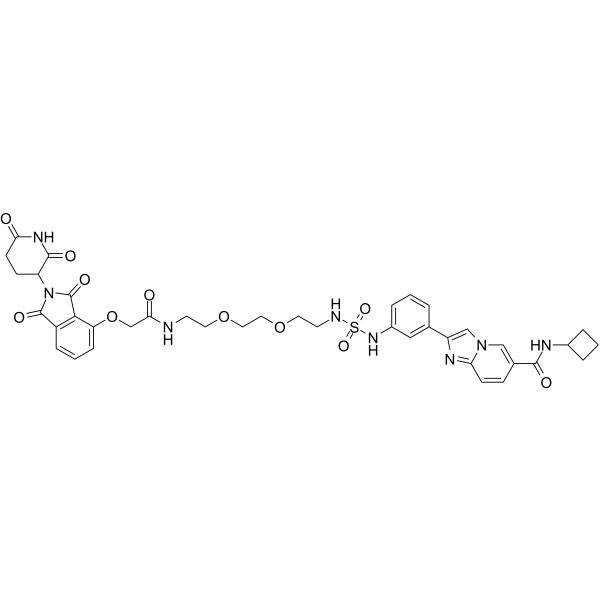
SR-1114 is a PROTAC degrader targeting ENL. SR-1114 degrades ENL in a CRBN-dependent manner and selectively downregulates ENL target genes. SR-1114 can promote the differentiation of acute myeloid leukemia cells. SR-1114 can be used in tumor research. (Pink: ENL ligand (HY-145409); Black: Linker; Blue: E3 Ligand (HY-14658)) .
|
-
-
- HY-109179
-
-
-
- HY-179094
-
|
|
PROTACs
IRAK
NF-κB
Enolase
|
Inflammation/Immunology
Cancer
|
|
PSP-0119 is a highly efficient and effective PROTAC degrader targeting IRAK4 (IC50 = 2.83 nM). PSP-0119 can inhibit IRAK4 kinase activity, NF-κβ activity, and IL-1β-induced IRAK4 phosphorylation. PSP-0119 degrades IRAK4 in FLT3-mutant AML cell lines, sparing FLT3-wild-type AML cells, FLT3-wild-type samples, and normal bone marrow. PSP-0119 downregulates alpha-enolase (eNOS) of MOLM-13 cells. PSP-0119 can be used for the study of Acute Myeloid Leukemia (AML) .
|
-

-
- HY-173084
-
|
|
Phosphatase
MDM-2/p53
|
Cancer
|
|
BRD6257 is an orally active inhibitor for protein phosphatase, Mg2+/Mn2+ dependent 1D PPM1D with an IC50 of 5 nM. BRD6257 activates p53 signaling pathway with an EC50 of 51 nM, increases the p21 expression, inhibits the proliferation of cancer cell MOLM13 (IC50=2.8 μM). BRD6257 exhibits good metabolic stability in human and rat liver microsomes .
|
-

-
- HY-101520A
-
|
|
Histone Methyltransferase
|
Cancer
|
|
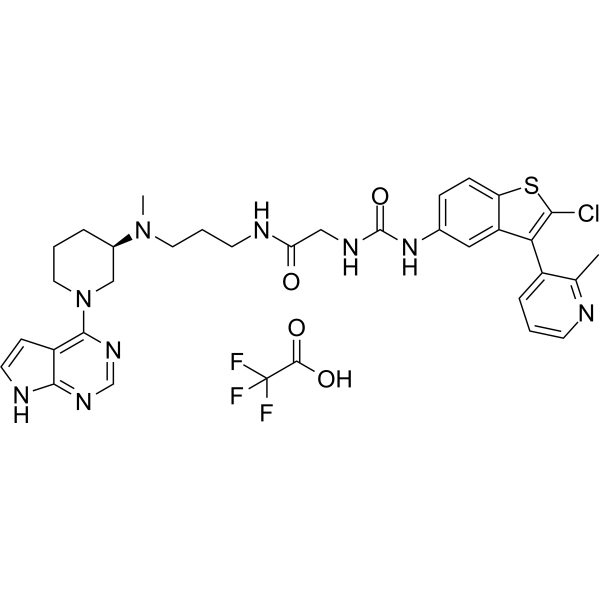
Dot1L-IN-1 TFA is a highly potent and selective Dot1L inhibitor with a Ki of 2 pM and an IC50 of <0.1 nM. Dot1L-IN-1 TFA potently suppresses H3K79 dimethylation (IC50=3 nM), as well as the activity of the HoxA9 promoter (IC50=17 nM) in HeLa and Molm-13 cells, respectively .
|
-
-
- HY-162930
-
|
|
PROTACs
METTL3
|
Cancer
|
|
PROTAC METTL3 degrader 1 is a VHL-based PROTAC METTL3 degrader (DC50: 220 nM in MOLM-13 cells). PROTAC METTL3 degrader 1 inhibits METTL3/14 complex with an IC50 value of 341 nM. PROTAC METTL3 degrader 1 can be used for the research of acute myeloid leukemia and gastric cancer .
|
-

-
- HY-173333
-
|
|
PROTACs
Epigenetic Reader Domain
Apoptosis
|
Cancer
|
|
PROTAC SMARCA2/4 degrader-38 is a degrader SMARCA2/4 PROTAC (DC50: 3.0 nM and 4.0 nM respectively). PROTAC SMARCA2/4 degrader-38 promotes the ubiquitination and degradation of SMARCA2/4. PROTAC SMARCA2/4 degrader-38 blocks the G0/G1 cell cycle and induces apoptosis. PROTAC SMARCA2/4 degrader-38 can be used in acute myeloid leukemia (AML) research. (Pink: SMARCA2/4 ligand; Blue: VHL ligand (HY-112078); Black: linker; Target Protein Ligand-Linker Conjugates (HY-173343)) .
|
-

-
- HY-163626
-
|
|
DAPK
|
Cancer
|
|
STK17A/B-IN-1 (compound 9) is an orally active, potent, and selective STK17A/B inhibitor with an IC50 of 23 nM against STK17A. STK17A/B-IN-1 can be used for study of cancer .
|
-

-
- HY-115446A
-
|
Cereblon ligand 1 hydrochloride; E3 ligase Ligand-Linker Conjugates 32 hydrochloride
|
E3 Ligase Ligand-Linker Conjugates
|
Cancer
|
|
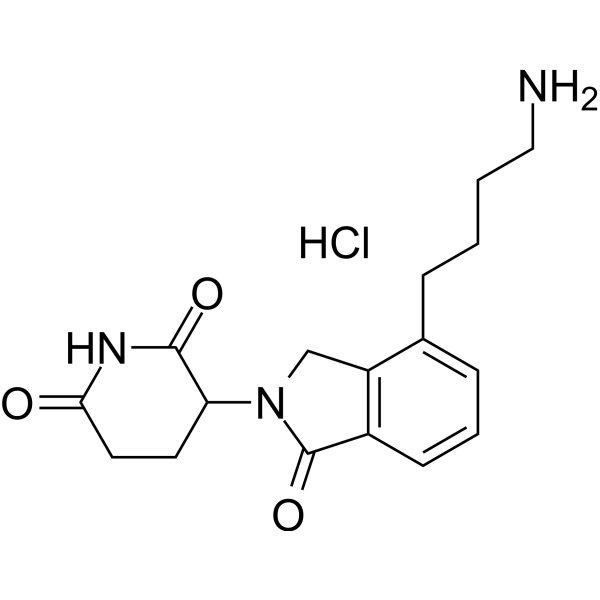
Lenalidomide-C4-NH2 hydrochloride is the Lenalidomide-based Cereblon ligand used in the recruitment of CRBN protein. Lenalidomide-C4-NH2 hydrochloride can be connected to the ligand for protein by a linker to form PROTAC (Compound 24), which has IC50s of 0.98 nM and 13.7 nM in inhibition of RS4;11 and MOLM-13 acute leukemia cell lines growth, respectively .
|
-
-
- HY-175594
-
|
|
DNA Methyltransferase
|
Cancer
|
|
DNMT2-IN-2 is a selective DNA methyltransferase 2 (DNMT2) inhibitor with a KD value of 3.04 μM. DNMT2-IN-2 targets to a cryptic allosteric binding site of DNMT2. DNMT2-IN-2 reduces m5C levels in MOLM-13 tRNA and synergizes with Doxorubicin (HY-15142A) to impair cell viability. DNMT2-IN-2 can be used for cancer research, such as cervical cancer and leukemia .
|
-

-
- HY-175885
-
|
|
PROTACs
Fat Mass and Obesity-associated Protein (FTO)
Apoptosis
Caspase
PARP
YTHDF
|
Cancer
|
|
PROTAC FTO degrader 1 is a Fat Mass and Obesity-associated Protein (FTO) PROTAC degrader. PROTAC FTO degrader 1 selectively degrades FTO depending on VHL E3 ligase and ubiquitin-proteasome system. PROTAC FTO degrader 1 can increase m6A modifications on mRNAs associated with ribosome biogenesis and promote their YTHDF2-mediated decay. PROTAC FTO degrader 1 can inhibit cancer cells proliferation and induce apoptosis. PROTAC FTO degrader 1 can be used for the research of cancer, such as acute myeloid leukemia (AML) . (Structure Note: Pink: FTO ligand (HY-175886); Blue: VHL ligand (HY-112078); Black: linker (HY-W002042); VHL ligand-Linker: (HY-139218))
|
-

-
- HY-171334
-
|
|
PROTACs
PIN1
|
Cancer
|
|
PROTAC PIN1 degrader-2 (1) is a PROTAC-based PIN1 degrader (Pink: PIN1 ligand HY-171442, Blue: cereblon ligand Thalidomide (HY-14658), Black: linker HY-W014883). PROTAC PIN1 degrader-2 (1) possesses anti-cancer activity, with IC50 values of 2248 nM (MV-4-11 cells), 3984 nM (MOLM-13), 3925 nM (HL-60), 3925 nM (HL-60), 3925 nM (HL-60), 3925 nM (HL-60) and 3925 nM (HL-60) respectively .
|
-

-
- HY-178446
-
|
|
METTL3
c-Myc
Bcl-2 Family
|
Cancer
|
|
METTL3-IN-11 is an excellent, selective METTL3 inhibitor (IC50 = 45.31 nM). METTL3-IN-11 exhibits high selectivity towards METTL3 compared to DNMT1, EZH1, MLL1, and PRMT1. METTL3-IN-11 reduces the m6A level of total RNA in MOLM-13 and SKOV3 cells, induces cell apoptosis, and inhibits cell migration. METTL3-IN-11 can reduce the expression of m6A downstream target genes (c-MYC and BCL2). METTL3-IN-11 can be used for the study of ovarian cancer and acute myeloid leukemia .
|
-

-
- HY-174827
-
|
|
Mitochondrial Metabolism
Reactive Oxygen Species (ROS)
Apoptosis
|
Cancer
|
|
POLRMT-IN-2 is a potent POLRMT inhibitor. POLRMT-IN-2 exhibits strong antiproliferative activity in MOLM-13 cells, with an IC50 of 1.01 μM. POLRMT-IN-2 disrupts mitochondrial function and induces apoptosis in MOLM-13cells. POLRMT-IN-2 can be used for the study of acute myeloid leukemia(AML) .
|
-

-
- HY-101520
-
|
|
Histone Methyltransferase
|
Cancer
|
|
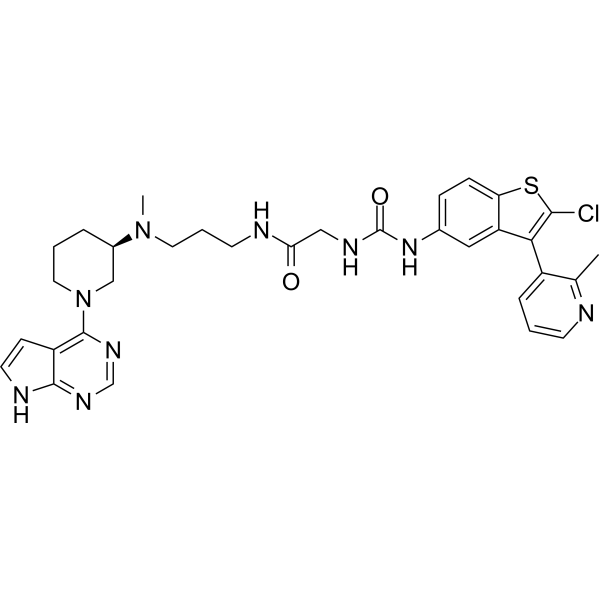
Dot1L-IN-1 is a highly potent and selective Dot1L inhibitor with a Ki of 2 pM and an IC50 of <0.1 nM. Dot1L-IN-1 potently suppresses H3K79 dimethylation (IC50=3 nM), as well as the activity of the HoxA9 promoter (IC50=17 nM) in HeLa and Molm-13 cells, respectively .
|
-
-
- HY-174847
-
|
|
p97
|
Cancer
|
|
VCP/p97 IN-2 (Compound V13) is a VCP/p97 inhibitor with IC50 of 32 nM for p97. VCP/p97 IN-2 has excellent antitumor activities and significantly inhibits tumor growth in Molm-13 xenograft mice model. VCP/p97 IN-2 can be used for acute myeloid leukemia (AML) research .
|
-

-
- HY-174911
-
|
|
FLT3
Apoptosis
|
Cancer
|
|
FLT3-IN-33 (Compound 7r) is a FLT3 inhibitor with an IC50 of 7.82 nM. FLT3-IN-33 has superior anticancer activities against acute myeloid leukemia (AML) cells, such as MV4-11 and MOLM-13 cells. FLT3-IN-33 significantly induces cell apoptosis and inhibits phosphorylation of FLT3 pathways. FLT3-IN-33 can be used for AML and other cancers research .
|
-

-
- HY-115906
-
|
|
FLT3
MNK
Apoptosis
|
Cancer
|
|
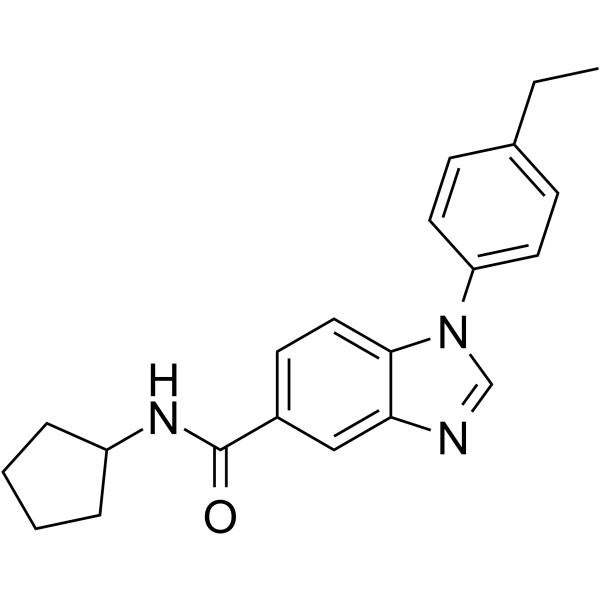
K783-0308 is a potent and selective dual inhibitor of FLT3 and MNK2 with IC50 values of 680 and 406 nM, respectively. K783-0308 inhibits the growth of MOLM-13 (IC50=10.5 µM) and MV-4-11 (IC50=10.4 µM) cells. K783-0308 promotes acute myeloid leukemia (AML) cell apoptosis and cell cycle arrests in the G0/G1 phase .
|
-
-
- HY-175040
-
|
|
PROTACs
Molecular Glues
FLT3
IKZF Family
|
Cancer
|
|
PROTAC FLT-3 degrader 5 is a FLT3 PROTAC degrader (DC50 = 1.2 nM). PROTAC FLT-3 degrader 5 functions as a molecular glue to degrade cereblon substrates GSPT1 and IKZF1/3. PROTAC FLT-3 degrader 5 exhibits antiproliferative activity against drug-resistant acute myeloid leukemia (AML) cells and is potentially useful in AML research. (Pink: FLT3/GSPT1/IKZF1/3 ligand: (HY-169374); Blue: Thalidomide: (HY-14658); Black: linker; Thalidomide + linker: (HY-W1123823)) .
|
-

-
- HY-168263
-
|
|
Histone Methyltransferase
Apoptosis
|
Cancer
|
|
PRMT5-IN-45 (compound 36) is a potent and selective PRMT5 inhibitor with an IC50 of 3 nM. PRMT5-IN-45 potently reduces the level of symmetric dimethylarginines (sDMA) and inhibits the proliferation of MOLM-13 cell lines by inducing apoptosis and cell cycle arrest .
|
-

-
- HY-179157
-
|
|
PROTACs
Checkpoint Kinase (Chk)
DNA/RNA Synthesis
Apoptosis
Bcl-2 Family
Caspase
|
Cancer
|
|
MA203 is a highly efficient and selective PROTAC degrader targeting CHK1. MA203 accelerates CRBN-dependent proteasomal degradation of CHK1 in solid tumor-derived cells and acute leukemia cells. MA203 induces DNA replication stress. MA203 blocks cell cycle progression and triggers tumor cell apoptosis. MA203 does not damage healthy differentiated and primitive hematopoietic cells, stromal cells, and retinal epithelial cells. MA203 can be used for the study of CHK1-dependent cancers .
|
-

-
- HY-172217
-
|
|
DNA Methyltransferase
Apoptosis
|
Cancer
|
|
DNMT1-IN-5 (Compound 55) is the inhibitor for DNMT that inhibits DNMT1 and DNMT3A with IC50 of 2.42 μM and 14.4 μM. DNMT1-IN-5 exhibits antiproliferative activity in a variety of cancer cell lines (IC50s for TMD-8, DOHH2, MOLM-13, THP-1, RPIM-8226 and HCT116 are 0.19-2.37 μM), arrests the cell cycle at G2/M phase, and induces apoptosis in TMD-8 and DOHH2 cells. DNMT1-IN-5 exhibits antitumor efficacy in TMD-8 xenograft mouse models .
|
-

-
- HY-143238
-
|
|
Histone Demethylase
|
Cancer
|
|
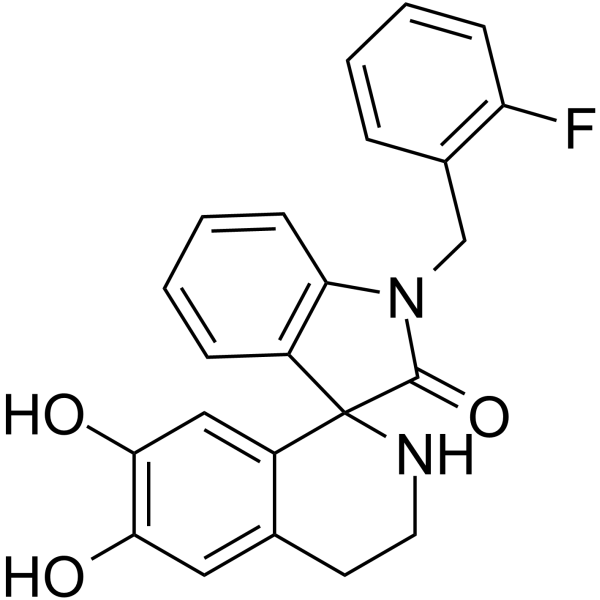
FY-56 is a highly potent and selective LSD1/KDM1A inhibitor (IC50=42 nM) and exhibits high selectivity over MAO-A/B. FY-56 induces differentiation of MOLM-13 and MV4-11 cell and has the potential for AML research .
|
-
-
- HY-156759
-
|
|
METTL3
|
Cancer
|
|
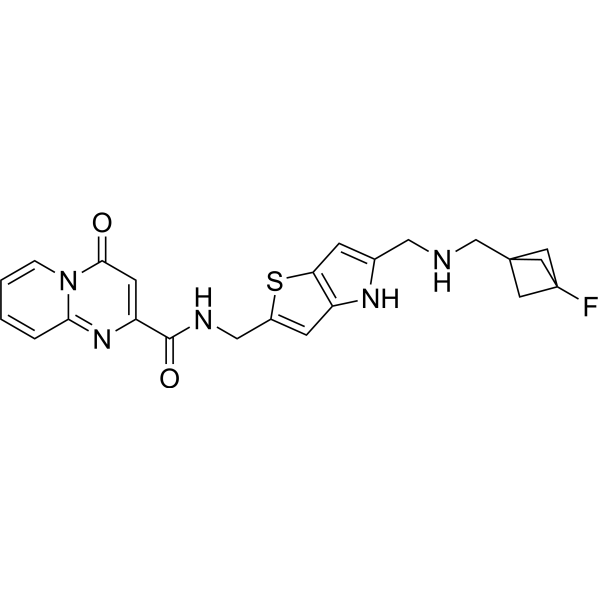
METTL3-IN-5 (Compound 13) is a METTL3 inhibitor. METTL3-IN-5 inhibits MOLM-13 growth with an IC50 less than 2 μM. METTL3-IN-5 has weak hERG inhibitory activity (IC50 >30 μM). METTL3-IN-5 can be used for AML research .
|
-
-
- HY-162230
-
|
|
Apoptosis
Histone Methyltransferase
|
Cancer
|
|
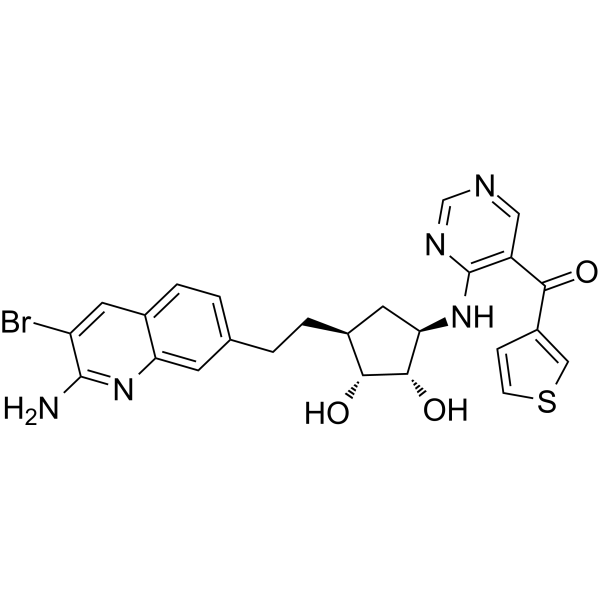
PRMT5-IN-33 (compound A8) is a selective, SAM-competitve PRMT5 inhibitors with IC50 of 10.9 nM. PRMT5-IN-33 induces apoptosis and inhibits proliferation of cells Z-138 and MOLM-13. PRMT5-IN-33 exhibits an antitumor activity .
|
-
-
- HY-168860
-
|
|
Bacterial
|
Infection
Cancer
|
|
Antituberculosis agent-13 (Compound 11) inhibits Mycobacterium tuberculosis, that inhibits Mtb wildtype and mutated strains with IC50 of 4-62.5 nM. Antituberculosis agent-13 exhibits anti-leukemia activity that inhibits MOLM-13 with IC50 of 3.8 μM .
|
-

-
- HY-162906
-
|
|
HDAC
FLT3
|
Cancer
|
|
FLT3/HDAC-IN-2 is (compound 25h) a FLT3/HDAC dual inhibitor. FLT3/HDAC-IN-2 has antiproliferative activity against MOLM-13 cells. FLT3/HDAC-IN-2 can be used in acute myeloid leukemia research .
|
-

-
- HY-168741
-
|
|
FLT3
|
Cancer
|
|
FLT3-ITD-IN-2 (Compound A1) is an inhibitor for FLT3-ITD kinase with an IC50 of 2.12 nM. FLT3-ITD-IN-2 inhibits the proliferation of FLT3-dependent human AML cell line MOLM-13 with an IC50 of 25.65 nM. FLT3-ITD-IN-2 exhibits antitumor efficacy against acute myeloid leukemia .
|
-

-
- HY-170558
-
|
|
FLT3
Apoptosis
|
Cancer
|
|
FW-1 is a type I inhibitor for FLT3 with IC50 of ca. 1 μM. FW-1 exhibits cytotoxicity in FLT3 mutated AML cell. FW-1 arrests the cell cycle at G0/G1 phase, and induces apoptosis in cell MV4-11 and MOLM-13 .
|
-

-
- HY-121081A
-
|
BAY-958 hydrochloride
|
CDK
|
Cancer
|
|
BAY-1112054 (BAY-958) hydrochloride is a potent PTEFb/CDK9 inhibitor with high selectivity demonstrated, particularly within the CDK family. BAY-1112054 hydrochloride shows strong antiproliferative activity against cancer cell lines such as HeLa and MOLM-13. BAY-1112054 hydrochloride exhibits good metabolic stability. BAY-1112054 hydrochloride effectively inhibits tumor growth in mouse xenograft models without significant toxicity .
|
-

-
- HY-172873
-
|
|
HDAC
Caspase
Apoptosis
|
Cancer
|
|
HDSI-18 is an orally active HDAC6 selective inhibitor (IC50: 1.6 nM). HDSI-18 is cytotoxic to K562, MV4-11, MOLM-13, THP-1, and Jurkat cells (IC50: 0.48, 0.58, 0.91, 1.79, and 4.31 μM, respectively). HDSI-18 activates Caspase-3, induces mitochondrial depolarization and apoptosis, and has antitumor activity .
|
-

-
- HY-161324
-
|
|
Microtubule/Tubulin
|
Cancer
|
|
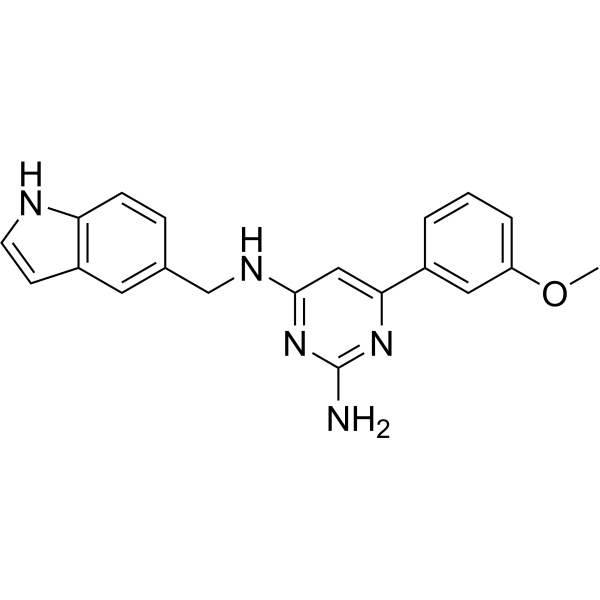
Tubulin degrader 1 (Compound 5i) is a BML284 (HY-19987) derivative that is an orally active colchicine-site noncovalent tubulin degradation agent with IC50 values ranging from 0.02 to 0.05 μM against the five tumor cell lines (Hela, HCT116, MCF-7, K562 and Molm-13). Tubulin degrader 1 has antiproliferative activity that effectively suppressed tumor growth .
|
-
-
- HY-154997
-
|
|
METTL3
|
Cancer
|
|
7OQL (compound 54) is a selective METTL3 inhibitor (IC50=0.054 µM). 7OQL has the potential to be used in the study of cancer .
|
-
- HY-175473
-
|
|
FLT3
Apoptosis
|
Cancer
|
|
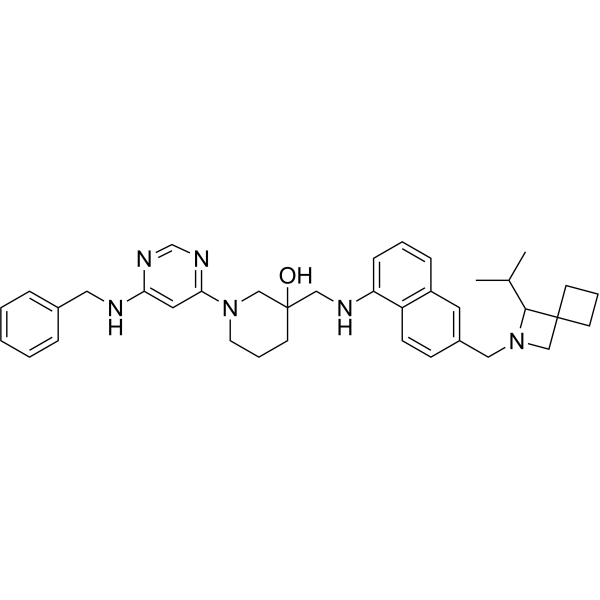
HI042 is a FMS-like Tyrosine Kinase 3 (FLT3) inhibitor. HI042 shows IC50 values of 0.62 μM for MOLM-13, 0.33 μM for MV4-11, and 0.89 μM for OCI-AML3 cells. HI042 selectively reduces the viability of FLT3-internal tandem duplication
(FLT3-|TD) mutations-positive cell lines, induces apoptosis, disrupts cell cycle progression, and diminishes the clonogenic potential. HI042 can be used for the research of acute myeloid leukemia (AML) .
|
-

- HY-170452
-
-

- HY-155770
-
|
|
FLT3
|
Cancer
|
|
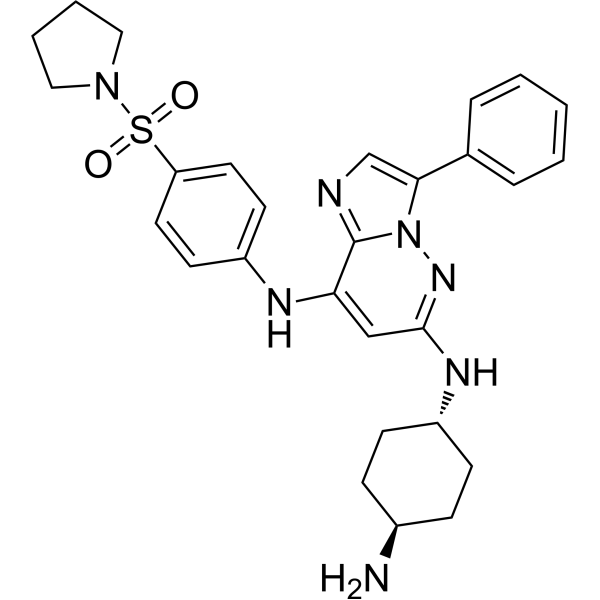
FLT3-IN-20 (compound 34f) is a potent FLT3 inhibitor with IC50 values of 1 and 4 nM for FLT3-D835Y and FLT3-ITD, respectively. FLT3-IN-20 has anti-proliferation efficacy in FLT3-ITD-positive AML cell lines MV4-11 and MOLM-13 (7 and 9 nM, respectively) and the MOLM-13 variant (4 nM) with the FLT3-ITD-D835Y mutation. FLT3-IN-20 can be used in research of cancer .
|
-
- HY-161494
-
|
|
PROTACs
Epigenetic Reader Domain
|
Cancer
|
|
XYD190 (Compound 14g) is an orally active degrader for CBP/p300. XYD190 inhibits CBP/p300 bromodomain with IC50 of 483.7 nM. XYD190 exhibits antitumor activity against acute myeloid leukemia. (Structure: Pink, CBP/p300 ligand 4 (HY-161495); Blue, E3 ligase ligand (HY-14658); Black: linker (HY-161496)) .
|
-

- HY-170576
-
|
|
FLT3
STAT
Apoptosis
|
Cancer
|
|
FLT3-IN-28 (Compound 12y) is an orally active FLT3 inhibitor with antitumor activity. FLT3-IN-28 selectively inhibits cancer cells harboring the FLT3 internal tandem duplication (ITD) mutation, with IC50 values of 85, 290, 130, 65, and 220 nM for BaF3-FLT3-ITD, BaF3-TEL-VEGFR2, MV4-11, MOLM-13, and MOLM-14 cell lines respectively (MV4-11 and MOLM-13/14 are acute myeloid leukemia (AML) cell lines carrying the FLT3-ITD mutation). Additionally, FLT3-IN-28 can downregulate the phosphorylation levels of FLT3 and STAT5 in MOLM-13 cells and induce cell cycle arrest and Apoptosis. FLT3-IN-28 has an oral bioavailability of 19.2% in SD rats and can prolong survival in a dose-dependent manner in NSG mice xenografted with MOLM-13 cells. FLT3-IN-28 holds promise for research in cancer fields related to FLT3-ITD .
|
-

- HY-178996
-
|
|
FLT3
Apoptosis
Akt
ERK
PI3K
STAT
Mitochondrial Metabolism
|
Cancer
|
|
FLT3-IN-36 is a potent FLT3 inhibitor. FLT3-IN-36 exhibits antitumor activity against FLT3-mutated acute myeloid leukemia (AML) cells. FLT3-IN-36 induces cell cycle arrest, reduces mitochondrial membrane potential, and induces apoptosis, downregulating FLT3 and downstream protein expression (including AKT, ERK, PI3K, and STAT5). FLT3-IN-36 can be used for AML research .
|
-

- HY-143286
-
|
|
PROTACs
FLT3
|
Cancer
|
|
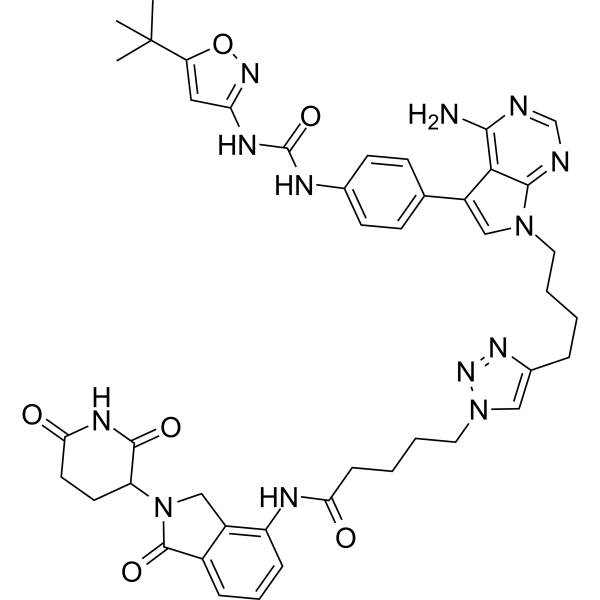
PF15 is a PROTAC connected by ligands for FLT3 kinase and CRBN. PF15 is a high selective FLT3-ITD degrader, with a DC50 of 76.7 nM. PF15 significantly inhibits the proliferation of FLT3-ITD-positive cells, can down-regulate the phosphorylation of FLT3 and STAT5. PF15 also inhibits tumor growth in mouse models and can be used in study of leukemia .
|
-
- HY-145015A
-
|
HM43239 hydrate
|
FLT3
Apoptosis
|
Cancer
|
|
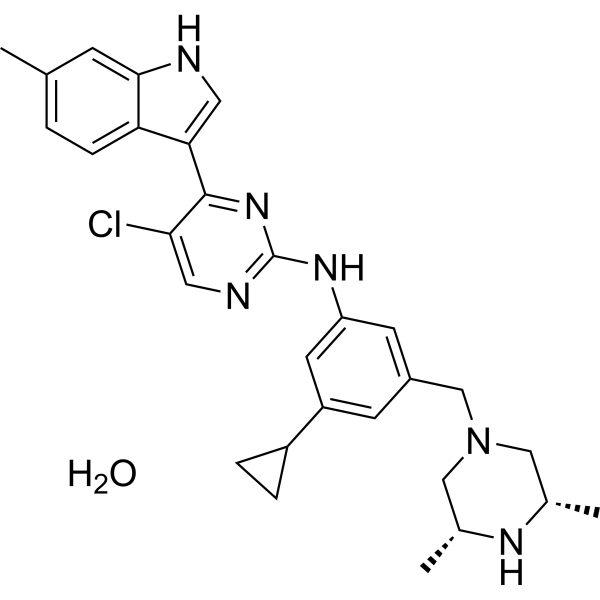
Tuspetinib (HM43239) hydrate is an orally active and selective FLT3 inhibitor with IC50s of 1.1 nM, 1.8 nM and 1.0 nM for FLT3 WT, FLT3 internal tandem duplication (ITD) and FLT3 D835Y kinases, respectively. Tuspetinib hydrate inhibits the kinase activity of FLT3 as a reversible type I inhibitor and modulates p-STAT5, p-ERK, SYK, JAK1/2, and TAK1. Tuspetinib hydrate inhibits the proliferation and induces the apoptosis of leukemic cells .
|
-
- HY-161708
-
|
|
PROTACs
CDK
FLT3
|
Cancer
|
|
PROTAC FLT3/CDKs degrader-1 (Compound C3) is a degrader for cyclin-dependent kinases (DC50 is 18.73 nM for CDK2) and the FMS-like tyrosine kinase 3 (FLT3). PROTAC FLT3/CDKs degrader-1 induces differentation of HL-60 (72.77% differentation at 6.25 nM), inhibits proliferation of AML cells, with IC50s of 2.9-37 nM. PROTAC FLT3/CDKs degrader-1 is potential for ameliorating acute myeloid leukemia. (Pink: ligand for target protein FLT3/CDKs ligand-1 (HY-161709); Black: linker (HY-W012935); Black: ligand for E3 ligase Thalidomide 5-fluoride (HY-W087383))
|
-

- HY-170837
-
|
|
STAT
|
Cancer
|
|
STAT5-IN-3 (Compound 14a) is a STAT5 inhibitor with anticancer activity. STAT5-IN-3 blocks the tyrosine phosphorylation of STAT5A/5B at the Y694/699 sites and significantly reduces the expression of STAT5B protein, thereby inhibiting downstream gene transcription and blocking the proliferation and survival of leukemia cells. Additionally, STAT5-IN-3 holds significant value in overcoming chemotherapy resistance .
|
-

- HY-130853
-
|
|
E3 Ligase Ligand-Linker Conjugates
Autophagy
Apoptosis
|
Cancer
|
|
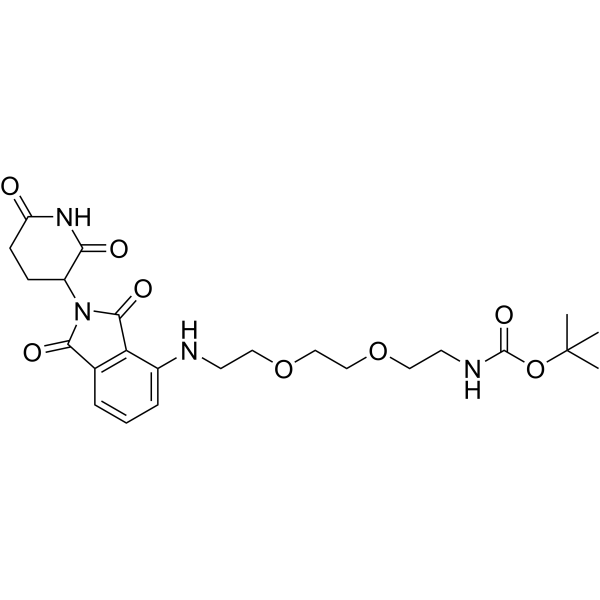
Thalidomide-NH-PEG2-C2-NH-Boc is a synthesized?E3 ligase ligand-linker conjugate?that incorporates the?Thalidomide?based cereblon ligand and a PEG linker used for dBRD9 (compound 6) synthesis. dBRD9 is a selective BRD9 probe PROTAC degrader for the study of BAF complex biology .
|
-
- HY-163803
-
|
|
HDAC
DNA Methyltransferase
|
Cancer
|
|
CM-444 is inhibitor for HDAC (IC50 is 6 nM-0.6 μM) and DNA methyltransferases (DNMT, IC50 is 1.8-2.3 μM). CM-444 is an inducer for the differentiation of acute myeloid leukemia cells. CM-444 exhibits anti-leukemic activity and improves the survival rate in mouse models .
|
-

- HY-173141
-
|
|
mTOR
|
Cancer
|
|
mTOR inhibitor-26 (Compound HPT-11) is an inhibitor of mTOR with an IC50 of 0.7 nM. It effectively inhibits the proliferation of AML cell lines Molm-13 and MV-4-11. mTOR inhibitor-26 exhibits antitumor activity and favorable metabolic stability, making it a promising candidate for cancer research .
|
-

- HY-162293
-
|
|
CDK
|
Cancer
|
|
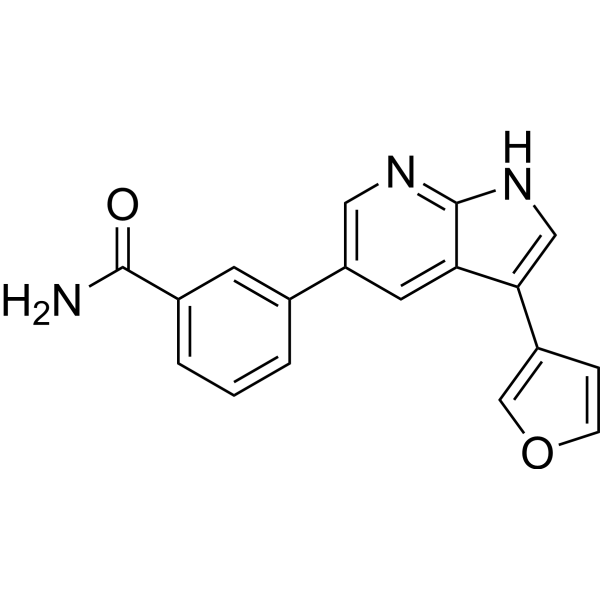
CDK8-IN-14 (compound 12) inhibits CDK8 with an IC50 value of 39.2 nM and has anti-AML cell proliferation activity (molm-13 GC50 = 0.02±0.01μM, MV4-11 GC50 = 0.03±0.01μM) .
|
-
- HY-173481
-
|
|
CDK
|
Cancer
|
|
CDK9-IN-37 (Compound 24) is a CDK9 inhibitor (EC50: 5.5 nM) with weak inhibition on other CDK isoforms, showing high selectivity. CDK9-IN-37 has significant antiproliferative activity against acute myeloid leukemia MOLM-13 cells (IC50: 0.034 μM). CDK9-IN-37 inhibits the CDK9 signaling pathway, reduces the phosphorylation level of RNAP II CTD (Ser2), downregulates the anti-apoptotic protein McI-1, induces cell apoptosis, and arrests the cell cycle at the G2/M phase. CDK9-IN-37 can be used in the study of acute myeloid leukemia (AML) .
|
-

- HY-178020
-
|
|
FLT3
ERK
Akt
Apoptosis
|
Cancer
|
|
FLT3-IN-34 is a FLT3 inhibitor, with an IC50 value of 1.4 nM. FLT3-IN-34 blocks the phosphorylation of FLT3 and its downstream signaling molecules AKT and ERK1/2. FLT3-IN-34 induces concentration-dependent G0/G1 phase arrest and mild apoptosis in FLT3-ITD-positive MV4-11 cells. FLT3-IN-34 shows potent anti-proliferative activity against FLT3-ITD-positive MV4-11 cells (IC50 = 14.95 nM) and MOLM-13 (IC50 = 18.5 nM). FLT3-IN-34 can be used for the study of FLT3-positive acute myeloid leukemia (AML) .
|
-

- HY-121081
-
|
|
CDK
|
Cancer
|
|
BAY-958 is a potent PTEFb/CDK9 inhibitor with high selectivity demonstrated, particularly within the CDK family. BAY-958 shows strong antiproliferative activity against cancer cell lines such as HeLa and MOLM-13. BAY-958 exhibits good metabolic stability. BAY-958 effectively inhibits tumor growth in mouse xenograft models without significant toxicity .
|
-

- HY-147716
-
|
|
CDK
|
Cancer
|
|
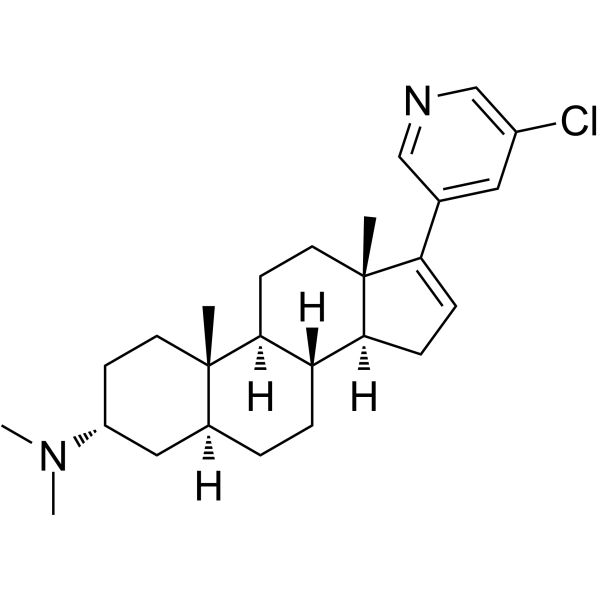
CDK8-IN-6 (compound 9) is a potent cyclin-dependent kinase 8 (CDK8) inhibitor with an Kd of 13 nM. CDK8-IN-6 shows cytotoxicity for MOLM-13, OCI-AML3, MV4-11, NRK and H9c2 cells with IC50s of 11.2, 7.5, 8.6, 20.5, 12.5-25 µM, respectively. CDK8-IN-6 has the potential for the research of AML-cancer .
|
-
- HY-147717
-
|
|
CDK
|
Cancer
|
|
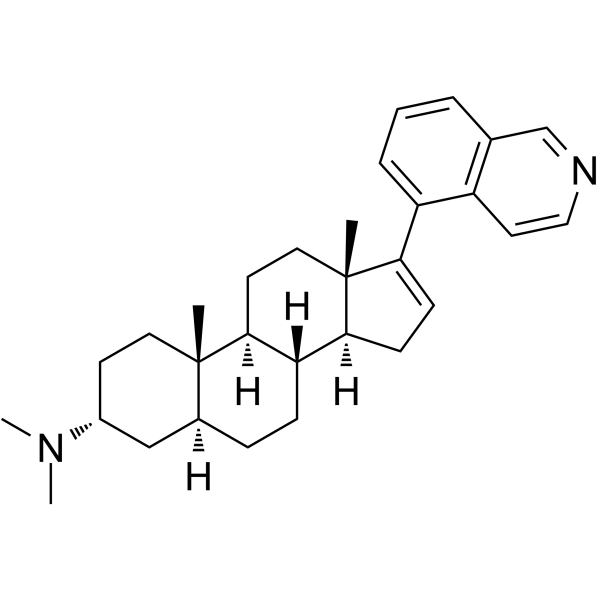
CDK8-IN-7 (compound 12) is a potent and selective cyclin-dependent kinase 8 (CDK8) inhibitor with an Kd of 3.5 nM. CDK8-IN-7 shows cytotoxicity for MOLM-13, OCI-AML3, MV4-11, NRK and H9c2 cells with IC50s of 5.9, 4.8, 5.4, 16.2, 12.5-25 µM, respectively. CDK8-IN-7 has the potential for the research of AML-cancer .
|
-
- HY-172399
-
|
|
Fat Mass and Obesity-associated Protein (FTO)
Apoptosis
|
Cancer
|
|
FTO-IN-14 (Compound F97) is the inhibitor for the RNA demethylase Fat mass and obesity-associated protein FTO with IC50 of 0.45 μM. FTO-IN-14 regulates the protein expression of ASB2, RARA and MYC. FTO-IN-14 exhibits antiproliferative activity in AML cancer cells (IC50 for MOLM13, NB4, HEL, OCI-AML3, MV4-11 and MONOMAC6 is 0.7-5.5 μM), induces apoptosis in NB4 cell. FTO-IN-14 exhibits antitumor activity in mouse NB4 xenograft models .
|
-

- HY-149522
-
|
|
Bcl-2 Family
Apoptosis
|
Cancer
|
|
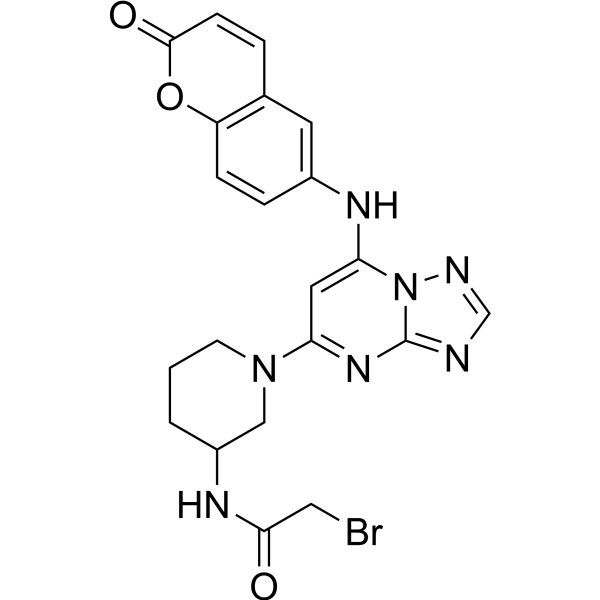
BCL6-IN-10 (Compound WK499) is a BCL6 inhibitor. BCL6-IN-10 interrupts the binding of BCL6 to SMRT protein. BCL6-IN-10 induces cell apoptosis, cell cycle arrest and DNA damage. BCL6-IN-10 inhibits AML cell proliferation (IC50s: 0.91, 1.63, 1.026, 7.42, 0.87, 0.85μM for OCl-AML3, THP1, MOLM13, HL60, KG1, NB4 cell respectively) .
|
-
- HY-152470
-
|
|
Epigenetic Reader Domain
|
Cancer
|
|
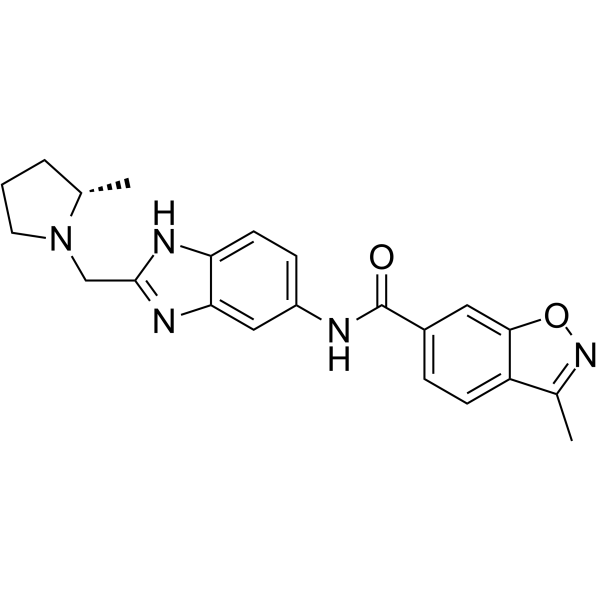
Eleven-Nineteen-Leukemia Protein IN-2 (compound 23) is an Eleven-Nineteen-Leukemia Protein (ENL) inhibitor with an IC50 value of 10.7 nM. Eleven-Nineteen-Leukemia Protein IN-2 can be used for the research of leukemia .
|
-
- HY-162642
-
|
|
Bcl-2 Family
|
Cancer
|
|
Bfl-1-IN-3 (Compound 56) is a selective, competitive inhibitor for Bfl-1 on BID binding site with Ki of 105 nM. Bfl-1-IN-3 inhibits the proliferation of cell pfeiffer and MV4-11, with IC50 of 6.92 μM and 12.6 μM. Bfl-1-IN-3 induces apoptosis in pfeiffer cells. Bfl-1-IN-3 overcomes Venetoclax (HY-15531) resistance at the cellular level, and shows synergistically enhanced anti-tumor activity with Venetoclax .
|
-

- HY-175520
-
|
|
SHP2
Phosphatase
Apoptosis
|
Cancer
|
|
SHP2-IN-42 is a src homology 2 domain-containing phosphatase 2 (SHP2) inhibitor with an IC50 of 15 nM. SHP2-IN-42 inhibits cell proliferation and induces apoptosis and G1 phase cell cycle arrest. SHP2-IN-42 can be used for the research of cancer, such as acute myeloid leukemia (AML) .
|
-

- HY-152471
-
|
|
Epigenetic Reader Domain
|
Cancer
|
|
Eleven-Nineteen-Leukemia Protein IN-3 is an orally active inhibitor of ENL YEATS domain with an IC50 value of 15.4 nM. Eleven-Nineteen-Leukemia Protein IN-3 down-regulates MYC expression through ENL in cells and can enhances the thermal stability of ENL protein in vitro .
|
-
- HY-144711
-
|
|
FLT3
|
Cancer
|
|
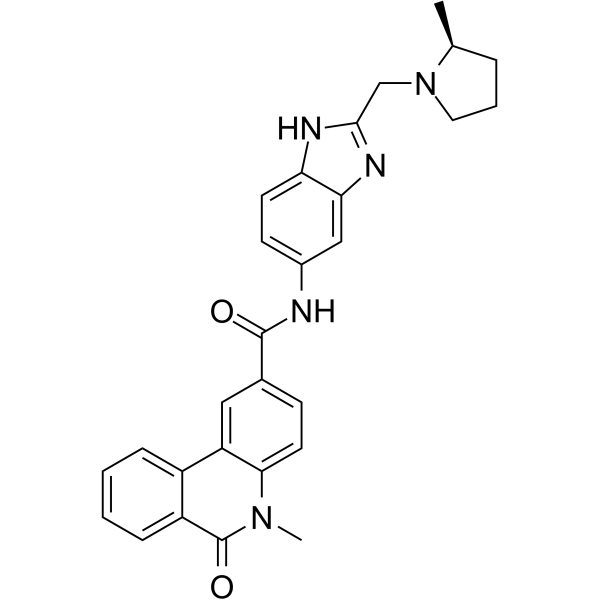
FLT3/ITD-IN-3 (Compound 19) is a potent FLT3 internal tandem duplications (FLT3-ITD) inhibitor with IC50 values of 0.3, 0.4 and 0.9 nM against FLT3 D835Y, FLT3 and FLT3-ITD, respectively. FLT3/ITD-IN-3 potently inhibits the phosphorylation of FLT3 and displays excellent antiproliferative activities against acute myeloid leukemia cell lines .
|
-
- HY-144709
-
|
|
FLT3
|
Cancer
|
|
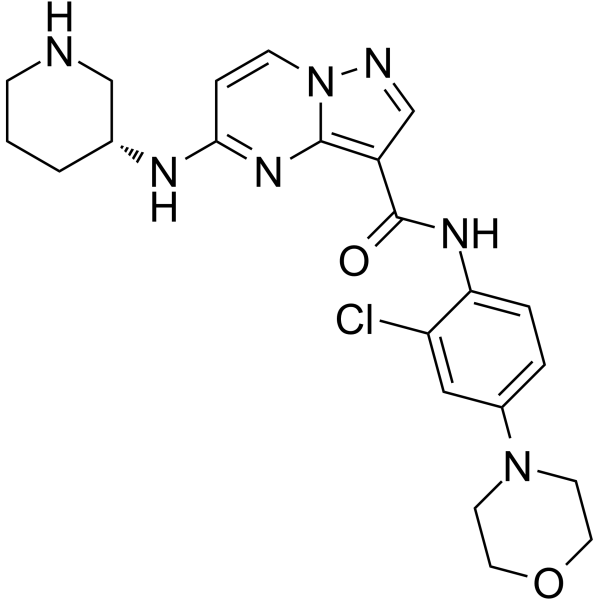
FLT3/ITD-IN-1 (Compound 1) is a potent FLT3 internal tandem duplications (FLT3-ITD) inhibitor with IC50 values of 38.2 nM and 144.1 nM against FLT3 and FLT3-ITD, respectively. FLT3/ITD-IN-1 displays excellent antiproliferative activities against acute myeloid leukemia cell lines .
|
-
- HY-144710
-
|
|
FLT3
|
Cancer
|
|
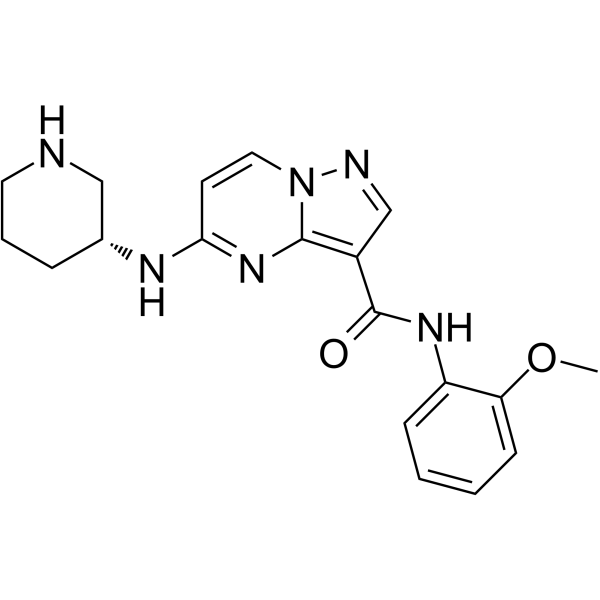
FLT3/ITD-IN-2 (Compound 17) is a potent FLT3 internal tandem duplications (FLT3-ITD) inhibitor with IC50 values of 0.3, 0.4 and 1.0 nM against FLT3 D835Y, FLT3 and FLT3-ITD, respectively. FLT3/ITD-IN-2 potently inhibits the phosphorylation of FLT3 and displays excellent antiproliferative activities against acute myeloid leukemia cell lines .
|
-
- HY-152469
-
|
|
Epigenetic Reader Domain
|
Cancer
|
|
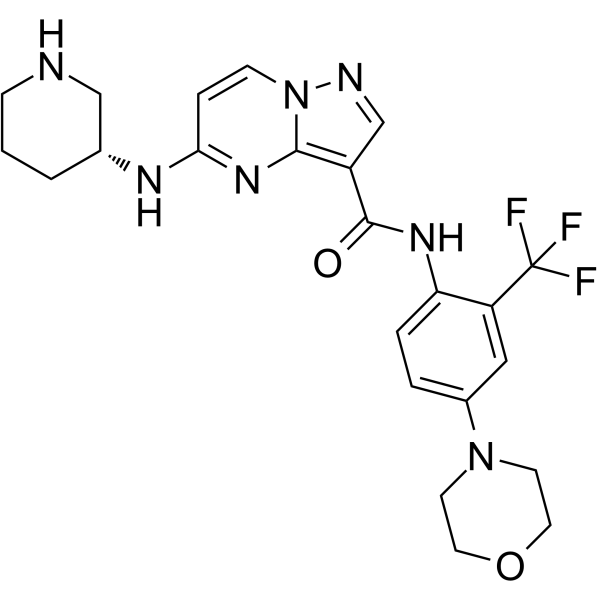
Eleven-Nineteen-Leukemia Protein IN-1 is an inhibitor of ENL YEATS domain with an IC50 value of 14.5 nM. Eleven-Nineteen-Leukemia Protein IN-1 interacts with ENL protein and enhances the thermal stability of ENL protein in vitro .
|
-
- HY-158147
-
|
|
PI3K
|
Cancer
|
|
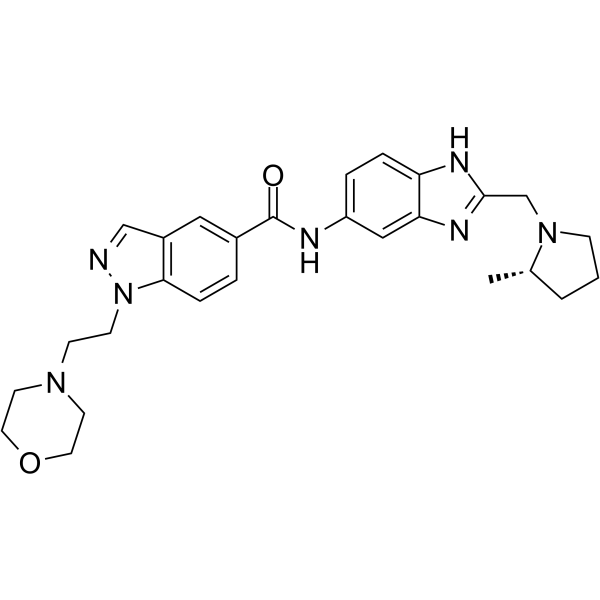
PI3Kδ-IN-20 (compound (S)-36) is a potent inhibitor of PI3Kδ, with the IC50 of 6.4 nM. PI3Kδ-IN-20 has oral bioactivity. PI3Kδ-IN-20 shows significant suppression of cell proliferation and remarkable induction of apoptosis both in vitro and in vivo .
|
-
- HY-160944
-
|
|
Sirtuin
|
Cancer
|
|
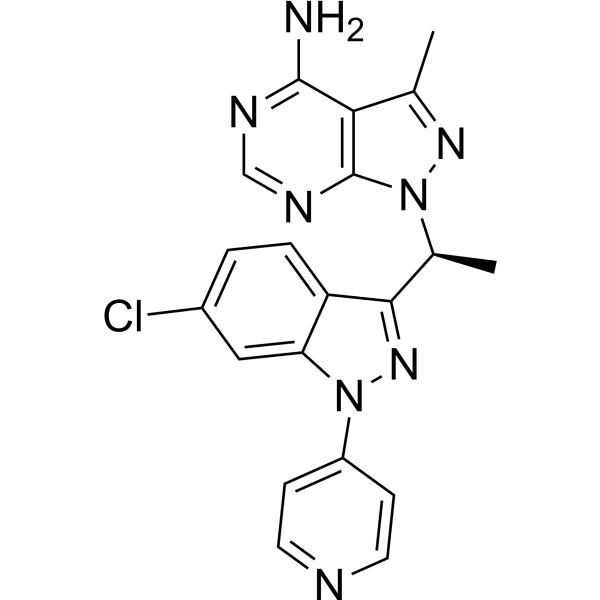
hsa62 is a dual inhibitor for SIRT1 and SIRT2, with IC50 of 1.3 and 5.5 μM, respectively .
|
-

- HY-178039
-
|
|
CDK
Apoptosis
c-Myc
Caspase
PARP
|
Cancer
|
|
CDK9-IN-42 is a potent and selective CDK9 inhibitor with an IC50of 3.8 nM. CDK9-IN-42 can inhibit the growth of cancer cells and induce apoptosis by downregulating Myc-1 and c-Myc. CDK9-IN-42 can be used for the research of cancer, such as breast and lungcancer .
|
-

- HY-170673
-
|
|
E3 Ligase Ligand-Linker Conjugates
|
Cancer
|
|
E3 Ligase Ligand-linker Conjugate 156 is a CRBN E3 ligase ligand-linker conjugate. E3 Ligase Ligand-linker Conjugate 156 can be used to synthesize PROTAC XPO1 degrader-1 (HY-170669) .
|
-

- HY-161498
-
|
|
PROTACs
Epigenetic Reader Domain
|
Cancer
|
|
XYD198 (Compound 14h) is an orally active degrader for CBP/p300. XYD198 inhibits CBP/p300 bromodomain with IC50 of 213.5 nM. XYD198 exhibits antitumor activity against acute myeloid leukemia. (Structure: Pink, CBP/p300 ligand 4 (HY-161495); Blue, E3 ligase ligand (HY-14658); Black: linker (HY-161499))
|
-

- HY-163442A
-
|
|
Pim
|
Cancer
|
|
PIM3-IN-1 hydrochloride (Compound 19a) is an inhibitor of (PIM2/3), with the highest inhibition level being against PIM3, having an IC50 value in the nanomolar range. PIM3-IN-1 hydrochloride can be used in cancer research .
|
-
- HY-161496
-
-

- HY-161495
-
-

- HY-161499
-
|
|
PROTAC Linkers
|
Cancer
|
|
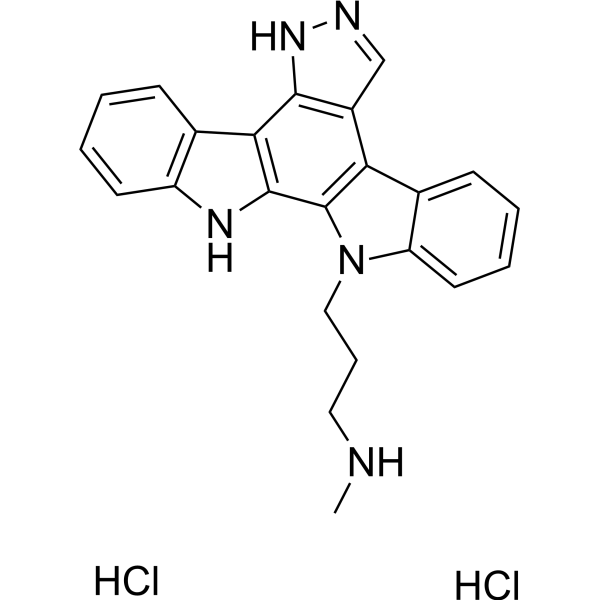
Boc-NHCH2-Ph-pyrimidine-NH2 is the linker for PROTAC molecule XYD198 (HY-161498) .
|
-

- HY-N2037AR
-
|
Norcoclaurine hydrochloride (Standard)
|
MAP3K
Reference Standards
MDM-2/p53
ROS Kinase
Apoptosis
|
Infection
Cardiovascular Disease
Endocrinology
Cancer
|
|
Higenamine (hydrochloride) (Standard) is the analytical standard of Higenamine (hydrochloride). This product is intended for research and analytical applications. Higenamine hydrochloride is a selective LSD1 inhibitor (IC50=1.47 μM) that can be isolated from aconite. Higenamine hydrochloride has anti-inflammatory and antibacterial activity. Higenamine (Norcoclaurine) can attenuate IL-1β-induced Apoptosis through ROS-mediated PI3K/Akt signaling pathway. Higenamine hydrochloride protects brain cells from oxygen deprivation. Higenamine can promote bone formation in osteoporosis through the SMAD2/3 pathway. Higenamine hydrochloride can be used to study cancer, inflammation, cardiorenal syndrome and other diseases .
|
-

- HY-168493
-
|
|
FLT3
VEGFR
HDAC
STAT
PERK
|
Cancer
|
|
FLT3/VEGFR2-IN-1 (Compound 26) is a FLT3/VEGFR2/HDAC inhibitor with IC50 values of 14.5 nM, 3.9 nM, and 30.8 nM for FLT3, VEGFR2, and HDAC1, respectively. FLT3/VEGFR2-IN-1 can inhibit the phosphorylation of STAT3 and ERK1/2 and the proliferation of leukemia cells. FLT3/VEGFR2-IN-1 has anti-tumor activity and can be used for the research of acute myeloid leukemia .
|
-

- HY-158438
-
|
|
MNK
|
Cancer
|
|
MNK1/2-IN-8 (compound 15b) is a MNK1/2 inhibitor with the IC50 values of 0.8 and 1.5 nM against Mnk1 and Mnk2. MNK1/2-IN-8 shows anti-proliferative activity and induces cell cycle arrest .
|
-

- HY-161709
-
|
|
Ligands for Target Protein for PROTAC
FLT3
CDK
|
Cancer
|
|
FLT3/CDKs ligand-1 (Compound 14) is a ligand for target protein, which promotes the degradation of cyclin-dependent kinase (CDK) and the FMS-like tyrosine kinase 3 (FLT3), inhibits FLT3/CDK related proliferations and survivals of leukemia cells. LT3/CDKs ligand-1 can be used for synthesis of PROTAC FLT3/CDKs degrader-1 (HY-161708) .
|
-

- HY-143317
-
|
|
Epigenetic Reader Domain
|
Cancer
|
|
XY153 (compound 8l) is a BD2-selective BET inhibitor and selectively binds to BRD4 BD2. XY153 binds to BRD4 BD2, BRD3 BD2 and BRD2 BD2 with IC50s of 0.79, 5.31 and 5.09 nM, respectively. XY153 shows potent antiproliferative activity against multiple tumor cell lines. XY153 can be used for the research of acute myeloid leukemia (AML) and cancer .
|
-
- HY-149031
-
|
|
Dihydroorotate Dehydrogenase
|
Cancer
|
|
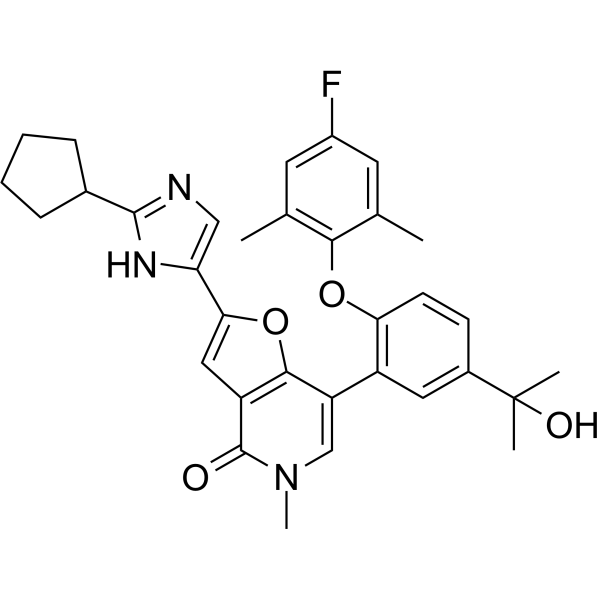
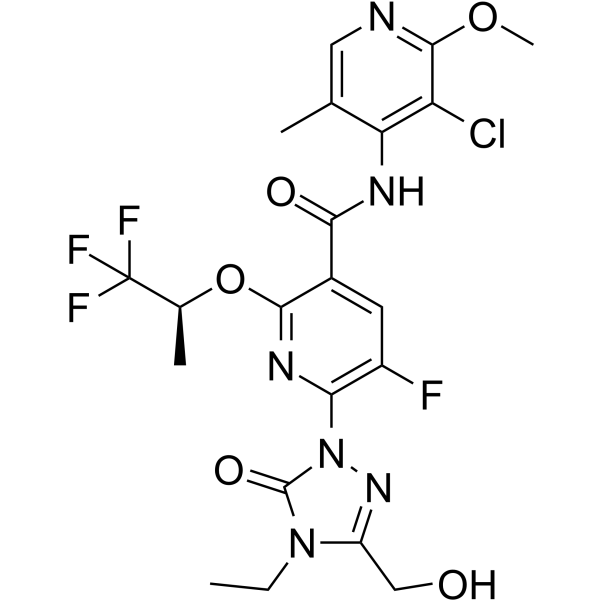
DHODH-IN-22 is a potent, selective and orally active dihydroorotate dehydrogenase (DHODH) inhibitor with an IC50 value of 0.3 nM. DHODH-IN-22 can be used for researching acute myelogenous leukemia (AML) .
|
-
- HY-144777
-
|
|
FLT3
Apoptosis
|
Cancer
|
|
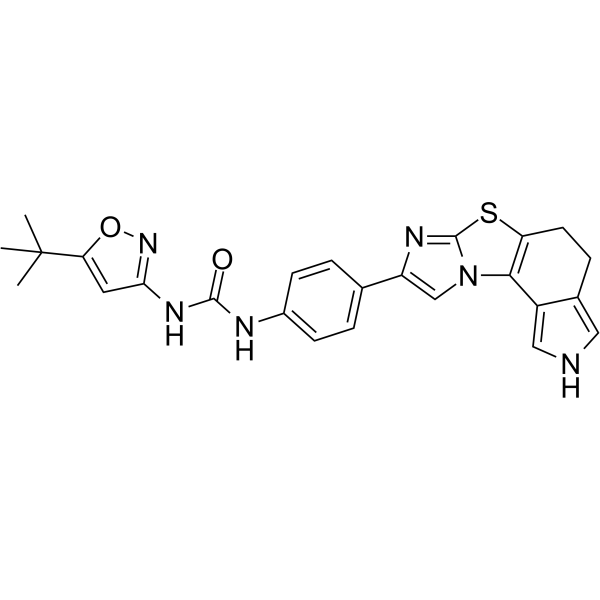
FLT3-IN-14 is a potent FLT3 inhibitor with IC50s of 5.6 nM and 1.4 nM for FLT3-WT and FLT3-ITD. FLT3-IN-14 reduces the phosphorylation of FLT3 (Y591), induces cell cycle arrest at G1 phase and apoptosis. FLT3-IN-14 significantly reduces the tumor growth in an MV4-11 xenograft mouse model .
|
-
- HY-181854
-
|
|
PROTACs
Epigenetic Reader Domain
Histone Acetyltransferase
c-Myc
Caspase
Apoptosis
|
Cancer
|
|
ZX079 is a dual BRD4 and CBP PROTAC degrader with a BRD4 DC50 value of 0.035 nM and a CBP DC50 value of < 0.02 nM. ZX079 induces dose- and time-dependent degradation of BRD4 and CBP proteins through recruitment of the cereblon E3 ligase. ZX079 induces apoptosis in MV4-11 and MOLM-13 cells, reduces tumor growth in an acute myeloid leukemia xenograft model. ZX079 can be used for the research of acute myeloid leukemia .
|
-

- HY-168213
-
|
|
FLT3
|
Cancer
|
|
FLT3-IN-27 (compound 49) is a FLT3-ITD inhibitor with the IC50 of 174 nM. FLT3-IN-27 inhibits cell growth and increases the number of cells in the G1 phase of the cell cycle and can be used for study of acute myeloid leukemia .
|
-

- HY-161500
-
|
|
E3 Ligase Ligand-Linker Conjugates
|
Cancer
|
|
Thalidomide-NHCH2-Ph-pyrimidine-NH2 is a conjugate of E3 ligase ligand and linker, which is consisted of a Thalidomide (HY-14658) and a Linker Boc-NHCH2-Ph-pyrimidine-NH2 (HY-161499). Thalidomide-NHCH2-Ph-pyrimidine-NH2 is utilized for synthesis of PROTAC molecule XYD198 (HY-161498) .
|
-

- HY-161497
-
|
|
E3 Ligase Ligand-Linker Conjugates
|
Cancer
|
|
Thalidomide-benzylamine-Py-NH2 is a conjugate of E3 ligase ligand and linker, which is consisted of a Thalidomide (HY-14658) and the Linker Boc-NHCH2-Ph-Py-NH2 (HY-161496). Thalidomide-benzylamine-Py-NH2 is utilized for synthesis of PROTAC molecule XYD190 (HY-161494) .
|
-

- HY-182957
-
|
|
MNK
Pim
Apoptosis
Caspase
Eukaryotic Initiation Factor (eIF)
PARP
c-Myc
|
Cancer
|
|
MNK/PIM-IN-2 is a Mnk/Pim kinase inhibitor with an IC50 of 32 nM for Mnk1, 3 nM for Mnk2, and 37 nM for Pim1. MNK/PIM-IN-2 reduces the levels of p-eIF4E and p-4EBP1. MNK/PIM-IN-2 induces cell cycle arrest, apoptosis (apoptosis) and exerts antiproliferative effects in leukemia cells. MNK/PIM-IN-2 can be used in studies related to leukemia .
|
-

- HY-146680
-
|
|
FLT3
RET
CDK
MAP4K
|
Cancer
|
|
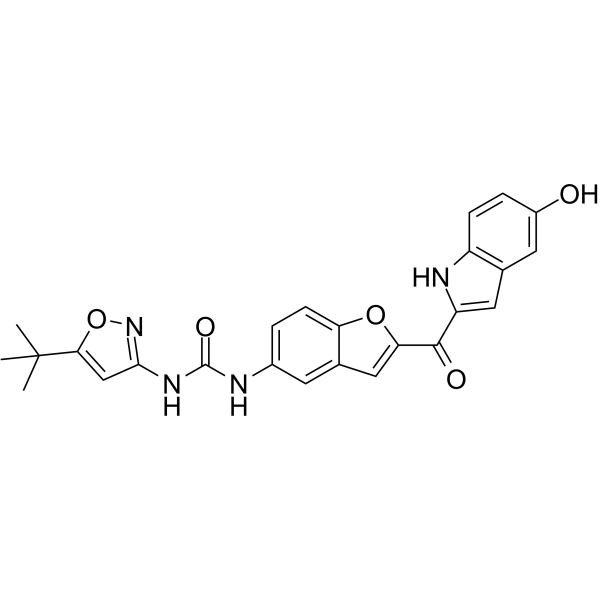
FLT3/ITD-IN-4 (Compound 16) is a selective FMS-like tyrosine kinase 3 internal tandem duplications (FLT3-ITD) inhibitor with an IC50 of 2.3 nM. FLT3/ITD-IN-4 can be used for acute myeloid leukemia research .
|
-
- HY-157158
-
|
|
TrxR
Apoptosis
Reactive Oxygen Species (ROS)
|
Cancer
|
|
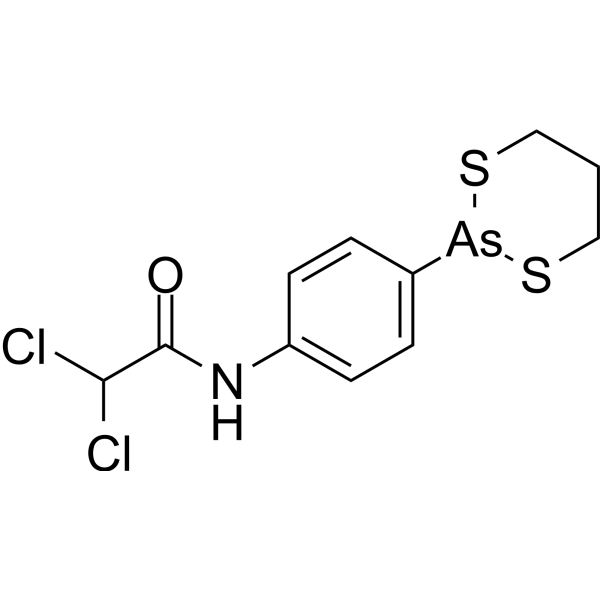
TrxR-IN-6 is a thioredoxin reductase (TrxR) inhibitor. TrxR-IN-6 induces reactive oxygen species (ROS) accumulation and cell apoptosis. TrxR-IN-6 induces mitochondrial dysfunction, endoplasmic reticulum stress and DNA damage. TrxR-IN-6 can be used for the research of breast cancer, leukemia .
|
-
- HY-145015B
-
|
HM43239 dihydrochloride
|
FLT3
Apoptosis
|
Cancer
|
|
Tuspetinib (HM43239) dihydrochloride is an orally active and selective FLT3 inhibitor with IC50s of 1.1 nM, 1.8 nM and 1.0 nM for FLT3 WT, FLT3 internal tandem duplication (ITD) and FLT3 D835Y kinases, respectively. Tuspetinib dihydrochloride inhibits the kinase activity of FLT3 as a reversible type I inhibitor and modulates p-STAT5, p-ERK, SYK, JAK1/2, and TAK1. Tuspetinib dihydrochloride inhibits the proliferation and induces the apoptosis of leukemic cells .
|
-

- HY-148105
-
|
|
MNK
Eukaryotic Initiation Factor (eIF)
Apoptosis
FLT3
DYRK
|
Cancer
|
|
DS12881479 is a selective non-ATP-competitive MNK1 inhibitor with an IC50 value of 387 nM. DS12881479 stabilizes MNK1 in its autoinhibited DFD-out conformation, blocks eIF4E phosphorylation, suppresses tumor cell proliferation and induces weak apoptosis. DS12881479 also inhibits FLT3 and DYRK1a kinase activity at high concentrations. DS12881479 can be used for the research of cancer, such as leukemia .
|
-
- HY-172146
-
|
|
CDK
|
Cancer
|
|
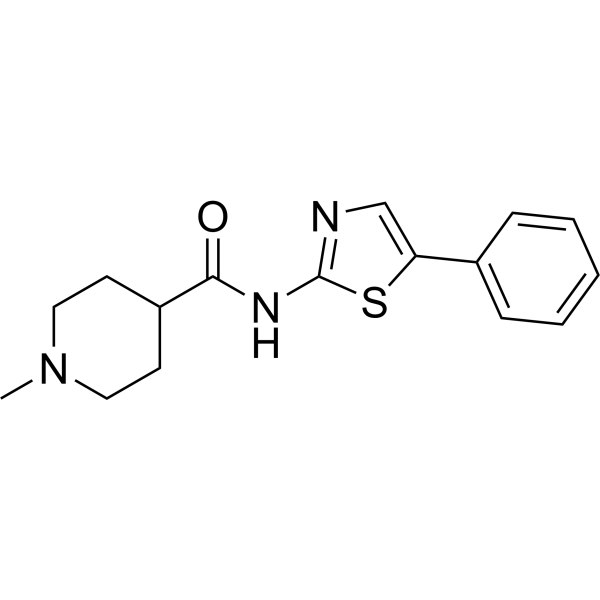
CDK4/6-IN-24 (Compound A) is the inhibitor for CDK4/6. CDK4/6-IN-24 exhibits board-spectrum antitumor activity that inhibits multi cancer cells with IC50 of submicromolar levels .
|
-

- HY-182793
-
|
|
Histone Methyltransferase
|
Cancer
|
|
MLL1-IN-1 is an orally active MLL1 inhibitor with an IC50 of 0.043 μM. MLL1-IN-1 induces Menin protein degradation and inhibits the proliferation of leukemia cells. MLL1-IN-1 can induce tumor regression in leukemia-bearing mice. MLL1-IN-1 is useful for research into MLL1-associated leukemia .
|
-

- HY-160018
-
|
|
Epigenetic Reader Domain
|
Cancer
|
|
BAY-155 is a potent and selective menin-MLL tool inhibitor, with an IC50 of 8 nM. BAY-155 leads to a strong expression down-regulation of the MEIS1 gene and up-regulation of CD11b and MNDA genes. BAY-155 shows anti-proliferative effects in AML/ALL (acute myeloid/lymphoblastic leukemia) models .
|
-
- HY-146749
-
|
|
FLT3
Trk Receptor
Apoptosis
|
Cancer
|
|
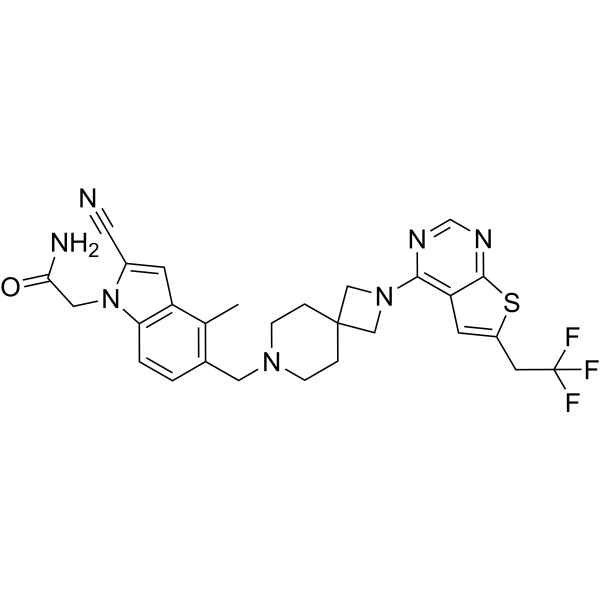
FLT3/TrKA-IN-1 is a potent FLT3/TrKA dual kinase inhibitor with the IC50s of 43.8 nM, 97.2 nM, 92.5 nM and 23.6 nM for FLT3, FLT3-ITD, FLT3-TKD and TrKA, respectively. FLT3/TrKA-IN-1 induces cell cycle arrest at the G0/G1 phase as well as apoptosis and shows antiproliferative activity in vitro. FLT3/TrKA-IN-1 has the potential for the research of Acute myeloid leukemia (AML) .
|
-
- HY-185339
-
|
|
CDK
|
Cancer
|
|
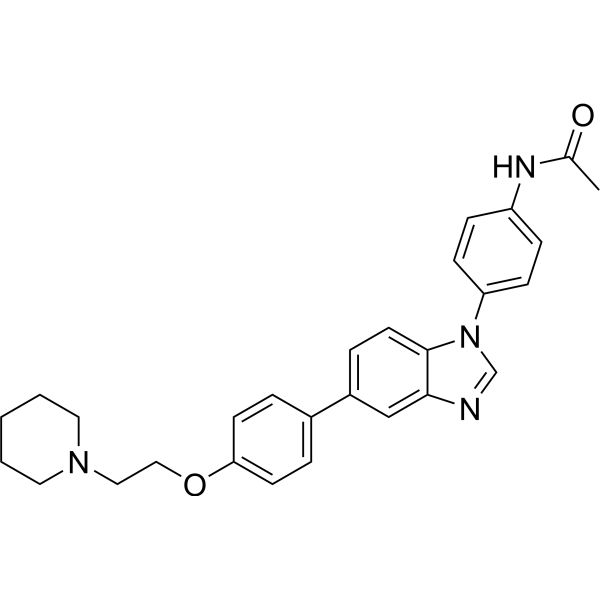
CDK9-IN-48 is a CDK9 inhibitor with an IC50 of 1.37 nM. CDK9-IN-48 inhibits the proliferation of various cancer cells. CDK9-IN-48 can be used in the research of cancers such as acute myeloid leukemia and prostate cancer .
|
-

- HY-185340
-
|
|
CDK
|
Cancer
|
|
CDK9-IN-49 is a CDK9 inhibitor with an IC50 of 7.32 nM. CDK9-IN-49 inhibits the proliferation of various cancer cells. CDK9-IN-49 can be used in the research of cancers such as acute myeloid leukemia and prostate cancer .
|
-

- HY-176428
-
|
P11-2
|
PROTACs
MNK
Apoptosis
Eukaryotic Initiation Factor (eIF)
|
Cancer
|
|
PROTAC MNK1 degrader-1 is a selective MNK1 PROTAC degrader with a DC50 of 11.92 nM, and a Dmax > 96% in MV4-11 cells. PROTAC MNK1 degrader-1 significantly reduces p-eIF4E (IC50: 22.07 nM), induces apoptosis, and arrests the cell cycle at the G1 phase. PROTAC MNK1 degrader-1 has potent antitumor activity. PROTAC MNK1 degrader-1 has robust antileukemic efficacy in MV4-11 xenograft mice model with acceptable drug safety . Pink: MNK1 ligand (HY-176429); Blue: CRBN ligase ligand (HY-A0003); Black: linker (HY-Y1139); CRBN + linker: HY-176430
|
-

- HY-182355
-
|
|
Methylenetetrahydrofolate Dehydrogenase (MTHFD)
|
Cancer
|
|
MTHFD2-IN-7 is an orally active, selective MTHFD2 inhibitor with IC50 values of 0.038 μM and 7.44 μM against human hMTHFD1 and hMTHFD2, respectively. MTHFD2-IN-7 exerts its function by binding to the substrate-binding site of MTHFD2 and maintaining interactions with NAD+. Verified by TSA and DARTS assays, MTHFD2-IN-7 not only binds effectively to the target protein, but also possesses Caco-2 permeability and liver microsomal metabolic stability. MTHFD2-IN-7 exhibits favorable pharmacokinetic properties in mice. MTHFD2-IN-7 also significantly inhibits cancer cell proliferation and reduces tumor volume, and serves as a promising small-molecule tool for acute myeloid leukemia research .
|
-

- HY-170669
-
|
|
PROTACs
CRM1
Apoptosis
NF-κB
|
Cancer
|
|
PROTAC XPO1 degrader-1 (Compound 2c) is an XPO1 degrader. PROTAC XPO1 degrader-1 exhibits anti-proliferative effects, can induce cell apoptosis, inhibit NF-κB activity, and cause cell cycle arrest in the G1 phase. PROTAC XPO1 degrader-1 can be used in research on hematological malignancies (Pink: Target Protein Ligand (HY-170672); Black: Linker (HY-W010525); Blue: E3 Ligase Ligand (HY-170671); E3 Ligase Ligand-Linker Conjugate (HY-170673)) .
|
-

- HY-151425
-
|
|
Indoleamine 2,3-Dioxygenase (IDO)
|
Cancer
|
|
TDO-IN-1 is an orally active and selective inhibitor of tryptophan 2,3-dioxygenase (TDO), shows excellent selectivity over indoleamine-2,3-dioxygenase (IDO), with an IC50 value of 0.62 μM (IDO). TDO-IN-1 reverse the local immune tolerance of tumor tissue to inhibit tumor growth in vivo .
|
-
- HY-N2037
-
|
Norcoclaurine; Demethyl-Coclaurine
|
MAP3K
MDM-2/p53
Adrenergic Receptor
ROS Kinase
Apoptosis
|
Cardiovascular Disease
Endocrinology
|
|
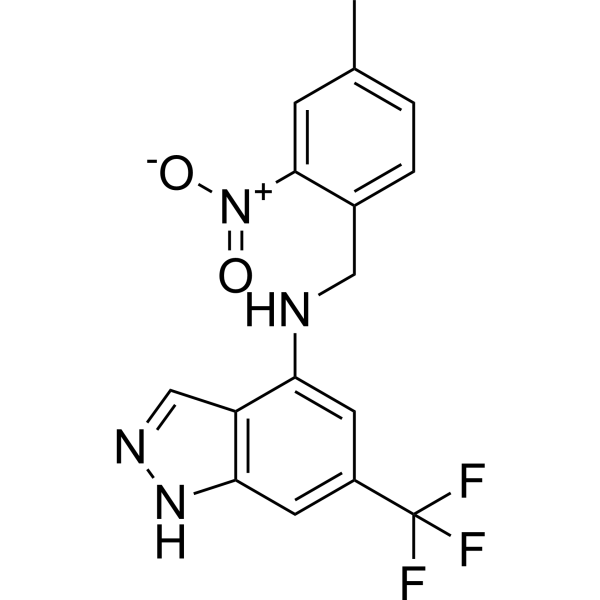
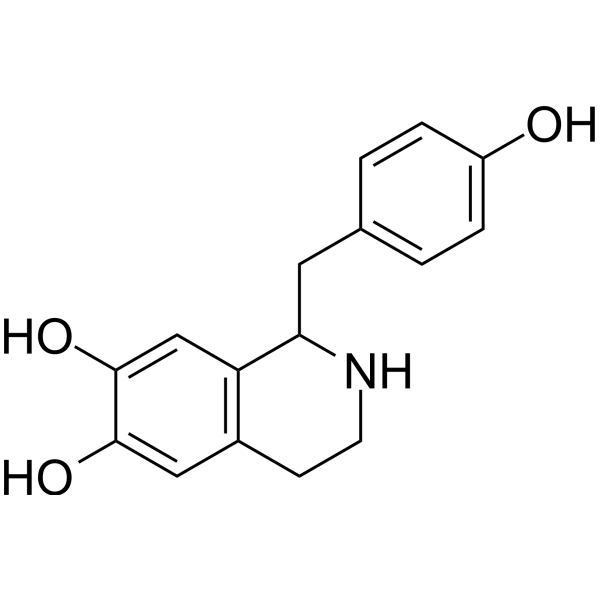
Higenamine (Norcoclaurine), a β2-AR agonist with antioxidant capability, is a key component of the Chinese herb aconite root that prescribes for treating symptoms of heart failure in the oriental Asian countries. Higenamine is also a α1-adrenergic receptor antagonist with hypotensive effect. is a selective LSD1 inhibitor (IC50=1.47 μM) that can be isolated from aconite. Higenamine hydrochloride has anti-inflammatory and antibacterial activity. Higenamine protects myocyte Apoptosis and ischemia/reperfusion (I/R) injury through selective activation of beta2-adrenergic receptor (β2-AR). Higenamine also reduces I/R-induced myocardial infarction in mice. Higenamine can attenuate IL-1β-induced Apoptosis through ROS-mediated PI3K/Akt signaling pathway. Higenamine protects brain cells from oxygen deprivation. Higenamine can promote bone formation in osteoporosis through the SMAD2/3 pathway. Higenamine can be used to study cancer, inflammation, cardiorenal syndrome and other diseases .
|
-
- HY-N2037R
-
|
Norcoclaurine (Standard); Demethyl-Coclaurine (Standard)
|
Reference Standards
MAP3K
MDM-2/p53
Adrenergic Receptor
ROS Kinase
Apoptosis
|
Cardiovascular Disease
Endocrinology
|
|
Higenamine (Norcoclaurine), a β2-AR agonist with antioxidant capability, is a key component of the Chinese herb aconite root that prescribes for treating symptoms of heart failure in the oriental Asian countries. Higenamine is also a α1-adrenergic receptor antagonist with hypotensive effect. is a selective LSD1 inhibitor (IC50=1.47 μM) that can be isolated from aconite. Higenamine hydrochloride has anti-inflammatory and antibacterial activity. Higenamine protects myocyte Apoptosis and ischemia/reperfusion (I/R) injury through selective activation of beta2-adrenergic receptor (β2-AR). Higenamine also reduces I/R-induced myocardial infarction in mice. Higenamine can attenuate IL-1β-induced Apoptosis through ROS-mediated PI3K/Akt signaling pathway. Higenamine protects brain cells from oxygen deprivation. Higenamine can promote bone formation in osteoporosis through the SMAD2/3 pathway. Higenamine can be used to study cancer, inflammation, cardiorenal syndrome and other diseases .
|
-

- HY-181925
-
|
|
Apoptosis
Pim
mTOR
|
Cancer
|
|
FD2024 is a pan-PIM kinase inhibitor with IC50 values of 0.17 nM, 1.86 nM, and 0.38 nM against PIM-1, PIM-2, and PIM-3, respectively. FD2024 induces cell apoptosis. FD2024 inhibits the phosphorylation of mTOR, p70S6K, S6, 4EBP1, and BAD proteins. FD2024 exhibits anti-acute myeloid leukemia activity. FD2024 can be used in studies related to acute myeloid leukemia .
|
-

- HY-183774
-
|
|
TAM Receptor
|
Cancer
|
|
NTQ2494 is a potent and orally active AXL kinase inhibitor with an IC50 of 4.89 nM. NTQ2494 inhibits AXL kinase catalytic activity. NTQ2494 suppresses tumor growth in mouse xenograft models. NTQ2494 can be used for the research of advanced hematological malignancies, solid tumors .
|
-

- HY-124500
-
|
|
STAT
Apoptosis
|
Cancer
|
|
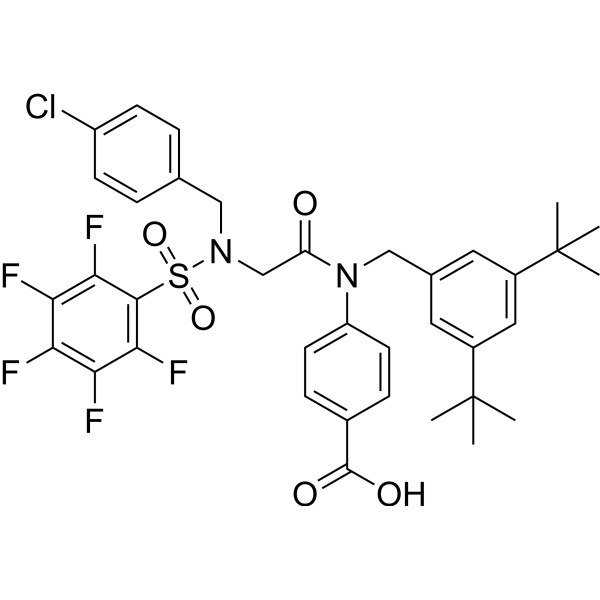
AC-4-130 is a potent STAT5 SH2 domain inhibitor. AC-4-130 directly binds to STAT5 and disrupts STAT5 activation, dimerization, nuclear translocation, and STAT5-dependent gene transcription. AC-4-130 induces cell cycle arrest and apoptosis in FLT3-ITD-driven leukemic cells. AC-4-130 has anti-cancer activity and can efficiently block pathological levels of STAT5 activity in acute myeloid leukemia (AML) .
|
-
- HY-150654
-
|
|
WDR5
|
Cancer
|
|
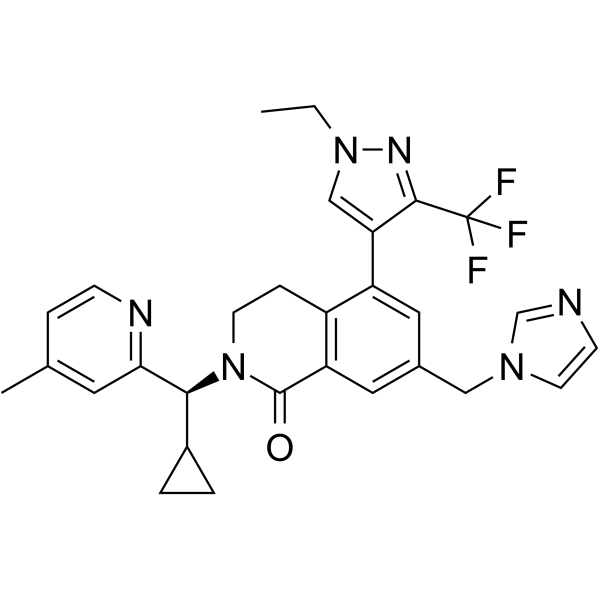
WDR5-IN-5 is an orally active and selective inhibitor of WIN site of WD repeat domain 5 (WDR5). WDR5-IN-5 exhibits anti-proliferative activity towards cancer cells and good pharmacokinetics profile in mice. WDR5-IN-5 shows high affinity to WDR5 and the binding affinity Ki value <0.02 nM .
|
-
- HY-181945
-
|
|
FLT3
Apoptosis
Reactive Oxygen Species (ROS)
|
Cancer
|
|
FLT3-IN-39 (Compound W4) is a selective FLT3 inhibitor, with an IC50 value of 16.0 nM against FLT3-ITD and an IC50 value of 20.4 nM against FLT3-D835Y. FLT3-IN-39 inhibits FLT3-ITD and FLT3-D835Y mutant kinases. FLT3-IN-39 induces G0/G1 cell cycle arrest and Apoptosis in cancer cells, and reduces intracellular ROS levels. FLT3-IN-39 exhibits anti-tumor activity against acute myeloid leukemia .
|
-

- HY-181729
-
|
|
PROTACs
Epigenetic Reader Domain
Apoptosis
c-Myc
CDK
PARP
|
Cancer
|
|
PROTAC BET Degrader-15 is a BET PROTAC degrader with DC50 values of <0.10 nM, <0.01 nM, and <0.01 nM against BRD2, BRD3, and BRD4, respectively. PROTAC BET Degrader-15 induces significant G2/M phase cell cycle arrest and triggers apoptosis. PROTAC BET Degrader-15 causes marked downregulation of c-Myc, accompanied by upregulation of the cell cycle inhibitory protein p21, downregulation of CDK6, and an increase in the apoptosis marker cleaved PARP. PROTAC BET Degrader-15 is applicable to the research of hematologic malignancies and lung cancer .
|
-

- HY-P992032
-
|
BAY-943 antibody
|
Interleukin Related
|
Cancer
|
|
TPP-9476 (BAY-943 antibody) is an anti-human IL3RA (CD123) monoclonal antibody with human IL3RA Kd of 11 nM and cynomolgus monkey IL3RA Kd of 16 nM. TPP-9476 binds specifically to human and cynomolgus monkey IL3RA, undergoes target-dependent internalization into lysosomes of IL3RA-positive cells.TPP-9476 exerts antiproliferative effects in IL3RA-expressing acute myeloid leukemia and classical Hodgkin lymphoma cells, reduces tumor burden, improves survival, and induces complete tumor remission in relevant xenograft mouse models .
|
-

- HY-16271
-
|
4-Isothioureidobutyronitrile hydrochloride; thioureidobutyronitrile hydrochloride; thioureido butyronitrile hydrochloride
|
MDM-2/p53
Apoptosis
|
Cancer
|
|
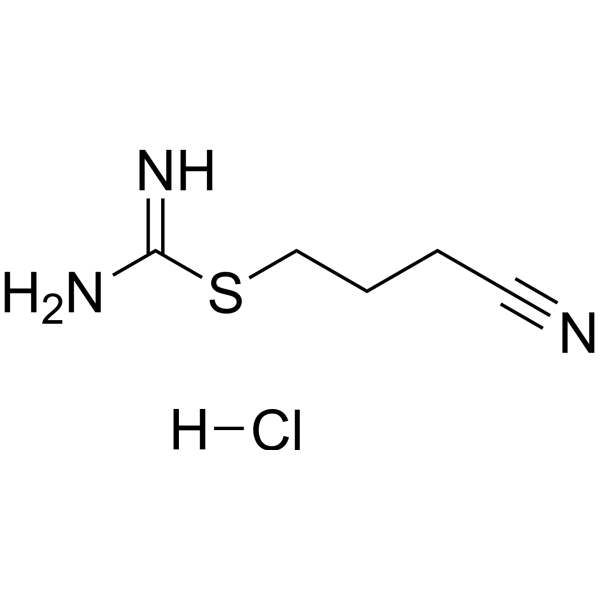
Kevetrin hydrochloride is a potent activator of p53, induces apoptosis in TP53 wild-type and mutant acute myeloid leukemia cells. Kevetrin a preferential cytotoxic activity against blast cells .
|
-
- HY-183354
-
|
|
Histone Methyltransferase
WDR5
Apoptosis
Caspase
|
Cancer
|
|
HLC40 is a MLL1 histone methyltransferase inhibitor with an IC50 of 0.82 μM by binding to WDR5. HLC40 inhibits proliferation of cancer cells, induces apoptosis and upregulates cleaved caspase-3 levels. HLC40 exhibits antitumor efficacy in a murine AML xenograft model .
|
-

- HY-174979
-
|
|
Fat Mass and Obesity-associated Protein (FTO)
Apoptosis
|
Inflammation/Immunology
Cancer
|
|
Dac590 is an orally active and selective obesity-associated protein (FTO) inhibitor with an IC50 of 6.06 nM. Dac590 shows highly selective over ALKBH5 and ALKBH3. Dac590 suppresses oncogenic FTO signaling, induces myeloid differentiation, G1-phase cell cycle arrest, and apoptosis in acute myeloid leukemia (AML) cells. Dac590 inhibits xenograft tumor growth and prolongs survival in acute myeloid leukemia mouse models with no observed toxicity. Dac590 can be used for the research of AML .
|
-

- HY-181078
-
|
|
c-Myc
Apoptosis
Bcl-2 Family
|
Cancer
|
|
Cephalotaxine-ester-(R)-1-ethoxy-3-mercaptopropan-2-ol-Ph (3,4OMe) is an anti-leukemic agent with potent ribosome-targeting protein synthesis inhibition. Cephalotaxine-ester-(R)-1-ethoxy-3-mercaptopropan-2-ol-Ph (3,4OMe) downregulates short-lived oncoproteins, including c-Myc and Mcl-1, by inhibiting protein synthesis. Cephalotaxine-ester-(R)-1-ethoxy-3-mercaptopropan-2-ol-Ph (3,4OMe) induces cell cycle arrest at the G0/G1 phase and triggers mitochondrial pathway-mediated apoptosis in acute myeloid leukemia (AML) cells. Cephalotaxine-ester-(R)-1-ethoxy-3-mercaptopropan-2-ol-Ph (3,4OMe) is applicable for research on leukemia .
|
-

- HY-183825
-
|
|
Epigenetic Reader Domain
c-Myc
|
Cancer
|
|
Eleven-Nineteen-Leukemia Protein IN-4 is a ENL YEATS domain inhibitor with an IC50 of 62.0 nM and a Kd of 100.4 nM. Eleven-Nineteen-Leukemia Protein IN-4 downregulates MYC expression and inhibits cancer cell growth; it exerts a synergistic effect with the bromodomain inhibitor JQ-1 (HY-13030). Eleven-Nineteen-Leukemia Protein IN-4 can be used in the research of acute myeloid leukemia .
|
-

- HY-155489
-
|
|
Anaplastic lymphoma kinase (ALK)
Apoptosis
|
Cancer
|
|
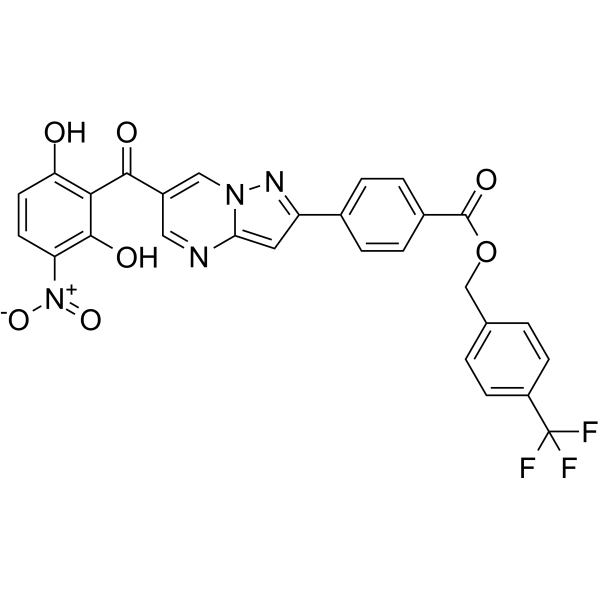
DDO-2728 (compound 19) is a selective AlkB homologue 5 (ALKBH5) inhibitor with an IC50 of 2.97 μM. DDO-2728 increases the abundance of N 6 methyladenosine (m 6A) modifications, inducing cell apoptosis and cycle arrest. DDO-2728 suppresses tumor growth in the MV4 11 xenograft model with favorable safety profile, shows the potential of targeting ALKBH5 in cancer research .
|
-
- HY-181695
-
|
|
PROTACs
Histone Acetyltransferase
|
Cancer
|
|
PROTAC KAT2A/B degrader-1 is an orally active CRBN-baed histone acetyltransferase KAT2A/KAT2B PROTAC degrader. PROTAC KAT2A/B degrader-1 induces degradation of KAT2A and KAT2B proteins. PROTAC KAT2A/B degrader-1 inhibits proliferation of acute myeloid leukemia and small cell lung cancer cells. PROTAC KAT2A/B degrader-1 can be used for the research of acute myeloid leukemia, small cell lung cance .
|
-

- HY-153495
-
|
BP1001
|
Bcl-2 Family
Apoptosis
Reactive Oxygen Species (ROS)
|
Cancer
|
|
Prexigebersen (BP1001) is an antisense oligonucleotide targeting Bcl-2 and Grb2. Prexigebersen exhibits antileukemic activity in cell models. Prexigebersen induces apoptosis (apoptosis), cell cycle arrest and ROS production in leukemia cells. Prexigebersen inhibits Grb2 expression, thereby suppressing tumor growth and survival. Prexigebersen can be used in studies related to acute myeloid leukemia .
|
-

- HY-155033
-
|
|
Stearoyl-CoA Desaturase (SCD)
DNA/RNA Synthesis
Apoptosis
Autophagy
mTOR
Influenza Virus
|
Metabolic Disease
Inflammation/Immunology
Cancer
|
|
SSI-4 is an orally active stearoyl-CoA desaturase (SCD1) inhibitor with an EC50 of 1.9 nM against mouse SCD1. SSI-4 blocks the conversion of saturated fatty acids to monounsaturated fatty acids, reducing the production of oleic acid and palmitoleic acid. SSI-4 induces lipid peroxidation, endoplasmic reticulum stress, DNA damage and activates apoptotic mechanisms. SSI-4 inhibits mTORC1 activity, suppresses B cell proliferation and antibody production, and induces autophagy. SSI-4 is applicable to research on cancers such as acute myeloid leukemia and renal cell carcinoma, as well as influenza infections .
|
-
- HY-153775
-
|
|
E1/E2/E3 Enzyme
Apoptosis
|
Cancer
|
|
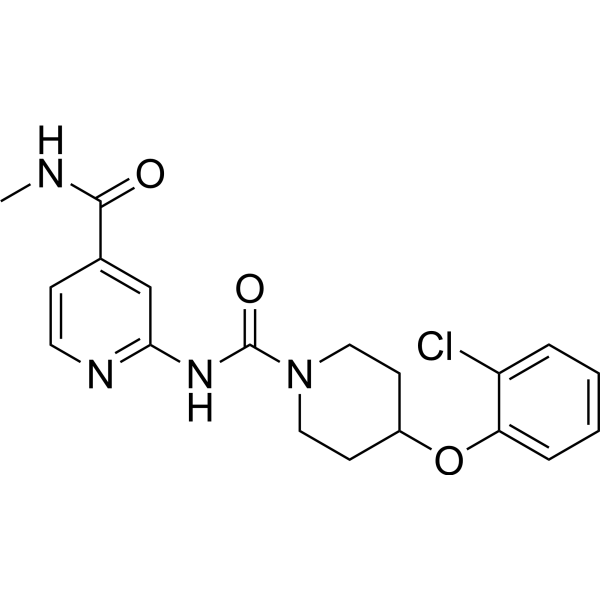
UC-764864 is a selective UBE2N inhibitor. UC-764864 covalently binds UBE2N catalytic Cys87, blocks ubiquitin-UBE2N thioester formation and polyubiquitin chain synthesis. UC-764864 blocks ubiquitination of innate immune- and inflammatory-related substrates, and induces cell apoptosis. UC-764864 can be used for the research of acute myeloid leukemia .
|
-
- HY-122822
-
|
|
PROTACs
Histone Acetyltransferase
Interleukin Related
CXCR
TNF Receptor
CD28
|
Inflammation/Immunology
Cancer
|
|
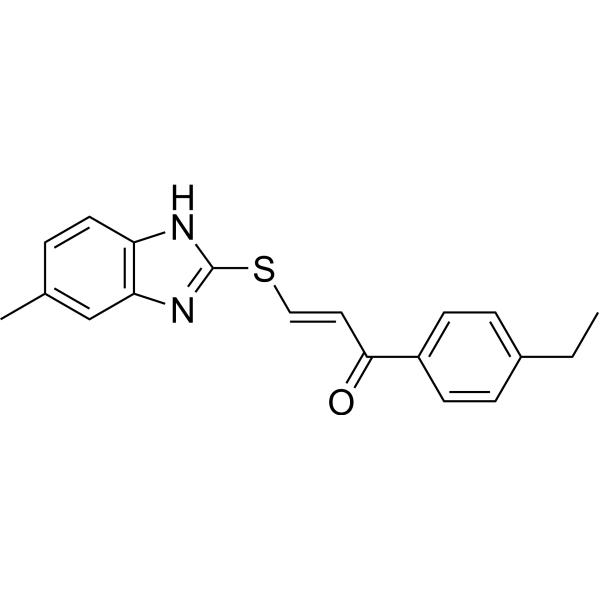
GSK699 is a KAT2A/B/PCAF/GCN5 PROTAC degrader . GSK699 induces proteasome-dependent degradation of KAT2A, KAT2B, PCAF and GCN5, regulates the histone acetyltransferase activity of the SAGA complex, and reduces the level of histone H3K9ac. GSK699 inhibits the growth of neuroblastoma, acute myeloid leukemia and small cell lung cancer cells. GSK699 reduces the production of inflammatory cytokines and chemokines, and impairs LPS-stimulated immune cell responses. GSK699 is applicable to research related to acute myeloid leukemia, small cell lung cancer, neuroblastoma and inflammatory diseases .
|
-

- HY-173158
-
|
|
PROTACs
Histone Acetyltransferase
|
Cancer
|
|
AUR1545 is a selective KAT2A/KAT2B ((GCN5/PCAF)) PROTAC degrader that induces monocyte differentiation and inhibits the growth of acute myeloid leukemia cells. AUR1545 inhibits cell growth, induces epithelial differentiation and suppresses tumor growth in small cell lung cancer models. AUR1545 inhibits cell growth and induces differentiation in neuroendocrine prostate cancer cells and primary patient-derived organoids. AUR1545 is applicable to research related to acute myeloid leukemia, small cell lung cancer and neuroendocrine prostate cancer .
|
-

- HY-P99916
-
|
AMG-427
|
FLT3
CD3
TNF Receptor
|
Inflammation/Immunology
Cancer
|
Emirodatamab (AMG-427) is a bispecific T-cell engager (BiTE). Emirodatamab simultaneously binds FLT3 on the surface of acute myeloid leukemia (AML) cells and CD3 on the surface of T cells, thereby precisely recruiting immune effector cells to tumor sites. Emirodatamab potently induces T cell activation, secretion of proinflammatory cytokines (such as IFNγ, TNFα), and specific cytotoxicity, effectively lysing FLT3-positive tumor cells and inhibiting their growth. Emirodatamab not only significantly prolongs survival in mouse xenograft models and eliminates diseased cells in primates, but also exhibits a synergistic enhancement effect when combined with PD-1 blockade therapy. Emirodatamab is used in studies of acute myeloid leukemia, especially relapsed or refractory cases .
|
-

- HY-181690
-
|
|
Epigenetic Reader Domain
|
Cancer
|
|
Menin-MLL-IN-37 is an orally active Menin-MLL protein complex inhibitor with an IC50 of 820.50 nM. Menin-MLL-IN-37 disrupts the interaction between menin and MLL proteins. Menin-MLL-IN-37 induces differentiation of acute myeloid leukemia cells and selectively inhibits the proliferation of MLL-rearranged and DNMT3A/NPM1-mutant leukemia cells. Menin-MLL-IN-37 can be used for the research of acute myeloid leukemia (AML) .
|
-

- HY-157334
-
DEG-77
1 Publications Verification
|
Molecular Glues
Casein Kinase
IKZF Family
Bcl-2 Family
CDK
Apoptosis
|
Cancer
|
|
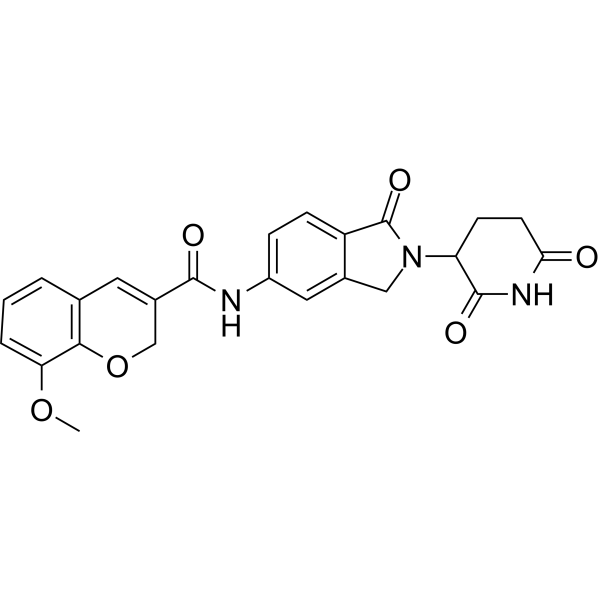
DEG-77 is a molecular glue targeting IKZF2 and CK1α, with DC50 values of 15.3 nM and 10 nM, respectively. DEG-77 exhibits significant anti-tumor activity, inducing increased transcriptional levels of the pro-apoptotic protein Bax and the cell cycle arrest protein p21. DEG-77 is applicable to the research of acute myeloid leukemia (AmL), diffuse large B-cell lymphoma and ovarian cancer.
|
-
| Cat. No. |
Nombre del producto |
Target |
Research Area |
-
- HY-P10238
-
|
|
Apoptosis
|
Cancer
|
|
MYBMIM is an inhibitor for assembly of the molecular MYB:CBP/P300 complex. MYBMIM inhibits growth of leukemia cells .
|
| Cat. No. |
Nombre del producto |
Target |
Research Area |
Image |
-
- HY-P99916
-
|
AMG-427
|
FLT3
CD3
TNF Receptor
|
Inflammation/Immunology
Cancer
|
Emirodatamab (AMG-427) is a bispecific T-cell engager (BiTE). Emirodatamab simultaneously binds FLT3 on the surface of acute myeloid leukemia (AML) cells and CD3 on the surface of T cells, thereby precisely recruiting immune effector cells to tumor sites. Emirodatamab potently induces T cell activation, secretion of proinflammatory cytokines (such as IFNγ, TNFα), and specific cytotoxicity, effectively lysing FLT3-positive tumor cells and inhibiting their growth. Emirodatamab not only significantly prolongs survival in mouse xenograft models and eliminates diseased cells in primates, but also exhibits a synergistic enhancement effect when combined with PD-1 blockade therapy. Emirodatamab is used in studies of acute myeloid leukemia, especially relapsed or refractory cases .
|
-

(5)
-
- HY-P992032
-
|
BAY-943 antibody
|
Interleukin Related
|
Cancer
|
|
TPP-9476 (BAY-943 antibody) is an anti-human IL3RA (CD123) monoclonal antibody with human IL3RA Kd of 11 nM and cynomolgus monkey IL3RA Kd of 16 nM. TPP-9476 binds specifically to human and cynomolgus monkey IL3RA, undergoes target-dependent internalization into lysosomes of IL3RA-positive cells.TPP-9476 exerts antiproliferative effects in IL3RA-expressing acute myeloid leukemia and classical Hodgkin lymphoma cells, reduces tumor burden, improves survival, and induces complete tumor remission in relevant xenograft mouse models .
|
-
(5)
| Cat. No. |
Nombre del producto |
Category |
Target |
Chemical Structure |
| Cat. No. |
Nombre del producto |
|
Classification |
-
- HY-153495
-
|
BP1001
|
|
Antisense Oligonucleotides
|
|
Prexigebersen (BP1001) is an antisense oligonucleotide targeting Bcl-2 and Grb2. Prexigebersen exhibits antileukemic activity in cell models. Prexigebersen induces apoptosis (apoptosis), cell cycle arrest and ROS production in leukemia cells. Prexigebersen inhibits Grb2 expression, thereby suppressing tumor growth and survival. Prexigebersen can be used in studies related to acute myeloid leukemia .
|
Your information is safe with us. * Required Fields.
Inquiry Information
- Nombre del producto:
- Cat. No.:
- Cantidad:
- MCE Japan Authorized Agent:








