From 11:00 pm to 12:00 pm EST ( 8:00 pm to 9:00 pm PST ) on January 6th, the website will be under maintenance. We are sorry for the inconvenience. Please arrange your schedule properly.
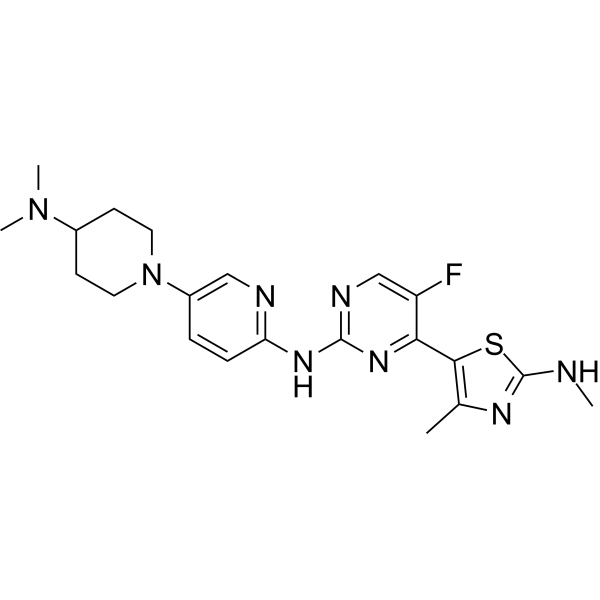
CDK4/6-IN-15 is an orally active and selective CDK4/6 inhibitor. CDK4/6-IN-15 potently inhibits cancer cells growth. CDK4/6-IN-15 arrests cell cycle at G1 phase and suppresses retinoblastoma tumour suppressor protein (Rb) phosphorylation at S780 and E2 factor (E2F)-regulated gene expression .
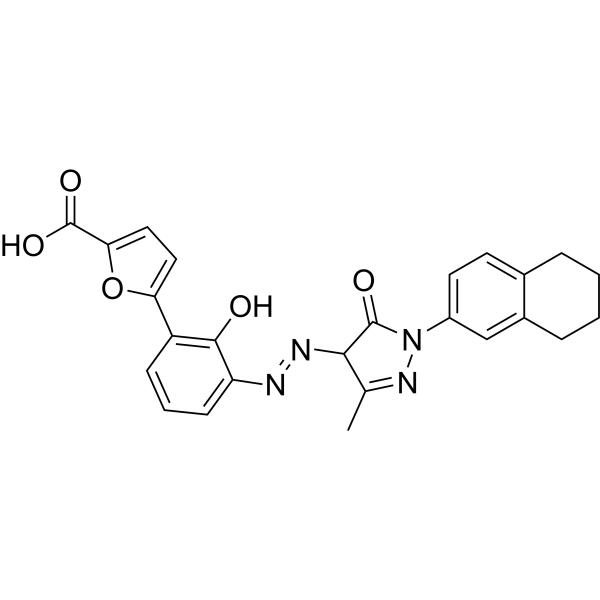
Rafutrombopag (tautomerism) (Hetrombopag) is an orally active nonpeptide thrombopoietin receptor (TPOR/MPL) agonist. Rafutrombopag can chelate iron and alleviate iron overload while promoting haematopoiesis. Rafutrombopag specifically stimulates proliferation and differentiation of human TPOR‐expressing cells, including 32D‐ MPL and human hematopoietic stem cells through stimulation of STAT, PI3K and ERK signalling pathways. Rafutrombopag effectively up-regulates G1-phase-related proteins, including p-RB, Cyclin D1 and CDK4/6, normalizes progression of the cell cycle, and prevents apoptosis by modulating BCL-XL/BAK expression in 32D-MPL cells. Rafutrombopag protects cardiomyocyte survival from oxidative stress damage as an enhancer of stem cells. Rafutrombopag can be used for the study of immune thrombocytopenia and oxidative stress-related cardiovascular disease .
CDK2-IN-31 is a CCNE1:CDK2 complex inhibitor with an IC50 of 0.13 μM. CDK2-IN-31 binds to a cryptic allosteric pocket at the CCNE1:CDK2 interface, inducing structural rearrangements of the CDK2 A-loop that disrupt the kinase's active conformation and interfere with substrate binding. CDK2-IN-31 inhibits phosphorylation of retinoblastoma protein 1 (RB1) in CCNE1-dependent ovarian cancer cells. CDK2-IN-31 impairs coenrichment of proteinPRC1 with CCNE1-N112C:CDK2 complexes. CDK2-IN-31 can be used for the research of ovarian cancer .
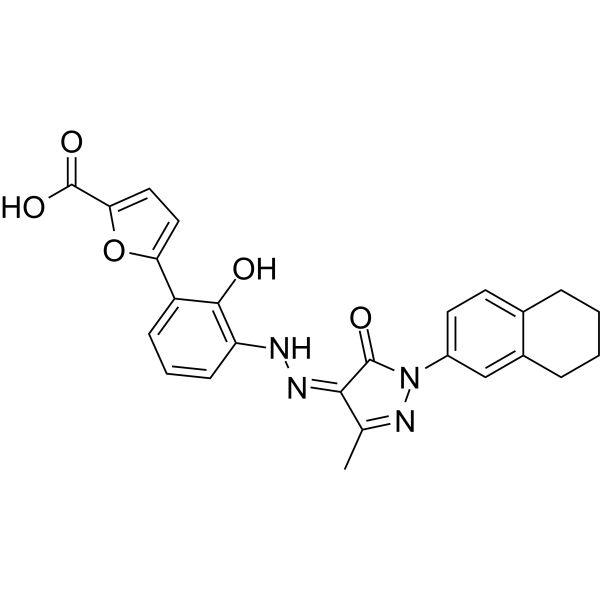
Rafutrombopag (Hetrombopag) is an orally active nonpeptide thrombopoietin receptor (TPOR/MPL) agonist. Rafutrombopag can chelate iron and alleviate iron overload while promoting haematopoiesis. Rafutrombopag specifically stimulates proliferation and differentiation of human TPOR-expressing cells, including 32D-MPL and human hematopoietic stem cells through stimulation of STAT, PI3K and ERK signalling pathways. Rafutrombopag effectively up-regulates G1-phase-related proteins, including p-RB, Cyclin D1 and CDK4/6, normalizes progression of the cell cycle, and prevents apoptosis by modulating BCL-XL/BAK expression in 32D-MPL cells. Rafutrombopag protects cardiomyocyte survival from oxidative stress damage as an enhancer of stem cells. Rafutrombopag can be used for the study of immune thrombocytopenia and oxidative stress-related cardiovascular disease .
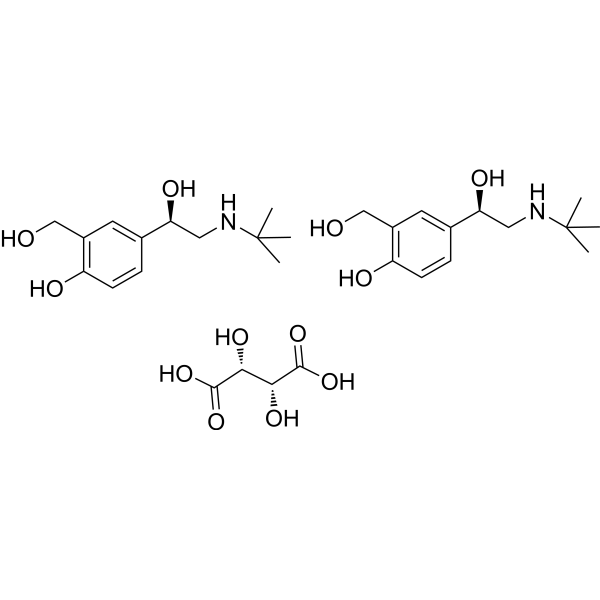
Levalbuterol (Levosalbutamol) hemitartrate is a β2-adrenergic receptor agonist and PI3K inhibitor. Levalbuterol hemitartrate inhibits PI3K activity, reduces NF-κB and Rbprotein expression, activates the cAMP/PKA pathway, and stimulates cAMP release. Levalbuterol hemitartrate relaxes airway smooth muscle, reduces intracellular calcium levels, and inhibits spasmogen-induced contractions. Levalbuterol hemitartrate can be used for the research of moderate-to-severe asthma .
RRD-251 is an inhibitor of retinoblastoma tumor suppressor protein (Rb)-Raf-1 interaction, with potent anti-proliferative, anti-angiogenic and anti-tumor activities .
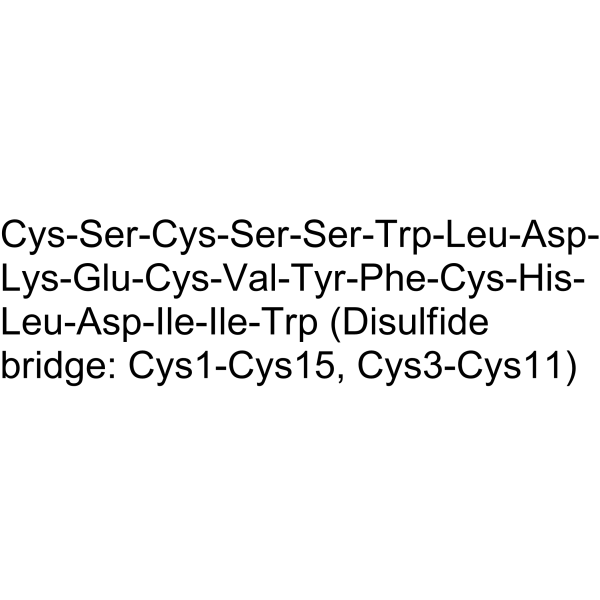
Endothelin-2 (49-69), human (Endothelin-2 (human, canine)) is a 21-amino acid vasoactive peptide that binds to G-protein-linked transmembrane receptors, ET-RA and ET-RB.
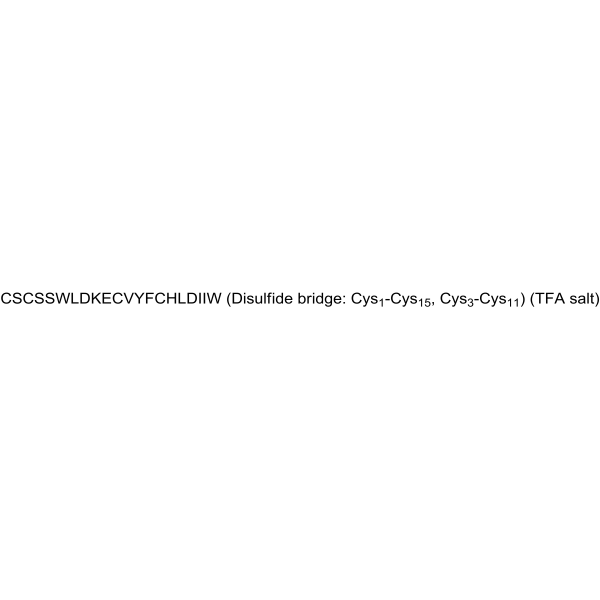
Endothelin-2 (49-69), human (TFA) (Endothelin-2 (49-69) (human, canine) (TFA)) is a 21-amino acid vasoactive peptide that binds to G-protein-linked transmembrane receptors, ET-RA and ET-RB.
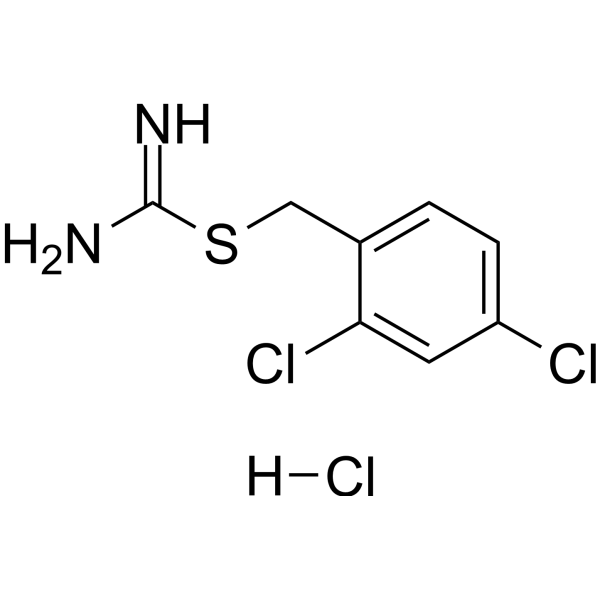
CDK4/6-IN-15 hydrochloride is an orally active and selective CDK4/6 inhibitor. CDK4/6-IN-15 hydrochloride potently inhibits cancer cells growth. CDK4/6-IN-15 hydrochloride arrests cell cycle at G1 phase and suppresses retinoblastoma tumour suppressor protein (Rb) phosphorylation at S780 and E2 factor (E2F)-regulated gene expression .
PROTAC CDK2 Degrader-1 (Compound 41) is a PROTAC degrader for cyclin-dependent kinase 2 (CDK2). PROTAC CDK2 Degrader-1 inhibits the phosphorylation of RBprotein in CDK2 dependent cell line OVCAR3 with an IC50 of 100-500 nM .
CDK3 is a major player driving retinoblastoma (Rb) phosphorylation during the G0/G1 transition and in the early G1 phase of the cell cycle. CDK3 interacts with various transcription factors involved in cell proliferation, differentiation, and transformation driven by the EGFR/Ras signaling pathway. CDK3/CycE1 Recombinant Human Active Protein Kinase is an ortholog of CDK3 .
CDK2-IN-47 is a potent CDK2 inhibitor with an IC50 of 0.21 μM. CDK2-IN-47 exhibits outstanding anticancer activity against MCF-7, HCT-116, and MGC-803 cell lines. CDK2-IN-47 effectively induces G1 cell cycle arrest, retinoblastoma protein (Rb) dephosphorylation, and significant apoptosis. CDK2-IN-47 can be used for the studies of breast cancer, colorectal cancer and gastric cancer .
Human IL12RB1 mRNA encodes the human interleukin 12 receptor subunit beta 1 (IL12RB1) protein, a type I transmembrane protein that belongs to the hemopoietin receptor superfamily.
Human IL23R mRNA encodes the human interleukin 23 receptor (IL23R) protein, a subunit of the receptor for IL23A/IL23. IL23R pairs with the receptor molecule IL12RB1/IL12R beta1, and both are required for IL23A signaling.
CDK3 is a major player driving retinoblastoma (Rb) phosphorylation during the G0/G1 transition and in the early G1 phase of the cell cycle. CDK3 interacts with various transcription factors involved in cell proliferation, differentiation, and transformation driven by the EGFR/Ras signaling pathway. CDK3/CycC Recombinant Human Active Protein Kinase is an ortholog of CDK3 .
CDK3 is a major player driving retinoblastoma (Rb) phosphorylation during the G0/G1 transition and in the early G1 phase of the cell cycle. CDK3 interacts with various transcription factors involved in cell proliferation, differentiation, and transformation driven by the EGFR/Ras signaling pathway. CDK3/CycO Recombinant Human Active Protein Kinase is an ortholog of CDK3 .
Human IFNLR1 mRNA encodes the human interferon lambda receptor 1 (IFNLR1) protein, a member of the class II cytokine receptor family. IFNLR1, interleukine 10 receptor and beta (IL10RB) form a receptor complex which has been shown to interact with three closely related cytokines, including interleukin 28A (IL28A), interleukin 28B (IL28B), and interleukin 29 (IL29).
P1D-34 is a Pin1PROTAC degrader with a DC50 value of 177 nM. P1D-34 also down-regulates Pin1 client proteins such as Cyclin D1, Rb, Mcl-1, Akt, and c-Myc. P1D-34 shows anti-proliferative activities in a panel of acute myeloid leukemia (AML) cell lines. P1D-34 induces cell DNA damage and apoptosis by releasing ROS generation. Pink: PIN1 ligand (HY-171442A), Blue: CRBN ligand (HY-14658), Black: Linker (HY-W014883) .
RO0505124 is a selective CDK4 inhibitor with an IC50 of 20 nM. RO0505124 reversibly binds the ATP pocket of the kinase. RO0505124 induces G1 phase arrest in cancer cells via reduced retinoblastoma protein (Rb) phosphorylation, blocking S phase progression. RO0505124 exhibits anti-proliferative activity against various cancer cells. RO0505124 delays mitotic entry, induces aberrant mitosis with lagging chromosomes, driving mitotic slippage and formation of multinucleated or micronucleated cells. RO0505124 inhibits G2/M phase accumulation of survivin and borealin. RO0505124 can be used for the research of cancer .
CDK3 is a major player driving retinoblastoma (Rb) phosphorylation during the G0/G1 transition and in the early G1 phase of the cell cycle. CDK3 interacts with various transcription factors involved in cell proliferation, differentiation, and transformation driven by the EGFR/Ras signaling pathway. CDK3/CycE2 Recombinant Human Active Protein Kinase is an ortholog of CDK3 .
PROTAC CDK2-pRb degrader-1 is an orally active PROTAC-class degrader of CDK2. PROTAC CDK2-pRb degrader-1 effectively inhibits the phosphorylation of retinoblastoma protein(Rb) at serine residues 807/811 by inducing ubiquitination and proteasomal degradation of CDK2. PROTAC CDK2-pRb degrader-1 exhibits significant activity against human cells (with EC50 values of 12 nM and 125 nM, respectively). In xenograft models, PROTAC CDK2-pRb degrader-1 effectively inhibits tumor growth and induces tumor stasis, making it suitable for research related to CCNE1-amplified cancers (such as ovarian cancer, gastric cancer, and breast cancer) .
4′-O-Methylglabridin is an apoptosis inducer with antioxidant, cell cycle-disrupting and anticancer cytotoxic activities. 4′-O-Methylglabridin inhibits various cancer cell lines including liver cancer, breast cancer and colorectal cancer cell lines. By reducing the expression levels of phosphorylated Rb (Ser807/811) and p21proteins, 4′-O-Methylglabridin promotes cell accumulation at the subG1 and G2/M phases, and triggers caspase-dependent apoptosis via cytochrome C release and caspase-9 activation. 4′-O-Methylglabridin also exerts antioxidant effects by inhibiting lipid peroxide levels and reducing β-carotene consumption, thereby blocking LDL oxidation. 4′-O-Methylglabridin can be used in the research of various cancers and atherosclerotic diseases .
Endothelin-2 (49-69), human (Endothelin-2 (human, canine)) is a 21-amino acid vasoactive peptide that binds to G-protein-linked transmembrane receptors, ET-RA and ET-RB.
Endothelin-2 (49-69), human (TFA) (Endothelin-2 (49-69) (human, canine) (TFA)) is a 21-amino acid vasoactive peptide that binds to G-protein-linked transmembrane receptors, ET-RA and ET-RB.
4′-O-Methylglabridin is an apoptosis inducer with antioxidant, cell cycle-disrupting and anticancer cytotoxic activities. 4′-O-Methylglabridin inhibits various cancer cell lines including liver cancer, breast cancer and colorectal cancer cell lines. By reducing the expression levels of phosphorylated Rb (Ser807/811) and p21proteins, 4′-O-Methylglabridin promotes cell accumulation at the subG1 and G2/M phases, and triggers caspase-dependent apoptosis via cytochrome C release and caspase-9 activation. 4′-O-Methylglabridin also exerts antioxidant effects by inhibiting lipid peroxide levels and reducing β-carotene consumption, thereby blocking LDL oxidation. 4′-O-Methylglabridin can be used in the research of various cancers and atherosclerotic diseases .
The CD131 protein is a cell surface receptor that plays a critical role in the immune response and controls the generation and differentiation of hematopoietic progenitor cells. CD131 Protein, Rat (HEK293, Fc) is the recombinant rat-derived CD131 protein, expressed by HEK293 , with C-hFc labeled tag.
The CD131 protein is a cell surface receptor that plays a critical role in the immune response and controls the generation and differentiation of hematopoietic progenitor cells. CD131 Protein, Human (HEK293, His) is the recombinant human-derived CD131 protein, expressed by HEK293 , with C-10*His labeled tag.
The CD131 protein is a cell surface receptor that plays a critical role in the immune response and controls the generation and differentiation of hematopoietic progenitor cells. CD131 Protein, Human (HEK293, hFc) is the recombinant human-derived CD131 protein, expressed by HEK293, with C-hFc labeled tag.
IL-2R beta (CD122) and IL-2Rγ (CD132), type Ⅰ cytokine receptors expressed on T lymphocytes, are receptors for IL-2 (Kd: 1 nM for IL-2R beta approximately). IL-2R beta mediates T cell immune responses. IL-2Rγ mediates inflammatory response
IL-2Rβ and IL-2Rγ heterodimer binds to IL-2 with intermediate affinity. IL2RB-IL2RG Heterodimer Protein, Human (HEK293, Fc) is a recombinant human IL-2R beta (A27-D239) and IL-2R gamma (L23-A262) heterodimer complex, with a C-Terminal hFc tag, which is produced in HEK293 cells.
IL-17RB (Interleukin 17 receptor B), a protein encoded by the IL17RB gene, is a receptor for the pro-inflammatory cytokines IL17B and IL17E. IL-17RB expression is high in kidney, pancreas, liver, brain, and intestines. IL-17RB may play a role in hematopoietic cell differentiation and growth. IL-17RB is involved in inflammatory diseases and cancers. IL-17RB Protein, Human (HEK293, His) is produced in HEK293 cells with six C-Terminal His-tags.
IL-17RB (Interleukin 17 receptor B), a protein encoded by the IL17RB gene, is a receptor for the pro-inflammatory cytokines IL17B and IL17E. IL-17RB expression is high in kidney, pancreas, liver, brain, and intestines. IL-17RB may play a role in hematopoietic cell differentiation and growth. IL-17RB is involved in inflammatory diseases and cancers. IL-17RB Protein, Mouse (HEK293, His) is produced in HEK293 cells with six C-Terminal His-tags. It consists of 269 amino acids (R18-G286).
IL-17RB (Interleukin 17 receptor B), a protein encoded by the IL17RB gene, is a receptor for the pro-inflammatory cytokines IL17B and IL17E. IL-17RB expression is high in kidney, pancreas, liver, brain, and intestines. IL-17RB may play a role in hematopoietic cell differentiation and growth. IL-17RB is involved in inflammatory diseases and cancers. IL-17RB Protein, Human (HEK293, Fc) is produced in HEK293 cells with a C-Terminal Fc-tag.
IL-17RB (Interleukin 17 receptor B), a protein encoded by the IL17RB gene, is a receptor for the pro-inflammatory cytokines IL17B and IL17E. IL-17RB expression is high in kidney, pancreas, liver, brain, and intestines. IL-17RB may play a role in hematopoietic cell differentiation and growth. IL-17RB is involved in inflammatory diseases and cancers. IL-17RB Protein, Mouse (HEK293, Fc) is produced in HEK293 cells with a C-Terminal Fc-tag. It consists of 286 amino acids (M1-G286).
IL-12R beta 1 protein is an IL-12 cytokine surface receptor that activates the Jak-Stat signaling cascade pathway and is involved in IL-12-mediated immune regulation. IL-12R beta 1 Protein, Human (Biotinylated, HEK293, Fc-Avi) is a biotinylated protein expressed by HEK293 cells with a C-terminal Avi and hFc tag.
IL-17RB (Interleukin 17 receptor B), a protein encoded by the IL17RB gene, is a receptor for the pro-inflammatory cytokines IL17B and IL17E. IL-17RB expression is high in kidney, pancreas, liver, brain, and intestines. IL-17RB may play a role in hematopoietic cell differentiation and growth. IL-17RB is involved in inflammatory diseases and cancers. IL-17RB Protein, Rhesus Macaque (HEK293, His) is produced in HEK293 cells with a C-Terminal His-tag.
IL-17RB (Interleukin 17 receptor B), a protein encoded by the IL17RB gene, is a receptor for the pro-inflammatory cytokines IL17B and IL17E. IL-17RB expression is high in kidney, pancreas, liver, brain, and intestines. IL-17RB may play a role in hematopoietic cell differentiation and growth. IL-17RB is involved in inflammatory diseases and cancers. IL-17RB Protein, Rhesus Macaque (HEK293, Fc) is produced in HEK293 cells with a C-Terminal Fc-tag.
The OSMR beta protein is critical in immune responses by binding to IL12RB1 to form the interleukin 23 receptor with IL-23R. It binds to IL23 and activates T cells, NK cells and potentially macrophages/myeloid cells through Jak-Stat signaling. OSMR beta Protein, Human (712a.a, HEK293, His) is the recombinant human-derived OSMR beta protein, expressed by HEK293 , with C-6*His labeled tag.
IL-10 protein is a major immunoregulatory cytokine with profound anti-inflammatory functions that limits excessive tissue destruction caused by inflammation. Mechanistically, IL10 binds to its heterotetrameric receptors IL10RA and IL10RB, leading to JAK1- and STAT2-mediated phosphorylation of STAT3, which translocates to the nucleus and drives the expression of anti-inflammatory mediators. IL-10 Protein, Human (HEK293, His) is the recombinant human-derived IL-10 protein, expressed by HEK293 , with N-His labeled tag.
IL-2R beta (CD122), a type Ⅰ cytokine receptor expressed on T lymphocytes, is a receptor for IL-2 (Kd: 1 nM approximately). IL-2R beta mediates T cell immune responses, such as stimulating T cell proliferation and activating lymphokine-activated killer cells. IL-2R beta/CD122 Protein, Mouse (HEK293, His) is a recombinant mouse IL-2R beta with a C-Terminal 6*His tag, which is produced in HEK 293.
Glycoprotein 130 (gp130) is a trans-membrane protein, is the common signal-transducing receptor subunit of the interleukin-6 (IL-6) family. gp130 inhibits the cell growth and migration, decreases the STAT3 phosphorylation induced by IL-6, and decreases IL-6-induced increase of Ki67. gp130 shows anti-tumor, anti-inflammation and anti-nociceptive activity. gp130/IL6ST Protein, Human (HEK293) is a recombinant protein consisting of 596 amino acids (M23-I618) and is produced by HEK293 cells.
Glycoprotein 130 (gp130) is a trans-membrane protein, is the common signal-transducing receptor subunit of the interleukin-6 (IL-6) family. gp130 inhibits the cell growth and migration, decreases the STAT3 phosphorylation induced by IL-6, and decreases IL-6-induced increase of Ki67. gp130 shows anti-tumor, anti-inflammation and anti-nociceptive activity. gp130/IL6ST Protein, Mouse (HEK293, Fc) is a recombinant protein with a Fc labe.
Glycoprotein 130 (gp130) is a trans-membrane protein, is the common signal-transducing receptor subunit of the interleukin-6 (IL-6) family. gp130 inhibits the cell growth and migration, decreases the STAT3 phosphorylation induced by IL-6, and decreases IL-6-induced increase of Ki67. gp130 shows anti-tumor, anti-inflammation and anti-nociceptive activity. gp130/IL6ST Protein, Mouse (617a.a, HEK293, His) is a recombinant protein with a His label and is produced by HEK293 cells.
Glycoprotein 130 (gp130) is a trans-membrane protein, is the common signal-transducing receptor subunit of the interleukin-6 (IL-6) family. gp130 inhibits the cell growth and migration, decreases the STAT3 phosphorylation induced by IL-6, and decreases IL-6-induced increase of Ki67. gp130 shows anti-tumor, anti-inflammation and anti-nociceptive activity. gp130/IL6ST Protein, Rat (HEK293, His) is a recombinant protein with a His label that consists of 614 amino acids (M4-E618) and is produced by HEK293 cells.
IL-2R beta (CD122), a type Ⅰ cytokine receptor expressed on T lymphocytes, is a receptor for IL-2 (Kd: 1 nM approximately). IL-2R beta mediates T cell immune responses, such as stimulating T cell proliferation and activating lymphokine-activated killer cells. IL-2R beta/CD122 Protein, Canine (HEK293, His) is a recombinant canine IL-2R betawith a C-Terminal His tag, which is produced in HEK293 cells.
IL-10R beta protein is an IL10 cytokine surface receptor involved in IL10-mediated inflammation and immune regulation, as well as viral defense responses.IL-10R beta Protein, Human (HEK293, His) is expressed by HEK 293 cells and has a transmembrane region (W221-F242) with a 6*His tag at the C-terminus.
IL-10R beta protein is an IL10 cytokine surface receptor involved in IL10-mediated inflammation and immune regulation, as well as viral defense responses. IL-10R beta Protein, Mouse (HEK293, His) is expressed by HEK 293 cells and has a transmembrane region (W223-Y251) with a His tag at the C-terminus.
Glycoprotein 130 (gp130) is a trans-membrane protein, is the common signal-transducing receptor subunit of the interleukin-6 (IL-6) family. gp130 inhibits the cell growth and migration, decreases the STAT3 phosphorylation induced by IL-6, and decreases IL-6-induced increase of Ki67. gp130 shows anti-tumor, anti-inflammation and anti-nociceptive activity. gp130/IL6ST Protein, Human (HEK293, Fc) is a recombinant protein with a Fc tag produced by HEK293 cells.
IL-10R beta protein is an IL10 cytokine surface receptor involved in IL10-mediated inflammation and immune regulation, as well as viral defense responses.IL-10R beta Protein, Rat (HEK293, Fc) is expressed by HEK 293 cells and consists of 351 amino acids (M1-V351) with a Fc tag at the C-terminus.
gp130/IL6ST is an important signal transduction molecule that can form high-affinity receptor complexes for cytokines such as IL6, LIF, and OSM. Upon IL6 binding, gp130/IL6ST homodimerizes and activates the JAK-MAPK and JAK-STAT3 pathways, leading to the phosphorylation of IL6ST tyrosine residues and subsequent activation of STAT3. gp130/IL6ST Protein, Human (HEK293, His) is the recombinant human-derived gp130/IL6ST protein, expressed by HEK293 , with C-His labeled tag.
IL-10R beta protein is an IL10 cytokine surface receptor involved in IL10-mediated inflammation and immune regulation, as well as viral defense responses. IL-10R beta Protein, Mouse (HEK293, hFc) is expressed by HEK 293 cells and has a transmembrane region (W223-Y251) with a hFc tag at the C-terminus.
Glycoprotein 130 (gp130) is a trans-membrane protein, is the common signal-transducing receptor subunit of the interleukin-6 (IL-6) family. gp130 inhibits the cell growth and migration, decreases the STAT3 phosphorylation induced by IL-6, and decreases IL-6-induced increase of Ki67. gp130 shows anti-tumor, anti-inflammation and anti-nociceptive activity. gp130/IL6ST Protein, Rat (HEK293, His-Fc) is produced by HEK293 cells.
IL-2R beta (CD122), a type Ⅰ cytokine receptor expressed on T lymphocytes, is a receptor for IL-2 (Kd: 1 nM approximately). IL-2R beta mediates T cell immune responses, such as stimulating T cell proliferation and activating lymphokine-activated killer cells. IL-2R beta/CD122 Protein, Human (HEK293, His) is a recombinant human extracellular region of IL-2R beta (A27-D239) with a C-Terminal 6*His tags, which is produced in HEK293 cells.
IL-10R beta protein is an IL10 cytokine surface receptor involved in IL10-mediated inflammation and immune regulation, as well as viral defense responses. IL-10R beta Protein, Human (HEK293, His-hFc) is expressed by HEK293 cells and with a His and -hFc tag at the C-terminus.
Glycoprotein 130 (gp130) is a trans-membrane protein, is the common signal-transducing receptor subunit of the interleukin-6 (IL-6) family. gp130 inhibits the cell growth and migration, decreases the STAT3 phosphorylation induced by IL-6, and decreases IL-6-induced increase of Ki67. gp130 shows anti-tumor, anti-inflammation and anti-nociceptive activity. gp130/IL6ST Protein, Human (HEK293, His-Fc) is a recombinant protein with a His-Fc tag, produced by HEK293 cells.
Glycoprotein 130 (gp130) is a trans-membrane protein, is the common signal-transducing receptor subunit of the interleukin-6 (IL-6) family. gp130 inhibits the cell growth and migration, decreases the STAT3 phosphorylation induced by IL-6, and decreases IL-6-induced increase of Ki67. gp130 shows anti-tumor, anti-inflammation and anti-nociceptive activity. gp130/IL6ST Protein, Rhesus Macaque (HEK293, Fc) is a recombinant protein with a Fc label and is produced by HEK293 cells.
Glycoprotein 130 (gp130) is a trans-membrane protein, is the common signal-transducing receptor subunit of the interleukin-6 (IL-6) family. gp130 inhibits the cell growth and migration, decreases the STAT3 phosphorylation induced by IL-6, and decreases IL-6-induced increase of Ki67. gp130 shows anti-tumor, anti-inflammation and anti-nociceptive activity. gp130/IL6ST Protein, Rhesus Macaque (HEK293, His) is a recombinant protein with a His label that consists of 618 amino acids (M1-I618) and is produced by HEK293 cells.
IL-12R beta 2 protein is an IL-12 cytokine surface receptor that activates the Jak-Stat signaling cascade pathway and is involved in IL-12-mediated immune regulation. IL-12R beta 2 Protein, Mouse (HEK293, His) is expressed by HEK 293 cells with a transmembrane region (W638-I658) and a His tag at the C-terminus.
IL-20R beta Protein (IL20RB) is the beta subunit of IL-20 receptor, forms functional heterodimers with different subunit protein and involves in STAT3 activation pathway. The IL-20RA/IL-20RB dimer is a receptor for IL-19, IL-20 and IL-24. The IL-22RA1/IL-20RB dimer is a receptor for IL-20 and IL-24. IL-20R beta Protein, Human (HEK293, Fc) is produced in HEK293 cells with a C-Terminal hFc-tag.
IL-2R beta (CD122), a type I cytokine receptor expressed on T lymphocytes, is a receptor for IL-2 (Kd: 1 nM approximately). IL-2R beta mediates T cell immune responses, such as stimulating T cell proliferation and activating lymphokine-activated killer cells. IL-2R beta/CD122 Protein, Canine (HEK293, Fc) is a recombinant canine IL-2R beta (M1-P244) with a C-Terminal hFc tag, which is produced in HEK293 cells.
IL-2R beta (CD122), a type Ⅰ cytokine receptor expressed on T lymphocytes, is a receptor for IL-2 (Kd: 1 nM approximately). IL-2R beta mediates T cell immune responses, such as stimulating T cell proliferation and activating lymphokine-activated killer cells. IL-2R beta/CD122 Protein, Rat (HEK293, His) is a recombinant rat IL-2R beta (M1-E239) with a C-Terminal His tag, which is produced in HEK293 cells.
IL-20R beta Protein (IL20RB) is the beta subunit of IL-20 receptor, forms functional heterodimers with different subunit protein and involves in STAT3 activation pathway. The IL-20RA/IL-20RB dimer is a receptor for IL-19, IL-20 and IL-24. The IL-22RA1/IL-20RB dimer is a receptor for IL-20 and IL-24. IL-20R beta Protein is consists of 308 amino acids (M1-T308) with a transmembrane domain (226-249 a.a.). IL-20R beta Protein, Rat (HEK293, Fc) is produced in HEK293 cells with a C-Terminal hFc-tag.
IL-20R beta Protein (IL20RB) is the beta subunit of IL-20 receptor, forms functional heterodimers with different subunit protein and involves in STAT3 activation pathway. The IL-20RA/IL-20RB dimer is a receptor for IL-19, IL-20 and IL-24. The IL-22RA1/IL-20RB dimer is a receptor for IL-20 and IL-24. IL-20R beta Protein is consists of 308 amino acids (M1-S311) with a transmembrane domain (230-254 a.a.). IL-20R beta Protein, Cynomolgus (HEK293, Fc) is fibronectin type-III domain-containing protein, produced in HEK293 cells with a C-Terminal Fc-tag.
IL-20R beta Protein (IL20RB) is the beta subunit of IL-20 receptor, forms functional heterodimers with different subunit protein and involves in STAT3 activation pathway. The IL-20RA/IL-20RB dimer is a receptor for IL-19, IL-20 and IL-24. The IL-22RA1/IL-20RB dimer is a receptor for IL-20 and IL-24. IL-20R beta Protein is consists of 308 amino acids (M1-S311) with a transmembrane domain (230-254 a.a.). IL-20R beta Protein, Cynomolgus (HEK293, His) is fibronectin type-III domain-containing protein, produced in HEK293 cells with a C-Terminal His-tag.
IL-12R beta 2 protein is an IL-12 cytokine surface receptor that activates the Jak-Stat signaling cascade pathway and is involved in IL-12-mediated immune regulation. IL-12R beta 2 Protein, Mouse (HEK293, Fc) is expressed by HEK293 cells with a hFc tag at the C-terminus.
IL-20R beta Protein (IL20RB) is the beta subunit of IL-20 receptor, forms functional heterodimers with different subunit protein and involves in STAT3 activation pathway. The IL-20RA/IL-20RB dimer is a receptor for IL-19, IL-20 and IL-24. The IL-22RA1/IL-20RB dimer is a receptor for IL-20 and IL-24. IL-20R beta Protein is consists of 311 amino acids (M1-S311) with a transmembrane domain (234-254 a.a.). IL-20R beta Protein, Human (sf9, His) is produced in Sf9 insect cells with a C-Terminal His-tag.
IL-20R beta Protein (IL20RB) is the beta subunit of IL-20 receptor, forms functional heterodimers with different subunit protein and involves in STAT3 activation pathway. IL-20R beta Protein, Mouse (HEK293, His) is produced in HEK293 cells with a full length of 225 amino acids and a C-Terminal His-tag.
IL-20R beta Protein (IL20RB) is the beta subunit of IL-20 receptor, forms functional heterodimers with different subunit protein and involves in STAT3 activation pathway. The IL-20RA/IL-20RB dimer is a receptor for IL-19, IL-20 and IL-24. The IL-22RA1/IL-20RB dimer is a receptor for IL-20 and IL-24. IL-20R beta Protein is consists of 308 amino acids (M1-T308) with a transmembrane domain (226-249 a.a.). IL-20R beta Protein, Rat (HEK293, His) is produced in HEK293 cells with a C-Terminal His-tag.
IL-2R beta (CD122), a type Ⅰ cytokine receptor expressed on T lymphocytes, is a receptor for IL-2 (Kd: 1 nM approximately). IL-2R beta mediates T cell immune responses, such as stimulating T cell proliferation and activating lymphokine-activated killer cells. IL-2R beta/CD122 Protein, Rhesus Macaque (HEK293, His) is a recombinant Rhesus Macaque IL-2R beta with a C-Terminal His tag, which is produced in HEK293 cells.
IL-2R beta (CD122), a type Ⅰ cytokine receptor expressed on T lymphocytes, is a receptor for IL-2 (Kd: 1 nM approximately). IL-2R beta mediates T cell immune responses, such as stimulating T cell proliferation and activating lymphokine-activated killer cells. IL-2R beta/CD122 Protein, Rhesus Macaque (HEK293, Fc) is a recombinant Rhesus Macaque IL-2R beta with a C-Terminal hFc tag, which is produced in HEK293 cells.
IL-12R beta 1 protein is an IL-12 cytokine surface receptor that activates the Jak-Stat signaling cascade pathway and is involved in IL-12-mediated immune regulation. IL-12R beta 1 Protein, Human (HEK293, His) is expressed by HEK293 cells with a C-terminal 6*His tag.
ENPP3 is a hydrolase that metabolizes extracellular nucleotides, including ATP, GTP, UTP, and CTP, and plays a key role in immune regulation. It modulates mast cell and basophil responses during inflammation and chronic allergic phases by eliminating extracellular ATP, a trigger for inflammatory cytokine release. ENPP-3 Protein, Human (HEK293, His) is the recombinant human-derived ENPP3 protein, expressed by HEK293 , with C-10*His labeled tag.
ENPP3 is a hydrolase that metabolizes extracellular nucleotides, including ATP, GTP, UTP, and CTP, and plays a key role in immune regulation. It modulates mast cell and basophil responses during inflammation and chronic allergic phases by eliminating extracellular ATP, a trigger for inflammatory cytokine release. ENPP-3 Protein, Cynomolgus (HEK293, His) is the recombinant cynomolgus-derived ENPP3 protein, expressed by HEK293 , with N-10*His labeled tag.
ENPP3 is a hydrolase that metabolizes extracellular nucleotides, including ATP, GTP, UTP, and CTP, and plays a key role in immune regulation. It modulates mast cell and basophil responses during inflammation and chronic allergic phases by eliminating extracellular ATP, a trigger for inflammatory cytokine release. ENPP-3 Protein, Human (HEK293, hFc) is the recombinant human-derived ENPP-3 protein, expressed by HEK293, with N-hFc labeled tag.
ENPP3 is a hydrolase that metabolizes extracellular nucleotides, including ATP, GTP, UTP, and CTP, and plays a key role in immune regulation. It modulates mast cell and basophil responses during inflammation and chronic allergic phases by eliminating extracellular ATP, a trigger for inflammatory cytokine release. ENPP-3 Protein, Human (Biotinylated, HEK293, His-Avi) is the recombinant human-derived ENPP-3 protein, expressed by HEK293 , with N-His, N-Avi labeled tag.
ENPP-3 is a hydrolase that plays a crucial role in regulating the immune response. ENPP-3 plays an important role in tumor development and invasion. The hypomethylation of the ENPP-3 promoter region is involved in the occurrence and progression of ovarian endometriosis through the AKT/mTOR/4EBP1 signaling pathway. ENPP-3 Protein, Canine (HEK293, His) is the recombinant canine-derived ENPP-3 protein, expressed by HEK293 , with N-His labeled tag.
ENPP3 is a hydrolase that metabolizes extracellular nucleotides, including ATP, GTP, UTP, and CTP, and plays a key role in immune regulation. It modulates mast cell and basophil responses during inflammation and chronic allergic phases by eliminating extracellular ATP, a trigger for inflammatory cytokine release. ENPP-3 Protein, Human (318a.a, HEK293, His) is the recombinant human-derived ENPP-3 protein, expressed by HEK293 , with N-His labeled tag.
ENPP3 is a hydrolase that metabolizes extracellular nucleotides, including ATP, GTP, UTP, and CTP, and plays a key role in immune regulation. It modulates mast cell and basophil responses during inflammation and chronic allergic phases by eliminating extracellular ATP, a trigger for inflammatory cytokine release. ENPP-3 Protein, Human (110a.a, HEK293, His-Avi) is the recombinant human-derived ENPP-3 protein, expressed by HEK293 , with N-His, N-Avi labeled tag.
ENPP3 is a hydrolase that metabolizes extracellular nucleotides, including ATP, GTP, UTP, and CTP, and plays a key role in immune regulation. It modulates mast cell and basophil responses during inflammation and chronic allergic phases by eliminating extracellular ATP, a trigger for inflammatory cytokine release. ENPP-3 Protein, Human (Biotinylated, 110a.a, HEK293, His-Avi) is the recombinant human-derived ENPP-3 protein, expressed by HEK293 , with N-His, N-Avi labeled tag.
CXCR2, the receptor for interleukin-8 (IL-8), orchestrates neutrophil activation through a G-protein-mediated phosphatidylinositol-calcium second messenger system upon IL-8 binding. Exhibiting high-affinity binding to IL-8, CXCR2 also interacts with other ligands like CXCL3, GRO/MGSA, and NAP-2. The involvement of GNAI2 underscores the intricate signaling mechanisms regulating neutrophil function through CXCR2. CXCR2 Protein, Human (His-SUMO) is the recombinant human-derived CXCR2 protein, expressed by E. coli , with N-SUMO, N-6*His labeled tag.
CXCR2, the receptor for interleukin-8 (IL-8), orchestrates neutrophil activation through a G-protein-mediated phosphatidylinositol-calcium second messenger system upon IL-8 binding. Exhibiting high-affinity binding to IL-8, CXCR2 also interacts with other ligands like CXCL3, GRO/MGSA, and NAP-2. The involvement of GNAI2 underscores the intricate signaling mechanisms regulating neutrophil function through CXCR2. CXCR2 Protein, Human (Cell-Free, His) is the recombinant human-derived CXCR2, expressed by E. coli Cell-free, with N-10*His labeled tag. The total length of CXCR2 Protein, Human (Cell-Free, His) is 360 a.a..
The OSMR beta Protein, in partnership with IL31RA, constitutes the IL31 receptor, binding IL31 to activate STAT3, and potentially STAT1 and STAT5.OSMR beta also transduces OSM-specific signaling.It forms a heterodimer with IL6ST, creating the type II OSM receptor, and another heterodimer with IL31RA for the IL31 receptor.OSMR beta Protein, Mouse (HEK293, His) is the recombinant mouse-derived OSMR beta protein, expressed by HEK293 , with C-His labeled tag.
OSMR beta protein is a type I cytokine receptor in the type 2 subfamily and is critical in cell signaling and immune responses. OSMR beta serves as a receptor for oncostatin M, a cytokine that plays a role in inflammation, cell growth, and differentiation, and is critical for downstream signaling and regulation of cell function. OSMR beta Protein, Cynomolgus (HEK293, His) is the recombinant cynomolgus-derived OSMR beta protein, expressed by HEK293 , with C-His labeled tag.
IL-2R beta (CD122), a type Ⅰ cytokine receptor expressed on T lymphocytes, is a receptor for IL-2 (Kd: 1 nM approximately). IL-2R beta mediates T cell immune responses, such as stimulating T cell proliferation and activating lymphokine-activated killer cells. IL-2R beta/CD122 Protein, Cynomolgus (HEK293, His) is a recombinant cynomolgus IL-2R beta (A27-D239) with a C-Terminal His tag, which is produced in HEK 293.
IL-2R beta/CD122 Protein, Cynomolgus (HEK293, hFc) is the recombinant cynomolgus-derived IL-2R beta/CD122 protein, expressed by HEK293, with C-hFc tag.
IL-2R beta (CD122), a type Ⅰ cytokine receptor expressed on T lymphocytes, is a receptor for IL-2 (Kd: 1 nM approximately). IL-2R beta mediates T cell immune responses, such as stimulating T cell proliferation and activating lymphokine-activated killer cells. IL-2R beta/CD122 Protein, Human (HEK293, His-Avi) is a recombinant human extracellular region of IL-2R beta (A27-D239) with a C-Terminal His-Avi tag, which is produced in HEK293 cells.
IL-1R2 is a competitive endogenous inhibitor of IL-1 signaling. IL-1R2 serves as a decoy receptor and competes with IL-1R1 for IL-1, it can also form a complex with IL-1RAP once it binds IL-1. IL-1R2 is implicated in various IL-1-mediated inflammatory diseases. IL-1R2 Protein, Human (HEK293, Fc) is a recombinant human IL-1R2 protein with an hFc tag at the C-terminus and is expressed in HEK293 cells. It consists of 330 amino acids (F14-E343).
IL-2R beta (CD122), a type Ⅰ cytokine receptor expressed on T lymphocytes, is a receptor for IL-2 (Kd: 1 nM approximately). IL-2R beta mediates T cell immune responses, such as stimulating T cell proliferation and activating lymphokine-activated killer cells. IL-2R beta/CD122 Protein, Human (HEK293, Fc) is a recombinant human extracellular region of IL-2R beta (A27-D239) with a C-Terminal Fc tag, which is produced in HEK293 cells.
IL-2R beta (CD122), a type Ⅰ cytokine receptor expressed on T lymphocytes, is a receptor for IL-2 (Kd: 1 nM approximately). IL-2R beta mediates T cell immune responses, such as stimulating T cell proliferation and activating lymphokine-activated killer cells. IL-2R beta/CD122 Protein, Mouse (P.pastoris, His) is a recombinant mouse IL-2R beta (27A-240E) with a N-Terminal His tag, which is produced in P.pastoris.
IL-18 is a pleiotropic proinflammatory cytokine that is involved in induction of inflammatory mediators, regulation of the cytotoxic activity of NK cells and T cells, and differentiation and activation of both Th1 and Th2 cells. IL-18 signals through its specific cell surface receptor IL-18R, which comprises two subunits: IL-18Rα and IL-18R beta. IL-18 forms a signalling complex with the IL-18 receptor α (Rα) and β (Rβ) chains at the plasma membrane, which induces multiple inflammatory cytokines. IL-18R complex recruits the IL-1R- activating kinase and TNF- associated factor 6, which phosphorylates nuclear factor kβ- inducing kinase, with subsequent activation of NF- kβ.IL-18R betaknockdown inhibits IL-18 driven tumor cell metastasis in C57/BL6 mice. IL-18RAP Protein, Mouse (HEK293, His) is a recombinant protein with a His label that consists of 337 amino acids (F20-E356) and is produced by HEK293 cells.
FAK family kinase-interacting protein of 200 kDa antibody; FIP200 antibody; Rb1-inducible coiled-coil protein 1 antibody; Rb1CC1 antibody; RbCC1_HUMAN antibody
WB, IHC-P, ICC/IF, FC
Human, Mouse, Rat
FIP200 Antibody (YA6986) is a Mouse-derived and non-conjugated IgG1 monoclonal antibody, targeting to FIP200.
Human IL12RB1 mRNA encodes the human interleukin 12 receptor subunit beta 1 (IL12RB1) protein, a type I transmembrane protein that belongs to the hemopoietin receptor superfamily.
Human IL23R mRNA encodes the human interleukin 23 receptor (IL23R) protein, a subunit of the receptor for IL23A/IL23. IL23R pairs with the receptor molecule IL12RB1/IL12R beta1, and both are required for IL23A signaling.
Human IFNLR1 mRNA encodes the human interferon lambda receptor 1 (IFNLR1) protein, a member of the class II cytokine receptor family. IFNLR1, interleukine 10 receptor and beta (IL10RB) form a receptor complex which has been shown to interact with three closely related cytokines, including interleukin 28A (IL28A), interleukin 28B (IL28B), and interleukin 29 (IL29).
Inquiry Online
Your information is safe with us. * Required Fields.
Western blot analysis of extracts from THP-1(lane 2(20μg), Jurkat (lane 3(20μg) and NIH3T3(lane 4(20μg) using FOXO1A (HY-P80132) Rabbit mAb. Proteins were transferred
to a PVDF membrane and blocked with 5% non-fat milk in TBST for 2 hour at room temperature. The primary antibody (1/1000) and Loading control antibody (Beta Actin, HY-P80438, 1/10000) was
used in 5% non-fat milk in TBST at 4°C overnight. Goat Anti-Mouse/Rabbit IgG-HRP Secondary Antibody (1/10000) was used for 1 hour at room temperature.
Western blot analysis of extracts from THP-1(lane 2(20μg), Jurkat (lane 3(20μg) and NIH3T3(lane 4(20μg) using FOXO1A (HY-P80132) Rabbit mAb. Proteins were transferred
to a PVDF membrane and blocked with 5% non-fat milk in TBST for 2 hour at room temperature. The primary antibody (1/1000) and Loading control antibody (Beta Actin, HY-P80438, 1/10000) was
used in 5% non-fat milk in TBST at 4°C overnight. Goat Anti-Mouse/Rabbit IgG-HRP Secondary Antibody (1/10000) was used for 1 hour at room temperature.
Western blot analysis of extracts from THP-1(lane 2(20μg), Jurkat (lane 3(20μg) and NIH3T3(lane 4(20μg) using FOXO1A (HY-P80132) Rabbit mAb. Proteins were transferred
to a PVDF membrane and blocked with 5% non-fat milk in TBST for 2 hour at room temperature. The primary antibody (1/1000) and Loading control antibody (Beta Actin, HY-P80438, 1/10000) was
used in 5% non-fat milk in TBST at 4°C overnight. Goat Anti-Mouse/Rabbit IgG-HRP Secondary Antibody (1/10000) was used for 1 hour at room temperature.
Western blot analysis of extracts from THP-1(lane 2(20μg), Jurkat (lane 3(20μg) and NIH3T3(lane 4(20μg) using FOXO1A (HY-P80132) Rabbit mAb. Proteins were transferred
to a PVDF membrane and blocked with 5% non-fat milk in TBST for 2 hour at room temperature. The primary antibody (1/1000) and Loading control antibody (Beta Actin, HY-P80438, 1/10000) was
MedchemExpress Validation 03
Western blot analysis of extracts from THP-1(lane 2(20μg), Jurkat (lane 3(20μg) and NIH3T3(lane 4(20μg) using FOXO1A (HY-P80132) Rabbit mAb. Proteins were transferred
MedchemExpress Validation 04
Western blot analysis of extracts from THP-1(lane 2(20μg), Jurkat (lane 3(20μg) and NIH3T3(lane 4(20μg) using FOXO1A (HY-P80132) Rabbit mAb. Proteins were transferred
to a PVDF membrane and blocked with 5% non-fat milk in TBST for 2 hour at room temperature. The primary antibody (1/1000) and Loading control antibody (Beta Actin, HY-P80438, 1/10000) was
used in 5% non-fat milk in TBST at 4°C overnight. Goat Anti-Mouse/Rabbit IgG-HRP Secondary Antibody (1/10000) was used for 1 hour at room temperature.
MedchemExpress Validation
Western blot analysis of extracts from THP-1(lane 2(20μg), Jurkat (lane 3(20μg) and NIH3T3(lane 4(20μg) using FOXO1A (HY-P80132) Rabbit mAb. Proteins were transferred
to a PVDF membrane and blocked with 5% non-fat milk in TBST for 2 hour at room temperature. The primary antibody (1/1000) and Loading control antibody (Beta Actin, HY-P80438, 1/10000) was
used in 5% non-fat milk in TBST at 4°C overnight. Goat Anti-Mouse/Rabbit IgG-HRP Secondary Antibody (1/10000) was used for 1 hour at room temperature.
Western blot analysis of extracts from THP-1(lane 2(20μg), Jurkat (lane 3(20μg) and NIH3T3(lane 4(20μg) using FOXO1A (HY-P80132) Rabbit mAb. Proteins were transferred
to a PVDF membrane and blocked with 5% non-fat milk in TBST for 2 hour at room temperature. The primary antibody (1/1000) and Loading control antibody (Beta Actin, HY-P80438, 1/10000) was
used in 5% non-fat milk in TBST at 4°C overnight. Goat Anti-Mouse/Rabbit IgG-HRP Secondary Antibody (1/10000) was used for 1 hour at room temperature.
MedchemExpress Validation
Western blot analysis of extracts from THP-1(lane 2(20μg), Jurkat (lane 3(20μg) and NIH3T3(lane 4(20μg) using FOXO1A (HY-P80132) Rabbit mAb. Proteins were transferred
to a PVDF membrane and blocked with 5% non-fat milk in TBST for 2 hour at room temperature. The primary antibody (1/1000) and Loading control antibody (Beta Actin, HY-P80438, 1/10000) was
used in 5% non-fat milk in TBST at 4°C overnight. Goat Anti-Mouse/Rabbit IgG-HRP Secondary Antibody (1/10000) was used for 1 hour at room temperature.
MedchemExpress Validation
Western blot analysis of extracts from THP-1(lane 2(20μg), Jurkat (lane 3(20μg) and NIH3T3(lane 4(20μg) using FOXO1A (HY-P80132) Rabbit mAb. Proteins were transferred
to a PVDF membrane and blocked with 5% non-fat milk in TBST for 2 hour at room temperature. The primary antibody (1/1000) and Loading control antibody (Beta Actin, HY-P80438, 1/10000) was
used in 5% non-fat milk in TBST at 4°C overnight. Goat Anti-Mouse/Rabbit IgG-HRP Secondary Antibody (1/10000) was used for 1 hour at room temperature.
MedchemExpress Validation
Western blot analysis of extracts from THP-1(lane 2(20μg), Jurkat (lane 3(20μg) and NIH3T3(lane 4(20μg) using FOXO1A (HY-P80132) Rabbit mAb. Proteins were transferred
to a PVDF membrane and blocked with 5% non-fat milk in TBST for 2 hour at room temperature. The primary antibody (1/1000) and Loading control antibody (Beta Actin, HY-P80438, 1/10000) was
used in 5% non-fat milk in TBST at 4°C overnight. Goat Anti-Mouse/Rabbit IgG-HRP Secondary Antibody (1/10000) was used for 1 hour at room temperature.
MedchemExpress Validation
Western blot analysis of extracts from THP-1(lane 2(20μg), Jurkat (lane 3(20μg) and NIH3T3(lane 4(20μg) using FOXO1A (HY-P80132) Rabbit mAb. Proteins were transferred
to a PVDF membrane and blocked with 5% non-fat milk in TBST for 2 hour at room temperature. The primary antibody (1/1000) and Loading control antibody (Beta Actin, HY-P80438, 1/10000) was
used in 5% non-fat milk in TBST at 4°C overnight. Goat Anti-Mouse/Rabbit IgG-HRP Secondary Antibody (1/10000) was used for 1 hour at room temperature.
MedchemExpress Validation
Western blot analysis of extracts from THP-1(lane 2(20μg), Jurkat (lane 3(20μg) and NIH3T3(lane 4(20μg) using FOXO1A (HY-P80132) Rabbit mAb. Proteins were transferred
to a PVDF membrane and blocked with 5% non-fat milk in TBST for 2 hour at room temperature. The primary antibody (1/1000) and Loading control antibody (Beta Actin, HY-P80438, 1/10000) was
used in 5% non-fat milk in TBST at 4°C overnight. Goat Anti-Mouse/Rabbit IgG-HRP Secondary Antibody (1/10000) was used for 1 hour at room temperature.
MedchemExpress Validation
Western blot analysis of extracts from THP-1(lane 2(20μg), Jurkat (lane 3(20μg) and NIH3T3(lane 4(20μg) using FOXO1A (HY-P80132) Rabbit mAb. Proteins were transferred
to a PVDF membrane and blocked with 5% non-fat milk in TBST for 2 hour at room temperature. The primary antibody (1/1000) and Loading control antibody (Beta Actin, HY-P80438, 1/10000) was
used in 5% non-fat milk in TBST at 4°C overnight. Goat Anti-Mouse/Rabbit IgG-HRP Secondary Antibody (1/10000) was used for 1 hour at room temperature.
MedChemExpress values your privacy and your trust is important to us. We use cookies to enhance your website experience. Some cookies are necessary to run the website.
Privacy and Cookie Policy