Search Result
Results for "
and HDAC8
" in MedChemExpress (MCE) Product Catalog:
1
Biochemical Assay Reagents
| Cat. No. |
Product Name |
Target |
Research Areas |
Chemical Structure |
-
- HY-109015
-
|
Chidamide; HBI-8000; CS 055
|
HDAC
|
Cancer
|
|
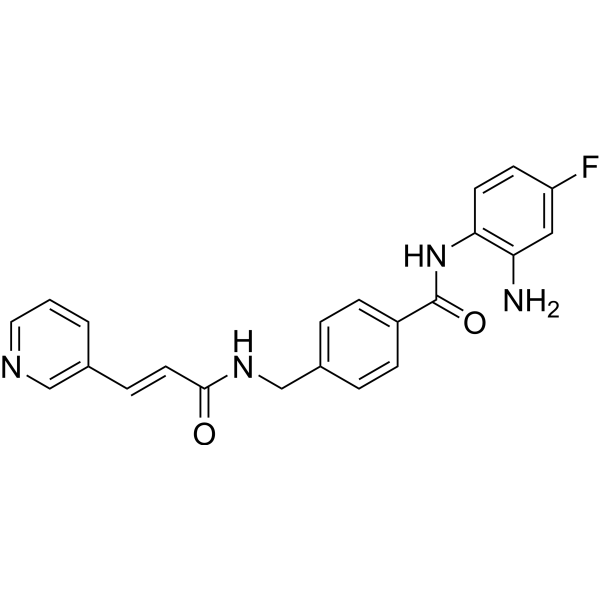
Tucidinostat (Chidamide) is a potent and orally bioavailable HDAC enzymes class I (HDAC1/2/3) and class IIb (HDAC10) inhibitor, with IC50s of 95, 160, 67 and 78 nM, less active on HDAC8 and HDAC11 (IC50s, 733 nM, 432 nM, respectively), and shows no effect on HDAC4/5/6/7/9 .
|
-
-
- HY-13271A
-
Tubastatin A
Maximum Cited Publications
38 Publications Verification
|
Beta-lactamase
HDAC
Autophagy
Apoptosis
|
Cancer
|
|
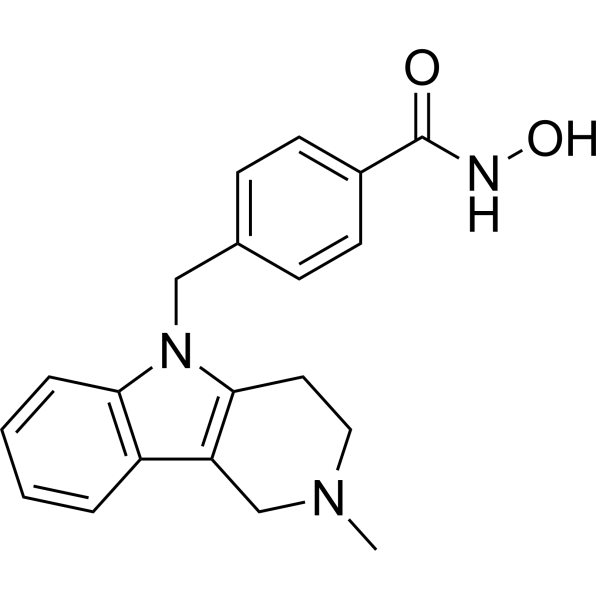
Tubastatin A is a potent and selective HDAC6 inhibitor with an IC50 of 15 nM in a cell-free assay, and is selective (1000-fold more) against all other isozymes except HDAC8 (57-fold more). Tubastatin A also inhibits HDAC10 and metallo-β-lactamase domain-containing protein 2 (MBLAC2).
|
-
-
- HY-15224
-
|
|
HDAC
Apoptosis
|
Cancer
|
|
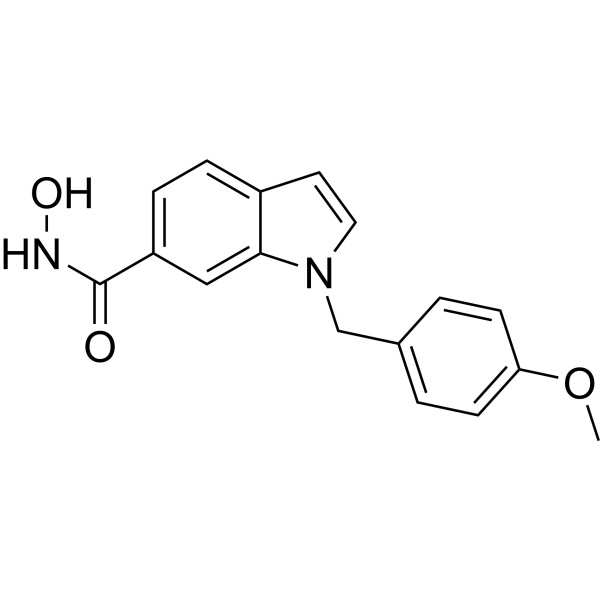
PCI-34051 is a potent and selective HDAC8 inhibitor with IC50 of 10 nM, with >200-fold selectivity over the other HDAC isoforms.
|
-
-
- HY-12164
-
|
MGCD0103
|
HDAC
Autophagy
Apoptosis
|
Cancer
|
|
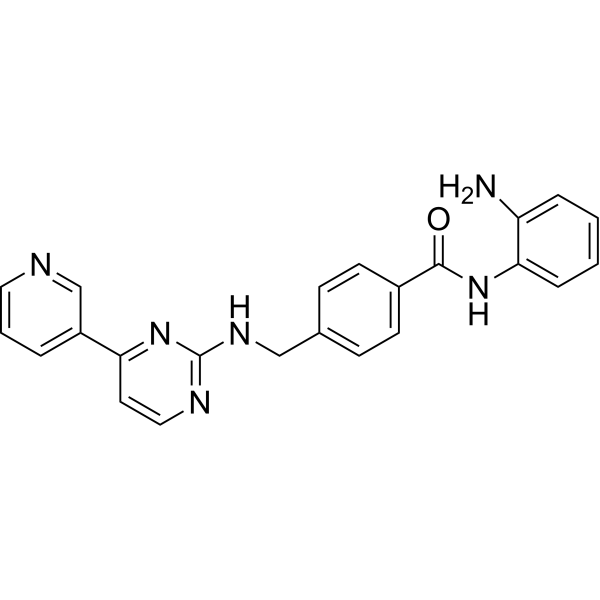
Mocetinostat (MGCD0103) is a potent, orally active and isotype-selective HDAC (Class I/IV) inhibitor with IC50s of 0.15, 0.29, 1.66 and 0.59 μM for HDAC1, HDAC2, HDAC3 and HDAC11, respectively. Mocetinostat shows no inhibition on HDAC4, HDAC5, HDAC6, HDAC7, or HDAC8.
|
-
-
- HY-18998
-
|
|
HDAC
|
Cancer
|
|
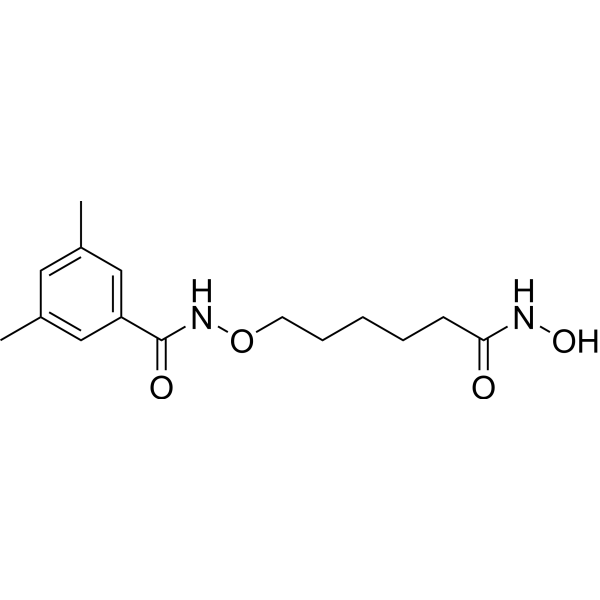
LMK-235 is a potent and selective HDAC4/5 inhibitor, inhibits HDAC5, HDAC4, HDAC6, HDAC1, HDAC2, HDAC11 and HDAC8, with IC50s of 4.22 nM, 11.9 nM, 55.7 nM, 320 nM, 881 nM, 852 nM and 1278 nM, respectively, and is used in cancer research.
|
-
-
- HY-15994
-
|
ACY241
|
HDAC
|
Cancer
|
|
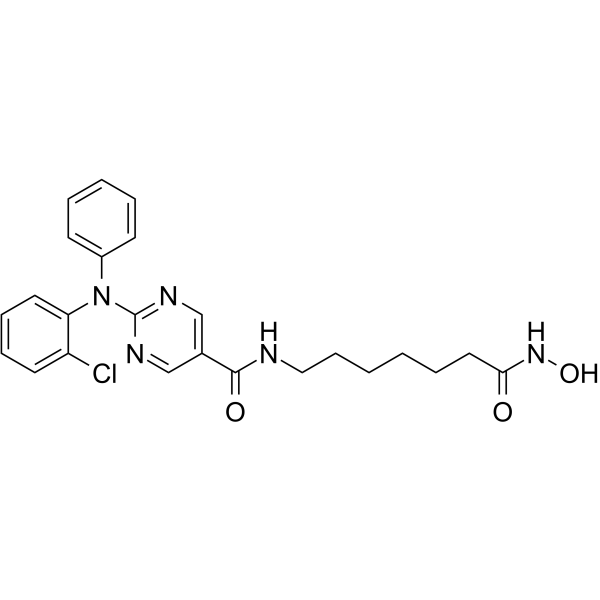
Citarinostat (ACY241) is a second generation potent, orally active and high-selective HDAC6 inhibitor with an IC50 of 2.6 nM (IC50s of 35 nM, 45 nM, 46 nM and 137 nM for HDAC1, HDAC2, HDAC3 and HDAC8, respectively). Citarinostat has anticancer effects .
|
-
-
- HY-13271
-
|
Tubastatin A HCl; TSA HCl
|
Beta-lactamase
HDAC
Autophagy
Apoptosis
|
Cancer
|
|
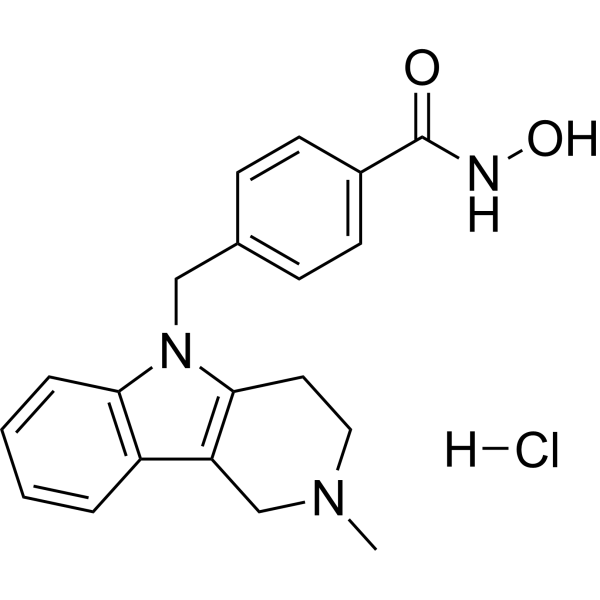
Tubastatin A Hydrochloride (Tubastatin A HCl) is a potent and selective HDAC6 inhibitor with IC50 of 15 nM in a cell-free assay, and is selective (1000-fold more) against all other isozymes except HDAC8 (57-fold more). Tubastatin A Hydrochloride also inhibits HDAC10 and metallo-β-lactamase domain-containing protein 2 (MBLAC2).
|
-
-
- HY-14718
-
|
RAS2410; 4SC-201
|
HDAC
|
Cancer
|
|
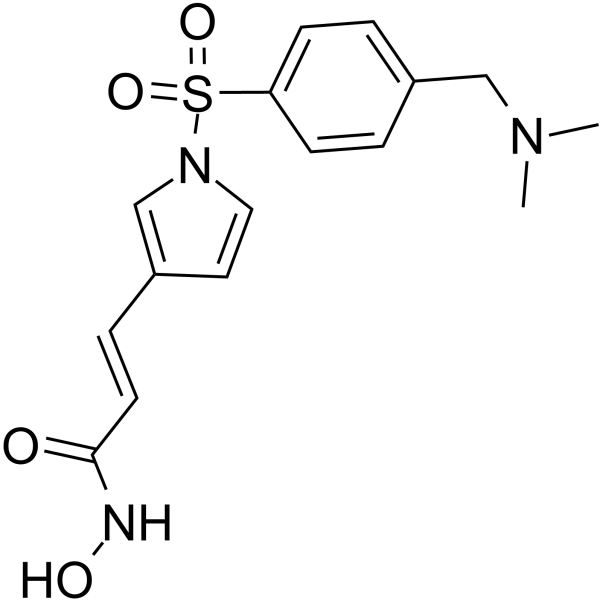
Resminostat (RAS2410; 4SC-201) is a potent inhibitor of HDAC1, HDAC3 and HDAC6, with mean IC50 values of 42.5, 50.1, 71.8 nM, respectively, and shows less potent activities against HDAC8, with an IC50 of 877 nM.
|
-
-
- HY-14718A
-
|
RAS2410 hydrochloride; 4SC-201 hydrochloride
|
HDAC
|
Cancer
|
|
Resminostat hydrochloride is a potent inhibitor of HDAC1, HDAC3 and HDAC6, with mean IC50 values of 42.5, 50.1, 71.8 nM, respectively, and shows less potent activities against HDAC8, with an IC50 of 877 nM.
|
-
-
- HY-111400
-
|
|
HDAC
|
Cancer
|
|
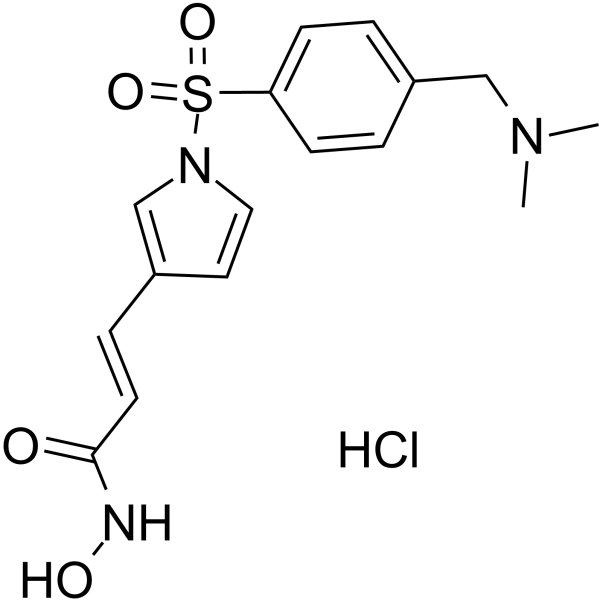
SR-4370 is an inhibitor of HDAC, with IC50s of 0.13 μM, 0.58 μM, 0.006 μM, 2.3 μM, and 3.4 μM for HDAC1, HDAC2, HDAC3, HDAC8, and HDAC6, respectively.
|
-
-
- HY-18613
-
|
BML-281
|
HDAC
|
Cancer
|
|
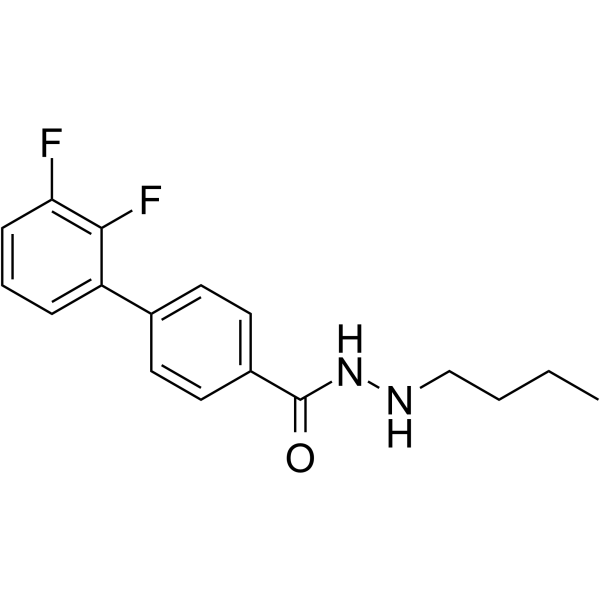
CAY10603 (BML-281) is a potent and selective HDAC6 inhibitor, with an IC50 of 2 pM; CAY10603 (BML-281) also inhibits HDAC1, HDAC2, HDAC3, HDAC8, HDAC10, with IC50s of 271, 252, 0.42, 6851, 90.7 nM.
|
-
-
- HY-18700
-
|
|
HDAC
|
Cancer
|
|
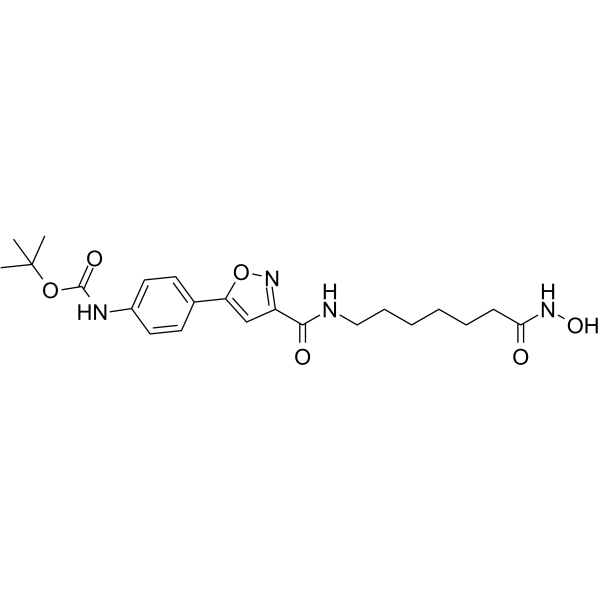
BRD73954 is a potent HDAC inhibitor and selectively inhibiting both HDAC6 and HDAC8 with IC50 values of 0.0036, 0.12, 9, 12, 23 µM for HDAC6, HDAC8, HDAC2, HDAC1 and HDAC3, respectively. BRD73954 decreases the levels of HDAC6, associated with upregulation of Ac-Tubulin .
|
-
-
- HY-13267
-
|
NS 41080
|
HDAC
Apoptosis
|
Cancer
|
|
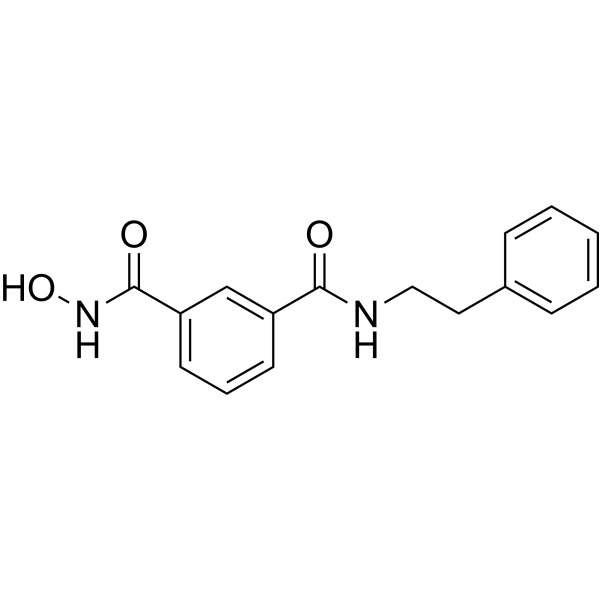
Droxinostat (NS 41080) is a histone deacetylase (HDAC) inhibitor. Droxinostat selectively inhibits HDAC3, HDAC6, and HDAC8 with IC50 values of 16.9 μM, 2.47 μM, and 1.46 μM, respectively. Droxinostat can be used for the research of hepatocellular carcinoma (HCC) .
|
-
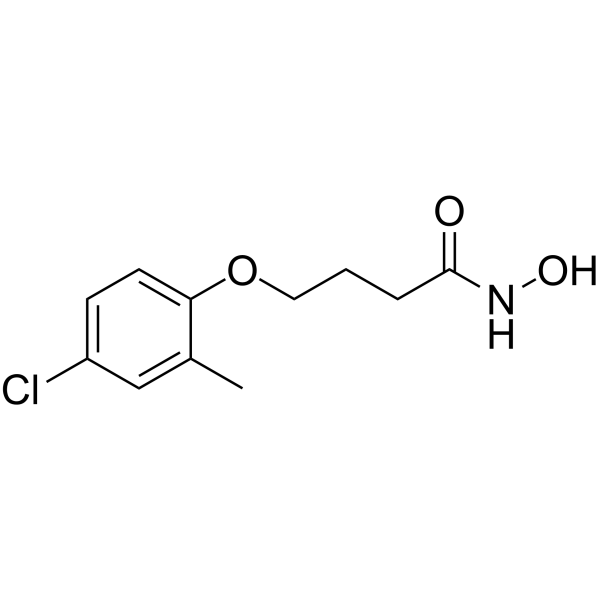
-
- HY-119939
-
|
CHDI00390576
|
HDAC
|
Cancer
|
|
CHDI-390576, a potent, cell permeable and CNS penetrant class IIa histone deacetylase (HDAC) inhibitor with IC50s of 54 nM, 60 nM, 31 nM, 50 nM for class IIa HDAC4, HDAC5, HDAC7, HDAC9, respectively, shows >500-fold selectivity over class I HDACs (1, 2, 3) and ~150-fold selectivity over HDAC8 and the class IIb HDAC6 isoform .
|
-
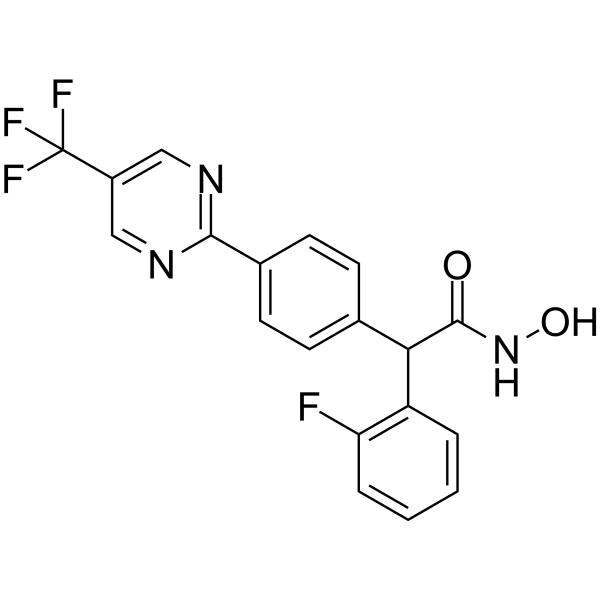
-
- HY-111342
-
|
|
HDAC
|
Cancer
|
|
HDAC8-IN-1 is a HDAC8 inhibitor with an IC50 of 27.2 nM.
|
-
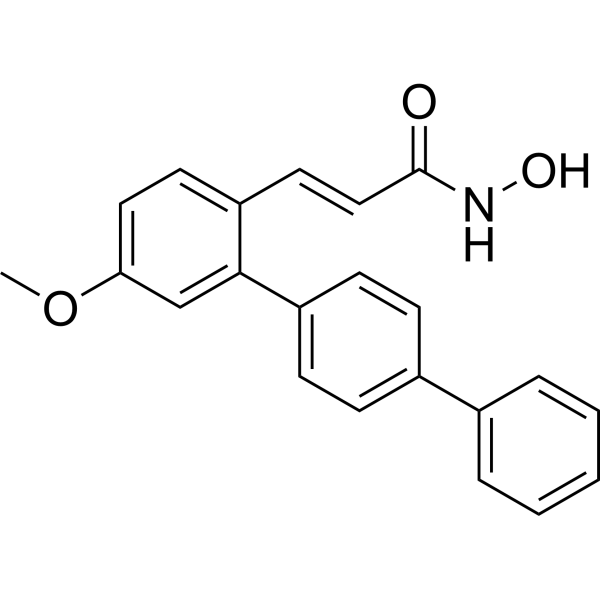
-
- HY-117348
-
-
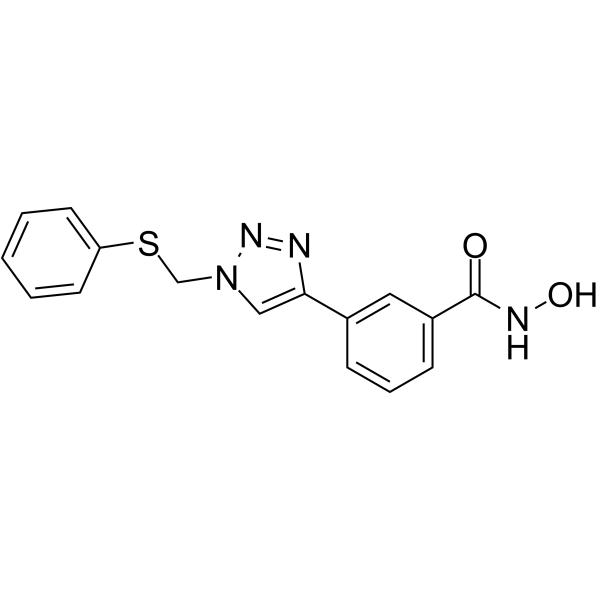
-
- HY-152147
-
|
|
PROTACs
HDAC
Apoptosis
DNA/RNA Synthesis
|
Cancer
|
|
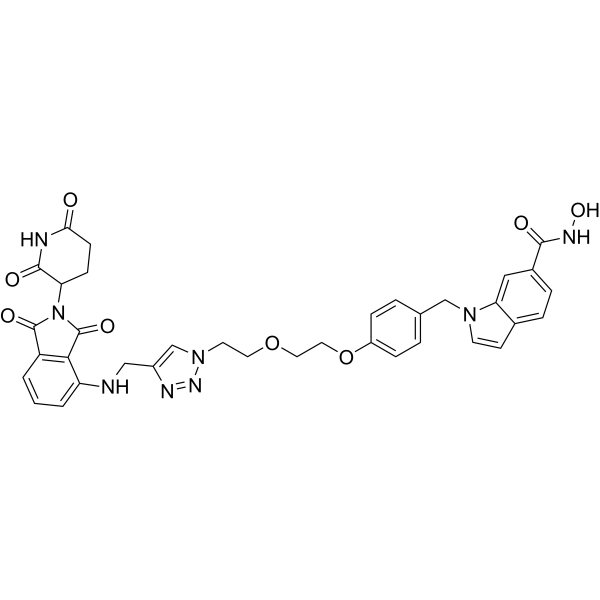
SZUH280 is a potent and selective PROTAC HDAC8 degrader with a DC50 of 0.58 μM in A549 cells. SZUH280 induces cancer cell apoptosis. SZUH280 hampers DNA damage repair in cancer cells, promoting cellular radiosensitization .
|
-
-
- HY-114483
-
AES-135
1 Publications Verification
|
HDAC
|
Cancer
|
|
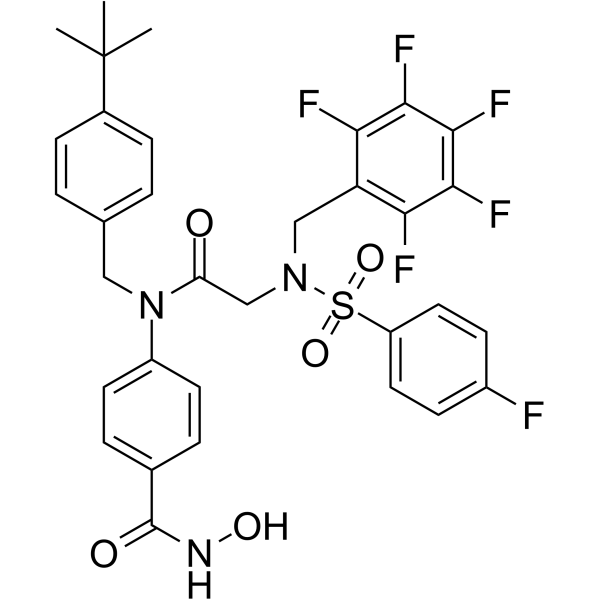
AES-135, a hydroxamic acid-based pan-HDAC inhibitor, prolongs survival in an orthotopic mouse model of pancreatic cancer. AES-135 inhibits HDAC3, HDAC6, HDAC8, and HDAC11 with IC50s ranging from 190-1100 nM .
|
-
-
- HY-19754A
-
|
|
HDAC
Apoptosis
|
Cancer
|
|
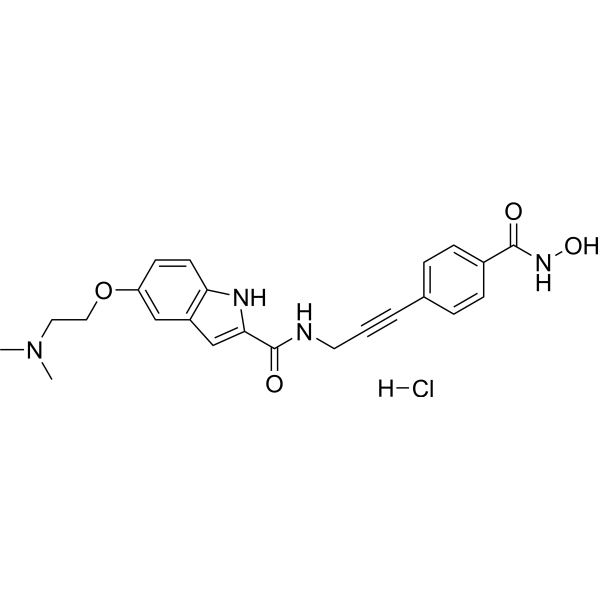
CRA-026440 hydrochloride is a potent, broad-spectrum HDAC (HDAC) inhibitor. The Ki values against recombinant HDAC isoenzymes HDAC1, HDAC2, HDAC3, HDAC6, HDAC8, and HDAC10 are 4 nM, 14 nM, 11 nM, 15 nM, 7 nM, and 20 nM respectively. CRA-026440 hydrochloride shows antitumor and antiangiogenic activities . CRA-026440 (hydrochloride) is a click chemistry reagent, it contains an Alkyne group and can undergo copper-catalyzed azide-alkyne cycloaddition (CuAAc) with molecules containing Azide groups.
|
-
-
- HY-130538
-
|
|
HDAC
|
Cancer
|
|
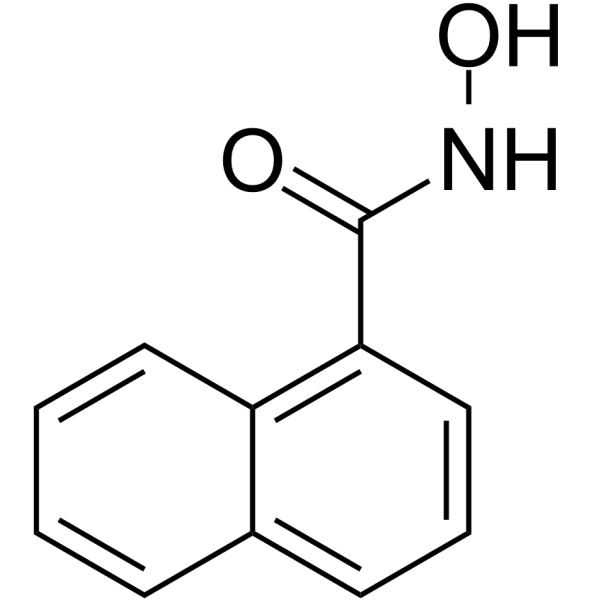
1-Naphthohydroxamic acid (Compound 2) is a potent and selective HDAC8 inhibitor with an IC50 of 14 μM. 1-Naphthohydroxamic acid is more selectively for HDAC8 than class I HDAC1 and class II HDAC6 (IC50 >100 μM). 1-Naphthohydroxamic acid does not increase global histone H4 acetylation and also does not reduce total intracellular HDAC activity .1-Naphthohydroxamic acid can induce tubulin acetylation .
|
-
-
- HY-119017
-
|
|
HDAC
|
Cancer
|
|
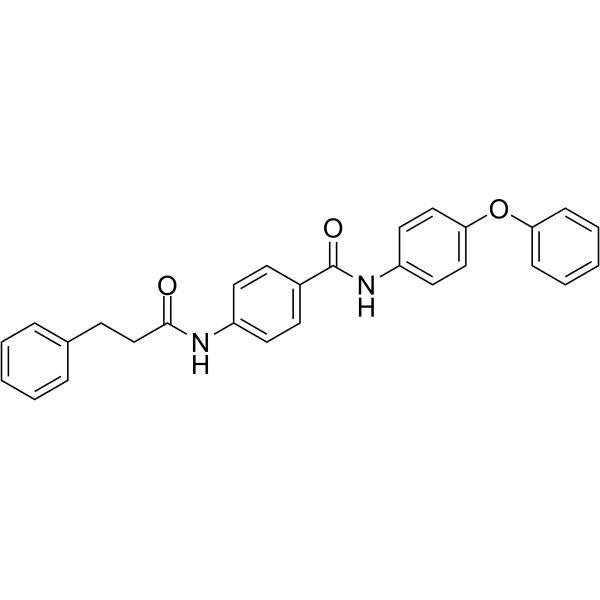
SB-429201 is a potent and selective HDAC1 (IC50~1.5 μM). SB-429201 displays at least a 20-fold preference for HDAC1 inhibition over HDAC3 and HDAC8 .
|
-
-
- HY-110280
-
|
|
HDAC
Apoptosis
|
Cancer
|
|
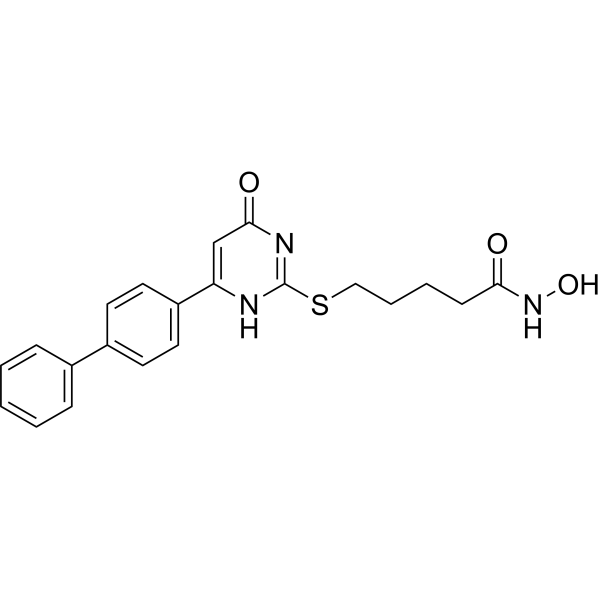
MC1742 is a potent HDAC inhibitor, with IC50s of 0.1 μM, 0.11 μM, 0.02 μM, 0.007 μM, 0.61 μM, 0.04 μM and 0.1 μM for HDAC1, HDAC2, HDAC3, HDAC6, HDAC8, HDAC10 and HDAC11, respectively. MC1742 can increase acetyl-H3 and acetyl-tubulin levels and inhibits cancer stem cells growth. MC1742 can induce growth arrest, apoptosis, and differentiation in sarcoma CSC .
|
-
-
- HY-178970
-
|
|
HDAC
|
Cancer
|
|
HDAC11-IN-4 is a potent and selective HDAC11 inhibitor with an IC50 of 13.49 nM and a Ki of 2.2 nM. HDAC11-IN-4 exhibits extremely high selectivity for HDAC11 over other defatty-acylases such as SIRT2, SIRT3, SIRT6, and HDAC8 (SI >10,000). HDAC11-IN-4 can be used for the research of cancer .
|
-

-
- HY-RS06085
-
|
|
Small Interfering RNA (siRNA)
HDAC
|
Others
|
|
HDAC8 Human Pre-designed siRNA Set A contains three designed siRNAs for HDAC8 gene (Human), as well as a negative control, a positive control, and a FAM-labeled negative control.
|
-
HDAC8 Human Pre-designed siRNA Set A
HDAC8 Human Pre-designed siRNA Set A
-
- HY-18947
-
|
|
HDAC
|
Cancer
|
|
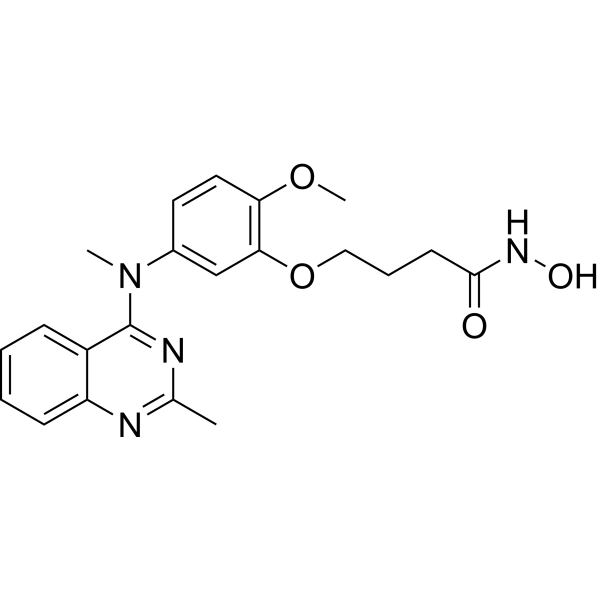
SKLB-23bb is a potent and selective inhibitor for HDAC6 with an IC50 of 17 nM and shows 25-fold and 200-fold selectivity relative to HDAC1 (IC50=422 nM) and HDAC8 (IC50=3398 nM), respectively.
|
-
-
- HY-114548
-
|
|
Guanylate Cyclase
|
Infection
|
|
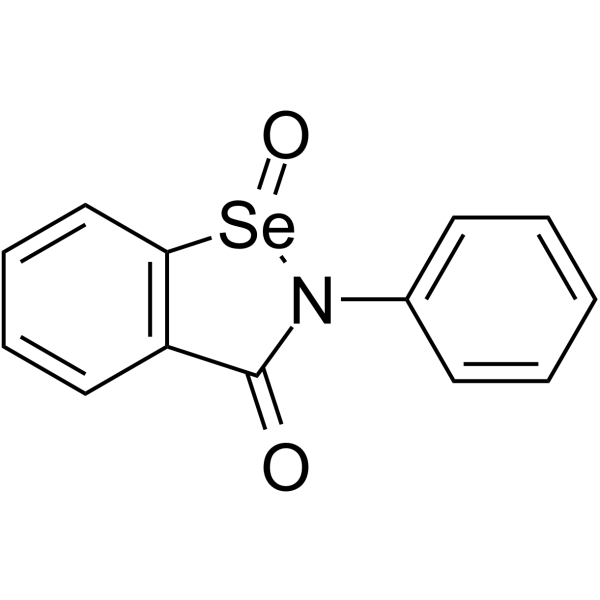
Ebselen oxide, the selenone analogue of Ebselen, covalently modifies diguanylate cyclase (DGC) to inhibit c-di-GMP-receptor interactions and reduces DGC activity. Ebselen oxide also inhibits alginate production (IC50=14 μM) by Pseudomonas aeruginosa. Ebselen oxide inhibits HDAC1, HDAC3, HDAC4, HDAC5, HDAC6, HDAC7, HDAC8, and HDAC9 (IC50 ranging from 0.2 to 4.7 μM) .
|
-
-
- HY-179019
-
|
|
HDAC
Microtubule/Tubulin
Apoptosis
Caspase
|
Neurological Disease
Cancer
|
|
HDAC-IN-94 is a potent, selective HDAC6 inhibitor (IC50 = 4.5 nM). HDAC-IN-94 shows >1000-fold selectivity over HDAC8 and shows minimal activity against other isoforms (HDAC1-3/10). HDAC-IN-94 induces α-tubulin hyperacetylation, apoptosis, and G2/M cell cycle arrest, exhibiting potent anti-tumor efficacy with low cytotoxicity. HDAC-IN-94 can be used for neuroblastoma and glioblastoma research .
|
-

-
- HY-163846
-
|
|
HDAC
|
Cancer
|
|
HDAC8-IN-10 (compound 15) is a potent inhibitor of HDAC8, with the IC50 of 7.6 nM. HDAC8-IN-10 is a HDAC8 target protein ligand that can be used to synthesize PROTAC YX862 (HY-163845) .
|
-

-
- HY-178380
-
|
|
HDAC
Reactive Oxygen Species (ROS)
Apoptosis
Necroptosis
Biochemical Assay Reagents
Caspase
Bcl-2 Family
|
Inflammation/Immunology
Cancer
|
|
HDAC8-IN-14, a curcuminoid derivative, is a selective HDAC8 inhibitor with a Ki of 9 nM. HDAC8-IN-14 induces the production of reactive oxygen species (ROS), disrupts mitochondrial membrane potential, and promotes apoptosis. HDAC8-IN-14 can significantly promote the accumulation of cells in the sub-G0/G1 phase, consistent with apoptotic or necrotic cell death. HDAC8-IN-14 induces upregulation of cytochrome c, cleaved caspase-3, and the pro-apoptotic protein Bak while leaving the anti-apoptotic Bcl-2 levels unaltered. HDAC8-IN-14 can be used for the study of leukemia .
|
-

-
- HY-163845
-
|
|
PROTACs
HDAC
|
Cancer
|
|
YX862 is a selective HDAC8 PROTAC degrader and induces the degradation of HDAC8 with maximum degradation > 95% at 250 nM in MDA-MB-231 cells(Sturcture Note:(Blue: VHL E3 ligand (HY-112078), Black: linker;Pink: HDAC8 inhibitor (HY-163846)) .
|
-

-
- HY-168175
-
|
|
PROTACs
HDAC
|
Cancer
|
|
PROTAC HDAC8 Degrader-2 (compound 32a) is a degrader of HDAC8 with a DC50 of 8.9 nM and HDAC6 with a DC50 of 14.3 nM. PROTAC HDAC8 Degrader-2 is composed of PROTAC target protein ligand HDAC8 ligand 1 (HY-168176) (red part), E3 ligase ligand Thalidomide-4-OH (HY-103596) (blue part) and PROTAC Linker 1,5-Diaminopentane (HY-W540541) (black part), among which the conjugate of E3 ubiquitin ligase ligand + Linker is Thalidomide-NH-C5-NH2 (HY-134986) .
|
-

-
- HY-163920
-
|
|
PROTACs
HDAC
|
Cancer
|
|
Degrader-1 (compound Z16) is a potent and selective HDAC8 PROTAC degrader with an DC50 of 0.27 nM in A549 cells .
|
-

-
- HY-157314
-
|
|
HDAC
Parasite
|
Infection
|
|
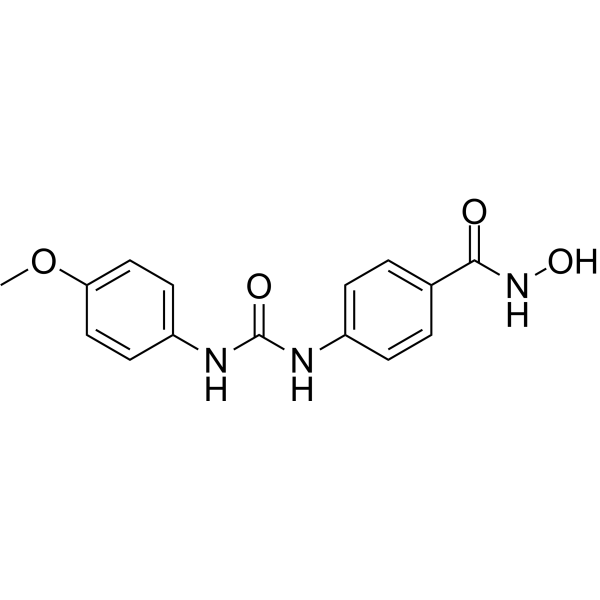
HDAC6-IN-27 (compound 8C) is a HDAC inhibitor with IC50 vales of 15.9 nM 136.5 nM and 6180.2 nM for HDAC6, HDAC8 and HDAC1, respectively. HDAC6-IN-27 shows potent antiparasitic effects .
|
-
-
- HY-173330
-
|
|
HDAC
|
Cancer
|
|
HDAC-IN-89 is an inhibitor of HDAC1 (IC50: 0.95 nM), HDAC2 (IC50: 0.86 nM), HDAC3 (IC50: 1.06 nM) and HDAC8 (IC50: 4.24 nM). HDAC-IN-89 blocks the cell cycle and induces apoptosis. HDAC-IN-89 has anti-tumor activity .
|
-

-
- HY-149372
-
|
|
HDAC
|
Cancer
|
|
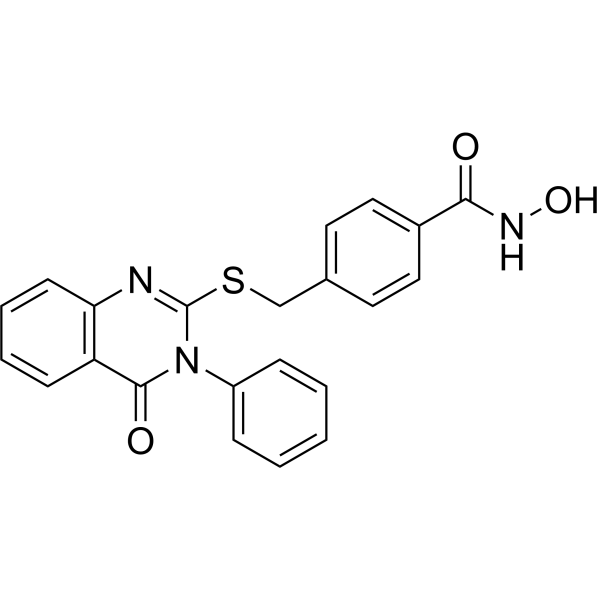
HDAC6-IN-17 (compound 5b) is a potent HDAC6 inhibitor with IC50 values of 150 nM, 1400 nM, and 2300 nM for HDAC6, HDAC8, and HDAC4, respectively. HDAC6-IN-17 has cytotoxic activity on human cancer cell lines. HDAC6-IN-17 can be used in research of cancer .
|
-
-
- HY-13271B
-
|
TSA TFA
|
HDAC
Autophagy
Apoptosis
|
Cancer
|
|
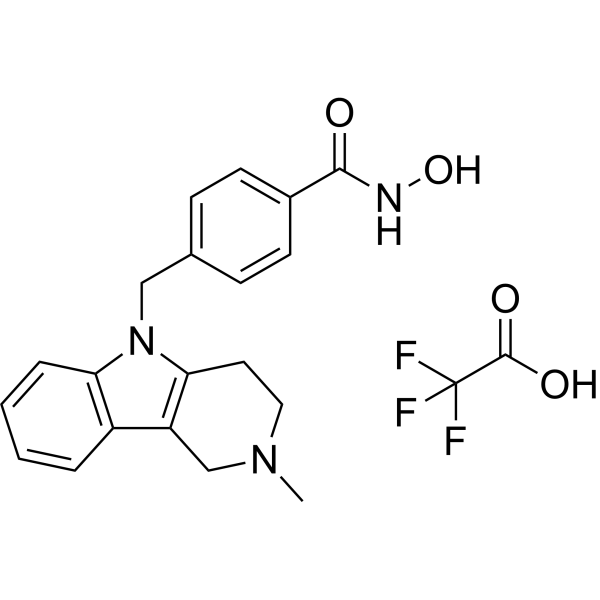
Tubastatin A (TSA) TFA is a potent and selective?HDAC6?inhibitor with?IC50?of 15 nM in a cell-free assay, and is selective (1000-fold more) against all other isozymes except HDAC8 (57-fold more). Tubastatin A TFA also inhibits HDAC10 and metallo-β-lactamase domain-containing protein?2 (MBLAC2).
|
-
-
- HY-147731
-
|
|
HDAC
|
Cancer
|
|
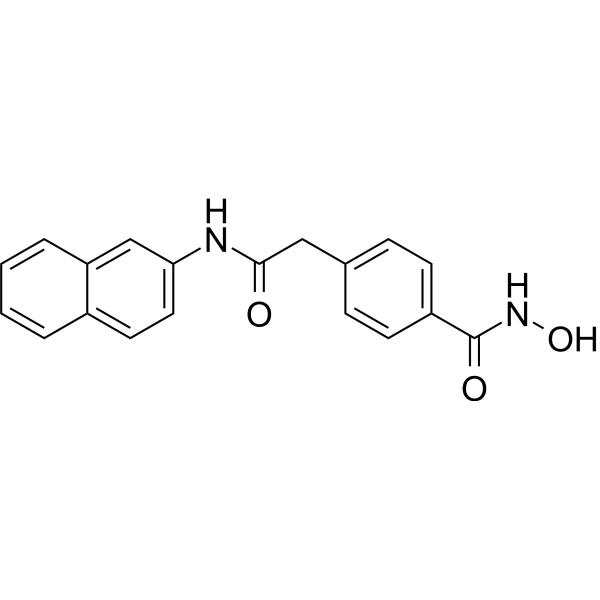
HDAC6-IN-9 (compound 12c) is a potent and selective HDAC6 inhibitor with IC50 values of 11.8, 15.2, 4.2, 139.6, 21.3 nM for HDAC1,HDAC3, HDAC6, HDAC8, HDAC10, respectively. HDAC6-IN-9 shows anti-proliferative activities .
|
-
-
- HY-179271
-
|
|
Carbonic Anhydrase
HDAC
|
Cancer
|
|
CA/HDAC-IN-1 (Compound 11) is a CA and HDAC inhibitor with Ki values of 7.4 nM, 31.0 nM, and 7.3 nM for hCA II, hCA IX, and hCA XII, respectively, and IC50 values of 0.21 μM and 3.60 μM for HDAC3 and HDAC8, respectively. CA/HDAC-IN-1 has anti-cancer activity against colon cancer, breast cancer, and melanoma .
|
-

-
- HY-159172
-
|
|
HDAC
|
Cancer
|
|
HDAC3-IN-4 is a selective and orally active HDAC3 inhibitor with an IC50 of 89 nM. HDAC3-IN-4 induces the degradation of PD-L1 by regulating cathepsin B (CTSB) in the lysosomes, with a DC50 of 5.7 μM. HDAC3-IN-4 shows better selectivity for HDAC3 over HDAC1, HDAC6, HDAC7, and HDAC8 .
|
-

-
- HY-138831
-
|
|
HDAC
Apoptosis
|
Cancer
|
|
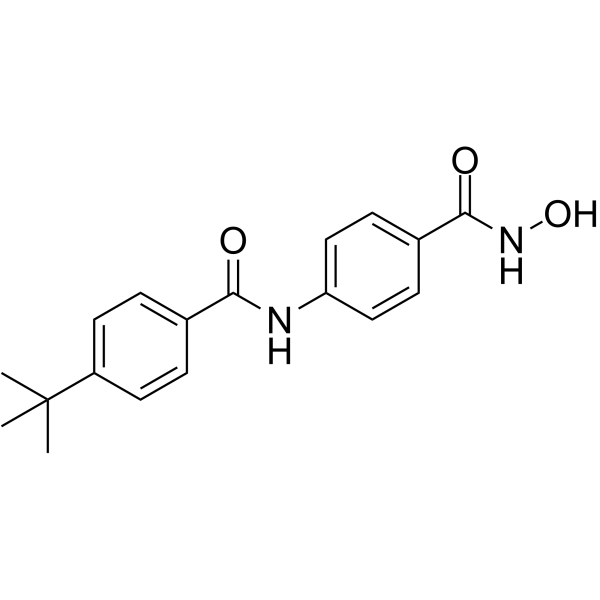
AES-350 is a potent and orally active HDAC6 inhibitor with an IC50 and a Ki of 0.0244 μM and 0.035 μM, respectively. AES-350 is also against HDAC3, HDAC8 in an enzymatic activity assay with IC50 values of 0.187 μM and 0.245 μM, respectively. AES-350 triggers apoptosis in AML cells through HDAC inhibition and can be used for acute myeloid leukemia (AML) research .
|
-
-
- HY-149029
-
|
|
HDAC
Apoptosis
Reactive Oxygen Species (ROS)
|
Cancer
|
|
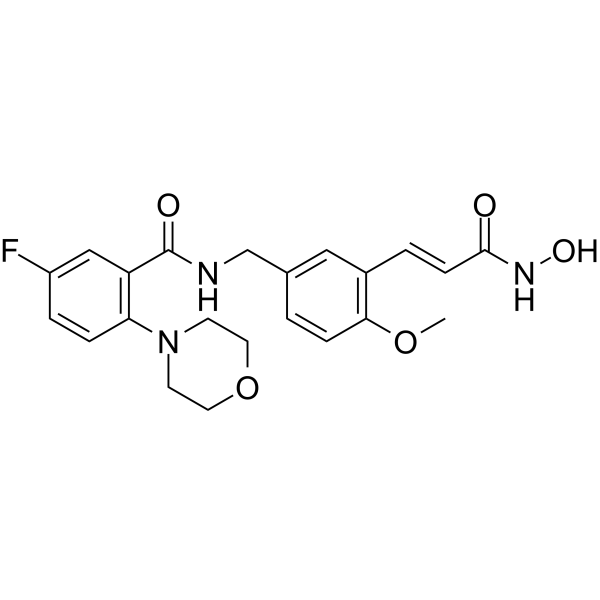
TH-6 is a potent HDAC inhibitor with IC50s of 0.115, 0.135, 0.242, 0.138, 2.120 µM for HDAC1, HDAC2, HDAC3, HDAC6, HDAC8, respectively. TH-6 inhibits cell migration and invasion. TH-6 induces apoptosis and cell cycle arrest at G2/M phase. TH-6 shows anti-tumor activity .
|
-
-
- HY-178948
-
|
|
HDAC
|
Cancer
|
HDAC10-IN-3 (Compound 2a) is a potent HDAC10 inhibitor with an IC50s of 0.41, 37, 350 and 4500 nM against HDAC10, HDAC6, HDAC8 and HDAC1. HDAC10-IN-3 exhibits moderate cytotoxicity in KB and SK-OV-3 cells, but does not show significant cytotoxicity against most cancer cell lines. HDAC10-IN-3 can be used for the study of cancers .
|
-

-
- HY-169940
-
|
|
HDAC
|
Inflammation/Immunology
|
|
Fibrostat (Compound 5n) is a selective HDAC6 inhibitor that exerts antifibrotic effects by inhibiting HDAC6 activity, with an IC50 value of 63 nM. It also exhibits good selectivity over HDAC1, HDAC3, HDAC5, HDAC8, HDAC10, and HDAC11. Fibrostat significantly downregulates fibrotic markers (fibronectin and collagen 1) in fibroblasts. Additionally, Fibrostat demonstrated no toxicity in rat-perfused heart and zebrafish larvae models. Fibrostat shows potential for research into fibrosis-related diseases .
|
-

-
- HY-144293
-
|
|
Apoptosis
HDAC
|
Cancer
|
|
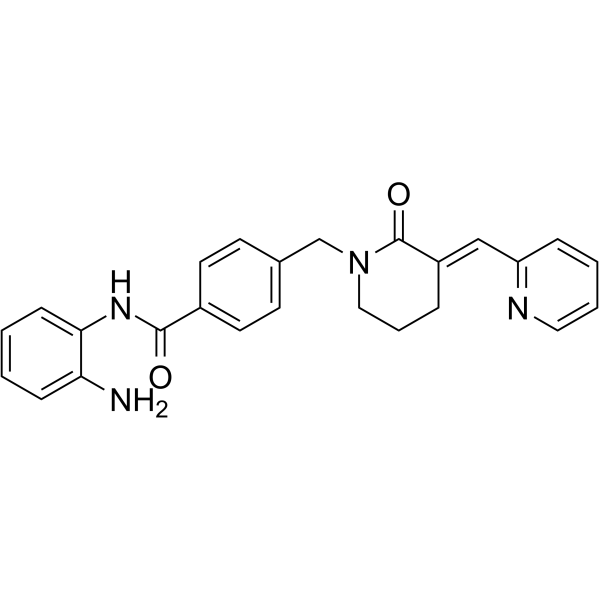
HDAC-IN-31 is a potent, selective and orally active HDAC inhibitor with IC50s of 84.90, 168.0, 442.7, >10000 nM for HDAC1, HDAC2, HDAC3, HDAC8, respectively. HDAC-IN-31 induces apoptosis and cell cycle arrests at G2/M phase. HDAC-IN-31 shows good antitumor efficacy. HDAC-IN-31 has the potential for the research of diffuse large B-cell lymphoma .
|
-
-
- HY-10226
-
|
R306465
|
Apoptosis
HDAC
|
Cancer
|
|
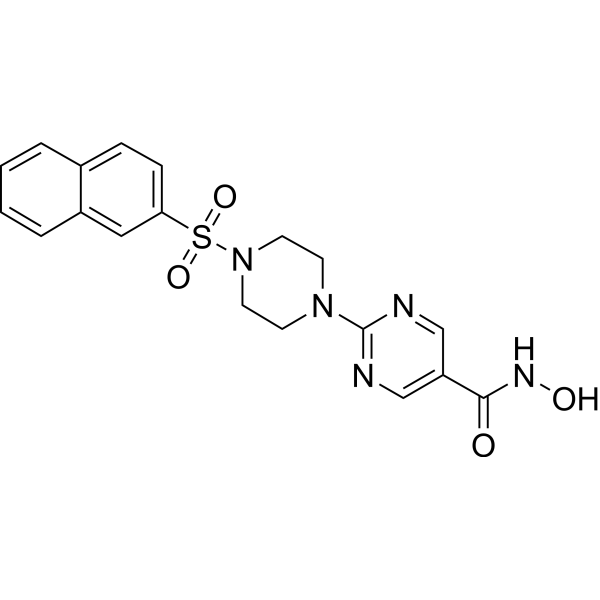
JNJ-16241199 (R306465) is an orally active, selectivehydroxamate-based histone deacetylase (HDAC) inhibitor, with theIC50of 3.3 nM and 23 nM for HDAC1and HDAC8, respectively.JNJ-16241199induces histone 3 acetylation and strongly increases
the expression of p21 waf1, cip1 in A2780 ovarian carcinoma cells.JNJ-16241199 inducescell apoptosisand shows anticancer activityin a broad spectrum of human malignancies. JNJ-16241199 can be used for cancer study .
|
-
-
- HY-153583
-
|
|
HDAC
|
Cancer
|
|
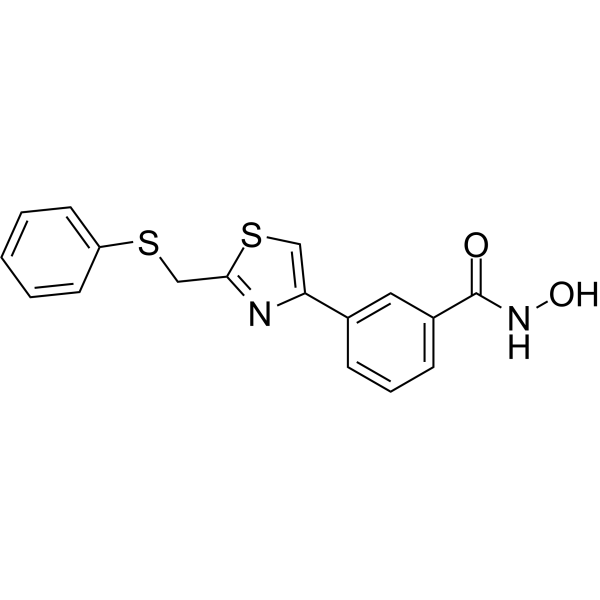
HDAC8-IN-4 is a selective inhibitor of HDAC8. HDAC8-IN-4 inhibits HDAC8 and HDAC3 with IC50s of 0.15 and 12 μM .
|
-
-
- HY-149529
-
|
|
HDAC
|
Cancer
|
|
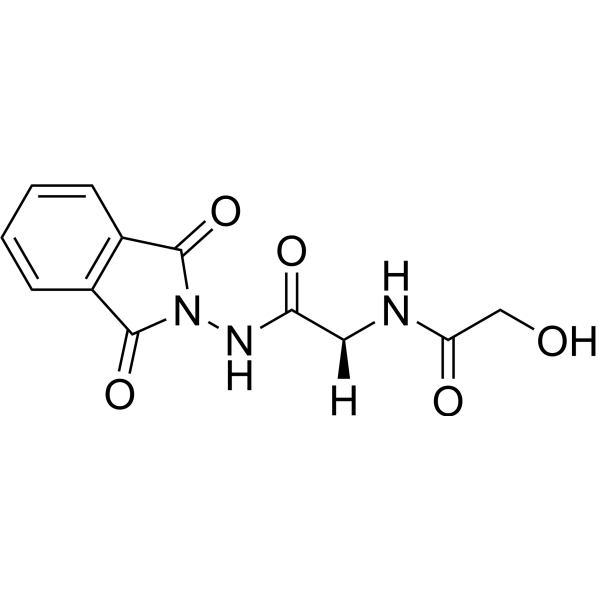
HDAC8-IN-5 (Compound 6a) is a HDAC8 inhibitor (IC50: 28 nM). HDAC8-IN-5 can be used for cancer research .
|
-
-
- HY-163143
-
|
|
HDAC
|
Cancer
|
|
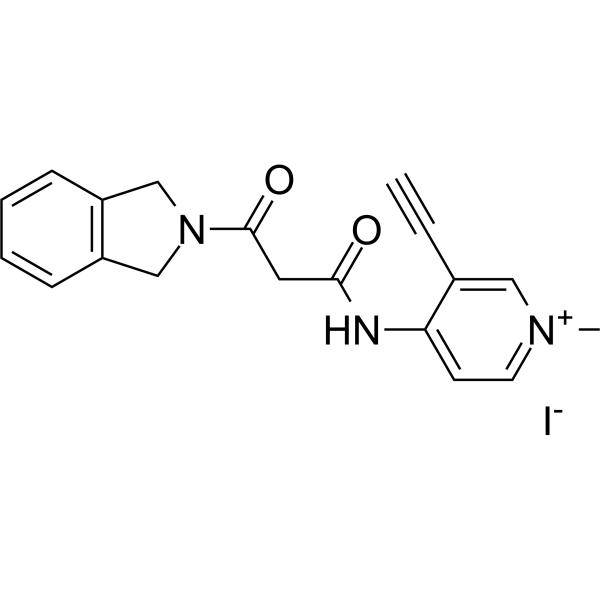
HDAC8-IN-6 (compound 3) is a potent HDAC8 inhibitor with an IC50 of 5.1 μM. HDAC8-IN-6 shows cytotoxicity .
|
-
-
- HY-151366
-
|
|
HDAC
Epigenetic Reader Domain
|
Cancer
|
|
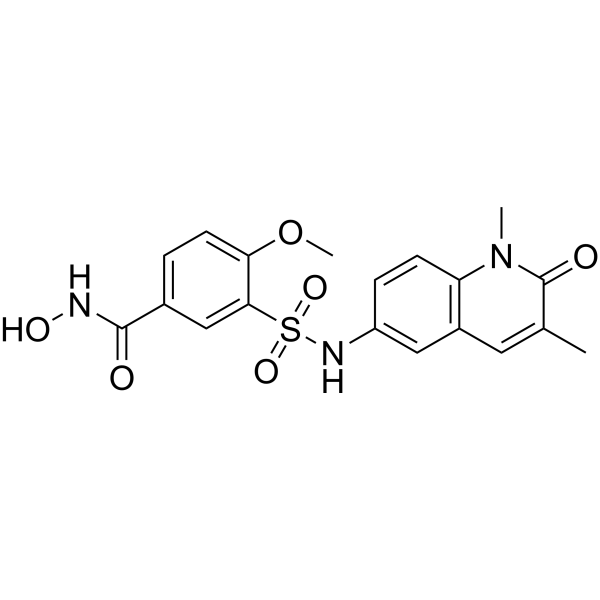
HDAC8/BRPF1-IN-1 (Compound 23a) is a dual inhibitor of HDAC8 and BRPF1 with an IC50 of 443 nM against human HDAC8 and a Kd of 67 nM against human BRPF1. HDAC8/BRPF1-IN-1 shows low in vitro activity against HDAC1 and 6 .
|
-
-
- HY-147934
-
|
|
HDAC
Apoptosis
|
Cancer
|
|
HDAC8-IN-3 (compound P19) is a potent HDAC8 inhibitor with IC50 value of 9.3 μM and produces thermal stabilization. HDAC8-IN-3 has cytotoxicity and induces apoptosis in leukemic cell lines .
|
-
- HY-144098
-
|
|
Parasite
HDAC
|
Others
|
|
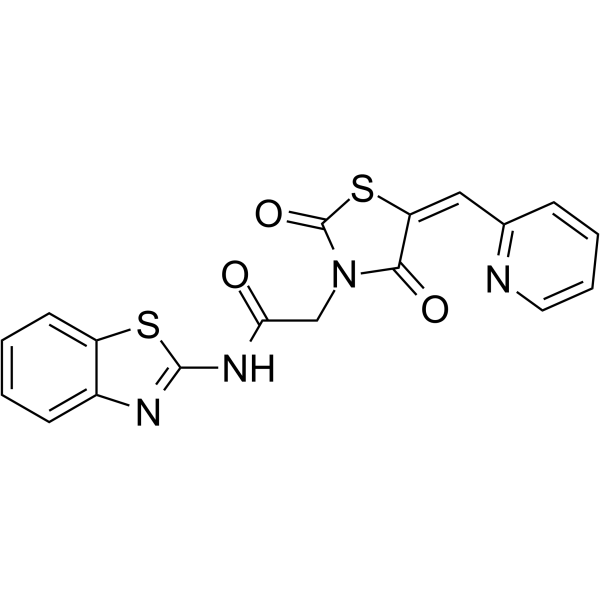
HDAC8-IN-2 (compound 5o) is a potent HDAC8 inhibitor, with IC50 values of 0.27 and 0.32 μM for smHDAC8 (Schistosoma mansoni histone deacetylase 8) and hHDAC8, respectively. HDAC8-IN-2 shows significant killing of the schistosome larvae. HDAC8-IN-2 markedly impairs egg laying of adult worm pairs .
|
-
- HY-161465
-
|
|
HDAC
|
Inflammation/Immunology
|
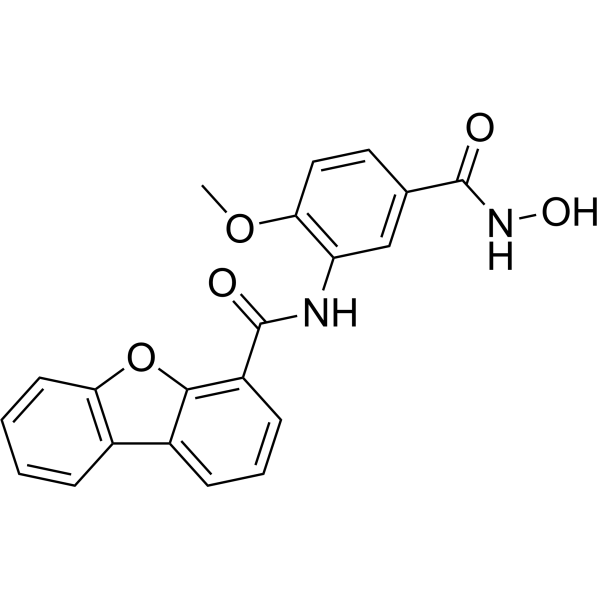
HDAC8-IN-7 (H7E), a HDAC8 inhibitor, exerts retinoprotective effects against glaucomatous injury via ameliorating aberrant Müller glia activation and oxidative stress. HDAC8-IN-7 alleviates functional and structural defects within the inner retina .
|
-
- HY-161954
-
|
|
HDAC
|
Cancer
|
|
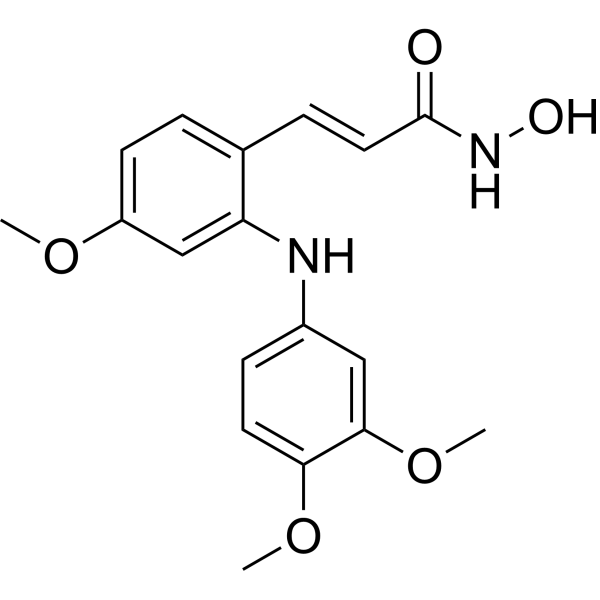
HDAC8-IN-12 (compound 5k) is a non-hydroxamic acid, selective inhibitor of HDAC8 (IC50: 0.12 nM) and a potent inhibitor of breast cancer. HDAC8-IN-12 triggers anti-tumor immunity by activating T cells, increasing the proportion of M1 macrophages and decreasing the proportion of M2 macrophages. HDAC8-IN-12 (50 mg/kg) exerts tumor suppressive effects in an orthotopic mouse model of breast cancer .
|
-

- HY-168176
-
|
|
PROTACs
HDAC
|
Cancer
|
|
HDAC8 ligand 1 is a PROTAC target protein-ligand of PROTAC HDAC8 Degrader-2 (HY-168174) .
|
-

- HY-124782
-
|
|
HDAC
|
Infection
|
|
HDAC8-IN-8 (15a) is an HDAC8 inhibitor, with IC50 values of 23.9 μM and 268.2 μM for hHDAC8 and smHDAC8 respectively. And for hHDAC1 and hHDAC6, the IC50 values are 12.1 μM and 2.9 μM respectively. HDAC8-IN-8 can be used in schistosomiasis-related research .
|
-

- HY-163921
-
-

- HY-111028
-
|
T 5979345
|
HDAC
|
Infection
|
|
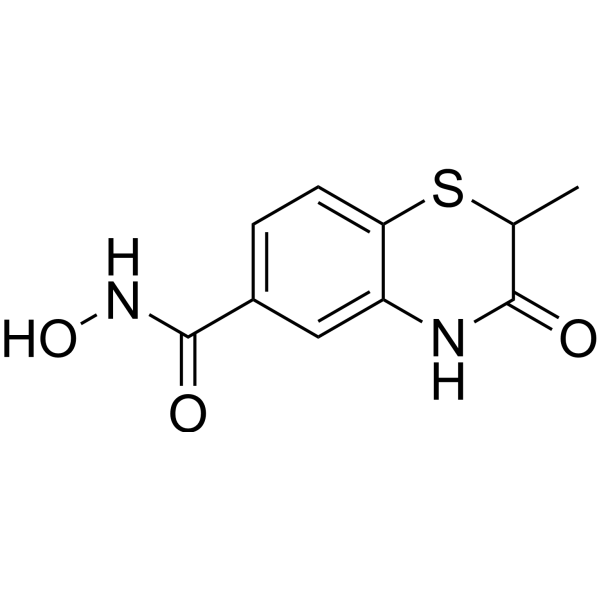
J1038 (T 5979345) is a selective HDAC8 inhibitor. J1038 binds the catalytic zinc ion of Schistosoma mansoni HDAC8 (smHDAC8) .
|
-
- HY-RS06086
-
|
|
Small Interfering RNA (siRNA)
HDAC
|
Others
|
|
Hdac8 Mouse Pre-designed siRNA Set A contains three designed siRNAs for Hdac8 gene (Mouse), as well as a negative control, a positive control, and a FAM-labeled negative control.
|
-
Hdac8 Mouse Pre-designed siRNA Set A
Hdac8 Mouse Pre-designed siRNA Set A
- HY-RS06087
-
|
|
Small Interfering RNA (siRNA)
HDAC
|
Others
|
|
HDAC8 Rat Pre-designed siRNA Set A contains three designed siRNAs for HDAC8 gene (Rat), as well as a negative control, a positive control, and a FAM-labeled negative control.
|
-
HDAC8 Rat Pre-designed siRNA Set A
HDAC8 Rat Pre-designed siRNA Set A
- HY-117093
-
|
|
HDAC
|
Cancer
|
|
H8-A5 is a novel human histone deacetylase 8 (HDAC8) inhibitor. A highly specific ZBG-based pharmacophore model was developed by incorporating a custom zinc-binding group (ZBG) feature. Pharmacophore-based virtual screening identified three novel HDAC8 inhibitors with low micromolar IC50 values (1.8-1.9 μM). Further studies showed that H8-A5 was more selective for HDAC8 than HDAC1/4 and exhibited antiproliferative activity in MDA-MB-231 cancer cells. Molecular docking and molecular dynamics studies showed that H8-A5 could bind to HDAC8, providing a good starting point for the development of HDAC8 inhibitors for cancer treatment.
|
-

- HY-119586
-
|
|
VD/VDR
|
Cancer
|
|
J1075 is a selective Schistosoma mansoni HDAC8 modulator (with decreased affinity for human HDAC8). J1075 can induce apoptosis (Apoptosis) and death in schistosome cells. J1075 holds research value in the field of anti-parasitic agents .
|
-

- HY-119550
-
|
|
HDAC
Parasite
|
Infection
|
|
J1075 is a selective Schistosoma mansoni HDAC8 inhibitor (with decreased affinity for human HDAC8). J1075 can induce apoptosis (Apoptosis) and death in schistosome cells. J1075 holds research value in the field of anti-parasitic agents .
|
-

- HY-126829
-
|
|
HDAC
|
Cancer
|
|
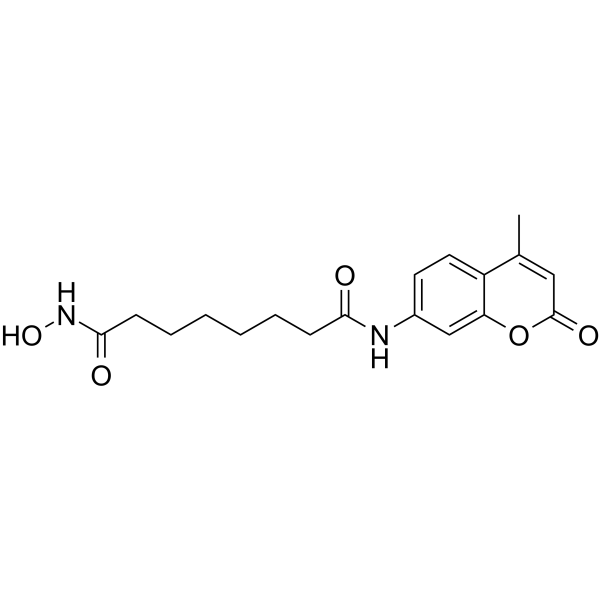
Coumarin-SAHA is a fluorescent probe for determining the binding affinities (kd) and the dissociation off-rates (koff) of the HDAC8-inhibitor complexes .
|
-
- HY-150772
-
|
|
Microtubule/Tubulin
HDAC
Apoptosis
Mitochondrial Metabolism
|
Cancer
|
|
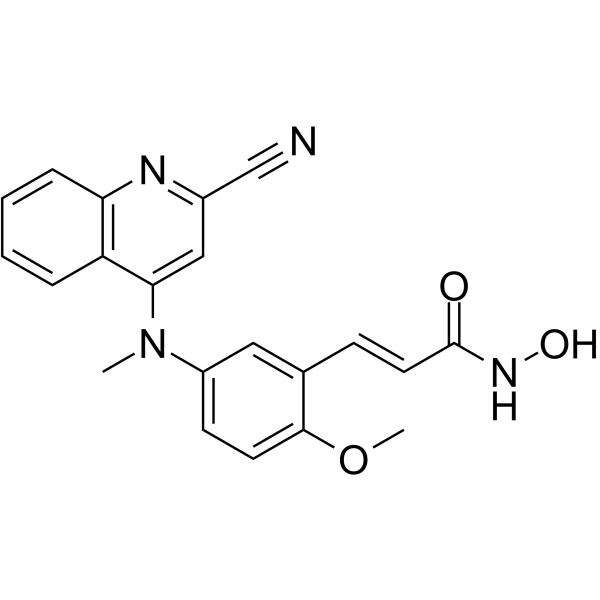
Tubulin/HDAC-IN-1 is a dual tubulin and HDAC-IN-1 inhibitor through CH/π interaction with tubulin and hydrogen bond interaction with HDAC8. Tubulin/HDAC-IN-1 inhibits tubulin polymerization and selectively inhibits HDAC8 (IC50: 150 nM). Tubulin/HDAC-IN-1 has cytotoxicity against various human cancer cells, also arrests cell cycle in the G2/M phase and induces cell apoptosis. Tubulin/HDAC-IN-1 can be used in the research of hematologic and solid tumors such as neuroblastoma, leukemia .
|
-
- HY-112908
-
|
|
HDAC
Proteasome
|
Cancer
|
|
RTS-V5 is a dual HDAC/proteasome inhibitor with IC50s of 6.9, 18, 15, 0.27, 0.53 μM for HDAC1, HDAC2, HDAC3, HDAC6, HDAC8, respectively.
|
-
- HY-158308
-
|
|
HDAC
|
Cancer
|
|
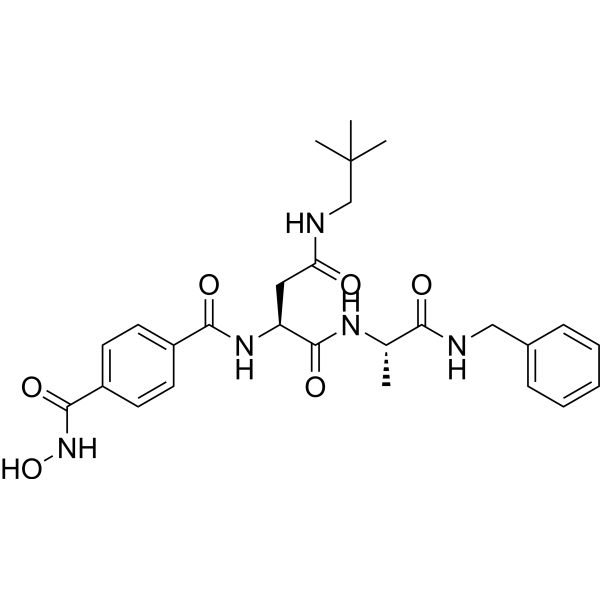
HDAC6-IN-41 (Compound E24) is a selective inhibitor for histone deacetylase 6 (HDAC6), with IC50 of 14 and 422 nM, for HDAC6 and HDAC8, respectively. HDAC6-IN-41 upregulates the acetylation of α-tubulin and histone site SMC3 .
|
-

- HY-151248
-
|
|
HDAC
|
Neurological Disease
|
|
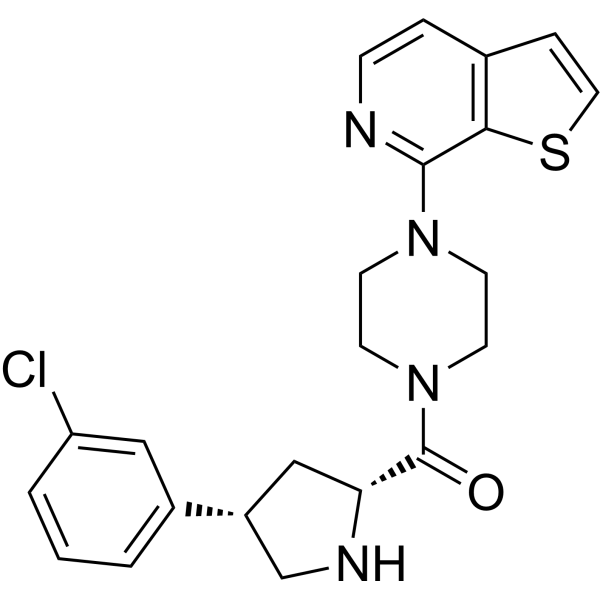
HDAC2-IN-1 (Compound 17) is a brain penetrant, orally active, competitive HDAC2 inhibitor with an IC50 of 0.5 μM . HDAC2-IN-1 also inhibits HDAC1 and HDAC8 with IC50s of 1.61 μM and 0.98 μM, respectively .
|
-
- HY-149946
-
|
|
HDAC
Apoptosis
Histone Demethylase
|
Cancer
|
|
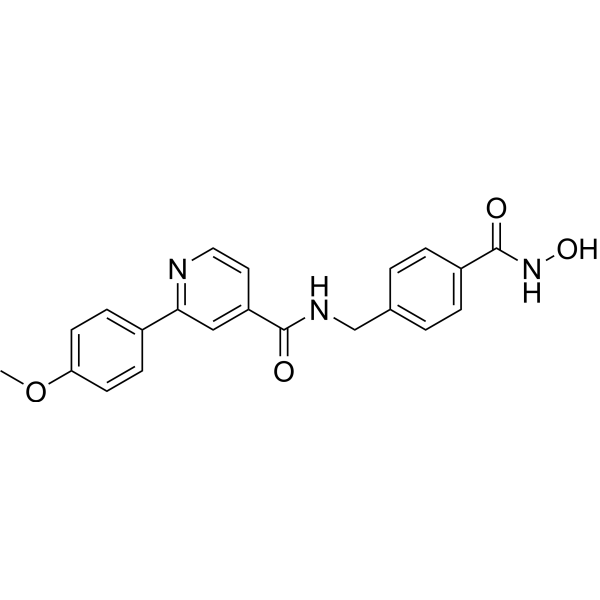
HDAC-IN-57 is an orally active inhibitor of histone deacetylases (HDAC), with IC50s of 2.07 nM, 4.71 nM, 2.4 nM and 107 nM for HDAC1, HDAC2, HDAC6, HDAC8, respectively. HDAC-IN-57 can inhibits LSD1, with IC50 of 1.34 μΜ. HDAC-IN-57 induces apoptosis, and has anti-tumor activity .
|
-
- HY-147873
-
|
|
iGluR
HDAC
|
Neurological Disease
|
|
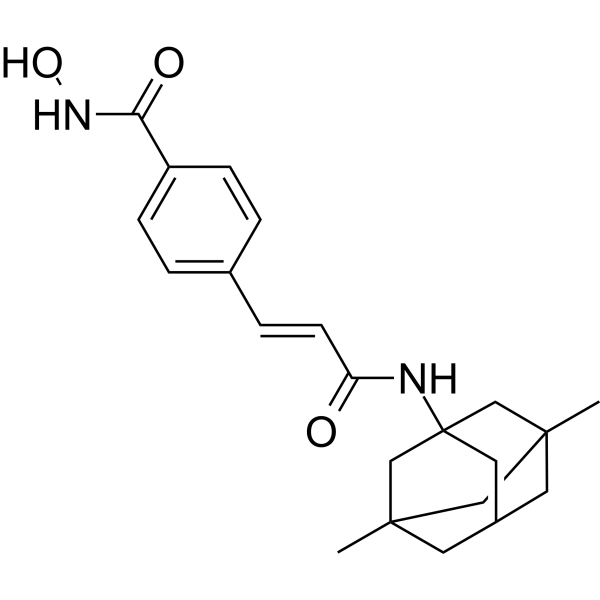
NMDAR/HDAC-IN-1 (Compound 9d) is a dual NMDAR and HDAC inhibitor with a Ki of 0.59 μM for NMDAR and IC50 values of 2.67, 8.00, 2.21, 0.18 and 0.62 μM for HDAC1, HDAC2, HDAC3, HDAC6 and HDAC8, respectively. NMDAR/HDAC-IN-1 efficiently penetrates the blood brain barrier .
|
-
- HY-170379
-
|
|
HDAC
Apoptosis
|
Cancer
|
|
HDAC-IN-84 (compound 4d) is a potent HDAC inhibitor, with IC50 values of 0.0045, 0.015, 0.013, 0.038, 5.8 and 26 μM for HDAC1, HDAC2, HDAC3, HDAC6, HDAC8 and HDAC11, respectively. HDAC-IN-84 effectively inhibits the proliferation of leukemia cells without causing toxicity .
|
-

- HY-139795
-
|
|
HDAC
|
Cancer
|
|
ZYJ-25e is a potent histone deacetylase inhibitor (HDACi) with IC50s of 0.047 μM and 0.139 μM for HDAC6 and HDAC8, respectively. ZYJ-25e is a tetrahydroisoquinoline-bearing hydroxamic acid analogue. ZYJ-25e shows marked antitumor potency in the MDA-MB231 xenograft model .
|
-

- HY-13271AR
-
|
|
Beta-lactamase
HDAC
Autophagy
Apoptosis
|
Cancer
|
|
Tubastatin A (Standard) is the analytical standard of Tubastatin A. This product is intended for research and analytical applications. Tubastatin A is a potent and selective HDAC6 inhibitor with an IC50 of 15 nM in a cell-free assay, and is selective (1000-fold more) against all other isozymes except HDAC8 (57-fold more). Tubastatin A also inhibits HDAC10 and metallo-β-lactamase domain-containing protein 2 (MBLAC2).
|
-

- HY-18613R
-
|
BML-281 (Standard)
|
HDAC
Reference Standards
|
Cancer
|
|
CAY10603 (Standard) is the analytical standard of CAY10603. This product is intended for research and analytical applications. CAY10603 (BML-281) is a potent and selective HDAC6 inhibitor, with an IC50 of 2 pM; CAY10603 (BML-281) also inhibits HDAC1, HDAC2, HDAC3, HDAC8, HDAC10, with IC50s of 271, 252, 0.42, 6851, 90.7 nM.
|
-

- HY-13271R
-
|
Tubastatin A HCl (Standard); TSA HCl (Standard)
|
Beta-lactamase
HDAC
Autophagy
Apoptosis
Reference Standards
|
Cancer
|
|
Tubastatin A (Hydrochloride) (Standard) is the analytical standard of Tubastatin A (Hydrochloride). This product is intended for research and analytical applications. Tubastatin A Hydrochloride (Tubastatin A HCl) is a potent and selective HDAC6 inhibitor with IC50 of 15 nM in a cell-free assay, and is selective (1000-fold more) against all other isozymes except HDAC8 (57-fold more). Tubastatin A Hydrochloride also inhibits HDAC10 and metallo-β-lactamase domain-containing protein 2 (MBLAC2).
|
-

- HY-144292
-
|
|
HDAC
|
Cancer
|
|
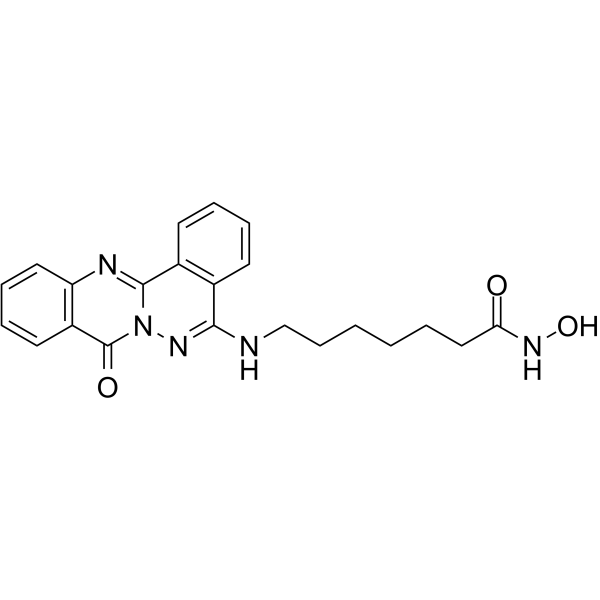
HDAC-IN-30 is a novel multi-target HDAC inhibitor, including HDAC1 (IC50=13.4 nM),HDAC2 (IC50=28.0 nM), HDAC3 (IC50=9.18 nM), HDAC6 (IC50=42.7 nM), HDAC8 (IC50=131 nM). HDAC-IN-30 exhibits potent antitumor efficacy .
|
-
- HY-162955
-
|
|
HDAC
Histone Demethylase
|
Cancer
|
|
LSD1/HDAC-IN-1 (compound 2) is a potent inhibitor of HDAC and LSD1, with IC50s of 0.125 nM, 0.373 nM, 0.0118 nM, 0.103 nM, and 0.571 μM for HDAC1, HDAC2, HDAC6, HDAC8 and LSD1, respectively. LSD1/HDAC-IN-1 plays an important role in cancer research .
|
-

- HY-109015R
-
|
Chidamide (Standard); HBI-8000 (Standard); CS 055 (Standard)
|
HDAC
Reference Standards
|
Cancer
|
|
Tucidinostat (Standard) is the analytical standard of Tucidinostat. This product is intended for research and analytical applications. Tucidinostat (Chidamide) is a potent and orally bioavailable HDAC enzymes class I (HDAC1/2/3) and class IIb (HDAC10) inhibitor, with IC50s of 95, 160, 67 and 78 nM, less active on HDAC8 and HDAC11 (IC50s, 733 nM, 432 nM, respectively), and shows no effect on HDAC4/5/6/7/9 .
|
-

- HY-146750
-
|
|
HDAC
Apoptosis
|
Cancer
|
|
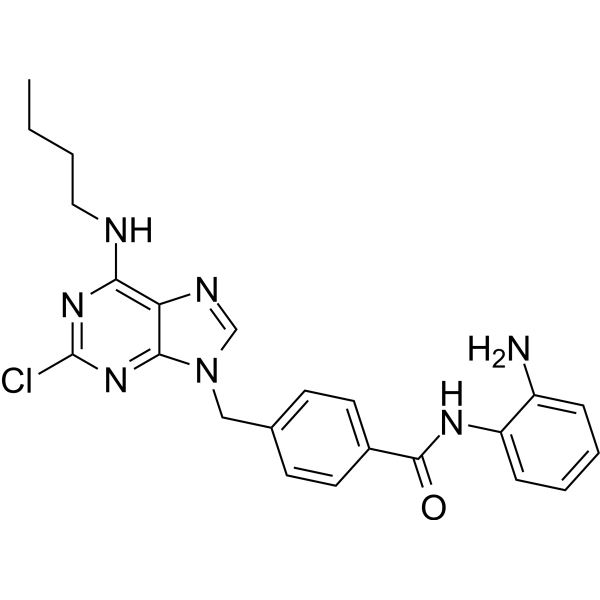
HDAC-IN-37 is a potent HDAC inhibitor with IC50s of 0.0551 μM, 1.24 μM, 0.948 μM and 34.2 μM for HDAC1, HDAC3, HDAC8 and HDAC6, respectively. HDAC-IN-37 induces histone acetylation in a slow-off manner. HDAC-IN-37 prevents cell transition from G1 phase to S phase and induces early cell apoptosis .
|
-
- HY-12164R
-
|
MGCD0103 (Standard)
|
HDAC
Autophagy
Apoptosis
Reference Standards
|
Cancer
|
|
Mocetinostat (Standard) is the analytical standard of Mocetinostat. This product is intended for research and analytical applications. Mocetinostat (MGCD0103) is a potent, orally active and isotype-selective HDAC (Class I/IV) inhibitor with IC50s of 0.15, 0.29, 1.66 and 0.59 μM for HDAC1, HDAC2, HDAC3 and HDAC11, respectively. Mocetinostat shows no inhibition on HDAC4, HDAC5, HDAC6, HDAC7, or HDAC8.
|
-

- HY-144654
-
|
|
HDAC
Topoisomerase
|
Cancer
|
|
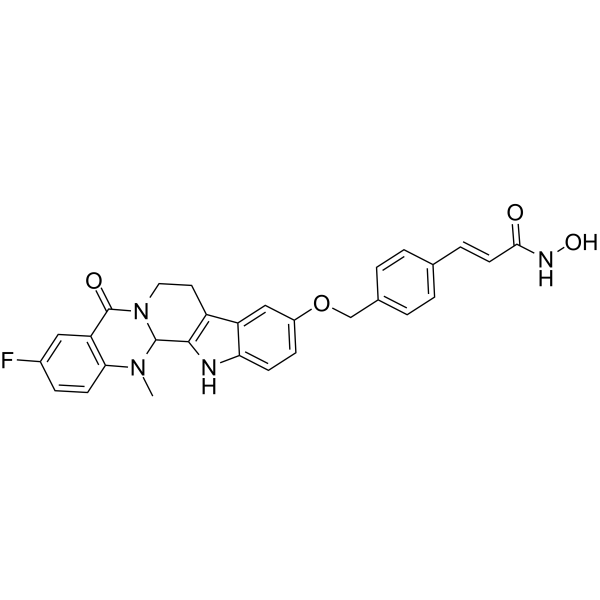
HDAC/Top-IN-1 is an orally active and pan HDAC/Top dual inhibitor with IC50s of 0.036 μM, 0.14 μM, 0.059 μM, 0.089 μM and 9.8 μM for HDAC1, HDAC2, HDAC3, HDAC6 and HDAC8. HDAC/Top-IN-1 efficiently induces apoptosis with S cell-cycle arrest in HEL cells. HDAC/Top-IN-1 has exhibits excellent in vivo antitumor efficacy .
|
-
- HY-13271AG
-
|
|
HDAC
Beta-lactamase
Autophagy
Apoptosis
|
Cancer
|
|
Tubastatin A (GMP) is the Tubastatin A (HY-13271A) produced by using GMP guidelines. GMP small molecules work appropriately as an auxiliary reagent for cell therapy manufacture. Tubastatin A is a potent and selective HDAC6 inhibitor with an IC50 of 15 nM in a cell-free assay, and is selective (1000-fold more) against all other isozymes except HDAC8 (57-fold more). Tubastatin A also inhibits HDAC10 and metallo-β-lactamase domain-containing protein 2 (MBLAC2).
|
-

- HY-145851
-
|
|
HDAC
Topoisomerase
Apoptosis
|
Cancer
|
|
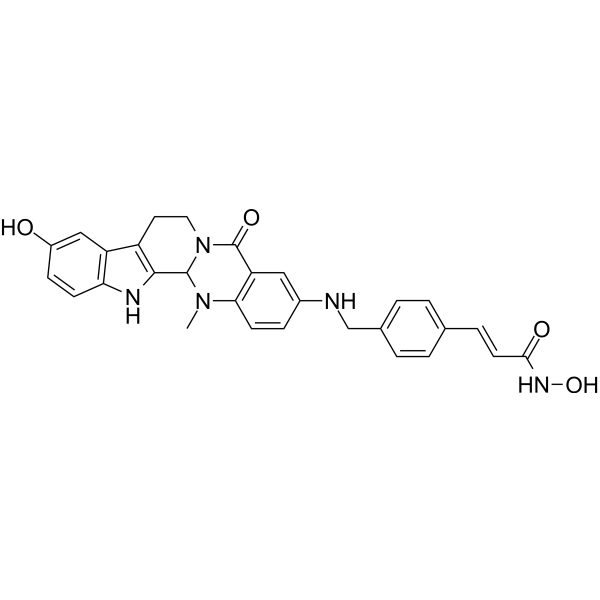
Top/HDAC-IN-1 (Compound 29b) is a topoisomerase/HDAC dual inhibitor with IC50s of 18, 230, 790, 87, and 5250 nM for HDAC1, HDAC2, HDAC3, HDAC6, and HDAC8, respectively. Top/HDAC-IN-1 exhibits potent antitumor activities against the HCT116 cell line with the IC50 of 180 nM. Top/HDAC-IN-1 efficiently induces apoptosis with G2 cell cycle arrest in HCT116 cells .
|
-
- HY-159936
-
|
|
HDAC
PPAR
Apoptosis
|
Cancer
|
|
CS4 is a selective HDAC inhibitor with the IC50 values of 38 nM, 12 nM, 5.8 μM, 19 μM and 61 μM against of HDAC1, HDAC6, HDAC8, HDAC4 and HDAC11, respectively. CS4 promotes α-tubulin and histone 3 acetylation. CS4 activates PPARγ and blocks glycolysis. CS4 induces cell cycle arrest at G2 phase and apoptosis, and shows anticancer effect both in vivo and in vitro .
|
-

- HY-19754
-
|
|
HDAC
Apoptosis
|
Cardiovascular Disease
Cancer
|
|
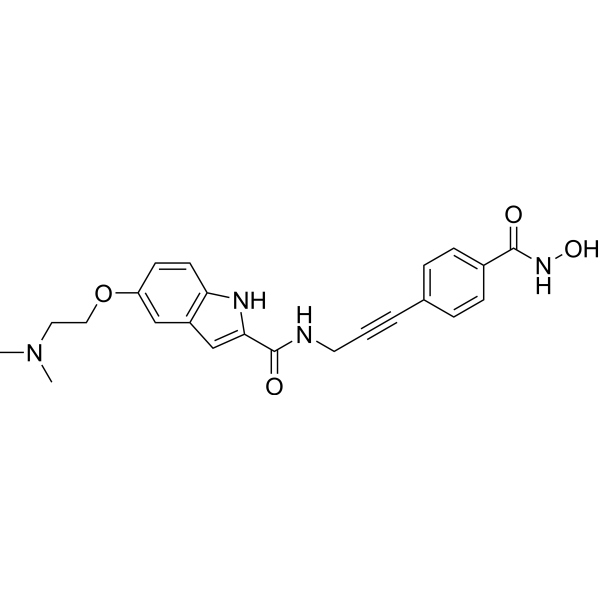
CRA-026440 is a potent, broad-spectrum HDAC inhibitor. The Ki values against recombinant HDAC isoenzymes HDAC1, HDAC2, HDAC3, HDAC6, HDAC8, and HDAC10 are 4, 14, 11, 15, 7, and 20 nM respectively. CRA-026440 shows antitumor and antiangiogenic activities . CRA-026440 is a click chemistry reagent, it contains an Alkyne group and can undergo copper-catalyzed azide-alkyne cycloaddition (CuAAc) with molecules containing Azide groups.
|
-
- HY-151443
-
|
|
HDAC
|
Cancer
|
|
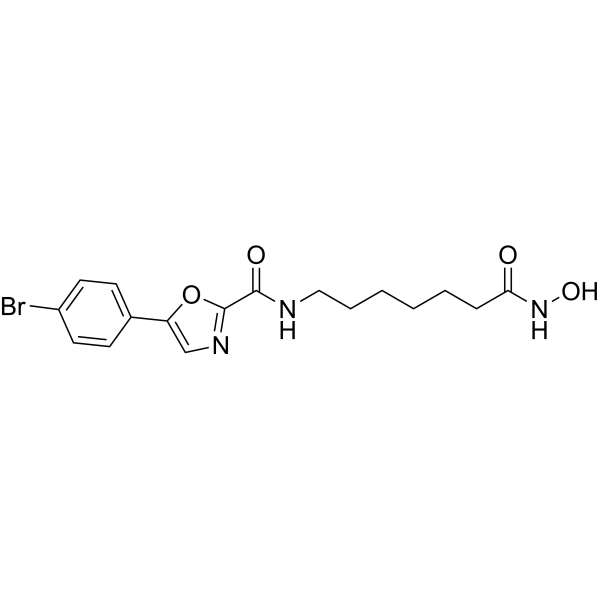
HDAC-IN-47 is an orally active inhibitor of histone deacetylase (HDAC), with IC50s of 19.75 nM (HDAC1), 5.63 nM (HDAC2), 40.27 nM (HDAC3), 57.8 nM (HDAC2), 302.73 nM (HDAC8), respectively. HDAC-IN-47 inhibits autophagy and induces apoptosis via the Bax/Bcl-2 and caspase-3 pathways. HDAC-IN-47 arrests cell cycle at G2/M phase, and shows anti-tumor efficacy in vivo .
|
-
- HY-181979
-
|
|
HDAC
Apoptosis
|
Neurological Disease
Cancer
|
|
HDAC8-IN-15 is a selective HDAC8 inhibitor with an IC50 of 0.40 μM. HDAC8-IN-15 increases the acetylation level of the HDAC8 substrate SMC3 without altering the total protein level of SMC3. HDAC8-IN-15 reduces cancer cell viability, inhibits colony formation, slows cell migration, induces apoptosis, and causes cell cycle arrest at the SubG1 phase. HDAC8-IN-15 can be used in studies related to neuroblastoma .
|
-

- HY-111027
-
|
|
Apoptosis
|
Infection
|
|
HDAC8-IN-13 is a novel histone deacetylase 8 (HDAC8) inhibitor with antiparasitic activity. HDAC8-IN-13 can effectively inhibit the acetyl-L-lysine deacetylase activity of schistosomes, affecting the parasite's infectivity. HDAC8-IN-13 can induce apoptosis and cause the death of schistosome cells. Through a specific structural basis design, HDAC8-IN-13 exhibits reduced affinity for human HDACs, thereby enhancing its selectivity .
|
-

- HY-182035
-
|
|
HDAC
Apoptosis
|
Cancer
|
|
HDAC8-IN-16 is a selective histone deacetylase 8 (HDAC8) inhibitor with an IC50 of 0.16 μM. HDAC8-IN-16 induces cell apoptosis, triggers G2/M phase cell cycle arrest, and moderately inhibits cancer cell proliferation. HDAC8-IN-16 is applicable to relevant research on colorectal cancer .
|
-

- HY-181023
-
|
|
PROTACs
HDAC
|
Cancer
|
|
PROTAC HDAC8 Degrader-3 (Compound BP1) is an efficient and selective HDAC8 PROTAC degrader with a DC50 of 20 nM. PROTAC HDAC8 Degrader-3 exhibits IC50 for HDAC8 and CRBN of 0.46 and 7.5 μM, respectively. PROTAC HDAC8 Degrader-3 exhibits potent anti-proliferative activity against MM.1S and HL-60 cells. PROTAC HDAC8 Degrader-3 can be used for research on multiple myeloma and acute myeloid leukemia .
|
-

- HY-181024
-
|
|
PROTACs
HDAC
|
Cancer
|
|
PROTAC HDAC8 Degrader-3 (Compound BP6) is an efficient, selective and low-toxicity HDAC8 PROTAC degrader with a DC50 of 80 nM. PROTAC HDAC8 Degrader-3 exhibits IC50 of PROTAC for HDAC8 and CRBN of 0.26 and 30 μM respectively. PROTAC HDAC8 Degrader-3 increases the level of Ac-SMC3, stabilizes p53 and sensitizes targeted reagents (such as Idasanutlin (HY-15676)), demonstrating its great potential in combination therapy .
|
-

- HY-183565
-
|
|
HDAC
|
Neurological Disease
|
|
HYF031 is a selective, blood-brain barrier-permeable HDAC8 inhibitor with an IC50 of 5.7 nM, and exhibits extremely low activity against most other HDAC subtypes. HYF031 is applicable for HDAC8 imaging studies .
|
-

- HY-185554A
-
|
|
HDAC
|
Cancer
|
|
(S)-HDAC-IN-102 is a HDAC8 inhibitor and an isomer of HDAC-IN-102 (HY-185554). HDAC-IN-102 inhibits total HDAC with an IC50 of 58 μM and exhibits partial subtype selectivity. Specifically, (S)-HDAC-IN-102 targets HDAC8, while (R)-HDAC-IN-102 (HY-185554B) targets HDAC2. HDAC-IN-102 exerts antioxidant effects by scavenging DPPH free radicals and can be used in cancer-related research .
|
-

- HY-181043
-
|
|
E3 Ligase Ligand-Linker Conjugates
|
Cancer
|
|
CRBN ligand-895-PEG2-N3 (Compound 15) is a synthetic E3 ligase linker conjugate that can be used for the synthesis of PROTACs, such as PROTAC HDAC8 Degrader-4 (HY-181024) .
|
-

- HY-181042
-
|
|
Ligands for E3 Ligase
|
Cancer
|
|
CRBN ligand-895 (Compound 14) is an E3 ubiquitin ligase ligand for cereblon (CRBN), which is used to recruit the cereblon protein. CRBN ligand-895 can be used for the synthesis of PROTACs, such as PROTAC HDAC8 Degrader-4 (HY-181024) .
|
-

- HY-115442
-
|
|
HDAC
Bacterial
|
Infection
Cancer
|
|
NHNB is a selective HDAC8 inhibitor (IC50 = 66.0 μM) and Peptidoglycan N-acetylglucosamine (GlcNAc) deacetylases (PGNGdacs) inhibitor. NHNB shows antibacterial and bactericidal activity against B. anthracis and B. cereus. NHNB can be used for the research of acute myeloid leukemia, Bacillus anthracis infection, and Bacillus cereus infection .
|
-

- HY-181577
-
|
|
Apoptosis
HDAC
Microtubule/Tubulin
|
Cancer
|
|
HDAC6-IN-73 is a highly potent and selective HDAC6 inhibitor with an IC50 of 0.007 μM ± 0.001, ~1771-fold selectivity over HDAC1, ~131-fold selectivity over HDAC8, and antiproliferative activity in hematological cancer cell lines.HDAC6-IN-73 can be used for the research of hematological malignancies .
|
-

- HY-185554
-
|
|
HDAC
|
Cancer
|
|
HDAC-IN-102 (Compound 21) is a histone deacetylase (HDAC) inhibitor with an IC50 of 58 μM. HDAC-IN-102 inhibits total HDAC activity and exhibits partial subtype selectivity, with the R-isomer targeting HDAC2 and the S-isomer targeting HDAC8. HDAC-IN-102 exerts antioxidant effects by scavenging DPPH free radicals. HDAC-IN-102 can be used in cancer-related research .
|
-

- HY-185554B
-
|
|
HDAC
|
Cancer
|
|
(R)-HDAC-IN-102 is a HDAC2 inhibitor and the isomer of HDAC-IN-102 (HY-185554). HDAC-IN-102 inhibits total HDAC with an IC50 of 58 μM and exhibits partial subtype selectivity. Specifically, (R)-HDAC-IN-102 targets HDAC2, while (S)-HDAC-IN-102 (HY-185554A) targets HDAC8. HDAC-IN-102 exerts antioxidant effects via scavenging DPPH free radicals and can be used in cancer-related research .
|
-

- HY-182720
-
|
|
HDAC
Microtubule/Tubulin
|
Cancer
|
|
FT108 is a selective HDAC6 inhibitor with an IC50 of 0.026 μM. FT108 exhibits only modest in vitro activity against HDAC3 and HDAC8 with IC50 values of 6.68 and 4.07 μM. FT108 increases acetylation of tubulin and has little to no effect on acetylated histone H3 levels. FT108 lacks activity against myeloproliferative neoplasm cell lines, and does not suppress JAK2 phosphorylation or its downstream targets pSTAT3 and pSTAT5 .
|
-

- HY-182747
-
|
|
HDAC
Autophagy
Apoptosis
|
Cancer
|
|
HDAC6-IN-79 is a HDAC6 inhibitor with an IC50 of 98.40 nM, and it also exhibits inhibitory activity against other HDAC subtypes (HDAC1: 639.0 nM, HDAC2: 798.9 nM, HDAC8: 865.7 nM, HDAC4: 1187 nM). HDAC6-IN-79 induces acetylation of α-tubulin and histone H3, reduces the viability of cancer cells, activates the autophagy pathway and induces apoptosis. HDAC6-IN-79 can be used for research related to urothelial carcinoma (bladder cancer) .
|
-

- HY-163834
-
|
|
HDAC
|
Cancer
|
|
HDAC6-IN-47 (Compound S-29b) is inhibitor for HDAC, which exhibits high affinities to HDAC1, HDAC2, HDAC3, HDAC6, HDAC8, HDAC10 with Ki of 60, 56, 162, 0.44, 362 and 849 nM, respectively. HDAC6-IN-47 causes tubulin hyperacetylation in MV4-11, inhibits the proliferation of MV4-11 with an EC50 of 0.50 µM. HDAC6-IN-47 can be used in research of leukemia .
|
-

- HY-139815
-
|
|
HDAC
|
Cancer
|
|
ZYJ-34c is an orally active and potent histone deacetylase inhibitor (HDACi) with IC50s of 0.056 μM and 0.146 μM for HDAC6 and HDAC8, respectively. ZYJ-34c causes G1 phase arrest in low concentration. ZYJ-34c has antiproliferative activities. ZYJ-34c exhibits antitumor potency in MDA-MB-231 and HCT116 xenograft models and possesses antimetastatic potential in a mouse hepatoma-22 (H22) pulmonary metastasis model .
|
-

- HY-168477
-
|
|
HDAC
Autophagy
|
Cancer
|
|
HDAC1-IN-8 (compound 5c) is a potent and selective HDAC1 inhibitor with IC50 values of 11.94, 22.95, >500 µM for HDAC1, HDAC6, HDAC8, respectively. HDAC1-IN-8 shows antiproliferative activity. HDAC1-IN-8 induces cell cycle arrest at G1 and G2/M. HDAC1-IN-8 induces autophagy. HDAC1-IN-8 shows anticancer activity and has the potential for the research of lung cancer .
|
-

- HY-183560
-
|
|
HDAC
Apoptosis
|
Cancer
|
|
HDAC6-IN-82 is a selective HDAC6 inhibitor with an IC50 of 4.9 nM against HDAC6. HDAC6-IN-82 inhibits HDAC1 (112 nM), HDAC2 (737 nM), HDAC3 (623 nM), HDAC8 (1140 nM), HDAC10 (91.4 nM) and HDAC11 (219 nM). HDAC6-IN-82 reduces cancer cell viability, induces cell cycle arrest, triggers apoptosis, and increases the acetylation levels of H3K9 and α-tubulin. HDAC6-IN-82 can be used in cancer-related research such as leukemia .
|
-

- HY-131708A
-
|
|
HDAC
Parasite
|
Infection
|
|
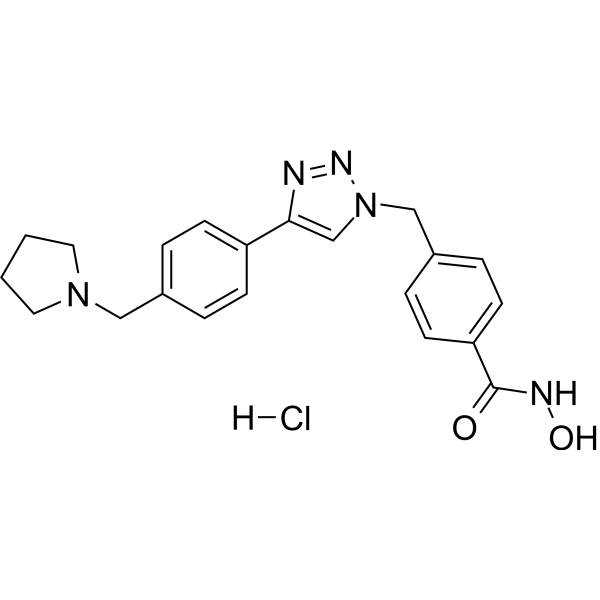
FNDR-20123 is a safe, first-in-class, and orally active anti-malarial HDAC inhibitor with IC50s of 31 nM and 3 nM for Plasmodium and human HDAC, respectively. FNDR-20123 exerts anti-malarial activity against Plasmodium falciparum asexual stage (IC50=41 nM) and sexual blood stage (IC50=190 nM for male gametocytes). FNDR-20123 inhibits HDAC1, HDAC2, HDAC3, HDAC6, and HDAC8 (IC50=25/29/2/11/282 nM, respectively.) and inhibits Class III HDAC isoforms at nanomolar concentrations .
|
-
- HY-152146
-
|
|
Apoptosis
FGFR
HDAC
|
Cancer
|
|
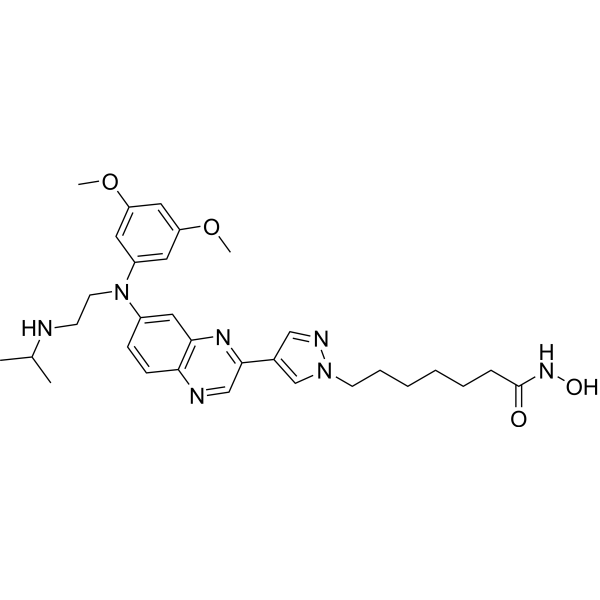
HDAC-IN-50 is a potent and orally active FGFR and HDAC dual inhibitor with IC50 values of 0.18, 1.2, 0.46, 1.4, 1.3, 1.6, 2.6, 13 nM for FGFR1, FGFR2, FGFR3, FGFR4, HDAC1, HDAC2, HDAC6, HDAC8, respectively. HDAC-IN-50 induces Apoptosis and cell cycle arrest at G0/G1 phase. HDAC-IN-50 decreases the expression of pFGFR1, pERK, pSTAT3. HDAC-IN-50 shows anti-tumor activity .
|
-
- HY-151364
-
|
|
HDAC
|
Cancer
|
|
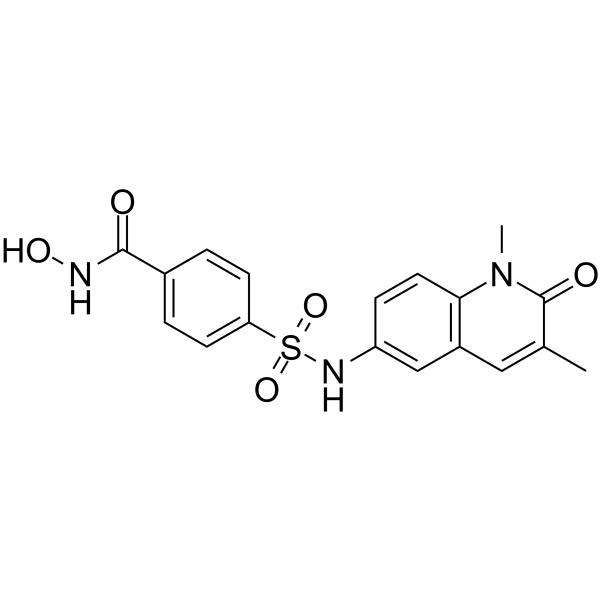
HDAC6/8/BRPF1-IN-1 is a dual inhibitor of both HDAC6/8 and the bromodomain and PHD finger containing protein 1 (BRPF1). HDAC6/8/BRPF1-IN-1 has inhibitory activity for HDAC1, HDAC6 and HDAC8 with IC50 values of 797 nM, 344 nM and 908 nM, respectively. HDAC6/8/BRPF1-IN-1 has inhibitory activity for BRPF1 with an Kd value of 175.2 nM. HDAC6/8/BRPF1-IN-1 can be used for the research of cancer .
|
-
- HY-10226R
-
|
R306465 (Standard)
|
Reference Standards
Apoptosis
HDAC
|
Cancer
|
|
JNJ-16241199 (Standard) is the analytical standard of JNJ-16241199 (HY-10226). This product is intended for research and analytical applications. JNJ-16241199 (R306465) is an orally active, selectivehydroxamate-based histone deacetylase (HDAC) inhibitor, with theIC50of 3.3 nM and 23 nM for HDAC1and HDAC8, respectively.JNJ-16241199induces histone 3 acetylation and strongly increases
the expression of p21waf1, cip1 in A2780 ovarian carcinoma cells.JNJ-16241199 inducescell apoptosisand shows anticancer activityin a broad spectrum of human malignancies. JNJ-16241199 can be used for cancer study .
|
-

- HY-172157
-
|
|
HDAC
AMPK
|
Metabolic Disease
|
|
HDAC11-IN-2 (compound B6) is a high selective Histone Deacetylase 11 (HDAC11) inhibitor. HDAC11-IN-2 inhibits HDAC11 and HDAC8 with IC50s of 51.1 ×10 -3 μM and 5 μM, respectively. HDAC11-IN-2 inhibits denovolipogenesis (DNL) and promotes fatty acid oxidation, thus mitigating hepaticlipid accumulation and pathological symptoms in MASLD mice. HDAC11-IN-2 enhances the phosphorylation of AMPKα1 at Thr172 through the inhibition of HDAC11, consequently modulating DNL and fatty acid oxidation in the liver .
|
-

- HY-131708
-
|
|
HDAC
Parasite
|
Infection
|
|
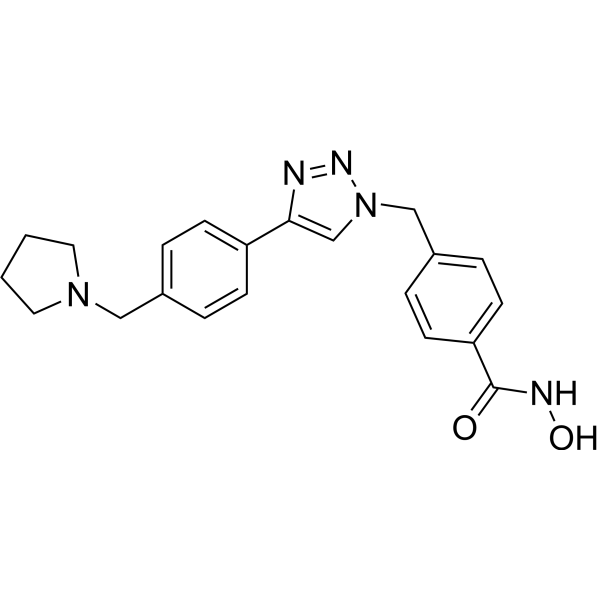
FNDR-20123 free base is a safe, first-in-class, and orally active anti-malarial HDAC inhibitor with IC50s of 31 nM and 3 nM for Plasmodium and human HDAC, respectively. FNDR-20123 free base exerts anti-malarial activity against Plasmodium falciparum asexual stage (IC50=41 nM) and sexual blood stage (IC50=190 nM for male gametocytes). FNDR-20123 free base inhibits HDAC1, HDAC2, HDAC3, HDAC6, and HDAC8 (IC50=25, 29, 2, 11, and 282 nM, respectively) and inhibits Class III HDAC isoforms at nanomolar concentrations .
|
-
- HY-176561
-
|
|
Casein Kinase
HDAC
|
Cancer
|
|
IOR-160 is a dual inhibitor of casein kinase 2 (CK2) and HDACs. IOR-160 exhibits high selectivity for CK2 (IC50 = 1.7 nM) and broad inhibitory activity against HDAC (HDAC 1, 2, 3, and 6 with IC50s of 3.3 nM, 24.0 nM, 3.9 nM, and 13.0 nM, respectively, with low activity for HDAC8). IOR-160 modulates key cellular signaling pathways by inhibiting AKT phosphorylation and increasing acetylated α-tubulin. IOR-160 inhibits tumor growth and reduces tumor burden through dual CK2/HDAC inhibition. IOR-160 is indicated for use in triple-negative breast cancer research .
|
-

- HY-173064
-
|
|
HDAC
Parasite
|
Infection
Cancer
|
|
DS-103 is an inhibitor for HDAC that inhibits HDAC1, HDAC2, HDAC3, HDAC6 and HDAC8 with IC50s of 0.029, 0.123, 0.022, 0.367 and 9.26 μM, respectively. DS-103 inhibits Plasmodium falciparum 3D7 with IC50 of 5.08 μM. DS-103 exhibits cytotoxicity in cells A2780 and Cal27 with IC50 of 1.48 μM and 1.47 μM, reverses Cisplatin (HY-17394) resistance in A2780 and Cal27 with IC50 of 4.62 μM and 2.23 μM. DS-103 exhibits synergistic effect with Cisplatin (HY-17394), enhances Cisplatin-induced apoptosis .
|
-

- HY-174803
-
|
|
p38 MAPK
HDAC
AMPK
MDM-2/p53
Microtubule/Tubulin
Pim
Survivin
Apoptosis
|
Cancer
|
|
WMJ-J-09 is an HDAC inhibitor with IC50 values of 7.5 nM (HDAC1), 21.3 nM (HDAC2), 18.4 nM (HDAC3), 90.9 nM (HDAC8), 3.9 nM (HDAC6) and 8715.7 nM (HDAC4). WMJ-J-09 blocks the cell cycle and induces apoptosis in cancer cells. WMJ-J-09 induces cancer cell death through the LKB1-AMPK-p38MAPK-p63-survivin signaling cascade.WMJ-J-09 inhibits HDAC enzyme activity, leading to acetylation of key proteins and thereby regulating cancer cell death. WMJ-J-09 can be used in HCT116 cells and FaDu cells research[1][2].
|
-

- HY-169938
-
|
|
HDAC
Histone Demethylase
Apoptosis
|
Cancer
|
|
LSD1/HDAC-IN-2 (Compound 20c) is the inhibitor for LSD and HDAC, that inhibits LSD1, HDAC1, HDAC2, HDAC3, HDAC6, and HDAC8, with IC50s of 39.0, 1.4, 1.0, 1.3, 2.9 and 16.0 nM, respectively. LSD1/HDAC-IN-2 inhibits the proliferation of cancer cells, especially the colorectal cancer cells. LSD1/HDAC-IN-2 arrests the cell cycle at G2/M phase, inhibits cell migration, and induces apoptosis in HCT-116 and HT-29 cells. LSD1/HDAC-IN-2 exhibits antitumor efficacy in mouse model without significant toxicity .
|
-

- HY-124295
-
|
ABT-301; MPT0E028; TMU-C-0012
|
HDAC
Akt
Apoptosis
|
Inflammation/Immunology
Cancer
|
|
Imofinostat (ABT-301; MPT0E028) is an orally active and selective HDAC inhibitor with IC50s of 53.0 nM, 106.2 nM, 29.5 nM for HDAC1, HDAC2 and HDAC6, respectively. Imofinostat has a weak inhibitory effect on HDAC8 (IC50 of 2.5 μM), but no inhibitory effect on HDAC4 (IC50>10 μM). Imofinostat reduces the viability of B-cell lymphomas by inducing apoptosis and possesses potent direct Akt targeting ability and reduces Akt phosphorylation in B-cell lymphoma. Imofinostat has a broad-spectrum antitumor activity, including colorectal cancer, B-cell lymphoma, non-small cell lung carcinoma (NSCLC), and pancreatic cancer, while also showing therapeutic potential in non-tumor diseases like emphysema and pulmonary fibrosis .
|
-
- HY-146159
-
|
|
PI3K
HDAC
|
Cancer
|
|
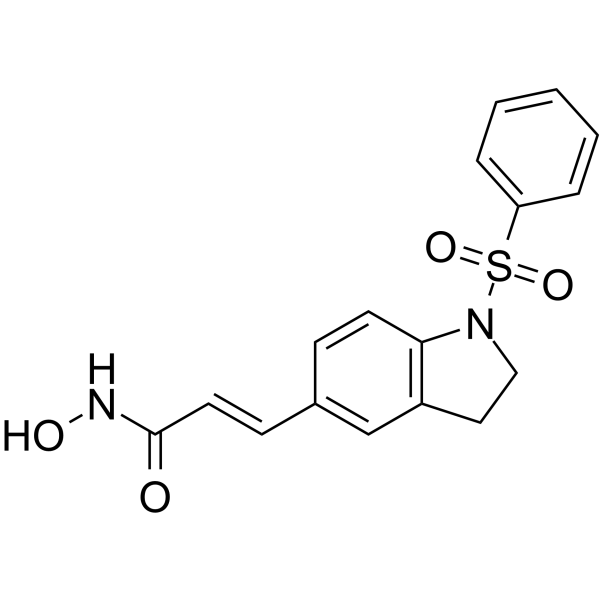
PI3K/HDAC-IN-2 is a potent dual PI3K/HDAC inhibitor with IC50s of 226 nM, 279 nM, 467 nM, 29 nM for PI3Kα, PI3Kβ, PI3Kγ, PI3Kδ, respectively, and IC50s of 1.3 nM, 3.4 nM, 972 nM, 17 nM, 12 nM for HDAC1, HDAC2, HDC4, HDAC6, HDAC8, respectively. PI3K/HDAC-IN-2 exhibits PI3Kδ and class I and IIb HDAC selectivity. PI3K/HDAC-IN-2 has remarkable anticancer effects .
|
-
- HY-168962
-
|
|
HDAC
Apoptosis
Autophagy
Reactive Oxygen Species (ROS)
Mitochondrial Metabolism
Parasite
|
Infection
Cancer
|
|
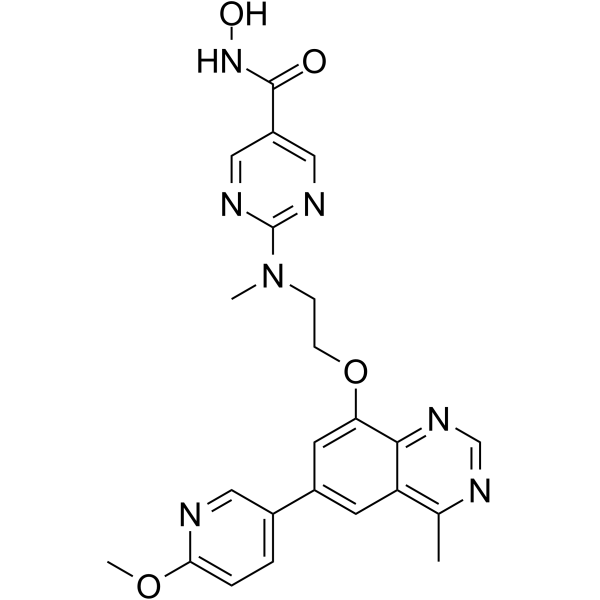
HDAC-IN-88 (Compound HJ-9) is the inhibitor for HDAC that inhibits HDAC6, HDAC1, HDAC2, HDAC8 and HDAC3 with IC50s of 0.226, 1.103, 2.308, 3.255 and 3.864 μM, respectively. HDAC-IN-88 inhibits the proliferation of cancer cell HepG2, HCT116 and MV4-11 with IC50 of 5.47, 9.78 and 0.38 μM, inhibits the migration of HCT116, arrests the cell cycle at G0/G1 phase, and induces apoptosis and autophagy in MV4-11. HDAC-IN-88 reduces ROS level and mitochondrial membrane potential. HDAC-IN-88 exhibits antimalarial activity that inhibits P. falciparum 3D7 with EC50 of 165 nM. HDAC-IN-88 also exhibits anti-angiogenic activity .
|
-

- HY-181086
-
|
|
FLT3
HDAC
Apoptosis
Reactive Oxygen Species (ROS)
|
Cancer
|
|
FLT3/HDAC-IN-3 is a dual inhibitor of FLT3 and HDAC. FLT3/HDAC-IN-3 potently inhibits FLT3 (IC50 = 14 nM), HDAC1 (IC50 = 27 nM), HDAC6 (IC50 = 20 nM), and FLT3 D853Y (IC50 = 55 nM), exhibits weak activity against HDAC8, and shows no activity against HDAC4. FLT3/HDAC-IN-3 possesses kinase selectivity, plasma stability, and stability in human liver microsomes. FLT3/HDAC-IN-3 demonstrates anti-proliferative effects in a variety of hematological malignancy cell lines. FLT3/HDAC-IN-3 shows efficacy in the Jeko-1 xenograft model without observed significant toxicity. FLT3/HDAC-IN-3 can be used in the study of hematological malignancies .
|
-

| Cat. No. |
Product Name |
Type |
-
- HY-13271AG
-
|
|
Fluorescent Dyes
|
|
Tubastatin A (GMP) is the Tubastatin A (HY-13271A) produced by using GMP guidelines. GMP small molecules work appropriately as an auxiliary reagent for cell therapy manufacture. Tubastatin A is a potent and selective HDAC6 inhibitor with an IC50 of 15 nM in a cell-free assay, and is selective (1000-fold more) against all other isozymes except HDAC8 (57-fold more). Tubastatin A also inhibits HDAC10 and metallo-β-lactamase domain-containing protein 2 (MBLAC2).
|
| Cat. No. |
Product Name |
Type |
-
- HY-13271AG
-
|
|
Biochemical Assay Reagents
|
|
Tubastatin A (GMP) is the Tubastatin A (HY-13271A) produced by using GMP guidelines. GMP small molecules work appropriately as an auxiliary reagent for cell therapy manufacture. Tubastatin A is a potent and selective HDAC6 inhibitor with an IC50 of 15 nM in a cell-free assay, and is selective (1000-fold more) against all other isozymes except HDAC8 (57-fold more). Tubastatin A also inhibits HDAC10 and metallo-β-lactamase domain-containing protein 2 (MBLAC2).
|
| Cat. No. |
Product Name |
Target |
Research Area |
-
- HY-144292
-
|
|
HDAC
|
Cancer
|
|
HDAC-IN-30 is a novel multi-target HDAC inhibitor, including HDAC1 (IC50=13.4 nM),HDAC2 (IC50=28.0 nM), HDAC3 (IC50=9.18 nM), HDAC6 (IC50=42.7 nM), HDAC8 (IC50=131 nM). HDAC-IN-30 exhibits potent antitumor efficacy .
|
| Cat. No. |
Product Name |
|
Classification |
-
- HY-163143
-
|
|
|
Alkynes
|
|
HDAC8-IN-6 (compound 3) is a potent HDAC8 inhibitor with an IC50 of 5.1 μM. HDAC8-IN-6 shows cytotoxicity .
|
-
- HY-181043
-
|
|
|
Azide
|
|
CRBN ligand-895-PEG2-N3 (Compound 15) is a synthetic E3 ligase linker conjugate that can be used for the synthesis of PROTACs, such as PROTAC HDAC8 Degrader-4 (HY-181024) .
|
| Cat. No. |
Product Name |
|
Classification |
-
- HY-RS06085
-
|
|
|
siRNAs
Human Pre-designed siRNA Sets
|
|
HDAC8 Human Pre-designed siRNA Set A contains three designed siRNAs for HDAC8 gene (Human), as well as a negative control, a positive control, and a FAM-labeled negative control.
|
-
- HY-RS06086
-
|
|
|
siRNAs
Mouse Pre-designed siRNA Sets
|
|
Hdac8 Mouse Pre-designed siRNA Set A contains three designed siRNAs for Hdac8 gene (Mouse), as well as a negative control, a positive control, and a FAM-labeled negative control.
|
-
- HY-RS06087
-
|
|
|
siRNAs
Rat Pre-designed siRNA Sets
|
|
HDAC8 Rat Pre-designed siRNA Set A contains three designed siRNAs for HDAC8 gene (Rat), as well as a negative control, a positive control, and a FAM-labeled negative control.
|
| Cat. No. |
Product Name |
Target |
Research Areas |
Chemical Structure |
-
- HY-13271AG
-
|
|
HDAC
Beta-lactamase
Autophagy
Apoptosis
|
Cancer
|
|
Tubastatin A (GMP) is the Tubastatin A (HY-13271A) produced by using GMP guidelines. GMP small molecules work appropriately as an auxiliary reagent for cell therapy manufacture. Tubastatin A is a potent and selective HDAC6 inhibitor with an IC50 of 15 nM in a cell-free assay, and is selective (1000-fold more) against all other isozymes except HDAC8 (57-fold more). Tubastatin A also inhibits HDAC10 and metallo-β-lactamase domain-containing protein 2 (MBLAC2).
|
-
Your information is safe with us. * Required Fields.
Inquiry Information
- Product Name:
- Cat. No.:
- Quantity:
- MCE Japan Authorized Agent:








