Search Result
Results for "
anti biofilm
" in MedChemExpress (MCE) Product Catalog:
3
Biochemical Assay Reagents
5
Isotope-Labeled Compounds
| Cat. No. |
Product Name |
Target |
Research Areas |
Chemical Structure |
-
- HY-W010155
-
-
-
- HY-110382
-
|
c-di-GMP disodium; cyclic diguanylate disodium; 5GP-5GP disodium
|
STING
Endogenous Metabolite
|
Cancer
|
|
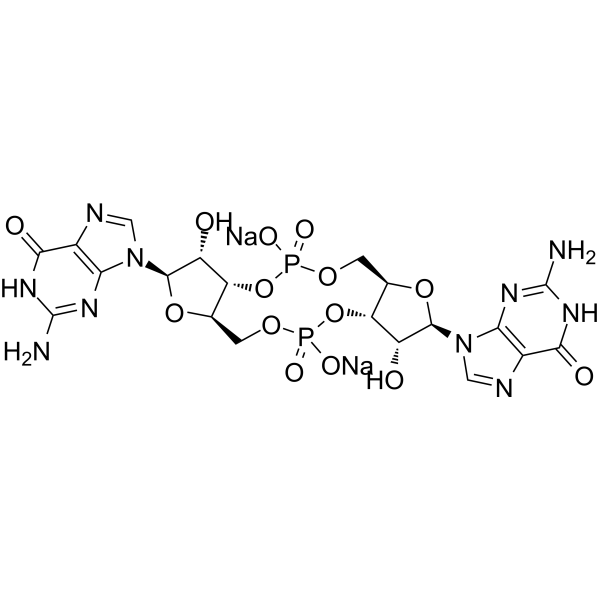
Cyclic-di-GMP disodium is a STING agonist and a bacterial second messenger that coordinates different aspects of bacterial growth and behavior, including motility, virulence, biofilm formation, and cell cycle progression. Cyclic-di-GMP disodium has anti-cancer cell proliferation activity and also induces elevated CD4 receptor expression and cell cycle arrest. Cyclic-di-GMP disodium can be used in cancer research .
|
-
-
- HY-17594
-
|
|
Oxidative Phosphorylation
Parasite
Bacterial
Fungal
|
Infection
|
|
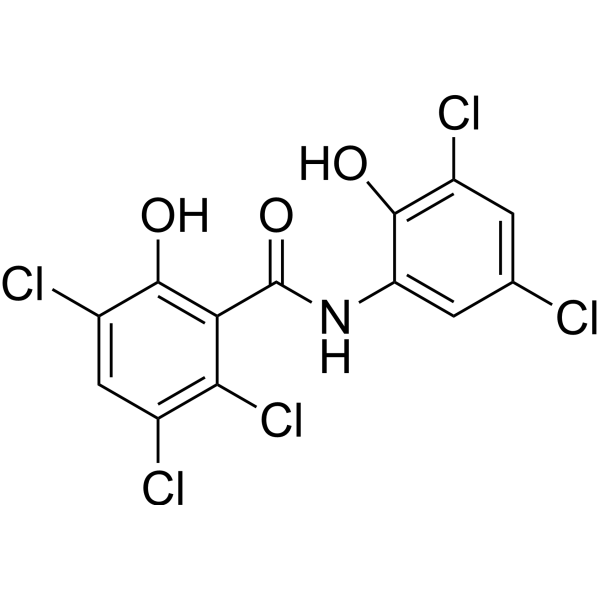
Oxyclozanide is an orally active salicylanilide anthelmintic agent that mainly acts by uncoupling oxidative phosphorylation in flukes. Oxyclozanide shows good anti-adenovirus, anti-biofilm, antifungal, and antibacterial activity .
|
-
-
- HY-W015551
-
|
(E)-Dec-2-enal
|
Bacterial
Reactive Oxygen Species (ROS)
|
Infection
|
|
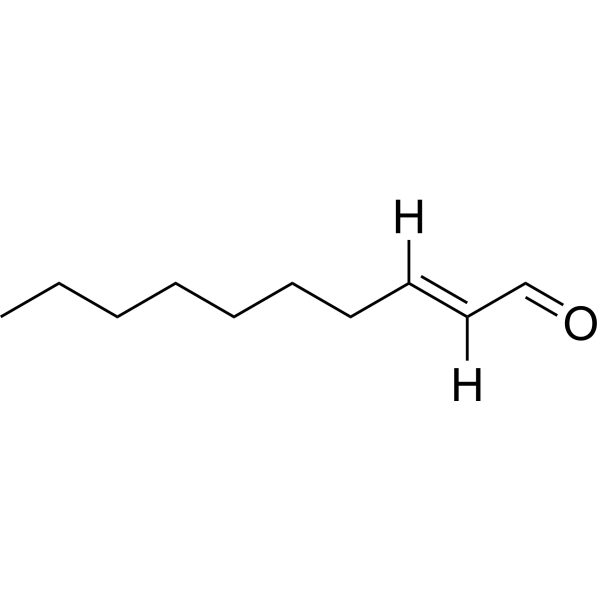
trans-2-Decenal ((E)-Dec-2-enal) acts as a urease inhibitor and antibacterial agent against Helicobacter pylori, with an IC50 of 9.484 μg/mL against Helicobacter pylori urease. trans-2-Decenal reduces the urease activity of Helicobacter pylori, and possesses antibacterial, bactericidal, anti-biofilm and anti-migratory activities. It alters the morphology of Helicobacter pylori, induces bacterial rupture, inhibits biofilm formation, reduces the number of mature biofilms and impairs the migratory capacity of Helicobacter pylori. trans-2-Decenal disrupts the cell wall integrity of Phytophthora capsici, damages membrane integrity and permeability, triggers intracellular reactive oxygen species (ROS) accumulation, decreases glutathione levels and disrupts the mitochondrial membrane potential of Phytophthora capsici. trans-2-Decenal is applicable to studies related to Helicobacter pylori and plant diseases induced by and Phytophthora capsici .
|
-
-
- HY-N2116
-
|
|
PTEN
Fatty Acid Synthase (FASN)
STAT
Apoptosis
SARS-CoV
|
Infection
Cancer
|
|
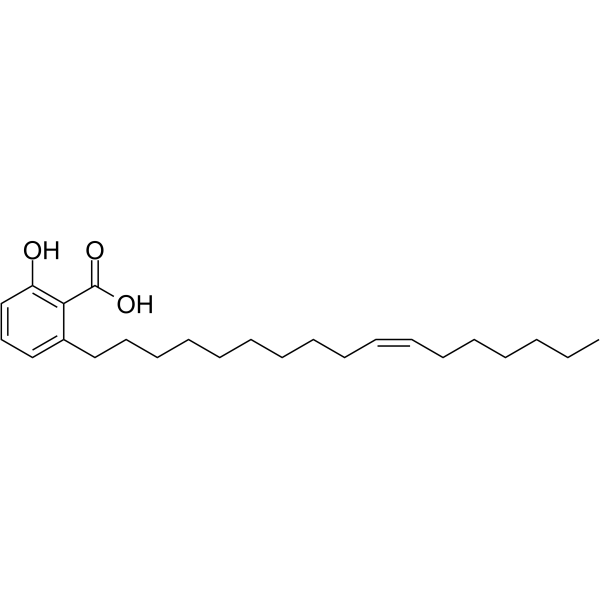
Ginkgolic acid C17:1 is a fatty acid synthase (FAS) inhibitor with an IC50 of 10.5 µM. Ginkgolic acid C17:1 shows anti-tumor activity by inhibiting the phosphorylation of STAT3 and inducing apoptosis. Ginkgolic acid C17:1 can block the interaction between S-RBD and ACE2, and has anti-SARS-CoV-2-S pseudovirus activity. Ginkgolic acid C17:1 inhibits the biofilm formation of enterohemorrhagic Escherichia coli and Staphylococcus aureus .
|
-
-
- HY-W015490
-
|
|
Environmental Pollutants
DNA/RNA Synthesis
NF-κB
Monoamine Oxidase
TNF Receptor
Bacterial
|
Infection
Inflammation/Immunology
Cancer
|
|
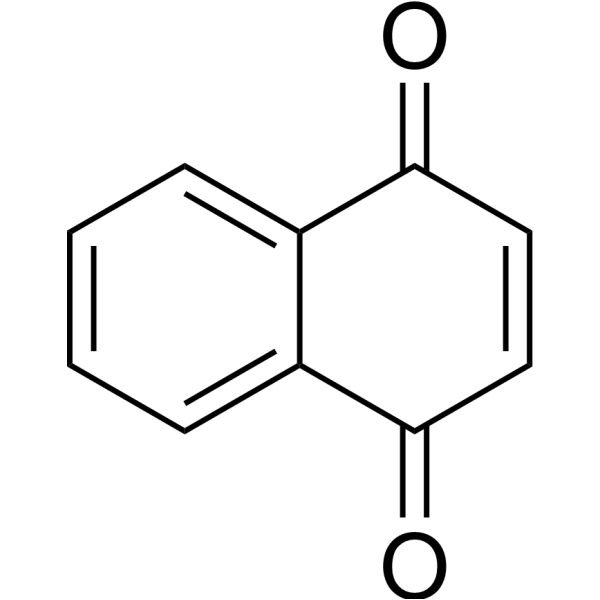
1,4-Naphthoquinone is an inhibitor with broad-spectrum inhibitory activity targeting DNA polymerase, NF-κB and monoamine oxidase (MAO-A/B), with antibacterial and anti-biofilm efficacy. 1,4-Naphthoquinone is a competitive inhibitor of MAO-B (Ki=1.4 μM) and a non-competitive inhibitor of MAO-A (Ki=7.7 μM). 1,4-Naphthoquinone inhibits DNA polymerase pol α, β, γ, δ, ε, λ with IC50 ranging from 5.57-128 μM. 1,4-Naphthoquinone inhibits tumor cell proliferation, induces apoptosis and necrosis, and has anti-angiogenic and anti-inflammatory activities by inducing oxidative stress, depleting glutathione (GSH), inhibiting DNA polymerase-mediated DNA synthesis and blocking NF-κB nuclear translocation. 1,4-Naphthoquinone can be used in anti-bacterial , anti-tumor and anti-inflammatory studies, including inhibition of melanoma and colon cancer cell growth and endothelial cell function, as well as LPS-induced inflammation models .
|
-
-
- HY-121362
-
|
|
Bacterial
Endogenous Metabolite
TrxR
|
Infection
Neurological Disease
Inflammation/Immunology
Cancer
|
|
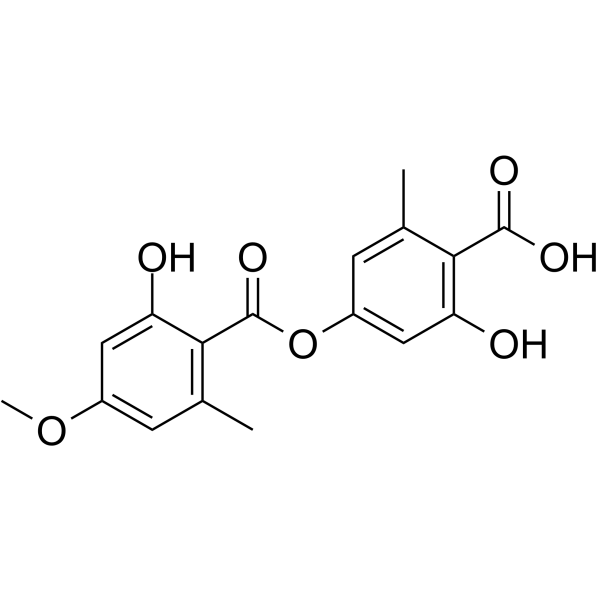
Evernic Acid is an orally active thioredoxin reductase 1 (TrxR1) inhibitor and antiproliferative agent. Evernic Acid inhibits the proliferation and migration of human breast cancer cells. Evernic Acid blocks the NF-κB pathway by inhibiting p65 nuclear translocation and IκBα phosphorylation, thereby suppressing downstream inflammatory mediators. Evernic Acid acts as an antioxidant, anti-inflammatory agent and neuroprotective agent, protects neurons from cell death, mitochondrial dysfunction and oxidative stress damage, reduces astrocyte activation, and ameliorates dopaminergic neuron loss and neuroinflammation. Evernic Acid inhibits enoyl reductases FabI and FabZ of Plasmodium falciparum. Evernic Acid downregulates the expression of lasB and rhlA genes in Pseudomonas aeruginosa, inhibits quorum sensing and biofilm formation, and exerts antibacterial activity against Gram-positive bacteria, Gram-negative bacteria and fungi. Evernic Acid is applicable to research related to breast cancer, Parkinson's disease, bacterial infections and fungal infections .
|
-
-
- HY-N2036
-
|
|
TNF Receptor
Enterovirus
Bacterial
|
Infection
|
|
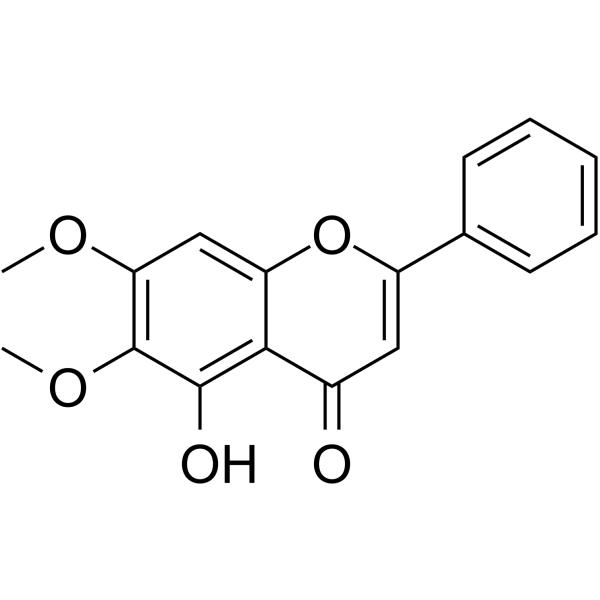
Mosloflavone is a flavonoid isolated from Scutellaria baicalensis Georgi with ?anti-EV71 activity. Mosloflavone? inhibits VP2 virus replication and protein expression during the initial stage of virus infection and inhibits viral VP2 capsid protein synthesis. Mosloflavone is a promising biocide and inhibits P. aeruginosa virulence and biofilm formation.
|
-
-
- HY-W041080
-
|
|
Fungal
Reactive Oxygen Species (ROS)
Bacterial
|
Infection
|
|
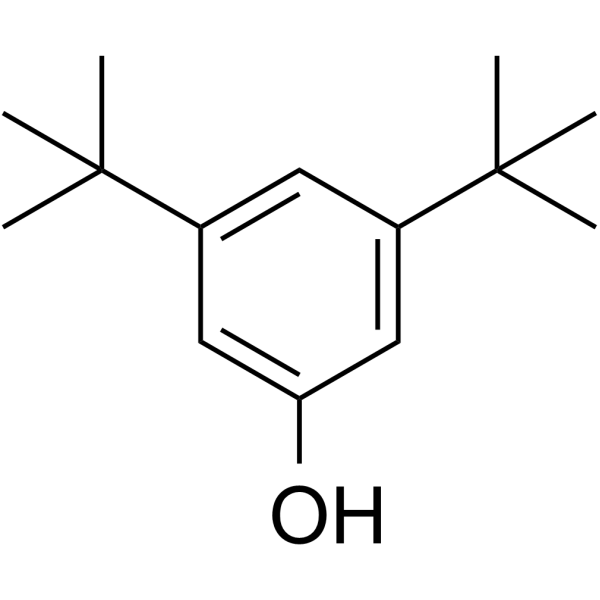
3,5-Di-tert-butylphenol is an volatile organic compound with anti-biofilm and antifungal activities. 3,5-Di-tert-butylphenol induces accumulation of reactive oxygen species (ROS) in C. albicans cells. 3,5-Di-tert-butylphenol also has antibacterial activities .
|
-
-
- HY-42034
-
|
Dihydroquinine
|
Bacterial
Parasite
Reactive Oxygen Species (ROS)
Protein Arginine Deiminase
|
Infection
|
|
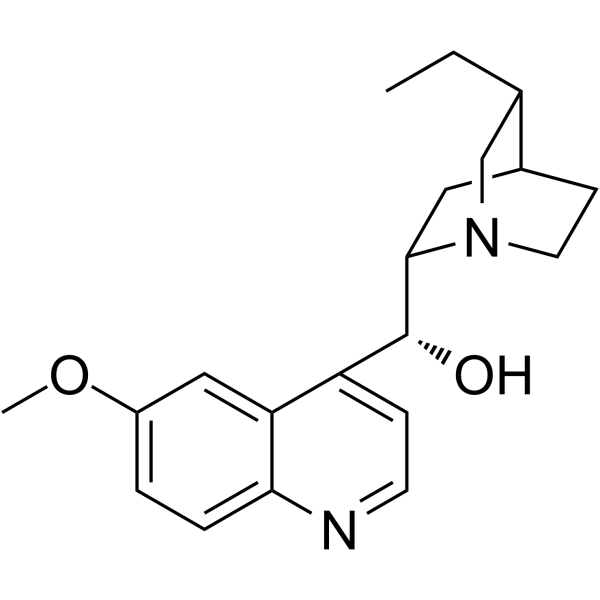
Hydroquinine (Dihydroquinine) is an anti-bacterial agent that inhibits both Gram-positive and Gram-negative bacteria. Hydroquinine inhibits the growth of multidrug-resistant pseudomonas aeruginosa via the suppression of the arginine deiminase pathway genes. Hydroquinine inhibits Plasmodium falciparum and Plasmodium berghei. Hydroquinine displays anti-malarial and demelanizing activities. Hydroquinine effectively induces specific RND-type efflux pump systems in Pseudomonas aeruginosa, particularly the MexCD-OprJ and MexXY efflux pumps. Hydroquinine inhibits Pseudomonas aeruginosa adhesion and biofilm formation. Hydroquinine serves as a precursor for derivatives such as C9 epihydroquinine, 9-acetoxy-10,11-dihydroquinine, and 10,11-dihydroquinine monohydrochloride .
|
-
-
- HY-N4285
-
|
5,6-Dihydroxy-7-methoxyflavone
|
TNF Receptor
Interleukin Related
Reactive Oxygen Species (ROS)
Keap1-Nrf2
Amyloid-β
|
Infection
Neurological Disease
Inflammation/Immunology
Cancer
|
|
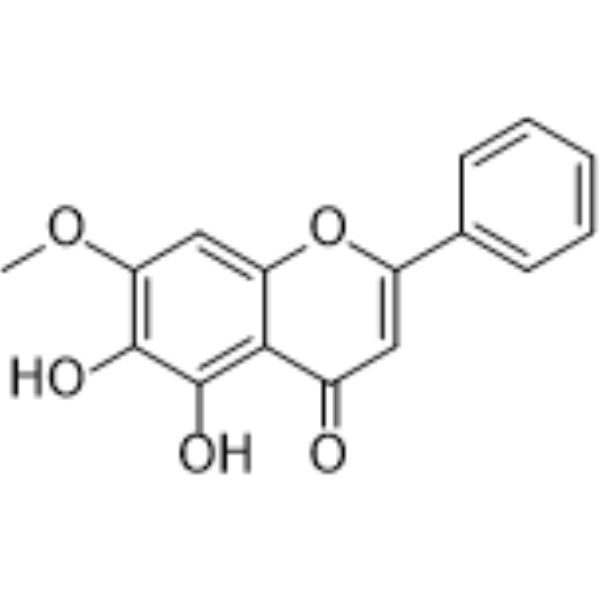
Negletein (5,6-Dihydroxy-7-methoxyflavone) is a flavone found in Scutellaria. Negletein shows anti-inflammatory activity via inhibiting TNF-α and IL-1β with IC50 values of 16.4 and 6.4 μM, respectively. Negletein can activate Nrf2 and inhibit ROS production. Negletein can enhance the neuroprotective effect of nerve growth factor. Negletein can inhibit amyloid beta-peptide release and accumulation. Negletein can inhibit pathogens biofilms formation. Negletein can be used for the researches of cancer, infection, inflammation and neurological disease, such as colon cancer and Alzheimer's disease .
|
-
-
- HY-W012572
-
|
|
Mitochondrial Metabolism
Bacterial
|
Infection
Metabolic Disease
|
|
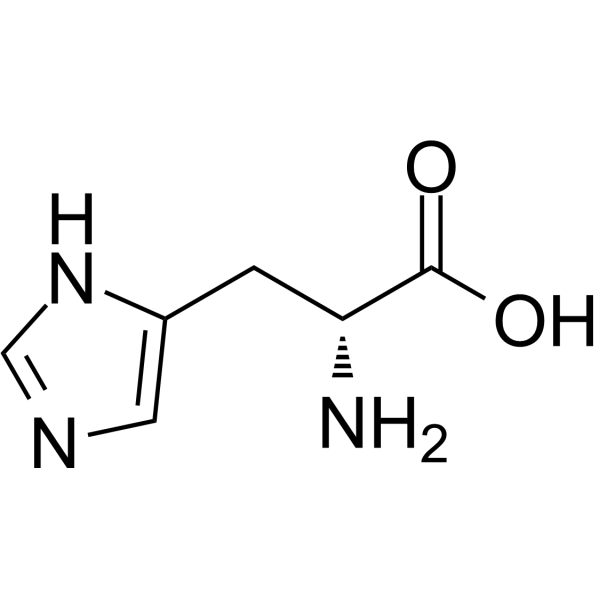
D-Histidine is an anti-biofilm agent that targets bacterial quorum sensing systems (such as RhlI/RhlR pathway) and has antibacterial activity. D-Histidine works by non-covalently binding to bacterial regulatory factors or copper ion complexes, selectively inhibiting bacterial biofilm formation and motility. D-Histidine downregulates quorum sensing-related gene expression, reduces the synthesis of virulence factors (such as alginate and proteases), and interferes with bacterial membrane stability, inhibiting biofilm formation, promoting the disintegration of mature biofilms, and enhancing antibiotic sensitivity. D-Histidine is also an efficient catalyst for the salt-induced peptide formation (SIPF) reaction, which promotes the condensation of amino acids to form dipeptides (such as dialanine and dilysine) by forming a complex with copper ions (Cu 2+) .
|
-
-
- HY-N2947
-
|
|
P-glycoprotein
|
Infection
Inflammation/Immunology
|
|
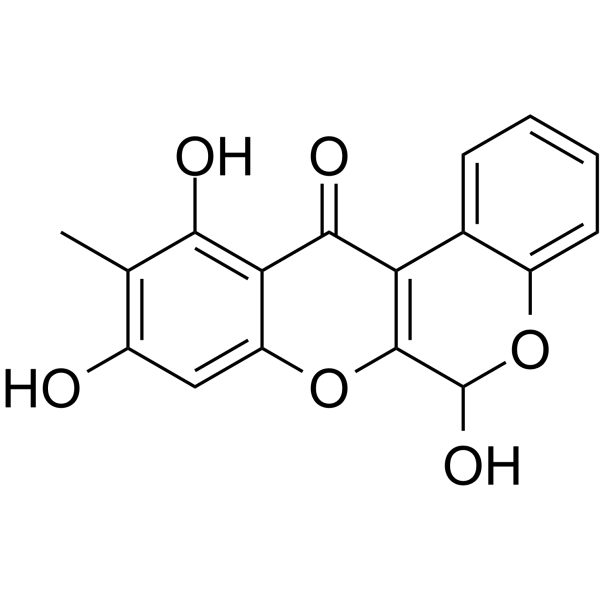
Boeravinone B, a dual inhibitor of NorA bacterial efflux pump of Staphylococcus aureus and human P-Glycoprotein, reduces the biofilm formation and intracellular invasion of bacteria. Boeravinone B act as anti-aging and anti-apoptosis phyto-molecules during oxidative stress .
|
-
-
- HY-107780
-
|
c-di-GMP; cyclic diguanylate; 5GP-5GP
|
STING
Endogenous Metabolite
|
Cancer
|
|
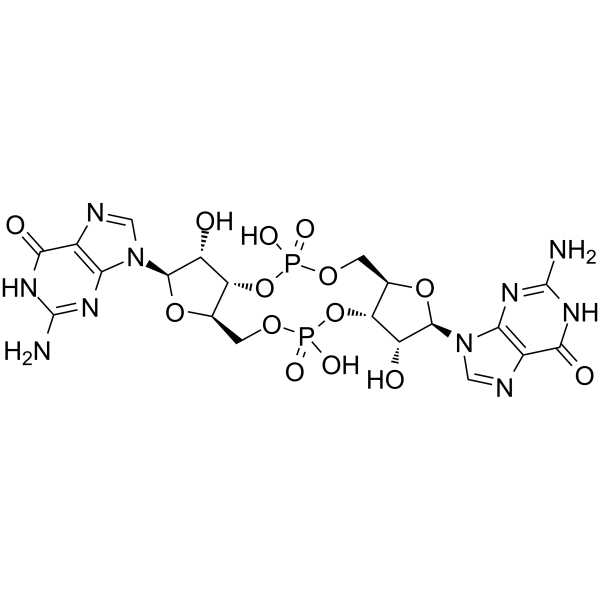
Cyclic-di-GMP is a STING agonist and a bacterial second messenger that coordinates different aspects of bacterial growth and behavior, including motility, virulence, biofilm formation, and cell cycle progression. Cyclic-di-GMP has anti-cancer cell proliferation activity and also induces elevated CD4 receptor expression and cell cycle arrest. Cyclic-di-GMP can be used in cancer research .
|
-
-
- HY-103249
-
|
Reutericycline
|
Bacterial
|
Infection
Metabolic Disease
|
|
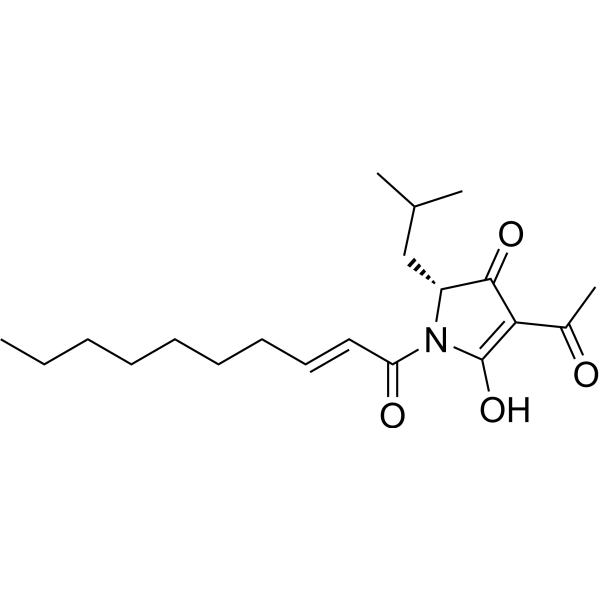
Reutericyclin (Reutericycline) is an orally active antibacterial and anti-obesity agent that selectively inhibits Gram-positive bacteria. By selectively dissipating transmembrane potential, Reutericyclin exerts non-lytic bactericidal or bacteriostatic activity against pathogens such as Clostridium difficile and Staphylococcus aureus, and rapidly kills vegetative cells and spores of Clostridium difficile. Reutericyclin possesses favorable properties including resistance to enzymatic hydrolysis, iron-chelating function, and poor absorption by colonic epithelium. Reutericyclin not only eradicates staphylococcal biofilms and inhibits drug-resistant strains, but also counteracts Risperidone (HY-11018)-induced weight gain by inducing changes in gut microbiota composition and restoring energy utilization efficiency. Reutericyclin can be used in research related to Clostridium difficile infection, Risperidone-induced weight gain, and staphylococcal superficial skin infections .
|
-
-
- HY-107780B
-
|
c-di-GMP diammonium; cyclic diguanylate diammonium; 5GP-5GP diammonium
|
STING
Endogenous Metabolite
|
Cancer
|
|
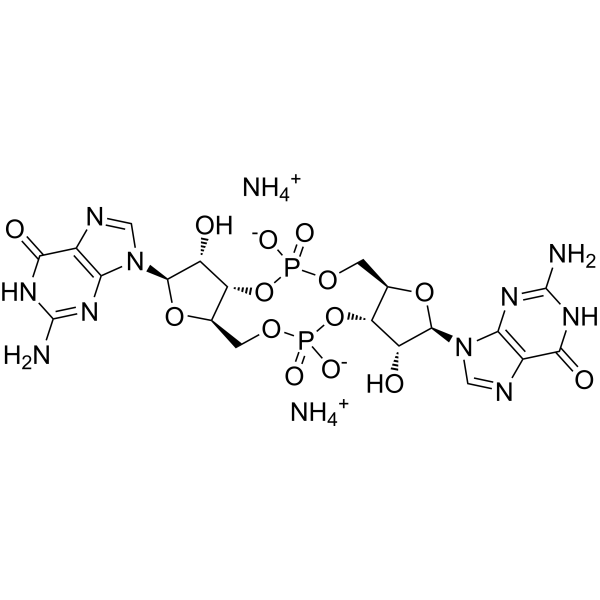
Cyclic-di-GMP diammonium is a STING agonist and a bacterial second messenger that coordinates different aspects of bacterial growth and behavior, including motility, virulence, biofilm formation, and cell cycle progression. Cyclic-di-GMP diammonium has anti-cancer cell proliferation activity and also induces elevated CD4 receptor expression and cell cycle arrest. Cyclic-di-GMP diammonium can be used in cancer research .
|
-
-
- HY-77785
-
|
5-Chloro-2-aminobenzophenone
|
Drug Intermediate
|
Infection
Neurological Disease
|
|
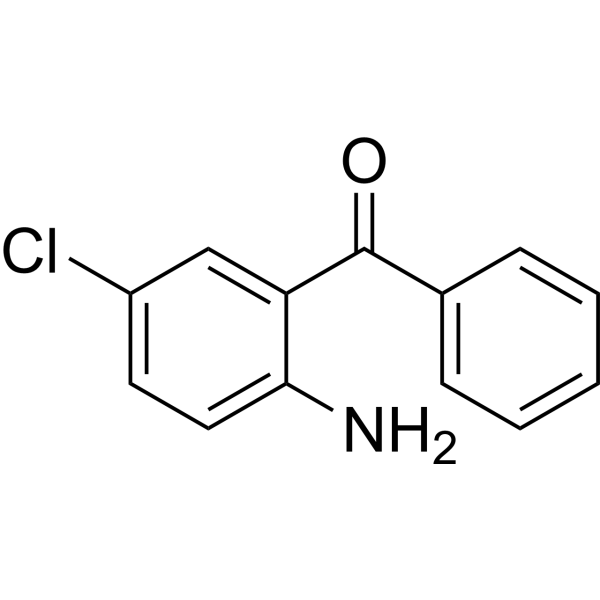
2-Amino-5-chlorobenzophenone (5-Chloro-2-aminobenzophenone) is a chemical intermediate. Derivatives of 2-Amino-5-chlorobenzophenone serve as skeletal muscle relaxants. 2-Amino-5-chlorobenzophenone acts as a starting material for the synthesis of anti-biofilm 2-amino-5-chlorobenzophenone Schiff bases. 2-Amino-5-chlorobenzophenone is applicable to research related to bacterial infections .\n
|
-
-
- HY-W015490S
-
|
|
Isotope-Labeled Compounds
DNA/RNA Synthesis
NF-κB
Monoamine Oxidase
TNF Receptor
Bacterial
|
Infection
Inflammation/Immunology
Cancer
|
|
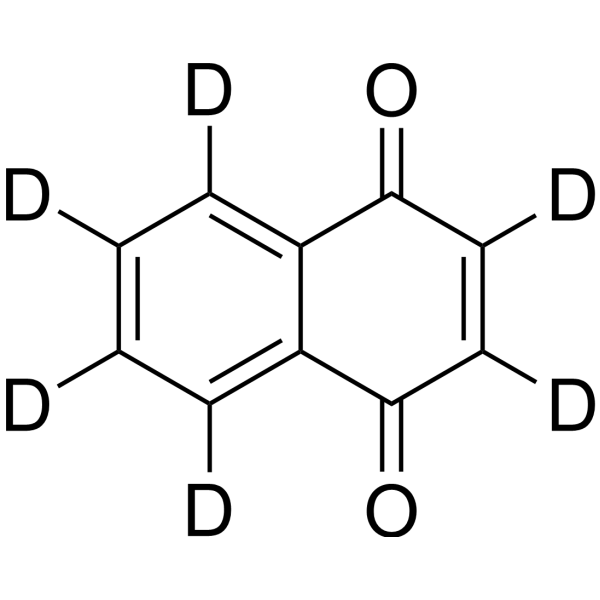
1,4-Naphthoquinone-d6 is the deuterium labeled 1,4-Naphthoquinone. 1,4-Naphthoquinone is an inhibitor with broad-spectrum inhibitory activity targeting DNA polymerase, NF-κB and monoamine oxidase (MAO-A/B), with antibacterial and anti-biofilm efficacy. 1,4-Naphthoquinone is a competitive inhibitor of MAO-B (Ki=1.4 μM) and a non-competitive inhibitor of MAO-A (Ki=7.7 μM). 1,4-Naphthoquinone inhibits DNA polymerase pol α, β, γ, δ, ε, λ with IC50 ranging from 5.57-128 μM. 1,4-Naphthoquinone inhibits tumor cell proliferation, induces apoptosis and necrosis, and has anti-angiogenic and anti-inflammatory activities by inducing oxidative stress, depleting glutathione (GSH), inhibiting DNA polymerase-mediated DNA synthesis and blocking NF-κB nuclear translocation. 1,4-Naphthoquinone can be used in anti-bacterial , anti-tumor and anti-inflammatory studies, including inhibition of melanoma and colon cancer cell growth and endothelial cell function, as well as LPS-induced inflammation models .
|
-
-
- HY-W010155R
-
|
Indole-3-ethanol (Standard)
|
Reference Standards
Endogenous Metabolite
Apoptosis
Caspase
Bacterial
|
Infection
Cardiovascular Disease
Neurological Disease
Metabolic Disease
Inflammation/Immunology
|
|
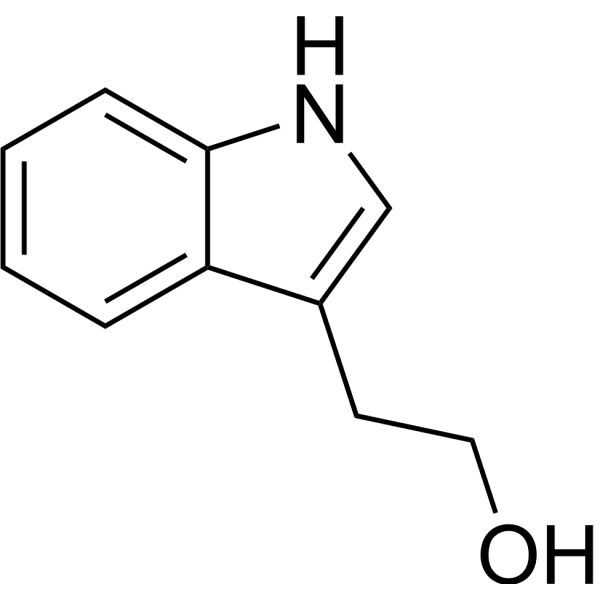
Tryptophol (Standard) (Indole-3-ethanol (Standard)) is an analytical standard of Tryptophol (HY-W010155). This product is intended for use in research and analytical applications.Tryptophol is an aromatic alcohol and secondary metabolite produced by microorganisms. Tryptophol induces Apoptosis and cleavage of caspase-8. Tryptophol inhibits Cunninghamella blakesleeana biofilm. Tryptophol has anti-phage infection, biofilm formation regulation, anti-inflammatory, hemolytic, sleep induction, temperature change, seizure susceptibility and immune regulation activities. Tryptophol is used in the research of African trypanosomiasis, sleep disorders, epilepsy.
|
-

-
- HY-N3831
-
|
|
Bacterial
Apoptosis
|
Infection
Inflammation/Immunology
Cancer
|
|
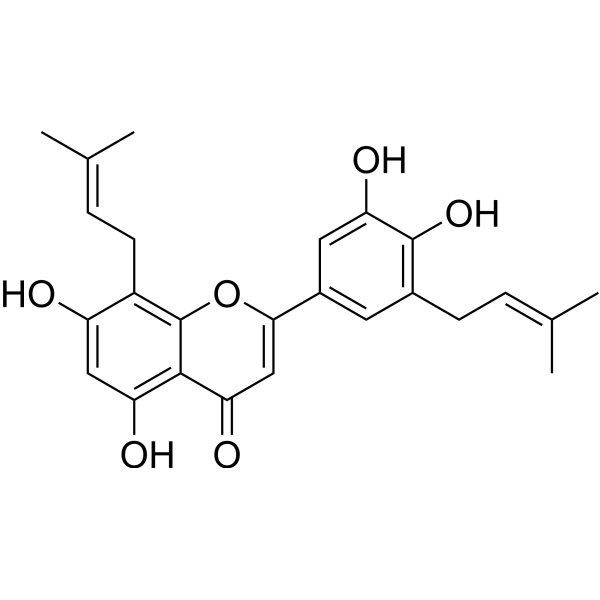
Epimedokoreanin B is a natural flavonoid with anticancer, anti-inflammatory and antibacterial effects. Epimedokoreanin B inhibits the growth of lung cancer cells through endoplasmic reticulum stress-mediated apoptosis accompanied by autophagosome accumulation. Epimedokoreanin B is an anti-periodontitis agent that inhibits gingipains and Porphyromonas gingivalis growth and biofilm formation .
|
-
-
- HY-W750342
-
-

-
- HY-P1884
-
|
|
Bacterial
|
Infection
|
|
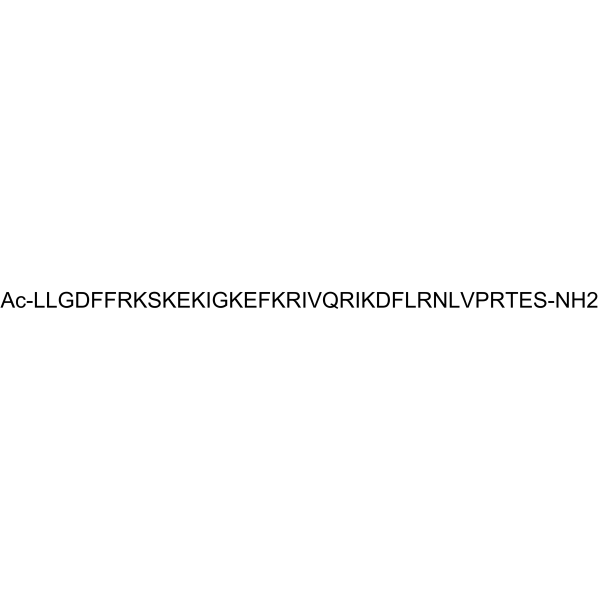
LL-37, acetylated, amidated is a cathelicidin peptide LL-37 acetylated on the N-terminus and amidated on the C-terminus. The single human cathelicidin peptide LL-37 has antimicrobial and anti-biofilm activity against multiple Gram-positive and Gram-negative human pathogens, and has wound-healing effects on the host .
|
-
-
- HY-N11709
-
|
|
Apoptosis
VEGFR
ATM/ATR
PTEN
Akt
mTOR
HIF/HIF Prolyl-Hydroxylase
NF-κB
Notch
Cholinesterase (ChE)
Amyloid-β
γ-secretase
Ferroptosis
Fungal
|
Infection
Neurological Disease
Metabolic Disease
Cancer
|
|
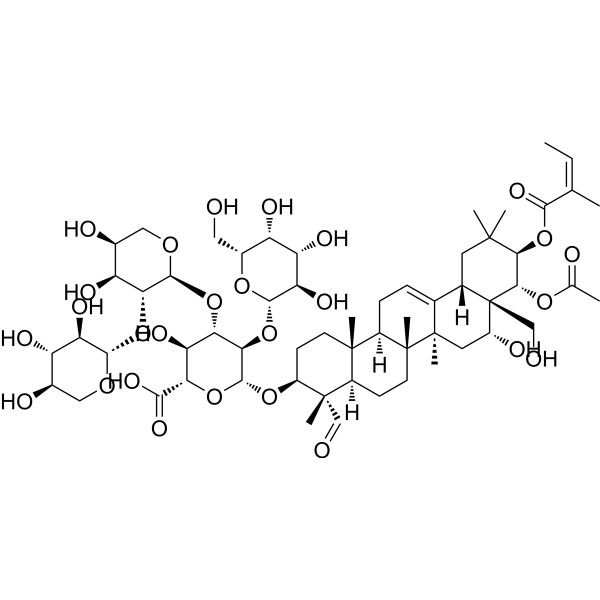
Theasaponin E1 is an orally effective tea saponin. Theasaponin E1 inhibits the proliferation of cancer cells by activating apoptosis. Theasaponin E1 inhibits angiogenesis in ovarian cancer cells and HUVECs by reducing the expression of VEGF. Theasaponin E1 upregulates the phosphorylation level of ATM protein and the expression level of PTEN protein in cancer cells, decreases the phosphorylation levels of Akt, mTOR, p70S6K and 4E-BP1 proteins, downregulates the expression of HIF-1α and NF-κB, and reduces the protein expression of Notch ligands Dll4 and Jagged1. Theasaponin E1 exerts neuroprotective effects by inhibiting the activity of acetylcholinesterase, activating α-secretase and neprilysin, reducing the concentration of Aβ, and inhibiting the activities of β-secretase and γ-secretase. Theasaponin E1 exhibits toxic effects on cancer cells and quinone reductase-inducing activity, and inhibits tumor growth in vivo. Theasaponin E1 induces ferroptosis in Pomacea canaliculata by synergistically disrupting cholesterol homeostasis and sphingolipid metabolism. Theasaponin E1 possesses anti-biofilm activity against Candida albicans. Theasaponin E1 can be used in the research of ovarian cancer, obesity, Alzheimer's disease and fungal infections .
|
-
-
- HY-W041080R
-
|
|
Reference Standards
Fungal
Reactive Oxygen Species (ROS)
Bacterial
|
Infection
|
|
3,5-Di-tert-butylphenol (Standard) is the analytical standard of 3,5-Di-tert-butylphenol (HY-W041080). This product is intended for research and analytical applications. 3,5-Di-tert-butylphenol is an volatile organic compound with anti-biofilm and antifungal activities. 3,5-Di-tert-butylphenol induces accumulation of reactive oxygen species (ROS) in C. albicans cells. 3,5-Di-tert-butylphenol also has antibacterial activities.
|
-

-
- HY-W012572A
-
|
|
Mitochondrial Metabolism
Bacterial
|
Infection
Metabolic Disease
|
|
D-Histidine hydrochloride hydrate is an anti-biofilm agent that targets bacterial quorum sensing systems (such as RhlI/RhlR pathway) and has antibacterial activity. D-Histidine hydrochloride hydrate works by non-covalently binding to bacterial regulatory factors or copper ion complexes, selectively inhibiting bacterial biofilm formation and motility. D-Histidine hydrochloride hydrate downregulates quorum sensing-related gene expression, reduces the synthesis of virulence factors (such as alginate and proteases), and interferes with bacterial membrane stability, inhibiting biofilm formation, promoting the disintegration of mature biofilms, and enhancing antibiotic sensitivity. D-Histidine hydrochloride hydrate is also an efficient catalyst for the salt-induced peptide formation (SIPF) reaction, which promotes the condensation of amino acids to form dipeptides (such as dialanine and dilysine) by forming a complex with copper ions (Cu 2+) .
|
-

-
- HY-P11165
-
|
|
Bacterial
|
Infection
|
|
DRGN-1 is an antimicrobial peptide. DRGN-1 exhibits potent antimicrobial and anti-biofilm activities, inhibiting both Gram-negative and Gram-positive bacteria, with an EC50 range of 0.50-4.62 μM. DRGN-1 exerts its antimicrobial effect by disrupting bacterial membrane permeability and slightly depolarizing the membrane potential. DRGN-1 inhibits the formation of biofilms of single bacterial species and mixed species of Pseudomonas aeruginosa and Staphylococcus aureus. DRGN-1 can significantly promote the healing of uninfected and mixed biofilm-infected mouse wounds. DRGN-1 can be used for the study of infections .
|
-

-
- HY-107780A
-
|
c-di-GMP sodium; cyclic diguanylate sodium; 5GP-5GP sodium
|
STING
Endogenous Metabolite
|
Cancer
|
|
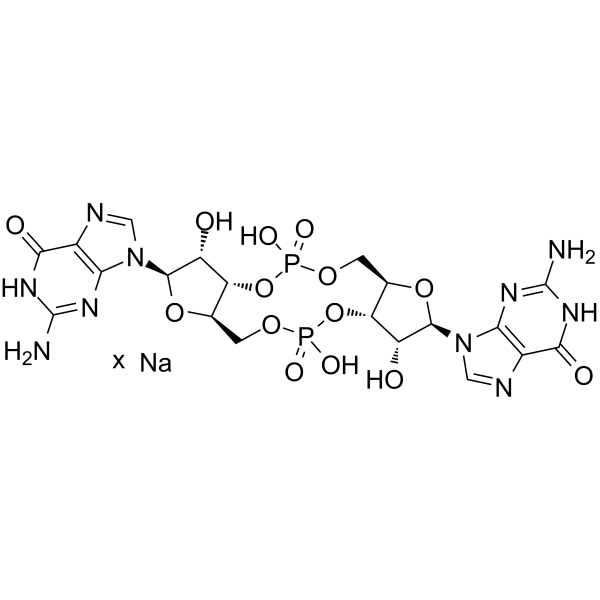
Cyclic-di-GMP sodium is a STING agonist and a bacterial second messenger that coordinates different aspects of bacterial growth and behavior, including motility, virulence, biofilm formation, and cell cycle progression. Cyclic-di-GMP sodium has anti-cancer cell proliferation activity and also induces elevated CD4 receptor expression and cell cycle arrest. Cyclic-di-GMP sodium can be used in cancer research .
|
-
-
- HY-17594R
-
|
|
Oxidative Phosphorylation
Reference Standards
Parasite
Bacterial
Fungal
|
Infection
|
|
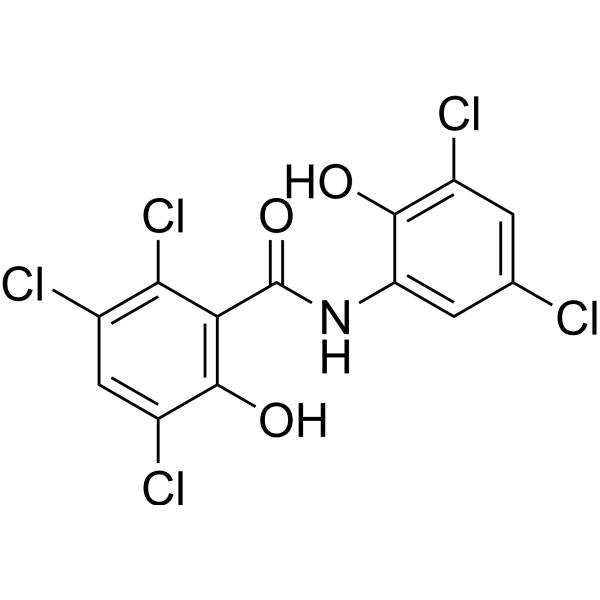
Oxyclozanide (Standard) is the analytical standard of Oxyclozanide. This product is intended for research and analytical applications. Oxyclozanide is an orally active salicylanilide anthelmintic agent that mainly acts by uncoupling oxidative phosphorylation in flukes. Oxyclozanide shows good anti-adenovirus, anti-biofilm, antifungal, and antibacterial activity .
|
-
-
- HY-P5706
-
|
|
Bacterial
|
Infection
Inflammation/Immunology
|
|
HG2 is a fast-acting antimicrobial peptide. HG2 shows anti-biofilm and anti-inflammatory activities. HG2 is active against Gram-positive pathogens, especially against MRSA strains (MIC: 16-32 μg/mL). HG2 can bind to bacterial lipids and reduces ATP concentration in S. aureus MRSA USA300 cells .
|
-

-
- HY-178952
-
|
|
Bacterial
|
Infection
|
|
Anti-infective agent 12 (Compound A09) is a competitive inhibitor of type I signal peptidease (SPase I), with an IC50 of 4.475 μM and a Kd of 16.3 μM. Anti-infective agent 12 has the ability to disrupt bacterial membranes and remove biofilms. Anti-infective agent 12 exhibits potent bactericidal activity against Gram-positive bacteria, with MIC values of 4, 4, 8, and 8 μg/mL for Staphylococcus aureus, Enterococcus faecalis, Enterococcus faecium, and Streptococcus suis, respectively. Anti-infective agent 12 remains effective against multi-drug resistant strains, but has weaker activity against Gram-negative bacteria (such as Escherichia coli and Salmonella), with MIC values > 64 μg/mL. Anti-infective agent 12 has low hemolytic activity and shows significant efficacy in mouse skin infection models .
|
-

-
- HY-119726A
-
|
APX001 (tautomerism); E1211 (tautomerism)
|
Fungal
|
Infection
Inflammation/Immunology
|
|
Fosmanogepix tautomerism (APX001 tautomerism) is a broad-spectrum and orally active anti-invasive fungal compound. Fosmanogepix tautomerism targets the conserved Gwt1 enzyme required for the localization of glycosylphosphatidylinositol-anchored mannoproteins in fungi, and inhibition prevents proper localization of cell wall mannoproteins, thereby impairing cell wall integrity, biofilm formation, germ tube formation, and fungal growth. Fosmanogepix tautomerism can be used to study invasive fungal infections .
|
-

-
- HY-W015490R
-
|
|
Reference Standards
DNA/RNA Synthesis
NF-κB
Monoamine Oxidase
TNF Receptor
Bacterial
|
Infection
Inflammation/Immunology
Cancer
|
|
1,4-Naphthoquinone is an inhibitor with broad-spectrum inhibitory activity targeting DNA polymerase, NF-κB and monoamine oxidase (MAO-A/B), with antibacterial and anti-biofilm efficacy. 1,4-Naphthoquinone is a competitive inhibitor of MAO-B (Ki=1.4 μM) and a non-competitive inhibitor of MAO-A (Ki=7.7 μM). 1,4-Naphthoquinone inhibits DNA polymerase pol α, β, γ, δ, ε, λ with IC50 ranging from 5.57-128 μM. 1,4-Naphthoquinone inhibits tumor cell proliferation, induces apoptosis and necrosis, and has anti-angiogenic and anti-inflammatory activities by inducing oxidative stress, depleting glutathione (GSH), inhibiting DNA polymerase-mediated DNA synthesis and blocking NF-κB nuclear translocation. 1,4-Naphthoquinone can be used in anti-bacterial , anti-tumor and anti-inflammatory studies, including inhibition of melanoma and colon cancer cell growth and endothelial cell function, as well as LPS-induced inflammation models .
|
-

-
- HY-175539
-
|
|
Bacterial
Topoisomerase
DNA/RNA Synthesis
|
Infection
|
|
DNA gyrase/Topo IV-IN-2 (Compound AK19) is an antibacterial agent with IC50 values of 0.783 μM and 7.136 μM against E. coli DNA gyrase and topoisomerase IV, respectively. DNA gyrase/Topo IV-IN-2 exhibits broad-spectrum antibacterial efficacy against both Gram-positive and Gram-negative pathogens. DNA gyrase/Topo IV-IN-2 can inhibit the biofilms of B. subtilis and MRSA, with an MIC of 1.9 μM against both B. subtilis and MRSA. DNA gyrase/Topo IV-IN-2 can be used in research related to anti-drug-resistant bacterial drugs .
|
-

-
- HY-161069
-
|
|
Bacterial
|
Infection
|
|
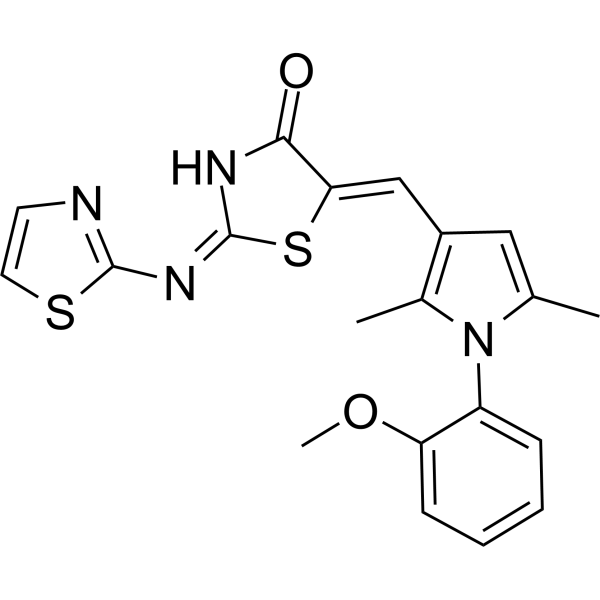
Anti-infective agent 8 (compound 9d) is an antibacterial agent with an MIC of 0.5 μg/mL against Staphylococcus aureus and Mycobacterium tuberculosis H37Rv. Anti-infective agent 8 has anti-biofilm activity and significantly reduces Staphylococcus aureus biofilm formation .
|
-
-
- HY-168063
-
|
|
Bacterial
|
Infection
|
|
Antibiofilm agent-11 (compound C12) is a xanthone derivative with anti-biofilm activity .
|
-

-
- HY-172912
-
|
|
Bacterial
|
Infection
|
|
Anti-MRSA agent 27 (compound 4a) is a potent anti-methicillin-resistant Staphylococcus aureus agent with a MIC of 0.0975 μmol/L. Anti-MRSA agent 27 disrupts MRSA biofilms and suppresses hemolytic toxin production .
|
-

-
- HY-N0535R
-
|
Magnoflorine chloride (Standard); α-Magnoflorine chloride (Standard); Thalictrine chloride (Standard)
|
Reference Standards
Fungal
|
Infection
Metabolic Disease
|
|
(+)-Magnoflorine (chloride) (Standard) is the analytical standard of (+)-Magnoflorine (chloride). This product is intended for research and analytical applications. Magnoflorine chloride (Magnoflorine chloride), an aporphine alkaloid found in Magnolia or Aristolochia, reduces the formation of C. albicans biofilm . Magnoflorine chloride has anti-fungal, anti-antidiabetic and anti-oxidative activity .
|
-

-
- HY-169191
-
|
|
Bacterial
|
Infection
|
|
Quorum sensing-IN-8 (compound 5e) has anti-biofilm activity. Quorum sensing-IN-8 can be used for the study of antimicrobial resistance .
|
-

-
- HY-157143
-
|
|
Bacterial
|
Infection
|
|
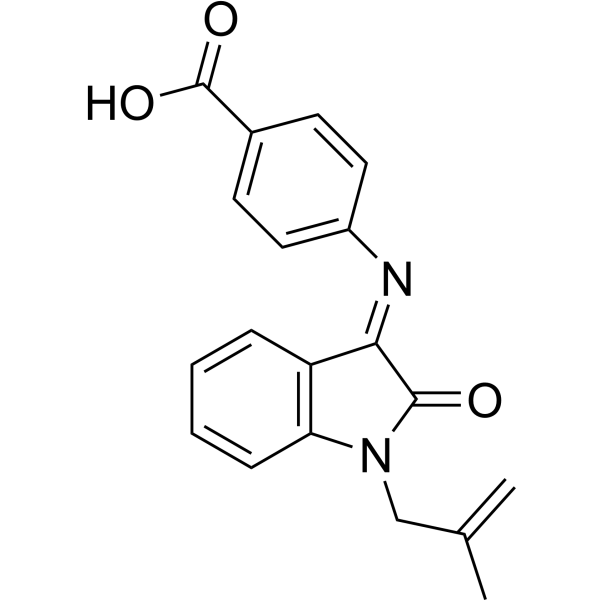
Antibacterial agent 164 (compound 2a) is an antibacterial and antibiofilm agent. Antibacterial agent 164 inhibits S. aureus and B. subtilis (MIC of 0.09 mM), and also exhibits strong anti-B. Subtilis biofilm formation .
|
-
-
- HY-W012572R
-
|
|
Reference Standards
Mitochondrial Metabolism
Bacterial
|
Infection
Metabolic Disease
|
|
D-Histidine (Standard) is the analytical standard of D-Histidine (HY-W012572). This product is intended for research and analytical applications. D-Histidine is an anti-biofilm agent that targets bacterial quorum sensing systems (such as RhlI/RhlR pathway) and has antibacterial activity. D-Histidine works by non-covalently binding to bacterial regulatory factors or copper ion complexes, selectively inhibiting bacterial biofilm formation and motility. D-Histidine downregulates quorum sensing-related gene expression, reduces the synthesis of virulence factors (such as alginate and proteases), and interferes with bacterial membrane stability, inhibiting biofilm formation, promoting the disintegration of mature biofilms, and enhancing antibiotic sensitivity. D-Histidine is also an efficient catalyst for the salt-induced peptide formation (SIPF) reaction, which promotes the condensation of amino acids to form dipeptides (such as dialanine and dilysine) by forming a complex with copper ions (Cu 2+) .
|
-

-
- HY-155546
-
|
|
Bacterial
|
Infection
|
|
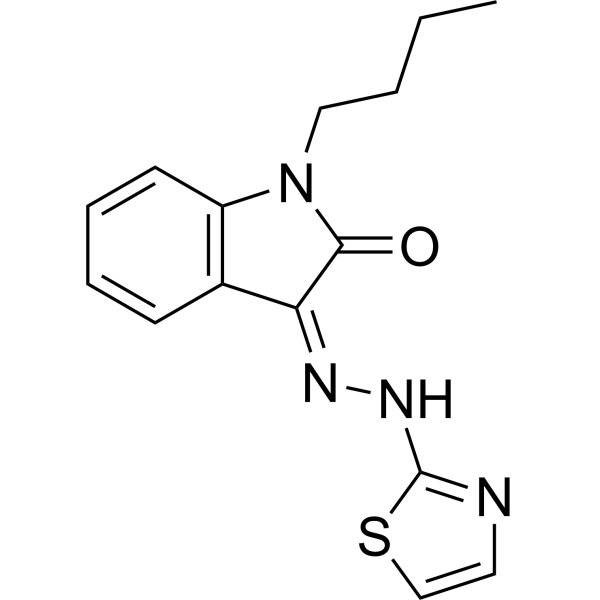
Antimicrobial agent-22 (THI 6c) is a multi-target broad-spectrum antibacterial agent. Antimicrobial agent-22 has low cytotoxicity, hemolytic property, rapid bactericidal ability and good anti-biofilm activity .
|
-
-
- HY-P10968
-
|
|
Bacterial
Antibiotic
|
Infection
|
|
KT2 is a cationic amphipathic antibacterial peptide. KT2 can completely kill cells of E. coli O157:H7. KT2 has potent anti-biofilm activity and prevents biofilm formation of E. coli O157:H7. KT2 significantly binds to bacterial surface LPS and interacts with the lipids of liposomes with great penetration capability into bacterial cells, followed by bond to DNA and other cytoplasmic membrane .
|
-

-
- HY-161803
-
|
|
Antibiotic
Bacterial
|
Infection
|
|
Anti-MRSA agent 12 (Compound SM-5) is an antibiotic, which exhibits antibacterial activity against Staphylococcus aureus, S. epidermidis and Escherichia coli with MIC of 7.81, 7.81 and 62.5 μM. Anti-MRSA agent 12 inhibits the methicillin-resistant S. aureus (MRSA) through inhibition of biofilm formation .
|
-

-
- HY-155722
-
|
|
Bacterial
|
Infection
|
|
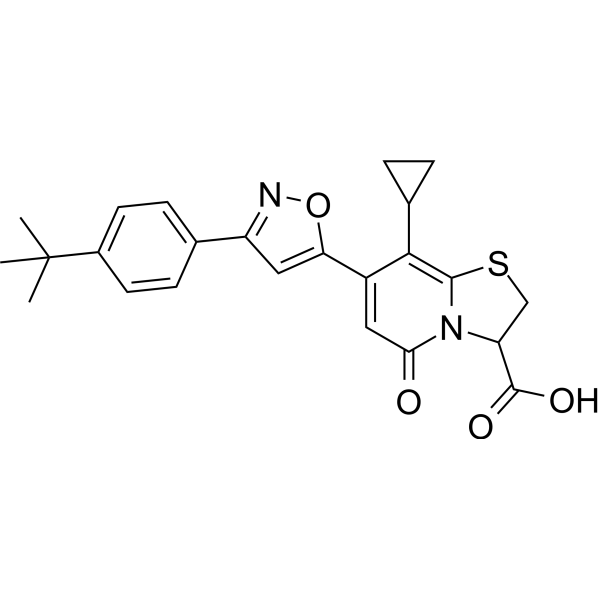
Mtb-IN-5 (compound (-)17j) is an isoxazole, with anti-Mycobacterium tuberculosis (Mtb) activity. Mtb-IN-4 inhibits Mtb respiration and biofilm formation in macrophage, and enhances antibiotic isoniazid (INH) inhibition against INH-resistant Mtb mutant .
|
-
-
- HY-178493
-
|
|
Bacterial
|
Infection
|
|
Anti-MRSA agent 37 (Compound 5B) is an antibacterial agent against methicillin-resistant Staphylococcus aureus (MRSA) (MIC=0.25-0.5 μg/mL). Anti-MRSA agent 37 inhibits biofilm formation, disrupts cell wall integrit, attacks cell membrane and induces oxidative stress. Anti-MRSA agent 37 is promising for research of MRSA-related diseases such as skin infections .
|
-

-
- HY-178108
-
|
|
Bacterial
Penicillin-binding protein (PBP)
Fungal
|
Infection
|
|
Anti-MRSA agent 35 (Compound 6b) is an anti-MRSA agent. Anti-MRSA agent 35 significantly inhibits MRSA biofilm formation, suppresses penicillin-binding protein (PBP2a) expression and induces mecA virulence gene mutation. Anti-MRSA agent 35 has potent bactericidal and fungicidal activities with MIC50s of 7.8-31.25 μg/mL for gram positive bacteria, gram-negative bacteria and Fungi. .
|
-

-
- HY-P5709
-
|
|
Bacterial
|
Infection
Inflammation/Immunology
|
|
HG4 is a fast-acting antimicrobial peptide. HG4 shows anti-biofilm and anti-inflammatory activities. HG4 is active against Gram-positive pathogens, especially against MRSA strains (MIC: 32-64 μg/mL). HG4 can bind to bacterial lipids and reduces ATP concentration in S. aureus MRSA USA300 cells .
|
-

-
- HY-N2947R
-
|
|
Reference Standards
P-glycoprotein
|
Infection
Inflammation/Immunology
|
|
Boeravinone B (Standard) is the analytical standard of Boeravinone B. This product is intended for research and analytical applications. Boeravinone B, a dual inhibitor of NorA bacterial efflux pump of Staphylococcus aureus and human P-Glycoprotein, reduces the biofilm formation and intracellular invasion of bacteria. Boeravinone B act as anti-aging and anti-apoptosis phyto-molecules during oxidative stress .
|
-

-
- HY-146327
-
|
|
Bacterial
Antibiotic
|
Infection
|
|
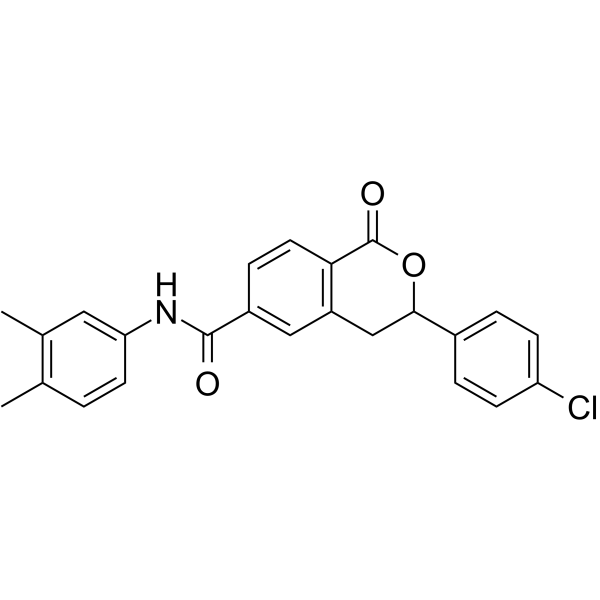
PqsR/LasR-IN-1 (compound 2a) is a potent PqsR and LasR systems inhibitor. PqsR/LasR-IN-1 has anti-virulence activity against Pseudomonas aeruginosa. PqsR/LasR-IN-1 can reduce production of biofilm, pyocyanin, and rhamnolipids in PA .
|
-
-
- HY-173594
-
|
|
Bacterial
|
Infection
|
|
TarO-IN-1 (Compound 18a) is a TarO inhibitor and has antibacterial activity. TarO-IN-1 has β-lactam sensitizing and anti-biofilm activities against MRSA. TarO-IN-1 can be used for research of β-lactam resistance .
|
-

- HY-162113
-
|
|
Bacterial
|
Infection
|
|
Antibacterial agent 174 (Compound 5g) is a antibacterial agent. Antibacterial agent 174 has potent anti-infective potential in vivo and appreciable pharmacokinetic profiles. Highly active antibacterial agent 174 has favorable biofilm removal performance, low hemolysis and acceptable mammalian cell toxicity .
|
-
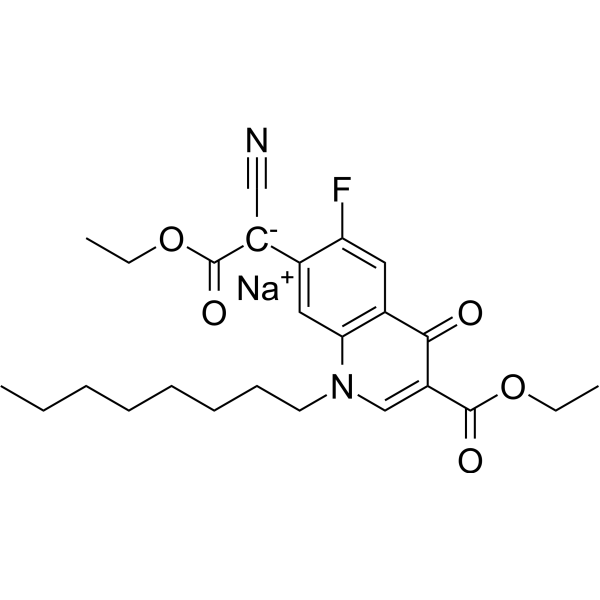
- HY-173318
-
|
|
Bacterial
|
Infection
|
|
Anti-MRSA agent 25 (Compound 10c) is an antibacterial agent with a MIC of 0.25 μg/mL against methicillin-resistant Staphylococcus aureus (MRSA). Anti-MRSA agent 25 exerts its antibacterial activity by inhibiting biofilm formation, disrupting the cell wall (interacting with peptidoglycan and lipoteichoic acids), acting on the cell membrane (causing depolarization, increasing permeability, and disrupting integrity), reducing metabolic activity, interfering with cellular redox homeostasis, and binding to DNA. Anti-MRSA agent 25 is expected to be used in the research of the anti-infection field .
|
-

- HY-155720
-
|
|
Bacterial
|
Infection
|
|
Mtb-IN-4 (compound 17h) is a nontoxic isoxazole, with anti-Mycobacterium tuberculosis (Mtb) activity (IC50=0.70 μM). Mtb-IN-4 inhibits Mtb respiration and biofilm formation in macrophage, and enhances antibiotic isoniazid (INH) inhibition against INH-resistant Mtb mutant .
|
-
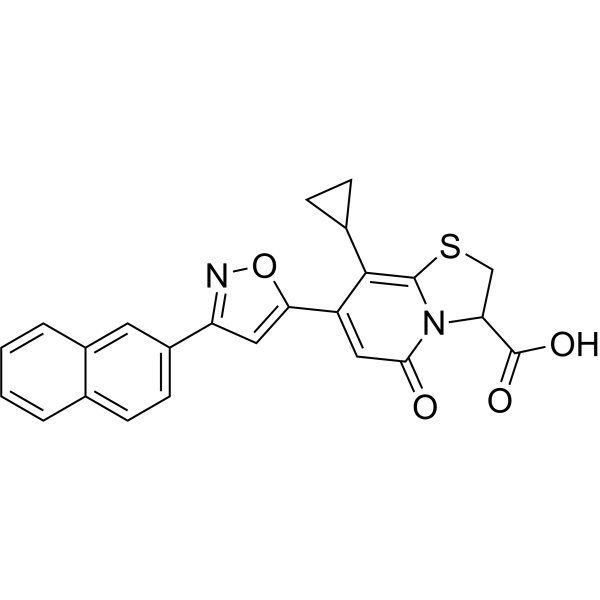
- HY-P10546
-
|
pALA
|
Bacterial
|
Infection
|
|
Polyalanine peptide (pALA) is an antimicrobial peptide that targets biofilms and Gram-negative bacteria and is non-toxic to mammalian cells. Polyalanine peptide forms an α-helical conformation that effectively permeabilizes Gram-negative bacterial membranes, thereby inducing lethal cell leakage. Polyalanine peptide can be used in anti-infection research .
|
-

- HY-175295A
-
|
|
Bacterial
Reactive Oxygen Species (ROS)
|
Infection
|
|
Anti-MRSA agent 33 iodide is an anti-Methicillin (HY-121544)-resistant Staphylococcus aureus (MRSA) agent, with MIC values of 2-4 μg/mL. Anti-MRSA agent 33 iodide demonstrates effective biofilm eradication and minimal cytotoxicity toward mammalian cells. Anti-MRSA agent 33 iodide specifically binds to phosphatidylglycerol (PG) on bacterial membranes, leading to membrane disruption, excessive production of ROS, and metabolic collapse, ultimately resulting in bacterial cell death. Anti-MRSA agent 33 iodide reduces bacterial load in a murine skin infection model .
|
-

- HY-168928
-
|
|
Bacterial
|
Infection
|
|
Antibiofilm agent prodrug 1 (Compound 5c) exhibits antibacterial activity through inhibition of biofilm formation and iron uptake. Antibiofilm agent prodrug 1 inhibits P. aeruginosa PAO1 with a MIC of 1.07 μM. Antibiofilm agent prodrug 1 exhibits anti-infectious efficacy in C. elegans with improved survival rate .
|
-

- HY-161395
-
|
|
Bacterial
|
Infection
|
|
IDD-8E is an effective anti-pseudomonal agent (MIC =4.4 µM ) with no cytotoxicity. IDD-8E shows significant pseudomonal killing and disruption of pseudomonal biofilm. IDD-8E binds to the ATP-binding pocket of WaaP and also inhibits other ESKAPE pathogens.
|
-
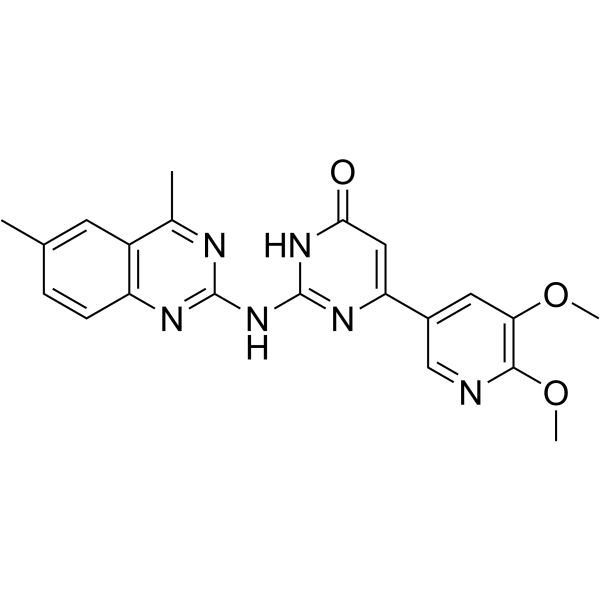
- HY-W015551R
-
|
(E)-Dec-2-enal (Standard)
|
Biochemical Assay Reagents
Reference Standards
|
Infection
|
|
trans-2-Decenal ((E)-Dec-2-enal)) Standard is the analytical standard of trans-2-Decenal (HY-W015551). This product is intended for research and analytical applications. trans-2-Decenal ((E)-Dec-2-enal) acts as a urease inhibitor and antibacterial agent against Helicobacter pylori, with an IC50 of 9.484 μg/mL against Helicobacter pylori urease. trans-2-Decenal reduces the urease activity of Helicobacter pylori, and possesses antibacterial, bactericidal, anti-biofilm and anti-migratory activities. It alters the morphology of Helicobacter pylori, induces bacterial rupture, inhibits biofilm formation, reduces the number of mature biofilms and impairs the migratory capacity of Helicobacter pylori. trans-2-Decenal disrupts the cell wall integrity of Phytophthora capsici, damages membrane integrity and permeability, triggers intracellular reactive oxygen species (ROS) accumulation, decreases glutathione levels and disrupts the mitochondrial membrane potential of Phytophthora capsici. trans-2-Decenal is applicable to studies related to Helicobacter pylori and plant diseases induced by and Phytophthora capsici.
|
-

- HY-W015551S
-
|
(E)-Dec-2-enal-d2
|
Biochemical Assay Reagents
Isotope-Labeled Compounds
|
Infection
|
|
trans-2-Decenal-d2 ((E)-Dec-2-enal-d2) is deuterated labeled trans-2-Decenal (HY-W015551). trans-2-Decenal ((E)-Dec-2-enal) acts as a urease inhibitor and antibacterial agent against Helicobacter pylori, with an IC50 of 9.484 μg/mL against Helicobacter pylori urease. trans-2-Decenal reduces the urease activity of Helicobacter pylori, and possesses antibacterial, bactericidal, anti-biofilm and anti-migratory activities. It alters the morphology of Helicobacter pylori, induces bacterial rupture, inhibits biofilm formation, reduces the number of mature biofilms and impairs the migratory capacity of Helicobacter pylori. trans-2-Decenal disrupts the cell wall integrity of Phytophthora capsici, damages membrane integrity and permeability, triggers intracellular reactive oxygen species (ROS) accumulation, decreases glutathione levels and disrupts the mitochondrial membrane potential of Phytophthora capsici. trans-2-Decenal is applicable to studies related to Helicobacter pylori and plant diseases induced by and Phytophthora capsici .
|
-
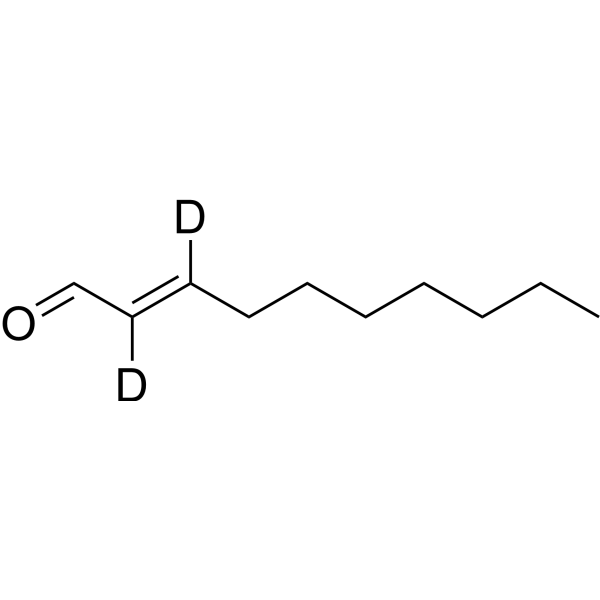
- HY-158402
-
|
|
Bacterial
Fungal
|
Infection
Inflammation/Immunology
|
|
Anti-inflammatory agent 84 (Compound 4D) is a derivative of Coumarin (HY-N0709) with antimicrobial and anti-inflammatory activities. Anti-inflammatory agent 84 inhibits E. coli, Candida albicans, Staphylococcus aureus and methicillin-resistant S. aureus (MRSA), with MIC of 312, 156, 19 and 316 μg/mL, respectively. Anti-inflammatory agent 84 inhibits biofilm formation of S. aureus, E. coli and MRSA, with IC50 of 185, 321 and 99 μM, respectively. Anti-inflammatory agent 84 inhibits nitric oxide production in Lipopolysaccharide (HY-D1056)-stimulated RAW264.7 macrophage cell .
|
-

- HY-118362
-
|
|
Bacterial
|
Infection
|
|
Netzahualcoyonol is a quinone methyl triterpene isolated from the roots of Salacia multiflora (Lam.) DC. Netzahualcoyonol exhibits antibacterial and anti-biofilm activities. Netzahualcoyonol inhibits Gram-positive bacteria (MIC=3.26–52 μM). Additionally, Netzahualcoyonol demonstrates cytotoxicity against Hep G2 cells (IC50 = 1.95 μM) but exhibits low toxicity towards Vero cells .
|
-

- HY-163030
-
|
|
Elastase
NF-κB
p38 MAPK
Bacterial
|
Infection
Inflammation/Immunology
|
|
LasB-IN-1 (compound 5f) is a potent and orally active inhibitor of LasB (IC50 = 8.7 μM). LasB-IN-1 effectively attenuates elastase production and biofilm formation by P. aeruginosa while alleviating the inflammatory response through downregulating MAPK and NF-κB pathways. LasB-IN-1 is potential to be a novel anti-infective candidate against drug-resistant infections .
|
-
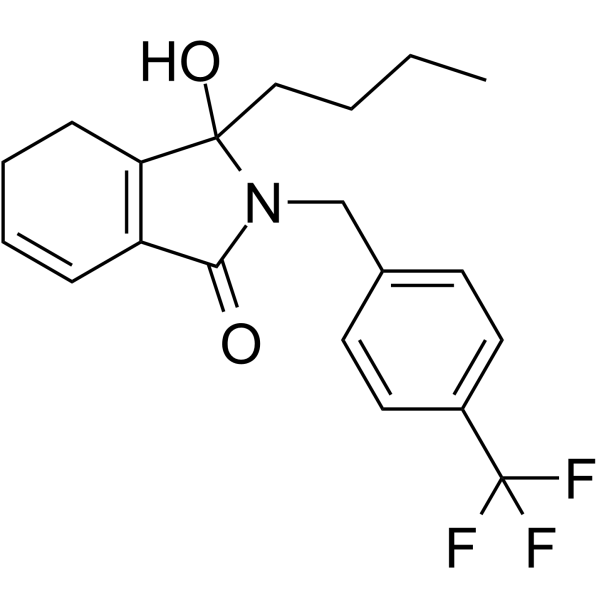
- HY-146304
-
|
|
Bacterial
|
Infection
|
|
YXL-13 is a potent Pseudomonas aeruginosa (PAO1) inhibitor with an IC50 value of 3.686 μM. YXL-13 can inhibit virulence factors and biofilm formation of PAO1. YXL-13 reduces the pathogenicity and agent resistance of PAO1 by inhibition of the quorum sensing (QS) system. YXL-13 can be used for researching anti-bacteria .
|
-
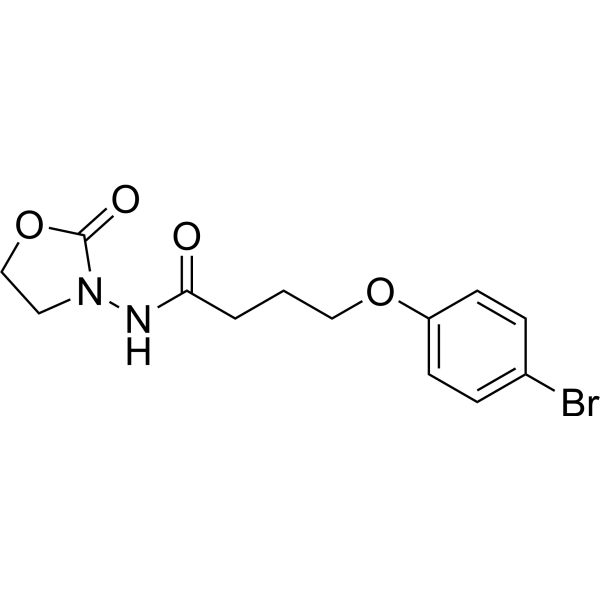
- HY-124469
-
|
|
Bacterial
|
Infection
|
|
UM-C162, a benzimidazole derivative, can rescue nematodes from a S. aureus infection. UM-C162 prevents the formation of biofilm without interfering with bacterial viability. UM-C162 mediates the disruption of S. aureus hemolysins, proteases and clumping factors production. UM-C162 has the potential to be used as an anti-virulence agent to control S. aureus infections .
|
-

- HY-N12606
-
|
|
Fungal
|
Infection
|
|
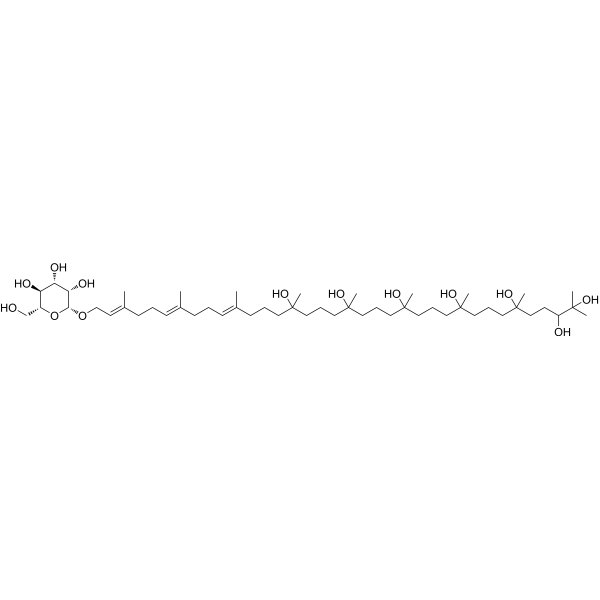
Neodidymelliosides A (compound 1)It is a secondary metabolite of fungi and has a significant inhibitory effect on Staphylococcus aureus and Candida albicans biofilms. Neodidymelliosides AIt also has anti-cancer activity and can inhibit KB3.1 (cervix),PC-3 (prostate),MCF-7(breast),SKOV-3 (ovary),A431 (skin )and A549 (lung )Cell viability of cell lines .
|
-
- HY-N2116R
-
|
|
Reference Standards
PTEN
Fatty Acid Synthase (FASN)
STAT
Apoptosis
SARS-CoV
|
Infection
Cancer
|
|
Ginkgolic acid C17:1 (Standard) is the analytical standard of Ginkgolic acid C17:1. This product is intended for research and analytical applications. Ginkgolic acid C17:1 is a fatty acid synthase (FAS) inhibitor with an IC50 of 10.5 µM. Ginkgolic acid C17:1 shows anti-tumor activity by inhibiting the phosphorylation of STAT3 and inducing apoptosis. Ginkgolic acid C17:1 can block the interaction between S-RBD and ACE2, and has anti-SARS-CoV-2-S pseudovirus activity. Ginkgolic acid C17:1 inhibits the biofilm formation of enterohemorrhagic Escherichia coli and Staphylococcus aureus .
|
-

- HY-168948
-
|
|
Bacterial
|
Infection
|
|
Quorum sensing-IN-9 (Compound 7d) inhibits quorum sensing in Pseudomonas aeruginosa by binding PqsR proteins. Quorum sensing-IN-9 inhibits the expression of quorum sensing systems related genes lasB, rhlA and pqsA, blocks the generation of virulence factors elastase, pyocyanin and rhamnolipid. Quorum sensing-IN-9 destorys the motility of P. aeruginosa, inhibits the biofilm formation, decreasing the virulence and pathogenicity of P. aeruginosa. Quorum sensing-IN-9 exhibits anti-infectious activity in Galleria mellonella larval model .
|
-

- HY-42034R
-
|
Dihydroquinine (Standard)
|
Reference Standards
Bacterial
Parasite
Reactive Oxygen Species (ROS)
Protein Arginine Deiminase
|
Inflammation/Immunology
|
|
Hydroquinine (Standard) is the analytical standard of Hydroquinine. Hydroquinine (Dihydroquinine) is an anti-bacterial agent that inhibits both Gram-positive and Gram-negative bacteria. Hydroquinine inhibits the growth of multidrug-resistant pseudomonas aeruginosa via the suppression of the arginine deiminase pathway genes. Hydroquinine inhibits Plasmodium falciparum and Plasmodium berghei. Hydroquinine displays anti-malarial and demelanizing activities. Hydroquinine effectively induces specific RND-type efflux pump systems in Pseudomonas aeruginosa, particularly the MexCD-OprJ and MexXY efflux pumps. Hydroquinine inhibits Pseudomonas aeruginosa adhesion and biofilm formation. Hydroquinine serves as a precursor for derivatives such as C9 epihydroquinine, 9-acetoxy-10,11-dihydroquinine, and 10,11-dihydroquinine monohydrochloride .
|
-

- HY-N13200
-
|
|
Bacterial
NF-κB
Caspase
Apoptosis
PI3K
Akt
Fungal
|
Infection
Cancer
|
|
Cranberry Extract is the extract of Cranberry, with content of 25% -50% Proanthocyanidins. Cranberry Extract exhibits anti-virus and antimicrbiol activity. Cranberry Extract suppresses fungal growth and biofilm formation. Cranberry Extract reduces NF-κB p65 phosphorylation, and PI3K/AKT signaling; increases caspase-8/9 activity to induce apoptosis, modulates oxidative stress, inflammation, and lipid profiles. Cranberry Extract exerts antiproliferative effects and induces cell cycle arrest. Cranberry Extract can be used for the research of infection and cancers .
|
-

- HY-174353S
-
|
|
Isotope-Labeled Compounds
Cytochrome P450
Fungal
|
Infection
|
|
CYP51-IN-23-d3 is a potent and broad-spectrum CYP51 inhibitor with a MIC80 of 1 μg/mL against Aspergillus fumigatum. CYP51-IN-23-d3 can prevent fungal phase transformation and biofilm formation. CYP51-IN-23-d3 exhibits anti-drug resistance activity and fungal activity, and shows excellent safety for cells and significant pharmacological activity in mice. CYP51-IN-23-d3 can be used for the study of invasive fungal infections (IFIs) .
|
-

- HY-P11242
-
|
|
Bacterial
NF-κB
p38 MAPK
JNK
ERK
TNF Receptor
Interleukin Related
|
Infection
|
Cm-CATH2 is an antimicrobial peptide discovered from Chelonia mydas. Cm-CATH2 has a potent, broad-spectrum and rapid bactericidal ability by rapidly destroying the integrity of bacterial cell membranes. It shows strong activity against Gram-positive bacteria (such as VREF, Staphylococcus aureus), Gram-negative bacteria (such as Escherichia coli, Klebsiella pneumoniae), and fungi (such as Candida albicans) with MICs ranges from 1.17 to 18.75 μg/mL. Cm-CATH2 is also effective against various aquatic pathogenic bacteria. Cm-CATH2 not only inhibits biofilm formation but can also remove the formed biofilms. Cm-CATH2 has immunomodulatory functions and chemotactic effects on immune cells, and can inhibit the production of pro-inflammatory cytokines by macrophages stimulated by LPS (HY-D1056). Cm-CATH2 prevents the activation of NF-κB by inhibiting the degradation of IκBα, and also inhibits the phosphorylation of MAPK signaling pathways (p38, JNK, ERK). Cm-CATH2 demonstrates strong anti-infective ability in mouse peritonitis models and pneumonia models .
|
-

- HY-178212
-
|
|
Bacterial
Reactive Oxygen Species (ROS)
Apoptosis
|
Infection
|
|
Antibacterial agent 292 is a 3-pyrazolylindole derivative. Antibacterial agent 292 is an anti-bacterial agent. Antibacterial agent 292 shows potent inhibitory activity against Xanthomonas oryzae pv oryzae (Xoo) and Xanthomonas axonopodis pv citri (Xac), with EC50 values of 2.54 and 3.49 μg/mL. Antibacterial agent 292 can suppress biofilm formation, bacterial motility, and extracellular polysaccharide production, induce morphological alterations and promote ROS accumulation, ultimately triggers bacterial apoptosis. Antibacterial agent 292 down-regulates the expression of genes associated with the type VI secretion system (T6SS). Antibacterial agent 292 can be used in rice bacterial blight and citrus canker .
|
-

- HY-174353
-
|
|
Cytochrome P450
Fungal
|
Infection
|
|
CYP51-IN-22, the non-deuterated analog of CYP51-IN-23-d3 (HY-174353S), is a potent and broad-spectrum CYP51 inhibitor.CYP51-IN-22 inhibits Aspergillus fumigatum with a MIC80 of 1 μg/mL. CYP51-IN-22 can prevent fungal phase transformation and biofilm formation. CYP51-IN-22 exhibits anti-drug resistance activity and fungal activity, and shows excellent safety for cells and significant pharmacological activity in mice. CYP51-IN-22 can be used for the study of invasive fungal infections (IFIs) .
|
-

- HY-110382S
-
|
c-di-GMP-13C20,15N10 disodium; cyclic diguanylate-13C20,15N10 disodium; 5GP-5GP-13C20,15N10 disodium
|
Isotope-Labeled Compounds
Endogenous Metabolite
STING
|
Cancer
|
|
13C20, 15N10-Cyclic di-GMP ( 13C20, 15N10-c-di-GMP) is 13C and 15N labeled Cyclic-di-GMP (disodium). Cyclic-di-GMP disodium is a STING agonist and a bacterial second messenger that coordinates different aspects of bacterial growth and behavior, including motility, virulence, biofilm formation, and cell cycle progression. Cyclic-di-GMP disodium has anti-cancer cell proliferation activity and also induces elevated CD4 receptor expression and cell cycle arrest. Cyclic-di-GMP disodium can be used in cancer research .
|
-

- HY-P11241
-
|
|
Bacterial
|
Infection
Inflammation/Immunology
|
|
oNCM is an antibacterial peptide. oNCM has good antibacterial activity, anti biofilm ability, anti-inflammatory effect, high stability, and low cytotoxicity. oNCM can be used for research on infectious or inflammatory conditions .
|
-

- HY-109135
-
|
BisEDT; MBN-101
|
Bacterial
|
Infection
|
|
Pravibismane (BisEDT; MBN-101) is a broad-spectrum topical anti-infective and anti-biofilm agent. Pravibismane disrupts bacterial bioenergetics by reducing bacterial concentrations of ATP in both planktonic and biofilm phenotypes and exhibits potent anti-biofilm activity against diabetic foot infections (DFI)-relevant pathogens, such as S. aureus and P. aeruginosa. Pravibismane can be used for the study of diabetic foot infections .
|
-

- HY-W289542
-
|
|
Bacterial
|
Infection
|
|
N-(2-Pyridyl)nicotinamide (Compound 3i) is an anti-biofilm agent. N-(2-Pyridyl)nicotinamide inhibits the formation of Bacillus subtilis biofilms .
|
-

- HY-W083821
-
|
1-(4-Nitrobenzyl)-1,4-diazepane
|
Bacterial
|
Infection
|
|
1-[(4-Nitrophenyl) methyl]-1,4-diazepane (1-(4-Nitrobenzyl)-1,4-diazepane) is an anti-biofilm agent. 1-[(4-Nitrophenyl) methyl]-1,4-diazepane reduces biofilm formation in Escherichia coli. 1-[(4-Nitrophenyl) methyl]-1,4-diazepane is used for the research of Escherichia coli biofilm-related infections .
|
-
![1-[(4-Nitrophenyl)methyl]-1,4-diazepane](//file.medchemexpress.com/product_pic/hy-w083821.gif)
- HY-180240
-
|
|
Bacterial
Reactive Oxygen Species (ROS)
|
Infection
|
|
Antibacterial agent 308 (Compound A25) is an antibacterial agent. Antibacterial agent 308 selectively targets bacterial membranes by binding phosphatidylethanolamine, thereby disrupting membrane polarization, elevating intracellular ROS levels. Antibacterial agent 308 shows significant anti-biofilm activity against S. aureus. Antibacterial agent 308 demonstrates potent anti-MRSA activity .
|
-

- HY-182276
-
|
|
Fungal
|
Infection
|
|
Anticandidal agent-2 is an anti-Candida albicans agent with a MIC of 1.6 μg/mL. Anticandidal agent-2 disrupts Candida albicans biofilms and inhibits Candida albicans. Anticandidal agent-2 can be used in the research of Candida albicans infections .
|
-

- HY-182056
-
|
|
Bacterial
|
Infection
|
|
Antibacterial agent 331 is an antibacterial agent with anti-biofilm activity. Antibacterial agent 331 exhibits activity against a variety of Gram-positive and Gram-negative bacteria. Antibacterial agent 331 eliminates MRSE 62 and promotes the repair of infected wounds in mouse models. Antibacterial agent 331 can be used for research on infections .
|
-

- HY-180191
-
|
|
Bacterial
Reactive Oxygen Species (ROS)
DNA/RNA Synthesis
|
Infection
|
|
Anti-MRSA agent 42 (Compound 6d) is an anti-methicillin-resistant Staphylococcus aureus (MRSA) agent. Anti-MRSA agent 42 shows strong inhibitory effects on MRSA standard strains and 11 clinical isolates with MIC values of 0.25-0.5 μg/mL. Anti-MRSA agent 42 has low hemolytic activity and minimal cytotoxicity toward mammalian cells. Anti-MRSA agent 42 can suppress biofilm formation, compromise the cell wall, and disrupt the cytoplasmic membrane, which are accompanied by membrane depolarization, enhanced permeability, and loss of membrane integrity. Anti-MRSA agent 42 can induce ROS production and bind to DNA grooves, interfering with nucleic acid function. Anti-MRSA agent 42 can be used for the research of MRSA infection .
|
-

- HY-N16526
-
|
|
Bacterial
|
Infection
|
|
Juncatrin B is a type of dihydrophenanthrene compound. Juncatrin B exhibits inhibitory activity against both Methicillin (HY-121544)-sensitive Staphylococcus aureus (MSSA) and Methicillin-resistant Staphylococcus aureus (MRSA). Juncatrin B can inhibit the formation of biofilms in MSSA and MRSA. Juncatrin B has no significant activity against Gram-negative bacteria. Juncatrin B can be used in the research of anti-Staphylococcus aureus .
|
-

- HY-179483
-
|
|
Cytochrome P450
Fungal
|
Infection
|
|
CYP51-IN-31 (compound T24) is a selective CYP51 inhibitor with potent and broad-spectrum antifungal activity, including efficacy against drug-resistant fungal strains. CYP51-IN-31 exhibits fungicidal activity against Candida parapsilosis, anti-biofilm activity, and the ability to inhibit fungal morphological transitions. CYP51-IN-31 can be used for infection research .
|
-

- HY-182267
-
|
|
Bacterial
Interleukin Related
TNF Receptor
|
Infection
Inflammation/Immunology
|
|
Antibiofilm agent-20 is an orally active Escherichia coli biofilm inhibitor (IC50 = 5.5 μg/mL) and show low antibacterial activity (MIC >128 μg/mL). Antibiofilm agent-20 exhibits high lipophilicity and low solubility, resulting in low colon delivery rate. Antibiofilm agent-20 demonstrates anti-inflammatory and reduces IL-17 and TNF-α levels. Antibiofilm agent-20 can be used for the research of inflammatory bowel disease .
|
-

- HY-182022
-
|
|
Bacterial
Reactive Oxygen Species (ROS)
Drug Derivative
DNA/RNA Synthesis
|
Infection
|
|
ZLWH-67 is a β-Carboline derivative and Antibacterial agent. ZLWH-67 inhibits DNA synthesis, suppresses biofilm formation, and increases reactive oxygen species (ROS) levels. ZLWH-67 exhibits potent in vitro antibacterial activity against MRSA (MIC = 0.5-4 μg/mL), S. epidermidis (MIC = 4 μg/mL), E. faecalis (MIC = 4-8 μg/mL), and S. pneumoniae (MIC = 16 μg/mL). ZLWH-67 displays anti-MRSA effects in murine skin and pneumonia infection models .
|
-

| Cat. No. |
Product Name |
Type |
-
- HY-W015551
-
|
(E)-Dec-2-enal
|
Biochemical Assay Reagents
|
|
trans-2-Decenal ((E)-Dec-2-enal) acts as a urease inhibitor and antibacterial agent against Helicobacter pylori, with an IC50 of 9.484 μg/mL against Helicobacter pylori urease. trans-2-Decenal reduces the urease activity of Helicobacter pylori, and possesses antibacterial, bactericidal, anti-biofilm and anti-migratory activities. It alters the morphology of Helicobacter pylori, induces bacterial rupture, inhibits biofilm formation, reduces the number of mature biofilms and impairs the migratory capacity of Helicobacter pylori. trans-2-Decenal disrupts the cell wall integrity of Phytophthora capsici, damages membrane integrity and permeability, triggers intracellular reactive oxygen species (ROS) accumulation, decreases glutathione levels and disrupts the mitochondrial membrane potential of Phytophthora capsici. trans-2-Decenal is applicable to studies related to Helicobacter pylori and plant diseases induced by and Phytophthora capsici .
|
-
- HY-77785
-
|
5-Chloro-2-aminobenzophenone
|
Biochemical Assay Reagents
|
|
2-Amino-5-chlorobenzophenone (5-Chloro-2-aminobenzophenone) is a chemical intermediate. Derivatives of 2-Amino-5-chlorobenzophenone serve as skeletal muscle relaxants. 2-Amino-5-chlorobenzophenone acts as a starting material for the synthesis of anti-biofilm 2-amino-5-chlorobenzophenone Schiff bases. 2-Amino-5-chlorobenzophenone is applicable to research related to bacterial infections .\n
|
-
- HY-W015551R
-
|
(E)-Dec-2-enal (Standard)
|
Biochemical Assay Reagents
|
|
trans-2-Decenal ((E)-Dec-2-enal)) Standard is the analytical standard of trans-2-Decenal (HY-W015551). This product is intended for research and analytical applications. trans-2-Decenal ((E)-Dec-2-enal) acts as a urease inhibitor and antibacterial agent against Helicobacter pylori, with an IC50 of 9.484 μg/mL against Helicobacter pylori urease. trans-2-Decenal reduces the urease activity of Helicobacter pylori, and possesses antibacterial, bactericidal, anti-biofilm and anti-migratory activities. It alters the morphology of Helicobacter pylori, induces bacterial rupture, inhibits biofilm formation, reduces the number of mature biofilms and impairs the migratory capacity of Helicobacter pylori. trans-2-Decenal disrupts the cell wall integrity of Phytophthora capsici, damages membrane integrity and permeability, triggers intracellular reactive oxygen species (ROS) accumulation, decreases glutathione levels and disrupts the mitochondrial membrane potential of Phytophthora capsici. trans-2-Decenal is applicable to studies related to Helicobacter pylori and plant diseases induced by and Phytophthora capsici.
|
| Cat. No. |
Product Name |
Target |
Research Area |
-
- HY-P1884
-
|
|
Bacterial
|
Infection
|
|
LL-37, acetylated, amidated is a cathelicidin peptide LL-37 acetylated on the N-terminus and amidated on the C-terminus. The single human cathelicidin peptide LL-37 has antimicrobial and anti-biofilm activity against multiple Gram-positive and Gram-negative human pathogens, and has wound-healing effects on the host .
|
-
- HY-W012572A
-
|
|
Mitochondrial Metabolism
Bacterial
|
Infection
Metabolic Disease
|
|
D-Histidine hydrochloride hydrate is an anti-biofilm agent that targets bacterial quorum sensing systems (such as RhlI/RhlR pathway) and has antibacterial activity. D-Histidine hydrochloride hydrate works by non-covalently binding to bacterial regulatory factors or copper ion complexes, selectively inhibiting bacterial biofilm formation and motility. D-Histidine hydrochloride hydrate downregulates quorum sensing-related gene expression, reduces the synthesis of virulence factors (such as alginate and proteases), and interferes with bacterial membrane stability, inhibiting biofilm formation, promoting the disintegration of mature biofilms, and enhancing antibiotic sensitivity. D-Histidine hydrochloride hydrate is also an efficient catalyst for the salt-induced peptide formation (SIPF) reaction, which promotes the condensation of amino acids to form dipeptides (such as dialanine and dilysine) by forming a complex with copper ions (Cu 2+) .
|
-
- HY-P11165
-
|
|
Bacterial
|
Infection
|
|
DRGN-1 is an antimicrobial peptide. DRGN-1 exhibits potent antimicrobial and anti-biofilm activities, inhibiting both Gram-negative and Gram-positive bacteria, with an EC50 range of 0.50-4.62 μM. DRGN-1 exerts its antimicrobial effect by disrupting bacterial membrane permeability and slightly depolarizing the membrane potential. DRGN-1 inhibits the formation of biofilms of single bacterial species and mixed species of Pseudomonas aeruginosa and Staphylococcus aureus. DRGN-1 can significantly promote the healing of uninfected and mixed biofilm-infected mouse wounds. DRGN-1 can be used for the study of infections .
|
-
- HY-P5706
-
|
|
Bacterial
|
Infection
Inflammation/Immunology
|
|
HG2 is a fast-acting antimicrobial peptide. HG2 shows anti-biofilm and anti-inflammatory activities. HG2 is active against Gram-positive pathogens, especially against MRSA strains (MIC: 16-32 μg/mL). HG2 can bind to bacterial lipids and reduces ATP concentration in S. aureus MRSA USA300 cells .
|
-
- HY-P10968
-
|
|
Bacterial
Antibiotic
|
Infection
|
|
KT2 is a cationic amphipathic antibacterial peptide. KT2 can completely kill cells of E. coli O157:H7. KT2 has potent anti-biofilm activity and prevents biofilm formation of E. coli O157:H7. KT2 significantly binds to bacterial surface LPS and interacts with the lipids of liposomes with great penetration capability into bacterial cells, followed by bond to DNA and other cytoplasmic membrane .
|
-
- HY-P5709
-
|
|
Bacterial
|
Infection
Inflammation/Immunology
|
|
HG4 is a fast-acting antimicrobial peptide. HG4 shows anti-biofilm and anti-inflammatory activities. HG4 is active against Gram-positive pathogens, especially against MRSA strains (MIC: 32-64 μg/mL). HG4 can bind to bacterial lipids and reduces ATP concentration in S. aureus MRSA USA300 cells .
|
-
- HY-P10546
-
|
pALA
|
Bacterial
|
Infection
|
|
Polyalanine peptide (pALA) is an antimicrobial peptide that targets biofilms and Gram-negative bacteria and is non-toxic to mammalian cells. Polyalanine peptide forms an α-helical conformation that effectively permeabilizes Gram-negative bacterial membranes, thereby inducing lethal cell leakage. Polyalanine peptide can be used in anti-infection research .
|
-
- HY-P11242
-
|
|
Bacterial
NF-κB
p38 MAPK
JNK
ERK
TNF Receptor
Interleukin Related
|
Infection
|
Cm-CATH2 is an antimicrobial peptide discovered from Chelonia mydas. Cm-CATH2 has a potent, broad-spectrum and rapid bactericidal ability by rapidly destroying the integrity of bacterial cell membranes. It shows strong activity against Gram-positive bacteria (such as VREF, Staphylococcus aureus), Gram-negative bacteria (such as Escherichia coli, Klebsiella pneumoniae), and fungi (such as Candida albicans) with MICs ranges from 1.17 to 18.75 μg/mL. Cm-CATH2 is also effective against various aquatic pathogenic bacteria. Cm-CATH2 not only inhibits biofilm formation but can also remove the formed biofilms. Cm-CATH2 has immunomodulatory functions and chemotactic effects on immune cells, and can inhibit the production of pro-inflammatory cytokines by macrophages stimulated by LPS (HY-D1056). Cm-CATH2 prevents the activation of NF-κB by inhibiting the degradation of IκBα, and also inhibits the phosphorylation of MAPK signaling pathways (p38, JNK, ERK). Cm-CATH2 demonstrates strong anti-infective ability in mouse peritonitis models and pneumonia models .
|
-
- HY-P11241
-
|
|
Bacterial
|
Infection
Inflammation/Immunology
|
|
oNCM is an antibacterial peptide. oNCM has good antibacterial activity, anti biofilm ability, anti-inflammatory effect, high stability, and low cytotoxicity. oNCM can be used for research on infectious or inflammatory conditions .
|
| Cat. No. |
Product Name |
Category |
Target |
Chemical Structure |
-
- HY-W010155
-
-
-
- HY-110382
-
-
-
- HY-W015551
-
|
(E)-Dec-2-enal
|
Structural Classification
Natural Products
Vaccinium vitis-idaea L.
Ericaceae
Plants
Source Classification
|
Bacterial
Reactive Oxygen Species (ROS)
|
|
trans-2-Decenal ((E)-Dec-2-enal) acts as a urease inhibitor and antibacterial agent against Helicobacter pylori, with an IC50 of 9.484 μg/mL against Helicobacter pylori urease. trans-2-Decenal reduces the urease activity of Helicobacter pylori, and possesses antibacterial, bactericidal, anti-biofilm and anti-migratory activities. It alters the morphology of Helicobacter pylori, induces bacterial rupture, inhibits biofilm formation, reduces the number of mature biofilms and impairs the migratory capacity of Helicobacter pylori. trans-2-Decenal disrupts the cell wall integrity of Phytophthora capsici, damages membrane integrity and permeability, triggers intracellular reactive oxygen species (ROS) accumulation, decreases glutathione levels and disrupts the mitochondrial membrane potential of Phytophthora capsici. trans-2-Decenal is applicable to studies related to Helicobacter pylori and plant diseases induced by and Phytophthora capsici .
|
-
-
- HY-N2116
-
-
-
- HY-121362
-
|
|
Structural Classification
other families
Classification of Application Fields
Ketones, Aldehydes, Acids
Plants
Inflammation/Immunology
Disease Research Fields
Source Classification
|
Bacterial
Endogenous Metabolite
TrxR
|
|
Evernic Acid is an orally active thioredoxin reductase 1 (TrxR1) inhibitor and antiproliferative agent. Evernic Acid inhibits the proliferation and migration of human breast cancer cells. Evernic Acid blocks the NF-κB pathway by inhibiting p65 nuclear translocation and IκBα phosphorylation, thereby suppressing downstream inflammatory mediators. Evernic Acid acts as an antioxidant, anti-inflammatory agent and neuroprotective agent, protects neurons from cell death, mitochondrial dysfunction and oxidative stress damage, reduces astrocyte activation, and ameliorates dopaminergic neuron loss and neuroinflammation. Evernic Acid inhibits enoyl reductases FabI and FabZ of Plasmodium falciparum. Evernic Acid downregulates the expression of lasB and rhlA genes in Pseudomonas aeruginosa, inhibits quorum sensing and biofilm formation, and exerts antibacterial activity against Gram-positive bacteria, Gram-negative bacteria and fungi. Evernic Acid is applicable to research related to breast cancer, Parkinson's disease, bacterial infections and fungal infections .
|
-
-
- HY-N2036
-
-
-
- HY-W041080
-
-
-
- HY-42034
-
-
-
- HY-N4285
-
-
-
- HY-W012572
-
|
|
Microorganisms
Source Classification
|
Mitochondrial Metabolism
Bacterial
|
|
D-Histidine is an anti-biofilm agent that targets bacterial quorum sensing systems (such as RhlI/RhlR pathway) and has antibacterial activity. D-Histidine works by non-covalently binding to bacterial regulatory factors or copper ion complexes, selectively inhibiting bacterial biofilm formation and motility. D-Histidine downregulates quorum sensing-related gene expression, reduces the synthesis of virulence factors (such as alginate and proteases), and interferes with bacterial membrane stability, inhibiting biofilm formation, promoting the disintegration of mature biofilms, and enhancing antibiotic sensitivity. D-Histidine is also an efficient catalyst for the salt-induced peptide formation (SIPF) reaction, which promotes the condensation of amino acids to form dipeptides (such as dialanine and dilysine) by forming a complex with copper ions (Cu 2+) .
|
-
-
- HY-N2947
-
-
-
- HY-107780
-
-
-
- HY-103249
-
|
Reutericycline
|
Infection
Structural Classification
Microorganisms
Classification of Application Fields
Antibiotics
Antibacterial
Disease Research
Disease Research Fields
Other Antibiotics
Source Classification
|
Bacterial
|
|
Reutericyclin (Reutericycline) is an orally active antibacterial and anti-obesity agent that selectively inhibits Gram-positive bacteria. By selectively dissipating transmembrane potential, Reutericyclin exerts non-lytic bactericidal or bacteriostatic activity against pathogens such as Clostridium difficile and Staphylococcus aureus, and rapidly kills vegetative cells and spores of Clostridium difficile. Reutericyclin possesses favorable properties including resistance to enzymatic hydrolysis, iron-chelating function, and poor absorption by colonic epithelium. Reutericyclin not only eradicates staphylococcal biofilms and inhibits drug-resistant strains, but also counteracts Risperidone (HY-11018)-induced weight gain by inducing changes in gut microbiota composition and restoring energy utilization efficiency. Reutericyclin can be used in research related to Clostridium difficile infection, Risperidone-induced weight gain, and staphylococcal superficial skin infections .
|
-
-
- HY-107780B
-
-
-
- HY-W010155R
-
-
-
- HY-N3831
-
|
|
Flavonoids
Flavones
Epimedium koreanum Nakai
Plants
Berberidaceae
Source Classification
|
Bacterial
Apoptosis
|
|
Epimedokoreanin B is a natural flavonoid with anticancer, anti-inflammatory and antibacterial effects. Epimedokoreanin B inhibits the growth of lung cancer cells through endoplasmic reticulum stress-mediated apoptosis accompanied by autophagosome accumulation. Epimedokoreanin B is an anti-periodontitis agent that inhibits gingipains and Porphyromonas gingivalis growth and biofilm formation .
|
-
-
- HY-N11709
-
|
|
Triterpenes
Structural Classification
Terpenoids
Camellia sinensis (L.) O. Ktze.
Plants
Source Classification
Theaceae
|
Apoptosis
VEGFR
ATM/ATR
PTEN
Akt
mTOR
HIF/HIF Prolyl-Hydroxylase
NF-κB
Notch
Cholinesterase (ChE)
Amyloid-β
γ-secretase
Ferroptosis
Fungal
|
|
Theasaponin E1 is an orally effective tea saponin. Theasaponin E1 inhibits the proliferation of cancer cells by activating apoptosis. Theasaponin E1 inhibits angiogenesis in ovarian cancer cells and HUVECs by reducing the expression of VEGF. Theasaponin E1 upregulates the phosphorylation level of ATM protein and the expression level of PTEN protein in cancer cells, decreases the phosphorylation levels of Akt, mTOR, p70S6K and 4E-BP1 proteins, downregulates the expression of HIF-1α and NF-κB, and reduces the protein expression of Notch ligands Dll4 and Jagged1. Theasaponin E1 exerts neuroprotective effects by inhibiting the activity of acetylcholinesterase, activating α-secretase and neprilysin, reducing the concentration of Aβ, and inhibiting the activities of β-secretase and γ-secretase. Theasaponin E1 exhibits toxic effects on cancer cells and quinone reductase-inducing activity, and inhibits tumor growth in vivo. Theasaponin E1 induces ferroptosis in Pomacea canaliculata by synergistically disrupting cholesterol homeostasis and sphingolipid metabolism. Theasaponin E1 possesses anti-biofilm activity against Candida albicans. Theasaponin E1 can be used in the research of ovarian cancer, obesity, Alzheimer's disease and fungal infections .
|
-
-
- HY-W041080R
-
-
-
- HY-107780A
-
-
-
- HY-N0535R
-
-
-
- HY-W012572R
-
|
|
Microorganisms
Source Classification
|
Reference Standards
Mitochondrial Metabolism
Bacterial
|
|
D-Histidine (Standard) is the analytical standard of D-Histidine (HY-W012572). This product is intended for research and analytical applications. D-Histidine is an anti-biofilm agent that targets bacterial quorum sensing systems (such as RhlI/RhlR pathway) and has antibacterial activity. D-Histidine works by non-covalently binding to bacterial regulatory factors or copper ion complexes, selectively inhibiting bacterial biofilm formation and motility. D-Histidine downregulates quorum sensing-related gene expression, reduces the synthesis of virulence factors (such as alginate and proteases), and interferes with bacterial membrane stability, inhibiting biofilm formation, promoting the disintegration of mature biofilms, and enhancing antibiotic sensitivity. D-Histidine is also an efficient catalyst for the salt-induced peptide formation (SIPF) reaction, which promotes the condensation of amino acids to form dipeptides (such as dialanine and dilysine) by forming a complex with copper ions (Cu 2+) .
|
-
-
- HY-N2947R
-
-
-
- HY-W015551R
-
|
(E)-Dec-2-enal (Standard)
|
Structural Classification
Natural Products
Vaccinium vitis-idaea L.
Ericaceae
Plants
Source Classification
|
Biochemical Assay Reagents
Reference Standards
|
|
trans-2-Decenal ((E)-Dec-2-enal)) Standard is the analytical standard of trans-2-Decenal (HY-W015551). This product is intended for research and analytical applications. trans-2-Decenal ((E)-Dec-2-enal) acts as a urease inhibitor and antibacterial agent against Helicobacter pylori, with an IC50 of 9.484 μg/mL against Helicobacter pylori urease. trans-2-Decenal reduces the urease activity of Helicobacter pylori, and possesses antibacterial, bactericidal, anti-biofilm and anti-migratory activities. It alters the morphology of Helicobacter pylori, induces bacterial rupture, inhibits biofilm formation, reduces the number of mature biofilms and impairs the migratory capacity of Helicobacter pylori. trans-2-Decenal disrupts the cell wall integrity of Phytophthora capsici, damages membrane integrity and permeability, triggers intracellular reactive oxygen species (ROS) accumulation, decreases glutathione levels and disrupts the mitochondrial membrane potential of Phytophthora capsici. trans-2-Decenal is applicable to studies related to Helicobacter pylori and plant diseases induced by and Phytophthora capsici.
|
-
-
- HY-N12606
-
|
|
Microorganisms
Saccharides
Monosaccharides
Source Classification
|
Fungal
|
|
Neodidymelliosides A (compound 1)It is a secondary metabolite of fungi and has a significant inhibitory effect on Staphylococcus aureus and Candida albicans biofilms. Neodidymelliosides AIt also has anti-cancer activity and can inhibit KB3.1 (cervix),PC-3 (prostate),MCF-7(breast),SKOV-3 (ovary),A431 (skin )and A549 (lung )Cell viability of cell lines .
|
-
-
- HY-N2116R
-
-
-
- HY-42034R
-
|
Dihydroquinine (Standard)
|
Alkaloids
Structural Classification
Rubiaceae
Cinchona calisaya Wedd.
Quinoline Alkaloids
Plants
Source Classification
|
Reference Standards
Bacterial
Parasite
Reactive Oxygen Species (ROS)
Protein Arginine Deiminase
|
|
Hydroquinine (Standard) is the analytical standard of Hydroquinine. Hydroquinine (Dihydroquinine) is an anti-bacterial agent that inhibits both Gram-positive and Gram-negative bacteria. Hydroquinine inhibits the growth of multidrug-resistant pseudomonas aeruginosa via the suppression of the arginine deiminase pathway genes. Hydroquinine inhibits Plasmodium falciparum and Plasmodium berghei. Hydroquinine displays anti-malarial and demelanizing activities. Hydroquinine effectively induces specific RND-type efflux pump systems in Pseudomonas aeruginosa, particularly the MexCD-OprJ and MexXY efflux pumps. Hydroquinine inhibits Pseudomonas aeruginosa adhesion and biofilm formation. Hydroquinine serves as a precursor for derivatives such as C9 epihydroquinine, 9-acetoxy-10,11-dihydroquinine, and 10,11-dihydroquinine monohydrochloride .
|
-
-
- HY-N16526
-
-
| Cat. No. |
Product Name |
Chemical Structure |
-
- HY-W015490S
-
|
|
|
1,4-Naphthoquinone-d6 is the deuterium labeled 1,4-Naphthoquinone. 1,4-Naphthoquinone is an inhibitor with broad-spectrum inhibitory activity targeting DNA polymerase, NF-κB and monoamine oxidase (MAO-A/B), with antibacterial and anti-biofilm efficacy. 1,4-Naphthoquinone is a competitive inhibitor of MAO-B (Ki=1.4 μM) and a non-competitive inhibitor of MAO-A (Ki=7.7 μM). 1,4-Naphthoquinone inhibits DNA polymerase pol α, β, γ, δ, ε, λ with IC50 ranging from 5.57-128 μM. 1,4-Naphthoquinone inhibits tumor cell proliferation, induces apoptosis and necrosis, and has anti-angiogenic and anti-inflammatory activities by inducing oxidative stress, depleting glutathione (GSH), inhibiting DNA polymerase-mediated DNA synthesis and blocking NF-κB nuclear translocation. 1,4-Naphthoquinone can be used in anti-bacterial , anti-tumor and anti-inflammatory studies, including inhibition of melanoma and colon cancer cell growth and endothelial cell function, as well as LPS-induced inflammation models .
|
-
-
- HY-W750342
-
|
|
|
Tryptophol-d4 (Indole-3-ethanol-d4) is the deuterium labeled Tryptophol (HY-W010155). Tryptophol is an aromatic alcohol and secondary metabolite produced by microorganisms. Tryptophol induces apoptosis and cleavage of caspase-8. Tryptophol inhibits Cunninghamella blakesleeana biofilm. Tryptophol has anti-phage infection, biofilm formation regulation, anti-inflammatory, hemolytic, sleep induction, temperature change, seizure susceptibility and immune regulation activities. Tryptophol is used in the research of African trypanosomiasis, sleep disorders, epilepsy .
|
-
-
- HY-W015551S
-
|
|
|
trans-2-Decenal-d2 ((E)-Dec-2-enal-d2) is deuterated labeled trans-2-Decenal (HY-W015551). trans-2-Decenal ((E)-Dec-2-enal) acts as a urease inhibitor and antibacterial agent against Helicobacter pylori, with an IC50 of 9.484 μg/mL against Helicobacter pylori urease. trans-2-Decenal reduces the urease activity of Helicobacter pylori, and possesses antibacterial, bactericidal, anti-biofilm and anti-migratory activities. It alters the morphology of Helicobacter pylori, induces bacterial rupture, inhibits biofilm formation, reduces the number of mature biofilms and impairs the migratory capacity of Helicobacter pylori. trans-2-Decenal disrupts the cell wall integrity of Phytophthora capsici, damages membrane integrity and permeability, triggers intracellular reactive oxygen species (ROS) accumulation, decreases glutathione levels and disrupts the mitochondrial membrane potential of Phytophthora capsici. trans-2-Decenal is applicable to studies related to Helicobacter pylori and plant diseases induced by and Phytophthora capsici .
|
-
-
- HY-174353S
-
|
|
|
CYP51-IN-23-d3 is a potent and broad-spectrum CYP51 inhibitor with a MIC80 of 1 μg/mL against Aspergillus fumigatum. CYP51-IN-23-d3 can prevent fungal phase transformation and biofilm formation. CYP51-IN-23-d3 exhibits anti-drug resistance activity and fungal activity, and shows excellent safety for cells and significant pharmacological activity in mice. CYP51-IN-23-d3 can be used for the study of invasive fungal infections (IFIs) .
|
-
-
- HY-110382S
-
|
|
|
13C20, 15N10-Cyclic di-GMP ( 13C20, 15N10-c-di-GMP) is 13C and 15N labeled Cyclic-di-GMP (disodium). Cyclic-di-GMP disodium is a STING agonist and a bacterial second messenger that coordinates different aspects of bacterial growth and behavior, including motility, virulence, biofilm formation, and cell cycle progression. Cyclic-di-GMP disodium has anti-cancer cell proliferation activity and also induces elevated CD4 receptor expression and cell cycle arrest. Cyclic-di-GMP disodium can be used in cancer research .
|
-
| Cat. No. |
Product Name |
|
Classification |
-
- HY-N16526
-
|
|
|
Alkynes
|
|
Juncatrin B is a type of dihydrophenanthrene compound. Juncatrin B exhibits inhibitory activity against both Methicillin (HY-121544)-sensitive Staphylococcus aureus (MSSA) and Methicillin-resistant Staphylococcus aureus (MRSA). Juncatrin B can inhibit the formation of biofilms in MSSA and MRSA. Juncatrin B has no significant activity against Gram-negative bacteria. Juncatrin B can be used in the research of anti-Staphylococcus aureus .
|
Your information is safe with us. * Required Fields.
Inquiry Information
- Product Name:
- Cat. No.:
- Quantity:
- MCE Japan Authorized Agent:





![1-[(4-Nitrophenyl)methyl]-1,4-diazepane](http://file.medchemexpress.com/product_pic/hy-w083821.gif)





