Search Result
Results for "
antifibrotic activity
" in MedChemExpress (MCE) Product Catalog:
1
Biochemical Assay Reagents
6
Isotope-Labeled Compounds
| Cat. No. |
Product Name |
Target |
Research Areas |
Chemical Structure |
-
- HY-B0673
-
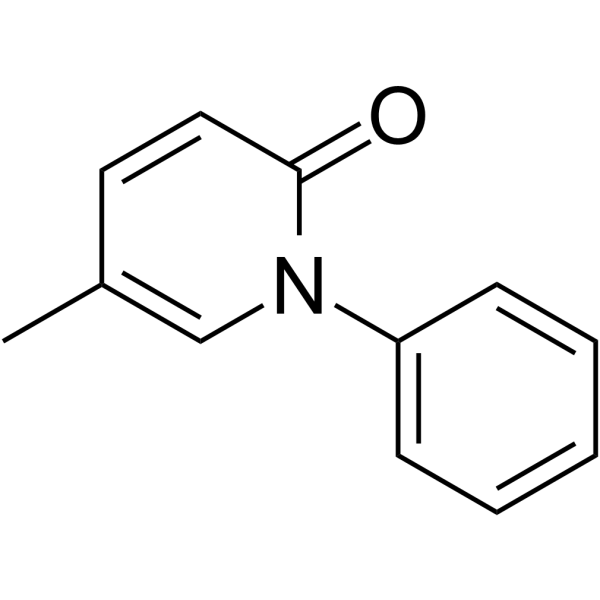
Pirfenidone
Maximum Cited Publications
80 Publications Verification
AMR69
|
TGF-beta/Smad
CCR
|
Inflammation/Immunology
Cancer
|
|
Pirfenidone (AMR69) is an antifibrotic agent that attenuates CCL2 and CCL12 production in fibrocyte cells. Pirfenidone has growth-inhibitory effect and reduces TGF-β2 protein levels in human glioma cell lines. Pirfenidone also has anti-inflammatory activities .
|
-
-
- HY-N0136
-
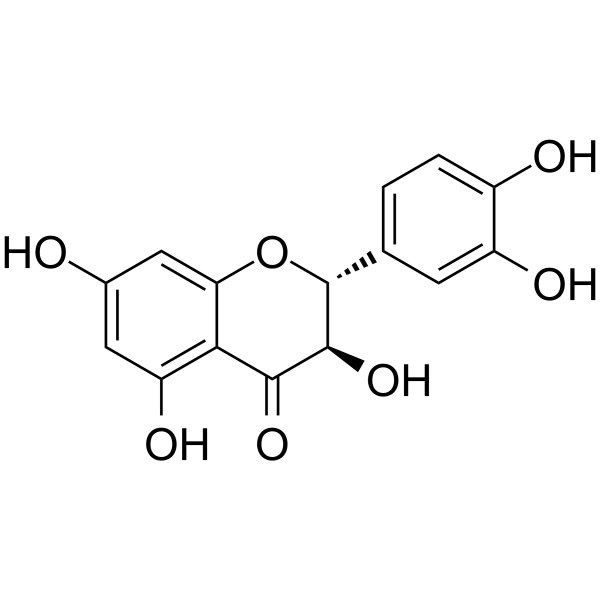
Taxifolin
Maximum Cited Publications
27 Publications Verification
(+)-Dihydroquercetin; (+)-Taxifolin
|
TNF Receptor
Autophagy
Tyrosinase
|
Inflammation/Immunology
Cancer
|
|
Taxifolin ((+)-Dihydroquercetin) exhibits important anti-tyrosinase activity. Taxifolin exhibits significant inhibitory activity against collagenase with an IC50 value of 193.3 μM. Taxifolin is an important natural compound with antifibrotic activity. Taxifolin is a free radical scavenger with antioxidant capacity .
|
-
-
- HY-12403
-
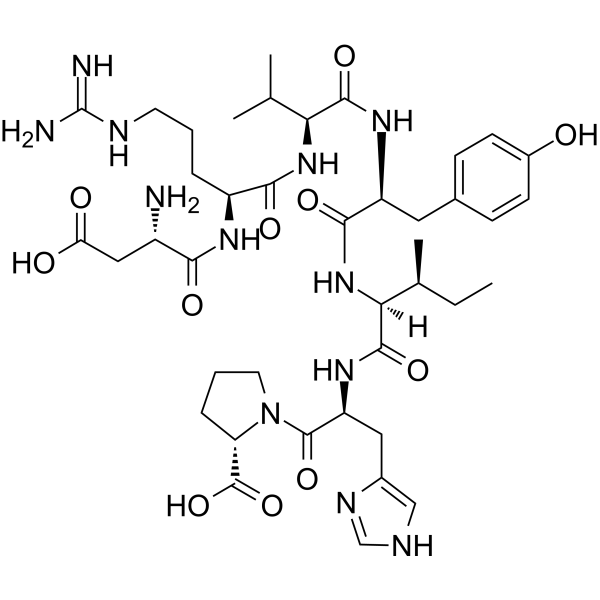
Talfirastide
Maximum Cited Publications
17 Publications Verification
TXA127; Angiotensin (1-7); Ang-(1-7)
|
Angiotensin Receptor
Angiotensin-converting Enzyme (ACE)
Endogenous Metabolite
|
Cardiovascular Disease
Inflammation/Immunology
Endocrinology
Cancer
|
|
Angiotensin 1-7 (Ang-(1-7)) is an endogenous heptapeptide from the renin-angiotensin system (RAS) with a cardioprotective role due to its anti-inflammatory and anti-fibrotic activities in cardiac cells. Angiotensin 1-7 inhibits purified canine ACE activity (IC50=0.65 μM). Angiotensin 1-7 acts as a local synergistic modulator of kinin-induced vasodilation by inhibiting ACE and releasing nitric oxide. Angiotensin 1-7 blocks Ang II-induced smooth muscle cell proliferation and hypertrophy and shows antiangiogenic and growth-inhibitory effects on the endothelium. Angiotensin 1-7 shows anti-inflammatory activity .
|
-
-
- HY-N0664
-
|
|
Bacterial
|
Infection
Neurological Disease
Metabolic Disease
Inflammation/Immunology
Cancer
|
|
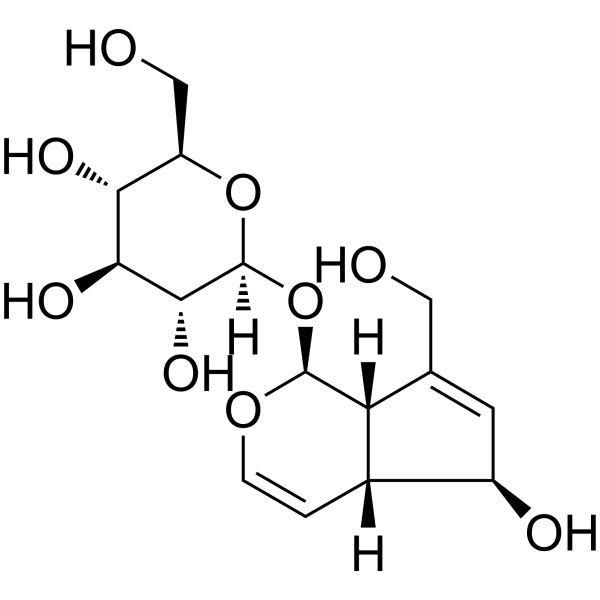
Aucubin is an iridoid glycoside component that acn be found in E. ulmoides. Aucubin can cross the blood-brain barrier (BBB) and has anti-anxiety, antidepressive and anti-neuroinflammatory effects. Aucubin has many biological activities, such as antioxidant, anti-aging, anti-inflammatory, antimicrobial, anti-fibrotic, anti-cancer, hepatoprotective, neuroprotective and osteoprotective effects .
|
-
-
- HY-P0256
-
-
-
- HY-B0766
-
|
SY801
|
Autophagy
Apoptosis
HBV
HCV
HSP
Reactive Oxygen Species (ROS)
Bcl-2 Family
Glutathione S-transferase
p38 MAPK
NF-κB
Microtubule/Tubulin
ERK
JNK
TNF Receptor
Interleukin Related
CDK
Cyclin G-associated Kinase (GAK)
mTOR
P-glycoprotein
Ferroptosis
|
Infection
Inflammation/Immunology
Cancer
|
|
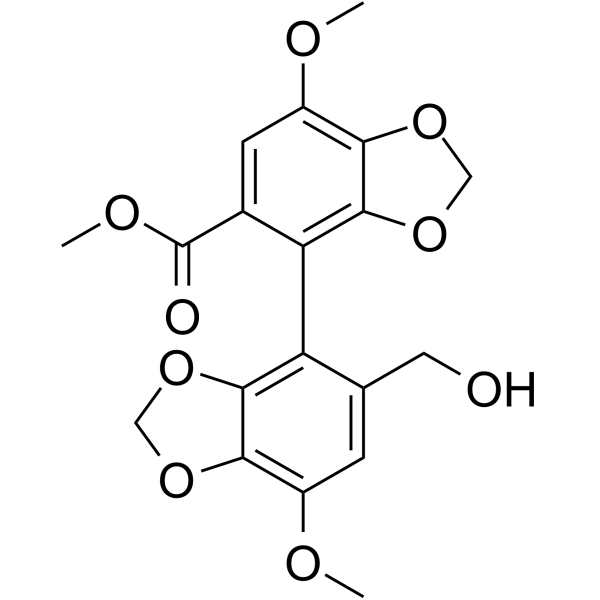
Bicyclol (SY801) is an orally active derivative of the traditional Chinese medicine Schisandra chinensis, which has antiviral, anti-inflammatory, immunomodulatory, antioxidant, anti-steatosis, anti-fibrotic and anti-tumor activities. Bicyclol regulates the expression of heat shock proteins and plays an anti-apoptosis role in hepatocytes. Bicyclol reduces the activation of NF-κB and the levels of inflammatory factors in hepatocytes infected with hepatitis C virus (HCV) by inhibiting the activation of the ROS-MAPK-NF-κB pathway, and prevents ferroptosis in acute liver injury. Bicyclol can change the expression of Mdr-1, GSH/GST and Bcl-2, increase the intracellular concentration of anticancer drugs, and sensitize drug-resistant cells to anticancer drugs. Bicyclol inhibits the proliferation of human malignant hepatoma cells by regulating the PI3K/AKT pathway and the Ras/Raf/MEK/ERK pathway. Bicyclol can be used in the study of chronic hepatitis, acute liver injury, nonalcoholic fatty liver disease, liver fibrosis and hepatocellular carcinoma .
|
-
-
- HY-N0152
-
-
-
- HY-P0170
-
TB500
1 Publications Verification
|
Drug Derivative
Akt
P2X Receptor
|
Inflammation/Immunology
|
|
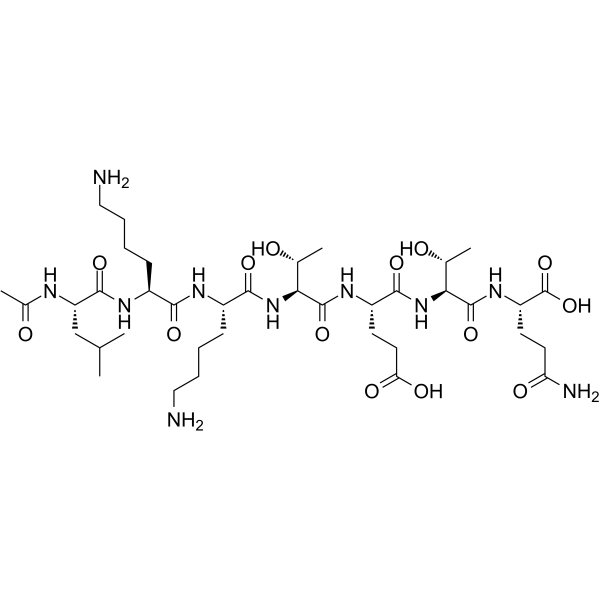
TB500 is a synthetic version of an active region of thymosin β4. TB500 exhibits anti-fibrotic and wound healing activities by inhibiting the Akt signaling pathway and binding to actin. TB500 is claimed to promote endothelial cell differentiation, angiogenesis in dermal tissues, keratinocyte migration, collagen deposition and decrease inflammation .
|
-
-
- HY-N0526
-
|
|
Sirtuin
Keap1-Nrf2
NF-κB
ERK
p38 MAPK
JNK
TSH Receptor
Reactive Oxygen Species (ROS)
SOD
|
Neurological Disease
Inflammation/Immunology
|
|
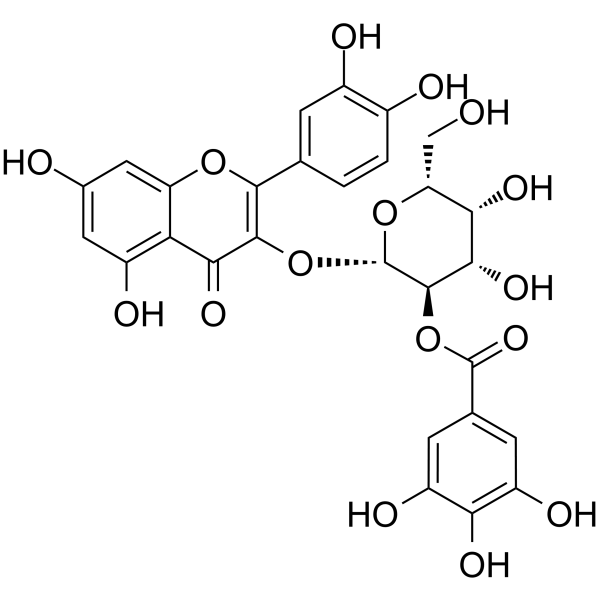
2''-O-Galloylhyperin is an active natural compound with anti‑inflammatory, antioxidant, anti‑adipogenic, antifibrotic, and cytostatic activities. 2''-O-Galloylhyperin upregulates SIRT1/Nrf2 signaling, inhibits NF-κB and MAPK (ERK1/2, p38, JNK) phosphorylation, suppresses TSHR activation, reduces ROS accumulation, and enhances SOD and GSH-Px activities. 2''-O-Galloylhyperin protects against LPS-induced tissue injury, enhances survival, and inhibits adipogenesis and fibrosis. 2"-O-Galloylhyperin can be used for the research of sepsis, acute lung injury, and thyroid eye disease .
|
-
-
- HY-101473
-
|
|
Integrin
|
Inflammation/Immunology
|
|
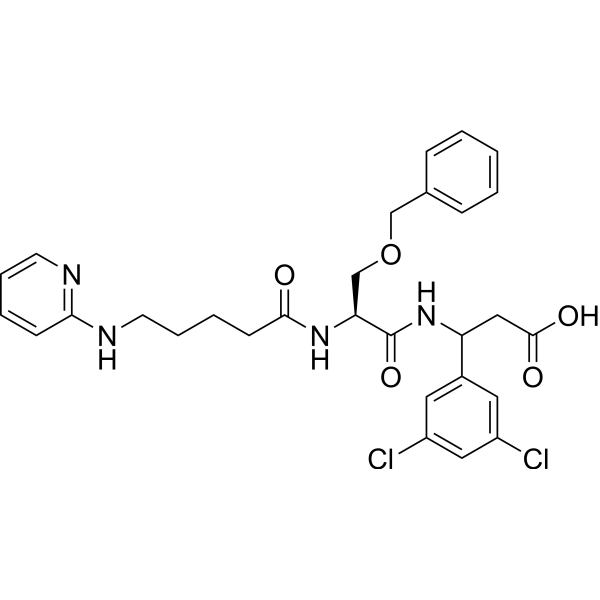
EMD527040 is a potent and highly selective αvβ6 antagonist with antifibrotic activities. EMD527040 can be used for carcinoma and liver fibrosis research .
|
-
-
- HY-N1548
-
|
|
DNA/RNA Synthesis
|
Inflammation/Immunology
|
|
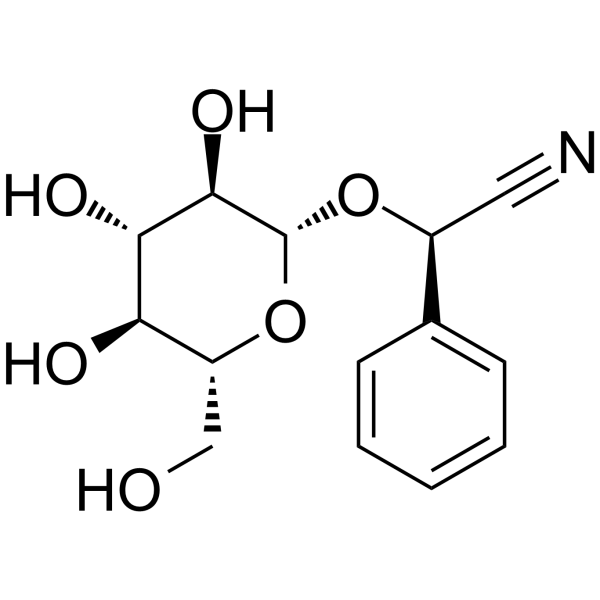
Prunasin is an orally active cyanogenic glucoside and the main metabolite of Amygdalin (HY-N0190). Prunasin can specifically inhibit rat DNA polymerase β (IC50: 98 μM). Prunasin has anti-inflammatory and anti-fibrotic activities. Prunasin can be used in the research of diseases such as liver fibrosis .
|
-
-
- HY-137464A
-
OATD-01
1 Publications Verification
|
Glycosidase
|
Inflammation/Immunology
|
|
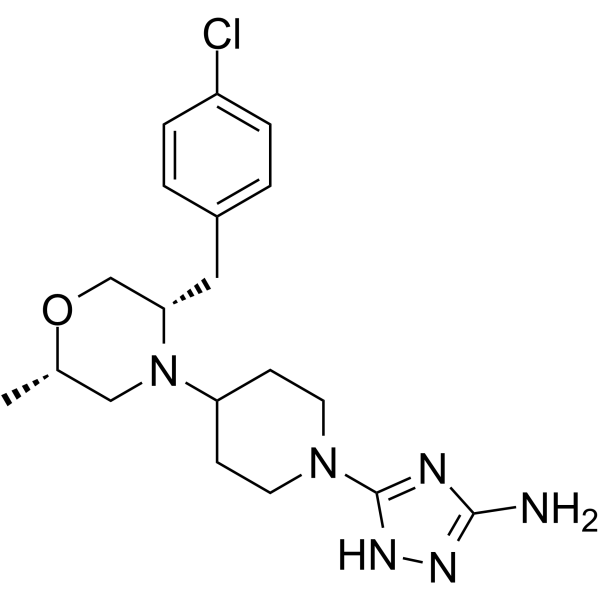
OATD-01 is a highly potent, first-in-class, orally active and selective chitinase inhibitor with low nanomolar activity toward CHIT1 (hCHIT1,IC50=23 nM). OATD-01 shows excellect PK profile in multiple species and is selectivity against a panel of other off-targets. OATD-01 exhibits significant antifibrotic efficacy in vivo and can be used for pulmonary fibrosis (IPF) research .
|
-
-
- HY-N0671
-
|
Rhaponiticin
|
Apoptosis
|
Cardiovascular Disease
Metabolic Disease
Inflammation/Immunology
Cancer
|
|
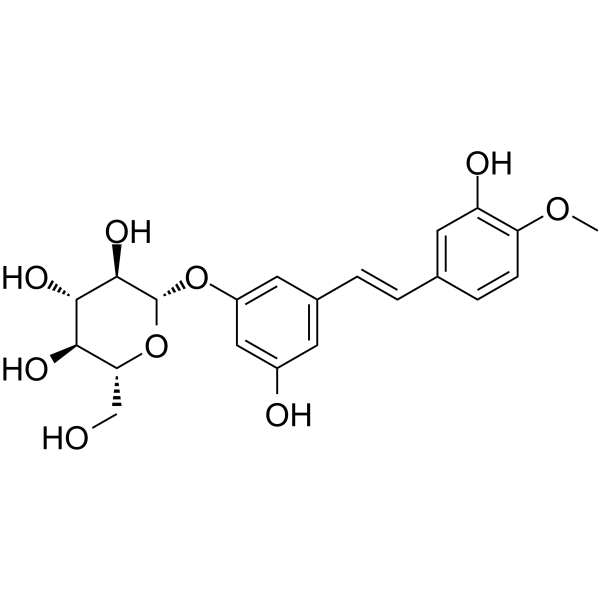
Rhapontin (Rhaponiticin) is an orally aactive SIRT1 agonist and AMPK activator with anti-inflammatory and anti-fibrotic activities. Rhapontin inhibits NLRP3 inflammasome activation by activating SIRT1 and inhibits TGF-β/Smad signaling via the AMPK pathway. Rhapontin reduces intestinal and lung inflammation, inhibits fibroblast differentiation and extracellular matrix deposition, and enhances tight junction protein expression to repair epithelial barriers. Rhapontin can be used in the study of inflammatory bowel diseases (such as ulcerative colitis) and pulmonary fibrosis .
|
-
-
- HY-B0673R
-
|
AMR69 (Standard)
|
Reference Standards
TGF-beta/Smad
CCR
|
Inflammation/Immunology
Cancer
|
|
Pirfenidone (Standard) is the analytical standard of Pirfenidone. This product is intended for research and analytical applications. Pirfenidone (AMR69) is an antifibrotic agent that attenuates CCL2 and CCL12 production in fibrocyte cells. Pirfenidone has growth-inhibitory effect and reduces TGF-β2 protein levels in human glioma cell lines. Pirfenidone also has anti-inflammatory activities .
|
-

-
- HY-P10728
-
|
|
RXFP Receptor
ERK
|
Cardiovascular Disease
Inflammation/Immunology
|
|
B7-33 is a single-chain relaxin mimetic and a selective relaxin receptor 1 (RXFP1) agonist. B7-33 phosphorylates ERK1/2 without inducing activation of the cAMP signaling pathway. B7-33 exhibits anti-fibrotic and cardioprotective activities. B7-33 can be used in the research of vascular diseases such as cardiomyopathy, myocardial infarction and fibrosis .
|
-

-
- HY-N0311
-
|
|
Aldose Reductase
Topoisomerase
SOD
p38 MAPK
|
Neurological Disease
Inflammation/Immunology
|
|
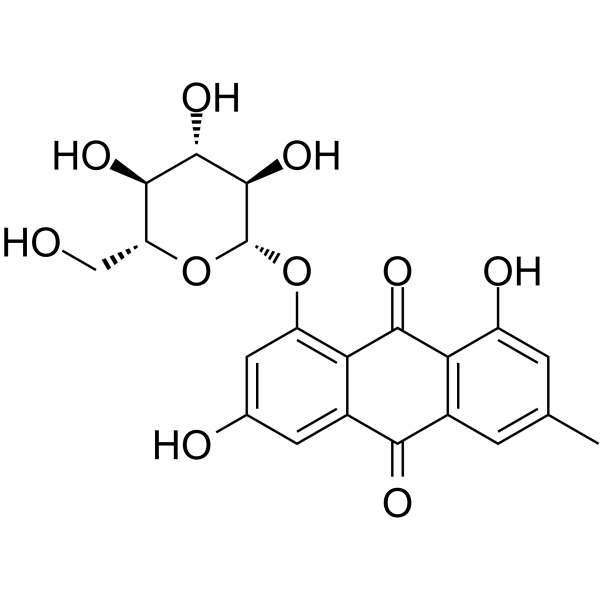
Emodin-8-glucoside is an anthraquinone derivative that can be isolated from Aloe vera. Emodin-8-glucoside is the inhibitor for MAPK with an inhibition constant of 430.14 pM. Emodin-8-glucoside exhibits moderate inhibitory activity against rat lens aldose reductase (ALAR) and topoisomerases II with IC50s of 14.4 μM and 66 μM. Emodin-8-glucoside exhibits antioxidant, anti-inflammatory and anti-fibrotic activities. Emodin-8-glucoside can cross the blood brain barrier .
|
-
-
- HY-N1482
-
|
|
Environmental Pollutants
Parasite
|
Inflammation/Immunology
|
|
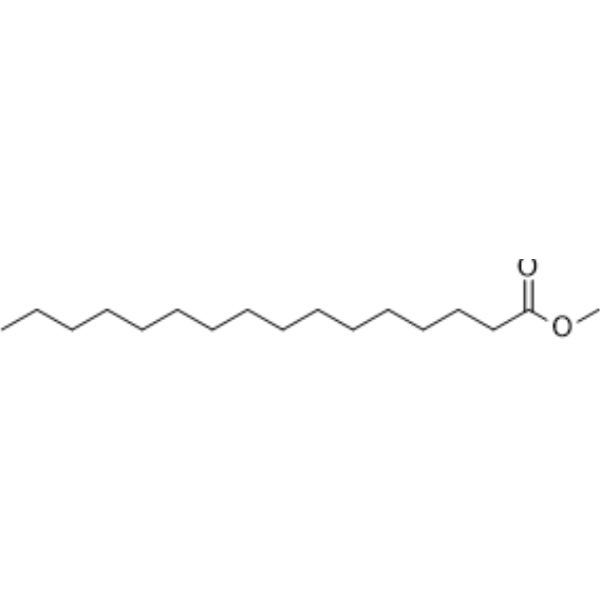
Methyl palmitate is a naturally occurring fatty acid ester. Methyl palmitate is a potent inhibitor of ΙκB phosphorylation. Methyl palmitate modulates macrophage activity and down-regulates pro-inflammatory mediators such as TNF-α and nitric oxide (NO). Methyl palmitate possesses anti-inflammatory and antifibrotic effects. Methyl palmitate can inhibit LPS (HY-D1056)-induced Kupffer cells and rat peritoneal macrophages. Methyl palmitate is able to inhibit the phagocytic function of RAW cells. Methyl palmitate is antagonistic to muscarinic receptors. Methyl palmitate exerts cardioprotective effects against ischemia/reperfusion injury in vivo. Methyl palmitate is highly toxic against adult T. cinnabarinus .
|
-
-
- HY-113926
-
|
|
Guanylate Cyclase
|
Cardiovascular Disease
|
|
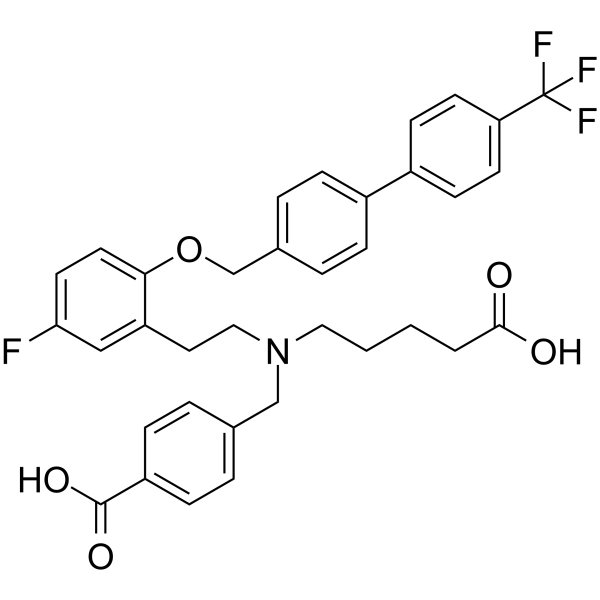
BAY 60-2770 is a potent, selective, and orally active soluble guanylyl cyclase (sGC) activator. BAY 60-2770 increases the activity of sGC in a nitric oxide-independent manner. BAY 60-2770 shows antifibrotic effect .
|
-
-
- HY-130242
-
|
|
Monoamine Oxidase
|
Inflammation/Immunology
|
|
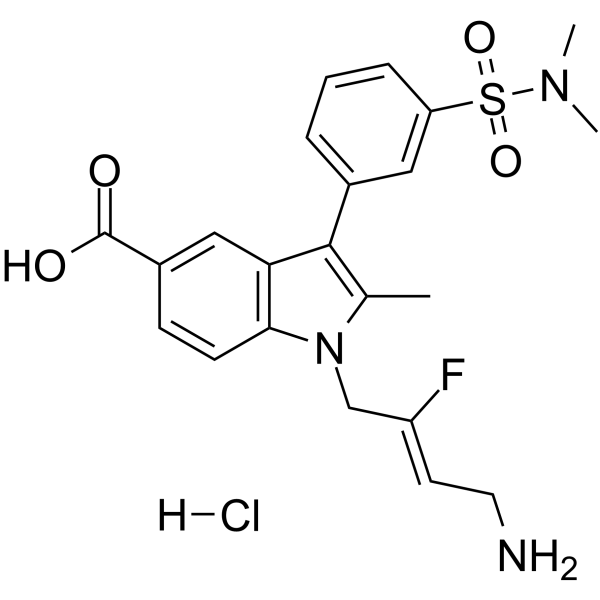
PXS-5120A is a potent, irreversible fluoroallylamine inhibitor of Lysyl Oxidase-like 2/3 (LOXL2/3) with anti-fibrotic activity. PXS-5120A is >300-fold selective for LOXL2 (Ki of 83 nM; pIC50 of 8.4) over LOXL (pIC50 of 5.8) .
|
-
-
- HY-17002
-
|
IPD 1151T
|
Interleukin Related
|
Inflammation/Immunology
|
|
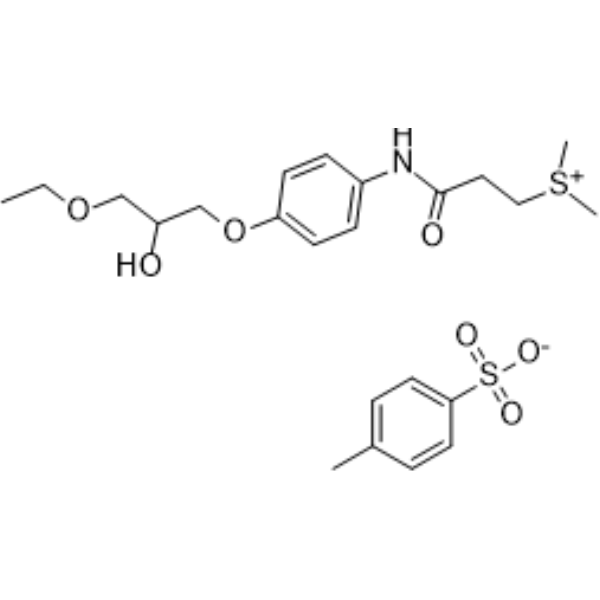
Suplatast Tosilate (IPD 1151T) is an orally active Th2 cytokine inhibitor which can inhibit both IL-4 and IL-5 production from Th2 cells and suppress IgE synthesis. Suplatast Tosilate is an anti-allergic agent. Suplatast Tosilate has antiasthmatic, anti-inflammatory and antifibrotic activity .
|
-
-
- HY-B0673S1
-
|
LYT-100; AMR69-d3
|
Isotope-Labeled Compounds
|
Others
|
|
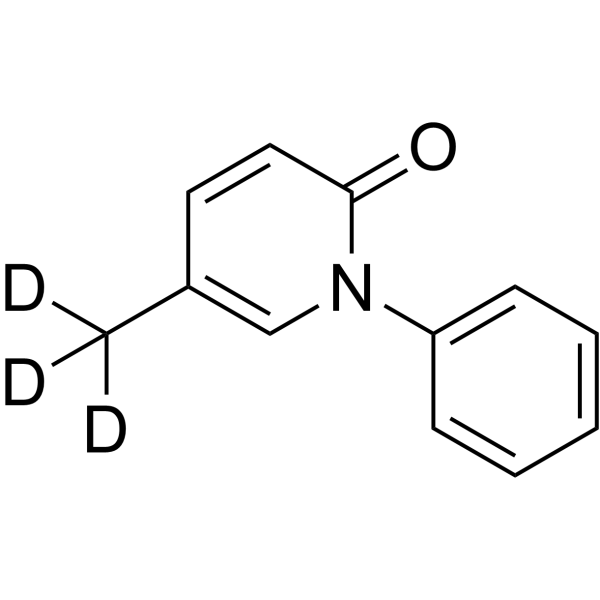
Deupirfenidone-d3 is the deuterium labeled Pirfenidone (HY-B0673). Pirfenidone (AMR69) is an antifibrotic agent that attenuates CCL2 and CCL12 production in fibrocyte cells. Pirfenidone has growth-inhibitory effect and reduces TGF-β2 protein levels in human glioma cell lines. Pirfenidone also has anti-inflammatory activities .
|
-
-
- HY-18303
-
AMG-47a
3 Publications Verification
|
Src
VEGFR
p38 MAPK
JAK
|
Inflammation/Immunology
|
|
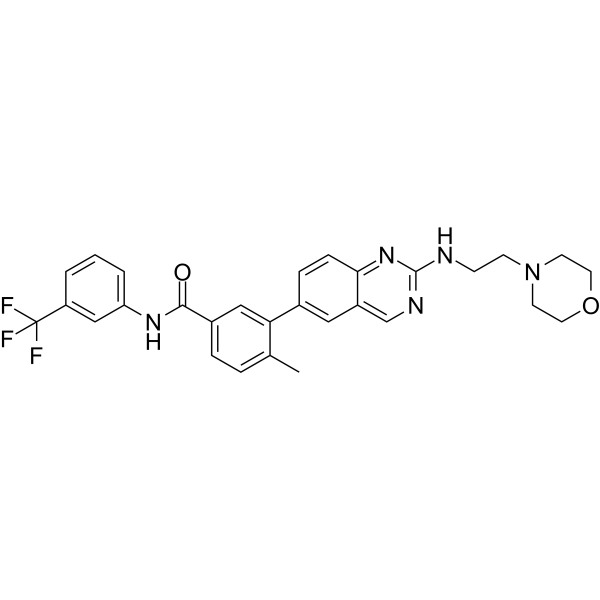
AMG-47a is an orally active, ATP-competitive Lck inhibitor (IC50=0.2 nM). AMG-47a inhibits VEGF2, p38α, p38α, Jak3, MLR, and IL-2 with IC50 of 1 nM, 3 nM, 72 nM, 30 nM, and 21 nM, respectively. AMG-47a reduces T cell activation and the production of cytokines such as TGF-β, exerting anti-inflammatory and anti-fibrotic activities. AMG-47a can be used in the research of autoimmune diseases, pulmonary fibrosis, and KRAS mutation-associated cancers[1][2][3].
|
-
-
- HY-159066
-
-

-
- HY-124646
-
|
|
IRE1
|
Inflammation/Immunology
|
|
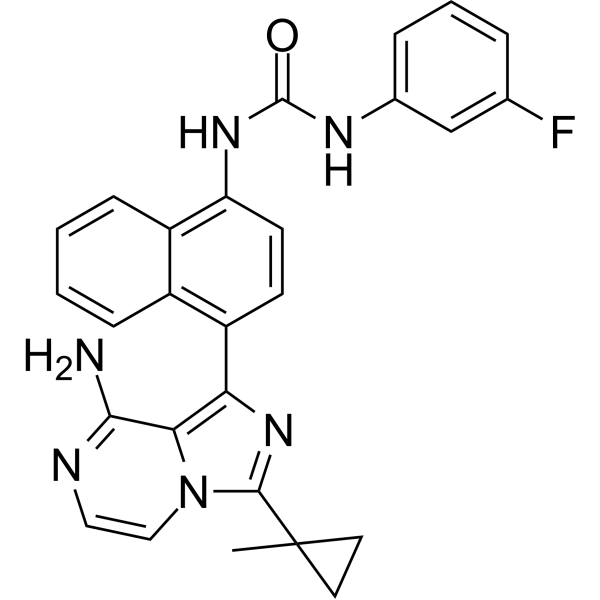
KIRA-7, an imidazopyrazine compound, binds the IRE1α kinase (IC50 of 110 nM) to allosterically inhibit its RNase activity. KIRA-7 has an anti-fibrotic effect .
|
-
-
- HY-B0673S
-
|
AMR69-d5
|
TGF-beta/Smad
CCR
|
Inflammation/Immunology
Cancer
|
|
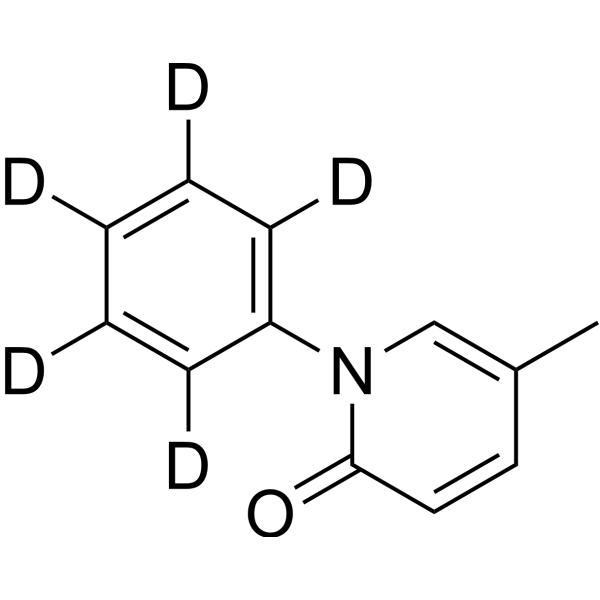
Pirfenidone-d5 (AMR69-d5) is a deuterium labeled Pirfenidone. Pirfenidone is an antifibrotic agent that attenuates CCL2 and CCL12 production in fibrocyte cells. Pirfenidone has growth-inhibitory effect and reduces TGF-β2 protein levels in human glioma cell lines. Pirfenidone also has anti-inflammatory activities .
|
-
-
- HY-12403A
-
|
TXA127 acetate; Angiotensin (1-7) acetate; Ang-(1-7) acetate
|
Angiotensin Receptor
Angiotensin-converting Enzyme (ACE)
Endogenous Metabolite
|
Cardiovascular Disease
Inflammation/Immunology
Endocrinology
Cancer
|
|
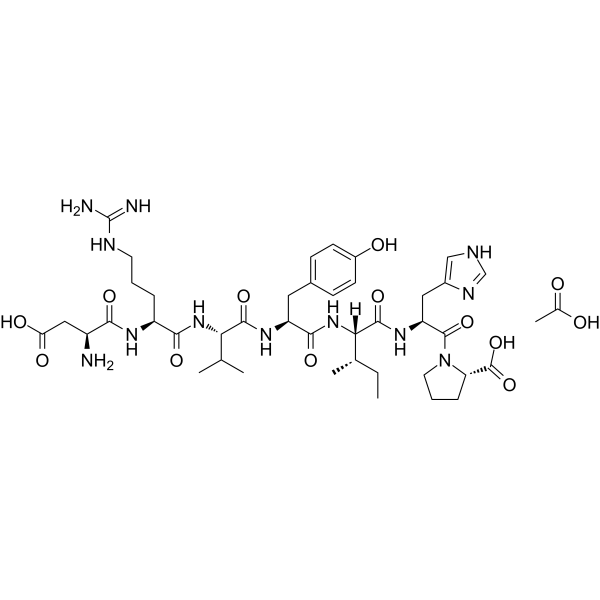
Angiotensin 1-7 (Ang-(1-7)) acetate is an endogenous heptapeptide from the renin-angiotensin system (RAS) with a cardioprotective role due to its anti-inflammatory and anti-fibrotic activities in cardiac cells. Angiotensin 1-7 acetate inhibits purified canine ACE activity (IC50=0.65 μM). Angiotensin 1-7 acetate acts as a local synergistic modulator of kinin-induced vasodilation by inhibiting ACE and releasing nitric oxide. Angiotensin 1-7 acetate blocks Ang II-induced smooth muscle cell proliferation and hypertrophy and shows antiangiogenic and growth-inhibitory effects on the endothelium .
|
-
-
- HY-138995
-
|
|
Deubiquitinase
|
Others
|
|
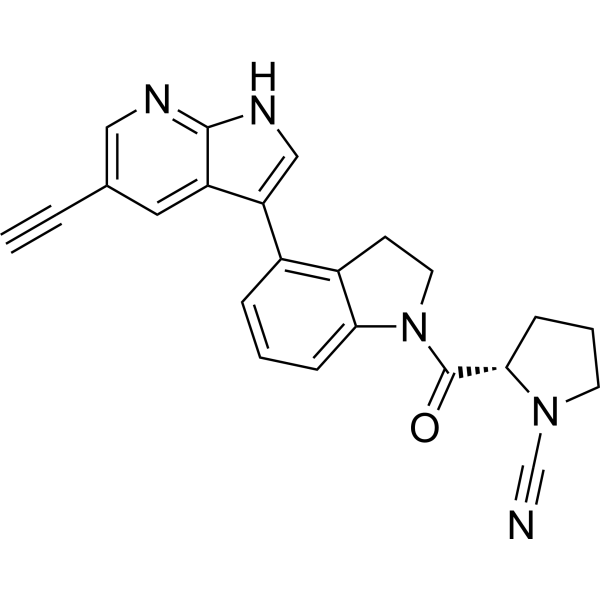
IMP-1710 is a potent and selective deubiquitylating enzyme UCHL1 inhibitor with an IC50 value of 38 nM. IMP-1710 has antifibrotic activity. IMP-1710 is a UCHL1 probe to identify and quantify target proteins in intact human cells . IMP-1710 is a click chemistry reagent, it contains an Alkyne group and can undergo copper-catalyzed azide-alkyne cycloaddition (CuAAc) with molecules containing Azide groups. IMP-1710 can be used in the research of idiopathic pulmonary fibrosis .
|
-
-
- HY-163536
-
|
|
TGF-beta/Smad
|
Inflammation/Immunology
|
|
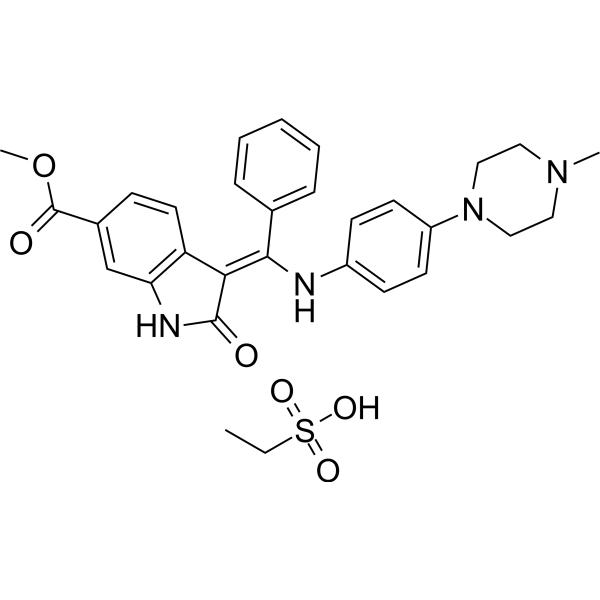
TGF-β1/Smad3-IN-1 (Compound 5aa) is an inhibitor of the TGF-β1/Smad3 signaling pathway(IC50=1.07 μM). TGF-β1/Smad3-IN-1 possesses antifibrotic activity and oral potency .
|
-
-
- HY-107802
-
|
Breviscapinun
|
NF-κB
Interleukin Related
TGF-beta/Smad
Calcium Channel
|
Cardiovascular Disease
Neurological Disease
Inflammation/Immunology
|
|
Breviscapine (Breviscapinun) is a flavonoid compound with antioxidant, anti-inflammatory, anti-fibrotic, and neuroprotective activities. Breviscapine ameliorates cerebral ischemia/reperfusion injury and vascular dementia, and inhibits the formation of postoperative abdominal adhesions. The mechanism of action of Breviscapine involves the regulation of oxidative stress, inflammatory cytokines, signaling pathways such as TGF-β/Smad, and cellular calcium overload. Breviscapine is used for research on diseases including cardiovascular and cerebrovascular diseases .
|
-

-
- HY-170538
-
|
|
Lysyl Oxidase
Cytochrome P450
|
Cardiovascular Disease
Metabolic Disease
|
|
SNT-5382 is a lysyl oxidase family (LOX) inhibitor and anti-fibrotic agent. SNT-5382 binds to the LTQ cofactor of LOXL2 and inhibits the enzymatic activities of LOXL3, LOXL4, LOXL1, CYP2C9, and CYP2C19. SNT-5382 reduces cardiac and liver fibrosis as well as collagen crosslinks, and improves cardiac function. SNT-5382 can be used for the research of heart failure, myocardial infarction, and nonalcoholic steatohepatitis-related liver fibrosis .
|
-

-
- HY-N0136R
-
|
(+)-Dihydroquercetin (Standard); (+)-Taxifolin (Standard)
|
TNF Receptor
Reference Standards
Autophagy
Tyrosinase
|
Inflammation/Immunology
|
|
Taxifolin (Standard) is the analytical standard of Taxifolin. This product is intended for research and analytical applications. Taxifolin ((+)-Dihydroquercetin) exhibits important anti-tyrosinase activity. Taxifolin exhibits significant inhibitory activity against collagenase with an IC50 value of 193.3 μM . Taxifolin is an important natural compound with antifibrotic activity. Taxifolin is a free radical scavenger with antioxidant capacity .
|
-

-
- HY-116893
-
|
|
HIF/HIF Prolyl-Hydroxylase
MOFs
|
Cancer
|
|
Diethyl bipy55'DC is an inhibitor of collagen proline 4-hydroxylases (CP4Hs) with antifibrotic and anti-metastatic activities. Diethyl bipy55'DC can inhibit CP4H activity in cultured cells at concentrations that do not cause iron deficiency .
|
-

-
- HY-N0664R
-
|
|
Reference Standards
Bacterial
|
Infection
Neurological Disease
Inflammation/Immunology
Cancer
|
|
Aucubin (Standard) is the analytical standard of Aucubin. This product is intended for research and analytical applications. Aucubin, an iridoid glucoside, is isolated from Plantago asiatica, Eucommia ulmoides, the leaves of Aucuba japonica and more recently from butterfly larva. Aucubin has many biological activities, such as antioxidant, anti-aging, anti-inflammatory, antimicrobial, anti-fibrotic, anti-cancer, hepatoprotective, neuroprotective and osteoprotective effects .
|
-

-
- HY-N0671R
-
|
Rhaponiticin (Standard)
|
Reference Standards
Apoptosis
|
Cardiovascular Disease
Metabolic Disease
Inflammation/Immunology
Cancer
|
|
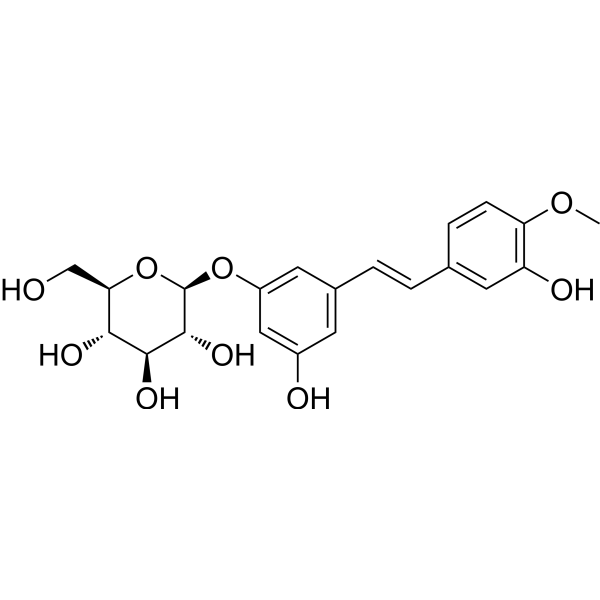
Rhapontin (Standard) is the analytical standard of Rhapontin (HY-N0671). This product is intended for research and analytical applications. Rhapontin (Rhaponiticin) is an orally aactive SIRT1 agonist and AMPK activator with anti-inflammatory and anti-fibrotic activities. Rhapontin inhibits NLRP3 inflammasome activation by activating SIRT1 and inhibits TGF-β/Smad signaling via the AMPK pathway. Rhapontin reduces intestinal and lung inflammation, inhibits fibroblast differentiation and extracellular matrix deposition, and enhances tight junction protein expression to repair epithelial barriers. Rhapontin can be used in the study of inflammatory bowel diseases (such as ulcerative colitis) and pulmonary fibrosis .
|
-
-
- HY-N6928
-
-
-
- HY-N0136B
-
|
(-)-Dihydroquercetin
|
Tyrosinase
|
Inflammation/Immunology
|
|
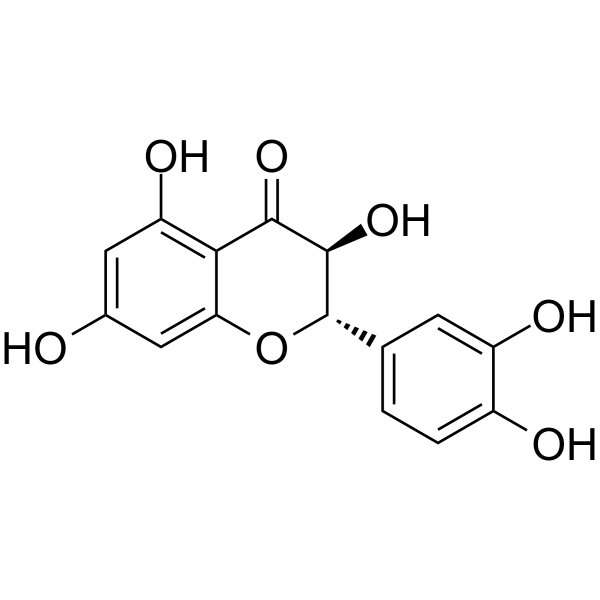
(-)-Taxifolin is the less active enantiomer of Taxifolin. Taxifolin exhibits important anti-tyrosinase activity. Taxifolin exhibits significant inhibitory activity against collagenase with an IC50 value of 193.3 μM . Taxifolin is an important natural compound with antifibrotic activity. Taxifolin is a free radical scavenger with antioxidant capacity .
|
-
-
- HY-N0136A
-
|
(±)-Dihydroquercetin
|
Drug Isomer
TNF Receptor
Autophagy
Tyrosinase
|
Inflammation/Immunology
Cancer
|
|
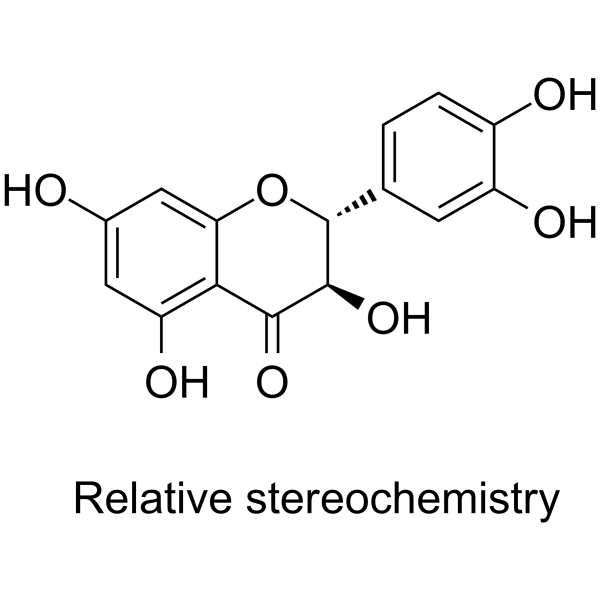
(±)-Taxifolin ((±)-Dihydroquercetin) is the racemate of Taxifolin (HY-N0136). Taxifolin exhibits important anti-tyrosinase activity. Taxifolin exhibits significant inhibitory activity against collagenase with an IC50 value of 193.3 μM. Taxifolin is an important natural compound with antifibrotic activity. Taxifolin is a free radical scavenger with antioxidant capacity .
|
-
-
- HY-N9942
-
|
|
Apoptosis
Autophagy
NF-κB
p38 MAPK
PI3K
Akt
mTOR
STAT
JAK
|
Inflammation/Immunology
Cancer
|
|
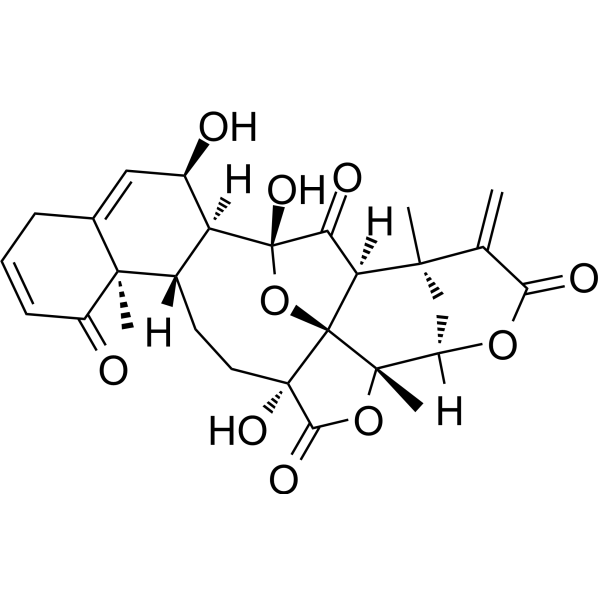
Physalin A is a biologically active withanolide. Physalin A shows anti-inflammatory, antifibrotic and ameliorative effects on autophagy in models of disc degeneration. Physalin A has antitumor activity and can induce apoptosis, ROS production and G2/M phase cell cycle arrest. Besides. Physalin A can significantly increase the activity of quinone reductase and increase the expression of detoxifying enzymesc .
|
-
-
- HY-162904
-
|
|
Mitochondrial Metabolism
|
Cardiovascular Disease
|
|
BPU17 binds to PHB1 and causes mild defects in mitochondrial function by defects in the PHB1-PHB2 interaction. This impairment inhibits the SRF/CArG-box-dependent transcription, resulting in the suppression of epithelial-mesenchymal transition (EMT) of retinal pigment epithelial cells (RPEs). BPU17 exhibits antifibrotic activity in vivo. BPU17 is promising for research of anti-neovascular age-related macular degeneration (nAMD) agent .
|
-

-
- HY-N1482S1
-
|
|
Parasite
|
Inflammation/Immunology
|
|
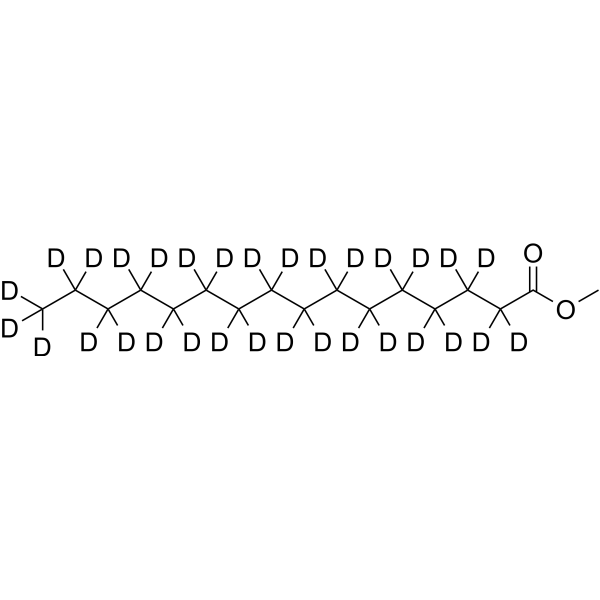
Methyl palmitate-d31 is the deuterium labeled Methyl palmitate. Methyl palmitate, an acaricidal compound occurring in green walnut husks, inhibits phagocytic activity and immune response. Methyl palmitate also posseses anti-inflammatory and antifibrotic effects .
|
-
-
- HY-176274
-
-

-
- HY-177739
-
|
|
Drug Derivative
Collagen
|
Inflammation/Immunology
|
|
Antifibrotic agent 2 (Compound 636) is a polycyclic pyridinone derivative with antifibrotic activity. Antifibrotic agent 2 reduces the pathological accumulation of fibrosis-related proteins such as fibronectin and collagen, prevents excessive fibrous connective tissue from depositing in organs or tissues, and reverses or delays the remodeling of tissue fibrosisby regulating the abnormal proliferation and activation of fibroblasts. Antifibrotic agent 2 can be used for research on pulmonary fibrosis .
|
-

-
- HY-176194
-
|
|
Collagen
c-Fms
PDGFR
Src
|
Inflammation/Immunology
|
|
Antifibrotic agent 1 is an orally active anti-idiopathic pulmonary fibrosis (IPF) agent. Antifibrotic agent 1 effectively attenuates IPF-related processes, including TGF-β induced EMT and FMT processes, as well as pro-fibrotic M2 polarization. Antifibrotic agent 1 selectively inhibits CSF-1R, PDGFR-α and Src family kinases (SFKs), while sparing VEGFRs, FGFRs and Abl to minimize off-target toxicity. Antifibrotic agent 1 has potent anti-fibrotic activity in Bleomycin (BLM) (HY-108345)-induced pulmonary fibrosis mice model .
|
-

-
- HY-P0256A
-
|
Apamine TFA
|
Potassium Channel
|
Neurological Disease
Inflammation/Immunology
|
|
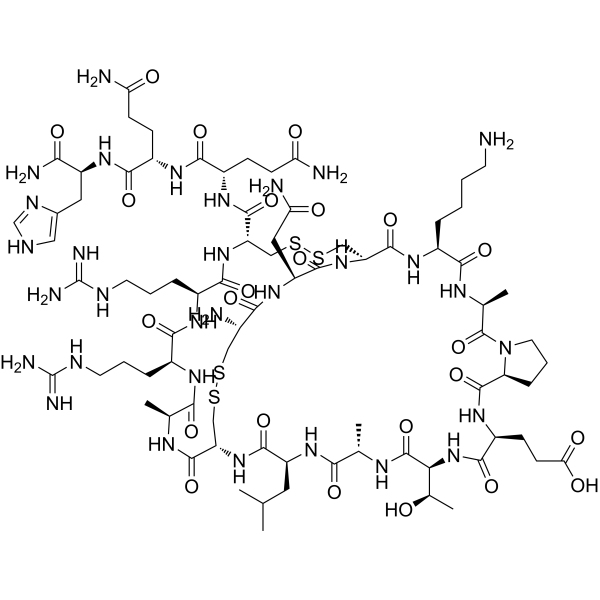
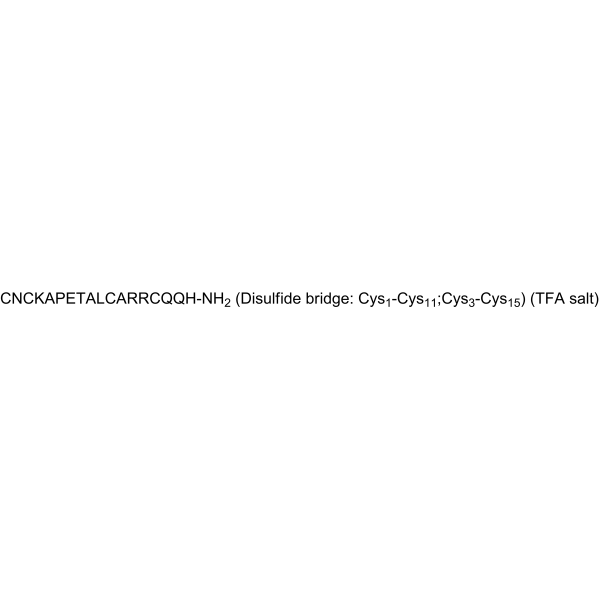
Apamin TFA (Apamine TFA) is an 18 amino acid peptide neurotoxin found in apitoxin (bee venom), is known as a specifically selective blocker of Ca 2+-activated K + (SK) channels and exhibits anti-inflammatory and anti-fibrotic activity .
|
-
-
- HY-N0136S
-
|
(+)-Dihydroquercetin-d3; (+)-Taxifolin-d3
|
Isotope-Labeled Compounds
Autophagy
Tyrosinase
|
Inflammation/Immunology
|
|
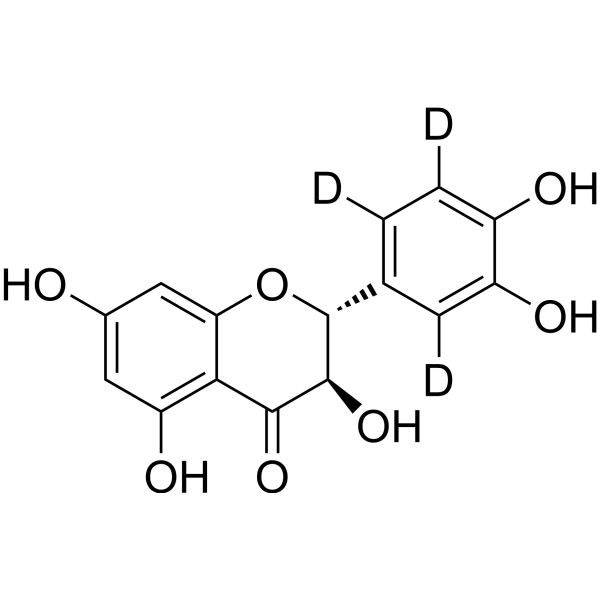
Taxifolin-d3 is deuterium labeled Taxifolin. Taxifolin ((+)-Dihydroquercetin) exhibits important anti-tyrosinase activity. Taxifolin exhibits significant inhibitory activity against collagenase with an IC50 value of 193.3 μM . Taxifolin is an important natural compound with antifibrotic activity. Taxifolin is a free radical scavenger with antioxidant capacity .
|
-
-
- HY-117485
-
|
|
Hedgehog
|
Inflammation/Immunology
|
|
CBR-096-4 is a derivative of Itraconazole (HY-17514). CBR-096-4 is an orally active antifibrotic agent with no CYP3A4 inhibitory activity. CBR-096-4 inhibits the formation of matrix-secreting activated myofibroblasts (MFBs) from multiple tissue types. CBR-096-4 inhibits Hedgehog reporter activity (GLI-LUC), VEGF-dependent growth, and αSMA-LUC reporter activity. CBR-096-4 can be used for research of fibrosis .
|
-

-
- HY-169940
-
|
|
HDAC
|
Inflammation/Immunology
|
|
Fibrostat (Compound 5n) is a selective HDAC6 inhibitor that exerts antifibrotic effects by inhibiting HDAC6 activity, with an IC50 value of 63 nM. It also exhibits good selectivity over HDAC1, HDAC3, HDAC5, HDAC8, HDAC10, and HDAC11. Fibrostat significantly downregulates fibrotic markers (fibronectin and collagen 1) in fibroblasts. Additionally, Fibrostat demonstrated no toxicity in rat-perfused heart and zebrafish larvae models. Fibrostat shows potential for research into fibrosis-related diseases .
|
-

-
- HY-P11297
-
|
|
Angiotensin-converting Enzyme (ACE)
|
Cardiovascular Disease
|
|
AC-SDKP-NH2 is a substrate peptide of Angiotensin converting enzyme (ACE). AC-SDKP-NH2 has anti-inflammatory and anti-fibrotic activities. AC-SDKP-NH2 directly acts on tissues and prevents or reverses them from excessive fibrosis, but fails to reduce blood pressure and left ventricular hypertrophy (LVH). AC-SDKP-NH2 attenuates inflammation and cell differentiation, proliferation and migration, therefore reducing fibrosis in the heart, vessels and kidneys in mice model. AC-SDKP-NH2 can be used for cardiovascular diseases such as hypertension research .
|
-

-
- HY-101473A
-
|
|
Integrin
|
Cancer
|
|
EMD527040 (hydrochloride) is a highly potent and selective αvβ6 antagonist with anti-fibrotic activity. EMD527040 (hydrochloride) is used in the research of liver cancer and liver fibrosis .
|
-

-
- HY-N6928R
-
|
|
Toll-like Receptor (TLR)
Reference Standards
|
Metabolic Disease
Cancer
|
|
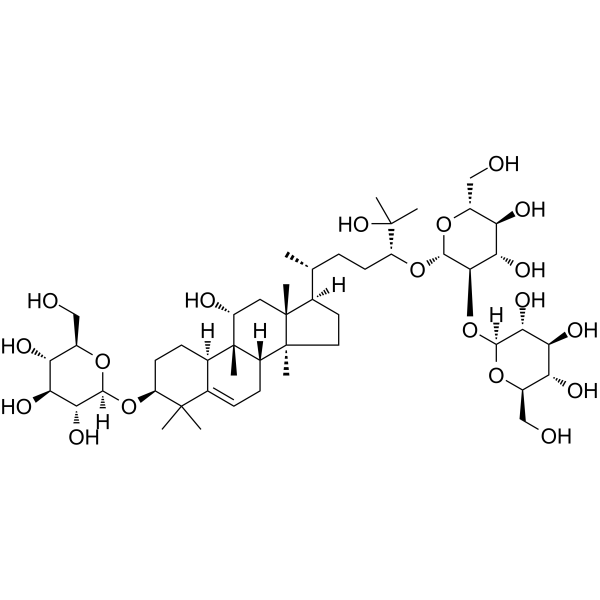
Mogroside III-E (Standard) is the analytical standard of Mogroside III-E. This product is intended for research and analytical applications. Mogroside III-E is a cucurbitane-type compound isolated from Siraitia grosvenorii, inhibits NO release, with anti-fibrotic activity .
|
-

- HY-N1482S
-
|
|
Parasite
|
Inflammation/Immunology
|
|
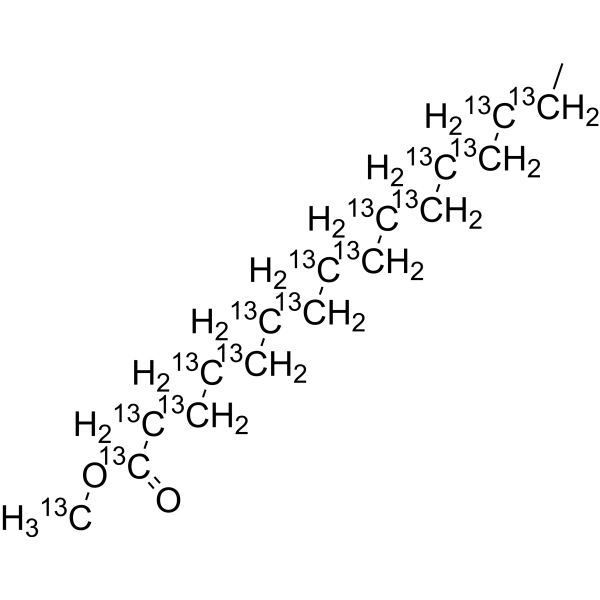
Methyl palmitate- 13C16 is the 13C labeled Methyl palmitate. Methyl palmitate, an acaricidal compound occurring in green walnut husks, inhibits phagocytic activity and immune response. Methyl palmitate also posseses anti-inflammatory and antifibrotic effects .
|
-
- HY-N1482R
-
|
|
Parasite
Reference Standards
|
Inflammation/Immunology
|
|
Methyl palmitate (Standard) is the analytical standard of Methyl palmitate. This product is intended for research and analytical applications. Methyl palmitate, an acaricidal compound occurring in Lantana camara, inhibits phagocytic activity and immune response. Methyl palmitate also posseses anti-inflammatory and antifibrotic effects .
|
-

- HY-176218
-
|
|
Drug Derivative
|
Inflammation/Immunology
|
|
TTTE is a sulfone bischalcone derivative. TTTE has major anti-necrotic, anti-inflammatory and anti-fibrotic activities. TTTE exerts regulatory effects by downregulating key molecules such as Caspase-3, TNF-α, NF-κB and TGF-β. TTTE can be used in the study of liver injury .
|
-

- HY-N0136S1
-
|
(±)-Dihydroquercetin-13C3
|
Autophagy
Tyrosinase
|
Inflammation/Immunology
|
|
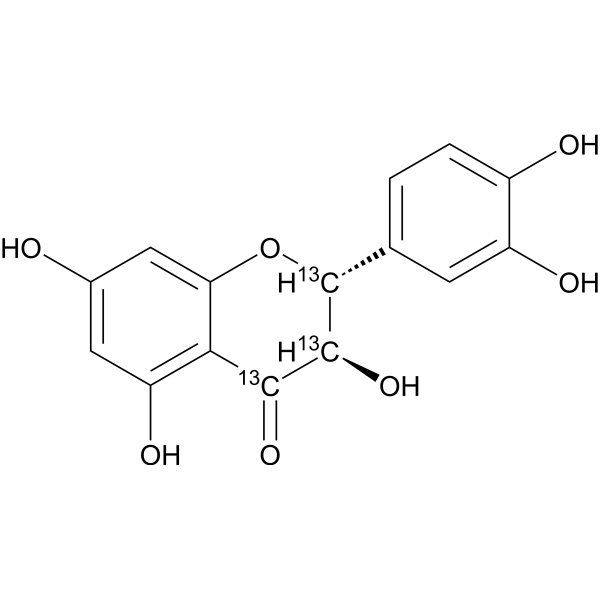
(±)-Taxifolin-13C3 ((±)-Dihydroquercetin-13C3) is a derivative of (±)-Taxifolin, labeled with 13C3. (±)-Taxifolin is the racemate of Taxifolin. Taxifolin exhibits important anti-tyrosinase activity. Taxifolin exhibits significant inhibitory activity against collagenase with an IC50 value of 193.3 μM . Taxifolin is an important natural compound with antifibrotic activity. Taxifolin is a free radical scavenger with antioxidant capacity .
|
-
- HY-N16399
-
|
|
Reactive Oxygen Species (ROS)
Cadherin
|
Cancer
|
|
Black tea extract is the extract of Black tea. Black tea extract prevents inorganic arsenic (iAs) induced ROS generation, inhibiting uncontrolled proliferation, epithelial to mesenchymal transition (EMT) and metastasis in HaCaT cells. Black tea extract has an anti-fibrotic activity. Black tea extract can be used for skin cancers research .
|
-

- HY-173041
-
|
|
Arginase
|
Inflammation/Immunology
|
|
Arginase inhibitor 9 (Compound 12a) is an arginase inhibitor with IC50 values of 9 μM and 55 μM for bovine and human arginase I, respectively. Arginase inhibitor 9 exhibits antioxidant activity and can scavenge free radicals. Additionally, Arginase inhibitor 9 can effectively regulate the levels of collagen and procollagen, exerting an anti-fibrotic effect .
|
-

- HY-149205
-
|
|
PI3K
ERK
|
Inflammation/Immunology
|
|
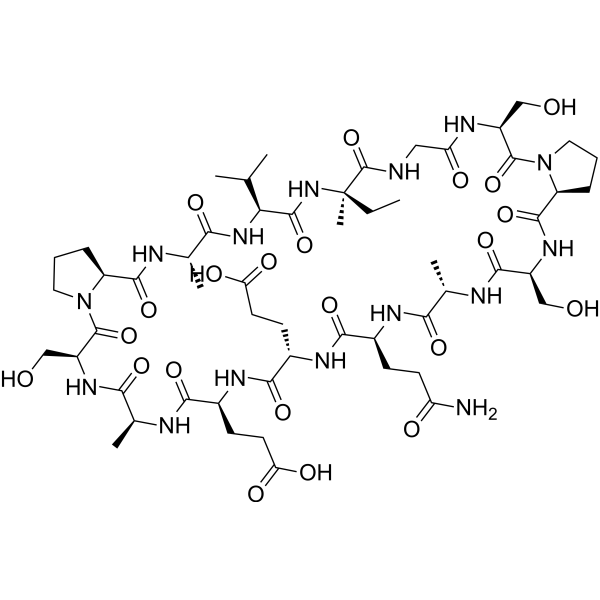
CXJ-2 is a cyclic peptide, and exhibits moderate affinity toward elastin derived peptides (EDPs). CXJ-2 exhibits potent activities to inhibit the PI3K/ERK pathway and decrease hepatic stellate cell proliferation and migration. CXJ-2 possesses potent antifibrotic efficacy .
|
-
- HY-168567
-
|
|
RIP kinase
NF-κB
p38 MAPK
|
Inflammation/Immunology
|
|
RIPK2-IN-6 (Compound 15a) is an inhibitor for RIPK, that inhibits the phosphorylation of RIPK2, and thus inhibits the NF-κB and MAPK signaling pathways. RIPK2-IN-6 exhibits anti-inflammatory and anti-fibrotic activities in Dextran sodium sulfate (HY-116282C)-induced mice colitis models .
|
-

- HY-18938A
-
|
GS-4997 hydrochloride
|
Apoptosis
MAP3K
|
Cancer
|
|
Selonsertib hydrochloride (GS-4997 hydrochloride) is an orally bioavailable enzyme inhibitor with potential anti-inflammatory, anti-tumor and anti-fibrotic activities. Selonsertib hydrochloride blocks ASK1 phosphorylation and activation by binding to the catalytic kinase domain. Selonsertib hydrochloride prevents the production of inflammatory cytokines and reduces the expression of genes associated with fibrosis. Selonsertib hydrochloride inhibits excessive apoptosis and limits cell proliferation .
|
-

- HY-N0152R
-
-

- HY-163777
-
|
|
Phosphodiesterase (PDE)
|
Others
Inflammation/Immunology
|
|
Talaroterphenyl A (compound 1) is a p-terphenyl derivative present in the mangrove sediment-derived fungus Talaromyces sp. SCSIO 41412, which exhibits phosphodiesterase 4 (PDE4) inhibitory activity (IC50=1.2 μM). Talaroterphenyl A also exhibits anti-inflammatory and anti-fibrotic activities, significantly reducing the mRNA levels of pro-inflammatory cytokines IL-6, TNF-α, and IL-1β .
|
-

- HY-178328
-
|
|
VD/VDR
Collagen
TGF-beta/Smad
MMP
JAK
|
Metabolic Disease
Inflammation/Immunology
Endocrinology
|
|
VDR agonist 4 is an orally active potent VDR agonist. VDR agonist 4 exerts VDR-dependent antifibrotic activity by regulating multiple fibrosis-related genes to suppress α-SMA and collagen I production, thereby inhibiting hepatic stellate cell (HSC) activation. VDR agonist 4 improves CCl4 (HY-RS16594)-induced hepatic fibrosis in mice. VDR agonist 4 can be used for liver fibrosis research .
|
-

- HY-162630
-
|
|
HDAC
|
Inflammation/Immunology
|
|
HDAC6-IN-44 (compound H10) is a selective HDAC6 inhibitor with an IC50 value of 8.97 nM. HDAC6-IN-44 can inhibit the idiopathic pulmonary fibrosis (IPF) phenotype and exhibits antifibrotic activity. Additionally, HDAC6-IN-44 reduces fibrogenesis in a bleomycin-induced pulmonary fibrosis mouse model and demonstrates good metabolic stability. HDAC6-IN-44 holds promise for research in the field of idiopathic pulmonary fibrosis .
|
-

- HY-175516
-
|
|
FXR
PPAR
|
Inflammation/Immunology
|
|
dual FXR/PPARδ agonist-2 is a FXR/PPARδ dual agonist through hybridation of FXR agonist GW-4064 and PPARδ agonist GW-0742.dual FXR/PPARδ agonist-2 displays potent dual-target activities with a FXR agonistic EC50 of 12.28 nM and 69 % PPARδ activation at 100 nM. dual FXR/PPARδ agonist-2 shows anti-fibrotic effects in pulmonary fibrosis mouse model .
|
-

- HY-12403R
-
|
TXA127 (Standard); Angiotensin (1-7) (Standard); Ang-(1-7) (Standard)
|
Angiotensin Receptor
Angiotensin-converting Enzyme (ACE)
Endogenous Metabolite
Reference Standards
|
Cardiovascular Disease
Inflammation/Immunology
Endocrinology
Cancer
|
|
Talfirastide (Standard) is the analytical standard of Talfirastide. This product is intended for research and analytical applications. Angiotensin 1-7 (Ang-(1-7)) is an endogenous heptapeptide from the renin-angiotensin system (RAS) with a cardioprotective role due to its anti-inflammatory and anti-fibrotic activities in cardiac cells. Angiotensin 1-7 inhibits purified canine ACE activity (IC50=0.65 μM). Angiotensin 1-7 acts as a local synergistic modulator of kinin-induced vasodilation by inhibiting ACE and releasing nitric oxide. Angiotensin 1-7 blocks Ang II-induced smooth muscle cell proliferation and hypertrophy and shows antiangiogenic and growth-inhibitory effects on the endothelium. Angiotensin 1-7 shows anti-inflammatory activity .
|
-

- HY-173488
-
|
|
NF-κB
HIF/HIF Prolyl-Hydroxylase
Keap1-Nrf2
|
Cancer
|
|
NF-κB/HIF-1α-IN-1 (compound 9c) is a potent blocker of the NF-κB activation pathway and demonstrates selective anti-fibrotic activity. NF-κB/HIF-1α-IN-1 shows no significant cytotoxicity in NCI tumor cell lines. In rat models. NF-κB/HIF-1α-IN-1 has been shown to effectively ameliorate liver fibrosis by inhibiting the expression levels of NF-κB and HIF-1α, while simultaneously inducing the activation of Nrf2 .
|
-

- HY-170839
-
|
|
TRP Channel
|
Inflammation/Immunology
|
|
TRPV1-IN-3 (compound 14) is a TRPV1 inhibitor that can be used for the research of idiopathic pulmonary fibrosis. TRPV1-IN-3 affects the expression of fibrosis markers collagen I and α-SMA by inhibiting the TGF-β/Smads and MAPK pathways, thereby exerting antifibrotic activity in vitro (IC50=0.51 μM). TRPV1-IN-3 significantly inhibits collagen deposition in lung tissue, improves the alveolar structure, and also increases the survival rate of mice with pulmonary fibrosis induced by Bleomycin (HY-108345) .
|
-

- HY-29268
-
|
|
Bacterial
Indoleamine 2,3-Dioxygenase (IDO)
NF-κB
Phosphodiesterase (PDE)
|
Infection
Inflammation/Immunology
Cancer
|
|
β-Carboline 1-carboxylic acid is a β-carboline alkaloid with anti-inflammatory, antifibrotic, antitumor and antibacterial activities. β-Carboline 1-carboxylic acid is the cAMP phosphodiesterase (IC50: 96 µM) and indoleamine 2, 3-dioxygenase (IDO) inhibitor. β-Carboline 1-carboxylic acid is cytotoxic to tumor cells. β-Carboline 1-carboxylic acid inhibits inflammation through the NF-κb/p65 pathway and can reverse epithelial-mesenchymal transition (EMT). In addition, β-Carboline 1-carboxylic acid has strong inhibitory activity against S. aureus (IC50: 47.70 μg/mL) and E. coli (IC50: 19.17 μg/mL) .
|
-

- HY-N0311R
-
|
|
Reference Standards
Aldose Reductase
Topoisomerase
SOD
p38 MAPK
|
Neurological Disease
Inflammation/Immunology
|
|
Emodin-8-glucoside (Standard) is the analytical standard of Emodin-8-glucoside. This product is intended for research and analytical applications. Emodin-8-glucoside is an anthraquinone derivative that can be isolated from Aloe vera. Emodin-8-glucoside is the inhibitor for MAPK with an inhibition constant of 430.14 pM. Emodin-8-glucoside exhibits moderate inhibitory activity against rat lens aldose reductase (ALAR) and topoisomerases II with IC50s of 14.4 μM and 66 μM. Emodin-8-glucoside exhibits antioxidant, anti-inflammatory and anti-fibrotic activities. Emodin-8-glucoside can cross the blood brain barrier .
|
-

- HY-N0526R
-
|
|
Reference Standards
Sirtuin
Keap1-Nrf2
NF-κB
ERK
p38 MAPK
JNK
TSH Receptor
Reactive Oxygen Species (ROS)
SOD
|
Neurological Disease
Inflammation/Immunology
|
|
2"-O-Galloylhyperin (Standard) is the analytical standard of 2"-O-Galloylhyperin (HY-N0526). This product is intended for research and analytical applications. 2''-O-Galloylhyperin is an active natural compound with anti‑inflammatory, antioxidant, anti‑adipogenic, antifibrotic, and cytostatic activities. 2''-O-Galloylhyperin upregulates SIRT1/Nrf2 signaling, inhibits NF-κB and MAPK (ERK1/2, p38, JNK) phosphorylation, suppresses TSHR activation, reduces ROS accumulation, and enhances SOD and GSH-Px activities. 2''-O-Galloylhyperin protects against LPS-induced tissue injury, enhances survival, and inhibits adipogenesis and fibrosis. 2"-O-Galloylhyperin can be used for the research of sepsis, acute lung injury, and thyroid eye disease .
|
-

- HY-101473R
-
|
|
Integrin
Reference Standards
|
Inflammation/Immunology
|
|
EMD527040 (Standard) is the analytical standard of EMD527040 (HY-101473). This product is intended for research and analytical applications. EMD527040 is a potent and highly selective αvβ6 antagonist with antifibrotic activities. EMD527040 can be used for carcinoma and liver fibrosis research .
|
-

- HY-173504
-
|
|
Others
|
Inflammation/Immunology
|
|
Anti-inflammatory agent 101 (Compound C04) is an orally active anti-inflammatory agent. Anti-inflammatory agent 101 has significant anti-lipid accumulation, anti-inflammatory and anti-fibrotic activities. Anti-inflammatory agent 101 works by reducing fatty acid uptake, stimulating fatty acid oxidation and alleviating inflammation. Anti-inflammatory agent 101 can be used in the study of NASH and its related liver fibrosis .
|
-

- HY-N17639
-
|
|
TGF-beta/Smad
TGF-β Receptor
|
Others
|
|
Regiafuran C is a compound with both TGF-βRI inhibitory and anti-fibrotic activities. Regiafuran C effectively inhibits renal fibrosis by binding to TGF-βRI and interfering with the TGF-β/Smad and Wnt/β-catenin signaling pathways. Regiafuran C also exhibits free radical scavenging activity, but shows no anti-inflammatory activity in PGE2 competitive enzyme immunoassays. The ability of Regiafuran C to specifically block the Smad3-TGF-βRII interaction and inhibit fibrotic processes allows its use in renal fibrosis research .
|
-

- HY-P11623
-
|
|
Interleukin Related
Collagen
|
Inflammation/Immunology
|
|
4L2-P13D is an IL-11 antagonist with an IC50 of 2.8 μM. 4L2-P13D has a KD of 11 nM for hIL-11. 4L2-P13D exhibits antifibrotic and renoprotective activities. 4L2-P13D can be used in the research of renal fibrosis .
|
-

- HY-182026
-
|
|
FXR
G protein-coupled Bile Acid Receptor 1
TNF Receptor
Reactive Oxygen Species (ROS)
|
Inflammation/Immunology
|
|
FXR agonist 17 is an orally active, steroidal FXR agonist with EC50 values of 42.2 nM (TR-FRET) and 176.4 nM (luciferase reporter assay), respectively. FXR agonist 17 activates TGR5 (EC50 = 2.6 μM) but does not activate hMRGPRX4. FXR agonist 17 exerts anti-inflammatory, hepatoprotective and antifibrotic effects, improves the non-alcoholic steatohepatitis (NAFLD) activity score and reduces the severity of liver fibrosis. FXR agonist 17 can be used for the research of NAFLD, cholestatic liver disease and liver fibrosis .
|
-

- HY-182751
-
|
|
ATP Citrate Lyase
|
Inflammation/Immunology
|
|
ACLY-IN-4 is an ATP-citrate lyase (ACLY) inhibitor with an IC50 of 0.022 μM and a Kd of 0.19 μM. ACLY-IN-4 binds to the allosteric binding site of ACLY. ACLY-IN-4 exhibits hypolipidemic, anti-steatotic, insulin sensitivity-improving, anti-oxidative stress, anti-inflammatory and anti-fibrotic activities. ACLY-IN-4 alleviates hepatic steatosis, systemic insulin resistance, oxidative stress, hepatic inflammation and fibrosis. ACLY-IN-4 can be used for the research of metabolic dysfunction-associated steatohepatitis .
|
-

- HY-183441
-
|
|
Ligands for Target Protein for PROTAC
Anaplastic lymphoma kinase (ALK)
|
Inflammation/Immunology
|
|
ALK5 ligand-1 (a31's ALK5 ligand) is a ligand of Anaplastic lymphoma kinase ALK5 with higher selectivity for ALK5 than for ALK4. ALK5 ligand-1 can be used to synthesize PROTAC degraders targeting ALK5. ALK5 PROTACs induce ALK5 degradation dependent on the ubiquitin-proteasome system and exert antifibrotic activity. ALK5 ligand-1 can be used in studies of pulmonary fibrosis .
|
-

- HY-179639
-
|
|
Phosphodiesterase (PDE)
|
Inflammation/Immunology
|
|
PDE4-IN-30 is a selective PDE4 inhibitor with an IC50 of 2.7 nM for PED4D2, targeting PDE4 through halogen bonding and metal coordination. PDE4-IN-30 exhibits at least 67-fold selectivity for other PDE subfamilies. PDE4-IN-30 can be used for the research of idiopathic pulmonary fibrosis .
|
-

- HY-N17317
-
|
ITN
|
Keap1-Nrf2
Heme Oxygenase (HO)
JNK
ERK
p38 MAPK
NF-κB
Interleukin Related
|
Metabolic Disease
Inflammation/Immunology
|
|
Isostrictiniin (ITN) is a polyphenolic compound isolated from Nymphaea candida. It upregulates the expression of Nrf2 and HO-1, while downregulating the expression of Keap1. Isostrictiniin reduces the phosphorylation levels of JNK, ERK1/2, p38, IκBα, and NF-κB p65. Isostrictiniin decreases the levels of pro-inflammatory mediators (IL-1β, IL-6, TNF-α, PGE2). Isostrictiniin alleviates LPS-induced acute lung injury and exerts protective effects against acute alcoholic liver injury. Additionally, isostrictiniin exhibits anti-inflammatory, antioxidant, and anti-fibrotic activities.
|
-

- HY-181655
-
|
|
Cathepsin
|
Metabolic Disease
|
|
Anti-hepatic fibrosis agent 3 is an orally active anti-hepatic fibrosis compound targeting Cathepsin D. Anti-hepatic fibrosis agent 3 shows an IC50 of 53.18 μM against COL1A1-promoter and a Kd of 8.86 μM for binding to Cathepsin D. Anti-hepatic fibrosis agent 3 directly binds to and promotes the degradation of Cathepsin D, with no significant effect on Cathepsin B or Cathepsin L. Anti-hepatic fibrosis agent 3 inhibits hepatic stellate cell activation and reduces extracellular matrix deposition and inflammatory cytokine expression. Anti-hepatic fibrosis agent 3 exhibits remarkable anti-fibrotic activity in rat BDL and mouse CDAHFD-induced hepatic fibrosis models. Anti-hepatic fibrosis agent 3 can be used for the study of hepatic fibrosis .
|
-

- HY-182795
-
|
|
MMP
Interleukin Related
TGF-beta/Smad
|
Metabolic Disease
|
|
Colchicine derivative-1 is a colchicine derivative. Colchicine derivative-1 exhibits cytotoxicity against various cells. Colchicine derivative-1 arrests cancer cells at the G2/M phase of the cell cycle. Colchicine derivative-1 increases the levels of MMP-2, MMP-8, MMP-9, IL-2, IL-6, IL-17A, IL-22, IL-4, and IL-5 in the blood, inhibits the gene expression of hepatic fibrinogen α, β, γ and TGF-β1, and alleviates hepatic fibrosis symptoms in mice. Colchicine derivative-1 has antifibrotic activity and can be used in studies related to hepatic fibrosis .
|
-

- HY-P992108
-
|
RELAX10
|
RXFP Receptor
Akt
NO Synthase
VEGFR
|
Cardiovascular Disease
|
|
Efadirelaxin alfa (RELAX10) is a highly selective agonist of relaxin/insulin-like family peptide receptor RXFP1. After subcutaneous administration in animal experiments, Efadirelaxin alfa exhibits a significantly prolonged terminal half-life (7 days in mice, 3.75 days in rats), and shows no activity against related receptors such as RXFP2 and RXFP3. Efadirelaxin alfa has significant anti-cardiac hypertrophy and anti-fibrotic effects. Efadirelaxin alfa effectively attenuates and reverses cardiac hypertrophy and collagen deposition by regulating the TGF-β1/Smad2 and AKT/eNOS signaling pathways. Efadirelaxin alfa improves cardiac systolic function without causing fluctuations in blood pressure or heart rate, demonstrating favorable safety. Efadirelaxin alfa is currently mainly used in studies related to heart failure .
|
-

- HY-180765
-
|
|
MMP
|
Metabolic Disease
|
|
Colchicine-O-CO-Enyl(Me)-Enyl-Enyl(Me)-Enyl-1,3,3-trimethylcyclohex-1-ene (compound L2) is a lipophilic colchicinoid formulation targeting hepatic stellate cells (HSC). Colchicine-O-CO-Enyl(Me)-Enyl-Enyl(Me)-Enyl-1,3,3-trimethylcyclohex-1-ene increases the levels of MMP2, MMP8 and MMP9, demonstrating the protective effect in tissue remodeling. Colchicine-O-CO-Enyl(Me)-Enyl-Enyl(Me)-Enyl-1,3,3-trimethylcyclohex-1-ene exhibits anti-fibrotic activity in CCL4-induced liver fibrosis (LF) mouse model. Colchicine-O-CO-Enyl(Me)-Enyl-Enyl(Me)-Enyl-1,3,3-trimethylcyclohex-1-ene can be used for LF research .
|
-

| Cat. No. |
Product Name |
Type |
-
- HY-159066
-
|
|
Biochemical Assay Reagents
|
|
Polysachoride of astragalus mongholicus is an astragalus polysaccharide that can be isolated from Astragalus Mongholicus, exhibits antifibrotic activity .
|
| Cat. No. |
Product Name |
Target |
Research Area |
-
- HY-12403
-
Talfirastide
Maximum Cited Publications
17 Publications Verification
TXA127; Angiotensin (1-7); Ang-(1-7)
|
Angiotensin Receptor
Angiotensin-converting Enzyme (ACE)
Endogenous Metabolite
|
Cardiovascular Disease
Inflammation/Immunology
Endocrinology
Cancer
|
|
Angiotensin 1-7 (Ang-(1-7)) is an endogenous heptapeptide from the renin-angiotensin system (RAS) with a cardioprotective role due to its anti-inflammatory and anti-fibrotic activities in cardiac cells. Angiotensin 1-7 inhibits purified canine ACE activity (IC50=0.65 μM). Angiotensin 1-7 acts as a local synergistic modulator of kinin-induced vasodilation by inhibiting ACE and releasing nitric oxide. Angiotensin 1-7 blocks Ang II-induced smooth muscle cell proliferation and hypertrophy and shows antiangiogenic and growth-inhibitory effects on the endothelium. Angiotensin 1-7 shows anti-inflammatory activity .
|
-
- HY-P0256
-
-
- HY-P0170
-
TB500
1 Publications Verification
|
Drug Derivative
Akt
P2X Receptor
|
Inflammation/Immunology
|
|
TB500 is a synthetic version of an active region of thymosin β4. TB500 exhibits anti-fibrotic and wound healing activities by inhibiting the Akt signaling pathway and binding to actin. TB500 is claimed to promote endothelial cell differentiation, angiogenesis in dermal tissues, keratinocyte migration, collagen deposition and decrease inflammation .
|
-
- HY-P10728
-
|
|
RXFP Receptor
ERK
|
Cardiovascular Disease
Inflammation/Immunology
|
|
B7-33 is a single-chain relaxin mimetic and a selective relaxin receptor 1 (RXFP1) agonist. B7-33 phosphorylates ERK1/2 without inducing activation of the cAMP signaling pathway. B7-33 exhibits anti-fibrotic and cardioprotective activities. B7-33 can be used in the research of vascular diseases such as cardiomyopathy, myocardial infarction and fibrosis .
|
-
- HY-12403A
-
|
TXA127 acetate; Angiotensin (1-7) acetate; Ang-(1-7) acetate
|
Angiotensin Receptor
Angiotensin-converting Enzyme (ACE)
Endogenous Metabolite
|
Cardiovascular Disease
Inflammation/Immunology
Endocrinology
Cancer
|
|
Angiotensin 1-7 (Ang-(1-7)) acetate is an endogenous heptapeptide from the renin-angiotensin system (RAS) with a cardioprotective role due to its anti-inflammatory and anti-fibrotic activities in cardiac cells. Angiotensin 1-7 acetate inhibits purified canine ACE activity (IC50=0.65 μM). Angiotensin 1-7 acetate acts as a local synergistic modulator of kinin-induced vasodilation by inhibiting ACE and releasing nitric oxide. Angiotensin 1-7 acetate blocks Ang II-induced smooth muscle cell proliferation and hypertrophy and shows antiangiogenic and growth-inhibitory effects on the endothelium .
|
-
- HY-P0256A
-
|
Apamine TFA
|
Potassium Channel
|
Neurological Disease
Inflammation/Immunology
|
|
Apamin TFA (Apamine TFA) is an 18 amino acid peptide neurotoxin found in apitoxin (bee venom), is known as a specifically selective blocker of Ca 2+-activated K + (SK) channels and exhibits anti-inflammatory and anti-fibrotic activity .
|
-
- HY-P11297
-
|
|
Angiotensin-converting Enzyme (ACE)
|
Cardiovascular Disease
|
|
AC-SDKP-NH2 is a substrate peptide of Angiotensin converting enzyme (ACE). AC-SDKP-NH2 has anti-inflammatory and anti-fibrotic activities. AC-SDKP-NH2 directly acts on tissues and prevents or reverses them from excessive fibrosis, but fails to reduce blood pressure and left ventricular hypertrophy (LVH). AC-SDKP-NH2 attenuates inflammation and cell differentiation, proliferation and migration, therefore reducing fibrosis in the heart, vessels and kidneys in mice model. AC-SDKP-NH2 can be used for cardiovascular diseases such as hypertension research .
|
-
- HY-149205
-
|
|
PI3K
ERK
|
Inflammation/Immunology
|
|
CXJ-2 is a cyclic peptide, and exhibits moderate affinity toward elastin derived peptides (EDPs). CXJ-2 exhibits potent activities to inhibit the PI3K/ERK pathway and decrease hepatic stellate cell proliferation and migration. CXJ-2 possesses potent antifibrotic efficacy .
|
-
- HY-12403R
-
|
TXA127 (Standard); Angiotensin (1-7) (Standard); Ang-(1-7) (Standard)
|
Angiotensin Receptor
Angiotensin-converting Enzyme (ACE)
Endogenous Metabolite
Reference Standards
|
Cardiovascular Disease
Inflammation/Immunology
Endocrinology
Cancer
|
|
Talfirastide (Standard) is the analytical standard of Talfirastide. This product is intended for research and analytical applications. Angiotensin 1-7 (Ang-(1-7)) is an endogenous heptapeptide from the renin-angiotensin system (RAS) with a cardioprotective role due to its anti-inflammatory and anti-fibrotic activities in cardiac cells. Angiotensin 1-7 inhibits purified canine ACE activity (IC50=0.65 μM). Angiotensin 1-7 acts as a local synergistic modulator of kinin-induced vasodilation by inhibiting ACE and releasing nitric oxide. Angiotensin 1-7 blocks Ang II-induced smooth muscle cell proliferation and hypertrophy and shows antiangiogenic and growth-inhibitory effects on the endothelium. Angiotensin 1-7 shows anti-inflammatory activity .
|
-
- HY-P11623
-
|
|
Interleukin Related
Collagen
|
Inflammation/Immunology
|
|
4L2-P13D is an IL-11 antagonist with an IC50 of 2.8 μM. 4L2-P13D has a KD of 11 nM for hIL-11. 4L2-P13D exhibits antifibrotic and renoprotective activities. 4L2-P13D can be used in the research of renal fibrosis .
|
| Cat. No. |
Product Name |
Target |
Research Area |
Image |
-
- HY-P992108
-
|
RELAX10
|
RXFP Receptor
Akt
NO Synthase
VEGFR
|
Cardiovascular Disease
|
|
Efadirelaxin alfa (RELAX10) is a highly selective agonist of relaxin/insulin-like family peptide receptor RXFP1. After subcutaneous administration in animal experiments, Efadirelaxin alfa exhibits a significantly prolonged terminal half-life (7 days in mice, 3.75 days in rats), and shows no activity against related receptors such as RXFP2 and RXFP3. Efadirelaxin alfa has significant anti-cardiac hypertrophy and anti-fibrotic effects. Efadirelaxin alfa effectively attenuates and reverses cardiac hypertrophy and collagen deposition by regulating the TGF-β1/Smad2 and AKT/eNOS signaling pathways. Efadirelaxin alfa improves cardiac systolic function without causing fluctuations in blood pressure or heart rate, demonstrating favorable safety. Efadirelaxin alfa is currently mainly used in studies related to heart failure .
|
-

(5)
| Cat. No. |
Product Name |
Category |
Target |
Chemical Structure |
-
- HY-N0136
-
-
-
- HY-12403
-
-
-
- HY-N0664
-
-
-
- HY-N0152
-
-
-
- HY-N0526
-
|
|
Flavonols
Structural Classification
Classification of Application Fields
Plants
Flavonoids
Pyrola calliantha H. Andr.
Pyrolaceae
Phenols
Polyphenols
Pyrola incarnata Fisch. ex DC.
Inflammation/Immunology
Disease Research Fields
Source Classification
|
Sirtuin
Keap1-Nrf2
NF-κB
ERK
p38 MAPK
JNK
TSH Receptor
Reactive Oxygen Species (ROS)
SOD
|
|
2''-O-Galloylhyperin is an active natural compound with anti‑inflammatory, antioxidant, anti‑adipogenic, antifibrotic, and cytostatic activities. 2''-O-Galloylhyperin upregulates SIRT1/Nrf2 signaling, inhibits NF-κB and MAPK (ERK1/2, p38, JNK) phosphorylation, suppresses TSHR activation, reduces ROS accumulation, and enhances SOD and GSH-Px activities. 2''-O-Galloylhyperin protects against LPS-induced tissue injury, enhances survival, and inhibits adipogenesis and fibrosis. 2"-O-Galloylhyperin can be used for the research of sepsis, acute lung injury, and thyroid eye disease .
|
-
-
- HY-N1548
-
-
-
- HY-N0671
-
-
-
- HY-N0311
-
-
-
- HY-N1482
-
-
-
- HY-12403A
-
-
-
- HY-107802
-
-
-
- HY-N0136R
-
-
-
- HY-N0664R
-
|
|
Structural Classification
Eucommia ulmoides Oliver
Iridoids
Terpenoids
Eucommiaceae
Plants
Source Classification
|
Reference Standards
Bacterial
|
|
Aucubin (Standard) is the analytical standard of Aucubin. This product is intended for research and analytical applications. Aucubin, an iridoid glucoside, is isolated from Plantago asiatica, Eucommia ulmoides, the leaves of Aucuba japonica and more recently from butterfly larva. Aucubin has many biological activities, such as antioxidant, anti-aging, anti-inflammatory, antimicrobial, anti-fibrotic, anti-cancer, hepatoprotective, neuroprotective and osteoprotective effects .
|
-
-
- HY-N0671R
-
|
Rhaponiticin (Standard)
|
Stilbenes
Classification of Application Fields
Polygonaceae
Rheum officinale Baill.
Phenols
Plants
Disease Research Fields
Source Classification
Cancer
|
Reference Standards
Apoptosis
|
|
Rhapontin (Standard) is the analytical standard of Rhapontin (HY-N0671). This product is intended for research and analytical applications. Rhapontin (Rhaponiticin) is an orally aactive SIRT1 agonist and AMPK activator with anti-inflammatory and anti-fibrotic activities. Rhapontin inhibits NLRP3 inflammasome activation by activating SIRT1 and inhibits TGF-β/Smad signaling via the AMPK pathway. Rhapontin reduces intestinal and lung inflammation, inhibits fibroblast differentiation and extracellular matrix deposition, and enhances tight junction protein expression to repair epithelial barriers. Rhapontin can be used in the study of inflammatory bowel diseases (such as ulcerative colitis) and pulmonary fibrosis .
|
-
-
- HY-N6928
-
-
-
- HY-N0136B
-
-
-
- HY-N0136A
-
-
-
- HY-N9942
-
-
-
- HY-N6928R
-
-
-
- HY-N1482R
-
-
-
- HY-N16399
-
-
-
- HY-N0152R
-
-
-
- HY-163777
-
|
|
Monophenols
Microorganisms
Phenols
Source Classification
|
Phosphodiesterase (PDE)
|
|
Talaroterphenyl A (compound 1) is a p-terphenyl derivative present in the mangrove sediment-derived fungus Talaromyces sp. SCSIO 41412, which exhibits phosphodiesterase 4 (PDE4) inhibitory activity (IC50=1.2 μM). Talaroterphenyl A also exhibits anti-inflammatory and anti-fibrotic activities, significantly reducing the mRNA levels of pro-inflammatory cytokines IL-6, TNF-α, and IL-1β .
|
-
-
- HY-12403R
-
|
TXA127 (Standard); Angiotensin (1-7) (Standard); Ang-(1-7) (Standard)
|
Structural Classification
Natural Products
Endogenous metabolite
Source Classification
|
Angiotensin Receptor
Angiotensin-converting Enzyme (ACE)
Endogenous Metabolite
Reference Standards
|
|
Talfirastide (Standard) is the analytical standard of Talfirastide. This product is intended for research and analytical applications. Angiotensin 1-7 (Ang-(1-7)) is an endogenous heptapeptide from the renin-angiotensin system (RAS) with a cardioprotective role due to its anti-inflammatory and anti-fibrotic activities in cardiac cells. Angiotensin 1-7 inhibits purified canine ACE activity (IC50=0.65 μM). Angiotensin 1-7 acts as a local synergistic modulator of kinin-induced vasodilation by inhibiting ACE and releasing nitric oxide. Angiotensin 1-7 blocks Ang II-induced smooth muscle cell proliferation and hypertrophy and shows antiangiogenic and growth-inhibitory effects on the endothelium. Angiotensin 1-7 shows anti-inflammatory activity .
|
-
-
- HY-N0311R
-
-
-
- HY-N0526R
-
|
|
Flavonols
Structural Classification
Flavonoids
Pyrola calliantha H. Andr.
Pyrolaceae
Phenols
Polyphenols
Plants
Pyrola incarnata Fisch. ex DC.
Source Classification
|
Reference Standards
Sirtuin
Keap1-Nrf2
NF-κB
ERK
p38 MAPK
JNK
TSH Receptor
Reactive Oxygen Species (ROS)
SOD
|
|
2"-O-Galloylhyperin (Standard) is the analytical standard of 2"-O-Galloylhyperin (HY-N0526). This product is intended for research and analytical applications. 2''-O-Galloylhyperin is an active natural compound with anti‑inflammatory, antioxidant, anti‑adipogenic, antifibrotic, and cytostatic activities. 2''-O-Galloylhyperin upregulates SIRT1/Nrf2 signaling, inhibits NF-κB and MAPK (ERK1/2, p38, JNK) phosphorylation, suppresses TSHR activation, reduces ROS accumulation, and enhances SOD and GSH-Px activities. 2''-O-Galloylhyperin protects against LPS-induced tissue injury, enhances survival, and inhibits adipogenesis and fibrosis. 2"-O-Galloylhyperin can be used for the research of sepsis, acute lung injury, and thyroid eye disease .
|
-
-
- HY-N17639
-
|
|
Structural Classification
Phenols
Polyphenols
Plants
Moraceae
Morus alba Linn.
Source Classification
|
TGF-beta/Smad
TGF-β Receptor
|
|
Regiafuran C is a compound with both TGF-βRI inhibitory and anti-fibrotic activities. Regiafuran C effectively inhibits renal fibrosis by binding to TGF-βRI and interfering with the TGF-β/Smad and Wnt/β-catenin signaling pathways. Regiafuran C also exhibits free radical scavenging activity, but shows no anti-inflammatory activity in PGE2 competitive enzyme immunoassays. The ability of Regiafuran C to specifically block the Smad3-TGF-βRII interaction and inhibit fibrotic processes allows its use in renal fibrosis research .
|
-
-
- HY-N17317
-
|
ITN
|
Structural Classification
Other Phenylpropanoids
Phenylpropanoids
Plants
Nymphaeaceae
Nymphaea candida J. Presl & C. Presl
Source Classification
|
Keap1-Nrf2
Heme Oxygenase (HO)
JNK
ERK
p38 MAPK
NF-κB
Interleukin Related
|
|
Isostrictiniin (ITN) is a polyphenolic compound isolated from Nymphaea candida. It upregulates the expression of Nrf2 and HO-1, while downregulating the expression of Keap1. Isostrictiniin reduces the phosphorylation levels of JNK, ERK1/2, p38, IκBα, and NF-κB p65. Isostrictiniin decreases the levels of pro-inflammatory mediators (IL-1β, IL-6, TNF-α, PGE2). Isostrictiniin alleviates LPS-induced acute lung injury and exerts protective effects against acute alcoholic liver injury. Additionally, isostrictiniin exhibits anti-inflammatory, antioxidant, and anti-fibrotic activities.
|
-
| Cat. No. |
Product Name |
Chemical Structure |
-
- HY-B0673S1
-
|
|
|
Deupirfenidone-d3 is the deuterium labeled Pirfenidone (HY-B0673). Pirfenidone (AMR69) is an antifibrotic agent that attenuates CCL2 and CCL12 production in fibrocyte cells. Pirfenidone has growth-inhibitory effect and reduces TGF-β2 protein levels in human glioma cell lines. Pirfenidone also has anti-inflammatory activities .
|
-
-
- HY-B0673S
-
|
|
|
Pirfenidone-d5 (AMR69-d5) is a deuterium labeled Pirfenidone. Pirfenidone is an antifibrotic agent that attenuates CCL2 and CCL12 production in fibrocyte cells. Pirfenidone has growth-inhibitory effect and reduces TGF-β2 protein levels in human glioma cell lines. Pirfenidone also has anti-inflammatory activities .
|
-
-
- HY-N1482S1
-
|
|
|
Methyl palmitate-d31 is the deuterium labeled Methyl palmitate. Methyl palmitate, an acaricidal compound occurring in green walnut husks, inhibits phagocytic activity and immune response. Methyl palmitate also posseses anti-inflammatory and antifibrotic effects .
|
-
-
- HY-N0136S
-
|
|
|
Taxifolin-d3 is deuterium labeled Taxifolin. Taxifolin ((+)-Dihydroquercetin) exhibits important anti-tyrosinase activity. Taxifolin exhibits significant inhibitory activity against collagenase with an IC50 value of 193.3 μM . Taxifolin is an important natural compound with antifibrotic activity. Taxifolin is a free radical scavenger with antioxidant capacity .
|
-
-
- HY-N1482S
-
|
|
|
Methyl palmitate- 13C16 is the 13C labeled Methyl palmitate. Methyl palmitate, an acaricidal compound occurring in green walnut husks, inhibits phagocytic activity and immune response. Methyl palmitate also posseses anti-inflammatory and antifibrotic effects .
|
-
-
- HY-N0136S1
-
|
|
|
(±)-Taxifolin-13C3 ((±)-Dihydroquercetin-13C3) is a derivative of (±)-Taxifolin, labeled with 13C3. (±)-Taxifolin is the racemate of Taxifolin. Taxifolin exhibits important anti-tyrosinase activity. Taxifolin exhibits significant inhibitory activity against collagenase with an IC50 value of 193.3 μM . Taxifolin is an important natural compound with antifibrotic activity. Taxifolin is a free radical scavenger with antioxidant capacity .
|
-
| Cat. No. |
Product Name |
|
Classification |
-
- HY-138995
-
|
|
|
Alkynes
|
|
IMP-1710 is a potent and selective deubiquitylating enzyme UCHL1 inhibitor with an IC50 value of 38 nM. IMP-1710 has antifibrotic activity. IMP-1710 is a UCHL1 probe to identify and quantify target proteins in intact human cells . IMP-1710 is a click chemistry reagent, it contains an Alkyne group and can undergo copper-catalyzed azide-alkyne cycloaddition (CuAAc) with molecules containing Azide groups. IMP-1710 can be used in the research of idiopathic pulmonary fibrosis .
|
Your information is safe with us. * Required Fields.
Inquiry Information
- Product Name:
- Cat. No.:
- Quantity:
- MCE Japan Authorized Agent:








