
Search Result
Results for "
cholesterol lowering
" in MedChemExpress (MCE) Product Catalog:
5
Biochemical Assay Reagents
16
Isotope-Labeled Compounds
| Cat. No. |
Product Name |
Target |
Research Areas |
Chemical Structure |
-
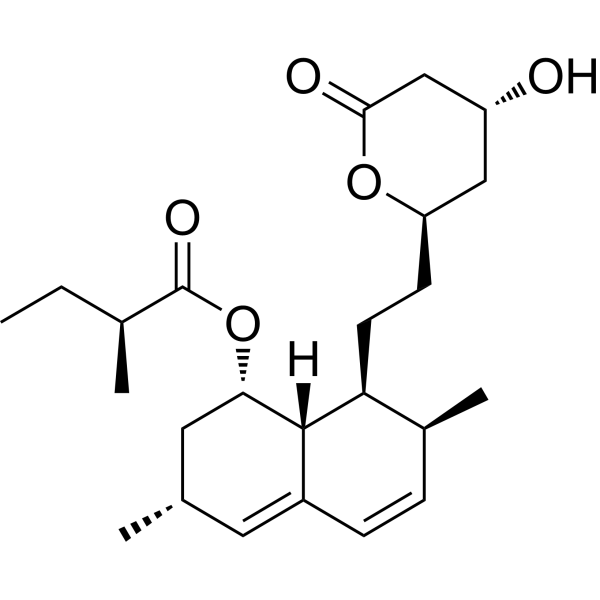
- HY-N0504
-
-
-
- HY-17504
-
|
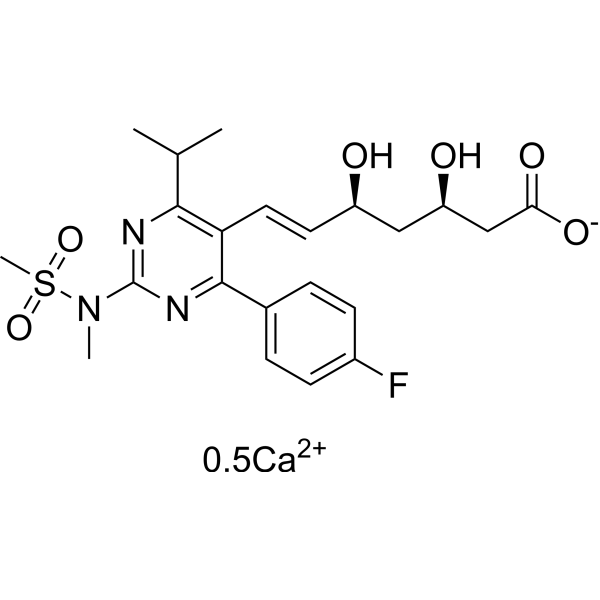
Rosuvastatin hemicalcium; ZD 4522 Calcium
|
HMG-CoA Reductase (HMGCR)
Autophagy
Potassium Channel
Bacterial
|
Cardiovascular Disease
Metabolic Disease
Cancer
|
|
Rosuvastatin Calcium is a competitive HMG-CoA reductase (HMGCR) inhibitor, with an IC50 of 11 nM. Rosuvastatin Calcium potently blocks hERG current with an IC50 of 195 nM . Rosuvastatin Calcium reduces the expression of the mature hERG and the interaction of heat shock protein 70 (Hsp70) with the hERG protein. Rosuvastatin Calcium effectively lowers low-density lipoprotein (LDL) cholesterol, triglycerides, and C-reactive protein levels .
|
-
-
- HY-N1459
-
-
-
- HY-112490
-
|
|
HMG-CoA Reductase (HMGCR)
|
Cardiovascular Disease
Others
|
|
Atorvastatin calcium salt trihydrate is a drug belonging to the statin class of drugs used to lower blood cholesterol levels. Atorvastatin calcium salt trihydrate has unique chemical properties that make it an effective tool in controlling high levels of low-density lipoprotein (LDL) cholesterol and triglycerides in the body, reducing the risk of heart attack and stroke. Atorvastatin calcium salt trihydrate works by inhibiting HMG-CoA reductase, the enzyme responsible for producing cholesterol in the liver.
|
-
-
- HY-111288
-
-
-
- HY-16274
-
|
TAK-475
|
Farnesyl Transferase
|
Metabolic Disease
|
|
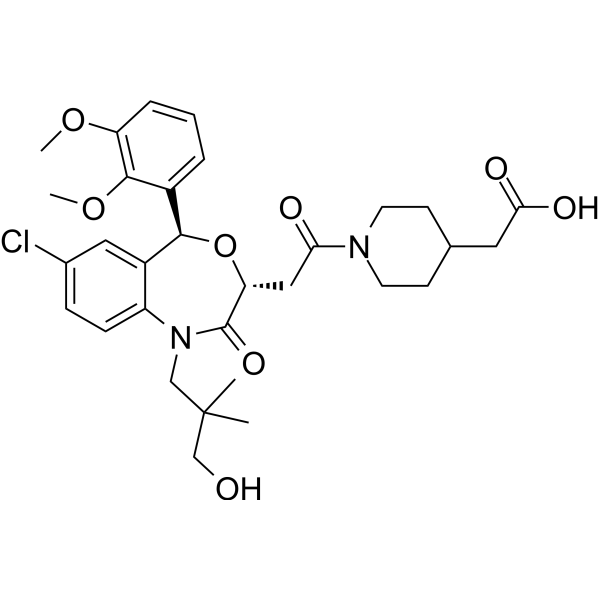
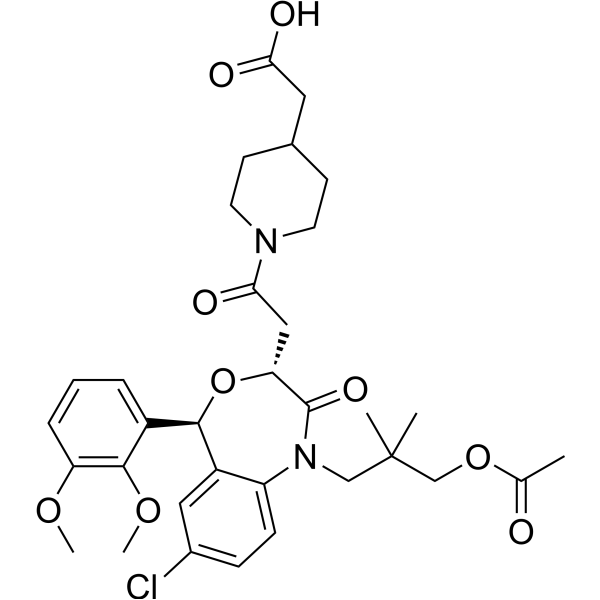
Lapaquistat acetate (TAK-475) is a squalene synthase inhibitor, blocking the conversion of farnesyl diphosphate (FPP) to squalene in the cholesterol biosynthesis pathway . Lapaquistat acetate is effective at lowering low-density lipoprotein cholesterol, but it might cause liver damage. Lapaquistat acetate is used for hypercholesterolemia and mevalonate kinase deficiency (MKD) research .
|
-
-
- HY-17504B
-
|
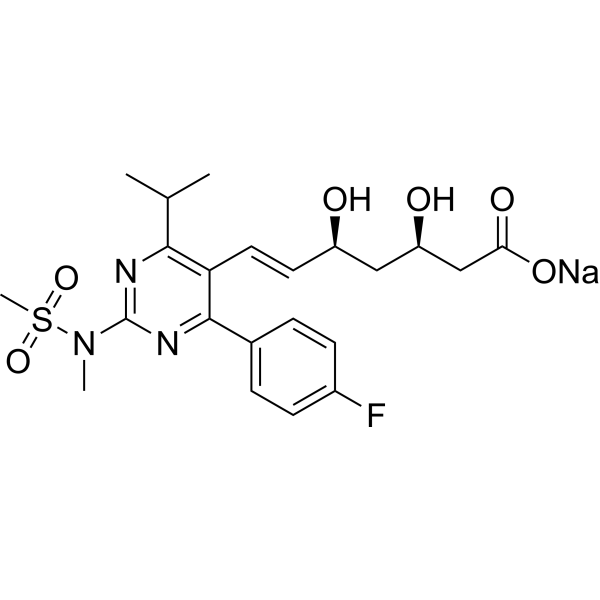
ZD 4522 Sodium; X-Plended Sodium; Crestor Sodium
|
HMG-CoA Reductase (HMGCR)
Potassium Channel
Autophagy
Bacterial
|
Cardiovascular Disease
Metabolic Disease
Cancer
|
|
Rosuvastatin Sodium is a competitive HMG-CoA reductase (HMGCR) inhibitor, with an IC50 of 11 nM. Rosuvastatin Sodium potently blocks hERG current with an IC50 of 195 nM . Rosuvastatin Sodium reduces the expression of the mature hERG and the interaction of heat shock protein 70 (Hsp70) with the hERG protein. Rosuvastatin Sodium effectively lowers low-density lipoprotein (LDL) cholesterol, triglycerides, and C-reactive protein levels .
|
-
-
- HY-N6811
-
|
|
Insecticide
|
Infection
Cardiovascular Disease
|
|
1-Octacosanol is a straight-chain aliphatic 28-carbon fatty alcohol and a major component of the cholesterol-lowering agent Policosanol. 1-Octacosanol exhibits various activities such as anti-fatigue, anti-angiogenic, cholesterol-lowering, and insecticidal effects .
|
-
-
- HY-109523
-
|
|
HMG-CoA Reductase (HMGCR)
Ferroptosis
|
Cardiovascular Disease
Cancer
|
|
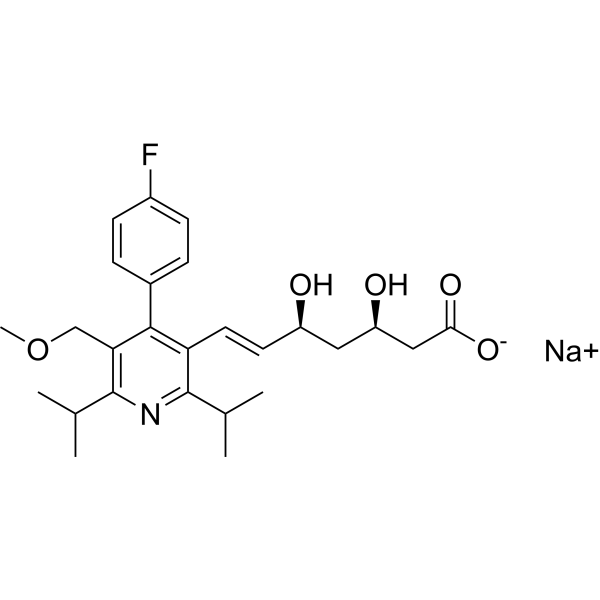
Cerivastatin sodium is a synthetic lipid-lowering agent and a highly potent, well-tolerated and orally active HMG-CoA reductase inhibitor, with a Ki of 1.3 nM/L. Cerivastatin sodium reduces low-density lipoprotein cholesterol levels. Cerivastatin sodium also inhibits proliferation and invasiveness of MDA-MB-231 cells, mainly by RhoA inhibition, and has anti-cancer effect .
|
-
-
- HY-123672
-
-
-
- HY-14925
-
-
-
- HY-W008226
-
|
2,4,6-trihydroxyacetophenone; 1-(2,4,6-Trihydroxyphenyl)ethanone
|
Cytochrome P450
Bacterial
Antibiotic
|
Infection
Metabolic Disease
|
|
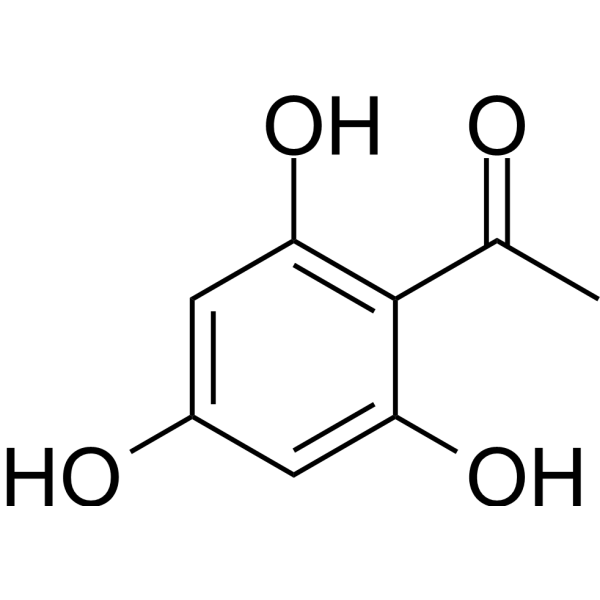
Phloracetophenone (2,4,6-trihydroxyacetophenone) is the aglycone part of acetophenone glycoside obtained from Curcuma comosa Roxb, with cholesterol-lowering activity. Phloracetophenone enhances cholesterol 7α-hydroxylase (CYP7A1) activity . Phloracetophenone stimulats bile secretion mediated through Mrp2 .
|
-
-
- HY-W012946
-
-
-
- HY-100313A
-
|
|
Farnesyl Transferase
HCV
|
Infection
Metabolic Disease
|
|
YM-53601, a squalene synthase inhibitor, reduces plasma cholesterol and triglyceride levels in vivo . YM-53601 inhibits squalene synthase derived from human hepatoma cells with an IC50 of 79 nM. Lipid-lowering agent . YM-53601 is also an inhibitor of farnesyl-diphosphate farnesyltransferase 1 (FDFT1) enzyme activity and abrogates HCV propagation .
|
-
-
- HY-129459
-
|
|
Endogenous Metabolite
|
Cardiovascular Disease
Neurological Disease
|
|
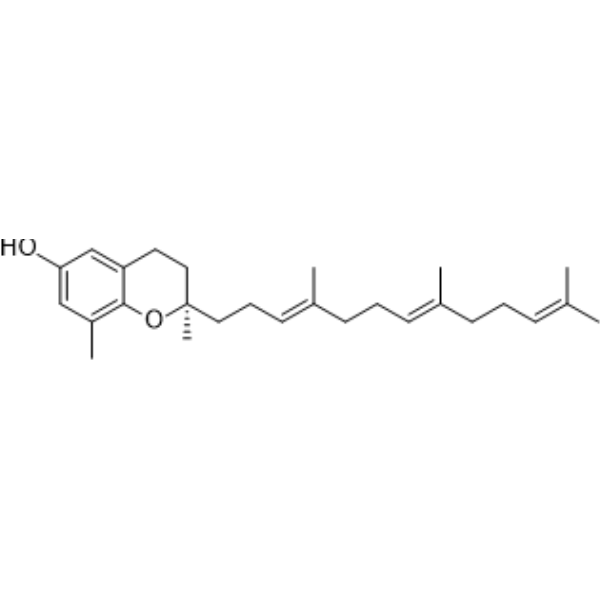
α-Tocotrienol is an isoform of vitamin E and found in vegetables, fruits, seeds, nuts, grains, and oils. Vitamin E plays a role as an antioxidant, in lowering cholesterol and other lipids, as a neuroprotective and anticancer agent, and in cardiovascular disease protection.
|
-
-
- HY-B1189
-
|
Dicrotalic acid; 3-Hydroxy-3-methylglutaric acid
|
HMG-CoA Reductase (HMGCR)
Autophagy
Endogenous Metabolite
|
Cardiovascular Disease
Metabolic Disease
|
|
Meglutol is a lipid-lowering agent. Meglutol can reduces cholesterol, triglycerides, serum β-lipoprotein, and phospholipids, and inhibits the activity of HMG-CoA reductase (a rate-limiting enzyme in cholesterol biosynthesis). Meglutol can induce significant lipid oxidative damage in brain tissue. It is promising for research in the field of cardiovascular diseases and metabolic diseases .
|
-
-
- HY-122778
-
-
-
- HY-128749
-
|
Potassium D-glucarate
|
Endogenous Metabolite
Apoptosis
|
Metabolic Disease
Inflammation/Immunology
Cancer
|
|
D-Glucaric acid potassium (Potassium D-glucarate) is an orally active end product of the D-glucuronic acid pathway in mammals. D-Glucaric acid potassium is present in a variety of fruits and vegetables. D-Glucaric acid potassium has cholesterol-lowering and anti-tumor activities. D-Glucaric acid potassium can inhibit tumor cell proliferation and inflammation, and induce apoptosis .
|
-
-
- HY-N15574
-
|
|
LXR
Bacterial
PPAR
|
Infection
Neurological Disease
Metabolic Disease
Inflammation/Immunology
|
|
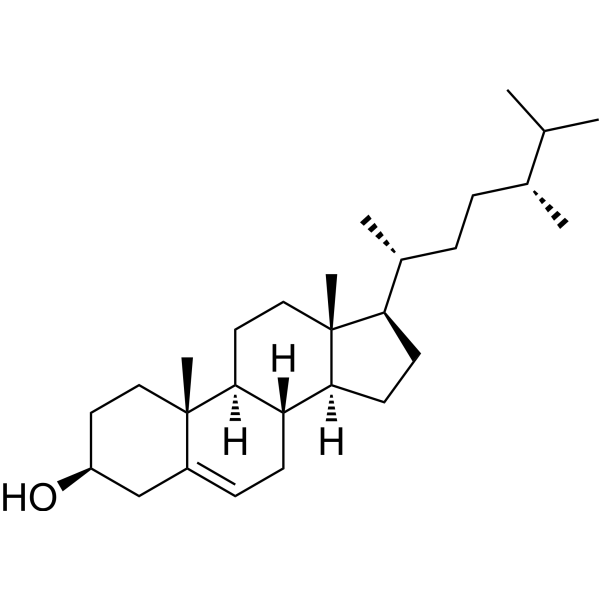
Saringosterol is an orally active steroid found in Sargassum muticum. Saringosterol is a LXR agonist. Saringosterol can lower cholesterol levels and inhibit the mRNA and protein expression of peroxisome proliferator-activated receptor γ (PPARγ) and CCAAT enhancer-binding protein α (C/EBPα). Saringosterol has anti-obesity, anti-atherosclerosis, anti-Mycobacterium tuberculosis and anti-depressant activities .
|
-
-
- HY-109567
-
|
PD-72953
|
LDLR
|
Metabolic Disease
Inflammation/Immunology
|
|
Gemcabene (PD-72953), a first-in-class lipid-lowering agent, lowers low-density lipoprotein cholesterol (LDL-C), decreases triglycerides, and raises high-density lipoprotein cholesterol (HDL-C) and lowers pro-inflammatory acute-phase protein, C-reactive protein (CRP), exerting anti-inflammatory activity .
|
-
-
- HY-N9811
-
|
|
Drug Derivative
|
Infection
Metabolic Disease
|
|
Hydroxytyrosol 4-O-glucoside is a phenolic compound found in olive pulp, vegetation water, and pomace of olive oil processing. Hydroxytyrosol 4-O-glucoside can be used in research on antibacterial, hypoglycemic, lipid-lowering, and cholesterol-lowering effects .
|
-
-
- HY-N0504R
-
-
-
- HY-113955
-
-
-
- HY-N8425
-
|
Montanic acid
|
Endogenous Metabolite
|
Metabolic Disease
|
|
Octacosanoic acid is a very long-chain saturated fatty acid. It is the major component of D-003, a mixture of very long-chain aliphatic acids purified from sugar cane wax that has antiplatelet and cholesterol-lowering activities in animal models .
|
-
-
- HY-13556A
-
|
LY353381 hydrochloride; SERM III hydrochloride
|
Estrogen Receptor/ERR
|
Cancer
|
|
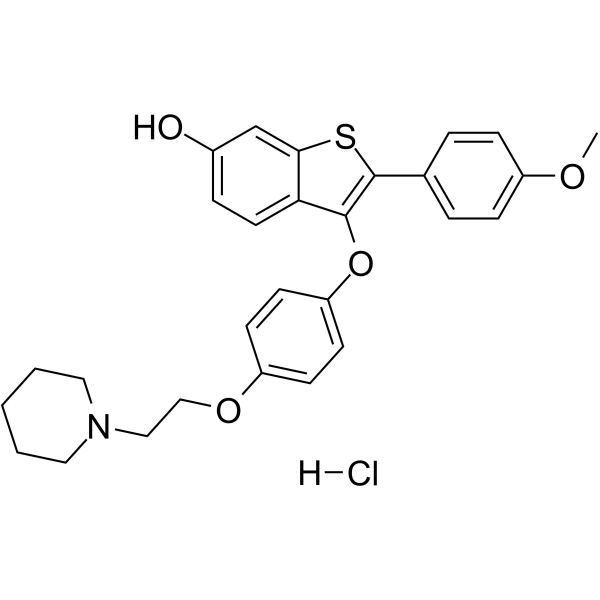
Arzoxifene (LY353381) hydrocloride is a selective estrogen receptor modulator that is a potent estrogen antagonist in mammary and uterine tissue while acting as an estrogen agonist to maintain bone density and lower serum cholesterol.
|
-
-
- HY-W134326
-
|
|
Bacterial
|
Infection
Cardiovascular Disease
Metabolic Disease
|
|
Polydextrose is an orally active prebiotic. Polydextrose promotes the growth of Pediococcus pentosaceus ATCC 43200. Polydextrose reduces cholesterol and synergistically lowers blood sugar with Sitagliptin (HY-13749). Currently, it is mainly used in the research of diseases such as hyperlipidemia, type 2 diabetes, and postoperative iron deficiency anemia .
|
-
-
- HY-B0388R
-
|
DH-581 (Standard)
|
Reference Standards
Virus Protease
|
Metabolic Disease
|
|
Probucol (Standard) is the analytical standard of Probucol. This product is intended for research and analytical applications. Probucol (DH-581) is an anti-hyperlipidemic agent by lowering the level of cholesterol in the bloodstream by increasing the rate of LDL catabolism.
|
-
-
- HY-19513
-
-
-
- HY-N0131R
-
|
Stigmasterin (Standard)
|
Reference Standards
MMP
Endogenous Metabolite
|
Inflammation/Immunology
|
|
Stigmasterol (Standard) is the analytical standard of Stigmasterol (HY-N0131). This product is intended for research and analytical applications. Stigmasterol is a plant sterol which has been focused on the cholesterol-lowering activity and is valued as an anti-stiffness factor in the therapy of rheumatic diseases.
|
-
-
- HY-W414588
-
|
|
HMG-CoA Reductase (HMGCR)
CETP
|
Metabolic Disease
|
|
Colestolone is a 15-ketosterol compound and an orally active inhibitor of HMG-CoA reductase. Colestolone can inhibit the activity of cholesteryl ester transfer protein (CETP) in vitro (IC50 = 660 μM). Colestolone is a cholesterol-lowering agent, and can be used in the research of endocrine and metabolic diseases such as hyperlipidemia .
|
-
-
- HY-NP026
-
|
C-phycocyaninfromporphyratenera
|
SOD
Integrin
|
Inflammation/Immunology
|
|
Spirulina C-phycocyanin, a component of the light-harvesting phycobilisome complex in photosystem II, is a highly dominant chromoprotein in Spirulina. Spirulina C-phycocyanin can be detected by Raman spectral measurement. Spirulina C-phycocyanin has antioxidant, anti-inflammatory, antiplatelet, liver-protective and cholesterol-lowering effects .
|
-
-
- HY-14921
-
|
|
Integrin
Transmembrane Glycoprotein
|
Cardiovascular Disease
Inflammation/Immunology
|
|
Elsibucol is a VCAM1 inhibitor for the study of organ transplant rejection. Elsibucol is a metabolically stable propanol derivative with antioxidant, anti-inflammatory and anti-proliferative properties. Elsibucol lowers blood cholesterol levels and reduces oxidative stress and inflammatory responses in injured arteries, thereby inhibiting atherosclerosis and protecting endothelial healing after arterial injury .
|
-
-
- HY-129459R
-
|
|
Reference Standards
Endogenous Metabolite
|
Cardiovascular Disease
Neurological Disease
|
|
α-Tocotrienol (Standard) is the analytical standard of α-Tocotrienol. This product is intended for research and analytical applications. α-Tocotrienol is an isoform of vitamin E and found in vegetables, fruits, seeds, nuts, grains, and oils. Vitamin E plays a role as an antioxidant, in lowering cholesterol and other lipids, as a neuroprotective and anticancer agent, and in cardiovascular disease protection.
|
-
-
- HY-121212
-
|
|
LDLR
|
Metabolic Disease
Inflammation/Immunology
|
|
Icosabutate, an orally active ω-3 polyunsaturated fatty acid, is an aeicosapentaenoic acid (EPA) derivative. Icosabutate overcomes the drawbacks of unmodified EPA for liver targeting and improves insulin sensitivity, hepatic inflammation and fibrosis . Icosabutate is well tolerated, and efficacious in lowering non-high-density lipoprotein cholesterol (non-HDL-C) levels in persistent hypertriglyceridemia .
|
-
-
- HY-B0589H
-
|
|
HMG-CoA Reductase (HMGCR)
Autophagy
|
Cardiovascular Disease
|
|
Strontium atorvastatin is a cholesterol-lowering drug with activity in ameliorating cardiovascular disease-related events. Strontium atorvastatin exerts its biological activity by inhibiting HMG-CoA reductase in liver tissue. Strontium atorvastatin is also used to suppress dyslipidemia .
|
-
-
- HY-124064
-
|
|
Acyltransferase
|
Metabolic Disease
|
|
TMP-153 is an orally active inhibitor of ACAT with an IC50 value of approximately 5-10 nM against hepatic and intestinal ACAT in varicose animals. TMP-153 exhibits cholesterol-lowering effects and can be utilized in the research of atherosclerosis .
|
-
-
- HY-113955A
-
-
-
- HY-129458
-
|
|
HMG-CoA Reductase (HMGCR)
Ferroptosis
|
Cardiovascular Disease
Cancer
|
|
Cerivastatin is a synthetic lipid-lowering agent and a highly potent, well-tolerated and orally active HMG-CoA reductase inhibitor, with a Ki of 1.3 nM/L. Cerivastatin reduces low-density lipoprotein cholesterol levels. Cerivastatin also inhibits proliferation and invasiveness of MDA-MB-231 cells, mainly by RhoA inhibition, and has anti-cancer effect .
|
-
-
- HY-100288
-
-
-
- HY-W353225
-
|
Pyridinol carbamate
|
Others
|
Cardiovascular Disease
|
|
Pyricarbate (Pyridinol carbamate) is an orally active 2,6-pyridine dimethanol biscarbamate with cholesterol-lowering and antiatherosclerotic effects .
|
-
-
- HY-B1189S
-
|
Dicrotalic acid-d3; 3-Hydroxy-3-methylglutaric acid-d3
|
Autophagy
HMG-CoA Reductase (HMGCR)
Endogenous Metabolite
|
Cardiovascular Disease
|
|
Meglutol-d3 is the deuterium labeled Meglutol . Meglutol is an antilipemic agent which lowers cholesterol, triglycerides, serum beta-lipoproteins and phospholipids, and inhibits the activity of hydroxymethylglutarryl CoA reductases, which is the rate limiting enzyme in the biosynthesis of cholesterol.
|
-
-
- HY-B0893
-
|
Nicotinyl alcohol; Pyridine-3-carbinol
|
CETP
|
Metabolic Disease
|
|
3-Pyridinemethanol (Nicotinyl alcohol), a pyridine derivative, is a cholesterol-lowering agent. 3-Pyridinemethanol can be selectively oxidized to vitamin B3 .
|
-
-
- HY-19513A
-
|
|
Thyroid Hormone Receptor
|
Metabolic Disease
Endocrinology
|
|
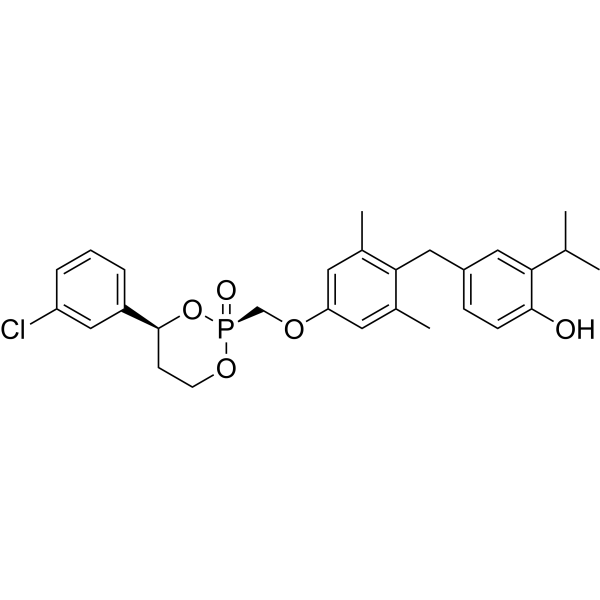
MB-07344 sodium is a potent thyroid hormone receptor (TR)-β agonist with a Ki of 2.17 nM. MB-07344 sodium has additive cholesterol lowering activity in combination with Atorvastatin (HY-B0589) in rabbits, dogs and monkeys .
|
-
-
- HY-148626
-
|
|
PCSK9
|
Metabolic Disease
|
|
CVI-LM001 is an inhibitor PCSK 9. CVI-LM001 inhibits the interaction of PCSK9 with low-density lipoprotein receptor (LDLR), regulates the level of low-density lipoprotein cholesterol (LDL-C) in the blood, and exhibits lipid-lowering efficacy .
|
-
-
- HY-129982
-
|
|
Apical Sodium-Dependent Bile Acid Transporter
|
Metabolic Disease
|
|
SC-435 is an orally effective apical sodium codependent bile acid transporter (ASBT) inhibitor. SC-435 effectively removes neurotoxic bile acids and ammonia from the blood by inhibiting intestinal ASBT, thereby alleviating liver and brain damage caused by liver failure. SC-435 can alter hepatic cholesterol metabolism and lower plasma low-density lipoprotein-cholesterol concentrations .
|
-
-
- HY-146084
-
|
|
PCSK9
|
Metabolic Disease
|
|
PCSK9 modulator-3 (Compound 13) is a potent modulator of PCSK9 with an EC50 value of 2.46 nM. PCSK9 is a recently validated target for lowering low-density lipoprotein cholesterol (LDL-C). PCSK9 modulator-3 has the potential for the research of hyperlipidemia .
|
-
-
- HY-W012946S
-
-
-
- HY-178015
-
|
|
Thyroid Hormone Receptor
|
Metabolic Disease
Inflammation/Immunology
|
|
THR-β agonist 11 is an orally active and selective thyroid hormone receptor (THR-β) agonist. THR-β agonist 11 shows potent cholesterol-lowering activity in cholesterol-fed rats. THR-β agonist 11 significantly reduces serum total TG, LDL-cholesterol, liver total TC and TG levels, and alleviates hepatic steatosis, inflammation and fibrosis in HFD-CCl4-induced Metabolic dysfunction-associated steatohepatitis (MASH) model mice. THR-β agonist 11 can be used for the study of metabolic dysfunction-associated steatohepatitis (MASH) and other fibrotic diseases .
|
-
-
- HY-100313
-
|
|
Farnesyl Transferase
HCV
|
Metabolic Disease
|
|
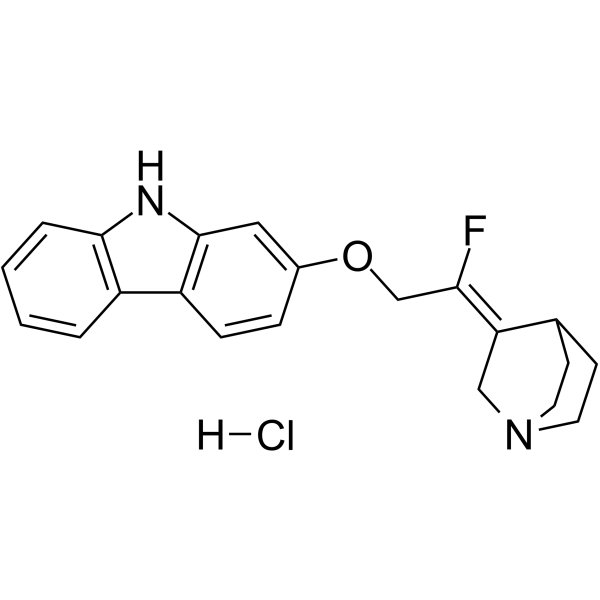
YM-53601 free base, a squalene synthase inhibitor, reduces plasma cholesterol and triglyceride levels in vivo . YM-53601 free base inhibits squalene synthase derived from human hepatoma cells with an IC50 of 79 nM. Lipid-lowering agent . YM-53601 free base is also an inhibitor of farnesyl-diphosphate farnesyltransferase 1 (FDFT1) enzyme activity and abrogates HCV propagation .
|
-
-
- HY-17504BS1
-
|
|
HMG-CoA Reductase (HMGCR)
Autophagy
|
Cardiovascular Disease
Metabolic Disease
|
|
Rosuvastatin-d6 sodium is deuterium labeled Rosuvastatin sodium (HY-17504B). Rosuvastatin Sodium is a competitive HMG-CoA reductase (HMGCR) inhibitor, with an IC50 of 11 nM. Rosuvastatin Sodium potently blocks hERG current with an IC50 of 195 nM. Rosuvastatin Sodium reduces the expression of the mature hERG and the interaction of heat shock protein 70 (Hsp70) with the hERG protein. Rosuvastatin Sodium effectively lowers low-density lipoprotein (LDL) cholesterol, triglycerides, and C-reactive protein levels.
|
-
- HY-161941
-
|
|
LDLR
PCSK9
|
Cardiovascular Disease
|
|
MeIm (compound 7) is a high-affinity PCSK9 targeting peptide mimetic with cholesterol-lowering activity. MeIm increases cellular uptake of LDL (EC50=6.04 μM) by inhibiting the binding of PCSK9 to LDLR (IC50=11.2 μM). MeIm can be used in the study of cardiovascular diseases .
|
-
- HY-116241
-
-
- HY-N0504S1
-
-
- HY-N0504S2
-
-
- HY-N1459R
-
|
(24R)-5-Ergosten-3β-ol (Standard)
|
Reference Standards
Endogenous Metabolite
|
Cancer
|
|
Campesterol (Standard) is the analytical standard of Campesterol. This product is intended for research and analytical applications. Campesterol is a plant sterol with cholesterol lowering and anticarcinogenic effects.
|
-
- HY-U00340
-
|
|
PPAR
|
Metabolic Disease
|
|
PPAR agonist 1 is an agonist of PPAR α and PPAR γ, used for reducing blood glucose, lipid levels, lowering cholesterol and reducing body weight.
|
-
- HY-124374
-
-
- HY-116595
-
|
|
Farnesyl Transferase
|
Metabolic Disease
|
|
J-104118 is a potent and orally active squalene synthase (SQS) inhibitor with an IC50 of 0.52 nM. J-104118 inhibits cholesterol synthesis in mice. J-104118 can be used for cholesterol-lowering research .
|
-
- HY-113288
-
|
|
LDLR
|
Metabolic Disease
|
|
Campestanol is a phytosterol that can be found in plant food. Campestanol lowers serum cholesterol and low-density lipoprotein. Campestanol can be used for the research of metabolic disorders .
|
-
- HY-169818
-
-
- HY-108744
-
|
|
HMG-CoA Reductase (HMGCR)
|
Cardiovascular Disease
|
|
Pitavastatin magnesium is an orally active HMG-CoA Reductase inhibitor. Pitavastatin magnesium lowers total cholesterol and low-density lipoprotein cholesterol in a hyperlipidemic rat model. Pitavastatin magnesium can be used in research on cardiovascular and cerebrovascular diseases such as hyperlipidemia .
|
-
- HY-19264
-
-
- HY-W015467
-
|
Pyridine-3-sulphonic acid
|
Drug Derivative
|
Metabolic Disease
|
|
Pyridine-3-sulfonic acid (Pyridine-3-sulphonic acid) is an orally active structural analog of Nicotine acid (HY-B0143). Pyridine-3-sulfonic acid significantly reduces hepatic cholesterol synthesis in rats but lacks cholesterol-lowering activity. Pyridine-3-sulfonic acid does not interfere with the metabolism of Nicotine acid .
|
-
- HY-128334
-
|
|
PCSK9
|
Metabolic Disease
|
|
PCSK9 modulator-2 (Compound 1) is a potent modulator of PCSK9 with an EC50 value of 202 nM. PCSK9 is a recently validated target for lowering low-density lipoprotein cholesterol (LDL-C). PCSK9 modulator-2 has the potential for the research of hyperlipidemia .
|
-
- HY-122778R
-
|
|
Reference Standards
NF-κB
AP-1
Caspase
Apoptosis
|
Cardiovascular Disease
Inflammation/Immunology
Cancer
|
|
δ-Tocotrienol (Standard) is the analytical standard of δ-Tocotrienol. This product is intended for research and analytical applications. δ-Tocotrienol is a Vitamin E in vegetables, fruits, seeds, nuts, grains and oils. Vitamin E has become well known for its role as an antioxidant, in lowering cholesterol and other lipids, as a neuroprotective and anticancer agent, and in cardiovascular disease protection.
|
-
- HY-123672R
-
|
Mevinolinic acid sodium (Standard)
|
Reference Standards
HMG-CoA Reductase (HMGCR)
|
Metabolic Disease
|
|
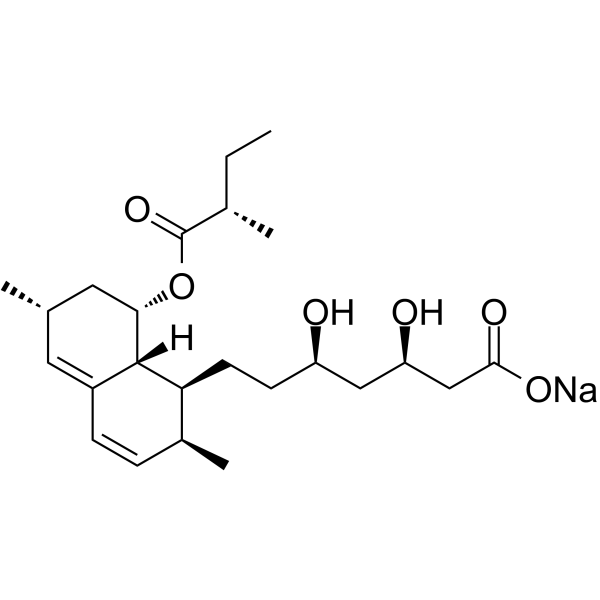
Lovastatin hydroxy acid (sodium) (Standard) is the analytical standard of Lovastatin hydroxy acid (sodium). This product is intended for research and analytical applications. Lovastatin hydroxy acid sodium (Mevinolinic acid sodium) is a highly potent inhibitor of HMG-CoA reductase with a Ki of 0.6 nM .
|
-
- HY-115914
-
|
|
LDLR
|
Others
|
|
Lipid-lowering agent-1 is a potent lipid-lowering agent. Lipid-lowering agent-1 has significant pharmacological effects on the inhibition of low-density lipoprotein cholesterol (LDLC) and promotion of high-density lipoprotein cholesterol (HDLC) production. Lipid-lowering agent-1 shows potent hypolipidemic effect in high-fat diet rats .
|
-
- HY-100253
-
-
- HY-109567A
-
|
PD-72953 calcium
|
LDLR
|
Metabolic Disease
Inflammation/Immunology
|
|
Gemcabene calcium (PD-72953 calcium), a first-in-class lipid-lowering agent, lowers low-density lipoprotein cholesterol (LDL-C), decreases triglycerides, and raises high-density lipoprotein cholesterol (HDL-C) and lowers pro-inflammatory acute-phase protein, C-reactive protein (CRP), exerting anti-inflammatory activity .
|
-
- HY-16166
-
-
- HY-117760
-
-
- HY-N0504S
-
-
- HY-16109
-
|
|
CETP
|
Metabolic Disease
|
|
BMS-188494 is a cholesterol-lowering agent that degrades into a monoester form, BMS-188494, and a free acid form, BMS-187745 .
|
-
- HY-161942
-
|
|
PCSK9
|
Metabolic Disease
|
|
PCSK9-IN-31 (Compound WX002) is an orally active PCSK9 inhibitor. PCSK9-IN-31 can lower low-density lipoprotein cholesterol (LDL-C) and total cholesterol (TC) in high cholesterol fed model rats .
|
-
- HY-B0388S1
-
-
- HY-105961
-
|
|
LDLR
|
Metabolic Disease
|
|
F 2833 is a lipid-lowering agent. F 2833 can reduce the levels of cholesterol, triglycerides, and plasma phospholipids. F 2833 can be used for research on diseases such as hyperlipidemia .
|
-
- HY-106938
-
|
WAY-ACA 147
|
Acyltransferase
|
Cardiovascular Disease
Metabolic Disease
|
|
Eldacimibe is an ACAT2 inhibitor. Eldacimibe can lower plasma cholesterol levels by blocking cholesterol absorption and can prevent macrophages from turning into foam cells. Eldacimibe can be used in the study of cardiovascular diseases (atherosclerosis), endocrine and metabolic diseases (hypercholesterolemia) .
|
-
- HY-153451
-
|
|
PCSK9
|
Metabolic Disease
|
|
PCSK9-IN-15 (compound 5) is a potent inhibitor of proprotein convertase subtilisin/kexin 9 (PCSK9, KD <200 nM). PCSK9 is involved in cholesterol metabolism and regulates levels of low-density lipoprotein cholesterol (LDL-C) in the blood. PCSK9- in -15 can be used to study cholesterol-lowering and dyslipidemia .
|
-
- HY-B0388S
-
-
- HY-115434
-
|
|
Thyroid Hormone Receptor
|
Metabolic Disease
|
|
3,5-Diiodothyroacetic acid is a thyroid hormone analog. 3,5-Diiodothyroacetic acid lowers blood cholesterol concentrations. 3,5-Diiodothyroacetic acid can be used for hypothyroidism diseases research .
|
-
- HY-N0131S1
-
-
- HY-W740341
-
-
- HY-N1459S
-
|
(24Rac)-5-Ergosten-3β-ol-d7
|
Endogenous Metabolite
|
Cancer
|
|
Campesterol-d7 ((24R)-5-Ergosten-3β-ol-d7) is the deuterium labeled Campesterol. Campesterol is a plant sterol with cholesterol lowering and anticarcinogenic effects.
|
-
- HY-B1189R
-
|
Dicrotalic acid (Standard); 3-Hydroxy-3-methylglutaric acid (Standard)
|
HMG-CoA Reductase (HMGCR)
Autophagy
Endogenous Metabolite
Reference Standards
|
Cardiovascular Disease
Metabolic Disease
|
|
Meglutol (Standard) is the analytical standard of Meglutol. This product is intended for research and analytical applications. Meglutol is a lipid-lowering agent. Meglutol can reduces cholesterol, triglycerides, serum β-lipoprotein, and phospholipids, and inhibits the activity of HMG-CoA reductase (a rate-limiting enzyme in cholesterol biosynthesis). Meglutol can induce significant lipid oxidative damage in brain tissue. It is promising for research in the field of cardiovascular diseases and metabolic diseases .
|
-
- HY-B0893R
-
|
Nicotinyl alcohol (Standard); Pyridine-3-carbinol (Standard)
|
CETP
Reference Standards
|
Metabolic Disease
|
|
3-Pyridinemethanol (Standard) is the analytical standard of 3-Pyridinemethanol. This product is intended for research and analytical applications. 3-Pyridinemethanol (Nicotinyl alcohol), a pyridine derivative, is a cholesterol-lowering agent. 3-Pyridinemethanol can be selectively oxidized to vitamin B3 .
|
-
- HY-146085
-
|
|
PCSK9
|
Metabolic Disease
|
|
PCSK9 modulator-4 (Compound 21) is a potent modulator of PCSK9 with an EC50 value of 0.15 nM. PCSK9 is a recently validated target for lowering low-density lipoprotein cholesterol (LDL-C). PCSK9 modulator-4 has the potential for the research of hyperlipidemia .
|
-
- HY-B0723S
-
|
FC-1271a-d4
|
Isotope-Labeled Compounds
Estrogen Receptor/ERR
|
Cancer
|
|
Ospemifene-d4 is a deuterium labeled Ospemifene. Ospemifene is a selective and orally active estrogen receptor modulator for the prevention of osteoporosis with IC50 values of 827 nM and 1633 nM for estrogen receptor α (ERα) and ERβ, respectively. Ospemifene has bone-sparing, antitumor, and cholesterol-lowering effects .
|
-
- HY-123666
-
|
Bay o 2752
|
Acyltransferase
|
Cardiovascular Disease
|
|
Bay-02752 (Bay o 2752) is a lipid-lowering agent. Bay-02752 inhibits acyl-CoA activity in liver microsomes (IC50 = 0.95 μg/mL). Bay-02752 inhibits intestinal cholesterol absorption in rats. Bay-02752 inhibits gallstone formation in hamsters .
|
-
- HY-N8425R
-
|
Montanic acid (Standard)
|
Reference Standards
Endogenous Metabolite
|
Metabolic Disease
|
|
Octacosanoic acid (Standard) is the analytical standard of Octacosanoic acid. This product is intended for research and analytical applications. Octacosanoic acid is a very long-chain saturated fatty acid. It is the major component of D-003, a mixture of very long-chain aliphatic acids purified from sugar cane wax that has antiplatelet and cholesterol-lowering activities in animal models .
|
-
- HY-W012946R
-
|
Pyromucic acid (Standard)
|
Reference Standards
ATP Citrate Lyase
Acyltransferase
Endogenous Metabolite
|
Metabolic Disease
|
|
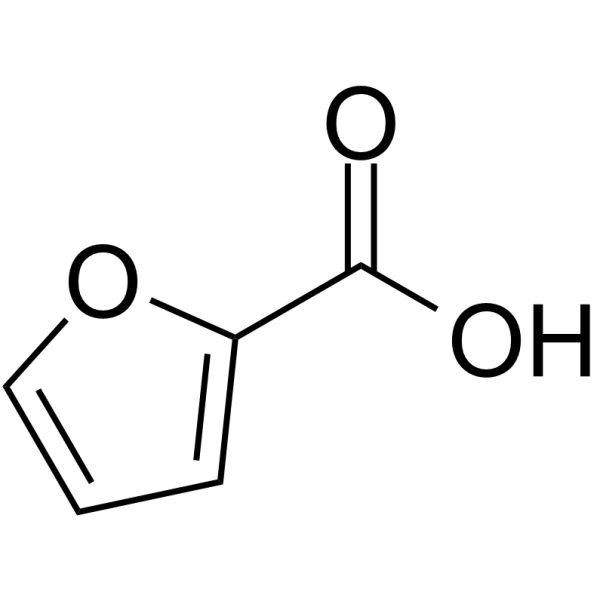
2-Furoic acid (Standard) is the analytical standard of 2-Furoic acid. This product is intended for research and analytical applications. 2-Furoic acid (Furan-2-carboxylic acid) is an organic compound produced through furfural oxidation . 2-Furoic acid exhibits hypolipidemic effet, lowers both serum cholesterol and serum triglyceride levels in rats .
|
-
- HY-109523S
-
|
|
Ferroptosis
HMG-CoA Reductase (HMGCR)
Isotope-Labeled Compounds
|
Cardiovascular Disease
Cancer
|
|
Cerivastatin-d3 sodium is deuterated labeled Cerivastatin sodium (HY-109523). Cerivastatin sodium is a synthetic lipid-lowering agent and a highly potent, well-tolerated and orally active HMG-CoA reductase inhibitor, with a Ki of 1.3 nM/L. Cerivastatin sodium reduces low-density lipoprotein cholesterol levels. Cerivastatin sodium also inhibits proliferation and invasiveness of MDA-MB-231 cells, mainly by RhoA inhibition, and has anti-cancer effect .
|
-
- HY-109567R
-
|
PD-72953 (Standard)
|
Others
Reference Standards
|
Metabolic Disease
Inflammation/Immunology
|
|
Gemcabene (Standard) is the analytical standard of Gemcabene. This product is intended for research and analytical applications. Gemcabene (PD-72953), a first-in-class lipid-lowering agent, lowers low-density lipoprotein cholesterol (LDL-C), decreases triglycerides, and raises high-density lipoprotein cholesterol (HDL-C) and lowers pro-inflammatory acute-phase protein, C-reactive protein (CRP), exerting anti-inflammatory activity .
|
-
- HY-180457
-
-
- HY-107176
-
|
(E)-HS-25
|
Drug Isomer
HCV
Acyltransferase
|
Infection
Metabolic Disease
|
|
(E)-Hyzetimibe ((E)-HS-25) (Compound I-1Z) is the trans isomer of Hyzetimibe (HY-107176A), a cholesterol-lowering agent. (E)-Hyzetimibe has cholesterol acyltransferase (ACTA) inhibitory activity, but its cholesterol-lowering effect is relatively weak. (E)-Hyzetimibe can inhibit the entry of hepatitis C virus (HCV) into host cells, and it has a synergistic effect when used in combination with interferon-α. (E)-Hyzetimibe can be used for the study of HCV infection .
|
-
- HY-19201
-
|
CGS 26214
|
Thyroid Hormone Receptor
|
Metabolic Disease
|
|
Axitirome (CGS 26214) is a potent, liverselective TRβ receptor agonist and thyromimetic agent. Axitirome has demonstrated cholesterol-lowering activity .
|
-
- HY-16620
-
|
|
Endogenous Metabolite
|
Metabolic Disease
|
|
DF 461 is a sterol synthase inhibitor with significant inhibitory activity. DF 461 shows high selectivity for the liver and can effectively inhibit cholesterol synthesis in rat liver. DF 461 has shown the effect of lowering plasma lipids in repeated dosing studies in non-rodents .
|
-
- HY-N18732
-
|
|
Others
|
Cardiovascular Disease
|
|
Terminalia arjuna extract is a precious natural compound derived from the bark of the Terminalia arjuna tree, rich in bioactive components such as triterpenoids, flavonoids, tannins, and polyphenols. Terminalia arjuna extract has cardioprotective effects, helping to strengthen the heart muscle, lower cholesterol levels, stabilize blood pressure, and prevent thrombosis.
|
-
- HY-181876
-
|
|
FXR
|
Metabolic Disease
|
|
F44-S101 is an orally active, potent, and selective gut-restricted FXR antagonist with an IC50 of 0.48 μM and lipid-lowering activity. F44-S101 selectively antagonizes intestinal FXR, feedback-activates hepatic FXR, promotes cholesterol metabolism and reduces lipid accumulation. F44-S101 decreases total cholesterol, triglyceride and low-density lipoprotein cholesterol levels. F44-S101 can be used in studies related to hyperlipidemia .
|
-
- HY-182616
-
|
|
β-glucuronidase
Glycosidase
Phosphatase
|
Inflammation/Immunology
|
|
CH-123 is an orally active lipid-lowering agent. CH-123 inhibits the elevated activities of β-glucuronidase, β-galactosidase, N-acetyl-β-glucosaminidase and acid phosphatase in aortic smooth muscle cells and hepatocytes. CH-123 reduces serum total lipid and cholesterol levels, as well as intracellular cholesterol content in aortic smooth muscle cells. CH-123 significantly inhibits lysosomal enzyme activity. CH-123 can be used in the research of atherosclerosis .
|
-
- HY-19107
-
|
|
HMG-CoA Reductase (HMGCR)
|
Metabolic Disease
Endocrinology
|
|
SQ-33600 is an HMG-CoA reductase inhibitor. SQ-33600 has cholesterol-lowering activity. SQ-33600 possesses cell-type selectivity, with much higher inhibitory activity on rat hepatocytes (IC50: 93 nM) than on human skin fibroblasts (IC50: 14200 nM). SQ-33600 can be used in the research of diseases such as hypercholesterolemia .
|
-
- HY-17504BR
-
|
ZD 4522 Sodium (Standard); X-Plended Sodium (Standard); Crestor Sodium (Standard)
|
HMG-CoA Reductase (HMGCR)
Potassium Channel
Autophagy
Bacterial
Reference Standards
|
Cardiovascular Disease
Metabolic Disease
Cancer
|
|
Rosuvastatin (Sodium) (Standard) is the analytical standard of Rosuvastatin (Sodium). This product is intended for research and analytical applications. Rosuvastatin Sodium is a competitive HMG-CoA reductase (HMGCR) inhibitor, with an IC50 of 11 nM. Rosuvastatin Sodium potently blocks hERG current with an IC50 of 195 nM . Rosuvastatin Sodium reduces the expression of the mature hERG and the interaction of heat shock protein 70 (Hsp70) with the hERG protein. Rosuvastatin Sodium effectively lowers low-density lipoprotein (LDL) cholesterol, triglycerides, and C-reactive protein levels .
|
-
- HY-19227
-
|
|
PPAR
|
Cardiovascular Disease
|
|
BM 170249 is a peroxisome proliferator, particularly in the perivenous region of the central acini in the liver. BM 170249 significantly reduces serum triglyceride and cholesterol levels in rats. BM 170249 strongly induces the activity of key enzymes in the peroxisome fatty acid β-oxidation system (such as acyl-CoA oxidase AOX, multifunctional enzyme PH, and thiolase PT), but leads to decreased activity of catalase and uricase in peroxisome components. BM 170249 could be used in lipid-lowering studies .
|
-
- HY-117459
-
|
|
PPAR
|
Metabolic Disease
|
|
E-3030 free acid is a potent dual activator of peroxisome proliferator-activated receptor (PPAR) alpha and PPARgamma, exhibiting significant antidiabetic and lipid-modulating effects. E-3030 decreases blood glucose, triglyceride, non-esterified fatty acids, and insulin levels, while increasing blood adiponectin levels. E-3030 improves glucose tolerance and shows remarkable triglyceride- and non-high-density lipoprotein cholesterol-lowering effects in animal models.
|
-
- HY-106539
-
|
|
FXR
G protein-coupled Bile Acid Receptor 1
GLP Receptor
|
Metabolic Disease
Cancer
|
|
Colesevelam hydrochloride is an orally active bile acid sequestrant, lipid-lowering agent, and glycemic control agent. Colesevelam hydrochloride binds bile acids in the gastrointestinal tract to form nonabsorbable complexes, interrupts enterohepatic recirculation and increases fecal bile acid elimination. Colesevelam hydrochloride modulates FXR, TGR5, and Cyp7a1 activity and triggers cAMP signaling and GLP-1 release. Colesevelam hydrochloride alters hepatic lipid and glucose metabolism, suppresses hepatic glycogenolysis, reduces hepatic triglyceride and cholesterol levels, and increases LDL-C (low-density lipoprotein cholesterol) clearance. Colesevelam hydrochloride can be used for the research of type 2 diabetes mellitus, hypercholesterolemia, and alcohol-related liver disease .
|
-
- HY-172661
-
|
|
Thyroid Hormone Receptor
Interleukin Related
LDLR
|
Infection
Metabolic Disease
|
|
KYLO-0603 is an orally active, selective THR-β agonist (EC50 : 31.07 nM). KYLO-0603 has significant activity in lowering serum cholesterol and low-density lipoprotein cholesterol. KYLO-0603 upregulates the expression of THR-regulated genes (including iodothyronine deiodinase 1 (Dio1), malic enzyme 1 (Me1), and thyroid hormone response (Thrsp) gene) and inhibits the expression of inflammatory and fibrotic genes (low-density lipoprotein receptor (LDL-R) gene) by activating THR-β receptors. KYLO-0603 can be used to treat metabolic dysfunction-associated steatohepatitis (MASH) and liver fibrosis research .
|
-
- HY-171823
-
|
|
PROTACs
HMG-CoA Reductase (HMGCR)
|
Metabolic Disease
|
|
PROTAC HMGCR Degrader-1 is an orally active HMGCR PROTAC degrader with IC50 of 1.32 μM. PROTAC HMGCR Degrader-1 is a lactone prodrug of PROTAC HMGCR Degrader-2 (HY-181134). PROTAC HMGCR Degrader-1 achieves high plasma exposure of the active ingredient leading to robust HMGCR degradation and demonstrating promising cholesterol-lowering efficacy in vivo. PROTAC HMGCR Degrader-1 can be used for hyperlipidemia research .
|
-
- HY-W250146
-
|
Locust bean gum, Polysaccharide>75%, 5000-6500 mPa·S
|
Environmental Pollutants
Biochemical Assay Reagents
|
Others
|
|
Locust bean gum is a natural polysaccharide derived from the seeds of the carob tree. It is commonly used as a thickening, stabilizing and gelling agent in a variety of foods, including dairy, baked goods and meat products. Locust bean gum has several properties suitable for these applications, including high water retention capacity, ability to form stable gels at low temperatures, and resistance to acidic conditions. Additionally, it can be used as a dietary fiber supplement due to its potential health benefits, including improving digestion and lowering cholesterol levels.
|
-
- HY-17504R
-
|
Rosuvastatin hemicalcium (Standard); ZD 4522 Calcium (Standard)
|
Reference Standards
HMG-CoA Reductase (HMGCR)
Autophagy
Potassium Channel
Bacterial
|
Cardiovascular Disease
Metabolic Disease
Cancer
|
|
Rosuvastatin (Calcium) (Standard) is the analytical standard of Rosuvastatin (Calcium). This product is intended for research and analytical applications. Rosuvastatin Calcium is a competitive HMG-CoA reductase (HMGCR) inhibitor, with an IC50 of 11 nM. Rosuvastatin Calcium potently blocks hERG current with an IC50 of 195 nM . Rosuvastatin Calcium reduces the expression of the mature hERG and the interaction of heat shock protein 70 (Hsp70) with the hERG protein. Rosuvastatin Calcium effectively lowers low-density lipoprotein (LDL) cholesterol, triglycerides, and C-reactive protein levels .
|
-
- HY-128749A
-
|
Calcium D-glucarate tetrahydrate
|
Endogenous Metabolite
Apoptosis
|
Neurological Disease
Metabolic Disease
Inflammation/Immunology
Cancer
|
|
D-Glucaric acid tetrahydrate (Calcium D-glucarate tetrahydrate) is an orally active end product of the mammalian D-glucuronidation pathway. D-Glucaric acid tetrahydrate is found in a variety of fruits and vegetables. D-Glucaric acid tetrahydrate induces cell Apoptosis. D-Glucaric acid tetrahydrate reduces the expression of hippocampal myelin-related genes (Mbp, Plp1). D-Glucaric acid tetrahydrate has cholesterol-lowering and anti-tumor activities. D-Glucaric acid tetrahydrate can be used in the research of neurological diseases .
|
-
- HY-15790
-
|
A 3309; AZD 7806
|
Apical Sodium-Dependent Bile Acid Transporter
|
Metabolic Disease
Inflammation/Immunology
Cancer
|
|
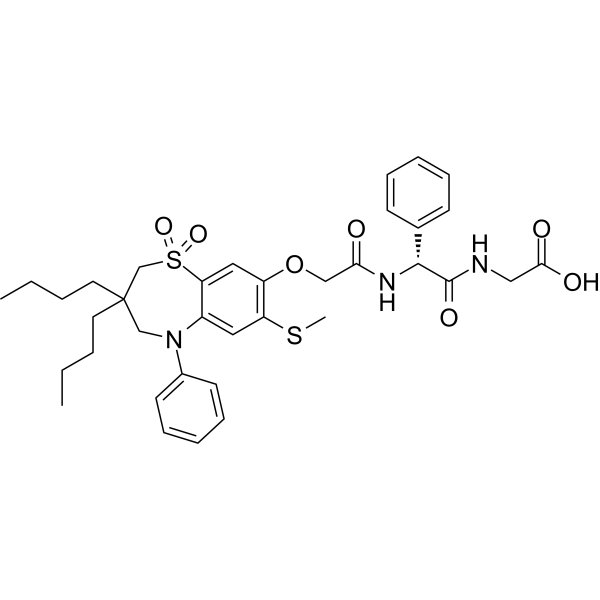
Elobixibat (A 3309; AZD 7806) is an orally active, bile acid transporter (IBAT) inhibitor with IC50 values ??of 0.53 nM (human IBAT), 0.13 nM (mouse IBAT), and 5.8 nM (canine IBAT). Elobixibat can lower LDL cholesterol, increase serum GLP-1, promote colonic motility, and has the potential to study metabolic syndrome. Elobixibat can be used in the study of chronic functional constipation (CIC), dyslipidemia, non-alcoholic hepatitis, and liver tumors in the elderly .
|
-
- HY-17504A
-
|
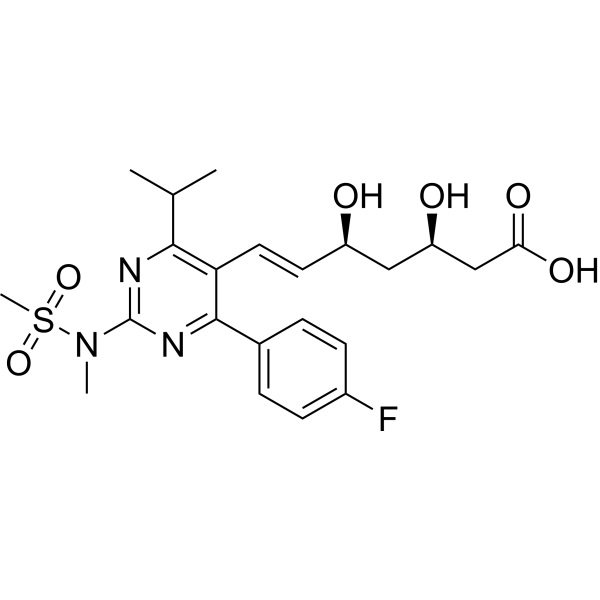
ZD 4522
|
HMG-CoA Reductase (HMGCR)
Autophagy
Potassium Channel
Bacterial
|
Cardiovascular Disease
Metabolic Disease
Cancer
|
|
Rosuvastatin (ZD 4522) is a competitive HMG-CoA reductase inhibitor with an IC50 of 11 nM. Rosuvastatin potently blocks hERG current with an IC50 of 195 nM, delayed cardiac repolarization, and thereby prolonged action potential durations (APDs) and corrected QT interval (QTc) intervals. Rosuvastatin reduces the expression of the mature hERG and the interaction of heat shock protein 70 (Hsp70) with the hERG protein. Rosuvastatin effectively lowers low-density lipoprotein (LDL) cholesterol, triglycerides, and C-reactive protein levels .
|
-
- HY-17504BS2
-
|
ZD 4522-13C,d3 sodium; X-Plended-13C,d3 sodium; Crestor-13C,d3 sodium
|
Autophagy
Bacterial
HMG-CoA Reductase (HMGCR)
Potassium Channel
Isotope-Labeled Compounds
|
Cardiovascular Disease
Metabolic Disease
|
|
Rosuvastatin- 13C,d3 sodium is 13C and deuterated labeled Rosuvastatin sodium (HY-17504B). Rosuvastatin Sodium is a competitive HMG-CoA reductase (HMGCR) inhibitor, with an IC50 of 11 nM. Rosuvastatin Sodium potently blocks hERG current with an IC50 of 195 nM . Rosuvastatin Sodium reduces the expression of the mature hERG and the interaction of heat shock protein 70 (Hsp70) with the hERG protein. Rosuvastatin Sodium effectively lowers low-density lipoprotein (LDL) cholesterol, triglycerides, and C-reactive protein levels .
|
-
- HY-15790A
-
|
A 3309 hydrate; AZD 7806 hydrate
|
Apical Sodium-Dependent Bile Acid Transporter
|
Metabolic Disease
Cancer
|
|
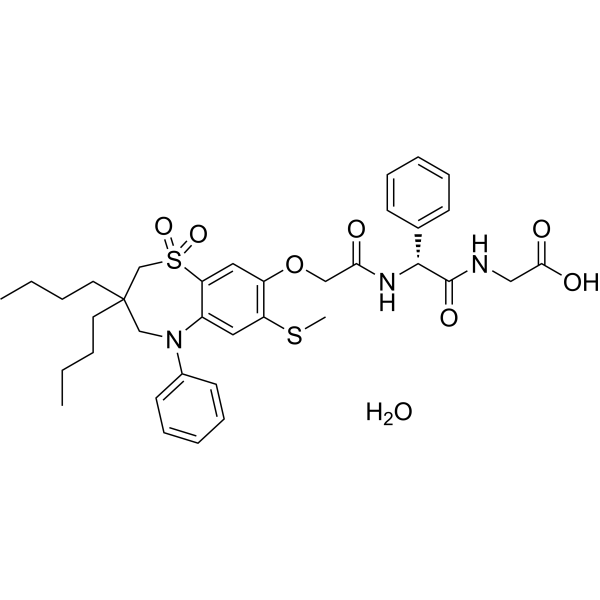
Elobixibat (A 3309; AZD 7806) hydrate is an orally active, bile acid transporter (IBAT) inhibitor with IC50 values ??of 0.53 nM (human IBAT), 0.13 nM (mouse IBAT), and 5.8 nM (canine IBAT). Elobixibat hydrate can lower LDL cholesterol, increase serum GLP-1, promote colonic motility, and has the potential to study metabolic syndrome. Elobixibat hydrate can be used in the study of chronic functional constipation (CIC), dyslipidemia, non-alcoholic hepatitis, and liver tumors in the elderly .
|
-
- HY-B2097
-
|
YM 175; Bisphonal
|
Farnesyl Transferase
|
Metabolic Disease
|
|
Incadronate disodium (YM 175) is a bisphosphonate with strong inhibitory activity on bone resorption. Incadronate disodium indirectly stimulates renal 25-hydroxyvitamin D-1-hydroxylase by increasing circulating parathyroid hormone. Incadronate disodium, a cholesterol-lowering agent, is a potent inhibitor of rat liver microsomal squalene synthase (Ki=57 nM). Incadronate disodium inhibits sterol biosynthesis in mouse macrophage J774 cells (IC50=64 μM). Incadronate disodium has the potential for malignant tumors research .
|
-
- HY-100313AR
-
|
|
Farnesyl Transferase
Reference Standards
HCV
|
Infection
Metabolic Disease
|
|
YM-53601 (Standard) is the analytical standard of YM-53601 (HY-100313A). This product is intended for research and analytical applications. YM-53601, a squalene synthase inhibitor, reduces plasma cholesterol and triglyceride levels in vivo . YM-53601 inhibits squalene synthase derived from human hepatoma cells with an IC50 of 79 nM. Lipid-lowering agent . YM-53601 is also an inhibitor of farnesyl-diphosphate farnesyltransferase 1 (FDFT1) enzyme activity and abrogates HCV propagation .
|
-
- HY-17504D
-
|
|
HMG-CoA Reductase (HMGCR)
Potassium Channel
Autophagy
|
Cardiovascular Disease
Metabolic Disease
|
|
(3S,5R)-Rosuvastatin is the (3S,5R)-enantiomer of Rosuvastatin. Rosuvastatin is a competitive HMG-CoA reductase inhibitor with an IC50 of 11 nM . Rosuvastatin potently blocks human ether-a-go-go related gene (hERG) current with an IC50 of 195 nM . Rosuvastatin reduces the expression of the mature hERG and the interaction of heat shock protein 70 (Hsp70) with the hERG protein. Rosuvastatin is very effective in lowering low-density lipoprotein (LDL) cholesterol, triglycerides, and C-reactive protein levels .
|
-
- HY-17504C
-
|
|
HMG-CoA Reductase (HMGCR)
Potassium Channel
Autophagy
|
Cardiovascular Disease
Metabolic Disease
|
|
(3R,5R)-Rosuvastatin is the (3R,5R)-enantiomer of Rosuvastatin. Rosuvastatin is a competitive HMG-CoA reductase inhibitor with an IC50 of 11 nM . Rosuvastatin potently blocks human ether-a-go-go related gene (hERG) current with an IC50 of 195 nM . Rosuvastatin reduces the expression of the mature hERG and the interaction of heat shock protein 70 (Hsp70) with the hERG protein. Rosuvastatin is very effective in lowering low-density lipoprotein (LDL) cholesterol, triglycerides, and C-reactive protein levels .
|
-
- HY-182014
-
|
|
LXR
|
Cardiovascular Disease
Metabolic Disease
|
|
TLC-2716 is an orally available, gut- and liver-restricted inhibitor against LXRα and LXRβ, with EC50 values of 7 nM and 15 nM, respectively. TLC-2716 represses LXRα/β transcriptional activity, downregulates genes involved in lipogenesis, lipid absorption and lipoprotein metabolism, and preserves peripheral reverse cholesterol transport. TLC-2716 reduces lipid accumulation, suppresses inflammation and fibrotic gene expression, enhances triglyceride-rich lipoprotein clearance, and improves glucose homeostasis and insulin sensitivity. TLC-2716 lowers serum and hepatic triglycerides, plasma cholesterol and other atherogenic lipid profiles in experimental models and humanized liver mice. TLC-2716 can be used for the research of dyslipidemia and related cardiometabolic disorders .
|
-
- HY-15790S
-
|
A 3309-d5; AZD 7806-d5
|
Isotope-Labeled Compounds
Apical Sodium-Dependent Bile Acid Transporter
|
Metabolic Disease
Inflammation/Immunology
Cancer
|
|
Elobixibat-d5 is the deuterium labeled Elobixibat (HY-15790). Elobixibat (A 3309; AZD 7806) is orally active, bile acid transporter (IBAT) inhibitor with IC50 values ??of 0.53 nM (human IBAT), 0.13 nM (mouse IBAT), and 5.8 nM (canine IBAT). Elobixibat can lower LDL cholesterol, increase serum GLP-1, promote colonic motility, and has the potential to treat metabolic syndrome. Elobixibat can be used in the study of chronic functional constipation (CIC), dyslipidemia, non-alcoholic hepatitis, and liver tumors in the elderly .
|
-
- HY-15790R
-
|
A 3309 (Standard); AZD 7806 (Standard)
|
Apical Sodium-Dependent Bile Acid Transporter
Reference Standards
|
Metabolic Disease
Inflammation/Immunology
Cancer
|
|
Elobixibat (Standard) is the analytical standard of Elobixibat (HY-15790). This product is intended for research and analytical applications. Elobixibat (A 3309; AZD 7806) is orally active, bile acid transporter (IBAT) inhibitor with IC50 values ??of 0.53 nM (human IBAT), 0.13 nM (mouse IBAT), and 5.8 nM (canine IBAT). Elobixibat can lower LDL cholesterol, increase serum GLP-1, promote colonic motility, and has the potential to treat metabolic syndrome. Elobixibat can be used in the study of chronic functional constipation (CIC), dyslipidemia, non-alcoholic hepatitis, and liver tumors in the elderly .
|
-
- HY-165061
-
|
Sciadonic acid
|
Apolipoprotein
|
Inflammation/Immunology
|
|
5(Z),11(Z),14(Z)-Eicosatrienoic acid (Sciadonic acid), a polyunsaturated fatty acid sourced from maritime pine seed oil, gymnospermae leaves and seeds, and freshwater gastropods, has been shown to reduce high-density lipoprotein and ApoA1 levels in transgenic mice expressing human ApoA1 when included in their diet. In vitro studies indicate that it diminishes cholesterol efflux, and when applied topically in its methyl ester form, it alleviates inflammatory processes, likely by displacing arachidonic acid from phospholipid pools and lowering concentrations of downstream inflammatory mediators such as prostaglandin E2 and leukotrienes.
|
-
- HY-162562
-
|
|
PCSK9
|
Metabolic Disease
Inflammation/Immunology
|
|
E28362 is an orally active lipid-lowering agent and a selective PCSK9 antagonist. E28362 blocks the interaction between PCSK9 and LDLR, and induces PCSK9 degradation via the ubiquitin-proteasome pathway. E28362 significantly increases the levels of cell surface and total LDLR proteins, enhances low-density lipoprotein uptake, thereby effectively reducing plasma lipids, hepatic cholesterol and triglyceride levels. E28362 shows no obvious cytotoxicity at high concentrations, and significantly attenuates atherosclerotic lesions in animal models. E28362 is an important molecule in research of hyperlipidemia and atherosclerosis .
|
-
- HY-17504AS1
-
|
ZD 4522-d6
|
Isotope-Labeled Compounds
Autophagy
Bacterial
HMG-CoA Reductase (HMGCR)
Potassium Channel
|
Cardiovascular Disease
Metabolic Disease
Cancer
|
|
Rosuvastatin-d6 (ZD 4522-d6) is deuterium labeled Rosuvastatin. Rosuvastatin (ZD 4522) is a competitive HMG-CoA reductase inhibitor with an IC50 of 11 nM. Rosuvastatin potently blocks hERG current with an IC50 of 195 nM, delayed cardiac repolarization, and thereby prolonged action potential durations (APDs) and corrected QT interval (QTc) intervals. Rosuvastatin reduces the expression of the mature hERG and the interaction of heat shock protein 70 (Hsp70) with the hERG protein. Rosuvastatin effectively lowers low-density lipoprotein (LDL) cholesterol, triglycerides, and C-reactive protein levels .
|
-
- HY-14998
-
|
MK 185
|
β-catenin
PPAR
Wnt
|
Endocrinology
|
|
Halofenate, structurally akin to clofibrate, was evaluated in hypertriglyceridemic patients over 6-week periods in a controlled, double-blind crossover trial. It effectively reduced serum triglycerides by 50%, with minimal impact on serum cholesterol levels. Additionally, it lowered serum uric acid by 30% and exhibited uricosuric effects independent of glomerular filtration rate. Halofenate was associated with a significant increase in plasma thyroxine (T4), accompanied by a decrease in protein-bound iodine and T4 by column. In vitro studies confirmed its ability to displace T4 from thyroid-binding proteins, suggesting a thyroxine-displacing effect, which could influence thyroid function in vivo .
|
-
- HY-186096
-
|
|
ACSL Family
GLP Receptor
|
Metabolic Disease
|
|
LP-856866 is an orally active ACSL5 inhibitor, with IC50 values of 8 nM and 4 nM against mouse and human ACSL5, respectively, and IC50 values of 6 nM and 17 nM against mouse and human ACSL1, respectively. LP-856866 induces delayed gastric emptying, promotes GLP-1 release, reduces food intake, decreases body weight and body fat mass, preserves lean body mass, improves glucose homeostasis, enhances insulin sensitivity, reduces hepatic lipid accumulation, and lowers serum triglyceride and total cholesterol levels. LP-856866 is applicable to research on diet-induced obesity .
|
-
- HY-168046
-
|
|
Thyroid Hormone Receptor
|
Metabolic Disease
|
|
ALG-055009 is a selective and orally active Thyroid Hormone Receptor Beta (THR-β) agonist with an EC50 of 0.063 μM. ALG-055009 binds to the T3 hormone pocket of human THR-β, forming polar interactions with protein residues. ALG-055009 can lower total cholesterol levels in rats on a high-fat diet. ALG-055009 exhibits high metabolic stability, good permeability, a long in vivo half-life, and limited drug-drug interaction liability. ALG-055009 can be used in studies related to metabolic dysfunction-associated fatty liver disease .
|
-
- HY-N0527
-
|
Penta-O-galloyl-β-D-glucose; 1,2,3,4,6-Pentagalloyl glucose
|
JAK
Keap1-Nrf2
Apoptosis
β-catenin
Reactive Oxygen Species (ROS)
E1/E2/E3 Enzyme
|
Neurological Disease
Inflammation/Immunology
Cancer
|
|
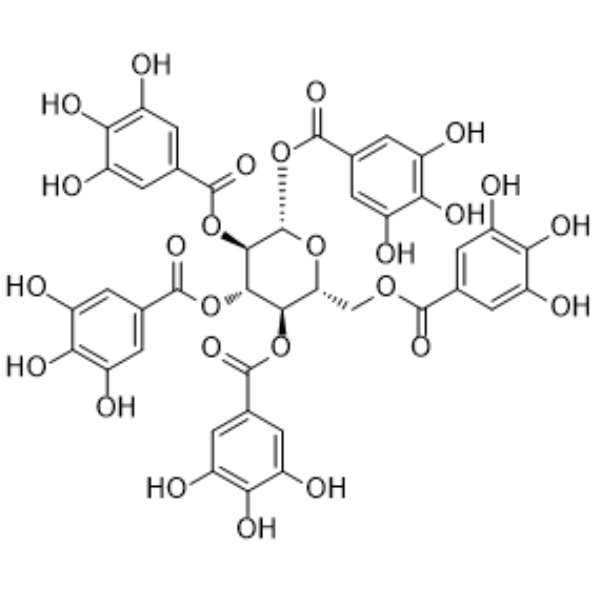
Pentagalloylglucose (Penta-O-galloyl-β-D-glucose) is an orally active gallic tannin compound and an inducer of apoptosis and autophagy. Pentagalloglucose induces cell apoptosis and autophagy through the GSK3β/β-catenin pathway. Pentagalloylglucose inhibits UBE2T-mediated p53 ubiquitination, upregulates p53, downregulates RRM1/RRM2 in pancreatic cancer organoids. Pentagalloglucose has antioxidant, anti mutagenic, anti-inflammatory, anticonvulsant, cardioprotective, anti allergic, cholesterol lowering, and anti-tumor activities .
|
-
- HY-128749AR
-
|
Calcium D-glucarate tetrahydrate (Standard)
|
Endogenous Metabolite
Reference Standards
Apoptosis
|
Neurological Disease
Metabolic Disease
Inflammation/Immunology
Cancer
|
|
D-Glucaric acid tetrahydrate (Standard) (Calcium D-glucarate tetrahydrate (Standard)) is the analytical standard of D-Glucaric acid tetrahydrate (HY-128749A). This product is intended for research and analytical applications. D-Glucaric acid tetrahydrate (Calcium D-glucarate tetrahydrate) is an orally active end product of the mammalian D-glucuronidation pathway. D-Glucaric acid tetrahydrate is found in a variety of fruits and vegetables. D-Glucaric acid tetrahydrate induces cell Apoptosis. D-Glucaric acid tetrahydrate reduces the expression of hippocampal myelin-related genes (Mbp, Plp1). D-Glucaric acid tetrahydrate has cholesterol-lowering and anti-tumor activities. D-Glucaric acid tetrahydrate can be used in the research of neurological diseases .
|
-
- HY-W343043
-
|
PZG
|
Drug Derivative
|
Cardiovascular Disease
Metabolic Disease
|
|
Pyrazinoylguanidine (PZG) is an analogue of the potassium sparing diuretic, Amiloride (HY-B0285). Pyrazinoylguanidine can lower the systolic and diastolic blood pressure of patients with primary hypertension, has a certain effect on reducing heart rate, and does not affect the concentrations of electrolytes such as sodium, potassium, and chloride in the blood serum. Pyrazinoylguanidine can reduce the hyperglycemia and hyperinsulinemia in type 2 diabetes, reduce the levels of triglycerides, cholesterol, and free fatty acids, and reverse the hyperglycemia and hyperlipidemia induced by thiazide diuretics, such as Hydrochlorothiazide (HY-B0252). Pyrazinoylguanidine ican nhibit the reabsorption of urea by the renal tubules, thereby increasing the clearance rate and excretion volume of urea, reducing the serum urea concentration, and minimizing its toxic accumulation .
|
-
- HY-N0527R
-
|
Penta-O-galloyl-β-D-glucose (Standard); 1,2,3,4,6-Pentagalloyl glucose (Standard)
|
Reference Standards
JAK
Keap1-Nrf2
Apoptosis
β-catenin
Reactive Oxygen Species (ROS)
|
Neurological Disease
Inflammation/Immunology
Cancer
|
|
Pentagalloylglucose (Standard) is the analytical standard of Pentagalloylglucose. This product is intended for research and analytical applications. Pentagalloylglucose (Penta-O-galloyl-β-D-glucose) is an orally active gallic tannin compound and an inducer of apoptosis and autophagy. Pentagalloglucose induces cell apoptosis and autophagy through the GSK3β/β-catenin pathway. Pentagalloylglucose inhibits UBE2T-mediated p53 ubiquitination, upregulates p53, downregulates RRM1/RRM2 in pancreatic cancer organoids. Pentagalloglucose has antioxidant, anti mutagenic, anti-inflammatory, anticonvulsant, cardioprotective, anti allergic, cholesterol lowering, and anti-tumor activities .
|
-
- HY-100401A
-
|
CS-505
|
Acyltransferase
|
Cardiovascular Disease
|
|
Pactimibe sulfate (CS-505) is a dual ACAT1/2 inhibitor with IC50s of 4.9 μM and 3.0 μM, respectively. Pactimibe sulfate (CS-505) inhibits ACAT with IC50s of 2.0 μM, 2.7 μM, 4.7 μM in the liver, macrophages and THP-1 cells, respectively . Pactimibe sulfate (CS-505) noncompetitively inhibits oleoyl-CoA with a Ki value of 5.6 μM. Moreover, Pactimibe sulfate (CS-505) obviously inhibits cholesteryl ester formation with an IC50 of 6.7 μM. Pactimibe sulfate (CS-505) possesses anti-atherosclerotic potential with lowering plasma cholesterol activity .
|
-
- HY-100401
-
|
CS-505 free base
|
Acyltransferase
|
Cardiovascular Disease
|
|
Pactimibe (CS-505 free base) is a dual ACAT1/2 inhibitor with IC50s of 4.9 μM and 3.0 μM, respectively. Pactimibe (CS-505 free base) inhibits ACAT with IC50s of 2.0 μM, 2.7 μM, 4.7 μM in the liver, macrophages and THP-1 cells, respectively . Pactimibe (CS-505 free base) noncompetitively inhibits oleoyl-CoA with a Ki value of 5.6 μM. Moreover, Pactimibe (CS-505 free base) obviously inhibits cholesteryl ester formation with an IC50 of 6.7 μM. Pactimibe (CS-505 free base) possesses anti-atherosclerotic potential with lowering plasma cholesterol activity .
|
-
- HY-124187
-
|
Ethyl pinolenate
|
Biochemical Assay Reagents
|
Others
|
|
Pinolenic acid is a polyunsaturated fatty acid found in the seed oils of red pine (Pinus orientalis) and maritime pine (Pinus pinaster). Both oils were found to have lipid-lowering properties. A diet containing marine pine nut oil (MPSO) reduces HDL and ApoA1 levels in transgenic mice expressing human ApoA1. MPSO was found to reduce cholesterol efflux in vitro. Korean pine nut oil supplements may help obesity by reducing appetite. People who take this oil experience an increase in the satiety hormones CCK and GLP-1 and a decrease in appetite. The activity of the oil is attributed to pinolenic acid. Pinolenic acid is not metabolized to arachidonic acid and can reduce the level of arachidonic acid in the phosphatidylinositol fraction of HepG2 cells from 15.9% to 7.0%. Pinolenic acid ethyl ester is a neutral, more lipophilic form of the free acid.
|
-
- HY-100401AR
-
|
CS-505 (Standard)
|
Acyltransferase
Reference Standards
|
Cardiovascular Disease
|
|
Pactimibe (sulfate) (Standard) is the analytical standard of Pactimibe (sulfate) (HY-100401A). This product is intended for research and analytical applications. Pactimibe sulfate (CS-505) is a dual ACAT1/2 inhibitor with IC50s of 4.9 μM and 3.0 μM, respectively. Pactimibe sulfate (CS-505) inhibits ACAT with IC50s of 2.0 μM, 2.7 μM, 4.7 μM in the liver, macrophages and THP-1 cells, respectively . Pactimibe sulfate (CS-505) noncompetitively inhibits oleoyl-CoA with a Ki value of 5.6 μM. Moreover, Pactimibe sulfate (CS-505) obviously inhibits cholesteryl ester formation with an IC50 of 6.7 μM. Pactimibe sulfate (CS-505) possesses anti-atherosclerotic potential with lowering plasma cholesterol activity .
|
-
| Cat. No. |
Product Name |
Type |
-
- HY-W134326
-
|
|
Biochemical Assay Reagents
|
|
Polydextrose is an orally active prebiotic. Polydextrose promotes the growth of Pediococcus pentosaceus ATCC 43200. Polydextrose reduces cholesterol and synergistically lowers blood sugar with Sitagliptin (HY-13749). Currently, it is mainly used in the research of diseases such as hyperlipidemia, type 2 diabetes, and postoperative iron deficiency anemia .
|
-
- HY-W250146
-
|
Locust bean gum, Polysaccharide>75%, 5000-6500 mPa·S
|
Biochemical Assay Reagents
|
|
Locust bean gum is a natural polysaccharide derived from the seeds of the carob tree. It is commonly used as a thickening, stabilizing and gelling agent in a variety of foods, including dairy, baked goods and meat products. Locust bean gum has several properties suitable for these applications, including high water retention capacity, ability to form stable gels at low temperatures, and resistance to acidic conditions. Additionally, it can be used as a dietary fiber supplement due to its potential health benefits, including improving digestion and lowering cholesterol levels.
|
-
- HY-NP026
-
|
C-phycocyaninfromporphyratenera
|
Biochemical Assay Reagents
|
|
Spirulina C-phycocyanin, a component of the light-harvesting phycobilisome complex in photosystem II, is a highly dominant chromoprotein in Spirulina. Spirulina C-phycocyanin can be detected by Raman spectral measurement. Spirulina C-phycocyanin has antioxidant, anti-inflammatory, antiplatelet, liver-protective and cholesterol-lowering effects .
|
-
- HY-124187
-
|
Ethyl pinolenate
|
Biochemical Assay Reagents
|
|
Pinolenic acid is a polyunsaturated fatty acid found in the seed oils of red pine (Pinus orientalis) and maritime pine (Pinus pinaster). Both oils were found to have lipid-lowering properties. A diet containing marine pine nut oil (MPSO) reduces HDL and ApoA1 levels in transgenic mice expressing human ApoA1. MPSO was found to reduce cholesterol efflux in vitro. Korean pine nut oil supplements may help obesity by reducing appetite. People who take this oil experience an increase in the satiety hormones CCK and GLP-1 and a decrease in appetite. The activity of the oil is attributed to pinolenic acid. Pinolenic acid is not metabolized to arachidonic acid and can reduce the level of arachidonic acid in the phosphatidylinositol fraction of HepG2 cells from 15.9% to 7.0%. Pinolenic acid ethyl ester is a neutral, more lipophilic form of the free acid.
|
-
- HY-W015467
-
|
Pyridine-3-sulphonic acid
|
Biochemical Assay Reagents
|
|
Pyridine-3-sulfonic acid (Pyridine-3-sulphonic acid) is an orally active structural analog of Nicotine acid (HY-B0143). Pyridine-3-sulfonic acid significantly reduces hepatic cholesterol synthesis in rats but lacks cholesterol-lowering activity. Pyridine-3-sulfonic acid does not interfere with the metabolism of Nicotine acid .
|
| Cat. No. |
Product Name |
Category |
Target |
Chemical Structure |
-
- HY-N0504
-
-
-
- HY-N0527
-
|
Penta-O-galloyl-β-D-glucose; 1,2,3,4,6-Pentagalloyl glucose
|
Infection
other families
Classification of Application Fields
Anti-aging
Phenols
Polyphenols
Plants
Disease Research Fields
Source Classification
|
JAK
Keap1-Nrf2
Apoptosis
β-catenin
Reactive Oxygen Species (ROS)
E1/E2/E3 Enzyme
|
|
Pentagalloylglucose (Penta-O-galloyl-β-D-glucose) is an orally active gallic tannin compound and an inducer of apoptosis and autophagy. Pentagalloglucose induces cell apoptosis and autophagy through the GSK3β/β-catenin pathway. Pentagalloylglucose inhibits UBE2T-mediated p53 ubiquitination, upregulates p53, downregulates RRM1/RRM2 in pancreatic cancer organoids. Pentagalloglucose has antioxidant, anti mutagenic, anti-inflammatory, anticonvulsant, cardioprotective, anti allergic, cholesterol lowering, and anti-tumor activities .
|
-
-
- HY-N1459
-
-
-
- HY-N6811
-
-
-
- HY-14925
-
-
-
- HY-W008226
-
-
-
- HY-W012946
-
-
-
- HY-129459
-
-
-
- HY-B1189
-
-
-
- HY-128749
-
-
-
- HY-N15574
-
-
-
- HY-N9811
-
-
-
- HY-N0504R
-
-
-
- HY-N8425
-
-
-
- HY-N0131R
-
-
-
- HY-129459R
-
-
-
- HY-128749A
-
-
-
- HY-100313
-
|
|
Alkaloids
Carbazole Alkaloids
|
Farnesyl Transferase
HCV
|
|
YM-53601 free base, a squalene synthase inhibitor, reduces plasma cholesterol and triglyceride levels in vivo . YM-53601 free base inhibits squalene synthase derived from human hepatoma cells with an IC50 of 79 nM. Lipid-lowering agent . YM-53601 free base is also an inhibitor of farnesyl-diphosphate farnesyltransferase 1 (FDFT1) enzyme activity and abrogates HCV propagation .
|
-
-
- HY-N1459R
-
-
-
- HY-N0527R
-
|
Penta-O-galloyl-β-D-glucose (Standard); 1,2,3,4,6-Pentagalloyl glucose (Standard)
|
Structural Classification
other families
Phenols
Polyphenols
Plants
Source Classification
|
Reference Standards
JAK
Keap1-Nrf2
Apoptosis
β-catenin
Reactive Oxygen Species (ROS)
|
|
Pentagalloylglucose (Standard) is the analytical standard of Pentagalloylglucose. This product is intended for research and analytical applications. Pentagalloylglucose (Penta-O-galloyl-β-D-glucose) is an orally active gallic tannin compound and an inducer of apoptosis and autophagy. Pentagalloglucose induces cell apoptosis and autophagy through the GSK3β/β-catenin pathway. Pentagalloylglucose inhibits UBE2T-mediated p53 ubiquitination, upregulates p53, downregulates RRM1/RRM2 in pancreatic cancer organoids. Pentagalloglucose has antioxidant, anti mutagenic, anti-inflammatory, anticonvulsant, cardioprotective, anti allergic, cholesterol lowering, and anti-tumor activities .
|
-
-
- HY-117760
-
-
-
- HY-B1189R
-
-
-
- HY-N8425R
-
-
-
- HY-W012946R
-
-
-
- HY-128749AR
-
|
Calcium D-glucarate tetrahydrate (Standard)
|
Structural Classification
Natural Products
Endogenous metabolite
Source Classification
|
Endogenous Metabolite
Reference Standards
Apoptosis
|
|
D-Glucaric acid tetrahydrate (Standard) (Calcium D-glucarate tetrahydrate (Standard)) is the analytical standard of D-Glucaric acid tetrahydrate (HY-128749A). This product is intended for research and analytical applications. D-Glucaric acid tetrahydrate (Calcium D-glucarate tetrahydrate) is an orally active end product of the mammalian D-glucuronidation pathway. D-Glucaric acid tetrahydrate is found in a variety of fruits and vegetables. D-Glucaric acid tetrahydrate induces cell Apoptosis. D-Glucaric acid tetrahydrate reduces the expression of hippocampal myelin-related genes (Mbp, Plp1). D-Glucaric acid tetrahydrate has cholesterol-lowering and anti-tumor activities. D-Glucaric acid tetrahydrate can be used in the research of neurological diseases .
|
-
-
- HY-N18732
-
|
|
Structural Classification
Extract
|
Others
|
|
Terminalia arjuna extract is a precious natural compound derived from the bark of the Terminalia arjuna tree, rich in bioactive components such as triterpenoids, flavonoids, tannins, and polyphenols. Terminalia arjuna extract has cardioprotective effects, helping to strengthen the heart muscle, lower cholesterol levels, stabilize blood pressure, and prevent thrombosis.
|
-
| Cat. No. |
Product Name |
Chemical Structure |
-
- HY-17504AS1
-
|
|
|
Rosuvastatin-d6 (ZD 4522-d6) is deuterium labeled Rosuvastatin. Rosuvastatin (ZD 4522) is a competitive HMG-CoA reductase inhibitor with an IC50 of 11 nM. Rosuvastatin potently blocks hERG current with an IC50 of 195 nM, delayed cardiac repolarization, and thereby prolonged action potential durations (APDs) and corrected QT interval (QTc) intervals. Rosuvastatin reduces the expression of the mature hERG and the interaction of heat shock protein 70 (Hsp70) with the hERG protein. Rosuvastatin effectively lowers low-density lipoprotein (LDL) cholesterol, triglycerides, and C-reactive protein levels .
|
-
-
- HY-B1189S
-
|
|
|
Meglutol-d3 is the deuterium labeled Meglutol . Meglutol is an antilipemic agent which lowers cholesterol, triglycerides, serum beta-lipoproteins and phospholipids, and inhibits the activity of hydroxymethylglutarryl CoA reductases, which is the rate limiting enzyme in the biosynthesis of cholesterol.
|
-
-
- HY-W012946S
-
|
|
|
2-Furoic acid-d3 is the deuterium labeled 2-Furoic acid . 2-Furoic acid (Furan-2-carboxylic acid) is an organic compound produced through furfural oxidation . 2-Furoic acid exhibits hypolipidemic effet, lowers both serum cholesterol and serum triglyceride levels in rats .
|
-
-
- HY-17504BS1
-
|
|
|
Rosuvastatin-d6 sodium is deuterium labeled Rosuvastatin sodium (HY-17504B). Rosuvastatin Sodium is a competitive HMG-CoA reductase (HMGCR) inhibitor, with an IC50 of 11 nM. Rosuvastatin Sodium potently blocks hERG current with an IC50 of 195 nM. Rosuvastatin Sodium reduces the expression of the mature hERG and the interaction of heat shock protein 70 (Hsp70) with the hERG protein. Rosuvastatin Sodium effectively lowers low-density lipoprotein (LDL) cholesterol, triglycerides, and C-reactive protein levels.
|
-
-
- HY-N0504S1
-
|
|
|
Lovastatin-d9 is the deuterium labeled Lovastatin. Lovastatin is a cell-permeable HMG-CoA reductase inhibitor used to lower cholesterol.
|
-
-
- HY-N0504S2
-
|
|
|
Lovastatin-d3 is deuterium labeled Lovastatin. Lovastatin is a cell-permeable HMG-CoA reductase inhibitor used to lower cholesterol.
|
-
-
- HY-17504BS2
-
|
|
|
Rosuvastatin- 13C,d3 sodium is 13C and deuterated labeled Rosuvastatin sodium (HY-17504B). Rosuvastatin Sodium is a competitive HMG-CoA reductase (HMGCR) inhibitor, with an IC50 of 11 nM. Rosuvastatin Sodium potently blocks hERG current with an IC50 of 195 nM . Rosuvastatin Sodium reduces the expression of the mature hERG and the interaction of heat shock protein 70 (Hsp70) with the hERG protein. Rosuvastatin Sodium effectively lowers low-density lipoprotein (LDL) cholesterol, triglycerides, and C-reactive protein levels .
|
-
-
- HY-N0504S
-
|
|
|
Epi Lovastatin-d3 is the deuterium labeled Lovastatin. Lovastatin is a cell-permeable HMG-CoA reductase inhibitor used to lower cholesterol.
|
-
-
- HY-B0388S1
-
|
|
|
Probucol-d6 is deuterium labeled Probucol. Probucol (DH-581) is an anti-hyperlipidemic agent by lowering the level of cholesterol in the bloodstream by increasing the rate of LDL catabolism.
|
-
-
- HY-B0388S
-
|
|
|
Probucol- 13C3 is the 13C-labeled Probucol. Probucol (DH-581) is an anti-hyperlipidemic agent by lowering the level of cholesterol in the bloodstream by increasing the rate of LDL catabolism.
|
-
-
- HY-N0131S1
-
|
|
|
Stigmasterol-d5-1 is deuterium labeled Stigmasterol. Stigmasterol is a plant sterol which has been focused on the cholesterol-lowering activity and is valued as an anti-stiffness factor in the therapy of rheumatic diseases .
|
-
-
- HY-W740341
-
|
|
|
3-Pyridinemethanol-d6 is the deuterium labeled 3-Pyridinemethanol (HY-B0893). 3-Pyridinemethanol (Nicotinyl alcohol), a pyridine derivative, is a cholesterol-lowering agent .
|
-
-
- HY-N1459S
-
|
|
|
Campesterol-d7 ((24R)-5-Ergosten-3β-ol-d7) is the deuterium labeled Campesterol. Campesterol is a plant sterol with cholesterol lowering and anticarcinogenic effects.
|
-
-
- HY-B0723S
-
|
|
|
Ospemifene-d4 is a deuterium labeled Ospemifene. Ospemifene is a selective and orally active estrogen receptor modulator for the prevention of osteoporosis with IC50 values of 827 nM and 1633 nM for estrogen receptor α (ERα) and ERβ, respectively. Ospemifene has bone-sparing, antitumor, and cholesterol-lowering effects .
|
-
-
- HY-109523S
-
|
|
|
Cerivastatin-d3 sodium is deuterated labeled Cerivastatin sodium (HY-109523). Cerivastatin sodium is a synthetic lipid-lowering agent and a highly potent, well-tolerated and orally active HMG-CoA reductase inhibitor, with a Ki of 1.3 nM/L. Cerivastatin sodium reduces low-density lipoprotein cholesterol levels. Cerivastatin sodium also inhibits proliferation and invasiveness of MDA-MB-231 cells, mainly by RhoA inhibition, and has anti-cancer effect .
|
-
-
- HY-15790S
-
|
|
|
Elobixibat-d5 is the deuterium labeled Elobixibat (HY-15790). Elobixibat (A 3309; AZD 7806) is orally active, bile acid transporter (IBAT) inhibitor with IC50 values ??of 0.53 nM (human IBAT), 0.13 nM (mouse IBAT), and 5.8 nM (canine IBAT). Elobixibat can lower LDL cholesterol, increase serum GLP-1, promote colonic motility, and has the potential to treat metabolic syndrome. Elobixibat can be used in the study of chronic functional constipation (CIC), dyslipidemia, non-alcoholic hepatitis, and liver tumors in the elderly .
|
-
| Cat. No. |
Product Name |
|
Classification |
-
- HY-N1459
-
|
|
|
Cholesterol
|
|
Campesterol is a plant sterol with cholesterol lowering and anticarcinogenic effects.
|
-
- HY-W134326
-
|
|
|
Fillers
|
|
Polydextrose is an orally active prebiotic. Polydextrose promotes the growth of Pediococcus pentosaceus ATCC 43200. Polydextrose reduces cholesterol and synergistically lowers blood sugar with Sitagliptin (HY-13749). Currently, it is mainly used in the research of diseases such as hyperlipidemia, type 2 diabetes, and postoperative iron deficiency anemia .
|
Your information is safe with us. * Required Fields.
Inquiry Information
- Product Name:
- Cat. No.:
- Quantity:
- MCE Japan Authorized Agent:

