


1. Search Result
Search Result
Results for "

interleukin-6

" in MedChemExpress (MCE) Product Catalog:

56

Inhibitors & Agonists

4

Peptides

2

MCE Kits

10

Inhibitory Antibodies

14

Natural
Products

39

Recombinant Proteins

4

Isotope-Labeled Compounds

5

Antibodies

3

Oligonucleotides

Cat. No. Product Name Target Research Areas Chemical Structure
  • HY-P9917
    Tocilizumab
    Maximum Cited Publications
    42 Publications Verification

    Anti-Human IL6R, Humanized Antibody; RG-1569; rhPM-1

    Interleukin Related Inflammation/Immunology Cancer
    Tocilizumab (Anti-Human IL6R, Humanized Antibody) is an anti-human interleukin-6 receptor (IL-6R) neutralizing antibody, prevents binding of IL-6 to the IL-6R, thereby inhibiting both classic and trans-signaling. Tocilizumab (Anti-Human IL6R, Humanized Antibody) can be used for the treatment of rheumatoid arthritis . Tocilizumab is remarkablely effective for the study of severe COVID-19 (coronavirus disease) .
    Tocilizumab
  • HY-113066A
    Guanosine 5'-diphosphate disodium salt
    2 Publications Verification

    GDP disodium salt

    Hepcidin Potassium Channel Endogenous Metabolite Neurological Disease Inflammation/Immunology Cancer
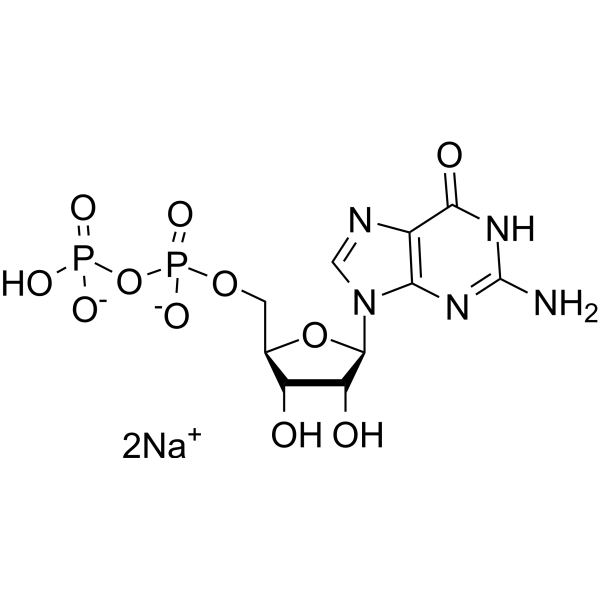
    Guanosine 5'-diphosphate (GDP) disodium salt, a purine nucleoside diphosphate, is interconverted to guanosine by the action of exonucleotidase and phosphorylation of nucleoside to guanine. Guanosine 5'-diphosphate disodium salt activates adenosine 5'-triphosphate-sensitive K + channel and is used to study the kinetics and characteristics of GTPases such as those associated with G-protein coupled receptors (GPCR). Guanosine 5'-diphosphate disodium salt is a potential iron mobilizer, which prevents the Hepcidin (HY-P70400)-ferroportin interaction and modulates the interleukin-6 (IL-6)/stat-3 pathway. Elevated levels of guanosine 5’-diphosphate are associated with the pathogenesis of neurological diseases. Guanosine 5'-diphosphate disodium salt is promising for the research of inflammation, such as anemia of inflammation (AI) .
    Guanosine 5'-diphosphate disodium salt
  • HY-P9956
    Siltuximab
    3 Publications Verification

    CNTO-328

    Interleukin Related Cancer
    Siltuximab is an anti-IL-6 (interleukin-6) monoclonal antibody, and shows antitumor activity. Siltuximab can be used in Multicentric Castleman's Disease (MCD) and COVID-19 research .
    Siltuximab
  • HY-13717

    IRX4204; NRX194204; VTP 194204

    RAR/RXR Apoptosis Inflammation/Immunology Cancer
    AGN194204 (IRX4204) is an orally active and selective RXR agonist with Kd values 0.4 nM, 3.6 nM and 3.8 nM and EC50s of 0.2 nM, 0.8 nM and 0.08 nM for RXRα, RXRβ and RXRγ, respectively. AGN194204 is inactive against RAR. AGN194204 has anti-inflammatory and anticarcinogenic actions .
    AGN194204
  • HY-76711

    Opioid Receptor Neurological Disease Metabolic Disease Inflammation/Immunology Cancer
    Naltrexone is an orally active, long-acting opioid receptor (opioid receptor) antagonist. Naltrexone blocks the euphoric effects of exogenous opioids and reduces alcohol craving by blocking opioid receptors (μ, κ, and δ) as well as opioid growth factor receptors. Low doses of Naltrexone are used to relieve chronic pain, treat inflammatory diseases and inhibit tumor growth, while high doses or continuous administration exert pro-inflammatory or pro-proliferative effects. Naltrexone relieves intractable pruritus caused by psoriasis, atopic dermatitis and other conditions, and its combination with Bupropion (HY-B0403) inhibits food craving, thereby reducing body weight .
    Naltrexone
  • HY-N0712
    Typhaneoside
    3 Publications Verification

    Autophagy mTOR Akt FXR Cardiovascular Disease Neurological Disease Metabolic Disease Cancer
    Typhaneoside is an orally bioavailable signal modulator and cellular regulator. Typhaneoside regulates the PI3K/Akt/mTOR autophagy transduction pathway. Typhaneoside promotes the activation of AMP-activated protein kinase and Caspase-3, induces apoptosis, ferroptosis, autophagy, ROS accumulation, and cell cycle arrest at the G2/M phase, and reduces cancer cell viability. Typhaneoside activates the farnesoid X receptor signaling pathway, improves glucose and lipid metabolism, alleviates inflammatory responses, oxidative stress and hepatic lipid accumulation, and exerts hepatoprotective effects. Typhaneoside is applicable to research related to post-myocardial infarction heart failure, acute myeloid leukemia, non-alcoholic fatty liver disease, and neurological disorders .
    Typhaneoside
  • HY-P0064

    Palmitoyl Tetrapeptide-7

    Interleukin Related Inflammation/Immunology
    Palmitoyl Tetrapeptide-3 (Palmitoyl Tetrapeptide-7) is a synthetic peptide corresponding to amino acids 341-344 of the human immunoglobulin heavy chain, with the ability to stimulate phagocytosis. Palmitoyl tetrapeptide-3 reduces interleukin-6 (IL-6) secretion in keratinocytes and inhibits the UVB radiation-exposure inflammatory response of skin. Palmitoyl tetrapeptide-3 It also has anti-inflammatory and anti-aging effects, reducing skin wrinkles by promoting the production of elastic fibers in the papillary dermis .
    Palmitoyl Tetrapeptide-3
  • HY-113509
    Lipoxin A4
    1 Publications Verification

    LXA4

    Interleukin Related Endogenous Metabolite Inflammation/Immunology
    Lipoxin A4 (LXA4), an endogenous lipoxygenase-derived eicosanoid mediator, has potent dual pro-resolving and anti-inflammatory properties . Lipoxin A4 inhibits proliferation and inflammatory cytokine/chemokine production of human epidermal keratinocytes (NHEKs) associated with the ERK1/2 and NF-kB pathways . Lipoxin A4 inhibits serum amyloid A (SAA)-mediated IL-8 release with an IC50 value of 25.74 nM .
    Lipoxin A4
  • HY-P99210
    Olokizumab
    1 Publications Verification

    CDP 6038; OKZ

    Interleukin Related STAT Inflammation/Immunology Endocrinology
    Olokizumab (CDP 6038) is a humanized monoclonal antibody that targets interleukin-6 (IL-6). Olokizumab inhibits IL-6-induced STAT-3 phosphorylation. Olokizumab is used in the study of arthritis .
    Olokizumab
  • HY-N3031

    Bacterial Apoptosis Bcl-2 Family MDM-2/p53 Glutathione Peroxidase SOD TNF Receptor Interleukin Related Infection Inflammation/Immunology
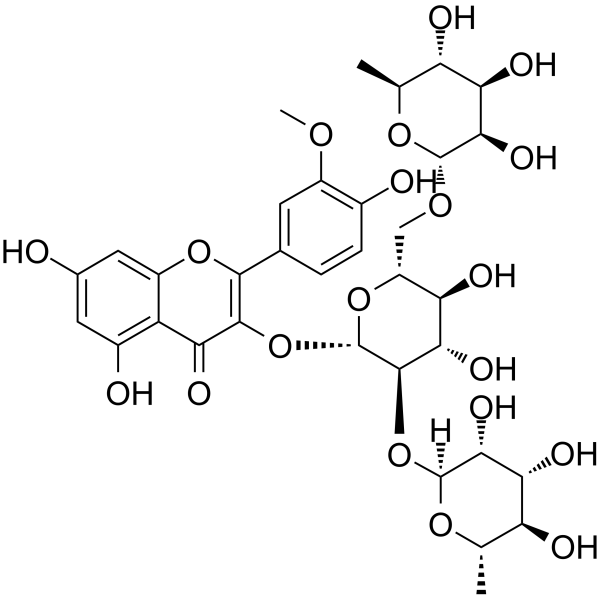
    Grosvenorine is an orally active flavonoid glycoside found in S. grosvenorii. Grosvenorine exhibits antibacterial, antioxidant and antiinflammation activities. Grosvenorine can induce apoptosis and increases anti-apoptotic Bcl-2 protein expression and reduces pro-apoptotic P53 protein expression in gastric tissues. Grosvenorine enhances mucin/glycoprotein secretion, regulates gastric pH, and reduces gastric lesion incidence.Grosvenorine increases glutathione peroxidase, catalase, and SOD levels, reduces lipid peroxidation (MDA), and lowers TNF-α and IL-6 levels. Grosvenorine can be used for the researches of bacterial infection and Gastric ulcer .
    Grosvenorine
  • HY-Y0148

    NSC 15139; 10-HDAA

    Parasite Autophagy NF-κB Interleukin Related NO Synthase MDM-2/p53 TNF Receptor RANKL/RANK Caspase Infection Neurological Disease Inflammation/Immunology
    10-Hydroxydecanoic acid (10-HDAA) is a saturated fatty acid derived from 10-hydroxy-trans-2-decenoic acid, which can be isolated from royal jelly. 10-Hydroxydecanoic acid exhibits various biological activities, including anti-inflammatory, insecticidal, anti-malarial, and anti-Leishmania properties, as well as enhancing antigen-specific immune responses. The anti-inflammatory effects of 10-Hydroxydecanoic acid are primarily mediated by inhibiting the activation of NF-κB and the translation of interferon regulatory factor 1 (IRF-1), which reduces the production of interleukin 6 (IL-6) and nitric oxide (NO) in inflammatory cells. Additionally, 10-Hydroxydecanoic acid alleviates neuroinflammatory responses through the p53-autophagy pathway and the p53-NLRP3 pathway. Finally, 10-Hydroxydecanoic acid enhances antigen-specific immune responses by promoting the effective uptake of antigens by microfold cells .
    10-Hydroxydecanoic acid
  • HY-122308

    NF-κB Apoptosis Interleukin Related COX Reactive Oxygen Species (ROS) Inflammation/Immunology
    Militarine is a plant growth inhibitor and anti-inflammatory agent. Militarine inhibits the elongation of radicles and hypocotyls in seedlings of lettuce, Italian ryegrass and timothy grass. Militarine alleviates PM2.5-induced inflammatory injury and inhibits cell migration in human alveolar epithelial A549 cells by inhibiting the NF-κB signaling pathway, reducing oxidative stress and the release of inflammatory factors. Militarine can be used in studies related to PM2.5-induced pulmonary diseases .
    Militarine
  • HY-177063

    Interleukin Related Infection Inflammation/Immunology
    IL-6-IN-2 is an interleukin-6 (IL-6) inhibitor. IL-6-IN-2 binds to IL-6 at Lys66, Phe74, Gln175, Ser176, and Arg179 via π-π, π-alkyl, hydrogen bond, and hydrophobic interactions to block IL-6/IL-6R heterocomplex formation. IL-6-IN-2 exhibits low gastrointestinal absorption rate. IL-6-IN-2 can be used for the research of cytokine release syndrome, covid-19 .
    IL-6-IN-2
  • HY-P0317

    Interleukin Related Others
    Interleukin (IL)-6 Receptor is a peptide, derived from interleukin-6 receptor.
    Interleukin (IL)-6 Receptor
  • HY-P990937

    PF-04236921; TOUR-006

    Interleukin Related Inflammation/Immunology
    Pacibekitug (PF-04236921; TOUR-006) is a fully humanized IgG2 monoclonal antibody targeting IL-6. Pacibekitug binds to and neutralizes IL-6 signaling, thereby inhibiting the pathophysiological role of this pro-inflammatory cytokine in autoimmune diseases (such as rheumatoid arthritis, Crohn's disease, and systemic lupus erythematosus) [1][2].
    Pacibekitug
  • HY-P99287

    B-E8; Anti-IL-6 MAB B-E8

    Interleukin Related Inflammation/Immunology Cancer
    Elsilimomab (B-E8) is a IgG1 monoclonal antibody against interleukin-6 (IL-6), with a KD of 22 pM and an IC50 of 1.4 nM. Elsilimomab can be used for the research of multiple myeloma, renal cell carcinoma, and rheumatoid arthritis (RA) .
    Elsilimomab
  • HY-P99012

    Interleukin Related SARS-CoV Infection Inflammation/Immunology
    Clazakizumab is a monoclonal antibody with high affinity and specificity for the IL-6 (interleukin-6) cytokine. Clazakizumab may be helpful in inhibiting the cytokine response to SARS-CoV-2 in COVID-19. Clazakizumab can be used for the research of psoriatic arthritis (PsA) and renal antibody-mediated rejection .
    Clazakizumab
  • HY-146356

    Adenylate Cyclase Inflammation/Immunology
    Adenylyl cyclase type 2 agonist-1 (Compound 73) is a potent agonist of adenylyl cyclase type 2 (AC2) with the EC50 of 90 nM. Adenylyl cyclase type 2 agonist-1 inhibits expression of Interleukin-6, making it a potential lead compound against respiratory diseases .
    Adenylyl cyclase type 2 agonist-1
  • HY-103471

    FAK Interleukin Related Cancer
    Y11 inhibits the autophosphorylation of FAK1 by blocking the phosphorylation of Y397. Y11 increases the expression level of IL-6. Y11 is applicable for cancer research .
    Y11
  • HY-113066S1

    GDP-13C10 dilithium

    Isotope-Labeled Compounds Endogenous Metabolite Potassium Channel Inflammation/Immunology
    Guanosine 5'-diphosphate- 13C10 (GDP- 13C10) dilithium is 13C-labeled Guanosine 5'-diphosphate (HY-113066). Guanosine 5'-diphosphate (GDP) is a nucleoside diphosphate that activates adenosine 5'-triphosphate-sensitive K + channel. Guanosine 5'-diphosphate is a potential iron mobilizer, which prevents the hepcidin-ferroportin interaction and modulates the interleukin-6 (IL-6)/stat-3 pathway. Guanosine 5'-diphosphate can be used in the research of inflammation, such as anemia of inflammation (AI).
    Guanosine 5'-diphosphate-13C10 dilithium
  • HY-117694

    CGRP Receptor Neurological Disease Inflammation/Immunology
    MK-8825 is an orally active, selective CGRP receptor antagonist with a Ki value of 47 pM for human CGRP receptors and 17 nM for rat CGRP receptors. MK-8825 blocks CGRP-stimulated cAMP responses and exhibits competitive-like antagonism. MK-8825 can be used in the research of migraine and temporomandibular joint disorders .
    MK-8825
  • HY-112847B

    (E/Z)-Sulfo-N-succinimidyl oleate sodium

    Transmembrane Glycoprotein Mitochondrial Metabolism Drug Isomer Inflammation/Immunology
    (E/Z)-Sulfosuccinimidyl oleate sodium is the racemate of (E)-Sulfosuccinimidyl oleate sodium and (Z)-Sulfosuccinimidyl oleate sodium. Sulfosuccinimidyl oleate sodium (Sulfo-N-succinimidyl oleate sodium) is a long-chain fatty acid that inhibits fatty acid transport into cells. Sulfosuccinimidyl oleate sodium is a potent and irreversible inhibitor of the mitochondrial respiratory chain. Sulfosuccinimidyl oleate sodium binds to the CD36 receptor on the surface of microglial cells. Sulfosuccinimidyl oleate sodium exhibits anti-inflammatory effects .
    (E/Z)-Sulfosuccinimidyl oleate sodium
  • HY-P4720

    Interleukin Related Inflammation/Immunology Cancer
    Interleukin-6 fragment (human) is a pleiotropic cytokine produced by lymphocytes and non-lymphocytes. The Interleukin-6 fragment (human) coding gene is located on human chromosome 7, with a length of approximately 5 kilobases. Interleukin-6 fragment (human) has potential applications in immune response, acute response, inflammation, tumors, and hematopoiesis .
    Interleukin-6 fragment (human)
  • HY-113066S

    GDP-15N5 dilithium

    Isotope-Labeled Compounds Endogenous Metabolite Potassium Channel Inflammation/Immunology
    Guanosine 5'-diphosphate- 15N5 (GDP- 15N5) dilithium is 15N labeled Guanosine 5'-diphosphate (HY-113066). Guanosine 5'-diphosphate (GDP) is a nucleoside diphosphate that activates adenosine 5'-triphosphate-sensitive K + channel. Guanosine 5'-diphosphate is a potential iron mobilizer, which prevents the hepcidin-ferroportin interaction and modulates the interleukin-6 (IL-6)/stat-3 pathway. Guanosine 5'-diphosphate can be used in the research of inflammation, such as anemia of inflammation (AI) .
    Guanosine 5'-diphosphate-15N5 dilithium
  • HY-113066AR

    GDP disodium salt (Standard)

    Hepcidin Endogenous Metabolite Potassium Channel Reference Standards Neurological Disease Inflammation/Immunology Cancer
    Guanosine 5'-diphosphate (disodium salt) (Standard) is the analytical standard of Guanosine 5'-diphosphate (disodium salt). This product is intended for research and analytical applications. Guanosine 5'-diphosphate (GDP) disodium salt, a purine nucleoside diphosphate, is interconverted to guanosine by the action of exonucleotidase and phosphorylation of nucleoside to guanine. Guanosine 5'-diphosphate disodium salt activates adenosine 5'-triphosphate-sensitive K+ channel and is used to study the kinetics and characteristics of GTPases such as those associated with G-protein coupled receptors (GPCR). Guanosine 5'-diphosphate disodium salt is a potential iron mobilizer, which prevents the Hepcidin (HY-P70400)-ferroportin interaction and modulates the interleukin-6 (IL-6)/stat-3 pathway. Elevated levels of guanosine 5’-diphosphate are associated with the pathogenesis of neurological diseases. Guanosine 5'-diphosphate disodium salt is promising for the research of inflammation, such as anemia of inflammation (AI) .
    Guanosine 5'-diphosphate disodium salt (Standard)
  • HY-P99702

    BCD-089

    Interleukin Related Inflammation/Immunology
    Levilimab (BCD-089) is a fully humanized anti-interleukin-6 receptor (IL-6R) monoclonal antibody. Levilimab is an inflammation-alleviating antibody. Levilimab can be used for the research of rheumatoid .
    Levilimab
  • HY-P991658

    ARGX-109; GB224; RYI-008

    Interleukin Related Inflammation/Immunology
    Gerilimzumab (GB224) is a humanized monoclonal antibody inhibitor targeting interleukin-6 (IL-6). Gerilimzumab is promising for research of autoimmune diseases such as rheumatoid arthritis .
    Gerilimzumab
  • HY-115910A

    Interleukin Related Cholinesterase (ChE) Neurological Disease
    Y13g dihydrochloride is the potent inhibitor of both AChE and IL-6. Interleukin-6 (IL-6) and acetylcholinesterase (AChE) are two important targets implicated in progression of Alzheimer's Disease (AD). Y13g dihydrochloride reverses the STZ (HY-13753)-induced memory deficit, and shows histopathology similarly as in normal animals .
    Y13g dihydrochloride
  • HY-N3887

    Haplophytin B; Haplophytine B

    Bacterial Infection
    Evoxine (Haplophytin B) is a compound that selectively inhibits CO2-induced immunosuppression and has activity in inhibiting the expression of interleukin-6 and chemokine CCL2 in human THP-1 macrophages. Evoxine shows antimicrobial activity against a wide range of bacteria, especially performing well in minimum inhibitory concentration (MIC) tests against Escherichia coli, Bacillus subtilis, and Staphylococcus aureus. Evoxine extracts may find application in crude drug preparations in West Africa, provided that their in vivo toxicity results are negative .
    Evoxine
  • HY-155027

    Dipeptidyl Peptidase TNF Receptor Interleukin Related Inflammation/Immunology Cancer
    DPP-4-IN-8 (compound 27) is a potent and selective DPP4 (dipeptidyl peptidase 4) inhibitor, with a Ki of 0.96 μM. DPP-4-IN-8 blocks the dipeptidase activity of DPP4 in both Caco-2 and HepG-2 cells. DPP-4-IN-8 also dose-dependently suppresses the expression levels of the chemokines tumor necrosis factor-α (TNF-α), interleukin-6 (IL-6), and interleukin-1β (IL-1β) .
    DPP-4-IN-8
  • HY-163458

    Interleukin Related Inflammation/Immunology
    Anti-inflammatory agent 77 (C12) is a β-cycloacinamide derived mono-carbonyl curcumin analog and an inhibitor of interleukin-6 (IL-6). Anti-inflammatory agent 77 can be used in the study of wound healing .
    Anti-inflammatory agent 77
  • HY-115910

    Cholinesterase (ChE) Interleukin Related Neurological Disease
    Y13g is the potent inhibitor of both AChE and IL-6. Interleukin-6 (IL-6) and acetylcholinesterase (AChE) are two important targets implicated in progression of Alzheimer's Disease (AD). Y13g reverses the STZ (HY-13753)-induced memory deficit, and shows histopathology similarly as in normal animals .
    Y13g
  • HY-126758

    Apoptosis Glutathione Peroxidase Inflammation/Immunology
    Ludartin a sesquiterpene lactone, which can be isolated from the plant Artemisia carruthii Wood. Ludartin reduces the expression of myeloperoxidase and malondialdehyde, enhances the expression of glutathione and superoxide dismutase in spinal cord tissue. Ludartin inhibits neuronal apoptosis. Ludartin inhibits the upregulation of tumor necrosis factor-α, interleukin-1β, and interleukin-6. Ludartin improves the motor function of rats with spinal cord injury .
    Ludartin
  • HY-113066B

    GDP ditromethamine

    Hepcidin Potassium Channel Endogenous Metabolite Inflammation/Immunology
    Guanosine 5'-diphosphate ditromethamine is a nucleoside diphosphate that activates adenosine 5'-triphosphate-sensitive K + channel. Guanosine 5'-diphosphate ditromethamine is a potential iron mobilizer, which prevents the hepcidin-ferroportin interaction and modulates the interleukin-6 (IL-6)/stat-3 pathway. Guanosine 5'-diphosphate ditromethamine can be used in the research of inflammation, such as anemia of inflammation (AI) .
    Guanosine 5'-diphosphate ditromethamine
  • HY-161520

    Glucocorticoid Receptor NF-κB Inflammation/Immunology
    Glucocorticoid receptor/NF-κB modulator-1 (Compound 20) is a derivative of ocotillol. Glucocorticoid receptor/NF-κB modulator-1 suppresses the degradation of glucocorticoid receptor (GR) mRNA and GR protein, inhibits the activation of NF-κB signaling pathway. Glucocorticoid receptor/NF-κB modulator-1 downregulates levels of NO, interleukin-6 and tumor necrosis factor-alpha (TNF-α). Glucocorticoid receptor/NF-κB modulator-1 ameliorates sepsis in mouse model .
    Glucocorticoid receptor/NF-κB modulator-1
  • HY-113066S2

    GDP-d13 dilithium

    Isotope-Labeled Compounds Endogenous Metabolite Potassium Channel Inflammation/Immunology
    Guanosine 5'-diphosphate-d13 (GDP-d13) dilithium is deuterium labeled Guanosine 5'-diphosphate (HY-113066). Guanosine 5'-diphosphate (GDP) is a nucleoside diphosphate that activates adenosine 5'-triphosphate-sensitive K + channel. Guanosine 5'-diphosphate is a potential iron mobilizer, which prevents the hepcidin-ferroportin interaction and modulates the interleukin-6 (IL-6)/stat-3 pathway. Guanosine 5'-diphosphate can be used in the research of inflammation, such as anemia of inflammation (AI).
    Guanosine 5'-diphosphate-d13 dilithium
  • HY-176466

    Platelet-activating Factor Receptor (PAFR) TNF Receptor Inflammation/Immunology
    ST-899 is a novel platelet-activating factor (PAF) receptor antagonist. ST-899 can significantly reduce the mortality of mice with endotoxin (LPS)-induced shock. ST-899 can significantly inhibit the increase in serum tumor necrosis factor (TNF) levels induced by LPS, but has no effect on interleukin-6 (IL-6). The regulatory mechanism of ST-899 is to block the positive feedback loop between PAF and TNF, thereby reducing the inflammatory response. ST-899 can be used to study inflammatory diseases such as septic shock .
    ST-899
  • HY-111077

    JAK STAT Inflammation/Immunology Cancer
    INCB16562 is an orally active and selective inhibitor against JAK1/2 markedly selective over JAK3. INCB16562 potently inhibits interleukin-6 (IL-6)-induced phosphorylation of STAT3. Additionally, INCB16562 inhibits the proliferation and survival of myeloma cells dependent on IL-6 for growth, as well as the IL-6–induced growth of primary bone marrow-derived plasma cells. INCB16562 antagonizes the growth of myeloma xenografts in mice with antitumor activity. INCB16562 is promising for research of multiple myeloma .
    INCB16562
  • HY-113066S3

    GDP-13C10,15N5 dilithium

    Isotope-Labeled Compounds Endogenous Metabolite Potassium Channel Inflammation/Immunology
    Guanosine 5'-diphosphate- 13C10, 15N5 (GDP- 13C10, 15N5) dilithium is 13C and 15N-labeled Guanosine 5'-diphosphate (HY-113066). Guanosine 5'-diphosphate (GDP) is a nucleoside diphosphate that activates adenosine 5'-triphosphate-sensitive K + channel. Guanosine 5'-diphosphate is a potential iron mobilizer, which prevents the hepcidin-ferroportin interaction and modulates the interleukin-6 (IL-6)/stat-3 pathway. Guanosine 5'-diphosphate can be used in the research of inflammation, such as anemia of inflammation (AI).
    Guanosine 5'-diphosphate-13C10,15N5 dilithium
  • HY-167628

    Dipyrone hemimagnesium; Methamizole hemimagnesium

    COX Apoptosis Interleukin Related Inflammation/Immunology
    Metamizole (Dipyrone) hemimagnesium is an anti-inflammatory and antioxidant agent with the property of reducing body temperature. Metamizole hemimagnesium can decrease the levels of C-reactive protein (CRP) and interleukin 6 (IL-6). It is also an orally active cyclooxygenase (COX) inhibitor. Metamizole hemimagnesium can inhibit cell proliferation and promote apoptosis. It can be used in the research of inflammation and fever .
    Metamizole hemimagnesium
  • HY-174600

    mRNA Inflammation/Immunology
    Human IL6 mRNA encodes the human interleukin 6 (IL6) protein, a cytokine that functions in inflammation and the maturation of B cells. IL6 has been shown to be an endogenous pyrogen capable of inducing fever in people with autoimmune diseases or infections. The functioning of this gene is implicated in a wide variety of inflammation-associated disease states, including suspectibility to diabetes mellitus and systemic juvenile rheumatoid arthritis.
    Human IL6 mRNA
  • HY-Y0148R

    NSC 15139 (Standard); 10-HDAA (Standard)

    Reference Standards Parasite Autophagy NF-κB Interleukin Related NO Synthase MDM-2/p53 TNF Receptor RANKL/RANK Caspase Infection Neurological Disease Inflammation/Immunology
    10-Hydroxydecanoic acid (Standard) is the analytical standard of 10-Hydroxydecanoic acid. This product is intended for research and analytical applications. 10-Hydroxydecanoic acid (10-HDAA) is a saturated fatty acid derived from 10-hydroxy-trans-2-decenoic acid, which can be isolated from royal jelly. 10-Hydroxydecanoic acid exhibits various biological activities, including anti-inflammatory, insecticidal, anti-malarial, and anti-Leishmania properties, as well as enhancing antigen-specific immune responses. The anti-inflammatory effects of 10-Hydroxydecanoic acid are primarily mediated by inhibiting the activation of NF-κB and the translation of interferon regulatory factor 1 (IRF-1), which reduces the production of interleukin 6 (IL-6) and nitric oxide (NO) in inflammatory cells. Additionally, 10-Hydroxydecanoic acid alleviates neuroinflammatory responses through the p53-autophagy pathway and the p53-NLRP3 pathway. Finally, 10-Hydroxydecanoic acid enhances antigen-specific immune responses by promoting the effective uptake of antigens by microfold cells[1][2][3][4][5].
    10-Hydroxydecanoic acid (Standard)
  • HY-174599

    mRNA Inflammation/Immunology
    Human IL6R mRNA encodes the human interleukin 6 receptor (IL6R) protein, a subunit of the interleukin 6 (IL6) receptor complex. Interleukin 6 is a potent pleiotropic cytokine that regulates cell growth and differentiation and plays an important role in the immune response.
    Human IL6R mRNA
  • HY-N17395

    TNF Receptor Interleukin Related Inflammation/Immunology
    (6R,7R)-Epoxy-1-oleanen-3-ol is a triterpenoid that can be found in Boswellia ovalifoliolata, exhibiting anti-inflammatory activity. (6R,7R)-Epoxy-1-oleanen-3-ol inhibits TNF-α, IL-6, IL-8, and NO production in LPS (HY-D1056)-activated murine neutrophils. (6R,7R)-Epoxy-1-oleanen-3-ol can be used for the research on inflammatory conditions .
    (6R,7R)-Epoxy-1-oleanen-3-ol
  • HY-P992457

    Glycoprotein VI Interleukin Related Cancer
    SAR444200 is a nanobody T-cell engager targeting GPC3 (glypican-3) and TCRαβ (T-cell receptor αβ). SAR444200 has a KD of 0.023 nM for human GPC3 and a KD of 5.2 nM for human TCRαβ. SAR444200 mediates T-cell-dependent cytotoxicity, with high selectivity and killing activity against GPC3-positive tumor cells. SAR444200 binds to GPC3 in a dual-epitope manner, and binds to TCRαβ via its N-terminal nanobody, forming an artificial immunological synapse between T cells and tumor cells. SAR444200 can be used for the research of GPC3 + solid tumors, including liver cancer, lung squamous cell carcinoma and melanoma .
    SAR444200
  • HY-N19725

    Interleukin Related Metabolic Disease
    Calonysterone is an orally effective IL-6 inhibitor. Calonysterone reduces the level of the proinflammatory cytokine IL-6. Calonysterone prevents diet-induced obesity. Calonysterone normalizes abnormal plasma adiponectin and leptin concentrations. Calonysterone increases the percentage of total DNA methylation. Calonysterone enhances antioxidant activity. Calonysterone is applicable to obesity-related research .
    Calonysterone
  • HY-183306

    mTOR STAT Neurological Disease Inflammation/Immunology Cancer
    mTOR/STAT3-IN-1 is a dual mTOR/STAT3 inhibitor. mTOR/STAT3-IN-1 exhibits potent mTOR inhibitory activity and moderate STAT3 inhibitory activity, while exerting cell type-dependent antiproliferative and senolytic activities in human cell lines. mTOR/STAT3-IN-1 can be used in the research of glioblastoma and aging-related diseases .
    mTOR/STAT3-IN-1
  • HY-P3051A

    Drug Derivative Infection Inflammation/Immunology
    CKS-17 (dimer) is the dimer of CKS-17 (HY-P3051). CKS-17 (dimer) can be prepared by introducing a naturally occurring cysteine at the carboxyl terminus and dimerizing via a cysteine-disulfide bond. CKS-17 is a synthetic retroviral envelope peptide. CKS-17 has a highly conserved amino acid sequence present in the transmembrane envelope proteins of numerous animal and human retroviruses. As an immunomodulatory epitope, CKS-17 exhibits inhibitory properties on a variety of immune functions .
    CKS-17 (dimer)
  • HY-181155

    NO Synthase COX TNF Receptor Interleukin Related Inflammation/Immunology
    Anti-inflammatory agent 111 is a potent anti-inflammatory agent. Anti-inflammatory agent 111 reduces Lipopolysaccharides (LPS) (HY-D1056)-induced i-NOS and COX-2 protein expression, decreases nitric oxide, IL-6, and TNF-α production. Anti-inflammatory agent 111 maintains normal cell viability at bioactive concentrations.Anti-inflammatory agent 111 can be used for the research of inflammation-related disorders .
    Anti-inflammatory agent 111
  • HY-165521

    RAR/RXR Interleukin Related Cancer
    AGN-190121 is a selective RARβ/γ retinoid agonist that inhibits IL-6 expression and cell proliferation in cancer cells by antagonizing NF-IL6. AGN-190121 can be used for the research of Kaposi's sarcoma .
    AGN-190121

Inquiry Online

Your information is safe with us. * Required Fields.

Salutation


Country or Region *

Applicant Name *


Organization Name *

Department *


Email Address *


Product Name *

Cat. No.


Requested quantity *

Phone Number *


Remarks

Inquiry Online

Inquiry Information

Product Name:
Cat. No.:
Quantity:
MCE Japan Authorized Agent:

