
Search Result
Results for "
lipase activity
" in MedChemExpress (MCE) Product Catalog:
6
Biochemical Assay Reagents
| Cat. No. |
Product Name |
Target |
Research Areas |
Chemical Structure |
-
- HY-128144
-
|
|
Lipase
|
Metabolic Disease
|
|
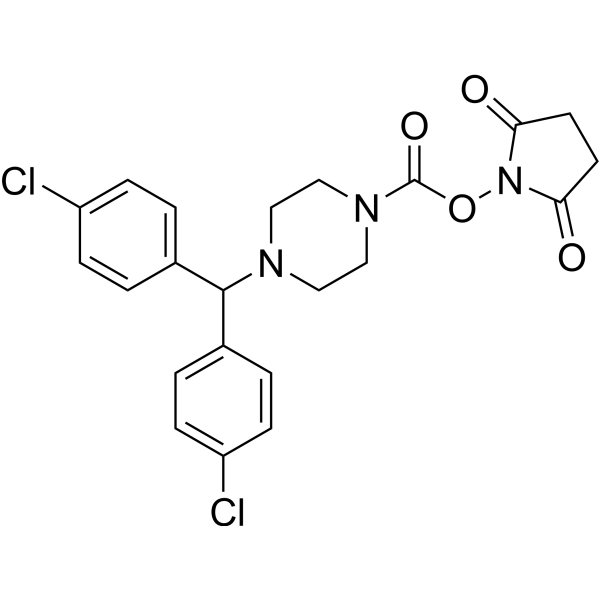
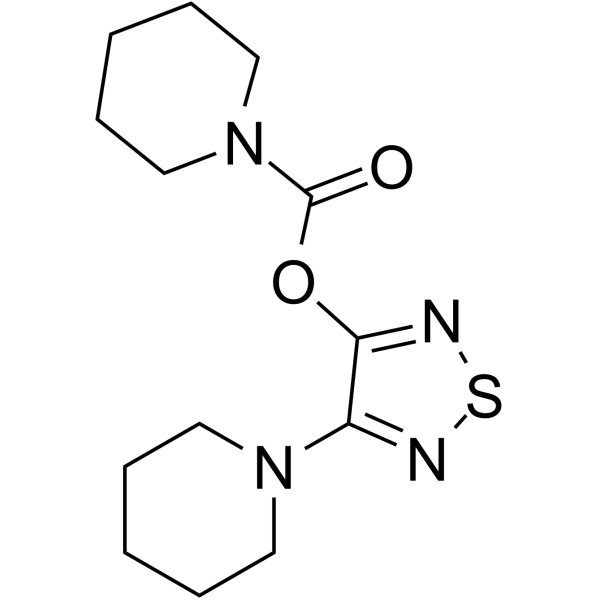
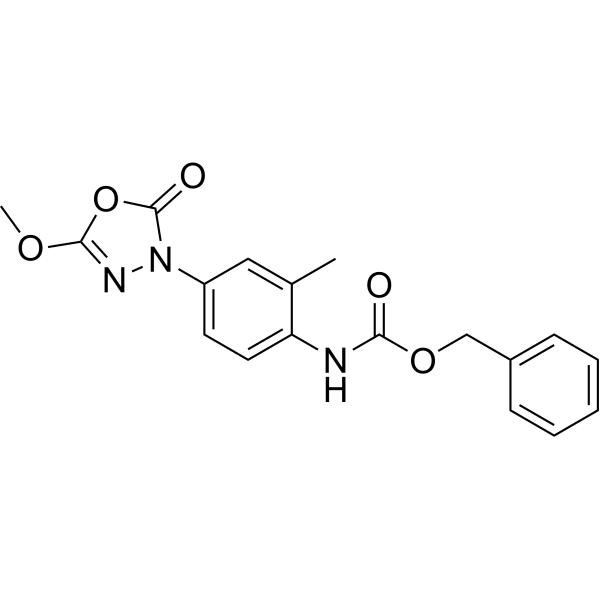
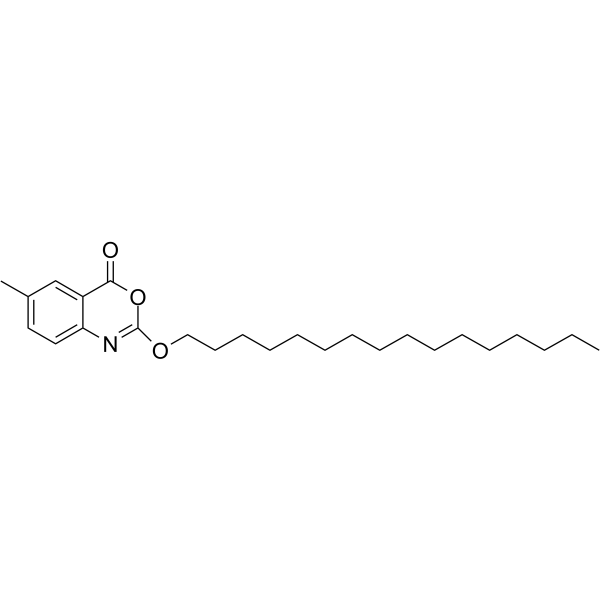
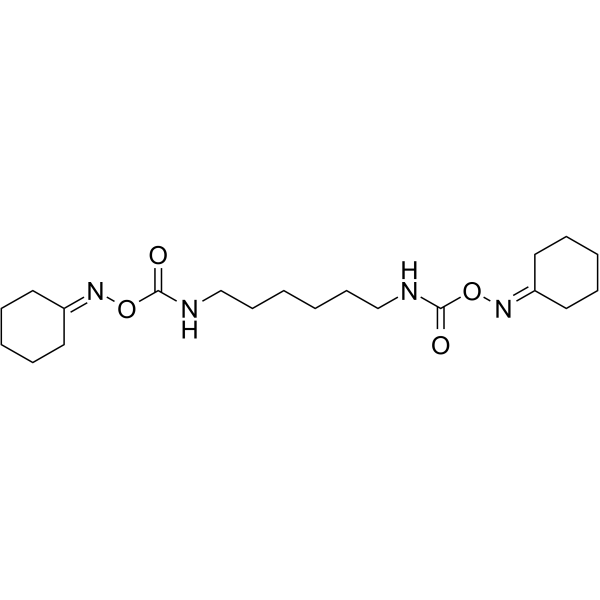
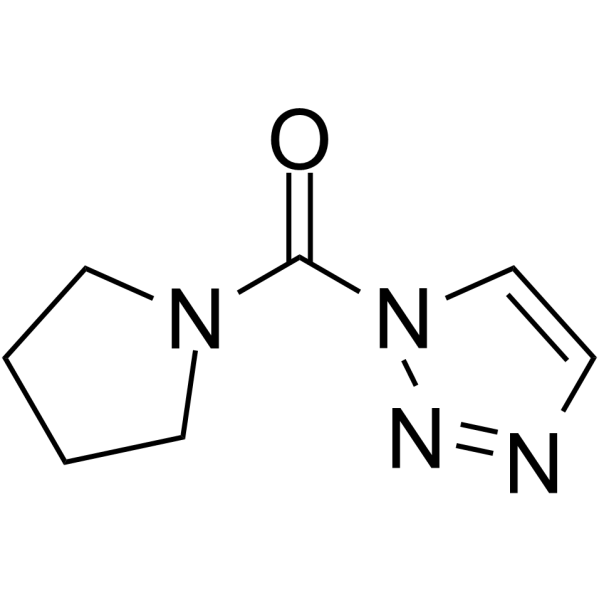
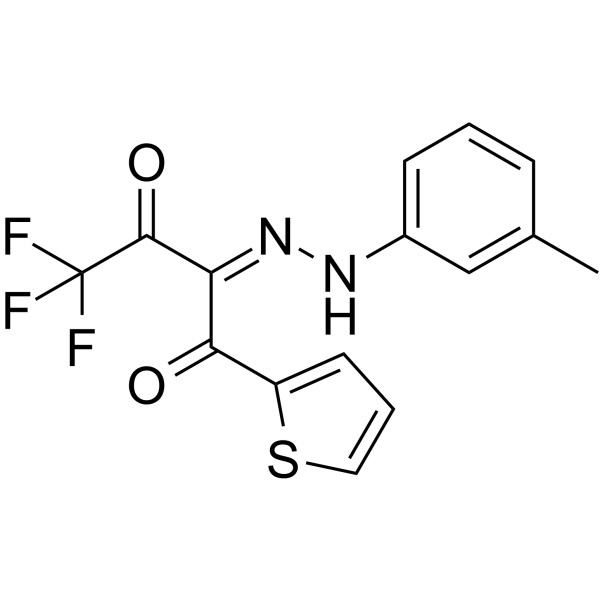
Lalistat 2 is an inhibitor of many lipases especially Lysosomal acid lipase (LAL, IC50 = 152 nM), which is a key enzyme that degrades neutral lipids at an acidic pH in lysosomes. Lalistat 2 is commonly used to investigate the cell-specific functions of LAL and LAL deficiency in vitro, as well as specifically measure LAL activity in human blood samples or cells .
|
-
-
- HY-W014449
-
|
|
Biochemical Assay Reagents
|
Others
|
|
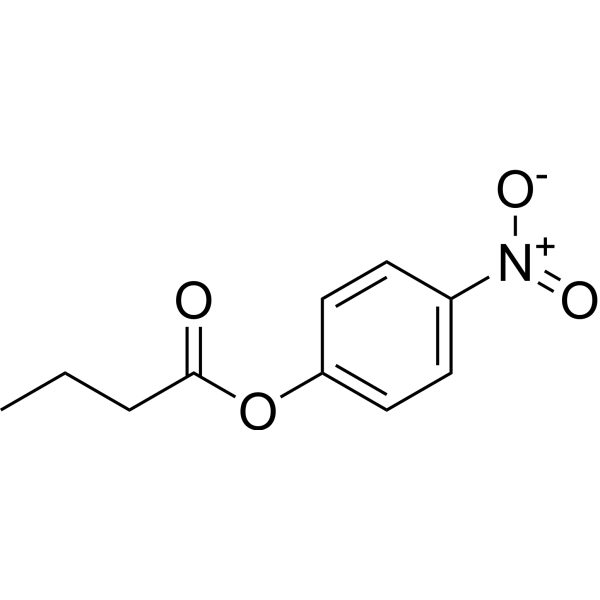
4-Nitrophenyl butyrate consists of butyric acid chains esterified with 4-nitrophenol groups, thus giving it a yellow color. This compound is commonly used as a substrate in enzyme assays to measure esterase and lipase activity. When these enzymes cleave the ester bond, the nitrophenol group is released and the color changes from yellow to orange. Thus, the rate of color change can be used to determine enzyme activity. In addition, 4-Nitrophenyl butyrate can also be used as organic synthesis reagent and dye intermediate.
|
-
-
- HY-W127711
-
|
|
Phosphatase
Lipase
|
Metabolic Disease
Inflammation/Immunology
|
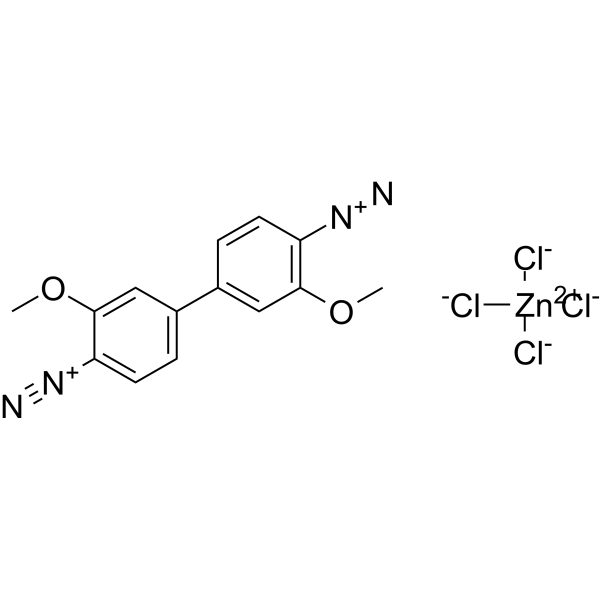
Fast Blue B Salt, Dye content ~95% is a diazo dye, primarily used as a chromogenic substrate in biochemical analysis. Fast Blue B Salt, Dye content ~95% is the coupling agent for the histochemical demonstration of proteases. Fast Blue B Salt, Dye content ~95% can be used for the detection of acid phosphatase in Clostridium perfringens, and also for the determination of lipase activity. Fast Blue B Salt, Dye content ~95% reacts directly with the active hydroxyl groups in phenolic compounds to determine the content of phenolic substances .
|
-
-
- HY-136924
-
|
|
FAAH
|
Others
|
|
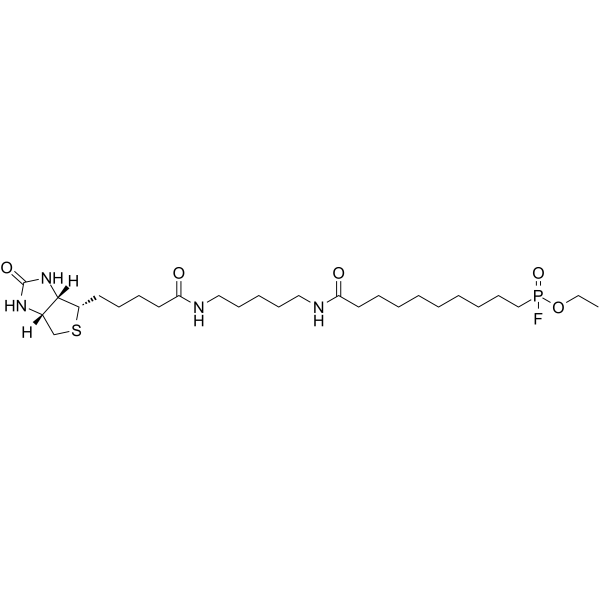
FP-biotin is a potent organophosphorus toxicant, well-suited for searching for new biomarkers of organophosphorus toxicants exposure. FP-Biotin quantifies FAAH, ABHD6, and MAG-lipase activity. FP-biotin is used for studies with plasma because biotinylated peptides are readily purified by binding to immobilized avidin beads .
|
-
-
- HY-119283
-
-
-
- HY-N7072
-
|
|
Apoptosis
|
Metabolic Disease
Inflammation/Immunology
Cancer
|
|
Grape seed extract is a natural product, with anti-inflammatory and anti-proliferative effects. Grape seed extract shows inhibitory activity on the fat-metabolizing enzymes pancreatic lipase and lipoprotein lipase. Grape seed extract induces apoptotic in human colorectal cancer cells .
|
-
-
- HY-W013168
-
|
4-Nitrophenyl hexadecanoate; p-Nitrophenyl Palmitate; pNpp
|
Lipase
|
Others
|
|
4-Nitrophenyl palmitate (4-Nitrophenyl hexadecanoate) is a chromogenic substrate for lipases and esterases. Upon enzymatic hydrolysis, 4-Nitrophenyl palmitate releases p-nitrophenol, which can be quantified by colorimetric detection at 410 nm as a measure of enzymatic activity. 4-Nitrophenyl palmitate is used to characterize the activity of various bacterial and mammalian enzymes, including those from Burkholderia and porcine pancreatic lipase .
|
-
-
- HY-117474
-
MJN110
5 Publications Verification
|
MAGL
|
Neurological Disease
|
|
MJN110 is an orally active and selective monoacylglycerol lipase (MAGL) inhibitor with IC50s of 9.1 nM and 2.1 nM for hMAGL and 2-arachidonoylglycerol (2-AG), respectively . MJN110 produces opioid-sparing effects and displays strong antihyperalgesic activity .
|
-
-
- HY-N0313
-
|
|
MAGL
Endogenous Metabolite
|
Inflammation/Immunology
|
|
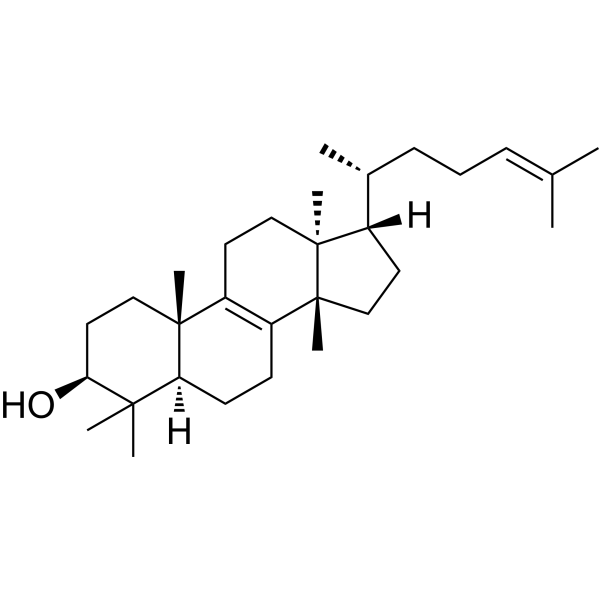
Euphol is a tetracyclic triterpene alcohol isolated from the sap of Euphorbia tirucalli with anti-mutagenic, anti-inflammatory and immunomodulatory effects, orally active. Euphol inhibits the monoacylglycerol lipase (MGL) activity via a reversible mechanism (IC50=315 nM). MGL inhibition in the periphery modulates the endocannabinoid system to block the development of inflammatory pain .
|
-
-
- HY-18540
-
KT109
1 Publications Verification
|
MAGL
DAGL
|
Metabolic Disease
Inflammation/Immunology
|
|
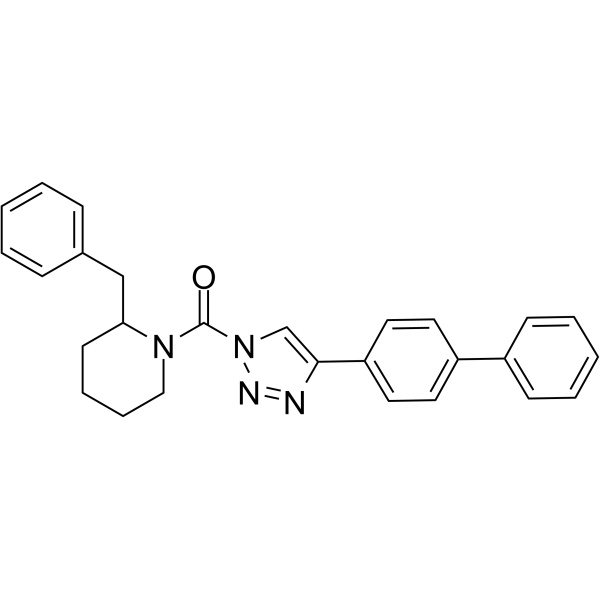
KT109 is a potent and an isoform-selective inhibitor of diacylglycerol lipase-β (DAGLβ) with an IC50 of 42 nM. KT109 has ~60-fold selectivity for DAGLβ over DAGLα. KT109 shows inhibitory activity against PLA2G7 (IC50=1 µM). KT109 shows negligible activity against FAAH, MGLL, ABHD11, and cytosolic phospholipase A2 (cPLA2 or PLA2G4A). KT109 perturbs a lipid network involved in macrophage inflammatory responses and lowers 2-Arachidonoylglycerol (HY-W011051), Arachidonic acid (HY-109590) and eicosanoids in mouse peritoneal macrophages .
|
-
-
- HY-12246
-
XEN445
1 Publications Verification
|
Lipase
|
Cardiovascular Disease
Metabolic Disease
Cancer
|
|
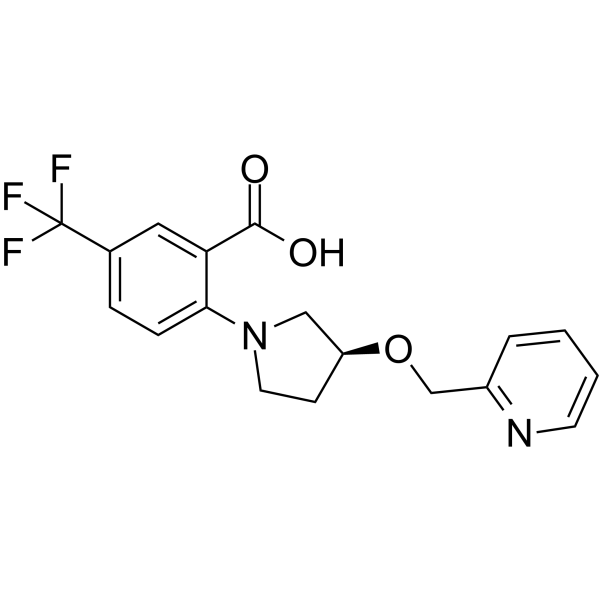
XEN445 is a potent, selective and orally active endothelial lipase (EL) inhibitor with an IC50 value of 0.237 μM. XEN445 selectively inhibits phospholipase enzymatic activity of LIPG. XEN445 raises plasma HDL and cholesterol levles. XEN445 induces G1 cell cycle arrest, reduces cell viability, suppresses cancer stem cell self-renewal, and inhibits tumor formation in LIPG-expressing triple-negative breast cancer cells, while showing no inhibitory effect on invasiveness or cancer stem cell stemness in these cells. XEN445 can be used for the research of cancer and metabolic disease, such as triple-negative breast cancer .
|
-
-
- HY-14471
-
|
ATL-962
|
Lipase
|
Metabolic Disease
|
|
Cetilistat (ATL-962), an inhibitor of pancreatic lipase, acts as an effective anti-obesity agent. Cetilistat inhibits rat and human pancreatic lipase activity with IC50s of 54.8 nM, and 5.95 nM, respectively .
|
-
-
- HY-Y1422I
-
|
|
Environmental Pollutants
Biochemical Assay Reagents
Lipase
|
Others
|
Lipase, Pseudomonas fluorescens (Immobilized) is an immobilized biocatalyst derived from Pseudomonas fluorescens. Lipase, Pseudomonas fluorescens (Immobilized) efficiently catalyzes the hydrolysis, esterification and transesterification of triacylglycerols in solvent-free systems, and is particularly suitable for biodiesel production from soybean oil and selective modification of oils rich in EPA and DHA. Lipase, Pseudomonas fluorescens (Immobilized) exhibits optimal activity at pH 8.5 and 45°C, and retains residual activity after repeated cycles of use. Lipase, Pseudomonas fluorescens (Immobilized) is activated by Ca 2+, but inhibited by Co 2+, Ni 2+, Fe 3+, Fe 2+ and EDTA .
|
-
-
- HY-18522
-
|
|
Phospholipase
|
Metabolic Disease
|
|
AA26-9 is a potent and broad spectrum serine hydrolase inhibitor. AA26-9 targets included serine peptidases, lipases, amidases, esterases, and thioesterases. AA26-9 shows inhibitory activity against approximately 1/3 of the 40+ serine hydrolases detected in immortalized T cell lines .
|
-
-
- HY-107416
-
|
U-57908
|
DAGL
Acyltransferase
mAChR
COX
Phospholipase
|
Neurological Disease
Metabolic Disease
|
|
RHC 80267 (U-57908) is a potent and selective inhibitor of diacylglycerol lipase (DAGL) (with IC50 of 4 μM in canine platelets). RHC-80267 inhibits cholinesterase activity with an IC50 of 4 μM, thereby enhancing the relaxation evoked by acetylcholine. RHC 80267 also inhibits COX and the hydrolysis of phosphatidylcholine (PC) .
|
-
-
- HY-110390
-
|
|
Carboxylesterase (CES)
Free Fatty Acid Receptor
Reactive Oxygen Species (ROS)
Mitochondrial Metabolism
Ferroptosis
Apoptosis
|
Cardiovascular Disease
Cancer
|
|
GR148672X is an inhibitor of carboxylesterase 1 (CES1) and hepatic microsomal triglyceride hydrolase (TGH). GR148672X blocks the catalytic activity of CES1, impairs the functions of triglyceride and cholesteryl ester lipase, reduces triglyceride mobilization and secretion, and decreases apolipoprotein B-100 secretion in primary rat hepatocytes. Under low-glucose conditions, GR148672X inhibits the survival of colorectal cancer cells by reducing free fatty acid availability, inducing toxic triglyceride accumulation, ROS production, mitochondrial damage, ferroptosis and apoptosis. GR148672X can be used in studies related to colorectal cancer and atherosclerosis .
|
-
-
- HY-N8599
-
-
-
- HY-Y1422H
-
|
|
Environmental Pollutants
Biochemical Assay Reagents
Lipase
|
Others
|
Lipase, Candida cylindracea (Immobilized) is an immobilized hydrolase and biocatalyst with relaxed positional and substrate specificity. Lipase, Candida cylindracea (Immobilized) can target primary and secondary ester bonds to completely hydrolyze triglycerides into fatty acids and glycerol, producing only trace amounts of monoglycerides. Lipase, Candida cylindracea (Immobilized) exhibits chain specificity, with a relatively fast hydrolysis rate for oleic acid and lauric acid chains, and the slowest hydrolysis rate for stearic acid chains. Lipase, Candida cylindracea (Immobilized) shows high catalytic activity toward long-chain triglycerides under the conditions of pH 8.0 and 37°C .
|
-
-
- HY-116538
-
|
trans-10,cis-12 CLA2
|
Endogenous Metabolite
PPAR
NF-κB
Stearoyl-CoA Desaturase (SCD)
Lipase
|
Metabolic Disease
Inflammation/Immunology
Cancer
|
|
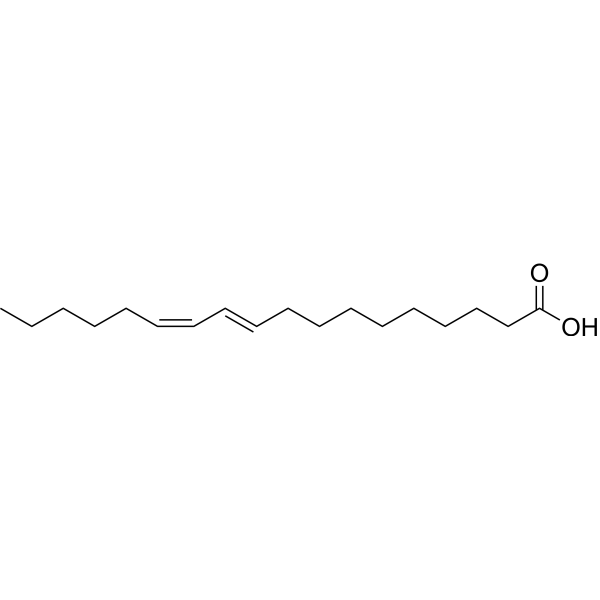
(10E,12Z)-Octadeca-10,12-dienoic acid (trans-10,cis-12 CLA2) is an orally active PPARα activator and inhibits adipocyte differentiation. (10E,12Z)-Octadeca-10,12-dienoic acid and its downstream metabolites have various antioxidant and antitumor activities. (10E,12Z)-Octadeca-10,12-dienoic acid can induce proinflammatory cytokines and chemokines, which would lead to decreased adipogenesis and insulin resistance in adipose tissue. (10E,12Z)-Octadeca-10,12-dienoic acid can affect many aspects of milk fat synthesis. (10E,12Z)-Octadeca-10,12-dienoic acid reduces expression of lipogenic enzymes and inhibits the desaturation of fatty acids. (10E,12Z)-Octadeca-10,12-dienoic acid can reduce lipoprotein lipase (LPL) activity in cultured 3T3-L1 adipocytes and enhance triacylglycerol release from these cells. (10E,12Z)-Octadeca-10,12-dienoic acid decreases the expression of hepatic stearoyl-CoA desatyrase mRNA in mice. (10E,12Z)-Octadeca-10,12-dienoic acid is associated with changes in mucosal NF-κB and Cyclin D1 protein levels in mice .
|
-
-
- HY-E70332
-
|
|
Endogenous Metabolite
|
Others
|
|
Lipase, Aspergillus niger is a biocatalyst and a key enzyme in new biocatalyst technology. Enzyme engineering focuses on enhancing enzyme reaction kinetics, substrate selectivity, and activity under harsh conditions such as low or high pH. By introducing stimulus responsiveness to these enzyme modifications, dynamic control of activity is also possible .
|
-
-
- HY-Y1422E
-
|
|
Biochemical Assay Reagents
Lipase
|
Others
|
Lipase, Aspergillus niger (Immobilized) is an immobilized triacylglycerol acyl hydrolase and biocatalyst. Lipase, Aspergillus niger (Immobilized) broadly catalyzes the hydrolysis of glycerol-long-chain fatty acid esters, exhibits positional selectivity for the 1,3-positions of glycerol, but shows low hydrolysis efficiency for castor oil. Lipase, Aspergillus niger (Immobilized) displays optimal activity at 45°C and pH 7.0, and remains stable at temperatures up to 60°C and over a broad pH range of 2.0-9.0. Lipase, Aspergillus niger (Immobilized) is activated by Ca 2+ and Mg 2+, but inhibited by Mn 2+, Fe 2+ and Zn 2+ .
|
-
-
- HY-119741
-
|
|
Glycosidase
Lipase
|
Metabolic Disease
|
|
Salacinol, compound found in Salacia reticulata, is an orally active α-glucosidase/lipase inhibitor. Salacinol inhibits enzymatic activity of intestinal maltase (IC50 = 3.2 μg/mL, Ki = 0.31 μg/mL), sucrase (IC50 = 0.84 μg/mL, Ki = 0.32 μg/mL), and isomaltase (IC50 = 0.59 μg/mL, Ki = 0.47 μg/mL), and inhibits increases in serum glucose levels in sucrose-loaded rats. Salacinol also inhibits pancreatic lipase and lipoprotein lipase. Salacinol can be used for the research of diabetes mellitus .
|
-
-
- HY-N0555
-
|
|
Lipase
|
Metabolic Disease
|
|
Escin IB is a saponin isolated from skin and the endosperm of seeds of horse chestnut (Aesculus hippocastanum). Escin IB shows inhibitory effect on pancreatic lipase activity .
|
-
-
- HY-18551
-
|
|
DAGL
|
Inflammation/Immunology
|
|
DAGLβ-IN-1 is an inhibitor of diacylglycerol lipase-β (DAGLβ), serves as a versatile intermediate for the design of DAGL-tailored activity-based probes .
|
-
-
- HY-N4167
-
|
Galangin 3-methyl ether; 3-Methylgalangin
|
Bacterial
|
Infection
|
|
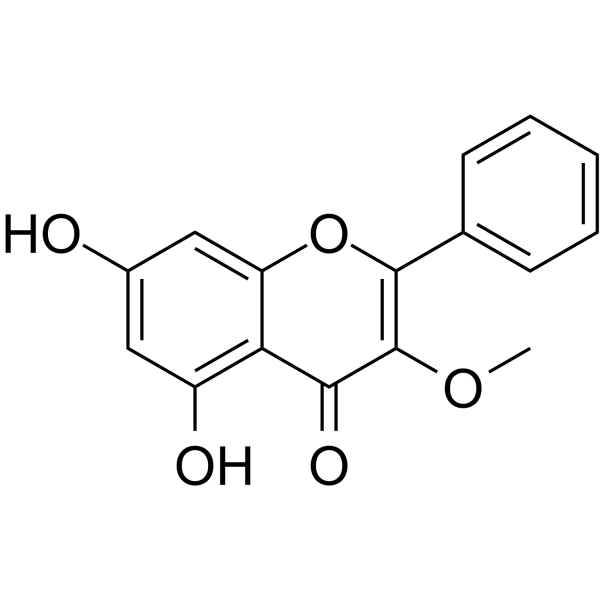
3-O-Methylgalangin (Galangin 3-methyl ether) is a natural flavonoid compound from the rhizome of Alpinia officinarum (AO) with antibacterial activities, which also inhibits pancreatic lipase .
|
-
-
- HY-E70312
-
|
|
Endogenous Metabolite
|
Others
|
|
High-efficiency lipase,Candida antarctica (Immobilized on hydrophilic carrier) is a biocatalyst and a key enzyme in new biocatalyst technology. Enzyme engineering focuses on enhancing enzyme reaction kinetics, substrate selectivity, and activity under harsh conditions such as low or high pH. By introducing stimulus responsiveness to these enzyme modifications, dynamic control of activity is also possible .
|
-
-
- HY-N3797A
-
|
Ditaine chloride
|
Apoptosis
|
Cancer
|
|
Echitamine (Ditaine) chloride is the major monoterpene indole alkaloid present in Alstonia scholaris with potent anti-tumour activity. Echitamine chloride induces DNA fragmentation and cells apoptosis. Echitamine chloride inhibits pancreatic lipase with an IC50 of 10.92 μM .
|
-
-
- HY-126564
-
|
|
Lipase
MetAP
|
Others
Inflammation/Immunology
|
|
Ebelactone A is a mycolic acid β-lactone, which exhibits inhibitory activity for esterase, lipase, fMet aminopeptidase (fMet AP) and PNBase, with IC50s of 56, 3, 8 and 7.5 μM, respectively . Ebelactone A inhibits cutinase, exhibits plants protective potency against Erysiphe graminis .
|
-
-
- HY-N0241
-
|
|
Cholinesterase (ChE)
Lipase
Bacterial
Cytochrome P450
|
Infection
Metabolic Disease
|
|
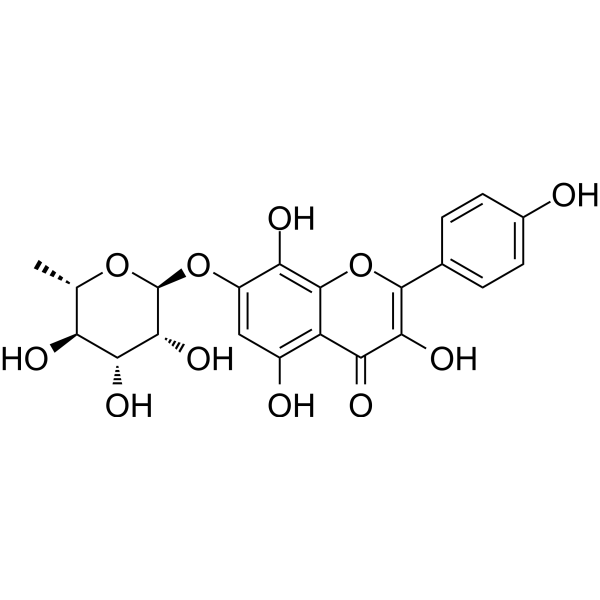
Rhodionin is an orally active, multifunctional antivirulence and cytoprotective agent that targets and inhibits Lipase, sortase A (SrtA), CYP2D6 (IC50=0.761 μM), AChE (IC50=2.43-57.5 μM), and DPPH free radicals (IC50=19.49 μM). Rhodionin is isolable from the roots of Rhodiola crenulata. Rhodionin reduces postprandial serum triglyceride levels in mice by inhibiting lipase activity. Rhodionin also binds directly to SrtA to inhibit its transpeptidase activity, thereby reducing the fibrinogen adhesion and surface protein A levels of MRSA, effectively inhibiting biofilm formation and protecting against MRSA-induced cell damage. Rhodionin improves the survival rate of infected mice without affecting MRSA growth, and finds wide application in studies related to hyperlipidemia, exogenous obesity, and pneumonia induced by methicillin-resistant Staphylococcus aureus (MRSA) .
|
-
-
- HY-126031A
-
|
|
Endogenous Metabolite
|
Others
|
|
(S)-KT109 is an inhibitor of diacylglycerol lipase β (DAGLβ) with low inhibitory activity (IC50 = 39.81 nM). (S)-KT109 has relatively low inhibitory activity against DAGLα-mediated hydrolysis of 1-stearoyl-2-arachidonoyl-sn-glycerol (IC50 = 794.3 nM). (S)-KT109 also has relatively low inhibitory activity against α/β-amidase domain-containing 6 (ABHD6) (IC50 = 630.9 nM) .
|
-
-
- HY-W127391
-
|
(Rac)-1,2-Didodecanoylglycerol
|
Biochemical Assay Reagents
|
Others
|
|
1,2-Dilaurin is a diacylglycerol containing lauric acid at the sn-1 and sn-2 positions. It has been used as an internal standard for the quantification of diglycerides in rat desheathed sciatic nerves. [1] Monomolecular films containing 1,2-dilauroyl-rac-glycerol have been used as substrates to measure surface pressure and the effect of pancreatic procolipase and colipase on porcine pancreatic lipase activity. [2] References: [1]. Zhu, X. and Eichberg, J. 1,2-Diacylglycerol content and its arachidonyl-containing molecular species are reduced in the sciatic nerve of streptozotocin-induced diabetic rats. J. Neurochemistry. 55(3), 1087-1090 (1990).[2]. Wieloch, T., Borgstr m, B., Piéroni, G. et al. Porcine trypsinogen and its trypsin-activated form: lipid binding and lipase activation on monomolecular membranes. FEBS Express. 128(2), 217-220 (1981).
|
-
-
- HY-138653
-
|
DGGR; 1,2-o-Dilauryl-rac-glycero-3-glutaric acid (6′-methylresorufin) ester
|
Lipase
|
Metabolic Disease
|
|
Lipase Substrate is a chromogenic substrate of lipase to detect activity . It is used in colorimetric methods to measure lipase activity. It produces a red-purple compound, methylresorufin, upon digestion by the lipase enzyme.
|
-
-
- HY-131999
-
|
|
Lipase
|
Metabolic Disease
|
|
3,4,5-Trihydroxycinnamic acid decyl ester is an excellent inhibitor of lipid absorption and accumulation, with anti-obesity properties. 3,4,5-Trihydroxycinnamic acid decyl ester is a pancreatic lipase inhibitor, with an EC50 of approximately 0.9 μM .
|
-
-
- HY-N4298
-
|
|
MMP
|
Metabolic Disease
Inflammation/Immunology
|
|
Epitheaflagallin 3-O-gallate is a minor polyphenol in black tea. Epitheaflagallin 3-O-gallate exhibits versatile physiological functions in vivo and in vitro, including antioxidative activity, pancreatic lipase inhibition, Streptococcus sorbinusglycosyltransferase inhibition, and an inhibiting effect on the activity of matrix metalloprotease-1 and -3 and their synthesis by human gingival fibroblasts .
|
-
-
- HY-N11546
-
|
|
Cytochrome P450
Bacterial
Fungal
|
Infection
Cancer
|
|
Sapindoside B is a substance with hepatoprotective activity, and also acts as a cytochrome P-450 (cytochrome P-450) inhibitor, antibacterial agent and membrane-disrupting agent. Sapindoside B reversibly inhibits the content of cytochrome P-450 in liver microsomes, suppresses the phenobarbital-induced increase in enzyme content, reduces the production of active metabolites mediated by cytochrome P-450, and alleviates hepatotoxic injury. Sapindoside B binds to Cutibacterium acnes lipase, reduces lipase activity, inhibits biofilm formation, and decreases bacterial adhesion. Sapindoside B exhibits cytotoxicity against human cancer, liver cancer, leukemia and glioblastoma cells. Sapindoside B inhibits mycelial growth of phytopathogenic fungal strains, possesses antibacterial activity against dermatophytes, and also has hemolytic/membrane-lytic activity. Sapindoside B can be used in research related to liver injury, Cutibacterium acnes biofilm-associated infections, gastric cancer, carcinoma, promyelocytic leukemia, glioblastoma, apple scab and grape gray mold .
|
-
-
- HY-N0313R
-
|
|
MAGL
Endogenous Metabolite
Reference Standards
|
Inflammation/Immunology
|
|
Euphol (Standard) is the analytical standard of Euphol. This product is intended for research and analytical applications. Euphol is a tetracyclic triterpene alcohol isolated from the sap of Euphorbia tirucalli with anti-mutagenic, anti-inflammatory and immunomodulatory effects, orally active. Euphol inhibits the monoacylglycerol lipase (MGL) activity via a reversible mechanism (IC50=315 nM). MGL inhibition in the periphery modulates the endocannabinoid system to block the development of inflammatory pain .
|
-
-
- HY-N15385
-
|
|
Lipase
|
Metabolic Disease
|
|
Hericenone D, an orally active pancreatic lipase inhibitor, can be found in Hericium erinaceus. Hericenone D reduces lipid absorption and stimulates nerve growth factor NGF gene expression. Hericenone D can be used for the research of menopausal obesity .
|
-
-
- HY-138959
-
|
p-Nitrophenyl caprylate
|
Lipase
|
Others
|
|
4-Nitrophenyl octanoate (p-Nitrophenyl caprylate) is an aromatic ester compound which can be used as a substrate for pancreatic lipase.
4-Nitrophenyl octanoate contains an ester bond that can be hydrolyzed under the action of lipase, releasing p-nitrophenol as a yellow product.
4-Nitrophenyl octanoate can be used to assay the activities of lipases and esterases .
|
-
-
- HY-136124
-
|
|
Drug Metabolite
|
Others
|
|
Cetilistat impurity 1 is an impurity of Cetilistat. Cetilistat, an inhibitor of pancreatic lipase, acts as an effective anti-obesity agent. Cetilistat inhibits rat and human pancreatic lipase activity with IC50s of 54.8 nM, and 5.95 nM, respectively .
|
-
-
- HY-E70409
-
|
|
Endogenous Metabolite
|
Metabolic Disease
|
|
Diacetinase, Bacillus subtilis is a member of the esterase family and is responsible for catalyzing the hydrolysis of diacetin. This enzyme is used in the measurement of lipase activity .
|
-
-
- HY-W099563
-
|
|
Biochemical Assay Reagents
|
Others
|
|
4-Nitrophenyl stearate, which is an ester formed by the condensation of stearic acid and 4-nitrophenol, is commonly used as a substrate for enzymatic assays, where the hydrolysis of ester bonds by esterase and lipase can be measured by absorbance or ratio In addition, 4-Nitrophenyl stearate has been used as a model compound to study the enzymatic activity and selectivity of lipases and esterases from various sources. The long hydrophobic tail of the molecule makes it suitable for use in lipophilic Good solubility in the environment makes it a useful probe for studying lipid metabolism.
|
-
-
- HY-W283889
-
|
|
Biochemical Assay Reagents
|
Others
|
|
Blue caprate is a chromogenic enzyme substrate typically used to detect lipase activity. It is hydrolyzed by lipase to produce a blue-purple product (biosynth: EB04034).
|
-
-
- HY-E70311
-
|
Thermomyces lanuginosus lipase
|
Endogenous Metabolite
|
Others
|
|
1,3-specific lipase,Bacillus lanolin (Immobilized)(Thermomyces lanuginosus lipase) is a high-efficiency biocatalyst, a lipase from Thermomyces lanuginosus. 1,3-specific lipase,Bacillus lanolin (Immobilized) can be conjugated to magnetic nanoparticles and coupled to the surface of Fe(3)O(4)-COOH to obtain better temperature resistance and pH resistance. The activity unit (U) of lipase is defined as the amount of enzyme that produces 1 μmol of fatty acid per minute under experimental conditions .
|
-
-
- HY-N8362
-
|
|
Lipase
|
Metabolic Disease
|
|
1-Isomangostin is an inhibitor of pancreatic lipase. 1-Isomangostin inhibits porcine pancreatic lipase with an IC50 of 34.5 μM. 1-Isomangostin has anti-obesity activity .
|
-
-
- HY-E70310
-
|
lipase for biodiesel production
|
Endogenous Metabolite
|
Others
|
|
Lipase (Immobilized,Used for biodiesel production) is a methanol-resistant lipase with high catalytic activity and can be used for the production of biodiesel. The reaction conditions of Lipase (Immobilized,Used for biodiesel production) are mild, which can avoid the oxidation of hydroxyl groups and the opening of double bonds, and prevent the production of by-products other than glycerol .
|
-
-
- HY-148294
-
|
|
Bacterial
Fungal
|
Infection
|
|
Monogalactosyl diglyceride is a antimicrobial. Monogalactosyl diglyceride has antibacterial activity and antifungal activity in vitro .
|
-
-
- HY-N12294
-
-
-
- HY-N12296
-
-
-
- HY-14471R
-
|
ATL-962 (Standard)
|
Lipase
Reference Standards
|
Metabolic Disease
|
|
Cetilistat (Standard) is the analytical standard of Cetilistat. This product is intended for research and analytical applications. Cetilistat (ATL-962), an inhibitor of pancreatic lipase, acts as an effective anti-obesity agent. Cetilistat inhibits rat and human pancreatic lipase activity with IC50s of 54.8 nM, and 5.95 nM, respectively .
|
-
-
- HY-N12297
-
|
|
Lipase
|
Others
|
|
Ciwujianoside C2 is a saponin, that can be isolated from the leaves of Acanthopanax senticosus. Ciwujianoside C2 enhances pancreatic lipase activity in vitro .
|
-
- HY-N12298
-
|
|
Lipase
|
Others
|
|
Ciwujianoside C1 is a saponin, that can be isolated from the leaves of Acanthopanax senticosus. Ciwujianoside C1 inhibits pancreatic lipase activity in vitro .
|
-
- HY-N12893
-
|
|
Fungal
Lipase
|
Infection
|
|
Sclerodione is a metabolite that can be produced by the Scleroderris canker fungus, Gremmeniellaabietina. Sclerodione has antifungal activity. Sclerodione is a lipase inhibitor (IC50: 1 μM) .
|
-
- HY-120560
-
|
|
MAGL
|
Neurological Disease
|
|
OMDM169 is a potent and selective monoacylglycerol lipase (MAGL) inhibitor with activity to increase 2-AG levels. OMDM169 exerts analgesic activity through indirect activation of cannabinoid receptors. The effective concentration of OMDM169 is 0.13 μM .
|
-
- HY-157733
-
|
|
Lipase
|
Metabolic Disease
|
|
1,2-Dioleoyl-3-behenoylglycerol (BOO) inhibits pancreatic lipase activity. 1,2-Dioleoyl-3-behenoylglycerol prevents the deposition of visceral fat and hepatic triacylglycerol (TAG) .
|
-
- HY-N0555R
-
|
|
Lipase
Reference Standards
|
Metabolic Disease
|
|
Escin IB (Standard) is the analytical standard of Escin IB. This product is intended for research and analytical applications. Escin IB is a saponin isolated from skin and the endosperm of seeds of horse chestnut (Aesculus hippocastanum). Escin IB shows inhibitory effect on pancreatic lipase activity .
|
-
- HY-169239
-
|
|
MAGL
|
Cancer
|
|
MAGL-IN-20 (compound ±34) is a reversible monoacylglycerol lipase (MAGL) inhibitor. MAGL-IN-20 exhibits appreciable antiproliferative activities against several cancer cells, including H460, HT29, CT-26, Huh7 and HCCLM-3. .
|
-
- HY-N11999
-
|
|
Glycosidase
|
Others
|
|
5,4'-Dihydroxy-3,4,3'-trimethoxybibenzyl (compound 8) can be isolated from Dendrobium infundibulum (D. infundibulum). 5,4'-Dihydroxy-3,4,3'-trimethoxybibenzyl has no inhibitory activity against α-glucosidase and pancreatic lipase .
|
-
- HY-N17996
-
|
|
Lipase
|
Metabolic Disease
|
|
3'-O-Methylisosaponarin is a spsoscoparin glycoside found in the leaves of C. sativus cultivar Chinese Yellow. 3'-O-Methylisosaponarin shows weak anti-lipase activity. 3'-O-Methylisosaponarin can be used for the research of disturbances of lipid metabolism .
|
-
- HY-N17567
-
|
|
Lipase
|
Metabolic Disease
|
|
Morusalnol A is a arylbenzofuran derivative found in the root bark of Morus alba. Morusalnol A is a pancreatic lipase inhibitor with a porcine pancreatic lipase IC50 of 0.71 μM. Morusalnol A inhibits pancreatic lipase activity. Morusalnol A can be used for the research of obesity .
|
-
- HY-182262
-
|
|
Lipase
|
Metabolic Disease
|
|
Ro 20-0083 is an orally active pancreatic lipase inhibitor. Ro 20-0083 inhibits hPancreatic lipase activity, reduces lipid absorption and de novo fatty acid synthesis. Ro 20-0083 decreases food intake in Zucker rats. Ro 20-0083 can be used in obesity-related research .
|
-
- HY-W719455
-
|
|
Lipase
|
Others
|
|
Pungenin is a compound that can be isolated from Leontopodium leontopodioides. Pungenin exhibits lipase inhibitory activity. Pungenin reuduces triglyceride absorption .
|
-
- HY-N11721
-
|
|
SOD
Lipase
|
Metabolic Disease
|
|
5-Hydroxyaloin A is a polyphenolic antioxidant agent. 5-Hydroxyaloin A forms hydrogen bonding interactions at lipase’s active site and SOD’s active site with low binding energy. 5-Hydroxyaloin A inhibits microsomal lipid peroxidation induced by ferrous-cysteine, reducing malondialdehyde production. 5-Hydroxyaloin A can be used for the research of obesity .
|
-
- HY-W674017
-
|
|
Lipase
|
Others
|
|
Choline acetate is a choline-based ionic liquid. Choline acetate can promote lipase activity. Choline acetate can also be used as a plasticizer or ionic liquid component to improve carrier structure and release properties, thereby enhancing the performance of biomaterials .
|
-
- HY-N17777
-
|
|
Dipeptidyl Peptidase
Glycosidase
|
Others
|
|
Cyclocarin A is a triterpenoid compound that can be isolated from the leaves of Cyclocarya paliurus. Cyclocarin A shows only weak inhibitory activity against α-glucosidase, lipase, DPP-IV, aldose reductase, and human cancer cell lines (IC50>10 μM) .
|
-
- HY-N7988
-
|
|
Lipase
|
Metabolic Disease
|
|
4,6,12-Tetradecatriene8,10-diyne-1,3-diacetate is a polyacetylene compound found in the rhizomes of Atractylodes lancea. 4,6,12-Tetradecatriene8,10-diyne-1,3-diacetate inhibits human pancreatic lipase, with an IC50 of 55.67 μM and 16.7 μg/mL. 4,6,12-Tetradecatriene8,10-diyne-1,3-diacetate can block the digestion of triglycerides by inhibiting the activity of human pancreatic lipase. 4,6,12-Tetradecatriene8,10-diyne-1,3-diacetate can be used in research on obesity .
|
-
- HY-49637
-
-
- HY-167810
-
|
|
Endogenous Metabolite
Biochemical Assay Reagents
|
|
|
1,3-Dipentadecanoin(C15:0) is a long-chain triglyceride with substrate activity for lipid metabolism studies. 1,3-Dipentadecanoin(C15:0) is used as a model compound for studying the hydrolysis of triglycerides by lipase. 1,3-Dipentadecanoin(C15:0) can help understand the metabolic mechanism of triglycerides in chemical research.
|
-
- HY-107416R
-
|
U-57908 (Standard)
|
DAGL
Reference Standards
Acyltransferase
mAChR
COX
Phospholipase
|
Neurological Disease
Metabolic Disease
|
|
RHC 80267 (Standard) is the analytical standard of RHC 80267 (HY-107416). This product is intended for research and analytical applications. RHC 80267 (U-57908) is a potent and selective inhibitor of diacylglycerol lipase (DAGL) (with IC50 of 4 μM in canine platelets). RHC-80267 inhibits cholinesterase activity with an IC50 of 4 μM, thereby enhancing the relaxation evoked by acetylcholine. RHC 80267 also inhibits COX and the hydrolysis of phosphatidylcholine (PC) .
|
-
- HY-167262
-
|
|
RAR/RXR
|
Metabolic Disease
Cancer
|
|
AGN-191659 is an orally active RAR/RXR agonist with EC50 values of 11 nM, 23 nM, and 37 nM for RXRα, RARβ, and RARγ, respectively. AGN-191659 activates RXRα, RARβ and RARγ to induce gene transcription. AGN-191659 induces tissue transglutaminase activity, inhibits ornithine decarboxylase activity induced by tumor promoters, and suppresses chondrogenesis. AGN-191659 reverses basic fibroblast growth factor-induced endothelial cell proliferation. AGN-191659 induces hypertriglyceridemia in rat models. AGN-191659 inhibits total heparin-releasable lipase activity. AGN-191659 can be used in research related to promyelocytic leukemia and hypertriglyceridemia .
|
-
- HY-182046
-
|
|
MNK
PPAR
Eukaryotic Initiation Factor (eIF)
Stearoyl-CoA Desaturase (SCD)
|
Metabolic Disease
|
|
HD202A is an orally active, selective dual inhibitor of MNK1/MNK2 (with IC50 values of 6.09 nM and 8.06 nM, and Kd values of 1.913 μM and 5.244 μM, respectively) that inhibits the MNK-eIF4E signaling pathway. By downregulating perilipin 2 and SCD1, while upregulating adipose triglyceride lipase and PPARγ coactivator 1α, HD202A enhances mitochondrial fatty acid oxidation and redox homeostasis. HD202A effectively suppresses body weight gain, hepatic lipid accumulation and elevation of serum lipids, significantly improves glucose tolerance and insulin sensitivity of the organism, and ameliorates inflammatory features. With these comprehensive pharmacological activities, HD202A exhibits great application potential in studies of metabolic dysfunction-associated steatotic liver disease .
|
-
- HY-N14093
-
|
|
Cholinesterase (ChE)
Lipase
Reactive Oxygen Species (ROS)
Apoptosis
Bacterial
|
Infection
Inflammation/Immunology
Cancer
|
|
Aspulvinone H is an orally active inhibitor of AChE, pancreatic lipase, glutamic-oxaloacetic transaminase 1, and α-glucosidase, with IC50 values of 25.95 μM, 47.06 μM, 5.91/6.91 μM, and 4.6 μM, respectively. It has a Ka of 2.14 μM against GOT1 and a Ki of 6.58 μM against α-glucosidase. Aspulvinone H inhibits cancer cell proliferation, interferes with glutamine metabolism, elevates ROS levels, and induces cell apoptosis and S-phase arrest. Aspulvinone H exhibits antibacterial activity against Staphylococcus aureus. Aspulvinone H inhibits the growth of pancreatic ductal adenocarcinoma xenografts. Aspulvinone H reduces postprandial blood glucose in mice. Aspulvinone H can be used in research related to pancreatic ductal adenocarcinoma, diabetes, and Staphylococcus aureus infection .
|
-
| Cat. No. |
Product Name |
Type |
-
- HY-W127711
-
|
|
Fluorescent Dyes
|
Fast Blue B Salt, Dye content ~95% is a diazo dye, primarily used as a chromogenic substrate in biochemical analysis. Fast Blue B Salt, Dye content ~95% is the coupling agent for the histochemical demonstration of proteases. Fast Blue B Salt, Dye content ~95% can be used for the detection of acid phosphatase in Clostridium perfringens, and also for the determination of lipase activity. Fast Blue B Salt, Dye content ~95% reacts directly with the active hydroxyl groups in phenolic compounds to determine the content of phenolic substances .
|
-
- HY-W013168
-
|
4-Nitrophenyl hexadecanoate; p-Nitrophenyl Palmitate; pNpp
|
Fluorescent Dyes
|
|
4-Nitrophenyl palmitate (4-Nitrophenyl hexadecanoate) is a chromogenic substrate for lipases and esterases. Upon enzymatic hydrolysis, 4-Nitrophenyl palmitate releases p-nitrophenol, which can be quantified by colorimetric detection at 410 nm as a measure of enzymatic activity. 4-Nitrophenyl palmitate is used to characterize the activity of various bacterial and mammalian enzymes, including those from Burkholderia and porcine pancreatic lipase .
|
| Cat. No. |
Product Name |
Type |
-
- HY-W014449
-
|
|
Biochemical Assay Reagents
|
|
4-Nitrophenyl butyrate consists of butyric acid chains esterified with 4-nitrophenol groups, thus giving it a yellow color. This compound is commonly used as a substrate in enzyme assays to measure esterase and lipase activity. When these enzymes cleave the ester bond, the nitrophenol group is released and the color changes from yellow to orange. Thus, the rate of color change can be used to determine enzyme activity. In addition, 4-Nitrophenyl butyrate can also be used as organic synthesis reagent and dye intermediate.
|
-
- HY-W127711
-
|
|
Biochemical Assay Reagents
|
Fast Blue B Salt, Dye content ~95% is a diazo dye, primarily used as a chromogenic substrate in biochemical analysis. Fast Blue B Salt, Dye content ~95% is the coupling agent for the histochemical demonstration of proteases. Fast Blue B Salt, Dye content ~95% can be used for the detection of acid phosphatase in Clostridium perfringens, and also for the determination of lipase activity. Fast Blue B Salt, Dye content ~95% reacts directly with the active hydroxyl groups in phenolic compounds to determine the content of phenolic substances .
|
-
- HY-W127391
-
|
(Rac)-1,2-Didodecanoylglycerol
|
Biochemical Assay Reagents
|
|
1,2-Dilaurin is a diacylglycerol containing lauric acid at the sn-1 and sn-2 positions. It has been used as an internal standard for the quantification of diglycerides in rat desheathed sciatic nerves. [1] Monomolecular films containing 1,2-dilauroyl-rac-glycerol have been used as substrates to measure surface pressure and the effect of pancreatic procolipase and colipase on porcine pancreatic lipase activity. [2] References: [1]. Zhu, X. and Eichberg, J. 1,2-Diacylglycerol content and its arachidonyl-containing molecular species are reduced in the sciatic nerve of streptozotocin-induced diabetic rats. J. Neurochemistry. 55(3), 1087-1090 (1990).[2]. Wieloch, T., Borgstr m, B., Piéroni, G. et al. Porcine trypsinogen and its trypsin-activated form: lipid binding and lipase activation on monomolecular membranes. FEBS Express. 128(2), 217-220 (1981).
|
-
- HY-W099563
-
|
|
Biochemical Assay Reagents
|
|
4-Nitrophenyl stearate, which is an ester formed by the condensation of stearic acid and 4-nitrophenol, is commonly used as a substrate for enzymatic assays, where the hydrolysis of ester bonds by esterase and lipase can be measured by absorbance or ratio In addition, 4-Nitrophenyl stearate has been used as a model compound to study the enzymatic activity and selectivity of lipases and esterases from various sources. The long hydrophobic tail of the molecule makes it suitable for use in lipophilic Good solubility in the environment makes it a useful probe for studying lipid metabolism.
|
-
- HY-W283889
-
|
|
Biochemical Assay Reagents
|
|
Blue caprate is a chromogenic enzyme substrate typically used to detect lipase activity. It is hydrolyzed by lipase to produce a blue-purple product (biosynth: EB04034).
|
-
- HY-167810
-
|
|
Biochemical Assay Reagents
|
|
1,3-Dipentadecanoin(C15:0) is a long-chain triglyceride with substrate activity for lipid metabolism studies. 1,3-Dipentadecanoin(C15:0) is used as a model compound for studying the hydrolysis of triglycerides by lipase. 1,3-Dipentadecanoin(C15:0) can help understand the metabolic mechanism of triglycerides in chemical research.
|
| Cat. No. |
Product Name |
Category |
Target |
Chemical Structure |
-
- HY-N7072
-
-
-
- HY-N0313
-
-
-
- HY-N8599
-
-
-
- HY-119741
-
|
|
Structural Classification
Natural Products
Salacia reticulata Wight
Celastraceae
Plants
Source Classification
|
Glycosidase
Lipase
|
|
Salacinol, compound found in Salacia reticulata, is an orally active α-glucosidase/lipase inhibitor. Salacinol inhibits enzymatic activity of intestinal maltase (IC50 = 3.2 μg/mL, Ki = 0.31 μg/mL), sucrase (IC50 = 0.84 μg/mL, Ki = 0.32 μg/mL), and isomaltase (IC50 = 0.59 μg/mL, Ki = 0.47 μg/mL), and inhibits increases in serum glucose levels in sucrose-loaded rats. Salacinol also inhibits pancreatic lipase and lipoprotein lipase. Salacinol can be used for the research of diabetes mellitus .
|
-
-
- HY-N0555
-
-
-
- HY-N4167
-
-
-
- HY-N3797A
-
-
-
- HY-126564
-
|
|
Natural Products
Microorganisms
Source Classification
|
Lipase
MetAP
|
|
Ebelactone A is a mycolic acid β-lactone, which exhibits inhibitory activity for esterase, lipase, fMet aminopeptidase (fMet AP) and PNBase, with IC50s of 56, 3, 8 and 7.5 μM, respectively . Ebelactone A inhibits cutinase, exhibits plants protective potency against Erysiphe graminis .
|
-
-
- HY-N0241
-
|
|
Flavonols
Structural Classification
Classification of Application Fields
Crassulaceae
Metabolic Disease
Plants
Rhodiola crenulata (HK. f. et.Thoms) H. Ohba
Flavonoids
Rhodiola rosea Linn.
Phenols
Polyphenols
Disease Research Fields
Source Classification
|
Cholinesterase (ChE)
Lipase
Bacterial
Cytochrome P450
|
|
Rhodionin is an orally active, multifunctional antivirulence and cytoprotective agent that targets and inhibits Lipase, sortase A (SrtA), CYP2D6 (IC50=0.761 μM), AChE (IC50=2.43-57.5 μM), and DPPH free radicals (IC50=19.49 μM). Rhodionin is isolable from the roots of Rhodiola crenulata. Rhodionin reduces postprandial serum triglyceride levels in mice by inhibiting lipase activity. Rhodionin also binds directly to SrtA to inhibit its transpeptidase activity, thereby reducing the fibrinogen adhesion and surface protein A levels of MRSA, effectively inhibiting biofilm formation and protecting against MRSA-induced cell damage. Rhodionin improves the survival rate of infected mice without affecting MRSA growth, and finds wide application in studies related to hyperlipidemia, exogenous obesity, and pneumonia induced by methicillin-resistant Staphylococcus aureus (MRSA) .
|
-
-
- HY-N4298
-
-
-
- HY-N11546
-
|
|
Structural Classification
Eleutherococcus sieboldianus Makino
Terpenoids
Diterpenoids
Plants
Araliaceae
Source Classification
|
Cytochrome P450
Bacterial
Fungal
|
|
Sapindoside B is a substance with hepatoprotective activity, and also acts as a cytochrome P-450 (cytochrome P-450) inhibitor, antibacterial agent and membrane-disrupting agent. Sapindoside B reversibly inhibits the content of cytochrome P-450 in liver microsomes, suppresses the phenobarbital-induced increase in enzyme content, reduces the production of active metabolites mediated by cytochrome P-450, and alleviates hepatotoxic injury. Sapindoside B binds to Cutibacterium acnes lipase, reduces lipase activity, inhibits biofilm formation, and decreases bacterial adhesion. Sapindoside B exhibits cytotoxicity against human cancer, liver cancer, leukemia and glioblastoma cells. Sapindoside B inhibits mycelial growth of phytopathogenic fungal strains, possesses antibacterial activity against dermatophytes, and also has hemolytic/membrane-lytic activity. Sapindoside B can be used in research related to liver injury, Cutibacterium acnes biofilm-associated infections, gastric cancer, carcinoma, promyelocytic leukemia, glioblastoma, apple scab and grape gray mold .
|
-
-
- HY-N0313R
-
|
|
Triterpenes
Structural Classification
Terpenoids
Euphorbiaceae
Plants
|
MAGL
Endogenous Metabolite
Reference Standards
|
|
Euphol (Standard) is the analytical standard of Euphol. This product is intended for research and analytical applications. Euphol is a tetracyclic triterpene alcohol isolated from the sap of Euphorbia tirucalli with anti-mutagenic, anti-inflammatory and immunomodulatory effects, orally active. Euphol inhibits the monoacylglycerol lipase (MGL) activity via a reversible mechanism (IC50=315 nM). MGL inhibition in the periphery modulates the endocannabinoid system to block the development of inflammatory pain .
|
-
-
- HY-N15385
-
-
-
- HY-N8362
-
-
-
- HY-N12294
-
-
-
- HY-N12296
-
-
-
- HY-N12297
-
-
-
- HY-N12298
-
-
-
- HY-N12893
-
-
-
- HY-N0555R
-
-
-
- HY-N11999
-
-
-
- HY-N17996
-
-
-
- HY-N17567
-
-
-
- HY-W719455
-
-
-
- HY-N11721
-
-
-
- HY-N17777
-
-
-
- HY-N7988
-
|
|
Structural Classification
Plants
Compositae
Lipid
Source Classification
Erythrina sigmoidea Hua
|
Lipase
|
|
4,6,12-Tetradecatriene8,10-diyne-1,3-diacetate is a polyacetylene compound found in the rhizomes of Atractylodes lancea. 4,6,12-Tetradecatriene8,10-diyne-1,3-diacetate inhibits human pancreatic lipase, with an IC50 of 55.67 μM and 16.7 μg/mL. 4,6,12-Tetradecatriene8,10-diyne-1,3-diacetate can block the digestion of triglycerides by inhibiting the activity of human pancreatic lipase. 4,6,12-Tetradecatriene8,10-diyne-1,3-diacetate can be used in research on obesity .
|
-
-
- HY-N14093
-
|
|
Structural Classification
Microorganisms
Phenols
Polyphenols
Source Classification
|
Cholinesterase (ChE)
Lipase
Reactive Oxygen Species (ROS)
Apoptosis
Bacterial
|
|
Aspulvinone H is an orally active inhibitor of AChE, pancreatic lipase, glutamic-oxaloacetic transaminase 1, and α-glucosidase, with IC50 values of 25.95 μM, 47.06 μM, 5.91/6.91 μM, and 4.6 μM, respectively. It has a Ka of 2.14 μM against GOT1 and a Ki of 6.58 μM against α-glucosidase. Aspulvinone H inhibits cancer cell proliferation, interferes with glutamine metabolism, elevates ROS levels, and induces cell apoptosis and S-phase arrest. Aspulvinone H exhibits antibacterial activity against Staphylococcus aureus. Aspulvinone H inhibits the growth of pancreatic ductal adenocarcinoma xenografts. Aspulvinone H reduces postprandial blood glucose in mice. Aspulvinone H can be used in research related to pancreatic ductal adenocarcinoma, diabetes, and Staphylococcus aureus infection .
|
-
Your information is safe with us. * Required Fields.
Inquiry Information
- Product Name:
- Cat. No.:
- Quantity:
- MCE Japan Authorized Agent:

