Search Result
Results for "
neuromuscular
" in MedChemExpress (MCE) Product Catalog:
4
Biochemical Assay Reagents
3
Isotope-Labeled Compounds
| Cat. No. |
Product Name |
Target |
Research Areas |
Chemical Structure |
-
- HY-P0203
-
|
CGRP (83-119), mouse, rat
|
CGRP Receptor
|
Cardiovascular Disease
Metabolic Disease
Inflammation/Immunology
|
|
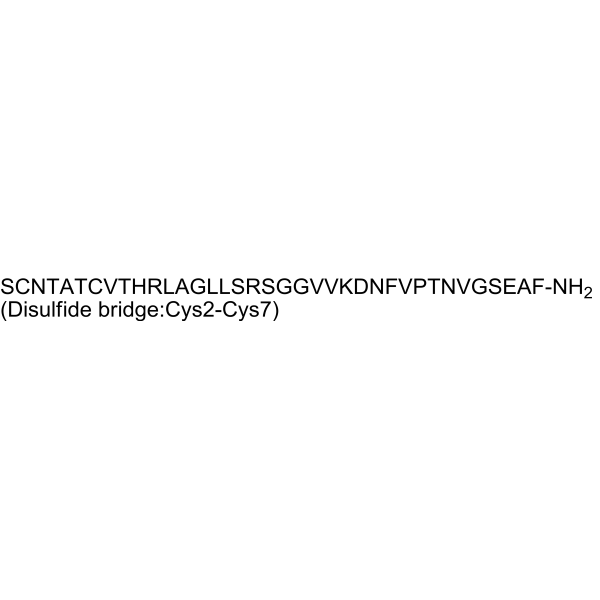
α-CGRP (mouse, rat), a neuropeptide (calcitonin gene-related peptide (CGRP)) mainly expressed in neuromuscular junction, is a potent vasodilator. α-CGRP (mouse, rat) can lead to a fall in blood pressure and an increase in heart rate by peripheral administration, also relax colonie smooth muscle. α-CGRP (mouse, rat) has the potential in cardiovascular, pro-inflammatory, migraine and metabolic studies .
|
-
-
- HY-14946
-
|
3,4-Diaminopyridine
|
Potassium Channel
|
Neurological Disease
|
|
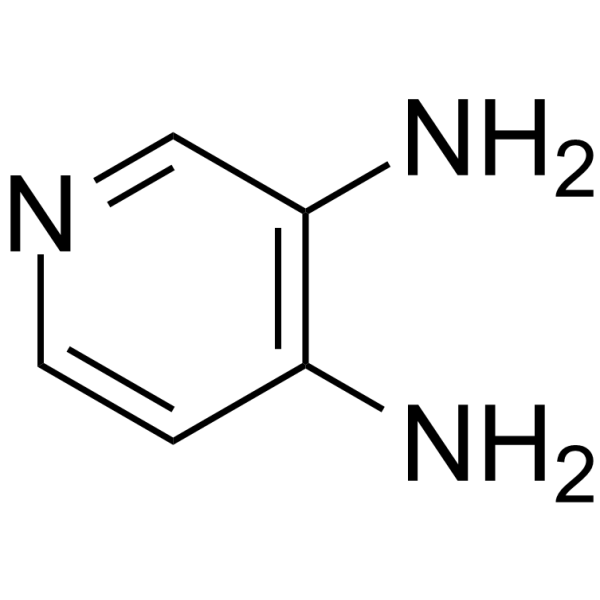
Amifampridine (3,4-Diaminopyridine) is an orally active, potent and cell permeable voltage-gated potassium (Kv) channel blocker (PCB). Amifampridine is efficacy in the reversal of BoNT/A (HY-P79153) intoxication. Amifampridine increases transmitter release from neuromuscular junctions (NMJs). Amifampridine can be used for Lambert-Eaton myasthenic syndrome (LEMS) research .
|
-
-
- HY-P0033
-
|
Acetyl hexapeptide-3; Acetyl hexapeptide-8
|
Calcium Channel
|
Neurological Disease
|
|
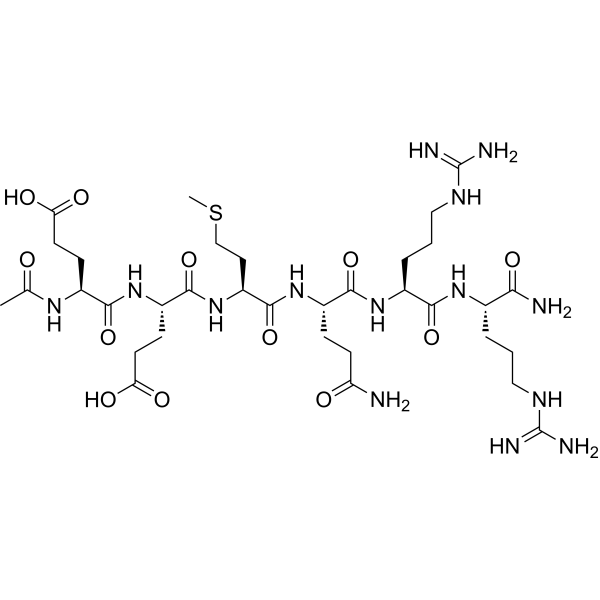
Argireline (Acetyl hexapeptide-3) is a non-toxic, skin-permeable, antiwrinkle peptide. Argireline significantly inhibits Ca 2+ dependent neurotransmitter release (acetylcholine) at the neuromuscular junction. Argireline has antiwrinkle and anti-aging activity .
|
-
-
- HY-P99441
-
|
SRK-015
|
TGF-beta/Smad
|
Neurological Disease
|
|
Apitegromab (SRK-015) is an anti-promyostatin monoclonal antibody. Apitegromab can be used for the research of neuromuscular disease including spinal muscular atrophy .
|
-

-
- HY-17440
-
|
ORG 9426 Bromide
|
nAChR
|
Neurological Disease
Inflammation/Immunology
Cancer
|
|
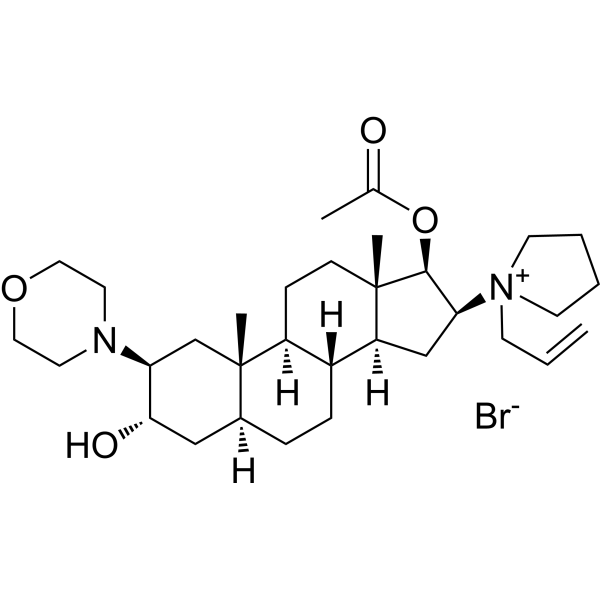
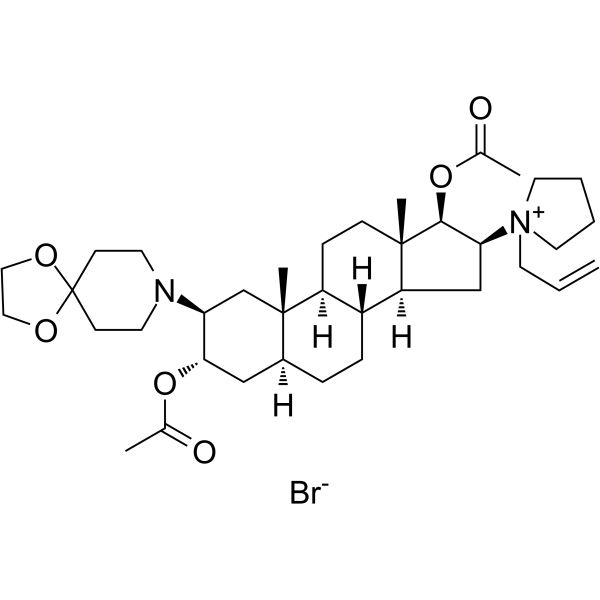
Rocuronium Bromide (ORG 9426 Bromide) is an aminosteroid non-depolarizing neuromuscular blocker or muscle relaxant used in modern anaesthesia, to facilitate endotracheal intubation and to provide skeletal musclerelaxation during surgery or mechanical ventilation.
|
-
-
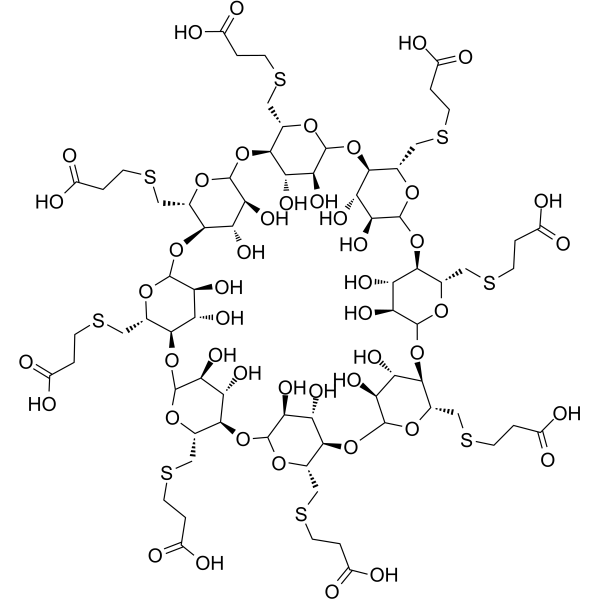
- HY-N6018
-
|
|
Caspase
TNF Receptor
SOD
Reactive Oxygen Species (ROS)
|
Inflammation/Immunology
Cancer
|
|
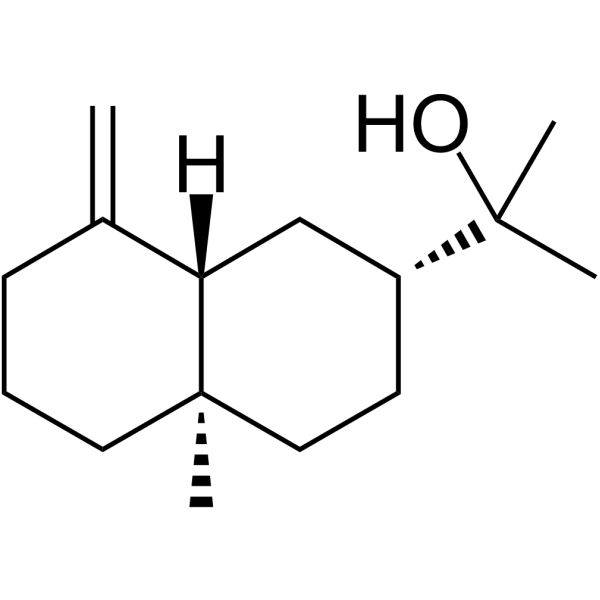
β-Eudesmol has anticancer and anti-inflammatory activities. Beta-Eudesmol can induce apoptosis. β-Eudesmol is a neostigmine antagonist. β-Eudesmol can antagonize neostigmine-induced neuromuscular failure. β-Eudesmoll can be used in the study of sepsis diseases. β-Eudesmol is a sesquiterpene-like compound that can be extracted from the rhizome of Atractylodes lancea .
|
-
-
- HY-P2860
-
|
ACHE; EC 3.1.1.7
|
Cholinesterase (ChE)
|
Neurological Disease
|
|
Acetylcholinesterase, Fly head (ACHE; EC 3.1.1.7) is a cholinergic enzyme mainly found in neuromuscular junctions and cholinergic type chemical synapses used in biochemical research. Acetylcholinesterase, Fly head catalyzes the breakdown or hydrolysis of acetylcholine and some other choline esters that act as neurotransmitters into acetate and choline. Acetylcholinesterase, Fly head's main role is to terminate neuronal transmission and signaling between synapses to prevent ACh spread and activation of nearby receptors .
|
-

-
- HY-13596
-
|
51W89 besylate; Cisatracurium besilate
|
nAChR
Autophagy
|
Neurological Disease
Cancer
|
|
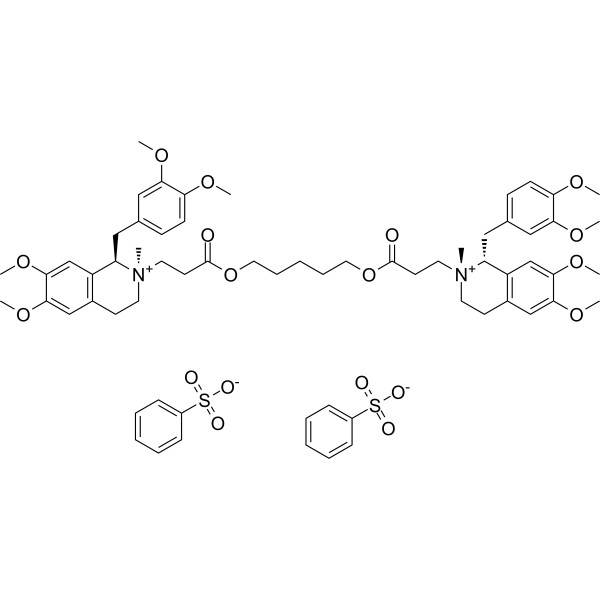
Cisatracurium besylate (51W89) is a nondepolarizing neuromuscular blocking agent, antagonizing the action of acetylcholine by inhibiting neuromuscular transmission.
|
-
-
- HY-B0423
-
|
Eustigmin bromide; Neoserine bromide
|
Cholinesterase (ChE)
|
Neurological Disease
|
|
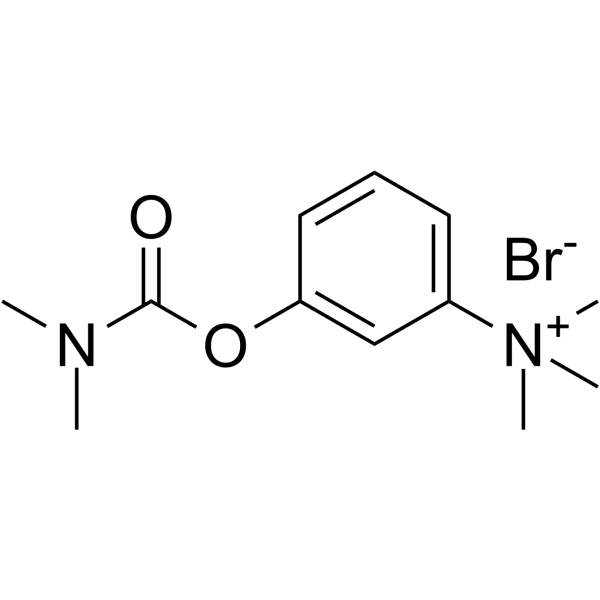
Neostigmine (Eustigmin) Bromide is an orally active and reversible cholinesterase inhibitor that acts on myasthenia gravis to prolong and intensify the muscarinic and nicotinic effects of acetylcholine. Neostigmine Bromide can be used in anesthesia to reverse the neuromuscular blockade produced by competitive neuromuscular blockers .
|
-
-
- HY-B0118A
-
|
ORG NC 45
|
nAChR
|
Neurological Disease
Cancer
|
|
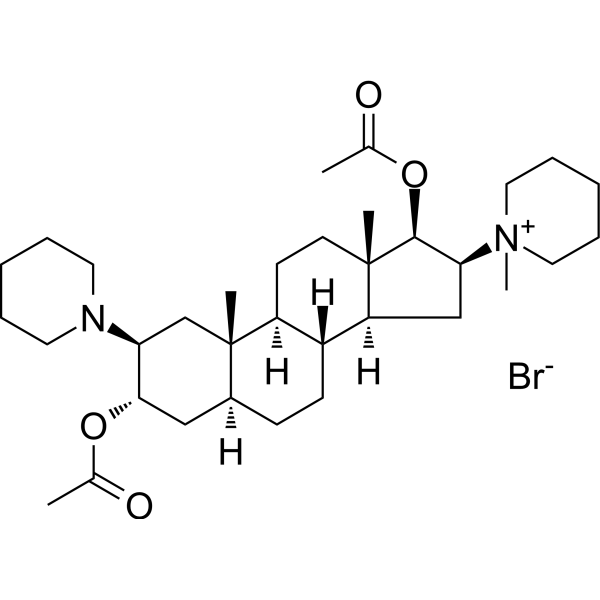
Vecuronium (ORG NC 45) bromide is a non-depolarizing neuromuscular blocking agent that also acts as a nicotinic acetylcholine receptor (nAChR) inhibitor, a muscle relaxant, and can be used for pre-surgical anesthesia .
|
-
-
- HY-B0292A
-
|
BW-33A
|
nAChR
|
Neurological Disease
Inflammation/Immunology
Cancer
|
|
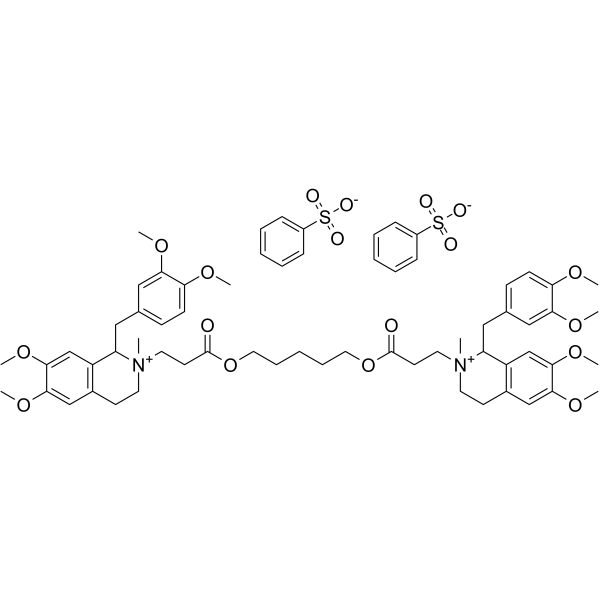
Atracurium (BW-33A) besylate is a potent, competitive and non-depolarizing neuromuscular blocking agent. Atracurium besylate also is an AChR receptor antagonist. Atracurium besylate induces bronchoconstriction and neuromuscular blockade. Atracurium besylate promotes astroglial differentiation .
|
-
-
- HY-103530
-
|
|
GABA Receptor
|
Neurological Disease
|
|
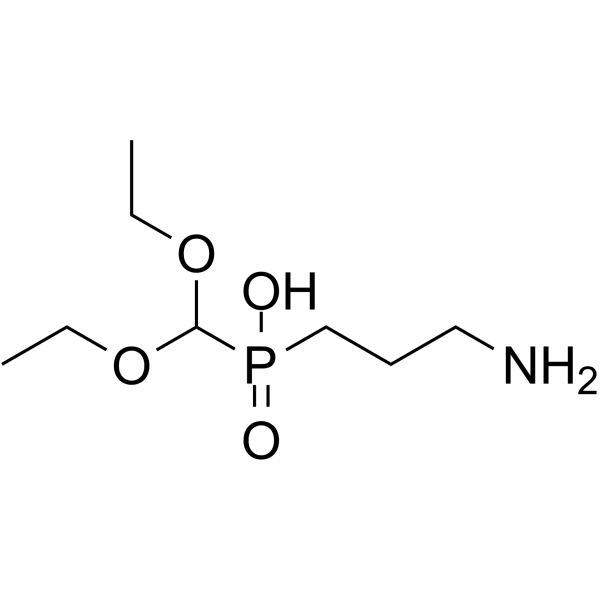
CGP 35348 is a selective, brain penetrant, centrally active GABAB receptor antagonist with an EC50 of 34 μM. CGP 35348 shows affinity for the GABAB receptor only . CGP 35348 has a potential to improve neuromuscular coordination and spatial learning in albino mouse following neonatal brain damage .
|
-
-
- HY-B2152
-
|
Hemicholinium dibromide
|
Cholinesterase (ChE)
|
Neurological Disease
|
|
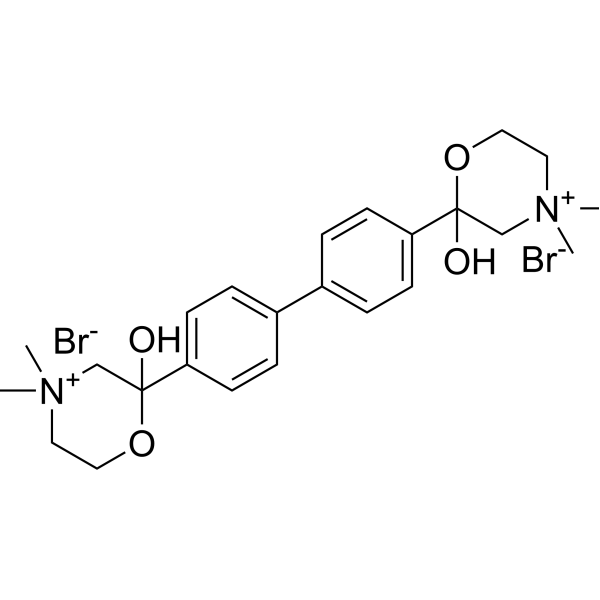
Hemicholinium 3 is a competitive inhibitor of the high affinity choline transporter (HACU) with a Ki value of 25 nM. Hemicholinium 3, a neuromuscular blocking agent which inhibits the synthesis and the release of acetylcholine (ACh) . Hemicholinium 3 inhibits the Epibatidine-evoked contraction and [ 3H]acetylcholine release with IC50s of 897 nM and 693 nM, respectively .
|
-
-
- HY-P0102
-
|
|
nAChR
|
Neurological Disease
Metabolic Disease
|
|
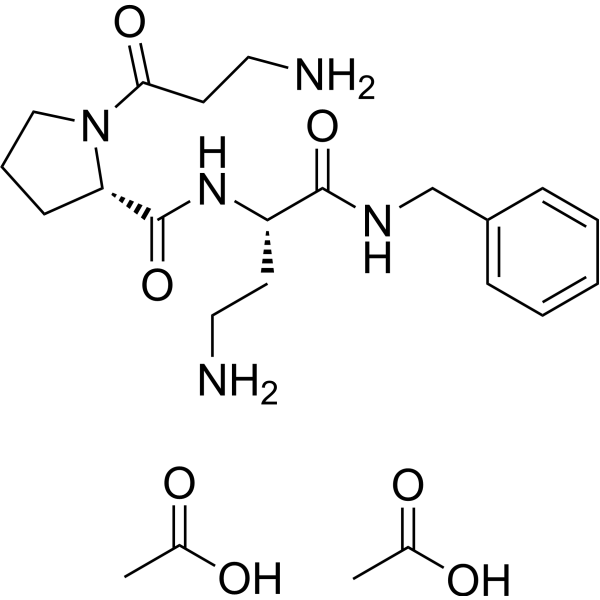
Dipeptide diaminobutyroyl benzylamide diacetate, a Wagerlin-1-mimicking peptide, is a nAChR antagonist. Dipeptide diaminobutyroyl benzylamide diacetate mimics Waglerin-1 to block neuromuscular junction nicotinic acetylcholine receptors, partially inhibits neuronal signal transduction, and relaxes muscles. Dipeptide diaminobutyroyl benzylamide diacetate reduces appearance of facial wrinkles linked to repeated muscle movement.Dipeptide diaminobutyroyl benzylamide diacetate can be used for the research of mild-to-moderate fine and coarse periocular and perioral wrinkles and periorbital ageing .
|
-
-
- HY-B0823
-
|
|
Environmental Pollutants
nAChR
|
Neurological Disease
|
|
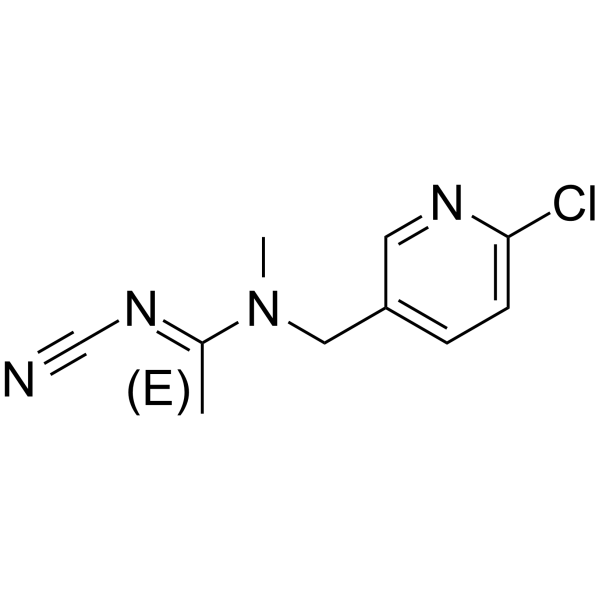
Acetamiprid is a neonicotinoid insecticide used worldwide. Acetamiprid is a nicotinic acetylcholine receptor (nAChR) agonist, and is shown to be associated with neuromuscular and reproductive disorders .
|
-
-
- HY-13831
-
BPTU
1 Publications Verification
BMS-646786
|
P2Y Receptor
|
Neurological Disease
Cancer
|
|
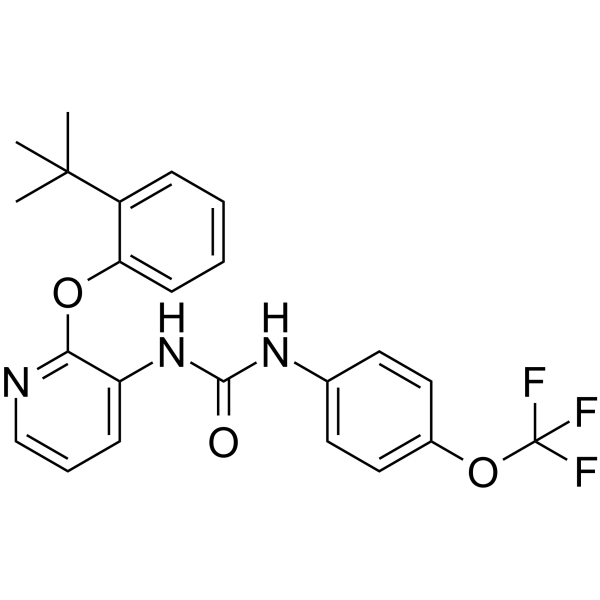
BPTU (BMS-646786) is a non-nucleotide P2Y1 receptor allosteric antagonist with antithrombotic activity. BPTU is able to block the P2Y1 receptor located at the neuromuscular junction of the gastrointestinal tract .
|
-
-
- HY-P2860A
-
|
|
Cholinesterase (ChE)
|
Neurological Disease
|
|
Acetylcholinesterase, Electric eel is a cholinergic enzyme that is mainly found in neuromuscular junctions and cholinergic chemical synapses and is often used in biochemical research. Acetylcholinesterase, Electric eel can catalyze the decomposition or hydrolysis of acetylcholine and some other choline esters that act as neurotransmitters into acetic acid and choline. The main function of Acetylcholinesterase, Electric eel is to terminate neuronal transmission and signal conduction between synapses to prevent ACh diffusion and activation of nearby receptors .
|
-

-
- HY-B0079
-
-
-
- HY-B1700A
-
|
|
nAChR
|
Neurological Disease
|
|
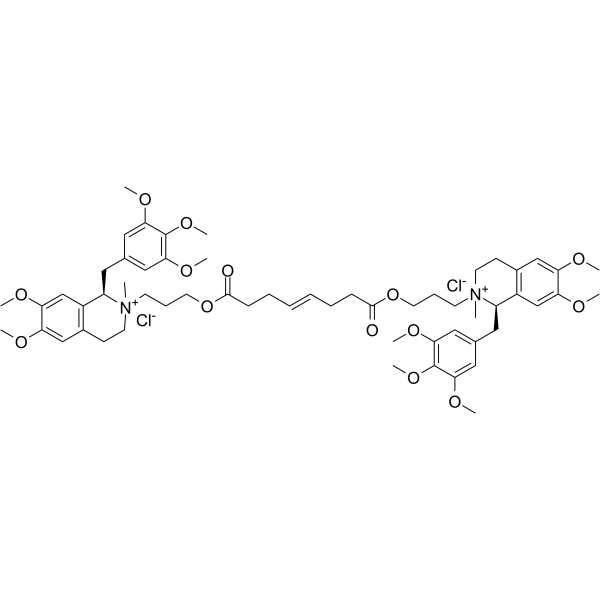
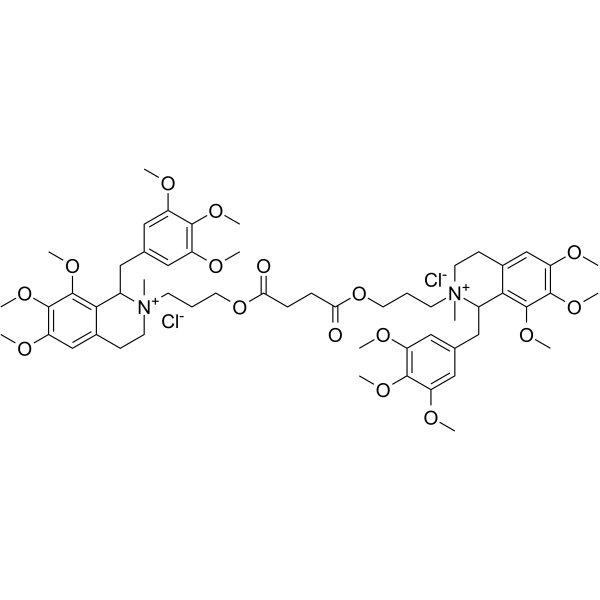
Mivacurium dichloride is a benzylisoquinoline derivative and is a short-acting non-depolarizing neuromuscular blocking agent and skeletal muscle relaxant. Mivacurium dichloride couples with the nAChR to reduce or inhibit the depolarizing effect of acetylcholine on the terminal disc of the muscle cell .
|
-
-
- HY-170794
-
|
|
Acyltransferase
Ceramidase
|
Metabolic Disease
|
|
ALT-007 is an orally active serine palmitoyltransferase (SPT) inhibitor that selectively reduces the levels of toxic very-long-chain deoxysphingolipids to enhance protein homeostasis. ALT-007 restores aging-related loss of muscle mass in a mouse model of sarcopenia. ALT-007 enhances protein homeostasis in both mouse and C. elegans models of aging and disease. ALT-007 can be used for age-related neuromuscular diseases research .
|
-

-
- HY-N0267
-
-
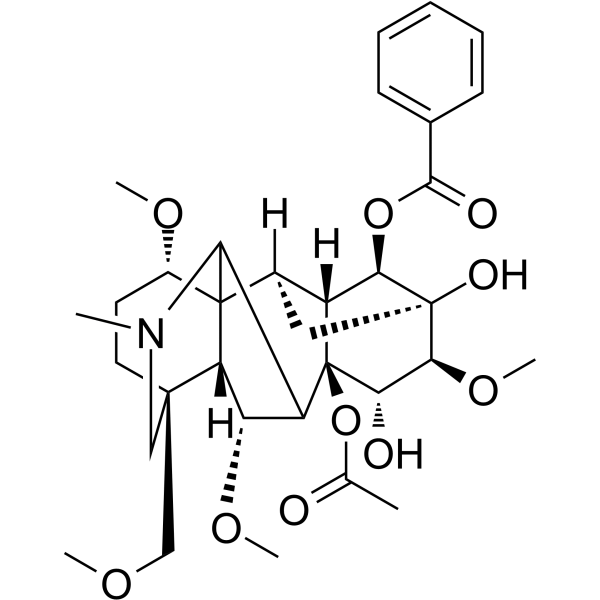
-
- HY-P991066
-
|
ARGX-119
|
nAChR
|
Neurological Disease
|
|
ARGX-119 is a first-in-class humanized agonist monoclonal antibody specific for muscle-specific kinase (MuSK). ARGX-119 can be used for the study of neuromuscular diseases. The isotype control for ARGX-119 can refer to Human IgG1 lambda1, Isotype Control (HY-P99992) .
|
-

-
- HY-B0429
-
|
|
nAChR
|
Neurological Disease
|
|
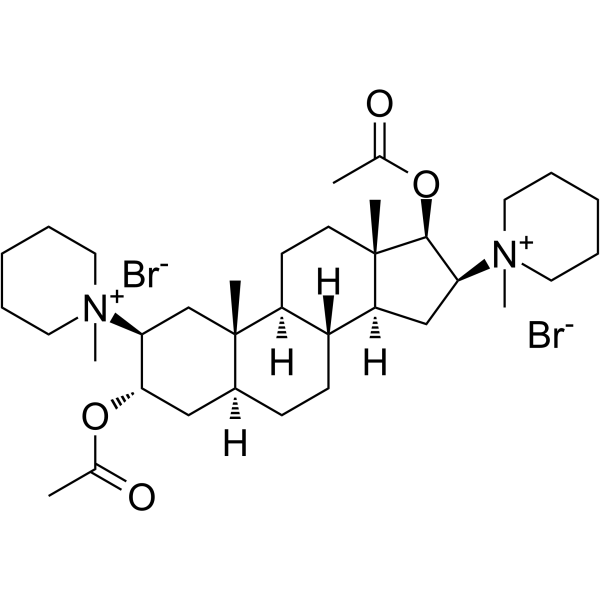
Pancuronium dibromide, a bis-quaternary steroid, is a neuromuscular relaxant. Pancuronium dibromide inhibits neuromuscular transmission by competing with acetylcholine for binding sites on nACh receptors. Pancuronium dibromide also inhibits cardiac muscarinic receptors and has a sympathomimetic action .
|
-
-
- HY-402361
-
|
|
MEK
ERK
AP-1
|
Neurological Disease
Inflammation/Immunology
|
|
TERT activator-1 is a small molecule activator of telomerase reverse transcriptase (TERT). TERT activator-1 promotes TERT transcription through the MEK/ERK/AP-1 signaling cascade. TERT activator-1 promotes adult neurogenesis and enhances neuromuscular function. TERT activator-1 reduces cellular senescence and systemic inflammation in aged mice, and can be used in the study of aging .
|
-

-
- HY-P0203A
-
|
CGRP (83-119), mouse, rat TFA
|
CGRP Receptor
|
Cardiovascular Disease
Metabolic Disease
Inflammation/Immunology
|
|
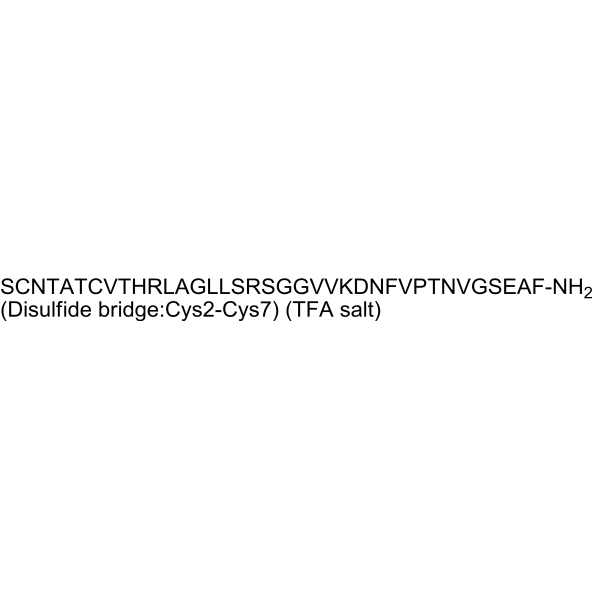
α-CGRP (mouse, rat) TFA, a neuropeptide (calcitonin gene-related peptide (CGRP)) mainly expressed in neuromuscular junction, is a potent vasodilator. α-CGRP (mouse, rat) TFA can lead to a fall in blood pressure and an increase in heart rate by peripheral administration, also relax colonie smooth muscle. α-CGRP (mouse, rat) TFA has the potential in cardiovascular, pro-inflammatory, migraine and metabolic studies .
|
-
-
- HY-100919
-
|
WIN 8077 chloride
|
Cholinesterase (ChE)
|
Others
|
|
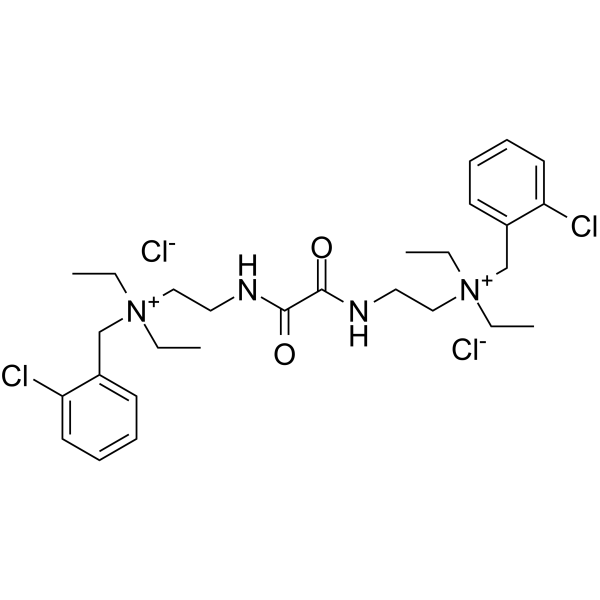
Ambenonium (WIN 8077) chloride is an orally active and reversible inhibitor of Acetyicholinesterase (AChE) with high affinity. Ambenonium chloride inhibits human AChE with an IC50 value of 0.7 nM (hAChE) .
|
-
-
- HY-B0743A
-
|
|
nAChR
|
Neurological Disease
|
|
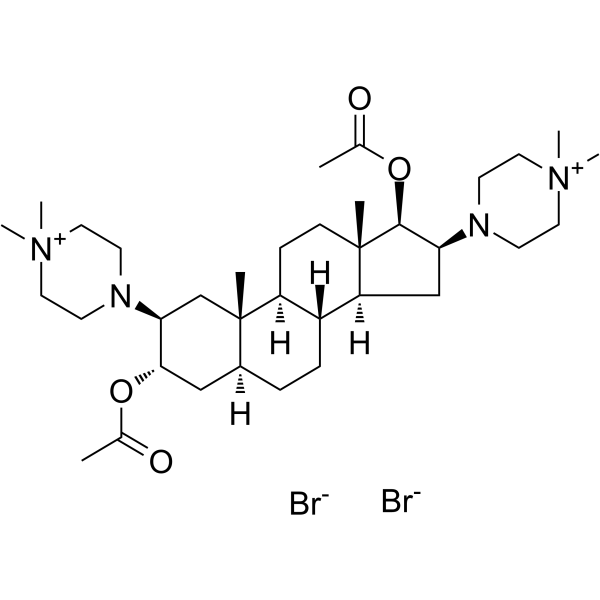
Pipecuronium bromide is a potent long-acting nondepolarizing steroidal neuromuscular blocking agent (NMBA), and a bisquaternary ammonium compound. Pipecuronium bromide is a powerful competitive nAChR antagonist with a Kd of 3.06 μM .
|
-
-
- HY-P3443
-
|
PNA
|
Biochemical Assay Reagents
|
Cancer
|
|
Peanut agglutinin (PNA) is a carbohydrate-recognition protein that binds competitively and irreversibly to cell-surface β-D-Gal (1-3)-GalNAc, and this binding can be inhibited by D-galactose and asialofetuin. Peanut agglutinin recognizes exposed glycoepitopes and reflects the glycosylation status of cells. Peanut agglutinin can label glycoconjugates at neuromuscular junctions to safely visualize synaptic structures. Peanut agglutinin can be used to synthesize dyes to distinguish between normal and tumor tissues. Peanut agglutinin provides support for research on leukemia, Burkitt's tumors, and cutaneous squamous lesions .
|
-

-
- HY-158183
-
|
|
Chloride Channel
|
Neurological Disease
|
|
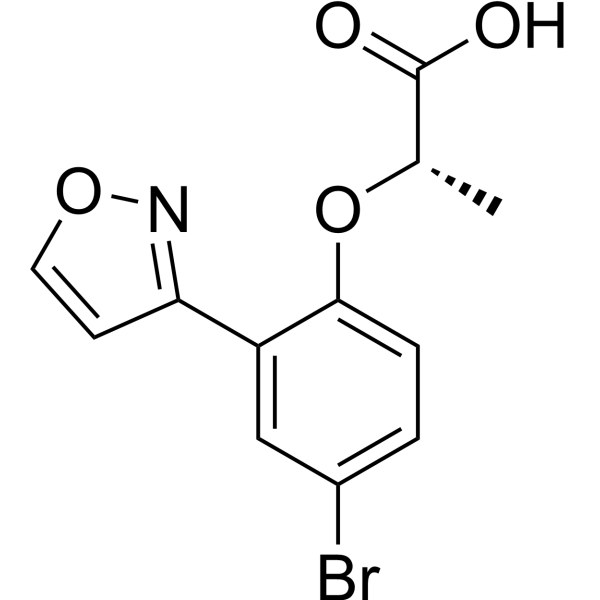
NMD670 is an orally active inhibitor of skeletal muscle specific chloride channel ClC-1 with an EC50 of 1.6 μM. NMD670 enhances neuromuscular transmission and improves muscle contraction and strength. NMD670 can be used in the study of muscle weakness and muscle fatigue .
|
-
-
- HY-P990302
-
|
|
nAChR
|
Neurological Disease
|
|
Anti-Human/Rat/Fish AChR Antibody (Mab35) is an anti-human/rat/fish AChR IgG1 monoclonal antibody. Anti-Human/Rat/Fish AChR Antibody (Mab35) can attack the AChR of neuromuscular junctions. Anti-Human/Rat/Fish AChR Antibody (Mab35) can be used for the construction of myasthenia gravis models .
|
-
-
- HY-122140
-
|
|
Cholinesterase (ChE)
|
Neurological Disease
|
|
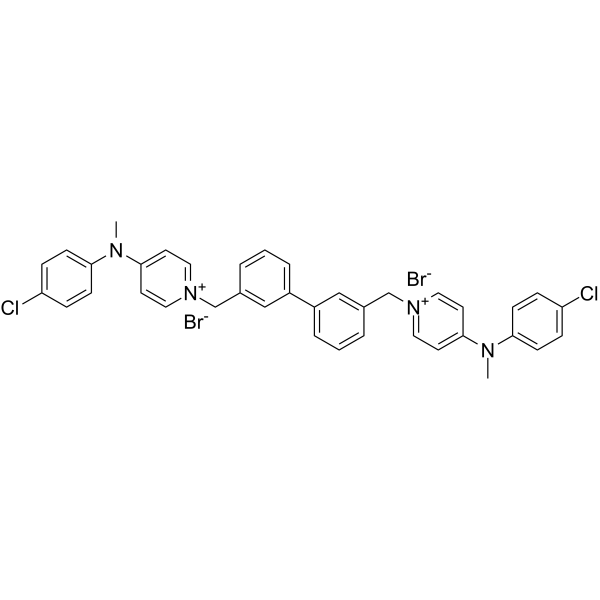
ACG548B (compound 24) is a potent inhibitor of acetyl- and butyrylcholinesterase (AChE and BChE) with IC50s of 1.78 and 0.496 μM, respectively. ACG548B has higher AChE affinity and selectivity over BChE and ChoK (choline kinase). ACG548B can be uesd for the study of myasthenia gravis and neuromuscular blockade .
|
-
-
- HY-115766
-
|
|
nAChR
|
Neurological Disease
|
|
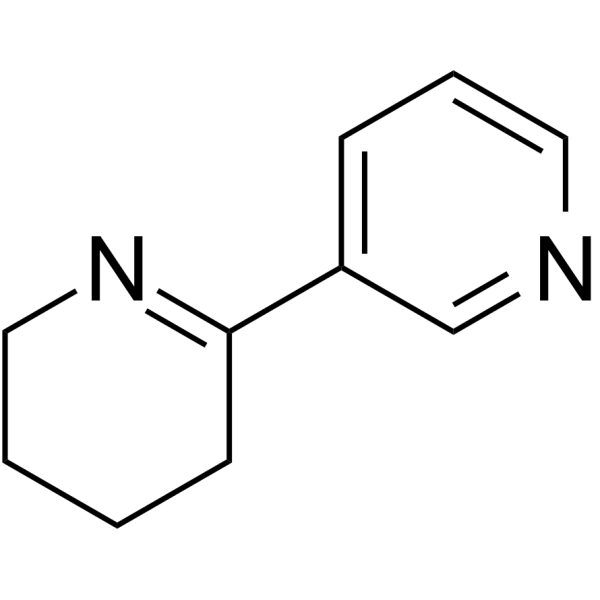
Anabaseine, a brain-penetrant occurring alkaloid toxin, is potent agonist of multiple nicotinic acetylcholine receptors (AChRs). Anabaseine stimulates the neuromuscular α12β1γδ or α12β1γɛ and α7 AChRs. Anabaseine is also a weak partial agonist at α4β2 nAChRs .
|
-
-
- HY-W744216
-
|
|
Androgen Receptor
|
Metabolic Disease
|
|
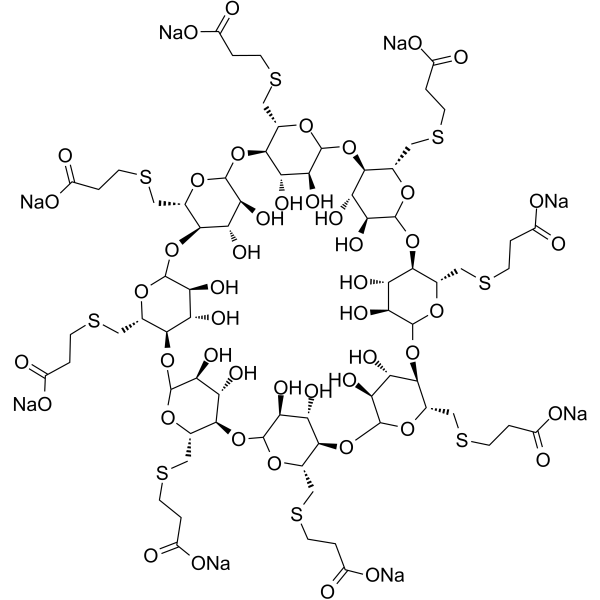
Trestolone acetate is an androgenic steroid. Trestolone acetate binds to Sugammadex sodium (HY-B0079), reducing the ability of Sugammadex sodium to reverse amino steroid neuromuscular blocking agents .
|
-

-
- HY-W127668
-
|
|
Acyltransferase
|
Neurological Disease
|
|
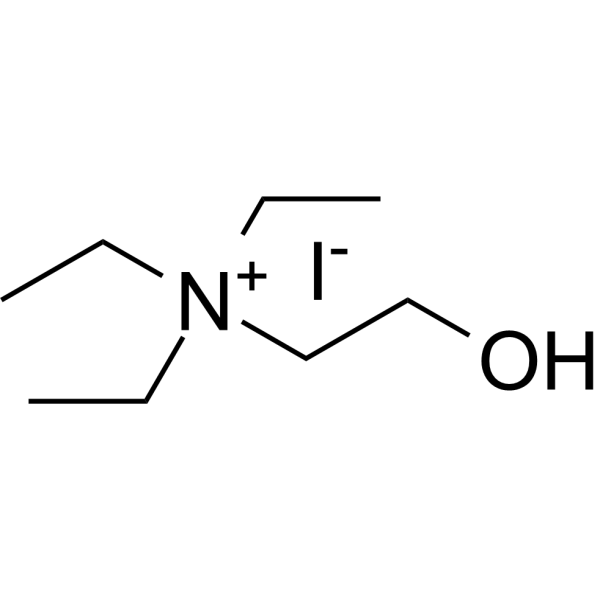
Triethylcholine iodide is a choline acetyltransferase inhibitor and a regulator of the acetylcholine synthesis pathway. Triethylcholine iodide inhibits acetylcholine synthesis in brain tissues and blocks neuromuscular and autonomic ganglionic transmission. Triethylcholine iodide exerts weak curare-like effects at extremely high concentrations. Triethylcholine iodide elevates the pentylenetetrazol seizure threshold, alters electroencephalogram patterns in Felis catus, but does not affect the maximal electroshock seizure threshold in Oryctolagus cuniculus. Triethylcholine iodide can be used in seizure-related research .
|
-
-
- HY-P3967
-
-
-
- HY-B1348
-
|
|
Drug Metabolite
|
Neurological Disease
|
|
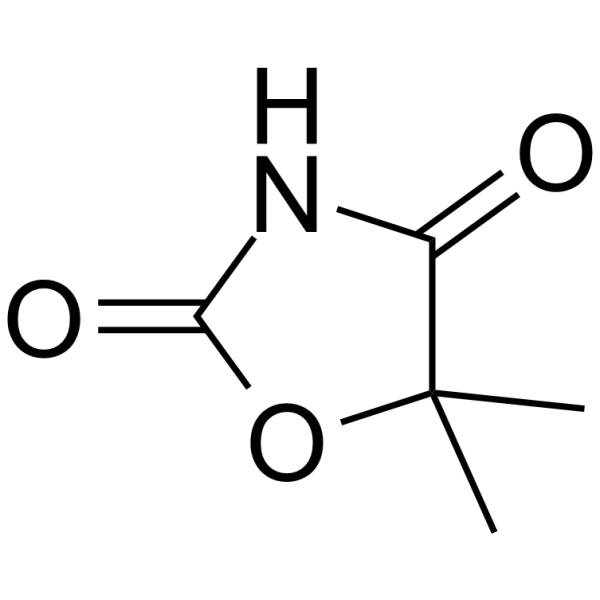
Dimethadione is the primary metabolite of trimethadione. Dimethadione causes depression of neuromuscular transmission. Dimethadione primarily decreases transmitter release from the nerve terminal .
|
-
-
- HY-B0079A
-
-
-
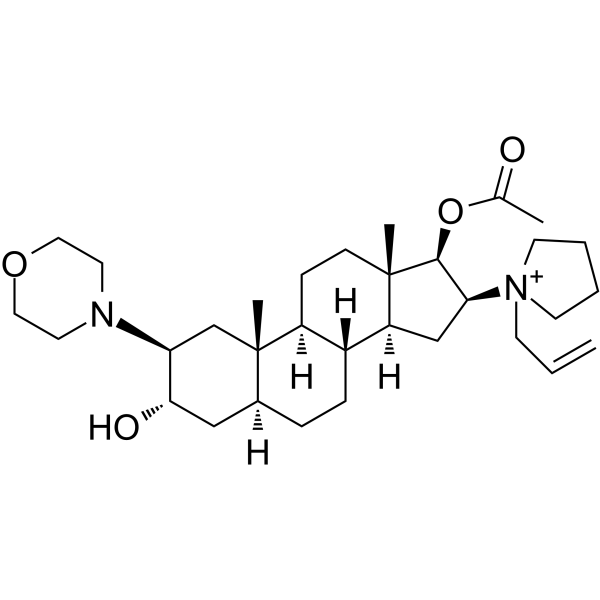
- HY-17033
-
|
Org-9426
|
nAChR
|
Neurological Disease
Cancer
|
|
Rocuronium (Org-9426) is an aminosteroid non-depolarizing neuromuscular blocker or muscle relaxant used in modern anaesthesia.
|
-
-
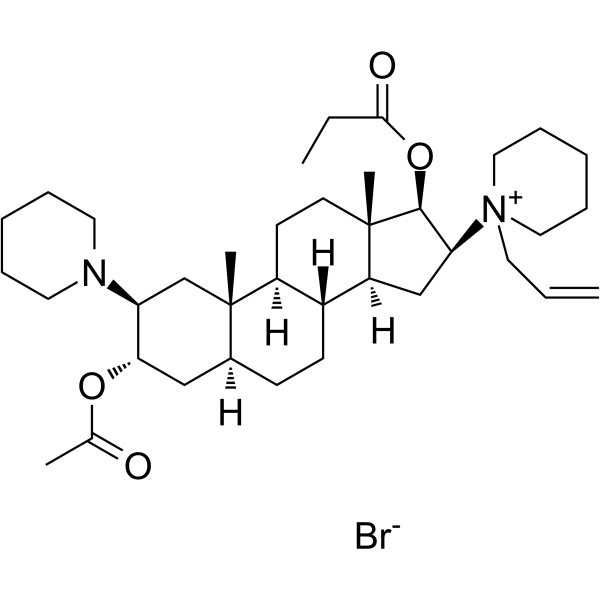
- HY-16423
-
|
Org 9487
|
mAChR
|
Neurological Disease
|
|
Rapacuronium bromide (Org 9487), a non-depolarizing neuromuscular blocker, is an allosteric modulator of muscarinic acetylcholine receptor (mAChR) .
|
-
-
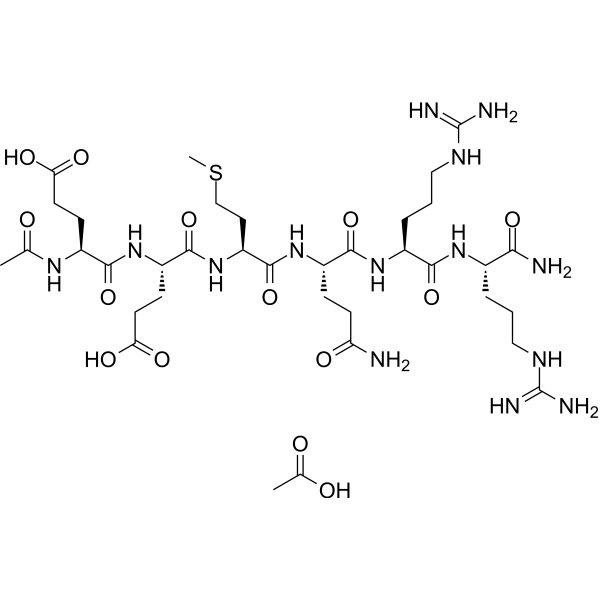
- HY-P0033A
-
|
Acetyl hexapeptide-3 acetate; Acetyl hexapeptide-8 acetate
|
Calcium Channel
|
Neurological Disease
|
|
Argireline acetate (Acetyl hexapeptide-3 acetate) is a non-toxic, skin-permeable, antiwrinkle peptide. Argireline acetate significantly inhibits Ca 2+ dependent neurotransmitter release (acetylcholine) at the neuromuscular junction. Argireline acetate has antiwrinkle and anti-aging activity .
|
-
-
- HY-W753602
-
|
|
Isotope-Labeled Compounds
|
Neurological Disease
|
|
Acetamiprid-N-desmethyl- 13C,d3 is the 13C and deuterium labeled isotope of Acetamiprid-N-desmethyl( 13C,d3)(HY-B0823).Acetamiprid is a nAChR agonist that has been implicated in neuromuscular and reproductive disorders.
|
-

-
- HY-119335
-
|
S-2703
|
Sodium Channel
|
Others
|
|
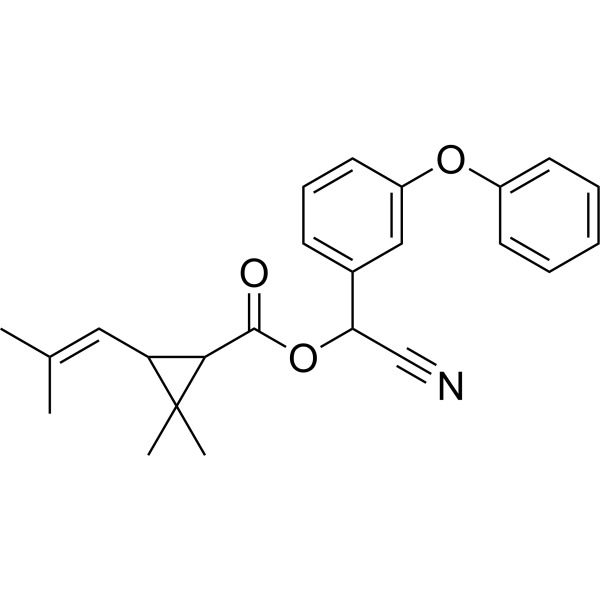
Cyphenothrin (S-2703) is a pyrethroid pesticide. Cyphenothrin acts on the neuromuscular system of insects, intervening in the gating mechanism of sodium channels .
|
-
-
- HY-P991158
-
|
|
TGF-β Receptor
|
Neurological Disease
|
|
Rinvatercept, a fusion protein, is a glycyl (1)-chimeric N-terminal (1-108)-peptide (2-109) combined from the sequences of the extracellular domains of the human ACVR2A/B, and is fused via a G3 peptide linker (110-112) to an immunoglobulin G1 (IgG1) Fc fragment. Rinvatercept can be used for research of neuromuscular disease .
|
-

-
- HY-A0258A
-
|
Metocurine iodide; Dimethylchondrocurarine iodide
|
nAChR
|
Neurological Disease
|
|
Metubine (Metocurine iodide) is a non-depolarizing muscle relaxant. Metubine has neuromuscular blocking activities .
|
-

-
- HY-14946A
-
|
3,4-Diaminopyridine phosphate
|
Potassium Channel
|
Neurological Disease
|
|
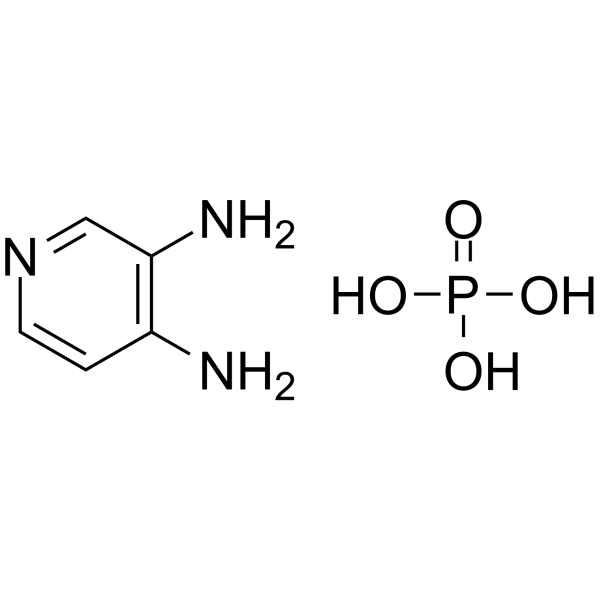
Amifampridine (3,4-Diaminopyridine) phosphate is an orally active, potent and cell permeable voltage-gated potassium (Kv) channel blocker (PCB). Amifampridine phosphate is efficacy in the reversal of BoNT/A (HY-P79153) intoxication. Amifampridine phosphate increases transmitter release from neuromuscular junctions (NMJs). Amifampridine phosphate can be used for Lambert-Eaton myasthenic syndrome (LEMS) research .
|
-
-
- HY-B0823R
-
|
|
Reference Standards
nAChR
|
Neurological Disease
|
|
Acetamiprid (Standard) is the analytical standard of Acetamiprid. This product is intended for research and analytical applications. Acetamiprid is a neonicotinoid insecticide used worldwide. Acetamiprid is a nicotinic acetylcholine receptor (nAChR) agonist, and is shown to be associated with neuromuscular and reproductive disorders .
|
-

-
- HY-148412
-
|
EN101; ODN 7040; BL 7040
|
Cholinesterase (ChE)
|
Others
|
|
Monarsen (EN101) is a synthetic 20-base antisense oligodeoxynucleotide directed against the human AChE gene. Monarsen is used in the study of Autoimmune myasthenia gravis (MG), a neuromuscular disorder caused by autoantibodies directed against the acetylcholine receptor (AChR).
|
-

-
- HY-P10979
-
|
|
Neuropeptide S Receptor
|
Neurological Disease
|
|
Buccalin is a neuropeptide that colocalizes with small molecule cardioactive peptides in neuronal B15. When exogenously applied to the ARC neuromuscular junction, Buccalin reduces the amplitude of muscle contraction induced by motor neuron firing and acts only presynaptically. Buccalin has no effect on the rate of muscle relaxation and reduces motor neuron-induced ARC excitatory junction potentials without affecting contraction produced by direct acetylcholine action on the muscle .
|
-

-
- HY-172152
-
|
|
FKBP
Calcium Channel
|
Neurological Disease
|
|
MP-010 is a FKBP12 ligand that regulates cytosolic calcium by stabilizing RyR channel activity. MP-010 promotes functional improvement in SOD1 G93A amyotrophic lateral sclerosis (ALS) mice, as evidenced by improved motor coordination, increased integrity of neuromuscular junctions, and significantly enhanced survival of spinal motor neurons. MP-010 can be used for research in the field of neurological diseases .
|
-

-
- HY-U00310
-
|
|
Others
|
Neurological Disease
|
|
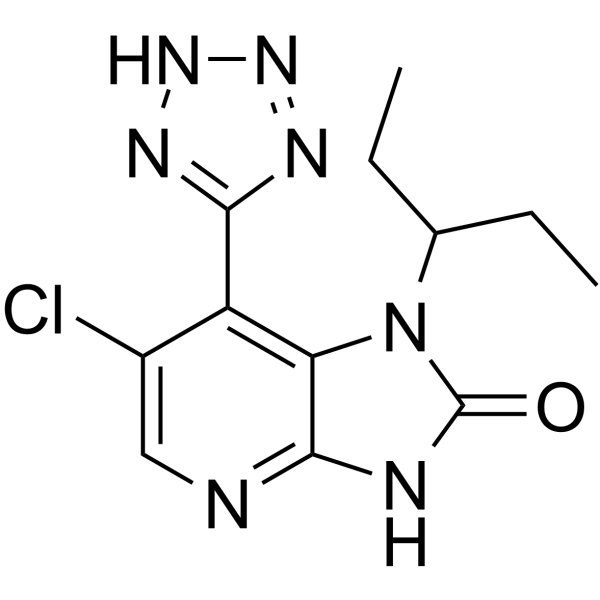
Neuromuscular-targeting compound 1, extracted from patent WO2009099594 A1, Paragraph 0100, is useful in treatment of neuromuscular diseases.
|
-
- HY-U00385
-
|
|
Others
|
Neurological Disease
|
|
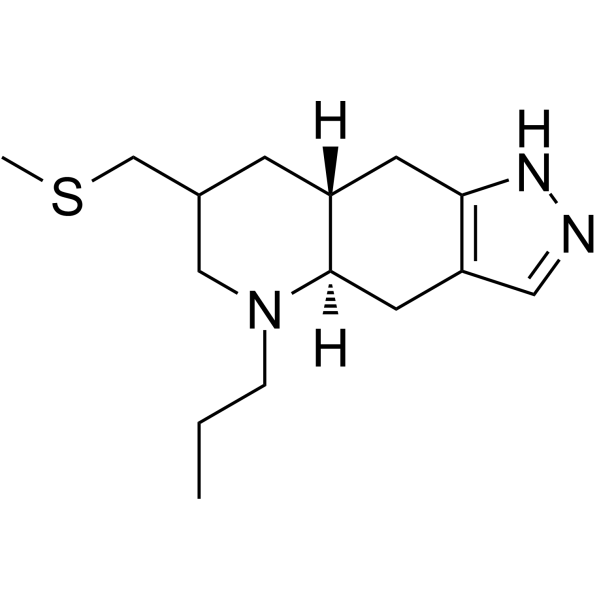
Neuromuscular Disorder-Targeting Compound 1 is used in the research of neuromuscular disorders such as symptoms of fibromyalgia syndrome and chronic fatigue syndrome.
|
-
- HY-A0215
-
|
BW-A 938U; Nuromax
|
nAChR
|
Neurological Disease
|
|
Doxacurium chloride (BW A938U) is a potent non-depolarizing neuromuscular blocking agent. Doxacurium chloride binds to cholinergic receptors to antagonize acetylcholine, resulting in a block of neuromuscular transmission. Doxacurium chloride can be used for the research of neurological diseases .
|
-
- HY-B0823A
-
|
|
nAChR
Drug Isomer
|
Neurological Disease
|
|
(E/Z)-Acetamiprid is the E/Z mixture of Acetamiprid (HY-B0823). Acetamiprid is a neonicotinoid insecticide used worldwide. Acetamiprid is a nicotinic acetylcholine receptor (nAChR) agonist, and is shown to be associated with neuromuscular and reproductive disorders .
|
-

- HY-119335R
-
|
S-2703 (Standard)
|
Sodium Channel
Reference Standards
|
Others
|
|
Cyphenothrin (Standard) is the analytical standard of Cyphenothrin. This product is intended for research and analytical applications. Cyphenothrin (S-2703) is a pyrethroid pesticide. Cyphenothrin acts on the neuromuscular system of insects, intervening in the gating mechanism of sodium channels .
|
-

- HY-B1552B
-
|
|
nAChR
|
Neurological Disease
|
|
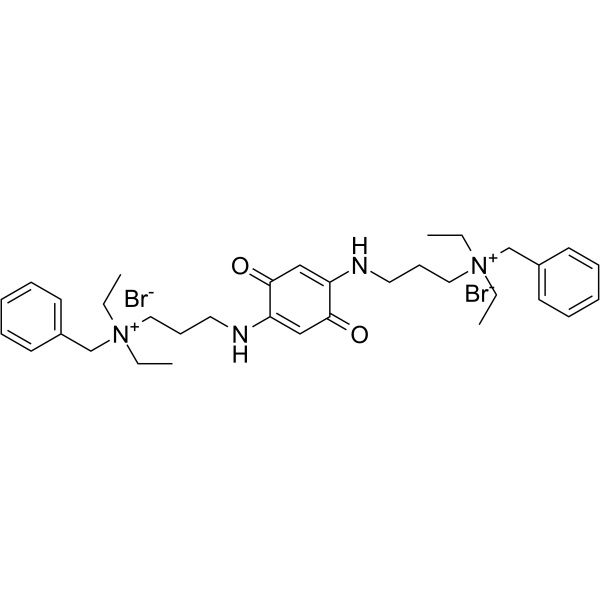
Benzoquinonium dibromide is a nicotinic acetylcholine receptors (nAChRs) antagonist, with an IC50 of 0.46 μM. Benzoquinonium dibromide can block neuromuscular and ganglionic transmission .
|
-
- HY-B0292
-
|
BW-33A free acid
|
nAChR
|
Cardiovascular Disease
Inflammation/Immunology
Cancer
|
|
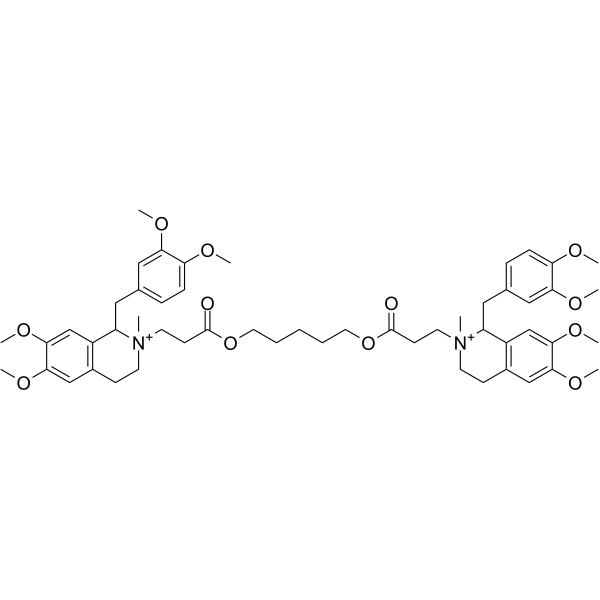
tracurium (BW-33A free acid) is a potent, competitive and non-depolarizing neuromuscular blocking agent.Atracurium also is an AChR receptor antagonist. Atracurium induces bronchoconstriction and neuromuscular blockade. Atracurium promotes astroglial differentiation .
|
-
- HY-B1348R
-
|
|
Reference Standards
Drug Metabolite
|
Neurological Disease
|
|
Dimethadione (Standard) is the analytical standard of Dimethadione. This product is intended for research and analytical applications. Dimethadione is the primary metabolite of trimethadione. Dimethadione causes depression of neuromuscular transmission. Dimethadione primarily decreases transmitter release from the nerve terminal[1].
|
-

- HY-B0292AR
-
|
BW-33A (Standard)
|
Reference Standards
nAChR
|
Neurological Disease
Inflammation/Immunology
Cancer
|
|
Atracurium (besylate) (Standard) is the analytical standard of Atracurium (besylate). This product is intended for research and analytical applications. Atracurium (BW-33A) besylate is a potent, competitive and non-depolarizing neuromuscular blocking agent. Atracurium besylate also is an AChR receptor antagonist. Atracurium besylate induces bronchoconstriction and neuromuscular blockade. Atracurium besylate promotes astroglial differentiation .
|
-

- HY-124047
-
|
|
Cholinesterase (ChE)
|
Neurological Disease
|
|
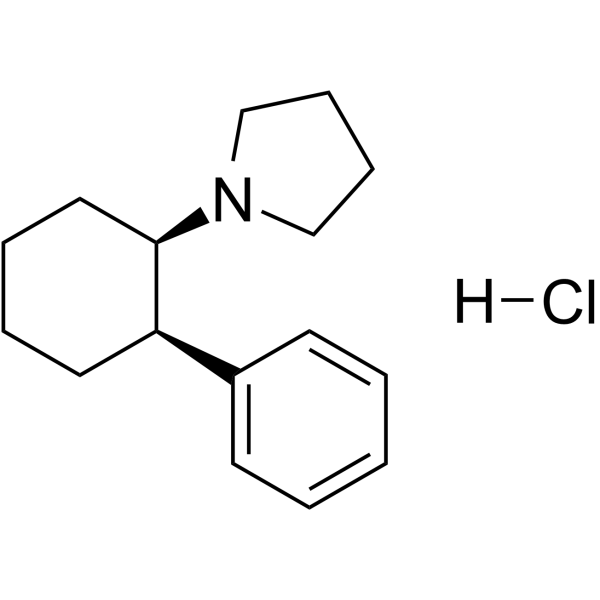
RX 67668 is a potent cholinesterase inhibitor with an IC50 of 5 μM for both acetylcholinesterase (AChE) and butyrylcholinesterase. RX 67668 can reverse the neuromuscular blockade induced by D-tubocurarine. RX 67668 is a muscle relaxant used to relieve skeletal muscle fatigue .
|
-
- HY-B1700AR
-
|
|
Reference Standards
nAChR
|
Neurological Disease
|
|
Mivacurium (dichloride) (Standard) is the analytical standard of Mivacurium (dichloride). This product is intended for research and analytical applications. Mivacurium dichloride is a benzylisoquinoline derivative and is a short-acting non-depolarizing neuromuscular blocking agent and skeletal muscle relaxant. Mivacurium dichloride couples with the nAChR to reduce or inhibit the depolarizing effect of acetylcholine on the terminal disc of the muscle cell .
|
-

- HY-113981
-
|
|
mGluR
|
Neurological Disease
|
|
LY459477 is a potent, selective and orally active metabotropic glutamate 2/3 receptor (mGluR2/3) agonist. LY459477 can effectively suppress Phencyclidine-evoked locomotor activity at doses that do not impair neuromuscular coordination. LY459477 can be used for the research of neurological disease .
|
-

- HY-103530R
-
|
|
Reference Standards
GABA Receptor
|
Neurological Disease
|
|
CGP35348 (Standard) is the analytical standard of CGP35348. This product is intended for research and analytical applications. CGP 35348?is a selective, brain penetrant, centrally active GABAB receptor antagonist with an EC50 of 34 μM.?CGP 35348 shows affinity for the GABAB receptor only . CGP 35348 has a potential to improve neuromuscular coordination and spatial learning in albino mouse following neonatal brain damage .
|
-

- HY-14946R
-
|
3,4-Diaminopyridine (Standard)
|
Reference Standards
Potassium Channel
|
Neurological Disease
|
|
Amifampridine (Standard) is the analytical standard of Amifampridine. This product is intended for research and analytical applications. Amifampridine (3,4-Diaminopyridine) is an orally active, potent and cell permeable voltage-gated potassium (Kv) channel blocker (PCB). Amifampridine is efficacy in the reversal of BoNT/A (HY-P79153) intoxication. Amifampridine increases transmitter release from neuromuscular junctions (NMJs). Amifampridine can be used for Lambert-Eaton myasthenic syndrome (LEMS) research .
|
-

- HY-13596R
-
|
51W89 besylate (Standard); Cisatracurium besilate (Standard)
|
Reference Standards
nAChR
Autophagy
|
Neurological Disease
Cancer
|
|
Cisatracurium (besylate) (Standard) is the analytical standard of Cisatracurium (besylate). This product is intended for research and analytical applications. Cisatracurium besylate (51W89) is a nondepolarizing neuromuscular blocking agent, antagonizing the action of acetylcholine by inhibiting neuromuscular transmission.
|
-

- HY-U00162
-
-
- HY-126032
-
|
|
Parasite
|
Infection
|
|
Morantel is an antinematodal agent. Morantel exhibits neuromuscular blocking properties .
|
-

- HY-120479
-
|
|
Cholinesterase (ChE)
|
Neurological Disease
|
|
Cythioate is an organophosphorous insecticide and anthelmintic. Cythioate is an acetylcholinesterase inhibitor which interferes with neuromuscular transmission in ectoparastites .
|
-

- HY-165544
-
|
|
Others
|
Neurological Disease
|
|
Decamethonium chloride is a depolarizing neuromuscular blocking agent that can be used to study the mechanism of action of muscle relaxants .
|
-

- HY-B0429R
-
|
|
Reference Standards
nAChR
|
Neurological Disease
|
|
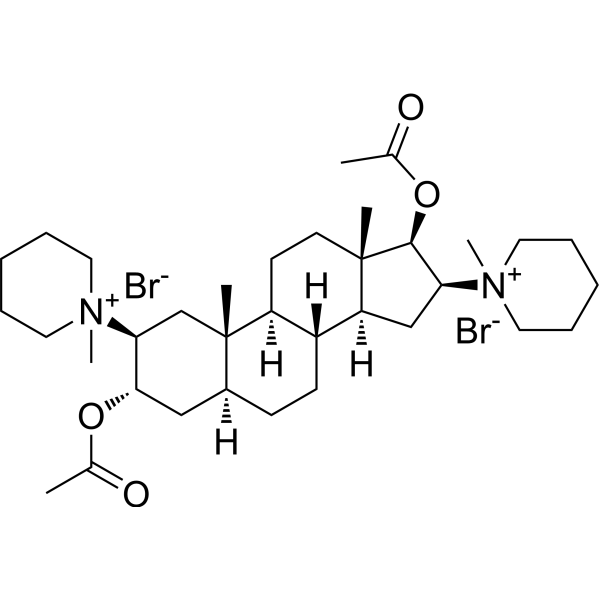
Pancuronium (dibromide) (Standard) is the analytical standard of Pancuronium (dibromide). This product is intended for research and analytical applications. Pancuronium dibromide, a bis-quaternary steroid, is a neuromuscular relaxant. Pancuronium dibromide inhibits neuromuscular transmission by competing with acetylcholine for binding sites on nACh receptors. Pancuronium dibromide also inhibits cardiac muscarinic receptors and has a sympathomimetic action .
|
-
- HY-W127670
-
|
|
Biochemical Assay Reagents
|
Others
|
|
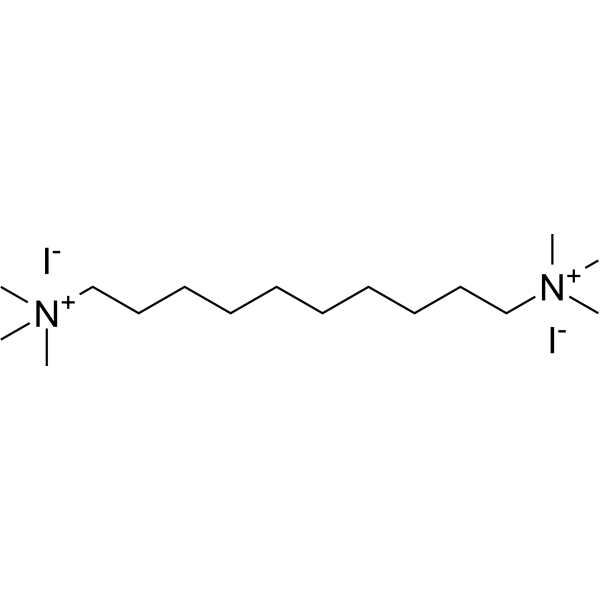
Decamethonium (iodide) is an organic compound containing ammonium and iodide ions. It is commonly used as a neuromuscular blocking agent in anesthesia to induce muscle relaxation during surgery. Decamethonium Iodide acts by binding to nicotinic acetylcholine receptors (nAChRs) in the neuromuscular junction, causing depolarization block and subsequent skeletal muscle paralysis. In addition, it can also serve as a reference standard for pharmacological studies of nAChRs.
|
-
- HY-P1725
-
|
|
Endogenous Metabolite
|
Neurological Disease
|
|
Leucomyosuppressin, an insect neuropeptide, is an inhibitory myotropic peptide. Leucomyosuppressin inhibits evoked transmitter release at the mealworm neuromuscular junction .
|
-

- HY-15308B
-
|
|
Parasite
Chloride Channel
|
Neurological Disease
|
|
Δ²-Avermectin B₁ₐ (Compound 3) is an antiparasitic agent targeting glutamate-gated chloride channels (GluCls) in the neuromuscular system of invertebrates. Δ²-Avermectin B₁ₐ enhances chloride ion influx, leading to hyperpolarization of the neuromuscular cell membrane, inhibition of neural signal transmission, and ultimately paralysis and death of parasites. Δ²-Avermectin B₁ₐ is promising for research of agricultural pests .
|
-

- HY-115766R
-
|
|
nAChR
Reference Standards
|
Neurological Disease
|
|
Anabaseine (Standard) is the analytical standard of Anabaseine. This product is intended for research and analytical applications. Anabaseine is a non-selective nicotinic agonist. Anabaseine stimulates all AChRs, preferentially stimulates skeletal muscle and brain α7 subtypes . Anabaseine is also a weak partial agonist at α4β2 nAChRs .
|
-

- HY-D1516
-
|
|
Fluorescent Dye
|
Others
|
|
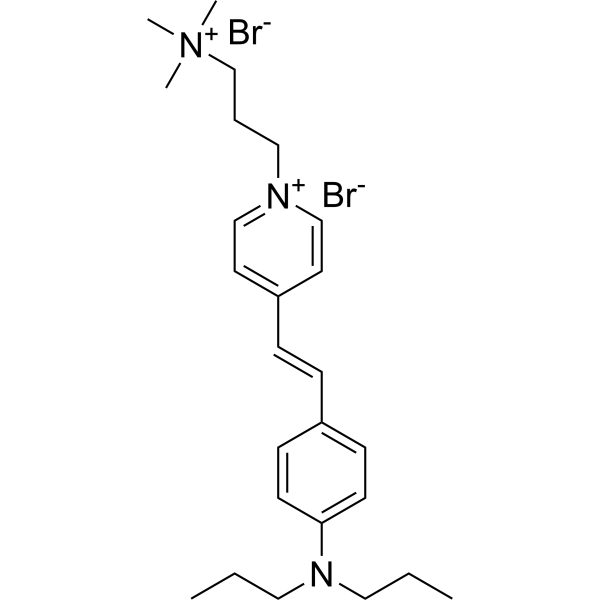
NerveGreen C3 is a cationic styrene based fluorescent dye. NerveGreen C3 can be used to track synaptic activity at neuromuscular junctions or synapses .
|
-
- HY-127147
-
|
AH 8165 bromide
|
Drug Intermediate
|
Others
|
|
Fazadinium bromide (AH 8165 bromide) is a neuromuscular blocking agent, that can prevent the muscle contraction. Fazadinium bromide can be used as a muscle relaxant during anesthesia .
|
-

- HY-13709
-
|
AV 4430A; GW 280430A
|
Biochemical Assay Reagents
|
Neurological Disease
|
|
Gantacurium is an ultrashort-acting, nondepolarizing neuromuscular blocking agent that is degraded by nonenzymatic binding to L-cysteine under physiological conditions. Gantacurium causes a decrease in mean arterial pressure and an increase in heart rate .
|
-

- HY-Y0258AR
-
|
|
Reference Standards
Bacterial
Sodium Channel
|
Neurological Disease
|
|
Benzocaine hydrochloride (Standard) is an analytical standard of Benzocaine hydrochloride (HY-Y0258A). This product is intended for research and analytical applications. Benzocaine hydrochloride is an orally active local anesthetic. Benzocaine hydrochloride non-competitively inhibits the binding of Ca-ATPase to Ca 2+, with a IC50 of 47.1 mM. Benzocaine hydrochloride exerts anesthetic effects by blocking voltage-gated sodium channels. Benzocaine hydrochloride induces methemoglobinemia in various experimental animals .
|
-

- HY-148412A
-
|
EN101 sodium; ODN 7040 sodium; BL 7040 sodium
|
Cholinesterase (ChE)
|
Others
|
|
Monarsen sodium is a synthetic 20-base antisense oligodeoxynucleotide directed against the human AChE gene. Monarsen sodium is used in the study of Autoimmune myasthenia gravis (MG), a neuromuscular disorder caused by autoantibodies directed against the acetylcholine receptor (AChR).
|
-
- HY-161118
-
|
|
nAChR
|
Neurological Disease
|
|
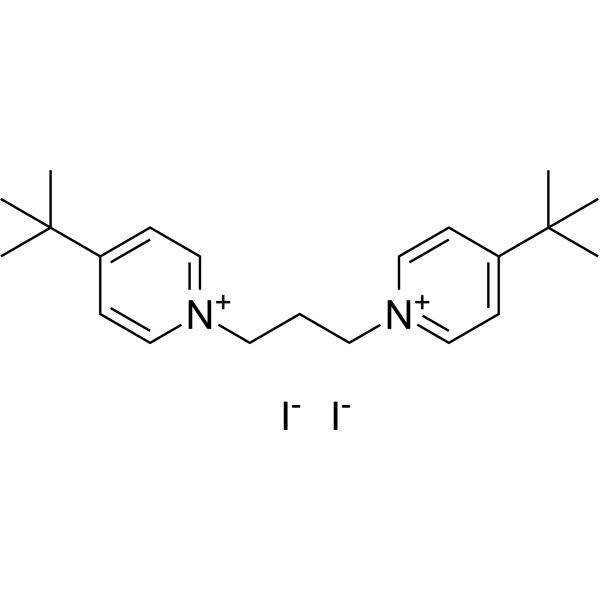
MB327 is a bipyridine nonoxime compound that restores neuromuscular function. MB327 restores the activity of nicotinamide acetylcholine receptors (nAChRs) for carbachol desensitization in a typical type II PAM manner. MB327 can neutralize nerve agent poisoning .
|
-
- HY-17440R
-
|
ORG 9426 Bromide (Standard)
|
Reference Standards
nAChR
|
Neurological Disease
Cancer
|
|
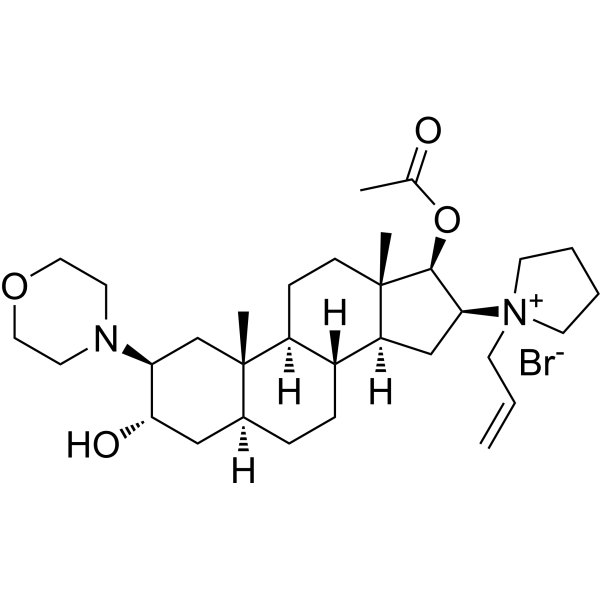
Rocuronium (Bromide) (Standard) is the analytical standard of Rocuronium (Bromide). This product is intended for research and analytical applications. Rocuronium Bromide (ORG 9426 Bromide) is an aminosteroid non-depolarizing neuromuscular blocker or muscle relaxant used in modern anaesthesia, to facilitate endotracheal intubation and to provide skeletal musclerelaxation during surgery or mechanical ventilation.
|
-
- HY-B0118AR
-
|
ORG NC 45 (Standard)
|
Reference Standards
nAChR
|
Neurological Disease
Cancer
|
|
Vecuronium (bromide) (Standard) is the analytical standard of Vecuronium (bromide). This product is intended for research and analytical applications. Vecuronium (ORG NC 45) bromide is a non-depolarizing neuromuscular blocking agent that also acts as a nicotinic acetylcholine receptor (nAChR) inhibitor, a muscle relaxant, and can be used for pre-surgical anesthesia .
|
-

- HY-126645
-
|
|
Sodium Channel
|
Cardiovascular Disease
|
|
Atelopidtoxin (zetekitoxin) is a toxin (LD50=0.016 mg/kg for mice), which can be isolated from Panamanian frog Atelopus zeteki. Atelopidtoxin causes hypotension and ventricular fibrillation in rabbits. Atelopidtoxin an inhibitor for sodium channel .
|
-

- HY-118533A
-
|
WIN 8077 dichloride tetrahydrate
|
Cholinesterase (ChE)
|
Neurological Disease
|
|
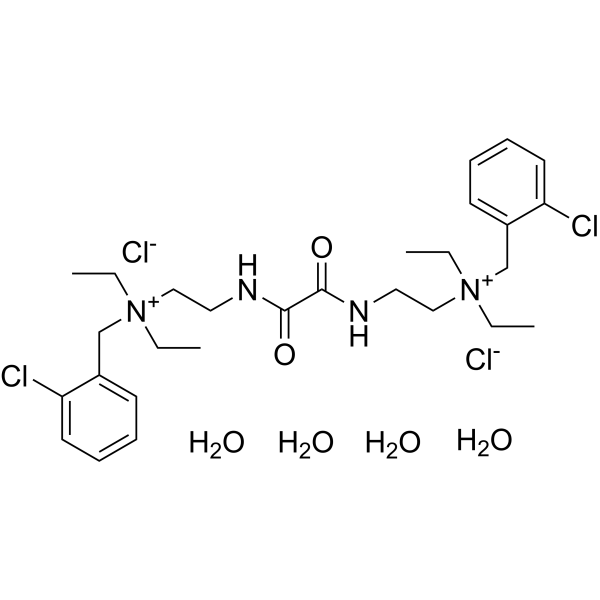
Ambenonium (WIN 8077) dichloride tetrahydrate is an orally active and reversible inhibitor of Acetyicholinesterase (AChE) with high affinity. Ambenonium dichloride tetrahydrate inhibits human AChE with an IC50 value of 0.7 nM (hAChE) .
|
-
- HY-151972
-
|
|
Epigenetic Reader Domain
|
Cardiovascular Disease
Inflammation/Immunology
Cancer
|
|
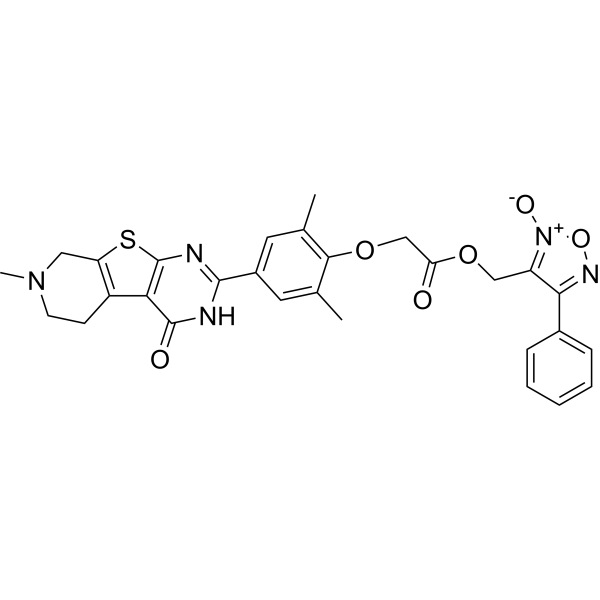
BRD4 Inhibitor-25 is a BRD4 inhibitor with IC50s of 0.82 μM, 1.94 μM for BD1 and BD2 domains of BRD4. BRD4 Inhibitor-25 induces apoptotic and autophagy cell death in ovarian cancer cells. BRD4 Inhibitor-25 can be used in the research of cancers, cardiovascular, neuromuscular and inflammatory disorders.
|
-
- HY-N0267R
-
-

- HY-14946S
-
|
3,4-Diaminopyridine-d3
|
Isotope-Labeled Compounds
Potassium Channel
|
Neurological Disease
|
|
Amifampridine-d3 (3,4-Diaminopyridine-d3) is deuterium labeled Amifampridine. Amifampridine (3,4-Diaminopyridine) is an orally active, potent and cell permeable voltage-gated potassium (Kv) channel blocker (PCB). Amifampridine is efficacy in the reversal of BoNT/A (HY-P79153) intoxication. Amifampridine increases transmitter release from neuromuscular junctions (NMJs). Amifampridine can be used for Lambert-Eaton myasthenic syndrome (LEMS) research .
|
-

- HY-121670
-
|
|
Others
|
Neurological Disease
|
|
Ambenoxan is a central nervous system-acting skeletal muscle relaxant that is effective in mice, rats, rabbits, dogs, and monkeys without loss of the righting reflex. It has no peripheral neuromuscular blocking effects and significantly reduces or eliminates decerebrate rigidity in rabbits, but does not antagonize the effects of strychnine, leptazol, or tremorine. Like other central nervous system depressants, ambenoxan prolongs sleep duration with hexobarbitone, but it has no local anesthetic effects. In anesthetized cats, the agent lowers blood pressure and reduces the pressor response to epinephrine, but has no effect on norepinephrine.
|
-

- HY-121670A
-
|
|
Adrenergic Receptor
|
Neurological Disease
|
|
Ambenoxan hydrochloride is a central nervous system-acting skeletal muscle relaxant that is effective in mice, rats, rabbits, dogs, and monkeys without loss of the righting reflex. It has no peripheral neuromuscular blocking effects and significantly reduces or eliminates decerebrate rigidity in rabbits, but does not antagonize the effects of strychnine, leptazol, or tremorine. Like other central nervous system depressants, ambenoxan prolongs sleep duration with hexobarbitone, but it has no local anesthetic effects. In anesthetized cats, the agent lowers blood pressure and reduces the pressor response to epinephrine, but has no effect on norepinephrine.
|
-

- HY-182537
-
|
|
Drug Derivative
|
Neurological Disease
|
|
Org 9616 bromide is a non-depolarizing neuromuscular blocker with a structure similar to Pancuroniam. Org 9616 bromide induces rapid-onset, short-duration neuromuscular blockade .
|
-

- HY-W795736
-
|
(+)-AH5183
|
nAChR
|
Neurological Disease
|
|
(+)-Vesamicol ((+)-AH5183) is an acetylcholine vesicular transport system inhibitor. (+)-Vesamicol blocks acetylcholine storage and uptake by synaptic vesicles, reducing transmitter availability for neuromuscular junction release. (+)-Vesamicol acts as a neuromuscular blocking agent, producing frequency-dependent neuromuscular block in rat hemidiaphragm preparations .
|
-

- HY-B1700B
-
-

- HY-106962
-
|
|
Drug Derivative
|
Others
|
|
Org-9453 bromide is a 17β-butyrate analogue of Vecuronium bromide (HY-B0118A), short-acting non-depolarizing neuromuscular blocking agent. Org-9453 bromide relaxes muscles .
|
-

- HY-180402
-
|
|
Drug Derivative
|
Neurological Disease
|
|
1,10-Bis(ethylsulfinyl)decane (Compound IIg) is a decamethonium analogue and is a non-electrolytic . 1,10-Bis(ethylsulfinyl)decane has low lethal (LD50 >30 mg/kg) effect in mice and neuromuscular blocking (ED50 >10 mg/kg) effects in cat .
|
-

- HY-180384
-
|
|
Drug Derivative
|
Neurological Disease
|
|
1,10-Bis(methylsulfinyl)decane (Compound IIf) is a decamethonium analogue and is a non-electrolytic sulfoxide compound. 1,10-Bis(methylsulfinyl)decane has low lethal (LD50 >37.5 mg/kg) effect in mice and neuromuscular blocking (ED50 >7 mg/kg) effects in cat .
|
-

- HY-122471A
-
|
|
Others
|
Neurological Disease
|
|
Laudexium methylsulfate is a neuromuscular blocking agent or skeletal muscle relaxant and a nondepolarizing neuromuscular blocking agent.
|
-

- HY-B1778C
-
|
Suxamethonium iodide
|
nAChR
mAChR
|
Neurological Disease
|
|
Succinylcholine iodide is a depolarizing neuromuscular blocker with rapid onset and short duration of action. Succinylcholine iodide also acts as an agonist of the Acetylcholine receptor. Succinylcholine iodide is used for emergency airway management .
|
-

- HY-N6609B
-
|
|
nAChR
|
Cardiovascular Disease
|
|
Magnocurarine chloride is a neuromuscular junction blocker that inhibits muscle contraction by functionally blocking signal transmission without directly damaging nerve or muscle tissues. In frog, mouse and rabbit models, Magnocurarine chloride exerts a dose-dependent paralytic effect, which progresses gradually from limb weakness and loss of righting reflex to respiratory depression and even cardiac arrest. Although high doses cause complete cessation of movement, Magnocurarine chloride does not affect the spinal multineuronal reflex in frogs. Magnocurarine chloride exhibits biological activity similar to that of tubocurarine (HY-125901) in various animal models .
|
-

- HY-W683409
-
|
1064 Th
|
Adrenergic Receptor
|
Cardiovascular Disease
Neurological Disease
|
|
Dimorpholamine (1064 Th) is a central nervous system stimulant. Dimorpholamine can increase the excitatory and inhibitory junction potentials at the neuromuscular junctions of crayfish. Dimorpholamine can also exert epinephrine-like pressor effects by promoting the release of catecholamines (mainly epinephrine) from the adrenal medulla. Dimorpholamine can be used in the research of respiratory failure as well as neurological and cardiovascular system diseases .
|
-

- HY-105203
-
|
|
Others
|
Neurological Disease
|
|
MS-322 is an orally active centrally acting muscle relaxant. MS-322 can dose-dependently inhibit spinal reflex potentials, reduce neuronal excitability and muscle afferent discharges, and so on in rats. In addition, MS-322 has relatively weak inhibitory effects on other central nervous system pathways and no effect on the neuromuscular junction .
|
-

- HY-W002097R
-
|
2-Acetyl-5-methylthiophene (Standard)
|
Reference Standards
Others
|
Others
|
|
Amifampridine (Standard) is the analytical standard of Amifampridine. This product is intended for research and analytical applications. Amifampridine (3,4-Diaminopyridine) is an orally active, potent and cell permeable voltage-gated potassium (Kv) channel blocker (PCB). Amifampridine is efficacy in the reversal of BoNT/A (HY-P79153) intoxication. Amifampridine increases transmitter release from neuromuscular junctions (NMJs). Amifampridine can be used for Lambert-Eaton myasthenic syndrome (LEMS) research .
|
-

- HY-100919R
-
|
WIN 8077 chloride (Standard)
|
Reference Standards
Cholinesterase (ChE)
|
Others
|
|
Ambenonium (chloride) (Standard) is the analytical standard of Ambenonium (chloride). This product is intended for research and analytical applications. Ambenonium (WIN 8077) chloride is an orally active and reversible inhibitor of Acetyicholinesterase (AChE) with high affinity. Ambenonium chloride inhibits human AChE with an IC50 value of 0.7 nM (hAChE) .
|
-

- HY-N6609
-
|
|
nAChR
|
Others
|
|
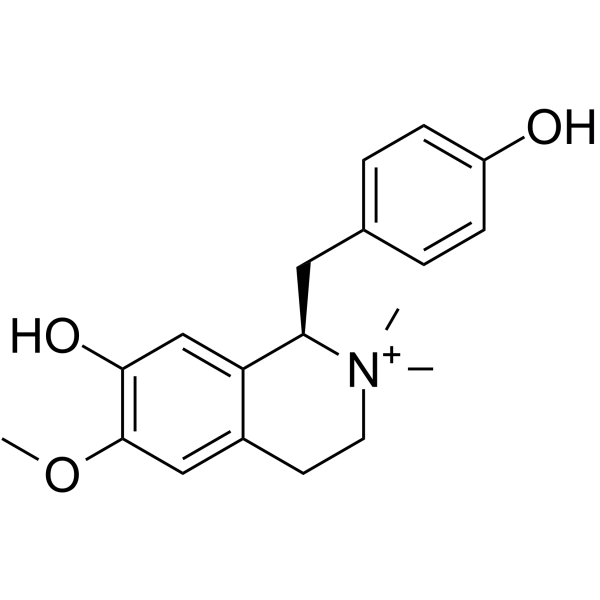
Magnocurarine is a neuromuscular junction blocker that inhibits muscle contraction by functionally blocking signal transmission without directly damaging nerve or muscle tissues. In frog, mouse and rabbit models, Magnocurarine exerts a dose-dependent paralytic effect, which progresses gradually from limb weakness and loss of righting reflex to respiratory depression and even cardiac arrest. Although high doses cause complete cessation of movement, Magnocurarine does not affect the spinal multineuronal reflex in frogs. Magnocurarine exhibits biological activity similar to that of tubocurarine (HY-125901) in various animal models .
|
-
- HY-B1194
-
|
(±)-Tetramisole hydrochloride; DL-Tetramisole hydrochloride; R-829
|
Potassium Channel
Parasite
PKA
|
Infection
Cardiovascular Disease
|
|
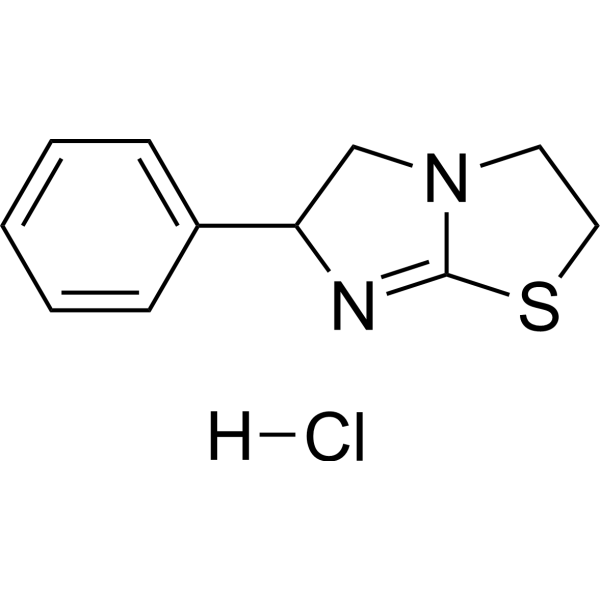
Tetramisole hydrochloride is an orally active, selective inward rectifier potassium channel agonist with an EC50 of approximately 30 μM for the Kir2.1 subunit. Tetramisole hydrochloride is also an anti-nematode agent that blocks neuromuscular transmission by non-competitive depolarization. Tetramisole hydrochloride promotes the forward transport of Kir2.1 channels, hyperpolarizes the resting potential (RP), shortens the action potential duration (APD), inhibits intracellular calcium overload and the PKA signaling pathway, and exerts anti-arrhythmic and anti-myocardial remodeling activities. Tetramisole hydrochloride can be used in cardiac electrophysiology research and research related to myocardial ischemia and heart failure .
|
-
- HY-B1194A
-
|
|
Potassium Channel
Parasite
PKA
|
Infection
Cardiovascular Disease
|
|
Tetramisole is an orally active, selective inward rectifier potassium channel agonist with an EC50 of approximately 30 μM for the Kir2.1 subunit. Tetramisole is also an anti-nematode agent that blocks neuromuscular transmission by non-competitive depolarization. Tetramisole promotes the forward transport of Kir2.1 channels, hyperpolarizes the resting potential (RP), shortens the action potential duration (APD), inhibits intracellular calcium overload and the PKA signaling pathway, and exerts anti-arrhythmic and anti-myocardial remodeling activities. Tetramisole can be used in cardiac electrophysiology research and research related to myocardial ischemia and heart failure .
|
-

- HY-111793
-
|
|
CXCR
|
Neurological Disease
|
|
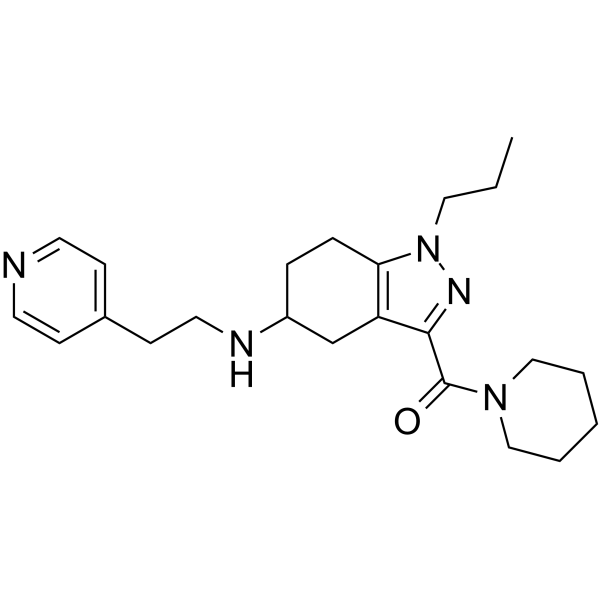
NUCC-390 is a novel and selective small-molecule CXCR4 receptor agonist. NUCC-390 induces internalization of CXCR4 receptors and acts in an opposite way of AMD3100 (HY-10046) . NUCC-390 promotes nerve recovery of function after neurodegeneration in vivo .
|
-
- HY-111793A
-
|
|
CXCR
|
Neurological Disease
|
|
NUCC-390 dihydrochloride is a novel and selective small-molecule CXCR4 receptor agonist. NUCC-390 dihydrochloride induces internalization of CXCR4 receptors and acts in an opposite way of AMD3100 (HY-10046) . NUCC-390 dihydrochloride promotes nerve recovery of function after neurodegeneration in vivo .
|
-
- HY-148629
-
|
|
JNK
|
Neurological Disease
|
|
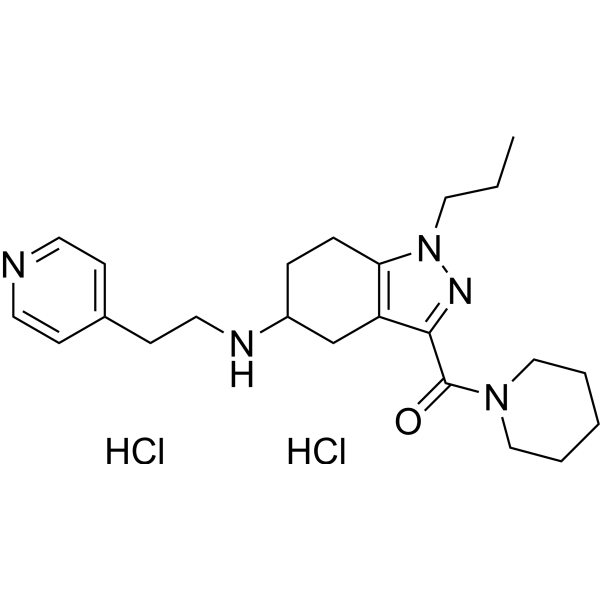
GDC-0134 (RG6000) is a modulator targeting dual leucine zipper kinase (DLK) that can cross the blood-brain barrier. By inhibiting the kinase activity of DLK, GDC-0134 blocks the activation of the downstream JNK signaling pathway, suppresses DLK-dependent retrograde signal transduction of axon-to-soma degeneration, and exerts neuroprotective activity. GDC-0134 reduces TDP-43 protein aggregation and decreases the degree of neuromuscular junction denervation in motor neurons. GDC-0134 can be used in the research of amyotrophic lateral sclerosis (ALS), Alzheimer's disease and other DLK-related neurodegenerative diseases .
|
-

- HY-B1194R
-
|
(±)-Tetramisole hydrochloride (Standard); DL-Tetramisole hydrochloride (Standard); R-829 (Standard)
|
Reference Standards
Potassium Channel
Parasite
PKA
|
Infection
Cardiovascular Disease
|
|
Tetramisole hydrochloride (Standard) is the analytical standard of Tetramisole (hydrochloride). This product is intended for research and analytical applications. Tetramisole hydrochloride is an orally active, selective inward rectifier potassium channel agonist with an EC50 of approximately 30 μM for the Kir2.1 subunit. Tetramisole hydrochloride is also an anti-nematode agent that blocks neuromuscular transmission by non-competitive depolarization. Tetramisole hydrochloride promotes the forward transport of Kir2.1 channels, hyperpolarizes the resting potential (RP), shortens the action potential duration (APD), inhibits intracellular calcium overload and the PKA signaling pathway, and exerts anti-arrhythmic and anti-myocardial remodeling activities. Tetramisole hydrochloride can be used in cardiac electrophysiology research and research related to myocardial ischemia and heart failure .
|
-

- HY-136897
-
|
|
Endogenous Metabolite
Insecticide
Parasite
|
Infection
|
|
Avermectin A2b is an avermectin. Avermectins are produced during the fermentation of the actinomycete Streptomyces avermitilis. Avermectins possess anthelmintic and insecticidal properties, and are commonly used as insecticides for the control of pests and parasitic worms .
|
-

- HY-W027553
-
|
NIK-247 free base; Amiridine free base
|
Cholinesterase (ChE)
Potassium Channel
Sodium Channel
|
Neurological Disease
Metabolic Disease
|
|
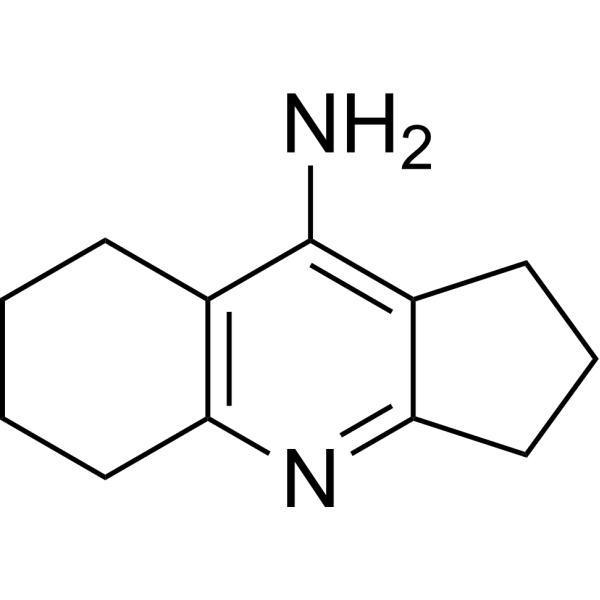
Ipidacrine is orally active and brain-penetrant AChE and BuChE inhibitors with IC50 values of 1 μM and 1.9 μM, respectively, which is also a partial agonist of M2-cholinergic receptors and a reversible cholinesterase inhibitor. Ipidacrine has a stimulating effect on neuromuscular transmission and excitation along the nerve fibres with a moderately anti-pain effect. Ipidacrine is an aminopyridines and is structurally similar to Tacrine (HY-111338). Ipidacrine is effective in various amnesia models, improves erectile function and inhibits K + and Na +-channels in the neuronal membrane in diabetic rats. Ipidacrine is promising for research of Alzheimer’s disease, ischaemic stroke, idiopathic neuropathy of the facial nerve, diabetes mellitus-induced erectile dysfunction and other deficits in central or peripheral cholinergic deseases .
|
-
- HY-19689
-
|
NIK-247; Amiridine
|
Cholinesterase (ChE)
Potassium Channel
Sodium Channel
|
Cardiovascular Disease
Neurological Disease
Endocrinology
|
|
Ipidacrine (NIK-247; Amiridine) hydrochloride is orally active and blood-brain-barrier-penetrant AChE and BuChE inhibitors with IC50 values of 1 μM and 1.9 μM, respectively, which is also a partial agonist of M2-cholinergic receptors and a reversible cholinesterase inhibitor. Ipidacrine hydrochloride has a stimulating effect on neuromuscular transmission and excitation along the nerve fibres with a moderately anti-pain effect. Ipidacrine hydrochloride is an aminopyridines and is structurally similar to Tacrine (HY-111338). Ipidacrine hydrochloride is effective in various amnesia models, improves erectile function and inhibits K + and Na +-channels in the neuronal membrane in diabetic rats. Ipidacrine hydrochloride is promising for research of Alzheimer’s disease, ischaemic stroke, idiopathic neuropathy of the facial nerve, diabetes mellitus-induced erectile dysfunction and other deficits in central or peripheral cholinergic deseases .
|
-

- HY-W027553R
-
|
NIK-247 free base (Standard); Amiridine free base (Standard)
|
Reference Standards
Cholinesterase (ChE)
Potassium Channel
Sodium Channel
|
Neurological Disease
Metabolic Disease
|
|
Ipidacrine (Standard) is the analytical reference standard of Ipidacrine. This product is used for research and analytical applications. Ipidacrine is orally active and blood-brain-barrier-penetrant AChE and BuChE inhibitors with IC50 values of 1 μM and 1.9 μM, respectively, which is also a partial agonist of M2-cholinergic receptors and a reversible cholinesterase inhibitor. Ipidacrine has a stimulating effect on neuromuscular transmission and excitation along the nerve fibres with a moderately anti-pain effect. Ipidacrine is an aminopyridines and is structurally similar to Tacrine (HY-111338). Ipidacrine is effective in various amnesia models, improves erectile function and inhibits K + and Na +-channels in the neuronal membrane in diabetic rats. Ipidacrine is promising for research of Alzheimer’s disease, ischaemic stroke, idiopathic neuropathy of the facial nerve, diabetes mellitus-induced erectile dysfunction and other deficits in central or peripheral cholinergic deseases .
|
-

- HY-W011602
-
|
|
Environmental Pollutants
Biochemical Assay Reagents
|
Neurological Disease
|
|
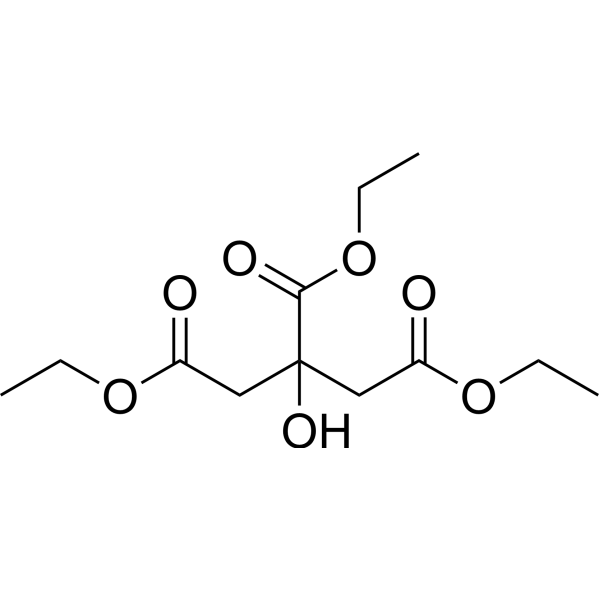
Triethyl citrate is an orally active citrate compound. Triethyl citrate induces acute toxic effects, including weakness, depression, ataxia, hyperexcitability, restlessness, dripping urine, and irregular, labored breathing. Triethyl citrate can be used in research on plasticizers for food packaging materials .
|
-
- HY-W027553S1
-
|
NIK-247-d9 free base
|
Isotope-Labeled Compounds
Cholinesterase (ChE)
Potassium Channel
Sodium Channel
|
Metabolic Disease
|
|
Ipidacrine-d9 (NIK-247-d9 (free base)) is the deuterium labeled Ipidacrine (HY-W027553). Ipidacrine is orally active and brain-penetrant AChE and BuChE inhibitors with IC50 values of 1 μM and 1.9 μM, respectively, which is also a partial agonist of M2-cholinergic receptors and a reversible cholinesterase inhibitor. Ipidacrine has a stimulating effect on neuromuscular transmission and excitation along the nerve fibres with a moderately anti-pain effect. Ipidacrine is an aminopyridines and is structurally similar to Tacrine (HY-111338). Ipidacrine is effective in various amnesia models, improves erectile function and inhibits K+ and Na+-channels in the neuronal membrane in diabetic rats. Ipidacrine is promising for research of Alzheimer’s disease, ischaemic stroke, idiopathic neuropathy of the facial nerve, diabetes mellitus-induced erectile dysfunction and other deficits in central or peripheral cholinergic deseases .
|
-

- HY-102020A
-
|
|
DNA/RNA Synthesis
|
Neurological Disease
|
|
RG3039 hydrochloride is an orally active, blood-brain barrier-permeable DcpS inhibitor with an IC50 of 4.2 nM against hDcpS. RG3039 hydrochloride inhibits the decapping activity of DcpS and maintains DcpS in a catalytically inactive conformation in the central nervous system and other tissues. RG3039 hydrochloride extends survival and improves function in spinal muscular atrophy mice. RG3039 hydrochloride is applicable to research related to spinal muscular atrophy .
|
-

- HY-147332
-
|
|
Liposome
|
Neurological Disease
|
|
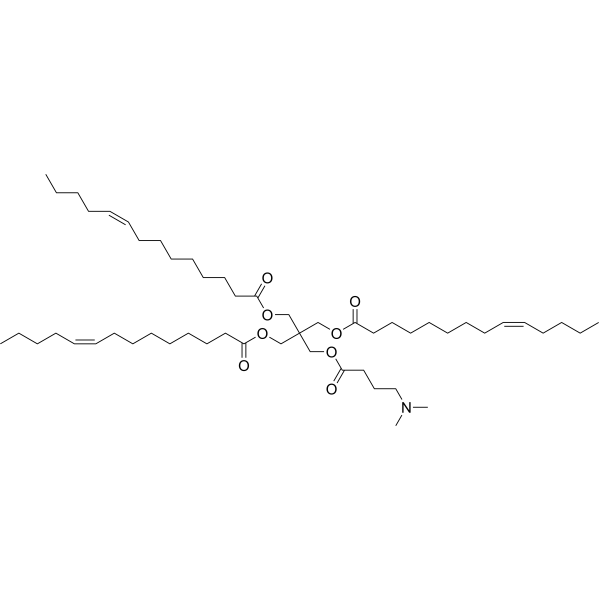
TCL053 is an ionizable lipid carrier and used to introduce active components, in particular nucleic acids, into cells with excellent efriciency. TCL053, together with DPPC (Dipalmitoylphosphatidylcholine), PEG-DMG (Polyethylene glycoldimyristoyl glycerol), and cholesterol, forms lipid nanoparticle (LNP) which is able to deliver Cas9 mRNA and sgRNA into skeletal muscle .
|
-
| Cat. No. |
Product Name |
Type |
-
- HY-D1516
-
|
|
Fluorescent Dyes
|
|
NerveGreen C3 is a cationic styrene based fluorescent dye. NerveGreen C3 can be used to track synaptic activity at neuromuscular junctions or synapses .
|
| Cat. No. |
Product Name |
Type |
-
- HY-147332
-
|
|
Biochemical Assay Reagents
|
|
TCL053 is an ionizable lipid carrier and used to introduce active components, in particular nucleic acids, into cells with excellent efriciency. TCL053, together with DPPC (Dipalmitoylphosphatidylcholine), PEG-DMG (Polyethylene glycoldimyristoyl glycerol), and cholesterol, forms lipid nanoparticle (LNP) which is able to deliver Cas9 mRNA and sgRNA into skeletal muscle .
|
-
- HY-P3443
-
|
PNA
|
Biochemical Assay Reagents
|
|
Peanut agglutinin (PNA) is a carbohydrate-recognition protein that binds competitively and irreversibly to cell-surface β-D-Gal (1-3)-GalNAc, and this binding can be inhibited by D-galactose and asialofetuin. Peanut agglutinin recognizes exposed glycoepitopes and reflects the glycosylation status of cells. Peanut agglutinin can label glycoconjugates at neuromuscular junctions to safely visualize synaptic structures. Peanut agglutinin can be used to synthesize dyes to distinguish between normal and tumor tissues. Peanut agglutinin provides support for research on leukemia, Burkitt's tumors, and cutaneous squamous lesions .
|
-
- HY-W127668
-
|
|
Biochemical Assay Reagents
|
|
Triethylcholine iodide is a choline acetyltransferase inhibitor and a regulator of the acetylcholine synthesis pathway. Triethylcholine iodide inhibits acetylcholine synthesis in brain tissues and blocks neuromuscular and autonomic ganglionic transmission. Triethylcholine iodide exerts weak curare-like effects at extremely high concentrations. Triethylcholine iodide elevates the pentylenetetrazol seizure threshold, alters electroencephalogram patterns in Felis catus, but does not affect the maximal electroshock seizure threshold in Oryctolagus cuniculus. Triethylcholine iodide can be used in seizure-related research .
|
-
- HY-W127670
-
|
|
Biochemical Assay Reagents
|
|
Decamethonium (iodide) is an organic compound containing ammonium and iodide ions. It is commonly used as a neuromuscular blocking agent in anesthesia to induce muscle relaxation during surgery. Decamethonium Iodide acts by binding to nicotinic acetylcholine receptors (nAChRs) in the neuromuscular junction, causing depolarization block and subsequent skeletal muscle paralysis. In addition, it can also serve as a reference standard for pharmacological studies of nAChRs.
|
| Cat. No. |
Product Name |
Target |
Research Area |
-
- HY-P0203
-
|
CGRP (83-119), mouse, rat
|
CGRP Receptor
|
Cardiovascular Disease
Metabolic Disease
Inflammation/Immunology
|
|
α-CGRP (mouse, rat), a neuropeptide (calcitonin gene-related peptide (CGRP)) mainly expressed in neuromuscular junction, is a potent vasodilator. α-CGRP (mouse, rat) can lead to a fall in blood pressure and an increase in heart rate by peripheral administration, also relax colonie smooth muscle. α-CGRP (mouse, rat) has the potential in cardiovascular, pro-inflammatory, migraine and metabolic studies .
|
-
- HY-P0033
-
|
Acetyl hexapeptide-3; Acetyl hexapeptide-8
|
Calcium Channel
|
Neurological Disease
|
|
Argireline (Acetyl hexapeptide-3) is a non-toxic, skin-permeable, antiwrinkle peptide. Argireline significantly inhibits Ca 2+ dependent neurotransmitter release (acetylcholine) at the neuromuscular junction. Argireline has antiwrinkle and anti-aging activity .
|
-
- HY-P0102
-
|
|
nAChR
|
Neurological Disease
Metabolic Disease
|
|
Dipeptide diaminobutyroyl benzylamide diacetate, a Wagerlin-1-mimicking peptide, is a nAChR antagonist. Dipeptide diaminobutyroyl benzylamide diacetate mimics Waglerin-1 to block neuromuscular junction nicotinic acetylcholine receptors, partially inhibits neuronal signal transduction, and relaxes muscles. Dipeptide diaminobutyroyl benzylamide diacetate reduces appearance of facial wrinkles linked to repeated muscle movement.Dipeptide diaminobutyroyl benzylamide diacetate can be used for the research of mild-to-moderate fine and coarse periocular and perioral wrinkles and periorbital ageing .
|
-
- HY-P0203A
-
|
CGRP (83-119), mouse, rat TFA
|
CGRP Receptor
|
Cardiovascular Disease
Metabolic Disease
Inflammation/Immunology
|
|
α-CGRP (mouse, rat) TFA, a neuropeptide (calcitonin gene-related peptide (CGRP)) mainly expressed in neuromuscular junction, is a potent vasodilator. α-CGRP (mouse, rat) TFA can lead to a fall in blood pressure and an increase in heart rate by peripheral administration, also relax colonie smooth muscle. α-CGRP (mouse, rat) TFA has the potential in cardiovascular, pro-inflammatory, migraine and metabolic studies .
|
-
- HY-P3967
-
-
- HY-P0033A
-
|
Acetyl hexapeptide-3 acetate; Acetyl hexapeptide-8 acetate
|
Calcium Channel
|
Neurological Disease
|
|
Argireline acetate (Acetyl hexapeptide-3 acetate) is a non-toxic, skin-permeable, antiwrinkle peptide. Argireline acetate significantly inhibits Ca 2+ dependent neurotransmitter release (acetylcholine) at the neuromuscular junction. Argireline acetate has antiwrinkle and anti-aging activity .
|
-
- HY-P10979
-
|
|
Neuropeptide S Receptor
|
Neurological Disease
|
|
Buccalin is a neuropeptide that colocalizes with small molecule cardioactive peptides in neuronal B15. When exogenously applied to the ARC neuromuscular junction, Buccalin reduces the amplitude of muscle contraction induced by motor neuron firing and acts only presynaptically. Buccalin has no effect on the rate of muscle relaxation and reduces motor neuron-induced ARC excitatory junction potentials without affecting contraction produced by direct acetylcholine action on the muscle .
|
-
- HY-P1725
-
|
|
Endogenous Metabolite
|
Neurological Disease
|
|
Leucomyosuppressin, an insect neuropeptide, is an inhibitory myotropic peptide. Leucomyosuppressin inhibits evoked transmitter release at the mealworm neuromuscular junction .
|
| Cat. No. |
Product Name |
Target |
Research Area |
Image |
-
- HY-P99441
-
|
SRK-015
|
TGF-beta/Smad
|
Neurological Disease
|
|
Apitegromab (SRK-015) is an anti-promyostatin monoclonal antibody. Apitegromab can be used for the research of neuromuscular disease including spinal muscular atrophy .
|
-

(5)
-
- HY-P991066
-
|
ARGX-119
|
nAChR
|
Neurological Disease
|
|
ARGX-119 is a first-in-class humanized agonist monoclonal antibody specific for muscle-specific kinase (MuSK). ARGX-119 can be used for the study of neuromuscular diseases. The isotype control for ARGX-119 can refer to Human IgG1 lambda1, Isotype Control (HY-P99992) .
|
-
(5)
-
- HY-P990302
-
|
|
nAChR
|
Neurological Disease
|
|
Anti-Human/Rat/Fish AChR Antibody (Mab35) is an anti-human/rat/fish AChR IgG1 monoclonal antibody. Anti-Human/Rat/Fish AChR Antibody (Mab35) can attack the AChR of neuromuscular junctions. Anti-Human/Rat/Fish AChR Antibody (Mab35) can be used for the construction of myasthenia gravis models .
|
-
(5)
-
- HY-P991158
-
|
|
TGF-β Receptor
|
Neurological Disease
|
|
Rinvatercept, a fusion protein, is a glycyl (1)-chimeric N-terminal (1-108)-peptide (2-109) combined from the sequences of the extracellular domains of the human ACVR2A/B, and is fused via a G3 peptide linker (110-112) to an immunoglobulin G1 (IgG1) Fc fragment. Rinvatercept can be used for research of neuromuscular disease .
|
-
(5)
| Cat. No. |
Product Name |
Category |
Target |
Chemical Structure |
| Cat. No. |
Product Name |
Chemical Structure |
-
- HY-W753602
-
|
|
|
Acetamiprid-N-desmethyl- 13C,d3 is the 13C and deuterium labeled isotope of Acetamiprid-N-desmethyl( 13C,d3)(HY-B0823).Acetamiprid is a nAChR agonist that has been implicated in neuromuscular and reproductive disorders.
|
-
-
- HY-14946S
-
|
|
|
Amifampridine-d3 (3,4-Diaminopyridine-d3) is deuterium labeled Amifampridine. Amifampridine (3,4-Diaminopyridine) is an orally active, potent and cell permeable voltage-gated potassium (Kv) channel blocker (PCB). Amifampridine is efficacy in the reversal of BoNT/A (HY-P79153) intoxication. Amifampridine increases transmitter release from neuromuscular junctions (NMJs). Amifampridine can be used for Lambert-Eaton myasthenic syndrome (LEMS) research .
|
-
-
- HY-W027553S1
-
|
|
|
Ipidacrine-d9 (NIK-247-d9 (free base)) is the deuterium labeled Ipidacrine (HY-W027553). Ipidacrine is orally active and brain-penetrant AChE and BuChE inhibitors with IC50 values of 1 μM and 1.9 μM, respectively, which is also a partial agonist of M2-cholinergic receptors and a reversible cholinesterase inhibitor. Ipidacrine has a stimulating effect on neuromuscular transmission and excitation along the nerve fibres with a moderately anti-pain effect. Ipidacrine is an aminopyridines and is structurally similar to Tacrine (HY-111338). Ipidacrine is effective in various amnesia models, improves erectile function and inhibits K+ and Na+-channels in the neuronal membrane in diabetic rats. Ipidacrine is promising for research of Alzheimer’s disease, ischaemic stroke, idiopathic neuropathy of the facial nerve, diabetes mellitus-induced erectile dysfunction and other deficits in central or peripheral cholinergic deseases .
|
-
| Cat. No. |
Product Name |
|
Classification |
-
- HY-147332
-
|
|
|
Cationic Lipids
|
|
TCL053 is an ionizable lipid carrier and used to introduce active components, in particular nucleic acids, into cells with excellent efriciency. TCL053, together with DPPC (Dipalmitoylphosphatidylcholine), PEG-DMG (Polyethylene glycoldimyristoyl glycerol), and cholesterol, forms lipid nanoparticle (LNP) which is able to deliver Cas9 mRNA and sgRNA into skeletal muscle .
|
-
- HY-148412
-
|
EN101; ODN 7040; BL 7040
|
|
Antisense Oligonucleotides
|
|
Monarsen (EN101) is a synthetic 20-base antisense oligodeoxynucleotide directed against the human AChE gene. Monarsen is used in the study of Autoimmune myasthenia gravis (MG), a neuromuscular disorder caused by autoantibodies directed against the acetylcholine receptor (AChR).
|
-
- HY-148412A
-
|
EN101 sodium; ODN 7040 sodium; BL 7040 sodium
|
|
Antisense Oligonucleotides
|
|
Monarsen sodium is a synthetic 20-base antisense oligodeoxynucleotide directed against the human AChE gene. Monarsen sodium is used in the study of Autoimmune myasthenia gravis (MG), a neuromuscular disorder caused by autoantibodies directed against the acetylcholine receptor (AChR).
|
Your information is safe with us. * Required Fields.
Inquiry Information
- Product Name:
- Cat. No.:
- Quantity:
- MCE Japan Authorized Agent:








