1. Search Result
Search Result
Results for "

penetration inhibitor

" in MedChemExpress (MCE) Product Catalog:

114

Inhibitors & Agonists

1

Biochemical Assay Reagents

4

Peptides

5

Natural
Products

7

Isotope-Labeled Compounds

1

Click Chemistry

Cat. No. Product Name Target Research Areas Chemical Structure
  • HY-13011
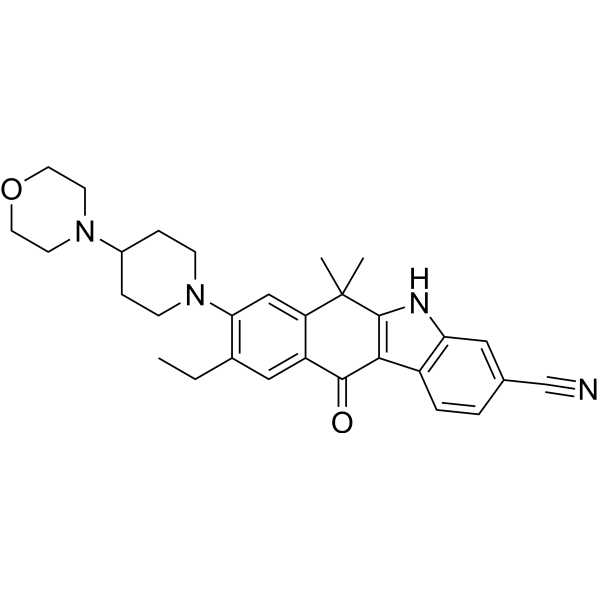
    Alectinib
    40+ Cited Publications

    CH5424802; RO5424802; RG7853

    Anaplastic lymphoma kinase (ALK) Neurological Disease Cancer
    Alectinib (CH5424802; RO5424802; RG7853) is a potent, selective, and orally available ALK inhibitor with an IC50 of 1.9 nM and a Kd value of 2.4 nM (in an ATP-competitive manner), and also inhibits ALK F1174L and ALK R1275Q with IC50s of 1 nM and 3.5 nM, respectively . Alectinib demonstrates effective central nervous system (CNS) penetration .
    Alectinib
  • HY-13318
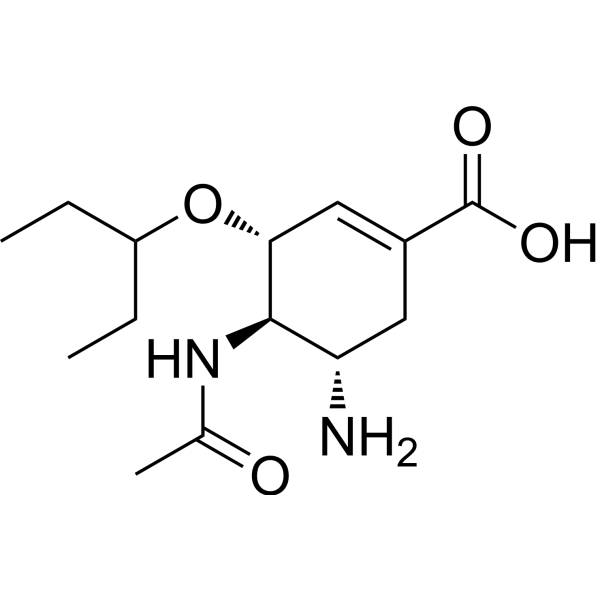
    Oseltamivir acid
    Maximum Cited Publications
    75 Publications Verification

    GS 4071; Ro 64-0802; Oseltamivir carboxylate

    Influenza Virus Drug Metabolite Infection Neurological Disease
    Oseltamivir acid (GS 4071), the active metabolite of Oseltamivir phosphate, is an orally bioavailable, potent and selective inhibitor of influenza virus neuraminidase (IC50=2 nM) with activity against both influenza A and B viruses. Oseltamivir acid has an extremely weak ability to penetrate the BBB under normal physiological conditions, but its blood-brain barrier penetration is significantly enhanced under inflammatory conditions .
    Oseltamivir acid
  • HY-100788
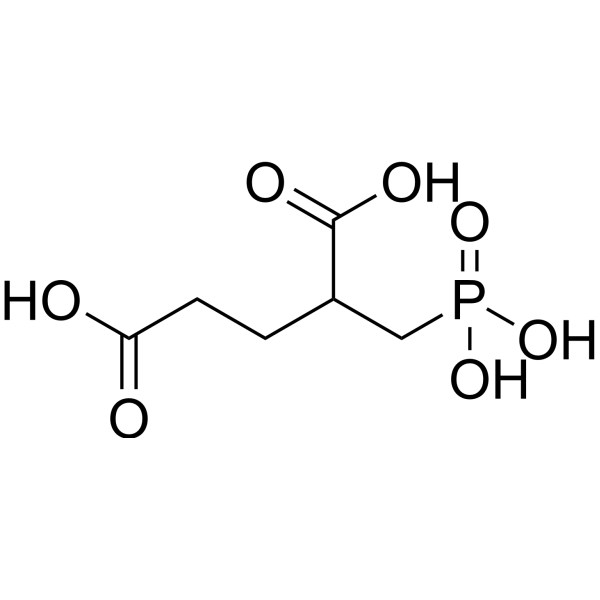
    2-PMPA
    5 Publications Verification

    2-(Phosphonomethyl)pentanedioic acid

    Carboxypeptidase Neurological Disease
    2-PMPA (2-(Phosphonomethyl)pentanedioic acid) is a glutamate carboxypeptidase II (GCPII) inhibitor with an IC50 of 0.0003 μM. 2-PMPA shows low blood-brain barrier penetration. 2-PMPA sodium blocks the hydrolysis of NAAG, regulates glutamate levels in the brain and neurovascular coupling. 2-PMPA is applicable to the research of neurological diseases .
    2-PMPA
  • HY-101855

    Anle138b

    Amyloid-β Neurological Disease
    Emrusolmin (Anle138b), an oligomeric aggregation inhibitor, blocks the formation of pathological aggregates of prion protein (PrPSc) and of α-synuclein (α-syn). Emrusolmin strongly inhibits oligomer accumulation, neuronal degeneration, and disease progression in vivo. Emrusolmin has low toxicity and an excellent oral bioavailability and blood-brain-barrier penetration. Emrusolmin blocks Aβ channels and rescues disease phenotypes in a mouse model for amyloid pathology .
    Emrusolmin
  • HY-13011A
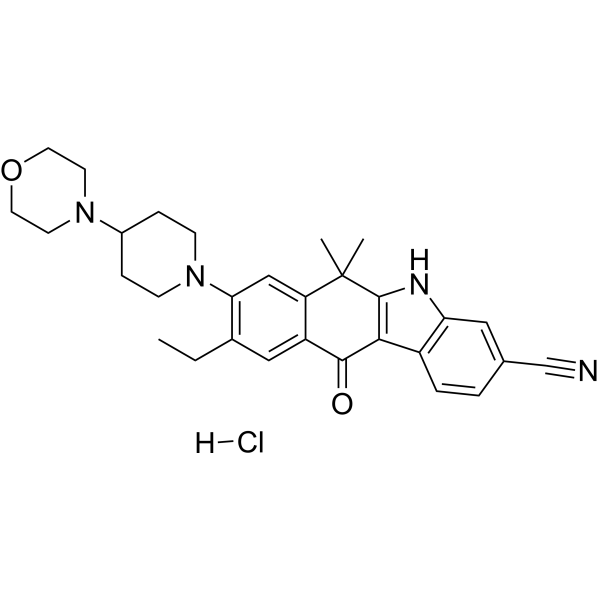
    Alectinib Hydrochloride
    40+ Cited Publications

    CH5424802 Hydrochloride; RO5424802 Hydrochloride; AF-802 Hydrochloride

    Anaplastic lymphoma kinase (ALK) Neurological Disease Cancer
    Alectinib (CH5424802; RO5424802; RG7853) Hydrochloride is a potent, selective, and orally available ALK inhibitor with an IC50 of 1.9 nM and a Kd value of 2.4 nM (in an ATP-competitive manner), and also inhibits ALK F1174L and ALK R1275Q with IC50s of 1 nM and 3.5 nM, respectively . Alectinib demonstrates effective central nervous system (CNS) penetration .
    Alectinib Hydrochloride
  • HY-17595
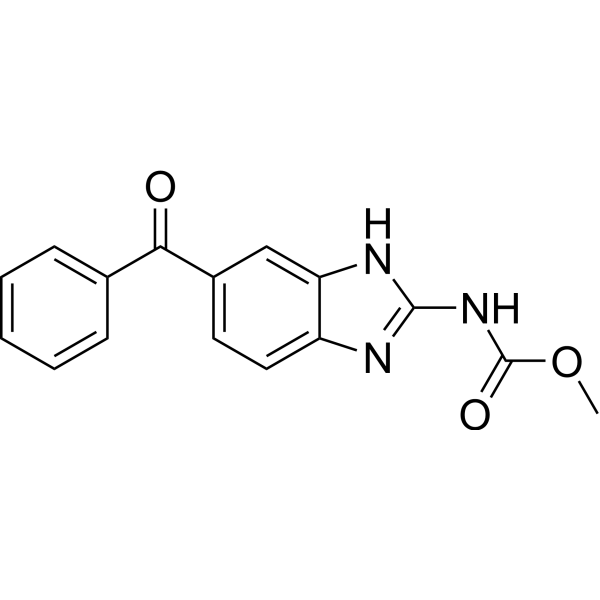
    Mebendazole
    5+ Cited Publications

    Parasite Apoptosis Microtubule/Tubulin Infection Cancer
    Mebendazole is a highly effective, broad-spectrum antihelmintic against nematode infestations. Mebendazole also exhibits inhibitory effect against glioblastoma multiforme (GBM), inhibits Hedgehog pathway and tubulin polymerization. Mebendazole is orally active and can cross CNS penetration .
    Mebendazole
  • HY-12599
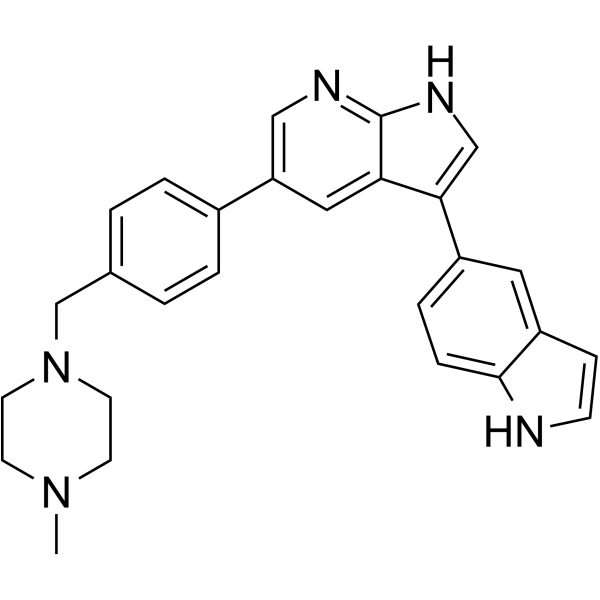
    URMC-099
    5+ Cited Publications

    Mixed Lineage Kinase Autophagy Neurological Disease Cancer
    URMC-099 is an orally bioavailable and potent mixed lineage kinase type 3 (MLK3) (IC50=14 nM) inhibitor with with excellent blood-brain barrier penetration properties.
    URMC-099
  • HY-148811

    ICP-723

    c-Met/HGFR Trk Receptor Cancer
    Zurletrectinib is a brain-penetrant, orally active TRK inhibitor (TRKA IC50 = 0.81 nM; TRKB IC50 = 0.145 nM; TRKC IC50 = 0.184 nM). Zurletrectinib exhibits stronger activity as a consequence of its augmented binding affinity for TRK kinases. Zurletrectinib exhibits higher activity against most TRK inhibitor resistance mutations (13 out of 18 mutations). Zurletrectinib can be used for the study of glioma .
    Zurletrectinib
  • HY-N2345
    Procyanidin B3
    1 Publications Verification

    Histone Acetyltransferase Toll-like Receptor (TLR) Androgen Receptor Inflammation/Immunology Cancer
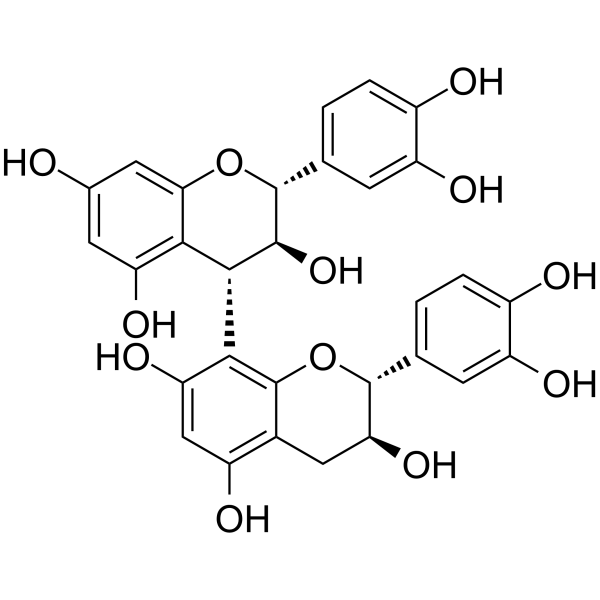
    Procyanidin B3 is a natural product with antioxidant activity and oral bioavailability, possessing good blood-brain barrier penetration. Procyanidin B3 is a selective inhibitor of histone acetyltransferase (HAT). By inhibiting p300 HAT-mediated acetylation of the androgen receptor (androgen receptor). Procyanidin B3 alleviates intervertebral disc degeneration (IVDD) by inhibiting the formation of the TLR4/MD-2 complex. Procyanidin B3 can be used in research on prostate cancer and arthritis .
    Procyanidin B3
  • HY-16712
    LDN-214117
    2 Publications Verification

    TGF-β Receptor Cancer
    LDN-214117 is an orally active ALK2 inhibitor with well-tolerated and good brain penetration. LDN-214117 has a high selectivity and low cytotoxicity for ALK2 with an IC50 value of 24 nM. LDN-214117 also is a specific bone morphogenetic proteins (BMPs) signaling inhibitor and has relatively selective inhibition for BMP6 with an IC50 value of 100 nM. LDN-214117 can be used for the research of fibrodysplasia ossificans progressiva (FOP), diffuse intrinsic pontine glioma (DIPG) .
    LDN-214117
  • HY-175715

    Mitochondrial Metabolism Neurological Disease
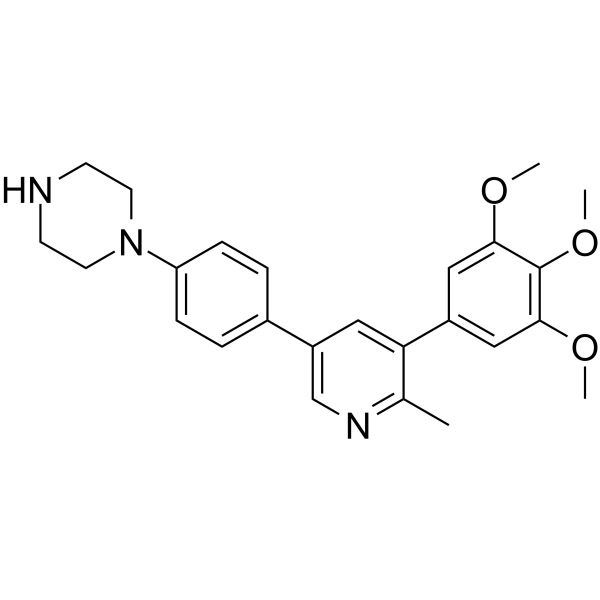
    NRG1271 is an orally active mitochondrial permeability transition pore (mPTP) inhibitor with blood-brain barrier penetration. NRG1271 can be used for the study of Neurological Disease .
    NRG1271
  • HY-120619
    BMS-193885
    1 Publications Verification

    Neuropeptide Y Receptor Neurological Disease Endocrinology
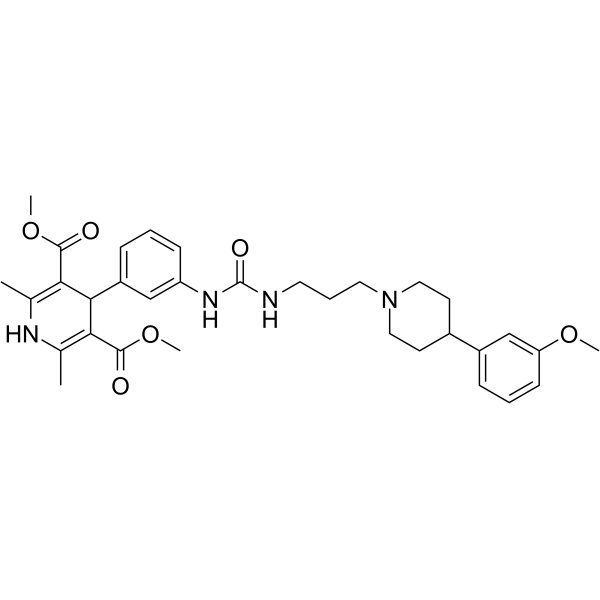
    BMS-193885 is a selective neuropeptide Y1 receptor antagonist (Ki=3.3 nM) that competitively blocks the receptor to inhibit NPY-mediated appetite regulation signaling pathways, reduce food intake and inhibit weight gain. BMS-193885 has good blood-brain barrier penetration and is mainly used in the study of obesity and related metabolic diseases .
    BMS-193885
  • HY-100788C
    2-PMPA sodium
    5 Publications Verification

    2-(Phosphonomethyl)pentanedioic acid sodium

    Carboxypeptidase Neurological Disease
    2-PMPA (2-(Phosphonomethyl)pentanedioic acid) sodium is a glutamate carboxypeptidase II (GCPII) inhibitor with an IC50 of 0.0003 μM. 2-PMPA sodium shows low blood-brain barrier penetration. 2-PMPA sodium blocks the hydrolysis of NAAG, regulates glutamate levels in the brain and neurovascular coupling. 2-PMPA sodium is applicable to the research of neurological diseases .
    2-PMPA sodium
  • HY-130121

    OGA Neurological Disease
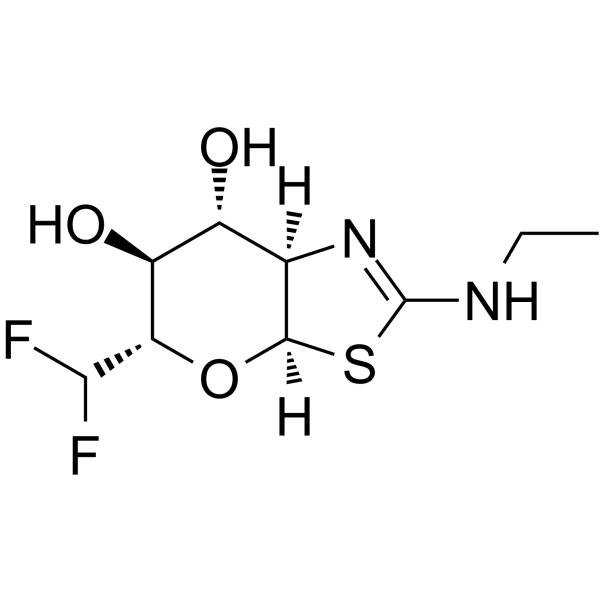
    MK-8719 is a highly potent and selective O-GlcNAcase (OGA) inhibitor (Ki=7.9 nM for hOGA) with excellent CNS penetration .
    MK-8719
  • HY-B0848
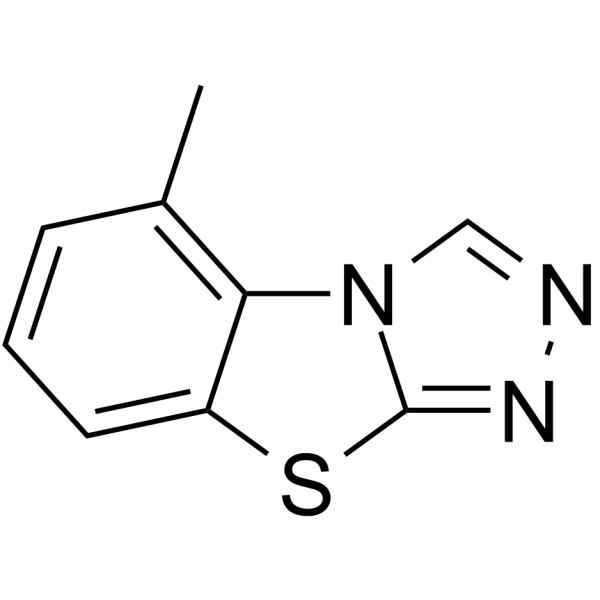
    Tricyclazole
    2 Publications Verification

    Environmental Pollutants Bacterial Infection Metabolic Disease
    Tricyclazole is a pentaketone melanin biosynthesis inhibitor and a unique fungicide for controlling rice blast. Tricyclazole alters the structure and function of fungal cell walls, reduces fungal pathogenicity and penetration, and causes dose-dependent liver damage in animals .
    Tricyclazole
  • HY-109189
    Rezivertinib
    1 Publications Verification

    BPI-7711

    EGFR Cancer
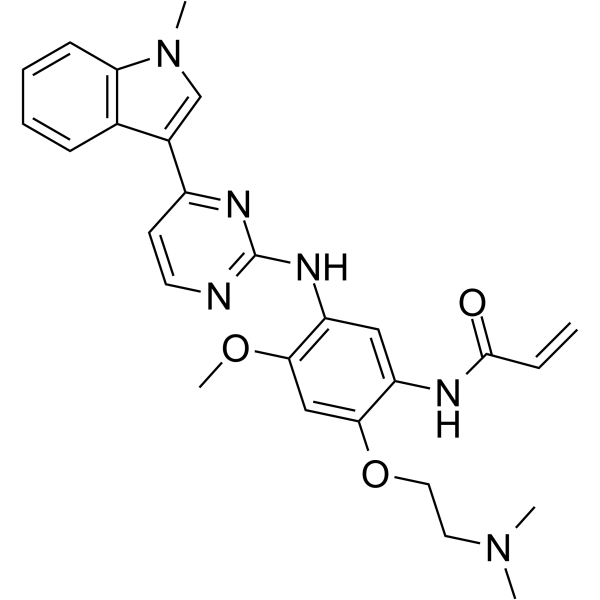
    Rezivertinib (BPI-7711) is an orally active, highly selective and irreversible third-generation EGFR tyrosine kinase inhibitor (TKI). Rezivertinib exhibits high potency against the common activation EGFR and the resistance T790M mutations. Rezivertinib has excellent central nervous system (CNS) penetration and has antitumor activity .
    Rezivertinib
  • HY-116578
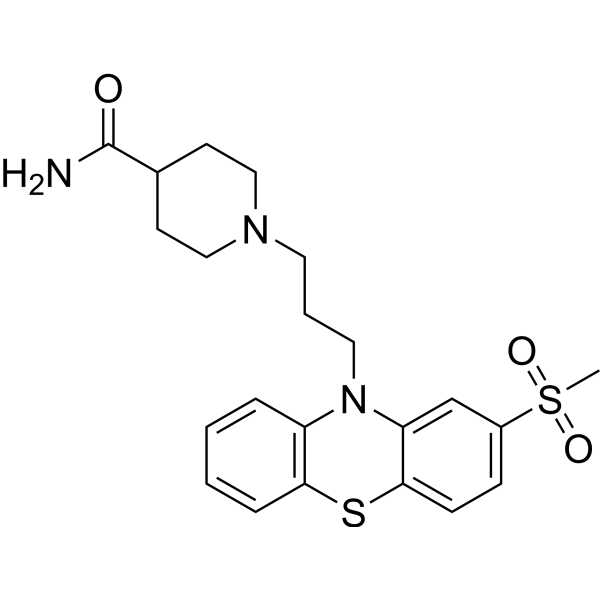
    Metopimazine
    3 Publications Verification

    EXP999; RP9965

    Dopamine Receptor Neurological Disease
    Metopimazine (EXP999; RP9965) is a phenothiazine, orally available, selective dopamine D2 receptor antagonist that does not penetrate the blood-brain barrier. Metopimazine blocks dopamine D2 receptors in the chemoreceptor trigger zone and the periphery, thereby inhibiting nausea and vomiting. Metopimazine is indicated for chemotherapy-induced nausea and vomiting, and has low central side effects due to its poor brain penetration. The use of metopimazine in acute gastroenteritis may have potential risks .
    Metopimazine
  • HY-131943

    Methylenetetrahydrofolate Dehydrogenase (MTHFD) Neurological Disease Cancer
    DS44960156 is a selective MTHFD2 inhibitor with moderate to low blood-brain barrier penetration (IC50=1.6 μM, Ki=1.23 μM). DS44960156 specifically binds to the active site of MTHFD2, disrupts redox homeostasis and blocks serine-mediated one-carbon metabolism, thereby increasing the NAD +/NADH ratio and ROS levels. DS44960156 not only effectively inhibits the proliferation of glioma cells, but also enhances the sensitivity of cells to glutamine starvation-induced death. DS44960156 binds to plasma proteins, shows no mutagenicity, carcinogenicity or acute oral toxicity, and serves as a research agent for glioblastoma multiforme and other cancers .
    DS44960156
  • HY-164782

    HDAC Neurological Disease Metabolic Disease Cancer
    PT3 is a selective inhibitor of HDAC3 with an IC50 value of 0.25 μM. PT3 exhibits good brain penetration ability and bioavailability upon oral administration. PT3 can be used in the research of Alzheimer’s disease .
    PT3
  • HY-100238

    Histamine Receptor Cytochrome P450 Potassium Channel Neurological Disease Endocrinology
    Antihistamine-1 is a H1-antihistamine (Ki=6.9 nM) with acceptable blood-brain barrier penetration and also an inhibitor of CYP2D6 and hERG channel with IC50s of 5.4 and 0.8 μM, respectively.
    Antihistamine-1
  • HY-122559

    mGluR Neurological Disease
    BMS-984923, a potent mGluR5 silent allosteric modulator (SAM), with exquisite binding affinity (Ki = 0.6 nM), exhibits good oral bioavailability and BBB penetration. BMS-984923 potently inhibits the PrPC-mGluR5 interaction and prevents pathological Aβo signaling without affecting physiological glutamate signaling .
    BMS-984923
  • HY-147405

    PF-07284890; ARRY-461

    Raf ERK Cancer
    Tinlorafenib (PF-07284890) is the orally active inhibitor for BRAF and CRAF with IC50s of 5.8 nM and 4.1 nM. Tinlorafenib (Compound 10) inhibits V600E mutated BRAF and V600K mutanted BRAF with IC50s of 4.25 nM and 2.7 nM. Tinlorafenib can cross the blood brain barrier. Tinlorafenib demonstrates CNS penetration and can be used in the research of BRAF-associated malignant and benign tumors of the CNS as well as extracranial malignancies .
    Tinlorafenib
  • HY-13318S

    GS 4071-d3; Ro 64-0802-d3; Oseltamivir carboxylate-d3

    Isotope-Labeled Compounds Influenza Virus Drug Metabolite Infection
    Oseltamivir acid-d3 is a deuterium labeled Oseltamivir acid (HY-13318). Oseltamivir acid, the active metabolite of Oseltamivir phosphate, is an orally bioavailable, potent and selective inhibitor of influenza virus neuraminidase (IC50=2 nM) with activity against both influenza A and B viruses. Oseltamivir acid has an extremely weak ability to penetrate the BBB under normal physiological conditions, but its blood-brain barrier penetration is significantly enhanced under inflammatory conditions .
    Oseltamivir acid-d3
  • HY-18060

    TC-5619

    nAChR Neurological Disease
    Bradanicline (TC-5619) is an orally active agonist of α7 nAChR with moderate blood-brain barrier penetration. Bradanicline exhibits high affinity and subtype selectivity for human α7 nAChR. Bradanicline possesses antitussive activity that depends on sustained receptor binding and activation. Bradanicline requires systemic administration to dose-dependently inhibit cough induced by citric acid, bradykinin and inhaled nicotine. Bradanicline is well tolerated in preclinical studies and is widely used in research related to chronic refractory cough .
    Bradanicline
  • HY-138668

    TRP Channel Neurological Disease
    JW-65 is a selective TRPC3 channel inhibitor with favorable blood-brain barrier penetration. JW-65 directly binds to human TRPC3 protein and modulates calcium signaling to reduce seizure susceptibility. JW-65 reduces seizure incidence, severity, and duration while prolonging seizure latency in multiple seizure models. JW-65 alleviates Aβ‑induced neuronal damage. JW-65 serves as a valuable tool for research on epilepsy, seizure disorders, and Alzheimer’s disease .
    JW-65
  • HY-171955

    Lipoxygenase Apoptosis Reactive Oxygen Species (ROS) FAK Cancer
    LXG6403 is an orally active and irreversible LOX inhibitor (IC50 = 1.3 μM). LXG6403 is ~3.5-fold more specific for LOX than LOXL2 and does not inhibit LOXL1. LXG6403 inhibits FAK signaling and induces ROS generation and DNA damage, leading to G1 arrest and apoptosis in chemoresistant triple-negative breast cancer (TNBC) cell lines. LXG6403 alters the extracellular matrix (ECM) and collagen structure, reducing collagen cross-linking and deposition, thereby increasing drug penetration and reducing tumor stiffness. LXG6403 overcomes Doxorubicin (HY-15142) resistance in chemoresistant TNBC PDX in vivo and can be used to study high-stiffness resistant tumors .
    LXG6403
  • HY-101789

    Sodium Channel Neurological Disease
    Nav1.7-IN-3 is a selective, orally bioavailable voltage-gated sodium channel Nav1.7 inhibitor with an IC50 of 8 nM. Pain relief. Limited CNS penetration .
    Nav1.7-IN-3
  • HY-W110888

    GLUT Neurological Disease
    Brilliant Yellow, a diazo-containing sulfonic aci, is also a potent VGLUT-specific inhibitor. Brilliant Yellow is membrane-impermeable. However, there are some Brilliant Yellow analogs with low cytotoxicity and cell penetration. Brilliant Yellow analogs work on glutamatergic transmission in hippocampal neurons .
    Brilliant Yellow
  • HY-13011S

    CH5424802-d8; RO5424802-d8; AF802-d8

    Isotope-Labeled Compounds Anaplastic lymphoma kinase (ALK) Cancer
    Alectinib-d8 is the deuterium labeled Alectinib. Alectinib (CH5424802) is a potent, selective, and orally available ALK inhibitor with an IC50 of 1.9 nM and a Kd value of 2.4 nM (in an ATP-competitive manner), and also inhibits ALK F1174L and ALK R1275Q with IC50s of 1 nM and 3.5 nM, respectively . Alectinib demonstrates effective central nervous system (CNS) penetration .
    Alectinib-d8
  • HY-148825

    iGluR Histamine Receptor Potassium Channel Cytochrome P450 Adrenergic Receptor Metabolic Disease Inflammation/Immunology Cancer
    NP10679 is a selective, pH dependent GluN2B subunit-specific N-methyl-D-aspartate (NMDA) receptor inhibitor with high oral bioavailability and good brain penetration. NP10679 inhibits GluN2B with IC50s of 23 and 142 nM at pH 6.9 and 7.6, respectively. NP10679 is a histamine H1 antagonist and a hERG channel inhibitor with IC50s of 73 and 620 nM, respectively. NP10679 is a reversible inhibitor of human liver CYP enzymes .
    NP10679
  • HY-145313

    Tau Protein Neurological Disease
    TTBK1-IN-2 (compound 29) is a potent Tau-Tubulin kinase (TTBK1) inhibitor with IC50s of 0.24 and 4.22 µM, respectively. TTBK1-IN-2 reveals good brain penetration in vivo and is able to reduce TDP-43 phosphorylation not only in cell cultures but also in the spinal cord of transgenic TDP-43 mice .
    TTBK1-IN-2
  • HY-175278

    NOD-like Receptor (NLR) Neurological Disease Inflammation/Immunology
    BAL-1516 is an orally active NLRP3 inhibitor with human NLRP3 Kd of 14.2 nM, mouse NLRP3 Kd of 200 nM, and blood-brain barrier penetration.BAL-1516 binds to a surface groove of the NLRP3 nucleotide-binding domain, contacts FISNA and WHD subdomains, forms three hydrogen bonds to the peripheral β-strand of the triple-ATPase, and does not alter NLRP3 ATP-hydrolysis activity.BAL-1516 shows specificity for NLRP3 over other NOD-like receptors, directly binds mouse NLRP3, and inhibits inflammasome formation in monocytes and microglia .
    BAL-1516
  • HY-161275

    EGFR Akt ERK Ribosomal S6 Kinase (RSK) Cancer
    BI-4732 is an orally active, reversible, ATP-competitive EGFR inhibitor with blood-brain barrier penetration. BI-4732 inhibits the kinase activity of EGFR L858R, T790M and C797S with IC50 values of 1 nM while sparing EGFR wild-type. BI-4732 inhibits EGFR and reduces the phosphorylation of AKT, ERK, and S6K. BI-4732 demonstrates excellent intracranial anti-tumor efficacy in YU-1097 xenograft model harboring EGFR_E19del/T790M/C797S. BI-4732 can be used for the study of non-small cell lung cancer (NSCLC) .
    BI-4732
  • HY-10096

    GSK-3 Neurological Disease
    TCS2002 (Compound 9b) is a highly selective, orally bioavailable and potent GSK-3β inhibitor with the IC50 of 35 nM. TCS2002 shows good pharmacokinetic profiles including favorable BBB penetration. TCS2002 can be used for the research of Alzheimer’s disease .
    TCS2002
  • HY-N12614

    SHP1 Phosphatase Metabolic Disease
    Diorcinol is a potent SHP1 inhibitor with an IC50 value of 0.96 μM. Diorcinol can be isolated from Aspergillus sydowii. Diorcinol has good blood-brain barrier penetration and can be used for diabetes research .
    Diorcinol
  • HY-167876

    PI3K Cancer
    PQR514 is a potent PI3K inhibitor with anticancer activity. PQR514 is able to inhibit cancer cell proliferation. PQR514 showed significant antitumor activity in the OVCAR-3 xenograft model, with the required concentration being approximately one-eighth that of PQR309. PQR514 has good pharmacokinetic properties and minimal brain penetration, making it an optimized candidate compound for inhibiting systemic tumors .
    PQR514
  • HY-17595R

    Reference Standards Parasite Apoptosis Microtubule/Tubulin Infection Cancer
    Mebendazole (Standard) is the analytical standard of Mebendazole. This product is intended for research and analytical applications. Mebendazole is a highly effective, broad-spectrum antihelmintic against nematode infestations. Mebendazole also exhibits inhibitory effect against glioblastoma multiforme (GBM), inhibits Hedgehog pathway and tubulin polymerization. Mebendazole is orally active and can cross CNS penetration .
    Mebendazole (Standard)
  • HY-108460

    TRP Channel Neurological Disease
    A-784168 is a potent and orally active inhibitor of vanilloid receptor type 1 (TRPV1). Vanilloid receptor type 1 (TRPV1) is a ligand-gated nonselective cation channel that is considered to be an important integrator of various pain stimuli such as endogenous lipids, capsaicin, heat, and low pH. A-784168 has good CNS penetration .
    A-784168
  • HY-13011AR

    CH5424802 Hydrochloride (Standard); RO5424802 Hydrochloride (Standard); AF-802 Hydrochloride (Standard)

    Anaplastic lymphoma kinase (ALK) Reference Standards Cancer
    Alectinib (Hydrochloride) (Standard) is the analytical standard of Alectinib (Hydrochloride). This product is intended for research and analytical applications. Alectinib Hydrochloride (CH5424802 Hydrochloride; RO5424802 Hydrochloride; AF-802 Hydrochloride) is a potent, selective, and orally available ALK inhibitor with an IC50 of 1.9 nM and a Kd value of 2.4 nM (in an ATP-competitive manner), and also inhibits ALK F1174L and ALK R1275Q with IC50s of 1 nM and 3.5 nM, respectively . Alectinib demonstrates effective central nervous system (CNS) penetration .
    Alectinib Hydrochloride (Standard)
  • HY-W395779
    EBOV-IN-1
    1 Publications Verification

    Filovirus Infection
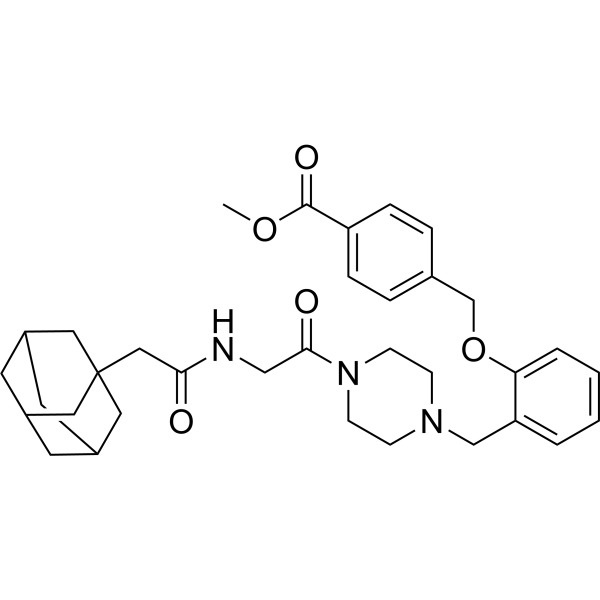
    EBOV-IN-1 (com 3.47) is an adamantane dipeptide piperazine and an inhibitor of Ebola virus (EBOV). EBOV-IN-1 targets Niemann-Pick C1 (NPC1) and inhibits its binding to the EBOV glycoprotein (GP) that activates and mediates viral penetration into host cells, thereby inhibiting EBOV infection. EBOV-IN-1 inhibits pseudotyped EBOV infection with an IC50 of 13 nM .
    EBOV-IN-1
  • HY-115925

    SHP2 Phosphatase Cancer
    SHP2-IN-9 is a specific SHP2 inhibitor (IC50 =1.174 μM) with enhanced blood–brain barrier penetration. SHP2-IN-9 shows 85-fold more selective for SHP2 than SHP1. SHP2-IN-9 inhibits SHP2-mediated cell signal transduction and cancer cell proliferation, and inhibits the growth of cervix cancer tumors and glioblastoma growth in vivo .
    SHP2-IN-9
  • HY-10104

    Beta-secretase Neurological Disease
    GRL-8234 is a potent β-secretase (BACE1) inhibitor with blood-brain barrier penetration (Ki = 1.8 nM). GRL-8234 can rescue age-related cognitive decline in Tg2576 mice. GRL-8234 can be used in the research related to Alzheimer's disease (AD) .
    GRL-8234
  • HY-139300A

    HMPL-813 succinate

    EGFR Cancer
    Epitinib succinate is an orally active and selective epidermal growth factor receptor tyrosine kinase inhibitor (EGFR-TKI) designed for optimal brain penetration. Epitinib succinate can be used for the research of cancer . Epitinib (succinate) is a click chemistry reagent, it contains an Alkyne group and can undergo copper-catalyzed azide-alkyne cycloaddition (CuAAc) with molecules containing Azide groups.
    Epitinib succinate
  • HY-102043

    Phosphodiesterase (PDE) Neurological Disease
    PDM-631 is a selective and orally active PDE2A inhibitor with blood-brain barrier penetration. PDM-631 exhibits potent inhibitory activity against human and rat recombinant PDE2A with IC50 values of 1.5 nM and 4.2 nM, respectively. PDM-631 increases cGMP levels in the rat cerebral cortex. PDM-631 can be used for the study of schizophrenia and neurodegenerative disorders .
    PDM-631
  • HY-W010203

    Fungal Infection
    2-Decanone is an antifungal agent. 2-Decanone inhibits pathogen mycelial growth, spore germination, and appressorium formation. 2-Decanone downregulates spore germination-related genes (MfBmp1) and penetration structure formation genes (MfPls1), inducing reactive oxygen species (ROS) accumulation to trigger mitochondrial damage and subsequent spore apoptosis. 2-Decanone is promising for research of postharvest disease control in fruits and vegetables .
    2-Decanone
  • HY-126047

    NF-κB Beta-secretase Neurological Disease
    (S)-(-)-Anatabine is an NFκB/BACE-1 inhibitor with blood-brain barrier penetration. (S)-(-)-Anatabine inhibits NFκB activation via phosphorylation of its p65 subunit. (S)-(-)-Anatabine inhibits BACE-1 transcription and reduces BACE-1 protein levels. (S)-(-)-Anatabine lowers production of 1-40 and 1-42 by reducing β-cleavage of amyloid precursor protein without affecting α-cleavage. (S)-(-)-Anatabine can be used for the research of Alzheimer's disease .
    (S)-(-)-Anatabine
  • HY-144389

    Cholinesterase (ChE) Amyloid-β Neurological Disease
    hAChE/Aβ1-42-IN-1 (Compound 16) is a potent inhibitor of hAChE and Aβ1-42 aggregation. hAChE/Aβ1-42-IN-1 shows acceptable relative safety upon hepG2 cell line and excellent BBB penetration with wide safety margin. hAChE/Aβ1-42-IN-1 has the potential for the research of Alzheimer disease (AD) .
    hAChE/Aβ1-42-IN-1
  • HY-100788R

    2-(Phosphonomethyl)pentanedioic acid (Standard)

    Reference Standards Carboxypeptidase Neurological Disease
    2-PMPA (2-(Phosphonomethyl)pentanedioic acid) Standard is the analytical standard of 2-PMPA (HY-100788). This product is intended for research and analytical applications. 2-PMPA (2-(Phosphonomethyl)pentanedioic acid) sodium is a glutamate carboxypeptidase II (GCPII) inhibitor with an IC50 of 0.0003 μM. 2-PMPA sodium shows low blood-brain barrier penetration. 2-PMPA sodium blocks the hydrolysis of NAAG, regulates glutamate levels in the brain and neurovascular coupling. 2-PMPA sodium is applicable to the research of neurological diseases.
    2-PMPA (Standard)
  • HY-174811

    PROTACs Epigenetic Reader Domain PD-1/PD-L1 Inflammation/Immunology Cancer
    PROTAC BRD4 Degrader-33 is an enzyme activated clickable BRD4 PROTAC degrader with favorable tumor microenvironment-response. PROTAC BRD4 Degrader-33 has superior tumor tissue penetration capabilities and efficiently inhibits PD-L1 protein expression. PROTAC BRD4 Degrader-33 shows potent anti-tumoral immunomodulation activity in 4T1 tumor-bearing mice model . Pink: BRD4 ligand (HY-174812); Blue: CRBN ligase ligand (HY-10984); Black: linker
    PROTAC BRD4 Degrader-33
  • HY-167927

    CVL218

    PARP Cancer
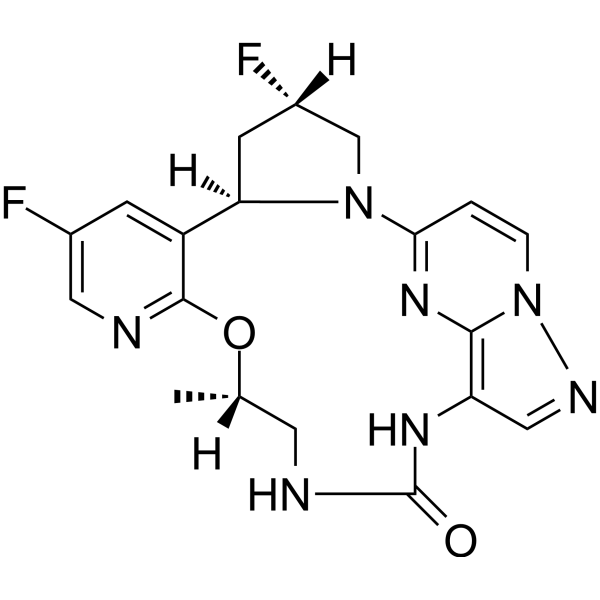
    Mefuparib (CVL218) is a poly ADP-ribose polymerase (PARP) inhibitor used in cancer research that exhibits potent brain penetration due to its high protein binding.
    Mefuparib

Inquiry Online

Your information is safe with us. * Required Fields.

Salutation


Country or Region *

Applicant Name *


Organization Name *

Department *


Email Address *


Product Name *

Cat. No.


Requested quantity *

Phone Number *


Remarks

Inquiry Online

Inquiry Information

Product Name:
Cat. No.:
Quantity:
MCE Japan Authorized Agent:

