1. Search Result
Search Result
Results for "

plant pathogens

" in MedChemExpress (MCE) Product Catalog:

99

Inhibitors & Agonists

3

Biochemical Assay Reagents

10

Peptides

44

Natural
Products

5

Isotope-Labeled Compounds

Cat. No. Product Name Target Research Areas Chemical Structure
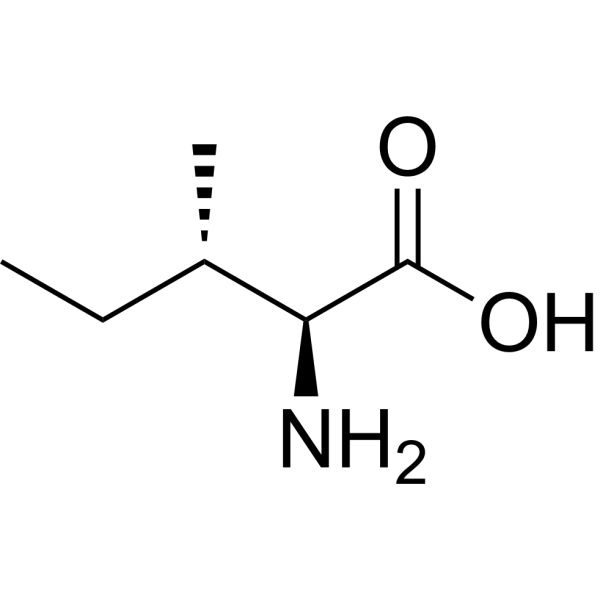
  • HY-N0771
    L-Isoleucine
    Maximum Cited Publications
    6 Publications Verification

    Endogenous Metabolite Cardiovascular Disease Metabolic Disease Inflammation/Immunology
    L-Isoleucine is an orally active branched chain amino acid, which is the L-enantiomer of isoleucine. L-Isoleucine has a role as a Saccharomyces cerevisiae metabolite, an Escherichia coli metabolite, a plant metabolite, a human metabolite, an algal metabolite and a mouse metabolite. L-Isoleucine regulates the inflammatory response to protect against pathogens in vivo and in vitro .
    L-Isoleucine
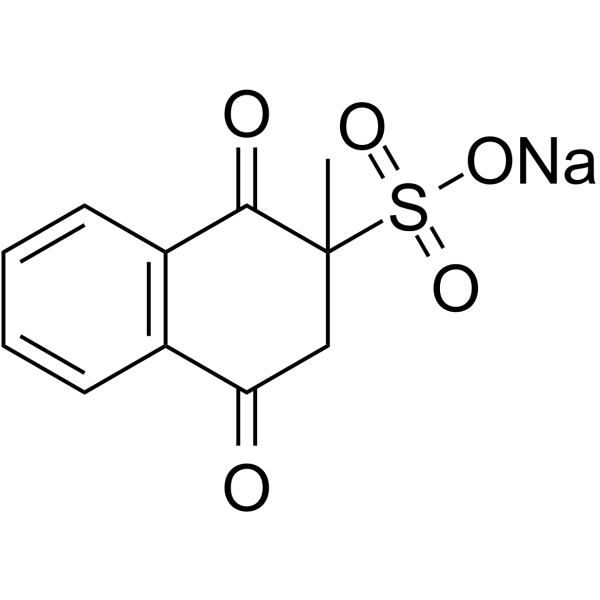
  • HY-B1897A

    Menadione sodium bisulfite; Vitamin K3 sodium bisulfite

    Endogenous Metabolite Others
    Menadione bisulfite (sodium) is used as an agent to induce acute oxidative stress, and to function as a plant-defense activator against several pathogens.
    Menadione bisulfite sodium
  • HY-N11420

    Bacterial Phytohormone Others
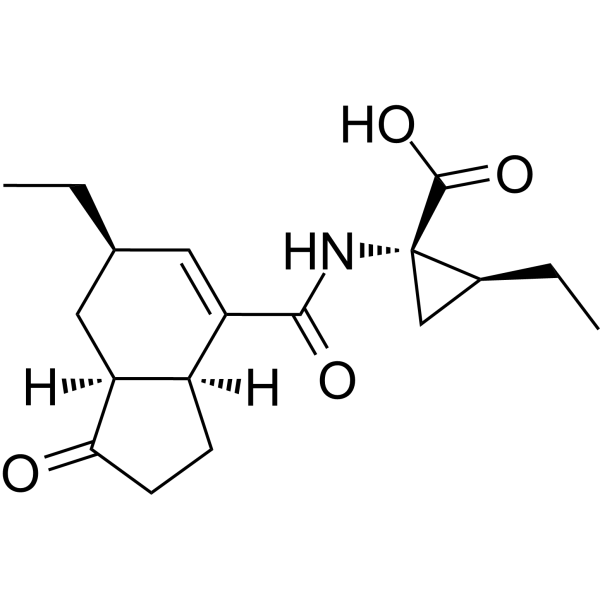
    Coronatine is a plant growth regulator that mimicks the jasmonic acid-isoleucine conjugate (JA-Ile), targets the jasmonic acid receptor COI1, activates the jasmonic acid signaling pathway, thereby inhibiting salicylic acid (SA)-dependent defense responses. Coronatine antagonizes the stomatal closure, induces plant cell necrosis and chlorosis, interfers with plant hormone balance, thereby promoting pathogen infection .
    Coronatine
  • HY-122464

    Herbicide Others
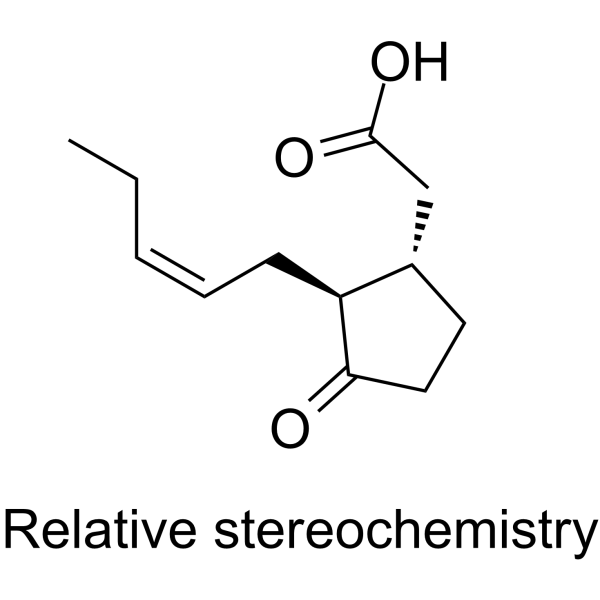
    (±)-Jasmonic acid is an endogenous growth regulator closely related to plant resistance to abiotic stresses, used to activate defense responses to wounding, herbivory, and pathogen attacks. (±)-Jasmonic acid does not play an independent regulatory role, but works in a complex signaling network with other plant hormone signaling pathways. In addition, (±)-Jasmonic acid can also reduce chlorophyll levels in green and etiolated barley leaf segments and inhibit the elongation of rice seedlings .
    (±)-Jasmonic acid
  • HY-N0704
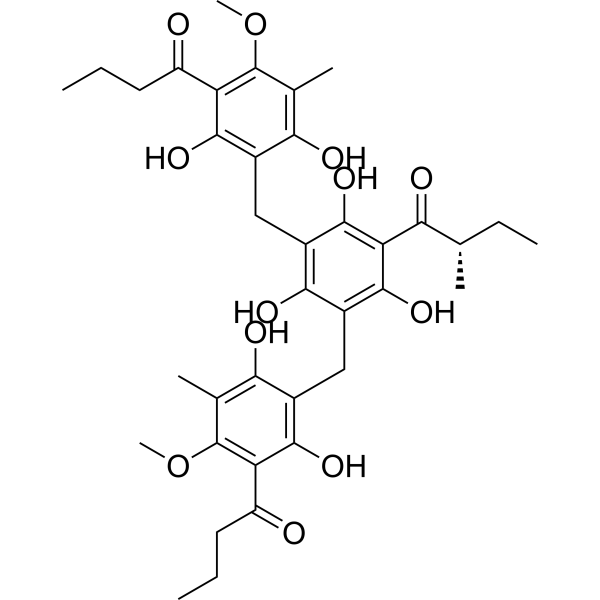
    Agrimol B
    1 Publications Verification

    Sirtuin PPAR Fatty Acid Synthase (FASN) c-Myc Bacterial Infection Metabolic Disease Cancer
    Agrimol B, a polyphenol, is an orally active and potent SIRT1 activator. Agrimol B shows anti-adipogenic and anticancer activity. Agrimol B shows antibacterial activity against plant pathogens. Agrimol B dramatically inhibits 3T3-L1 adipocyte differentiation by reducing PPARγ, C/EBPα, FAS, UCP-1, and apoE expression. The action of Agrimol B on the cancer cells is likely derived from its effect on c-MYC, SKP2 and p27 .
    Agrimol B
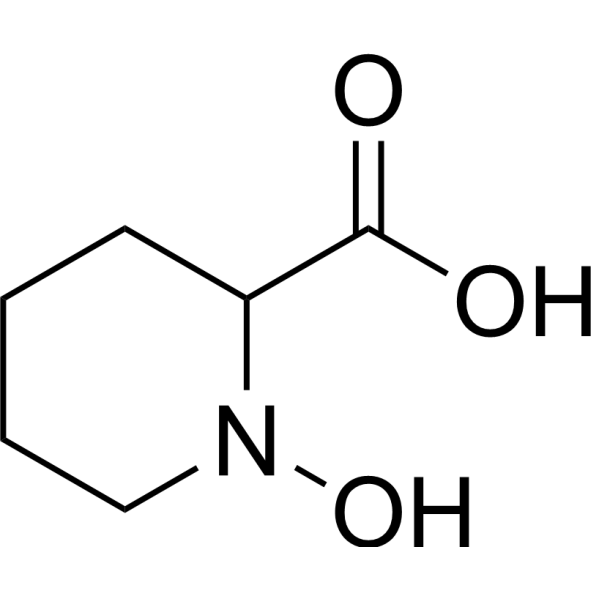
  • HY-N7378
    N-Hydroxypipecolic acid
    5 Publications Verification

    1-Hydroxy-2-piperidinecarboxylic acid; NHP

    Bacterial Inflammation/Immunology
    N-Hydroxypipecolic acid (1-Hydroxy-2-piperidinecarboxylic acid), a plant metabolite and a systemic acquired resistance (SAR) regulator, orchestrates SAR establishment in concert with the immune signal salicylic acid. N-Hydroxypipecolic acid accumulates systemically in the plant foliage in response to pathogen attack. N-Hydroxypipecolic acid induces SAR to bacterial and oomycete infection .
    N-Hydroxypipecolic acid
  • HY-160238

    Corynebactin

    Bacterial Fungal Infection
    Bacillibactin (Corynebactin) is a cyclic tricatecholate siderophore. Bacillibactin’s primary function is to facilitate bacterial iron acquisition by chelating iron ions (Fe 3+) from the environment, thereby aiding bacterial survival under iron-limited conditions. Bacillibactin exhibits direct antimicrobial activity, such as inhibition of the growth of the producing bacteria Pseudomonas aeruginosa and Aeromonas veronae, as well as plant pathogens such as Pseudomonas syringae.Bacillibactin can be used in antibacterial and antifungal research .
    Bacillibactin
  • HY-N2388

    MMP PPAR Bacterial Cardiovascular Disease Neurological Disease Inflammation/Immunology Cancer
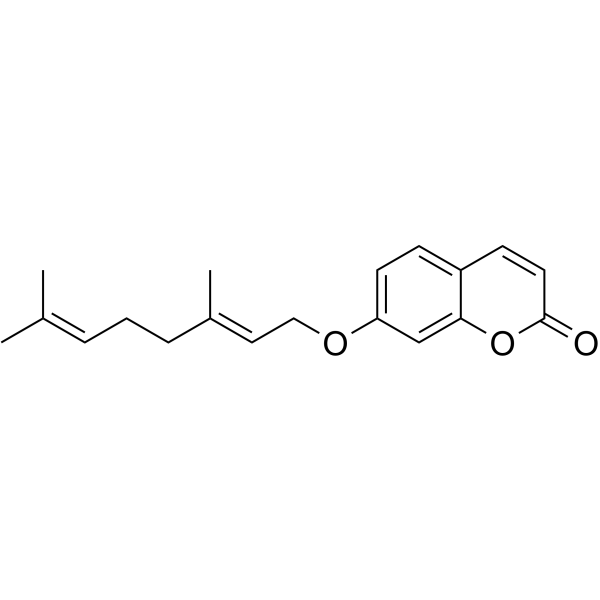
    Auraptene is an orally active geranyloxycoumarin that can be isolated from plants in the Brassicaceae family, antibacterial, anti-pathogen, antioxidant, anti-tumor, and neuroprotective effects. Auraptene plays an important role in the treatment of various chronic diseases such as hypertension and cystic fibrosis .
    Auraptene
  • HY-N9497

    Galectin Fungal Infection
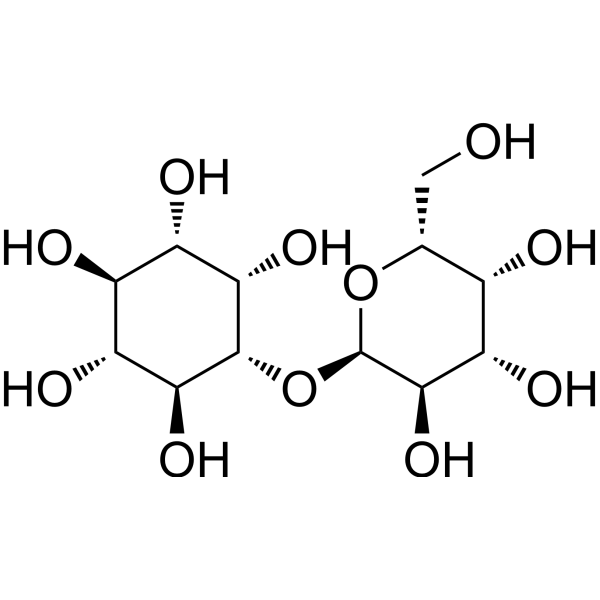
    Galactinol is a disaccharide carbohydrate serving as a galactosyl donor, which belongs to the raffinose family oligosaccharide pathway and acts as an important osmoprotectant. Galactinol not only induces disease resistance in plants against fungal and bacterial pathogens, but also significantly enhances plant tolerance to abiotic stresses such as drought, high salinity, low temperature and oxidative damage. In addition, Galactinol has the ability to scavenge hydroxyl radicals, can act as a signaling component for root colonization-induced systemic resistance, and is positively correlated with seed longevity in various crops, making it a potential biomarker for evaluating seed vigor. Therefore, Galactinol can be used in the research of various plant diseases including fungal leaf spot, bacterial angular leaf spot, gray mold and soft rot .
    Galactinol
  • HY-W008833

    Bacterial COX Lipoxygenase Parasite Infection
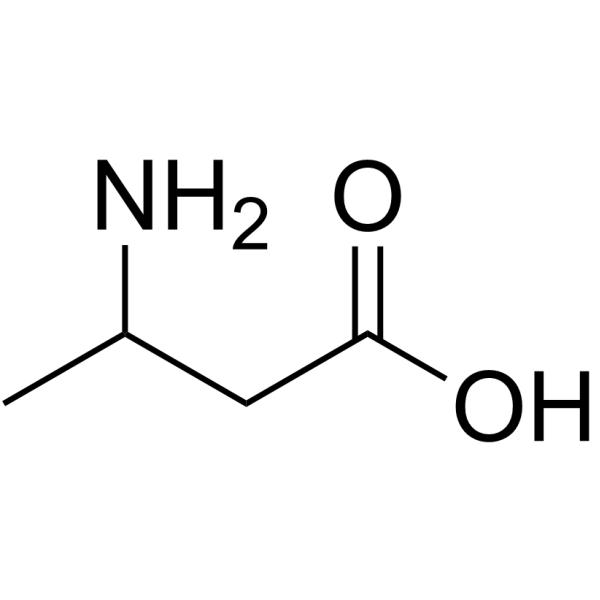
    3-Aminobutanoic acid is a β-amino acid. 3-Aminobutanoic acid can protect plant against a challenge infection with P. infestans. 3-Aminobutanoic acid has various levels of susceptibility for the pathogen .
    3-Aminobutanoic acid
  • HY-P1938

    Bacterial Infection Inflammation/Immunology
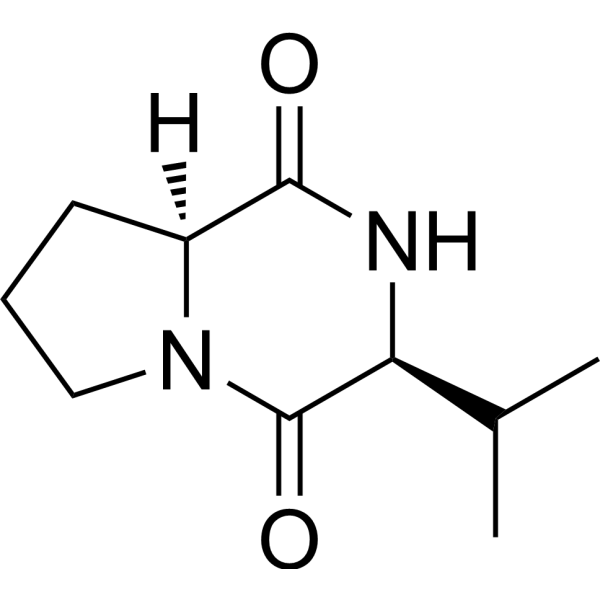
    Cyclo(L-Pro-L-Val) is an antimicrobial and anti-inflammatory agent. Cyclo(L-Pro-L-Val) has toxic activity against plant pathogens such as R. fascians LMG 3605, and its potency may be comparable to that of Chloramphenicol (HY-B0239). Cyclo(L-Pro-L-Val) can inhibit the phosphorylation of IKKα, IKKβ, NF-κB, etc., and the activation of iNOS and COX-2, thereby exerting anti-inflammatory activity. Cyclo(L-Pro-L-Val) can be used in the research of biopesticides in the agricultural field, as well as in the research of inflammation-related diseases .
    Cyclo(L-Pro-L-Val)
  • HY-138354A

    Drug Intermediate Infection
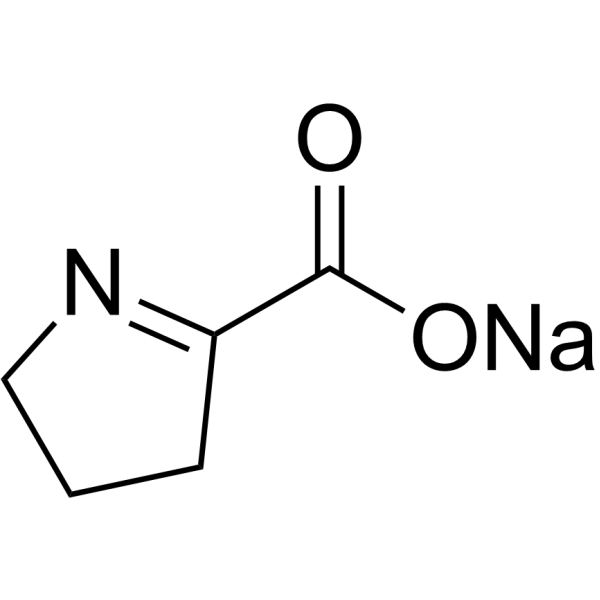
    Pyrroline-5-carboxylate sodium is a key intermediate in proline anabolism and catabolism. Pyrroline-5-carboxylate sodium plays important roles in plant defense against pathogen invasion, as well as in redox regulation, nucleotide synthesis and other processes in animal cells .
    Pyrroline-5-carboxylate sodium
  • HY-N0771R

    Reference Standards Endogenous Metabolite Cardiovascular Disease Metabolic Disease Inflammation/Immunology
    L-Isoleucine (Standard) is the analytical standard of L-Isoleucine. This product is intended for research and analytical applications. L-Isoleucine is an orally active branched chain amino acid, which is the L-enantiomer of isoleucine. L-Isoleucine has a role as a Saccharomyces cerevisiae metabolite, an Escherichia coli metabolite, a plant metabolite, a human metabolite, an algal metabolite and a mouse metabolite. L-Isoleucine regulates the inflammatory response to protect against pathogens in vivo and in vitro .
    L-Isoleucine (Standard)
  • HY-W585952

    SA-2-O-β-D-glucoside

    Drug Metabolite Infection
    Salicylic acid 2-O-β-D-glucoside (SA-2-O-β-D-glucoside) is the glucose-conjugated product of Salicylic Acid (HY-B0167) in plants. Salicylic acid 2-O-β-D-glucoside belongs to an inactive storage form. Salicylic acid 2-O-β-D-glucoside can be used in studies of plant pathogen infection .
    Salicylic acid 2-O-β-D-glucoside
  • HY-P10396

    Bacterial Infection Inflammation/Immunology
    Elf18 is a peptide fragment of bacterial translation elongation factor Tu (EF-Tu). Elf18 can be recognized by plant pattern recognition receptors, thereby inducing an immune response. Elf18 can enhance plants' resistance to pathogens and can be used in research related to plant immune responses .
    Elf18
  • HY-N2472

    Castanogenin

    Bacterial Xanthine Oxidase Infection
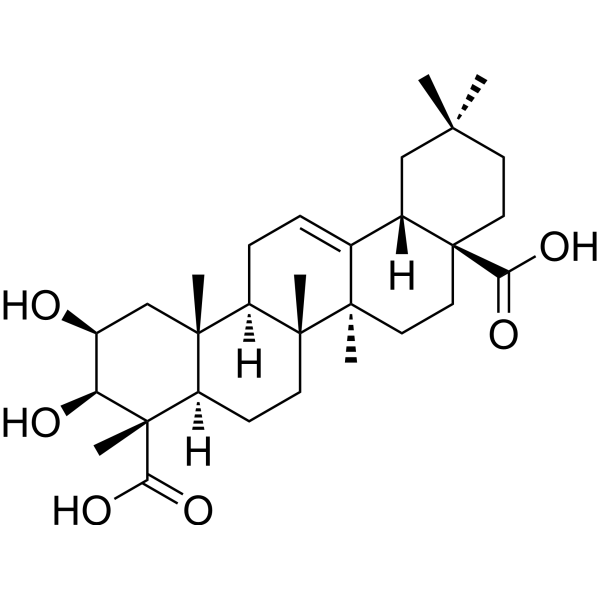
    Medicagenic acid (Castanogenin) is isolated from the roots of Herniaria glabra, exhibits potent fungistatic effects against several plant pathogens and human dermatophytes . Medicagenic acid (Castanogenin) has low enzyme inhibitory activities, the target enzymes are xanthine oxidase, collagenase, elastase, tyrosinase, ChE .
    Medicagenic acid
  • HY-116214

    CGA-219417

    Environmental Pollutants Aryl Hydrocarbon Receptor Androgen Receptor Fungal PERK Cytochrome P450 Infection Endocrinology
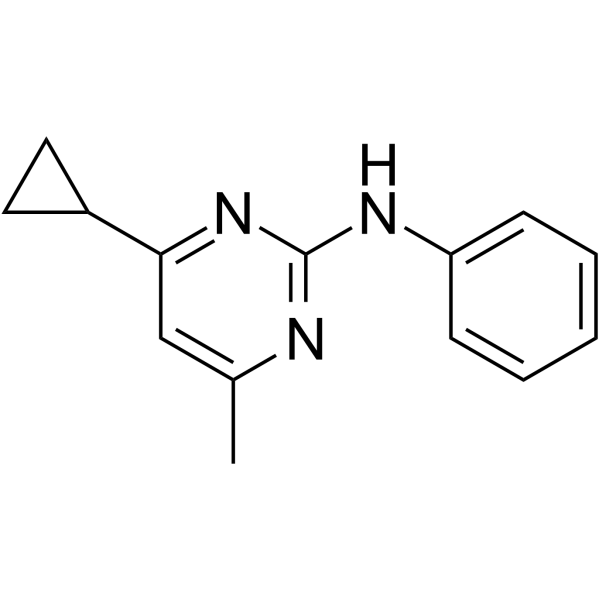
    Cyprodinil (CGA-219417) is a broad-spectrum anilinopyrimidine fungicide and an activator of the aryl hydrocarbon receptor. Cyprodinil also has anti-androgenic and androgenic activities. Cyprodinil can inhibit the biosynthesis of methionine in plant-pathogenic fungi and protect fruits and vegetables from a variety of pathogens .
    Cyprodinil
  • HY-N6743

    CGP049090

    PKC Cancer
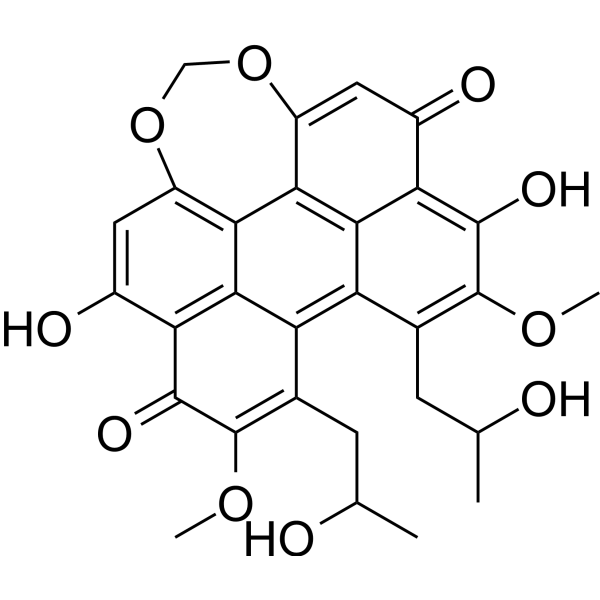
    Cercosporin is produced by a plant pathogen, Pseudocercosporella capsellae. Cercosporin is a potent photosensitizer with a short activation wavelength, mostly suitable for superficial photodynamic therapy (PDT) treatments, especially when it is necessary to avoid perforations . Cercosporin contains the perylenequinone structural features necessary to PKC activity with an IC50 of 0.6-1.3 μM .
    Cercosporin
  • HY-114979

    Antibiotic Fungal Apoptosis Infection Cancer
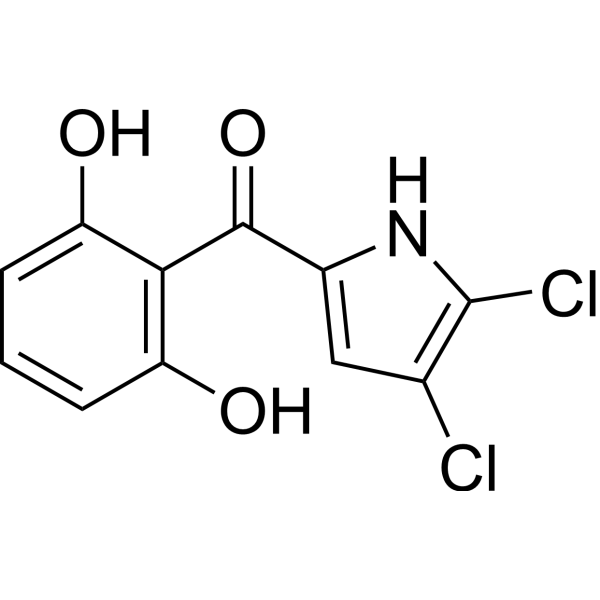
    Pyoluteorin is an antibiotic that inhibits Oomycete fungi, including the plant pathogen Pythium ultimum, and suppresses plant diseases caused by this fungus . Pyoluteorin induces human triple-negative breast cancer MDA-MB-231 cells apoptosis in vitro. Pyoluteorin can be used for the research of human triple-negative breast cancer .
    Pyoluteorin
  • HY-136767

    Antibiotic Fungal Bacterial Parasite DNA/RNA Synthesis Infection
    Cladosporin is an antibiotic and an an antifungal metabolite that can be produced in good yield in the mycelium of Cladosporium cladosporioid. Cladosporin exhibits inhibitory activity against various dermatophytes, plant pathogens, and bacteria. Cladosporin also exhibits antimalarial activity through inhibition of cytoplasmic lysine-tRNA synthetase of Plasmodium (PfKrs1) .
    Cladosporin
  • HY-117089

    Environmental Pollutants Fungal Infection
    Tetraconazole is a selective irreversible inhibitor of 14-α-sterol demethylase (CYP51) with antifungal activity. Tetraconazole competitively binds to the enzyme to block fungal ergosterol synthesis, resulting in cell membrane damage. The EC50 of tetraconazole against wheat pathogens is 0.382-0.802 mg/L, and the EC50 against onion root tip meristem cell growth is 6.7 mg/L, and (R)-(+)-Tetraconazole is 1.49-1.98 times more active than (S)-(-)-Tetraconazole. Tetraconazole can also induce oxidative stress and chromosomal aberrations in plant cells .
    Tetraconazole
  • HY-N1033

    Phytohormone Drug Metabolite Glycosyltransferase Infection
    12-Hydroxyjasmonic acid is a metabolite of Jasmonic acid (HY-122464A) and an inducer of defense responses. 12-Hydroxyjasmonic acid can be isolated from potato leaflets. During the response of sugar beet plants to Cercospora beticola infection, 12-Hydroxyjasmonic acid is released through deglycosylation of its glucoside form and participates in the Jasmonic acid-mediated defense signaling pathway. 12-Hydroxyjasmonic acid mediates changes in source-sink relationships during pathogen infection, prioritizing the activation of defense processes over growth processes. 12-Hydroxyjasmonic acid serves as a substrate for salicylic acid Glycosyltransferases in tobacco and rice. 12-Hydroxyjasmonic acid can induce leaflet closure in Samanea saman. 12-Hydroxyjasmonic acid acts as a potato tuber-inducing substance. 12-Hydroxyjasmonic acid does not induce protoplast shrinkage in extensor motor cells of Samanea saman. 12-Hydroxyjasmonic acid can be used in studies related to brown spot disease .
    12-Hydroxyjasmonic acid
  • HY-W004643

    AK-II

    Fungal Herbicide Infection
    Akardite II (AK-II) is a stabilizer for nitrocellulose (NC) propellants as it scavenges NOx. Akardite II helps control a variety of plant pathogens and weeds, which can be used as fungicides and herbicides .
    Akardite II
  • HY-116541

    ASM

    Environmental Pollutants Fungal Bacterial Infection
    Acibenzolar-S-methyl (ASM) is a plant resistance inducer that mimics pathogen-host interactions and leads to systemic acquired resistance in plants. Acibenzolar-S-methyl helps reduce the use of pesticides and can be used in research to prevent plant diseases .
    Acibenzolar-S-methyl
  • HY-W087988

    Bacterial Sex Pheromone Phytohormone Infection Inflammation/Immunology
    3-Pentanol is an active organic compound produced by plants and is a component of insect-released pheromones. 3-Pentanol can trigger plant immunity against microbial pathogens and pests in crops by activating the SA and JA signaling pathways.
    3-Pentanol
  • HY-W020005

    Isotope-Labeled Compounds Others
    2-Carboxyphenol-d4 is the deuterium labeled 2-Carboxyphenol. 2-Carboxyphenol is a plant hormone and mediates host responses against microbial pathogens.
    2-Carboxyphenol-d4
  • HY-N6243

    Fungal Infection
    Veratrosine is a Trihydroxynapthalene reductase (THR) inhibitor and fungal plant pathogen inhibitor. Veratrosine interacts with THR, an enzyme in the DHN melanin biosynthesis pathway of Curvularia lunata. Veratrosine can be used for the research of leaf blight of rice, brown spot of rice, and blast disease of foxtail millet .
    Veratrosine
  • HY-118448

    Antibiotic Bacterial Fungal Parasite Infection
    2,4-Diacetylphloroglucinol is a polyketide antibiotic produced by Pseudomonas fluorescens. 2,4-Diacetylphloroglucinol exhibits broad-spectrum toxicity against various organisms such as bacteria, fungi, oomycetes, and nematodes. 2,4-Diacetylphloroglucinol can also inhibit plant pathogens and affect the root development of tomato seedlings .
    2,4-Diacetylphloroglucinol
  • HY-W087988S

    Isotope-Labeled Compounds Bacterial Sex Pheromone Phytohormone Infection
    3-Pentanol-d5 is the deuterium labeled 3-Pentanol . 3-Pentanol is an active organic compound produced by plants and is a component of emitted insect sex pheromones. 3-pentanol elicits plant immunity against microbial pathogens and an insect pest in crop plants .
    3-Pentanol-d5
  • HY-P5710

    Bacterial Infection
    LCI peptide is an antimicrobial peptide with antibacterial activity. LCI peptide is active against plant pathogens, Xanthomonas and Pseudomonas, including E. coli, Gentamicin-resistant MRSA and Xoo .
    LCI peptide
  • HY-137884

    3-Acetoxyindole

    Biochemical Assay Reagents Others
    3-Indolyl acetate is an ester derivative of indole that is ubiquitous in various plant tissues, especially in certain cruciferous vegetables such as broccoli and cabbage. 3-Indolyl acetate has unique chemical properties that make it an important signaling molecule in plants, regulating various physiological processes such as growth and defense against pathogens. It also has potential applications in the pharmaceutical industry, as it has been shown to have antitumor and anti-inflammatory effects in some studies.
    3-Indolyl acetate
  • HY-P10400

    Phytohormone Inflammation/Immunology
    AtPep1 is a plant elicitor peptide. AtPep1 activates transcription of the defensive gene defensin (PDF1.2) and activates the synthesis of H2O2, which are components of the innate immune response against pathogens. AtPep1 can be isolated from extracts of Arabidopsis leaves .
    AtPep1
  • HY-135258

    Galectin Fungal Others
    Galactinol dihydrate is a disaccharide carbohydrate serving as a galactosyl donor, which belongs to the raffinose family oligosaccharide pathway and acts as an important osmoprotectant. Galactinol dihydrate not only induces disease resistance in plants against fungal and bacterial pathogens, but also significantly enhances plant tolerance to abiotic stresses such as drought, high salinity, low temperature and oxidative damage. In addition, Galactinol dihydrate has the ability to scavenge hydroxyl radicals, can act as a signaling component for root colonization-induced systemic resistance, and is positively correlated with seed longevity in various crops, making it a potential biomarker for evaluating seed vigor. Therefore, Galactinol dihydrate can be used in the research of various plant diseases including fungal leaf spot, bacterial angular leaf spot, gray mold and soft rot .
    Galactinol dihydrate
  • HY-137990

    Bacterial Parasite Phosphatase Infection Cancer
    Questin is an anthraquinone compound and antibacterial agent. Questin can be isolated from marine-derived fungi and plants. Questin inhibits Cdc25B phosphatase. Questin exhibits antibacterial activity against V. harveyi, V. anguillarum, V. cholerae, and V. parahemolyticus with MIC values of 31.25 µg/mL, 62.5 µg/mL, 62.5 µg/mL, and 125 µg/mL. Questin displays antiprotozoal activity against the animal protozoan pathogen Tritrichomonas foetus, with a MIC of 12.5 µg/mL. Questin has anticancer activity against lung and colon cancer .
    Questin
  • HY-W042216

    Sodium 4-aminobenzenesulfonate

    Fungal Infection
    Sodium Sulphanilate (Sodium 4-aminobenzenesulfonate) is a folic acid synthetase inhibitor and antifungal agent, as well as a structural analog of p-aminobenzoic acid, that competitively inhibits folate biosynthesis in fungal pathogens. Sodium Sulphanilate induces host disease resistance via changes in amino acid profiles, reduces chlorophyll content in peanut leaves at high concentrations, and controls rust diseases in various plant species. Sodium Sulphanilate is applicable to studies related to peanut rust .
    Sodium Sulphanilate
  • HY-B2026

    Fungal Infection
    Propamocarb is a systemic fungicide. Propamocarb is widely used to protect cucumbers, tomatoes and other plants from pathogens .
    Propamocarb
  • HY-116541R

    ASM (Standard)

    Bacterial Fungal Reference Standards Infection
    Acibenzolar-S-methyl (Standard) is the analytical standard of Acibenzolar-S-methyl. This product is intended for research and analytical applications. Acibenzolar-S-methyl (ASM) is a plant resistance inducer that mimics pathogen-host interactions and leads to systemic acquired resistance in plants. Acibenzolar-S-methyl helps reduce the use of pesticides and can be used in research to prevent plant diseases .
    Acibenzolar-S-methyl (Standard)
  • HY-N15314

    MDM-2/p53 Akt Apoptosis Cancer
    Syringolin A is a plant elicitor that can be produced by the plant pathogen Pseudomonas syringae pv. syringae. Syringolin A exhibits anti-proliferative activity against a variety of cancer cells (IC50 for SK-N-SH, LAN-1, SKOV3 is 20-25 µM), induces apoptosis in SK-N-SH through upregulation of p53 expression and downregulation of Akt/PKB proteins .
    Syringolin A
  • HY-138354

    Drug Intermediate Infection
    Pyrroline-5-carboxylate is a key intermediate in proline anabolism and catabolism. Pyrroline-5-carboxylate plays important roles in plant defense against pathogen invasion, as well as in redox regulation, nucleotide synthesis and other processes in animal cells .
    Pyrroline-5-carboxylate
  • HY-N13363

    Fructose-1,6-bisphosphate aldolase Endogenous Metabolite Infection
    2-keto-3-deoxy-6-phosphogluconate is an endogenous metabolite found in Escherichia coli, and a key intermediate in the Entner-Doudoroff (ED) pathway, as well as in the degradation pathways of sugar acids and sugar polymers in human and plant pathogens. It is produced by the catalytic action of KDPG aldolase.
    2-Keto-3-deoxy-6-phosphogluconate
  • HY-116214R

    CGA-219417 (Standard)

    Reference Standards Fungal Androgen Receptor Aryl Hydrocarbon Receptor PERK Cytochrome P450 Infection Endocrinology
    Cyprodinil (Standard) (CGA-219417 (Standard)) is the analytical standard of Cyprodinil (HY-116214). This product is intended for research and analytical applications. Cyprodinil (CGA-219417) is a broad-spectrum anilinopyrimidine fungicide and an activator of the aryl hydrocarbon receptor. Cyprodinil also has anti-androgenic and androgenic activities. Cyprodinil can inhibit the biosynthesis of methionine in plant-pathogenic fungi and protect fruits and vegetables from a variety of pathogens.
    Cyprodinil (Standard)
  • HY-W726127

    Fungal Infection
    Propamocarb hydrochloride is a systemic fungicide. Propamocarb hydrochloride is widely used to protect cucumbers, tomatoes and other plants from pathogens .
    Propamocarb hydrochloride
  • HY-142912

    Fungal Others
    Stemphyperylenol displays a potent antifungal activity against the plant pathogen Alternaria solani with MIC of 1.57 μM.
    Stemphyperylenol
  • HY-W836186

    Cyclo(alanine-leucine)

    Bacterial Others
    Cyclo(Leu-Ala) (Cyclo(alanine-leucine)) is an antimicrobial compound isolated from microorganisms and has antimicrobial activity against some plant pathogens together with other compounds.
    Cyclo(Leu-Ala)
  • HY-P3189

    Biochemical Assay Reagents Others
    Mannitol dehydrogenase is the mannitol catabolic enzyme. Mannitol dehydrogenase is a plant proteins whose leaderless, pathogen, and Salicylic Acid (HY-B0167)-induced secretion .
    Mannitol dehydrogenase
  • HY-126604

    Others Infection
    Pyranonigrin A is isolated and identified from Penicillium brocae MA-231. Pyranonigrin A shows potent activity against a broad spectrum of human-, aqua-, and plant-pathogens .
    Pyranonigrin A
  • HY-P2763

    Glycosidase Fungal Infection Cardiovascular Disease
    beta-Glucanase belongs to glycosyl hydrolase family that hydrolyzes β-glucan polysaccharide, producing 3-O-cellotriosyl-d-glucose and 3-O-cellobiosyl-d-glucose. beta-Glucanase is capable of protecting plants against different fungal pathogens .
    beta-Glucanase
  • HY-17518A

    (S,S)-IR5885; (S,S)-Valiphenal

    Fungal Infection
    (S,S)-Valifenalate ((S,S)-IR5885) is an acylamino acid fungicide and is used to control a wide range of fungi belonging to the class of Oomycetes. (S,S)-Valifenalate ((S,S)-IR5885) interferes with the cell-wall synthesis thus affecting the growth stages of the pathogens controlled, both outside (on the spores) or inside the plant (on the mycelium) .
    (S,S)-Valifenalate
  • HY-N2472R

    Castanogenin (Standard)

    Xanthine Oxidase Reference Standards Bacterial Infection
    Medicagenic acid (Standard) is the analytical standard of Medicagenic acid. This product is intended for research and analytical applications. Medicagenic acid (Castanogenin) is isolated from the roots of Herniaria glabra, exhibits potent fungistatic effects against several plant pathogens and human dermatophytes . Medicagenic acid (Castanogenin) has low enzyme inhibitory activities, the target enzymes are xanthine oxidase, collagenase, elastase, tyrosinase, ChE .
    Medicagenic acid (Standard)
  • HY-149492

    Phosphatase Fungal Infection
    Phosphatase-IN-1 (compound II-8), a propranolol (HY-B0573B) derivative, is a phosphatidate phosphatase (Pah) inhibitor. Phosphatase-IN-1 can binds to MoPah1, with an affinity constant of 19.8 μM. Phosphatase-IN-1 inhibits growth of plant pathogens and shows anti-fungal ability. Phosphatase-IN-1 is not toxic to rice seedlings and wheat heads .
    Phosphatase-IN-1

Inquiry Online

Your information is safe with us. * Required Fields.

Salutation


Country or Region *

Applicant Name *


Organization Name *

Department *


Email Address *


Product Name *

Cat. No.


Requested quantity *

Phone Number *


Remarks

Inquiry Online

Inquiry Information

Product Name:
Cat. No.:
Quantity:
MCE Japan Authorized Agent:

