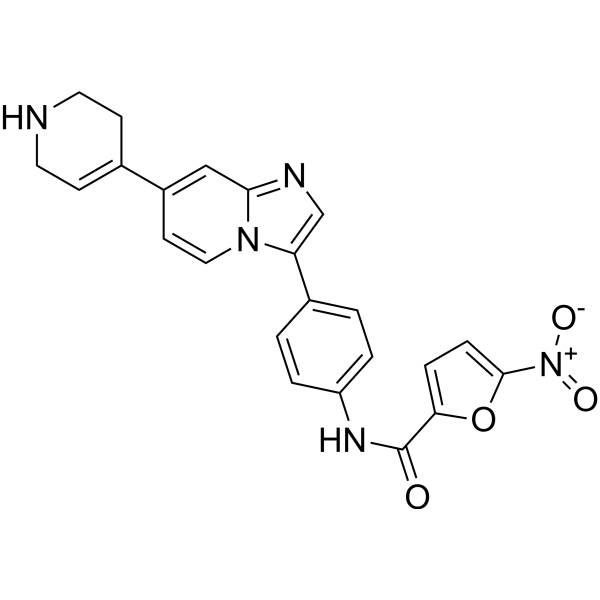
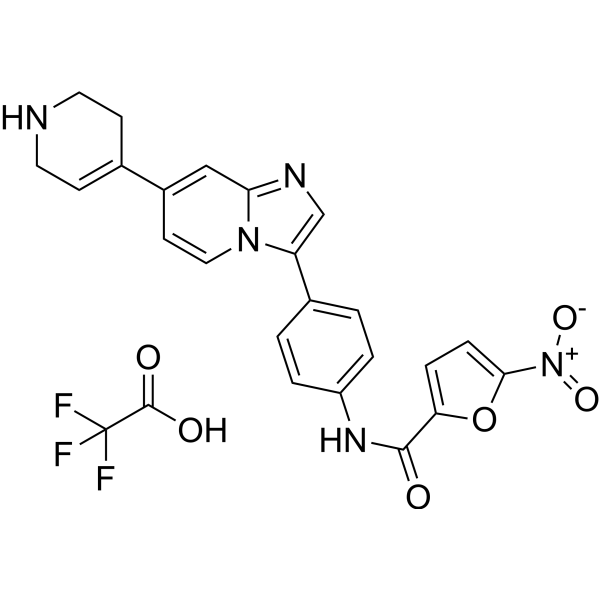
Search Result
Results for "
oxidative DNA damage
" in MedChemExpress (MCE) Product Catalog:
1
Biochemical Assay Reagents
10
Isotope-Labeled Compounds
| Cat. No. |
Product Name |
Target |
Research Areas |
Chemical Structure |
-
- HY-156376
-
|
|
Cuproptosis
Apoptosis
Topoisomerase
Reactive Oxygen Species (ROS)
|
Inflammation/Immunology
Cancer
|
|
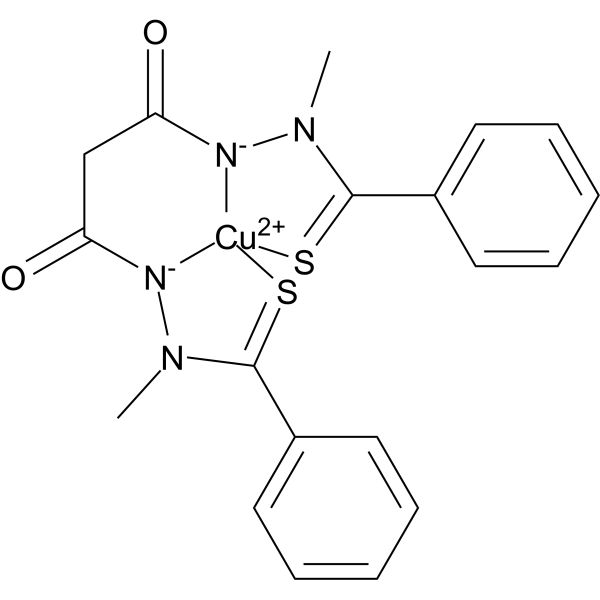
Cu(II)-Elesclomol is a complex formed by Elesclomol (HY-12040) and Cu 2+ (copper ions). Cu(II)-Elesclomol is also a weak inhibitor of DNA topoisomerase I. Cu(II)-Elesclomol exerts anticancer effects by inducing oxidative stress and DNA damage through copper chelation. Cu(II)-Elesclomol can inhibit tumor cell proliferation and induce cell cycle arrest and apoptosis. Cu(II)-Elesclomol can be used in the study of cancer .
|
-
-
- HY-W004520
-
|
5-Methylphenazinium methylsulfate
|
Bacterial
Antibiotic
Apoptosis
|
Cancer
|
|
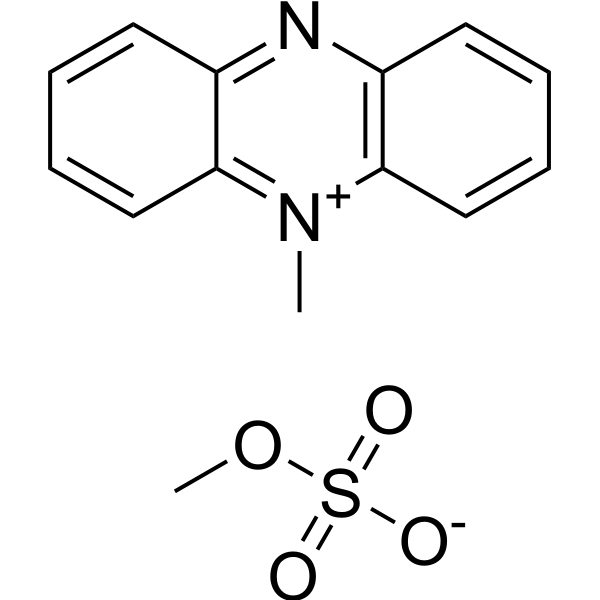
Phenazine methylsulfate is a free radical generator that can act as an electron transfer reactant in cell viability assays. It also has insecticidal properties. Furthermore, Phenazine methylsulfate induces oxidative DNA damage and cell apoptosis, showing antitumor activity .
|
-
-
- HY-N6626
-
-
-
- HY-113338
-
|
8-Oxoguanine; 8-oxo-Gua
|
Endogenous Metabolite
|
Metabolic Disease
|
|
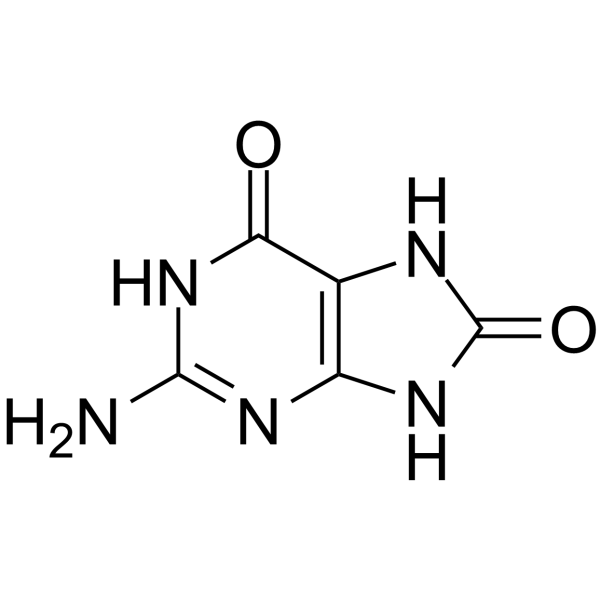
8-Hydroxyguanine is a DNA damage product under oxidative stress, which is formed when hydroxyl radicals attack guanine in DNA. 8-Hydroxyguanine induces mutagenesis and leads to a transversion from G to T. 8-Hydroxyguanine is a marker of DNA oxidative damage .
|
-
-
- HY-B0986
-
-
-
- HY-W127709
-
|
|
Environmental Pollutants
Biochemical Assay Reagents
|
Others
|
|
Chlorophyll b is an orally active tetrapyrrole derivative and pigment. Chlorophyll b can be obtained from photosynthetic organisms such as plants and algae. Chlorophyll b acts as a hydrogen donor and increases Glutathione levels. Chlorophyll b has antioxidant activity and functionally replaces chlorophyll a in photosystem II to participate in photosynthesis. Chlorophyll b reduces Cisplatin (HY-17394)-induced DNA damage, chromosome instability, and oxidative stress. Chlorophyll b is mainly used in the study of plant photosynthesis mechanism .
|
-
-
- HY-135136
-
|
|
Biochemical Assay Reagents
Fluorescent Dye
|
Others
|
|
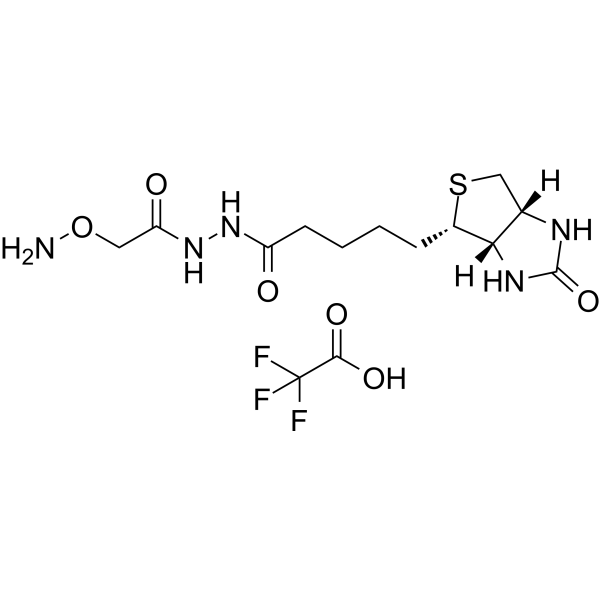
Aldehyde reactive probe TFA is an aldehyde reactive probe. Aldehyde reactive probe TFA specifically labels the AP site in DNA with biotin residues. Aldehyde reactive probe TFA can detect RNA oxidation-induced debasement sites. Aldehyde reactive probe TFA can be used to quantify AP sites or detect other aldehyde-containing DNA damage and RNA oxidation-induced debasement sites .
|
-
-
- HY-W011956
-
|
|
Drug Metabolite
Endogenous Metabolite
|
Neurological Disease
Metabolic Disease
|
|
6-Hydroxymelatonin is the main metabolite of melatonin (HY-B0075) after being metabolized by CYP1A2 and can cross the blood-brain barrier. 6-Hydroxymelatonin has strong free radical scavenging ability and antioxidant activity, and can alleviate oxidative damage caused by various neurotoxins. 6-Hydroxymelatonin can cause oxidative DNA damage in the presence of copper ions through a "non-quinone" type redox cycling mechanism .
|
-
-
- HY-113110
-
|
L-Cysteinylglycine; Cys-Gly; H-Cys-Gly-OH
|
Endogenous Metabolite
Reactive Oxygen Species (ROS)
DNA/RNA Synthesis
|
Cardiovascular Disease
Cancer
|
|
Cysteinylglycine (L-Cysteinylglycine; Cys-Gly) is a dipeptide formed by the peptide bond linkage between cysteine (Cysteine) and glycine (Glycine). Cysteinylglycine is an important metabolic intermediate in the human body, mainly derived from the degradation of glutathione (GSH). Cysteinylglycine reduces ferric iron to ferrous iron, drives the redox cycle of iron, generates reactive oxygen species (ROS), stimulates oxidative reactions, induces lipid peroxidation of human plasma LDL lipoproteins, and causes oxidative damage to DNA bases. Cysteinylglycine can be used as a biomarker to evaluate ischemic heart disease, breast cancer and other conditions .
|
-
-
- HY-131394
-
|
5hmdC
|
Drug Derivative
DNA/RNA Synthesis
|
Cancer
|
|
5-Hydroxymethyl-2’-deoxycytidine (5hmdC) is an oxidation derivative of 5-methyl-2'-deoxycytidine (5-mdC) in DNA. 5-Hydroxymethyl-2’-deoxycytidine may serve as a marker of irreversibly damaged cells .
|
-
-
- HY-D0185
-
|
|
Endogenous Metabolite
|
Metabolic Disease
|
|
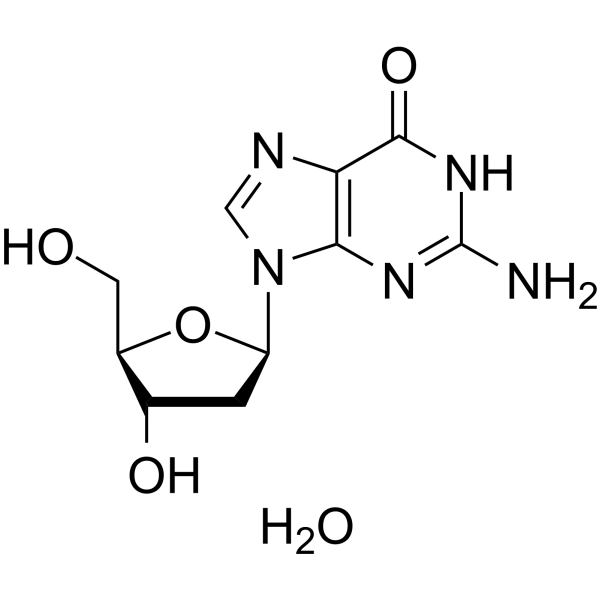
2'-Deoxyguanosine monohydrate is a nucleoside composed of guanine and 2'-deoxyribose, and it is one of the basic structural units of DNA. The oxidation products of 2'-Deoxyguanosine monohydrate may participate in DNA damage, which in turn may affect gene expression or induce cancer .
|
-
-
- HY-N7046
-
|
Silibinin B
|
Amyloid-β
Apoptosis
JNK
p38 MAPK
|
Neurological Disease
Cancer
|
|
Silybin B (Silibinin B) is an orally active amyloid-β aggregation inhibitor and ATR pathway activator that can cross the blood-brain barrier. Silybin B inhibits Aβ fibril formation and promotes amorphous aggregate formation, while activating the ATR-mediated DNA damage repair pathway and inhibiting JNK/p38 MAPK signaling. Silybin B can reduce Cisplatin (HY-17394)-induced neuronal DNA damage and apoptosis. Silybin B has anti-oxidative stress, cell cycle regulation and neuroprotective activities. Silybin B is mainly used in the study of Alzheimer's disease and Cisplatin chemotherapy-related neurotoxicity .
|
-
-
- HY-N0245
-
|
|
Apoptosis
MDM-2/p53
ATM/ATR
Checkpoint Kinase (Chk)
|
Cancer
|
|
Theaflavin-3-gallate, a black tea theaflavin monomer, is regarded as the biologically important active component of black tea and provides health benefits. Theaflavin-3-gallate acts as prooxidants and induces oxidative stress in the carcinoma cells. Theaflavin-3-gallate reacts directly with reduced glutathione (GSH) in a time- and concentration-dependent manner. Theaflavin-3-gallate induces apoptosis and G1 cell cycle arrest in ovarian cancer A2780/CP70 cells through p53-dependent pathways. Theaflavin-3-gallate induces DNA damage through ATM/Chk/p53 pathway .
|
-
-
- HY-123581
-
|
|
Antibiotic
Bacterial
ATF6
DAPK
Autophagy
NF-κB
NO Synthase
Apoptosis
Reactive Oxygen Species (ROS)
Keap1-Nrf2
Heme Oxygenase (HO)
|
Infection
Inflammation/Immunology
|
|
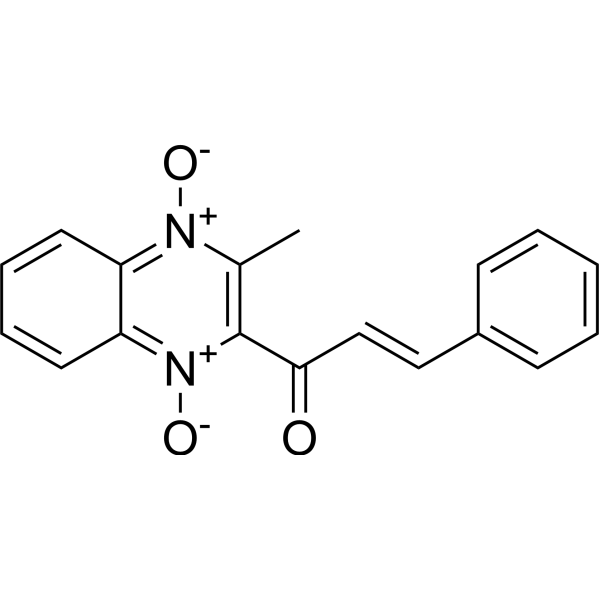
Quinocetone is an orally active animal feed additive used to increase the meat production of livestock and poultry. Quinocetone exhibits antibacterial activity against a variety of pathogenic microorganisms. Quinocetone exhibits tissue-specific (liver, lymphocyte) toxicity. Quinocetone induces autophagy in cells through the ATF6/DAPK1 pathway. Quinocetone activates the NF-κB and iNOS pathways, leading to cell apoptosis, hepatocyte vacuolar degeneration and fibrosis. Quinocetone can inhibit Nrf2/HO-1 and induce the generation of reactive oxygen species (ROS), leading to oxidative stress and DNA damage .
|
-
-
- HY-123230
-
-
-
- HY-N5048
-
|
6'-O-Galloyl paeoniflorin
|
NF-κB
ERK
JNK
Nuclear Factor of activated T Cells (NFAT)
Keap1-Nrf2
PI3K
Akt
Reactive Oxygen Species (ROS)
Apoptosis
DNA/RNA Synthesis
|
Infection
Neurological Disease
Metabolic Disease
Inflammation/Immunology
|
|
Galloylpaeoniflorin (6'-O-Galloyl paeoniflorin) is an orally active galloylated derivative of Paeoniflorin (HY-N0293) found in peony roots with various anti-inflammatory and antioxidant activities. Galloylpaeoniflorin suppresses RANKL-induced activation of ERK, JNK, c-Fos, c-Jun, and NFATc1, and reduces osteoclast-specific gene expression. Galloylpaeoniflorin activates Nrf2 and PI3K/Akt pathways, inhibits NF-κB activation, and scavenges ROS to reduce oxidative DNA, lipid, and protein damage. Galloylpaeoniflorin attenuates neuroinflammation, inhibits apoptosis, reduces Helicobacter pylori-induced gastric mucosa injury and UVB-induced cell damage. Galloylpaeoniflorin can be used for the research of osteoporosis, gastritis, ischemic stroke and skin diseases .
|
-
-
- HY-131113
-
|
N-Nitroso-di-n-butylamine
|
Caspase
Apoptosis
|
Cancer
|
|
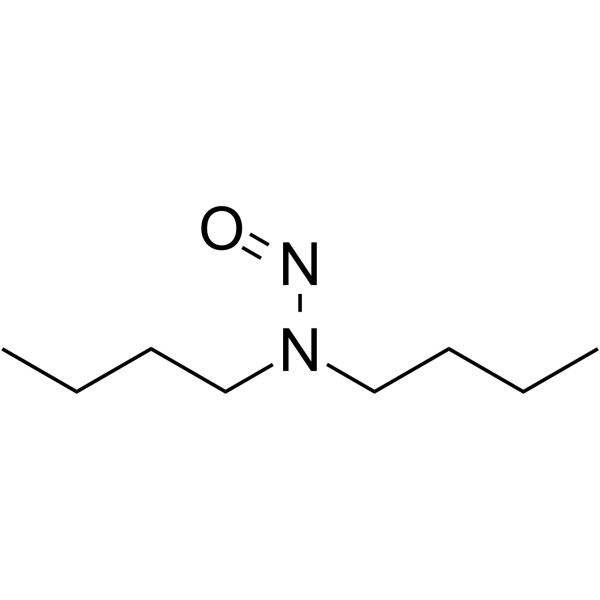
N-Nitrosodibutylamine (N-Nitroso-di-n-butylamine) is a nitrosamine enriched in the drinking water. N-Nitrosodibutylamine regulates caspase pathway. N-Nitrosodibutylamine induces Apoptosis. N-Nitrosodibutylamine induces hepatocarcinoma and oxidative DNA damage .
|
-
-
- HY-141452
-
|
Malondialdehyde
|
Endogenous Metabolite
|
Neurological Disease
|
|
Propanedial (Malondialdehyde) (13.88 mM in water) is one of the final products of lipid peroxidation. Propanedial causes protein inactivation, DNA damage and cross-linking by forming stable covalent adducts with biological macromolecules, which is the main mechanism for its cytotoxicity and genotoxicity.
Propanedial production increases with the elevation of free radicals.
Propanedial is a key biomarker for evaluating the level of cellular oxidative stress [1][2][3].
|
-
-
- HY-114869
-
DPQ
3 Publications Verification
|
PARP
|
Neurological Disease
Cancer
|
|
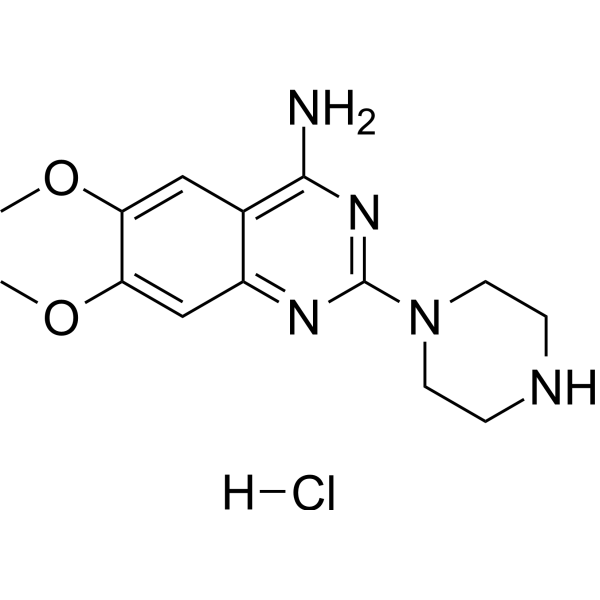
DPQ is a selective PARP-1 inhibitor that blocks PARP-1-mediated DNA damage repair and NAD +/ATP consumption, thereby inhibiting excessive inflammatory responses. DPQ inhibits NF-κB pathway activation, reduces the expression of pro-inflammatory factors (such as TNF-α, IL-6) and oxidative stress. DPQ can be used in inflammation-related studies of acute lung injury, myocardial infarction, and neurodegenerative diseases .
|
-
-
- HY-126956
-
|
|
Reactive Oxygen Species (ROS)
MMP
Collagen
PPAR
DNA/RNA Synthesis
Apoptosis
Caspase
|
Metabolic Disease
Inflammation/Immunology
|
|
Porphyra 334 is a carnosine-like amino acid and a natural photoprotective agent and antioxidant. Porphyra-334 exerts its photoprotective effects by scavenging ROS, inhibiting the expression and activity of MMP-1/8, and promoting the synthesis of collagen and elastin. Porphyra 334 effectively inhibits linoleic acid oxidation induced by alkyl radicals (AAPH) and singlet oxygen. Porphyra 334 has anti-obesity potential by inhibiting the expression of PPARγ2 and C/EBPα. Porphyra 334 protects cells against UV-induced DNA damage and apoptosis by inhibiting the activation of caspase-3 .
|
-
-
- HY-N7690
-
|
|
Calcium Channel
|
Cardiovascular Disease
Metabolic Disease
|
|
3,5,7,3’,4’-Pentamethoxyflavone is a Ca 2+ channel inhibitor. 3,5,7,3’,4’-Pentamethoxyflavone can protect DNA from oxidative damage. 3,5,7,3’,4’-Pentamethoxyflavone can induce relaxation of the human corpus cavernosum through calcium mobilization-related mechanisms. 3,5,7,3’,4’-Pentamethoxyflavone can promote the expression of eNOS and cystathionine gamma lyase CSE proteins in middle-aged male rats and regulate vascular function. 3,5,7,3’,4’-Pentamethoxyflavone can be used in research related to diabetes and cardiovascular diseases .
|
-
-
- HY-B1847
-
-
-
- HY-W011168
-
|
|
Nucleoside Antimetabolite/Analog
DNA/RNA Synthesis
|
Inflammation/Immunology
Cancer
|
|
8-Bromo-2'-deoxyguanosine is an inflammation-related DNA halogenated adduct and an early biomarker of inflammation-induced oxidative tissue damage. The formation of 8-Bromo-2'-deoxyguanosine precedes that of oxidative and nitrative products, and it can be generated via the MPO-H2O2-Cl --Br - system. 8-Bromo-2'-deoxyguanosine serves as the immunogen for preparing the monoclonal antibody mAb8B3, which can be used to detect early DNA modifications in preclinical models; its urinary level also increases significantly in inflammatory disease models. 8-Bromo-2'-deoxyguanosine can also be produced in the dermis of UV-B irradiated mice, and the extract of Coprinus comatus significantly reduces its level. 8-Bromo-2'-deoxyguanosine finds applications in studies related to inflammatory diseases, diabetes, hepatocellular carcinoma, and UV-B induced skin inflammation .
|
-
-
- HY-138616
-
|
2'-Deoxyguanosine-5'-triphosphate
|
DNA/RNA Synthesis
Nucleoside Antimetabolite/Analog
|
Inflammation/Immunology
|
|
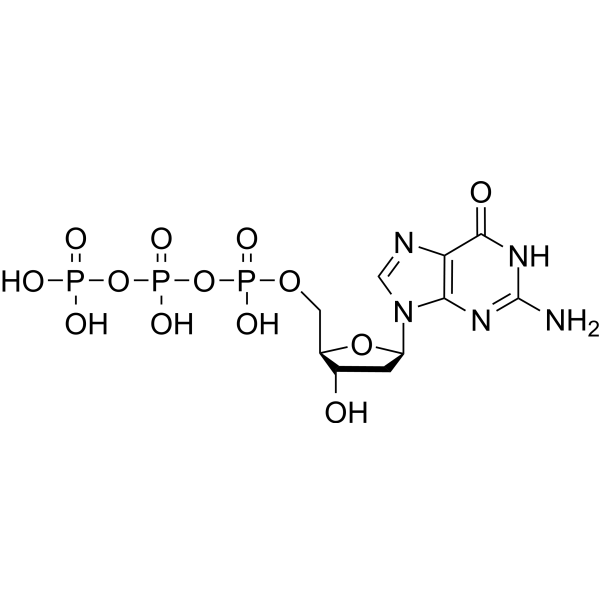
dGTP (2'-Deoxyguanosine-5'-triphosphate) is one of the precursors for DNA synthesis, and serves as a direct substrate for DNA replication and repair. dGTP is prone to oxidative damage; under the action of reactive oxygen species and other factors, dGTP is oxidized to form 8-oxo-dGTP .
|
-
-
- HY-113303
-
|
|
Endogenous Metabolite
|
Neurological Disease
Cancer
|
|
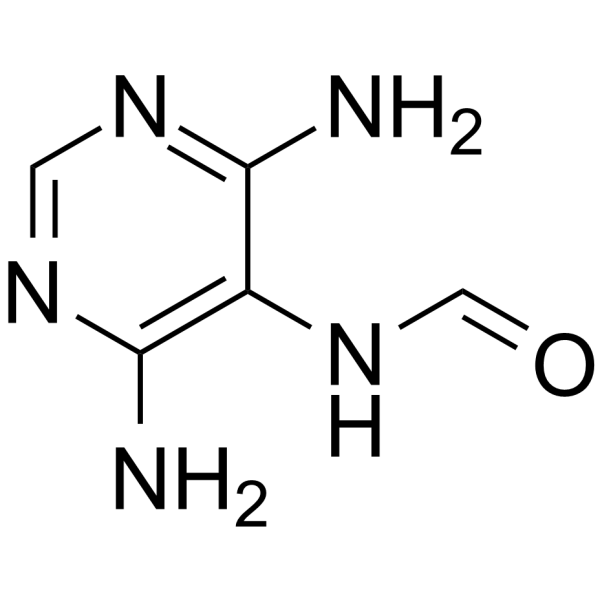
FAPy-adenine is an oxidized DNA base. Fapy-adenine shows an increased trend levels in the Alzheimer's disease brain. Oxidized nucleosides are biochemical markers for tumors, aging, and neurodegenerative diseases .
|
-
-
- HY-113314
-
|
|
Endogenous Metabolite
|
Cancer
|
|
AFMK, antioxidant metabolite of Melatonin, attenuates X-ray-induced oxidative damage to DNA, proteins and lipids in mice. AFMK is a poorer scavenger. The pKa of AFMK at physiological pH is 8.7. Antioxidant capacity . AFMK improves the anti-tumor effect of Gemcitabine in PANC-1 cells through the modulation of apoptotic pathway .
|
-
-
- HY-W142432
-
|
|
Biochemical Assay Reagents
β-catenin
Wnt
Arginase
TGF-beta/Smad
mTOR
Akt
ERK
Atg8/LC3
p62
Autophagy
|
Metabolic Disease
Inflammation/Immunology
Cancer
|
|
Perfluoroundecanoic acid is a perfluoroalkyl substance (PFAS). Perfluoroundecanoic acid is an orally active oxidative stress inducer. Perfluoroundecanoic acid promotes macrophage M2 polarization, activates Wnt/β-catenin signaling and enhances β-catenin nuclear accumulation. Perfluoroundecanoic acid -induced M2 phenotype macrophage accelerates tumor progression in vitro and in vivo. Perfluoroundecanoic acid induces DNA damage, reproductive and pathophysiological dysfunctions via oxidative stress in male Swiss mice. Perfluoroundecanoic acid inhibits Leydig cell development in pubertal male rats via inducing oxidative stress and autophagy. Perfluoroundecanoic acid accelerates insulitis development in a mouse model of type 1 diabetes. Perfluoroundecanoic acid can be used for the study of ovarian cancer, type 1 diabetes and inflammation .
|
-
-
- HY-133178
-
|
3,4,8,9-Tetrahydroxy urolithin
|
Ephrin Receptor
PPAR
AMPK
|
Metabolic Disease
Inflammation/Immunology
Cancer
|
|
Urolithin D (3,4,8,9-Tetrahydroxy urolithin) is a colonic metabolite of Ellagitannins and a competitive, reversible, and selective antagonist of the EphA receptor. Urolithin D inhibits EphA2-ephrin-A1 binding with an IC50 of 0.9 μM. Urolithin D is also a potent antioxidant that scavenges free radicals and repairs oxidized DNA damage. Additionally, Urolithin D suppresses triglyceride accumulation and promotes fatty acid oxidation by activating the AMPK signaling pathway. Urolithin D can be used for research on tumors, metabolic, and inflammatory diseases .
|
-
-
- HY-N5070
-
|
Depressin
|
Biochemical Assay Reagents
|
Others
|
|
Depressine is an iridoid glycoside that can be isolated from the methanol extract of the aerial parts of Gentiana depressa. Depressine can be used to reduce oxidative DNA base damage and strand breaks that are prone to occur during the preparation of silver nanoparticles (AgNPs) .
|
-
-
- HY-B1072
-
|
|
Environmental Pollutants
Parasite
Insecticide
|
Infection
|
|
Phenothrin is a Type I pyrethroid insecticide. Phenothrin induces dose-dependent DNA damage in human peripheral blood lymphocytes and hepatocytes, and exhibits definite genotoxic potential. Phenothrin acts as an insecticide for pest control in agriculture, households and public health, as well as for the elimination of human head lice infestations .
|
-
-
- HY-W265757
-
|
|
DNA/RNA Synthesis
|
Cancer
|
|
4-Ethylcatechol is a ring-dihydroxylated metabolite of 4-Ethylphenol that leads to oxidative DNA damage .
|
-
-
- HY-116568
-
|
JAU-6476
|
Fungal
Cytochrome P450
Microtubule/Tubulin
Mitochondrial Metabolism
DNA/RNA Synthesis
Apoptosis
Fatty Acid Synthase (FASN)
|
Infection
Metabolic Disease
Endocrinology
|
|
Prothioconazole is an orally active broad-spectrum fungicide. Prothioconazole weakly inhibits CaCYP51 activity in Candida albicans, with an apparent IC50 of approximately 120 μM. Prothioconazole disrupts Microtubule stability by reducing the acetylation level of α-tubulin. Prothioconazole induces Mitochondrial dysfunction, oxidative stress, DNA damage, and Apoptosis. Prothioconazole accumulates 14-methylated sterols and depletes ergosterol in cells, culture media, plants, and animals. Prothioconazole interferes with pyruvate metabolism and glycolysis/gluconeogenesis processes in mouse liver, downregulates Fasn mRNA expression, and induces hepatotoxicity and renal metabolic disorders. Prothioconazole reduces the fertility of female mice. Prothioconazole inhibits body weight gain and increases liver/kidney indices in mice. Prothioconazole can be used in studies related to candidiasis .
|
-
-
- HY-W341499
-
|
|
Endogenous Metabolite
|
Others
|
|
5-Formyl-2'-deoxyuridine is a product formed when the 5-methyl group of thymine in DNA undergoes oxidation due to exposure to gamma radiation or certain chemical agents. Serving as a biomarker of oxidative DNA damage, 5-formyl-2'-deoxyuridine is employed in investigations of DNA damage and repair mechanisms. Additionally, 5-Formyl-2'-deoxyuridine can be used in studies involving chemically crosslinking with peptides derived from the RecA protein .
|
-
-
- HY-W023144
-
-
-
- HY-D2353
-
|
|
DNA/RNA Synthesis
|
Cancer
|
|
Biotin-PEG3-benzophenone is biotin-labeled Benzophenone (HY-Y0546). Benzophenone is an endogenous metabolite and a photosensitizer that has been implicated in photosensitive damage to DNA. Benzophenone causes nucleobase oxidation, formation of cyclobutane-pyrimidine dimers, single-strand breaks, DNA-protein cross-links or abasic sites, different pathologies that may occur in nucleosides, oligonucleotides or DNA .
|
-
-
- HY-123230R
-
|
CGA 279202 (Standard)
|
Reference Standards
Fungal
Caspase
PARP
Apoptosis
|
Infection
Neurological Disease
|
|
Trifloxystrobin (Standard) is the analytical standard of Trifloxystrobin. This product is intended for research and analytical applications. Trifloxystrobin (CGA 279202) is a type of fungicide. Trifloxystrobin has toxicity, antiparasitic activity and induce apoptosis, oxidative stress and DNA damage. Trifloxystrobin can be used for the reaesrch of fungal diseases .
|
-
-
- HY-138071
-
|
8αTGH
|
STAT
Pyroptosis
Apoptosis
Reactive Oxygen Species (ROS)
c-Myc
Bcl-2 Family
TrxR
|
Cancer
|
|
8α-Tigloyloxyhirsutinolide 13-O-acetate (8αTGH) is a potent and orally active STAT3 inhibitor. 8α-Tigloyloxyhirsutinolide 13-O-acetate induces early oxidative stress and pyroptosis, and late DNA damage, cell cycle arrest, apoptosis in the TNBC cells. 8α-Tigloyloxyhirsutinolide 13-O-acetate suppresses tumor cell growth in vitro and tumor growth in vivo .
|
-
-
- HY-153190
-
W1131
1 Publications Verification
|
Oxidative Phosphorylation
STAT
Ferroptosis
|
Cancer
|
|
W1131 is a potent STAT3 inhibitor, triggering ferroptosis. W1131 suppresses cancer progression in gastric cancer cell subcutaneous xenograft model, organoids model, and PDX model. W1131 effectively alleviates chemical resistance of cancer cells to 5-FU (HY-90006). W1131 regulates cell cycle, DNA damage response, and oxidative phosphorylation, including IL6-JAK-STAT3 pathway and ferroptosis pathway .
|
-
-
- HY-W654228
-
|
5hmdC-d3
|
Isotope-Labeled Compounds
DNA/RNA Synthesis
Drug Derivative
|
Cancer
|
|
5-Hydroxymethyl-2'-deoxycytidine-d3 (5hmdC-d3) is the deuterium labeled 5-Hydroxymethyl-2'-deoxycytidine (HY-131394). 5-Hydroxymethyl-2’-deoxycytidine (5hmdC) is an oxidation derivative of 5-methyl-2'-deoxycytidine (5-mdC) in DNA. 5-Hydroxymethyl-2’-deoxycytidine may serve as a marker of irreversibly damaged cells .
|
-
-
- HY-W718423
-
|
IDPP
|
DNA/RNA Synthesis
MDM-2/p53
|
Cancer
|
|
Isodecyl diphenyl phosphate (IDPP) is a flame retardant. Isodecyl diphenyl phosphate induces cytotoxicity, DNA damage, mitochondrial dysfunction and oxidative stress in cancer cells, and mediates DNA damage and cell cycle arrest via a p53-dependent pathway .
|
-
-
- HY-121641
-
|
|
Reactive Oxygen Species (ROS)
|
|
|
Nitrosobenzene is a radical scavenger that can be used to study oxidative DNA damage and the respiratory burst reaction of neutrophils induced by nitro compounds .
|
-
-
- HY-W004924
-
|
|
Endogenous Metabolite
|
Others
|
|
5-Hydroxymethyluracil is a product of oxidative DNA damage. 5-Hydroxymethyluracil can be used as a potential epigenetic mark enhancing or inhibiting transcription with bacterial RNA polymerase.
|
-
-
- HY-171230
-
|
|
DNA/RNA Synthesis
|
Cancer
|
|
MTH1 activator-1 is an MTH1 activator that enhances endogenous MTH1 activity and significantly reduces 8-oxo-dG levels in cellular DNA. MTH1 activator-1 can be used to probe the cellular and biological effects of upregulated oxidative damage repair in nucleotide pools and to delay or abrogate tumorigenesis .
|
-
-
- HY-132972
-
|
|
TrxR
Reactive Oxygen Species (ROS)
Autophagy
Atg8/LC3
Beclin1
p62
|
Cancer
|
|
TrxR-IN-2 is a thioredoxin reductase (TrxR) inhibitor. TrxR-IN-2 increases reactive oxidative species (ROS) levels and decreases mitochondrial transmembrane potential levels. TrxR-IN-2 triggers DNA damage via H2AX regulation, and induces autophagy via LC3, beclin-1, and p62 regulation. TrxR-IN-2 can be used for the research of drug-resistant hepatocellular carcinoma[1].
|
-
-
- HY-155801
-
|
|
Toll-like Receptor (TLR)
NF-κB
TNF Receptor
MyD88
Apoptosis
DNA/RNA Synthesis
|
Cardiovascular Disease
Infection
Neurological Disease
Inflammation/Immunology
Cancer
|
|
CRX 527 is a TLR4 agonist. CRX 527 activates the MyD88-dependent, TRIF-dependent, and TRAF6/NF-κB signaling pathways downstream of TLR4, mimics lipid A, and regulates antigen processing and presentation by dendritic cells. CRX 527 stimulates innate immune responses and enhances vaccine efficacy. CRX 527 maintains the structural integrity of hematopoietic tissues, spleen and intestine, alleviates radiation-induced damage, preserves intestinal homeostasis, and inhibits apoptosis, inflammatory responses, oxidative stress and DNA damage. CRX 527 can be used in the research of acute radiation syndrome, melanoma, HPV-related tumors and intracerebral hemorrhage .
|
-
-
- HY-125209A
-
|
|
Apoptosis
PARP
DNA/RNA Synthesis
|
Cancer
|
|
TH5427 hydrochloride is a NUDT5 inhibitor with a human target IC50 of 29 nM, ~690-fold selectivity over MTH1 in vitro, and selective functional inhibition over other NUDIX hydrolases including NUDT9 .TH5427 hydrochloride binds to the active site of NUDT5, blocking enzymatic activity related to ADP-ribose metabolism and PAR-derived ATP synthesis .TH5427 hydrochloride blocks progestin-dependent nuclear ATP synthesis, impairs progestin-induced chromatin remodeling, inhibits histone H1 displacement, disrupts progestin-dependent gene regulation, and abrogates progestin-dependent proliferation in breast cancer cells .TH5427 hydrochloride functions as a versatile probe to study nuclear ATP dynamics and ADP-ribose-related metabolism in cells .TH5427 hydrochloride engages NUDT5 at physiological temperatures, as demonstrated by Drug Affinity Responsive Target Stability (DARTS) assay .TH5427 hydrochloride stabilizes NUDT5 against thermal denaturation in cell lysates and intact cells, as shown by cellular thermal shift assay (CETSA) .TH5427 hydrochloride functionally inhibits NUDT5 activity, leading to downstream effects on oxidative DNA damage and DNA replication in triple-negative breast cancer (TNBC) cells .TH5427 hydrochloride suppresses proliferation of TNBC cells without inducing cell death or apoptosis, slows DNA replication in TNBC cells, promotes accumulation of oxidative DNA lesions, and triggers DNA damage response in TNBC cells .TH5427 hydrochloride suppresses growth of TNBC cells in vitro, inhibits growth of TNBC xenograft tumors in nude mice in vivo, and shows greater potency against TNBC cell lines compared to ER-positive and normal-like breast cell lines .TH5427 hydrochloride can be used for the research of breast cancer and triple-negative breast cancer .
|
-
-
- HY-134013
-
|
|
DNA/RNA Synthesis
Endothelin Receptor
|
Cardiovascular Disease
Cancer
|
|
Piperitenone oxide is an orally active monoterpene ketone. Piperitenone oxide can be isolated from the essential oils of plants belonging to Mentha x villosa and Ziziphora clinopodioides. Piperitenone oxide induces differentiation. Piperitenone oxide induces chromosome breakage damage, aneuploidy damage and DNA single-strand breaks. Piperitenone oxide reduces ET-1 levels. Piperitenone oxide exerts antihypertensive effects. Piperitenone oxide can be used in studies related to colon cancer .
|
-
-
- HY-108385
-
|
|
Isotope-Labeled Compounds
Endogenous Metabolite
DNA/RNA Synthesis
PPAR
Reactive Oxygen Species (ROS)
Apoptosis
Fungal
|
Inflammation/Immunology
Cancer
|
|
Ochratoxin A-D4 (Phe-OTA-D4) is the deuterium labeled Ochratoxin A. Ochratoxin A is an orally active food-borne mycotoxin that can cross the blood-brain barrier. Ochratoxin A is a secondary metabolite of fungi belonging to the genera Aspergillus and Penicillium, and is classified as a Group 2B carcinogen. Ochratoxin A exerts its effects through multiple pathways, including inducing oxidative stress, inhibiting mitochondrial respiration, causing oxidative DNA damage, disrupting the PPAR-γ-CD36 axis, inducing immunosuppression, generating ROS, mediating mitochondria-dependent apoptosis, inhibiting glutamate uptake, triggering demyelination and neuroinflammation, inducing DNA hypomethylation, and inhibiting cell proliferation. Ochratoxin A can induce nephrotoxicity, hepatotoxicity, immunotoxicity, and neurotoxicity, and also exhibits mutagenicity, teratogenicity, and carcinogenicity.
|
-
-
- HY-113110A
-
|
L-Cysteinylglycine TFA; Cys-Gly TFA; H-Cys-Gly-OH TFA
|
Endogenous Metabolite
Reactive Oxygen Species (ROS)
DNA/RNA Synthesis
|
Cardiovascular Disease
Cancer
|
|
Cysteinylglycine (L-Cysteinylglycine; Cys-Gly) TFA is a dipeptide formed by the peptide bond connection of cysteine and glycine. Cysteinylglycine TFA is an important metabolic intermediate in the human body, mainly derived from the degradation of glutathione (GSH). Cysteinylglycine TFA can reduce trivalent iron to divalent iron, driving the redox cycle of iron, generating reactive oxygen species (ROS), stimulating oxidative reactions, inducing lipid peroxidation in human plasma LDL lipoproteins, and causing oxidative damage to DNA base. Cysteinylglycine TFA can be used as a biomarker to assess ischemic heart disease and breast cancer, etc [1][2][3][4].
|
-
-
- HY-120420
-
|
|
Antibiotic
|
Cancer
|
|
N4Py is a pentadentate ligand, that forms a stable complex with metal ions, such as iron, platinum, and copper. N4py mimics the metal binding domains of iron-dependent antibiotics like Bleomycin(HY-17565), forms the DNA-cleaving FeII-N4Py complexes, generates reactive oxygen species (ROS), and causes oxidative damage in cells. N4py can be used in cancer research .
|
-
- HY-P5265
-
|
|
DNA/RNA Synthesis
|
Metabolic Disease
|
|
Tetrapeptide, an analogue of α-MSH, induces melanin synthesis. Tetrapeptide diminishes DNA damage by reducing the production of reactive oxidative species and enhancing repair of DNA photoproducts .
|
-
- HY-148296
-
-
- HY-201296A
-
|
TUCA sodium
|
Drug Isomer
|
Cancer
|
|
Tauroursocholic acid (TUCA) sodium is a taurine-conjugated form of the bile acid ursocholic acid and the 7β-hydroxy epimer of Taurocholic acid (HY-B1788). Tauroursocholic acid sodium exists in abundance during the biliary tract cancer, disrupting the balance and cellular toxicity of bile acids and inducing carcinogenesis through oxidative DNA damage and DNA mutation. Tauroursocholic acid (TUCA) sodium can be used for biliary tract cancer research .
|
-
- HY-W004924S
-
|
|
Endogenous Metabolite
|
Others
|
|
5-Hydroxymethyluracil-d3 is the deuterium labeled 5-Hydroxymethyluracil . 5-Hydroxymethyluracil is a product of oxidative DNA damage. 5-Hydroxymethyluracil can be used as a potential epigenetic mark enhancing or inhibiting transcription with bacterial RNA polymerase .
|
-
- HY-N6626R
-
|
|
Reference Standards
Fungal
Bacterial
Bcl-2 Family
Autophagy
Beclin1
AMPK
mTOR
|
Infection
Metabolic Disease
|
|
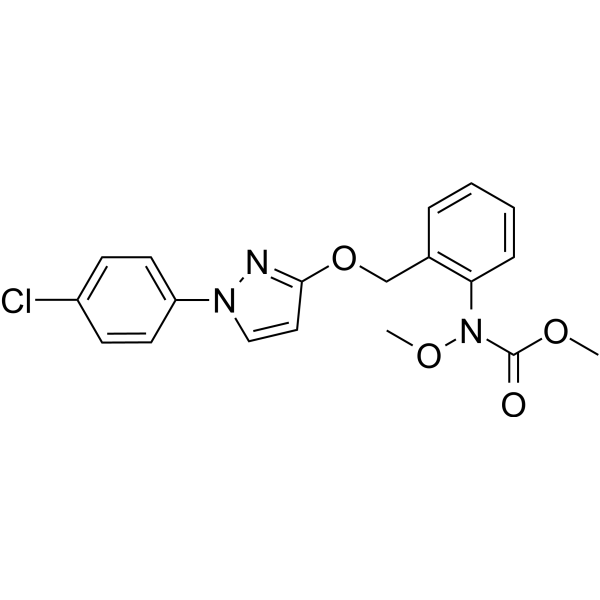
Pyraclostrobin (Standard) is the analytical standard of Pyraclostrobin. This product is intended for research and analytical applications. Pyraclostrobin is a highly effective and broad-spectrum strobilurin fungicide. Pyraclostrobin can induce oxidative DNA damage, mitochondrial dysfunction and autophagy through the activation of AMPK/mTOR signaling. Pyraclostrobin can be used to control crop diseases .
|
-
- HY-113110R
-
|
L-Cysteinylglycine (Standard); Cys-Gly (Standard); H-Cys-Gly-OH (Standard)
|
Reference Standards
Endogenous Metabolite
Reactive Oxygen Species (ROS)
DNA/RNA Synthesis
|
Cardiovascular Disease
Cancer
|
|
Cysteinylglycine (Standard) is the analytical standard of Cysteinylglycine. This product is intended for research and analytical applications. Cysteinylglycine is a dipeptide formed by the peptide bond linkage between cysteine (Cysteine) and glycine (Glycine). Cysteinylglycine is an important metabolic intermediate in the human body, mainly derived from the degradation of glutathione (GSH). Cysteinylglycine reduces ferric iron to ferrous iron, drives the redox cycle of iron, generates reactive oxygen species (ROS), stimulates oxidative reactions, induces lipid peroxidation of human plasma LDL lipoproteins, and causes oxidative damage to DNA bases. Cysteinylglycine can be used as a biomarker to evaluate ischemic heart disease, breast cancer and other conditions .
|
-
- HY-W265757R
-
-
- HY-N7690R
-
|
|
Reference Standards
Calcium Channel
|
Cardiovascular Disease
Metabolic Disease
|
|
3,5,7,3’,4’-Pentamethoxyflavone is a Ca2+ channel inhibitor. 3,5,7,3’,4’-Pentamethoxyflavone can protect DNA from oxidative damage. 3,5,7,3’,4’-Pentamethoxyflavone can induce relaxation of the human corpus cavernosum through calcium mobilization-related mechanisms. 3,5,7,3’,4’-Pentamethoxyflavone can promote the expression of eNOS and cystathionine gamma lyase CSE proteins in middle-aged male rats and regulate vascular function. 3,5,7,3’,4’-Pentamethoxyflavone can be used in research related to diabetes and cardiovascular diseases .
|
-
- HY-123581R
-
|
|
Reference Standards
Antibiotic
Bacterial
ATF6
DAPK
Autophagy
NF-κB
NO Synthase
Apoptosis
Reactive Oxygen Species (ROS)
|
Infection
Inflammation/Immunology
|
|
Quinocetone (Standard) is the analytical standard of Quinocetone (HY-123581). This product is used for research and analytical purposes. Quinocetone is an orally active animal feed additive used to increase the meat production of livestock and poultry. Quinocetone exhibits antibacterial activity against a variety of pathogenic microorganisms. Quinocetone exhibits tissue-specific (liver, lymphocyte) toxicity. Quinocetone induces autophagy in cells through the ATF6/DAPK1 pathway. Quinocetone activates the NF-κB and iNOS pathways, leading to cell apoptosis, hepatocyte vacuolar degeneration and fibrosis. Quinocetone can inhibit Nrf2/HO-1 and induce the generation of reactive oxygen species (ROS), leading to oxidative stress and DNA damage.
|
-
- HY-113338A
-
|
8-Oxoguanine hydrochloride; 8-oxo-Gua hydrochloride
|
Endogenous Metabolite
|
Metabolic Disease
|
|
8-Hydroxyguanine hydrochloride is a DNA damage product under oxidative stress, which is formed when hydroxyl radicals attack guanine in DNA. 8-Hydroxyguanine hydrochloride induces mutagenesis and leads to a transversion from G to T. 8-Hydroxyguanine hydrochloride is a marker of DNA oxidative damage .
|
-
- HY-123501
-
-
- HY-P2926
-
|
|
DNA/RNA Synthesis
|
Neurological Disease
Cancer
|
|
Formamidopyrimidine-DNA glycosylase is a selective DNA repair enzyme. Formamidopyrimidine-DNA glycosylase is promising for research of DNA damage repair and the and oxidative stress-related diseases (e.g., cancer, neurodegenerative diseases) .
|
-
- HY-W004924R
-
|
|
Reference Standards
Endogenous Metabolite
|
Others
|
|
5-Hydroxymethyluracil is a product of oxidative DNA damage. 5-Hydroxymethyluracil can be used as a potential epigenetic mark enhancing or inhibiting transcription with bacterial RNA polymerase.
|
-
- HY-113303R
-
|
|
Endogenous Metabolite
Reference Standards
|
Neurological Disease
Cancer
|
|
FAPy-adenine (Standard) is the analytical standard of FAPy-adenine. This product is intended for research and analytical applications. FAPy-adenine is an oxidized DNA base. Fapy-adenine shows an increased trend levels in the Alzheimer's disease brain. Oxidized nucleosides are biochemical markers for tumors, aging, and neurodegenerative diseases .
|
-
- HY-W011956R
-
|
|
Drug Metabolite
Reference Standards
Endogenous Metabolite
|
Neurological Disease
Metabolic Disease
|
|
6-Hydroxymelatonin (Standard) is the analytical standard of 6-Hydroxymelatonin. This product is intended for research and analytical applications. 6-Hydroxymelatonin is the main metabolite of melatonin (HY-B0075) after being metabolized by CYP1A2 and can cross the blood-brain barrier. 6-Hydroxymelatonin has strong free radical scavenging ability and antioxidant activity, and can alleviate oxidative damage caused by various neurotoxins. 6-Hydroxymelatonin can cause oxidative DNA damage in the presence of copper ions through a "non-quinone" type redox cycling mechanism.
|
-
- HY-123230S1
-
|
CGA 279202-d3
|
Fungal
Isotope-Labeled Compounds
|
Others
|
|
Trifloxystrobin-d3 is the deuterium labeled Trifloxystrobin (HY-123230). Trifloxystrobin (CGA 279202) is a type of fungicide. Trifloxystrobin has toxicity, antiparasitic activity and induce apoptosis, oxidative stress and DNA damage. Trifloxystrobin can be used for the reaesrch of fungal diseases .
|
-
- HY-W740121
-
|
|
Reactive Oxygen Species (ROS)
|
Cancer
|
|
4-Methoxy-d3 17b-estradiol is the deuterium labeled 4-Methoxyestradiol (HY-148296). 4-Methoxyestradiol is methoxylestradiol that induces oxidative DNA damage in human lung epithelial cells. 4-Methoxyestradiol also elevates ROS and SOD activities in H1355 cells .
|
-
- HY-W004520R
-
|
5-Methylphenazinium methylsulfate (Standard)
|
Reference Standards
Bacterial
Antibiotic
Apoptosis
|
Cancer
|
|
Phenazine (methylsulfate) (Standard) is the analytical standard of Phenazine (methylsulfate). This product is intended for research and analytical applications. Phenazine methylsulfate is a free radical generator that can act as an electron transfer reactant in cell viability assays. It also has insecticidal properties. Furthermore, Phenazine methylsulfate induces oxidative DNA damage and cell apoptosis, showing antitumor activity[1][2][3].
|
-
- HY-D0185R
-
|
|
Endogenous Metabolite
Reference Standards
|
Metabolic Disease
|
|
2'-Deoxyguanosine monohydrate (Standard) is the analytical standard of 2'-Deoxyguanosine monohydrate. This product is intended for research and analytical applications. 2'-Deoxyguanosine monohydrate is a nucleoside composed of guanine and deoxyribose, and is one of the basic building blocks of DNA. In the oxidation reaction mediated by singlet oxygen 1O2, the guanine base of 2'-Deoxyguanosine is easily oxidized to generate two major products, 4,8-dihydro-4-hydroxy-8-oxodG and 7,8-dihydro-8-oxodG. The oxidation products of 2'-Deoxyguanosine monohydrate may participate in DNA damage, which may affect gene expression or induce cancer .
|
-
- HY-W142432R
-
|
|
Reference Standards
Biochemical Assay Reagents
|
Others
|
|
Perfluoroundecanoic acid (Standard) is the analytical standard of Perfluoroundecanoic acid. This product is intended for research and analytical applications. Perfluoroundecanoic acid is an orally active inducer of oxidative stress and DNA damage. Perfluoroundecanoic acid exhibits genotoxicity and reproductive toxicity in swiss mice. Perfluoroundecanoic acid is utilized as a processing aid in the manufacture of fluoropolymer for its thermal and pressure stability, and properties of having both water-repellent and oil-repellent groups and hydrophilic groups on the same molecule .
|
-
- HY-W768213
-
|
|
Isotope-Labeled Compounds
Endogenous Metabolite
|
Metabolic Disease
|
|
2'-Deoxyguanosine monohydrate- 13C5 is the 13C-labeled 2'-Deoxyguanosine monohydrate (HY-D0185). 2'-Deoxyguanosine monohydrate is a nucleoside composed of guanine and deoxyribose, and is one of the basic building blocks of DNA. In the oxidation reaction mediated by singlet oxygen 1O2, the guanine base of 2'-Deoxyguanosine is easily oxidized to generate two major products, 4,8-dihydro-4-hydroxy-8-oxodG and 7,8-dihydro-8-oxodG. The oxidation products of 2'-Deoxyguanosine monohydrate may participate in DNA damage, which may affect gene expression or induce cancer .
|
-
- HY-B0986R
-
|
4-Hexylresorcinol (Standard)
|
Reference Standards
Parasite
Bacterial
Apoptosis
Glycosidase
Endogenous Metabolite
|
Infection
Metabolic Disease
Cancer
|
|
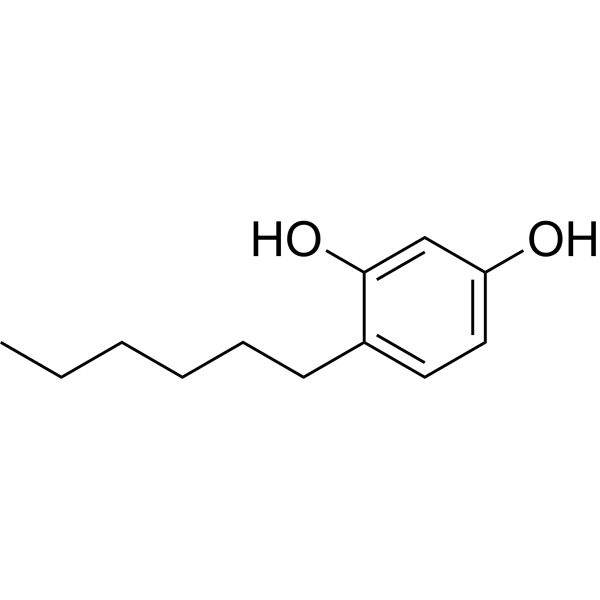
Hexylresorcinol (Standard) is the analytical standard of Hexylresorcinol. This product is intended for research and analytical applications. Hexylresorcinol (4-Hexylresorcinol) is a natural compound found in plants with antimicrobial, anthelmintic, antiseptic and antitumor activities. Hexylresorcinol can induce apoptosis in squamous carcinoma cells. Hexylresorcinol is a reversible and noncompetitive inhibitor of α-glucosidase. Hexylresorcinol has protective effects against oxidative DNA damage .
|
-
- HY-N7046R
-
|
Silibinin B (Standard)
|
Reference Standards
JNK
Amyloid-β
p38 MAPK
Apoptosis
|
Neurological Disease
Cancer
|
|
Silybin (Silibinin B) (Standard) is the analytical standard of Silybin B (HY-N7046). This product is intended for research and analytical applications. Silybin B (Silibinin B) is an orally active amyloid-β aggregation inhibitor and ATR pathway activator, that can cross the blood-brain barrier. Silybin B inhibits Aβ fibril formation and promotes amorphous aggregate formation, while activating the ATR-mediated DNA damage repair pathway and inhibiting JNK/p38 MAPK signaling. Silybin B can reduce Cisplatin (HY-17394)-induced neuronal DNA damage and apoptosis. Silybin B has anti-oxidative stress, cell cycle regulation and neuroprotective activities. Silybin B is mainly used in the study of Alzheimer's disease and Cisplatin chemotherapy-related neurotoxicity .
|
-
- HY-N7046S
-
|
Silibinin B-d3
|
Isotope-Labeled Compounds
Amyloid-β
Apoptosis
JNK
p38 MAPK
|
Neurological Disease
Cancer
|
|
Silybin B-d3 (Silibinin B-d3) is a deuterated Silybin B (HY-N7046). Silybin B (Silibinin B) is an orally active amyloid-β aggregation inhibitor and ATR pathway activator, that can cross the blood-brain barrier. Silybin B inhibits Aβ fibril formation and promotes amorphous aggregate formation, while activating the ATR-mediated DNA damage repair pathway and inhibiting JNK/p38 MAPK signaling. Silybin B can reduce Cisplatin (HY-17394)-induced neuronal DNA damage and apoptosis. Silybin B has anti-oxidative stress, cell cycle regulation and neuroprotective activities. Silybin B is mainly used in the study of Alzheimer's disease and Cisplatin chemotherapy-related neurotoxicity .
|
-
- HY-153190A
-
|
|
Ferroptosis
STAT
|
Cancer
|
|
W1131 TFA is a potent STAT3 inhibitor that induces ferroptosis. W1131 inhibits cancer progression in subcutaneous xenograft, organoid, and PDX models of gastric cancer. W1131 effectively alleviates cancer cell chemoresistance to 5-FU (HY-90006). W1131 regulates the cell cycle, DNA damage response, and oxidative phosphorylation, including the IL6-JAK-STAT3 pathway and the ferroptosis pathway .
|
-
- HY-W424851
-
|
6,7-Dimethoxy-2-(1-piperazinyl)-4-quinazolinamine hydrochloride
|
PARP
|
Infection
Inflammation/Immunology
|
|
DPQ hydrochloride is a blood-brain barrier permeable and selective PARP-1 inhibitor that blocks PARP-1-mediated DNA damage repair and NAD +/ATP consumption, thereby inhibiting excessive inflammatory responses. DPQ hydrochloride inhibits NF-κB pathway activation, reduces the expression of pro-inflammatory factors (such as TNF-α, IL-6) and oxidative stress. DPQ hydrochloride can be used in inflammation-related studies of acute lung injury, myocardial infarction, and neurodegenerative diseases .
|
-
- HY-161823
-
|
|
Bacterial
|
Infection
|
|
Anti-MRSA agent 13 (Compound 9b) is an agent against methicillin-resistant Staphylococcus aureus (MRSA), exhibiting a minimum inhibitory concentration (MIC) of 0.5–2 μg/mL against clinically isolated MRSA strains. Anti-MRSA agent 13 possesses favorable biosafety, plasma tolerance stability, and a low tendency to develop resistance. Anti-MRSA agent 13 disrupts cell walls and membranes, reduces metabolic activity, causes oxidative damage, affects DNA function, and ultimately leads to MRSA death through multi-target synergies .
|
-
- HY-145538
-
|
5'-Deoxyguanylic acid disodium hydrate
|
DNA/RNA Synthesis
|
Others
|
|
2'-Deoxyguanosine 5'-monophosphate (5'-Deoxyguanylic acid; dGMP) disodium hydrate is an oxidizable target of the photosensitizer pterin (PT) and can be used to evaluate the photosensitizing properties of biopterins (such as Bip, Fop and Cap) . Pterin causes a photosensitive reaction of dGMP under UV-A radiation, causing damage to DNA molecules. There are two main mechanisms for the photosensitive oxidation of purine nucleotides by pterin in vitro: one is the hydrogen abstraction reaction of electron transfer from dGMP to the triplet excited state of pterin (type I mechanism), and the other is the interaction between dGMP and pterin. The reaction produces singlet molecular oxygen (1O2) (Type II mechanism) .
|
-
- HY-117007
-
|
|
Apoptosis
|
Others
|
|
Glycidyl methacrylate exhibits concentration-dependent cytotoxicity and genotoxicity against human peripheral blood lymphocytes and CCRF-CEM leukemia cells. Glycidyl methacrylate can induce DNA strand breaks, base oxidative damage, and apoptosis through oxidative stress mechanisms, but the induced DNA damage can be effectively cleared by the cellular repair system within 2 hours (>90%). Glycidyl methacrylate can be used in dental composite restorative materials .
|
-
- HY-133676S
-
|
|
Isotope-Labeled Compounds
Drug Metabolite
|
Others
|
|
Mono(2-ethyl-5-oxohexyl) phthalate-d4 is a deuterium labeled Mono(2-ethyl-5-oxohexyl) phthalate (HY-133676). Mono(2-ethyl-5-oxohexyl) phthalate is an oxidative metabolite of Di(2-ethylhexyl) phthalate (DEHP). Mono(2-ethyl-5-oxohexyl) phthalate may protective sperm DNA damage. Di(2-ethylhexyl) phthalate is the predominant plasticizer added to rigid polyvinyl chloride (PVC) to impart flexibility, temperature tolerance, optical clarity, strength and resistance to kinking .
|
-
- HY-133178R
-
|
3,4,8,9-Tetrahydroxy urolithin (Standard)
|
Reference Standards
Ephrin Receptor
PPAR
AMPK
|
Metabolic Disease
Inflammation/Immunology
Cancer
|
|
Urolithin D (Standard) (3,4,8,9-Tetrahydroxy urolithin (Standard)) is the analytical standard of Urolithin D (HY-133178). This product is intended for research and analytical applications. Urolithin D (3,4,8,9-Tetrahydroxy urolithin) is a colonic metabolite of Ellagitannins and a competitive, reversible, and selective antagonist of the EphA receptor. Urolithin D inhibits EphA2-ephrin-A1 binding with an IC50 of 0.9 μM. Urolithin D is also a potent antioxidant that scavenges free radicals and repairs oxidized DNA damage. Additionally, Urolithin D suppresses triglyceride accumulation and promotes fatty acid oxidation by activating the AMPK signaling pathway. Urolithin D can be used for research on tumors, metabolic, and inflammatory diseases .
|
-
- HY-W767399
-
|
|
Isotope-Labeled Compounds
DNA/RNA Synthesis
Nucleoside Antimetabolite/Analog
|
Cancer
|
|
8-Bromo-2'-deoxyguanosine- 13C, 15N2 is the 13C- and 15N-labeled 8-Bromo-2'-deoxyguanosine (HY-W011168). 8-Bromo-2'-deoxyguanosine is an inflammation-related DNA halogenated adduct and an early biomarker of inflammation-induced oxidative tissue damage. The formation of 8-Bromo-2'-deoxyguanosine precedes that of oxidative and nitrative products, and it can be generated via the MPO-H2O2-Cl --Br - system. 8-Bromo-2'-deoxyguanosine serves as the immunogen for preparing the monoclonal antibody mAb8B3, which can be used to detect early DNA modifications in preclinical models; its urinary level also increases significantly in inflammatory disease models. 8-Bromo-2'-deoxyguanosine can also be produced in the dermis of UV-B irradiated mice, and the extract of Coprinus comatus significantly reduces its level. 8-Bromo-2'-deoxyguanosine finds applications in studies related to inflammatory diseases, diabetes, hepatocellular carcinoma, and UV-B induced skin inflammation .
|
-
- HY-N0245R
-
|
|
Reference Standards
Apoptosis
MDM-2/p53
ATM/ATR
Checkpoint Kinase (Chk)
|
Cancer
|
|
Theaflavin-3-gallate (Standard) is the analytical standard of Theaflavin-3-gallate. This product is intended for research and analytical applications. Theaflavin-3-gallate, a black tea theaflavin monomer, is regarded as the biologically important active component of black tea and provides health benefits. Theaflavin-3-gallate acts as prooxidants and induces oxidative stress in the carcinoma cells. Theaflavin-3-gallate reacts directly with reduced glutathione (GSH) in a time- and concentration-dependent manner. Theaflavin-3-gallate induces apoptosis and G1 cell cycle arrest in ovarian cancer A2780/CP70 cells through p53-dependent pathways. Theaflavin-3-gallate induces DNA damage through ATM/Chk/p53 pathway .
|
-
- HY-132974
-
-
- HY-117171
-
-
- HY-W758386
-
-
- HY-N17651
-
|
|
Reactive Oxygen Species (ROS)
Fc Receptor (FcR)
Heme Oxygenase (HO)
|
Inflammation/Immunology
|
|
Tricetinidin chloride is an antioxidant. Tricetinidin chloride protects rat renal cells against oxidative stress and DNA damage by reducing ROS production, increasing GSH levels, restoring mitochondrial membrane potential, and upregulating HO-1 expression. Tricetinidin chloride also inhibits the expression of IgE receptors on human mast cells. Tricetinidin chloride can be used in the research of inflammatory and allergic diseases .
|
-
- HY-133676
-
|
5-oxo-MEHP
|
Others
Drug Metabolite
|
Others
|
|
Mono (2-ethyl-5-oxohexyl) phthalate (5-oxo-MEHP) is an oxidative metabolite of Di (2-ethylhexyl) phthalate (DEHP) . Mono (2-ethyl-5-oxohexyl) phthalate may protective sperm DNA damage. Di (2-ethylhexyl) phthalate is the predominant plasticizer added to rigid polyvinyl chloride (PVC) to impart flexibility, temperature tolerance, optical clarity, strength and resistance to kinking .
|
-
- HY-W142432S
-
|
|
Isotope-Labeled Compounds
Biochemical Assay Reagents
β-catenin
Wnt
Arginase
TGF-beta/Smad
mTOR
Akt
ERK
Atg8/LC3
p62
Autophagy
|
Metabolic Disease
|
|
Perfluoroundecanoic acid- 13C7 is the 13C-labeled Perfluoroundecanoic acid (HY-W142432). Perfluoroundecanoic acid is a perfluoroalkyl substance (PFAS). Perfluoroundecanoic acid is an orally active oxidative stress inducer. Perfluoroundecanoic acid promotes macrophage M2 polarization, activates Wnt/β-catenin signaling and enhances β-catenin nuclear accumulation. Perfluoroundecanoic acid -induced M2 phenotype macrophage accelerates tumor progression in vitro and in vivo. Perfluoroundecanoic acid induces DNA damage, reproductive and pathophysiological dysfunctions via oxidative stress in male Swiss mice. Perfluoroundecanoic acid inhibits Leydig cell development in pubertal male rats via inducing oxidative stress and autophagy. Perfluoroundecanoic acid accelerates insulitis development in a mouse model of type 1 diabetes. Perfluoroundecanoic acid can be used for the study of ovarian cancer, type 1 diabetes and inflammation .
|
-
- HY-180404
-
|
|
DNA/RNA Synthesis
|
Cancer
|
|
SU0383 is a dual MTH1 and OGG1 inhibitor with IC50 values of 0.034 μM and 0.49 μM, respectively. SU0383 induces cytotoxicity in cancer cells and increases sensitivity of tumor cells to oxidative stress, and showing low toxicity in normal cells. SU0383 can be used for cancer research .
|
-
- HY-181075
-
|
|
Bacterial
Reactive Oxygen Species (ROS)
|
Infection
|
|
Antibacterial agent 318 is an antibacterial agent that binds to bacterial DNA, blocks its replication, and forms supramolecular complexes. Antibacterial agent 318 acts as an oxidative stress inducer, elevating intracellular reactive oxygen species (ROS) levels, oxidizing glutathione (GSH) to glutathione disulfide (GSSG), depleting cellular GSH reserves, and inducing bacterial cell death through oxidative damage. Antibacterial agent 318 disrupts the bacterial cell membrane and reduces bacterial metabolic activity. Antibacterial agent 318 exhibits rapid bactericidal activity, inhibits bacterial biofilm formation, and displays minimal cytotoxicity toward non-cancerous mammalian cells. Antibacterial agent 318 is applicable in research on drug-resistant bacterial infections .
|
-
- HY-119578
-
|
|
Cytochrome P450
|
Cancer
|
|
Imiprothrin is an inducer that induces CYP1A2 and metallothionein 1a, with significant genotoxicity and cytotoxicity. In rat hepatocytes, Imiprothrin initiates detoxification responses by triggering the overexpression of these two genes. Imiprothrin induces chromosomal aberrations and micronucleus formation in rat bone marrow cells, and causes DNA damage in hepatocytes. Imiprothrin triggers oxidative stress in rats, leading to lipid peroxidation, excessive reactive oxygen species production and redox imbalance, which in turn impairs liver and kidney functions and causes tissue damage. Imiprothrin inhibits weight gain in mice, and even causes high mortality in female mice at high doses. However, it shows no carcinogenicity in rat experiments; among relevant indicators, aspartate aminotransferase and total protein are identified as sensitive toxicity biomarkers .
|
-
- HY-W008927
-
|
|
Fungal
Reactive Oxygen Species (ROS)
DNA/RNA Synthesis
Apoptosis
|
Infection
|
|
Fluoxastrobin is a fungicide. By binding to NAD-dependent epimerase/dehydratase, Fluoxastrobin interferes with electron transport, reduces ATP production and inhibits mycelial growth, thereby effectively controlling foliar diseases of tea plants. Fluoxastrobin induces oxidative stress by increasing ROS levels and lipid peroxidation, causes DNA damage and promotes apoptosis; meanwhile, it shows high acute toxicity to Danio rerio embryos and larvae. Fluoxastrobin can be used in research related to tea foliar diseases (including tea red leaf spot and tea gray leaf spot) .
|
-
-
-
HY-L178
-
|
|
2,846 compounds
|
|
Radiation sickness is a general term for various types and degrees of damage (or disease) occurring in the human body after exposure to ionizing radiation. Although small amounts of ionizing radiation can also cause the body to produce free radicals and ROS, causing oxidative stress, resulting in DNA damage and chromosomal aberration. Radioprotector are compounds with radiation protection that can be used to prevent/protect non-tumor cells from the harmful effects of radiation. Radioprotective compounds can prevent the damage of radioactive substances to the human body and reduce the clinical symptoms of various radioactive diseases. In addition, radioprotectors can protect normal cells from damage during radiation therapy. The ideal anti-radiation drug should not affect the sensitivity of tumor cells to radiation therapy while protecting normal cells.
MCE designs a unique collection of 2,846 radioprotectors. Radioprotector Library is an effective tool for acute Radiation Syndrome, drug combination research with radiation drugs.
|
| Cat. No. |
Product Name |
Type |
-
- HY-D2353
-
|
|
Fluorescent Dyes
|
|
Biotin-PEG3-benzophenone is biotin-labeled Benzophenone (HY-Y0546). Benzophenone is an endogenous metabolite and a photosensitizer that has been implicated in photosensitive damage to DNA. Benzophenone causes nucleobase oxidation, formation of cyclobutane-pyrimidine dimers, single-strand breaks, DNA-protein cross-links or abasic sites, different pathologies that may occur in nucleosides, oligonucleotides or DNA .
|
| Cat. No. |
Product Name |
Type |
-
- HY-W127709
-
|
|
Biochemical Assay Reagents
|
|
Chlorophyll b is an orally active tetrapyrrole derivative and pigment. Chlorophyll b can be obtained from photosynthetic organisms such as plants and algae. Chlorophyll b acts as a hydrogen donor and increases Glutathione levels. Chlorophyll b has antioxidant activity and functionally replaces chlorophyll a in photosystem II to participate in photosynthesis. Chlorophyll b reduces Cisplatin (HY-17394)-induced DNA damage, chromosome instability, and oxidative stress. Chlorophyll b is mainly used in the study of plant photosynthesis mechanism .
|
| Cat. No. |
Product Name |
Target |
Research Area |
-
- HY-113110
-
|
L-Cysteinylglycine; Cys-Gly; H-Cys-Gly-OH
|
Endogenous Metabolite
Reactive Oxygen Species (ROS)
DNA/RNA Synthesis
|
Cardiovascular Disease
Cancer
|
|
Cysteinylglycine (L-Cysteinylglycine; Cys-Gly) is a dipeptide formed by the peptide bond linkage between cysteine (Cysteine) and glycine (Glycine). Cysteinylglycine is an important metabolic intermediate in the human body, mainly derived from the degradation of glutathione (GSH). Cysteinylglycine reduces ferric iron to ferrous iron, drives the redox cycle of iron, generates reactive oxygen species (ROS), stimulates oxidative reactions, induces lipid peroxidation of human plasma LDL lipoproteins, and causes oxidative damage to DNA bases. Cysteinylglycine can be used as a biomarker to evaluate ischemic heart disease, breast cancer and other conditions .
|
-
- HY-113110A
-
|
L-Cysteinylglycine TFA; Cys-Gly TFA; H-Cys-Gly-OH TFA
|
Endogenous Metabolite
Reactive Oxygen Species (ROS)
DNA/RNA Synthesis
|
Cardiovascular Disease
Cancer
|
|
Cysteinylglycine (L-Cysteinylglycine; Cys-Gly) TFA is a dipeptide formed by the peptide bond connection of cysteine and glycine. Cysteinylglycine TFA is an important metabolic intermediate in the human body, mainly derived from the degradation of glutathione (GSH). Cysteinylglycine TFA can reduce trivalent iron to divalent iron, driving the redox cycle of iron, generating reactive oxygen species (ROS), stimulating oxidative reactions, inducing lipid peroxidation in human plasma LDL lipoproteins, and causing oxidative damage to DNA base. Cysteinylglycine TFA can be used as a biomarker to assess ischemic heart disease and breast cancer, etc [1][2][3][4].
|
-
- HY-P5265
-
|
|
DNA/RNA Synthesis
|
Metabolic Disease
|
|
Tetrapeptide, an analogue of α-MSH, induces melanin synthesis. Tetrapeptide diminishes DNA damage by reducing the production of reactive oxidative species and enhancing repair of DNA photoproducts .
|
| Cat. No. |
Product Name |
Category |
Target |
Chemical Structure |
-
- HY-113338
-
-
-
- HY-B0986
-
-
-
- HY-W011956
-
-
-
- HY-113110
-
-
-
- HY-N7046
-
-
-
- HY-N0245
-
-
-
- HY-N5048
-
|
6'-O-Galloyl paeoniflorin
|
Structural Classification
Paeonia lactiflora Pall.
Classification of Application Fields
Other Diseases
Phenols
Polyphenols
Plants
Paeoniaceae
Disease Research Fields
Source Classification
|
NF-κB
ERK
JNK
Nuclear Factor of activated T Cells (NFAT)
Keap1-Nrf2
PI3K
Akt
Reactive Oxygen Species (ROS)
Apoptosis
DNA/RNA Synthesis
|
|
Galloylpaeoniflorin (6'-O-Galloyl paeoniflorin) is an orally active galloylated derivative of Paeoniflorin (HY-N0293) found in peony roots with various anti-inflammatory and antioxidant activities. Galloylpaeoniflorin suppresses RANKL-induced activation of ERK, JNK, c-Fos, c-Jun, and NFATc1, and reduces osteoclast-specific gene expression. Galloylpaeoniflorin activates Nrf2 and PI3K/Akt pathways, inhibits NF-κB activation, and scavenges ROS to reduce oxidative DNA, lipid, and protein damage. Galloylpaeoniflorin attenuates neuroinflammation, inhibits apoptosis, reduces Helicobacter pylori-induced gastric mucosa injury and UVB-induced cell damage. Galloylpaeoniflorin can be used for the research of osteoporosis, gastritis, ischemic stroke and skin diseases .
|
-
-
- HY-126956
-
-
-
- HY-N7690
-
|
|
Flavonoids
Classification of Application Fields
Flavones
Metabolic Disease
Plants
Disease Research Fields
Zingiberaceae
|
Calcium Channel
|
|
3,5,7,3’,4’-Pentamethoxyflavone is a Ca 2+ channel inhibitor. 3,5,7,3’,4’-Pentamethoxyflavone can protect DNA from oxidative damage. 3,5,7,3’,4’-Pentamethoxyflavone can induce relaxation of the human corpus cavernosum through calcium mobilization-related mechanisms. 3,5,7,3’,4’-Pentamethoxyflavone can promote the expression of eNOS and cystathionine gamma lyase CSE proteins in middle-aged male rats and regulate vascular function. 3,5,7,3’,4’-Pentamethoxyflavone can be used in research related to diabetes and cardiovascular diseases .
|
-
-
- HY-138616
-
-
-
- HY-113303
-
-
-
- HY-113314
-
-
-
- HY-133178
-
|
3,4,8,9-Tetrahydroxy urolithin
|
Microorganisms
Classification of Application Fields
Phenols
Polyphenols
Disease Research Fields
Source Classification
Cancer
|
Ephrin Receptor
PPAR
AMPK
|
|
Urolithin D (3,4,8,9-Tetrahydroxy urolithin) is a colonic metabolite of Ellagitannins and a competitive, reversible, and selective antagonist of the EphA receptor. Urolithin D inhibits EphA2-ephrin-A1 binding with an IC50 of 0.9 μM. Urolithin D is also a potent antioxidant that scavenges free radicals and repairs oxidized DNA damage. Additionally, Urolithin D suppresses triglyceride accumulation and promotes fatty acid oxidation by activating the AMPK signaling pathway. Urolithin D can be used for research on tumors, metabolic, and inflammatory diseases .
|
-
-
- HY-N5070
-
-
-
- HY-138071
-
-
-
- HY-W004924
-
-
-
- HY-113110A
-
-
-
- HY-113110R
-
-
-
- HY-N7690R
-
|
|
Structural Classification
Flavonoids
Flavones
Plants
Zingiberaceae
|
Reference Standards
Calcium Channel
|
|
3,5,7,3’,4’-Pentamethoxyflavone is a Ca2+ channel inhibitor. 3,5,7,3’,4’-Pentamethoxyflavone can protect DNA from oxidative damage. 3,5,7,3’,4’-Pentamethoxyflavone can induce relaxation of the human corpus cavernosum through calcium mobilization-related mechanisms. 3,5,7,3’,4’-Pentamethoxyflavone can promote the expression of eNOS and cystathionine gamma lyase CSE proteins in middle-aged male rats and regulate vascular function. 3,5,7,3’,4’-Pentamethoxyflavone can be used in research related to diabetes and cardiovascular diseases .
|
-
-
- HY-W004924R
-
-
-
- HY-113303R
-
-
-
- HY-W011956R
-
-
-
- HY-D0185R
-
|
|
Structural Classification
Natural Products
Endogenous metabolite
Source Classification
|
Endogenous Metabolite
Reference Standards
|
|
2'-Deoxyguanosine monohydrate (Standard) is the analytical standard of 2'-Deoxyguanosine monohydrate. This product is intended for research and analytical applications. 2'-Deoxyguanosine monohydrate is a nucleoside composed of guanine and deoxyribose, and is one of the basic building blocks of DNA. In the oxidation reaction mediated by singlet oxygen 1O2, the guanine base of 2'-Deoxyguanosine is easily oxidized to generate two major products, 4,8-dihydro-4-hydroxy-8-oxodG and 7,8-dihydro-8-oxodG. The oxidation products of 2'-Deoxyguanosine monohydrate may participate in DNA damage, which may affect gene expression or induce cancer .
|
-
-
- HY-B0986R
-
-
-
- HY-N7046R
-
|
Silibinin B (Standard)
|
Flavanonols
Structural Classification
Flavonoids
Glycine soya
Phenols
Polyphenols
Cyamopsis tetragonoloba (L.) Taub.
Plants
Compositae
Source Classification
|
Reference Standards
JNK
Amyloid-β
p38 MAPK
Apoptosis
|
|
Silybin (Silibinin B) (Standard) is the analytical standard of Silybin B (HY-N7046). This product is intended for research and analytical applications. Silybin B (Silibinin B) is an orally active amyloid-β aggregation inhibitor and ATR pathway activator, that can cross the blood-brain barrier. Silybin B inhibits Aβ fibril formation and promotes amorphous aggregate formation, while activating the ATR-mediated DNA damage repair pathway and inhibiting JNK/p38 MAPK signaling. Silybin B can reduce Cisplatin (HY-17394)-induced neuronal DNA damage and apoptosis. Silybin B has anti-oxidative stress, cell cycle regulation and neuroprotective activities. Silybin B is mainly used in the study of Alzheimer's disease and Cisplatin chemotherapy-related neurotoxicity .
|
-
-
- HY-133178R
-
|
3,4,8,9-Tetrahydroxy urolithin (Standard)
|
Microorganisms
Phenols
Polyphenols
Source Classification
|
Reference Standards
Ephrin Receptor
PPAR
AMPK
|
|
Urolithin D (Standard) (3,4,8,9-Tetrahydroxy urolithin (Standard)) is the analytical standard of Urolithin D (HY-133178). This product is intended for research and analytical applications. Urolithin D (3,4,8,9-Tetrahydroxy urolithin) is a colonic metabolite of Ellagitannins and a competitive, reversible, and selective antagonist of the EphA receptor. Urolithin D inhibits EphA2-ephrin-A1 binding with an IC50 of 0.9 μM. Urolithin D is also a potent antioxidant that scavenges free radicals and repairs oxidized DNA damage. Additionally, Urolithin D suppresses triglyceride accumulation and promotes fatty acid oxidation by activating the AMPK signaling pathway. Urolithin D can be used for research on tumors, metabolic, and inflammatory diseases .
|
-
-
- HY-N0245R
-
-
-
- HY-N17651
-
-
| Cat. No. |
Product Name |
Chemical Structure |
-
- HY-W654228
-
|
|
|
5-Hydroxymethyl-2'-deoxycytidine-d3 (5hmdC-d3) is the deuterium labeled 5-Hydroxymethyl-2'-deoxycytidine (HY-131394). 5-Hydroxymethyl-2’-deoxycytidine (5hmdC) is an oxidation derivative of 5-methyl-2'-deoxycytidine (5-mdC) in DNA. 5-Hydroxymethyl-2’-deoxycytidine may serve as a marker of irreversibly damaged cells .
|
-
-
- HY-W004924S
-
|
|
|
5-Hydroxymethyluracil-d3 is the deuterium labeled 5-Hydroxymethyluracil . 5-Hydroxymethyluracil is a product of oxidative DNA damage. 5-Hydroxymethyluracil can be used as a potential epigenetic mark enhancing or inhibiting transcription with bacterial RNA polymerase .
|
-
-
- HY-123230S1
-
|
|
|
Trifloxystrobin-d3 is the deuterium labeled Trifloxystrobin (HY-123230). Trifloxystrobin (CGA 279202) is a type of fungicide. Trifloxystrobin has toxicity, antiparasitic activity and induce apoptosis, oxidative stress and DNA damage. Trifloxystrobin can be used for the reaesrch of fungal diseases .
|
-
-
- HY-W740121
-
|
|
|
4-Methoxy-d3 17b-estradiol is the deuterium labeled 4-Methoxyestradiol (HY-148296). 4-Methoxyestradiol is methoxylestradiol that induces oxidative DNA damage in human lung epithelial cells. 4-Methoxyestradiol also elevates ROS and SOD activities in H1355 cells .
|
-
-
- HY-W768213
-
|
|
|
2'-Deoxyguanosine monohydrate- 13C5 is the 13C-labeled 2'-Deoxyguanosine monohydrate (HY-D0185). 2'-Deoxyguanosine monohydrate is a nucleoside composed of guanine and deoxyribose, and is one of the basic building blocks of DNA. In the oxidation reaction mediated by singlet oxygen 1O2, the guanine base of 2'-Deoxyguanosine is easily oxidized to generate two major products, 4,8-dihydro-4-hydroxy-8-oxodG and 7,8-dihydro-8-oxodG. The oxidation products of 2'-Deoxyguanosine monohydrate may participate in DNA damage, which may affect gene expression or induce cancer .
|
-
-
- HY-N7046S
-
|
|
|
Silybin B-d3 (Silibinin B-d3) is a deuterated Silybin B (HY-N7046). Silybin B (Silibinin B) is an orally active amyloid-β aggregation inhibitor and ATR pathway activator, that can cross the blood-brain barrier. Silybin B inhibits Aβ fibril formation and promotes amorphous aggregate formation, while activating the ATR-mediated DNA damage repair pathway and inhibiting JNK/p38 MAPK signaling. Silybin B can reduce Cisplatin (HY-17394)-induced neuronal DNA damage and apoptosis. Silybin B has anti-oxidative stress, cell cycle regulation and neuroprotective activities. Silybin B is mainly used in the study of Alzheimer's disease and Cisplatin chemotherapy-related neurotoxicity .
|
-
-
- HY-133676S
-
|
|
|
Mono(2-ethyl-5-oxohexyl) phthalate-d4 is a deuterium labeled Mono(2-ethyl-5-oxohexyl) phthalate (HY-133676). Mono(2-ethyl-5-oxohexyl) phthalate is an oxidative metabolite of Di(2-ethylhexyl) phthalate (DEHP). Mono(2-ethyl-5-oxohexyl) phthalate may protective sperm DNA damage. Di(2-ethylhexyl) phthalate is the predominant plasticizer added to rigid polyvinyl chloride (PVC) to impart flexibility, temperature tolerance, optical clarity, strength and resistance to kinking .
|
-
-
- HY-W767399
-
|
|
|
8-Bromo-2'-deoxyguanosine- 13C, 15N2 is the 13C- and 15N-labeled 8-Bromo-2'-deoxyguanosine (HY-W011168). 8-Bromo-2'-deoxyguanosine is an inflammation-related DNA halogenated adduct and an early biomarker of inflammation-induced oxidative tissue damage. The formation of 8-Bromo-2'-deoxyguanosine precedes that of oxidative and nitrative products, and it can be generated via the MPO-H2O2-Cl --Br - system. 8-Bromo-2'-deoxyguanosine serves as the immunogen for preparing the monoclonal antibody mAb8B3, which can be used to detect early DNA modifications in preclinical models; its urinary level also increases significantly in inflammatory disease models. 8-Bromo-2'-deoxyguanosine can also be produced in the dermis of UV-B irradiated mice, and the extract of Coprinus comatus significantly reduces its level. 8-Bromo-2'-deoxyguanosine finds applications in studies related to inflammatory diseases, diabetes, hepatocellular carcinoma, and UV-B induced skin inflammation .
|
-
-
- HY-W758386
-
|
|
|
4-Methoxyestradiol-d5 is the deuterium labeled 4-Methoxyestradiol (HY-148296). 4-Methoxyestradiol is methoxylestradiol that induces oxidative DNA damage in human lung epithelial cells. 4-Methoxyestradiol also elevates ROS and SOD activities in H1355 cells .
|
-
-
- HY-W142432S
-
|
|
|
Perfluoroundecanoic acid- 13C7 is the 13C-labeled Perfluoroundecanoic acid (HY-W142432). Perfluoroundecanoic acid is a perfluoroalkyl substance (PFAS). Perfluoroundecanoic acid is an orally active oxidative stress inducer. Perfluoroundecanoic acid promotes macrophage M2 polarization, activates Wnt/β-catenin signaling and enhances β-catenin nuclear accumulation. Perfluoroundecanoic acid -induced M2 phenotype macrophage accelerates tumor progression in vitro and in vivo. Perfluoroundecanoic acid induces DNA damage, reproductive and pathophysiological dysfunctions via oxidative stress in male Swiss mice. Perfluoroundecanoic acid inhibits Leydig cell development in pubertal male rats via inducing oxidative stress and autophagy. Perfluoroundecanoic acid accelerates insulitis development in a mouse model of type 1 diabetes. Perfluoroundecanoic acid can be used for the study of ovarian cancer, type 1 diabetes and inflammation .
|
-
| Cat. No. |
Product Name |
|
Classification |
-
- HY-119578
-
|
|
|
Alkynes
|
|
Imiprothrin is an inducer that induces CYP1A2 and metallothionein 1a, with significant genotoxicity and cytotoxicity. In rat hepatocytes, Imiprothrin initiates detoxification responses by triggering the overexpression of these two genes. Imiprothrin induces chromosomal aberrations and micronucleus formation in rat bone marrow cells, and causes DNA damage in hepatocytes. Imiprothrin triggers oxidative stress in rats, leading to lipid peroxidation, excessive reactive oxygen species production and redox imbalance, which in turn impairs liver and kidney functions and causes tissue damage. Imiprothrin inhibits weight gain in mice, and even causes high mortality in female mice at high doses. However, it shows no carcinogenicity in rat experiments; among relevant indicators, aspartate aminotransferase and total protein are identified as sensitive toxicity biomarkers .
|
| Cat. No. |
Product Name |
|
Classification |
-
- HY-131394
-
|
5hmdC
|
|
Nucleoside Analogs
Cytidine
|
|
5-Hydroxymethyl-2’-deoxycytidine (5hmdC) is an oxidation derivative of 5-methyl-2'-deoxycytidine (5-mdC) in DNA. 5-Hydroxymethyl-2’-deoxycytidine may serve as a marker of irreversibly damaged cells .
|
-
- HY-D0185
-
|
|
|
Nucleoside Analogs
Guanosine
|
|
2'-Deoxyguanosine monohydrate is a nucleoside composed of guanine and 2'-deoxyribose, and it is one of the basic structural units of DNA. The oxidation products of 2'-Deoxyguanosine monohydrate may participate in DNA damage, which in turn may affect gene expression or induce cancer .
|
-
- HY-W011168
-
|
|
|
Nucleoside Analogs
Guanosine
|
|
8-Bromo-2'-deoxyguanosine is an inflammation-related DNA halogenated adduct and an early biomarker of inflammation-induced oxidative tissue damage. The formation of 8-Bromo-2'-deoxyguanosine precedes that of oxidative and nitrative products, and it can be generated via the MPO-H2O2-Cl --Br - system. 8-Bromo-2'-deoxyguanosine serves as the immunogen for preparing the monoclonal antibody mAb8B3, which can be used to detect early DNA modifications in preclinical models; its urinary level also increases significantly in inflammatory disease models. 8-Bromo-2'-deoxyguanosine can also be produced in the dermis of UV-B irradiated mice, and the extract of Coprinus comatus significantly reduces its level. 8-Bromo-2'-deoxyguanosine finds applications in studies related to inflammatory diseases, diabetes, hepatocellular carcinoma, and UV-B induced skin inflammation .
|
-
- HY-138616
-
|
2'-Deoxyguanosine-5'-triphosphate
|
|
Nucleotide Analogs
|
|
dGTP (2'-Deoxyguanosine-5'-triphosphate) is one of the precursors for DNA synthesis, and serves as a direct substrate for DNA replication and repair. dGTP is prone to oxidative damage; under the action of reactive oxygen species and other factors, dGTP is oxidized to form 8-oxo-dGTP .
|
-
- HY-W341499
-
|
|
|
Nucleoside Analogs
Uridine
|
|
5-Formyl-2'-deoxyuridine is a product formed when the 5-methyl group of thymine in DNA undergoes oxidation due to exposure to gamma radiation or certain chemical agents. Serving as a biomarker of oxidative DNA damage, 5-formyl-2'-deoxyuridine is employed in investigations of DNA damage and repair mechanisms. Additionally, 5-Formyl-2'-deoxyuridine can be used in studies involving chemically crosslinking with peptides derived from the RecA protein .
|
Your information is safe with us. * Required Fields.
Inquiry Information
- Product Name:
- Cat. No.:
- Quantity:
- MCE Japan Authorized Agent:

