Search Result
Results for "
APP Inhibitor
" in MedChemExpress (MCE) Product Catalog:
1
Isotope-Labeled Compounds
| Cat. No. |
Product Name |
Target |
Research Areas |
Chemical Structure |
-
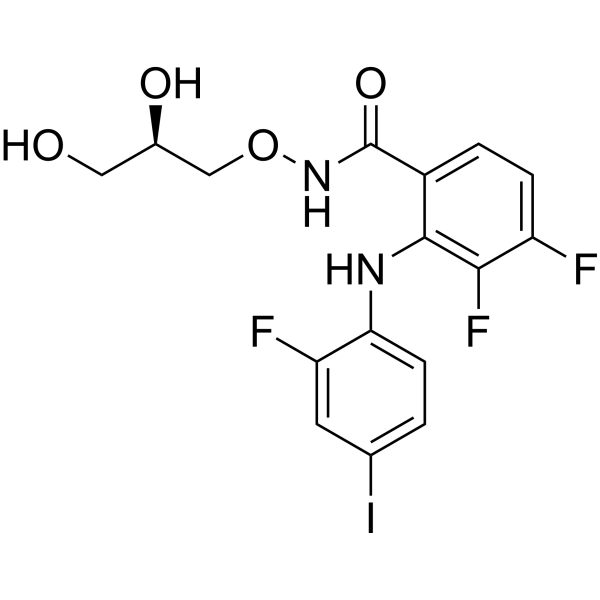
- HY-10254
-
Mirdametinib
Maximum Cited Publications
154 Publications Verification
PD0325901; PD325901
|
MEK
Autophagy
Apoptosis
|
Cancer
|
|
Mirdametinib (PD0325901) is an orally active, selective and non-ATP-competitive MEK inhibitor with an IC50 of 0.33 nM. Mirdametinib exhibits a Ki app of 1 nM against activated MEK1 and MEK2. Mirdametinib suppresses the expression of p-ERK1/2 and induces apoptosis. Mirdametinib has anti-cancer activity for a broad spectrum of human tumor xenografts .
|
-
-
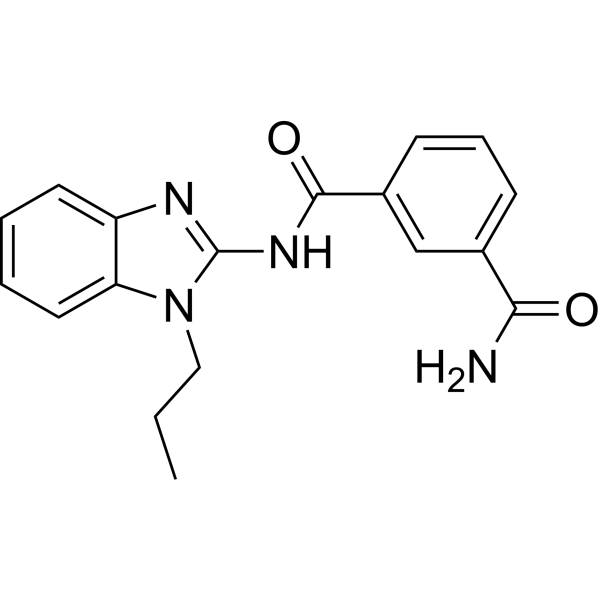
- HY-103490
-
|
EDHS-206
|
MAP3K
Apoptosis
|
Infection
Inflammation/Immunology
Cancer
|
|
Takinib (EDHS-206) is an orally active and selective TAK1 inhibitor (IC50=9.5 nM), more than 1.5 log more potent than the second and third ranked targets, IRAK4 (120 nM) and IRAK1 (390 nM), respectively. Takinib is an inhibitor of autophosphorylated TAK1 that non-competitively binds within the ATP binding pocket. Takinib induces apoptosis following TNFα stimulation in cell models of rheumatoid arthritis and metastatic breast cancer. Takinib is also a P. falciparum protein kinase 9 (PfPK9) inhibitor (KD(app) of 0.46 μM) .
|
-
-
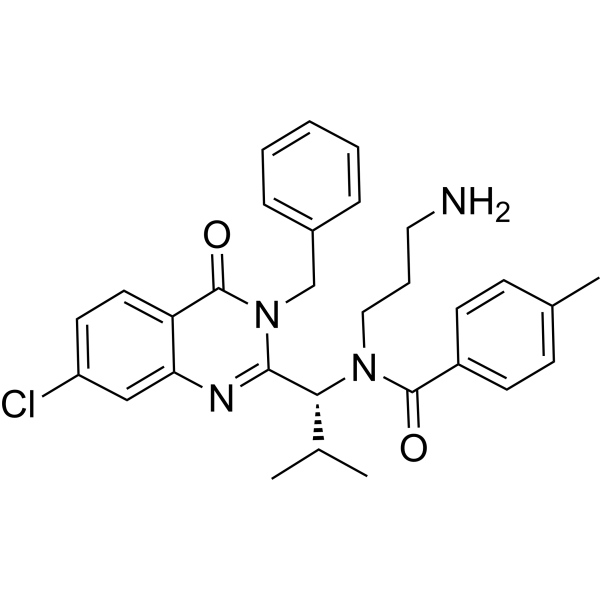
- HY-50759
-
|
SB-715992; CK-0238273
|
Kinesin
Apoptosis
|
Cancer
|
|
Ispinesib is a specific inhibitor of kinesin spindle protein (KSP), with a Ki app of 1.7 nM.
|
-
-
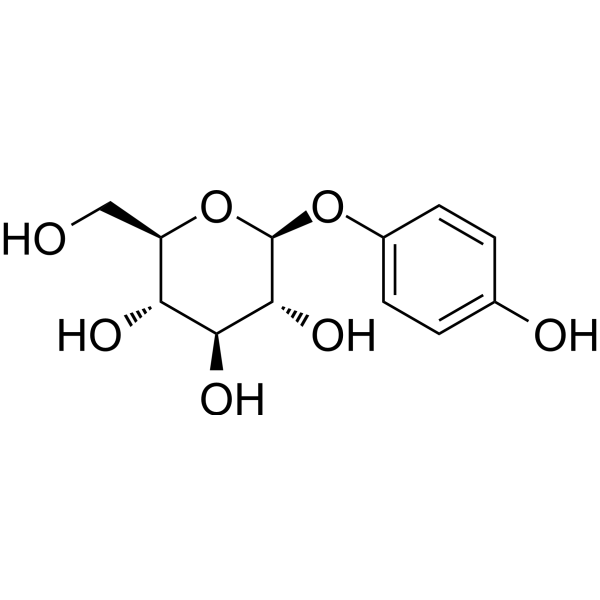
- HY-N0192
-
Arbutin
3 Publications Verification
β-Arbutin
|
Tyrosinase
Endogenous Metabolite
|
Cancer
|
|
Arbutin (β-Arbutin) is a competitive inhibitor of tyrosinase, with Ki app values of 1.42 mM for monophenolase; 0.9 mM for diphenolase. Arbutin is also used as depigmenting agents . Arbutin is a natural polyphenol isolated from the bearberry plant Arctostaphylos uvaursi, possesses with anti-oxidant, anti-inflammatory and anti-tumor properties .
|
-
-
- HY-19369
-
|
L-685,458
|
γ-secretase
Apoptosis
|
Neurological Disease
Cancer
|
|
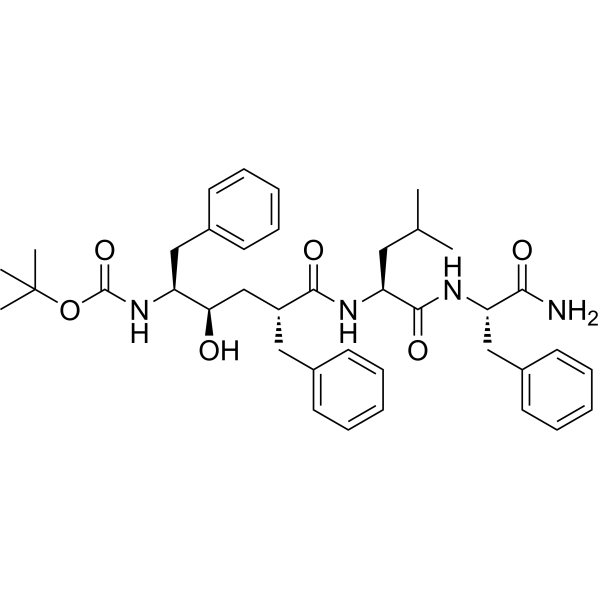
L-685458 is a potent transition state analog (TSA) γ-secretase inhibitor (GSI). L-685458 inhibits amyloid β-protein precursor γ-secretase activity with IC50 of 17 nM, shows greater than 50-100-fold selectivity over other aspartyl proteases tested. L685458 inhibits γ-secretase-mediated cleavage of APP-C99 and Notch-100 with IC50s of 301.3 nM and 351.3 nM, respectively. L-685458 can be used for the research of alzheimer’s disease (AD) and cancers .
|
-
-
- HY-106005
-
|
|
Parasite
PI4K
|
Infection
|
|
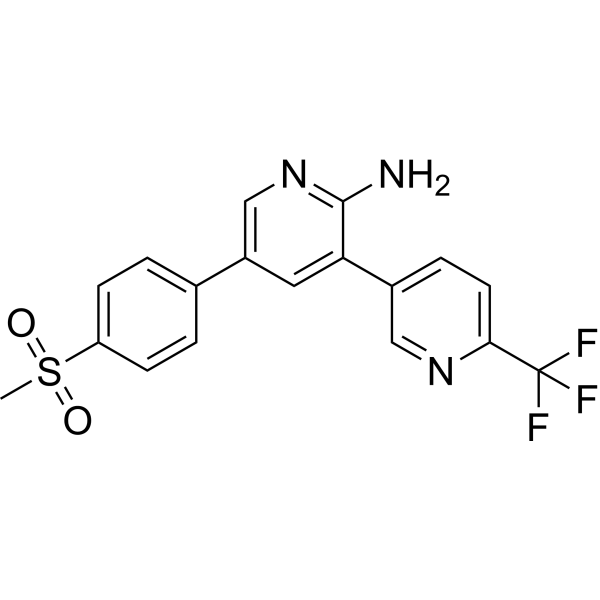
MMV390048 is a representative of a new chemical class of Plasmodium PI4K inhibitor (Kd app=0.3 µM). MMV390048 binds to the ATP binding site of Plasmodium PI4K and does not bind to other P. falciparum and human kinases apart from human PIP4K2C, thus alleviating potential kinase-mediated safety concerns. MMV390048 is an antimalarial agent .
|
-
-
- HY-129430
-
|
|
Ferrochelatase
|
Metabolic Disease
|
|
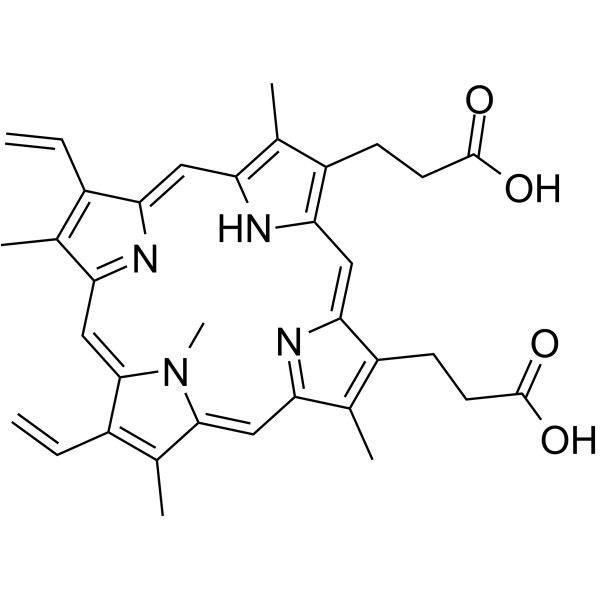
N-Methylprotoporphyrin IX is a Ferrochelatase inhibitor with a Ki app value of 3 nM. N-methylprotoporphyrin IX dimethyl ester potently inhibits the synthesis of phycocyanin and chlorophyll a. N-Methylprotoporphyrin IX can be used for the research of haem deficiency-associated disorders .
|
-
-
- HY-16009
-
|
(+)-Phenserine; ANVS401
|
α-synuclein
|
Neurological Disease
Inflammation/Immunology
|
|
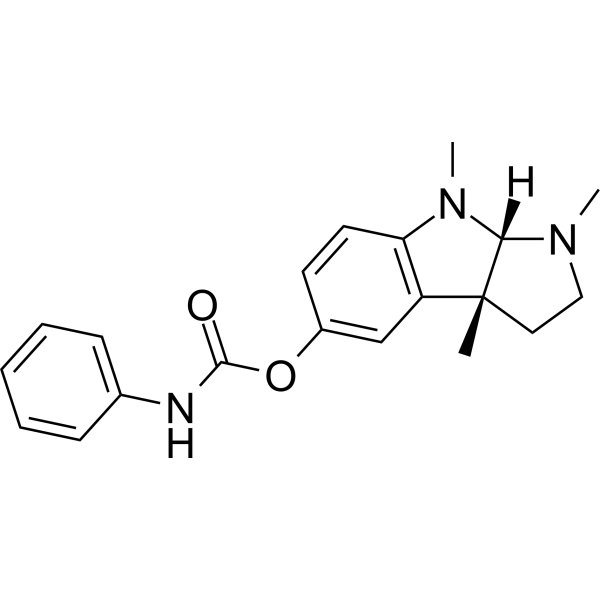
Buntanetap ((+)-Phenserine) is a selective acetylcholinesterase inhibitor. Buntanetap is a multiple neurotoxic protein translation inhibitor with oral activity, including amyloid precursor protein (APP), α-synuclein (αSYN) and huntingtin protein (HTT). Buntanetap reduces the production of β-amyloid precursor protein by blocking its mRNA translation. Buntanetap has anti-inflammatory effects and can be used in the study of Alzheimer's disease and Parkinson's disease .
|
-
-
- HY-13438
-
|
|
Beta-secretase
|
Neurological Disease
|
|
AZD3839 is an orally available, selective, reversible inhibitor of the β-site amyloid precursor protein cleaving enzyme BACE1 that can cross the blood-brain barrier. AZD3839 inhibits recombinant human BACE1 with a Ki=26.1 nM. AZD3839 inhibits A40 production in SH-SY5Y cells with an IC50 of 4.8 nM. AZD3839 binds to BACE1 and reduces the Aβ amyloid produced by the cleavage of amyloid precursor protein (APP) by BACE1 and γ-secretase. AZD3839 can be used in the field of Alzheimer's disease research .
|
-
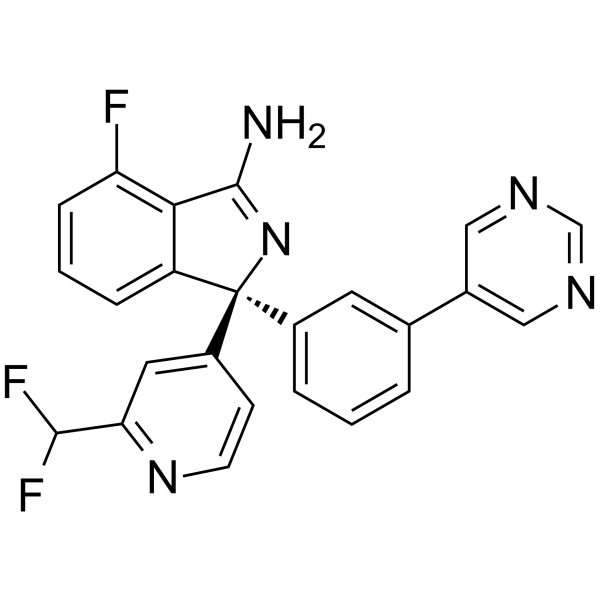
-
- HY-15294
-
-
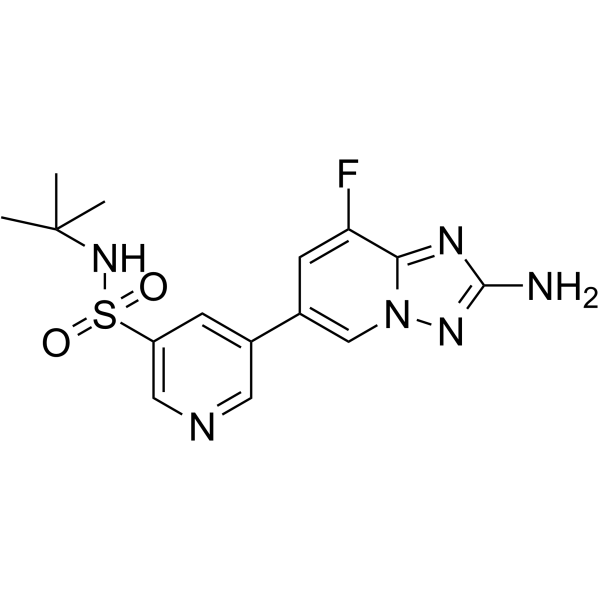
-
- HY-50883
-
|
|
γ-secretase
|
Neurological Disease
|
|
BMS 299897 is a sulfonamide γ-secretase inhibitor with an IC50 of 7 nM for Aβ production inhibition in HEK293 cells stably overexpressing amyloid precursor protein (APP).
|
-
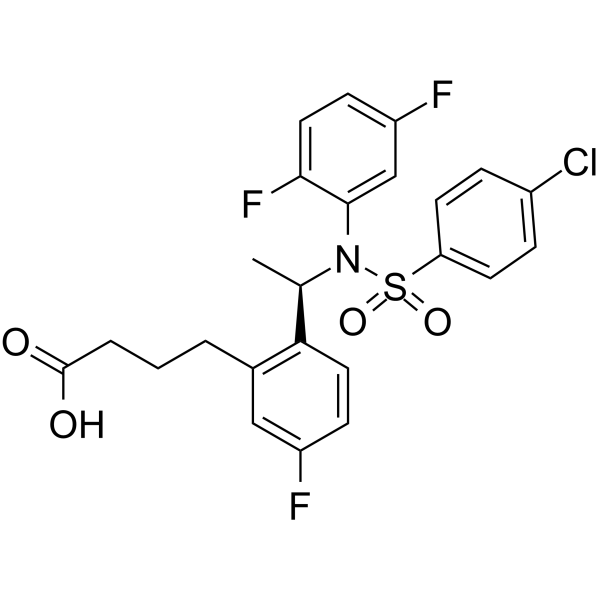
-
- HY-13769A
-
|
NSC55712; TPU-260 Dihydrochloride
|
Drug Derivative
Amyloid-β
Beta-secretase
|
Cardiovascular Disease
Neurological Disease
Inflammation/Immunology
|
|
TPT-260 Dihydrochloride (NSC55712), a thiophene thiourea derivative, is a retromer complex stabilizer against thermal denaturation (Kd = ~5 µM). TPT-260 Dihydrochloride increases the levels of retromer proteins, shifts amyloid-precursor protein (APP) away from the endosome, and decreases the pathogenic processing of APP. TPT-260 Dihydrochloride inhibits TLR4 upregulation, IKKβ phosphorylation, NF-κB p65 nuclear translocation, and NLRP3 inflammasome formation. TPT-260 Dihydrochloride improves retromer-mediated cargo trafficking, reduces brain infarct area, and decreases amyloid plaque deposition. TPT-260 Dihydrochloride exhibits minimal cytotoxicity to primary microglia at tested concentrations. TPT-260 Dihydrochloride can be used for the research of inflammatory bowel disease, ischemic stroke and Alzheimer's disease .
|
-
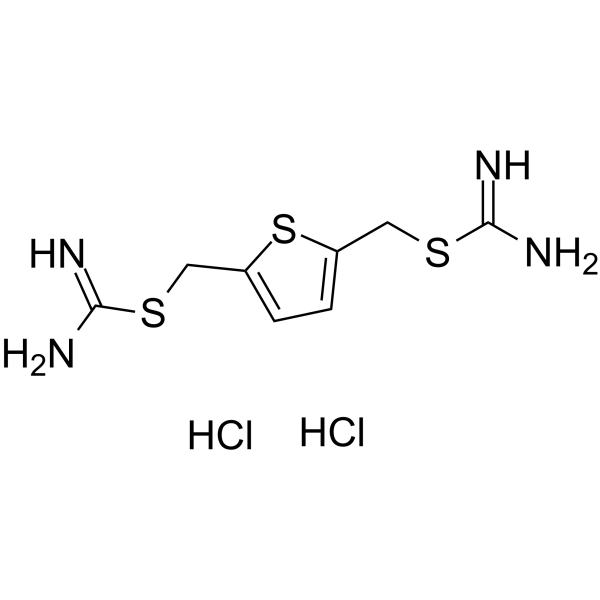
-
- HY-152846
-
|
GDC-8264
|
RIP kinase
Interleukin Related
|
Cardiovascular Disease
Inflammation/Immunology
Endocrinology
|
|
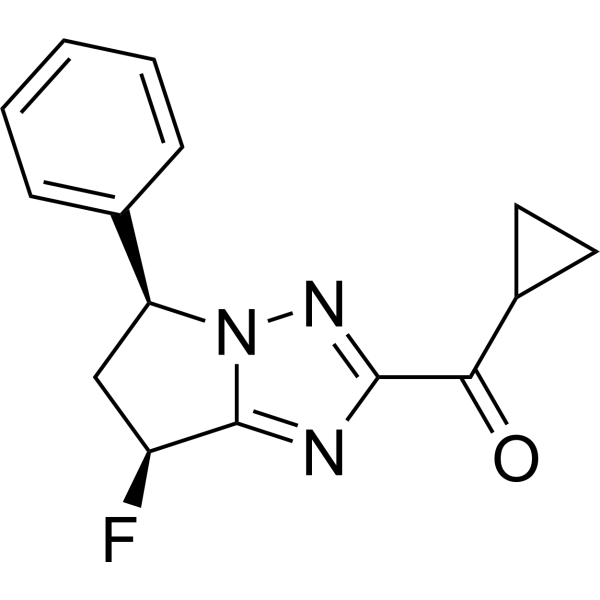
Flizasertib (GDC-8264) is an orally active, reversible and selective RIP1 inhibitor with Ki app values of 0.00071 μM and 0.0013 μM for human and cynomolgus monkey RIP1 kinase, respectively. Flizasertib blocks RIP1 autophosphorylation but does not affect RIP1 protein stability. Flizasertib inhibits pro-inflammatory cytokines (CCL3, CCL4, and IL-1β) production. Flizasertib results in inhibition of colitis and ileitis. Flizasertib can be used in the research of cardiac surgery-associated acute kidney injury .
|
-
-
- HY-N1472
-
|
|
Apoptosis
Reactive Oxygen Species (ROS)
PPAR
GSK-3
Tau Protein
Ras
TGF-β Receptor
|
Infection
Neurological Disease
Inflammation/Immunology
|
|
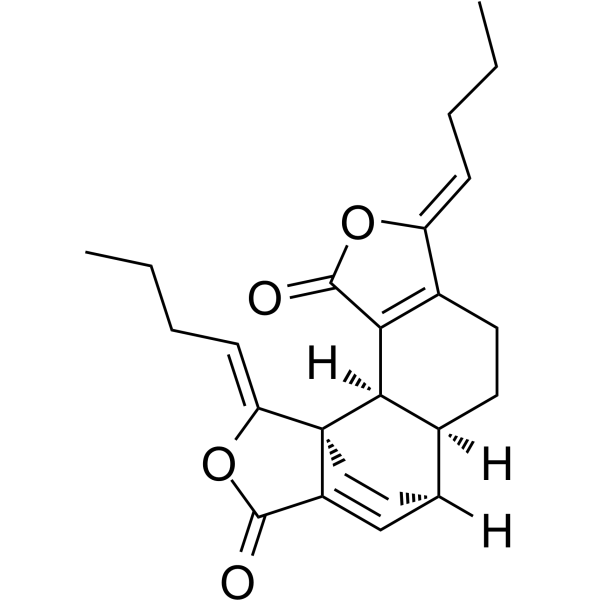
Levistolide A is an apoptosis inducer and a PEDV virus inhibitor. Levistolide A can induce apoptosis in colon cancer cells and suppress the replication of porcine epidemic diarrhea virus (PEDV) by promoting ROS generation. Levistolide A activates peroxisome proliferator-activated receptor γ (PPARγ) in N2a/APP695swe cells and reduces excessive phosphorylation of tau through the GSK3α/β pathway, improving symptoms in Alzheimer’s mice. Levistolide A improves kidney damage in 5/6 nephrectomy (Nx) mice by inhibiting the RAS,TGF-β1/Smad, and MAPK pathways .
|
-
-
- HY-123960
-
Raphin1
3 Publications Verification
|
Phosphatase
|
Neurological Disease
|
|
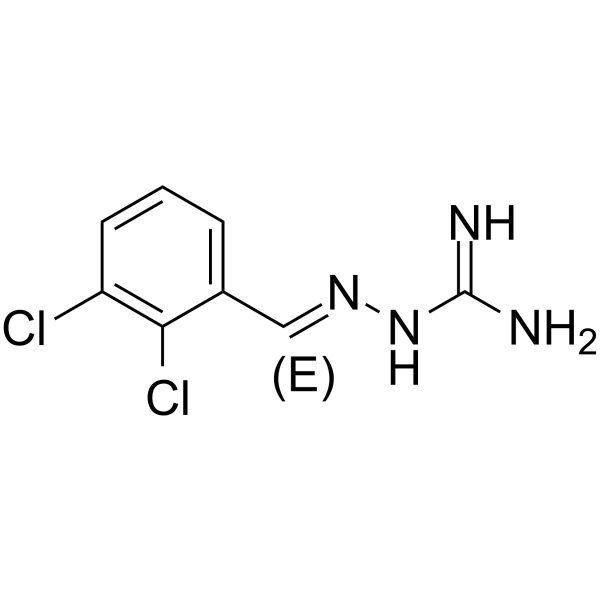
Raphin1 is an orally bioavailable, selective inhibitor of the regulatory phosphatase PPP1R15B (R15B). Raphin1 binds strongly to the R15B-PP1c holophosphatase (Kd=33 nM), and shows ~30-fold selective in binding R15B-PP1c over R15A-PP1c. Raphin1 crosses the blood-brain barrier, and reduces organismal and molecular deficits in a mouse model of a protein misfolding disease .
|
-
-
- HY-P5381
-
-
-
- HY-114174
-
|
|
Amyloid-β
|
Neurological Disease
|
|
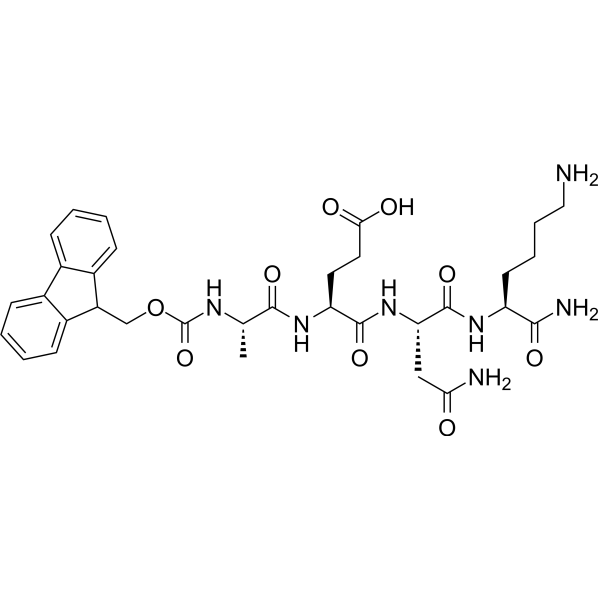
Fmoc-Ala-Glu-Asn-Lys-NH2 is a selective asparagine endopeptidase (AEP) inhibitor peptide and suppresses amyloid precursor protein (APP) cleavage. AEP, a pH-controlled cysteine proteinase, is activated during ageing and mediates APP proteolytic processing .
|
-
-
- HY-128464
-
-
-
- HY-128585
-
|
|
RIP kinase
|
Inflammation/Immunology
Cancer
|
|
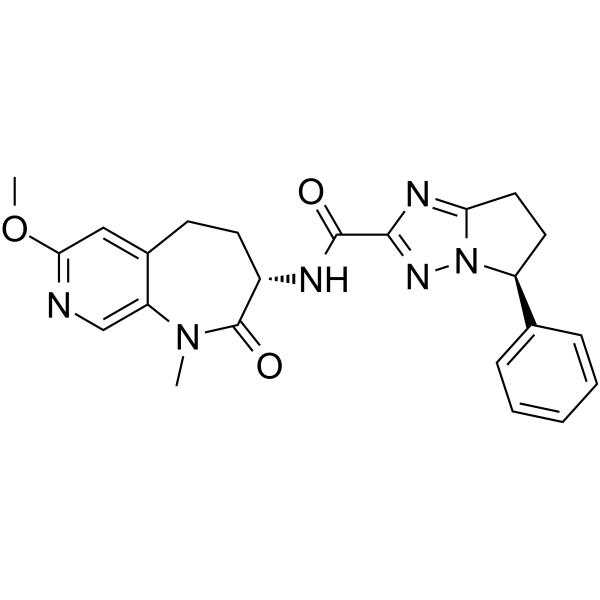
GNE684 is a potent inhibitor of potent receptor interacting protein 1 (RIP1), with mean Ki app values of 21 nM, 189 nM and 691 nM for human mouse and rat RIP1, respectively .
|
-
-
- HY-103374
-
|
(-)-Eseroline phenylcarbamate; (-)-Phenserine
|
Cholinesterase (ChE)
Amyloid-β
|
Neurological Disease
|
|
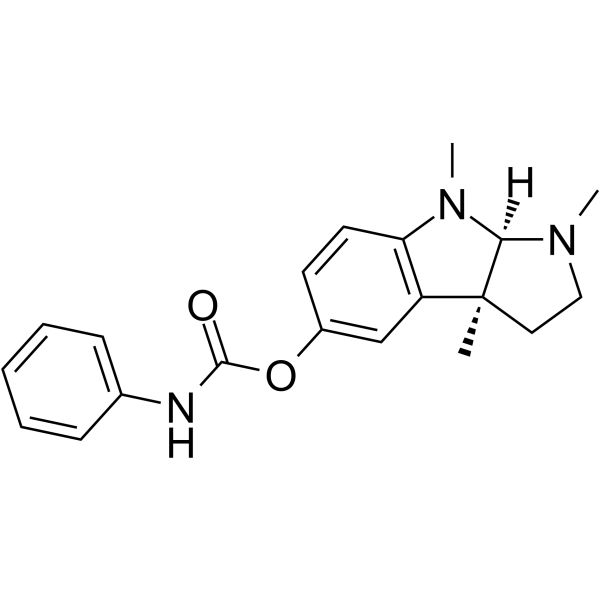
Phenserine ((-)-Eseroline phenylcarbamate) is a derivative of Physostigmine (HY-N6608) and is a potent, noncompetitive, long-acting and selective AChE inhibitor. Phenserine reduces β-amyloid precursor protein (APP) and β-amyloid peptide (Aβ) formation. Phenserine improves cognitive performance and attenuates the progression of Alzheimer's disease .
|
-
-
- HY-120597
-
|
|
Calcium Channel
|
Neurological Disease
|
|
SAK3 is a potent T-type voltage-gated Ca 2+ channels (T-VGCCs) enhancer. SAK3 enhances Cav3.1 and Cav3.3 T-type Ca 2+ channel currents. Acute SAK3 administration improves memory deficits in olfactory-bulbectomized mice . SAK3 inhibits amyloid β plaque formation in APP-KI mice by activating the proteasome activity .
|
-
-
- HY-145286
-
|
|
Bacterial
|
Infection
Cancer
|
|
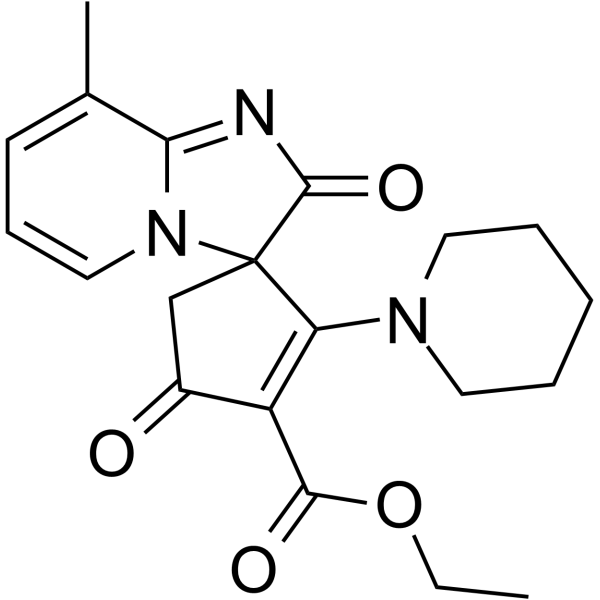
IMPDH2-IN-2 is a potent inhibitor of inosine 5’-monophosphate dehydrogenase (IMPDH) with a Ki,app value of 14 μM, respectively. IMPDH2-IN-2 displays moderate antibacterial activity (MIC = 6.3 and 11 μM in minimal GAST/Fe and rich 7H9/ADC/Tween media, respectively). IMPDH2-IN-2 is a potential anti-tuberculosis agent .
|
-
-
- HY-124832
-
|
|
Caspase
Amyloid-β
|
Neurological Disease
|
|
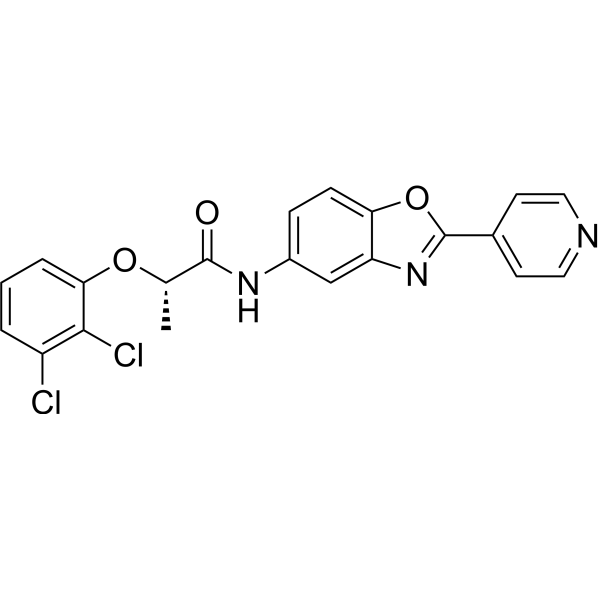
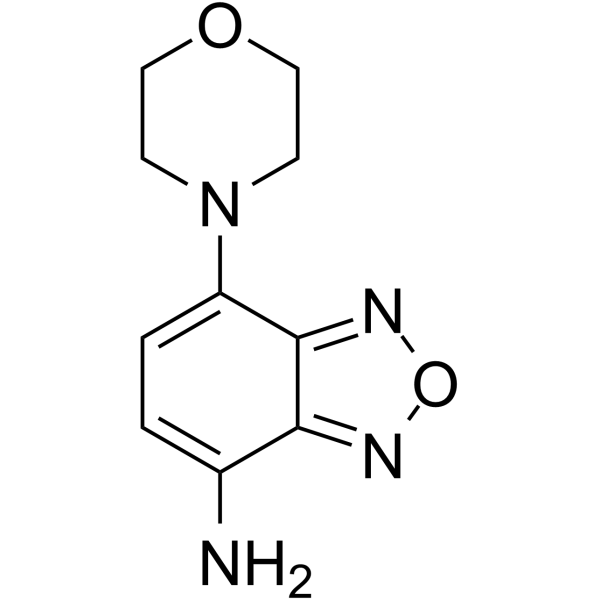
δ-Secretase inhibitor 11 (compound 11) is an orally active, potent, BBB-penetrated, non-toxic, selective and specific δ-secretase inhibitor, with an IC50 of 0.7 μM. δ-Secretase inhibitor 11 interacts with both the active site and allosteric site of δ-secretase. δ-Secretase inhibitor 11 attenuates tau and APP (amyloid precursor protein) cleavage. δ-Secretase inhibitor 11 ameliorates synaptic dysfunction and cognitive impairments in tau P301S and 5XFAD transgenic mouse models. δ-Secretase inhibitor 11 can be used for Alzheimer's disease research .
|
-
-
- HY-126242S
-
|
|
JAK
IFNAR
Interleukin Related
|
Inflammation/Immunology
|
|
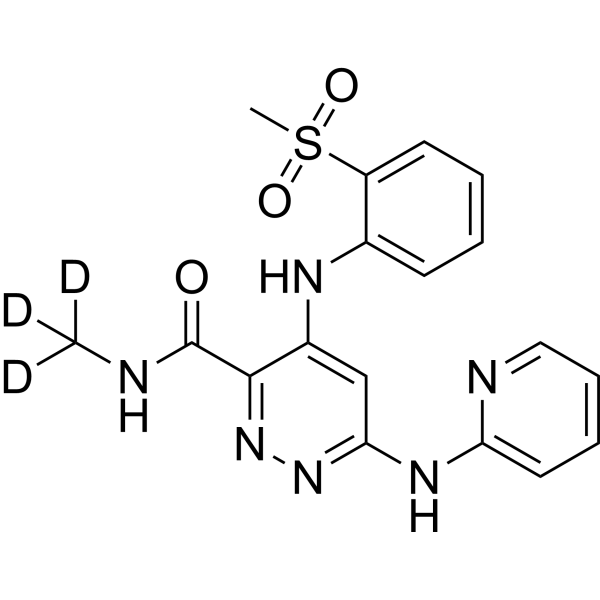
Tyk2-IN-7 is an orally active TYK2 JH2 inhibitor, binds to TYK2 JH2 domain with IC50 and Ki.app of 0.00053 μM and 0.00007 μM, respectively. Tyk2-IN-7 provides a highly selective alternative to conventional TYK2 orthosteric inhibitors, inhibits TYK2/JAK1/JAK2 kinase domain. Tyk2-IN-7 can inhibit the IL-23 and IFN-α signaling pathways. Tyk2-IN-7 is commonly used in the study of inflammatory conditions such as colitis .
|
-
-
- HY-123960A
-
|
|
Phosphatase
|
Neurological Disease
|
|
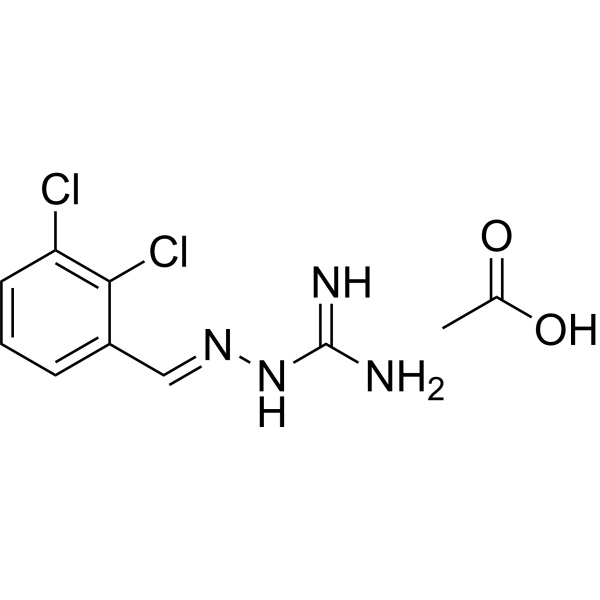
Raphin1 acetate is an orally bioavailable, selective inhibitor of the regulatory phosphatase PPP1R15B (R15B). Raphin1 acetate binds strongly to the R15B-PP1c holophosphatase (Kd=33 nM), and shows ~30-fold selective in binding R15B-PP1c over R15A-PP1c. Raphin1 acetate crosses the blood-brain barrier, and reduces organismal and molecular deficits in a mouse model of a protein misfolding disease .
|
-
-
- HY-135699
-
TD52
2 Publications Verification
|
Apoptosis
Phosphatase
Akt
|
Cancer
|
|
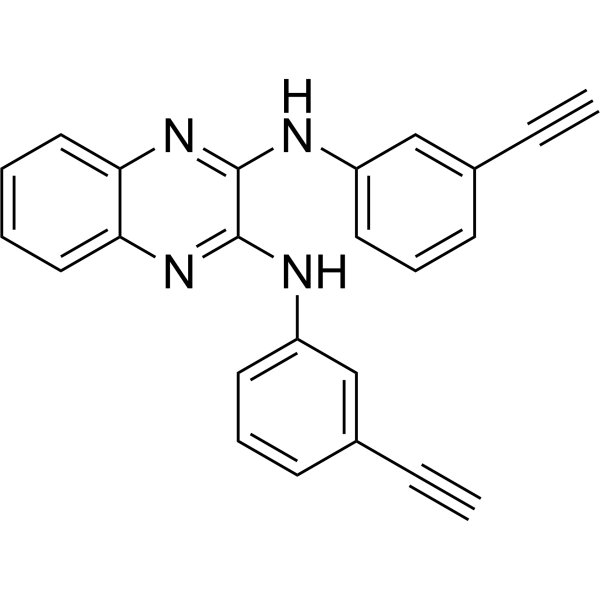
TD52, an Erlotinib (HY-50896) derivative, is an orally active, potent cancerous inhibitor of protein phosphatase 2A (CIP2A) inhibitor. TD52 mediates the apoptotic effect in triple-negative breast cancer (TNBC) cells via regulating the CIP2A/PP2A/p-Akt signalling pathway. TD52 indirectly reduced CIP2A by disturbing Elk1 binding to the CIP2A promoter. TD52 has less p-EGFR inhibition and has potent anti-cancer activity . TD52 is a click chemistry reagent, it contains an Alkyne group and can undergo copper-catalyzed azide-alkyne cycloaddition (CuAAc) with molecules containing Azide groups.
|
-
-
- HY-P990301
-
|
|
Amyloid-β
|
Neurological Disease
|
|
Anti-Human/Mouse/Rat Amyloid-beta Antibody (MOAB-2) is a mouse-derived IgG2b λ type antibody inhibitor, targeting to Amyloid-beta. Anti-Human/Mouse/Rat Amyloid-beta Antibody (MOAB-2) recognizes unaggregated, oligomeric or fibrillar forms of Aβ42 and unaggregated Aβ40. Anti-Human/Mouse/Rat Amyloid-beta Antibody (MOAB-2) is selective for human Aβ42 over Aβ40, but not amyloid precursor protein (APP). Anti-Human/Mouse/Rat Amyloid-beta Antibody (MOAB-2) can immunostain human or rat and mouse tissue. Anti-Human/Mouse/Rat Amyloid-beta Antibody (MOAB-2) can be used for detections of western blot, immunohistochemistry, immunofluorescence, immunoprecipitation and ELISA .
|
-

-
- HY-108643
-
|
|
MAPKAPK2 (MK2)
|
Cancer
|
|
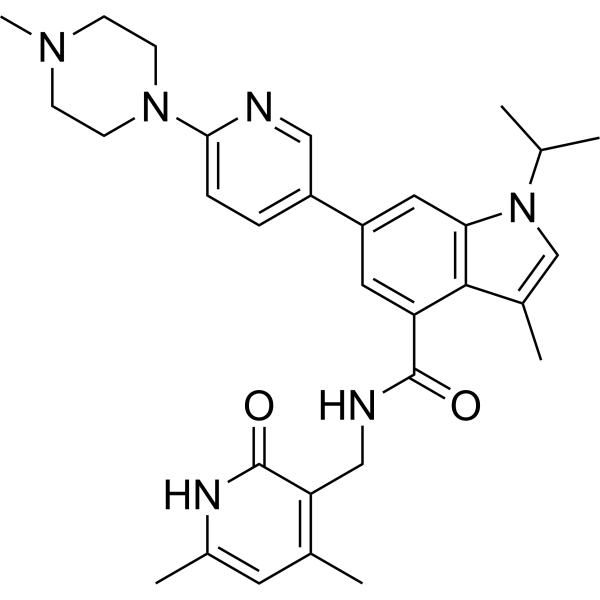
CMPD1 is a selective and non-ATP-competitive p38 MAPK-mediated MK2 phosphorylation inhibitor with apparent Ki (Ki app) of 330 nM .
|
-
-
- HY-12989
-
-
-
- HY-12856
-
-
-
- HY-153986
-
|
|
Cathepsin
|
Neurological Disease
|
|
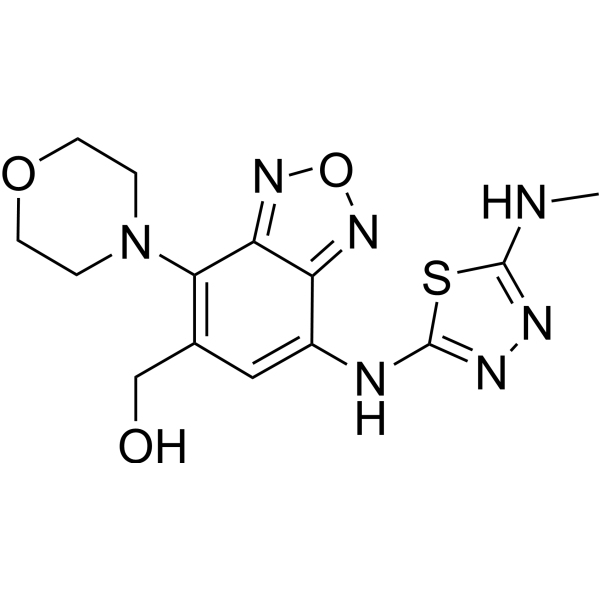
AEP-IN-2 is an asparagine endopeptidase (AEP) inhibitor via block AEP cleavage of APP and Tau. AEP-IN-2 has oral activity and decreases Aβ40 and Aβ42 and p-Tau levels .
|
-
-
- HY-401209
-
|
|
α-synuclein
DNA/RNA Synthesis
|
Neurological Disease
|
|
Synucleozid-2.0 is a blood-brain barrier-permeable inhibitor that binds to the IRE of SNCA mRNA, with a EC50 of 2.9 µM and a Kd value of 1.8 µM. Synucleozid-2.0 selectively binds to and stabilizes the A bulge and adjacent closed base pairs in the 5' UTR IRE of SNCA mRNA, blocks the translation process and reduces intracellular levels of α-synuclein. Synucleozid-2.0 exerts cytoprotective effects against cytotoxicity induced by α-synuclein preformed fibrils. Synucleozid-2.0 is applicable to the research of Parkinson's disease .
|
-

-
- HY-171347
-
|
|
γ-secretase
Amyloid-β
|
Neurological Disease
|
|
gamma-secretase modulator 6 (Example 50) is a gamma-secretase modulator. gamma-secretase modulator 6 inhibits Aβ42 secretion in HEK cell line stably expressing APP (Aβ amyloid precursor protein) (pIC50: 8.1). gamma-secretase modulator 6 can be used for research of Alzheimer's disease .
|
-

-
- HY-161723
-
|
|
Dopamine Transporter
CDK
|
Neurological Disease
|
|
LH2-051, a lysosome-enhancing compound (LYEC), is a brain-penetrant dopamine transporter (DAT) inhibitor (Ki: 0.95 μM). LH2-051 inhibits DAT-mediated dopamine uptake with an IC50 of 3.0 μM. LH2-051 promotes nuclear translocation of TFEB and lysosome biogenesis. LH2-051 improves the memory of amyloid precursor protein (APP)/Presenilin 1 (PS1) mice. LH2-051 can be used for the study of Alzheimer’s disease .
|
-

-
- HY-135699A
-
|
|
Akt
Phosphatase
Apoptosis
|
Cancer
|
|
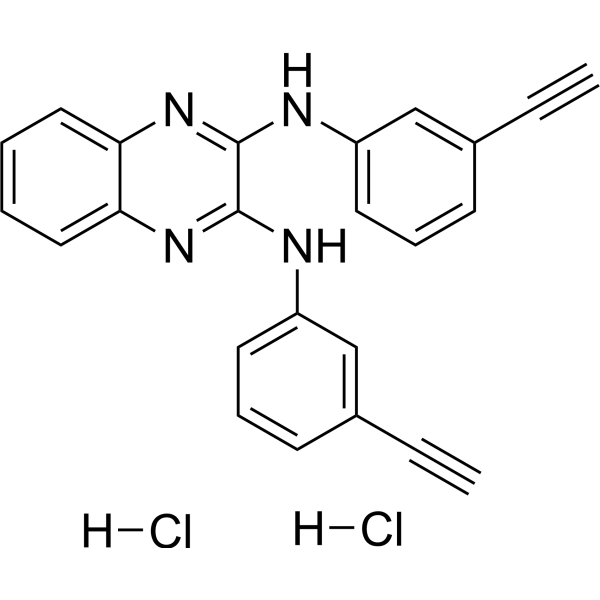
TD52 dihydrochloride, an Erlotinib (HY-50896) derivative, is an orally active, potent cancerous inhibitor of protein phosphatase 2A (CIP2A) inhibitor. TD52 dihydrochloride mediates the apoptotic effect in triple-negative breast cancer (TNBC) cells via regulating the CIP2A/PP2A/p-Akt signalling pathway. TD52 dihydrochloride indirectly reduced CIP2A by disturbing Elk1 binding to the CIP2A promoter. TD52 dihydrochloride has less p-EGFR inhibition and has potent anti-cancer activity . TD52 (dihydrochloride) is a click chemistry reagent, it contains an Alkyne group and can undergo copper-catalyzed azide-alkyne cycloaddition (CuAAc) with molecules containing Azide groups.
|
-
-
- HY-N3001
-
|
|
STAT
VEGFR
Bcl-2 Family
Survivin
IAP
NF-κB
Apoptosis
Caspase
|
Neurological Disease
Inflammation/Immunology
Cancer
|
|
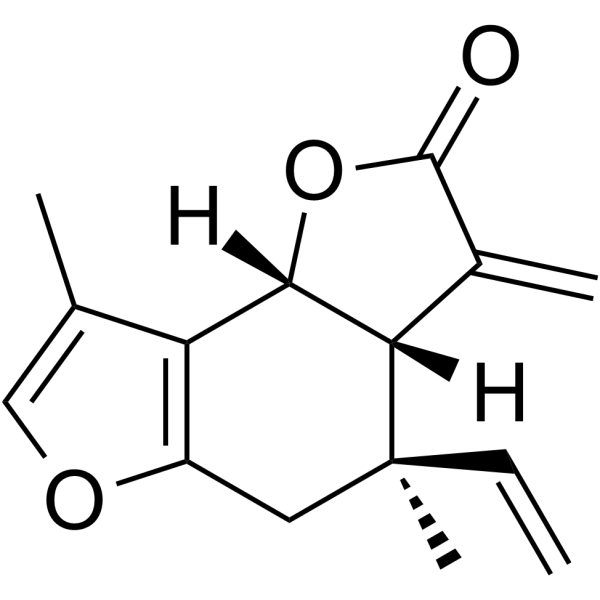
Isolinderalactone is a sesquiterpene that exhibits anti-cancer, anti-inflammatory, and neuroprotective effects. Isolinderalactone inhibits VEGF expression and tyrosine phosphorylation of VEGFR2. Isolinderalactone decreases viability and induces apoptosis in U-87 glioblastoma (GBM) cells and colorectal cancer (CRC) cells. Isolinderalactone induces G2/M phase cell cycle arrest, ROS generation, pJNK/p38 MAPK activation, in colorectal cancer (CRC) cells. Isolinderalactone blocks LPS (HY-D1056)-induced NF-κB activation while activating Nrf2-HMOX1 signaling in RAW264.7 macrophages. Isolinderalactone improves cognitive dysfunction in APP/PS1 mice. Isolinderalactone can be used for the study of Glioblastoma multiforme (GBM), colorectal cancer, Alzheimer’s disease and acute lung injury .
|
-
-
- HY-128090A
-
|
|
Aminopeptidase
|
Cardiovascular Disease
|
|
Apstatin TFA is a potent aminopeptidase P (APP) inhibitor with Ki values of 2.6, 0.64 µM for rat and human APP, respectively. Apstatin TFA shows cardioprotection .
|
-

-
- HY-136499
-
|
|
DNA/RNA Synthesis
|
Cancer
|
|
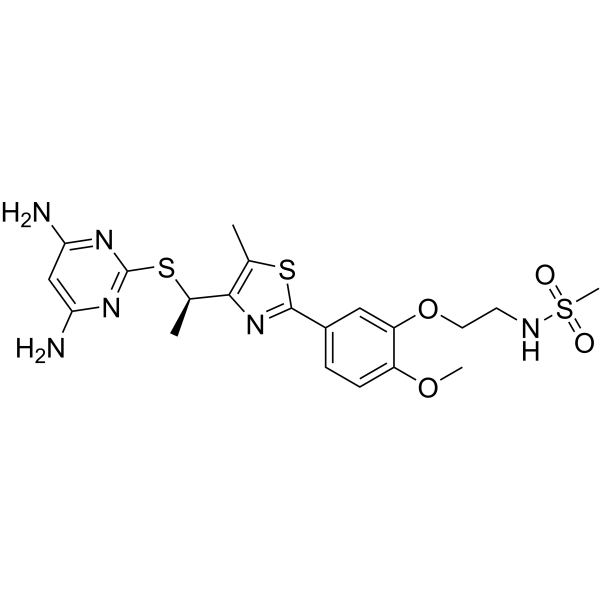
DI-82 is a potent deoxycytidine kinase (dCK) inhibitor with an IC50 app of 27.8 nM and Ki app of 9.2 nM. DI-82 has antitumor activity .
|
-
-
- HY-107164
-
|
4-Hydroxythiomarinol C
|
Antibiotic
Bacterial
|
Infection
|
|
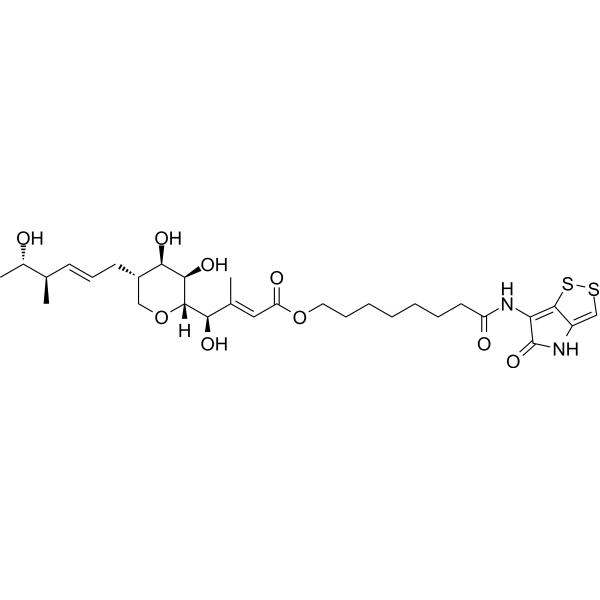
Thiomarinol A (4-Hydroxythiomarinol C) is a potent antibiotic. Thiomarinol A is a hybrid of dithiolopyrrolone and marinolic acid. Thiomarinol A shows antimicrobial activity. Thiomarinol A inhibits MRSA IleRS in a dose-dependent with a Ki app value of 19 nM .
|
-
-
- HY-108966
-
|
|
Beta-secretase
|
Inflammation/Immunology
|
|
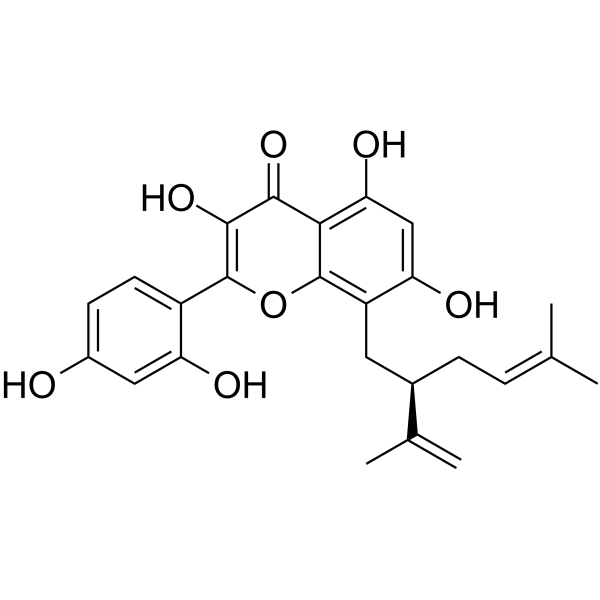
Kushenol C, isolated from the roots of Sophora flavescens, shows anti-Inflammatory and anti-oxidative stress activities. Kushenol C inhibits BACE1 (β-site APP cleaving enzyme 1) with an IC50 of 5.45 µM .
|
-
-
- HY-169296
-
|
|
IMPDH
|
Cancer
|
|
IMPDH2-IN-4 (Compound 2d) is a selective IMPDH2 inhibitor with a Ki,app value of 1.8 μM. IMPDH2-IN-4 exhibits anti-cancer activity against osteosarcoma. IMPDH2-IN-4 can be used in research related to osteosarcoma .
|
-

-
- HY-N1414A
-
|
|
Bcl-2 Family
Apoptosis
|
Neurological Disease
|
|
3′,6-Disinapoylsucrose is a type of oligosaccharide that's effective when taken orally, and it has antidepressant, anti-anxiety, and antioxidant properties. 3′,6-Disinapoylsucrose inhibits neuronal apoptosis by lowering the ratio of Bax to Bcl-2 in hippocampal neurons, and it enhances cognitive function in APP/PS1 transgenic mice by activating the CREB/BDNF signaling pathway .
|
-

-
- HY-50882
-
|
|
γ-secretase
|
Neurological Disease
|
|
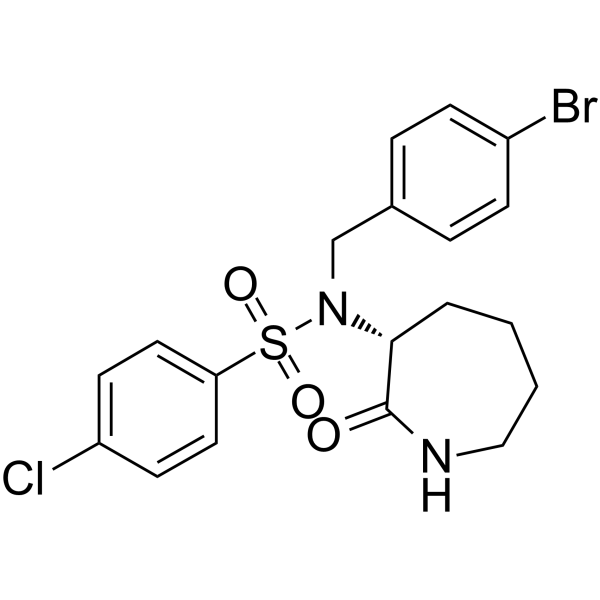
ELN318463 is an amyloid precursor protein (APP) selective γ-secretase inhibitor. ELN318463 shows differential inhibition of presenilin (PS1)- and PS2-comprised γ-secretase with EC50s of 12 nM and 656 nM for PS1 and PS2, respectively. ELN318463 is 51-fold more selective for PS1 .
|
-
-
- HY-174367
-
|
|
RUNX
Apoptosis
|
Cancer
|
|
RUNX1/ETO-IN-1 is a RUNX1-ETO oncogenic fusion protein inhibitor that specifically targets the NHR2 oligomerization domain. RUNX1/ETO-IN-1 directly interacts with the NHR2 (KD,app = 39 μM). RUNX1/ETO-IN-1 exhibits anti-leukemic activity by inducing apoptosis and promoting differentiation in RUNX1/ETO-translocated AML cells. RUNX1/ETO-IN-1 remains essentially uncharged at physiological pH, demonstrating superior membrane permeability.
|
-

-
- HY-149397
-
|
|
Thrombin
|
Cardiovascular Disease
|
|
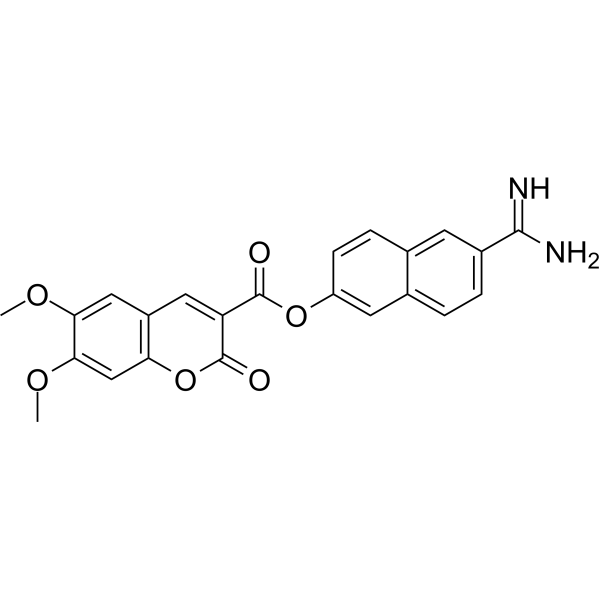
FXIIa-IN-1-IN-2 (Compound 21) is a Factor XIIa inhibitor (Ki app: 62.2 nM). FXIIa-IN-1-IN-2 can be used for research of thrombosis .
|
-
-
- HY-144741
-
-
-
- HY-121817
-
|
|
Aldehyde Dehydrogenase (ALDH)
Drug Intermediate
Amyloid-β
|
Infection
Neurological Disease
|
|
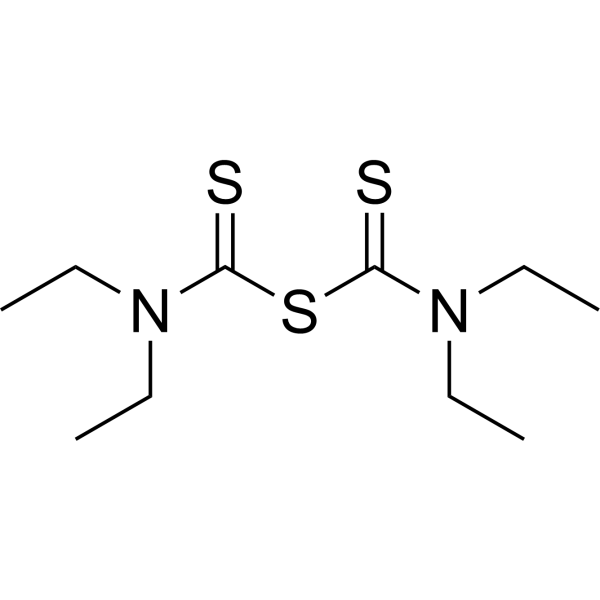
Sulfiram is a very weak aldehyde dehydrogenase (ALDH) inhibitor, with an IC50 value of 413 μM against Saccharomyces cerevisiae ALDH. As a photochemical precursor, Sulfiram undergoes photoconversion to form Disulfiram (HY-B0240), a potent ALDH inhibitor. Sulfiram inhibits the dimerization of the extracellular domain fragment (amino acid residues 230-624) of amyloid precursor protein (APP), alters the monomer-dimer equilibrium, induces conformational changes in the fragment, and enhances the production of sAPPα via α-cleavage of APP. Sulfiram can be used in research related to scabies and Alzheimer's disease .
|
-
-
- HY-176271
-
|
|
Ferroptosis
Monoamine Oxidase
Glutathione Peroxidase
Reactive Oxygen Species (ROS)
Tau Protein
Amyloid-β
|
Neurological Disease
|
|
MAO-B-IN-45 is a dual inhibitor of ferroptosis and MAO-B. MAO-B-IN-45 shows selectivity towards MAO-B with an IC50 of 87.47 nM and selectivity exceeding 229-fold for MAO-B over MAO-A. MAO-B-IN-45 has excellent antiferroptosis activity through modulation of the iron metabolic pathway and GSH-GPX4 axis in vitro. MAO-B-IN-45 improves cognitive and behavioral impairments in 3×Tg (APP/Tau/Ps1) AD mouse and significantly reduced the levels of ferritin heavy chain 1 (FTH1), APP, and Tau phosphorylation (p-Tau) proteins in the brain.
|
-

-
- HY-18010
-
|
|
Btk
BCRP
|
Inflammation/Immunology
|
|
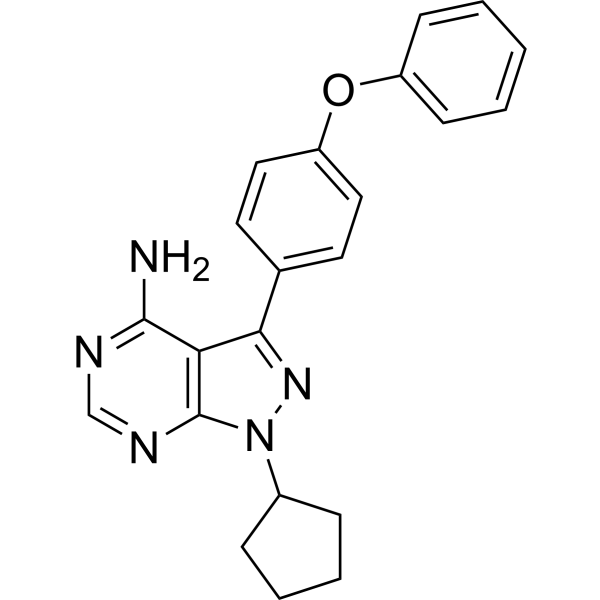
PCI 29732 is a potent, orally active, reversible BTK inhibitor with Ki app values of 8.2, 4.6, and 2.5 nM for BTK, Lck and Lyn, respectively. PCI 29732 shows only modest inhibitory activity against Itk, another Tec family kinase. PCI 29732 inhibits the function of ABCG2 by competitively binding to the ATP-binding site of ABCG2 .
|
-
-
- HY-16009B
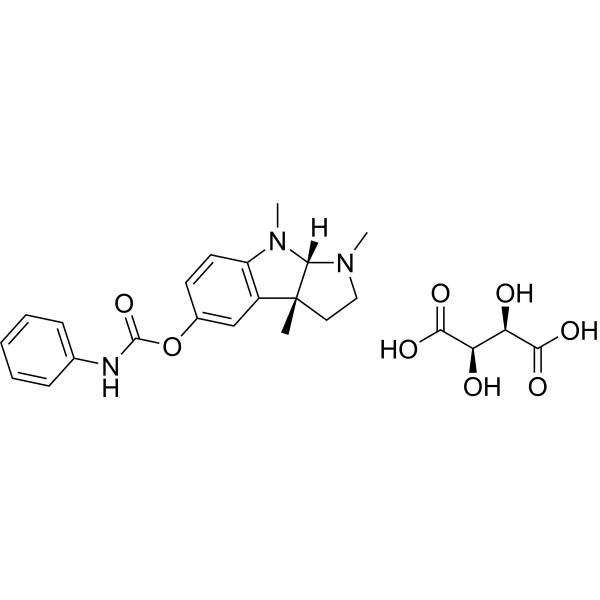
-
|
(+)-Phenserine L-Tartrate; ANVS401 L-Tartrate
|
Amyloid-β
|
Neurological Disease
|
|
Buntanetap L-Tartrate (Phenserine L-Tartrate) is a selective AChE inhibitor (IC50 = 22.2 nM). Buntanetap is a multiple neurotoxic protein translation inhibitor with oral activity, including amyloid precursor protein (APP), α-synuclein (αSYN) and huntingtin protein (HTT). Buntanetap reduces the production of β-amyloid precursor protein by blocking its mRNA translation. Buntanetap has anti-inflammatory effects and can be used in the study of Alzheimer's disease and Parkinson's disease .
|
-
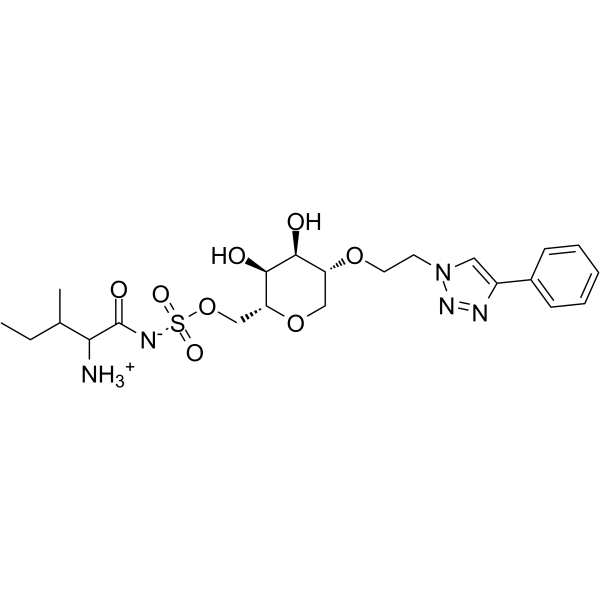
- HY-147674
-
|
|
Aminoacyl-tRNA Synthetase
|
Infection
|
|
Isoleucyl tRNA synthetase-IN-2 (compound 36a) is a potent and selective isoleucyl-tRNA synthetase (IleRS) inhibitor, with a Ki,app of 114 nM .
|
-
- HY-149396A
-
|
|
Thrombin
|
Cardiovascular Disease
|
|
FXIIa-IN-1 hydrochloride is the hydrochloride of FXIIa-IN-1 (HY-149396). FXIIa-IN-1 (Compound 22) is a Factor XIIa inhibitor (Ki app: 97.8 nM). FXIIa-IN-1 can be used for research of thrombosis .
|
-

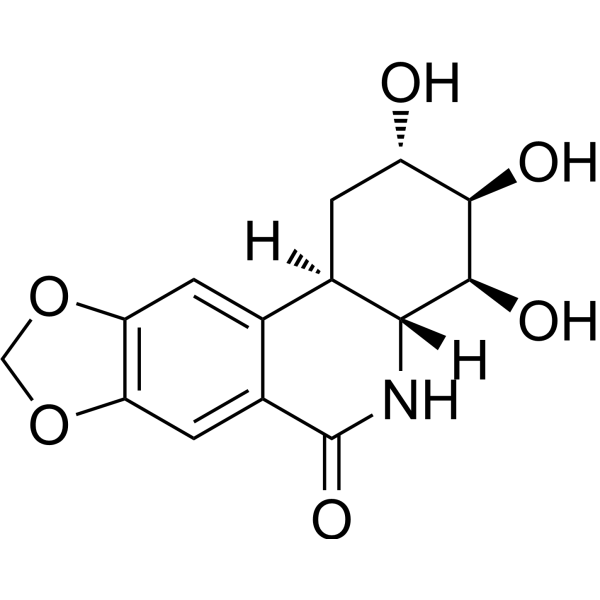
- HY-N12249
-
|
|
Amyloid-β
TMV
|
Infection
Neurological Disease
Inflammation/Immunology
|
|
7-Deoxy-trans-dihydronarciclasine, an alkaloid, is a tobacco mosaic virus (TMV) inhibitor (IC50: 1.80 μM). 7-Deoxy-trans-dihydronarciclasine is an anti-neuroinflammatory agent. 7-Deoxy-trans-dihydronarciclasine decreases the Aβ and APP levels in the cerebral cortex of Tg2576 mice .
|
-
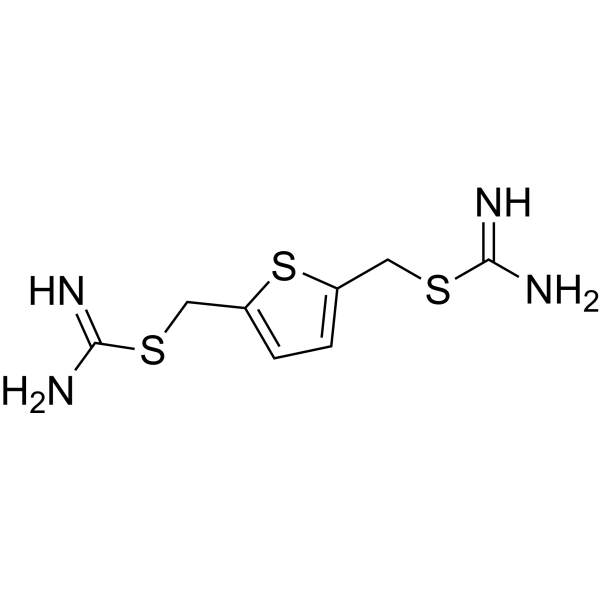
- HY-13769
-
|
TPU260
|
Drug Derivative
Beta-secretase
Amyloid-β
|
Cardiovascular Disease
Neurological Disease
Inflammation/Immunology
|
|
TPT-260 (TPU260), a thiophene thiourea derivative, is a retromer complex stabilizer against thermal denaturation (Kd = ~5 µM). TPT-260 increases the levels of retromer proteins, shifts amyloid-precursor protein (APP) away from the endosome, and decreases the pathogenic processing of APP. TPT-260 inhibits TLR4 upregulation, IKKβ phosphorylation, NF-κB p65 nuclear translocation, and NLRP3 inflammasome formation. TPT-260 improves retromer-mediated cargo trafficking, reduces brain infarct area, and decreases amyloid plaque deposition. TPT-260 exhibits minimal cytotoxicity to primary microglia at tested concentrations. TPT-260 can be used for the research of inflammatory bowel disease, ischemic stroke and Alzheimer's disease .
|
-
- HY-19918A
-
|
|
NF-κB
Amyloid-β
nAChR
|
Neurological Disease
Inflammation/Immunology
|
|
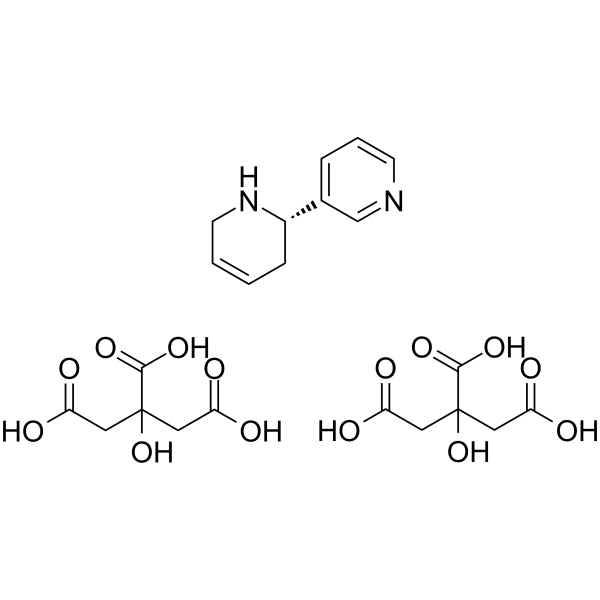
Anatabine dicitrate is a tobacco alkaloid that can cross the blood-brain barrier. Anatabine dicitrate is a potent α4β2 nAChR agonist. Anatabine dicitrate inhibits NF-κB activation lower amyloid-β (Aβ) production by preventing the β-cleavage of amyloid precursor protein (APP). Anatabine dicitrate has anti-inflammatory effects and has the potential for neurodegenerative disorders treatment .
|
-
- HY-50882A
-
|
|
γ-secretase
|
Neurological Disease
|
|
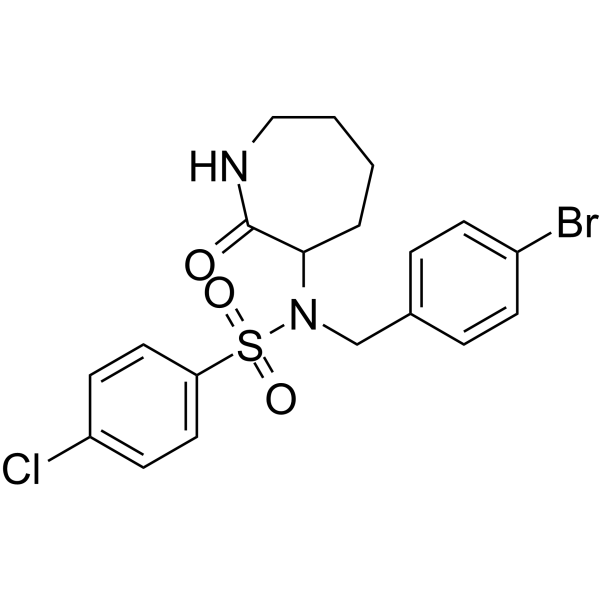
ELN318463 racemate is the racemate of ELN318463. ELN318463 is an amyloid precursor protein (APP) selective γ-secretase inhibitor. ELN318463 shows differential inhibition of presenilin (PS1)- and PS2-comprised γ-secretase with EC50s of 12nM and 656 nM for PS1and PS2, respectively. ELN318463 is 51-fold more selective for PS1 .
|
-
- HY-13438A
-
|
|
Beta-secretase
|
Cancer
|
|
AZD3839 fumarate is an orally available, selective, reversible inhibitor of the β-site amyloid precursor protein cleaving enzyme BACE1 that can cross the blood-brain barrier. AZD3839 fumarate inhibits recombinant human BACE1 with a Ki=26.1 nM. AZD3839 fumarate inhibits A40 production in SH-SY5Y cells with an IC50 of 4.8 nM. AZD3839 fumarate binds to BACE1 and reduces the Aβ amyloid produced by the cleavage of amyloid precursor protein (APP) by BACE1 and γ-secretase. AZD3839 fumarate can be used in the field of Alzheimer's disease research .
|
-

- HY-128090
-
|
|
Aminopeptidase
|
Cardiovascular Disease
|
|
Apstatin is a potent aminopeptidase P (APP) inhibitor with Ki values of 2.6, 0.64 µM for rat and human APP, respectively. Apstatin shows cardioprotection .
|
-

- HY-50759A
-
|
SB-715992 mesylate; CK-0238273 mesylate
|
Kinesin
Apoptosis
|
Cancer
|
|
Ispinesib (SB-715992) mesylate is a specific inhibitor of kinesin spindle protein (KSP), with a Ki app of 1.7 nM.
|
-

- HY-147672
-
-
- HY-50759R
-
|
SB-715992 (Standard); CK-0238273 (Standard)
|
Kinesin
Apoptosis
Reference Standards
|
Cancer
|
|
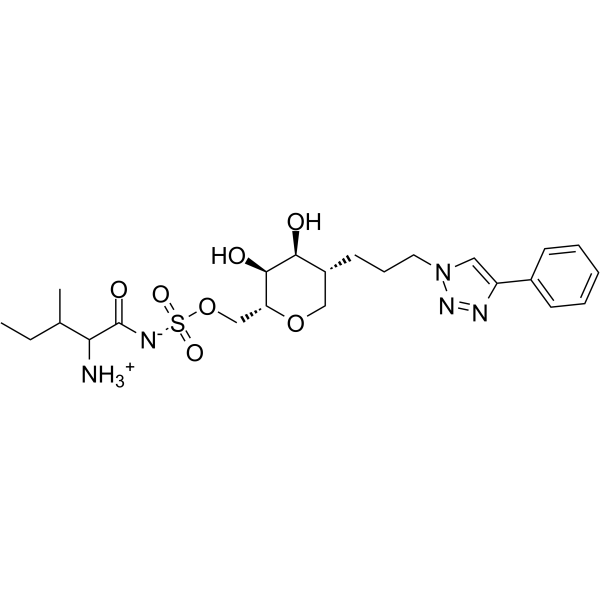
Ispinesib (Standard) is the analytical standard of Ispinesib. This product is intended for research and analytical applications. Ispinesib is a specific inhibitor of kinesin spindle protein (KSP), with a Ki app of 1.7 nM.
|
-

- HY-149396
-
|
|
Thrombin
|
Cardiovascular Disease
|
|
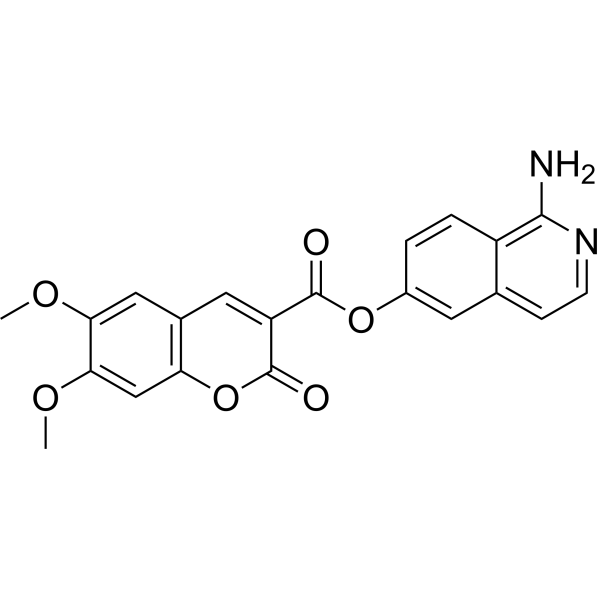
XIIa-IN-1-IN-3 (Compound 22) is a Factor XIIa inhibitor (Ki app: 97.8 nM). XIIa-IN-1-IN-3 can be used for research of thrombosis .
|
-
- HY-144739
-
-
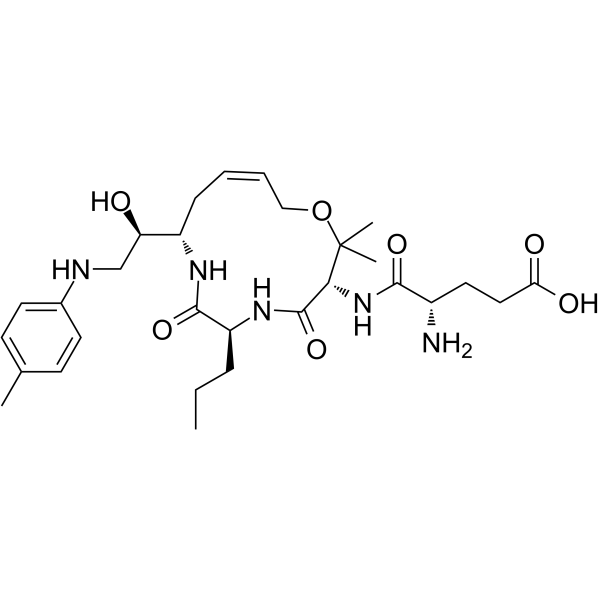
- HY-105940
-
|
|
Amino Acid Derivatives
|
Cardiovascular Disease
|
|
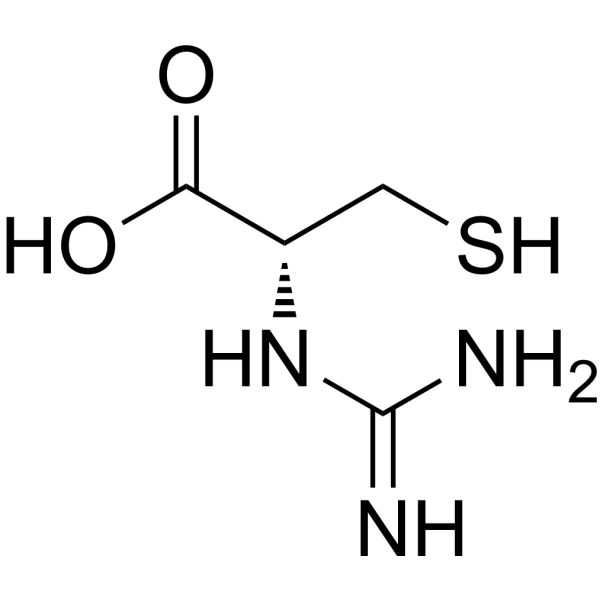
IQB-782 is a cysteine derivative. IQB-782 has inhibition for thrombin activatable fibrinolysis inhibitor (TAFI), with an Ki(app) of 0.14 μM. IQB-782 shows a potent mucolytic-expectorant activity .
|
-
- HY-135618
-
|
|
Dihydroorotate Dehydrogenase
DNA/RNA Synthesis
|
Infection
|
|
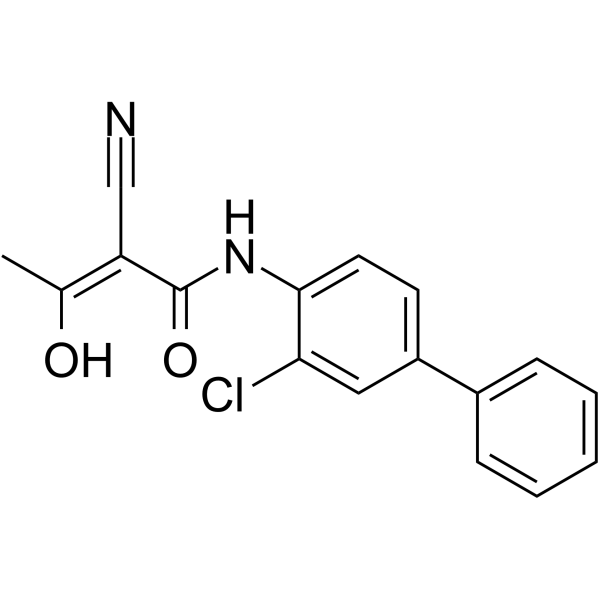
DHODH-IN-3 (compound 3) is a potent inhibitor of Human Dihydroorotate Dehydrogenases (HsDHODH) with an IC50 value of 261 nM. DHODH-IN-3 binds to the the ubiquinone binding cavities in DHODH with a Ki app of 32 nM. DHODH-IN-3 has the potential for malaria treatment .
|
-
- HY-139052
-
|
|
γ-secretase
|
Neurological Disease
|
|
III-31-C is a (hydroxyethyl)urea γ-secretase inhibitor. III-31-C inhibits Aऔ production with an IC50 of 10 nM in the cell-free γ-secretase assay and 200 nM in APP-transfected cells. III-31-C can be used in Alzheimer's disease research .
|
-

- HY-136733
-
|
Ac-Asp-Asn-Leu-Asp-CHO
|
Caspase
|
Infection
Neurological Disease
|
|
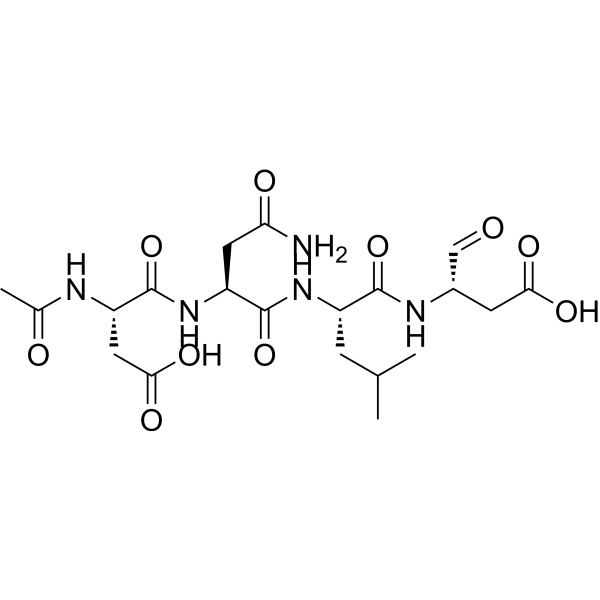
Ac-DNLD-CHO (Ac-Asp-Asn-Leu-Asp-CHO) is a Caspase-3/7 inhibitor (IC50: 9.89, 245 nM respectively; Ki app: 0.68, 55.7 nM respectively). Ac-DNLD-CHO can be used for research of caspase-mediated apoptosis diseases, such as neurodegenerative disorders and viral infection diseases .
|
-
- HY-129133
-
|
|
Drug Isomer
|
Others
|
|
cis-Miyabenol C is an isomer of the resveratrol trimer Miyabenol C, which can be isolated from grape herbs. Miyabenol C is an inhibitor of β-amyloid (Aβ) and amyloid β precursor protein (APP) in Alzheimer's disease model mice, and inhibit β-secretase activity without changing the protein level of β-secretase BACE1 .
|
-

- HY-103374A
-
|
(-)-Eseroline phenylcarbamate tartrate; (-)-Phenserine (+)-tartrate
|
Cholinesterase (ChE)
Amyloid-β
|
Neurological Disease
|
|
Phenserine tartrate ((-)-Eseroline phenylcarbamate) is a derivative of Physostigmine (HY-N6608) and is a potent, noncompetitive, long-acting and selective AChE inhibitor. Phenserine tartrate reduces β-amyloid precursor protein (APP) and β-amyloid peptide (Aβ) formation. Phenserine tartrate improves cognitive performance and attenuates the progression of Alzheimer's disease .
|
-

- HY-168859
-
|
|
JNK
GSK-3
Amyloid-β
|
Neurological Disease
|
|
JNK3 inhibitor-9 (Compound 24a) is a potent, selective and BBB-permeable JNK3 inhibitor with an IC50 value of 12 nM. JNK3 inhibitor-9 also potently inhibits GSK3α/β (IC50s: 14 and 35 nM, respectively) involved in Tau phosphorylation. JNK3 inhibitor-9 reduces c-Jun and APP phosphorylation. JNK3 inhibitor-9 protects neurons from Aβ1-42 toxicity .
|
-

- HY-126047B
-
|
|
NF-κB
Amyloid-β
nAChR
|
Neurological Disease
Inflammation/Immunology
|
|
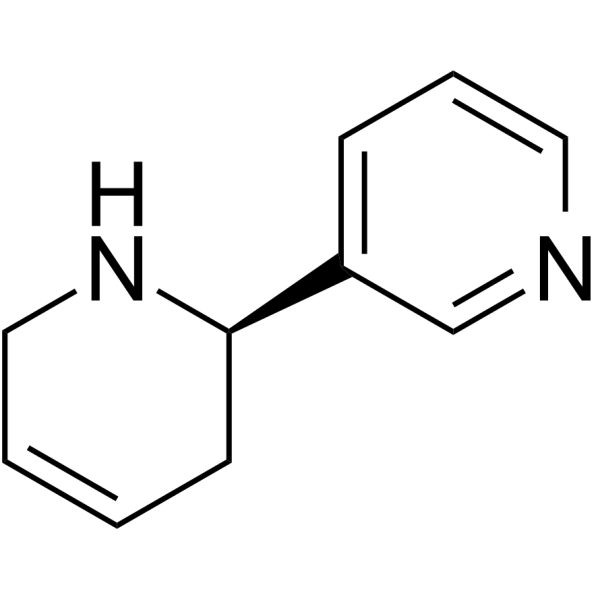
(R)-(+)-Anatabine is an less active R-enantiomer of Anatabine. Anatabine is a potent α4β2 nAChR agonist . Anatabine inhibits NF-κB activation lower amyloid-β (Aβ) production by preventing the β-cleavage of amyloid precursor protein (APP). Anatabine has anti-inflammatory effects and has the potential for neurodegenerative disorders treatment .
|
-
- HY-147927A
-
|
|
Enteropeptidase
|
Metabolic Disease
|
|
(S)-Human enteropeptidase-IN-1 (Compound 6c) is an orally active enteropeptidase inhibitor with low systemic exposure (IC50 (initial): 26 nM; IC50 (app): 1.8 nM). (S)-Human enteropeptidase-IN-1 promotes increased fecal protein output and effectively reduces body weight in a diet-induced obese (DIO) rat model. (S)-Human enteropeptidase-IN-1 inhibits enteropeptidase via a reversible covalent mechanism and prolongs the enzyme inactivation time. (S)-Human enteropeptidase-IN-1 can be used in anti-obesity research .
|
-

- HY-168241
-
|
|
Cholinesterase (ChE)
5-HT Receptor
|
Infection
|
|
Flucopride (Compound 4a) is an AChE inhibitor (IC50: 24 nM), and a partial 5-HT4R agonist (Ki: 9.6 nM for (h)5-HT4R). Flucopride promotes the non-amyloidogenic processing of APP in COS-7 transiently expressing (h)5-HT4R (EC50: 23.0 nM). Flucopride may has good gastrointestinal track (GIT) penetration, and blood-brain barrier (BBB) cross-membrane penetration (PAMPA assay) .
|
-

- HY-103490R
-
|
EDHS-206 (Standard)
|
Reference Standards
MAP3K
Apoptosis
|
Infection
Inflammation/Immunology
Cancer
|
|
Takinib (Standard) is the analytical standard of Takinib. This product is intended for research and analytical applications. Takinib (EDHS-206) is an orally active and selective TAK1 inhibitor (IC50=9.5 nM), more than 1.5 log more potent than the second and third ranked targets, IRAK4 (120 nM) and IRAK1 (390 nM), respectively. Takinib is an inhibitor of autophosphorylated TAK1 that non-competitively binds within the ATP binding pocket. Takinib induces apoptosis following TNFα stimulation in cell models of rheumatoid arthritis and metastatic breast cancer. Takinib is also a P. falciparum protein kinase 9 (PfPK9) inhibitor (KD(app) of 0.46 μM) .
|
-

- HY-161953
-
|
|
OGA
|
Neurological Disease
|
|
O-GlcNAcase-IN-2 (compound 81) is an orally effective, blood-brain barrier-permeable OGA inhibitor (IC50=4.93 nM). O-GlcNAcase-IN-2 can increase the O-GlcNAcylation level of proteins and phosphorylation of tau (p-Ser199, p-Thr205 and p-Ser396) in the OA-damaged SH-SY5Y cell model. O-GlcNAcase-IN-2 can also improve cognitive impairment in APP/PS1 mice and has potential anti-Alzheimer's disease (AD) effects .
|
-

- HY-133184
-
|
|
Src
γ-secretase
|
Neurological Disease
|
|
Aminogenistein is a p56 lck inhibitor with a 1.2 μM IC50. Aminogenistein inhibits production of Aβ1-40 and Aβ1-42 peptides. Aminogenistein induces accumulation of APP-CTFα and APP-CTFβ, indicating γ-secretase cleavage inhibition. Aminogenistein can be used for the research of alzheimer's disease .
|
-

- HY-182429
-
|
|
Beta-secretase
Cathepsin
Amyloid-β
|
Neurological Disease
|
|
NB-533 is an orally active and brain-penetrant BACE-1 inhibitor with a human IC50 of 0.002 μM. NB-533 also inhibits human cathepsin D with an IC50 of 0.001 μM. NB-533 inhibits amyloidogenic amyloid precursor protein (APP) processing and reduces Aβ40 release. NB-533 reduces brain levels of APP metabolite C99 and Aβ40 in transgenic mice. NB-533 can be used for the research of Alzheimer’s disease .
|
-

- HY-182050
-
|
|
AP-1
DNA Alkylator/Crosslinker
|
Neurological Disease
|
|
YL0441 is an inhibitor of ΔFOSB/JUND heterodimers and ΔFOSB homomultimers, with IC50 values of 13.7 μM and 12.3 μM, respectively. YL0441 blocks the binding of ΔFOSB to DNA. YL0441 reduces ΔFOSB bound to genomic DNA in the hippocampal tissues of APP mice. YL0441 is applicable to the research of Alzheimer's disease .
|
-

- HY-125472
-
|
|
p97
|
Cancer
|
|
LC-1028 (Compound 20) is an irreversible, non-competitive, covalent p97 inhibitor with a Ki app value of 33.2 nM. LC-1028 covalently modifies the cysteine residues (Cys105, Cys522, Cys535) of p97. LC-1028 can be used in the research of pancreatic cancer .
|
-

- HY-180997
-
|
|
Amyloid-β
|
Neurological Disease
|
|
Aβ aggregation-IN-5 is a brain-penetrant amyloid-β aggregation inhibitor. Aβ aggregation-IN-5 inhibits Aβ aggregation/oligomerization, rescues cells from AB/ROS toxicity and reduces microglial activation/NO production. Aβ aggregation-IN-5 reduces amyloid burden, neuroinflammation, microglial activation in APP/PSEN1 mice. Aβ aggregation-IN-5 can be used for the research of Alzheimer's disease .
|
-

- HY-103374B
-
|
(±)-Eseroline phenylcarbamate
|
Cholinesterase (ChE)
Amyloid-β
|
Neurological Disease
|
|
(±)Phenserine ((±)-Eseroline phenylcarbamate) is the racemic form of Phenserine (HY-103374). Phenserine is a derivative of Physostigmine (HY-N6608) and is an effective, non-competitive, long-acting and selective AChE inhibitor. Phenserine can reduce the formation of β-amyloid precursor protein (APP) and β-amyloid peptide (Aβ). Phenserine can improve cognitive ability and slow down the progression of Alzheimer's disease .
|
-

- HY-N13064
-
|
|
Drug Derivative
Beta-secretase
Amyloid-β
|
Neurological Disease
|
|
2,2′,4,4′-Tetrahydroxychalcone (Compound 18) is a selective and potent BACE1 inhibitor with an IC50 of 0.62 μM. 2,2′,4,4′-Tetrahydroxychalcone is a derivative of Isoliquiritigenin (HY-N0102) found in Glycyrrhiza uralensis. 2,2′,4,4′-Tetrahydroxychalcone can block the β-cutting step of amyloid precursor protein (APP), thereby reducing the production of β-amyloid (Aβ) peptide. 2,2′,4,4′-Tetrahydroxychalcone can be used for research of Alzheimer’s disease .
|
-

- HY-183057
-
|
|
G Protein-coupled Receptor Kinase (GRK)
HDAC
|
Neurological Disease
|
|
GRK2 modulator 1 is an orally active, brain-penetrant and selective GRK2 modulator. GRK2 modulator 1 enhances the active, non-phosphorylated GRK2 and prevents mitochondrial GRK2 and TOMM6 aggregation. GRK2 modulator 1 enhances the non-amyloidogenic processing of APP and prevent PHF-tau, neurodegeneration, and neuronal loss. GRK2 modulator 1 decreases the senescence marker, UPAR, reduces the Alzheimer disease (AD)-related mortality, and prolongs survival. GRK2 modulator 1 exerts neuroprotection by inhibiting HDAC6, and counteracts age-related cardiac dysfunction. GRK2 modulator 1 can be used for research on AD .
|
-

| Cat. No. |
Product Name |
Target |
Research Area |
-
- HY-P5381
-
-
- HY-114174
-
|
|
Amyloid-β
|
Neurological Disease
|
|
Fmoc-Ala-Glu-Asn-Lys-NH2 is a selective asparagine endopeptidase (AEP) inhibitor peptide and suppresses amyloid precursor protein (APP) cleavage. AEP, a pH-controlled cysteine proteinase, is activated during ageing and mediates APP proteolytic processing .
|
-
- HY-136733
-
|
Ac-Asp-Asn-Leu-Asp-CHO
|
Caspase
|
Infection
Neurological Disease
|
|
Ac-DNLD-CHO (Ac-Asp-Asn-Leu-Asp-CHO) is a Caspase-3/7 inhibitor (IC50: 9.89, 245 nM respectively; Ki app: 0.68, 55.7 nM respectively). Ac-DNLD-CHO can be used for research of caspase-mediated apoptosis diseases, such as neurodegenerative disorders and viral infection diseases .
|
| Cat. No. |
Product Name |
Target |
Research Area |
Image |
-
- HY-P990301
-
|
|
Amyloid-β
|
Neurological Disease
|
|
Anti-Human/Mouse/Rat Amyloid-beta Antibody (MOAB-2) is a mouse-derived IgG2b λ type antibody inhibitor, targeting to Amyloid-beta. Anti-Human/Mouse/Rat Amyloid-beta Antibody (MOAB-2) recognizes unaggregated, oligomeric or fibrillar forms of Aβ42 and unaggregated Aβ40. Anti-Human/Mouse/Rat Amyloid-beta Antibody (MOAB-2) is selective for human Aβ42 over Aβ40, but not amyloid precursor protein (APP). Anti-Human/Mouse/Rat Amyloid-beta Antibody (MOAB-2) can immunostain human or rat and mouse tissue. Anti-Human/Mouse/Rat Amyloid-beta Antibody (MOAB-2) can be used for detections of western blot, immunohistochemistry, immunofluorescence, immunoprecipitation and ELISA .
|
-

(5)
| Cat. No. |
Product Name |
Category |
Target |
Chemical Structure |
-
- HY-N0192
-
-
-
- HY-N1472
-
-
-
- HY-N3001
-
-
-
- HY-107164
-
-
-
- HY-108966
-
-
-
- HY-N1414A
-
|
|
Natural Products
Polymer products
Plants
Brassicaceae
Raphanus sativus Linn.
|
Bcl-2 Family
Apoptosis
|
|
3′,6-Disinapoylsucrose is a type of oligosaccharide that's effective when taken orally, and it has antidepressant, anti-anxiety, and antioxidant properties. 3′,6-Disinapoylsucrose inhibits neuronal apoptosis by lowering the ratio of Bax to Bcl-2 in hippocampal neurons, and it enhances cognitive function in APP/PS1 transgenic mice by activating the CREB/BDNF signaling pathway .
|
-
-
- HY-N12249
-
-
-
- HY-129133
-
|
|
Vitis vinifera cv. Zalema
Phenols
Plants
Vitaceae
Source Classification
|
Drug Isomer
|
|
cis-Miyabenol C is an isomer of the resveratrol trimer Miyabenol C, which can be isolated from grape herbs. Miyabenol C is an inhibitor of β-amyloid (Aβ) and amyloid β precursor protein (APP) in Alzheimer's disease model mice, and inhibit β-secretase activity without changing the protein level of β-secretase BACE1 .
|
-
-
- HY-N13064
-
|
|
Structural Classification
Phenols
Polyphenols
Morus alba L.
Plants
Moraceae
Source Classification
|
Drug Derivative
Beta-secretase
Amyloid-β
|
|
2,2′,4,4′-Tetrahydroxychalcone (Compound 18) is a selective and potent BACE1 inhibitor with an IC50 of 0.62 μM. 2,2′,4,4′-Tetrahydroxychalcone is a derivative of Isoliquiritigenin (HY-N0102) found in Glycyrrhiza uralensis. 2,2′,4,4′-Tetrahydroxychalcone can block the β-cutting step of amyloid precursor protein (APP), thereby reducing the production of β-amyloid (Aβ) peptide. 2,2′,4,4′-Tetrahydroxychalcone can be used for research of Alzheimer’s disease .
|
-
| Cat. No. |
Product Name |
Chemical Structure |
-
- HY-126242S
-
|
|
|
Tyk2-IN-7 is an orally active TYK2 JH2 inhibitor, binds to TYK2 JH2 domain with IC50 and Ki.app of 0.00053 μM and 0.00007 μM, respectively. Tyk2-IN-7 provides a highly selective alternative to conventional TYK2 orthosteric inhibitors, inhibits TYK2/JAK1/JAK2 kinase domain. Tyk2-IN-7 can inhibit the IL-23 and IFN-α signaling pathways. Tyk2-IN-7 is commonly used in the study of inflammatory conditions such as colitis .
|
-
| Cat. No. |
Product Name |
|
Classification |
-
- HY-135699
-
TD52
2 Publications Verification
|
|
Alkynes
|
|
TD52, an Erlotinib (HY-50896) derivative, is an orally active, potent cancerous inhibitor of protein phosphatase 2A (CIP2A) inhibitor. TD52 mediates the apoptotic effect in triple-negative breast cancer (TNBC) cells via regulating the CIP2A/PP2A/p-Akt signalling pathway. TD52 indirectly reduced CIP2A by disturbing Elk1 binding to the CIP2A promoter. TD52 has less p-EGFR inhibition and has potent anti-cancer activity . TD52 is a click chemistry reagent, it contains an Alkyne group and can undergo copper-catalyzed azide-alkyne cycloaddition (CuAAc) with molecules containing Azide groups.
|
-
- HY-135699A
-
|
|
|
Alkynes
|
|
TD52 dihydrochloride, an Erlotinib (HY-50896) derivative, is an orally active, potent cancerous inhibitor of protein phosphatase 2A (CIP2A) inhibitor. TD52 dihydrochloride mediates the apoptotic effect in triple-negative breast cancer (TNBC) cells via regulating the CIP2A/PP2A/p-Akt signalling pathway. TD52 dihydrochloride indirectly reduced CIP2A by disturbing Elk1 binding to the CIP2A promoter. TD52 dihydrochloride has less p-EGFR inhibition and has potent anti-cancer activity . TD52 (dihydrochloride) is a click chemistry reagent, it contains an Alkyne group and can undergo copper-catalyzed azide-alkyne cycloaddition (CuAAc) with molecules containing Azide groups.
|
Your information is safe with us. * Required Fields.
Inquiry Information
- Product Name:
- Cat. No.:
- Quantity:
- MCE Japan Authorized Agent:








