Search Result
Results for "
B0015
" in MedChemExpress (MCE) Product Catalog:
8
Biochemical Assay Reagents
4
Isotope-Labeled Compounds
| Cat. No. |
Product Name |
Target |
Research Areas |
Chemical Structure |
-
- HY-B0015
-
-
-
- HY-B0015R
-
|
|
Reference Standards
Microtubule/Tubulin
ADC Payload
Apoptosis
Autophagy
|
Cancer
|
|
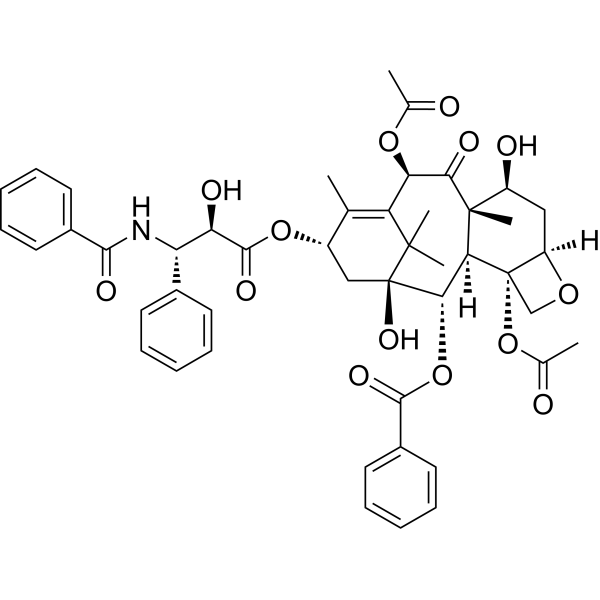
Paclitaxel (Standard) is the analytical standard of Paclitaxel. This product is intended for research and analytical applications. Paclitaxel is a naturally occurring antineoplastic agent and stabilizes tubulin polymerization. Paclitaxel can cause both mitotic arrest and apoptotic cell death. Paclitaxel also induces autophagy .
|
-

-
- HY-B0015S
-
-
-
- HY-B0015S1
-
-
-
- HY-B0015B
-
|
|
Biochemical Assay Reagents
|
Others
|
|
Paclitaxel-BSA is an antigen-adjuvant conjugate conjugate of Paclitaxel (HY-B0015) and BSA. By conjugating the antigen with a protein adjuvant, the production of antigen-specific antibodies in vaccine models can be enhanced. The conjugate does not affect protein folding or disrupt major epitopes, and can enhance cross-presentation and the production of antigen-specific T cells.
|
-

-
- HY-B0015C
-
|
|
Biochemical Assay Reagents
|
Others
|
|
Paclitaxel-KLH is an antigen-adjuvant conjugate conjugate of Paclitaxel (HY-B0015) and KLH. By conjugating the antigen with a protein adjuvant, the production of antigen-specific antibodies in vaccine models can be enhanced. The conjugate does not affect protein folding or disrupt major epitopes, and can enhance cross-presentation and the production of antigen-specific T cells.
|
-

-
- HY-B0015A
-
|
|
Biochemical Assay Reagents
|
Others
|
|
Paclitaxel-OVA is an antigen-adjuvant conjugate conjugate of Paclitaxel (HY-B0015) and ovalbumin (OVA). By conjugating the antigen with a protein adjuvant, the production of antigen-specific antibodies in vaccine models can be enhanced. The conjugate does not affect protein folding or disrupt major epitopes, and can enhance cross-presentation and the production of antigen-specific T cells.
|
-

-
- HY-N0256
-
|
|
COX
NF-κB
E1/E2/E3 Enzyme
|
Neurological Disease
Metabolic Disease
Inflammation/Immunology
Cancer
|
|
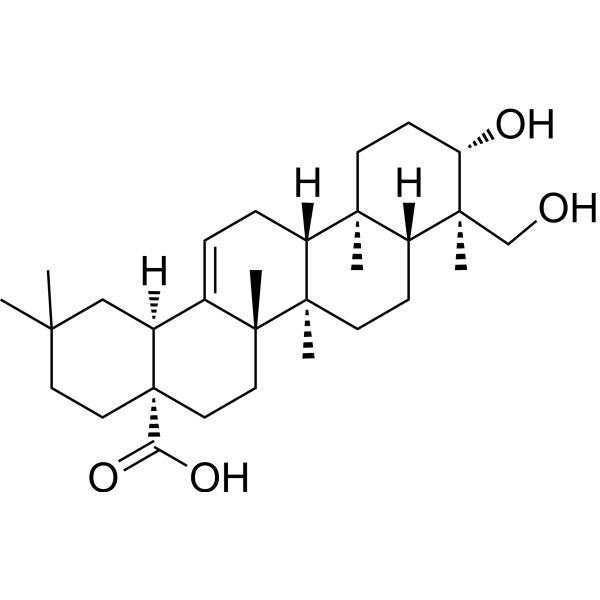
Hederagenin is a triterpenoid saponin with orally active and antitumor activity. Hederagenin can inhibit the expression of iNOS, COX-2, and NF-κB in cells induced by LPS stimulation. Hederagenin also increases ROS production in cancer cells, disrupts mitochondrial membrane potential, and induces apoptosis. Hederagenin also sensitizes cancer cells to Cisplatin (HY-17394) and Paclitaxel (HY-B0015), enhancing induced apoptosis. Hederagenin can also bind to SKP2, with KD = 67.9 μM. Hederagenin also has preventive potential against alcoholic liver injury .
|
-
-
- HY-150231
-
SU056
2 Publications Verification
|
YB-1
|
Cancer
|
|
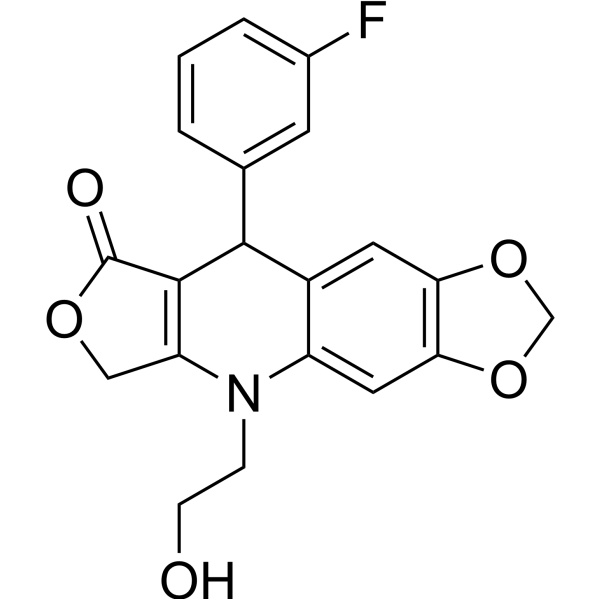
SU056 is a YB-1 inhibitor. SU056 induces cell-cycle arrest, apoptosis, and inhibits cell migration in ovarian cancer cells. SU056 interacts with YB-1 and inhibits and its associated downstream proteins and pathways. SU056 can enhance the cytotoxic effects of Paclitaxel (HY-B0015) .
|
-
-
- HY-B0415
-
|
|
Glucocorticoid Receptor
Wnt
|
Inflammation/Immunology
Endocrinology
|
|
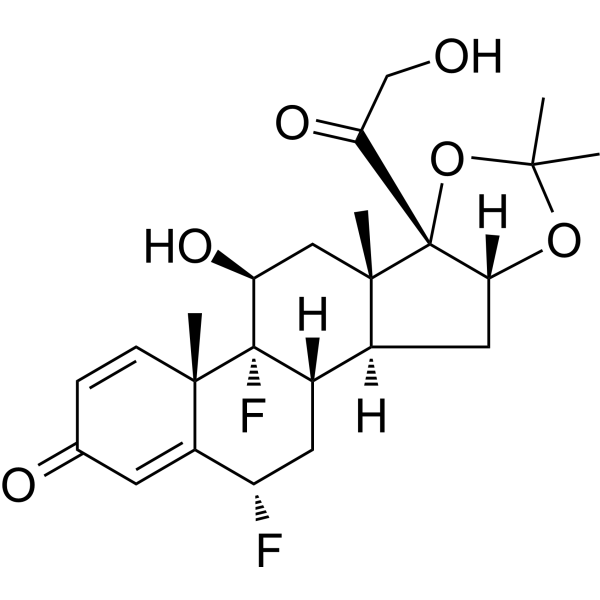
Fluocinolone is a glucocorticoid glucocorticoid receptor agonist. Fluocinolone is effective in preventing both lipid accumulation and inflammation. Fluocinolone can promote the proliferation of DPCs and has the potential role in repairing injured pulp tissues. Fluocinolone can be used to study the prevention of chemotherapy-induced peripheral neuropathy caused by Paclitaxel (HY-B0015) .
|
-
-
- HY-401424
-
|
Polyoxyethylene(36) Castor Oil; PEG-36 Castor Oil
|
Environmental Pollutants
Biochemical Assay Reagents
|
Others
|
|
Cremophor EL-36 is a non-ionic surfactant, mainly used as a solubilizing carrier for poorly soluble Paclitaxel (HY-B0015). For example, Cremophor EL-36 can enhance the intracellular influx of Etoposide (HY-13629) without affecting drug efflux, and can dose-dependently increase the accumulation of VP-16 in lung adenocarcinoma cells (such as PC-14 and A549), significantly enhancing its cytotoxic effect .
|
-

-
- HY-P4073
-
|
GRN1005; Paclitaxel trevatide
|
Peptide-Drug Conjugates (PDCs)
LDLR
|
Cancer
|
|
ANG1005 (Paclitaxel trevatide) is a brain-penetrating peptide-drug conjugate. ANG1005, a taxane derivative, consists of three paclitaxel (HY-B0015) molecules covalently linked to Angiopep-2, designed to cross the blood-brain and blood-cerebrospinal barriers and to penetrate malignant cells via low density lipoprotein receptor-related protein (LRP1) transport system .
|
-

-
- HY-125348
-
|
|
Drug Metabolite
|
Cancer
|
|
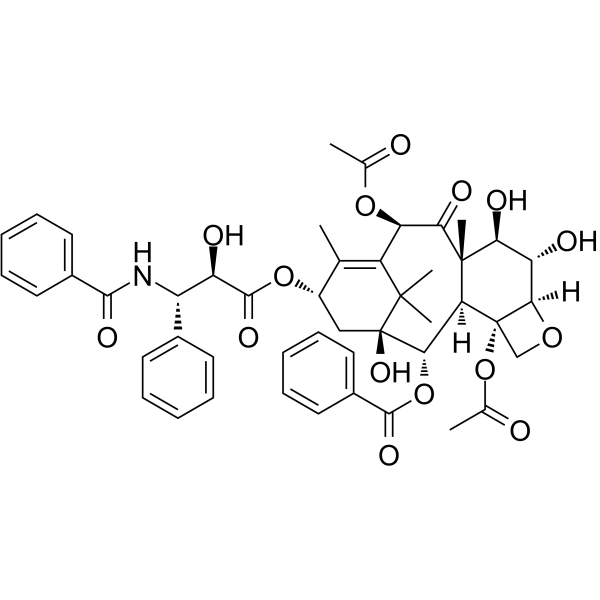
6α-Hydroxy paclitaxel is one of the main metabolites of Paclitaxel (PTX) (HY-B0015), and it is generated by the liver cytochrome P450 enzyme CYP2C8. 6α-Hydroxy paclitaxel has bone marrow toxicity, but it can enhance the cytotoxicity of PTX against leukemia cells without causing cell toxicity. 6α-Hydroxy paclitaxel can be used in leukemia research .
|
-
-
- HY-19536
-
LLL12
1 Publications Verification
|
STAT
|
Cancer
|
|
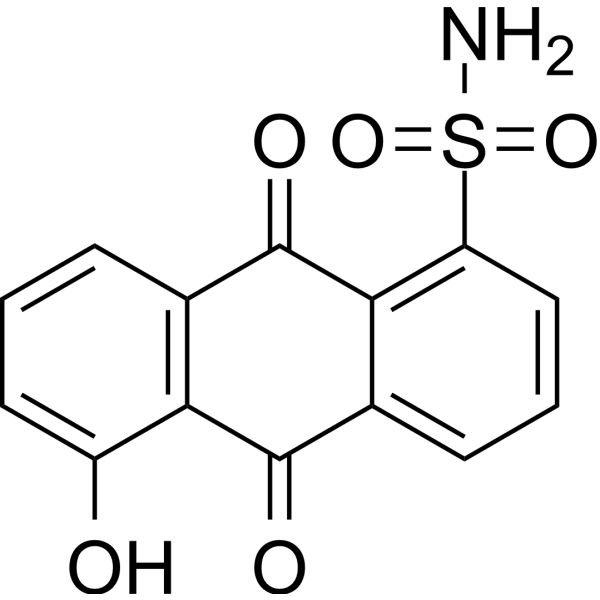
LLL12 is a small molecule inhibitor of STAT3 that inhibits STAT3 phosphorylation. LLL12 enhanced the inhibitory effect of Cisplatin (HY-17394) and Paclitaxel (HY-B0015) on ovarian cancer cell formation, migration, and growth .
|
-
-
- HY-149449
-
|
|
Amino Acid Derivatives
|
Cancer
|
|
Poly-L-γ-glutamic acid sodium is a macromolecular polymer formed by the linkage of glutamic acid residues via peptide bonds between γ-amino and carboxyl groups. Poly-L-γ-glutamic acid sodium plays an important role as a carrier material in compound delivery systems. Poly-L-γ-glutamic acid sodium can deliver Paclitaxel (HY-B0015) to colon cancer cells, reduce cell viability and inhibit the growth of colon cancer spheroids. Poly-L-γ-glutamic acid sodium can be used as a carrier material and in studies related to colon cancer in mice .
|
-
-
- HY-B0538A
-
-
-
- HY-77554
-
|
|
Microtubule/Tubulin
HIF/HIF Prolyl-Hydroxylase
|
Cancer
|
|
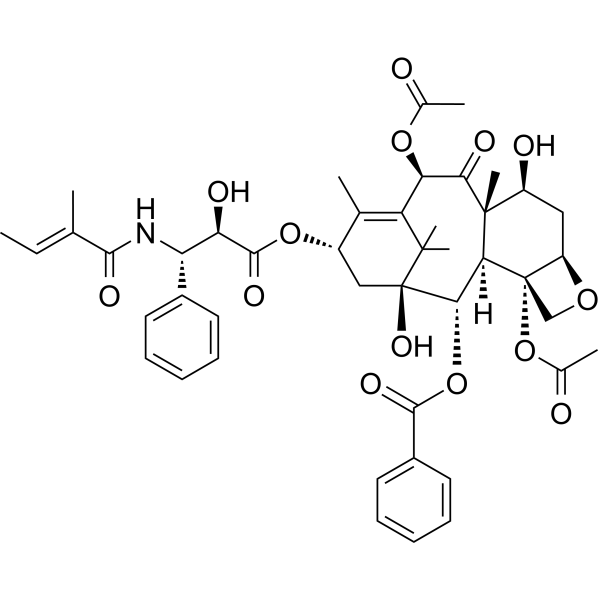
Cephalomannine is a Paclitaxel (HY-B0015) alkaloidal analog that can be isolated from most Cephalotaxus species. Cephalomannine is an orally active anti-tumor agent and can be used as a chemotherapy agent for cancer research .
|
-
-
- HY-P99377
-
|
OMP-305B83; Anti-DLL4 Reference Antibody (navicixizumab)
|
Notch
|
Cancer
|
|
Navicixizumab (OMP-305B83) is a bispecific anti-VEGF and anti-DLL4 inhibitory antibody. Navicixizumab can combine with Paclitaxel (HY-B0015) for cancer research. Navicixizumab can be used in the research of ovarian, primary peritoneal, or fallopian tube cancer .
|
-

-
- HY-W040254
-
|
|
Fluorescent Dye
|
Others
|
|
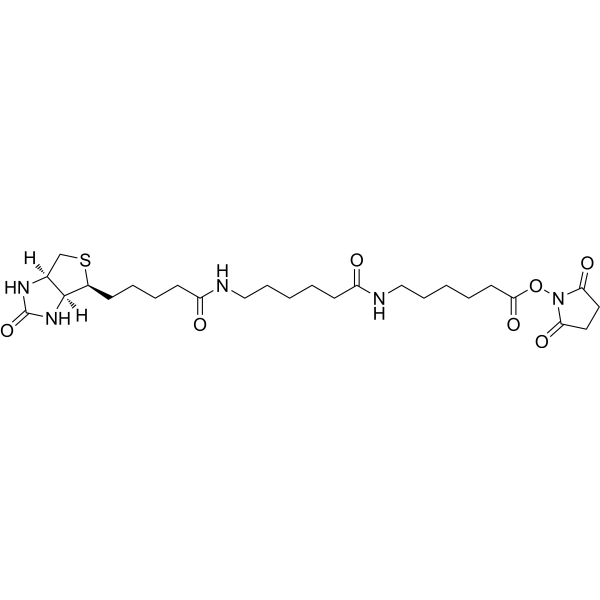
Biotin-LC-LC-NHS is a biotinylation reagent that contains an NHS moiety, which can react efficiently with primary amino (-NH2). Biotin-LC-LC-NHS enables simple and efficient biotinylation of antibodies, proteins, and any other primary amine-containing biomolecules in solution. Biotin-LC-LC-NHS can be used to biotinylate small molecules such as Paclitaxel (HY-B0015) for use in binding site characterization.
|
-
-
- HY-16160
-
|
|
Autophagy
ICMT
|
Neurological Disease
Cancer
|
|
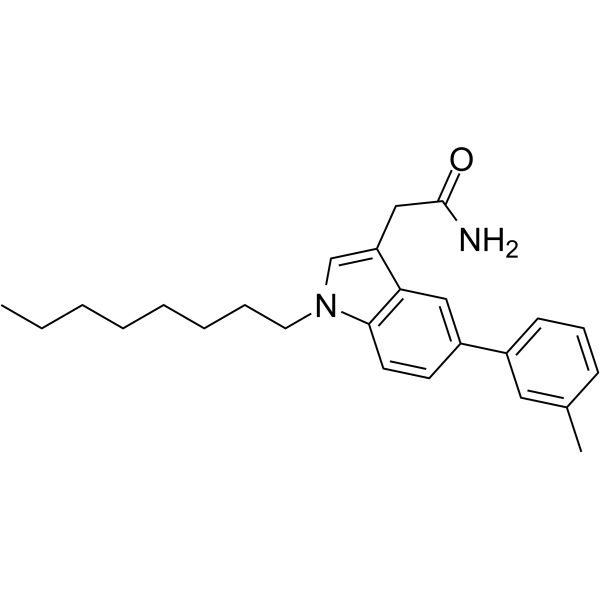
Cysmethynil is an Icmt inhibitor(IC50 = 2.4 μM). Cysmethynil inhibites RAS membrane binding and EGF signal transduction. Cysmethynil prevents the cells in the G1 phase and induces autophagy. Cysmethynil inhibits PC3 cells proliferation, has synergistic effect with Paclitaxel (HY-B0015) and Doxorubicin (HY-15142A). Cysmethynil has anti-tumor effects and can be used for solid tumor (such as prostate cancer et al.) research .
|
-
-
- HY-34643
-
|
Hept-6-ynoic acid
|
Drug Intermediate
|
Others
|
|
Hexanoylic acid (Hex-6-ynoic acid) is a drug intermediate. Hexanoylic acid can be functionalized by esterification reaction to paclitaxel (HY-B0015), enabling it to undergo an efficient ring addition reaction with β-cyclodextrin, thereby enhancing its water solubility, stability and targeting properties .
|
-

-
- HY-144878
-
|
|
c-Myc
|
Cancer
|
|
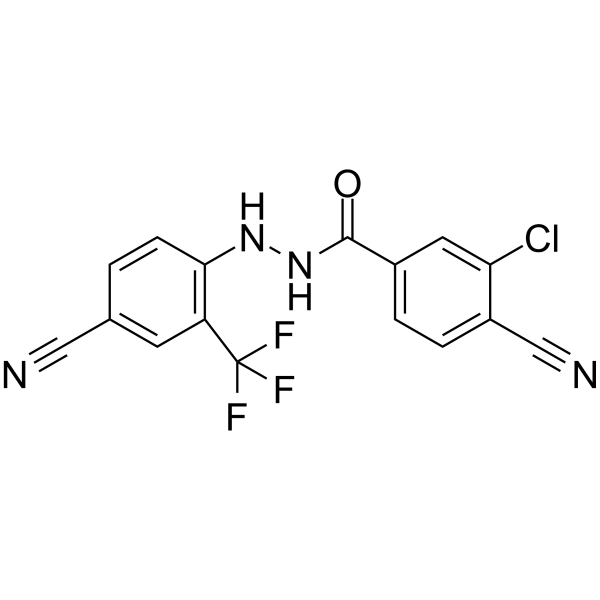
VPC-70619 is a potent N-Myc inhibitor. VPC-70619 blocks the binding of the N-Myc-Max heterocomplex to the DNA E-box and exhibits potent inhibitory activity against N-Myc-dependent cell lines. VPC-70619 can partially reverse paclitaxel (HY-B0015) resistance in cells by reducing MYCN expression. VPC-70619 can be used for cancer research (e.g., neuroblastoma and thyroid cancer) .
|
-
-
- HY-18668
-
|
|
Integrin
|
Cancer
|
|
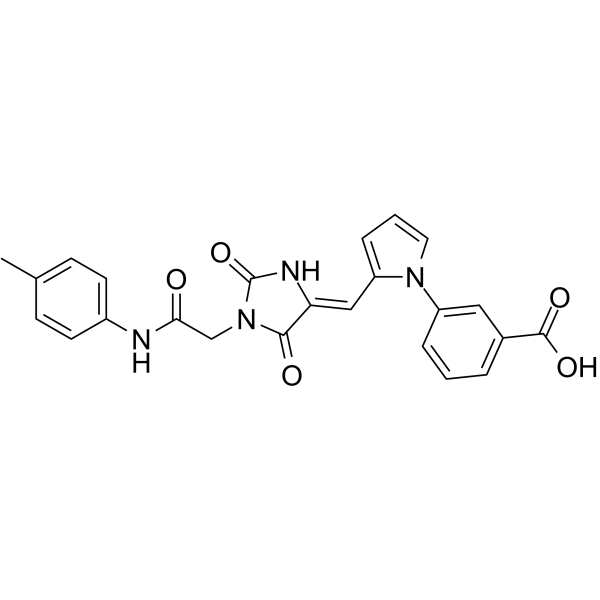
Integrin antagonist 27 (Compound 27) is a small molecule integrin αvβ3 antagonist with an affinity of 18 nM. Integrin antagonist 27 can be combined with Paclitaxel (HY-B0015) to selectively target αvβ3-positive metastatic cancer cells. Integrin antagonist 27 is used as an anticancer agent .
|
-
-
- HY-W035709
-
|
Dihydrocinchonine
|
P-glycoprotein
Apoptosis
|
Cancer
|
|
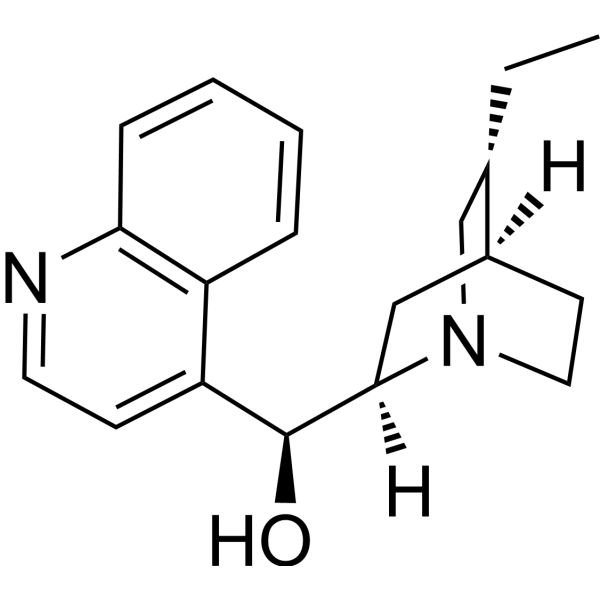
Hydrocinchonine (Dihydrocinchonine) is a multidrug resistance (MDR)-reversal agent. Hydrocinchonine directly inhibits the function and expression of P-gp, which is the mechanism by which it reverses MDR. Hydrocinchonine exerts synergistic apoptotic effect with Paclitaxel (HY-B0015) in MES-SA/DX5 cells. Hydrocinchonine can be used for the study of gynecological malignant tumors (such as uterine sarcoma) with drug resistance caused by excessive expression of P-gp .
|
-
-
- HY-125348S
-
|
|
Isotope-Labeled Compounds
|
Cancer
|
|
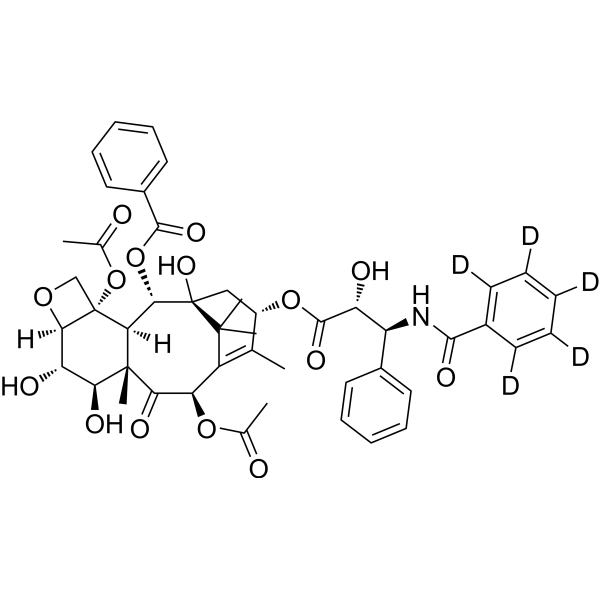
6α-Hydroxy Paclitaxel-d5 is the deuterium labeled 6α-Hydroxy paclitaxel. 6α-Hydroxy paclitaxel is one of the main metabolites of Paclitaxel (PTX) (HY-B0015), and it is generated by the liver cytochrome P450 enzyme CYP2C8. 6α-Hydroxy paclitaxel has bone marrow toxicity, but it can enhance the cytotoxicity of PTX against leukemia cells without causing cell toxicity. 6α-Hydroxy paclitaxel can be used in leukemia research.
|
-
-
- HY-D2422A
-
-

-
- HY-162161
-
|
|
Fluorescent Dye
Microtubule/Tubulin
|
Cancer
|
|
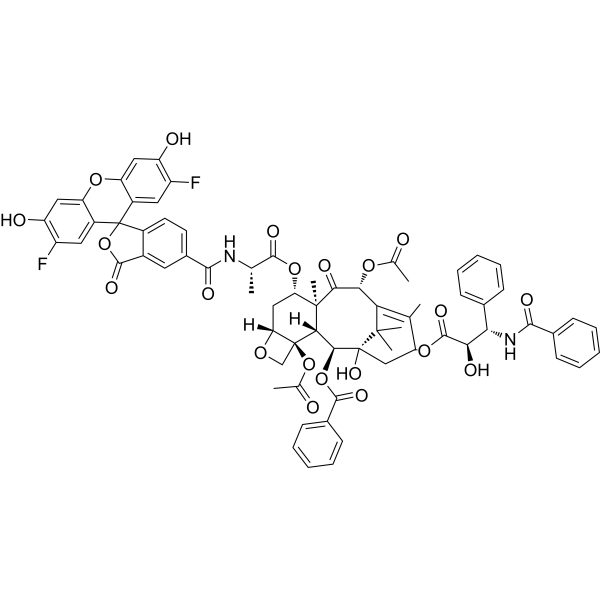
Flutax-2 is an active fluorescent derivative of Paclitaxel (HY-B0015) that binds to polymerized αβ-tubulin dimers. Flutax-2 is applicable for imaging microtubules in live cells, isolated cytoskeletons and parasites (Ex/Em=496/526 nm) .
|
-
-
- HY-140696C
-
|
mPEG20000-Hydroxy; Polyethylene glycol monomethyl ether 20000
|
PROTAC Linkers
|
Cancer
|
|
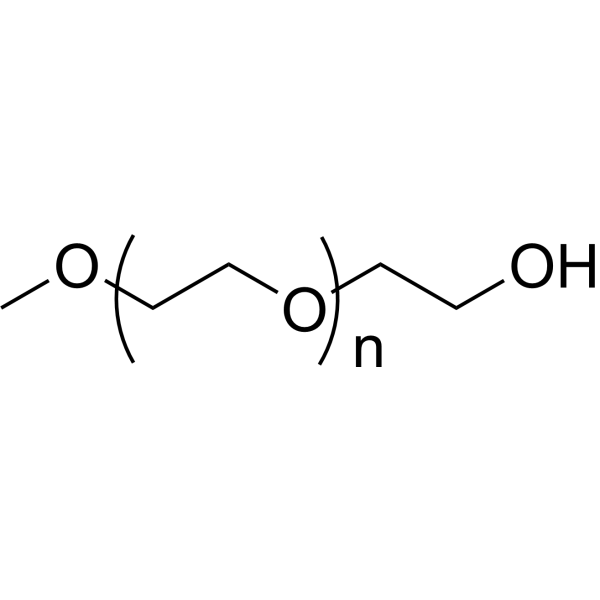
m-PEG20000-OH can be used as a macroinitiator to participate in the synthesis of amphiphilic block copolymers. Nanoscale micelles can be prepared by using amphiphilic block copolymers to deliver active drugs. Paclitaxel (HY-B0015), a hydrophobic anticancer agent encapsulated in micelles, has stronger activity in killing cancer cells than free Paclitaxel. And it preferentially accumulates in tumor tissue with only limited distribution in healthy organs.
|
-
-
- HY-107629
-
|
|
Fluorescent Dye
|
Cancer
|
|
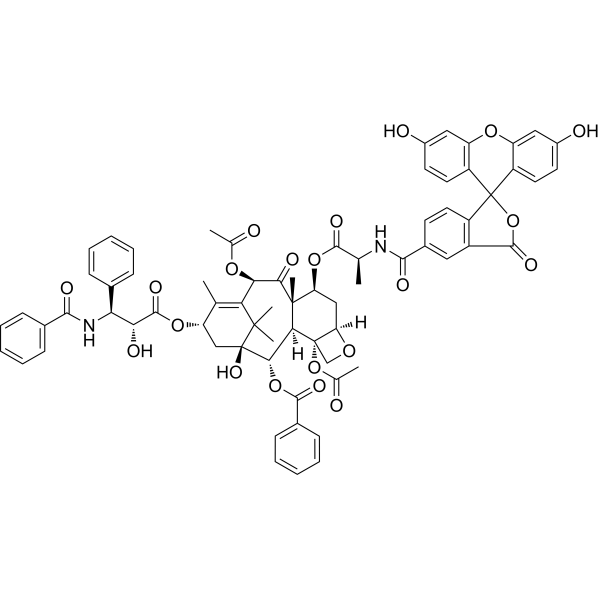
Flutax 1 is a fluorescent Paclitaxel (HY-B0015) derivative, which can be used for microtubule staining (Ex/Em = 495 nm/520 nm) .
|
-
-
- HY-153384
-
|
|
Apoptosis
Microtubule/Tubulin
Mitosis
|
Cancer
|
|
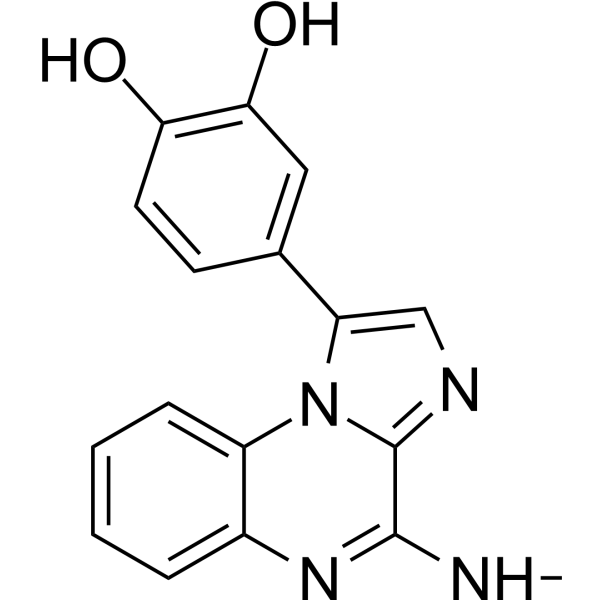
EAPB 02303 is a microtubule-disrupting agent and inhibitor. EAPB 02303 induces mitosis arrest and impairment of spindle assembly. Thus, EAPB 02303 induces apoptosis and exhibits antitumor activity. EAPB 02303 also exhibits a potent synergy with Paclitaxel (HY-B0015) at lower concentrations .
|
-
-
- HY-177146
-
|
MC-Val-Cit-PAB-Paclitaxel
|
Drug-Linker Conjugates for ADC
|
Cancer
|
|
Paclitaxel-MVCP (MC-Val-Cit-PAB-Paclitaxel) is a MC-Val-Cit-PAB (HY-78738) and Paclitaxel (HY-B0015) conjugate, and can be used for synthesis of Paclitaxel-nucleolin aptamer conjugate .
|
-

-
- HY-106219
-
|
|
Microtubule/Tubulin
P-glycoprotein
|
Cancer
|
|
BMS 275183 is a potent, orally active analogue of Paclitaxel (HY-B0015). BMS 275183 can stabilize microtubules and exhibits antitumor activity in in vivo tumor models. BMS 275183 is active in vitro against Paclitaxel-resistant tumors including those harboring tubulin mutations or overexpressing P-glycoprotein. BMS 275183 can be used for cancer research, such as non-small cell lung cancer (NSCLC) and prostate carcinoma .
|
-

-
- HY-134269A
-
|
7-deaza-8-bromo-cADPR disodium; 7-deaza-8-bromo-cyclic ADP ribose disodium
|
Calcium Channel
|
Neurological Disease
|
|
8-Br-7-CH-cADPR disodium (7-Deaza-8-bromo-cADPR) is a potent cADPR antagonist. 8-Br-7-CH-cADPR disodium shows partial inhibition of calcium elevation caused by sTIR dimerization. 8-Br-7-CH-cADPR disodium significantly decreases Paclitaxel (HY-B0015)-induced axon degeneration .
|
-

-
- HY-119833
-
|
|
MicroRNA
|
Cancer
|
|
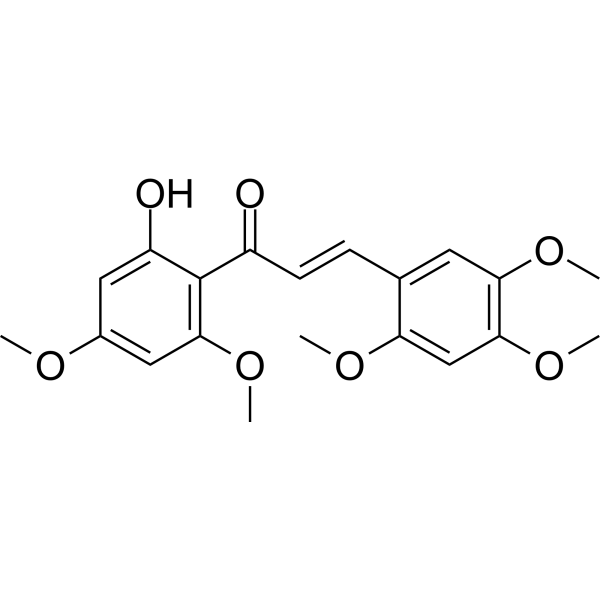
Rubone, a chalcone analog, is a modulator of miR-34a. Rubone upregulates miR-34a expression in a p53 dependent manner, downregulates the downstream target Bcl-2 and Cyclin D1 expression, and suppresses hepatocellular carcinoma (HCC) growth in vivo. Rubone enhances the anticancer effect of Paclitaxel (PTX; HY-B0015) in PTX-resistant prostate cancer cell lines by reversing the expression of miR-34a downstream targets .
|
-
-
- HY-N0256R
-
|
|
Reference Standards
COX
NF-κB
|
Cancer
|
|
Hederagenin (Standard) is the analytical standard of Hederagenin. This product is intended for research and analytical applications. Hederagenin is a triterpenoid saponin with orally active and antitumor activity. Hederagenin can inhibit the expression of iNOS, COX-2, and NF-κB in cells induced by LPS stimulation. Hederagenin also increases ROS production in cancer cells, disrupts mitochondrial membrane potential, and induces apoptosis. Hederagenin also sensitizes cancer cells to Cisplatin (HY-17394) and Paclitaxel (HY-B0015), enhancing induced apoptosis. Hederagenin also has preventive potential against alcoholic liver injury .
|
-

-
- HY-17664
-
|
2’-Sulfo-NHS-succinyl-paclitaxel
|
Drug Derivative
Microtubule/Tubulin
|
Cancer
|
|
Paclitaxel succinate sulfo-NHS ester is a derivative of Paclitaxel (HY-B0015). Paclitaxel succinate sulfo-NHS ester can be used for the research of cancer .
|
-

-
- HY-164272
-
|
|
Microtubule/Tubulin
|
Cancer
|
|
2'-O-TBDMS-Paclitaxel is a paclitaxel (HY-B0015) derivative which 2'-OH group is protected as a tert-butyldimethylsilyl (TBDMS) ether .
|
-

-
- HY-157529
-
|
|
Microtubule/Tubulin
Fluorescent Dye
|
Cancer
|
|
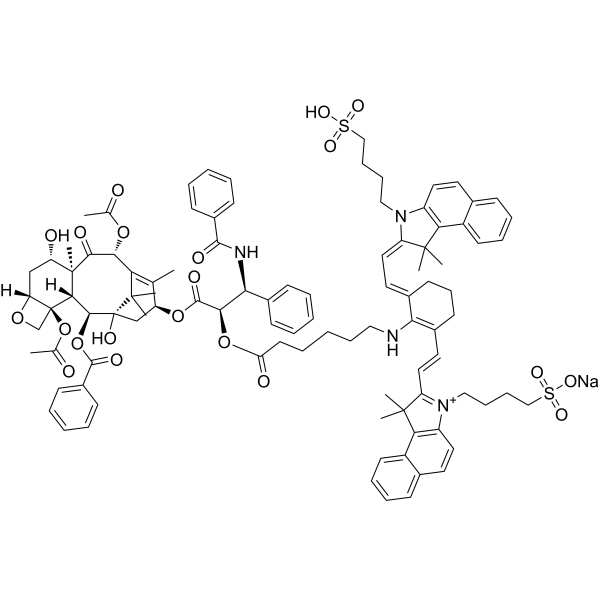
IR820-PTX, an IR-820 (HY-136886)-Paclitaxel (HY-B0015) conjugate, is an amphipathic small molecule prodrug. IR820-PTX effectively inhibits tumor growth via combined photothermal therapy (PTT) and chemotherapy .
|
-
-
- HY-18165
-
|
|
LPL Receptor
|
Cancer
|
|
XL541 is a potent, selective S1P1 antagonist. XL541 inhibits GDP-GTP exchange. XL541 causes frank surface hemorrhaging of tumors. XL541 collaborates with Paclitaxel (HY-B0015) to exhibit antitumor activity against breast cancer and lung cancer .
|
-

-
- HY-N2379
-
-

-
- HY-W019939
-
|
|
ADC Linker
|
Cancer
|
|
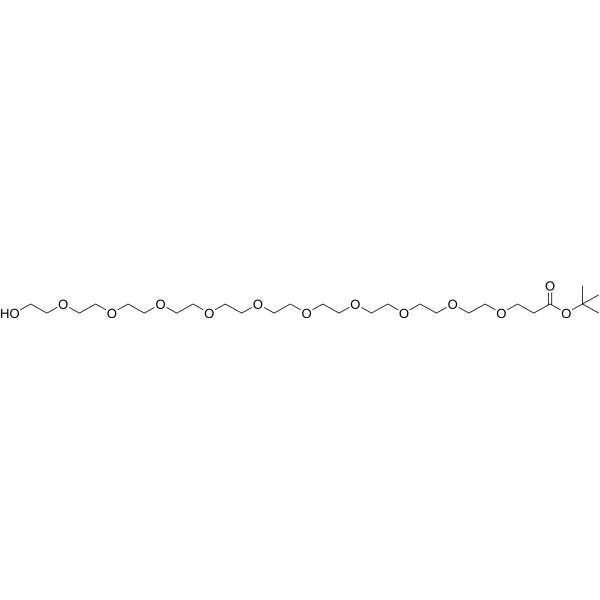
Hydroxy-PEG10-Boc is extacted from patent CN108707228 (example 0024) . Hydroxy-PEG10-Boc is a uncleavable ADC linker used in the synthesis of antibody-drug conjugates (ADCs). Hydroxy-PEG10-Boc can be conjugated to Paclitaxel (HY-B0015) or docetaxel (HY-B0011) .
|
-
-
- HY-D2341
-
|
|
Fluorescent Dye
|
Cancer
|
|
6FC-GABA-Taxol is a fluorescent probe with cell permeability, which is formed by connecting 6FC to the anticancer drug Taxol (HY-B0015) via γ-aminobutyric acid (GABA). 6FC-GABA-Taxol can bind to microtubules in living cells and image them through confocal microscopy. Additionally, 6FC-GABA-Taxol enables the quantification of microtubule binding using flow cytometry without the addition of efflux inhibitors .
|
-

-
- HY-177021
-
|
|
Microtubule/Tubulin
Apoptosis
|
Cancer
|
|
Tubulin-IN-51 is an orally available, potent tubulin inhibitor (IC50 = 31 nM). Tubulin-IN-51 promotes tubulin polymerization in vitro and does not compete with Paclitaxel (HY-B0015) for binding. Tubulin-IN-51 inhibits the binding of Vinblastine (HY-13780) to tubulin. Tubulin-IN-51 downregulates the proportion of cells in the G1 phase and induces apoptosis. Tubulin-IN-51 inhibits tumor growth in multiple nude mouse xenograft models .
|
-

-
- HY-D2422B
-
|
|
Fluorescent Dye
Microtubule/Tubulin
|
Cancer
|
|
Cy5-Paclitaxel is a Cyanine5 carboxylic acid bromide (HY-D1319) labeled Paclitaxel (HY-B0015) conjugate. Cyanine5 carboxylic acid bromide is a fluorescent dye containing a non-activated carboxylic acid (Ex=646 nm, Em=662 nm) that can be used for molecular labeling and microscopy imaging. Paclitaxel stabilizes tubulin polymerization. Paclitaxel can cause both mitotic arrest and apoptotic cell death. Paclitaxel also induces autophagy .
|
-

-
- HY-W035709R
-
|
Dihydrocinchonine (Standard)
|
Reference Standards
P-glycoprotein
Apoptosis
|
Cancer
|
|
Hydrocinchonine (Dihydrocinchonine) (Standard) is the analytical standard of Hydrocinchonine (HY-W035709). This product is used for research and analytical purposes.Hydrocinchonine is a multidrug resistance (MDR)-reversal agent. Hydrocinchonine directly inhibits the function and expression of P-gp, which is the mechanism by which it reverses MDR. Hydrocinchonine exerts synergistic apoptotic effect with Paclitaxel (HY-B0015) in MES-SA/DX5 cells. Hydrocinchonine can be used for the study of gynecological malignant tumors (such as uterine sarcoma) with drug resistance caused by excessive expression of P-gp .
|
-

-
- HY-148572
-
|
|
Indoleamine 2,3-Dioxygenase (IDO)
NAMPT
|
Cancer
|
|
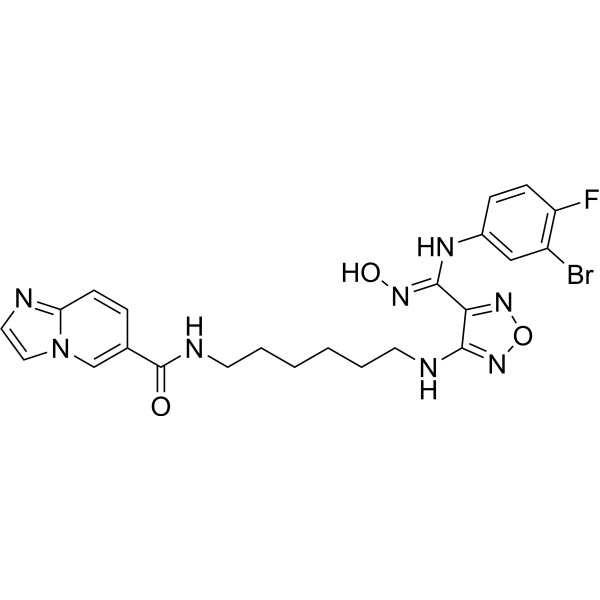
NAMPT/IDO1-IN-1 is an orally active dual inhibitor of NAMPT and IDO1 with IC50s of 57.7 nM and 233 nM, respectively. NAMPT/IDO1-IN-1 blocks NAD+ biosynthesis, inhibits proliferation and migration of Paclitaxel (HY-B0015)- and FK866 (HY-50876)-resistant NSCLC cell lines (A549/R cells). NAMPT/IDO1-IN-1 has shown antitumor effects in mice and enhanced A549/R cell sensitivity to paclitaxel .
|
-
-
- HY-177345
-
|
|
Sigma Receptor
Apoptosis
Caspase
|
Cancer
|
|
SV119 is a selective sigma-2 (σ₂) receptor ligand (Ki ≈ 5-10 nM). SV119 induces apoptosis in various human cancer cell lines by activating caspase-3 and promoting mitochondrial depolarization. SV119 can enhance the effects of chemotherapeutic agents such as Paclitaxel (HY-B0015), increasing their cytotoxicity against tumor cells. SV119 significantly inhibits tumor growth in mouse xenograft models, both alone and in combination. SV119 is useful in the research of cancers such as breast, prostate, and pancreatic cancer .
|
-

-
- HY-W777110
-
|
7-O-(Triethylsilyl)baccatin III
|
Drug Intermediate
|
Cancer
|
|
7-(Triethylsilyl)baccatin III (7-O-(Triethylsilyl)baccatin III) is intermediate for preparation of the antitumor agent Paclitaxel (HY-B0015) .
|
-

-
- HY-137863
-
-
-
- HY-16371
-
|
IDN 5109; BAY 59-8862
|
Microtubule/Tubulin
|
Cancer
|
|
Ortataxel (IDN 5109; BAY 59-8862) is a derivative of Paclitaxel (HY-B0015). Ortataxel exhibits activity against multiple drug-sensitive and resistant cancer cell lines .
|
-

- HY-13646C
-
|
HM30181 mesylate hydrochloride; HM30181A mesylate hydrochloride
|
P-glycoprotein
|
Cancer
|
|
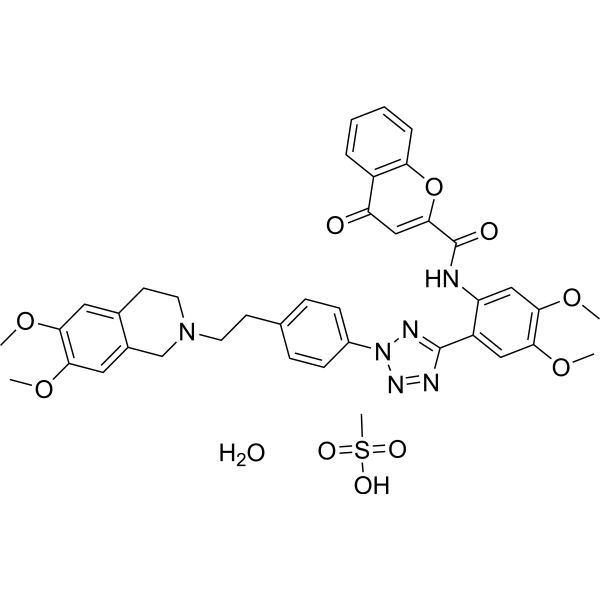
Encequidar (HM30181) mesylate hydrochloride is a potent and selective inhibitor of P-glycoprotein (MDR1). Encequidar mesylate hydrochloride improves anti-tumor efficacy of Paclitaxel (HY-B0015) in mouse tumor models .
|
-
- HY-P991619
-
|
TF8-5G9
|
Transmembrane Glycoprotein
|
Cancer
|
|
CNTO-860 is a humanized anti-tissue factor monoclonal antibody. CNTO-860 can improve tumor control when combined with Paclitaxel (HY-B0015) in colon cancer model and significantly increase tumor-free survival .
|
-

- HY-168008
-
|
|
P-glycoprotein
|
Cancer
|
|
P-gp inhibitor 25 (compound 16c) is a P-gp inhibitor. P-gp inhibitor 25 can enhance the oral absorption of paclitaxel (HY-B0015). P-gp inhibitor 25 can be used in anti-cancer research .
|
-

- HY-177482
-
|
|
Drug Intermediate
|
Cancer
|
|
Pro-PTX is a Pd-sensitive Paclitaxel (HY-B0015) prodrug with anticancer activity 200 to 700-fold lower than that of the parent compound. Pro-PTX triggers intramolecular cyclization via Pd-catalyzed depropargylation to release active Paclitaxel (HY-B0015) and a non-toxic byproduct. Pro-PTX diffuses efficiently through porous agarose and alginate hydrogel networks, reacts with embedded Pd nanosheets and gets activated. Pro-PTX exhibits significantly reduced cytotoxicity and antiproliferative activity in cancer cells and non-cancerous human cerebrovascular pericytes. Pro-PTX is applicable for research related to non-small cell lung cancer, glioblastoma and lung cancer .
|
-

- HY-124996
-
|
|
NO Synthase
|
Neurological Disease
Inflammation/Immunology
Cancer
|
|
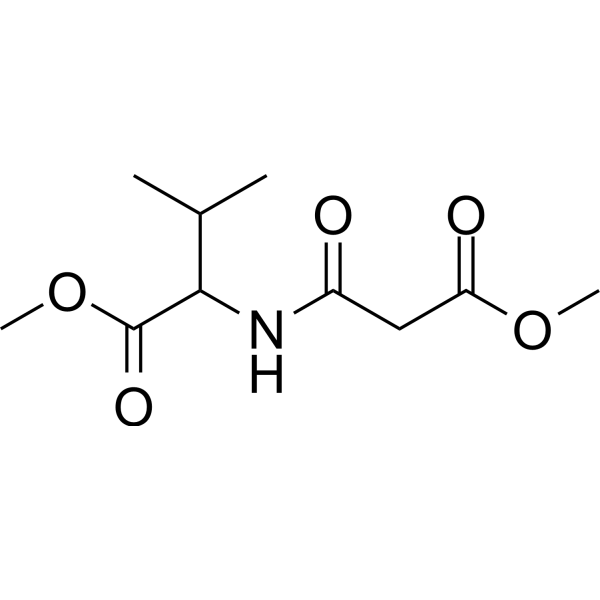
(Rac)-ZLc-002, an inhibitor of nNOS interaction with nitric oxide synthase 1 adaptor protein (NOS1AP), suppresses inflammatory nociception and chemotherapy-induced neuropathic pain and synergizes with Paclitaxel (HY-B0015) to reduce tumor cell viability .
|
-
- HY-77554R
-
|
|
Microtubule/Tubulin
HIF/HIF Prolyl-Hydroxylase
Reference Standards
|
Cancer
|
|
Cephalomannine (Standard) is the analytical standard of Cephalomannine. This product is intended for research and analytical applications. Cephalomannine is a Paclitaxel (HY-B0015) alkaloidal analog that can be isolated from most Cephalotaxus species. Cephalomannine is an orally active anti-tumor agent and can be used as a chemotherapy agent for cancer research .
|
-

- HY-161645
-
|
|
P-glycoprotein
|
Cancer
|
|
P-gp modulator-4 (compound 4c) inhibits the efflux function of P-glycoprotein (P-gp). P-gp modulator-4 shows multidrug resistance (MDR) in cancer reversal activity (IC50 of Paclitaxel (HY-B0015) = 8.80, reversal fold = 211.8) .
|
-

- HY-168711
-
|
|
P-glycoprotein
|
Cancer
|
|
P-gp inhibitor 27 (Compound D2) is an inhibitor for P-glycoprotein (P-gp), that downregulates the expression of P-gp and MRP1, increases the Rh123 accumulation in A2780/T cell, and reverses multidrug resistance to Paclitaxel (HY-B0015) (EC50 is 88 nM) and Cisplatin (HY-17394) .
|
-

- HY-15812
-
|
|
Aurora Kinase
|
Cancer
|
|
XMD-12 (compound 1) is an Aurora kinase (Aurora Kinase) inhibitor with anti-tumor activity that promotes paclitaxel (HY-B0015) induced cell death. XMD-12 exhibits high selectivity and potency against Aurora A, B, and C kinases, with IC50 values of 5.6, 18.4, and 24.6 nM, respectively .
|
-

- HY-161403
-
|
|
Cytochrome P450
|
Cancer
|
|
CYP1B1-IN-8 (Compound 14b) is a CYP1B1 inhibitor (IC50: 4.14 × 10 –5 nM). CYP1B1-IN-8 reduces the resistance in A549 cells to Paclitaxel (HY-B0015), and inhibits cell migration and invasion .
|
-
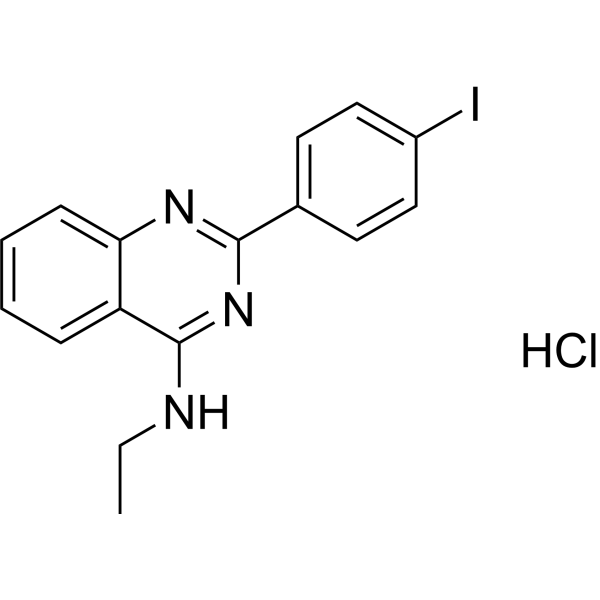
- HY-117039
-
|
|
VEGFR
|
Cancer
|
|
YM-359445 dihydroxybutanedioate is an orally active VEGFR2 tyrosine kinase inhibitor, with an IC50 of 8.5 nM. YM-359445 dihydroxybutanedioate shows a complete inhibition of vascular permeability induced by VEGF. YM-359445 dihydroxybutanedioate shows antitumor activity against both lung cancer and Paclitaxel (HY-B0015)-resistant colon cancer .
|
-

- HY-155032
-
|
|
P-glycoprotein
|
Cancer
|
|
P-gp inhibitor 15 (compound 7a) is a nonsubstrate inhibitor of P-glycoprotein (Pgp). P-gp inhibitor 15 inhibits Pgp-ATPase activity,and interfers Pgp-mediated Rhodamine123 efflux. P-gp inhibitor 15 also enhances the inhibitory efficacy of Paclitaxel (HY-B0015),inhibits tumor progress in nude mice KBV xenograft tumors model .
|
-
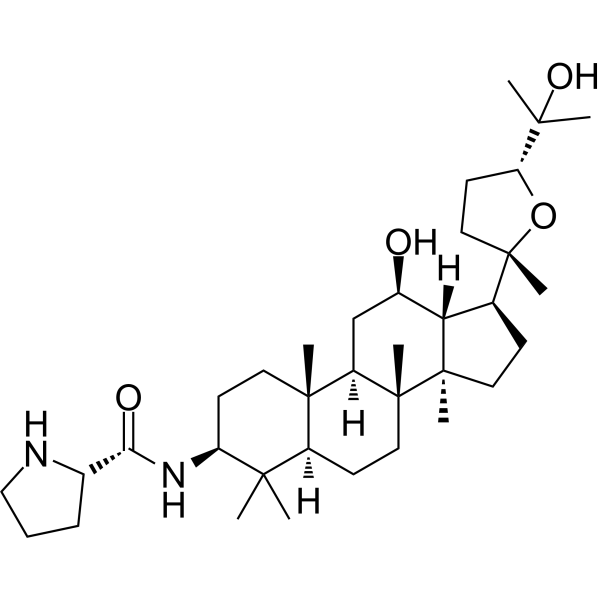
- HY-N15297
-
|
|
P-glycoprotein
|
Cancer
|
|
Isotenulin inhibits the efflux function of P-glycoprotein by stimulation of P-glycoprotein ATPase, thereby overcoming the multidrug resistance (MDR) of cancer cells. Isotenulin exhibits cytotoxicity in multidrug-resistant cancer cell KB-vin and sensitive cancer cell HeLaS3. Isotenulin exhibits synergistic effect with Paclitaxel (HY-B0015), Vinblastine (HY-13780) and Doxorubicin (HY-15142) .
|
-

- HY-170484
-
|
|
MAP3K
p38 MAPK
|
Neurological Disease
|
|
KAI-11101 is the inhibitor for dual leucine zipper kinase (DLK, MAP3K12) with a Ki of 0.7 nM. KAI-11101 inhibits Paclitaxel (HY-B0015)-induced cJun phosphorylation (IC50=95 nM) and thus inhibits the activation of MAPK pathway. KAI-11101 is blood brain barrier penetrable and can be further investigated for its neuroprotective property .
|
-

- HY-139248
-
|
|
Drug Derivative
|
Cancer
|
|
Paclitaxel octadecanedioate (compound PTX-FA18) is comprised of Paclitaxel (HY-B0015) conjugated to 1,18-octadecanedioic acid (HY-W005178). Paclitaxel octadecanedioate mixed with human serum albumin (HAS) is cytotoxic to HT-1080, PANC-1, HT-29 and Hela cells (IC50s = 12, 2.48, 8.62, and 64.42 nM, respectively) .
|
-
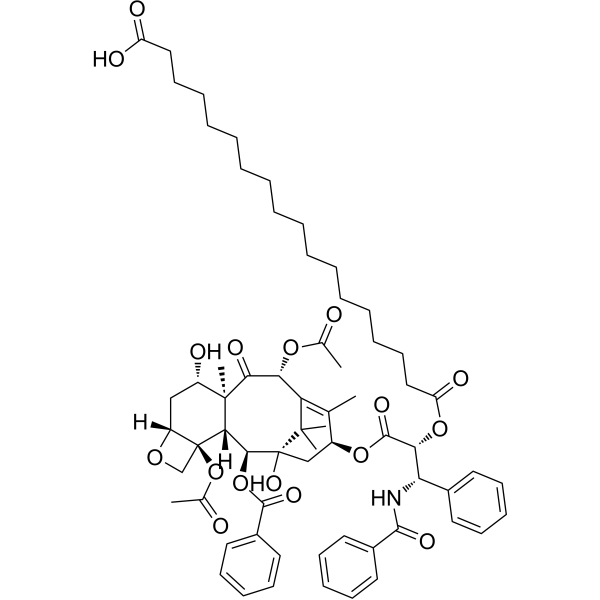
- HY-150565
-
|
|
P-glycoprotein
|
Cancer
|
|
P-gp inhibitor 5 is a potent P-glycoprotein (P-gp) inhibitor. P-gp inhibitor 5 has antiproliferative activity against certain cancer cell lines. P-gp inhibitor 5 is effective in reversing the multidrug resistance (MDR) phenotype in ABCB1/Flp-In TM-293 and KBvin cells by restoring their sensitivity to Vincristine (HY-N0488A) and Paclitaxel (HY-B0015) .
|
-
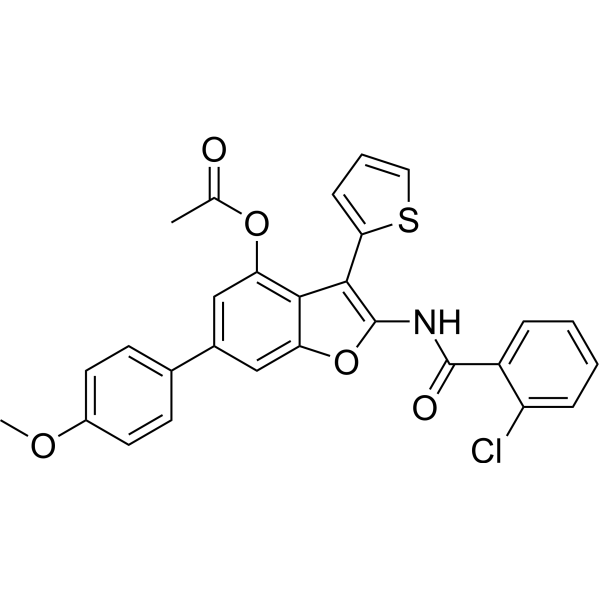
- HY-134269
-
|
7-Deaza-8-bromo-cADPR; 7-Deaza-8-bromo-cyclic ADP ribose
|
Calcium Channel
|
Neurological Disease
|
|
8-Br-7-CH-cADPR (7-Deaza-8-bromo-cADPR) is a potent cADPR antagonist. 8-Br-7-CH-cADPR shows partial inhibition of calcium elevation caused by sTIR dimerization. 8-Br-7-CH-cADPR significantly decreases Paclitaxel (HY-B0015)-induced axon degeneration .
|
-

- HY-105409
-
|
NVP-XAA-296; XAA 296
|
Microtubule/Tubulin
Apoptosis
|
Cancer
|
|
Discodermolide (NVP-XAA-296) is a potent microtubule-stabilizing agent with a Ki of 0.4 μM. Discodermolide stabilizes microtubules, induces G2 or M phase cell cycle arrest and apoptosis, leading to inhibition of cancer cell proliferation. Discodermolide competitively inhibits the binding of Paclitaxel (HY-B0015) to tubulin polymers, and inhibits the growth of Paclitaxel-resistant cells. Discodermolide can be used for breast and colon cancer research .
|
-

- HY-B0415R
-
|
|
Reference Standards
Glucocorticoid Receptor
Wnt
|
Inflammation/Immunology
Endocrinology
|
|
Fluocinolone (Acetonide) (Standard) is the analytical standard of Fluocinolone (Acetonide). This product is intended for research and analytical applications. Fluocinolone is a glucocorticoid glucocorticoid receptor agonist. Fluocinolone is effective in preventing both lipid accumulation and inflammation. Fluocinolone can promote the proliferation of DPCs and has the potential role in repairing injured pulp tissues. Fluocinolone can be used to study the prevention of chemotherapy-induced peripheral neuropathy caused by Paclitaxel (HY-B0015) .
|
-

- HY-W777281
-
|
|
Isotope-Labeled Compounds
Glucocorticoid Receptor
Wnt
|
Endocrinology
|
|
Fluocinolone acetonide- 13C3 is the 13C-labeled Fluocinolone (Acetonide) (HY-B0415). Fluocinolone is a glucocorticoid glucocorticoid receptor agonist. Fluocinolone is effective in preventing both lipid accumulation and inflammation. Fluocinolone can promote the proliferation of DPCs and has the potential role in repairing injured pulp tissues. Fluocinolone can be used to study the prevention of chemotherapy-induced peripheral neuropathy caused by Paclitaxel (HY-B0015) .
|
-

- HY-162759
-
|
|
Sigma Receptor
|
Neurological Disease
|
|
Sigma-1 receptor antagonist 6 (Compound 12) is an antagonist of the Sigma-1 receptor (σ1R). Sigma-1 receptor antagonist 6 exerts a robust antiallodynic effect by antagonizing σ1R. Sigma-1 receptor antagonist 6 can be used in neuropathic pain animal models to alleviate mechanical allodynia induced by paclitaxel (HY-B0015) .
|
-

- HY-175981
-
|
|
Drug Derivative
|
Cancer
|
|
Paclitaxel-bromothiophene is a semisynthetic taxane analogue of Paclitaxel (HY-B0015). Paclitaxel-bromothiophene exhibits potent antiproliferative activity against 4-T1 breast cancer cells, with an IC50 value of 15.18 nM. Paclitaxel-bromothiophene shows high binding affinity to C5aR1 (Kd = 19.4 μM). Paclitaxel-bromothiophene demonstrates excellent anti-tumor efficacy in 4-T1 breast cancer-bearing mice. Paclitaxel-bromothiophene can be used for the study of breast cancer .
|
-

- HY-161825
-
|
|
Microtubule/Tubulin
Apoptosis
|
Cancer
|
|
Tubulin polymerization-IN-66 (Compound 13) inhibits colony formation and tubulin polymerization. Tubulin polymerization-IN-66 induces apoptosis. Tubulin polymerization-IN-66 inhibits cell viability of A549, A2780, SKOV3, HCC827 cells, with IC50s of 0.84, 0.38, 0.31, 0.34 nM respectively. Tubulin polymerization-IN-66 is also active against the Paclitaxel (HY-B0015)-resistant cancer cell line A2780/T and its parental cell line A2780 .
|
-

- HY-D2422C
-
|
|
Fluorescent Dye
Microtubule/Tubulin
Autophagy
|
Cancer
|
|
Cy5-Paclitaxel bromide is the bromide of Cy5-Paclitaxel (HY-D2422B). Cy5-Paclitaxel is a Cyanine5 carboxylic acid bromide (HY-D1319) labeled Paclitaxel (HY-B0015) conjugate. Cyanine5 carboxylic acid bromide is a fluorescent dye containing a non-activated carboxylic acid (Ex=646 nm, Em=662 nm) that can be used for molecular labeling and microscopy imaging. Paclitaxel stabilizes tubulin polymerization. Paclitaxel can cause both mitotic arrest and apoptotic cell death. Paclitaxel also induces autophagy .
|
-

- HY-175760
-
|
|
Cytochrome P450
|
Cancer
|
|
CYP1B1-IN-11 (Compound M2) is a selective CYP1B1 inhibitor with an IC50 of 0.00605 pM. CYP1B1-IN-11 effectively reverses DMBA (HY-W011845)-induced Paclitaxel (HY-B0015) resistance and CYP1B1-IN-11 suppresses tumor cells invasion and migration. CYP1B1-IN-11 can be used for tumor drug resistance research .
|
-

- HY-113327R
-
|
|
Drug Metabolite
Reference Standards
Endogenous Metabolite
|
Cancer
|
|
Hederagenin (Standard) is the analytical standard of Hederagenin. This product is intended for research and analytical applications. Hederagenin is a triterpenoid saponin with orally active and antitumor activity. Hederagenin can inhibit the expression of iNOS, COX-2, and NF-κB in cells induced by LPS stimulation. Hederagenin also increases ROS production in cancer cells, disrupts mitochondrial membrane potential, and induces apoptosis. Hederagenin also sensitizes cancer cells to Cisplatin (HY-17394) and Paclitaxel (HY-B0015), enhancing induced apoptosis. Hederagenin also has preventive potential against alcoholic liver injury .
|
-

- HY-156123
-
|
|
Dihydrofolate reductase (DHFR)
Bacterial
|
Infection
Cancer
|
|
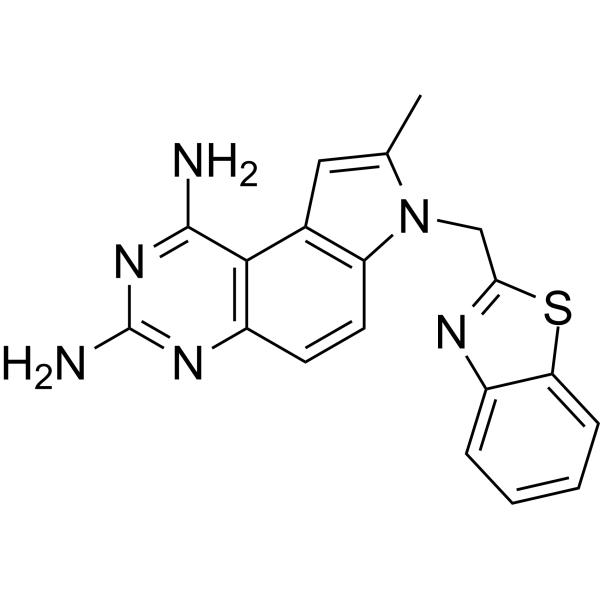
DHFR-IN-9 (compound 8A) is a dihydrofolate reductase (DHFR) inhibitor that affects purine and thymidylate biosynthesis in cell proliferation and growth. DHFR-IN-9 inhibits methicillin-resistant Staphylococcus aureus (MRSA) ATCC 43300 (IC50=0.25 μg/mL) and has anti-infective effects in mouse models of systemic infection and thigh infection caused by it (dose: 2.5 mg /kg, 5 mg/kg; ip). DHFR-IN-9 has stronger anticancer activity than paclitaxel (Y-B0015) in a mouse model of breast cancer (dose: 2.5 mg/kg; ip; once every 3 days) .
|
-
- HY-168921
-
|
|
P-glycoprotein
Apoptosis
|
Cancer
|
|
ABCB1-IN-3 (Compound K27) is an orally active inhibitor of ABCB1, and induces apoptosis. ABCB1-IN-3 directly binds to ABCB1 to inhibit efflux function, ensuring stable intracellular concentration of Paclitaxel (PTX) (HY-B0015) without affecting ABCB1 normal expression. ABCB1-IN-3 significantly increases the sensitivity of ABCB1-mediated multidrug resistance (MDR) to Paclitaxel in vitro, enhances cell cycle arrest, and inhibits proliferation. BCB1-IN-3 combined with Paclitaxel exhibits potent tumor suppression in vivo without generating toxicity .
|
-

- HY-175206
-
|
|
P-glycoprotein
|
Cancer
|
|
P-gp-IN-30 (Compound 13) is a P-glycoprotein (P-gp) inhibitor by targeting YB-1. P-gp-IN-30 significantly enhances sensitivity to Paclitaxel by reducing total YB-1 and nucleus YB-1 protein expression, inhibiting the expression and function of downstream P-gp, further suppressing the efflux rate of Paclitaxel. P-gp-IN-30 potently inhibits tumor growth in A549/Taxol xenografts mice model with combination of Paclitaxel (HY-B0015). P-gp-IN-30 can be used for non-small cell lung cancer (NSCLC) research .
|
-

- HY-175201
-
|
|
LPL Receptor
STAT
|
Cancer
|
|
pro-FTY, a FTY720 (HY-12005) anticancer prodrug, is a sphingosine-1-phosphate (S1P) (HY-108496) inhibitor. pro-FTY specifically inhibits S1P signaling in cancer cells using a drug delivery system (DDS) that reacts with acrolein. pro-FTY significantly inhibits the survival of breast cancer cells, including multidrug-resistant cells and its organoids resistant to Paclitaxel (HY-B0015) or Doxorubicin (HY-15142A). pro-FTY potently suppresses tumor growth in 4T1 cells or organoids xenograft tumors mice model while avoiding lymphocytopenia .
|
-

- HY-177999
-
-

- HY-W751162
-
|
|
Drug Derivative
|
Cancer
|
|
3'-epi-Paclitaxel is a derivative of Paclitaxel (HY-B0015) and can be used in cancer research .
|
-

- HY-186000
-
|
|
Drug Derivative
|
Cancer
|
|
Paclitaxel-maleimide is Paclitaxel (HY-B0015) modified with a maleimide linker. Paclitaxel-maleimide shows strong BSA binding ability. Paclitaxel-maleimide can be used in tumor research .
|
-

- HY-181998
-
|
|
Interleukin Related
|
Neurological Disease
Inflammation/Immunology
|
|
CN016 is a neuroprotective agent. CN016 inhibits the elevation of pro-inflammatory cytokines G-CSF, GM-CSF and IL-6 induced by Oxaliplatin (HY-17371). CN016 suppresses Paclitaxel (HY-B0015)-induced inflammatory responses and immune cell infiltration into sensory neurons. CN016 protects neurons from Paclitaxel (HY-B0015)-induced neurotoxic damage. CN016 protects mice against Oxaliplatin-induced peripheral neuropathy .
|
-

- HY-181550A
-
|
|
Cytochrome P450
P-glycoprotein
|
Cancer
|
|
CYP1B1-IN-14 TFA is a metabolically stable hCYP1B1 competitive inhibitor with an IC50 of 1.32 nM and a Ki of 0.72 μM. CYP1B1-IN-14 TFA reverses the resistance of cancer cells to Paclitaxel (HY-B0015). CYP1B1-IN-14 TFA acts synergistically with Paclitaxel (HY-B0015) to inhibit tumor growth in xenograft models without obvious toxicity. CYP1B1-IN-14 TFA can be used for the research of cancers such as paclitaxel-resistant lung cancer .
|
-

- HY-185269
-
|
|
Microtubule/Tubulin
Drug Derivative
|
Cancer
|
|
2'-Deoxy-PTX is a Paclitaxel (HY-B0015) derivative and microtubule assembly inducer. 2'-Deoxy-PTX binds to GMPcPP-stabilized microtubules, with a Kaapp of 0.50 × 10 6 M -1. 2′-Deoxy-PTX induces Tubulin to assemble into normal microtubules. 2'-Deoxy-PTX can be used for the research of prostate cancer .
|
-

- HY-N19845
-
|
|
Drug Derivative
|
Neurological Disease
Cancer
|
|
2′,7-Diacetyltaxol (Compound 3) is an acetylated derivative of Paclitaxel (HY-B0015) and a cytotoxic agent. 2′,7-Diacetyltaxol is isolated from the acetylated fraction of Taxus brevifolia Nutt. 2′,7-Diacetyltaxol exhibits anticancer activity against oral epidermoid carcinoma. 2′,7-Diacetyltaxol is applicable to the research of neurological diseases .
|
-

- HY-185373
-
|
Liposomal paclitaxel
|
Liposome
Microtubule/Tubulin
|
Cancer
|
|
Paclitaxel liposome is a liposome-encapsulated form of Paclitaxel (HY-B0015). Paclitaxel is a naturally occurring antineoplastic agent and stabilizes tubulin polymerization. Paclitaxel liposome is characterized by reduced acute toxicity, prolonged circulating half-life of paclitaxel, and enhanced accumulation at tumor sites. Paclitaxel liposome can be used in research related to breast cancer and locally advanced esophageal squamous cell carcinoma .
|
-

- HY-181429
-
|
|
Drug-Linker Conjugates for ADC
|
Cancer
|
|
Fmoc-Gly-Gly-Phe-Gly-Paclitaxel (Compound 16a-3) is a drug-linker conjugates for ADC. Fmoc-Gly-Gly-Phe-Gly-Paclitaxel contains the ADC linker Fmoc-Gly-Gly-Phe-OH (HY-131833) and a potent tubulin polymerization inhibitor Paclitaxel (HY-B0015). Fmoc-Gly-Gly-Phe-Gly-Paclitaxel can be used for the research of cancer .
|
-

- HY-183601A
-
|
|
Bcl-2 Family
Apoptosis
|
Cancer
|
|
Mcl-1-IN-22 hydrochloride is a tetrahydro-β-carboline-based Mcl-1 inhibitor with a Ki of 0.015 μM. Mcl-1-IN-22 hydrochloride shows antitumor activity, induces apoptosis and produces synergistic antitumor effects in combination with Cisplatin (HY-17394) and Paclitaxel (HY-B0015). Mcl-1-IN-22 hydrochloride can be used for the research of cancer, such as ovarian cancer .
|
-

- HY-180189
-
|
|
Carbonic Anhydrase
|
Neurological Disease
|
|
Carbonic anhydrase-IN-37 (compound 9a) is a potent and orally active carbonic anhydrase (CA) inhibitor with Kis of 9.7 and 1.0 nM for hCA VA and hCA VB, respectively. Carbonic anhydrase-IN-37 shows anti allodynic and antihyperalgesic effects on Paclitaxel (HY-B0015)-induced neuropathic pain in mice. Carbonic anhydrase-IN-37 can be used for neuropathic pain research .
|
-

- HY-179523
-
|
|
Drug Derivative
NAMPT
Microtubule/Tubulin
|
Neurological Disease
Cancer
|
|
Carba1 is a bifunctional Carbazole (HY-D0204) derivative that activates nicotinamide phosphoribosyltransferase (NAMPT) and enhances NAD biosynthesis. Carba1 binds to colchicine site of tubulin, enhancing the anti-tumor effect of various chemotherapy drugs, such as Paclitaxel (HY-B0015). Carba1 exerts neuroprotective effect and can regulate cell energy metabolism. Carba1 can be used for the researches of cancer and chemotherapy-induced peripheral neuropathy (CIPN) .
|
-

- HY-101927
-
|
|
NOD-like Receptor (NLR)
|
Cancer
|
|
NOD1/2 antagonist-2 (Compound 26BH) is a dual NOD1/NOD2 antagonist (IC50s: 2.36 μM and 4.16 μM for NOD1 and NOD2, respectively). NOD1/2 antagonist-2 inhibits both NF-κB and MAPK inflammatory signaling, thereby sensitizing Paclitaxel (HY-B0015) to suppress Lewis lung carcinoma growth .
|
-

- HY-177898
-
|
|
Kinesin
|
Cancer
|
|
DHTP is a kinesin-13 family of microtubule depolymerases selective allosteric inhibitor that inhibits kinesin-13 ATPase activity and microtubule depolymerization activity. DHTP inhibits Kif2a and MCAK with IC50 values of 1.2 μM and 4.6 μM, respectively, and does not inhibit other kinesin families. DHTP modulates microtubule dynamics in cells, leading to less dynamic microtubules. DHTP links kinesin-13 overexpression to cancer and Paclitaxel (HY-B0015) resistance. DHTP can be used for the research of cancer .
|
-

- HY-182253
-
|
|
P-glycoprotein
|
Cancer
|
|
WS-691 is an orally active, selective ABCB1 modulator. WS-691 selectively stabilizes ABCB1 via direct binding to ABCB1. WS-691 inhibits the efflux function of ABCB1 and activates ABCB1 ATPase activity. WS-691 elevates intracellular Paclitaxel (HY-B0015) levels and reduces the required dose of Paclitaxel in cancer cells overexpressing ABCB1. WS-691 increases the sensitivity of colon cancer cells to Paclitaxel .
|
-

- HY-164534
-
|
|
Salt-inducible Kinase (SIK)
PAK
|
Cardiovascular Disease
Cancer
|
|
SIK2/3-IN-2 (compound 12, compound I-200) is a potent SIK2/3 inhibitor (SIK2 IC50 = 65 nM, SIK3 IC50 = 14 nM). SIK2/3-IN-2 is also a p21-activated protein kinase (PAK) 1 inhibitor with a Ki of 20.7 nM. SIK2/3-IN-2 can be used for hyperproliferative diseases and cancer research, such as Paclitaxel (HY-B0015)-resistant ovarian cancer .
|
-

- HY-P991918
-
|
IgG2-AAS
|
Transmembrane Glycoprotein
Interleukin Related
|
Inflammation/Immunology
Cancer
|
|
KHK2840 is a potent CD40 agonist with a Kd value of 0.485 nM for hCD40. KHK2840 delivers agonistic signals in tumor-bearing hCD40 transgenic mice and human peripheral blood B cells. KHK2840 upregulates CD80, CD86, CD95 and IL-12p70 expression. KHK2840 enhances antitumor efficacy of anti-PD-1 antibody and Paclitaxel (HY-B0015). KHK2840 can be used for the research of cancer, such as colon cancer and melanoma .
|
-

- HY-183143
-
|
|
Topoisomerase
Apoptosis
TNF Receptor
PARP
STAT
P-glycoprotein
|
Cancer
|
|
Lss-11 is a topoisomerase inhibitor. LSS-11 enhances cell death in cancer cells by inducing apoptosis through increasing the DR5 protein level and PARP1 cleavage. LSS-11 dose-dependently reduces STAT3 phosphorylation, downregulates its target genes MDR1 and MRP1, reduces P-gp protein expressionwithout affecting P-gp transport function. Lss-11 is a chemosensitizer and shows synergistic anticancer effect with Paclitaxel (HY-B0015). Lss-11 can be used for the research of paclitaxel-resistant lung cancer .
|
-

- HY-181506
-
|
|
Fluorescent Dye
Molecular Glues
CaMK
c-Myc
Bcl-2 Family
Cadherin
|
Cancer
|
|
TYMJ-01 is a fluorescent probe and eEF2K degrader. TYMJ-01 induces dose-dependent and specific degradation of eEF2K via the ubiquitin-proteasome pathway, with a DC50 of 82 nM. TYMJ-01 inhibits the proliferation, migration and invasion of triple-negative breast cancer cells. TYMJ-01 enables dynamic fluorescent imaging of eEF2K degradation in triple-negative breast cancer cells; it enhances the anti-tumor activity of Paclitaxel (HY-B0015). TYMJ-01 can be used for the research of triple-negative breast cancer .
|
-

- HY-16457
-
|
MST 997
|
Microtubule/Tubulin
Caspase
Apoptosis
|
Cancer
|
|
Simotaxel (MST 997) is an orally active derivative of the taxane class. Simotaxel binds to β-tubulin and promotes tubulin polymerization (EC₅₀ = 0.9 μM), inhibits tubulin depolymerization, and causes cell cycle arrest at the G₂-M phase. Simotaxel disrupts the formation of the mitotic spindle and triggers the caspase-dependent apoptotic pathway (apoptosis). Simotaxel has inhibitory effects on Paclitaxel (HY-B0015) sensitive cell lines and overcomes drug resistance. Simotaxel can be used to study Paclitaxel / Docetaxel (HY-B0011) resistant solid tumors .
|
-

- HY-183329
-
|
|
Microtubule/Tubulin
Apoptosis
|
Cancer
|
|
Tubulin polymerization-IN-92, an analog of KX-01 (HY-10340), is a potent orally active tubulin polymerization inhibitor that binds tubulin with a Ka of 1.29 μM. Tubulin polymerization-IN-92 simultaneously occupies the colchicine site in β-tubulin and a cavity in α-tubulin. Tubulin polymerization-IN-92 exerts antiproliferative activity, induces G2/M cell cycle arrest and apoptosis in cancer cells. Tubulin polymerization-IN-92 inhibits tumor growth in mouse xenograft models. Tubulin polymerization-IN-92 can be used for the research of colon cancer, cervical cancer, and Paclitaxel (HY-B0015)-resistant ovarian cancer .
|
-

- HY-106159
-
|
|
Reactive Oxygen Species (ROS)
p38 MAPK
JNK
PERK
Ferroptosis
|
Cancer
|
|
SB-T-101141 is a novel taxane. SB-T-101141 effectively induces a noncanonical ferroptosis to overcome Paclitaxel (HY-B0015) resistance of breast cancer. SB-T-101141 facilitates the production of iron and ferrous ions and ROS. SB-T-101141 stably binds to KHSRP to inhibit the iron-dependent expression of CISD1 related to iron homeostasis. SB-T-101141 synergistically enhances the iron-dependent activation of JNK and PERK pathways via KHSRP. SB-T-101141 suppresses breast tumor growth in MCF-7(PR)/MDA-MB-231(PR) or KHSRP knock-down MCF-7 xenograft mice model .
|
-

- HY-118030
-
|
|
Calcium Channel
|
Neurological Disease
|
|
RQ-00311651 is a T-type calcium channel blocker that specifically targets the Cav3.2 isoform with a role in neuropathic and visceral pain. RQ-00311651 significantly inhibits T currents in HEK293 cells expressing human Cav3.1 or Cav3.2. RQ-00311651 also inhibited high potassium-induced calcium signaling. RQ-00311651 also inhibits antiallergic properties in rats and mice with neuropathic pain induced by spinal nerve injury or Paclitaxel (HY-B0015). Oral and intraperitoneal injection (10-20 mg/kg) inhibits Cerulein (HY-A0190)-induced acute pancreatitis and cyclophosphamide-induced cystitis in mice .
|
-

- HY-P11018
-
|
|
Peptide-Drug Conjugates (PDCs)
Ephrin Receptor
|
Cancer
|
|
(123B9)2-L2-PTX is an EphA2-agonistic peptide-drug conjugate (PDC). (123B9)2-L2-PTX consists of a dimeric 123B9 (HY-P10579) and Paclitaxel (HY-B0015). (123B9)2-L2-PTX significantly reduces circulating tumor cells and inhibits lung tumor metastasis in breast-cancer-Metastasis mice model. (123B9)2-L2-PTX can be used for cancers research, such as melanomas and ovarian and breast cancers .
|
-

- HY-173522
-
|
|
Kinesin
Microtubule/Tubulin
|
Cancer
|
|
KIF2C-IN-1 is a cell-penetrating, selective KIF2C inhibitor with fluorescent properties (Ex/Em = 410/510 nm). KIF2C-IN-1 exhibits notable cytotoxicity and weak inhibitory effects on KIF2A/B. KIF2C-IN-1 prohibits the dissociation of KIF2C from microtubules. KIF2C-IN-1 inhibiting KIF2C reverses cross-resistance to microtubule-targeting agents. KIF2C-IN-1 reduces tumorigenesis in chemoresistant triple-negative breast cancer (TNBC) model in mice with the combination of Paclitaxel (HY-B0015) .
|
-

- HY-15898
-
Y-320
5 Publications Verification
|
Interleukin Related
Apoptosis
|
Inflammation/Immunology
Cancer
|
|
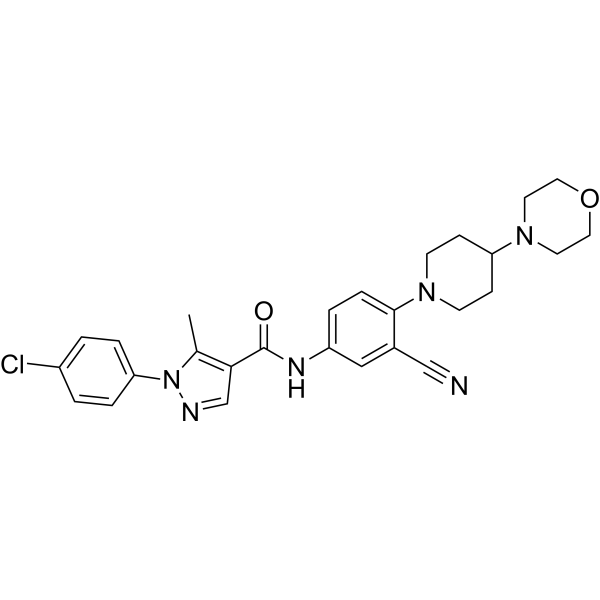
Y-320 is a potent, orally active phenylpyrazoleanilide immunomodulator. Y-320 inhibits IL-17 production by CD4 T cells stimulated with IL-15 with IC50 values of 20 to 60 nM. Y-320 enhances TP53, DMD, and COL17A1 PTC readthrough by G418 and increases cellular protein levels and protein synthesis. Y-320 concomitants use of with a low dose of Paclitaxel (HY-B0015) significantly sensitized multidrug resistance (MDR) tumors by inducing G2/M phase arrest and apoptosis. Y-320 can be used for research of rheumatoid arthritis (RA) and cancer .
|
-
- HY-175177
-
|
|
Apoptosis
Caspase
β-catenin
|
Cancer
|
|
Xiap-casp7 PPI-IN-1 is a reversible XIAP: CASP7 inhibitor with specifically disrupting the interaction between XIAP and CASP7. XIAP-CASP7 PPI-IN-1 selectively induce MCF-7 and other caspase-3 down-regulation (CASP3/DR) triple-negative breast cancer cell apoptosis. XIAP-CASP7 PPI-IN-1 overcomes chemoresistance via down-regulating β-catenin and its associated ABC transporters in Paclitaxel (HY-B0015)-resistant MCF-7 cells. XIAP-CASP7 PPI-IN-1 can be used for the study of breast cancer .
|
-

- HY-175821
-
|
|
Histone Methyltransferase
Apoptosis
|
Cancer
|
|
PRMT1-IN-3 is a potent protein arginine methyltransferase 1 (PRMT1) inhibitor with an IC50 of 4.11 μM. PRMT1-IN-3 inhibits PRMT6 and PRMT8 with IC50s of 23.3 and 30.1 μM. PRMT1-IN-3 suppresses asymmetric dimethylarginine (ADMA) levels and histone H4R3me2a modification in triple-negative breast cancer (TNBC) cells. PRMT1-IN-3 induces cell cycle arrest, apoptosis, and inhibits migration and colony formation in MDA-MB-231 cells. PRMT1-IN-3 acts as chemotherapeutic sensitizers for Paclitaxel (HY-B0015). PRMT1-IN-3 can be used for the study of TNBC .
|
-

- HY-12929
-
|
SU093
|
Pim
Apoptosis
|
Cancer
|
|
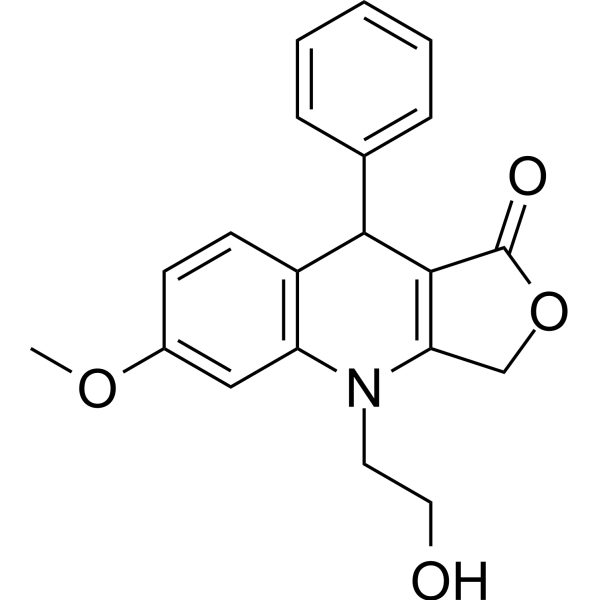
NSC756093 (SU093) is a GBP1:PIM1 interaction inhibitor. NSC756093 binds to GBP1-PIM1 with a Kd of 38 nM. NSC756093 suppresses proliferation, reduces migration, induces G1 phase cell-cycle arrest, and increases apoptotic cell death in ovarian cancer cells. NSC756093 reduces cellular proteasomal activity, induces accumulation of ubiquitinated proteins, and restrains tumor progression and lung metastasis in murine ovarian cancer xenograft models. NSC756093 increases sensitivity of prostate cancer cells to Docetaxel (HY-B0011) and sensitizes GBP1-overexpressing ovarian cancer cells to Paclitaxel (HY-B0015). NSC756093 can be used for the research of prostate cancer and ovarian cancer .
|
-
- HY-174425
-
|
|
Cytochrome P450
|
Cancer
|
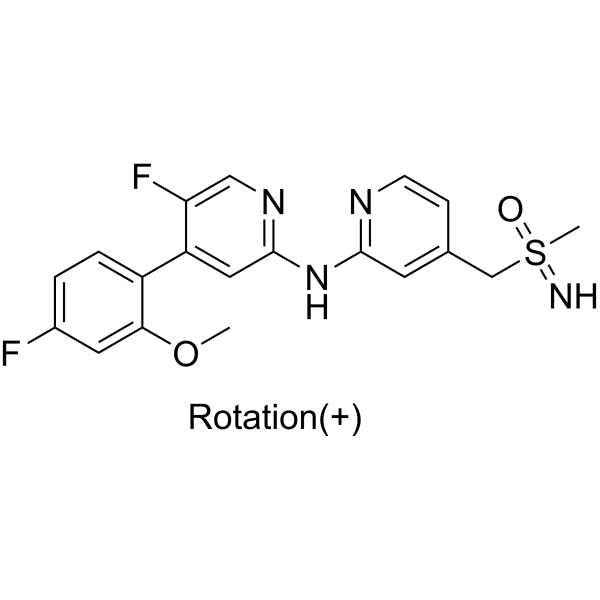
CYP1B1-IN-9 is a highly selective and competitive CYP1B1 Inhibitor with IC50 values of 1.48 nM, > 100 μM, and > 80 μM for CYP1B1, CYP1A1, and CYP1A2, respectively. CYP1B1-IN-9 significantly inhibits the migration and invasion of A549/T cells. CYP1B1-IN-9 has the ability to resensitize Paclitaxel (HY-B0015)-resistant cells, and good metabolic stability and safety, and shows favorable pharmacokinetic parameters. CYP1B1-IN-9 can be used for the study of tumor-drug resistance .
|
-

- HY-P99974
-
|
Nanoparticle albumin-bound Paclitaxel; Nanoparticle albumin-bound ABI-007
|
Microtubule/Tubulin
Apoptosis
Autophagy
|
Cancer
|
|
Nab-Paclitaxel (Nanoparticle albumin-bound Paclitaxel) is an albumin-bound nanoparticle formulation of Paclitaxel (HY-B0015). Nab-Paclitaxel is composed of albumin and the active pharmaceutical ingredient Paclitaxel, in which human albumin is used as an excipient to disperse and stabilize particles and carry the main drug. Nab-Paclitaxel is a solvent-free taxane with higher response rates and improved tolerability. Nab-Paclitaxel displays less toxicity and greater antitumor activity. Nab-Paclitaxel is more readily available for tumor cell uptake in three rhabdomyosarcoma, seven neuroblastoma cell lines, and one ostersarcoma cell line Nab-Paclitaxel can be studied in cancer research for example breast cancer and solid tumors. (The product specifications below only indicate the effective content of Paditaxel, the actual albumin quality depends on the batch; the ratio of each ingredient in this product is Paditaxel: albumin -1:7~1:11) .
|
-

- HY-103019
-
|
(+)-BAY-1251152; (+)-VIP152; (S)-Enitociclib
|
Drug Isomer
CDK
Apoptosis
DNA/RNA Synthesis
|
Inflammation/Immunology
Cancer
|
Enitociclib ((+)-BAY-1251152; (+)-VIP152) is a selective CDK9 inhibitor (IC50=3 nM) that inhibits transcriptional elongation by blocking Ser2/Ser5 phosphorylation of RNA polymerase II. Enitociclib specifically depletes key short-lived proteins such as c-MYC, MCL-1 and induces tumor cell apoptosis. Enitociclib also interferes with the production of enhancer RNAs (eRNA) and enhancer-promoter interactions, and downregulates oncogene expression at the epigenetic level. Enitociclib exerts synergistic effects with agents including Bortezomib (HY-10227), Lenalidomide (HY-A0003), Pomalidomide (HY-10984), Venetoclax (HY-15531) and Paclitaxel (HY-B0015), and even reverses paclitaxel resistance. Enitociclib serves as a vital research tool for various malignancies such as double-hit diffuse large B-cell lymphoma, multiple myeloma and pancreatic ductal adenocarcinoma .
|
-
- HY-175836
-
|
|
Cytochrome P450
Apoptosis
|
Cancer
|
|
CYP1B1-IN-12 is a selective cytochrome P450 1B1 (CYP1B1) inhibitor with an IC50 of 6.05 nM. CYP1B1-IN-12 demonstrates remarkable selectivity, exceeding 1600-fold and 16,000-fold over CYP1A1 and CYP1A2, respectively. CYP1B1-IN-12 can enhance Paclitaxel (HY-B0015)-mediated apoptosis and restore Paclitaxel sensitivity in A549/Taxol-resistant cells. CYP1B1-IN-12 can inhibit the epithelial-mesenchymal transition process and reduce cells migration and invasion. CYP1B1-IN-12 can be used for the research of cancer, such as non-small cell lung cancer (NSCLC) .
|
-

- HY-145491
-
|
|
ERK
NF-κB
CCR
|
Inflammation/Immunology
|
|
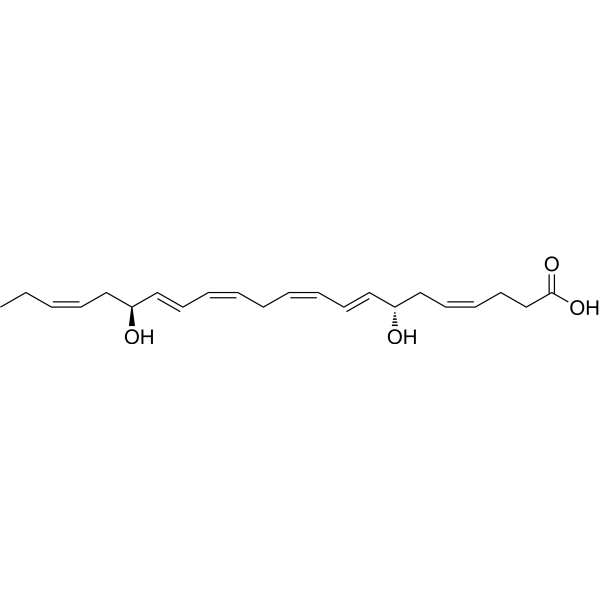
Resolvin D5 is an anti-inflammatory and analgesic agent produced in M2 macrophages. Resolvin D5 alleviates Paclitaxel (HY-B0015)-induced mechanical allodynia and inflammatory pain by activating the GPR32 receptor, with gender specificity (effective only in male mice) and independence from TRPV1 or TRPA1 channels. Resolvin D5 attenuates LPS-induced ERK phosphorylation and NF-κB nuclear translocation, downregulates proinflammatory mediators such as IL-6 and CCL5, inhibits Th17 cell differentiation and osteoclastogenesis, promotes regulatory T cell differentiation, and shows no cytotoxicity to human monocytes. The level of Resolvin D5 is elevated in arthritic SKG mice, but Resolvin D5 has no effect on dendritic cell differentiation or M1 macrophage polarization, nor does it prevent ZyA-induced arthritis progression. Resolvin D5 is suitable for research related to chemotherapy-induced peripheral neuropathy, inflammatory pain and rheumatoid arthritis .
|
-
- HY-176220
-
|
|
AUTACs
Autophagy
Glutathione Peroxidase
Ferroptosis
|
Cancer
|
|
GPX4-AUTAC is a GPX4-targeting autophagy-mediated degrader (AUTAC). GPX4-AUTAC consists of an inhibitor ML162-yne (HY-153748), a degradation tag FBnG (HY-W073762) and a glycol linker (HY-W021401). GPX4-AUTAC promotes the ubiquitination of GPX4 by E3 ligase TRAF6, and enhances the binding with GPX4 and p62, leading to the selective autophagy-dependent degradation of GPX4. GPX4-AUTAC significantly induces ferroptosis and shows a potent anti-cancer activity in breast cancer cells, breast cancer-derived organoids (PDOs) and MDA-MB-231 tumor xenograft mice model, with potent synergistic effects when combined with Sulfasalazine (SAS) (HY-14655) or chemotherapy drugs (Paclitaxel (HY-B0015) or Cisplatin (HY-17394)) .
|
-

- HY-103019R
-
|
(+)-BAY-1251152 (Standard); (+)-VIP152 (Standard); (S)-Enitociclib (Standard)
|
Reference Standards
Drug Isomer
Apoptosis
DNA/RNA Synthesis
CDK
|
Cancer
|
|
Enitociclib (Standard) is the analytical standard of Enitociclib (HY-103019). This product is intended for research and analytical applications. Enitociclib ((+)-BAY-1251152; (+)-VIP152) is a selective CDK9 inhibitor (IC50=3 nM) that inhibits transcriptional elongation by blocking Ser2/Ser5 phosphorylation of RNA polymerase II. Enitociclib specifically depletes key short-lived proteins such as c-MYC, MCL-1 and induces tumor cell apoptosis. Enitociclib also interferes with the production of enhancer RNAs (eRNA) and enhancer-promoter interactions, and downregulates oncogene expression at the epigenetic level. Enitociclib exerts synergistic effects with agents including Bortezomib (HY-10227), Lenalidomide (HY-A0003), Pomalidomide (HY-10984), Venetoclax (HY-15531) and Paclitaxel (HY-B0015), and even reverses paclitaxel resistance. Enitociclib serves as a vital research tool for various malignancies such as double-hit diffuse large B-cell lymphoma, multiple myeloma and pancreatic ductal adenocarcinoma .
|
-

- HY-15244A
-
|
BYL-719 hydrochloride
|
PI3K
Apoptosis
|
Cancer
|
|
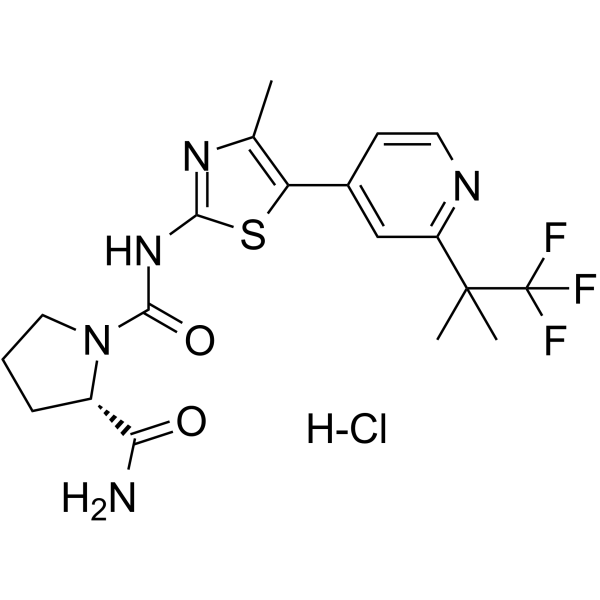
Alpelisib (BYL-719) hydrochloride is an orally active PI3Kα-selective inhibitor that blocks the conversion of PIP2 to PIP3, thereby inhibiting pathways including PI3K/AKT/mTOR, MAPK/ERK, Notch and JAK-STAT. Alpelisib hydrochloride also induces apoptosis, G0/G1 phase arrest and senescence; it significantly inhibits the proliferation, self-renewal, stemness and epithelial-mesenchymal transition (EMT) of tumor cells, reduces cancer stem cell populations and decreases the expression of stem cell markers. Alpelisib hydrochloride not only enhances the sensitivity to Eribulin (HY-13442) and exerts a synergistic effect with Paclitaxel (HY-B0015), but may also induce drug resistance by upregulating the SGK3/GSK3β/β-catenin signaling pathway. Alpelisib hydrochloride can be applied to research related to breast cancer, gastric cancer and lipomas associated with PTEN hamartoma tumor syndrome .
|
-
- HY-15244
-
|
BYL-719
|
PI3K
Apoptosis
|
Cancer
|
|
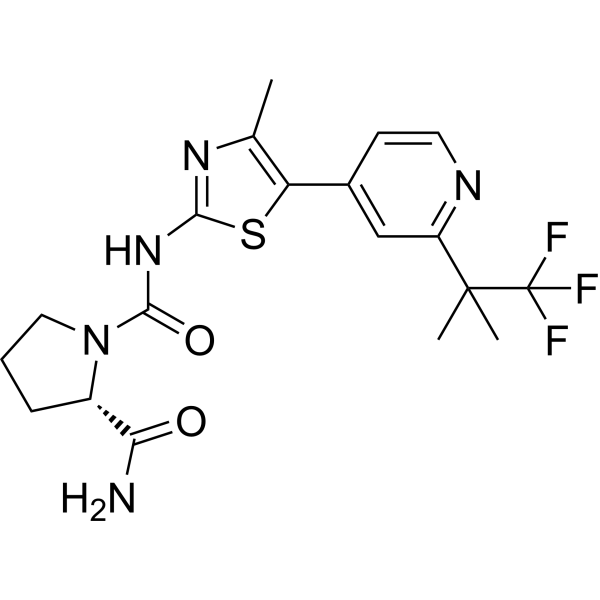
Alpelisib (BYL-719) is an orally active PI3Kα-selective inhibitor that blocks the conversion of PIP2 to PIP3, thereby inhibiting pathways including PI3K/AKT/mTOR, MAPK/ERK, Notch and JAK-STAT. Alpelisib also induces apoptosis, G0/G1 phase arrest and senescence; it significantly inhibits the proliferation, self-renewal, stemness and epithelial-mesenchymal transition (EMT) of tumor cells, reduces cancer stem cell populations and decreases the expression of stem cell markers. Alpelisib not only enhances the sensitivity to Eribulin (HY-13442) and exerts a synergistic effect with Paclitaxel (HY-B0015), but may also induce drug resistance by upregulating the SGK3/GSK3β/β-catenin signaling pathway. Alpelisib can be applied to research related to breast cancer, gastric cancer and lipomas associated with PTEN hamartoma tumor syndrome .
|
-
- HY-130133
-
|
|
PI3K
mTOR
Akt
Apoptosis
Paraptosis
p38 MAPK
Mitochondrial Metabolism
P-glycoprotein
CDK
MMP
HIF/HIF Prolyl-Hydroxylase
VEGFR
|
Cancer
|
|
DHW-221 is a potent orally active dual PI3K/mTOR inhibitor, exhibiting low nanomolar potency against all four Class I PI3K isoforms and mTOR (PI3Kα, IC50 = 0.50 nM; PI3Kβ, IC50 = 1.9 nM; PI3Kγ, IC50 = 1.8 nM; PI3Kδ, IC50 = 0.74 nM; mTOR, IC50 = 3.9 nM). DHW-221 exerts antitumor effects by blocking the PI3K/Akt/mTOR pathway and inducing mitochondrial apoptosis and paraptosis (via Endoplasmic Reticulum (ER) stress and MAPK signaling) and arrests cell cycle, thereby inhibiting cell migration, invasion and angiogenesis. DHW-221 inhibits tumor growth in both the A549/Taxol (HY-B0015) and the HCC827 xenograft mouse models. DHW-221 can be used for non-small cell lung cancer (NSCLC), colon and breast cancer research .
|
-

- HY-15244G
-
|
|
PI3K
Apoptosis
|
Cancer
|
|
Alpelisib GMP is Alpelisib (HY-15244) produced by using GMP guidelines. GMP small molecules works appropriately as an auxiliary reagent for cell therapy manufacture. Alpelisib (BYL-719) is an orally active PI3Kα-selective inhibitor that blocks the conversion of PIP2 to PIP3, thereby inhibiting pathways including PI3K/AKT/mTOR, MAPK/ERK, Notch and JAK-STAT. Alpelisib also induces apoptosis, G0/G1 phase arrest and senescence; it significantly inhibits the proliferation, self-renewal, stemness and epithelial-mesenchymal transition (EMT) of tumor cells, reduces cancer stem cell populations and decreases the expression of stem cell markers. Alpelisib not only enhances the sensitivity to Eribulin (HY-13442) and exerts a synergistic effect with Paclitaxel (HY-B0015), but may also induce drug resistance by upregulating the SGK3/GSK3β/β-catenin signaling pathway. Alpelisib can be applied to research related to breast cancer, gastric cancer and lipomas associated with PTEN hamartoma tumor syndrome .
|
-

| Cat. No. |
Product Name |
Type |
-
- HY-D2422A
-
|
|
Fluorescent Dyes
|
|
Cy5.5-Paclitaxel is a Cy5.5 (HY-D0821) labeled Paclitaxel (HY-B0015).
|
-
- HY-D2341
-
|
|
Fluorescent Dyes
|
|
6FC-GABA-Taxol is a fluorescent probe with cell permeability, which is formed by connecting 6FC to the anticancer drug Taxol (HY-B0015) via γ-aminobutyric acid (GABA). 6FC-GABA-Taxol can bind to microtubules in living cells and image them through confocal microscopy. Additionally, 6FC-GABA-Taxol enables the quantification of microtubule binding using flow cytometry without the addition of efflux inhibitors .
|
-
- HY-D2422B
-
|
|
Fluorescent Dyes
|
|
Cy5-Paclitaxel is a Cyanine5 carboxylic acid bromide (HY-D1319) labeled Paclitaxel (HY-B0015) conjugate. Cyanine5 carboxylic acid bromide is a fluorescent dye containing a non-activated carboxylic acid (Ex=646 nm, Em=662 nm) that can be used for molecular labeling and microscopy imaging. Paclitaxel stabilizes tubulin polymerization. Paclitaxel can cause both mitotic arrest and apoptotic cell death. Paclitaxel also induces autophagy .
|
-
- HY-D2422C
-
|
|
Fluorescent Dyes
|
|
Cy5-Paclitaxel bromide is the bromide of Cy5-Paclitaxel (HY-D2422B). Cy5-Paclitaxel is a Cyanine5 carboxylic acid bromide (HY-D1319) labeled Paclitaxel (HY-B0015) conjugate. Cyanine5 carboxylic acid bromide is a fluorescent dye containing a non-activated carboxylic acid (Ex=646 nm, Em=662 nm) that can be used for molecular labeling and microscopy imaging. Paclitaxel stabilizes tubulin polymerization. Paclitaxel can cause both mitotic arrest and apoptotic cell death. Paclitaxel also induces autophagy .
|
-
- HY-15244G
-
|
|
Fluorescent Dyes
|
|
Alpelisib GMP is Alpelisib (HY-15244) produced by using GMP guidelines. GMP small molecules works appropriately as an auxiliary reagent for cell therapy manufacture. Alpelisib (BYL-719) is an orally active PI3Kα-selective inhibitor that blocks the conversion of PIP2 to PIP3, thereby inhibiting pathways including PI3K/AKT/mTOR, MAPK/ERK, Notch and JAK-STAT. Alpelisib also induces apoptosis, G0/G1 phase arrest and senescence; it significantly inhibits the proliferation, self-renewal, stemness and epithelial-mesenchymal transition (EMT) of tumor cells, reduces cancer stem cell populations and decreases the expression of stem cell markers. Alpelisib not only enhances the sensitivity to Eribulin (HY-13442) and exerts a synergistic effect with Paclitaxel (HY-B0015), but may also induce drug resistance by upregulating the SGK3/GSK3β/β-catenin signaling pathway. Alpelisib can be applied to research related to breast cancer, gastric cancer and lipomas associated with PTEN hamartoma tumor syndrome .
|
| Cat. No. |
Product Name |
Type |
-
- HY-B0015B
-
|
|
Biochemical Assay Reagents
|
|
Paclitaxel-BSA is an antigen-adjuvant conjugate conjugate of Paclitaxel (HY-B0015) and BSA. By conjugating the antigen with a protein adjuvant, the production of antigen-specific antibodies in vaccine models can be enhanced. The conjugate does not affect protein folding or disrupt major epitopes, and can enhance cross-presentation and the production of antigen-specific T cells.
|
-
- HY-B0015C
-
|
|
Biochemical Assay Reagents
|
|
Paclitaxel-KLH is an antigen-adjuvant conjugate conjugate of Paclitaxel (HY-B0015) and KLH. By conjugating the antigen with a protein adjuvant, the production of antigen-specific antibodies in vaccine models can be enhanced. The conjugate does not affect protein folding or disrupt major epitopes, and can enhance cross-presentation and the production of antigen-specific T cells.
|
-
- HY-B0015A
-
|
|
Biochemical Assay Reagents
|
|
Paclitaxel-OVA is an antigen-adjuvant conjugate conjugate of Paclitaxel (HY-B0015) and ovalbumin (OVA). By conjugating the antigen with a protein adjuvant, the production of antigen-specific antibodies in vaccine models can be enhanced. The conjugate does not affect protein folding or disrupt major epitopes, and can enhance cross-presentation and the production of antigen-specific T cells.
|
-
- HY-401424
-
|
Polyoxyethylene(36) Castor Oil; PEG-36 Castor Oil
|
Biochemical Assay Reagents
|
|
Cremophor EL-36 is a non-ionic surfactant, mainly used as a solubilizing carrier for poorly soluble Paclitaxel (HY-B0015). For example, Cremophor EL-36 can enhance the intracellular influx of Etoposide (HY-13629) without affecting drug efflux, and can dose-dependently increase the accumulation of VP-16 in lung adenocarcinoma cells (such as PC-14 and A549), significantly enhancing its cytotoxic effect .
|
-
- HY-149449
-
|
|
Biochemical Assay Reagents
|
|
Poly-L-γ-glutamic acid sodium is a macromolecular polymer formed by the linkage of glutamic acid residues via peptide bonds between γ-amino and carboxyl groups. Poly-L-γ-glutamic acid sodium plays an important role as a carrier material in compound delivery systems. Poly-L-γ-glutamic acid sodium can deliver Paclitaxel (HY-B0015) to colon cancer cells, reduce cell viability and inhibit the growth of colon cancer spheroids. Poly-L-γ-glutamic acid sodium can be used as a carrier material and in studies related to colon cancer in mice .
|
-
- HY-140696C
-
|
mPEG20000-Hydroxy; Polyethylene glycol monomethyl ether 20000
|
Biochemical Assay Reagents
|
|
m-PEG20000-OH can be used as a macroinitiator to participate in the synthesis of amphiphilic block copolymers. Nanoscale micelles can be prepared by using amphiphilic block copolymers to deliver active drugs. Paclitaxel (HY-B0015), a hydrophobic anticancer agent encapsulated in micelles, has stronger activity in killing cancer cells than free Paclitaxel. And it preferentially accumulates in tumor tissue with only limited distribution in healthy organs.
|
-
- HY-107629
-
|
|
Biochemical Assay Reagents
|
|
Flutax 1 is a fluorescent Paclitaxel (HY-B0015) derivative, which can be used for microtubule staining (Ex/Em = 495 nm/520 nm) .
|
-
- HY-15244G
-
|
|
Biochemical Assay Reagents
|
|
Alpelisib GMP is Alpelisib (HY-15244) produced by using GMP guidelines. GMP small molecules works appropriately as an auxiliary reagent for cell therapy manufacture. Alpelisib (BYL-719) is an orally active PI3Kα-selective inhibitor that blocks the conversion of PIP2 to PIP3, thereby inhibiting pathways including PI3K/AKT/mTOR, MAPK/ERK, Notch and JAK-STAT. Alpelisib also induces apoptosis, G0/G1 phase arrest and senescence; it significantly inhibits the proliferation, self-renewal, stemness and epithelial-mesenchymal transition (EMT) of tumor cells, reduces cancer stem cell populations and decreases the expression of stem cell markers. Alpelisib not only enhances the sensitivity to Eribulin (HY-13442) and exerts a synergistic effect with Paclitaxel (HY-B0015), but may also induce drug resistance by upregulating the SGK3/GSK3β/β-catenin signaling pathway. Alpelisib can be applied to research related to breast cancer, gastric cancer and lipomas associated with PTEN hamartoma tumor syndrome .
|
| Cat. No. |
Product Name |
Target |
Research Area |
-
- HY-P4073
-
|
GRN1005; Paclitaxel trevatide
|
Peptide-Drug Conjugates (PDCs)
LDLR
|
Cancer
|
|
ANG1005 (Paclitaxel trevatide) is a brain-penetrating peptide-drug conjugate. ANG1005, a taxane derivative, consists of three paclitaxel (HY-B0015) molecules covalently linked to Angiopep-2, designed to cross the blood-brain and blood-cerebrospinal barriers and to penetrate malignant cells via low density lipoprotein receptor-related protein (LRP1) transport system .
|
-
- HY-P11018
-
|
|
Peptide-Drug Conjugates (PDCs)
Ephrin Receptor
|
Cancer
|
|
(123B9)2-L2-PTX is an EphA2-agonistic peptide-drug conjugate (PDC). (123B9)2-L2-PTX consists of a dimeric 123B9 (HY-P10579) and Paclitaxel (HY-B0015). (123B9)2-L2-PTX significantly reduces circulating tumor cells and inhibits lung tumor metastasis in breast-cancer-Metastasis mice model. (123B9)2-L2-PTX can be used for cancers research, such as melanomas and ovarian and breast cancers .
|
-
- HY-P10794
-
|
|
Peptides
|
Cancer
|
|
LH2 peptide is a pH-responsive cell-penetrating peptide dimer with the amino acid sequence LHHLCHLLHHLCHLAG. It can increase its uptake in tumor cells under weakly acidic conditions (such as the tumor microenvironment) through the protonation of histidine residues (pKa approximately 6). When conjugated with the anticancer drug Paclitaxel (HY-B0015), the PTX-LH2 conjugate showed superior tumor suppression effects compared to paclitaxel alone in a subcutaneous breast tumor model. The LH2 peptide holds potential as a drug delivery vehicle in cancer research .
|
| Cat. No. |
Product Name |
Target |
Research Area |
Image |
-
- HY-P99974
-
|
Nanoparticle albumin-bound Paclitaxel; Nanoparticle albumin-bound ABI-007
|
Microtubule/Tubulin
Apoptosis
Autophagy
|
Cancer
|
|
Nab-Paclitaxel (Nanoparticle albumin-bound Paclitaxel) is an albumin-bound nanoparticle formulation of Paclitaxel (HY-B0015). Nab-Paclitaxel is composed of albumin and the active pharmaceutical ingredient Paclitaxel, in which human albumin is used as an excipient to disperse and stabilize particles and carry the main drug. Nab-Paclitaxel is a solvent-free taxane with higher response rates and improved tolerability. Nab-Paclitaxel displays less toxicity and greater antitumor activity. Nab-Paclitaxel is more readily available for tumor cell uptake in three rhabdomyosarcoma, seven neuroblastoma cell lines, and one ostersarcoma cell line Nab-Paclitaxel can be studied in cancer research for example breast cancer and solid tumors. (The product specifications below only indicate the effective content of Paditaxel, the actual albumin quality depends on the batch; the ratio of each ingredient in this product is Paditaxel: albumin -1:7~1:11) .
|
-

(5)
-
- HY-P99279
-
|
Anti-Human Phosphatidylserine Recombinant Antibody; PGN-401; CH3G4
|
Inhibitory Antibodies
|
Cancer
|
|
Bavituximab (Anti-Human Phosphatidylserine Recombinant Antibody) is a phosphatidylserine (PS)-targeting monoclonal antibody, suppresses tumor growth by targeting tumor vasculature and reactivating antitumor immunity. Bavituximab plus Paclitaxel (HY-B0015) and Carboplatin (HY-17393), have enhanced inhibition on non-small-cell lung cancer .
|
-

(5)
-
- HY-P99377
-
|
OMP-305B83; Anti-DLL4 Reference Antibody (navicixizumab)
|
Notch
|
Cancer
|
|
Navicixizumab (OMP-305B83) is a bispecific anti-VEGF and anti-DLL4 inhibitory antibody. Navicixizumab can combine with Paclitaxel (HY-B0015) for cancer research. Navicixizumab can be used in the research of ovarian, primary peritoneal, or fallopian tube cancer .
|
-
(5)
-
- HY-P991619
-
|
TF8-5G9
|
Transmembrane Glycoprotein
|
Cancer
|
|
CNTO-860 is a humanized anti-tissue factor monoclonal antibody. CNTO-860 can improve tumor control when combined with Paclitaxel (HY-B0015) in colon cancer model and significantly increase tumor-free survival .
|
-
(5)
-
- HY-P991918
-
|
IgG2-AAS
|
Transmembrane Glycoprotein
Interleukin Related
|
Inflammation/Immunology
Cancer
|
|
KHK2840 is a potent CD40 agonist with a Kd value of 0.485 nM for hCD40. KHK2840 delivers agonistic signals in tumor-bearing hCD40 transgenic mice and human peripheral blood B cells. KHK2840 upregulates CD80, CD86, CD95 and IL-12p70 expression. KHK2840 enhances antitumor efficacy of anti-PD-1 antibody and Paclitaxel (HY-B0015). KHK2840 can be used for the research of cancer, such as colon cancer and melanoma .
|
-
(5)
| Cat. No. |
Product Name |
Category |
Target |
Chemical Structure |
-
- HY-B0015
-
-
-
- HY-B0015R
-
-
-
- HY-N0256
-
-
-
- HY-77554
-
-
-
- HY-W035709
-
|
Dihydrocinchonine
|
Alkaloids
Other Alkaloids
Rubiaceae
Neolamarckia cadamba (Roxb.) Bosser
Plants
Source Classification
|
P-glycoprotein
Apoptosis
|
|
Hydrocinchonine (Dihydrocinchonine) is a multidrug resistance (MDR)-reversal agent. Hydrocinchonine directly inhibits the function and expression of P-gp, which is the mechanism by which it reverses MDR. Hydrocinchonine exerts synergistic apoptotic effect with Paclitaxel (HY-B0015) in MES-SA/DX5 cells. Hydrocinchonine can be used for the study of gynecological malignant tumors (such as uterine sarcoma) with drug resistance caused by excessive expression of P-gp .
|
-
-
- HY-145491
-
|
|
Structural Classification
Ketones, Aldehydes, Acids
Endogenous metabolite
Source Classification
|
ERK
NF-κB
CCR
|
|
Resolvin D5 is an anti-inflammatory and analgesic agent produced in M2 macrophages. Resolvin D5 alleviates Paclitaxel (HY-B0015)-induced mechanical allodynia and inflammatory pain by activating the GPR32 receptor, with gender specificity (effective only in male mice) and independence from TRPV1 or TRPA1 channels. Resolvin D5 attenuates LPS-induced ERK phosphorylation and NF-κB nuclear translocation, downregulates proinflammatory mediators such as IL-6 and CCL5, inhibits Th17 cell differentiation and osteoclastogenesis, promotes regulatory T cell differentiation, and shows no cytotoxicity to human monocytes. The level of Resolvin D5 is elevated in arthritic SKG mice, but Resolvin D5 has no effect on dendritic cell differentiation or M1 macrophage polarization, nor does it prevent ZyA-induced arthritis progression. Resolvin D5 is suitable for research related to chemotherapy-induced peripheral neuropathy, inflammatory pain and rheumatoid arthritis .
|
-
-
- HY-119833
-
-
-
- HY-N0256R
-
-
-
- HY-W035709R
-
|
Dihydrocinchonine (Standard)
|
Structural Classification
Alkaloids
Other Alkaloids
Rubiaceae
Neolamarckia cadamba (Roxb.) Bosser
Plants
Source Classification
|
Reference Standards
P-glycoprotein
Apoptosis
|
|
Hydrocinchonine (Dihydrocinchonine) (Standard) is the analytical standard of Hydrocinchonine (HY-W035709). This product is used for research and analytical purposes.Hydrocinchonine is a multidrug resistance (MDR)-reversal agent. Hydrocinchonine directly inhibits the function and expression of P-gp, which is the mechanism by which it reverses MDR. Hydrocinchonine exerts synergistic apoptotic effect with Paclitaxel (HY-B0015) in MES-SA/DX5 cells. Hydrocinchonine can be used for the study of gynecological malignant tumors (such as uterine sarcoma) with drug resistance caused by excessive expression of P-gp .
|
-
-
- HY-77554R
-
-
-
- HY-N15297
-
-
-
- HY-113327R
-
|
|
Natural Products
Human Gut Microbiota Metabolites
Microorganisms
Endogenous metabolite
Source Classification
|
Drug Metabolite
Reference Standards
Endogenous Metabolite
|
|
Hederagenin (Standard) is the analytical standard of Hederagenin. This product is intended for research and analytical applications. Hederagenin is a triterpenoid saponin with orally active and antitumor activity. Hederagenin can inhibit the expression of iNOS, COX-2, and NF-κB in cells induced by LPS stimulation. Hederagenin also increases ROS production in cancer cells, disrupts mitochondrial membrane potential, and induces apoptosis. Hederagenin also sensitizes cancer cells to Cisplatin (HY-17394) and Paclitaxel (HY-B0015), enhancing induced apoptosis. Hederagenin also has preventive potential against alcoholic liver injury .
|
-
-
- HY-N19845
-
-
| Cat. No. |
Product Name |
Chemical Structure |
-
- HY-B0015S
-
|
|
|
Paclitaxel-d5 is a deuterium-labeled Paclitaxel. Paclitaxel is a naturally occurring antineoplastic agent and stabilizes tubulin polymerization .
|
-
-
- HY-B0015S1
-
|
|
|
Paclitaxel-d5 (benzoyloxy) is the deuterium labeled Paclitaxel. Paclitaxel is a naturally occurring antineoplastic agent and stabilizes tubulin polymerization. Paclitaxel can cause both mitotic arrest and apoptotic cell death. Paclitaxel also induces autophagy .
|
-
-
- HY-125348S
-
|
|
|
6α-Hydroxy Paclitaxel-d5 is the deuterium labeled 6α-Hydroxy paclitaxel. 6α-Hydroxy paclitaxel is one of the main metabolites of Paclitaxel (PTX) (HY-B0015), and it is generated by the liver cytochrome P450 enzyme CYP2C8. 6α-Hydroxy paclitaxel has bone marrow toxicity, but it can enhance the cytotoxicity of PTX against leukemia cells without causing cell toxicity. 6α-Hydroxy paclitaxel can be used in leukemia research.
|
-
-
- HY-W777281
-
|
|
|
Fluocinolone acetonide- 13C3 is the 13C-labeled Fluocinolone (Acetonide) (HY-B0415). Fluocinolone is a glucocorticoid glucocorticoid receptor agonist. Fluocinolone is effective in preventing both lipid accumulation and inflammation. Fluocinolone can promote the proliferation of DPCs and has the potential role in repairing injured pulp tissues. Fluocinolone can be used to study the prevention of chemotherapy-induced peripheral neuropathy caused by Paclitaxel (HY-B0015) .
|
-
| Cat. No. |
Product Name |
|
Classification |
-
- HY-175201
-
|
|
|
Azide
|
|
pro-FTY, a FTY720 (HY-12005) anticancer prodrug, is a sphingosine-1-phosphate (S1P) (HY-108496) inhibitor. pro-FTY specifically inhibits S1P signaling in cancer cells using a drug delivery system (DDS) that reacts with acrolein. pro-FTY significantly inhibits the survival of breast cancer cells, including multidrug-resistant cells and its organoids resistant to Paclitaxel (HY-B0015) or Doxorubicin (HY-15142A). pro-FTY potently suppresses tumor growth in 4T1 cells or organoids xenograft tumors mice model while avoiding lymphocytopenia .
|
-
- HY-177999
-
|
|
|
DBCO
|
|
Paclitaxel-DBCO is Paclitaxel (HY-B0015) modified with a DBCO linker.
|
| Cat. No. |
Product Name |
|
Classification |
-
- HY-185373
-
|
Liposomal paclitaxel
|
|
Liposome
|
|
Paclitaxel liposome is a liposome-encapsulated form of Paclitaxel (HY-B0015). Paclitaxel is a naturally occurring antineoplastic agent and stabilizes tubulin polymerization. Paclitaxel liposome is characterized by reduced acute toxicity, prolonged circulating half-life of paclitaxel, and enhanced accumulation at tumor sites. Paclitaxel liposome can be used in research related to breast cancer and locally advanced esophageal squamous cell carcinoma .
|
| Cat. No. |
Product Name |
Target |
Research Areas |
Chemical Structure |
-
- HY-15244G
-
|
|
PI3K
Apoptosis
|
Cancer
|
|
Alpelisib GMP is Alpelisib (HY-15244) produced by using GMP guidelines. GMP small molecules works appropriately as an auxiliary reagent for cell therapy manufacture. Alpelisib (BYL-719) is an orally active PI3Kα-selective inhibitor that blocks the conversion of PIP2 to PIP3, thereby inhibiting pathways including PI3K/AKT/mTOR, MAPK/ERK, Notch and JAK-STAT. Alpelisib also induces apoptosis, G0/G1 phase arrest and senescence; it significantly inhibits the proliferation, self-renewal, stemness and epithelial-mesenchymal transition (EMT) of tumor cells, reduces cancer stem cell populations and decreases the expression of stem cell markers. Alpelisib not only enhances the sensitivity to Eribulin (HY-13442) and exerts a synergistic effect with Paclitaxel (HY-B0015), but may also induce drug resistance by upregulating the SGK3/GSK3β/β-catenin signaling pathway. Alpelisib can be applied to research related to breast cancer, gastric cancer and lipomas associated with PTEN hamartoma tumor syndrome .
|
-
Your information is safe with us. * Required Fields.
Inquiry Information
- Product Name:
- Cat. No.:
- Quantity:
- MCE Japan Authorized Agent:








