Search Result
Results for "
Bel-7402/5-FU
" in MedChemExpress (MCE) Product Catalog:
1
Biochemical Assay Reagents
13
Isotope-Labeled Compounds
| Cat. No. |
Product Name |
Target |
Research Areas |
Chemical Structure |
-
- HY-90006
-
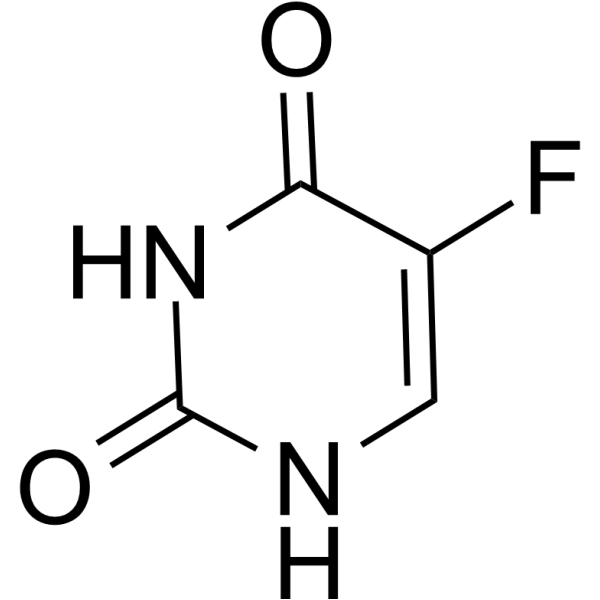
5-Fluorouracil
Maximum Cited Publications
313 Publications Verification
5-FU
|
Exosomes
Nucleoside Antimetabolite/Analog
HIV
Apoptosis
Endogenous Metabolite
|
Cancer
|
|
5-Fluorouracil (5-FU) is an analogue of uracil and a potent antitumor agent. 5-Fluorouracil affects pyrimidine synthesis by inhibiting thymidylate synthetase thus depleting intracellular dTTP pools. 5-Fluorouracil induces apoptosis and can be used as a chemical sensitizer . 5-Fluorouracil also inhibits HIV .
|
-
-
- HY-B0016
-
-
-
- HY-17511
-
|
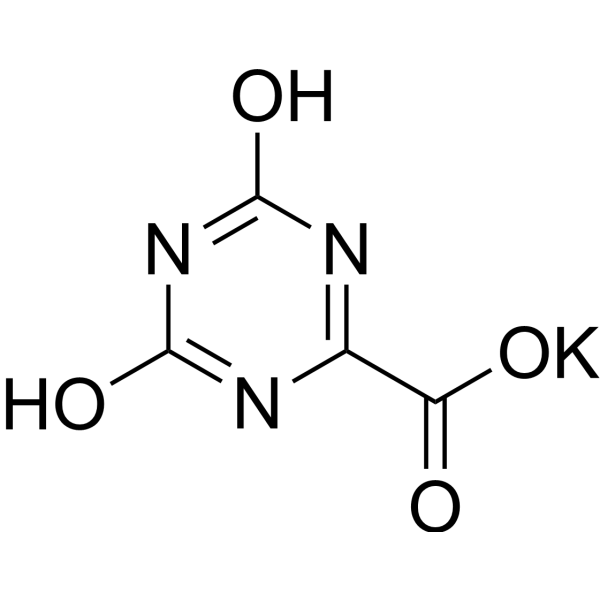
Potassium azaorotate; Potassium otastat; Oteracil potassium
|
Xanthine Oxidase
|
Metabolic Disease
|
|
Potassium oxonate (Potassium azaorotate) is a uricase inhibitor that inhibits the phosphorylation of 5-FU to 5-fluorouridine-5'-monophosphate.
|
-
-
- HY-B0139
-
|
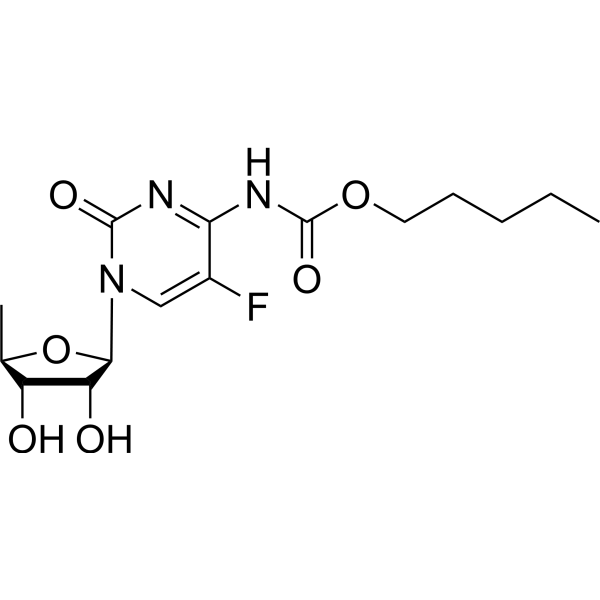
5-Fluorocytosine; NSC 103805; Ro 2-9915
|
Fungal
Antibiotic
|
Infection
Cancer
|
|
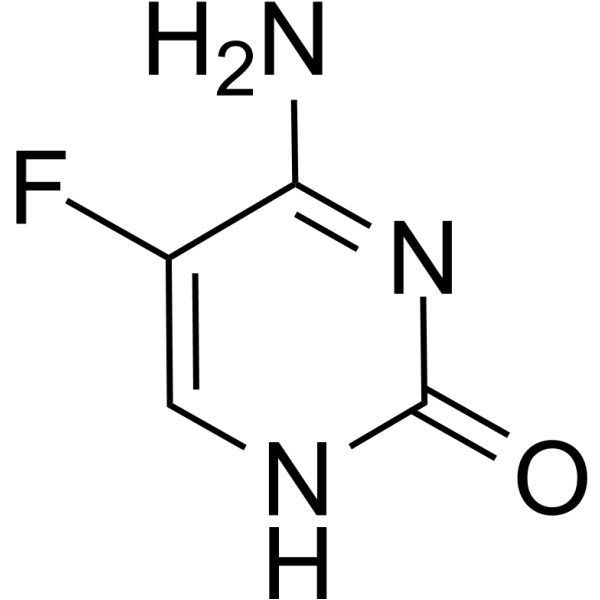
Flucytosine (5-Fluorocytosine) is an antifungal compound with oral activity. Flucytosine is a widely used cytotoxic drug that, after further metabolism, produces fluorinated ribonucleotides and deoxyribonucleotides, inhibits DNA and protein synthesis, and has multiple effects such as inhibiting candida and candida neoplasm infection and producies cytotoxicity to cancer cells .
|
-
-
- HY-N0669
-
-
-
- HY-14769
-
|
5,10-Methylenetetrafolate; ANX-510 free acid
|
Endogenous Metabolite
|
Cancer
|
|
Folitixorin (5,10-methylenetetrahydrofolate) is a cofactor and an analog of leucovorin. Folitixorin is a promising agent for modulation of 5-FU cytotoxicity in adjuvant cancer research .
|
-
-
- HY-106406
-
|
BAU; 5-Benzylacyclouridine
|
Drug Derivative
|
Cancer
|
|
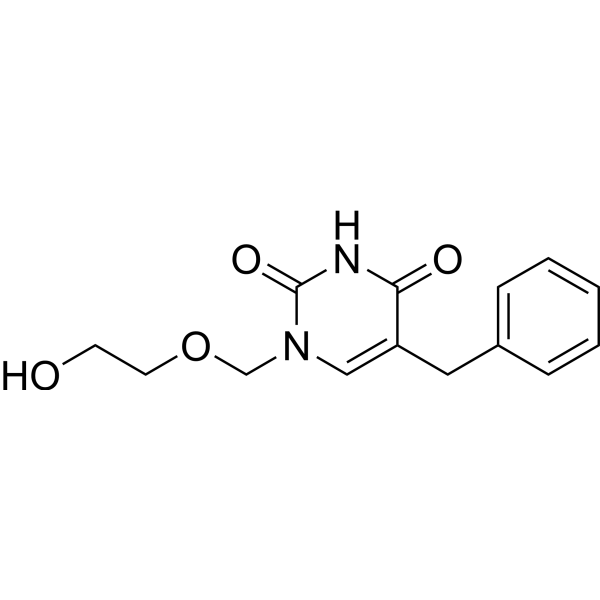
Benzylacyclouridine (BAU) is a potent and specific inhibitor of uridine phosphorylase, the first enzyme in the catabolism of uridine. Benzylacyclouridine inhibits the metabolic activity of UPP1 and the activity of UPP2. Benzylacyclouridine can modulate the cytotoxic side effects of 5-fluorouracil (5-FU) and its derivatives [5].
|
-
-
- HY-17400
-
Tegafur
2 Publications Verification
FT 207; NSC 148958
|
Nucleoside Antimetabolite/Analog
|
Cancer
|
|
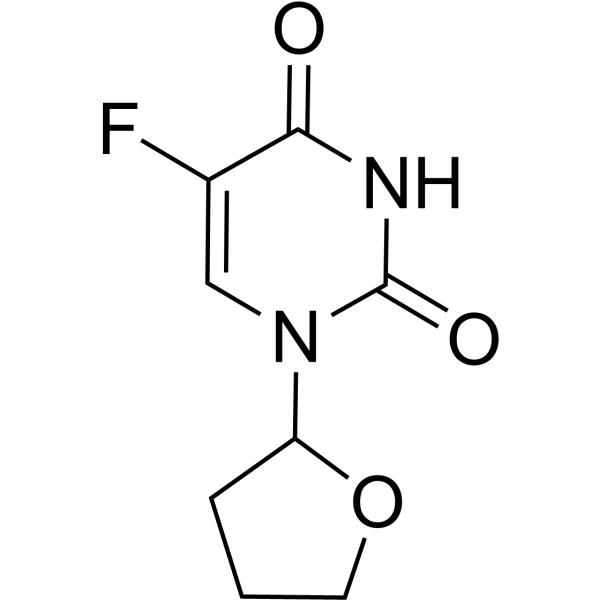
Tegafur (FT 207; NSC 148958) is a chemotherapeutic 5-FU proagent used in the treatment of cancers; is a component of tegafur-uracil.
|
-
-
- HY-W250111
-
|
|
Biochemical Assay Reagents
Apoptosis
Reactive Oxygen Species (ROS)
Bcl-2 Family
Caspase
|
Cancer
|
|
Carboxymethyl chitosan is a derivative of chitosan. Carboxymethyl chitosan inhibits Apoptosis and ROS. Carboxymethyl chitosan increases the expression of Bcl-2 and reduces the expression of Bax, cytochrome c and caspase-3. Carboxymethyl chitosan inhibits the migration of various cells. Carboxymethyl chitosan exerts antitumor effects on Lewis tumors and hepatocarcinoma [5] .
|
-
-
- HY-101467
-
|
G1T28
|
CDK
|
Cancer
|
|
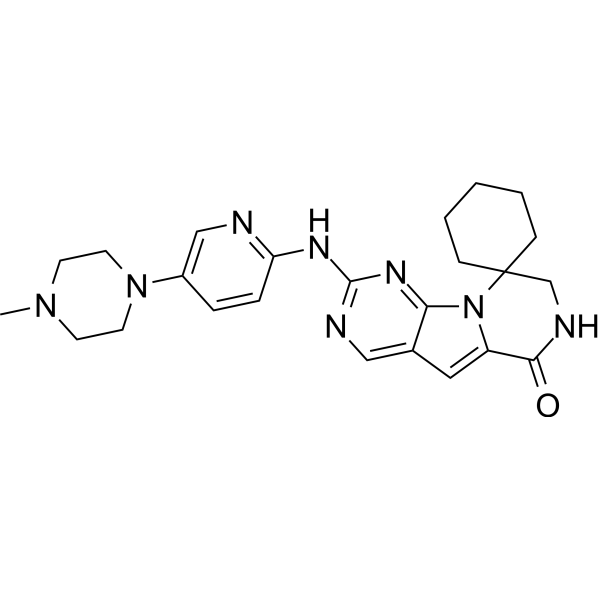
Trilaciclib (G1T28) is an orally active CDK4/6 inhibitor with IC50 values of 1 nM and 4 nM for CDK4 and CDK6, respectively. . Trilaciclib can effectively inhibit tumor cell proliferation and reduce the hematological toxicity caused by chemotherapy. Trilaciclib attenuates apoptosis and myelosuppression induced by 5FU (HY-90006) chemotherapy .
|
-
-
- HY-W010450
-
Thymine
1 Publications Verification
|
Endogenous Metabolite
|
Metabolic Disease
Cancer
|
|
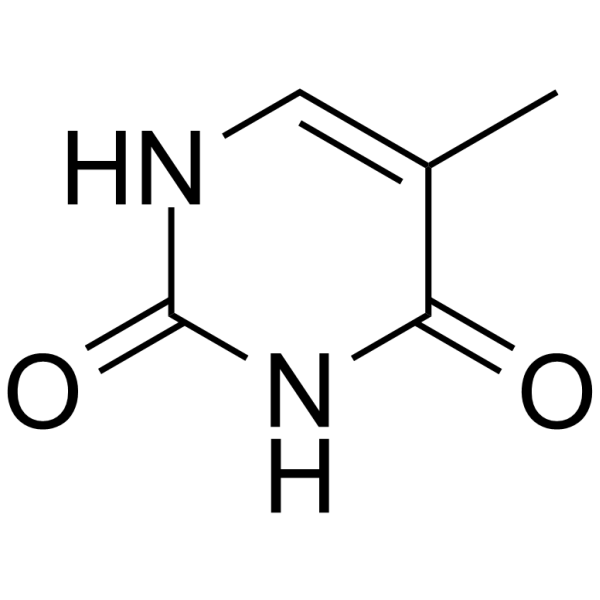
Thymine, one of the four bases of DNA, is a substrate for rat liver dihydropyrimidine dehydrogenase (DPD), with a Km value of 2.2 μM, Ki of 24 μM (using 5-FU as the DPD substrate), and a specific activity of 0.68 nmol/min/mg .
|
-
-
- HY-112732B
-
|
|
Apoptosis
|
Metabolic Disease
Cancer
|
|
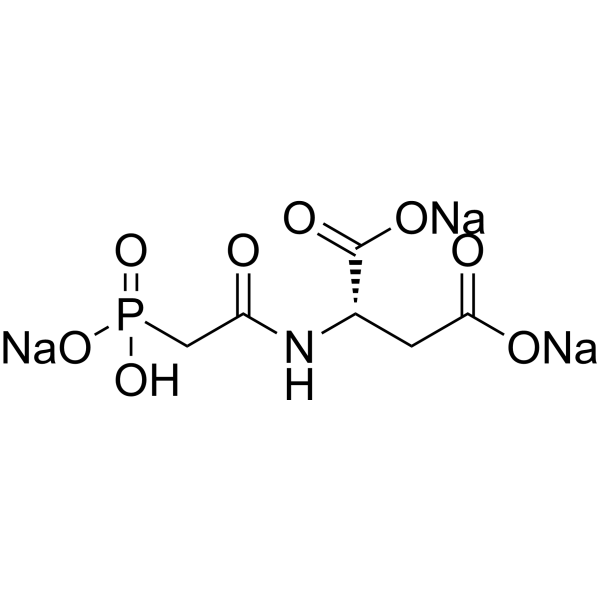
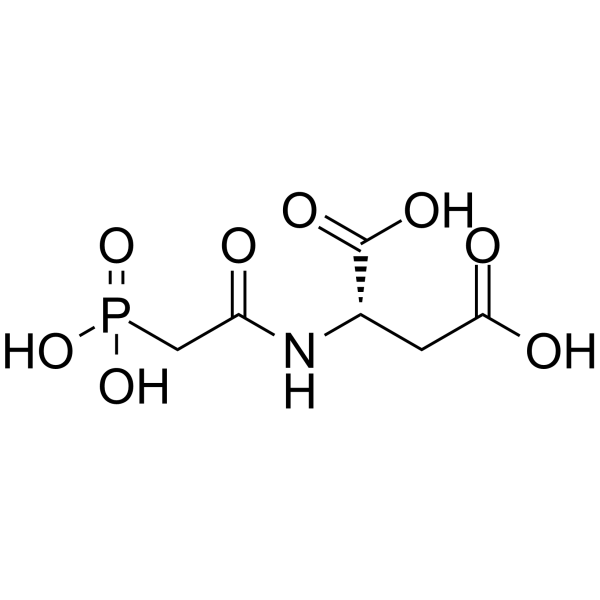
Sparfosic acid trisodium is a DNA antimetabolite agent and a potent inhibitor of aspartate transcarbamoyl transferase. Aspartate transcarbamoyl transferase catalyzes the second step of de novo pyrimidine biosynthesis. Sparfosic acid trisodium synergistically enhances the cytotoxicity of a combination of 5-fluorouracil (5-FU) and interferon-alpha (IFN) against human colon cancer cell lines .
|
-
-
- HY-14905
-
|
Tri-O-acetyl uridine
|
Drug Derivative
|
Neurological Disease
|
|
Uridine triacetate (Tri-O-acetyl uridine) is an orally active proagent of Uridine (HY-B1449). Uridine triacetate is quickly absorbed in the gut, and is rapidly deacetylated in the circulation to yield free uridine. Uridine triacetate is used for the research of 5-fluorouracil (5-FU) and capecitabine toxicity, or early-onset cardiac or central nervous system (CNS) .
|
-
-
- HY-90006R
-
|
5-FU (Standard)
|
Reference Standards
Exosomes
Nucleoside Antimetabolite/Analog
HIV
Apoptosis
Endogenous Metabolite
|
Cancer
|
|
5-Fluorouracil (Standard) is the analytical standard of 5-Fluorouracil. This product is intended for research and analytical applications. 5-Fluorouracil (5-FU) is an analogue of uracil and a potent antitumor agent. 5-Fluorouracil affects pyrimidine synthesis by inhibiting thymidylate synthetase thus depleting intracellular dTTP pools. 5-Fluorouracil induces apoptosis and can be used as a chemical sensitizer . 5-Fluorouracil also inhibits HIV .
|
-
-
- HY-N6018
-
|
|
Caspase
TNF Receptor
SOD
Reactive Oxygen Species (ROS)
|
Inflammation/Immunology
Cancer
|
|
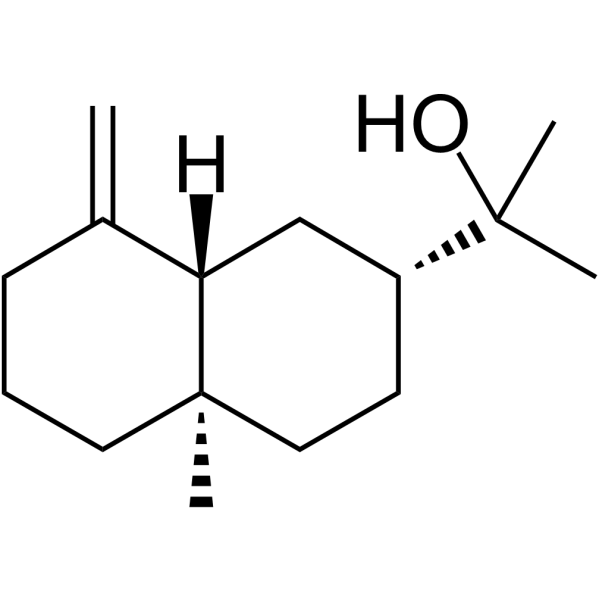
β-Eudesmol has anticancer and anti-inflammatory activities. Beta-Eudesmol can induce apoptosis. β-Eudesmol is a neostigmine antagonist. β-Eudesmol can antagonize neostigmine-induced neuromuscular failure. β-Eudesmoll can be used in the study of sepsis diseases. β-Eudesmol is a sesquiterpene-like compound that can be extracted from the rhizome of Atractylodes lancea .
|
-
-
- HY-112732
-
|
|
Apoptosis
|
Metabolic Disease
Cancer
|
|
Sparfosic acid, a DNA antimetabolite agent, is a potent inhibitor of aspartate transcarbamoyl transferase, the enzyme catalyzing the second step of de novo pyrimidine biosynthesis. Sparfosic acid synergistically enhances the cytotoxicity of a combination of 5-fluorouracil (5-FU) and interferon-alpha (IFN) against human colon cancer cell lines .
|
-
-
- HY-14543
-
-
-
- HY-100958
-
4-DAMP
4 Publications Verification
4-DAMP methiodide
|
mAChR
Apoptosis
MMP
EGFR
Interleukin Related
|
Inflammation/Immunology
Cancer
|
|
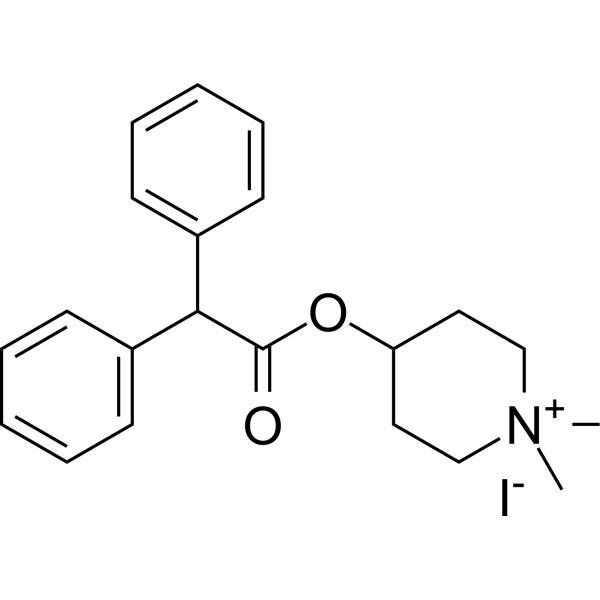
4-DAMP (4-DAMP methiodide) is a potent and selective antagonist of M3 receptors and also has a high affinity for the closely-related M5 receptors. 4-DAMP combined with 5-Fluorouracil (5-Fu) (HY-90006) could significantly reduce the cell viability and enhance apoptosis in MKN45 and BGC823 gastric cancer cells. 4-DAMP inhibits lipopolysaccharide (LPS)- and tobacco-induced pulmonary inflammation and reduces mucin 5AC (MUC5AC), oligomeric mucus/gel-forming secretion .
|
-
-
- HY-B0021
-
|
Ro 21-9738; 5-Fluoro-5'-deoxyuridine; 5'-DFUR
|
Thymidylate Synthase
|
Cancer
|
|
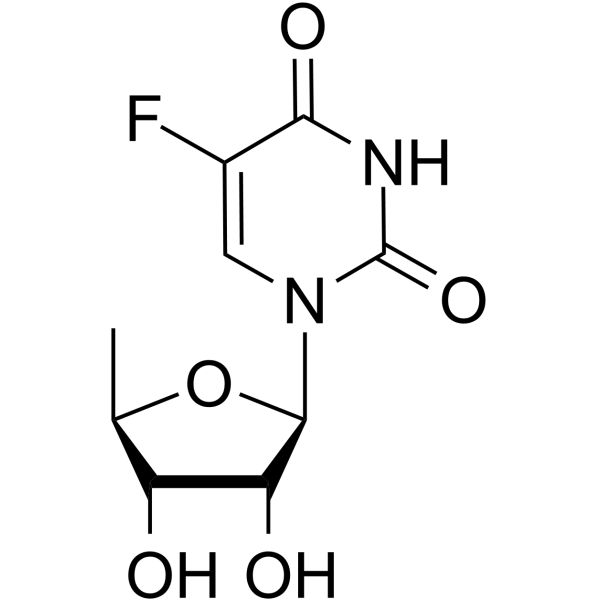
Doxifluridine has anticancer activity. Doxifluidine is a 5-FU prodrug. Doxifluridine is a thymidine synthase inhibitor. Doxifluridine can enhance tumor inhibition by synergizing with a variety of drugs .
|
-
-
- HY-103363
-
|
|
CCR
Thymidylate Synthase
|
Inflammation/Immunology
Cancer
|
|
SB-328437 is a potent, selective non-peptide CCR3 antagonist with an IC50 of 4.5 nM. SB-328437 can inhibit eosinophil migration induced by eotaxin, eotaxin-2, and monocyte chemotactic protein-4. In addition, SB-328437 can sensitize 5-FU (HY-90006)-resistant gastric cancer cells. SB-328437 can also reduce the recruitment of neutrophils to the lungs and pulmonary inflammation during acute inflammation. SB-328437 can be used in the research of inflammation-related diseases .
|
-
-
- HY-101467A
-
|
G1T28 hydrochloride
|
CDK
|
Cancer
|
|
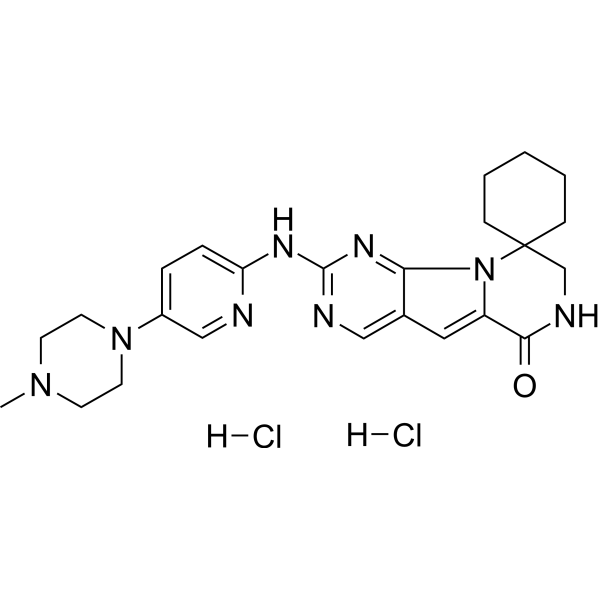
Trilaciclib (G1T28) hydrochloride is an orally active CDK4/6 inhibitor with IC50 values of 1 nM and 4 nM for CDK4 and CDK6, respectively. Trilaciclib hydrochloride can effectively inhibit tumor cell proliferation and reduce the hematological toxicity caused by chemotherapy. Trilaciclib hydrochloride attenuates apoptosis and myelosuppression induced by 5FU (HY-90006) chemotherapy .
|
-
-
- HY-90006S
-
-
-
- HY-10533
-
|
5-Ethynyluracil; GW776C85
|
Biochemical Assay Reagents
|
Cancer
|
|
Eniluracil (5-Ethynyluracil) is an orally active dihydropyrimidine dehydrogenase (DPD) inhibitor. Eniluracil irreversibly inhibits DPD, increases the oral bioavailability of 5-fluorouracil to 100%, and facilitates the uniform absorption and toxicity of 5-fluorouracil. Eniluracil can be used in cancer research of combination with fluoropyrimidines (including 5-fluorouracil) . Eniluracil is a click chemistry reagent, it contains an Alkyne group and can undergo copper-catalyzed azide-alkyne cycloaddition (CuAAc) with molecules containing Azide groups.
|
-
-
- HY-15485
-
|
|
Phosphodiesterase (PDE)
Apoptosis
|
Inflammation/Immunology
Cancer
|
|
Zardaverine is an orally active and selective PDE3/4 inhibitor (IC50)=0.58 uM/0.17 uM) with potent bronchodilator activity. Zardaverine also selectively inhibits the proliferation of HCC cells and induces apoptosis and cycle arrest (G0/G1 phase). Zardaverine has good antitumor potential and is effective in both bronchial relaxation and reduction of inflammation in asthma .
|
-
-
- HY-139065
-
|
|
Apoptosis
|
Cancer
|
|
AMPC is a potent and effective TFF3 inhibitor. AMPC inhibits cell proliferation, survival, oncogenicity, and CSC-like behaviour in TFF3-positive CMS4 CRC cells. AMPC acts as a potential anti-cancer agent alone or in combination with 5-FU, and can be used for cancer research .
|
-
-
- HY-90006S1
-
|
5-FU-13C,15N2
|
Exosomes
Apoptosis
Nucleoside Antimetabolite/Analog
HIV
Endogenous Metabolite
|
Cancer
|
|
5-Fluorouracil- 13C, 15N2 is the 13C and 15N labeled 5-Fluorouracil . 5-Fluorouracil (5-FU) is an analogue of uracil and a potent antitumor agent. 5-Fluorouracil affects pyrimidine synthesis by inhibiting thymidylate synthetase thus depleting intracellular dTTP pools. 5-Fluorouracil induces apoptosis and can be used as a chemical sensitizer . 5-Fluorouracil also inhibits HIV .
|
-
-
- HY-109115
-
|
NUC-3373
|
Thymidylate Synthase
|
Cancer
|
|
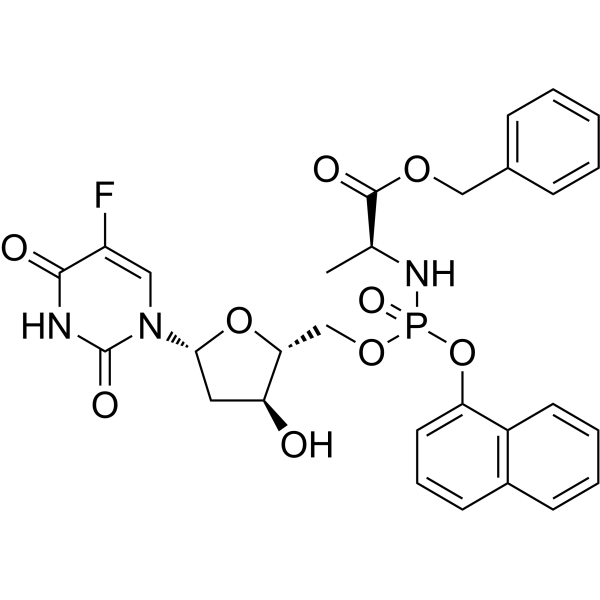
Fosifloxuridine nafalbenamide (NUC-3373), a pyrimidine nucleotide analogue, is a Thymidylate synthase inhibitor. Fosifloxuridine nafalbenamide has anticancer activity. Fosifloxuridine nafalbenamide has the potential to evoke a host immune response and enhance immunoresearch .
|
-
-
- HY-B0016S
-
-
-
- HY-B0016R
-
-
-
- HY-154508
-
|
2’-Deoxy-5-Fluorouridine 5’-phosphate triethylammonium
|
Nucleoside Antimetabolite/Analog
Thymidylate Synthase
|
Cancer
|
|
FdUMP triethylammonium is the intracellular active form of 5-fluorouracil (5-FU). 5-FU is converted to FdUMP after being transported into the cell by various enzymes. FdUMP forms a ternary complex with thymidylate synthase and its cofactor 5,10-methylene tetrahydrofolate, inhibiting the activity of thymidylate synthase, which in turn leads to the suppression of DNA synthesis.
|
-
-
- HY-N6896
-
|
|
TGF-beta/Smad
PI3K
Akt
mTOR
MMP
Histone Demethylase
|
Endocrinology
Cancer
|
|
Isoviolanthin is a flavonoid glycoside. Isoviolanthin can be extracted from Dendrobium officinale. Isoviolanthin has a strong affinity for binding to KDM6B, CHAC2, ESCO2, and IPO4. Isoviolanthin decreases MMP-2 and MMP-9. Isoviolanthin inhibits TGF-β/Smad and PI3K/Akt/mTOR signaling pathways. Isoviolanthin increases Fhl3 expression. Isoviolanthin has cytoprotective effects. Isoviolanthin has anticancer activity against hepatocellular carcinoma .
|
-
-
- HY-W010450R
-
|
|
Reference Standards
Endogenous Metabolite
|
Metabolic Disease
Cancer
|
|
Thymine (Standard) is the analytical standard of Thymine. This product is intended for research and analytical applications. Thymine is one of the four nucleobases in the nucleic acid of DNA and can be a target for actions of 5-fluorouracil (5-FU) in cancer treatment, with a Km of 2.3 μM.
|
-
-
- HY-90006S2
-
|
|
Exosomes
Nucleoside Antimetabolite/Analog
HIV
Apoptosis
Endogenous Metabolite
|
Cancer
|
|
5-Fluorouracil- 15N2 is the 15N-labeled 5-Fluorouracil. 5-Fluorouracil (5-FU) is an analogue of uracil and a potent antitumor agent. 5-Fluorouracil affects pyrimidine synthesis by inhibiting thymidylate synthetase thus depleting intracellular dTTP pools. 5-Fluorouracil induces apoptosis and can be used as a chemical sensitizer . 5-Fluorouracil also inhibits HIV .
|
-
-
- HY-153190
-
W1131
1 Publications Verification
|
Oxidative Phosphorylation
STAT
Ferroptosis
|
Cancer
|
|
W1131 is a potent STAT3 inhibitor, triggering ferroptosis. W1131 suppresses cancer progression in gastric cancer cell subcutaneous xenograft model, organoids model, and PDX model. W1131 effectively alleviates chemical resistance of cancer cells to 5-FU (HY-90006). W1131 regulates cell cycle, DNA damage response, and oxidative phosphorylation, including IL6-JAK-STAT3 pathway and ferroptosis pathway .
|
-
-
- HY-16138
-
|
CG-200745
|
HDAC
MDM-2/p53
Apoptosis
|
Cancer
|
|
Ivaltinostat (CG-200745) is an orally active, potent pan-HDAC inhibitor which has the hydroxamic acid moiety to bind zinc at the bottom of catalytic pocket. Ivaltinostat inhibits deacetylation of histone H3 and tubulin. Ivaltinostat induces the accumulation of p53, promotes p53-dependent transactivation, and enhances the expression of MDM2 and p21 (Waf1/Cip1) proteins. Ivaltinostat enhances the sensitivity of Gemcitabine-resistant cells to Gemcitabine (HY-16138) and 5-Fluorouracil (5-FU; HY-90006). Ivaltinostat induces apoptosis and has anti-tumour effects .
|
-
-
- HY-16138A
-
|
CG-200745 formic
|
HDAC
MDM-2/p53
Apoptosis
|
Inflammation/Immunology
Endocrinology
Cancer
|
|
Ivaltinostat (CG-200745) formic is an orally active, potent pan-HDAC inhibitor which has the hydroxamic acid moiety to bind zinc at the bottom of catalytic pocket. Ivaltinostat formic inhibits deacetylation of histone H3 and tubulin. Ivaltinostat formic induces the accumulation of p53, promotes p53-dependent transactivation, and enhances the expression of MDM2 and p21 (Waf1/Cip1) proteins. Ivaltinostat formic enhances the sensitivity of Gemcitabine-resistant cells to Gemcitabine (HY-16138) and 5-Fluorouracil (5-FU; HY-90006). Ivaltinostat formic induces apoptosis and has anti-tumour effects .
|
-
-
- HY-N11928
-
|
|
Others
|
Cancer
|
|
Changnanic acid (schisandrin) is a triterpene compound with potential anti-tumor effects. Changnanic acid exhibits moderate cytotoxic activity against human tumor cell lines Bel-7402, MCF-7 and HL-60, with IC50s of 100 μM, 100 μM and 50.51 μM respectively .
|
-
-
- HY-145311
-
|
|
Nucleoside Antimetabolite/Analog
|
Cancer
|
|
Bis-Pro-5FU (Compound 4) is a 5-FU precursor that confers oral bioavailability and increase the safety profile of 5-Fluorouracil (5-FU) chemotherapy regimens. 5-FU is an antineoplastic antimetabolite that is widely used for the research of colorectal and pancreatic cancer .
|
-
-
- HY-N0669R
-
-
-
- HY-146302
-
|
|
Apoptosis
|
Cancer
|
|
14-3-3η Protein inhibitor 1 (Compound C11) is a 14-3-3η protein inhibitor with a KD of 35 µM. 14-3-3η Protein inhibitor 1 shows inhibitory activities against several typical human liver cancer cell lines. 14-3-3η Protein inhibitor 1 induces cell apoptosis and G1-S cell cycle arrest with good metabolic stability .
|
-
-
- HY-172394
-
|
|
HDAC
ADAMTS
Apoptosis
Bcl-2 Family
Cyclin G-associated Kinase (GAK)
|
Cancer
|
|
ZSNI-21 is a ADAM17/HDAC2 inhibitor with ADAM17 IC50 0.939 μM and HDAC2 IC50 0.844 μM. ZSNI-21 regulates the expression of apoptosis-related proteins (Bax, Bcl-2) and Cyclin D1, and induces apoptosis.. ZSNI-21 can be used for the research of hepatocellular carcinoma, breast cancer, and non-small cell lung cancer .
|
-
-
- HY-17400R
-
|
FT 207 (Standard); NSC 148958 (Standard)
|
Reference Standards
Nucleoside Antimetabolite/Analog
|
Cancer
|
|
Tegafur (Standard) is the analytical standard of Tegafur. This product is intended for research and analytical applications. Tegafur (FT 207; NSC 148958) is a chemotherapeutic 5-FU proagent used in the treatment of cancers; is a component of tegafur-uracil.
|
-
-
- HY-N7980
-
|
|
NF-κB
|
Cancer
|
|
Rubipodanone A, a naphthohydroquinone dimer, shows cytotoxicity against A549, BEL-7402, HeLa, HepG2, SGC-7901 and U251 cells. Rubipodanone A also shows obvious activating effect at 20 and 40 μM for NF-κB .
|
-
-
- HY-W010450S4
-
|
|
Endogenous Metabolite
|
Cancer
|
|
Thymine-d4-1 is the deuterium labeled Thymine . Thymine is one of the four nucleobases in the nucleic acid of DNA and can be a target for actions of 5-fluorouracil (5-FU) in cancer treatment, with a Km of 2.3 μM .
|
-
-
- HY-177269
-
|
|
Arf Family GTPase
|
Cancer
|
|
CHNQD-01269, a brefeldin A-cinnamate derivative, is an Arf1 inhibitor. CHNQD-01269 exhibits potent cytotoxic activity against HepG2 and BEL-7402 cells, with IC50 values of 0.29 and 0.84 μM, respectively. CHNQD-01269 is indicated for hepatocellular carcinoma (HCC) research .
|
-
-
- HY-109051
-
|
|
Endogenous Metabolite
|
Cancer
|
|
Arfolitixorin is a potent 5-Fluorouracil (5-FU) moderator. Arfolitixorin is an immediately active form of Folate, [6R]-5,10-methylenetetrahydrofolate ([6R]-MTHF). Arfolitixorin is potent for the research of metastatic colorectal cancer .
|
-
-
- HY-114249
-
|
|
Nucleoside Antimetabolite/Analog
Dihydropyrimidine Dehydrogenase (DPD)
|
Cancer
|
|
DFP-11207 is an orally active fluoropyrimidine cytotoxic agent. DFP-11207 combines a 5-FU (HY-90006) pro-drug with a reversible DPD inhibitor and a potent inhibitor of OPRT, resulting in enhanced pharmacological activity of 5-FU with decreased gastrointestinal and myelosuppressive toxicities. DFP-11207 can be used for the research of cancer .
|
-
-
- HY-14769A
-
|
5,10-Methylenetetrafolate calcium; ANX-510
|
Endogenous Metabolite
|
Cancer
|
|
Folitixorin calcium is a cofactor and an analog of leucovorin. Folitixorin calcium is a promising agent for modulation of 5-FU cytotoxicity in adjuvant cancer research .
|
-
-
- HY-N3316
-
|
|
Others
|
|
|
Martynoside protects ex vivo bone marrow cells from 5-fluorouracil (5-FU)-induced cell death and inflammation response by down-regulating the TNF signaling pathway .Martynoside is a potent antiestrogen in MCF-7 cells, increasing IGFBP3 levels
|
-
-
- HY-155695
-
|
|
HDAC
|
Cancer
|
|
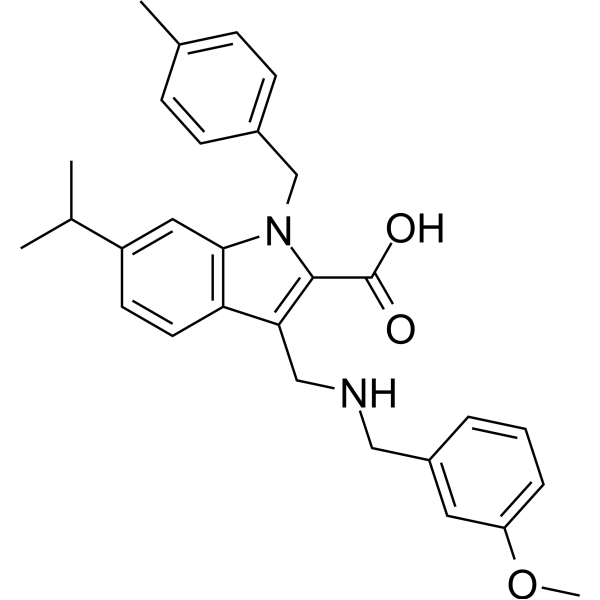
HDAC-IN-61 (compound 12k) is a potent and orally active HDAC inhibitor. HDAC-IN-61 has anticancer active with an IC50 value of 30 nM for Bel-7402 cell. HDAC-IN-61 can be used in research of cancer .
|
-
- HY-151461
-
|
|
Arf Family GTPase
|
Cancer
|
|
CHNQD-01255 is an orally active Arf-GEFs inhibitor with potent anti-hepatocellular carcinoma (HCC) efficacy .
|
-
- HY-N7623
-
|
|
Drug Derivative
|
Cancer
|
|
Ursonic acid methyl ester is an esterified derivative of Ursolic acid (HY-N0140). Ursonic acid methyl ester shows growth inhibitory activity against four tumor cell lines, HL-60, BGC, Bel-7402 and Hela with ED50 values of >100 µg/ml .
|
-
- HY-W010450S
-
-
- HY-W010450S3
-
|
|
Endogenous Metabolite
DNA/RNA Synthesis
|
Cancer
|
|
Thymine- 13C is the 13C labeled Thymine . Thymine is one of the four nucleobases in the nucleic acid of DNA and can be a target for actions of 5-fluorouracil (5-FU) in cancer treatment, with a Km of 2.3 μM .
|
-
- HY-146467
-
|
|
Drug Derivative
|
Cancer
|
|
Anticancer agent 62 (compound 4c) is a potent anticancer agent. Anticancer agent 62 shows antiproliferative activity in HepG2, Bel-7402 and MCF-7 cancer cells, with IC50 values of 0.019, 0.060 and 0.016 μM, respectively. Anticancer agent 62 shows effective tumor growth inhibition .
|
-
- HY-146466
-
|
|
Others
|
Cancer
|
|
Anticancer agent 61 (compound 3v) is an orally active and potent anticancer agent. Anticancer agent 61 shows antiproliferative activity in HepG2, Bel-7402 and MCF-7 cancer cells, with IC50 values of 1.12, 1.97 and 1.08 μM, respectively. Anticancer agent 61 shows effective tumor growth inhibition .
|
-
- HY-144253
-
|
|
Akt
ERK
|
Cancer
|
|
AKT-IN-11 is one of the most effective antibacterial agents against human hepatoma BEL-7402 cell line with an IC50 value of 1.15μM.
|
-
- HY-N12128
-
|
|
Others
|
Cancer
|
|
Ophiopogonin R (compound 3) is a steroid saponin. Ophiopogonin R was isolated and purified from natural ophiopogonin. Ophiopogonin R was not cytotoxic to five human tumor cell lines (HepG2, HLE, BEL7402, BEL7403 and Hela) .
|
-
- HY-N12253
-
|
|
Others
|
Cancer
|
|
(19R)-13-Deoxy-19-hydroxyenmein is the parent compound of enmein-type diterpenoid analogs. (19R)-13-Deoxy-19-hydroxyenmein has anti-proliferative activities with IC50 values of 0.41, 0.85, 0.43, 1.89 μM against human cancer cell lines K562, MGC-803, CaEs-17, and Bel-7402, respectively .
|
-
- HY-106406R
-
|
BAU (Standard); 5-Benzylacyclouridine (Standard)
|
Drug Derivative
Reference Standards
|
Cancer
|
|
Benzylacyclouridine (Standard) is the analytical standard of Benzylacyclouridine. This product is intended for research and analytical applications. Benzylacyclouridine (BAU) is a potent and specific inhibitor of uridine phosphorylase, the first enzyme in the catabolism of uridine. Benzylacyclouridine can modulate the cytotoxic side effects of 5-fluorouracil (5-FU) and its derivatives .
|
-
- HY-B0021S1
-
|
Ro 21-9738-d3; 5-Fluoro-5'-deoxyuridine-d3; 5'-DFUR-d3
|
Thymidylate Synthase
Isotope-Labeled Compounds
|
Cancer
|
|
Doxifluridine-d3 is deuterated labeled Doxifluridine (HY-B0021). Doxifluridine has anticancer activity. Doxifluidine is a 5-FU prodrug. Doxifluridine is a thymidine synthase inhibitor. Doxifluridine can enhance tumor inhibition by synergizing with a variety of drugs .
|
-
- HY-B0021R
-
|
Ro 21-9738 (Standard); 5-Fluoro-5'-deoxyuridine (Standard); 5'-DFUR (Standard)
|
Thymidylate Synthase
Reference Standards
|
Cancer
|
|
Doxifluridine (Standard) is the analytical standard of Doxifluridine. This product is intended for research and analytical applications. Doxifluridine has anticancer activity. Doxifluidine is a 5-FU prodrug. Doxifluridine is a thymidine synthase inhibitor. Doxifluridine can enhance tumor inhibition by synergizing with a variety of drugs .
|
-
- HY-168444
-
|
|
CDK
|
Cancer
|
|
CDK4/6-IN-23 (Compound 42) is a potent and selective CDK4/6 inhibitor, with an IC50 of 11 nM for CDK6. CDK4/6-IN-23 can significantly activate immune cells and promote the production of IL-3. CDK4/6-IN-23 has dual myeloprotective and immunomodulatory effects in 5-FU (HY-90006) chemotherapy mice .
|
-
- HY-90006S3
-
|
5-FU-13C4,15N2
|
Exosomes
Apoptosis
Nucleoside Antimetabolite/Analog
HIV
Endogenous Metabolite
|
Cancer
|
|
5-Fluorouracil- 13C4, 15N2 is the 13C and 15N labeled 5-Fluorouracil . 5-Fluorouracil (5-FU) is an analogue of uracil and a potent antitumor agent. 5-Fluorouracil affects pyrimidine synthesis by inhibiting thymidylate synthetase thus depleting intracellular dTTP pools. 5-Fluorouracil induces apoptosis and can be used as a chemical sensitizer . 5-Fluorouracil also inhibits HIV .
|
-
- HY-150046
-
|
|
NEKs
|
Cancer
|
|
Nek2-IN-6 (Compound 28e) is a potent never in mitosis (NIMA) related kinase 2 (Nek2) inhibitor .
|
-
- HY-19514
-
|
|
Nucleoside Antimetabolite/Analog
|
Cancer
|
|
Fosfluridine Tidoxil is comprised of a specific carrier molecule, coupled through a phosphate group to 5-Fluorouridine (5-FUrd), a metabolite of 5- Fluorouracil (5-FU). Fosfluridine Tidoxil is a oral active anticancer agent .
|
-
- HY-W010450S2
-
|
|
Endogenous Metabolite
|
Cancer
|
|
Thymine- 15N2 is the 15N labeled Thymine . Thymine is one of the four nucleobases in the nucleic acid of DNA and can be a target for actions of 5-fluorouracil (5-FU) in cancer treatment, with a Km of 2.3 μM .
|
-
- HY-109051C
-
|
|
Endogenous Metabolite
|
Cancer
|
|
Arfolitixorin sulfate is a potent 5-Fluorouracil (5-FU) moderator. Arfolitixorin sulfate is an immediately active form of Folate, [6R]-5,10-methylenetetrahydrofolate ([6R]-MTHF). Arfolitixorin sulfate is potent for the research of metastatic colorectal cancer .
|
-
- HY-W777033
-
|
FT 207-13C,15N2; NSC 148958-13C,15N2
|
Isotope-Labeled Compounds
Nucleoside Antimetabolite/Analog
|
Cancer
|
|
Tegafur- 13C, 15N2 (FT 207- 13C, 15N2) is the 13C- and 15N-labeled Tegafur (HY-17400). Tegafur (FT 207; NSC 148958) is a chemotherapeutic 5-FU proagent used in the treatment of cancers; is a component of tegafur-uracil.
|
-
- HY-W010450S5
-
|
5-Methyluacil-13C5,15N,15N2
|
Isotope-Labeled Compounds
Endogenous Metabolite
|
Metabolic Disease
Cancer
|
|
Thymine- 13C5, 15N2 (5-Methyluacil- 13C5, 15N2) is 13C and 15N labeled Thymine. Thymine is one of the four nucleobases in the nucleic acid of DNA and can be a target for actions of 5-fluorouracil (5-FU) in cancer treatment, with a Km of 2.3 μM .
|
-
- HY-W766751
-
|
5,10-Methylenetetrafolate-d4; ANX-510 free acid-d4
|
Isotope-Labeled Compounds
Endogenous Metabolite
|
Cancer
|
|
Folitixorin-d4 (5,10-Methylenetetrafolate-d4; ANX-510 (free acid)-d4) is the deuterium labeled Folitixorin (HY-14769). Folitixorin (5,10-methylenetetrahydrofolate) is a cofactor and an analog of leucovorin. Folitixorin is a promising agent for modulation of 5-FU cytotoxicity in adjuvant cancer research .
|
-
- HY-153190A
-
|
|
Ferroptosis
STAT
|
Cancer
|
|
W1131 TFA is a potent STAT3 inhibitor that induces ferroptosis. W1131 inhibits cancer progression in subcutaneous xenograft, organoid, and PDX models of gastric cancer. W1131 effectively alleviates cancer cell chemoresistance to 5-FU (HY-90006). W1131 regulates the cell cycle, DNA damage response, and oxidative phosphorylation, including the IL6-JAK-STAT3 pathway and the ferroptosis pathway .
|
-
- HY-N7535
-
|
|
Others
|
Cancer
|
|
Chlorovaltrate K is a chlorinated valepotriate with anticancer effects. Chlorovaltrate K shows moderate cytotoxicity against A549, PC-3M, HCT-8 and Bel 7402 cell lines with IC50 values of 2.32-8.26 μM .
|
-
- HY-10533R
-
|
5-Ethynyluracil (Standard); GW776C85 (Standard)
|
Biochemical Assay Reagents
Reference Standards
|
Cancer
|
|
Eniluracil (Standard) is the analytical standard of Eniluracil. This product is intended for research and analytical applications. Eniluracil (5-Ethynyluracil) is an orally active dihydropyrimidine dehydrogenase (DPD) inhibitor. Eniluracil irreversibly inhibits DPD, increases the oral bioavailability of 5-fluorouracil to 100%, and facilitates the uniform absorption and toxicity of 5-fluorouracil. Eniluracil can be used in cancer research of combination with fluoropyrimidines (including 5-fluorouracil) . Eniluracil is a click chemistry reagent, it contains an Alkyne group and can undergo copper-catalyzed azide-alkyne cycloaddition (CuAAc) with molecules containing Azide groups.
|
-
- HY-172966
-
|
|
EGFR
|
Cancer
|
|
EG31 is an EGFR inhibitor. EG31 effectively inhibits the proliferation of triple-negative breast cancer (TNBC) cells (GI50 values of MDA-MB-231 and Hs578T cells are 498.90 nM and 740.73 nM, respectively) and induces apoptosis by inhibiting the EGFR signaling pathway. EG31 still maintains antiproliferative activity against 5-fluorouracil (5-FU)-resistant TNBC cells (GI50: 519.5 nM). EG31 can be used to study TNBC resistance .
|
-
- HY-146465
-
|
|
Microtubule/Tubulin
|
Cancer
|
|
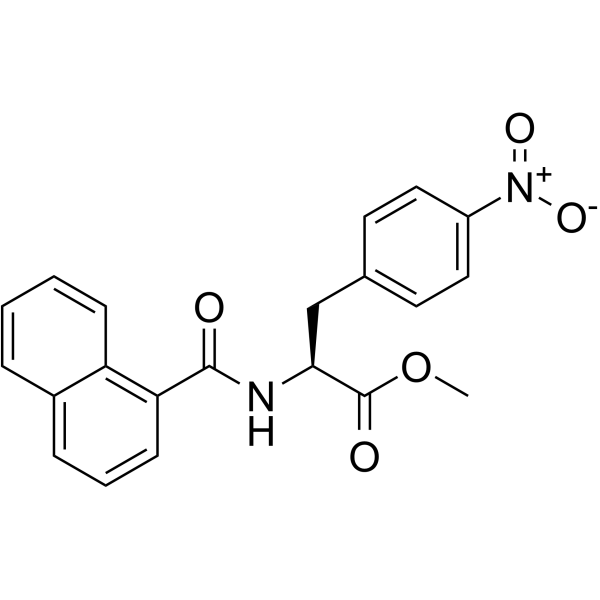
Anticancer agent 60 (compound 3h) has antiproliferative activity against human HepG2 cells (IC50 = 4.13 μM) and presents antitumor efficacy in a human HepG2 xenograft mouse model .
|
-
- HY-144254
-
|
|
PI3K
Akt
Apoptosis
|
Cancer
|
|
PI3Kδ-IN-10 is a highly potent and orally active PI3Kδ inhibitor with IC50 of 2 nM. PI3Kδ-IN-10 robustly suppresses the downstream AKT pathway to induce subsequent apoptosis in hepatocellular carcinoma models .
|
-
- HY-N6896R
-
|
|
Reference Standards
TGF-beta/Smad
PI3K
Akt
mTOR
MMP
Histone Demethylase
|
Endocrinology
Cancer
|
|
Isoviolanthin (Standard) is the analytical standard of Isoviolanthin (HY-N6896). This product is intended for research and analytical applications. Isoviolanthin is a flavonoid glycoside. Isoviolanthin can be extracted from Dendrobium officinale. Isoviolanthin has a strong affinity for binding to KDM6B, CHAC2, ESCO2, and IPO4. Isoviolanthin decreases MMP-2 and MMP-9. Isoviolanthin inhibits TGF-β/Smad and PI3K/Akt/mTOR signaling pathways. Isoviolanthin increases Fhl3 expression. Isoviolanthin has cytoprotective effects. Isoviolanthin has anticancer activity against hepatocellular carcinoma .
|
-
- HY-N13081
-
|
|
Others
|
Cancer
|
|
3-Oxo-cinobufagin (compound 8) is a potential anticancer compound that can be isolated from the broth of M. spinosus by high-performance liquid chromatography. Compared to other isolated compounds, the hydroxyl group at the C-5 position of 3-Oxo-cinobufagin is further oxidized or isomerized, significantly reducing its cytotoxic activity against most cell lines (except HEL), while increasing its activity against the BEL cell line. The IC50 values of 3-Oxo-cinobufagin's cytotoxicity against cancer cells are: 71.3 μM (HepG2), 90.2 μM (SMMC-7221), 0.11 μM (BEL-7402), 72.5 μM (K562), 5.3 μM (HL-60), and 12 nM (HEL) .
|
-
- HY-177268
-
|
|
Apoptosis
Reactive Oxygen Species (ROS)
PARP
Caspase
Akt
|
Cancer
|
|
CHNQD-01426 (Compound 4a) is an anticancer agent. CHNQD-01426 has cytotoxic activities against cancer cells. CHNQD-01426 significantly inhibits hepatocellular carcinoma cells proliferation via arresting S and G2/M phase cell cycle and induces apoptosis by inducing ROS production and elevating apoptosis-related proteins expression. CHNQD-01426 potently inhibits tumor growth in HepG2 xenograft mice model .
|
-
- HY-14543R
-
-
- HY-101467R
-
|
G1T28 (Standard)
|
CDK
Reference Standards
|
Cancer
|
|
Trilaciclib (Standard) is the analytical standard of Trilaciclib (HY-101467). This product is intended for research and analytical applications. Trilaciclib (G1T28) is an orally active CDK4/6 inhibitor with IC50 values of 1 nM and 4 nM for CDK4 and CDK6, respectively. . Trilaciclib can effectively inhibit tumor cell proliferation and reduce the hematological toxicity caused by chemotherapy. Trilaciclib attenuates apoptosis and myelosuppression induced by 5FU (HY-90006) chemotherapy .
|
-
- HY-103363R
-
|
|
Reference Standards
CCR
Thymidylate Synthase
|
Inflammation/Immunology
Cancer
|
|
SB-328437 (Standard) is the analytical standard of SB-328437 (HY-103363). This product is intended for research and analytical applications. SB-328437 is a potent, selective non-peptide CCR3 antagonist with an IC50 of 4.5 nM. SB-328437 can inhibit eosinophil migration induced by eotaxin, eotaxin-2, and monocyte chemotactic protein-4. In addition, SB-328437 can sensitize 5-FU (HY-90006)-resistant gastric cancer cells. SB-328437 can also reduce the recruitment of neutrophils to the lungs and pulmonary inflammation during acute inflammation. SB-328437 can be used in the research of inflammation-related diseases .
|
-
- HY-N18292
-
|
|
Drug Derivative
|
Cancer
|
|
Qinanone G is a 2-(2-phenylethyl)chromone (HY-N8220) derivative found in the high quality Chinese agarwood 'Qi-Nan' from Aquilaria sinensis (Lour.) Glig. Qinanone G shows no inhibitory activity against AChE and cancer cells .
|
-
- HY-N18174
-
|
|
Others
|
Others
|
|
Glaucogenin E is a C21 steroid sapogenin found in rhizomes of Cynanchum stauntonii (Decne.) Schltr. ex Levl. Glaucogenin E shows no cytotoxic activity against human cancer cells .
|
-
- HY-N18229
-
|
|
Others
|
Cancer
|
|
Hirundoside A is a steroidal glycoside found in the roots of Cynanchum stauntonii .
|
-
- HY-N17995
-
|
|
Others
|
Cancer
|
|
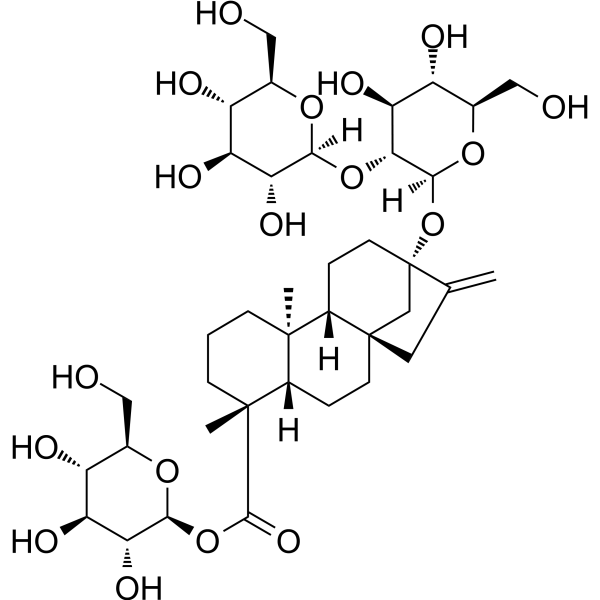
GypenosideZ-3 is a dammarane triterpene glycoside found in the roots of Machilus yaoshansis .
|
-
- HY-N18228
-
|
|
Others
|
Cancer
|
|
Stauntoside Ⅱ is a 14,15-secopregnane-type C21 steroidal glycoside found in the roots of Cynanchum stauntonii. Stauntoside Ⅱ does not exhibit cytotoxic activity against human colon, hepatoma, gastric, lung, and ovarian cancer cells .
|
-
| Cat. No. |
Product Name |
Type |
-
- HY-W250111
-
|
|
Biochemical Assay Reagents
|
|
Carboxymethyl chitosan is a derivative of chitosan. Carboxymethyl chitosan inhibits Apoptosis and ROS. Carboxymethyl chitosan increases the expression of Bcl-2 and reduces the expression of Bax, cytochrome c and caspase-3. Carboxymethyl chitosan inhibits the migration of various cells. Carboxymethyl chitosan exerts antitumor effects on Lewis tumors and hepatocarcinoma [5] .
|
| Cat. No. |
Product Name |
Category |
Target |
Chemical Structure |
| Cat. No. |
Product Name |
Chemical Structure |
-
- HY-90006S
-
|
|
|
5-Fluorouracil-d is the deuterium labeled 5-Fluorouracil. 5-Fluorouracil (5-FU) is an analogue of uracil and a potent antitumor agent. 5-Fluorouracil affects pyrimidine synthesis by inhibiting thymidylate synthetase thus depleting intracellular dTTP pools. 5-Fluorouracil induces apoptosis and can be used as a chemical sensitizer . 5-Fluorouracil also inhibits HIV .
|
-
-
- HY-90006S1
-
|
|
|
5-Fluorouracil- 13C, 15N2 is the 13C and 15N labeled 5-Fluorouracil . 5-Fluorouracil (5-FU) is an analogue of uracil and a potent antitumor agent. 5-Fluorouracil affects pyrimidine synthesis by inhibiting thymidylate synthetase thus depleting intracellular dTTP pools. 5-Fluorouracil induces apoptosis and can be used as a chemical sensitizer . 5-Fluorouracil also inhibits HIV .
|
-
-
- HY-B0016S
-
|
|
|
Capecitabine-d11 is the deuterium labeled Capecitabine. Capecitabine is an oral proagent that is converted to its active metabolite, 5-FU, by thymidine phosphorylase .
|
-
-
- HY-90006S2
-
|
|
|
5-Fluorouracil- 15N2 is the 15N-labeled 5-Fluorouracil. 5-Fluorouracil (5-FU) is an analogue of uracil and a potent antitumor agent. 5-Fluorouracil affects pyrimidine synthesis by inhibiting thymidylate synthetase thus depleting intracellular dTTP pools. 5-Fluorouracil induces apoptosis and can be used as a chemical sensitizer . 5-Fluorouracil also inhibits HIV .
|
-
-
- HY-W010450S4
-
|
|
|
Thymine-d4-1 is the deuterium labeled Thymine . Thymine is one of the four nucleobases in the nucleic acid of DNA and can be a target for actions of 5-fluorouracil (5-FU) in cancer treatment, with a Km of 2.3 μM .
|
-
-
- HY-W010450S
-
|
|
|
Thymine-d4 is the deuterium labeled Thymine. Thymine is one of the four nucleobases in the nucleic acid of DNA and can be a target for actions of 5-fluorouracil (5-FU) in cancer treatment, with a Km of 2.3 μM.
|
-
-
- HY-W010450S3
-
|
|
|
Thymine- 13C is the 13C labeled Thymine . Thymine is one of the four nucleobases in the nucleic acid of DNA and can be a target for actions of 5-fluorouracil (5-FU) in cancer treatment, with a Km of 2.3 μM .
|
-
-
- HY-B0021S1
-
|
|
|
Doxifluridine-d3 is deuterated labeled Doxifluridine (HY-B0021). Doxifluridine has anticancer activity. Doxifluidine is a 5-FU prodrug. Doxifluridine is a thymidine synthase inhibitor. Doxifluridine can enhance tumor inhibition by synergizing with a variety of drugs .
|
-
-
- HY-90006S3
-
|
|
|
5-Fluorouracil- 13C4, 15N2 is the 13C and 15N labeled 5-Fluorouracil . 5-Fluorouracil (5-FU) is an analogue of uracil and a potent antitumor agent. 5-Fluorouracil affects pyrimidine synthesis by inhibiting thymidylate synthetase thus depleting intracellular dTTP pools. 5-Fluorouracil induces apoptosis and can be used as a chemical sensitizer . 5-Fluorouracil also inhibits HIV .
|
-
-
- HY-W010450S2
-
|
|
|
Thymine- 15N2 is the 15N labeled Thymine . Thymine is one of the four nucleobases in the nucleic acid of DNA and can be a target for actions of 5-fluorouracil (5-FU) in cancer treatment, with a Km of 2.3 μM .
|
-
-
- HY-W777033
-
|
|
|
Tegafur- 13C, 15N2 (FT 207- 13C, 15N2) is the 13C- and 15N-labeled Tegafur (HY-17400). Tegafur (FT 207; NSC 148958) is a chemotherapeutic 5-FU proagent used in the treatment of cancers; is a component of tegafur-uracil.
|
-
-
- HY-W010450S5
-
|
|
|
Thymine- 13C5, 15N2 (5-Methyluacil- 13C5, 15N2) is 13C and 15N labeled Thymine. Thymine is one of the four nucleobases in the nucleic acid of DNA and can be a target for actions of 5-fluorouracil (5-FU) in cancer treatment, with a Km of 2.3 μM .
|
-
-
- HY-W766751
-
|
|
|
Folitixorin-d4 (5,10-Methylenetetrafolate-d4; ANX-510 (free acid)-d4) is the deuterium labeled Folitixorin (HY-14769). Folitixorin (5,10-methylenetetrahydrofolate) is a cofactor and an analog of leucovorin. Folitixorin is a promising agent for modulation of 5-FU cytotoxicity in adjuvant cancer research .
|
-
| Cat. No. |
Product Name |
|
Classification |
-
- HY-10533
-
|
5-Ethynyluracil; GW776C85
|
|
Alkynes
|
|
Eniluracil (5-Ethynyluracil) is an orally active dihydropyrimidine dehydrogenase (DPD) inhibitor. Eniluracil irreversibly inhibits DPD, increases the oral bioavailability of 5-fluorouracil to 100%, and facilitates the uniform absorption and toxicity of 5-fluorouracil. Eniluracil can be used in cancer research of combination with fluoropyrimidines (including 5-fluorouracil) . Eniluracil is a click chemistry reagent, it contains an Alkyne group and can undergo copper-catalyzed azide-alkyne cycloaddition (CuAAc) with molecules containing Azide groups.
|
| Cat. No. |
Product Name |
|
Classification |
-
- HY-W010450
-
Thymine
1 Publications Verification
|
|
Nucleoside Analogs
Thymidine
|
|
Thymine, one of the four bases of DNA, is a substrate for rat liver dihydropyrimidine dehydrogenase (DPD), with a Km value of 2.2 μM, Ki of 24 μM (using 5-FU as the DPD substrate), and a specific activity of 0.68 nmol/min/mg .
|
-
- HY-154508
-
|
2’-Deoxy-5-Fluorouridine 5’-phosphate triethylammonium
|
|
Nucleoside Analogs
Uridine
|
|
FdUMP triethylammonium is the intracellular active form of 5-fluorouracil (5-FU). 5-FU is converted to FdUMP after being transported into the cell by various enzymes. FdUMP forms a ternary complex with thymidylate synthase and its cofactor 5,10-methylene tetrahydrofolate, inhibiting the activity of thymidylate synthase, which in turn leads to the suppression of DNA synthesis.
|
-
- HY-19514
-
|
|
|
Nucleoside Analogs
Uridine
|
|
Fosfluridine Tidoxil is comprised of a specific carrier molecule, coupled through a phosphate group to 5-Fluorouridine (5-FUrd), a metabolite of 5- Fluorouracil (5-FU). Fosfluridine Tidoxil is a oral active anticancer agent .
|
Your information is safe with us. * Required Fields.
Inquiry Information
- Product Name:
- Cat. No.:
- Quantity:
- MCE Japan Authorized Agent:

