
1. Search Result
Search Result
Pathways Recommended: Cell Cycle/DNA Damage
Results for "

DNA damage repair

" in MedChemExpress (MCE) Product Catalog:

122

Inhibitors & Agonists

6

Screening Libraries

1

Biochemical Assay Reagents

4

Peptides

9

Natural
Products

5

Isotope-Labeled Compounds

1

Click Chemistry

4

Oligonucleotides

Cat. No. Product Name Target Research Areas Chemical Structure
  • HY-10619
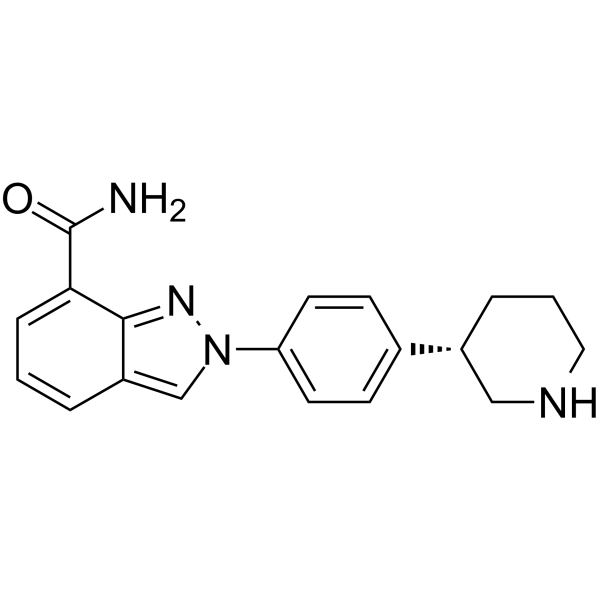
    Niraparib
    Maximum Cited Publications
    82 Publications Verification

    MK-4827

    PARP Apoptosis Cancer
    Niraparib (MK-4827) is a highly potent and orally bioavailable PARP1 and PARP2 inhibitor with IC50s of 3.8 and 2.1 nM, respectively. Niraparib leads to inhibition of repair of DNA damage, activates apoptosis and shows anti-tumor activity .
    Niraparib
  • HY-101566
    Elimusertib
    10+ Cited Publications

    BAY 1895344

    ATM/ATR Cancer
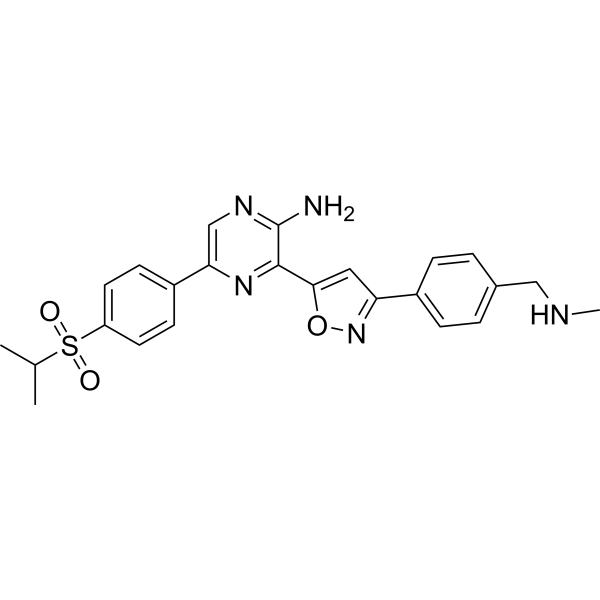
    Elimusertib (BAY-1895344) is a potent, orally active and selective ATR inhibitor with an IC50 of 7 nM. Elimusertib has anti-tumor activity . Elimusertib can be used for the research of solid tumors and lymphomas .
    Elimusertib
  • HY-100016
    AZD0156
    10+ Cited Publications

    ATM/ATR Apoptosis Cancer
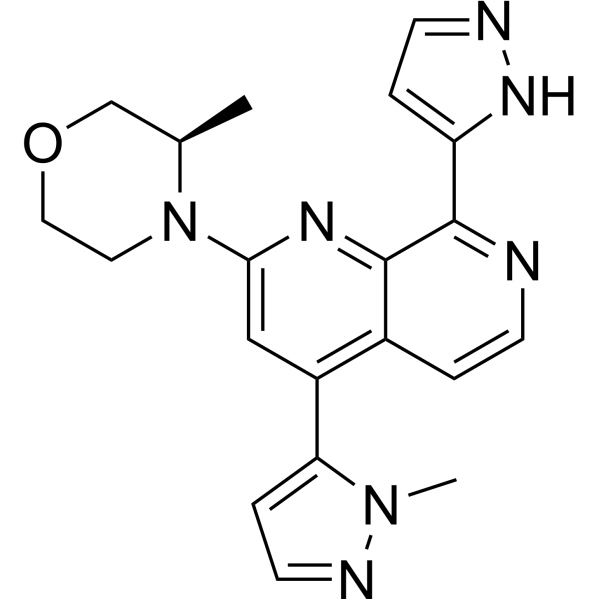
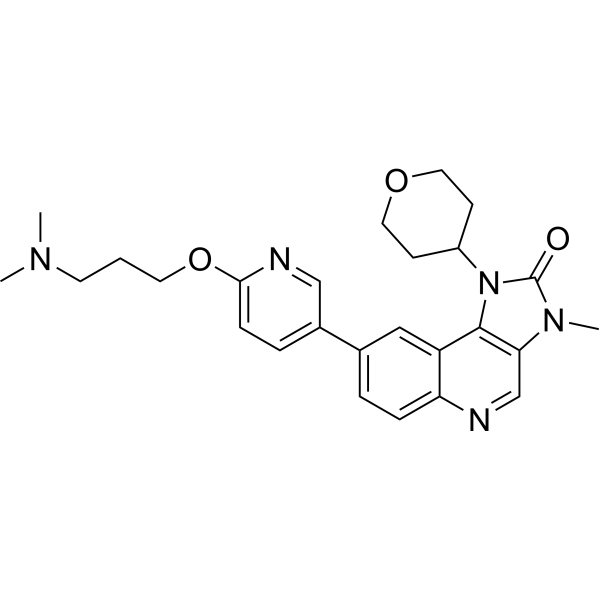
    AZD0156 is a potent, selective and orally active ATM inhibitor with an IC50 of 0.58 nM. AZD0156 inhibits the ATM-mediated signaling, prevents DNA damage checkpoint activation, disrupts DNA damage repair, and induces tumor cell apoptosis .
    AZD0156
  • HY-13599
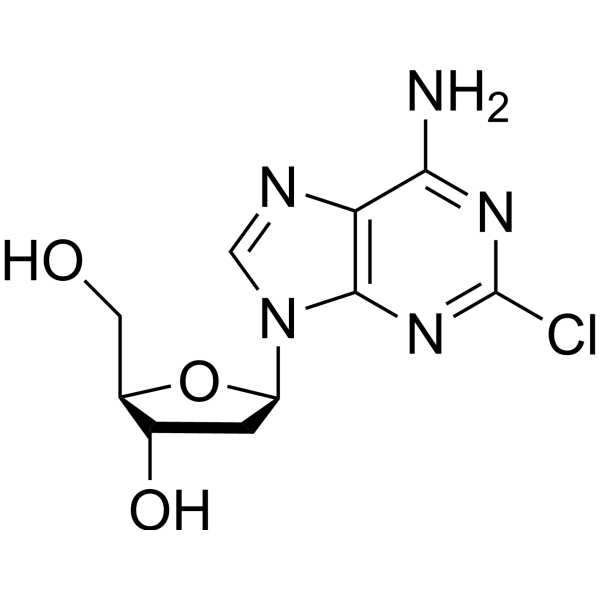
    Cladribine
    5+ Cited Publications

    2-Chloro-2′-deoxyadenosine; CldAdo; 2CdA

    Adenosine Deaminase Apoptosis Cardiovascular Disease Cancer
    Cladribine (2-Chloro-2′-deoxyadenosine), a purine nucleoside analog, is an orally active adenosine deaminase inhibitor. Cladribine functions as an inhibitor of DNA synthesis to block the repair of the damaged DNA. Cladribine can inhibit DNA methylation. Cladribine has anti-lymphoma activity. Cladribine can be used for the research of several hematologic malignancies and multiple sclerosis .
    Cladribine
  • HY-137316A

    DNA Alkylator/Crosslinker Drug Metabolite Cancer
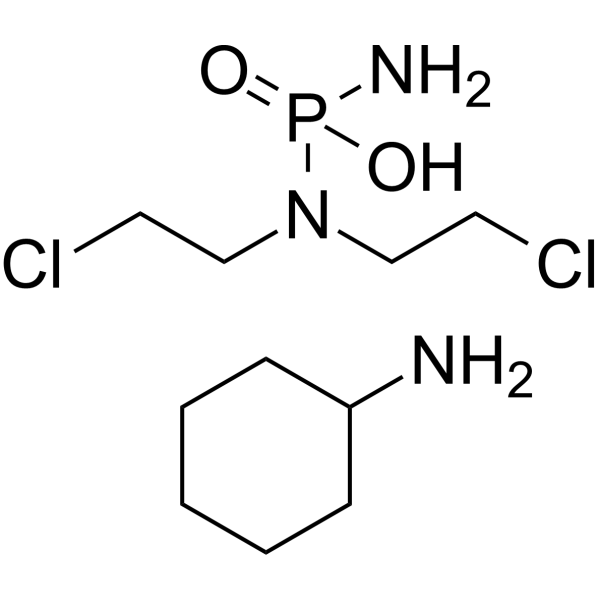
    Phosphoramide mustard cyclohexanamine is a biologically active metabolite of Cyclophosphamide (HY-17420), with anticancer activitiy. Phosphoramide mustard cyclohexanamine induces DNA damage .
    Phosphoramide mustard cyclohexanamine
  • HY-Y0958
    Methoxyamine hydrochloride
    1 Publications Verification

    O-Methylhydroxylamine hydrochloride

    DNA/RNA Synthesis Apoptosis Cancer
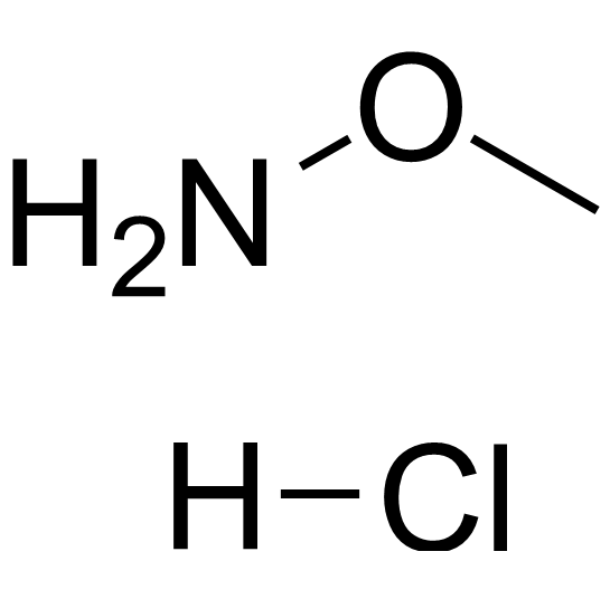
    Methoxyamine (O-Methylhydroxylamine) hydrochloride is an orally active and potent base excision repair (BER) inhibitor. Methoxyamine hydrochloride binds to 3’ hydroxyl groups that are left behind by 3-methylpurine-DNA glycosylase (MPG) following excision of the damaged base and thus inhibits BER activity. Methoxyamine hydrochloride binds directly to the apyrimidinic (AP) sites. Methoxyamine hydrochloride synergistically enhances the therapeutic efficacy of DNA-damaging agents .
    Methoxyamine hydrochloride
  • HY-126490
    Phleomycin
    2 Publications Verification

    Bacterial Antibiotic DNA/RNA Synthesis Infection Cancer
    Phleomycin is a copper-dependent DNA damaging agent and antibiotic with antitumor activity. Phleomycin binds to DNA and produces ROS in the presence of reducing agents (such as dithiothreitol and glutathione), inducing single-strand and double-strand breaks in DNA. Phleomycin can induce cell apoptosis or mutation and is widely used in cancer inhibition, microbial genetic transformation (as a screening marker to improve fungal transformation efficiency) and DNA repair mechanism research .
    Phleomycin
  • HY-10619B
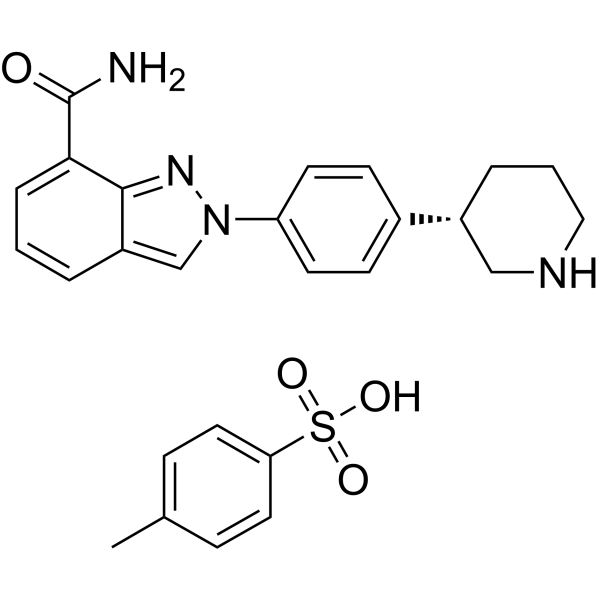
    Niraparib tosylate
    Maximum Cited Publications
    82 Publications Verification

    MK-4827 tosylate

    PARP Apoptosis Cancer
    Niraparib tosylate (MK-4827 tosylate) is a highly potent and orally bioavailable PARP1 and PARP2 inhibitor with an IC50 of 3.8 and 2.1 nM, respectively. Niraparib tosylate leads to inhibition of repair of DNA damage, activates apoptosis and shows anti-tumor activity .
    Niraparib tosylate
  • HY-10619A
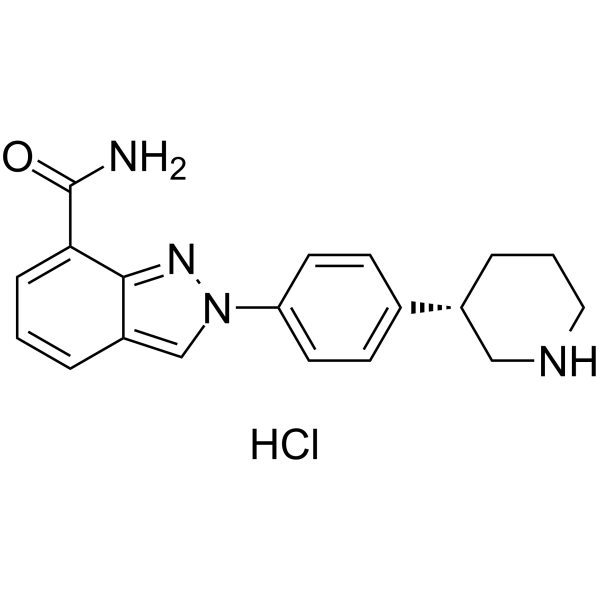
    Niraparib hydrochloride
    Maximum Cited Publications
    82 Publications Verification

    MK-4827 hydrochloride

    PARP Apoptosis Cancer
    Niraparib hydrochloride (MK-4827 hydrochloride) is a highly potent and orally bioavailable PARP1 and PARP2 inhibitor with IC50s of 3.8 and 2.1 nM, respectively. Niraparib hydrochloride leads to inhibition of repair of DNA damage, activates apoptosis and shows anti-tumor activity .
    Niraparib hydrochloride
  • HY-10619E
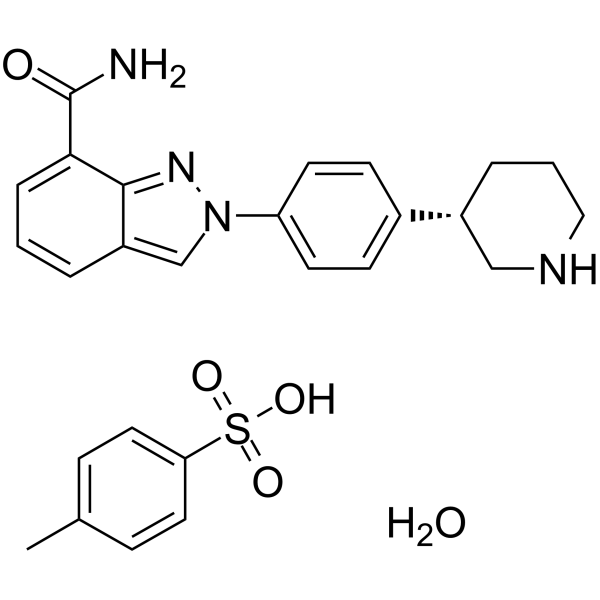
    Niraparib tosylate hydrate
    80+ Cited Publications

    MK-4827 tosylate hydrate

    PARP Apoptosis Cancer
    Niraparib (MK-4827) tosylate hydrate is a highly potent and orally bioavailable PARP1 and PARP2 inhibitor with IC50s of 3.8 and 2.1 nM, respectively. Niraparib tosylate hydrate leads to inhibition of repair of DNA damage, activates apoptosis and shows anti-tumor activity .
    Niraparib tosylate hydrate
  • HY-N7046

    Silibinin B

    Amyloid-β Apoptosis JNK p38 MAPK Neurological Disease Cancer
    Silybin B (Silibinin B) is an orally active amyloid-β aggregation inhibitor and ATR pathway activator that can cross the blood-brain barrier. Silybin B inhibits Aβ fibril formation and promotes amorphous aggregate formation, while activating the ATR-mediated DNA damage repair pathway and inhibiting JNK/p38 MAPK signaling. Silybin B can reduce Cisplatin (HY-17394)-induced neuronal DNA damage and apoptosis. Silybin B has anti-oxidative stress, cell cycle regulation and neuroprotective activities. Silybin B is mainly used in the study of Alzheimer's disease and Cisplatin chemotherapy-related neurotoxicity .
    Silybin B
  • HY-113306

    Endogenous Metabolite Others
    1-Methyladenine is a gonad maturation-promoting regulator. 1-Methyladenine is produced in testes and ovarian follicle cells of starfish under the induction of gonad-stimulating substance (GSS). 1-Methyladenine promotes starfish oocyte maturation and spawning, and modifies bases that regulate DNA structure. 1-Methyladenine converts T-A base pairs in double-stranded DNA into non-disruptive T (anti)m1A (syn) Hoogsteen conformation. If this conformational base is not repaired in a timely manner, 1-Methyladenine transforms into cytotoxic DNA damage and blocks the replication process .
    1-Methyladenine
  • HY-10206
    Amuvatinib
    5+ Cited Publications

    MP470; HPK 56

    c-Kit PDGFR RAD51 FLT3 c-Met/HGFR RET Apoptosis Cancer
    Amuvatinib (MP470) is an orally bioavailable multi-targeted tyrosine kinase inhibitor with potent activity against mutant c-Kit, PDGFRα, Flt3, c-Met and c-Ret. Amuvatinib (MP470) is also a DNA repair suppressor through suppression of DNA repair protein RAD51, thereby disrupting DNA damage repair . Antineoplastic activity .
    Amuvatinib
  • HY-150147
    CAM833
    1 Publications Verification

    RAD51 Apoptosis Cancer
    CAM833 is a potent orthosteric inhibitor of the interaction between BRCA2 and RAD51 with a Kd of 366 nM against the ChimRAD51 protein. CAM833 also inhibits RAD51 oligomerization. CAM833 increases the progression of G2/M-arrested cells into apoptosis .
    CAM833
  • HY-108708

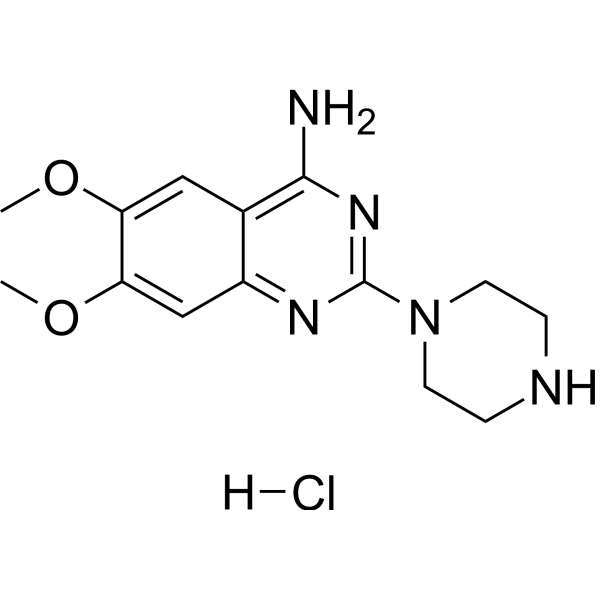
    PARP Cancer
    GeA-69 is a selective, allosteric inhibitor of poly-adenosine-diphosphate-ribose polymerase 14 (PARP14) targeting macrodomain 2 (MD2), with a Kd value of 2.1 μM. GeA-69 involves in DNA damage repair mechanisms and prevents recruitment of PARP14 MD2 to sites of laser-induced DNA damage .
    GeA-69
  • HY-101566A
    Elimusertib hydrochloride
    10+ Cited Publications

    BAY 1895344 hydrochloride

    ATM/ATR Cancer
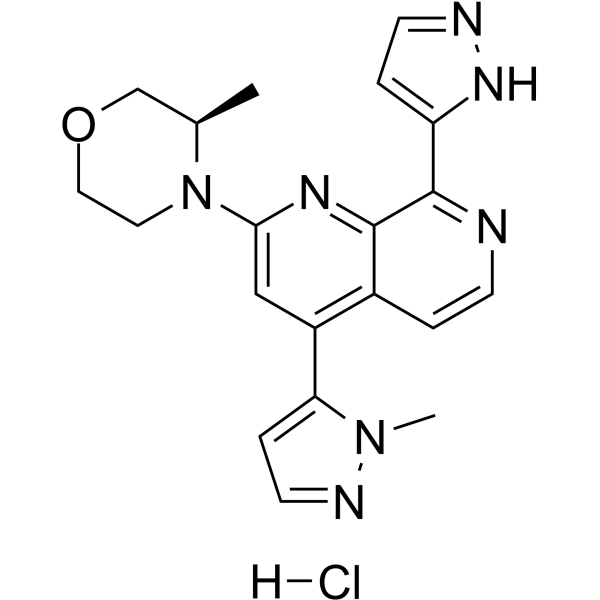
    Elimusertib (BAY 1895344) hydrochloride is a potent, orally active and selective ATR inhibitor with an IC50 of 7 nM. Elimusertib hydrochloride has anti-tumor activity . Elimusertib hydrochloride can be used for the research of solid tumors and lymphomas .
    Elimusertib hydrochloride
  • HY-122198
    ML367
    1 Publications Verification

    Checkpoint Kinase (Chk) Cancer
    ML367 is a potent inhibitor of ATPase family AAA domain-containing protein 5 (ATAD5) stabilization, acts as a probe molecule that has low micromolar inhibitory activity. ML367 blocks DNA repair pathways, suppresses general DNA damage responses including RPA32-phosphorylation and CHK1-phosphorylation in response to UV irradiation .
    ML367
  • HY-124012

    DNA/RNA Synthesis Apoptosis Cancer
    PCNA-I1 is a selective small molecule inhibitor targeting proliferating cell nuclear antigen (PCNA) with anticancer activity. PCNA-I1 can stabilize the PCNA trimer structure (Kd=0.14-0.41μM), reduce its binding to chromatin, induce tumor cell cycle arrest, inhibit DNA replication and repair, and enhance the anti-tumor effect of DNA damaging agents. PCNA-I1 can be used in the study of targeted therapy for prostate cancer, lung cancer and other tumors .
    PCNA-I1
  • HY-114869
    DPQ
    3 Publications Verification

    PARP Neurological Disease Cancer
    DPQ is a selective PARP-1 inhibitor that blocks PARP-1-mediated DNA damage repair and NAD +/ATP consumption, thereby inhibiting excessive inflammatory responses. DPQ inhibits NF-κB pathway activation, reduces the expression of pro-inflammatory factors (such as TNF-α, IL-6) and oxidative stress. DPQ can be used in inflammation-related studies of acute lung injury, myocardial infarction, and neurodegenerative diseases .
    DPQ
  • HY-139621

    DNA Alkylator/Crosslinker Cancer
    Colibactin 742 is a covalently binding DNA-damaging agent targeting DNA, with an IC50 of 5.2 μM against human cervical cancer cells (HeLa). Colibactin 742 covalently binds to DNA, forming interstrand crosslinks (ICLs), activating the Fanconi anemia DNA repair pathway, inducing γH2AX and FANCD2 foci formation and cell cycle arrest, while exacerbating mismatch repair deficiency (MMRd)-related mutations. Colibactin 742 can mimic the genotoxicity of natural Colibactin while avoiding its instability, and is mainly used in colorectal cancer (CRC) related research, including microbial tumorigenesis mechanisms, DNA damage repair pathways, and mutation signature analysis .
    Colibactin 742
  • HY-113064
    Selenocystine
    1 Publications Verification

    Endogenous Metabolite Cancer
    Selenocystine is a broad-spectrum anti-cancer agent. Selenocystine induces DNA damage in HepG2 cells, particularly in the form of DNA double strand breaks (DSBs). Selenocystine exhibits great promise as a therapeutic or adjuvant agent targeting DNA repair for cancer treatment .
    Selenocystine
  • HY-138155

    DNA/RNA Synthesis Cancer
    NSC15520 is a small molecular inhibitor of Replication Protein A (RPA). NSC15520 specifically recognizes the RPA N-terminal DNA binding domain (DBD), and blocks the interaction of RPA with p53 or RAD9. NSC15520 also inhibtis helix destabilization of a duplex DNA (dsDNA) oligonucleotide, involves in DNA replication, DNA repair, DNA recombination, and DNA damage response signaling .
    NSC15520
  • HY-138616

    2'-Deoxyguanosine-5'-triphosphate

    DNA/RNA Synthesis Nucleoside Antimetabolite/Analog Inflammation/Immunology
    dGTP (2'-Deoxyguanosine-5'-triphosphate) is one of the precursors for DNA synthesis, and serves as a direct substrate for DNA replication and repair. dGTP is prone to oxidative damage; under the action of reactive oxygen species and other factors, dGTP is oxidized to form 8-oxo-dGTP .
    dGTP
  • HY-152147

    PROTACs HDAC Apoptosis DNA/RNA Synthesis Cancer
    SZUH280 is a potent and selective PROTAC HDAC8 degrader with a DC50 of 0.58 μM in A549 cells. SZUH280 induces cancer cell apoptosis. SZUH280 hampers DNA damage repair in cancer cells, promoting cellular radiosensitization .
    SZUH280
  • HY-137316

    DNA Alkylator/Crosslinker Drug Metabolite Cancer
    Phosphoramide mustard is a biologically active metabolite of Cyclophosphamide (HY-17420), with anticancer activitiy. Phosphoramide mustard induces DNA damage .
    Phosphoramide mustard
  • HY-133531

    Poly(ADP-ribose) Glycohydrolase (PARG) Cancer
    PDD00017272 is an inhibitor of poly(ADP-ribose) glycohydrolase (PARG) (EC50=4.8 nM) and an activator of PARP1/2. PDD00017272 inhibits its activity of hydrolyzing poly(ADP-ribose) (pADPr), resulting in the accumulation of pADPr on chromatin, interfering with DNA damage repair and replication processes, and inducing PARP1/2-dependent cytotoxicity. PDD00017272 can be used in cancer models with DNA repair defects (such as BRCA mutations) or resistance to PARP inhibitors. PDD00017272 has a PARG expression level-correlated inhibitory potency with EC50 of 9.2 nM (PARG cells), the tumor cells with lower PARG expression are more sensitive .
    PDD00017272
  • HY-156257
    UNC9512
    1 Publications Verification

    DNA/RNA Synthesis Cancer
    UNC9512 is a selective 53BP1 inhibitor with an IC50 of 0.46 μM, and a Kd values of 0.17 μM. UNC9512 binds 53BP1 and its tandem Tudor domain, disrupts histone H4 interaction, and inhibits 53BP1 activity. UNC9512 can be used as a probe for DNA damage repair and Gene editing .
    UNC9512
  • HY-W116007

    Environmental Pollutants DNA/RNA Synthesis Endocrinology
    Octamethylcyclotetrasiloxane promotes the anchorage-independent growth of MCF-10A and MCF-10F cells. Octamethylcyclotetrasiloxane induces DNA damage, inhibits the expression of DNA-repairing protein BRCA1 under long-term and high-concentration exposure. Octamethylcyclotetrasiloxane exhibits intrinsic estrogenic activity .
    Octamethylcyclotetrasiloxane
  • HY-W177546

    Phosphodiesterase (PDE) Apoptosis Caspase DNA/RNA Synthesis Cancer
    CD00509 is a tyrosyl-DNA phosphodiesterase (PDE) Tdp1 inhibitor with an IC50 of 0.71 μM. CD00509 increases DNA damage and promotes apoptosis of MCF-7 cells. CD00509 can sensitize breast cancer cells and wild-type murine embryonic fibroblasts (MEFs) to Camptothecin (CPT) (HY-16560). CD00509 can be used for the study of cancers such as breast cancer .
    CD00509
  • HY-138084

    Separase Mitosis Cancer
    SIC5-6 is a potent Separase inhibitor. Separase, a large cysteine protease, involves in chromosome segregation during mitosis and meiosis, DNA damage repair, centrosome disengagement and duplication, spindle stabilization and elongation. Separase is highly overexpressed in many solid cancers, serves as an attractive chemotherapeutic target .
    SIC5-6
  • HY-Q04764

    Thyroid Hormone Receptor Apoptosis Cancer
    TI17 is an inhibitor of the thyroid hormone receptor-interacting protein Trip13 and has anticancer activity. TI17 effectively inhibits multiple myeloma (MM) cell proliferation and induces cell cycle arrest and apoptosis. Trip13 is an AAA-ATPase that mediates double-strand break (DSB) repair; TI17 inhibits Trip13 function and increases DNA damage .
    TI17
  • HY-135218A
    AV-153 free base
    1 Publications Verification

    DNA/RNA Synthesis Cancer
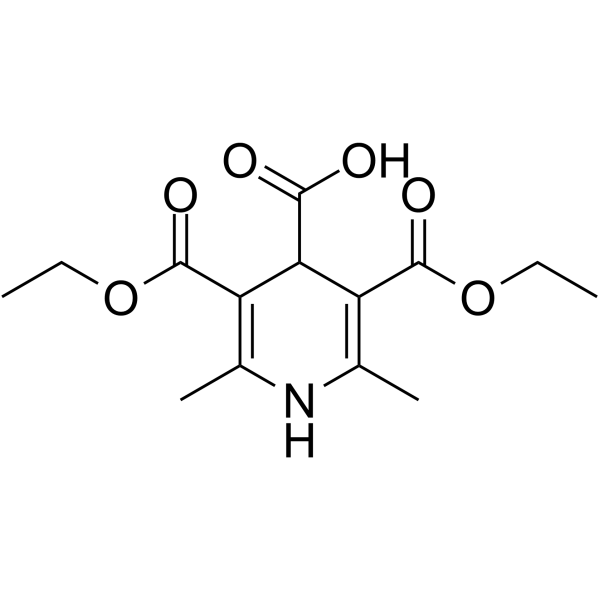
    AV-153 free base, a 1,4-dihydropyridine (1,4-DHP) derivative, is an antimutagenic. AV-153 free base intercalates to DNA in a single strand break and reduces DNA damage, stimulates DNA repair in human cells in vitro. AV-153 free base interacts with thymine and cytosine and has an influence on poly(ADP)ribosylation. AV-153 free base has anti-cancer activity .
    AV-153 free base
  • HY-W011425

    Nitrilotris(methylenephosphonic acid)

    Environmental Pollutants DNA Alkylator/Crosslinker MOFs Cancer
    NTPO (Nitrilotris methylenephosphonic acid) is a DNA damage inducer, causing genomic DNA damage and fragmentation, activating ATR-mediated cell cycle checkpoints. The DNA damaging effects of NTPO are abrogated by base excision repair (BER) but not nucleotide excision repair (NER) .
    NTPO
  • HY-164496

    DNA/RNA Synthesis Cancer
    KL-50 is a selective toxin toward tumors that lack the DNA repair protein O 6-methylguanine-DNA-methyltransferase (MGMT), which reverses the formation of O 6-alkylguanine lesions. KL-50 activates DNA damage response pathways and cycle arrest in MGMT-cells, independent of mismatch repair (MMR). KL-50 is promising for research of brain tumors that lack the DNA repair protein MGMT .
    KL-50
  • HY-164279

    DNA/RNA Synthesis Cancer
    YTR107 is a radiation sensitizer. YTR107 binds to nucleophosmin1 (NPM1) and inhibits pentamer formation. YTR107 inhibits recruitment of nucleophosmin to sites of DNA damage, suppresses repair of DNA double strand breaks, and enhances radiosensitization .
    YTR107
  • HY-W341499

    Endogenous Metabolite Others
    5-Formyl-2'-deoxyuridine is a product formed when the 5-methyl group of thymine in DNA undergoes oxidation due to exposure to gamma radiation or certain chemical agents. Serving as a biomarker of oxidative DNA damage, 5-formyl-2'-deoxyuridine is employed in investigations of DNA damage and repair mechanisms. Additionally, 5-Formyl-2'-deoxyuridine can be used in studies involving chemically crosslinking with peptides derived from the RecA protein .
    5-Formyl-2'-deoxyuridine
  • HY-153792

    FLAP Cancer
    FEN1-IN-7 (compound 16) is a selective inhibitor of Flap endonuclease-1 (FEN1, IC50=18 nM), involving in mammalian cells to repair DNA damage. FEN1-IN-7 also targets to related endonuclease, xeroderma pigmentosum G (XPG) with an IC50 value of 3.04 μM. FEN1-IN-7 increases the cellular sensitivity of cancer cells to potent DNA alkylating agents or methylating agents .
    FEN1-IN-7
  • HY-135782

    Poly(ADP-ribose) Glycohydrolase (PARG) Cancer
    iso-ADP ribose is the small-molecule ligand for protein nucleic acid modification, comprising parts of two consecutive ADP-ribosyl units within the PAR chain. iso-ADP ribose specifically binds WWE, FHA and OB-fold domains, enabling PAR-dependent functional responses like ubiquitylation and supporting DNA damage signaling and repair. iso-ADP ribose can be used for cancer research .
    iso-ADP ribose
  • HY-159124

    Sirtuin Cancer
    YZL-51N is a selective SIRT7 inhibitor with IC50 value of 12.71 μM. YZL-51N disrupts SIRT7 enzyme activity by occupying the NAD + binding pocket, thereby weakening DNA damage repair and inhibiting cancer cell survival. YZL-51N possesses anti-tumor activity and can be used in cancer research .
    YZL-51N
  • HY-144874

    PARP Neurological Disease Cancer
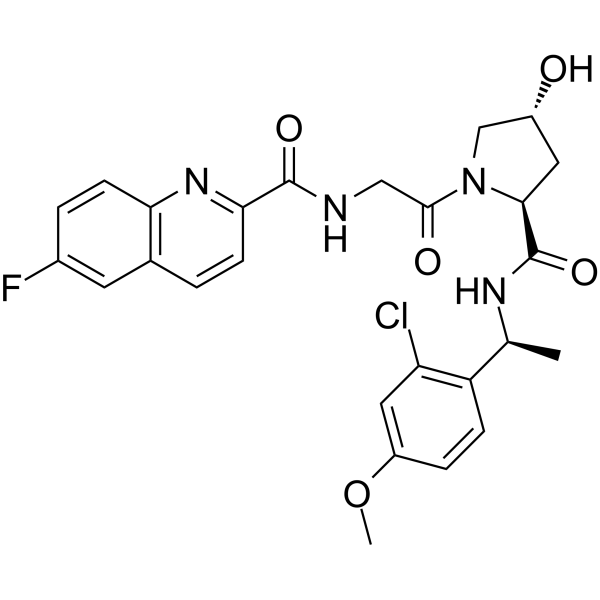
    AZ3391 is a potent inhibitor of PARP. AZ3391 is a quinoxaline derivative. PARP family of enzymes play an important role in a number of cellular processes, such as replication, recombination, chromatin remodeling, and DNA damage repair. AZ3391 has the potential for the research of diseases and conditions occurring in tissues in the central nervous system, such as the brain and spinal cord (extracted from patent WO2021260092A1, compound 23) .
    AZ3391
  • HY-139678

    FLAP Opioid Receptor Apoptosis STING Neurological Disease Cancer
    SC13 is an orally active, selective Flap structure-specific endonuclease 1 (FEN1) inhibitor and mu opioid receptor (MOR) activator. SC13 impairs DNA damage repair and induces apoptosis in cancer cells. SC13 activates cGAS-STING signaling, increases chemokine secretion, and promotes CAR-T cell infiltration at solid tumour sites. SC13 can be used for the research of solid tumours and pain .
    SC13
  • HY-171230

    DNA/RNA Synthesis Cancer
    MTH1 activator-1 is an MTH1 activator that enhances endogenous MTH1 activity and significantly reduces 8-oxo-dG levels in cellular DNA. MTH1 activator-1 can be used to probe the cellular and biological effects of upregulated oxidative damage repair in nucleotide pools and to delay or abrogate tumorigenesis .
    MTH1 activator-1
  • HY-106958

    HBY 097

    HIV Reverse Transcriptase Infection
    Talviraline is a non-nucleoside reverse transcriptase (NNRT) inhibitor that is primarily used to inhibit the replication of human immunodeficiency virus type 1 (HIV-1). Talviraline inhibits the viral replication process by binding to a specific site of HIV-1 reverse transcriptase (RT). Talviraline can be used to study the potential countermeasures and safety of HIV-1 infection .
    Talviraline
  • HY-10206A

    MP470 hydrochloride; HPK 56 hydrochloride

    c-Kit PDGFR RAD51 FLT3 c-Met/HGFR RET Cancer
    Amuvatinib hydrochloride (MP470 hydrochloride) is an orally bioavailable multi-targeted tyrosine kinase inhibitor with potent activity against mutant c-Kit, PDGFRα, Flt3, c-Met and c-Ret. Amuvatinib hydrochloride (MP470 hydrochloride) is also a DNA repair suppressor through suppression of DNA repair protein RAD51, thereby disrupting DNA damage repair . Antineoplastic activity .
    Amuvatinib hydrochloride
  • HY-W704973

    DNA/RNA Synthesis Cancer
    F-ara-EdU is a low-toxic, highly stable probe for DNA synthesis that is used as a marker for cell proliferation and DNA replication by binding to DNA or RNA in cells. F-ara-EdU can also be used to detect the rate of DNA synthesis within cells, as well as to study the mechanisms of DNA repair and damage .
    F-ara-EdU
  • HY-U00265

    3-Carbethoxypsoralen; 3-Ethoxycarbonylpsoralen

    Bacterial Infection
    3-CPs is a monofunctional furanocoumarin and a photoprotective agent targeting Staphylococcus aureus DNA, possessesing anti-UVB lethal activity. 3-CPs competitively intercalates into DNA, forming exclusively 4',5'-furan-side mono-adducts upon UVB irradiation, and irreversibly inhibits the formation of cyclobutane pyrimidine dimers. 3-CPs prevents UVB-induced DNA damage by preferentially binding to strong (AT)n sites within the DNA, without inducing lethal interstrand DNA cross-links; the limited number of mono-adducts it induces can be efficiently repaired by bacteria. 3-CPs holds potential for use in the development of photoprotective formulations for skin diseases, as well as in studies investigating bacterial DNA photodamage repair mechanisms and the optimization of photochemotherapy safety .
    3-CPs
  • HY-175812

    Endonuclease Cancer
    MU876 (Compound 32) is a MUS81 inhibitor with an IC50 of 0.5  μM. MU876 effectively inhibits MUS81-dependent homologous recombination (HR) and break-induced replication (BIR) pathways. MU876 sensitizes cancer cells to DNA-damaging agents, such as Cisplatin (HY-17394), through impairing their ability to repair DNA lesions. MU876 can be used for cancers chemotherapy research .
    MU876
  • HY-158143

    Histone Methyltransferase Apoptosis Cancer
    AZD3470 is an orally active MTA-cooperative PRMT5 inhibitor, selective for MTAP-deficient tumors. AZD3470 induces cell cycle G2/M phase alterations, DNA damage, apoptosis, and symmetric dimethylarginine reduction. AZD3470 alters alternative splicing, increases skipped exon events in DNA repair and cell cycle pathways, and inhibits cancer cell proliferation and tumor growth. AZD3470 can be used for the research of non-small cell lung cancer and MTAP-deleted solid tumors .
    AZD3470
  • HY-135782A

    Poly(ADP-ribose) Glycohydrolase (PARG) Cancer
    iso-ADP ribose TEA is the small-molecule ligand for protein nucleic acid modification, comprising parts of two consecutive ADP-ribosyl units within the PAR chain. iso-ADP ribose TEA specifically binds WWE, FHA and OB-fold domains, enabling PAR-dependent functional responses like ubiquitylation and supporting DNA damage signaling and repair. iso-ADP ribose TEA can be used for cancer research .
    iso-ADP ribose TEA
  • HY-P5265

    DNA/RNA Synthesis Metabolic Disease
    Tetrapeptide, an analogue of α-MSH, induces melanin synthesis. Tetrapeptide diminishes DNA damage by reducing the production of reactive oxidative species and enhancing repair of DNA photoproducts .
    Tetrapeptide

Inquiry Online

Your information is safe with us. * Required Fields.

Salutation


Country or Region *

Applicant Name *


Organization Name *

Department *


Email Address *


Product Name *

Cat. No.


Requested quantity *

Phone Number *


Remarks

Inquiry Online

Inquiry Information

Product Name:
Cat. No.:
Quantity:
MCE Japan Authorized Agent:

