Search Result
Results for "
HL60 leukemia cells
" in MedChemExpress (MCE) Product Catalog:
| Cat. No. |
Product Name |
Target |
Research Areas |
Chemical Structure |
-
- HY-W013706
-
|
ITP trisodium salt; Inosine triphosphate trisodium salt
|
Endogenous Metabolite
|
Metabolic Disease
|
|
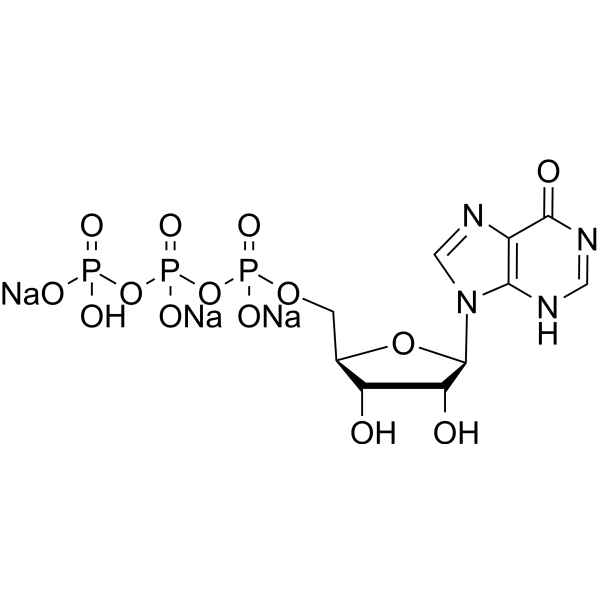
Inosine-5'-triphosphate trisodium salt is a nucleotide analogue that acts on multiple G proteins and is widely used in G protein-related research. It can bind to the α -subunit of G proteins and participate in G protein-mediated signal transduction as a substitute for GTP. Its mechanism of action is to interact with the nucleotide-binding site of the G protein α -subunit, affecting the activity and function of G proteins. In the research field, it is mainly used to explore the role of the G protein signaling pathway in cellular physiological and pathological processes. For example, in HL-60 leukemia cells, its impact on G protein-mediated signal transduction can be studied .
|
-
-
- HY-N2513
-
|
|
Lipoxygenase
DNA/RNA Synthesis
|
Cancer
|
|
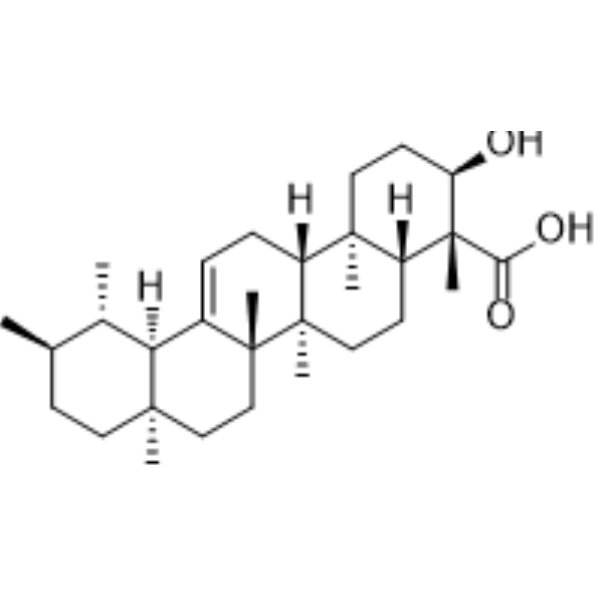
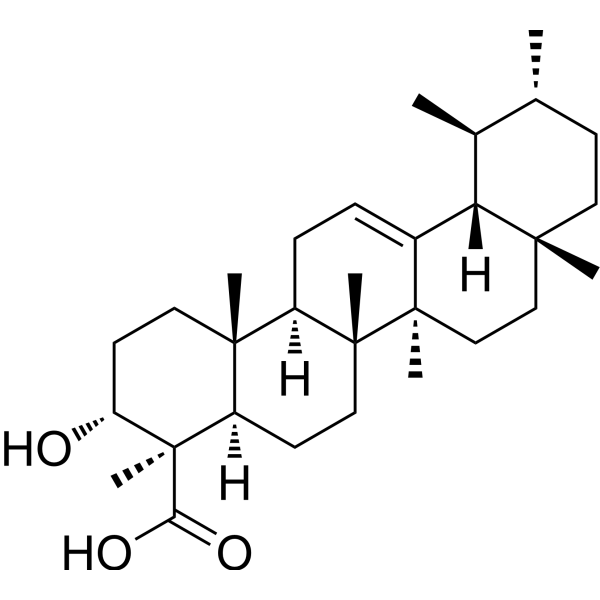
β-Boswellic acid is isolated from the gum resin of Boswellia serrata with anticancer, antioxidant activity, anti-inflammatory activity and anti-arthritic pain.β-Boswellic acid is an orally active nonreducing-type inhibitor of the 5-lipoxygenase (5-LO) product formation either interacting directly with the 5-LO or blocking its translocation. β-Boswellic acid inhibits the synthesis of DNA, RNA and protein in human leukemia HL-60 cells with IC50 values ranging from 0.6 to 7.1 μM. β-Boswellic acid is promising for research of diabetes, inflammatory and arthritic diseases .
|
-
-
- HY-33350
-
-
-
- HY-12892
-
SKI-178
1 Publications Verification
|
SphK
Apoptosis
|
Cancer
|
|
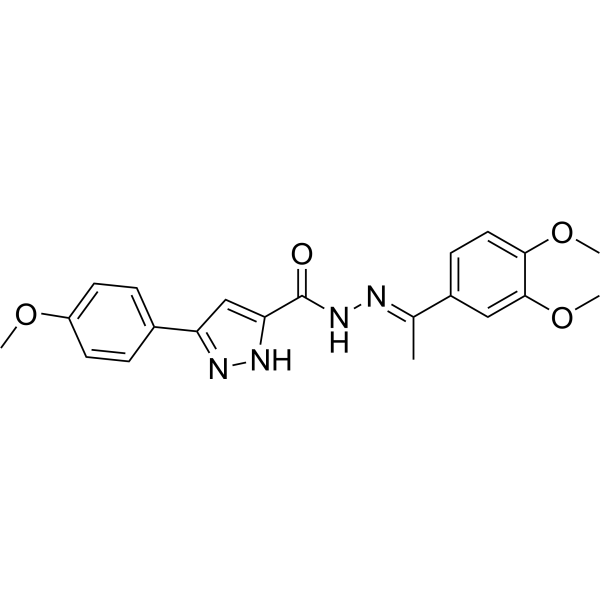
SKI-178 is a potent sphingosine kinase-1 (SphK1) and SphK2 inhibitor. SKI-178 is cytotoxic at IC50 concentrations ranging from 1.8 to 0.1 μM in both agent sensitive and multi-agent resistant cancer cell lines (i.e., MTR3, NCI-ADR and HL60/VCR cells). SKI-178 induces apoptosis in a CDK1-dependent manner in human acute myeloid leukemia cell lines .
|
-
-
- HY-112328
-
|
|
Apoptosis
Autophagy
Reactive Oxygen Species (ROS)
CDK
|
Infection
Cancer
|
|
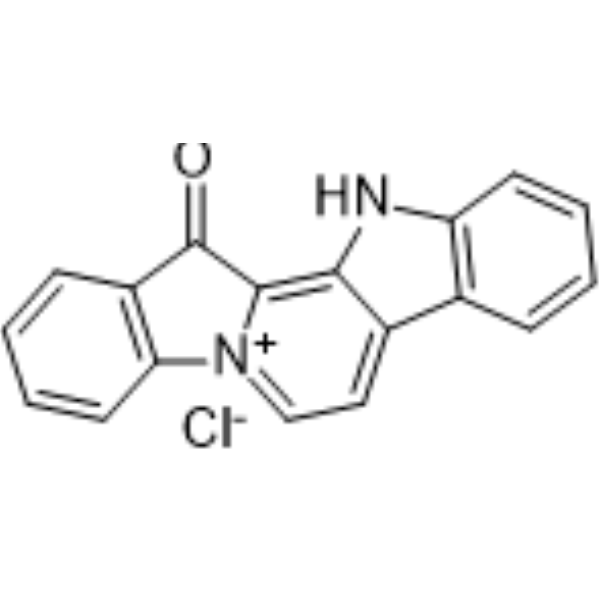
Fascaplysin is an antimicrobial and cytotoxic red pigment, that can come from the marine sponge (Fascaplysinopsis sp.). Fascaplysin has been synthesized in seven steps from indole (65% yield). Fascaplysin can induces apoptosis and autophagy in human leukemia HL-60 cells. Fascaplysin shows anti-tumor activity .
|
-
-
- HY-149470
-
|
|
Histone Acetyltransferase
|
Cancer
|
|
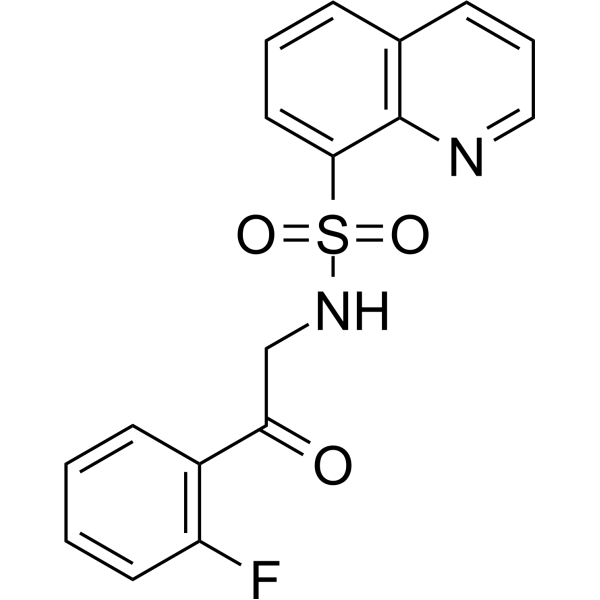
MOZ-IN-3 (Compound 6j) is a KAT6A (MOZ) acetyltransferase inhibitor (IC50: 30 nM). MOZ-IN-3 has antitumor activity against four different myeloid leukemia cell lines (HL-60, U937, SKNO-1, K562). MOZ-IN-3 has favorable metabolic stability and pharmacokinetics .
|
-
-
- HY-N1746
-
|
2'-O-Methylkurarinone
|
RANKL/RANK
|
Metabolic Disease
Inflammation/Immunology
Cancer
|
|
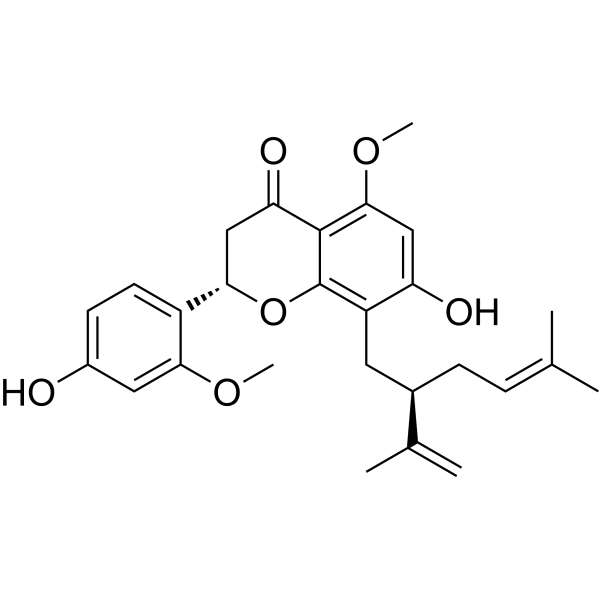
(2S)-2'-Methoxykurarinone, a compound isolated from the roots of Sophora flavescens, has anti-inflammatory, antipyretic, antidiabetic, and antineoplastic effects. (2S)-2'-Methoxykurarinone (MK) inhibits osteoclastogenesis and bone resorption through down-regulation of RANKL signaling. (2S)-2'-Methoxykurarinone (MK) displays cytotoxic activity against human myeloid leukemia HL-60 cells .
|
-
-
- HY-17563R
-
|
Deoxyguanosine (Standard); Guanine deoxyriboside (Standard)
|
Reference Standards
Endogenous Metabolite
|
Cancer
|
2'-Deoxyguanosine (Standard) is the analytical standard of 2'-Deoxyguanosine. This product is intended for research and analytical applications. 2’-Deoxyguanosine (Deoxyguanosine) is a purine nucleoside with a variety of biological activities. 2’-Deoxyguanosine can induce DNA division in mouse thymus cells. 2’-Deoxyguanosine is a potent cell division inhibitor in plant cells .
In Vitro: 2'-Deoxyguanosine inhibits the clonal growth of HL-60 and K562 leukemia cells with IC50 values of 50 and 80 μM, respectively .
|
-

-
- HY-116392D
-
|
|
Glucosylceramide Synthase (GCS)
Apoptosis
|
Cancer
|
|
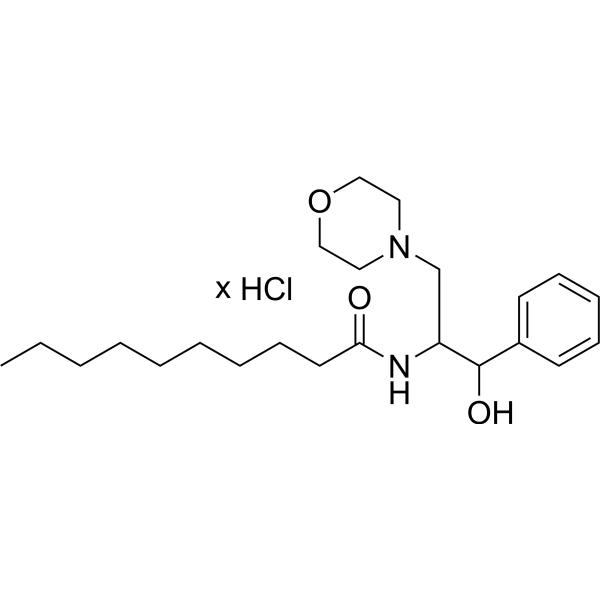
PDMP hydrochloride is a glucosylceramide synthase (GCS) inhibitor. PDMP hydrochloride induces apoptosis in K562/A02 cells. PDMP hydrochloride can be used in cancer (such as leukemia) research .
|
-
-
- HY-N7634
-
|
|
Farnesyl Transferase
Parasite
|
Infection
Cancer
|
|
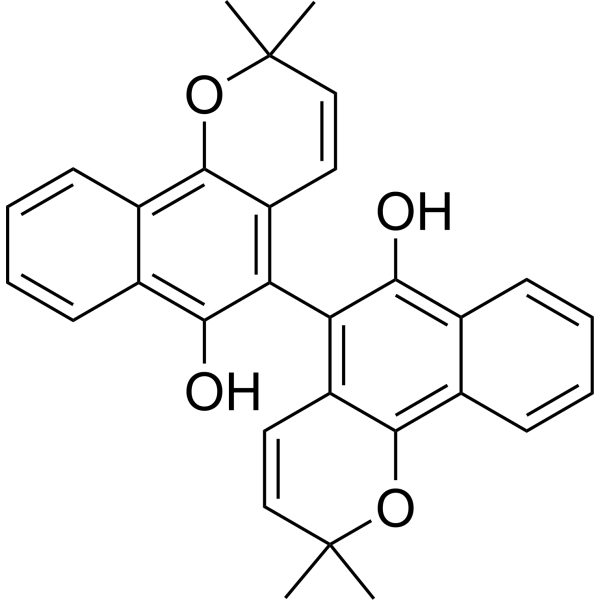
Tectol, isolated from Lippia sidoides, exhibits significant activity against human leukemia cell lines HL60 and CEM . Tectol is a farnesyltransferase (FTase) inhibitor with IC50s of 2.09 and 1.73 μM for human and T. brucei FTase, respectively. Tectol inhibits drug-resistant strain of P. falciparum (FcB1) with an IC50 of 3.44 μM .
|
-
-
- HY-155066
-
|
|
PI3K
mTOR
Apoptosis
|
Cancer
|
|
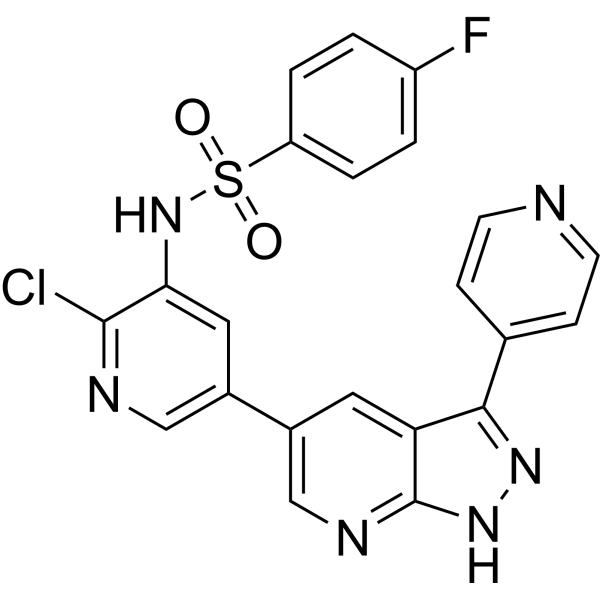
FD274 is a highly potent PI3K/mTOR dual inhibitor with IC50s of 0.65 nM, 1.57 nM, 0.65 nM, 0.42 nM, and 2.03 nM against PI3Kα/β/γ/δ and mTOR, respectively. FD274 exhibits significant anti-proliferation of AML cell lines (HL-60 and MOLM-16). FD274 arrests HL-60 cell cycle at G1 phase and increases apoptosis. FD274 demonstrates dose-dependent inhibition of tumor growth in the HL-60 xenograft model. FD274 has the potential for acute myeloid leukemia research .
|
-
-
- HY-N15387
-
|
|
Drug Derivative
|
Cancer
|
|
Hericenone J (Compound 6) is an aromatic compound with anticancer activity, which is found in Hericium erinaceum. Hericenone J is cytotoxic and can significantly reduce the viability of HL-60 human acute promyelocytic leukemia cells with an IC50 value of 4.13 μM. Hericenone J is promising for research of leukemia .
|
-

-
- HY-142690A
-
|
|
Apoptosis
HDAC
|
Cancer
|
|
HDAC-IN-27 dihydrochloride (Compound 11h) is a potent, orally active class I HDAC-selective inhibitor with IC50 values ranging from 0.43 to 3.01 nM against HDAC1-3. HDAC-IN-27 dihydrochloride exhibits both in vivo and in vitro antitumor activity. HDAC-IN-27 dihydrochloride demonstrates significant anti-proliferative activity against acute myeloid leukemia (AML) cell lines by inducing apoptosis and histone acetylation (AcHH3 and AcHH4). HDAC-IN-27 dihydrochloride can be used for research in acute myeloid leukemia (AML) .
|
-

-
- HY-142690
-
|
|
HDAC
Apoptosis
|
Cancer
|
|
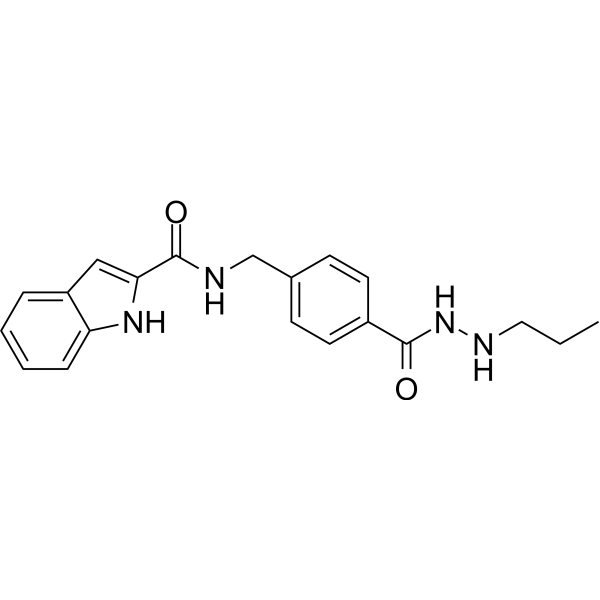
HDAC-IN-27 (Compound 11h) is a potent, orally active class I HDAC-selective inhibitor with IC50 values ranging from 0.43 to 3.01 nM against HDAC1-3. HDAC-IN-27 exhibits both in vivo and in vitro antitumor activity. HDAC-IN-27 demonstrates significant anti-proliferative activity against acute myeloid leukemia (AML) cell lines by inducing apoptosis and histone acetylation (AcHH3 and AcHH4). HDAC-IN-27 can be used for research in acute myeloid leukemia (AML) .
|
-
-
- HY-P991517
-
|
|
Transmembrane Glycoprotein
Reactive Oxygen Species (ROS)
|
Cardiovascular Disease
Cancer
|
|
BI-836858 is a fully human anti-CD33 monoclonal antibody. BI-836858 reduces CD33+ cells via antibody-dependent cellular cytotoxicity (ADCC), blocks downstream signaling of S100A9/CD33, decreases the secretion of immunosuppressive cytokines and reactive oxygen species-induced genomic instability, and restores bone marrow hematopoietic function. BI-836858 is applicable to the research of myelodysplastic syndrome (MDS) and AML .
|
-

-
- HY-111008A
-
|
VF-233 hydrocHLoride
|
DNA/RNA Synthesis
|
Cancer
|
|
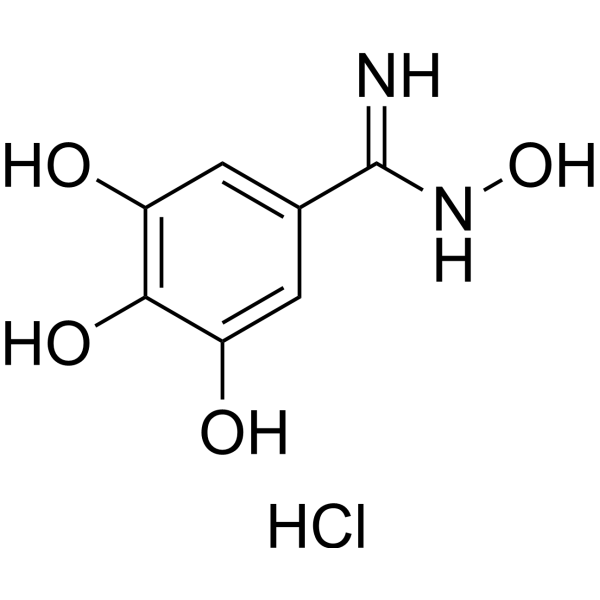
Trimidox hydrochloride (VF-233) is a ribonucleotide reductase inhibitor with antileukemic activities. Trimidox hydrochloride inhibits the growth of human promyelocytic leukemia HL-60 cells with an IC50 of 35 μM .
|
-
-
- HY-175261
-
|
|
CDK
Wee1
Checkpoint Kinase (Chk)
|
Cancer
|
|
DHI1 is an anti-leukemia agent with high selectivity for Jurkat (IC50 = 21.83 μM) and HL-60 (IC50 = 19.14 μM) leukemia cells and has low toxicity to non-cancerous cells. DHI1 can induce G2/M phase cell arrest in Jurkat and HL-60 leukemia cells, as well as S phase arrest in HL-60 cells, and has significant effects on cell cycle signaling molecules Wee1, cyclin B1, cdc2 on Tyr15, and Chk1. DHI1 inhibits the migration and invasion of Jurkat and HL-60 cells by disrupting cytoskeletal actin filaments. DHI1 can be used to study hematological malignancies .
|
-

-
- HY-18051
-
|
|
Calcium Channel
|
Cancer
|
|
CXL 017 is a sarco/endoplasmic reticulum Ca 2+-ATPase (SERCA) inhibitor. CXL 017 can inhibit the ATPase activity of SERCA by competing with ATP for binding. CXL 017 exhibits selective cytotoxicity against multidrug-resistant acute myeloid leukemia cells HL60/MX2. CXL 017 can be used in the research of tumors such as multidrug-resistant acute myeloid leukemia .
|
-

-
- HY-N2513R
-
|
|
Reference Standards
Lipoxygenase
DNA/RNA Synthesis
|
Cancer
|
|
β-Boswellic acid (Standard) is the analytical standard of β-Boswellic acid. This product is intended for research and analytical applications. β-Boswellic acid is isolated from the gum resin of Boswellia serrata. β-Boswellic acid is a nonreducing-type inhibitor of the 5-lipoxygenase (5-LO) product formation either interacting directly with the 5-LO or blocking its translocation . β-Boswellic acid inhibits the synthesis of DNA, RNA and protein in human leukemia HL-60 cells .
|
-
-
- HY-P3736
-
|
MP-2
|
Interleukin Related
|
Cancer
|
|
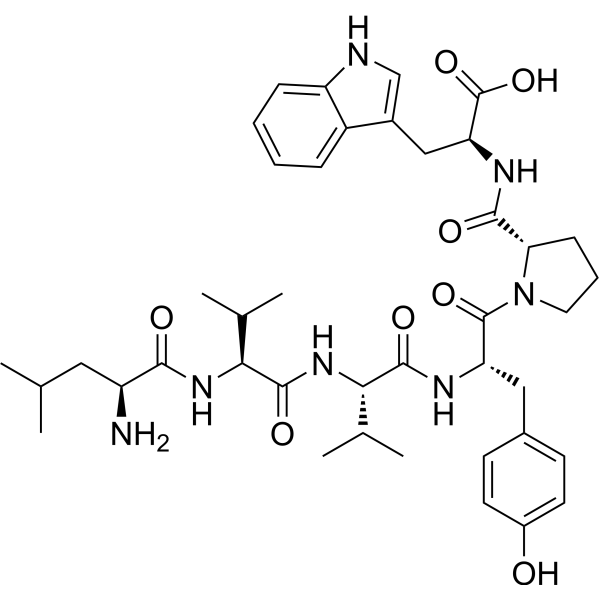
Myelopeptide-2 is a peptide originally isolated from the supernatant of porcine bone marrow cell cultures, can restore mitogenic reactivity of human T lymphocytes inhibited by HL-60 leukemia cells or measles virus conditions. Myelopeptide-2 also recover depressed interleukin-2 (IL-2) synthesis and interleukin-2 receptor (IL-2R) expression. Myelopeptide-2 involves in immunity homeostasis, is perspective to be applied in antitumor and antivirus research .
|
-
-
- HY-W128159
-
|
|
Hemoglobin
|
Cancer
|
|
N-Acetyl-2-pyrrolidone (No.20) is an N-acetylated amide. N-Acetyl-2-pyrrolidone can induce the differentiation of mouse erythroleukemia cells and has the activity of stimulating proliferation. N-Acetyl-2-pyrrolidone can be used in the research of leukemia differentiation therapy .
|
-

-
- HY-122157
-
|
|
DNA/RNA Synthesis
|
Cancer
|
|
YM-534, an imidazole compound, is an anti-cancer agent. YM-534 inhibits HL-60 cells with an IC50 of 2.5 μM. YM-534 retards the processing of preribosomal to ribosomal RNA of HL-60 cells. YM-534 can be used for the study of promyelocytic leukemia .
|
-

-
- HY-N14556
-
|
|
Apoptosis
|
Cancer
|
|
L-2,5-Dihydrophenylalanine can cause apoptosis of HL-60 in human myeloblastoid leukemia cells .
|
-

-
- HY-124273
-
|
L-threo Cer(d18:1/2:0); L-threo Ceramide (d18:1/2:0); N-acetyl-L-threo-Sphingosine
|
Endogenous Metabolite
|
Cardiovascular Disease
|
|
C2 L-threo Ceramide (d18:1/2:0) (L-threo Cer(d18:1/2:0); L-threo Ceramide (d18:1/2:0)) is a bioactive sphingolipid and cell-permeable analog of naturally occurring ceramides. It stimulates cholesterol efflux in CHO cells expressing the human ABCA1 receptor when used at a concentration of 10 μM, however, this efflux is 50% less than that stimulated by C2 ceramide. C2 L-threo Ceramide inhibits IL-4 production by 17% in EL4 T cells stimulated with phorbol 12-myristate 13-acetate when used at a concentration of 10 μM. It also induces cell cycle arrest in the G0/G1 phase and a 7-fold increase in sphingosine accumulation as well as inhibits growth of HL-60 leukemia cells.
|
-

-
- HY-161708
-
|
|
PROTACs
CDK
FLT3
|
Cancer
|
|
PROTAC FLT3/CDKs degrader-1 (Compound C3) is a degrader for cyclin-dependent kinases (DC50 is 18.73 nM for CDK2) and the FMS-like tyrosine kinase 3 (FLT3). PROTAC FLT3/CDKs degrader-1 induces differentation of HL-60 (72.77% differentation at 6.25 nM), inhibits proliferation of AML cells, with IC50s of 2.9-37 nM. PROTAC FLT3/CDKs degrader-1 is potential for ameliorating acute myeloid leukemia. (Pink: ligand for target protein FLT3/CDKs ligand-1 (HY-161709); Black: linker (HY-W012935); Black: ligand for E3 ligase Thalidomide 5-fluoride (HY-W087383))
|
-

-
- HY-111008
-
|
VF-233
|
DNA/RNA Synthesis
|
Cancer
|
|
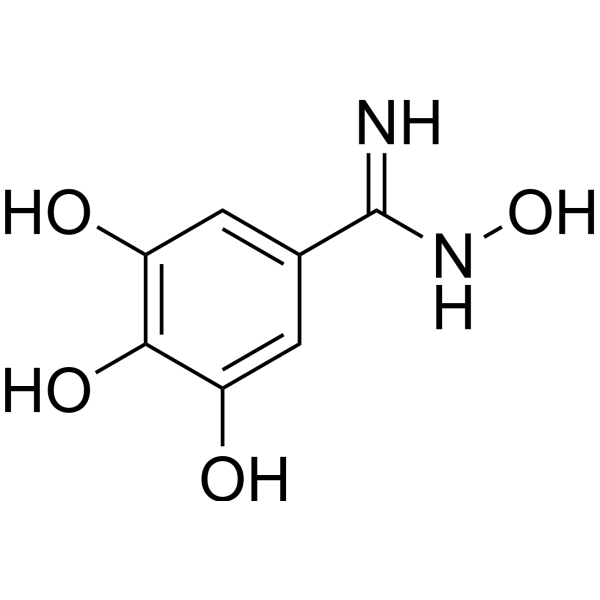
Trimidox (VF-233) is a ribonucleotide reductase inhibitor with antileukemic activities. Trimidox inhibits the growth of human promyelocytic leukemia HL-60 cells with an IC50 of 35 μM .
|
-
-
- HY-N9159
-
|
|
Others
|
Cancer
|
|
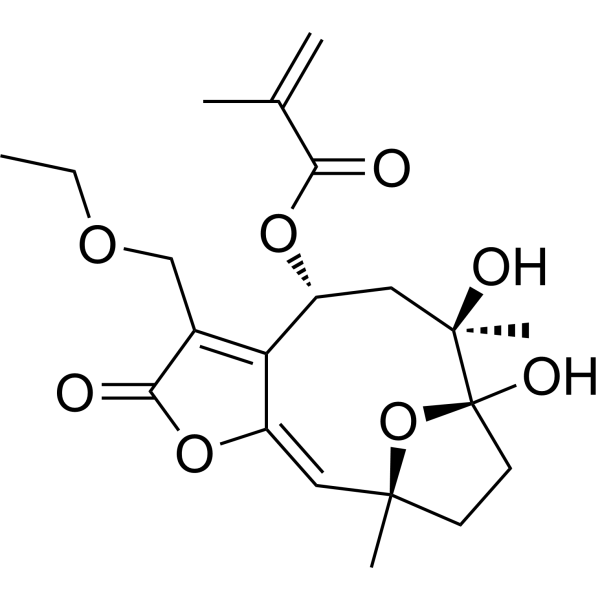
Piptocarphin F (Compound 5) is a sesquiterpene
lactone. Piptocarphin F shows cytotoxic activity on human leukemia cell line
HL-60 (IC50=5.69 μmol*L -1) .
|
-
-
- HY-N10364
-
|
|
Others
|
Cancer
|
|
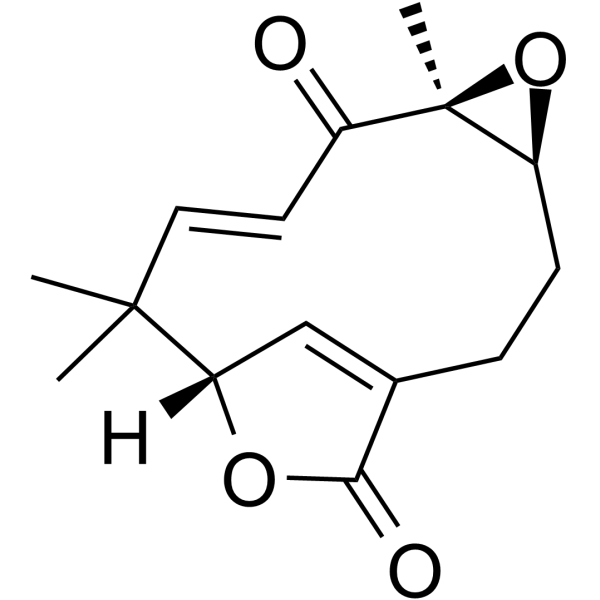
6β,7β-Epoxyasteriscunolide A, a sesquiterpenoid, shows cytotoxicity against the HL-60 and MOLT-3 leukemia cell lines, with IC50s range 4.1-5.4 μM .
|
-
-
- HY-N10206
-
|
|
Endogenous Metabolite
|
Cancer
|
|
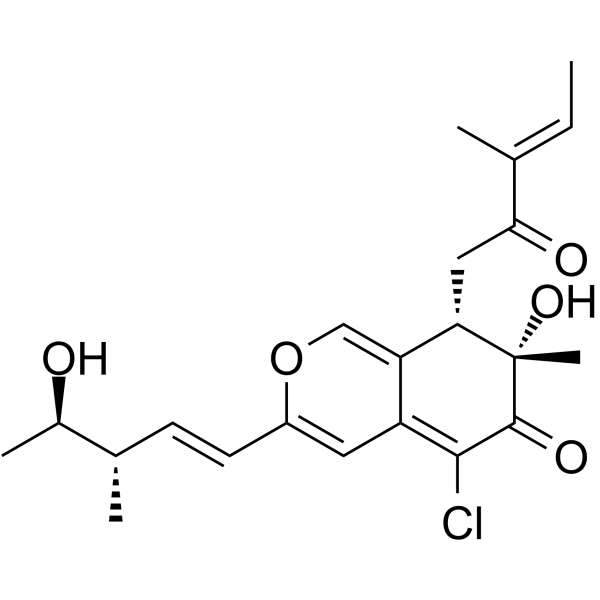
11-epi-Chaetomugilin I is a metabolite found in Chaetomium globosum. 11-epi-Chaetomugilin I exhibits significant cytotoxic activity against the murine P388 leukemia cell line, the human HL-60 leukemia cell line, the murine L1210 leukemia cell line, and the human KB epidermoid carcinoma cell line .
|
-
-
- HY-N12108
-
|
|
Phosphatase
|
Infection
Inflammation/Immunology
Cancer
|
|
Forphenicine is a bacterial metabolite that is found in S. fulvoviridis and an inhibitor of alkaline phosphatase. Forphenicine inhibits the growth of HL-60 leukemia cells at 10 µM. Forphenicine also increases survival in a guinea pig model of experimental autoimmune encephalomyelitis (EAE) .
|
-

-
- HY-162910
-
|
|
Xanthine Oxidase
HDAC
Autophagy
Apoptosis
|
Metabolic Disease
Inflammation/Immunology
Cancer
|
|
HDAC-IN-79 (compound 4) is an orally active dual xanthine oxidase-HDAC inhibitor (Xanthine oxidase: IC50=6.6 nM; HDAC1: IC50=134 nM; HDAC2: IC50=284 nM; HDAC3: IC50=173 nM; HDAC6: IC50=1.32 nM;), with significant in vivo anti-hyperuricemia and anti-tumor activities. HDAC-IN-79 is the most potent cell growth inhibitor (IC50=0.706 μM) of leukemia HL60 cells, induces apoptosis and autophagy, and can regulate the expression levels of signature biomarkers associated with intracellular HDAC inhibition .
|
-

-
- HY-155557
-
|
|
Apoptosis
|
Cancer
|
|
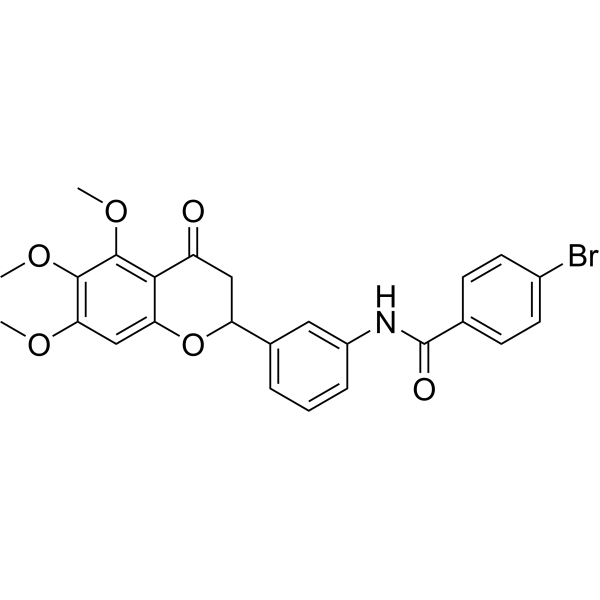
Anti-inflammatory agent 45 (compound 2v) is an anticancer agent with direct inhibitory effects on the growth of different blood cancers including leukemia, lymphoma and myeloma cell lines. Anti-inflammatory agent 45 induces apoptosis and inhibits NO production in HL60 leukemia cells (IC50=14.7 μM) .
|
-
-
- HY-N3210
-
|
|
Others
|
Cancer
|
|
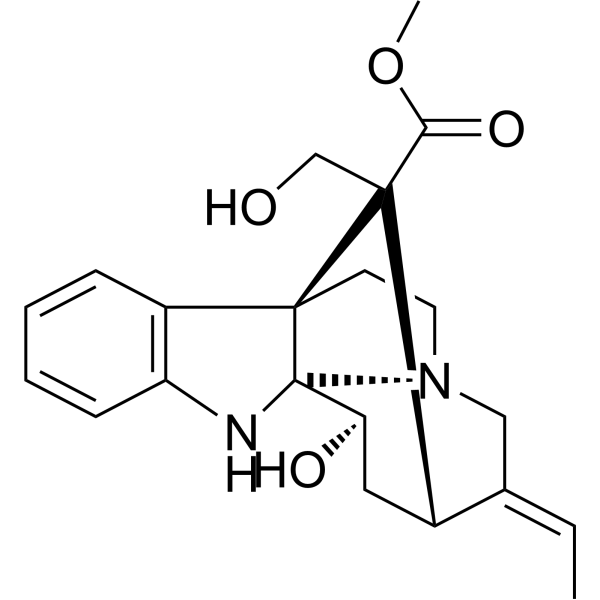
Nb-Demethylechitamine is an alkaloid isolated from the methanol extract of Alstonia rostrata twigs. Nb-Demethylechitamine has in vitro cytotoxic activity against several human cancer cell lines, including human myeloid leukemia HL-60, liver cancer SMMC-7721, lung cancer A-549, breast cancer MCF-7, and colon cancer SW480 cells .
|
-
-
- HY-172153
-
|
|
CDK
Reactive Oxygen Species (ROS)
Apoptosis
|
Cancer
|
|
CDK2-IN-41 (Compound 7a) is a CDK2 inhibitor that exerts anticancer activity by binding to CDK2, thereby inhibiting the cell cycle, inducing cytotoxicity, promoting ROS production, and triggering Apoptosis. CDK2-IN-41 exhibits an IC50 of 10 µM against acute myeloid leukemia (AML) HL-60 cells. It holds potential for research in AML-related cancer therapy .
|
-

-
- HY-N12641
-
|
|
Apoptosis
Pyroptosis
|
Cancer
|
|
Ardisianone is a component with an alkyl benzoquinone structure that can be isolated from Ardisia virens Kurz and Ardisia compressa tea extract. Ardisianone exhibits potent antileukemic activity, particularly against HL-60 cells, with IC50 values of 1.87 μM (24 h) and 1.67 μM (48 h). Ardisianone induces caspase-dependent apoptosis and triggers pyroptosis. Ardisianone can be used for the study of acute myeloid leukemia (AML) .
|
-

-
- HY-W740572
-
|
|
Prostaglandin Receptor
COX
|
Inflammation/Immunology
|
|
O-Desmethyl-N-deschlorobenzoyl indomethacin is a metabolite of the non-steroidal anti-inflammatory drug (NSAID) and COX inhibitor indomethacin (HY-14397). It is formed from indomethacin in isolated rabbit hepatocytes. O-Desmethyl-N-deschlorobenzoyl indomethacin (600 μM) decreases the viability of HL-60 leukemia cells when cultured with glucose oxidase. It has also been used in the synthesis of prostaglandin D2 (HY-101988) receptor antagonists.
|
-

-
- HY-N16442
-
|
|
Endogenous Metabolite
Prolyl Endopeptidase (PREP)
|
Cancer
|
|
Pyrrocidine B (Compound 6), an alkaloid, is a microbial secondary metabolite. Pyrrocidine B can be isolated from the endophytic fungus Neonectria ramulariae Wollenw KS-246. Pyrrocidine B has significant cytotoxicity against leukemia cells (IC50 of 4.6 μM for HL60 cells) with a weak Prolyl oligopeptidase (POP) inhibitory activity .
|
-

-
- HY-137632
-
|
|
PKA
|
Cancer
|
|
Sp-8-Cl-cAMPS is an analog of cAMP (HY-B1511) and a derivative of Sp-8-Cl-cAMP. Sp-8-Cl-cAMPS inhibits the growth of human leukemia cell HL-60 and colon cancer cell LS-174T, with IC50 of 8-100 μM. Sp-8-Cl-cAMPS activates the protein kinases cAKI and cAKII, with Ka of 0.25 and 3.2 μM .
|
-

-
- HY-173123
-
|
|
Histone Demethylase
Apoptosis
|
Cancer
|
|
LSD1-IN-40 (Compound 9e) is a potent LSD1 inhibitor, with an IC50 of 9.85 nM. LSD1-IN-40 exhibits exceptional selectivity for LSD1 over both MAOs and hERG. LSD1-IN-40 exhibits significant inhibitory activity against leukemia cells (MV-4-11, HL-60, and THP-1 cells). LSD1-IN-40 can induce apoptosis in MV-4-11 cells. LSD1-IN-40 has the potential for the research of acute myeloid leukemia .
|
-

-
- HY-W165232
-
|
1-Methyl-2-piperidinone
|
Drug Derivative
|
Cancer
|
|
N-Methylvalerolactam (1-Methyl-2-piperidinone) (Compound 22) is a derivative of 2-Piperidone (HY-W042193). N-Methylvalerolactam significantly induces the differentiation of leukemia cells without inhibiting cell proliferation. N-Methylvalerolactam can be used for leukemia research .
|
-

-
- HY-179399
-
|
|
Apoptosis
Mitochondrial Metabolism
|
Cancer
|
|
β-carboline-ACS81 is a β-carboline derivative with potent antitumor properties. β-carboline-ACS81 induces apoptosis through the collapse of mitochondrial membrane potential and arrests cell cycle at G2/M phase in HL-60 cells. β-carboline-ACS81 possesses potent antiproliferative activity against HL-60 cells (IC50 = 1.52 μM). β-carboline-ACS81 can be used for the research of leukemia, histiocytic lymphoma, hepatocellular carcinoma, malignant melanoma, colorectal carcinoma and lung carcinoma .
|
-

-
- HY-131496
-
|
|
STAT
|
Cancer
|
|
ortho-Topolin riboside is a naturally occurring cytokinin secreted from Populus x robusta leaves after sunrise. ortho-Topolin riboside has shown unique cytotoxic activity against NCI60 cell lines compared with the activity of other cytokinins.ortho-Topolin riboside induced differentiation through inhibition of STAT3 signaling in acute myeloid leukemia HL-60 cells.
|
-

-
- HY-177714
-
|
|
Drug Derivative
|
Cancer
|
|
14-Acetoxy parthenolide (compound 6a) is a parthenolide (PTL) derivative. 14-Acetoxy parthenolide exhibits potent anti-acute myeloid leukemia (AML) activity against HL-60 and KG1a cells, with IC50 values of 2.8 µM and 6.3 µM, respectively. 14-Acetoxy parthenolide can be used for AML research .
|
-

-
- HY-172889
-
|
|
PI3K
HDAC
Apoptosis
mTOR
Akt
|
Cancer
|
|
PI3K/HDAC-IN-4 (Compound 31f) is a PI3K/HDAC dual inhibitor (IC50: 0.2μM). PI3K/HDAC-IN-4 shows high selectivity for HDAC1-3 (IC50 values of 75.5 nM, 70.9 nM, and 1.9 nM, respectively). PI3K/HDAC-IN-4 is a potent PIK3 inhibitor with IC50 values of 2.5 nM, 80.5 nM, 10.0 nM, and 57.2 nM for PI3Kα, β, δ, and γ, respectively. PI3K/HDAC-IN-4 significantly induces tumor cell apoptosis by simultaneously inhibiting the PI3K/AKT/mTOR signaling pathway and HDAC1-3. PI3K/HDAC-IN-4 exhibits potent antiproliferative activity in a variety of tumor cell lines (e.g., MV4-11, Jeko-1, HL60, and MCF-7, with IC50 values of 0.2, 0.9, 0.8, and 1.5 μM, respectively). PI3K/HDAC-IN-4 can be used in the study of lymphoma and leukemia .
|
-

-
- HY-181023
-
|
|
PROTACs
HDAC
|
Cancer
|
|
PROTAC HDAC8 Degrader-3 (Compound BP1) is an efficient and selective HDAC8 PROTAC degrader with a DC50 of 20 nM. PROTAC HDAC8 Degrader-3 exhibits IC50 for HDAC8 and CRBN of 0.46 and 7.5 μM, respectively. PROTAC HDAC8 Degrader-3 exhibits potent anti-proliferative activity against MM.1S and HL-60 cells. PROTAC HDAC8 Degrader-3 can be used for research on multiple myeloma and acute myeloid leukemia .
|
-

-
- HY-N13095
-
|
|
DNA/RNA Synthesis
Apoptosis
|
Cancer
|
|
(+)-Plakevulin A (Plakevulin A) is an oxylipin and can be isolated from an Okinawan sponge Plakortis sp. (+)-Plakevulin A inhibits the enzymatic activity of DNA polymerases α and δ. (+)-Plakevulin A induces apoptosis and shows anticancer activity .
|
-

-
- HY-N7175
-
|
9,11-Dehydroergosterol peroxide; 9(11)-DHEP
|
Apoptosis
Endogenous Metabolite
|
Cancer
|
|
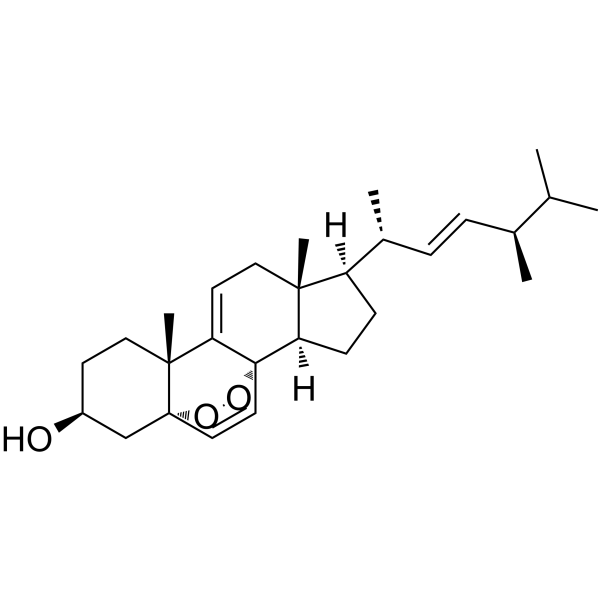
5,8-Epidioxyergosta-6,9(11),22-trien-3-ol (9,11-Dehydroergosterol peroxide), an important steroid from medicinal mushroom, exerts antitumor activity in several tumor types. 5,8-Epidioxyergosta-6,9(11),22-trien-3-ol inhibits HT29 cell growth by inducing CDKN1A expression, thus causing cell cycle arrest and apoptosis .
|
-
-
- HY-W013706R
-
|
ITP trisodium salt (Standard); Inosine triphosphate trisodium salt (Standard)
|
Endogenous Metabolite
Reference Standards
|
Metabolic Disease
|
|
Inosine-5'-triphosphate (trisodium salt) (Standard) is the analytical standard of Inosine-5'-triphosphate (trisodium salt) (HY-W013706). This product is intended for research and analytical applications. Inosine-5'-triphosphate trisodium salt is a nucleotide analogue that acts on multiple G proteins and is widely used in G protein-related research. It can bind to the α -subunit of G proteins and participate in G protein-mediated signal transduction as a substitute for GTP. Its mechanism of action is to interact with the nucleotide-binding site of the G protein α -subunit, affecting the activity and function of G proteins. In the research field, it is mainly used to explore the role of the G protein signaling pathway in cellular physiological and pathological processes. For example, in HL-60 leukemia cells, its impact on G protein-mediated signal transduction can be studied .
|
-

-
- HY-N2423B
-
|
(E/Z)-Allyl-glucosinolate free base; (E/Z)-2-Propenyl-glucosinolate free base
|
NF-κB
p38 MAPK
Apoptosis
|
Cardiovascular Disease
Infection
Inflammation/Immunology
Cancer
|
|
(E/Z)-Sinigrin ((E/Z)-Allyl-glucosinolate; (E/Z)-2-Propenyl-glucosinolate) free base is an orally active aliphatic thioglucoside anti-leukemia compound. Allyl isothiocyanate, produced by the hydrolysis of (E/Z)-sinigrin free base by myrosinase, has an IC50 of 2.71 μM against HL60 leukemia cells. The hydrolysis products of (E/Z)-sinigrin free base can further activate apoptosis pathways, inhibit NF-κB and MAPK signaling pathways, and induce phase II metabolic enzyme activity, thus exhibiting anti-cancer, anti-inflammatory, antibacterial, antioxidant, and wound healing activities. (E/Z)-Sinigrin free base can be used in research on cancer, inflammation-related diseases (such as atherosclerosis), and infectious diseases. (E/Z)-Sinigrin free base can be naturally extracted from the seeds of Brassica nigra, Brassica juncea, and other Brassicaceae plants such as broccoli and Brussels sprouts. Methyl pechueloate is a guaiane-type sesquiterpene ester compound and a potential precursor of xerantholide. It is useful in the structural elucidation and biosynthetic pathway studies of sesquiterpenoids. Methyl pechueloate can be naturally extracted from the aerial parts of Pechuel-Loeschea leibnitziae (Kuntze) O. Hoffm .
|
-

-
- HY-W551344
-
|
|
DNA/RNA Synthesis
|
Cancer
|
|
dCTPase-IN-1 is a highly selective deoxycytidine triphosphate pyrophosphatase 1 (dCTPase) inhibitor with an IC50 of 20 nM. dCTPase-IN-1 functionally inhibits dCTPase, exhibits a synergistic effect in enhancing cytotoxicity, and has no inherent cytotoxicity. dCTPase-IN-1 can be used for the research of leukemia .
|
-

- HY-N18321
-
|
|
Drug Derivative
|
Cancer
|
|
3-Deacetyl-4-demethylsalannin, a salannin-type limonoid, is an anticancer agent. 3-Deacetyl-4-demethylsalannin induces cytotoxic activity against leukemia cells and stomach cancer cells, and shows inactivity against lung and breast cancer cells at concentrations up to 100 μM. 3-Deacetyl-4-demethylsalannin can be used for the research of leukemia, stomach cancer .
|
-

- HY-N13130
-
|
|
Others
|
Cancer
|
|
(+)-Mollisacacidin is a flavan compound found in the root bark of Albizia glaberrima. (+)-Mollisacacidin exhibits no significant antiproliferative effect on cancer cells .
|
-

- HY-N18214
-
|
|
Drug Derivative
|
Cancer
|
|
3-Deacetyl-1,6-diacetylsendanal is a limonoid compound isolated from the fruits of Melia azedarach. 3-Deacetyl-1,6-diacetylsendanal reduces the viability of leukemia and gastric cancer cells. 3-Deacetyl-1,6-diacetylsendanal can be used in research related to leukemia and gastric cancer .
|
-

- HY-186076
-
|
|
HSP
Fungal
|
Infection
Cancer
|
|
Hsp90-IN-47 (Compound C15) is a Hsp90 inhibitor and antifungal agent, with an IC50 of 0.014 μM against Hsp90α. When combined with Fluconazole (HY-B0101), Hsp90-IN-47 exerts significant synergistic antifungal effects against fluconazole-resistant Candida albicans 0304103. Hsp90-IN-47 exhibits antitumor activity against acute myeloid leukemia and non-small cell lung cancer .
|
-

- HY-N19936
-
|
|
Drug Derivative
|
Cancer
|
|
Qinyangshengenin-3-O-β-D-digitoxopyranoside is a C21 steroidal glycoside that can be found in the whole herb of Prunella vulgaris Linn. Qinyangshengenin-3-O-β-D-digitoxopyranoside can be used for research of leukemia and lung cancer .
|
-

- HY-N18117A
-
|
|
NO Synthase
EBV
|
Infection
Inflammation/Immunology
Cancer
|
|
23-Hydroxyohchininolide is a limonoid found in the leaves of Melia azedarach L.. 23-Hydroxyohchininolide inhibits LPS (HY-D1056)-induced NO production and exerts cytotoxic activity against human leukemia and stomach cancer cells. 23-Hydroxyohchininolide inhibits TPA (HY-18739)-induced Epstein-Barr virus early antigen activation. 23-Hydroxyohchininolide can be used for the research of cancer, infection and inflammatory disease .
|
-

- HY-N18117
-
|
|
EBV
|
Infection
Cancer
|
|
21-Hydroxyisoohchininolide is a salannin-type limonoid. 21-Hydroxyisoohchininolide inhibits lipopolysaccharide (LPS, HY-D1056)-induced nitric oxide production in mouse macrophages. 21-Hydroxyisoohchininolide exhibits cytotoxic activity against leukemia cells and breast cancer cells. 21-Hydroxyisoohchininolide suppresses phorbol 12-myristate 13-acetate (PMA) (HY-18739)-induced activation of Epstein-Barr virus early antigen in lymphocytes. 21-Hydroxyisoohchininolide can be used for the research of leukemia, breast cancer and inflammatory diseases .
|
-

- HY-N18115
-
|
|
Drug Derivative
|
Cancer
|
|
3-O-Deacetyl-3-O-tigloylsalannin is a salannin-type limonoid and cytotoxic agent found in the fruits of Melia azedarach. 3-O-Deacetyl-3-O-tigloylsalannin can be used for the research of leukemia, stomach cancer, breast cancer .
|
-

- HY-P992333
-
|
|
C-type Lectin-like Receptors (CTLRs)
|
Cancer
|
|
CLT030 Antibody is a human monoclonal antibody targeting CLL1/CLEC12A/CD371, with a Kd value of 7.32 nM against human targets. CLT030 Antibody can be used to synthesize the ADC CLT030. It is applicable to research related to acute myeloid leukemia .
|
-

| Cat. No. |
Product Name |
Target |
Research Area |
-
- HY-P3736
-
|
MP-2
|
Interleukin Related
|
Cancer
|
|
Myelopeptide-2 is a peptide originally isolated from the supernatant of porcine bone marrow cell cultures, can restore mitogenic reactivity of human T lymphocytes inhibited by HL-60 leukemia cells or measles virus conditions. Myelopeptide-2 also recover depressed interleukin-2 (IL-2) synthesis and interleukin-2 receptor (IL-2R) expression. Myelopeptide-2 involves in immunity homeostasis, is perspective to be applied in antitumor and antivirus research .
|
| Cat. No. |
Product Name |
Target |
Research Area |
Image |
-
- HY-P991517
-
|
|
Transmembrane Glycoprotein
Reactive Oxygen Species (ROS)
|
Cardiovascular Disease
Cancer
|
|
BI-836858 is a fully human anti-CD33 monoclonal antibody. BI-836858 reduces CD33+ cells via antibody-dependent cellular cytotoxicity (ADCC), blocks downstream signaling of S100A9/CD33, decreases the secretion of immunosuppressive cytokines and reactive oxygen species-induced genomic instability, and restores bone marrow hematopoietic function. BI-836858 is applicable to the research of myelodysplastic syndrome (MDS) and AML .
|
-

(5)
-
- HY-P992333
-
|
|
C-type Lectin-like Receptors (CTLRs)
|
Cancer
|
|
CLT030 Antibody is a human monoclonal antibody targeting CLL1/CLEC12A/CD371, with a Kd value of 7.32 nM against human targets. CLT030 Antibody can be used to synthesize the ADC CLT030. It is applicable to research related to acute myeloid leukemia .
|
-
(5)
| Cat. No. |
Product Name |
Category |
Target |
Chemical Structure |
-
- HY-W013706
-
|
ITP trisodium salt; Inosine triphosphate trisodium salt
|
Classification of Application Fields
Ketones, Aldehydes, Acids
Metabolic Disease
Endogenous metabolite
Disease Research Fields
Source Classification
|
Endogenous Metabolite
|
|
Inosine-5'-triphosphate trisodium salt is a nucleotide analogue that acts on multiple G proteins and is widely used in G protein-related research. It can bind to the α -subunit of G proteins and participate in G protein-mediated signal transduction as a substitute for GTP. Its mechanism of action is to interact with the nucleotide-binding site of the G protein α -subunit, affecting the activity and function of G proteins. In the research field, it is mainly used to explore the role of the G protein signaling pathway in cellular physiological and pathological processes. For example, in HL-60 leukemia cells, its impact on G protein-mediated signal transduction can be studied .
|
-
-
- HY-N2513
-
-
-
- HY-112328
-
-
-
- HY-N1746
-
-
-
- HY-17563R
-
-
-
- HY-N7634
-
-
-
- HY-N15387
-
|
|
Monophenols
Microorganisms
Phenols
Source Classification
|
Drug Derivative
|
|
Hericenone J (Compound 6) is an aromatic compound with anticancer activity, which is found in Hericium erinaceum. Hericenone J is cytotoxic and can significantly reduce the viability of HL-60 human acute promyelocytic leukemia cells with an IC50 value of 4.13 μM. Hericenone J is promising for research of leukemia .
|
-
-
- HY-N2513R
-
-
-
- HY-N14556
-
-
-
- HY-N9159
-
-
-
- HY-N10364
-
-
-
- HY-N10206
-
-
-
- HY-N12108
-
-
-
- HY-N3210
-
-
-
- HY-N12641
-
|
|
Quinones
Benzene Quinones
Plants
Primulaceae
Source Classification
|
Apoptosis
Pyroptosis
|
|
Ardisianone is a component with an alkyl benzoquinone structure that can be isolated from Ardisia virens Kurz and Ardisia compressa tea extract. Ardisianone exhibits potent antileukemic activity, particularly against HL-60 cells, with IC50 values of 1.87 μM (24 h) and 1.67 μM (48 h). Ardisianone induces caspase-dependent apoptosis and triggers pyroptosis. Ardisianone can be used for the study of acute myeloid leukemia (AML) .
|
-
-
- HY-N16442
-
-
-
- HY-N13095
-
-
-
- HY-N7175
-
|
9,11-Dehydroergosterol peroxide; 9(11)-DHEP
|
Classification of Application Fields
Solanum lyratum Thunberg
Solanaceae
Plants
Disease Research Fields
Steroids
Source Classification
Cancer
|
Apoptosis
Endogenous Metabolite
|
|
5,8-Epidioxyergosta-6,9(11),22-trien-3-ol (9,11-Dehydroergosterol peroxide), an important steroid from medicinal mushroom, exerts antitumor activity in several tumor types. 5,8-Epidioxyergosta-6,9(11),22-trien-3-ol inhibits HT29 cell growth by inducing CDKN1A expression, thus causing cell cycle arrest and apoptosis .
|
-
-
- HY-W013706R
-
|
ITP trisodium salt (Standard); Inosine triphosphate trisodium salt (Standard)
|
Structural Classification
Ketones, Aldehydes, Acids
Endogenous metabolite
Source Classification
|
Endogenous Metabolite
Reference Standards
|
|
Inosine-5'-triphosphate (trisodium salt) (Standard) is the analytical standard of Inosine-5'-triphosphate (trisodium salt) (HY-W013706). This product is intended for research and analytical applications. Inosine-5'-triphosphate trisodium salt is a nucleotide analogue that acts on multiple G proteins and is widely used in G protein-related research. It can bind to the α -subunit of G proteins and participate in G protein-mediated signal transduction as a substitute for GTP. Its mechanism of action is to interact with the nucleotide-binding site of the G protein α -subunit, affecting the activity and function of G proteins. In the research field, it is mainly used to explore the role of the G protein signaling pathway in cellular physiological and pathological processes. For example, in HL-60 leukemia cells, its impact on G protein-mediated signal transduction can be studied .
|
-
-
- HY-N2423B
-
|
(E/Z)-Allyl-glucosinolate free base; (E/Z)-2-Propenyl-glucosinolate free base
|
Structural Classification
Glucosinolates
Plants
Brassicaceae
Source Classification
Mutarda nigra (L.) Bernh.
|
NF-κB
p38 MAPK
Apoptosis
|
|
(E/Z)-Sinigrin ((E/Z)-Allyl-glucosinolate; (E/Z)-2-Propenyl-glucosinolate) free base is an orally active aliphatic thioglucoside anti-leukemia compound. Allyl isothiocyanate, produced by the hydrolysis of (E/Z)-sinigrin free base by myrosinase, has an IC50 of 2.71 μM against HL60 leukemia cells. The hydrolysis products of (E/Z)-sinigrin free base can further activate apoptosis pathways, inhibit NF-κB and MAPK signaling pathways, and induce phase II metabolic enzyme activity, thus exhibiting anti-cancer, anti-inflammatory, antibacterial, antioxidant, and wound healing activities. (E/Z)-Sinigrin free base can be used in research on cancer, inflammation-related diseases (such as atherosclerosis), and infectious diseases. (E/Z)-Sinigrin free base can be naturally extracted from the seeds of Brassica nigra, Brassica juncea, and other Brassicaceae plants such as broccoli and Brussels sprouts. Methyl pechueloate is a guaiane-type sesquiterpene ester compound and a potential precursor of xerantholide. It is useful in the structural elucidation and biosynthetic pathway studies of sesquiterpenoids. Methyl pechueloate can be naturally extracted from the aerial parts of Pechuel-Loeschea leibnitziae (Kuntze) O. Hoffm .
|
-
-
- HY-N18321
-
-
-
- HY-N13130
-
-
-
- HY-N18214
-
-
-
- HY-N19936
-
-
-
- HY-N18117A
-
-
-
- HY-N18117
-
|
|
Structural Classification
Terpenoids
Melia azedarach L.
Diterpenoids
Plants
Meliaceae
Source Classification
|
EBV
|
|
21-Hydroxyisoohchininolide is a salannin-type limonoid. 21-Hydroxyisoohchininolide inhibits lipopolysaccharide (LPS, HY-D1056)-induced nitric oxide production in mouse macrophages. 21-Hydroxyisoohchininolide exhibits cytotoxic activity against leukemia cells and breast cancer cells. 21-Hydroxyisoohchininolide suppresses phorbol 12-myristate 13-acetate (PMA) (HY-18739)-induced activation of Epstein-Barr virus early antigen in lymphocytes. 21-Hydroxyisoohchininolide can be used for the research of leukemia, breast cancer and inflammatory diseases .
|
-
-
- HY-N18115
-
-
| Cat. No. |
Product Name |
|
Classification |
-
- HY-W013706
-
|
ITP trisodium salt; Inosine triphosphate trisodium salt
|
|
Nucleotide Analogs
|
|
Inosine-5'-triphosphate trisodium salt is a nucleotide analogue that acts on multiple G proteins and is widely used in G protein-related research. It can bind to the α -subunit of G proteins and participate in G protein-mediated signal transduction as a substitute for GTP. Its mechanism of action is to interact with the nucleotide-binding site of the G protein α -subunit, affecting the activity and function of G proteins. In the research field, it is mainly used to explore the role of the G protein signaling pathway in cellular physiological and pathological processes. For example, in HL-60 leukemia cells, its impact on G protein-mediated signal transduction can be studied .
|
Your information is safe with us. * Required Fields.
Inquiry Information
- Product Name:
- Cat. No.:
- Quantity:
- MCE Japan Authorized Agent:








