Delivery of temperature sensitive items including proteins and kits will be paused on 6/19 for the Juneteenth holiday. For urgent orders please contact customer service.
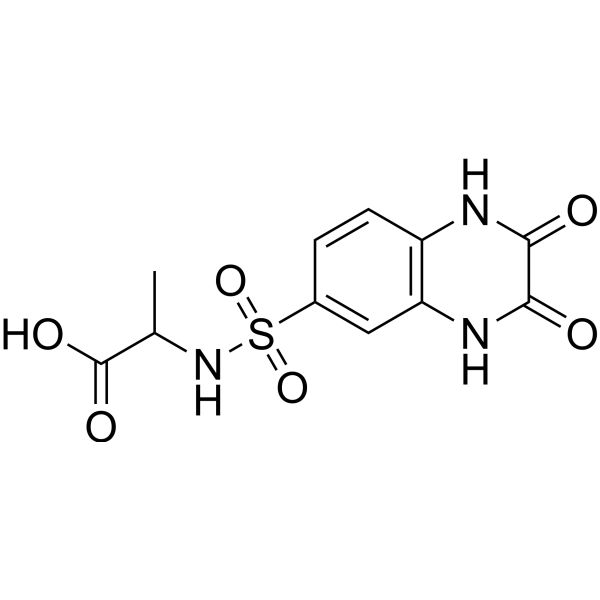
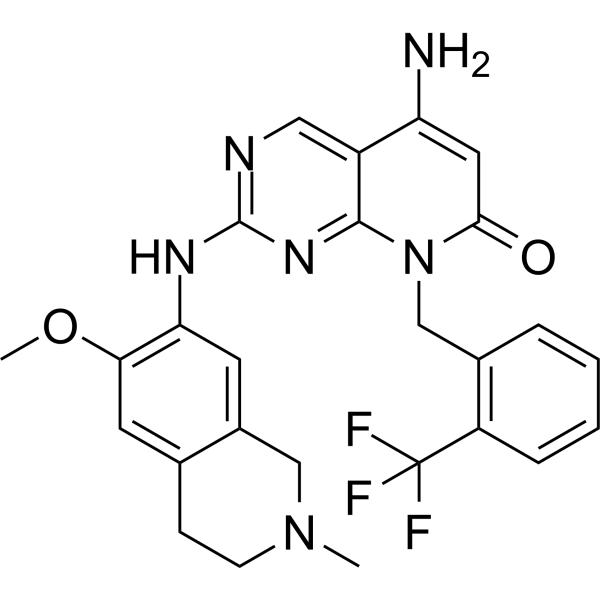
BCI-137 is a Argonaute 2 (AGO2) inhibitor. By inhibiting AGO2 function, reducing PTPN6/SHP-1protein levels and enhancing STAT1 phosphorylation, BCI-137 restores the sensitivity of tumor cells to IFN-γ. BCI-137 effectively enhances the recruitment, activation and cytotoxicity of CD8 + T cells. BCI-137 exerts a synergistic effect with anti-PD-1 antibodies and significantly reduces tumor volume in preclinical mouse models. BCI-137 exhibits favorable safety profiles and does not cause significant weight loss or death in mice. BCI-137 can be used in research related to bladder cancer, colorectal cancer, melanoma and other related fields .
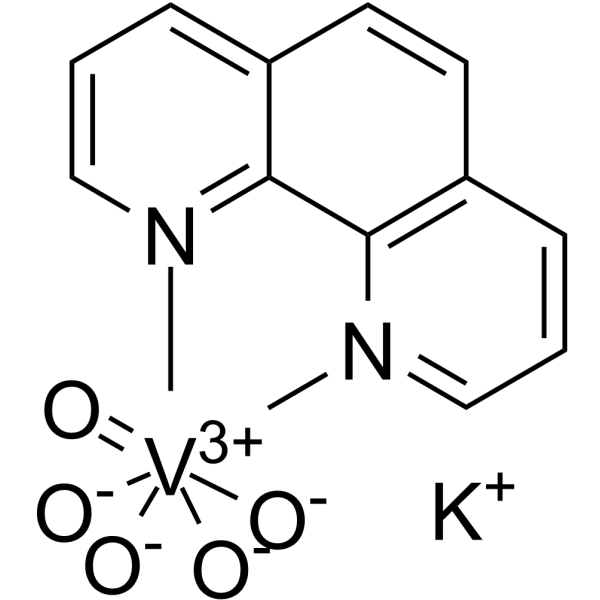
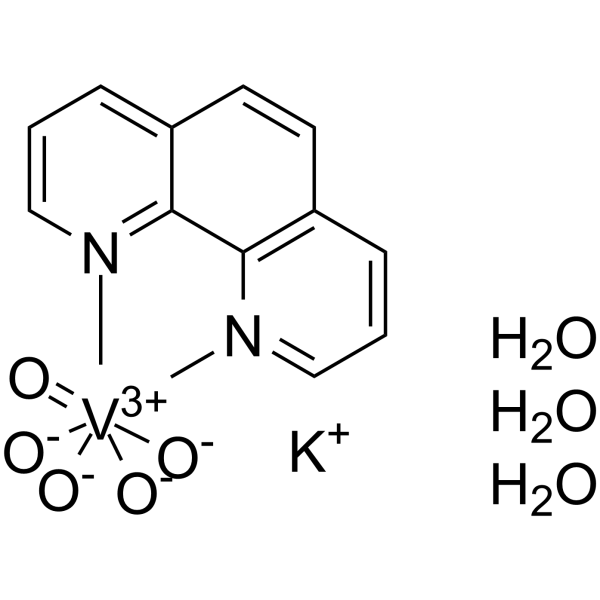
bpV(phen), a insulin-mimetic agent, is a potent protein tyrosine phosphatase (PTP) and PTEN inhibitor with IC50s of 38 nM, 343 nM and 920 nM for PTEN, PTP-β and PTP-1B, respectively. bpV(phen) inhibits proliferation of the protozoan parasite Leishmania in vitro. bpV(phen) strongly induces the secretion of a large number of chemokines and pro-inflammatory cytokines, and it activates a Th1-type pathway (IL-12, IFNγ). bpV(phen) can also induce cell apoptosis, and has anti-angiogenic and anti-tumor activity .
Inbakicept is a dimeric human IL-15 receptor alpha (IL-15 Ra) sushi domain/human IgG1 Fc fusion protein and is an IL-15 superagonist complex. Inbakicept is able to form complex N-803 (Nogapendekin alfa inbakicept) with the IL-15 antibody Nogapendekin alfa in a 1:2 ratio. N-803 mimics the function of IL-15 and amplifies anti-CD20 mAb-mediated NK cell responses and antibody-dependent cellular cytotoxicity (ADCC). N-803 also increases degranulation and IFNγ production in cells .
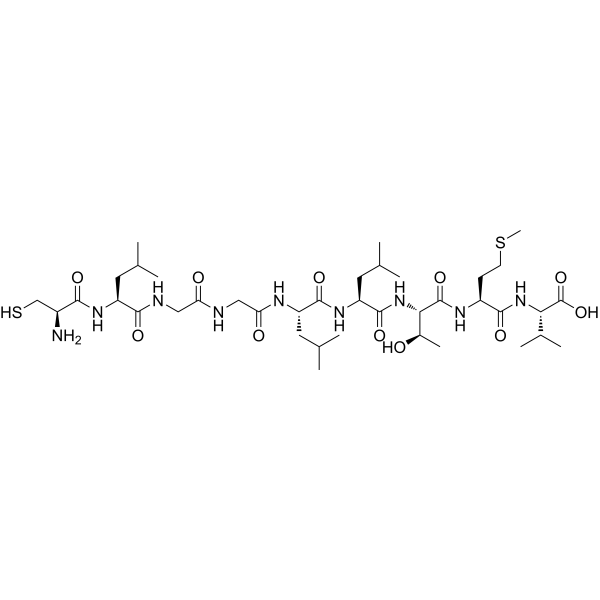
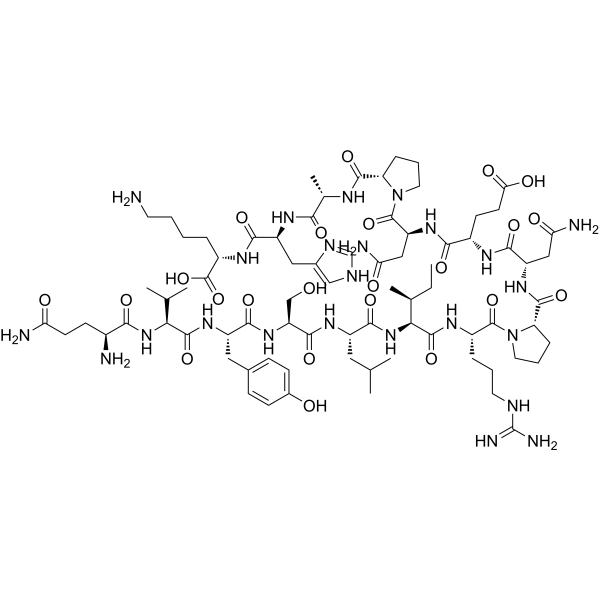
LMP2A (426-434) is a HLA-A2-restricted cytotoxic T lymphocyte (CTL) epitope of Epstein-Barr virus (EBV) latent membrane protein 2A (LMP2A). LMP2A (426-434) can trigger an immune response in individuals expressing different HLA-A*02 subtypes (A*02:01, A*02:03, A*02:06 and A*02:07). LMP2A (426-434) can induce a strong IFN-γ secretion response, stimulating the production of a high proportion of CD8 +IFN-γ+ T cells. LMP2A (426-434) induces specific CTLs to effectively kill target cells expressing LMP2A. LMP2A (426-434) can be used to study EBV-related malignant tumors (such as Hodgkin's disease and nasopharyngeal carcinoma) .
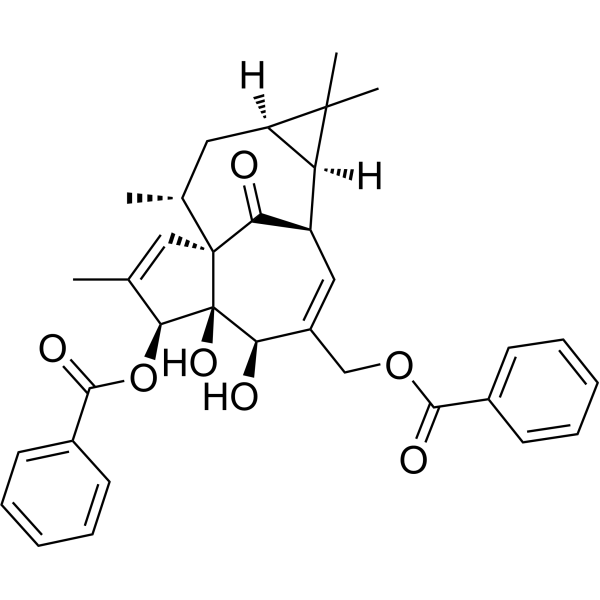
Ingenol 3,20-dibenzoate is a potent protein kinase C (PKC) isoform-selective agonist. Ingenol 3,20-dibenzoate induces selective translocation of nPKC-delta, -epsilon, and -theta and PKC-mu from the cytosolic fraction to the particulate fraction and induces morphologically typical apoptosis through de novo synthesis of macromolecules. Ingenol 3,20-dibenzoate increases the IFN-γ production and degranulation by NK cells, especially when NK cells are stimulated by NSCLC cells .
BpV(phen) trihydrate, a insulin-mimetic agent, is a potent protein tyrosine phosphatase (PTP) and PTEN inhibitor with IC50s of 38 nM, 343 nM and 920 nM for PTEN, PTP-β and PTP-1B, respectively. BpV(phen) trihydrate inhibits proliferation of the protozoan parasite Leishmania in vitro. bpV(phen) trihydrate strongly induces the secretion of a large number of chemokines and pro-inflammatory cytokines, and it activates a Th1-type pathway (IL-12, IFNγ). BpV(phen) trihydrate can also induce cell apoptosis, and has anti-angiogenic and anti-tumor activity .
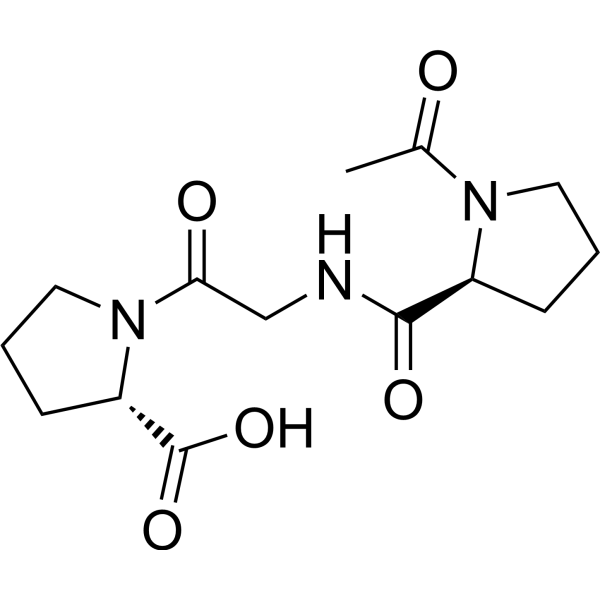
Ac-Pro-Gly-Pro-OH is an endogenous degradation product of extracellular collagen and acts as a CXCR2 agonist . Ac-Pro-Gly-Pro-OH exerts bactericidal activity by generating hydrogen peroxide, inhibits pulmonary inflammation, and reduces immune cell apoptosis (apoptosis). Ac-Pro-Gly-Pro-OH promotes the production of IFN-γ and inhibits the production of TNF-α and IL-6 in leukocytes. Ac-Pro-Gly-Pro-OH increases the survival rate of mice in sepsis models, enhances the bactericidal activity of neutrophils, acts as a neutrophil chemoattractant, induces neutrophil polarization, and regulates inflammatory and repair processes. Ac-Pro-Gly-Pro-OH induces chronic inflammation and tissue remodeling through sustained action. Ac-Pro-Gly-Pro-OH is released via alkaline hydrolysis of corneal proteins in alkali-injured eyes, thereby driving the early infiltration of neutrophils into the cornea. Ac-Pro-Gly-Pro-OH is applicable to research related to sepsis, chronic obstructive pulmonary disease, cystic fibrosis, bronchiolitis obliterans syndrome, severe asthma, idiopathic pulmonary fibrosis, and corneal ulcer .
Eps8 peptide 327 is an HLA-A*2402-restricted peptide antigen derived from Eps8 protein. Eps8 peptide 327 has potent antitumor activity with significant cytotoxicity. Eps8 peptide 327 effectively inhibits cancer cells proliferation, induces apoptosis and disrupts EGFR signal pathway by inhibiting downstream signals (such as IL-2, TNF-α and IFN-γ) expression and the Eps8/EGFR interaction. Eps8 peptide 327 significantly inhibits tumor growth in HT-29 xenograft mcie models .
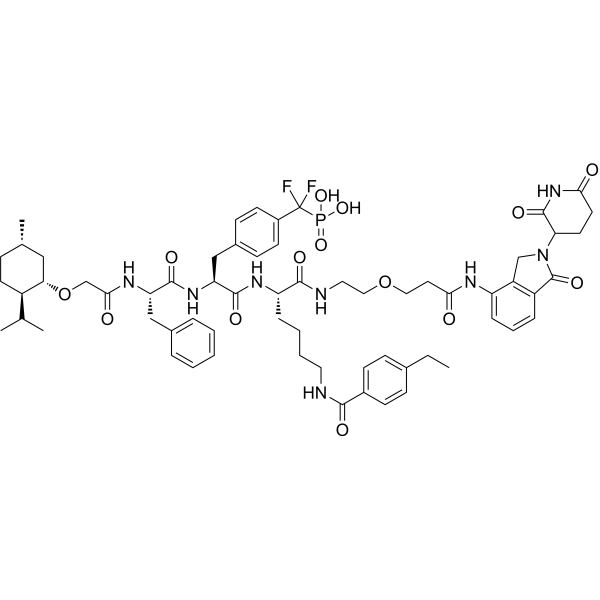
TP1L is a potent and selective T-cell protein tyrosine phosphatase (TC-PTP) PROTAC degrader, with a DC50 value of 35.8 nM. TP1L elevates the phosphorylation level of TC-PTP substrates including pSTAT1 and pJAK1. TP1L selectively enhances IFN-γ signaling and increases MHC-I expression. TP1L activates TCR signaling through increases phosphorylation of LCK. TP1L enhances CAR-T cell mediated tumor killing efficacy through activation of the CAR-T cells. TP1L can be used for the study of cancer. (Pink: TC-PTP ligand: (HY-138964), Blue: E3 ligase CRBN Ligand (HY-A0003), Black: Linker: (HY-140002)) .
Influenza NP (311-325) is a biologically active peptide derived from the influenza virus nucleoprotein (NP). The NP protein is an MHC class II restricted epitope that elicits host immune responses during viral infection. Influenza NP (311-325) elicits the most potent interferon gamma (IFN-γ) production without stimulating CD8 T cells in mice.
Human IL12A mRNA encodes the human interleukin 12A (IL12A) protein, a subunit of a cytokine that acts on T and natural killer cells, and has a broad array of biological activities. IL12A is required for the T-cell-independent induction of interferon (IFN)-gamma, and is important for the differentiation of both Th1 and Th2 cells.
MSP-1 P2 is a synthetic peptide of merozoite surface protein-1 (MSP-1). MSP-1 P2 stimulates umbilical cord blood lymphocytes to produce IFN-γ and IL-13, and this immune response is primarily mediated by CD4+ T cells. MSP-1 P2 can be used as a specific antigen stimulus to detect T cell responses and cytokine levels .
Gusperimus is a fully synthetic racemate that has a novel mechanism of action by binding to the intracellular heat shock protein hsp70 and interfering with intracellular signal transduction. This mechanism of action can enhance the effect of immunosuppressive therapy. Gusperimus can inhibit the differentiation of T cells into cytotoxic T cells, reduce the expression of IL-2 receptors on CD4 and CD8 cells, and inhibit IFN-γ-induced B cell maturation. In addition, when used with cyclosporine, tacrolimus or mycophenolate mofetil, Gusperimus can enhance the immunosuppressive effect and prevent allogeneic transplant rejection.
Paeoniflorin-6′-O-benzene sulfonate (CP-25) is the inhibitor for G protein-coupled receptor kinase 2 (GRK2) that inhibits the translocation of GRK2 to the cell membrane, inhibits JAK1/STAT3 signaling pathway. Paeoniflorin-6′-O-benzene sulfonate inhibits IL-17A/CXCL2-induced proliferation of HaCaT. Paeoniflorin-6′-O-benzene sulfonate reduces the levels of inflammatory factors and chemokines such as IL-17A, IL-17F, IFN-γ, TNF-α, IL-22, IL-23, CXCL2, CXCL3 and CXCL9, alleviates Imiquimod (HY-B0180)-induced psoriasis in mouse model .
RGS10 modulator-1 (compound 15) is a potent RGS10 modulator. RGS10 modulator-1 significantly reverses IFNγ-induced RGS10 protein and mRNA expression. RGS10 modulator-1 reverse the IFNγ-induced COX-2 mRNA and iNOS expression .
HPK1-IN-43 (compound 9f) is a HPK1 kinase inhibitor with the IC50 value of 0.32 nM. HPK1-IN-43 inhibits the phosphorylation of the downstream proteinSLP-76 and enhances the secretion of interleukin-2 (IL-2) and interferon-γ(IFN-γ). HPK1-IN-43 can be used in cancer research .
DD205-291 is an orally active PROTAC HPK1 degrader, with a DC50 value of 5.3 nM. DD205-291 inhibits SLP-76 phosphorylation and induces IL-2 and IFN-γ expression (Pink: HPK1 protein ligand HY-168283; E3+linker: HY-168284; Blue: E3: HY-W115490; Black: linker: HY-W210252) .
PROTAC HPK1 Degrader-5 is a potent and orally active HPK1 PROTAC degrader (DC50 = 5.0 nM; Dmax ≥ 99%). PROTAC HPK1 Degrader-5 significantly inhibits SLP76 phosphorylation and enhanced ERK pathway activation through degrading HPK1, thereby stimulating IL-2 and IFN-γ release. PROTAC HPK1 Degrader-5 exhibits the ability to overcome the immunosuppressive effects imposed by PGE2, NECA or TGF-β. PROTAC HPK1 Degrader-5 alone efficaciously inhibits tumor growth in an MC38 syngeneic mouse model. PROTAC HPK1 Degrader-5 can be used for the study of tumor (such as colorectal cancer) immunotherapy (Pink: Target protein ligand (HY-175549); Blue: E3 ligand (HY-W023573); Black: Linker; E3 ligand + Linker (HY-175551)) .
Dihydroxanthohumol is a chalcone found in Humulus lupulus L. Dihydroxanthohumol is a nitric oxide (NO) production inhibitor. Dihydroxanthohumol slightly suppresses LPS (HY-D1056)/IFN-γ-induced iNOS protein expression and NO production. Dihydroxanthohumol exhibits cytotoxicity at high concentrations .
Aritinercept (AUR-200) is a recombinant fusion protein targeting TNFSF13B/BAFF/CD257. Aritinercept neutralizes BAFF and APRIL (TNFSF13), reduces B cell proliferation, suppresses peripheral B cells, lowers serum immunoglobulins. Aritinercept reduces renal damage markers, decreases IFNγ, IL-17A, and anti-dsDNA autoantibodies, and improves survival in a mouse model of SLE. ritinercept can be used for the research of systemic lupus erythematosus .
MEDI-5083 is an Fc fusion protein that targets CD40 and is a CD40 agonist. MEDI-5083 stimulates CD40 signaling via NF-κB activation. MEDI-5083 upregulates MHCII, CD80, and CD86 expression, induces pro-inflammatory cytokine secretion, and enhances IFN-γ secretion by memory CD8+ T cells. MEDI-5083 can be used for the research of melanoma, colon carcinoma, and advanced solid tumors[1][2].
ENDO12 is an inhibitor of the Munc13-4-STX7protein complex, with a Kd value of 2.7 µM for STX7. ENDO12 blocks the interaction of Munc13-4-STX7. ENDO12 inhibits endolysosomal flux, endolysosomal cargo degradation, the extracellular signal-regulated kinase signaling pathway in neutrophils, the IFN regulatory factor signaling pathway in plasmacytoid dendritic cells, and the responses of primary dendritic cells to TLR3, TLR7, and TLR9. ENDO12 alleviates CpG-induced systemic inflammation by reducing the levels of myeloperoxidase, IL-6 and IFNγ. ENDO12 does not interfere with the host's antiviral response to lymphocytic choriomeningitis virus infection.\nENDO12 can be used in studies related to systemic inflammation .
HDAC/HSP90-IN-1 (compound 20) is a potent dual inhibitor of HDAC (IC50 = 194 nM) and HSP90 (HSP90αIC50 = 153 nM). HDAC/HSP90-IN-1 induces HSP70 expression, downregulates HSP90 client proteins, and promotes acetylation of α-tubulin and histone H3 in cancer cells. HDAC/HSP90-IN-1 reduces PD-L1 expression in IFN-γ treated H1975 cells. HDAC/HSP90-IN-1 can be used for cancer research, such as lung and colon cancer .
HDAC/HSP90-IN-2 (compound 26) is a potent dual inhibitor of HDAC (IC50 = 360 nM) and HSP90 (HSP90αIC50 = 77 nM). HDAC/HSP90-IN-2 induces HSP70 expression, downregulates HSP90 client proteins, and promotes acetylation of α-tubulin and histone H3 in cancer cells. HDAC/HSP90-IN-2 reduces PD-L1 expression in IFN-γ treated H1975 cells. HDAC/HSP90-IN-2 can be used for cancer research, such as lung and colon cancer .
GP515 is a potent and selective adenosine kinase inhibitor with a human IC50 of 4 nM. GP515 exerts tissue protective effects, produces long-lasting hepatic microcirculation effects after hemorrhagic shock, and induces dose- and time-related VEGF mRNA and protein expression in normoxic rat myocardial myoblasts, with additive VEGF increases during mild hypoxia and no effect during severe hypoxia. GP515 suppresses IFNγ synthesis and CD69 expression in DSS-induced colitis. GP515 also shows a dose-dependent suppression of TNF-α production with an IC50 of 80 μM and can be reversed in the presence of the cAMP antagonist (Rp)-cAMPS. Combinations of GP515 with either adenosine or rolipram led to an additive inhibition of TNF-α synthesis. GP515 can be used for the research of hemorrhagic shock .
Anti-CD160 Antibody (MAT 302) (CL1-R2) is a human monoclonal antibody targeting CD160. Anti-CD160 Antibody (MAT 302) blocks the CD160-HVEMprotein interaction, inhibits FGF2-mediated renal tubular vascular growth, and induces endothelial cell apoptosis. Anti-CD160 Antibody (MAT 302) targets CD160 on neovascularization to exert anti-angiogenic and vascular normalization effects, trigger the production of IFN-γ, TNF and IL-6 by NK cells, and enhance glucose metabolism of NK cells through the AKT/mTOR/s6k signaling pathway. Anti-CD160 Antibody (MAT 302) reduces vascular density, normalizes remaining tumor blood vessels, and inhibits tumor growth in melanoma-bearing mice. Anti-CD160 Antibody (MAT 302) can be used in research related to neovascularization, proliferative diabetic retinopathy, and melanoma .
LMP2A (426-434) is a HLA-A2-restricted cytotoxic T lymphocyte (CTL) epitope of Epstein-Barr virus (EBV) latent membrane protein 2A (LMP2A). LMP2A (426-434) can trigger an immune response in individuals expressing different HLA-A*02 subtypes (A*02:01, A*02:03, A*02:06 and A*02:07). LMP2A (426-434) can induce a strong IFN-γ secretion response, stimulating the production of a high proportion of CD8 +IFN-γ+ T cells. LMP2A (426-434) induces specific CTLs to effectively kill target cells expressing LMP2A. LMP2A (426-434) can be used to study EBV-related malignant tumors (such as Hodgkin's disease and nasopharyngeal carcinoma) .
Ac-Pro-Gly-Pro-OH is an endogenous degradation product of extracellular collagen and acts as a CXCR2 agonist . Ac-Pro-Gly-Pro-OH exerts bactericidal activity by generating hydrogen peroxide, inhibits pulmonary inflammation, and reduces immune cell apoptosis (apoptosis). Ac-Pro-Gly-Pro-OH promotes the production of IFN-γ and inhibits the production of TNF-α and IL-6 in leukocytes. Ac-Pro-Gly-Pro-OH increases the survival rate of mice in sepsis models, enhances the bactericidal activity of neutrophils, acts as a neutrophil chemoattractant, induces neutrophil polarization, and regulates inflammatory and repair processes. Ac-Pro-Gly-Pro-OH induces chronic inflammation and tissue remodeling through sustained action. Ac-Pro-Gly-Pro-OH is released via alkaline hydrolysis of corneal proteins in alkali-injured eyes, thereby driving the early infiltration of neutrophils into the cornea. Ac-Pro-Gly-Pro-OH is applicable to research related to sepsis, chronic obstructive pulmonary disease, cystic fibrosis, bronchiolitis obliterans syndrome, severe asthma, idiopathic pulmonary fibrosis, and corneal ulcer .
B8R 20-27 is a biological active peptide. (This is amino acids 20 to 27 fragment of B8R, a vaccinia virus (VV) gene that encodes a secreted protein related to gamma interferon receptor. B8R binding to IFN-g neutralizes its antiviral activity.)
Eps8 peptide 327 is an HLA-A*2402-restricted peptide antigen derived from Eps8 protein. Eps8 peptide 327 has potent antitumor activity with significant cytotoxicity. Eps8 peptide 327 effectively inhibits cancer cells proliferation, induces apoptosis and disrupts EGFR signal pathway by inhibiting downstream signals (such as IL-2, TNF-α and IFN-γ) expression and the Eps8/EGFR interaction. Eps8 peptide 327 significantly inhibits tumor growth in HT-29 xenograft mcie models .
Influenza NP (311-325) is a biologically active peptide derived from the influenza virus nucleoprotein (NP). The NP protein is an MHC class II restricted epitope that elicits host immune responses during viral infection. Influenza NP (311-325) elicits the most potent interferon gamma (IFN-γ) production without stimulating CD8 T cells in mice.
MSP-1 P2 is a synthetic peptide of merozoite surface protein-1 (MSP-1). MSP-1 P2 stimulates umbilical cord blood lymphocytes to produce IFN-γ and IL-13, and this immune response is primarily mediated by CD4+ T cells. MSP-1 P2 can be used as a specific antigen stimulus to detect T cell responses and cytokine levels .
Inbakicept is a dimeric human IL-15 receptor alpha (IL-15 Ra) sushi domain/human IgG1 Fc fusion protein and is an IL-15 superagonist complex. Inbakicept is able to form complex N-803 (Nogapendekin alfa inbakicept) with the IL-15 antibody Nogapendekin alfa in a 1:2 ratio. N-803 mimics the function of IL-15 and amplifies anti-CD20 mAb-mediated NK cell responses and antibody-dependent cellular cytotoxicity (ADCC). N-803 also increases degranulation and IFNγ production in cells .
Aritinercept (AUR-200) is a recombinant fusion protein targeting TNFSF13B/BAFF/CD257. Aritinercept neutralizes BAFF and APRIL (TNFSF13), reduces B cell proliferation, suppresses peripheral B cells, lowers serum immunoglobulins. Aritinercept reduces renal damage markers, decreases IFNγ, IL-17A, and anti-dsDNA autoantibodies, and improves survival in a mouse model of SLE. ritinercept can be used for the research of systemic lupus erythematosus .
MEDI-5083 is an Fc fusion protein that targets CD40 and is a CD40 agonist. MEDI-5083 stimulates CD40 signaling via NF-κB activation. MEDI-5083 upregulates MHCII, CD80, and CD86 expression, induces pro-inflammatory cytokine secretion, and enhances IFN-γ secretion by memory CD8+ T cells. MEDI-5083 can be used for the research of melanoma, colon carcinoma, and advanced solid tumors[1][2].
Anti-CD160 Antibody (MAT 302) (CL1-R2) is a human monoclonal antibody targeting CD160. Anti-CD160 Antibody (MAT 302) blocks the CD160-HVEMprotein interaction, inhibits FGF2-mediated renal tubular vascular growth, and induces endothelial cell apoptosis. Anti-CD160 Antibody (MAT 302) targets CD160 on neovascularization to exert anti-angiogenic and vascular normalization effects, trigger the production of IFN-γ, TNF and IL-6 by NK cells, and enhance glucose metabolism of NK cells through the AKT/mTOR/s6k signaling pathway. Anti-CD160 Antibody (MAT 302) reduces vascular density, normalizes remaining tumor blood vessels, and inhibits tumor growth in melanoma-bearing mice. Anti-CD160 Antibody (MAT 302) can be used in research related to neovascularization, proliferative diabetic retinopathy, and melanoma .
Ingenol 3,20-dibenzoate is a potent protein kinase C (PKC) isoform-selective agonist. Ingenol 3,20-dibenzoate induces selective translocation of nPKC-delta, -epsilon, and -theta and PKC-mu from the cytosolic fraction to the particulate fraction and induces morphologically typical apoptosis through de novo synthesis of macromolecules. Ingenol 3,20-dibenzoate increases the IFN-γ production and degranulation by NK cells, especially when NK cells are stimulated by NSCLC cells .
Dihydroxanthohumol is a chalcone found in Humulus lupulus L. Dihydroxanthohumol is a nitric oxide (NO) production inhibitor. Dihydroxanthohumol slightly suppresses LPS (HY-D1056)/IFN-γ-induced iNOS protein expression and NO production. Dihydroxanthohumol exhibits cytotoxicity at high concentrations .
IFN-gamma (interferon-gamma) is a type II interferon produced by immune cells such as T cells and NK cells, and plays a key role in activating antibacterial, antiviral, and antitumor responses. Through the JAK-STAT pathway, its interaction with the receptor IFNGR1 triggers gene regulation. IFN-gamma Protein, Canine is the recombinant canine-derived IFN-gamma protein, expressed by E. coli , with tag free.
IFN-gamma (interferon-gamma) is a type II interferon produced by immune cells such as T cells and NK cells. It plays a key role in antibacterial, antiviral and anti-tumor responses by activating effector immune cells and enhancing antigen presentation. effect. Its main signaling pathway involves the JAK-STAT pathway that interacts with its receptor IFNGR1, affecting gene regulation. IFN-gamma Protein, Pig is the recombinant Pig-derived IFN-gamma protein, expressed by E. coli , with tag free.
IFN-gamma Protein, human activates STAT signaling pathway and affects gene regulation. IFN-gamma Protein, human activates effector immune cells and enhances antigen presentation. IFN-gamma Protein, human also regulates the hematopoietic stem cells development. IFN-gamma Protein, human is the recombinant human-derived IFN-gamma Protein, expressed by E. coli.
IFN-gamma Protein is a cytokine belonging to the interferon family, secreted by activated immune cells such as T cells and NK cells. IFN-gamma Protein plays a key role in the immune system, exerting activities including regulating immune responses, antiviral effects, and antitumor effects. IFN-gamma Protein, Mouse is a recombinant IFN-gamma protein expressed by E. coli without any tag.
IFN-gamma (interferon-gamma) is a type II interferon produced by T cells and NK cells, which can significantly activate antibacterial, antiviral and antitumor responses. It acts through the JAK-STAT pathway and its receptor IFNGR1 to affect gene regulation. IFN-gamma Protein, Sheep (His) is the recombinant sheep-derived IFN-gamma protein, expressed by E. coli , with N-6*His labeled tag.
IFN-gamma is a type II interferon family cytokine that participates in antiviral, antibacterial, and antitumor responses. IFN-gamma Protein, Mouse (HEK293) is the recombinant mouse-derived IFN-gamma protein, expressed by HEK293 , with tag free.
IFN-gamma is a type II interferon family cytokine that participates in antiviral, antibacterial, and antitumor responses. IFN-gamma Protein, Mouse (HEK293, His) is the recombinant mouse-derived IFN-gamma protein, expressed by HEK293 , with C-6*His labeled tag.
IFN-gamma Protein is a dimeric soluble cytokine. It exerts antibacterial, antiviral and antitumor effects through JAK-STAT, mTOR, MAPK and PI3K/AKT signaling pathways. GMP IFN-gamma Protein, Human is the recombinant human-derived IFN-gamma protein, expressed by E. coli , with tag free.
IFN-gamma Protein is a dimeric soluble cytokine. It exerts antibacterial, antiviral and antitumor effects through JAK-STAT, mTOR, MAPK and PI3K/AKT signaling pathways. Animal-Free IFN-gamma Protein, Human (His) is the recombinant human-derived animal-FreeIFN-gamma protein, expressed by E. coli , with C-His labeled tag. This product is for cell culture use only.
IFN-gamma is a type II interferon family cytokine that participates in antiviral, antibacterial, and antitumor responses. Animal-Free IFN-gamma Protein, Mouse (His) is the recombinant mouse-derived animal-FreeIFN-gamma protein, expressed by E. coli , with C-His labeled tag. This product is for cell culture use only.
IFN-gamma is a cytokine. IFN-gamma can exert anticancer effects by activating p53 and p21, leading to cell cycle arrest, and/or by activating IRF-1 and Caspase-1, leading to pyroptosis, and by activating IRF-1, Caspase-8, cytochrome c release from mitochondria, Caspase cascades, and inhibiting PARP, leading to intrinsic apoptotic signaling. IFN-gamma can induce fusion of human monocytes to form multinucleated giant cells and activate monocytes, increasing their ability to produce hydrogen peroxide, acid phosphatase, and plasminogen activator. IFN-gamma can enhance the sensitivity of human macrophages to lysis mediated by extracellular ATP. IFN-gamma upregulates the transcription and expression of TNF-α by inhibiting the expression of IL-10 and relieving the feedback inhibition of IL-10 on TNF-α. IFN-gamma Protein, Human (HEK293) is a recombinant interferon-gamma protein expressed in HEK293 cells without a tag.
IFN-gamma Protein is a cytokine belonging to the interferon family, secreted by activated immune cells such as T cells and NK cells. IFN-gamma Protein plays a key role in the immune system, exerting activities including regulating immune responses, antiviral effects, and antitumor effects. GMP IFN-gamma Protein, Human (HEK293) is a recombinant GMP-grade IFN-gamma protein expressed by HEK293, untagged but glycosylated.
IFN-gamma Protein is a dimeric soluble cytokine. It exerts antibacterial, antiviral and antitumor effects through JAK-STAT, mTOR, MAPK and PI3K/AKT signaling pathways. IFN-gamma Protein, Human (HEK293, His-Avi) is the recombinant human-derived IFN-gamma protein, expressed by HEK293 , with C-His, C-Avi labeled tag.
IFN-gamma (Interferon-gamma) is a type II interferon produced by immune cells such as T cells and NK cells, which can significantly activate antibacterial, antiviral and anti-tumor responses. Its main JAK-STAT signaling pathway is triggered by interaction with the receptor IFNGR1, affecting gene regulation. IFN-gamma Protein, Feline is the recombinant IFN-gamma protein, expressed by E. coli , with tag free.
IFN-gamma Protein is a dimeric soluble cytokine. It exerts antibacterial, antiviral and antitumor effects through JAK-STAT, mTOR, MAPK and PI3K/AKT signaling pathways. IFN-gamma Protein, Human (Biotinylated, HEK293, His-Avi) is the recombinant human-derived IFN-gamma protein, expressed by HEK293 , with C-Avi, C-His labeled tag.
IFN-gamma is a type II interferon family cytokine that participates in antiviral, antibacterial, and antitumor responses. IFN-gamma Protein, Mouse (HEK293, Fc) is the recombinant mouse-derived IFN-gamma protein, expressed by HEK293 , with C-hFc labeled tag.
IFN-gamma (interferon-gamma) is a type II interferon produced by immune cells such as T cells and NK cells. It plays a key role in antibacterial, antiviral and anti-tumor responses by activating effector immune cells and enhancing antigen presentation. effect. Its main signaling pathway involves the JAK-STAT pathway that interacts with its receptor IFNGR1, affecting gene regulation. Animal-Free IFN-gamma Protein, Pig (His) is the recombinant pig-derived animal-FreeIFN-gamma protein, expressed by E. coli , with C-His labeled tag. This product is for cell culture use only.
IFN-gamma (interferon-gamma) is a type II interferon produced by T cells and NK cells, which can significantly activate antibacterial, antiviral and antitumor responses.It acts through the JAK-STAT pathway and its receptor IFNGR1 to affect gene regulation.IFN-gamma Protein, Rat (HEK293, Fc) is the recombinant rat-derived IFN-gamma protein, expressed by HEK293 , with C-hFc labeled tag.
IFN-gamma is a type II interferon derived from immune cells such as T cells and NK cells that crucially activates antibacterial, antiviral and antitumor responses through the JAK-STAT pathway and its receptor IFNGR1 .Binding opens the intracellular domain of IFNGR1, activating downstream components (JAK2, JAK1, STAT1), leading to STAT1 activation, nuclear translocation, and transcription of IFNG-regulated genes. IFN-gamma Protein, Ferret (HEK293, His) is the recombinant IFN-gamma protein, expressed by HEK293 , with C-His labeled tag.
IFN-gamma R1 (CD119), one of the subunit of IFN-gamma receptor, is a receptor for IFN-gamma. IFN-gamma R1 forms the functional receptor with IFN-gamma R2. Upon binding with IFN-gamma, IFN-gamma R1 and IFN-gamma R2 oligomerize and transphosphorylate. Then, JAK1 and JAK2 are phosphorylated and activated, and STAT1 is recruited to the receptor complex. Phosphorylated STAT1 translocates to the nucleus, where it regulates the expression of IFN-responsive genes (e.g. CD54). IFN-gamma R1/CD119 Protein, Mouse (HEK293, His) is a recombinant mouse IFN-gamma R1 with C-terminal 6*His tag, which is produced in HEK293 cells.
IFN-gamma R1 (CD119), one of the subunit of IFN-gamma receptor, is a receptor for IFN-gamma. IFN-gamma R1 forms the functional receptor with IFN-gamma R2. Upon binding with IFN-gamma, IFN-gamma R1 and IFN-gamma R2 oligomerize and transphosphorylate. Then, JAK1 and JAK2 are phosphorylated and activated, and STAT1 is recruited to the receptor complex. Phosphorylated STAT1 translocates to the nucleus, where it regulates the expression of IFN-responsive genes (e.g. CD54). IFN-gamma R1/CD119 Protein, Rat (HEK293, Fc) is a recombinant mouse IFN-gamma R1 (M1-S241) with C-terminal hFc tag, which is produced in HEK293 cells.
IFN-gamma R1 (CD119), one of the subunit of IFN-gamma receptor, is a receptor for IFN-gamma. IFN-gamma R1 forms the functional receptor with IFN-gamma R2. Upon binding with IFN-gamma, IFN-gamma R1 and IFN-gamma R2 oligomerize and transphosphorylate. Then, JAK1 and JAK2 are phosphorylated and activated, and STAT1 is recruited to the receptor complex. Phosphorylated STAT1 translocates to the nucleus, where it regulates the expression of IFN-responsive genes (e.g. CD54). IFN-gamma R1/CD119 Protein, Human (228a.a, HEK293, His) is a recombinant human IFN-gamma R1 (E18-G245) with C-terminal 6*His tag, which is produced in HEK293 cells.
IFN-gamma R1 (CD119), one of the subunit of IFN-gamma receptor, is a receptor for IFN-gamma. IFN-gamma R1 forms the functional receptor with IFN-gamma R2. Upon binding with IFN-gamma,IFN-gamma R1 and IFN-gamma R2 oligomerize and transphosphorylate. Then, JAK1 and JAK2 are phosphorylated and activated, and STAT1 is recruited to the receptor complex. Phosphorylated STAT1 translocates to the nucleus, where it regulates the expression of IFN-responsive genes (e.g. CD54). IFN-gamma R1/CD119 Protein, Human (HEK293, His, solution) is a recombinant human IFN-gamma R1 (E18-G245) with C-terminal 6*His tag, which is produced in HEK293 cells.
IFN-γ R1/CD119 is an important receptor subunit of interferon γ/INFG that activates effector immune cells and enhances antigen presentation, contributing to antibacterial, antiviral, and antitumor responses. It cooperates with IFNGR2 to form a functional receptor. IFN-gamma R1/CD119 Protein, Human (HEK293, His-Flag) is the recombinant human-derived IFN-gamma R1/CD119 protein, expressed by HEK293 , with C-6*His, C-Flag labeled tag.
IFN-gamma (interferon-gamma) is a type II interferon derived from immune cells such as T cells and NK cells, which can significantly activate effector immune cells and enhance antigen presentation. It affects gene regulation through the JAK-STAT pathway and its receptor IFNGR1. IFN-gamma Protein, Cynomolgus (HEK293, His) is the recombinant cynomolgus-derived IFN-gamma protein, expressed by HEK293 , with C-His labeled tag.
IFN-gamma R2, one of the subunit of IFN-gamma receptor, is a receptor for IFN-gamma. IFN-gamma R2 is the signal-transducing chain of the IFN-gamma receptor. IFN-gamma R2 forms the functional receptor with IFN-gamma R1. Upon binding with IFN-gamma, IFN-gamma R2 and IFN-gamma R1 oligomerize and transphosphorylate. Then, the downstream signaling components JAK1 and JAK2 are phosphorylated and activated, and STAT1 is phosphorylated. Phosphorylated STAT1 translocates to the nucleus, where it regulates the expression of IFN-responsive genes (e.g. CD54). IFN-gamma R2 Protein, Mouse (HEK293, His) is a recombinant mouse IFN-gamma R2 (M1-V243) with C-terminal His tag, which is produced in HEK293 cells.
IFN-gamma R1 (CD119), one of the subunit of IFN-gamma receptor, is a receptor for IFN-gamma. IFN-gamma R1 forms the functional receptor with IFN-gamma R2. Upon binding with IFN-gamma, IFN-gamma R1 and IFN-gamma R2 oligomerize and transphosphorylate. Then, JAK1 and JAK2 are phosphorylated and activated, and STAT1 is recruited to the receptor complex. Phosphorylated STAT1 translocates to the nucleus, where it regulates the expression of IFN-responsive genes (e.g. CD54). IFN-gamma R1/CD119 Protein, Human (HEK293, hFc) is a recombinant human IFN-gamma R1 (E18-G245) with C-terminal hFc tag, which is produced in HEK293 cells.
IFN-gamma R1 (CD119), one of the subunit of IFN-gamma receptor, is a receptor for IFN-gamma. IFN-gamma R1 forms the functional receptor with IFN-gamma R2. Upon binding with IFN-gamma, IFN-gamma R1 and IFN-gamma R2 oligomerize and transphosphorylate. Then, JAK1 and JAK2 are phosphorylated and activated, and STAT1 is recruited to the receptor complex. Phosphorylated STAT1 translocates to the nucleus, where it regulates the expression of IFN-responsive genes (e.g. CD54). IFN-gamma R1/CD119 Protein, Mouse (HEK293, Fc) is a recombinant mouse IFN-gamma R1 (A26-D253) with C-terminal hFc tag, which is produced in HEK293 cells.
IFN-gamma R1/CD119 Protein, Cynomolgus (HEK293, hFc) is the recombinant cynomolgus-derived IFN-gamma R1/CD119 protein, expressed by HEK293, with C-hFc tag.
IFN-gamma R2, one of the subunit of IFN-gamma receptor, is a receptor for IFN-gamma. IFN-gamma R2 is the signal-transducing chain of the IFN-gamma receptor. IFN-gamma R2 forms the functional receptor with IFN-gamma R1. Upon binding with IFN-gamma, IFN-gamma R2 and IFN-gamma R1 oligomerize and transphosphorylate. Then, the downstream signaling components JAK1 and JAK2 are phosphorylated and activated, and STAT1 is phosphorylated. Phosphorylated STAT1 translocates to the nucleus, where it regulates the expression of IFN-responsive genes (e.g. CD54). IFN-gamma R2 Protein, Human (CHO) is a recombinant human IFN-gamma R2 (S28-Q247) without any tag, which is produced in CHO cells.
IL-18 protein is a pro-inflammatory cytokine that plays an important role in epithelial barrier repair and immune response regulation by polarizing T helper 1 (Th1) cells and natural killer (NK) cells. After binding to IL18R1 and IL18RAP receptors, IL-18 forms a signaling ternary complex, activates NF-κ-B, and induces inflammatory mediators. IL-18 Protein, Mouse (His) is the recombinant mouse-derived IL-18 protein, expressed by E. coli , with N-6*His labeled tag.
IL-18 protein is a pro-inflammatory cytokine that plays an important role in epithelial barrier repair and immune response regulation by polarizing T helper 1 (Th1) cells and natural killer (NK) cells. After binding to IL18R1 and IL18RAP receptors, IL-18 forms a signaling ternary complex, activates NF-κ-B, and induces inflammatory mediators. Animal-Free IL-18 Protein, Mouse (His) is the recombinant mouse-derived animal-FreeIL-18 protein, expressed by E. coli , with C-His labeled tag. This product is for cell culture use only.
IL-18 protein is a pro-inflammatory cytokine that is critical for epithelial barrier repair and immune regulation, especially in Th1 and NK cell responses. IL18R1 and IL18RAP combine to form a signaling ternary complex that activates NF-kappa-B and induces inflammatory mediators. IL-18 Protein, Dog (His) is the recombinant dog-derived IL-18 protein, expressed by E. coli , with N-His labeled tag.
IL-18 protein is a pro-inflammatory cytokine that plays an important role in epithelial barrier repair and immune response regulation by polarizing T helper 1 (Th1) cells and natural killer (NK) cells. After binding to IL18R1 and IL18RAP receptors, IL-18 forms a signaling ternary complex, activates NF-κ-B, and induces inflammatory mediators. IL-18 Protein, Mouse (solution) is the recombinant mouse-derived IL-18 protein, expressed by E. coli , with tag free.
IL-18 protein is a pro-inflammatory cytokine that is critically involved in epithelial barrier repair and regulates immune responses, especially Th1 cell and NK cell immune responses. IL-18 binds to IL18R1 and IL18RAP receptors to form a signaling ternary complex, activate NF-κ-B, and induce inflammatory mediators. IL-18 Protein, Rhesus Macaque is the recombinant Rhesus Macaque-derived IL-18 protein, expressed by E. coli.
IL-18 protein is a pro-inflammatory cytokine that is critically involved in epithelial barrier repair and regulates immune responses, especially Th1 cell and NK cell immune responses. IL-18 binds to IL18R1 and IL18RAP receptors to form a signaling ternary complex, activate NF-κ-B, and induce inflammatory mediators. IL-18 Protein, Rhesus Macaque (His) is the recombinant Rhesus Macaque-derived IL-18 protein, expressed by E. coli , with N-6*His, labeled tag.
IL-18/IL-1F4 protein is a pro-inflammatory cytokine that is critical in epithelial barrier repair and coordinates immune responses involving Th1 cells and NK cells. IL-18 binds to IL18R1 and IL18RAP to form a ternary complex that activates NF-κ-B and triggers the synthesis of inflammatory mediators. IL-18/IL-1F4 Protein, Porcine is the recombinant Porcine-derived IL-18/IL-1F4 protein, expressed by E. coli , with tag free.
IL-18 protein is a pro-inflammatory cytokine that plays a critical role in epithelial barrier repair and polarized immune responses involving Th1 cells and NK cells. After binding to IL18R1 and IL18RAP, it forms a signaling ternary complex that activates NF-kappa-B, leading to the synthesis of inflammatory mediators. IL-18 Protein, Human is the recombinant human-derived IL-18 protein, expressed by E. coli , with tag free.
GMP IL-18 protein is a pro-inflammatory cytokine that plays a critical role in epithelial barrier repair and polarized immune responses involving Th1 cells and NK cells. After binding to IL18R1 and IL18RAP, it forms a signaling ternary complex that activates NF-kappa-B, leading to the synthesis of inflammatory mediators. GMP IL-18 Protein, Human is the recombinant human-derived GMP IL-18 protein, expressed by E. coli , with tag free.
IL-18 protein is a pro-inflammatory cytokine that plays a critical role in epithelial barrier repair and polarized immune responses involving Th1 cells and NK cells. After binding to IL18R1 and IL18RAP, it forms a signaling ternary complex that activates NF-kappa-B, leading to the synthesis of inflammatory mediators. IL-18 Protein, Human (N-His) is the recombinant human-derived IL-18 protein, expressed by E. coli , with N-6*His labeled tag.
IL-18 protein is a pro-inflammatory cytokine that plays a critical role in epithelial barrier repair and polarized immune responses involving Th1 cells and NK cells. After binding to IL18R1 and IL18RAP, it forms a signaling ternary complex that activates NF-kappa-B, leading to the synthesis of inflammatory mediators. Animal-Free IL-18 Protein, Human (His) is the recombinant human-derived animal-FreeIL-18 protein, expressed by E. coli , with C-His labeled tag.This product is for cell culture use only.
IL-18 protein is a pro-inflammatory cytokine that plays a critical role in epithelial barrier repair and polarized immune responses involving Th1 cells and NK cells. After binding to IL18R1 and IL18RAP, it forms a signaling ternary complex that activates NF-kappa-B, leading to the synthesis of inflammatory mediators. GMP IL-18 Protein, Human (HEK293, His) is the recombinant human-derived IL-18 protein, expressed by HEK293 , with C-6*His labeled tag.
Human IL12A mRNA encodes the human interleukin 12A (IL12A) protein, a subunit of a cytokine that acts on T and natural killer cells, and has a broad array of biological activities. IL12A is required for the T-cell-independent induction of interferon (IFN)-gamma, and is important for the differentiation of both Th1 and Th2 cells.
Inquiry Online
Your information is safe with us. * Required Fields.
Western blot analysis of extracts from THP-1(lane 2(20μg), Jurkat (lane 3(20μg) and NIH3T3(lane 4(20μg) using FOXO1A (HY-P80132) Rabbit mAb. Proteins were transferred
to a PVDF membrane and blocked with 5% non-fat milk in TBST for 2 hour at room temperature. The primary antibody (1/1000) and Loading control antibody (Beta Actin, HY-P80438, 1/10000) was
used in 5% non-fat milk in TBST at 4°C overnight. Goat Anti-Mouse/Rabbit IgG-HRP Secondary Antibody (1/10000) was used for 1 hour at room temperature.
Western blot analysis of extracts from THP-1(lane 2(20μg), Jurkat (lane 3(20μg) and NIH3T3(lane 4(20μg) using FOXO1A (HY-P80132) Rabbit mAb. Proteins were transferred
to a PVDF membrane and blocked with 5% non-fat milk in TBST for 2 hour at room temperature. The primary antibody (1/1000) and Loading control antibody (Beta Actin, HY-P80438, 1/10000) was
used in 5% non-fat milk in TBST at 4°C overnight. Goat Anti-Mouse/Rabbit IgG-HRP Secondary Antibody (1/10000) was used for 1 hour at room temperature.
Western blot analysis of extracts from THP-1(lane 2(20μg), Jurkat (lane 3(20μg) and NIH3T3(lane 4(20μg) using FOXO1A (HY-P80132) Rabbit mAb. Proteins were transferred
to a PVDF membrane and blocked with 5% non-fat milk in TBST for 2 hour at room temperature. The primary antibody (1/1000) and Loading control antibody (Beta Actin, HY-P80438, 1/10000) was
used in 5% non-fat milk in TBST at 4°C overnight. Goat Anti-Mouse/Rabbit IgG-HRP Secondary Antibody (1/10000) was used for 1 hour at room temperature.
Western blot analysis of extracts from THP-1(lane 2(20μg), Jurkat (lane 3(20μg) and NIH3T3(lane 4(20μg) using FOXO1A (HY-P80132) Rabbit mAb. Proteins were transferred
to a PVDF membrane and blocked with 5% non-fat milk in TBST for 2 hour at room temperature. The primary antibody (1/1000) and Loading control antibody (Beta Actin, HY-P80438, 1/10000) was
MedchemExpress Validation 03
Western blot analysis of extracts from THP-1(lane 2(20μg), Jurkat (lane 3(20μg) and NIH3T3(lane 4(20μg) using FOXO1A (HY-P80132) Rabbit mAb. Proteins were transferred
MedchemExpress Validation 04
Western blot analysis of extracts from THP-1(lane 2(20μg), Jurkat (lane 3(20μg) and NIH3T3(lane 4(20μg) using FOXO1A (HY-P80132) Rabbit mAb. Proteins were transferred
to a PVDF membrane and blocked with 5% non-fat milk in TBST for 2 hour at room temperature. The primary antibody (1/1000) and Loading control antibody (Beta Actin, HY-P80438, 1/10000) was
used in 5% non-fat milk in TBST at 4°C overnight. Goat Anti-Mouse/Rabbit IgG-HRP Secondary Antibody (1/10000) was used for 1 hour at room temperature.
MedchemExpress Validation
Western blot analysis of extracts from THP-1(lane 2(20μg), Jurkat (lane 3(20μg) and NIH3T3(lane 4(20μg) using FOXO1A (HY-P80132) Rabbit mAb. Proteins were transferred
to a PVDF membrane and blocked with 5% non-fat milk in TBST for 2 hour at room temperature. The primary antibody (1/1000) and Loading control antibody (Beta Actin, HY-P80438, 1/10000) was
used in 5% non-fat milk in TBST at 4°C overnight. Goat Anti-Mouse/Rabbit IgG-HRP Secondary Antibody (1/10000) was used for 1 hour at room temperature.
Western blot analysis of extracts from THP-1(lane 2(20μg), Jurkat (lane 3(20μg) and NIH3T3(lane 4(20μg) using FOXO1A (HY-P80132) Rabbit mAb. Proteins were transferred
to a PVDF membrane and blocked with 5% non-fat milk in TBST for 2 hour at room temperature. The primary antibody (1/1000) and Loading control antibody (Beta Actin, HY-P80438, 1/10000) was
used in 5% non-fat milk in TBST at 4°C overnight. Goat Anti-Mouse/Rabbit IgG-HRP Secondary Antibody (1/10000) was used for 1 hour at room temperature.
MedchemExpress Validation
Western blot analysis of extracts from THP-1(lane 2(20μg), Jurkat (lane 3(20μg) and NIH3T3(lane 4(20μg) using FOXO1A (HY-P80132) Rabbit mAb. Proteins were transferred
to a PVDF membrane and blocked with 5% non-fat milk in TBST for 2 hour at room temperature. The primary antibody (1/1000) and Loading control antibody (Beta Actin, HY-P80438, 1/10000) was
used in 5% non-fat milk in TBST at 4°C overnight. Goat Anti-Mouse/Rabbit IgG-HRP Secondary Antibody (1/10000) was used for 1 hour at room temperature.
MedchemExpress Validation
Western blot analysis of extracts from THP-1(lane 2(20μg), Jurkat (lane 3(20μg) and NIH3T3(lane 4(20μg) using FOXO1A (HY-P80132) Rabbit mAb. Proteins were transferred
to a PVDF membrane and blocked with 5% non-fat milk in TBST for 2 hour at room temperature. The primary antibody (1/1000) and Loading control antibody (Beta Actin, HY-P80438, 1/10000) was
used in 5% non-fat milk in TBST at 4°C overnight. Goat Anti-Mouse/Rabbit IgG-HRP Secondary Antibody (1/10000) was used for 1 hour at room temperature.
MedchemExpress Validation
Western blot analysis of extracts from THP-1(lane 2(20μg), Jurkat (lane 3(20μg) and NIH3T3(lane 4(20μg) using FOXO1A (HY-P80132) Rabbit mAb. Proteins were transferred
to a PVDF membrane and blocked with 5% non-fat milk in TBST for 2 hour at room temperature. The primary antibody (1/1000) and Loading control antibody (Beta Actin, HY-P80438, 1/10000) was
used in 5% non-fat milk in TBST at 4°C overnight. Goat Anti-Mouse/Rabbit IgG-HRP Secondary Antibody (1/10000) was used for 1 hour at room temperature.
MedchemExpress Validation
Western blot analysis of extracts from THP-1(lane 2(20μg), Jurkat (lane 3(20μg) and NIH3T3(lane 4(20μg) using FOXO1A (HY-P80132) Rabbit mAb. Proteins were transferred
to a PVDF membrane and blocked with 5% non-fat milk in TBST for 2 hour at room temperature. The primary antibody (1/1000) and Loading control antibody (Beta Actin, HY-P80438, 1/10000) was
used in 5% non-fat milk in TBST at 4°C overnight. Goat Anti-Mouse/Rabbit IgG-HRP Secondary Antibody (1/10000) was used for 1 hour at room temperature.
MedchemExpress Validation
Western blot analysis of extracts from THP-1(lane 2(20μg), Jurkat (lane 3(20μg) and NIH3T3(lane 4(20μg) using FOXO1A (HY-P80132) Rabbit mAb. Proteins were transferred
to a PVDF membrane and blocked with 5% non-fat milk in TBST for 2 hour at room temperature. The primary antibody (1/1000) and Loading control antibody (Beta Actin, HY-P80438, 1/10000) was
used in 5% non-fat milk in TBST at 4°C overnight. Goat Anti-Mouse/Rabbit IgG-HRP Secondary Antibody (1/10000) was used for 1 hour at room temperature.
MedchemExpress Validation
Western blot analysis of extracts from THP-1(lane 2(20μg), Jurkat (lane 3(20μg) and NIH3T3(lane 4(20μg) using FOXO1A (HY-P80132) Rabbit mAb. Proteins were transferred
to a PVDF membrane and blocked with 5% non-fat milk in TBST for 2 hour at room temperature. The primary antibody (1/1000) and Loading control antibody (Beta Actin, HY-P80438, 1/10000) was
used in 5% non-fat milk in TBST at 4°C overnight. Goat Anti-Mouse/Rabbit IgG-HRP Secondary Antibody (1/10000) was used for 1 hour at room temperature.
MedChemExpress values your privacy and your trust is important to us. We use cookies to enhance your website experience. Some cookies are necessary to run the website.
Privacy and Cookie Policy