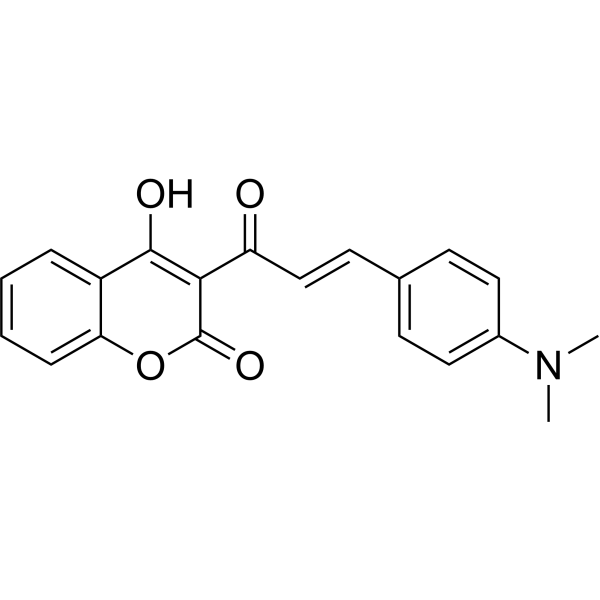
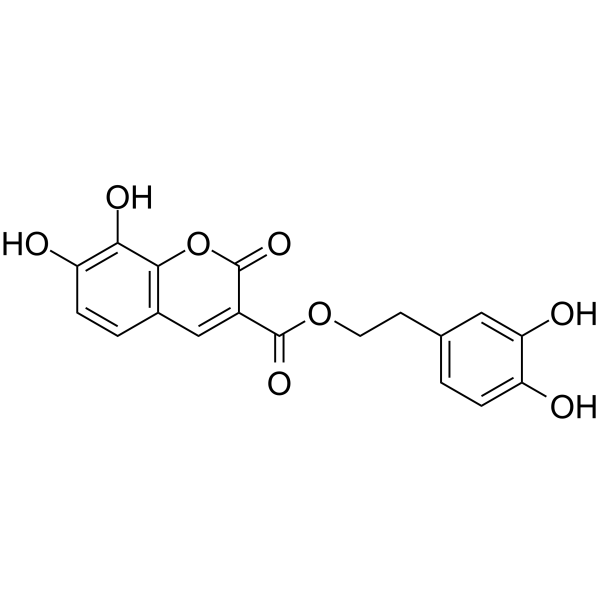
1. Search Result
Search Result
Results for "

Lactate+Dehydrogenase

" in MedChemExpress (MCE) Product Catalog:

97

Inhibitors & Agonists

1

Fluorescent Dyes

4

Biochemical Assay Reagents

2

Peptides

10

Natural
Products

9

Recombinant Proteins

1

Isotope-Labeled Compounds

12

Antibodies

2

Oligonucleotides

Targets Recommended:
Cat. No. Product Name Target Research Areas Chemical Structure
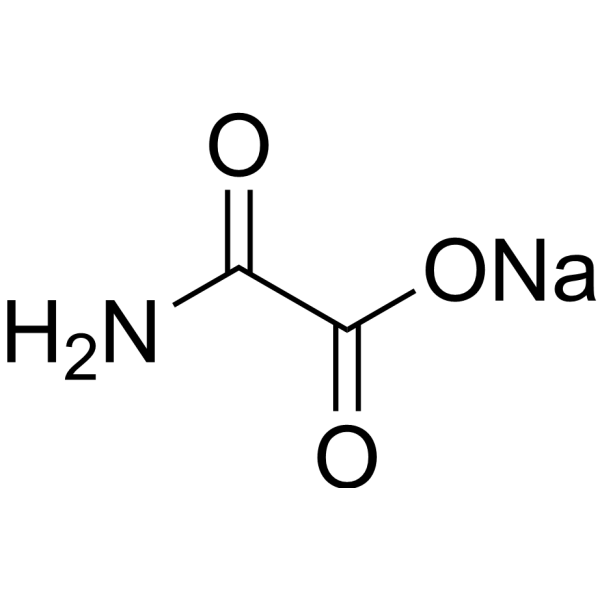
  • HY-W013032A
    Oxamic acid sodium
    Maximum Cited Publications
    58 Publications Verification

    Sodium oxamate

    Lactate Dehydrogenase Apoptosis Cancer
    Oxamic acid (oxamate) sodium salt is a lactate dehydrogenase-A (LDH-A) inhibitor. Oxamic acid sodium salt shows anti-tumor activity, and anti-proliferative activity against cancer cells, and can induce apoptosis .
    Oxamic acid sodium
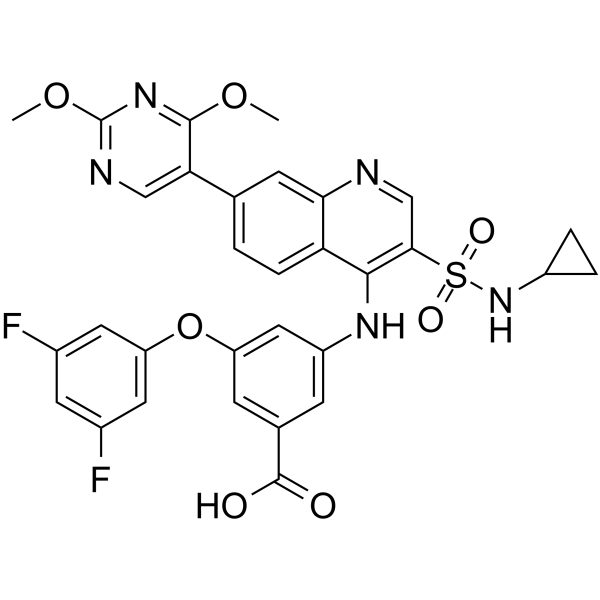
  • HY-100681
    GSK2837808A
    40+ Cited Publications

    Lactate Dehydrogenase Cancer
    GSK2837808A is a potent and selective lactate dehydrogenase A (LDHA) inhibitor with IC50s of 2.6 and 43 nM for hLDHA and hLDHB, respectively.
    GSK2837808A
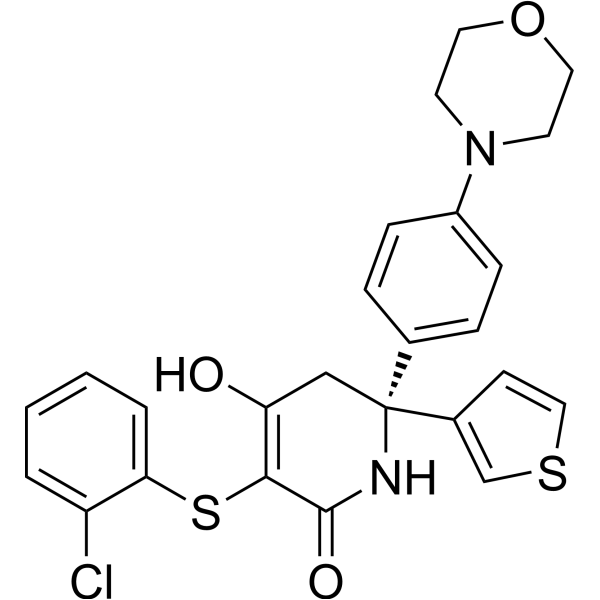
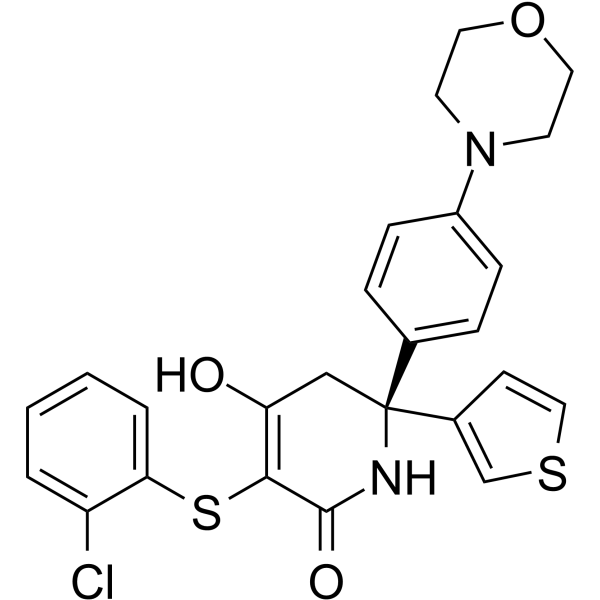
  • HY-100742A
    (R)-GNE-140
    15+ Cited Publications

    Lactate Dehydrogenase Cancer
    (R)-GNE-140 is a potent lactate dehydrogenase A (LDHA) inhibitor, with IC50s of 3 nM and 5 nM for LDHA and LDHB, respectively; (R)-GNE-140 is 18-fold more potent than S enantiomer.
    (R)-GNE-140
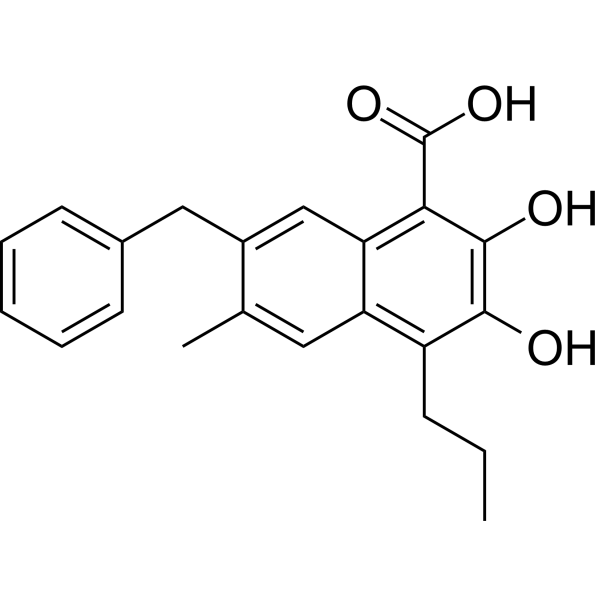
  • HY-16214
    FX-11
    25+ Cited Publications

    LDHA Inhibitor FX11

    Lactate Dehydrogenase Apoptosis Reactive Oxygen Species (ROS) Cancer
    FX-11 is a potent, selective, reversible and competitive lactate dehydrogenase A (LDHA) inhibitor, with a Ki of 8 μM. FX-11 reduces ATP levels and induces oxidative stress, ROS production and cell death. FX-11 shows antitumor activity in lymphoma and pancreatic cancer xenografts .
    FX-11
  • HY-W013032
    Oxamic acid
    Maximum Cited Publications
    58 Publications Verification

    Oxamidic acid

    Lactate Dehydrogenase Apoptosis Cancer
    Oxamic acid is a lactate dehydrogenase-A (LDH-A) inhibitor. Oxamic acid shows anti-tumor activity, and anti-proliferative activity against cancer cells, and can induce apoptosis .
    Oxamic acid
  • HY-W040118
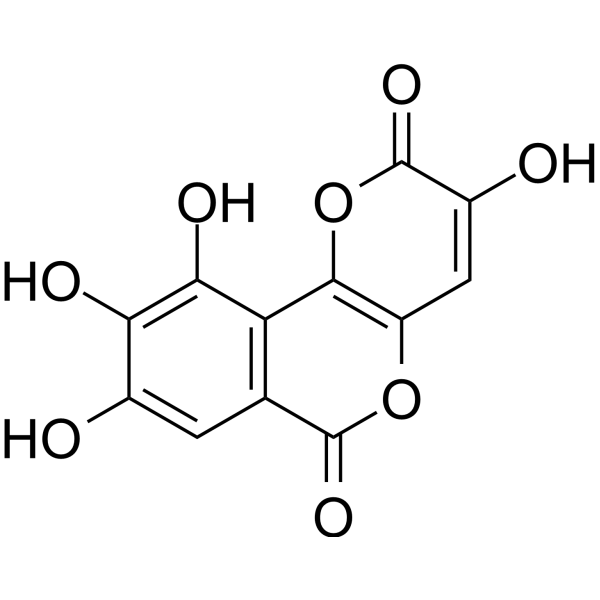
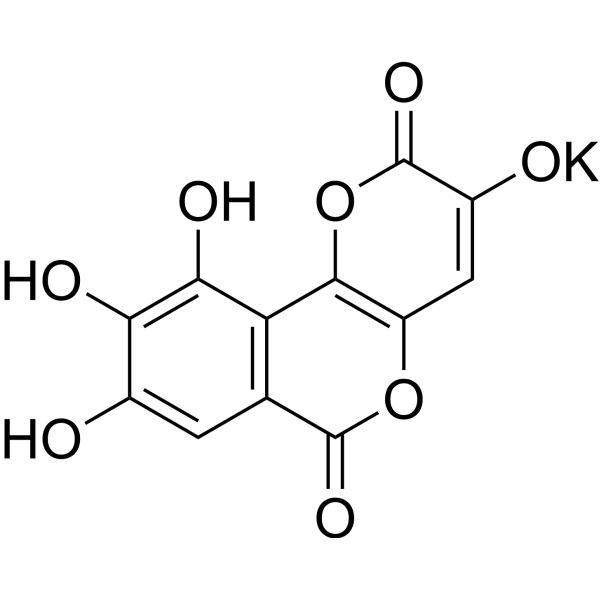
    Galloflavin
    10+ Cited Publications

    Lactate Dehydrogenase Cancer
    Galloflavin is a potent lactate dehydrogenase (LDH) inhibitor. The calculated Kis for pyruvate are 5.46 μM (LDH-A) and 15.06 μM (LDH-B). Galloflavin hinders the proliferation of cancer cells by blocking glycolysis and ATP production .
    Galloflavin
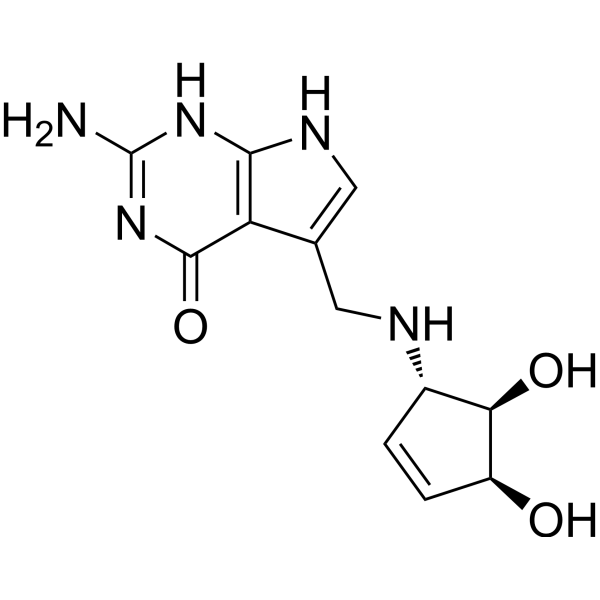
  • HY-N10574
    Queuine
    1 Publications Verification

    Bacterial Metabolic Disease Cancer
    Queuine is a selective substrate for tRNA guanine transglycosylase (TGT) and can be incorporated into eukaryotic tRNA. Queuine promotes tRNA modification, affecting mitochondrial function and Warburg metabolic phenotype. If Queuine is deficient, aerobic glycolysis can be enhanced, oxidative phosphorylation can be inhibited, and Warburg metabolism can be promoted, accompanied by increased ammonia and lactate production and increased lactate dehydrogenase activity. Queuine can be used for autoimmune diseases (such as experimental models of multiple sclerosis) and cancer metabolic regulation, and its deficiency is associated with low tRNA modification in tumor cells .
    Queuine
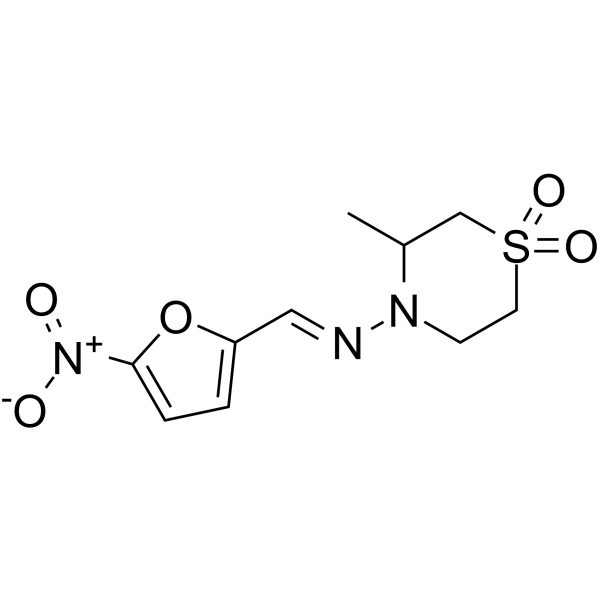
  • HY-W040073
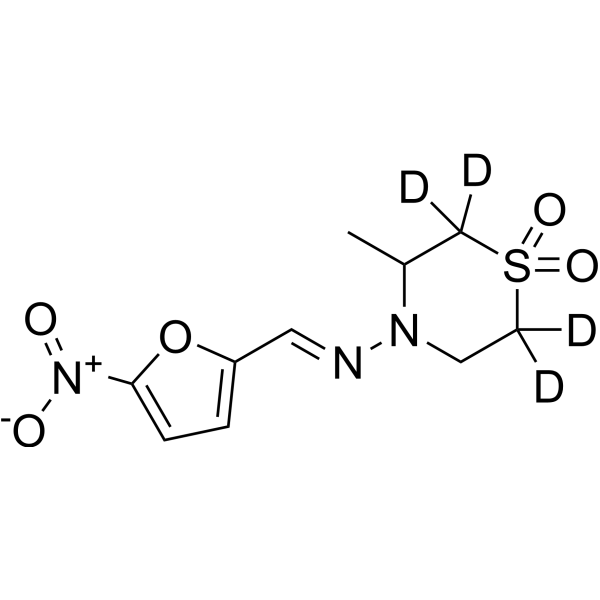
    Nifurtimox
    1 Publications Verification

    Parasite Lactate Dehydrogenase Infection Cancer
    Nifurtimox, an antiprotozoal agent, which is generally used for the treatment of infections with Trypanosoma cruzi, has been used in the therapy of neuroblastoma. Nifurtimox affects enzyme activity of lactate dehydrogenase (LDH).
    Nifurtimox
  • HY-P2807I

    Lactate Dehydrogenase Others
    L-Lactate Dehydrogenase, rabbit muscle is a biological material or organic compound that can be used in life science research .
    L-Lactate Dehydrogenase, rabbit muscle
  • HY-P2807F

    LAD, LD, L-LDH, (S)-Lactate: NAD+ oxidoreductase

    Lactate Dehydrogenase Cardiovascular Disease
    Lactate Dehydrogenase (LDH), Bovine Heart (LAD) is an oxidoreductase that catalyzes the reversible conversion between lactate and pyruvate. Lactate Dehydrogenase (LDH), Bovine Heart is mainly used in life science research, tissue damage diagnosis, and as an enzyme marker .
    Lactate Dehydrogenase (LDH), Bovine Heart
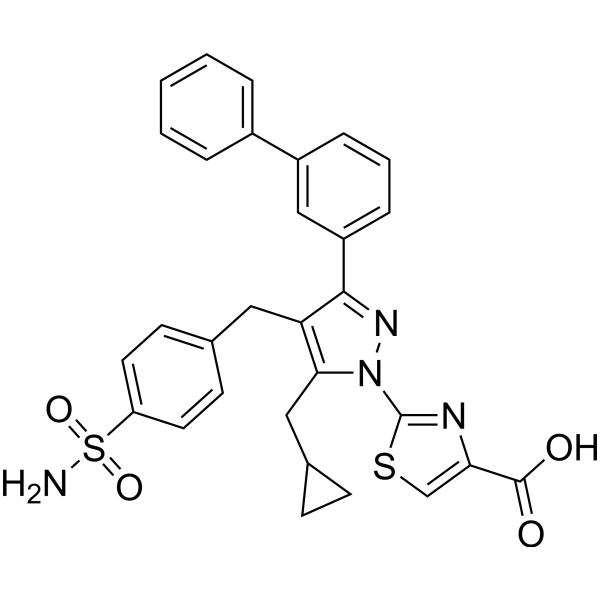
  • HY-111108
    LDH-IN-1
    2 Publications Verification

    Lactate Dehydrogenase Cancer
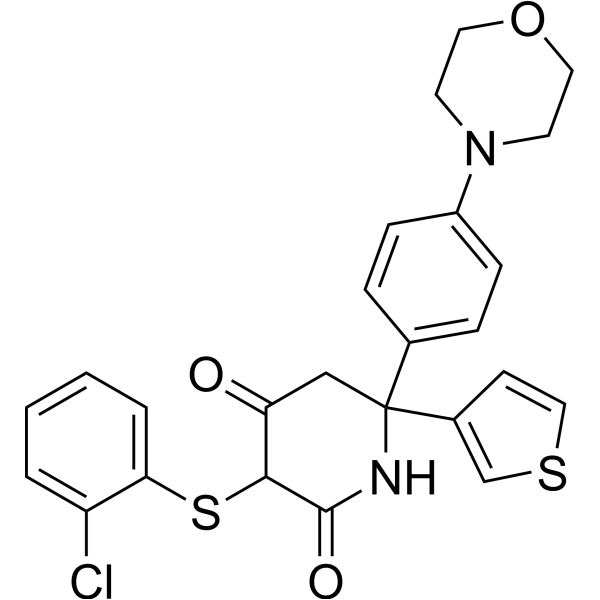
    LDH-IN-1 is a novel pyrazole-based inhibitor of human lactate dehydrogenase (LDH) with IC50s of 32 and 27 nM for LDHA and LDHB, respectively.
    LDH-IN-1
  • HY-P2807

    LAD

    Endogenous Metabolite Inflammation/Immunology Cancer
    L-Lactate dehydrogenase, E.coli is a redox enzyme. L-Lactate dehydrogenase, E.coli catalyzes the reduction of pyruvate to L-lactate by NADH in vivo with absolute enantiospecificity .
    L-Lactate dehydrogenase, E.coli
  • HY-100742
    GNE-140 racemate
    5+ Cited Publications

    Lactate Dehydrogenase Cancer
    GNE-140 racemate is a racemate mixture of (R)-GNE-140 and (S)-GNE-140. GNE-140 racemate is a potent lactate dehydrogenase A (LDHA) inhibitor .
    GNE-140 racemate
  • HY-132606A

    DCR-PHXC sodium

    Small Interfering RNA (siRNA) Lactate Dehydrogenase Metabolic Disease
    Nedosiran (DCR-PHXC) sodium is an RNA interference (RNAi) targeting lactate dehydrogenase (LDH). Nedosiran sodium represents an impactful potential therapeutic for primary hyperoxaluria (PH) with end-stage renal disease (ESRD). Nedosiran sodium is a GalNAc-dsRNA conjugate .
    Nedosiran sodium
  • HY-P2897
    D-Lactate dehydrogenase, Microorganism
    1 Publications Verification

    D-LDH

    Lactate Dehydrogenase Others
    D-Lactate dehydrogenase, Microorganism (D-LDH) is an oxidoreductase that uses NAD + or NADP + as an acceptor and acts on the donor CH-OH group, and can catalyze the oxidation of D-lactate to pyruvate. D-Lactate dehydrogenase widely exists in bacteria and fungi, and is often used in biochemical research .
    D-Lactate dehydrogenase, Microorganism
  • HY-147216
    AXKO-0046
    5 Publications Verification

    Lactate Dehydrogenase Cancer
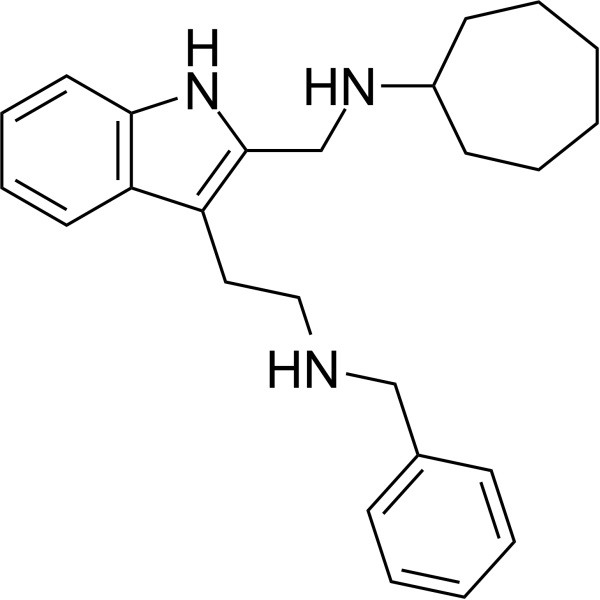
    AXKO-0046, indole derivative, is an uncompetitive Lactate dehydrogenase B (LDHB) selective inhibitor.AXKO-0046 has LDHB inhibitory activity with an EC50 value of 42 nM.AXKO-0046 can be used for the research of cancer metabolism .
    AXKO-0046
  • HY-18968
    AZ-33
    1 Publications Verification

    LDHA-IN-4

    Lactate Dehydrogenase Cancer
    AZ-33 (LDHA-IN-4) (compound 33) is a selective lactate dehydrogenase A (LDHA) inhibitor with an IC50 of 0.5 μM and a Kd of 0.093 μM .
    AZ-33
  • HY-P2807A

    LDH, Lactic Dehydrogenase

    Biochemical Assay Reagents Cardiovascular Disease
    Lactate Dehydrogenase (LDH), Porcine Heart, is an isoenzyme of lactate dehydrogenase derived from porcine heart. Lactate Dehydrogenase (LDH), Porcine Heart, is primarily used in life science research, tissue damage diagnosis, and as an enzyme marker .
    Lactate Dehydrogenase (LDH), Porcine Heart
  • HY-N7393

    Palatinitol

    Environmental Pollutants Lactate Dehydrogenase Metabolic Disease
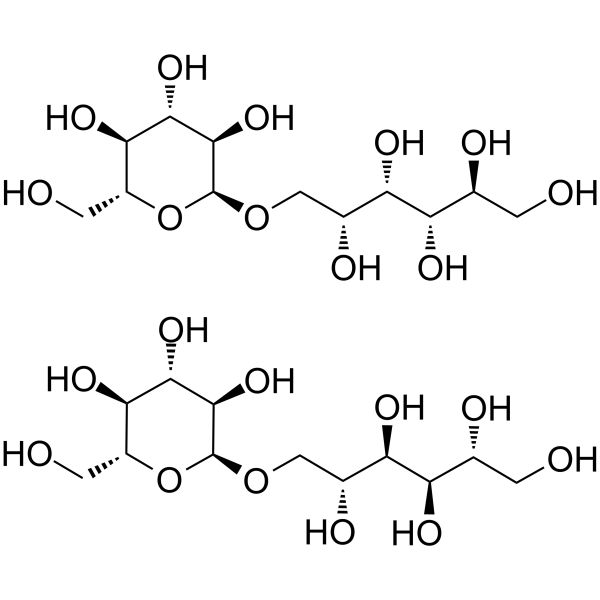
    Isomalt (Palatinitol), a well-tolerated, non-toxic polyol and a protein-stabilizing excipient, stabilizes lactate dehydrogenase (LDH) moderately during freeze-drying, and performs better during storage. Isomalt is traditionally used as a sweetening agent in the food industry and as a tabletting excipient for pharmaceutical purposes .
    Isomalt
  • HY-152670
    JC2-11
    1 Publications Verification

    NOD-like Receptor (NLR) AIM2 Inflammation/Immunology
    JC2-11 is an inhibitor of inflammatory corpuscles. JC2-11 inhibits domain-containing protein NLRC 4, absent in melanoma 2 (AIM 2) and non-canonical (NC) inflammatory corpuscles. JC2-11 reduces the secretion of caspase-1 (p20), the cleavage of gasdermin D (GSDMD), and the releases of IL-1β and lactate dehydrogenases (LDH) in inflammatory bodies. JC2-11 inhibits the activation of inflammatory bodies by destroying the production of reactive oxygen species and the activity of caspase-1 .
    JC2-11
  • HY-124113

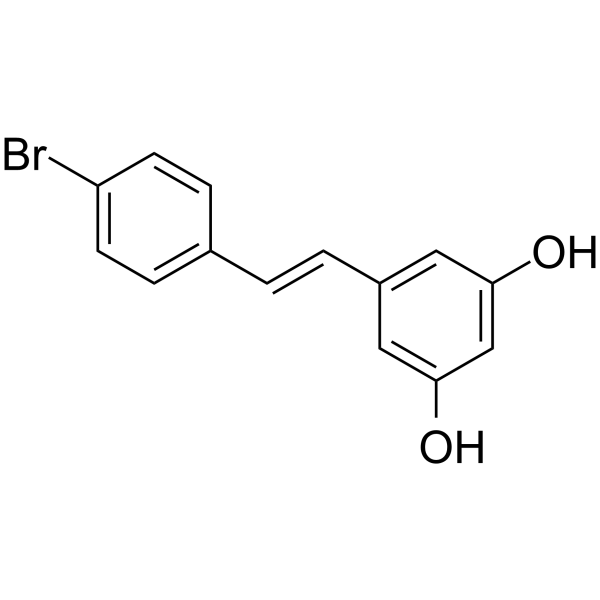
    4′‐BR

    Sirtuin Apoptosis Caspase Lactate Dehydrogenase GLUT Metabolic Disease Inflammation/Immunology Cancer
    4'-Bromo-resveratrol (4′‐BR) is a dual SIRT1/SIRT3 inhibitor with an IC50 of 0.2 mM for both targets. 4'-Bromo-resveratrol induces caspase-dependent apoptosis, induces G0/G1 cell cycle arrest, and inhiibits proliferation. 4'-Bromo-resveratrol reduces lactate production, glucose uptake, and NAD +/NADH ratio, and downregulates lactate dehydrogenase A and glucose transporter 1 (GLUT1). 4'-Bromo-resveratrol can be used for the research of melanoma .
    4'-Bromo-resveratrol
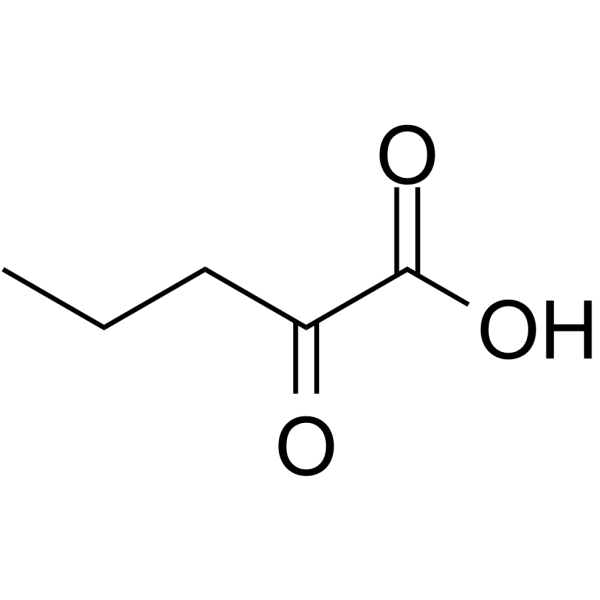
  • HY-113098

    Lactate Dehydrogenase Drug Derivative Metabolic Disease
    2-Oxovaleric acid is an analog of Pyruvate and a substrate inhibitor of Lactate dehydrogenase, exhibiting substrate inhibitory activity against lactate dehydrogenase from Phycomyces blakesleeanus .
    2-Oxovaleric acid
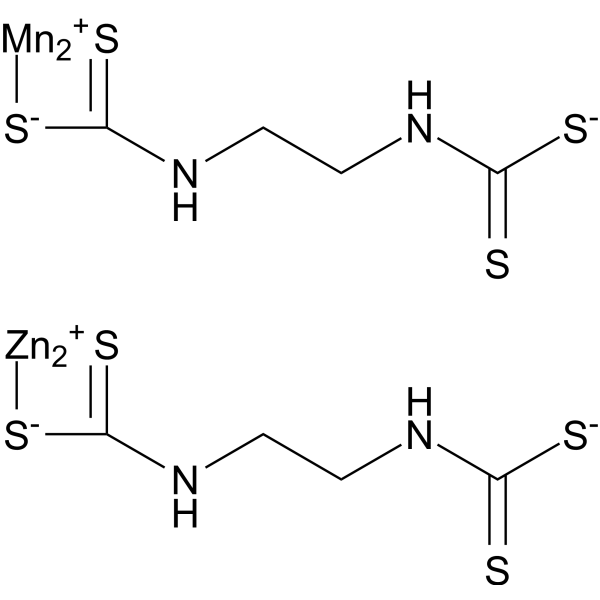
  • HY-B0854

    Environmental Pollutants Lactate Dehydrogenase Apoptosis Fungal Cytochrome P450 Keap1-Nrf2 Infection Metabolic Disease Cancer
    Mancozeb is a widely used fungicide that is effective against fungal diseases in most cereals, vegetables, fruits and ornamental plants. In addition, Mancozeb can cause liver damage in mice by activating the Keap1/Nrf2 signaling pathway. Mancozeb upregulates lactate dehydrogenase and cytochrome c to alter cell metabolism and induce cell death. Mancozeb has reproductive toxicity and can induce apoptosis in ovarian cells .
    Mancozeb
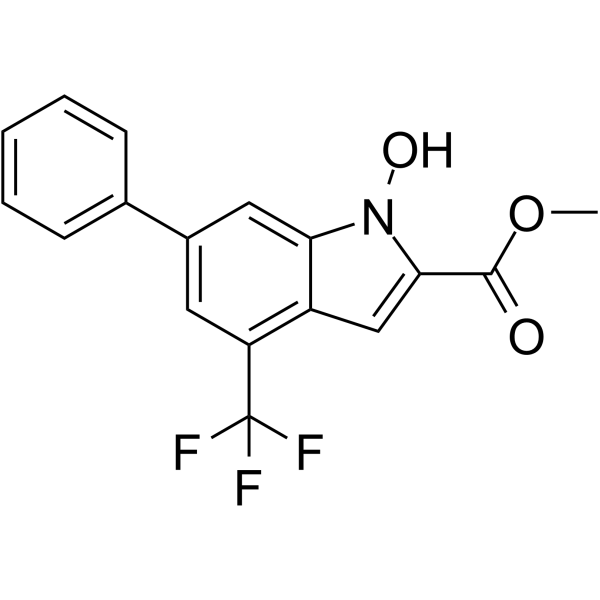
  • HY-124309

    Lactate Dehydrogenase Apoptosis Cancer
    NHI-2 is a lactate dehydrogenase A (LDHA) inhibitor with an IC50 of 14.7 µM. NHI-2 shows selective for LDHA over LDHB (IC50 = 55.8 µM). NHI-2 is an efficient anti-glycolytic agent. NHI-2 enhances apoptosis, induces cell cycle arrest at S and G2 phases. NHI-2 has a broad spectrum anti-proliferative activity in cancer cells. NHI-2 affects extracellular acidification rate and ATP production. NHI-2 suppresses tumor growth in murine B78 melanoma tumor model .
    NHI-2
  • HY-100742B

    Lactate Dehydrogenase Cancer
    (S)-GNE-140 is the less active enantiomer of GNE-140 which can inhibit Lactate dehydrogenase A (LDHA).
    (S)-GNE-140
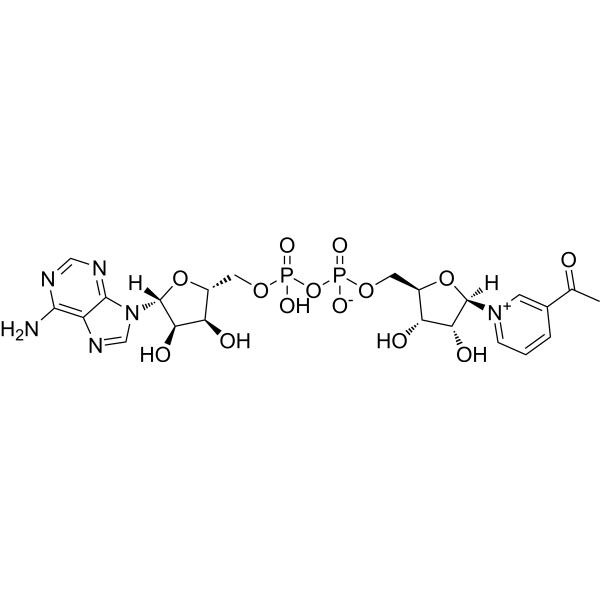
  • HY-131485

    3-APAD, 90%; 3-Acetylpyridine NAD, 90%

    Lactate Dehydrogenase Metabolic Disease
    3-Acetylpyridine adenine dinucleotide, 90% is an analog of nicotinamide adenine dinucleotide (NAD). 33-Acetylpyridine adenine dinucleotide, 90% collaboratively inhibits Lactate Dehydrogenase (LDH) with bisulfite .
    3-Acetylpyridine adenine dinucleotide, 90%
  • HY-139319
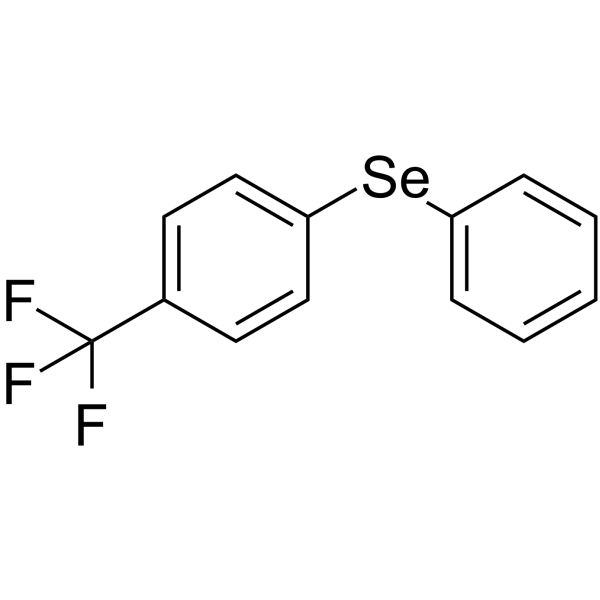
    LDHA-IN-3
    2 Publications Verification

    Lactate Dehydrogenase Cancer
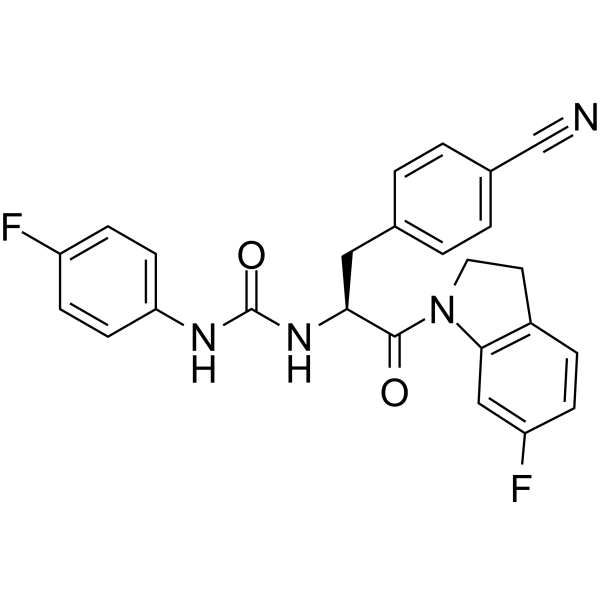
    LDHA-IN-3 (compound 2), as a selenobenzene compound, is a potent, noncompetitive lactate dehydrogenase (LDHA) inhibitor (IC50=145.2 nM). LDHA-IN-3 can be used for the research of cancer .
    LDHA-IN-3
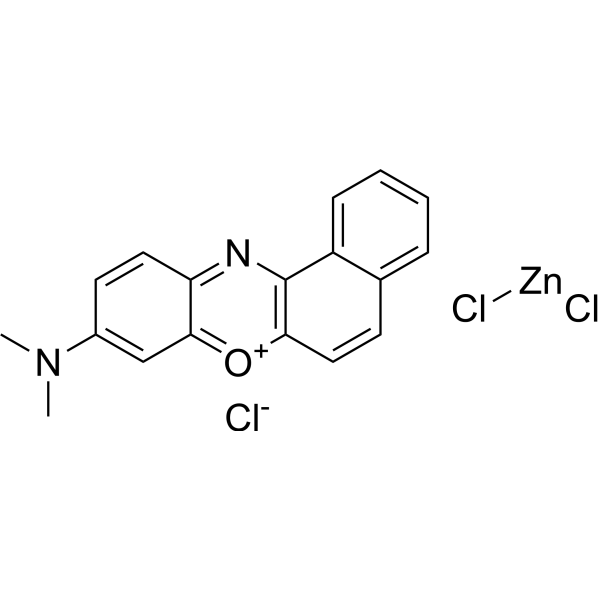
  • HY-D0808

    Fluorescent Dye
    Meldola blue is a biosensor for measuring lactate in serum based on screen-printed carbon electrodes modified with Meldola's Blue-Reinecke salt (MBRS-SPCE) coated with lactate dehydrogenase NAD+-dependent enzyme (from pig heart) and NAD+.
    Meldola blue
  • HY-147216A
    AXKO-0046 dihydrochloride
    5 Publications Verification

    Lactate Dehydrogenase Metabolic Disease Inflammation/Immunology Cancer
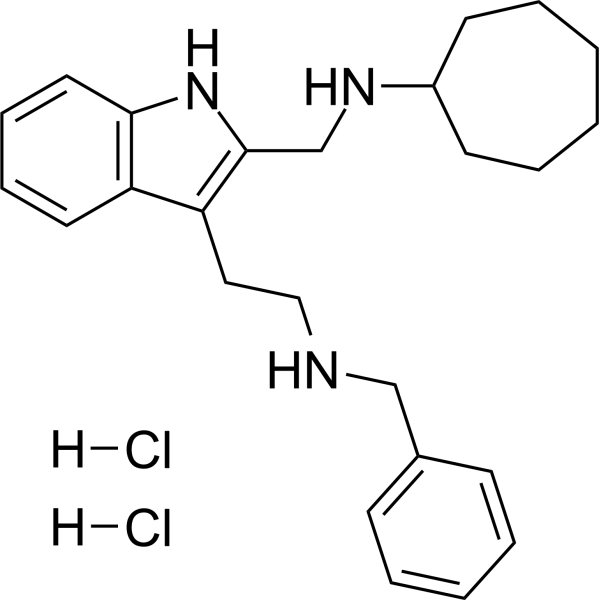
    AXKO-0046 dihydrochloride, indole derivative, is an uncompetitive Lactate dehydrogenase B (LDHB) selective inhibitor. AXKO-0046 dihydrochloride has LDHB inhibitory activity with an EC50 value of 42 nM. AXKO-0046 dihydrochloride can be used for the research of cancer metabolism .
    AXKO-0046 dihydrochloride
  • HY-176798

    Lactate Dehydrogenase Reactive Oxygen Species (ROS) Apoptosis Cancer
    NCI-006 is an orally active lactate dehydrogenase (LDH) inhibitor (LDHA IC50 = 0.06 μM; LDHB IC50 = 0.03 μM). NCI-006 inhibits intratumoral LDH activity, lactate production, and tumor growth in a mouse pancreatic cancer model. NCI-006 inhibits glycolysis and induces apoptosis in vitro. NCI-006 enhances the radiosensitivity of glycolytic tumor cell lines while sparing non-glycolytic/normal cells (1522, skin fibroblasts) in combination with ionizing radiation (IR). NCI-006 exhibits synergistic antitumor effects in combination with IACS-010759 (HY-112037) against colorectal and gastric cancers. NCI-006 targets glycolysis by inhibiting lactate dehydrogenase impairs tumor growth in an Ewing sarcoma model .
    NCI-006
  • HY-153129

    Prostaglandin Receptor Endocrinology
    EP2 receptor antagonist-2 (CID891729) is an antagonist of EP2 receptor. EP2 receptor antagonist-2 inhibits the EP2 receptor activation induced by PGE2. EP2 receptor antagonist-2 also suppresses lactate dehydrogenase (LDH) release induced by N-methyl-D-aspartate (NMDA) .
    EP2 receptor antagonist-2
  • HY-34154

    Lactate Dehydrogenase Others
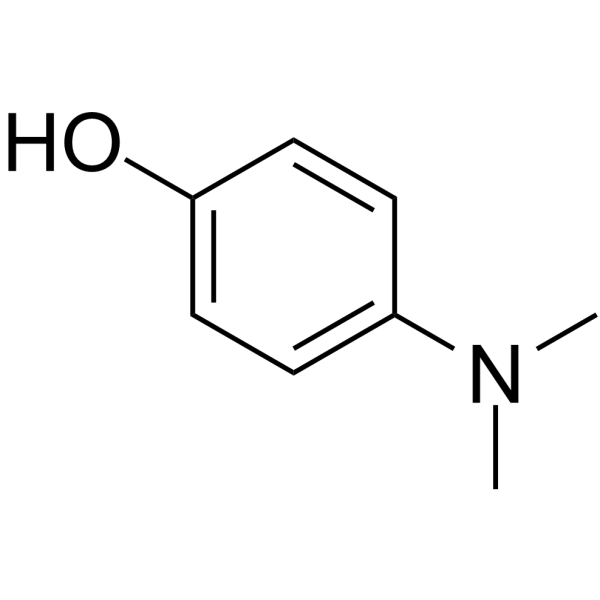
    4-(Dimethylamino)phenol is a potent cyanide antidote. 4-(Dimethylamino)phenol increases the extracellular lactate dehydrogenase (LDH) without markedly affecting gluconeogenesis. 4-(Dimethylamino)phenol cannot decreases the ATP content until the membrane becomes permeable to LDH. 4-(Dimethylamino)phenol’s toxicity is related to its reaction with glutathione and formation of covalent complexes, leading to impaired cellular function .
    4-(Dimethylamino)phenol
  • HY-W088011B

    Sodium hydroxyacetate, 98%

    Lactate Dehydrogenase Aminotransferases (Transaminases) Endocrinology
    Sodium glycolate, 98% (Sodium hydroxyacetate, 98%) is an orally active, versatile organic salt . Sodium glycolate, 98% acts as an enzyme activity regulator that increases the activities of glycolate oxidase (GAO) and lactate dehydrogenase (LDH), while reducing the activity of glycolate dehydrogenase (GAD). Sodium glycolate, 98% induces oxalate biosynthesis and causes hyperoxaluria in rats. Sodium glycolate, 98% reduces urinary calcium excretion in male albino rats. Sodium glycolate, 98% can be used in studies related to calcium oxalate urolithiasis and hyperoxaluria .
    Sodium glycolate, 98%
  • HY-N10574A
    Queuine dihydrochloride
    1 Publications Verification

    Others Metabolic Disease Cancer
    Queuine dihydrochloride is a selective substrate for tRNA guanine transglycosylase (TGT) and can be incorporated into eukaryotic tRNA. Queuine dihydrochloride promotes tRNA modification, affecting mitochondrial function and Warburg metabolic phenotype. If Queuine dihydrochloride is deficient, aerobic glycolysis can be enhanced, oxidative phosphorylation can be inhibited, and Warburg metabolism can be promoted, accompanied by increased ammonia and lactate production and increased lactate dehydrogenase activity. Queuine dihydrochloride can be used for autoimmune diseases (such as experimental models of multiple sclerosis) and cancer metabolic regulation, and its deficiency is associated with low tRNA modification in tumor cells .
    Queuine dihydrochloride
  • HY-132606

    DCR-PHXC

    Small Interfering RNA (siRNA) Lactate Dehydrogenase Metabolic Disease
    Nedosiran (DCR-PHXC) is an RNA interference (RNAi) targeting lactate dehydrogenase (LDH). Nedosiran represents an impactful potential therapeutic for primary hyperoxaluria (PH) with end-stage renal disease (ESRD). Nedosiran is a GalNAc-dsRNA conjugate .
    Nedosiran
  • HY-N2177

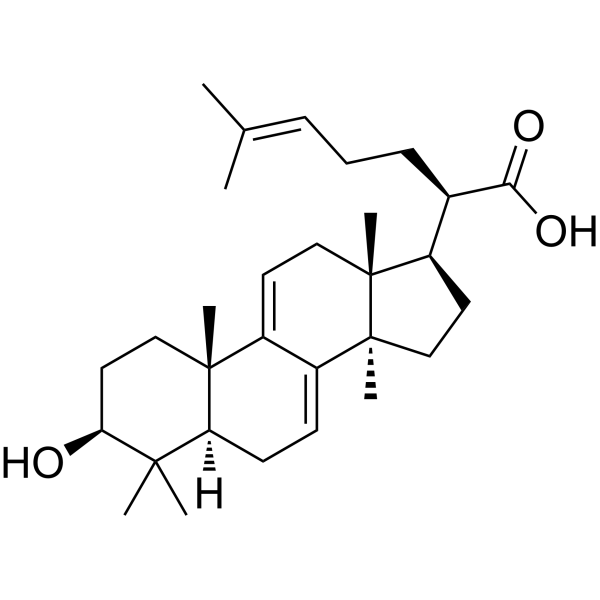
    Lactate Dehydrogenase Apoptosis Cancer
    3-​Dehydrotrametenolic acid, isolated from the sclerotium of Poria cocos, is a lactate dehydrogenase (LDH) inhibitor. 3-​Dehydrotrametenolic acid promotes adipocyte differentiation in vitro and acts as an insulin sensitizer in vivo. 3-​Dehydrotrametenolic acid induces apoptosis and has anticancer activity .
    3-Dehydrotrametenolic acid
  • HY-171944

    Drug Derivative Lactate Dehydrogenase Others
    6-O-Oleoyltrehalose is a derivative of trehalose. 6-O-Oleoyltrehalose has biodegradable and low surface tension reduction ability. 6-O-Oleoyltrehalose preserves Lactate dehydrogenase (LDH) activity during freeze/thaw cycles. 6-O-Oleoyltrehalose can be used for stabilizer research .
    6-O-Oleoyltrehalose
  • HY-W016203

    Sodium phenylpyruvate

    Endogenous Metabolite PDI Infection Metabolic Disease
    Phenylpyruvic acid sodium is a endogenous metabolite that participates in the synthesis of 3-phenyllactic acid (PLA) by lactate dehydrogenase. Phenylpyruvic acid is a precursor of the antifungal compound phenyllactic acid. Phenylpyruvic acid can improve the antifungal activity of eight lactic acid bacterial strains through the addition into a dedined growth medium. Phenylpyruvic acid demonstrates improved inhibitory activity against fungal bread contaminants Aspergillus niger and Penicillium roqueforti. Phenylpyruvic acid affects enzyme activity of the pentose phosphate pathway involved in the oxidative phase in rat brain homogenates. Phenylpyruvic acid can reduce glucose-6-phosphate dehydrogenase activity .
    Phenylpyruvic acid sodium
  • HY-147342

    Drug Metabolite IMPDH Cancer
    β-Benzamide adenine dinucleotide is a biologically active metabolite of benzamide riboside. β-Benzamide adenine dinucleotide is a competitive inhibitor of human NAD kinase with a Ki value of 90 μM, and inhibits human IMPDH with IC50 values of 0.787 μM and 0.884 μM for type I and type II, respectively. β-Benzamide adenine dinucleotide exhibits inhibitory activities against lactate dehydrogenase, glutamate dehydrogenase, and malate dehydrogenase. β-Benzamide adenine dinucleotide can be used for the study of chronic myelogenous leukemia .
    β-Benzamide adenine dinucleotide
  • HY-130502

    Cholesterol 5β,6β-epoxide; 5β,6β-Epoxycholesterol

    Apoptosis Inflammation/Immunology Cancer
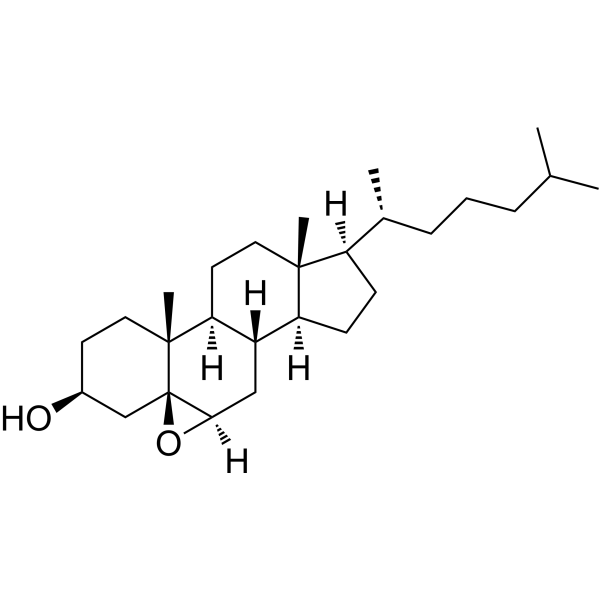
    5β,6β-epoxycholestanol (Cholesterol 5β,6β-epoxide; 5β,6β-Epoxycholesterol) is an oxysterol. 5β,6β-epoxycholestanol induces cytotoxicity in bronchial epithelial cells. 5β,6β-epoxycholestanol induces lactate dehydrogenase (LDH) release and apoptosis in lymphoma cells undergoing macrophage differentiation . 5β,6β-epoxycholestanol is applicable to research related to atherosclerosis .
    5β,6β-Epoxycholestanol
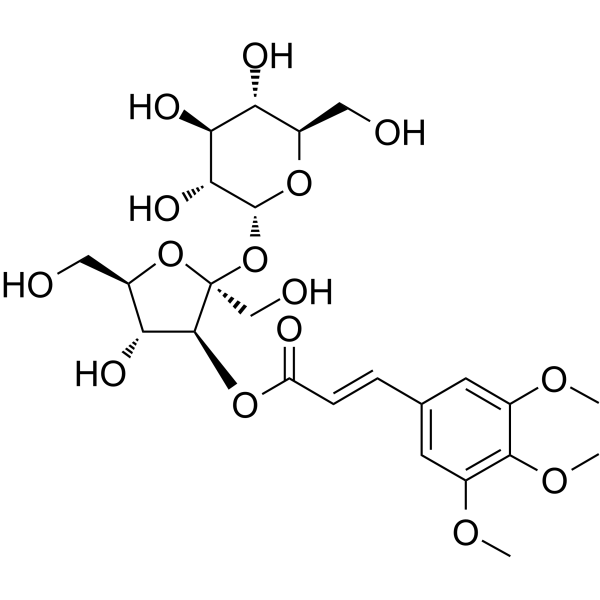
  • HY-N2498

    Lactate Dehydrogenase Others
    Glomeratose A is a lactate dehydrogenase inhibitor, isolated from Polygala tenuifolia .
    Glomeratose A
  • HY-P2807K

    Endogenous Metabolite Metabolic Disease
    L-Lactate Dehydrogenase, bovine muscle is an oxidoreductase. L-Lactate Dehydrogenase, bovine muscle catalyzes the reversible conversion of lactate to pyruvate with the reduction of NAD+ to NADH .
    L-Lactate Dehydrogenase, bovine muscle
  • HY-P2807J

    Lactate Dehydrogenase Metabolic Disease
    L-Lactate Dehydrogenase (L-LDH), pig muscle is an L-lactate dehydrogenase found in pig muscle, mainly present in anaerobic tissues (skeletal muscle, red blood cells). L-Lactate Dehydrogenase (L-LDH), pig muscle can interact with acidic liposomes at low pH, causing protein to adsorb onto the liposomes and inhibit enzyme activity. The IC50 values for L-Lactate Dehydrogenase (L-LDH), pig muscle are 0.05 μM for cardiolipin and 1.3 μM for phosphatidylserine liposomes .
    L-Lactate Dehydrogenase (L-LDH), pig muscle
  • HY-113383

    Endogenous Metabolite Lactate Dehydrogenase Biochemical Assay Reagents Metabolic Disease Endocrinology
    2-Hydroxyvaleric acid is a medium chain α-hydroxy fatty acid. 2-Hydroxyvaleric acid is an activator in fat metabolism of palmitic acid-1-C 14. 2-hydroxyvaleric acid is also used as a staining agent for measuring tissue-specific Lactate dehydrogenase activity and elevated levels of 2-hydroxyvaleric acid induces lactic acidosis .
    2-Hydroxyvaleric acid
  • HY-155335

    Formyl Peptide Receptor (FPR) Inflammation/Immunology
    FPR2 agonist 3 (compound CMC23) can limit the lactate dehydrogenase release in LPS (HY-D1056) -stimulated cultures and decrease the levels of pro-inflammatory IL-1β and IL-6. FPR2 agonist 3 decrease the level of phosphor-STAT3 via the STAT3/SOCS3 signaling pathway .
    FPR2 agonist 3
  • HY-P2807G

    LAD, LD, L-LDH, (S)-Lactate, LDH

    Lactate Dehydrogenase Others
    Lactate Dehydrogenase (LDH), Chicken Heart (LAD, LD, L-LDH, (S)-Lactate, LDH) is a biological material or organic compound that can be used in life science research .
    Lactate Dehydrogenase (LDH), Chicken Heart
  • HY-P10563

    BHV-1100

    CD38 Cancer
    Noraramtide (BHV-1100) is an antibody recruitment molecule. Noraramtide can specifically bind to CD38 molecules to recruit natural killer (NK) cells. Noraramtide enhances the ability of NK cells to kill tumor cells through antibody-dependent cellular cytotoxicity (ADCC). This mechanism allows NK cells to more effectively recognize and eliminate tumor cells while avoiding mutual killing between NK cells. Noraramtide can be used for the study of autologous cancer immunity .
    Noraramtide
  • HY-139182

    Endogenous Metabolite Metabolic Disease
    CAY10762 is an inhibitor of monoacylglycerol lipase (MAGL; IC50=34.1 nM). It reduces hydrogen peroxide-induced lactate dehydrogenase (LDH) release from Neuro2a cells when used at a concentration of 1 μM. CAY10762 (10 mg/kg) increases levels of 2-arachidonoyl glycerol in mouse brain.
    MAGL-IN-3
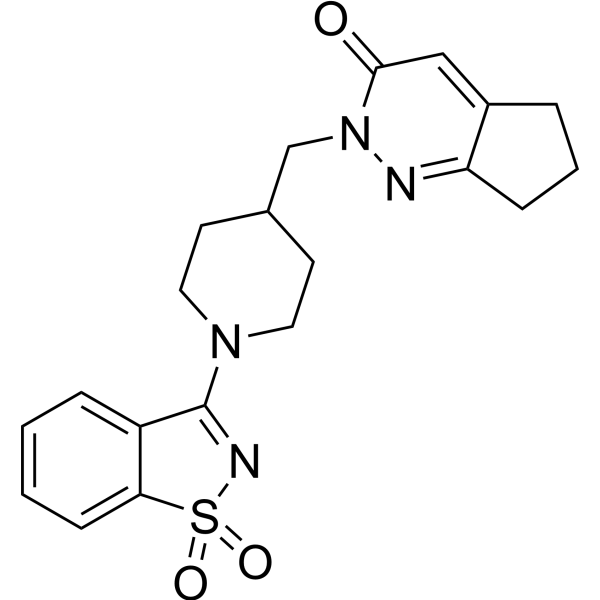
  • HY-151243

    Lactate Dehydrogenase Cancer
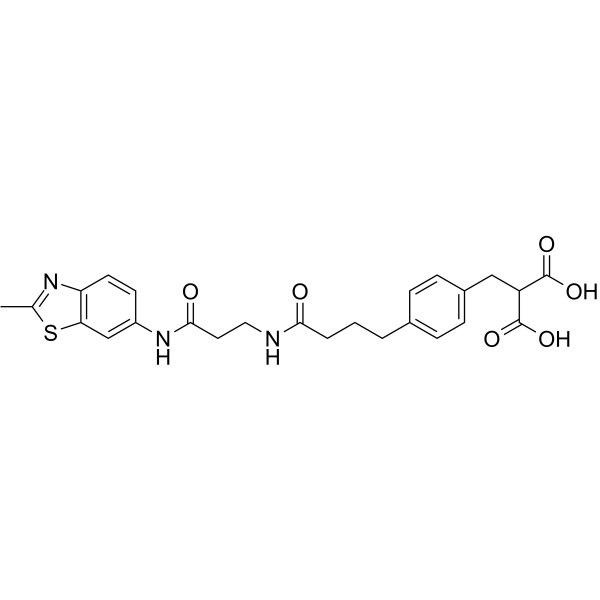
    NCATS-SM1441 (compound 52) is a lactate dehydrogenase (LDH) inhibitor (IC50=40 nM). By inhibiting the activity of LDH, NCATS-SM1441 is able to reduce the production of lactic acid in cancer cells, helping to slow or stop the proliferation of cancer cells. NCATS-SM1441 can be used to study cancer metabolism .
    NCATS-SM1441
  • HY-131829

    6-AE-NAD+

    Biochemical Assay Reagents Others
    N6-(2-Aminoethyl)-NAD+ (6-AE-NAD+) is a NAD+ derivative commonly used in affinity chromatography. N6-(2-Aminoethyl)-NAD+ can be covalently linked to a PQQ (pyrroloquinoline quinone) (HY-100196) monolayer on an electrode surface for immobilizing NAD+-dependent enzymes such as lactate dehydrogenase (LDH) .
    N6-(2-Aminoethyl)-NAD+

Inquiry Online

Your information is safe with us. * Required Fields.

Salutation


Country or Region *

Applicant Name *


Organization Name *

Department *


Email Address *


Product Name *

Cat. No.


Requested quantity *

Phone Number *


Remarks

Inquiry Online

Inquiry Information

Product Name:
Cat. No.:
Quantity:
MCE Japan Authorized Agent: