1. Search Result
Search Result
Results for "

NQO

" in MedChemExpress (MCE) Product Catalog:

80

Inhibitors & Agonists

1

Fluorescent Dyes

21

Natural
Products

4

Recombinant Proteins

1

Isotope-Labeled Compounds

9

Antibodies

6

Oligonucleotides

Cat. No. Product Name Target Research Areas Chemical Structure
  • HY-33354
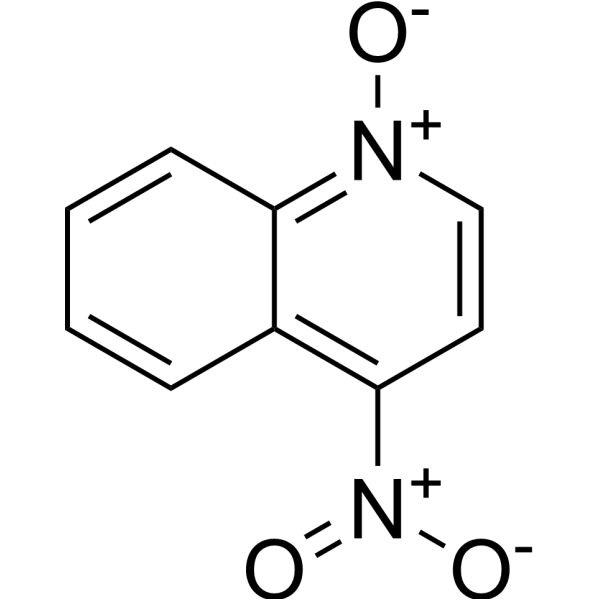
    Nitrochin
    3 Publications Verification

    4-NQO

    DNA/RNA Synthesis Apoptosis Inflammation/Immunology Cancer
    Nitrochin (4-NQO) is a chemical carcinogen. Nitrochin induces oncostatin-M (OSM) in esophageal cells. Nitrochin induces DNA damage, and induces apoptosis via a p53-dependent mitochondrial signaling pathway .
    Nitrochin
  • HY-N0645
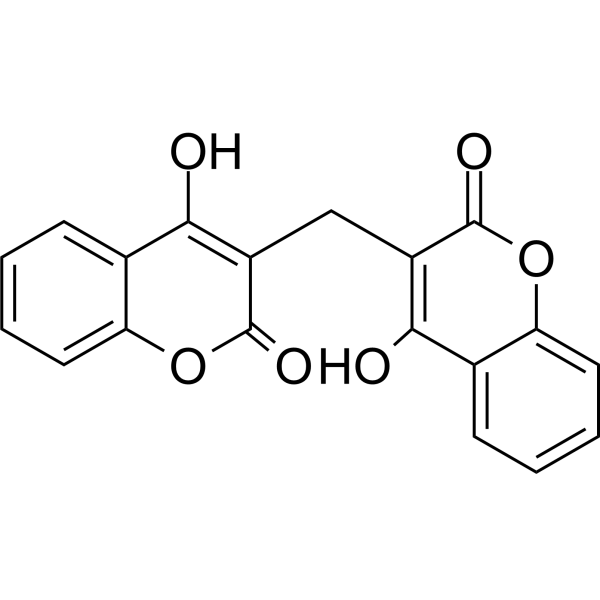
    Dicoumarol
    Maximum Cited Publications
    11 Publications Verification

    Dicumarol

    Quinone Reductase PDHK Cancer
    Dicoumarol is an inhibitor of both NAD(P)H:quinone oxidoreductase 1 (NQO1) and PDK1 with IC50s of 0.37 and 19.42 μM, respectively.
    Dicoumarol
  • HY-W011370
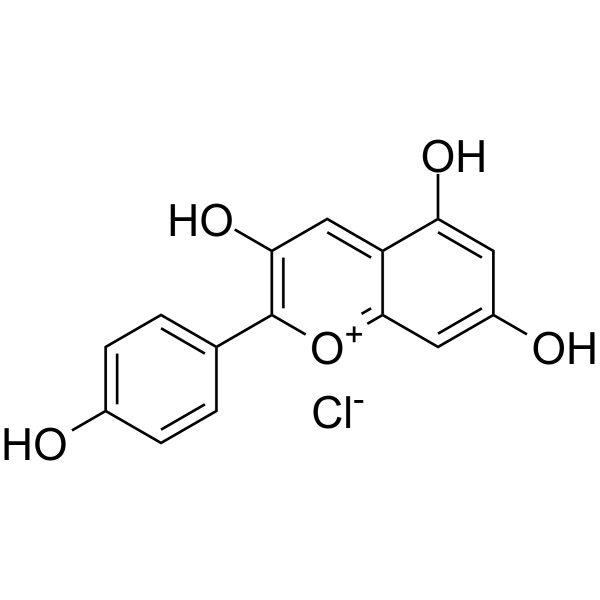
    Pelargonidin chloride
    1 Publications Verification

    Quinone Reductase Reactive Oxygen Species (ROS) Neurological Disease Cancer
    Pelargonidin chloride is an anthocyanidin and also is a scavenger of nitric oxide radical and has antioxidant activities. Pelargonidin inhibits cell viability and induces cell cycle arrest at sub-G1 phase. Pelargonidin chloride increases the mRNA and protein expression of HO-1, NQO1, Nrf2. Pelargonidin chloride improves Aβ-induced memory and learning impairment .
    Pelargonidin chloride
  • HY-100367

    Quinone Reductase NF-κB Cancer
    ES 936 is a potent and specific NQO1 inhibitor. ES 936 inhibits the growth of MIA PaCa-2 and BxPC-3 cells, with IC50 values of 108 nM and 365 nM, respectively. ES936 significantly inhitbits the growth rate of MIA PaCa-2 xenograft tumors in mice. ES 936 can be used for the study of pancreatic cancer .
    ES 936
  • HY-128895
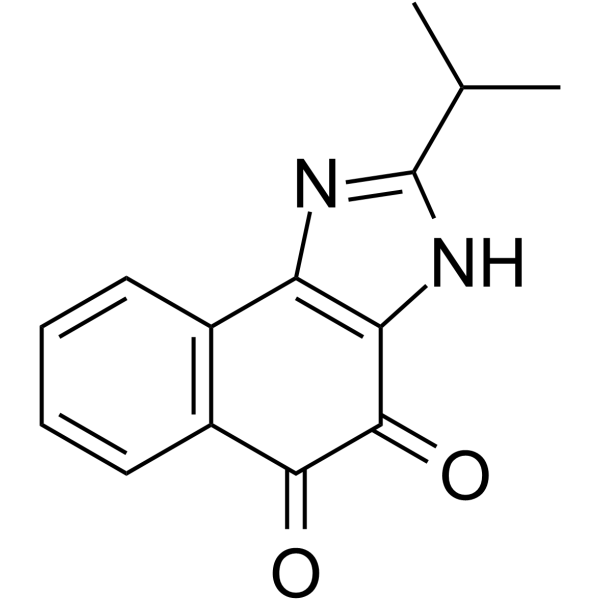
    KL1333
    1 Publications Verification

    Quinone Reductase Mitochondrial Metabolism Metabolic Disease
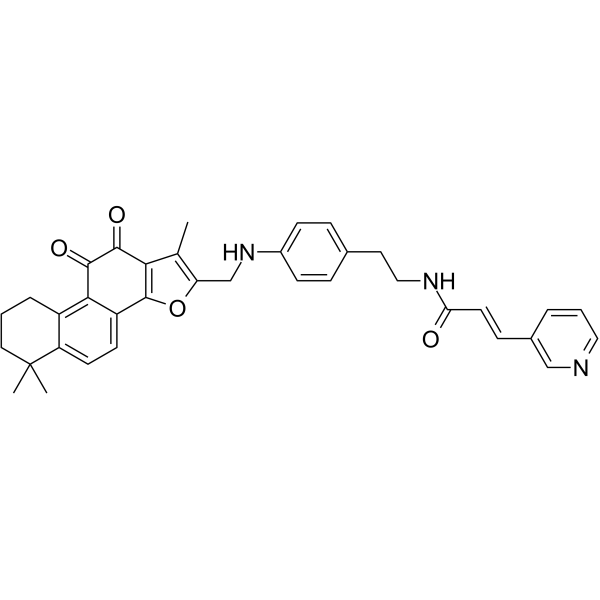
    KL1333, a derivative of β-lapachone, is an orally available NAD+ modulator. KL1333 reacts with NAD(P)H:quinone oxidoreductase 1 (NQO1) as a substrate, resulting in increases in intracellular NAD+ levels via NADH oxidation. KL1333 improves energy metabolism and mitochondrial dysfunction in MELAS fibroblasts. KL1333 protects against Cisplatin-induced ototoxicity in mouse cochlear cultures .
    KL1333
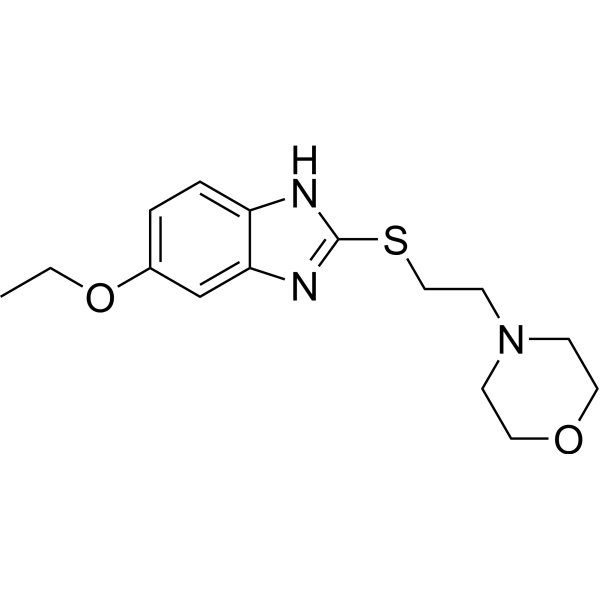
  • HY-14895

    CM346

    Parasite Monoamine Oxidase Sigma Receptor P-glycoprotein Infection Cardiovascular Disease Neurological Disease
    Fabomotizole (CM346) is an insecticide with anxiolytic, antianxiety, and neuroprotective activities and a substrate of p-glycoprotein. Fabomotizole inhibits the ST-segment depression induced by isoproterenol in a rat model of acute subendocardial ischemia. Fabomotizole also inhibits Giardia lamblia and has the potential to inhibit giardiasis. Fabomotizole also targets Sigma1R, NRH:quinone reductase 2 (NQO2), and MAO-A to exert anxiolytic effects .
    Fabomotizole
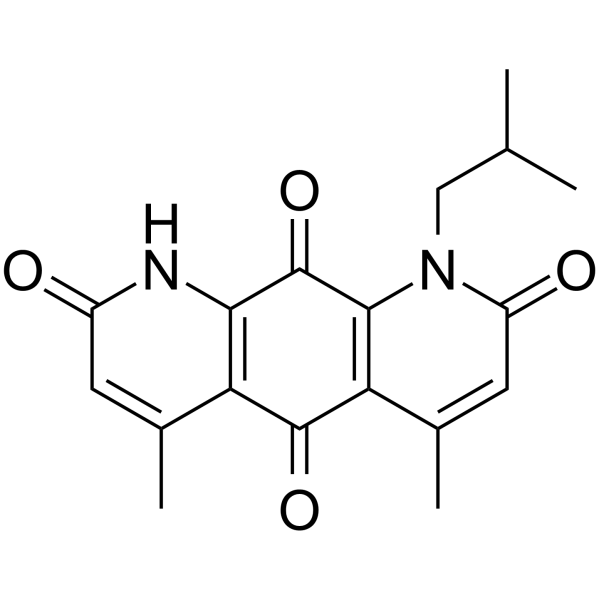
  • HY-125027

    IB-DNQ

    Quinone Reductase Cancer
    Isobutyl-deoxynyboquinone (IB-DNQ) is a selective substrate for NAD(P)H:quinone oxidoreductase (NQO1). Isobutyl-deoxynyboquinone can be used for the research of anticancer .
    Isobutyl-deoxynyboquinone
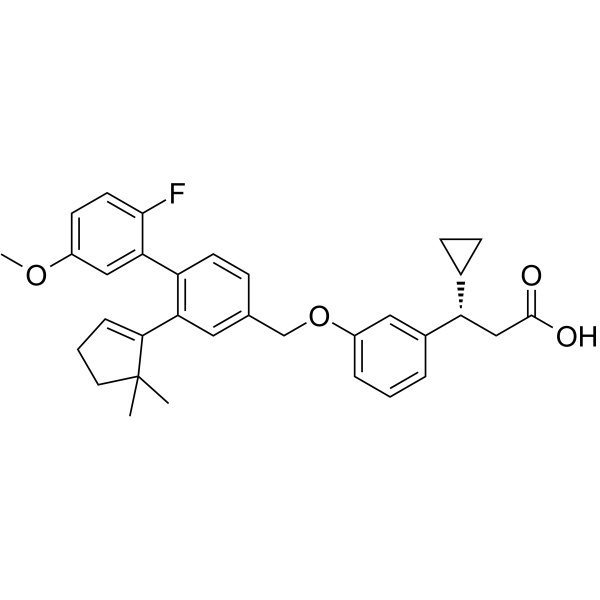
  • HY-13467
    AM-1638
    3 Publications Verification

    Free Fatty Acid Receptor Metabolic Disease
    AM-1638 is an orally active full agonist of GPR40 (EC50: 0.16 μM). AM-1638 increases the expression of antioxidant molecules (HO-1 and NQO-1). AM1638 blocks Palmitate (HY-N0830)-mediated superoxide production and ER stress. AM-1638 has antidiabetic activity and improves glycemic control in BDF mice with diet-induced obesity (DIO). AM-1638 demonstrates excellent oral bioavailability (mouse, >100%; rat, 72%; and cyno, 71%) .
    AM-1638
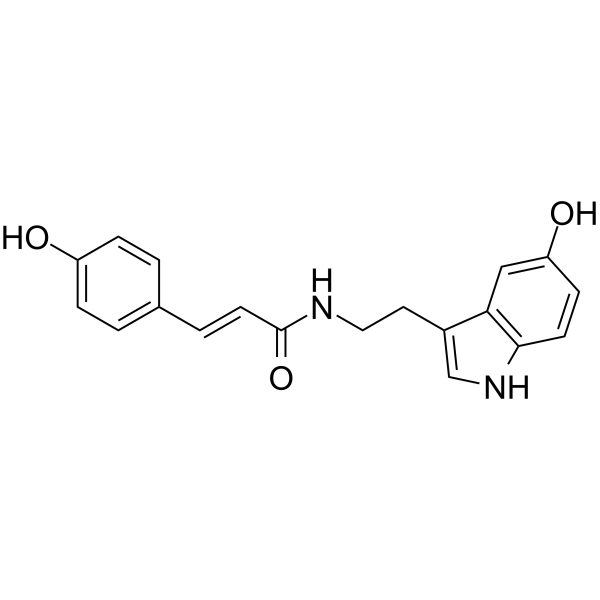
  • HY-129440

    NF-κB Toll-like Receptor (TLR) p38 MAPK NO Synthase COX ERK Caspase PDGFR MyD88 Reactive Oxygen Species (ROS) Apoptosis Neurological Disease Metabolic Disease Inflammation/Immunology Cancer
    N-(p-Coumaroyl) Serotonin is an orally active polyphenol found in safflower seeds with potent anti-inflammatory, antioxidant, and antitumor activities. N-(p-Coumaroyl) Serotonin suppresses NF‑κB, TLR4/MyD88 and MAPK signaling, activates NQO1/HO‑1 pathways, and inhibits pro‑inflammatory cytokines, iNOS and COX‑2 and ROS production. N-(p-Coumaroyl) Serotonin induces S‑phase arrest and apoptosis in glioblastoma cells, reduces atherosclerotic lesions, and alleviates renal and vascular injuries. N-(p-Coumaroyl) Serotonin acts as a vasodilator, regulates calcium dynamics. N-(p-Coumaroyl) Serotonin can be used for the research of neurodegenerative diseases, atherosclerosis, glioblastoma, and acute renal failure .
    N-(p-Coumaroyl) Serotonin
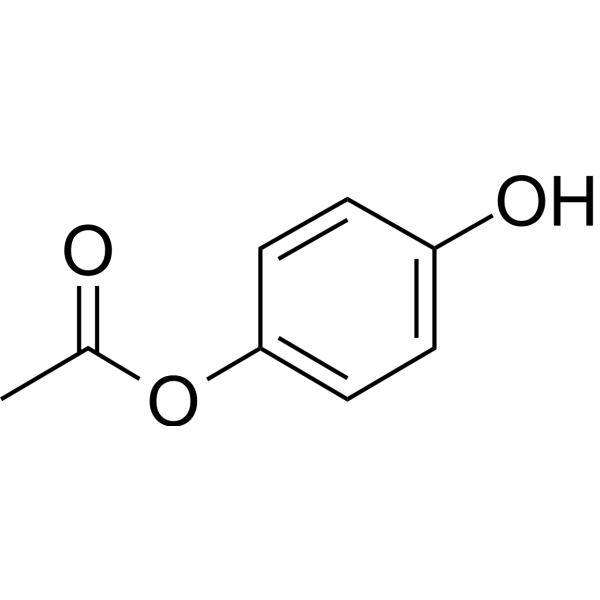
  • HY-30267
    4-Hydroxyphenyl acetate
    2 Publications Verification

    4-HPA; 4-Acetoxyphenol

    Quinone Reductase Endogenous Metabolite Others
    4-Hydroxyphenyl acetate (4-HPA) is a natural antioxidant and protects cells from oxidative stress-induced necrosis. 4-Hydroxyphenyl acetate blocks the increase of cellular ROS induced by oxidative stress, and up-regulates NQO1 and HO-1 genes by stabilizing and inducing the nuclear translocation of NRF2 transcription factor .
    4-Hydroxyphenyl acetate
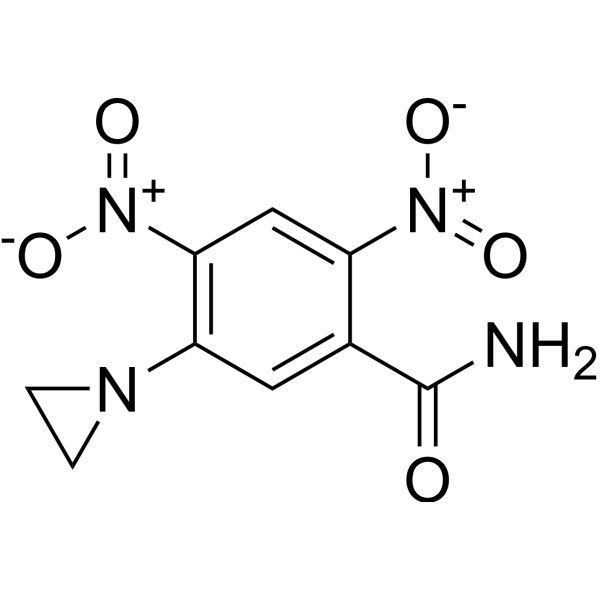
  • HY-13543

    CB 1954

    Quinone Reductase DNA Alkylator/Crosslinker Cancer
    Tretazicar (CB 1954), an antitumor proagent, is highly selective against the Walker 256 rat tumour line. Tretazicar is enzymatically activated to generate a bifunctional agent, which can form DNA-DNA interstrand cross-links. Tretazicar in rat cells involves the reduction of its 4-nitro group to a 4-hydroxylamine by the enzyme NAD(P)H:quinone oxidoreductase 1 (NQO1) .
    Tretazicar
  • HY-W614507

    NADPH Oxidase Apoptosis Bcl-2 Family Metabolic Disease Cancer
    Dihydronicotinamide riboside is a potent NAD + concentration enhancer. Dihydronicotinamide riboside modulates targets BAX, PUMA, NQO2, and IκB kinase. Dihydronicotinamide riboside mediates apoptosis, induces pro-oxidant activity, mitochondrial dysfunction, metabolic dysregulation, redox modulation, and pro-inflammatory M1 phenotype induction. Dihydronicotinamide riboside increases intracellular and mitochondrial NAD + levels, maintains cell survival against NAD +-depleting genotoxins. Dihydronicotinamide riboside can be used for the research of hepatocellular carcinoma .
    Dihydronicotinamide riboside
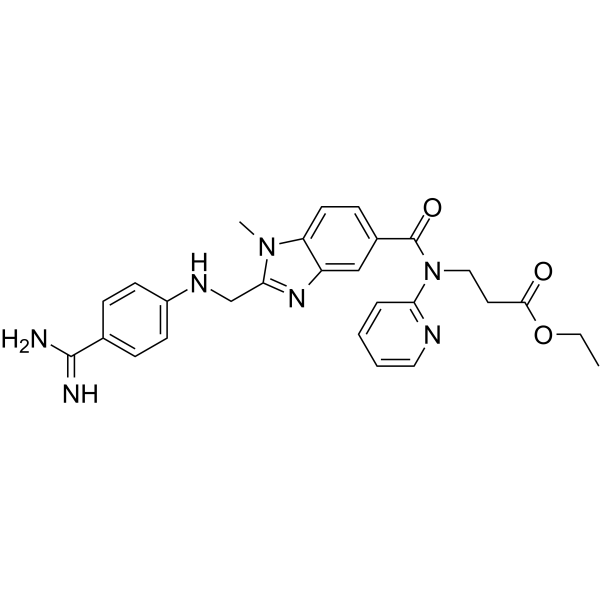
  • HY-17378
    Dabigatran ethyl ester
    1 Publications Verification

    Thrombin Cardiovascular Disease
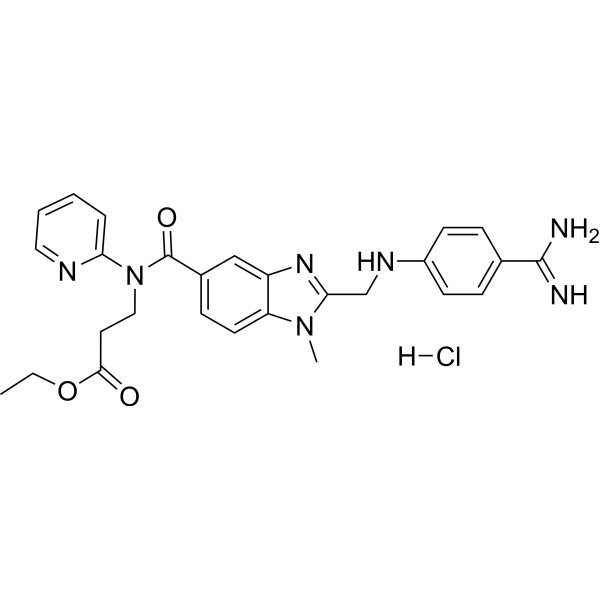
    Dabigatran ethyl ester is an inhibitor of ribosyldihydronicotinamide dehydrogenase (NQO2) and thrombin. Dabigatran ethyl ester inhibits NADH-dependent metabolism of mitomycin C mediated by purified recombinant human NQO2 .
    Dabigatran ethyl ester
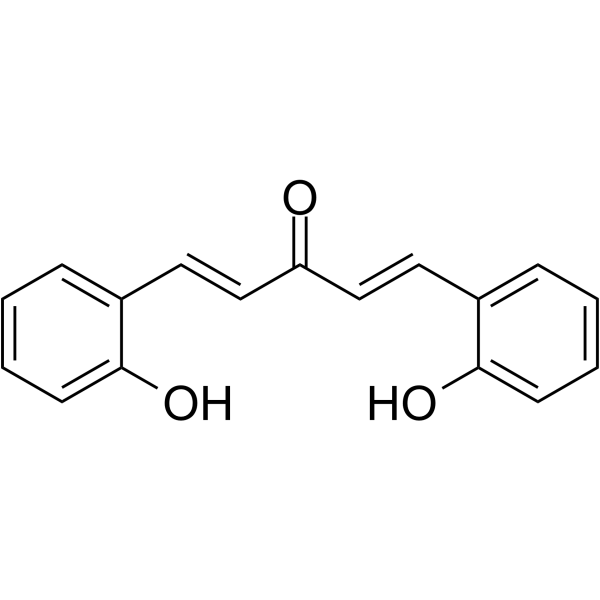
  • HY-103667
    2-HBA
    3 Publications Verification

    Quinone Reductase Caspase Cancer
    2-HBA is a potent inducer of NAD(P)H:quinone acceptor oxidoreductase 1 (NQO1) which can also activate caspase-3 and caspase-10.
    2-HBA
  • HY-15673
    KP372-1
    3 Publications Verification

    Quinone Reductase Akt Reactive Oxygen Species (ROS) Apoptosis Cancer
    KP372-1 is an Akt inhibitor that inhibits proliferation and induces apoptosis and anoikis. KP372-1 is also an NQO1 redox cycling agent that causes DNA damage (including DNA breakage) by generating ROS. KP372-1 can be used in cancer research (such as head and neck squamous cell carcinoma (HNSCC) and pancreatic cancer) .
    KP372-1
  • HY-12346

    NSC 12407; BRD-K4477

    Quinone Reductase Others
    FH1 (NSC 12407) is a NQO2 inhibitor with hepatoprotective effects. FH1 enhances hepatocyte function and promotes differentiation of induced pluripotent stem (iPS)-derived hepatocytes to a more mature phenotype and maturation of well-differentiated hepatocyte-like cell (iHeps) cultures. FH1 protects against Acetaminophen (HY-66005)-induced hepatotoxicity in both embryos and adult zebrafish .
    FH1
  • HY-N1970
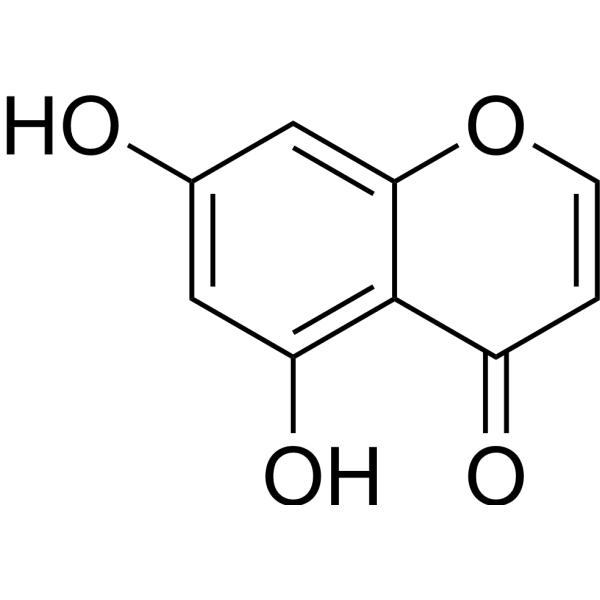
    5,7-Dihydroxychromone
    2 Publications Verification

    Keap1-Nrf2 Caspase PARP Fungal Infection Neurological Disease Metabolic Disease Inflammation/Immunology Cancer
    5,7-Dihydroxychromone is a flavonoid compound with antioxidant properties. 5,7-Dihydroxychromone induces Nrf2 nuclear translocation, increases Nrf2/ARE binding activity, and up-regulates Nrf2-dependent antioxidant genes HO-1, NQO1, GCLc. 5,7-Dihydroxychromone attenuates excessive ROS generation, inhibits activated caspase-3, caspase-9, cleaved PARP expression, and prevents neuronal apoptosis and cell death. 5,7-Dihydroxychromone increases LXRα and PPARγ mRNA expression, induces preadipocyte differentiation, and regulates blood glucose levels. 5,7-Dihydroxychromone inhibits radial growth of soil pathogenic fungi, radicle elongation of select seedlings, and transiently inhibits Bradyrhizobium sp. growth in high mannitol medium. 5,7-Dihydroxychromone can be used for the research of Parkinson’s disease, type 2 diabetes mellitus and pathogenic fungal infection .
    5,7-Dihydroxychromone
  • HY-108992

    Quinone Reductase Apoptosis Reactive Oxygen Species (ROS) Cancer
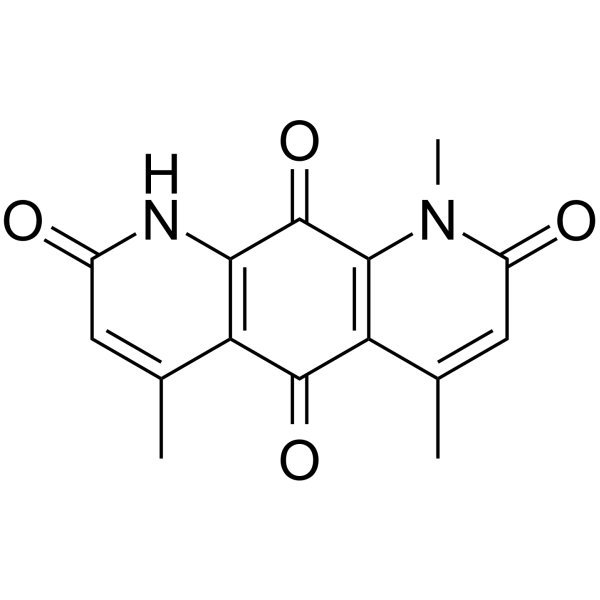
    Deoxynyboquinone, an excellent NQO1 substrate, is a potent antineoplastic agent. Deoxynyboquinone induces apoptosis in cancer cell lines. Deoxynyboquinone kills cancer cells through oxidative stress and reactive oxygen species (ROS) formation .
    Deoxynyboquinone
  • HY-171705

    Keap1-Nrf2 AMPK JNK IKK p38 MAPK NO Synthase α-synuclein Interleukin Related Neurological Disease
    KMS99220 is an orally active, blood-brain barrier-permeable activator of the Nrf2 inhibitory protein Keap-1. KMS99220 enhances the activity of AMPK, activates the Nrf2 signaling pathway, and reduces the phosphorylation of IκB, nuclear translocation of NFκB, as well as the phosphorylation levels of JNK, IKK and p38 MAPK via HO-1. KMS99220 binds to Keap1 to trigger the nuclear translocation of Nrf2, induces the expression of HO-1, NQO1, GCLC, GCLM and proteasome subunits; enhances proteasomal enzymatic activity; inhibits iNOS expression, nitric oxide production and IL-1β generation; attenuates microglial activation; reduces α-synuclein aggregation; and prevents dopaminergic neuron degeneration and motor dysfunction. KMS99220 prevents the degeneration of dopaminergic neurons in the substantia nigra, induces the expression of Nrf2 downstream target genes, and effectively ameliorates associated motor dysfunction in a mouse model of Parkinson's disease. KMS99220 is applicable to research related to Parkinson's disease .
    KMS99220
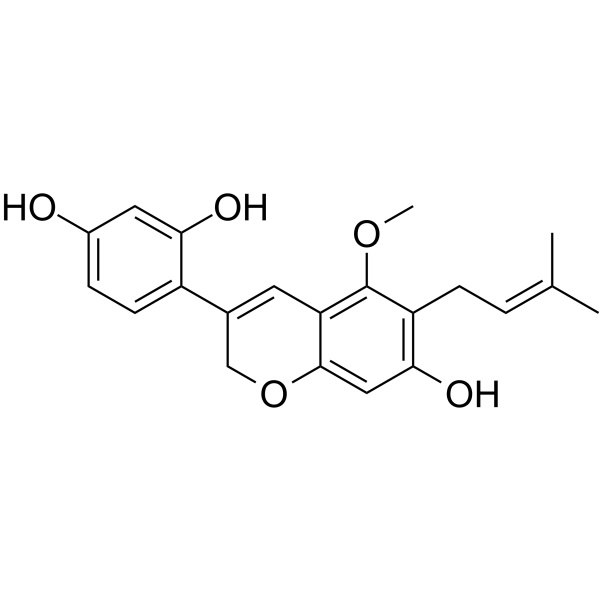
  • HY-N7335

    Quinone Reductase Others Neurological Disease Inflammation/Immunology Cancer
    Dehydroglyasperin C, a isoflavone, is a potent NAD(P)H:oxidoquinone reductase (NQO1) and phase 2 enzyme inducer. Dehydroglyasperin C has antioxidant, neuroprotective, cancer chemopreventive, and anti-inflammatory activities .
    Dehydroglyasperin C
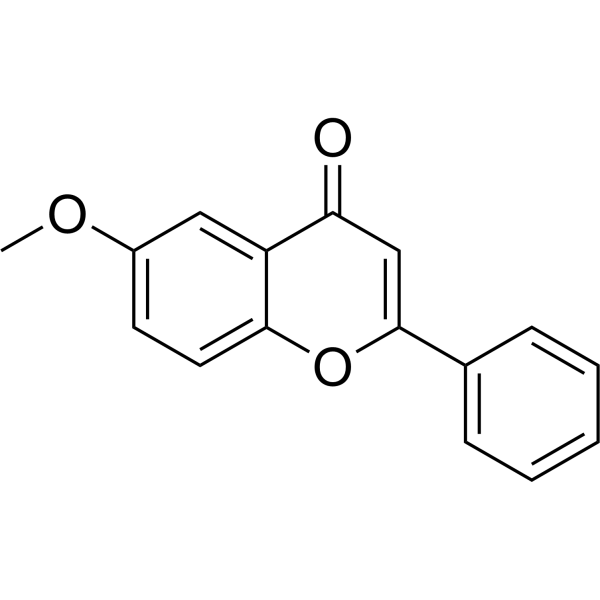
  • HY-W097625

    Toll-like Receptor (TLR) MyD88 p38 MAPK NF-κB Heme Oxygenase (HO) Neurological Disease Inflammation/Immunology Cancer
    6-Methoxyflavone is an orally active methoxyflavone. 6-Methoxyflavone suppresses neuroinflammation in microglia through the inhibition of TLR4/MyD88/p38 MAPK/NF-κB dependent pathways and the activation of HO-1/NQO-1 signaling. 6-Methoxyflavone induces S-phase arrest through the CCNA2/CDK2/p21CIP1 signaling pathway in HeLa cells. 6-Methoxyflavone inhibits NFAT Translocation into the nucleus and suppresses T cell activation. 6-Methoxyflavone partially restores chronic ethanol-induced behavioral deficits in mice. 6-Methoxyflavone antagonizes chronic constriction injury and diabetes associated neuropathic nociception expression. 6-Methoxyflavone can be used for the study of cancer, inflammation and neurological diseases .
    6-Methoxyflavone
  • HY-118588

    Quinone Reductase Microtubule/Tubulin Others
    Diminutol is an inhibitor for NADP-dependent quinone oxidoreductase (NQO1), that is involved in microtubule morphogenesis and cell devision .
    Diminutol
  • HY-168926

    Reactive Oxygen Species (ROS) Apoptosis Cancer
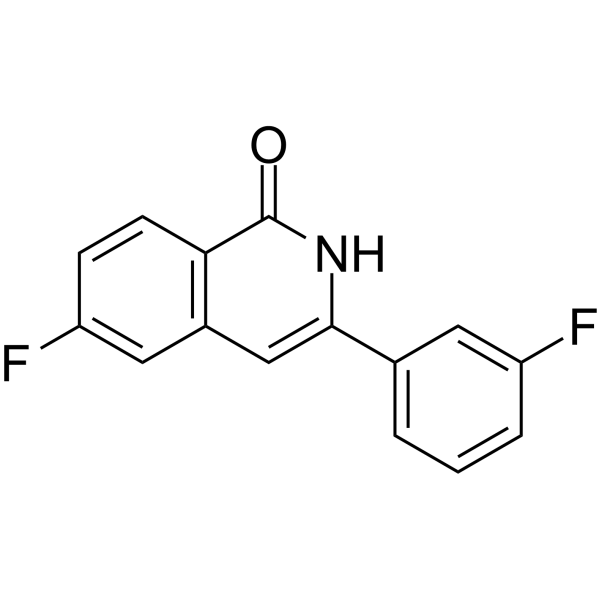
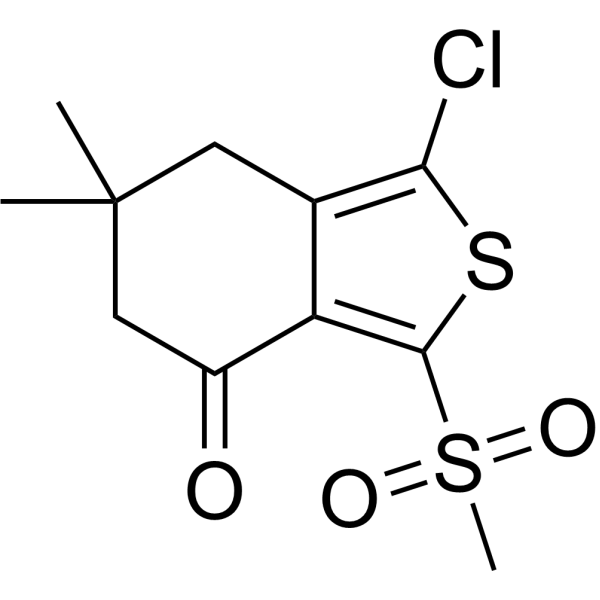
    NQO2-IN-1 (Compound 20b) is the inhibitor for quinone oxidoreductase (NQO) that inhibits NQO2 with an IC50 of 95 nM. NQO2-IN-1 overcomes the resistance of NSCLC cells to tumor necrosis factor-related apoptosis-inducing ligand (TRAIL) by induction of ROS and apoptosis .
    NQO2-IN-1
  • HY-141439

    Keap1-Nrf2 Quinone Reductase Glutathione S-transferase Apoptosis TNF Receptor Inflammation/Immunology Cancer
    TBE 31 is an orally active Keap1/Nrf2 pathway activator and NQO1 inducer with a Dm value of 1.1 nM for NQO1. TBE 31 binds to cysteine residues of Keap1, inhibits ubiquitination and degradation of Nrf2, thereby activating the expression of ARE-dependent genes. TBE 31 induces cytoprotective enzymes including NQO1 and GST isoforms, promotes Nrf2 accumulation, and upregulates Nrf2-regulated genes related to antioxidation and lipid metabolism. TBE 31 inhibits pro-inflammatory responses, formation of AFB1-DNA adducts, endoplasmic reticulum stress, cell apoptosis (apoptosis), hepatic fibrosis, oxidative stress, and the expression of ChREBP. TBE 31 reduces the number of tumors in a mouse model of ultraviolet-induced skin carcinogenesis. TBE 31 enhances nerve growth factor-induced neurite outgrowth. TBE 31 attenuates LPS-induced serum TNF-α levels and immobility time in mice. TBE 31 can be used in research related to liver cancer, skin cancer, inflammation-related depression, and non-alcoholic steatohepatitis .
    TBE 31
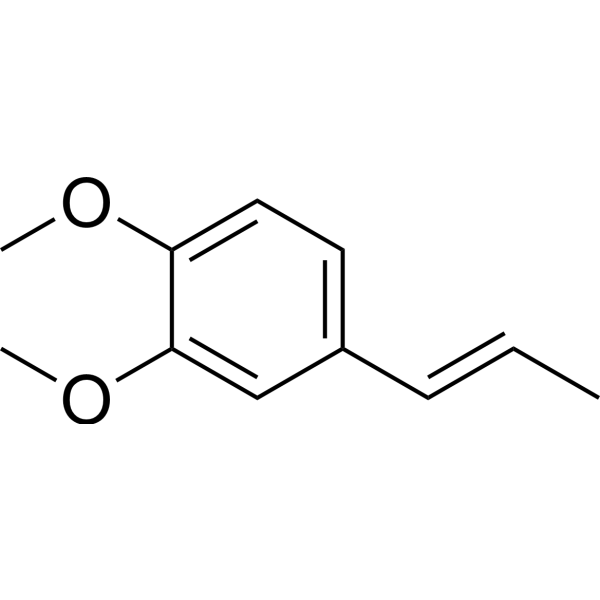
  • HY-N2439

    Environmental Pollutants Pyroptosis SOD Quinone Reductase Keap1-Nrf2 NF-κB Cardiovascular Disease
    Methyl isoeugenol is an orally active, blood-brain barrier-permeable isoeugenol-type eugenol analog. Methyl isoeugenol promotes the nuclear translocation of Nrf2, upregulates the expressions of HO-1, NQO1 and SOD, and reduces the expression level of MDA. Methyl isoeugenol decreases the nuclear translocation of NF-κB. Methyl isoeugenol inhibits NLRP3 inflammasome-mediated pyroptosis. Methyl isoeugenol reduces cerebral infarction volume and regulates the M1/M2 phenotypic balance of microglia. Methyl isoeugenol can be used for the research of cerebral ischemia-reperfusion injury .
    Methyl isoeugenol
  • HY-RS09523

    Small Interfering RNA (siRNA) Quinone Reductase Others

    NQO1 Human Pre-designed siRNA Set A contains three designed siRNAs for NQO1 gene (Human), as well as a negative control, a positive control, and a FAM-labeled negative control.

    NQO1 Human Pre-designed siRNA Set A
    NQO1 Human Pre-designed siRNA Set A
  • HY-N10344

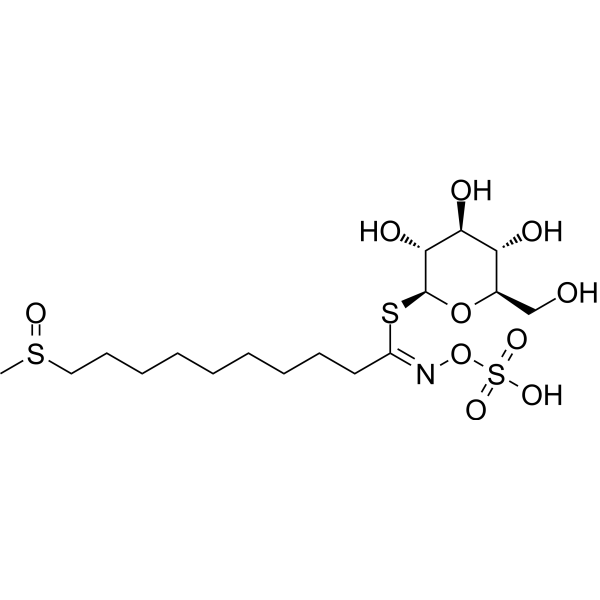
    Cytochrome P450 Quinone Reductase Cancer
    Glucoarabin is a bioactive glucosinolate. In Hepa1c1c7 cells, hydrolyzed Glucoarabin (hGSL 9) upregulates the phase II detoxification enzyme quinone reductase (NQO1), with no effect on cytochrome P450 (CYP) 1A1 activity .
    Glucoarabin
  • HY-N15660

    Keap1-Nrf2 Heme Oxygenase (HO) Cardiovascular Disease Inflammation/Immunology
    Azafrin, a carotenoid, is one of the most abundant active ingredients in C. grandiflora. Azafrin increases HO-1, NQO1, and Nrf2 expression. Azafrin shows cardioprotective effect against myocardial injury via activation of the Nrf2-ARE pathway. Azafrin can be used for research of cardiovascular diseases .
    Azafrin
  • HY-129440R

    Reference Standards PDGFR ERK Caspase NF-κB Toll-like Receptor (TLR) p38 MAPK NO Synthase COX MyD88 Reactive Oxygen Species (ROS) Apoptosis Neurological Disease Metabolic Disease Inflammation/Immunology Cancer
    N-(p-Coumaroyl) Serotonin (Standard) is the analytical standard of N-(p-Coumaroyl) Serotonin (HY-129440). This product is intended for research and analytical applications. N-(p-Coumaroyl) Serotonin is an orally active polyphenol found in safflower seeds with potent anti-inflammatory, antioxidant, and antitumor activities. N-(p-Coumaroyl) Serotonin suppresses NF‑κB, TLR4/MyD88 and MAPK signaling, activates NQO1/HO‑1 pathways, and inhibits pro‑inflammatory cytokines, iNOS and COX‑2 and ROS production. N-(p-Coumaroyl) Serotonin induces S‑phase arrest and apoptosis in glioblastoma cells, reduces atherosclerotic lesions, and alleviates renal and vascular injuries. N-(p-Coumaroyl) Serotonin acts as a vasodilator, regulates calcium dynamics. N-(p-Coumaroyl) Serotonin can be used for the research of neurodegenerative diseases, atherosclerosis, glioblastoma, and acute renal failure .
    N-(p-Coumaroyl) Serotonin (Standard)
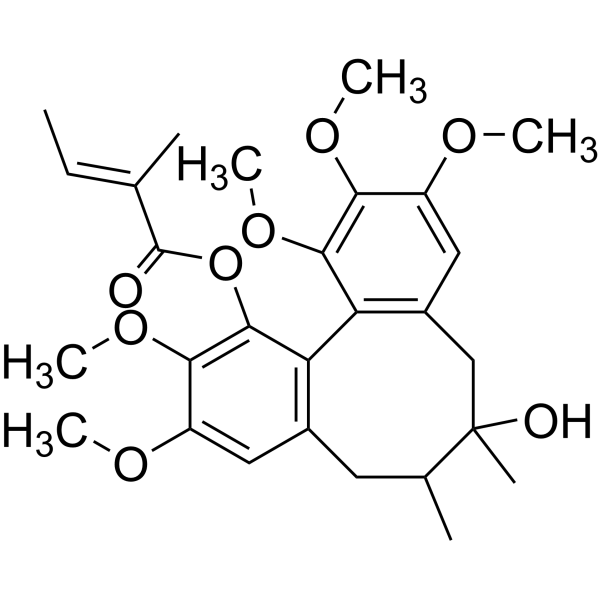
  • HY-N6802

    Keap1-Nrf2 Cancer
    Tigloylgomisin H is a lignan isolated from the fruits of S. chinensis, can induce quinone reductase (QR) activity in Hepa1c1c7 mouse hepatocarcinoma cells. Tigloylgomisin H functions as a monofunctional inducer that specifically upregulates phase II detoxification enzyme NQO1 through the NF-E2-related factor 2 (Nrf2)-ARE pathway, thus represents a potential liver cancer prevention agent .
    Tigloylgomisin H
  • HY-114315

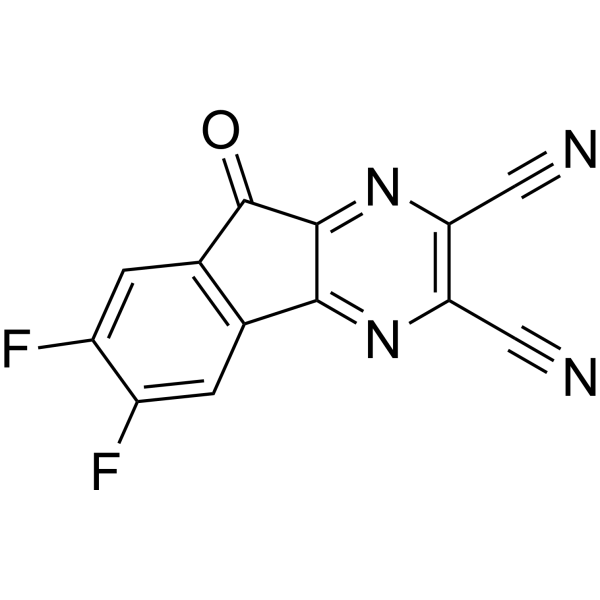
    Quinone Reductase Cancer
    NQO1 substrate acts as an efficient NQO1 substrate and may be a new option for the treatment of NQO1-overexpresssing drug-resistant NSCLC .
    NQO1 substrate
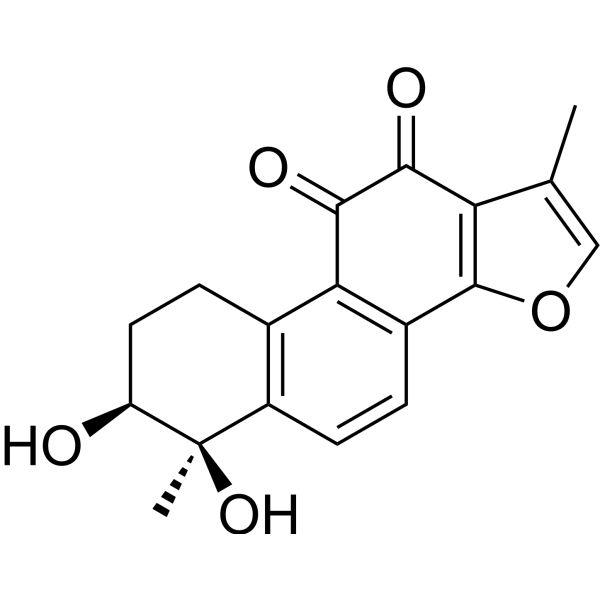
  • HY-123903

    Quinone Reductase Cancer
    Tanshindiol B, a naphthaquinone diterpene, inhibits glioblastoma (GBM) growth by induction of noptosis (NQO1-dependent necrosis) .
    Tanshindiol B
  • HY-77521
    Dabigatran ethyl ester hydrochloride
    1 Publications Verification

    Thrombin Cardiovascular Disease
    Dabigatran ethyl ester hydrochloride is a potent inhibitor of ribosyldihydronicotinamide dehydrogenase (NQO2) with an IC50 value of 0.8 μM and a thrombin inhibitor.
    Dabigatran ethyl ester hydrochloride
  • HY-176757

    NADPH Oxidase Cancer
    N-Benzyl-N-demethylpronqodine A (Compound 16) is an inhibitor of NAD(P)H:quinine acceptor oxidoreductase 1 (NQO1) with an IC50 of 83.3 nM .
    N-Benzyl-N-demethylpronqodine A
  • HY-178774

    Isopentyl-deoxynboquinone

    Quinone Reductase Cancer
    IP-DNQ is an efficient NQO1 dependent cytotoxic agent. IP-DNQ has a potent killing effect on MCF-7 cells (IC50 = 0.18 µM). IP-DNQ can be used for cancer research .
    IP-DNQ
  • HY-145820

    Apoptosis Microtubule/Tubulin Cancer
    Tubulin inhibitor 14 is a potent NQO2 (quinone oxidoreductase 2) inhibitor with an IC50 of 1.0 μM. Tubulin inhibitor 14 also inhibits tubulin polymerization and the formation of endothelial cell capillary-like tubes. Tubulin inhibitor 14 is a microtubule-destabilizing agent with potential tumor-selectivity and antiangiogenic and vascular disrupting features .
    Tubulin inhibitor 14
  • HY-W478741

    Endogenous Metabolite Keap1-Nrf2 NF-κB Metabolic Disease Cancer
    Pyrraline is an Nrf2 pathway activator with antioxidant and anti-inflammatory effects. Pyrraline upregulates antioxidant enzymes such as NAD(P)H dehydrogenase (NQO1) and heme oxygenase-1 (HO-1) via antioxidant response element (ARE) activation, while inhibiting NFκB-mediated inflammation. Pyrraline is promising for research of metabolic disorders (such as diabetic nephropathy) and cancers .
    Pyrraline
  • HY-N16372

    Indoleamine 2,3-Dioxygenase (IDO) Quinone Reductase Reactive Oxygen Species (ROS) Inflammation/Immunology
    Pronqodine A is an Indoleamine 2,3-Dioxygenase (IDO) inhibitor, with an IC50 of 131.5 nM. Pronqodine A inhibits bradykinin-induced release of PGE2, 6-keto-prostaglandin F, PGD2 and induces the production of reactive oxygen species (ROS) in human synovial sarcoma SW982 cells. Pronqodine A is a good substrate for human quinone reductase NQO1. Pronqodine A can be used for the study of inflammation .
    Pronqodine A
  • HY-171035

    Quinone Reductase Keap1-Nrf2 Aminotransferases (Transaminases) Metabolic Disease
    PRL-295 is an orally active inhibitor targeting Keap1-Nrf2 interaction. PRL-295 increases the thermal stability of Keap1 and disrupts its interaction with Nrf2, thereby activating the Nrf2-dependent transcriptional target NAD(P)H:quinone oxidoreductase 1 (NQO1). PRL-295 protects against Acetaminophen (HY-66005)-induced liver injury in mice .
    PRL-295
  • HY-N15190

    Quinone Reductase Keap1-Nrf2 Reactive Oxygen Species (ROS) Neurological Disease
    Sesaminol is an orally active activator for Nrf2-ARE pathway, that promotes the the nuclear translocation of Nrf2 and enhances the NQO1 expression, thereby enhances the cell's defense against oxidative stress. Sesaminol inhibits 6-OHDA (HY-B1081)-induced ROS production and apoptosis in cell SH-SY5Y. Sesaminol exhibits neuroprotective efficacy against Rotenone (HY-B1756)-induced Parkinson's disease .
    Sesaminol
  • HY-178451

    Apoptosis Cancer
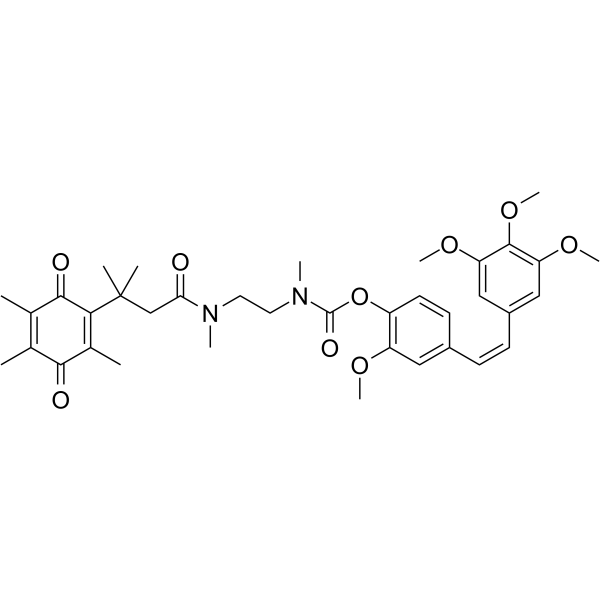
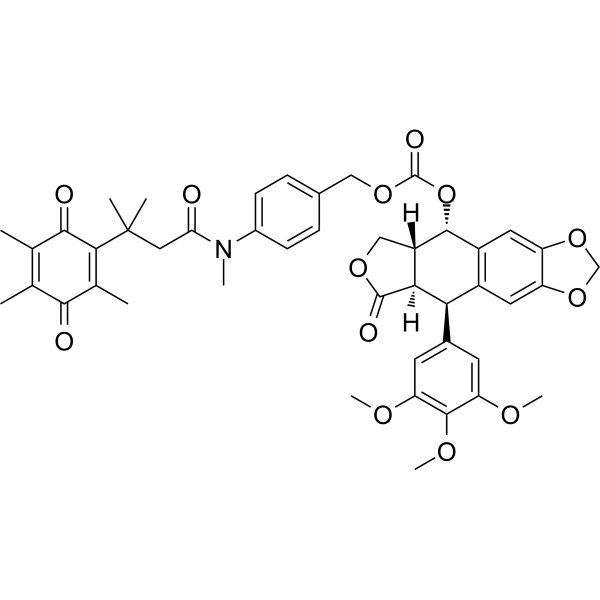
    NQO1-responsive prodrug is a prodrug of Gemcitabine (dFdC) (HY-17026) with anti-cancer effect. NQO1-responsive prodrug remains stable in plasma and liver/intestinal S9 fractions, releasing dFdC in an NQO1-dependent manner. NQO1-responsive prodrug induces S-phase arrest and apoptosis. NQO1-responsive prodrug inhibits tumor growth in an A549 xenograft mouse model. NQO1-responsive prodrug can be used for breast and non-small cell lung cancer (NSCLC) research .
    NQO1-responsive prodrug
  • HY-N1970R

    Reference Standards Keap1-Nrf2 Caspase PARP Fungal Infection Neurological Disease Metabolic Disease Inflammation/Immunology Cancer
    5,7-Dihydroxychromone (Standard) is the analytical standard of 5,7-Dihydroxychromone (HY-N1970). This product is intended for research and analytical applications. 5,7-Dihydroxychromone is a flavonoid compound with antioxidant properties. 5,7-Dihydroxychromone induces Nrf2 nuclear translocation, increases Nrf2/ARE binding activity, and up-regulates Nrf2-dependent antioxidant genes HO-1, NQO1, GCLc. 5,7-Dihydroxychromone attenuates excessive ROS generation, inhibits activated caspase-3, caspase-9, cleaved PARP expression, and prevents neuronal apoptosis and cell death. 5,7-Dihydroxychromone increases LXRα and PPARγ mRNA expression, induces preadipocyte differentiation, and regulates blood glucose levels. 5,7-Dihydroxychromone inhibits radial growth of soil pathogenic fungi, radicle elongation of select seedlings, and transiently inhibits Bradyrhizobium sp. growth in high mannitol medium. 5,7-Dihydroxychromone can be used for the research of Parkinson’s disease, type 2 diabetes mellitus and pathogenic fungal infection .
    5,7-Dihydroxychromone (Standard)
  • HY-176720

    Quinone Reductase Metabolic Disease
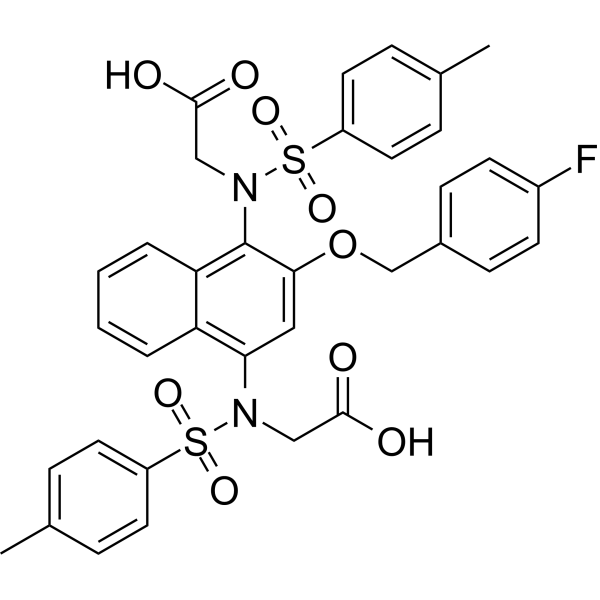
    NQO1 inducer 1 (Compound 20) is a potent NQO1 inducer (CD=3 μM). NQO1 inducer 1 is a promising antioxidant that can be used for the research of redox-modulating .
    NQO1 inducer 1
  • HY-RS22982

    Small Interfering RNA (siRNA) Quinone Reductase Others

    Nqo1 Rat Pre-designed siRNA Set A contains three designed siRNAs for Nqo1 gene (Rat), as well as a negative control, a positive control, and a FAM-labeled negative control.

    Nqo1 Rat Pre-designed siRNA Set A
    Nqo1 Rat Pre-designed siRNA Set A
  • HY-RS16549

    Small Interfering RNA (siRNA) Quinone Reductase Others

    Nqo1 Mouse Pre-designed siRNA Set A contains three designed siRNAs for Nqo1 gene (Mouse), as well as a negative control, a positive control, and a FAM-labeled negative control.

    Nqo1 Mouse Pre-designed siRNA Set A
    Nqo1 Mouse Pre-designed siRNA Set A
  • HY-RS09524

    Small Interfering RNA (siRNA) Others

    NQO2 Human Pre-designed siRNA Set A contains three designed siRNAs for NQO2 gene (Human), as well as a negative control, a positive control, and a FAM-labeled negative control.

    NQO2 Human Pre-designed siRNA Set A
    NQO2 Human Pre-designed siRNA Set A
  • HY-150971

    Pyroptosis Cancer
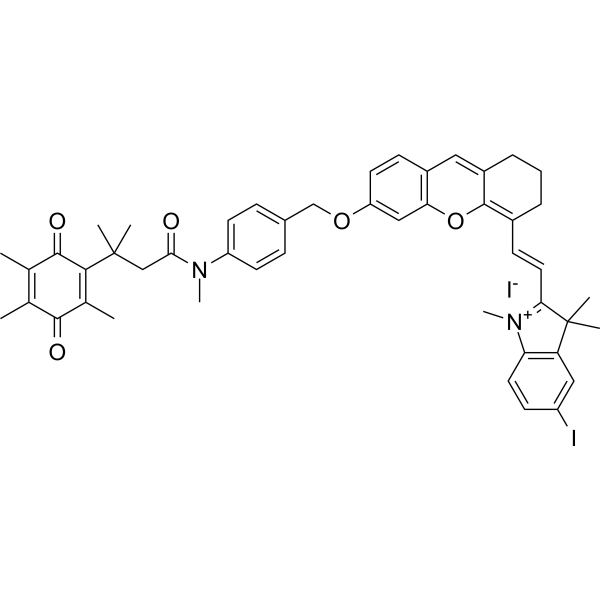
    ICy-Q is a quinone oxidoreductase 1 (NQO-1)-activated near-infrared (NIR) reagent which can react with NQO-1 to release the reduction product ICy-OH. ICy-OH selectively induces pancreatic cancer cell death through the pyroptosis pathway. ICy-Q can be used as an effective tool for rapid and accurate diagnosis of intraoperative pathological sections .
    ICy-Q
  • HY-146048

    Apoptosis Reactive Oxygen Species (ROS) Cancer
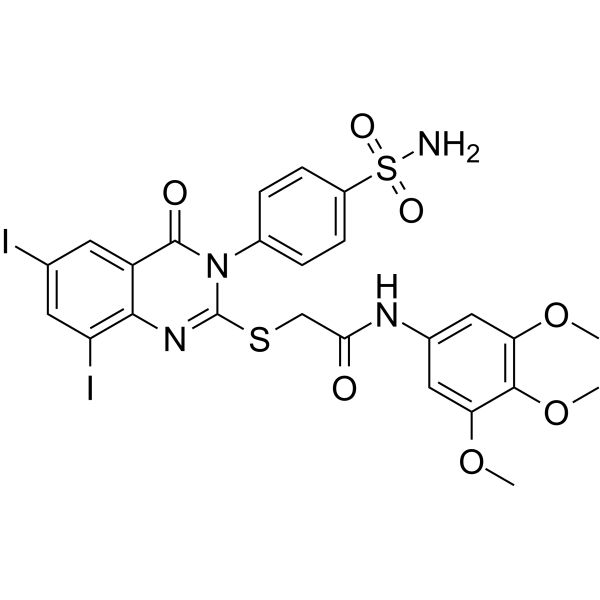
    Antitumor agent-57 (Compound 3o) is an NQO1-directed antitumor agent. Antitumor agent-57 inhibits tumor cell growth, triggers ROS generation and induces cell apoptosis .
    Antitumor agent-57
  • HY-167694

    Quinone Reductase Cancer
    Antiproliferative agent-62 (compound 5) is a functionalized benzylidene-indolin-2-one with notable antiproliferative activity and NQO1 activity induciton funciton, particularly in inducing NQO1 expression in murine Hepa1c1c7 cells and demonstrating effectiveness against human cancer cell lines, including MCF-7 and HCT116.
    Antiproliferative agent-62
  • HY-169842

    Quinone Reductase Cancer
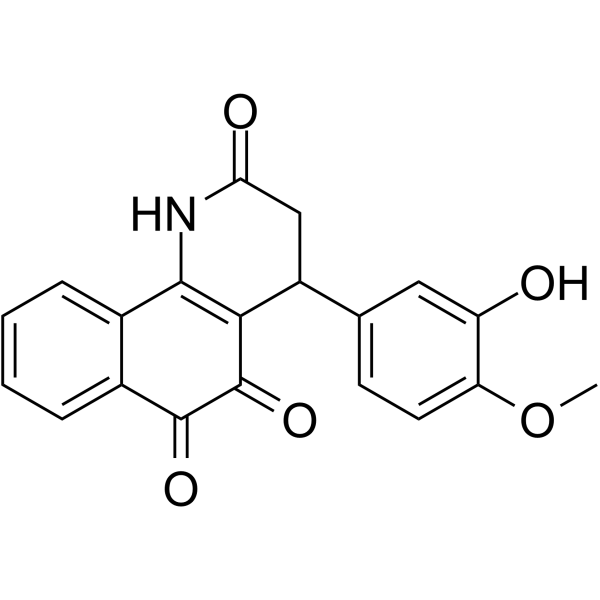
    NSC 645827 is an inhibitor for NAD(P)H: quinone oxidoreductase 1 (NQO1) with an IC50 of 0.7 μM .
    NSC 645827

Inquiry Online

Your information is safe with us. * Required Fields.

Salutation


Country or Region *

Applicant Name *


Organization Name *

Department *


Email Address *


Product Name *

Cat. No.


Requested quantity *

Phone Number *


Remarks

Inquiry Online

Inquiry Information

Product Name:
Cat. No.:
Quantity:
MCE Japan Authorized Agent: