



Nitrochin
Based on 3 publication(s) in Google Scholar
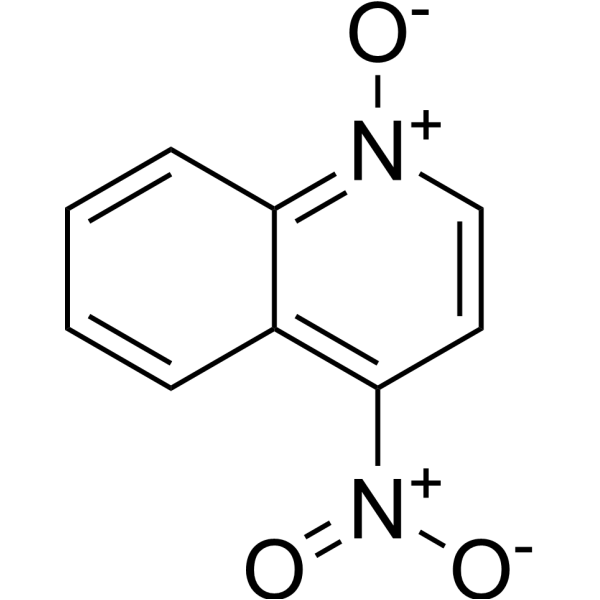
Nitrochin (4-NQO) is a chemical carcinogen. Nitrochin induces oncostatin-M (OSM) in esophageal cells. Nitrochin induces DNA damage, and induces apoptosis via a p53-dependent mitochondrial signaling pathway.
For research use only. We do not sell to patients.
- Purity : 99.92%
- CAS No.: 56-57-5
- Formula: C9H6N2O3
- Molecular Weight:190.16
-
Storage:
4°C, protect from light
* In solvent : -80°C, 6 months; -20°C, 1 month (protect from light)

To place orders, for customer services and technical support, please contact: MedChemExpress USA
Tel: 609-228-6898 E-mail: [email protected] [email protected]


-
 Biological Activity
-
Chemical Information
-
Solvent & Solubility
- Protocols
- Purity & Documentation
- References
-
 Help & FAQs


-
HY-13259
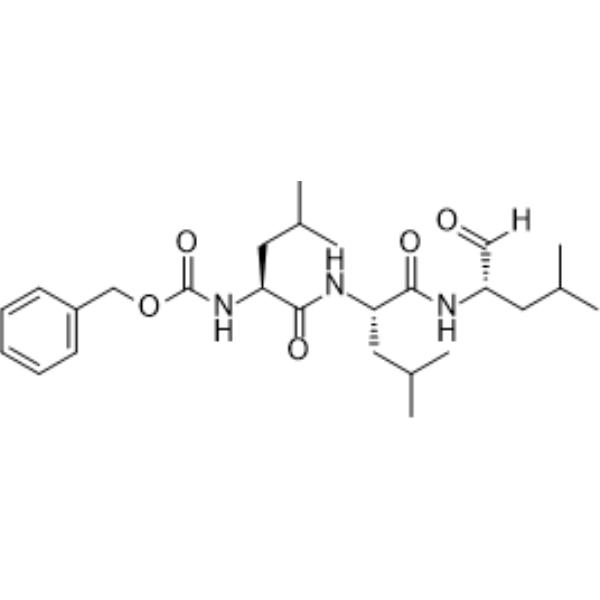
MG-132Proteasome Inhibitor -
HY-W004702
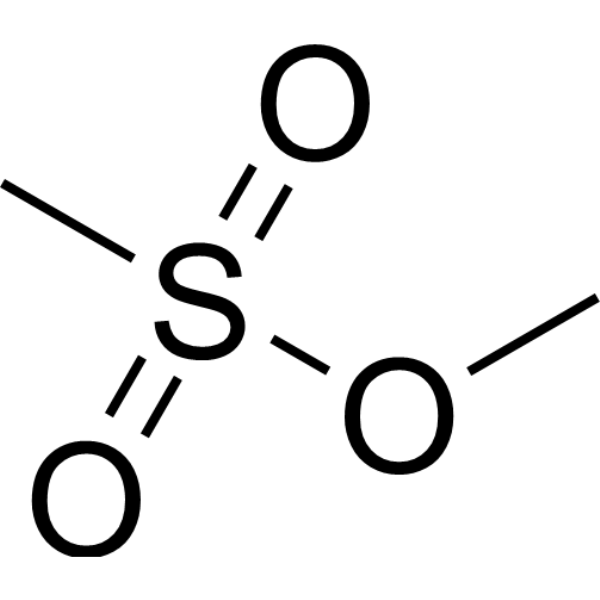
Methyl methanesulfonateDNA Alkylator -
HY-17394
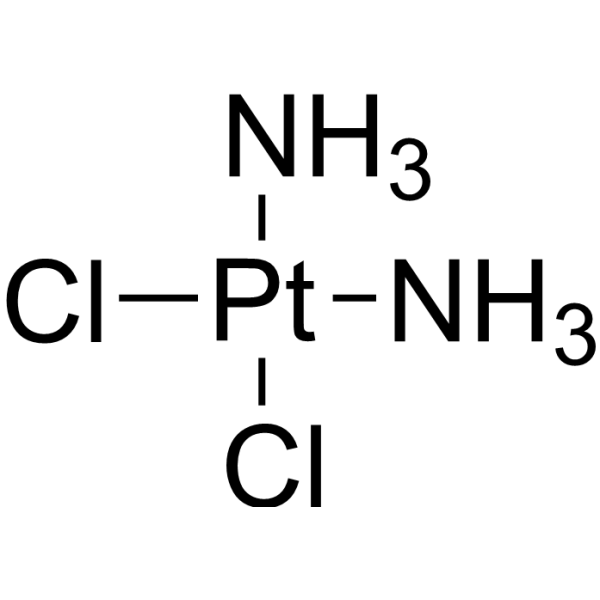
CisplatinDNA Alkylator -
HY-10162
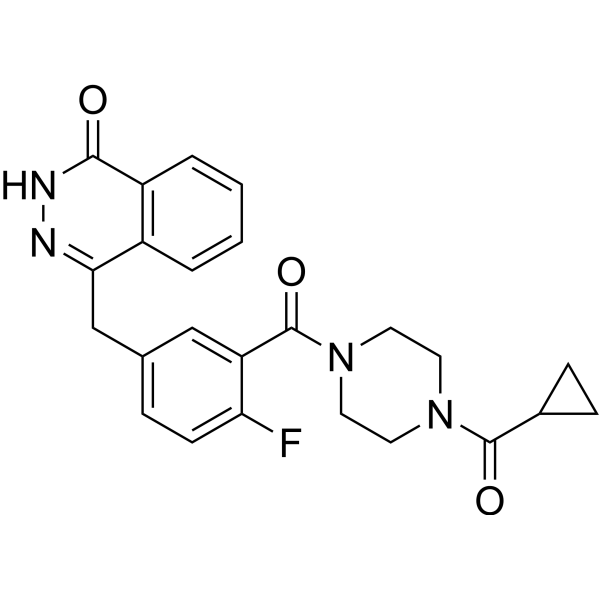
OlaparibPARP Inhibitor -
HY-17026
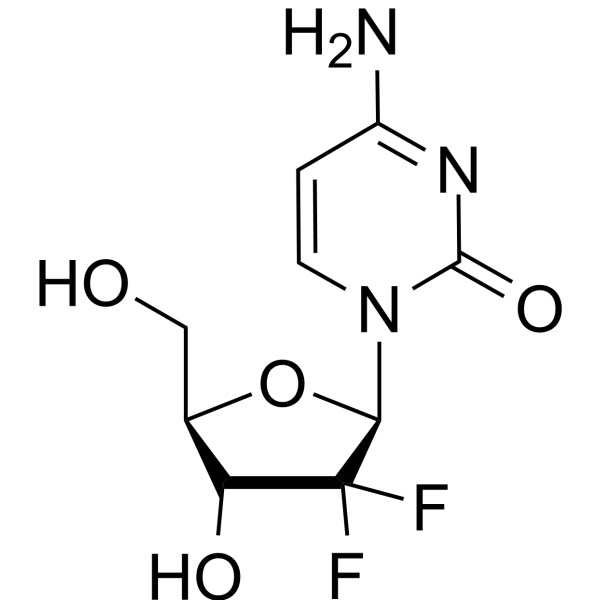
GemcitabineDNA Synthesis Inhibitor -
HY-17565
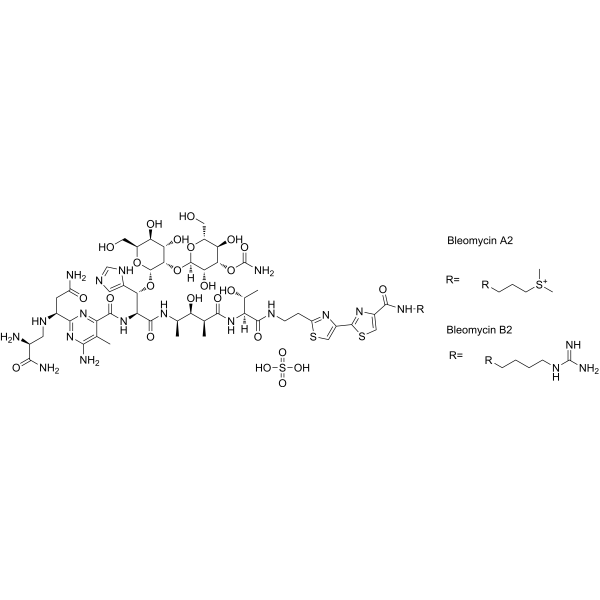
Bleomycin sulfateDNA Synthesis Inhibitor -
HY-128612
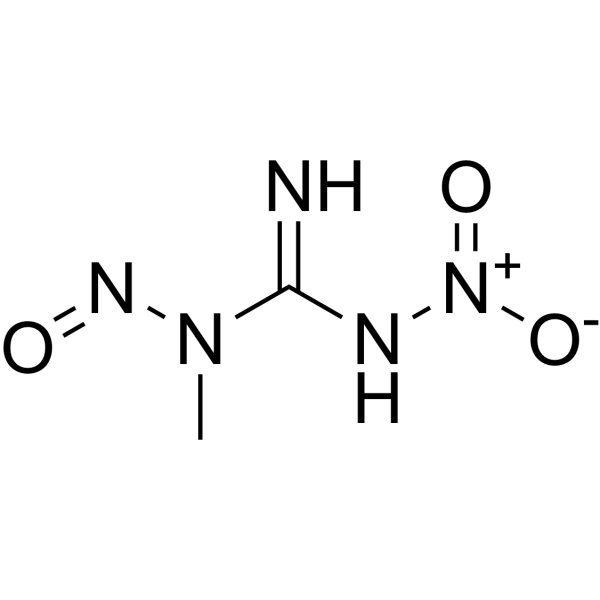
MethylnitronitrosoguanidineAlkylating Agent -
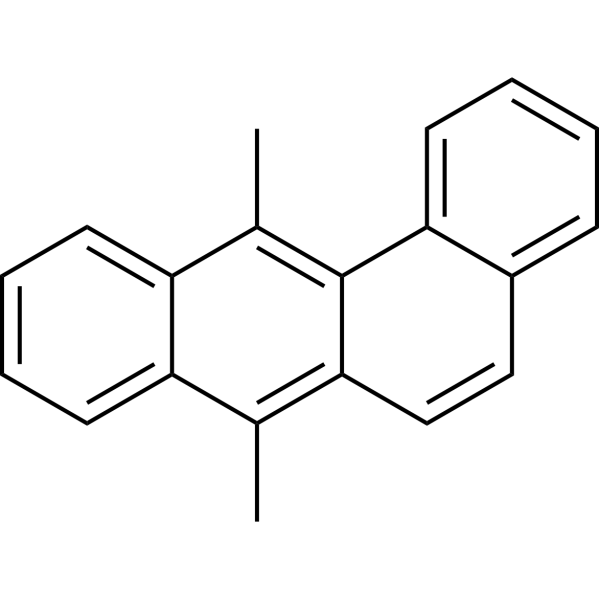
HY-W011845
DMBA -
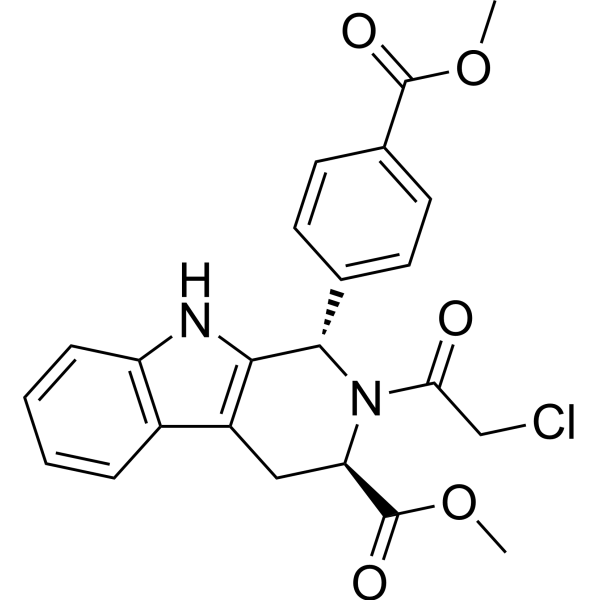
HY-100218A
RSL3GPX4 Inhibitor -
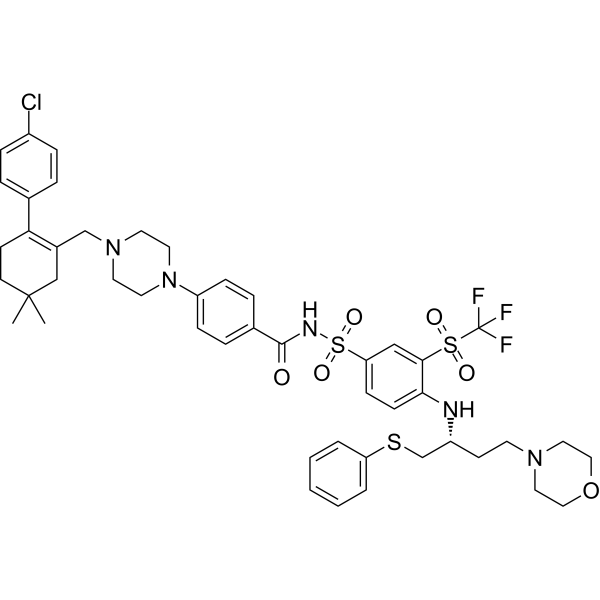
HY-10087
NavitoclaxBcl-2 Inhibitor -
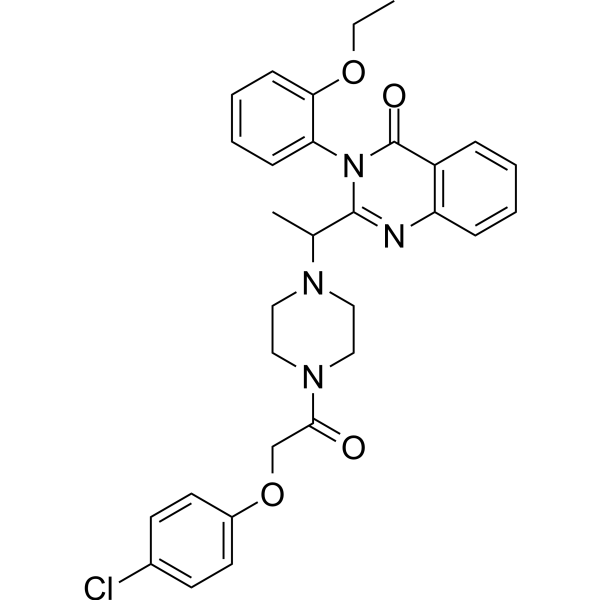
HY-15763
ErastinFerroptosis Inducer -
HY-70062
PevonedistatNAE Inhibitor
Publications Citing Use of MedChemExpress (MCE) Nitrochin
More Customer Validation & Images

-
Histological Imaging/Staining
-
WB
-
In Vivo Efficacy Study
-
Histological Imaging/Staining
-
In Vivo Efficacy Study
All DNA/RNA Synthesis Isoforms
More

Biological Activity
Description
Cellular Effect
|
Cell Line

|
Type | Value | Description | References |
|---|---|---|---|---|
| CHO-AA8 | IC50 |
0.33 nM
Compound: 4NQO
|
Inhibitory activity of compound for AA8 cells to reduce cell density by 50% (exposed to compound for 4 hours)
Inhibitory activity of compound for AA8 cells to reduce cell density by 50% (exposed to compound for 4 hours)
|
[PMID: 2909741] |
In Vitro
Nitrochin (4-NQO) (100 μg/mL; treated for 4 days) is used to treat normal human esophageal tissue. The results show that the number of senescent cells positive for oncostatin-M (OSM) in the treated tissue increases, the expression of OSM and its downstream target Stat3 significantly increases, while the expression of OSMR shows no change after treatment[1].
Nitrochin (0.4-6 μM; 12-72 h) decreases the viability of KB cells in a time- and dose-dependent manner[1].
Nitrochin (0.5-2.0 μM; treated for 12 hours) is used to treat KB cells. The results show that the apoptotic rate of cells gradually increases with the increase of Nitrochin dosage, and the cell viability decreases in a dose-dependent manner[2].
Nitrochin (2.0 μM; 2-12 h) shows that the expression level of p53 in KB cells increases significantly. The expression of Bax gradually increases, while the expression of Bcl-2 continuously decreases. The activities of caspase-9 and caspase-3 are enhanced. The activity of caspase-3 reaches the maximum at 6 h and then decreases to some extent. DNA fragmentation starts at 6 h. The cell cycle is arrested in the G1 phase, and the expression level of p21Waf1/Cip1 gradually increases with the treatment time[2].
MedChemExpress (MCE) has not independently confirmed the accuracy of these methods. They are for reference only.
-
Cell Line:KB cells
-
Concentration:0.4 μM, 0.6 μM, 1 μM, 2 μM, 4 μM, 6 μM
-
Incubation Time:12 h, 24 h, 48 h, 72 h
-
Result:The viability of KB cells was decreased in a dose-dependent manner.
-
Cell Line:KB cells
-
Concentration:0.5 μM, 1.0 μM, 2.0 μM
-
Incubation Time:12 h
-
Result:The apoptotic percentage of KB cells enhanced gradually along with the increase dosage.
-
Cell Line:KB cells
-
Concentration:2 μM
-
Incubation Time:2 h, 8 h, 12 h
-
Result:Induced cell cycle arrest of KB cells in G1 phase.
-
Cell Line:KB cells
-
Concentration:2 μM
-
Incubation Time:2 h, 8 h, 12 h
-
Result:The expression level of p21Waf1/Cip1 was progressively increased.
-
Cell Line:KB cells
-
Concentration:2 μM
-
Incubation Time:2 h, 8 h, 12 h
-
Result:Increased the expression level of p53 and Bax, and decreased the expression level of Bcl-2.
In Vivo
MedChemExpress (MCE) has not independently confirmed the accuracy of these methods. They are for reference only.
-
Animal Model:C57BL/6J, p16+LUC, tdTOMp16+, K14E7Fancd2-/-, C57BL/6 Gfp+ mice[1]
-
Dosage:100 μg/mL; 10 μg/mL (for K14E7Fancd2-/- mice due to toxicity)
-
Administration:Drinking water; continuously for 16 weeks
-
Result:Luciferase positive senescent cells were detected in the esophagus, particularly at the gastrointestinal junction. And esophageal cancer was detected in the same regions where senescent cells were identified.
Induced Disease Models
Note:
Please do not refer to only one article to determine the experimental conditions. It is recommended to determine the optimal experimental conditions (animal strain, age, dosage, frequency and cycle, detection time and indicators, etc.) through preliminary experiments before the formal experiment.
Nitrochin (200 μg/mL) induces oral squamous cell carcinoma (OSCC) in mice. An 8-week exposure yields tumors in 57% of mice by week 20, an effect boosted to 100% by Arecoline co-administration[3][4].A 20-week exposure drives universal and aggressive disease: tumors and lymph node enlargement emerge from week 25, with metastasis confirmed by weeks 28-36, culminating in 100% incidence of both primary and metastatic cancer by weeks 33-40[6].
In Wistar rats, a 20-week oral exposure to Nitrochin (50 ppm) is required to induce invasive tongue squamous cell carcinoma, achieving a 70% success rate[5].
Nitrochin (100 μg/mL) induces esophageal carcinogenesis in mice after a 16-week exposure[6][7][8].
Administration: Nitrochin (200 μg/mL) combined with Arecoline (500 μg/mL) • p.o. • dissolves in drinking water and can be consumed freely for 8 weeks
2.Mice: C57BL/6JNarl mice • male • 6-week-old
Administration: Nitrochin (200 μg/mL) • p.o. • dissolves in drinking water and can be consumed freely for 8 weeks;
Histology analysis: Lesions included squamous hyperplasia, dysplasia, and squamous cell carcinoma (SCC) (HE staining), Cytokeratin positive in tumor cells (Immunohistochemistry)
Administration: 50 ppm in drink water • p.o. • for 20 weeks;
Administration: 100 μg/mL • p.o. • dissolves in drinking water and can be consumed freely for 16 weeks; then maintained on control water for 12 weeks;
2.Mice: C57BL/6J mice • female • 6-8-week-old
Administration: 100 μg/mL • p.o. • dissolves in drinking water and can be consumed freely for 16 weeks; followed by drinking water containing 20% (v/v) ethanol for 12 weeks
3.Mice: BALB/c mice • male • 6-week-old
Administration: Nitrochin (200 μg/mL) • p.o. • dissolves in drinking water and can be consumed freely for 20 weeks
MedChemExpress (MCE) has not independently confirmed the accuracy of these methods. They are for reference only.


Chemical Information
-
CAS No. 56-57-5
-
Appearance Solid
-
Molecular Weight 190.16
-
Formula C9H6N2O3
-
Color Light yellow to yellow
-
SMILES
O=[N+](C1=C2C=CC=CC2=[N+]([O-])C=C1)[O-]
-
Synonyms
4-NQO
-
Shipping
Room temperature in continental US; may vary elsewhere.
-
Storage
4°C, protect from light
* In solvent : -80°C, 6 months; -20°C, 1 month (protect from light)


Publications (3)
-
Journal Impact Factor
-
Most Recent
-
J Nanobiotechnology
Unveiling new therapeutic targets for esophageal cancer treatment through single-cell transcriptomics: pH-responsive nanobubbles enhance the efficacy of 125I radiotherapy. [Abstract]2025 Jul 15;23(1):515. PMID: 40665303 -
J Nanobiotechnology
CXCL12-targeting siRNA nanoparticles alleviate immunosuppression and inhibit tumor progression in esophageal squamous cell carcinoma. [Abstract]2025 Jul 16;23(1):519. PMID: 40671009
Nitrochin purchased from MedChemExpress. Usage Cited in: J Nanobiotechnology. 2025 Jul 16;23(1):519. [Abstract]
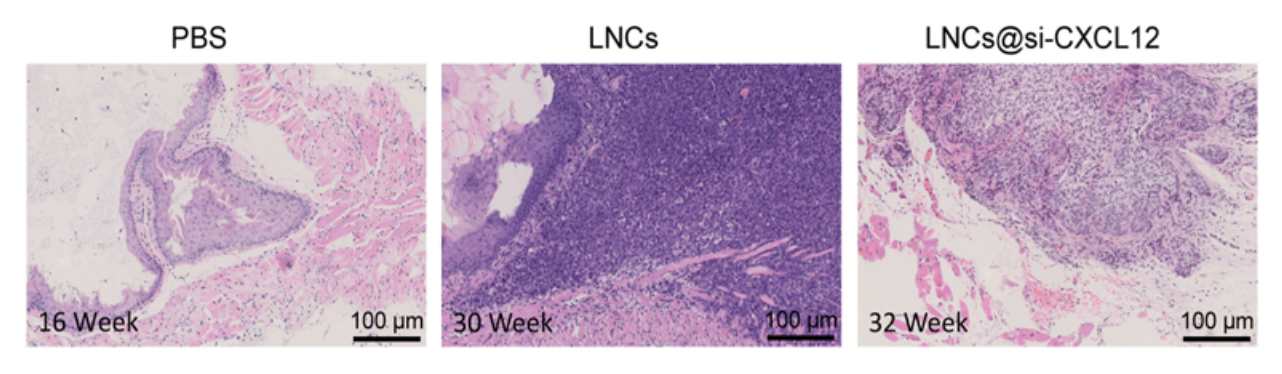
The ESCC mouse model was induced by feeding with Nitrochin (4-NQO) (drinking water; 100 μg/mL; 16 weeks). H&E-stained images of esophageal tissues from mice at 16, 30, and 32 weeks during the modeling period were obtained. By the 30th week, the esophageal epithelial structure became disordered, with cellular atypia, indicating the formation of intraepithelial neoplasia.
Nitrochin purchased from MedChemExpress. Usage Cited in: J Nanobiotechnology. 2025 Jul 16;23(1):519. [Abstract]
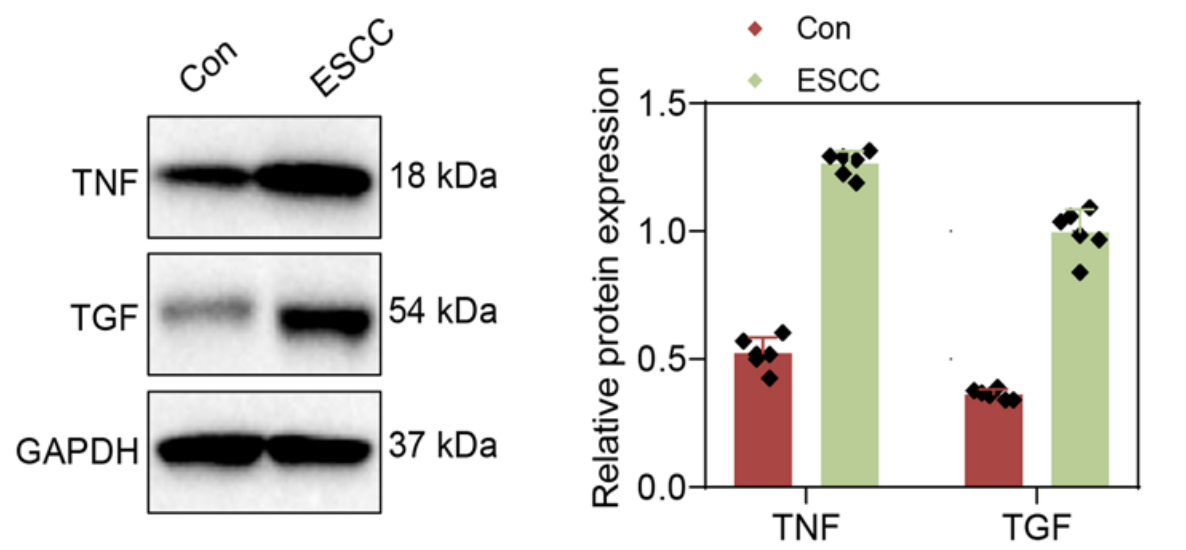
Western blot analysis of fibrosis-related proteins in mouse tumor tissues. Expression of fibrosis-associated proteins in the ESCC group fed with Nitrochin (4-NQO) (drinking water; 100 μg/mL; 16 weeks) increased.
-
J Exp Clin Cancer Res
Copy number amplification of TTPAL promotes cholesterol biosynthesis and esophageal squamous cell carcinoma progression via elevating NSUN2-mediated m5C modification of SREBP2 mRNA. [Abstract]2025 Jul 26;44(1):220. PMID: 40713894
Nitrochin purchased from MedChemExpress. Usage Cited in: J Exp Clin Cancer Res. 2025 Jul 26;44(1):220. [Abstract]
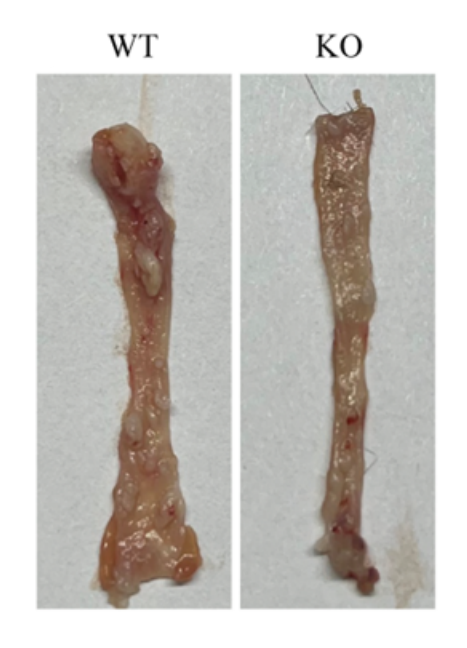
Nitrochin (4-NQO) (100 μg/mL; drinking water; 16 weeks). Representative images of the esophagus in Nitrochin (4NQO)-induced WT and Ttpal-KO mice.
Nitrochin purchased from MedChemExpress. Usage Cited in: J Exp Clin Cancer Res. 2025 Jul 26;44(1):220. [Abstract]
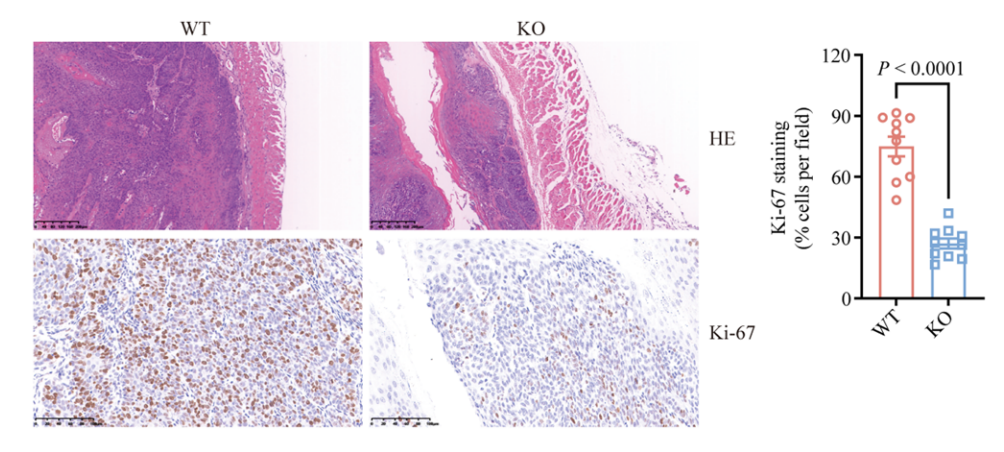
Representative images of H&E-stained esophageal sections demonstrating morphological alterations, representative images of Ki-67 immunohistochemical and analysis revealing epithelial cell proliferation patterns. WT mice exhibited more advanced esophageal tumor stages than Ttpal-KO mice following Nitrochin (4-NQO) (100 μg/mL; drinking water; 16 weeks).
Nitrochin purchased from MedChemExpress. Usage Cited in: J Exp Clin Cancer Res. 2025 Jul 26;44(1):220. [Abstract]
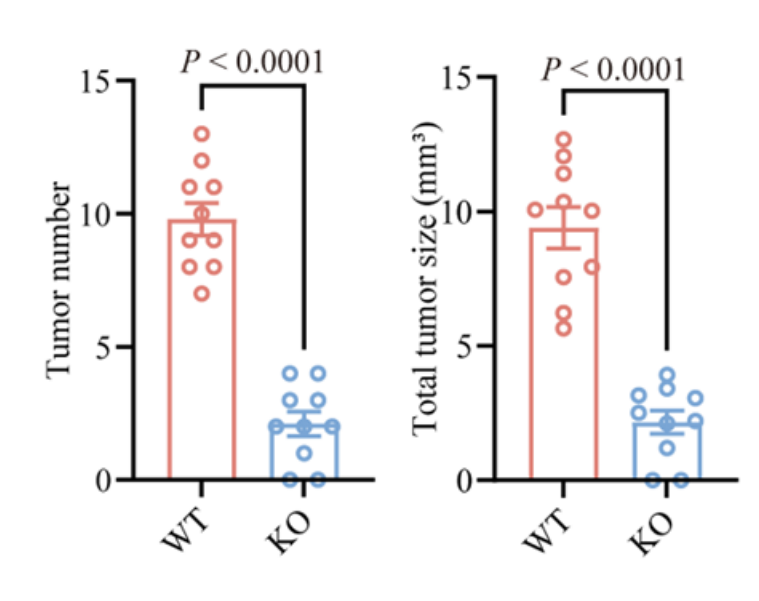
Nitrochin (4-NQO) (100 μg/mL; drinking water; 16 weeks). Tumor number and tumor size of esophagus in 4NQO-induced WT and Ttpal-KO mice.


Solvent & Solubility
In Vitro:
DMSO : 40 mg/mL (210.35 mM; ultrasonic and warming and heat to 60°C; Hygroscopic DMSO has a significant impact on the solubility of product, please use newly opened DMSO)
Please refer to the solubility information to select the appropriate solvent. Once prepared, please aliquot and store the solution to prevent product inactivation from repeated freeze-thaw cycles.
Storage method and period of stock solution: -80°C, 6 months; -20°C, 1 month (protect from light). When stored at -80°C, please use it within 6 months. When stored at -20°C, please use it within 1 month.
Please refer to the solubility information to select the appropriate solvent. Once prepared, please aliquot and store the solution to prevent product inactivation from repeated freeze-thaw cycles.
Storage method and period of stock solution: -80°C, 6 months; -20°C, 1 month (protect from light). When stored at -80°C, please use it within 6 months. When stored at -20°C, please use it within 1 month.
Concentration (start) × Volume (start) = Concentration (final) × Volume (final)
In Vivo:
Select the appropriate dissolution method based on your experimental animal and administration route.
- For the following dissolution methods, please ensure to first prepare a clear stock solution using an In Vitro approach and then sequentially add co-solvents:
- To ensure reliable experimental results, the clarified stock solution can be appropriately stored based on storage conditions. As for the working solution for In Vivo experiments, it is recommended to prepare freshly and use it on the same day.
- The percentages shown for the solvents indicate their volumetric ratio in the final prepared solution. If precipitation or phase separation occurs during preparation, heat and/or sonication can be used to aid dissolution.
Add each solvent one by one: 10% DMSO 40% PEG300 5% Tween-80 45% Saline
Solubility: ≥ 2.5 mg/mL (13.15 mM); Clear solution
This protocol yields a clear solution of ≥ 2.5 mg/mL (saturation unknown).
Taking 1 mL working solution as an example, add 100 μL DMSO stock solution (25.0 mg/mL) to 400 μL PEG300, and mix evenly; then add 50 μL Tween-80 and mix evenly; then add 450 μL Saline to adjust the volume to 1 mL.
Preparation of Saline: Dissolve 0.9 g sodium chloride in ddH₂O and dilute to 100 mL to obtain a clear Saline solution.
In Vivo Dissolution Calculator
Please enter the basic information of animal experiments:
-
-
-
-
Recommended: Prepare an additional quantity of animals to account for potential losses during experiments.
Please enter your animal formula composition:
-
%DMSO +
Recommended: Keep the proportion of DMSO in working solution below 2% if your animal is weak.
-
%+
-
+%Tween-80 + +
-
%Saline +
The co-solvents required include: DMSO, . All of co-solvents are available by MedChemExpress (MCE). , Tween 80. All of co-solvents are available by MedChemExpress (MCE).
Working solution concentration: 0.22 mg/mL
Method for preparing stock solution: mg drug dissolved in μL DMSO. Stock solution concentration: mg/mL. * In solvent : -80°C, 6 months; -20°C, 1 month (protect from light)
1. Take μL DMSO stock solution;
2. Add μL .
μL , mix evenly;
3. Then add μL Tween 80, mix evenly;
4. Then add μL
Please ensure that the stock solution in the first step is dissolved to a clear state, and add co-solvents in sequence. You can use ultrasonic heating (ultrasonic cleaner, recommended frequency 20-40 kHz), vortexing, etc. to assist dissolution.


Purity & Documentation
-
Data Sheet (295 KB)
-
SDS (480 KB)
- English - EN (480 KB)
- Français - FR (480 KB)
- Deutsch - DE (480 KB)
- Norwegian - NO (480 KB)
- Español - ES (480 KB)
- Swedish - SV (480 KB)
- Italian - IT (480 KB)
- Korean - KR (480 KB)
- Portuguese - PT (480 KB)
-
Handling Instructions (2659 KB)
References
[1]. Mukherjee A, et al. Carcinogen 4-Nitroquinoline Oxide (4-NQO) Induces Oncostatin-M (OSM) in Esophageal Cells. In Vivo. 2023 Mar-Apr;37(2):506-518. [Content Brief]
[2]. Han H, et al. 4-NQO induces apoptosis via p53-dependent mitochondrial signaling pathway. Toxicology. 2007 Feb 12;230(2-3):151-63. [Content Brief]
[3]. Zigmundo GCO, et al. 4-nitroquinoline-1-oxide (4NQO) induced oral carcinogenesis: A systematic literature review. Pathol Res Pract. 2022 Aug;236:153970. [Content Brief]
[4]. Chang NW, et al. Co-treating with arecoline and 4-nitroquinoline 1-oxide to establish a mouse model mimicking oral tumorigenesis. Chem Biol Interact. 2010 Jan 5;183(1):231-7. [Content Brief]
[6]. Li J, et al. Development of a 4-nitroquinoline-1-oxide model of lymph node metastasis in oral squamous cell carcinoma. Oral Oncol. 2013 Apr;49(4):299-305. [Content Brief]
[7]. Aziz Z, et al. A method for scoring 4-nitroquinoline 1-oxide-induced murine esophageal squamous neoplasia. Vet Pathol. 2023 May;60(3):384-393. [Content Brief]
[8]. Ming Huang, et al. thanol exposure exacerbates 4-nitroquinoline-1-oxide induced esophageal carcinogenesis and induces invasive carcinoma with muscularis propria infiltration in a mouse model. Toxicol Appl Pharmacol. 2024 Aug. [Content Brief]


Complete Stock Solution Preparation Table
Please refer to the solubility information to select the appropriate solvent. Once prepared, please aliquot and store the solution to prevent product inactivation from repeated freeze-thaw cycles.
Storage method and period of stock solution: -80°C, 6 months; -20°C, 1 month (protect from light). When stored at -80°C, please use it within 6 months. When stored at -20°C, please use it within 1 month.
| Optional Solvent | Concentration Solvent Mass | 1 mg | 5 mg | 10 mg | 25 mg |
|---|---|---|---|---|---|
| DMSO | 1 mM | 5.2587 mL | 26.2936 mL | 52.5873 mL | 131.4682 mL |
| 5 mM | 1.0517 mL | 5.2587 mL | 10.5175 mL | 26.2936 mL | |
| 10 mM | 0.5259 mL | 2.6294 mL | 5.2587 mL | 13.1468 mL | |
| 15 mM | 0.3506 mL | 1.7529 mL | 3.5058 mL | 8.7645 mL | |
| 20 mM | 0.2629 mL | 1.3147 mL | 2.6294 mL | 6.5734 mL | |
| 25 mM | 0.2103 mL | 1.0517 mL | 2.1035 mL | 5.2587 mL | |
| 30 mM | 0.1753 mL | 0.8765 mL | 1.7529 mL | 4.3823 mL | |
| 40 mM | 0.1315 mL | 0.6573 mL | 1.3147 mL | 3.2867 mL | |
| 50 mM | 0.1052 mL | 0.5259 mL | 1.0517 mL | 2.6294 mL | |
| 60 mM | 0.0876 mL | 0.4382 mL | 0.8765 mL | 2.1911 mL | |
| 80 mM | 0.0657 mL | 0.3287 mL | 0.6573 mL | 1.6434 mL | |
| 100 mM | 0.0526 mL | 0.2629 mL | 0.5259 mL | 1.3147 mL |


Nitrochin Related Classifications
HY-33354 Related Classifications
 Powered by Bioz